1980s Shows that Are Ready for a Reboot

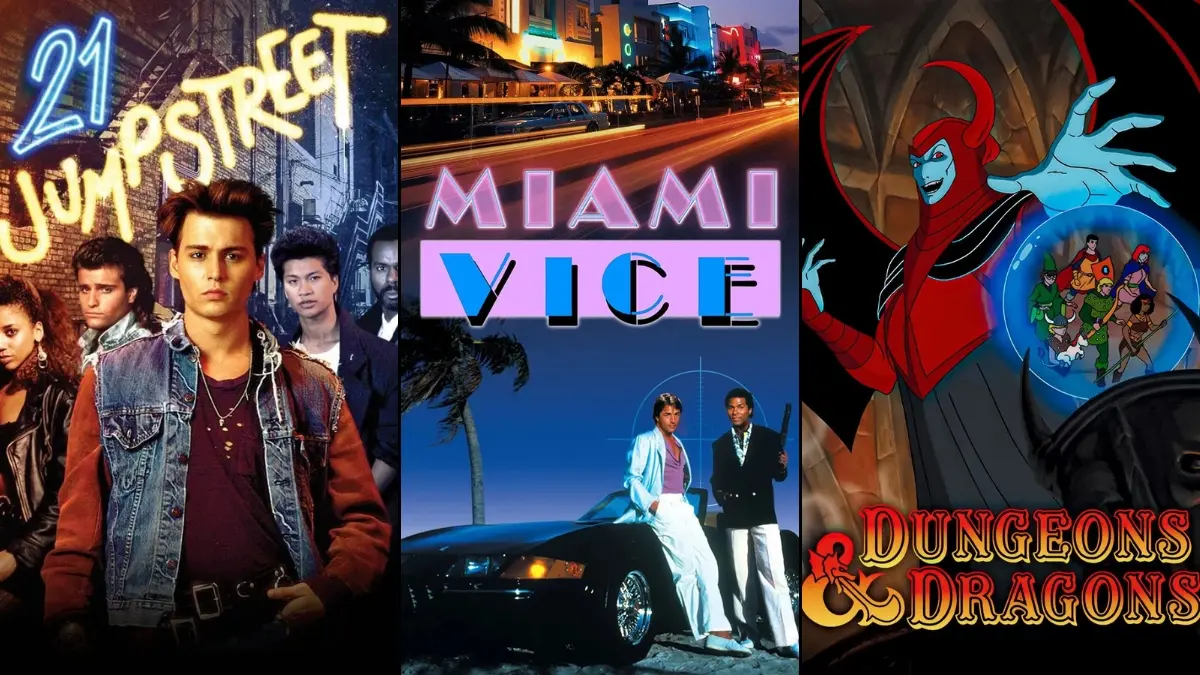

The 1980s delivered a wave of series that blended high-concept premises with memorable characters, catchy themes, and unmistakable style. From glossy crime dramas to buddy comedies and quirky sci-fi, these shows built devoted followings and left behind worlds rich with hooks, formats, and lore. Here are forty titles from that decade with clear premises, iconic leads, and built-in audiences that make them ripe for modern production, updated tech, and fresh casts.
‘Miami Vice’ (1984–1990)
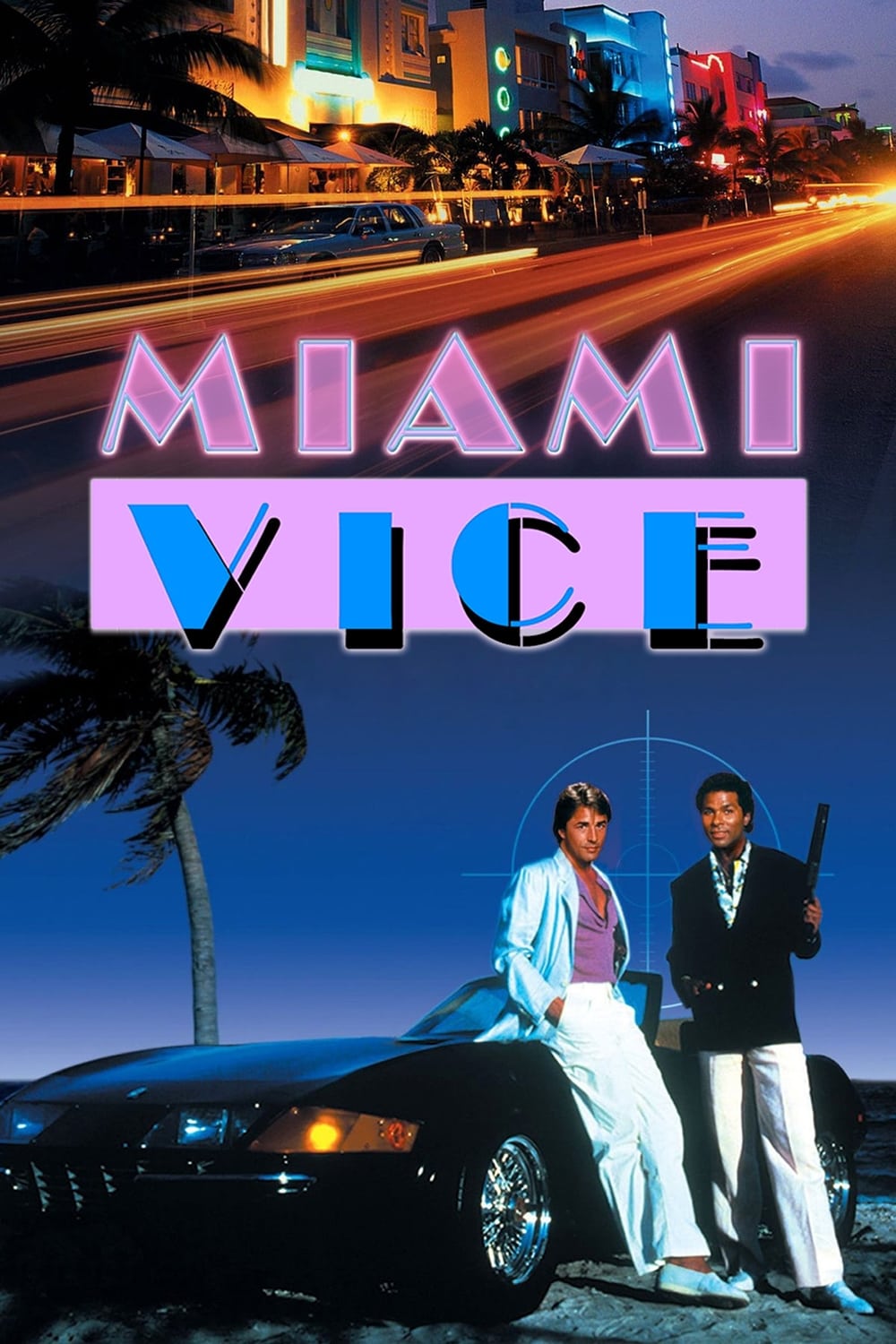
Created by Anthony Yerkovich and executive produced by Michael Mann, ‘Miami Vice’ followed undercover detectives James “Sonny” Crockett and Ricardo “Rico” Tubbs inside South Florida’s drug and vice scenes. The show was known for its music-driven storytelling, designer wardrobe, and neon-drenched cinematography. Episodes often revolved around long-term undercover operations and cross-agency cases on the waterfront and in the Everglades.
‘Magnum, P.I.’ (1980–1988)
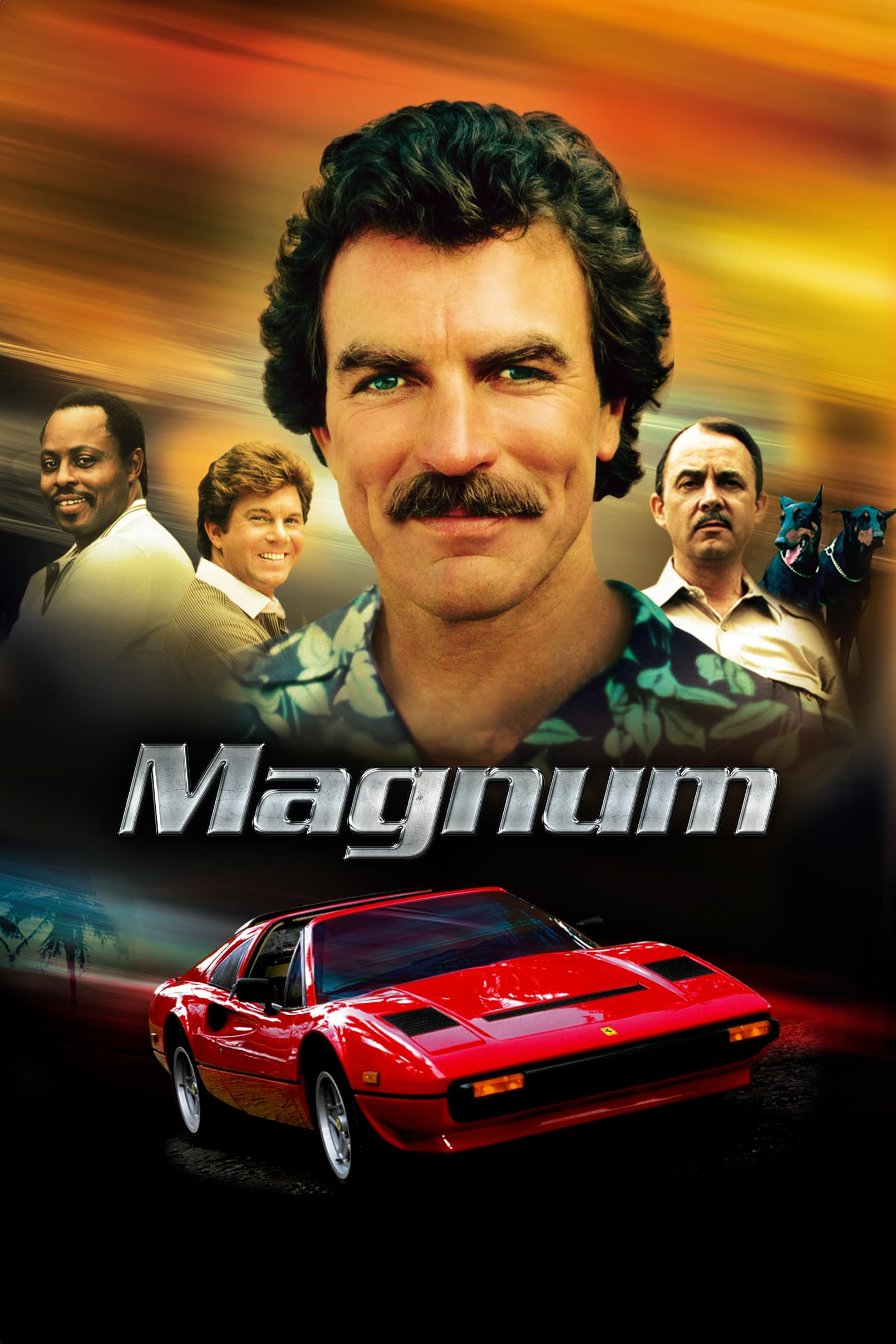
‘Magnum, P.I.’ centers on Thomas Magnum, a Navy veteran who works as a private investigator on Oʻahu while living on the estate of a wealthy, unseen novelist. The series is structured as case-of-the-week mysteries with recurring support from friends Rick and T.C. A blend of action, humor, and narration framed Magnum’s investigations across beaches, clubs, and high-security compounds.
‘Knight Rider’ (1982–1986)

‘Knight Rider’ pairs lone operative Michael Knight with KITT, an advanced, artificially intelligent car built by the Foundation for Law and Government. Episodes focus on protecting whistleblowers, dismantling criminal schemes, and road-chasing set pieces. The show popularized talking-car tech, modular gadgets, and a mission-of-the-week format anchored by vehicle stunts.
‘The A-Team’ (1983–1987)
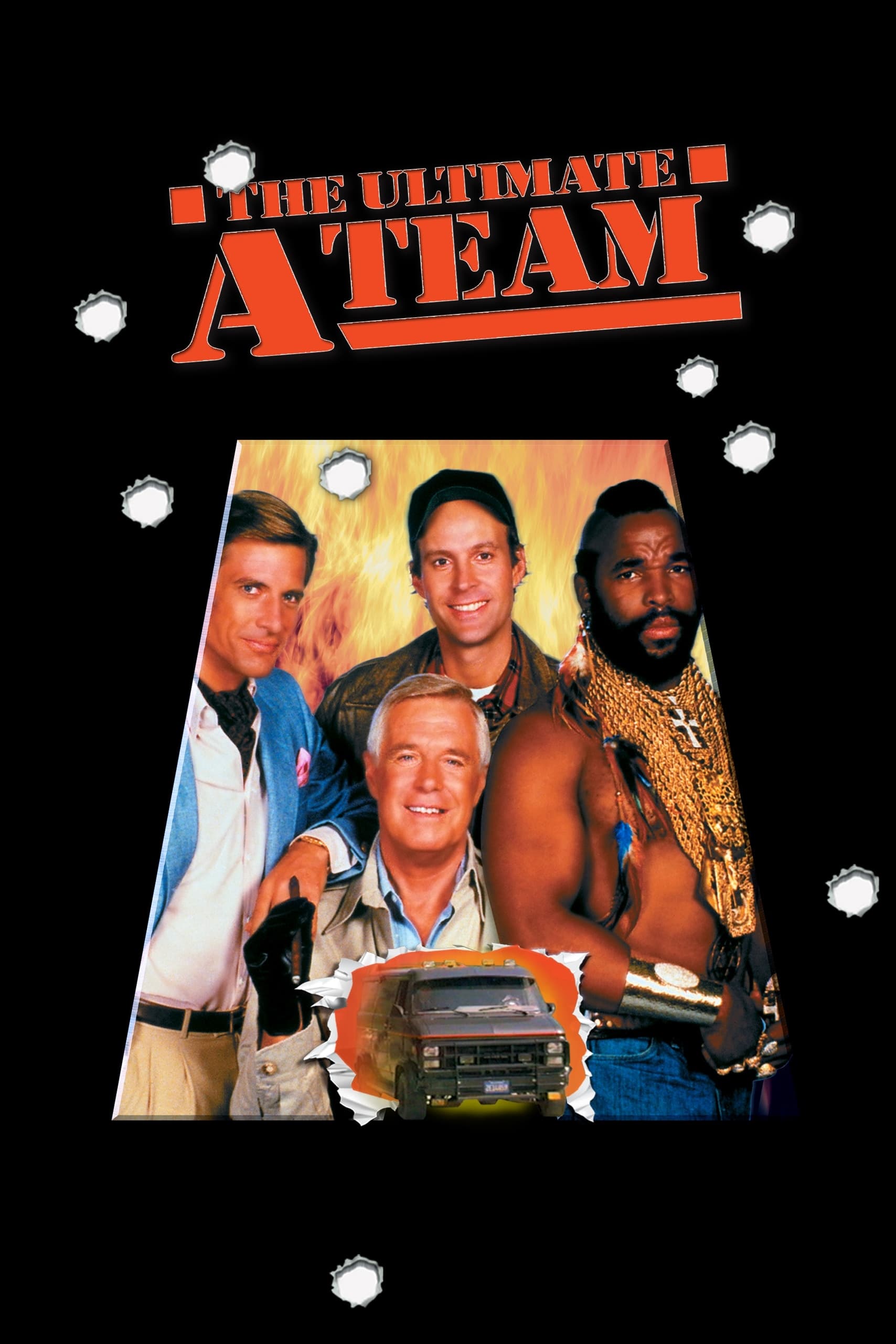
‘The A-Team’ follows a group of former commandos who help people in trouble while evading military capture. Each episode features improvised engineering, elaborate traps, and a client-of-the-week structure. The core team dynamic—leader Hannibal, pilot Murdock, con man Face, and mechanic B.A.—drives the plans and punch-ups.
‘Quantum Leap’ (1989–1993)
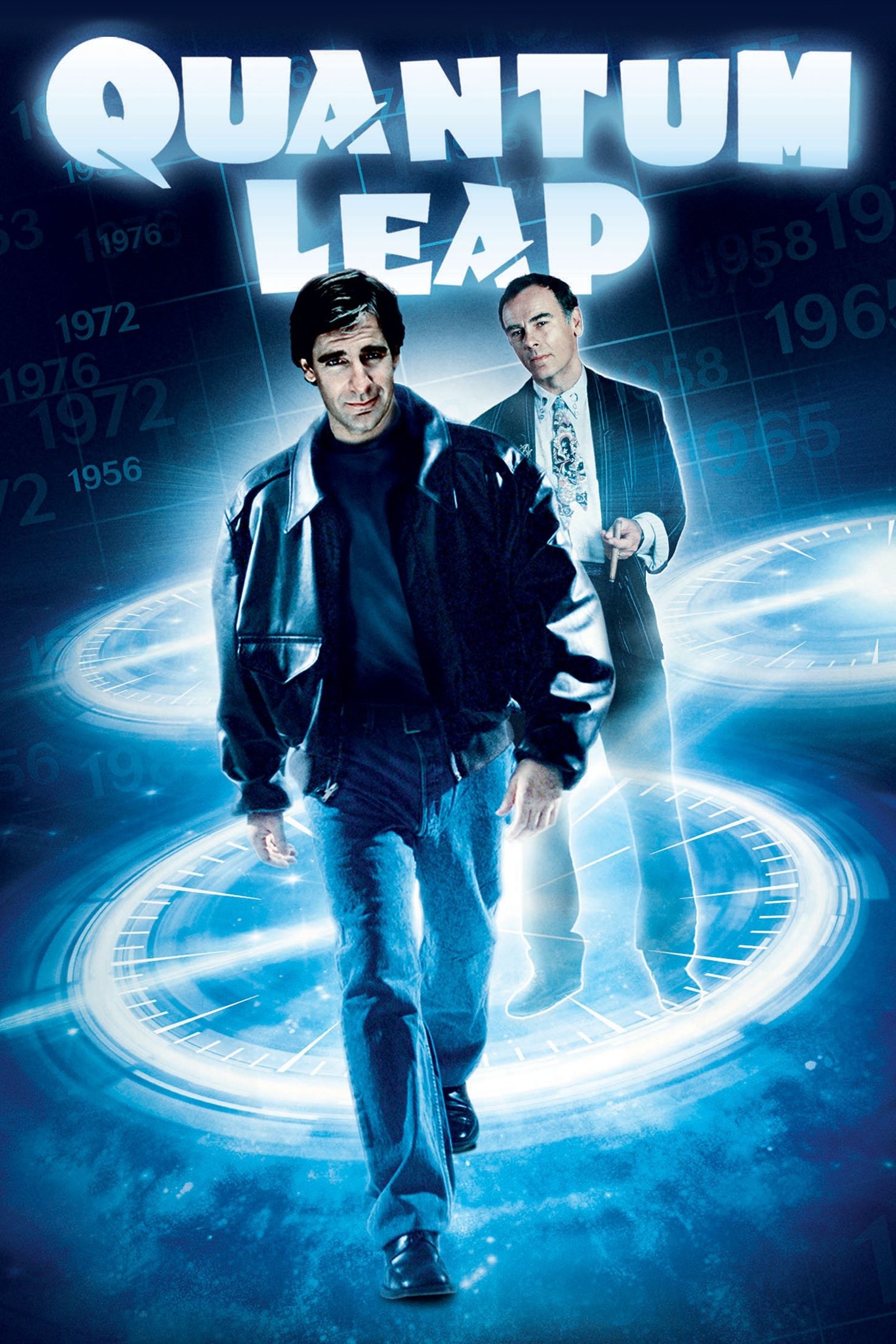
In ‘Quantum Leap’, physicist Sam Beckett time-travels within his own lifetime, temporarily inhabiting other people to fix historical mistakes with help from holographic advisor Al. The anthology-style format allows diverse settings and genres under one umbrella. A procedural backbone—arriving, identifying the problem, and leaping after success—keeps stories tight and episodic.
‘Airwolf’ (1984–1987)
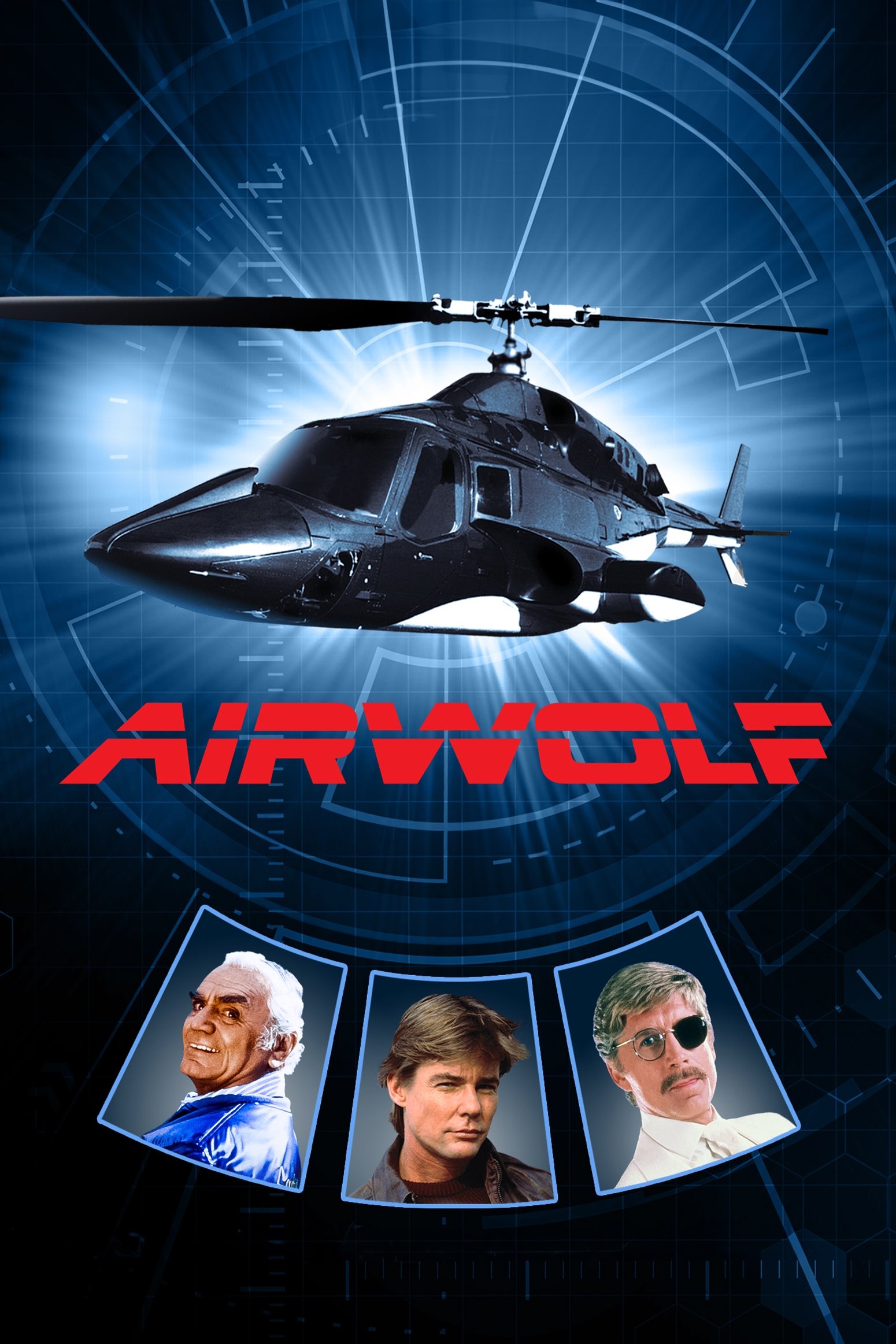
‘Airwolf’ centers on a cutting-edge helicopter operated off the books by pilot Stringfellow Hawke and ex-operative Dominic Santini. Missions range from hostage rescues to espionage extractions backed by government handler Archangel. A signature theme and aerial combat sequences define the brand, with covert hangars and desert canyons as recurring locations.
‘The Equalizer’ (1985–1989)
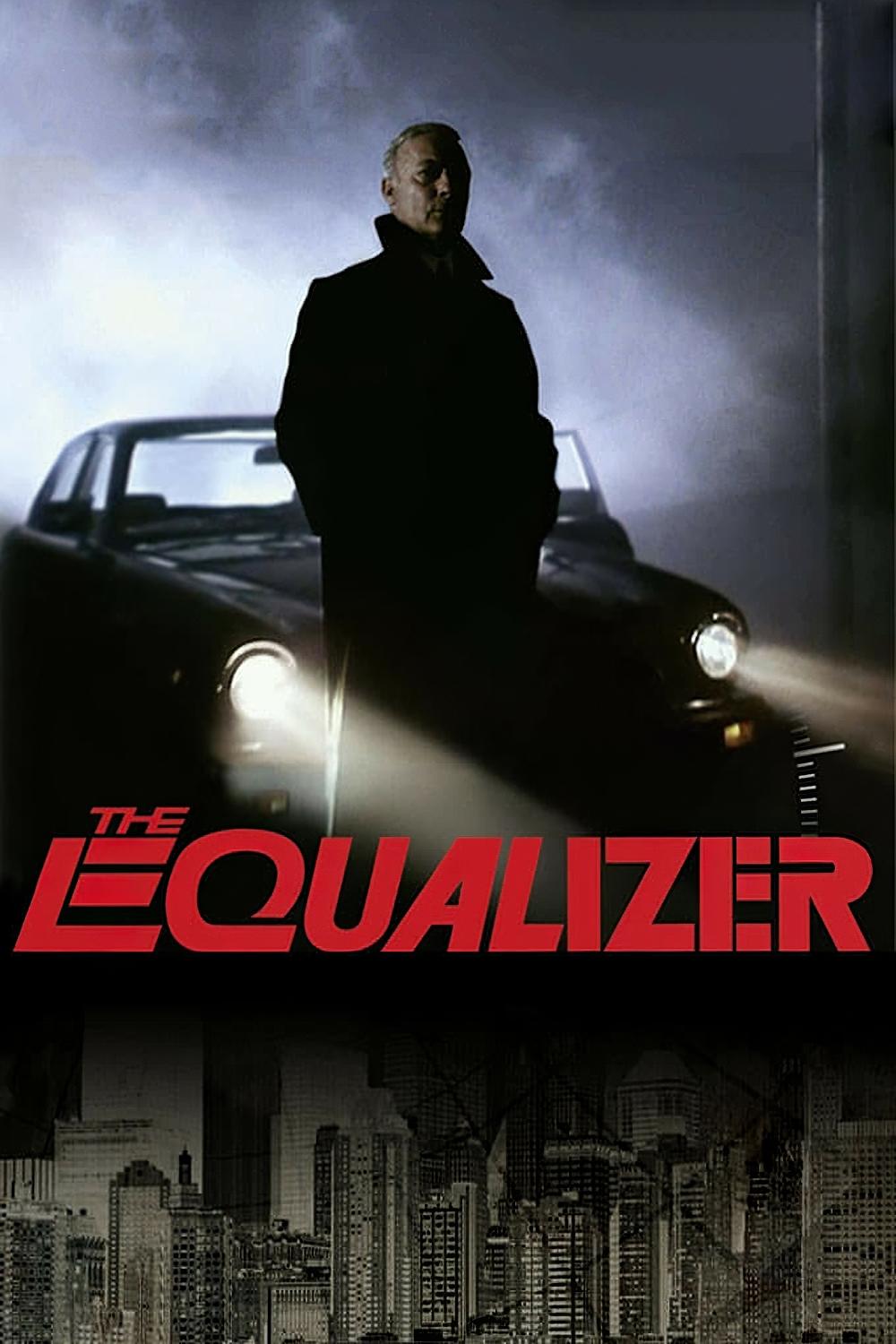
‘The Equalizer’ features Robert McCall, a former intelligence operative who runs personal ads offering help to those in danger. Stories blend street-level threats with espionage tactics, drawing on McCall’s contacts and tradecraft. The show’s formula—an at-risk client, careful planning, and decisive payback—made for taut, urban thrillers.
’21 Jump Street’ (1987–1991)
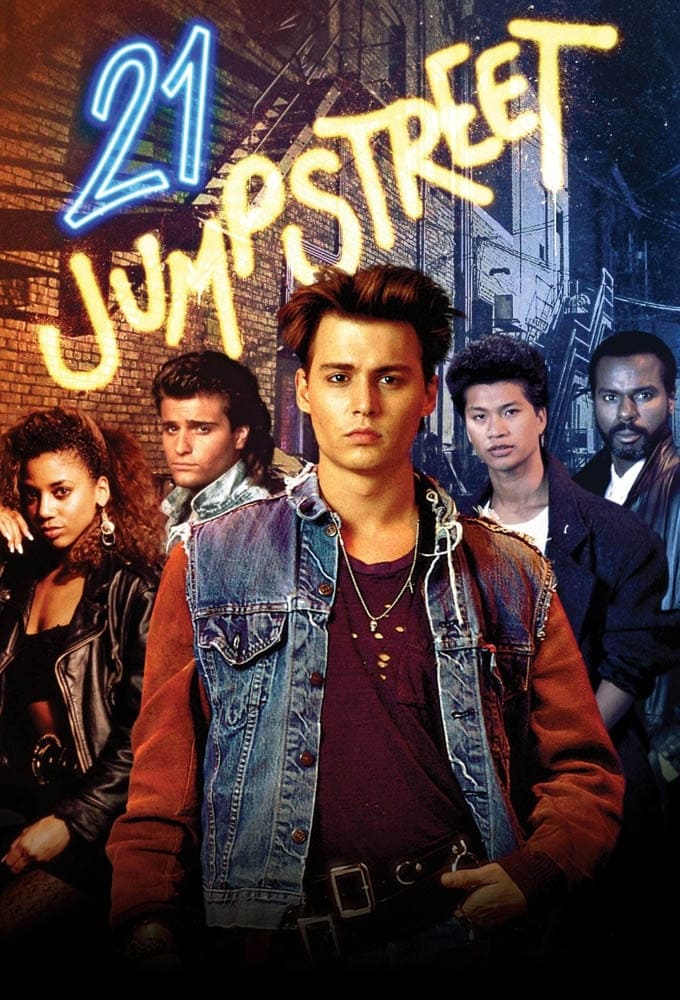
’21 Jump Street’ follows youthful-looking officers assigned to an undercover unit targeting crimes in schools and youth communities. Cases include narcotics, abuse, and gang activity, with each episode closing on consequences and resources. The ensemble format allows rotating leads and cross-investigations under Captain Fuller’s supervision.
‘ALF’ (1986–1990)
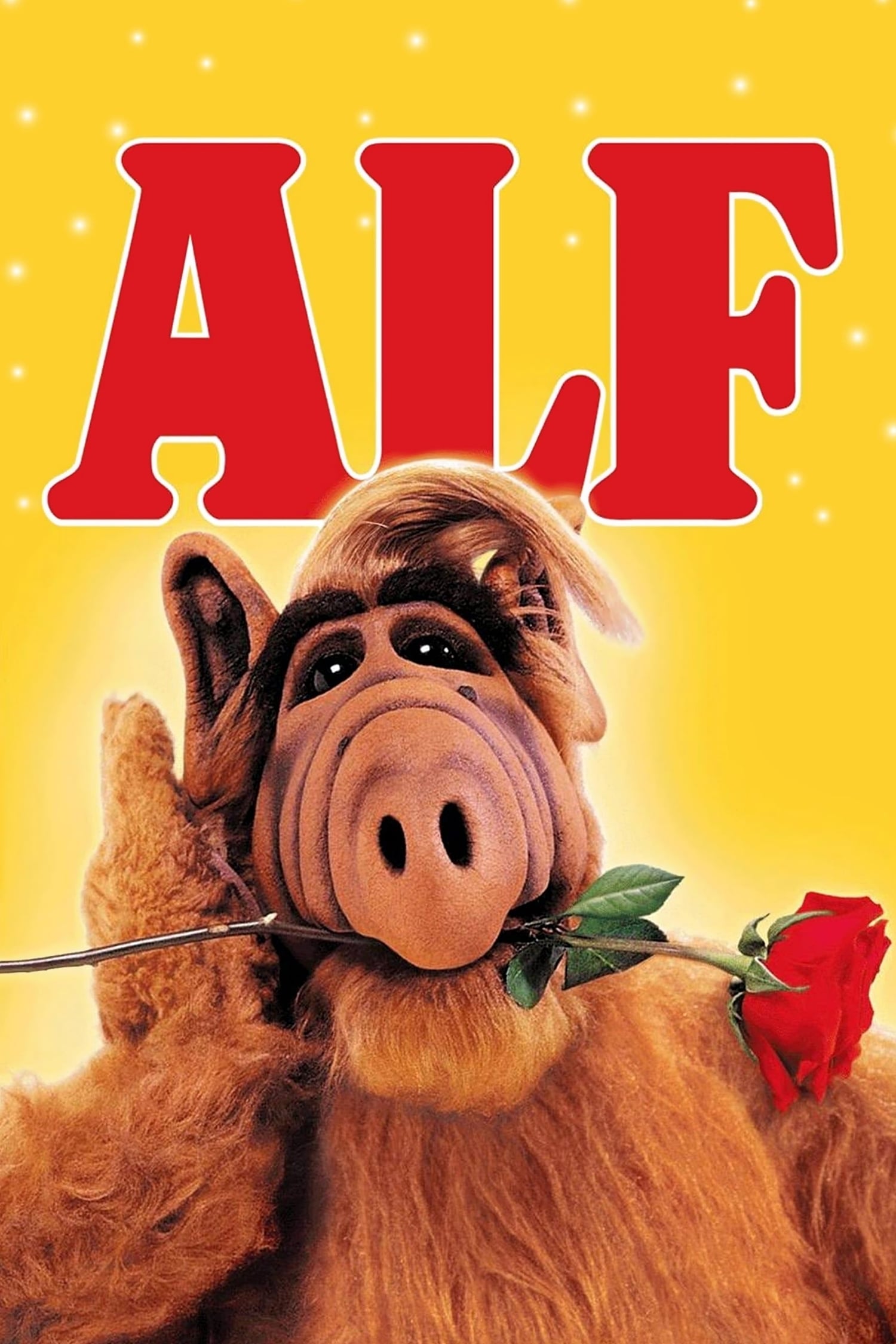
‘ALF’ introduces Gordon Shumway, an alien from the planet Melmac who crash-lands in a suburban family’s garage and moves in. Plots hinge on hiding him from neighbors and authorities while he navigates everyday human life. Puppetry, practical effects, and a fish-out-of-water setup drive the comedic situations.
‘Family Ties’ (1982–1989)
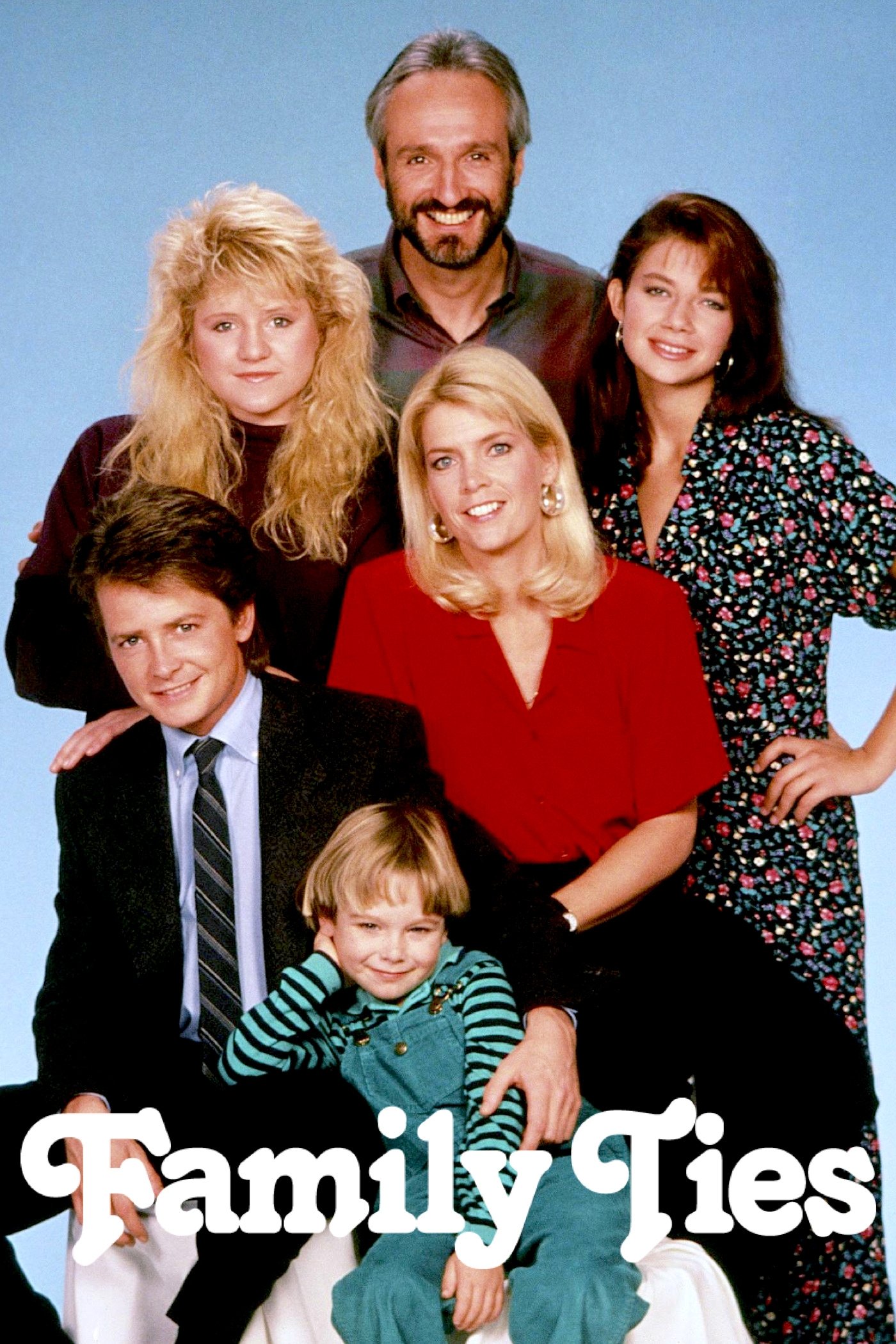
‘Family Ties’ centers on the Keaton family, pairing former activist parents with children whose interests range from business to performing arts. Episodes balance school and work storylines with household debates at the dinner table. The show became a launchpad for breakout performances and frequent guest arcs.
‘Perfect Strangers’ (1986–1993)
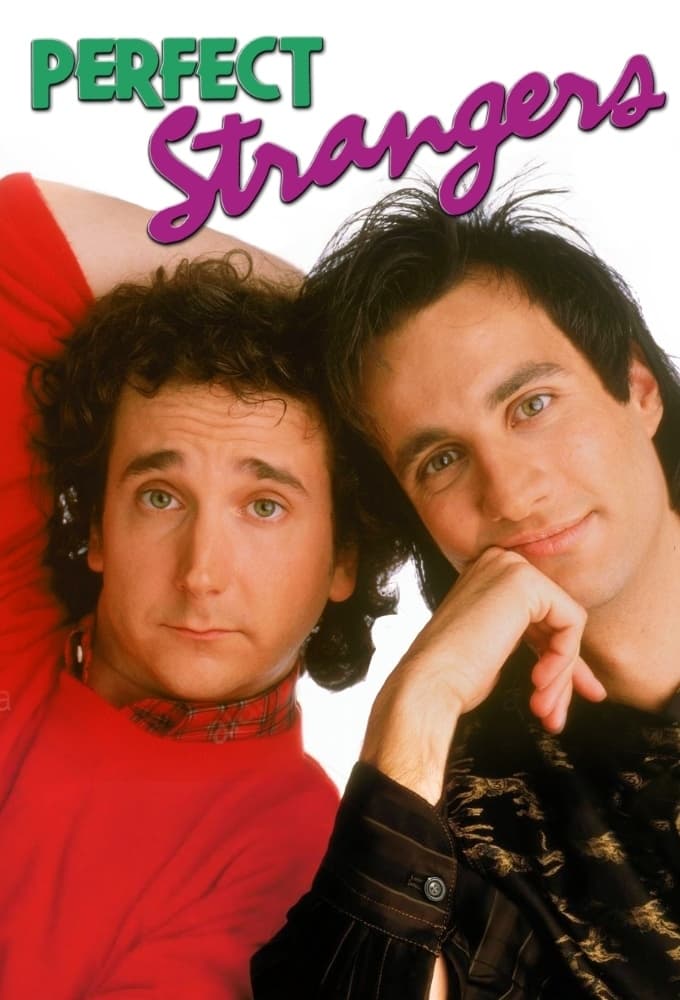
‘Perfect Strangers’ teams Midwestern clerk Larry Appleton with his optimistic cousin Balki Bartokomous from the island of Mypos. Workplace and apartment hijinks fuel plots that escalate from misunderstandings to slapstick. A recurring supporting cast at the newspaper office and the apartment building rounds out the ensemble.
‘Moonlighting’ (1985–1989)
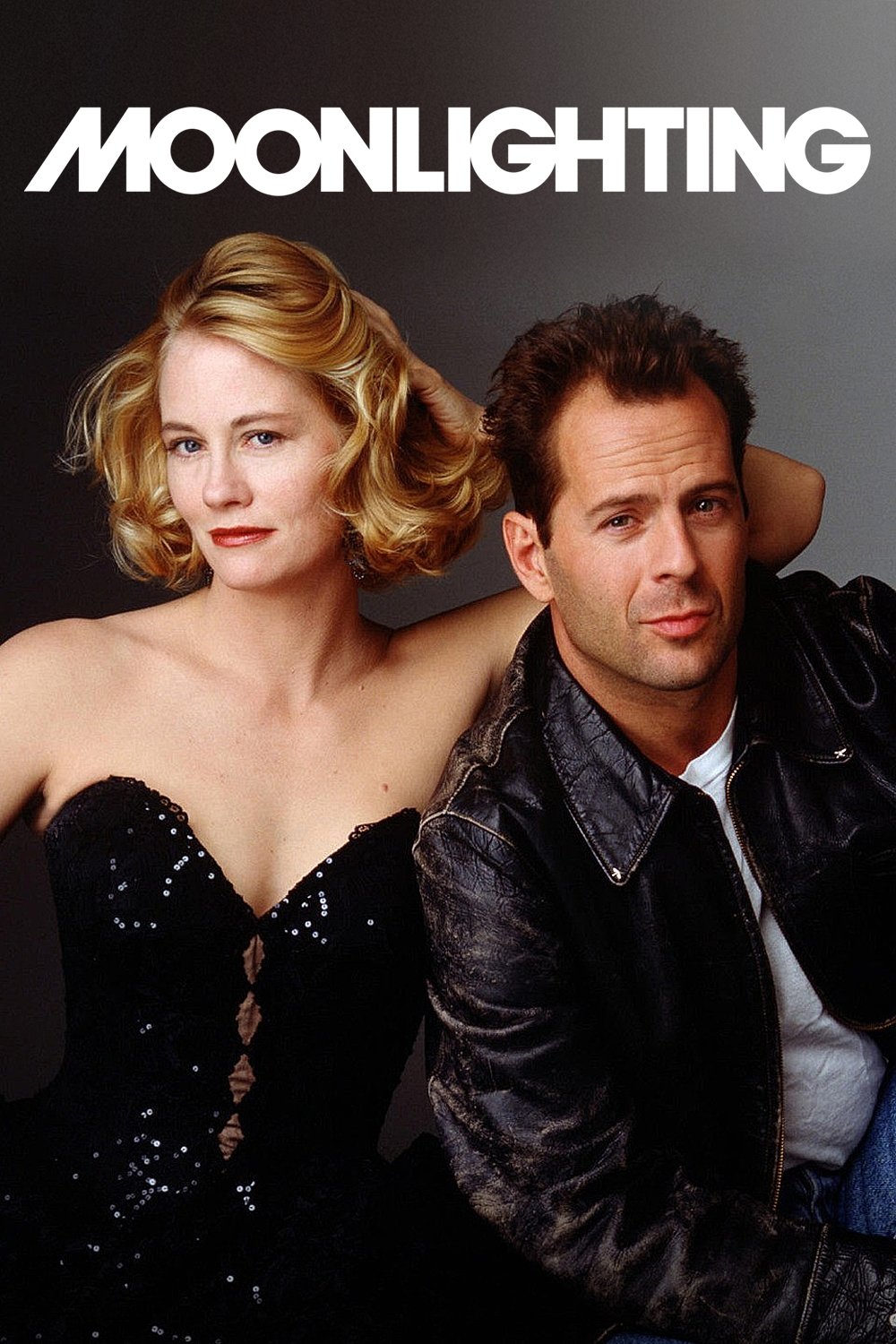
‘Moonlighting’ mixes detective cases with witty, rapid-fire dialogue between investigators Maddie Hayes and David Addison at the Blue Moon Detective Agency. The series is known for genre-bending episodes, experimental cold opens, and occasional musical interludes. Standalone mysteries sit alongside serialized office dynamics and recurring clients.
‘Growing Pains’ (1985–1992)
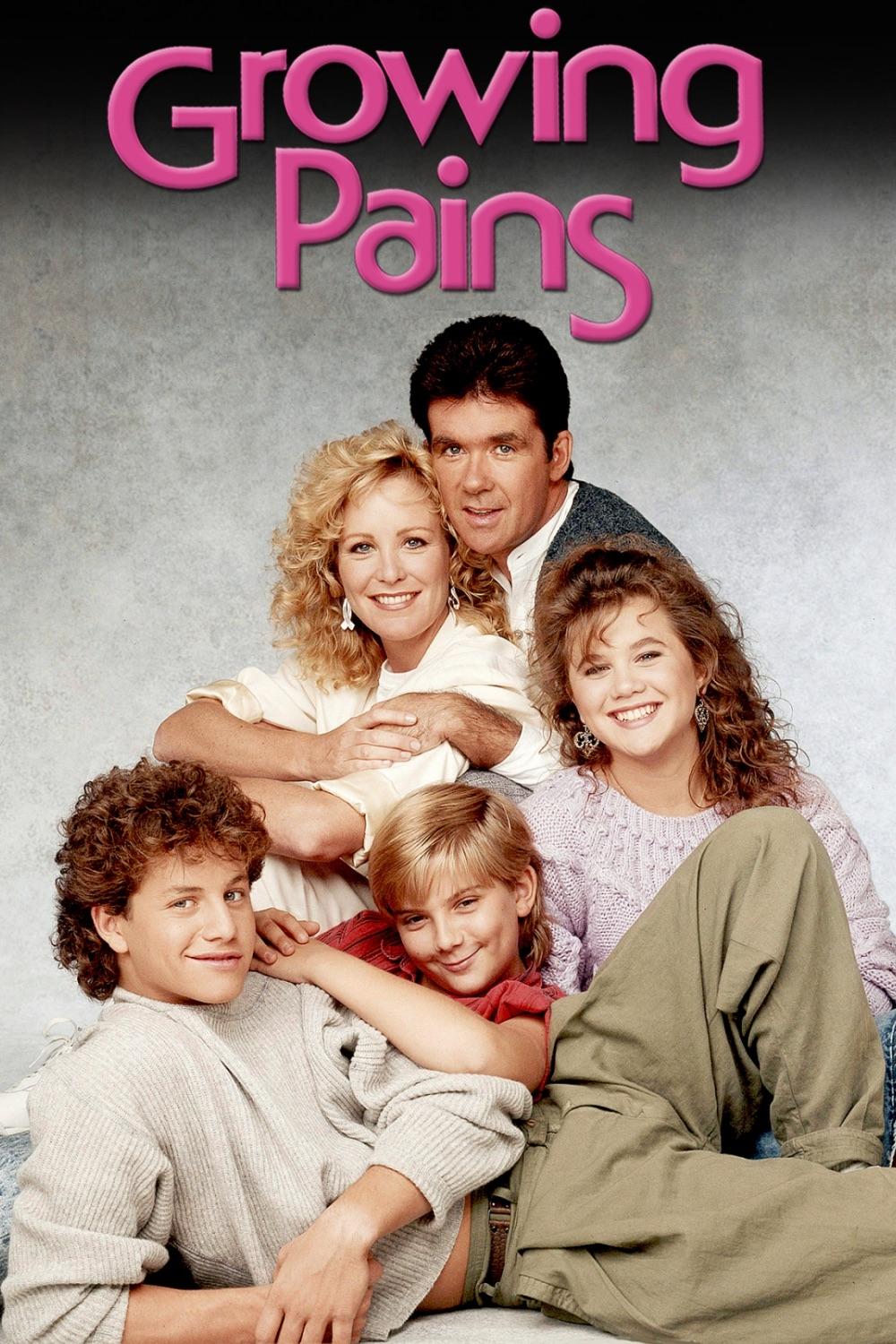
‘Growing Pains’ follows the Seaver family, with a psychiatrist father running his practice from home and a journalist mother returning to work. Storylines track school dramas, first jobs, and sibling rivalries with frequent guest appearances. The household setting provides a reliable backdrop for milestone episodes and holiday specials.
‘Who’s the Boss?’ (1984–1992)
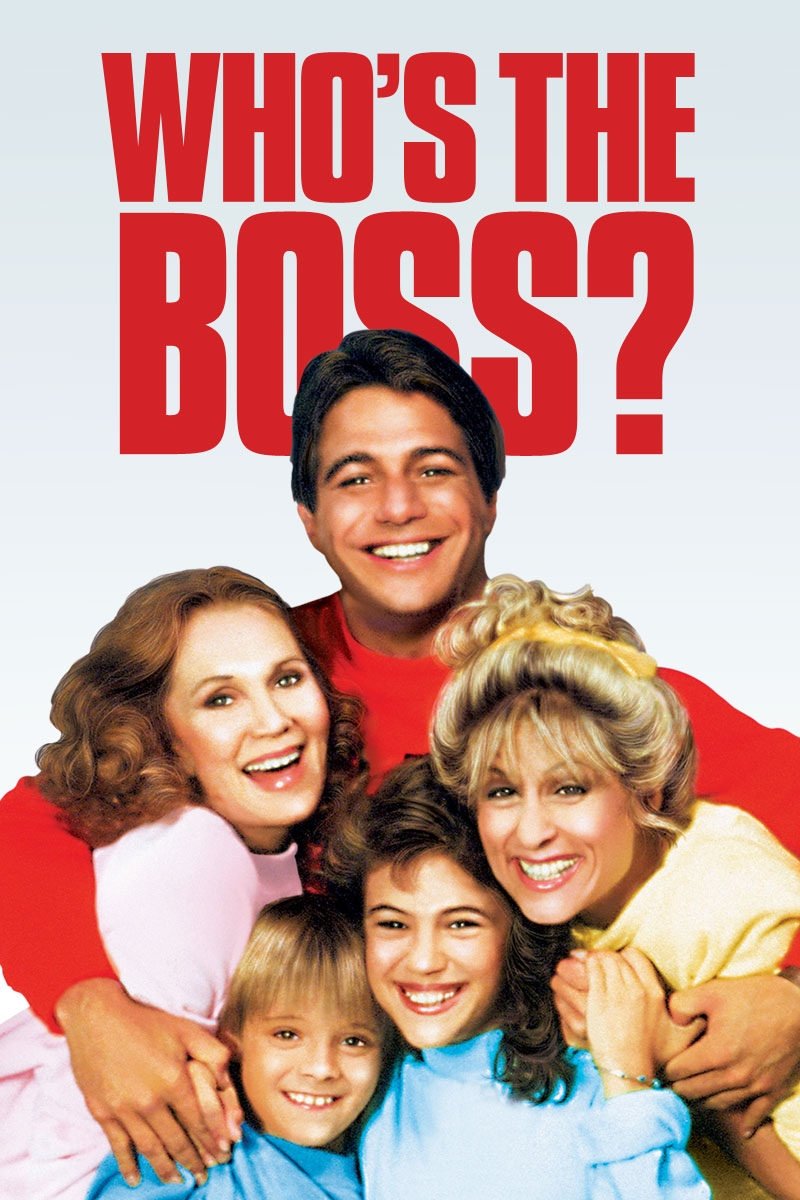
‘Who’s the Boss?’ pairs former athlete Tony Micelli, hired as a housekeeper, with advertising executive Angela Bower in a role-reversal domestic setup. The show explores workplace pitches, parent-teacher meetings, and romantic misfires among friends and relatives. An extended family and neighbors offer recurring subplots and crossover visits.
‘Silver Spoons’ (1982–1987)
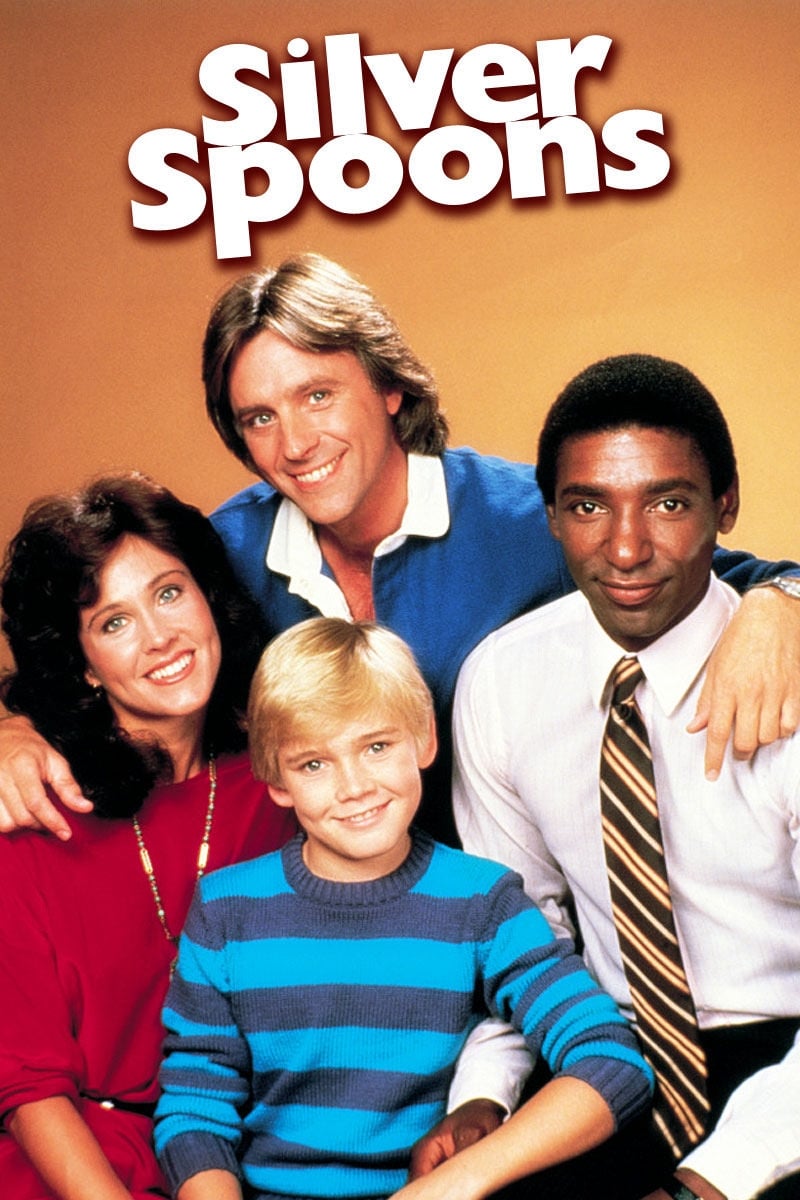
‘Silver Spoons’ centers on Ricky Stratton, who moves in with his playful, toy-company-owner father in a mansion filled with arcade machines and gadgets. Episodes cover boarding school, entrepreneurship, and clashes with business rivals. The set design—train through the living room, game rooms, and guest wings—became a visual hallmark.
‘Small Wonder’ (1985–1989)
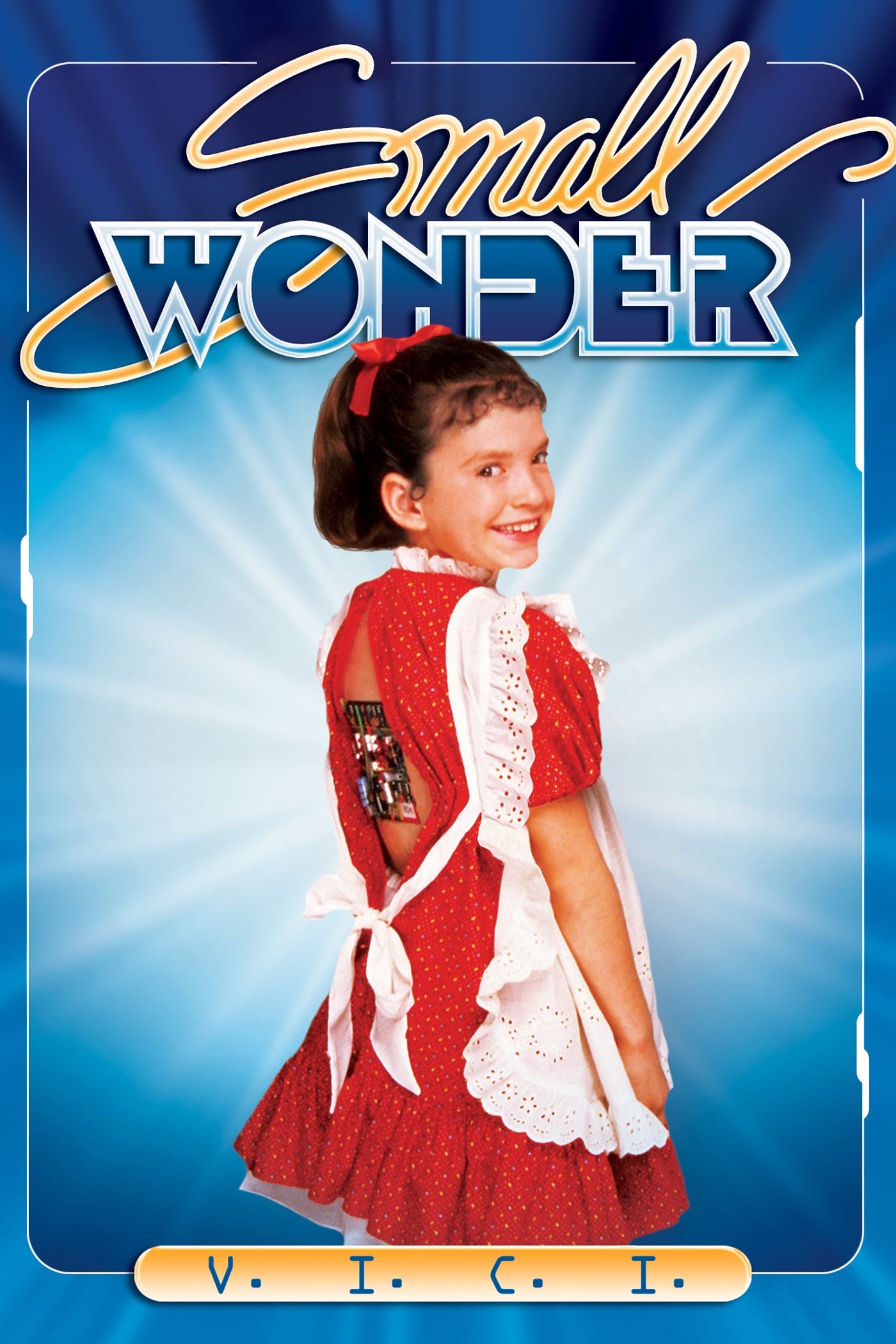
‘Small Wonder’ is built around Vicki, a secret robot created by engineer Ted Lawson and disguised as a daughter. Stories revolve around protecting her identity while testing upgrades and handling nosy neighbors. The series uses living-room laboratory gags, literal interpretations, and malfunction plots to drive comedy.
‘The Greatest American Hero’ (1981–1983)
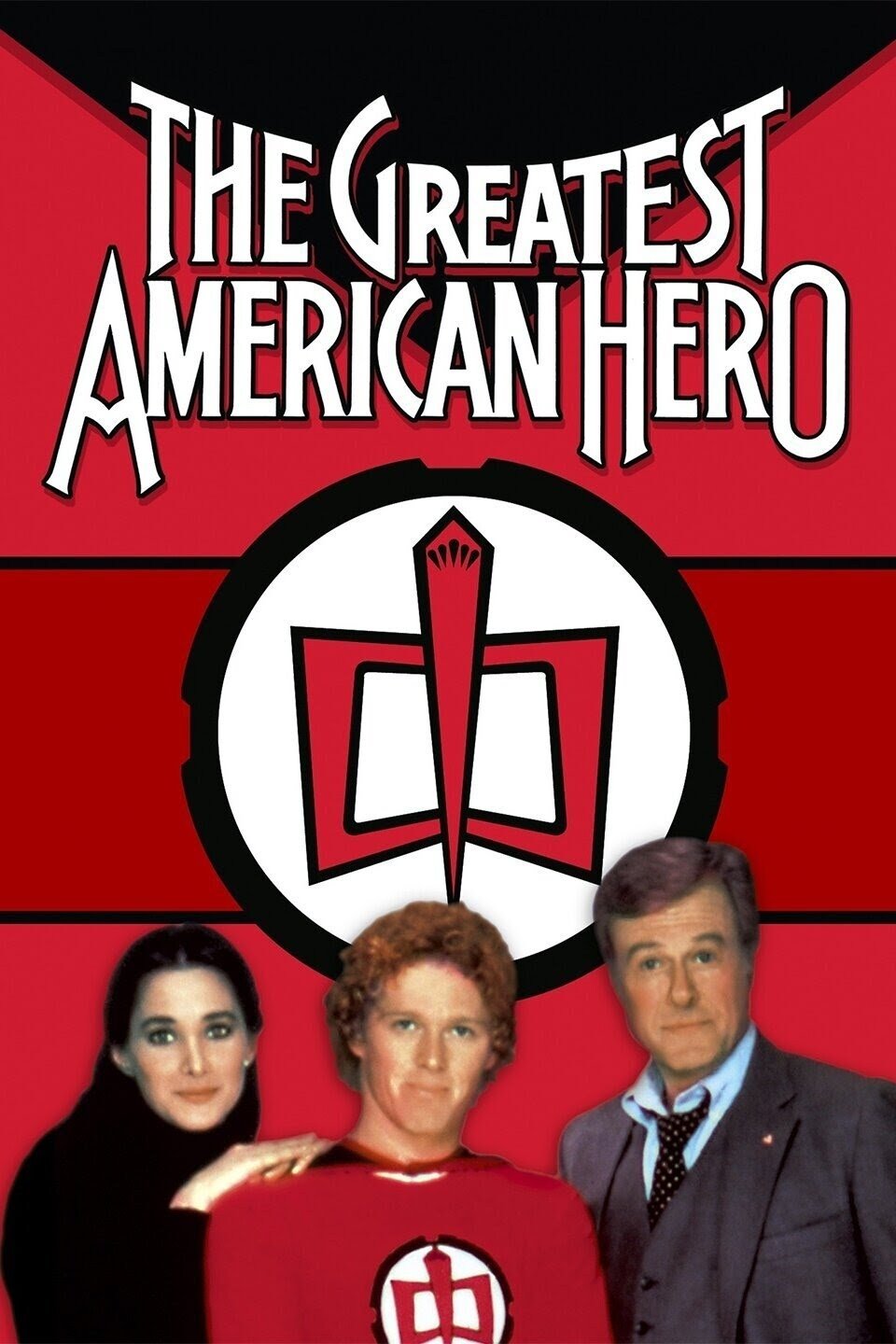
‘The Greatest American Hero’ follows teacher Ralph Hinkley, who receives a superhero suit from mysterious visitors but loses its instruction manual. He teams with FBI agent Bill Maxwell on federal cases and community threats. Episodes blend investigative procedure with trial-and-error flights and gadget mishaps.
‘Remington Steele’ (1982–1987)
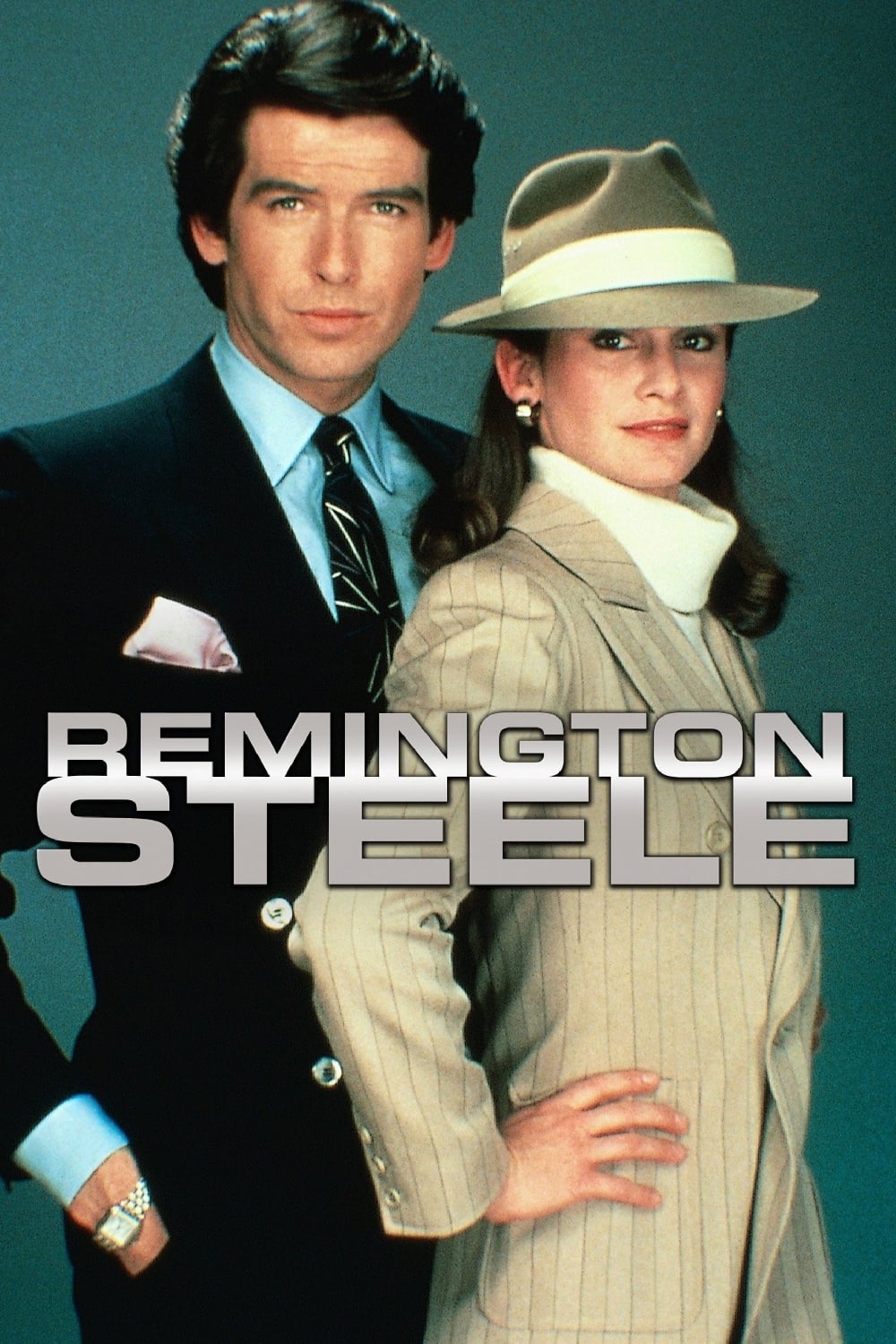
‘Remington Steele’ stars Laura Holt, a licensed private detective who invents a male front to attract clients, only for a charming stranger to assume the persona. Cases range from art theft to corporate fraud with recurring informants and rivals. The series incorporates cultural references and elaborate cons across hotels, galleries, and airports.
‘Scarecrow and Mrs. King’ (1983–1987)
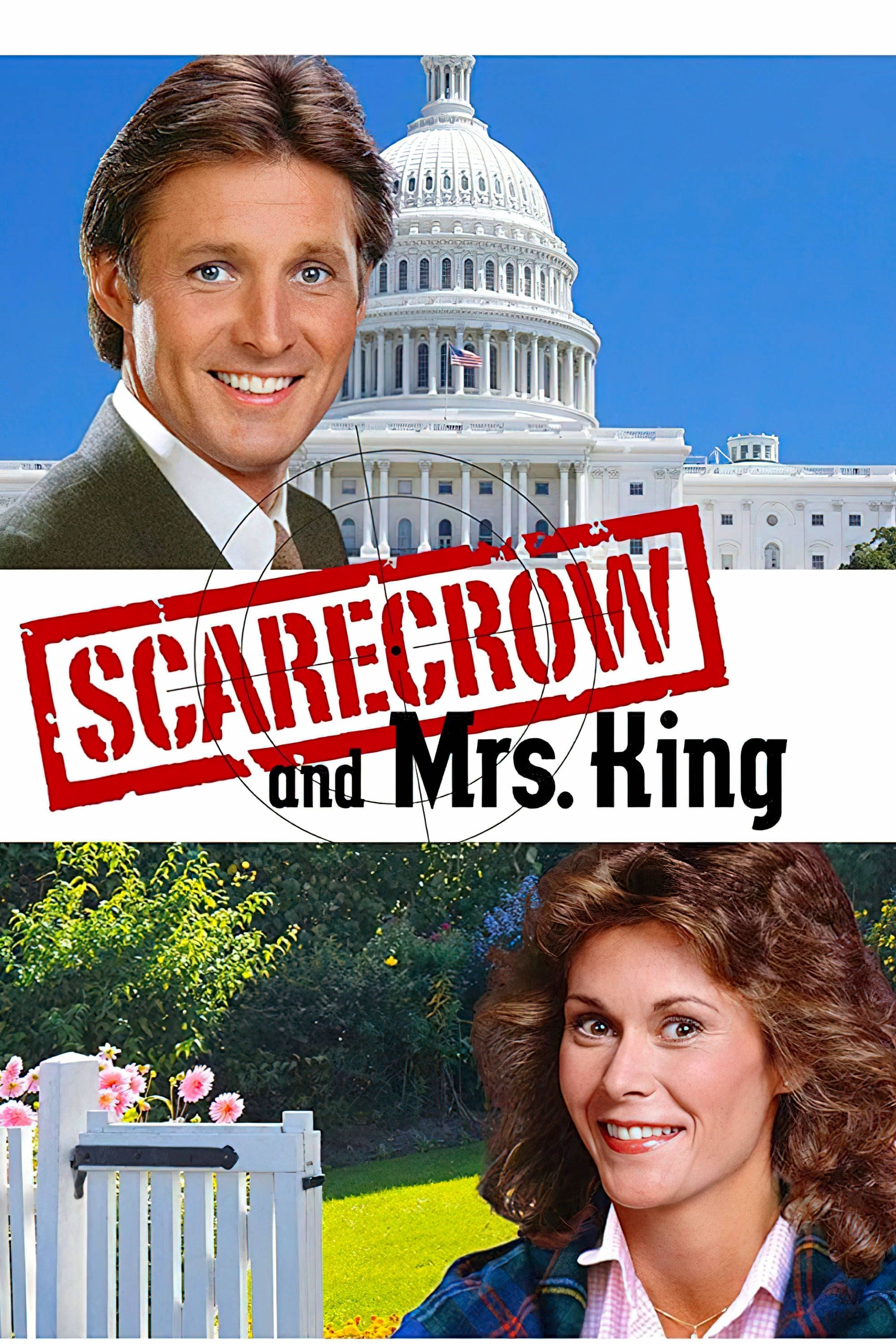
‘Scarecrow and Mrs. King’ teams top operative Lee Stetson with civilian Amanda King after a chance encounter pulls her into intelligence work. Missions feature embassy parties, dead drops, and suburban cover stories. A steady mix of tradecraft and domestic responsibilities shapes the pair’s tactics and cover identities.
‘Max Headroom’ (1987–1988)
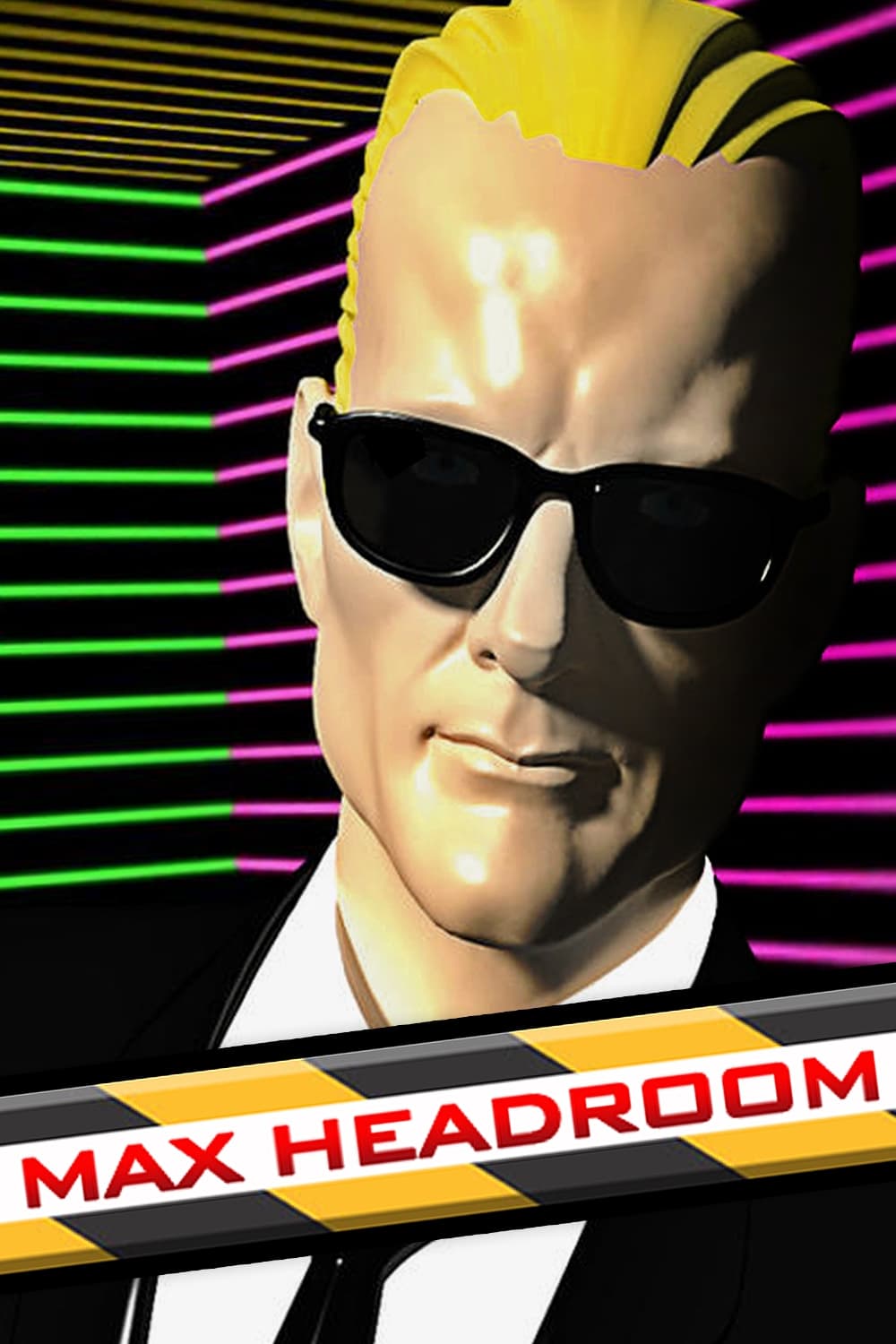
‘Max Headroom’ presents a near-future media landscape where a reporter uncovers corporate conspiracies with help from a computer-generated personality. Episodes examine advertising blackouts, data piracy, and network politics. The show introduced a distinctive visual aesthetic with CRT monitors, news vans, and hacker lairs.
‘V’ (1984–1985)
‘V’ depicts the arrival of seemingly friendly Visitors whose hidden agenda sparks human resistance cells. The narrative covers propaganda campaigns, infiltration, and covert science programs. Practical effects, red uniforms, and mothership interiors define the look, while ground units conduct raids and sabotage.
‘Fraggle Rock’ (1983–1987)
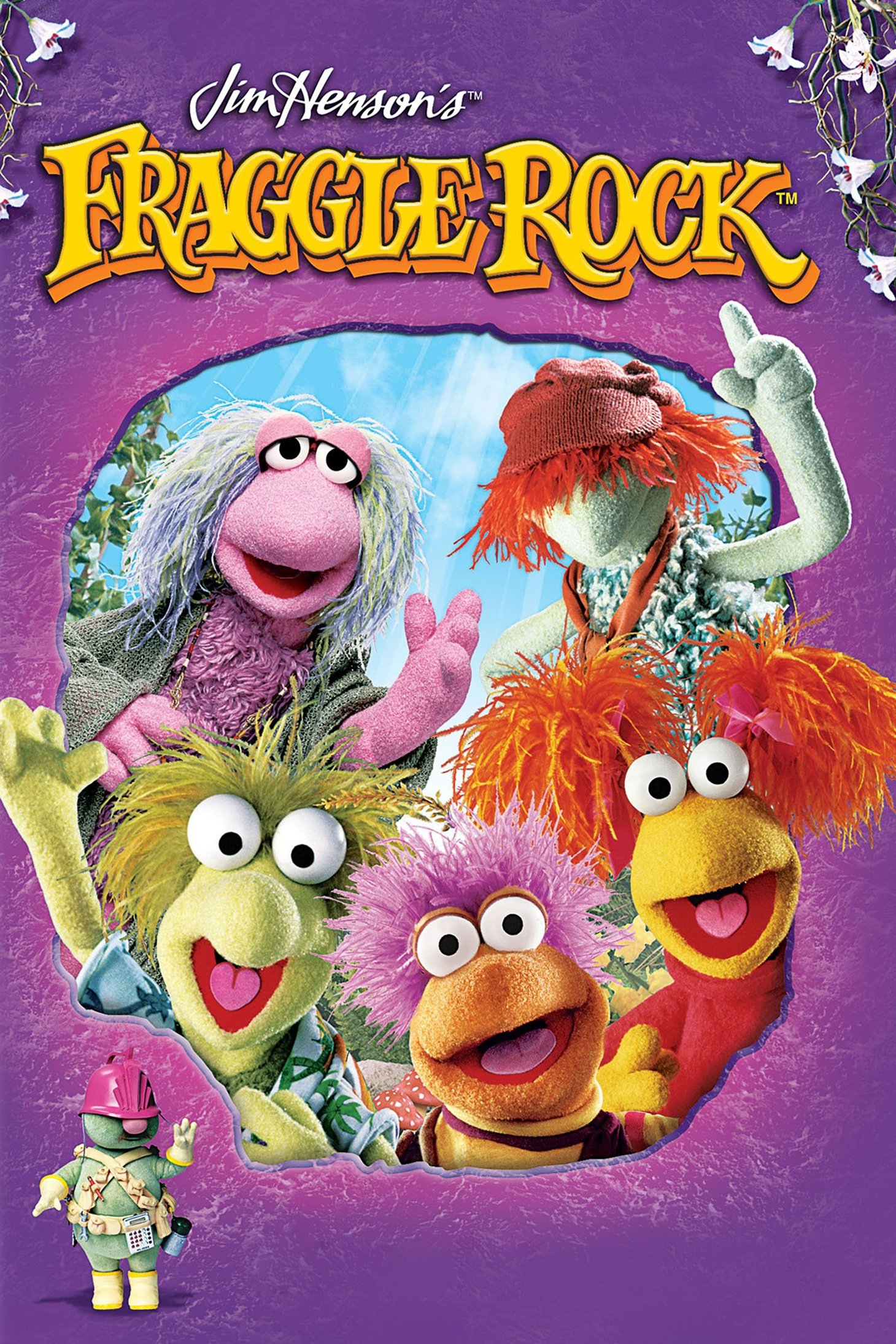
‘Fraggle Rock’ explores interconnected species—Fraggles, Doozers, and Gorgs—living just beyond a workshop wall. Stories highlight work rituals, music, and resource cycles inside caves and crystal-lit tunnels. The show’s worldbuilding includes maps, traveling postcards, and ecological cause-and-effect lessons.
‘Red Dwarf’ (1988–1999)
‘Red Dwarf’ follows a low-ranking technician awakening as the last human alive aboard a deep-space mining ship, joined by a hologram, an evolved cat, and a sanitation android. Episodes blend shipboard malfunctions with alternate realities and game-show-style challenges. Bottle-episode storytelling and model work support its sci-fi comedy framework.
‘The Young Ones’ (1982–1984)
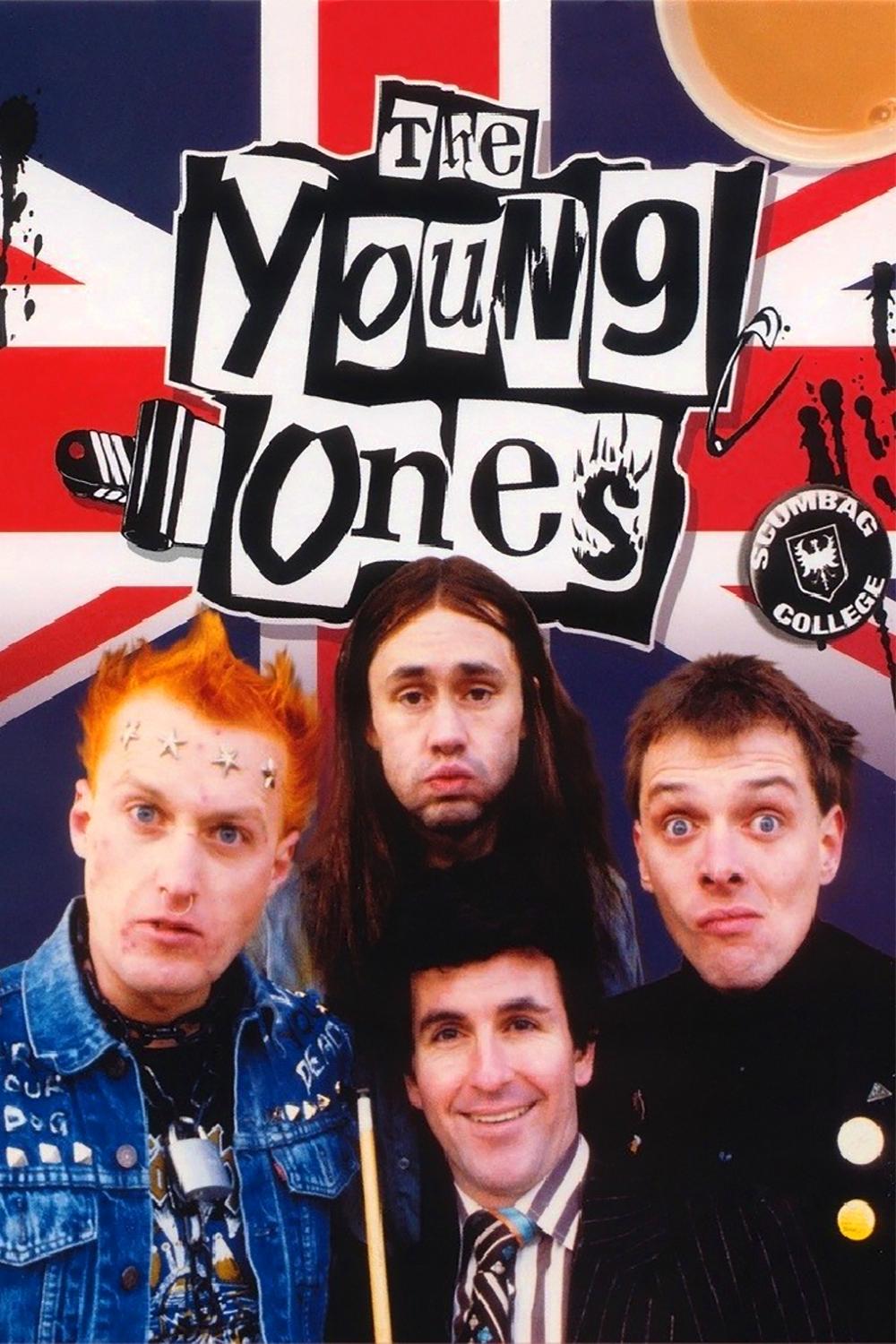
‘The Young Ones’ features four mismatched students sharing a chaotic house, with episodes punctuated by musical performances and surreal cutaways. The format allows sketches, sudden genre shifts, and breaking of the fourth wall. University bureaucracy, landlord visits, and exam disasters drive recurring setups.
‘Misfits of Science’ (1985–1986)
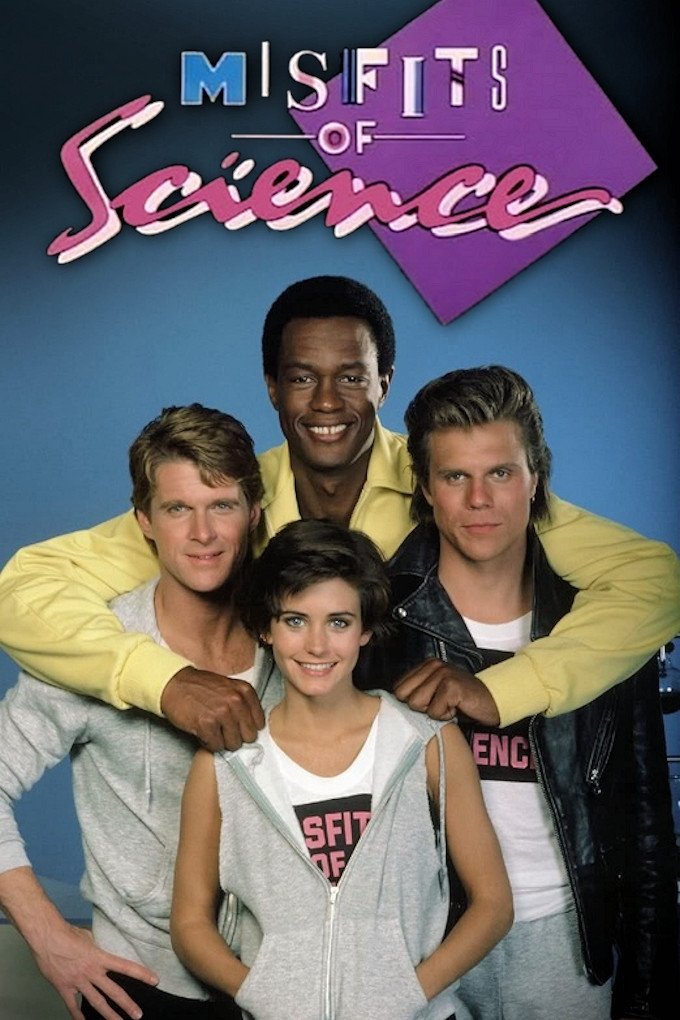
‘Misfits of Science’ assembles a team of offbeat metahumans under a research outfit tackling unusual crimes and corporate schemes. Powers include electrical manipulation, size alteration, and cryonics-related abilities. The show’s case files lean into laboratories, night raids, and cover operations with a rotating slate of antagonists.
‘Cagney & Lacey’ (1982–1988)
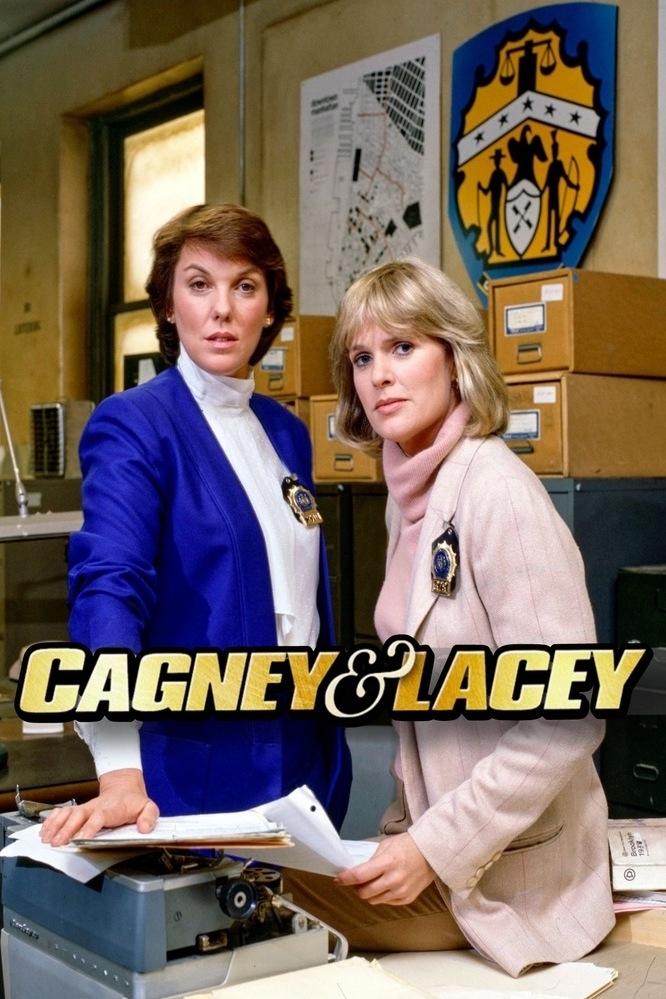
‘Cagney & Lacey’ follows NYPD detectives Christine Cagney and Mary Beth Lacey as partners handling homicide and major crimes. Episodes tackle casework alongside administrative politics, undercover operations, and court preparation. The series is recognized for its squad-room dynamics, rotating lieutenants, and recurring adversaries within organized crime and white-collar investigations.
‘Hill Street Blues’ (1981–1987)
‘Hill Street Blues’ is a multi-plot police drama centered on a metropolitan precinct’s day watch, briefings, and overlapping cases. Storylines interweave patrol incidents, vice stings, and internal affairs probes with serialized arcs. A large ensemble cast, handheld camerawork, and recurring neighborhood factions define its structure and tone.
‘St. Elsewhere’ (1982–1988)
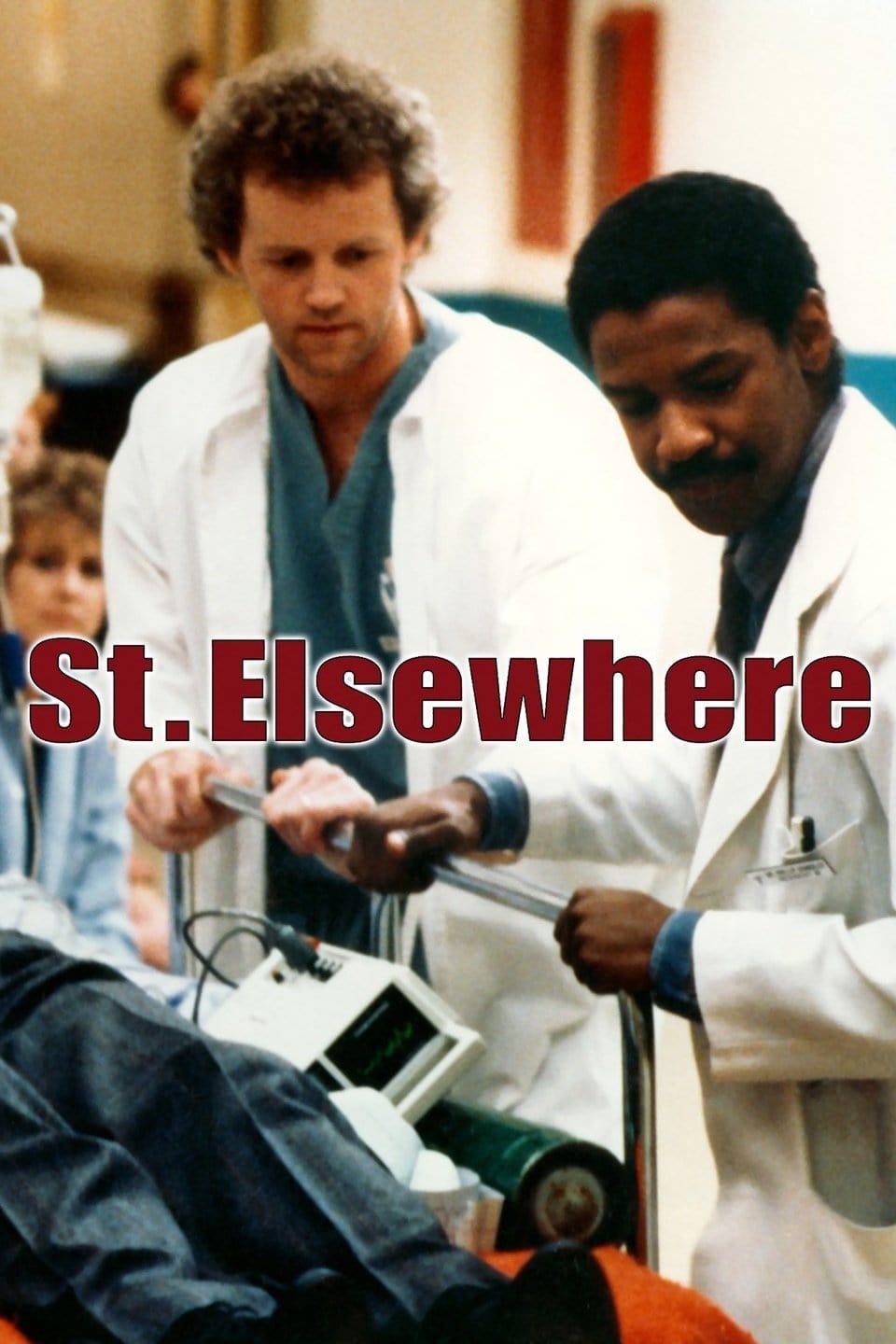
‘St. Elsewhere’ chronicles the staff and patients of a Boston teaching hospital, balancing emergency cases with long-term medical storylines. The show incorporates resident training, ethical boards, and hospital administration as recurring elements. Cross-episode arcs follow research trials, budget pressures, and interdepartmental rivalries.
‘China Beach’ (1988–1991)
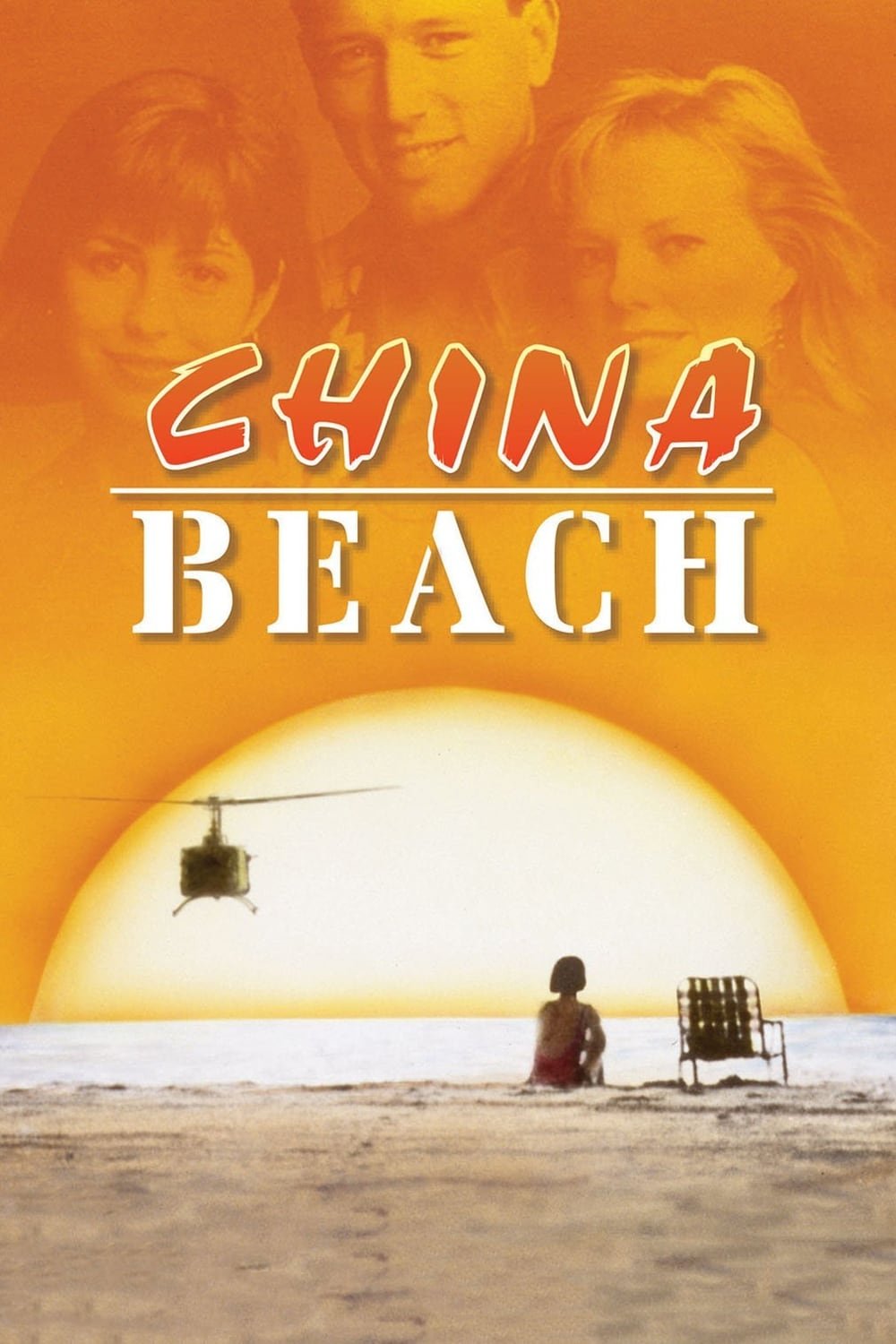
‘China Beach’ is set at a U.S. Army medical and R&R facility during the Vietnam War, focusing on nurses, medics, and support staff. Episodes mix triage-room crises with supply runs, medevac flights, and stateside recollections. The series uses period music, flashforwards, and interviews to connect frontline experiences with later consequences.
‘Wiseguy’ (1987–1990)
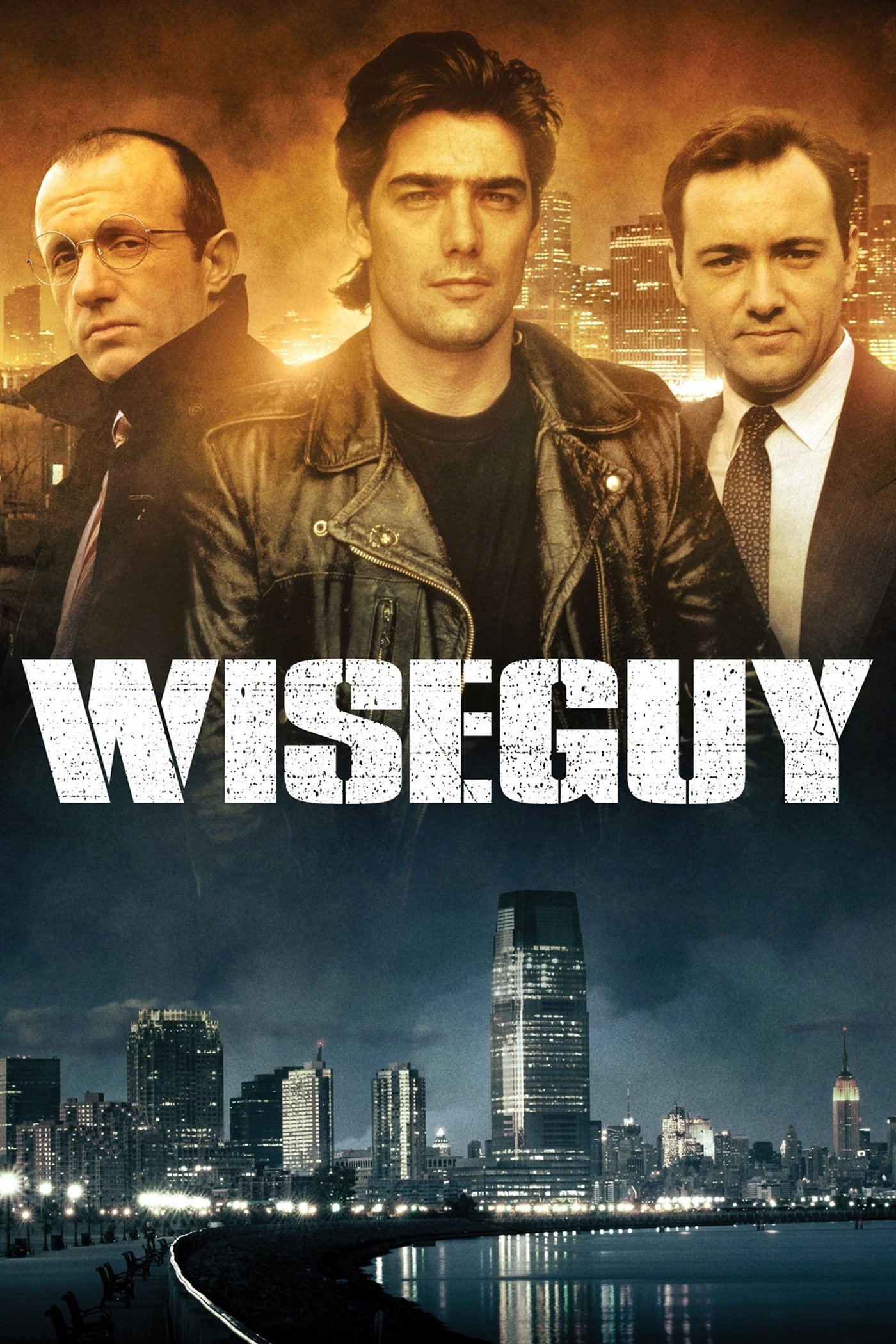
‘Wiseguy’ centers on an undercover agent embedded for months at a time inside criminal organizations. Its arc-based structure features distinct cases covering mob families, financial fraud, and entertainment-industry rackets. The Organized Crime Bureau framework introduces handlers, cutouts, and strict protocols for extraction and debriefing.
‘Crime Story’ (1986–1988)
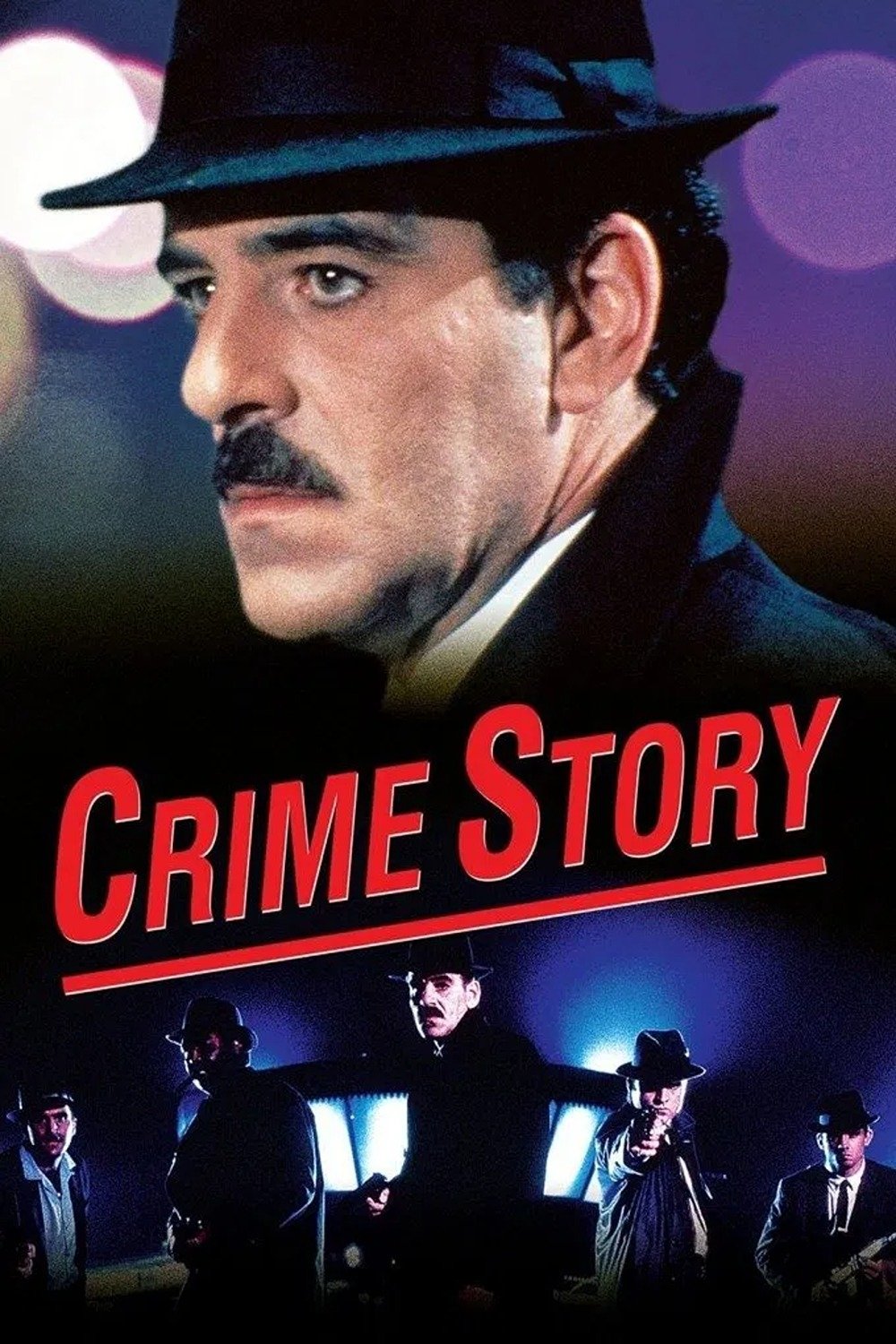
‘Crime Story’ tracks a Chicago police unit’s pursuit of a rising mobster as both relocate to Las Vegas. The narrative emphasizes wiretaps, informants, and racketeering cases that expand into casinos and real estate. Period production design, recurring task-force members, and serialized investigations drive the show.
‘Beauty and the Beast’ (1987–1990)
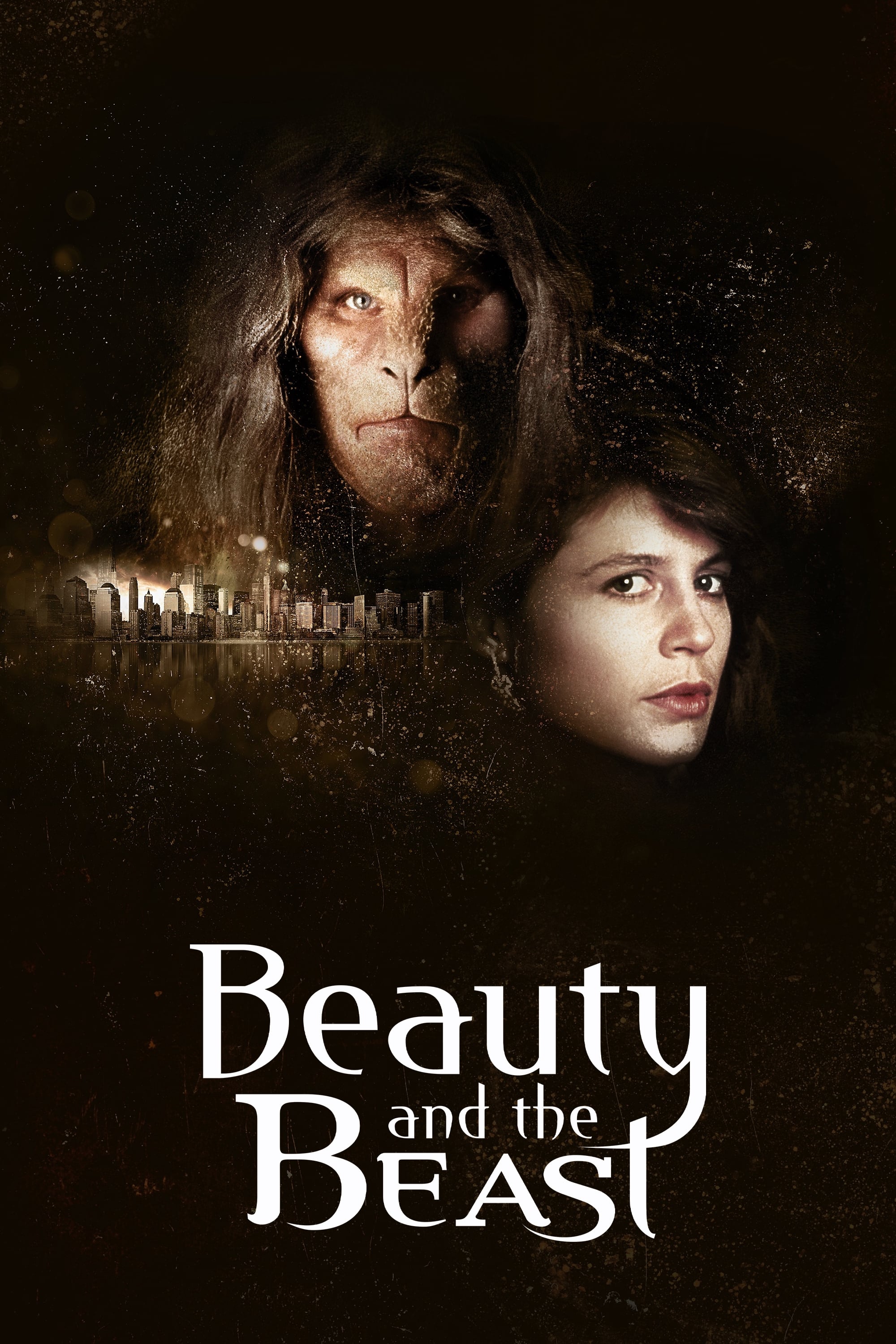
‘Beauty and the Beast’ pairs an assistant district attorney with a chivalrous outcast living in a hidden New York underground community. Cases span courthouse threats, corporate conspiracies, and protection of the tunnel society’s secrecy. The series blends procedural elements with mythology, council governance, and strict rules for access points.
‘The Wonder Years’ (1988–1993)
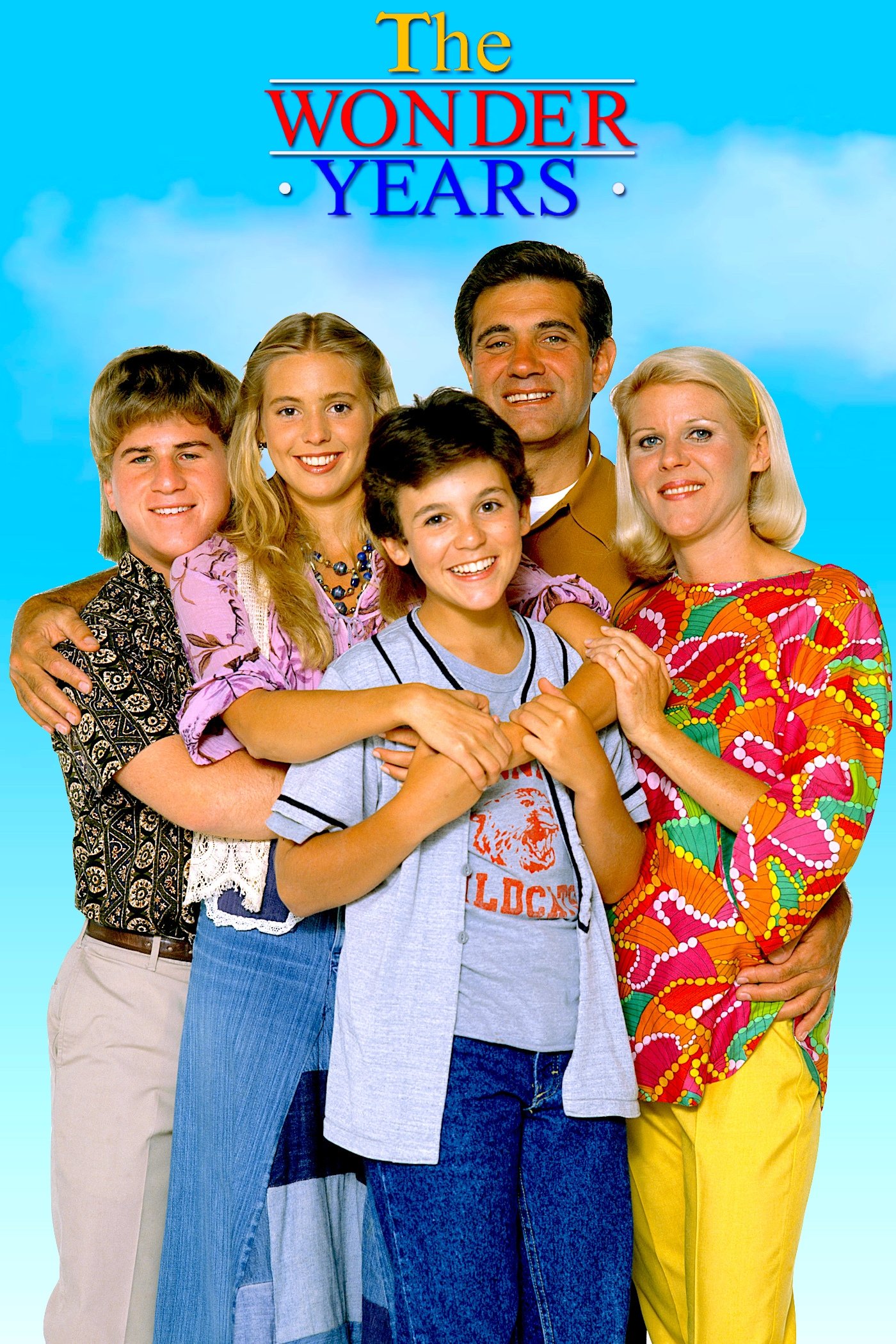
‘The Wonder Years’ follows Kevin Arnold’s suburban adolescence, framed by adult narration reflecting on school, family, and neighborhood life. Episodes focus on class projects, team tryouts, and local businesses, often tied to historical moments. The ensemble includes classmates, teachers, and community fixtures that recur across seasons.
‘The Facts of Life’ (1979–1988)
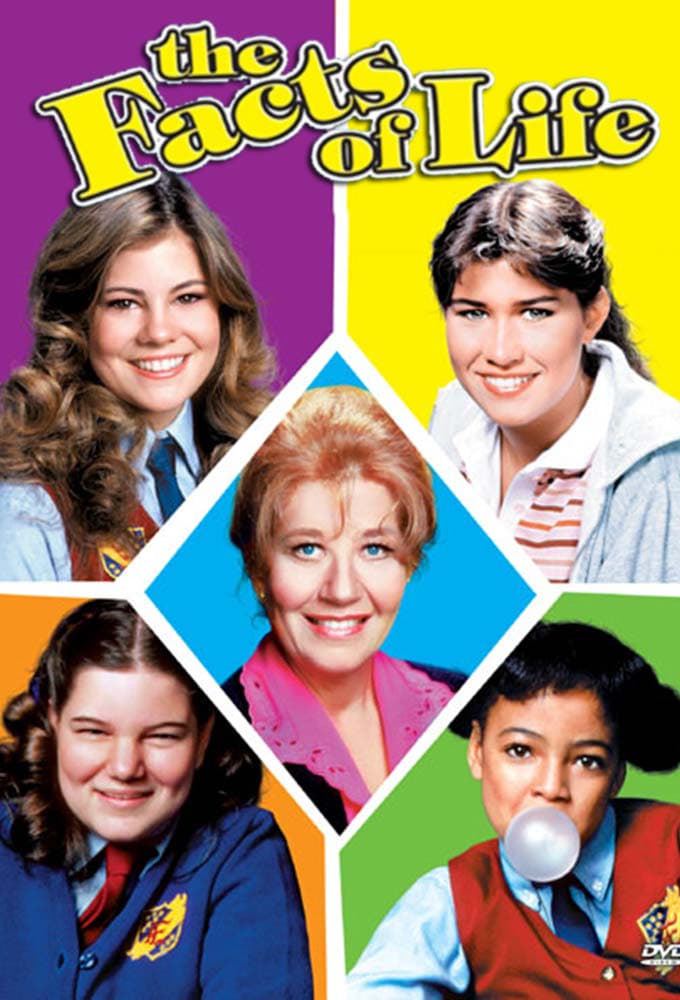
‘The Facts of Life’ centers on students at Eastland School and their housemother, later expanding to small-business ownership. Plots involve dorm policies, student councils, and career transitions as characters age. Recurring locations—cafeteria, residence, and a specialty shop—structure most weekly stories.
‘Bosom Buddies’ (1980–1982)
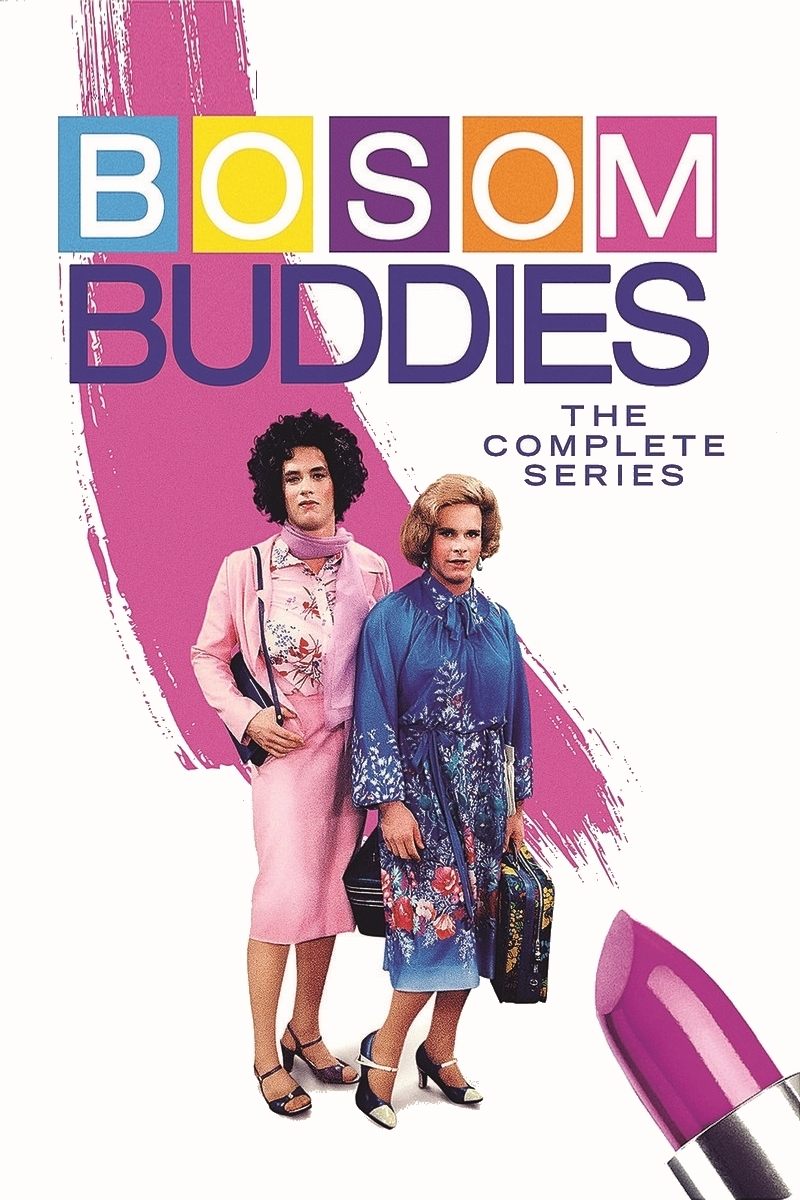
‘Bosom Buddies’ follows two advertising creatives who disguise themselves to live in a women-only residence after a housing snag. Workplace campaigns, client presentations, and production-day mishaps fuel A-plots. Apartment subplots involve building rules, neighbors, and the logistics of maintaining cover identities.
‘Degrassi Junior High’ (1987–1989)
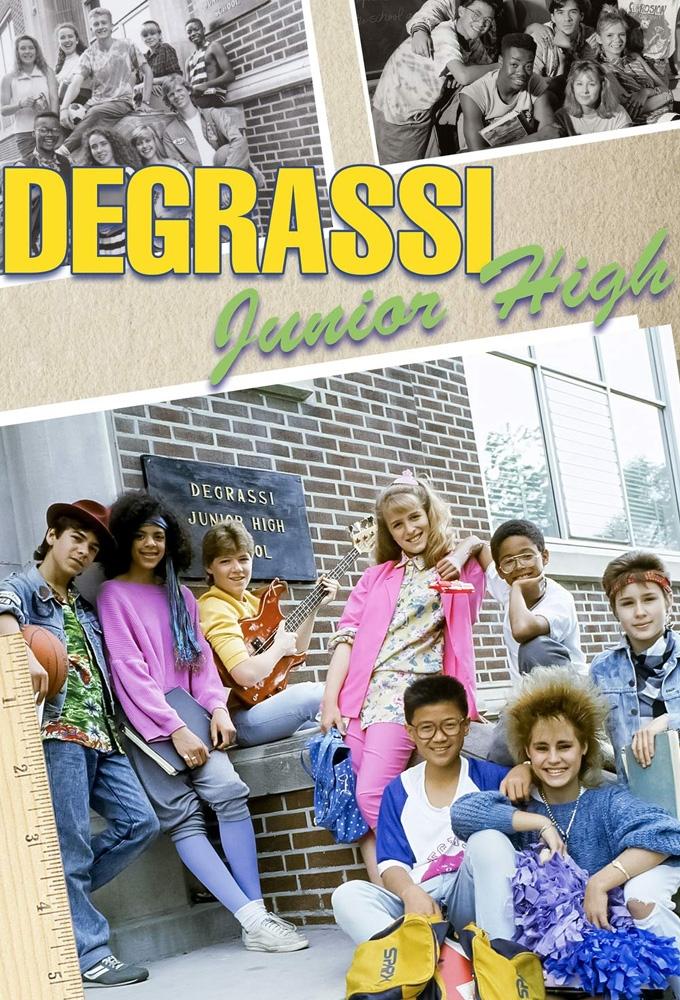
‘Degrassi Junior High’ portrays students navigating classes, clubs, and home situations with a documentary-style approach. Episodes often center on assemblies, sports teams, and school dances alongside guidance-counselor meetings. The ensemble format rotates perspectives, allowing storylines to develop across semesters.
‘Tales from the Darkside’ (1983–1988)
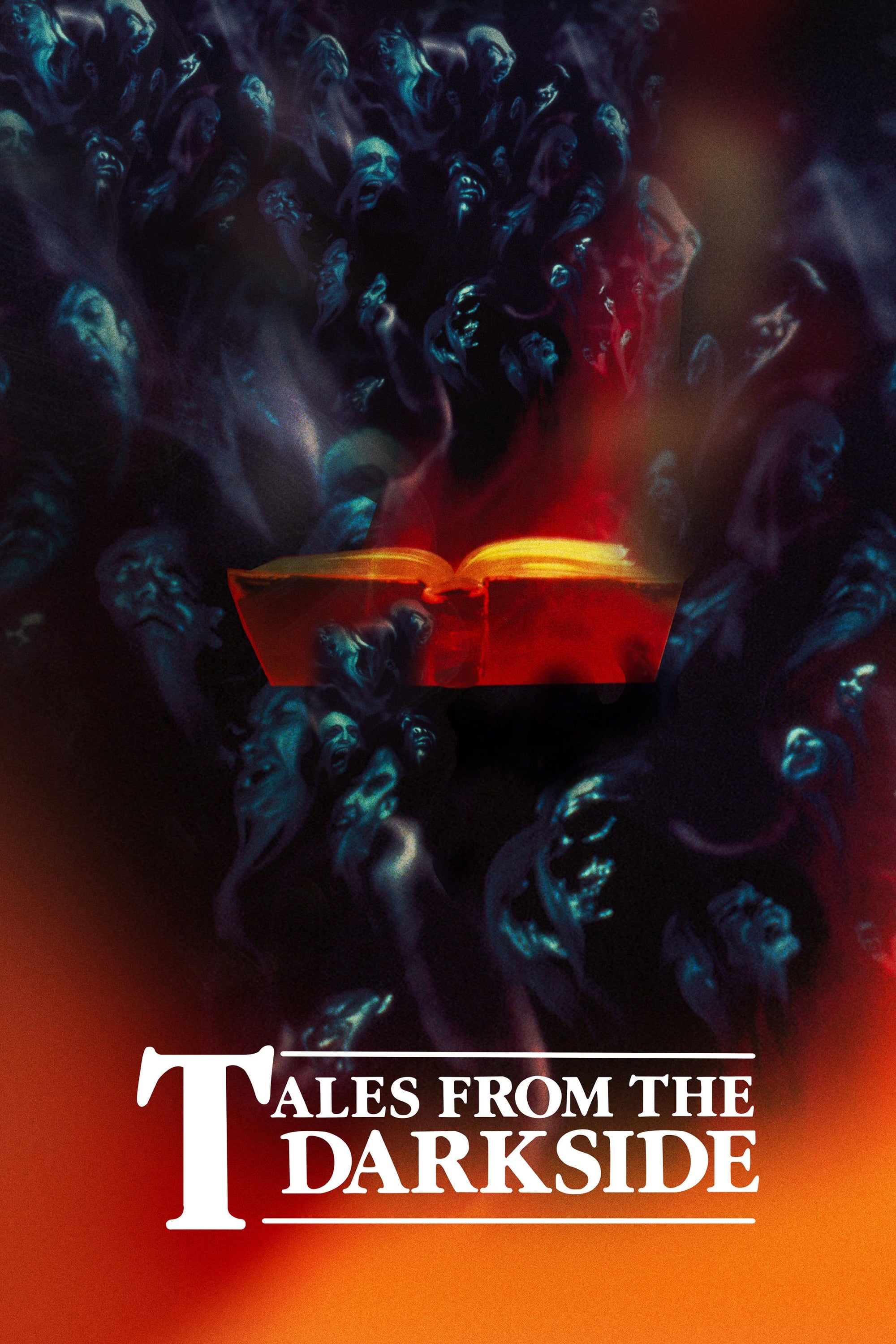
‘Tales from the Darkside’ is an anthology of self-contained horror and dark fantasy stories. Each episode introduces a new cast, setting, and twist-driven conclusion, ranging from haunted artifacts to cautionary bargains. Minimal recurring elements keep production focused on standalone scripts and practical effects.
‘The Storyteller’ (1988–1989)
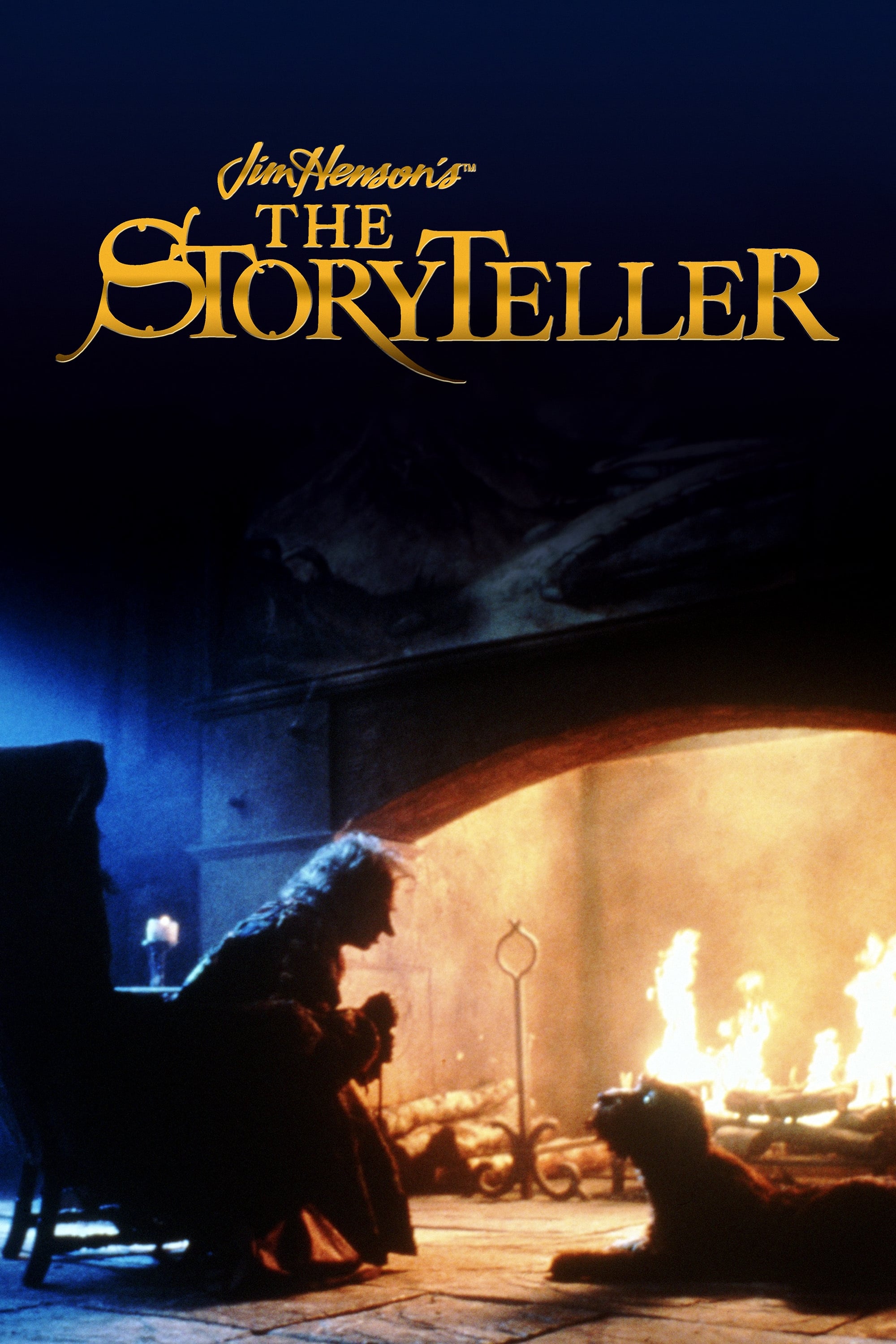
‘The Storyteller’ adapts European folk tales using live-action performances and advanced creature effects. Episodes are framed by a narrator and a canine sidekick, introducing morals and origins of each tale. The series’ format supports varied kingdoms, quests, and folklore beings without ongoing continuity.
‘The Real Ghostbusters’ (1986–1991)
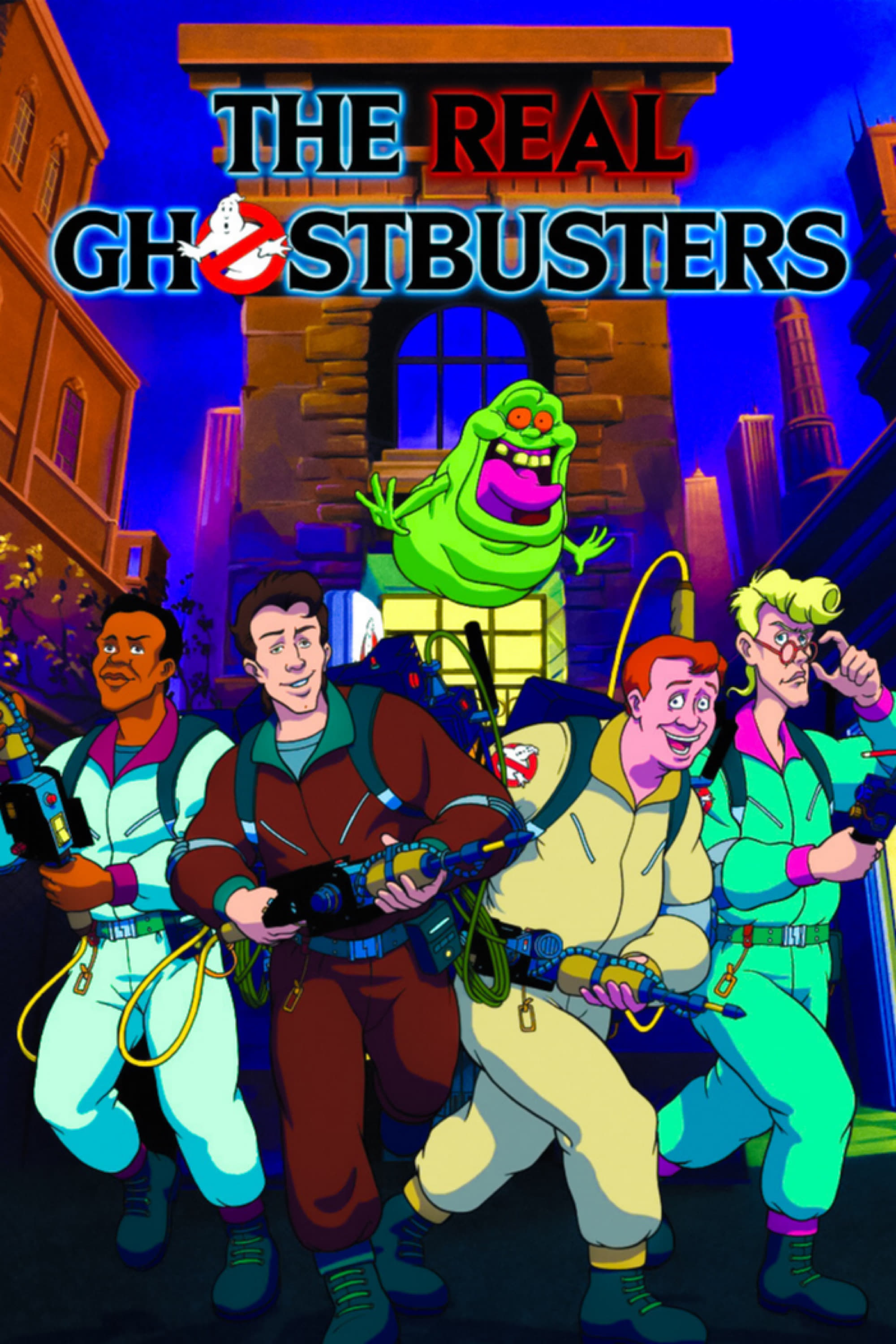
‘The Real Ghostbusters’ follows a paranormal cleanup team operating out of a New York firehouse with proton packs, traps, and containment units. Cases include haunted tenements, museum artifacts, and dimensional rifts requiring specialized equipment. Recurring support characters and a steady stream of clients anchor the episodic structure.
‘Dungeons & Dragons’ (1983–1985)
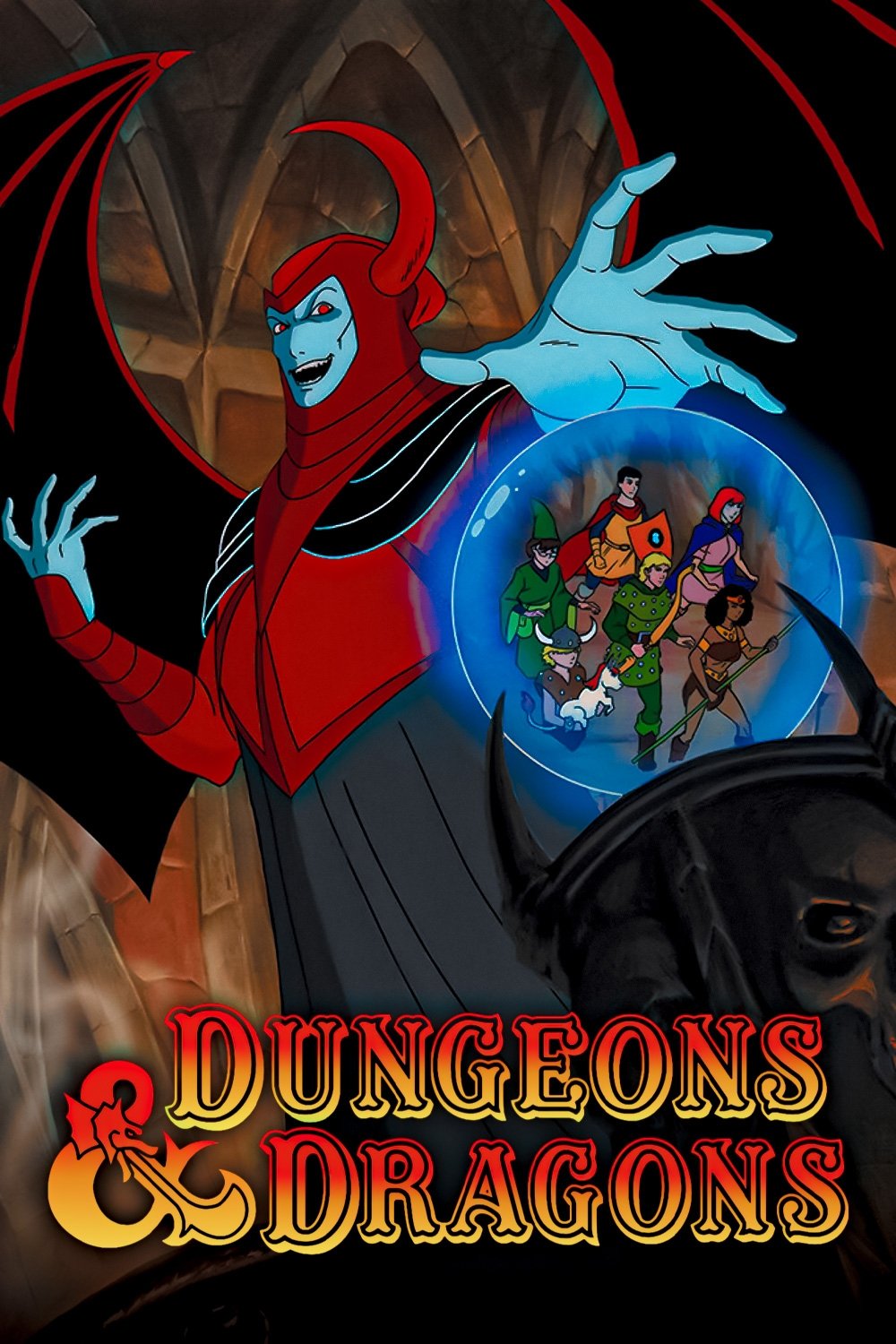
‘Dungeons & Dragons’ features a group of friends transported to a fantasy realm, each receiving a role with distinct gear and abilities. Quests revolve around village defenses, labyrinth escapes, and artifacts guarded by recurring antagonists. A guide figure offers riddles and limited help, while portal opportunities drive season milestones.
Tell us which picks you’d reboot first—and what modern twist you’d add—in the comments.