1980s Comedy Movies That are Completely Unwatchable Today


Comedy ages in unpredictable ways, and a lot of 1980s hits now feel tied to trends, casting choices, and production decisions from a very specific moment. This list rounds up forty titles from that decade and gives quick context on what they are, who made them, and how they landed. You will find sequels that chased a fad, star vehicles that missed the mark, and oddities built around merchandising crazes. Here are the facts that explain how each one came together and what followed afterward.
‘Caddyshack II’ (1988)
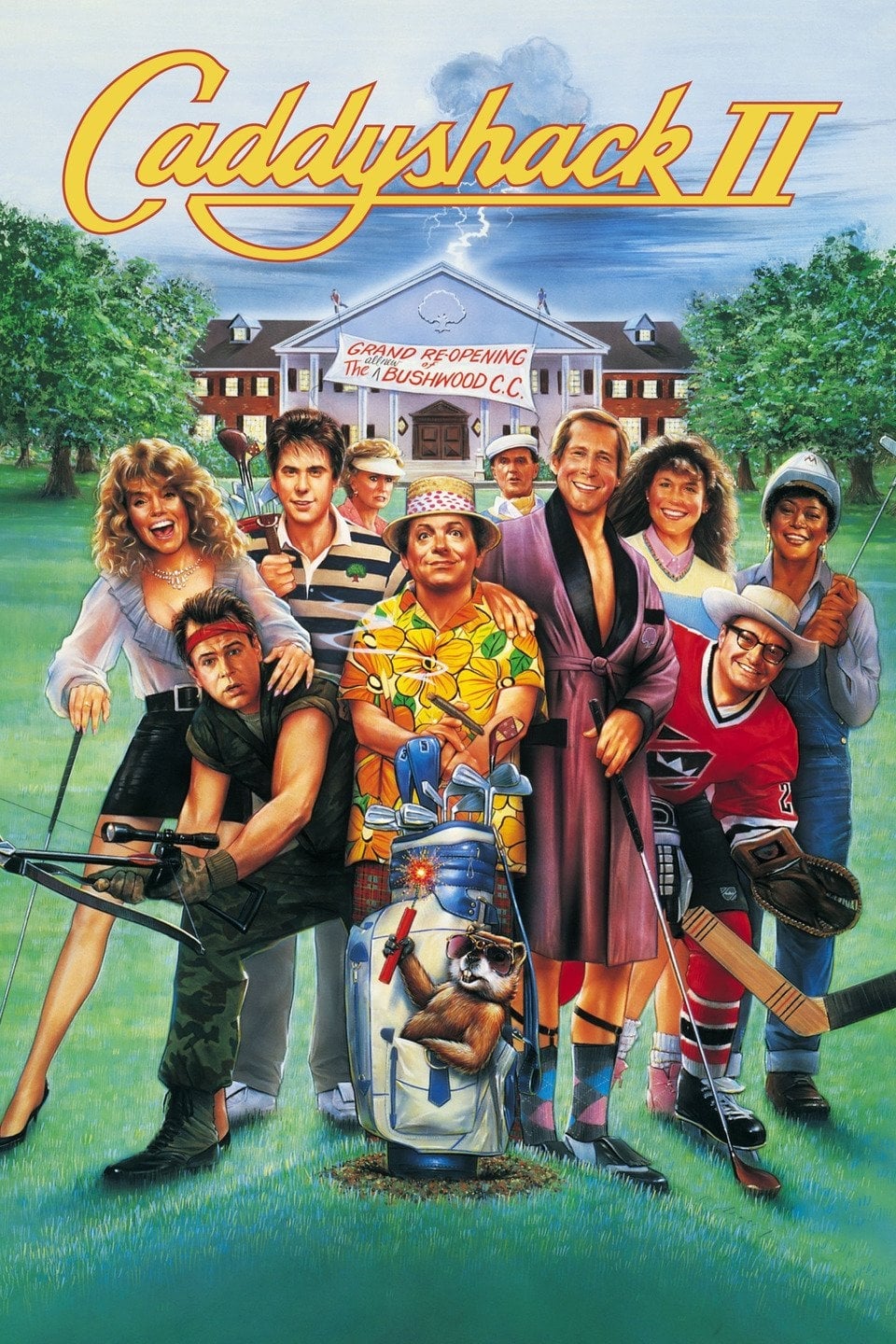
This sequel returns to Bushwood Country Club with a new owner who clashes with the old guard. Jackie Mason leads a cast that includes Robert Stack, Dyan Cannon, Dan Aykroyd, and Chevy Chase in a smaller role. The production replaced key creative voices from ‘Caddyshack’ and shifted to a PG rating. It opened to poor reviews and faded quickly after initial curiosity.
‘Leonard Part 6’ (1987)
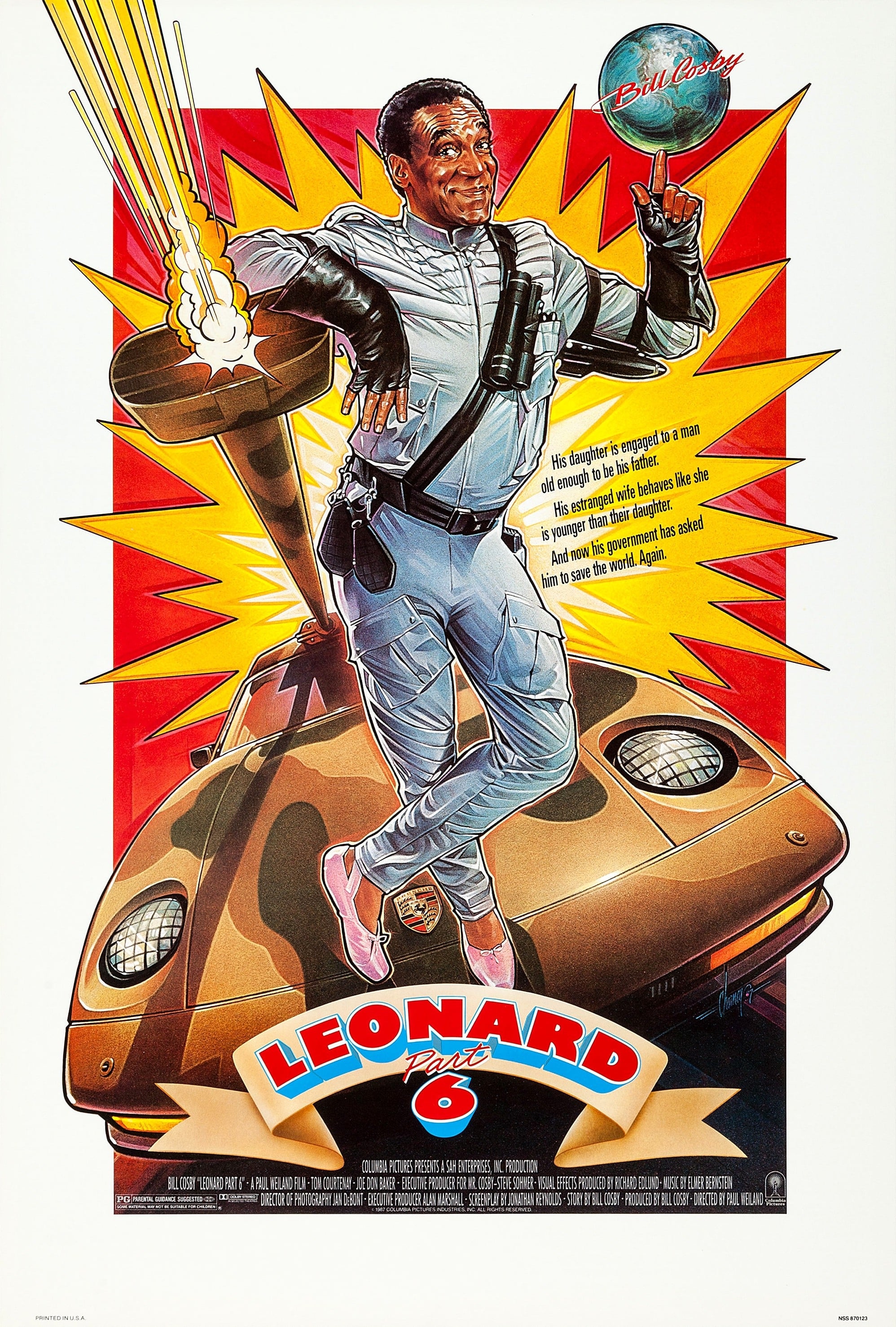
Bill Cosby plays a retired spy coaxed back into action in a parody of secret agent films. Columbia Pictures heavily promoted the joke of missing earlier installments. Cosby publicly criticized the finished film during release, which was unusual for a star. The movie collected multiple Razzie Awards and became a frequent punchline.
‘Ishtar’ (1987)
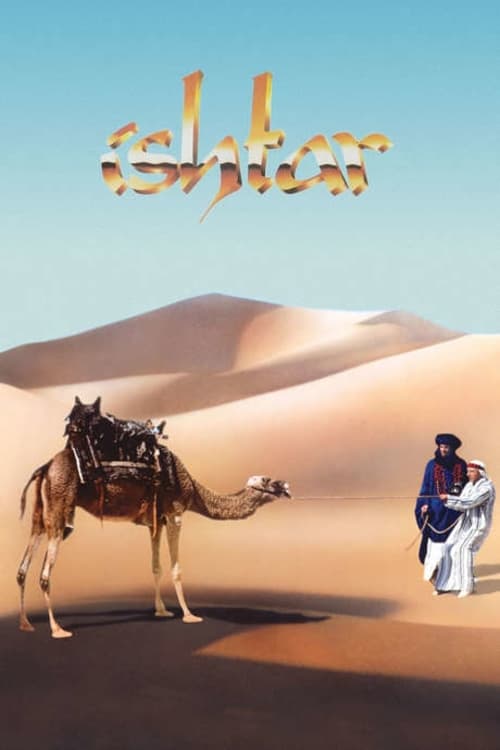
Elaine May directed this desert adventure about two lounge singers hired for a gig that spirals into Cold War intrigue. The budget grew during a difficult shoot in Morocco and the United States. Warren Beatty and Dustin Hoffman played against type as talentless performers. Press coverage of overruns and a soft domestic gross turned the title into shorthand for excess.
‘Howard the Duck’ (1986)
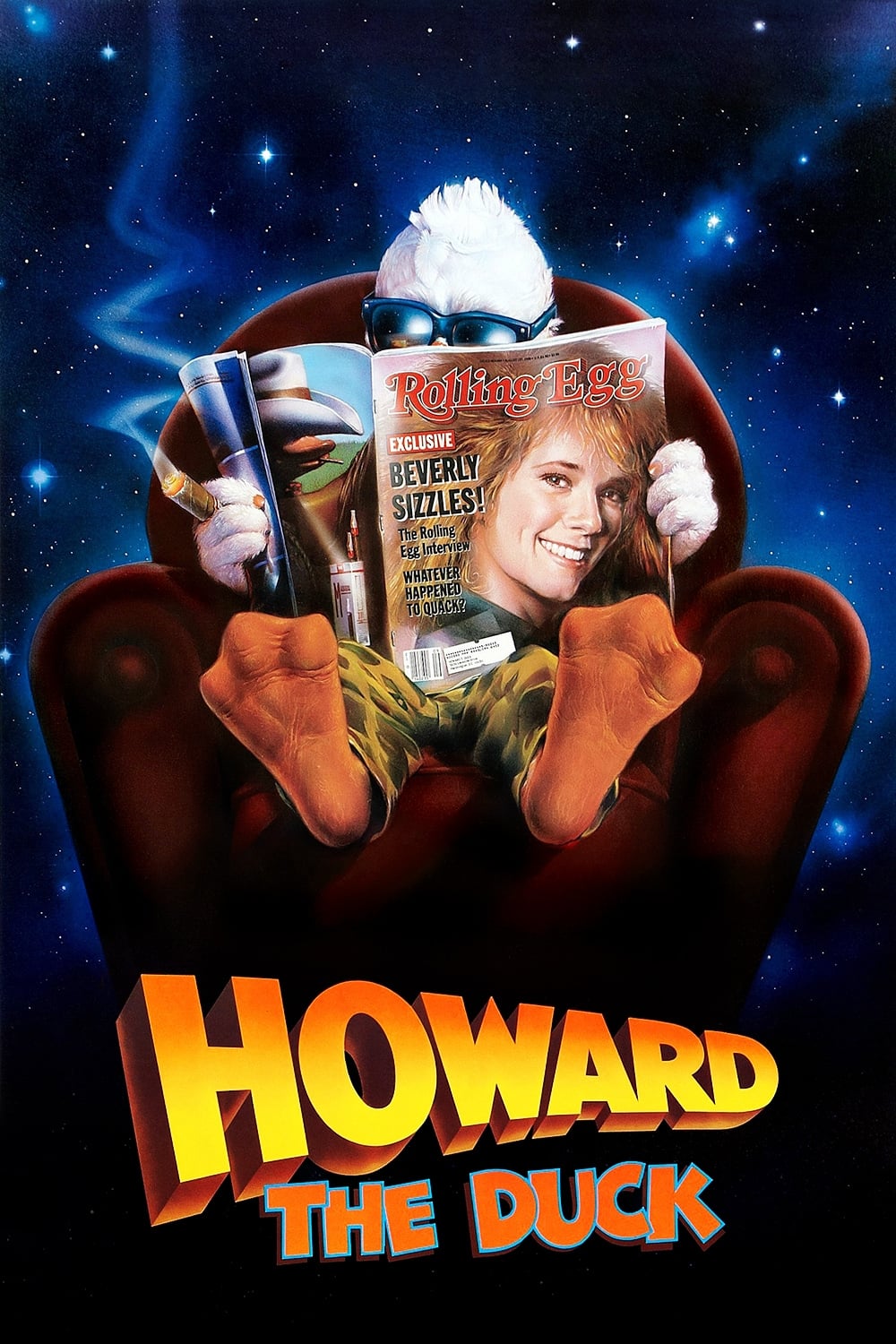
Based on a Marvel Comics character, the film follows a wisecracking alien duck stranded on Earth. Willard Huyck directed with George Lucas as executive producer. Practical suits and animatronics built the title character alongside early visual effects. Plans for sequels ended after a disappointing run.
‘The Garbage Pail Kids Movie’ (1987)
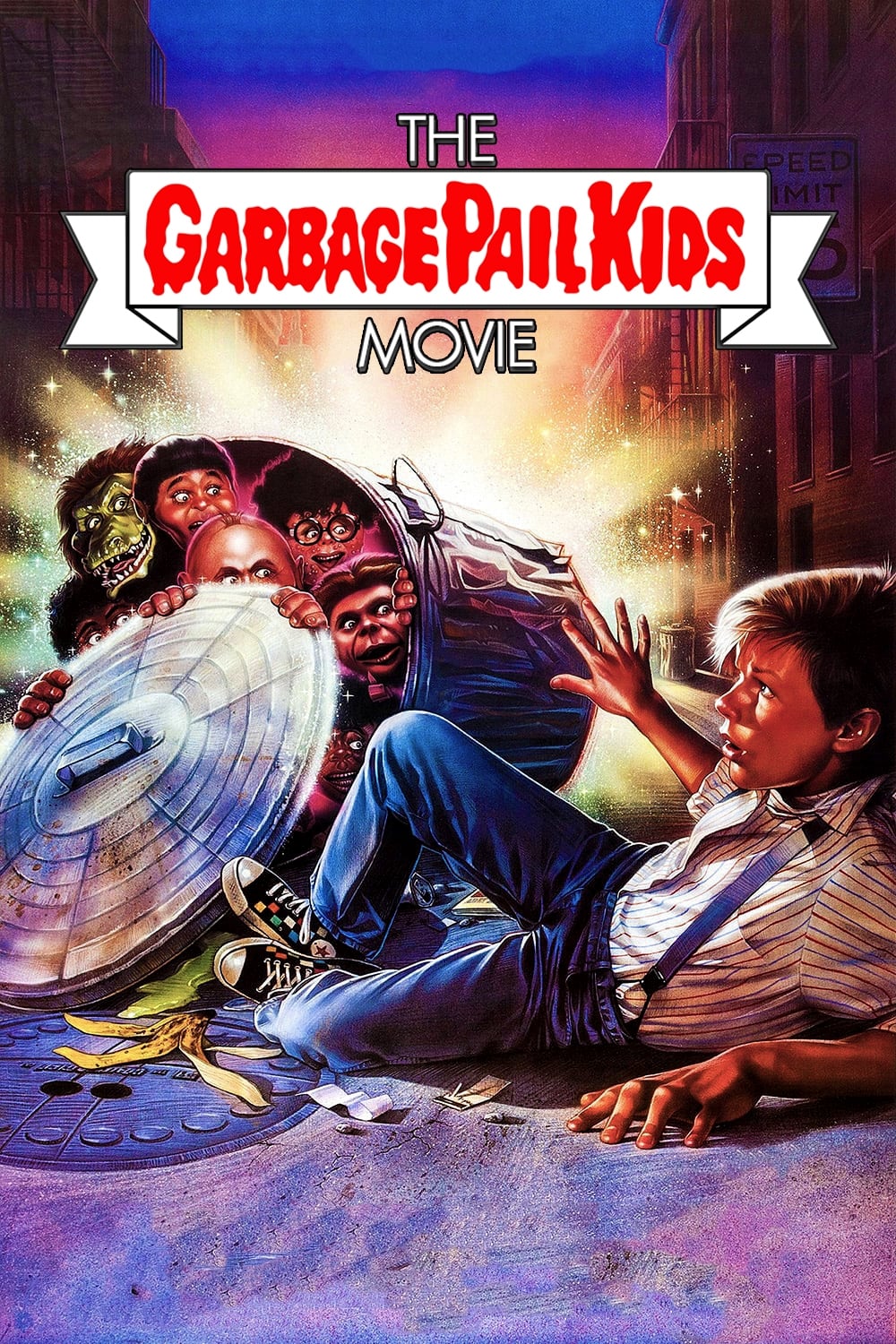
Adapted from the trading card craze, the story centers on misfit kids who help a bullied boy in a clothing shop. Performers in heavy makeup and mechanical masks portrayed the characters. The production relied on animatronic facial rigs that often limited expression. Critics targeted the tone and families stayed away.
‘Porky’s’ (1981)
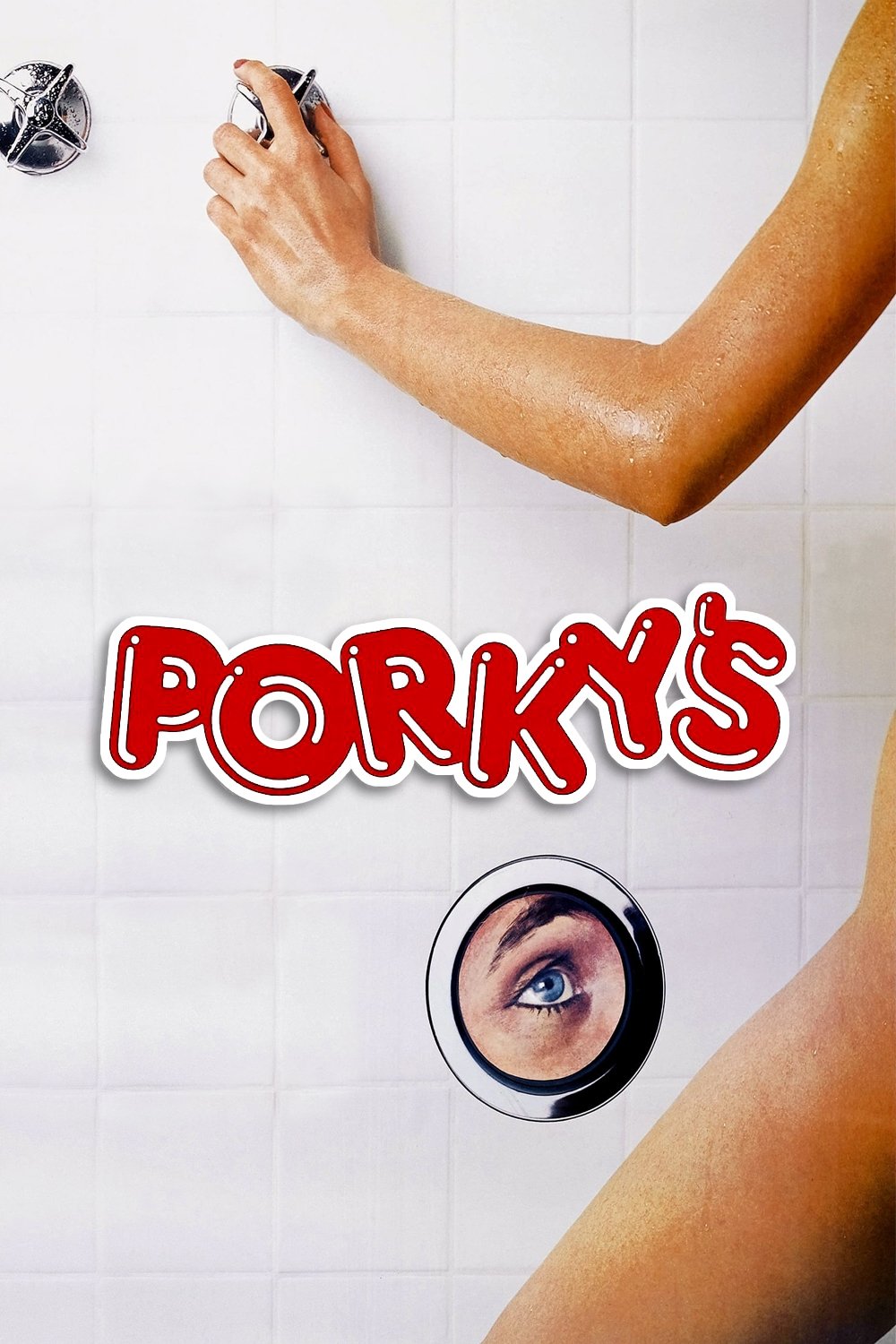
Bob Clark set this teen comedy in 1950s Florida with a group of high school friends chasing misadventures. The independent production became a surprise box office hit. Strong earnings led the studio to greenlight sequels and spin off merchandise. Its depiction of teens and school authority has been debated for years.
‘Porky’s II: The Next Day’ (1983)
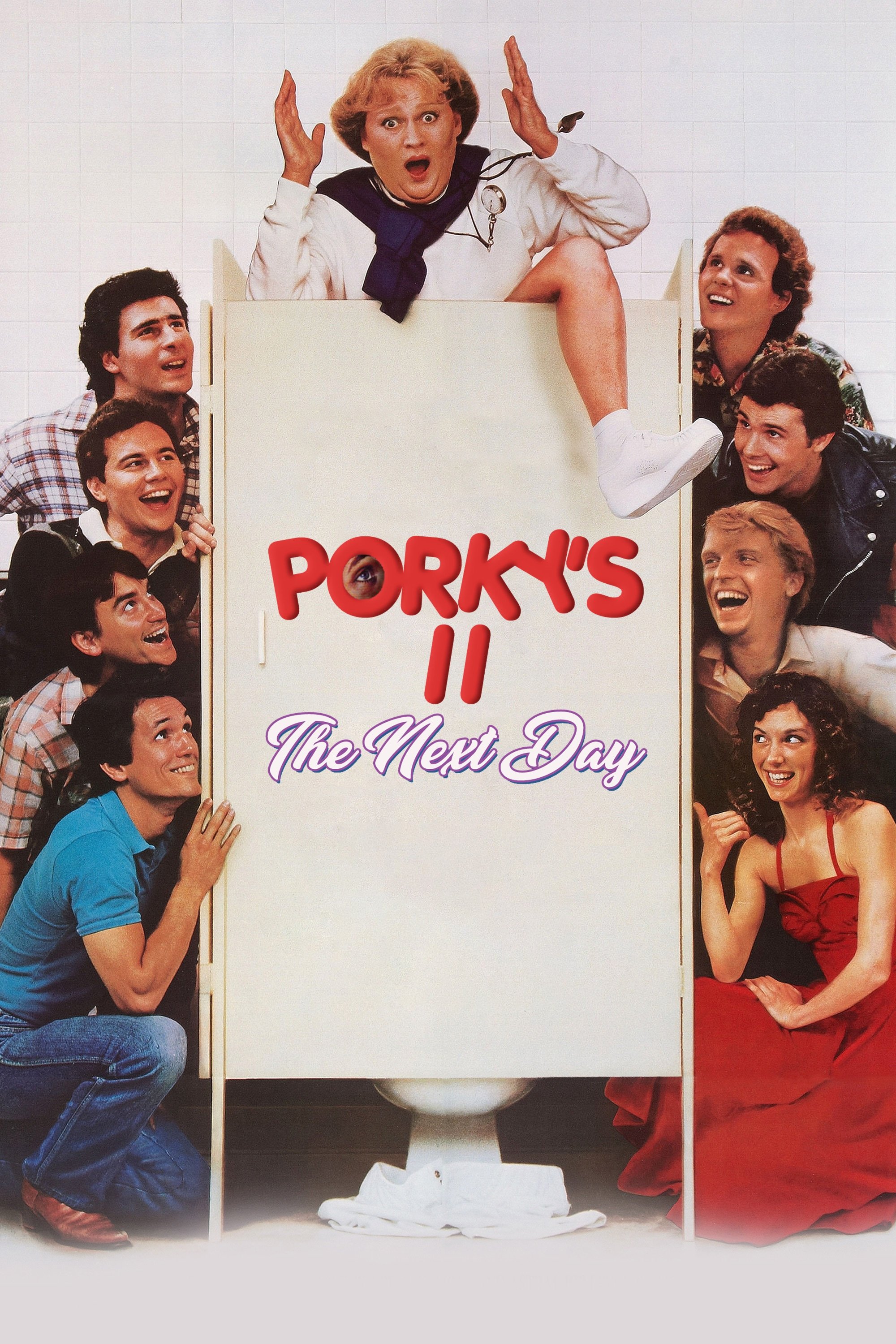
The follow up shifts focus to battles over censorship and morality campaigns in the community. Many actors returned along with director Bob Clark. Location work again recreated the period setting with diners, gyms, and swamps. The movie earned less than the first film but kept the series active.
‘Porky’s Revenge’ (1985)
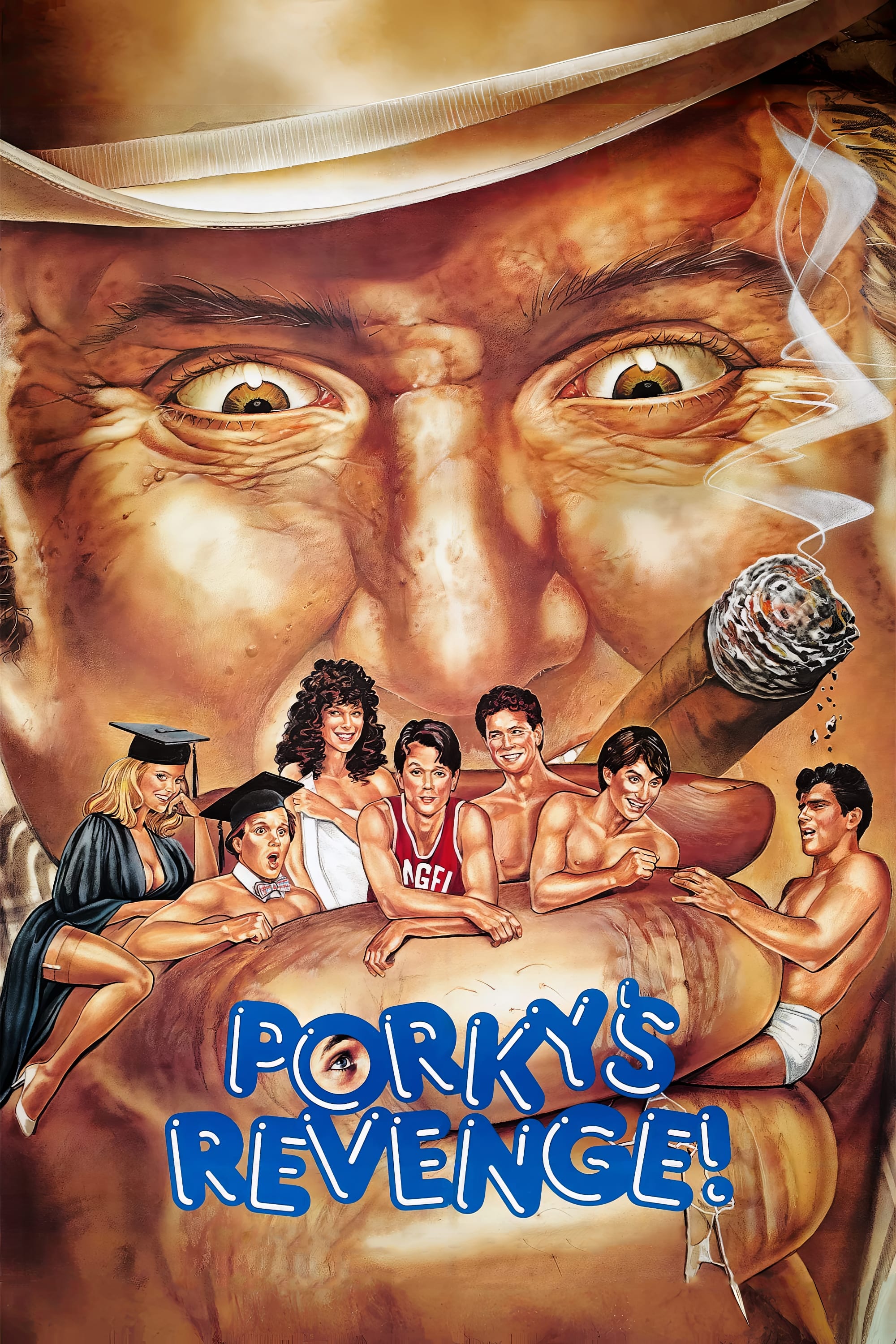
The third entry introduces a mob connected club owner who pressures the school basketball team. James Komack directed while Bob Clark moved on to other projects. The cast reunited several returning characters from the earlier films. It marked the end of the original theatrical trilogy.
‘Soul Man’ (1986)
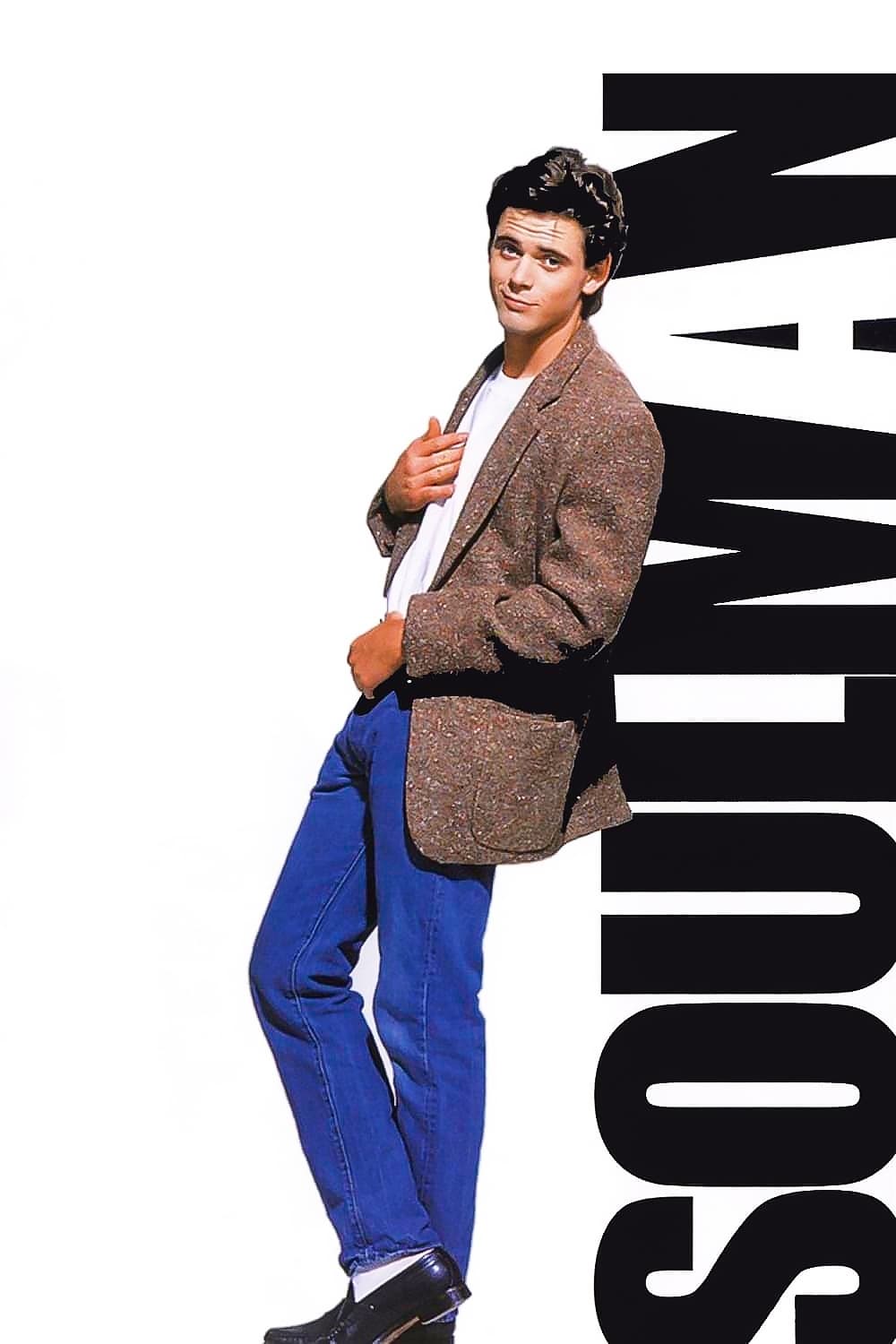
C Thomas Howell plays a student who uses medication to darken his skin in order to qualify for a scholarship. Rae Dawn Chong co stars along with Arye Gross and James Earl Jones. The release sparked protests and discussion about blackface in modern movies. Television airings and home video often revived that conversation.
‘The Toy’ (1982)
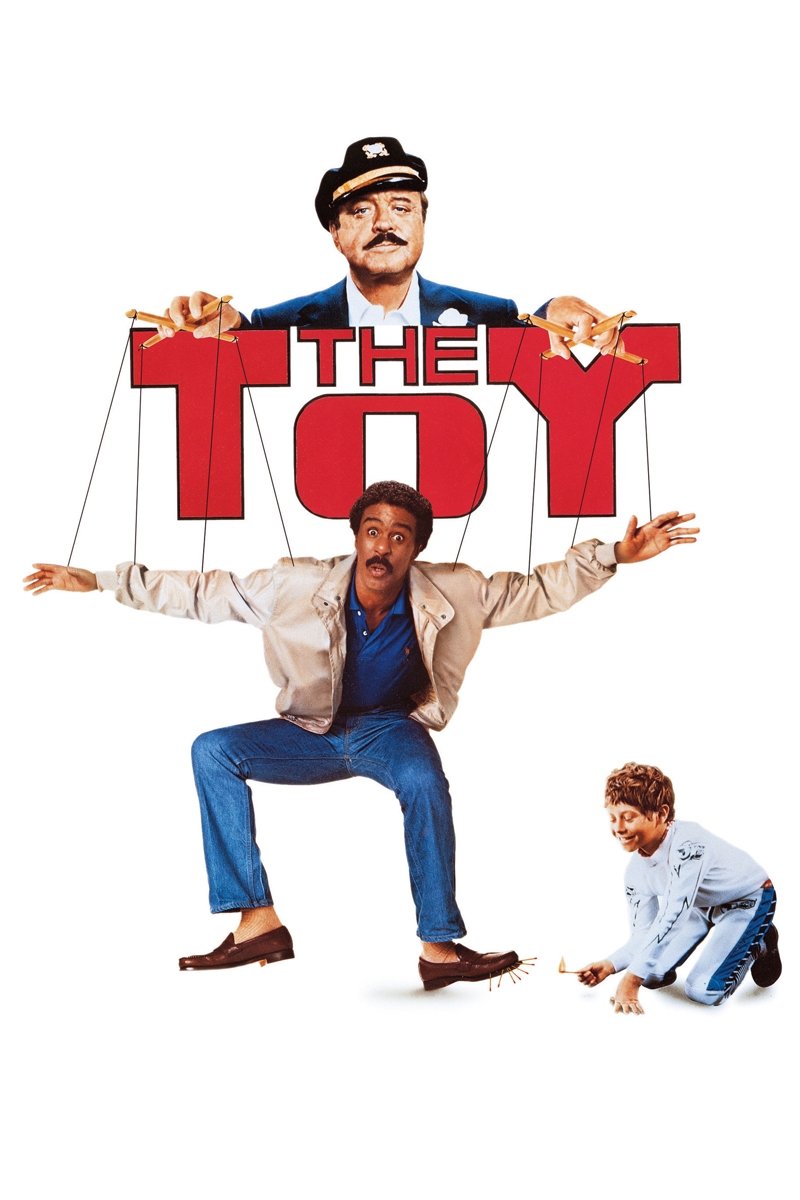
Richard Pryor stars as a man hired by a wealthy businessman to entertain his son in a remake of the French hit ‘Le Jouet’. Jackie Gleason plays the father and Scott Schwartz plays the child. Richard Donner directed and kept the story set in Louisiana. The movie performed modestly compared with Pryor’s earlier comedies.
‘Crocodile Dundee II’ (1988)
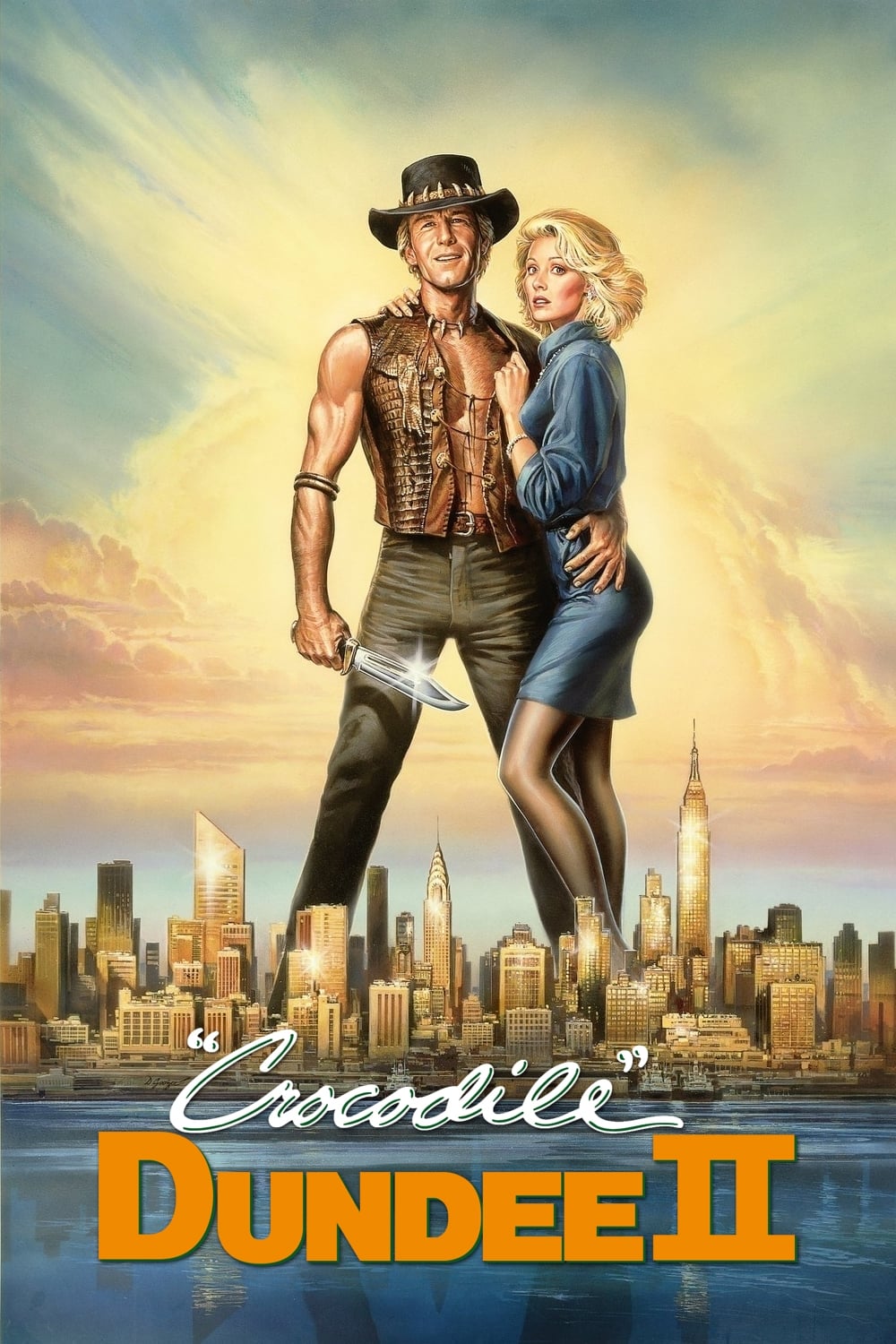
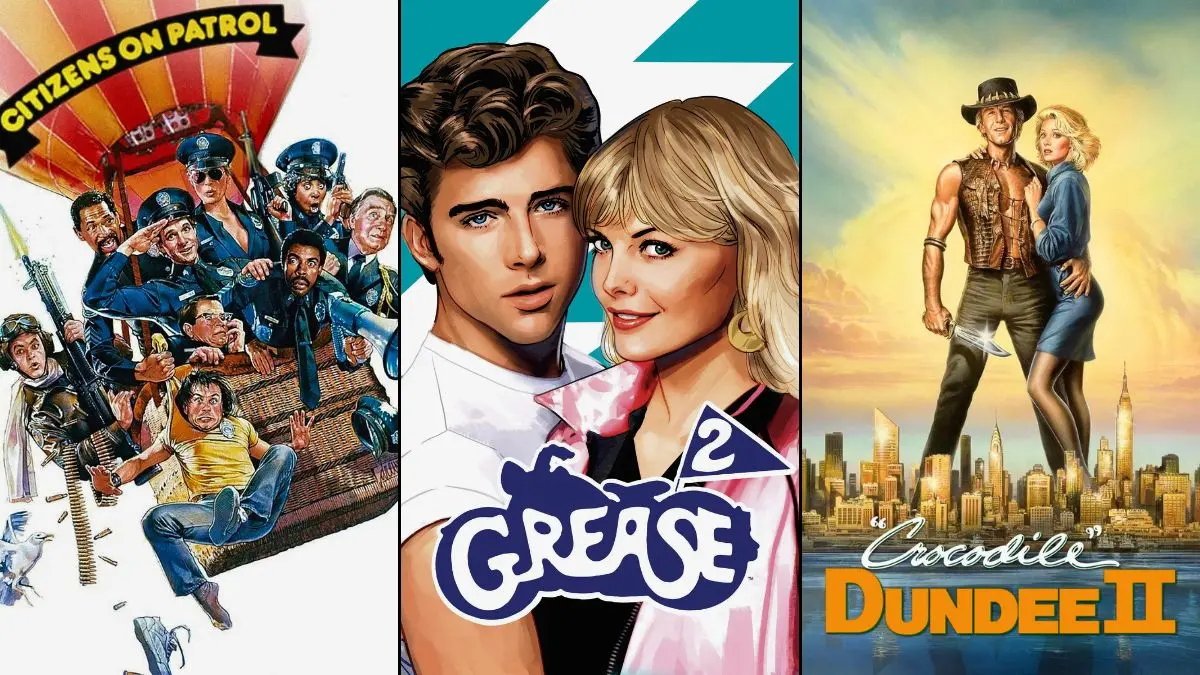
Paul Hogan and Linda Kozlowski returned for a follow up that moves between New York City and the Australian outback. The plot adds a drug cartel threat that sends the couple back to the bush. The sequel opened big and finished among the top earners of its year. Reviews were more mixed than for the original.
‘Short Circuit’ (1986)
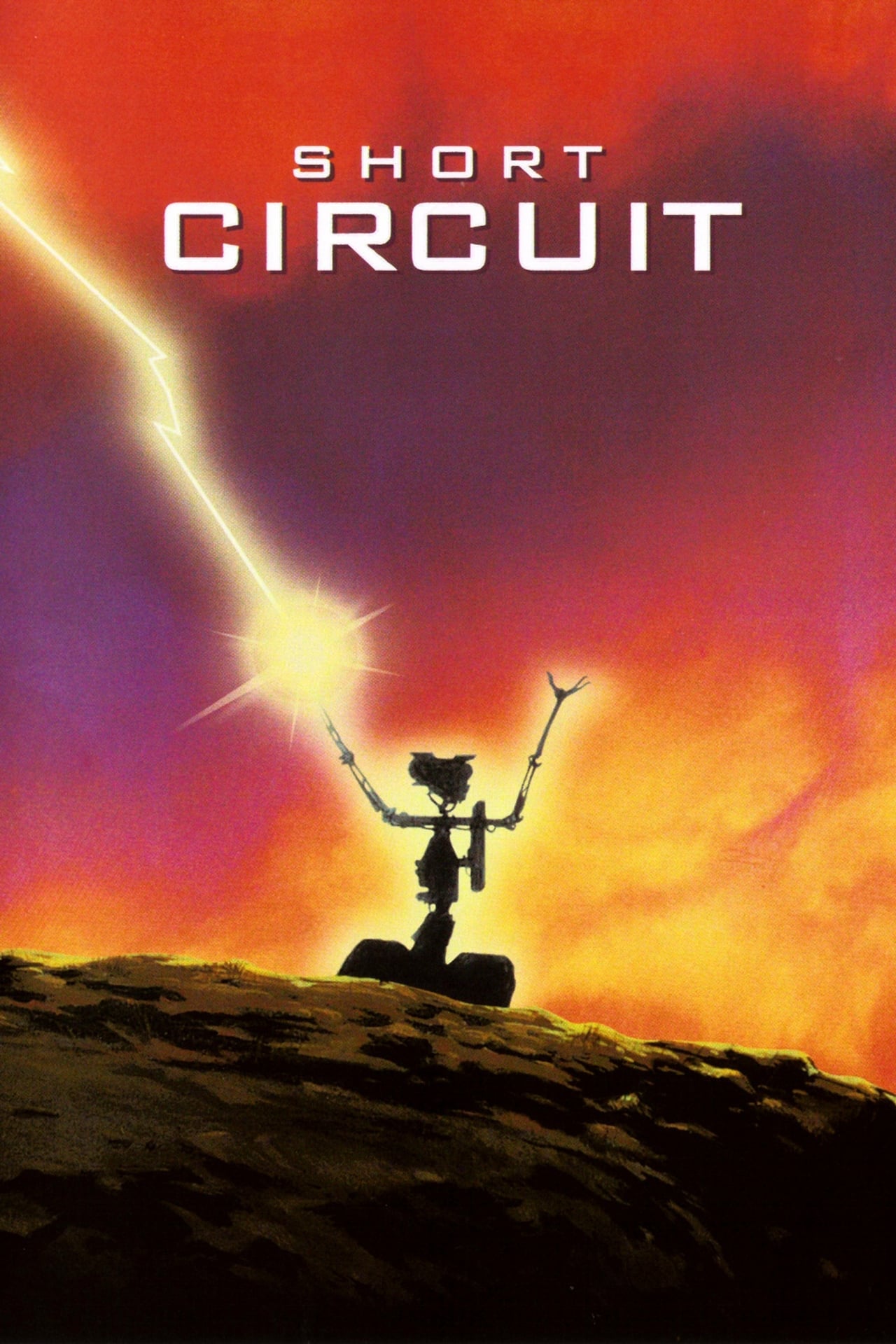
A military prototype robot gains self awareness and escapes the lab, naming itself Johnny Five. John Badham directed with Steve Guttenberg and Ally Sheedy in lead roles. Fisher Stevens played a supporting engineer using makeup and an accent that later drew criticism. The movie became a cable staple and generated a sequel.
‘Short Circuit 2’ (1988)
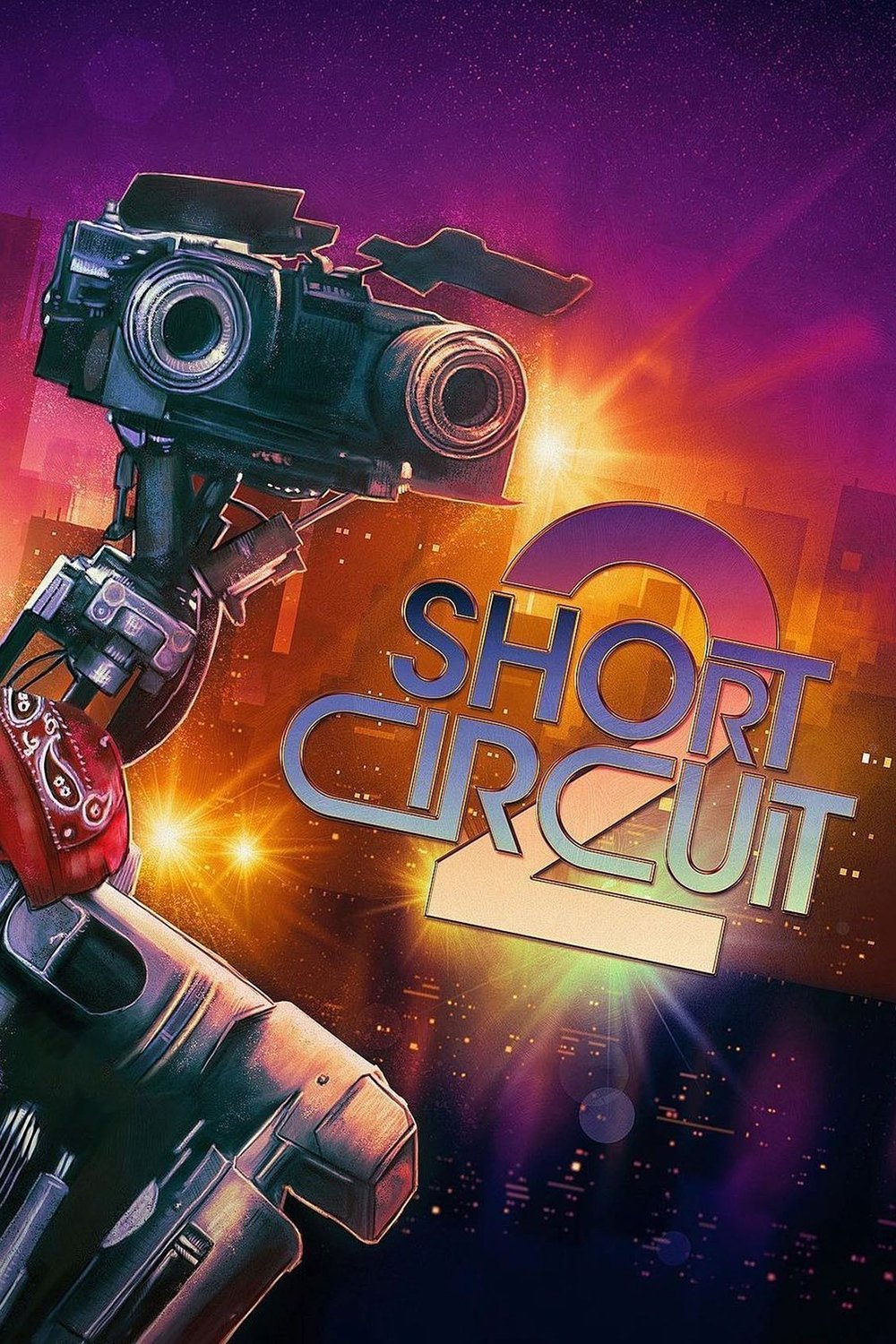
Johnny Five heads to New York City to help build toy robots and ends up targeted by criminals. Kenneth Johnson directed while Fisher Stevens and Michael McKean took over as human leads. The sequel increased the focus on sentiment and slapstick. It earned less than the first film and closed the series for decades.
‘Revenge of the Nerds’ (1984)
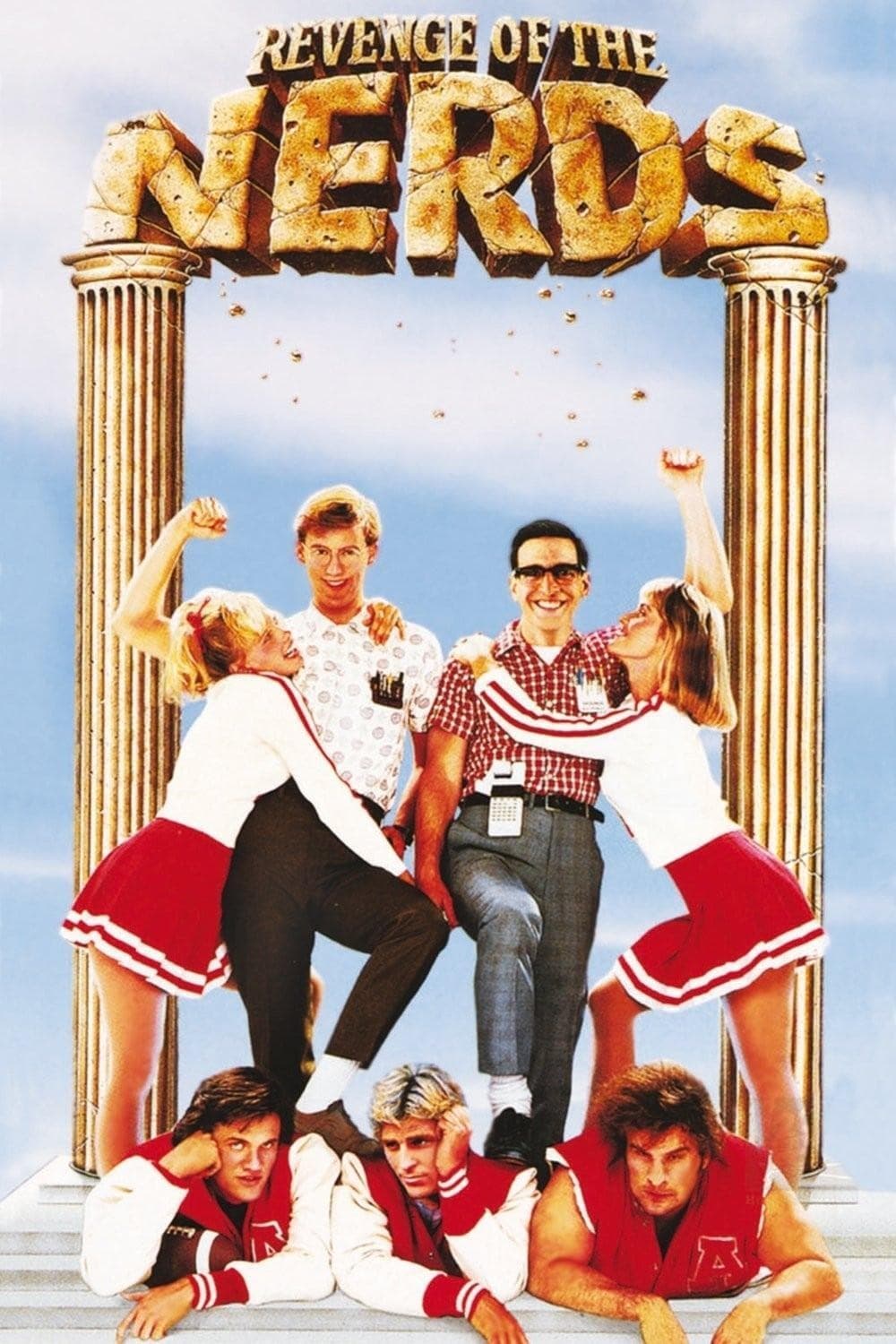
A group of first year students form their own fraternity after being bullied off campus. Jeff Kanew directed and Robert Carradine and Anthony Edwards led the cast. One subplot involves deception during a costume event that has drawn significant criticism in later years. The film launched multiple sequels and a television pilot.
‘Revenge of the Nerds II: Nerds in Paradise’ (1987)
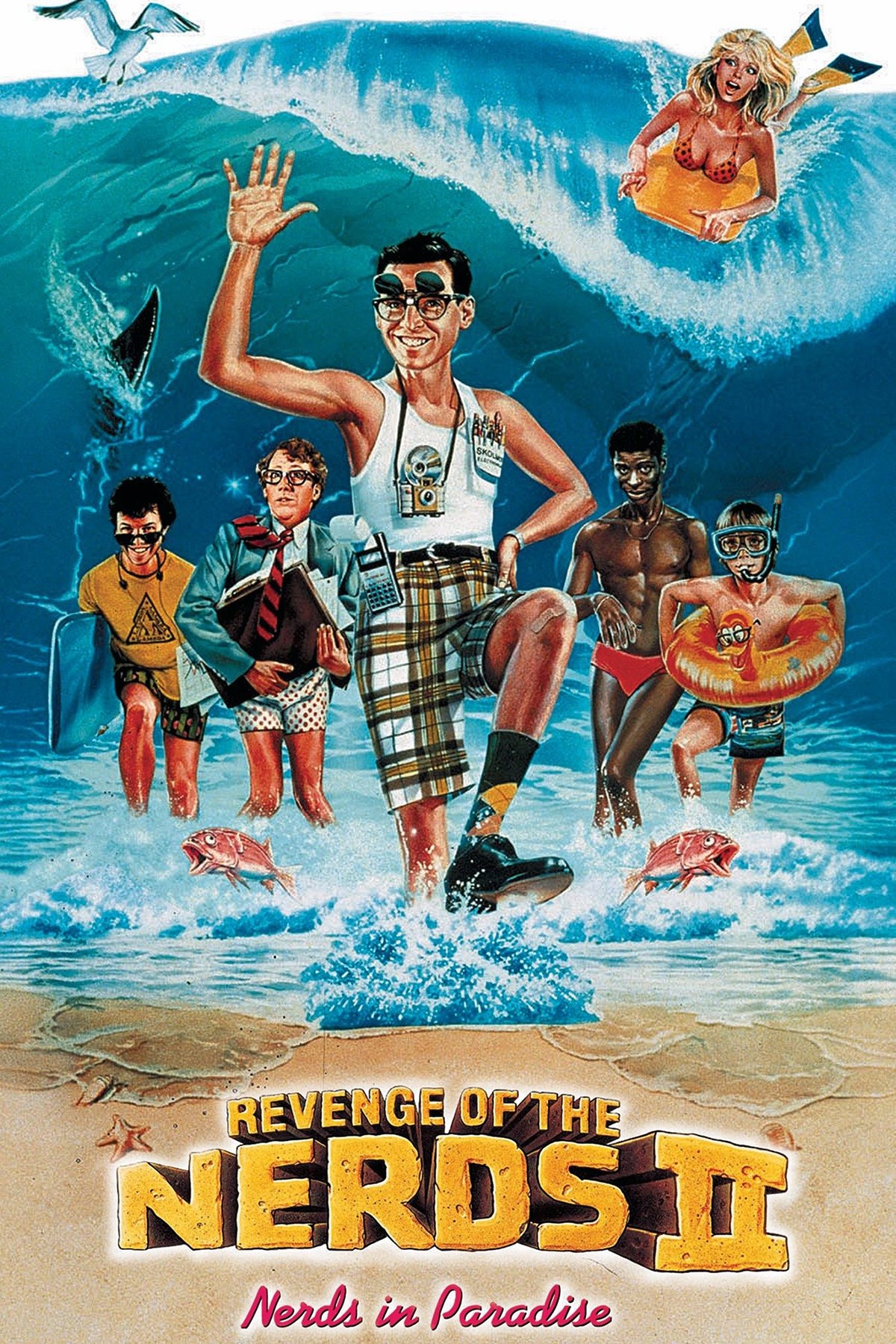
The group travels to Florida for a fraternity convention where a rival house pushes them out of their hotel. Many original cast members returned while Ted McGinley joined the antagonists. The rating dropped to PG 13 and the tone softened. It still led to additional follow ups made for television.
‘Police Academy 4: Citizens on Patrol’ (1987)
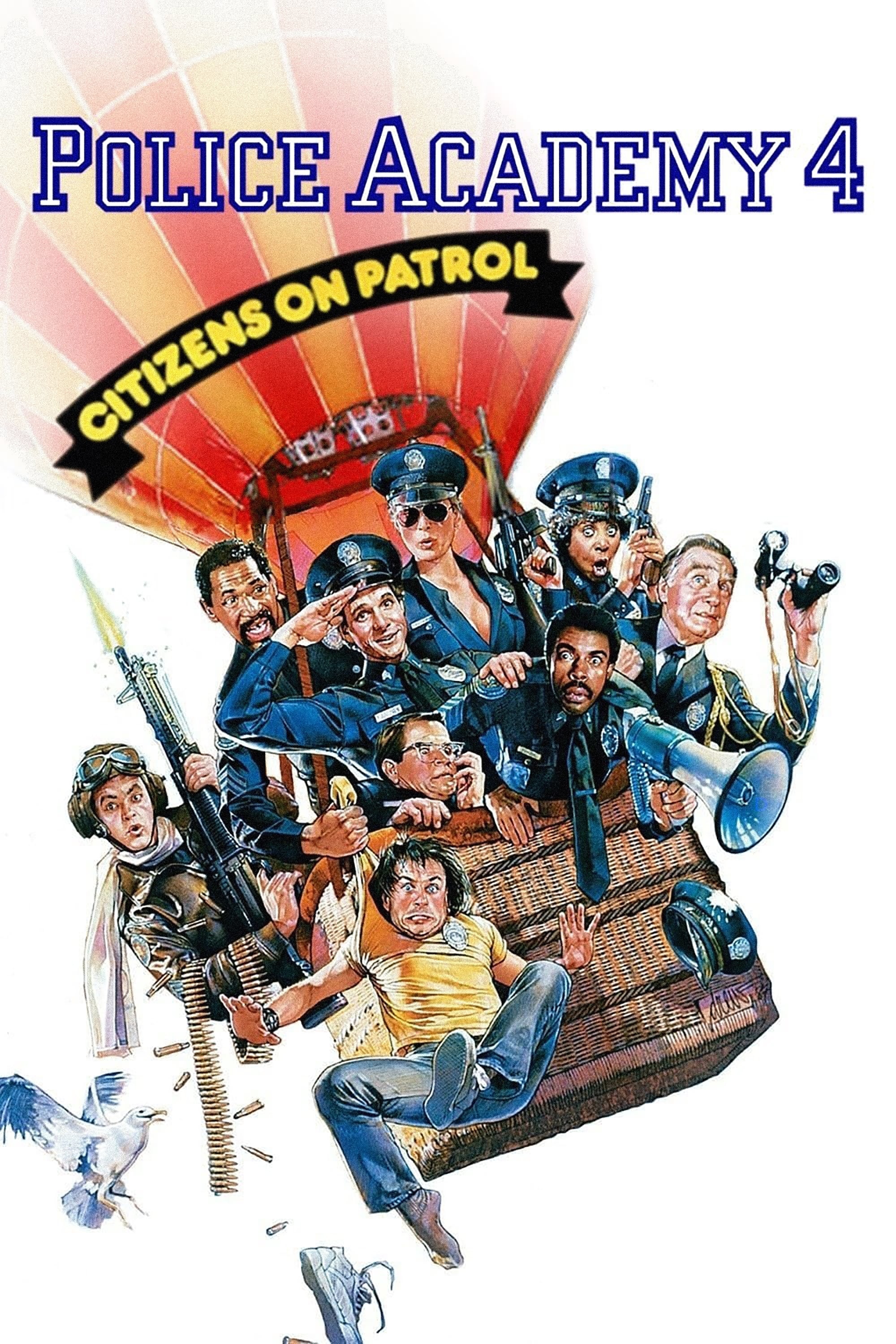
The fourth film introduces a citizen training program that brings civilians into uniform. Steve Guttenberg heads the ensemble with early roles for David Spade and Tony Hawk as a skating extra. A mix of location shooting and obvious sets created larger stunts like the glider chase. The series schedule moved to near yearly releases by this point.
‘Police Academy 5: Assignment Miami Beach’ (1988)
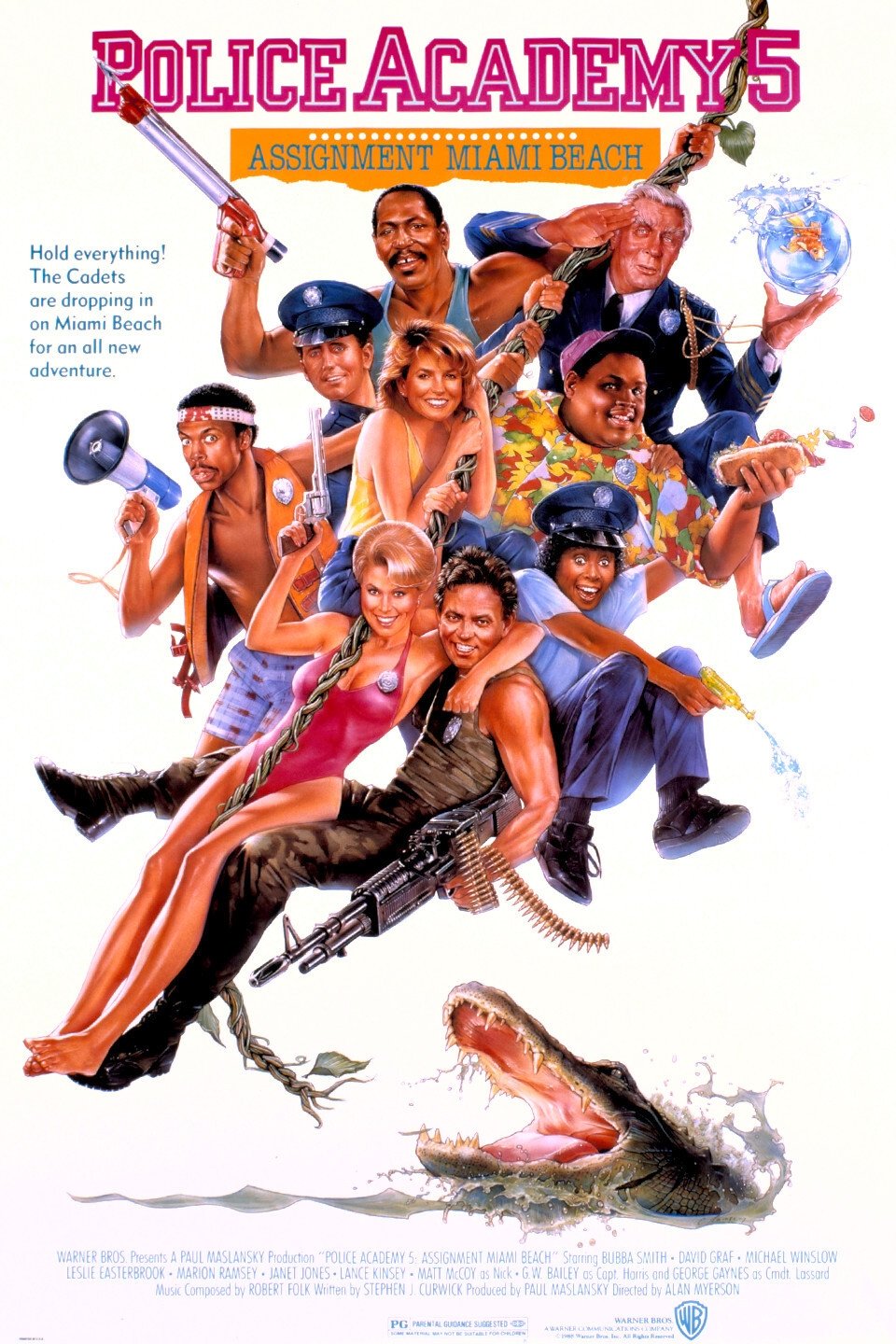
The action relocates to Miami Beach for a police convention and a stolen diamond case. Steve Guttenberg departed and Matt McCoy stepped in as a new lead alongside the returning ensemble. Location work leaned on tourist spots and sunny exteriors. The film maintained the brand and kept the franchise in theaters.
‘Police Academy 6: City Under Siege’ (1989)
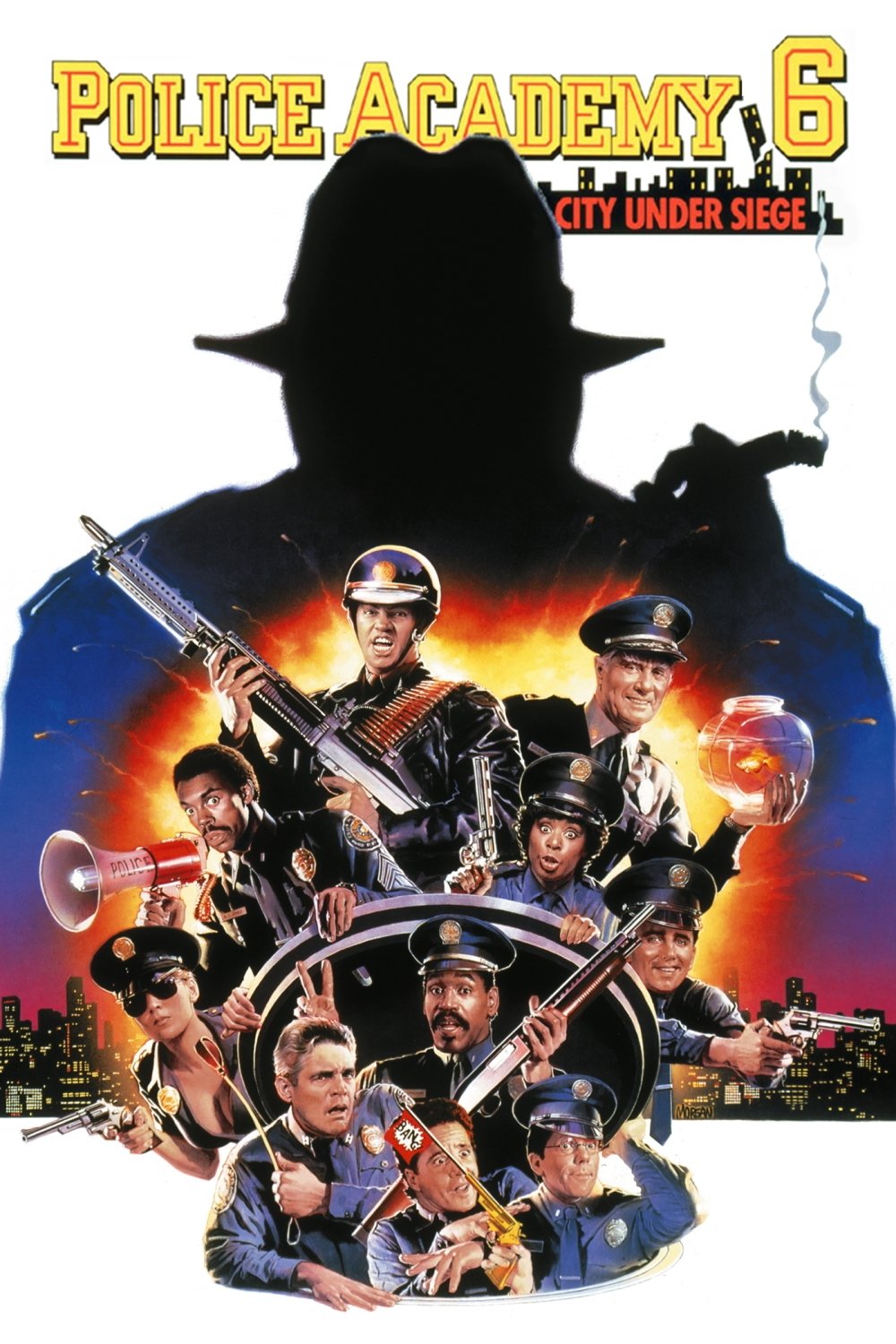
A mysterious mastermind engineers a crime wave that baffles the city. Most of the familiar characters return with Peter Bonerz directing. The entry relied on slapstick set pieces like bank heists and chase scenes. It was followed by ‘Police Academy 7’ in the next decade.
‘Meatballs: Part II’ (1984)
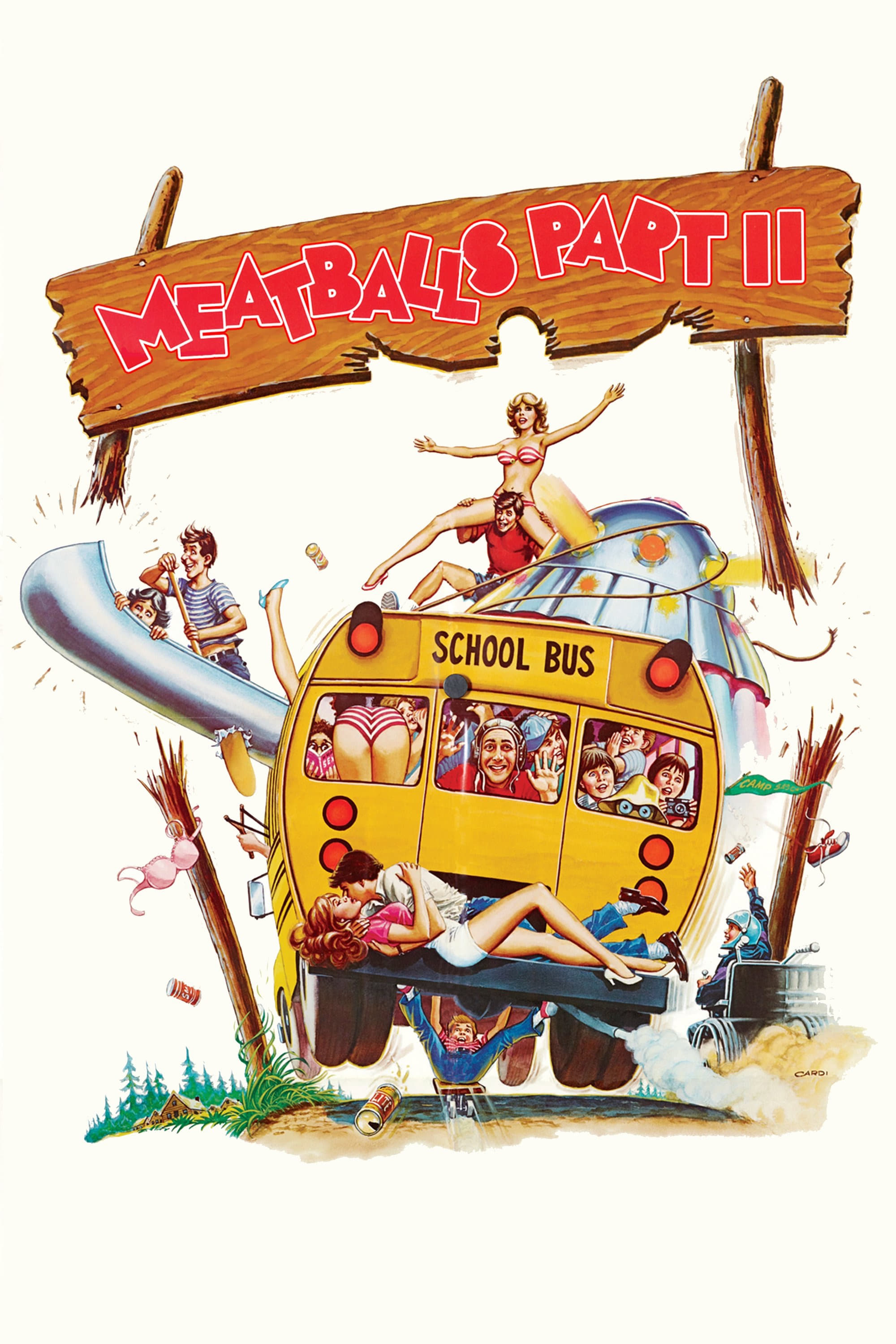
The sequel moves to a new summer camp with a different cast and a friendly alien visitor. Richard Mulligan and John Larroquette are among the adult leads. The movie keeps the prank heavy structure of camp stories. Bill Murray did not return from ‘Meatballs’.
‘Meatballs III: Summer Job’ (1986)

A teen lifeguard receives romantic coaching from the spirit of a late movie star. Patrick Dempsey plays the lead and Sally Kellerman appears as the mentor. The production shifts to resort settings and sun soaked locations. This entry took the series into fantasy territory far from the original tone.
‘Grease 2’ (1982)
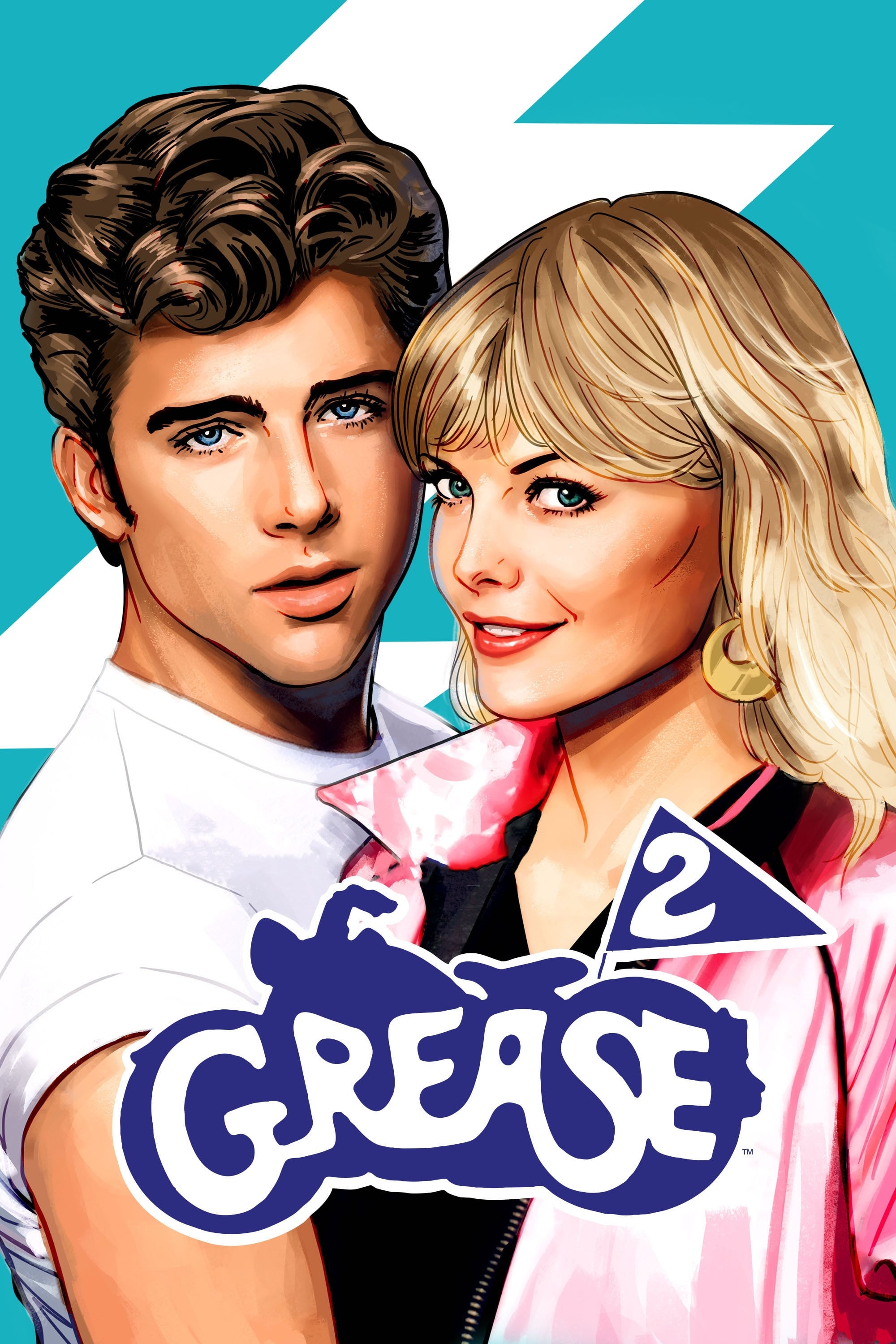
Maxwell Caulfield and Michelle Pfeiffer headline a new class at Rydell High with motorbike themed numbers. Patricia Birch moved from choreographer to director. The soundtrack introduced songs like Cool Rider and Score Tonight. Over time the film gathered a cult audience through cable and midnight screenings.
‘Teen Wolf Too’ (1987)
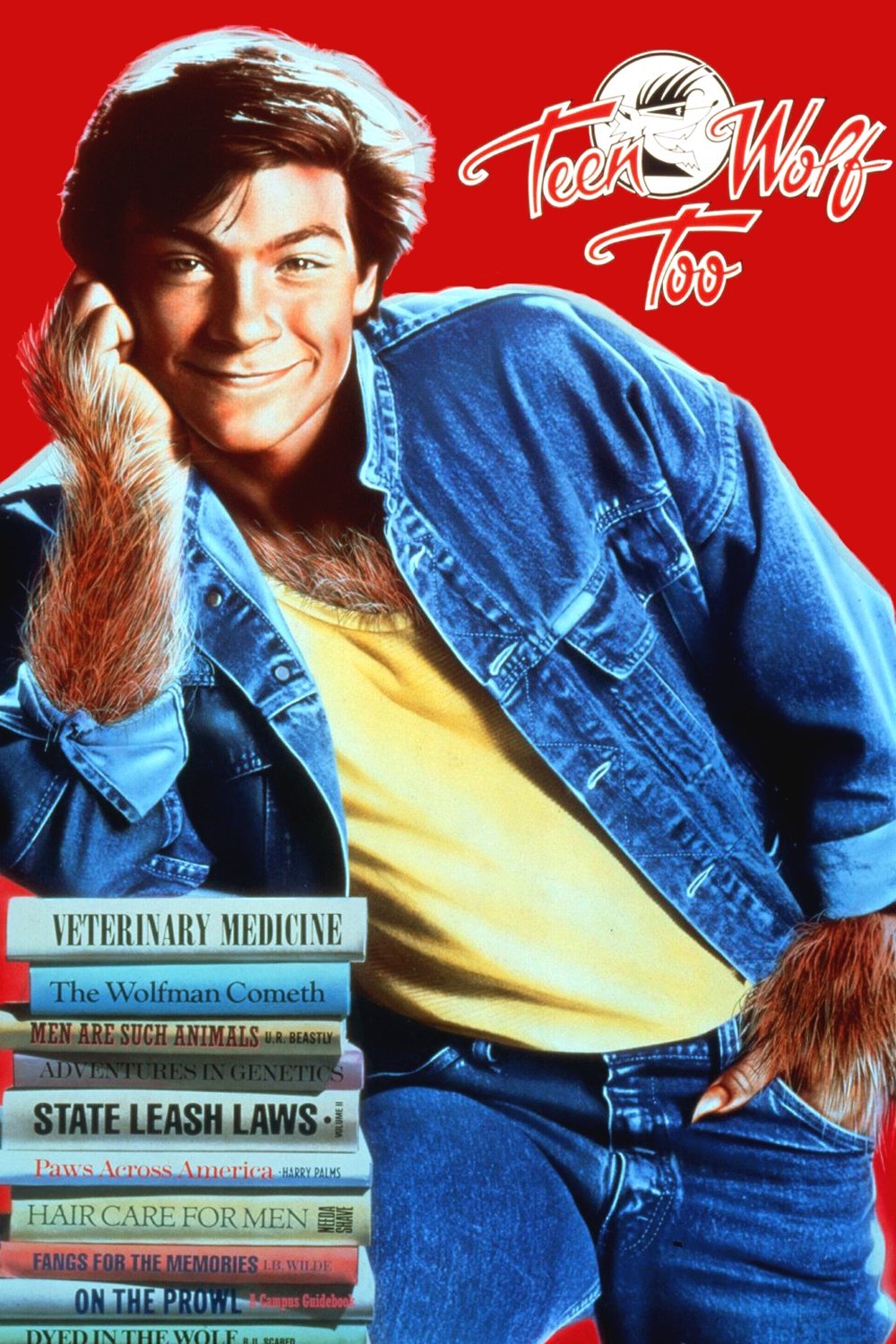
Jason Bateman plays Todd Howard, a college student who discovers the same family werewolf condition. The story shifts from basketball to boxing for its sports scenes. John Astin and Kim Darby appear in faculty roles. The movie arrived quickly after the original’s success and could not repeat its impact.
‘Hot to Trot’ (1988)
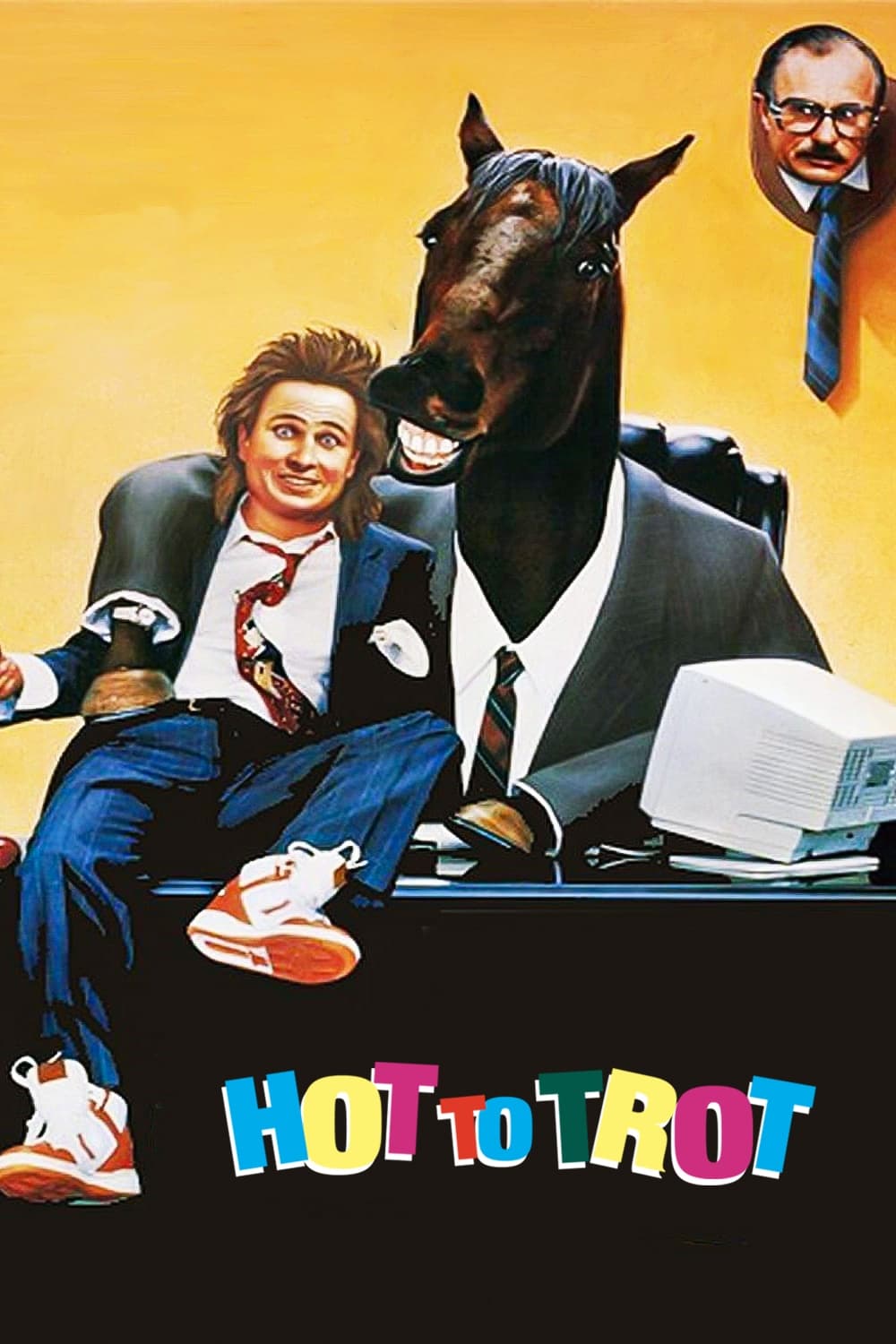
Bobcat Goldthwait stars as a novice investor who takes advice from a talking racehorse. John Candy provides the horse’s voice and Dabney Coleman plays a scheming boss. The production uses animatronic heads and animal trainers for dialog scenes. It became a frequent reference in lists of late 80s comedy misfires.
‘Transylvania 6-5000’ (1985)
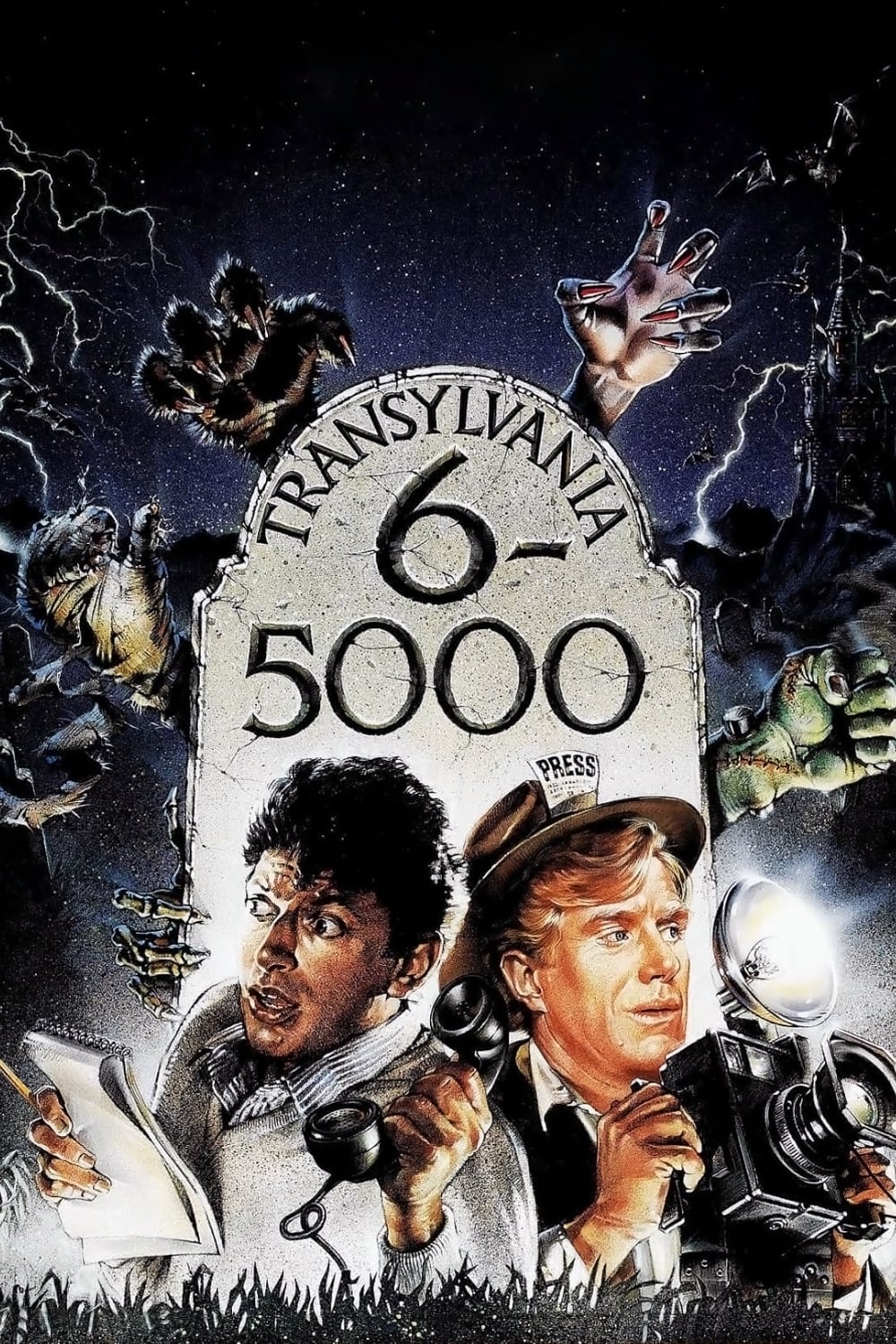
Two tabloid reporters travel to a European town to chase a monster story and find a lineup of odd locals. Jeff Goldblum and Ed Begley Jr star with appearances by Geena Davis and Michael Richards. The shoot took place in Yugoslavia with castles and town squares doubling for a spooky resort. The film leaned on broad gags and creature makeup.
‘Doctor Detroit’ (1983)
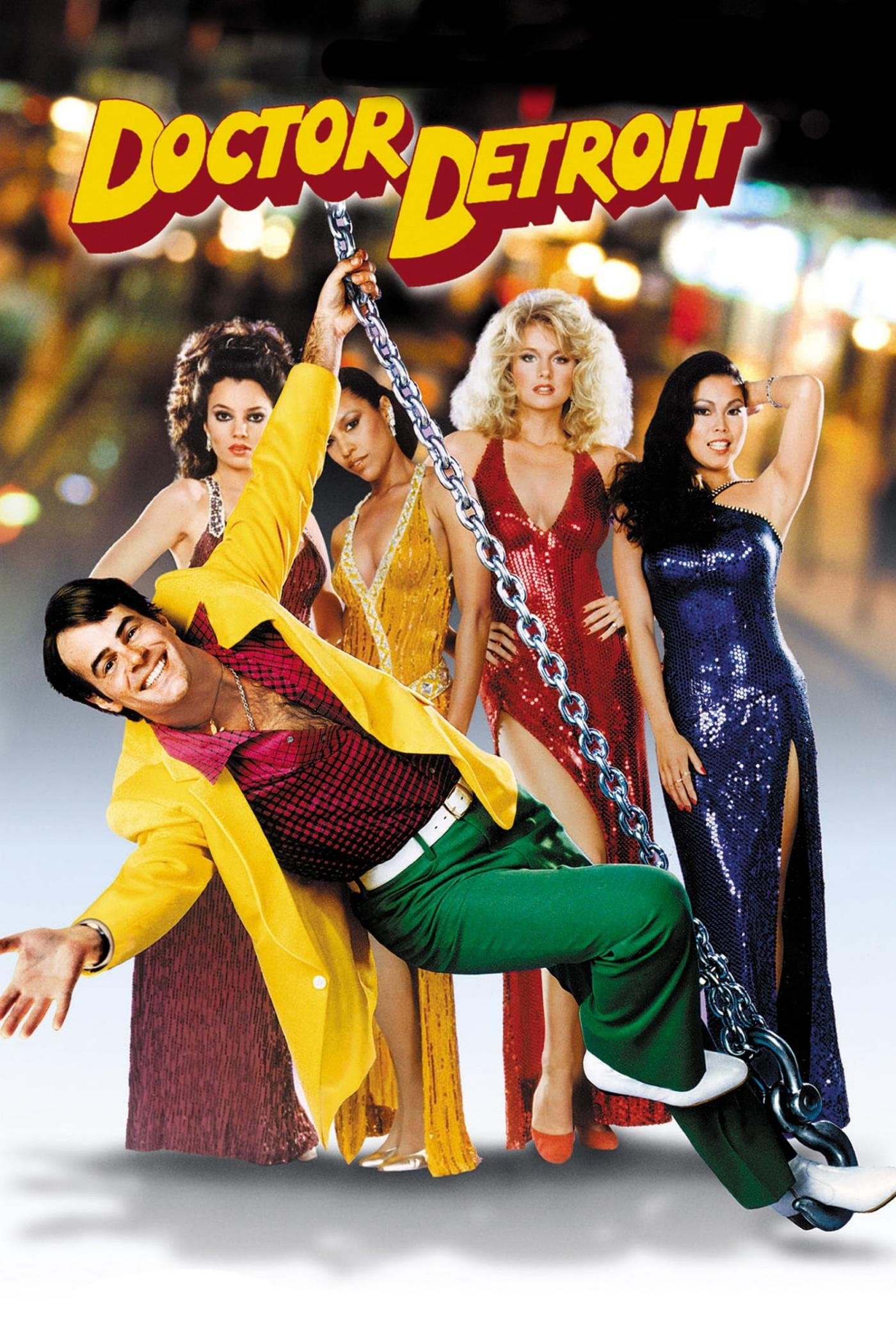
Dan Aykroyd plays a straight laced professor who adopts a flamboyant alter ego to rescue a group of friends. Michael Pressman directed and Donna Dixon co starred. The soundtrack features performances from James Brown and Devo. Aykroyd later married Dixon after they met during production.
‘Best Defense’ (1984)
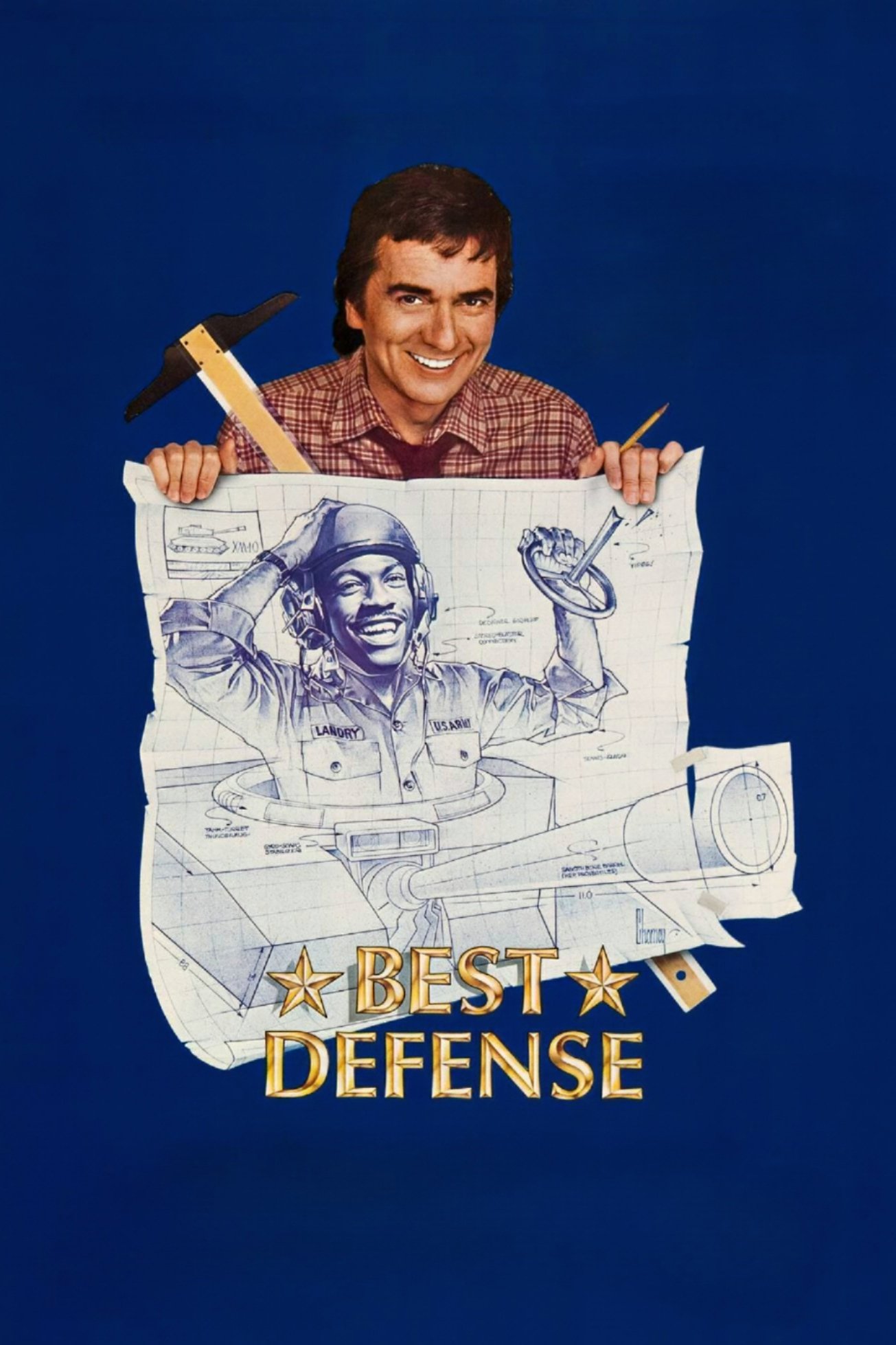
Dudley Moore plays an engineer whose design flaws collide with a tank crew in separate storylines. Eddie Murphy was added after principal photography to boost appeal. The parallel structure cuts between Moore’s civilian mishaps and Murphy’s training sequences. The film opened to harsh reviews and earned several Razzie nominations.
‘Going Bananas’ (1987)
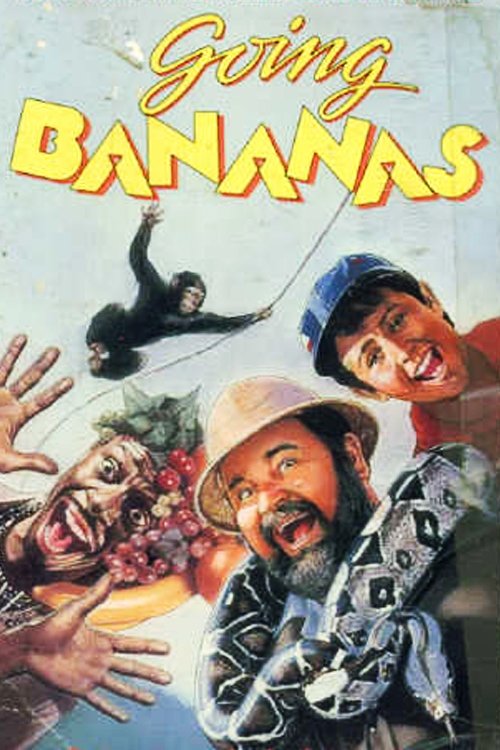
A young boy befriends a talking chimp and heads on a trek across Africa with two bumbling adults. Dom DeLuise and Jimmie Walker co star. The movie came from Cannon Films during its most prolific period. Location work and animal scenes dominated the production.
‘Armed and Dangerous’ (1986)

After losing their jobs, a cop and a lawyer become security guards and stumble into a crime ring. John Candy and Eugene Levy lead the cast with Meg Ryan in an early role. Stunt work includes armored trucks and a finale at a carnival. Director Mark L Lester approached the material like an action caper with jokes.
‘The Man with One Red Shoe’ (1985)
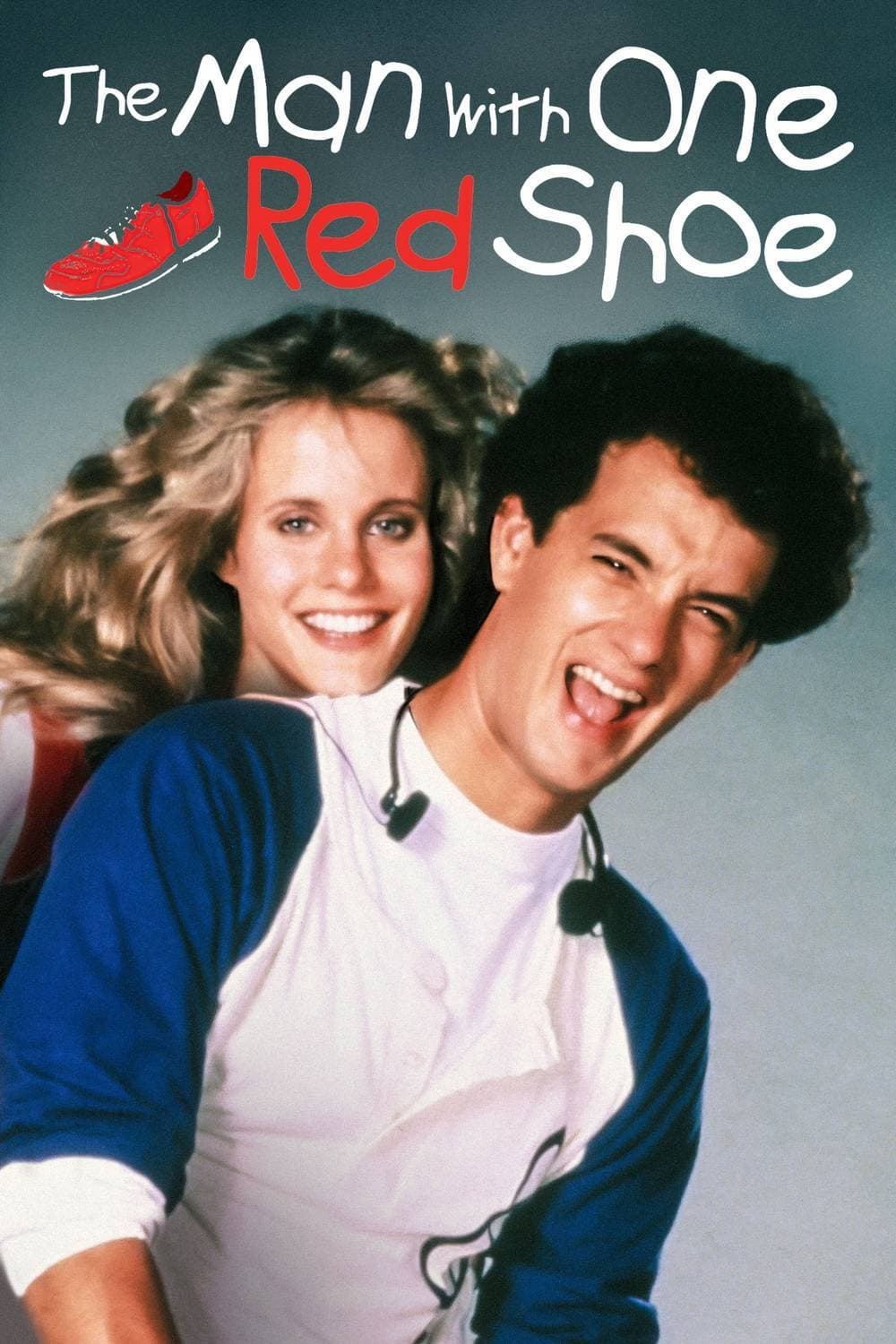
Tom Hanks plays a violinist mistaken for a spy because of an office prank inside a federal agency. The story adapts the French hit ‘The Tall Blond Man with One Black Shoe’. Dabney Coleman, Lori Singer, and Carrie Fisher round out the cast. It found a larger audience later on home video.
‘Rhinestone’ (1984)

Dolly Parton bets she can turn a brash New Yorker into a credible country singer within a short deadline. Sylvester Stallone plays the student and also received a writing credit. Bob Clark directed and the soundtrack produced a charting Parton single. The movie completed photography in New York and Tennessee.
‘Who’s That Girl’ (1987)
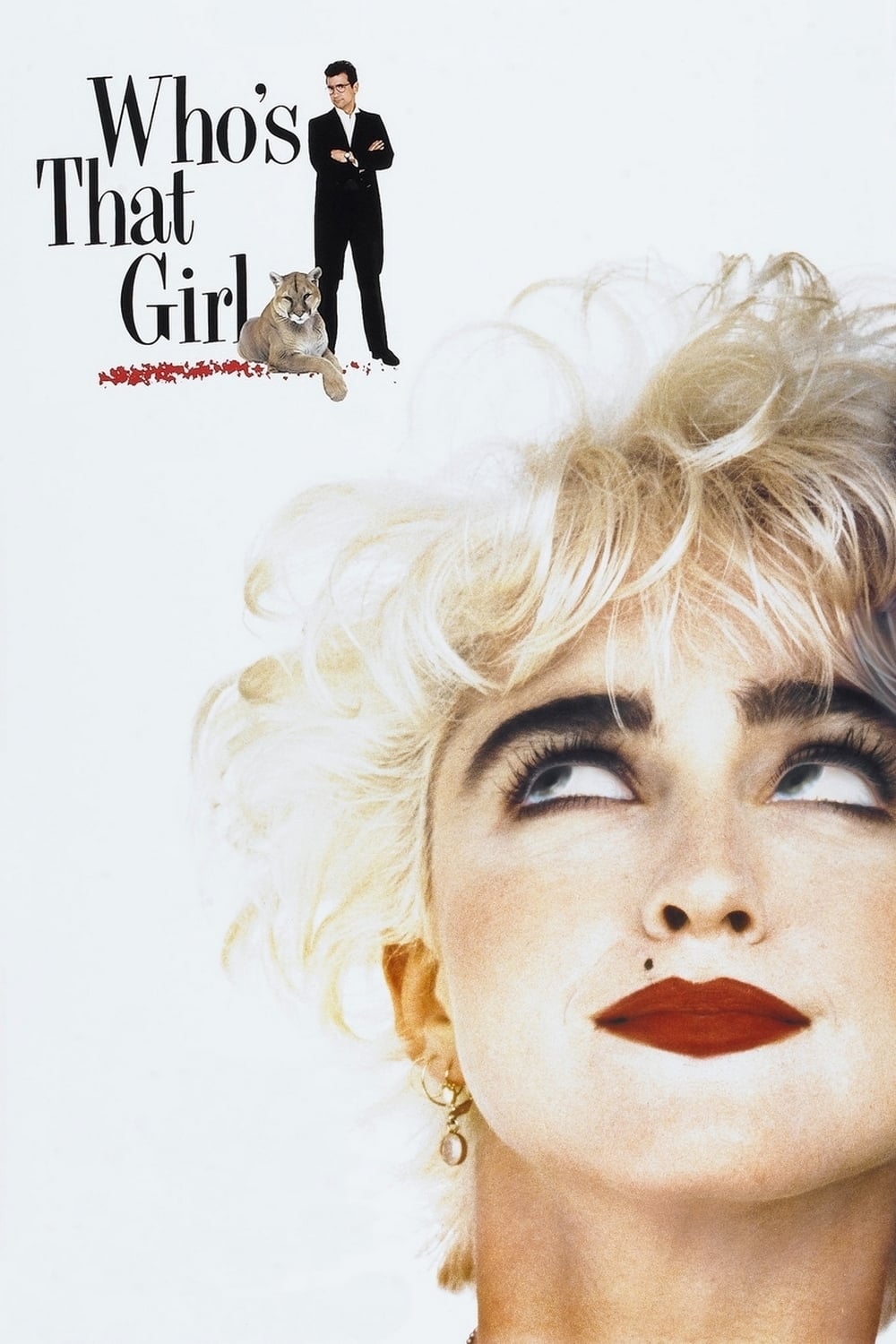
Madonna stars as a woman on parole who pulls a cautious attorney into a chaotic day. Griffin Dunne co stars and James Foley directs. The film doubled as a showcase for a new soundtrack and a summer concert tour. Several New York City street locations appear prominently.
‘Shanghai Surprise’ (1986)

Set in 1938, the story follows a fortune hunter and a missionary searching for stolen opium. Madonna and Sean Penn star with support from George Harrison’s Handmade Films. Reports of on set tensions followed the production from location to location. Period costumes and Hong Kong stand ins aimed to recreate prewar Shanghai.
‘Haunted Honeymoon’ (1986)
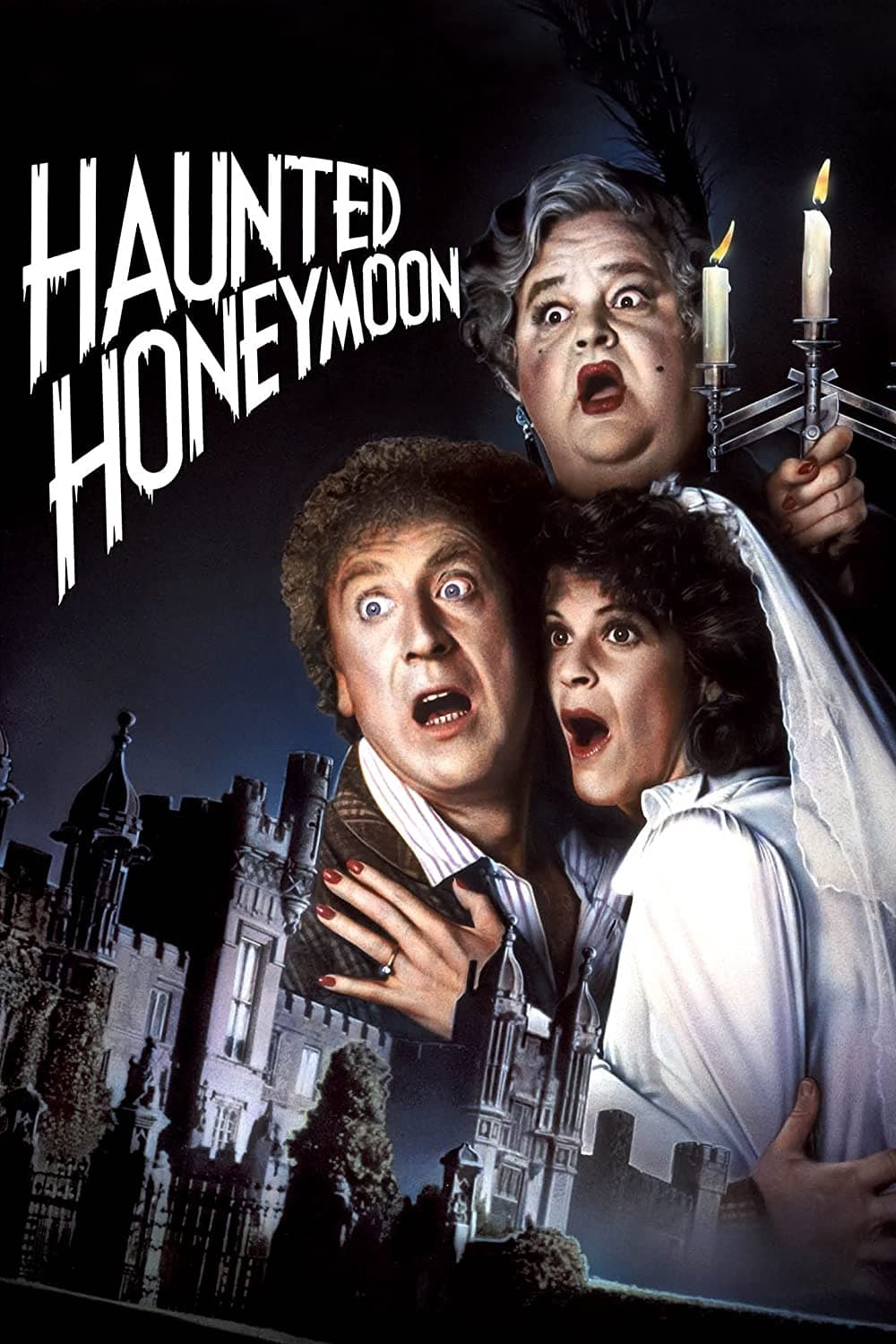
Gene Wilder and Gilda Radner headline a gothic comedy about radio actors spending a night in a creaky mansion. Dom DeLuise appears in dual roles. Interiors were shot in the United Kingdom with lavish sets and foggy lighting. The release underperformed in both North America and the United Kingdom.
‘Big Top Pee-wee’ (1988)
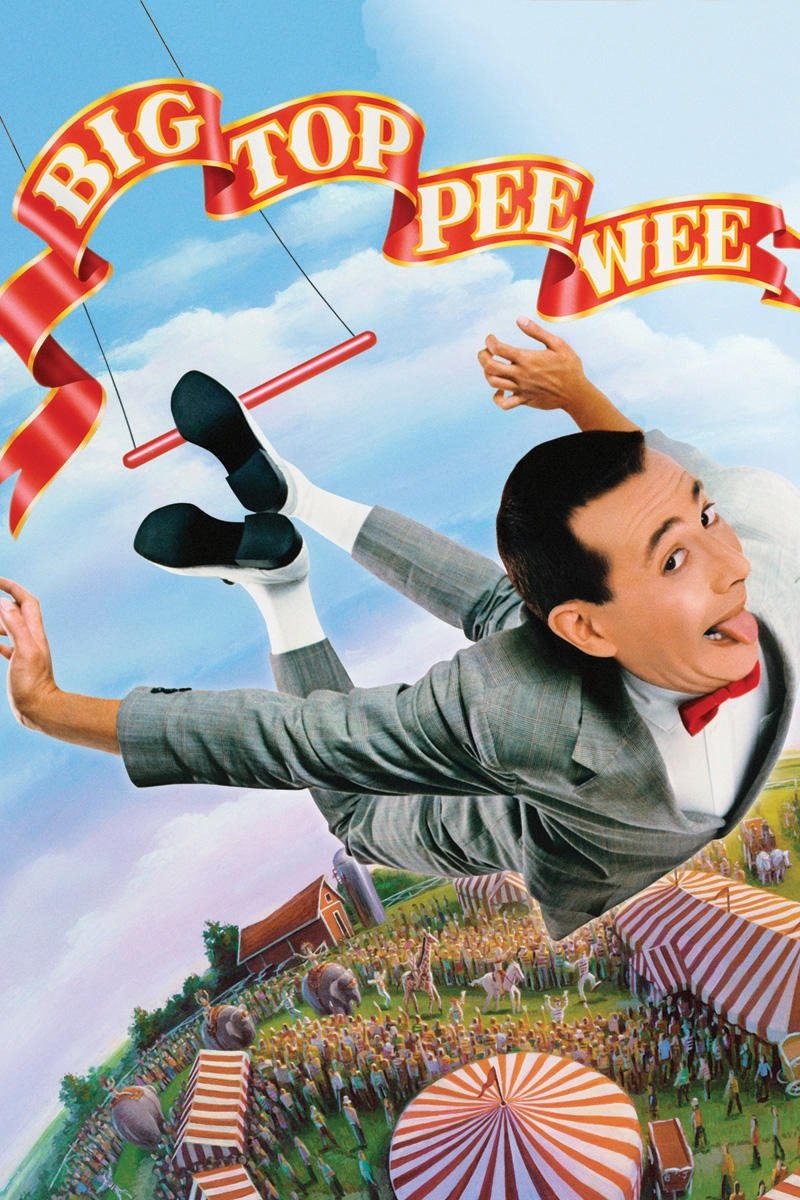
Paul Reubens brings Pee wee Herman back for a circus themed adventure on a farm. Randal Kleiser directed and Kris Kristofferson and Valeria Golino joined the cast. The film shifts away from the road trip energy of ‘Pee-wee’s Big Adventure’. It saw brisk opening interest followed by a fast drop.
‘Fletch Lives’ (1989)
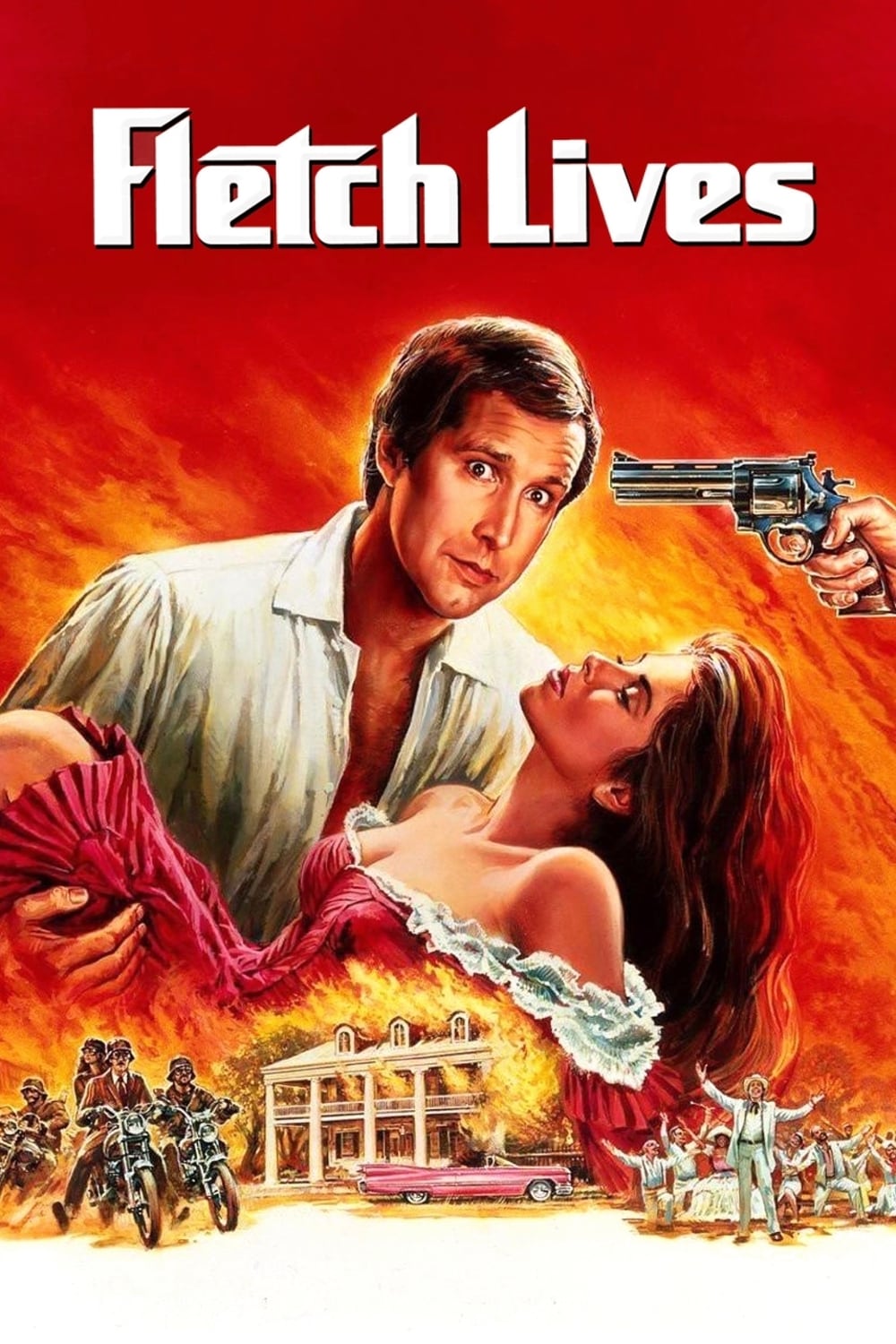
Chevy Chase returns as investigative reporter Irwin Fletcher after inheriting a Louisiana plantation. Michael Ritchie directed the sequel to ‘Fletch’. The mystery involves toxic dumping and a televangelist empire. The tone moves toward broad caricature and regional gags.
‘Up the Creek’ (1984)
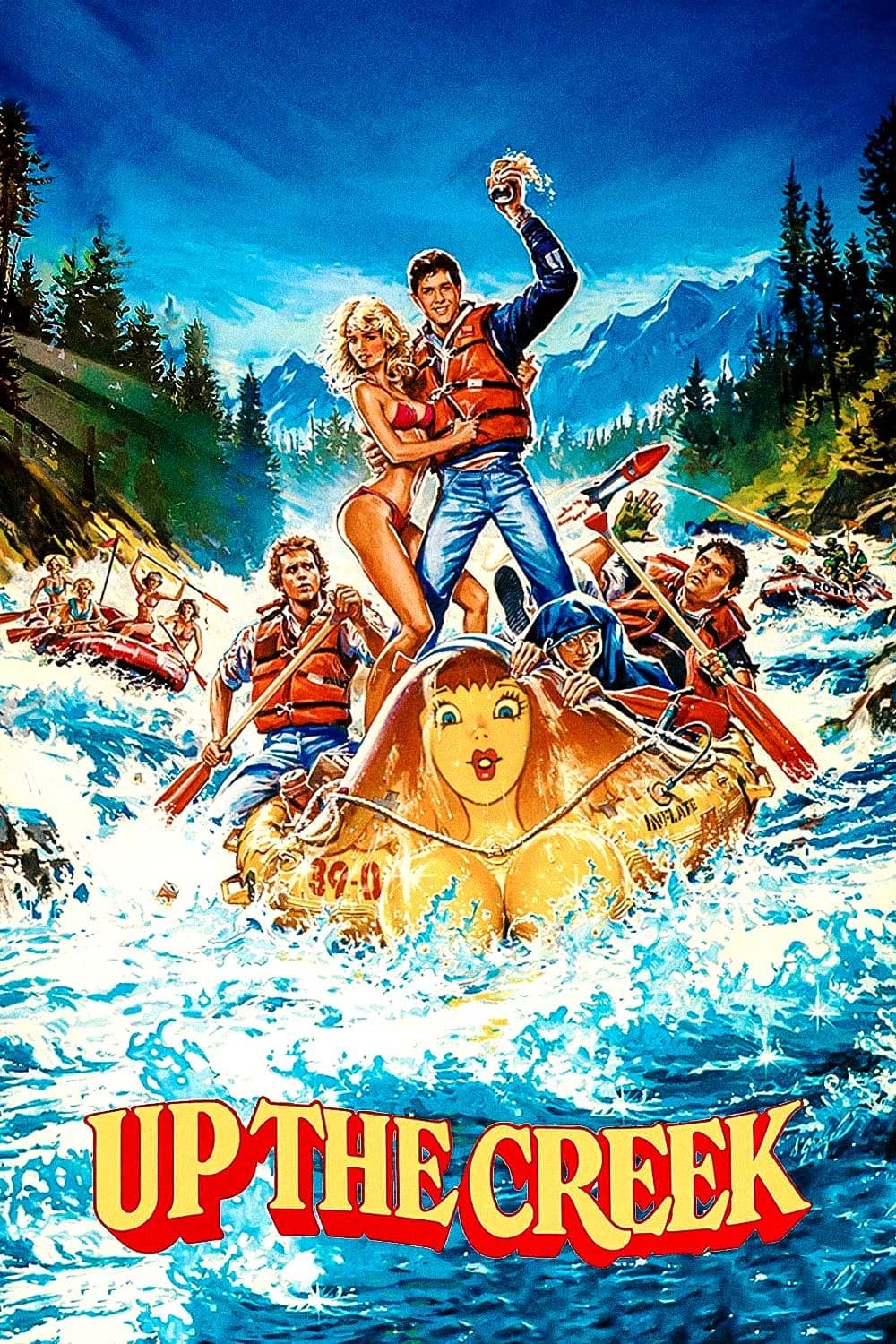
A group of underachieving students enter a whitewater raft race to save their college. Tim Matheson, Stephen Furst, and Dan Monahan play the main trio. The production used scenic river locations for the competition sequences. The soundtrack features rock acts from the era.
‘Zapped!’ (1982)
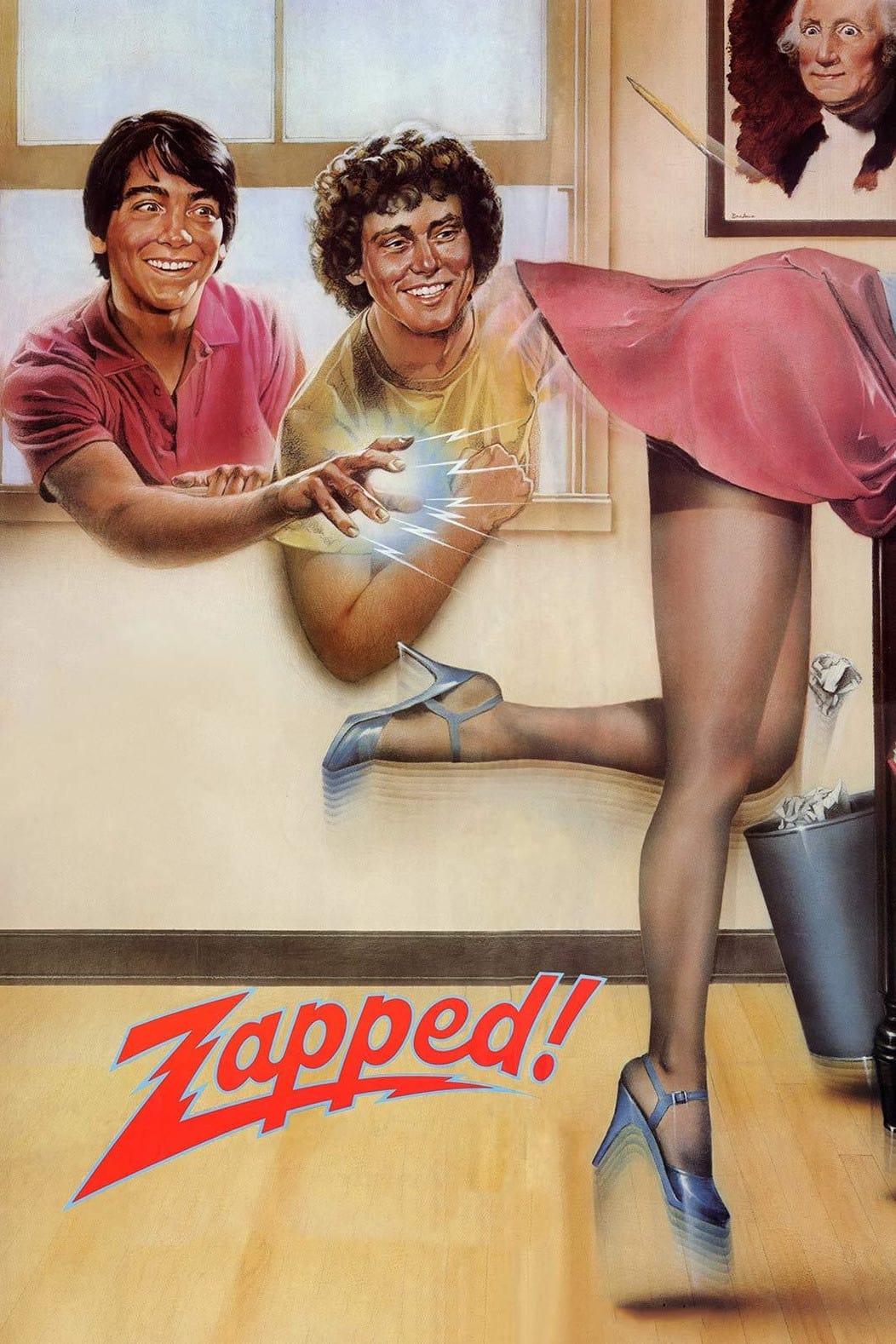
A lab accident gives a high school student telekinetic powers that complicate classes and romance. Scott Baio and Willie Aames star with Heather Thomas in a prominent role. The movie leans on practical gags built with wires and camera tricks. A loose follow up arrived later with different characters.
‘Like Father Like Son’ (1987)
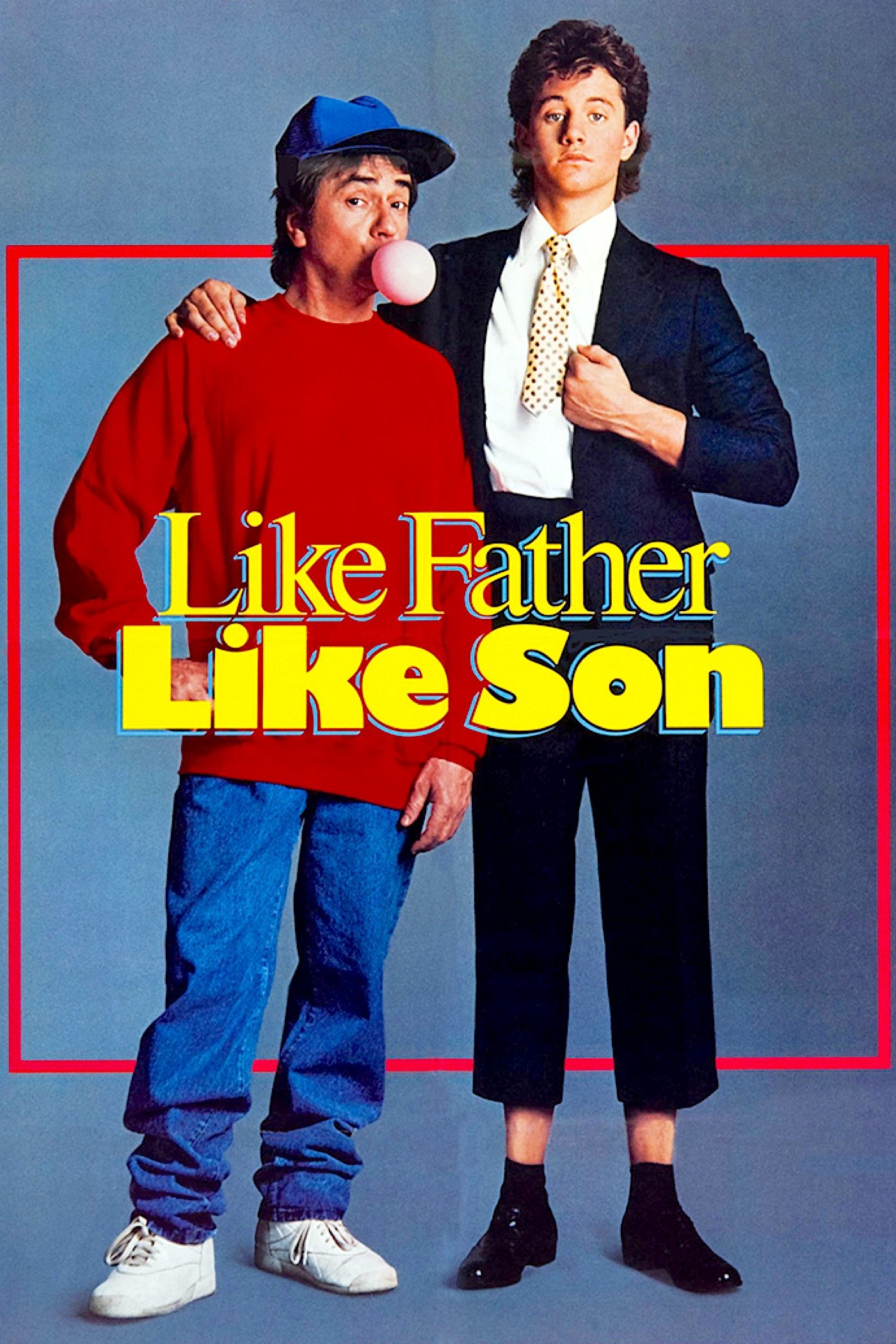
A magical potion causes a teenager and his surgeon father to switch bodies at inconvenient moments. Dudley Moore and Kirk Cameron lead the cast with Margaret Colin and Sean Astin in support. Rod Daniel directed and the school setting provides many of the set pieces. The film opened the late 80s body swap mini trend.
‘Vice Versa’ (1988)
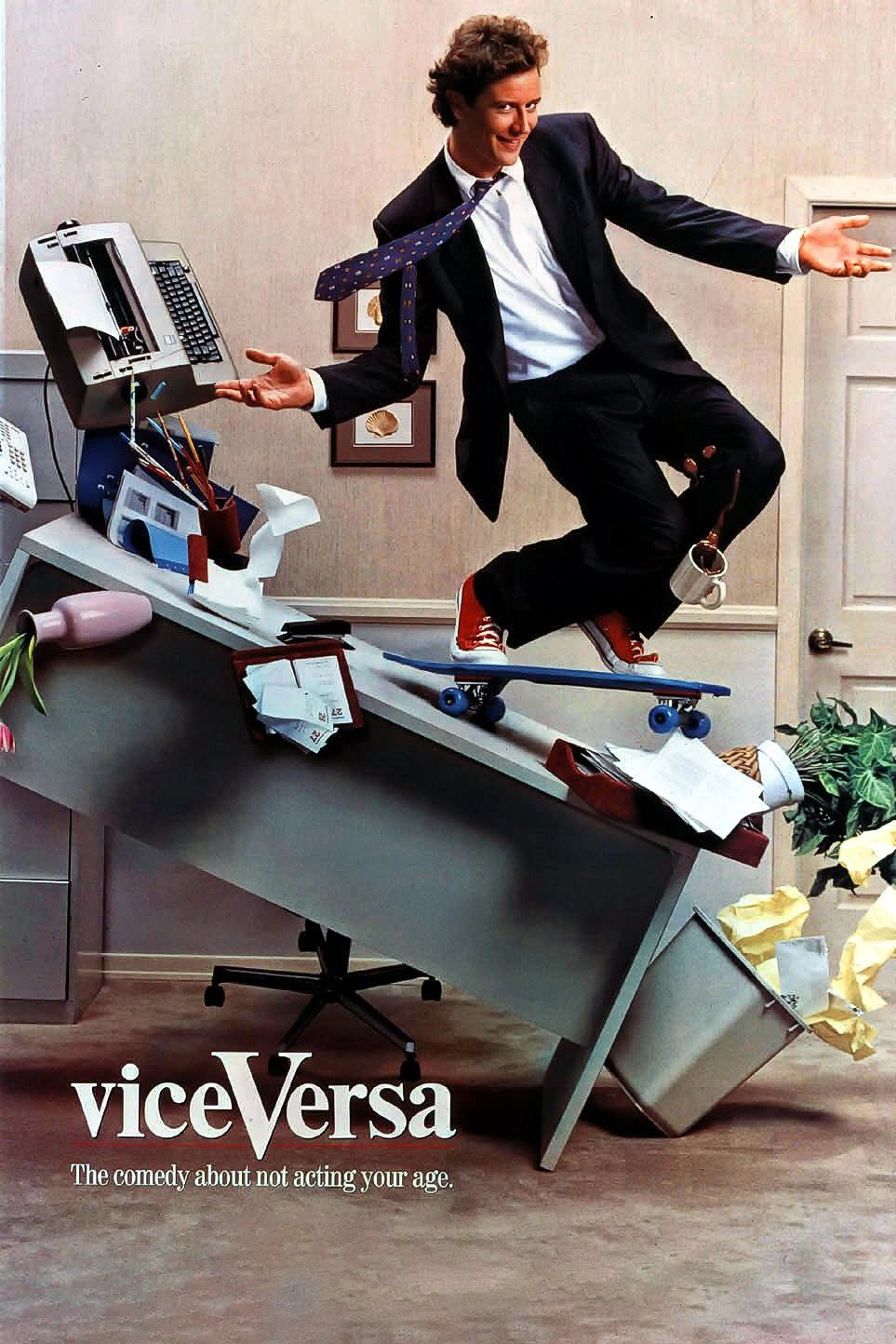
An enchanted artifact flips the lives of a busy executive and his middle school son. Judge Reinhold and Fred Savage play the pair. Brian Gilbert directed and much of the action takes place in Chicago offices and department stores. The story mirrored several similar releases that year.
’18 Again!’ (1988)
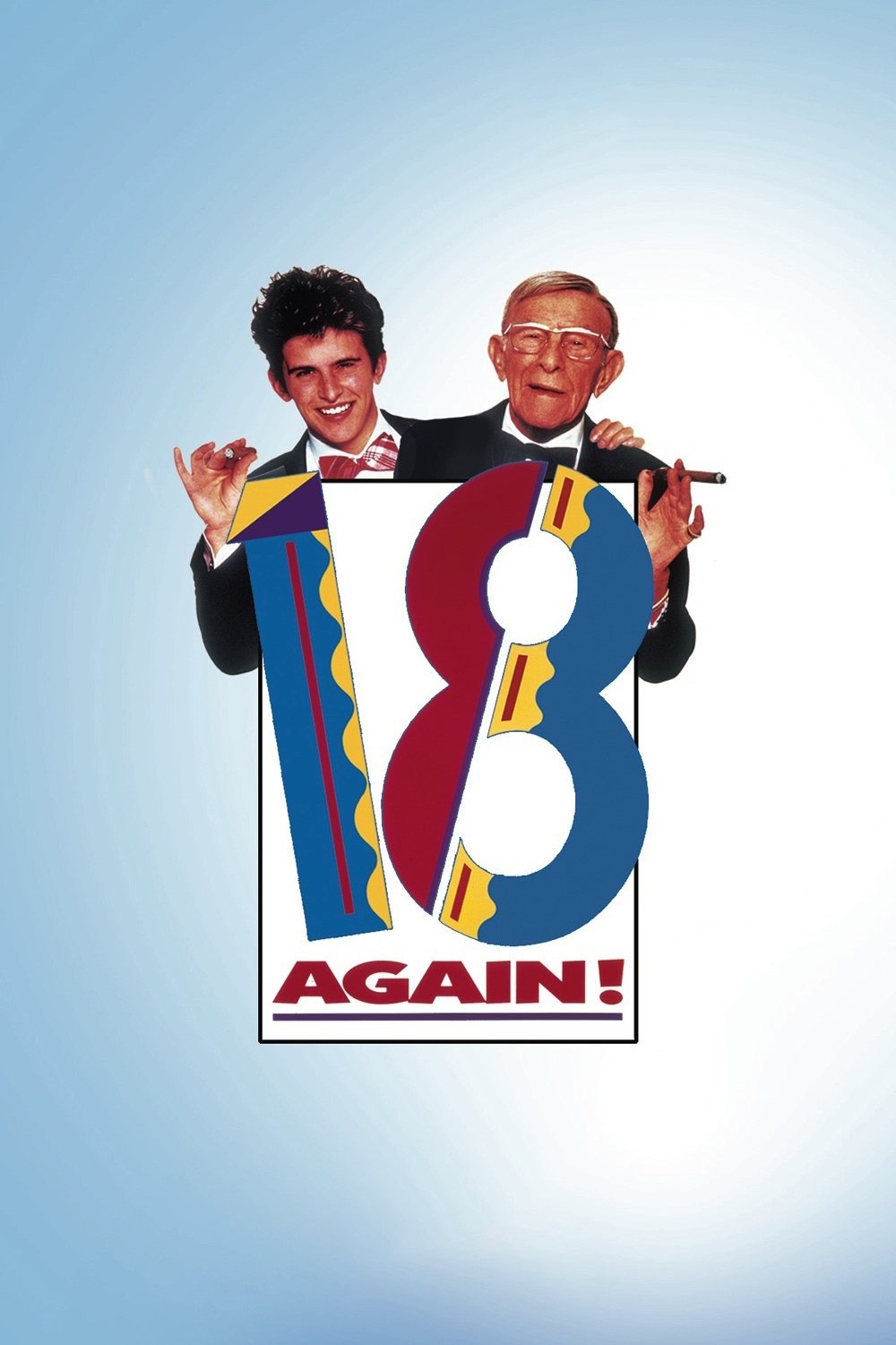
A car crash triggers a supernatural switch between a college student and his wealthy grandfather. George Burns appears as the older lead with Charlie Schlatter as the younger counterpart. Paul Flaherty directed and the tone mixes campus scenes with family business subplots. The release followed ‘Like Father Like Son’ and ‘Vice Versa’ within months.
Share your picks in the comments and tell everyone which titles you would add to this list and which ones you still revisit.