1990s Films Ruined by Controversy—not Quality


Some of the best films of the 1990s were overshadowed by protests, lawsuits, ratings fights, and moral panics. These disputes often dominated headlines and made it harder for audiences to see the work on its own terms. Here are films whose reputations or releases took a hit for reasons that had little to do with what was on the screen. The facts below focus on what happened and how it affected each title.
‘JFK’ (1991)
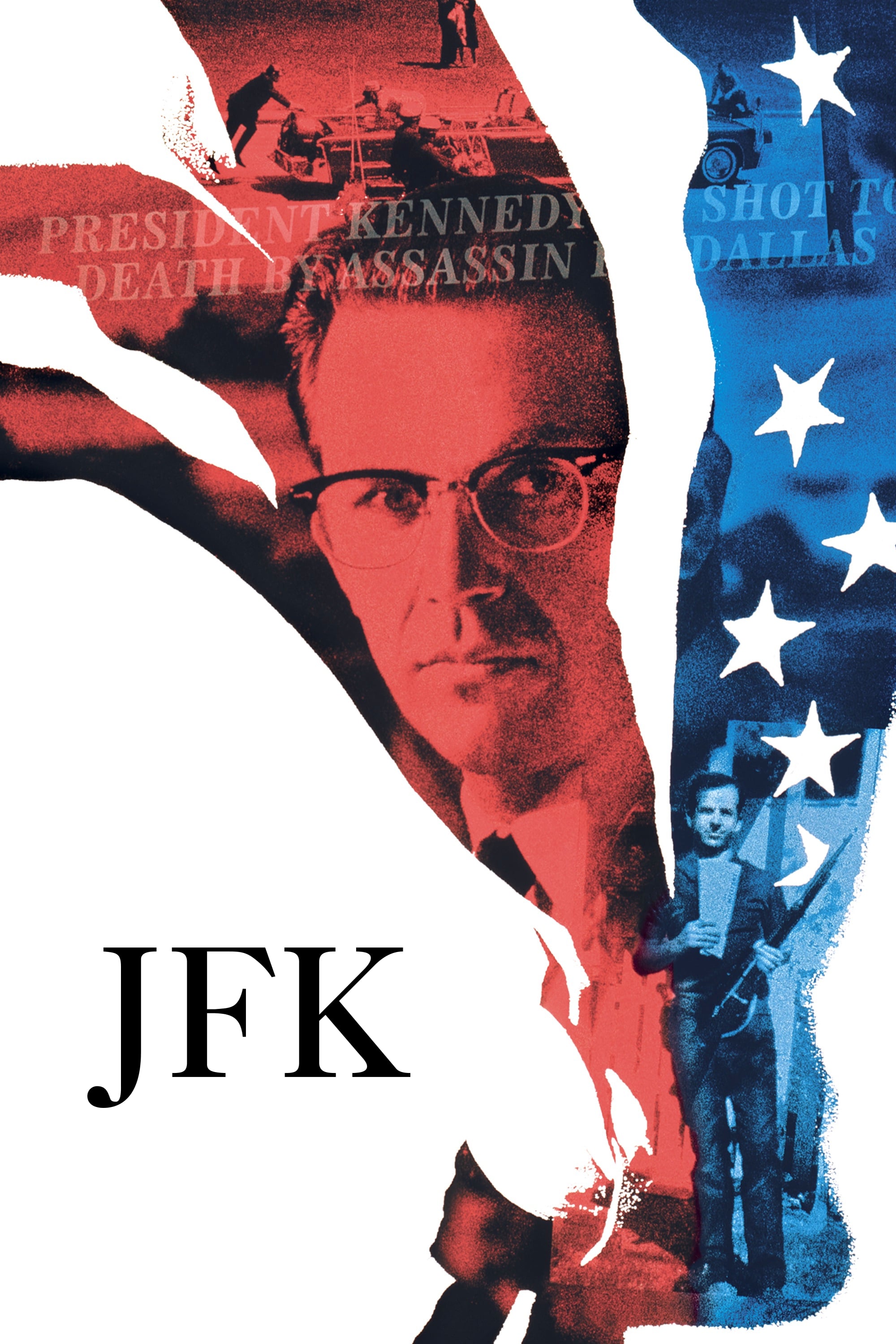
Oliver Stone’s film drew intense criticism from historians and officials who argued it distorted the assassination record. Hearings and op eds questioned its portrayal of government agencies. The backlash became a national debate that overshadowed the movie’s craft and performances.
‘Basic Instinct’ (1992)
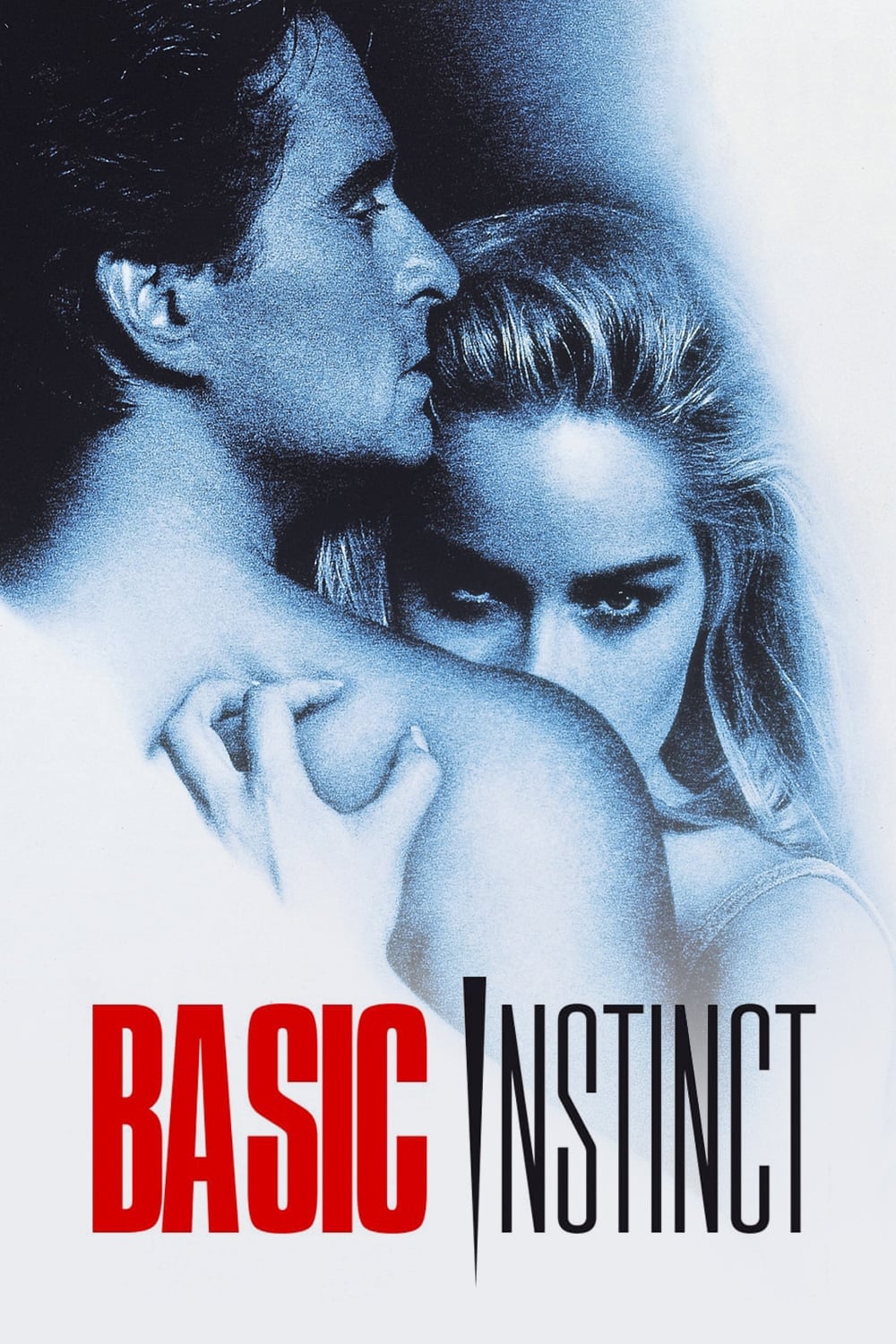
Activist groups protested the depiction of LGBTQ characters during production and release. Demonstrations occurred outside theaters and some cities saw organized boycotts. The controversy became the story and pulled attention away from the film’s thriller mechanics.
‘Bad Lieutenant’ (1992)
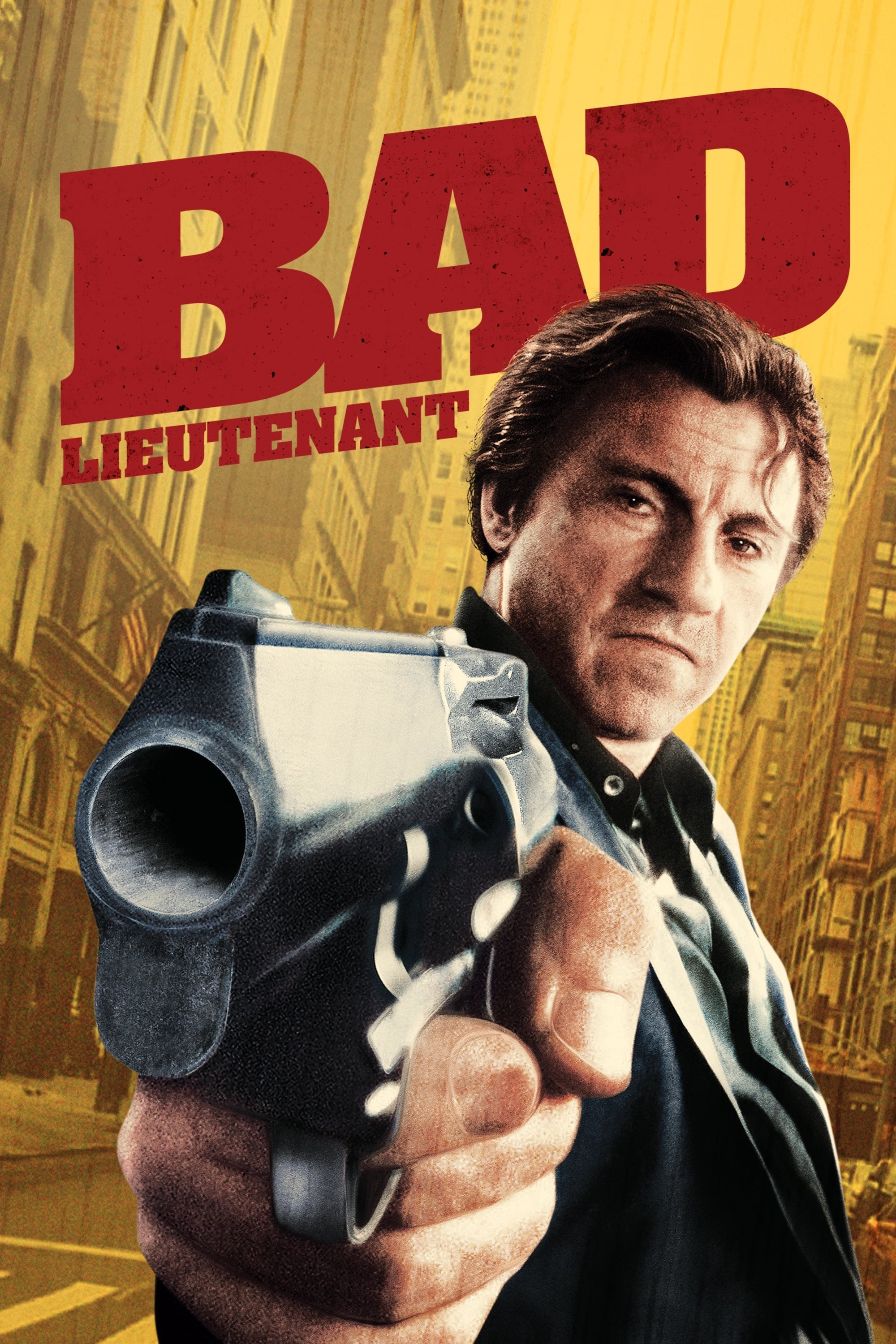
The film received an adults only rating and faced pressure over its religious imagery. Theater chains refused bookings and marketing options were limited. The restricted access narrowed its audience despite critical acclaim.
‘Romper Stomper’ (1992)

This drama about a neo Nazi gang sparked concerns it could embolden extremists. Some venues declined to screen it and broadcasters handled it with caution. The public argument centered on depictions of hate groups rather than the film’s examination of violence.
‘The Crying Game’ (1992)
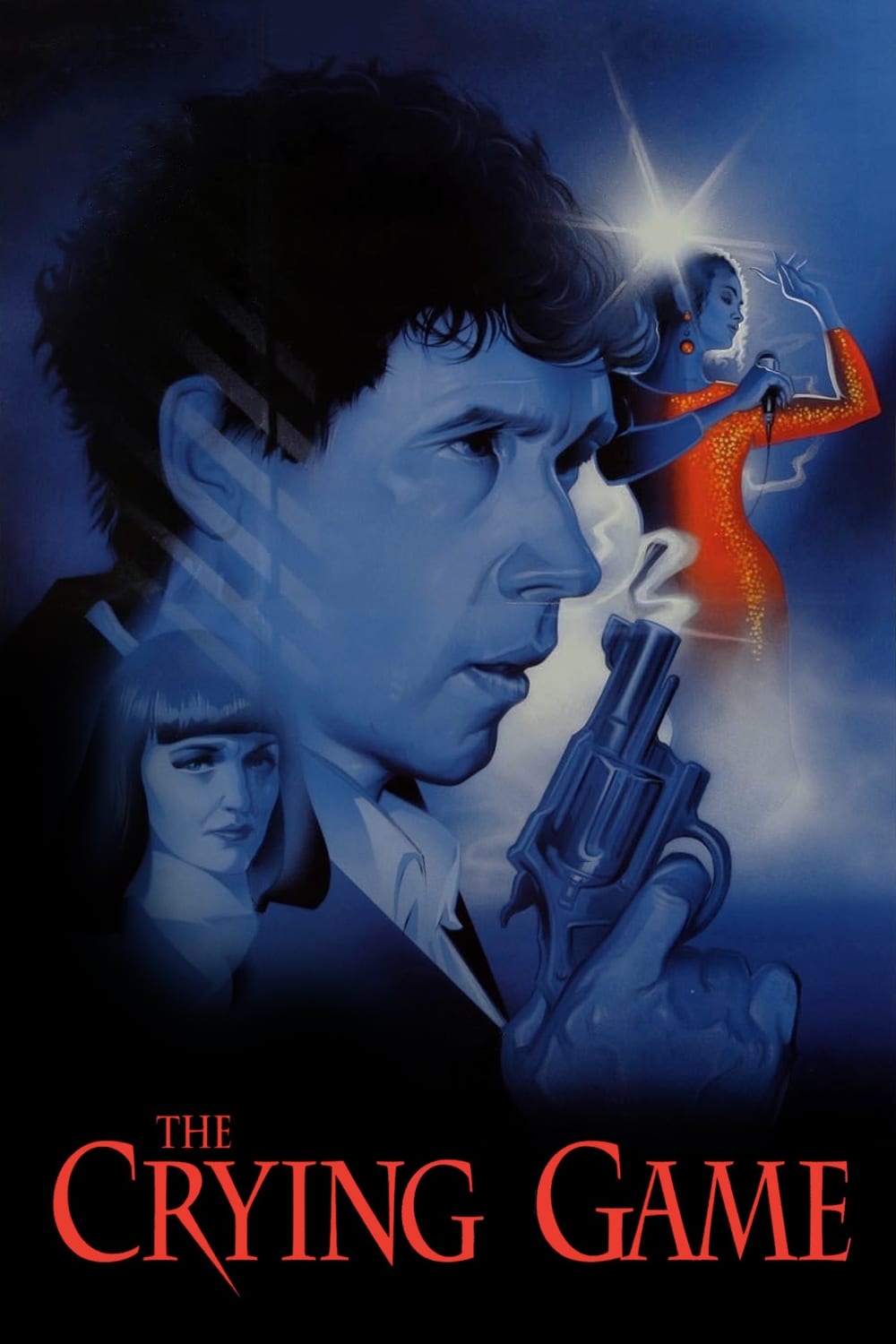
Debate focused on the treatment of gender identity and the handling of its twist. Early discourse fixated on secrecy around the story rather than the filmmaking. The furor risked reducing a complex narrative to a single talking point.
‘Reservoir Dogs’ (1992)
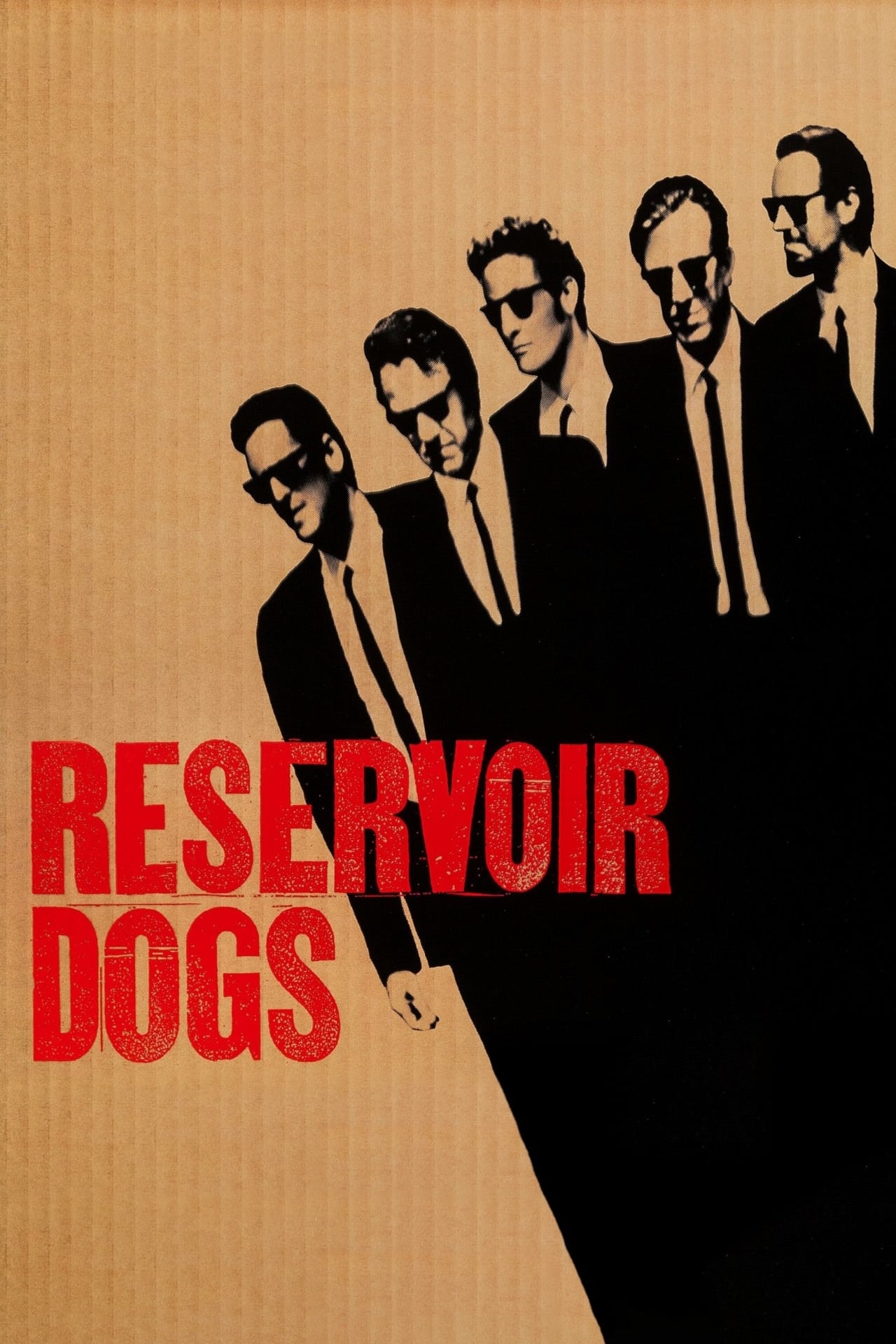
Graphic violence triggered calls for stricter classifications in several territories. Festival walkouts and ratings battles followed its release. The uproar slowed wider distribution even as the film found strong support from critics.
‘Natural Born Killers’ (1994)
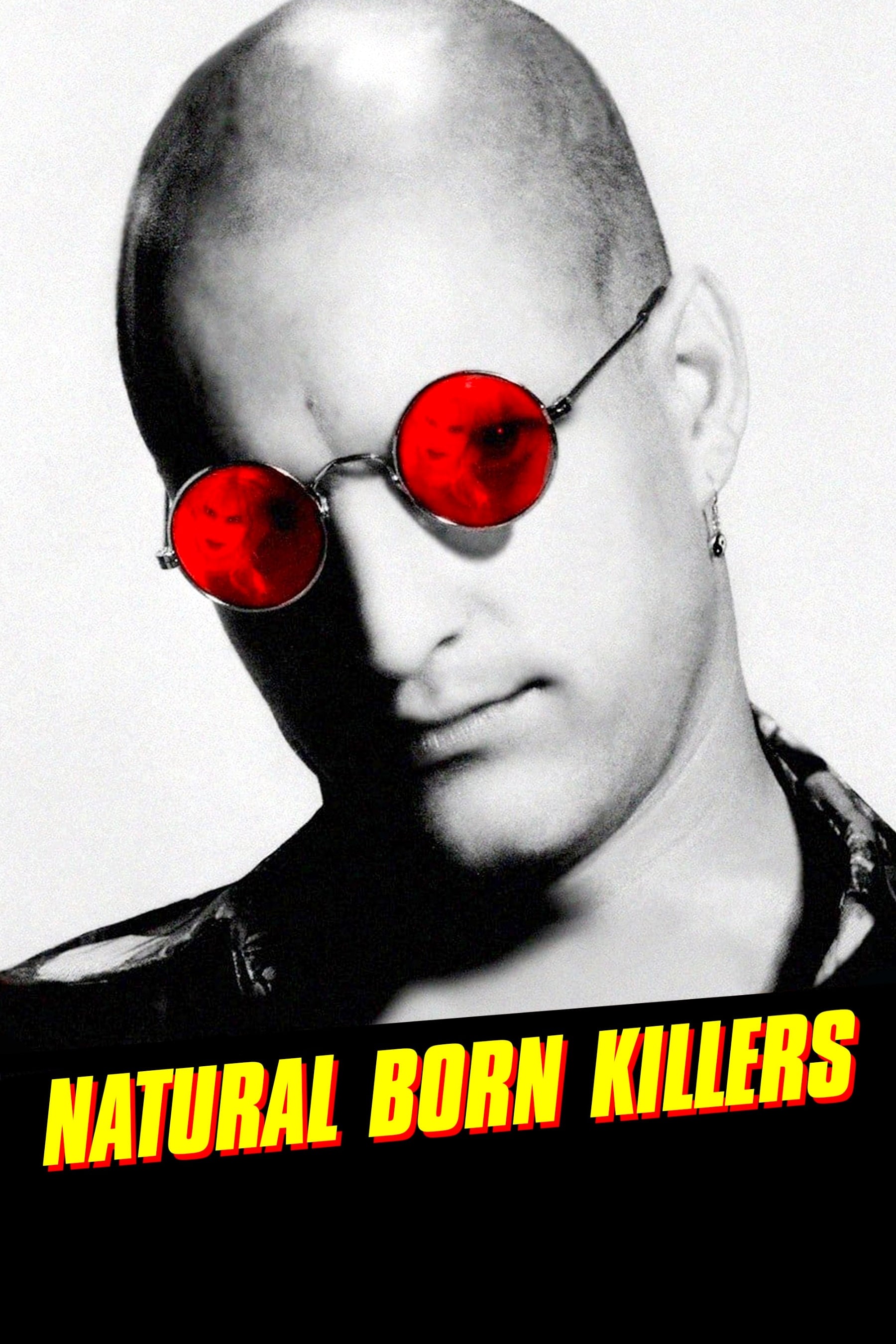
Accusations linked the film to copycat crimes in multiple cases. Lawsuits attempted to assign responsibility to the filmmakers and distributors. The legal noise dominated coverage and complicated exhibition plans.
‘Priest’ (1994)
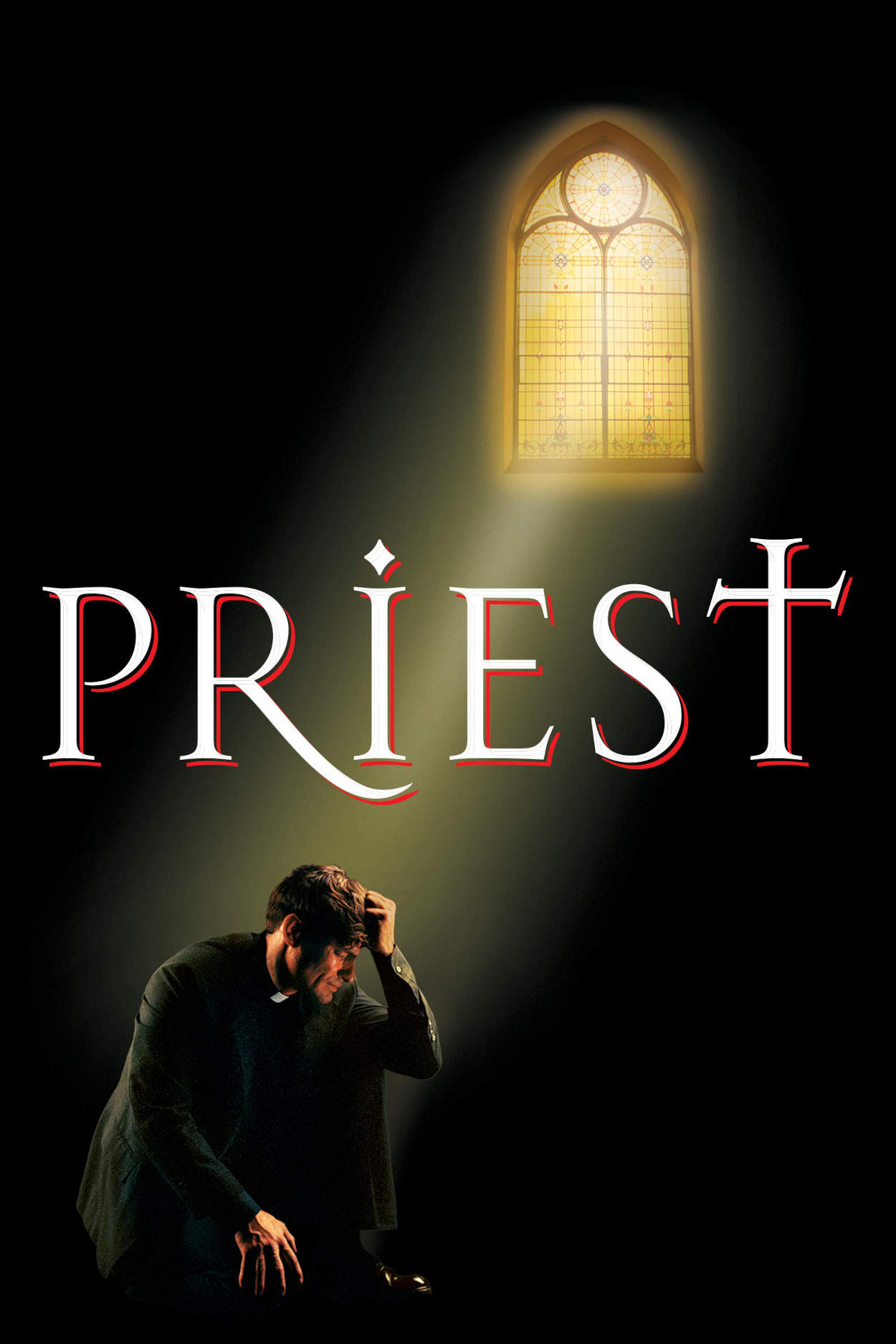
Religious organizations organized protests over its depiction of Catholic clergy. Some theaters faced pressure to cancel runs and a few did. The focus on outrage reduced discussion of the film’s themes and performances.
‘Heavenly Creatures’ (1994)
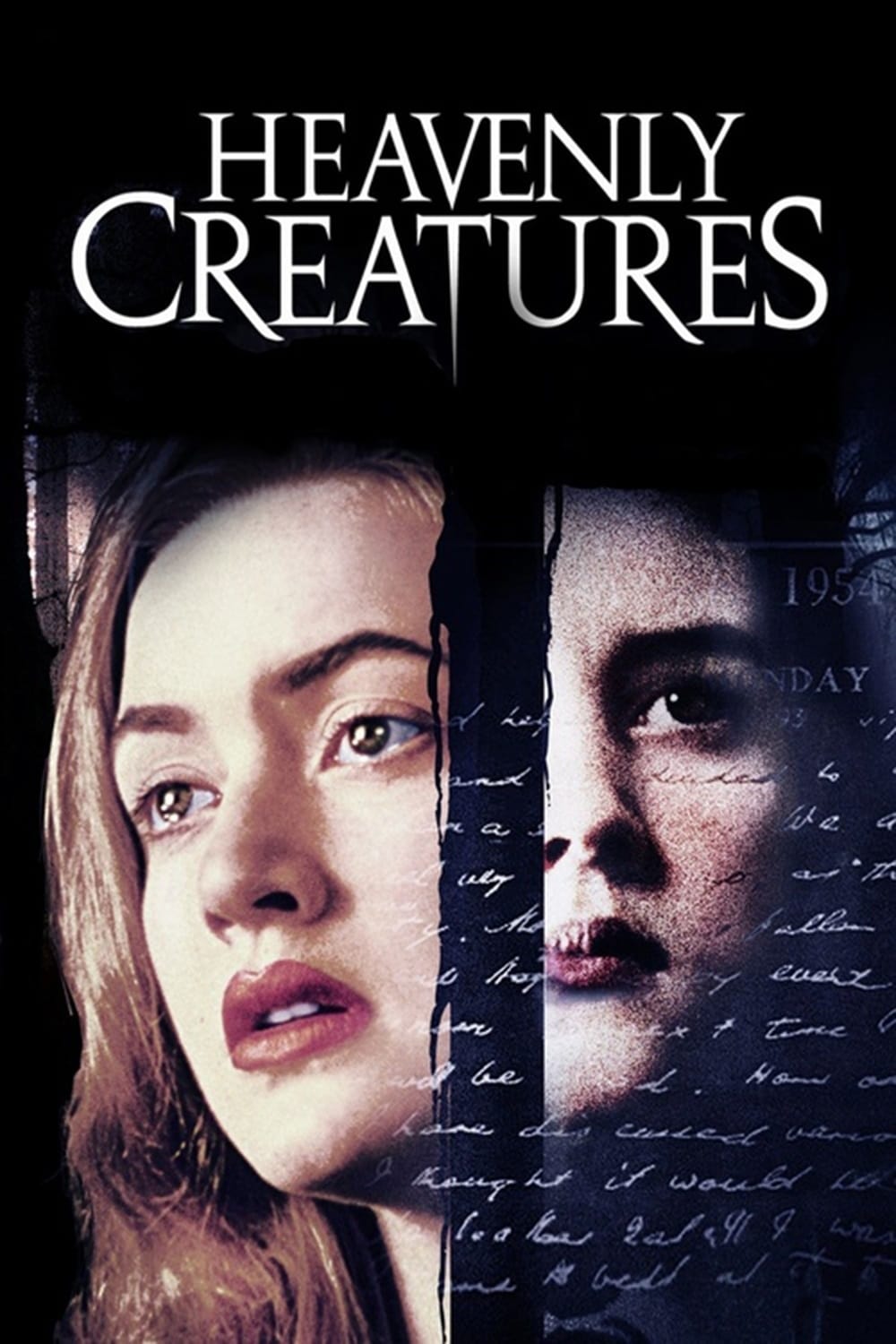
Its retelling of a real life murder drew sensitivity concerns in New Zealand and abroad. Families connected to the case voiced objections to the dramatization. The ethical debate shaped its release trajectory and media coverage.
‘The Last Seduction’ (1994)
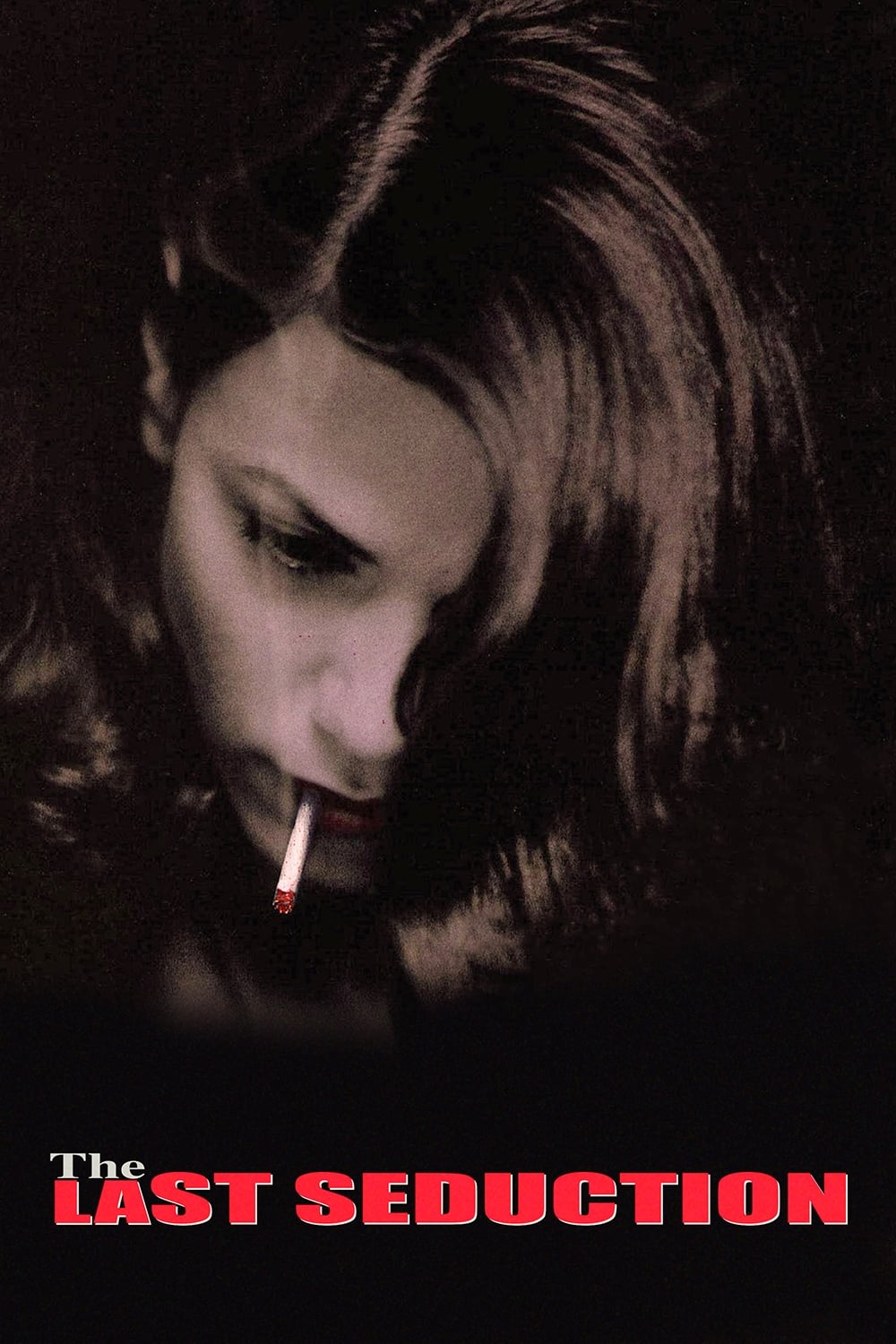
Because it premiered on cable before theaters, awards bodies ruled it ineligible. The eligibility fight overshadowed conversation about its writing and lead performance. The distribution path became the headline instead of the film.
‘Showgirls’ (1995)

An adults only rating severely restricted advertising and multiplex access. Moral panic followed its sexual content and tone. The classification and controversy buried attention to its craft and choreography.
‘Kids’ (1995)
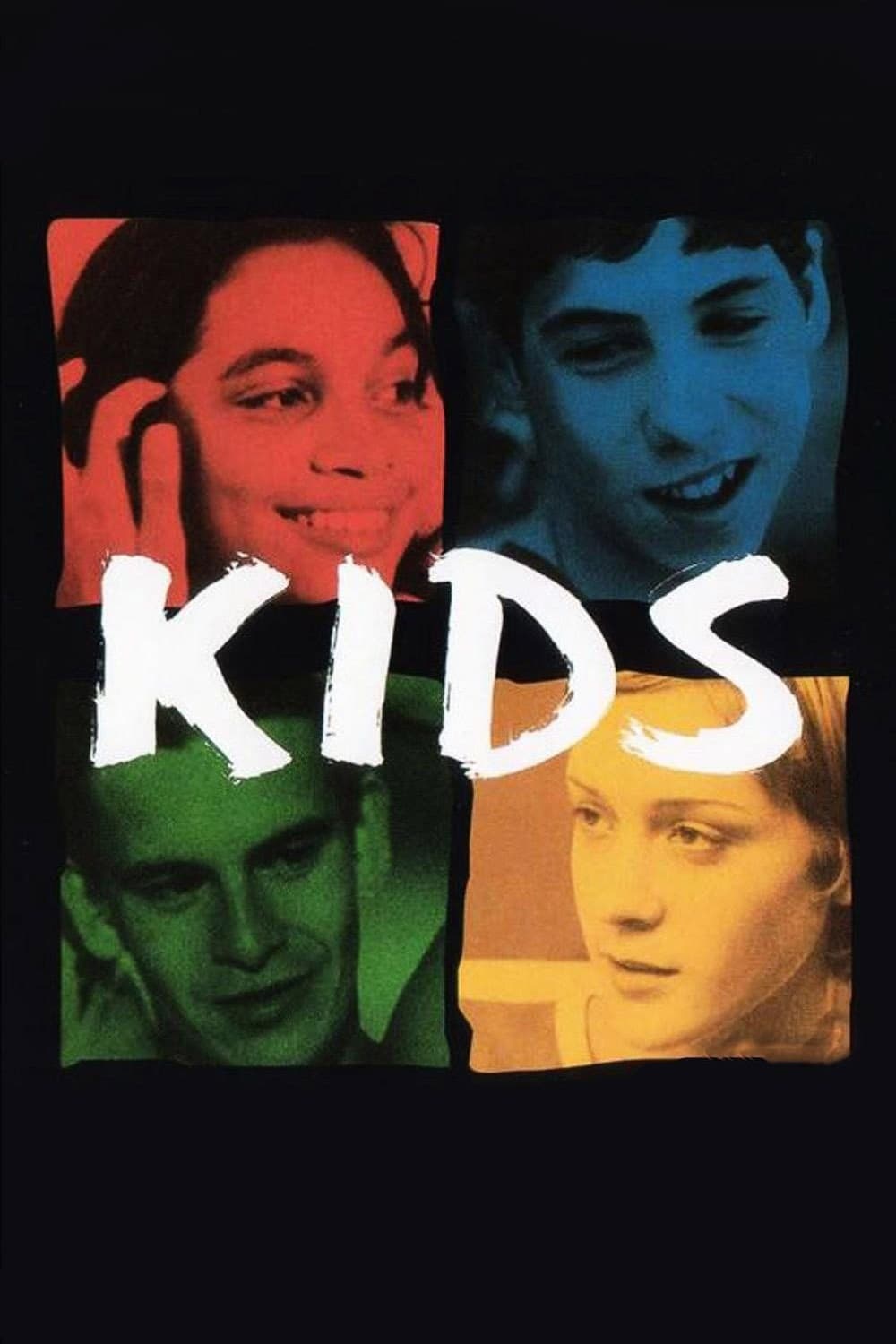
Its depiction of minors and risky behavior prompted calls for bans and boycotts. Some chains would not program it and it released unrated to avoid cuts. The debate around exploitation versus realism overwhelmed discussion of the filmmaking.
‘Se7en’ (1995)
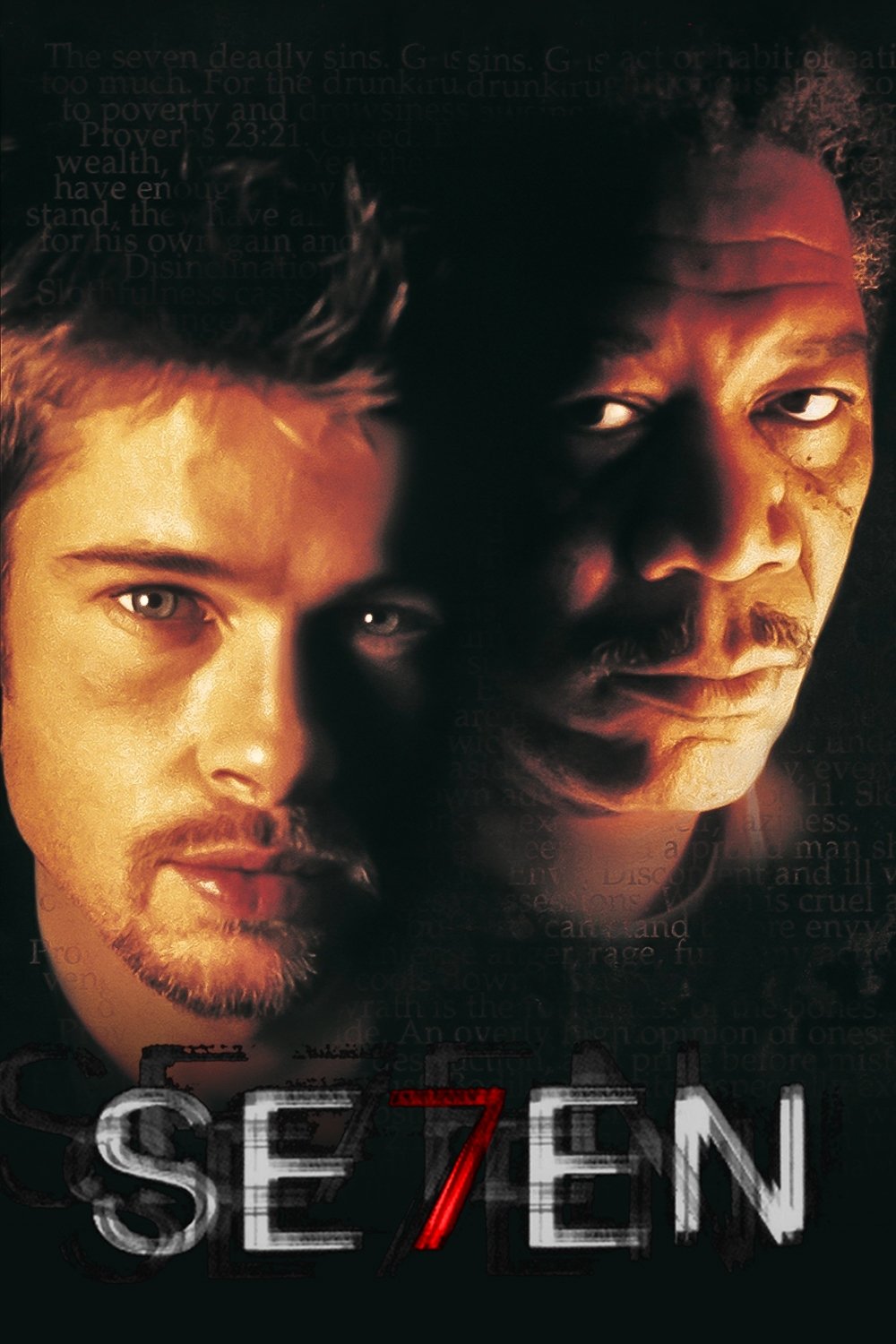
The stark violence and uncompromising ending sparked calls for edits in certain markets. Ratings boards scrutinized multiple sequences before approval. The intensity of the content conversation eclipsed technical and narrative achievements.
‘Nixon’ (1995)
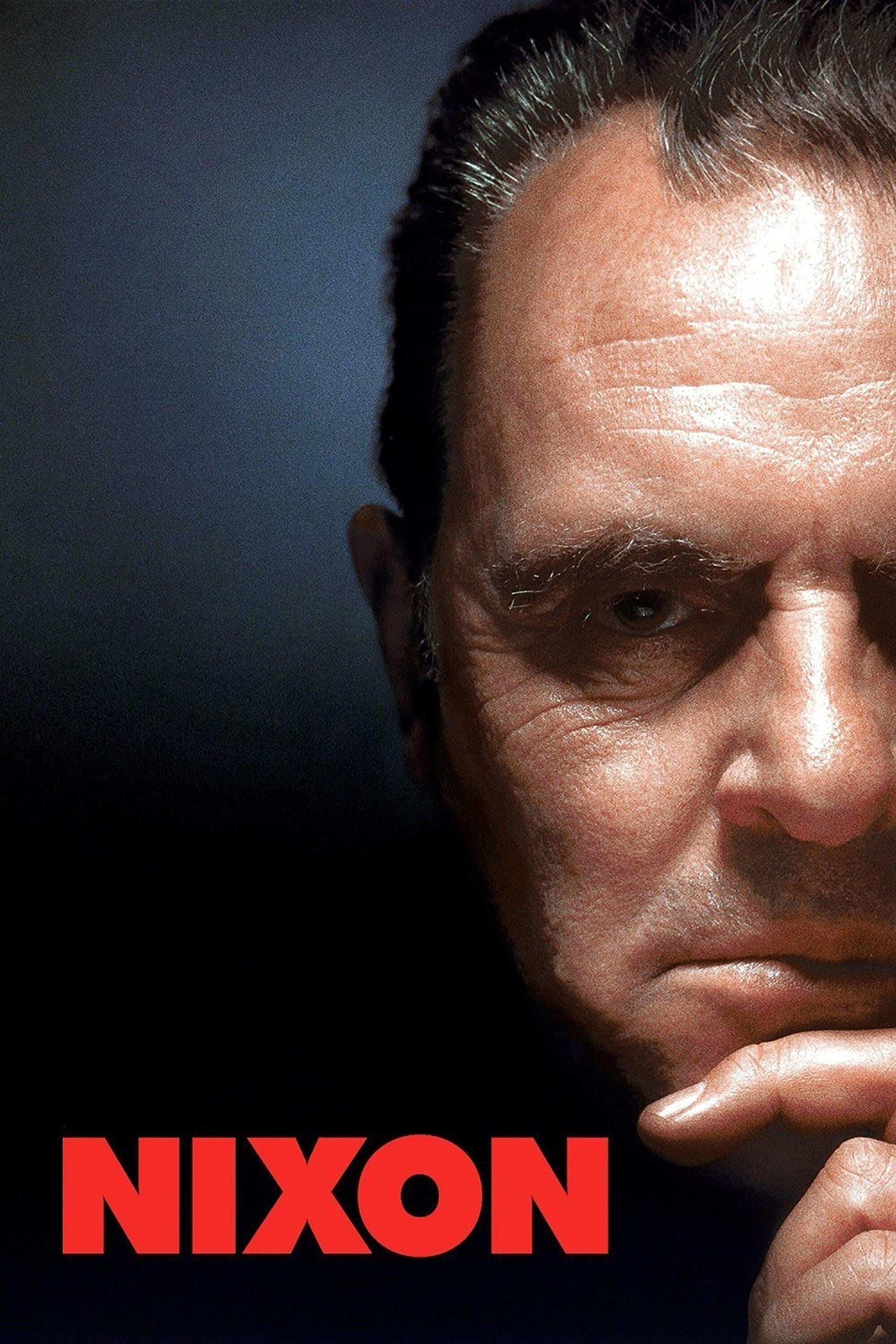
Political figures and commentators challenged its interpretation of events and motives. Public disputes questioned sources and timeline choices. The political argument dominated press coverage through awards season.
‘Crash’ (1996)
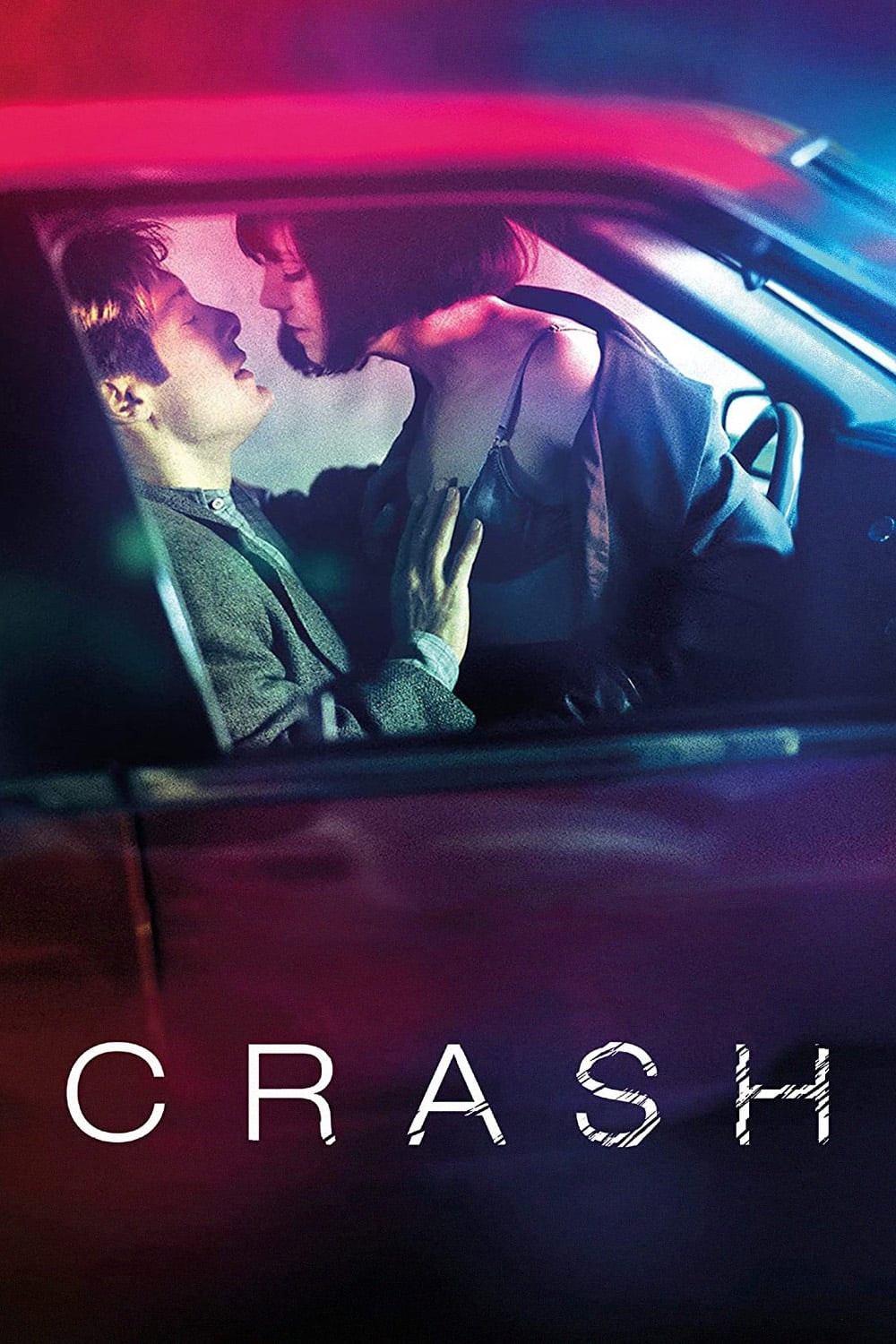
Its portrayal of characters aroused by car wrecks led to bans and refusals by some councils. The film became a flashpoint in debates about censorship in the UK and elsewhere. Distribution hurdles and public hearings overshadowed discussion of its ideas.
‘Trainspotting’ (1996)
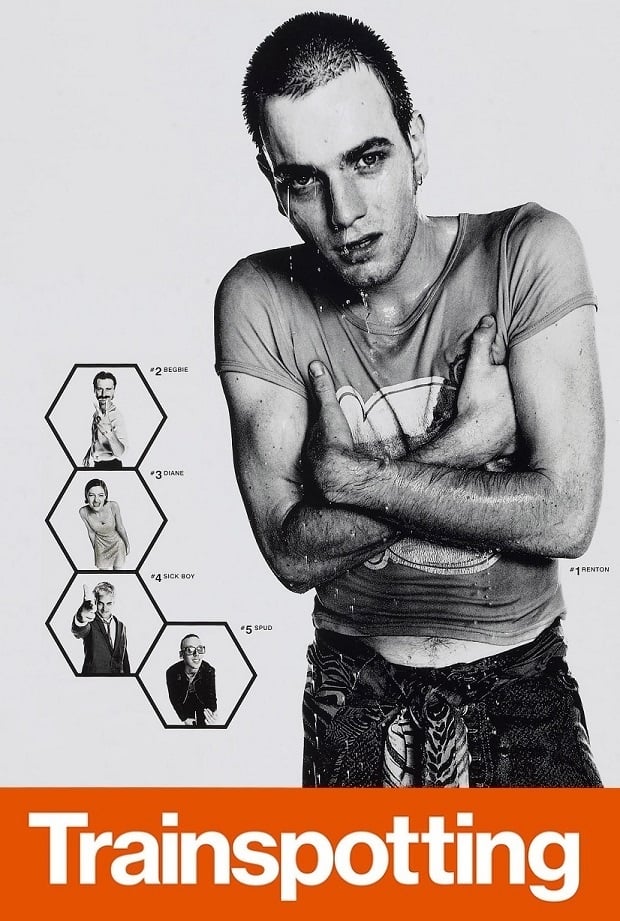
Critics of the film charged it glamorized drug use and youth rebellion. Officials in several countries pushed for tighter classifications and warnings. Media focus on the policy fight often drowned out conversation about style and storytelling.
‘The People vs. Larry Flynt’ (1996)
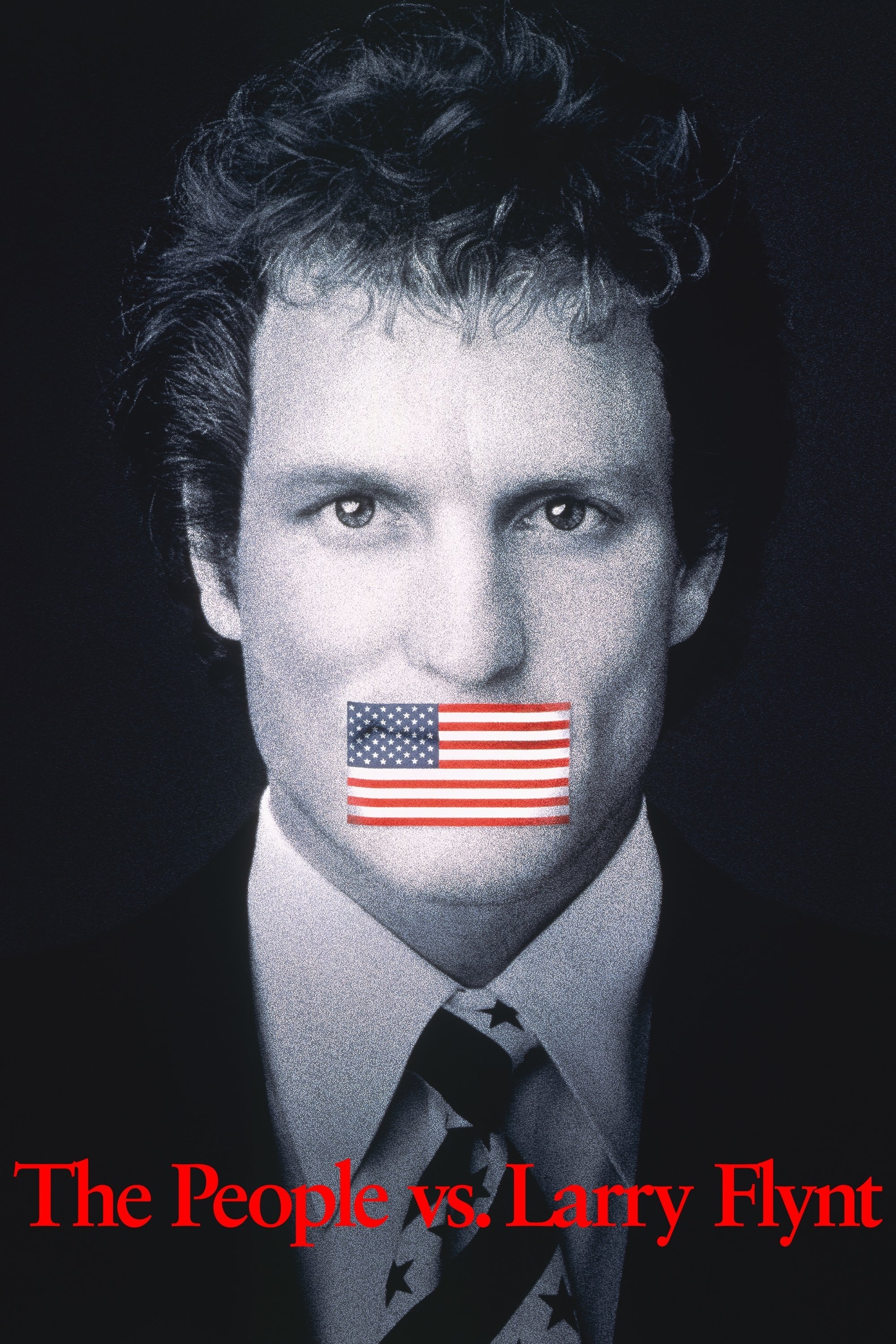
Free speech battles reignited as advocacy groups protested its depiction of a pornographic publisher. Campaigns urged theaters and voters to reject the film during awards time. The legal and moral debate overshadowed its courtroom craft.
‘Fire’ (1996)
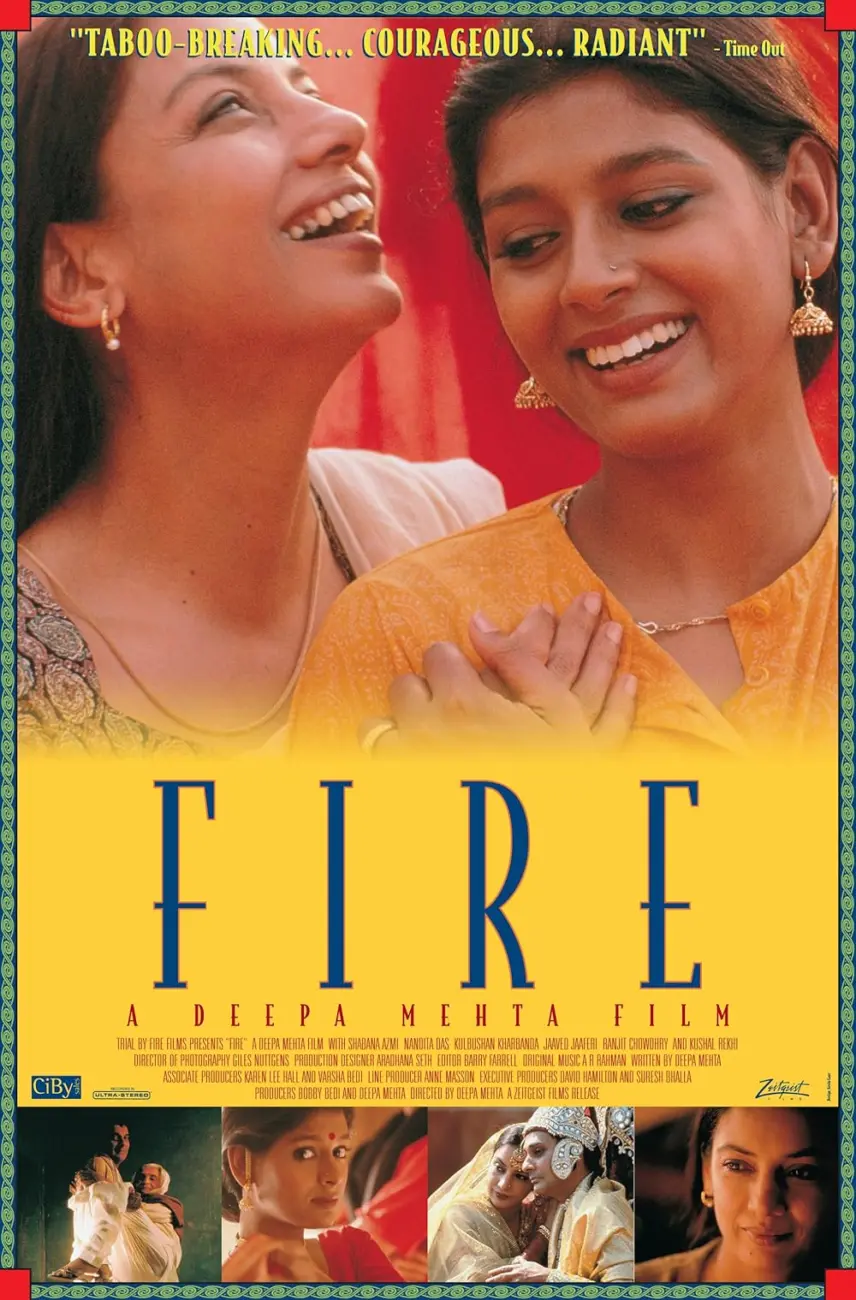
The film faced protests and theater attacks in India over its portrayal of a same sex relationship. Screenings were canceled under public pressure in several cities. The climate around safety and censorship limited its reach.
‘Bandit Queen’ (1994)
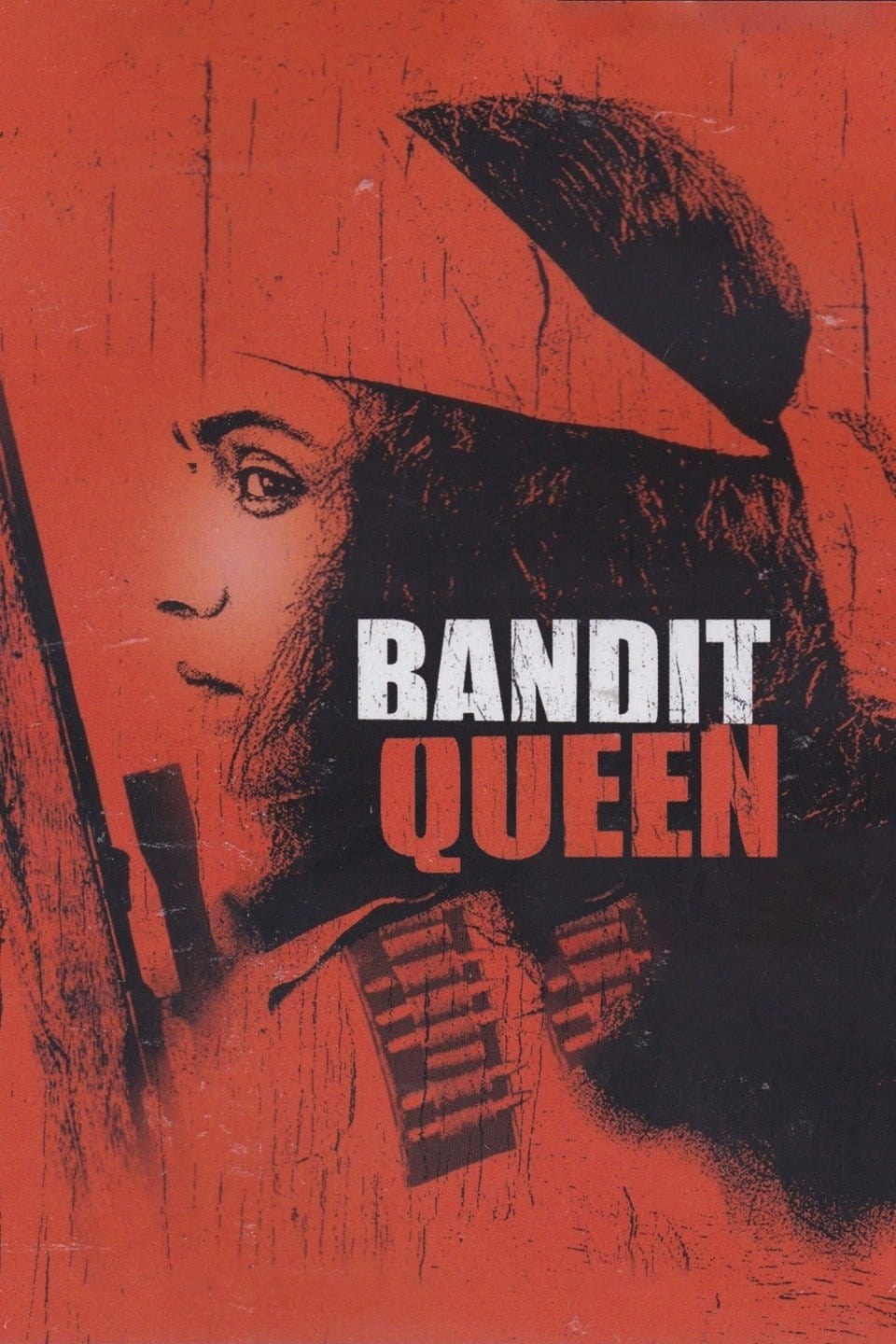
Legal actions challenged the depiction of real individuals and demanded cuts. Court orders and certification disputes delayed and curtailed showings. The focus on litigation replaced discussion of direction and performances.
‘Lolita’ (1997)

US distributors struggled to secure a release because of fears about classification and backlash. It eventually reached audiences through limited theatrical runs and cable. The controversy around subject matter overshadowed evaluation of the adaptation.
‘The Devil’s Advocate’ (1997)
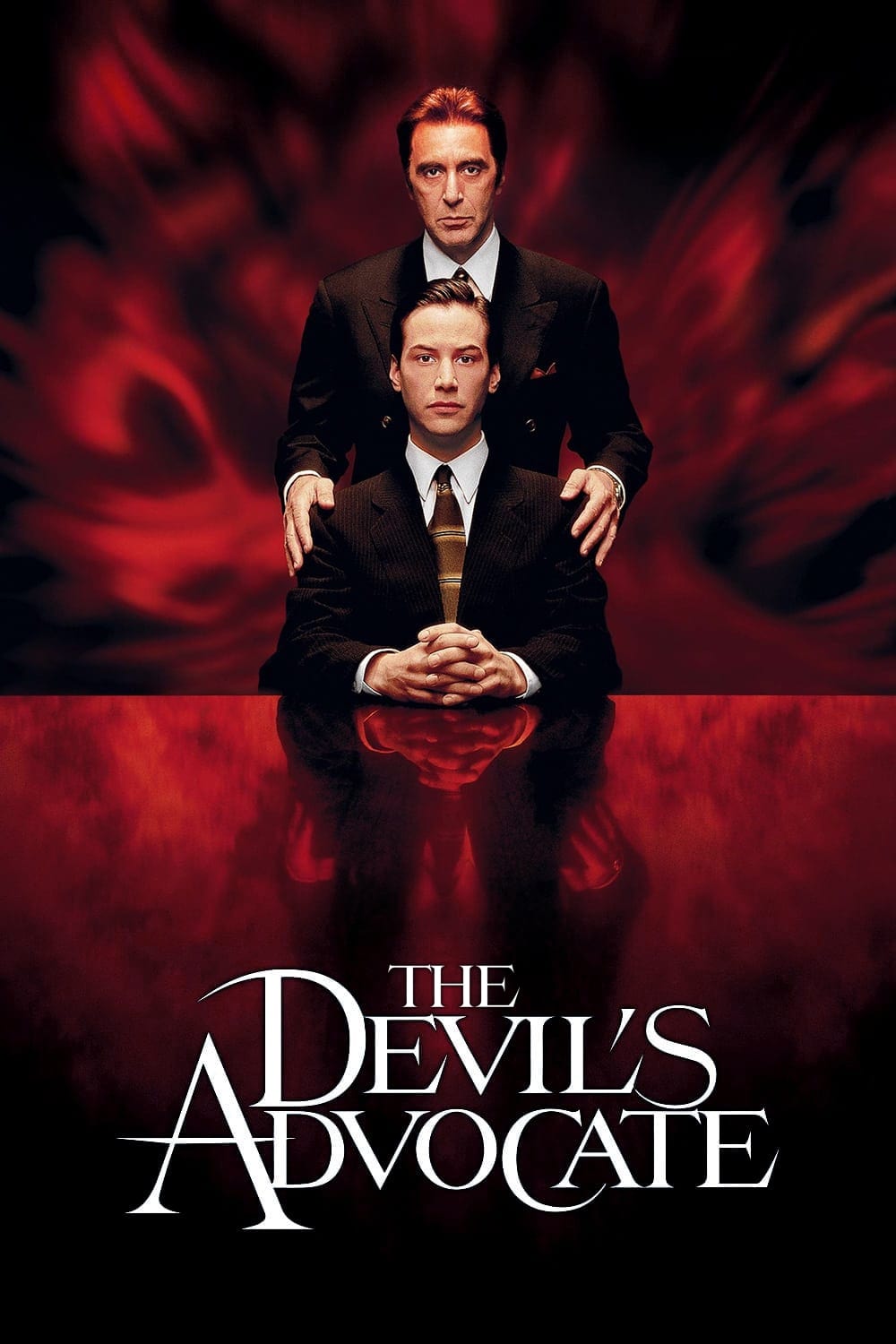
The production faced a lawsuit over set designs resembling a well known artwork. A settlement required alterations to visual effects shortly before release. The legal dispute and changes drew attention away from the film’s themes.
‘Happiness’ (1998)
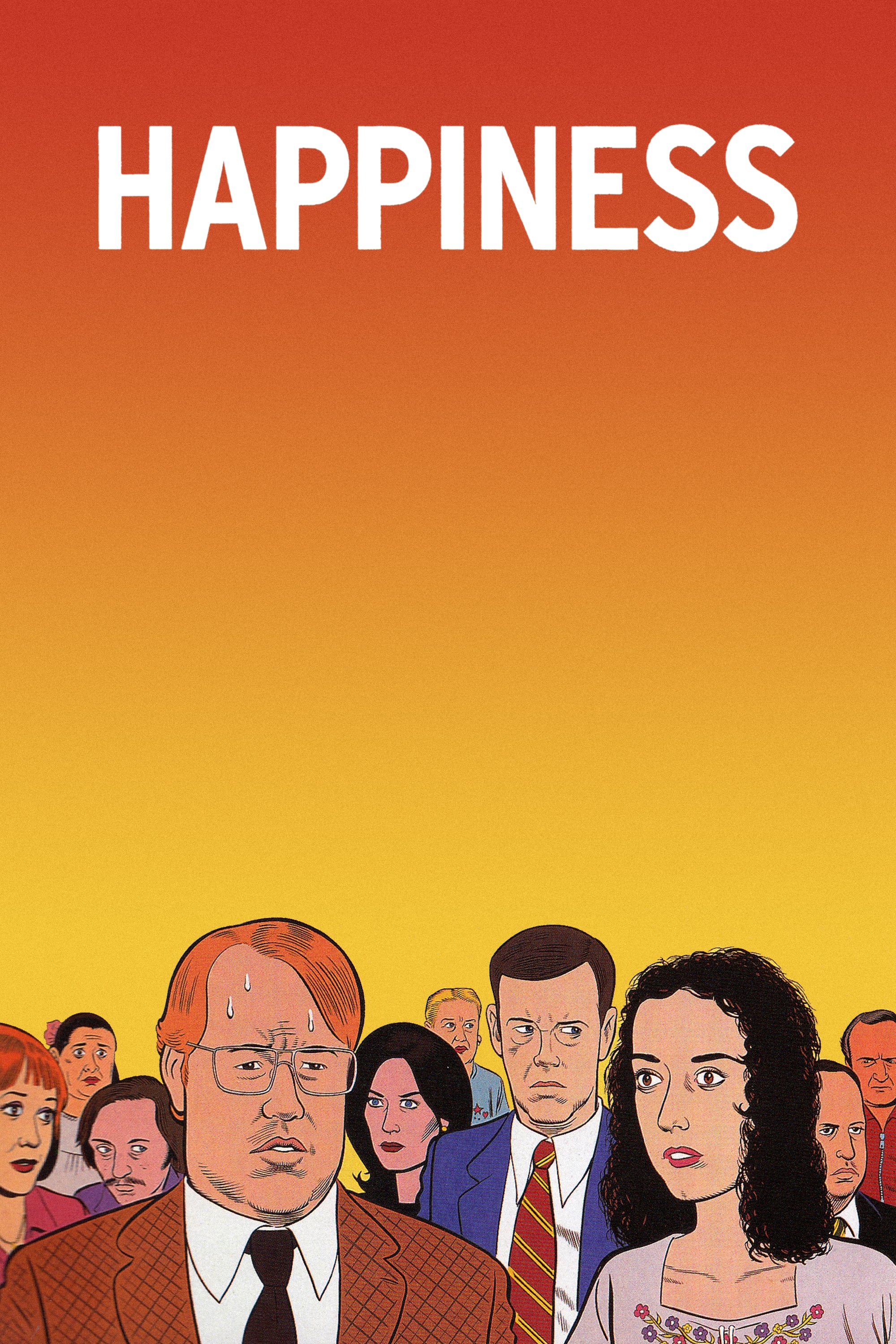
An adults only rating was bypassed by releasing the film unrated, which reduced theater access. Chain theaters refused bookings and advertising options were curtailed. Coverage fixated on content thresholds rather than its ensemble work.
‘Eyes Wide Shut’ (1999)

Digital alterations were added to satisfy ratings requirements for a wider release. The decision prompted debate about censorship and artistic intent. The edits became a larger story than the film’s final cut.
‘Fight Club’ (1999)
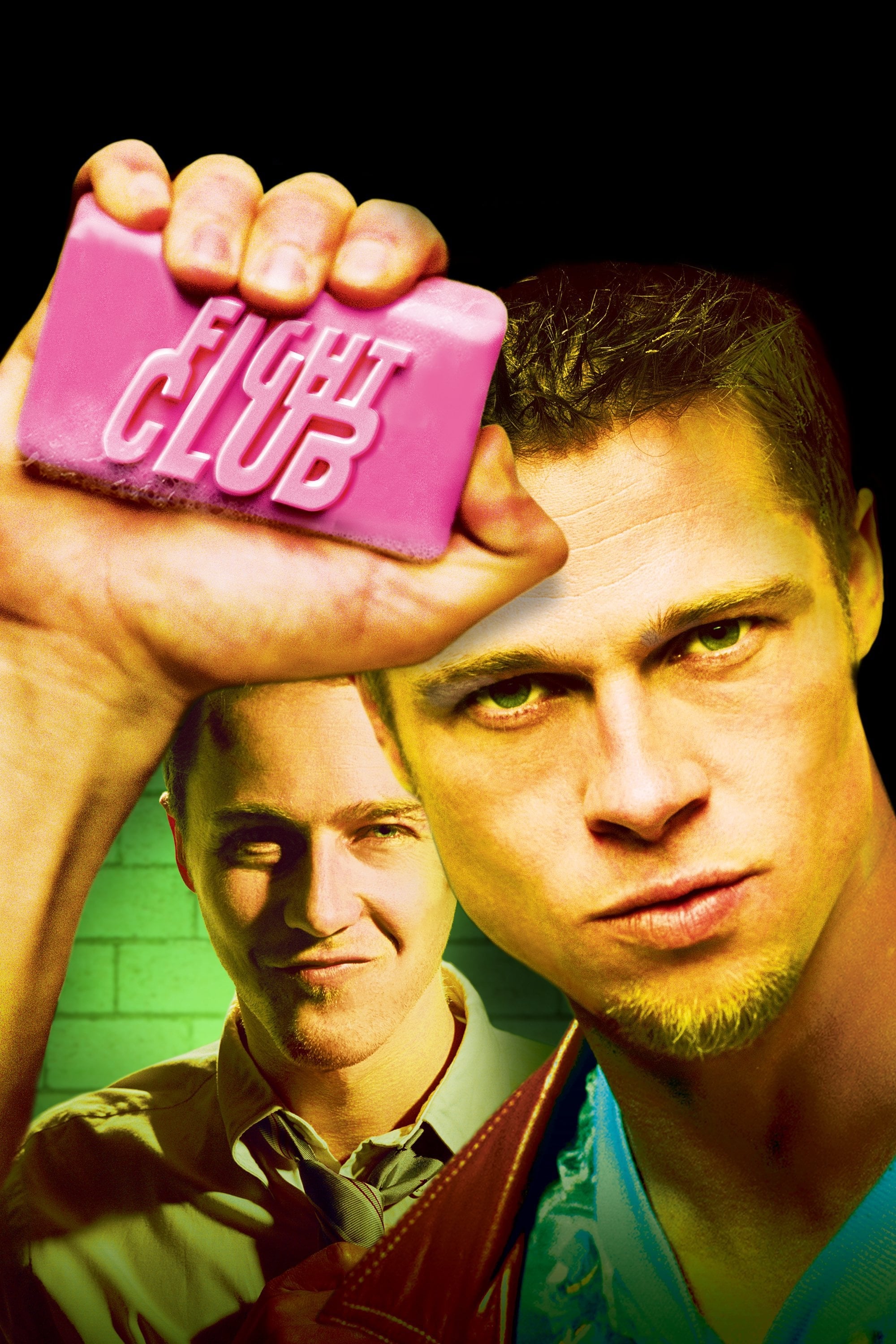
Public officials and commentators linked the film to nihilism and real life violence risks. Some territories demanded cuts and others trimmed marketing. The controversy pulled focus from its structure and production design.
‘Dogma’ (1999)
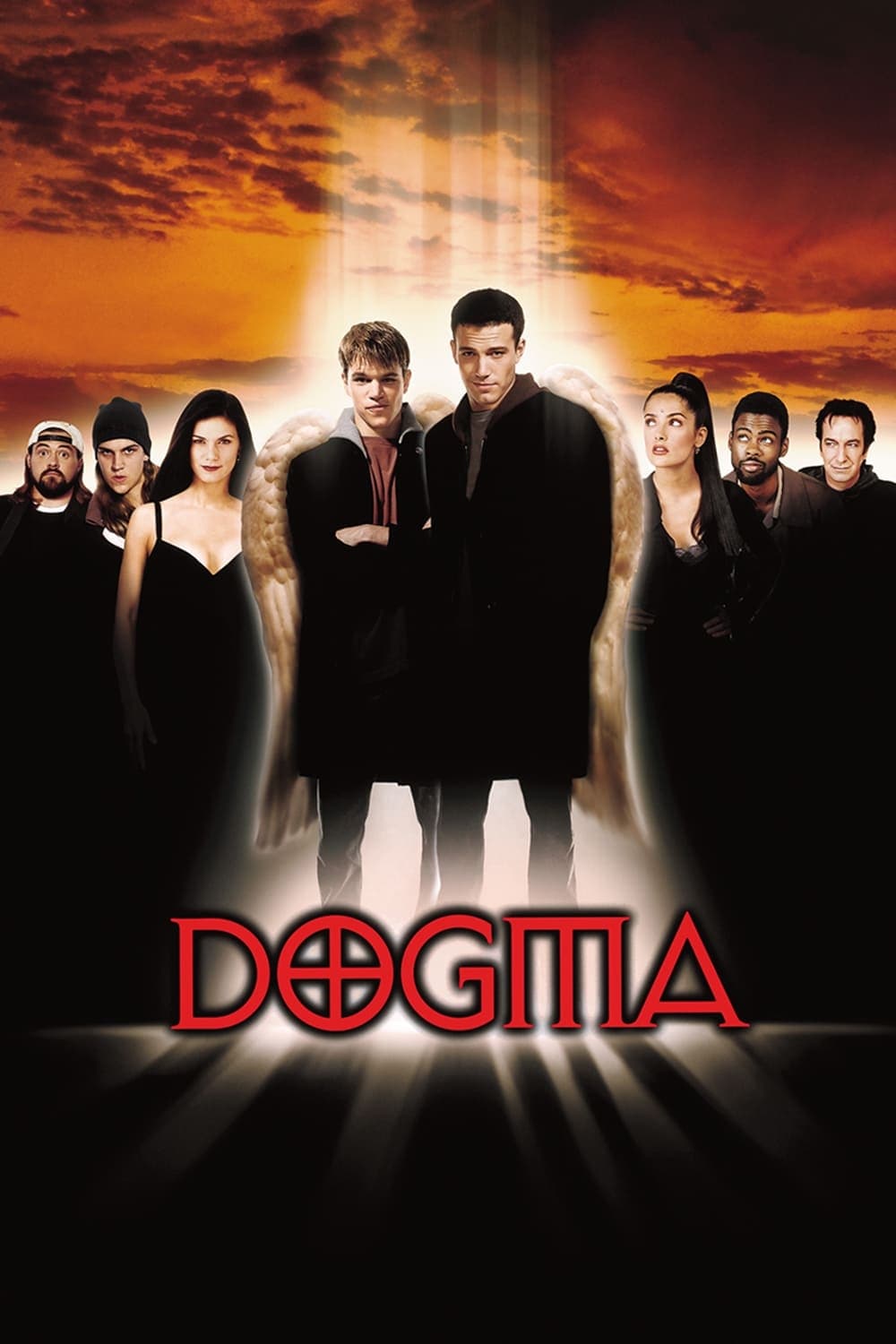
Religious protests and threats targeted theaters and the distributor. Special security and venue changes were required for several screenings. The turbulence around release overshadowed the film’s satire and dialogue.
‘South Park: Bigger, Longer & Uncut’ (1999)
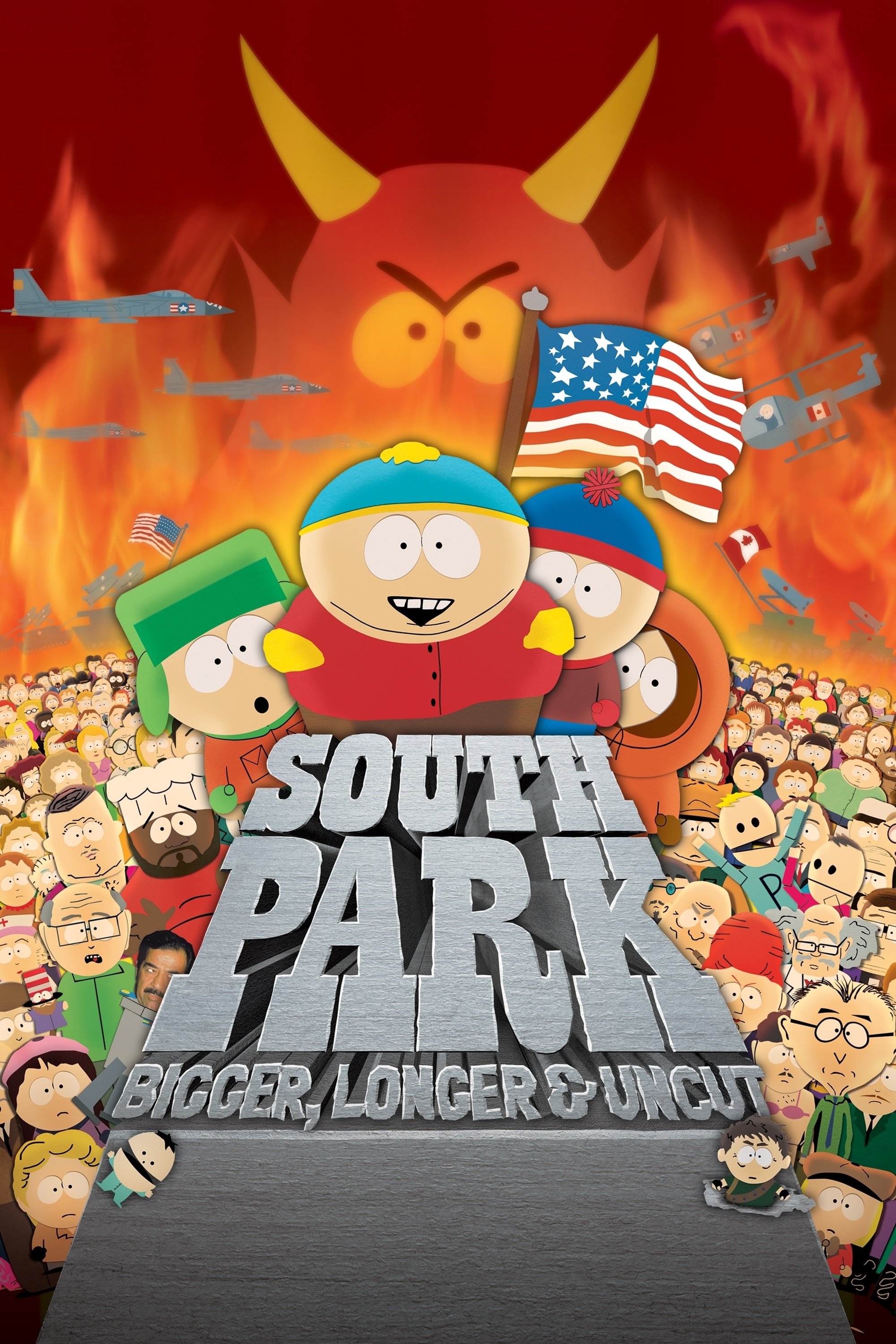
Ratings disputes and proposed cuts became a public back and forth with censors. Marketing materials faced restrictions in multiple regions. The fight about classification took center stage over the musical’s craft.
Share the titles you think were unfairly overshadowed and tell us which one you would defend in the comments.