2000s Movies Controversy Killed (Despite Being Good)



Some of the best films of the decade ran into storms that had little to do with craft and everything to do with outrage, ratings, or timing. Protests, boycotts, ad bans, and censor fights choked off screenings and muted word of mouth even when the work itself connected with critics or festival audiences. The result was smaller releases, trimmed marketing, and in some cases vanished sequels or awards hopes. Here are the movies whose momentum got cut down by controversy rather than quality.
‘Birth’ (2004)

A bathtub scene involving a child actor ignited a media firestorm and led to complaints that overshadowed the film’s release. The distributor faced pressure from advocacy groups, and some outlets refused to carry ads. Conversations focused on the scene rather than the story, which dampened interest among cautious theater chains. The box office never recovered from the early backlash.
‘Hounddog’ (2007)

The film drew intense scrutiny over a rape scene involving a young performer, prompting investigations and widespread condemnation. Distributors delayed plans as protests made the title a lightning rod. Several theater owners declined to book it, and advertising partners kept their distance. The limited rollout stalled any chance of broader success.
‘The Woodsman’ (2004)
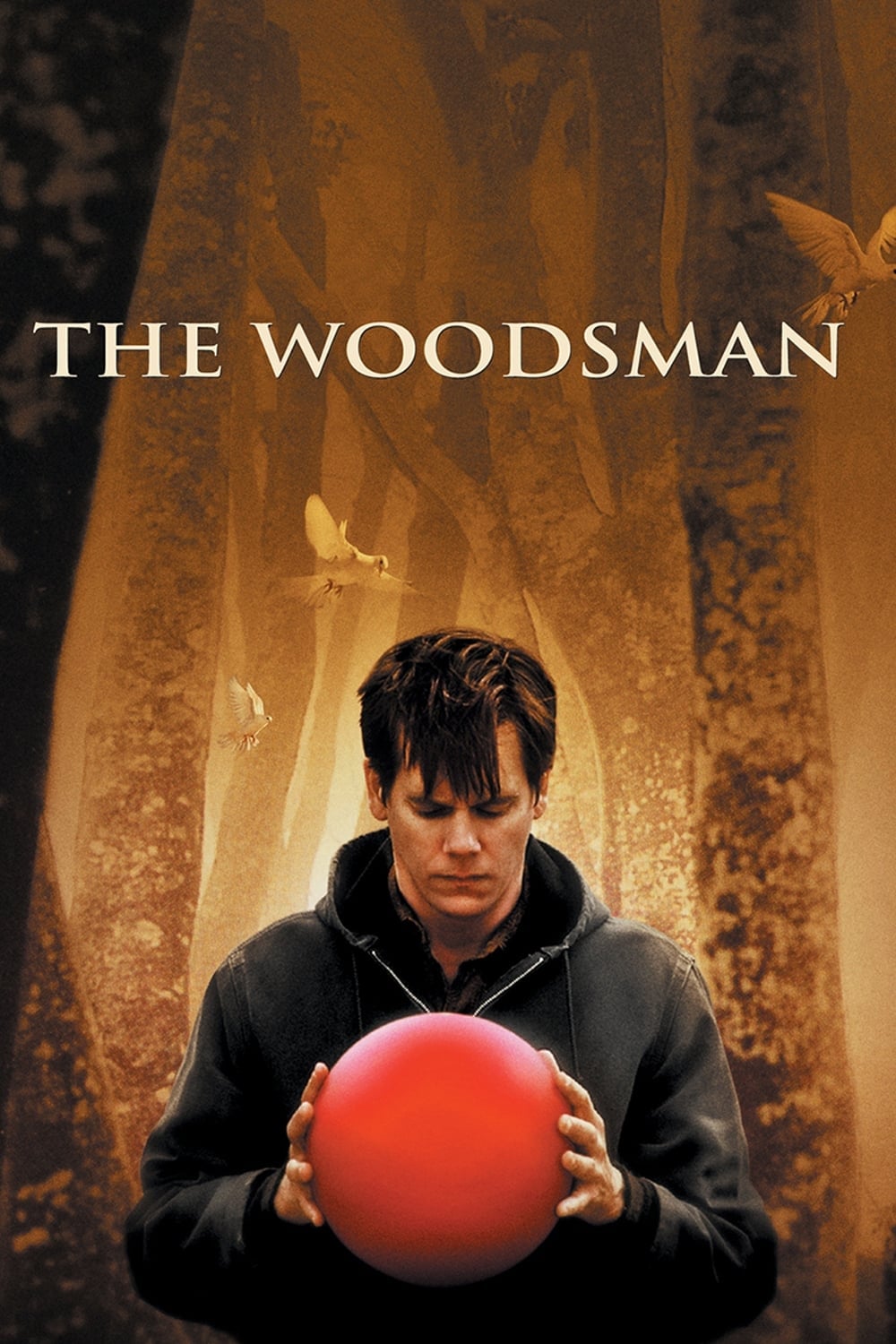
Centering on a man with a history of crimes against children, the film met resistance from exhibitors and community groups. Many theaters opted out due to the subject matter, and marketing outlets restricted placements. Discussions centered on whether audiences should see it at all, not on performances or craft. Those headwinds kept attendance modest despite critical notice.
‘Shortbus’ (2006)
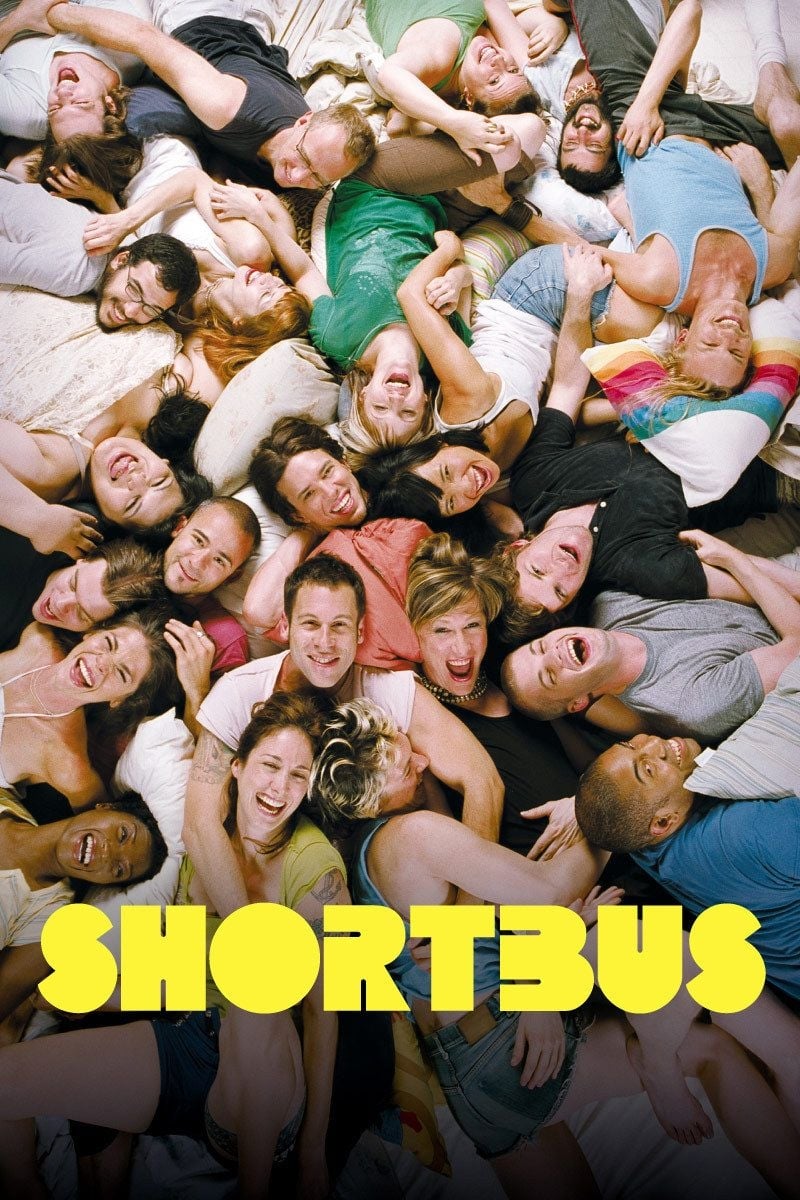
Explicit sexual content led to refusals from major chains and complicated ratings in multiple territories. Print and transit advertisers turned down the campaign, leaving fewer ways to reach potential viewers. The film played primarily in specialty houses with adults-only notices. Its visibility stayed small despite festival buzz.
‘The Brown Bunny’ (2003)
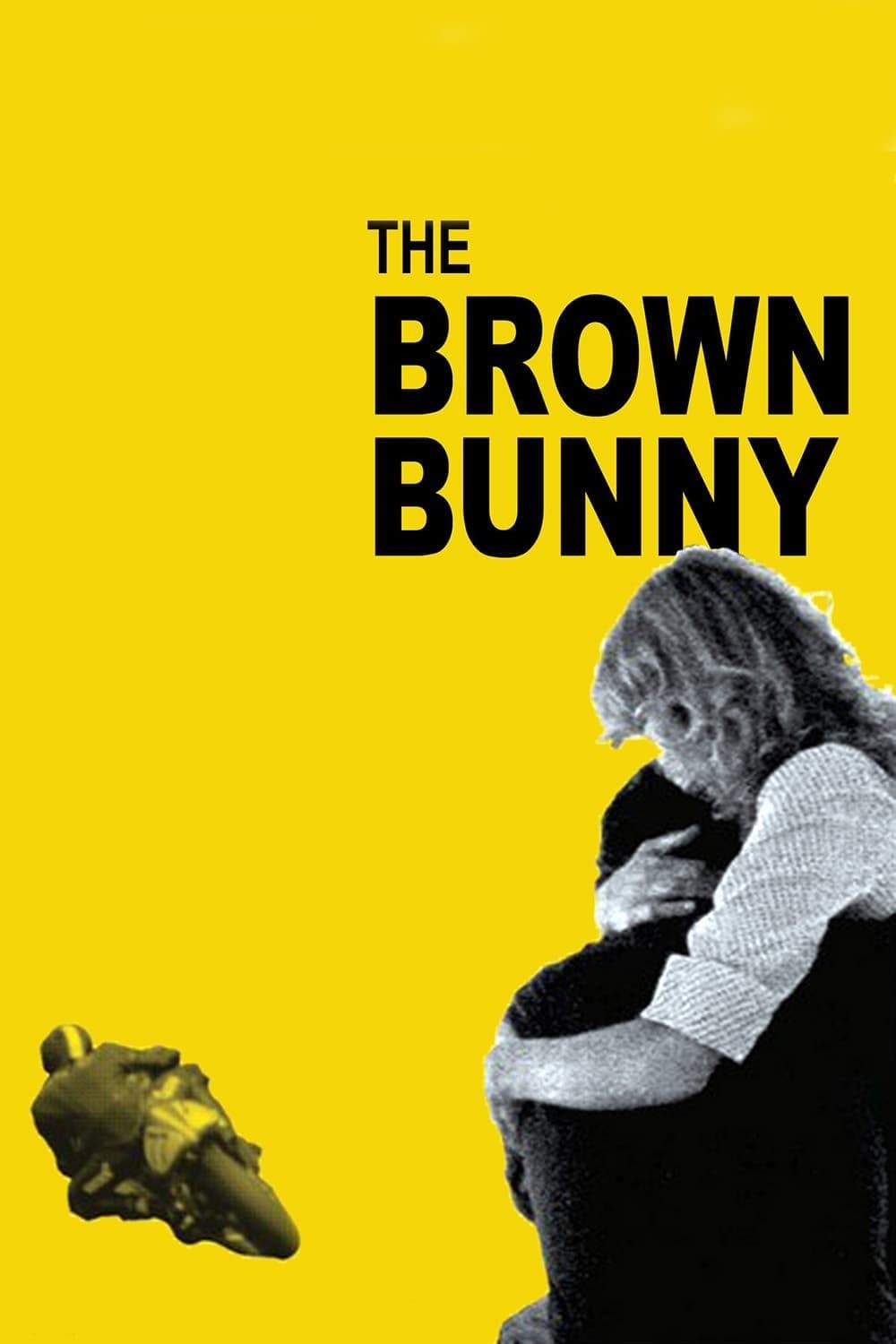
An explicit scene sparked outrage and dominated press coverage from the moment it premiered. The filmmaker issued a new cut, but the reputation damage was already done. Ratings restrictions and exhibitor hesitancy kept screens scarce. Attention fixated on the scandal instead of the film’s revision.
‘The Dreamers’ (2003)

An adults-only rating in the United States kept it out of many multiplexes that do not carry such titles. Networks and transit systems rejected portions of the advertising campaign. International markets also tightened classifications, which limited showtimes. The release stayed narrow even as interest among cinephiles remained strong.
‘9 Songs’ (2004)

Sex scenes triggered bans and reclassifications in several countries. Mainstream outlets restricted reviews and ads, making it difficult to find basic release information. Some territories required significant cuts, while others refused certification. The film’s distribution shrank to a handful of specialty venues.
‘Ken Park’ (2002)
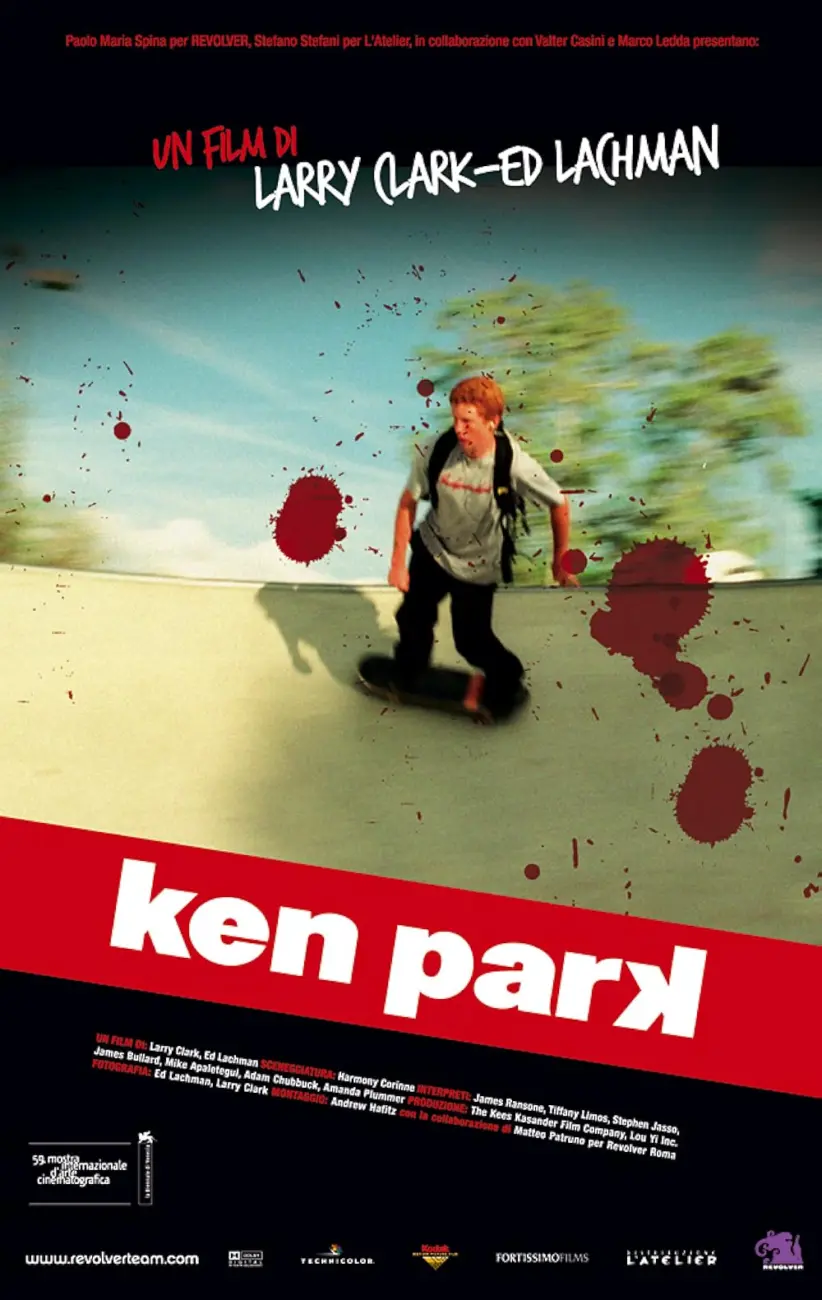
The film faced high-profile classification battles, including outright bans in certain markets. Screenings were canceled or moved, and police warnings accompanied some festival showings. The controversy consumed news coverage and scared off commercial exhibitors. As a result, audiences struggled to see it legally in many places.
‘Baise-moi’ (2000)
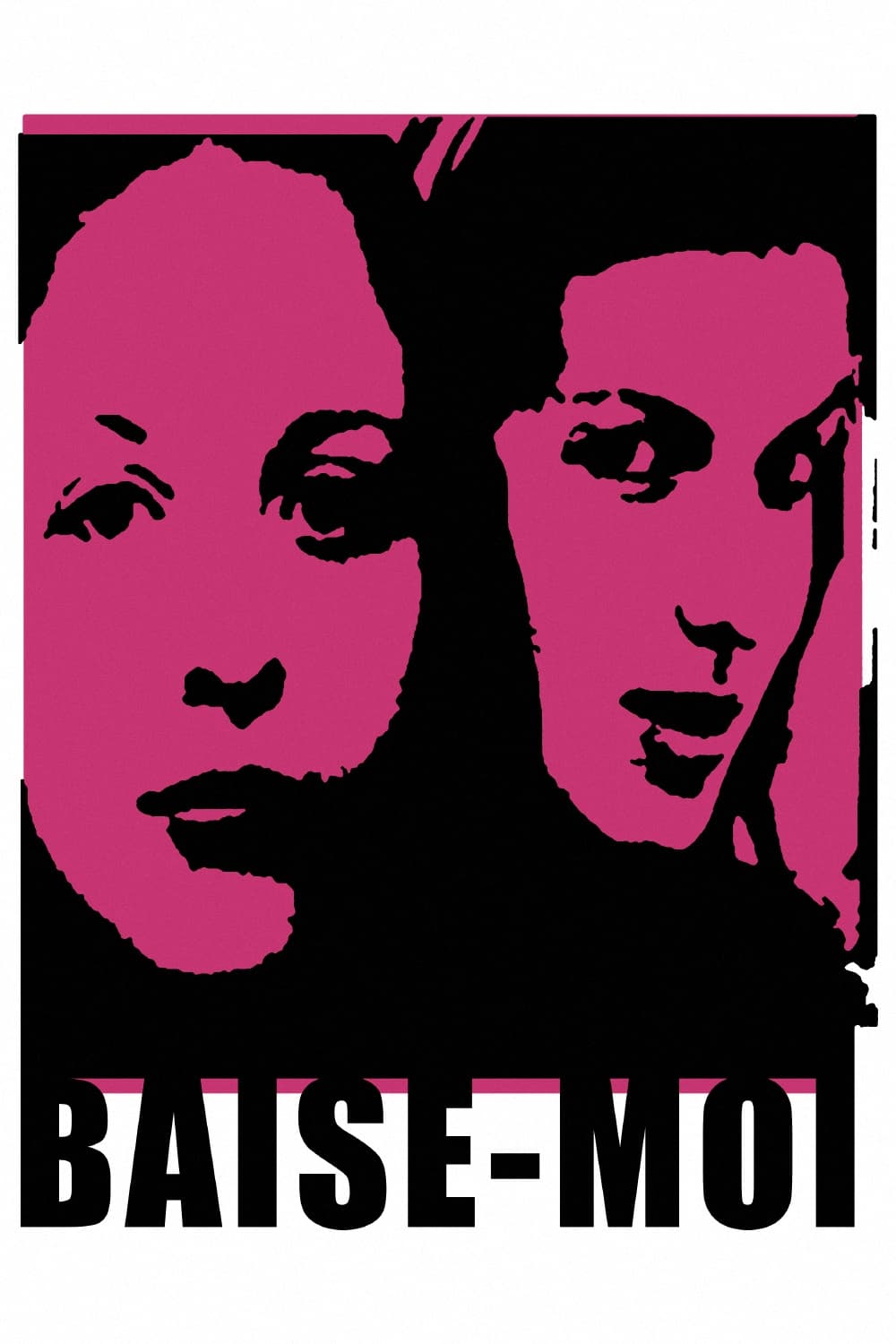
Its blend of explicit sex and violence prompted emergency re-ratings and bans in multiple regions. The sudden classification shifts disrupted schedules and confused would-be viewers. Retailers and chains declined to carry promotional materials or home video stock. The cumulative effect was a sharply curtailed release footprint.
‘Antichrist’ (2009)
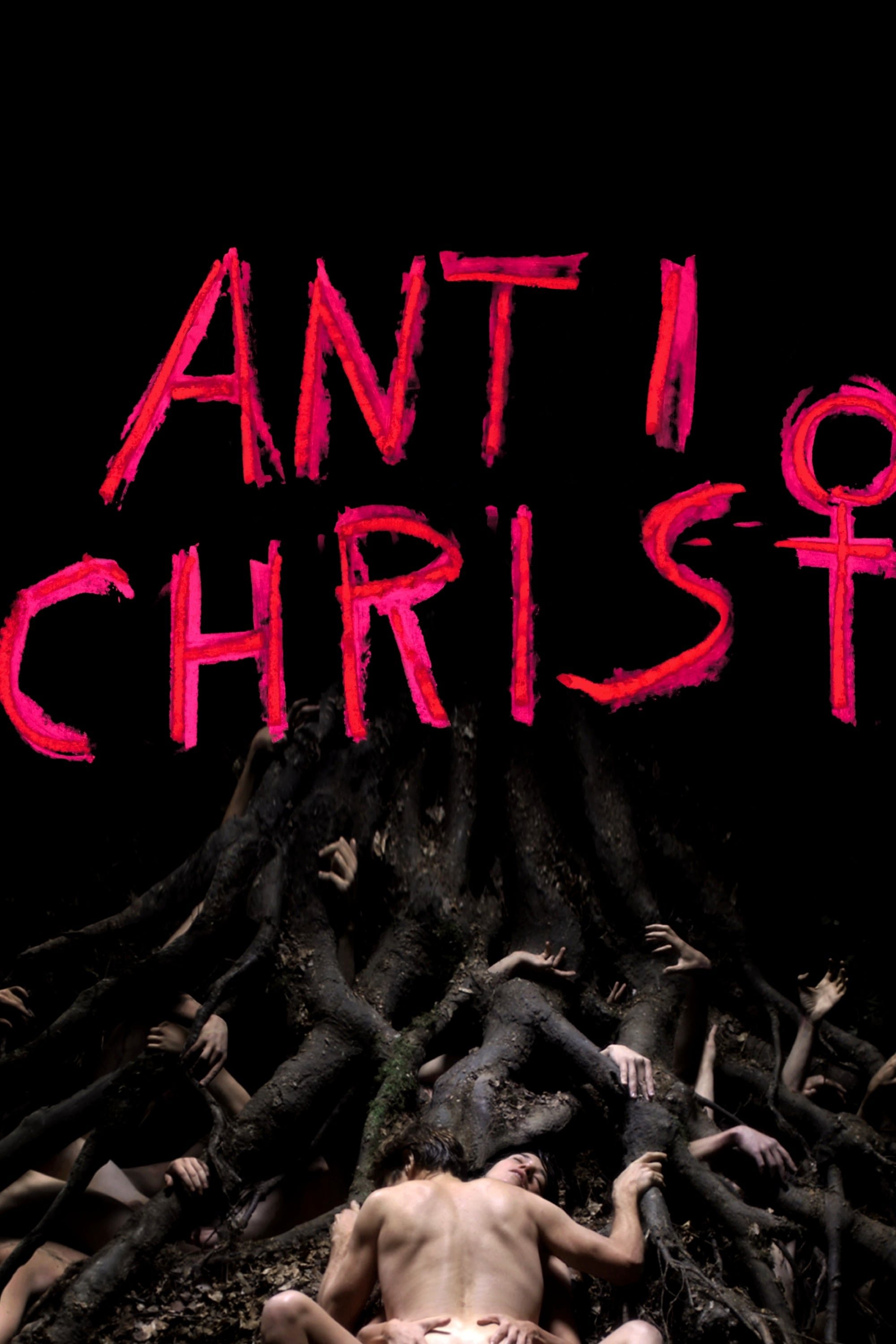
Graphic scenes provoked walkouts and formal complaints at festivals, creating a cloud over its commercial prospects. Censors in some territories demanded edits, while others applied restrictive age labels. Theatrical bookings remained limited amid warnings and content notes. The conversation never moved past the most shocking moments.
‘Death of a President’ (2006)
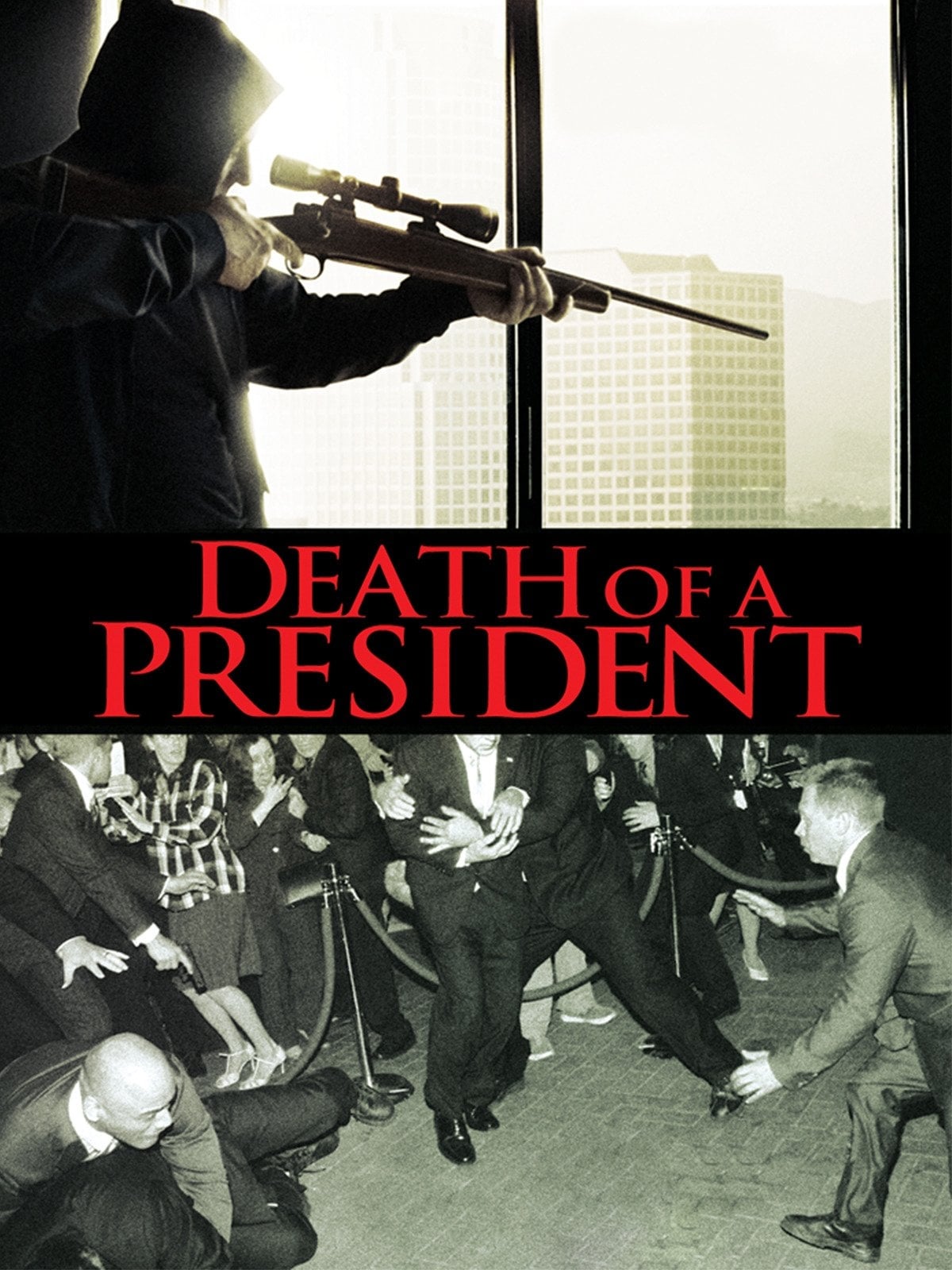
A mockumentary about an attack on a sitting leader drew calls for boycotts from the outset. Major chains refused to program it, and sponsors pulled support from related events. Television advertising options were constrained by network standards. With access cut off, the film’s audience stayed small.
‘United 93’ (2006)

Some viewers and exhibitors felt it arrived too soon after a national tragedy, leading to protests against the trailer and the release. Marketing materials were toned down, and screenings remained conservative in number. The film faced reluctance from audiences uncomfortable revisiting the subject. Initial attendance reflected that sensitivity.
‘Towelhead’ (2007)
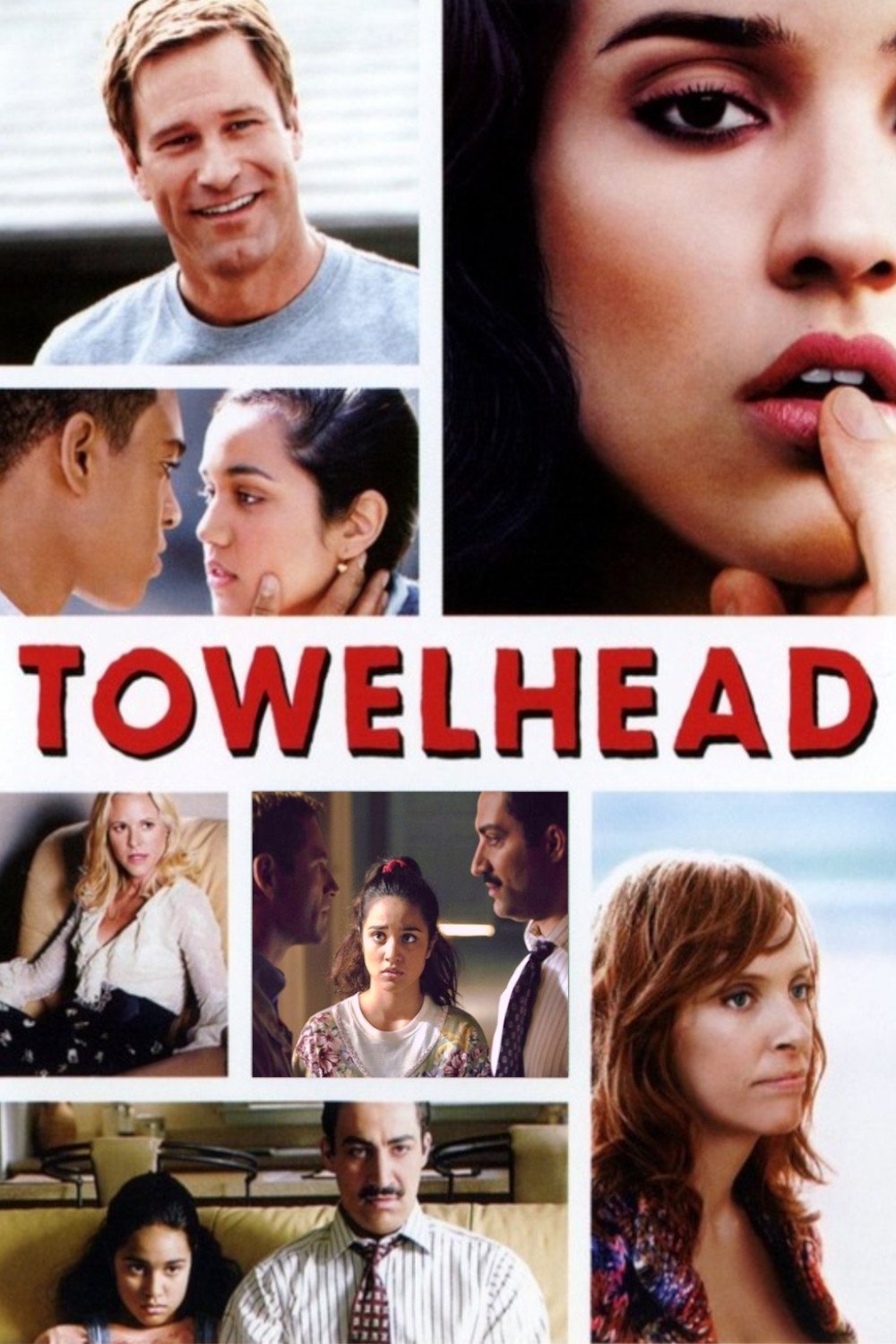
The title itself became a flashpoint, drawing objections from advocacy groups and community leaders. Campaign materials were rejected in select markets, and showtimes were limited. The film also circulated with an alternate title in certain contexts, which added confusion. The combination reduced visibility at a critical moment.
‘The Kite Runner’ (2007)
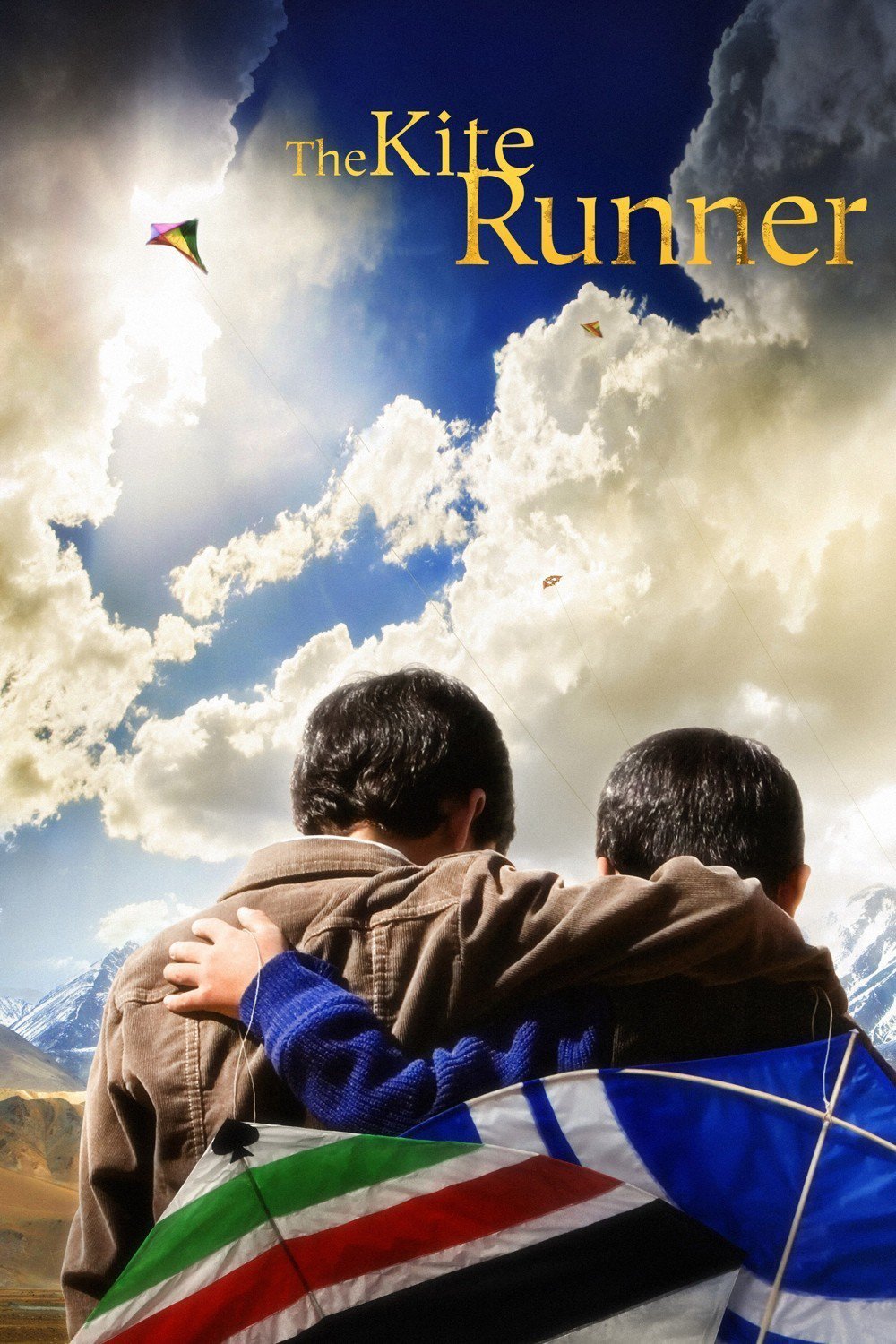
Concerns for the safety of child actors after filming led to a delayed rollout. The studio arranged relocations and took precautions, which shifted attention away from the movie’s release. Regional controversies prompted further caution in select territories. Momentum slowed as headlines focused on offscreen issues.
‘Persepolis’ (2007)
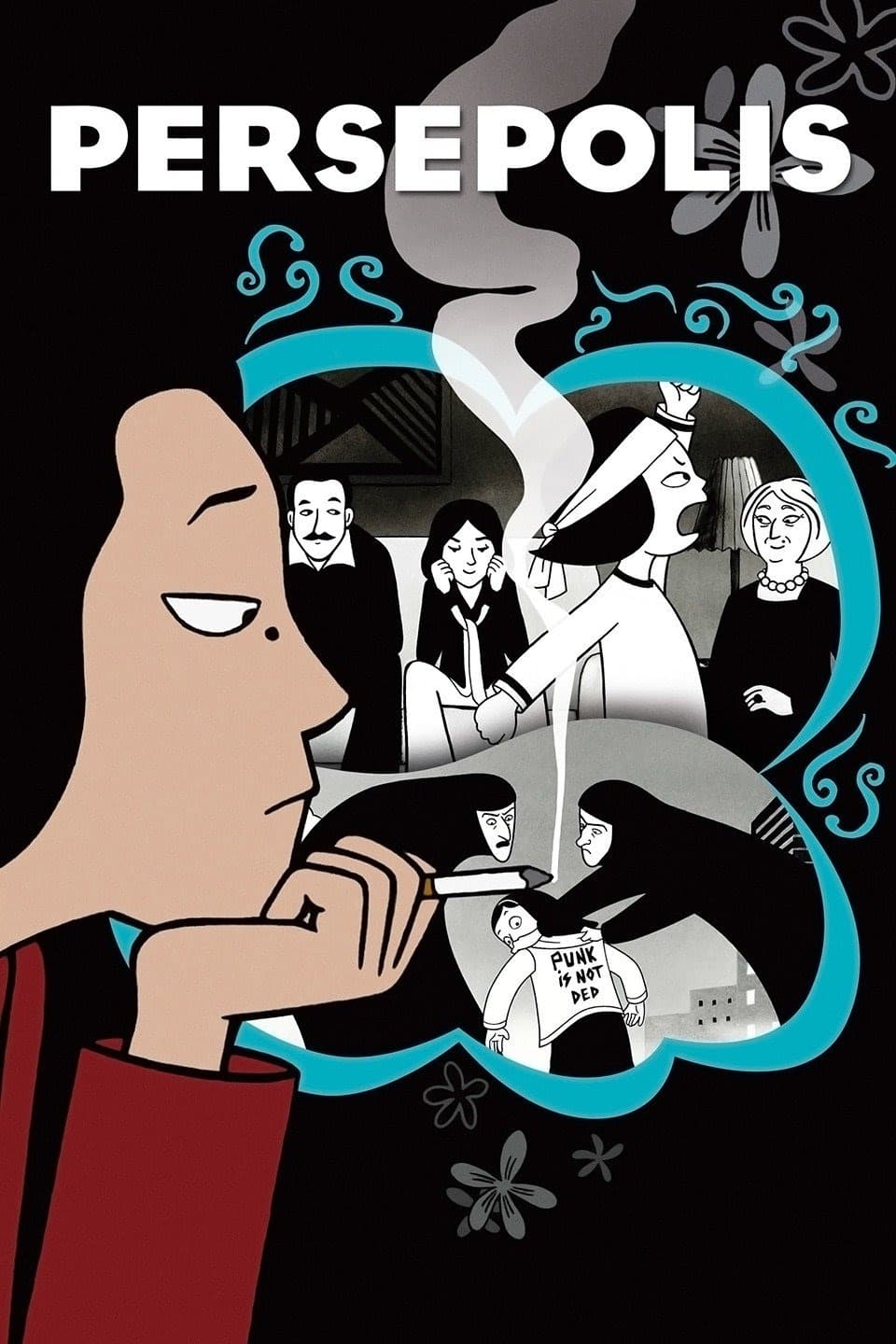
Authorities and activists in some countries objected to its political and cultural critiques, leading to bans or temporary removals. Broadcasts and festival showings faced protests and official complaints. Theatrical runs were curtailed or delayed where pressure was strongest. International attention centered on censorship rather than the film itself.
‘Water’ (2005)
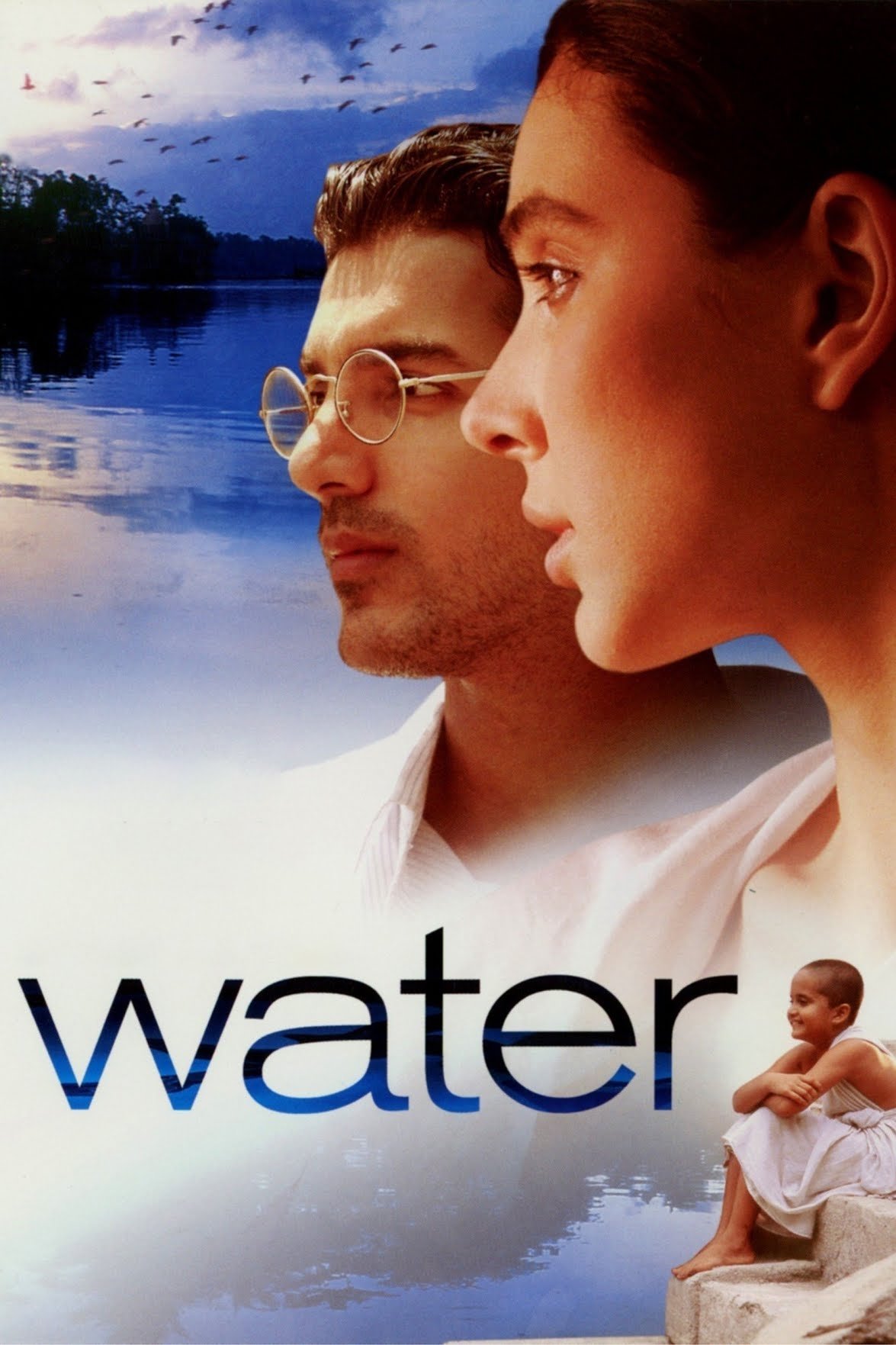
Early production attempts were shut down by protests that destroyed sets and forced the team to relocate. The completed film eventually surfaced, but distribution remained delicate in key regions. Public demonstrations resurfaced around release dates and bookings. Those disruptions limited access for audiences who wanted to see it.
‘The Golden Compass’ (2007)
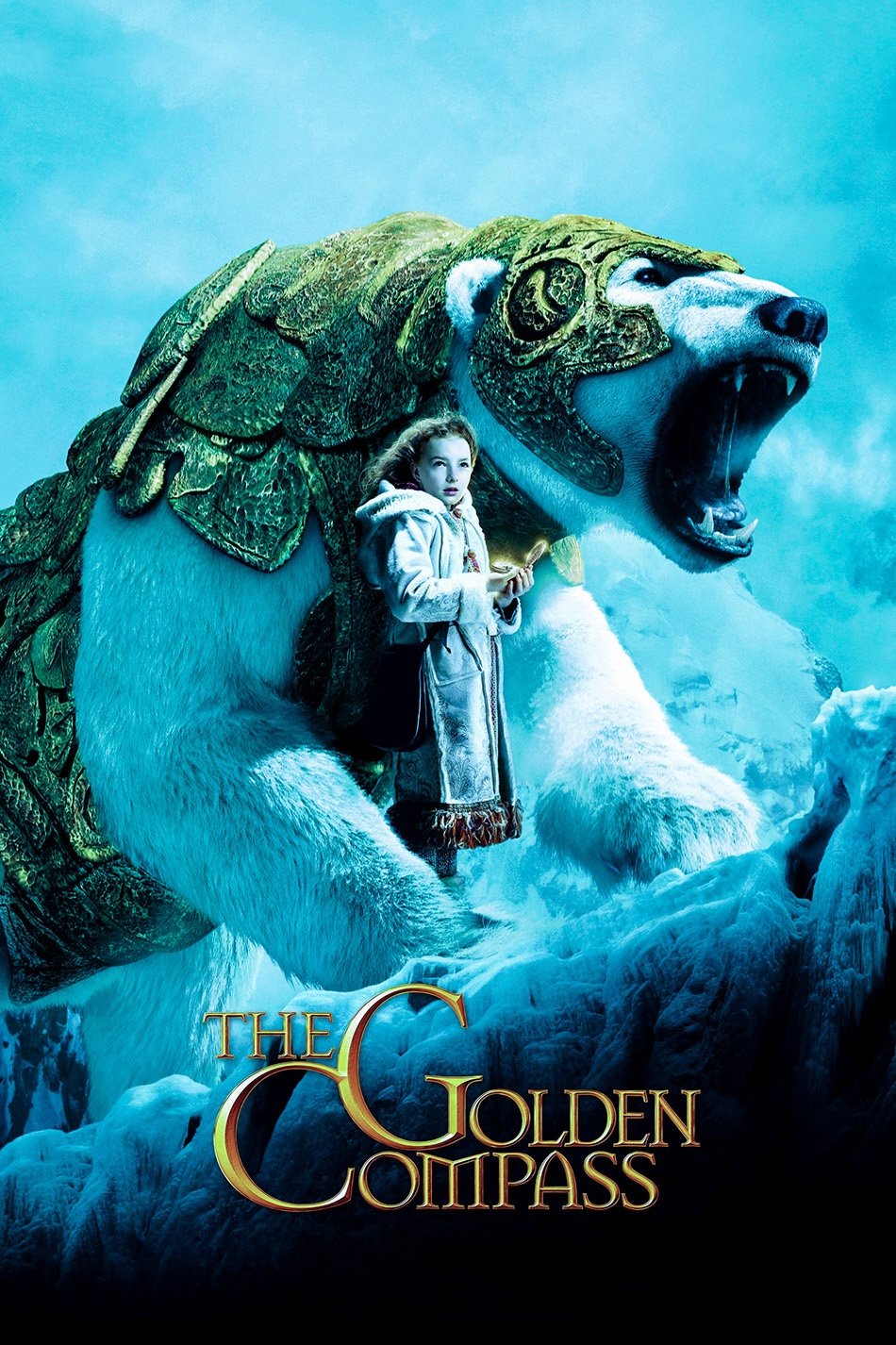
Religious groups urged boycotts over perceived anti-faith themes, which discouraged family audiences. Retailers and media partners faced pressure, and some pulled promotional tie-ins. Domestic performance lagged expectations, and follow-up installments stalled. The controversy reshaped franchise plans despite strong source material.
‘Religulous’ (2008)
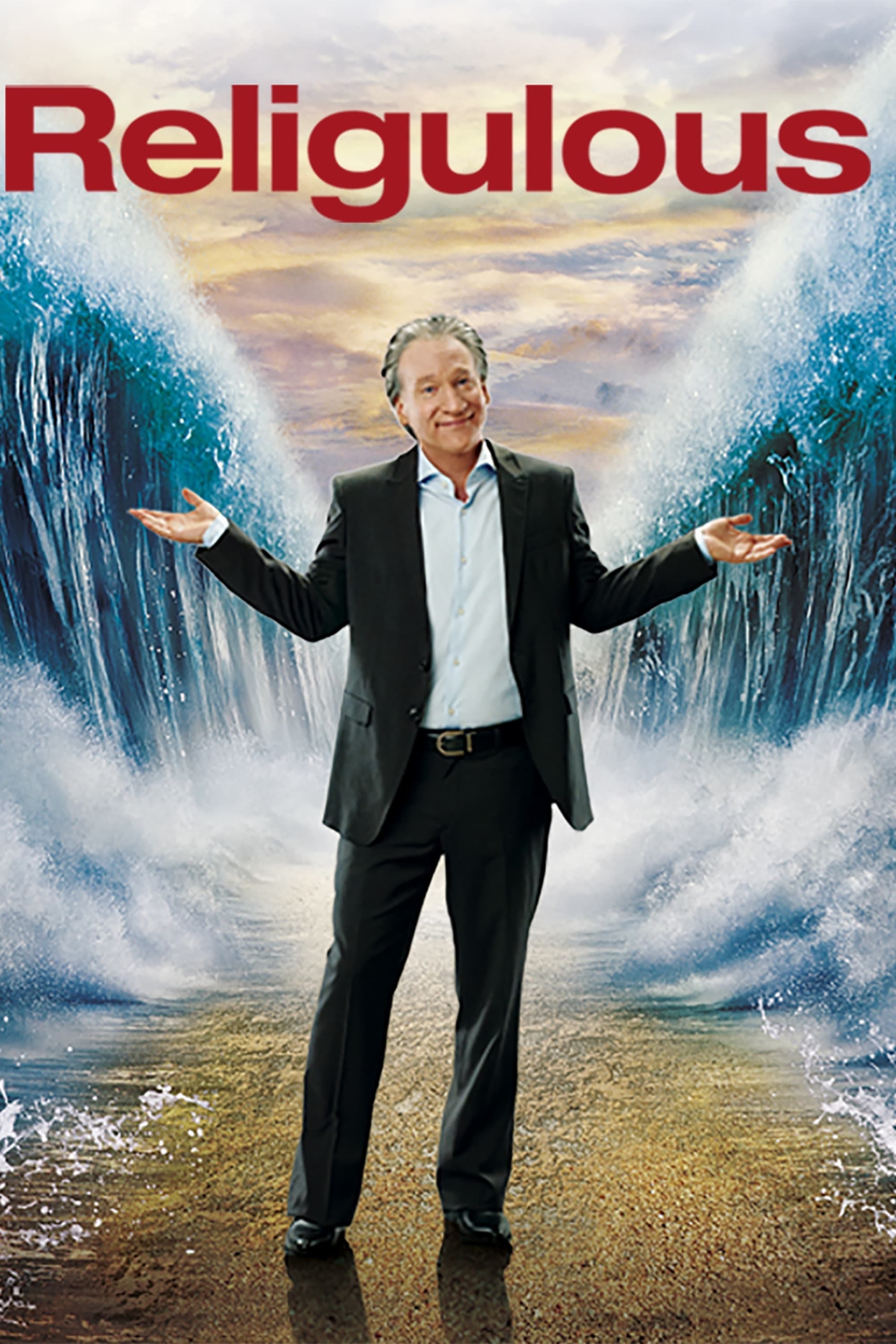
Places of worship and some community organizations campaigned against screenings and advertising. Theater owners in conservative regions hesitated to program it, citing security and complaint risks. Television partners restricted ad placements that referenced specific beliefs. The film’s reach narrowed as a result.
‘Zack and Miri Make a Porno’ (2008)

The title triggered ad bans on transit systems, radio, and certain TV networks. Several cities barred posters from bus shelters and billboards. Some exhibitors expressed discomfort with signage and showtimes. Those marketing barriers kept casual audiences from discovering it.
‘The Last House on the Left’ (2009)
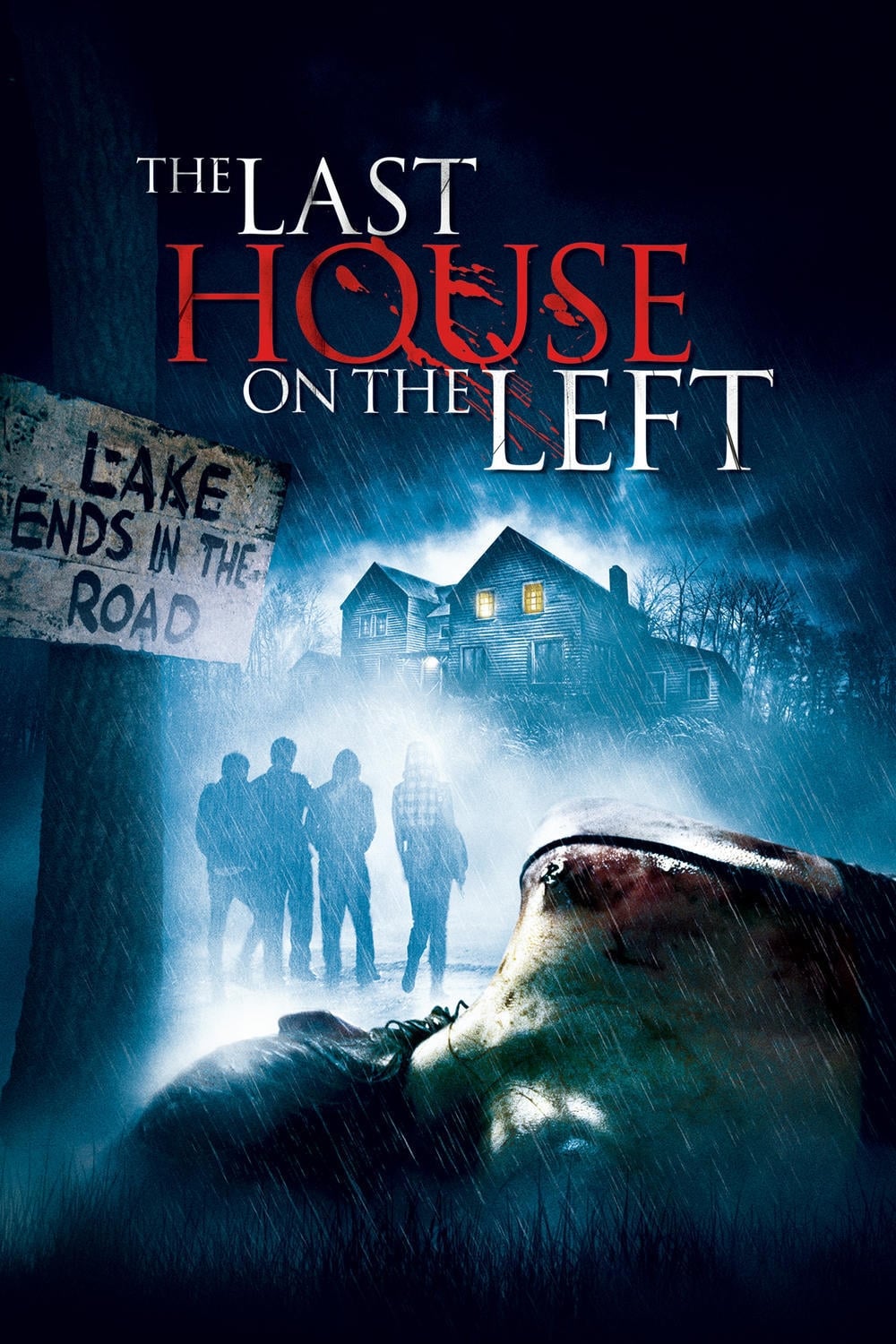
Graphic assault content sparked demands for cuts in multiple territories. Ratings boards imposed strict classifications that limited showtimes and audience size. Advertising had to tiptoe around footage that would normally sell the premise. The film’s release pattern tightened under the weight of those constraints.
‘Brüno’ (2009)
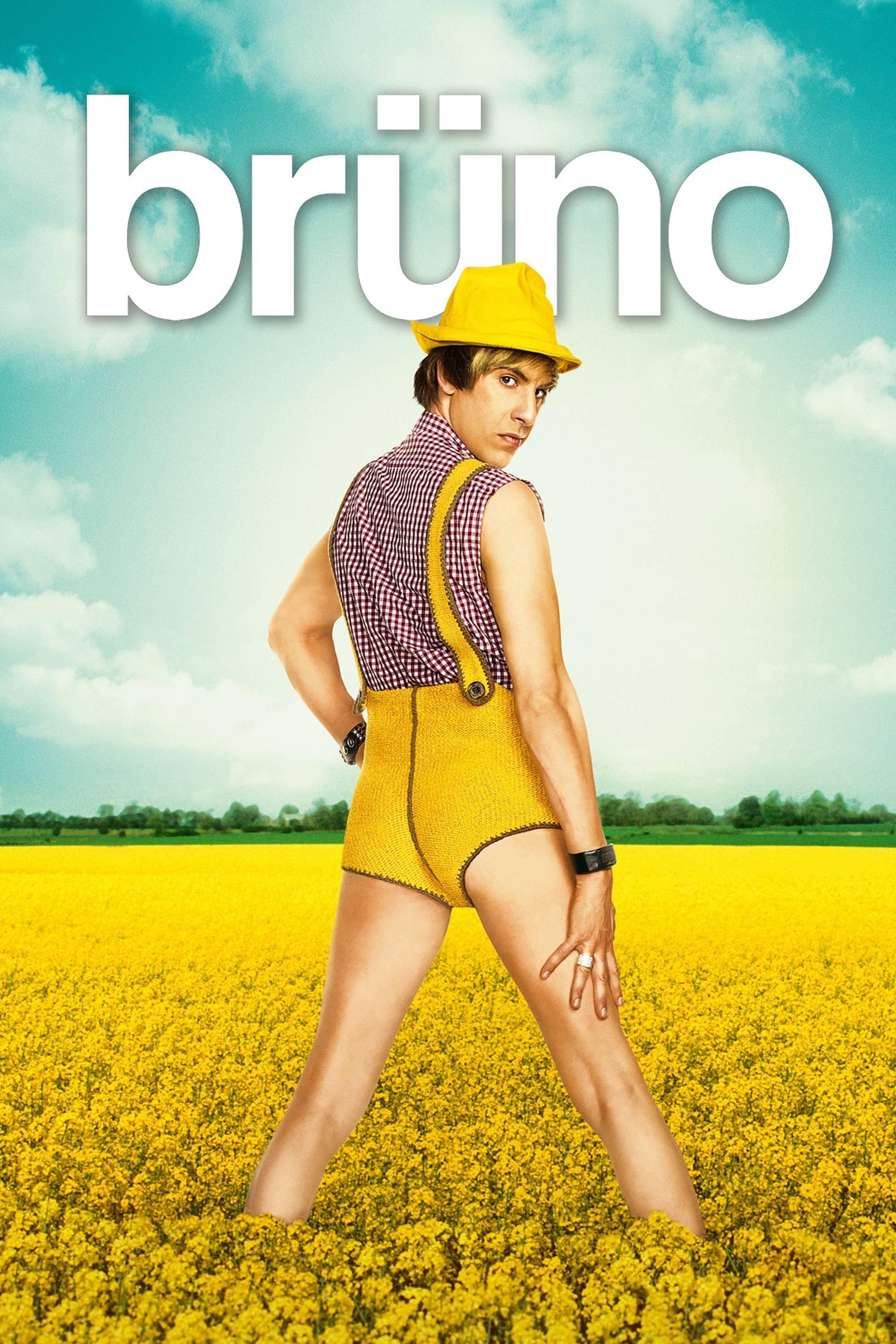
Depicted communities objected to scenes they viewed as misrepresentations, prompting protests and legal threats. Certain chains treated it as adults-only even where ratings allowed broader access. Marketing teams navigated frequent complaint escalations that distracted from promotion. Interest cooled quickly after the initial splash.
‘Enter the Void’ (2009)
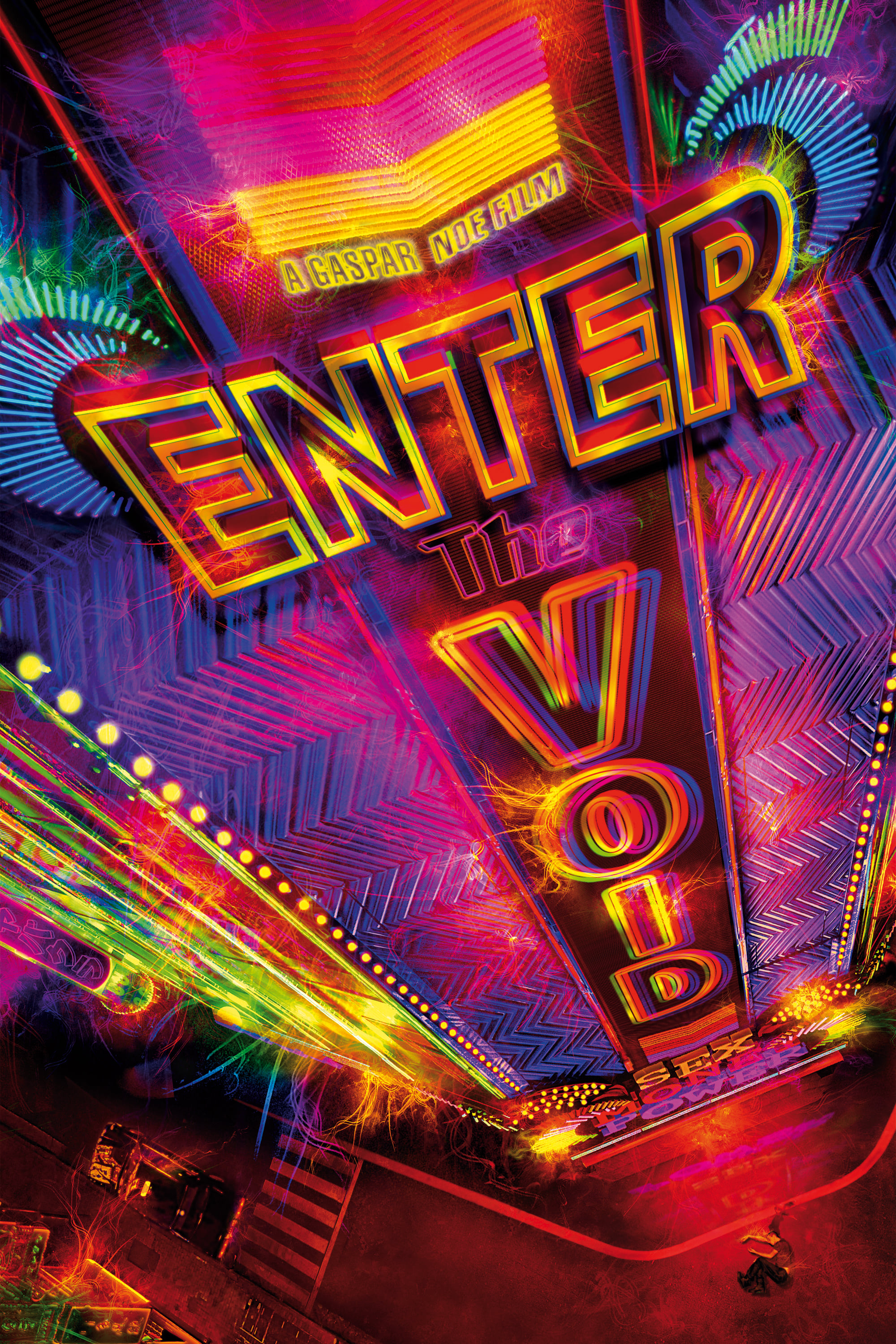
Extended explicit sequences and strobing effects led to health advisories and strict ratings. Several markets required cuts or applied the most restrictive classifications. Large chains skipped bookings for fear of complaints and refunds. Theatrical exposure stayed small despite strong festival interest.
‘Oldboy’ (2003)
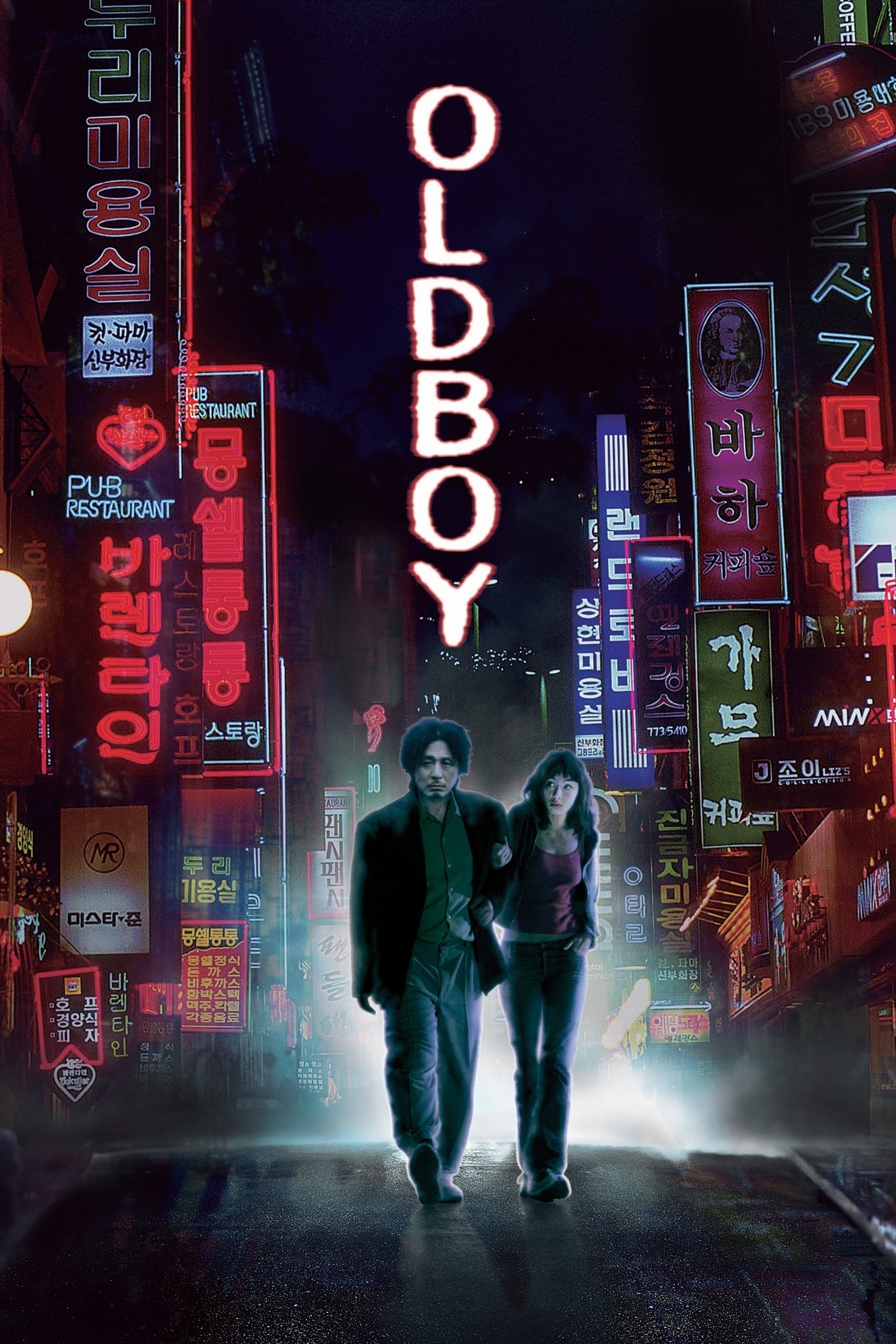
Animal rights advocates criticized the live octopus-eating scene, adding to concerns over intense violence. The U.S. release was confined to art-house circuits with limited screens. Promotional materials emphasized awards, but mainstream outlets remained cautious. The controversy helped keep it niche outside dedicated film circles.
‘Battle in Heaven’ (2005)
Sex and religious imagery triggered censorship disputes at home and abroad. Program directors reported pressure to pull or segregate screenings. Strict classifications and content warnings reduced showtime availability. The cumulative effect was a narrow path to audiences.
‘The Magdalene Sisters’ (2002)
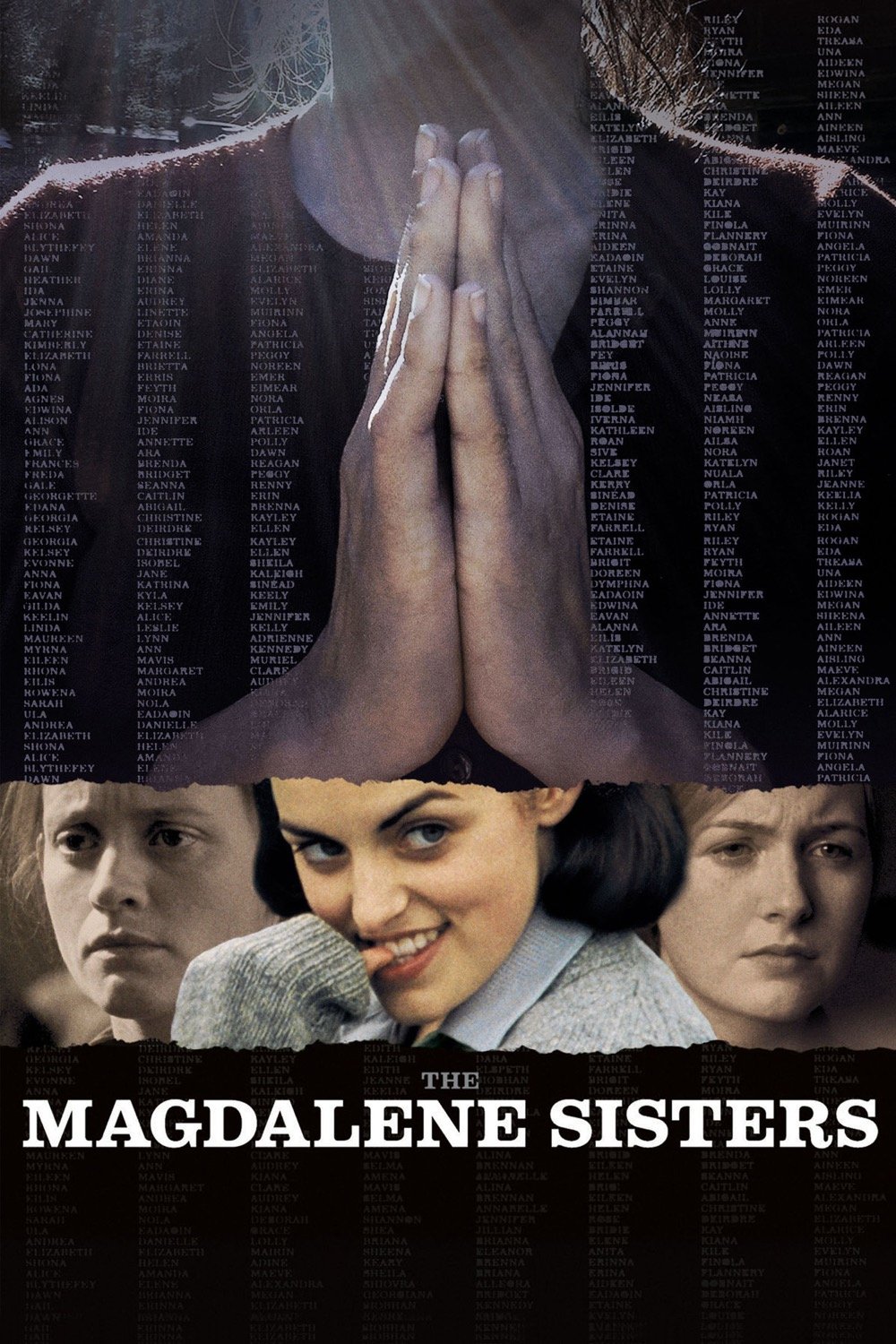
Religious institutions condemned its depiction of abuse, and some countries delayed or restricted release. Festival attention brought both accolades and organized opposition. Distributors faced protests at theaters and threats of boycotts. The climate limited bookings in sensitive regions.
‘Lilya 4-ever’ (2002)

Its harrowing portrayal of trafficking prompted debates over appropriate audience access in several countries. Ratings boards adopted conservative classifications that curtailed school or community screenings. Some venues added content warnings and restricted showtimes. Its visibility suffered as guardians and programmers steered clear.
Share your picks in the comments and tell us which other worthy 2000s films got derailed by controversy.