Great 2000s Movies with “Bad” Endings People Just Don’t Understand


Some 2000s films wrap up with finales that sparked confusion, debate, or outright backlash—yet those endings usually line up neatly with the story’s logic, the source material, or the filmmaker’s stated intent. This list gathers titles whose conclusions were labeled “bad” at the time, but which are actually consistent with character arcs, recurring motifs, or thematic frameworks like ambiguity, irony, or moral consequence. Each entry sticks to the basics—what the ending shows, how it connects to earlier clues, and any relevant production or source details that explain why the film concludes the way it does.
‘No Country for Old Men’ (2007)
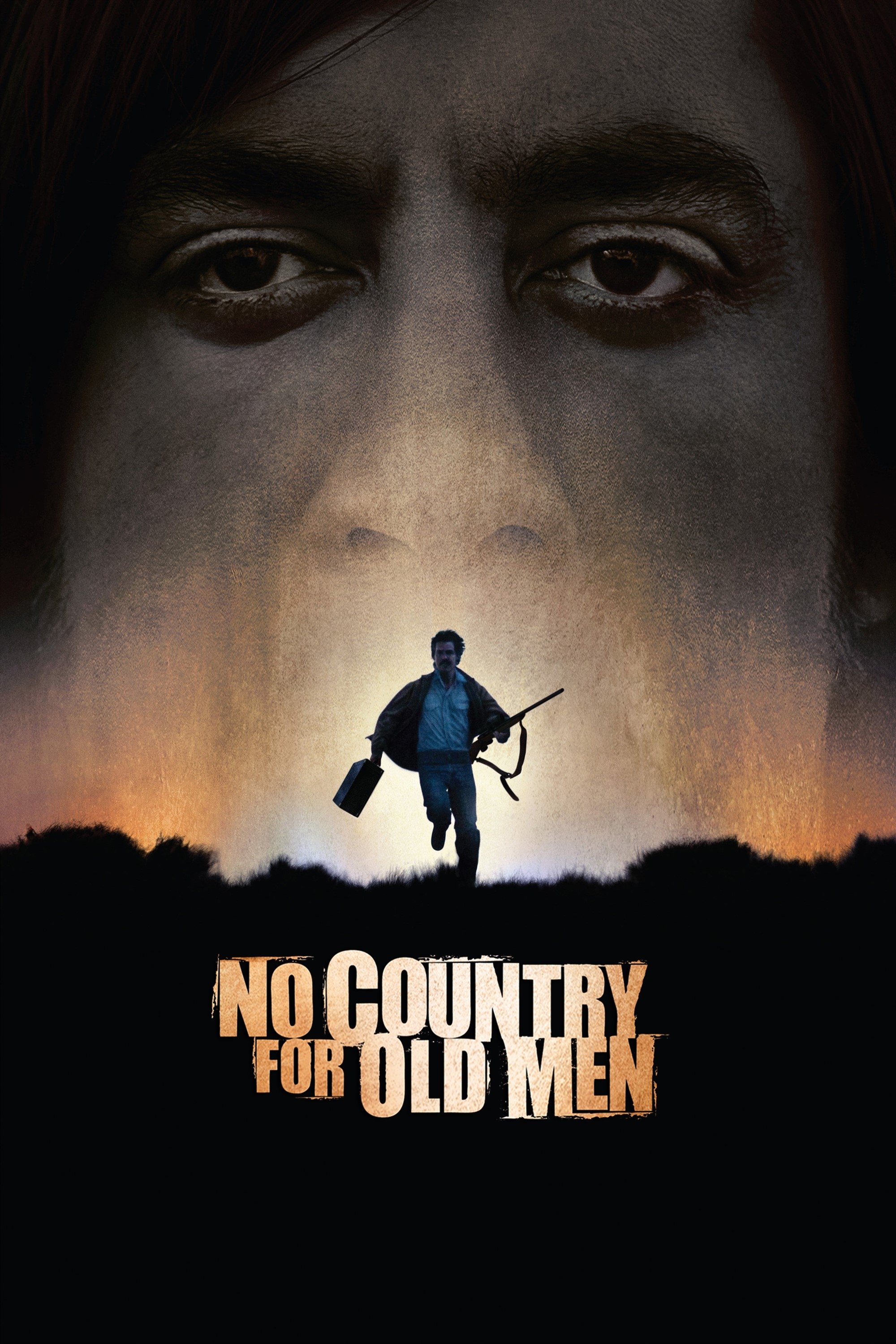
The ending shifts to Sheriff Bell’s breakfast-table dream, reflecting the story’s focus on aging, conscience, and randomness rather than showdown catharsis. The Coen brothers adapted the closing beats closely from Cormac McCarthy’s novel, including the offscreen fate of key characters and the unresolved presence of Anton Chigurh. The final monologue re-centers the narrative onto Bell’s recognition that his world has changed beyond his understanding.
‘A.I. Artificial Intelligence’ (2001)
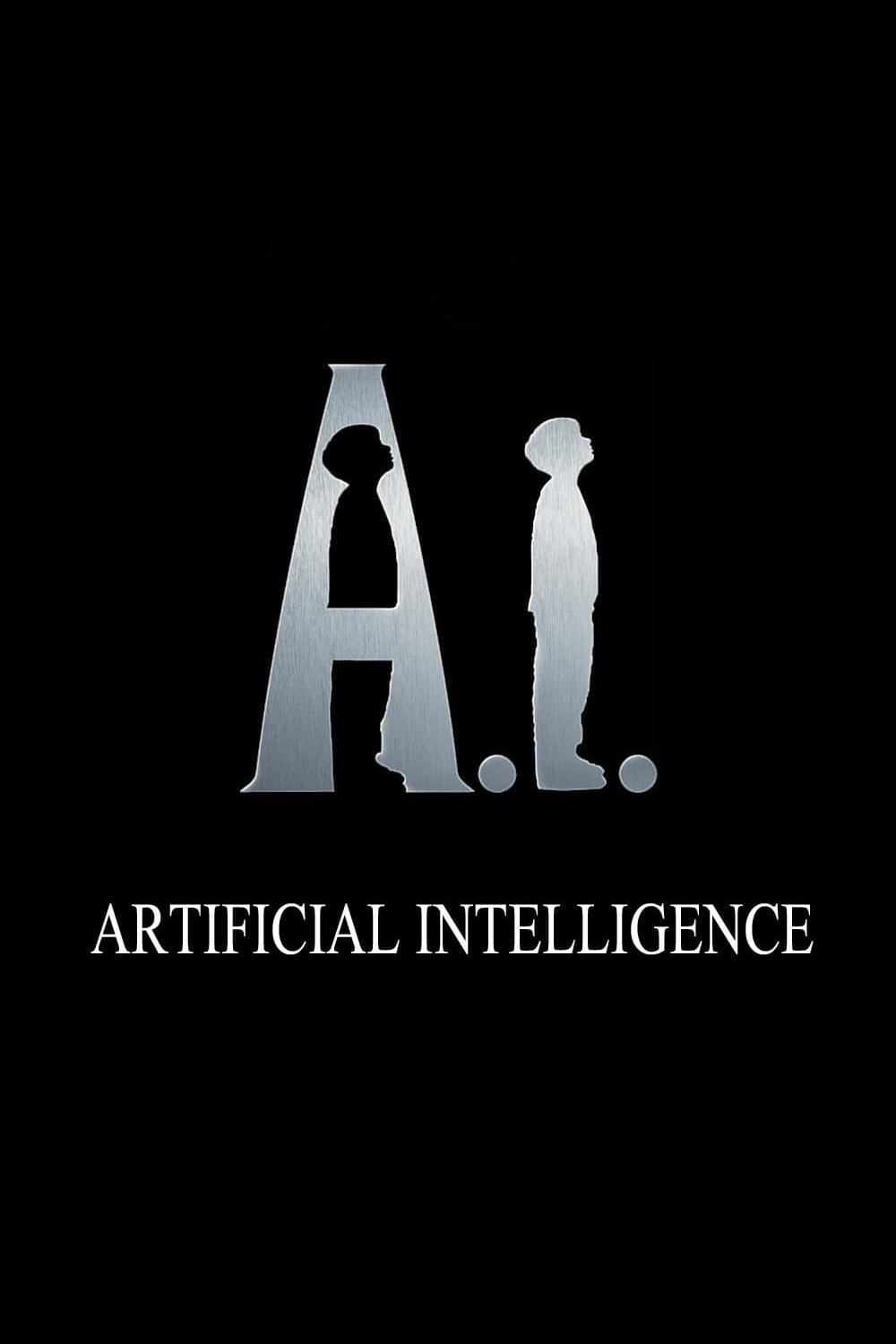
The finale extends thousands of years into the future, where advanced beings reconstruct the boy robot to grant a single perfect day with his mother. This was developed from Stanley Kubrick’s long-gestating project and completed by Steven Spielberg, who followed the Pinocchio framework embedded in the story’s structure. The one-day limit and the recreated home are explicitly engineered constraints, not a twist but a technological epilogue tied to the film’s fairy-tale design.
‘The Mist’ (2007)
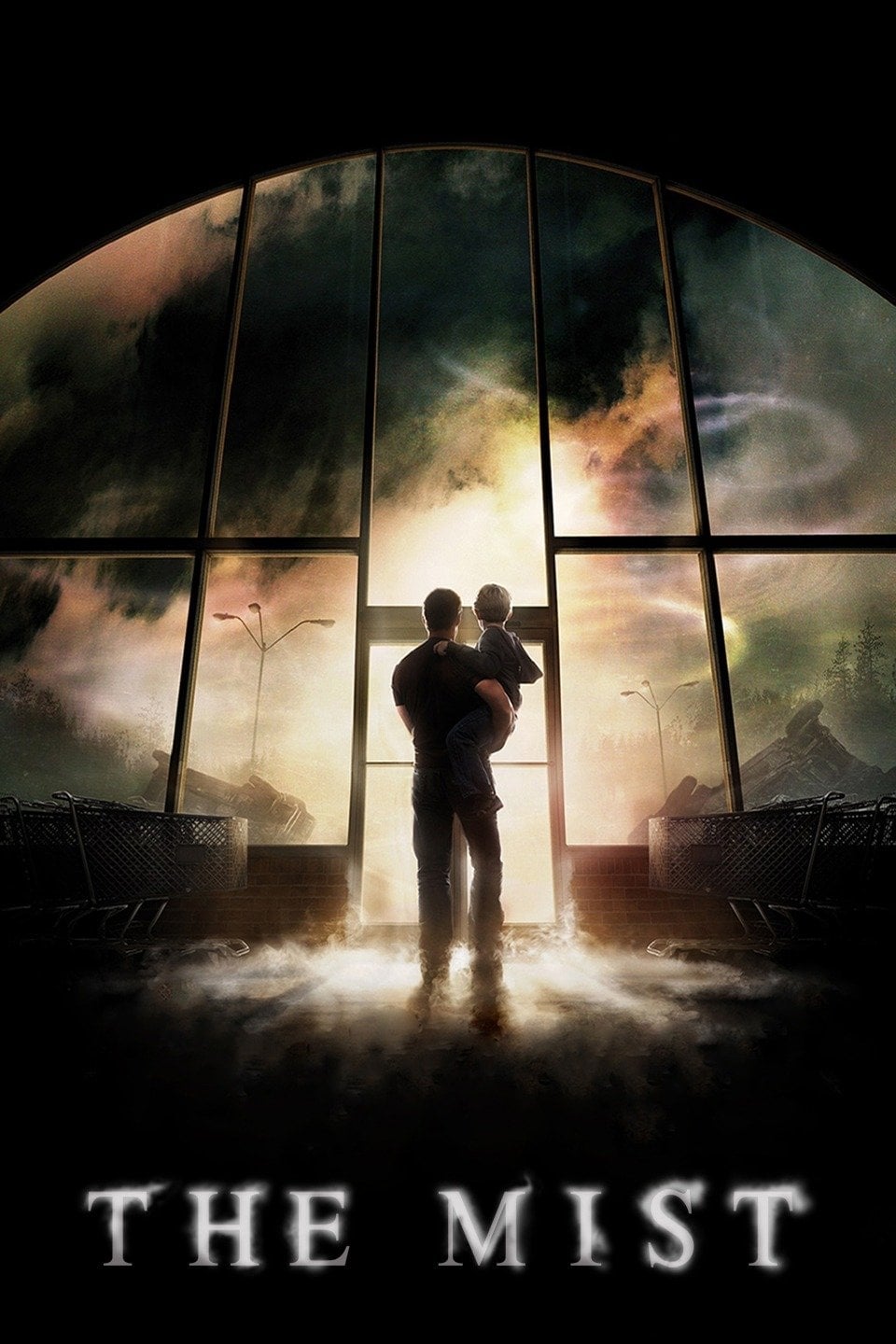
The film concludes with a drastic choice in the car, followed moments later by the military’s arrival, which differs from the novella’s open-ended hope. Frank Darabont intentionally altered the ending to underline the narrative’s study of fear, rumor, and group panic inside the supermarket. The black-and-white cut on home release further emphasizes the story’s old-school monster-movie roots and its bleak moral calculus.
‘Donnie Darko’ (2001)
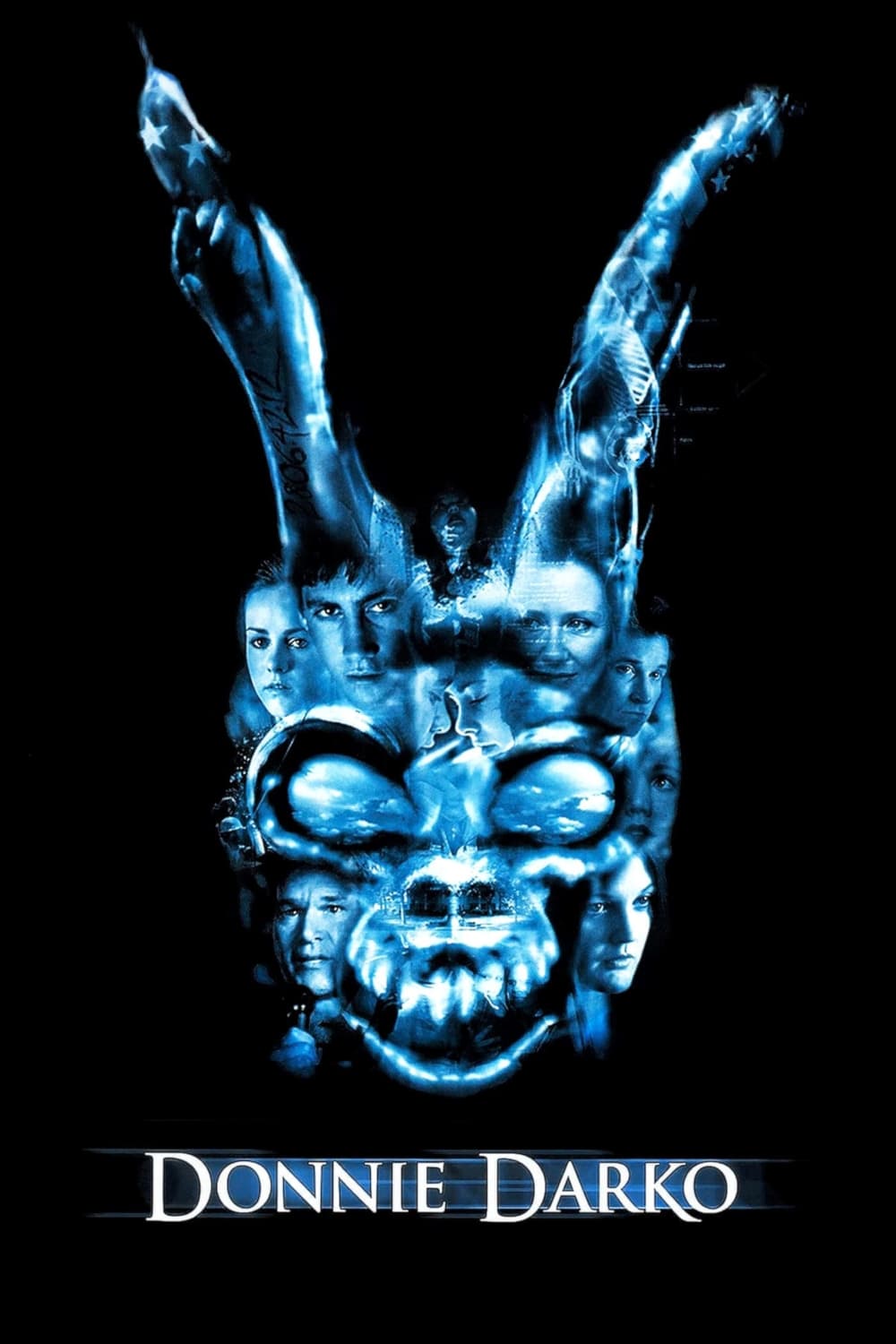
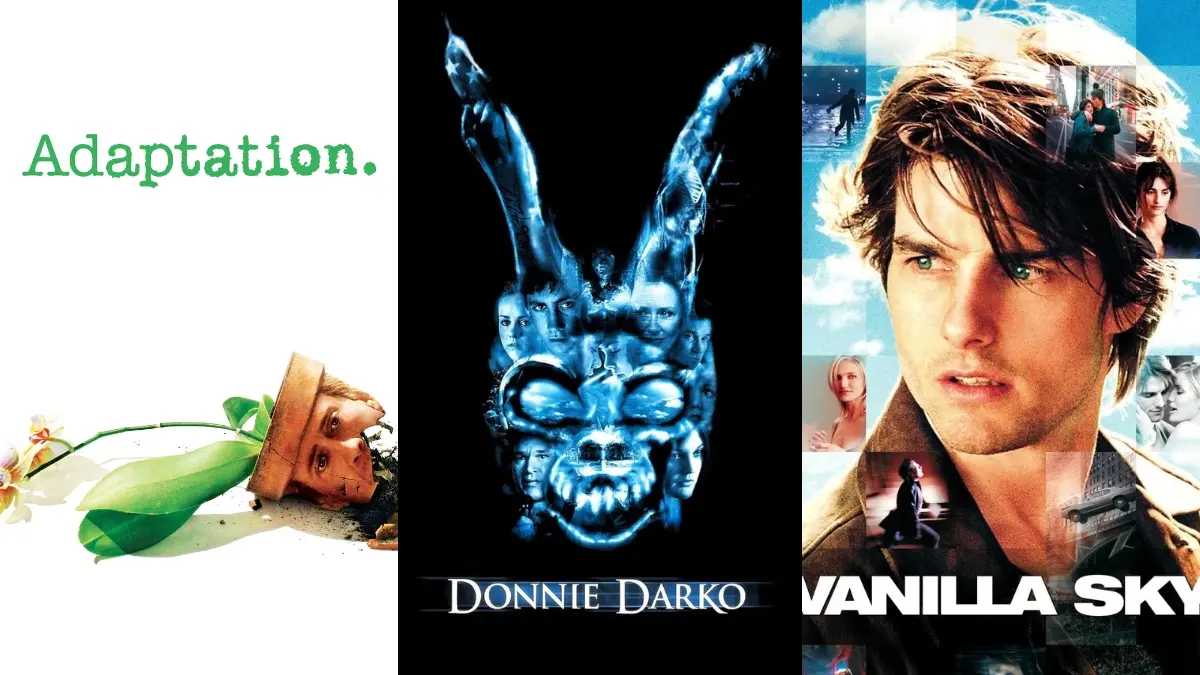
The closing montage returns Donnie to his bed before a fatal event, resolving the tangent-universe timeline that the film establishes through its time-physics guidebook pages. Director Richard Kelly’s extended cut adds insert shots and text that clarify the manipulated dead and living, but the theatrical version still supplies the necessary cues. Characters’ residual déjà vu in the finale signals continuity between timelines without literal memory.
‘Mulholland Drive’ (2001)
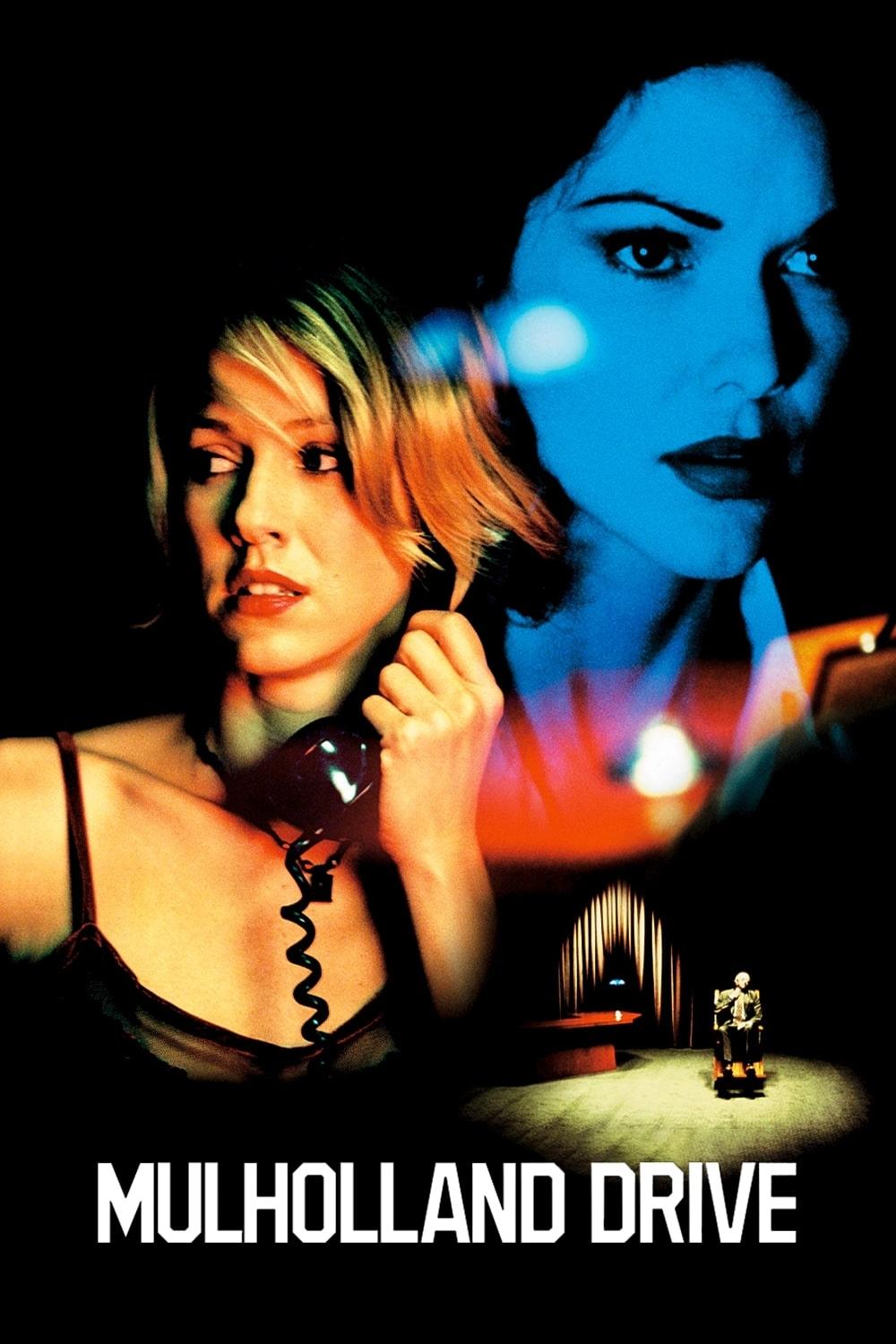
The film’s final act reframes earlier events by revealing a different identity for the protagonist and recontextualizing the Hollywood dream of the first hour. David Lynch structures the narrative around a blue key, a blue box, and the Club Silencio performance as anchors between illusion and reality. The ending’s imagery—especially the tiny figures and the apartment scenes—returns repeatedly to motifs seeded across the film’s earlier “dream” section.
‘There Will Be Blood’ (2007)
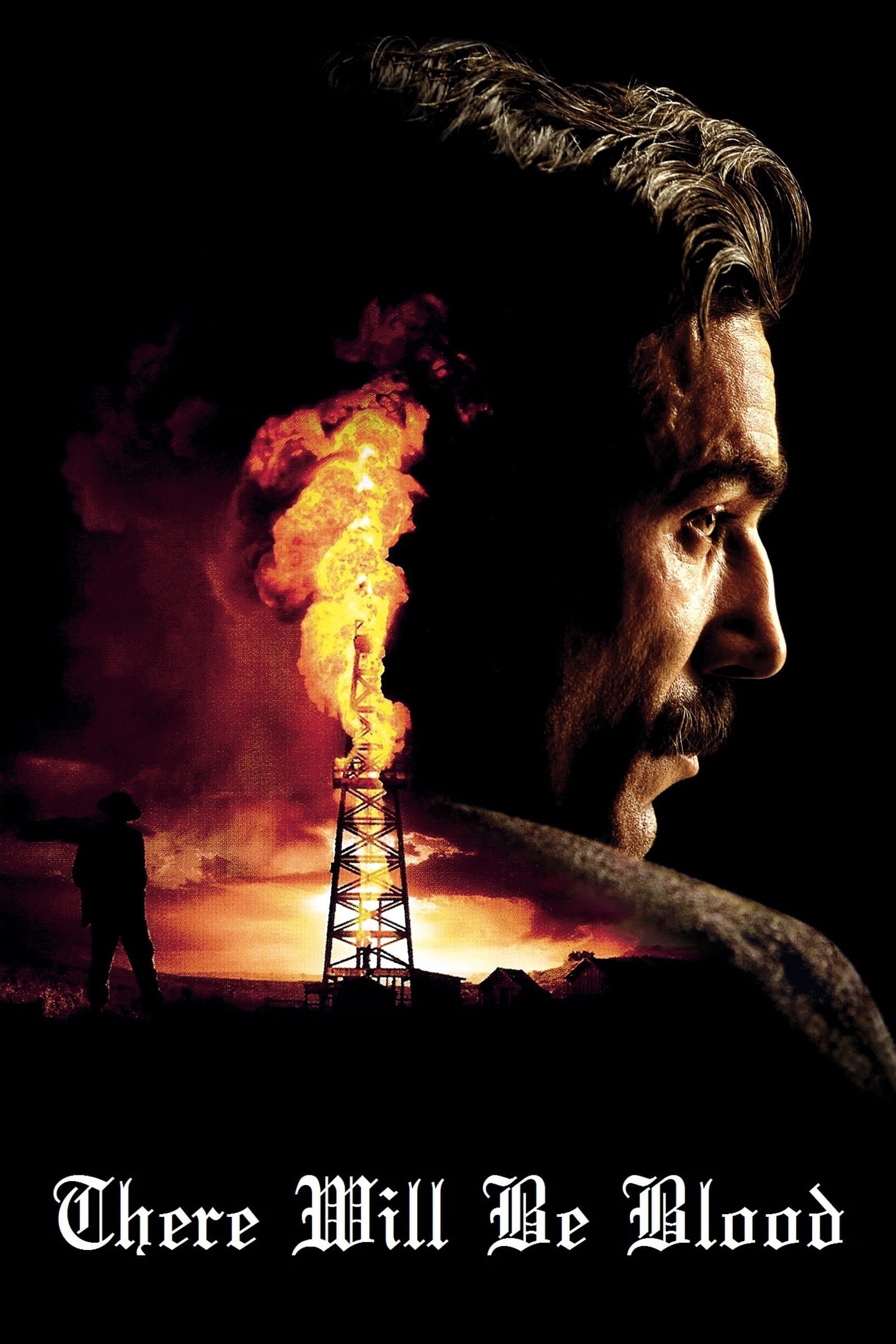
The bowling-alley confrontation concludes an escalating, decades-long rivalry and tracks with the oilman’s isolation, which the film signals through repeated scenes of acquisition and estrangement. Paul Thomas Anderson drew heavily from Upton Sinclair’s source material and from early American oil history to ground the character’s business methods. The spare final line punctuates a trajectory that began with a wordless, injury-filled prologue and ends in moral and social vacancy.
‘Oldboy’ (2003)
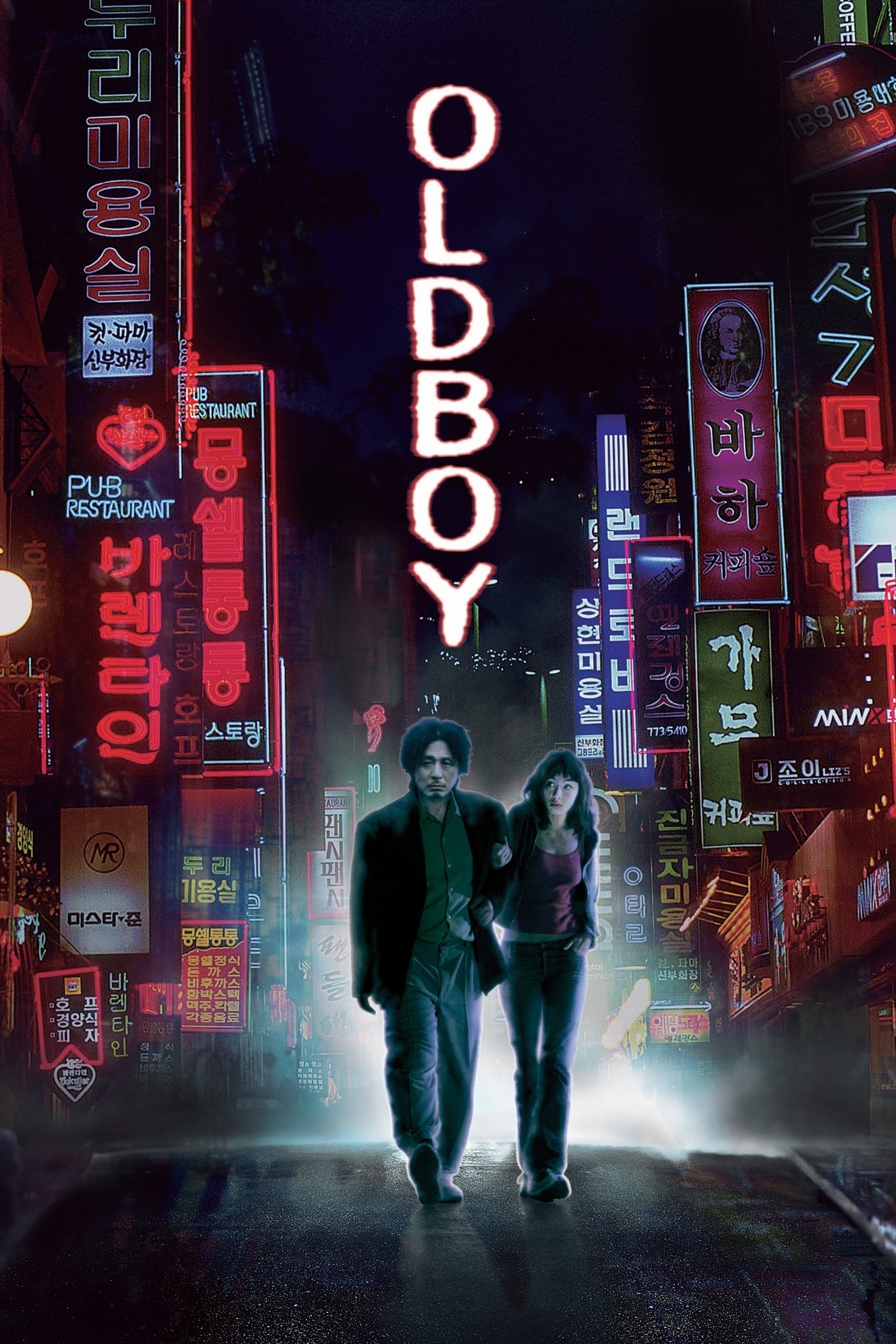
The hypnotist’s role and the final self-imposed condition close a revenge plot built on memory manipulation and engineered discovery. Park Chan-wook’s film uses recurring motifs—the gift box, ant imagery, and the private gallery—to set up the last exchange in the snow. The ending differs from the manga but preserves the central shock while binding the protagonist to a chosen ignorance.
‘The Village’ (2004)
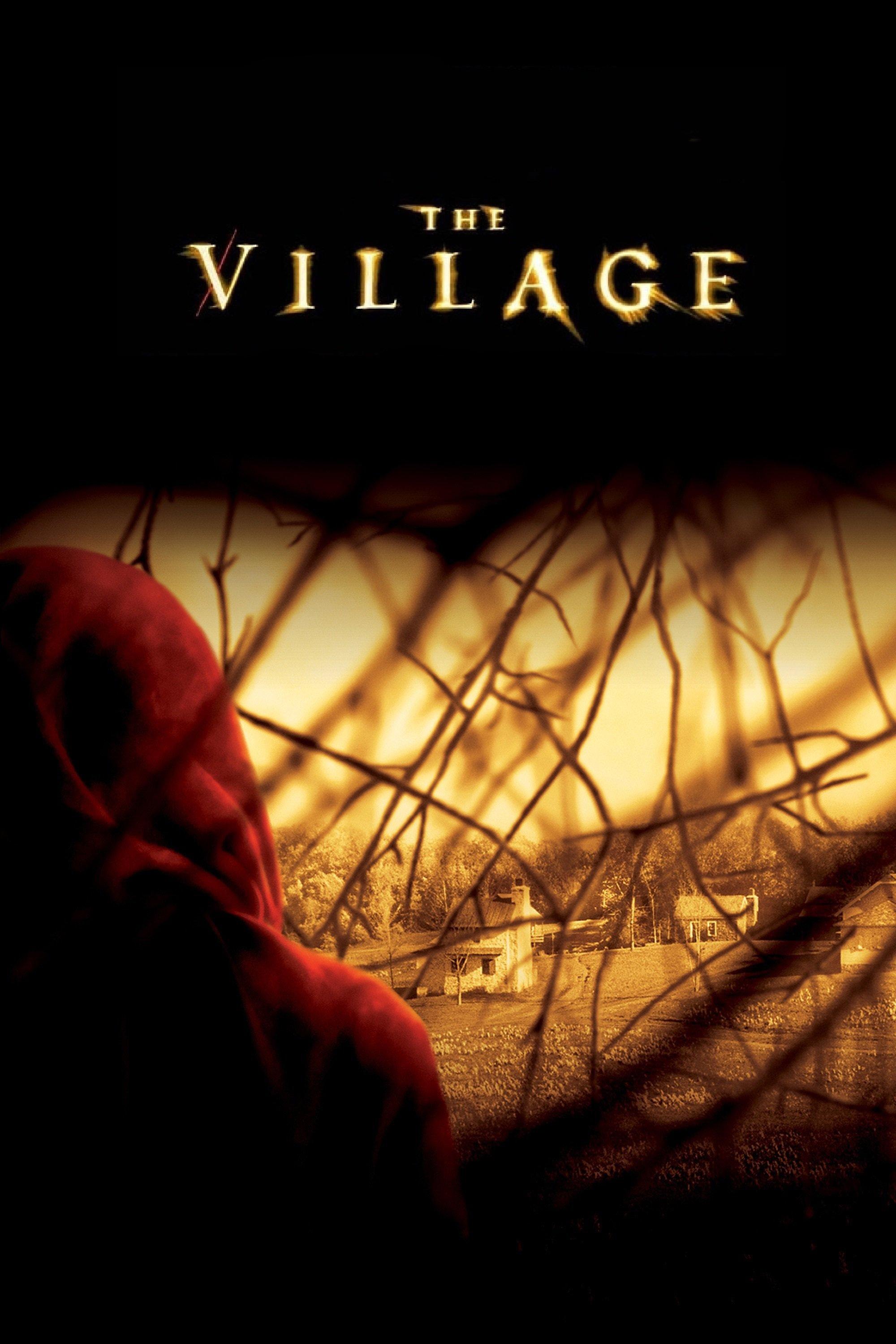
The closing reveal situates the community’s rules within a real-world context, answering questions raised by the monsters’ behavior and the elders’ secrecy. M. Night Shyamalan threads evidence throughout—costume construction, color taboos, and staged warnings—so that the final border crossing confirms a long-gestating lie. The medical emergency forces contact beyond the woods, making the truth a practical necessity rather than a twist for its own sake.
‘I Am Legend’ (2007)
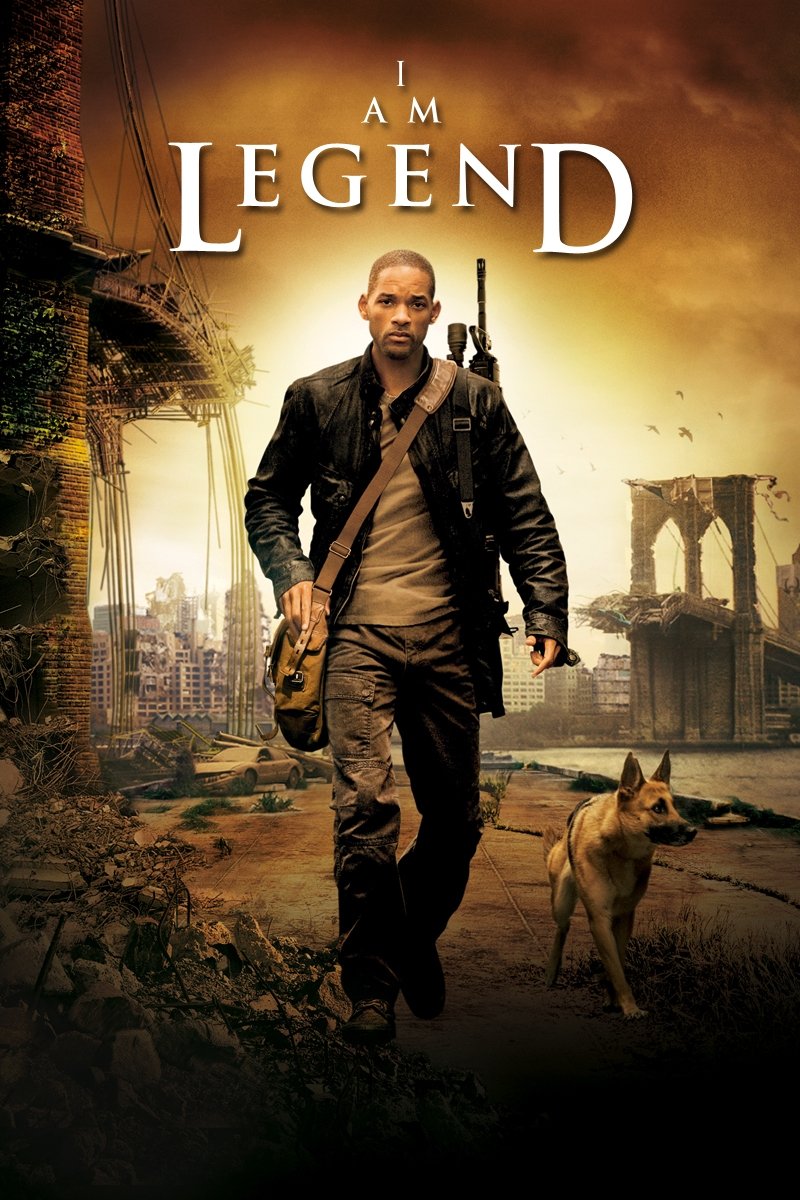
The theatrical ending shows a sacrificial act that conflicts with the film’s earlier hints about the infected’s social patterns, while the alternate ending restores those cues. The home release includes the alternate cut, aligning more closely with Richard Matheson’s theme that the protagonist has become the legend to the new dominant species. The butterfly motif and the alpha’s behavior are deliberate setups for the non-theatrical resolution.
‘Vanilla Sky’ (2001)
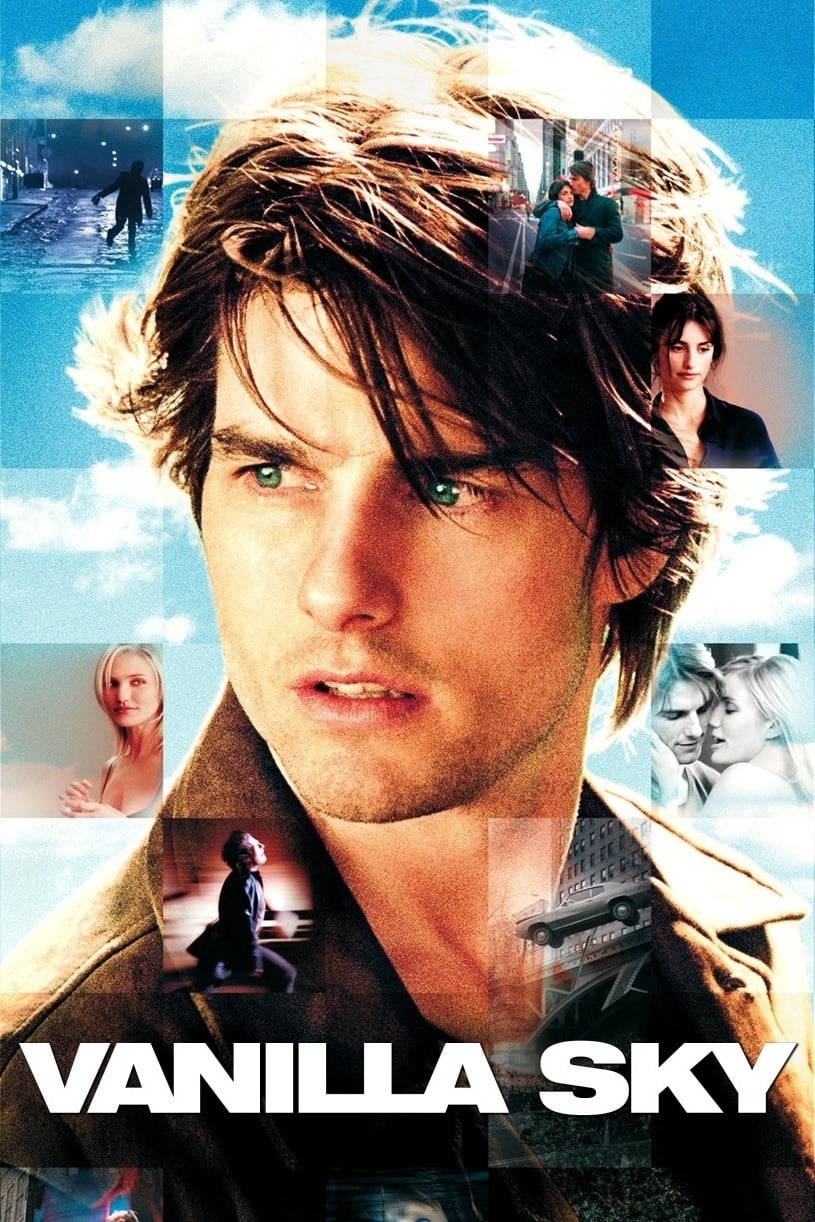
The rooftop sequence reveals a lucid-dream state initiated by a tech company, with the film’s glitches and masks serving as earlier signposts. Cameron Crowe’s adaptation keeps the core device from the Spanish film ‘Open Your Eyes’, including the cryonics backstory. The jump choice functions as the system’s exit protocol, which the voiceover and on-screen UI prompts explain in literal terms.
‘American Psycho’ (2000)

The closing confession that “means nothing” is supported by earlier scenes showing unreliable narration, switched business cards, and contradictory alibis. Mary Harron’s film preserves Bret Easton Ellis’s ambiguity about whether the crimes occurred or were fantasies of status anxiety. The final office exchange reinforces the idea that social indifference—not exoneration—renders the truth irrelevant to the characters.
‘Solaris’ (2002)
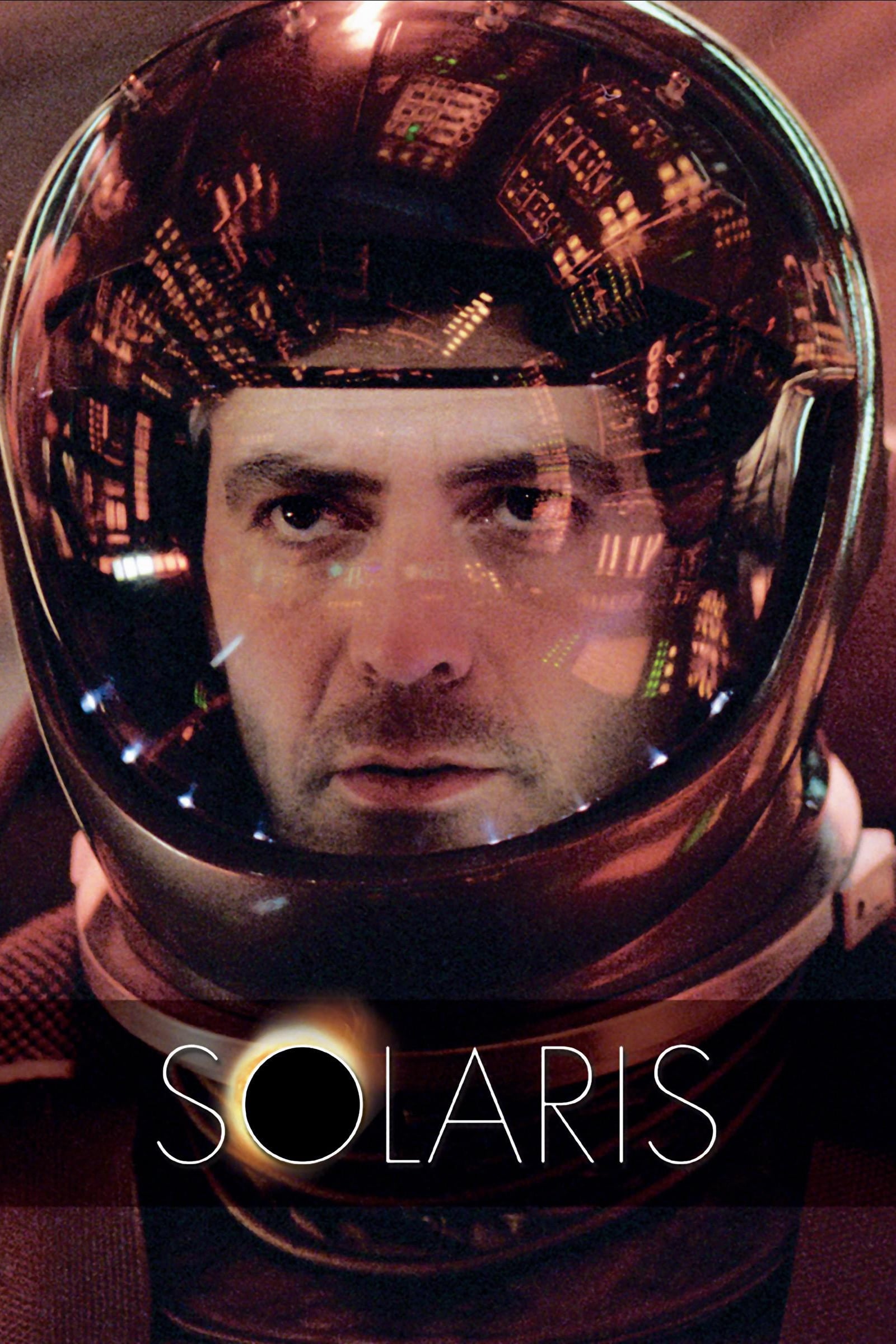
The last scene returns to the replica home, indicating that the protagonist has accepted life within the planet’s consciousness-generated construct. Steven Soderbergh’s film distills Stanisław Lem’s ideas about memory, grief, and human copies, signposted by recurring kitchen imagery and the floating water motif. The healed hand demonstrates non-human intervention, confirming the setting without dialogue.
‘The Others’ (2001)
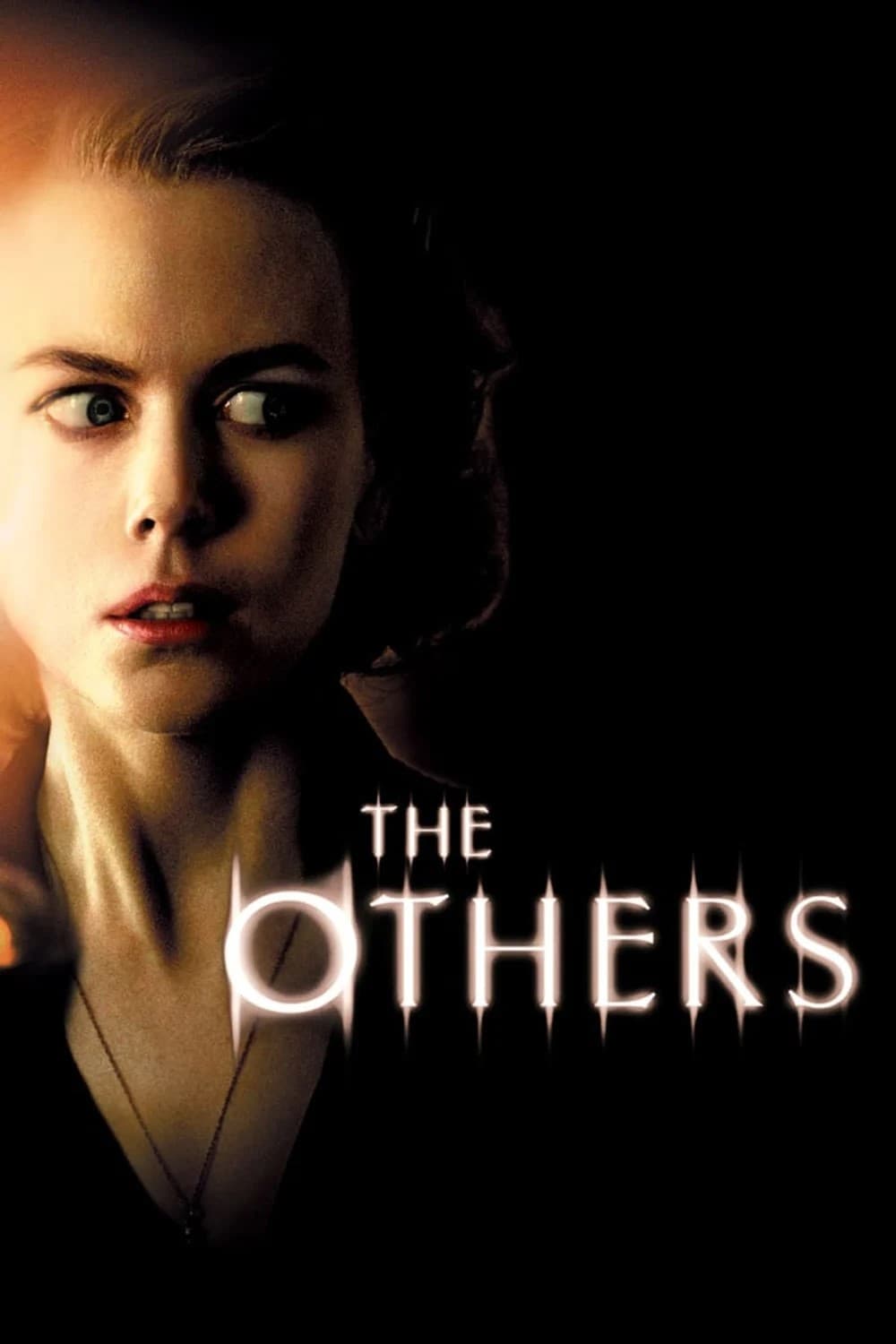
The twist identifies the household’s true status, explaining the strict rules about light, the piano scenes, and the photographs. Alejandro Amenábar plants clues in the servants’ behavior and the children’s reactions to the supposed intruders. The epilogue establishes a territorial arrangement, consistent with earlier talk of the house’s history and ownership.
‘Caché’ (2005)
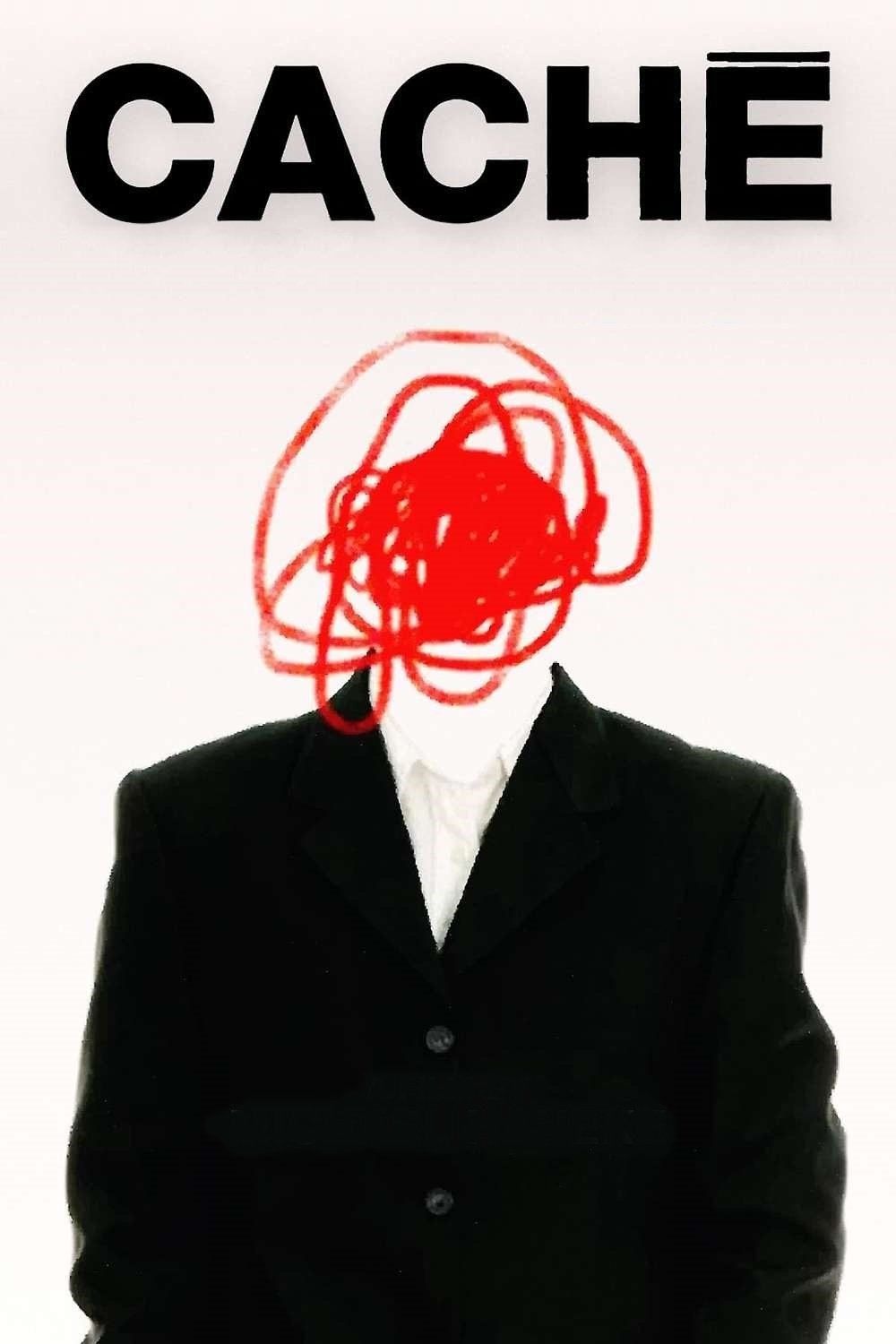
The final wide shot outside the school offers an unresolved but information-rich composition that rewards careful viewing. Michael Haneke withholds culprit identification while saturating the film with references to memory, guilt, and a specific historical atrocity. The videotapes’ static framing mirrors the film’s own observational style, linking diegetic surveillance to the audience’s gaze.
‘A Serious Man’ (2009)
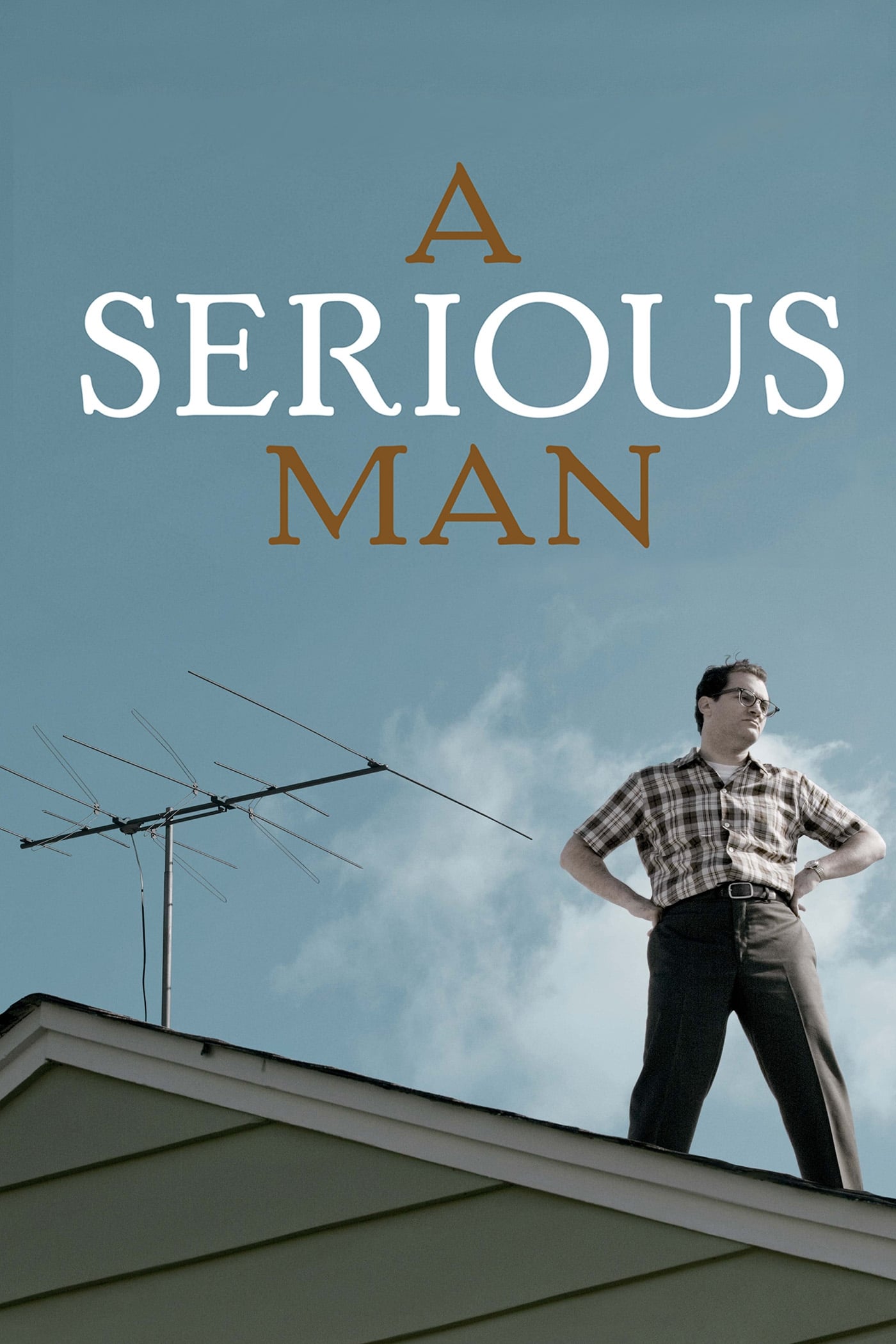
The approaching storm and the school office phone call conclude a chain of moral and chance events rooted in a Job-like framework. The film repeatedly invokes uncertainty—Schrödinger’s cat, the unreadable teeth, the rabbinical stories—to position the ending as a final unresolved question. The grade change and medical results immediately precede the tornado, aligning personal compromise with wider forces.
‘The Departed’ (2006)
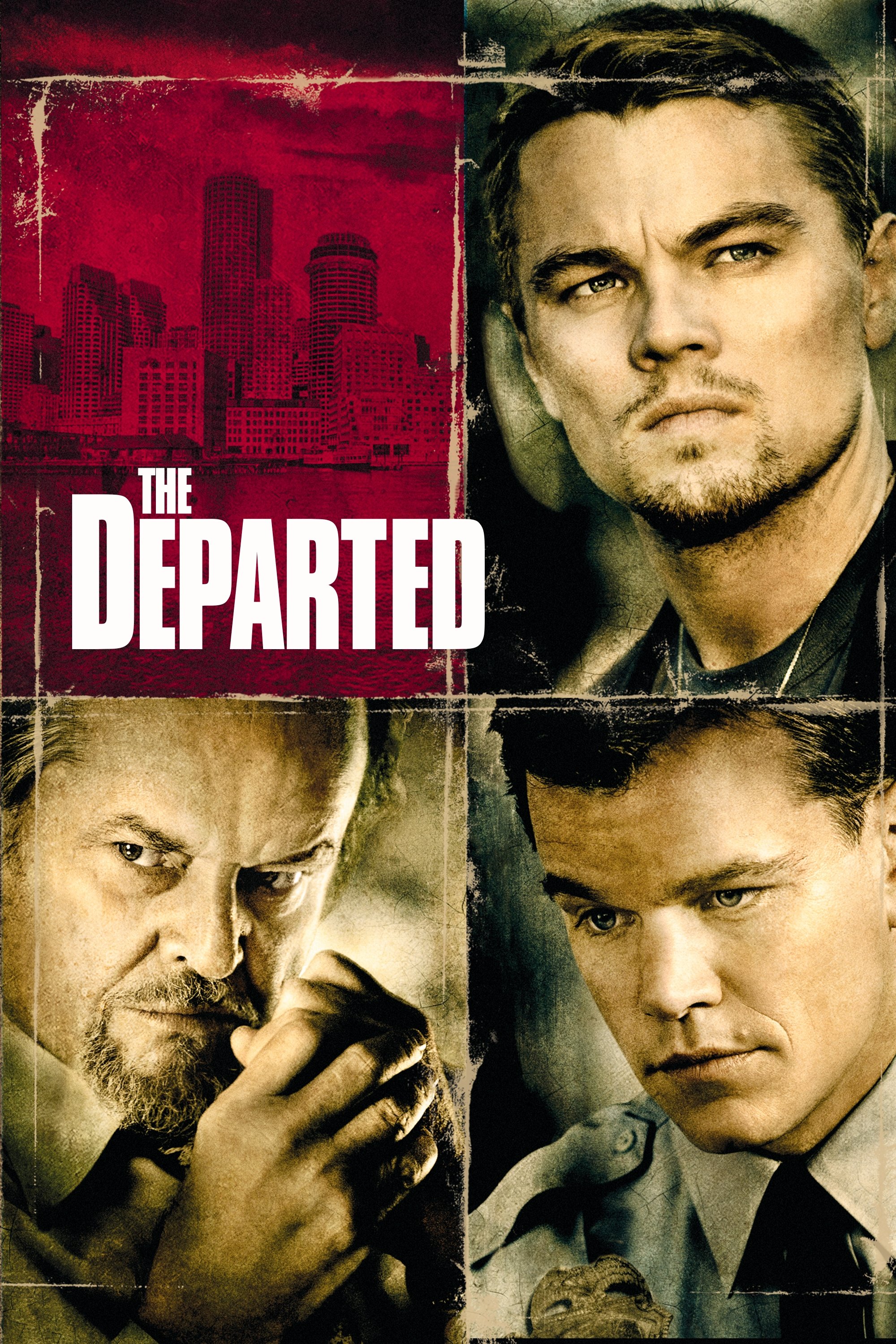
The closing image on the balcony visually tags corruption that the plot has traced through parallel infiltrations. Martin Scorsese crosscuts moles on both sides, culminating in an elevator sequence that eliminates expected courtroom closure. The X-mark motif, visible throughout production design and blocking, foreshadows fates without needing epilogue scenes.
‘In Bruges’ (2008)
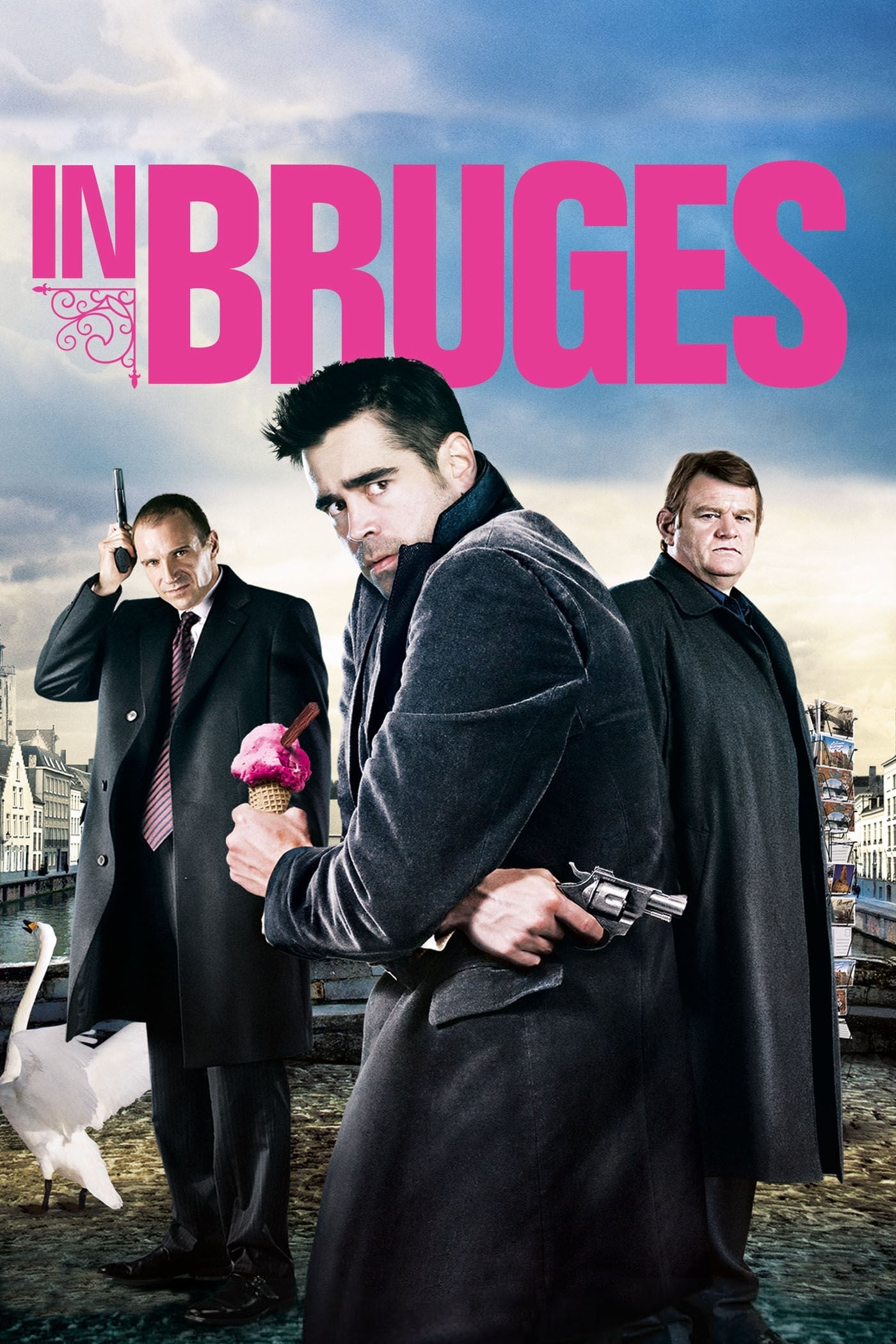
The ending follows a strict code set earlier by the crime boss, with the story’s medieval and purgatorial motifs mapping onto the city’s landmarks. The screenplay’s setup—mistaken guilt, penance, and a rigid rule—dictates the final confrontation. The parting voiceover and location choices tie the outcome back to the opening incident and its moral framework.
‘The Butterfly Effect’ (2004)
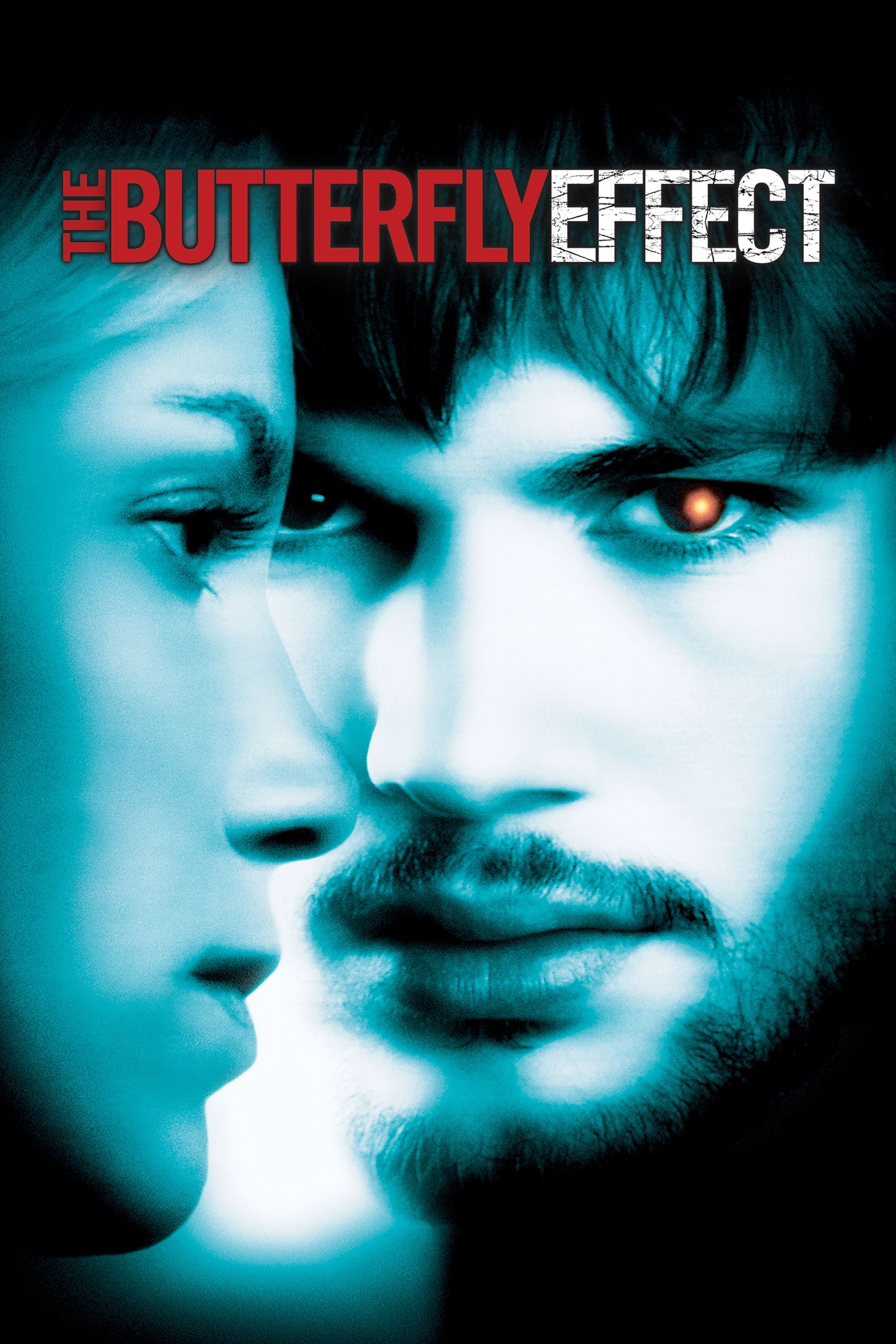
Multiple home-video releases include several endings, each consistent with the film’s time-jump mechanics and notebook trigger. The director’s cut alters the protagonist’s final decision, reassigning causality for key tragedies. The theatrical cut emphasizes distance over erasure, but both rely on the established rule that changes ripple through recurring scene anchors.
‘1408’ (2007)
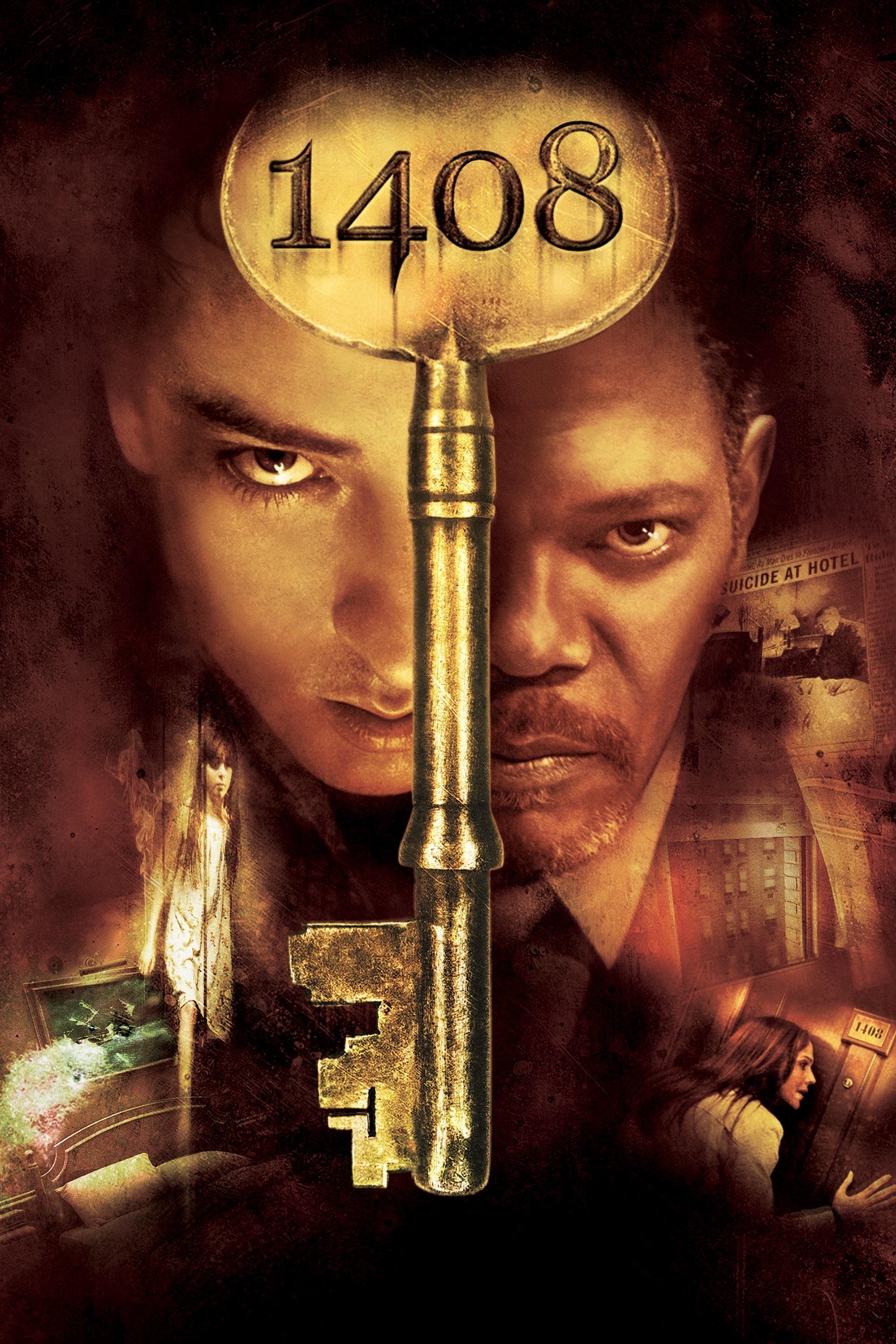
The hotel room’s rules and cycles produce different sanctioned endings across the theatrical and alternate cuts, from escape to continued haunting. The audio recorder, ash, and specific burned items serve as continuity markers verifying whether events happened. The story expands Stephen King’s short tale by codifying the room’s “no one lasts an hour” premise into a structural loop.
‘Adaptation.’ (2002)

The swamp-set finale deliberately pivots into genre clichés the film has been critiquing, as flagged by the earlier screenwriting seminar scene. Charlie Kaufman’s script credits a fictional twin to expose process mechanics, and the ending performs those lessons literally. The closing flower imagery circles back to the orchid obsession that initiated the narrative’s meta-adaptation.
’28 Days Later’ (2002)
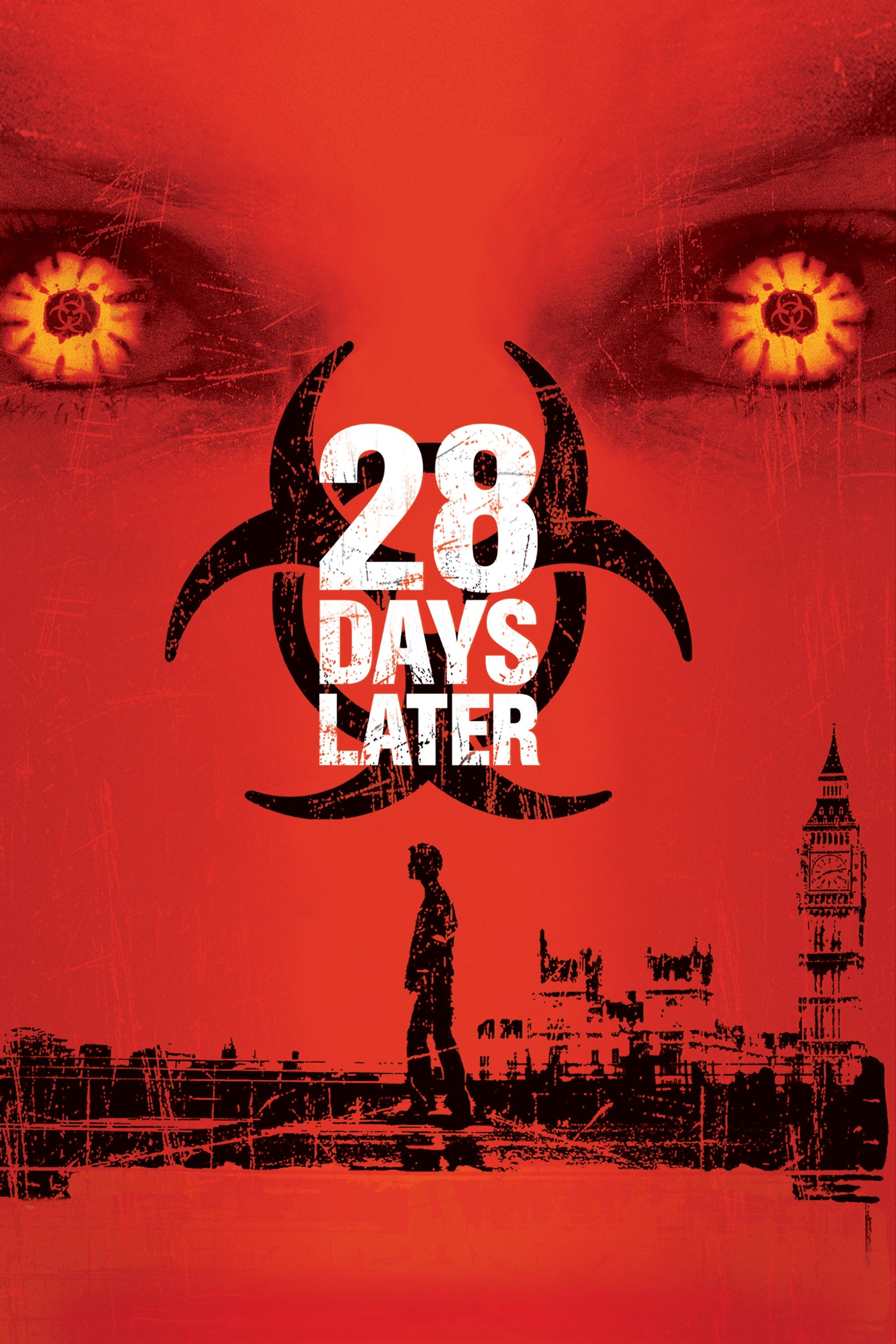
Theatrical and alternate endings exist, with the latter available in storyboards and on home media, each honoring the film’s rules about infection and survival. The hospital and country-house set pieces establish the resource scarcities and social breakdown that frame the final outcomes. The different closures test whether rescue or retreat better fits the narrative’s established tone and logistics.
‘The Matrix Revolutions’ (2003)
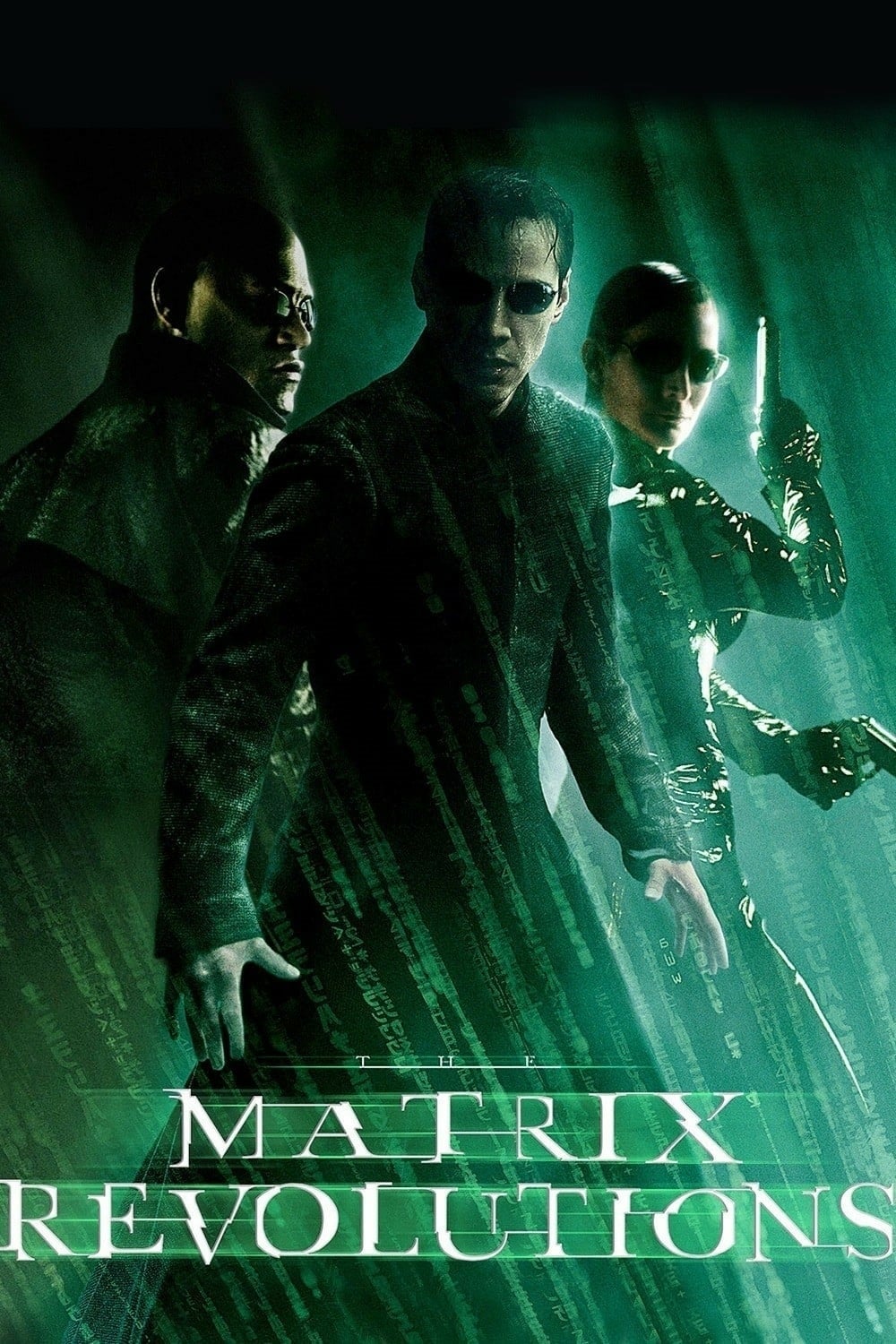
The truce between humans and machines follows rules laid out across the series, including the purpose of the chosen one and the system’s cyclical resets. The sunrise scene marks a negotiated pause rather than total victory, which the Oracle and Architect explicitly discuss. The final shot of the city and code-saturated sky acknowledges continued coexistence under redefined terms.
‘Requiem for a Dream’ (2000)
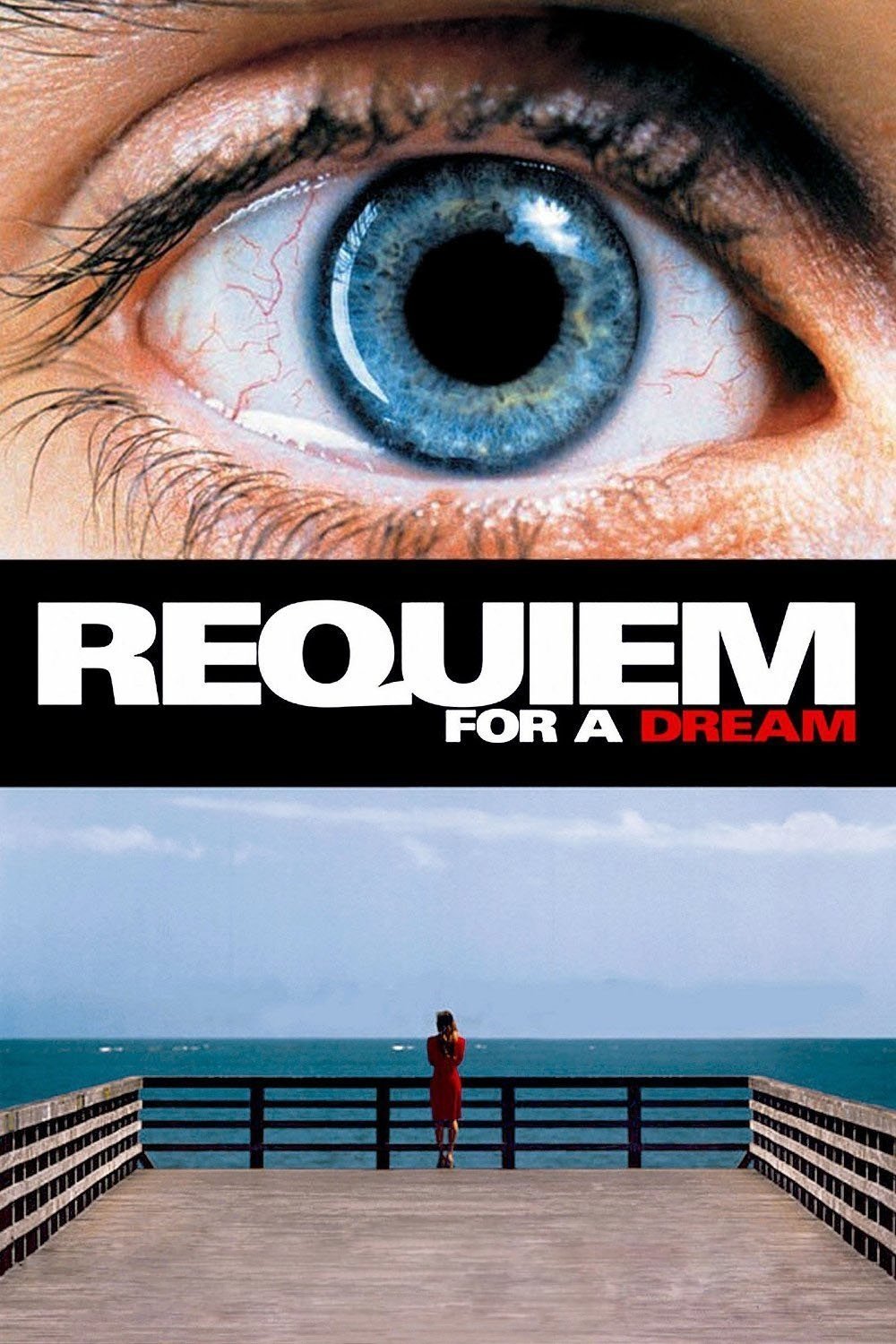
The last sequence returns each character to a fetal curl, visually echoing earlier split-screen techniques and accelerated montages that track dependency. Darren Aronofsky’s use of hip-hop montage and recurring sound cues maps the progression to a set of fixed endpoints. The hospital and television scenes pay off plot threads seeded in the first half—prescriptions, scams, and seasonal structure.
‘Mystic River’ (2003)
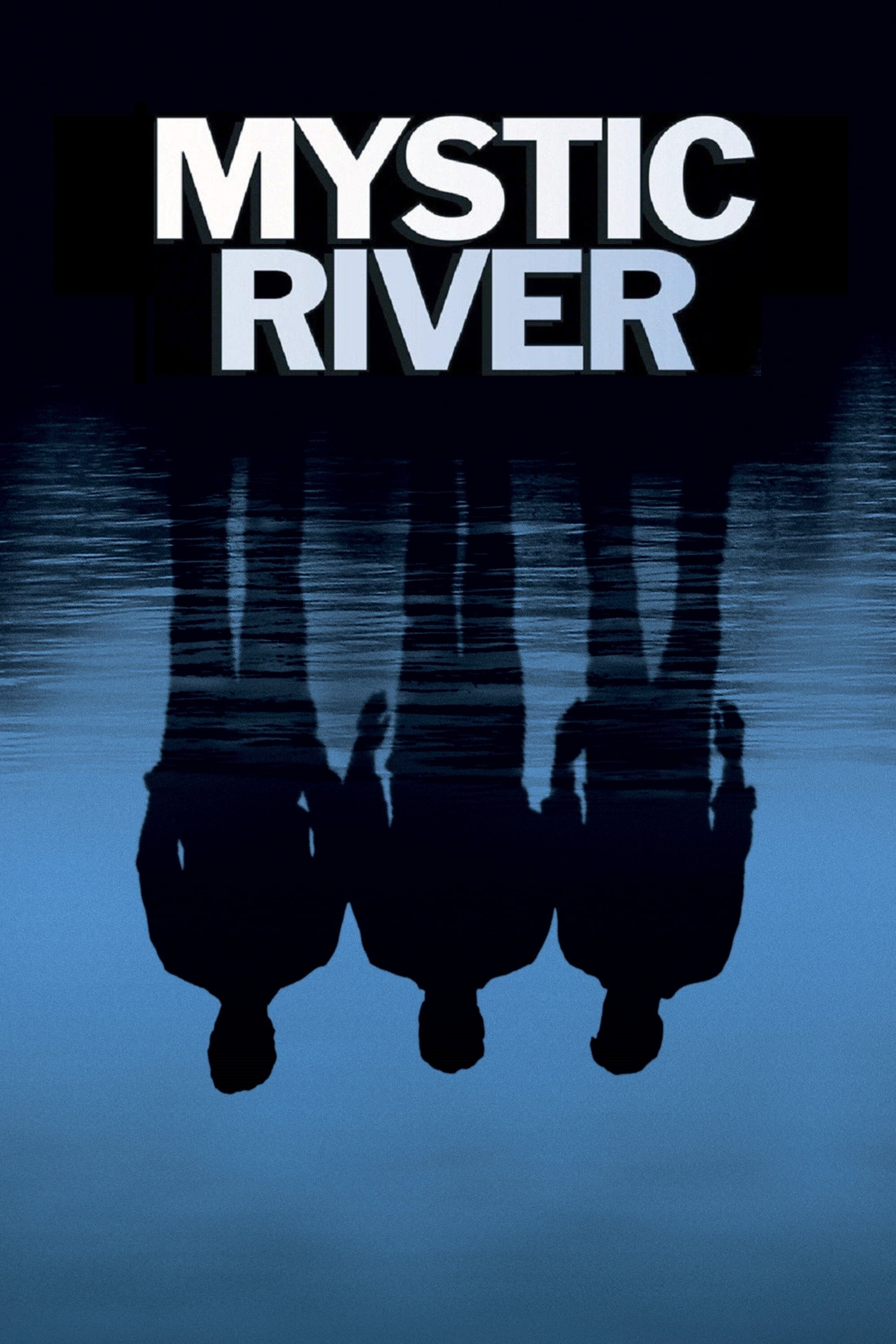
The parade epilogue confirms that a key crime’s resolution remains socially obscured, aligning with the film’s focus on loyalty and silence. Clint Eastwood adapts Dennis Lehane’s novel closely, preserving the neighborhood codes and the cost of misdirected vengeance. Costume signals and eye-lines during the parade scene quietly indicate who knows what by the end.
‘Irreversible’ (2002)
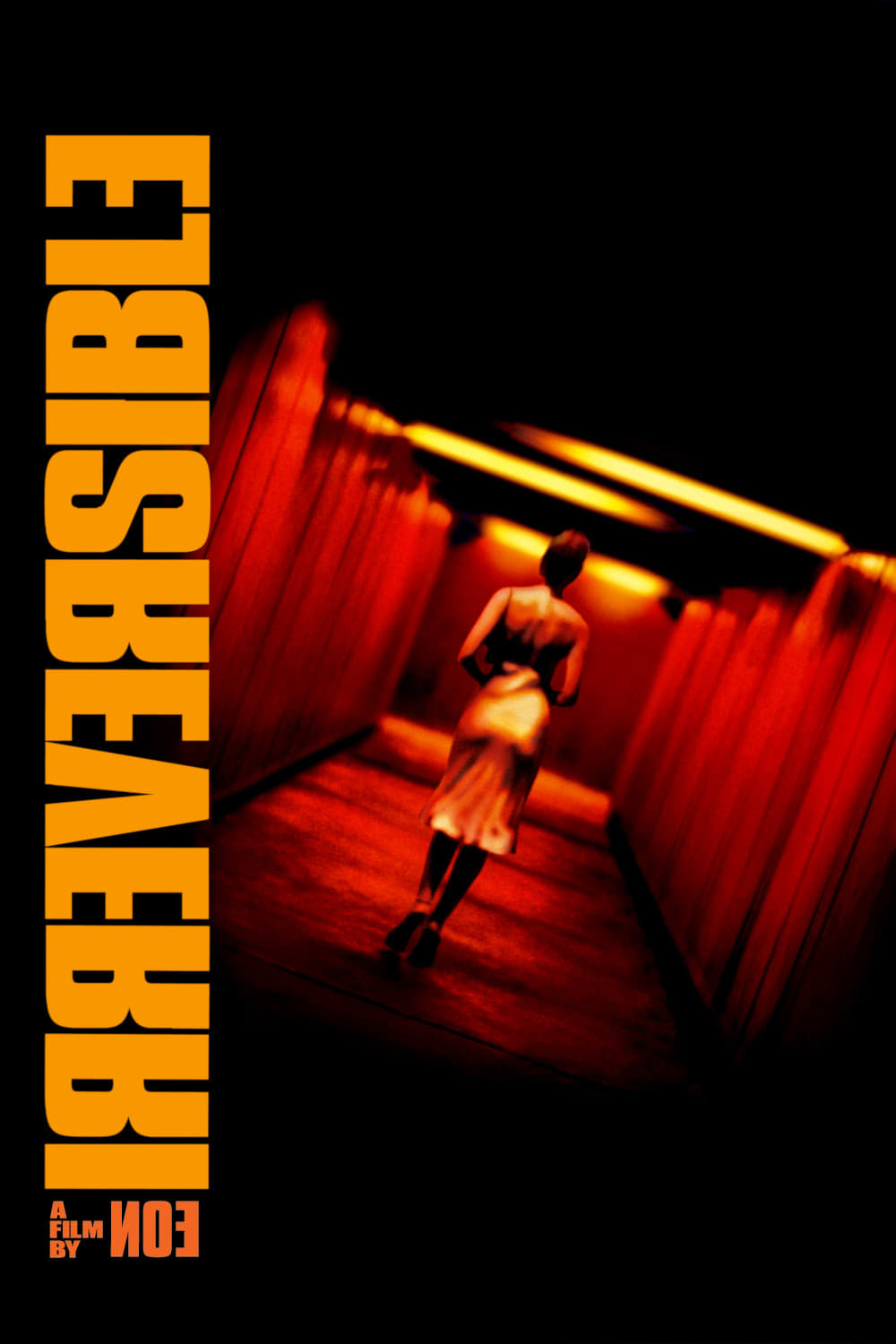
The reverse chronology ends in a peaceful domestic scene that repositions all earlier violence as prehistory, not epilogue. Gaspar Noé uses long takes, shifting aspect ratios, and sound design to cue disorientation early and calm late. The closing strobe effect and bookending title card stress the film’s looped, time-destroyed structure rather than offering narrative comfort.
‘Memento’ (2000)
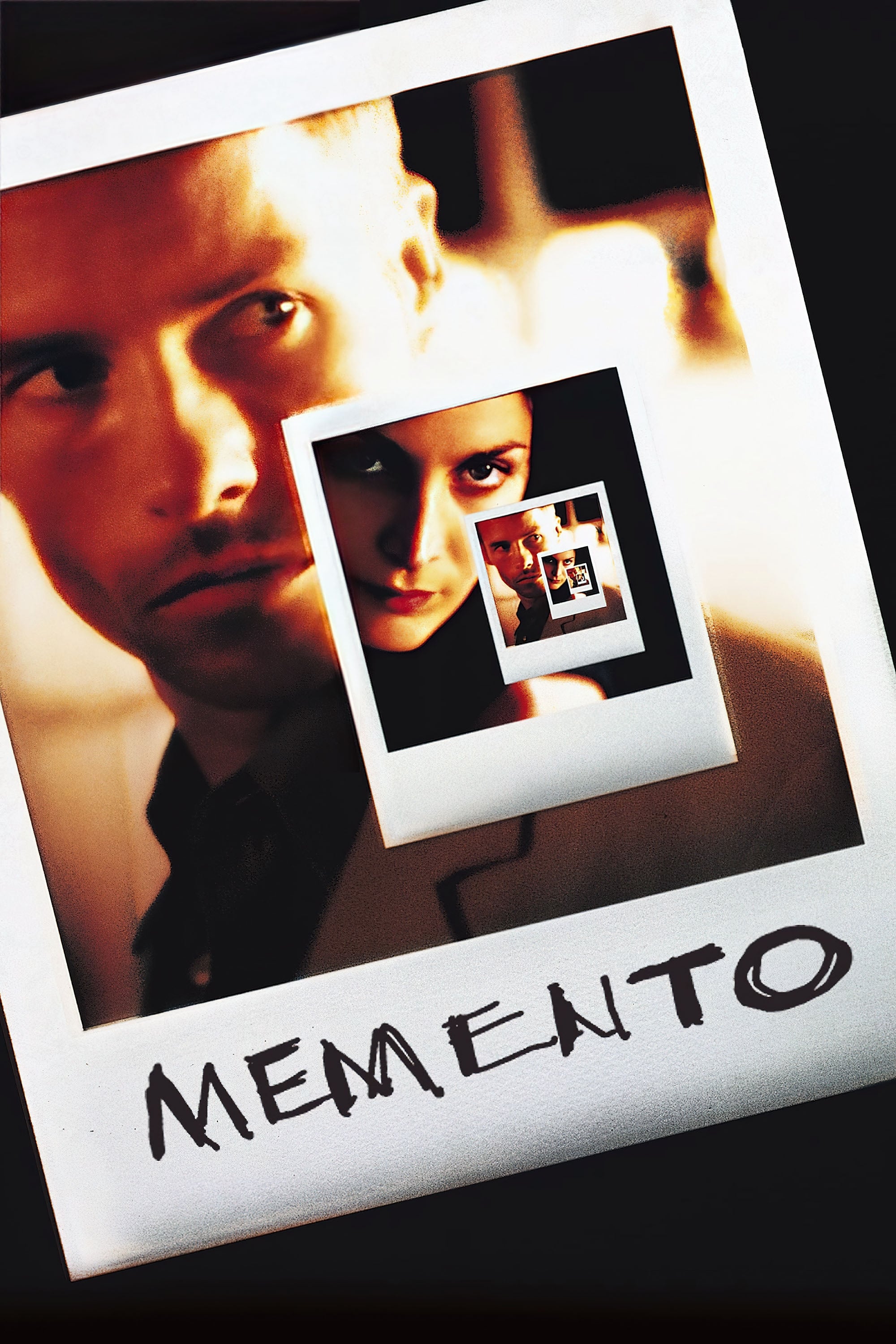
The closing revelation shows how the protagonist’s memory condition allows him to manipulate his own “facts,” completing a cycle that the film’s reverse structure has been illustrating scene by scene. Christopher Nolan seeds the key detail through the tattoos, Polaroids, and conflicting testimonies that undermine any single truth. The final act demonstrates that the investigation is self-perpetuating by design, not a puzzle missing pieces.
‘The Prestige’ (2006)
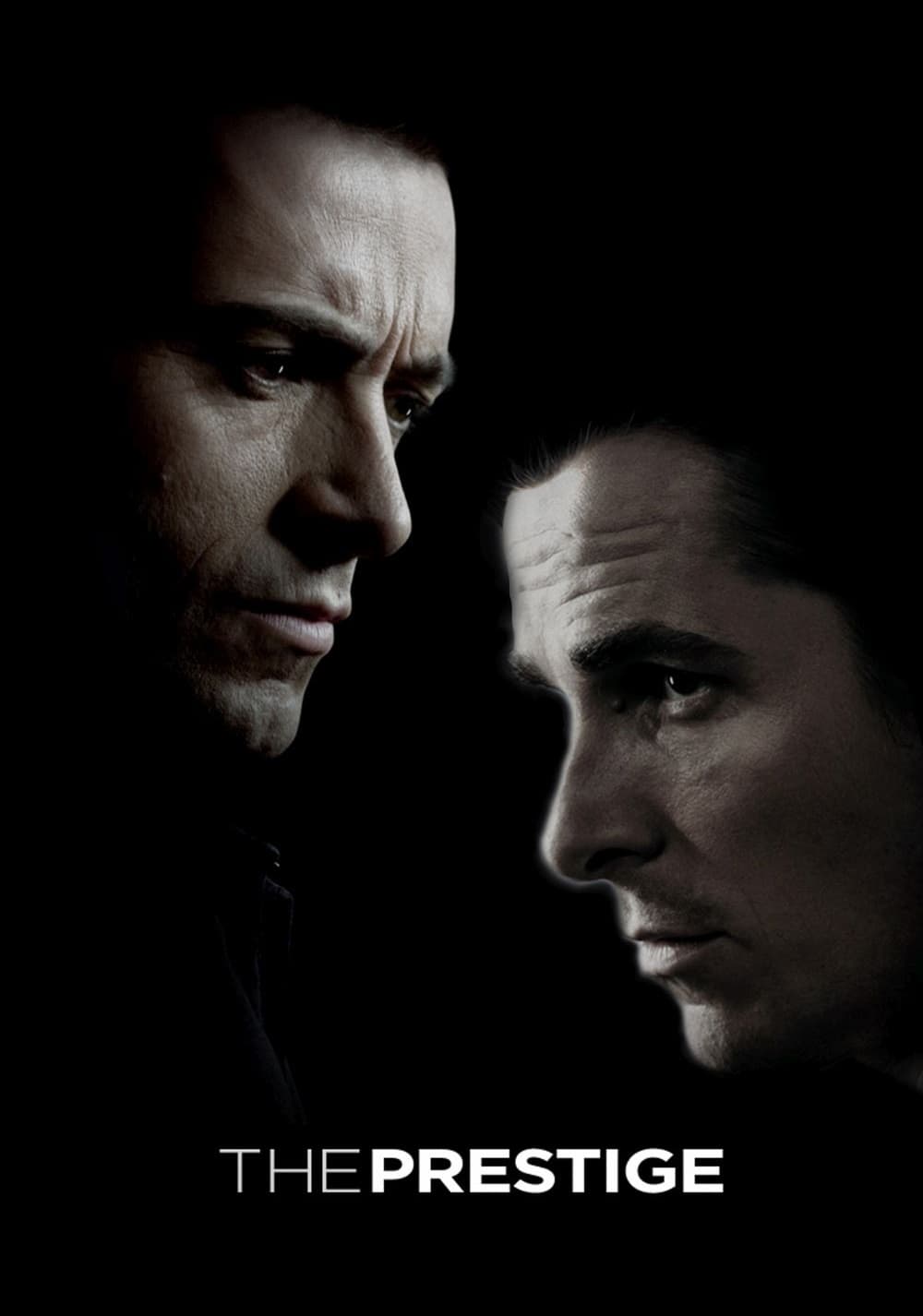
The final montage confirms the secret of the transported man and the price paid to sustain it, paying off diaries, double-casting clues, and stagecraft vocabulary established throughout. The film contrasts two methods of sacrifice, each foreshadowed by the bird trick and the water tank imagery. The closing shot of the theater space functions as material evidence, not a dream or hallucination.
‘The Descent’ (2005)
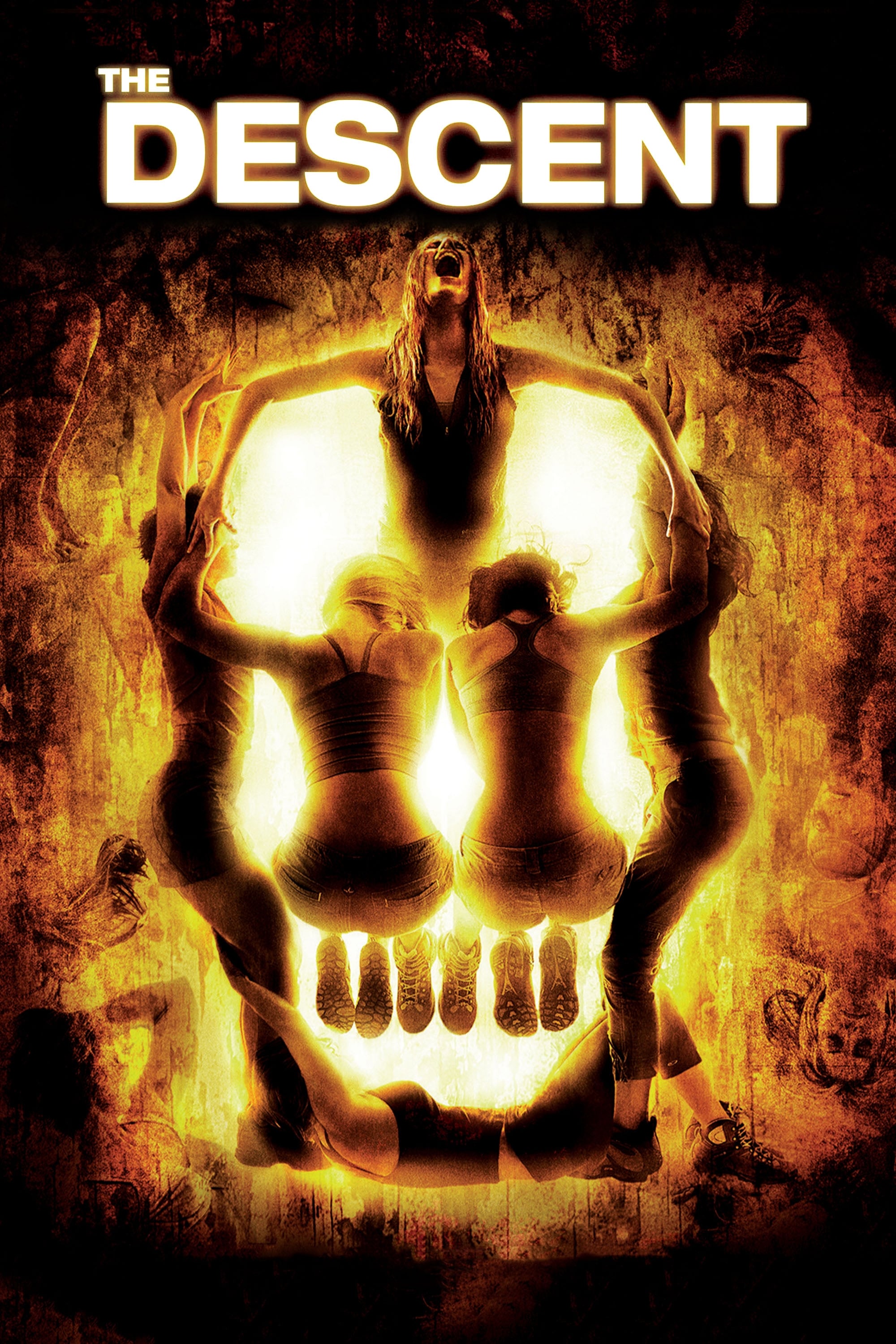
Different cuts end either with an escape or with a reveal inside the cave, but both are supported by recurring motifs of hallucination and grief introduced early. Neil Marshall planted visual and audio cues—birthday cake echoes, repeated camera angles—that make the bleaker cut a coherent psychological loop. The creatures’ behavior and the tunnel layout are consistent with the logic shown across earlier set pieces.
‘Match Point’ (2005)
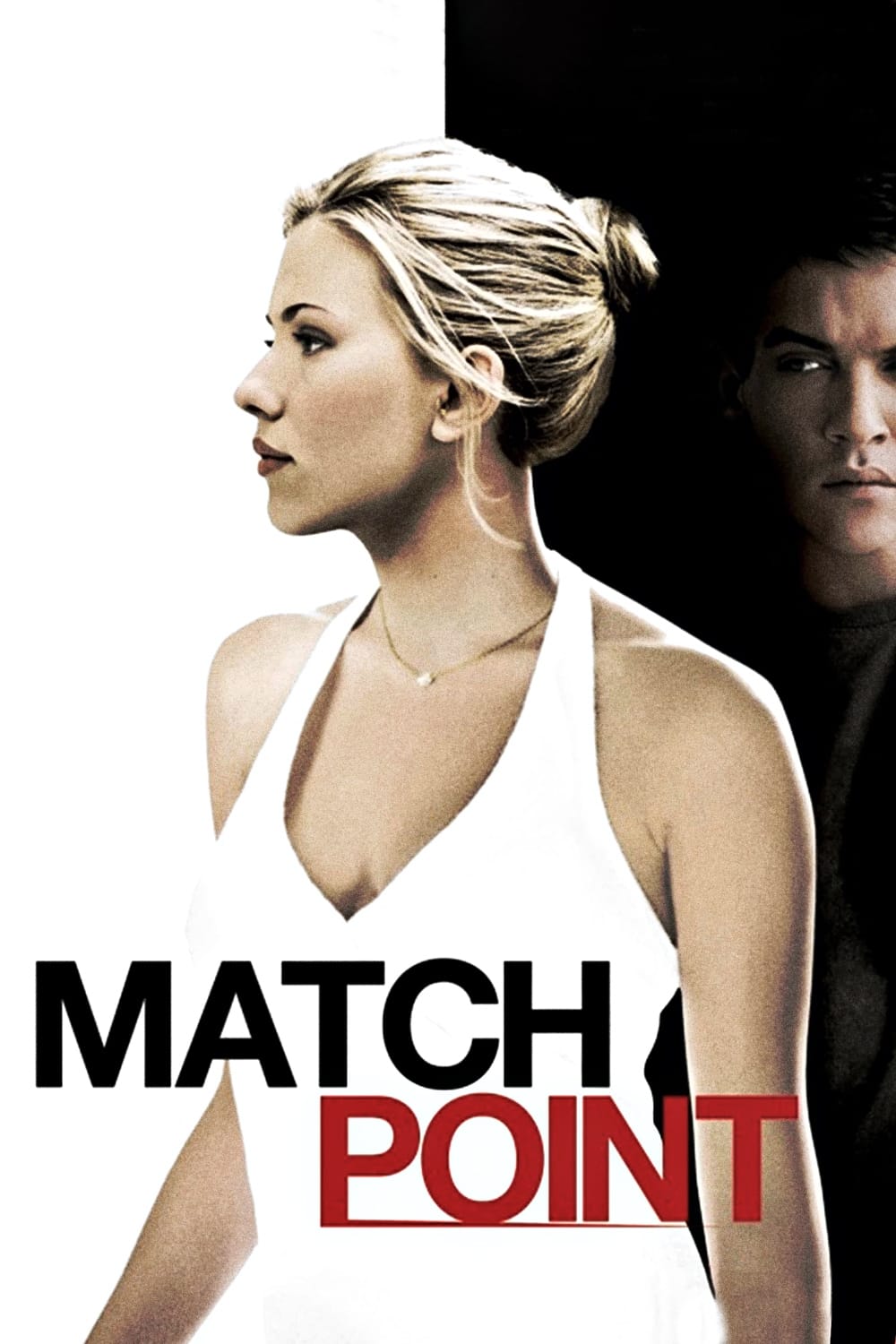
The finale turns on a piece of jewelry and a crime that aligns with the film’s explicit theme of chance versus merit. Key phone records, ballistic details, and a neighbor’s testimony create a plausible chain that the protagonist narrowly threads. The epilogue conversation articulates the same coin-flip idea introduced in the opening serve.
‘Synecdoche, New York’ (2008)
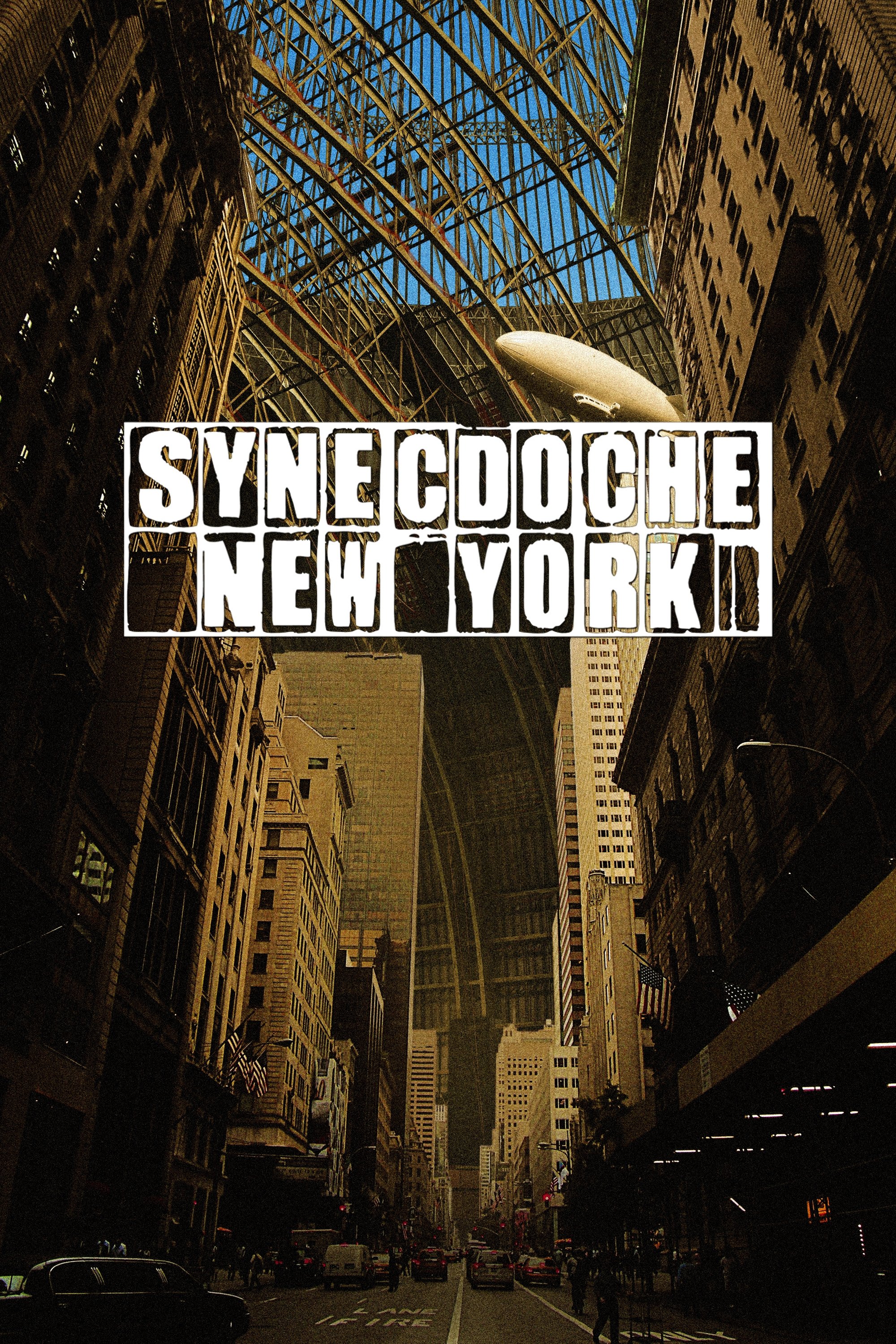
The last scenes fold the stage project fully into life, completing an identity exchange that has been gradually literalized by the production’s expanding scale. Charlie Kaufman’s script maps roles and doubles so that the final voice in the earpiece is a logical endpoint, not a random twist. The apartment-block city and the endlessly rehearsed cues provide the infrastructure for the closing instruction.
‘Signs’ (2002)
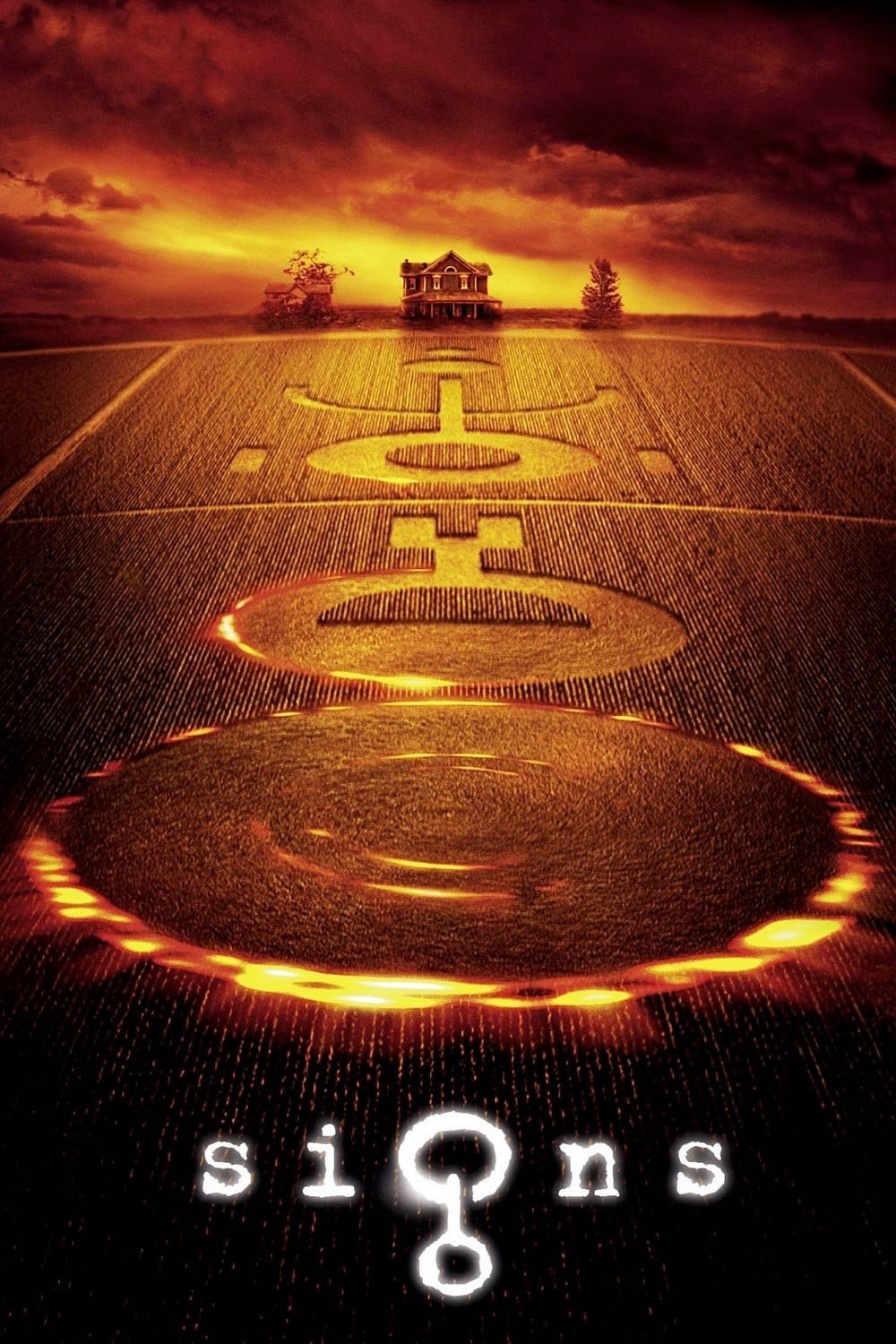
The culmination relies on objects, behaviors, and flashbacks introduced well before the farmhouse showdown, including a child’s habit, a sibling’s history, and a recurring phrase. M. Night Shyamalan frames the alien threat around home-invasion mechanics rather than war-scale logistics, matching every revealed weakness to earlier setups. The bat, the water glasses, and the inhaler all return as functional payoffs, not arbitrary rescues.
‘Primer’ (2004)
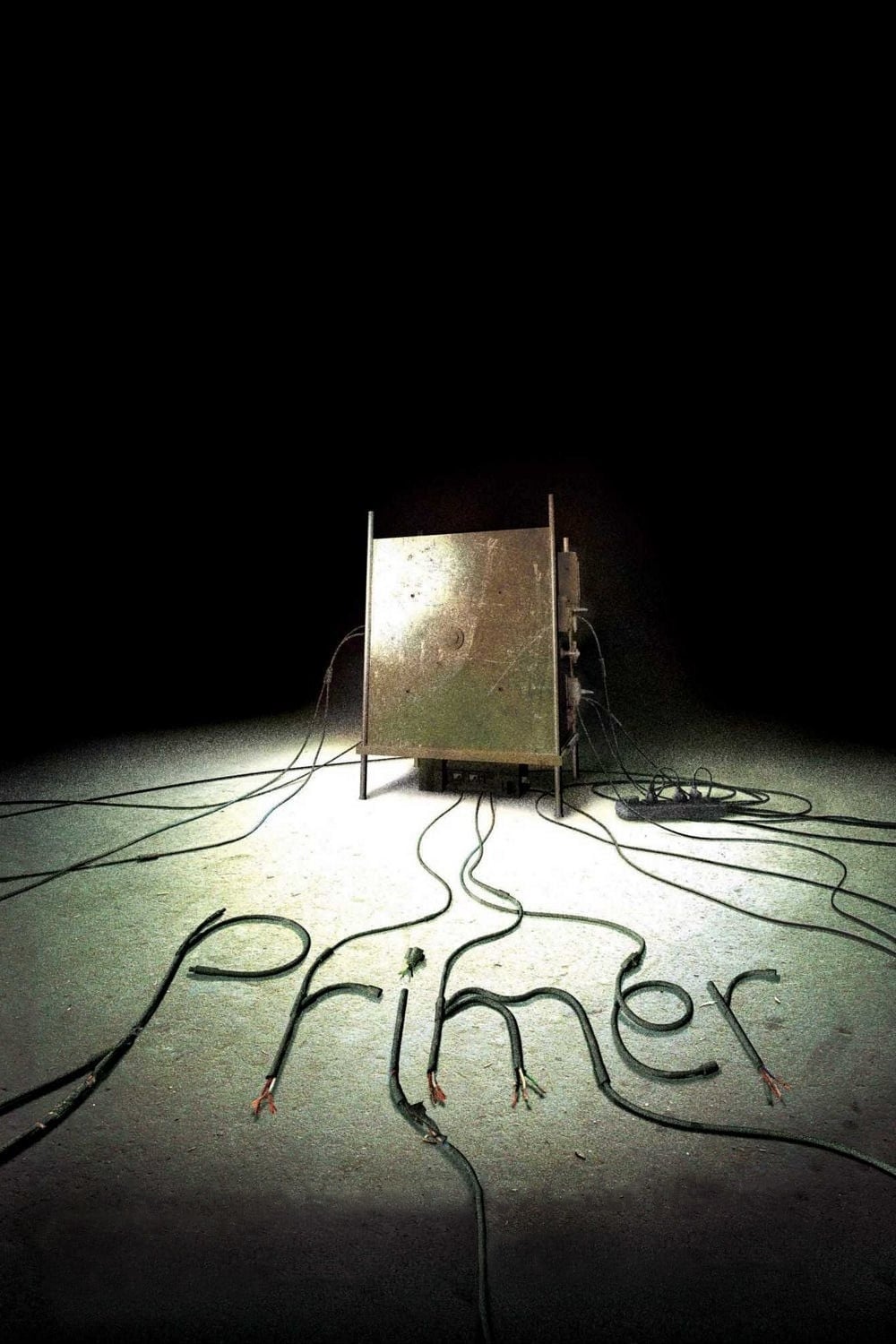
The last act shows multiple overlapping timelines operating under rules the film has quietly taught—box activation windows, failsafes, and audio-recorded iterations. Shane Carruth’s sparse exposition forces attention to the ear-piece loops and the handwriting variances that identify duplicate selves. The airport and party sequences demonstrate how small interventions escalate, explaining the final separation of paths.
‘Atonement’ (2007)
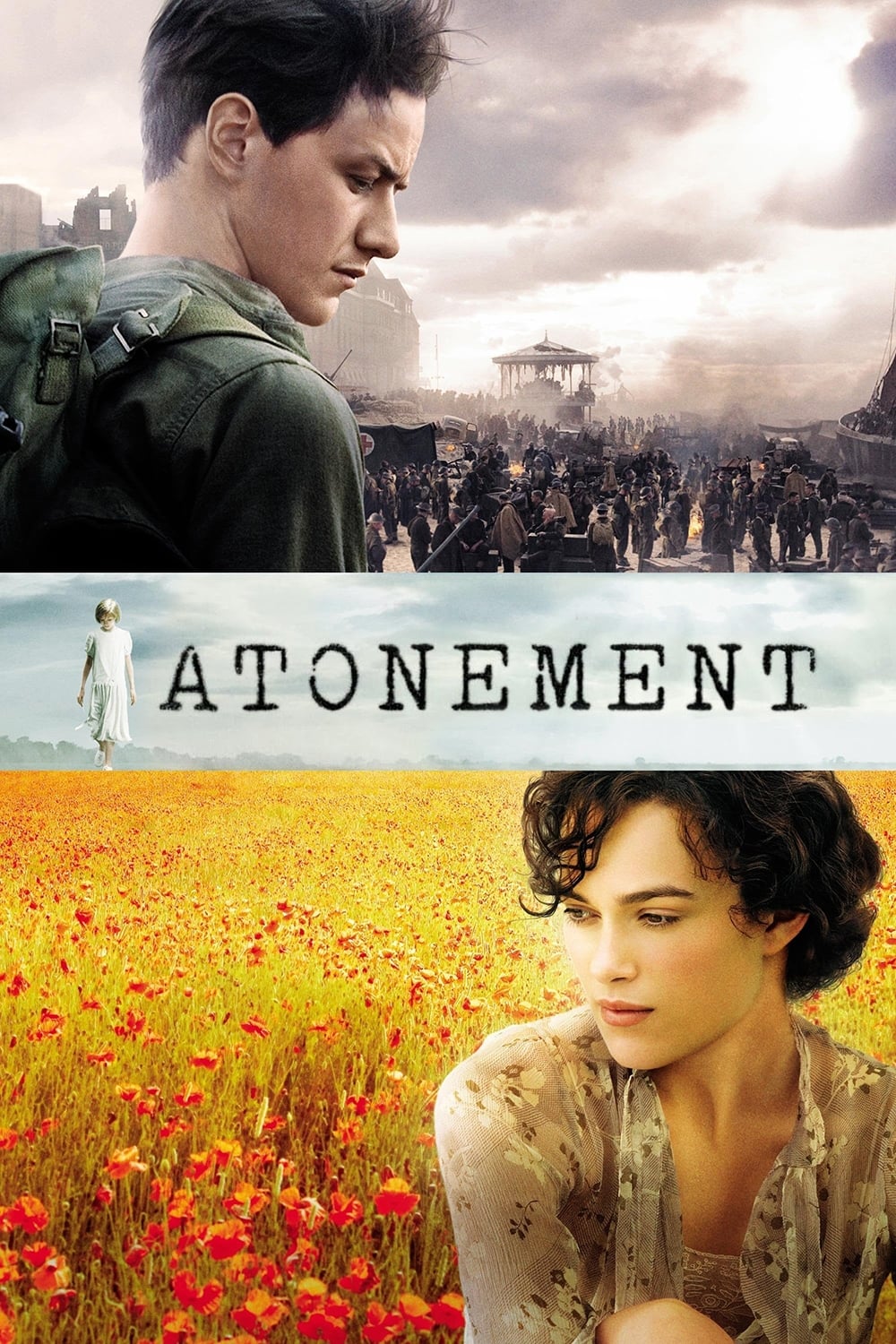
The reveal reframes the preceding narrative as an authored account that diverges from documented events, a device prepared by typewriter shots and publication references. Joe Wright’s film uses the interview and reading scenes to show how testimony shapes public memory. The closing location mirrors an earlier pivotal encounter, clarifying what was imagined and what was not.
‘The Orphanage’ (2007)
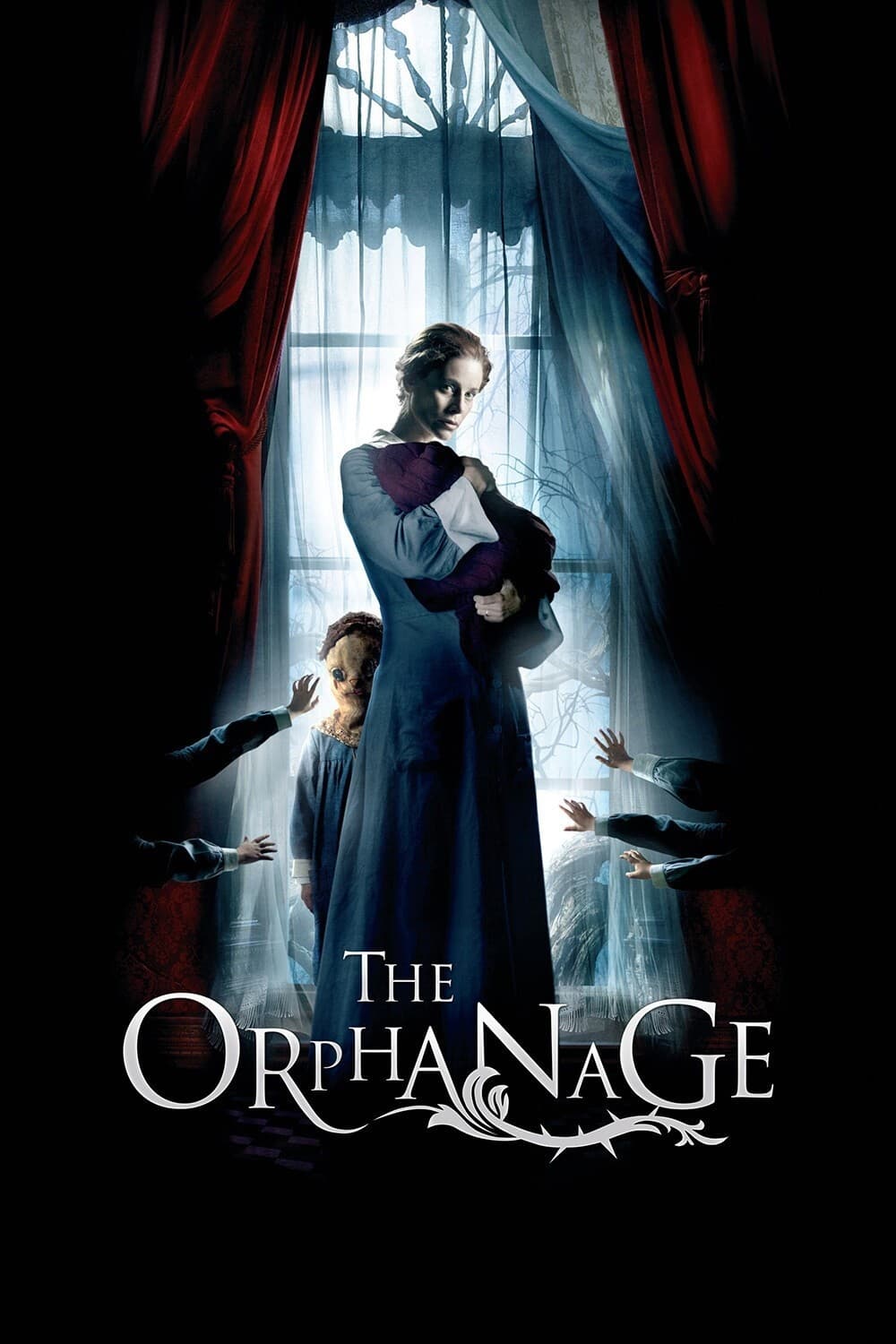
The ending returns the protagonist to the house’s secret history, answering earlier clues like the scavenger game, the missing children, and the masked party. J. A. Bayona lays out the geography so the final discovery follows the rules of the estate’s layout. The epilogue establishes a caretaker role that matches the film’s recurring lullaby and storytelling motifs.
‘A Tale of Two Sisters’ (2003)
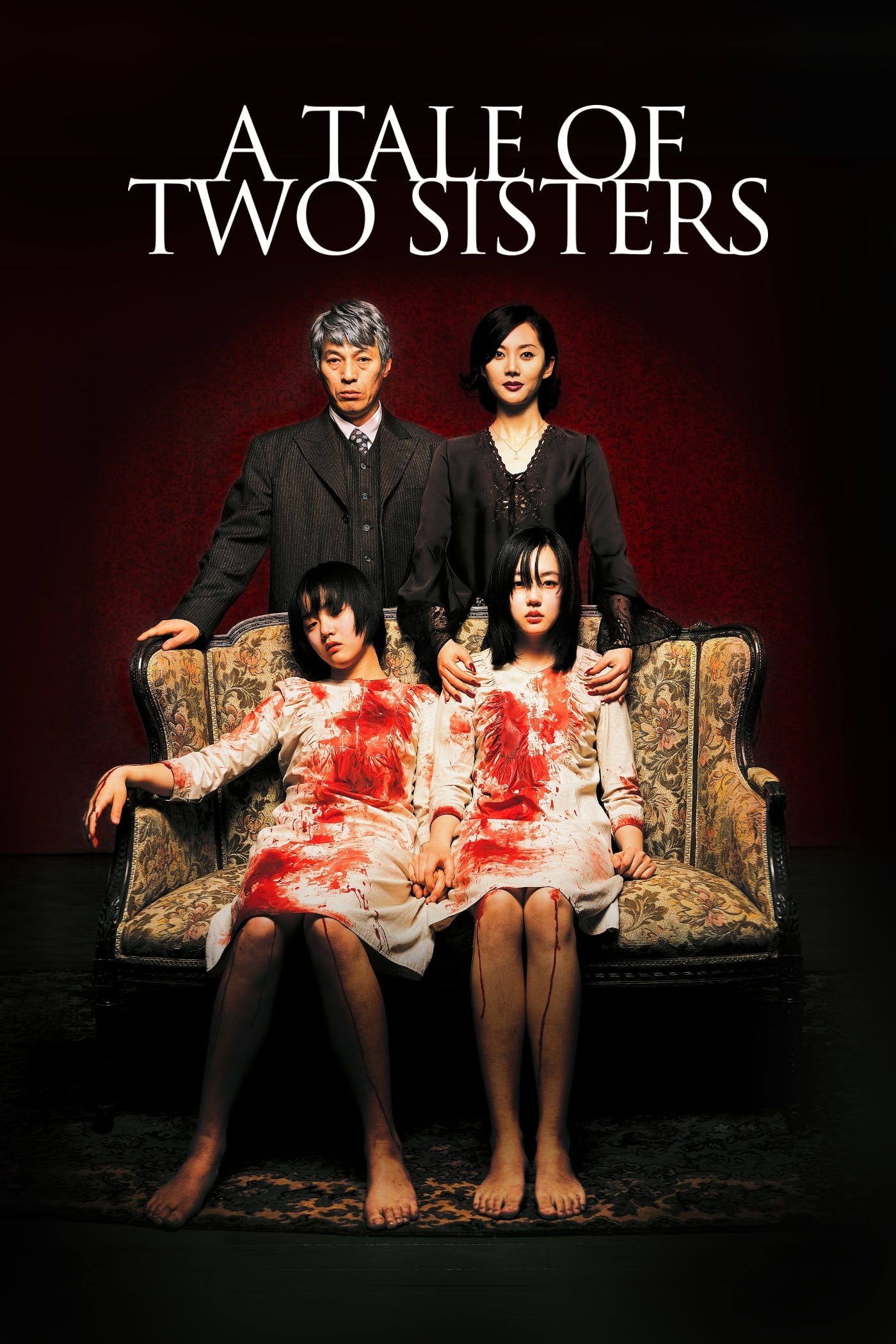
The conclusion clarifies how one psyche has been splitting roles, which the film has signposted through wardrobe, meal rituals, and the stepmother’s shifting demeanor. Kim Jee-woon uses repeated corridor shots and table settings to chart which interactions are shared reality and which are projections. The final hospital material links back to the opening, closing the loop without adding new supernatural rules.
‘Open Water’ (2003)
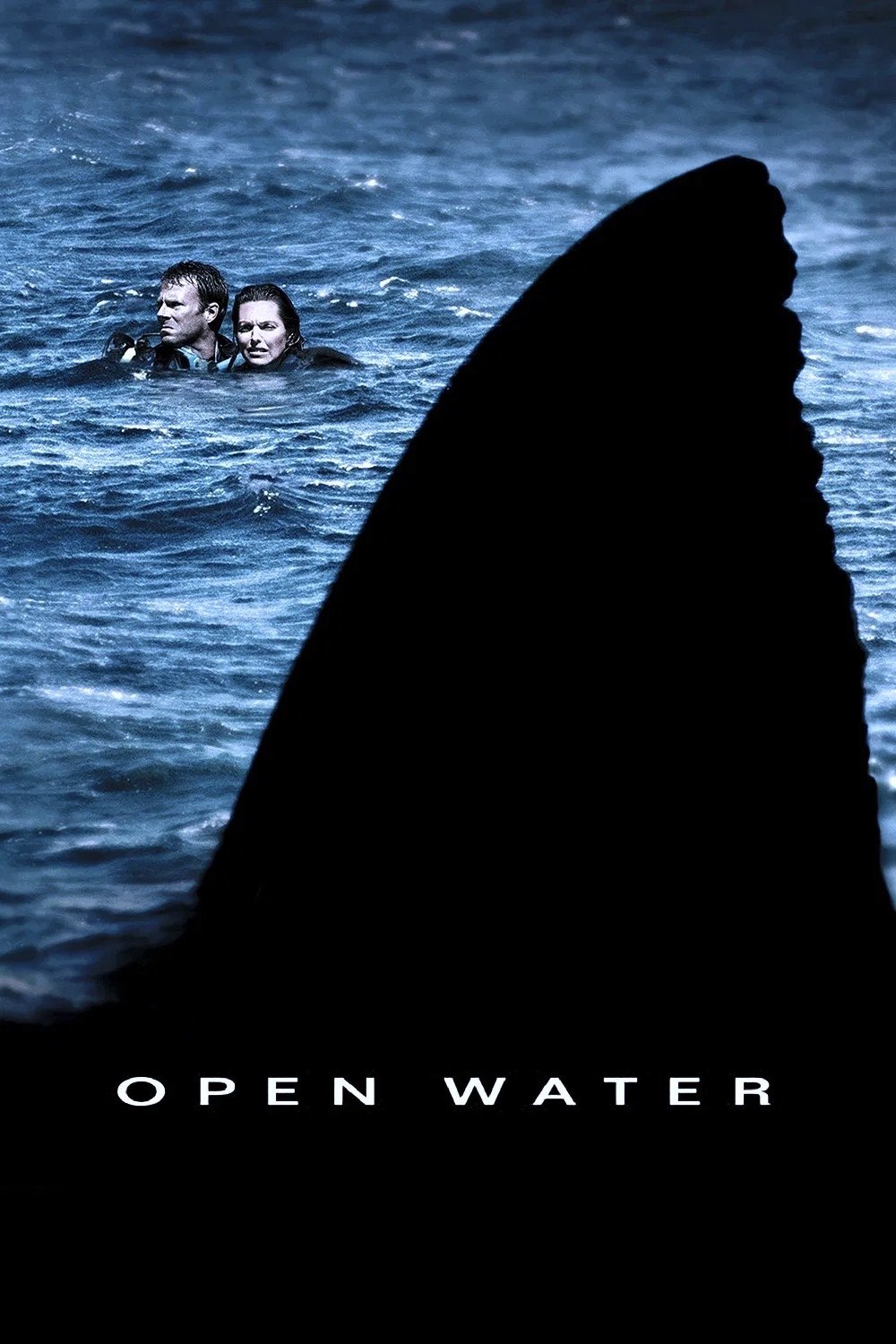
The last image follows directly from the survival math introduced early: drift, exposure, and changing shark behavior over time. The film’s documentary style—time stamps, minimal score, and visible currents—supports the plausibility of the outcome. The found-gear detail reinforces that disappearance at sea leaves little recoverable narrative beyond what washes ashore.
‘Triangle’ (2009)

The ending reveals a closed temporal loop constructed from visual markers like numbered notes, locket counts, and boat names. Christopher Smith repeats blocking and camera positions so each new pass explains oddities seen in earlier scenes. The shore sequence functions as an anchor event, locking the cycle into a consistent cause-and-effect pattern.
‘Timecrimes’ (2007)
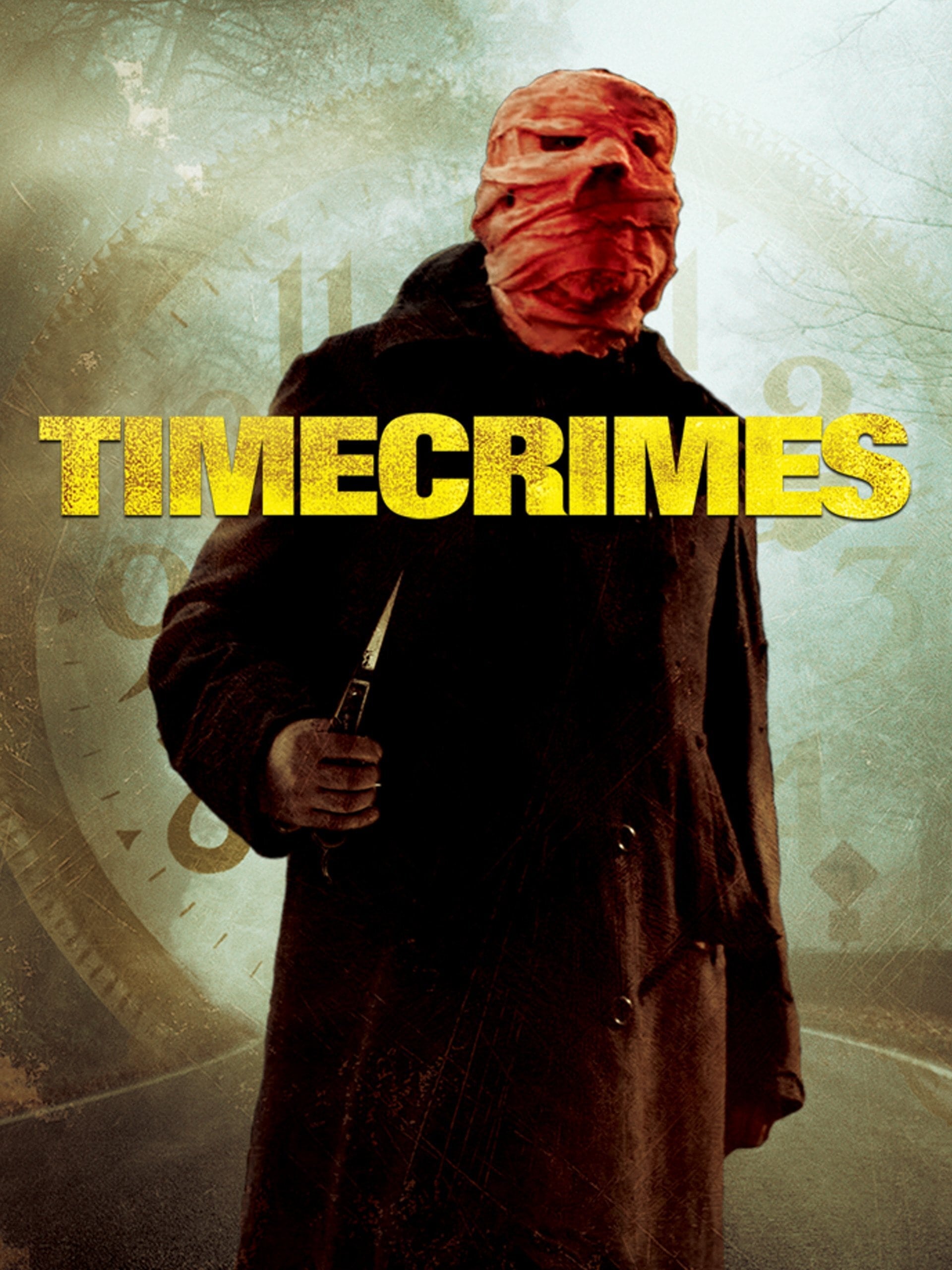
The final actions satisfy the film’s rule set that each trip must produce the exact conditions that made it necessary in the first place. Nacho Vigalondo uses bandages, walkie-talkies, and sightlines to keep identities traceable across iterations. The lawn and outbuilding geography ensures that what looks like chance is reproducible design.
‘Southland Tales’ (2006)
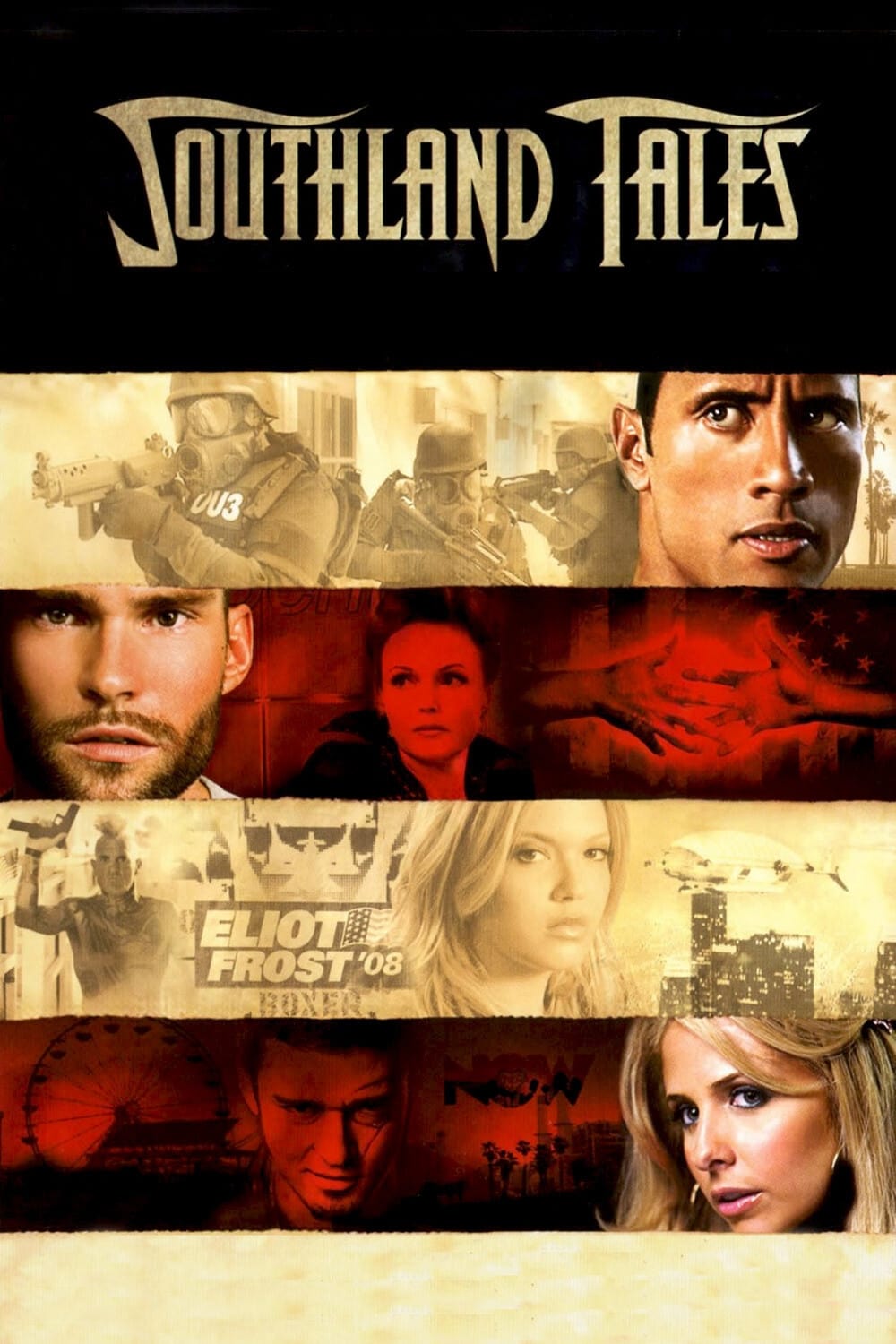
The closing tableau synthesizes devices introduced throughout—duplicated personas, experimental energy, and prophetic media—into a deliberately apocalyptic stage picture. Richard Kelly threads comic-book prequels, diegetic songs, and future-war flashbacks to make the final levitation a culmination rather than a non sequitur. The handshake and bleeding stigmata visual call-backs tie directly to earlier mission briefings and screenplay-within-the-film pages.
‘The Skeleton Key’ (2005)
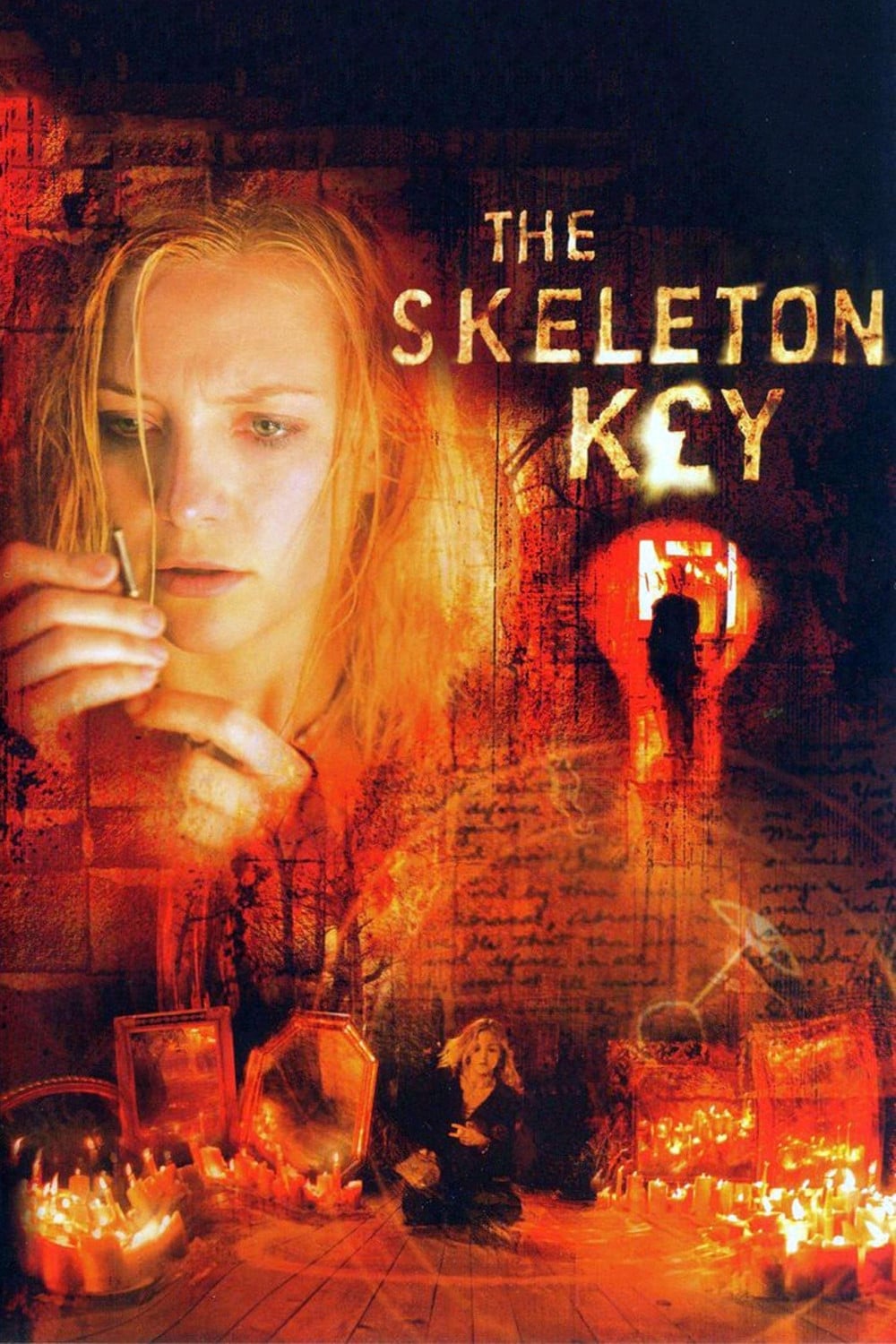
The twist ending follows the Southern Gothic rules set up from the start—body-swapping folklore, hoodoo practices, and the contract-like power of belief. Key props such as mirrors, record players, and talismans are introduced long before the attic sequence to explain the transfer mechanics. The legal aftermath shown in the final minutes aligns with the estate paperwork and caregiver arrangements established earlier.
Share the one ending you think people misread the most—and why—in the comments.