Great 2020s Movies with “Bad” Endings People Just Don’t Understand

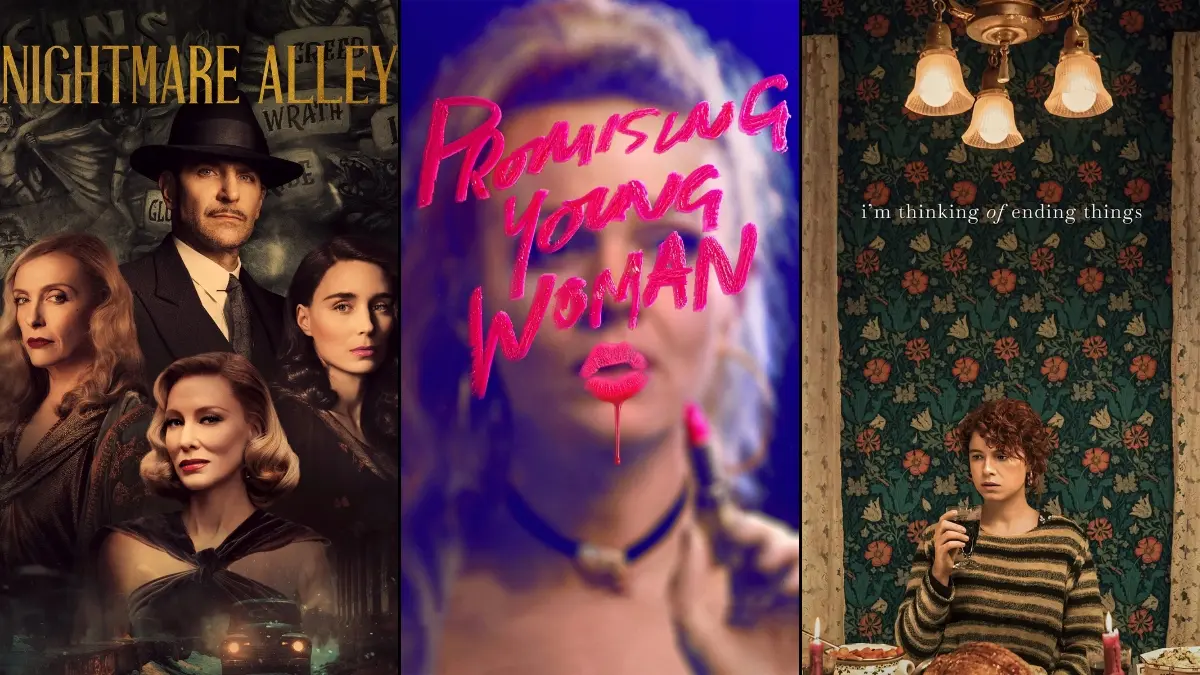

Some of the best films of this decade close on choices that feel abrupt, bleak, or confusing at first glance—but those finales usually align tightly with the story’s rules, themes, or source material. This list pulls together widely discussed endings from recent movies and clarifies what actually happens on screen, how the narrative logic sets it up, and where the filmmakers leave deliberate ambiguity. You’ll find twisty timelines, moral reversals, open questions, and quiet gut-punches that play fair when you track the clues the films have been laying all along.
‘Tenet’ (2020)
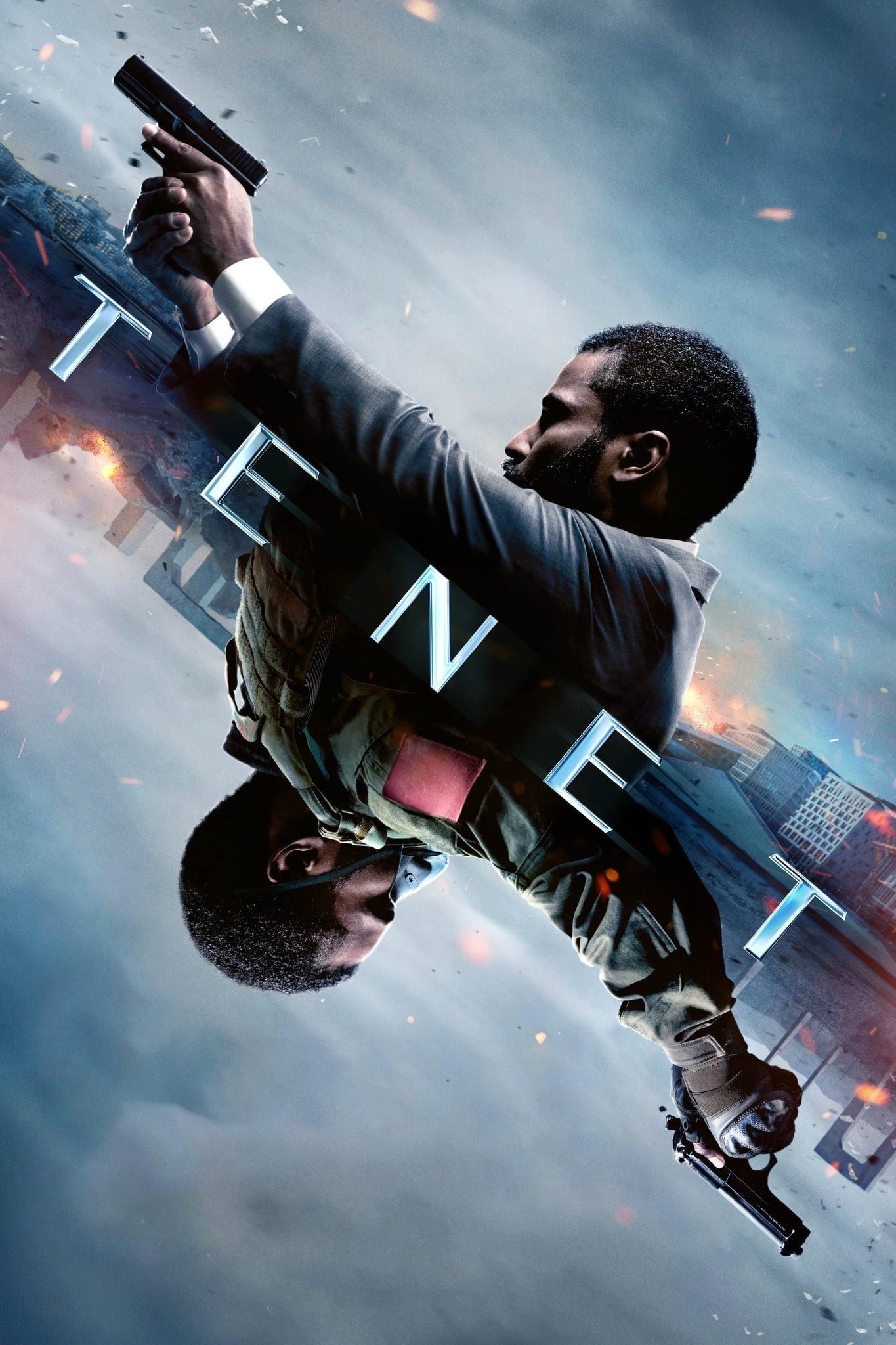
Christopher Nolan structures the climax so that the “temporal pincer” resolves multiple objectives in opposite directions through time. The final conversation confirms that the Protagonist is the future founder of the organization, retroactively explaining earlier assists and coincidences. Neil’s fate is identified by the red cord and door jam, tying his sacrifice to earlier scenes. The supposed abruptness is simply the narrative closing its bootstrap loop.
‘I’m Thinking of Ending Things’ (2020)

Charlie Kaufman adapts Iain Reid’s novel by merging a road trip, imagined personas, and a school janitor into a single consciousness. The ending’s stage sequence and makeup cues point to an idealized fantasy colliding with a life of regret. Insert shots of the school and repeated costume details link characters across identities. The final car and hallway imagery are not random—each location has appeared as a memory anchor throughout the film.
‘Promising Young Woman’ (2020)
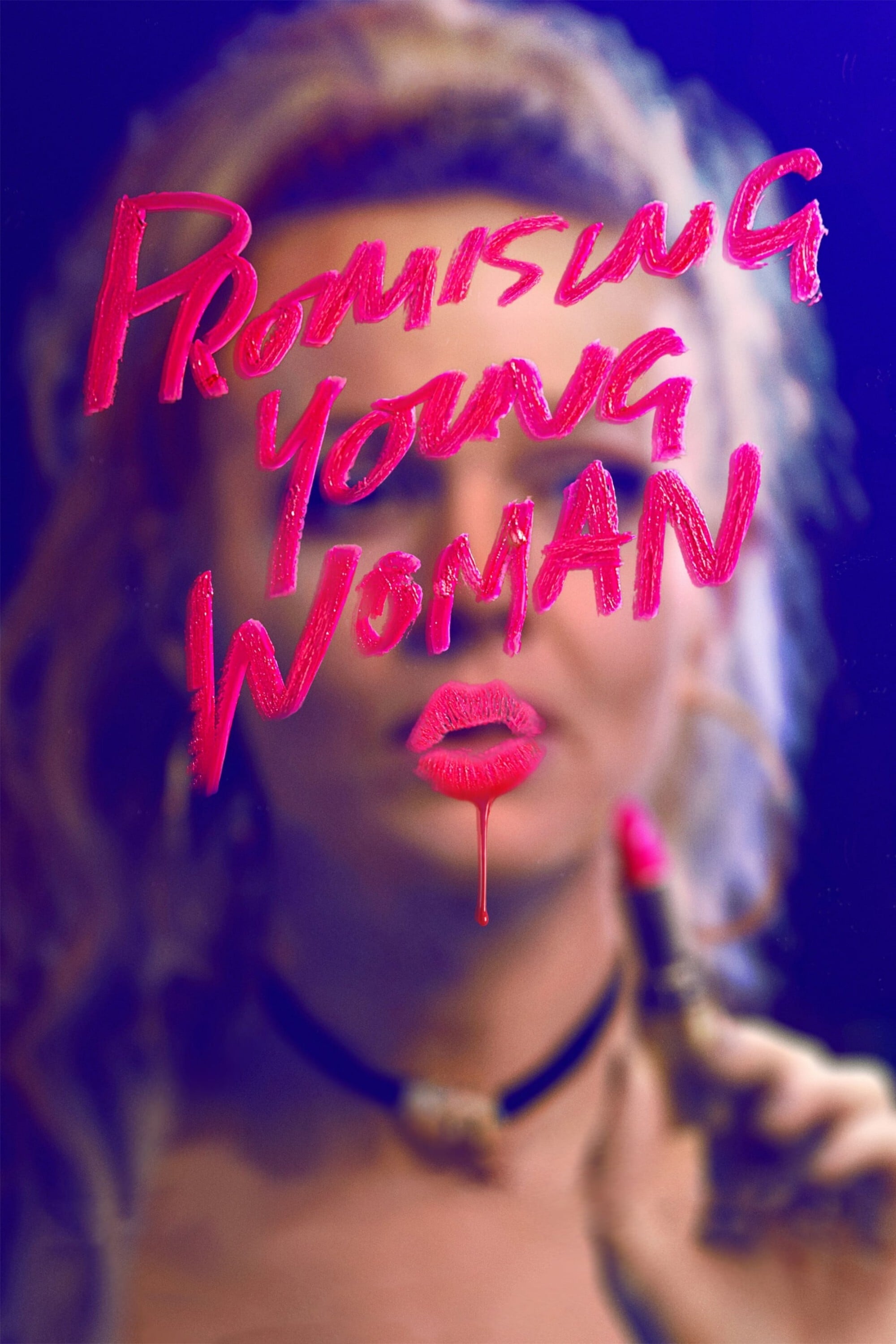
The recorded evidence, scheduled messages, and police arrival are all foreshadowed through the protagonist’s meticulous routines. The locket, phone handoff, and timed texts demonstrate contingency planning rather than a last-minute twist. Side characters’ occupations and legal exposure explain why the authorities act in the epilogue. The outcome follows the film’s documented paper trails and earlier reconnaissance scenes.
‘The Green Knight’ (2021)
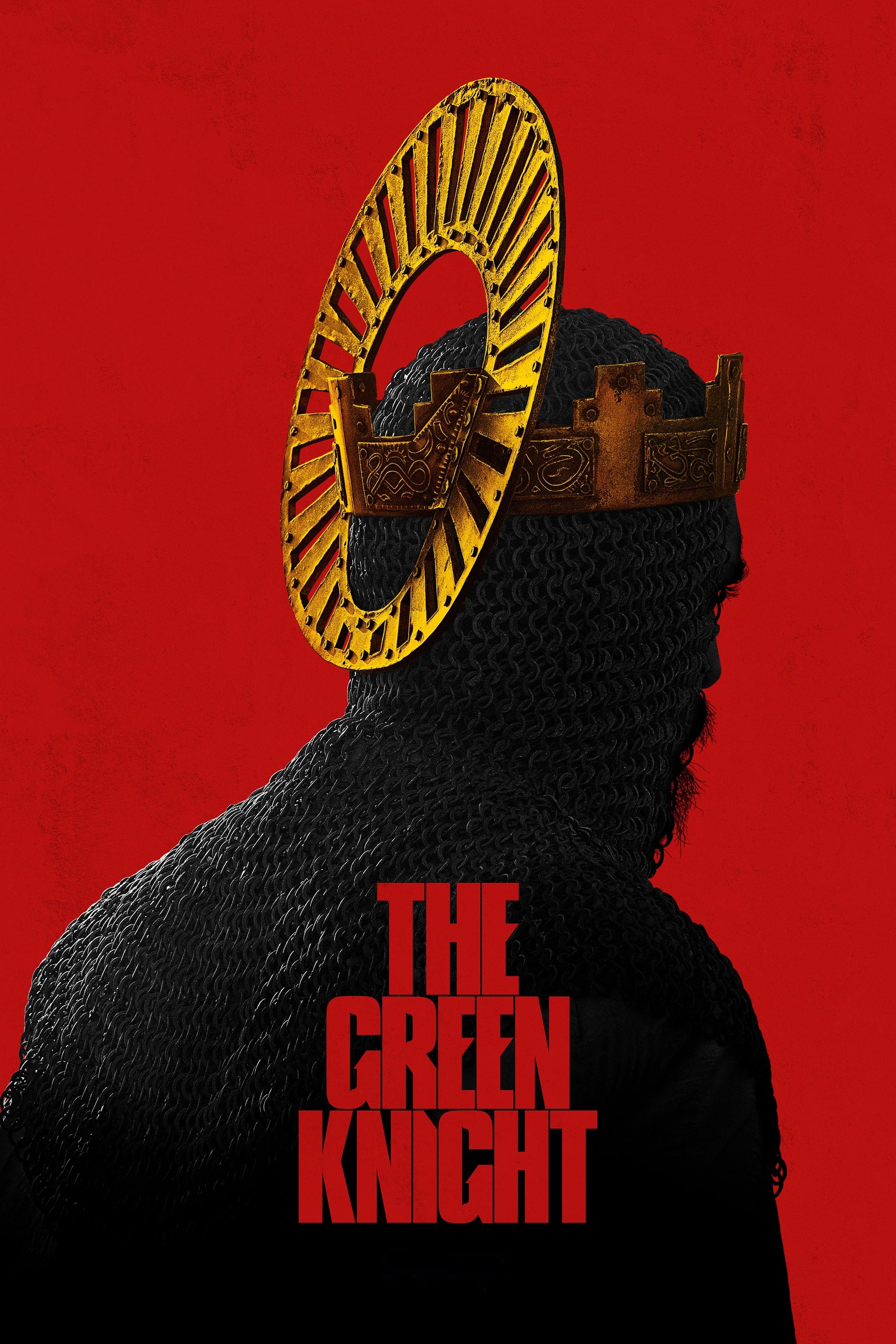
David Lowery preserves the poem’s themes by presenting the vision of an entire life as a conditional fantasy during the chapel sequence. Wardrobe shifts, jump cuts, and the sash’s removal cue the difference between imagined cowardice and chosen courage. The Green Knight’s final line echoes the story’s game of honor and mercy. The closing image is not a trick—it marks the end of the test.
‘Dune’ (2021)

The duel with Jamis is the narrative’s hinge that completes Paul’s initiation into Fremen life. Chani’s repeated line about beginnings signals that the film is the first half of a larger arc. Visions are intentionally probabilistic, so deviations in the fight resolve earlier dream fragments. The trek into the desert functions as a literal and prophetic threshold rather than an abrupt stop.
‘The Matrix Resurrections’ (2021)
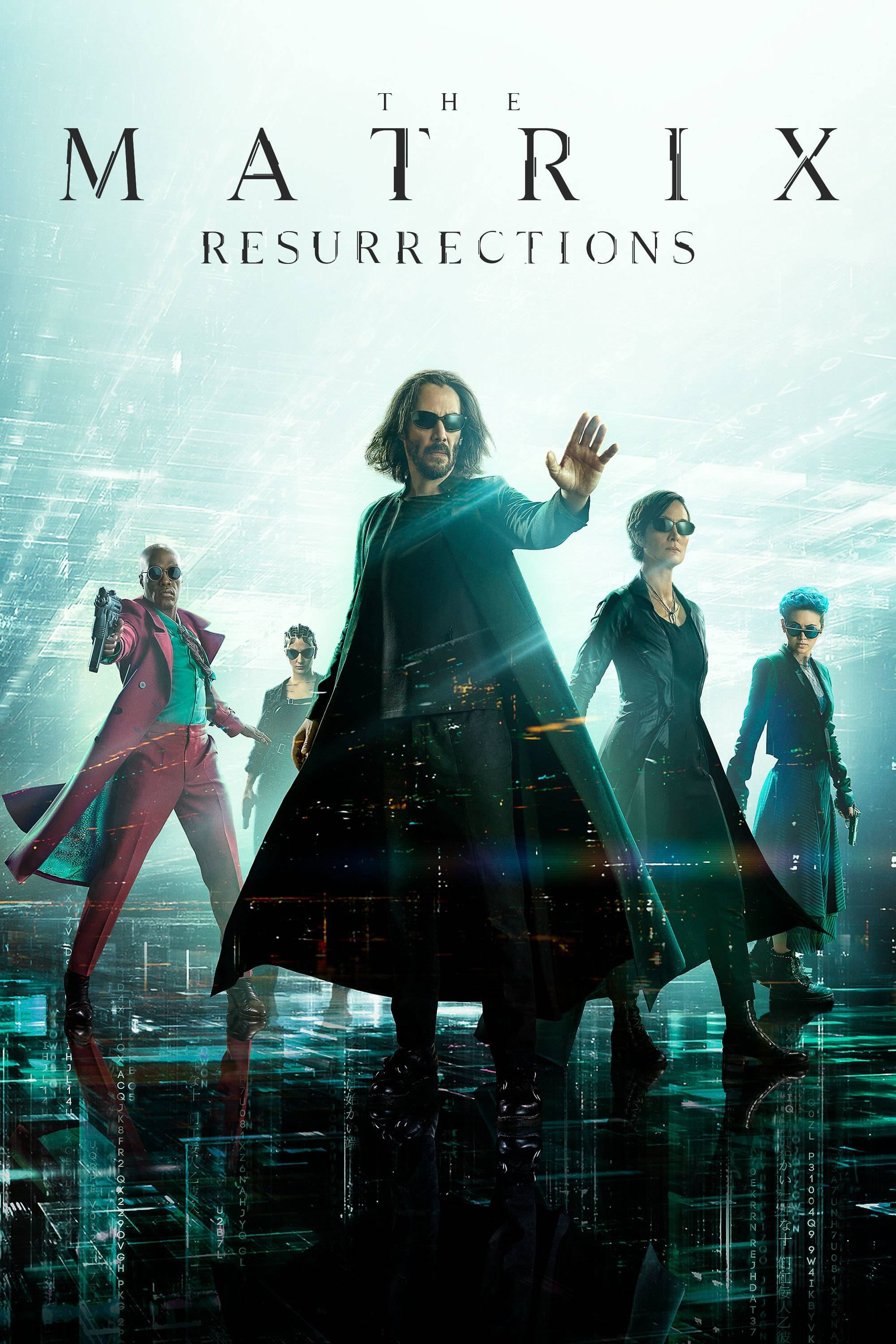
The finale’s “leap” and airborne escape underline that consent and choice are the new system’s vulnerabilities. Visual callbacks—mirror portals, bullet-time inversions, and modal terminology—position Neo and Trinity as co-admins of reality. The Analyst’s reset attempts match the opening’s looped design sessions. The end credits sting reframes the power dynamic as one of authorship, not just combat.
‘The Power of the Dog’ (2021)
A medical textbook, a cut hand, and rawhide strands lay out the method behind the final poisoning. The shot composition isolates gloves, rope, and wounds to map the chain of infection. The last Bible verse and window framing clarify motive and closure. Nothing supernatural happens—the film methodically shows cause and effect.
‘The Little Things’ (2021)
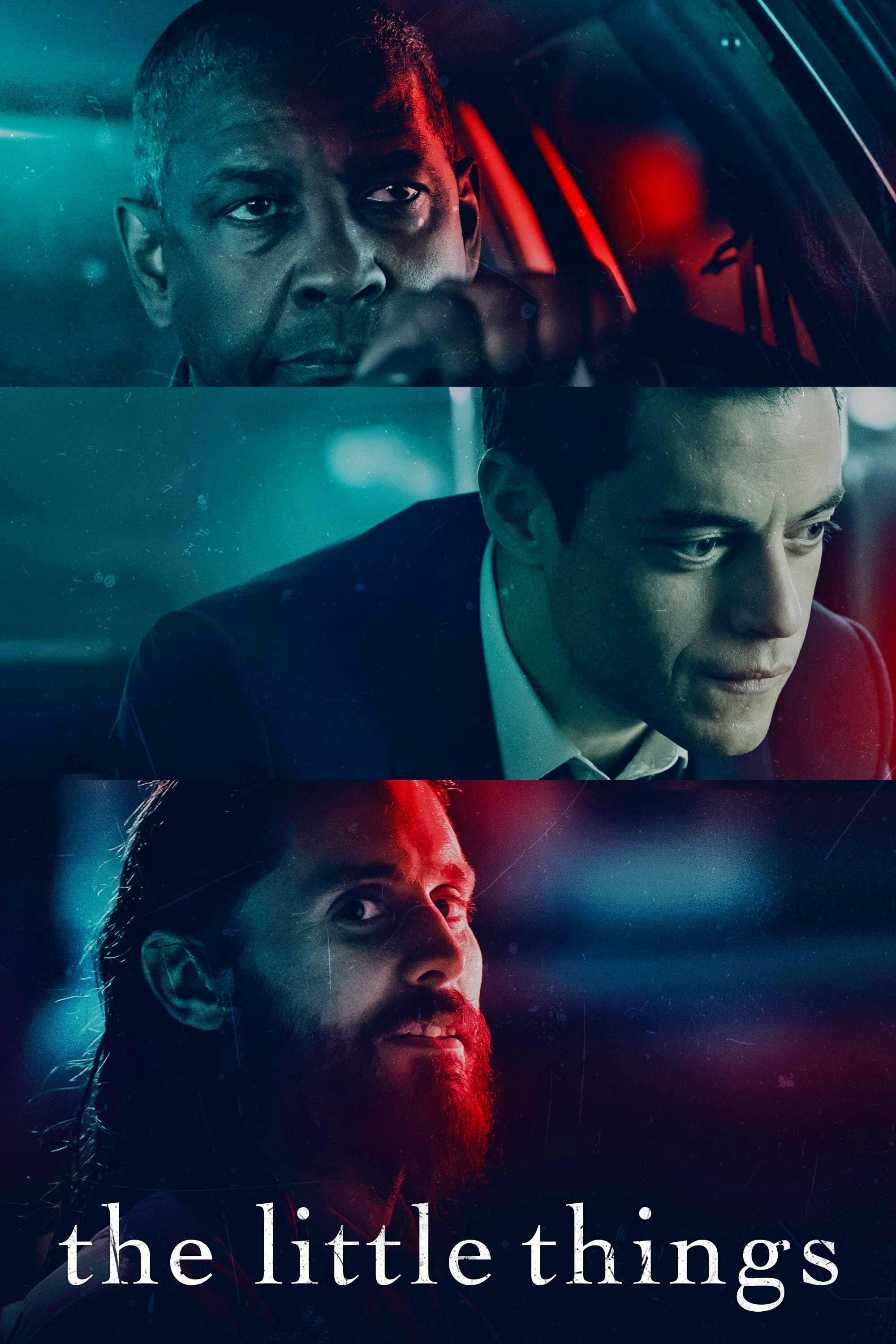
The red barrette is introduced as deliberate misdirection to sever the apprentice detective’s obsession from evidence. Car trunk geography, timeline gaps, and tool marks establish the absence of proof against the suspect. The package in the mail operates as a psychological release valve rather than a solved case. The film’s title is literal: small details mislead when stripped of context.
‘Eternals’ (2021)
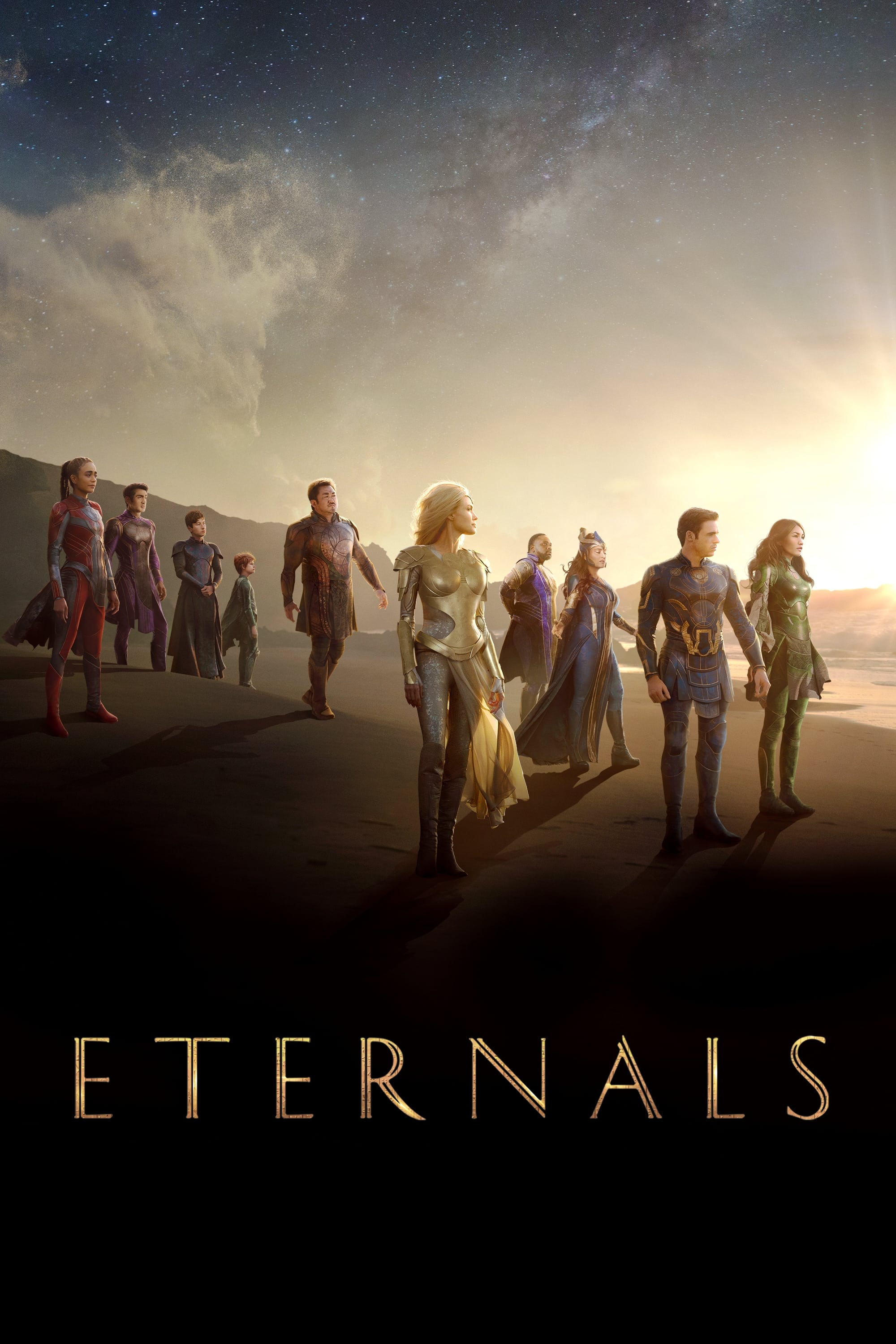
The celestial emergence, uni-mind solution, and mid-credits reveal align with the characters’ stated mission parameters. Early exposition about memory resets and seeded worlds explains the team’s ethical fracture. Geography of the final battle matches earlier map projections of tectonic stress points. The cliffhangers are franchise threads, but the immediate global threat is resolved on screen.
‘The Batman’ (2022)
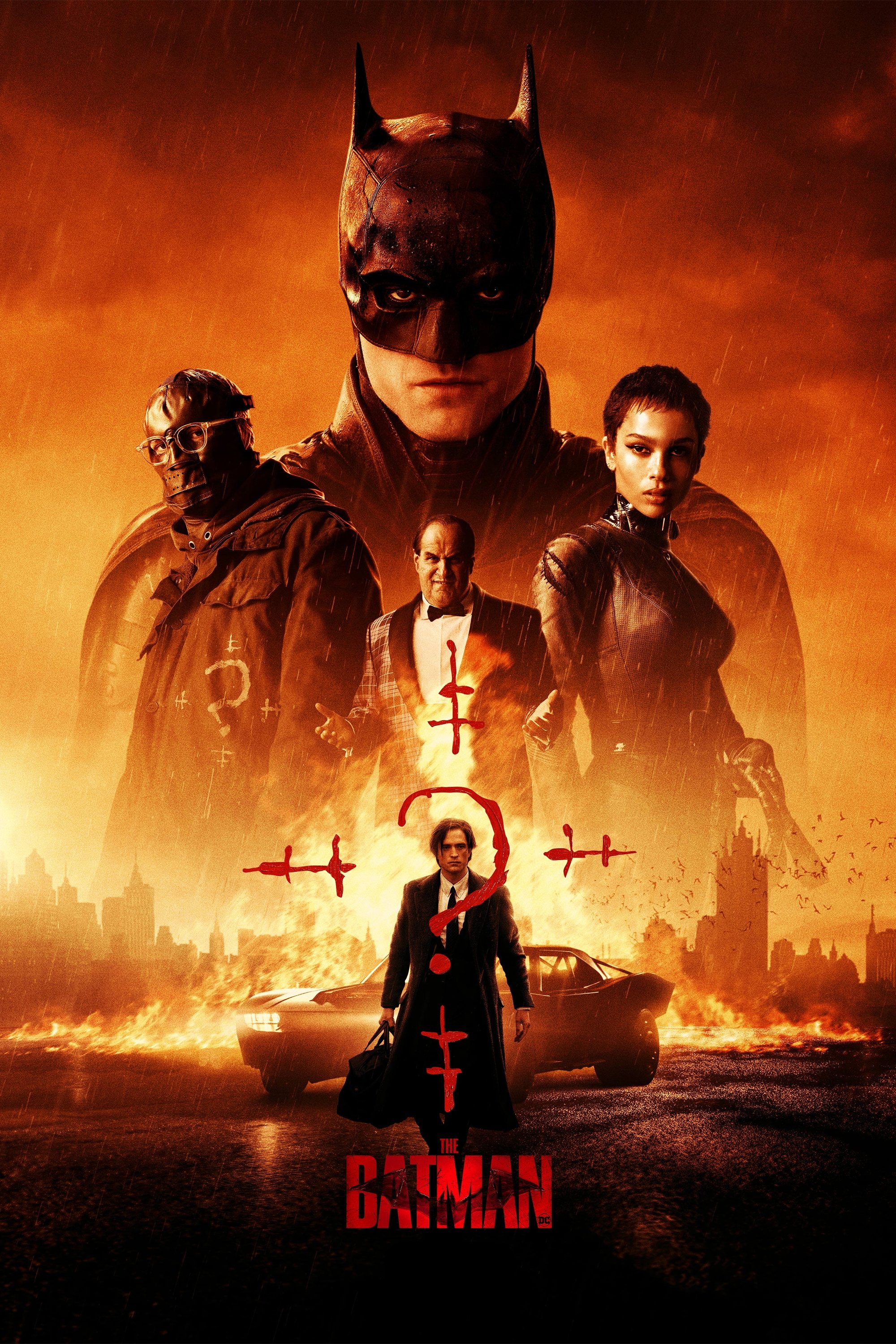
The flood sequence fulfills the villain’s online plan that has been openly recruiting followers. Earlier cipher keys, map overlays, and “sins of the father” records set up the citywide detonation points. The rooftop goodbye and journal VO mark a shift from vengeance to service, consistent with the rescue montage. The final cell scene is a teaser, but the main plot’s conspiracy is closed.
‘Nope’ (2022)
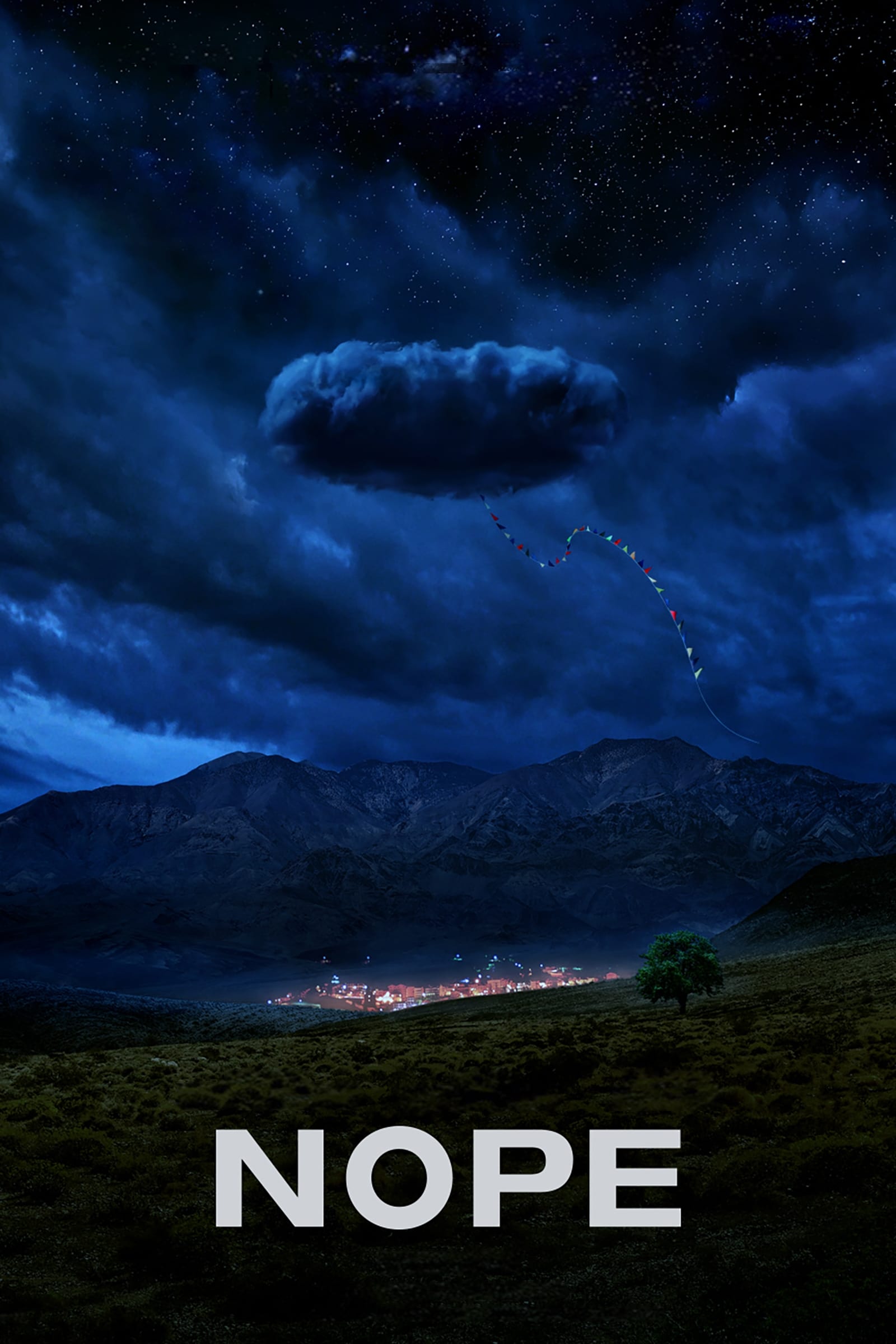
The creature’s design evolves from a camouflaged saucer to a territorial animal, signaled by changes in sound design and fabric imagery. The wind “waving” motif, decoy horse, and eye-contact rule are spelled out before the showdown. The well-camera shot is set up as a practical solution to EMP interference. The spectacle theme is literalized by the creature’s attraction to attention.
‘Men’ (2022)
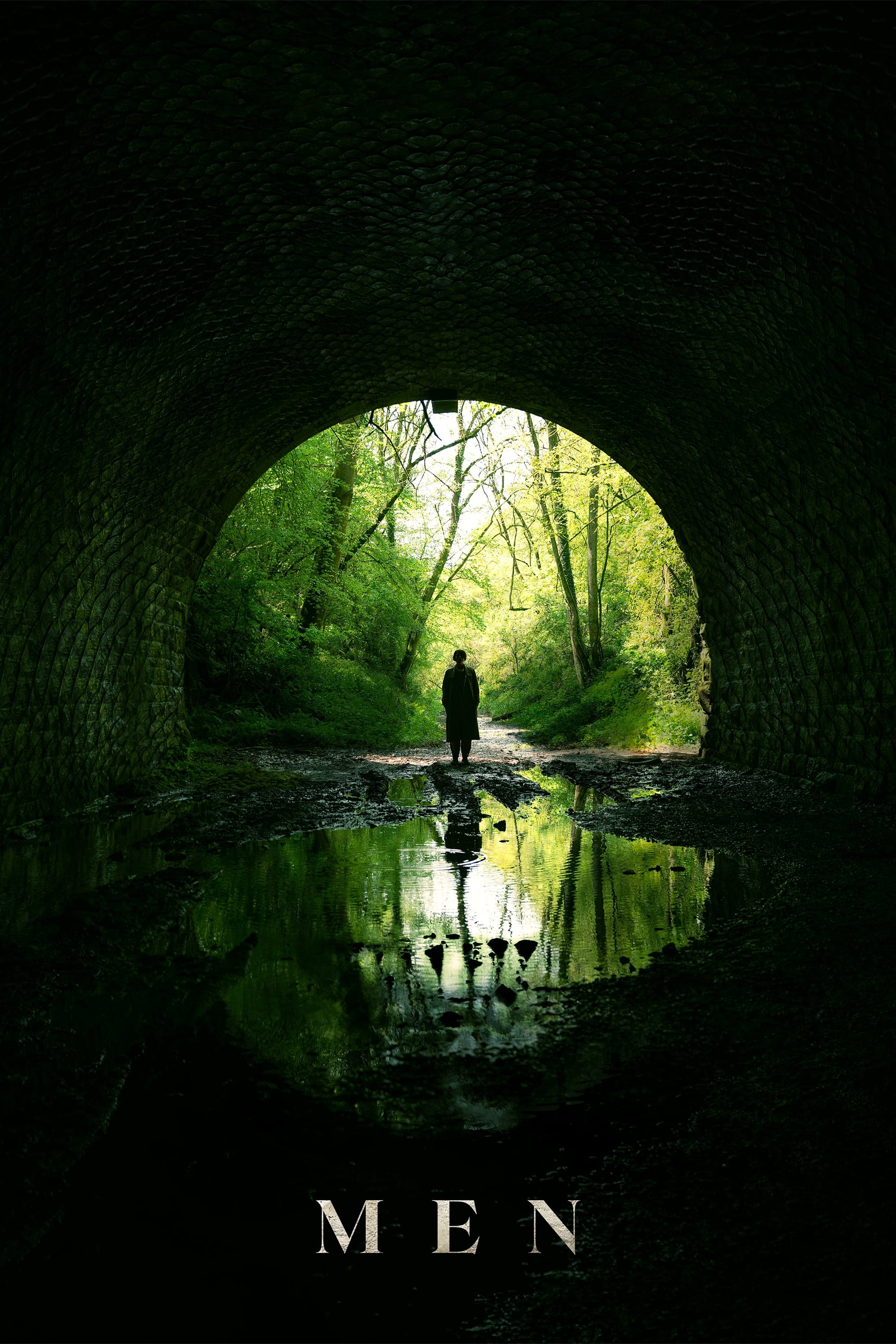
Repetitive births and cycling faces are presented as a single entity manifesting through different villagers. The tunnel echo, phone glitches, and carved figures forecast the mythic pattern. The closing living room exchange mirrors the opening domestic incident to link cause and manifestation. The film shows a loop, not separate antagonists.
‘The Menu’ (2022)
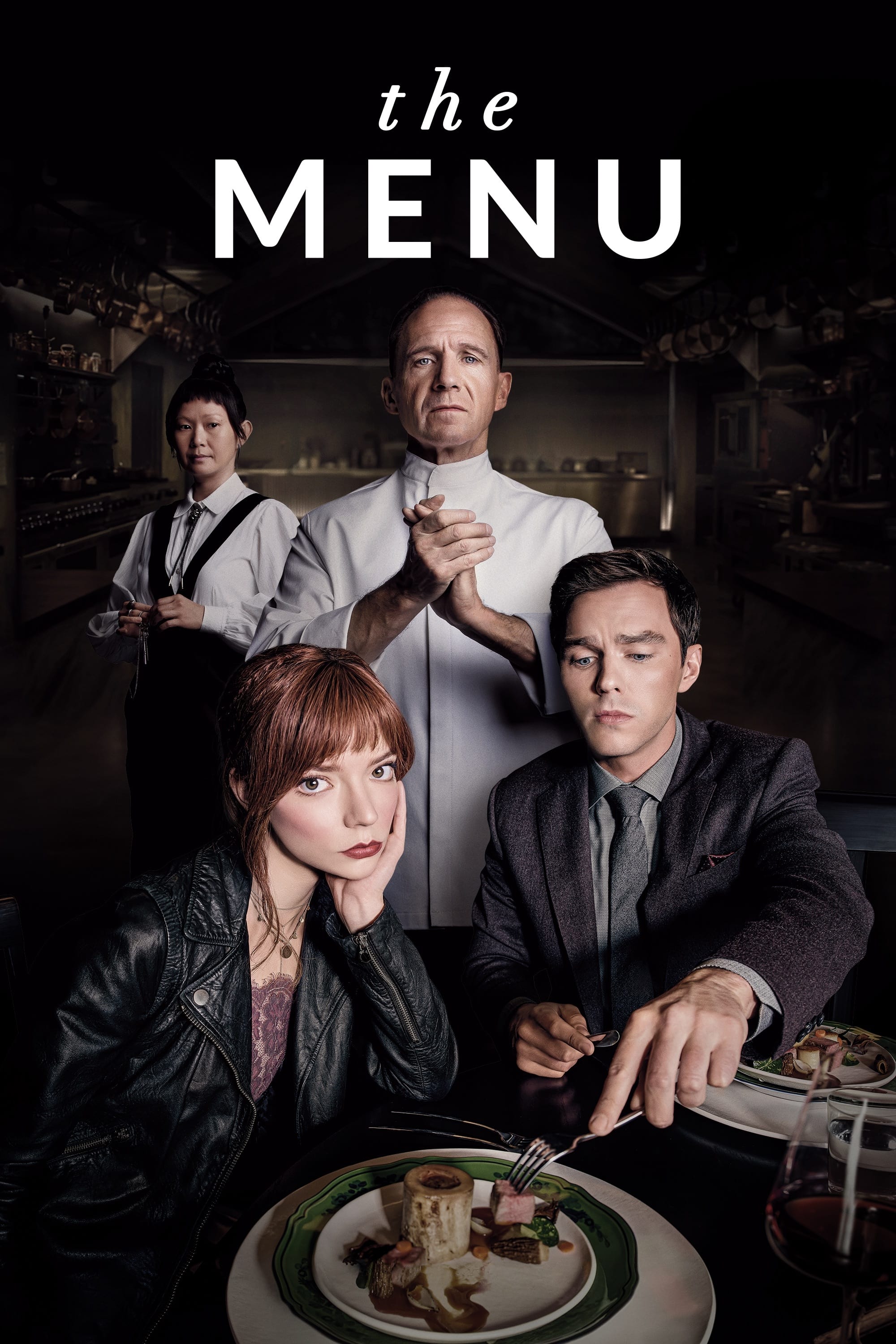
Every course is a step in a predetermined arc announced by the chef in the first act. Guest backstories, seat placements, and the hostess’s gatekeeping explain who gets which “lesson.” The burger request exploits an earlier stated weakness in the chef’s philosophy. The blaze is not a twist but the final course telegraphed through the menu cards.
‘Glass Onion: A Knives Out Mystery’ (2022)

The disrupted time structure—hour-one replay with new information—sets up the combustive finale. Props like the napkin, clear fuel, and the Mona Lisa’s safety system are introduced with specific rules that govern the outcome. The hourly gong and disrupted network establish timing for alibis and reveals. The closing inheritance beat follows explicitly stated legal and reputational stakes.
‘Pearl’ (2022)
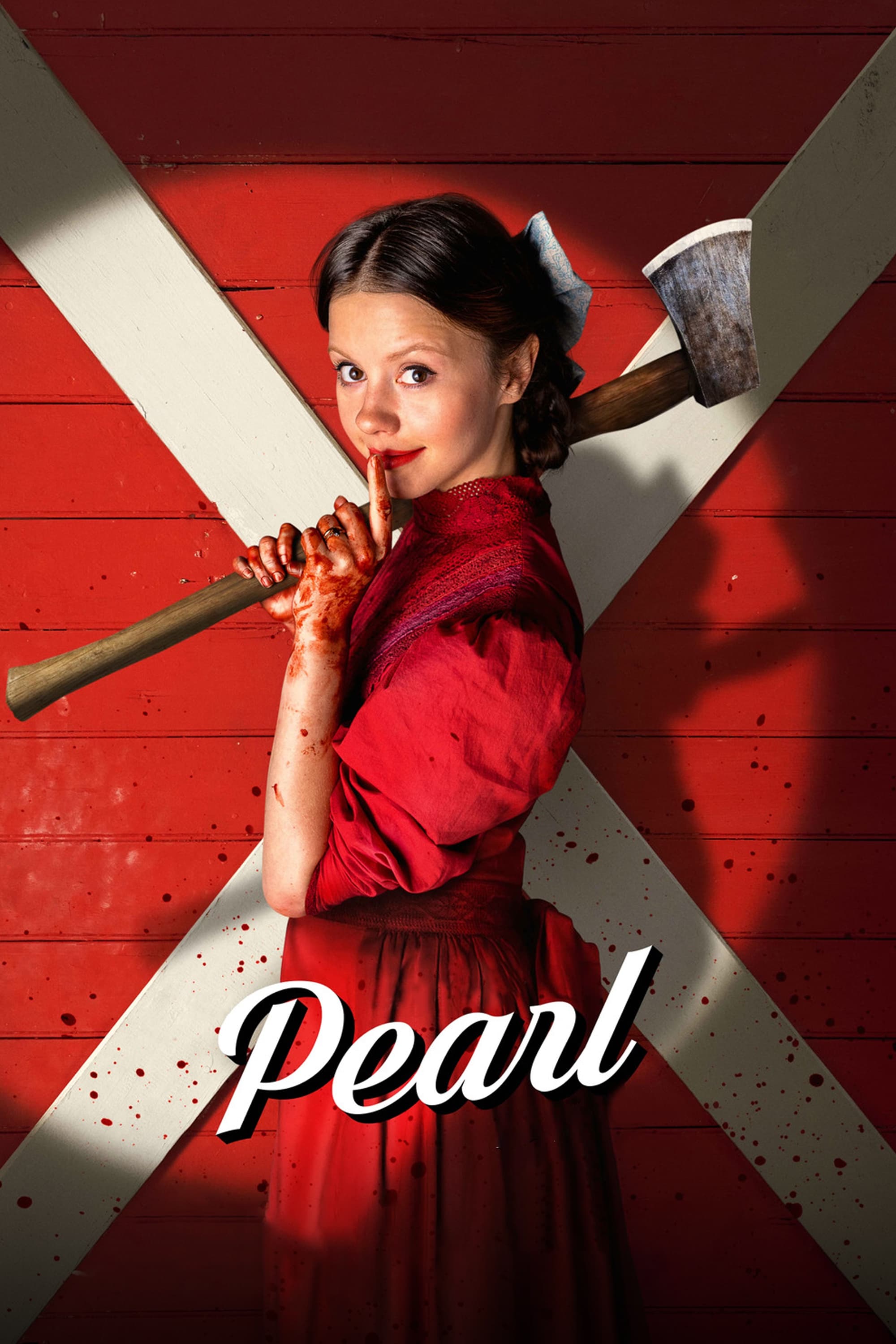
Dance audition framing and the dinner-table monologue map Pearl’s aspirations to escalating violence. Farm geography, projection booth scenes, and scarecrow encounters track the slide from fantasy to action. The end-credits smile is a held performance that collapses persona and reality. The epilogue’s domestic tableau ties back to the opening fairytale palette used as contrast.
‘Babylon’ (2022)
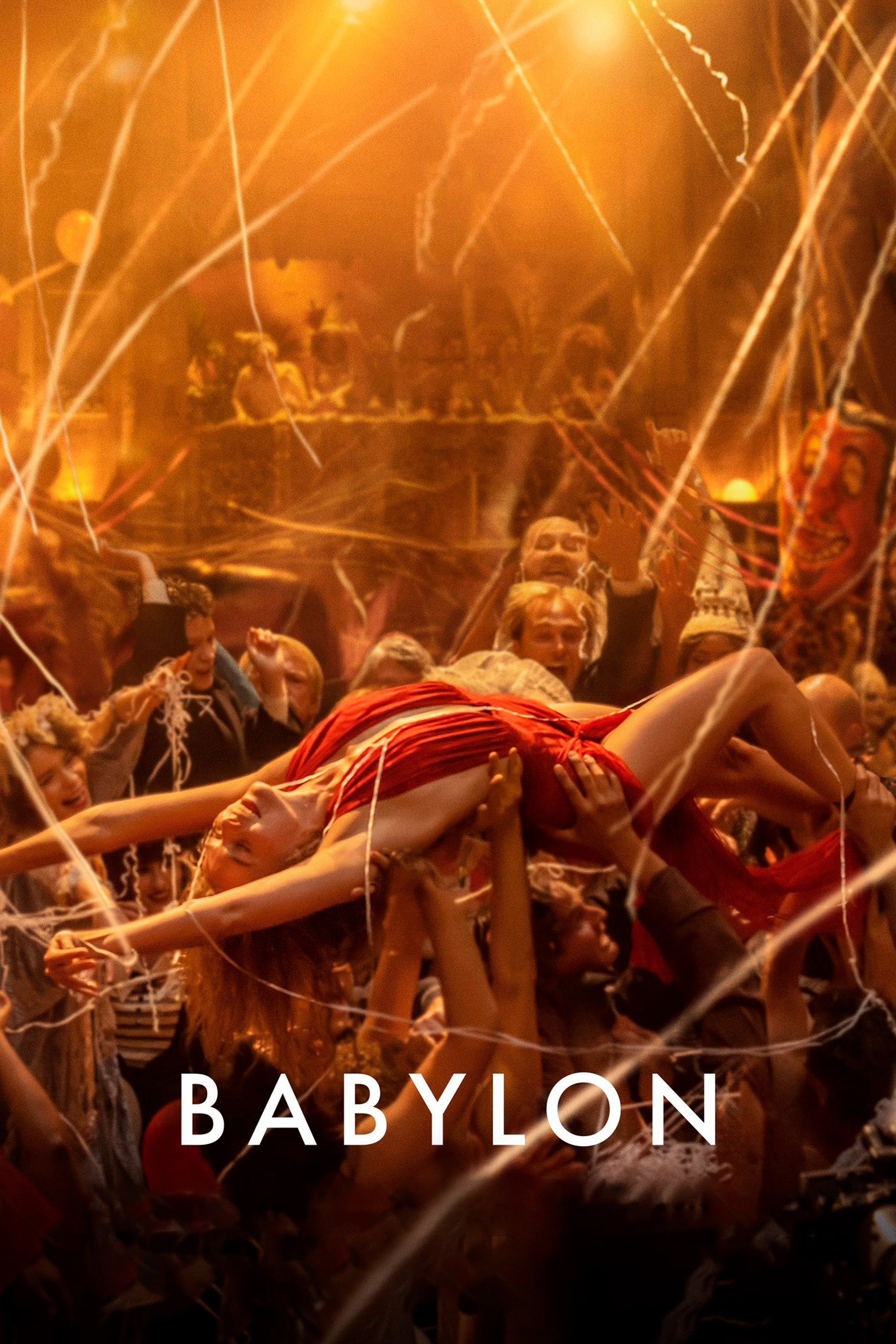
The montage links silent-to-sound transitions with recurring character motifs introduced earlier—elephants, trumpets, camera rigs. On-set anecdotes are paid off by the later studio system’s constraints and casualties. A theater screening stitches an individual’s memory to cinema’s evolving language. The closing sequence is an explicit juxtaposition of technological milestones with personal fates already recorded in prior scenes.
‘Blonde’ (2022)

Scenes toggle between aspect ratios and film stocks to indicate interiority versus public persona. The recurring letters and father figure motif anchor the narrative’s imagined elements. Chronology jumps by design, returning to specific photographs and performances as scaffolding. The ending mirrors earlier staging choices to signal a closed loop of image-making.
‘Tár’ (2022)
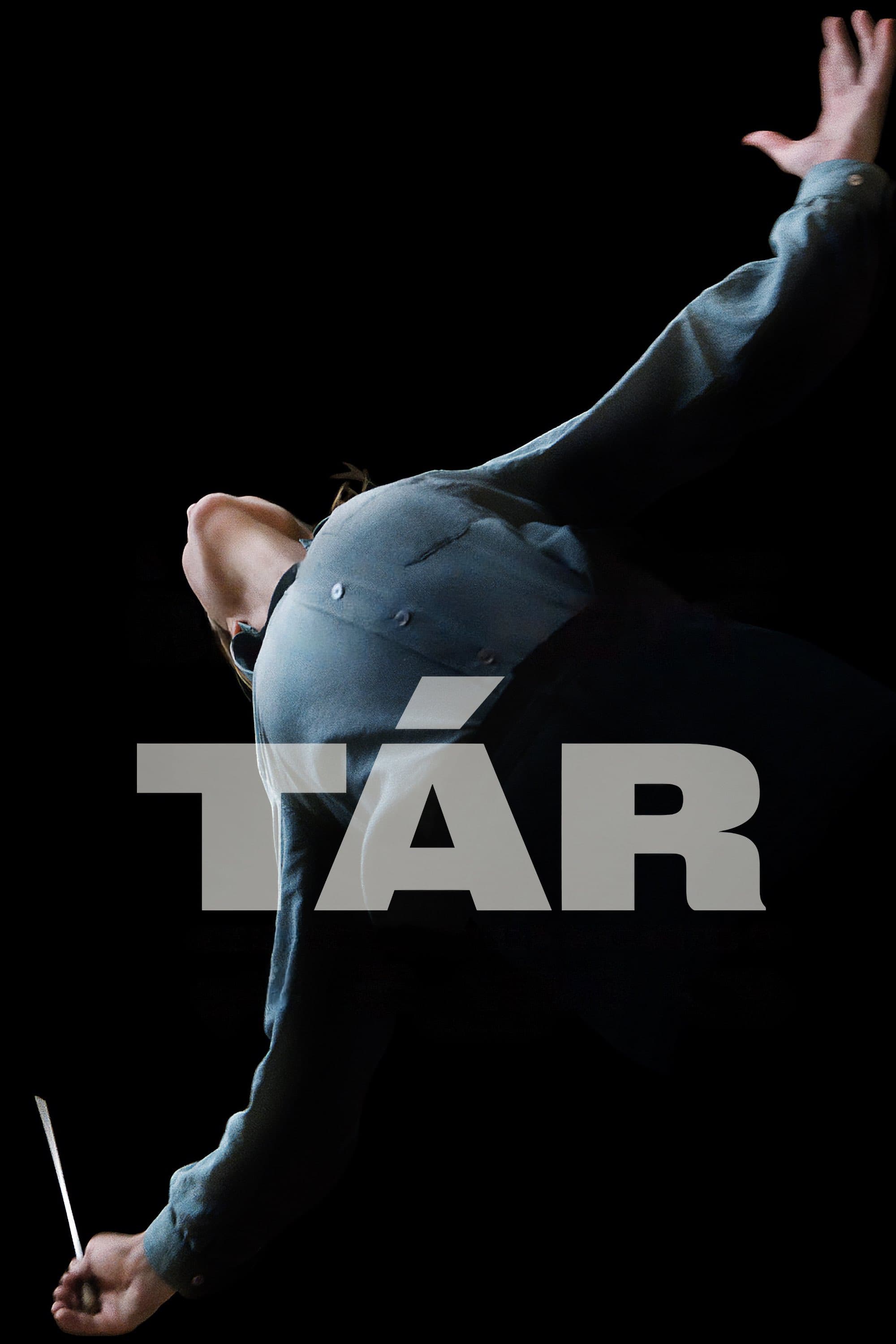
Calendar blocks, rehearsal schedules, and board procedures map professional consequences as they unfold. The deleted emails, social posts, and interview transcript establish documented triggers for the collapse. The field recordings and stairway acoustics preview the sensory disorientation that follows. The closing performance context is foreshadowed by earlier discussions about audience, power, and repertoire outside elite halls.
‘Triangle of Sadness’ (2022)
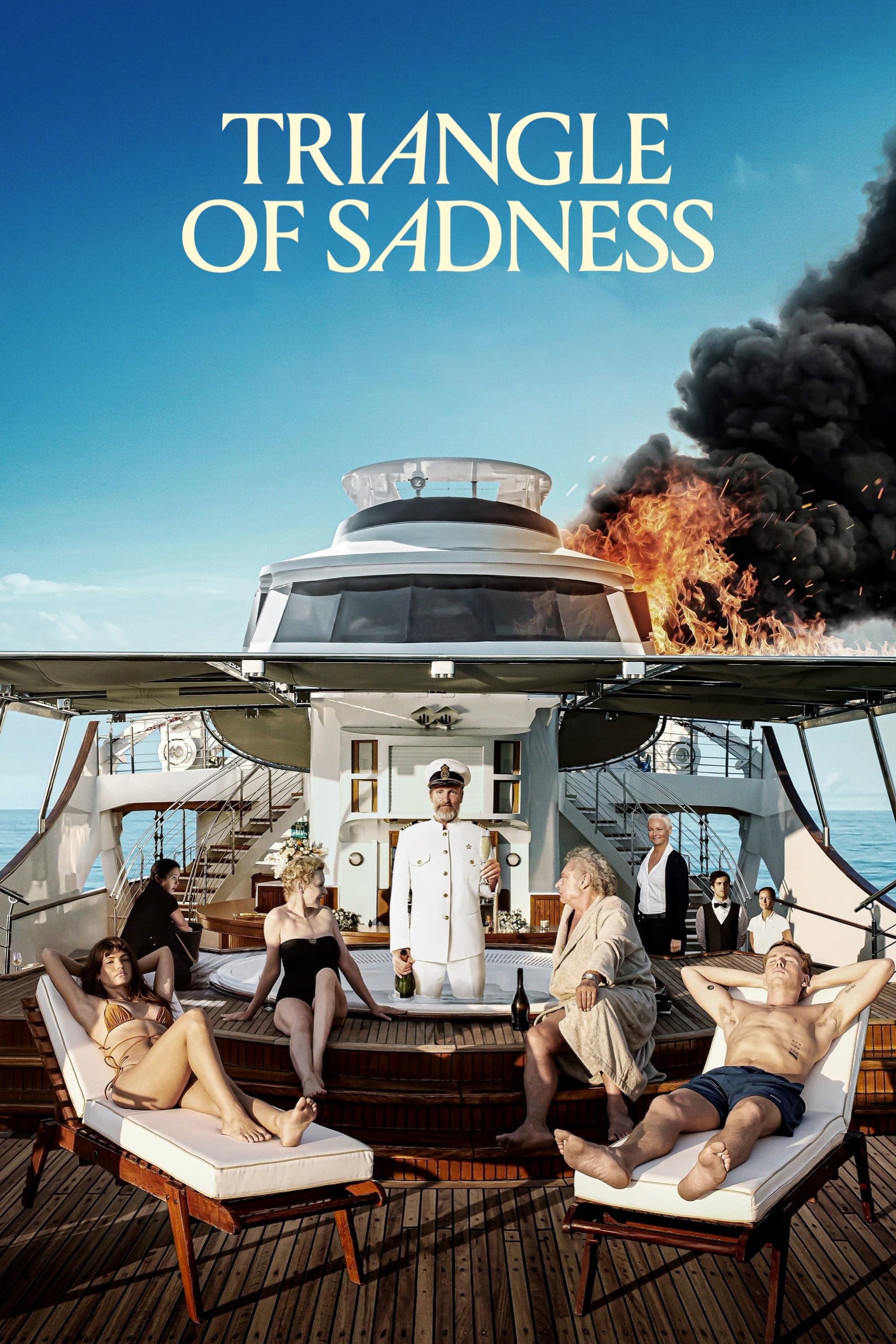
The yacht’s safety briefing, island supply inventory, and passenger hierarchies lay out survival dynamics before the shift in power. The broken comms and flare usage are tracked from the first crisis. The cave path, watch rotations, and barter system explain who controls resources. The final cliffside moment is staged along a route mapped in earlier scouting scenes.
‘No Time to Die’ (2021)

The closing choice follows the film’s earlier exposition about the weapon’s DNA-targeting rules and irreversible exposure. Signals jammed on the island and the missile strike timing are established in the control-room briefings. The legacy thread is anchored by prior scenes confirming lineage and keepsakes. The radio sign-off mirrors the series’ motif of duty over personal escape, already reiterated throughout the mission planning.
‘Old’ (2021)

The beach’s aging effect is introduced with consistent rules about cellular change, wound closure, and escape attempts. Medical histories gathered at check-in foreshadow the pharmaceutical trial twist. The coral passage is set up as a plausible shielding mechanism, demonstrated by earlier underwater inserts. The final handoff to authorities connects directly to the resort’s files, wristbands, and observation routines.
‘The Night House’ (2020)

Floor plans, mirrored spaces, and reversed footprints map the house’s twin architecture and the husband’s decoy construction. Books on near-death experiences and sketches establish the entity’s rules and partial manifestations. The dock, boat, and weapon placement are seeded in daytime scenes for the nocturnal finale. The last shot’s negative silhouette corresponds to recurring visual motifs that explain what is present but unseen.
‘The Empty Man’ (2020)
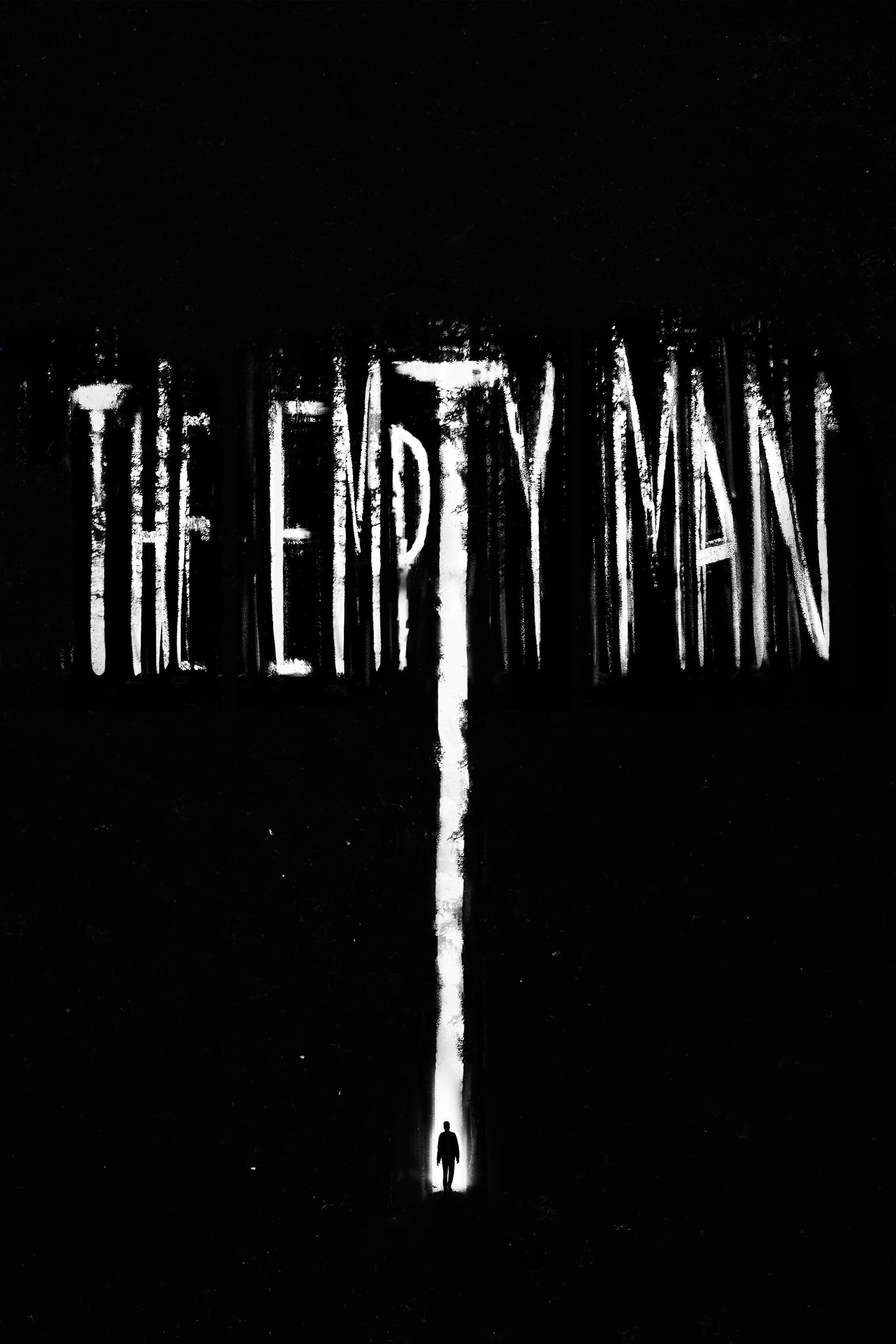
Prologue geography, Tibetan artifacts, and the whistle ritual define the summoning mechanics that govern later events. The missing-person timeline, bridge location, and found footage create a documented trail. The protagonist’s identity pivot is foreshadowed via pharmacy records, employment gaps, and neighbors’ testimony. The final scene aligns with the cult’s stated goal of creating a vessel, established in earlier sermons and murals.
‘A Hero’ (2021)

Receipt timestamps, pawnshop procedures, and bank recordings set the factual constraints on the character’s story. Social-media clips and charity appeals create a feedback loop that raises the stakes. Prison administration rules and conditional leave documents explain each institutional response. The last sequence follows the same legal and reputational mechanisms introduced from the start.
‘Nightmare Alley’ (2021)
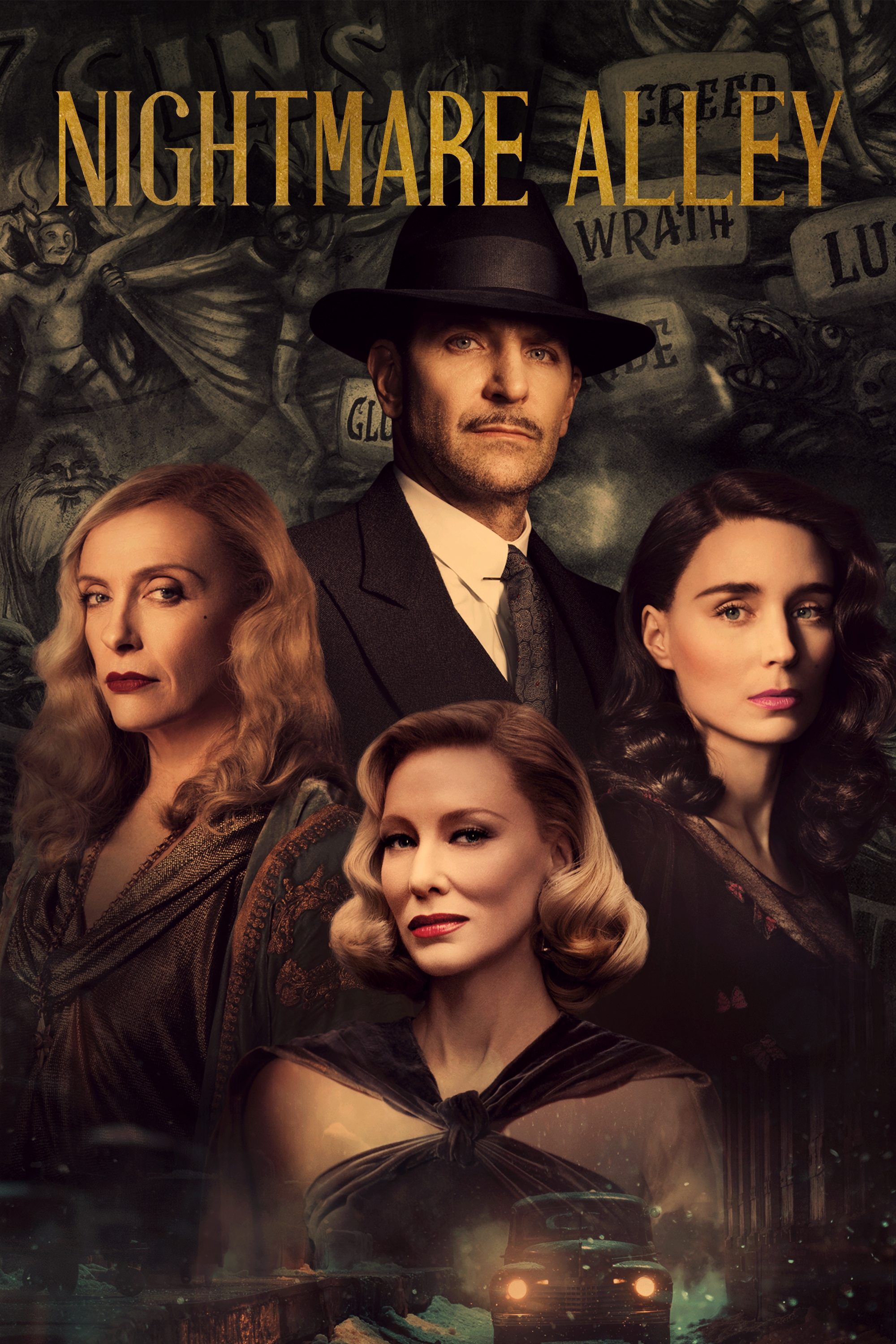
The early “geek” lecture outlines a step-by-step descent that later mirrors the protagonist’s arc. Ledger entries, coded notes, and séance props detail how cons scale into danger. Train tickets, carnival contracts, and hotel layouts establish the logistics of movement between worlds. The final job offer is the closed loop promised by the opening tutorial on exploitation.
‘Oppenheimer’ (2023)
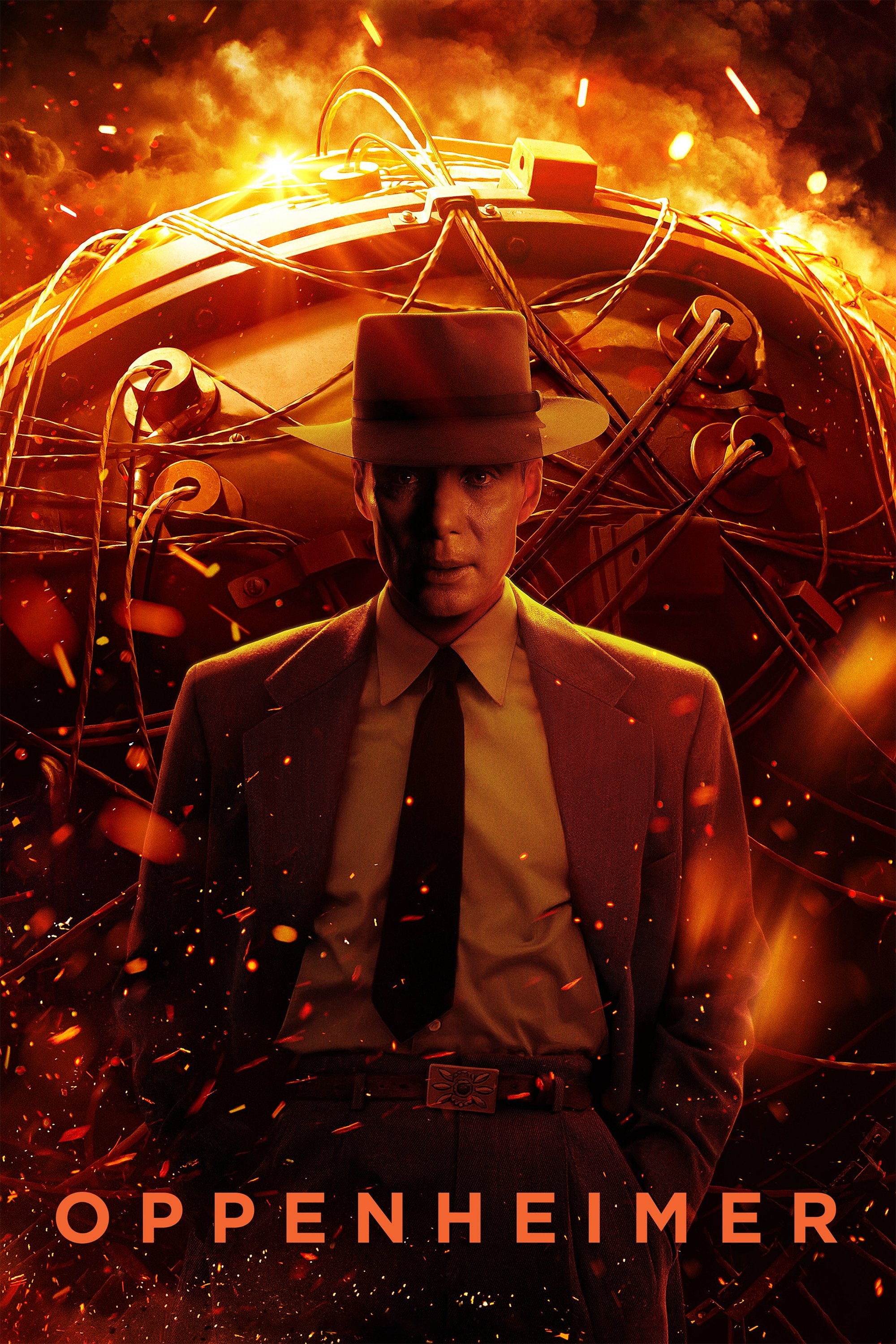
Intercut “fission” and “fusion” timelines are labeled and graded differently to separate perspectives. Hearing-room procedure, security clearances, and chain-of-custody documents drive the reputational outcome. The final conversation about consequences reprises an earlier thought experiment shown during the test. The closing image’s implication is seeded by repeated discussions of atmospheric ignition and legacy.
‘Barbie’ (2023)
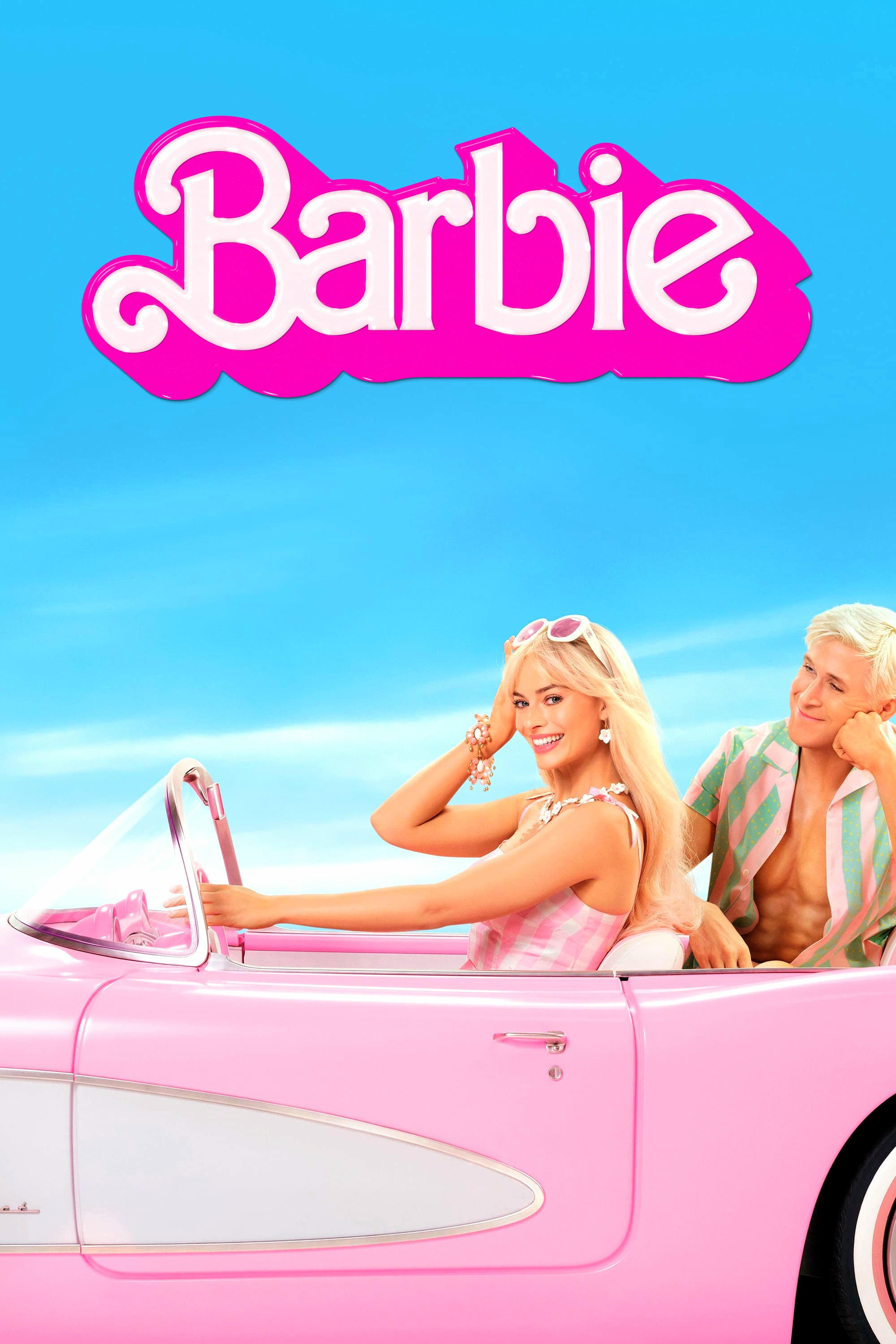
The transition between realms is governed by rules plainly demonstrated on first crossing. Identity changes are triggered by encounters with specific cultural artifacts and conversations, not magic without setup. The company boardroom and inventor scenes foreshadow the final self-definition choice. The last line ties back to the film’s repeated motif about names and roles.
‘Beau Is Afraid’ (2023)
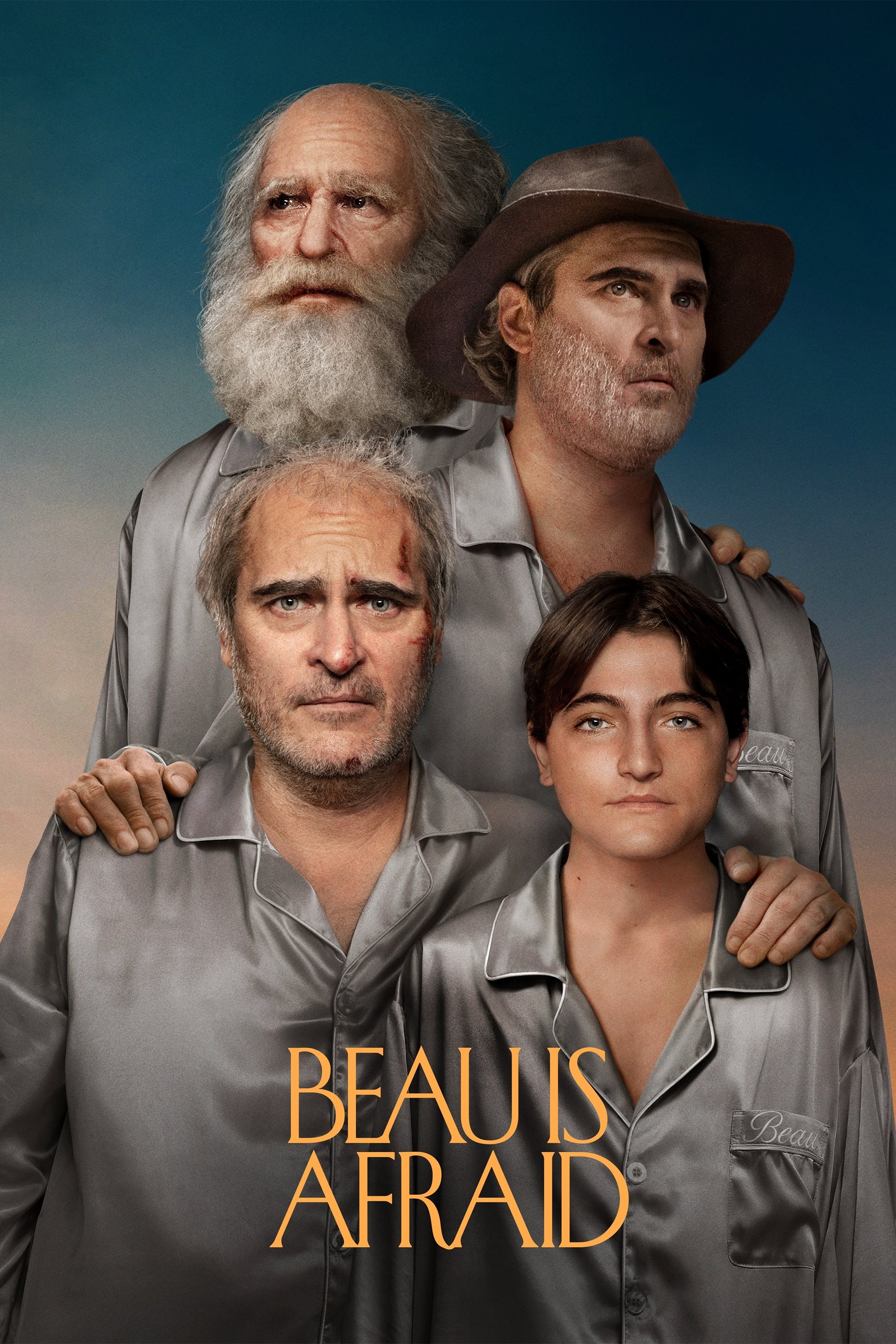
Courtroom staging, audience placement, and boat-stage echoes present the finale as a performance frame. Earlier therapy sessions, apartment details, and travel pamphlets map anxiety triggers that later expand into full sequences. The cave and attic episodes recycle props and dialogue as recurring symbols. The ending’s arena is consistent with the film’s show-within-a-show structure.
‘Malignant’ (2021)
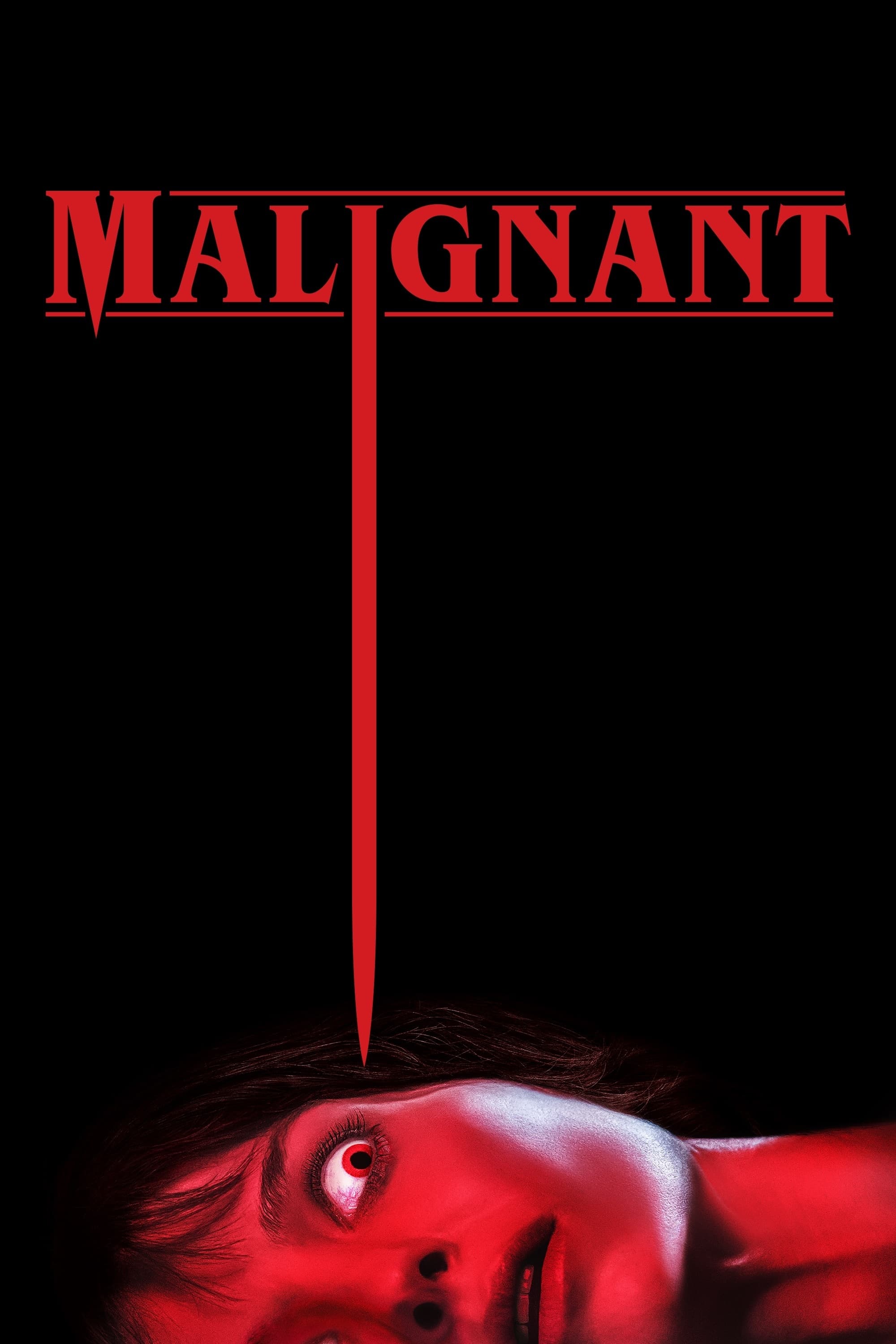
Medical files, childhood videotapes, and the abandoned hospital tour provide the surgical backstory and the parasitic twin’s capabilities. Electricity surges, radio interference, and shadowed movements preview the antagonist’s perspective shifts. Fight geography matches previously scouted locations like the police station and attic. The ending’s “lock away” beat uses the mental framing tactic demonstrated in earlier hypnosis scenes.
‘Saltburn’ (2023)
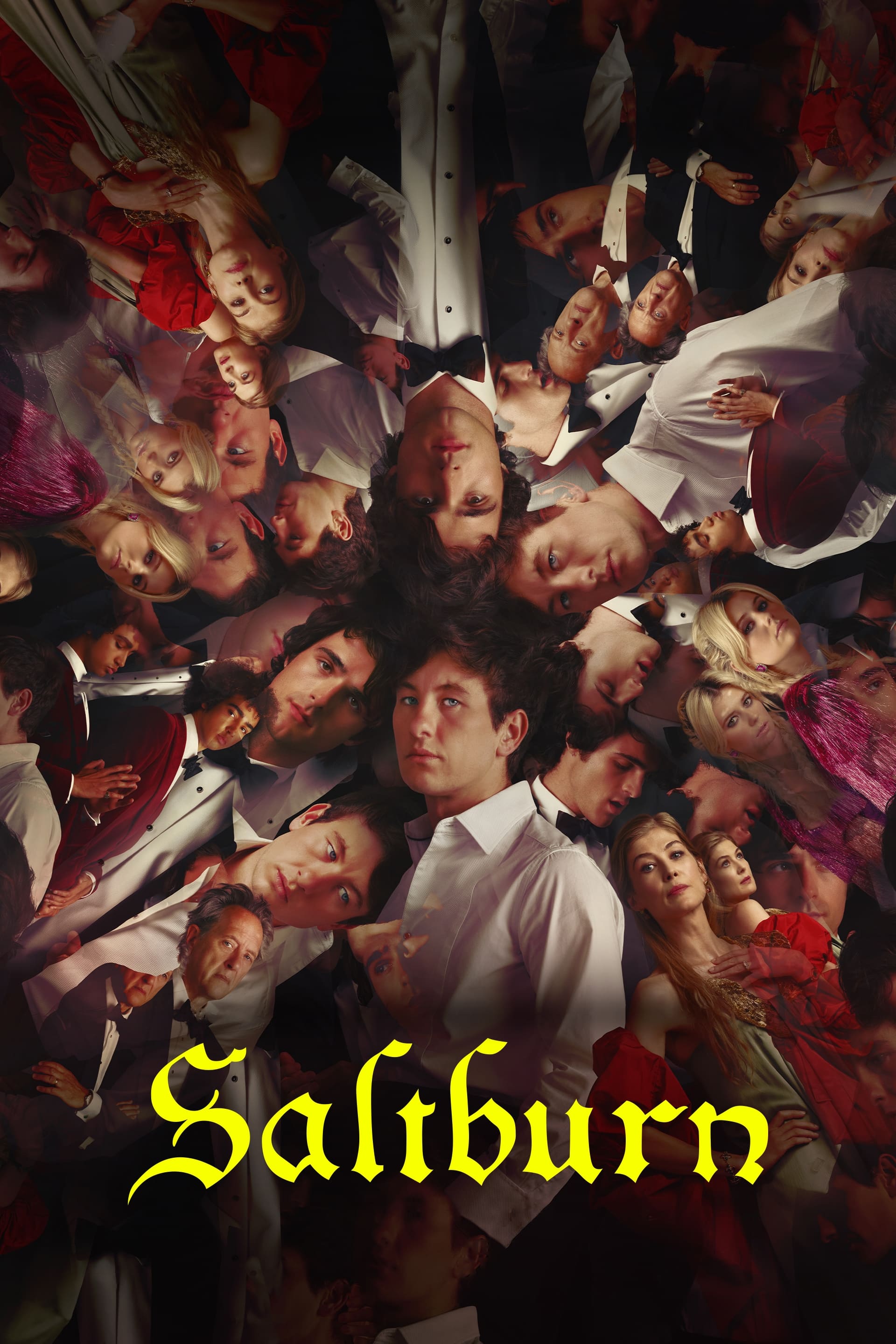
Estate logistics, family routines, and party layouts are carefully charted before the final reversals. Letters, financial documents, and timeline overlaps account for access and opportunity. The graveyard and bath imagery repeat earlier poses as deliberate callbacks rather than shocks. The concluding takeover follows a documented sequence of manipulation.
‘Killers of the Flower Moon’ (2023)

Testimony, pharmacy notes, and bank instruments detail how the conspiracy operates. The radio-show epilogue reproduces a true-crime format to comment on narrative control already depicted in the investigation scenes. Family photographs and wedding rituals are used as evidence artifacts throughout. The film ends by returning to the public retelling that has framed the case all along.
‘The Zone of Interest’ (2023)
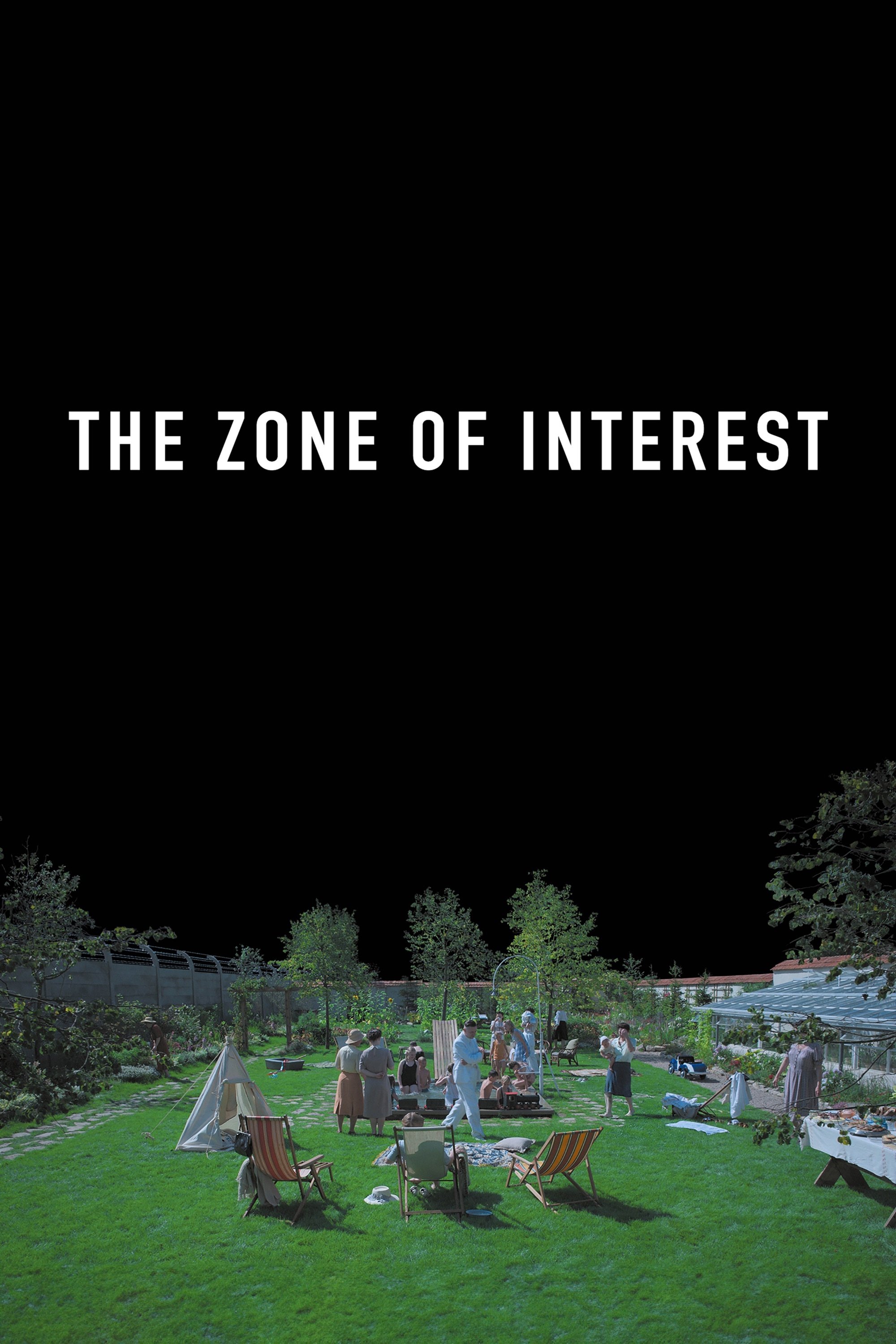
Fixed-camera domestic scenes and off-screen sound design lay out the boundary between a household and adjacent atrocities. Costume routines, gardening schedules, and business conversations demonstrate compartmentalization. The final museum-like imagery connects everyday logistics to preserved evidence. The ending is built from the film’s consistent refusal to show what it makes impossible to ignore.
‘Infinity Pool’ (2023)
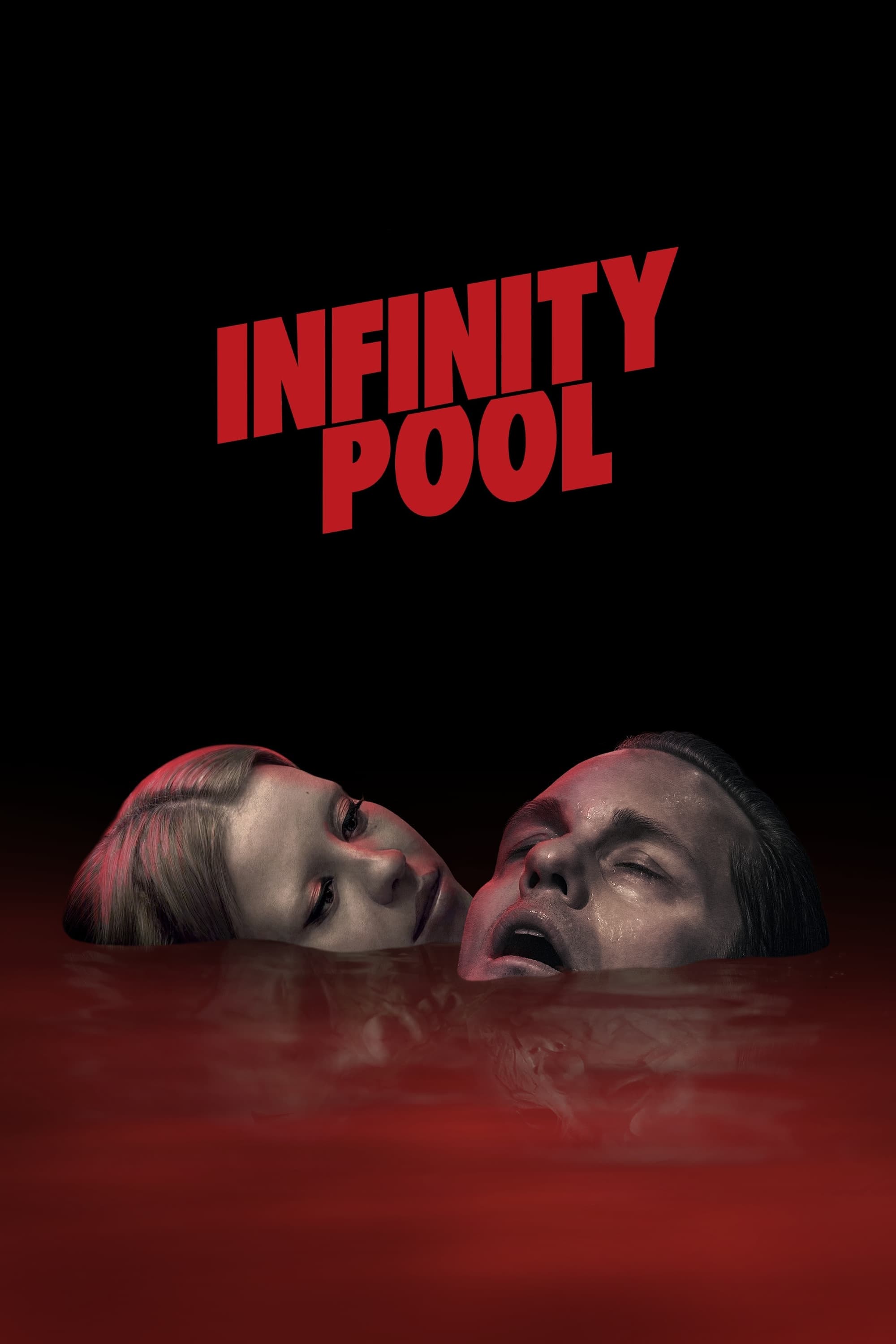
The resort’s legal loophole and the cloning-payment system are spelled out by local authorities early on. Masks, rituals, and spectator seating establish a culture of sanctioned violence. Passports, drivers, and villa access account for how the group moves unimpeded. The last airport and beach images follow the psychological pattern already linked to repeated “substitution” experiences.
‘Knock at the Cabin’ (2023)
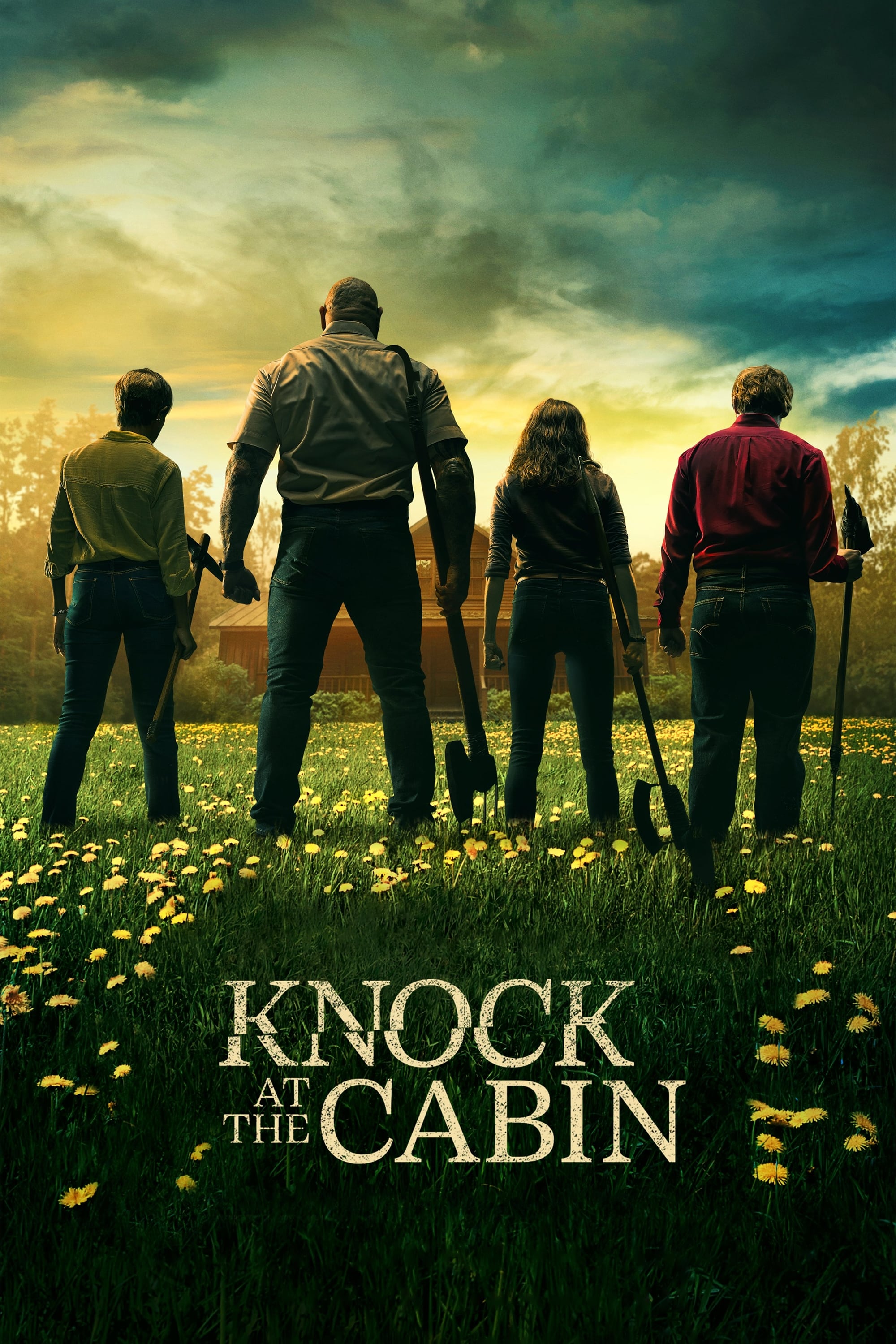
The rules of the visitation—confession, offering, and sequence—are explained and repeated with each “demonstration.” News broadcasts, seismic data, and flight-path information provide external verification cues. The cabin’s layout, handcuffs, and tool placement govern the reversals. The final drive pays off the earlier discussion of chosen family and recorded evidence left behind.
‘The Killer’ (2023)
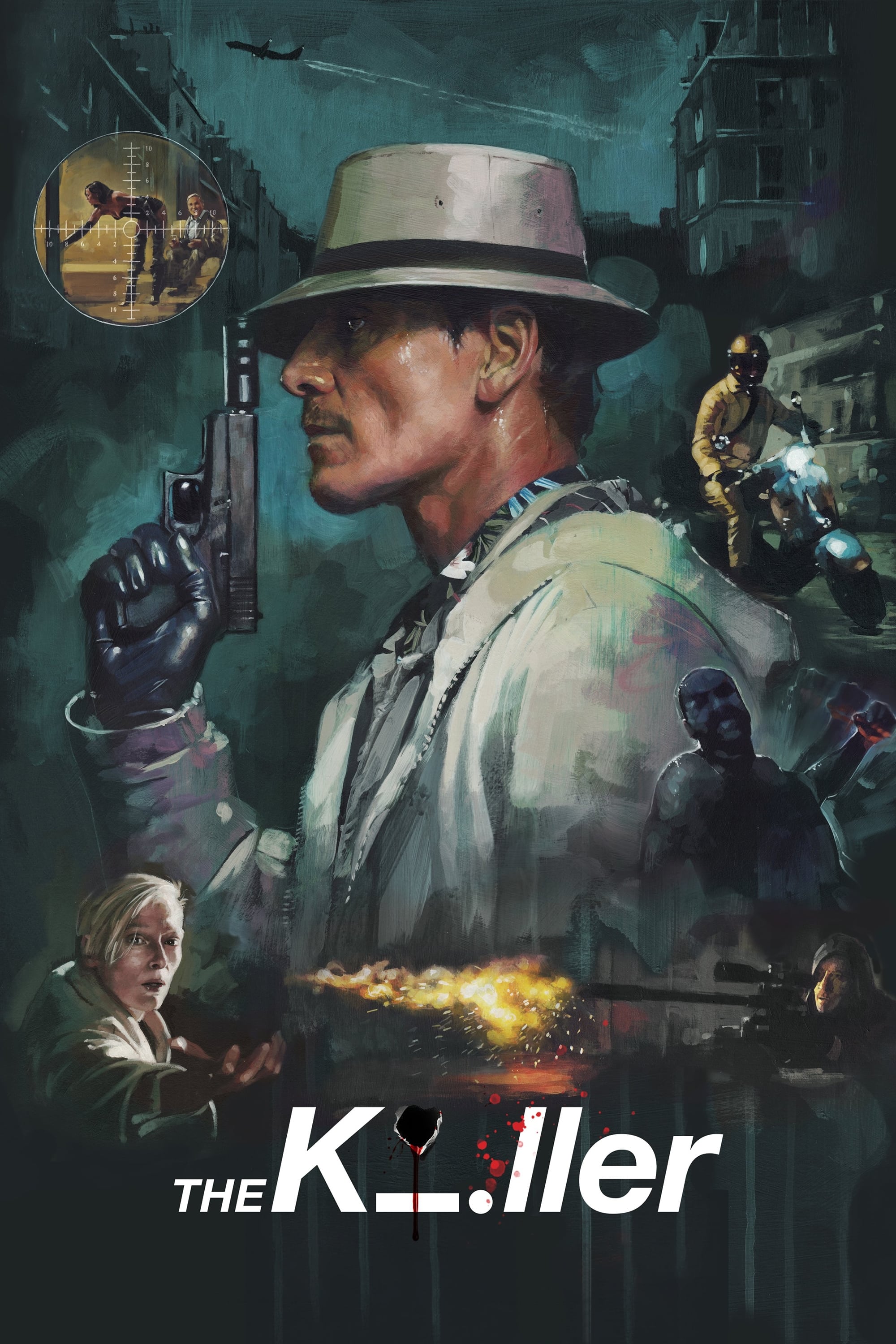
Voice-over logistics—aliases, shipping lockers, and fitness trackers—establish a repeatable workflow the finale then subverts. Each target is connected through corporate structures and specific intermediaries identified in prior scenes. The home-invasion blueprint and postal drops explain how trails are covered. The closing routine reflects the operational rules stated in the opening chapter headings.
‘Poor Things’ (2023)
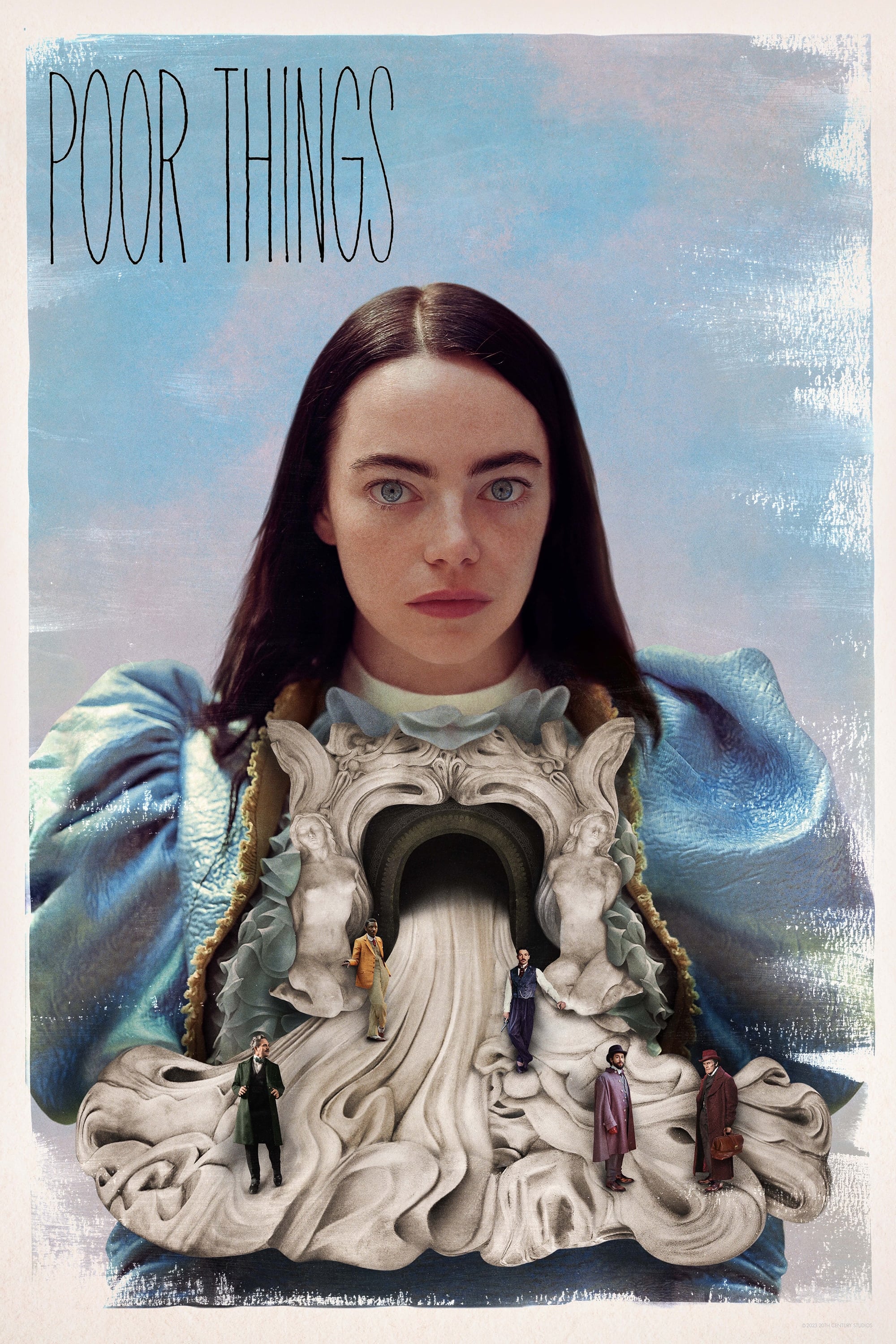
Anatomical journals, laboratory notes, and guardianship documents lay out the experiment’s parameters and legal control. Travel itineraries, employment contracts, and brothel rules chart the protagonist’s accumulating agency. Surgical instruments and household keys recur as symbols of ownership changing hands. The ending aligns with earlier debates about consent, education, and authorship over one’s body.
‘Past Lives’ (2023)
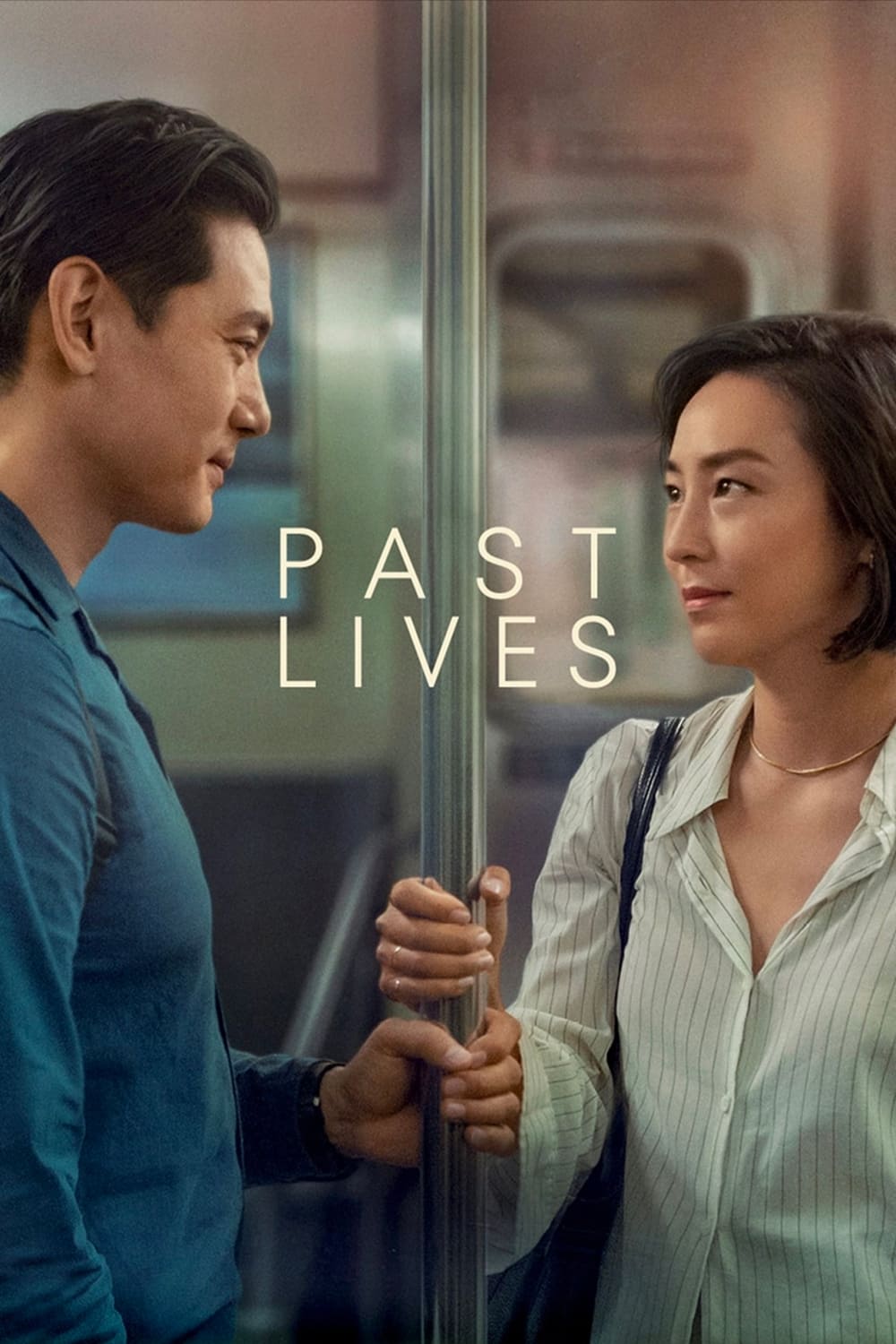
Childhood addresses, immigration paperwork, and time-stamped calls create a verifiable chronology for the reunion. The concept of in-yeon is defined and referenced across multiple encounters to frame the final sidewalk conversation. Bar meetups, spouses’ schedules, and sleeping arrangements underline practical boundaries. The closing walk follows the film’s pattern of parallel paths documented across decades.
‘The Creator’ (2023)
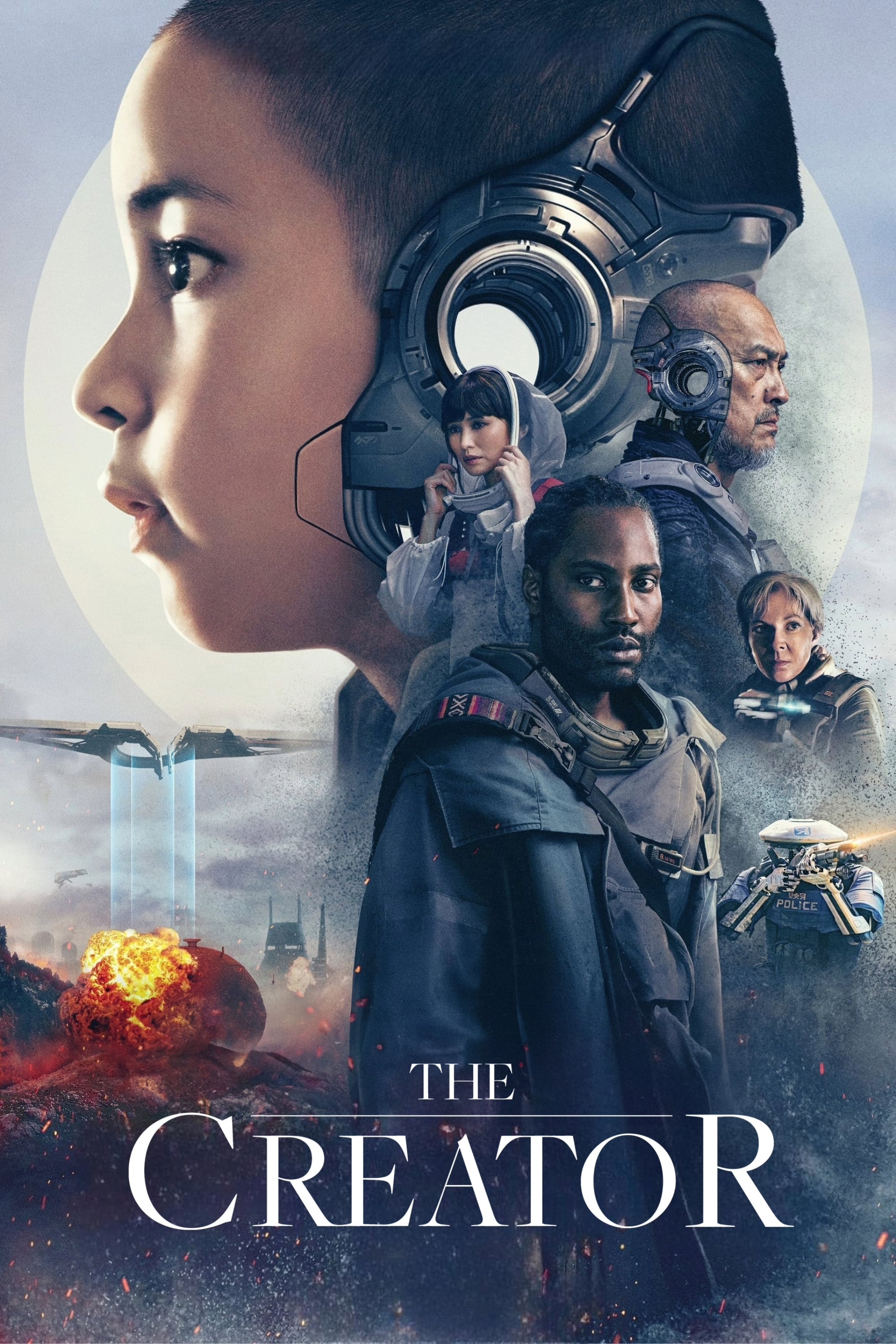
Military briefings, satellite imagery, and NOMAD’s targeting logic explain how strikes are selected and justified. The AI child’s capabilities are introduced with measurable upgrades tied to hardware and proximity. Transit routes, checkpoints, and disguise tools account for movement through contested zones. The final sequence executes the same infiltration plan showed earlier, scaled to the orbital platform’s layout.
‘Dune: Part Two’ (2024)
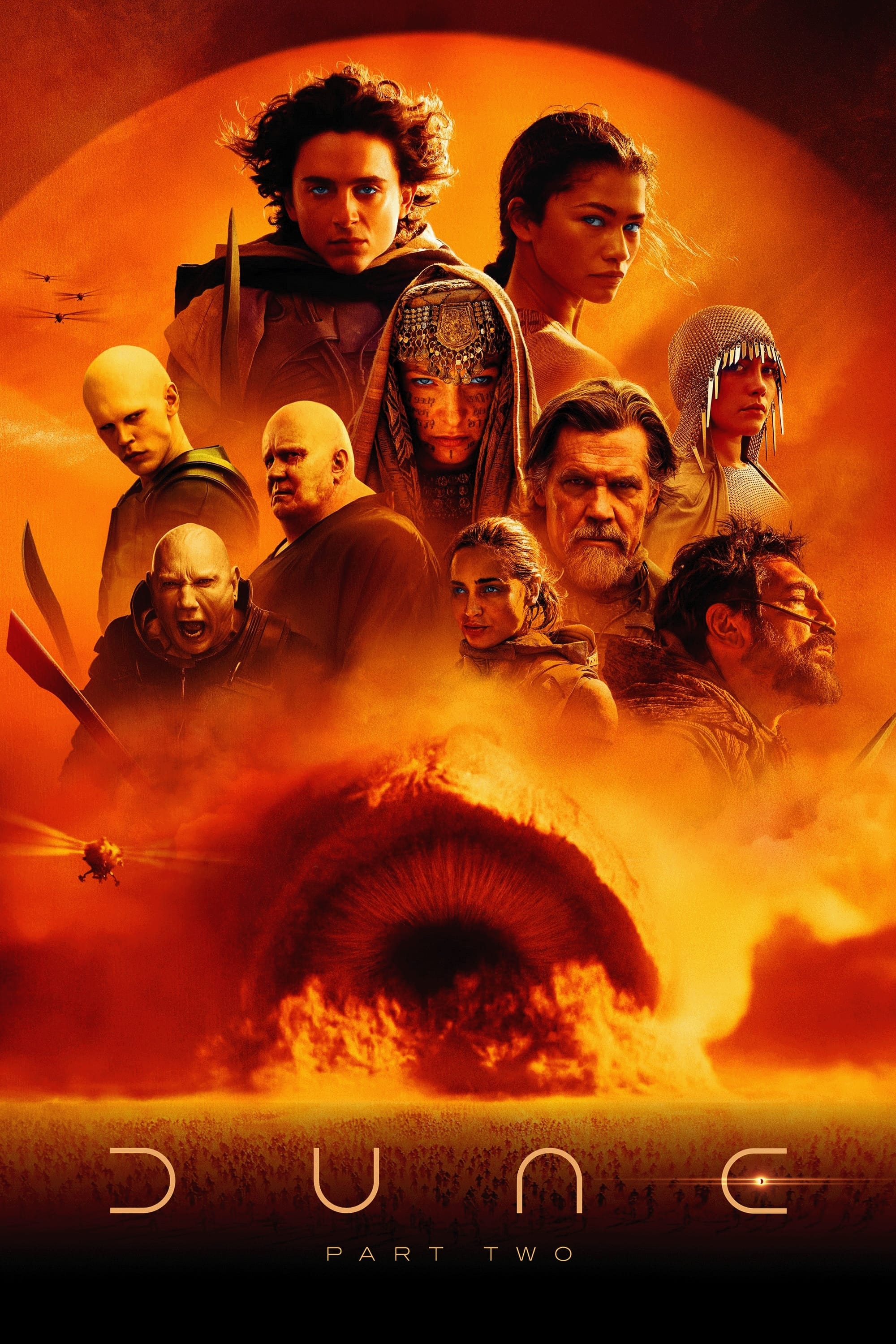
Prophecies are treated as political tools, and the final duel’s terms are taught in earlier training scenes. Water-debt, sandwalk rhythm, and crysknife customs guide every tactical choice. The last corridor decision aligns with prior council debates about alliances and legitimacy. Final shots of ships and banners square with the saga’s governance mechanics.
‘Civil War’ (2024)
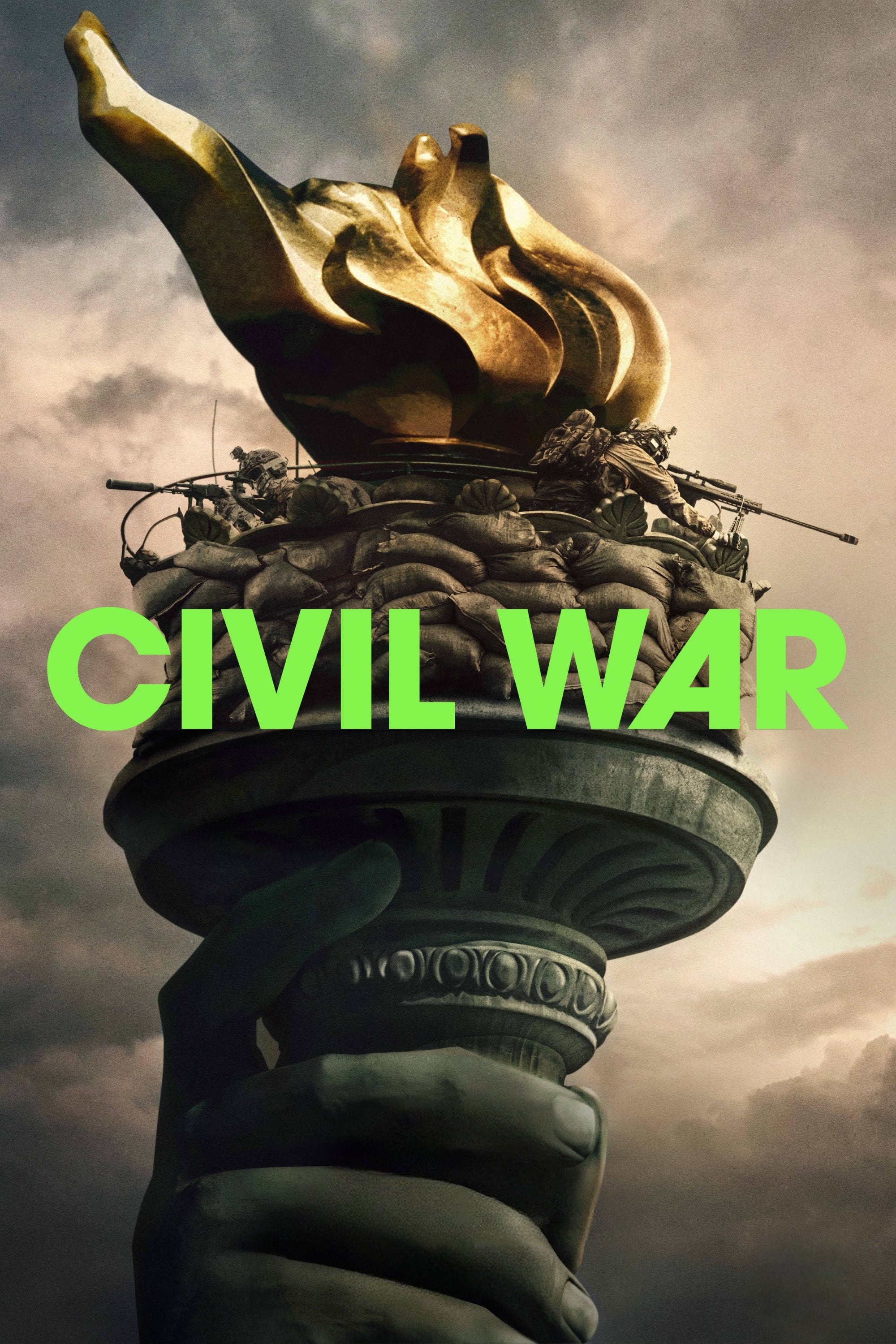
Press credentials, embedded-journey checkpoints, and convoy tactics set the rules that govern the capital assault. Photo evidence and lens choices are used throughout to mark perspective and proximity to danger. The chain of command inside the complex follows earlier briefing details. The final images close the documented objective rather than opening a sequel thread.
Share which endings you initially thought were “bad” but now see differently in the comments.