1970s Comedy Movies That Are Completely Unwatchable Today


The 1970s churned out comedies that swung from studio slapstick to experimental oddities, mixing big-name stars with low-budget gambles and anything-goes premises. Below is a tour of forty titles from that decade, with quick-hit details on who made them, who starred, and what they tried to do—plus the production quirks, studio backstories, and reception that defined their moment. Think directors testing boundaries, pop acts chasing the silver screen, and studios green-lighting high-concept hijinks that landed every which way.
‘Myra Breckinridge’ (1970)
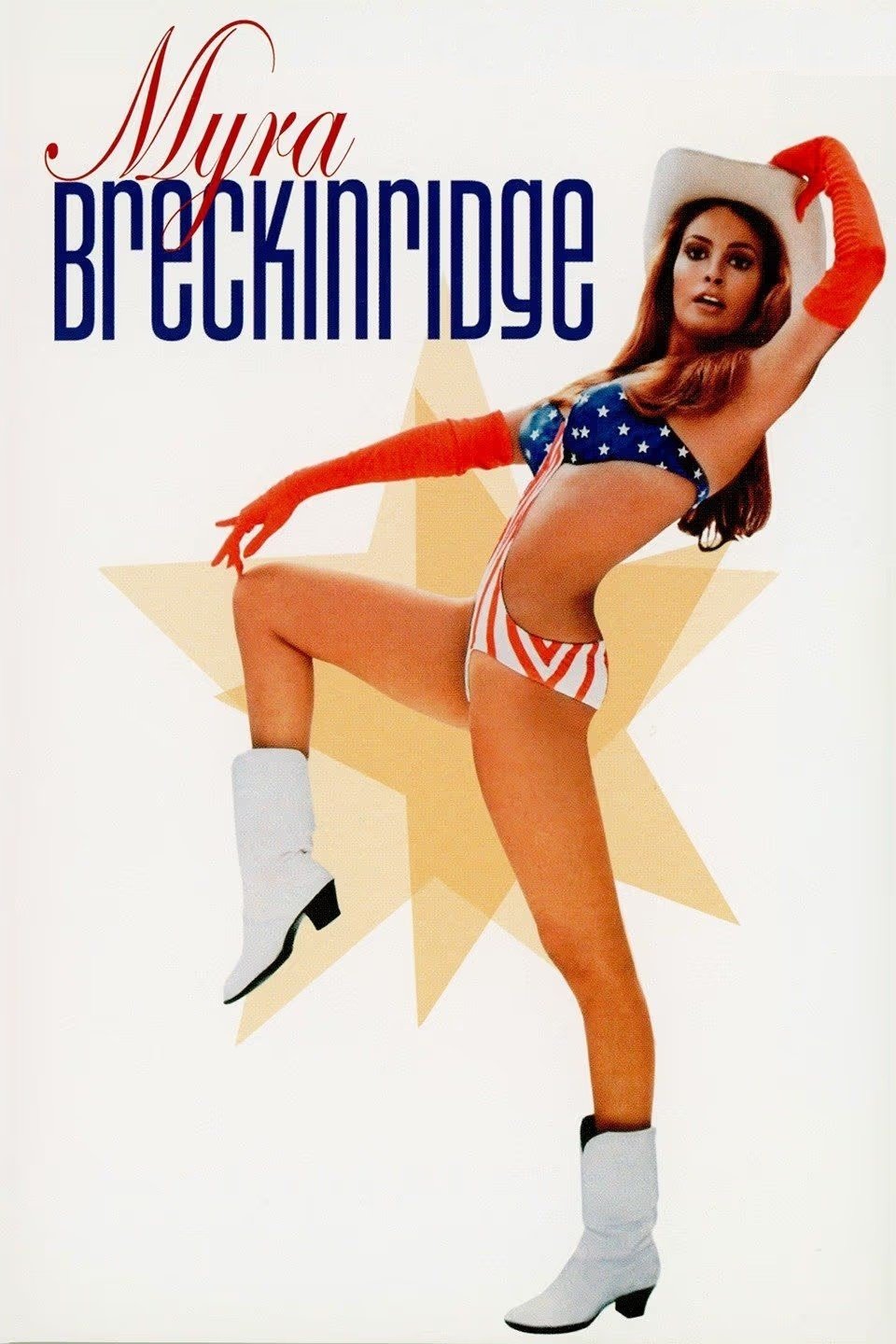
Based on Gore Vidal’s novel, ‘Myra Breckinridge’ was directed by Michael Sarne and headlined Raquel Welch, John Huston, and Mae West. 20th Century Fox backed the project, which blended satire with Hollywood in-jokes and a meta-showbiz setting. The production was widely reported for its on-set tensions and substantial edits before release. Its soundtrack and costuming leaned into camp aesthetics drawn from old-studio glamour.
‘The Phynx’ (1970)
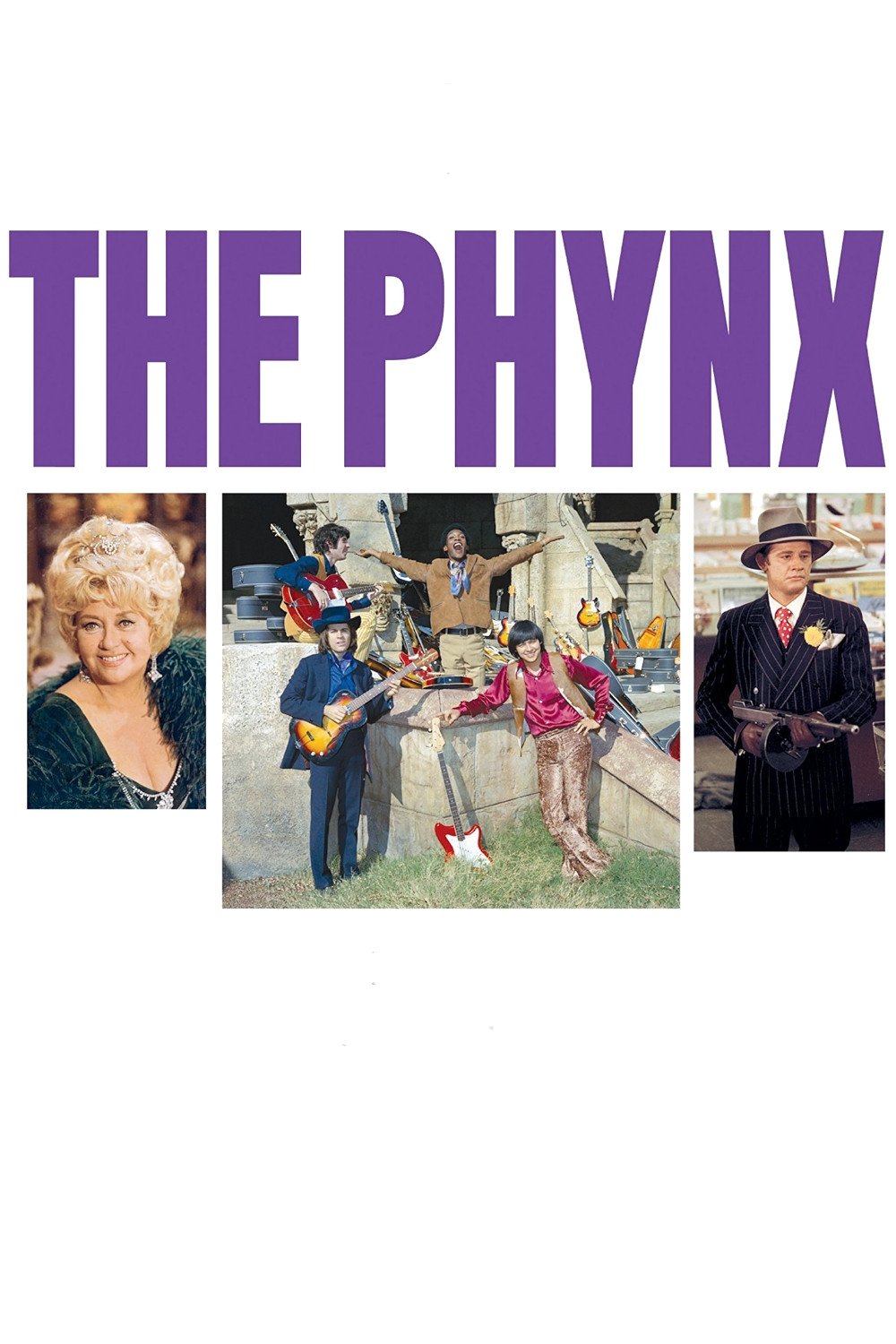
‘The Phynx’ is a spy-spoof about a manufactured rock band sent on a mission, directed by Lee H. Katzin. Warner Bros. stacked it with cameos from classic-era stars and musicians, turning the film into a parade of pop-culture appearances. The movie’s marketing leaned on its novelty casting and music tie-ins. It later developed a reputation as a hard-to-find curio due to limited distribution and TV airings.
‘Brewster McCloud’ (1970)

Robert Altman’s ‘Brewster McCloud’ stars Bud Cort as a reclusive dreamer building a flying machine inside the Houston Astrodome. The film uses deadpan humor and a free-form structure associated with Altman’s ensemble-driven style. Production took advantage of Houston locations and a sprawling cast, including Sally Kellerman and Shelley Duvall. MGM released it with a campaign that emphasized its offbeat tone.
‘Bananas’ (1971)
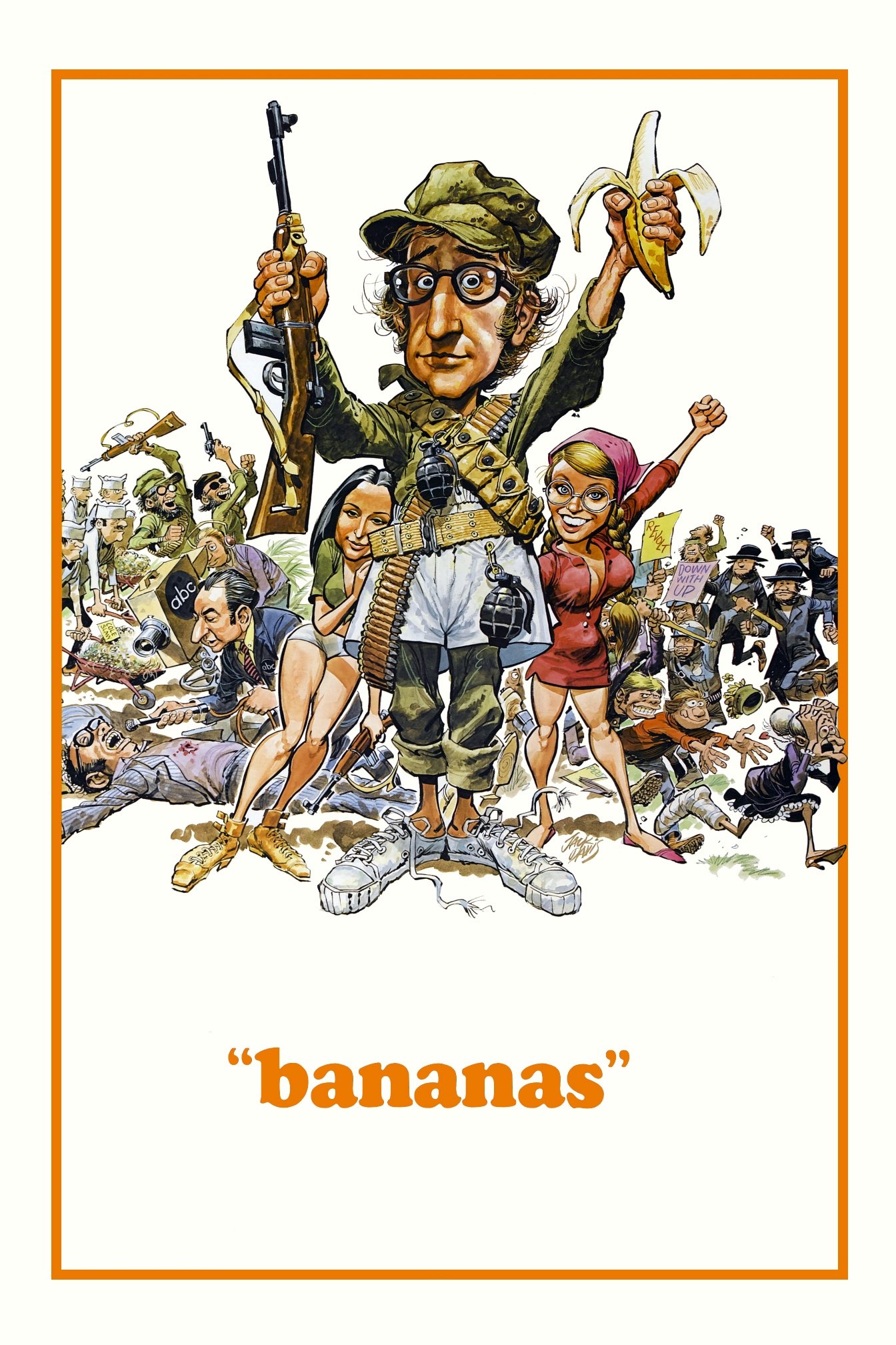
Written and directed by Woody Allen, ‘Bananas’ features Allen as a neurotic New Yorker who gets swept into a Latin American revolution. United Artists distributed the film, which combined slapstick gags with topical satire. The supporting cast includes Louise Lasser and a young Sylvester Stallone in a brief appearance. Its opening and closing bits famously riff on broadcast and sports conventions.
‘Everything You Always Wanted to Know About Sex *But Were Afraid to Ask’ (1972)
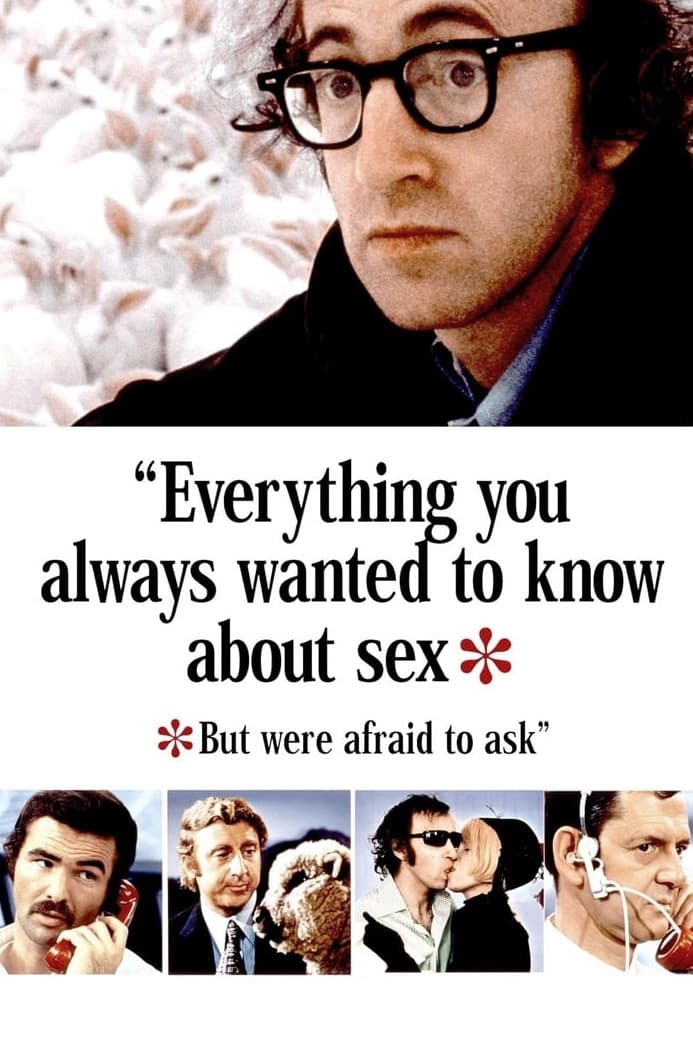
Adapted very loosely from David Reuben’s bestseller, ‘Everything You Always Wanted to Know About Sex* (*But Were Afraid to Ask)’ is structured as anthology sketches. United Artists released it with a starry ensemble that included Gene Wilder, John Carradine, and Burt Reynolds. Production stitched together wildly different premises under one banner. Its marketing leaned on the original book’s notoriety and a promise of cheeky, adult-oriented humor.
‘What’s Up, Doc?’ (1972)
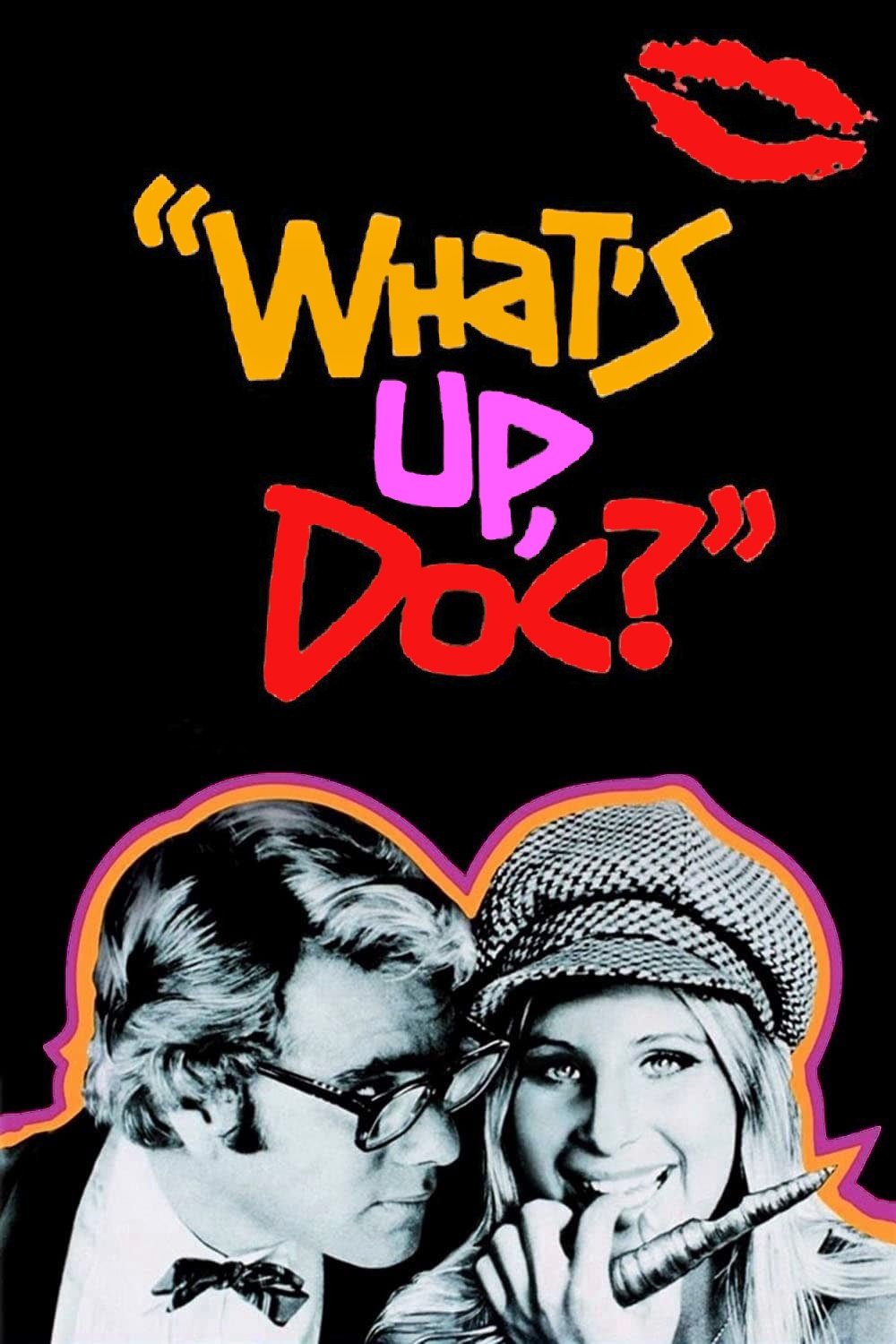
Directed by Peter Bogdanovich, ‘What’s Up, Doc?’ revives screwball conventions with Barbra Streisand and Ryan O’Neal. The plot revolves around identical overnight bags that trigger escalating mix-ups in San Francisco. Warner Bros. promoted the film with callouts to classic farces and a focus on its chase set pieces. The supporting cast—led by Madeline Kahn in a breakout turn—cemented its ensemble appeal.
‘Sleeper’ (1973)

‘Sleeper’ pairs Woody Allen and Diane Keaton in a futurist comedy about a health-food store owner who wakes far in the future. United Artists handled distribution, highlighting slapstick sequences and visual gags. Production design leaned into retro sci-fi textures, gadgets, and white-on-white sets. The film integrated silent-era physical comedy with political send-ups and gadget-driven bits.
‘Cannibal Girls’ (1973)
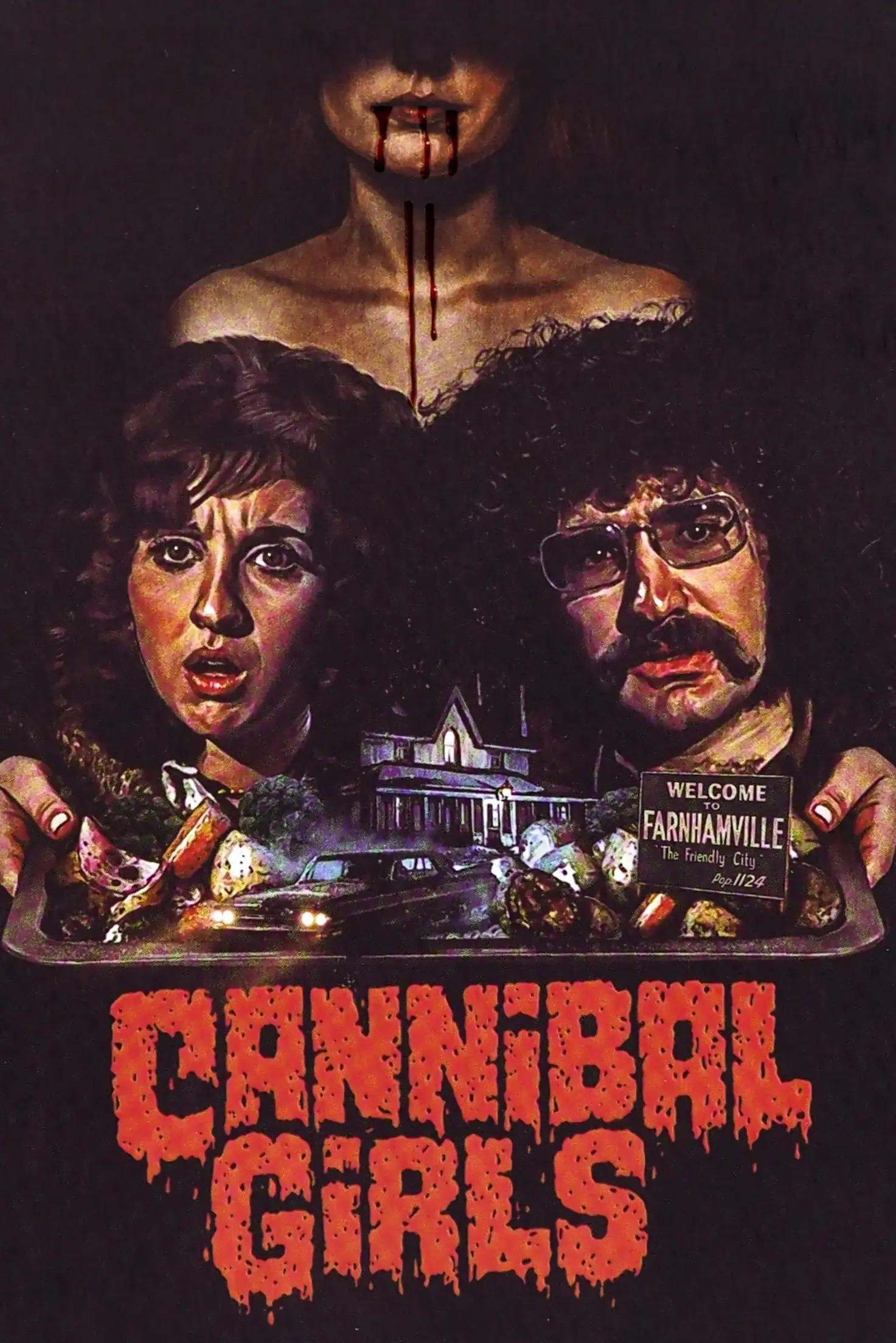
Directed by Ivan Reitman and starring Eugene Levy and Andrea Martin, ‘Cannibal Girls’ blends horror and comedy in a small-town setting. Shot on a modest budget in Canada, it used improvisation and location work to stretch resources. American International Pictures later released it stateside with exploitation-style posters. The film’s gimmick included a “warning bell” cue before violent scenes in certain prints.
‘The Groove Tube’ (1974)
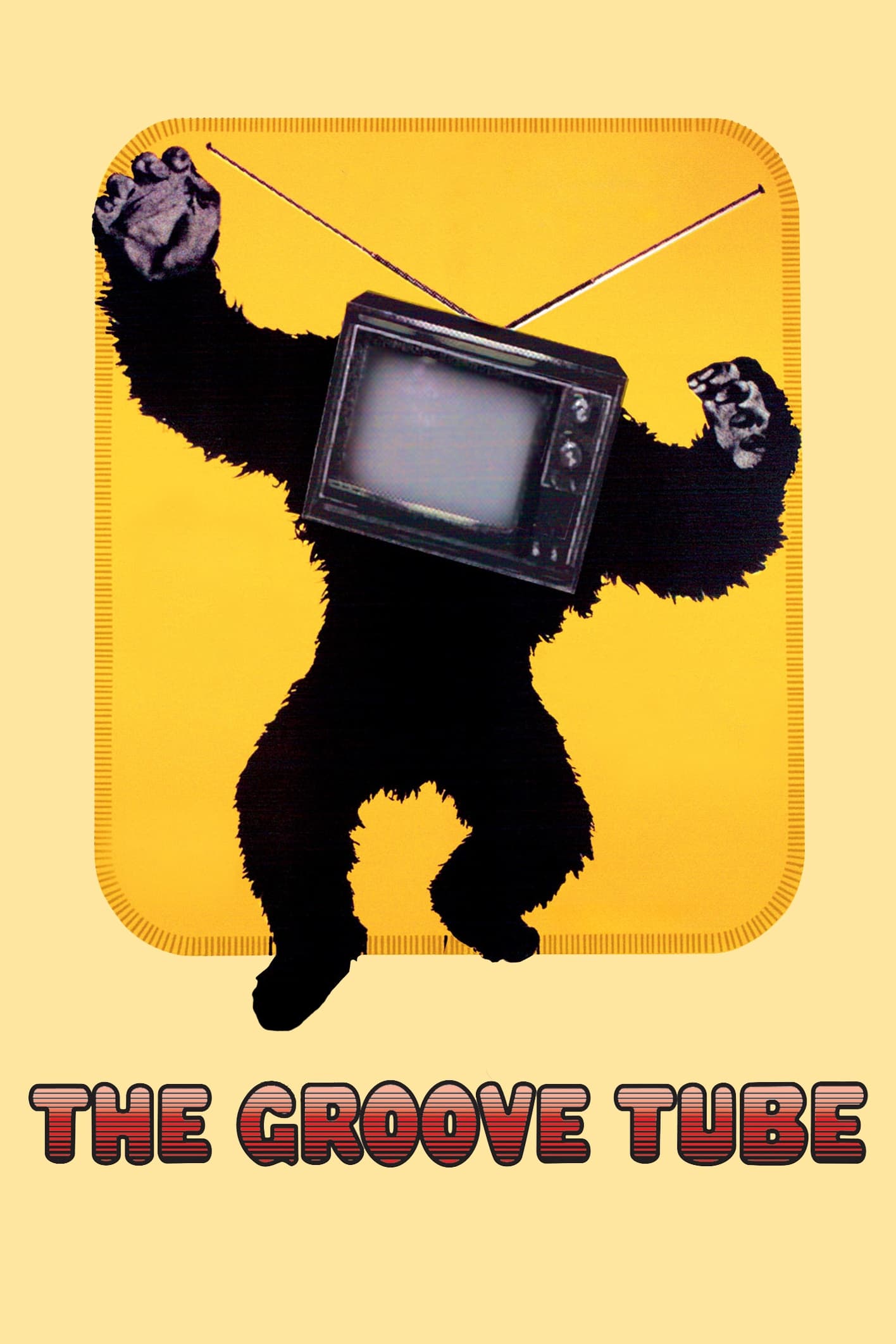
‘The Groove Tube’ is a sketch-comedy feature from Ken Shapiro’s troupe, featuring early screen time for Chevy Chase. An independent release, it lampoons TV commercials and programming conventions through short blackout gags. The film grew out of the ‘Channel One’ off-Broadway multimedia project. Word of mouth and midnight screenings helped turn it into a cult item.
‘Young Frankenstein’ (1974)
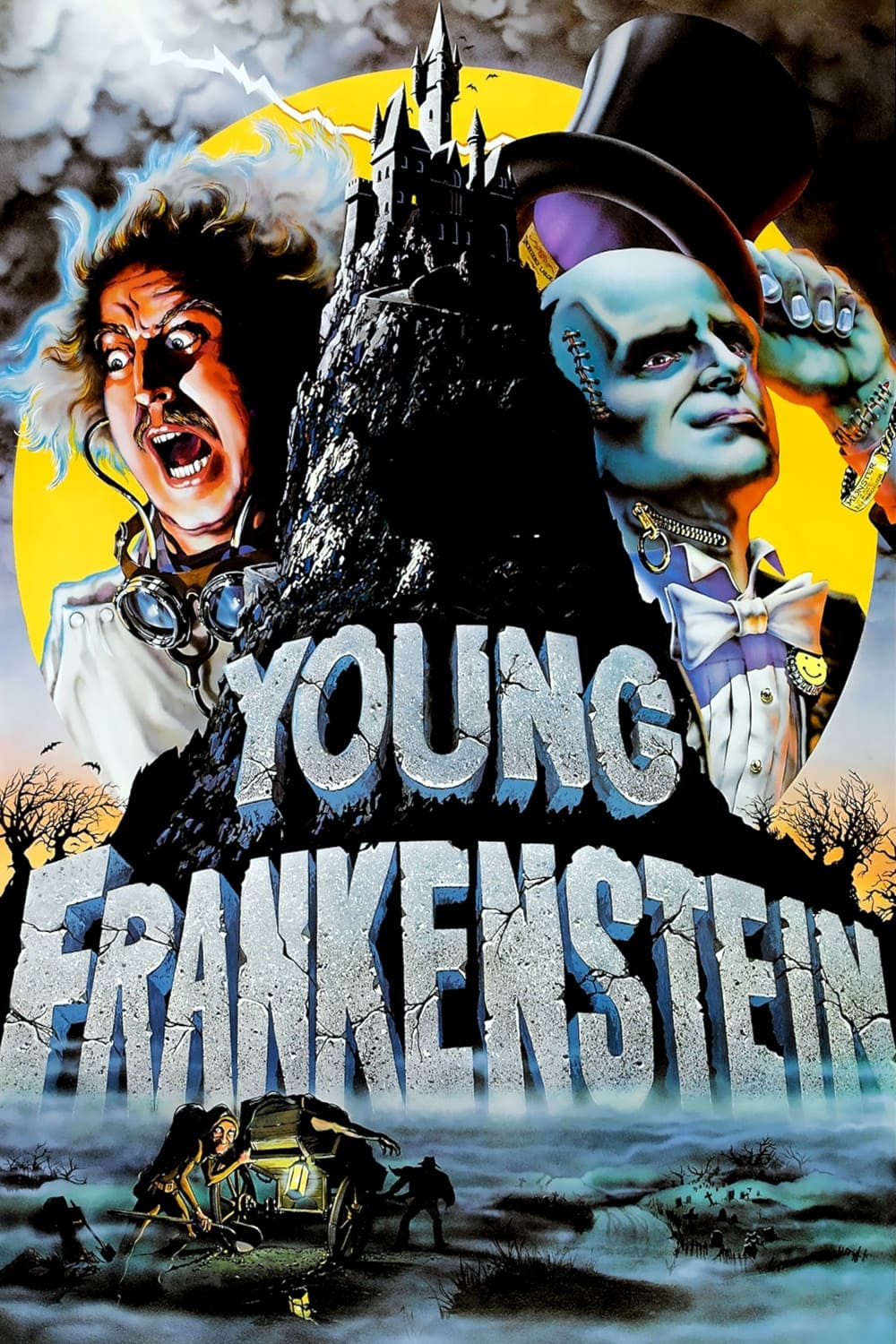
Mel Brooks directed ‘Young Frankenstein’ from a story developed with Gene Wilder, with Wilder starring alongside Teri Garr, Madeline Kahn, and Marty Feldman. Shot in black-and-white, it uses period-style sets and even some original laboratory equipment from the classic Universal cycle. 20th Century Fox released the film, emphasizing the affectionate parody of monster-movie tropes. Its dialogue, recurring bits, and production design became instantly quotable touchstones.
‘The Prisoner of Second Avenue’ (1975)
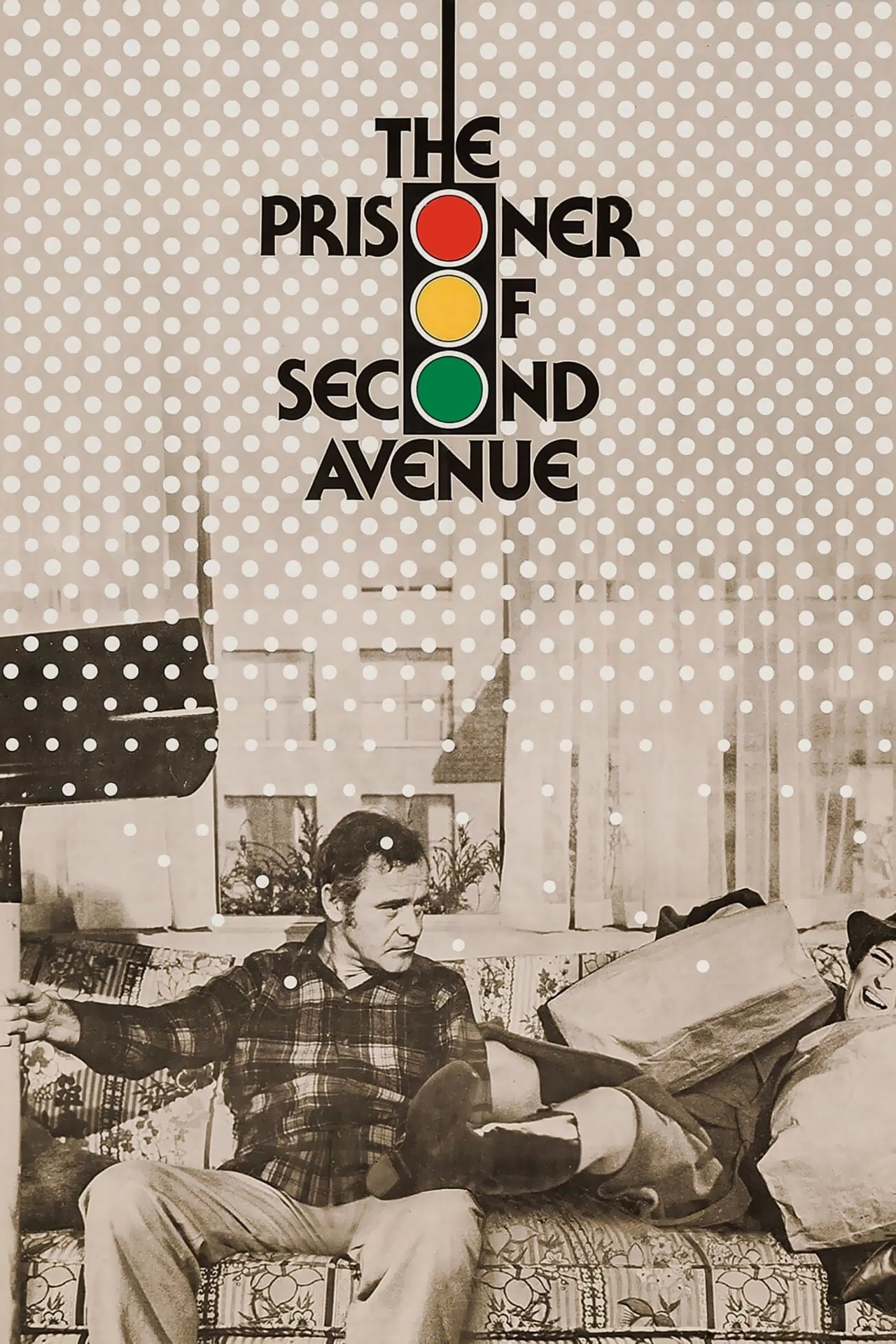
Adapted from Neil Simon’s stage hit, ‘The Prisoner of Second Avenue’ stars Jack Lemmon and Anne Bancroft as a Manhattan couple navigating job loss and urban anxiety. Director Melvin Frank kept the focus on performance and dialogue rhythms carried over from the play. Warner Bros. promoted it on the strength of Simon’s brand and its two leads. The film’s set pieces center on apartment life and neighborly friction.
‘At Long Last Love’ (1975)
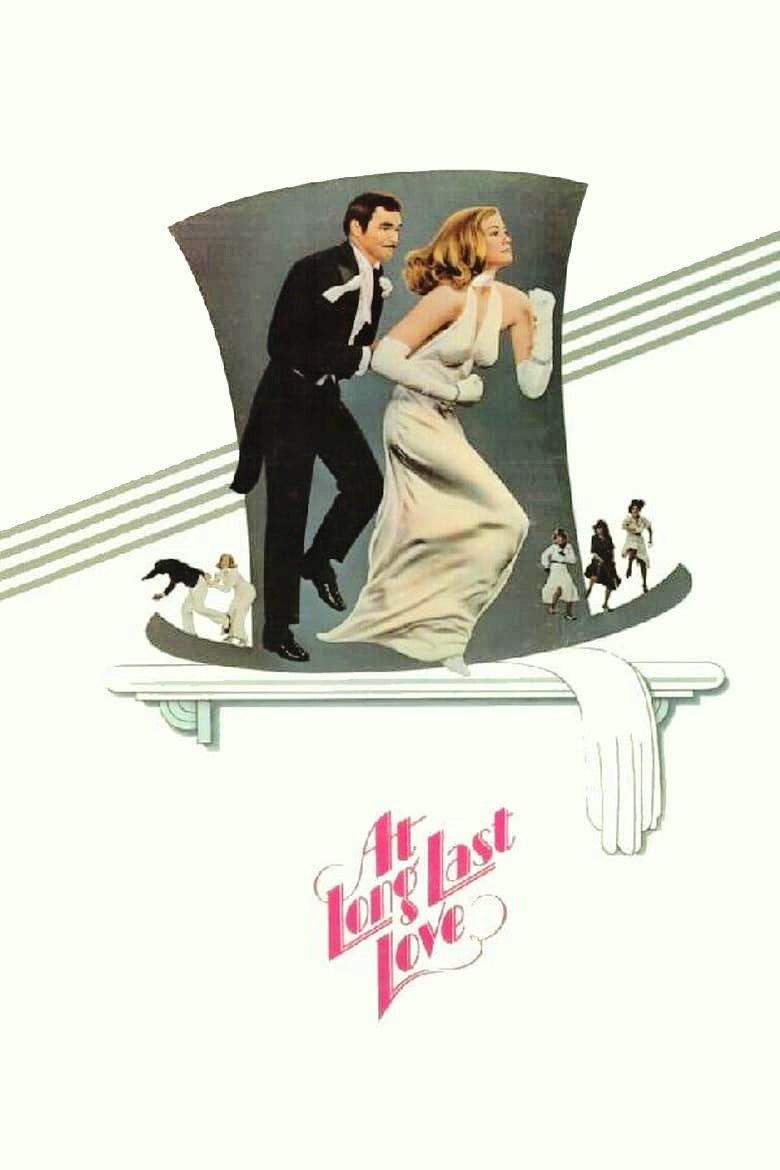
Peter Bogdanovich’s ‘At Long Last Love’ is a Cole Porter jukebox musical headlined by Burt Reynolds, Cybill Shepherd, and Madeline Kahn. 20th Century Fox bankrolled the production with lavish sets and an all-sung approach using live on-set vocals. The creative team leaned into Art Deco styling and period choreography. Publicity showcased its star pairing and the Porter songbook.
‘Confessions of a Pop Performer’ (1975)

A sequel in the British ‘Confessions’ series, ‘Confessions of a Pop Performer’ follows the misadventures of a would-be music act. Directed by Norman Cohen and starring Robin Askwith and Antony Booth, it sits in the era’s cheeky sex-comedy lane. UK distribution rode the brand recognition established by ‘Confessions of a Window Cleaner’. Its soundtrack and band set pieces tie the series formula to a pop-music backdrop.
‘Silent Movie’ (1976)
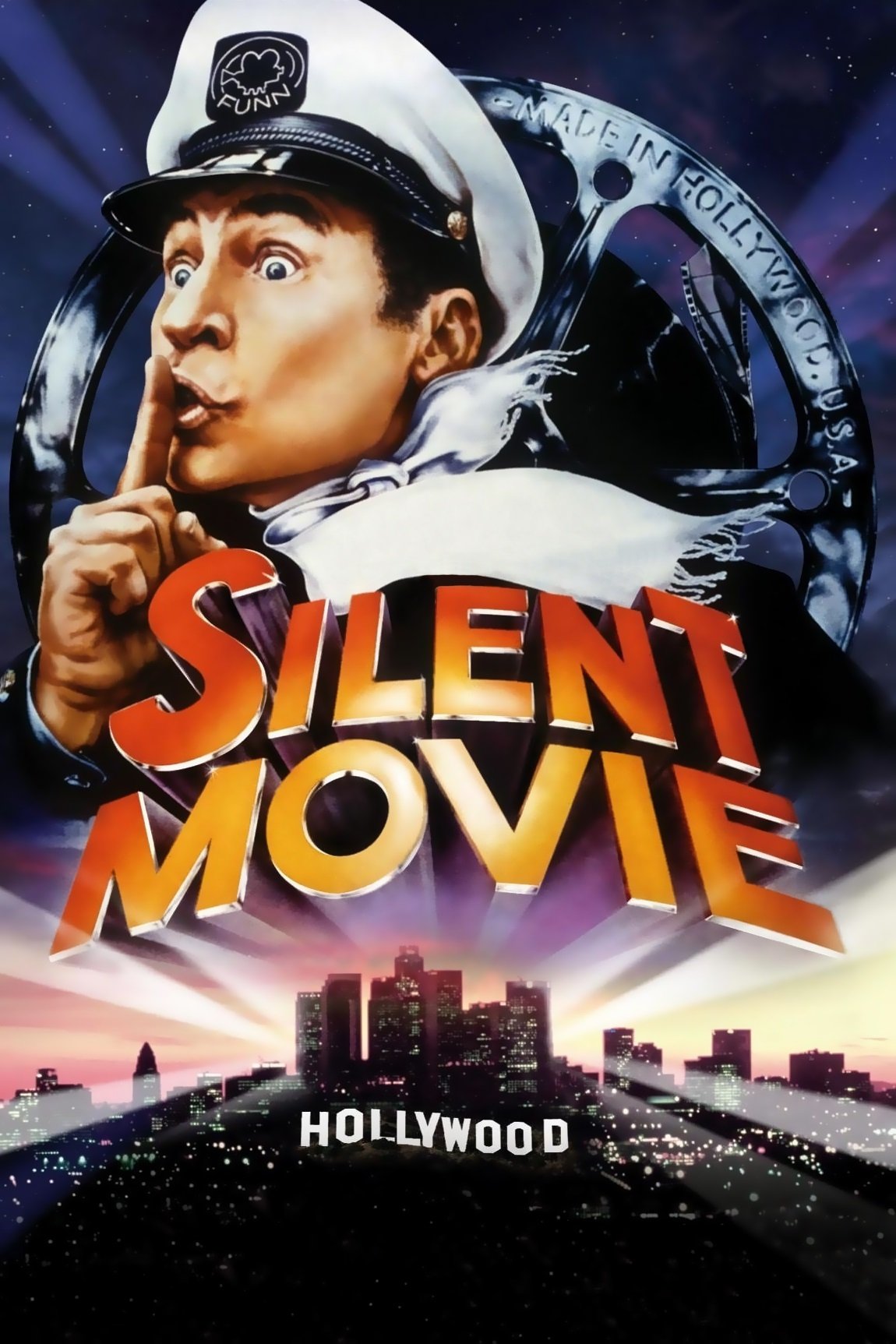
Mel Brooks’s ‘Silent Movie’ reunites Brooks, Marty Feldman, and Dom DeLuise for a nearly wordless studio-era homage. The film uses intertitles, slapstick chases, and celebrity cameos, including a famous single spoken word. 20th Century Fox marketed it as a formal stunt with broad physical humor. The production’s orchestral score and exaggerated pantomime anchor the concept.
‘Car Wash’ (1976)
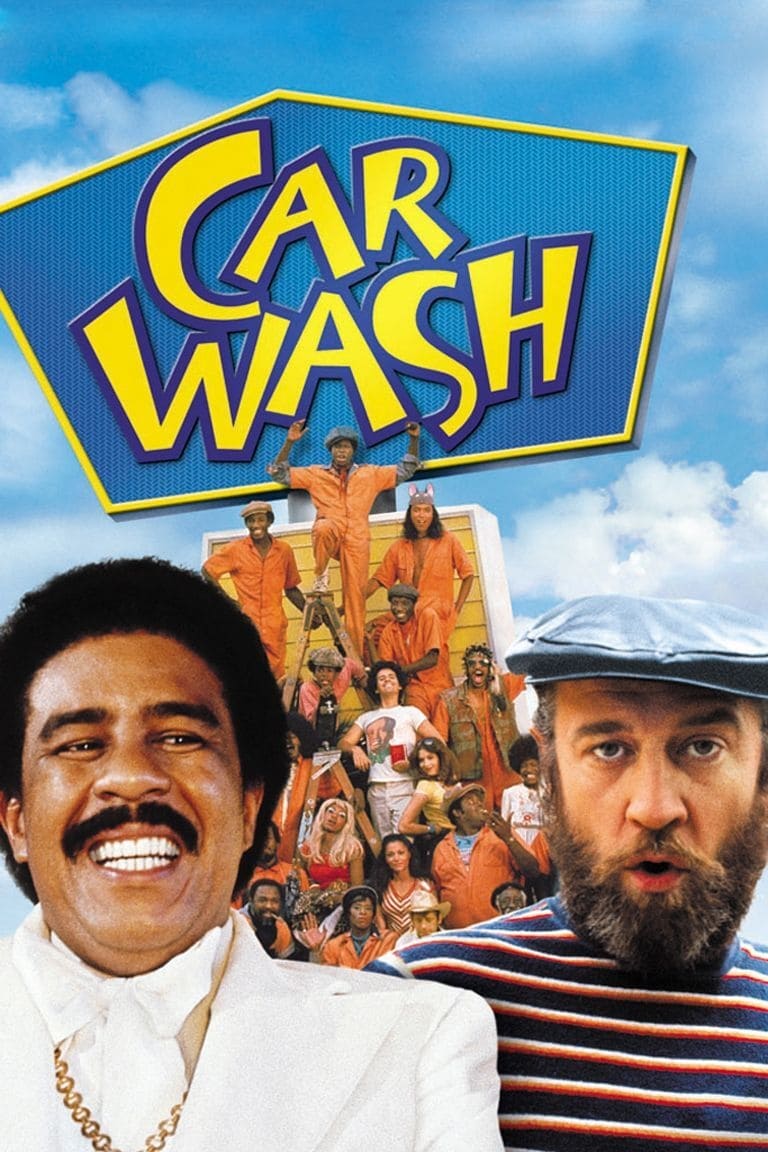
Directed by Michael Schultz, ‘Car Wash’ is a day-in-the-life ensemble comedy set at a Los Angeles car wash. The soundtrack by Rose Royce spun off major hits and cross-promotional radio play. Universal Pictures pushed the film on its music tie-ins and mosaic cast, featuring appearances by Richard Pryor and George Carlin. Location shooting and overlapping story threads give it a bustling, episodic structure.
‘The Big Bus’ (1976)
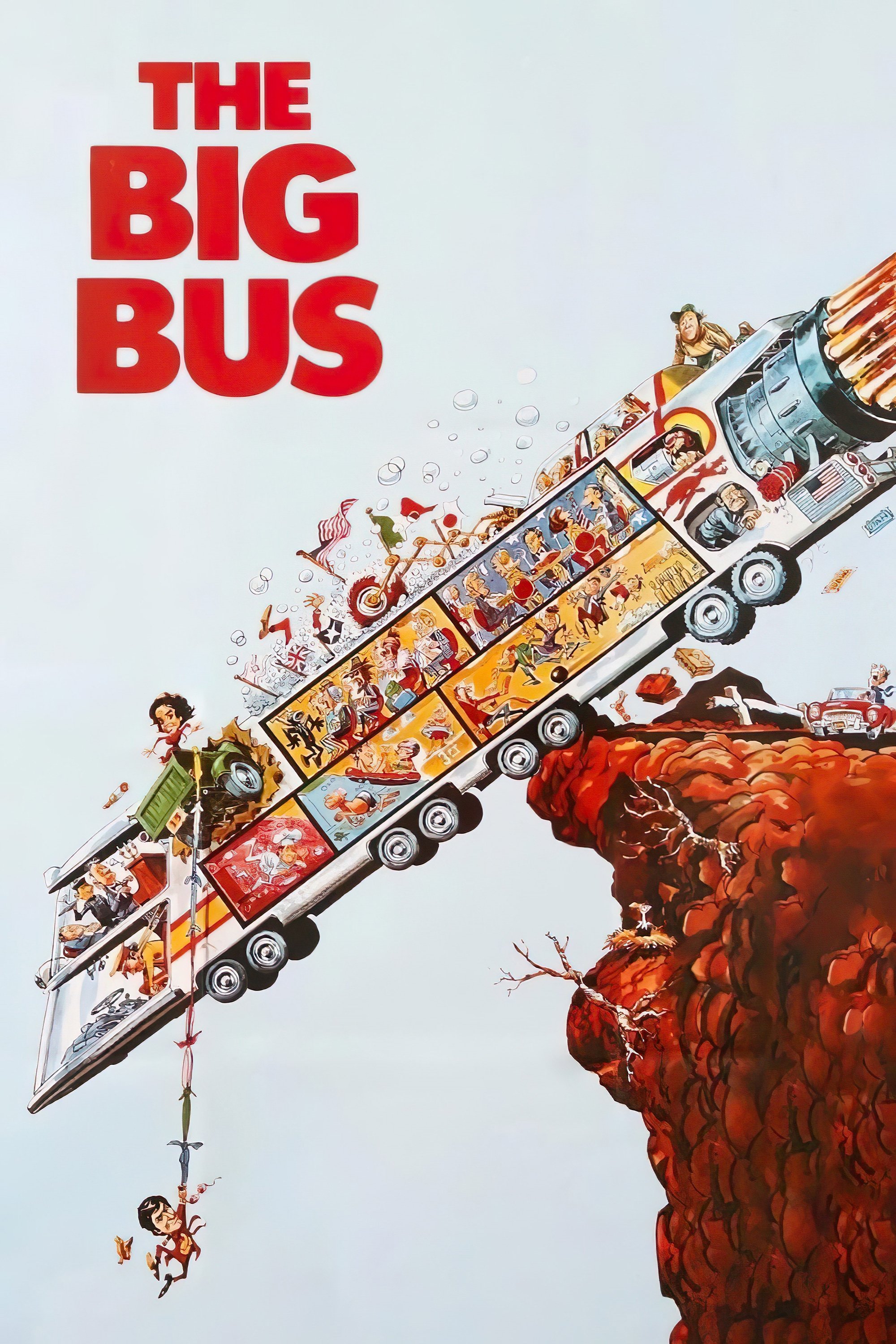
‘The Big Bus’ is a disaster-movie spoof about a nuclear-powered luxury coach on a cross-country run. Directed by James Frawley and starring Joseph Bologna and Stockard Channing, it stacks genre tropes into set-piece gags. Paramount released it with posters that mimic the look of earnest catastrophe films. Miniatures, practical gags, and ensemble banter carry the parody.
‘The World’s Greatest Lover’ (1977)
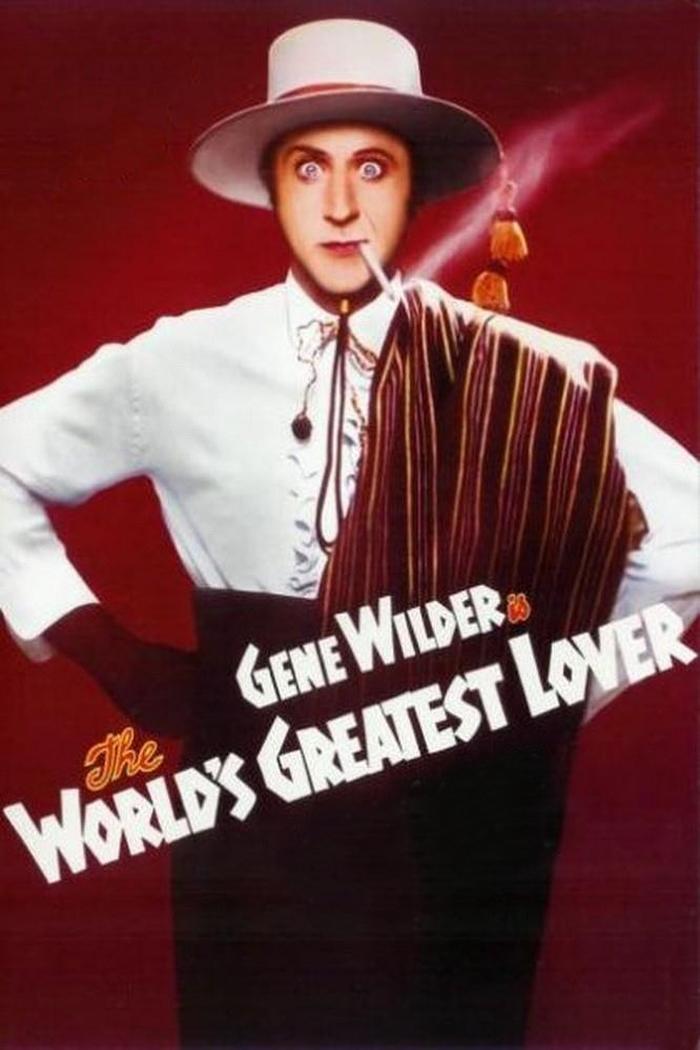
Written and directed by Gene Wilder, ‘The World’s Greatest Lover’ riffs on silent-era heartthrob lore with Wilder opposite Carol Kane and Dom DeLuise. 20th Century Fox mounted it with period costumes and studio-lot settings. The story follows a talent search that spirals into screen-test mayhem and publicity stunts. Marketing highlighted Wilder’s connection to earlier parody hits.
‘The Kentucky Fried Movie’ (1977)
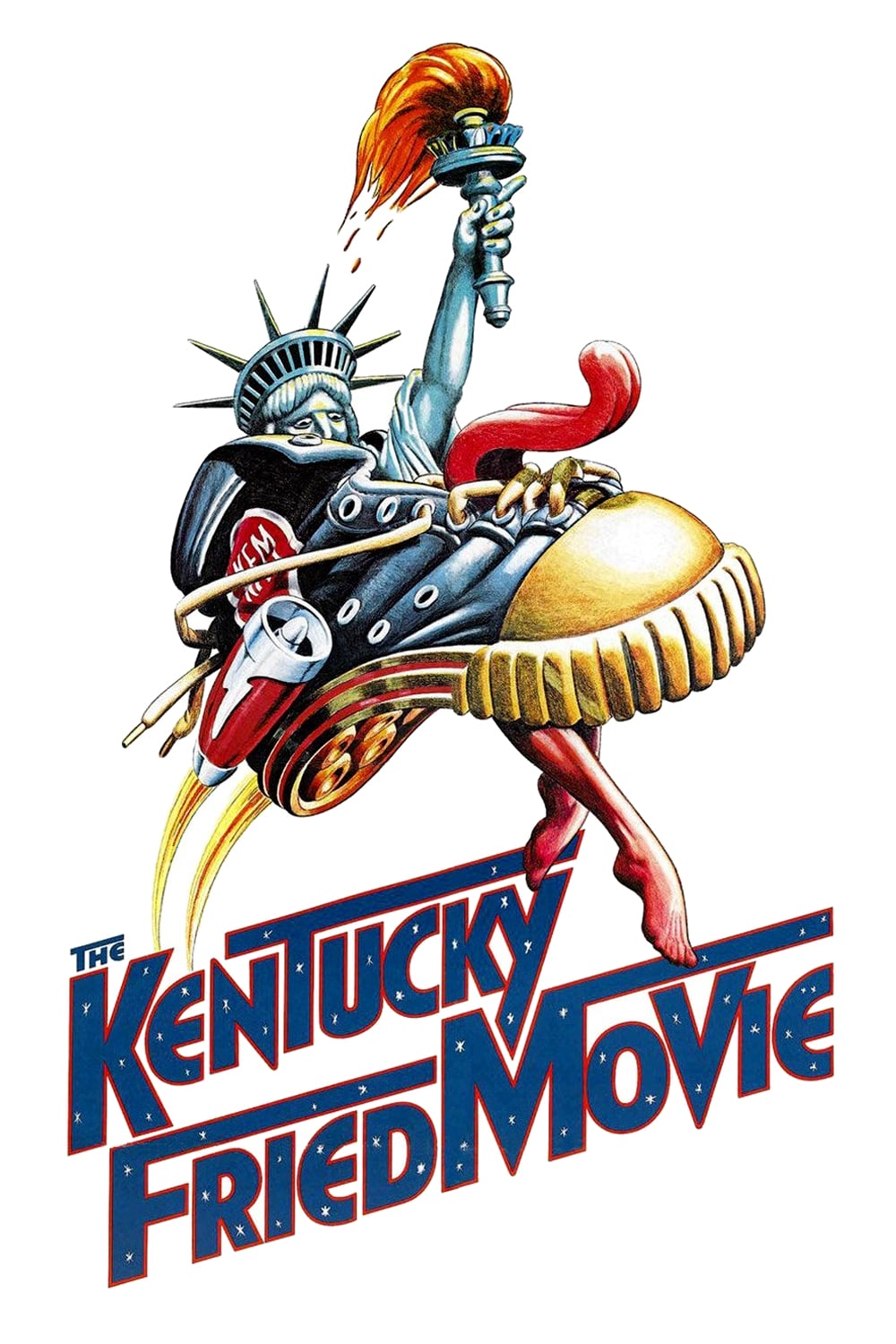
‘The Kentucky Fried Movie’ is a sketch anthology directed by John Landis and written by the Zucker-Abrahams-Zucker team. Distributed in the U.S. by United Film Distribution Company, it packages mock commercials, newsbreaks, and a faux martial-arts epic. The production was made on a modest budget with guerrilla-style gags and quick-hit premises. Its success helped launch the filmmakers toward later, larger parodies.
‘Sextette’ (1978)
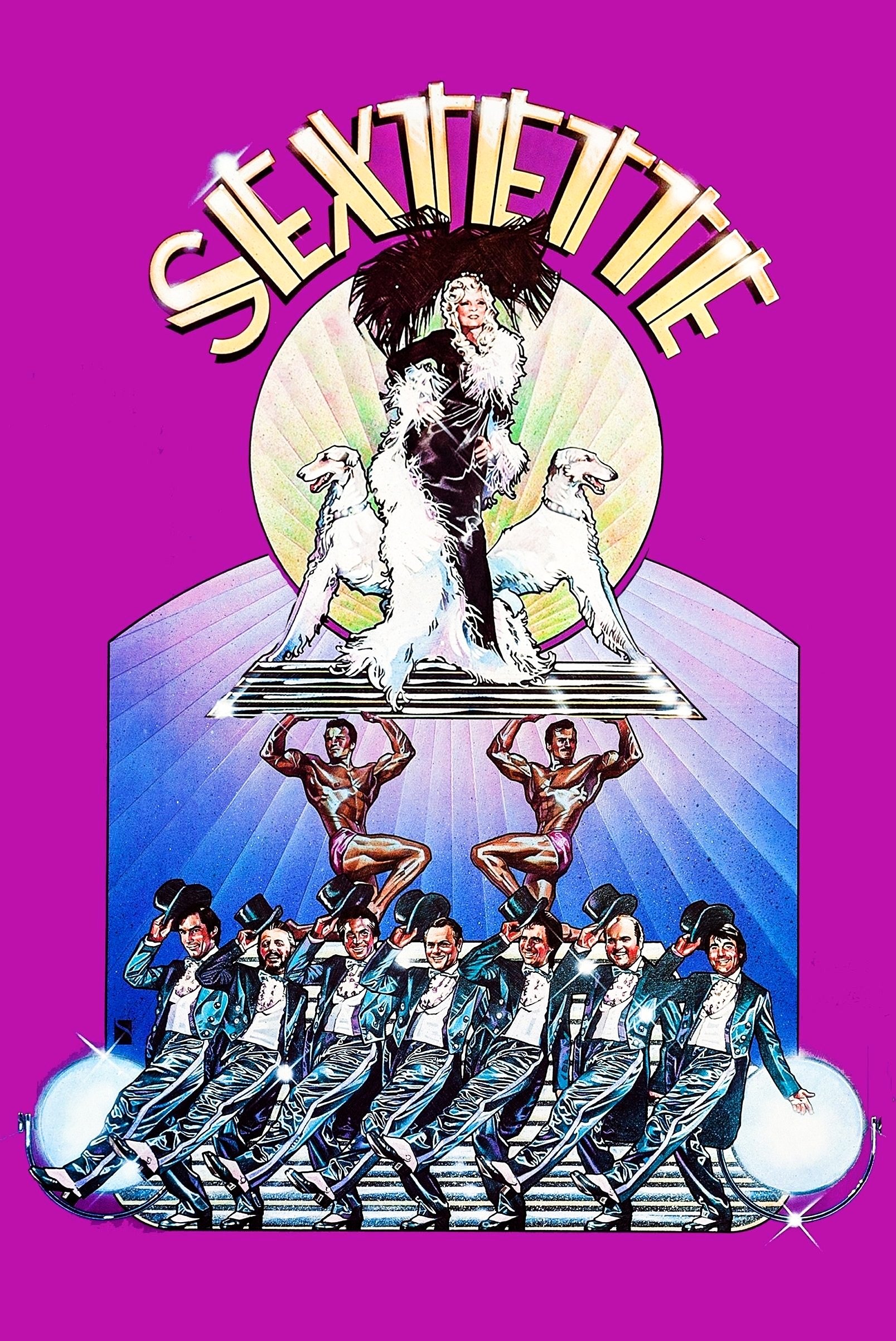
‘Sextette’ features Mae West—supported by Timothy Dalton, Dom DeLuise, and a roster of music cameos—in a honeymoon-hotel farce. Directed by Ken Hughes, it adapts West’s stage material with disco-era flourishes. Crown International Pictures handled U.S. release with a campaign built around West’s iconic persona. Songs, celebrity appearances, and glitzy costumes frame the proceedings.
‘Rabbit Test’ (1978)

Joan Rivers directed ‘Rabbit Test’, starring Billy Crystal as a man who becomes pregnant. AVCO Embassy Pictures released it with a tagline emphasizing its high-concept premise. The film leans on situation comedy, sight gags, and guest appearances. Production notes often highlight Rivers’s status as a pioneering female director in mainstream American comedy.
‘Sgt. Pepper’s Lonely Hearts Club Band’ (1978)
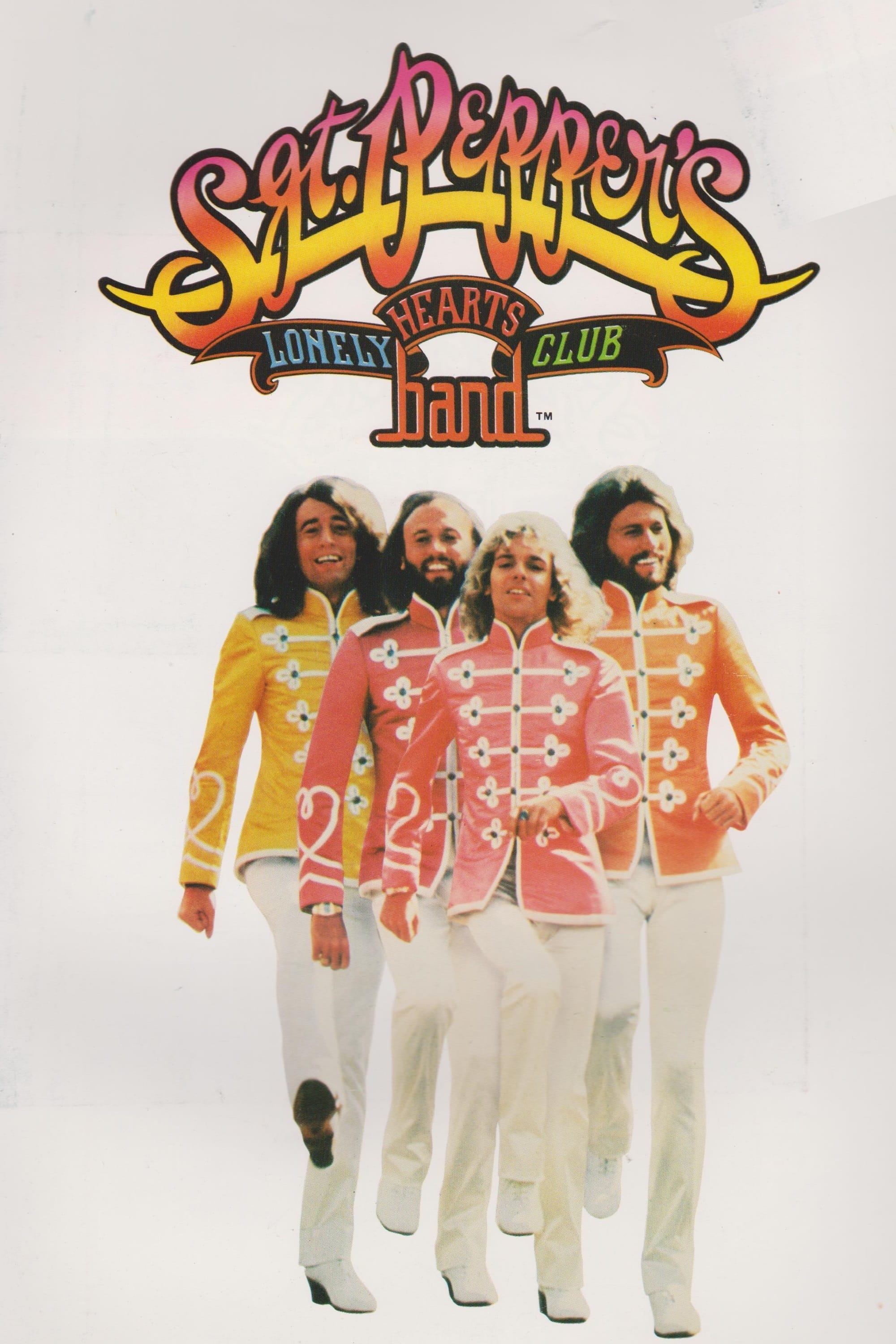
Directed by Michael Schultz, ‘Sgt. Pepper’s Lonely Hearts Club Band’ casts the Bee Gees and Peter Frampton in a narrative built around Beatles songs. Universal Pictures rolled out a large-scale campaign with tie-in albums and musical numbers staged as set-piece showcases. The production is noted for its elaborate choreography, costumes, and fantasy staging. Cameos from rock and pop figures punctuate the story.
‘Attack of the Killer Tomatoes!’ (1978)
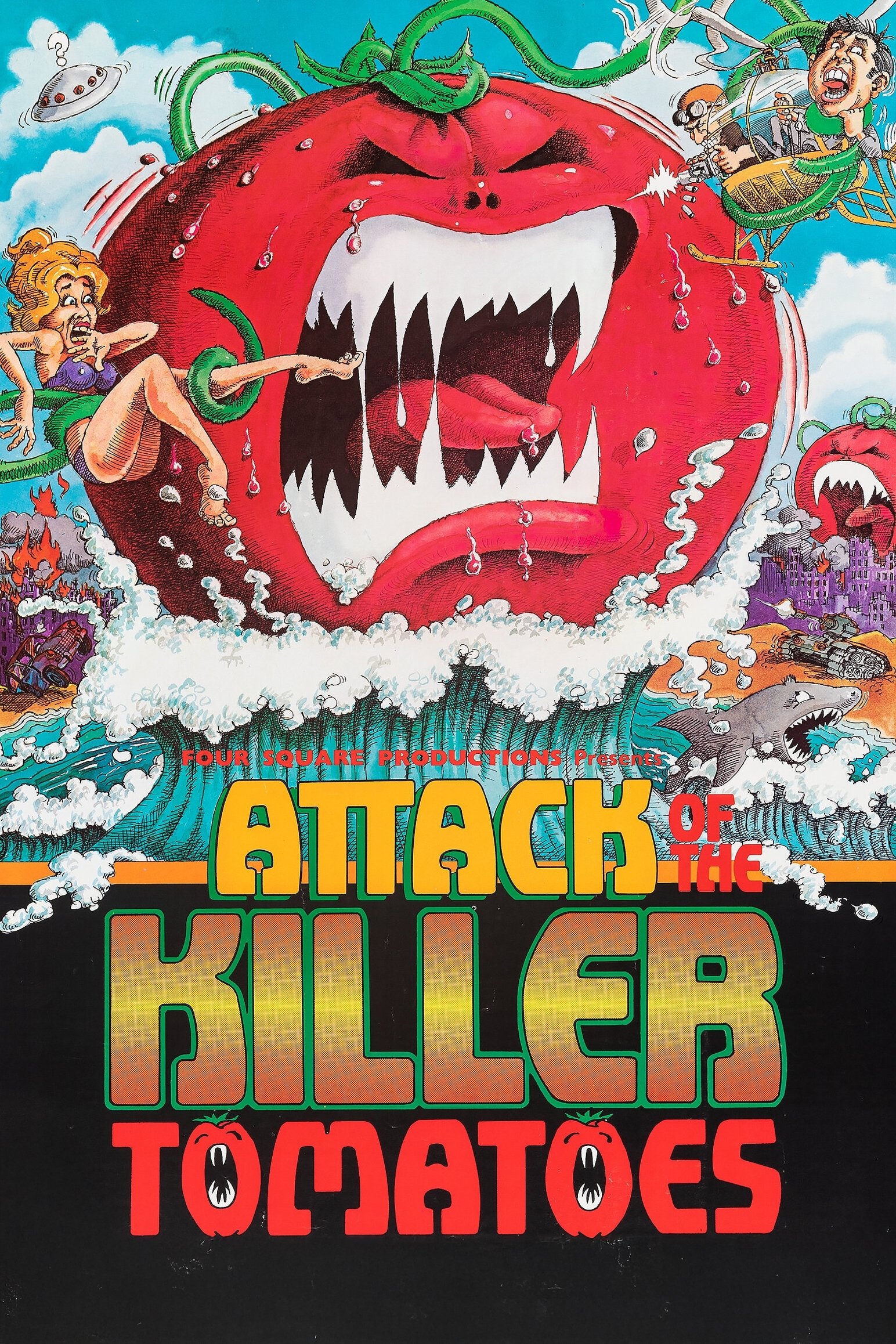
An independently produced parody, ‘Attack of the Killer Tomatoes!’ was directed by John DeBello. The film spoofs monster-on-the-loose conventions with low-budget effects, musical interludes, and mock government briefings. Four Square Productions handled theatrical distribution, with later life on home video and cable. Its theme song and faux-news segments became calling cards for the franchise that followed.
‘Scavenger Hunt’ (1979)
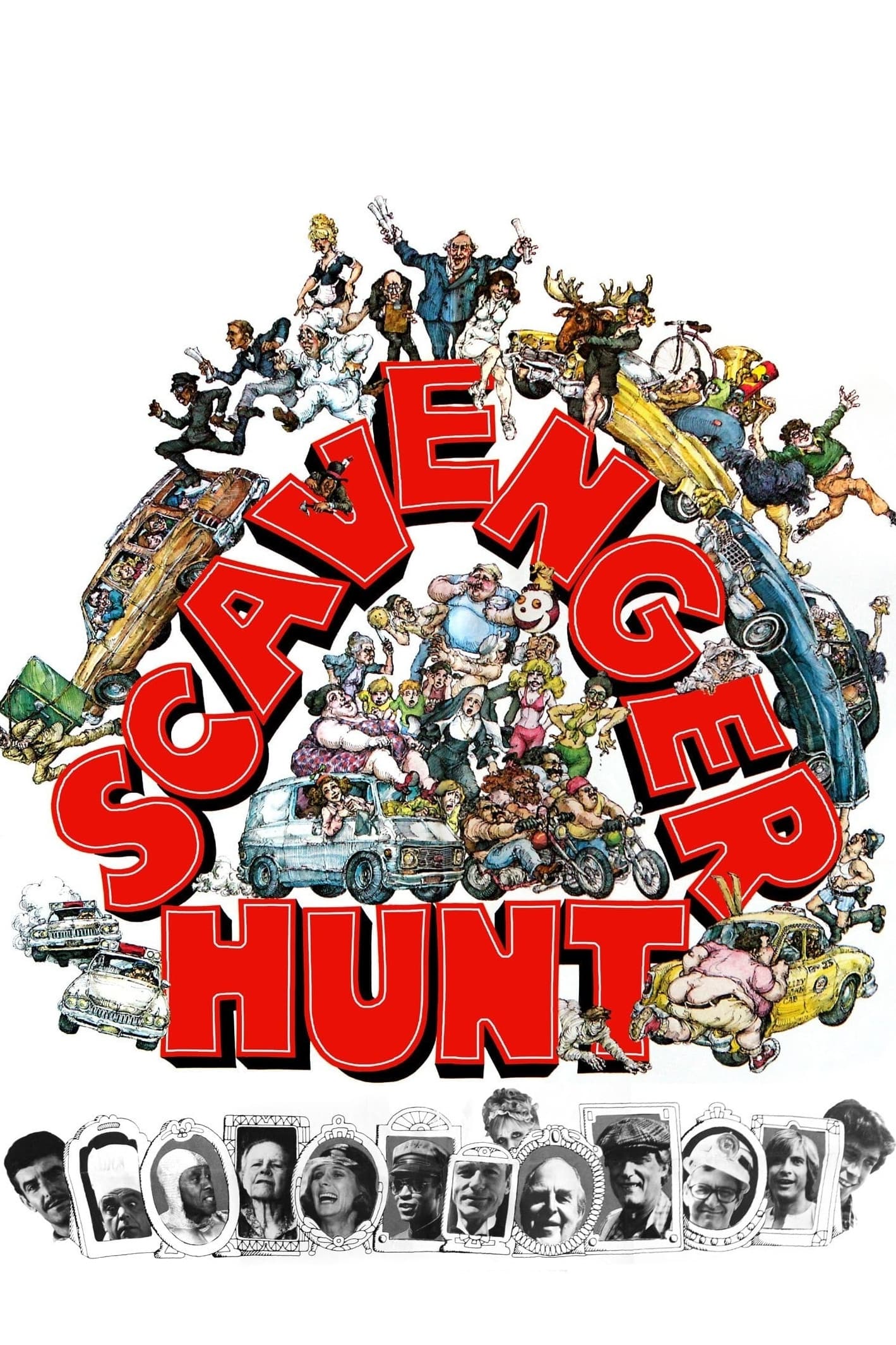
‘Scavenger Hunt’ assembles an ensemble cast—including Richard Benjamin, Cloris Leachman, and James Coco—in a mad-dash contest for an inheritance. 20th Century Fox distributed the film, emphasizing its all-star, multi-team structure. Director Michael Schultz built the story around set-piece competitions across San Diego locations. The production features stunt-driven slapstick and intersecting chase lines.
‘1941’ (1979)
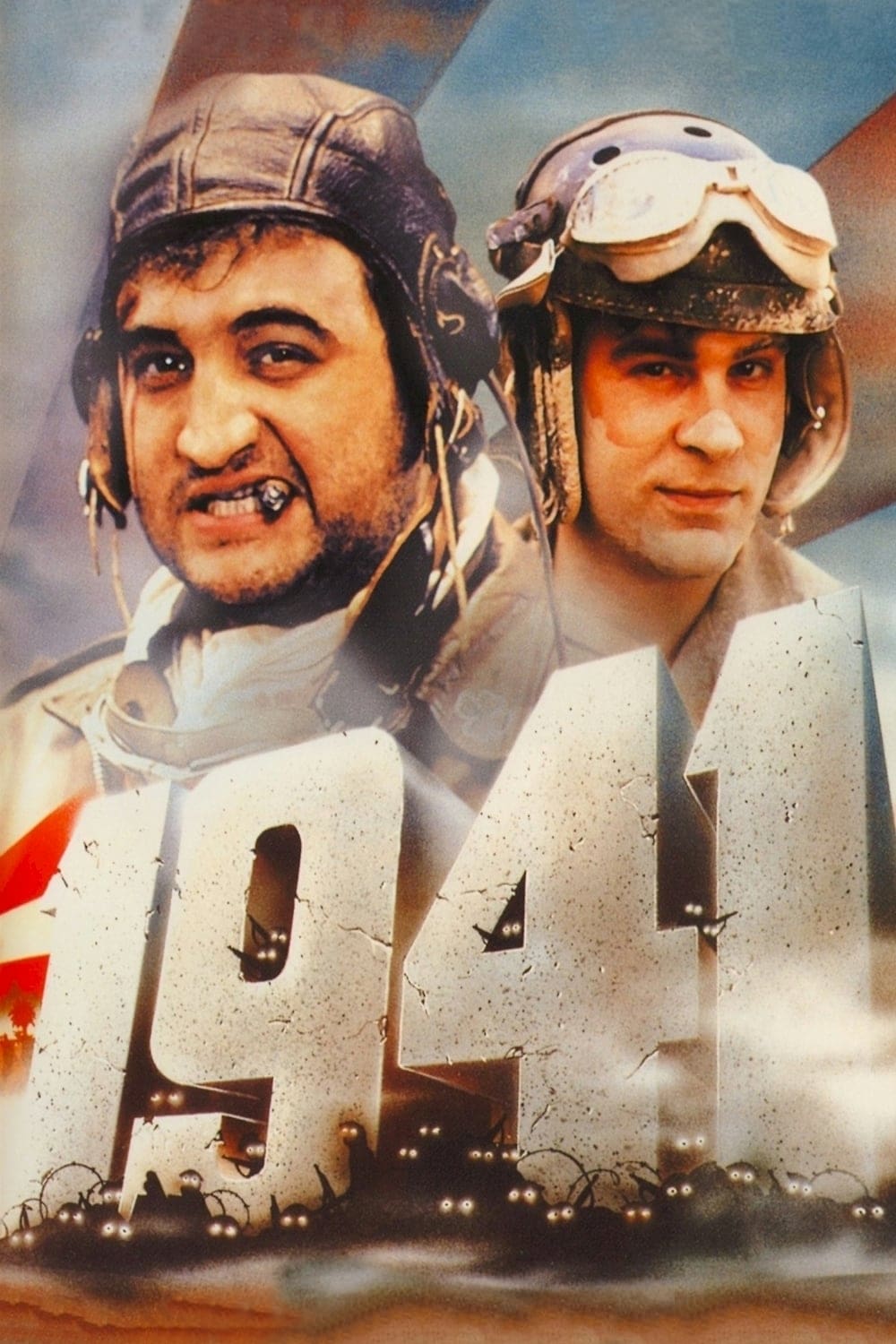
Steven Spielberg’s ‘1941’ is a large-scale World War II farce starring John Belushi, Dan Aykroyd, and an ensemble that includes Toshiro Mifune and Christopher Lee. Universal and Columbia collaborated on the release, touting effects, miniatures, and elaborate action-comedy sequences. John Williams provided a march-forward score that plays off military tropes. The film’s production design recreates coastal panic scenarios with extensive crowd scenes.
‘The Villain’ (1979)
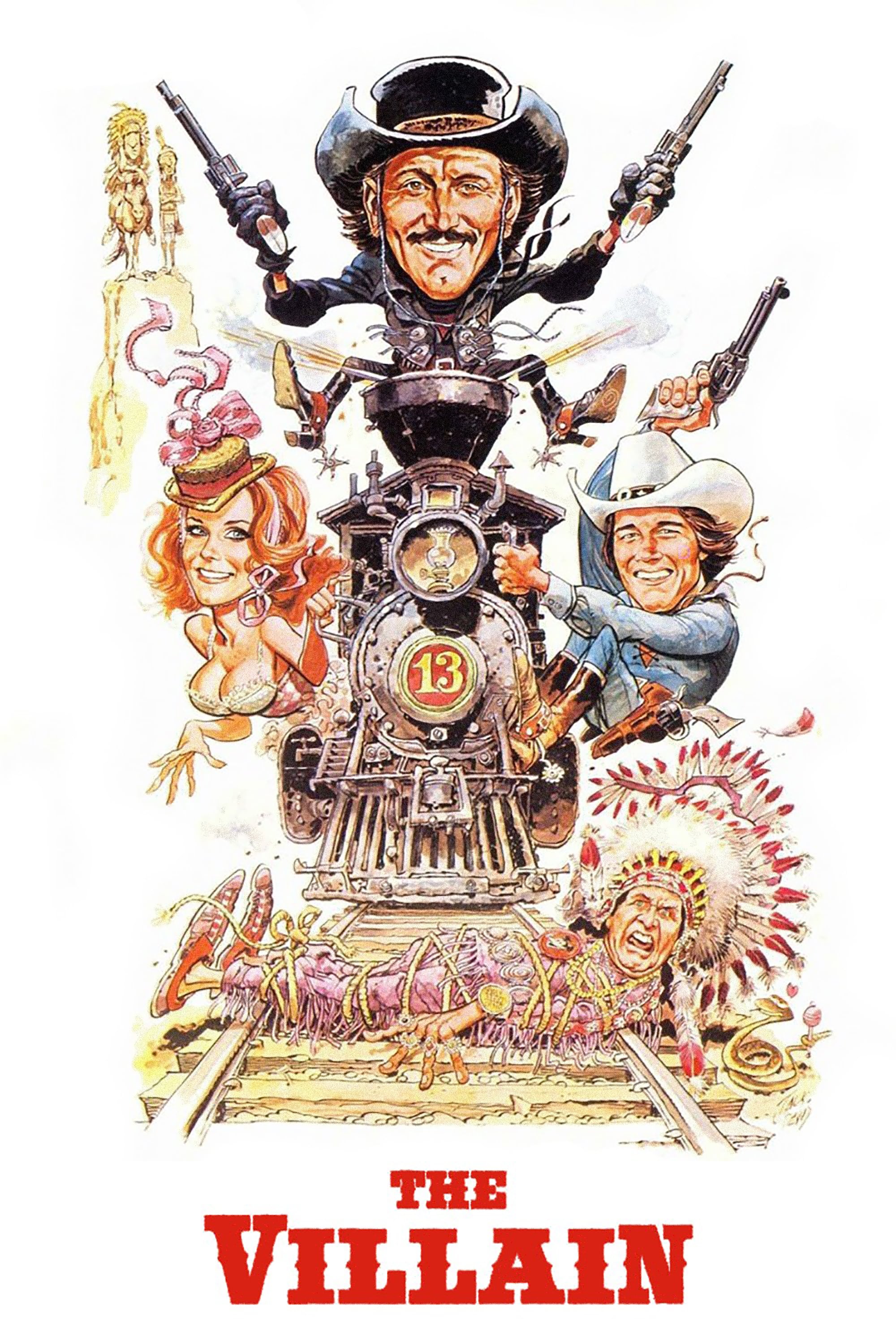
Also known as ‘Cactus Jack’, ‘The Villain’ pairs Kirk Douglas, Arnold Schwarzenegger, and Ann-Margret in a live-action cartoon western. Stuntman-turned-director Hal Needham stages Road Runner–style gags and cliffside set pieces. Columbia Pictures released the film with posters that underline its broad slapstick. The production uses desert locations and sight-gag contraptions as recurring motifs.
‘The Fortune’ (1975)
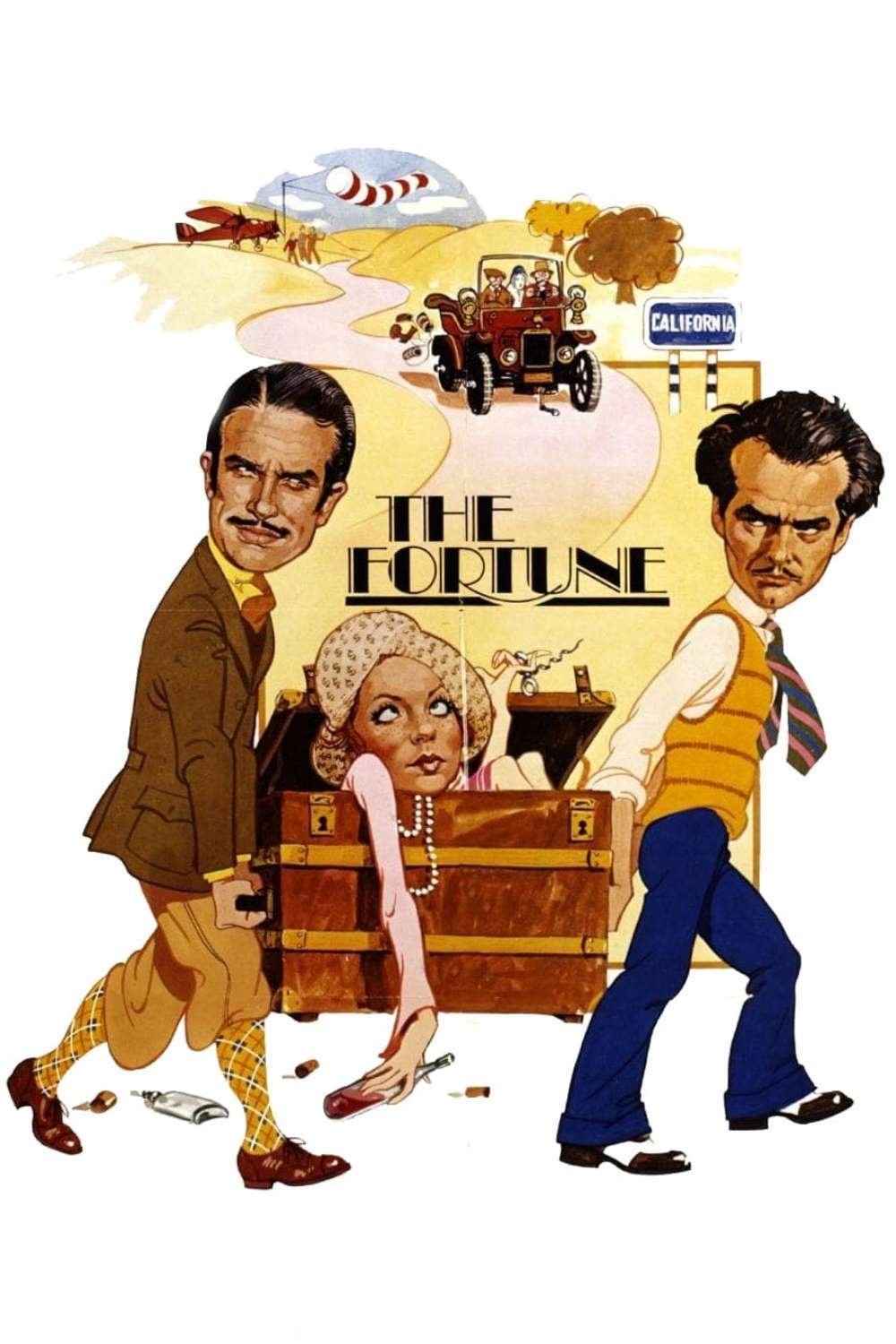
Directed by Mike Nichols, ‘The Fortune’ stars Warren Beatty and Jack Nicholson as small-time schemers chasing a wealthy heiress played by Stockard Channing. Columbia Pictures backed the production, leaning on its marquee cast and a period caper premise. Screenwriter Adrien Joyce (a pen name for Carole Eastman) crafted the script’s offbeat rhythms. The film uses vintage costumes, art-deco settings, and location work to evoke early-Hollywood vibes.
‘Americathon’ (1979)
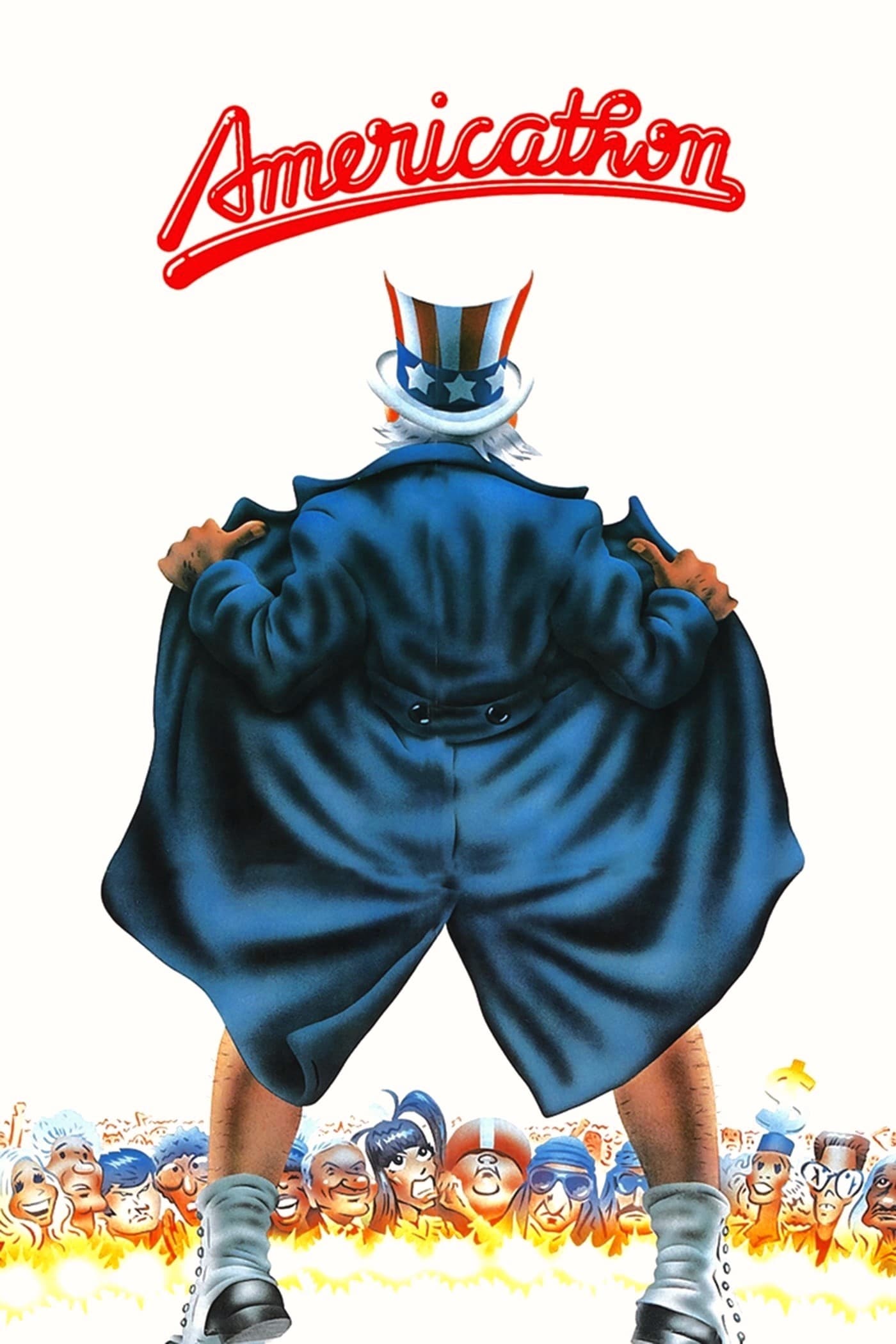
‘Americathon’ adapts a satirical stage show into a widescreen telethon farce hosted by John Ritter. Produced by Lorimar and released by United Artists, it builds a collage of sketches, celebrity cameos, and cutaway gags tied to a single broadcasting event. The soundtrack and faux commercials extend the world beyond the studio set. Its production design features billboards, exercise gear, and novelty vehicles.
‘Skatetown, U.S.A.’ (1979)
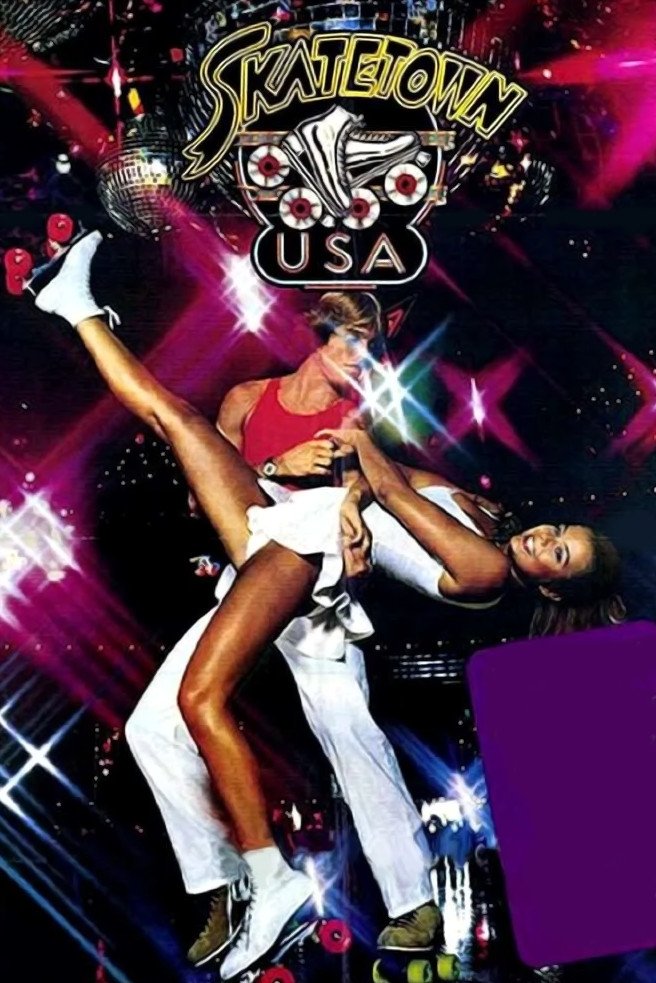
Set in a roller-discotheque, ‘Skatetown, U.S.A.’ showcases choreographed routines, rink rivalries, and an early screen role for Patrick Swayze. Columbia Pictures released the film with a disco-forward soundtrack and promotional tie-ins at actual skating venues. Camera rigs were adapted to track performers at speed around the rink. The cast also includes Scott Baio, Maureen McCormick, and character-actor comic turns.
‘Carry On Emmannuelle’ (1978)
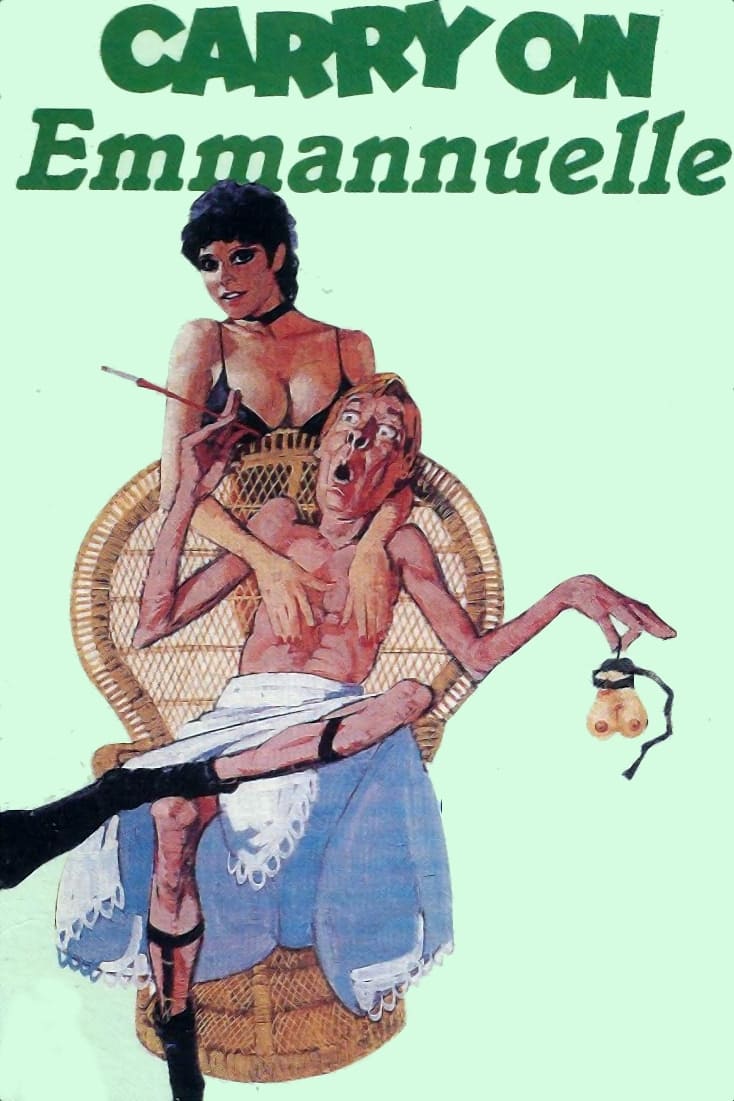
A late entry in the long-running British series, ‘Carry On Emmannuelle’ parodies soft-focus continental romances. Rank Film Distributors handled the UK release, with regulars like Kenneth Williams and Joan Sims appearing alongside Suzanne Danielle. The production leans on studio-bound sets, innuendo-laden dialogue, and recurring ensemble bits. Marketing foregrounded the franchise brand and its cheeky poster art.
‘Carry On England’ (1976)
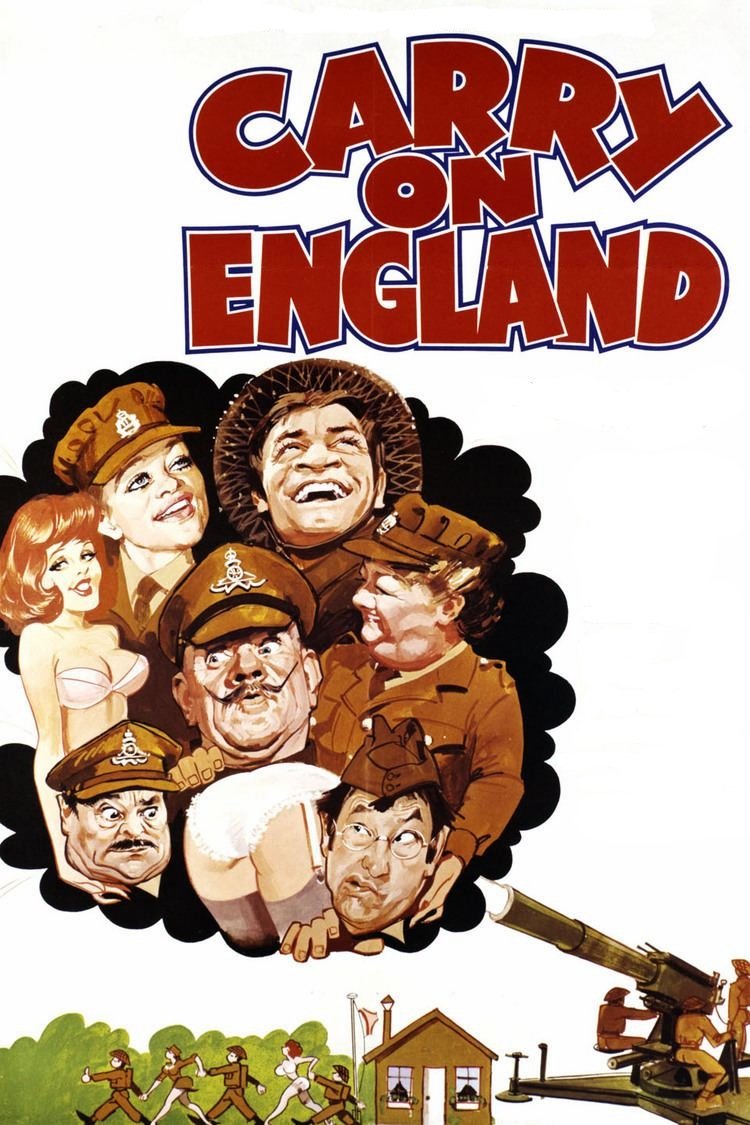
Set on a wartime base, ‘Carry On England’ folds service shenanigans into the franchise’s familiar template. Directed by Gerald Thomas, it features Kenneth Connor, Windsor Davies, and Judy Geeson among the ensemble. Pinewood stages and military props frame barracks farce and parade-ground gags. The film’s release played up uniformed mishaps and rivalry subplots.
‘The Happy Hooker Goes to Washington’ (1977)

A sequel in the ‘Happy Hooker’ cycle, ‘The Happy Hooker Goes to Washington’ stars Joey Heatherton in a beltway romp. Cannon Films distributed it with a campaign built around courtroom and committee-room set pieces. The film incorporates musical numbers, broad satire, and cameo-style walk-ons. Production uses offices, hotel suites, and hearing chambers as recurring locations.
‘Lost and Found’ (1979)

Co-written and directed by Melvin Frank, ‘Lost and Found’ pairs George Segal and Glenda Jackson in a transatlantic romance that keeps colliding—literally and figuratively. The film reunites key collaborators from Frank’s earlier hit ‘A Touch of Class’, with Douglas Slocombe behind the camera and John Cameron providing the score. Columbia-EMI-Warner handled distribution, and the supporting cast includes Paul Sorvino, Maureen Stapleton, and an early screen appearance by Martin Short. Contemporary listings and archival materials credit Frank as director, writer, and producer on the project.
‘The Frisco Kid’ (1979)
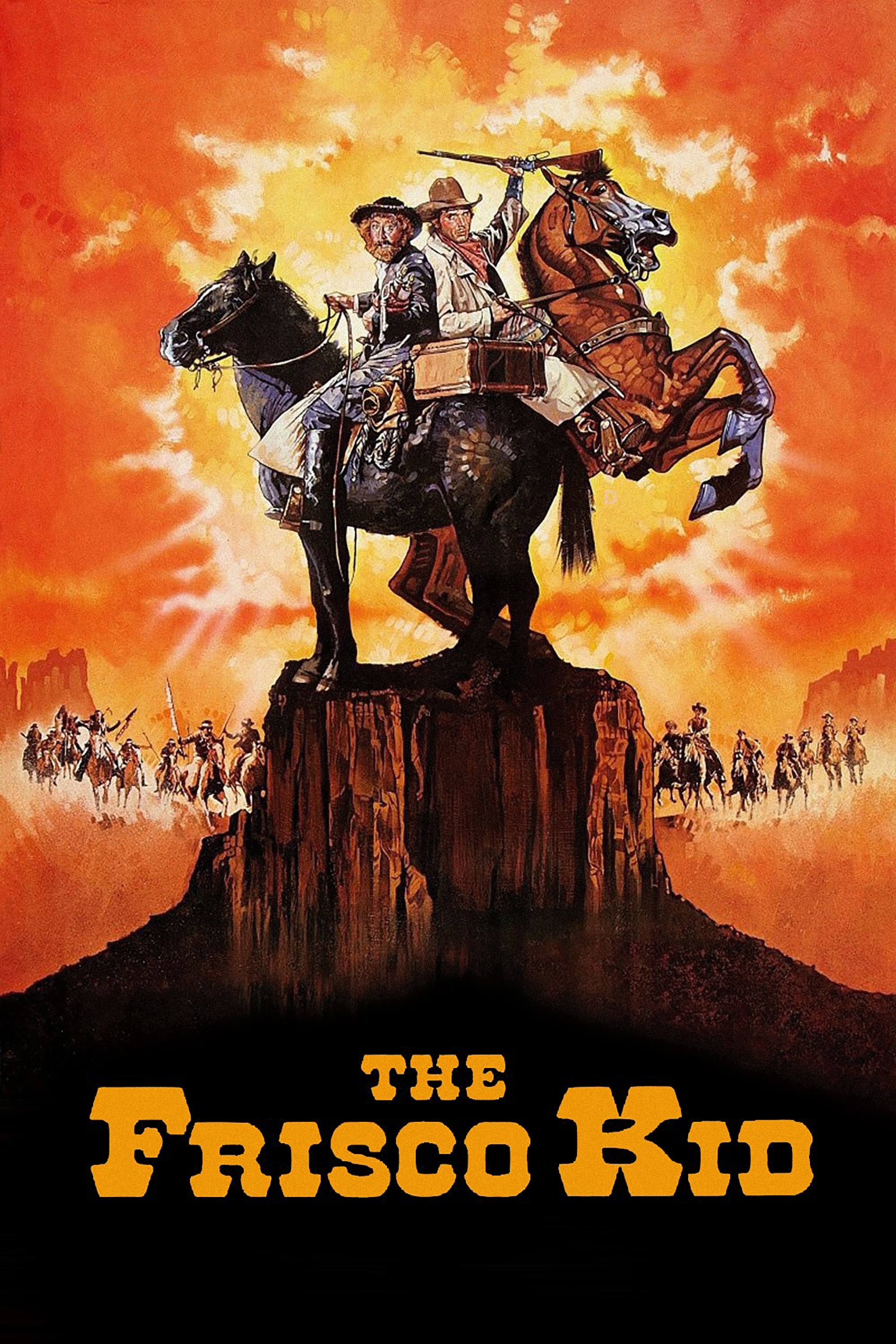
‘The Frisco Kid’ teams Gene Wilder with Harrison Ford in a cross-country comedy-western about an unlikely traveling pair. Warner Bros. leaned on location cinematography across plains, rivers, and frontier towns. Director Robert Aldrich blends buddy-movie beats with fish-out-of-water gags. Costume and production design contrast Old World attire with rugged trail gear.
‘The End’ (1978)
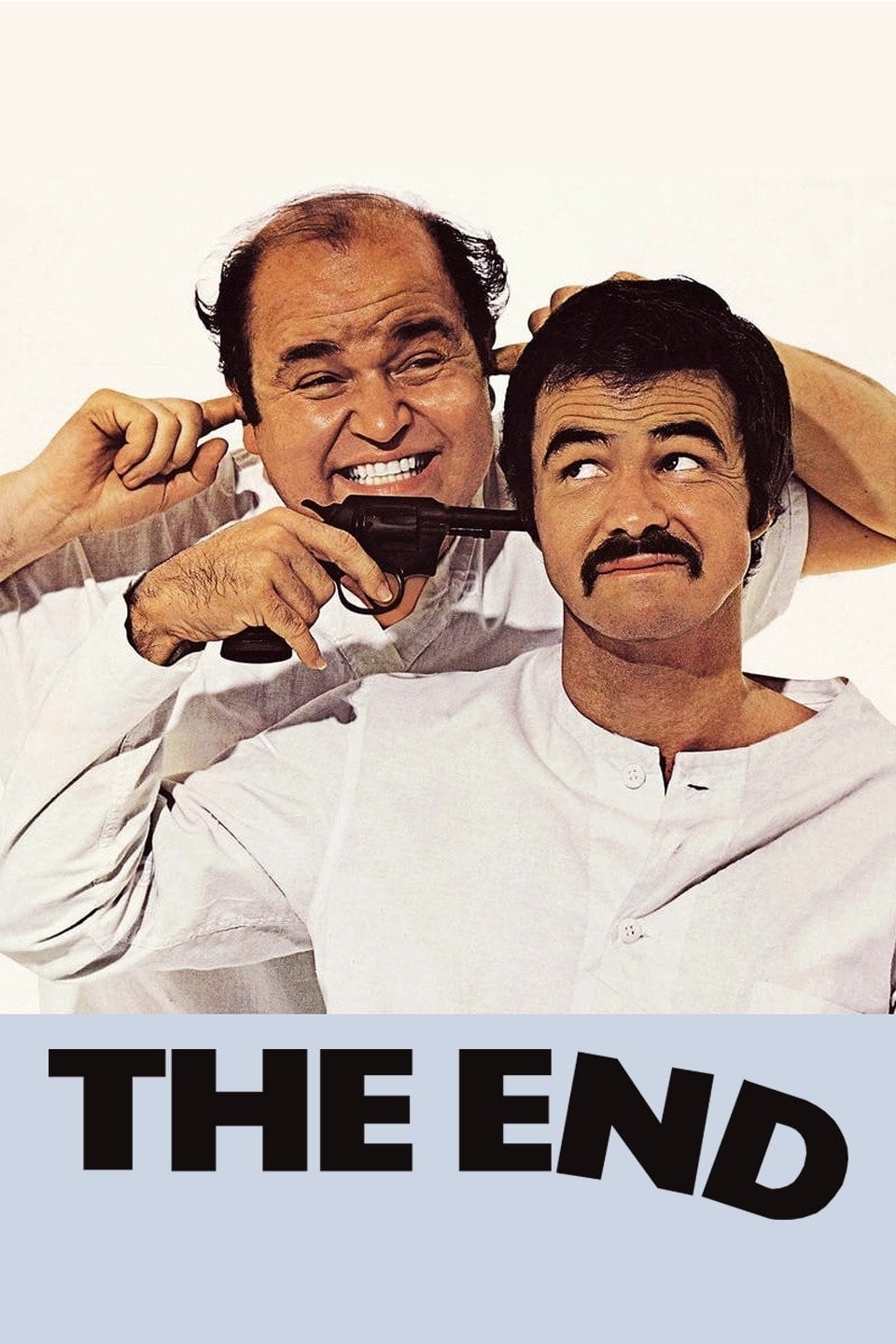
Directed by and starring Burt Reynolds, ‘The End’ is a dark comedy that pairs Reynolds with Dom DeLuise for asylum-set antics and offbeat sight gags. United Artists distributed the picture with trailers stressing the lead duo’s chemistry. The film alternates between clinical interiors, suburban homes, and beachside exteriors. It also features Sally Field and Joanne Woodward in key supporting roles.
‘Which Way Is Up?’ (1977)
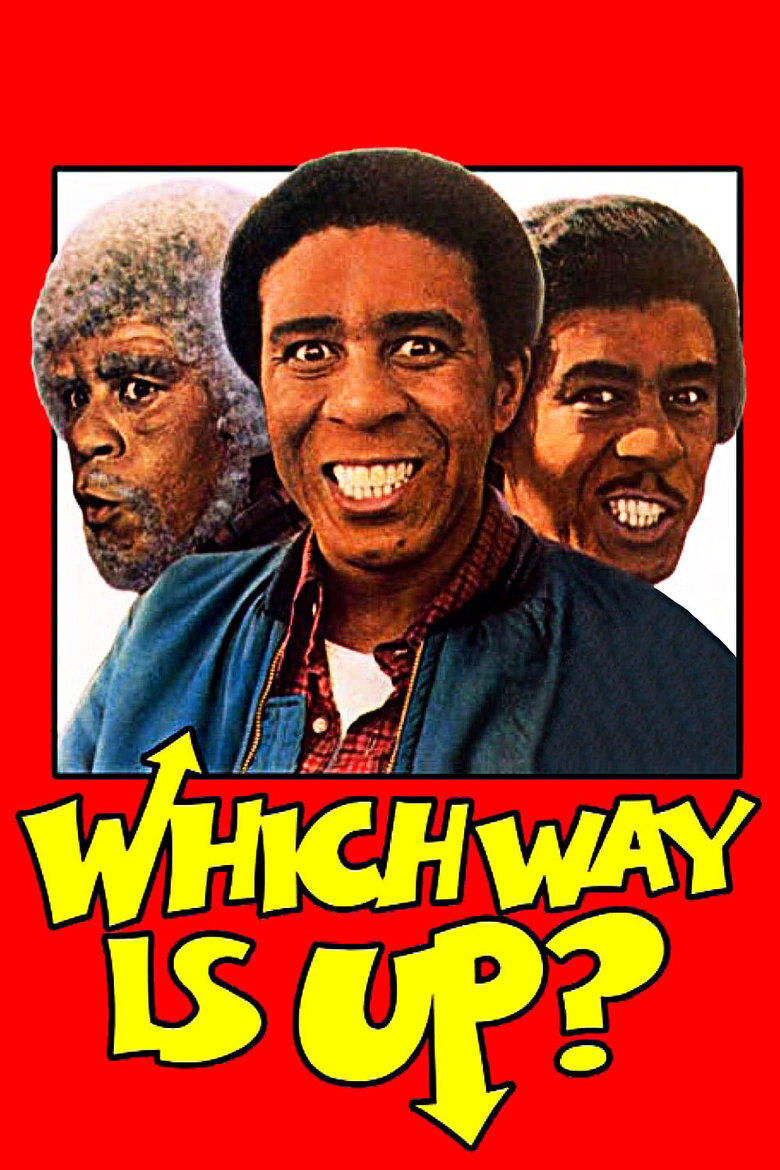
Richard Pryor headlines ‘Which Way Is Up?’ in multiple roles, remaking an Italian social satire with a California setting. Columbia Pictures released the film, showcasing Pryor’s rapid character shifts and workplace-to-domestic plotlines. Director Michael Schultz intercuts slapstick with union-meeting and revival-tent sequences. The soundtrack and location work ground the farce in agribusiness and small-town spaces.
‘The Cheap Detective’ (1978)
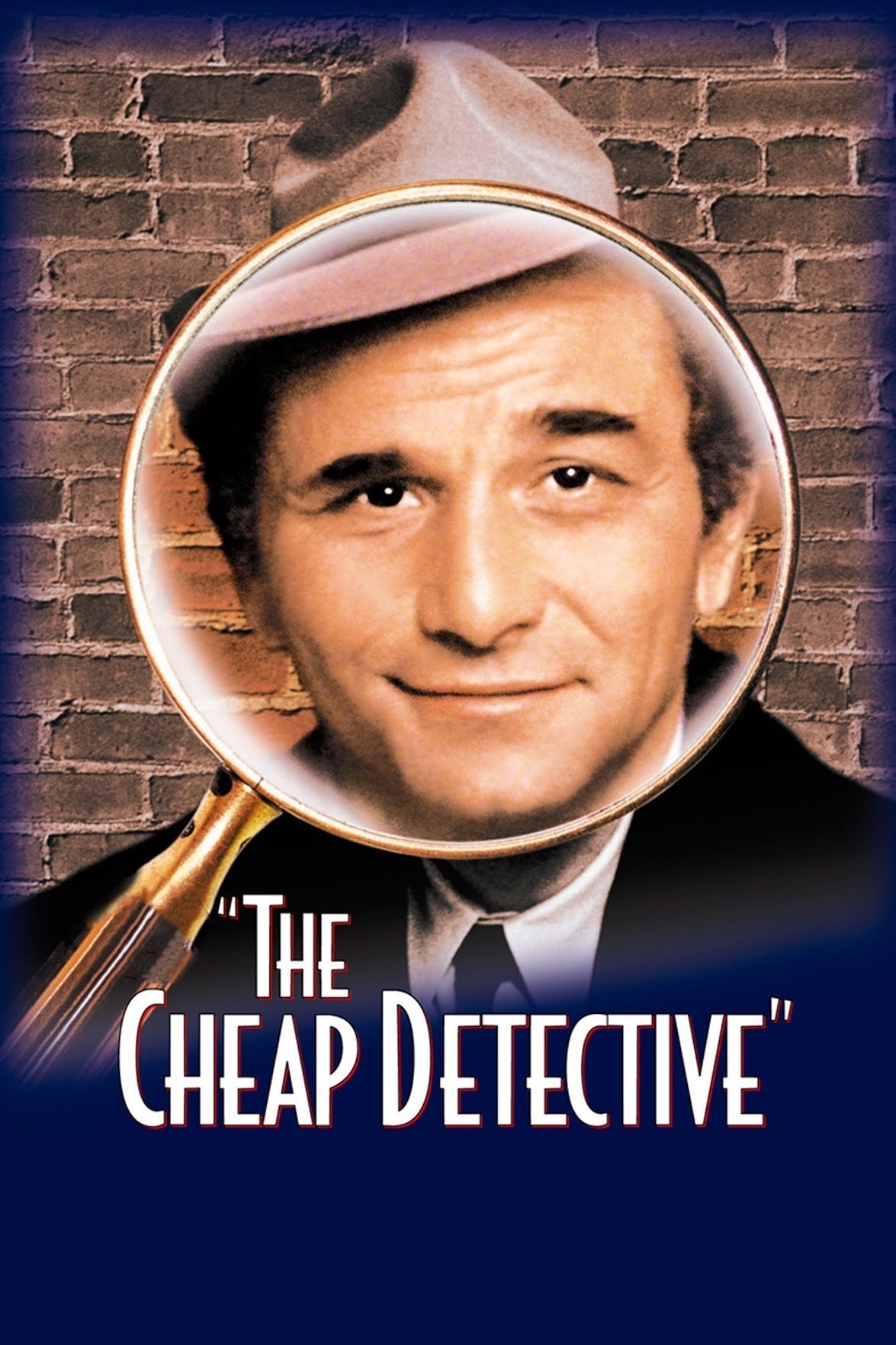
Written by Neil Simon and directed by Robert Moore, ‘The Cheap Detective’ stars Peter Falk in a collage of private-eye send-ups. Columbia Pictures’ marketing spotlighted its ensemble, including Ann-Margret, Eileen Brennan, and Marsha Mason. Sets evoke smoky nightclubs, docks, and hotel lobbies associated with classic noir. The script stitches together familiar archetypes into rapid-fire interrogations and double-crosses.
‘Semi-Tough’ (1977)
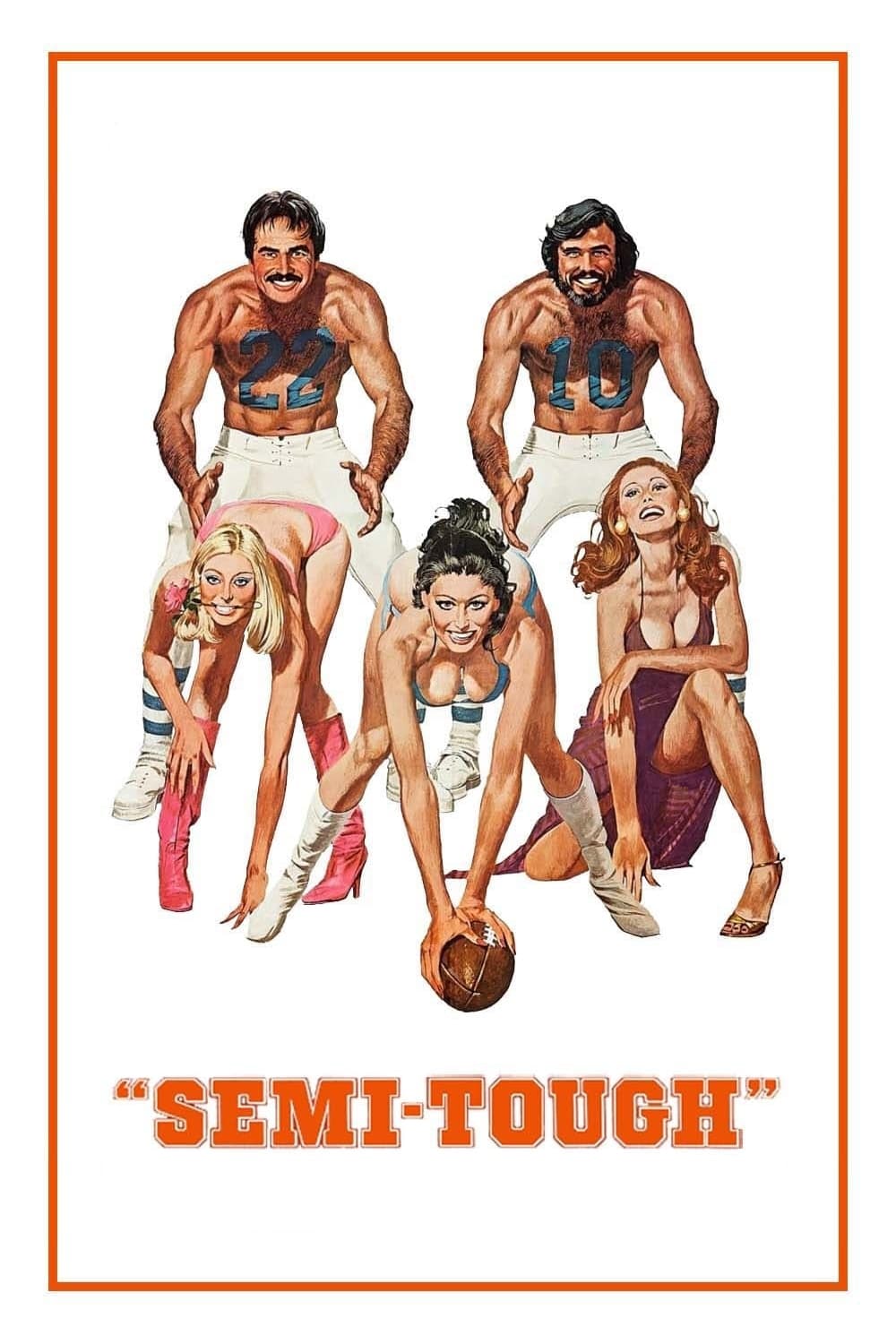
‘Semi-Tough’ blends locker-room comedy with self-help satire, starring Burt Reynolds, Kris Kristofferson, and Jill Clayburgh. United Artists backed the project, pairing football sequences with wellness-craze parodies. Stadium shoots, training montages, and press-conference bits frame the story’s professional-sports backdrop. The film balances ensemble banter with media-circus and publicity-stunt scenes.
‘The Bad News Bears Go to Japan’ (1978)
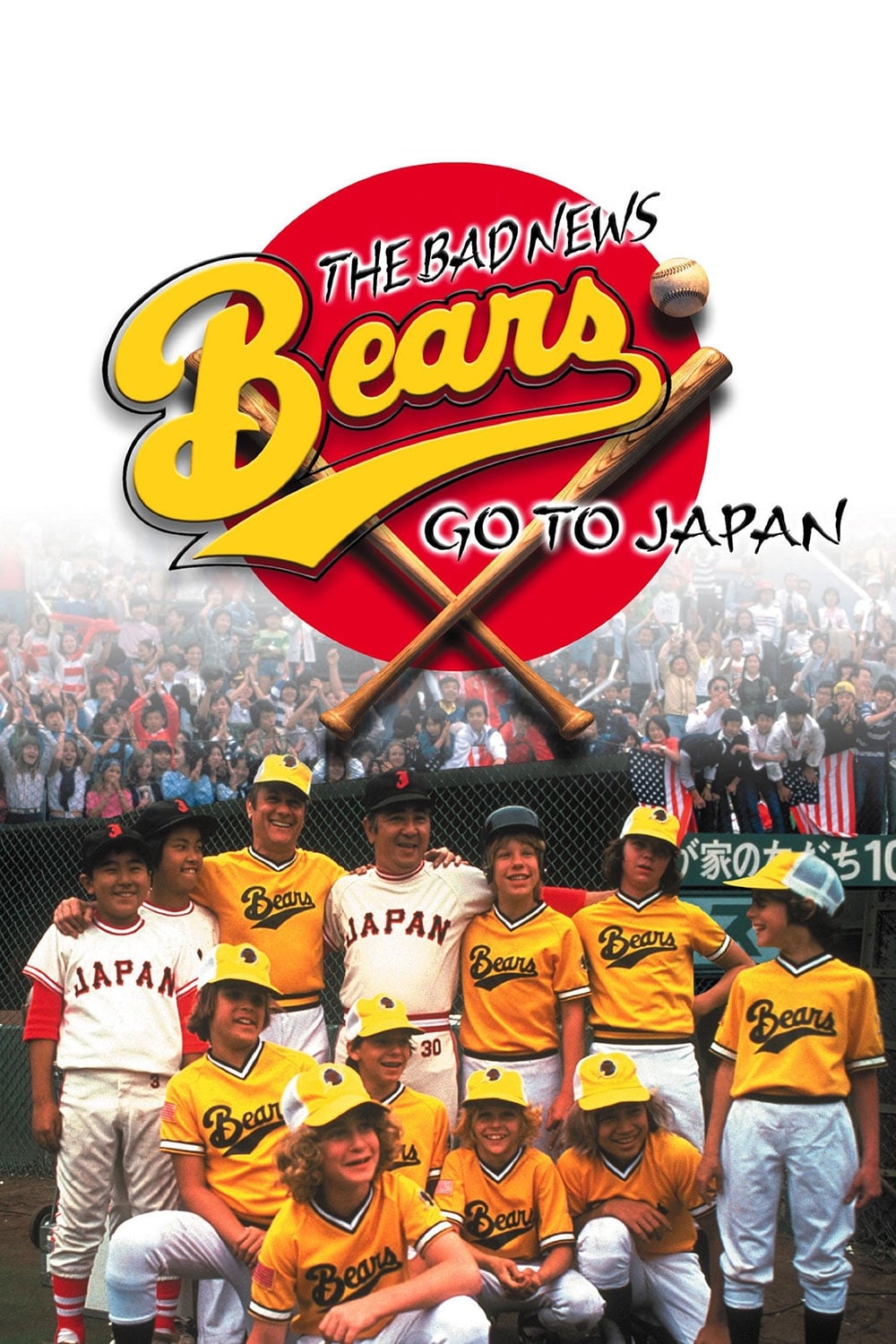
The third entry in the franchise, ‘The Bad News Bears Go to Japan’ moves the team overseas for exhibition games and promotional appearances. Paramount released it with Tony Curtis stepping in as the adult lead amid cast changes. Location footage mixes cityscapes, stadiums, and travel-montage interludes. The film continues the series’ blend of dugout chatter, on-field set pieces, and culture-clash gags.
‘The Jerk’ (1979)

Steve Martin’s starring vehicle, ‘The Jerk’, follows a hapless inventor whose fortunes swing wildly. Universal Pictures distributed the film, highlighting Martin’s stand-up persona translated into feature-length set pieces. Director Carl Reiner structures the narrative as a picaresque with road stops, product gags, and romance interludes. The supporting cast includes Bernadette Peters, M. Emmet Walsh, and character cameos from Martin’s comedy circle.
‘Fire Sale’ (1977)
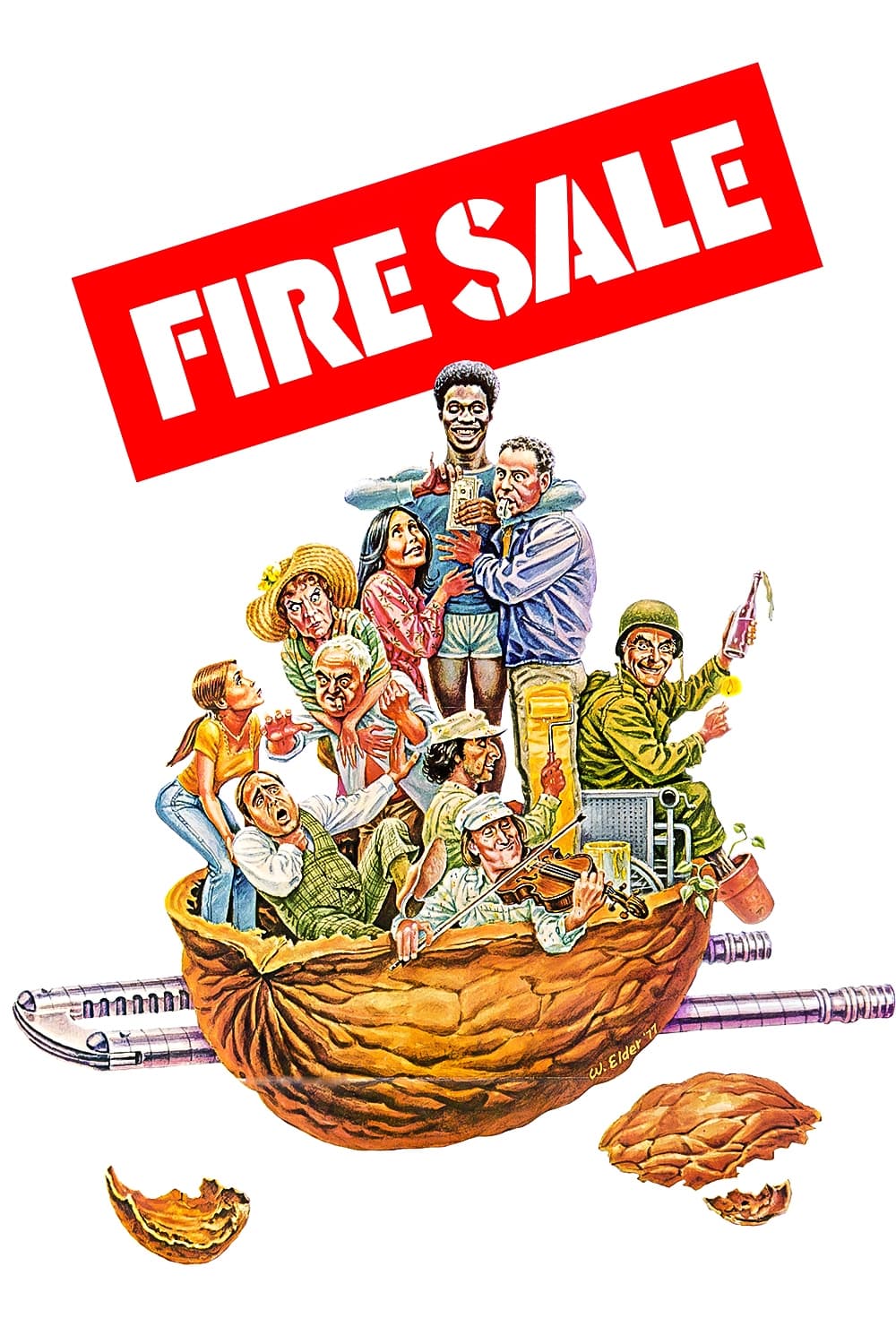
Directed by and starring Alan Arkin, ‘Fire Sale’ centers on a family department store and a series of chaotic schemes to keep it afloat. 20th Century Fox released the film, positioning it as an ensemble farce with Richard Libertini and Rob Reiner in support. The story moves through sales floors, warehouses, and neighborhood settings tied to small-business pressures. Its humor plays off miscommunications, municipal red tape, and ill-timed publicity stunts.
Share which titles you’ve seen and what stood out to you in the comments.