1980s Sitcoms That Are Completely Unwatchable Today


The 1980s were packed with multi-camera comedies built for weekly broadcast, heavy use of laugh tracks, and storylines shaped by network standards of the time, and many shows leaned on trends like first-run syndication, family moral lessons, and high-concept gimmicks. Home video and syndication kept a lot of them circulating, sometimes with cuts for time or music. Many were taped on standard-definition video that looks soft on modern screens. Others were spinoffs or retools that reflected industry moves more than long-term storytelling plans.
‘Small Wonder’ (1985–1989)
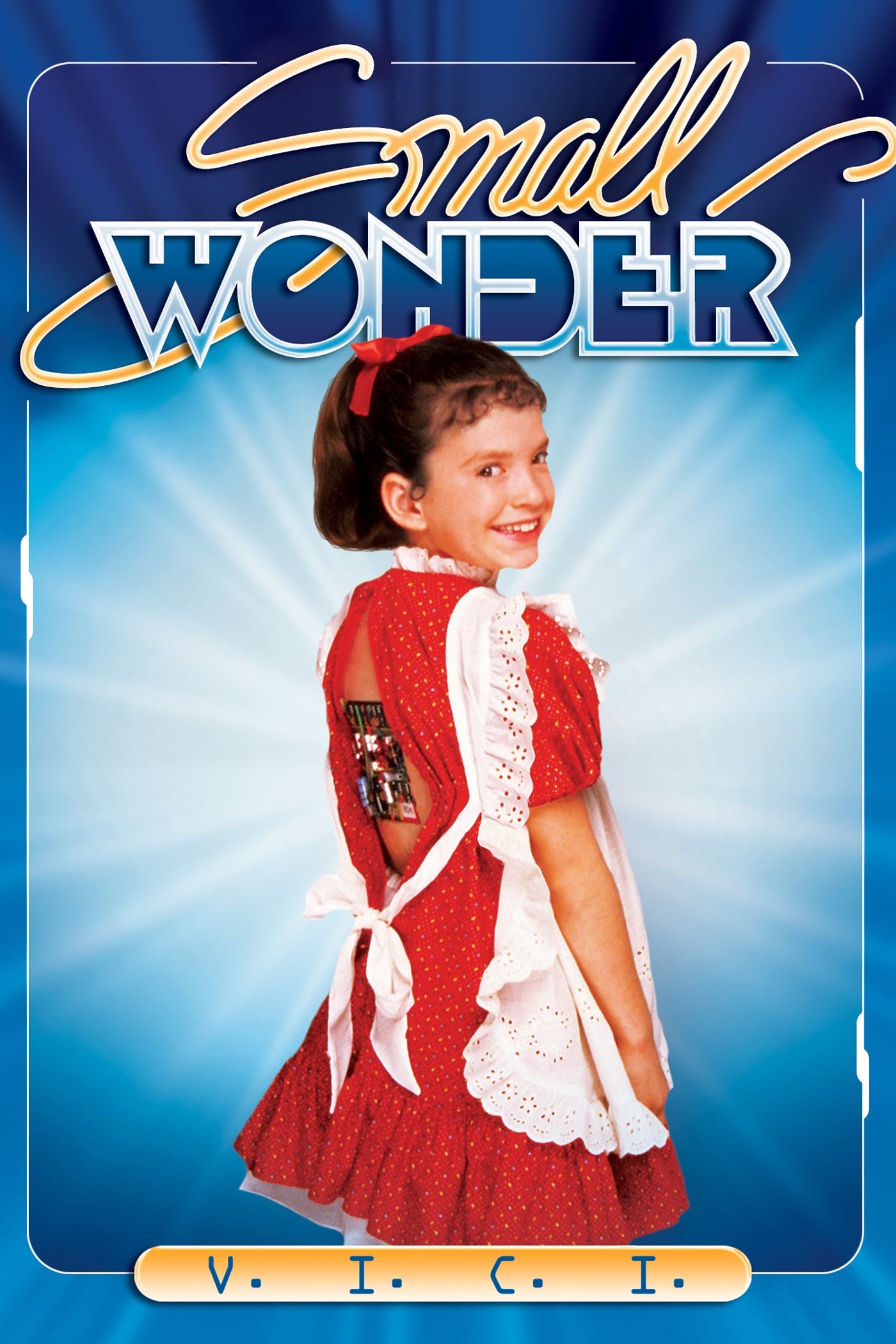
This series centers on a family hiding a robot child prototype named Vicki in their suburban home. Episodes were taped on videotape with a laugh track and produced for first-run syndication. The show often used bottle sets and minimal location work to control costs. It ran four seasons and became a staple of weekend reruns in several markets.
‘Out of This World’ (1987–1991)
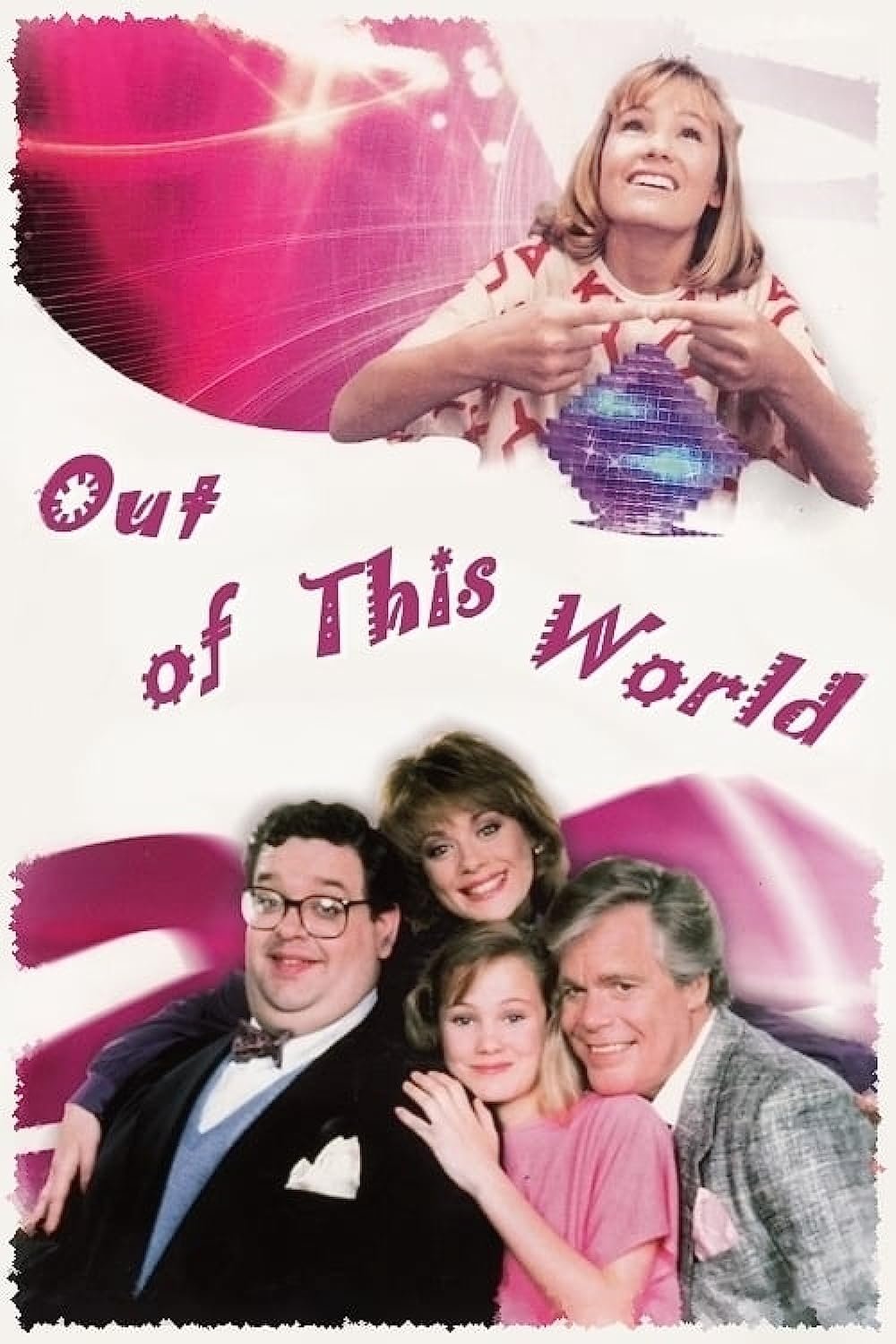
A teen discovers she has alien powers inherited from her off-world father who communicates via a glowing cube. The series aired mostly in first-run syndication with a traditional multi-camera setup. Stories frequently revolved around freezing time and secret-identity complications. It lasted four seasons and featured numerous guest appearances by TV veterans.
‘Charles in Charge’ (1984–1990)
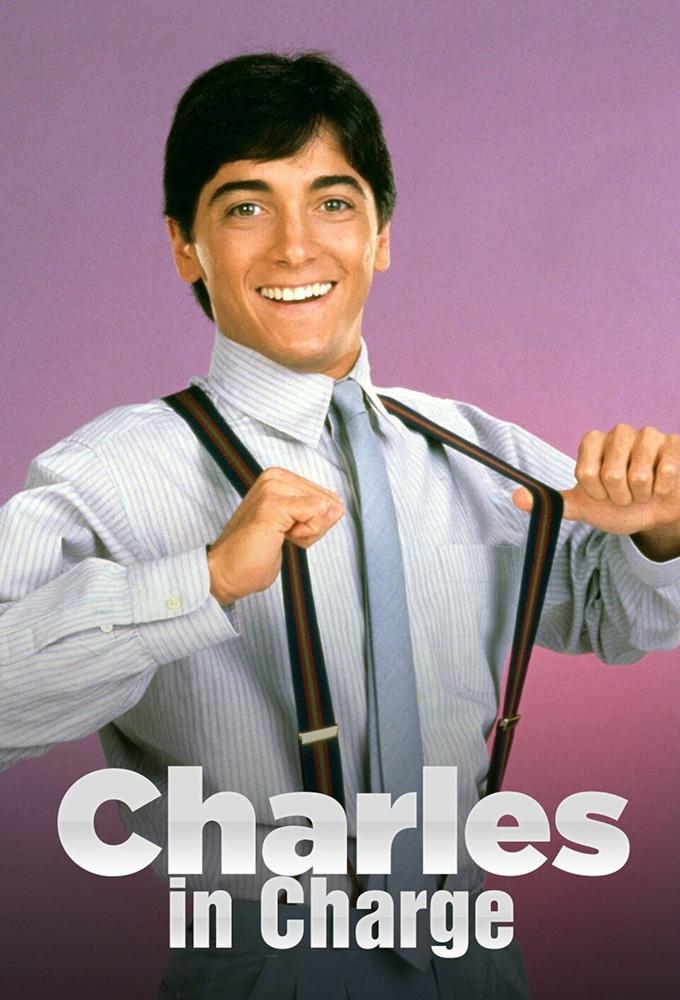
A college student becomes a live-in caretaker for two different families after a network-to-syndication transition. The show switched casts when it moved from CBS to first-run syndication and expanded episode counts. Production emphasized studio interiors and Friday-night scheduling blocks. Its theme song and catchphrases helped brand the series in reruns.
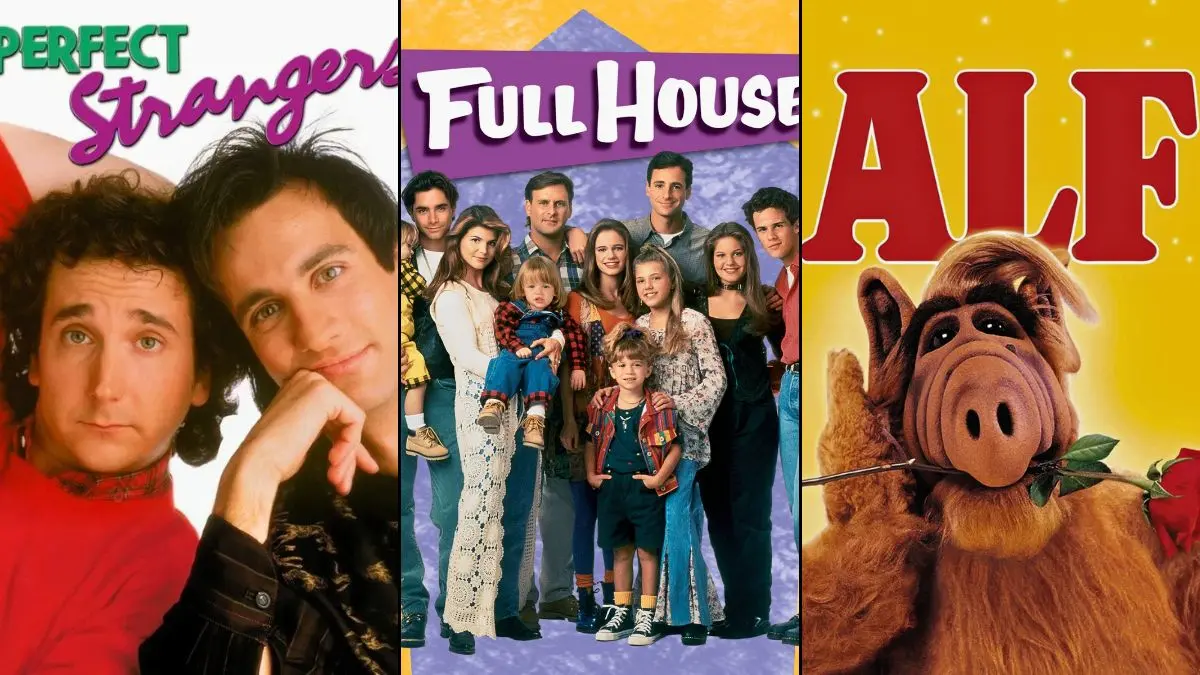
‘ALF’ (1986–1990)

A wisecracking alien puppet lives with a suburban family and hides from government agents. The production relied on complex puppet stages with trap doors and demanded precise blocking. Episodes followed a family-friendly formula with occasional “very special” storylines. The series produced 99 episodes and a TV movie epilogue.
‘Perfect Strangers’ (1986–1993)
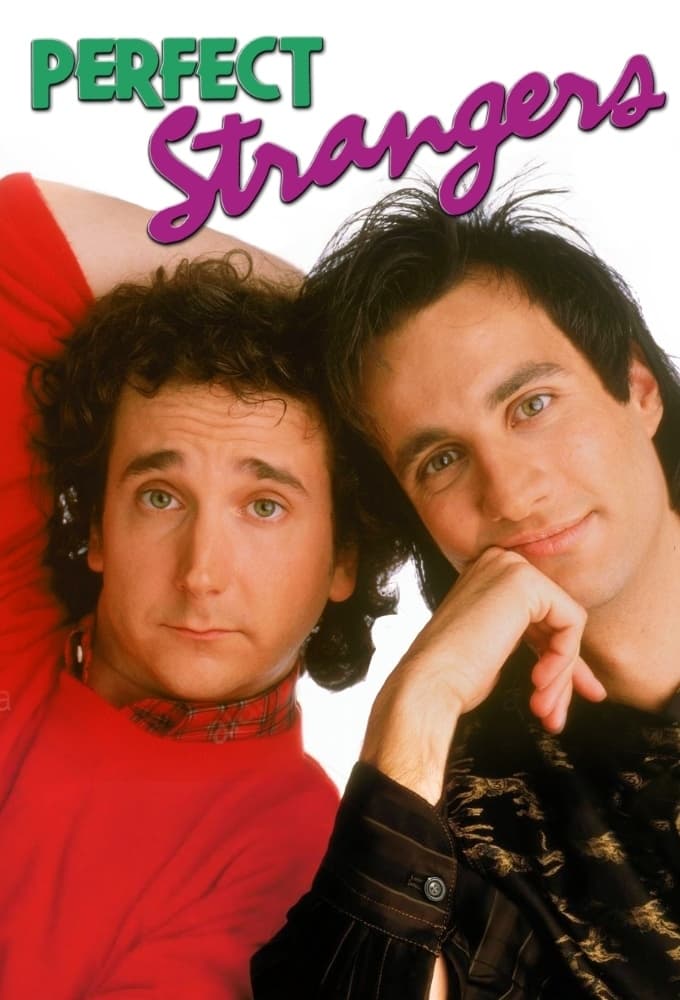
The show pairs a Chicago clerk with his enthusiastic cousin from a fictional Mediterranean island. Physical comedy and workplace plots defined its rhythm, along with a prominent laugh track. It helped launch the TGIF programming block. The series also spun off characters indirectly linked to other ABC comedies of the era.
‘Full House’ (1987–1995)
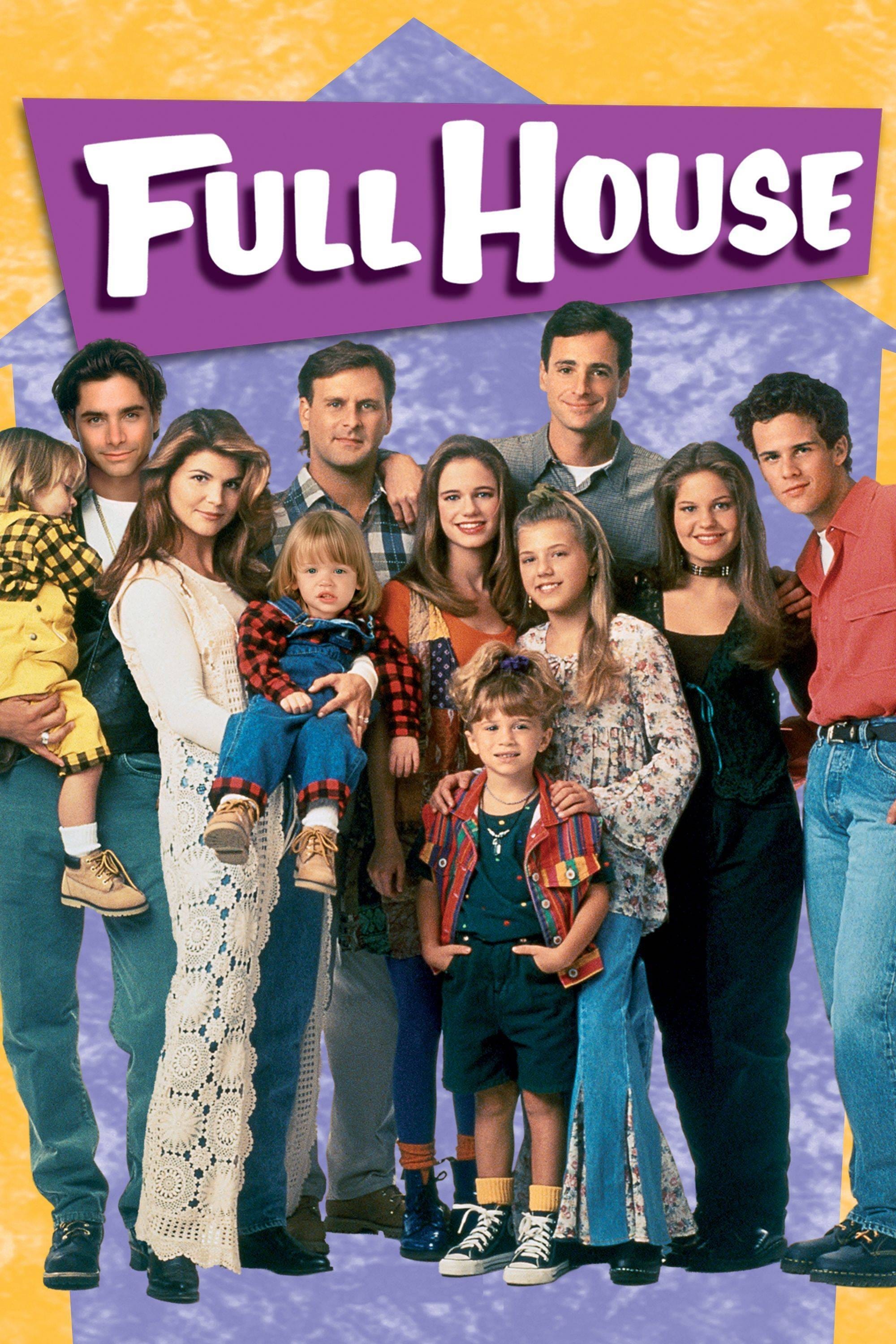
Three adults raise three girls under one roof in San Francisco after a family loss. The sitcom leaned on catchphrases, lesson-of-the-week endings, and musical tags. It was a cornerstone of ABC’s TGIF lineup and filmed on multi-camera stages. Syndication and later streaming revivals kept its brand active.
‘Who’s the Boss?’ (1984–1992)
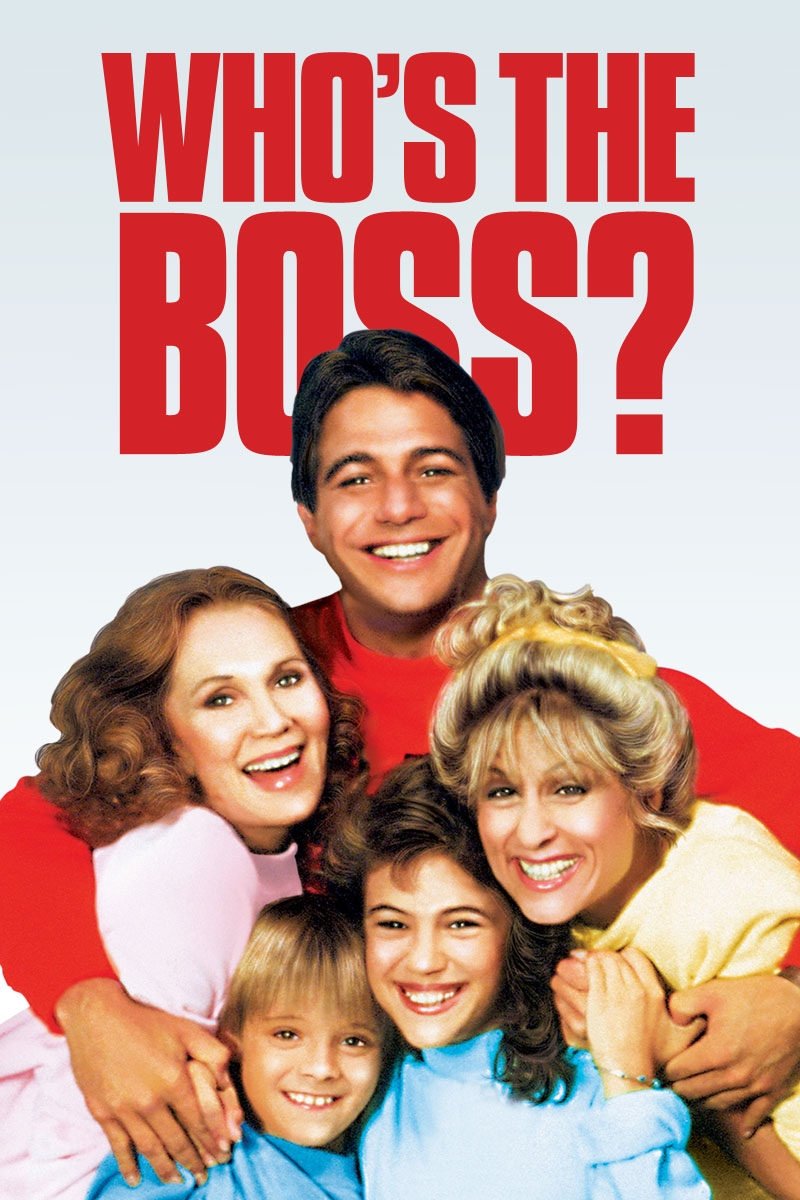
A former baseball player works as a live-in housekeeper for a high-powered advertising executive. Much of the series explores role reversals, workplace arcs, and will-they-won’t-they tension. It used familiar suburban sets and studio audiences. The show maintained strong ratings for years and spawned international adaptations.
‘Growing Pains’ (1985–1992)
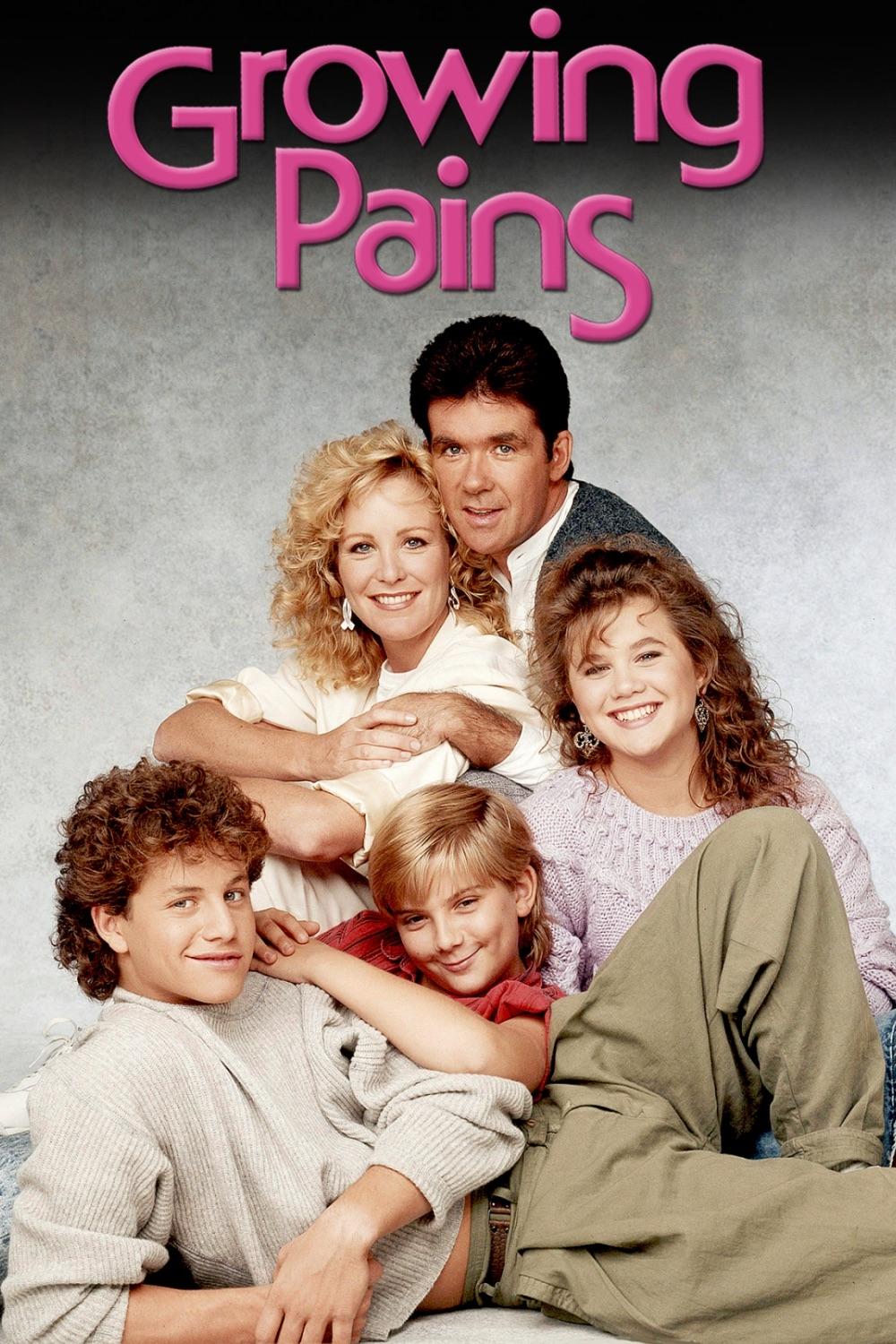
A psychiatrist father shifts to a home office while his wife returns to work, reshaping family routines. Storylines tracked teen fame arcs, school issues, and band cameos. The series introduced several performers who later headlined other projects. It remained a mainstay in syndication packages through the 1990s.
‘Head of the Class’ (1986–1991)
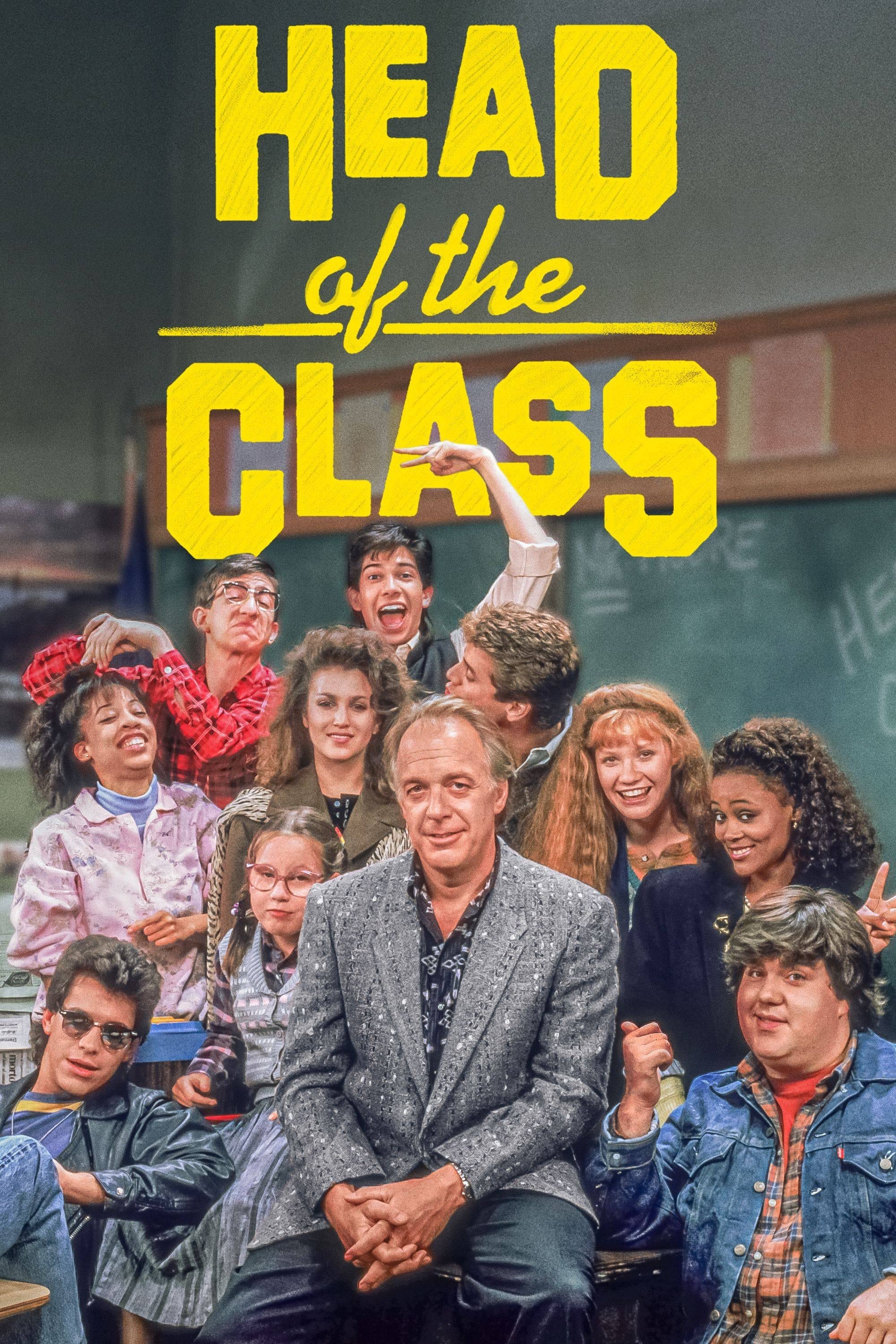
A new teacher inherits a classroom of gifted students and pursues unconventional projects. The ensemble rotated over time as students graduated and cast members departed. Filming favored classroom and hallway sets with occasional travel episodes. A later retool tried to refresh the premise with staff changes.
‘Silver Spoons’ (1982–1987)
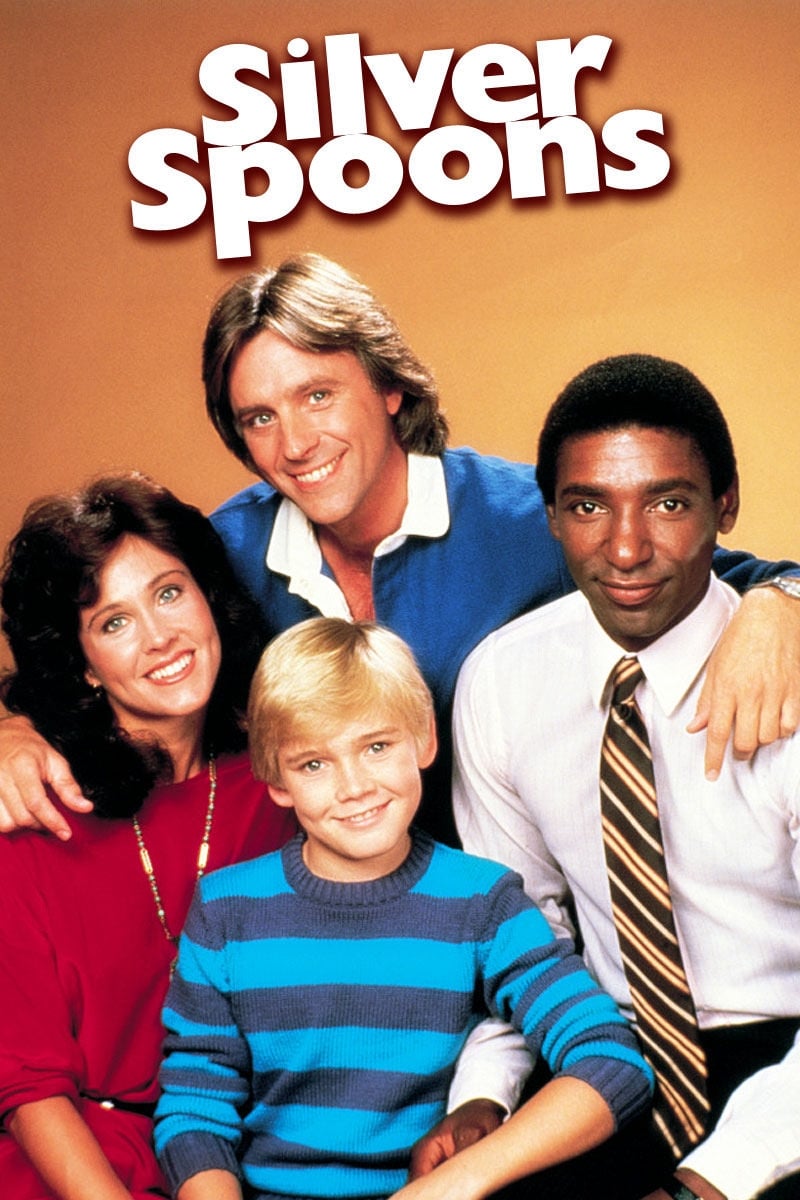
A boy moves in with his wealthy, toy-company owner father who has a mansion filled with arcade machines and trains. The series emphasized father-son bonding and school plots. It featured early roles for several future stars. The multi-camera production kept to standing sets with periodic location scenes.
‘My Two Dads’ (1987–1990)
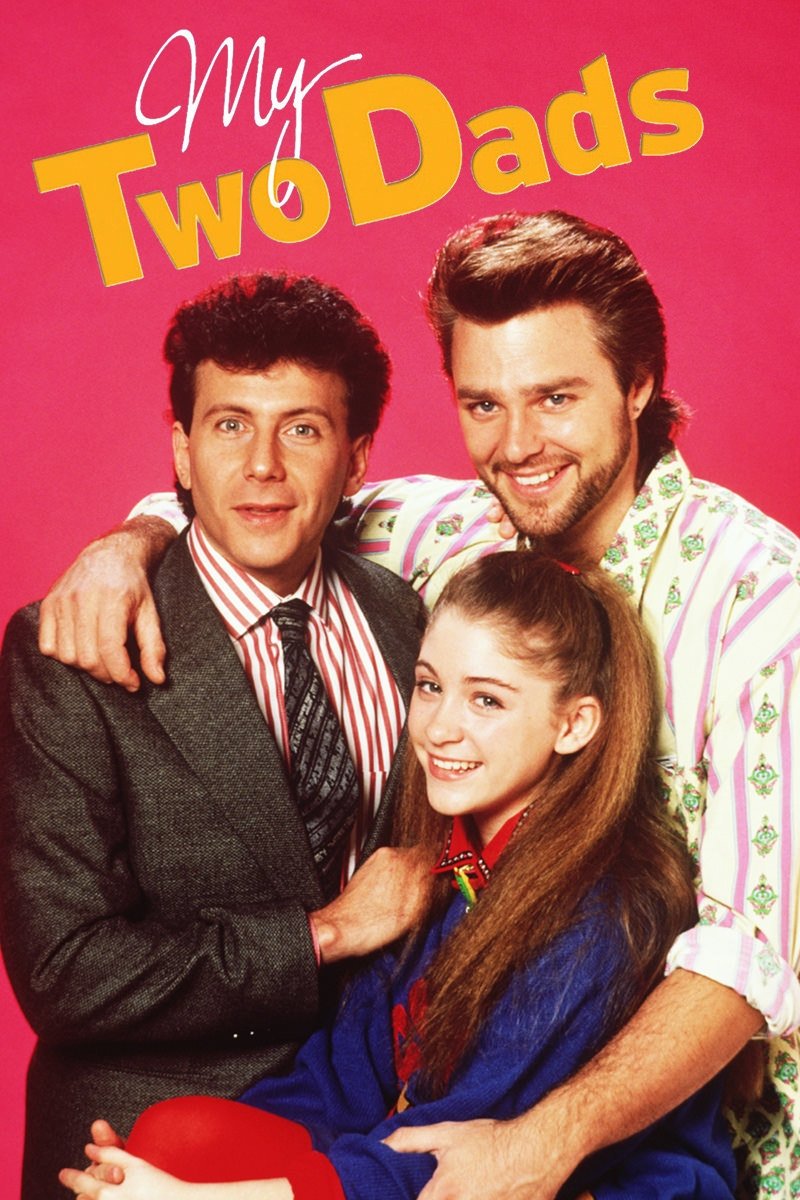
A teen is raised by two men after a court decision places her with both potential fathers. The sitcom navigated shared parenting, legal guardianship, and blended-household logistics. A café set became a recurring hub for music and teen stories. It produced three seasons before ending in 1990.
‘The Facts of Life’ (1979–1988)
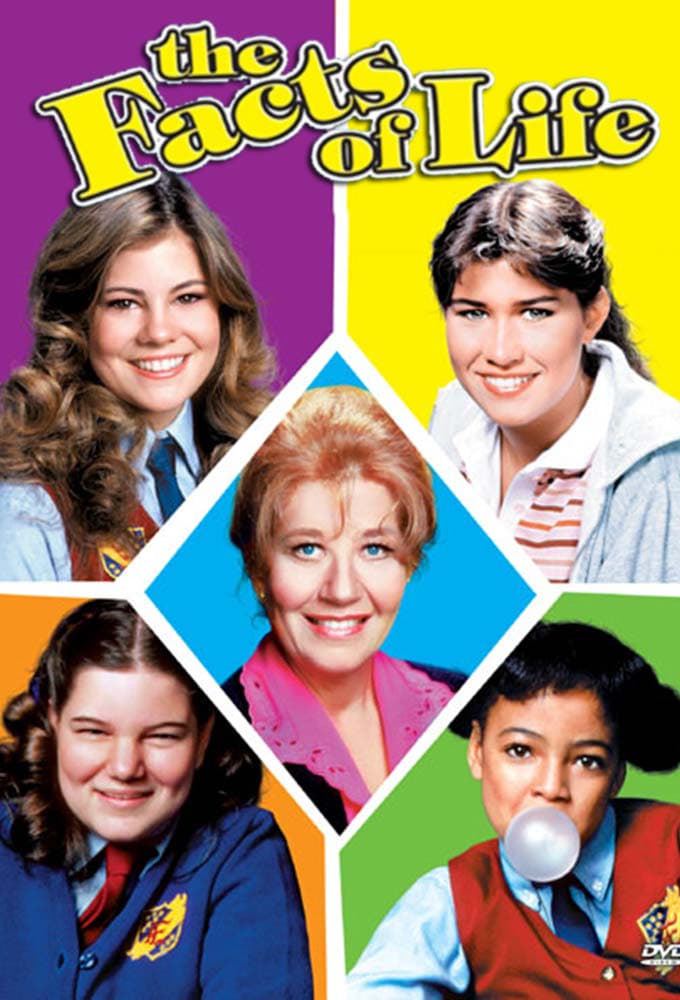
A housemother and later a small-business owner guides a group of girls from boarding school to adulthood. The series evolved from a school setting to a boutique and bakery storyline. Cast adjustments kept the core group intact while others exited. Music clearances and episode edits sometimes affect reruns.
‘Diff’rent Strokes’ (1978–1986)
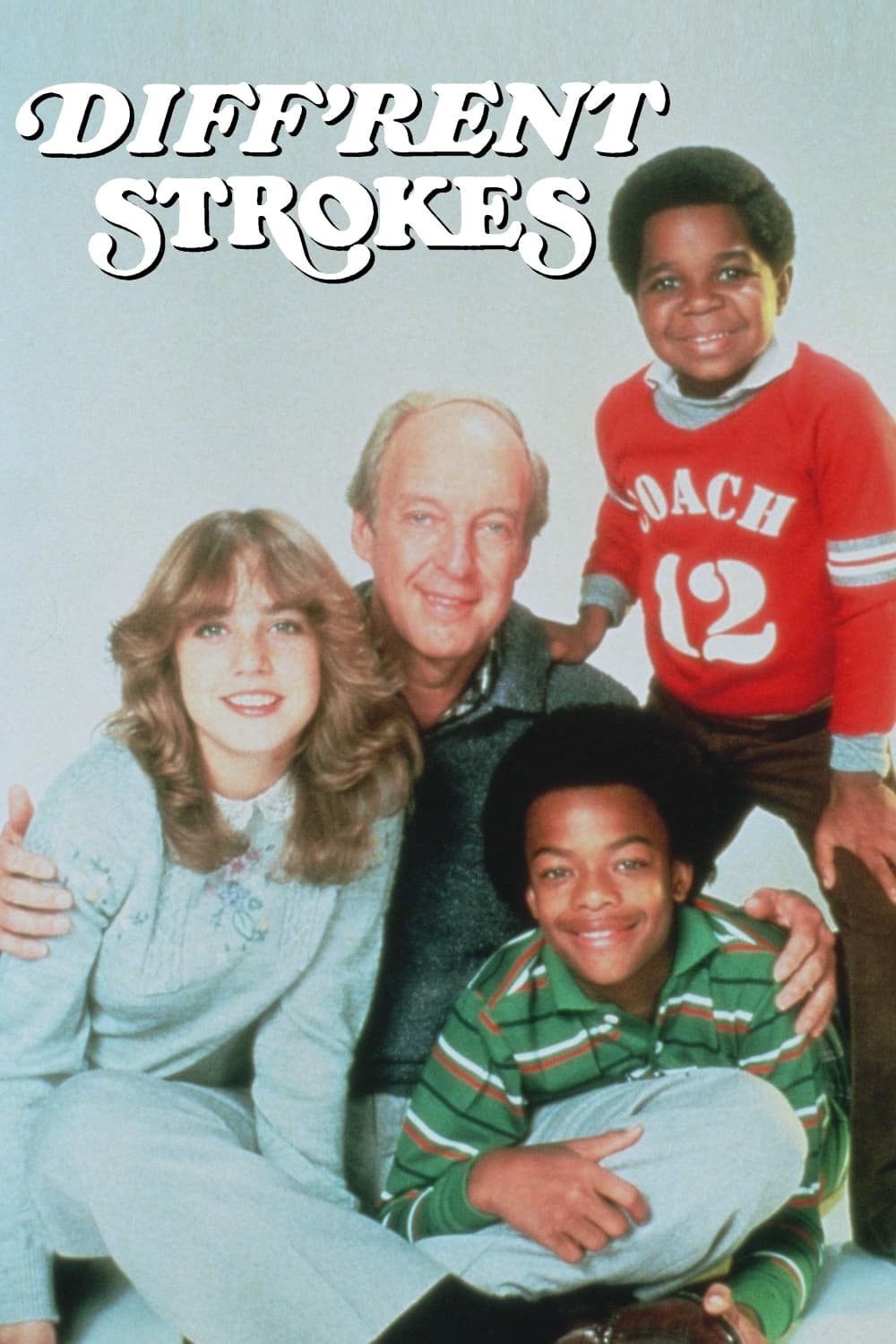
Two brothers from Harlem are adopted by a Park Avenue widower, creating a fish-out-of-water family. The show popularized “very special episode” formats on sensitive topics. It moved networks late in its run and experienced cast changes. Syndication packages often emphasize earlier seasons.
‘Webster’ (1983–1989)
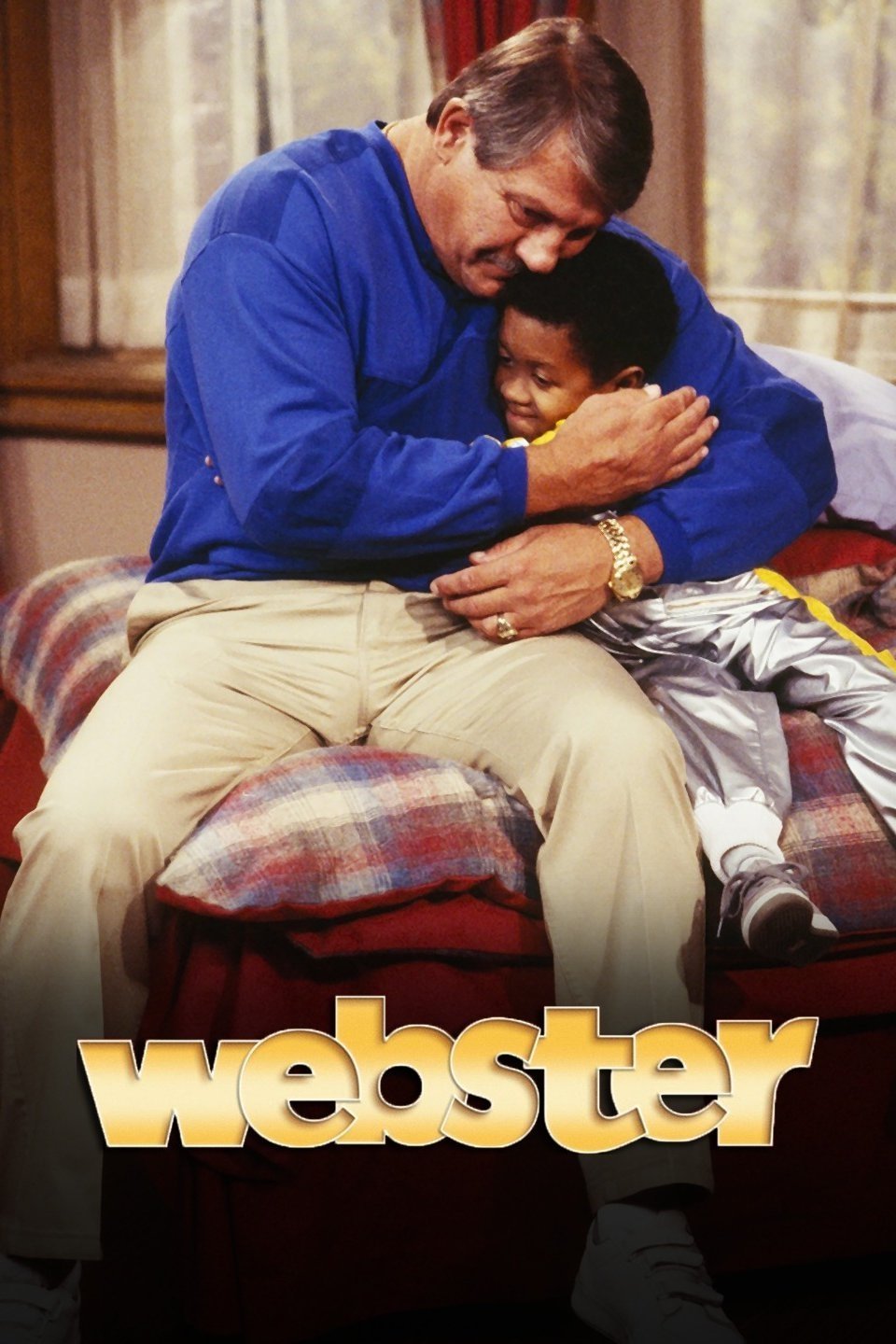
A newlywed couple becomes guardians of a friend’s young son after a tragedy. The series leaned on heartfelt plots, holiday specials, and apartment-building set pieces. It aired on network television before transitioning to syndication. The production used a traditional laugh track and studio audience approach.
‘Mr. Belvedere’ (1985–1990)
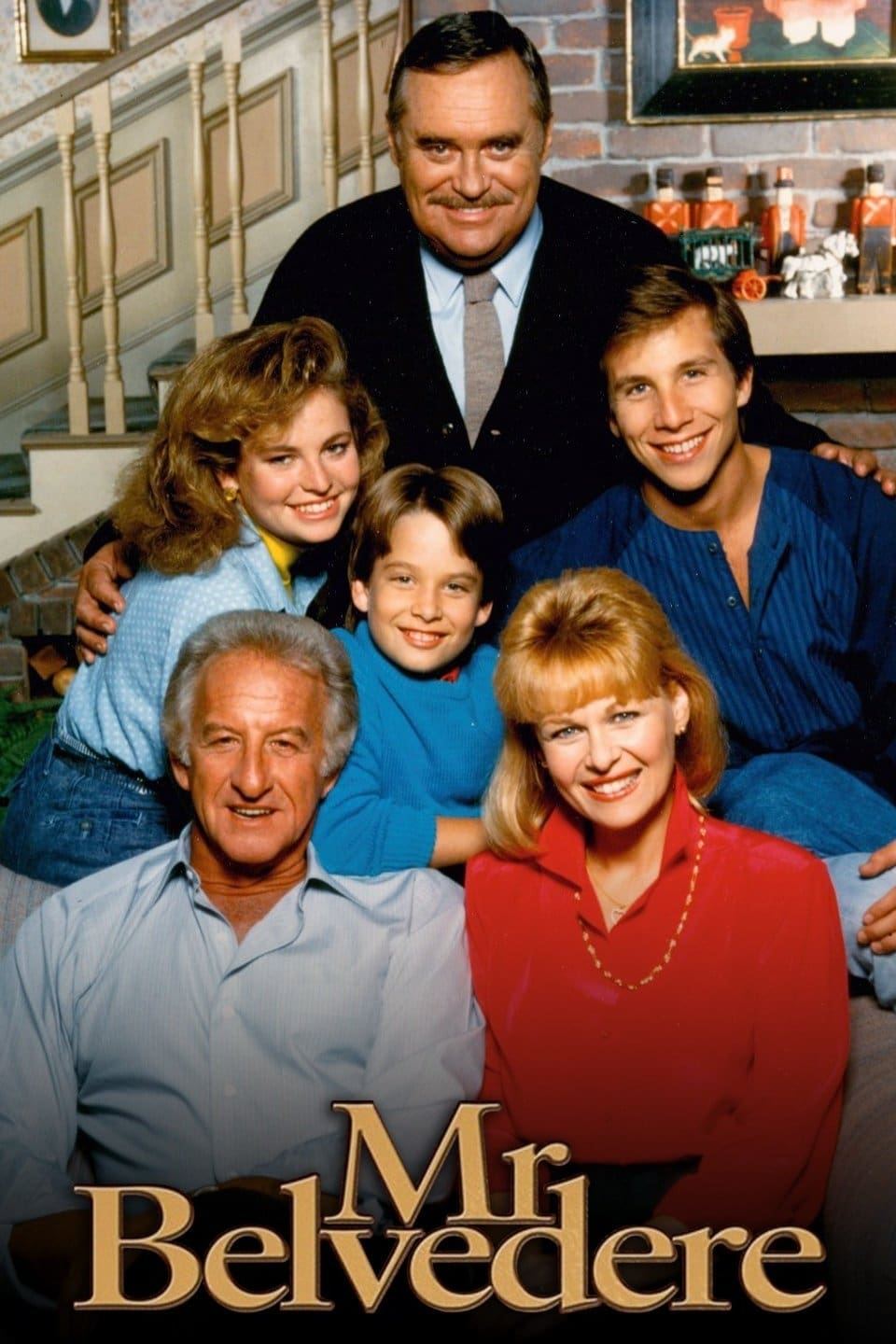
An English butler manages an American household while keeping a dry diary of events. Episodes mix schoolyard issues, workplace stories, and neighbor subplots. The show filmed on multi-camera stages with a live audience. It finished with more than 100 episodes for syndication.
‘The Hogan Family’ (1986–1991)
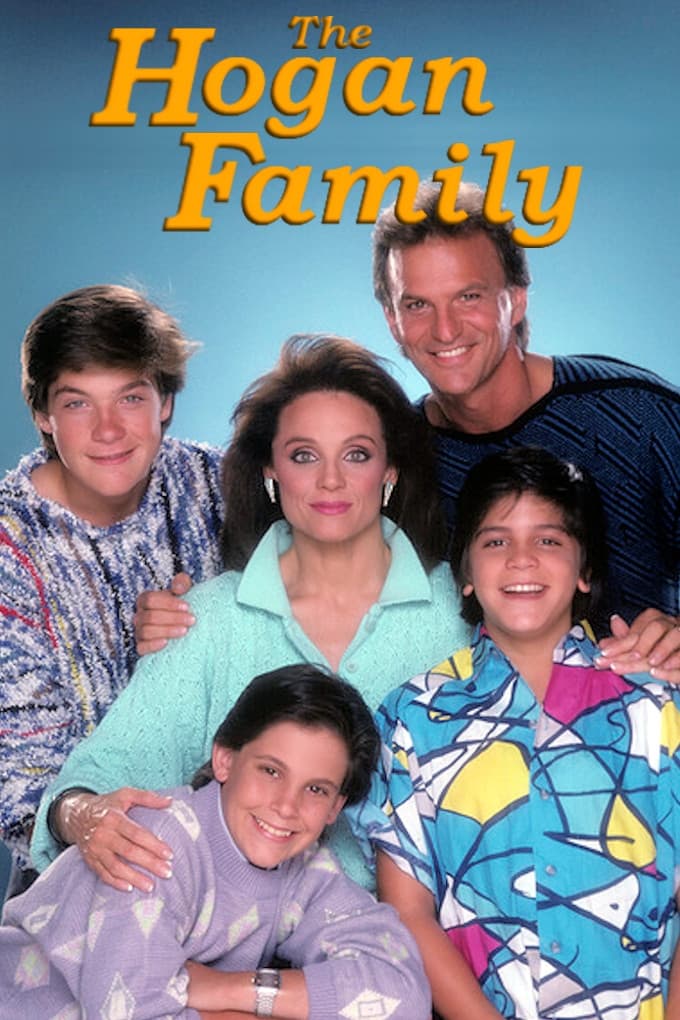
Initially titled ‘Valerie’, the series retooled after its lead’s departure and continued under a new name. The narrative focused on teen sons, an uncle figure, and shifting household dynamics. Branding, credits, and syndication edits reflect the title change. The rebrand kept the show running across multiple seasons.
‘Just the Ten of Us’ (1988–1990)
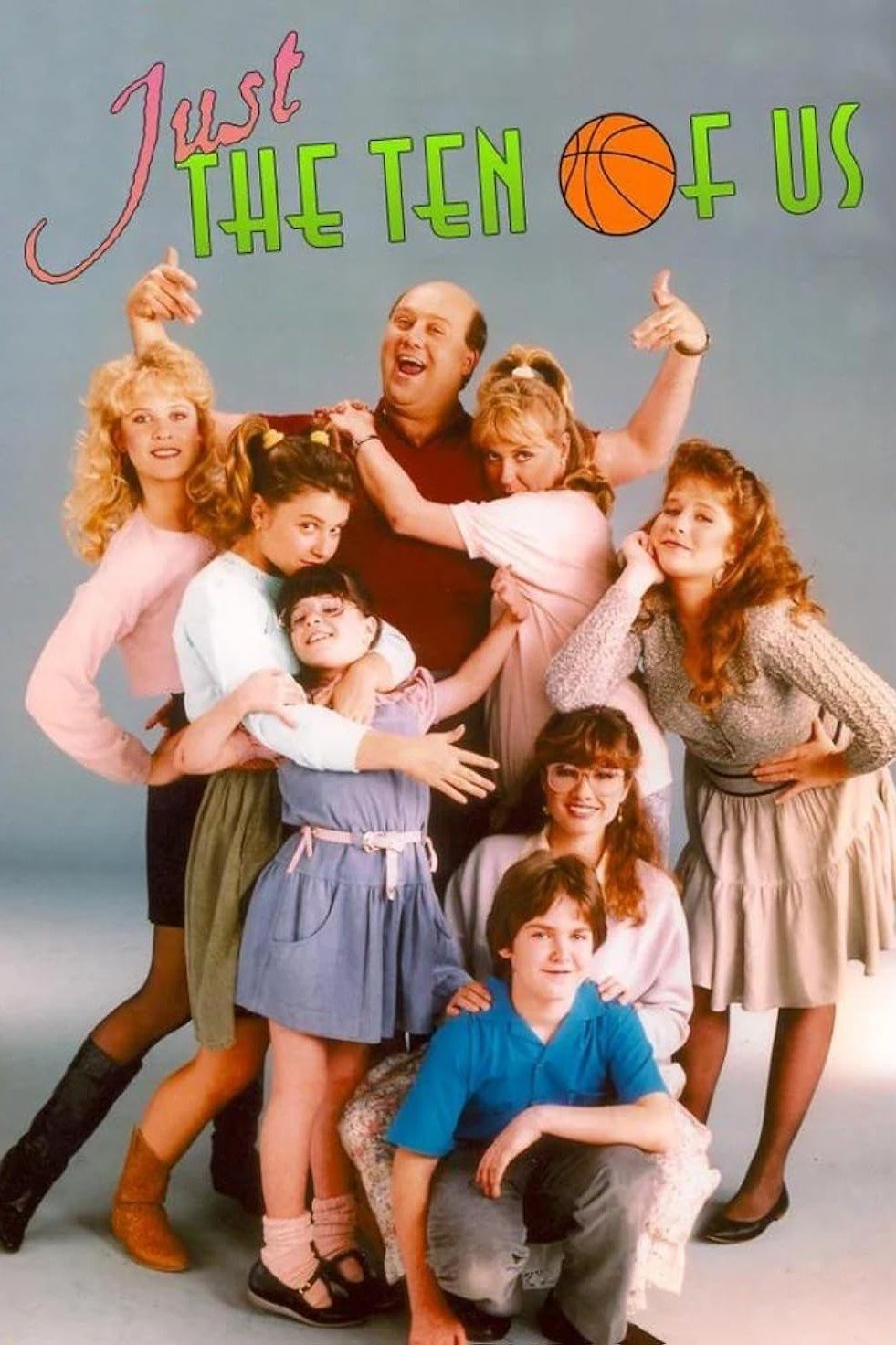
A coach and his large family relocate for his new job at a parochial school. The show is a spinoff of characters introduced on ‘Growing Pains’. Music performance numbers and teen plotlines were recurring features. The series ran on network schedules tied to larger Friday blocks.
‘Gimme a Break!’ (1981–1987)
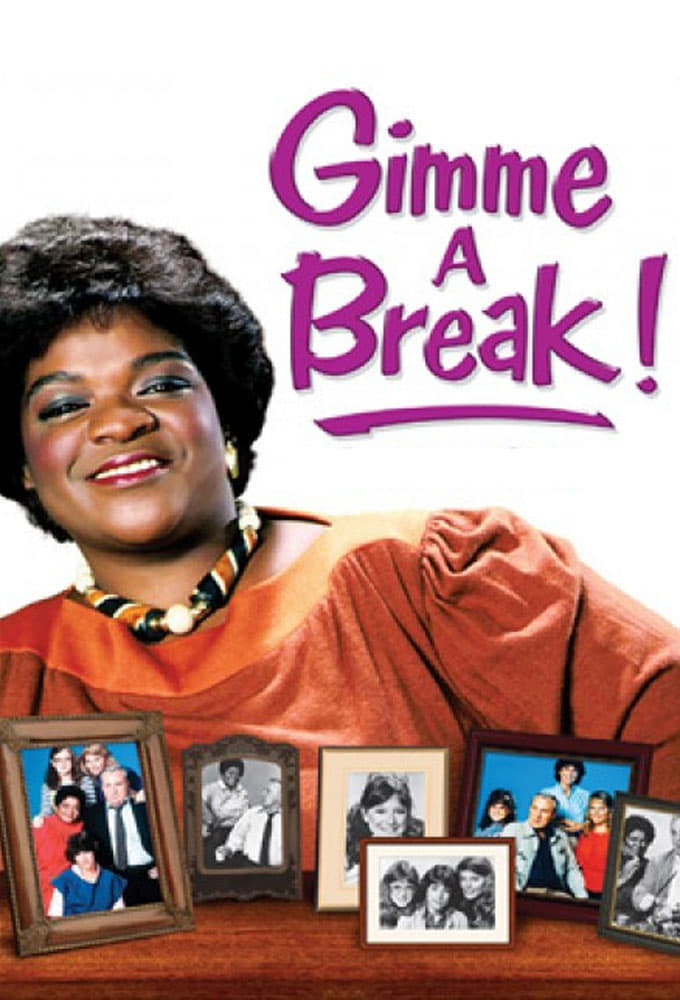
A woman becomes a housekeeper and de facto guardian for a widowed police chief’s daughters. The show shifted locales and cast over time, including a late-run move to New York. It embraced musical interludes and talent-show episodes. The series produced six seasons with strong early ratings.
‘Kate & Allie’ (1984–1989)
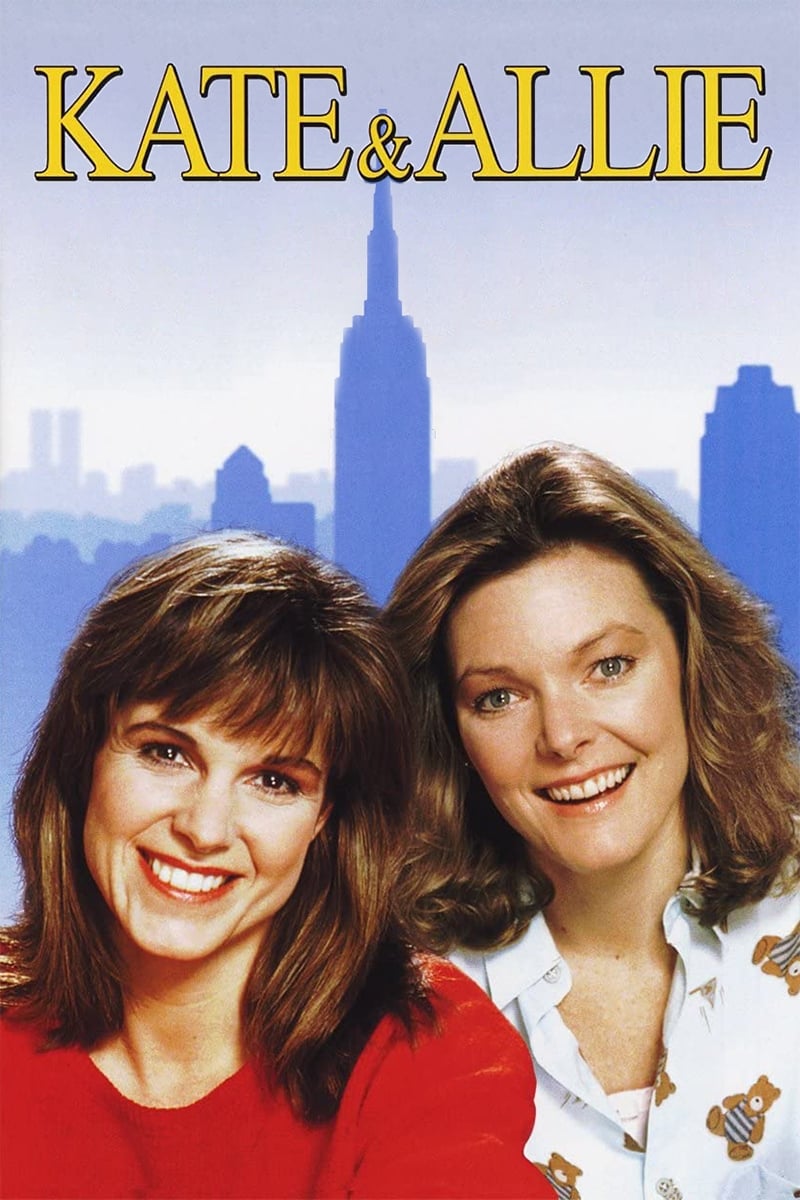
Two divorced friends share a Greenwich Village apartment and raise their children together. The sitcom tracked custody issues, remarriage arcs, and apartment reshuffles. Filming balanced studio sets with occasional exterior scenes. It maintained a consistent tone through its network run.
‘It’s Your Move’ (1984–1985)

A teen schemer butts heads with his mother’s new boyfriend in a battle of pranks and one-upmanship. The series used single-set staging around an apartment complex. Despite a brief run, it developed a cult following in later years. Episodes showcase early work from future TV creators.
‘The Tortellis’ (1987)
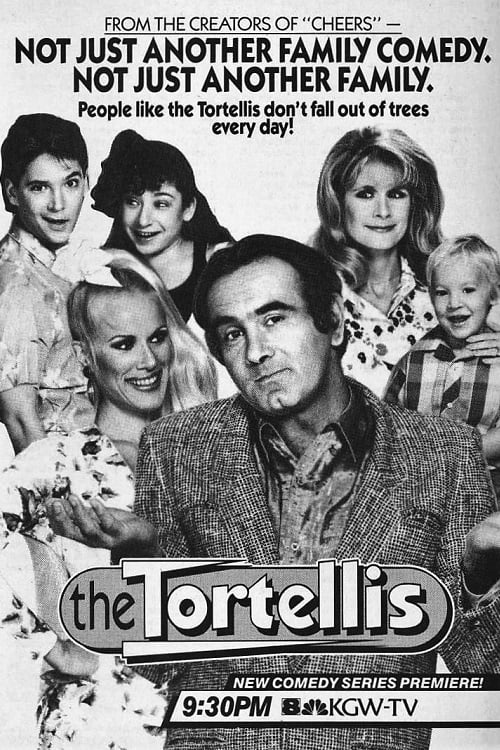
This short-lived spinoff follows a divorced couple from ‘Cheers’ as they relocate to Las Vegas with extended family orbiting their apartment complex. Episodes focus on job hunts, custody tensions, and in-law conflicts while reusing familiar character dynamics from its parent series. The production kept to multi-camera stages with recurring set pieces like the apartment and local hangouts. It aired a single season with occasional ‘Cheers’ cast cameos to boost visibility.
‘Three’s a Crowd’ (1984–1985)
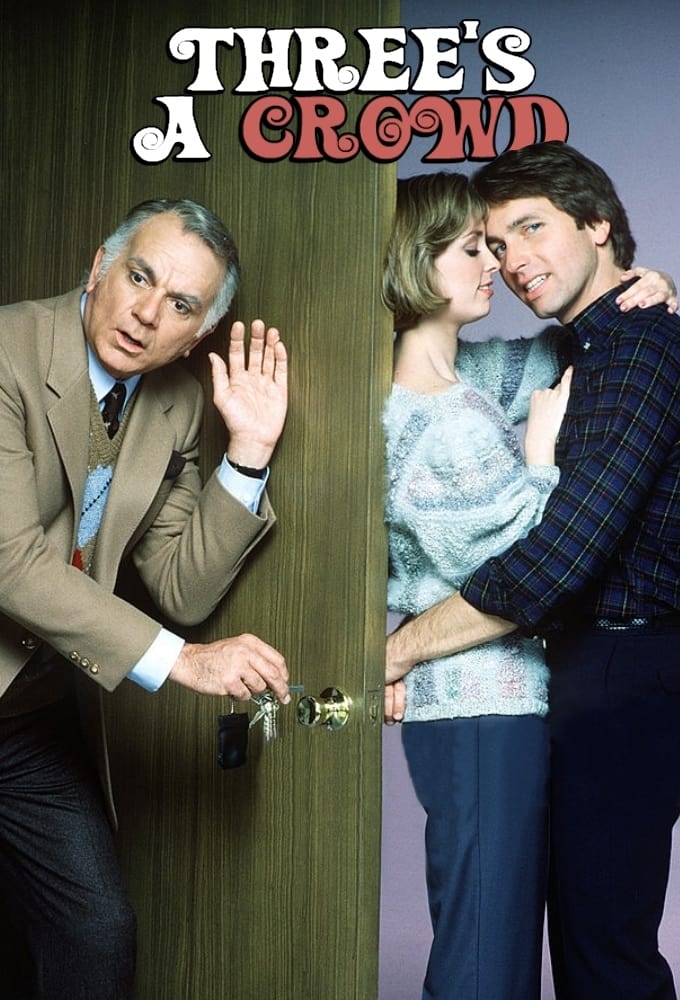
A direct follow-up to ‘Three’s Company’, it focuses on Jack opening a restaurant while navigating a new relationship. The series retained farce elements and recurring misunderstandings. Familiar supporting players returned in guest spots. It concluded after one season when ratings declined.
‘Bosom Buddies’ (1980–1982)
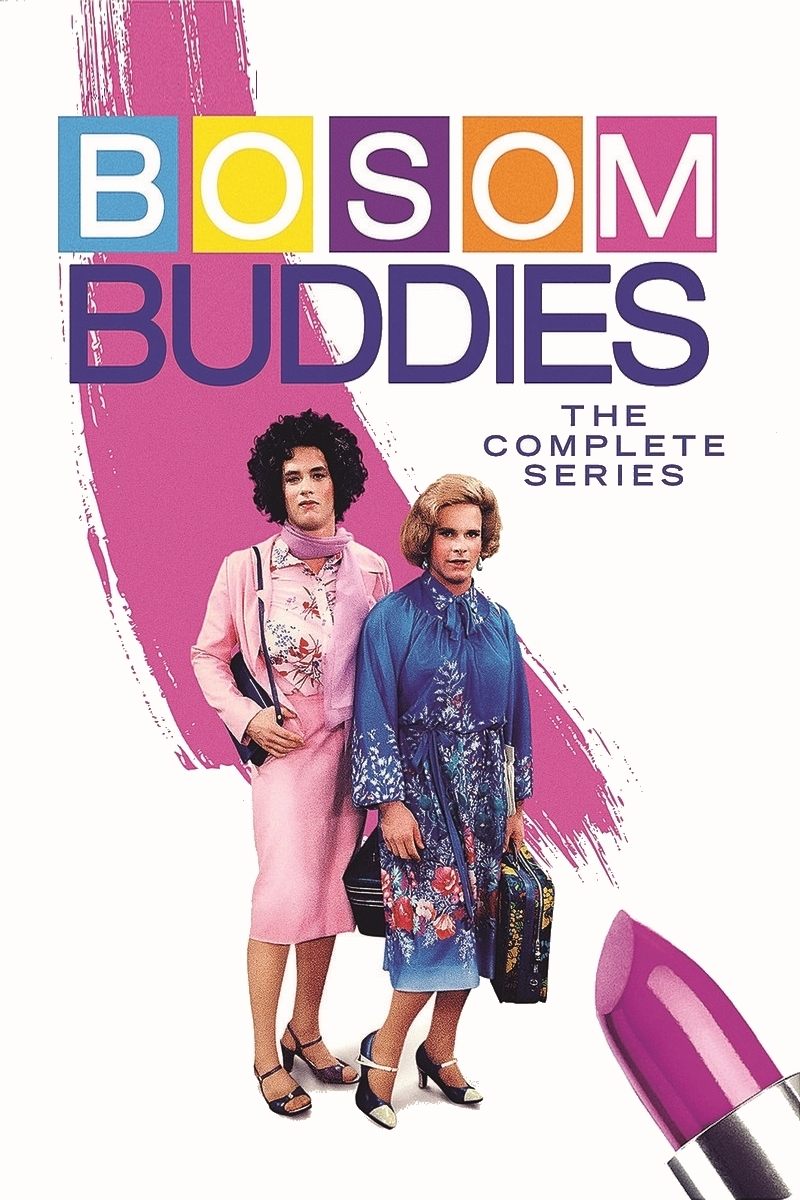
Two friends disguise themselves as women to live in an affordable, women-only residence. The premise generated workplace and identity mix-ups tied to an ad agency setting. The cast shot on multi-camera stages with a studio audience. Music licensing changes affected home-video releases.
‘She’s the Sheriff’ (1987–1989)
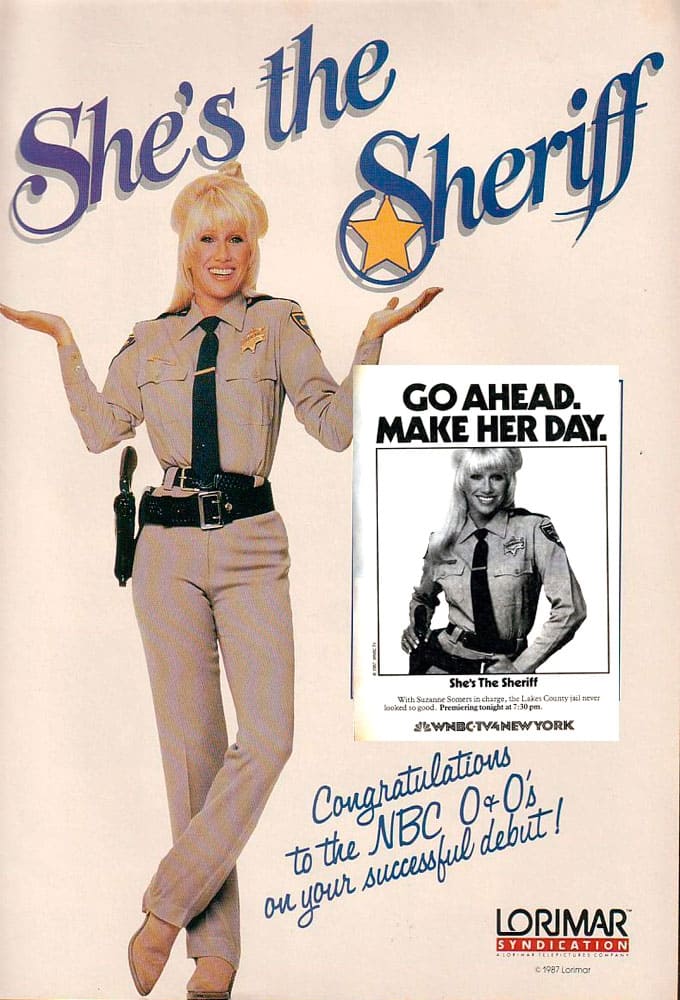
A widow becomes county sheriff while raising two children in a Nevada town. Plots combined small-town policing with parenting and office staff antics. The show employed a traditional sitcom format with episodic resolutions. It aired in first-run syndication for two seasons.
‘The Charmings’ (1987–1988)
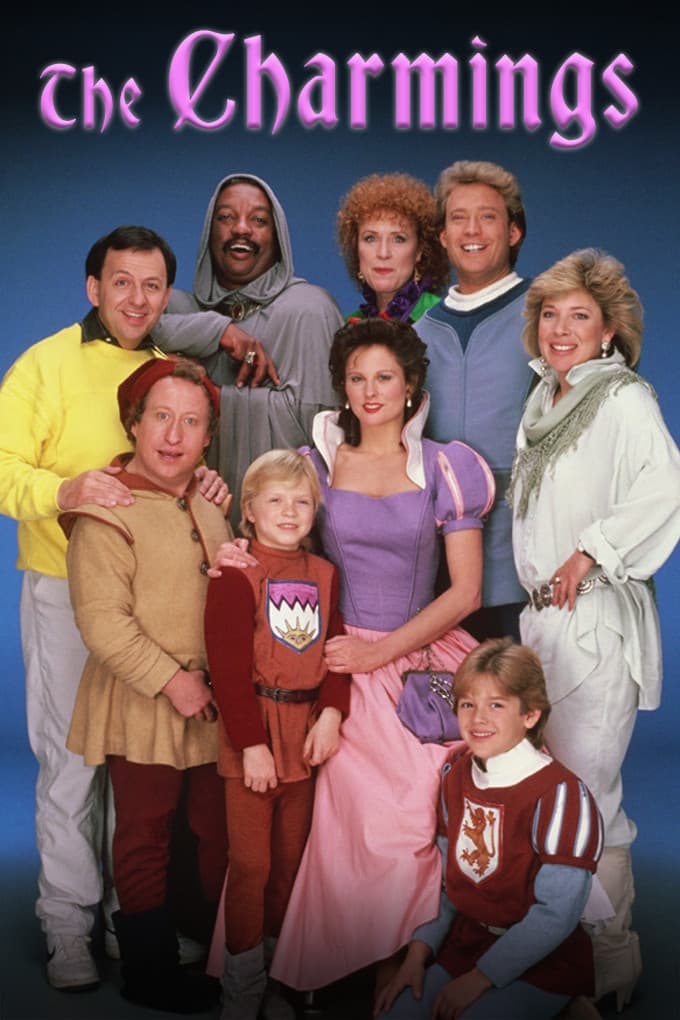
Fairy-tale royals wake up in 1980s suburban America and try to adapt to modern life. The premise relied on fish-out-of-water gags and magical mishaps. Cast changes occurred between seasons, including a recast of a lead role. The series ran for two brief seasons before cancellation.
‘Jennifer Slept Here’ (1983–1984)
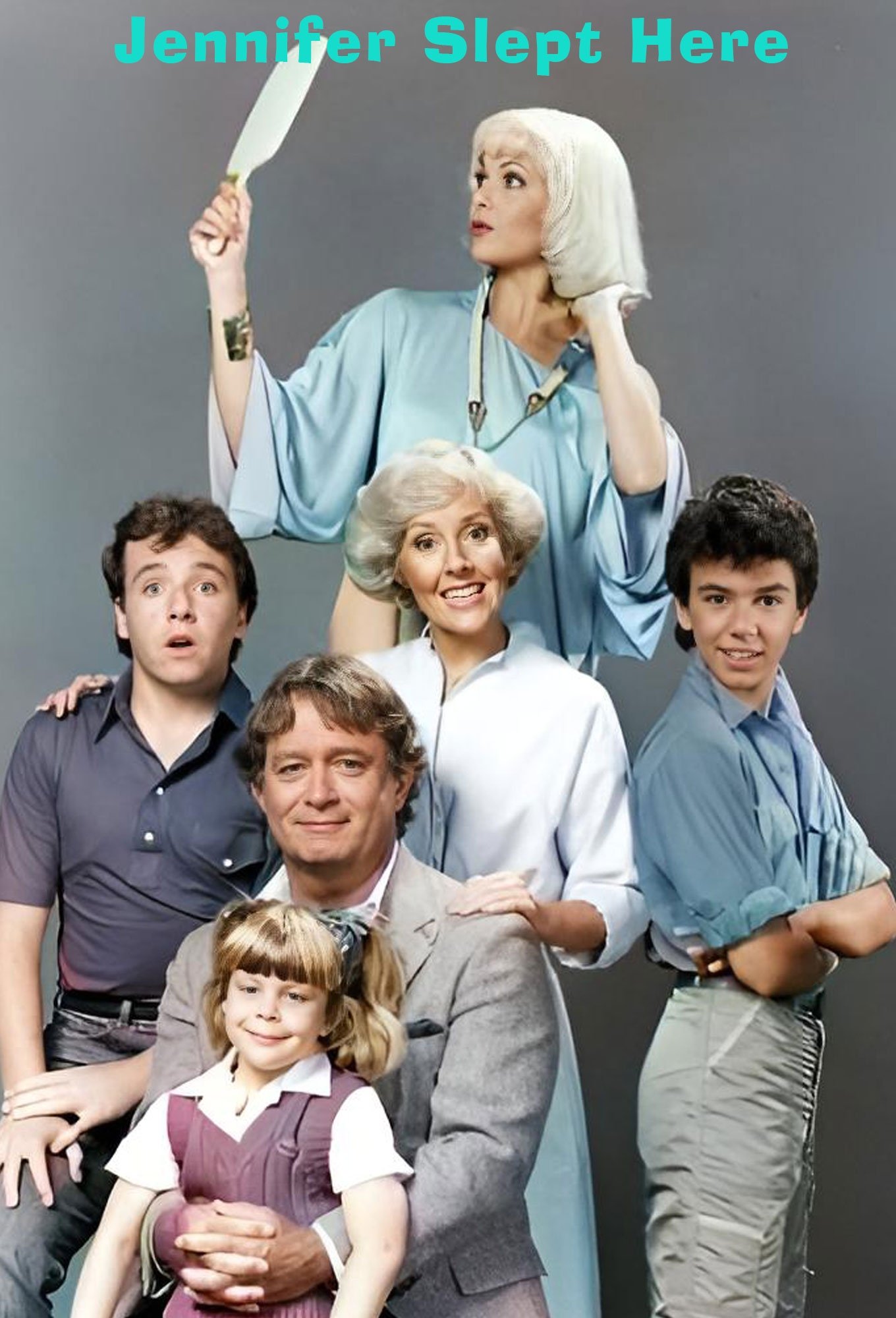
A teenage boy is mentored by the ghost of a Hollywood actress who haunts his family’s new house. The show blended supernatural effects with standard school and family stories. Visual gags used optical and practical tricks typical of the period. It completed one season on network television.
‘The Munsters Today’ (1988–1991)
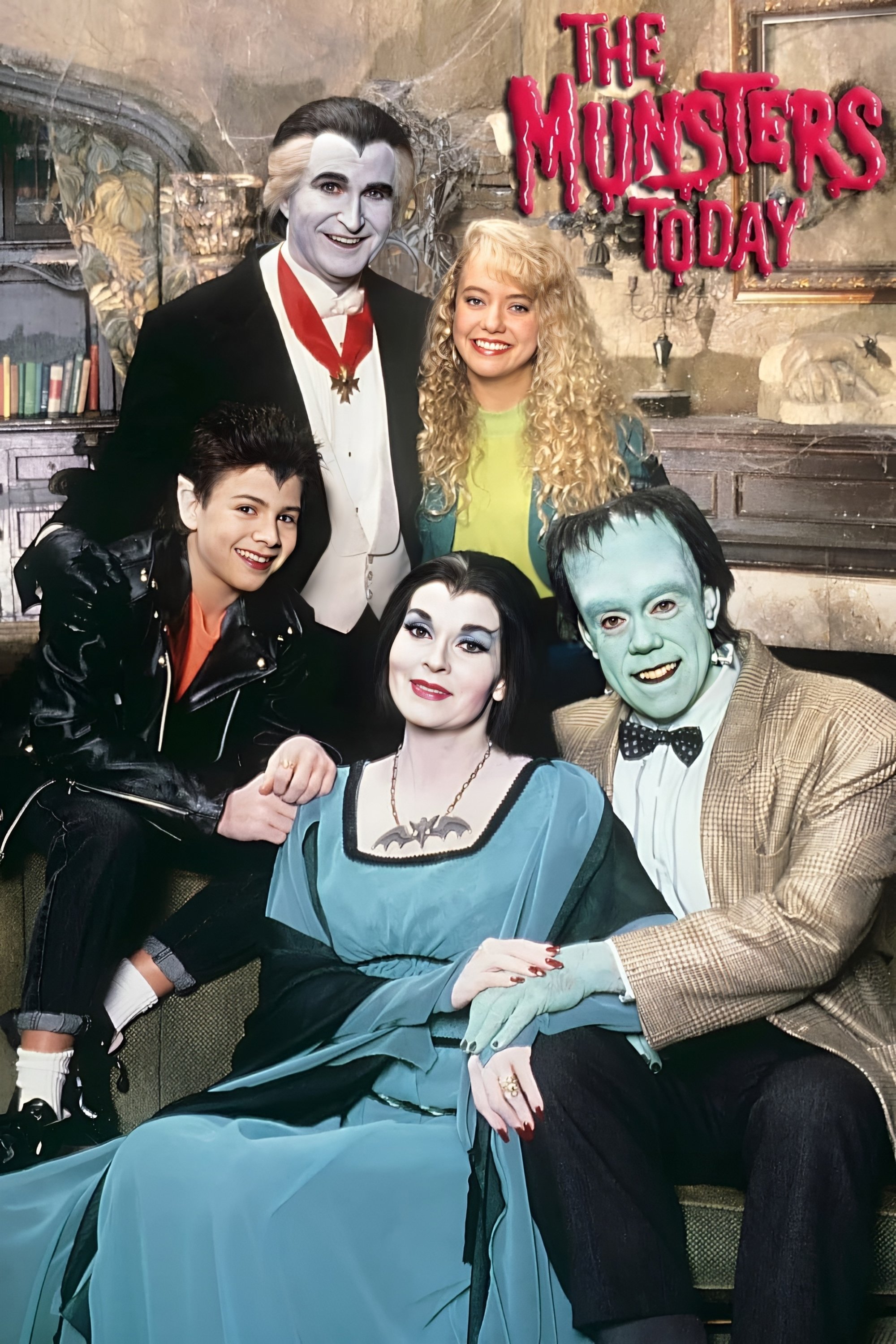
This revival places the classic monster family in contemporary suburbia after a decades-long nap. It used bright sets, prosthetics, and sitcom misunderstandings. The series shot extensively on stages and became a weekend syndication entry. It produced three seasons and over 70 episodes.
‘Dear John’ (1988–1992)
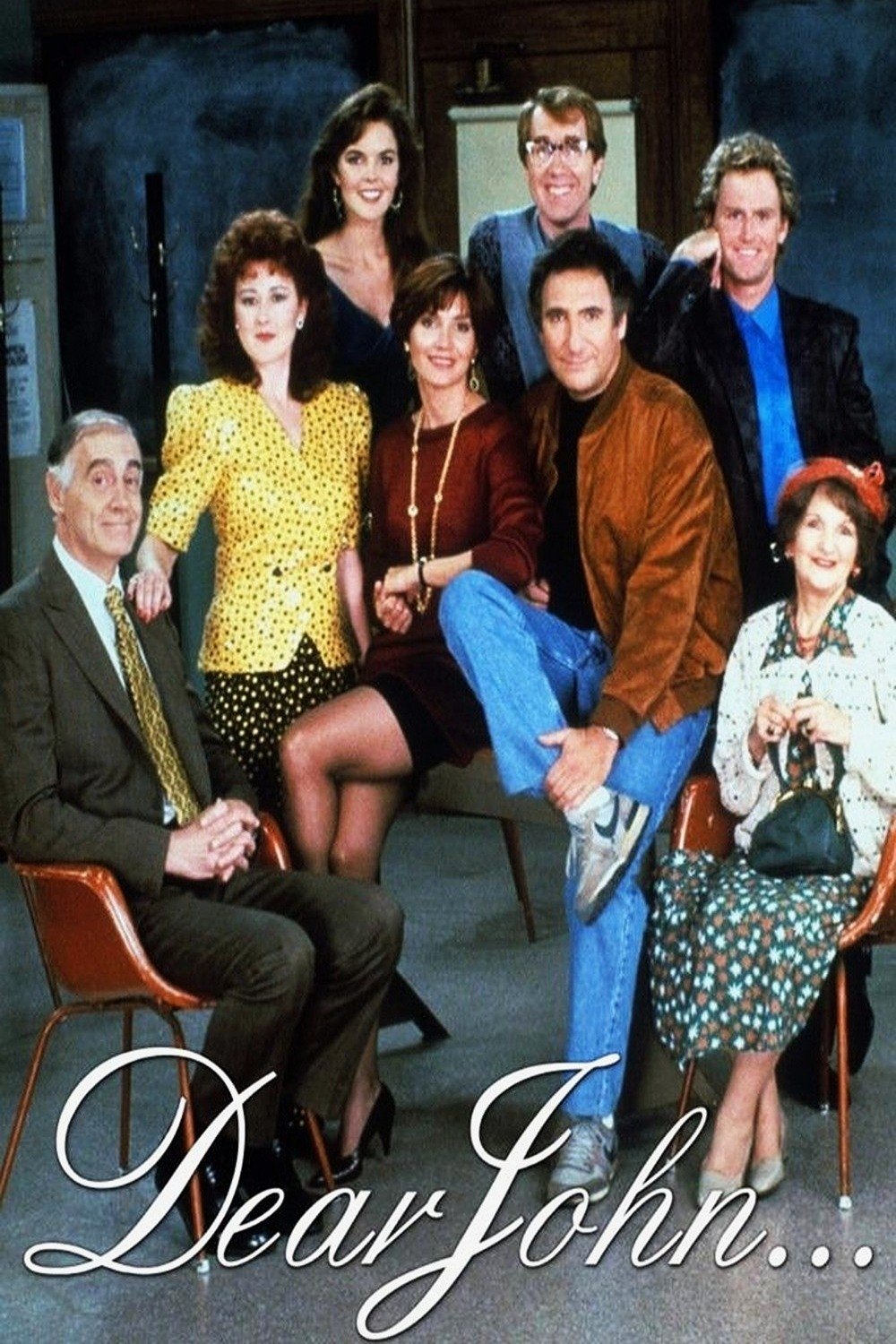
A recently divorced man joins a support group and rebuilds his social life. The ensemble format emphasized meeting-room scenes and rotating character spotlights. It is adapted from a British series of the same name. The show focused on adult relationships within a multi-camera setup.
‘Night Court’ (1984–1992)
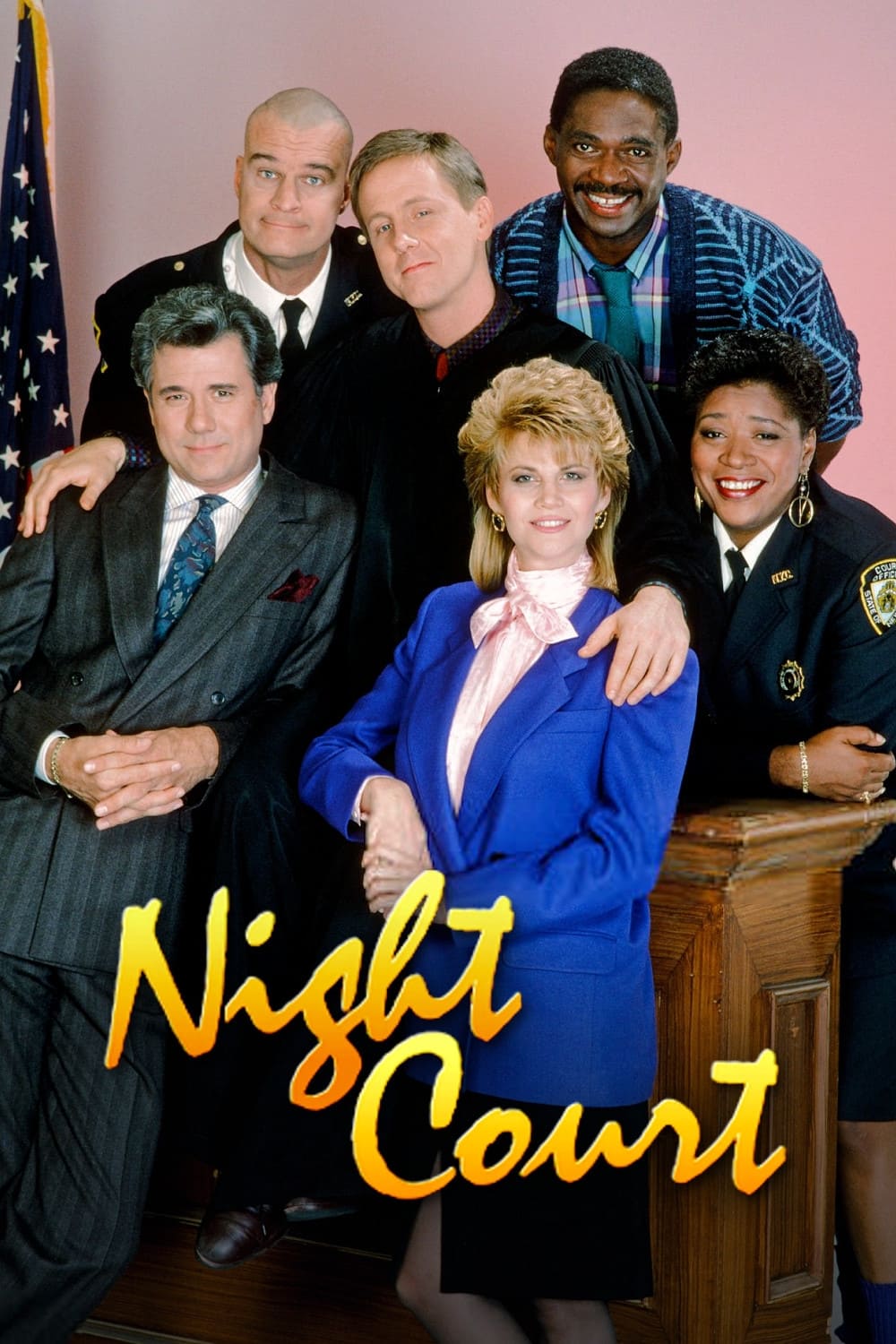
A quirky Manhattan night-shift courtroom processes an array of offbeat cases. The series balanced legal farce with serialized staff changes. It relied on standing courtroom and chambers sets with audience reactions. A later revival revisited the premise with new characters.
‘The Golden Girls’ (1985–1992)
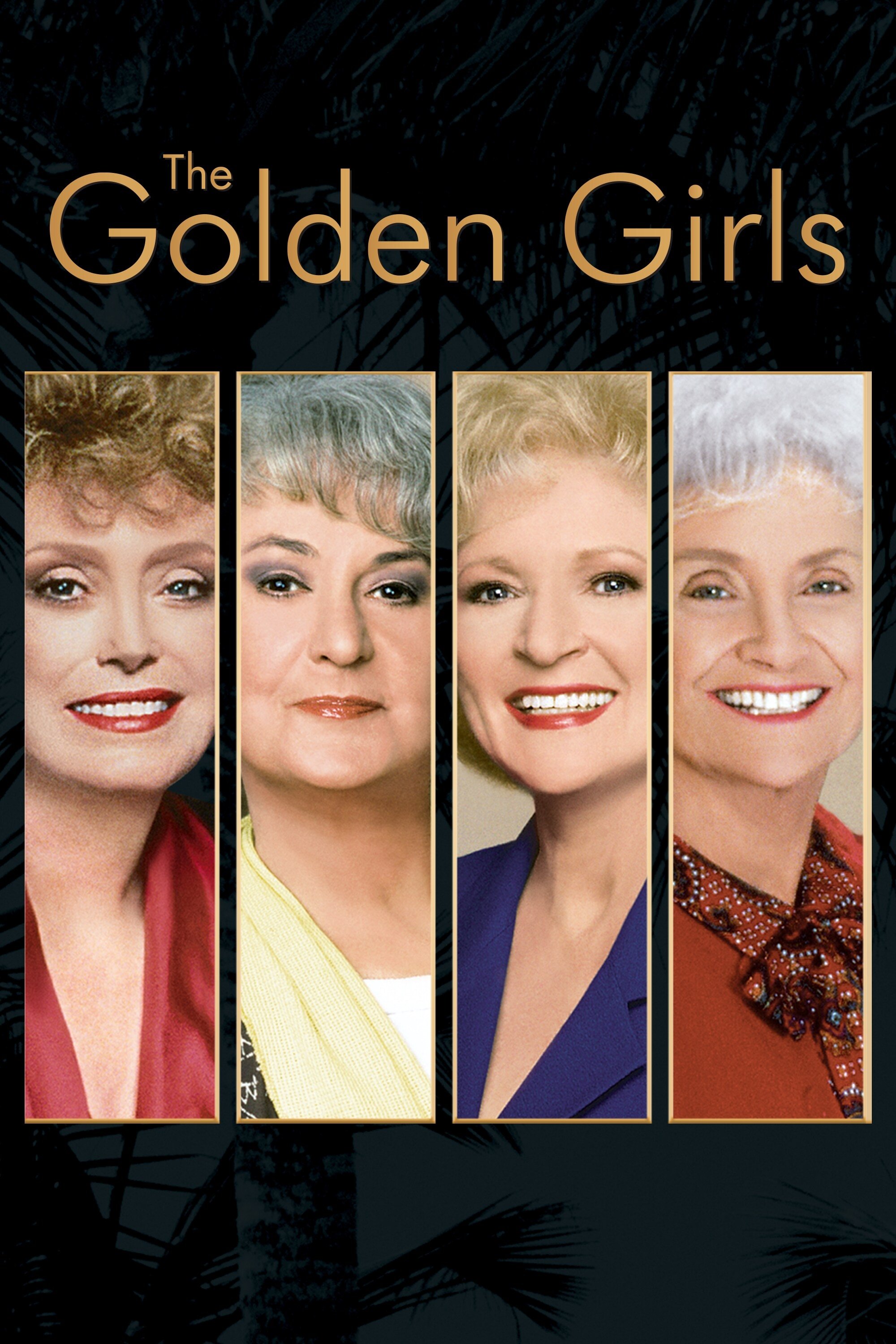
Four women share a Miami home and navigate friendships, dating, and family visits. The show featured tightly structured A-and-B plots and kitchen-table tags. It spun off related series and TV movies with overlapping cast. Syndication and streaming have kept it continuously available.
‘Amen’ (1986–1991)

A church deacon in Philadelphia juggles congregation politics and family life. The series filmed on multi-camera stages with choir performances and fellowship hall sets. It anchored weekend blocks on its network. The show produced five seasons and over 100 episodes.
‘227’ (1985–1990)
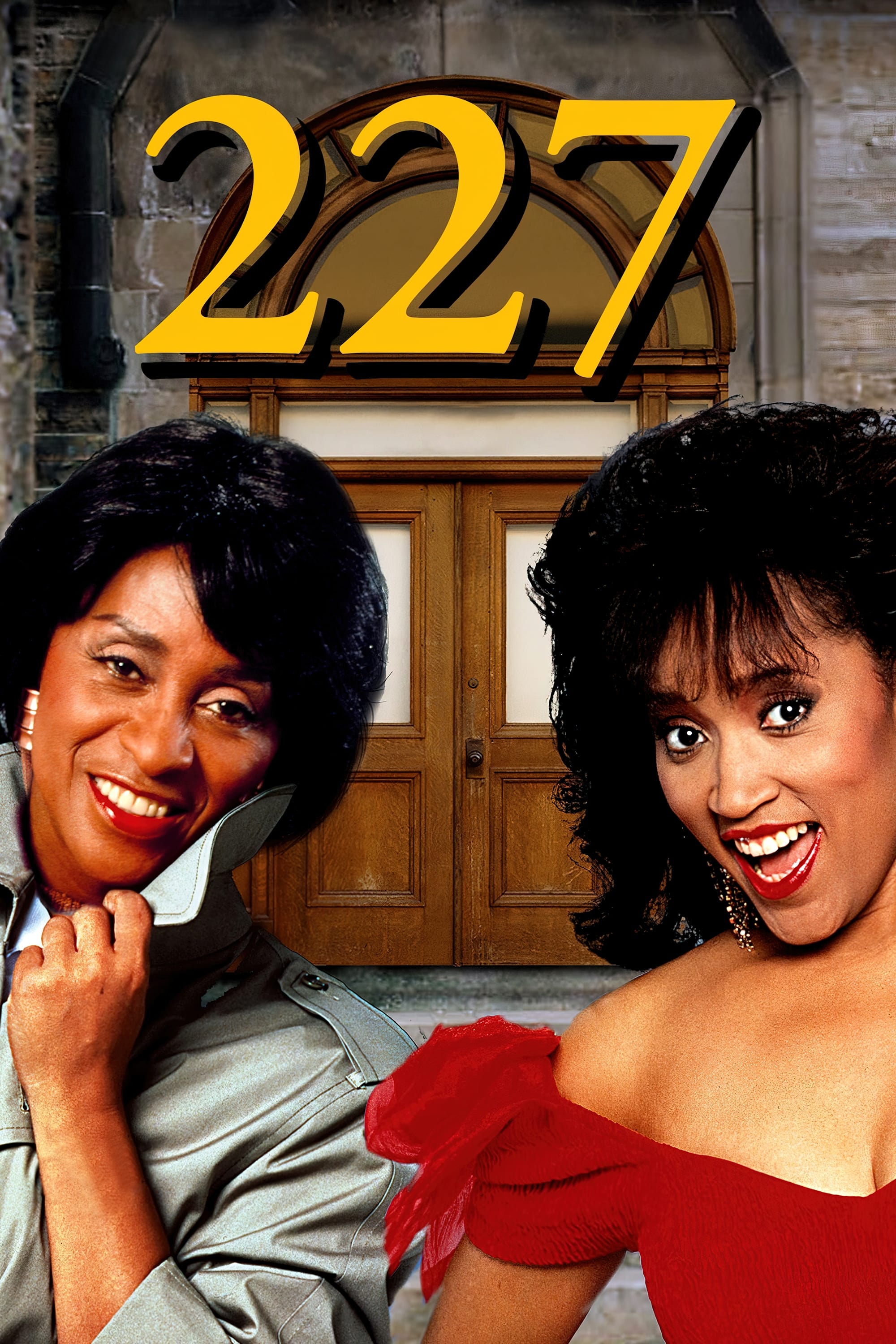
Residents of a Washington, D.C. apartment building trade gossip, favors, and life lessons. Much of the action centered on the building stoop and living-room sets. The series launched notable careers and featured frequent guest stars. It maintained steady ratings through the late 1980s.
‘Benson’ (1979–1986)
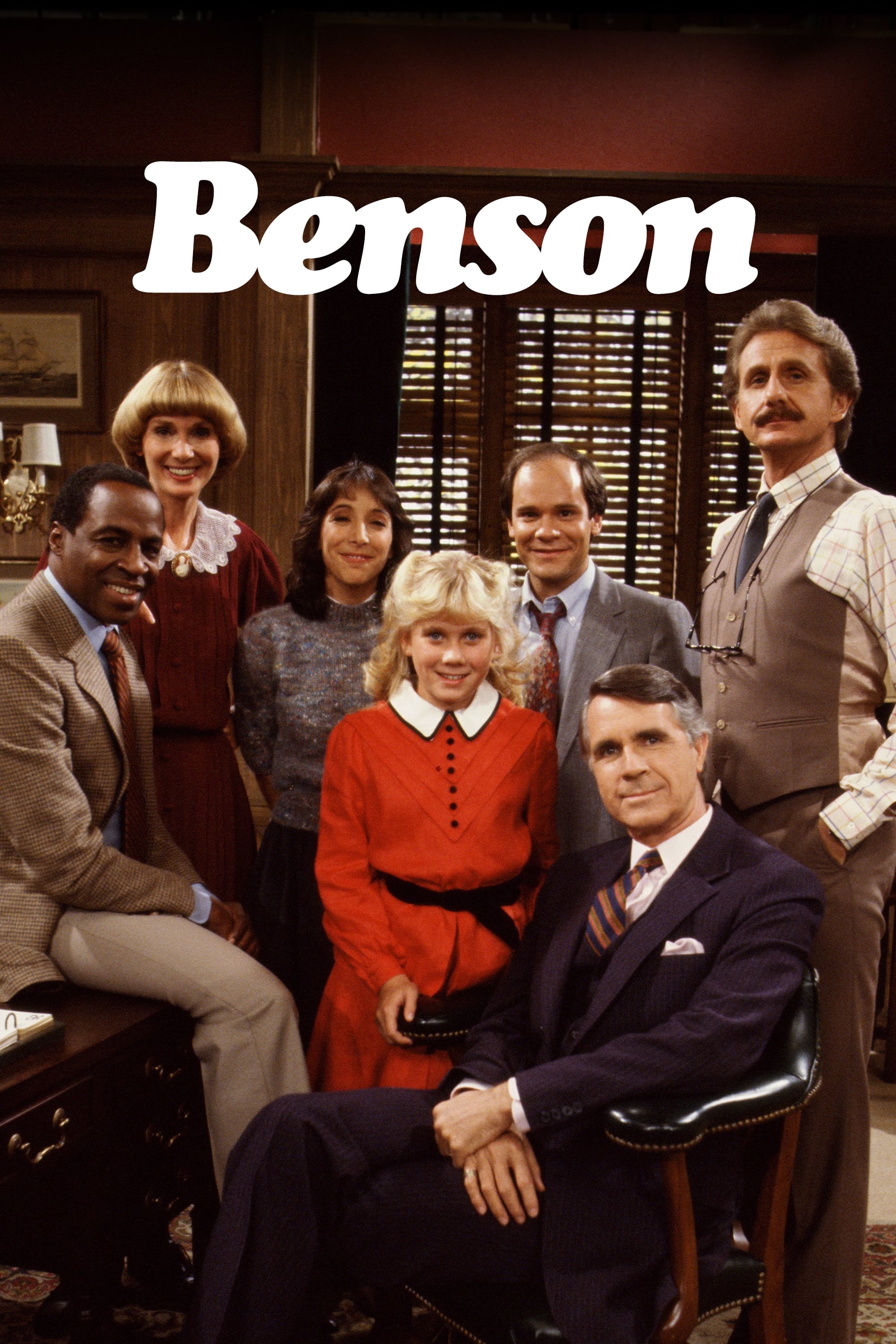
A savvy houseman becomes the lieutenant governor’s chief of staff in a political mansion setting. The show is a spinoff of ‘Soap’ and gradually shifted toward workplace plots. It employed multi-camera staging with a studio audience. Story arcs included campaigns, crises, and staff turnover.
‘Major Dad’ (1989–1993)
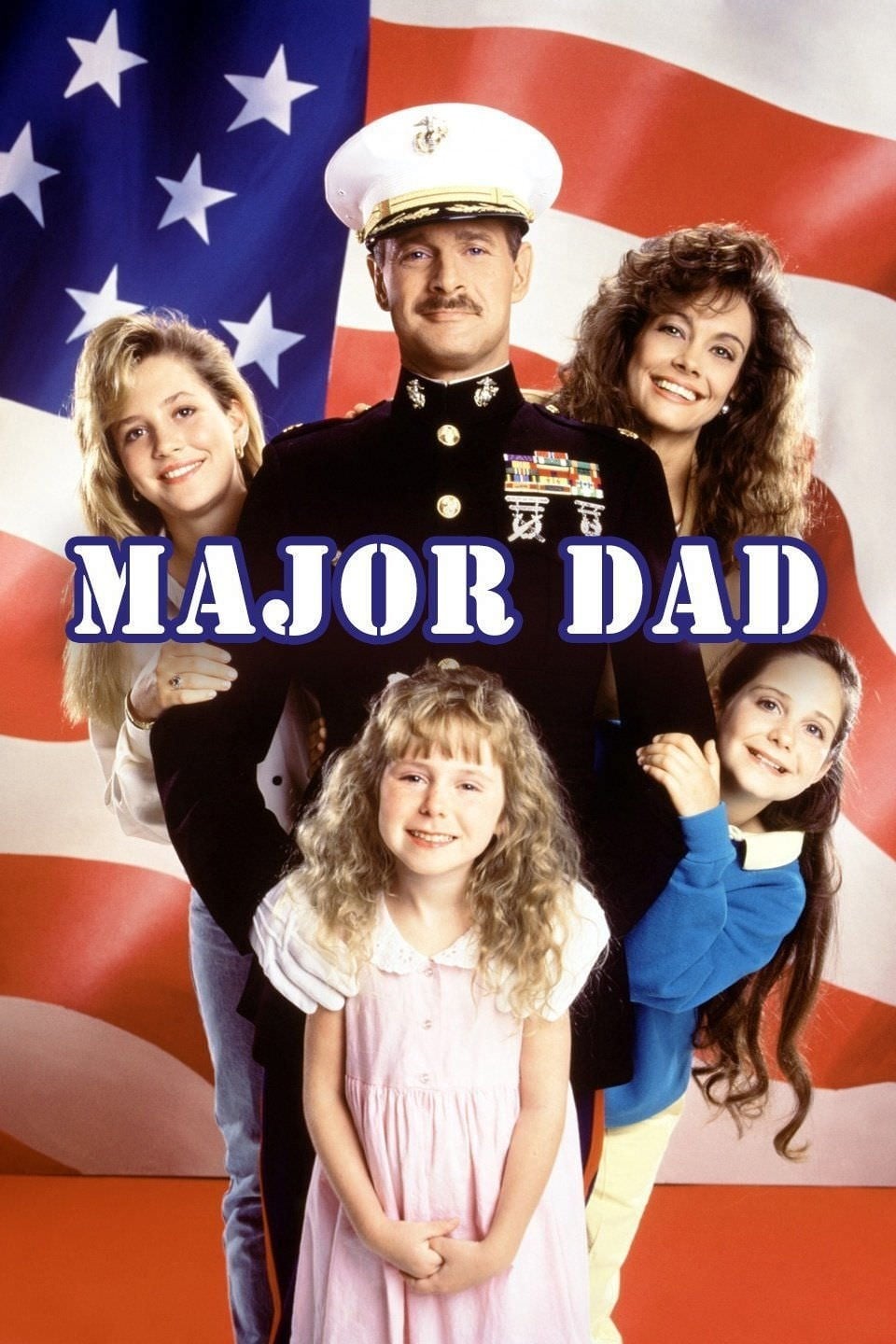
A Marine officer marries a journalist and becomes stepfather to three girls while adapting to base life. The show moved its setting between bases across seasons. Military protocol and family routines provided episodic structure. It aired on Monday nights for much of its run.
‘The Cosby Show’ (1984–1992)
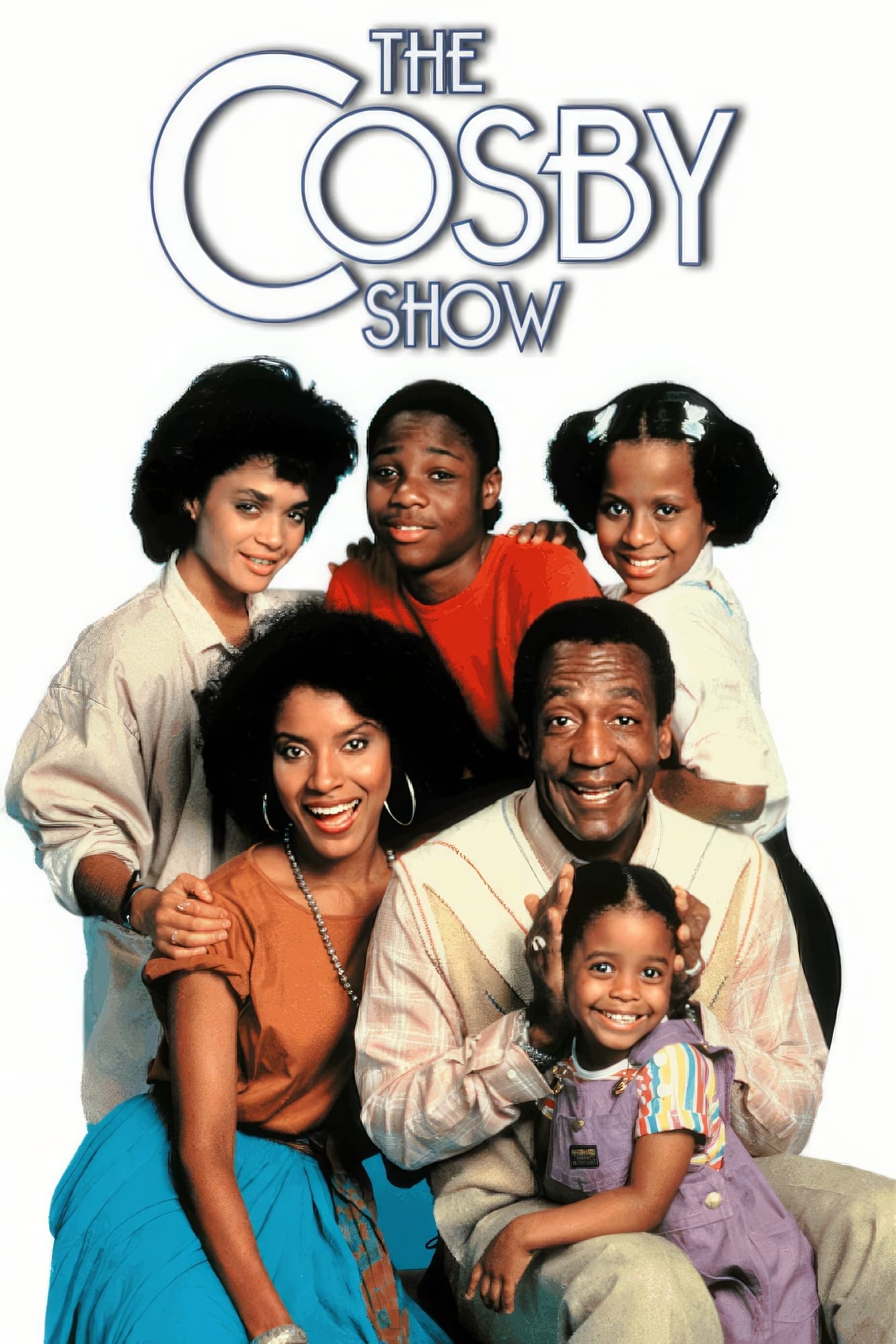
A Brooklyn family with professional parents and five children anchors this ensemble comedy. The series emphasized education, music, and intergenerational visits. It dominated ratings for multiple seasons and influenced network programming strategies. Later syndication patterns shifted due to off-screen legal developments involving its star.
‘A Different World’ (1987–1993)
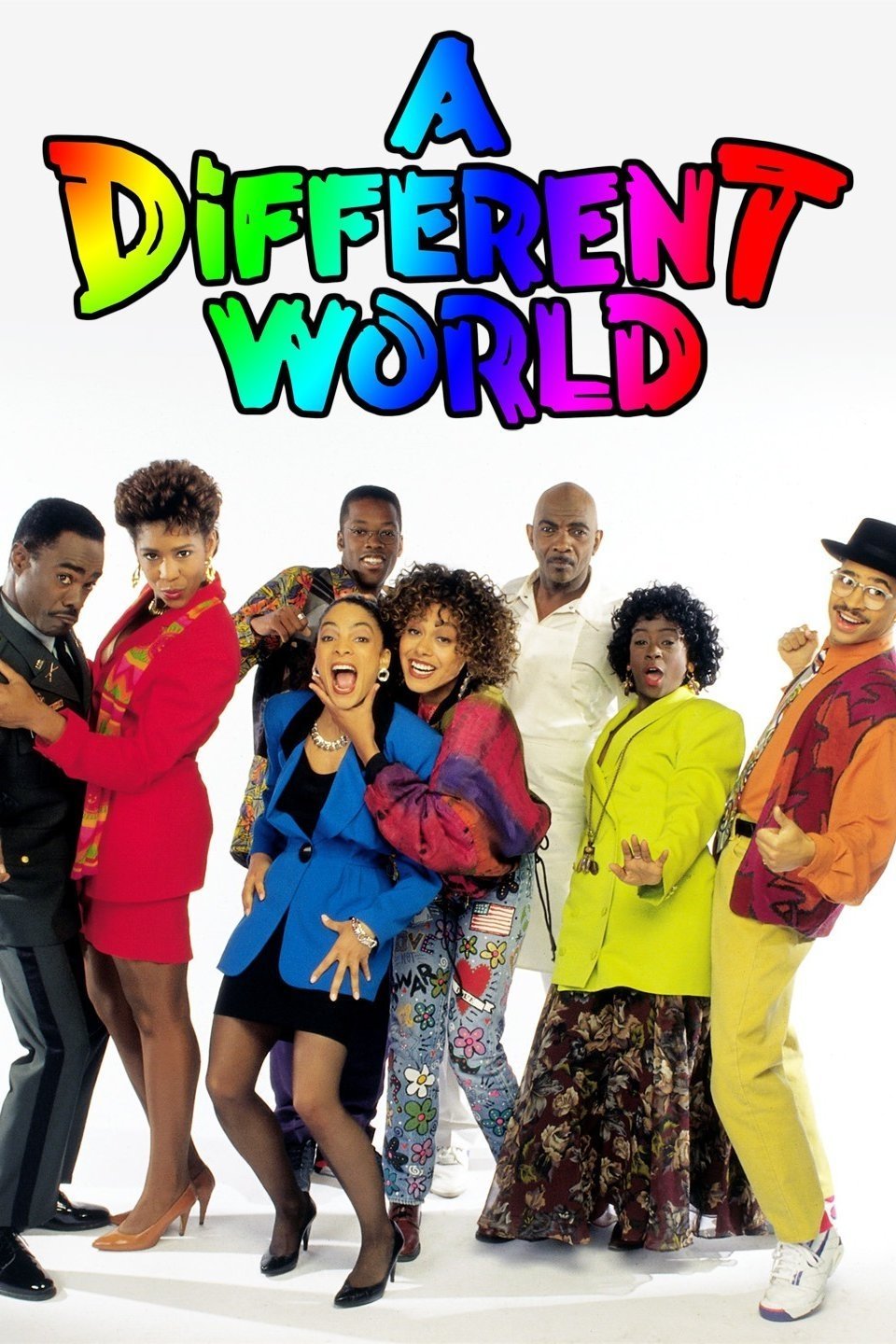
Set at a fictional historically black college, the show tracks campus life, classes, and dorm communities. It began as a companion to ‘The Cosby Show’ and evolved with new leads. Production incorporated topical subjects and guest lectures. The series expanded representation of HBCU culture on primetime TV.
‘Married… with Children’ (1987–1997)

A suburban shoe salesman’s household trades barbs, schemes, and neighborhood run-ins. It became a flagship for Fox’s early network identity. Filming used a live audience and deliberately broad character types. The show generated international remakes and long syndication runs.
‘The Wonder Years’ (1988–1993)
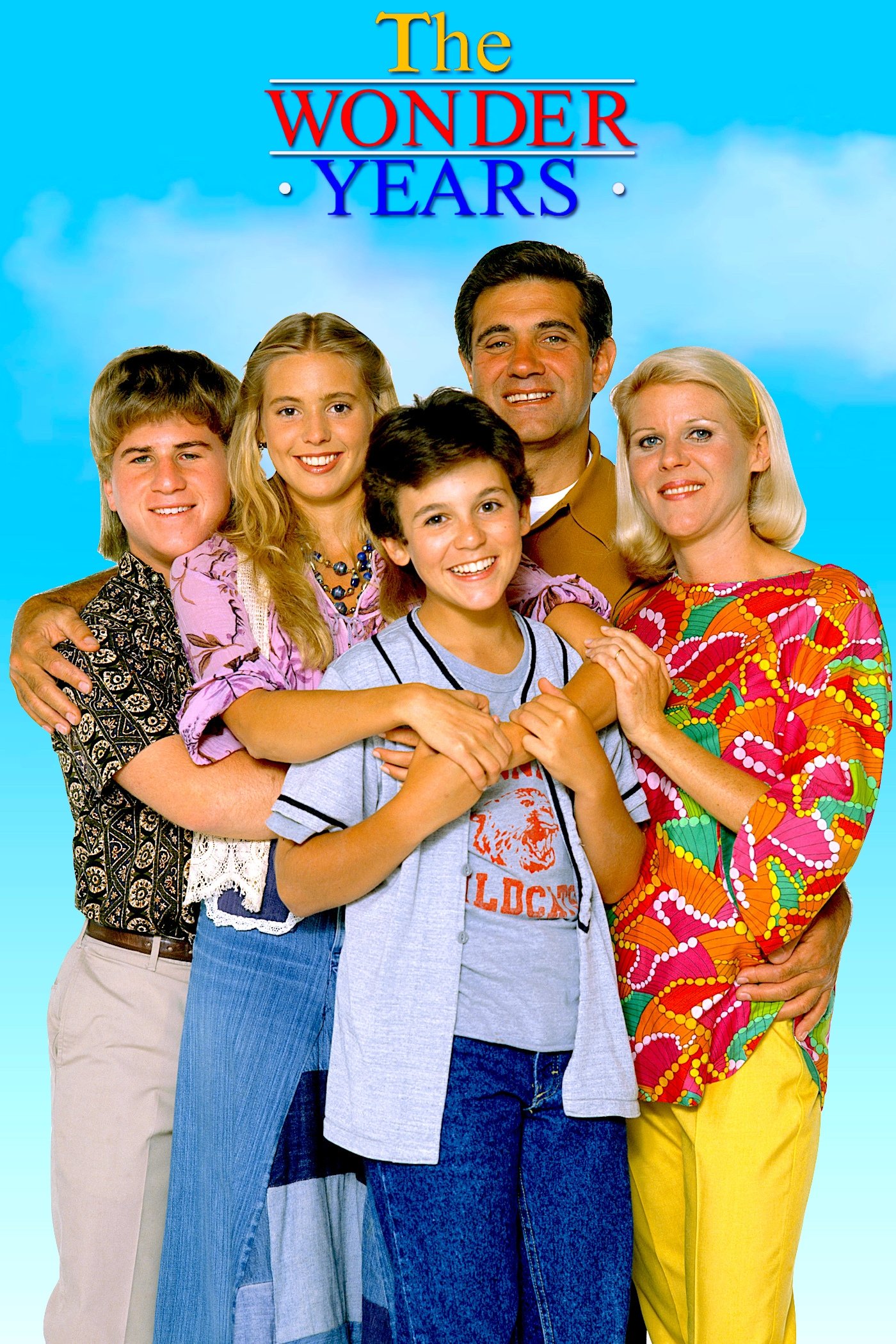
A narrator looks back on late-1960s adolescence with school, family, and neighborhood milestones. The single-camera format set it apart from most contemporaries. Music rights shaped home-video releases and some streaming availability. The series blended comedy and nostalgia with voiceover structure.
‘AfterMASH’ (1983–1985)
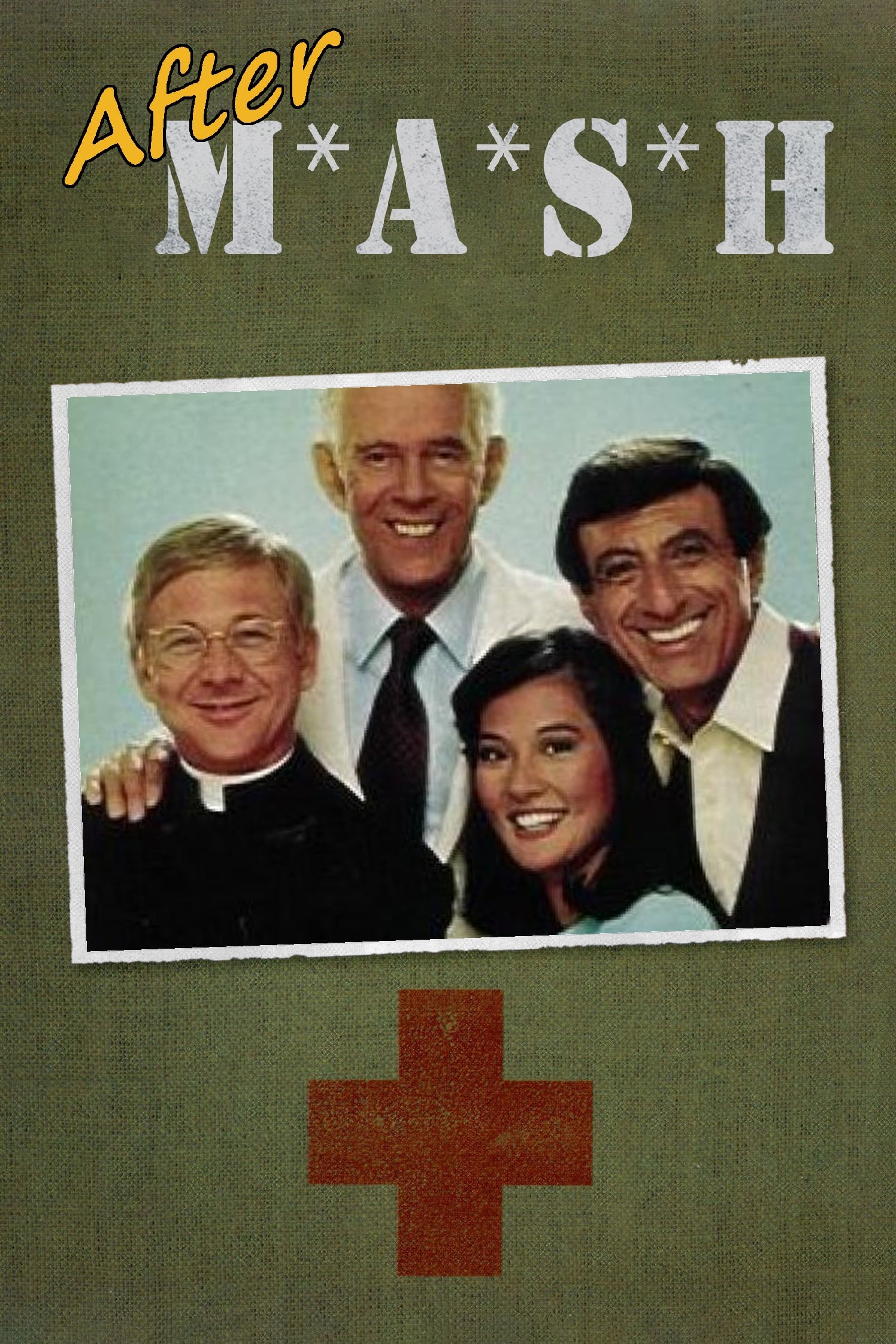
This spinoff follows ‘MAS*H’ veterans adjusting to stateside hospital work after the war. It imported characters and tone from a long-running predecessor. Network scheduling shifts and cast departures affected continuity. The show concluded after two seasons despite initial interest.
‘Square Pegs’ (1982–1983)
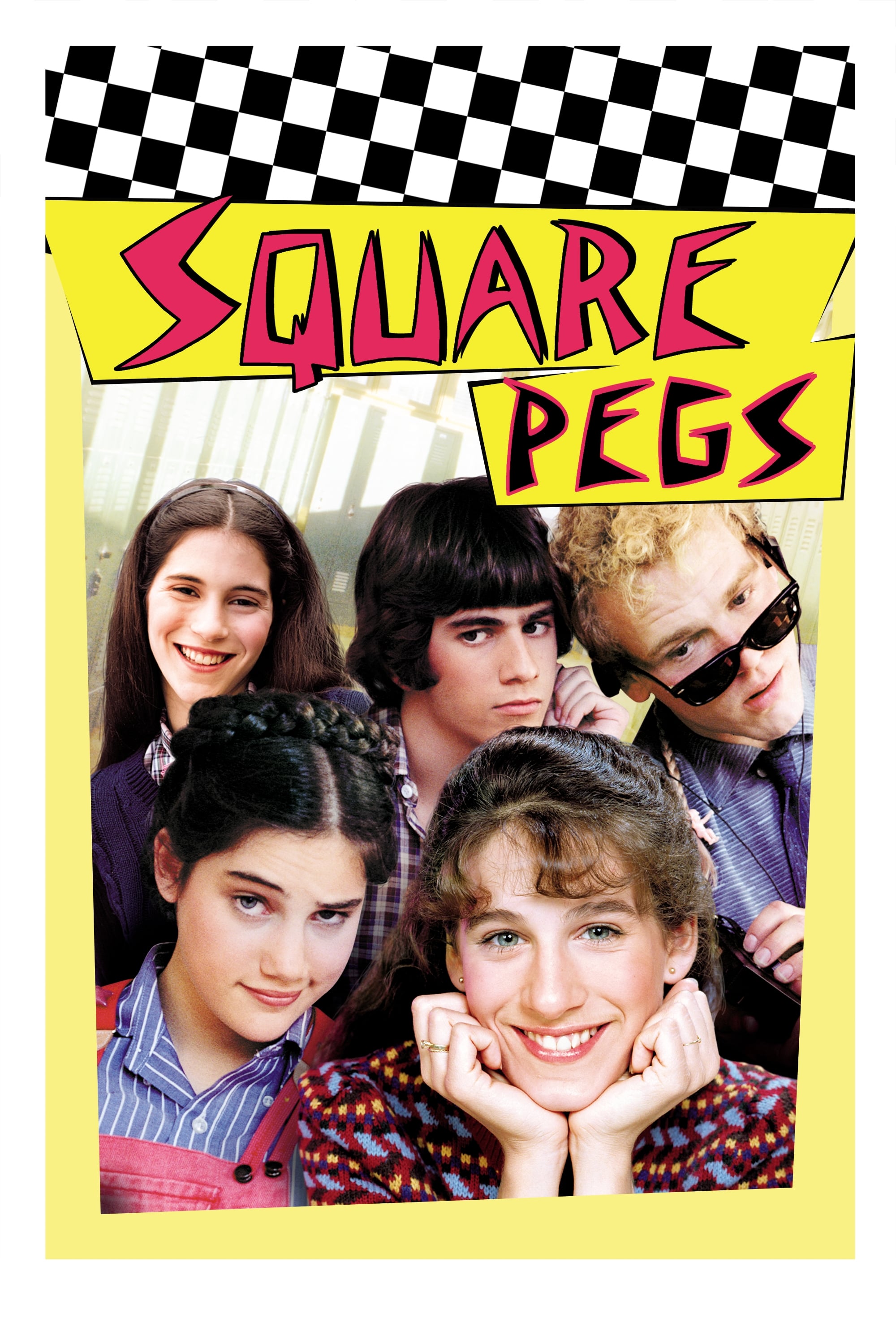
Two high-school freshmen try to find their social niche with pop-culture heavy references. The series used location shooting and a new-wave soundtrack. It developed a cult following through limited reruns. Production challenges and ratings ended the show after one season.
‘We Got It Made’ (1983–1988)
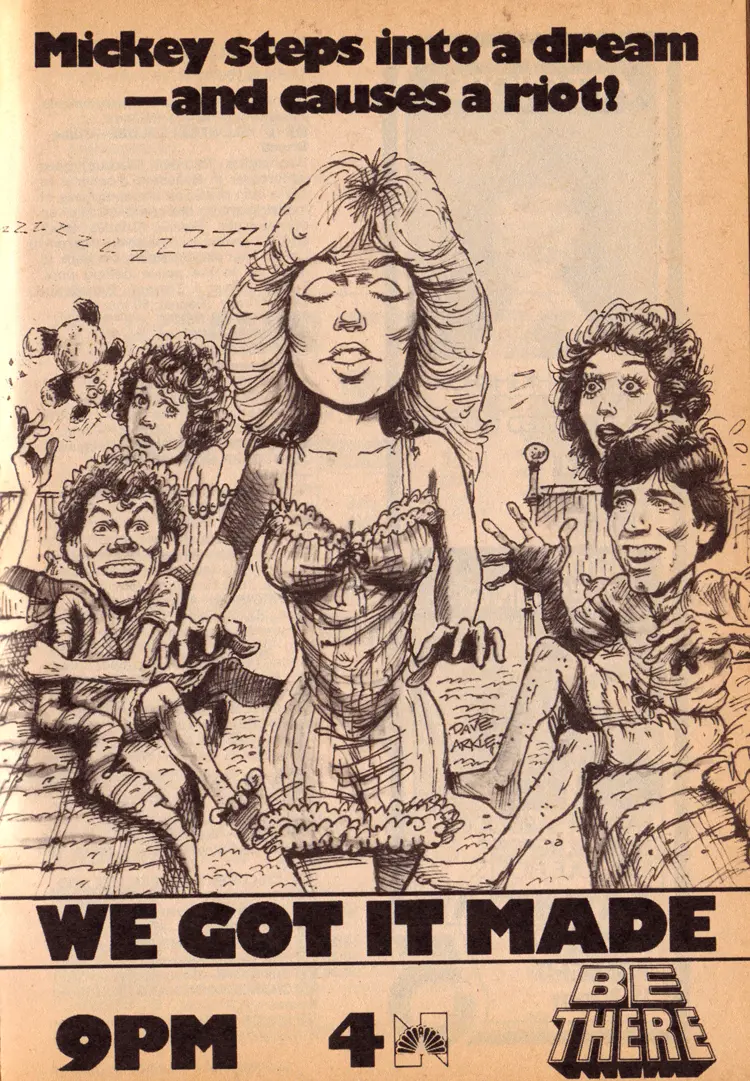
Two roommates hire a housekeeper and navigate dating and workplace mishaps. The series aired on network television, then returned in first-run syndication. Cast changes occurred between versions. Episode counts increased during the syndicated run to meet package needs.
‘Small & Frye’ (1983)
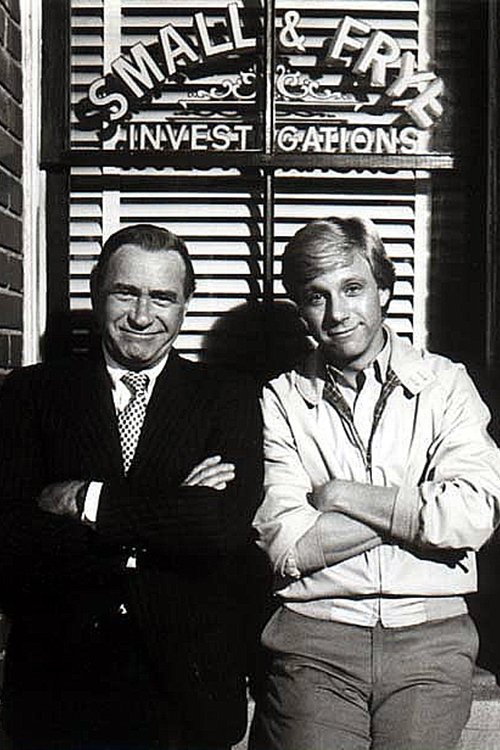
A detective gains the ability to shrink in size after a lab accident while solving cases with his partner. The high-concept premise required optical effects and carefully staged props. It aired briefly before cancellation. The show is remembered for its one-season novelty.
Share which 1980s sitcoms you think truly don’t hold up for modern viewing in the comments.