2000s Sitcoms That Are Completely Unwatchable Today



The 2000s were packed with network comedies that tried everything from high-concept premises to traditional multi-camera setups, and many of them burned fast and bright. Below is a snapshot of shows from that decade with details on when they aired, who starred, how long they ran, and what made each one stand out in its time. You will find notes on episode counts, networks, and format choices that defined their production. This is a straightforward look at what these series actually were, so you can place them in context without any guesswork.
‘Cavemen’ (2007)
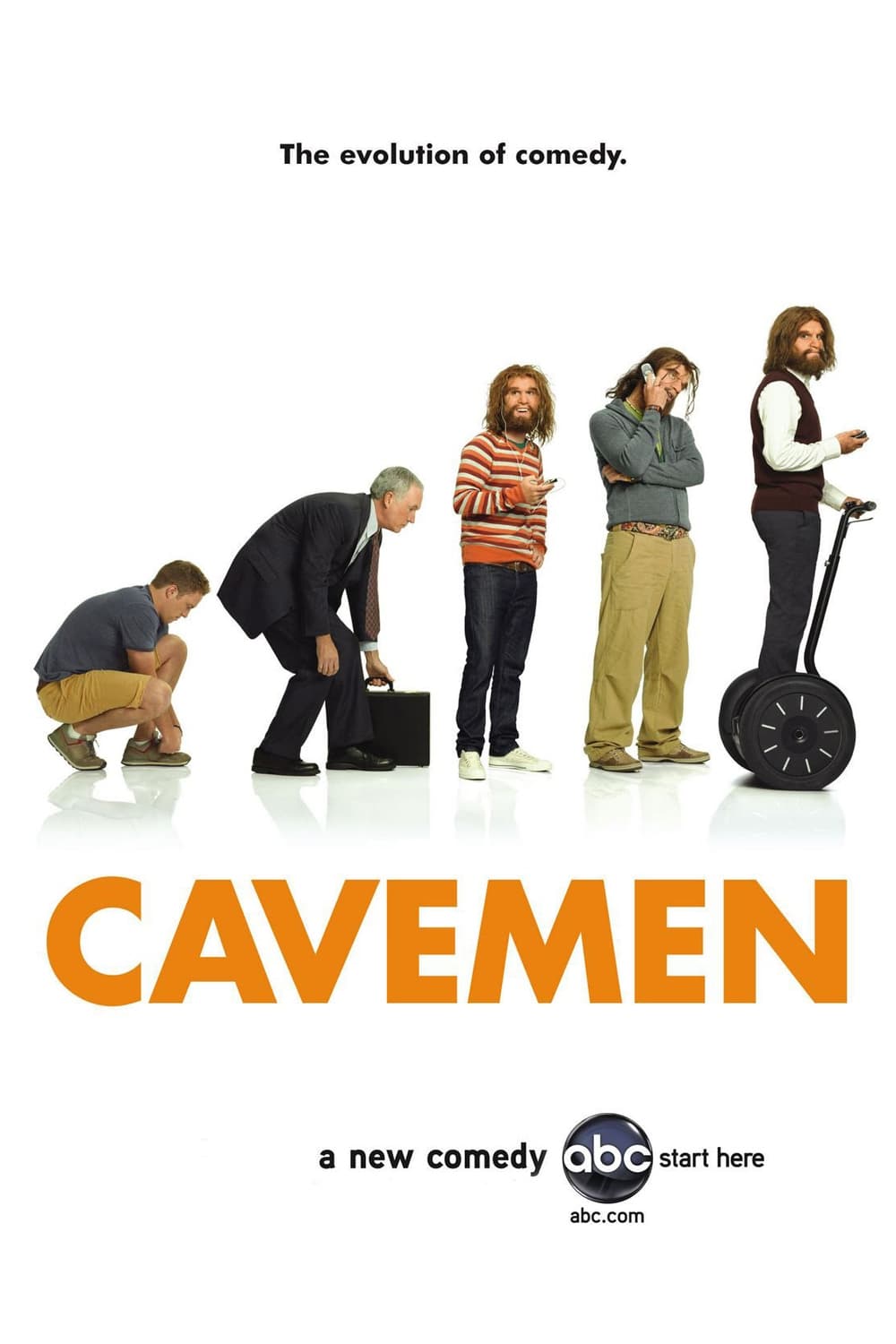
This ABC sitcom spun out of a popular insurance commercial and premiered in the fall of 2007. It starred Nick Kroll, Sam Huntington, and Bill English as Neanderthal roommates navigating modern Atlanta. The show aired as a single season with 13 episodes ordered and several unaired in the original run. It used a standard multi-camera approach and leaned on makeup effects to realize the central concept.
‘Kath & Kim’ (2008–2009)

NBC adapted this series from the Australian original and set it in suburban Florida. It starred Molly Shannon and Selma Blair as a mother and daughter with mismatched priorities. The show ran for one season with episodes airing from 2008 into 2009. It used a single-camera format and emphasized fashion and mall culture for its setting.
‘Do Not Disturb’ (2008)
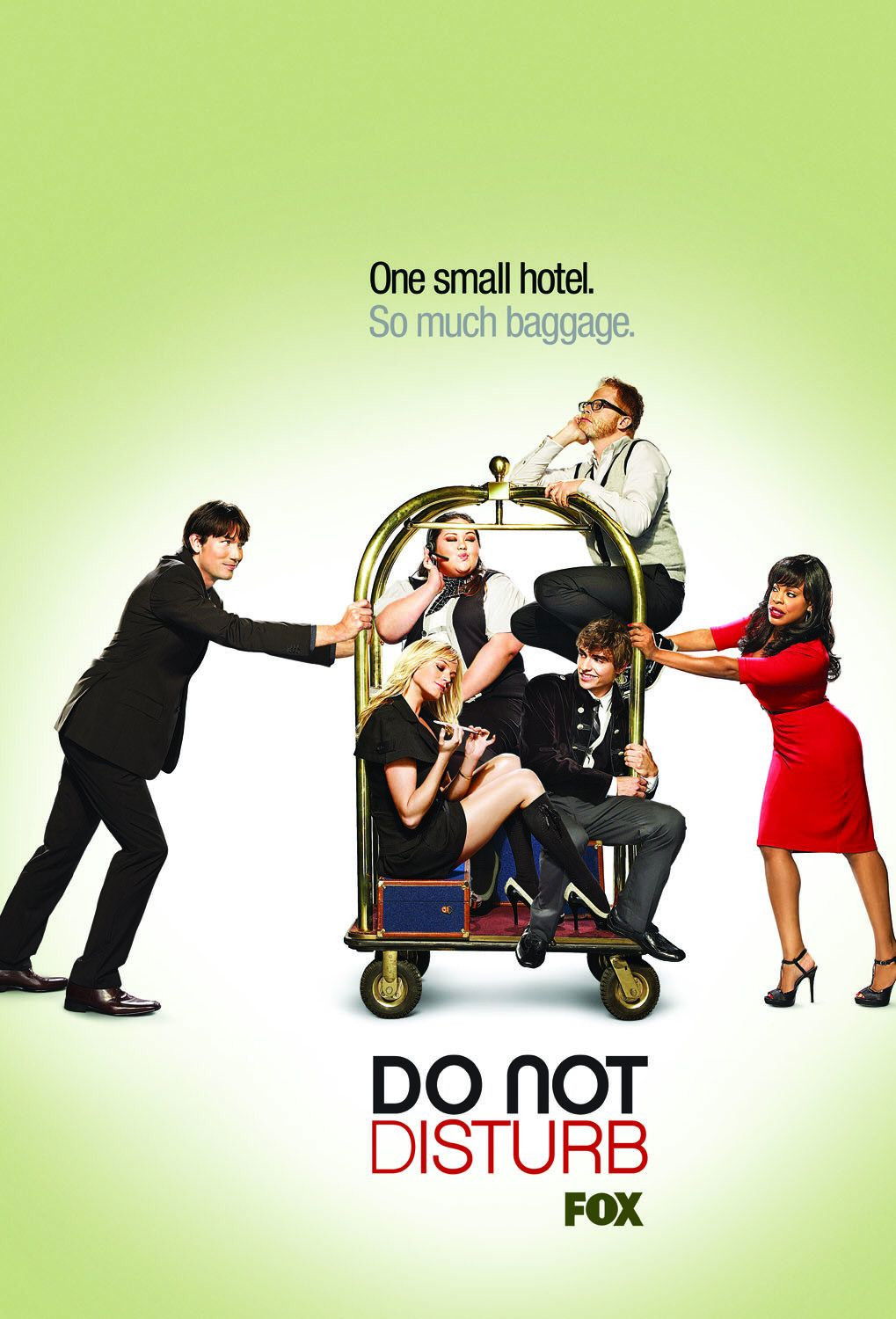
Set in a boutique New York hotel, this Fox series focused on the staff behind the front desk. It starred Jerry O’Connell and Niecy Nash in workplace plots tied to guest mishaps. The show was pulled quickly after a small number of episodes aired in 2008. Its production schedule followed a standard network half-hour rollout with multi-camera staging.
‘The Class’ (2006–2007)

CBS centered this ensemble around third-grade classmates reunited by chance as adults. The cast included Jesse Tyler Ferguson, Lizzy Caplan, and Jon Bernthal in early TV roles. It ran for one season spanning 19 episodes across 2006 and 2007. The series used interlocking storylines and a multi-camera style common to its network comedies.
‘Back to You’ (2007–2008)
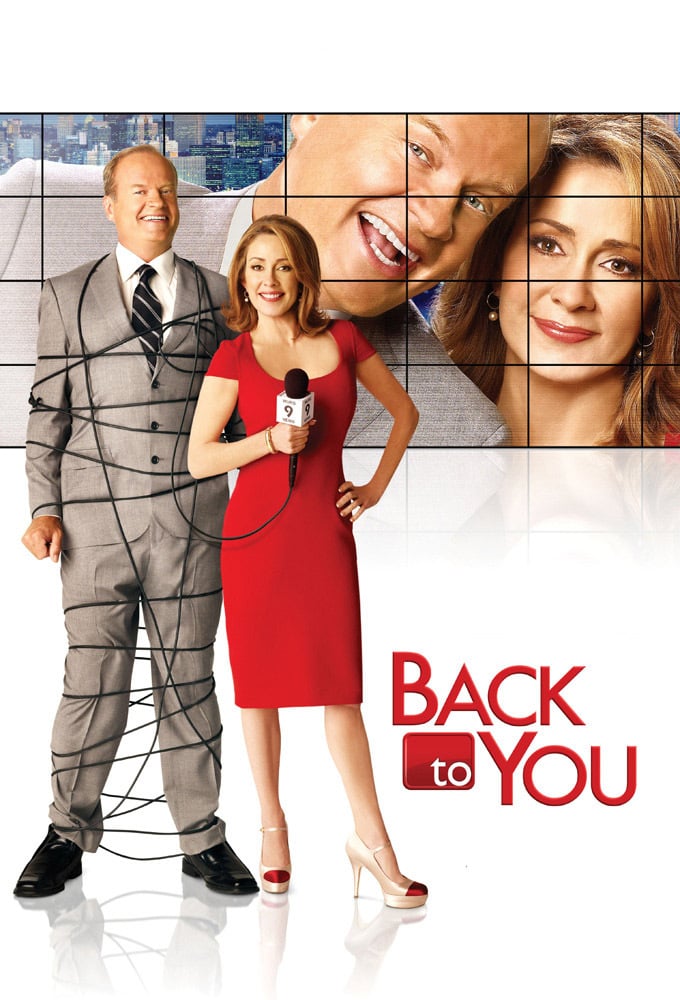
This Fox sitcom reunited Kelsey Grammer and Patricia Heaton as co-anchors at a local news station. It debuted in 2007 with a newsroom setting and sitcom beats built around on-air chemistry. The show lasted one season with 17 produced episodes. It returned to a classic multi-camera stage and featured live audience laughter.
‘Joey’ (2004–2006)

A spinoff of ‘Friends’, this NBC series followed Joey Tribbiani’s acting pursuits in Los Angeles. Matt LeBlanc reprised the role alongside Drea de Matteo and Andrea Anders. It ran for two seasons before ending in 2006 with several episodes remaining unaired initially. The production kept a multi-camera setup and taped before a studio audience.
”Til Death’ (2006–2010)
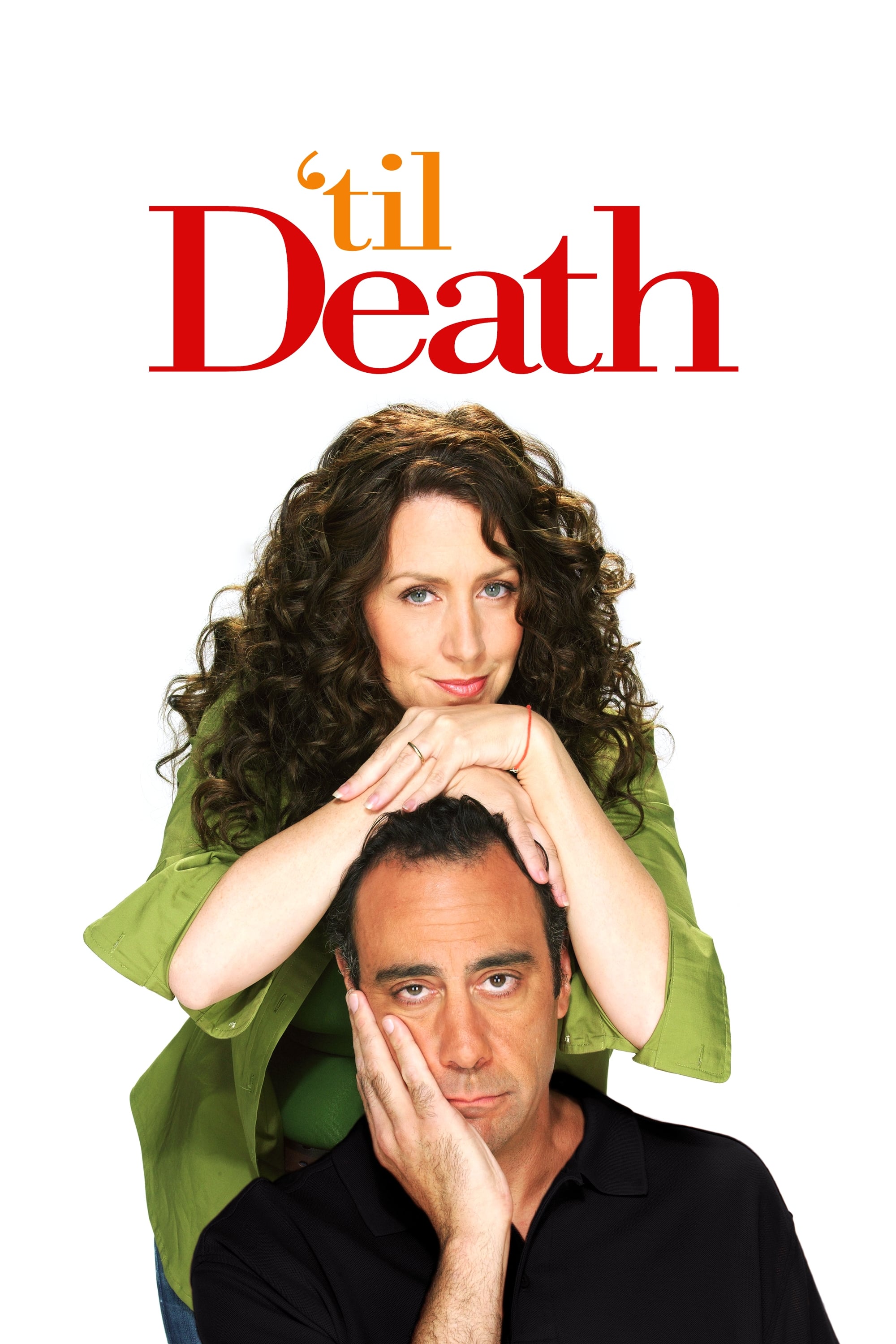
Fox focused on a long-married couple played by Brad Garrett and Joely Fisher with neighbors providing contrast. The series aired over four seasons starting in 2006. It used a traditional multi-camera format and moved time slots multiple times. The later seasons experimented with cast changes and stand-alone arcs.
‘Rules of Engagement’ (2007–2013)
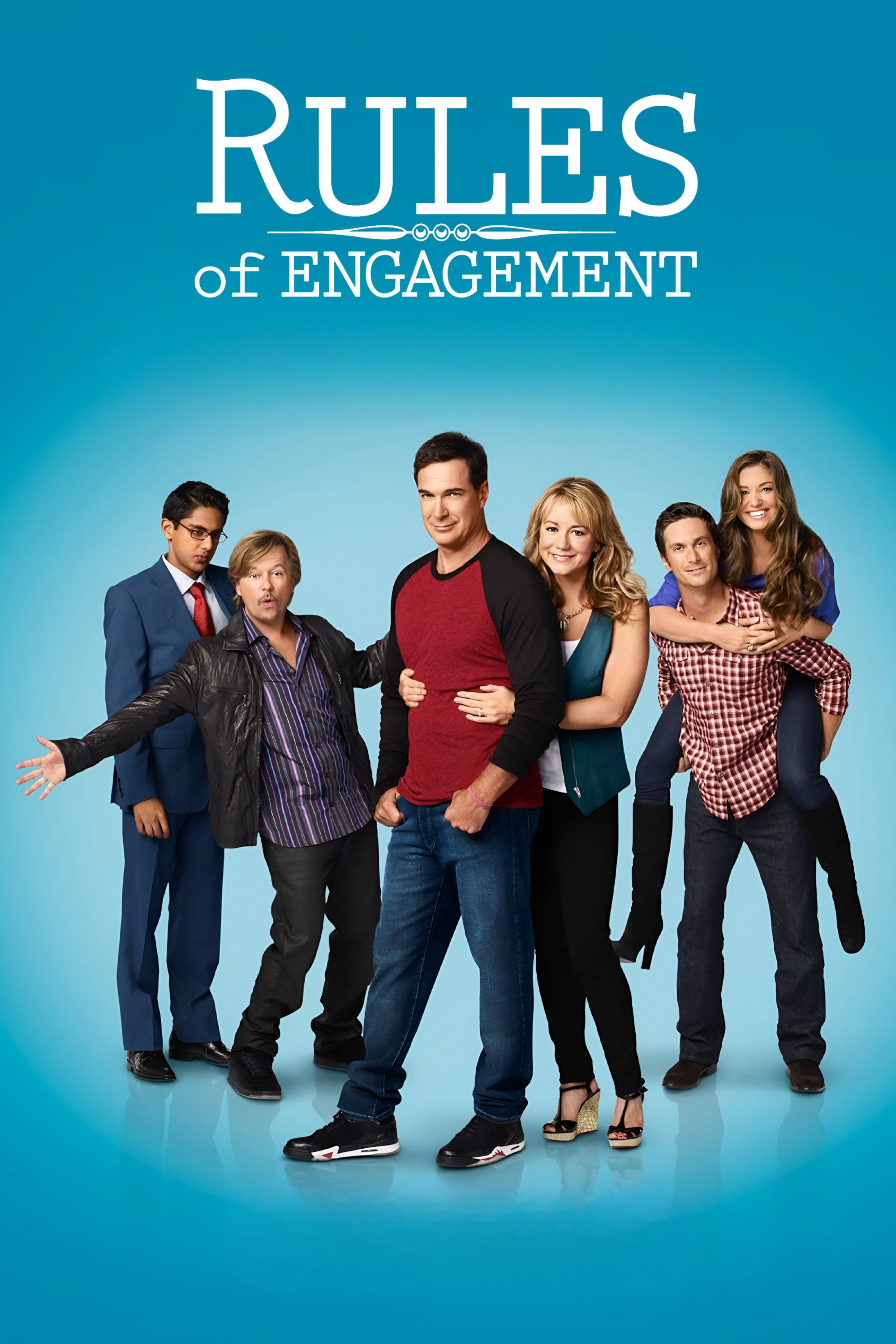
This CBS comedy tracked two couples and a single friend navigating different relationship stages. It starred Patrick Warburton, Megyn Price, Oliver Hudson, Bianca Kajlich, and David Spade. The series ran seven seasons after a 2007 debut with a mix of short and mid-season orders. It relied on multi-camera staging and steady syndication exposure.
‘According to Jim’ (2001–2009)
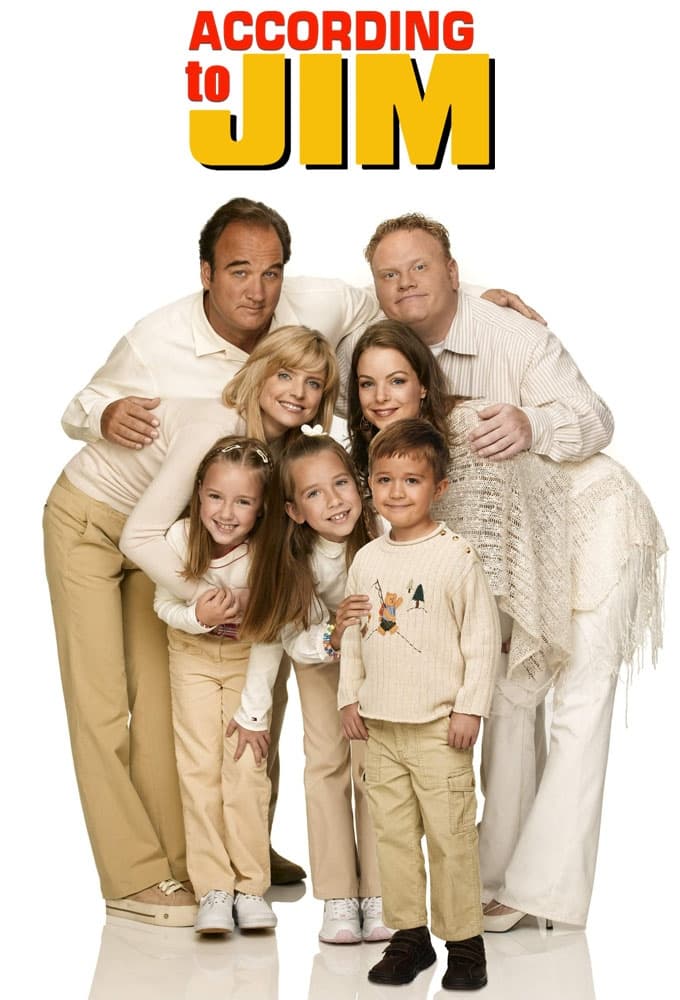
ABC presented a family sitcom led by Jim Belushi and Courtney Thorne-Smith. The series premiered in 2001 and continued through 2009 across eight seasons. It used a multi-camera format with domestic sets and recurring guest stars. Holiday episodes and family milestones formed a large part of the episode rotation.
‘Two and a Half Men’ (2003–2015)
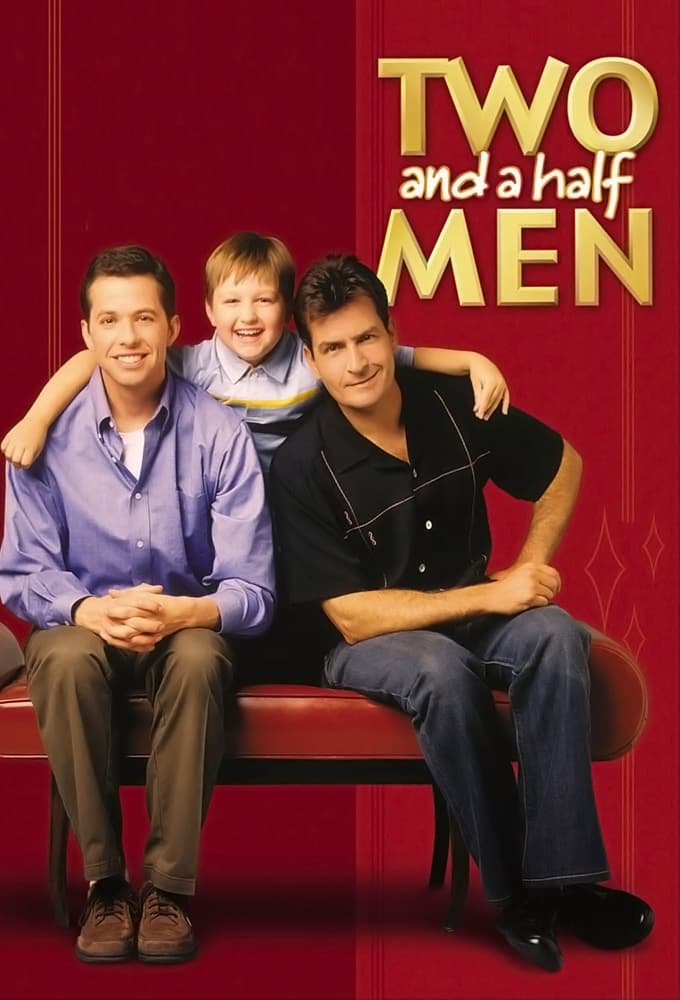
CBS launched this long-running sitcom with Charlie Sheen, Jon Cryer, and Angus T. Jones. It began in 2003 and continued for 12 seasons with later cast changes including Ashton Kutcher. The show used a multi-camera setup and a beach house set as its main location. Its production schedule supported high episode counts per season typical for network sitcoms.
‘The Big Bang Theory’ (2007–2019)
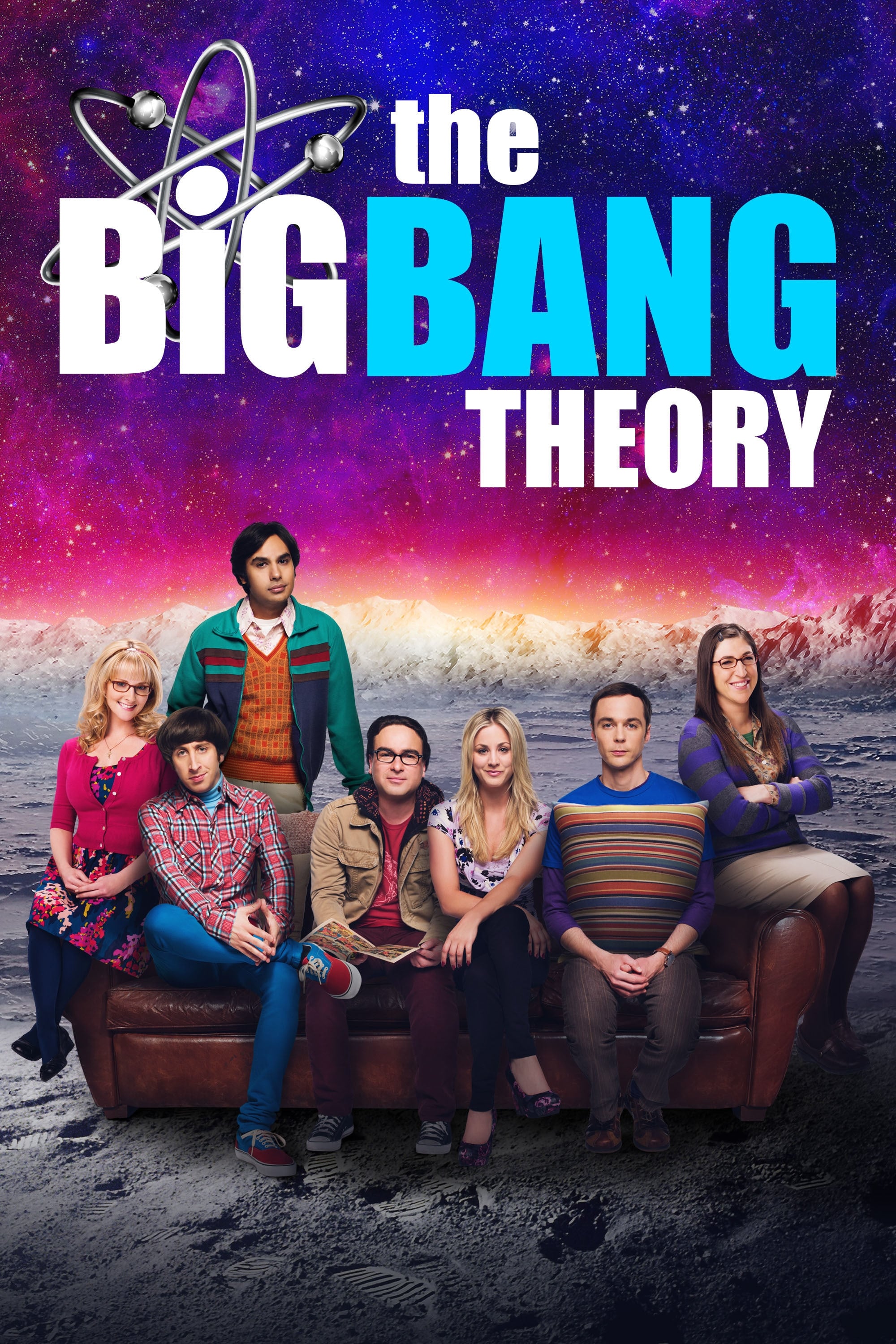
This CBS series centered on scientists and their social circles in Pasadena. It launched in 2007 and ran for 12 seasons with a large ensemble led by Johnny Galecki, Jim Parsons, and Kaley Cuoco. The show used a multi-camera format and featured recurring scientific consultants for dialogue. It became a major syndication title with consistent episode volumes each season.
‘How I Met Your Mother’ (2005–2014)
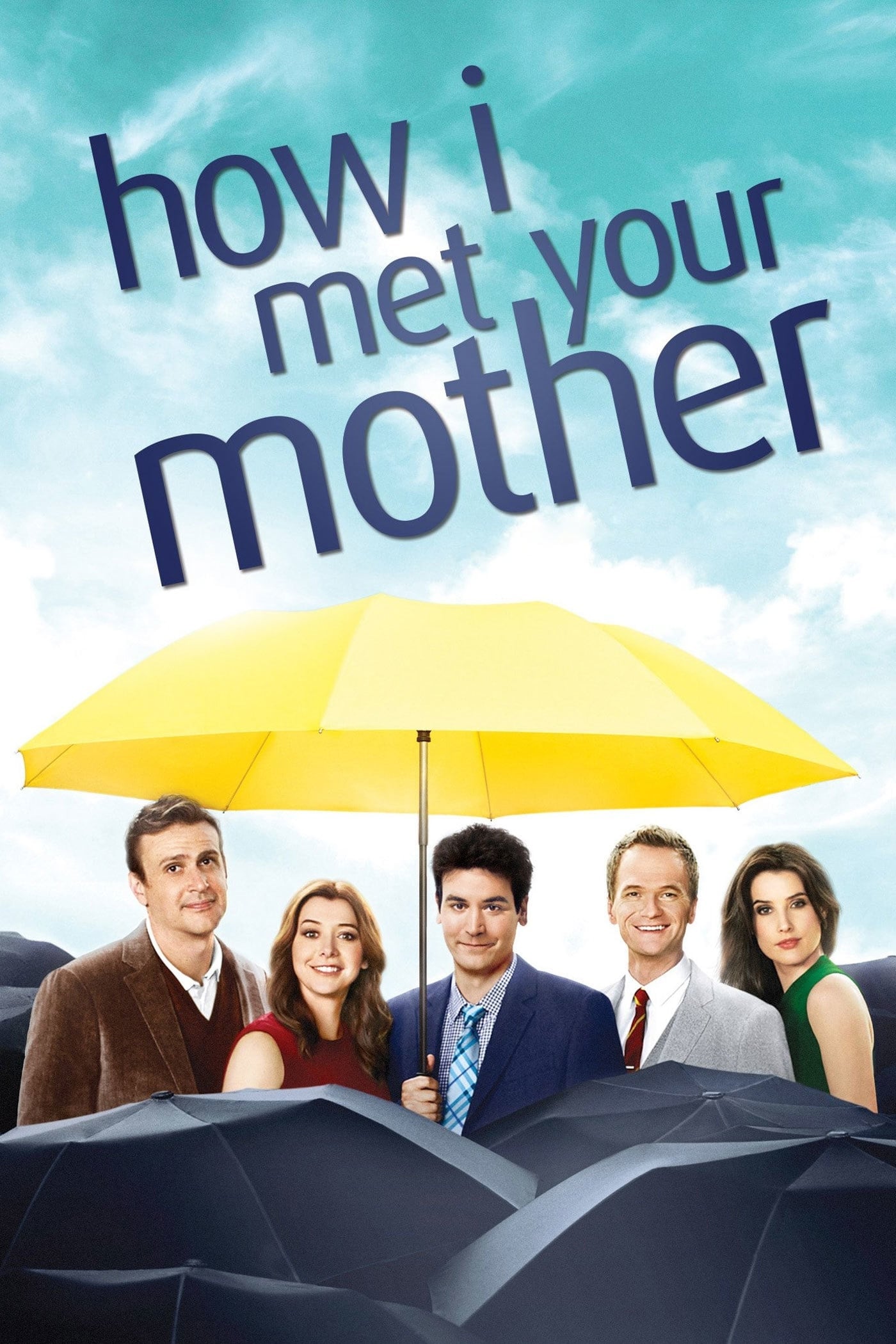
CBS told a long-form story through a future narrator recounting events to his children. The series began in 2005 with Josh Radnor, Cobie Smulders, Neil Patrick Harris, Alyson Hannigan, and Jason Segel. It ran nine seasons and used a hybrid single-camera approach with flashbacks and recurring gags. The production built a stable bar set as a central location for ensemble scenes.
‘My Name Is Earl’ (2005–2009)
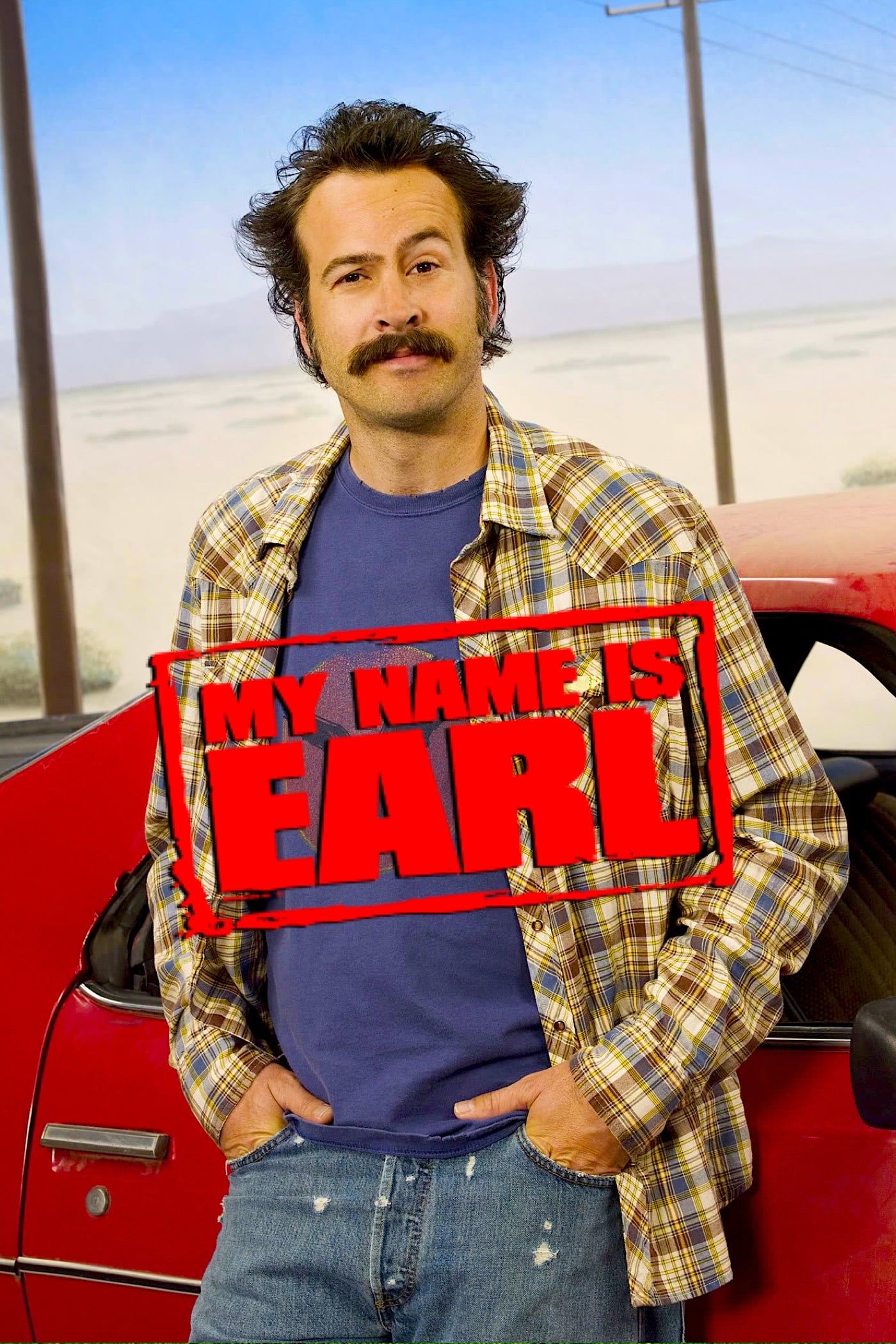
NBC followed Earl Hickey as he worked through a list of past wrongs after a lottery win. The show starred Jason Lee, Ethan Suplee, and Jaime Pressly. It premiered in 2005 and ran four seasons with a single-camera style. The narrative used list-driven episodic plots and small-town settings.
‘Yes, Dear’ (2000–2006)
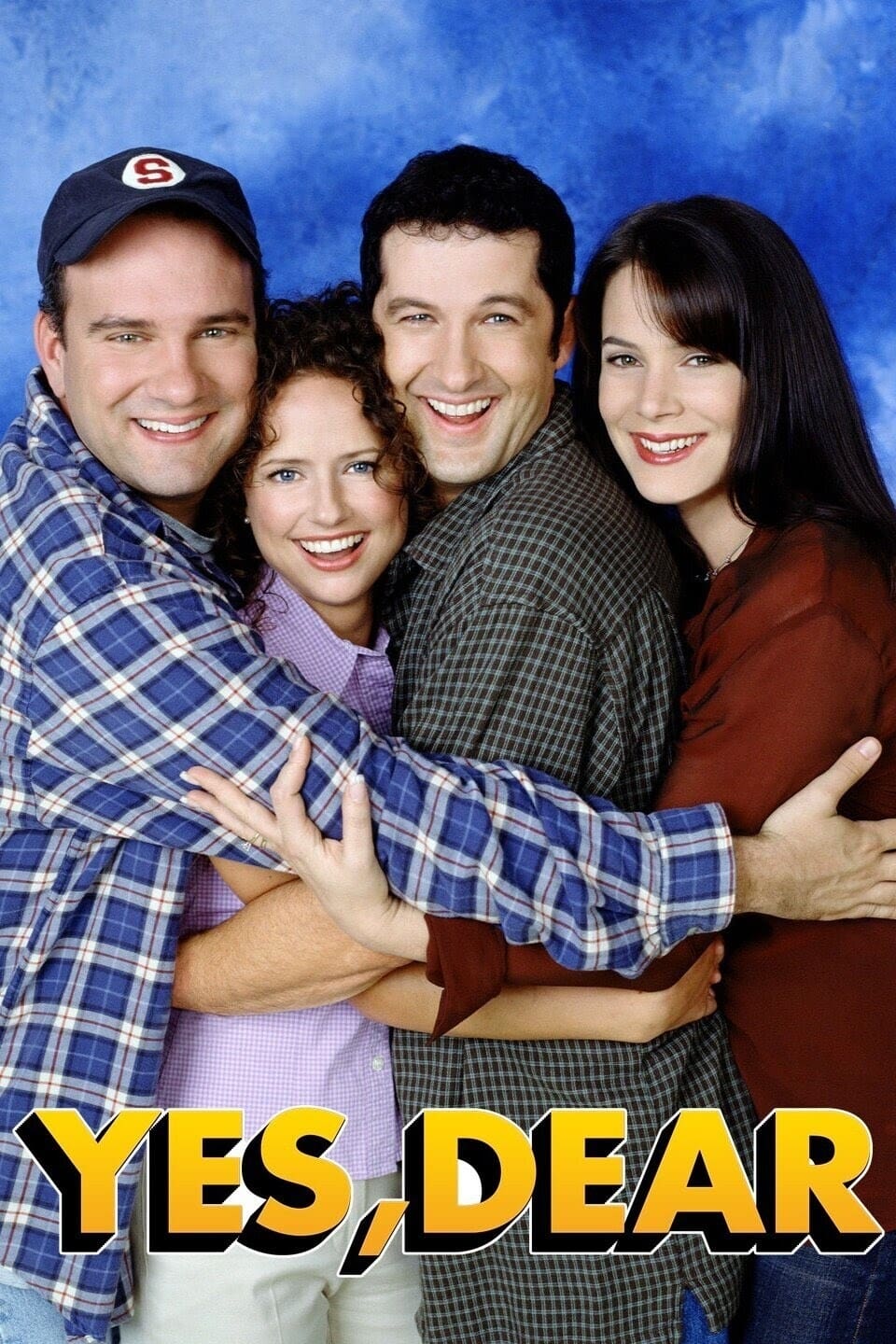
CBS paired two couples with different parenting styles and living arrangements. It starred Anthony Clark, Jean Louisa Kelly, Mike O’Malley, and Liza Snyder. The series began in 2000 and ran six seasons with a multi-camera format. Family storylines and workplace subplots alternated across its episode order.
‘Still Standing’ (2002–2006)

This CBS family sitcom featured Mark Addy and Jami Gertz as Chicago parents. It premiered in 2002 and lasted four seasons with over 80 episodes. The show used a traditional multi-camera setup with home and school sets. Recurring relatives and neighborhood characters rounded out the ensemble.
‘The War at Home’ (2005–2007)
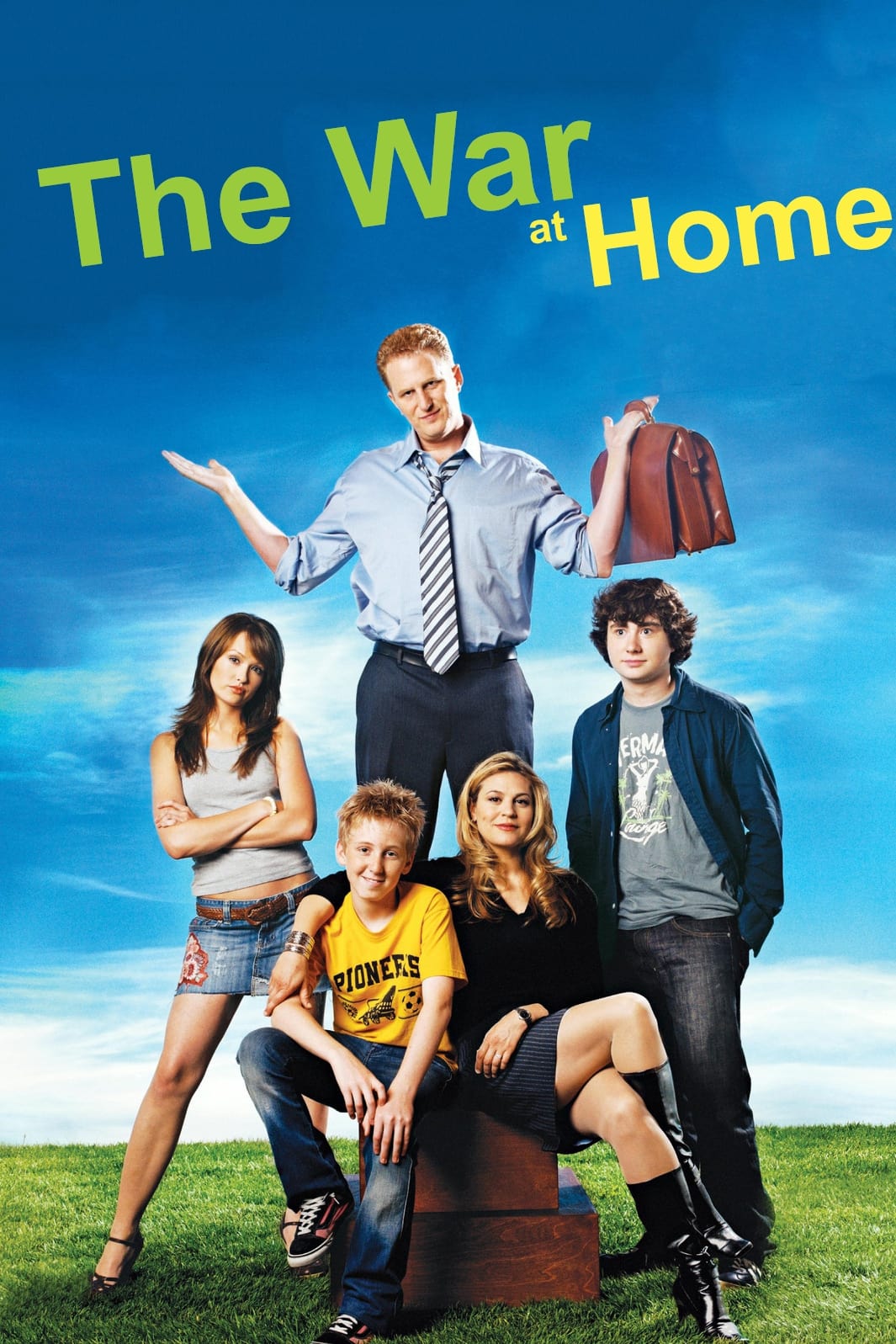
Fox focused on a Long Island family juggling teenage children and modern challenges. The series starred Michael Rapaport and Anita Barone. It ran for two seasons between 2005 and 2007 with a multi-camera approach. The production emphasized voice-over commentary as a structural device.
‘The Bill Engvall Show’ (2007–2009)
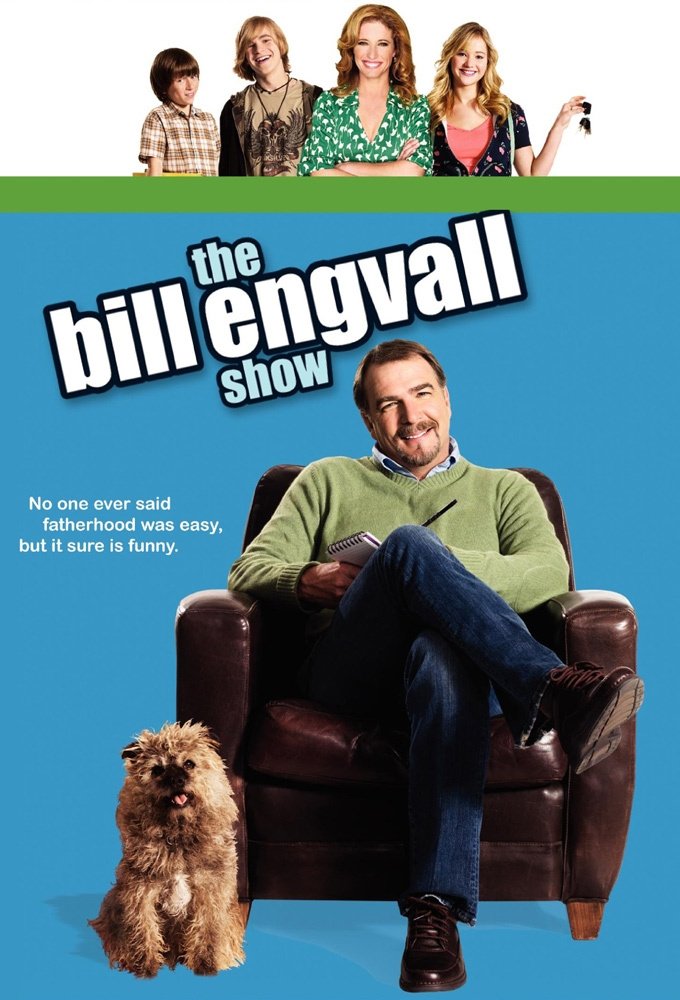
TBS launched this family sitcom with comedian Bill Engvall as a therapist dad. The show premiered in 2007 and produced three seasons. It used a multi-camera format and filmed in front of a live audience. Storylines centered on suburban family life and school issues.
‘Gary Unmarried’ (2008–2010)

CBS followed a newly divorced father co-parenting with his ex while dating again. Jay Mohr and Paula Marshall led the cast. The series aired from 2008 to 2010 for two seasons with a multi-camera setup. Episodes balanced home life with workplace sequences at a construction company.
‘Accidentally on Purpose’ (2009–2010)

CBS based this sitcom on a memoir about an unexpected pregnancy. Jenna Elfman starred as a journalist navigating co-parenting with a younger man. It aired one season from 2009 to 2010 in a multi-camera format. The show featured newsroom scenes and apartment settings as primary locations.
‘The New Adventures of Old Christine’ (2006–2010)

Julia Louis-Dreyfus headlined this CBS series about a single mom running a gym. It premiered in 2006 and completed five seasons. The production used a multi-camera setup and consistent school and home sets. The ensemble included Clark Gregg, Hamish Linklater, and Wanda Sykes.
‘George Lopez’ (2002–2007)
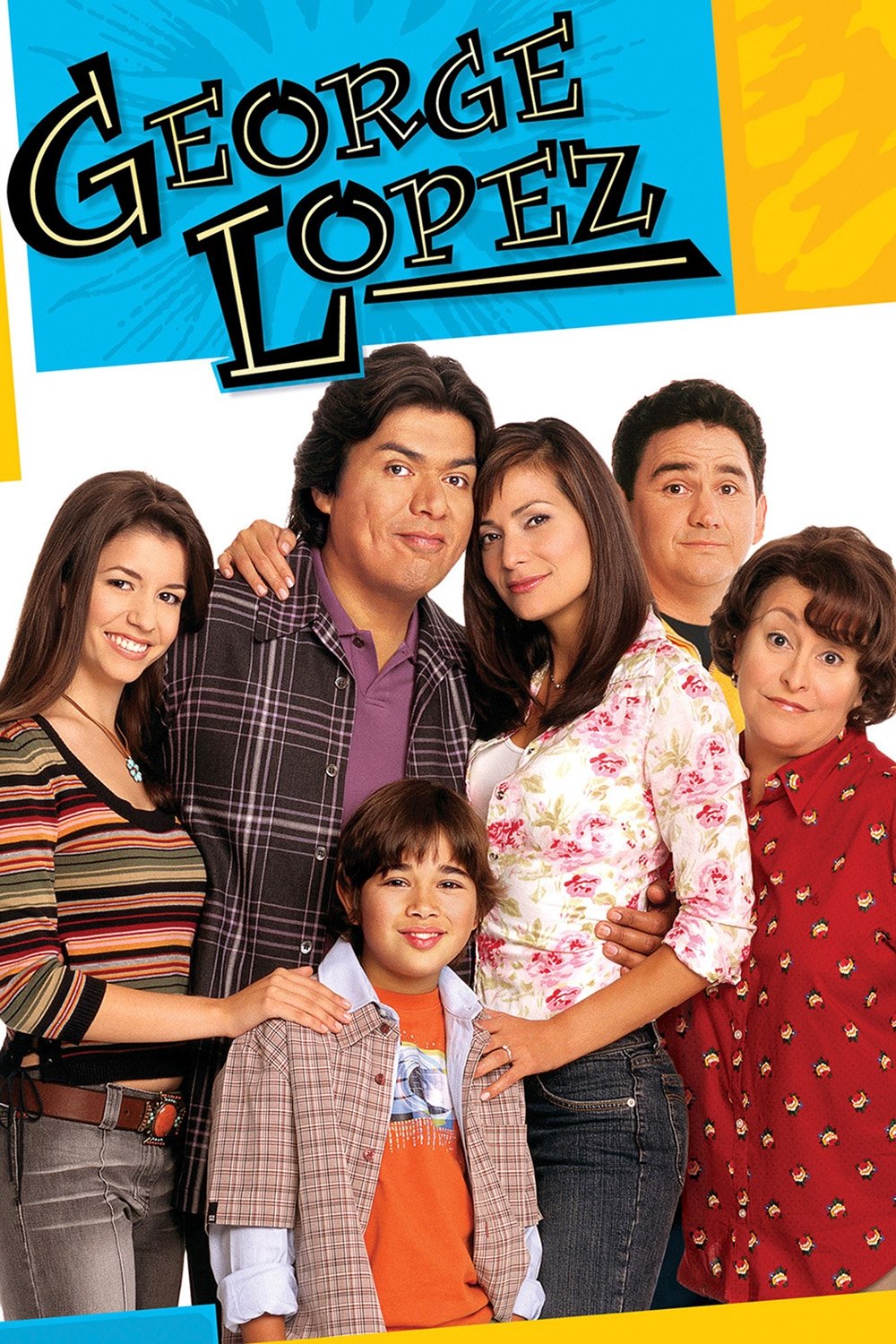
ABC centered this sitcom on a Los Angeles family and factory workplace. The show starred George Lopez and Constance Marie. It aired from 2002 to 2007 with six seasons and used a multi-camera format. Storylines frequently involved school, extended family, and job pressures.
‘8 Simple Rules’ (2002–2005)

ABC adapted this series from a parenting book and cast John Ritter and Katey Sagal. It began in 2002 and continued through 2005, with production changes after Ritter’s passing. The show maintained a multi-camera format focused on a suburban household. Later seasons added new cast members and adjusted the family dynamic.
‘Hope & Faith’ (2003–2006)

ABC paired Kelly Ripa and Faith Ford as sisters living under one roof. The show launched in 2003 and ran three seasons with a multi-camera style. Episodes alternated between family plots and showbiz elements tied to a former soap star. The production relied on bright domestic sets and guest appearances.
‘Titus’ (2000–2002)
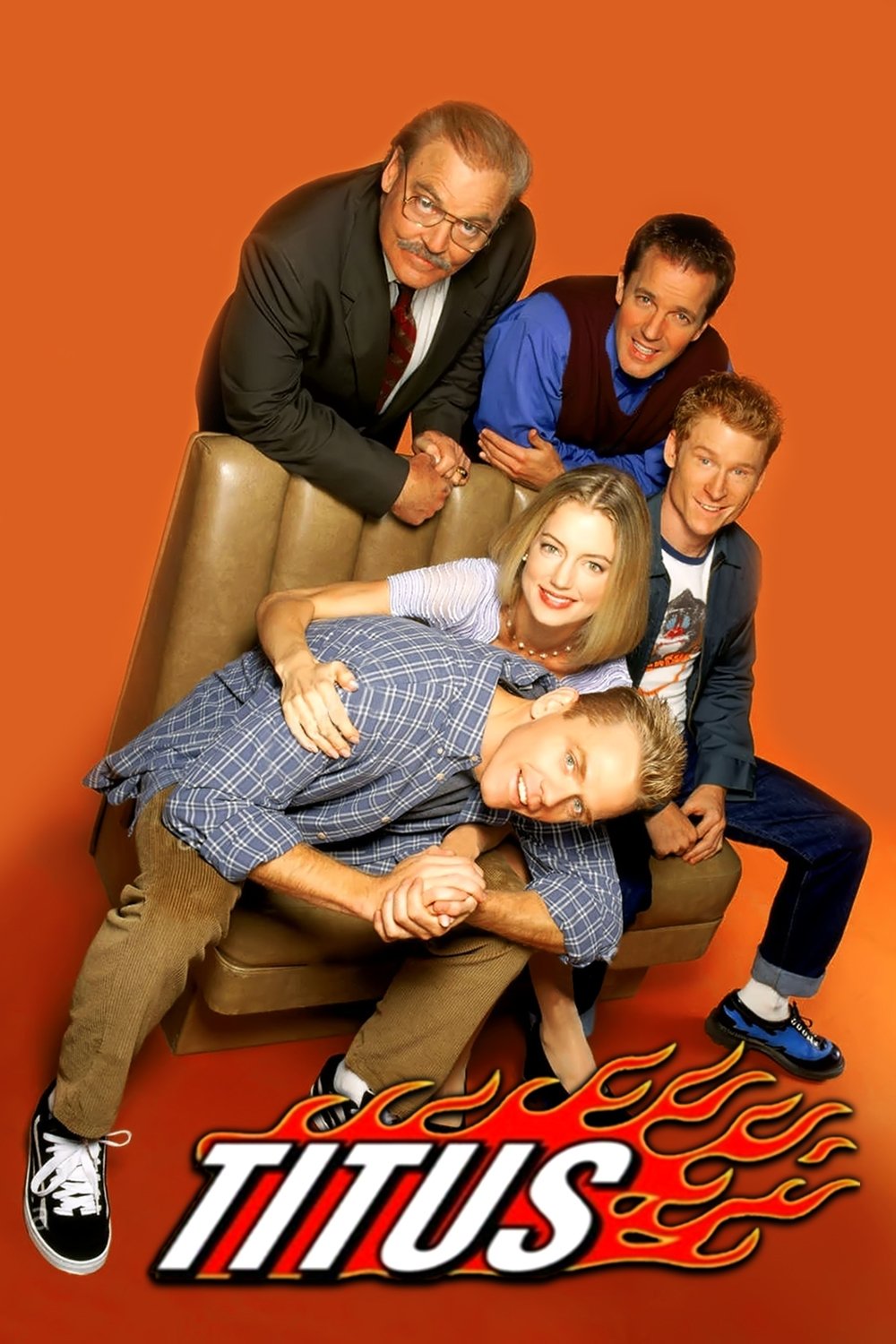
Fox built this sitcom around stand-up material from Christopher Titus. It ran from 2000 to 2002 with a blend of stage-like confessionals and traditional scenes. The show used a hybrid format that included a gray-set monologue space. Episodes drew on family backstory and workshop settings.
‘Andy Richter Controls the Universe’ (2002–2003)
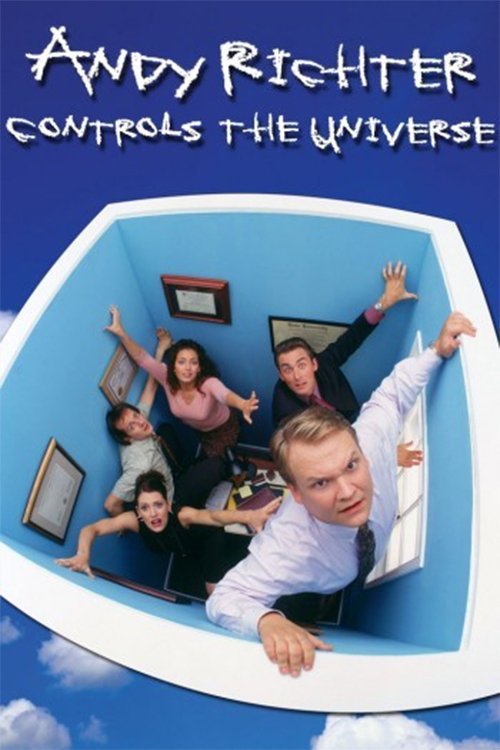
This Fox series mixed office life with fantasy cutaways and speculative asides. It starred Andy Richter and Paget Brewster. The show aired across 2002 and 2003 in a single-camera format. Episodes featured a fictional publishing company and recurring imaginative inserts.
‘The Knights of Prosperity’ (2007)

ABC followed a group planning a celebrity heist as their get-rich scheme. It starred Donal Logue and Sofia Vergara. The series aired in 2007 with a short run and single-camera presentation. Plots centered on the logistics of the planned burglary and group dynamics.
‘Listen Up!’ (2004–2005)
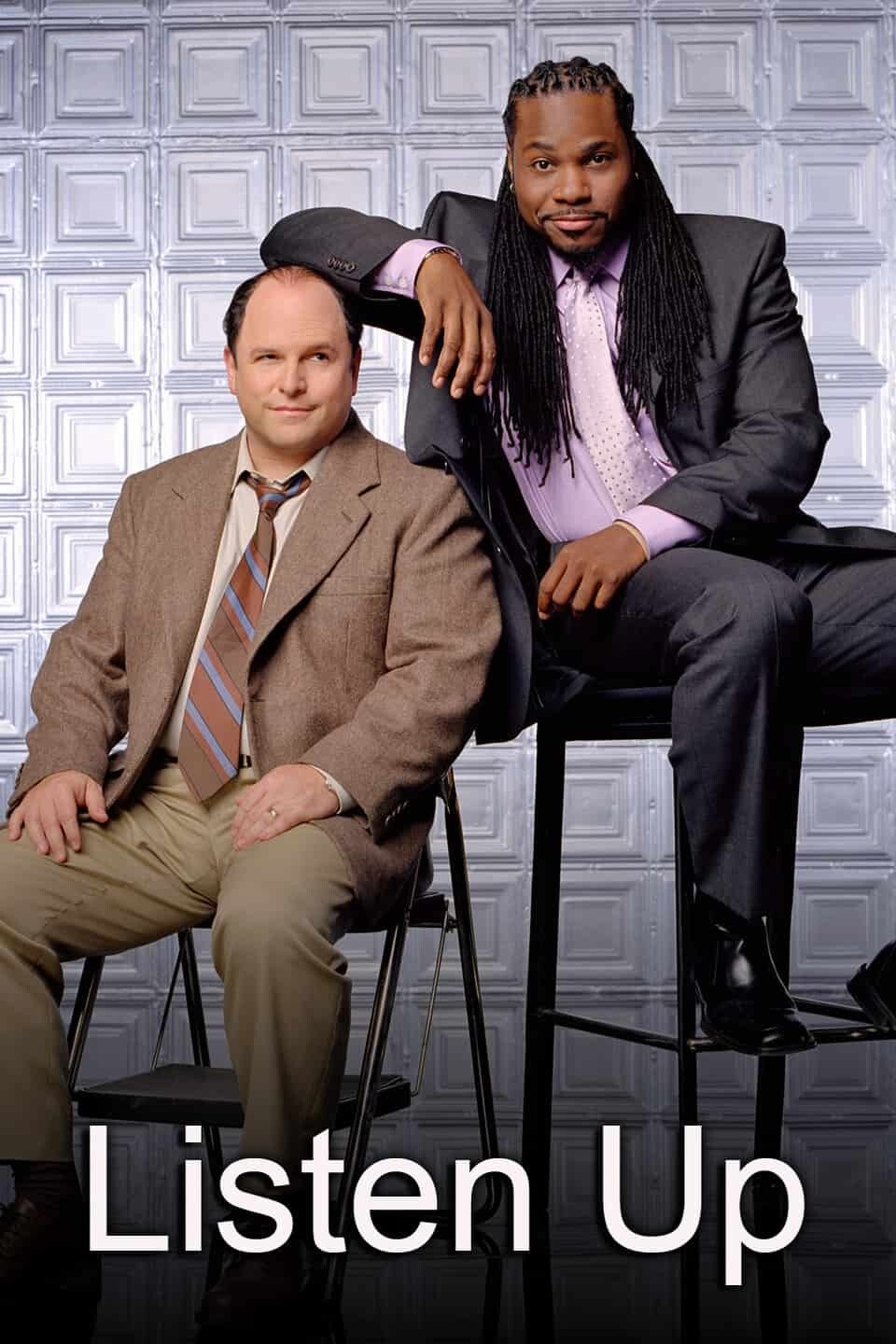
CBS drew inspiration from sportswriter Tony Kornheiser for this newsroom and home-life comedy. Jason Alexander played the lead alongside Malcolm-Jamall Warner. It aired for one season from 2004 to 2005 with a multi-camera setup. Episodes alternated between media workplace scenes and family issues.
‘Center of the Universe’ (2004–2005)
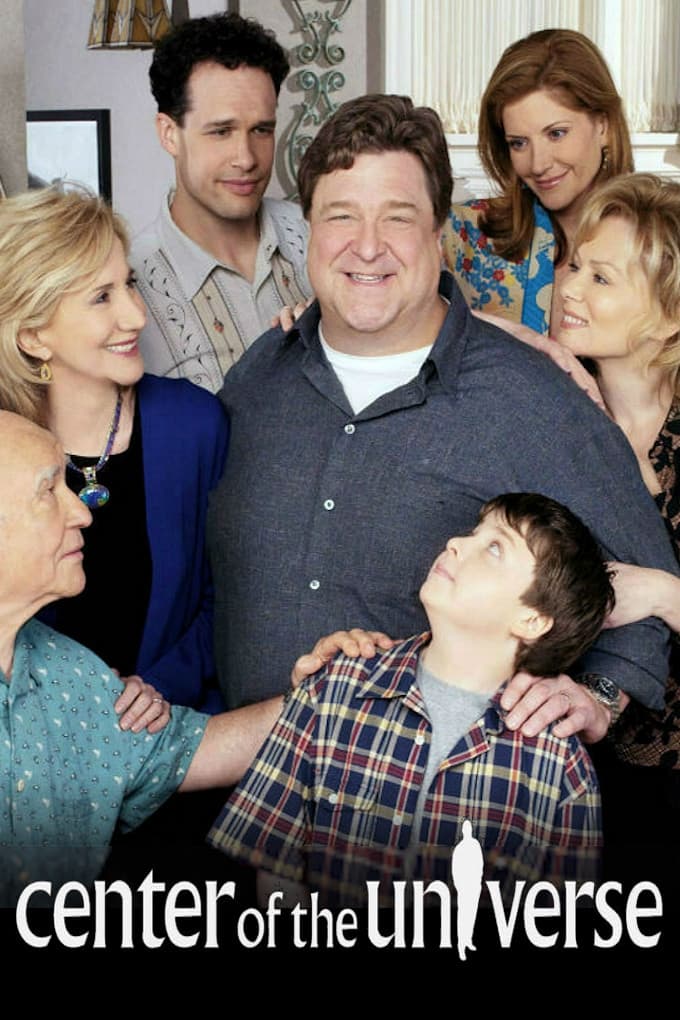
John Goodman led this CBS sitcom about a man supporting an extended family. The series premiered in 2004 and ended in 2005 after a partial season. It used a multi-camera format with home and office sets. The cast included Jean Smart, Ed Asner, and Olympia Dukakis.
‘The Game’ (2006–2009)
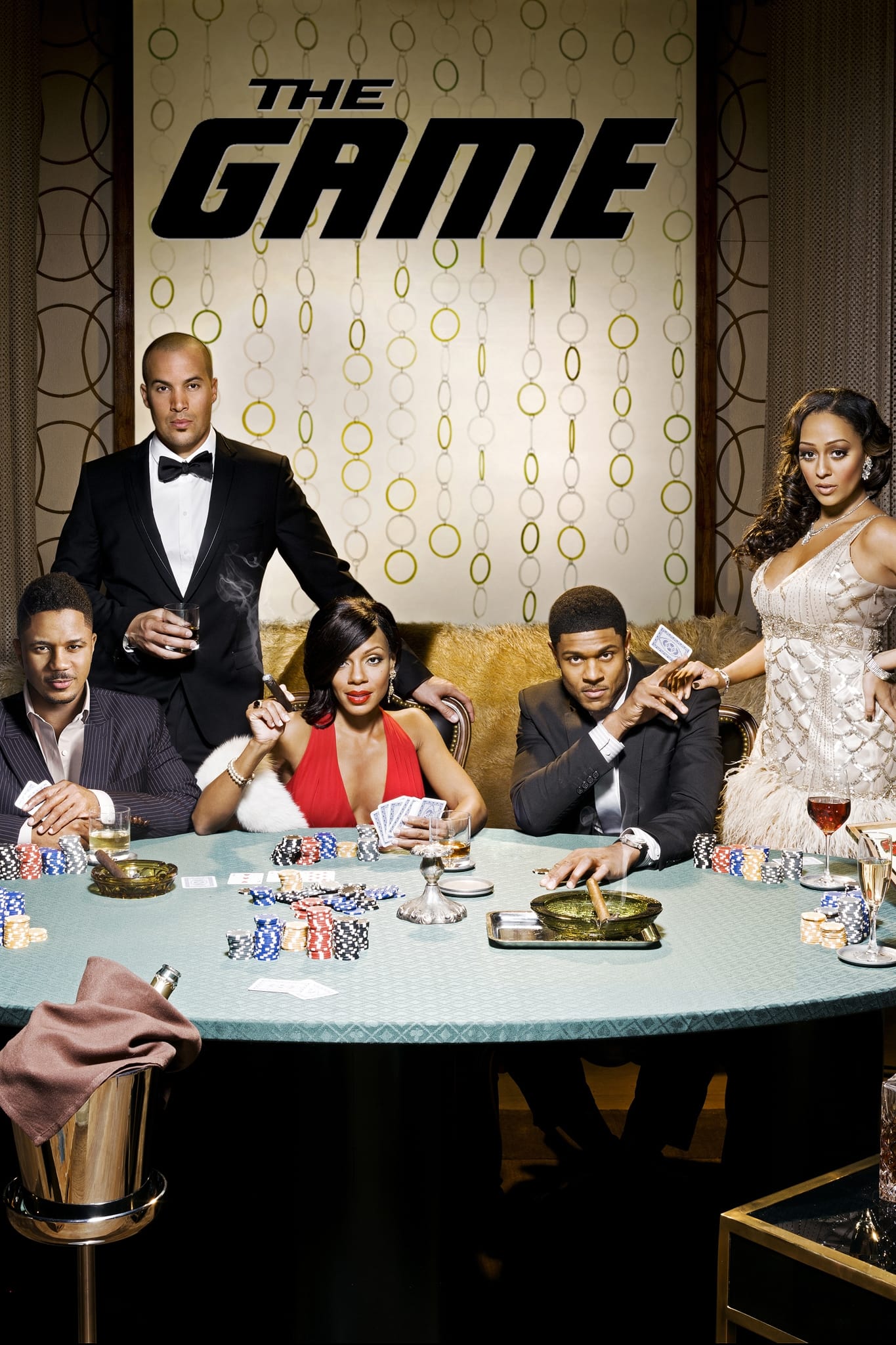
This CW comedy spun off from ‘Girlfriends’ and explored the lives around professional football. It debuted in 2006 with Tia Mowry, Pooch Hall, and Wendy Raquel Robinson. The original run on the CW lasted through 2009 before later revivals elsewhere. It used a single-camera approach and incorporated locker room and stadium-adjacent settings.
‘Freddie’ (2005–2006)
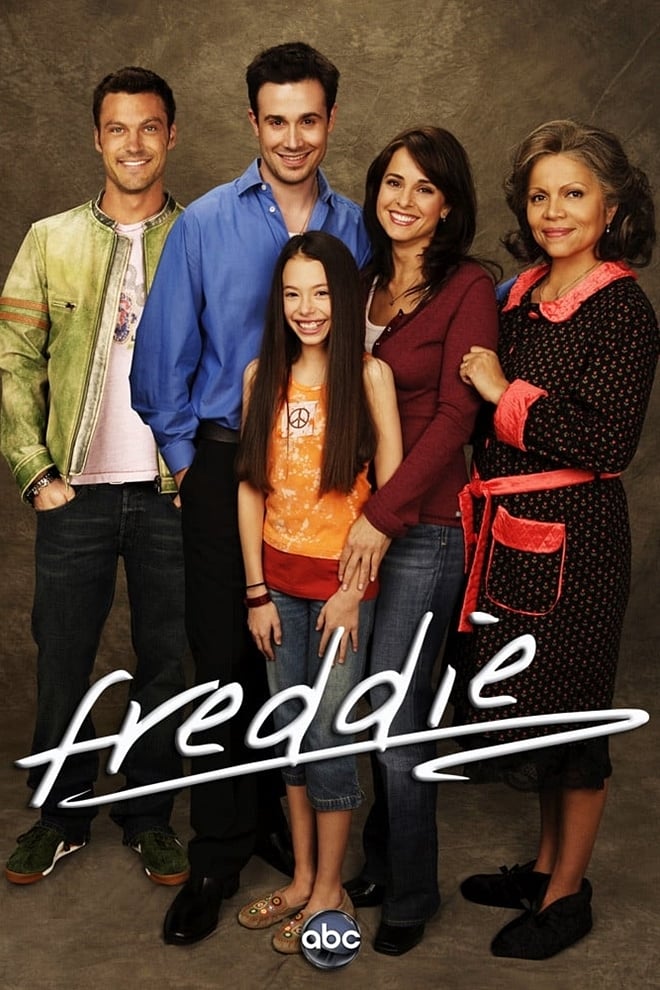
ABC starred Freddie Prinze Jr. as a chef managing family and dating in Chicago. The show aired from 2005 to 2006 for one season. It used a multi-camera format with a restaurant and apartment as primary locations. The ensemble included Brian Austin Green and Jacqueline Obradors.
‘Stacked’ (2005–2006)

Fox set this sitcom in a bookstore with Pamela Anderson as a new hire. It premiered in 2005 and concluded in 2006 after a short run. The show used a multi-camera format and leaned on in-store scenarios for plots. Christopher Lloyd and Elon Gold appeared in supporting roles.
‘Life on a Stick’ (2005)
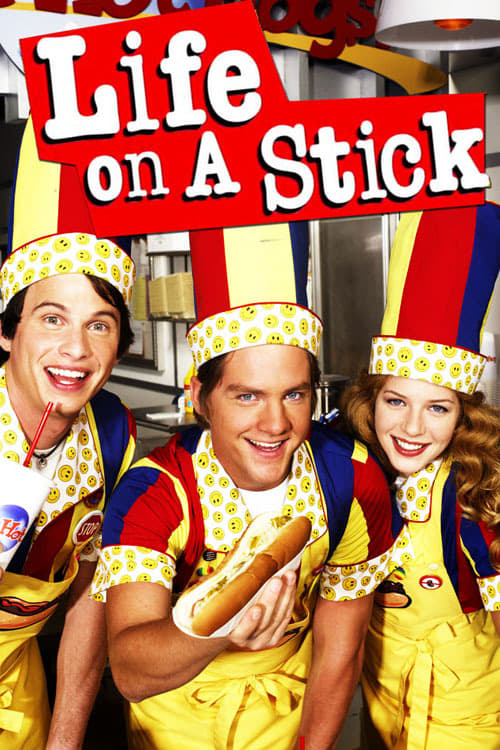
Fox placed its teen cast in a mall food court and fast-casual jobs. The series aired in 2005 for one season. It used a single-camera format and focused on workplace and family situations. Several episodes remained unaired in the original schedule.
‘Married to the Kellys’ (2003–2004)
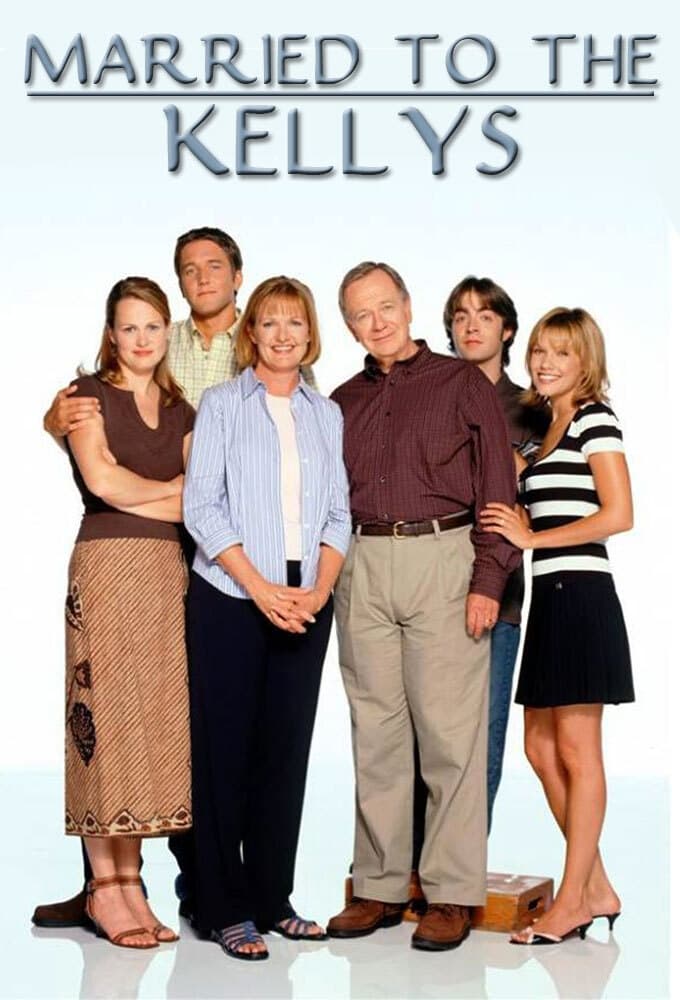
ABC followed a writer from New York adjusting to life with his wife’s large Midwestern family. The show ran from 2003 to 2004 for one season. It used a multi-camera format with home and neighborhood sets. Episodes centered on cultural clashes and extended family gatherings.
‘Out of Practice’ (2005–2006)
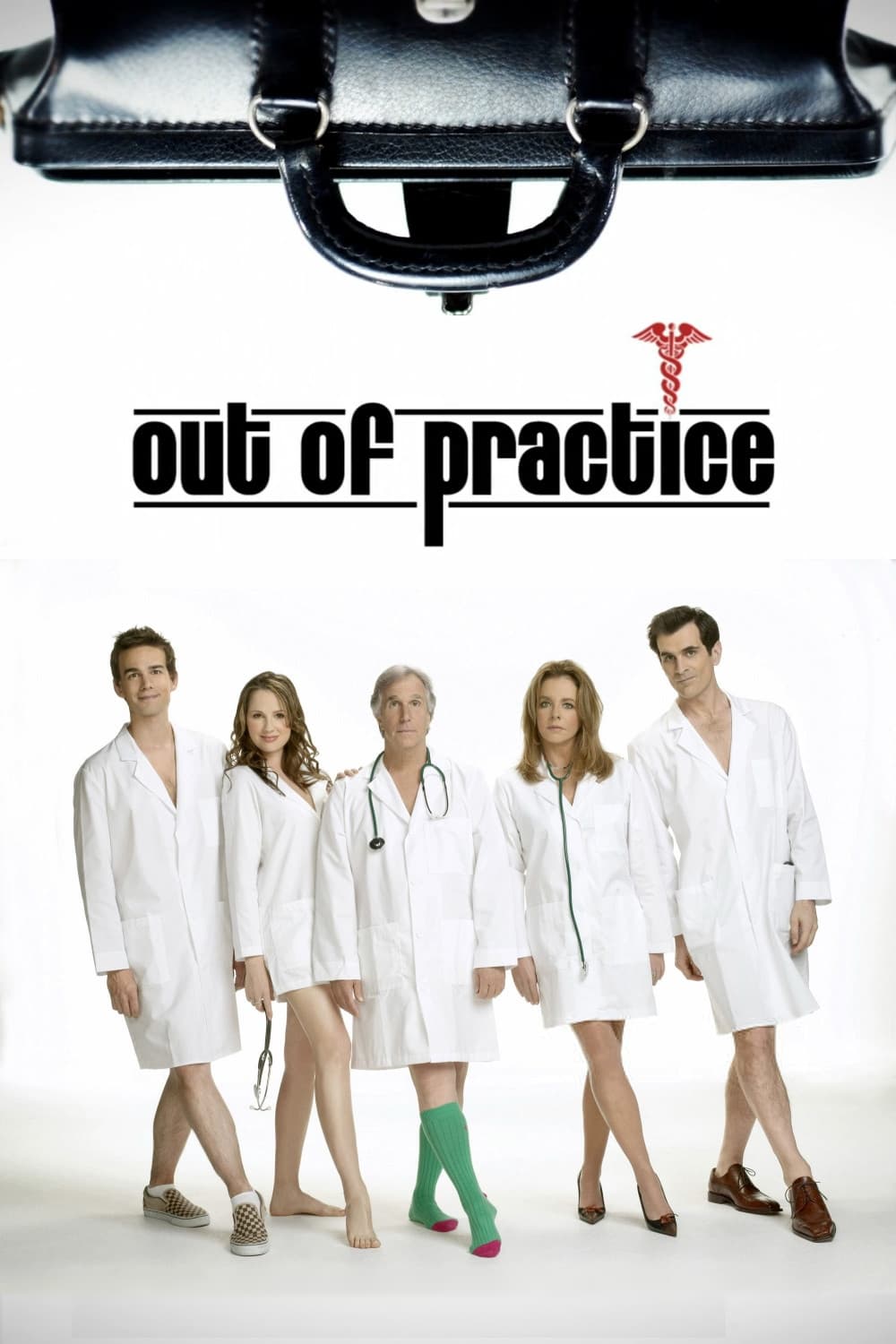
CBS featured a family of doctors with Henry Winkler and Stockard Channing in the cast. It aired during the 2005 to 2006 season. The series used a multi-camera format with medical office and apartment locations. Scheduling shifts affected the episode rollout during its run.
‘Courting Alex’ (2006)

This CBS sitcom starred Jenna Elfman as a lawyer balancing career and relationships. It aired in 2006 for a partial season. The show used a multi-camera format with law office and home sets. Several episodes were produced beyond those initially broadcast.
‘Good Morning, Miami’ (2002–2004)
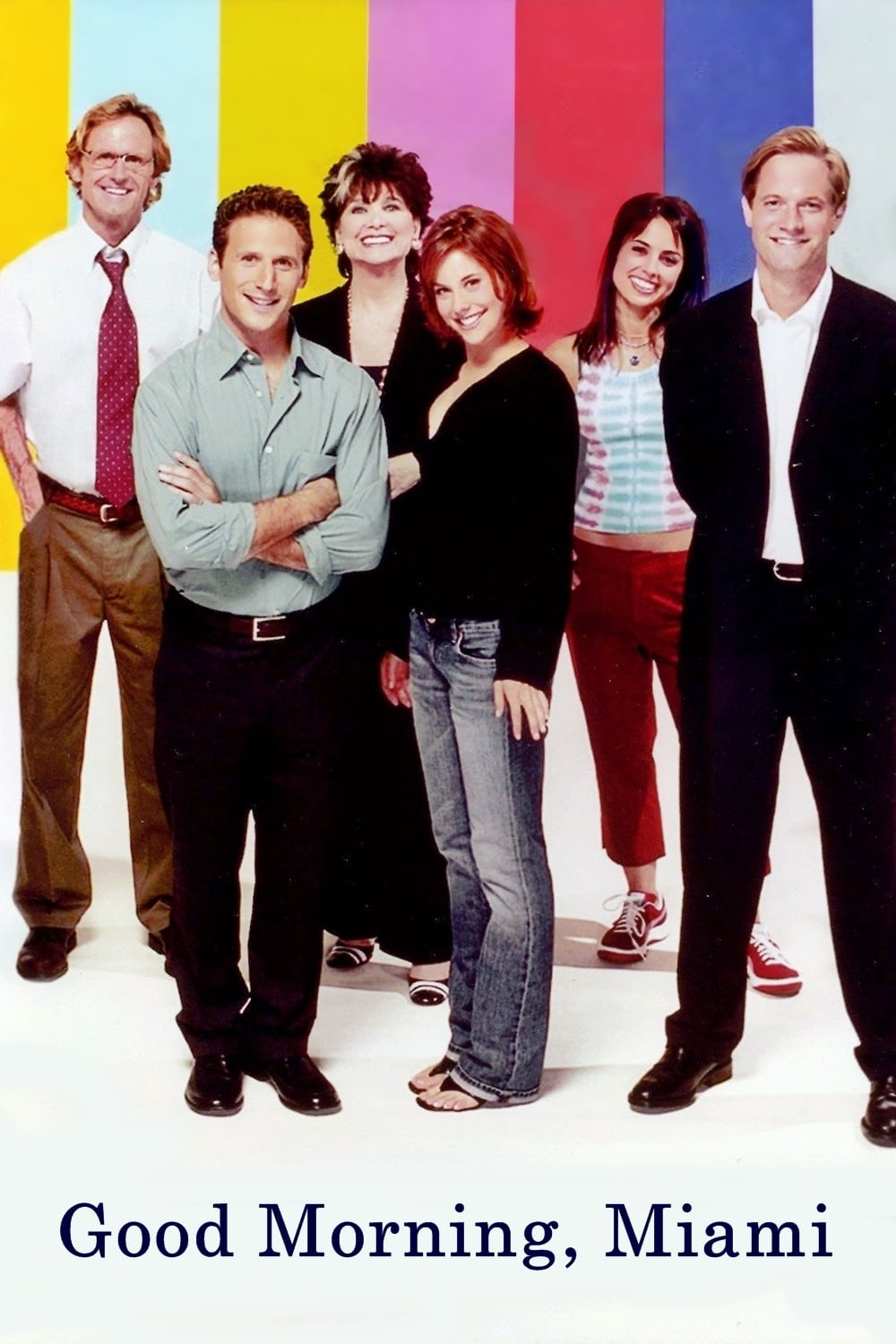
NBC set this series inside a struggling morning show and its production crew. It ran from 2002 to 2004 across two seasons. The show used a multi-camera format and studio control room settings. Storylines often followed ratings gimmicks and workplace romances.
‘Less than Perfect’ (2002–2006)
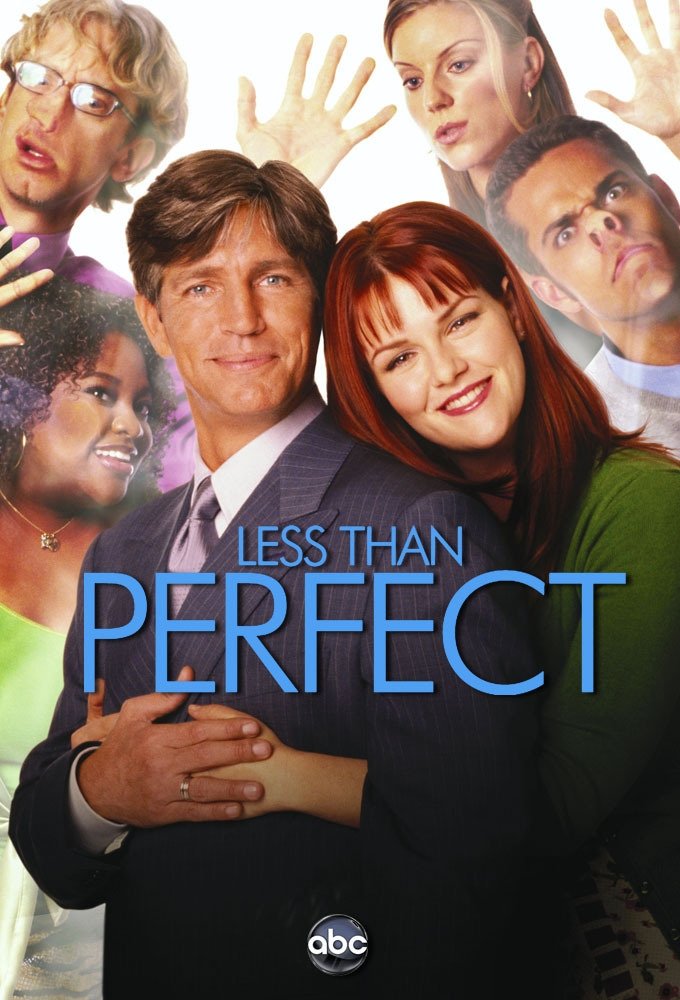
ABC followed a young assistant navigating a chaotic TV newsroom. It aired from 2002 to 2006 with a multi-camera presentation. Sara Rue led the cast with Sherri Shepherd and Zachary Levi in key roles. The show produced multiple seasons with consistent office-based plots.
‘Miss Guided’ (2008)

This ABC series centered on a high school guidance counselor returning to her alma mater. It aired in 2008 for a short single-camera run. Judy Greer starred with school corridors and faculty rooms as primary sets. The episode order was limited due to scheduling and mid-season placement.
‘Worst Week’ (2008–2009)
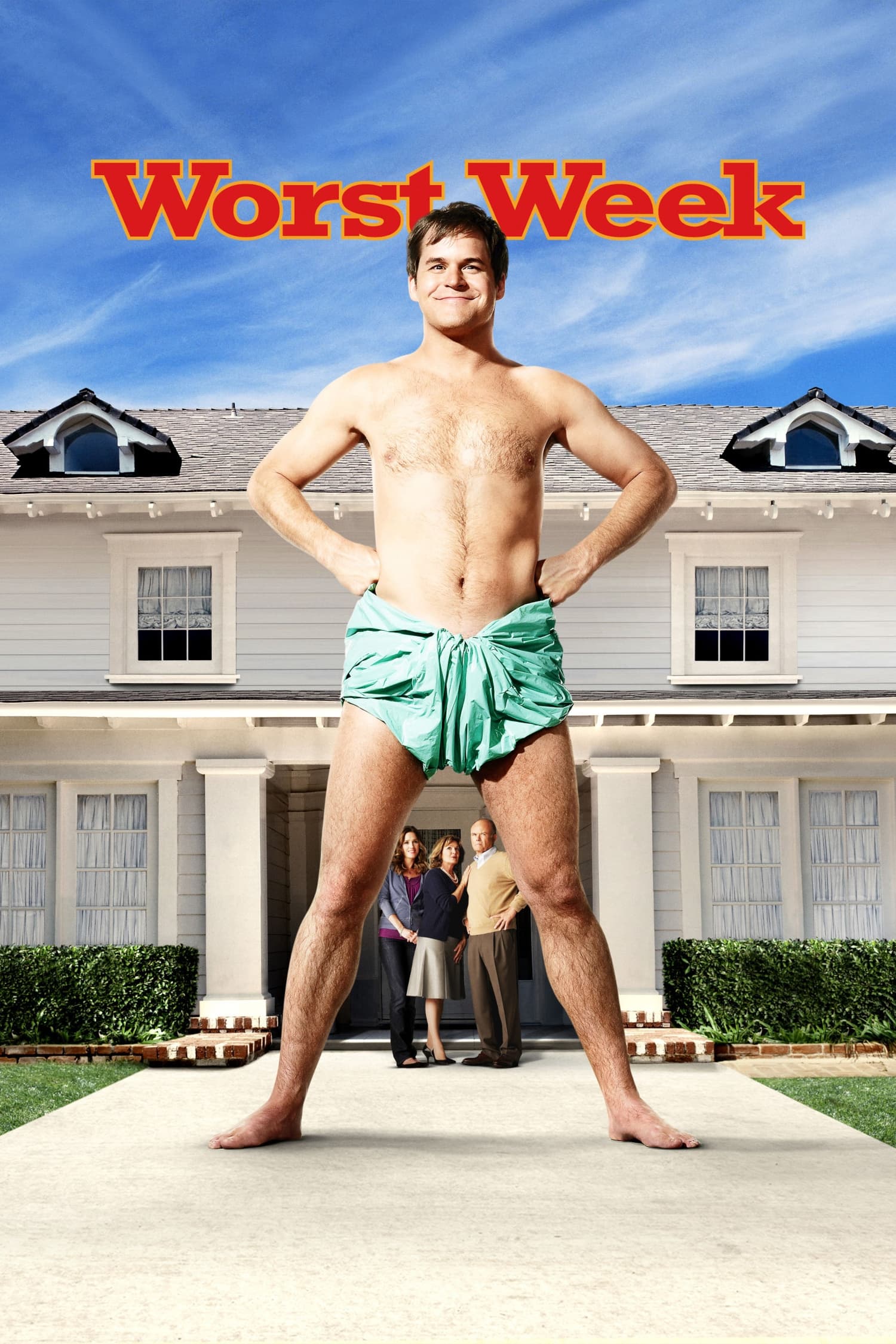
CBS adapted this from a British format and focused on a man’s mishaps meeting his in-laws. It aired during the 2008 to 2009 season with a single-camera style. The show emphasized escalating set pieces built around family gatherings. The production completed one season before ending.
‘Crumbs’ (2006)
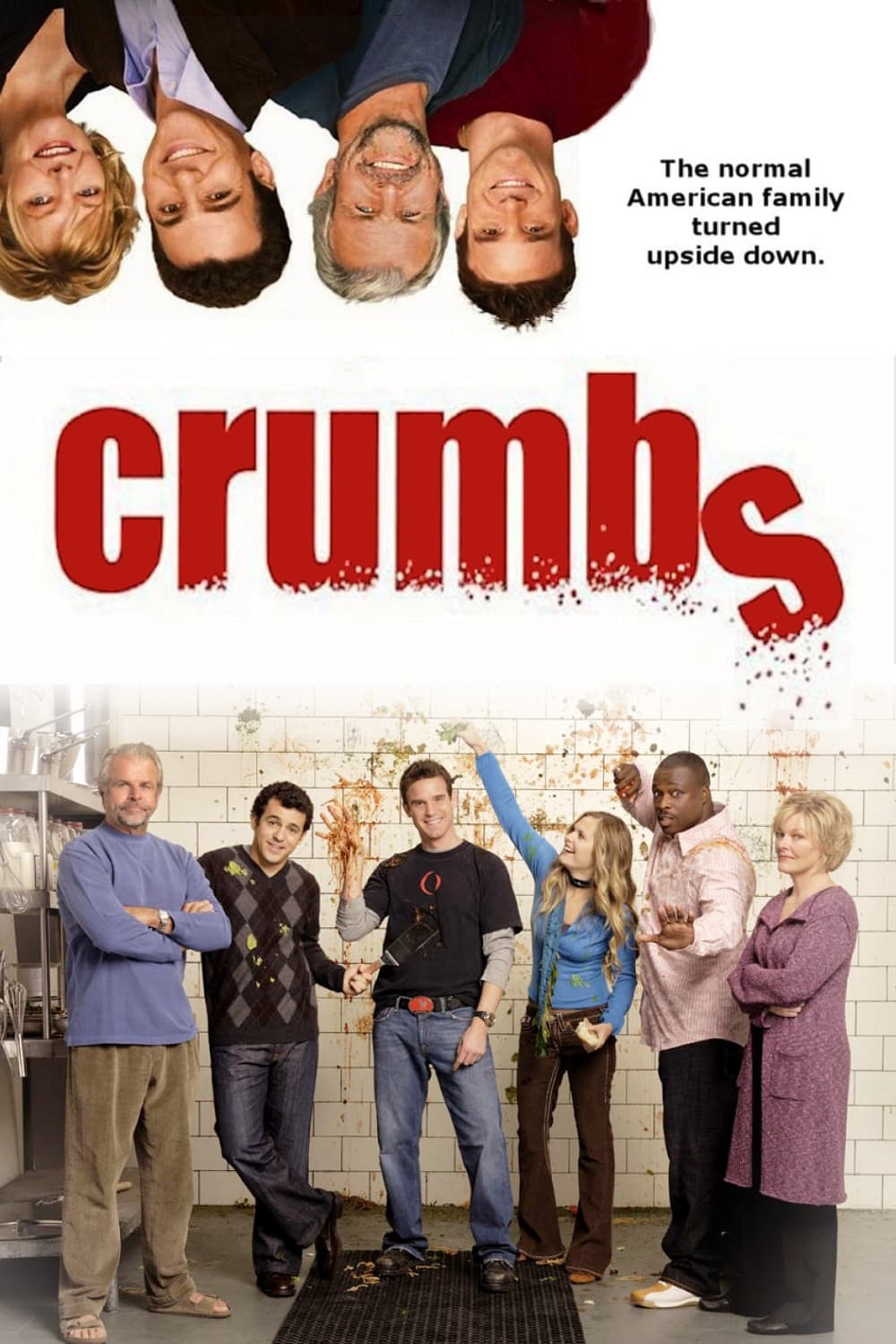
ABC introduced a family dramedy angle within a sitcom framework starring Fred Savage and Jane Curtin. It aired in 2006 with a short episode count. The format combined single-camera scenes with domestic locations. The network scheduled it as a mid-season entry with limited continuation.
Share which of these shows you remember best in the comments and tell us which one you think aged the least gracefully.