1990s Thrillers That Are Completely Unwatchable Today

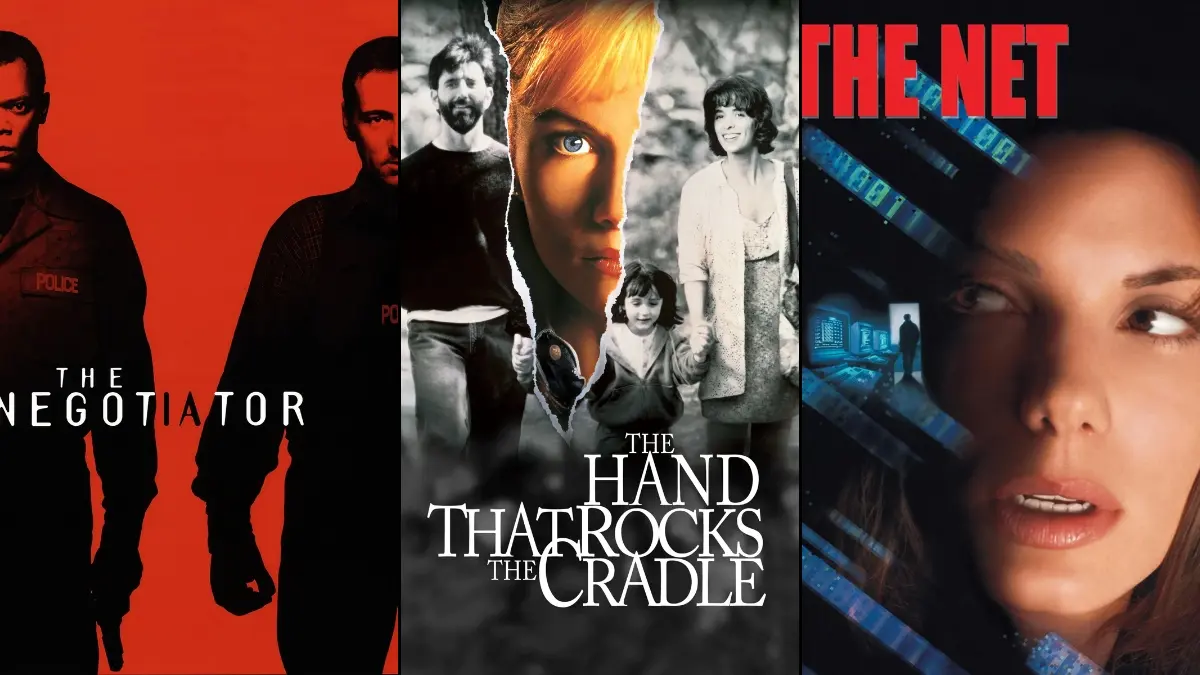

The decade churned out a flood of sleek, twisty thrillers—erotic capers, tech anxieties, legal showdowns, and serial-killer chases—fronted by A-list stars and adapted from buzzy novels. Below you’ll find a cross-section of that boom: stalker tales set in cramped apartments, glossy corporate scandals, and conspiracies powered by dial-up modems. Each entry notes who made it, who starred in it, and the core premise that drove audiences to theaters. It’s a snapshot of what kept pulses racing, from neo-noir provocations to surveillance-state panics.
‘Basic Instinct’ (1992)
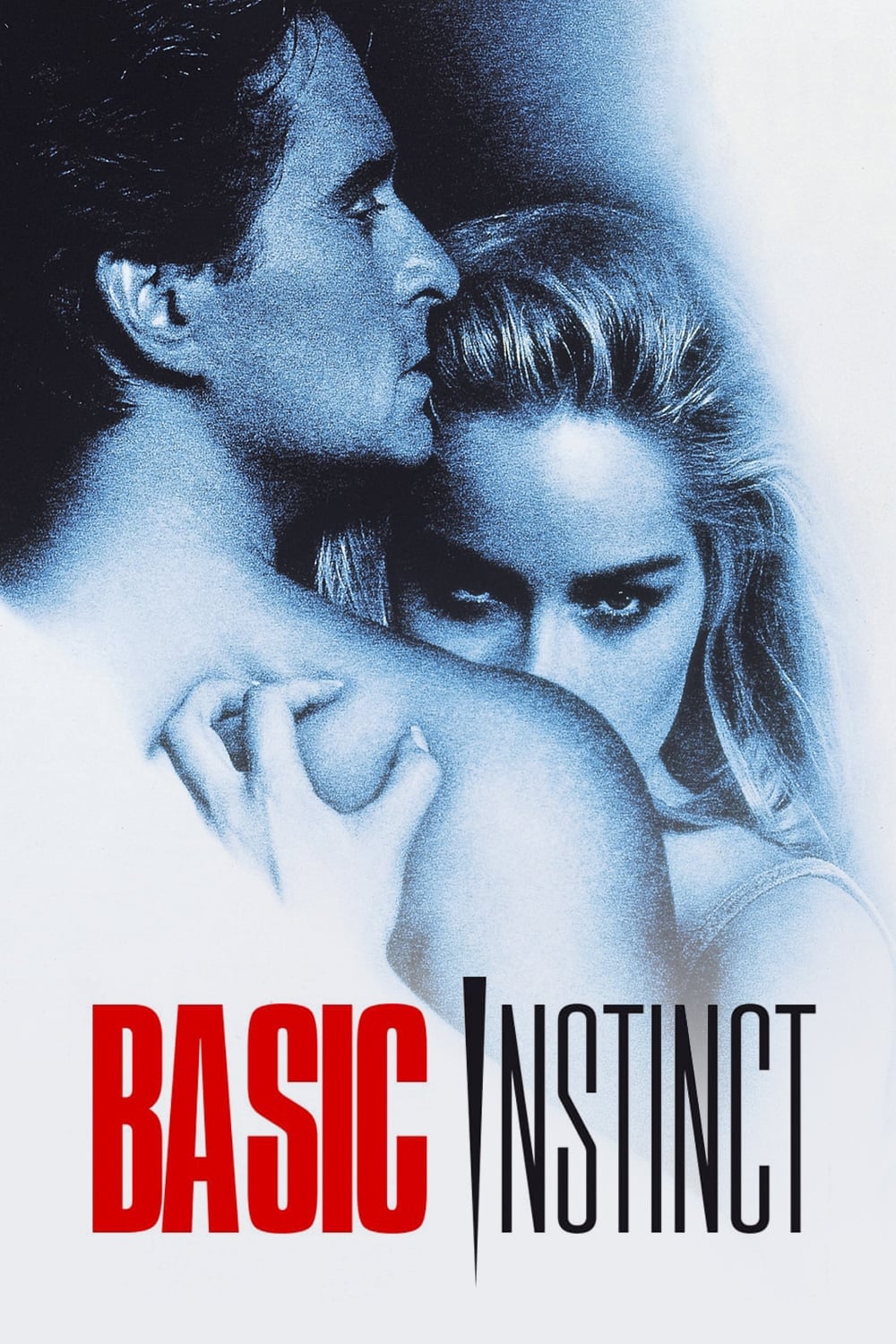
Directed by Paul Verhoeven, ‘Basic Instinct’ pairs Michael Douglas with Sharon Stone in a San Francisco murder investigation steeped in neo-noir style. Joe Eszterhas wrote the screenplay, and the film is known for Jerry Goldsmith’s score and Jan de Bont’s sleek cinematography. The story follows a detective probing the death of a rock star and the enigmatic crime novelist who becomes his prime suspect. Its release sparked discussions about on-screen sexuality, police procedure, and representation in mainstream thrillers.
‘Single White Female’ (1992)

Barbet Schroeder directs ‘Single White Female’, adapted from John Lutz’s novel ‘SWF Seeks Same’. Bridget Fonda plays a New Yorker who takes in a roommate, portrayed by Jennifer Jason Leigh, whose identity begins to blur with her own. The film uses urban isolation and technology of the era—personal ads and answering machines—as plot devices. Costume and hairstyling choices became cultural signifiers within the story’s escalation.
‘The Hand That Rocks the Cradle’ (1992)
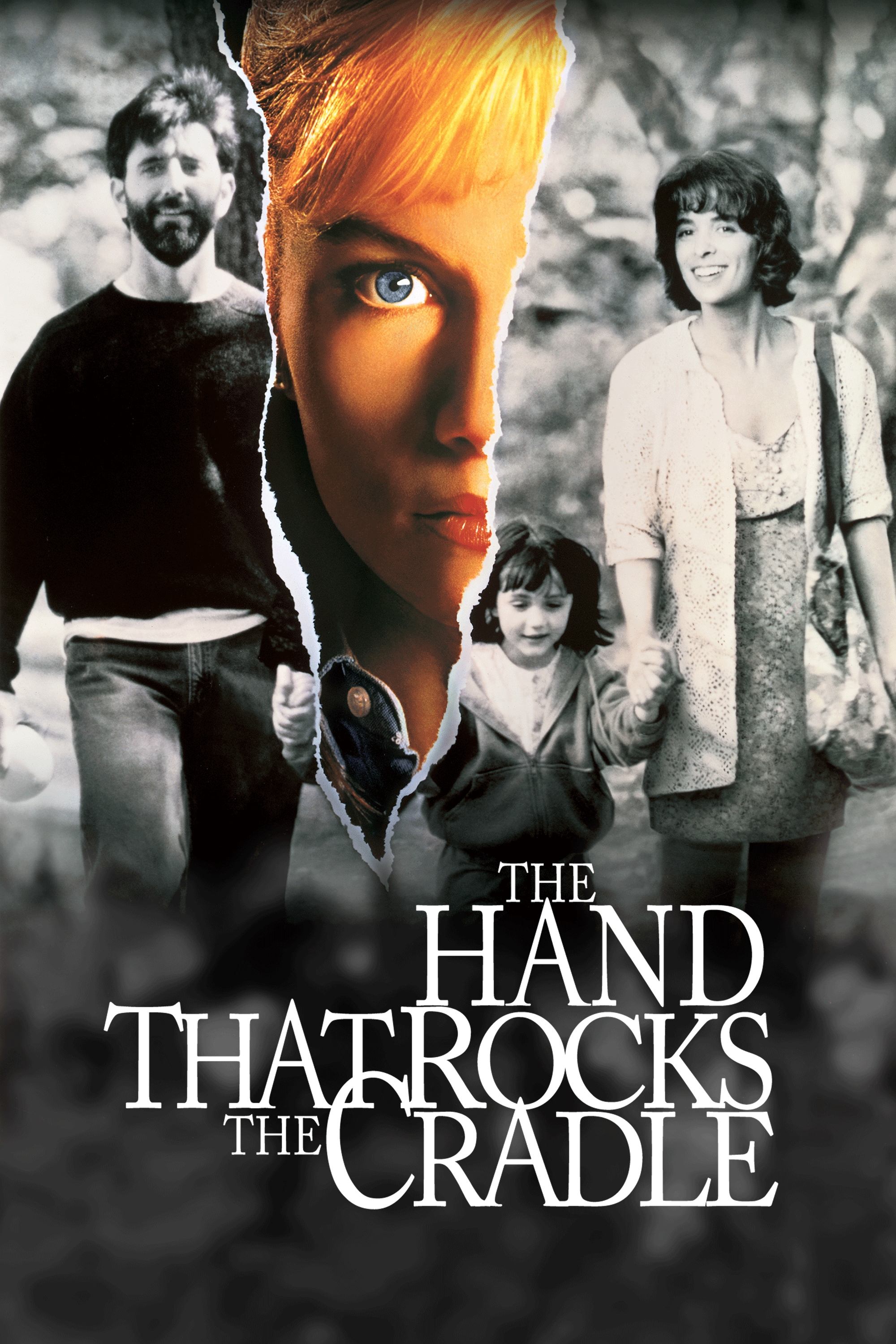
‘The Hand That Rocks the Cradle’, directed by Curtis Hanson, centers on a family that hires a nanny whose hidden agenda turns domestic life into a psychological battleground. Annabella Sciorra and Rebecca De Mornay lead the cast, with Julianne Moore in a supporting role. The script explores themes of trust, grief, and suburban vulnerability. Its Pacific Northwest setting and score by Graeme Revell reinforce the film’s tense atmosphere.
‘Sliver’ (1993)
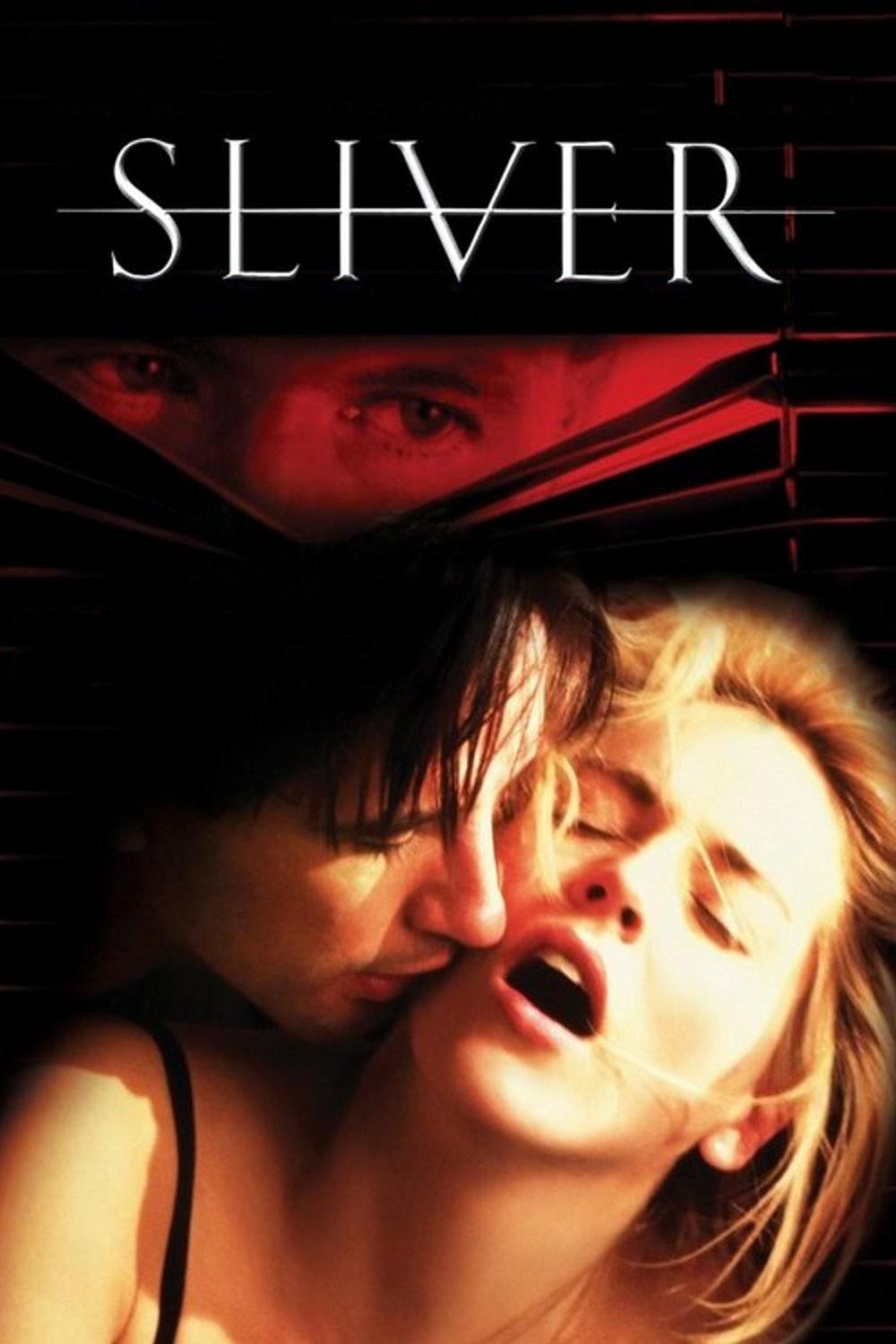
Phillip Noyce directs ‘Sliver’, adapted from Ira Levin’s novel about surveillance and voyeurism within a luxury Manhattan high-rise. Sharon Stone stars alongside William Baldwin and Tom Berenger, with a plot revolving around mysterious deaths in the building. The narrative integrates consumer-grade video tech and closed-circuit systems as central clues. Production design emphasizes minimalist interiors that double as spaces for observation and control.
‘Body of Evidence’ (1993)
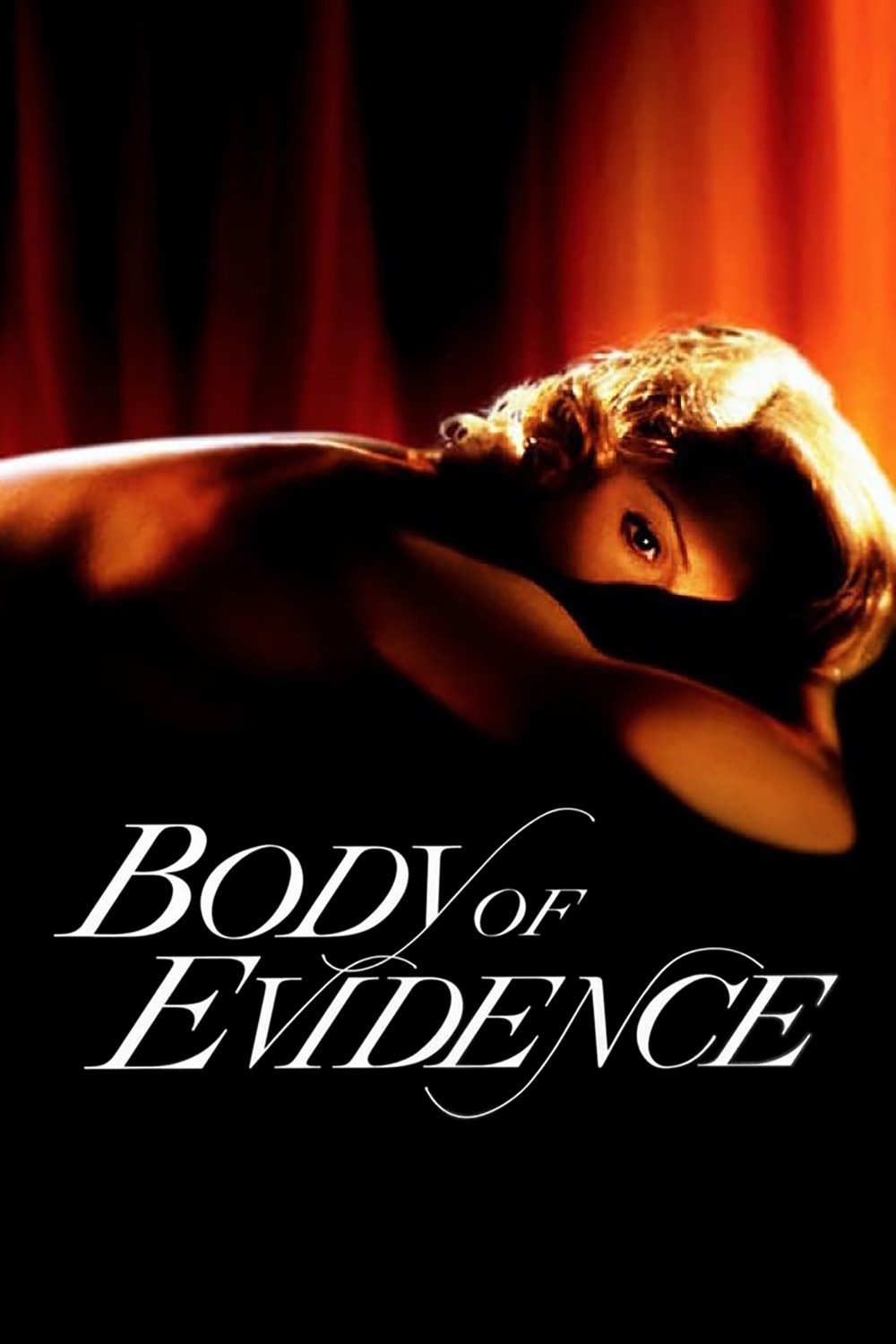
‘Body of Evidence’, directed by Uli Edel, features Madonna and Willem Dafoe in a courtroom-driven erotic thriller. The case hinges on whether a wealthy man’s death was accidental or the result of a lover’s manipulation. The film examines legal tactics, expert testimony, and evidentiary thresholds in homicide prosecutions. Its soundtrack and stylized lighting align it with glossy contemporaries in the genre.
‘The Crush’ (1993)

Written and directed by Alan Shapiro, ‘The Crush’ stars Alicia Silverstone and Cary Elwes in a suburban fixation that escalates into sabotage and danger. The plot maps how boundary violations become criminal acts, including impersonation and property invasion. Police involvement and restraining orders figure into the narrative’s procedural beats. The movie also highlights journalistic ethics and workplace repercussions for the targeted protagonist.
‘Color of Night’ (1994)
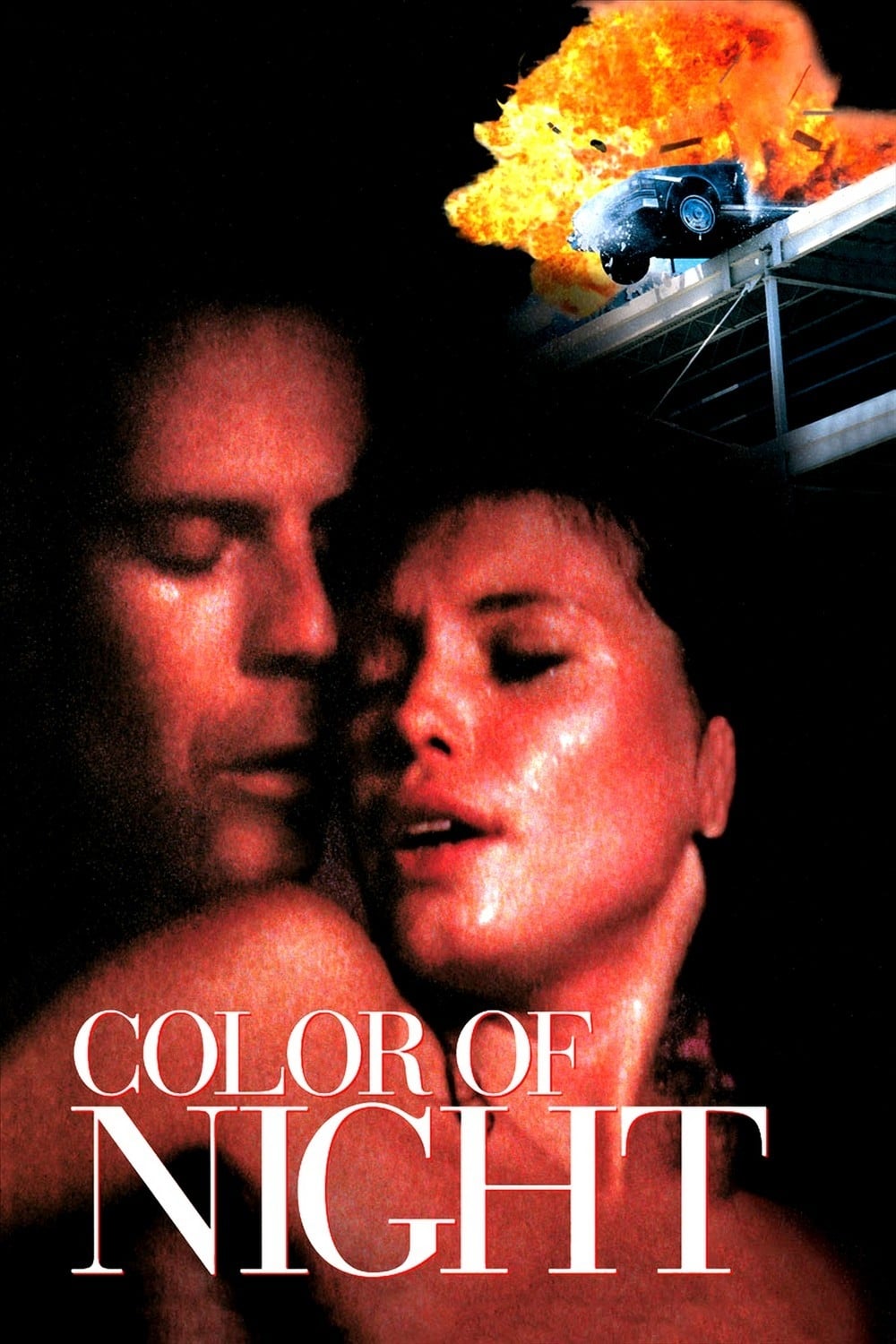
Directed by Richard Rush, ‘Color of Night’ casts Bruce Willis as a therapist drawn into a colleague’s murder and a web of patients with intersecting secrets. The ensemble includes Jane March, Ruben Blades, Lesley Ann Warren, and Brad Dourif. Therapy sessions, inkblot tests, and group dynamics serve as structural elements for clue-gathering. The production is noted for Los Angeles locations and a shifting palette that mirrors the protagonist’s unreliable perceptions.
‘Disclosure’ (1994)
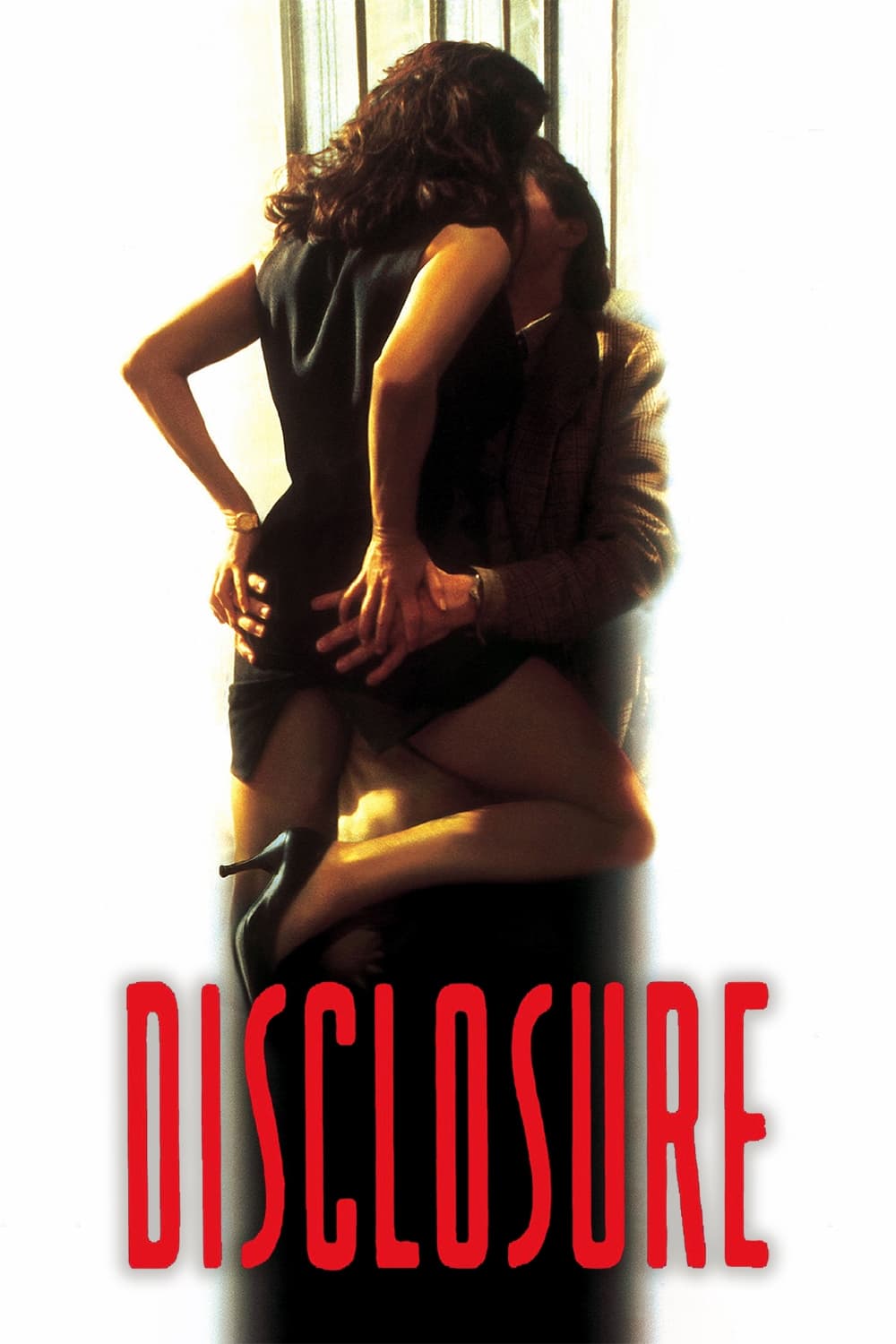
‘Disclosure’, from director Barry Levinson, adapts Michael Crichton’s corporate thriller about power plays, sexual harassment claims, and a high-stakes tech merger. Michael Douglas and Demi Moore lead a cast that navigates depositions, internal emails, and product demos. The plot integrates a virtual-reality file-navigation sequence as part of the investigation. Office politics, nondisclosure agreements, and mediation tactics drive the film’s procedural momentum.
‘The Net’ (1995)

Irwin Winkler’s ‘The Net’ stars Sandra Bullock as a systems analyst whose identity is erased after she uncovers a backdoor in widely used software. The story features social-engineering attacks, stolen logins, and database tampering as mechanisms of suspense. Government systems and private networks are portrayed as vulnerable to a single compromised credential. Practical effects and early-web interfaces anchor the film in the era’s computing landscape.
‘Jade’ (1995)
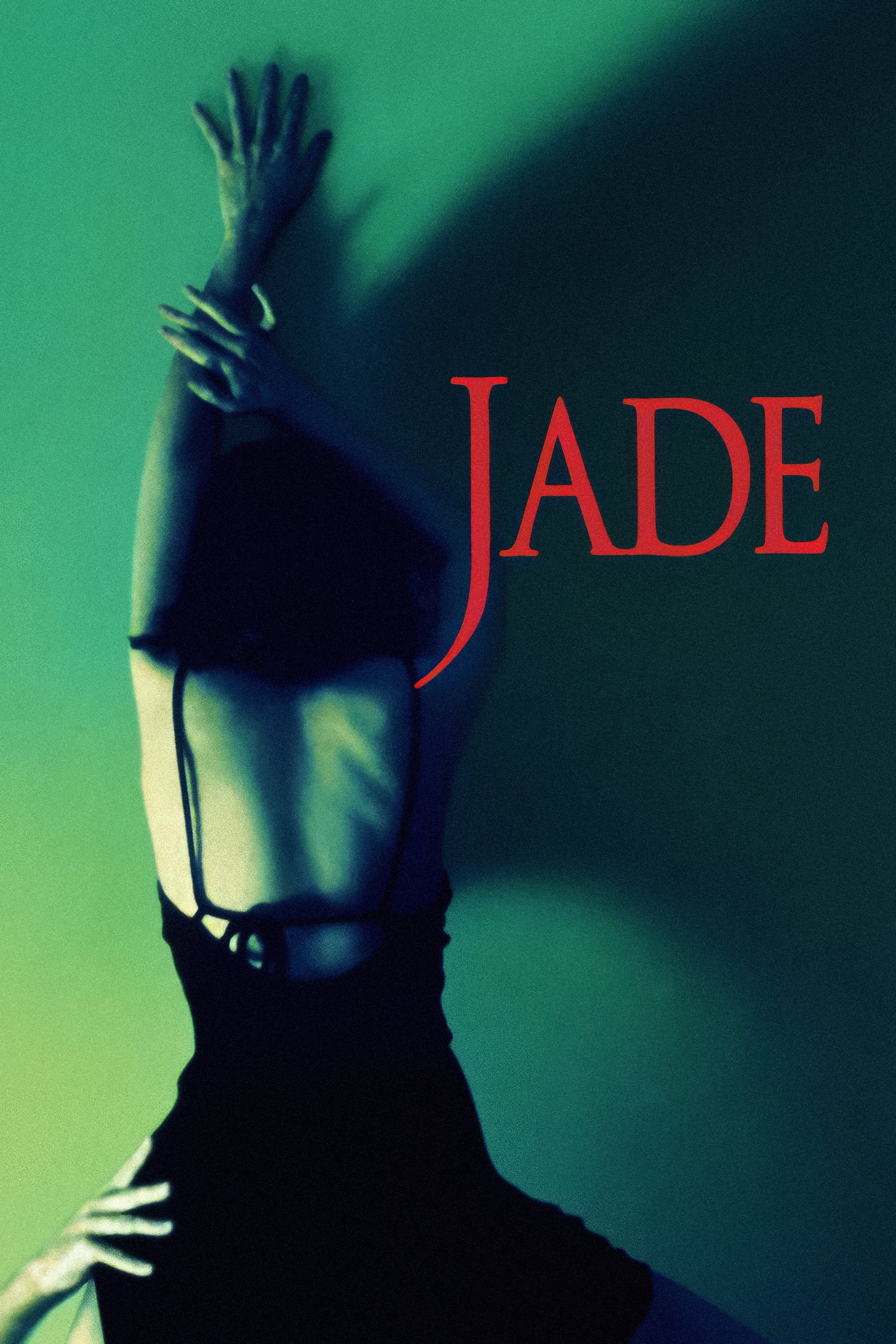
Directed by William Friedkin and written by Joe Eszterhas, ‘Jade’ follows a prosecutor and detective entangled in a homicide linked to political donors and blackmail. David Caruso, Linda Fiorentino, and Chazz Palminteri headline the cast. The investigation touches on evidentiary chain of custody, plea pressures, and conflicts of interest. Cinematography favors car chases and rain-slicked streets to layer the procedural with kinetic set pieces.
‘Nick of Time’ (1995)
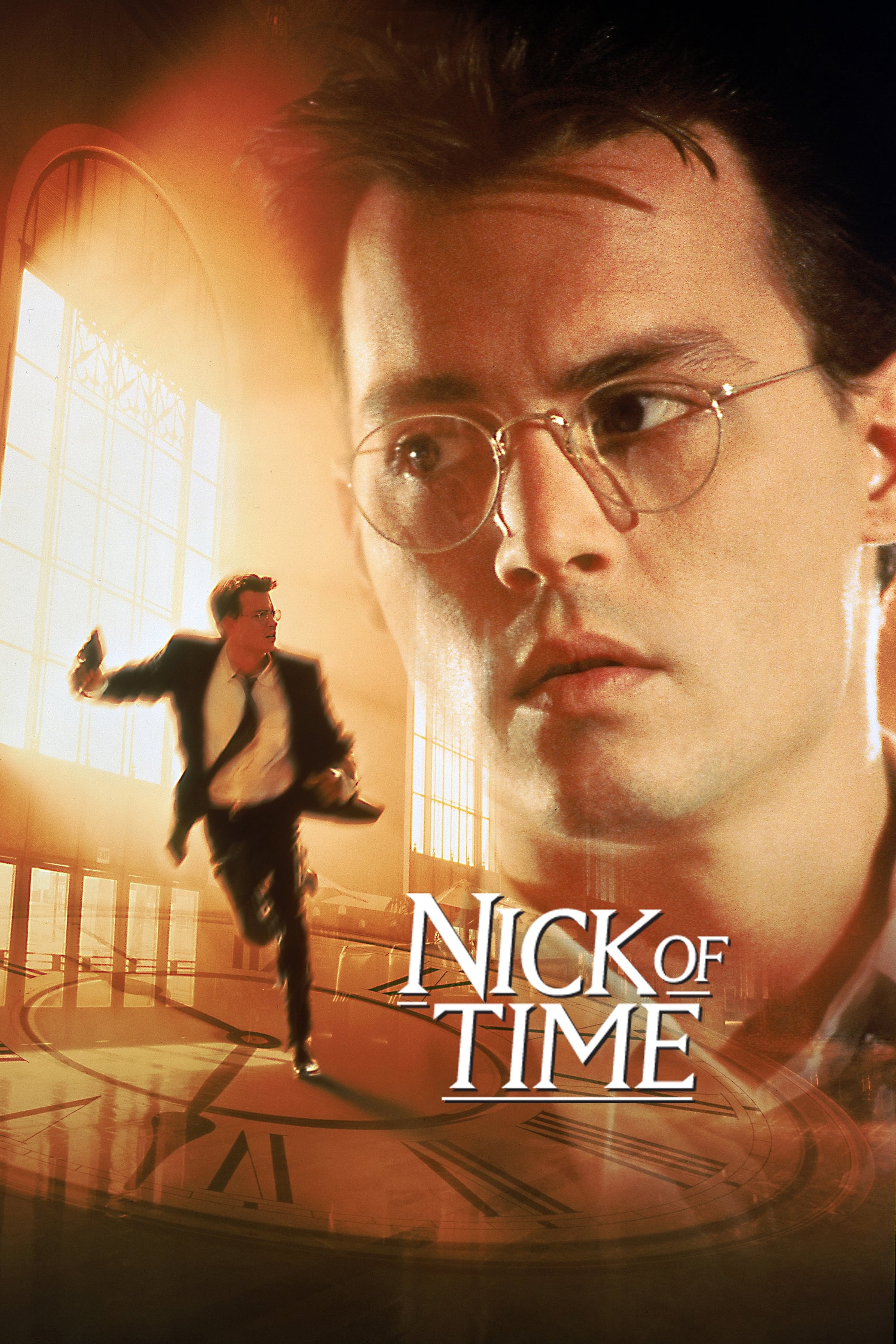
John Badham’s ‘Nick of Time’ is a real-time thriller starring Johnny Depp as an ordinary man forced to carry out an assassination to save his child. Christopher Walken plays the handler orchestrating the scheme in a crowded public venue. The narrative structure uses synchronized clocks and location blocking to maintain temporal continuity. Public security protocols, radio communication, and crowd control logistics factor into the tension.
‘Se7en’ (1995)
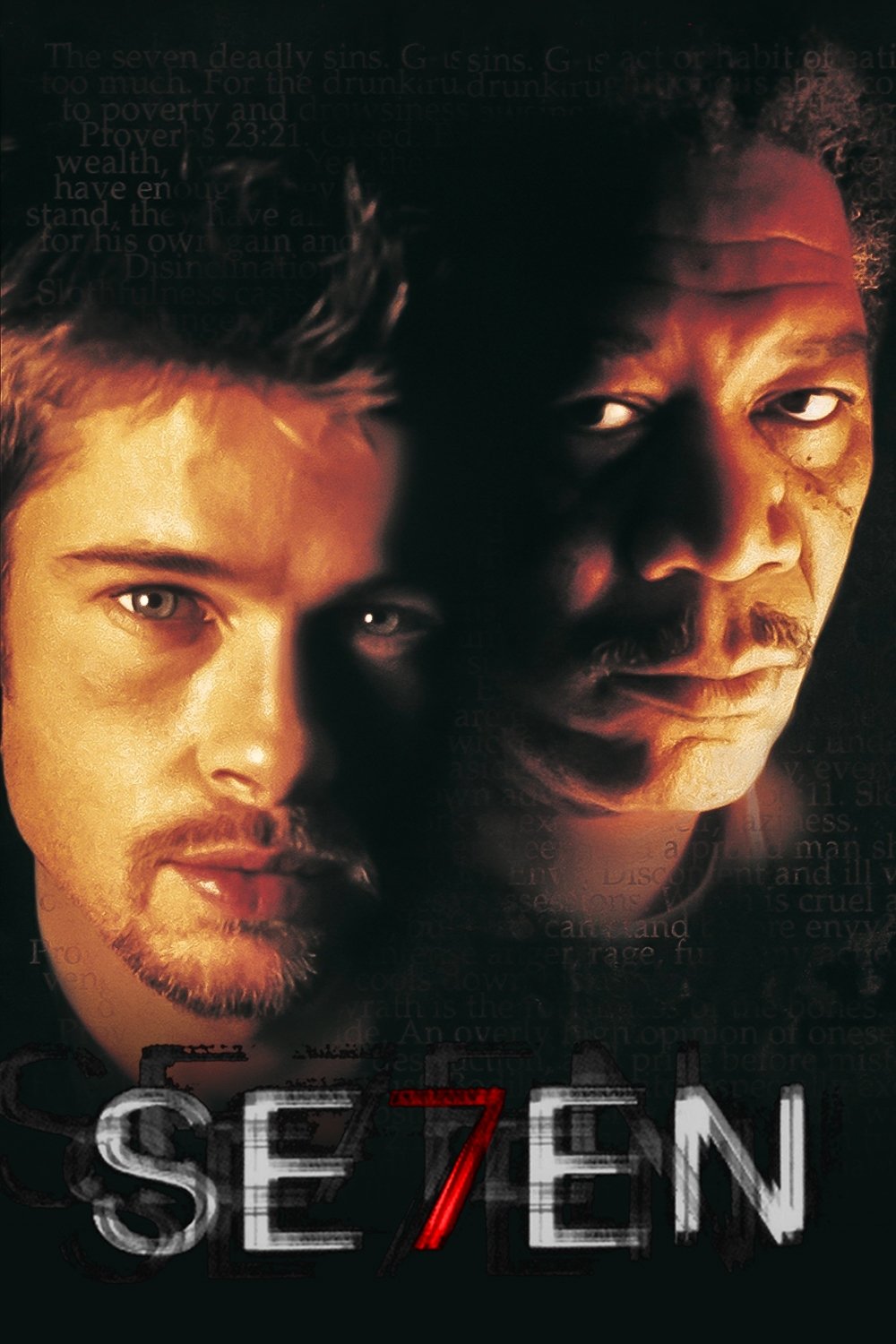
Directed by David Fincher, ‘Se7en’ teams Morgan Freeman and Brad Pitt as detectives tracking a serial killer staging crimes around thematic motifs. The film emphasizes forensic procedures, evidence preservation, and interdepartmental coordination. Its production design employs rain-drenched cityscapes, cataloged notebooks, and dimly lit crime scenes as narrative tools. Howard Shore’s score and careful sound design contribute to a sustained investigative mood.
‘Copycat’ (1995)
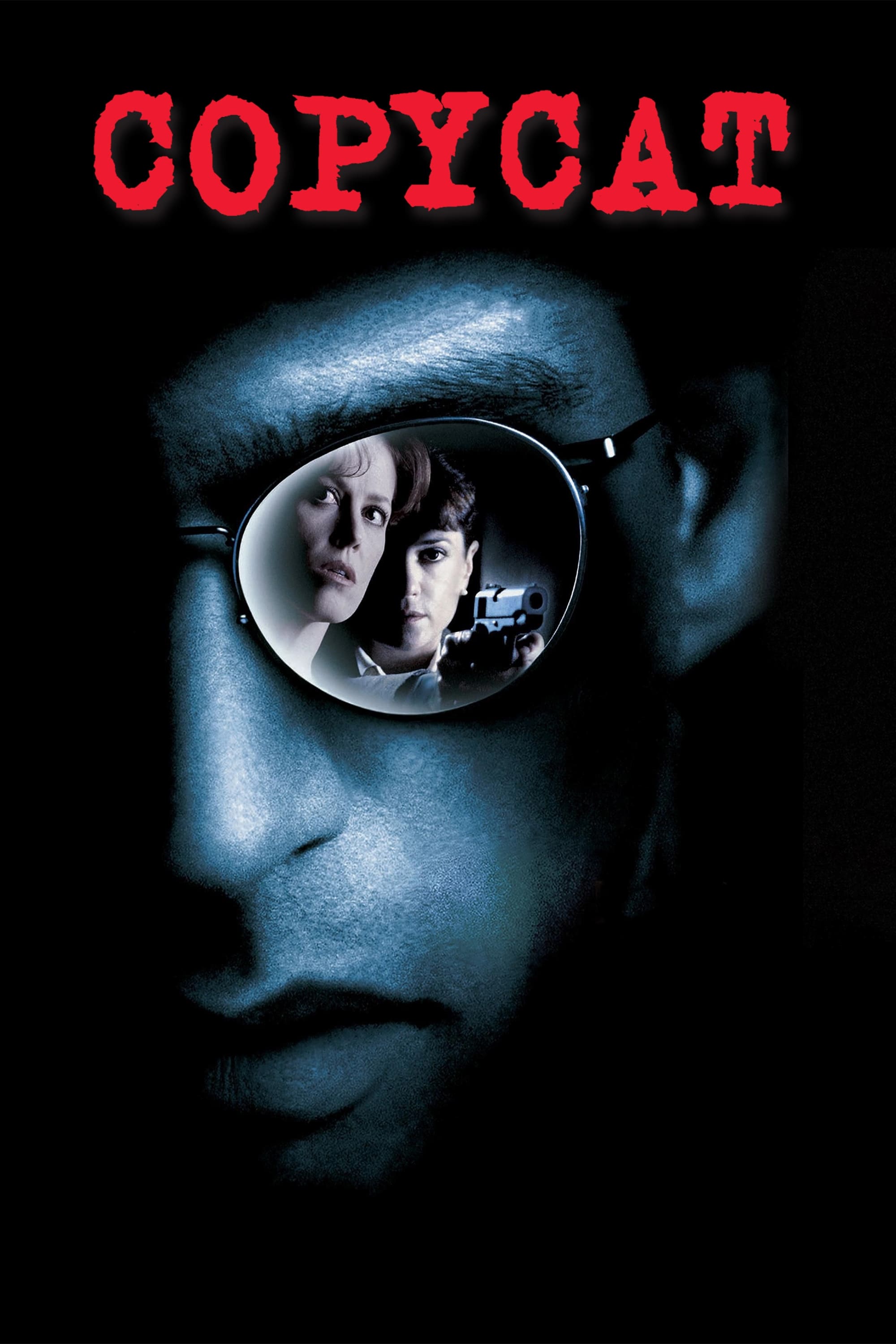
Jon Amiel’s ‘Copycat’ casts Sigourney Weaver as a criminologist and Holly Hunter as a detective confronting a killer who mirrors famous cases. The film depicts behavioral profiling, media pressure, and officer safety protocols. It integrates academic lectures, press briefings, and liaison work between agencies. San Francisco locations and set dressing highlight how public spaces become investigative grids.
‘Fear’ (1996)
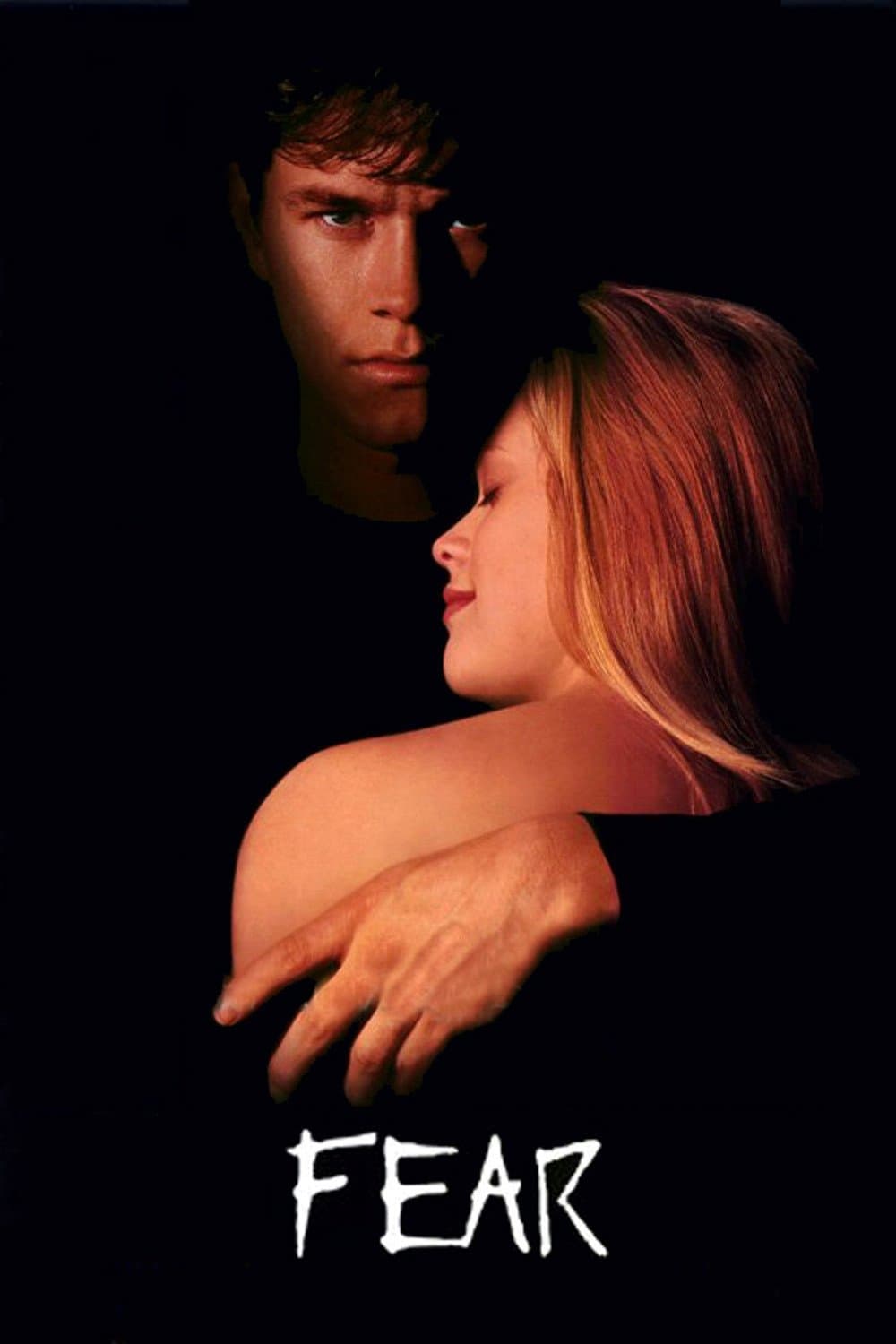
Directed by James Foley, ‘Fear’ stars Reese Witherspoon and Mark Wahlberg in a suburban thriller about obsession, coercion, and escalating home invasions. The plot examines protective orders, evidence documentation, and police response times. Home security features—locks, alarms, and neighborhood watch communication—enter into the narrative strategy. The soundtrack and editing emphasize shifts from teen romance to procedural confrontation.
‘A Time to Kill’ (1996)
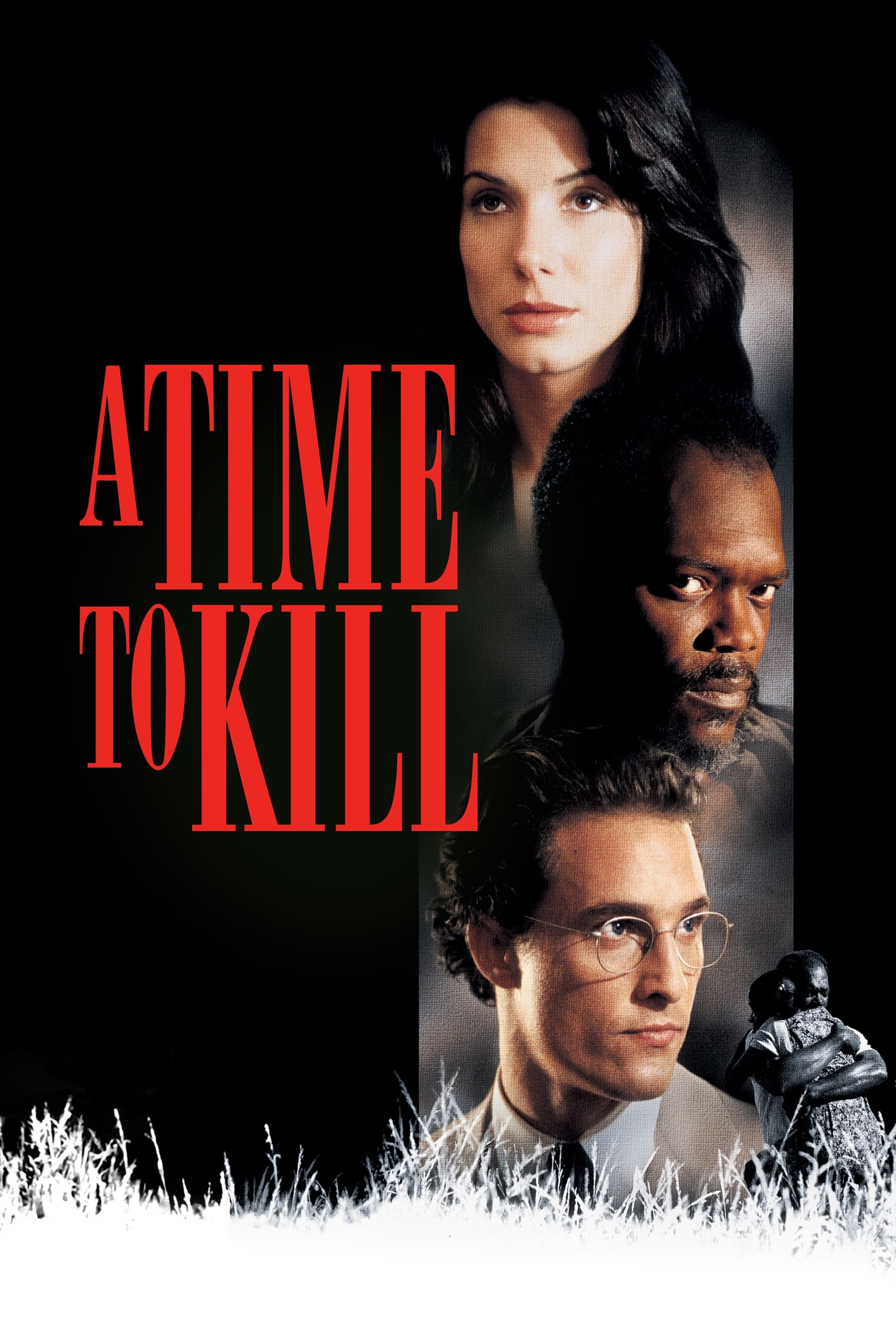
Joel Schumacher’s ‘A Time to Kill’, adapted from John Grisham, follows a defense attorney navigating jury selection, venue motions, and community pressure in a capital case. Matthew McConaughey, Sandra Bullock, and Samuel L. Jackson lead the ensemble. The courtroom sequences feature direct and cross-examination, expert witnesses, and prosecutorial discretion. Themes of vigilantism, legal ethics, and civic unrest are central to the story’s structure.
‘The Saint’ (1997)
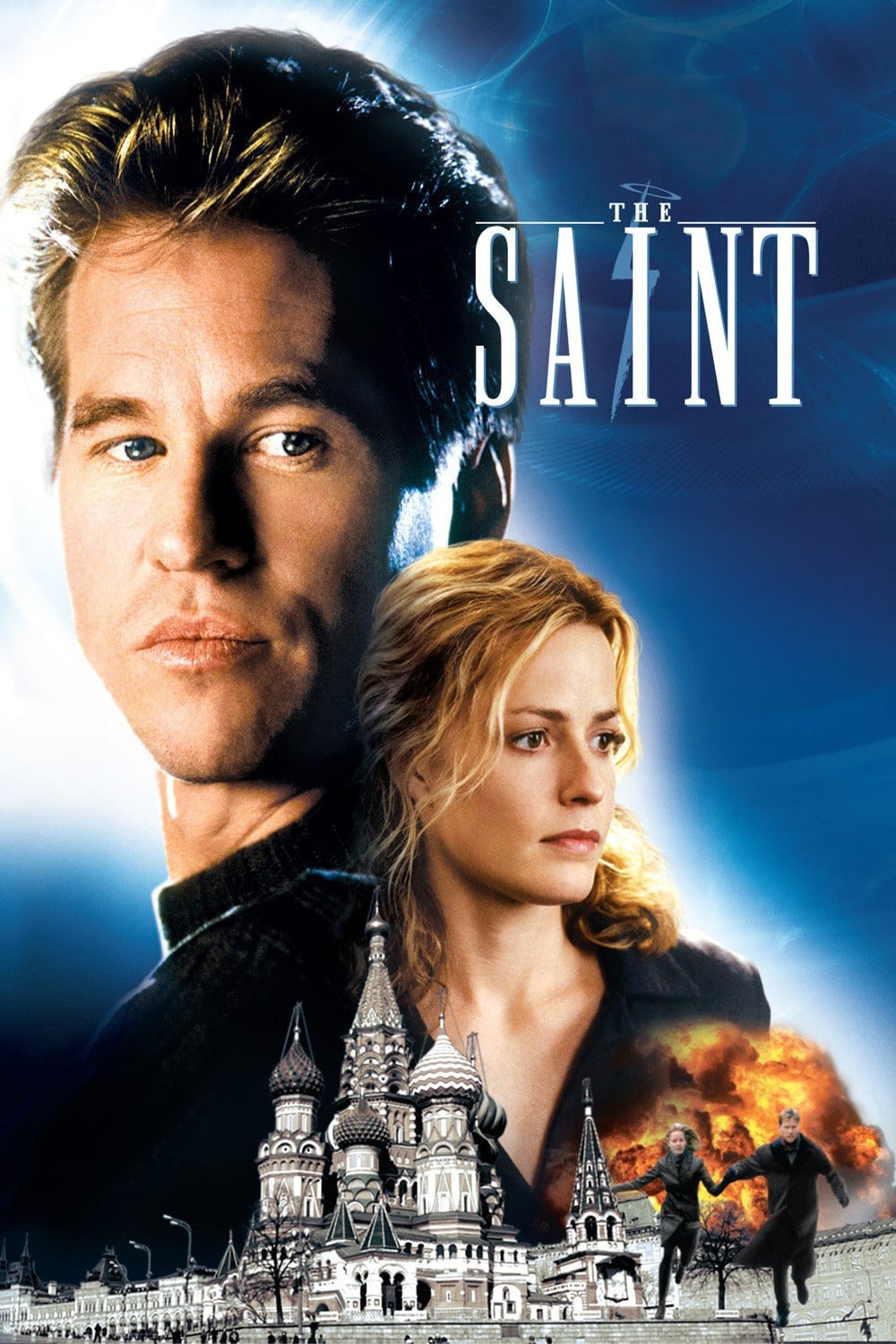
Phillip Noyce directs ‘The Saint’, with Val Kilmer as a master of disguises hired to steal cold-fusion research. The plot moves through international locations, forged passports, and double-crosses tied to energy markets. Gadgetry includes miniature transmitters, encrypted communications, and improvised disguises. The film references a long-running character lineage from earlier media while updating tradecraft to contemporary tech.
‘Kiss the Girls’ (1997)
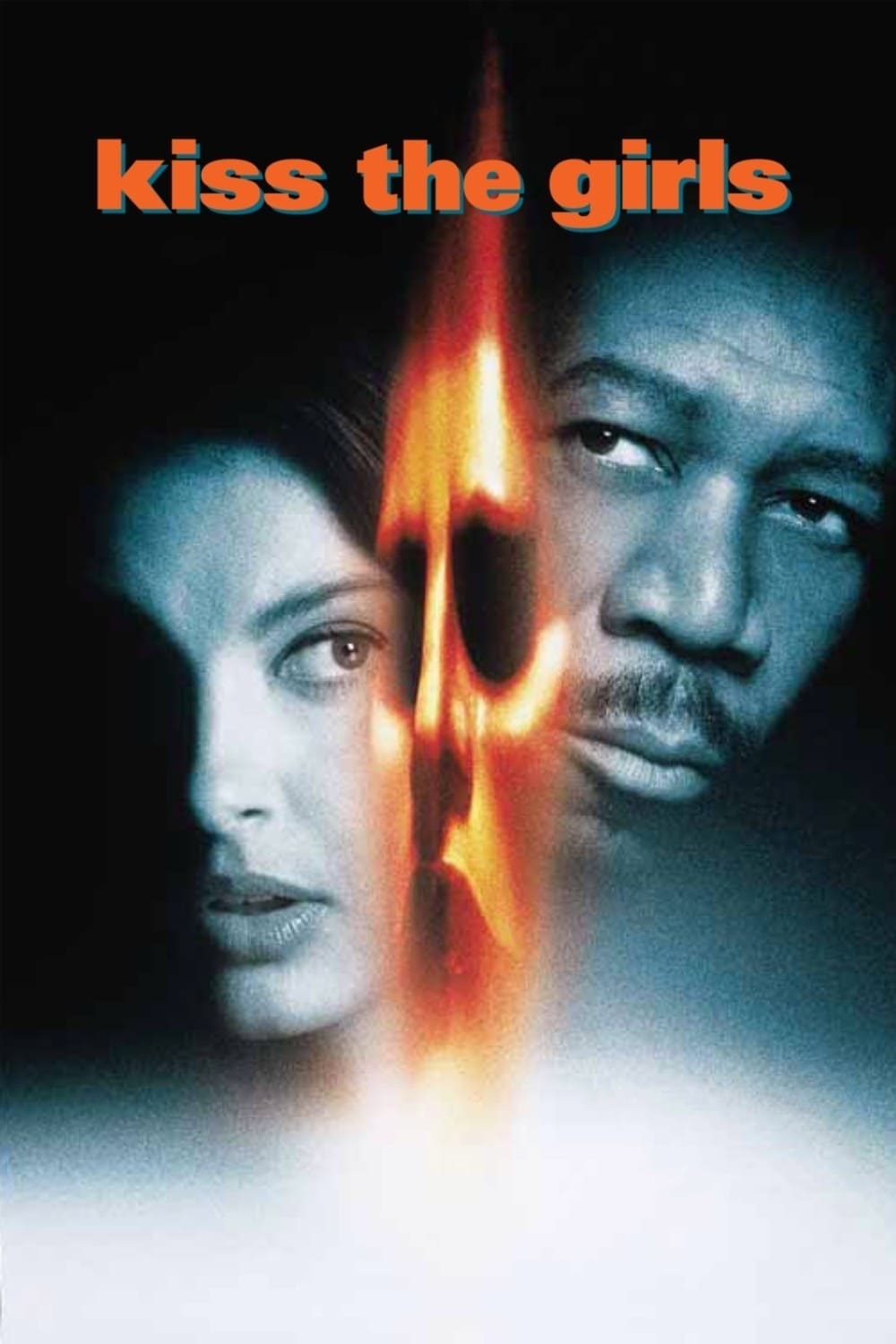
Gary Fleder’s ‘Kiss the Girls’ adapts James Patterson’s novel, pairing Morgan Freeman’s forensic psychologist Alex Cross with Ashley Judd’s survivor-witness. The investigation involves geographic profiling, victimology, and interagency task forces. Evidence gathering includes footprint molds, handwriting analysis, and suspect alibis verified against travel records. The narrative emphasizes survivor testimony in building probable cause.
‘The Game’ (1997)
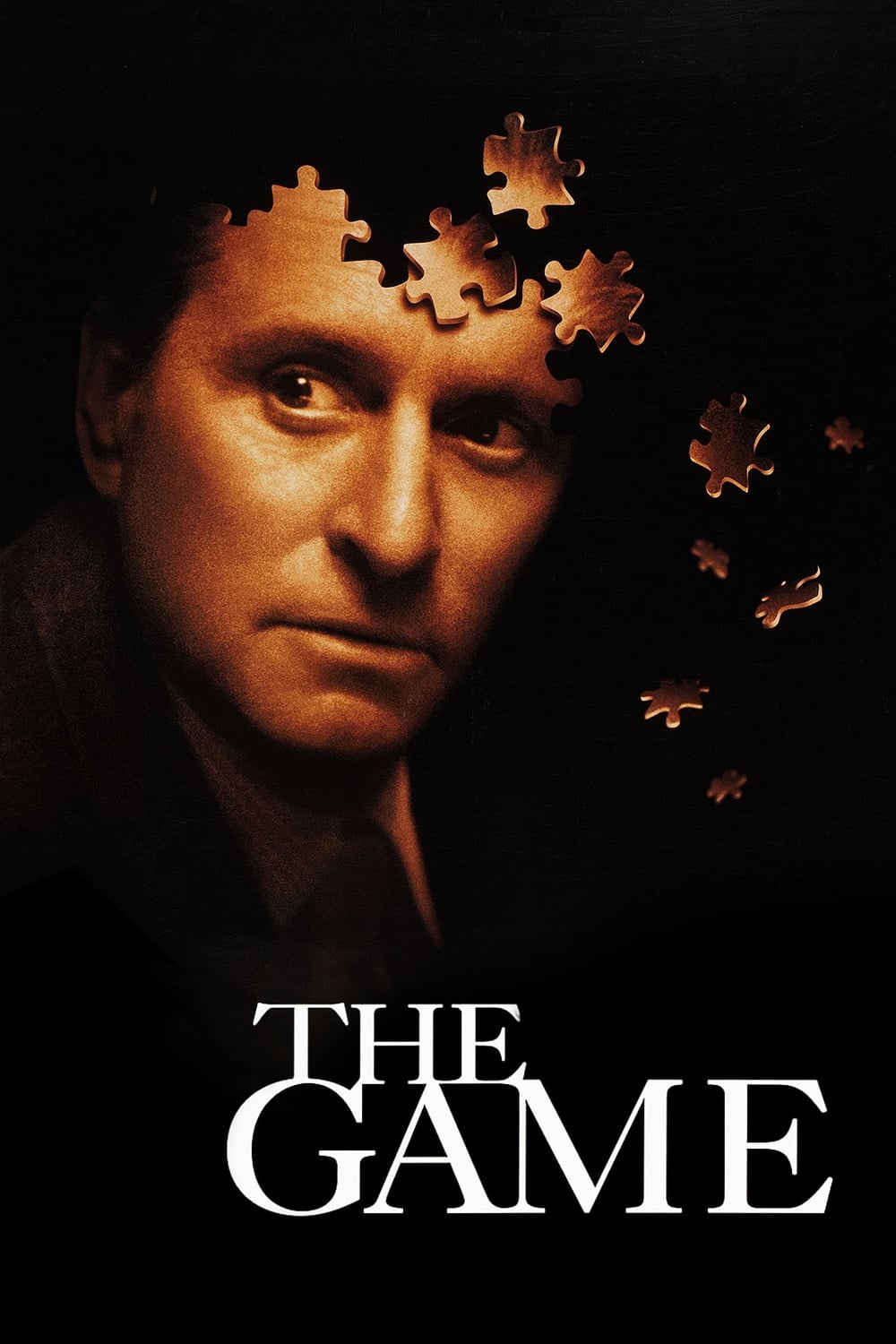
Directed by David Fincher, ‘The Game’ stars Michael Douglas as a financier drawn into a personalized, city-wide role-play that blurs crime and entertainment. The operation uses shell companies, staged incidents, and falsified records. Production employed extensive location shooting and practical stunts to maintain plausibility within the scenario. Questions of consent, liability waivers, and emergency response complicate the unfolding puzzle.
‘Enemy of the State’ (1998)
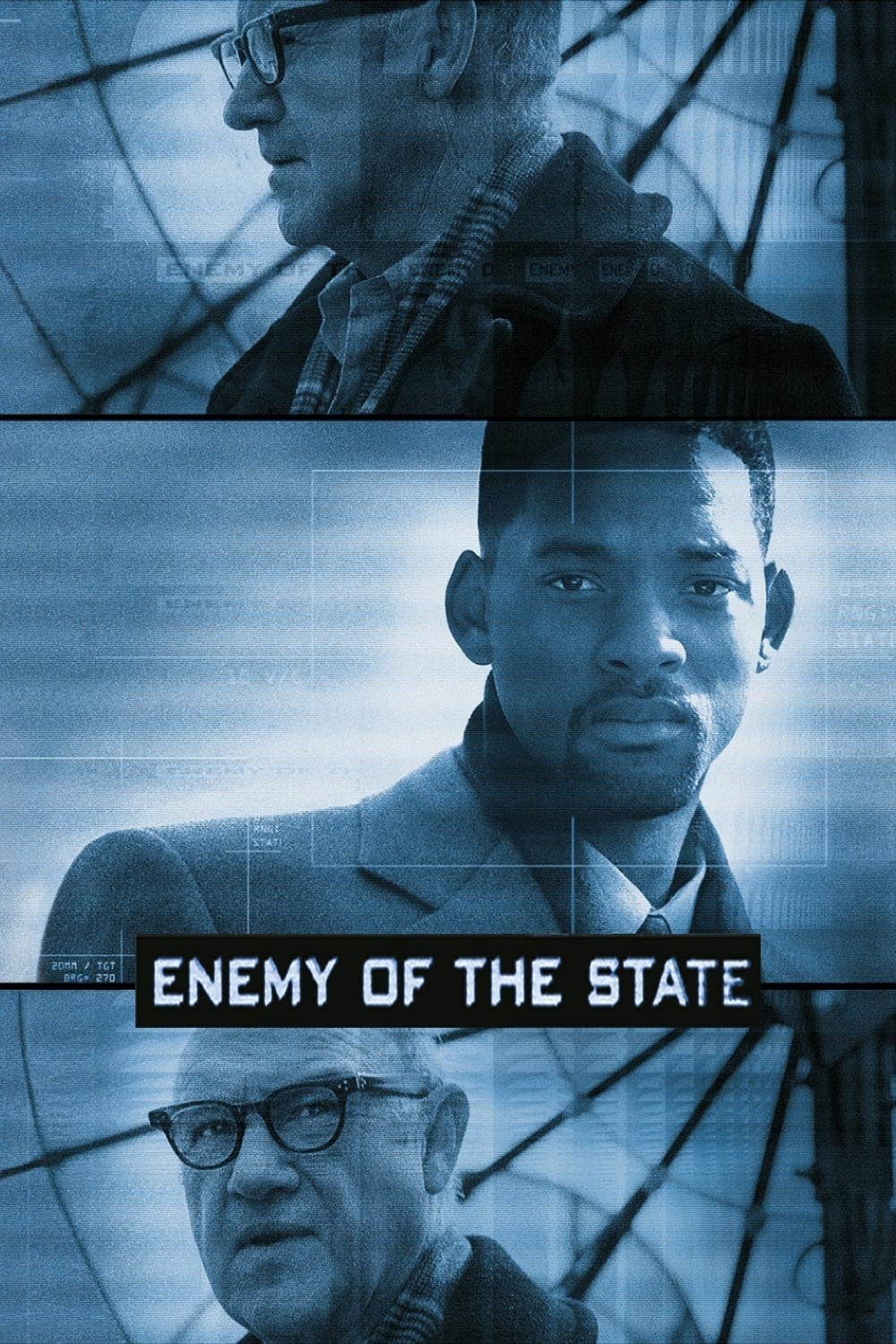
Tony Scott’s ‘Enemy of the State’ features Will Smith and Gene Hackman in a tale of illegal surveillance and data exfiltration by rogue officials. The movie showcases satellite tracking, miniature bugs, and traffic-cam stitching as tools for pursuit. It highlights how metadata—shopping receipts, phone logs, and bank records—can be collated for real-time targeting. Urban chase sequences intersect with legal concerns around warrants and privacy.
‘Wild Things’ (1998)
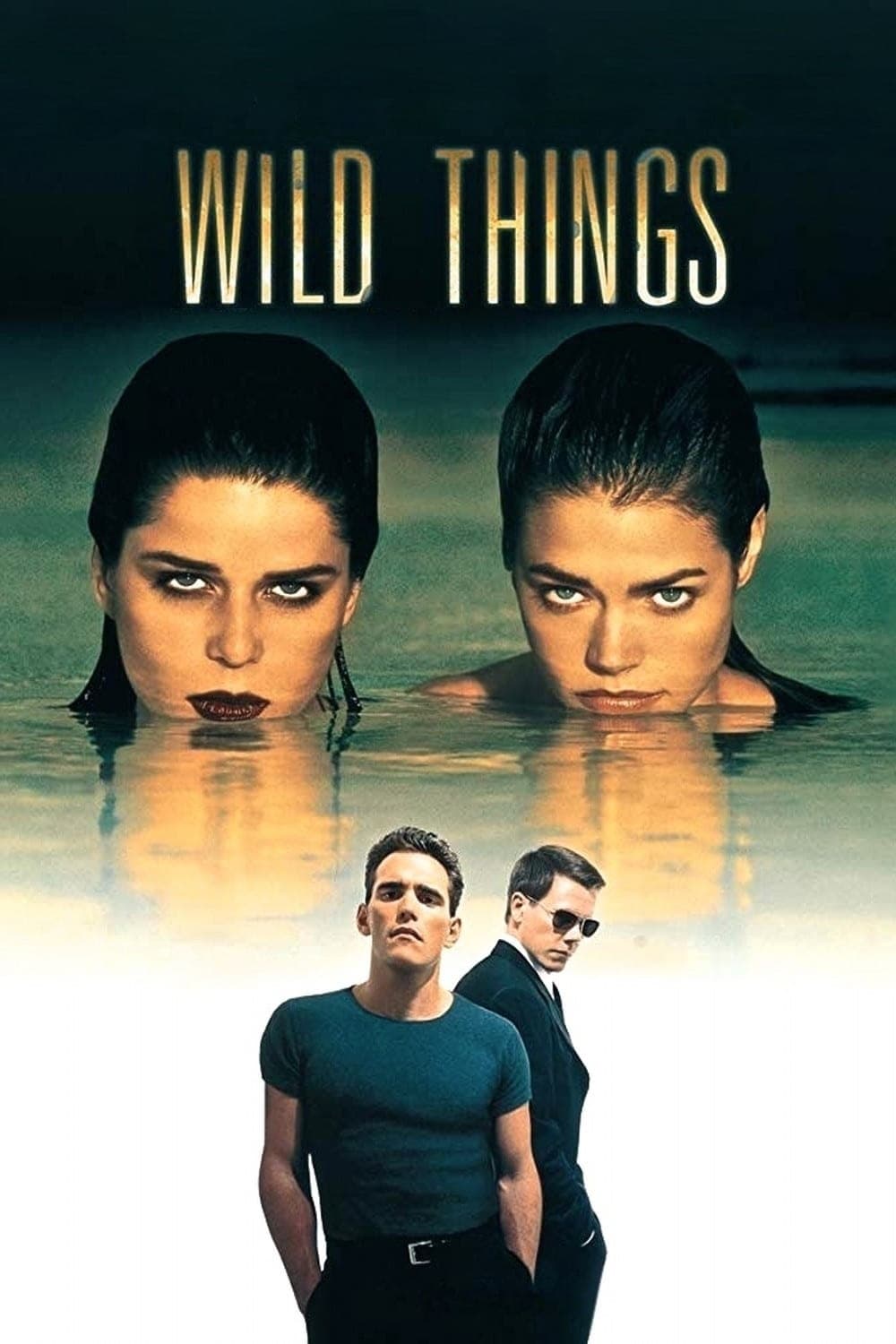
Directed by John McNaughton, ‘Wild Things’ weaves a multi-perspective scheme involving a guidance counselor, students, and a detective. The plot relies on staged accusations, insurance policies, and offshore accounts. Narrative reversals use depositions, taped conversations, and financial audits as turning points. The credits sequence provides procedural clarifications that reframe earlier testimony and evidence.
‘U.S. Marshals’ (1998)
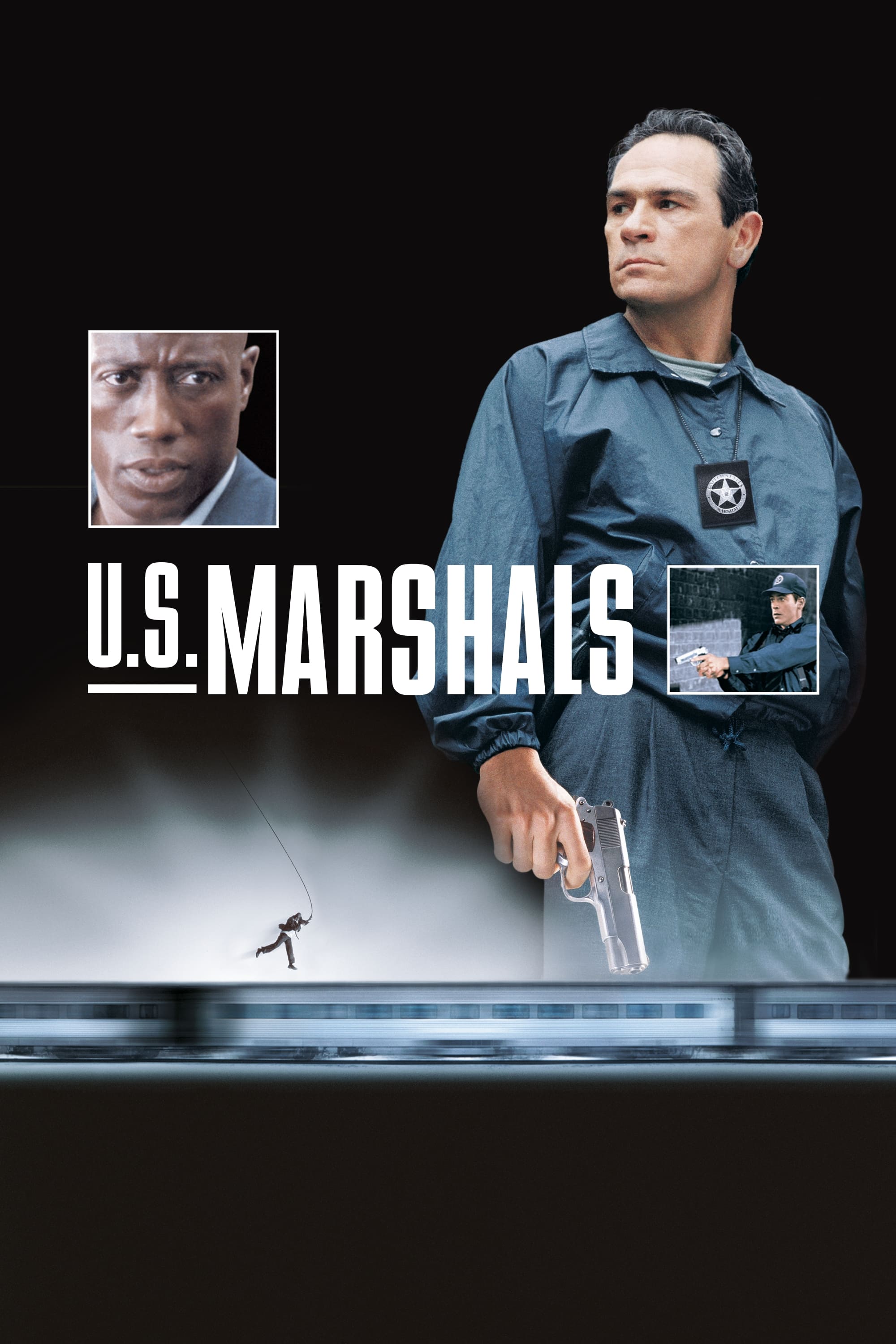
Stuart Baird directs ‘U.S. Marshals’, a spin-off from ‘The Fugitive’, with Tommy Lee Jones leading a fugitive-recovery team after a suspect tied to international intrigue. The film details transport-custody procedures, joint-agency jurisdiction, and field surveillance techniques. Set pieces include a plane crash and bayou pursuit that showcase coordinated search patterns. Wesley Snipes and Robert Downey Jr. join the ensemble, adding competing agendas within the investigation.
‘A Perfect Murder’ (1998)
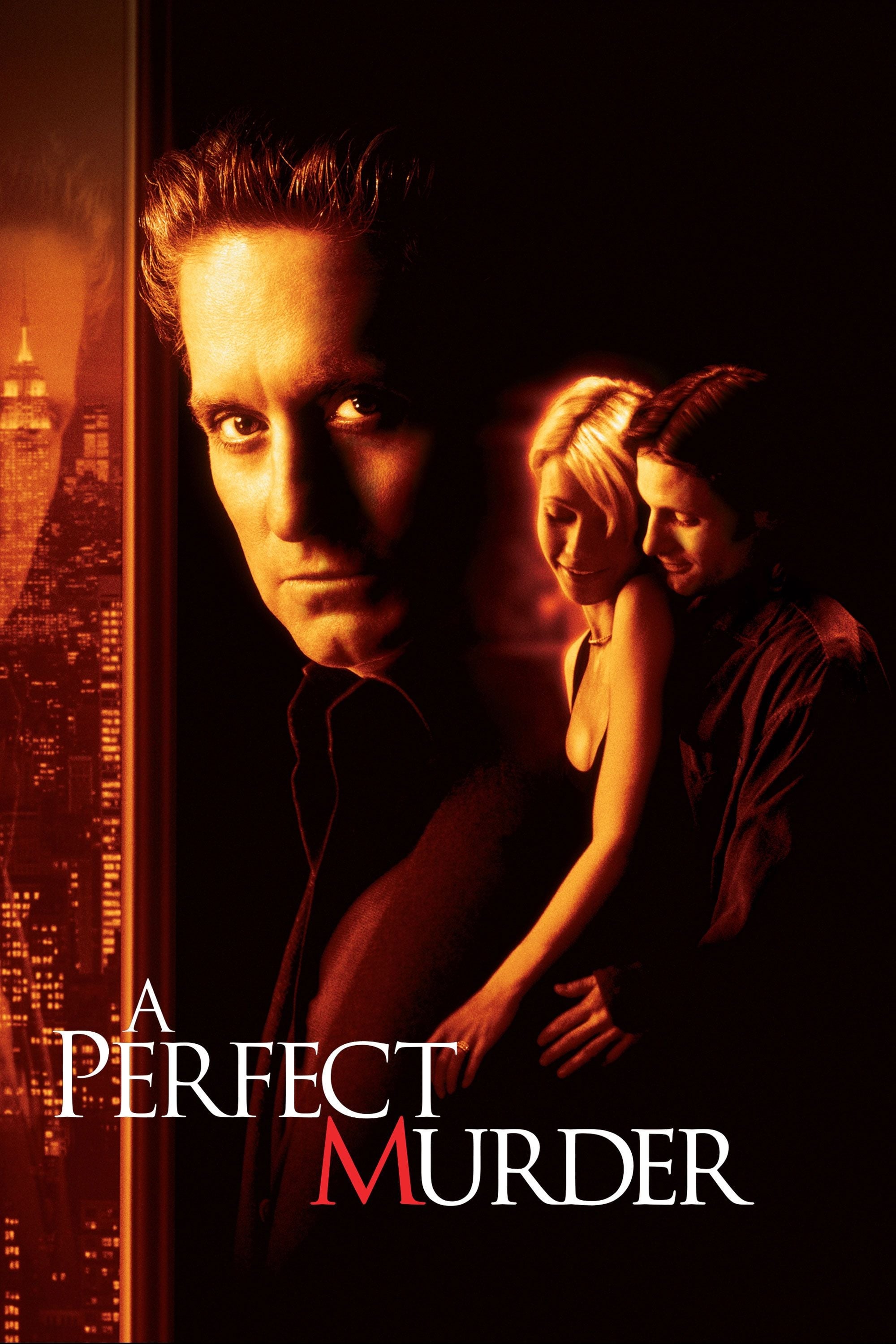
‘A Perfect Murder’, directed by Andrew Davis, reimagines ‘Dial M for Murder’ with a high-finance backdrop. Michael Douglas, Gwyneth Paltrow, and Viggo Mortensen anchor a scheme involving blackmail, hired crime, and contingency planning. The narrative explores alibi construction, apartment access, and evidence staging. Production design emphasizes modern art, loft spaces, and coded messages as plot elements.
‘Entrapment’ (1999)
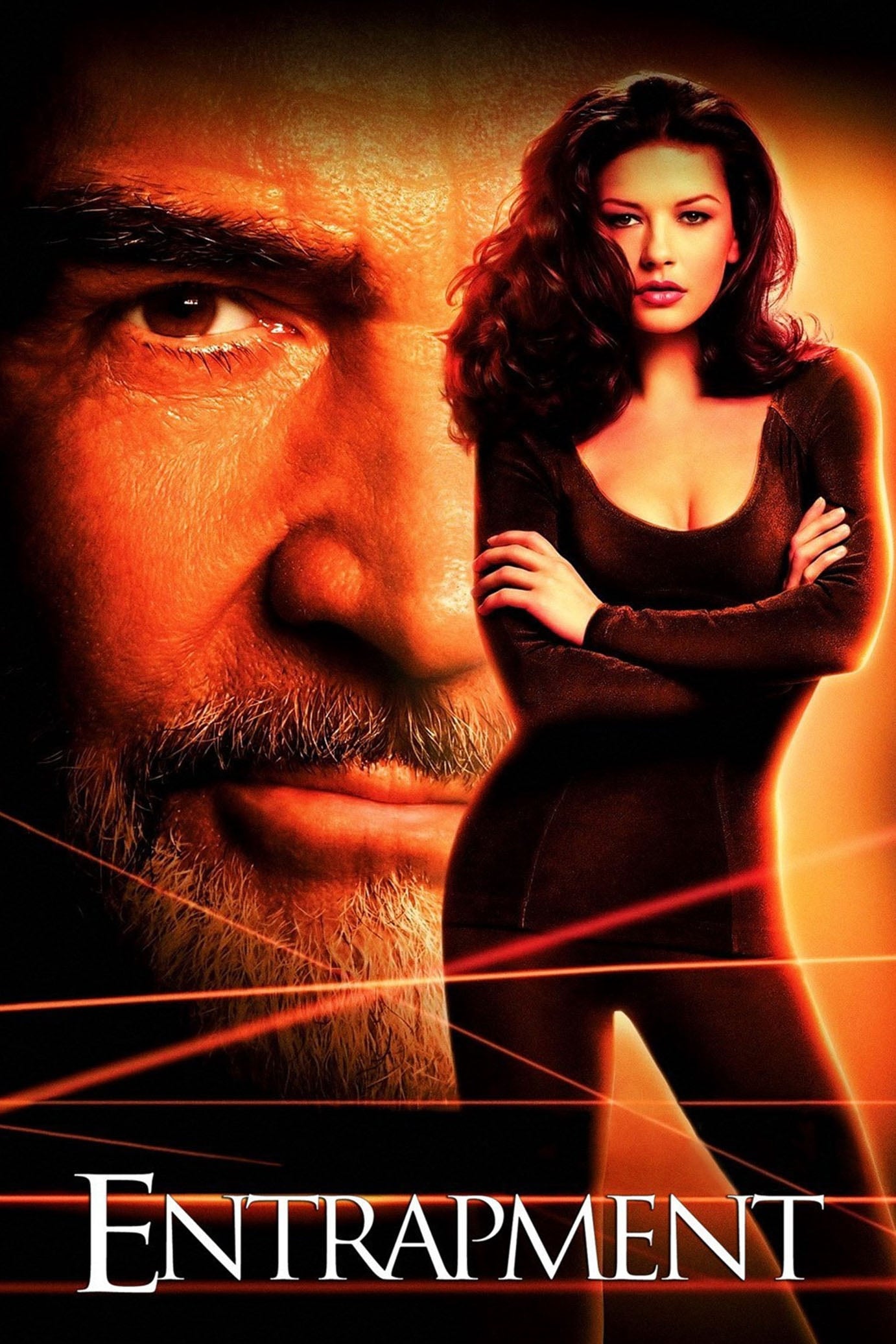
Jon Amiel’s ‘Entrapment’ pairs Sean Connery and Catherine Zeta-Jones in a cross-continental art-heist thriller. The story turns on security-system bypasses, motion-sensor timing, and social engineering within corporate environments. Training montages focus on agility drills and route memorization used to defeat infrared grids. The film concludes with multi-site operations coordinated around financial-market schedules.
‘The Bone Collector’ (1999)
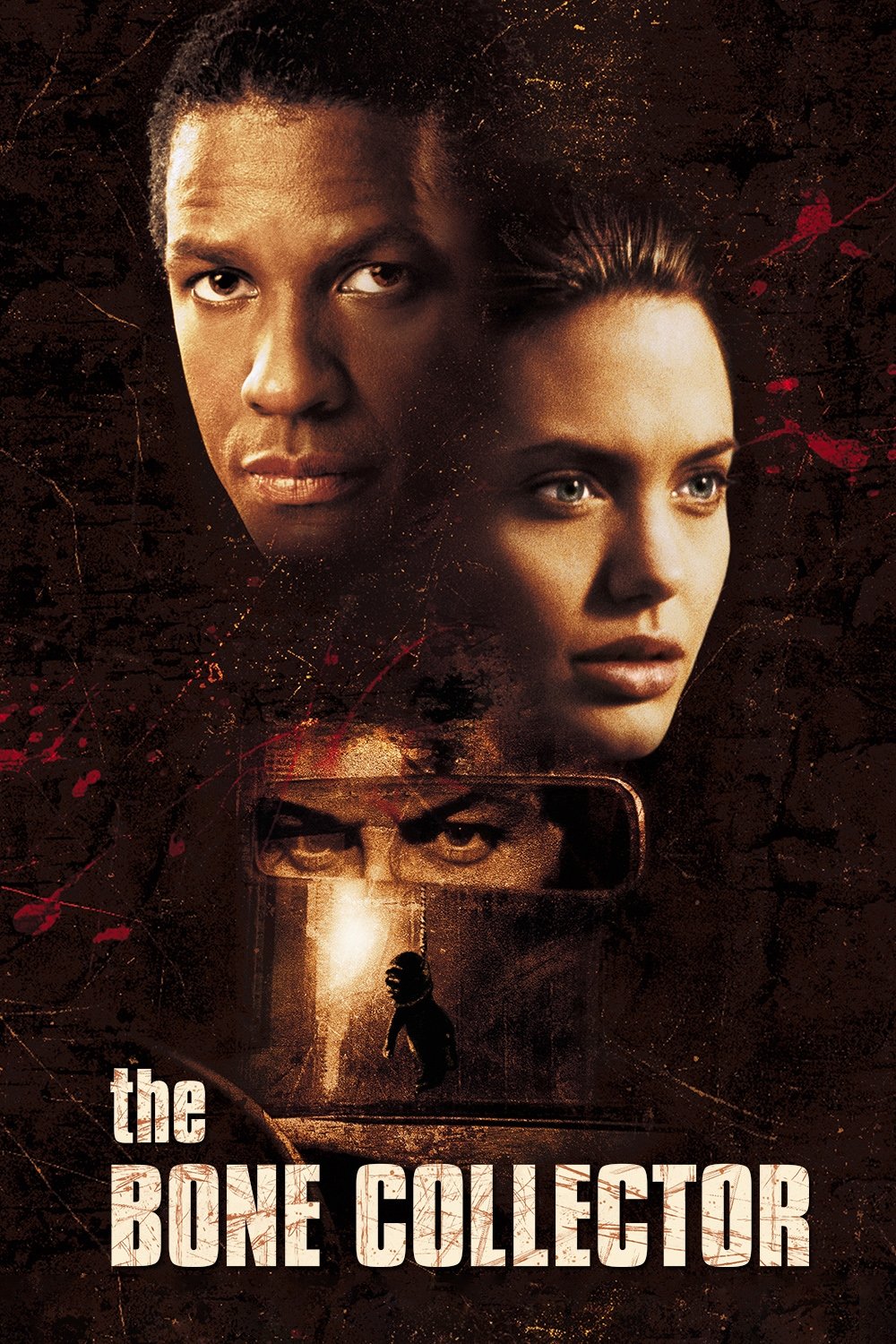
Directed by Phillip Noyce, ‘The Bone Collector’ teams Denzel Washington and Angelina Jolie in a forensics-driven hunt guided from a specialized home-care setup. The casework includes trace analysis, fiber identification, and pattern recognition from historical crime literature. The film depicts coordination between patrol officers, medical examiners, and lab technicians. Adaptive technology and voice-activated systems are central to the lead investigator’s methodology.
‘Double Jeopardy’ (1999)
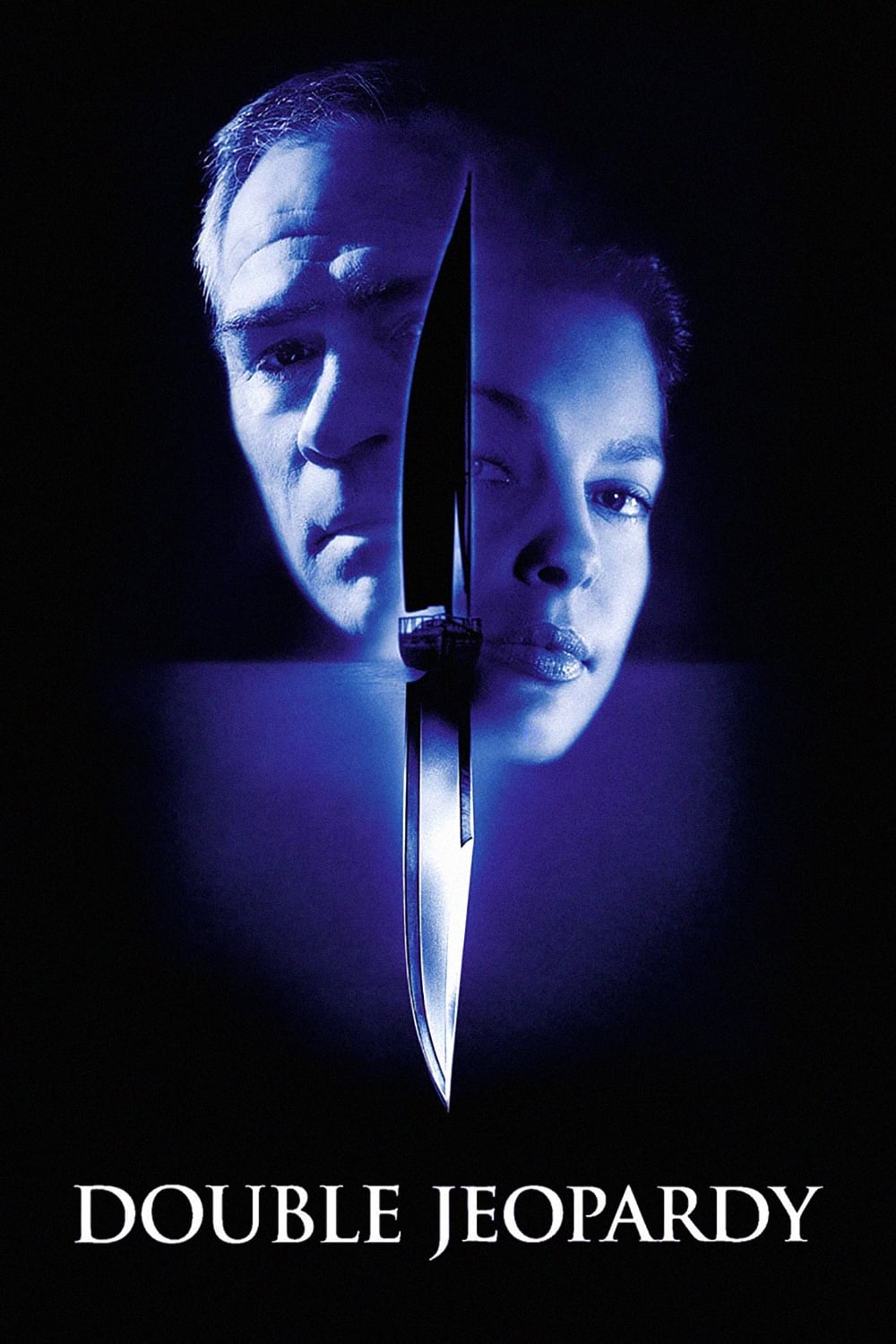
‘Double Jeopardy’, from director Bruce Beresford, follows a woman who discovers a conspiracy after being wrongfully convicted. Ashley Judd and Tommy Lee Jones drive a chase that intersects parole restrictions, identity fraud, and maritime records. The plot uses legal concepts—extradition, jurisdiction, and conditional release—as story mechanics. Set pieces traverse ferries, small towns, and auctions as clues converge.
‘The Pelican Brief’ (1993)
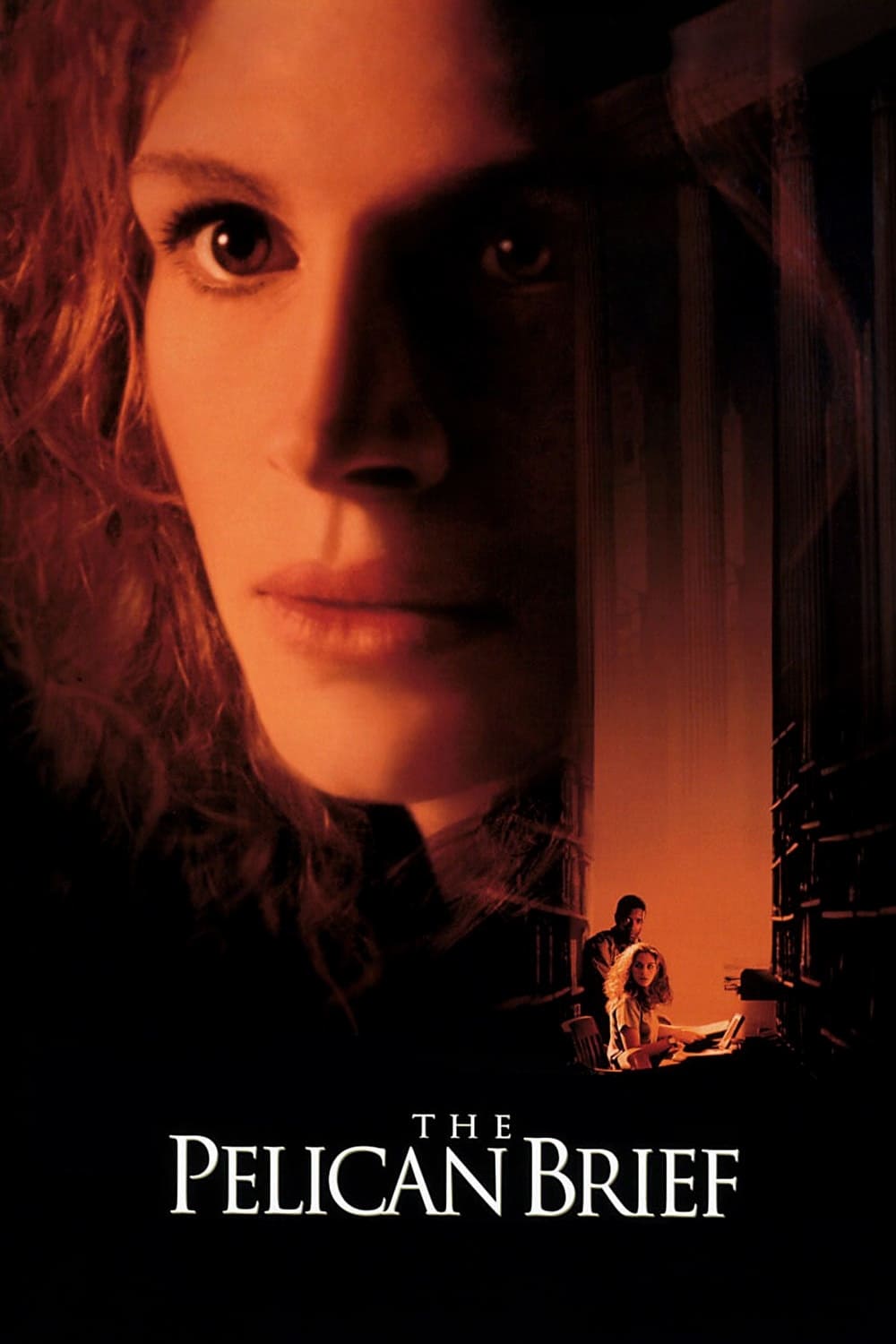
Directed by Alan J. Pakula, ‘The Pelican Brief’ adapts a legal thriller about a law student whose theory about linked assassinations draws dangerous attention. Julia Roberts and Denzel Washington lead an investigation that moves from campus libraries to newsroom backchannels and federal offices. The story features court filings, sealed documents, and whistleblower tactics. Location work and newsroom procedures emphasize how reporting and legal strategy intersect.
‘The Firm’ (1993)
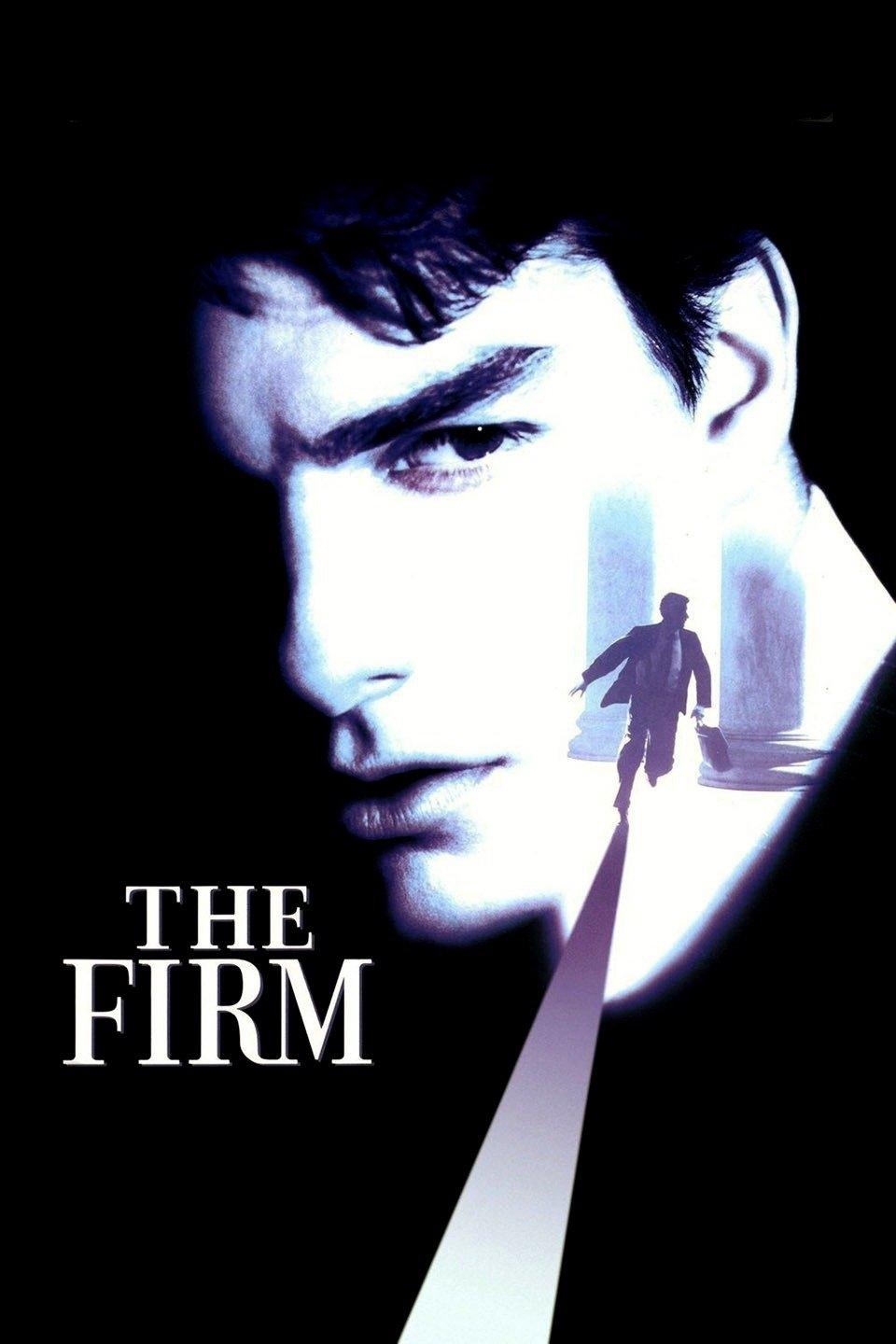
Sydney Pollack’s ‘The Firm’ follows a young attorney whose dream job conceals a criminal enterprise tied to offshore accounts and client intimidation. Tom Cruise headlines a cast that includes Jeanne Tripplehorn and Gene Hackman, with sequences focused on document copying, mail drops, and tax-fraud cover schemes. The plot details how privilege logs, billing codes, and confidentiality rules can mask illicit activity. Practical stunts and tight office sets keep the conspiracy grounded in professional spaces.
‘Rising Sun’ (1993)
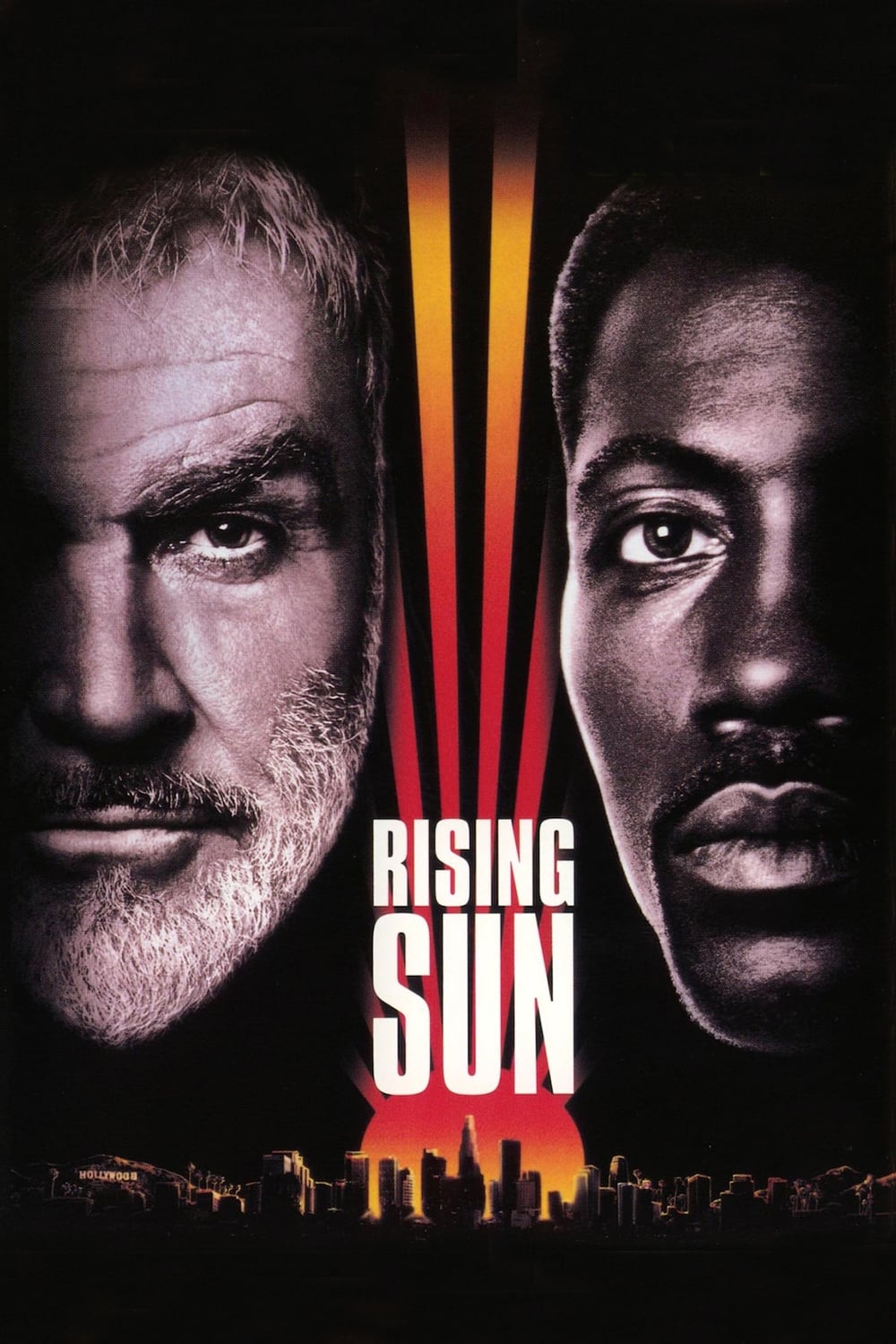
‘Rising Sun’, directed by Philip Kaufman from Michael Crichton’s novel, pairs a veteran liaison officer with a detective probing a corporate-linked homicide. Sean Connery and Wesley Snipes navigate executive floors, boardroom rivalries, and technology-driven evidence manipulation. The story foregrounds video-editing capabilities, translation issues, and cross-cultural business protocols. It also brings in trade negotiations and procurement politics as investigative pressure points.
‘The Jackal’ (1997)
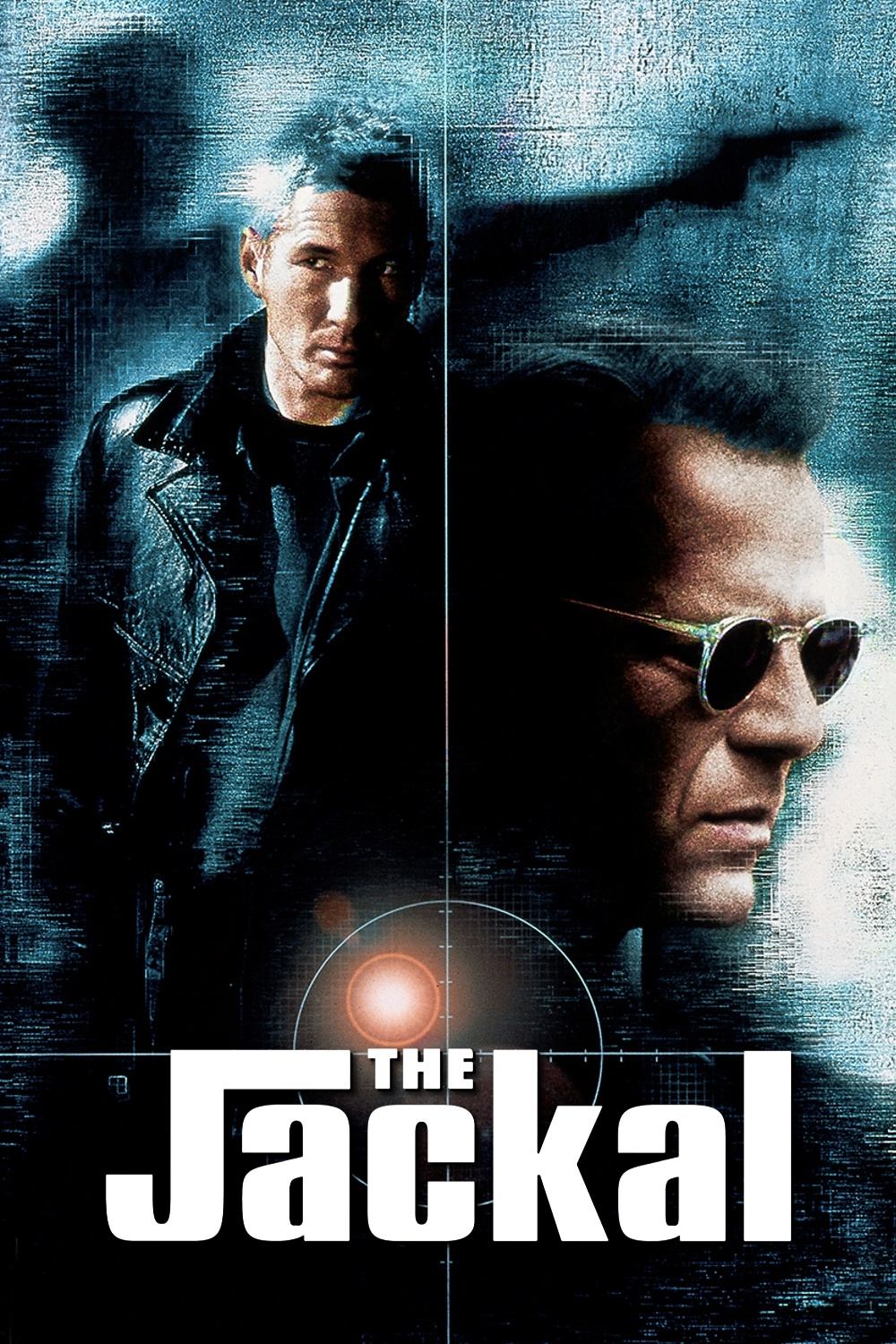
Michael Caton-Jones directs ‘The Jackal’, a reimagining of a classic assassin-hunt premise centered on a chameleon-like contractor for hire. Bruce Willis, Richard Gere, and Sidney Poitier anchor a pursuit that spans forged identities, custom weaponry, and international cooperation. Logistics include weapon calibration, vehicle swaps, and coded communications. The film highlights interagency coordination and the difficulty of tracking a target who continually alters tactics.
‘Snake Eyes’ (1998)
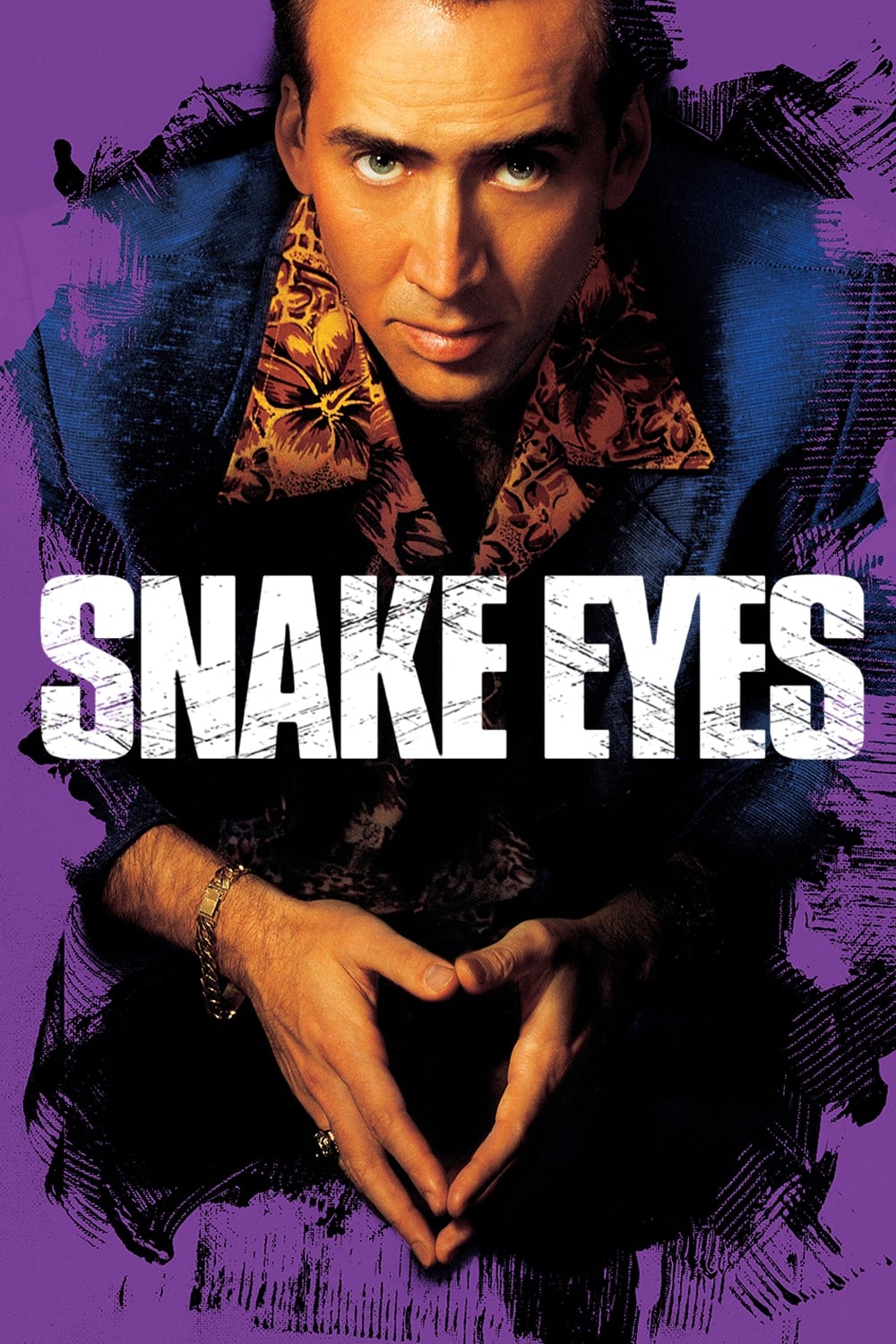
Brian De Palma’s ‘Snake Eyes’ stages a political assassination inside a packed arena, with Nicolas Cage’s detective reconstructing events through surveillance angles and eyewitness accounts. Split-diopter shots, long takes, and security-feed replays structure the investigation. The plot delves into military contracting, falsified reports, and chain-of-command pressure. Production design uses confined corridors and echoing concourses to create overlapping alibis and shifting timelines.
‘8MM’ (1999)
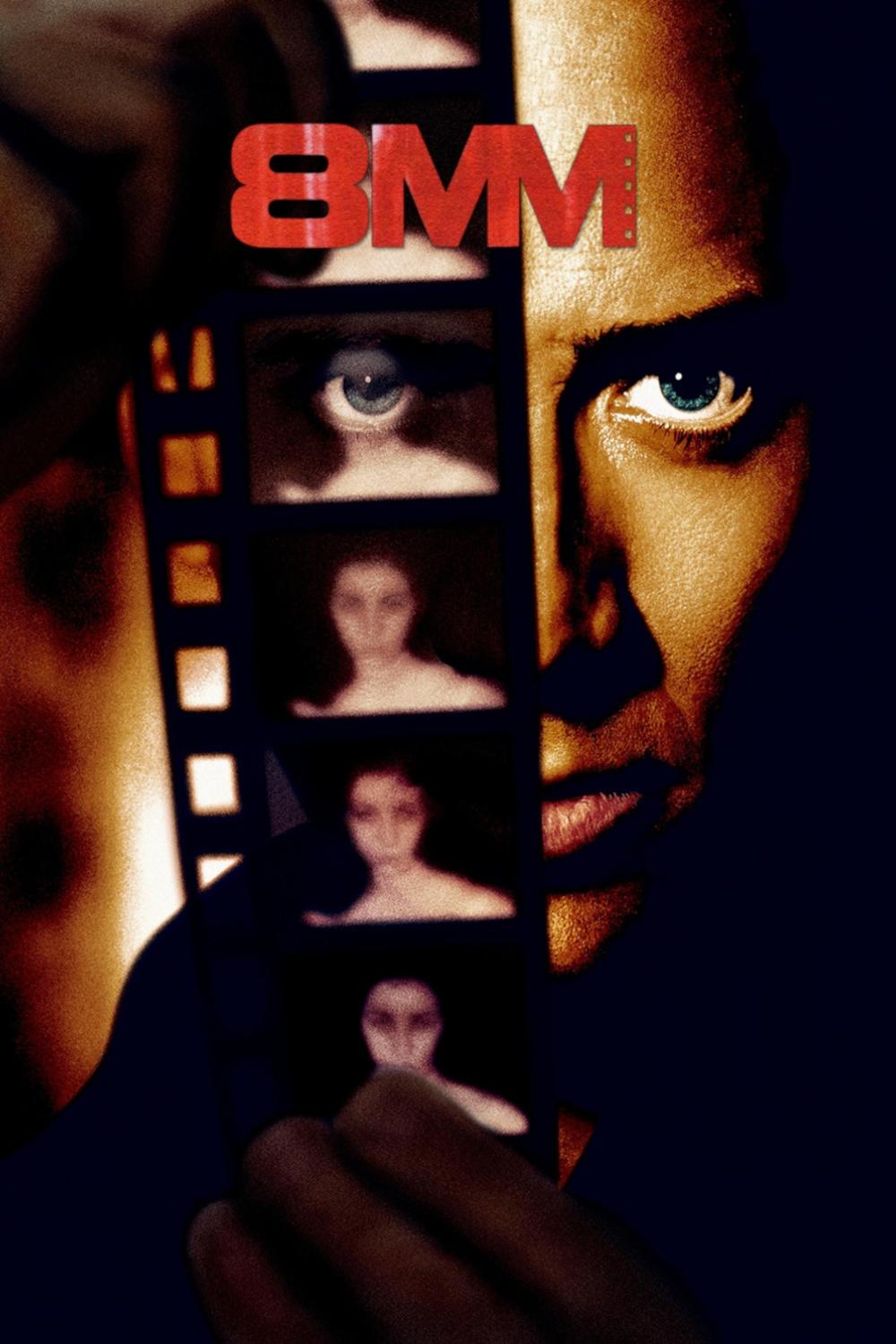
Directed by Joel Schumacher, ‘8MM’ follows a private investigator hired to authenticate disturbing footage discovered in an estate. Nicolas Cage’s character moves through pawn shops, film-lab backrooms, and underground markets to trace provenance. The investigation involves camera formats, lighting analysis, and sourcing of film stock and props. It portrays how vetting physical media requires vendor interviews, chain-of-custody checks, and specialized lab work.
‘The Negotiator’ (1998)
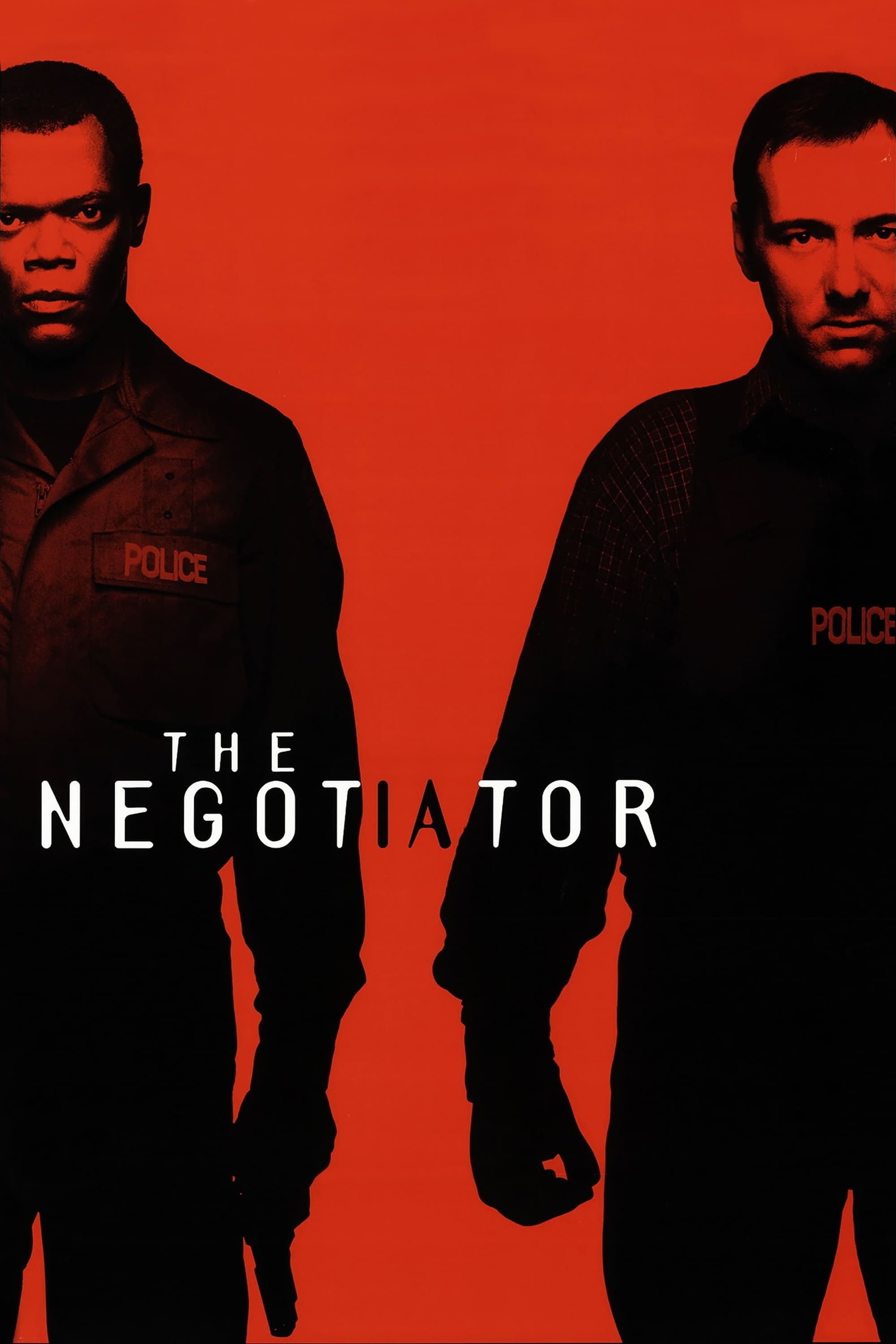
F. Gary Gray’s ‘The Negotiator’ stars Samuel L. Jackson and Kevin Spacey in a standoff where a top crisis negotiator is framed and seizes hostages to expose corruption. The narrative explores active-listening techniques, SWAT protocols, and internal-affairs procedures. It showcases phone taps, building schematics, and tactical time-buying strategies. The film emphasizes evidence-handling, sealed-case files, and union dynamics within law enforcement.
‘Arlington Road’ (1999)
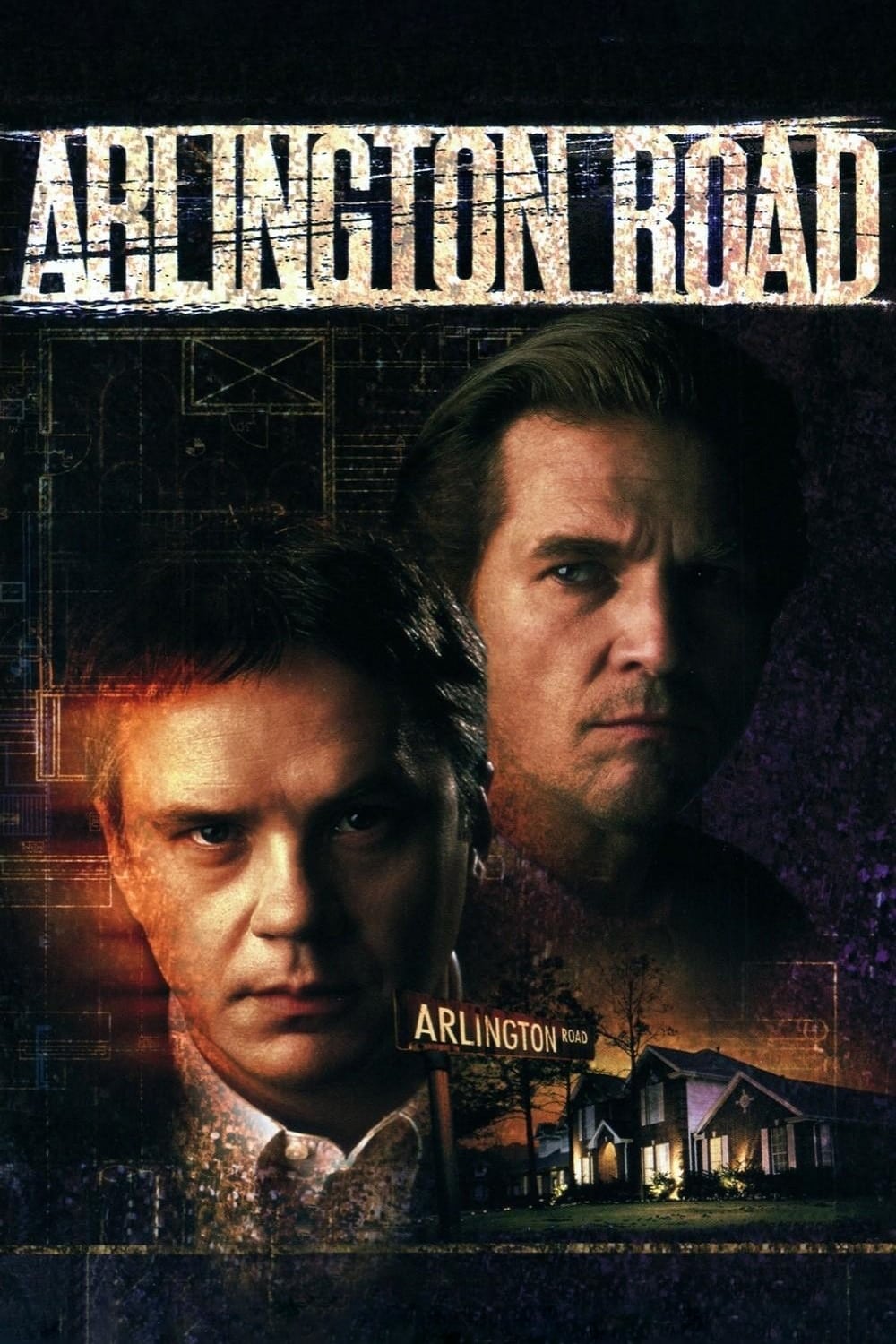
‘Arlington Road’, directed by Mark Pellington, centers on an academic who suspects a neighbor of planning a domestic attack. Jeff Bridges and Tim Robbins lead a story that draws on architectural plans, delivery routes, and federal watchlist responses. Research montages include library microfiche, lecture notes, and archived case studies. The plot examines how community events and suburban routines can camouflage logistical planning.
‘The General’s Daughter’ (1999)
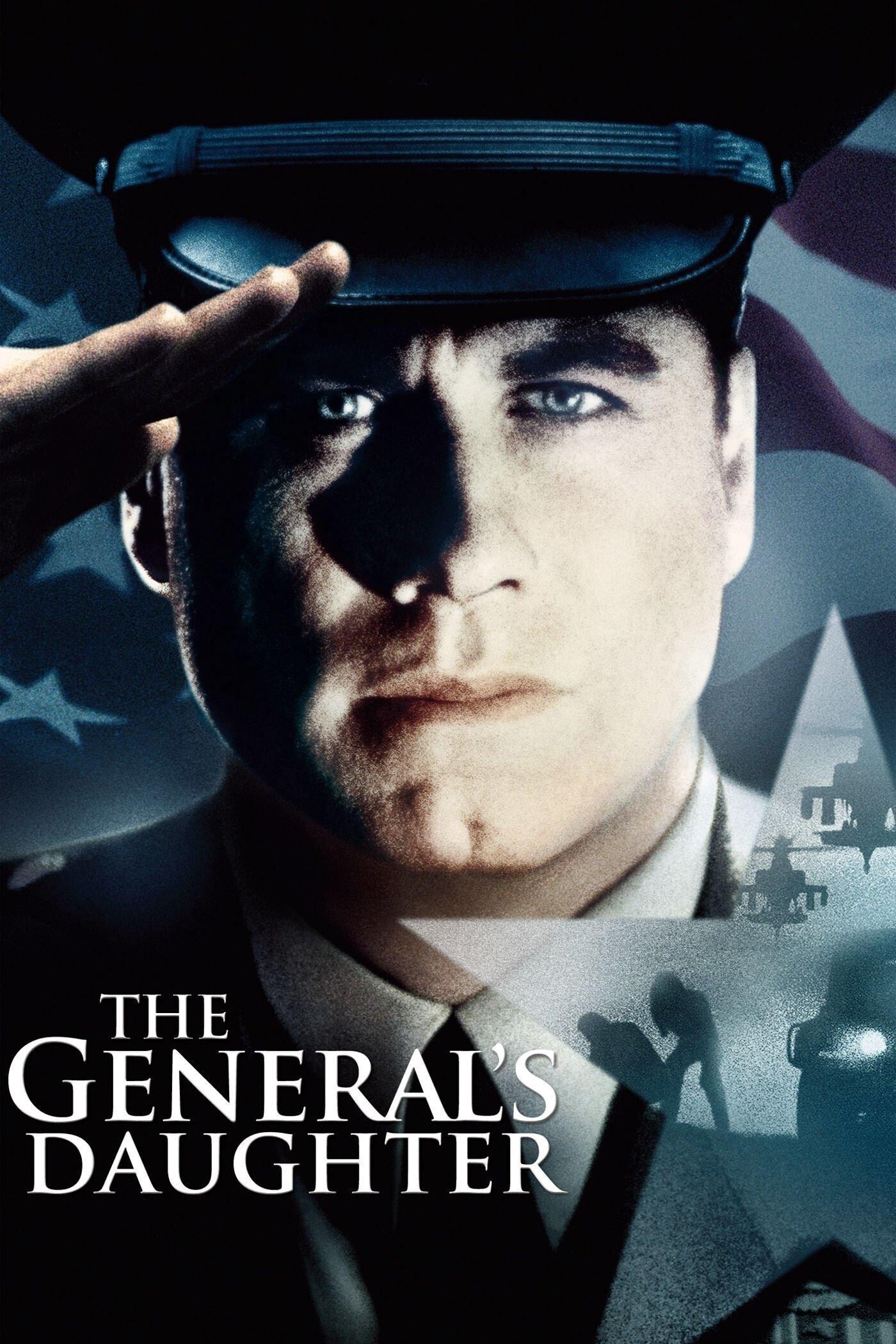
Directed by Simon West, ‘The General’s Daughter’ follows Army investigators probing a high-profile death on a military base. John Travolta and Madeleine Stowe navigate jurisdictional limits, chain-of-command secrecy, and evidence contamination risks. The investigation covers training manuals, disciplinary records, and restricted-access facilities. It incorporates forensic timelines, autopsy findings, and command briefings to assemble a case.
‘The Devil’s Advocate’ (1997)
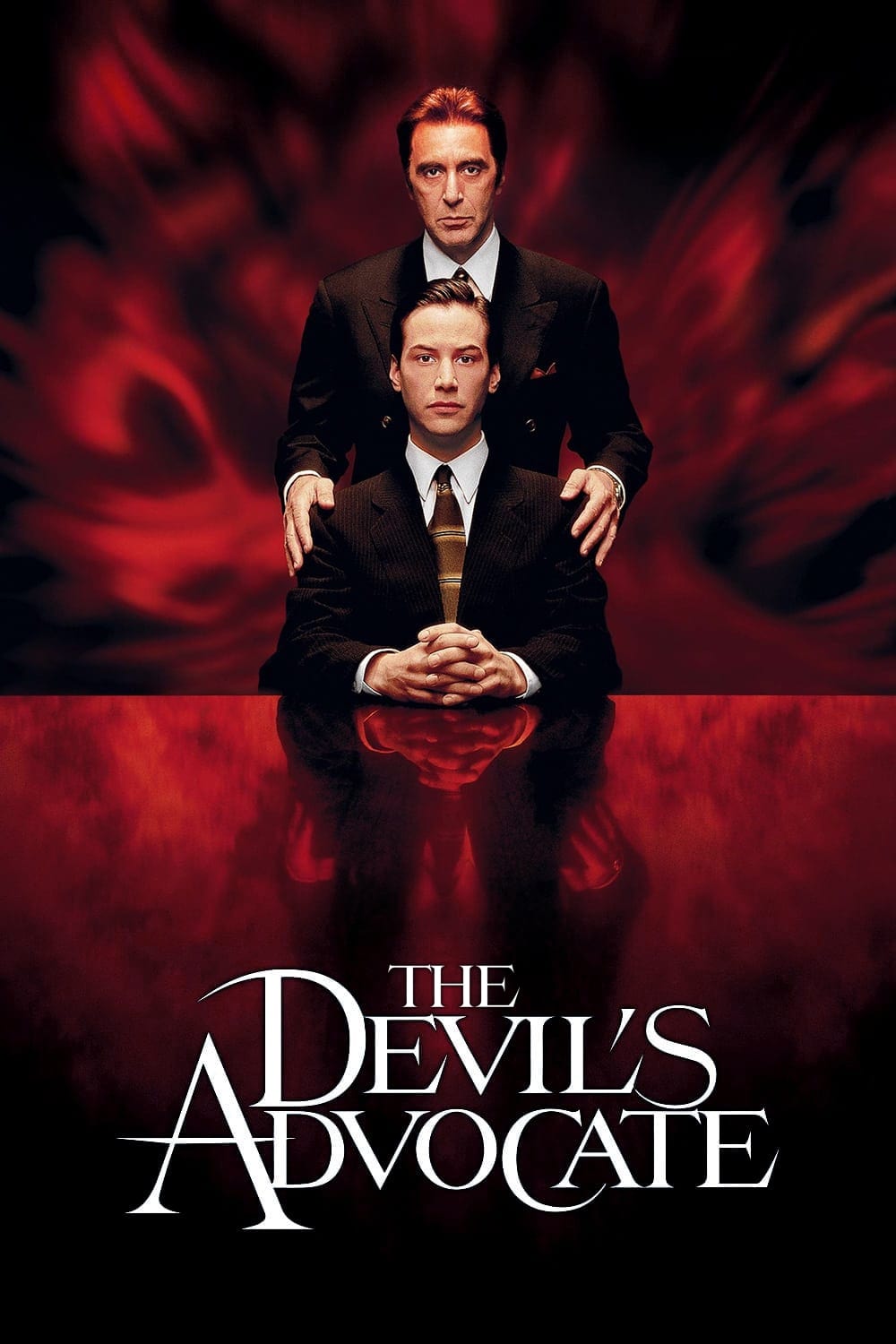
Taylor Hackford’s ‘The Devil’s Advocate’ blends legal-thriller mechanics with supernatural elements as an ambitious attorney joins a powerful New York firm. Keanu Reeves and Al Pacino headline proceedings that move through jury consults, deposition prep, and client management. The plot features conflicts of interest, confidentiality breaches, and high-stakes settlement strategy. Set design highlights luxury offices, private residences, and art installations as stages for negotiations.
‘The Long Kiss Goodnight’ (1996)
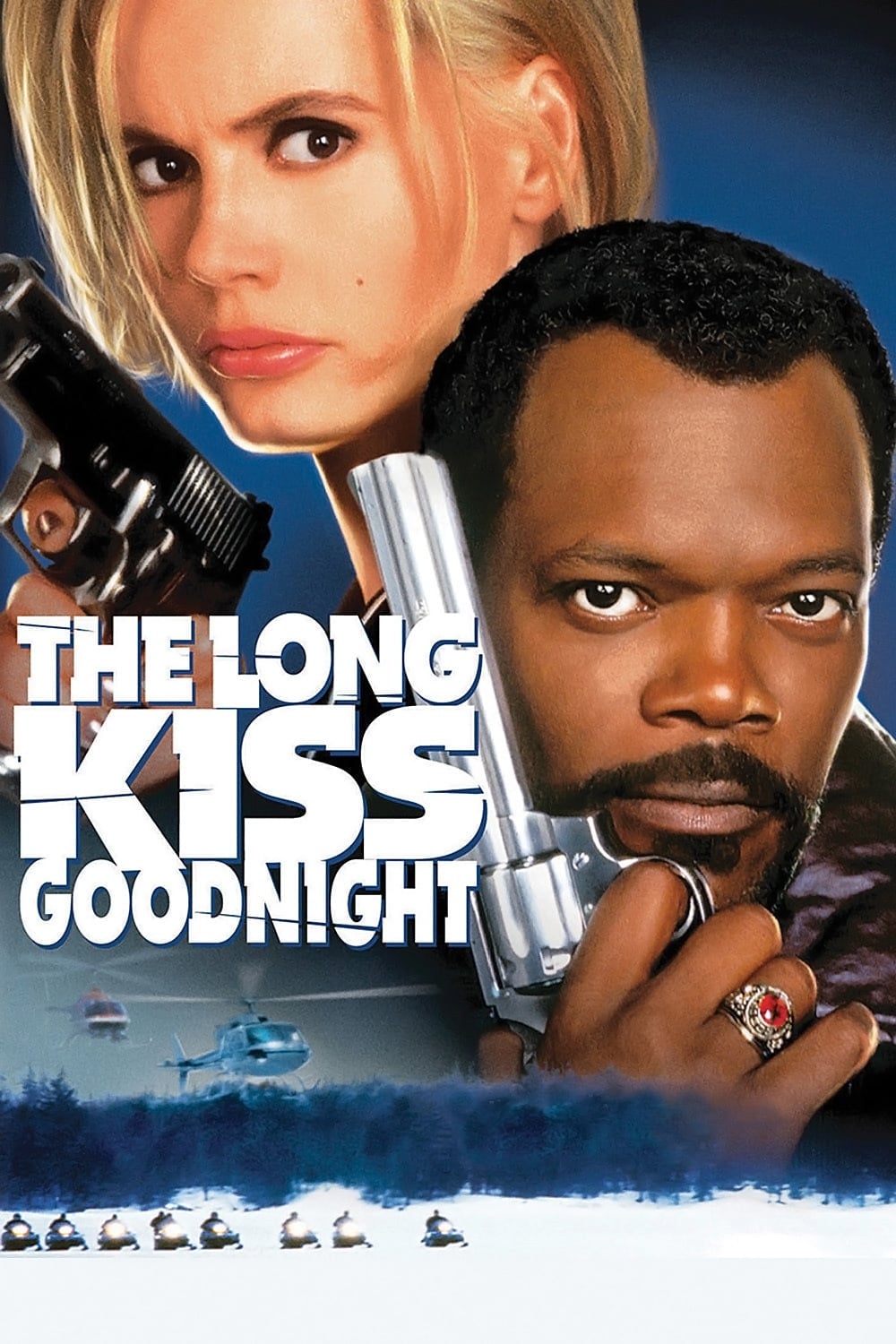
Renny Harlin directs ‘The Long Kiss Goodnight’, where a small-town teacher’s memory triggers a resurgence of covert-ops training. Geena Davis and Samuel L. Jackson traverse safehouses, financial caches, and burner-identity protocols. Action sequences are interlaced with intel gathering, phone intercepts, and asset flips. The narrative details how compartmentalized dossiers and handlers complicate personal recovery.
‘Hard Rain’ (1998)

‘Hard Rain’, directed by Mikael Salomon, sets a heist and manhunt amid a town overwhelmed by flooding. Christian Slater and Morgan Freeman operate around submerged streets, compromised radio networks, and shifting evacuation orders. The plot involves armored-truck security, vault access, and improvised rescue craft. Real water effects and practical sets shape the chase dynamics and tactical decisions.
‘The Siege’ (1998)
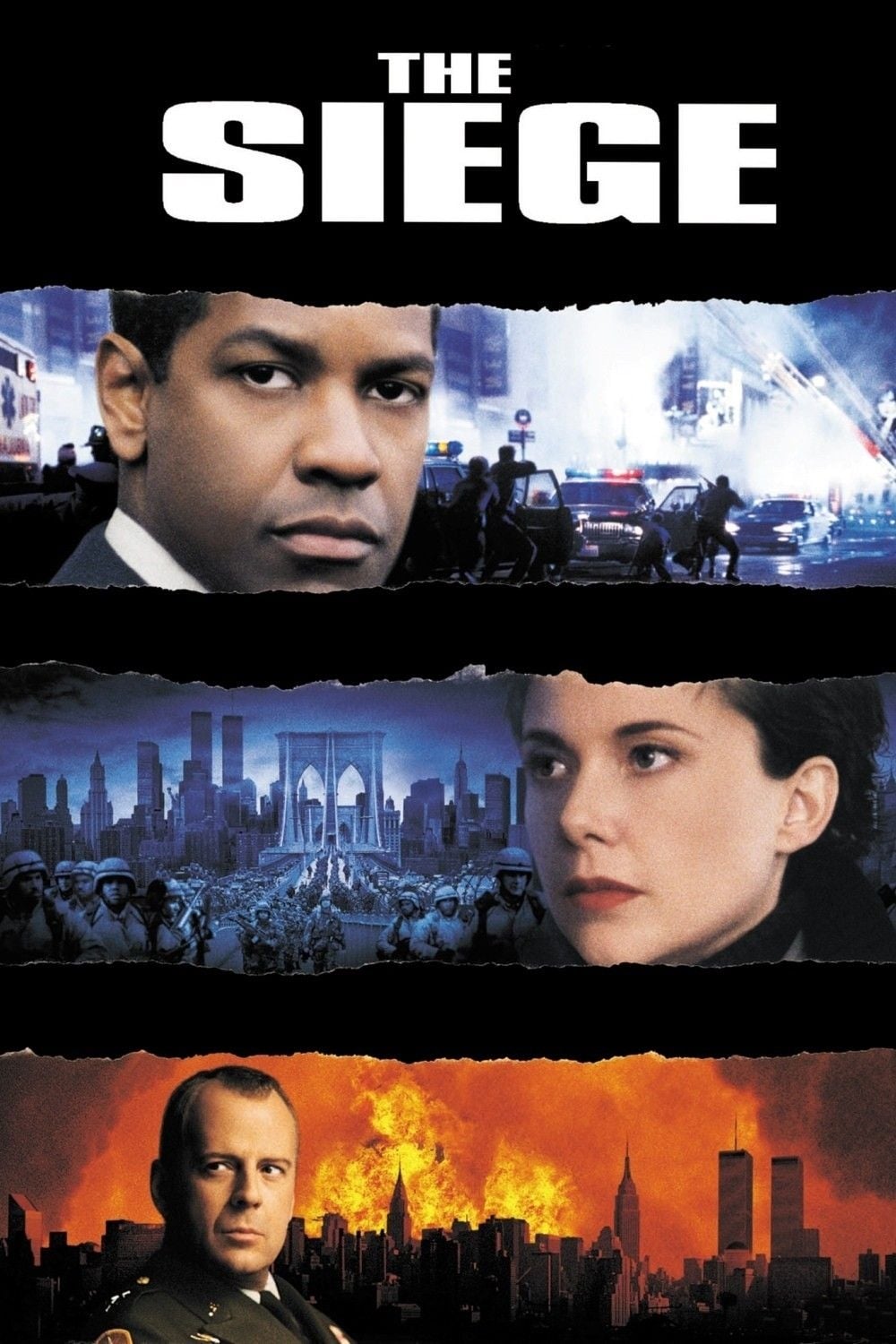
Edward Zwick’s ‘The Siege’ tracks a series of attacks in New York and the escalation of countermeasures by federal and military authorities. Denzel Washington, Annette Bening, and Bruce Willis portray competing approaches to intelligence gathering and civil-liberties constraints. The story incorporates detainee interrogations, surveillance dragnets, and interagency task-force tensions. Media briefings and public curfews frame how policy decisions impact field operations.
‘The Talented Mr. Ripley’ (1999)
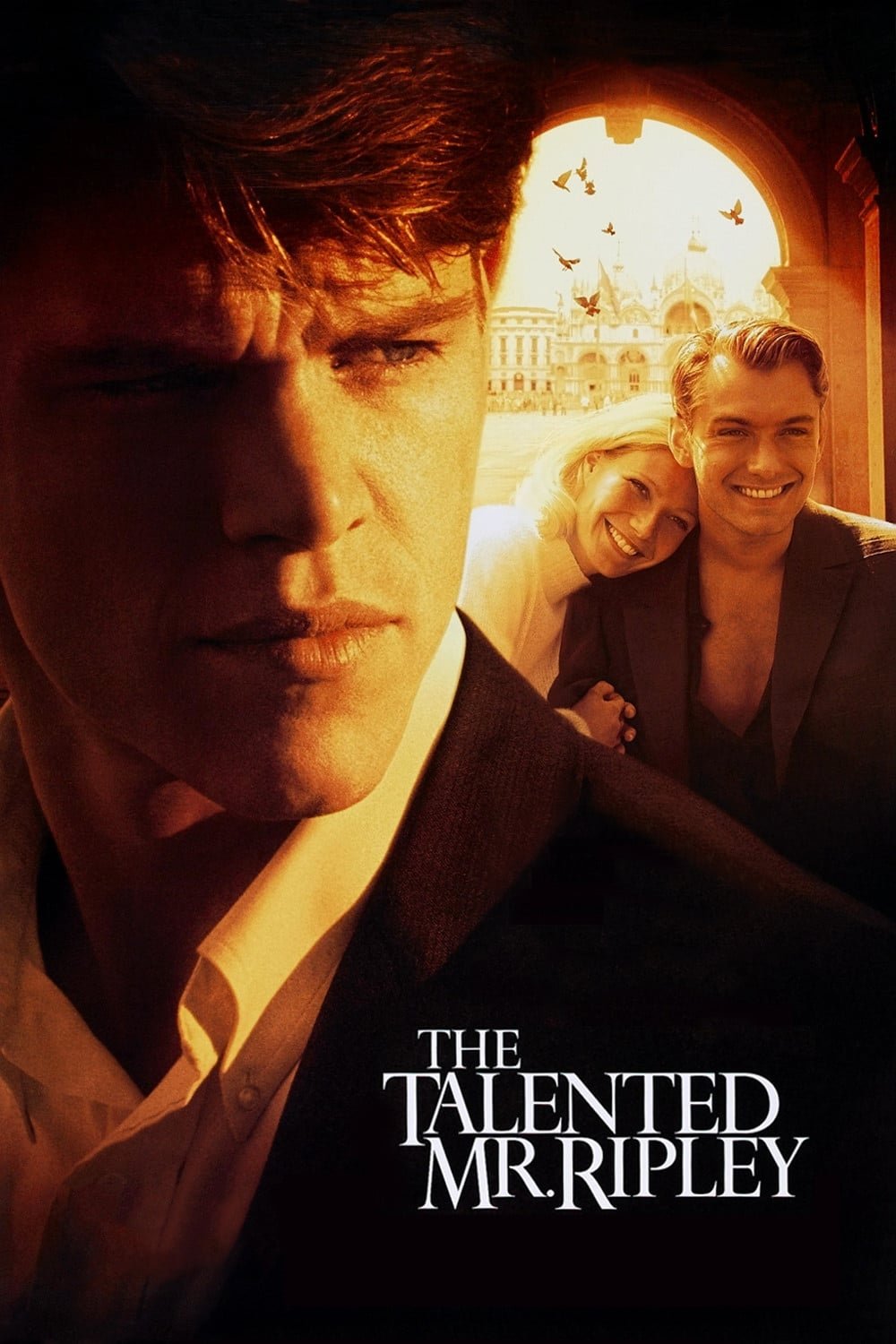
Anthony Minghella’s ‘The Talented Mr. Ripley’ adapts Patricia Highsmith’s psychological crime tale about identity theft and social aspiration. Matt Damon, Jude Law, and Gwyneth Paltrow anchor a plot involving forged signatures, altered documents, and shifting cover stories. Maritime travel, hotel registries, and banking checks serve as investigative touchpoints. Production emphasizes wardrobe, passports, and handwriting analysis as narrative clues.
‘The Spanish Prisoner’ (1997)
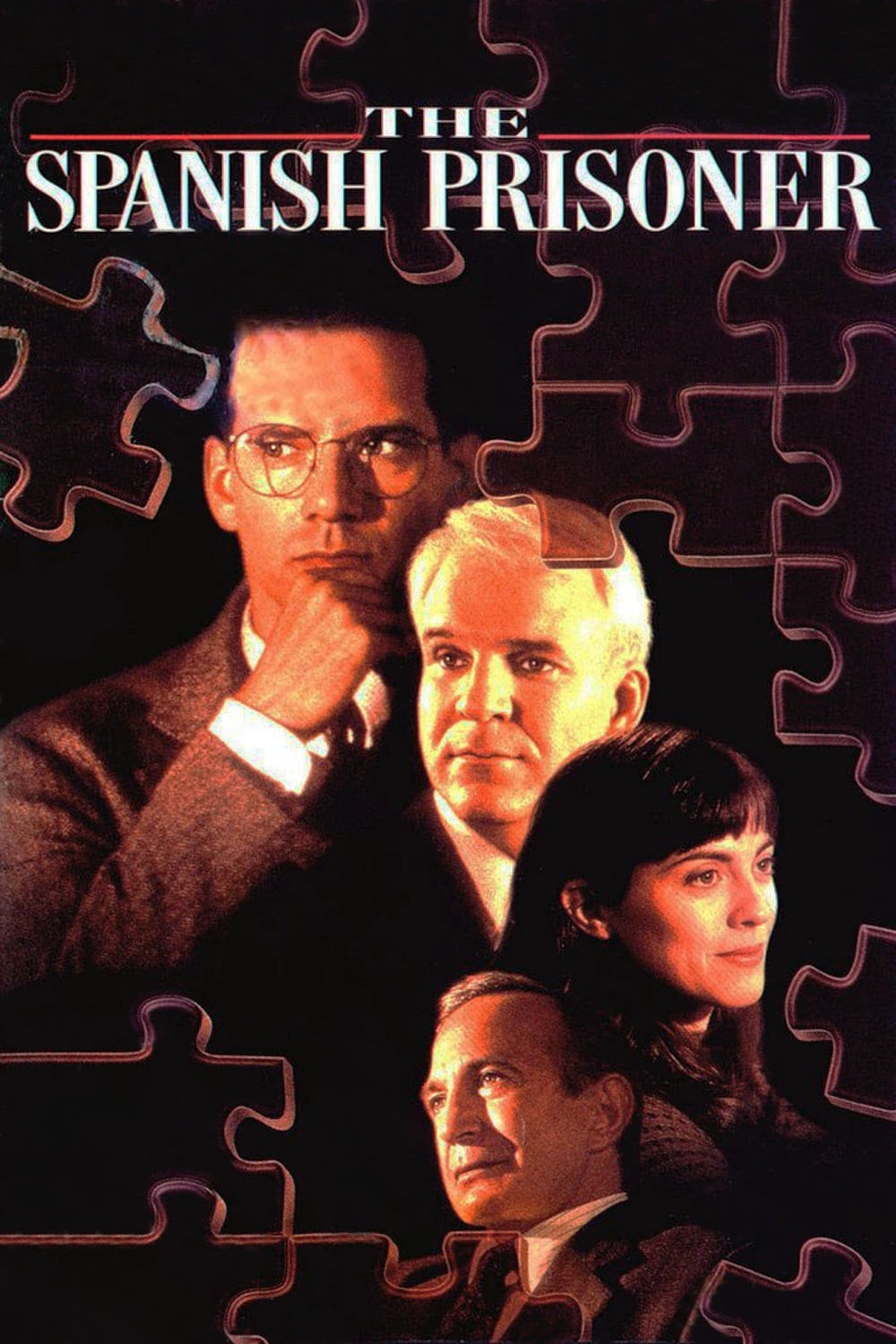
David Mamet’s ‘The Spanish Prisoner’ follows an engineer whose valuable process attracts a confidence scheme of incremental asks and eroded trust. Campbell Scott and Steve Martin guide a story built from nondisclosure agreements, corporate espionage, and misdirection. Key props include coded notebooks, business cards, and controlled-access prototypes. The film’s dialogue and blocking underline how small procedural slips enable larger deceptions.
Share the ’90s thrillers you think truly hold up—or don’t—in the comments below.