2000s Films Ruined by Controversy—not Quality


Some films from the 2000s became cultural flashpoints less for what was on the screen and more for what swirled around them—lawsuits, protests, bans, and political or moral panic that overshadowed any craft or storytelling. Below are 40 titles that faced backlash ranging from ratings battles and censorship to accusations of insensitivity or blasphemy. Each entry notes what the uproar was actually about—distribution fights, pulled screenings, public campaigns, and more—so you can see how off-screen storms shaped their legacies.
‘The Passion of the Christ’ (2004)
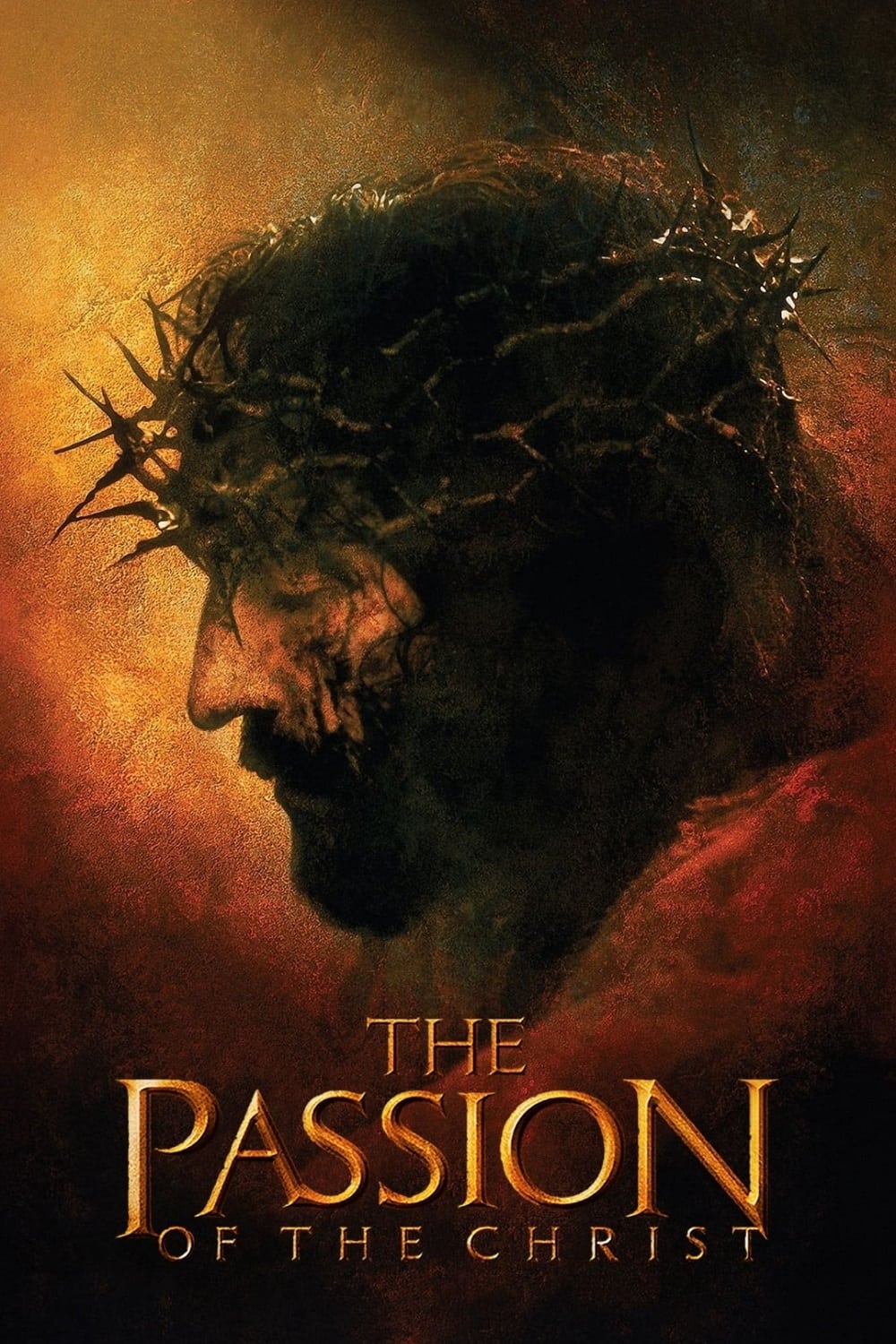
Religious leaders and civil-rights groups condemned alleged anti-Jewish tropes and the film’s extreme violence, prompting wide public debate. Some countries required age restrictions and content warnings, and interfaith organizations issued advisories for viewers. The ancient-language production also sparked discussions about historical accuracy and source texts. Despite boycotts, it drew massive audiences and became a flashpoint for faith-based filmmaking.
‘The Da Vinci Code’ (2006)

Church organizations in multiple countries organized protests and petitioned authorities to restrict or ban screenings. Officials in several regions demanded disclaimers or cuts because of the story’s claims about Catholic history. Lawsuits over alleged plagiarism added to the headlines, even as courts dismissed major claims. Tourism boards, religious groups, and censors all weighed in, turning release windows into policy debates.
‘Borat: Cultural Learnings of America for Make Benefit Glorious Nation of Kazakhstan’ (2006)
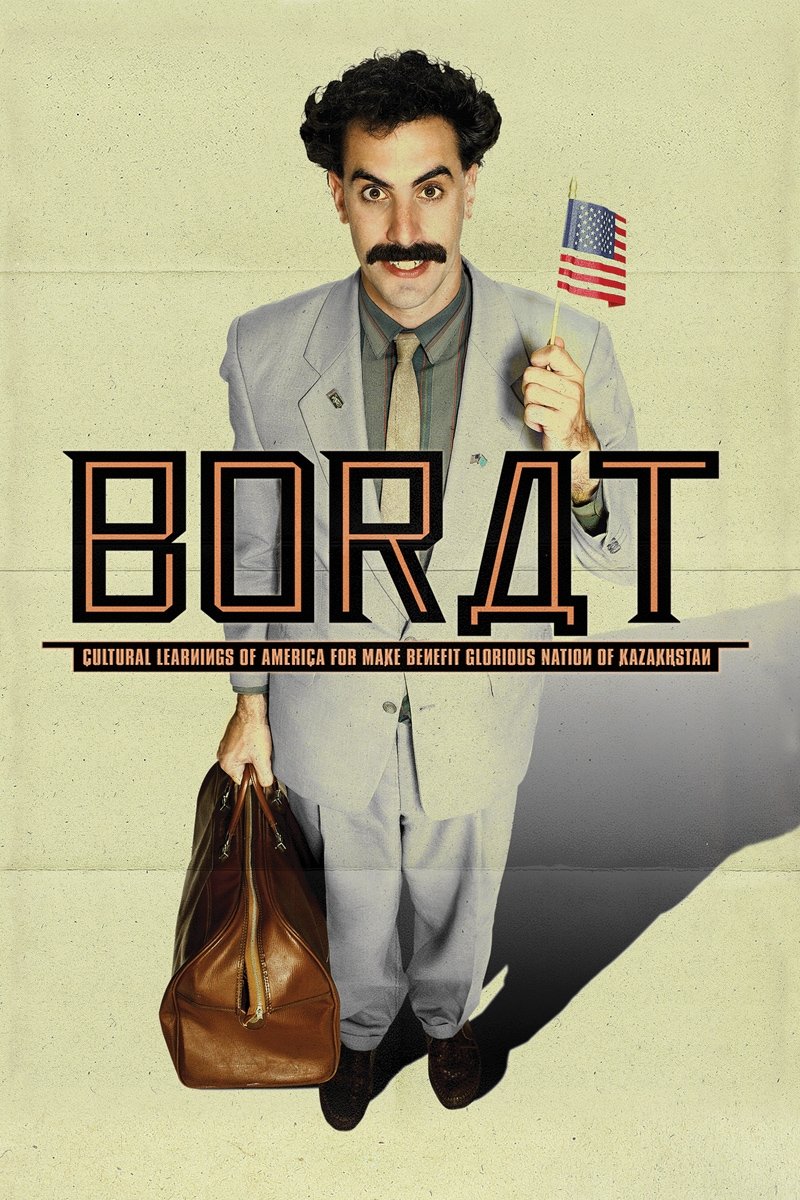
Participants portrayed in the mockumentary filed defamation suits, claiming they were misled by production releases. Government officials in Kazakhstan publicly objected to depictions of the country, and the film briefly drove geopolitical PR responses. Certain scenes led to location-specific cuts, and some theaters reported disruptions from audience reactions. The controversy expanded as outtakes and promotional stunts went viral.
‘Brüno’ (2009)

Multiple subjects later claimed they were duped into appearing, resulting in legal threats and settlements discussions. Scenes involving staged stunts triggered bans or edits in several markets due to sexual content and homophobic language. Police departments documented callouts to filming incidents that bled into public spaces. The distributor issued alternate cuts to meet certification boards’ requirements.
‘Tropic Thunder’ (2008)
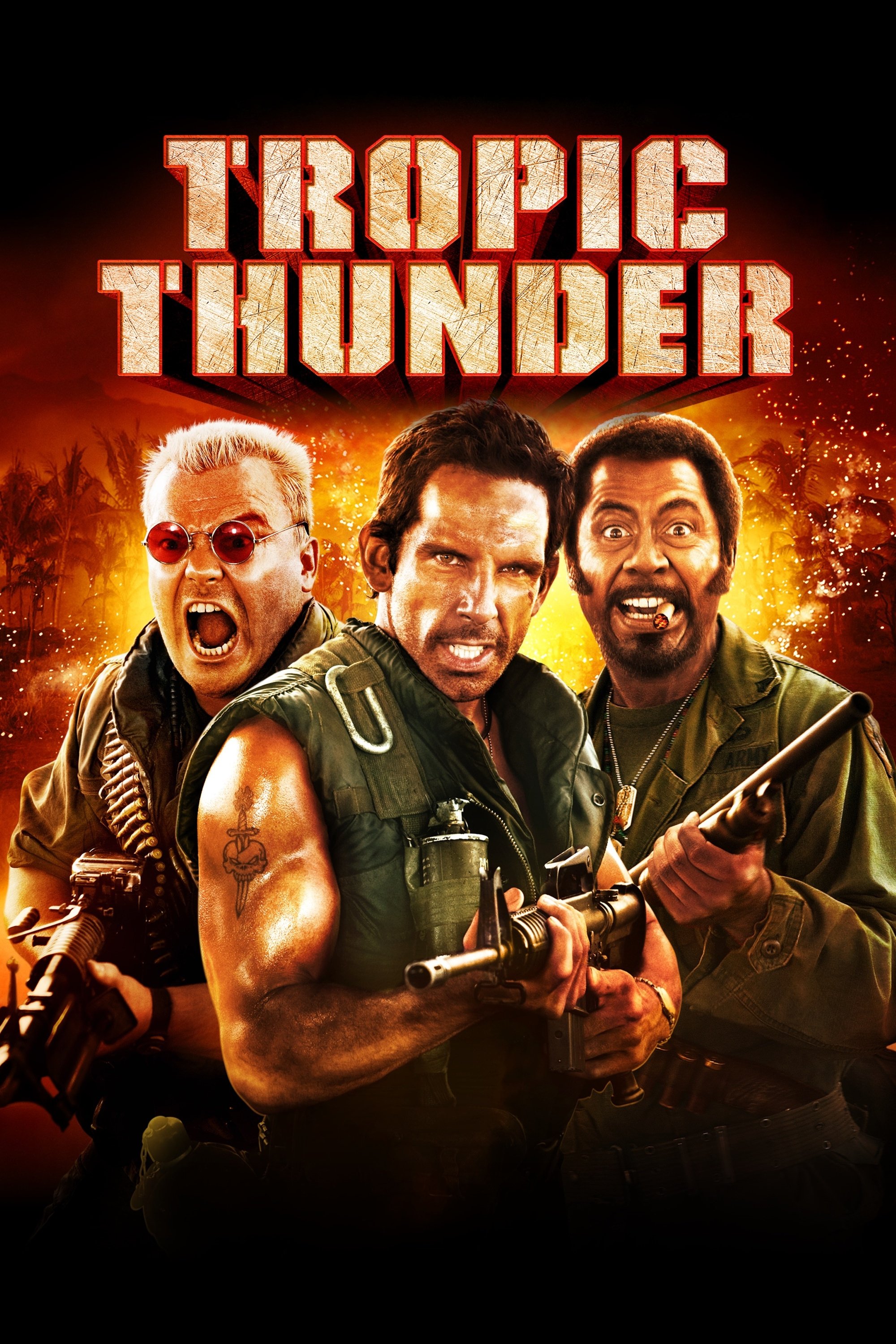
Advocacy groups protested the film’s repeated use of a slur for people with intellectual disabilities, organizing boycotts of theaters and retailers. The use of blackface for a satirical role provoked intense media scrutiny and roundtables about representation. Studio statements attempted to contextualize the parody while distancing from insult. Some broadcasters and airlines carried modified versions with trimmed dialogue.
‘Antichrist’ (2009)
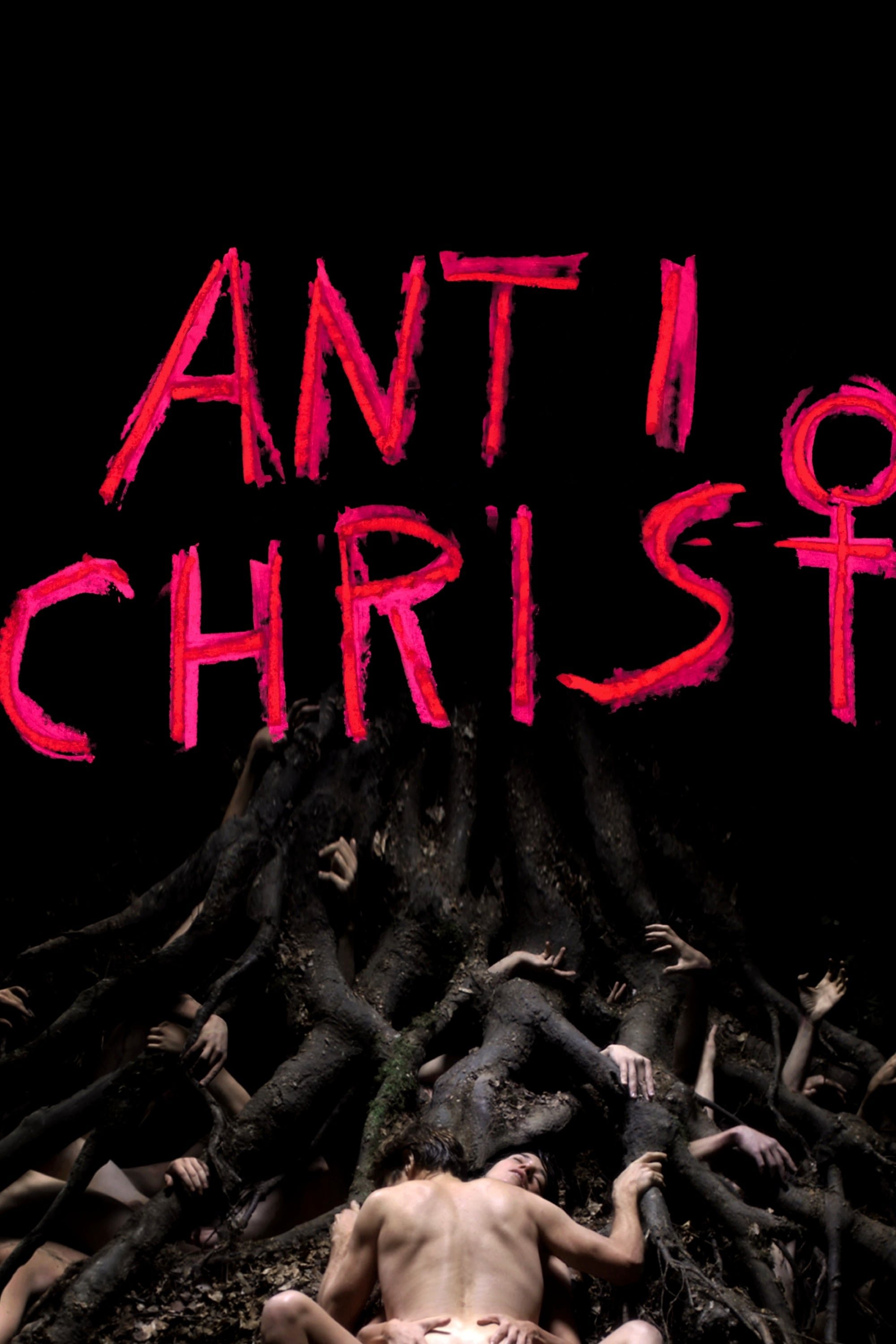
Festival screenings drew walkouts and medical staff reports of fainting due to graphic content. Classification boards in several countries issued strict ratings or temporary bans pending appeals. Critics and academics debated whether the film violated obscenity thresholds under local law. Edited versions circulated internationally to comply with censorship rules.
‘Hounddog’ (2007)

The film’s depiction of sexual assault involving a minor character led to accusations of exploitation and calls for investigation. Law enforcement reviewed the production, which had followed on-set protocols and body-double standards. Family-advocacy groups lobbied ratings boards to apply the harshest classification. Several exhibitors declined bookings, significantly limiting its rollout.
‘The Brown Bunny’ (2003)
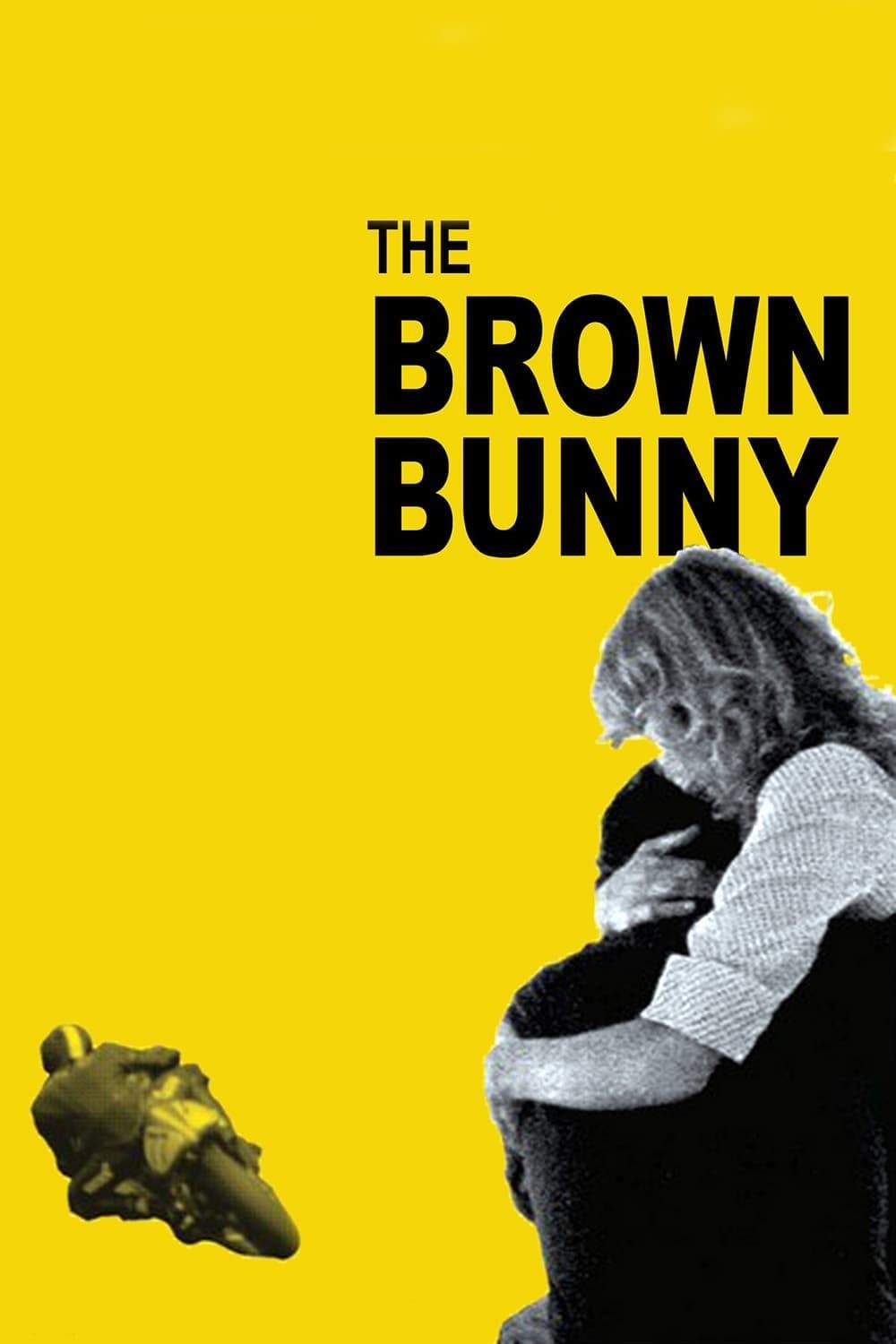
The explicit sexual content fueled sensational coverage from festival premieres onward. Various territories demanded cuts to secure distribution, with some versions heavily edited. Press narratives focused on off-screen disputes between the director and prominent critics. Art-house circuits debated programming policies around unsimulated acts.
‘Ken Park’ (2002)
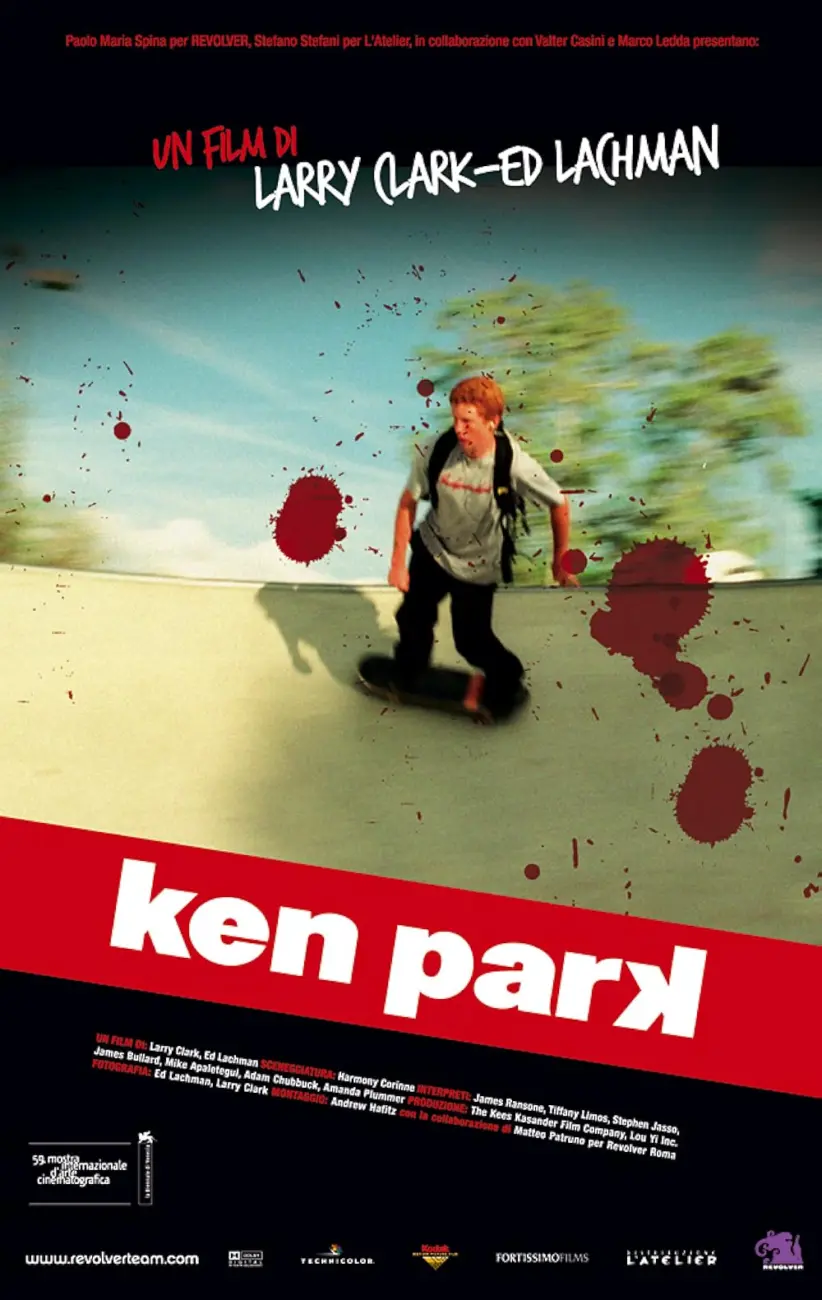
The film faced bans or refusals from classification bodies due to explicit sexual depictions of minors within a fictional context. Public officials cited child-protection standards in blocking commercial screenings. Organizers attempted private club showings, which triggered police interventions in some cities. Court challenges and appeals created a patchwork of legal outcomes by territory.
‘Baise-moi’ (2000)
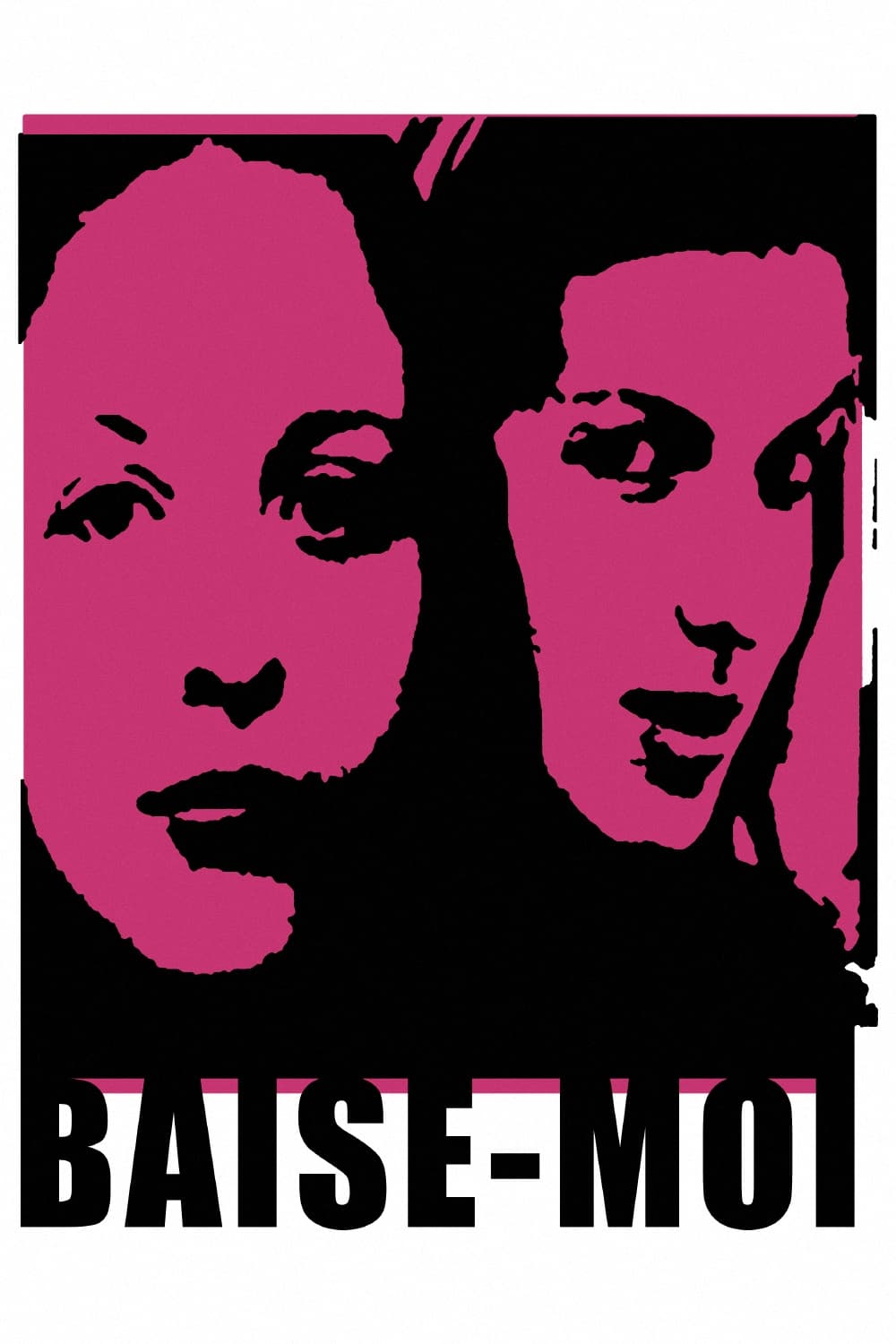
Authorities in several countries oscillated between pornography and art-film classifications, creating inconsistent exhibition pathways. Theatrical runs were halted or restricted after legal challenges from civic watchdogs. Distributors issued multiple cuts to meet local thresholds for violence and sex. The controversy reshaped national debates about the limits of “extreme” cinema.
‘Irreversible’ (2002)
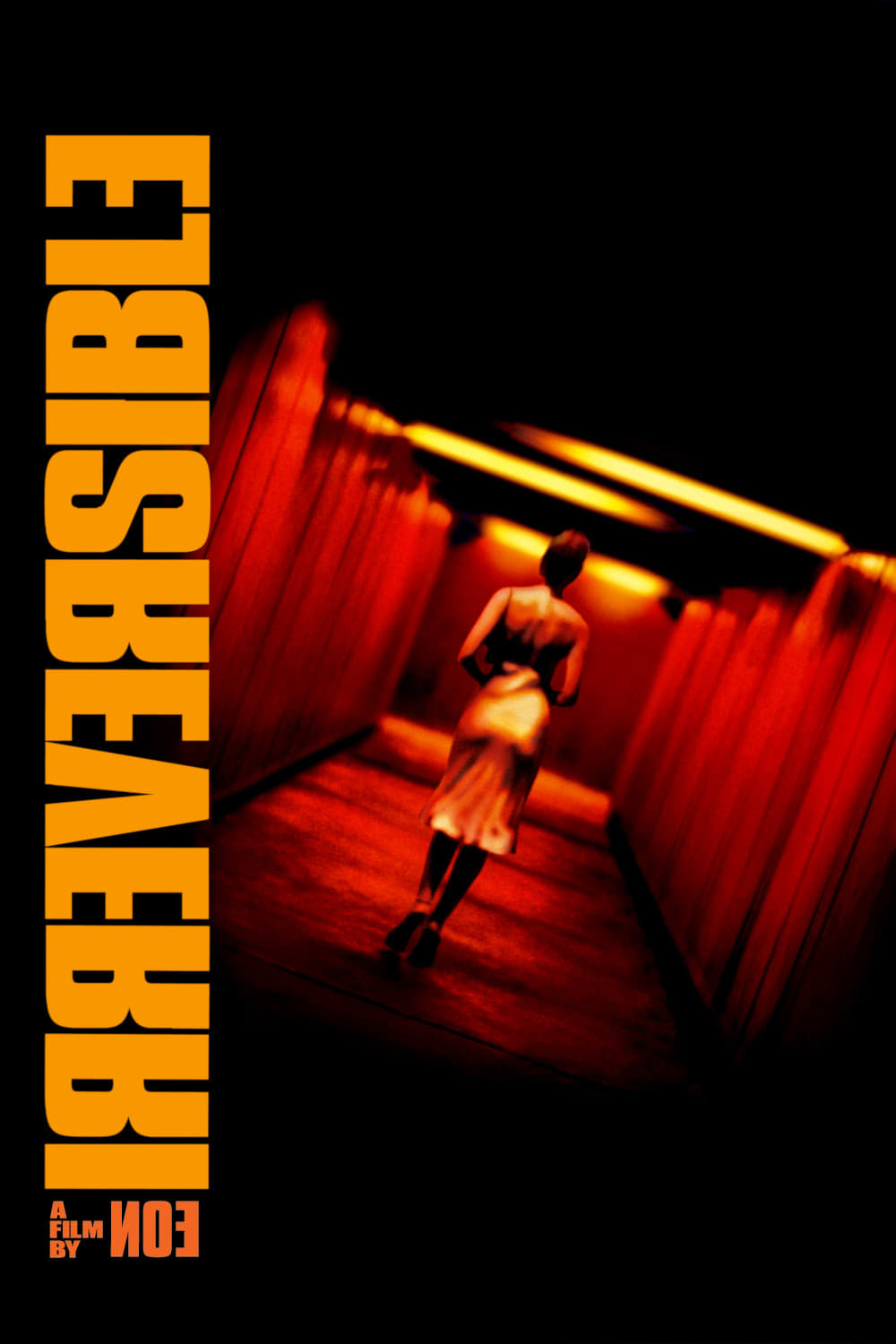
A prolonged assault sequence led to widespread walkouts and calls for content advisories. Festival organizers stationed warning signage and adjusted screening protocols. Ratings boards delivered strict classifications, with some regions delaying release pending appeals. Discussions of camera technique and sound design were largely drowned out by the outcry.
‘Hostel’ (2005)
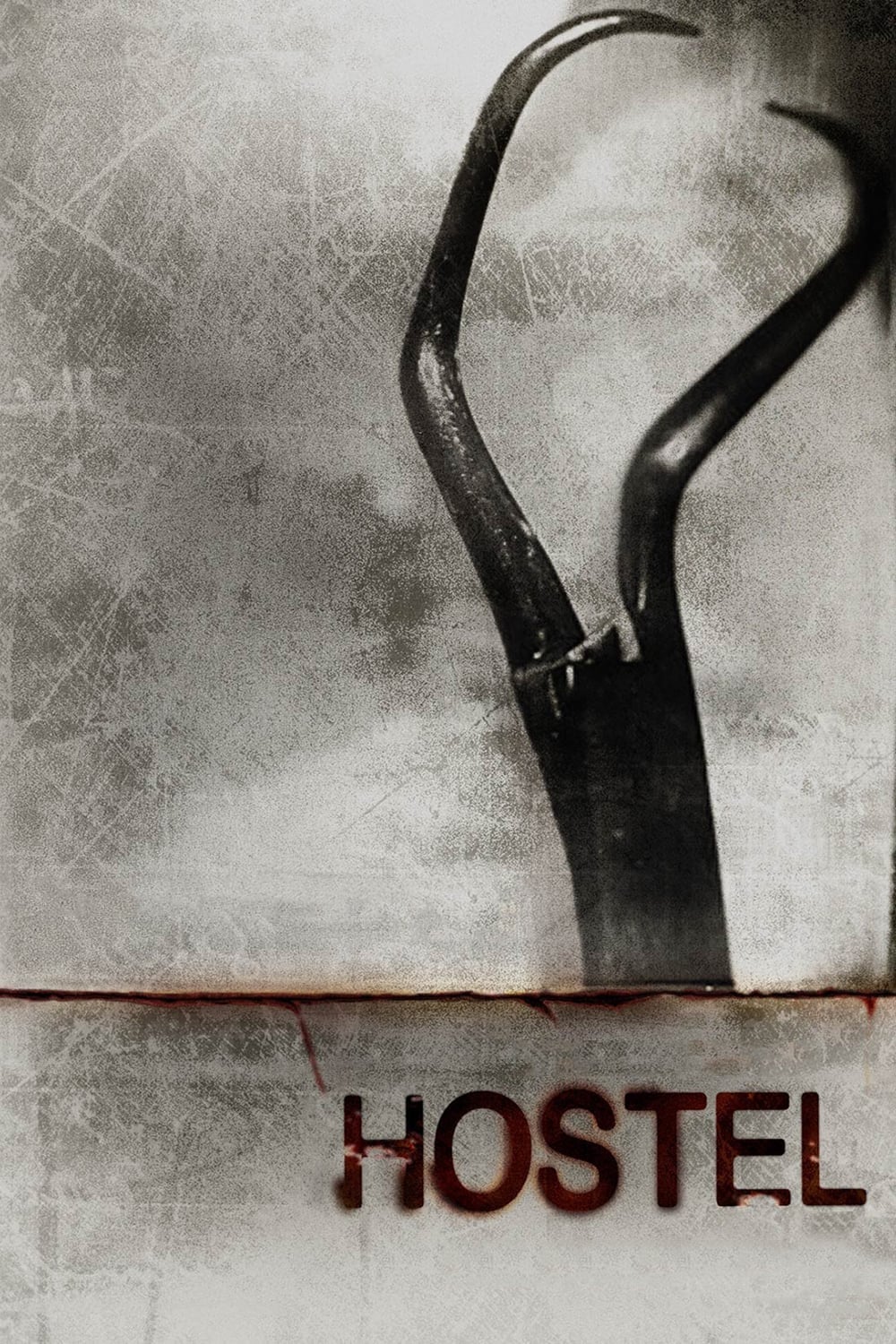
Politicians and commentators invoked the film while arguing over “torture porn” trends and their social effects. Censors in certain markets required cuts to specific scenes to avoid outright bans. Tourism officials criticized negative portrayals of Eastern Europe, prompting media statements from local authorities. Retail releases appeared in both edited and uncut variants depending on jurisdiction.
‘The Human Centipede (First Sequence)’ (2009)
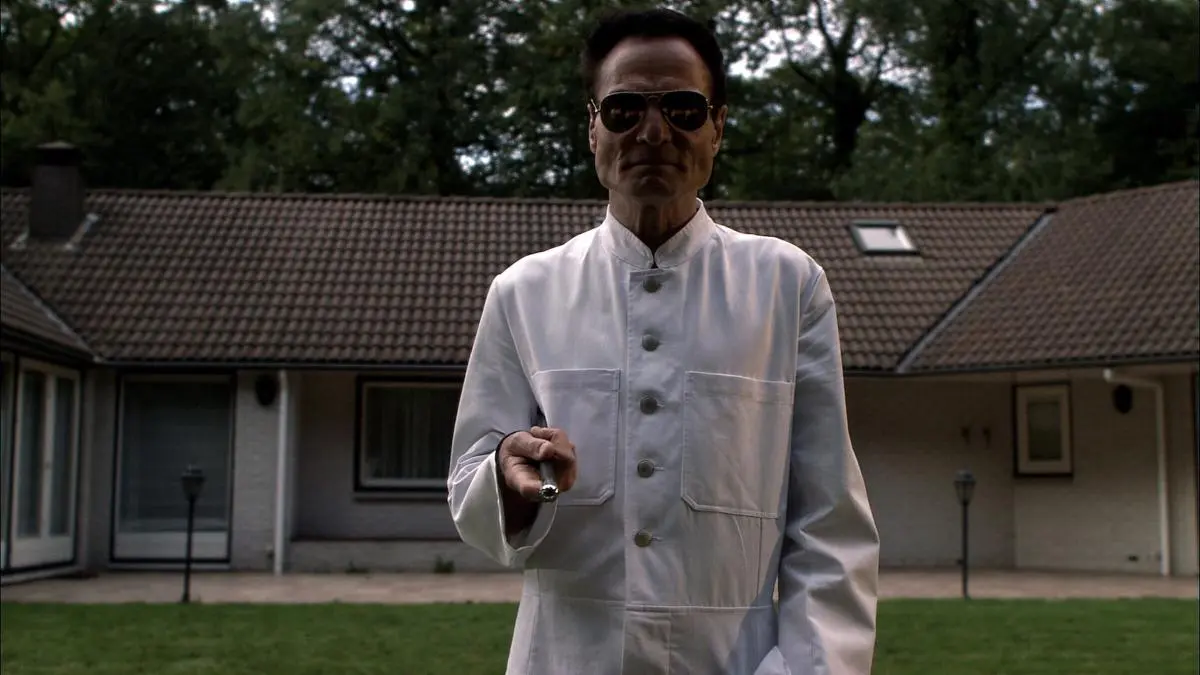
National classification bodies wrestled with whether to permit the film at all, citing extreme surgical imagery. Some territories approved festival-only showings under strict age controls, while others demanded heavy edits. Public health and ethics commentators entered the debate, amplifying coverage beyond genre circles. The controversy turned subsequent home-video releases into news events.
‘Team America: World Police’ (2004)
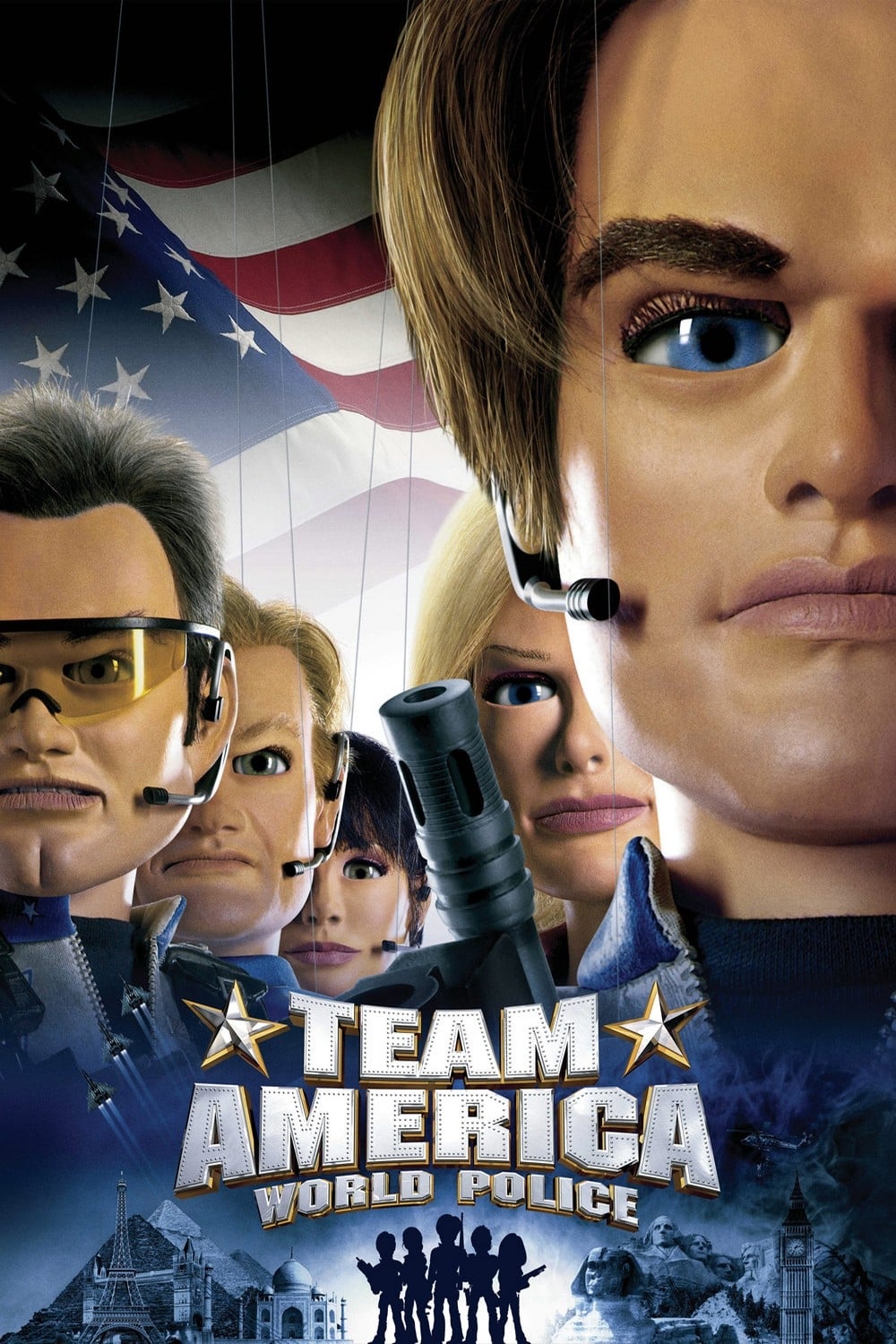
Diplomatic complaints arose over the depiction of a foreign head of state, leading to pulled screenings in certain countries. Later re-release attempts were complicated by distribution risk assessments tied to geopolitical tensions. Puppetry sex scenes and graphic gags drew challenges from ratings boards. Broadcasters adopted censored TV cuts with altered dialogue and bleeps.
‘Persepolis’ (2007)
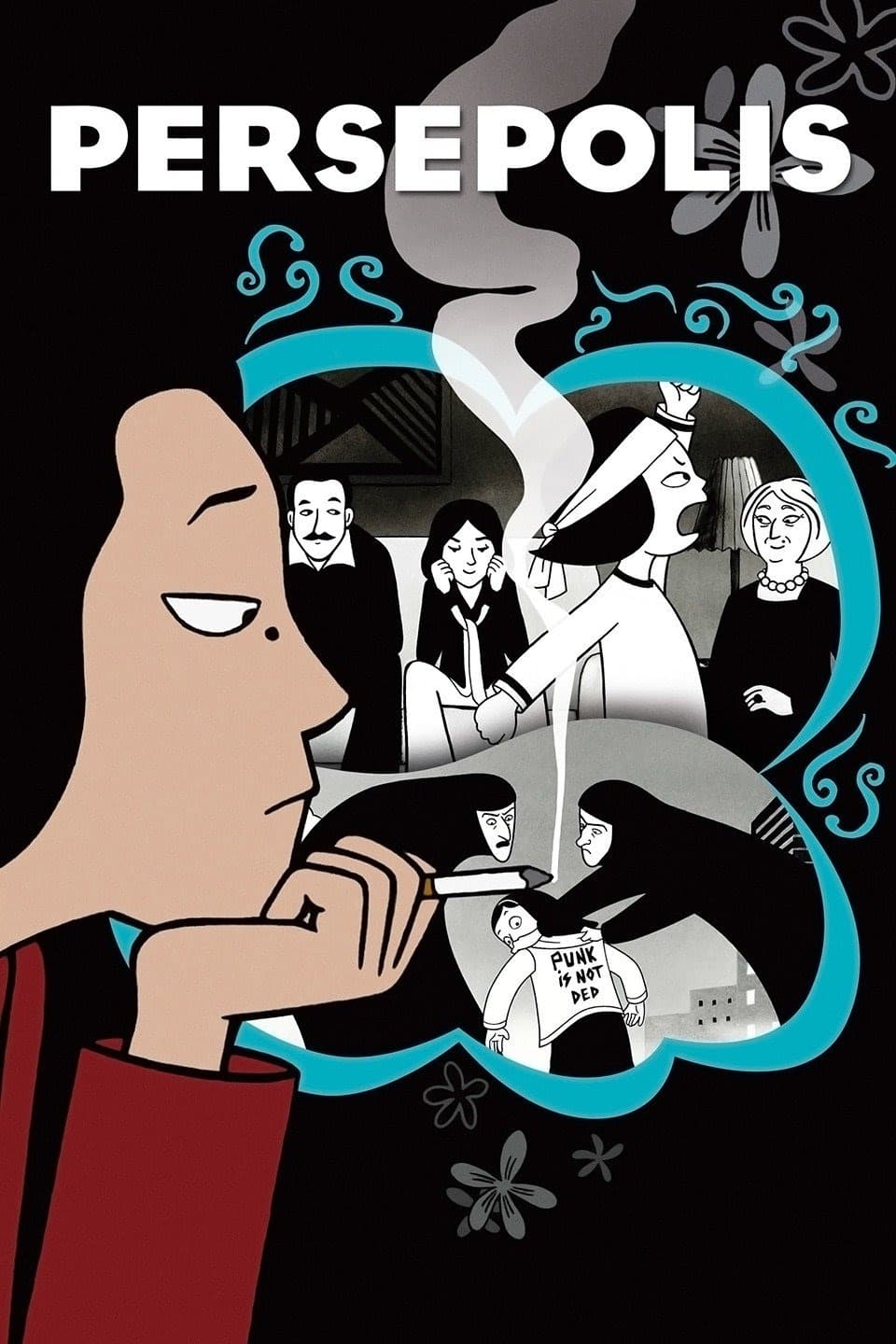
Officials and religious authorities in parts of the Middle East opposed the film’s political and cultural critique, prompting bans or limited runs. School screenings in some regions became flashpoints involving parent associations and municipal councils. In France and elsewhere, protests and counter-protests framed the film as a free-expression test case. Television broadcasts sometimes aired with disclaimers or delayed time slots.
‘Fahrenheit 9/11’ (2004)
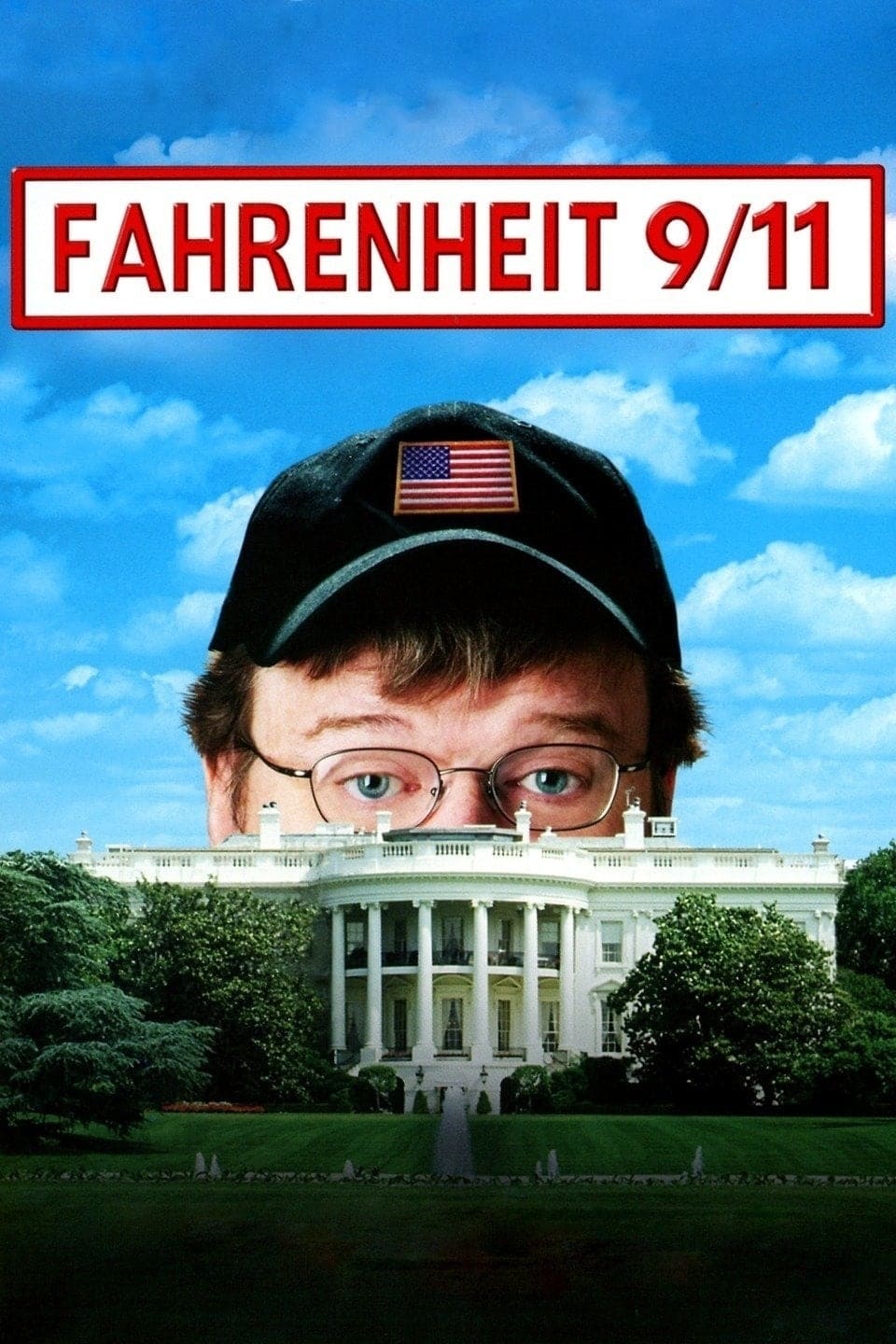
The documentary’s political claims spurred countersuits, fact-checking campaigns, and public statements from officials. Theater chains fielded organized pressure from advocacy groups both supporting and opposing bookings. Television advertisements faced partisan scrutiny and station-level refusals. International markets saw staggered releases tied to election calendars and broadcast standards.
‘Bowling for Columbine’ (2002)
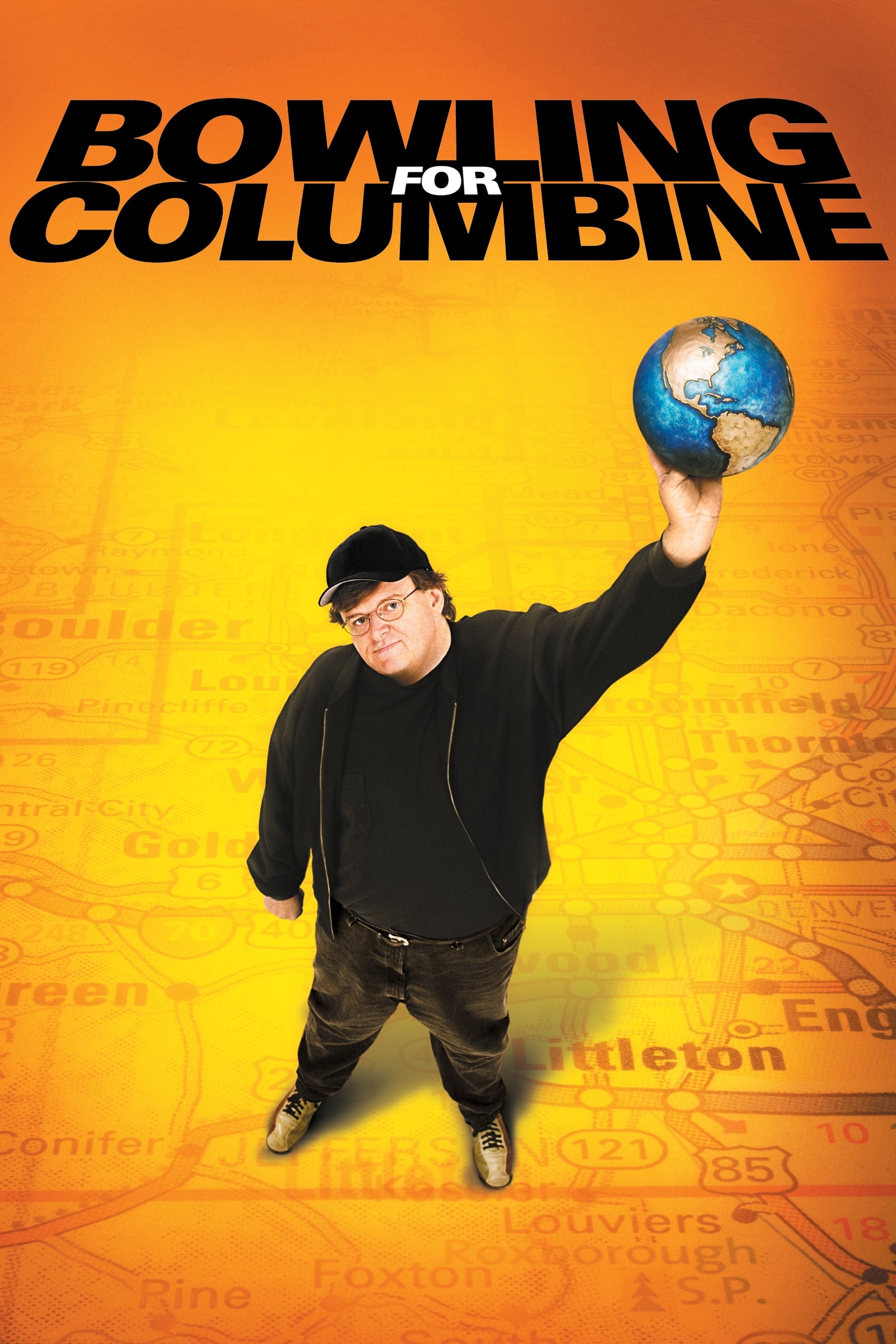
Gun-rights organizations challenged the film’s methods and conclusions, launching detailed rebuttal sites and media appearances. School districts debated whether to allow classroom screenings under parental-consent policies. Lawsuits threatened during promotion focused on interview portrayals and alleged misrepresentation. Broadcasters imposed content warnings for televised airings.
‘United 93’ (2006)

Families of victims and commentators questioned the timing of dramatizing a recent tragedy. Studios coordinated with advocacy groups to craft memorial disclaimers and outreach materials. Trailers were pulled from certain theaters after audience complaints. Release strategies emphasized respectful marketing to navigate public sensitivity.
‘World Trade Center’ (2006)
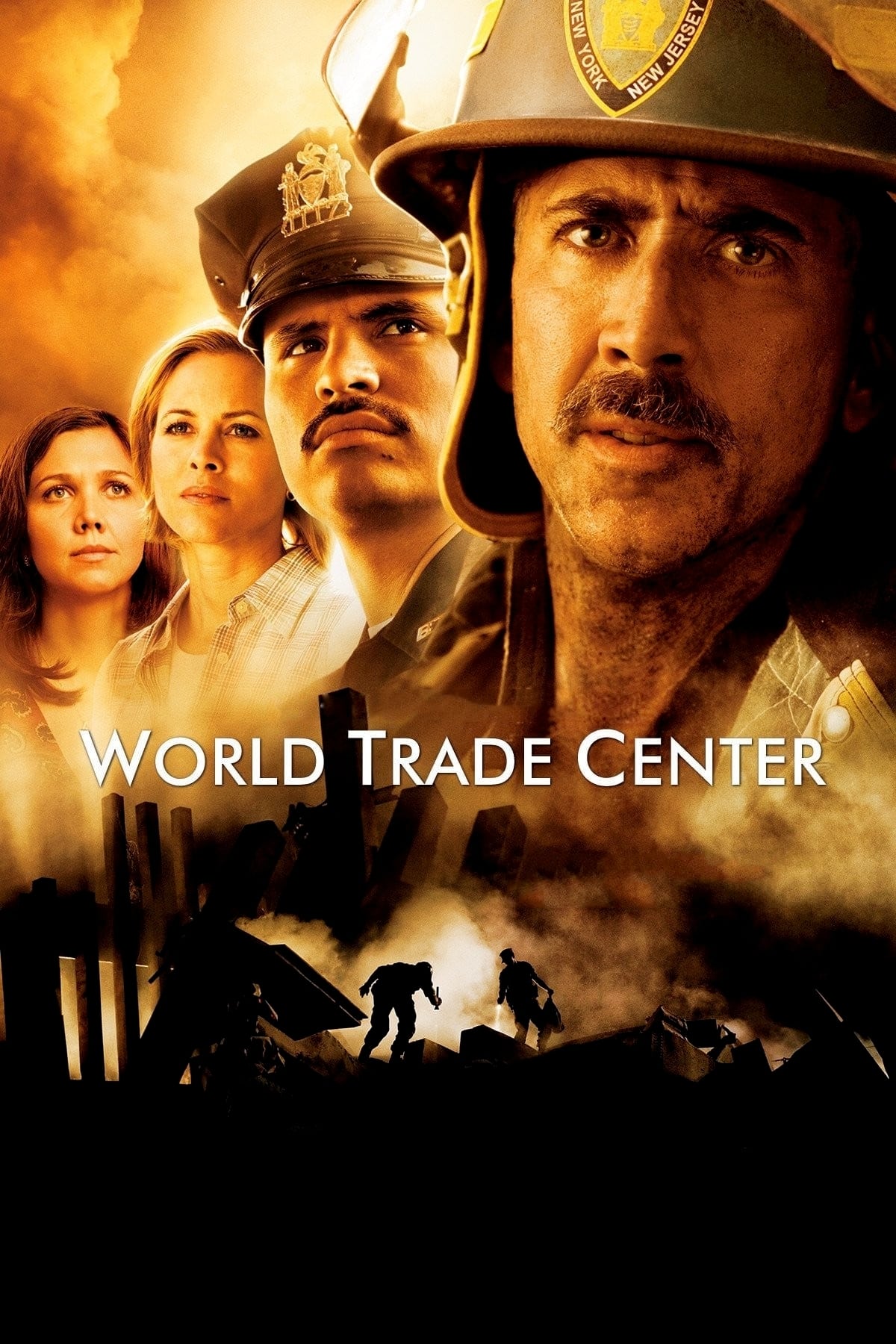
Concerns centered on dramatization choices and consultation with survivors and first responders. Some civic groups monitored the production for accuracy and portrayal of agencies. Promotional materials were revised in response to feedback from memorial organizations. The film’s rollout included coordinated charity tie-ins to address public perception.
‘Y tu mamá también’ (2001)
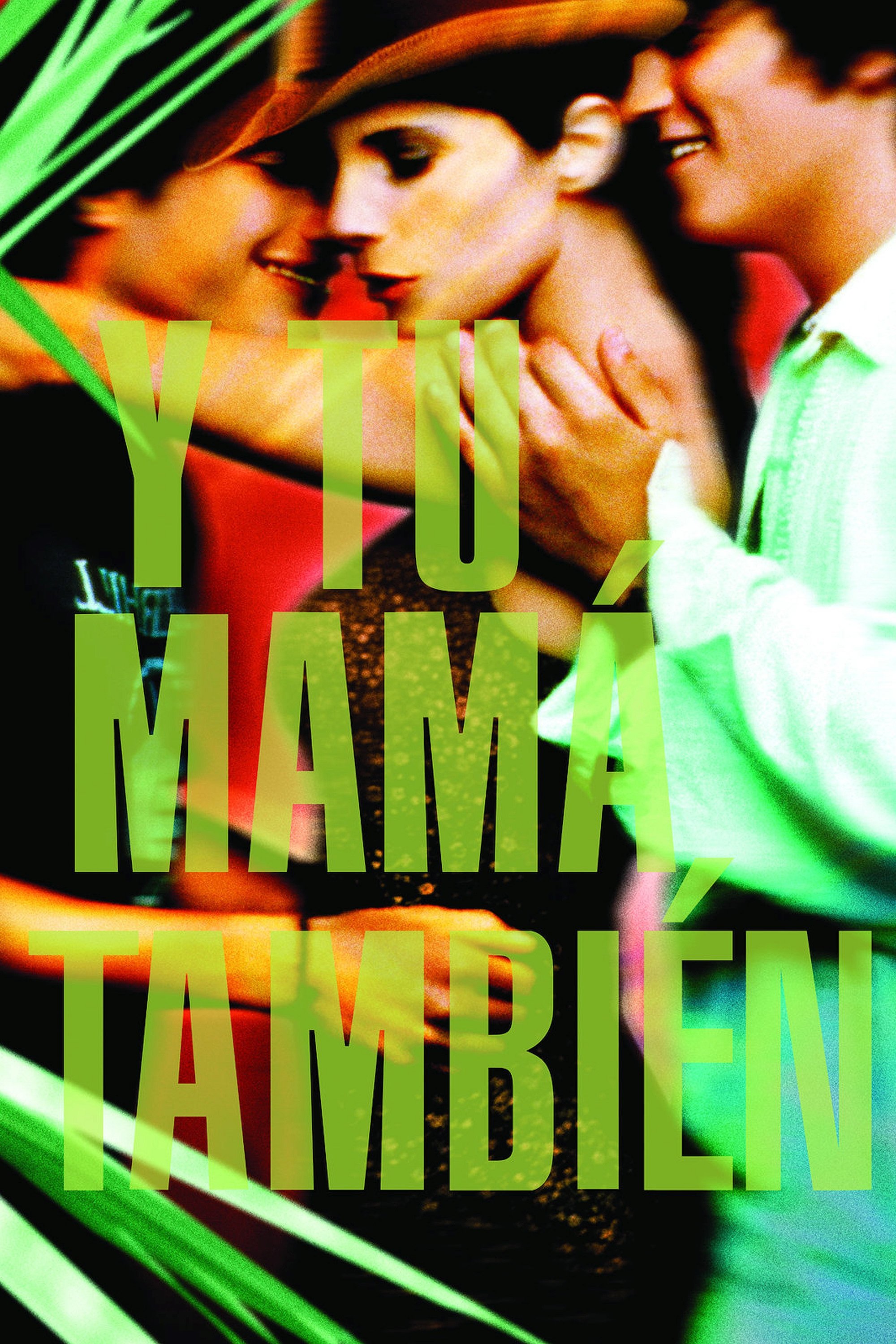
Censorship boards in Mexico initially applied a restrictive adults-only label that distributors contested in court. The case fed a national debate about ratings transparency and political interference. Internationally, different cuts and classifications created uneven access for younger audiences. The legal fight helped catalyze reforms to local certification systems.
‘Lust, Caution’ (2007)
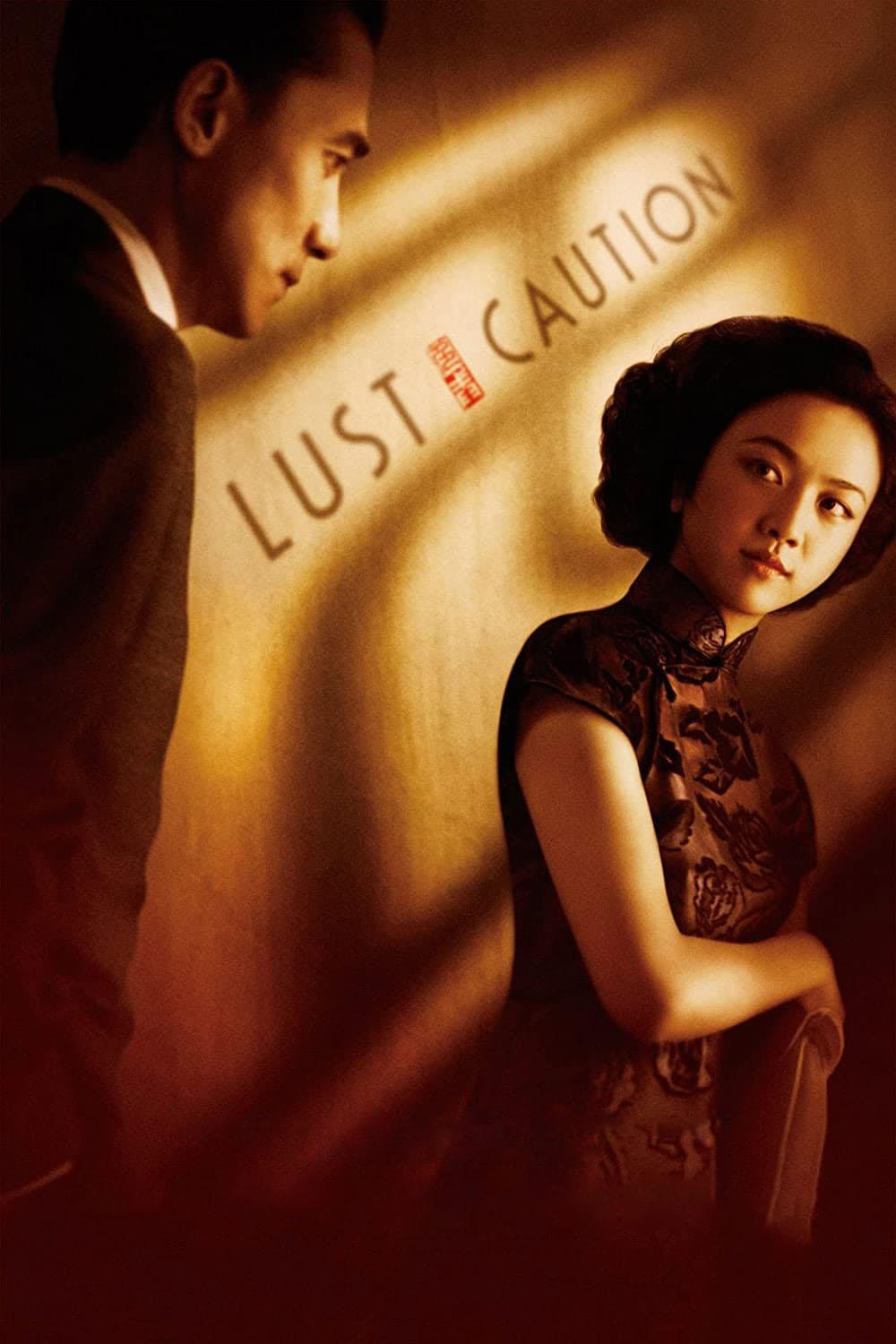
Explicit scenes triggered stringent classifications in multiple markets and an adults-only rating in China. Reports emerged of professional repercussions for the lead actress due to morality codes. Distributors prepared alternate edits to satisfy regional norms for sexual content. The controversy overshadowed awards chatter and craft discussion.
‘Apocalypto’ (2006)
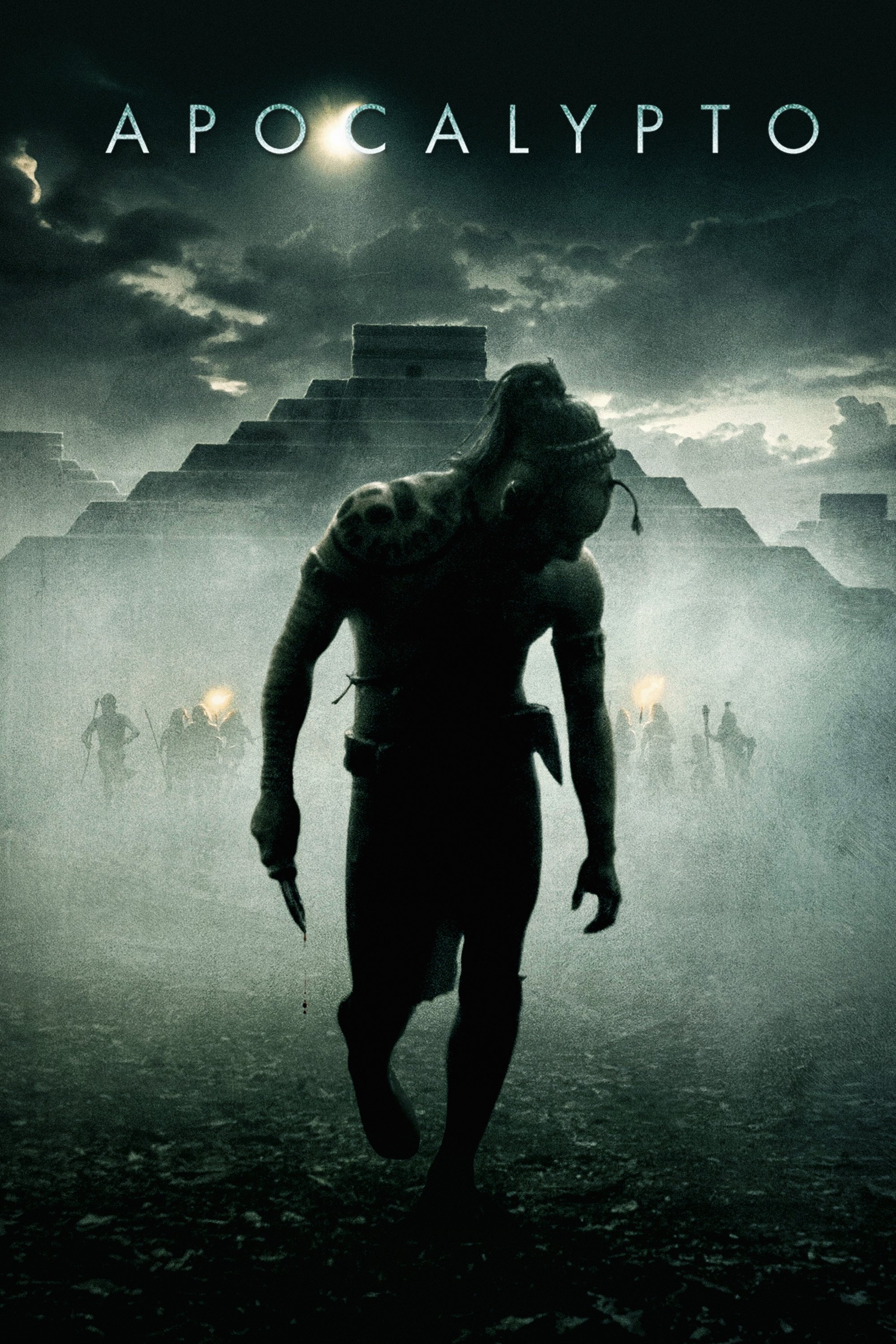
Indigenous scholars criticized depictions of Mesoamerican cultures and ritual violence, prompting academic panels and open letters. Activists organized awareness campaigns at theaters and universities. Linguists weighed in on the film’s use of Yucatec Maya and subtitling choices. Some heritage organizations issued statements to contextualize on-screen practices.
‘Water’ (2005)

The production originally faced violent protests in India, leading to sets being destroyed and a relocation under a changed working title. Authorities scrutinized permits and security as the crew restarted in another country. Political groups continued to protest during release, citing religious offense. The film’s distribution relied on festival momentum and diaspora audiences.
‘The Golden Compass’ (2007)

Religious organizations mobilized boycotts over perceived anti-theist themes, pressuring family-focused exhibitors. International versions varied, with some dialogue and references softened to reduce controversy. Planned sequels were reportedly affected by the backlash and box-office politics. Educational groups debated whether the source material should remain on recommended reading lists.
‘Zoolander’ (2001)

Malaysia banned the film over a plot involving an assassination attempt on a head of government, citing national security concerns. Pirated copies circulated, fueling policy statements and press briefings. The ban became a case study in how satire intersects with censorship law. Years later, discussions about the prohibition resurfaced around home-media and streaming availability.
‘Battle Royale’ (2000)
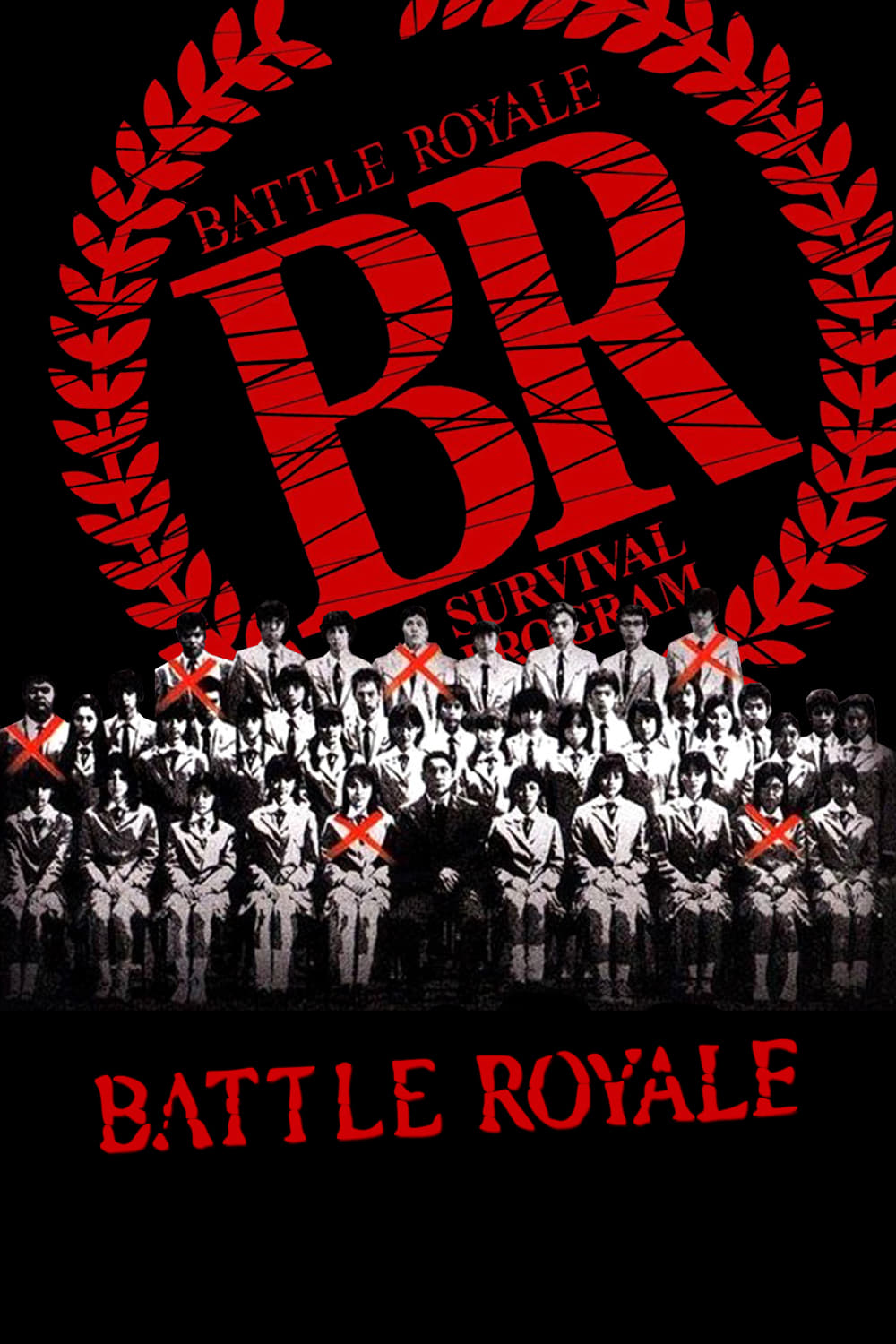
Japanese officials and parent groups criticized the film’s graphic depiction of student-on-student violence, prompting heated Diet debates about media effects. Domestic distribution was initially limited to select theaters under a strict rating, and some international markets delayed or blocked releases. Publishers and educators wrestled with whether to recommend or restrict the source novel alongside the film. Home-video availability varied by region due to ongoing classification disputes.
‘Oldboy’ (2003)
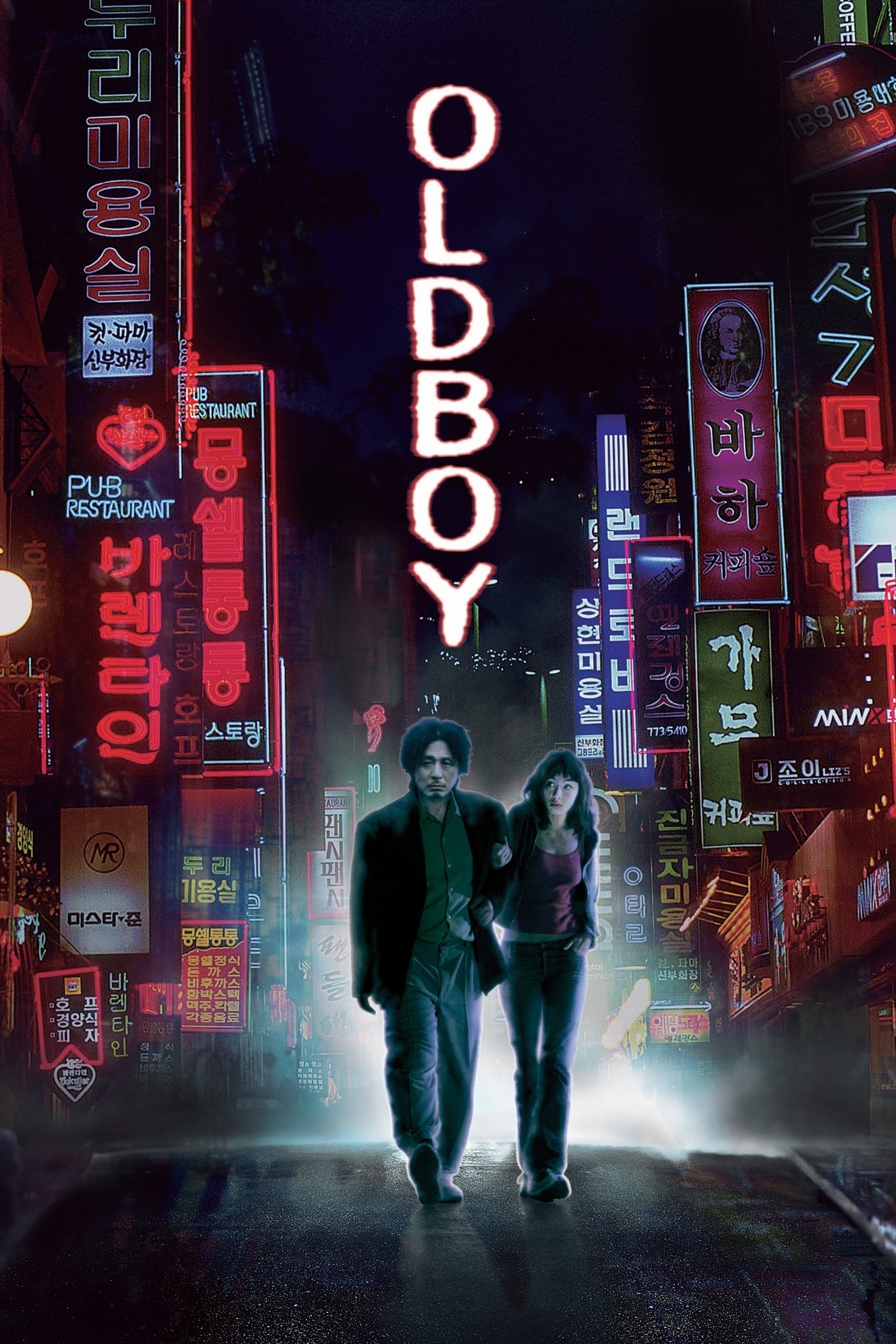
Censors in multiple territories demanded cuts to scenes of violence and animal cruelty, leading to alternate versions. Advocacy groups criticized the live-octopus sequence, prompting statements from animal-welfare organizations. Festival programmers fielded complaints while also defending artistic context under local regulations. Import policies and retailer guidelines created a patchwork path to mainstream availability.
‘Shortbus’ (2006)

Because of sexual content, ratings boards in several countries refused standard certification, pushing the film toward art-house circuits. Airlines and broadcasters rejected licensed edits, citing internal policies on explicit imagery. Promotional materials faced restrictions on public transit and billboards in major cities. The distributor created territory-specific campaigns to address exhibition hurdles.
‘9 Songs’ (2004)

The explicit concert-and-relationship structure triggered debates about whether the film constituted pornography or art cinema. Classification bodies issued the harshest ratings available, with some territories imposing edits. Retailers in conservative regions declined to stock discs, and libraries faced patron challenges. Critics and academics used it as a case study in evolving obscenity standards.
‘Martyrs’ (2008)
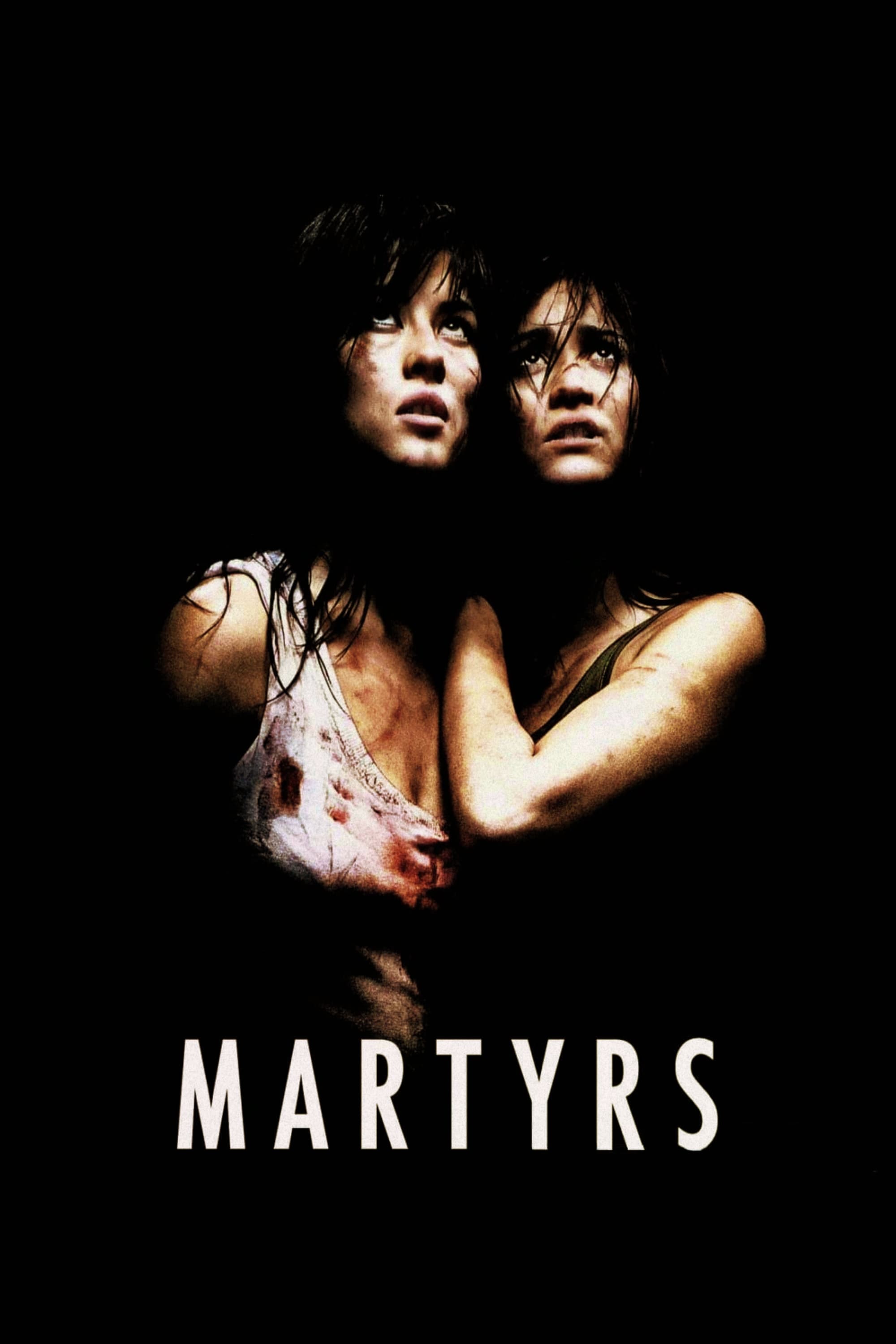
National boards weighed bans versus heavily cut releases due to extreme violence and psychological torture. Festival screenings included content warnings and age-enforcement measures, with reports of walkouts. Some countries granted only limited theatrical runs or festival-only permits. Uncut home releases sparked renewed media coverage about regulation consistency.
‘Saw’ (2004)

Authorities in several markets required edits to trap sequences before granting classification. Public debate over so-called “torture porn” intensified around the film’s success, pulling in lawmakers and child-safety advocates. Broadcasters aired toned-down versions during late-night slots with advisories. Successive reissues produced differing cuts as standards shifted.
‘Jackass: The Movie’ (2002)
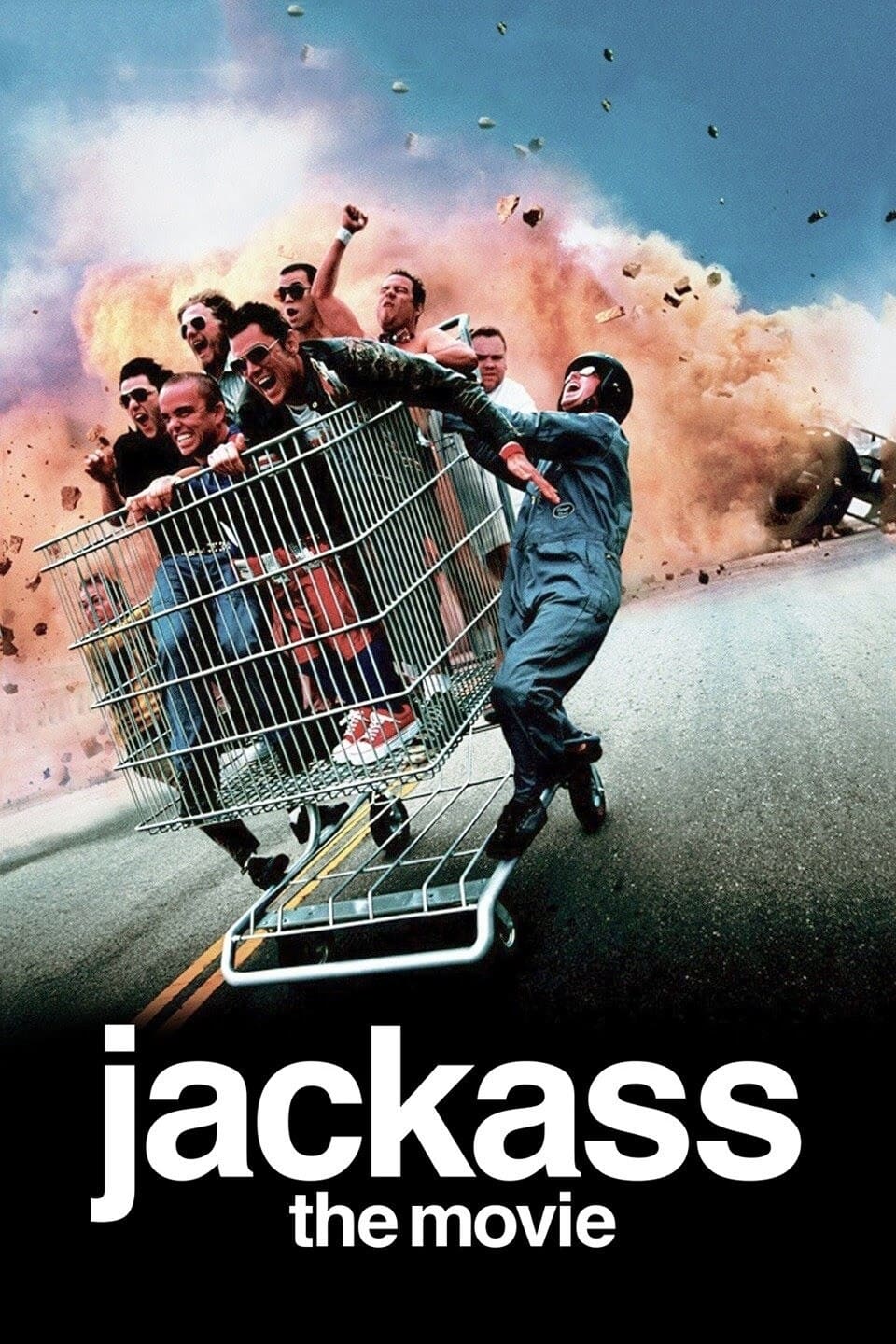
Hospitals and public-safety officials reported copycat injuries, prompting warnings and legal notifications tied to stunts. Lawsuits targeted the production and distributor over alleged harm and inadequate disclaimers. Municipalities discouraged promotional events, and some theaters posted additional signage. Television partners adopted stricter broadcast edits than typical for comparable content.
‘Paradise Now’ (2005)

Civic groups and officials objected to the portrayal of would-be attackers, leading to protests and calls for bans. Award campaigns drew political statements and lobbying from diaspora organizations. Distributors navigated title and terminology disputes in certain territories. Security considerations affected screenings at festivals and community venues.
‘The Magdalene Sisters’ (2002)
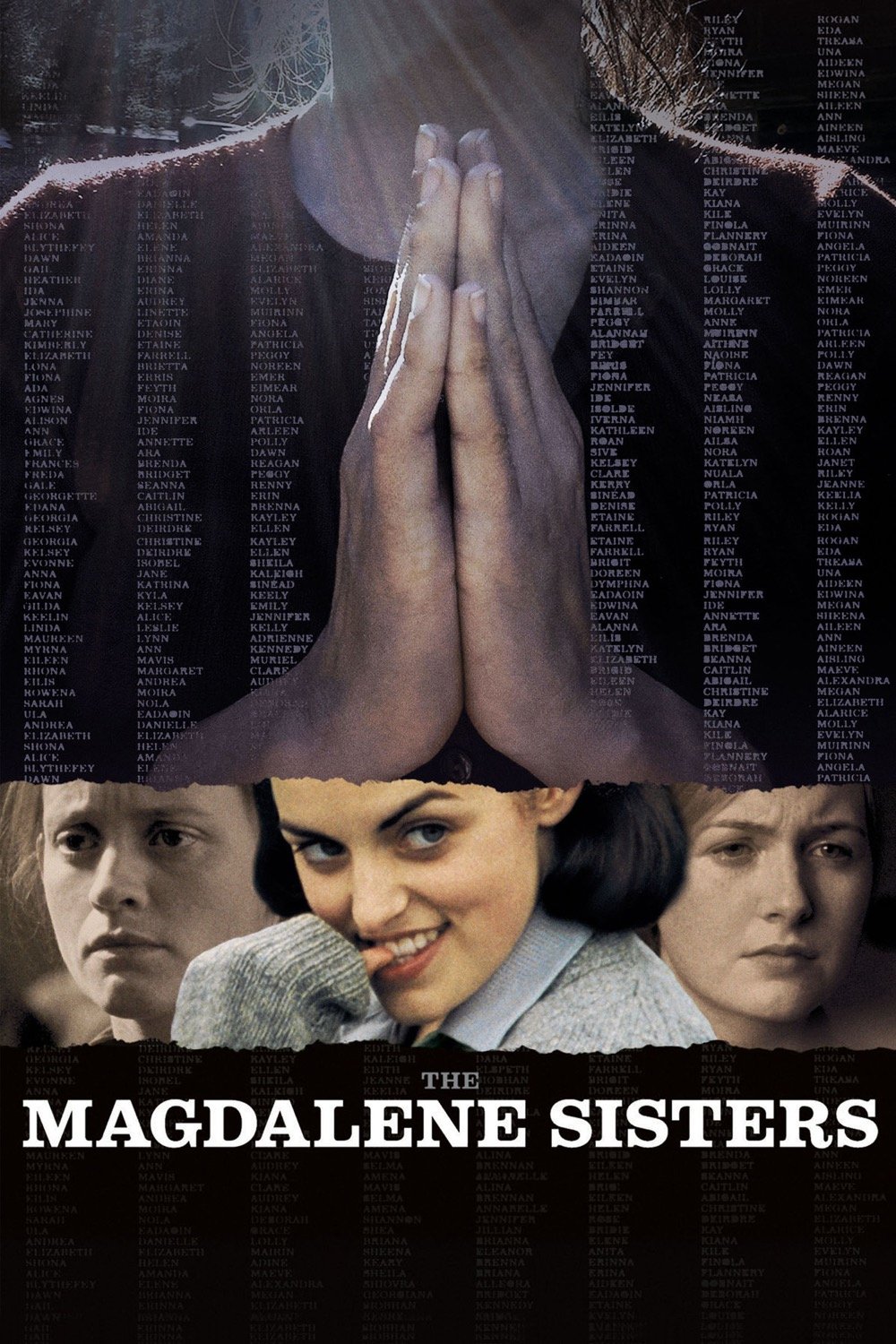
Catholic organizations condemned depictions of religious-run institutions, urging boycotts and public rebuttals. Politicians and advocacy groups clashed over whether the narrative defamed historical actors. Some broadcasters delayed television premieres pending legal review. Educational use became contentious, with school boards split on permissions.
‘Death of a President’ (2006)
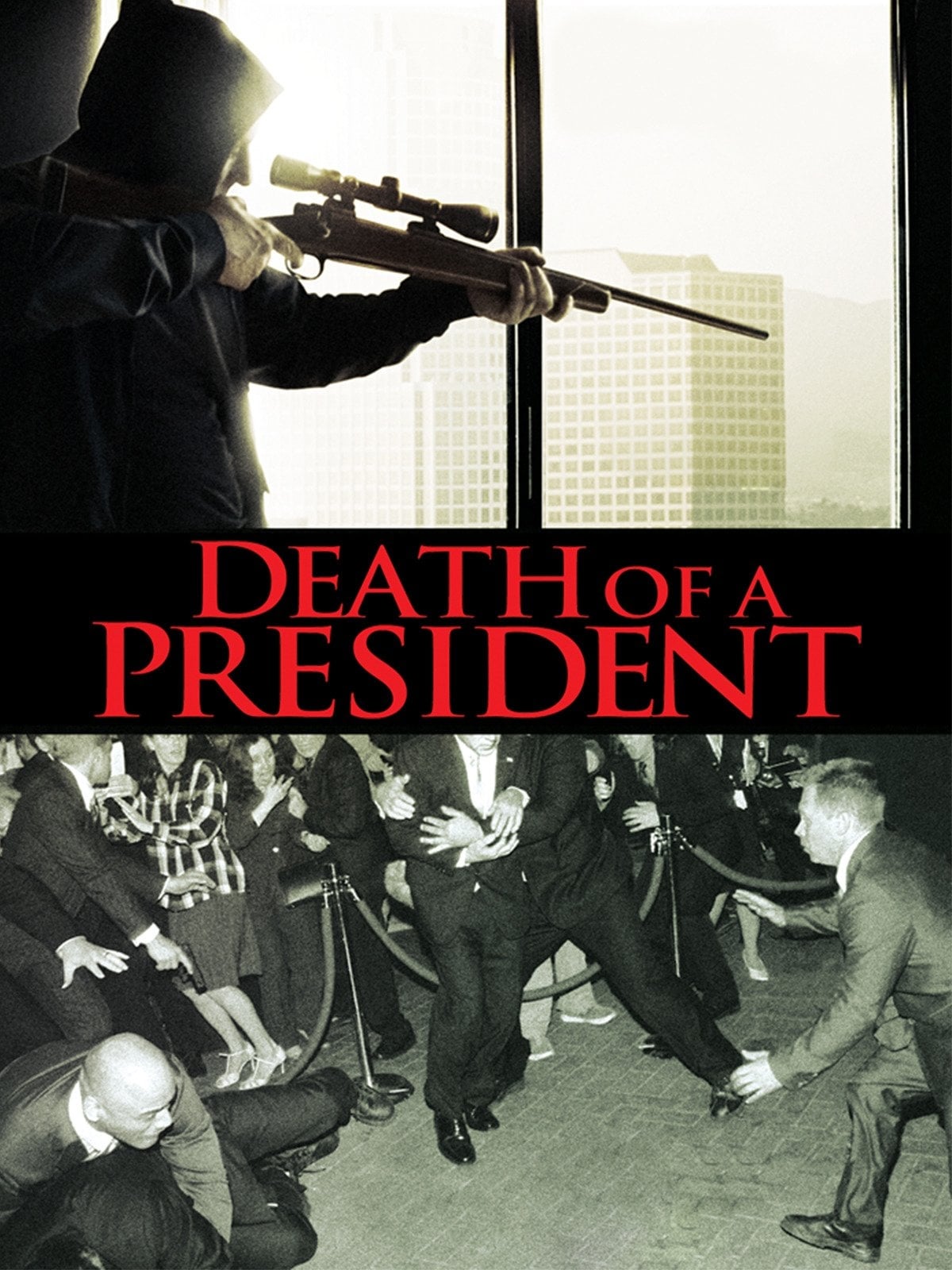
The mockumentary format, using a fictional presidential assassination, led major theater chains and broadcasters to decline bookings. Advertisers expressed brand-safety concerns, causing schedule reshuffles. Law-enforcement agencies issued statements clarifying no operational ties to the production. International festivals fielded diplomatic inquiries before confirming screenings.
‘The Kite Runner’ (2007)
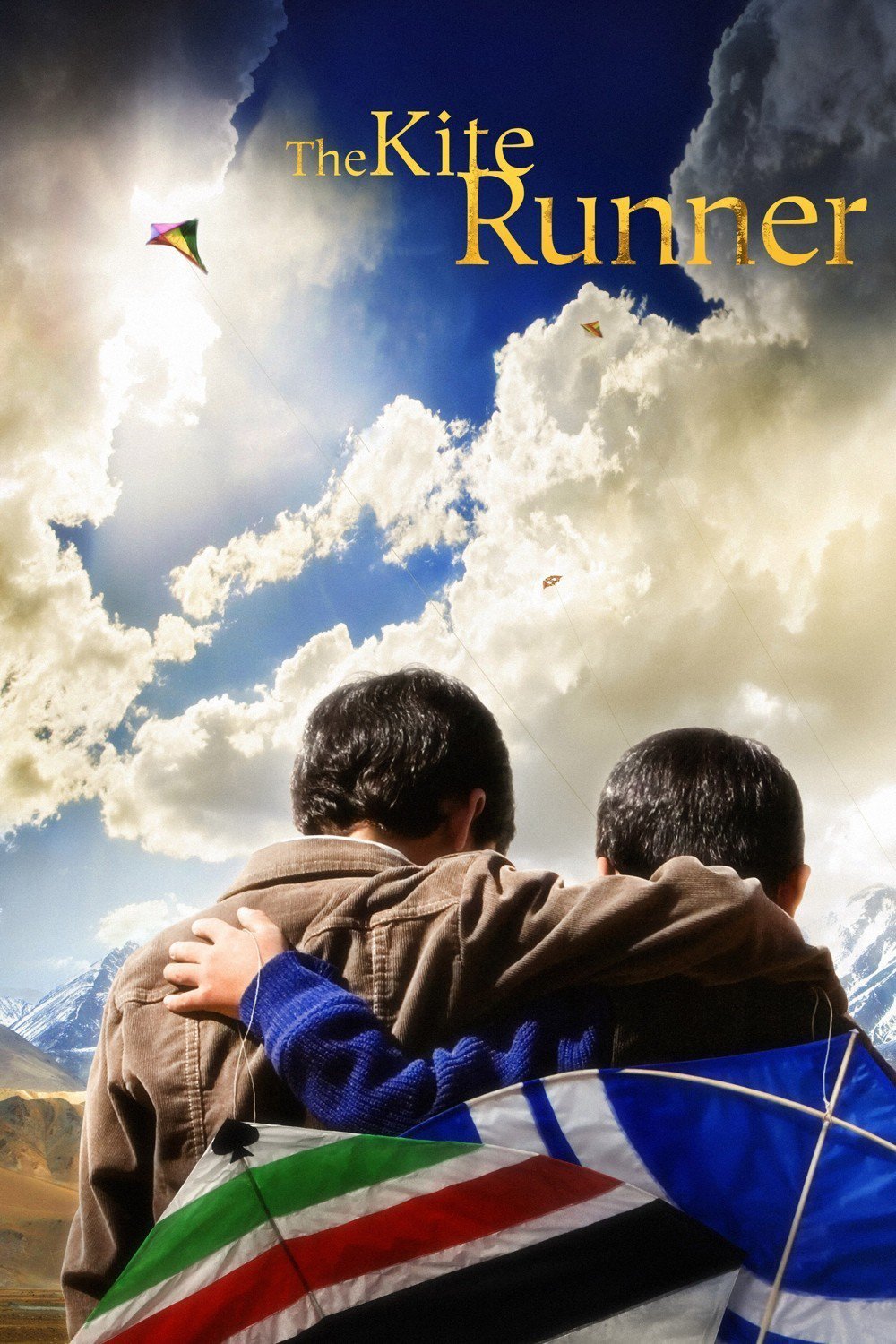
A sensitive assault scene involving child actors spurred security concerns for performers after production wrapped. The studio and NGOs coordinated relocation efforts to safeguard families. Domestic screenings in the story’s setting drew criticism and sporadic cancellations. Release strategies emphasized community outreach and contextual materials.
‘Towelhead’ (2007)
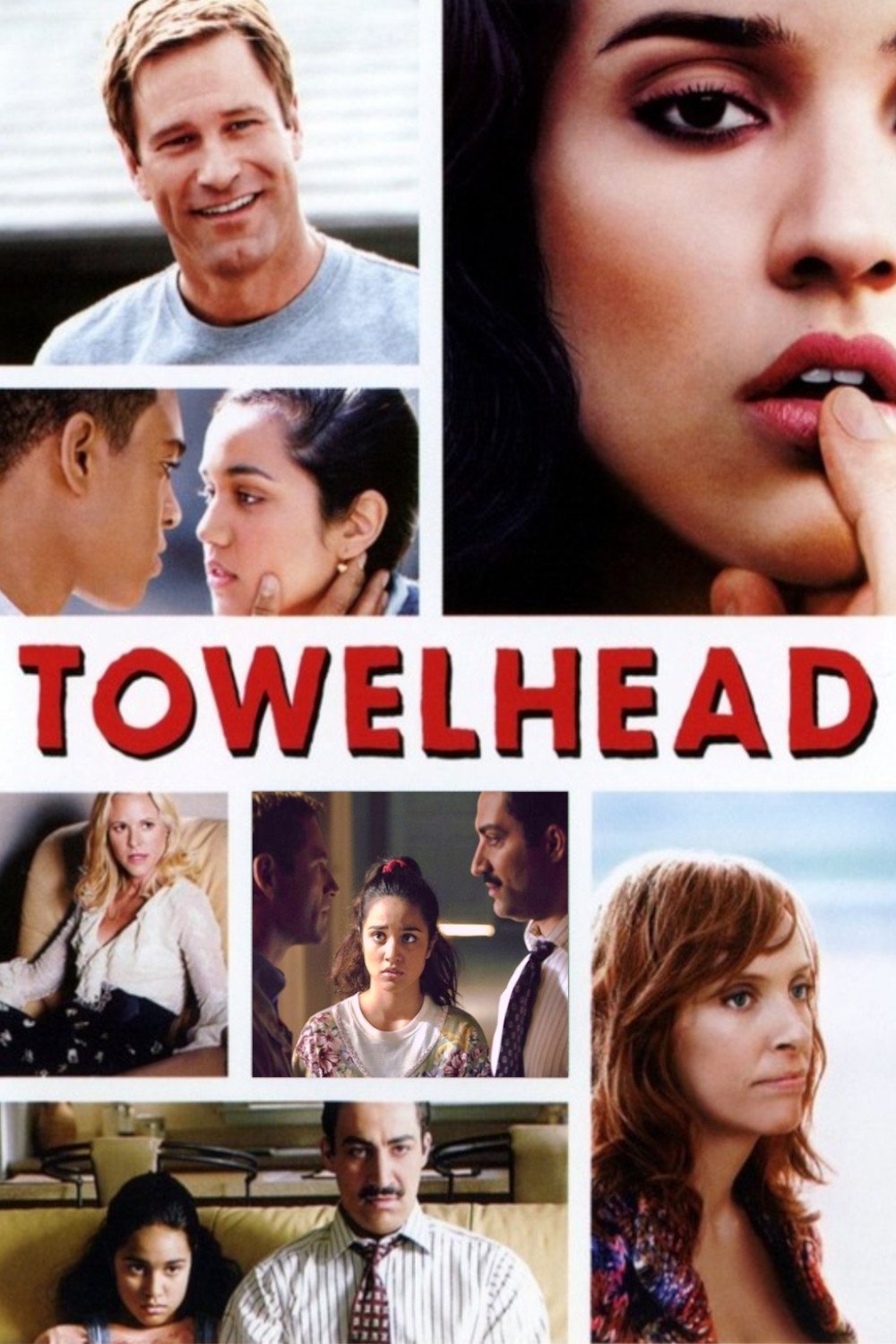
Advocacy groups objected to the original title and subject matter, organizing petitions against theaters and chains. City councils and school boards debated whether marketing materials should appear near youth spaces. The distributor weighed alternate titles for certain regions to reduce friction. Ratings discussions centered on sexual content and the depiction of a minor.
‘The Road to Guantanamo’ (2006)
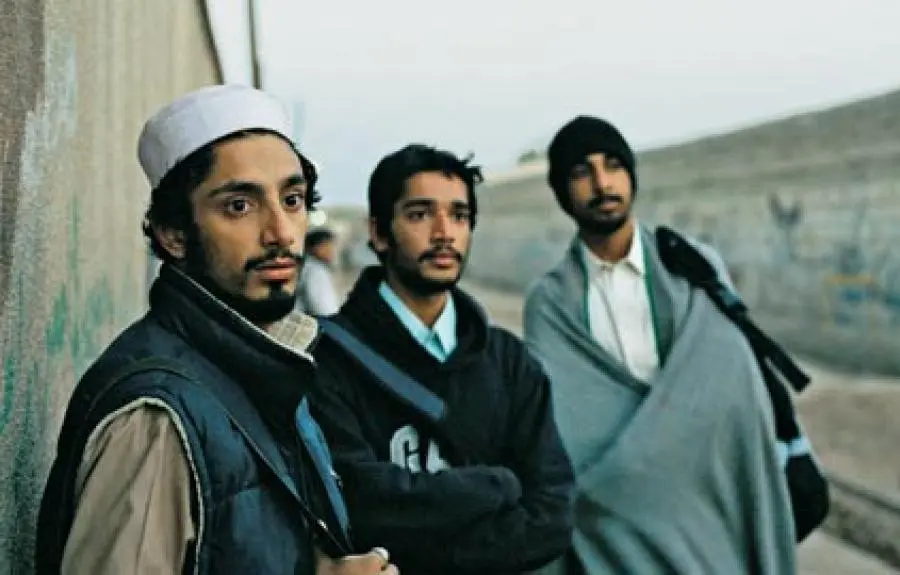
Officials disputed parts of the docudrama’s account, issuing detailed rebuttals and challenging interview methods. Airport detentions of the real-life subjects kept the film in the news cycle. Broadcasters paired airings with panel discussions and disclaimers to address accuracy concerns. Festival Q&As required additional security due to protests.
‘300’ (2006)
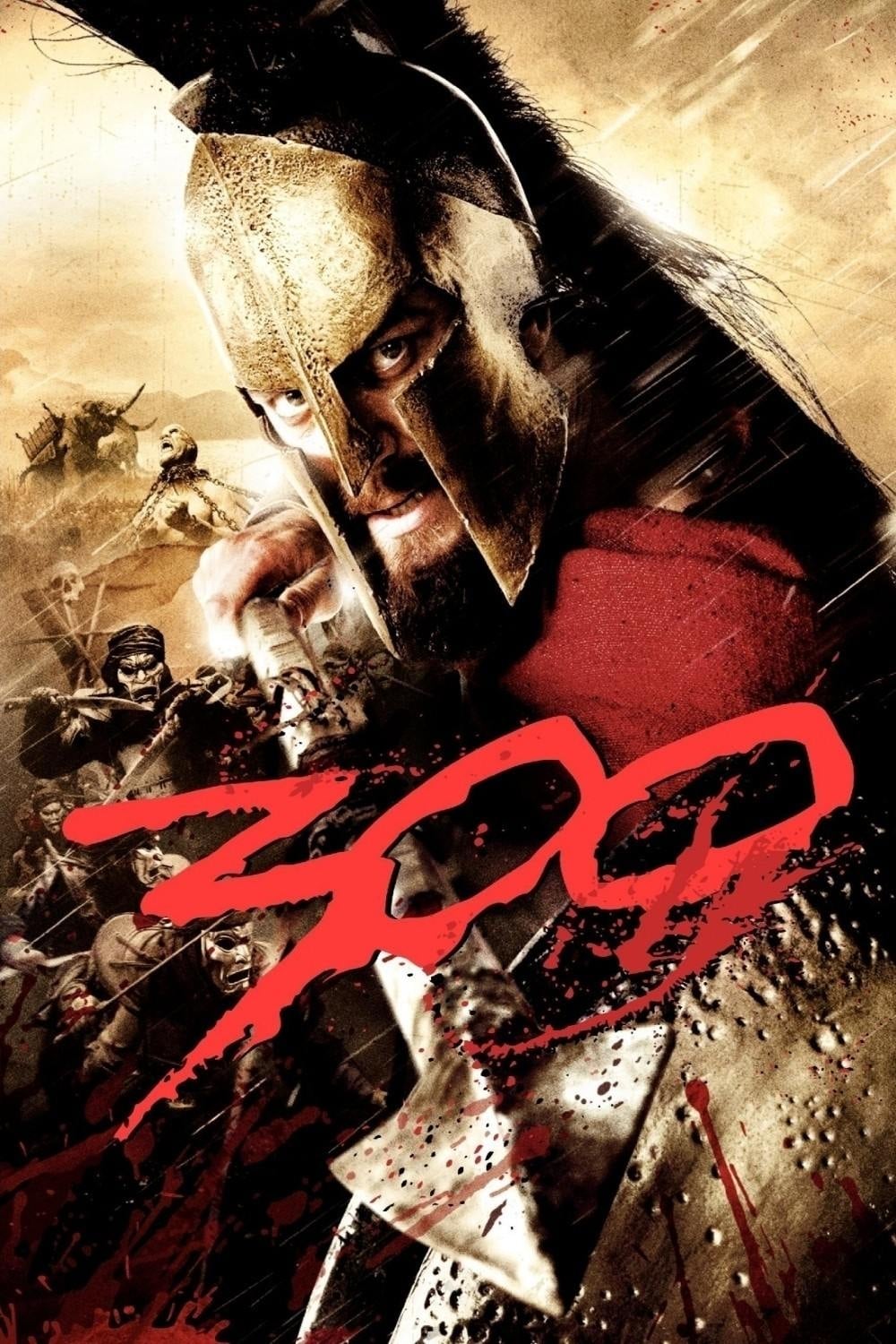
Cultural organizations and government spokespeople criticized its depiction of Persians, alleging historical distortion and stereotyping. Some cinemas reported organized demonstrations, while online campaigns pushed for boycotts. Historians debated the adaptation’s relationship to classical sources. International media coverage amplified diplomatic reactions alongside box-office reports.
‘Birth’ (2004)

A bathtub scene featuring an adult and a child actor, filmed with strict protocols and safeguards, drew sharp scrutiny and moral panic. Advocacy groups pressed for investigations and the toughest possible rating. Distributors edited promotional materials and limited certain advertising channels. The controversy overshadowed festival discussions of craft and performance.
Share your picks and experiences with these flashpoint titles in the comments!