1980s Thrillers That Are Completely Unwatchable Today


The 1980s churned out a huge slate of thrillers across studios and countries, mixing police procedurals, neo-noir mysteries, erotic suspense, giallo slashers, and psychological mind-benders. Below is a cross-section of that decade’s output, with key details on creators, casts, settings, controversies, and production contexts. You’ll find films from Hollywood and beyond, from directors who became household names to one-offs that left an outsized cultural footprint. Each entry highlights who made it, who starred in it, where it was set or shot, notable scenes or motifs, and why it still gets referenced whenever people talk about the era’s thrillers.
‘Cruising’ (1980)
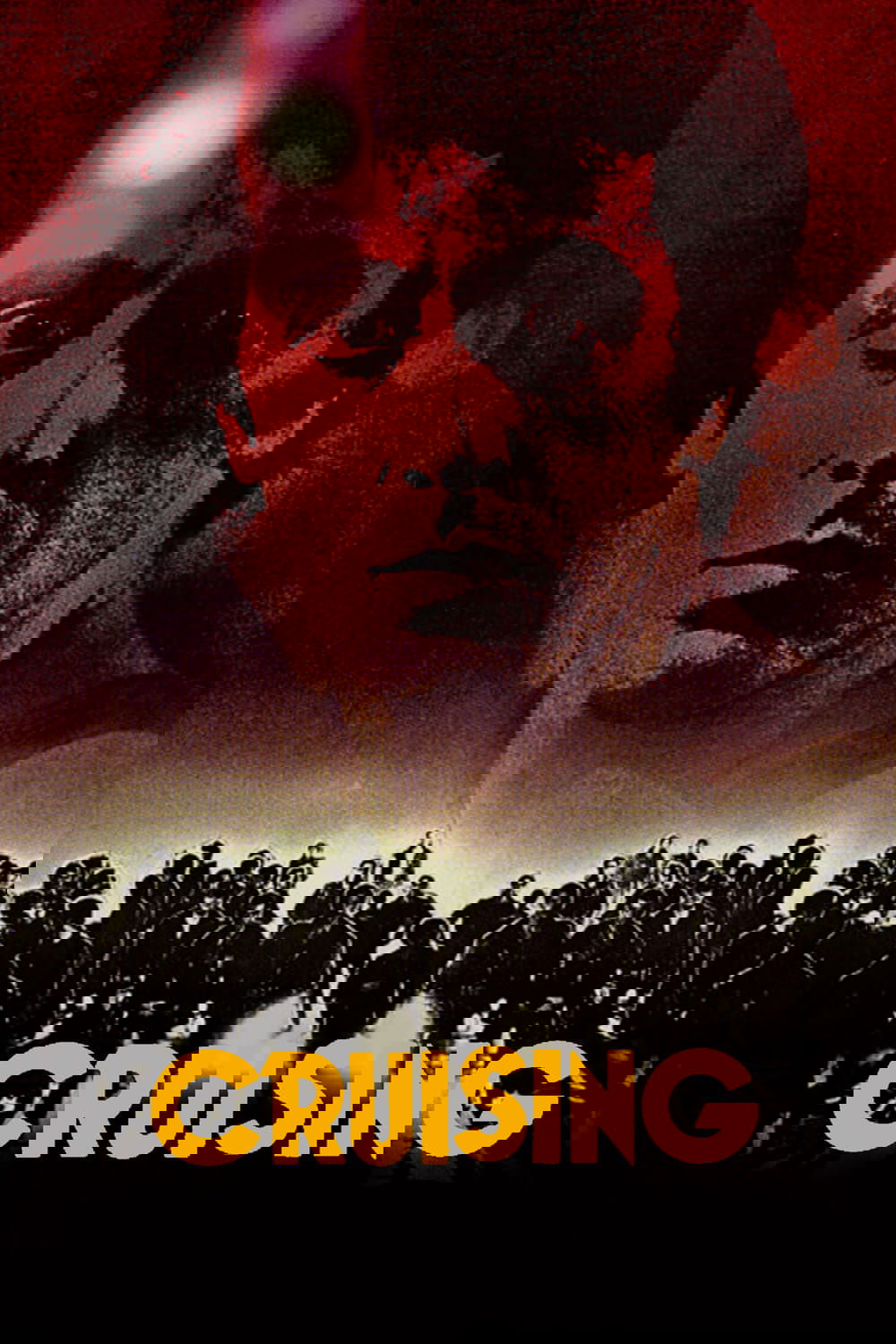
Directed by William Friedkin and starring Al Pacino as an undercover detective, this crime thriller follows an investigation inside New York’s leather-bar subculture. It adapts Gerald Walker’s novel and uses extensive location footage across Manhattan. The production drew attention for on-location club sequences and for employing members of the community as extras. The release sparked protests and discussions around representation, keeping the film in the media spotlight.
‘Dressed to Kill’ (1980)
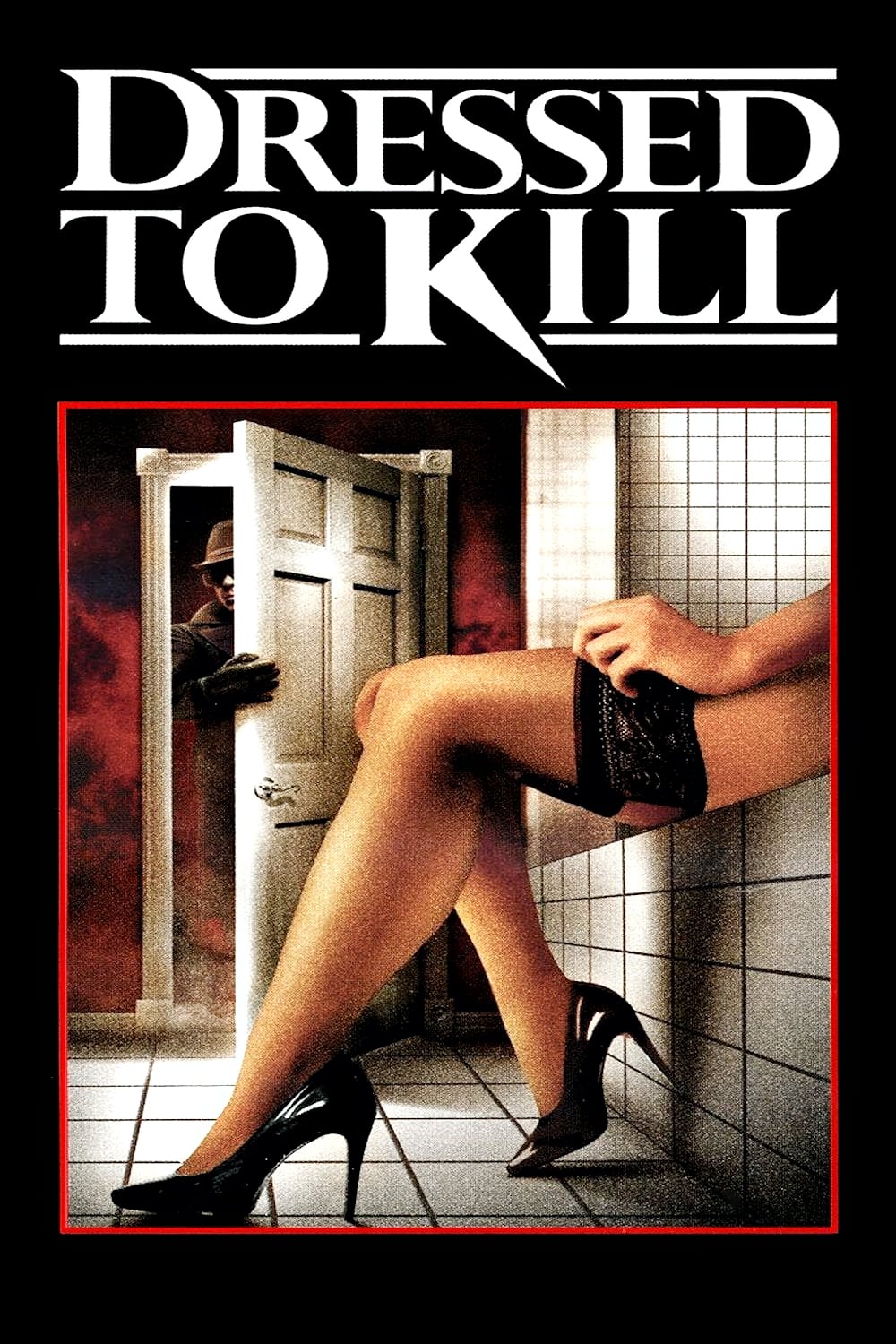
Brian De Palma wrote and directed this murder mystery centered on intersecting lives around a brutal killing in New York. The cast includes Michael Caine, Angie Dickinson, and Nancy Allen, with a Pino Donaggio score that leans into suspense motifs. Its stylized set pieces—particularly a wordless museum sequence—became widely studied in film courses. The movie figured in censorship debates and ratings disputes upon release.
‘The Fan’ (1981)

Based on Bob Randall’s novel, this thriller tracks a Broadway star targeted by an obsessive admirer. Lauren Bacall headlines as the performer at the center of the threats, with Michael Biehn portraying the stalker. Set within New York’s theater world, the story incorporates rehearsal halls, stage doors, and opening-night pressures. Publicity emphasized real-world concerns about celebrity security and fan culture.
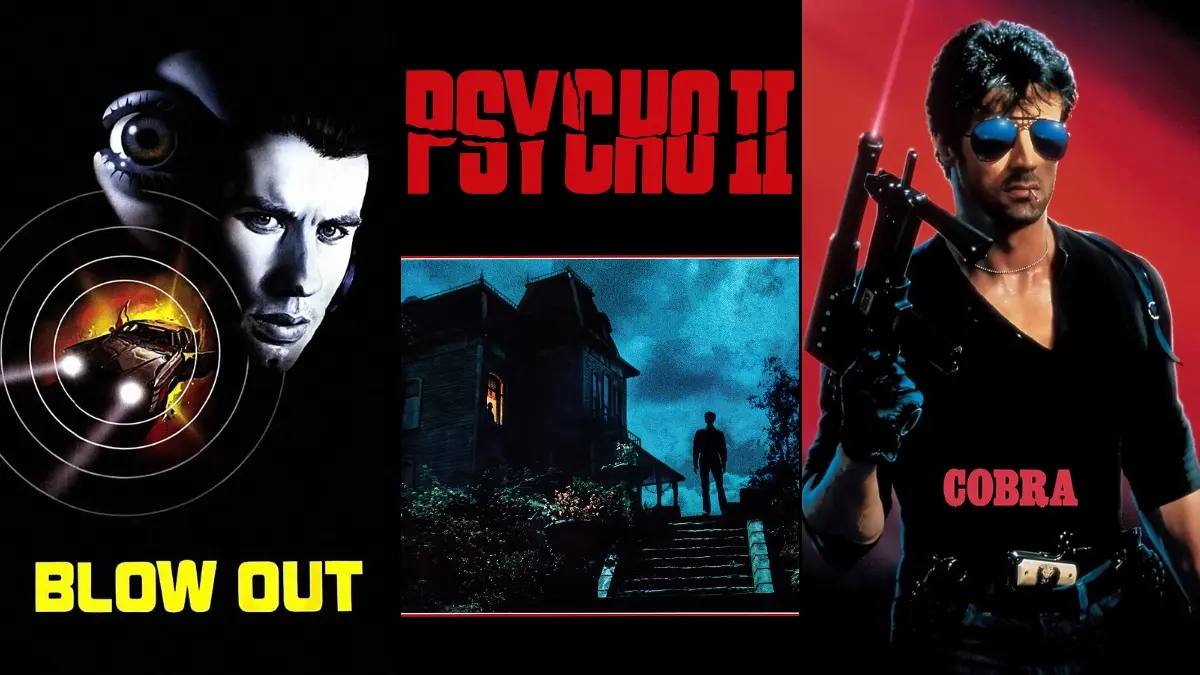
‘Blow Out’ (1981)
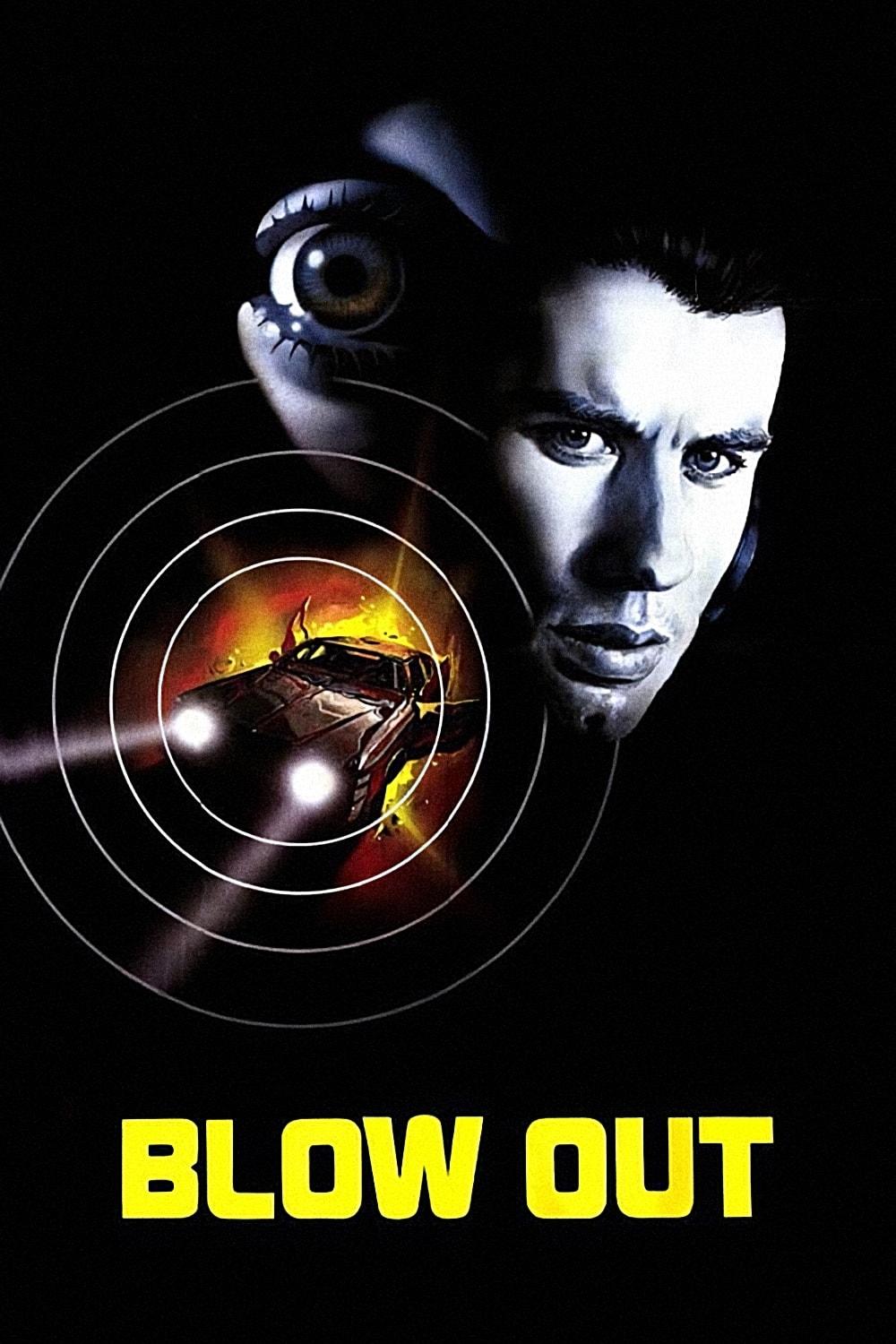
John Travolta plays a sound technician who inadvertently records evidence of a crime, anchoring Brian De Palma’s conspiracy thriller. The story unfolds in Philadelphia, using local landmarks and a parade sequence as key backdrops. Nancy Allen co-stars, and the film is noted for split-diopter shots and intricate sound design. Its premise highlights how recorded media can re-cut and remix reality.
‘Nighthawks’ (1981)
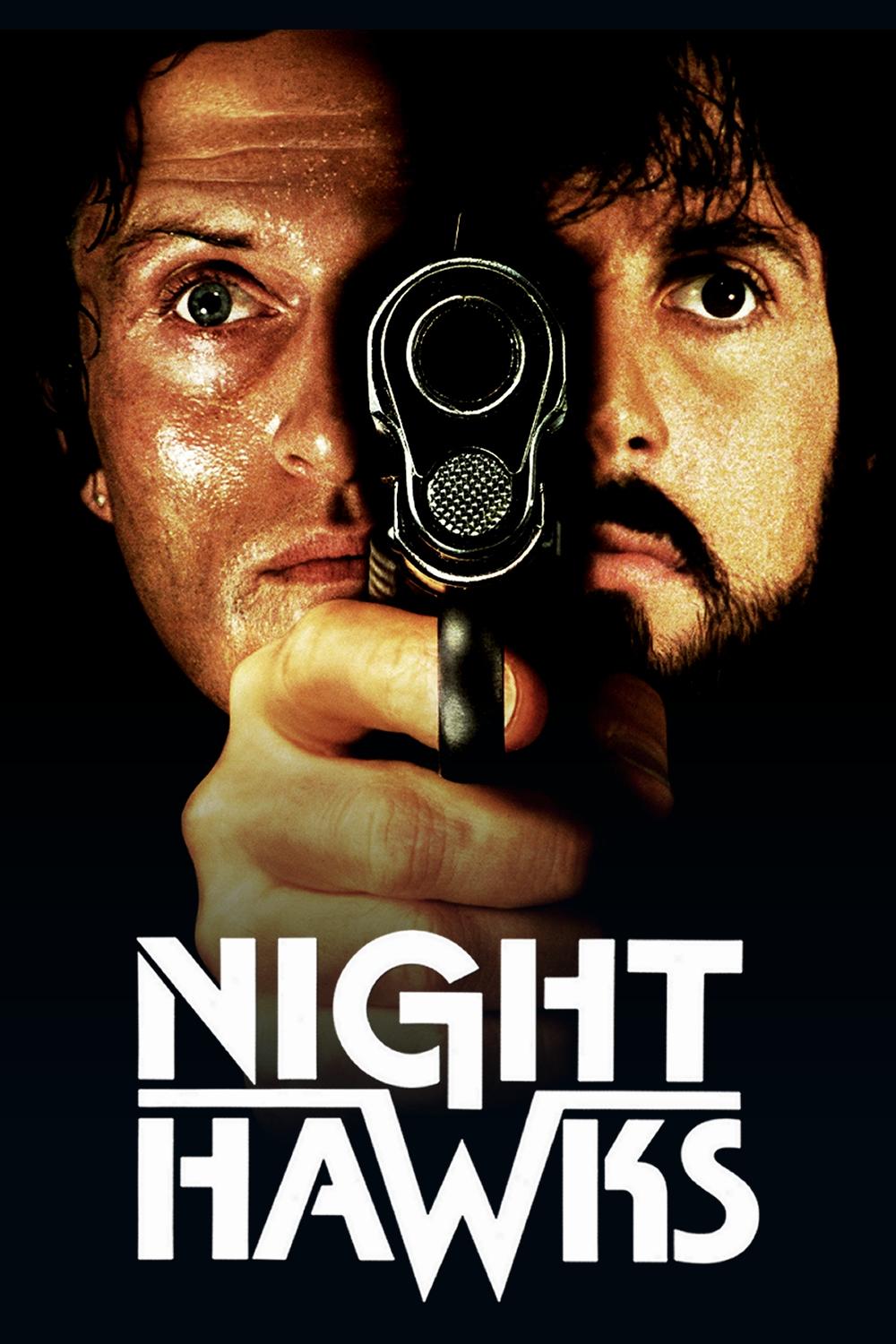
This urban thriller pairs Sylvester Stallone and Billy Dee Williams as New York detectives tracking an international terrorist played by Rutger Hauer. The narrative moves through subways, night streets, and department stores, emphasizing cat-and-mouse set pieces. It drew on counter-terrorism themes in law-enforcement training of the period. Hauer’s turn served as a major introduction to American audiences.
‘The New York Ripper’ (1982)
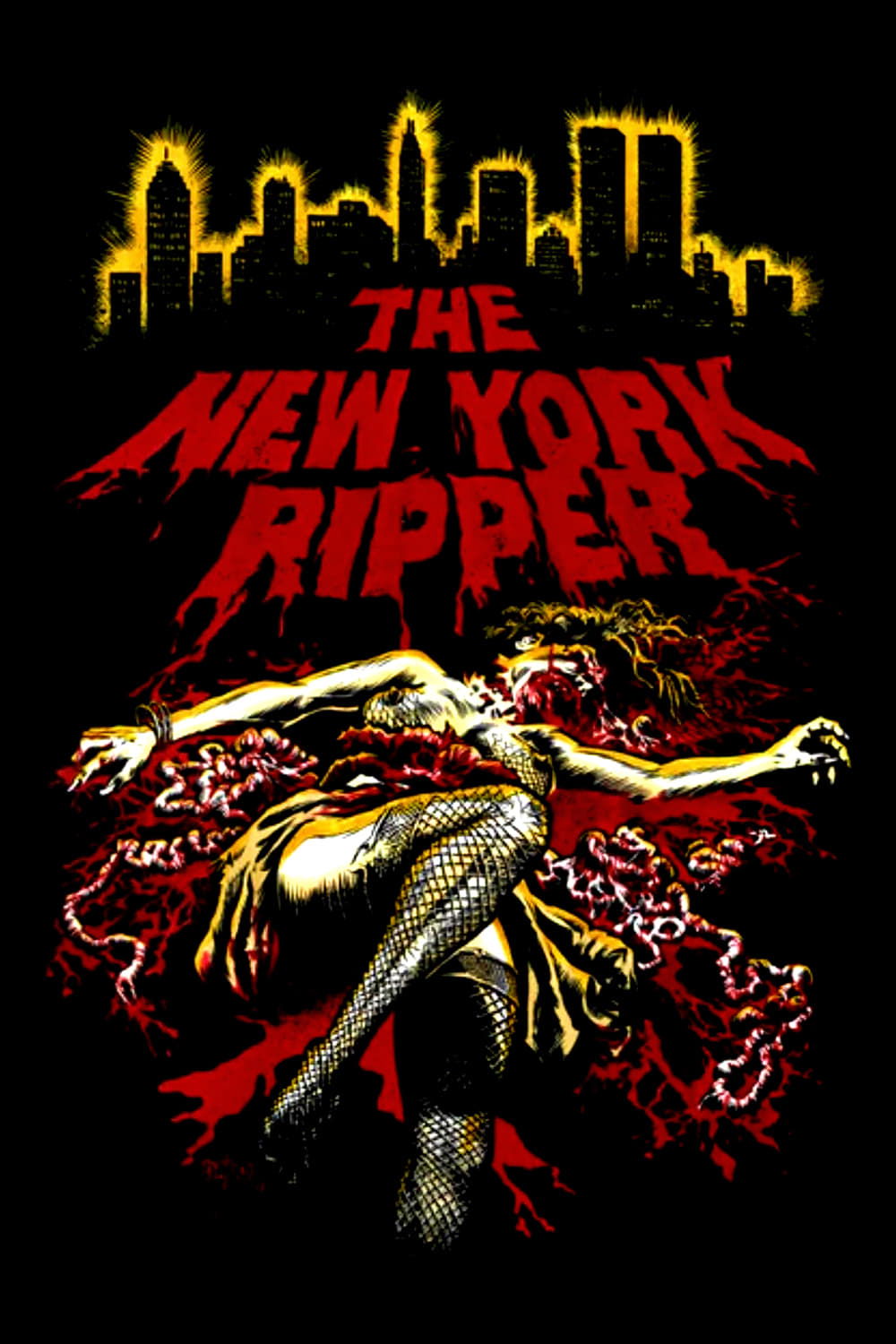
Lucio Fulci’s giallo follows a series of murders investigated by a dogged detective across seedy corners of New York. The production blends Italian genre stylings with Manhattan locations, creating a cross-Atlantic feel typical of the era’s co-productions. Its release history includes multiple cuts and bans in various markets. The movie became a touchpoint in censorship discussions surrounding graphic content.
‘The Entity’ (1982)
Starring Barbara Hershey and directed by Sidney J. Furie, this supernatural-leaning thriller adapts a book by Frank DeFelitta inspired by a controversial case study. The narrative tracks a single mother who seeks help from parapsychologists and medical professionals. Charles Bernstein composed the score, giving the film a distinctive recurring motif. University-lab sequences frame much of the investigation through instrumented experiments and monitoring.
‘Tenebre’ (1982)
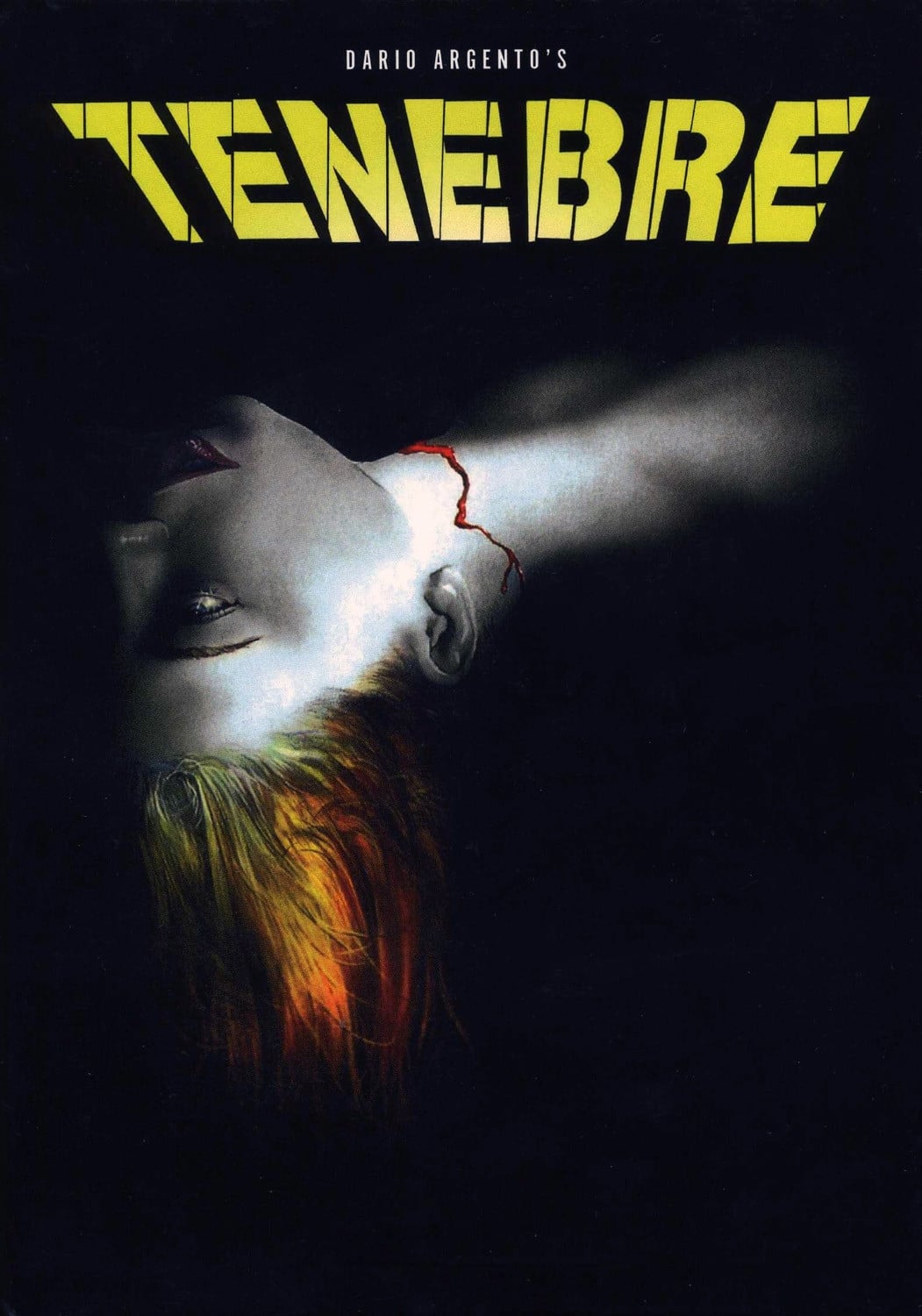
Dario Argento’s thriller follows a novelist whose latest release appears to inspire a string of killings. Rome provides the primary setting, with modernist architecture and bright interiors used as visual counterpoints to the violence. The score, by former Goblin members, leans on propulsive electronics. Elaborate camera movements and choreographed murder set pieces became hallmarks cited by later filmmakers.
‘Videodrome’ (1983)
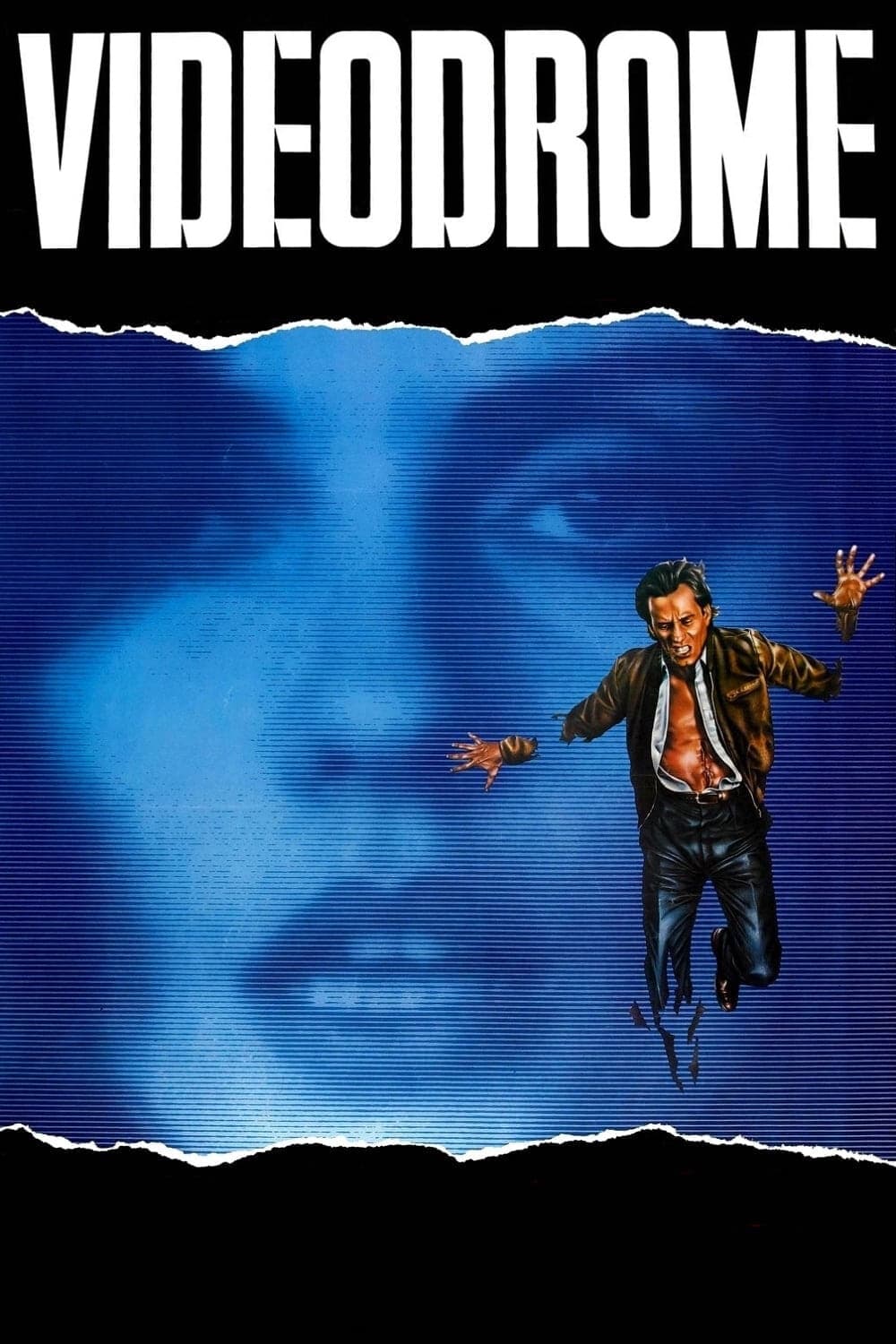
David Cronenberg’s techno-paranoia thriller centers on a TV executive who stumbles onto a broadcast signal with disturbing effects. James Woods and Debbie Harry headline, supported by practical effects that blend media hardware with the human body. Its Toronto setting doubles for a broader commentary on broadcasting and signal piracy. The film’s vocabulary and imagery became staples in discussions of media theory and body horror.
‘Psycho II’ (1983)
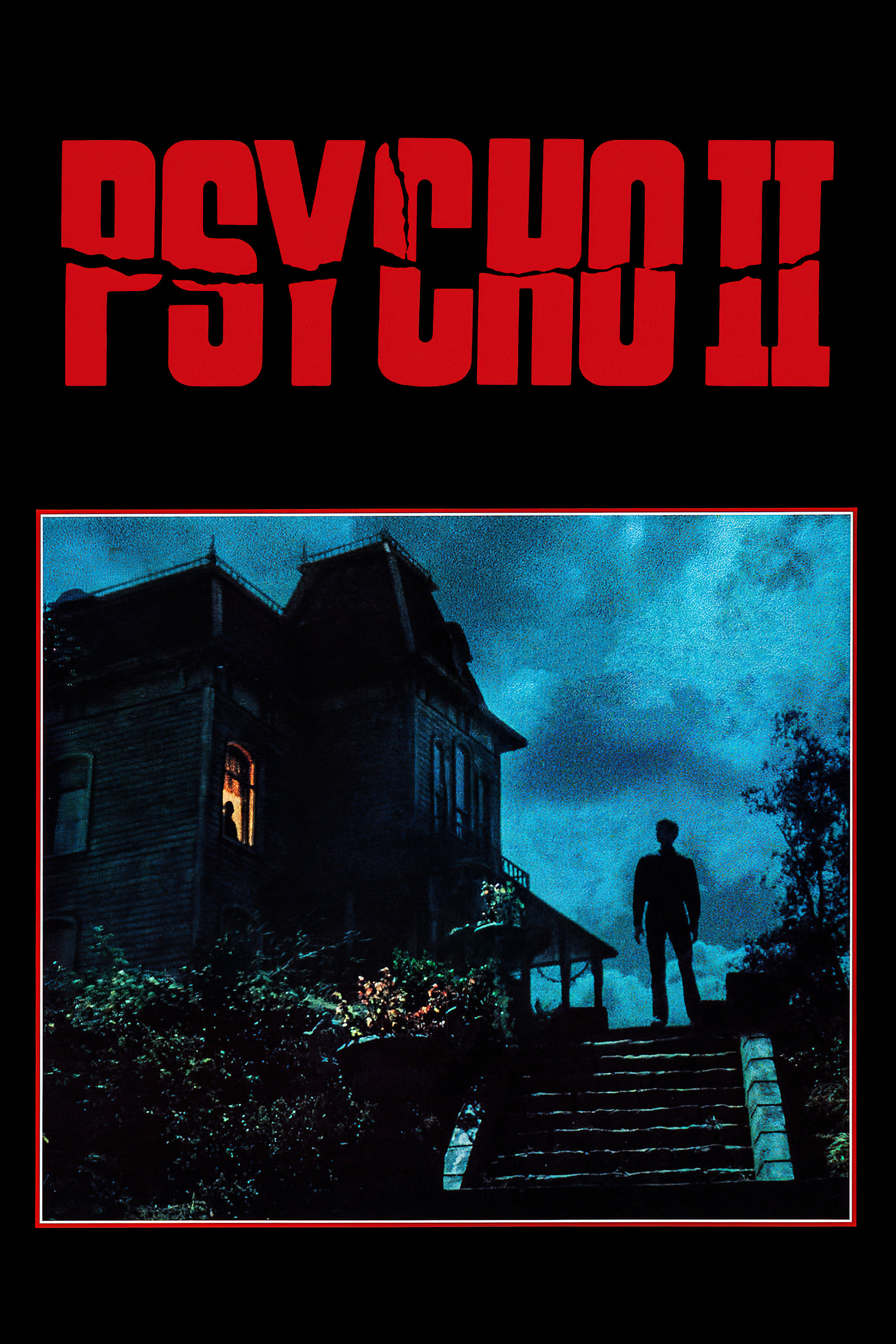
This follow-up to Alfred Hitchcock’s landmark story returns to Norman Bates after an extended institutional stay. Anthony Perkins reprises the role, with Meg Tilly and Vera Miles in key parts. The production rebuilt familiar spaces like the Bates house and motel, emphasizing continuity with earlier iconography. Mystery elements drive the plot as anonymous notes and staged incidents escalate tensions around Norman’s attempt at reintegration.
‘Body Double’ (1984)
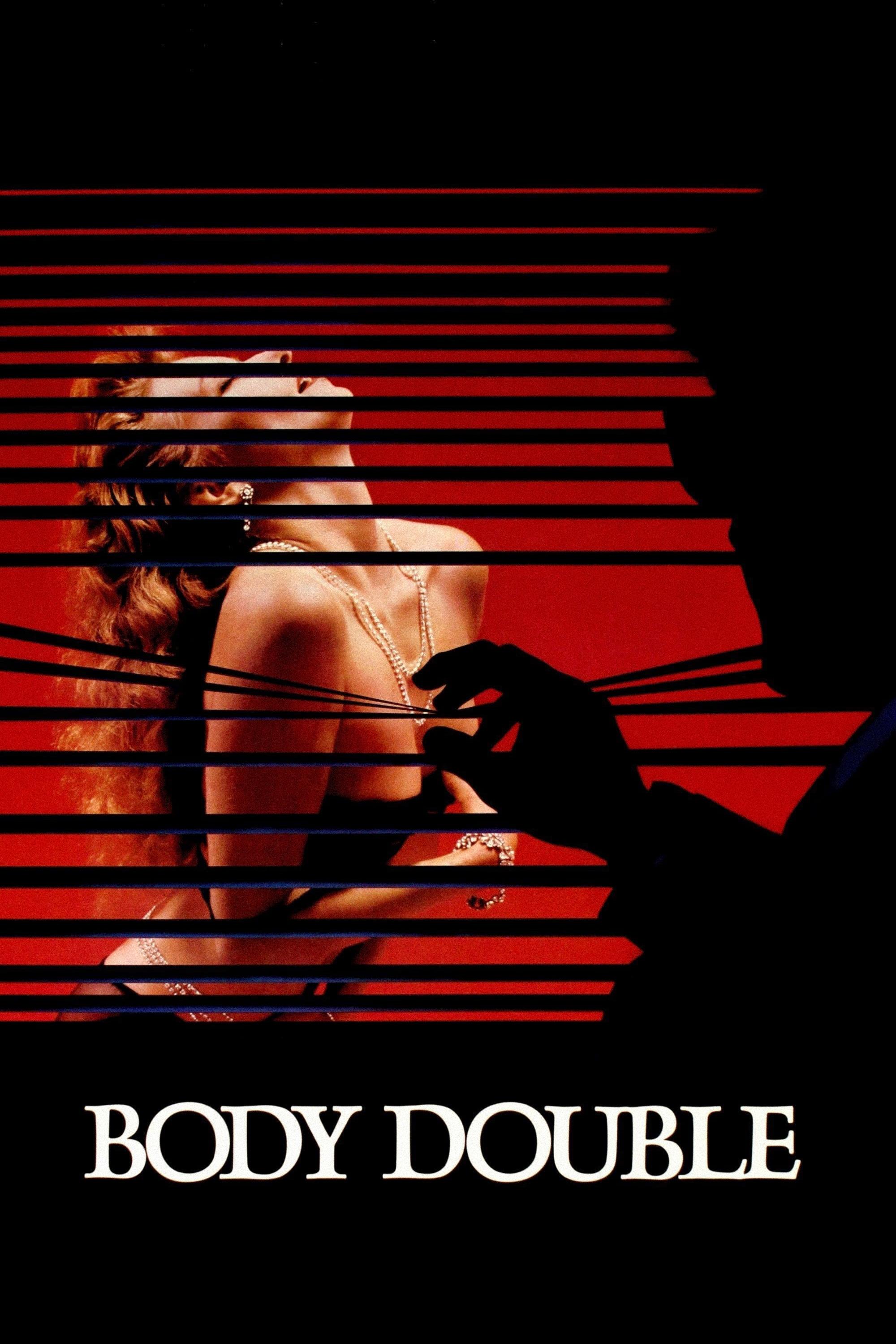
Brian De Palma crafts a Hollywood-set thriller about an actor who witnesses a possible crime while housesitting. The film draws on themes of voyeurism and movie-industry artifice, featuring scenes on studio backlots and in hillside homes. A performance sequence by Frankie Goes to Hollywood punctuates its stylized approach. Its plotting openly echoes influences from ‘Rear Window’ and ‘Vertigo’, filtered through Los Angeles noir.
‘Tightrope’ (1984)
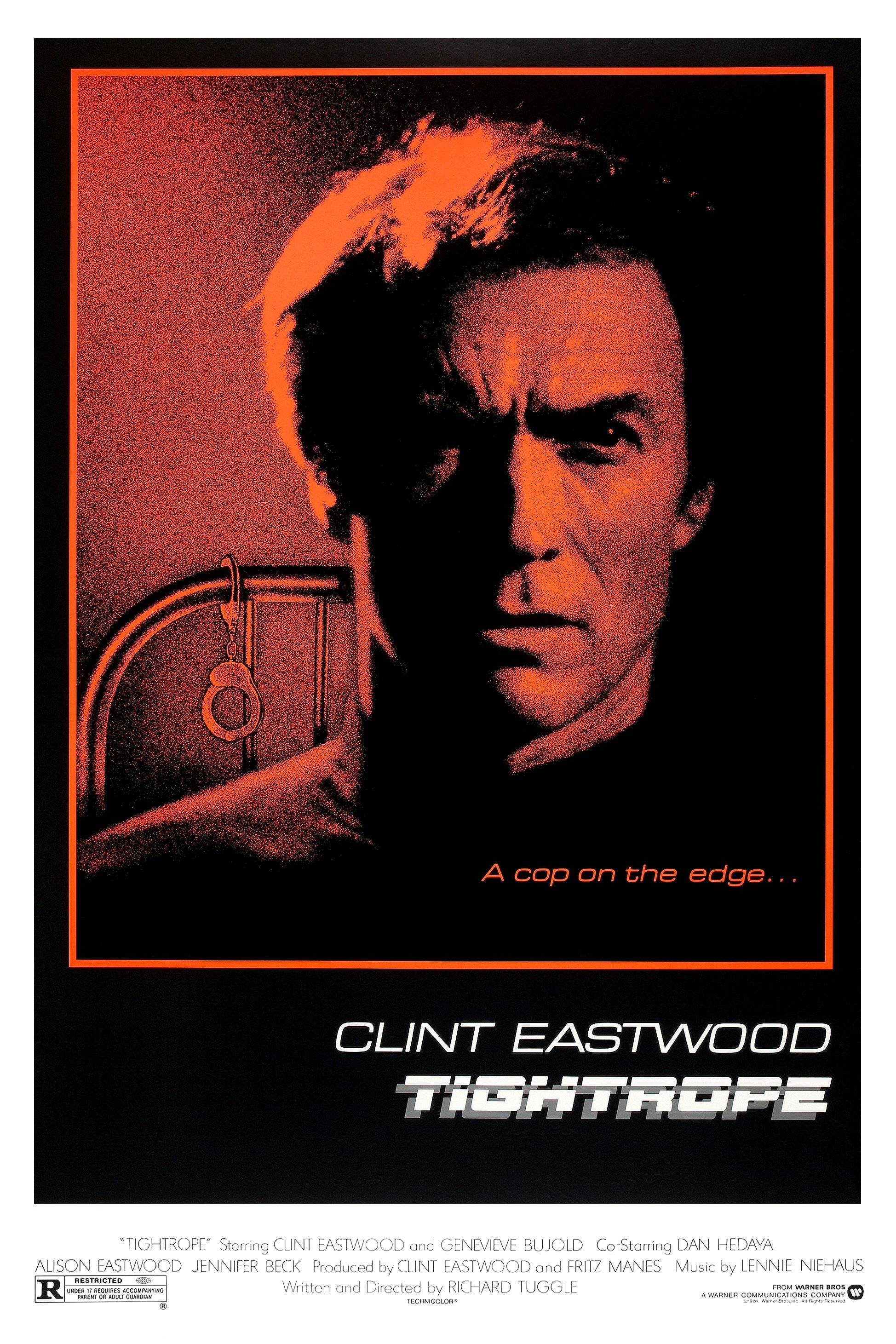
Clint Eastwood stars as a New Orleans detective pursuing a serial murderer whose crimes mirror the city’s shadowy nightlife. The movie blends police-procedural elements with a focus on the lead character’s home life and vulnerabilities. Alison Eastwood appears as the protagonist’s daughter, grounding domestic stakes amid the investigation. Location photography emphasizes French Quarter streets and industrial spaces along the river.
‘Year of the Dragon’ (1985)
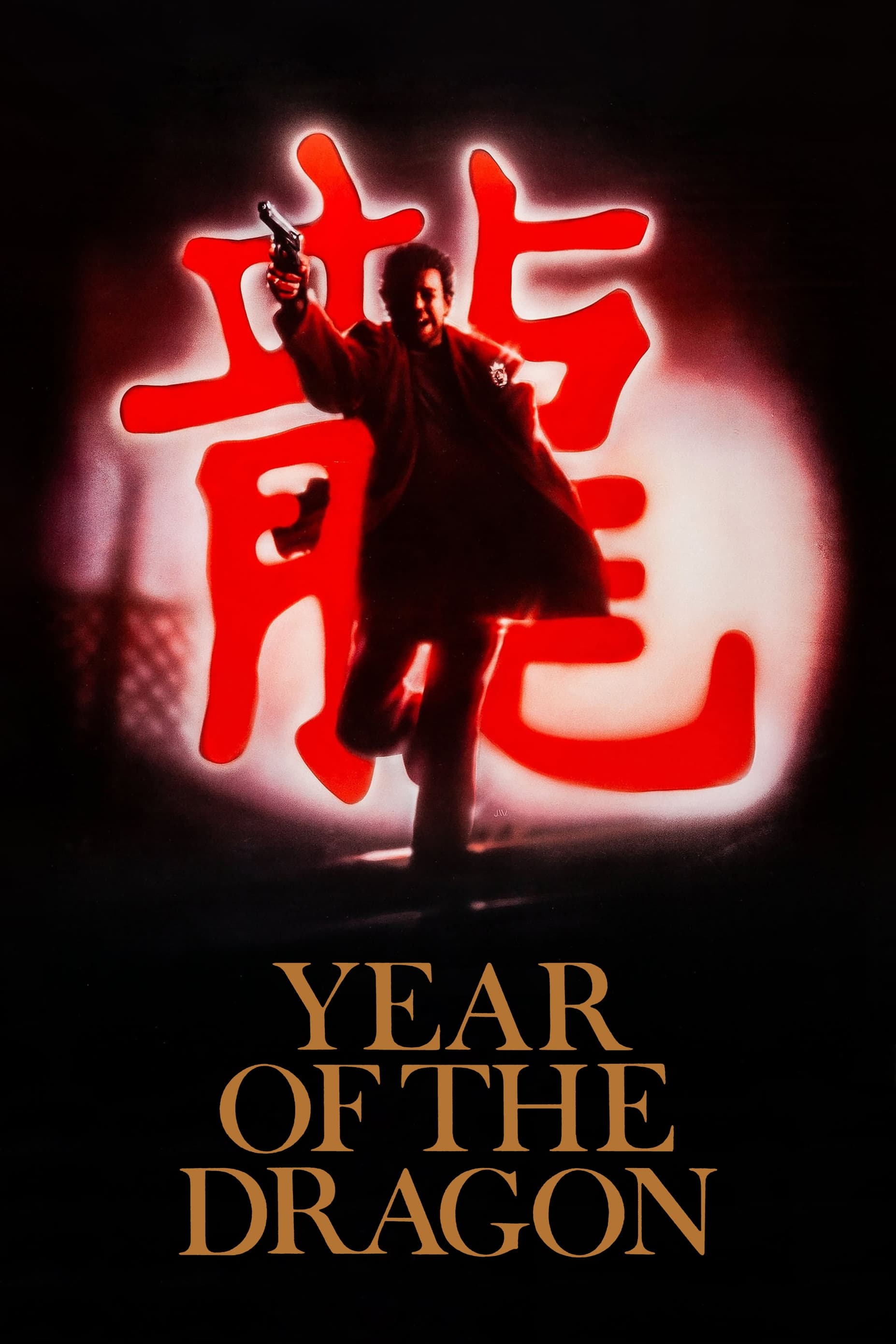
Michael Cimino directs this crime thriller set in New York’s Chinatown, with Mickey Rourke playing a driven precinct captain. The screenplay, co-written with Oliver Stone, pits police priorities against organized-crime operations. Large-scale sets complement location shooting, enabling extended action and nightclub sequences. Advocacy groups publicly challenged aspects of the portrayal, prompting high-profile statements during release.
‘Jagged Edge’ (1985)
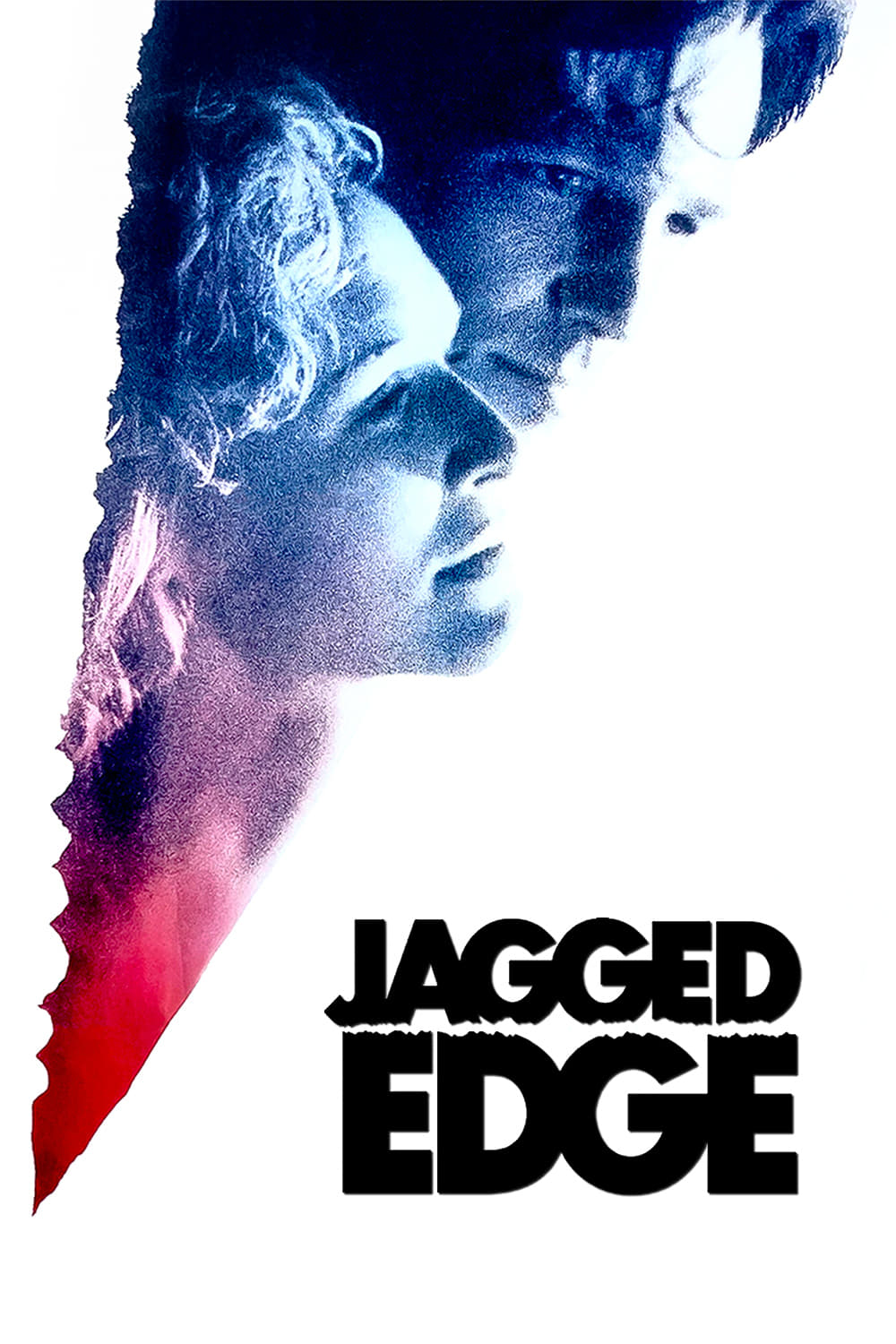
A San Francisco heiress’s murder leads to a high-stakes courtroom battle in this legal thriller. Glenn Close plays the defense attorney opposite Jeff Bridges as the prime suspect. Joe Eszterhas’s script structures evidence reveals around motions, jury dynamics, and cross-examinations. The film’s success helped energize a wave of late-decade legal and erotically tinged thrillers.
‘The Hitcher’ (1986)
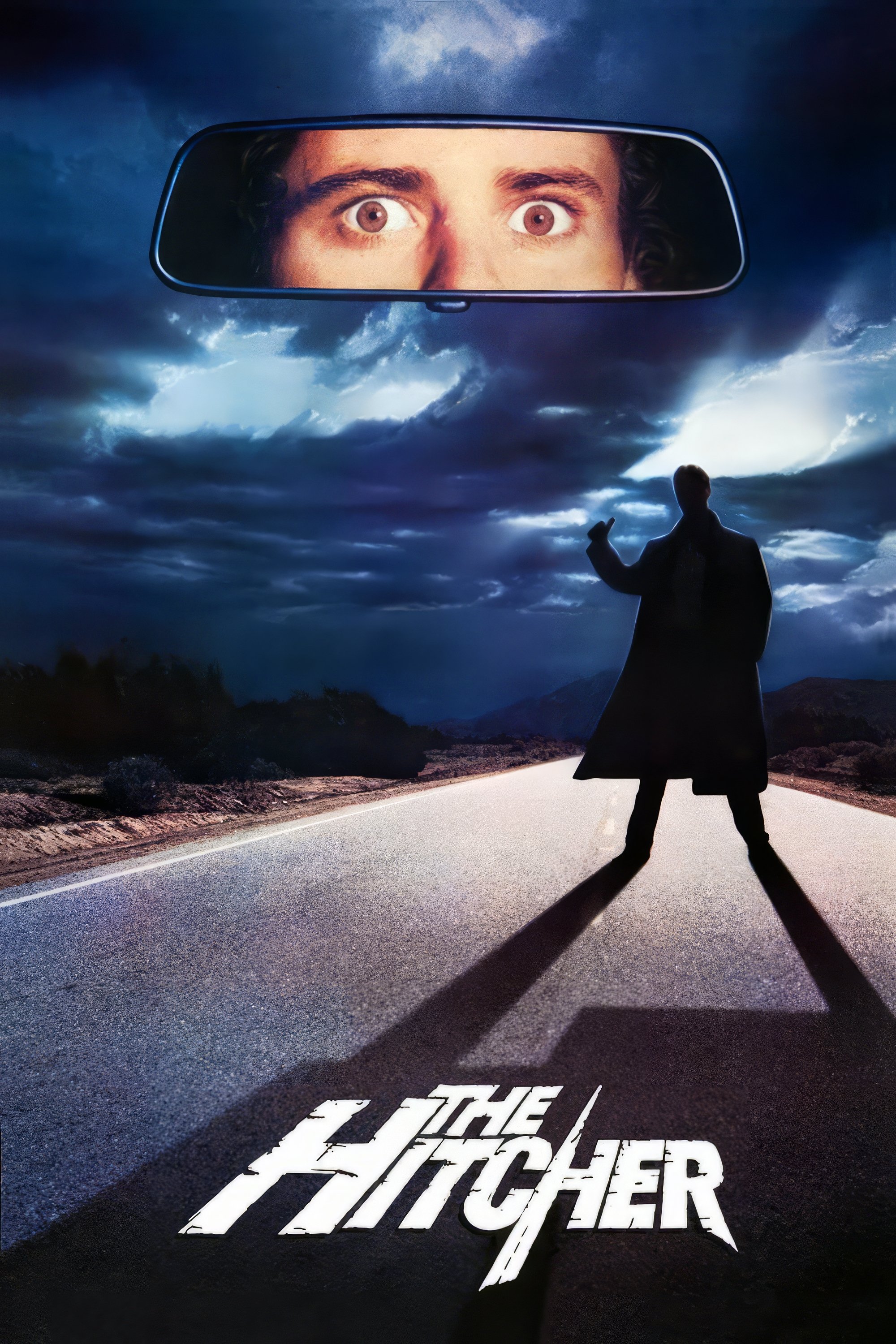
A young driver crosses paths with a murderous drifter in a road-movie-style thriller spanning desolate highways. Rutger Hauer, C. Thomas Howell, and Jennifer Jason Leigh anchor the cast, with stark desert landscapes framing the pursuit. Roadside diners, police stations, and empty stretches of asphalt serve as recurring stage sets. Practical stunt work and vehicular action carry the most memorable sequences.
‘Blue Velvet’ (1986)
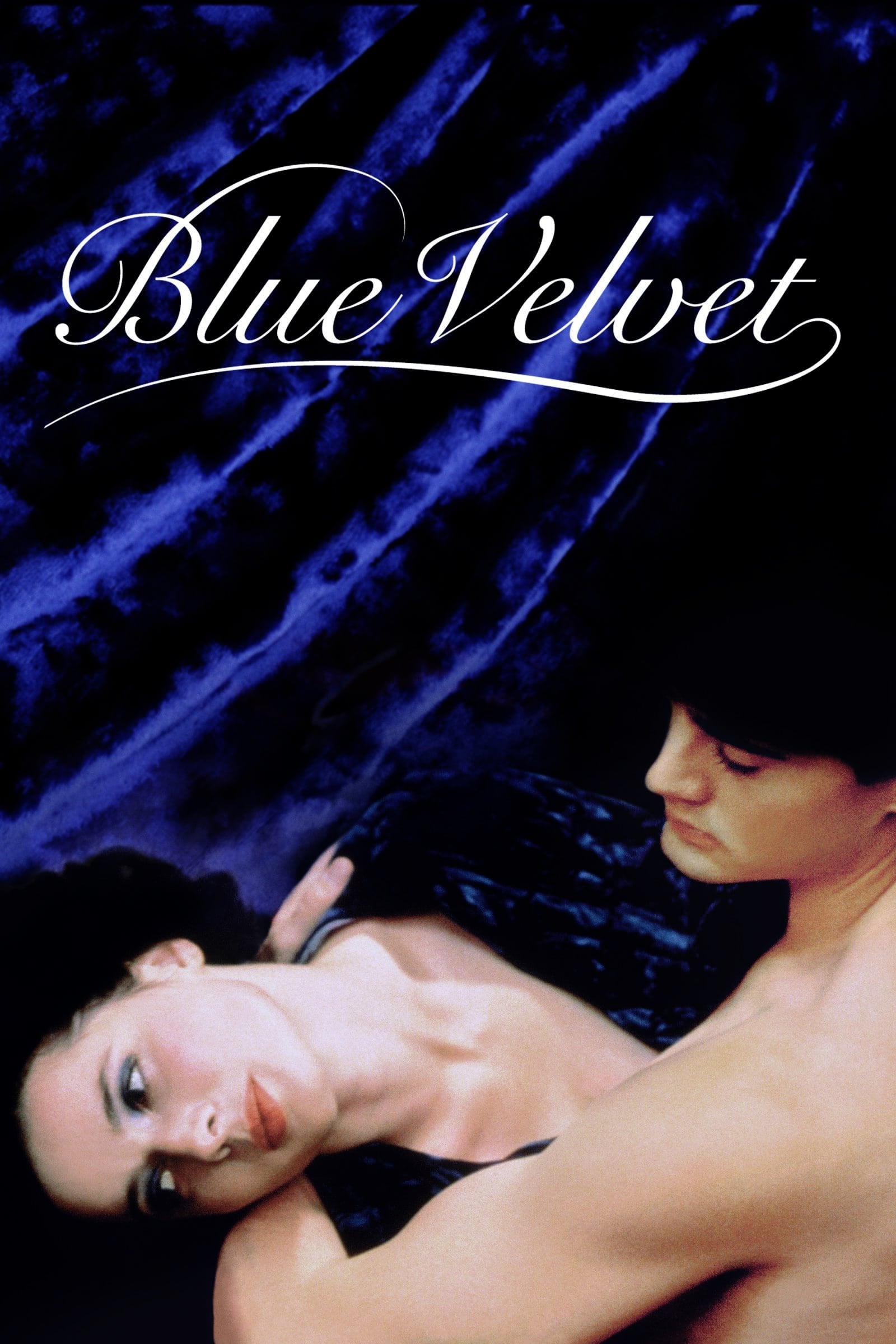
David Lynch’s neo-noir explores a small town where a mysterious discovery pulls a college student into a criminal underworld. Kyle MacLachlan, Isabella Rossellini, and Dennis Hopper lead the ensemble, with Angelo Badalamenti’s score establishing a haunting mood. The production juxtaposes manicured suburban imagery with nightclub interiors and industrial spaces. Its sound design and visual motifs are widely cited in studies of American surrealism and noir revival.
‘9 1/2 Weeks’ (1986)

Adrian Lyne directs this erotic thriller about a gallery assistant drawn into an intense relationship with a Wall Street trader. Kim Basinger and Mickey Rourke star, with New York neighborhoods, lofts, and galleries functioning as key visual environments. The film adapts a memoir by Elizabeth McNeill, streamlining its episodic structure for a feature narrative. Music cues and montage sequences became signature elements of its presentation.
‘Manhunter’ (1986)
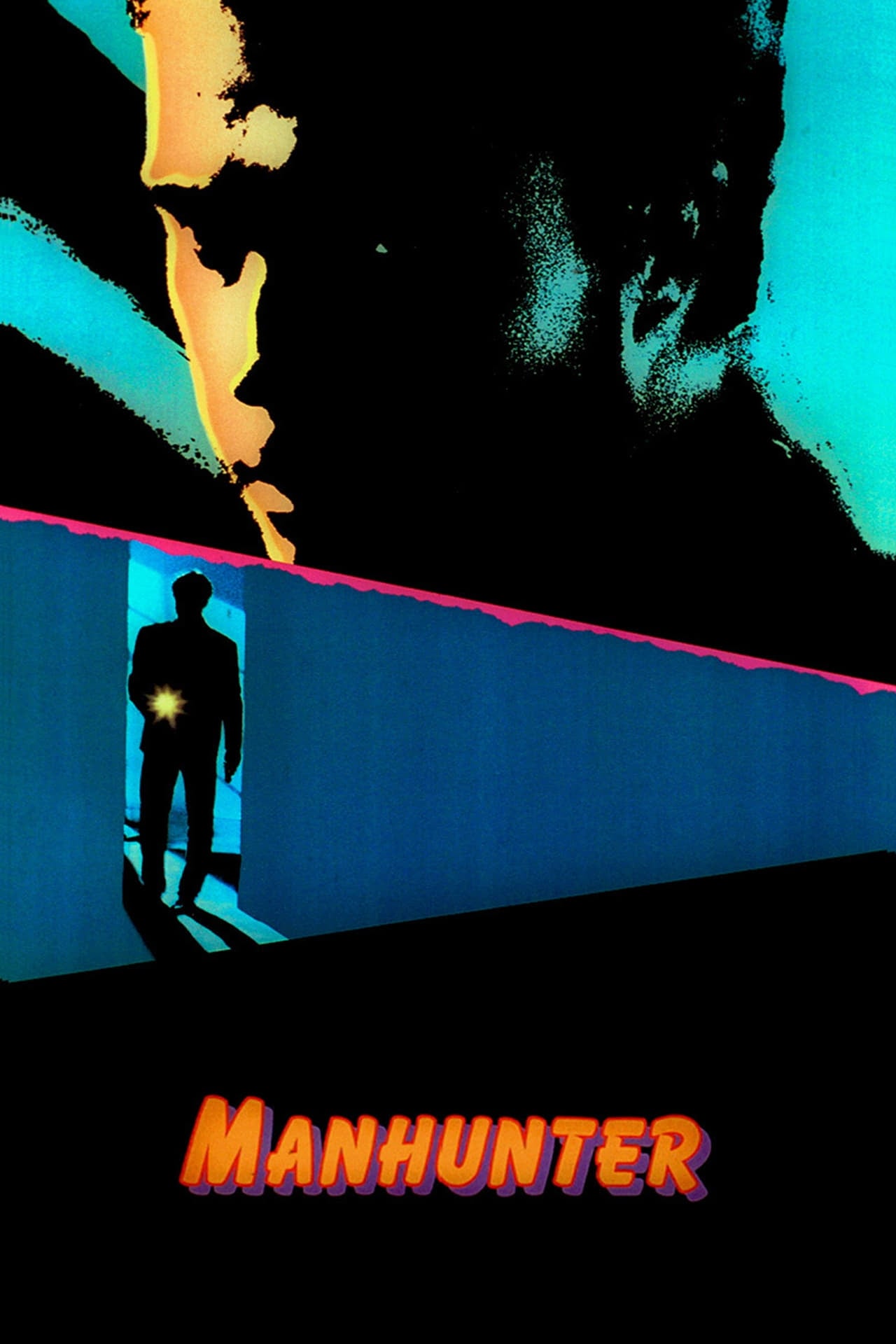
Michael Mann adapts Thomas Harris’s novel ‘Red Dragon’, introducing Hannibal Lecktor as portrayed by Brian Cox. The plot follows FBI profiler Will Graham, played by William Petersen, as he tracks a killer targeting suburban families. Distinctive color palettes, architectural locations, and pop-inflected music define the movie’s style. Its forensic emphasis and crime-scene methodology influenced later screen procedurals.
‘Angel Heart’ (1987)
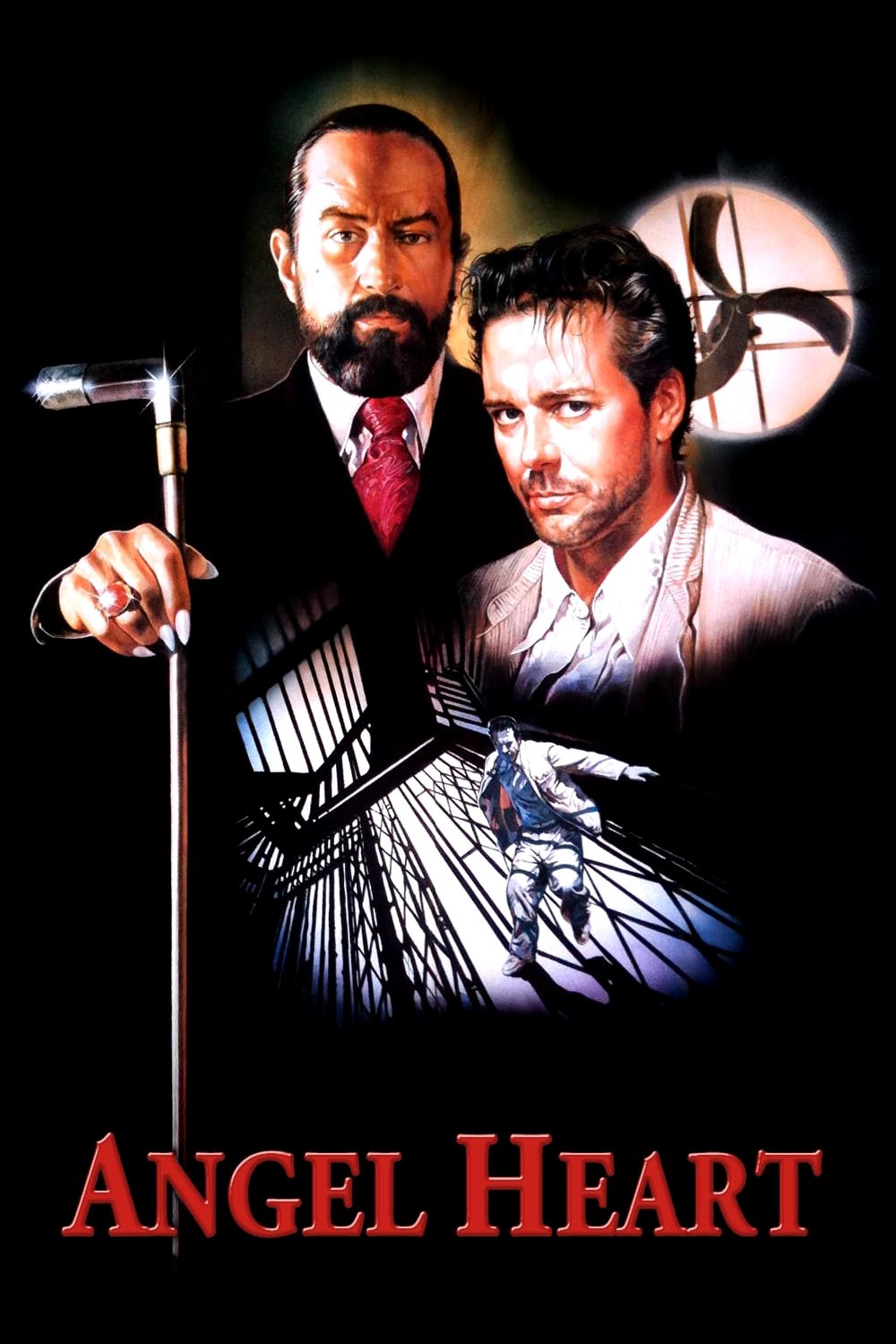
Alan Parker’s occult-tinged thriller casts Mickey Rourke as a private investigator hired by a mysterious client played by Robert De Niro. The narrative moves between New York and New Orleans, weaving in jazz clubs, tenements, and ritual spaces. Production design and atmospheric sound anchor its period texture and sense of dread. A high-profile ratings dispute over a love scene led to edits prior to release.
‘Fatal Attraction’ (1987)
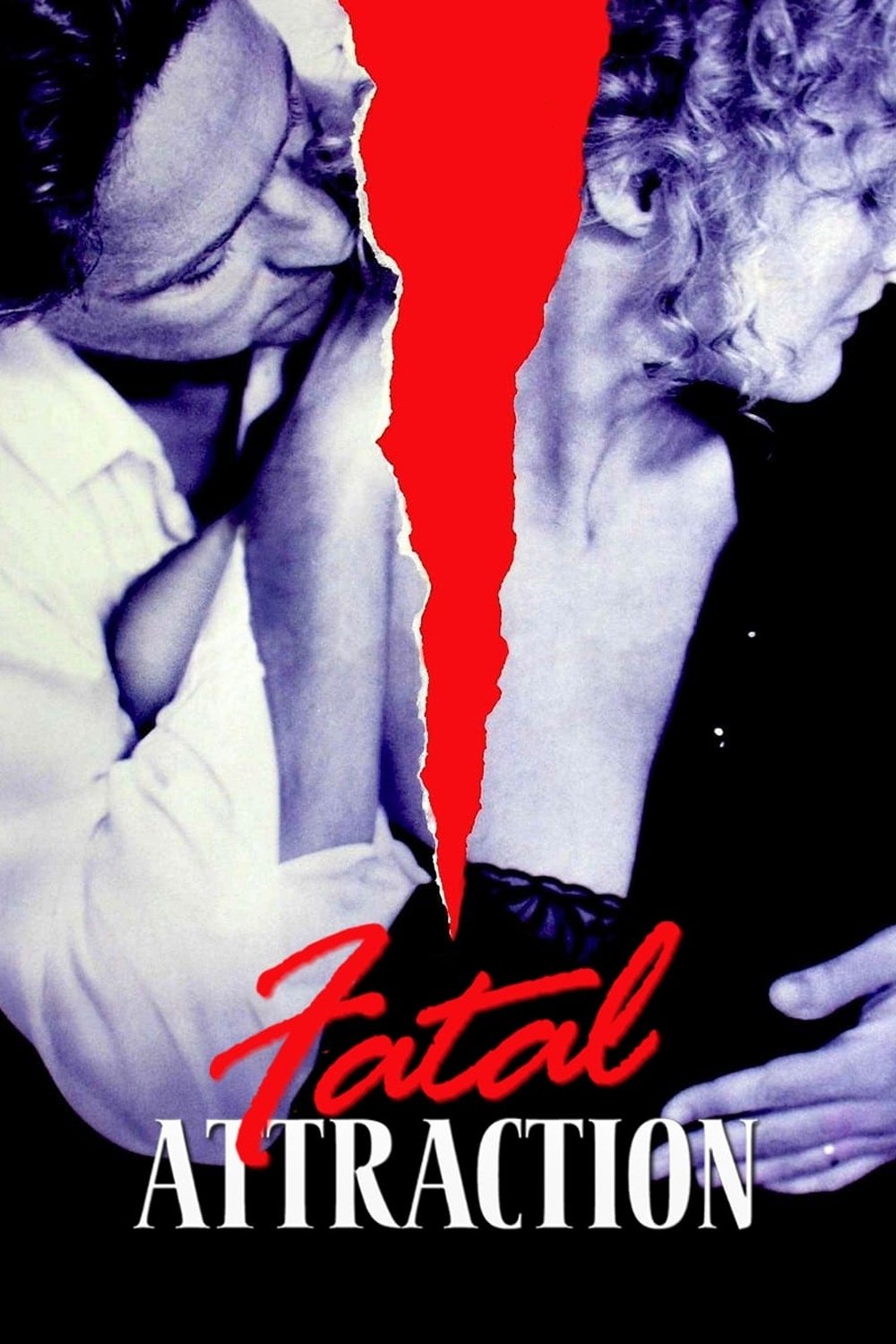
This domestic-suspense thriller centers on an affair that spirals into escalating confrontation for a Manhattan lawyer. Michael Douglas and Glenn Close star, with Anne Archer as the spouse navigating the fallout. Production notes highlight that multiple endings were filmed, with a late change aligning with test-screening feedback. The movie’s success spurred industry interest in upscale, adult-skewing thrillers.
‘The Stepfather’ (1987)
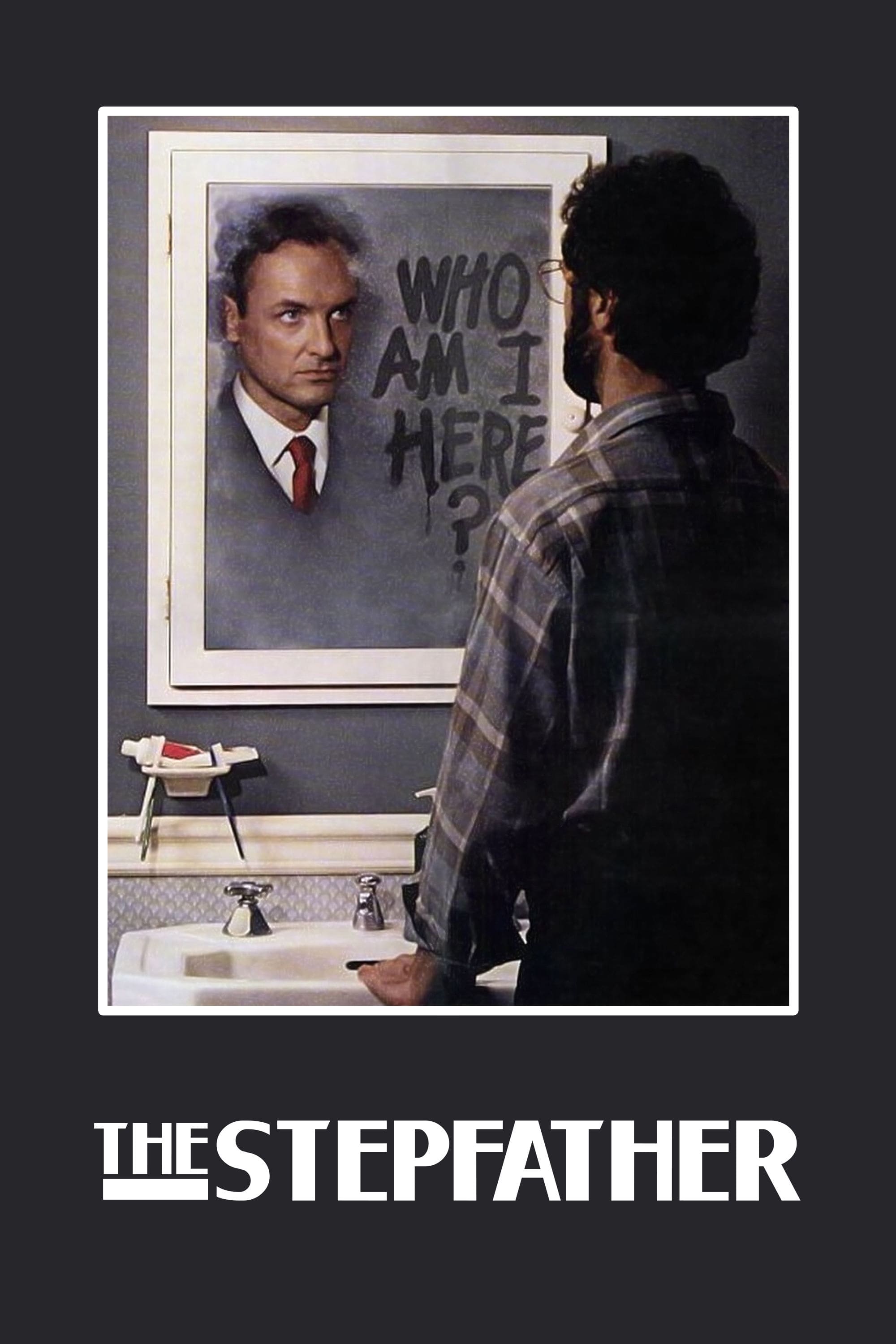
Terry O’Quinn leads this suburban thriller as a man who remakes his identity within unsuspecting households. The story draws loose inspiration from a notorious real-world case of a family annihilator. Domestic spaces—backyard barbecues, basements, and cul-de-sacs—serve as the stage for mounting suspicion. The film later spawned sequels and a remake, extending its premise across formats.
‘The Vanishing’ (1988)
This Dutch psychological thriller, originally titled ‘Spoorloos’, follows a man’s prolonged search for a missing partner. Director George Sluizer structures the narrative to reveal the abductor’s perspective alongside the protagonist’s quest. Calm, everyday settings contrast with methodical depictions of planning and patience. The closing movements are frequently referenced in discussions of narrative dread and inevitability.
‘Dead Ringers’ (1988)
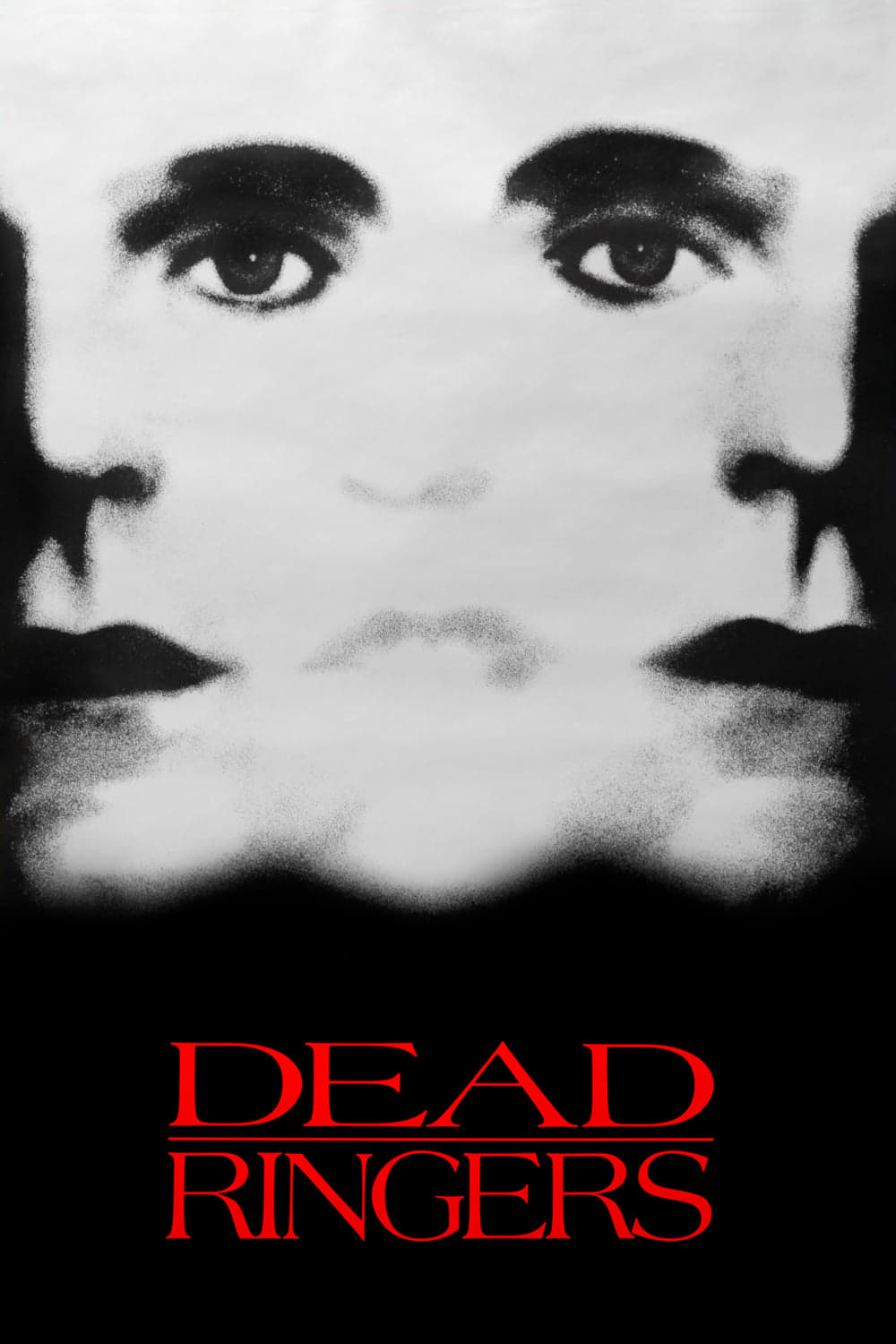
David Cronenberg directs Jeremy Irons in dual roles as twin gynecologists whose professional and personal lives unravel. The movie draws on a real-life case as a loose inspiration while focusing on identity and dependency. Unusual surgical instruments and pristine clinical spaces create a controlled, unsettling visual world. Seamless twin effects work and carefully choreographed blocking remain technical standouts.
‘Sea of Love’ (1989)
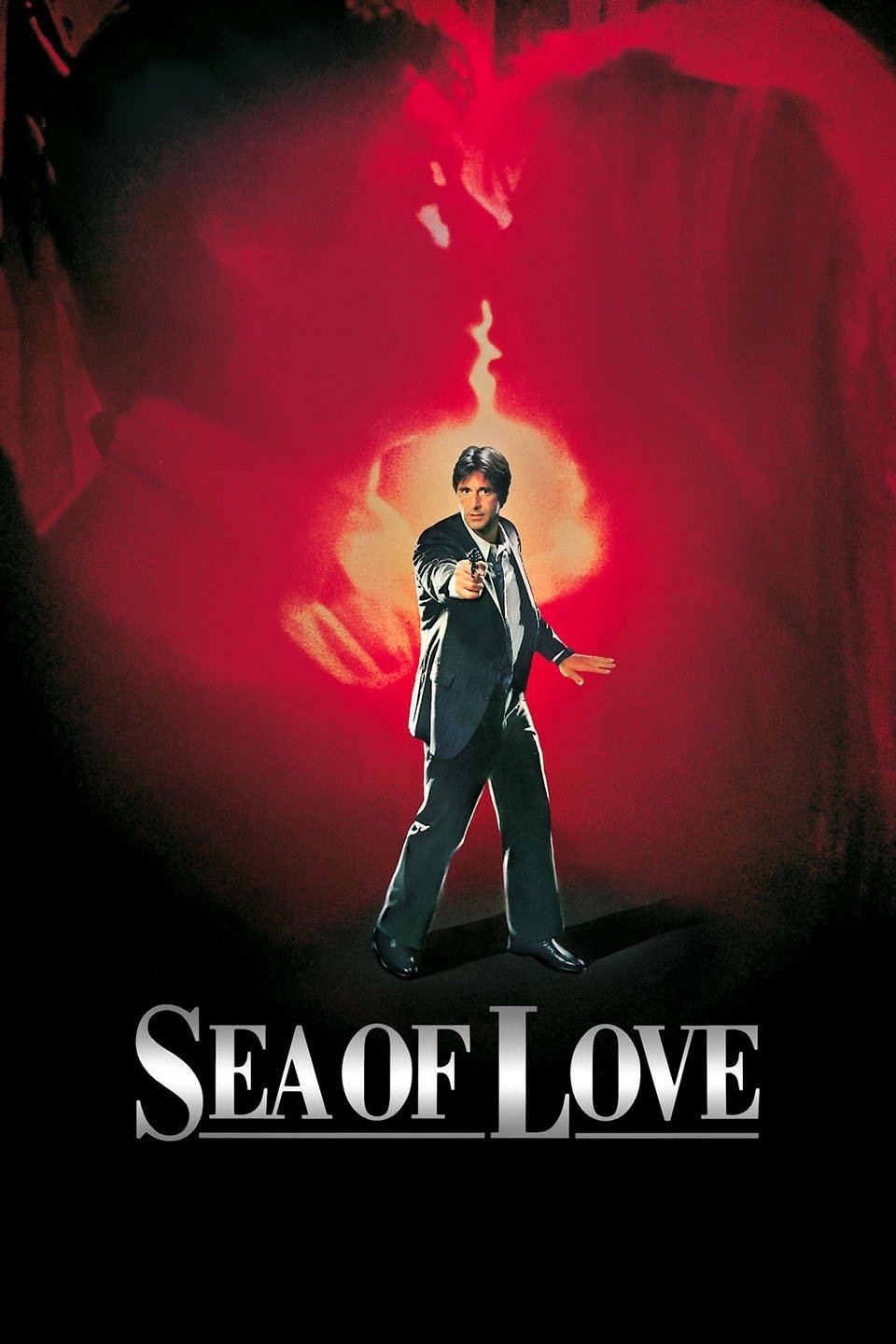
Al Pacino stars as a New York detective investigating murders linked to personal ads, opposite Ellen Barkin and John Goodman. The plot meshes police legwork with romantic entanglement, using apartments, diners, and precinct offices as recurring spaces. Harold Becker directs, with a moody score and grainy city photography supporting the tone. The film marked a major onscreen return for Pacino after an extended break.
‘Black Rain’ (1989)
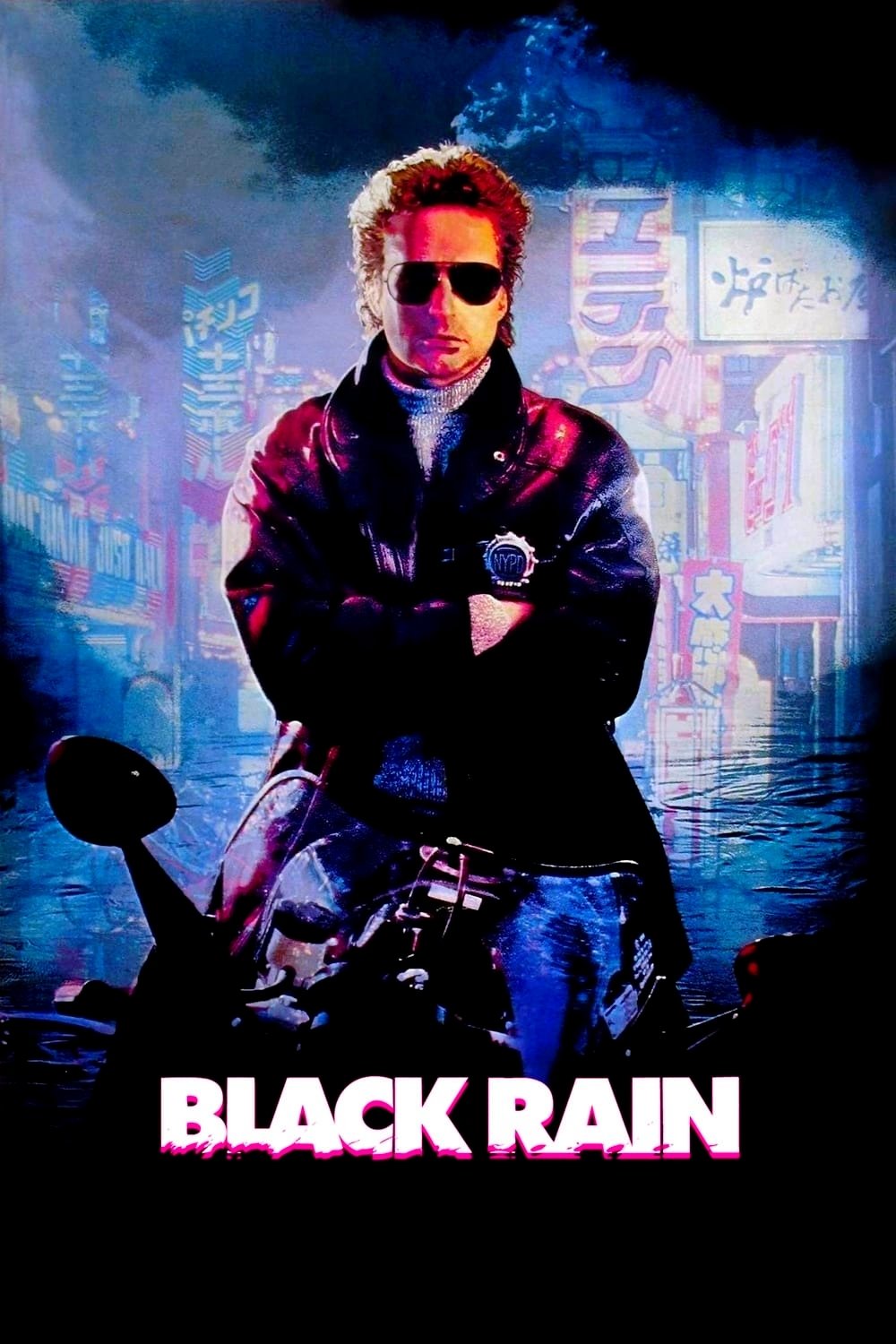
Ridley Scott’s thriller teams Michael Douglas and Andy García as New York cops escorting a yakuza suspect to Osaka. The production shot extensively in Japan, showcasing neon-lit streets, foundries, and corporate towers. Jan de Bont’s cinematography emphasizes smoke, steel, and rain-slicked surfaces, while Hans Zimmer provides the score. The story examines jurisdictional clashes and cultural friction within an international police case.
‘Frantic’ (1988)
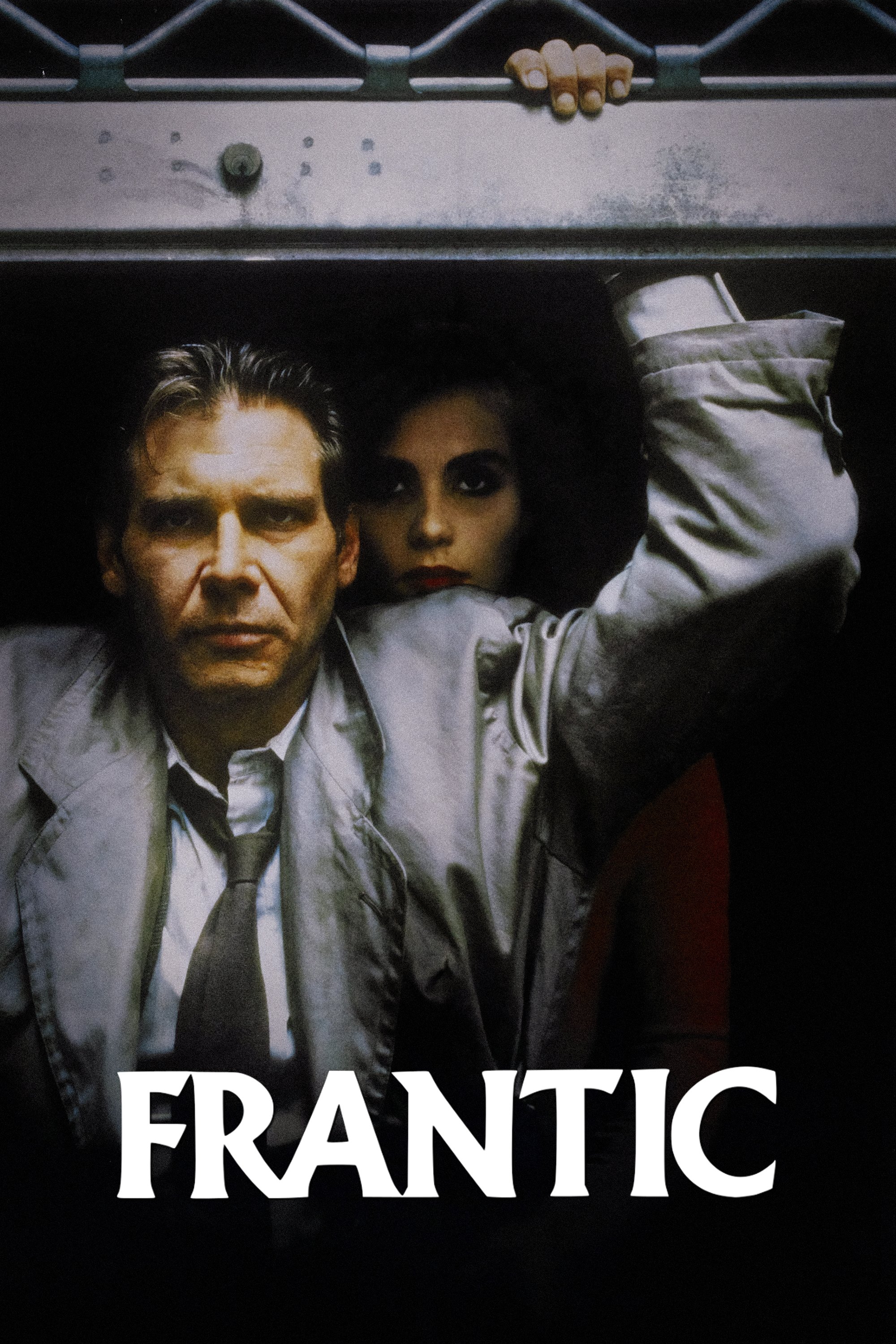
Roman Polanski directs a Paris-set thriller about an American doctor searching for his missing spouse after a suitcase mix-up. Harrison Ford leads the cast, with Emmanuelle Seigner as a key ally linked to the city’s nightclub and back-alley circuits. The movie uses real locations along the Seine, in Belleville, and inside cramped apartments to heighten tension. Ennio Morricone contributes a spare, moody score that underscores the protagonist’s growing isolation.
‘No Way Out’ (1987)
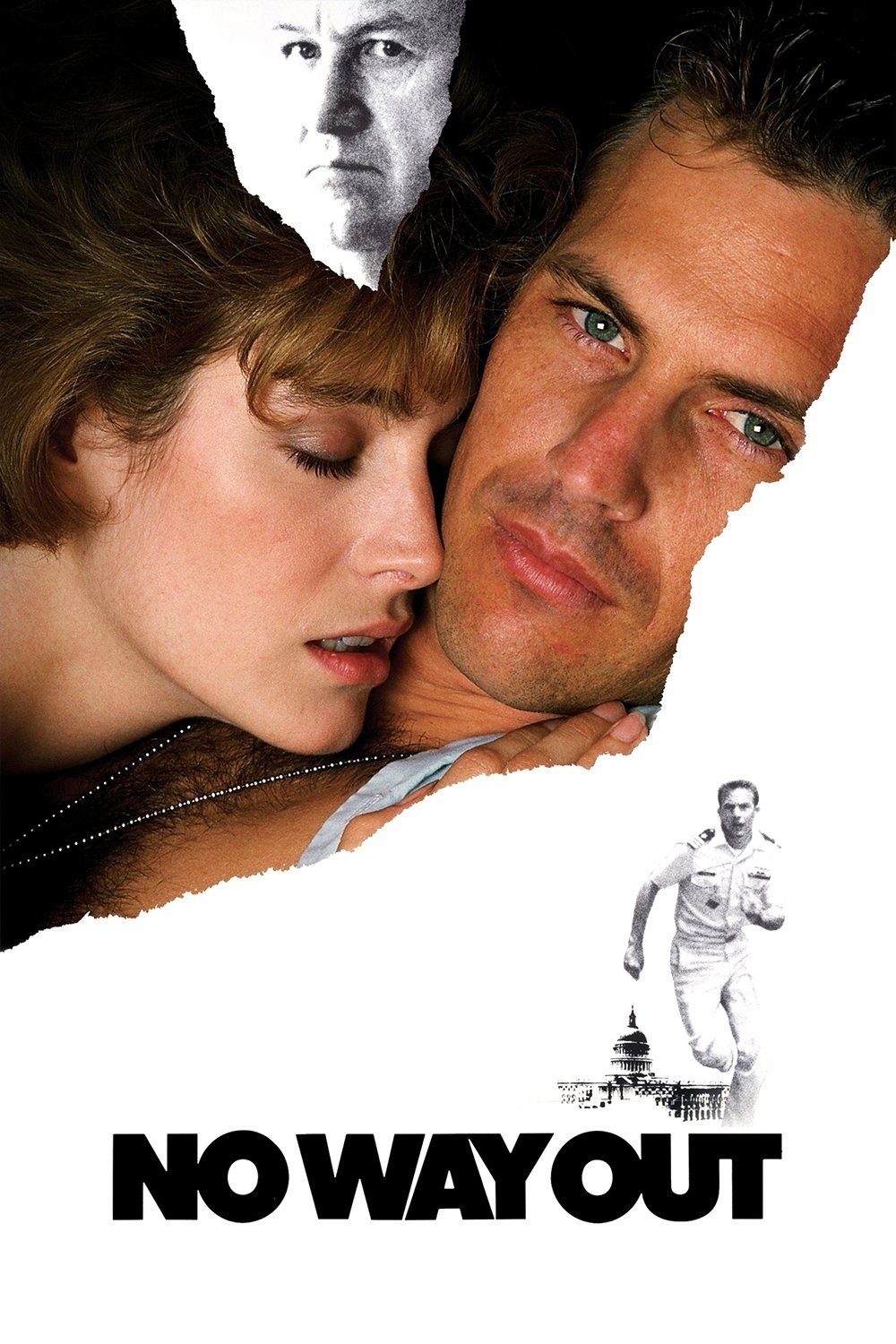
Kevin Costner plays a Naval officer entangled in a Pentagon investigation that turns on a mysterious photograph. Gene Hackman and Sean Young co-star, grounding the story in corridors of Washington power and the mechanics of military bureaucracy. The script leans on labyrinthine office politics, biometric analysis, and old-school surveillance methods. A final reveal recontextualizes earlier scenes and the framing of the hunt.
‘To Live and Die in L.A.’ (1985)
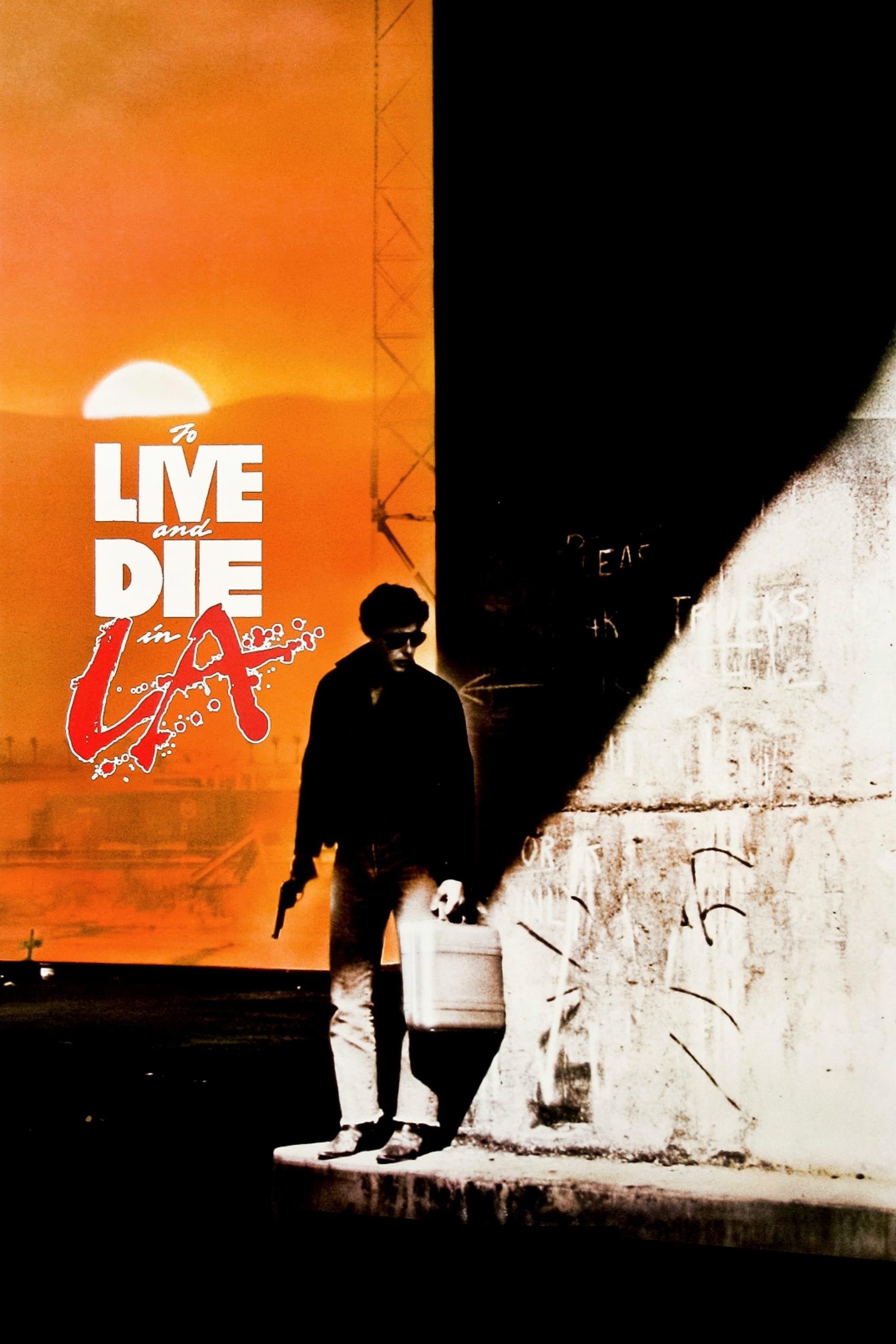
William Friedkin follows Secret Service agents chasing a counterfeiter across freeways, flood channels, and warehouse districts. William Petersen and Willem Dafoe anchor a cat-and-mouse dynamic, with emphasis on process, stakeouts, and risky improvisation. The production is noted for a high-intensity car chase staged against oncoming traffic. Wang Chung’s synth-driven soundtrack shapes the movie’s propulsive rhythm.
‘Dead Calm’ (1989)
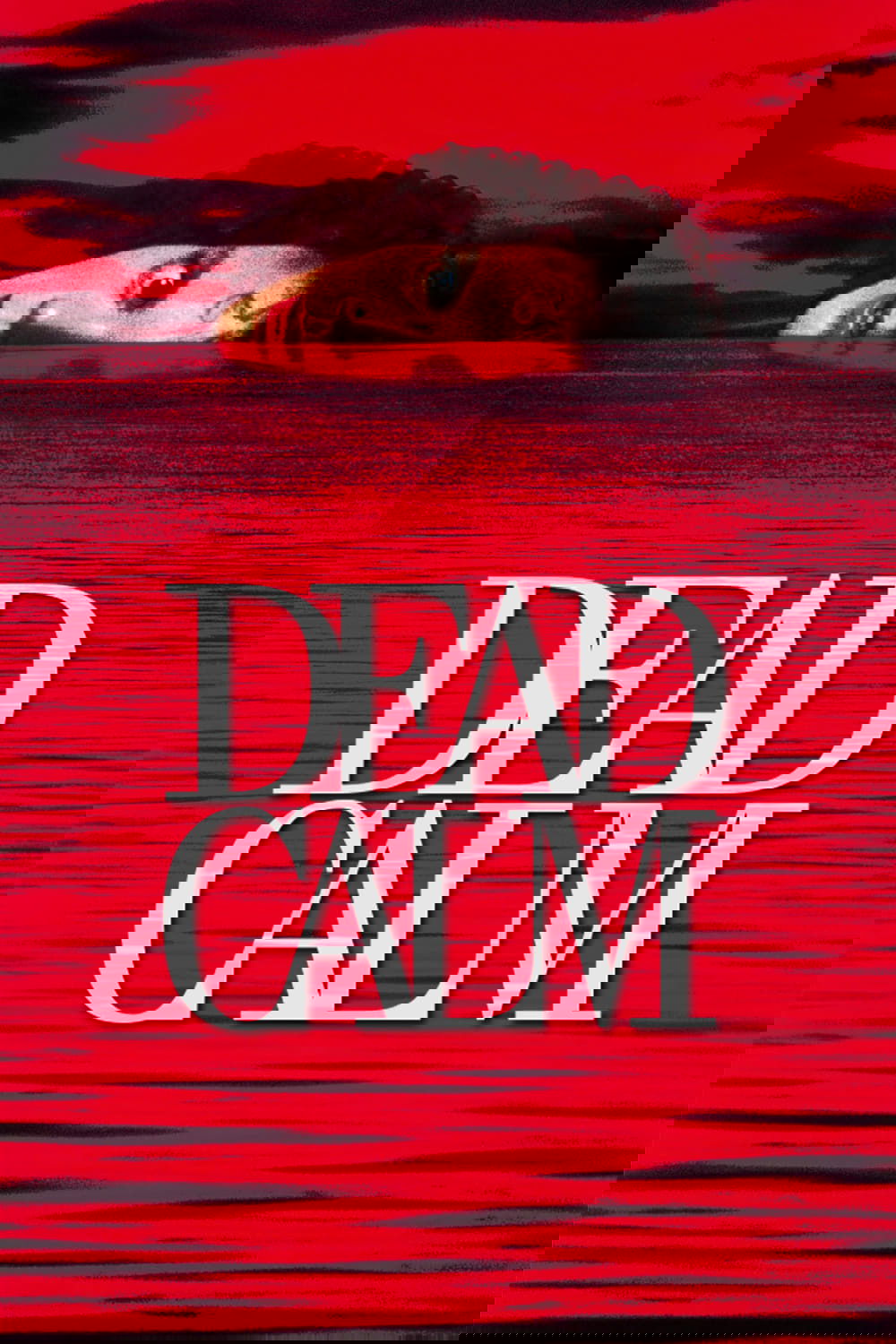
This ocean-set thriller traps three characters on a sloop and a damaged schooner far from land. Nicole Kidman, Sam Neill, and Billy Zane handle a tight, minimal cast dynamic that focuses on seamanship details and psychological leverage. Practical marine photography and storm work sell the isolation and technical hazards of blue-water sailing. The narrative hinges on navigational tools, ship repairs, and control of scarce resources.
‘F/X’ (1986)
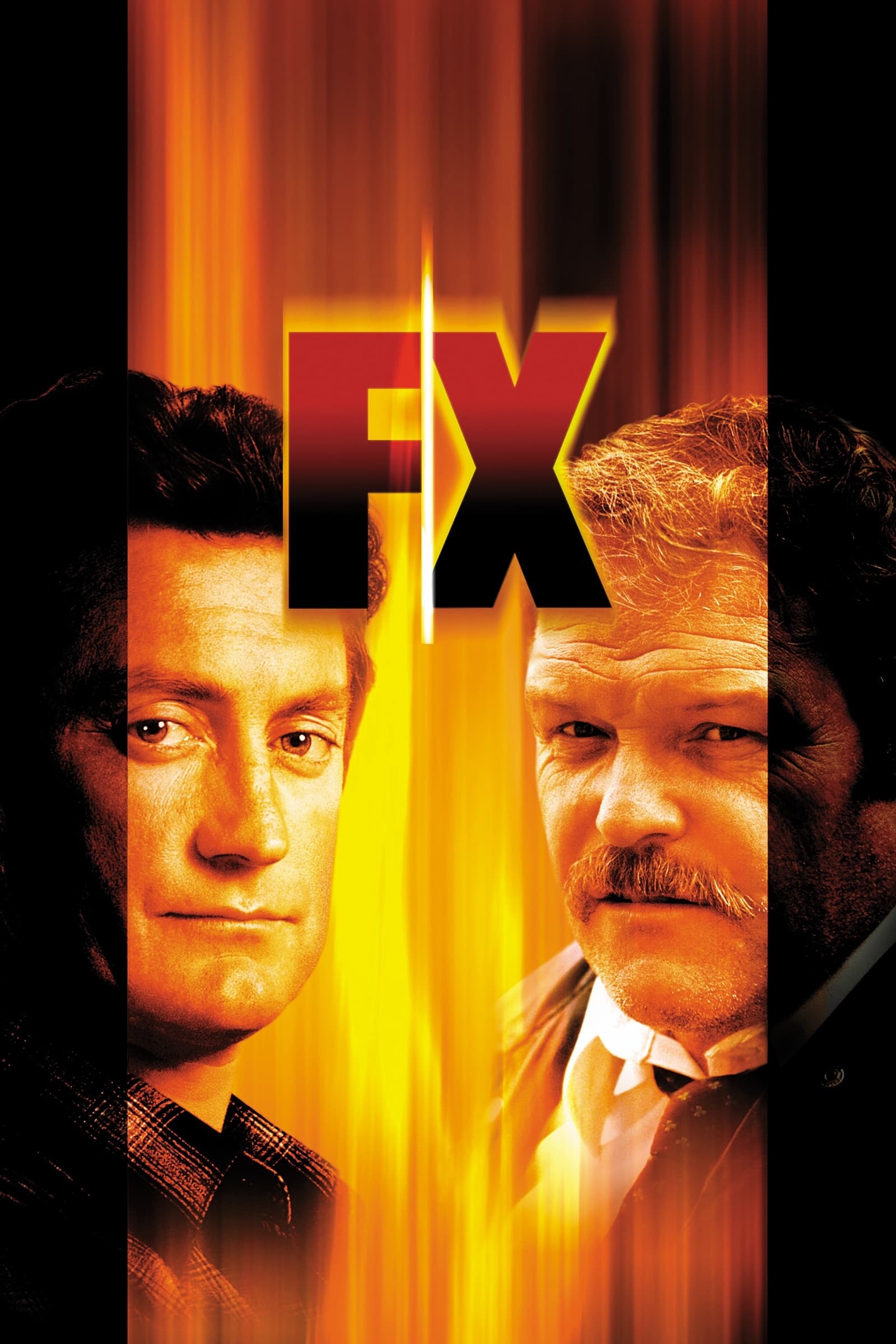
A movie special-effects artist becomes a reluctant witness and target after staging a fake hit for law enforcement. Bryan Brown and Brian Dennehy headline a story that turns props, pyrotechnics, squibs, and projection tricks into survival tools. New York locations and workshop spaces double as laboratories for improvised illusions. The film later spawned a sequel and a short-lived television spinoff built around the same conceit.
‘Witness’ (1985)
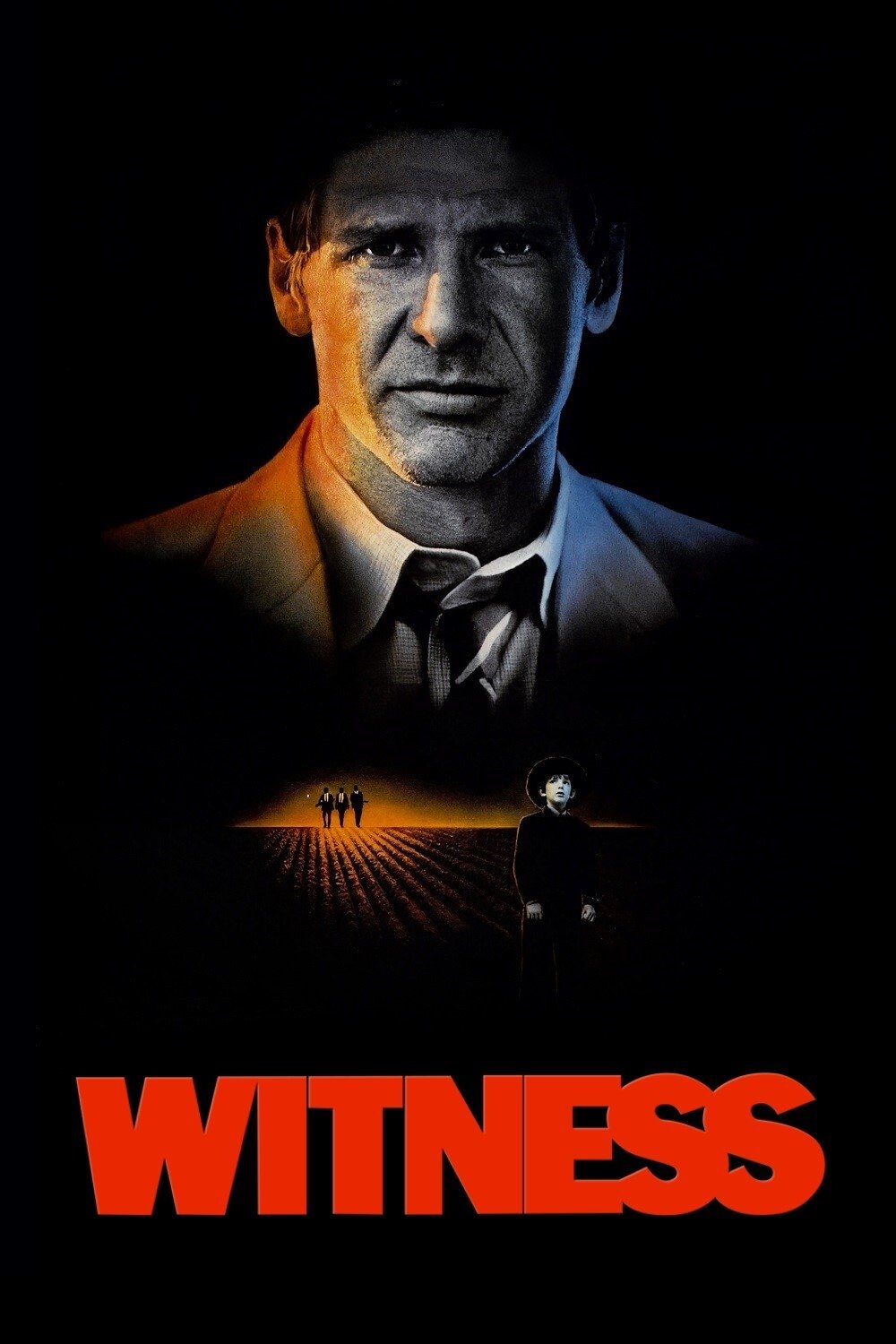
A police detective hides among an Amish community after a child observes a murder linked to urban corruption. Harrison Ford and Kelly McGillis lead, with scenes contrasting Philadelphia precincts against rural farm life and communal rituals. Peter Weir emphasizes cultural boundaries through language, architecture, and daily labor. Key pressure points include a barn raising, silent negotiation, and a return to the city for resolution.
‘Cobra’ (1986)

Sylvester Stallone plays a hard-charging detective confronting a cult-like criminal network operating inside a beleaguered city. Action set pieces are staged in supermarkets, industrial zones, and dimly lit motels, blending procedural beats with heavy firepower. Brigitte Nielsen co-stars, and the antagonists adopt ritualistic symbols and group tactics. The project’s sleek visual style reflects a fascination with chrome, neon, and night shooting.
‘Runaway Train’ (1985)
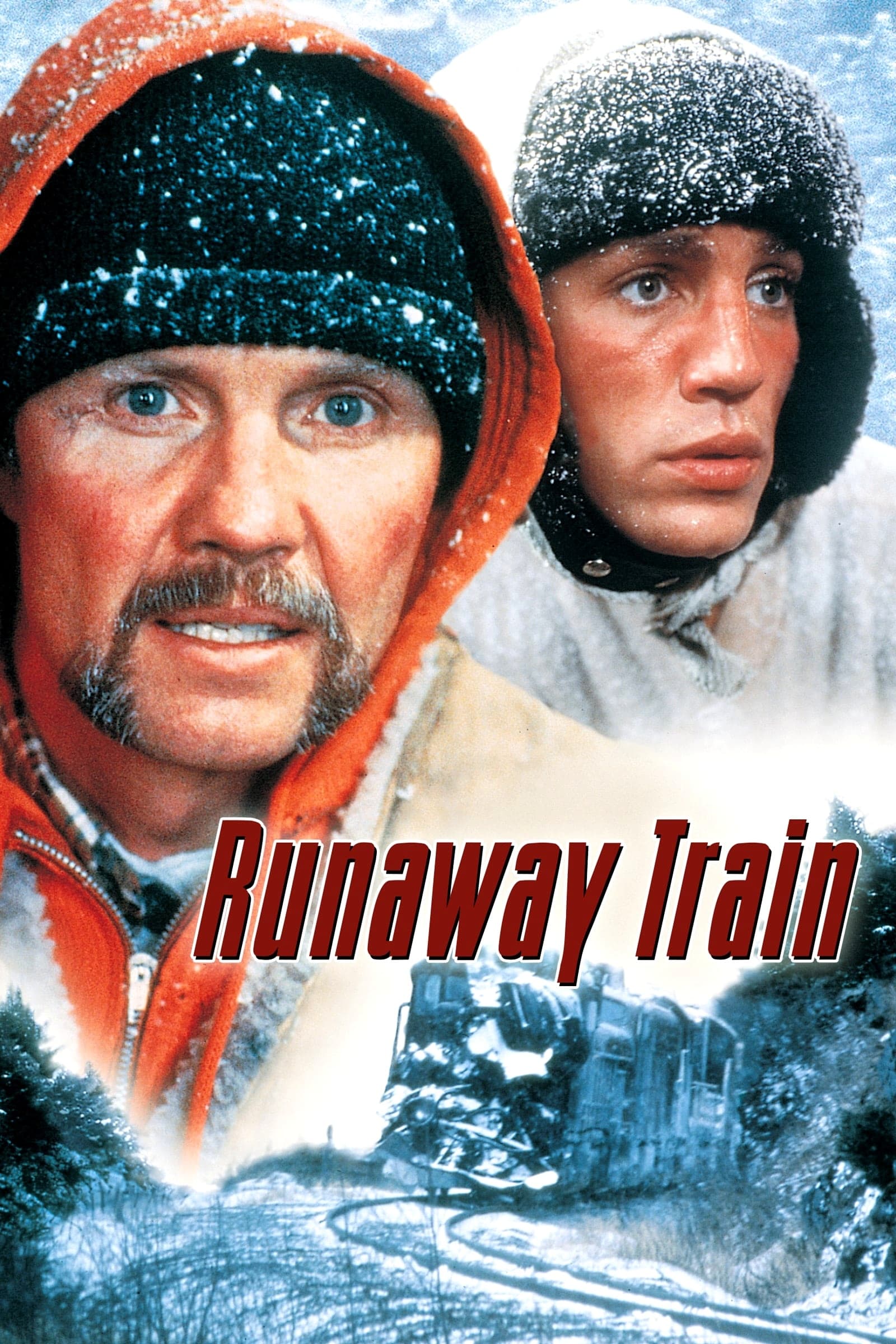
Jon Voight and Eric Roberts portray escaped convicts trapped aboard an unmanned locomotive barreling through Alaska. Andrei Konchalovsky directs, focusing on the mechanics of rail operations, freezing conditions, and control-room decision-making. The story juxtaposes human survival against steel, speed, and industrial systems. Real rolling stock and snowbound locations heighten the sense of mass and momentum.
‘The Bedroom Window’ (1987)
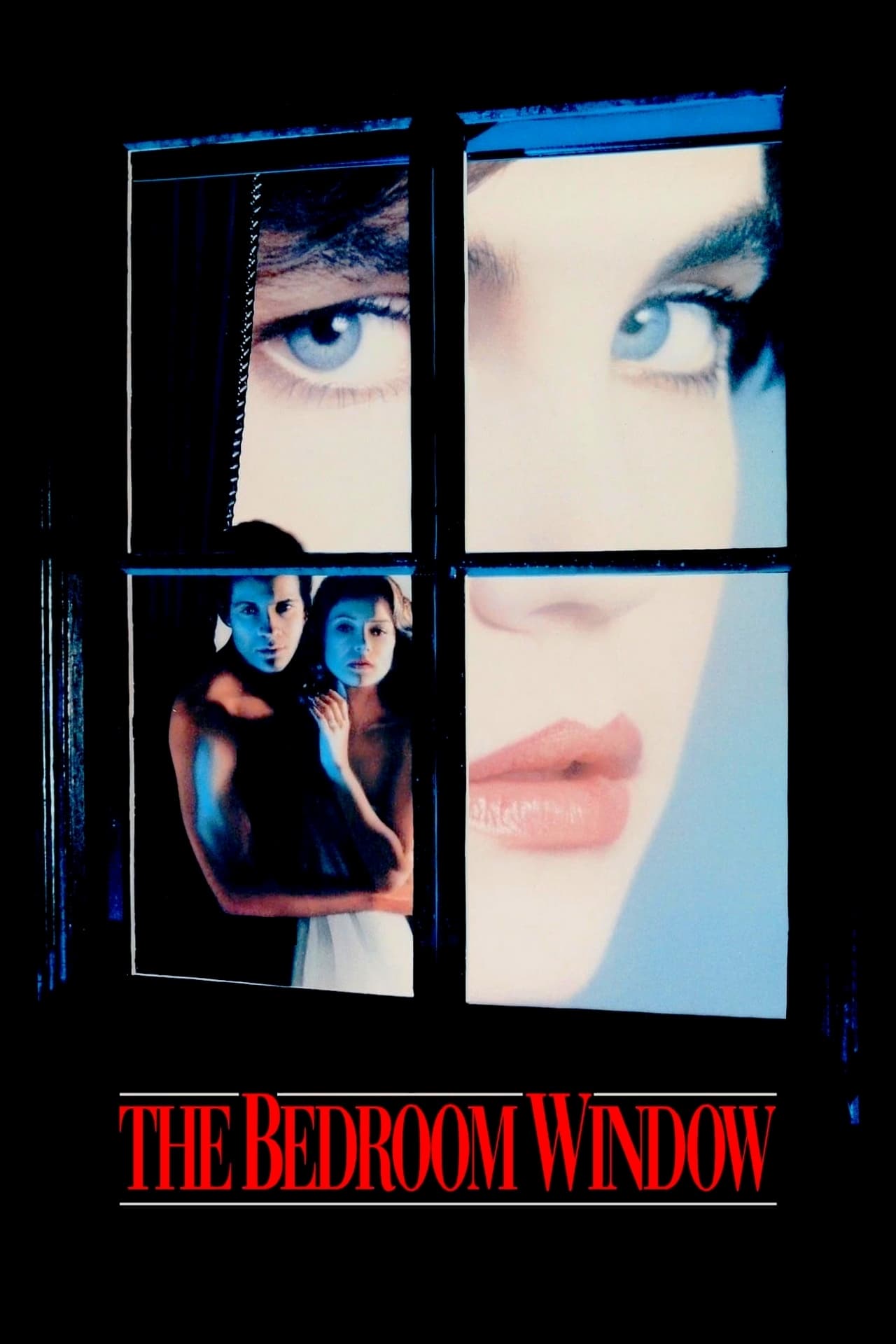
Curtis Hanson crafts a suspense plot about a man who becomes a key witness after seeing an assault from a lover’s apartment. Steve Guttenberg, Elizabeth McGovern, and Isabelle Huppert play intersecting roles tied to credibility, alibis, and media attention. The movie explores how mistaken perception can warp police leads and courtroom strategies. Urban nighttime exteriors and corporate offices frame the social circles under scrutiny.
‘The Believers’ (1987)
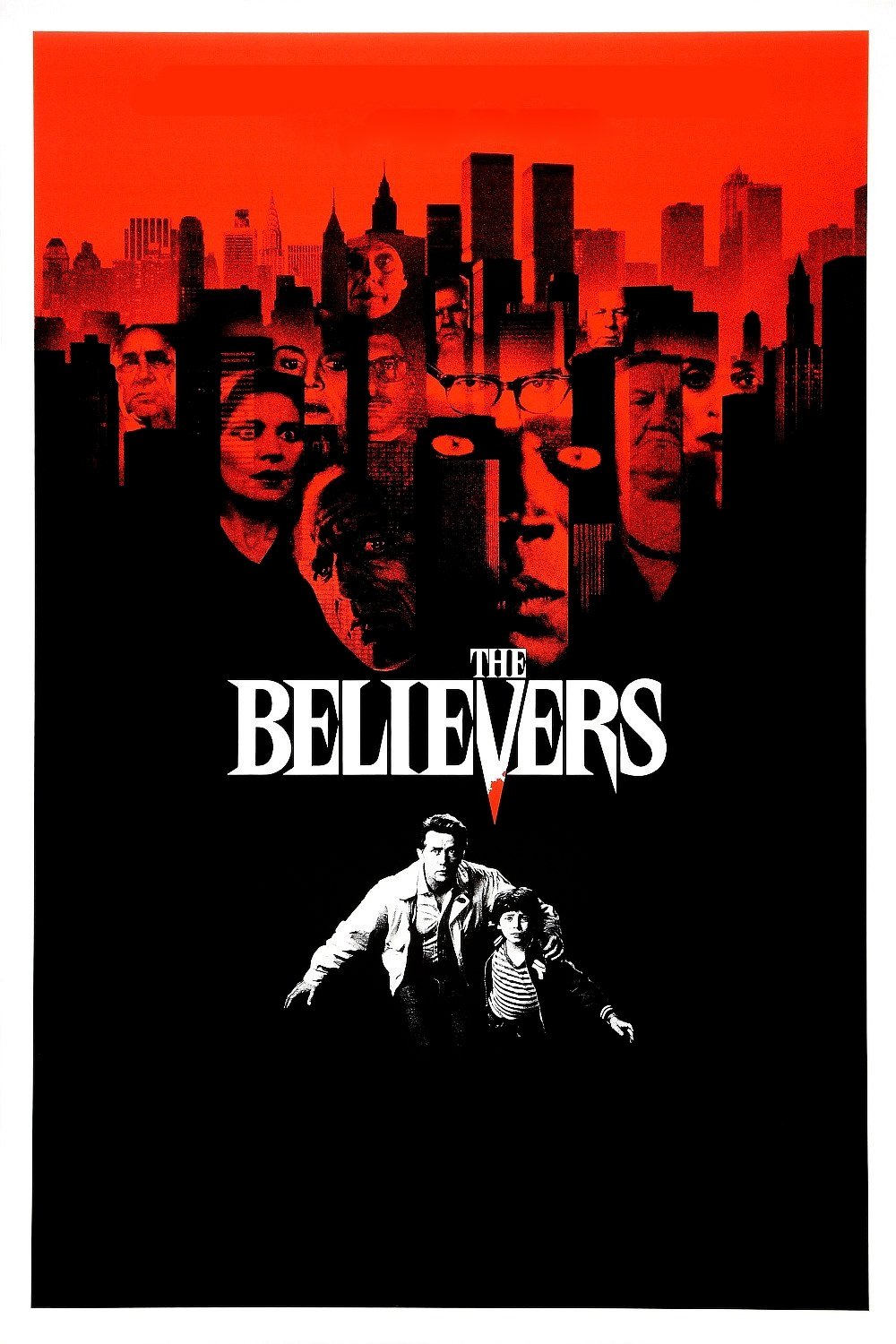
John Schlesinger directs a New York-set thriller in which a police psychologist encounters crimes linked to syncretic religious practices. Martin Sheen leads an ensemble that includes investigators, social workers, and community figures navigating cultural misunderstandings. Practical effects and makeup render ritual objects and crime-scene details with tactile specificity. The film drew commentary from scholars and advocacy groups regarding representation and accuracy.
‘Sharky’s Machine’ (1981)

Burt Reynolds directs and stars as an Atlanta narcotics officer reassigned to a surveillance unit targeting organized crime. The narrative leans on team dynamics, wiretaps, and long-lens stakeouts from high-rise apartments. Rachel Ward co-stars, and city landmarks—hotels, towers, and downtown streets—anchor the operation’s geography. A noted stunt features a record-setting fall that became a calling card in promotional materials.
‘Cutter’s Way’ (1981)
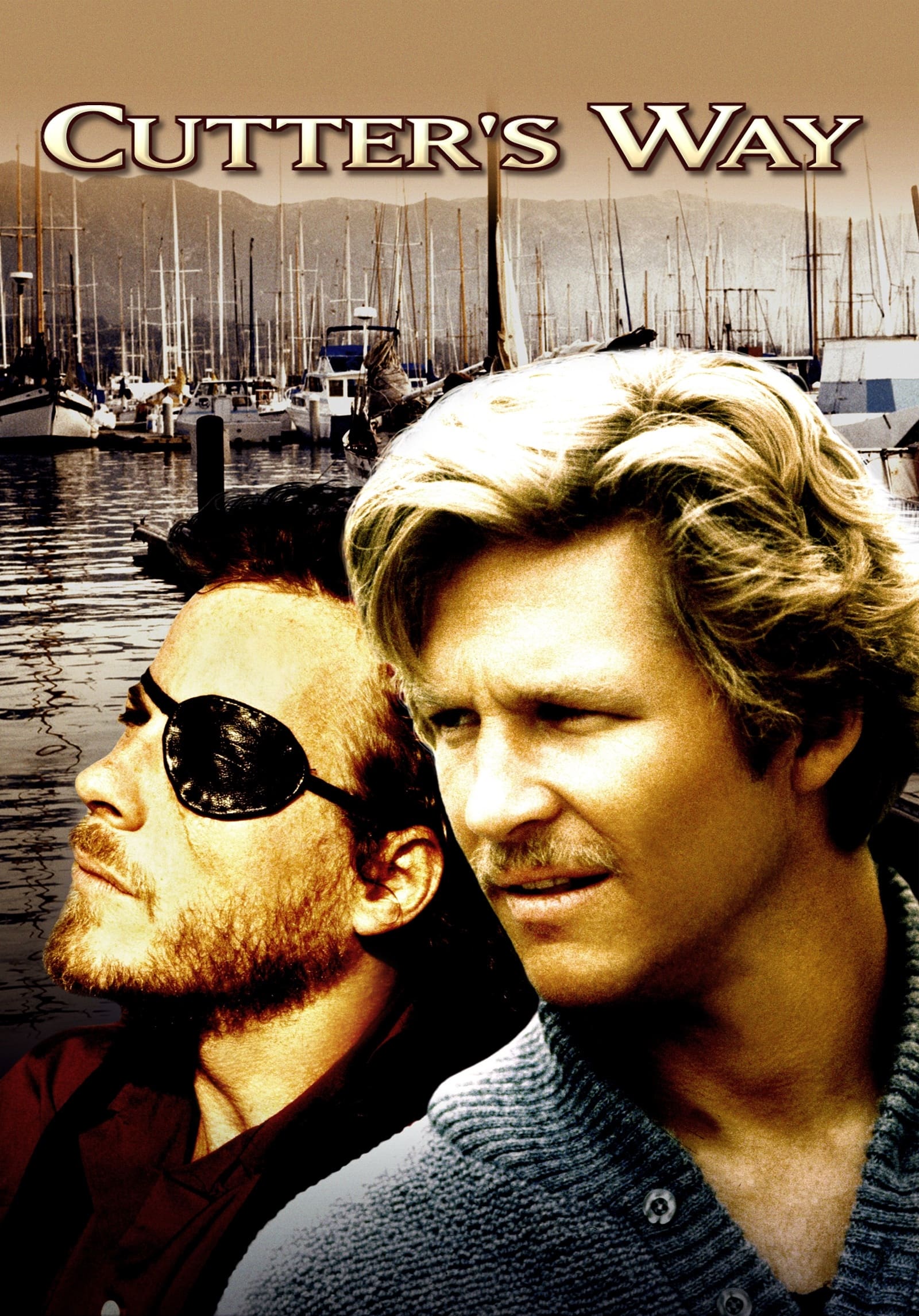
This Santa Barbara-area neo-noir pairs Jeff Bridges and John Heard in a story of suspicion surrounding a local magnate. Coastal neighborhoods, yacht clubs, and parades ground the investigation in a sunlit setting that contrasts with its darker undercurrents. The film adapts a novel, reshaping character dynamics into a study of loyalty and disillusionment. Its slow-burn approach shows how rumor and half-evidence can snowball into action.
‘Masquerade’ (1988)
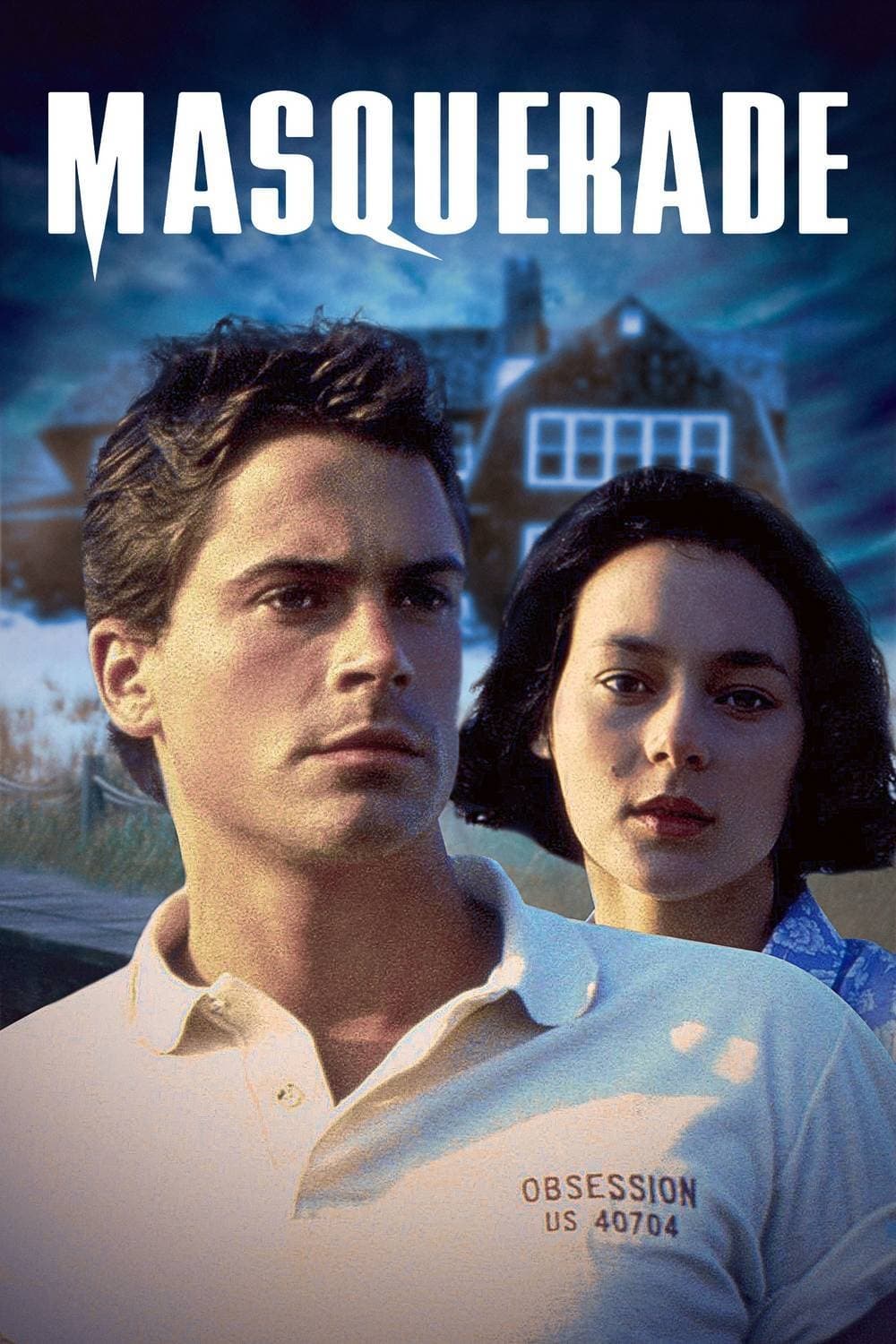
A privileged coastal community becomes the stage for a plot involving inheritance, deception, and a charismatic sailor. Rob Lowe and Meg Tilly headline, with Douglas Day Stewart weaving in regatta culture, country-club politics, and shifting alliances. The production incorporates boating sequences, estate interiors, and small-town law enforcement. Twists hinge on insurance, wills, and carefully staged appearances.
‘Dead of Winter’ (1987)
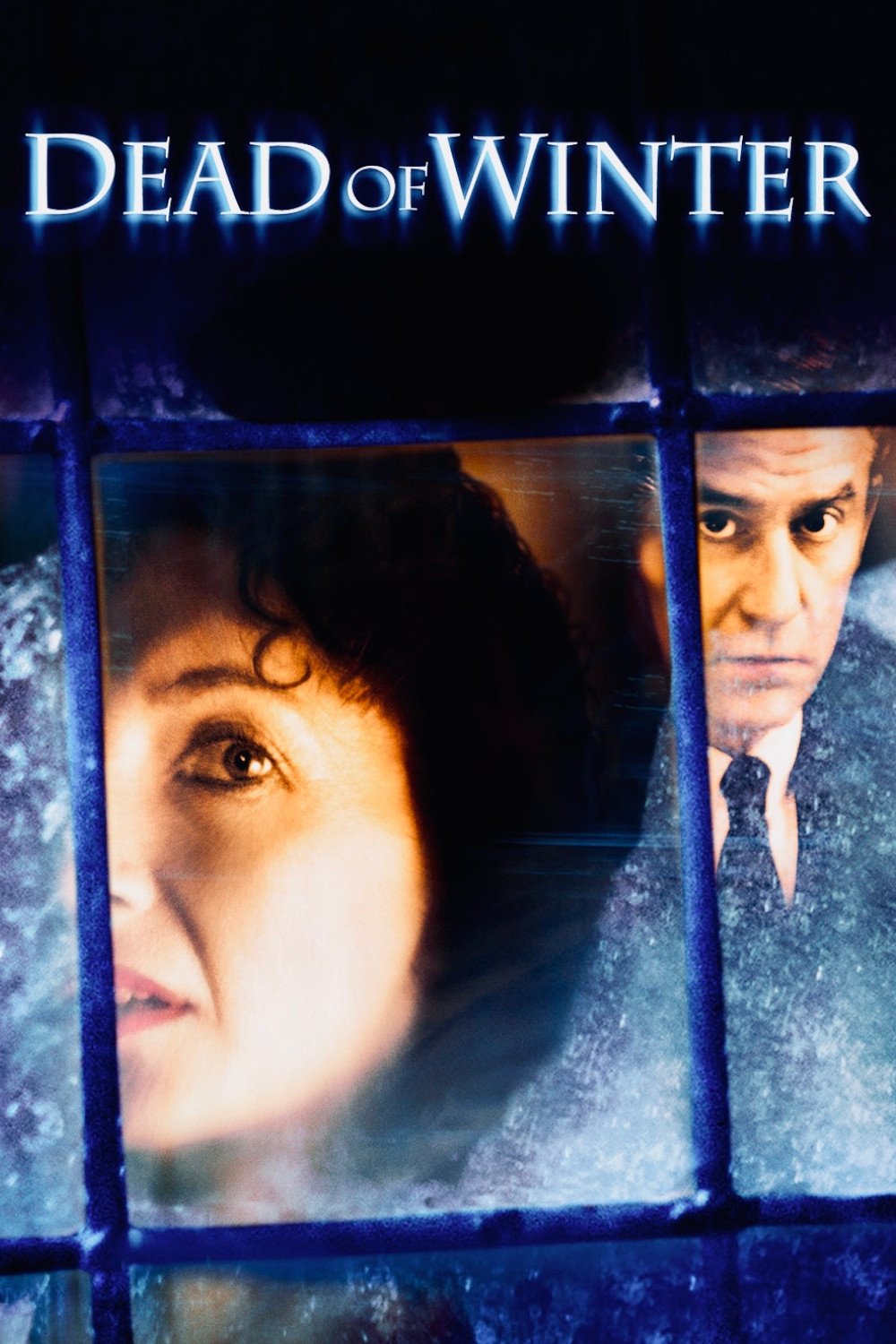
A struggling actor is lured to a remote mansion for a suspicious screen test that turns into a coercive ordeal. Mary Steenburgen takes on multiple personas within the plot’s layered impersonations. Arthur Penn directs, making use of snowbound grounds, hidden rooms, and props repurposed from filmmaking to manipulation. The story’s beats revolve around identity theft, blackmail, and the logistics of isolation.
‘The Fourth Protocol’ (1987)
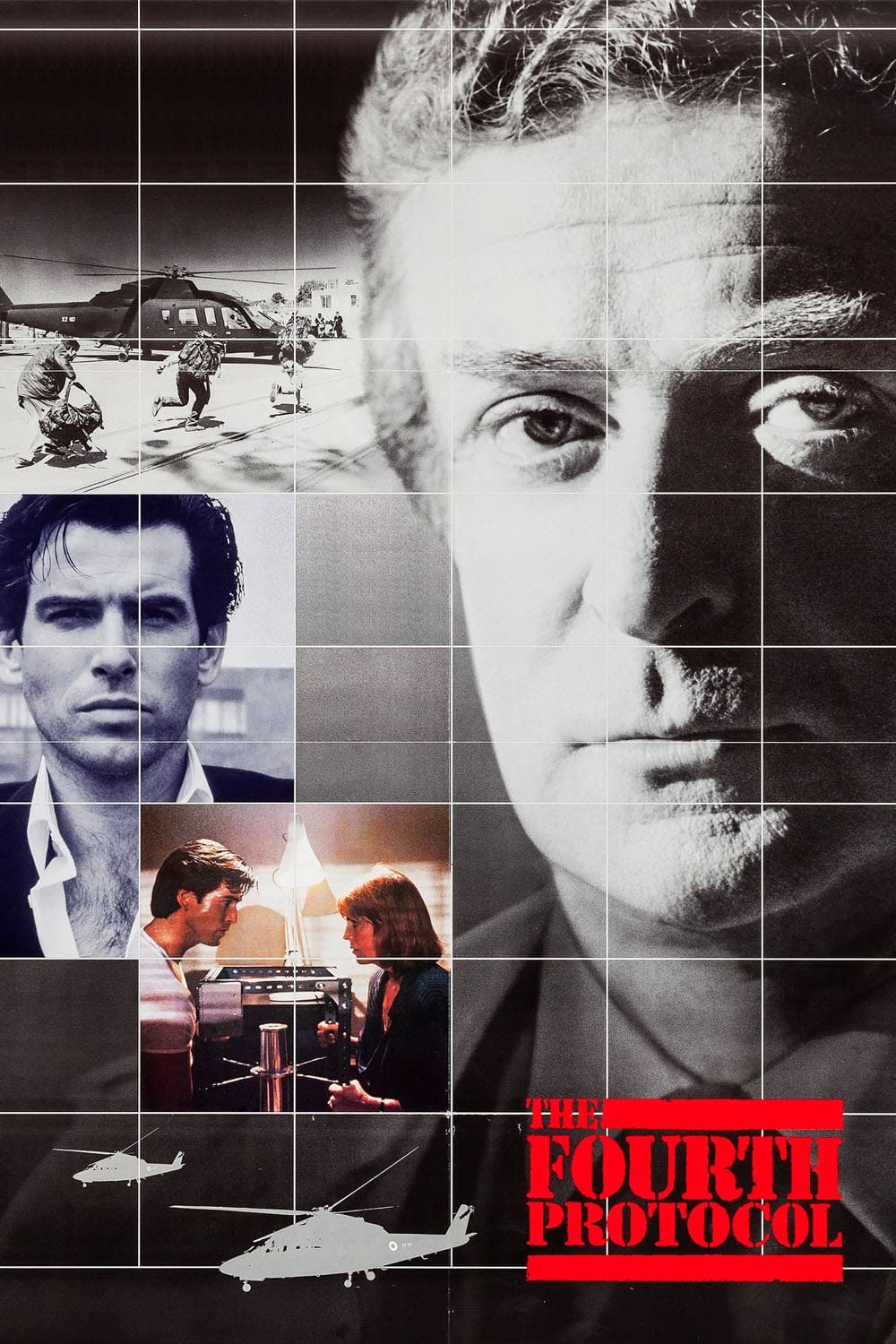
Based on a Frederick Forsyth novel, this espionage thriller follows a British agent racing to stop a clandestine nuclear device. Michael Caine and Pierce Brosnan square off across safe houses, military installations, and border crossings. Technical details include dead-drop methods, forged documents, and interdiction procedures. The production emphasizes Cold War tradecraft and interagency coordination across intelligence services.
Share your own picks from the decade—and which titles you’d swap in or out—in the comments.