1990s TV Shows That Are Completely Unwatchable Today

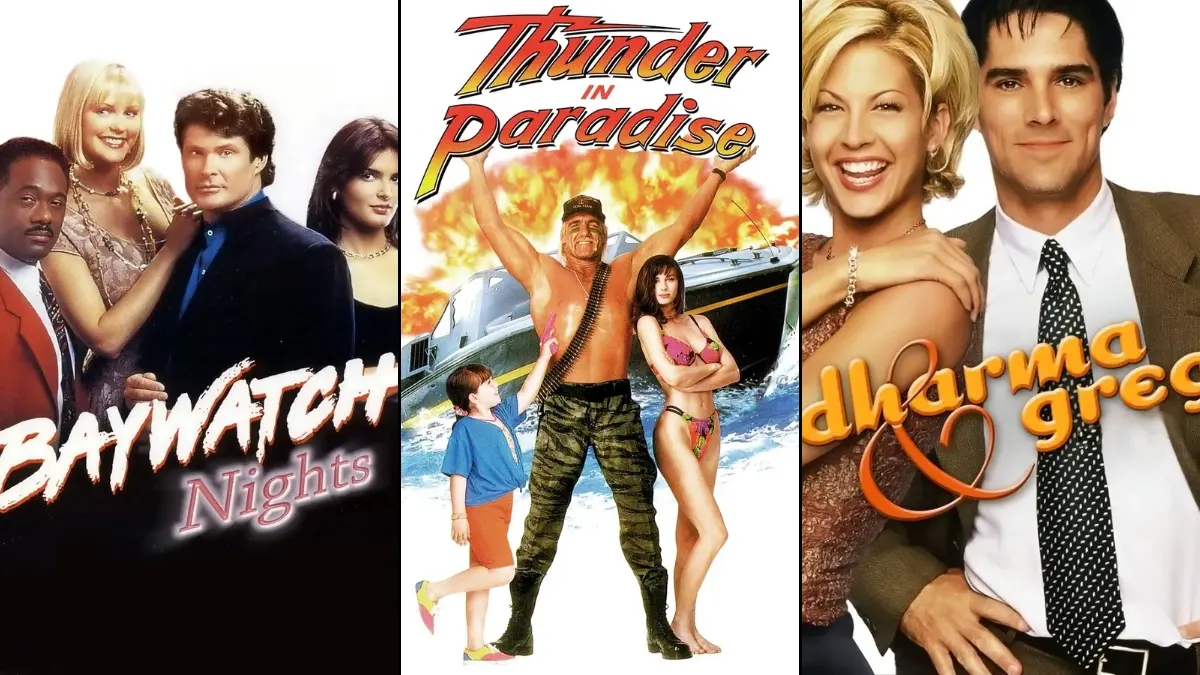

The 1990s pumped out a massive wave of television across broadcast networks, basic cable, and first-run syndication, and the result was a wild mix of teen sitcoms, action procedurals, genre experiments, and star-driven vehicles. Below is a look back at a wide range of series from that decade, with quick, factual snapshots covering who made them, who starred in them, where they aired, and what they were about. It’s a time-capsule tour through TGIF blocks, UPN launches, late-night syndication, and teen programming that once ruled after-school hours—no judgments here, just the what, who, and how of each show.
‘Homeboys in Outer Space’ (1996–1997)
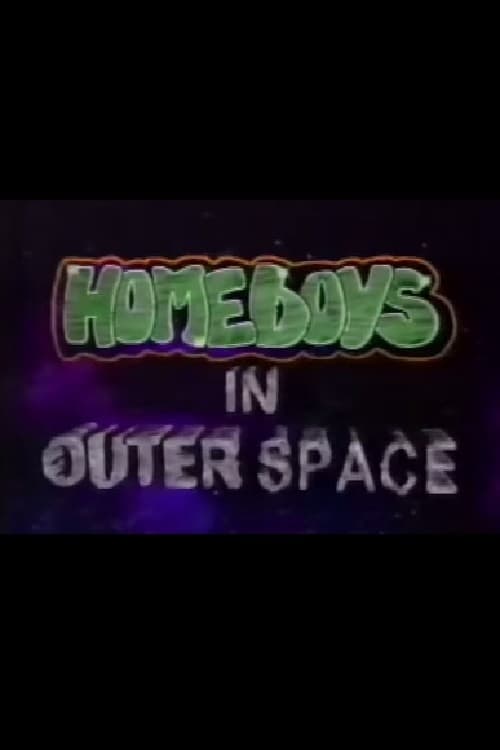
This UPN sitcom followed two spacefaring buddies working as intergalactic delivery pilots aboard a small freighter. It starred Flex Alexander and Darryl M. Bell and was set in a comedic sci-fi universe with pop-culture nods and episodic adventures. The series aired as part of UPN’s early lineup during its push to establish original comedies. Episodes used a single-camera approach with visual effects and guest appearances from television veterans.
‘Shasta McNasty’ (1999–2000)
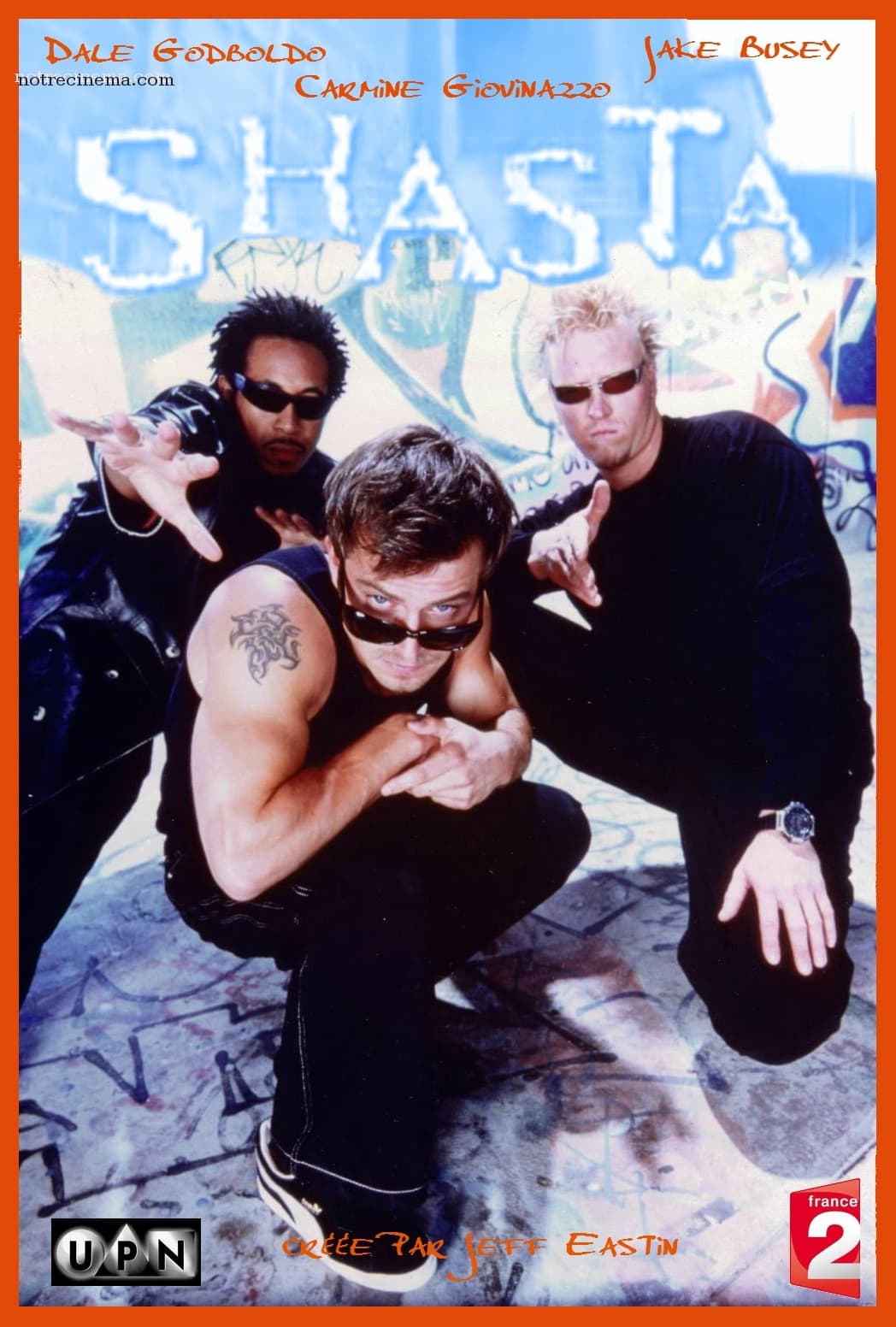
A UPN comedy, this series centered on a trio trying to make it as a rap-rock band while pulling odd schemes to get by. It starred Jake Busey, Dale Godboldo, and Carmine Giovinazzo, and later shortened its on-air title to ‘Shasta’. The show blended music-scene storylines with roommate antics in Los Angeles. It launched in the fall and underwent mid-season tweaks to its format and tone.
‘Thunder in Paradise’ (1994)
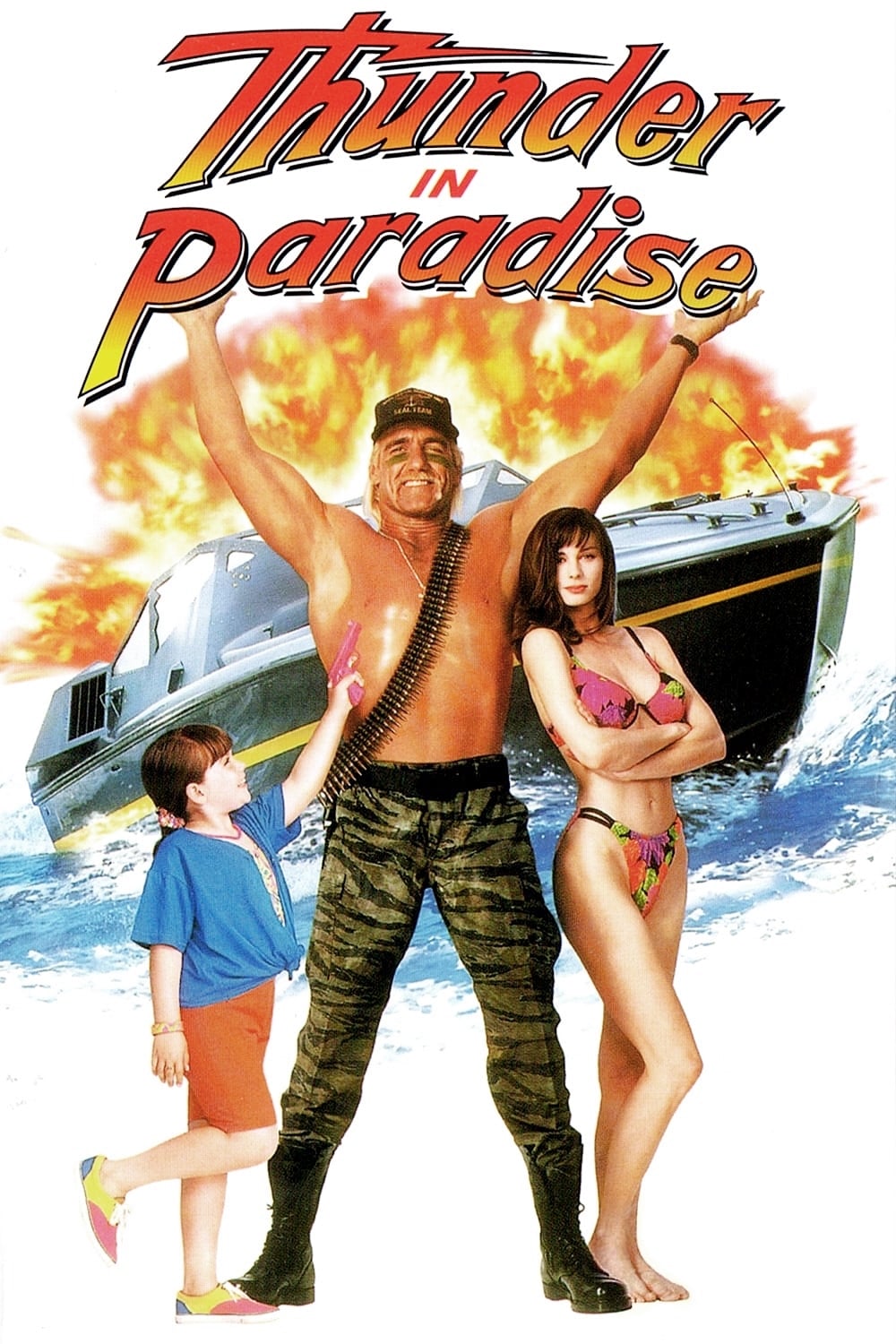
Produced for first-run syndication, this action series starred Hulk Hogan as a former Navy SEAL using a high-tech speedboat to take on missions around Florida. The show featured location shooting at resorts and coastal areas and often used self-contained, adventure-of-the-week plots. Companion video releases and TV movies expanded its storyline. Behind the scenes, it drew on crews and production resources also used by ‘Baywatch’.
‘Baywatch Nights’ (1995–1997)
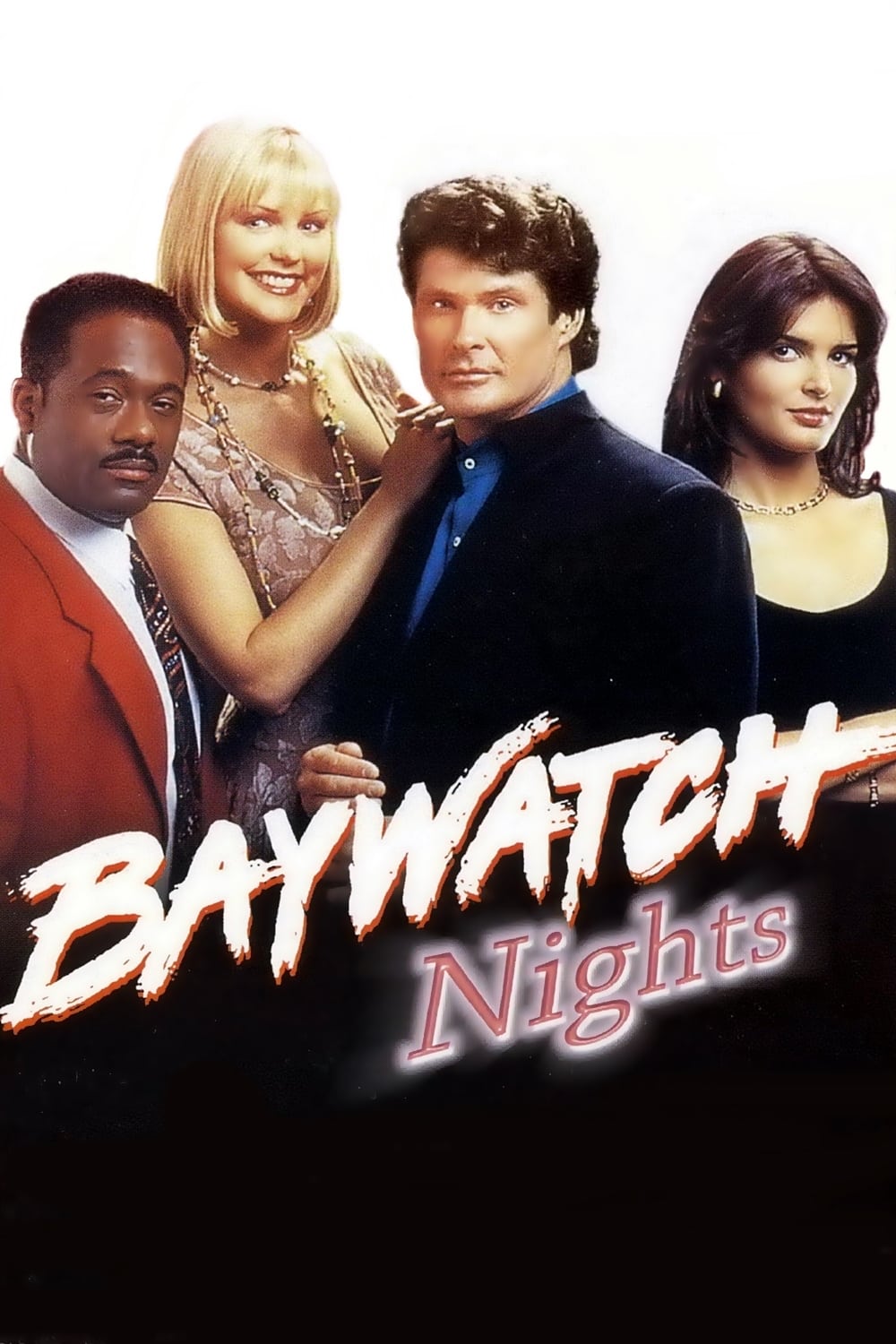
A spin-off of ‘Baywatch’, this syndicated series followed Mitch Buchannon moonlighting as a private investigator. The first season featured crime-of-the-week cases, while the second season shifted toward supernatural and paranormal storylines. David Hasselhoff reprised his role alongside a new ensemble cast. The series leveraged ‘Baywatch’ brand recognition and shared some production infrastructure.
‘Saved by the Bell: The New Class’ (1993–2000)
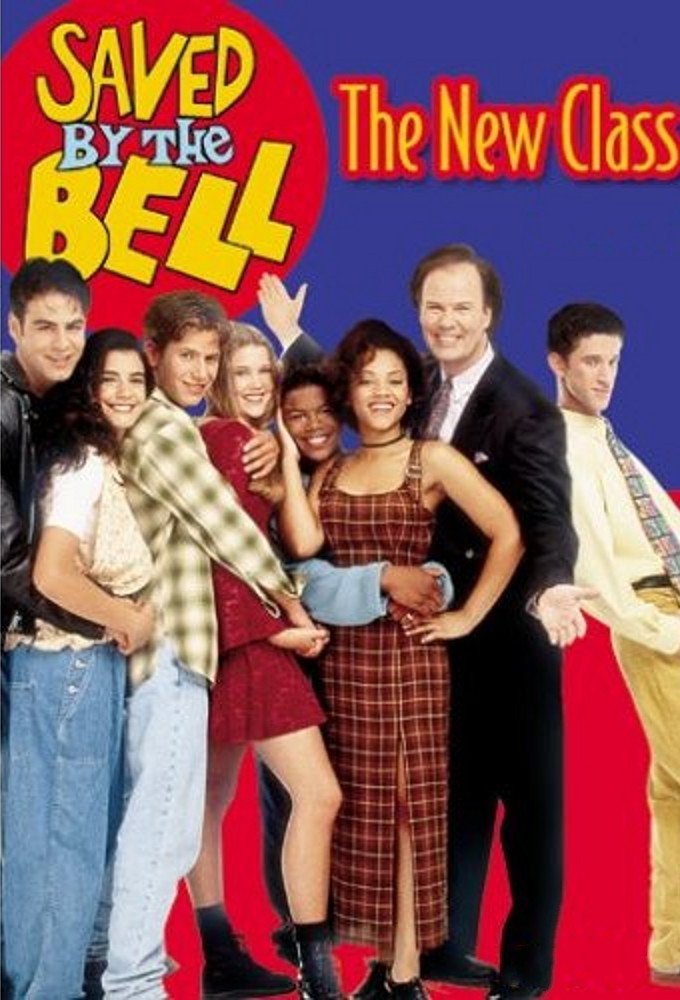
This NBC Saturday-morning sitcom continued the Bayside High setting with a rotating cast of students and returning faculty from ‘Saved by the Bell’. Produced by Peter Engel, it mirrored classroom plots, dances, and school trips familiar to the original. Dennis Haskins remained a steady presence as Principal Belding. The series ran for multiple seasons with frequent cast changes to refresh the ensemble.
‘Herman’s Head’ (1991–1994)
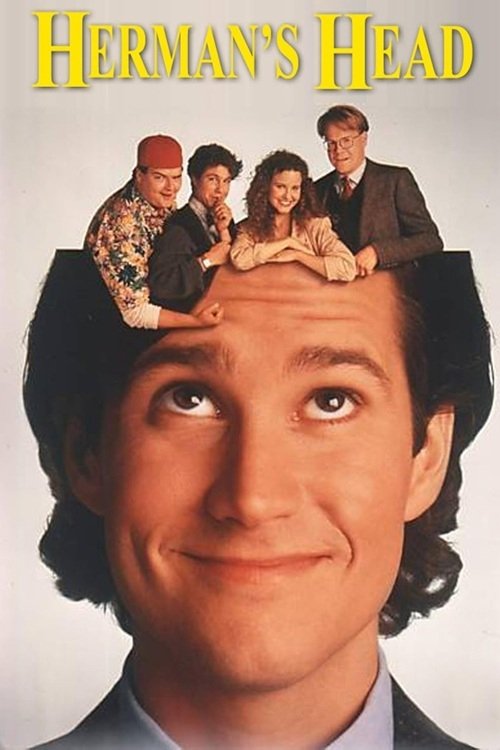
A Fox workplace sitcom with a high-concept twist, this show visualized the main character’s thoughts through four personified emotions and traits. William Ragsdale led the cast, with Hank Azaria and Yeardley Smith among the ensemble. Episodes combined office stories with cutaways to the inner “head” set. The show used a traditional multi-camera sitcom format with live-audience elements.
‘Caroline in the City’ (1995–1999)
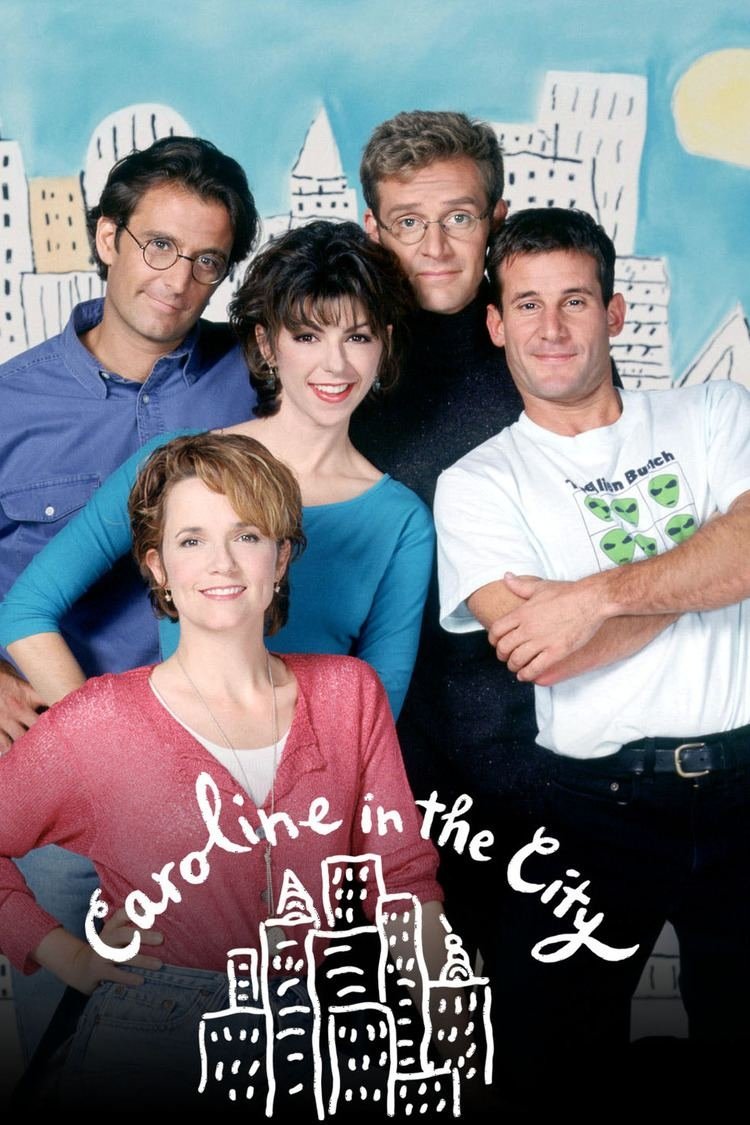
An NBC comedy starring Lea Thompson, this series followed a successful Manhattan cartoonist whose comic strip shaped her public persona. The show tracked her relationships, career deadlines, and interactions with her colorist and friends. It aired in the network’s Must See TV lineup and occasionally featured crossover nods with other sitcoms of the era. The production used a multi-camera setup and an ensemble built around Thompson’s lead.
‘Veronica’s Closet’ (1997–2000)
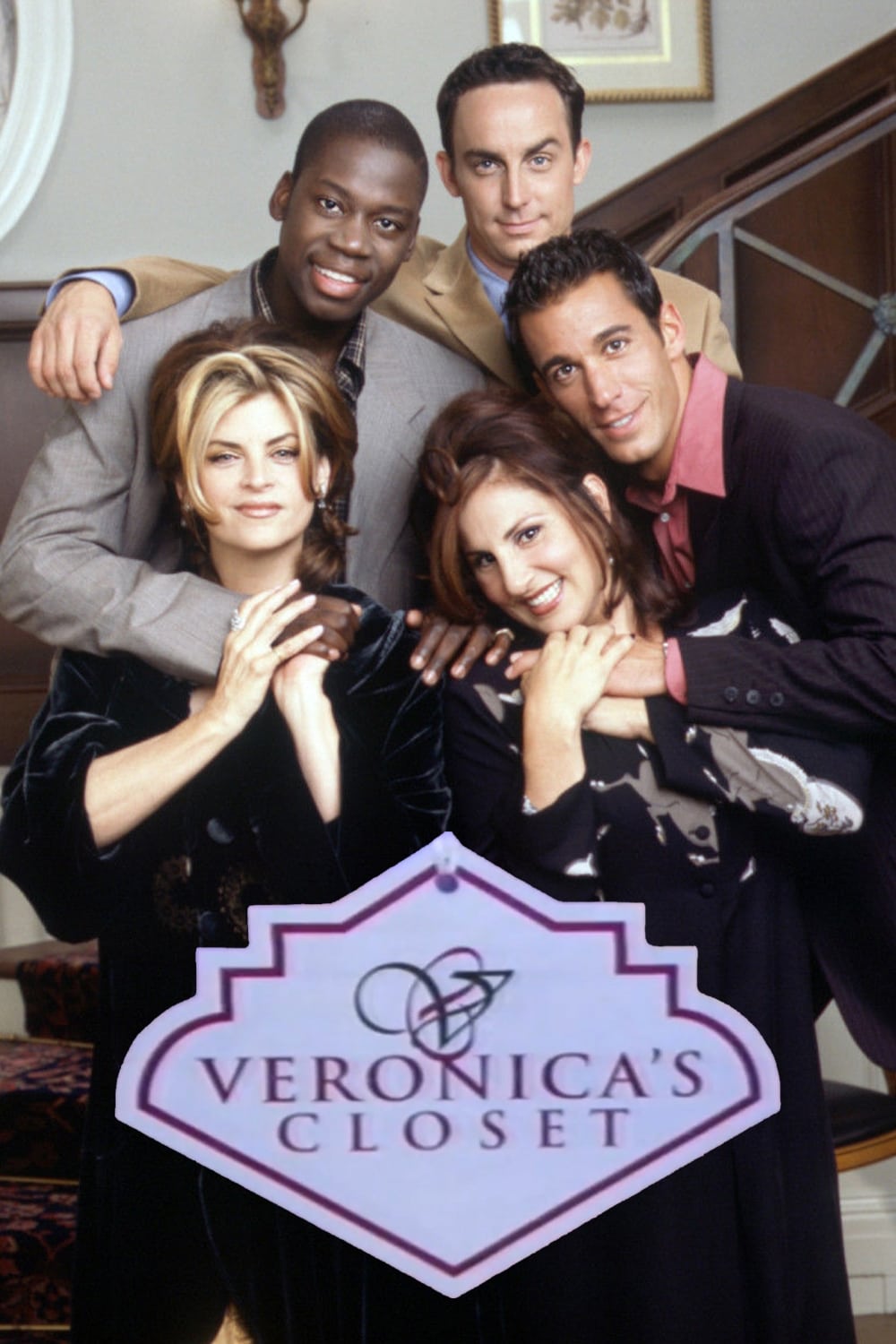
Created by the team behind ‘Friends’, this NBC sitcom starred Kirstie Alley as the head of a lingerie company. Storylines mixed office politics, marketing mishaps, and the personal lives of the executive team. The show was positioned in high-visibility time slots alongside other NBC comedies. Kathy Najimy and Wallace Langham anchored the ensemble around Alley’s character.
‘Suddenly Susan’ (1996–2000)
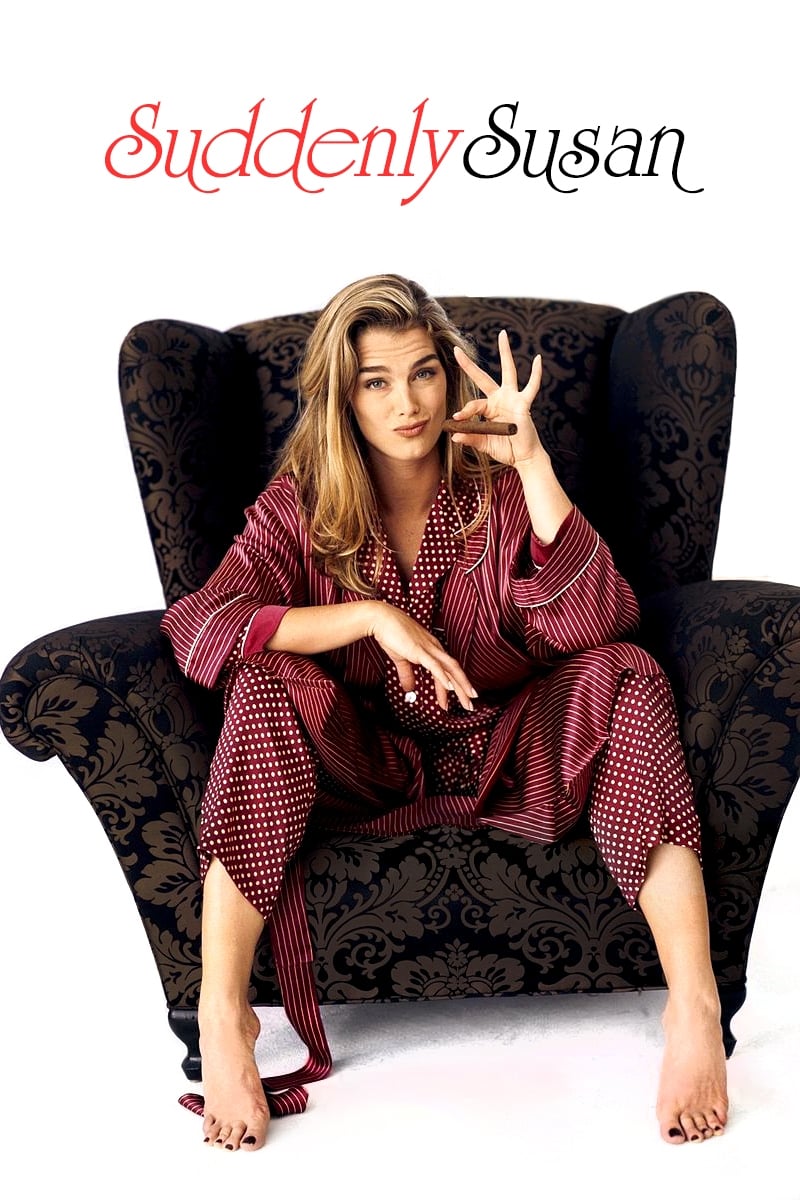
Starring Brooke Shields, this NBC series followed a writer who restarts her life while working at a San Francisco magazine. The workplace ensemble included characters in editorial and photography roles, with recurring plots about deadlines and office shake-ups. The production retooled between seasons and addressed real-world loss after cast member David Strickland’s death with a tribute episode. The show filmed on multi-camera stages with single-camera inserts for location work.
‘Dharma & Greg’ (1997–2002)
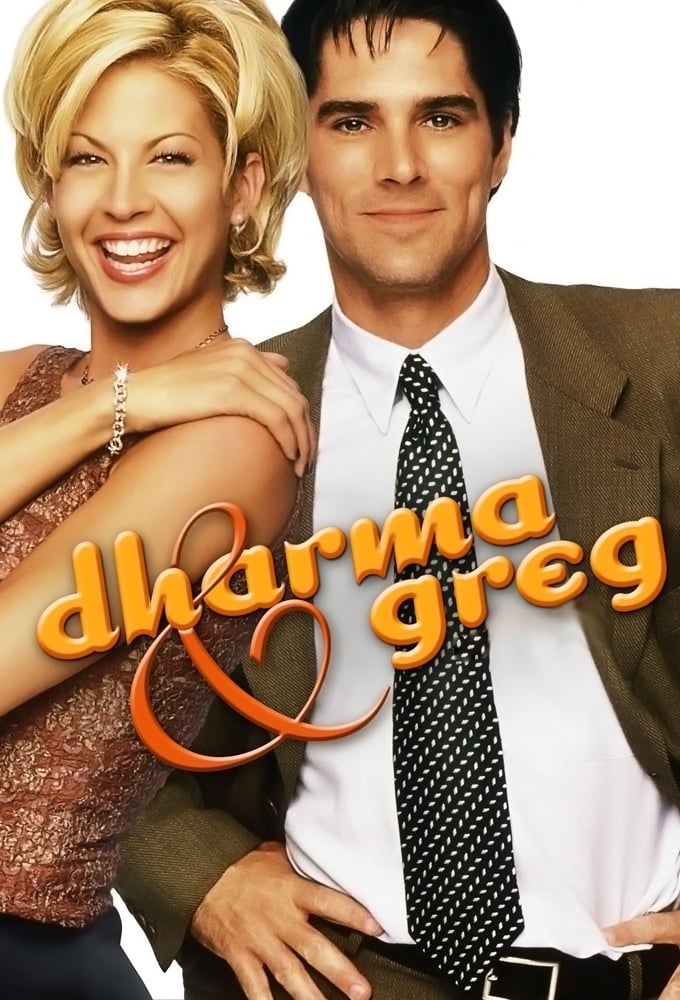
An ABC comedy created by Chuck Lorre and Dottie Dartland Zicklin, the series paired a free-spirited yoga instructor with a buttoned-up lawyer after a whirlwind marriage. Jenna Elfman and Thomas Gibson led the cast, supported by extended families that drove many plots. The series earned award nominations for acting and direction. It maintained a steady schedule in ABC’s comedy blocks and produced full broadcast-length seasons.
‘Just Shoot Me!’ (1997–2003)
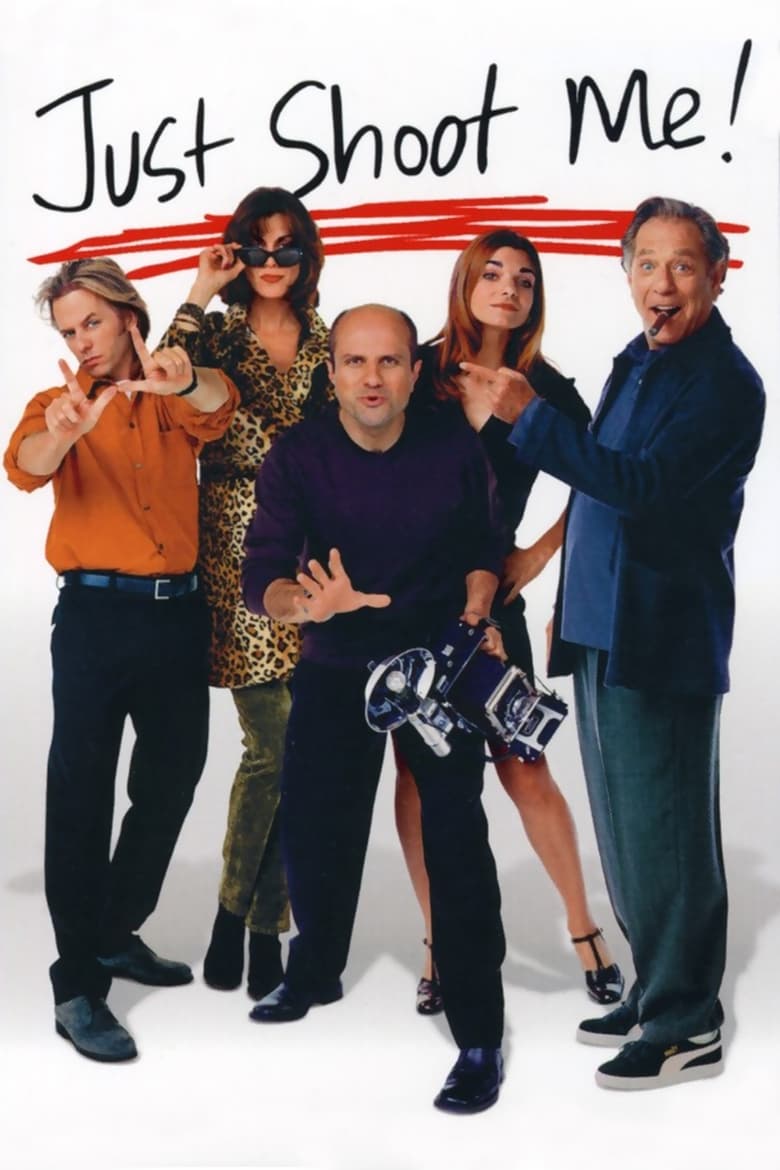
Set at the fictional fashion magazine ‘Blush’, this NBC sitcom starred Laura San Giacomo, George Segal, Wendie Malick, Enrico Colantoni, and David Spade. Episodes revolved around editorial features, photo shoots, and staff dynamics. The show used a multi-camera format and ran for multiple seasons with a consistent ensemble. It frequently incorporated real-world fashion personalities and media satire.
‘Blossom’ (1990–1995)
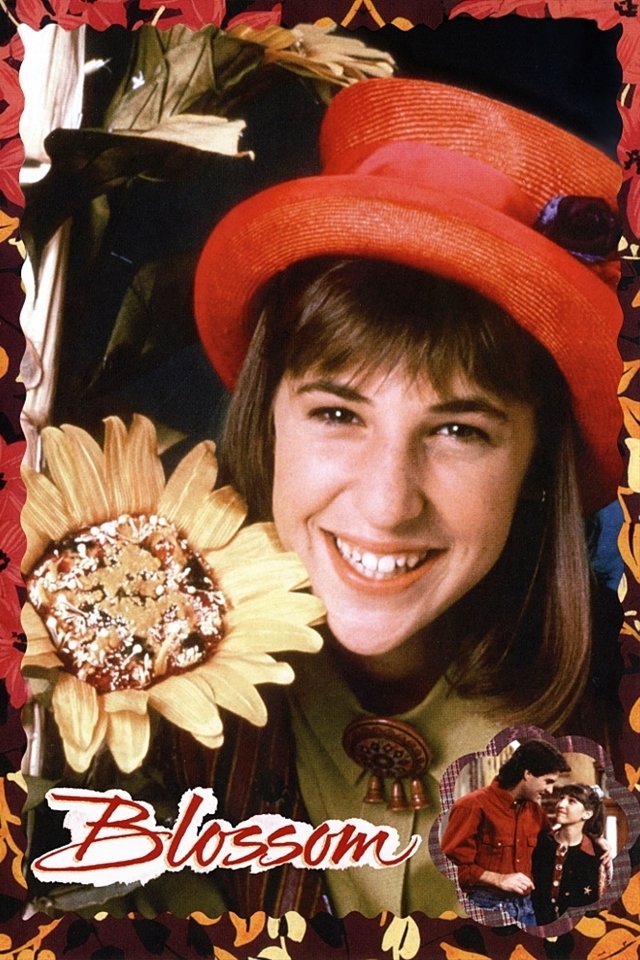
This NBC coming-of-age sitcom followed a teen navigating family life with her musician father and two brothers. Mayim Bialik starred in the title role, with Joey Lawrence and Michael Stoyanov as siblings. Episodes blended school, friendships, and music-industry subplots. The show became known for special guest stars and themed episodes anchored by Bialik’s narration.
‘Step by Step’ (1991–1998)
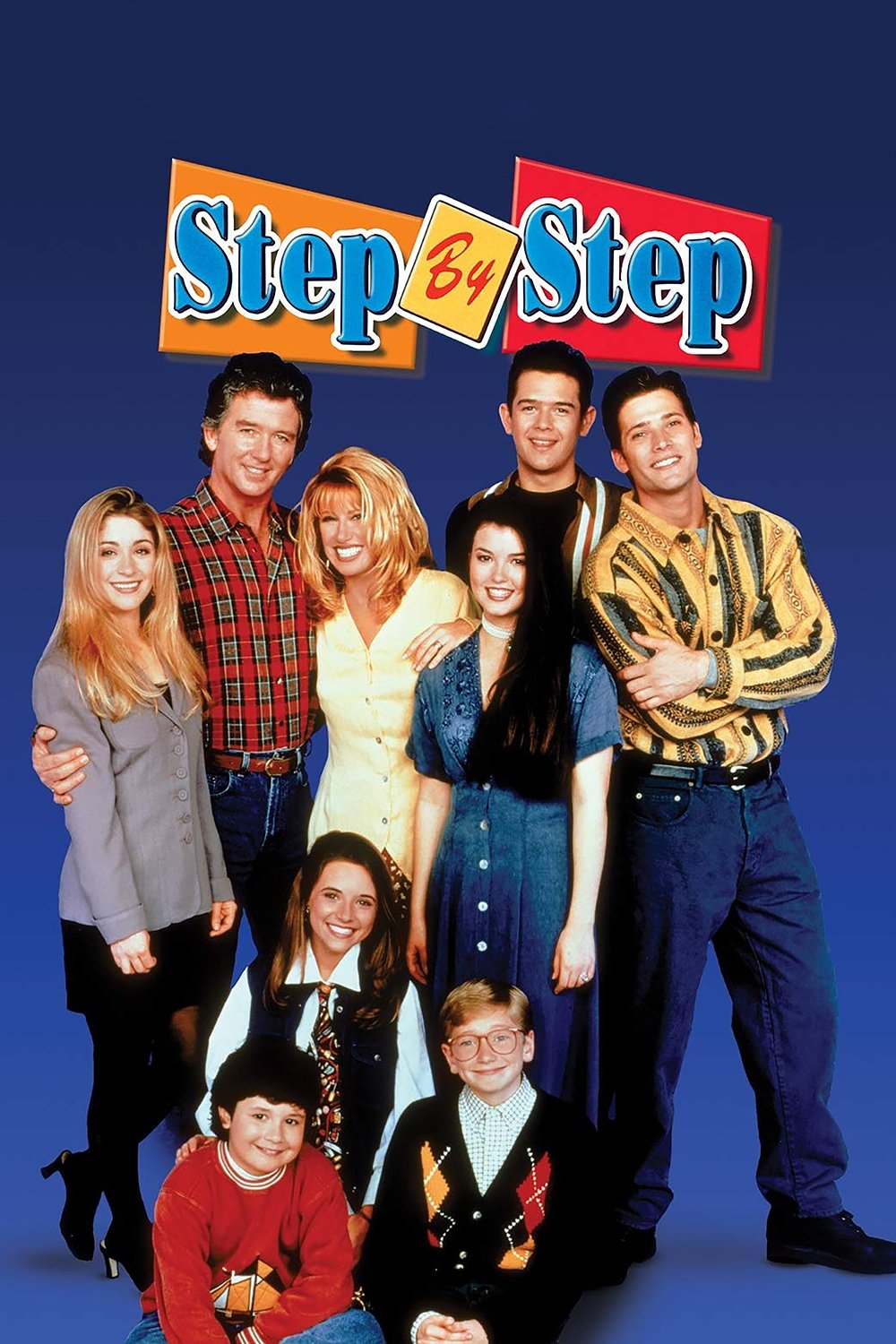
Part of ABC’s TGIF block, this sitcom tracked a blended family adjusting to life under one roof. Patrick Duffy and Suzanne Somers headlined as the parents, with a large ensemble of children creating rotating A- and B-plots. The series later moved to CBS for its final season. Production relied on multi-camera staging and familiar family-sitcom story structures.
‘Renegade’ (1992–1997)
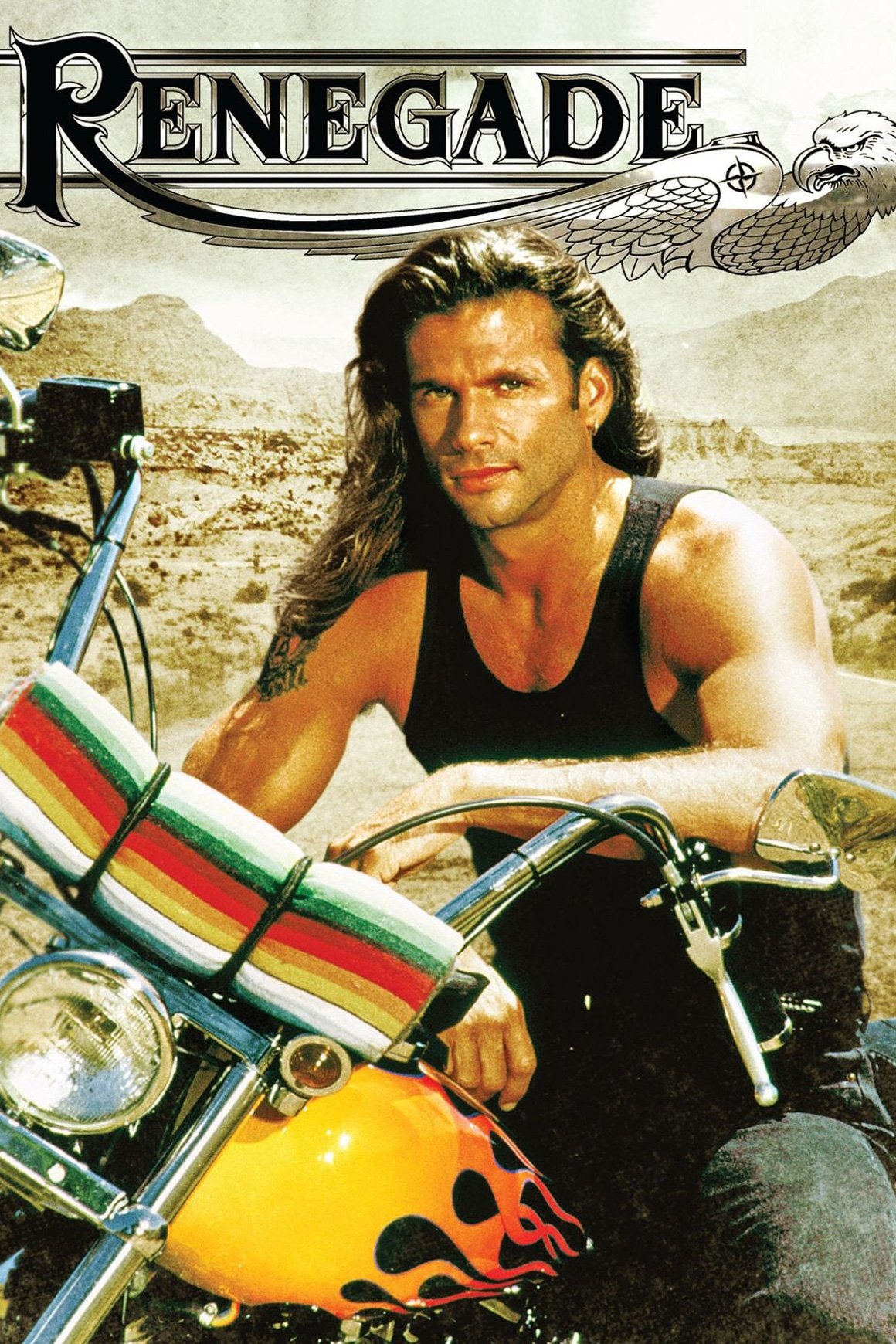
A first-run syndicated action drama, the show starred Lorenzo Lamas as a former cop turned bounty hunter. Episodes featured motorcycle chases, desert locations, and case-of-the-week arcs. Stephen J. Cannell served as creator and appeared onscreen in a recurring antagonist role. The series filmed on the West Coast with a stunt-heavy production schedule.
‘V.I.P.’ (1998–2002)
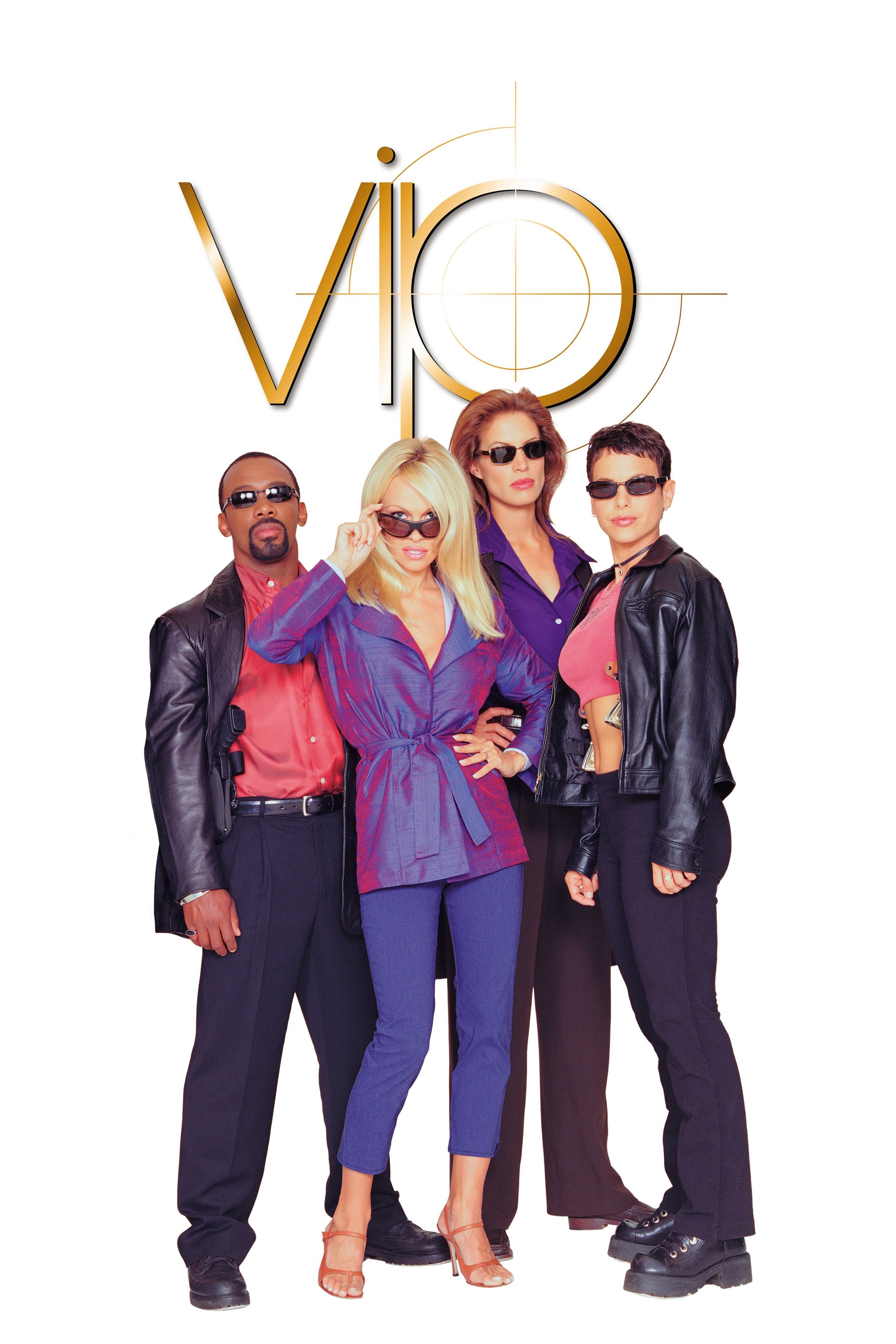
This syndicated action-comedy starred Pamela Anderson as the face of a Los Angeles bodyguard firm that mixed celebrity protection with undercover capers. The ensemble included specialists handling tech, combat, and logistics. The show leaned on stylized action sequences and Southern California locations. It ran in weekend blocks across domestic stations and international markets.
‘Pacific Blue’ (1996–2000)
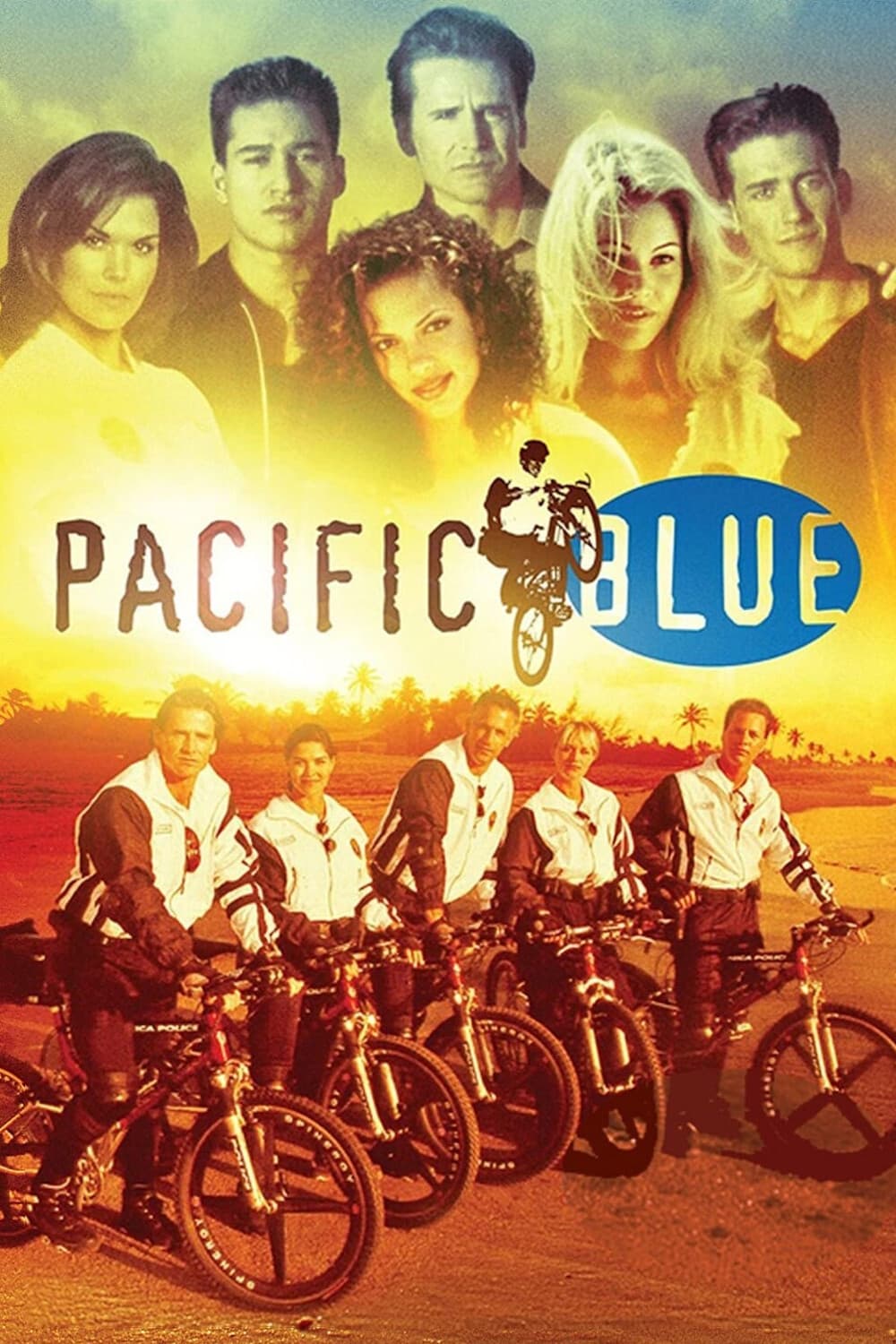
A USA Network police drama about Santa Monica bicycle officers, the show combined beachside patrols with standard procedural beats. Cast members included Jim Davidson, Darlene Vogel, Paula Trickey, and later Mario Lopez. Real boardwalk and pier locations gave the series a distinct visual identity. The production delivered self-contained cases with occasional multi-episode arcs.
‘Walker, Texas Ranger’ (1993–2001)
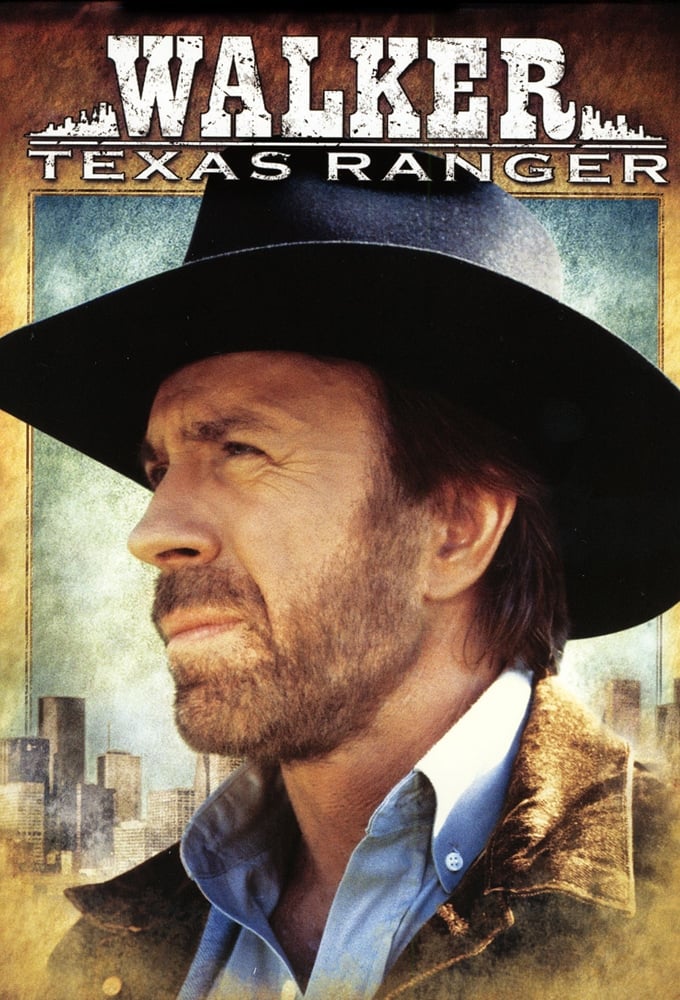
This CBS procedural starred Chuck Norris as a Texas Ranger who blended investigative work with martial-arts action. Clarence Gilyard Jr. co-starred as his partner, with supporting roles for officers and prosecutors. The series used North Texas locations and emphasized practical stunts. It generated TV movies and sustained high syndication visibility after its network run.
‘Diagnosis: Murder’ (1993–2001)
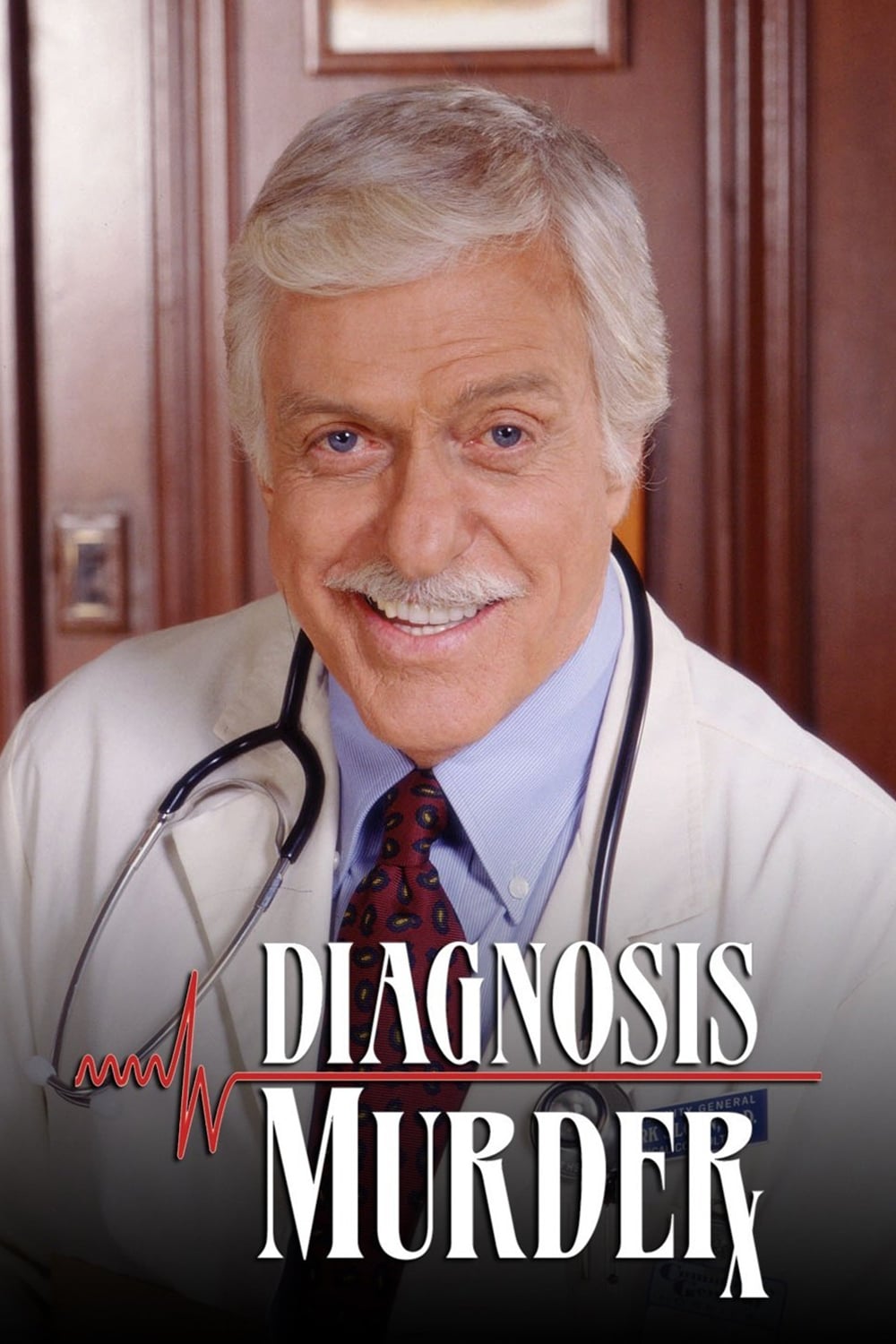
Led by Dick Van Dyke, this CBS series followed a physician who assisted police investigations through medical expertise. Barry Van Dyke co-starred, with hospital staff and detectives forming the recurring ensemble. The show originated from backdoor pilots tied to earlier crime dramas before spinning off on its own. Episodes balanced laboratory clues with traditional whodunit structures.
‘The Single Guy’ (1995–1997)

An NBC sitcom starring Jonathan Silverman, the series focused on a novelist navigating friendships, dating, and Manhattan apartment life. It aired within the network’s Thursday comedy lineup, occasionally intersecting with other shows through event nights. The ensemble cast included neighbors and co-workers who anchored subplot rotations. Production delivered standard half-hour multi-camera episodes.
‘USA High’ (1997–1999)
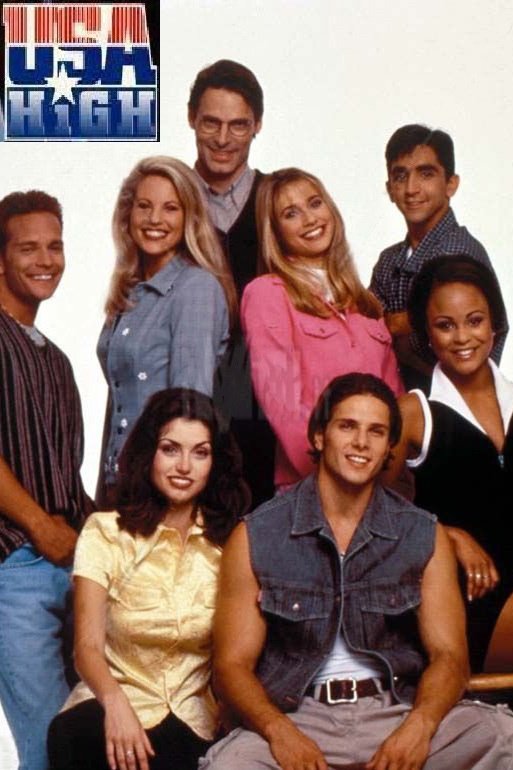
A USA Network teen sitcom set at an international boarding school in Paris, the show followed American and European students in class and dorm settings. Produced by Peter Engel, it shared creative DNA with other after-school comedies of the era. Storylines covered exams, band gigs, school events, and culture-clash gags. The series filmed on sets designed to suggest European locations.
‘Hang Time’ (1995–2000)
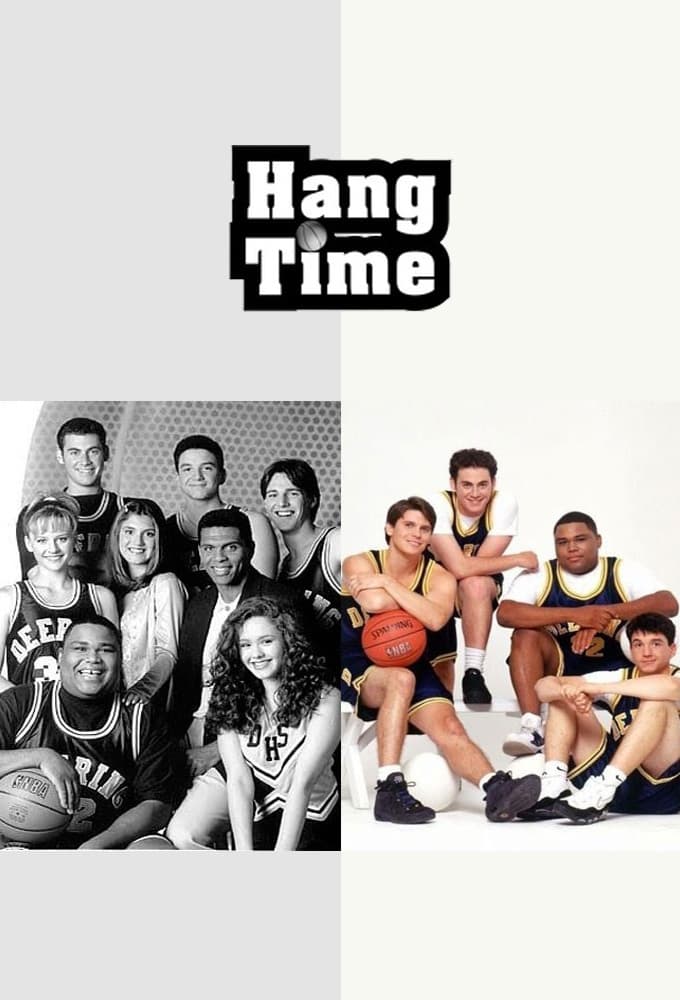
This Saturday-morning NBC (TNBC) series chronicled a high school basketball team with a coed roster. Early seasons featured Daniella Deutscher as a standout player integrated into the lineup. Produced by Peter Engel, it incorporated game footage, practice sequences, and life-lesson B-plots. Cast turnover refreshed the team across multiple seasons.
‘Two of a Kind’ (1998–1999)
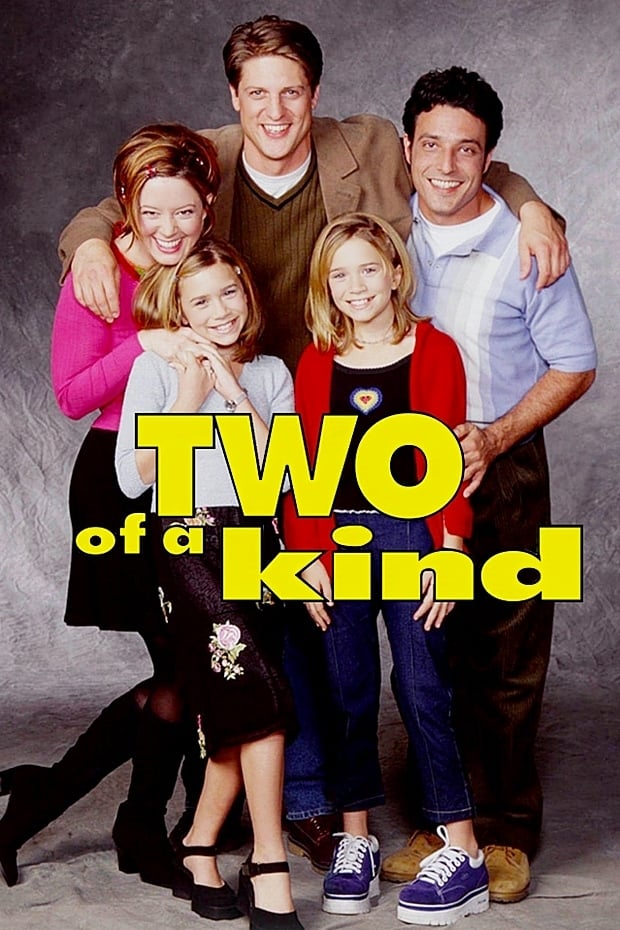
An ABC family sitcom starring Mary-Kate and Ashley Olsen, the series paired twin middle-schoolers with their single dad, a college professor. The show leaned on classroom set pieces, science-lecture gags, and babysitter dynamics. It aired on Friday nights as part of the network’s family-comedy block. Tie-in novels and merchandise extended the brand during and after the run.
‘The Secret World of Alex Mack’ (1994–1998)
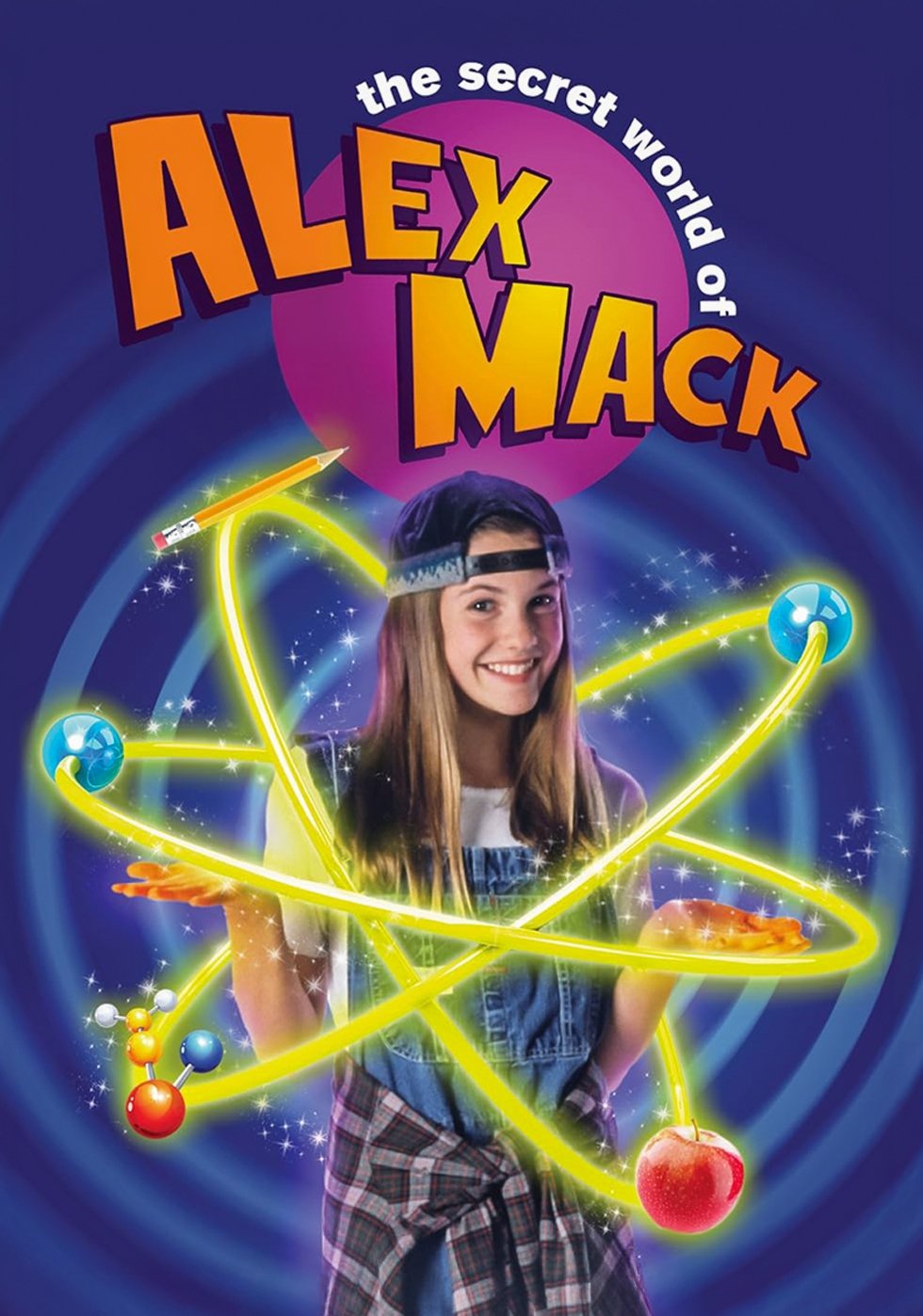
A Nickelodeon live-action series, it followed a teen who gains unusual abilities after a chemical accident. Larisa Oleynik starred, with a supporting cast of family, friends, and corporate antagonists. The show mixed school stories with science-fiction elements and serialized mysteries. Location shots in suburban streets and industrial parks complemented stage interiors.
‘Xena: Warrior Princess’ (1995–2001)
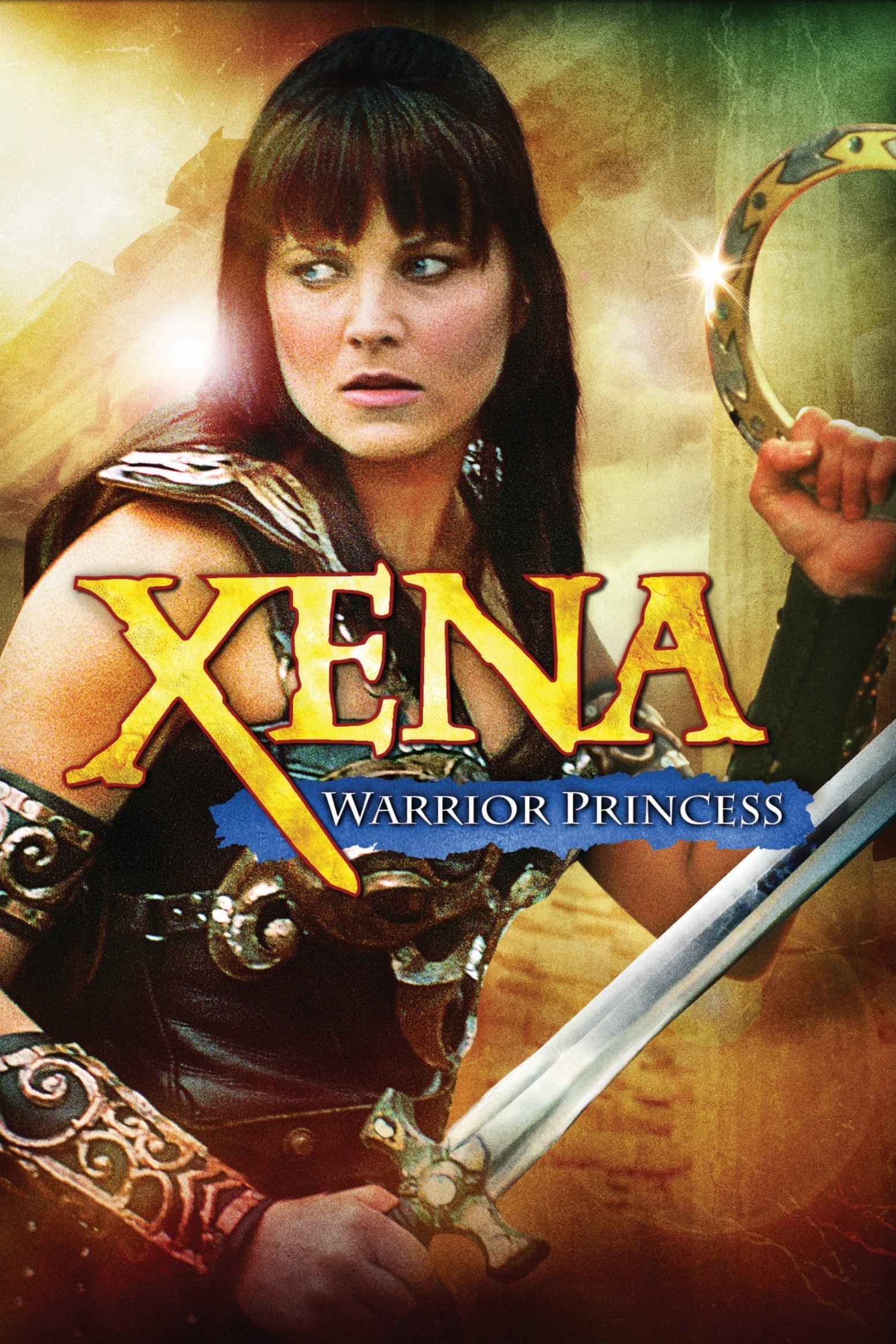
Produced by Renaissance Pictures for first-run syndication, this action-adventure series starred Lucy Lawless as a wandering warrior in a mythic ancient world. Episodes combined sword-and-sandal set pieces with comedic detours and recurring villains. The production filmed in New Zealand and shared crew and resources with ‘Hercules: The Legendary Journeys’. A strong supporting ensemble and recurring guest stars built out its traveling-quest format.
‘Hercules: The Legendary Journeys’ (1995–1999)
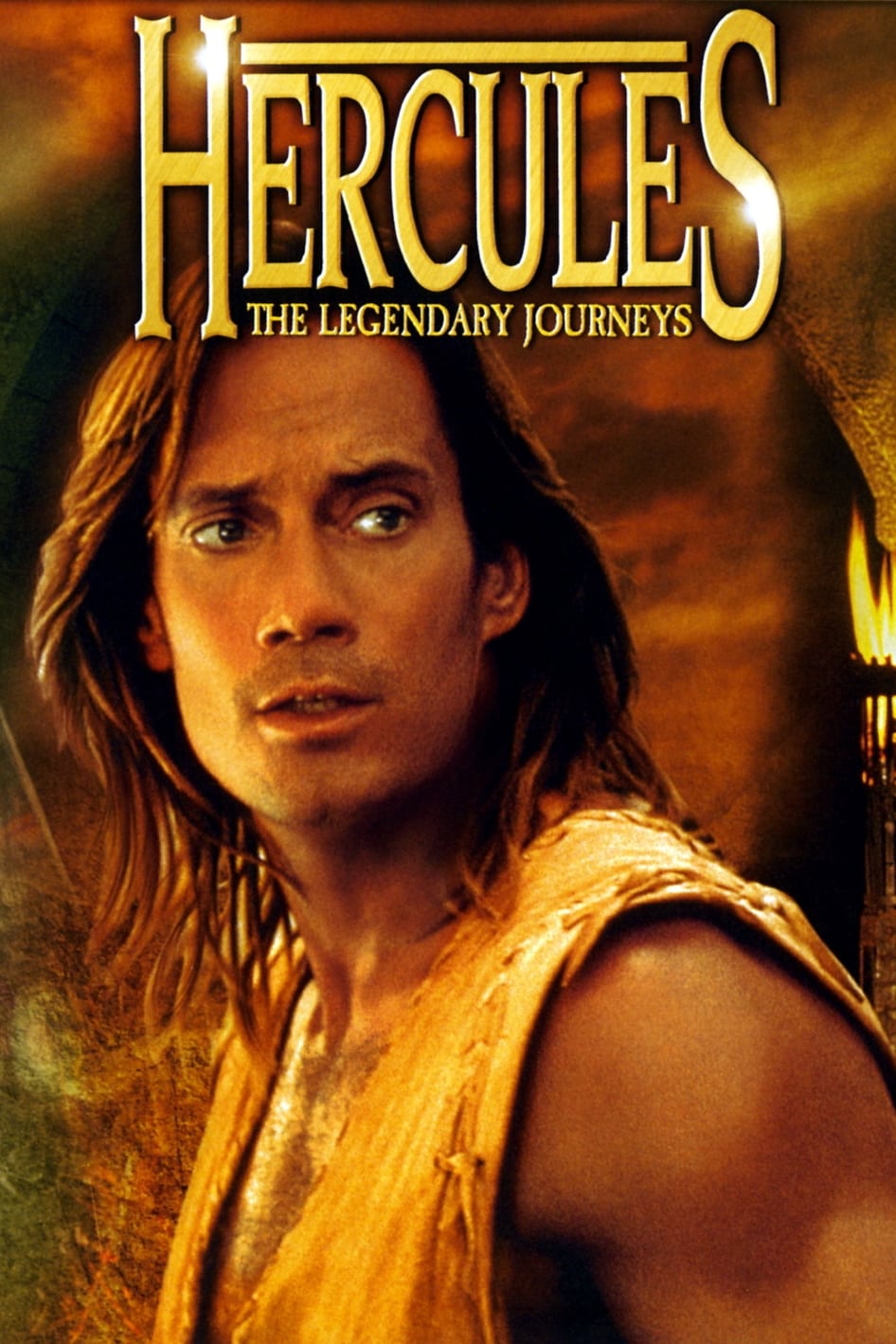
Starring Kevin Sorbo, this syndicated series reimagined Greek myths with monster-of-the-week adventures and recurring allies and foes. Renaissance Pictures produced the show with extensive location work in New Zealand. It generated TV movies, crossovers, and the spin-off ‘Xena: Warrior Princess’. Practical effects and early CGI supplemented stunt-driven action across its seasons.
‘Team Knight Rider’ (1997–1998)
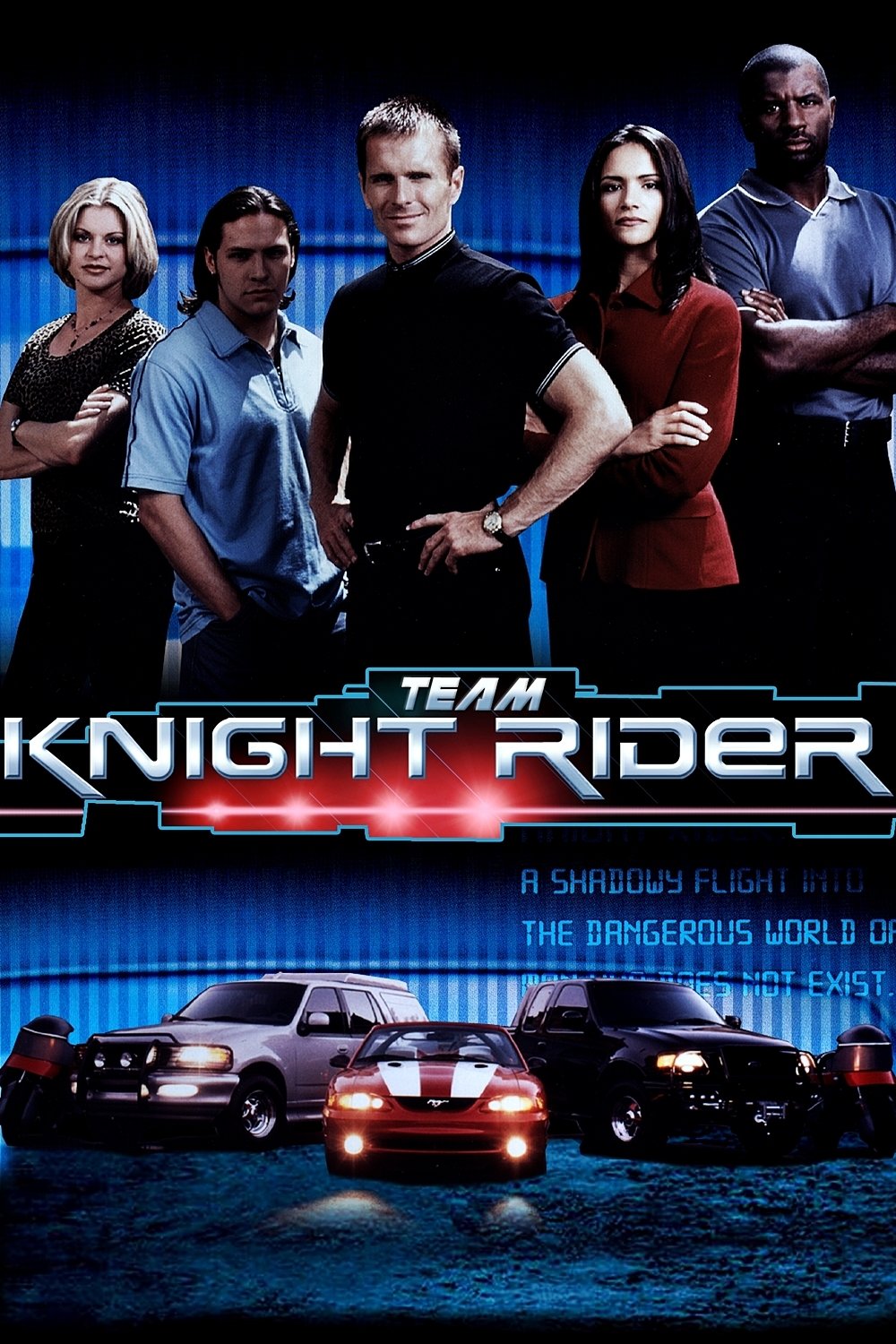
Developed for syndication, this ensemble adventure series extended the ‘Knight Rider’ concept with multiple AI-equipped vehicles and a field team. Episodes followed mission-based plots coordinated by a secretive agency. The production used a mix of practical driving stunts and digital interfaces to depict the cars’ technology. It featured recurring antagonists and nods to the original series’ mythology.
‘Acapulco H.E.A.T.’ (1993–1999)
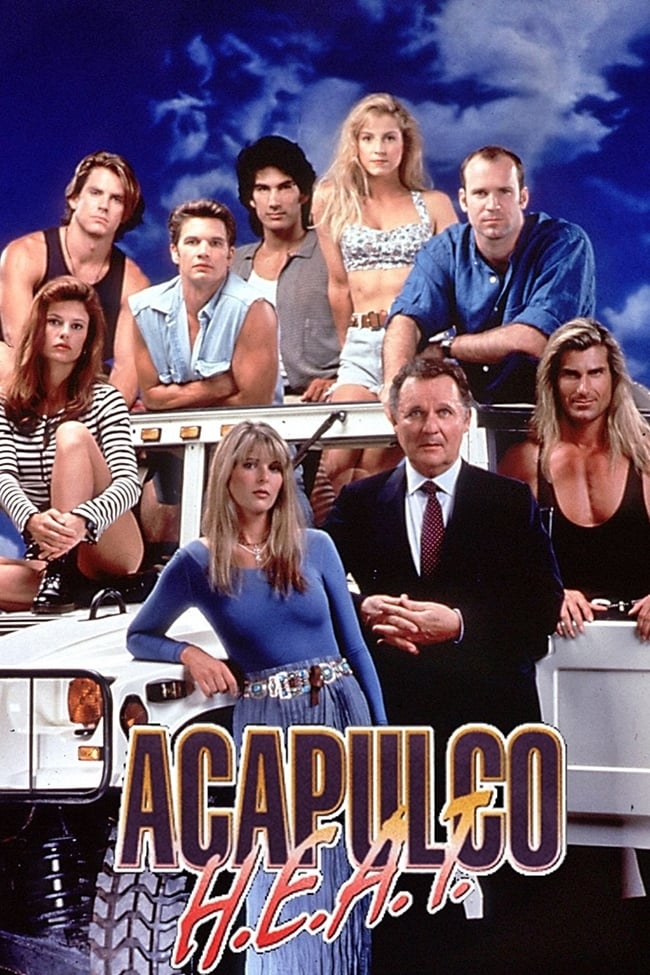
This internationally syndicated action drama centered on a covert team using fashion and tourism covers to conduct operations along resort coastlines. The cast changed between seasons while maintaining the premise of undercover assignments. Location filming emphasized beaches, hotels, and marinas. The show mixed episodic cases with occasional multi-part stories.
‘Night Man’ (1997–1999)
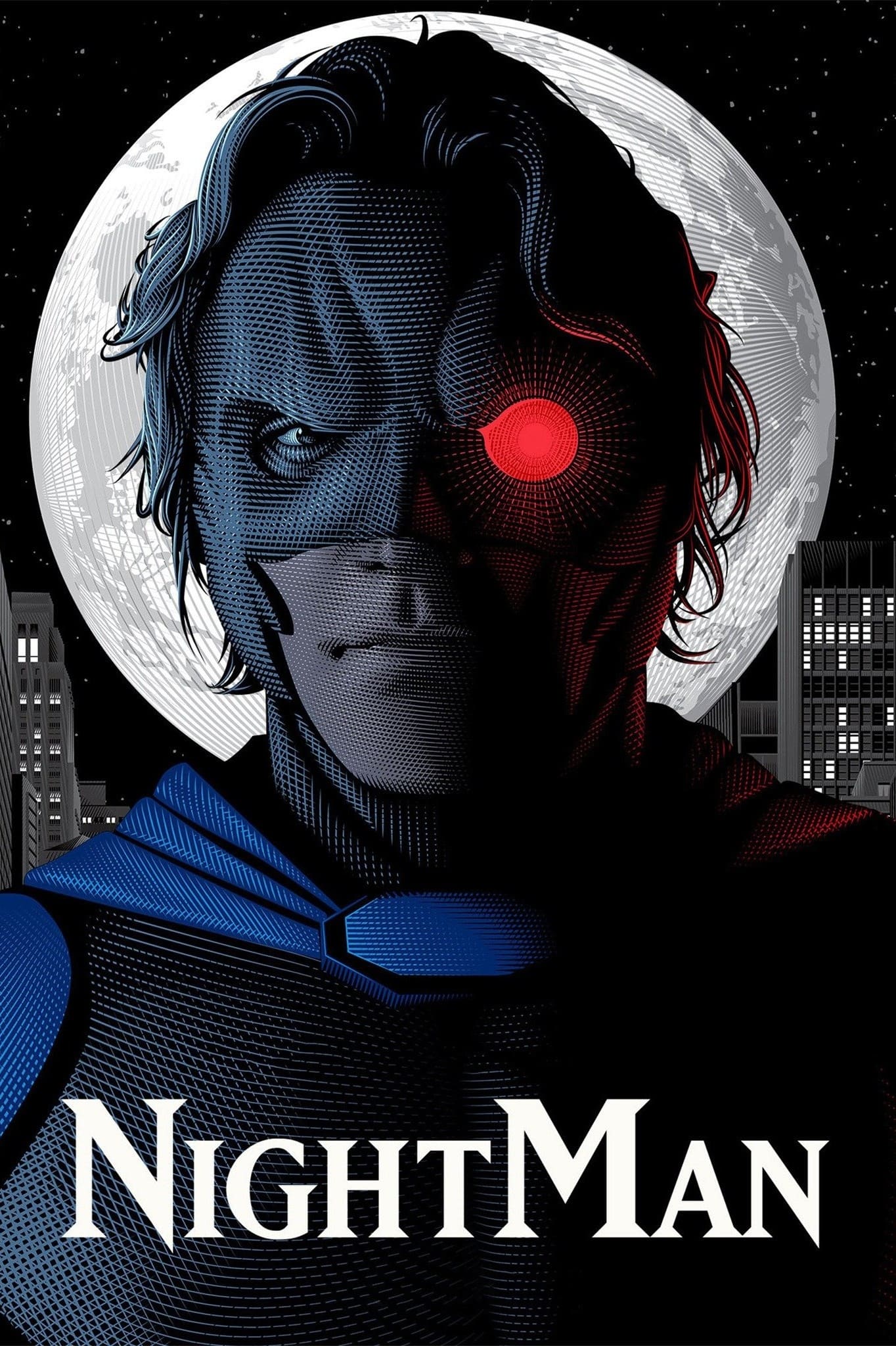
Adapted from a Malibu Comics character, this syndicated series followed a jazz musician who gains the ability to detect evil after a lightning strike. He fights crime in a specialized armored suit with a visor and integrated weaponry. The production shot in urban locations with frequent helicopter and rooftop sequences. Crossovers connected it briefly to ‘Baywatch Nights’-era genre TV.
‘Silk Stalkings’ (1991–1999)
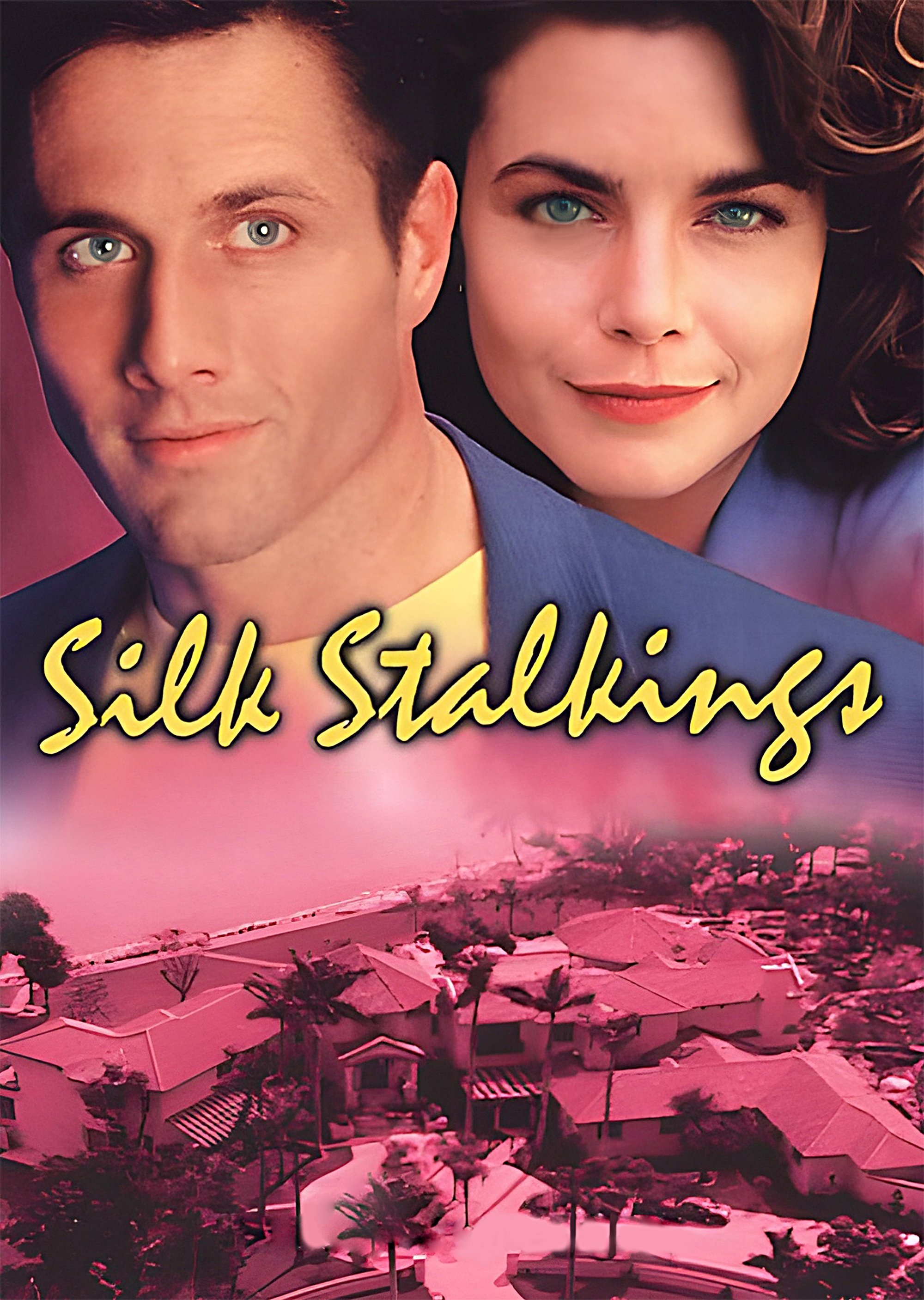
Originally part of the ‘Crime Time After Prime Time’ block and later on USA Network, the series paired detectives working homicide cases in a South Florida setting. The show stylized investigations around high-society victims and suspects. Casting evolved across seasons, transitioning to new lead partners while keeping the procedural framework. It relied on bright, coastal visuals and self-contained mysteries.
‘SeaQuest DSV’ (1993–1996)
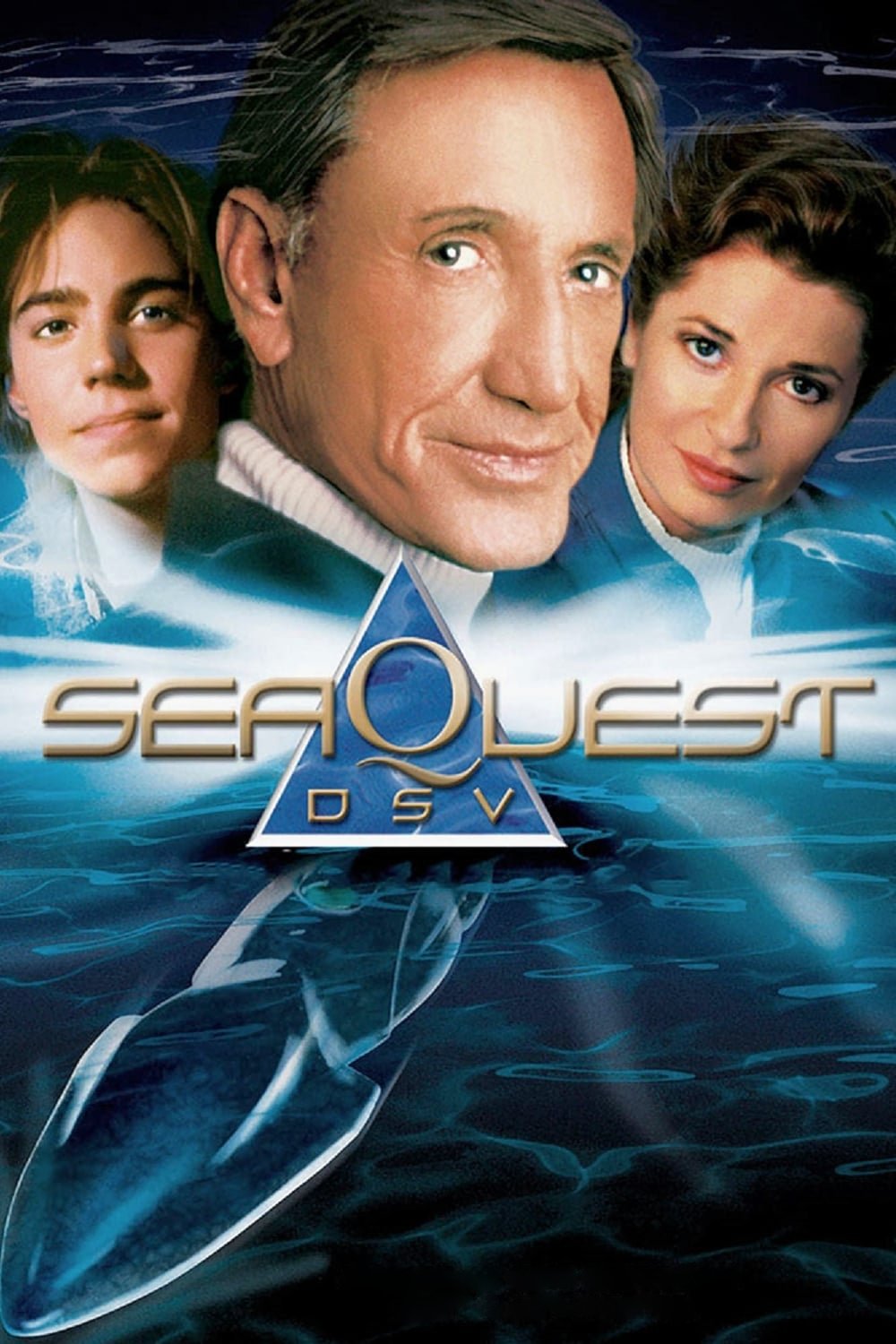
A network science-fiction drama set aboard a high-tech submarine, it explored deep-sea research, diplomacy, and security missions. The series featured an ensemble led by a commanding officer, scientists, and naval crew. Production incorporated large-scale sets, aquatic props, and marine-themed effects. Later seasons adjusted tone and cast while keeping the vessel-centered format.
‘VR Troopers’ (1994–1996)

This syndicated kids’ action series localized Japanese tokusatsu footage to tell a story about three friends who battle a virtual-reality overlord. Live-action American scenes bridged suit battles and monster encounters. The show shared production lineage with ‘Mighty Morphin Power Rangers’. Merchandise, trading cards, and video releases supported its broadcast run.
‘Big Bad Beetleborgs’ (1996–1998)
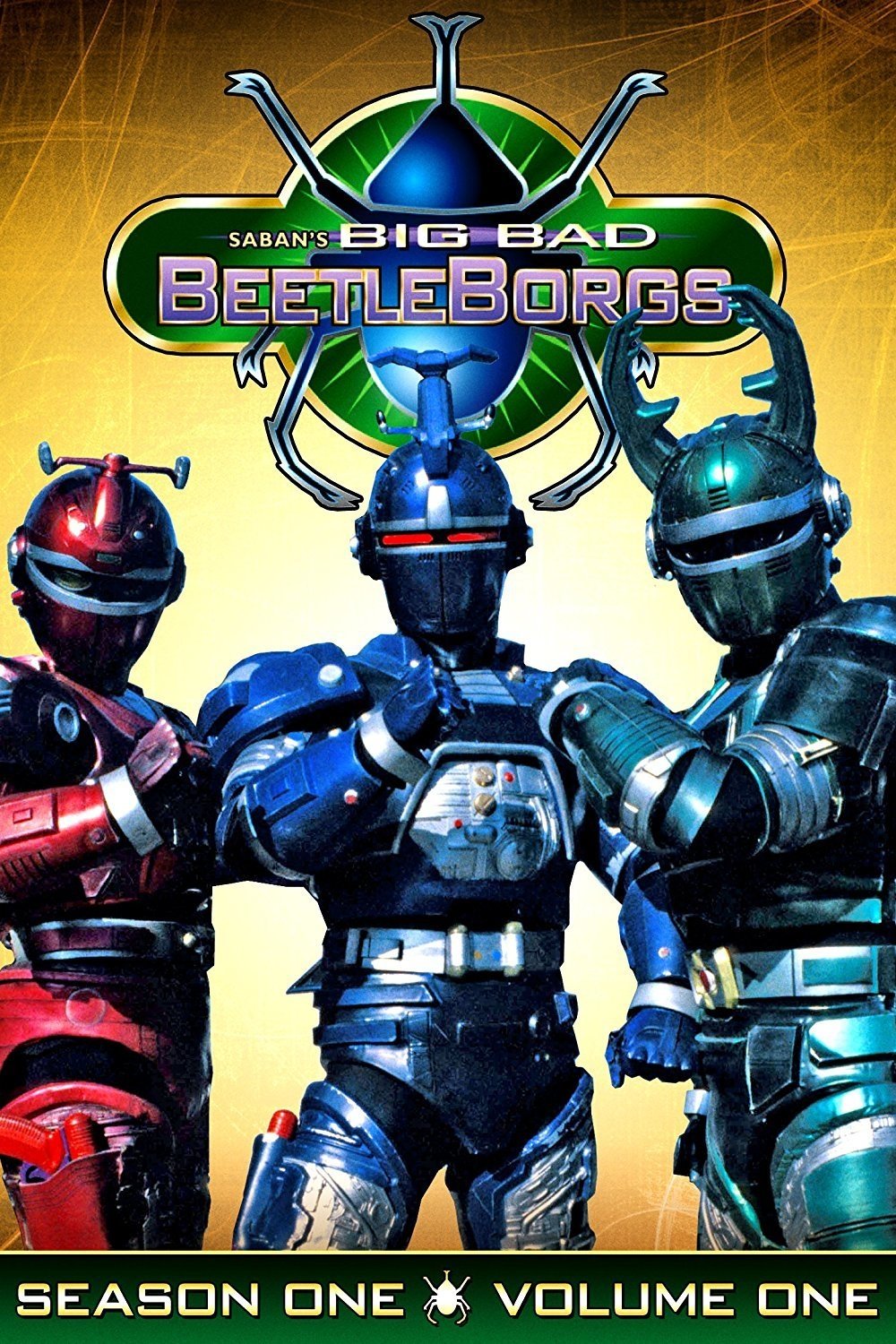
A Fox Kids series, it followed three children who become armored heroes after encountering a mischievous phantom in a haunted mansion. The production combined American comedy scenes with adapted action footage featuring insect-themed suits. It aired weekday afternoons with a toy line tied to the on-screen gear. A retooled second season introduced new armor and villains.
‘Mighty Morphin Power Rangers’ (1993–1996)
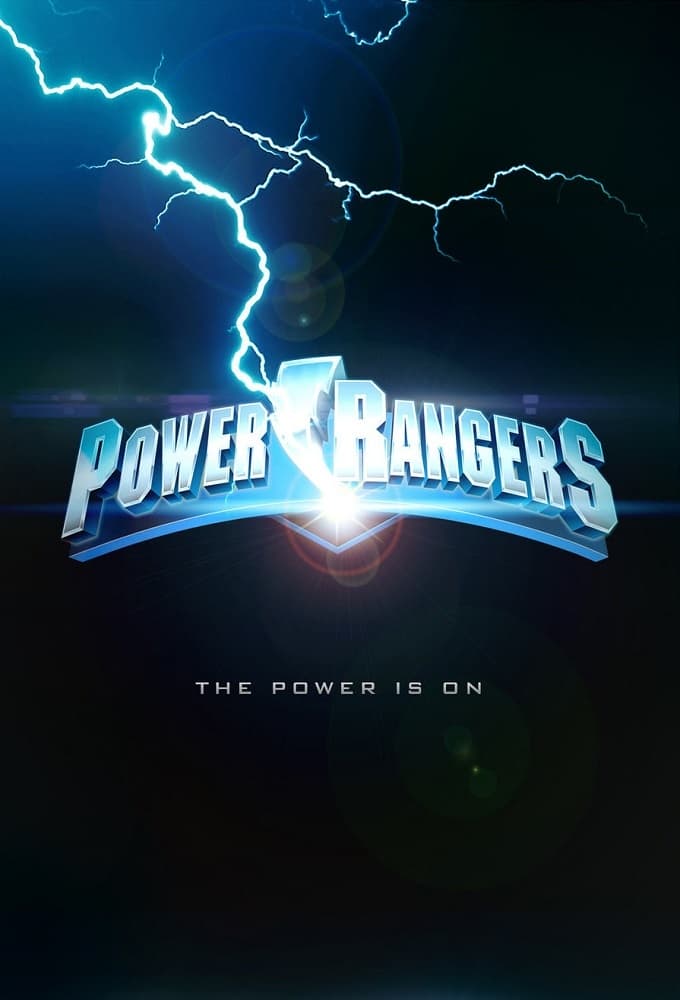
This live-action superhero series assembled a team of teens who fight giant monsters with martial arts, mechs, and color-coded suits. It combined newly shot material with repurposed battle scenes from Japanese ‘Super Sentai’ shows. The production’s formula introduced recurring mentors, villains, and robotic vehicles. Spin-offs and successor seasons expanded the franchise under the ‘Power Rangers’ banner.
‘Lois & Clark: The New Adventures of Superman’ (1993–1997)
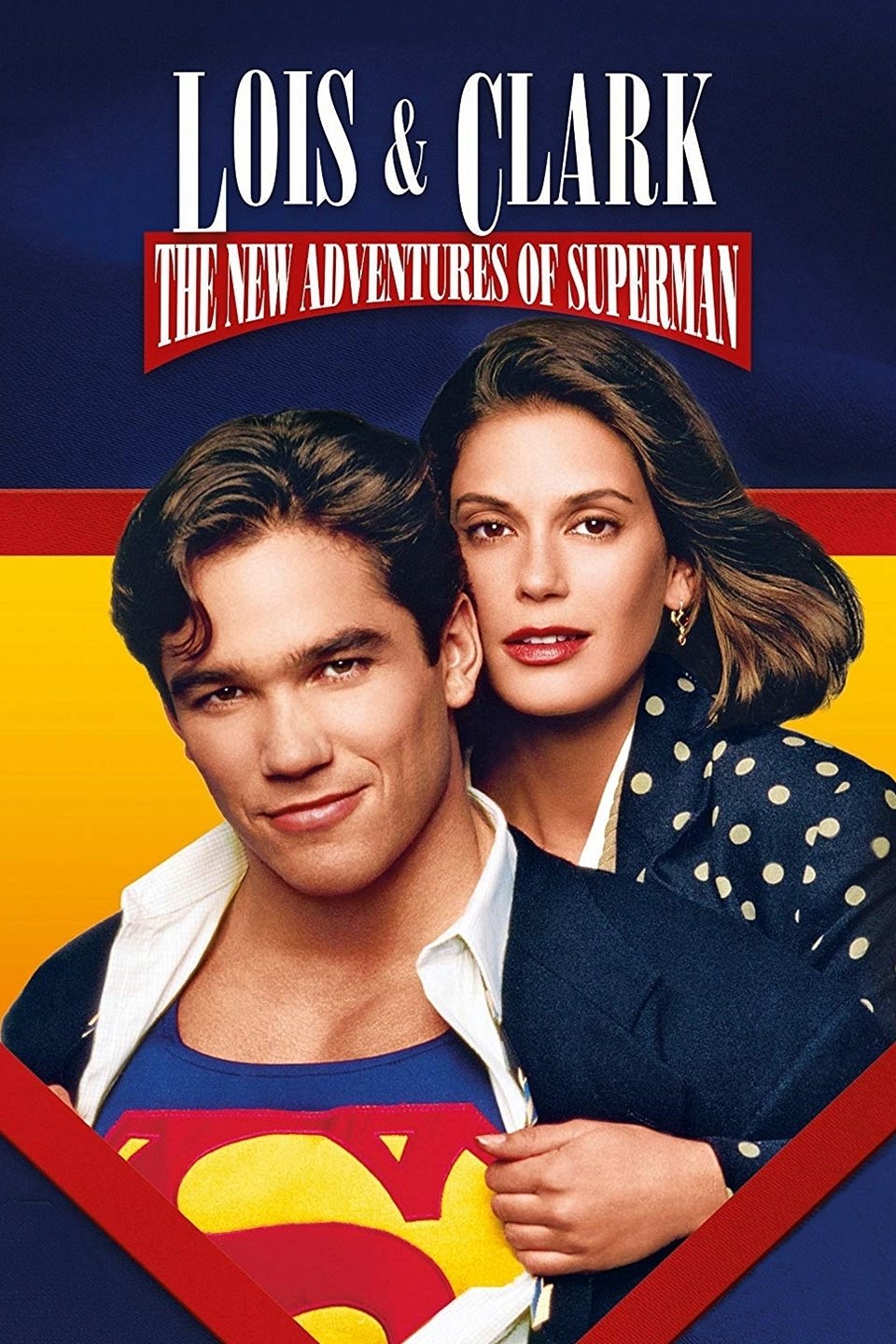
An ABC primetime series, it emphasized the relationship between a Metropolis reporter and a mild-mannered hero behind the cape. Storylines balanced newsroom investigations with superpowered rescues and recurring adversaries. The show leaned on romantic-comedy beats as much as comic-book set pieces. Its production used wire work, miniature effects, and soundstage city streets.
‘The Adventures of Sinbad’ (1996–1998)

Produced for international syndication, this fantasy series sent a sailor and crew across mythic seas encountering monsters and sorcerers. The ensemble format supported rotating quests and artifact hunts. Seafaring exteriors were paired with studio-built caves and temples. Guest villains and recurring allies shaped multi-episode arcs.
‘Relic Hunter’ (1999–2002)
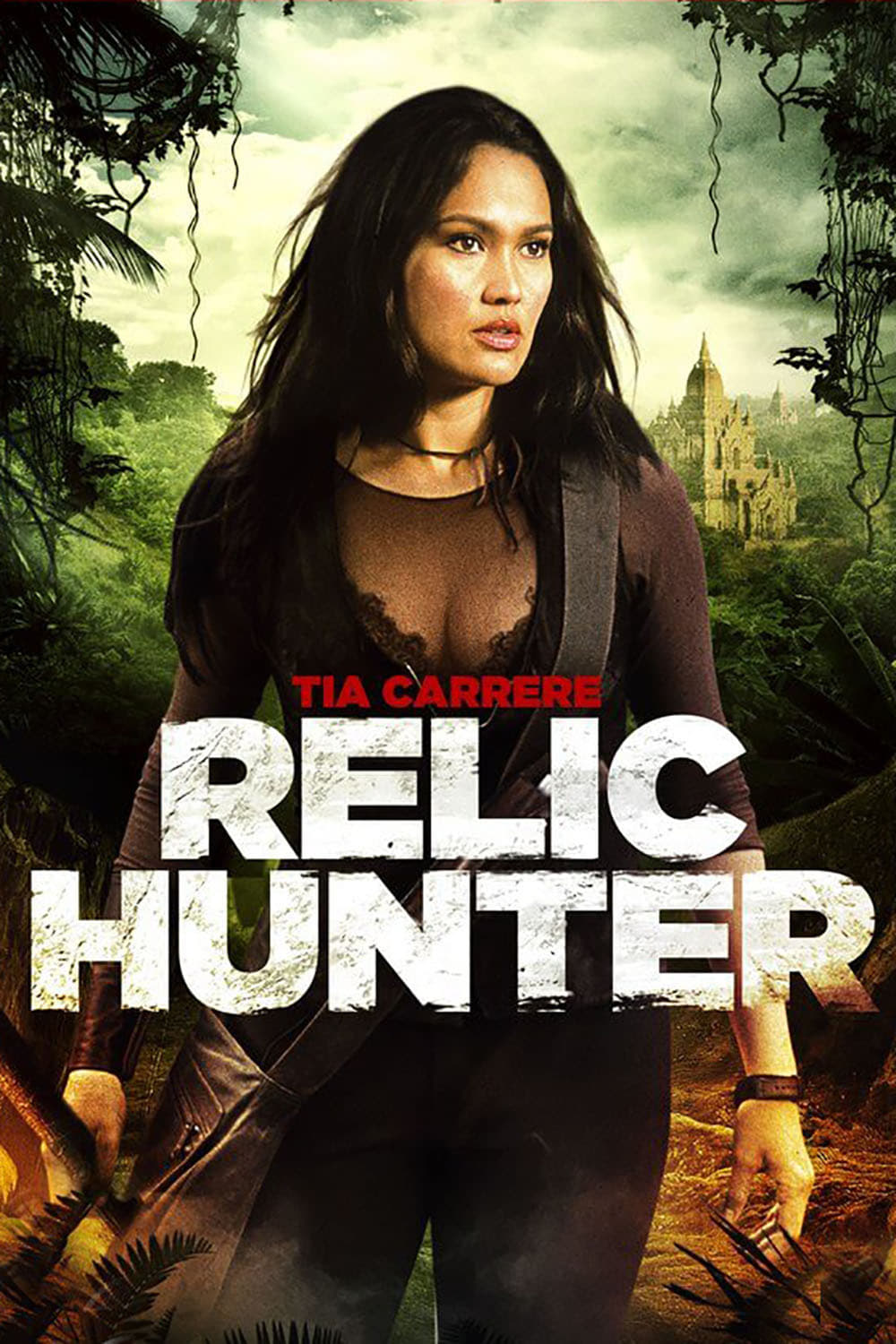
This adventure procedural followed a globe-trotting archaeologist-professor who tracks down missing artifacts with her assistant. Episodes mixed university scenes with field expeditions to tombs, ruins, and museums. The production shot in Canada with location doubles for international settings. Standalone cases featured ancient legends, rival treasure seekers, and institutional clients.
‘The Net’ (1998–1999)
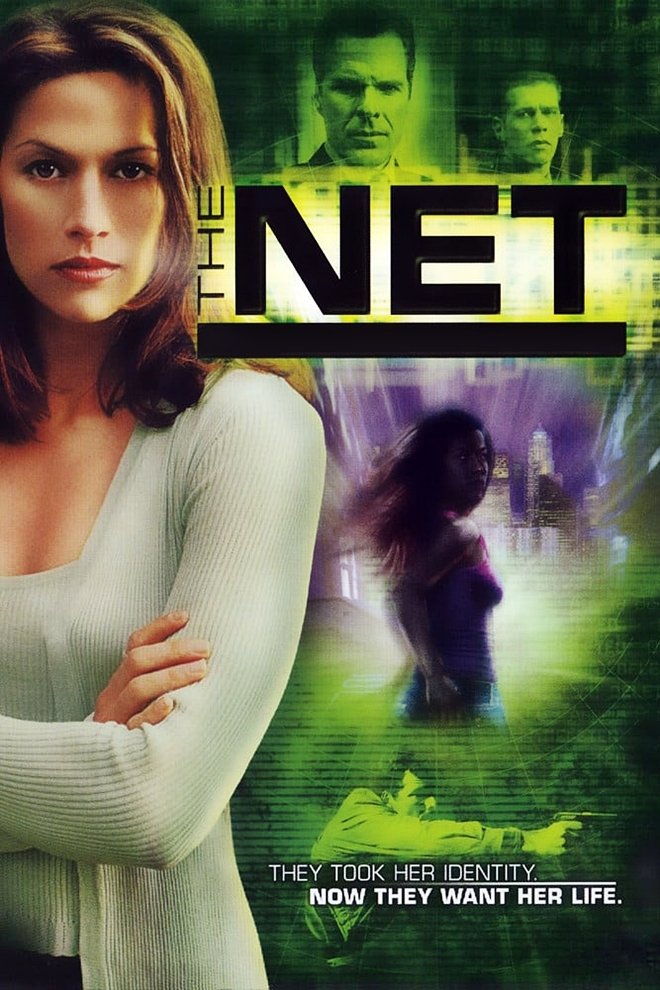
Based on the film of the same name, this series followed a systems analyst who is given a stolen digital identity and pursued by a secretive cyber group. Each episode combined fugitive storytelling with investigative tech skills. The show dramatized hacking, encryption, and online aliases with computer interfaces of the era. It aired in primetime with a serialized threat that threaded through standalones.
‘The Pretender’ (1996–2000)
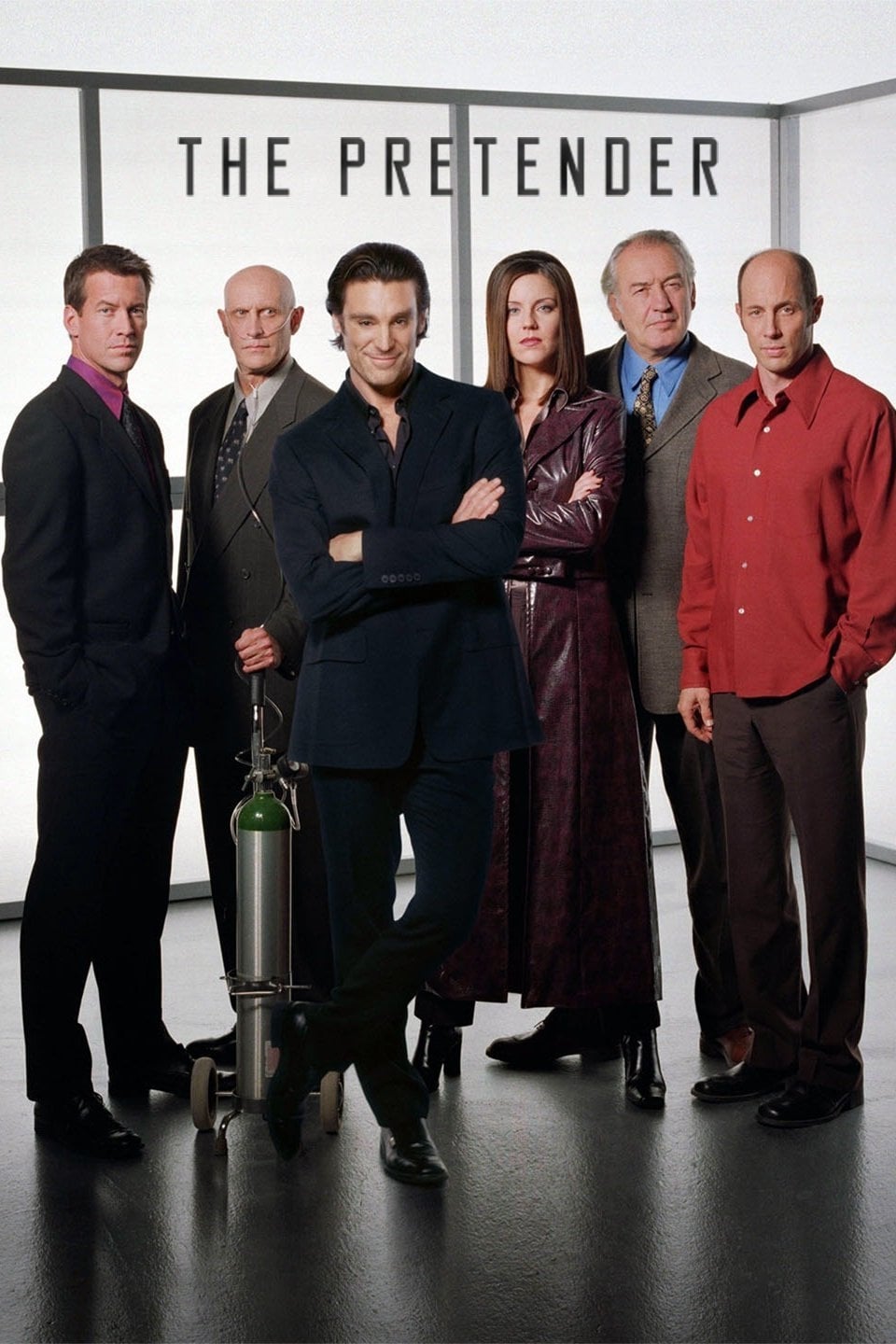
A drama about a genius who can master any profession, it tracked a man on the run while helping people and evading a research organization. Episodes showcased new identities tied to weekly cases. The ensemble featured operatives and family figures who advanced the overarching mystery. TV movies continued the story after the network run.
‘Sliders’ (1995–2000)
A science-fiction adventure about travelers who use a vortex device to visit alternate Earths, it mixed standalones with recurring enemies. Early seasons balanced social what-ifs with action, while later seasons shifted toward franchise antagonists. The cast lineup changed over time but retained the sliding premise and timer device. Production used Vancouver and Los Angeles locations with practical set redresses to suggest parallel worlds.
‘Cleghorne!’ (1995)
A WB sitcom built around Ellen Cleghorne, it followed a single mother balancing work, family, and apartment life in New York. The ensemble cast included relatives and neighbors who drove domestic and workplace plots. Its format followed standard half-hour multi-camera structure with cold opens and tag scenes. The show drew on the star’s sketch-comedy background for episodic bits.
Share your own picks from the decade in the comments and tell us which 1990s series you’d add to the list!