2000s TV Shows That Are Completely Unwatchable Today


The 2000s were packed with reality binges, high-concept dramas, and sitcoms that dominated primetime and carved out huge fan bases. Below is a look back at shows from that decade—across networks like MTV, Fox, ABC, NBC, CBS, The WB/The CW, TLC, and VH1—highlighting creators, casts, formats, and cultural footprints. Think of it as a quick-reference tour of what these series were, who made them, and how they were put together, minus the rose-tinted glasses.
‘The Simple Life’ (2003–2007)
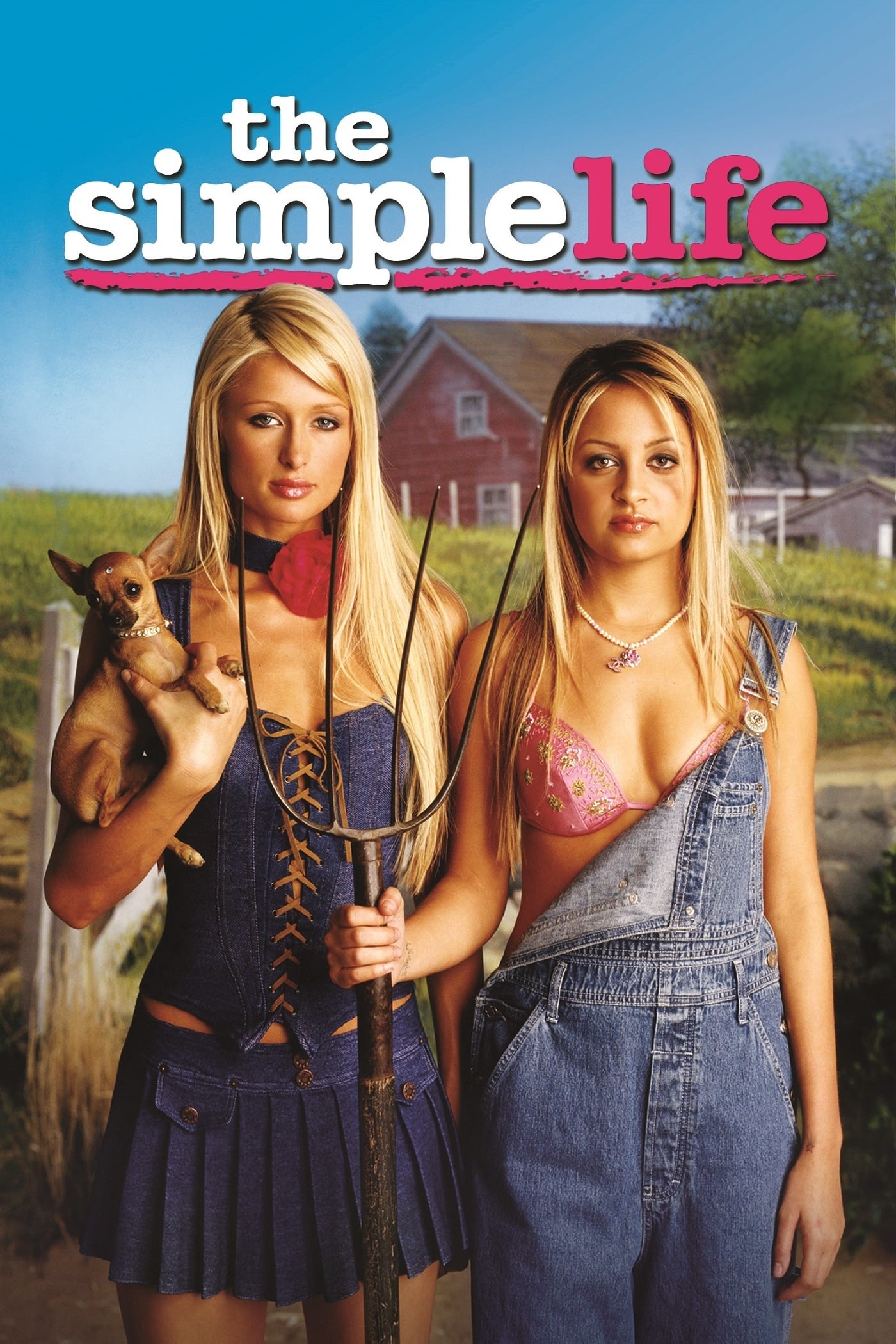
This Fox-to-E! reality series followed Paris Hilton and Nicole Richie as they took on blue-collar jobs and host-family living in a fish-out-of-water format. It popularized the socialite-as-TV-star template and leaned on structured setups with recurring gags. Production shifted networks mid-run, with episodes built around task-based segments. The show generated spin-off media attention and helped codify early influencer-era celebrity.
‘Laguna Beach’ (2004–2006)
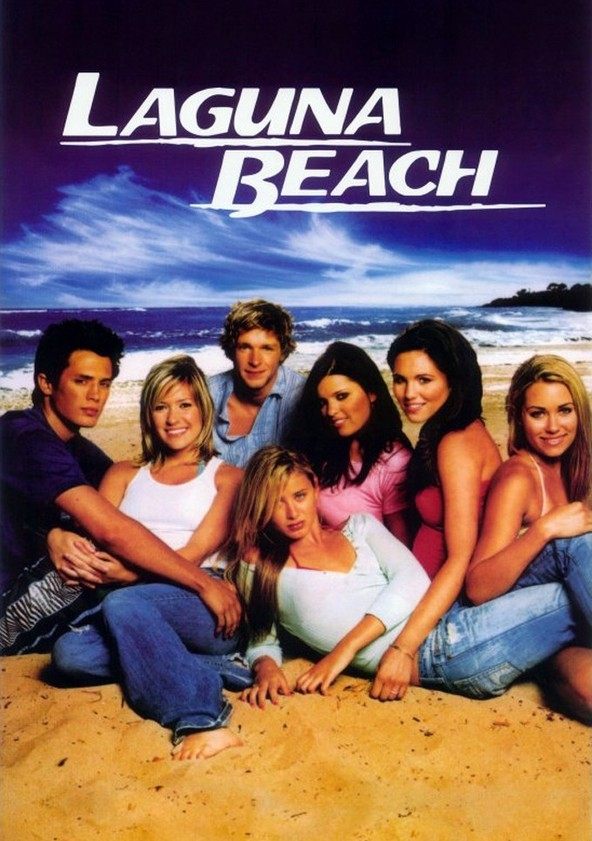
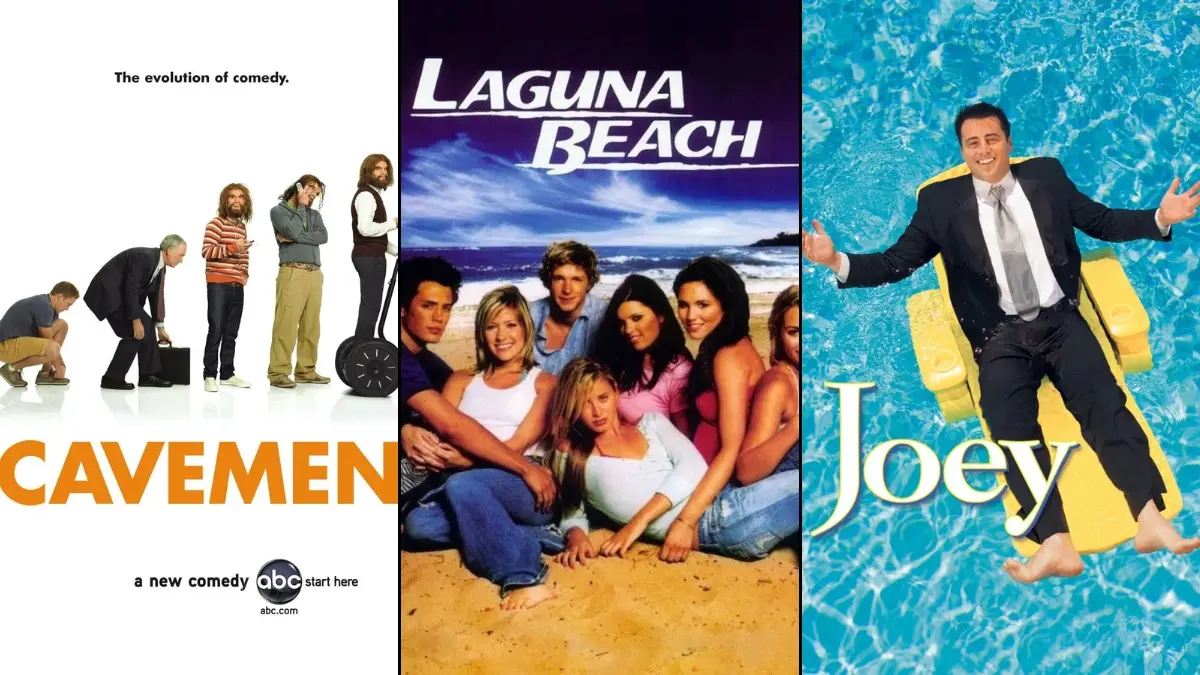
An MTV docu-soap, it tracked the social lives of real high-school students in Southern California with a glossy, music-video aesthetic. The series pioneered the network’s dramatic voice-over recaps and scene-setting montages. It launched personalities who would carry into the spin-off ‘The Hills’. Storylines were built from real relationships, edited for serialized arcs.
‘The Hills’ (2006–2010)
MTV’s follow-up to ‘Laguna Beach’ centered on Lauren Conrad and later Kristin Cavallari navigating work and friendships in Los Angeles. The series blended workplace set-pieces with relationship beats and became a flagship for stylized docu-soap editing. It produced cast-led spin-offs like ‘The City’. The finale famously leaned into self-referential staging to comment on its constructed reality.
‘Flavor of Love’ (2006–2008)
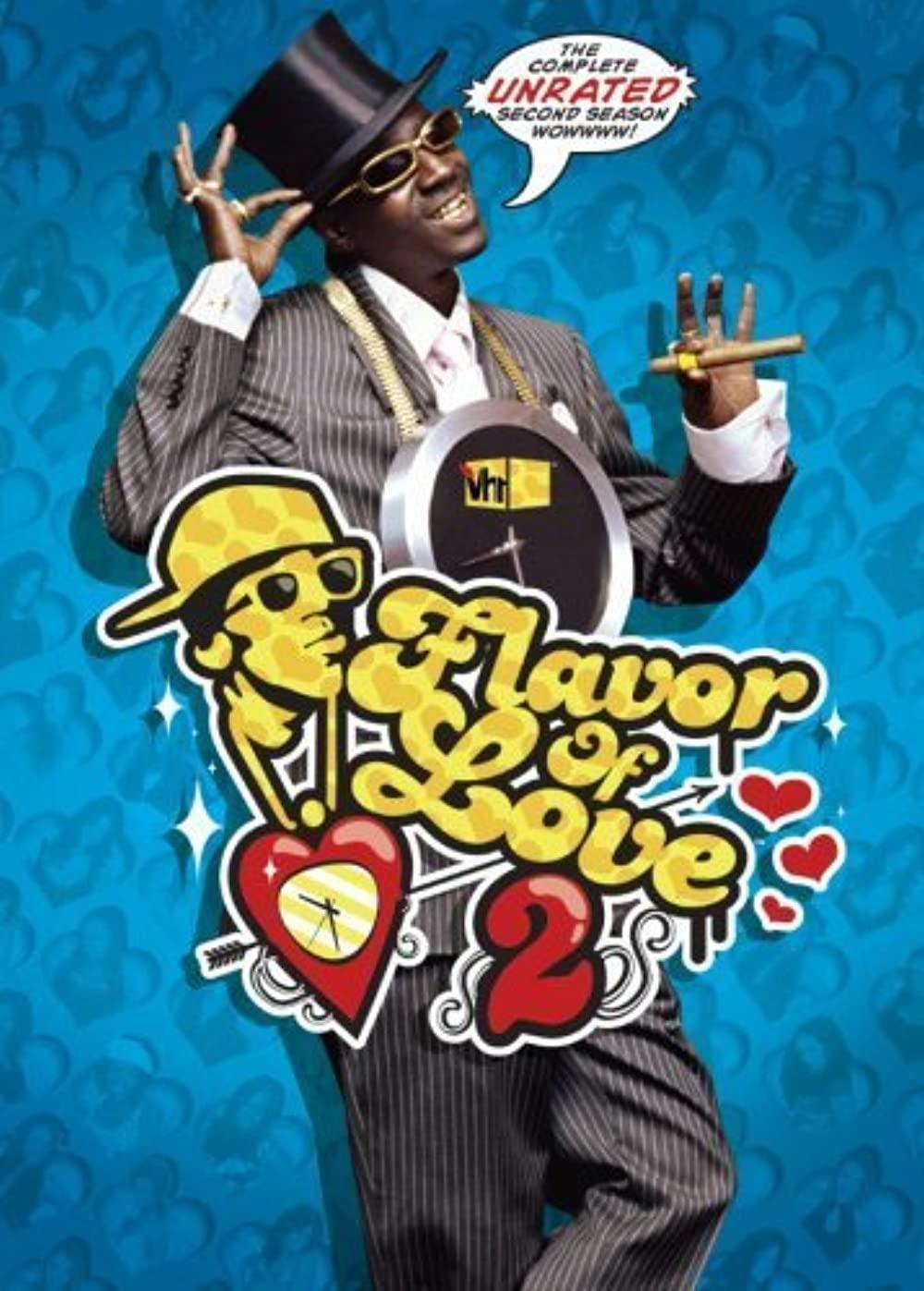
VH1’s dating competition starred Flavor Flav hosting elimination ceremonies and mansion-based challenges. Contestants received nickname tags and competed through themed tasks and group dates. The show’s format seeded multiple spin-offs, including ‘I Love New York’ and ‘Rock of Love’. Reunion specials became appointment television for the franchise.
‘Joe Millionaire’ (2003)
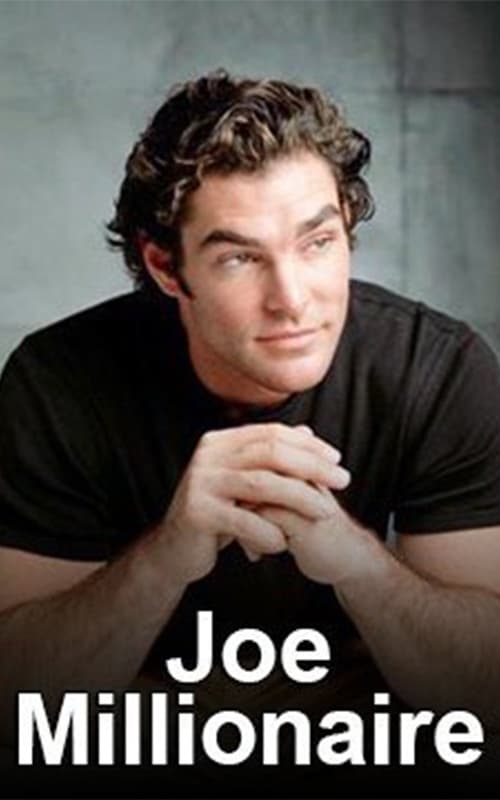
Fox’s dating twist cast an everyman presented to contestants as a wealthy heir, culminating in a reveal after the final selection. The format mixed European-estate settings with etiquette-based challenges. It leveraged confessionals and producer-guided dates to build suspense around the central premise. The franchise later returned with a revised concept featuring two bachelors.
‘Cavemen’ (2007)
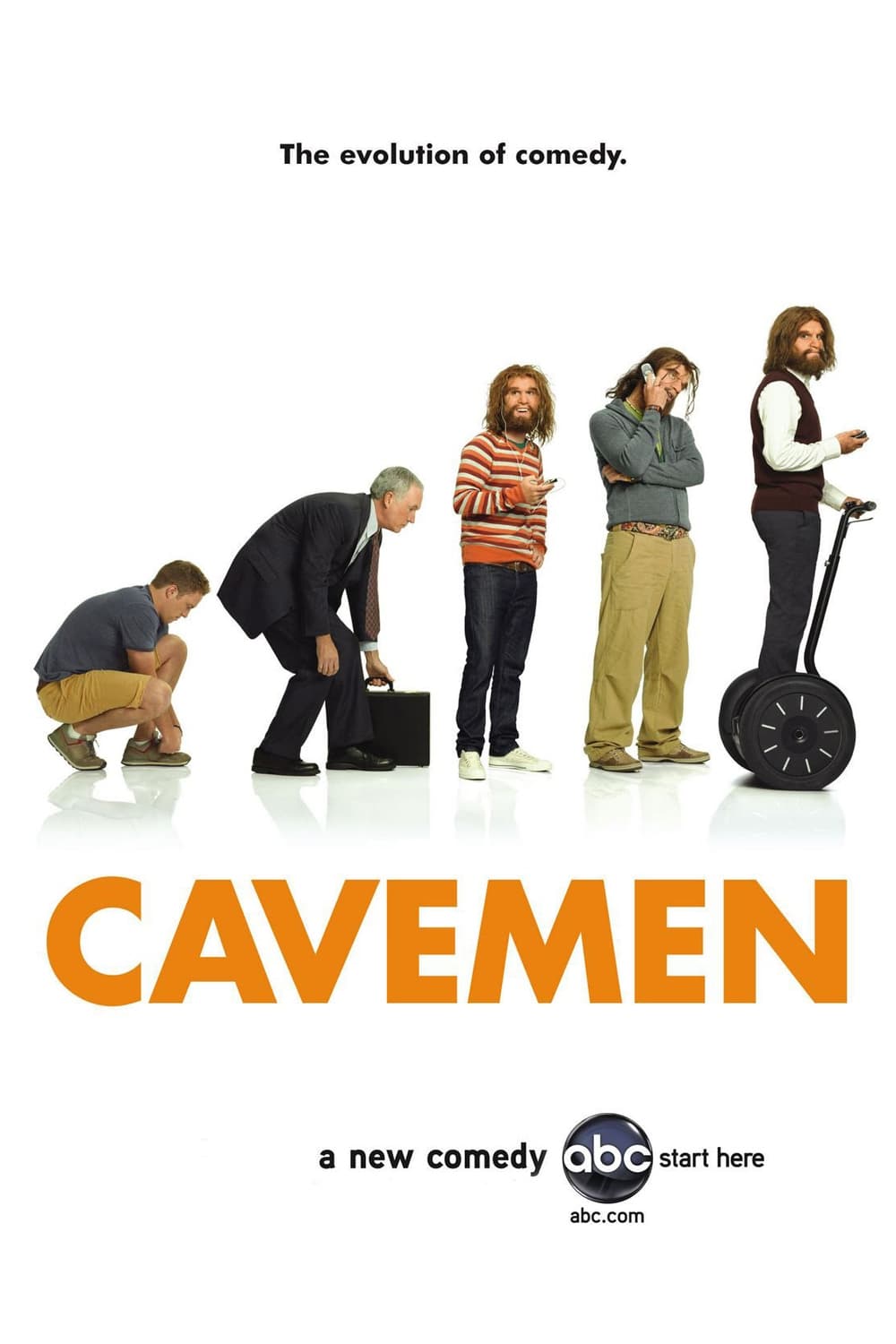
ABC adapted the Geico commercial characters into a single-camera sitcom about roommates dealing with everyday life and perceived bias. The series explored workplace, dating, and family plots through its high-concept premise. It featured an ensemble cast and suburban–urban settings. Episodes leaned on situational misunderstandings and culture-clash humor.
‘Mind of Mencia’ (2005–2008)
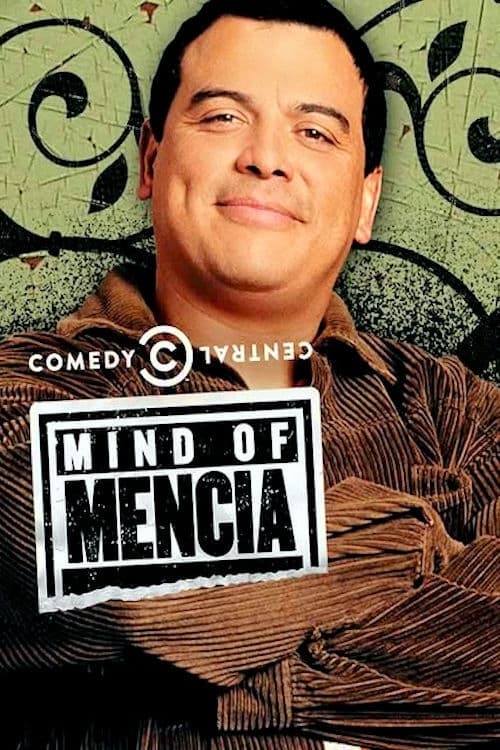
This Comedy Central sketch series mixed stand-up monologues, field segments, and recurring characters hosted by Carlos Mencia. Topics ranged from pop culture to social commentary, using studio audience cutaways and street bits. The show incorporated man-on-the-street interviews and parodies. DVD releases packaged sketches with bonus material and commentaries.
‘The Swan’ (2004)

Fox’s makeover competition paired participants with medical and lifestyle teams, culminating in a pageant-style finale. Episodes documented training regimens, coaching sessions, and consultations leading up to transformations. The format included strict rules about participant conduct between milestones. It drew extensive media coverage and sparked debates about reality-TV ethics.
‘Room Raiders’ (2003–2009)
An MTV dating show, it matched contestants by having a lead inspect three strangers’ bedrooms before meeting them. Blacklight sweeps, forensic kits, and surprise van pick-ups became recurring visual signatures. The format used humorous lower-third graphics and rapid-fire edits. The reveal segment ended with a choice and a brief first date.
‘My Super Sweet 16’ (2005–2017)

MTV chronicled lavish birthday party planning for teens from affluent families, highlighting venues, custom outfits, and musical performances. Episodes followed a predictable arc from invitation drama to party execution. Guest appearances by artists and surprise entrances were common set-pieces. The franchise expanded to include variations on the milestone-party theme.
‘Pimp My Ride’ (2004–2007)
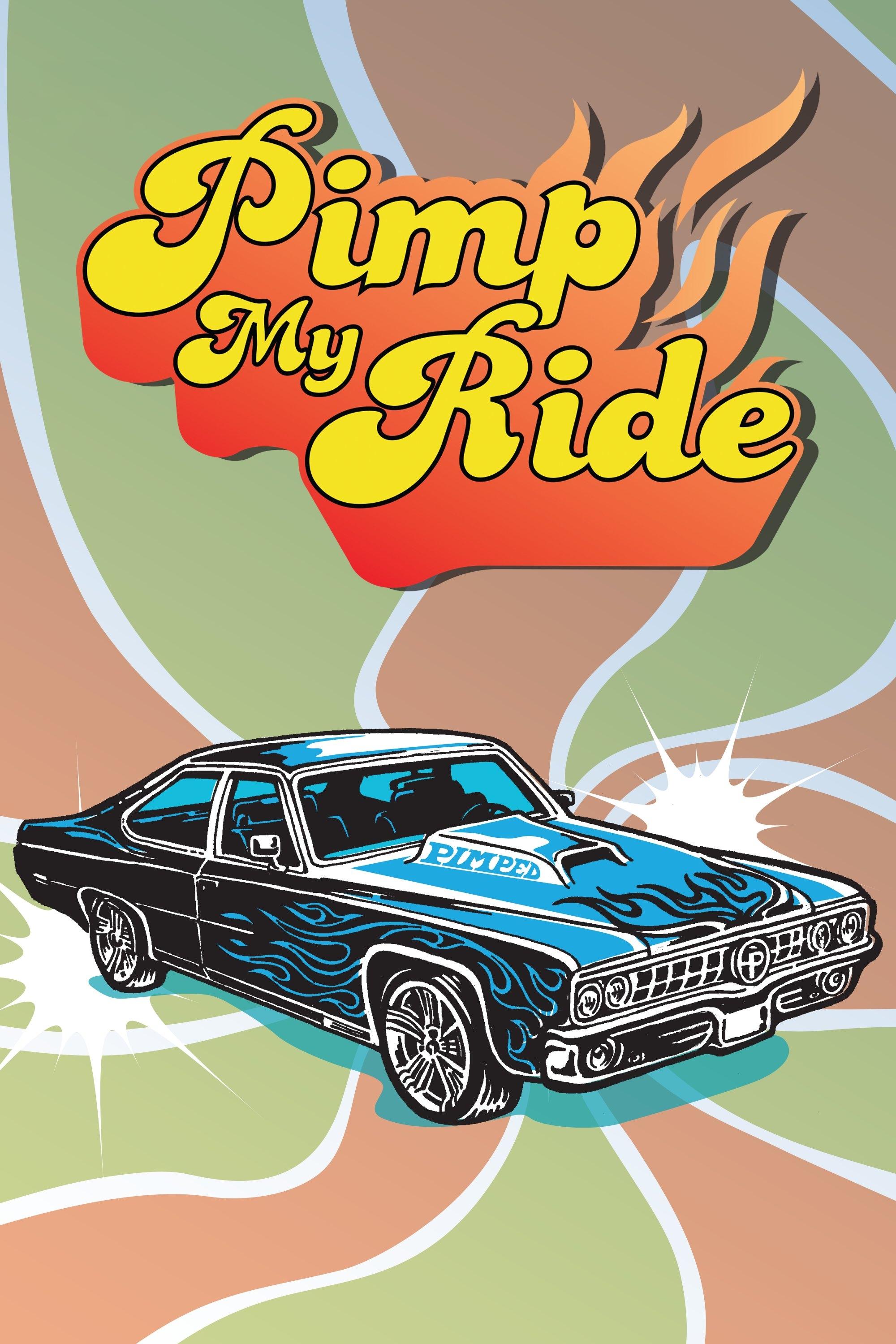
Hosted by Xzibit, this MTV makeover show transformed rundown cars with custom paint, audio systems, and novelty installations. West Coast Customs and later Galpin Auto Sports handled builds with themed design briefs. Segments showcased teardown, fabrication, and reveal moments with owner reactions. The series popularized extravagant aftermarket mods on cable.
‘According to Jim’ (2001–2009)
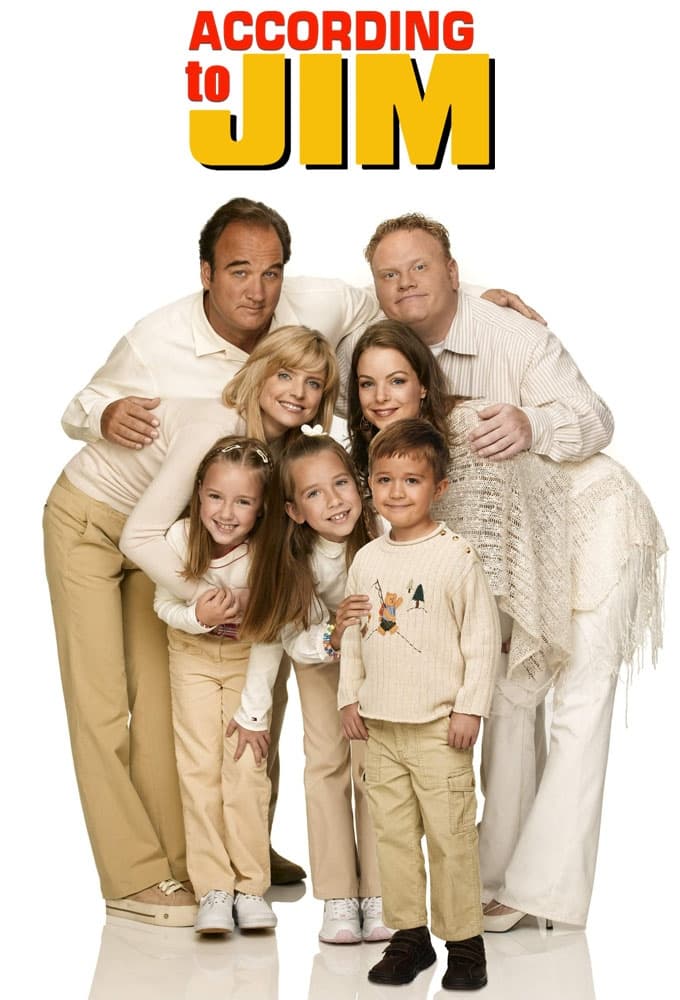
ABC’s multicam sitcom starred Jim Belushi and Courtney Thorne-Smith as suburban spouses balancing household and extended-family antics. Episodes centered on parenting, in-law dynamics, and workplace mishaps. The show used a traditional live-audience format and rotating guest stars. Seasonal arcs included additions to the family and changes to living arrangements.
‘Two and a Half Men’ (2003–2015)
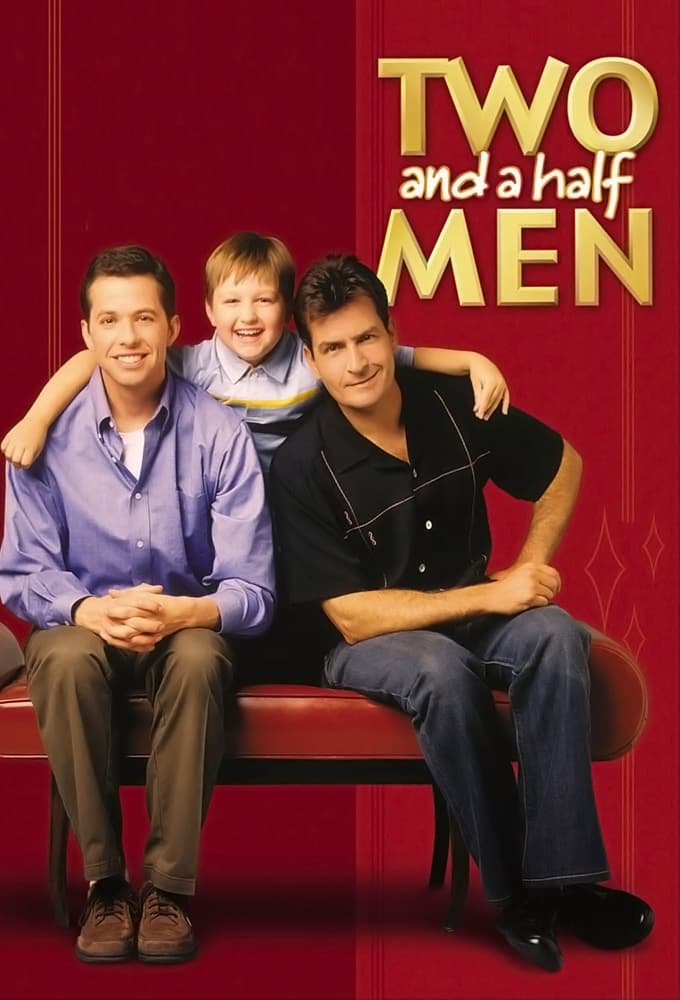
CBS’s Chuck Lorre–created multicam followed brothers sharing a Malibu house, first with Charlie Sheen opposite Jon Cryer, later with Ashton Kutcher. The series relied on rapid-fire banter, running gags, and high-profile guest appearances. Its theme song and beach-house set became signature elements. Syndication and international adaptations extended its reach beyond first-run broadcasts.
‘The Secret Life of the American Teenager’ (2008–2013)
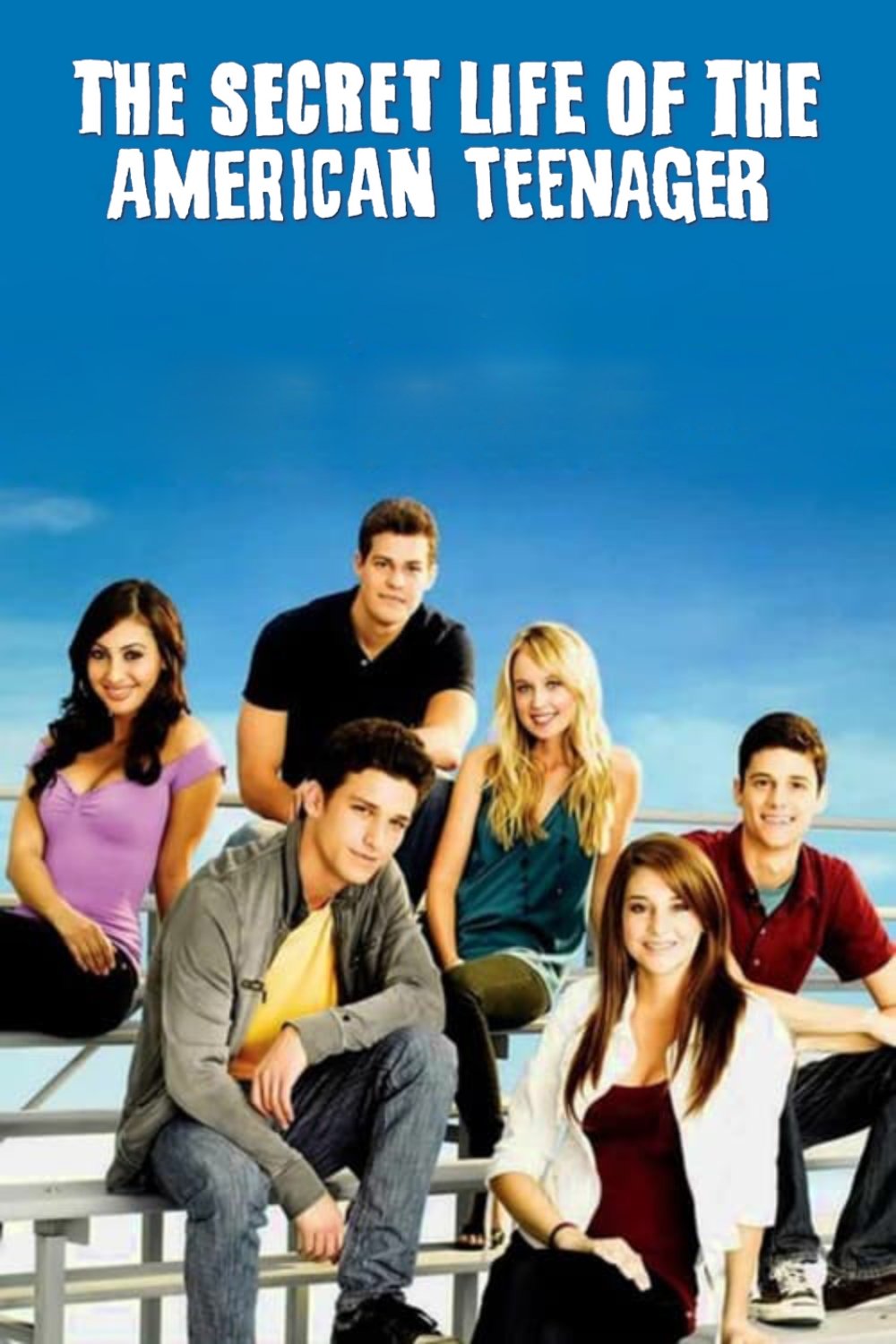
A family drama on ABC Family (now Freeform) from creator Brenda Hampton, it focused on teens and parents navigating relationships and school life. The ensemble cast included Shailene Woodley, Francia Raisa, and Ken Baumann. Storylines emphasized guidance-counselor meetings, band practice, and blended-family dynamics. The series helped define the network’s serialized teen-drama brand.
‘Gossip Girl’ (2007–2012)
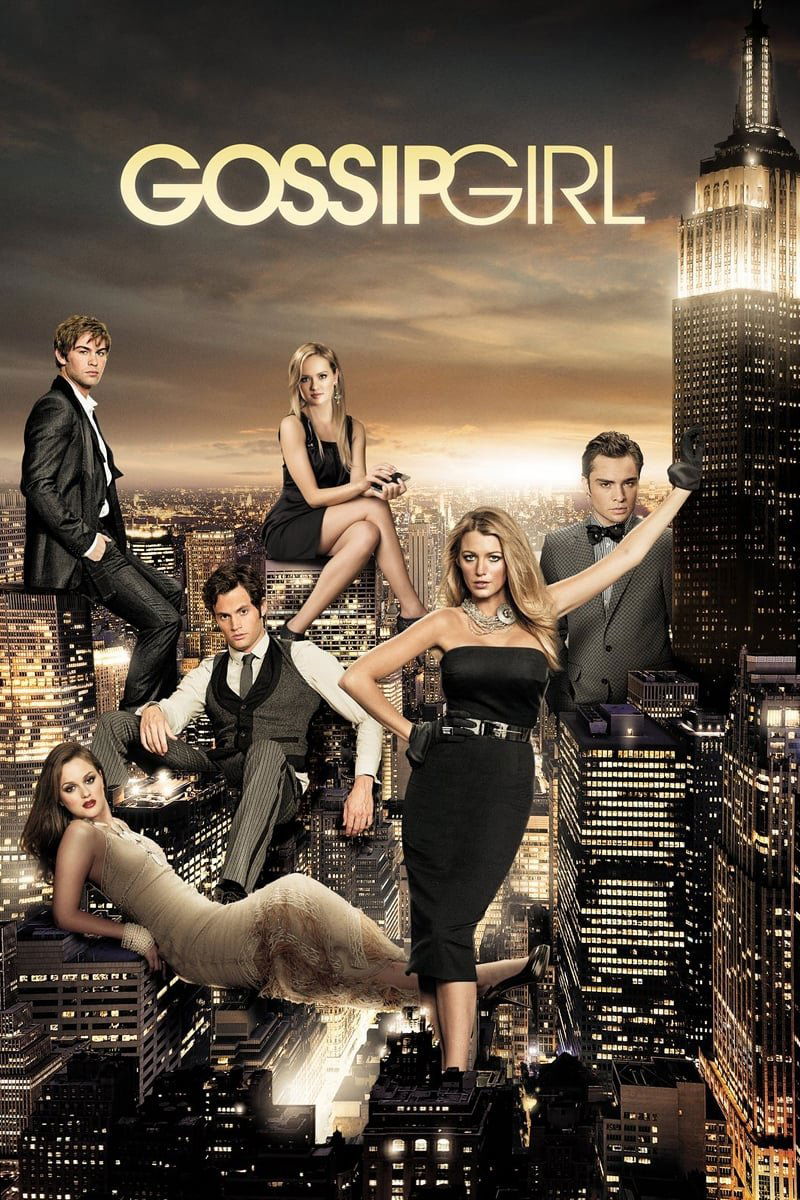
The CW’s Upper East Side drama adapted Cecily von Ziegesar’s novels and used an omniscient blogger as a narrative device. The cast featured Blake Lively, Leighton Meester, Penn Badgley, Chace Crawford, and Ed Westwick. Fashion partnerships and location shoots turned the city into a central character. The franchise later inspired a streaming-era continuation.
‘The War at Home’ (2005–2007)
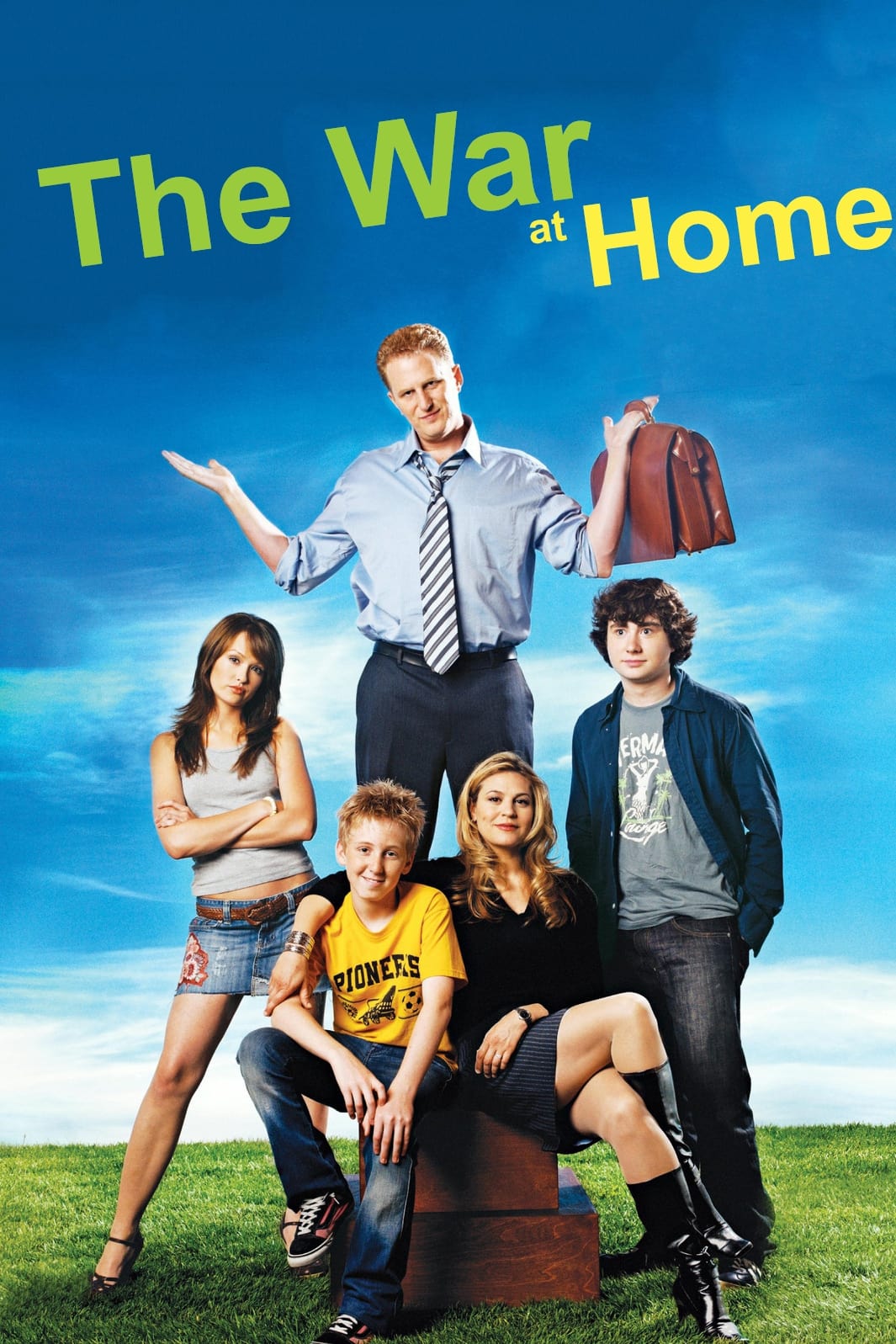
A Fox sitcom starring Michael Rapaport portrayed a Queens family dealing with parenting challenges and teen escapades. The show used direct-to-camera asides as a narrative technique. Episodes cycled through school events, workplace detours, and neighborhood tension. Cold opens and tag scenes capped the multicam structure.
‘Jersey Shore’ (2009–2012)
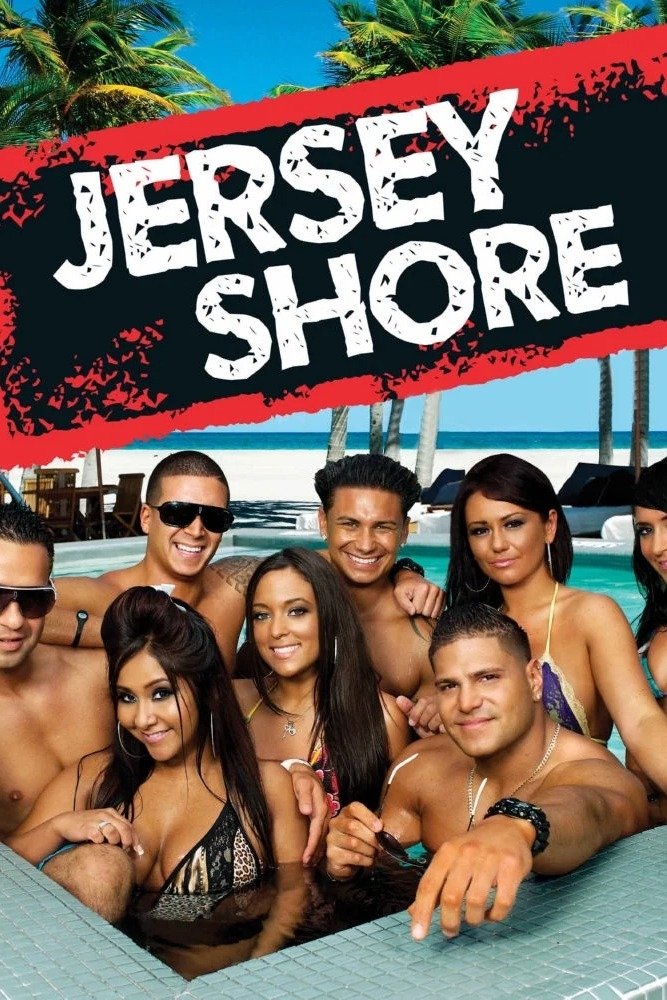
MTV’s house-share docu-series followed a group of roommates in Seaside Heights and other vacation spots. The show popularized recurring catchphrases and weekly club-and-gym routines. Production alternated between shared living spaces, boardwalk jobs, and nightlife venues. Cast reunions and a follow-up series extended the brand.
‘The Biggest Loser’ (2004–2016)

NBC’s competition show placed contestants in teams coached by trainers, with weigh-ins, challenges, and eliminations. Episodes covered nutrition lessons, fitness camps, and home-visit check-ins. The format used confessional interviews and montage sequences to track progress. International versions brought the franchise to multiple markets.
‘Fear Factor’ (2001–2006)
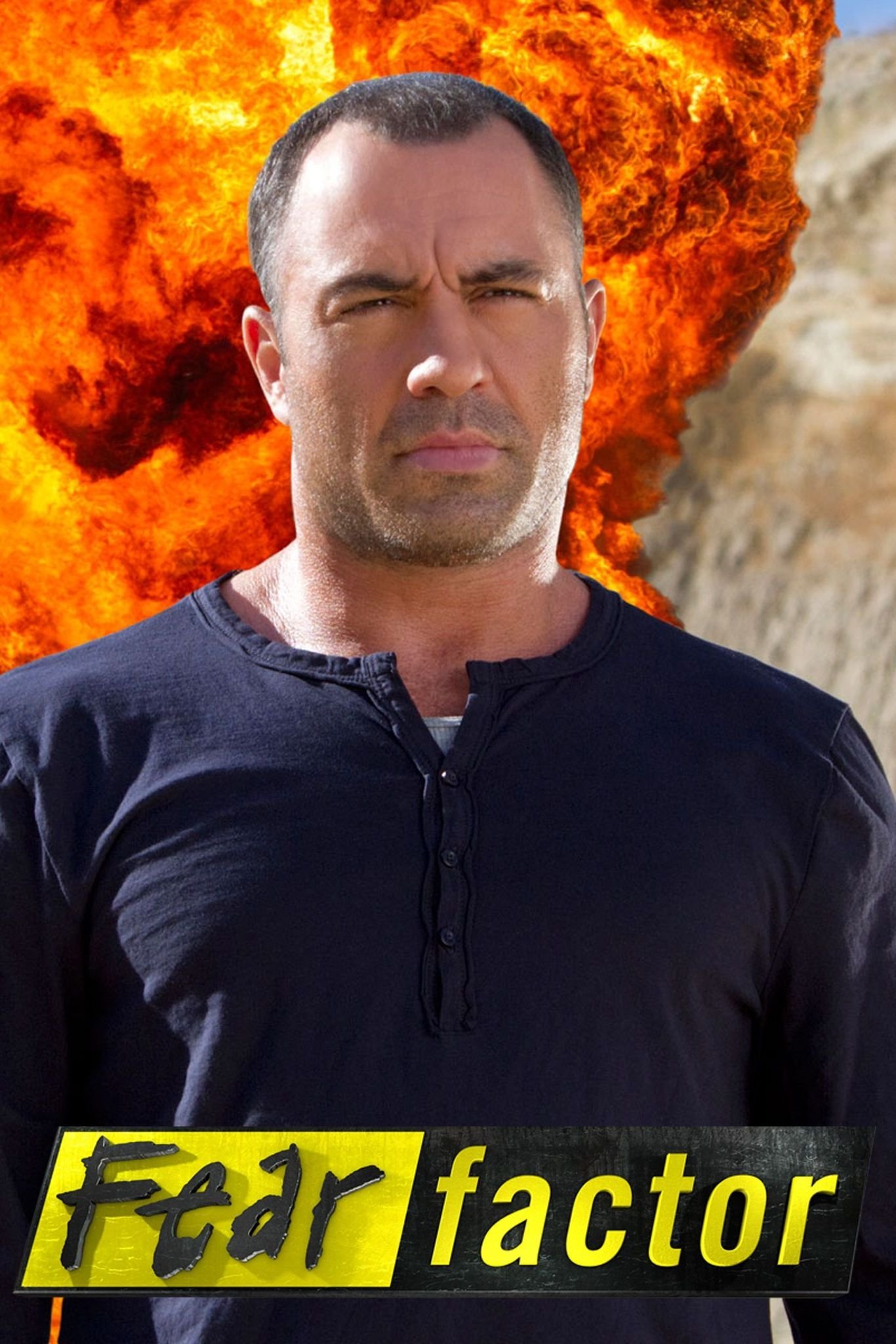
This NBC stunt competition, hosted by Joe Rogan, put contestants through physical challenges, endurance trials, and gross-out tasks. The series unfolded in a three-round elimination format ending with a grand-prize stunt. Outdoor locations, rigging, and safety crews supported large-scale setups. The show spawned special editions and later revivals.
‘The O.C.’ (2003–2007)
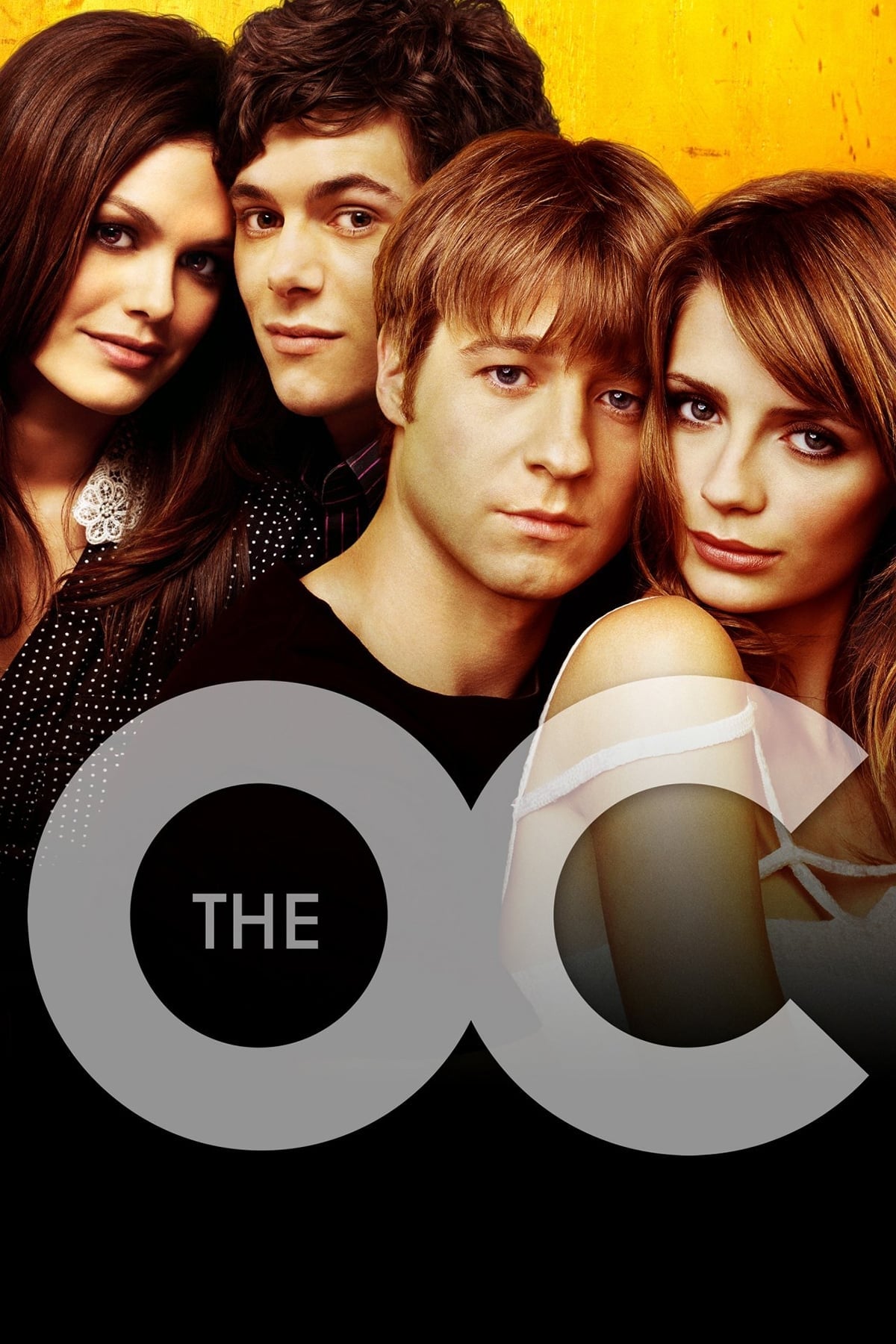
Fox’s teen drama from Josh Schwartz followed a public defender’s household and a group of friends in affluent Orange County. The series helped boost indie-rock acts through soundtrack placements and in-show performances. It used a mix of coastal exteriors and soundstage interiors for its signature look. The show influenced later ensemble teen dramas across broadcast and cable.
‘Heroes’ (2006–2010)
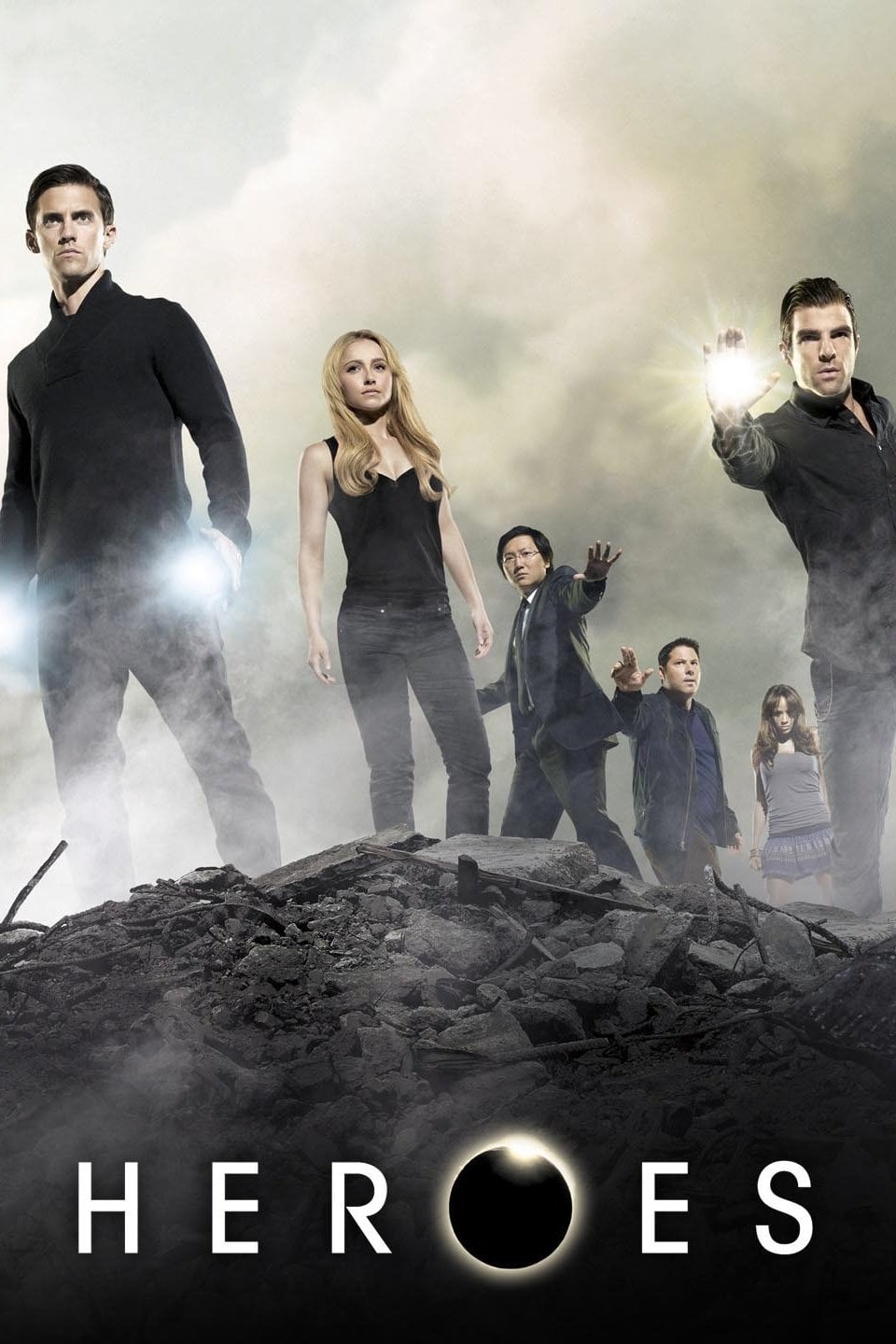
NBC’s ensemble sci-fi drama tracked ordinary people discovering extraordinary abilities, with intersecting storylines across multiple cities. The series used comic-book styling, on-screen chapter titles, and a mythology spanning families and conspiracies. Cast members included Hayden Panettiere, Milo Ventimiglia, Zachary Quinto, and Masi Oka. A limited-series continuation revisited the universe with new and returning characters.
‘Smallville’ (2001–2011)
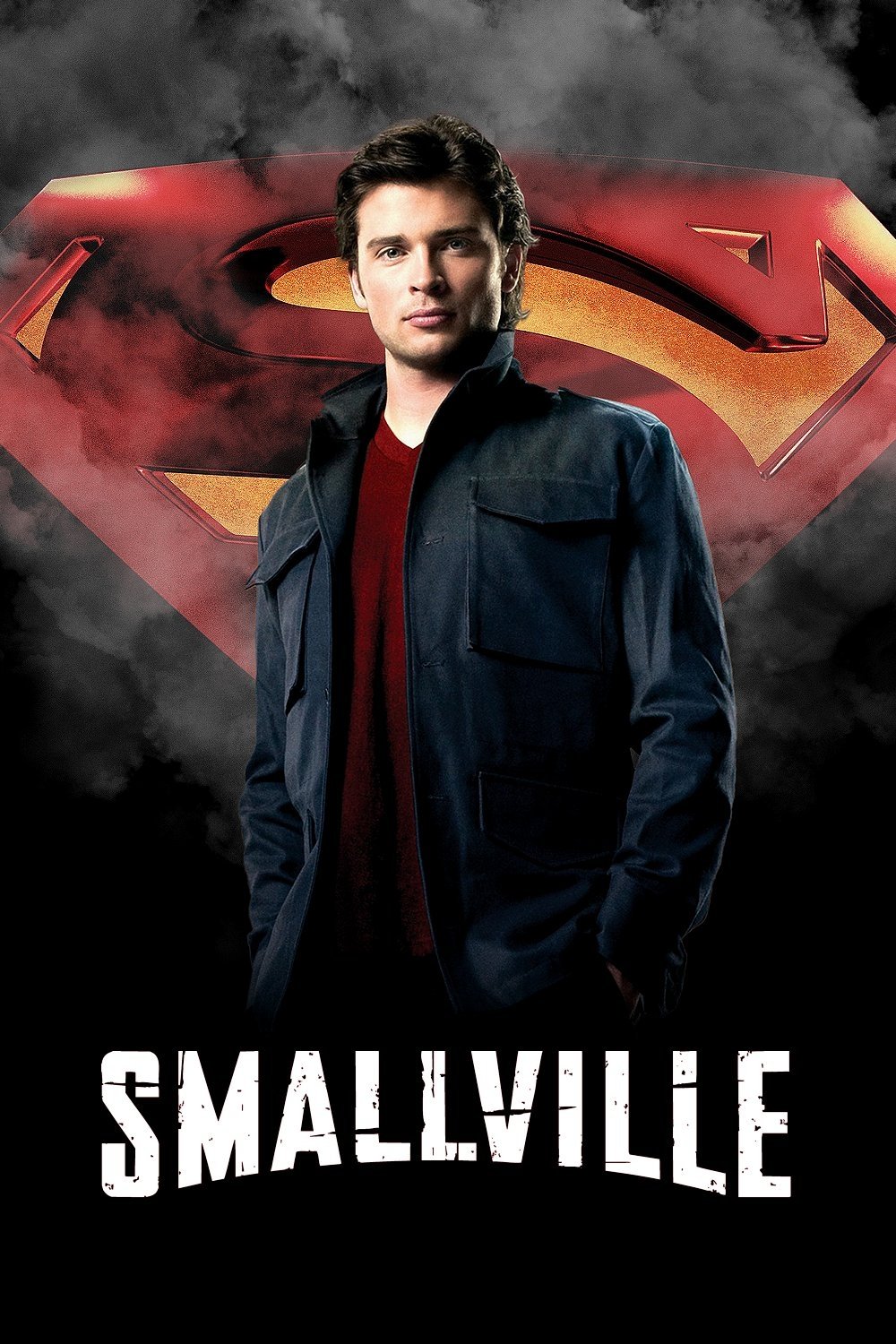
The WB/The CW origin drama explored Clark Kent’s early life in Kansas through high school and beyond. It balanced meteor-freak case files with serialized arcs involving Lex Luthor and the LuthorCorp mythos. The show is known for its farm, school, and Daily Planet settings, plus a no-tights-no-flights rule for most of its run. Guest appearances introduced future Justice League members and DC canon figures.
‘Prison Break’ (2005–2009)
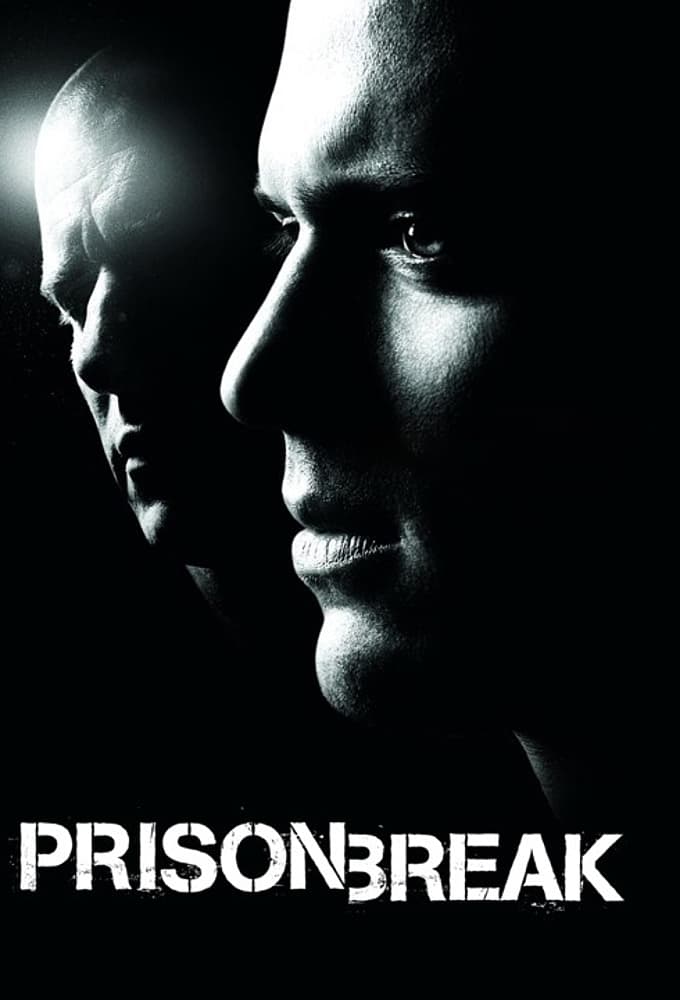
Fox’s thriller followed an engineer infiltrating a penitentiary to free his wrongfully convicted brother. The production used practical locations, elaborate set builds, and serialized cliffhangers. Supporting players like Robert Knepper and Amaury Nolasco became fan standouts. International arcs later broadened the show’s scope beyond the initial escape.
‘Deal or No Deal’ (2005–2009)

NBC’s game show, hosted by Howie Mandel, centered on contestants choosing briefcases with hidden cash while negotiating with a shadowy Banker. The format emphasized probability-driven decisions and high-tension pacing. Iconic elements included numbered cases carried by a roster of models and a dramatic phone-call set piece. Special episodes featured celebrity segments and themed stakes.
‘Celebrity Rehab with Dr. Drew’ (2008–2012)

VH1’s docu-series brought celebrities into a residential treatment program overseen by Dr. Drew Pinsky and a clinical team. Cameras followed intake, group therapy, and one-on-one sessions, along with aftercare on related spin-offs. The series highlighted relapse risks, co-occurring disorders, and family involvement in treatment. It intersected with the network’s broader slate of recovery-themed programming.
‘Kid Nation’ (2007)
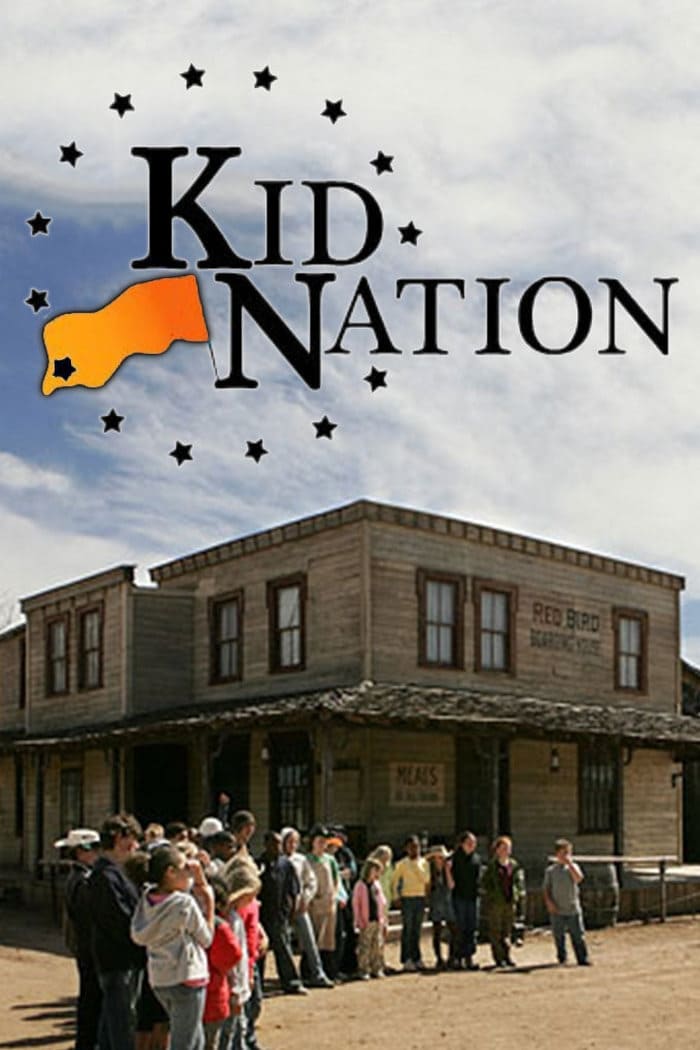
CBS framed this reality experiment around a makeshift town where minors handled chores, leadership roles, and weekly council decisions. Episodes followed challenge-based tasks that awarded supplies or privileges, plus town meetings where “gold stars” recognized standout participants. Production set up a central square, trading post, and bunkhouses to simulate civic life. The format emphasized group dynamics, resource allocation, and rule-making captured through confessionals and scheduled votes.
‘The Osbournes’ (2002–2005)
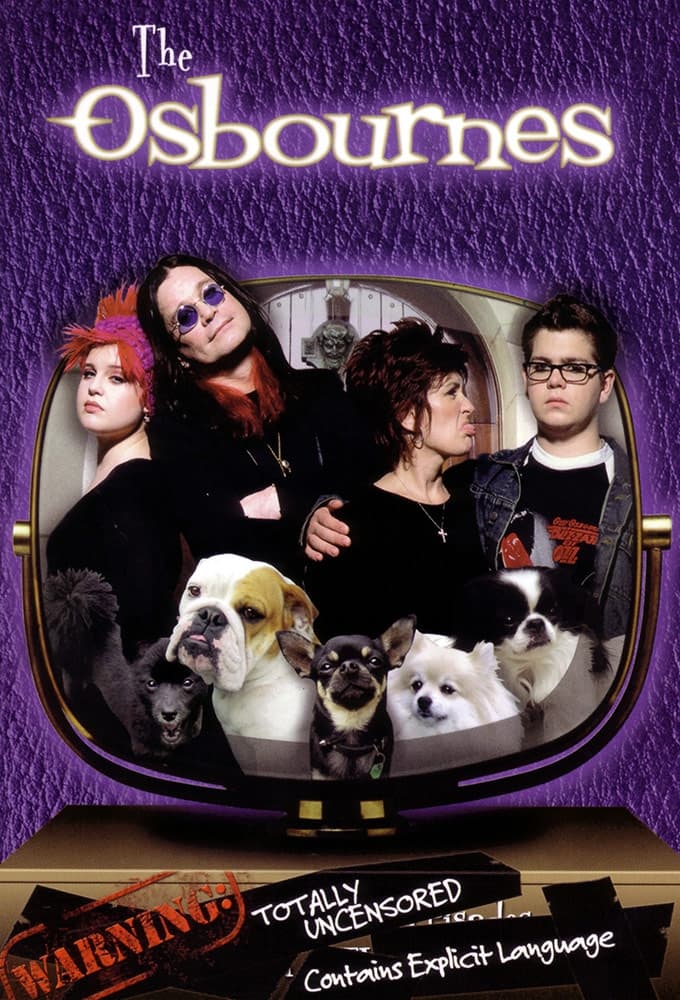
MTV’s fly-on-the-wall docuseries chronicled the daily home life of Ozzy and Sharon Osbourne with their children in a Los Angeles residence. The production leaned on handheld camerawork, frequent bleeped dialogue, and recurring household bits involving pets and staff. Episodes combined family errands, media appearances, and medical appointments into compact storylines. The show’s success led to books, merchandise, and subsequent projects for individual family members.
‘The Girls Next Door’ (2005–2010)
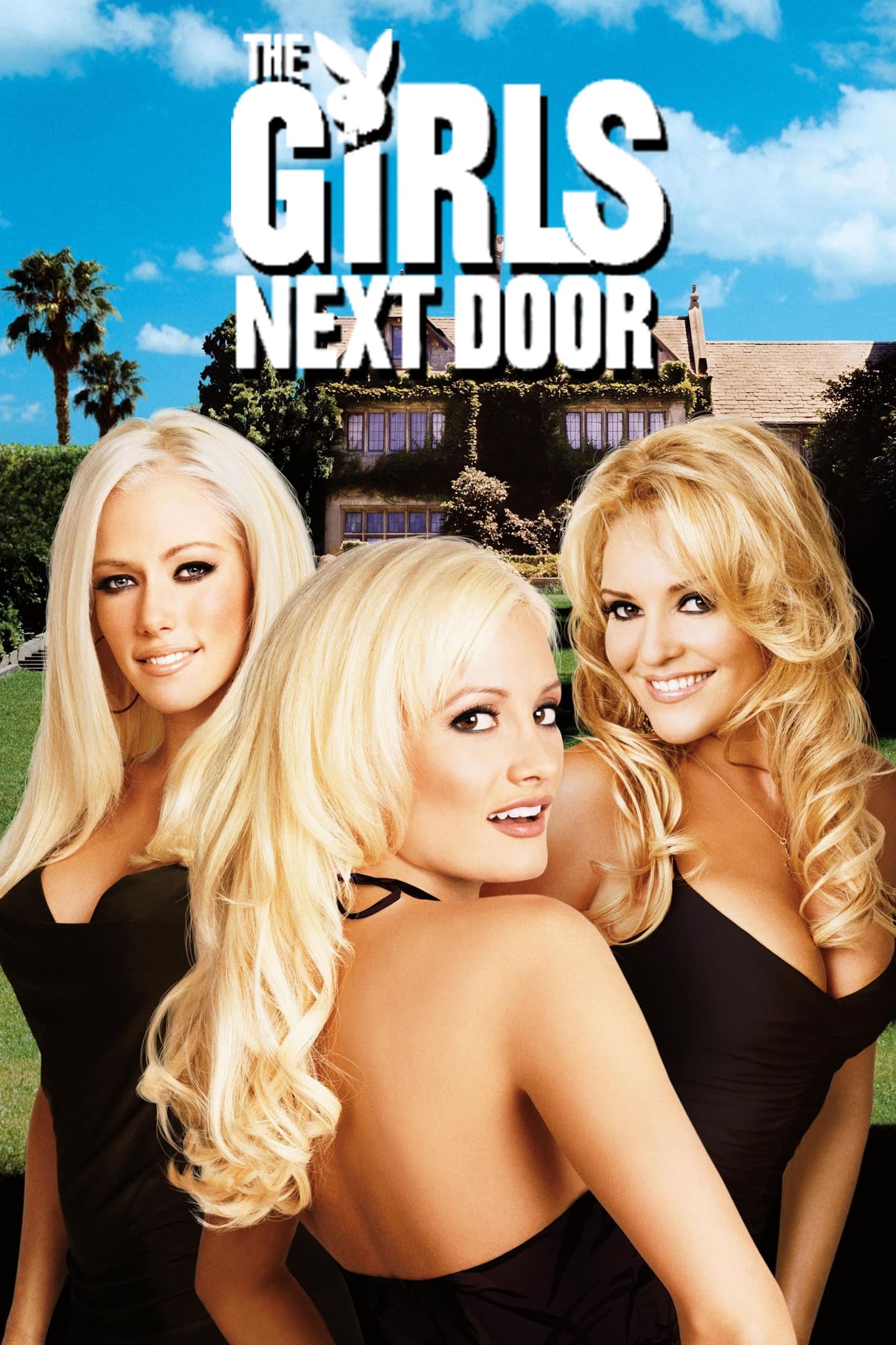
E! followed Holly Madison, Bridget Marquardt, and Kendra Wilkinson inside the Playboy Mansion with segments covering photoshoots, themed parties, and travel. The series wove behind-the-scenes looks at brand operations with roommate dynamics and personal goals. Recurring elements included holiday specials and crossovers with related E! programming. Spin-offs extended the cast’s profiles beyond the main show.
‘Wife Swap’ (2004–2010)

ABC’s unscripted format paired families from different backgrounds, swapping household leaders to test routines and rules. Each episode was structured with a “follow the rules” phase before a “rewrite the rules” phase, culminating in a summit between families. The show highlighted parenting styles, budget practices, and household systems. An offshoot, ‘Celebrity Wife Swap’, adapted the format for public figures.
‘Beauty and the Geek’ (2005–2008)

Created by Ashton Kutcher and Jason Goldberg, this CW competition paired socially adept contestants with academically skilled partners for weekly challenges. Tasks ranged from trivia and engineering builds to social-skill exercises and fashion walk-throughs. The show used mansion living, confessional interviews, and elimination rounds to structure progression. Prizes rewarded the last remaining pair after a final challenge.
‘Punk’d’ (2003–2007)
MTV’s hidden-camera series, led by Ashton Kutcher, orchestrated elaborate pranks on entertainers using actors, fake officials, and staged scenarios. Segments relied on controlled locations, prop setups, and timed reveals with a production crew nearby. The show popularized catch-and-release reveals alongside quick-cut editing and celebrity reactions. Later seasons introduced guest hosts and larger stunt logistics.
‘Blue Collar TV’ (2004–2006)
This WB sketch-comedy series featured Jeff Foxworthy, Larry the Cable Guy, and Bill Engvall with recurring characters and themed episodes. The format mixed live-audience sketches, musical bits, and short field pieces. Supporting players rotated through character-driven segments across workplace, family, and small-town setups. Home media releases compiled best-of sketches and behind-the-scenes features.
‘Joey’ (2004–2006)
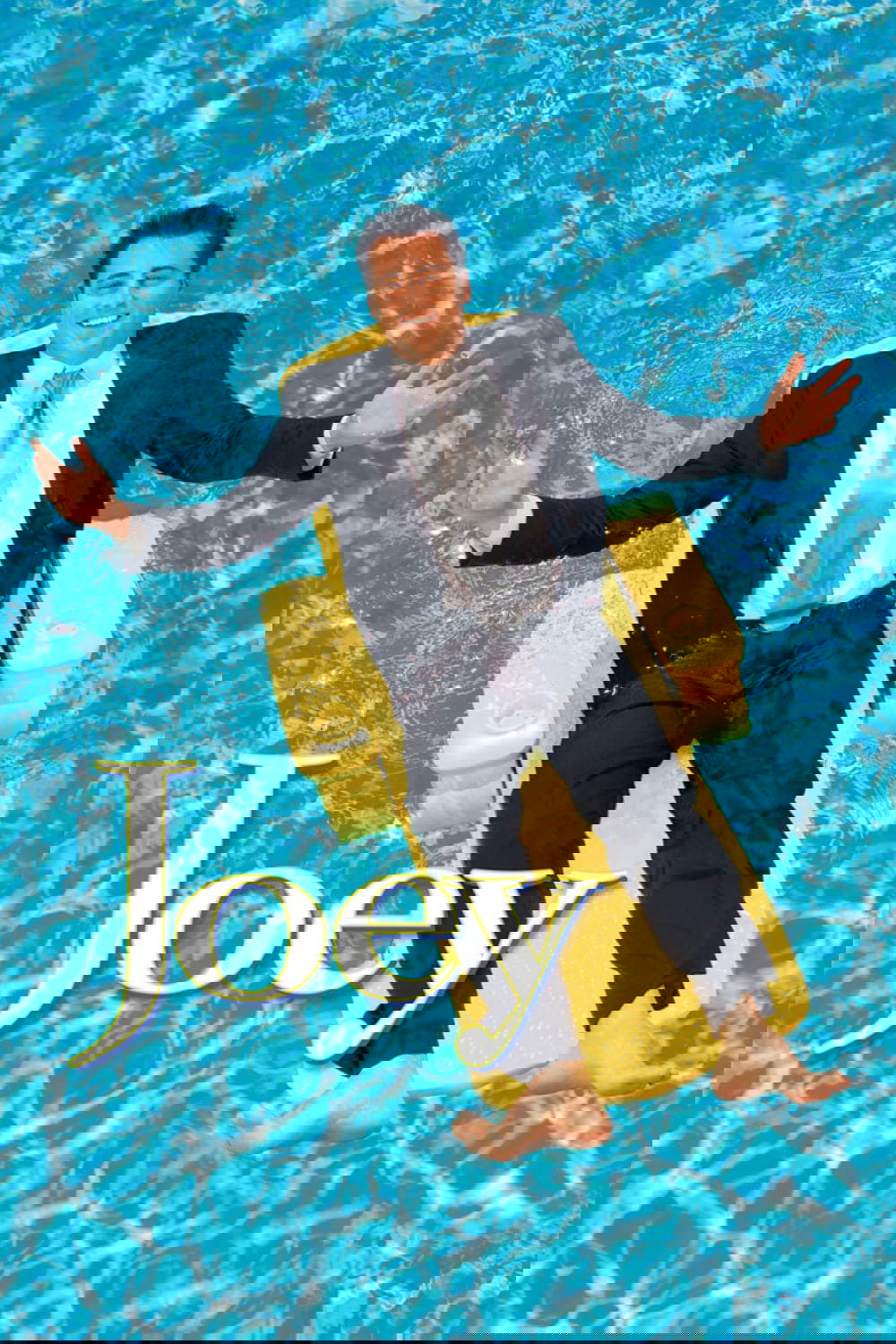
NBC’s sitcom spun off ‘Friends’ by relocating Joey Tribbiani to Los Angeles to pursue acting gigs, supported by a new family-and-friends ensemble. The series used a multicam setup, soundstage apartment sets, and audition-centric plots. Storylines tracked agent meetings, pilot seasons, and on-set mishaps. Guest stars and short-lived arcs explored relationships and work setbacks.
‘Yes, Dear’ (2000–2006)
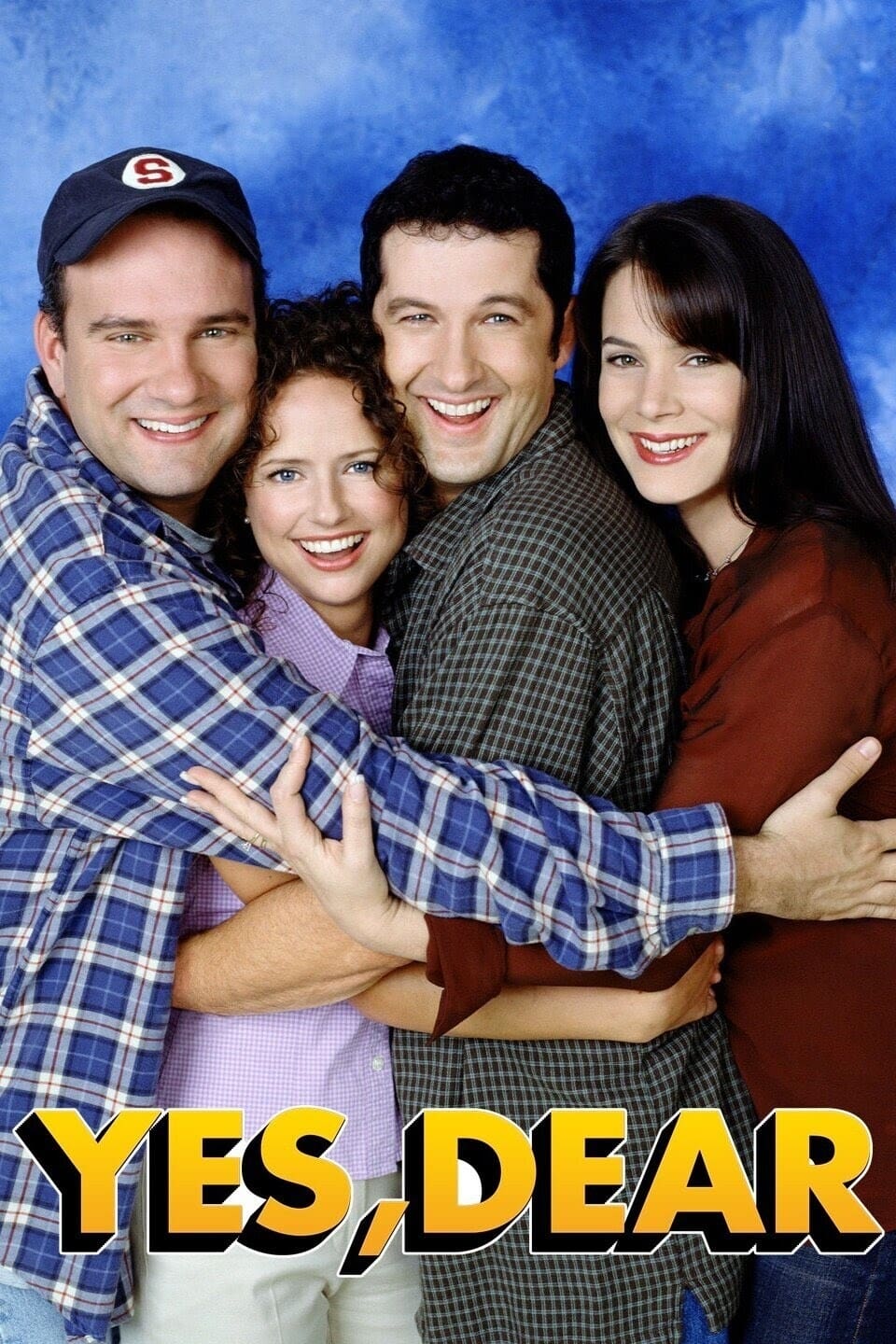
CBS’s multicam sitcom paired two couples with contrasting parenting styles sharing frequent family time in Los Angeles. The show centered on domestic misunderstandings, babysitting swaps, and neighborhood mishaps. Set pieces included a suburban home, a guest house, and workplace interludes. Recurring characters and holiday episodes provided season-long beats.
‘Still Standing’ (2002–2006)

CBS followed a Chicago family headed by Bill and Judy Miller, using a traditional multicam stage with living-room and kitchen hubs. Episodes tracked school events, sibling rivalries, and budget dilemmas. Cold opens and tags wrapped self-contained plots. Guest appearances and themed episodes punctuated seasonal arcs.
‘George Lopez’ (2002–2007)
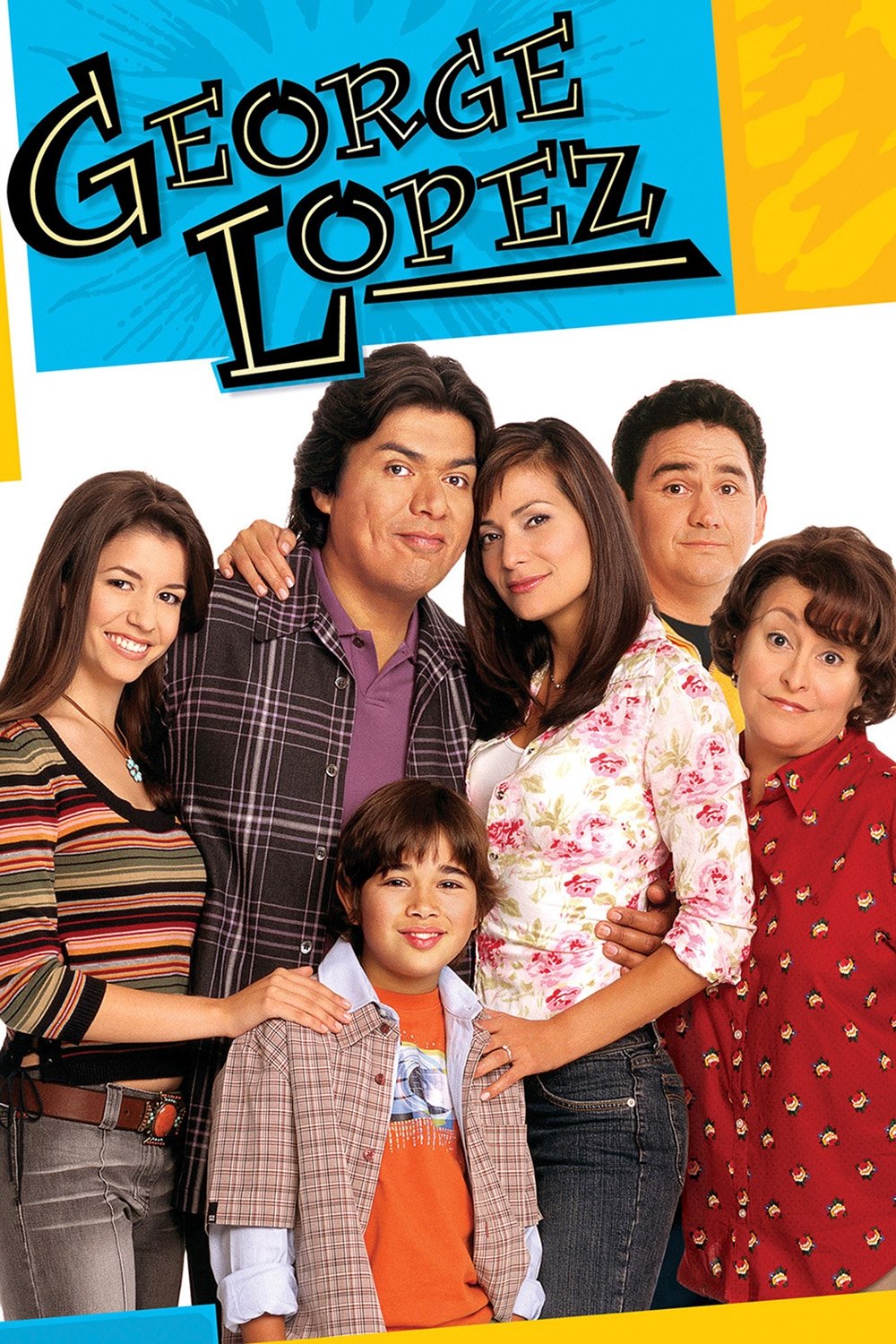
ABC’s sitcom starred George Lopez as a factory manager juggling extended family dynamics and career pressures. The series drew on workplace scenes, school subplots, and intergenerational clashes in a multicam format. It featured recurring guest roles and musical cameos tied to family celebrations. Syndication expanded its reach across cable and local stations.
‘The Apprentice’ (2005–2010)
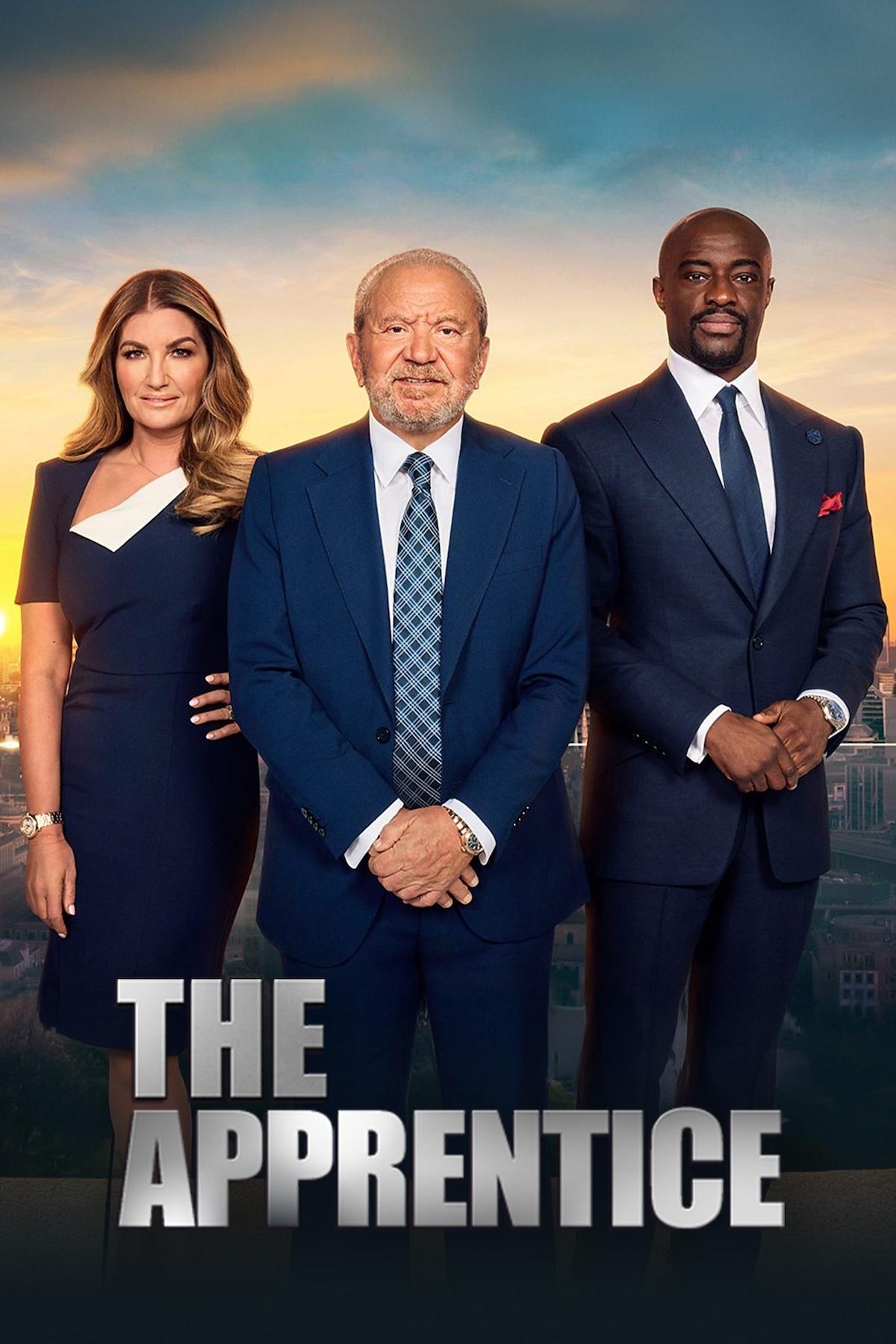
NBC’s business-competition format placed candidates on teams completing weekly tasks for corporate clients under a central host’s oversight. Boardroom scenes concluded each episode with evaluations and eliminations. Tasks spanned sales, branding, and event execution, supported by project managers and rotating advisors. The franchise expanded into ‘The Celebrity Apprentice’ with notable guest appearances and charity-driven stakes.
‘CSI: Miami’ (2002–2012)
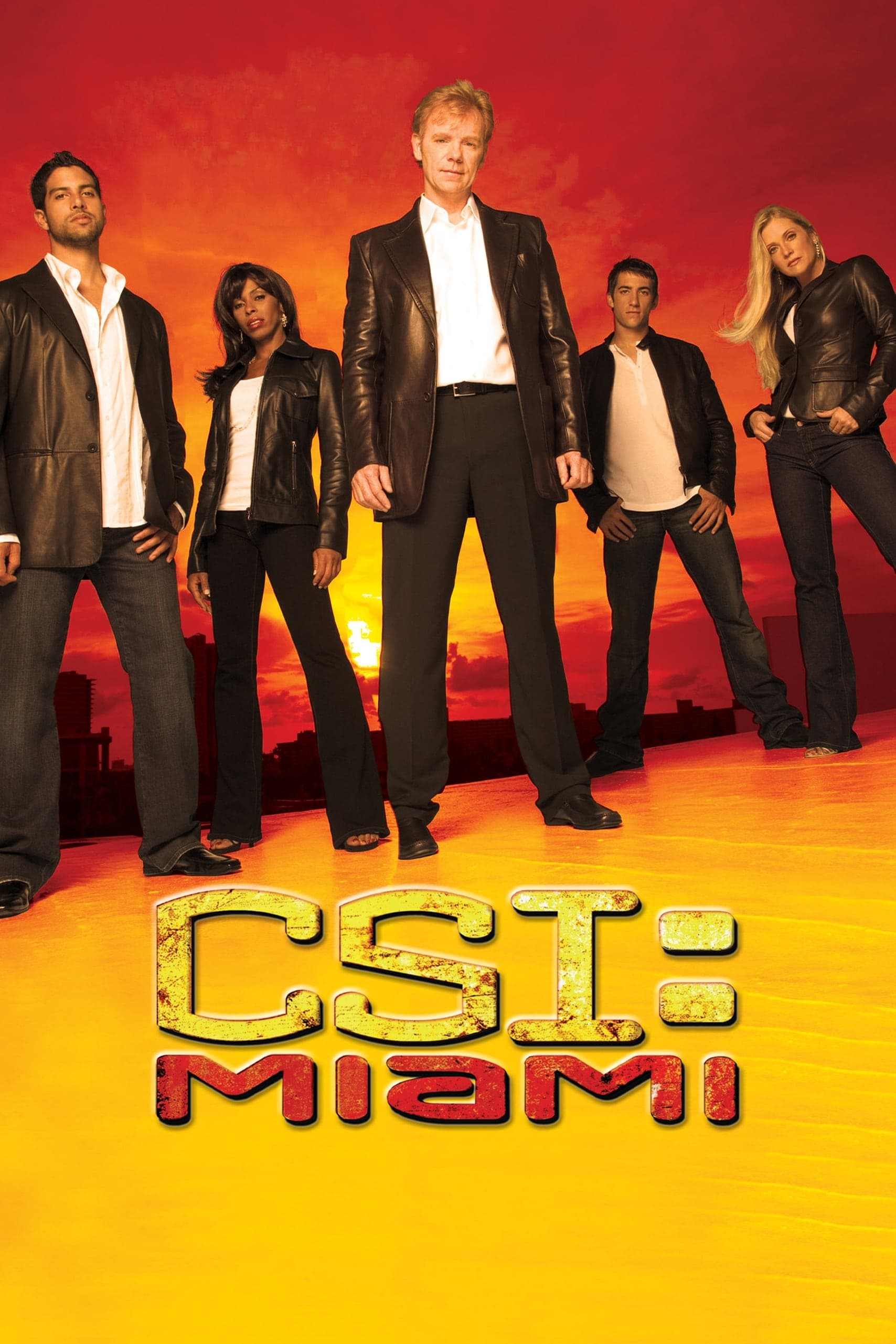
This CBS procedural, led by Horatio Caine and the Miami-Dade crime lab team, emphasized stylized forensics, sun-drenched visuals, and location-driven cold opens. Episodes followed evidence collection, lab analysis, and coordinated field arrests. Signature elements included one-liners before the theme sting and color-saturated cinematography. Crossovers linked storylines with ‘CSI: Crime Scene Investigation’ and ‘CSI: NY’.
Share your picks—what did we miss or misplace—down in the comments!