1980s Horror Movies That Are Completely Unwatchable Today


The horror boom of the eighties delivered a wild range of creature features, slashers, and supernatural oddities—some iconic, others more infamous. Below is a tour of forty titles from that era, presented with straightforward details on who made them, what they’re about, and how they fit into franchise histories, release paths, and production trivia. Think directors, casts, alternate cuts, distribution stories, and behind-the-scenes notes that help place each film in context. No hot takes—just useful info for anyone curious about the decade’s deeper, stranger shelves.
‘Jaws: The Revenge’ (1987)
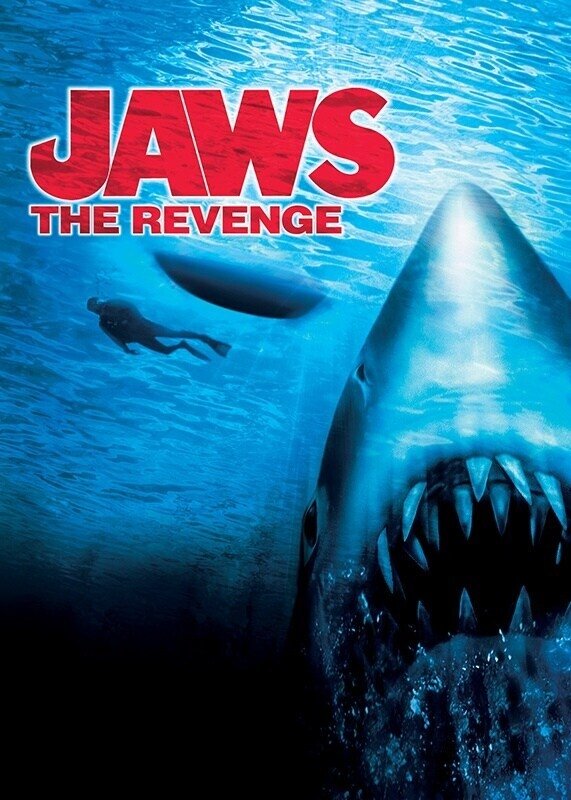
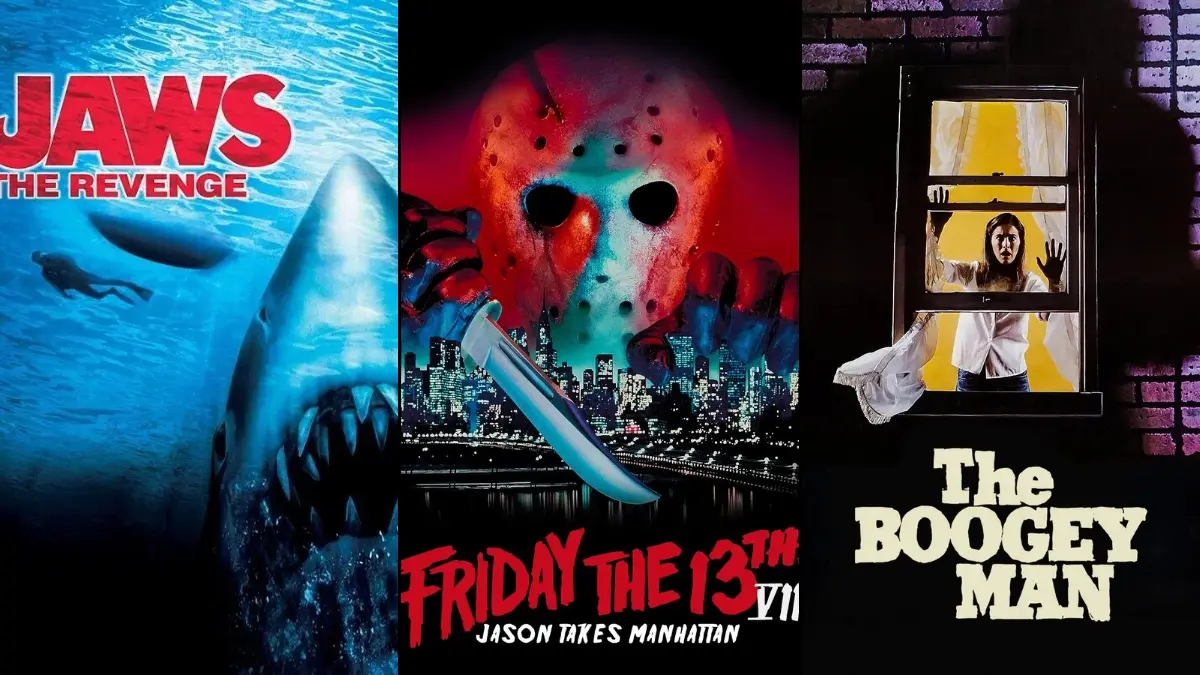
Directed by Joseph Sargent, this sequel follows Ellen Brody as she leaves Amity for the Bahamas, only to be pursued by another great white. The film stars Lorraine Gary, Lance Guest, and Michael Caine, with on-location shooting in Nassau and Martha’s Vineyard stand-ins. Universal handled distribution, and the movie exists in different cuts with alternate endings for theatrical and television versions. Its score was composed by Michael Small, incorporating thematic nods to John Williams’s original motifs.
‘Maximum Overdrive’ (1986)

Written and directed by Stephen King, ‘Maximum Overdrive’ adapts the short story ‘Trucks’ and centers on machines turning homicidal near a North Carolina truck stop. Emilio Estevez leads the cast alongside Pat Hingle, while filming took place around Wilmington. De Laurentiis Entertainment Group produced and distributed the film, with AC/DC providing a prominent hard-rock soundtrack. Practical effects, miniatures, and radio-controlled rigs were heavily used to animate vehicles and appliances.
‘Howling II: Stirba – Werewolf Bitch’ (1985)
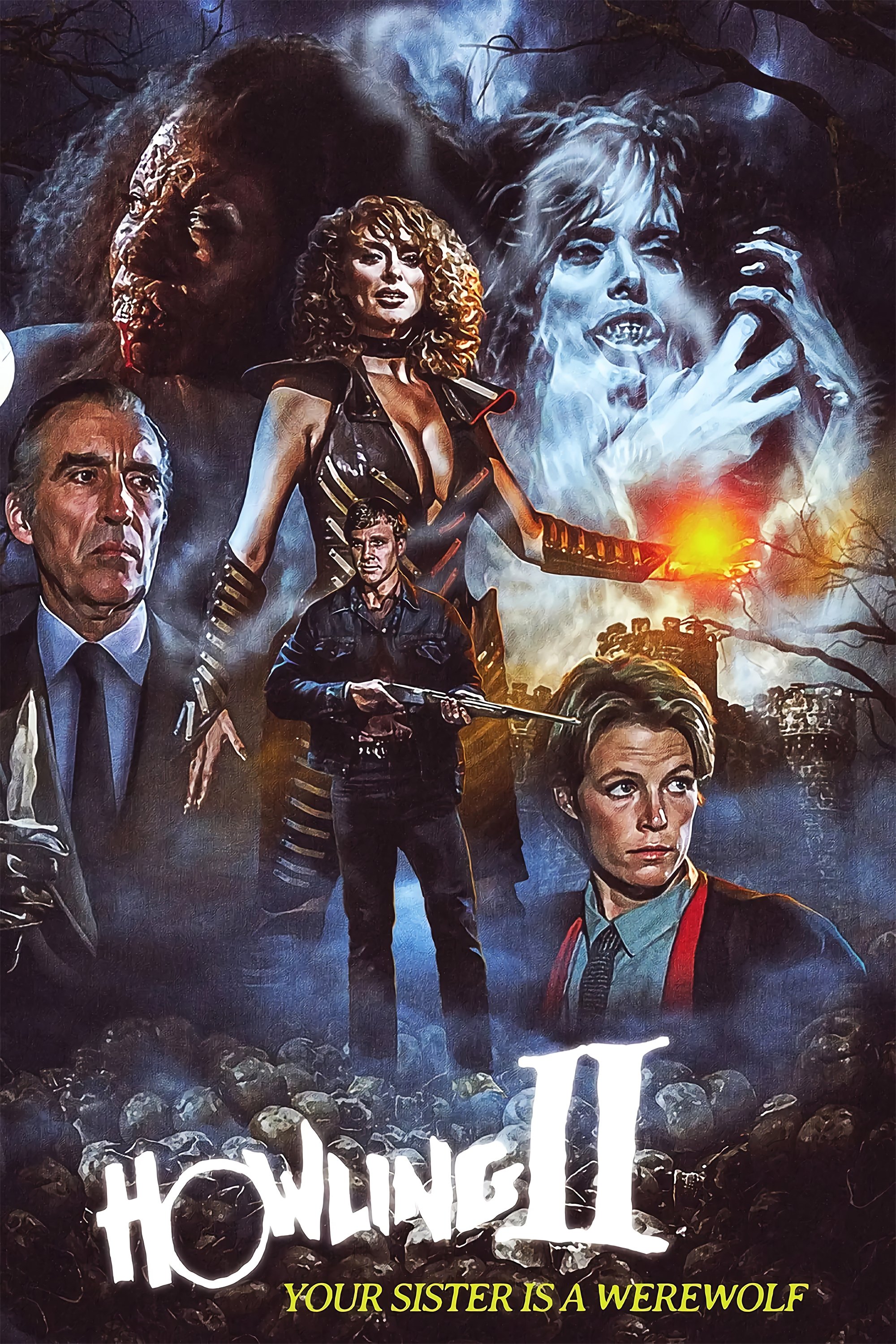
This follow-up to ‘The Howling’ was directed by Philippe Mora and features Christopher Lee, Annie McEnroe, and Reb Brown. The story sends its protagonists to Eastern Europe to confront a werewolf queen known as Stirba, with scenes shot in Prague and other Czechoslovak locations. The film is also known by the alternate title ‘Stirba – Werewolf Bitch’ in some territories. Orion Pictures released it domestically, and the soundtrack leans into goth and new-wave textures typical of the period.
‘Friday the 13th Part VIII: Jason Takes Manhattan’ (1989)

Directed by Rob Hedden, this entry follows a graduating class whose cruise ship detours into danger with Jason Voorhees aboard. Filming occurred largely in Vancouver with limited second-unit work in New York, despite the title’s promise. Paramount Pictures handled distribution, and the movie features Kane Hodder’s second outing as Jason. Multiple MPAA trims were made to meet rating requirements, continuing a pattern seen across the series.
‘Hobgoblins’ (1988)
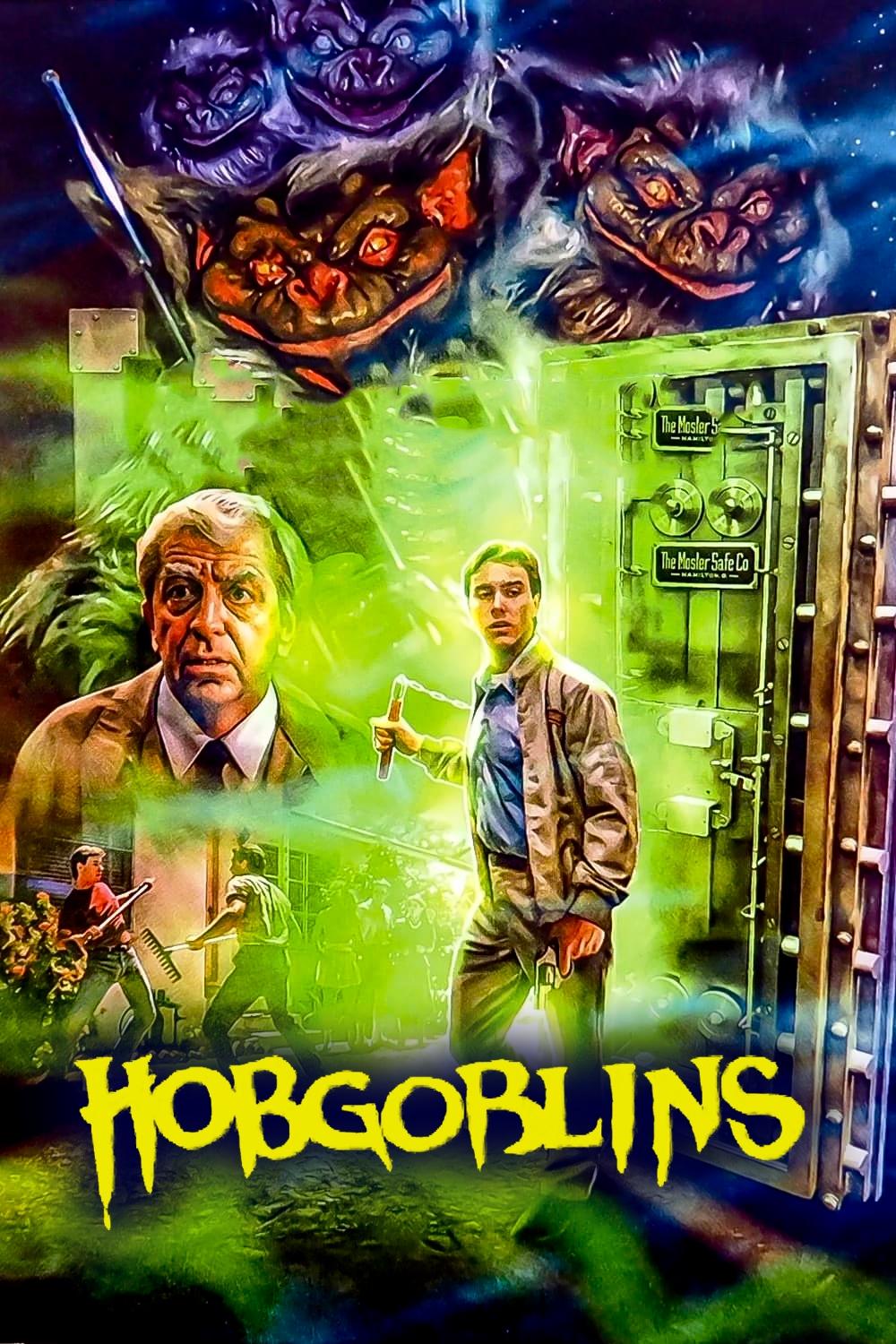
Rick Sloane wrote and directed ‘Hobgoblins’, a creature comedy-horror about small telepathic monsters escaping a studio vault. The production was an independent effort using low-budget puppetry and soundstage sets around Los Angeles. It later gained wider attention through a ‘Mystery Science Theater 3000’ episode that highlighted its DIY effects. Home-video circulation kept the title in genre conversation long after its initial run.
‘Ghoulies’ (1985)
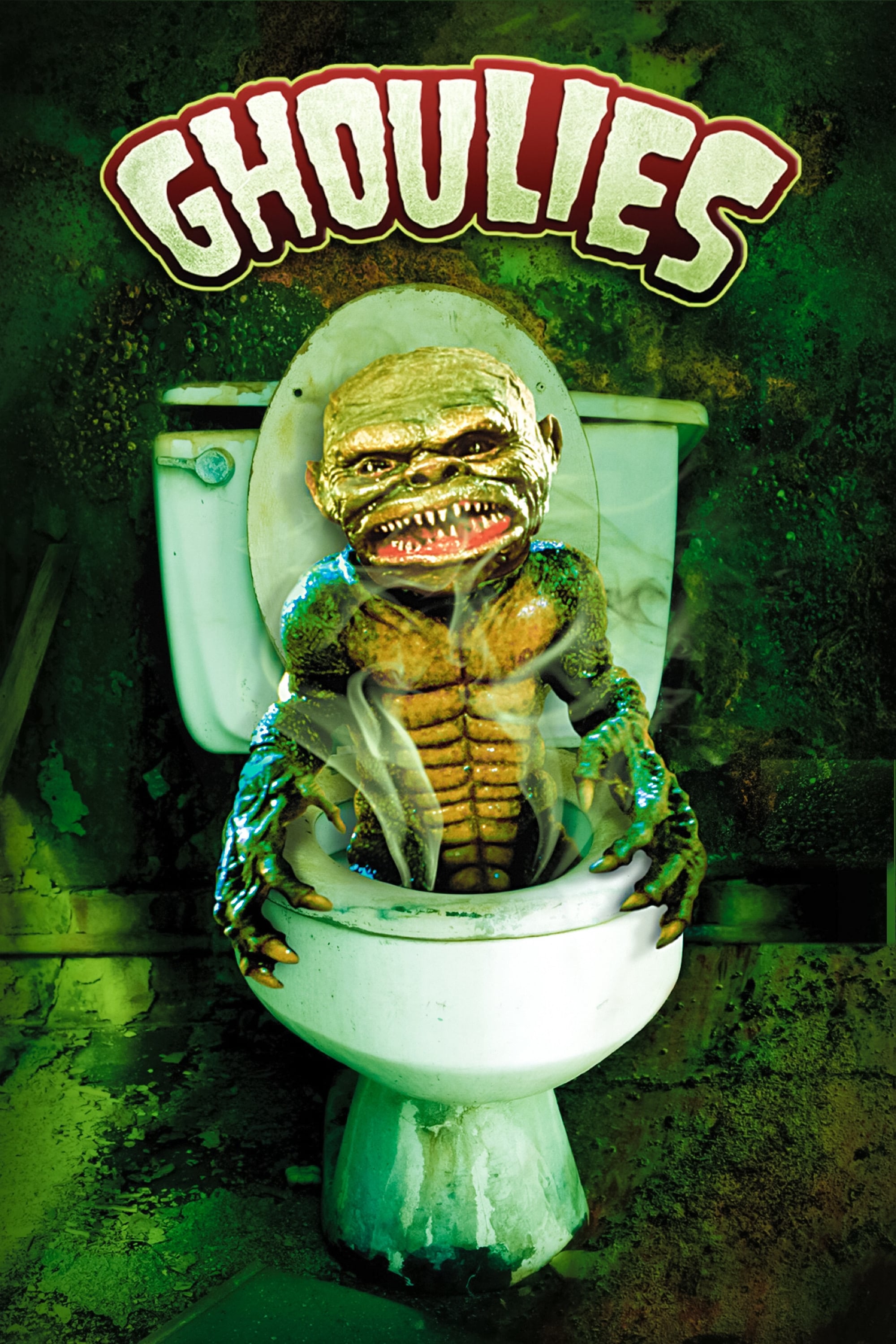
Directed by Luca Bercovici and produced by Charles Band, ‘Ghoulies’ follows a college student dabbling in occult rituals that attract mischievous creatures. Empire Pictures financed the film and leaned on eye-catching poster art featuring a toilet-dwelling monster. The cast includes Peter Liapis and Lisa Pelikan, with special-effects creature work by John Carl Buechler’s team. Its success on VHS spawned sequels and cemented the franchise as a staple of creature-feature rentals.
‘C.H.U.D.’ (1984)
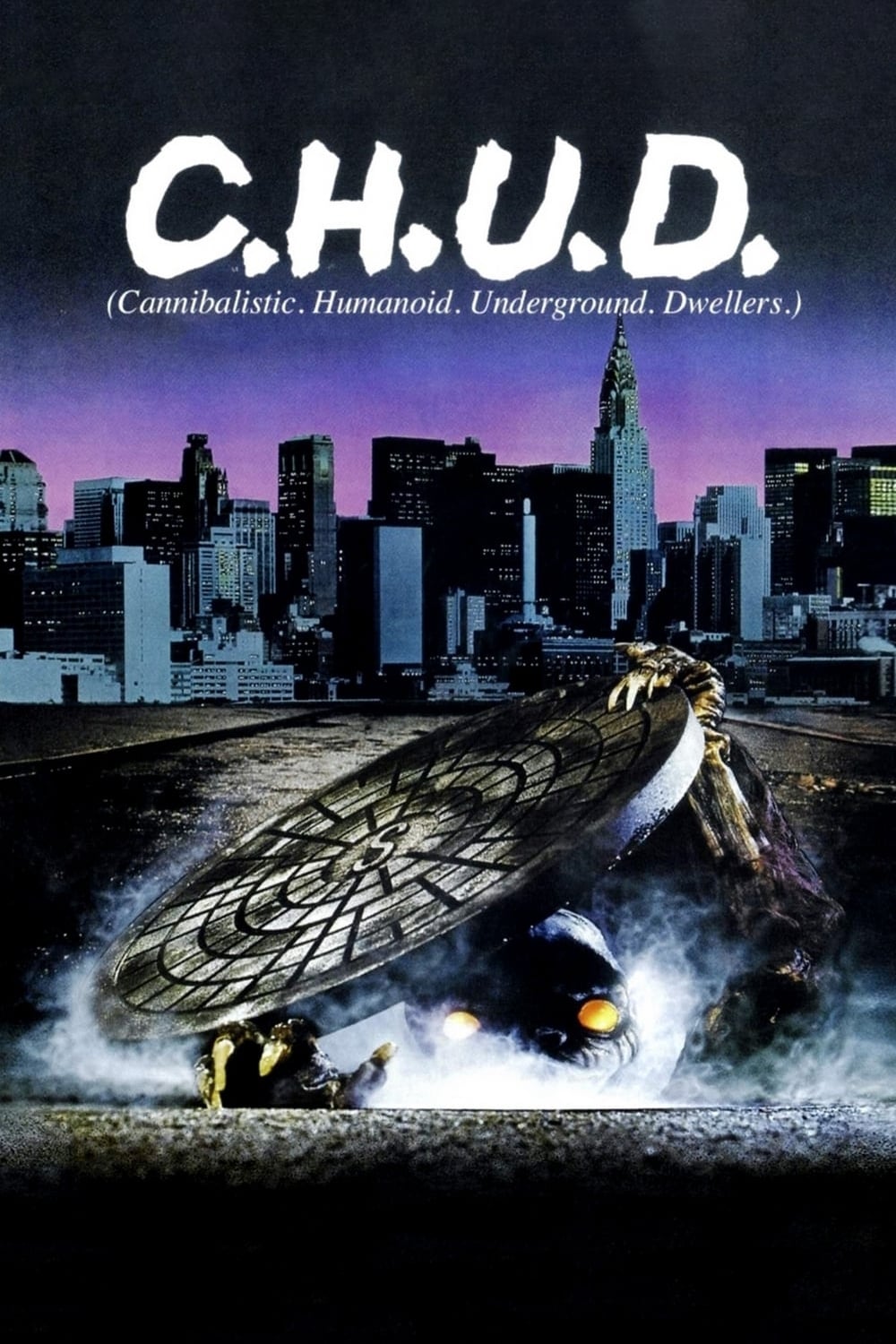
‘Cannibalistic Humanoid Underground Dwellers’—shortened to ‘C.H.U.D.’—was directed by Douglas Cheek and set in New York’s tunnels and sewers. The cast features John Heard, Daniel Stern, and Kim Greist, with location shooting that used abandoned urban spaces to suggest an underground ecosystem. New World Pictures released the film, which blends environmental concerns with mutant-creature storytelling. Makeup effects emphasized glowing-eyed designs and bulky prosthetics.
‘Silent Night, Deadly Night Part 2’ (1987)
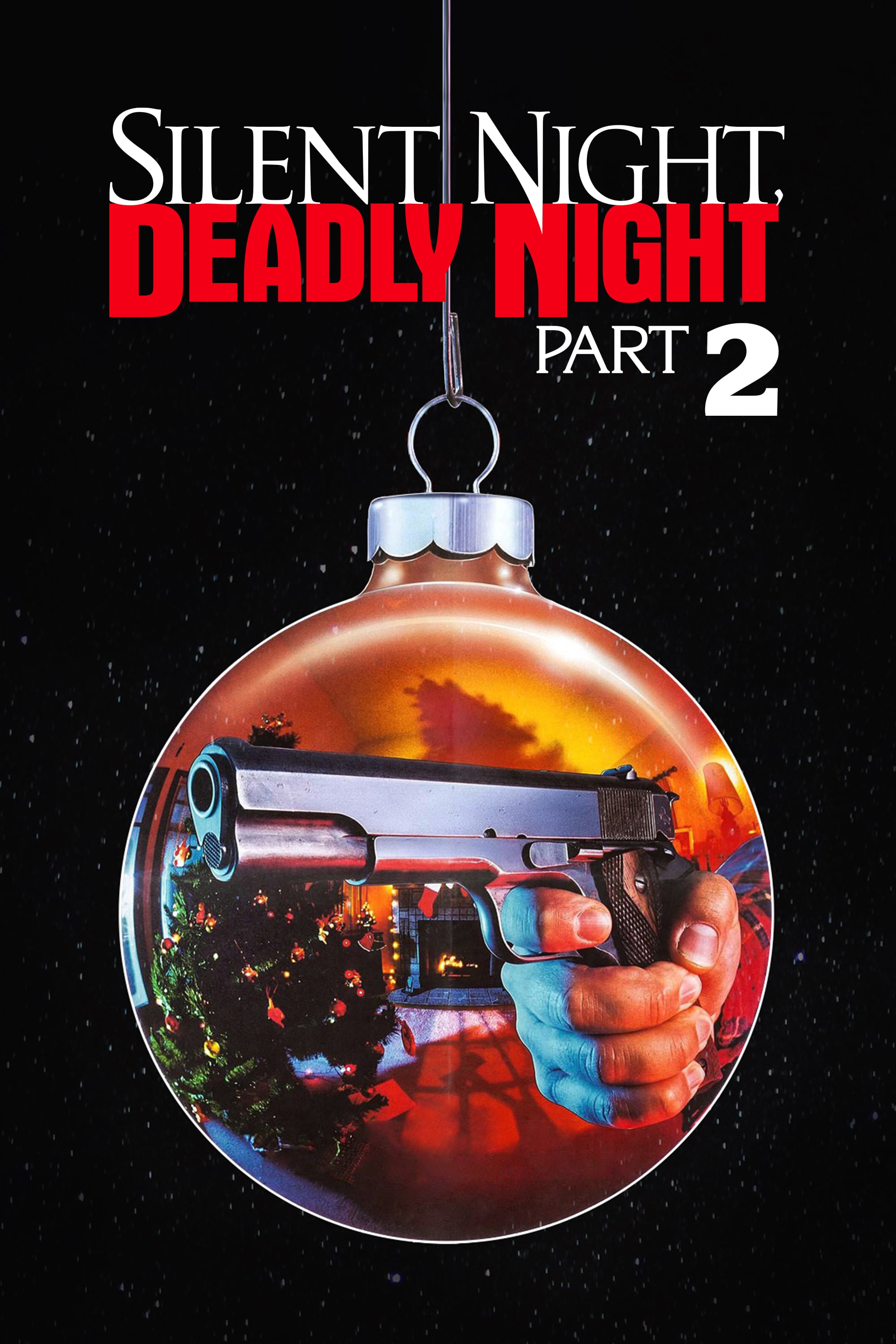
This sequel, directed by Lee Harry, shifts focus to Ricky Caldwell recounting events connected to the first film. Eric Freeman stars, and the production notably incorporates extensive footage from ‘Silent Night, Deadly Night’ to frame its narrative. The movie circulated widely on home video and late-night television, which helped establish its cult profile. Cannon Film Distributors handled release, and subsequent entries took the franchise in anthology-style directions.
‘Rawhead Rex’ (1986)
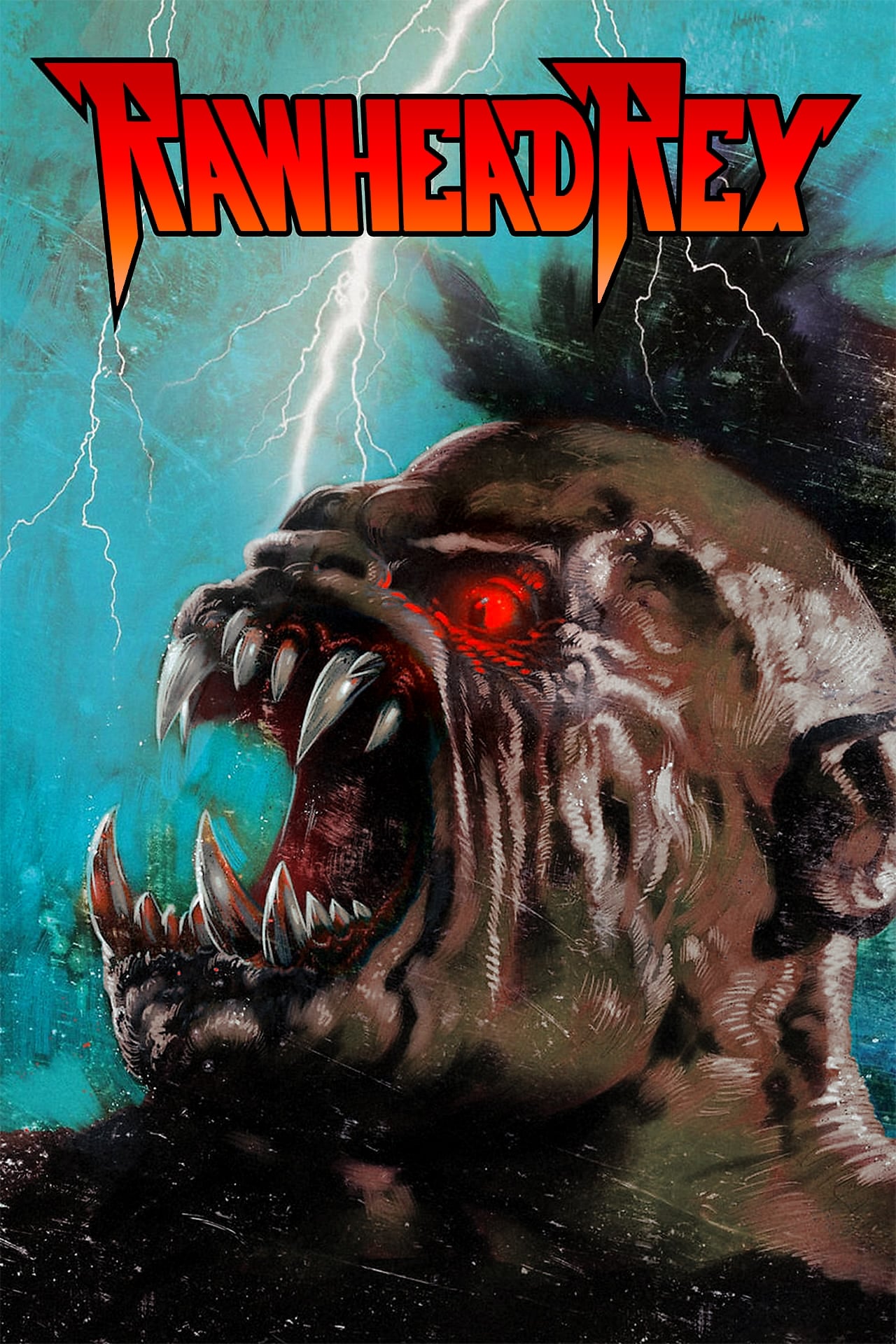
Based on a Clive Barker short story, ‘Rawhead Rex’ was directed by George Pavlou and filmed in rural Ireland. David Dukes and Kelly Piper star, with a towering creature brought to life through suit performance and animatronics. The story involves a pagan entity unleashed from a stone monument, intertwining folklore and clerical themes. Distribution varied by territory, and later home-video editions restored material trimmed from earlier releases.
‘Spookies’ (1986)
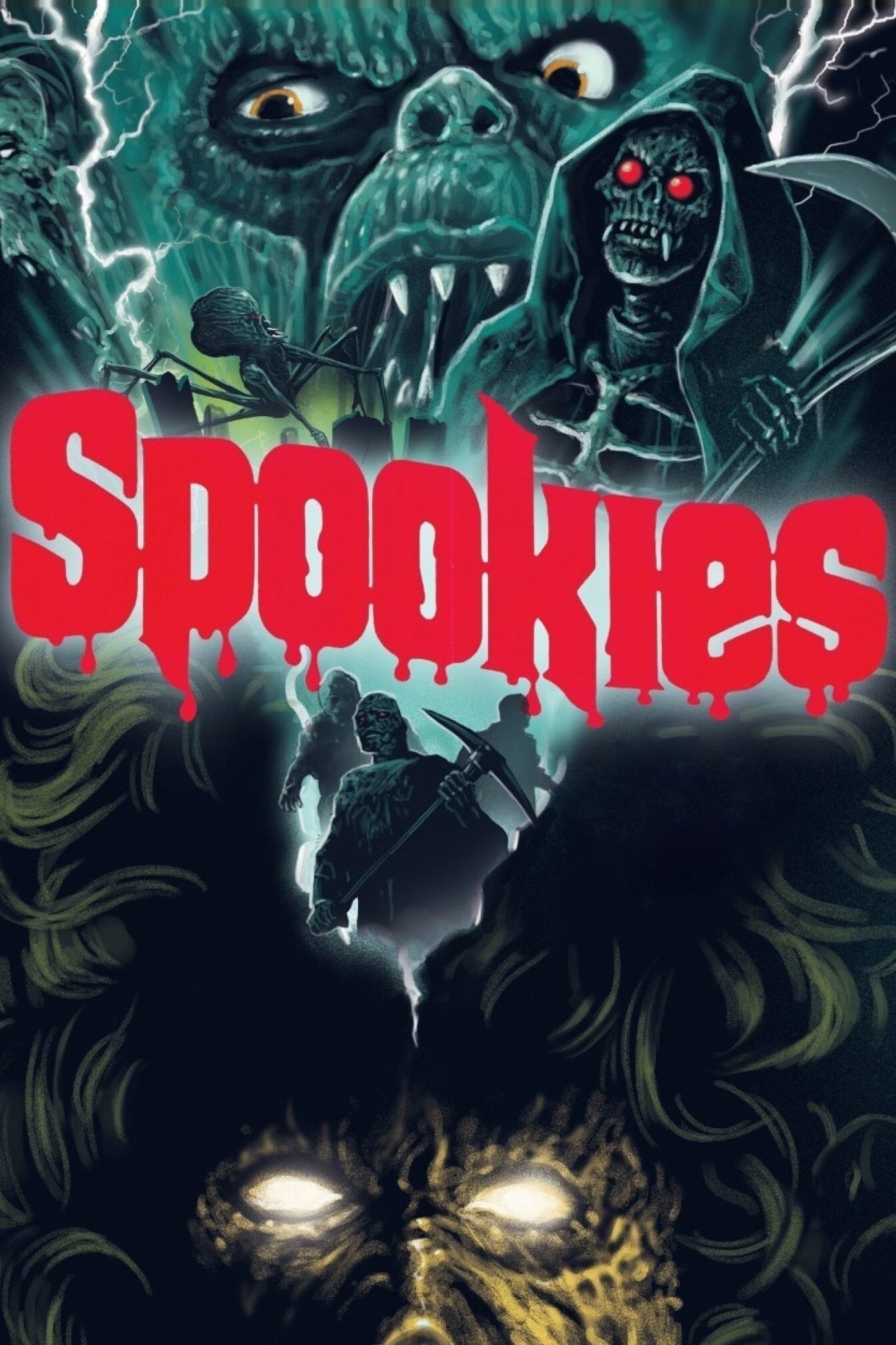
‘Spookies’ is an unusual case produced by Michael Lee, combining footage from an unfinished film titled ‘Twisted Souls’ with new material shot later. Genie-heavy monster designs and a mix of puppetry and latex effects give the production a patchwork tone. The cast includes Felix Ward and Maria Pechukas, with most scenes staged in a single mansion location. Vinegar Syndrome and partner labels later issued remasters that documented the film’s complicated assembly history.
‘Night Train to Terror’ (1985)

This anthology stitches together segments from other unreleased or reworked features—’Scream Your Head Off’, ‘Death Wish Club’, and ‘Cataclysm’. God and Satan debate human souls while a rock band performs on a train, framing three horror tales. Directors Paul, John, and Philip Yordan are associated with the various component films, leading to a multi-credited production. The result reached audiences primarily through cable and videotape circulation.
‘Howling III: The Marsupials’ (1987)
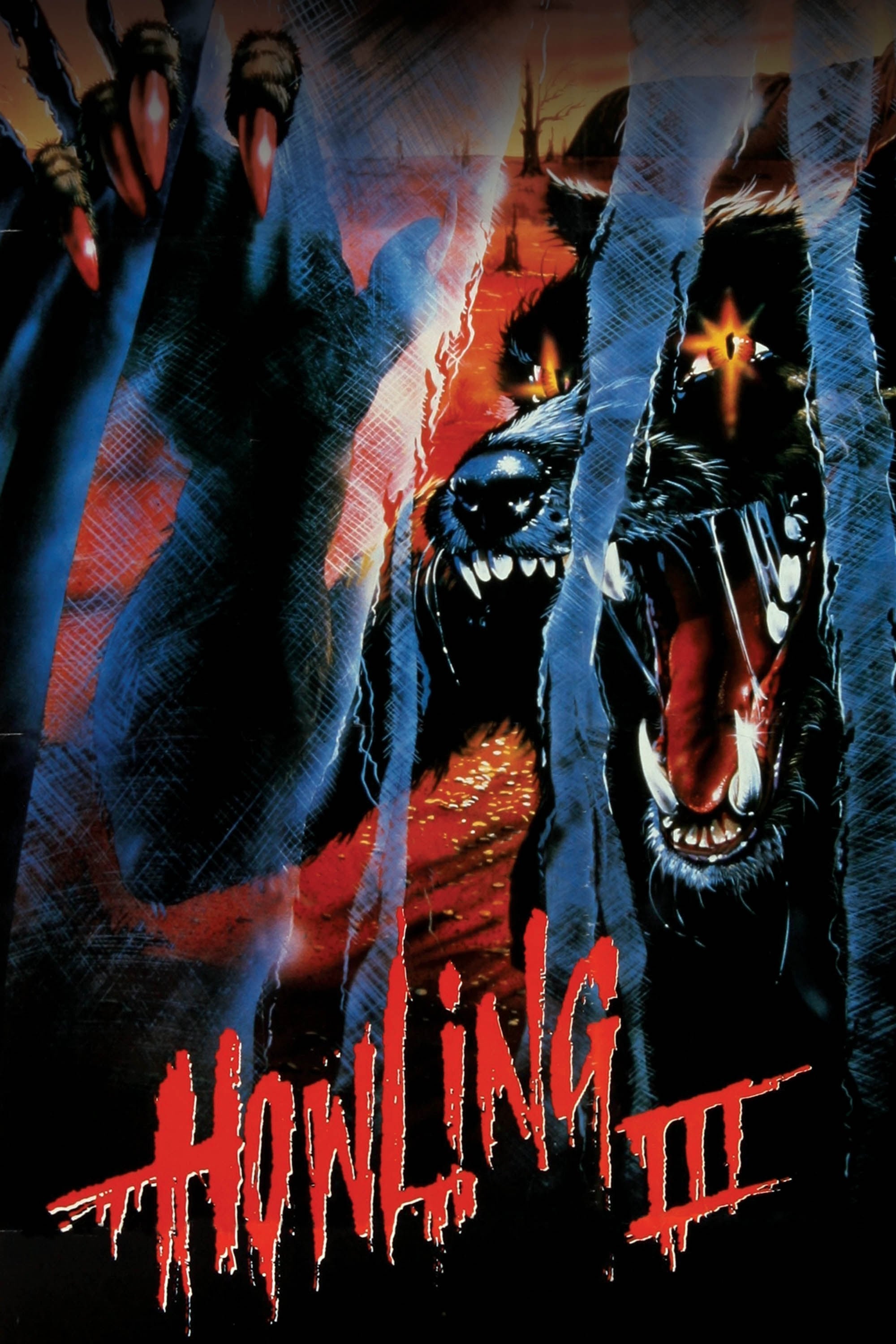
Philippe Mora returned to direct this standalone sequel focusing on were-creatures native to Australia. The film stars Barry Otto and Imogen Annesley, with Sydney and outback locales providing distinct backdrops. Government film bodies supported production, reflecting the era’s national funding models. The movie plays with pseudo-documentary elements and folklore, diverging from the original’s California setting.
‘The Video Dead’ (1987)
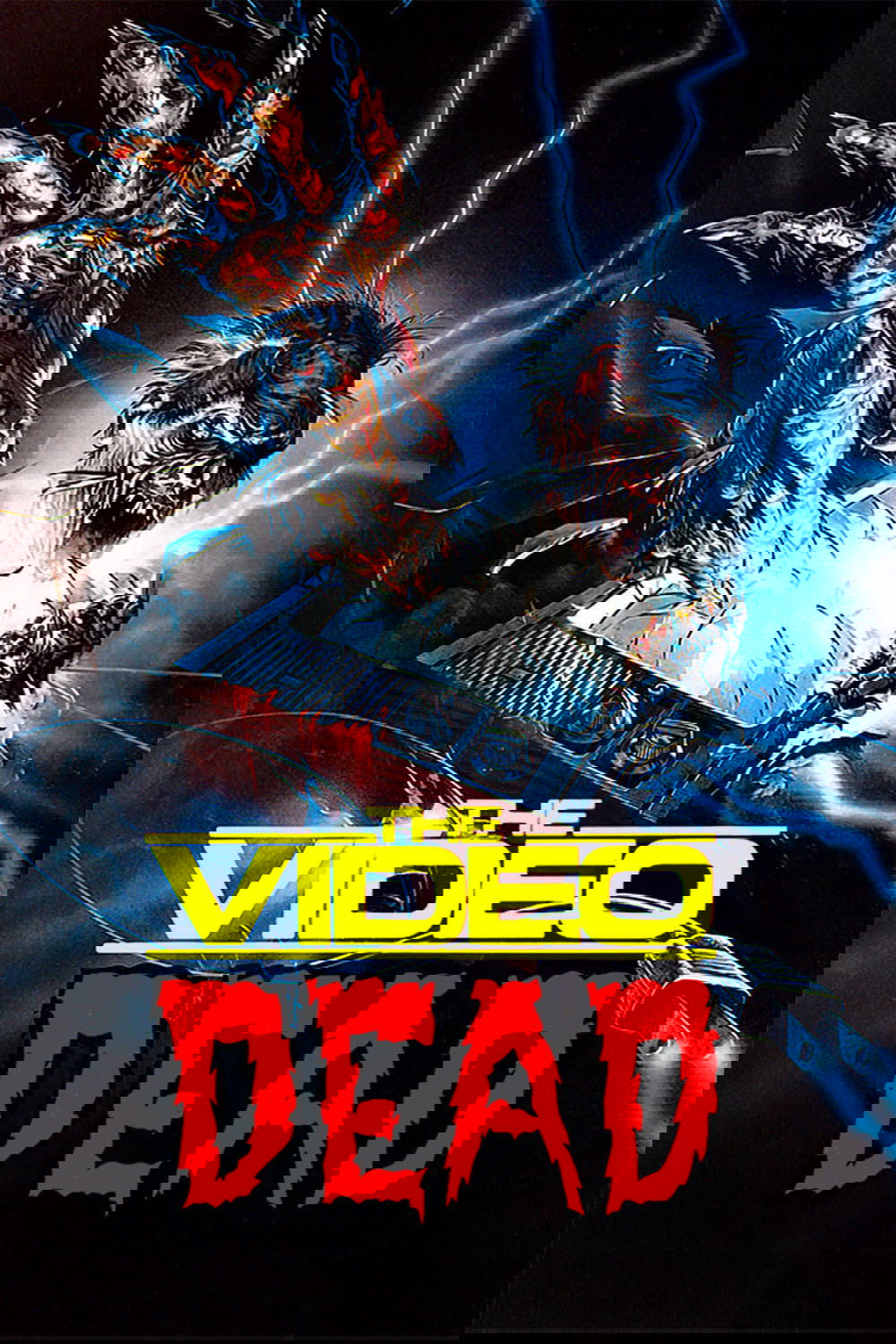
Directed by Robert Scott, ‘The Video Dead’ centers on a cursed television that allows zombies to cross into suburbia. The micro-budget production relied on backyard locations, practical makeup, and inventive camera tricks. It found an audience via direct-to-video channels, becoming a late-night rental staple. The film’s cover art and cable play contributed significantly to its recognition among collectors.
‘Death Spa’ (1989)
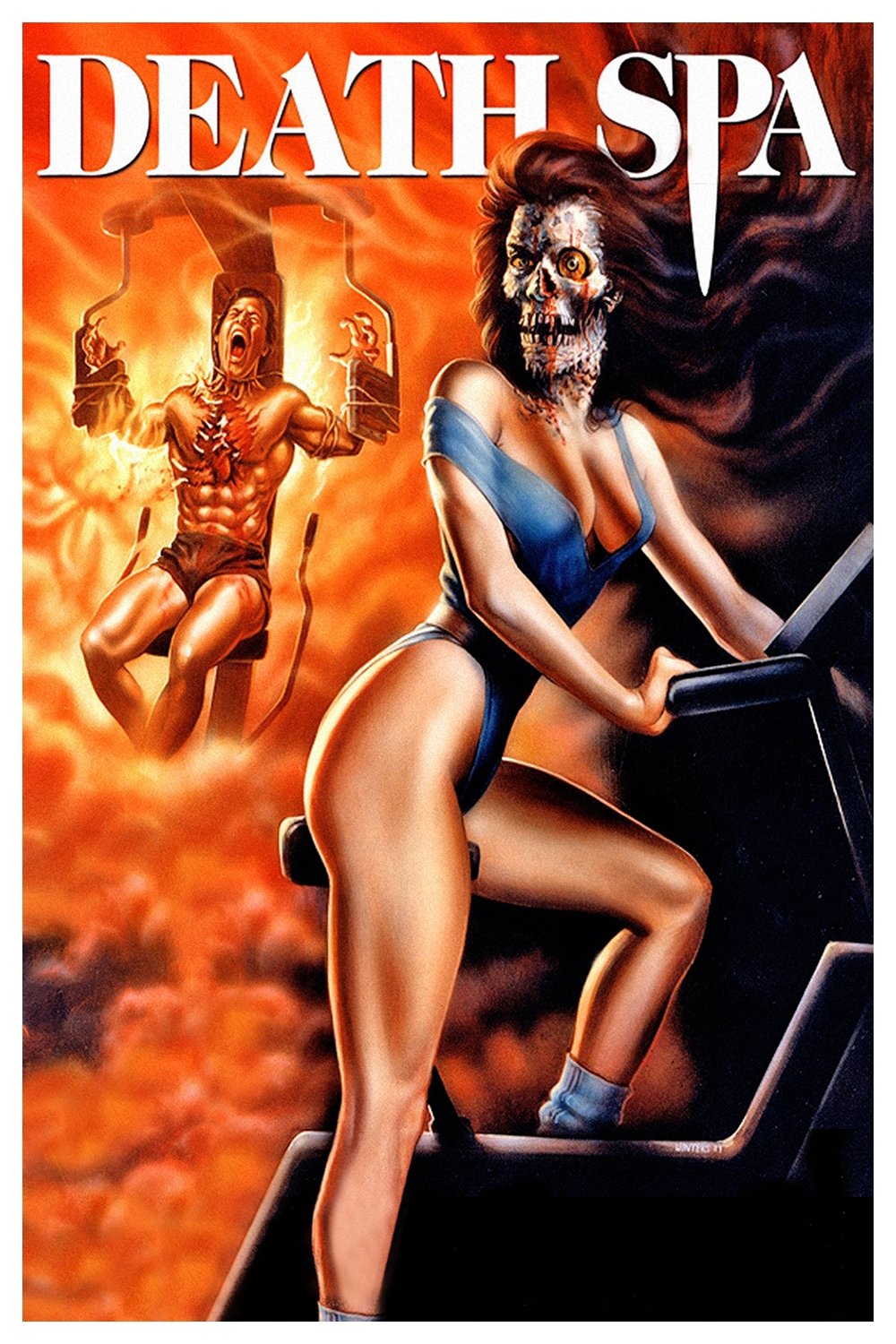
Michael Fischa directed this techno-supernatural thriller set in a high-tech Los Angeles health club. The cast includes William Bumiller, Shari Shattuck, and Merritt Butrick, with elaborate set-pieces showcasing malfunctioning fitness equipment and neon-lit interiors. Special-effects teams created steam blasts, glass shatters, and prosthetic burns to stage the haunting. The movie circulated under alternate titles in some regions and later received boutique-label restorations.
‘Neon Maniacs’ (1986)
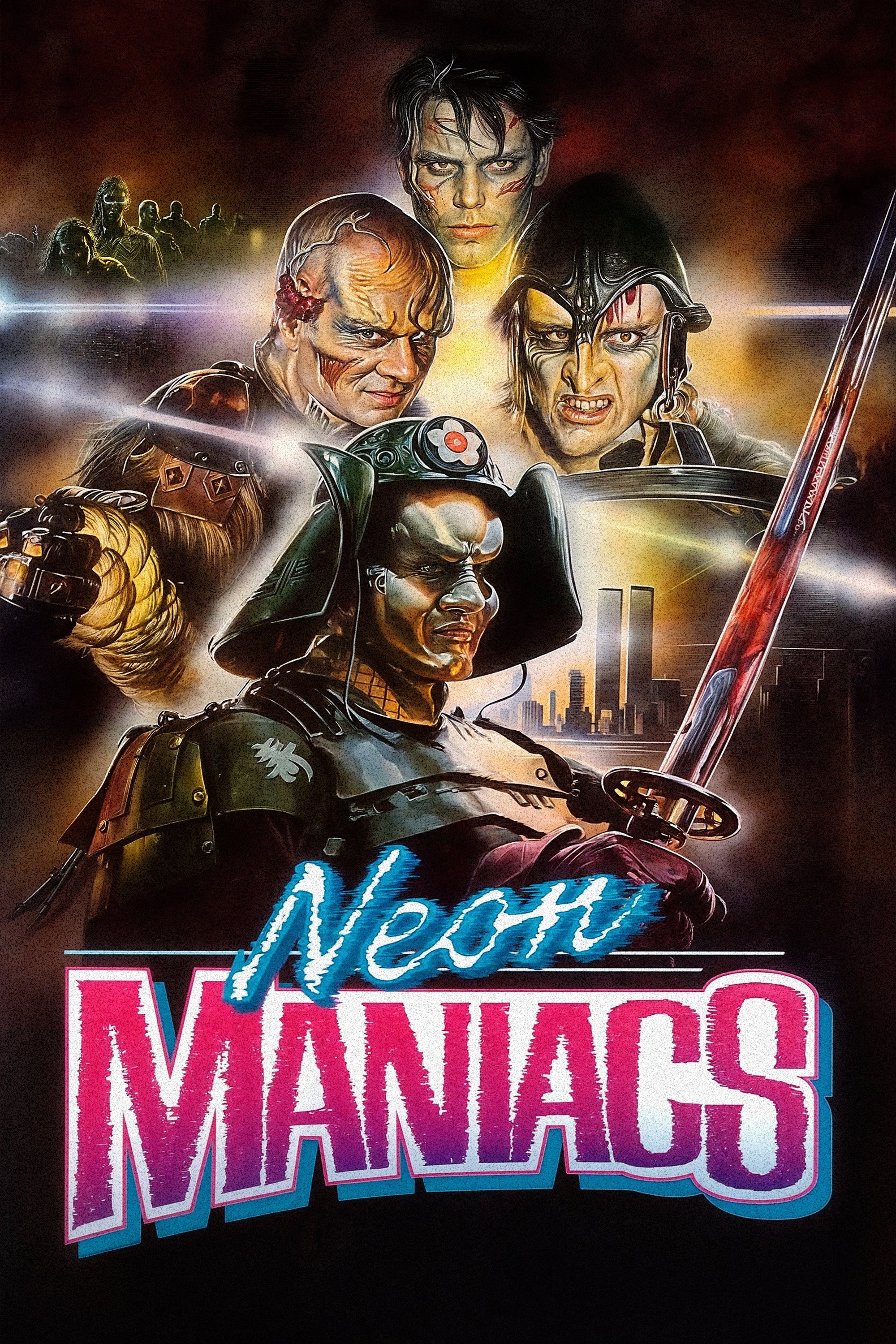
‘Neon Maniacs’ was directed by Joseph Mangine and features a gang of themed monsters emerging from beneath the Golden Gate Bridge. Shooting in San Francisco neighborhoods and park areas gave the film recognizable urban vistas. A prolonged production led to continuity quirks, and some scenes were completed with newly cast performers. The soundtrack blends synth cues and pop tracks aligned with the teen-horror wave.
‘Rock ‘n’ Roll Nightmare’ (1987)
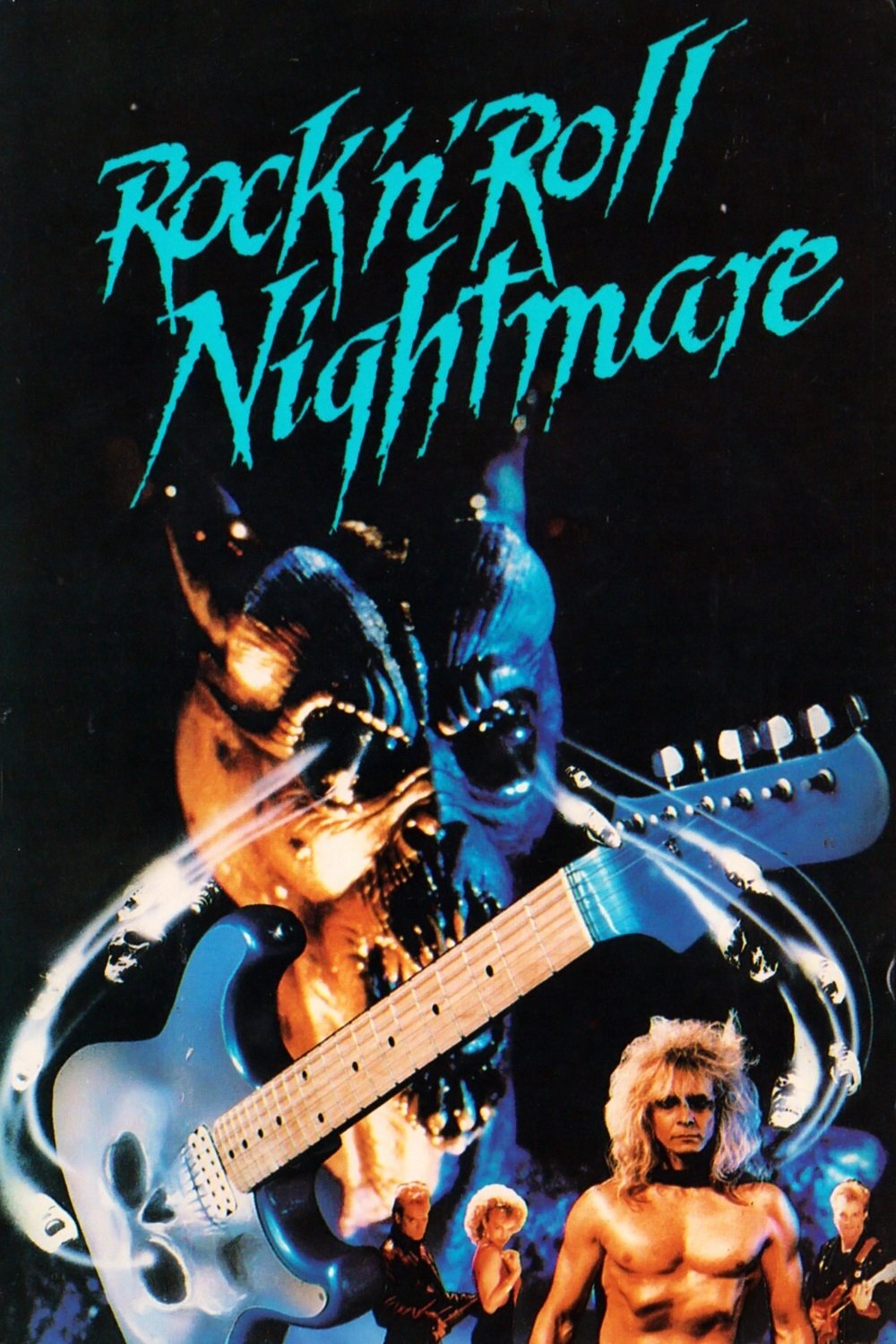
Shot in Canada, this heavy-metal horror outing stars musician Jon Mikl Thor and was directed by John Fasano. The film makes extensive use of foam-latex puppets and stop-motion inserts for its demon creatures. A rural farmhouse served as the principal location, with minimal crew and a fast schedule. Home-video distribution and midnight screenings helped the movie reach genre fans beyond its initial release window.
‘Monster Dog’ (1984)
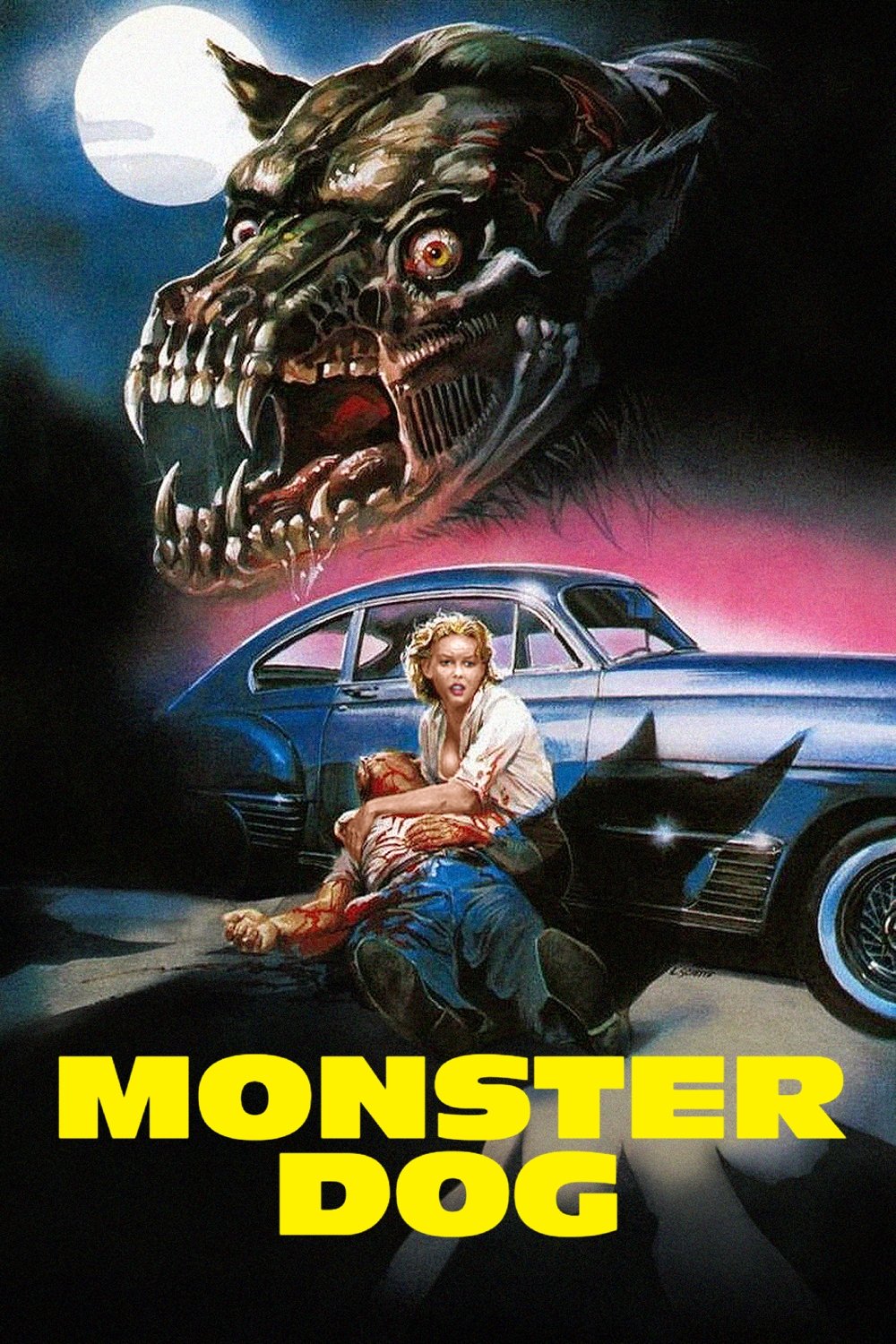
‘Monster Dog’ features Alice Cooper and was directed by Claudio Fragasso under the pseudonym Clyde Anderson. Filmed in Spain with an international crew, the production dubbed many performances for English-language release. The plot follows a rock singer returning to a village plagued by animal attacks, blending music-video style with creature tropes. Various edits circulate, reflecting territory-specific requirements and censorship norms.
‘Cellar Dweller’ (1988)
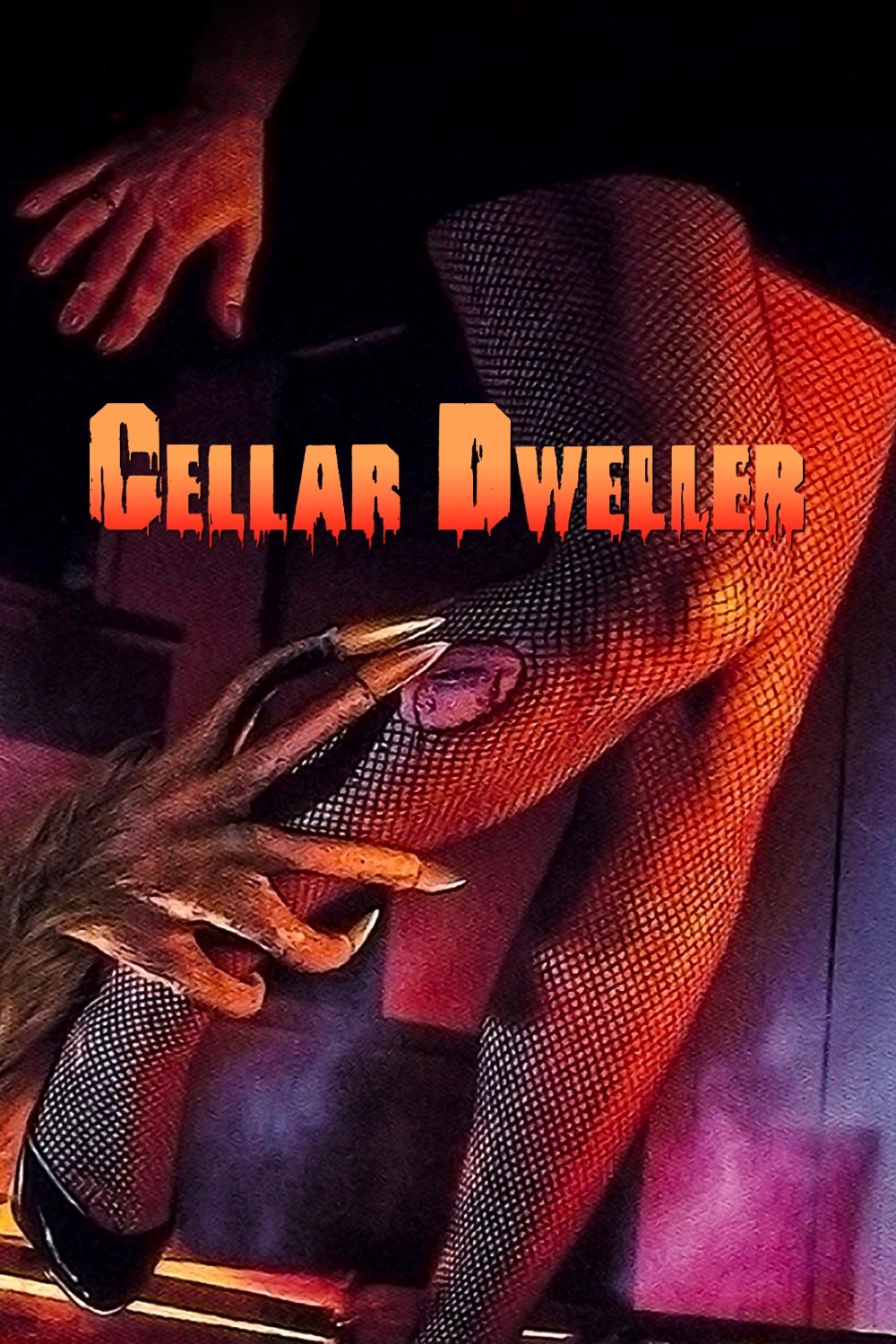
Directed by John Carl Buechler, this film pairs comic-book art with demonic conjuration inside an artists’ retreat. Yvonne DeCarlo and Debrah Farentino appear, with Jeffrey Combs featured in the opening segment. The production used Empire Studios resources, combining creature effects, matte work, and a compact set build. It debuted on home video and later received remastered releases for collectors.
‘Sorority House Massacre’ (1986)

Carol Frank wrote and directed this slasher centered on a student haunted by visions tied to a suburban murder house. Filming utilized a single-family residence and nearby campus exteriors to keep the scope tight. The movie was released by Concorde, linked to the Roger Corman production pipeline. It later intersected with the ‘Slumber Party Massacre’ brand through thematic parallels and shared marketing channels.
‘Return of the Living Dead Part II’ (1988)
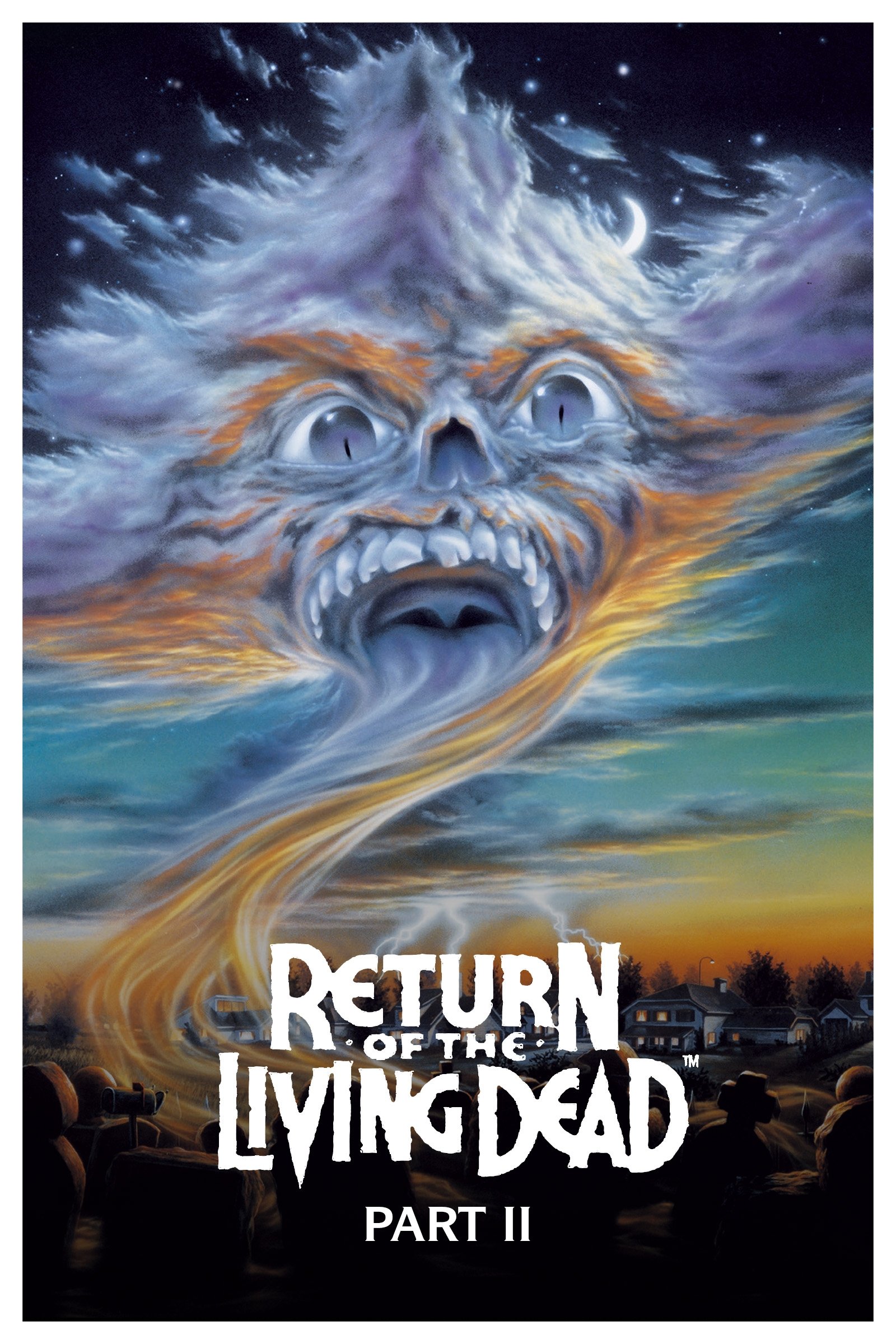
Ken Wiederhorn directed this follow-up set in a small town where military canisters trigger another outbreak. James Karen and Thom Mathews return in new roles, maintaining a self-referential link to the first film. The production emphasizes practical zombie makeup and animatronics for gags and creature business. New Line Cinema distributed the movie, and television airings introduced alternate language for broadcast standards.
‘Slumber Party Massacre II’ (1987)
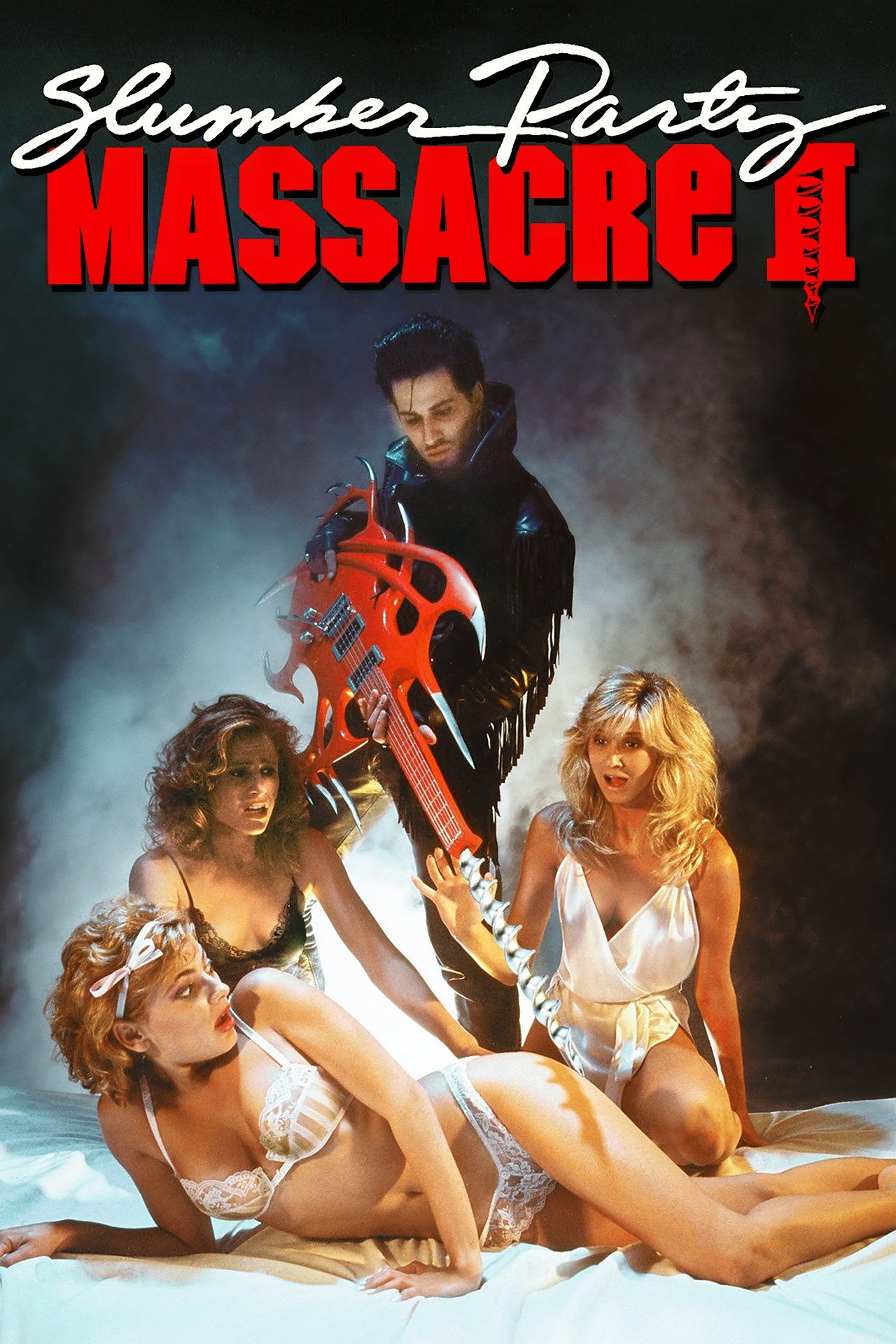
This sequel, directed by Deborah Brock, follows a rock-themed slasher whose weapon doubles as an electric guitar. Juliette Cummins and Heidi Kozak co-star, with music numbers integrated into dreamlike sequences. Concorde Pictures handled release, continuing a lineage connected to the earlier feminist-leaning origins of the brand. The production used Los Angeles-area interiors and warehouse stages for its surreal set-ups.
‘Nightmare Weekend’ (1986)
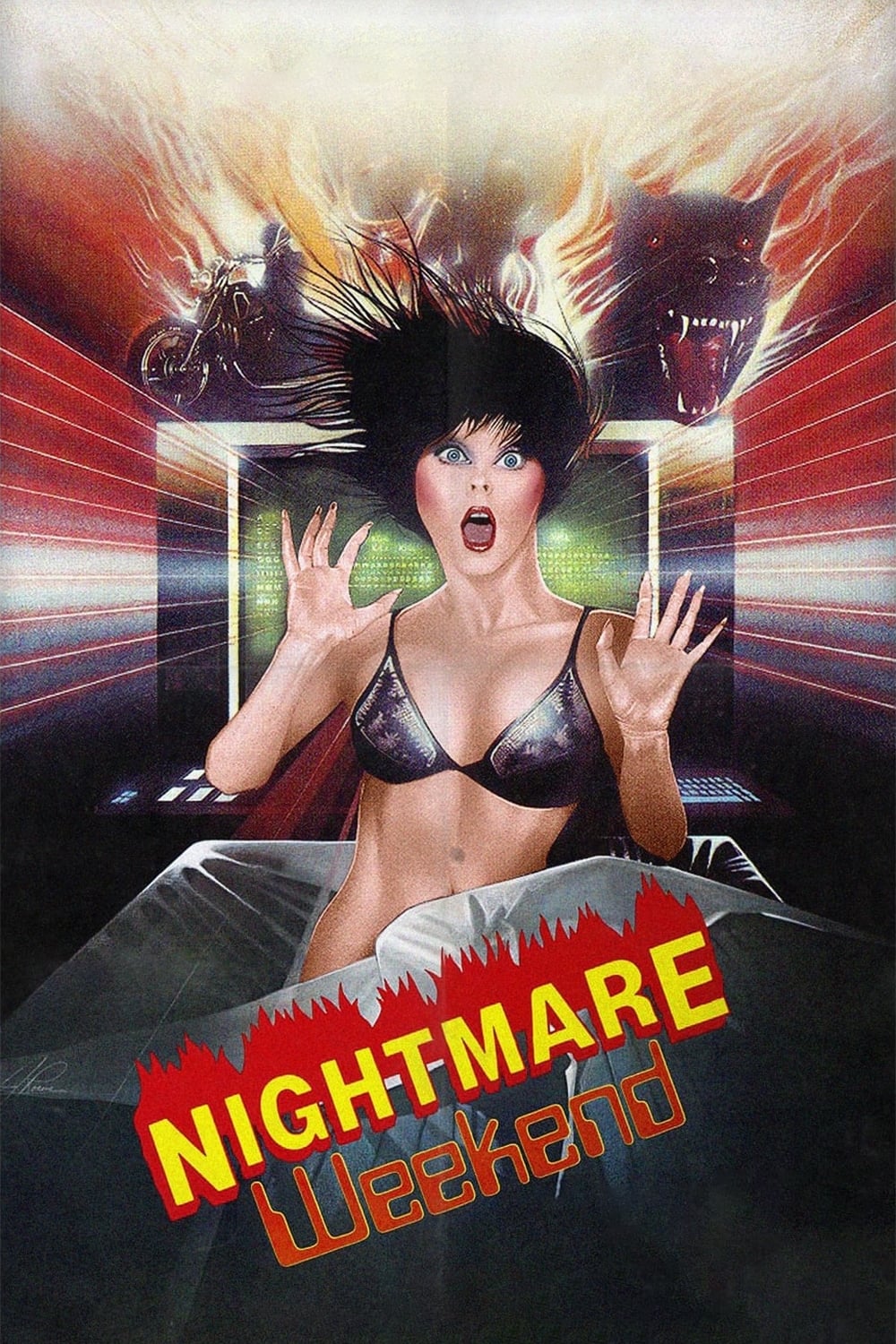
‘Nightmare Weekend’ combines techno-thriller elements with slasher beats, centering on a scientist’s experimental computer and a mysterious puppet interface. Helmed by Henri Sala, the film was shot in Florida with French financing and an international crew. English dubbing and fragmented edits give it a distinctive cross-market flavor. The movie’s home-video life included multiple tape editions with noticeable content differences.
‘The Boogey Man’ (1980)
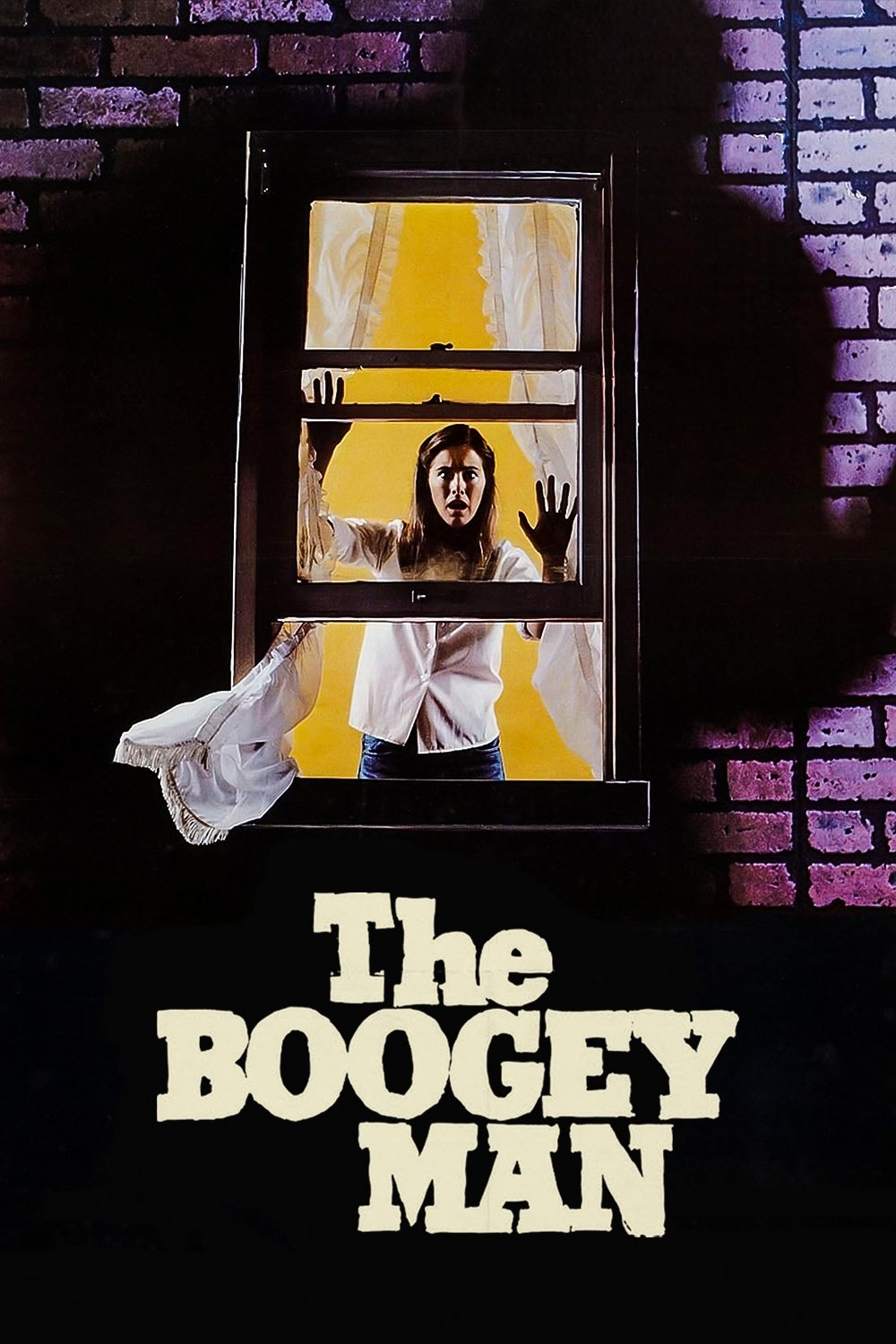
Ulli Lommel directed this supernatural slasher about a mirror imbued with a murderous presence. Filmed primarily around New York state, the production leans on practical glass gags, stabbings, and atmospheric farmhouse locations. The film drew attention from censors in certain territories, which led to trimmed versions and alternate cuts. It spawned sequels and a later meta-sequel that referenced both the story and its own production history.
‘The Mutilator’ (1985)
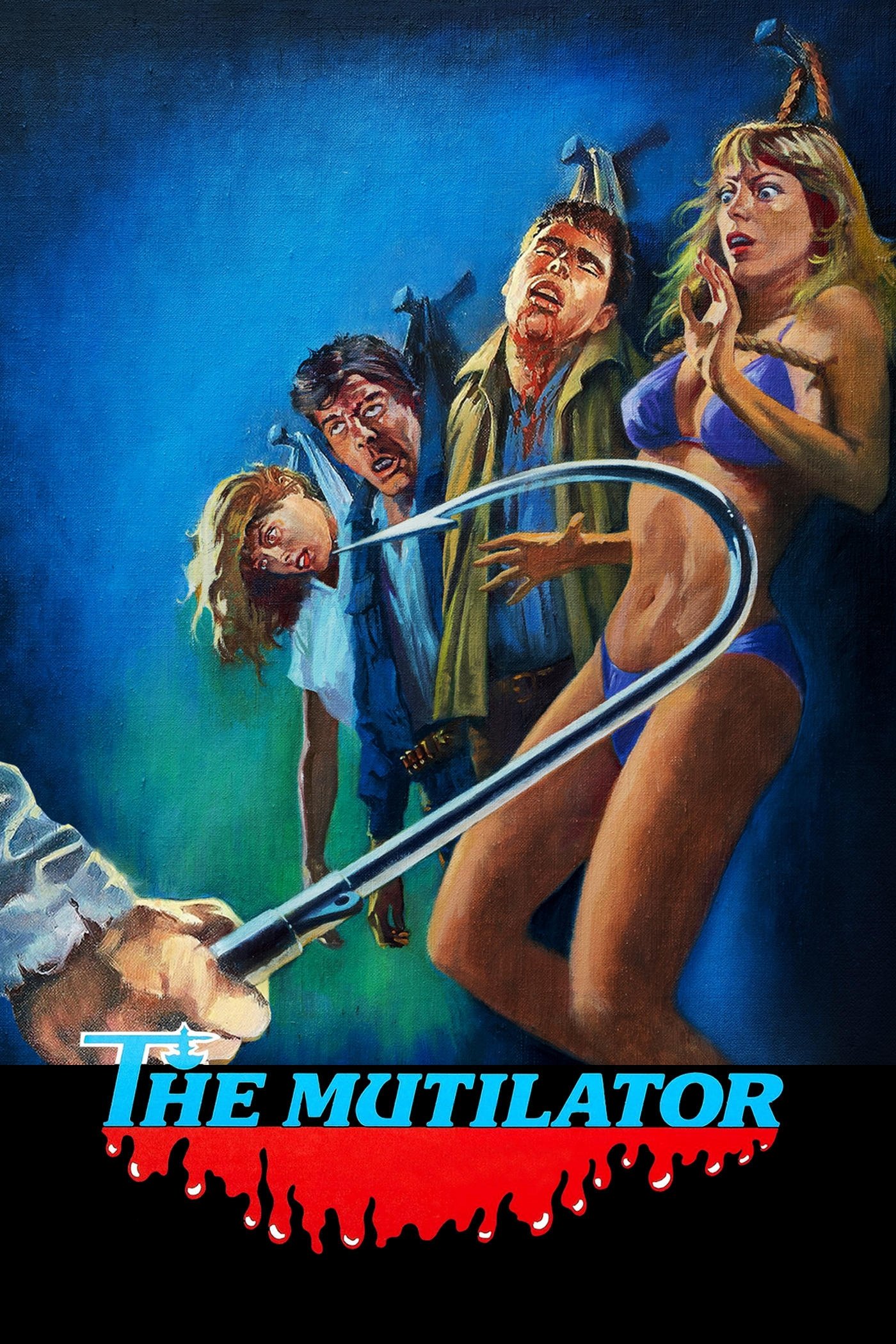
Also known as ‘Fall Break’ in some markets, ‘The Mutilator’ was written and directed by Buddy Cooper. The story follows college friends vacationing at a beach condo, where a fisherman’s gear becomes part of grisly set-pieces. North Carolina coastal towns provided locations, and the production relied on regional casting. Practical gore effects and a memorable theme song defined its identity on the home-video circuit.
‘The New York Ripper’ (1982)
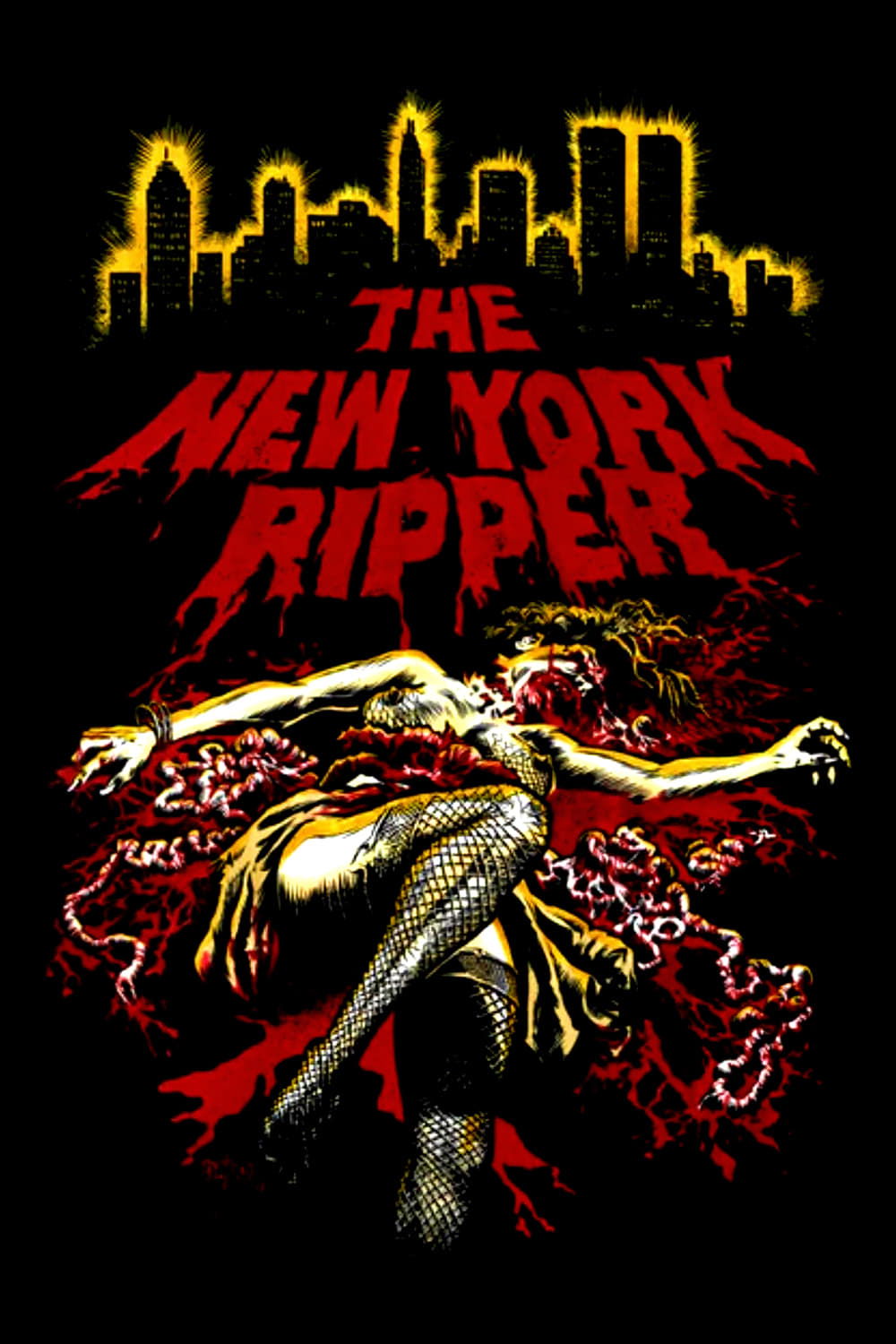
Directed by Lucio Fulci, this giallo takes place across Manhattan and Staten Island locations, including docks, cinemas, and city streets. The investigation follows a detective tracking a razor-wielding killer, with a duck-like voice used as a taunting signature. The movie faced censorship and classification hurdles in multiple countries, resulting in banned or heavily cut editions. Its release history includes theatrical play in select markets followed by strong presence on import tapes and discs.
‘Microwave Massacre’ (1983)
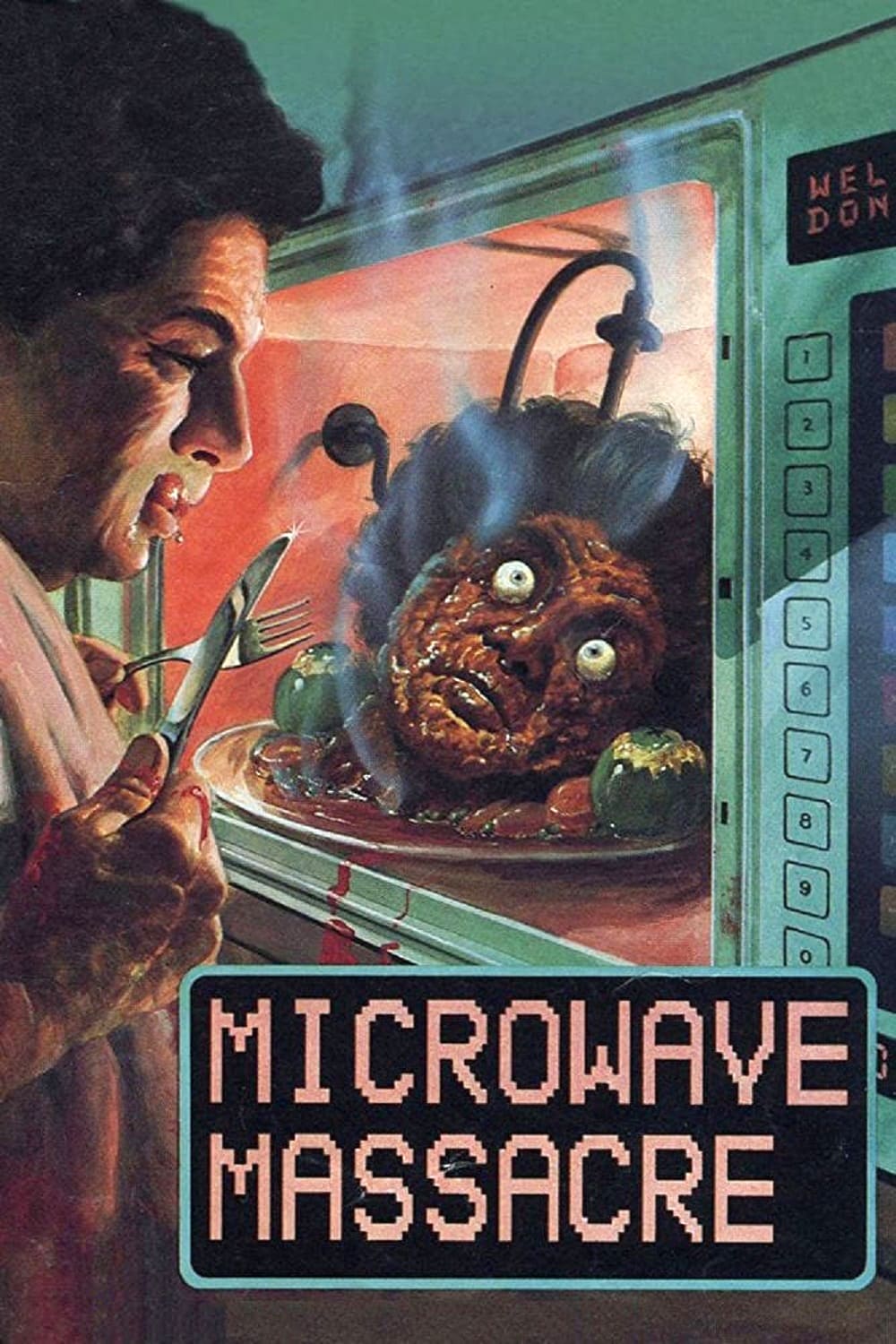
Directed by Wayne Berwick, this dark comedy-horror stars stand-up comic Jackie Vernon as a blue-collar worker whose new kitchen appliance becomes central to the plot. The production was shot primarily around Los Angeles with a small crew and a fast schedule. Its distribution life leaned heavily on VHS, where eye-catching cover art helped it circulate among renters. Later boutique labels issued restorations that preserved the film’s deliberately broad, low-budget style and mono soundtrack.
‘Don’t Go in the Woods’ (1981)
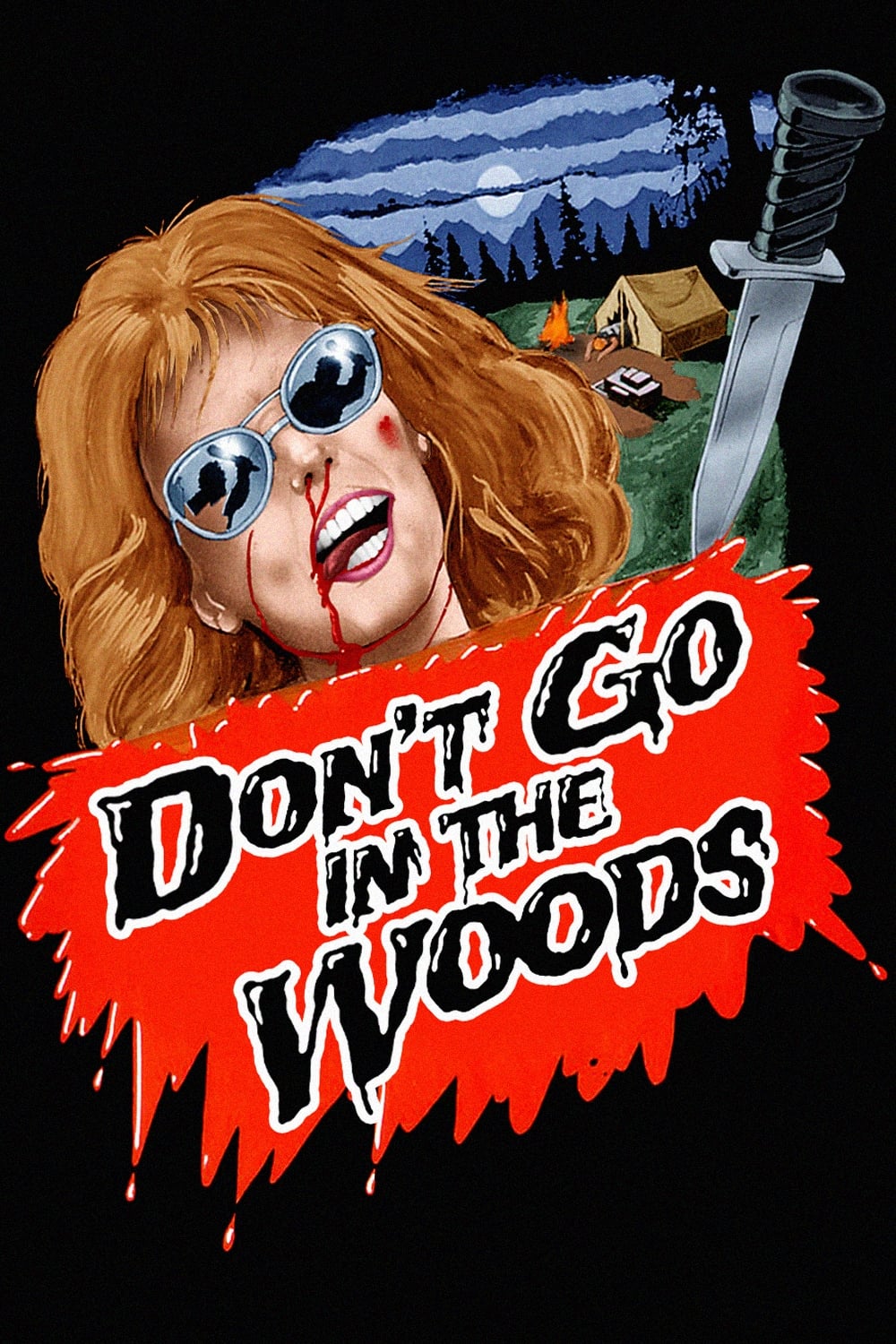
James Bryan directed this regional slasher, filmed in Utah’s Wasatch-area forests using largely nonprofessional actors. The movie became notorious on home video in the UK, where it appeared on lists targeted by censors. U.S. distribution relied on drive-ins and video stores, and various cuts exist due to differing content rules. Minimal lighting and on-location sound give it a rough, documentary-like presentation that reflects its small budget.
‘Madman’ (1981)

Joe Giannone’s camp-set slasher was shot on Long Island, with cabins and wooded areas doubling as a secluded retreat. Gaylen Ross appears under the pseudonym Alexis Dubin, joining a cast of stage-trained New York actors. The synth-heavy score by Stephen Horelick underscores nighttime chase scenes and campfire storytelling. The film played midnight shows and later built a steady following through cable rotation and disc releases.
‘Pieces’ (1982)

Spanish filmmaker Juan Piquer Simón directed this U.S.–Spain co-production starring Christopher George, Lynda Day George, and Edmund Purdom. Although set in Boston, much of it was shot around Madrid with English-language performances and international financing. The production emphasizes elaborate prosthetic effects and campus locations assembled from European interiors. American distributors promoted it with sensational taglines and bold poster art.
‘Xtro’ (1982)
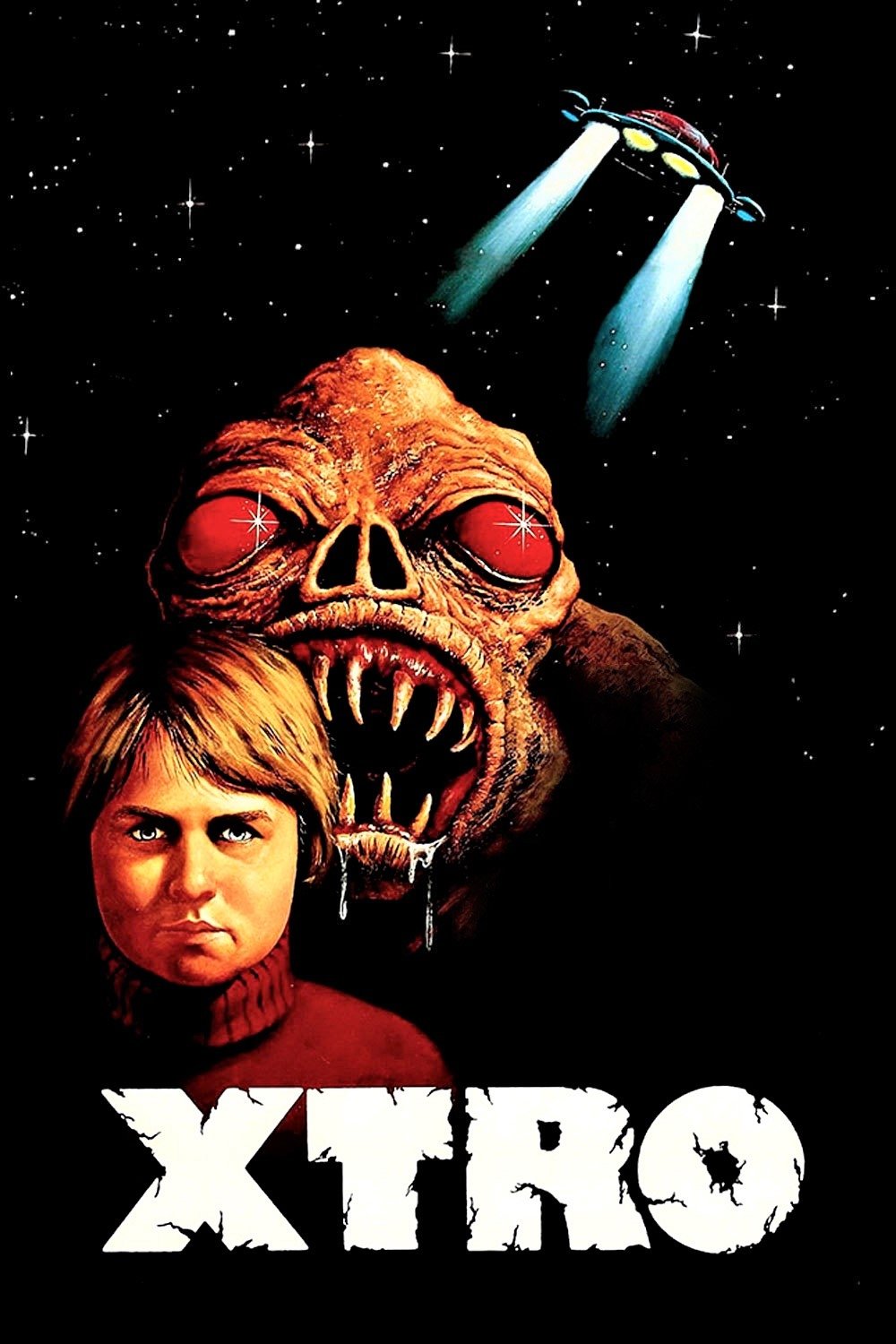
Harry Bromley Davenport’s British sci-fi horror features Philip Sayer and Bernice Stegers in a story of an abducted father returning under mysterious circumstances. The production leans on practical creature effects, reverse photography, and optical work for transformation scenes. It drew attention from UK censors, resulting in differing home-video versions across territories. Follow-ups expanded the concept in unrelated sequels made with new casts and settings.
‘Evilspeak’ (1981)
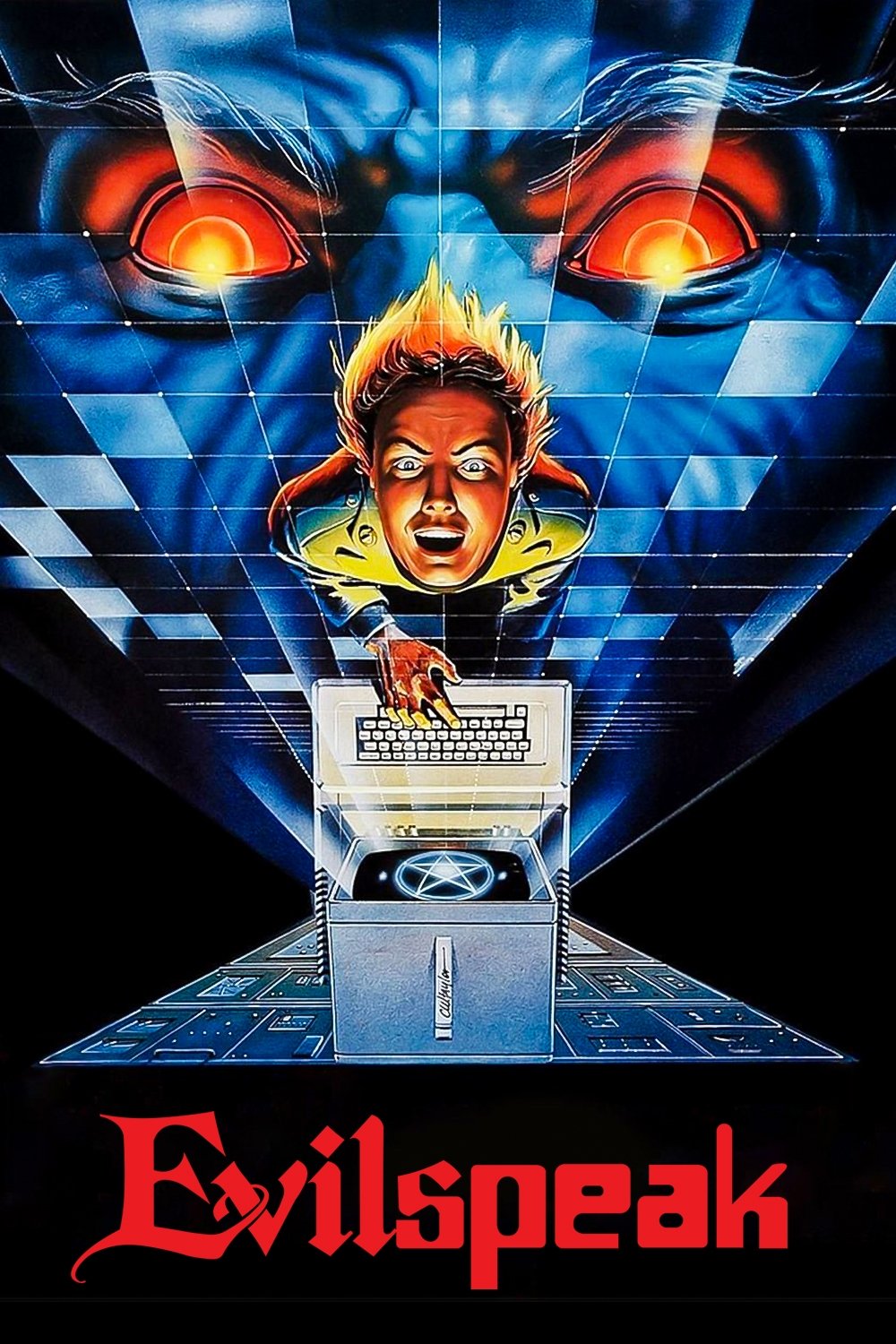
Directed by Eric Weston, this occult thriller stars Clint Howard as a bullied cadet who taps into demonic forces via a basement computer. The film mixes military-school locations with church sets and early digital interfaces to build its atmosphere. It was seized or trimmed in some markets during censorship campaigns that targeted violent content. Television broadcasts created alternate edits with toned-down language and imagery.
‘Slaughter High’ (1986)

This revenge-slasher was directed by George Dugdale, Mark Ezra, and Peter Litten, with Caroline Munro among the leads. Filmed in the UK with American high-school trappings, it uses a deserted campus as its primary location. The project underwent a late title change to avoid confusion with another holiday-themed release. U.S. audiences mainly encountered it through Vestron’s home-video pipeline and late-night cable slots.
‘Chopping Mall’ (1986)
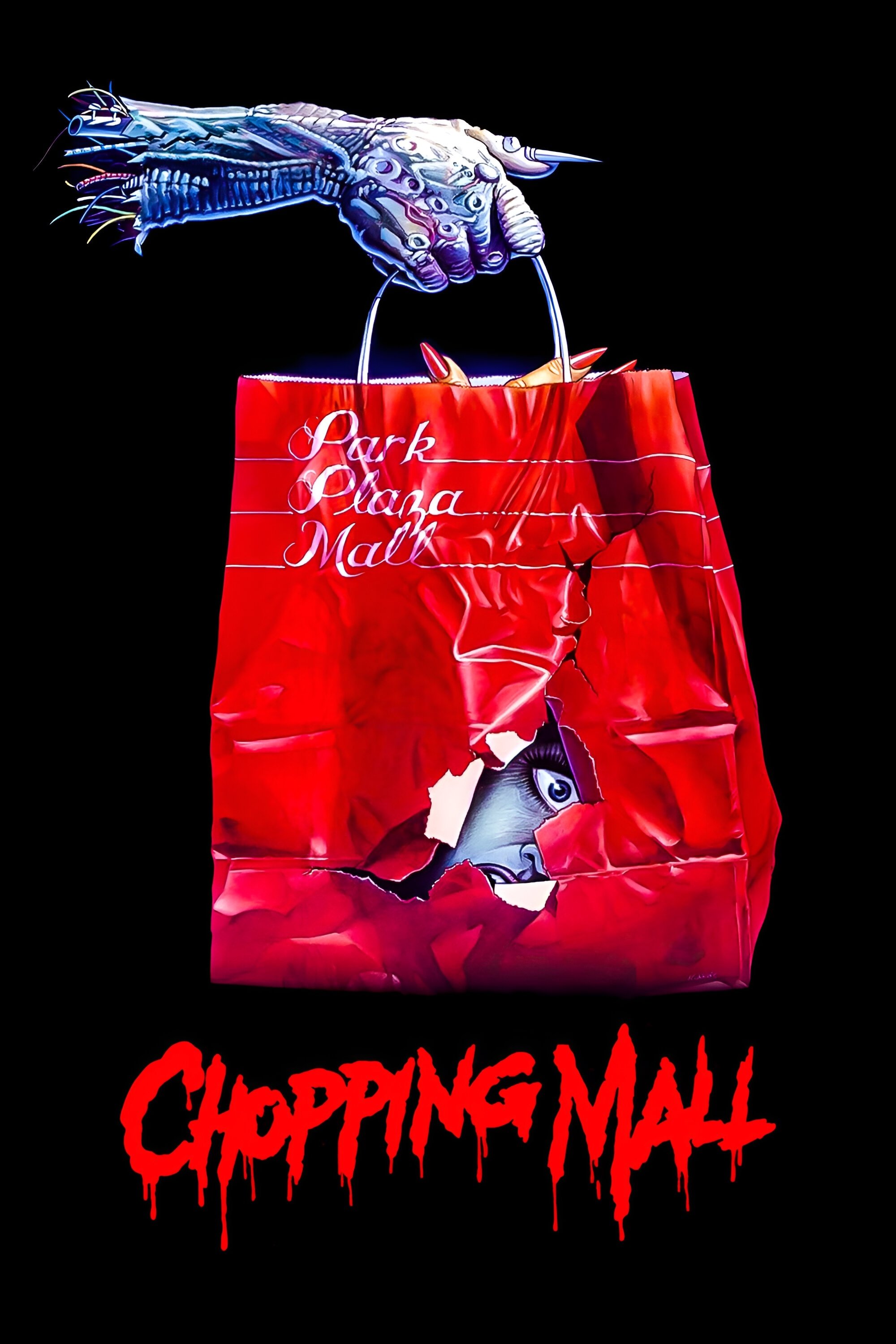
Jim Wynorski’s mall-set thriller follows security robots that malfunction after a lightning strike, trapping overnight employees in a shopping center. The production filmed extensively inside the Sherman Oaks Galleria, sharing some storefronts and corridors with other contemporary shoots. Barbara Crampton and Kelli Maroney headline, with practical robotics and pyrotechnics used for action beats. Concorde Pictures distributed the film, and its synth score and neon-lit visuals became signature elements in later reissues.
‘976-EVIL’ (1988)
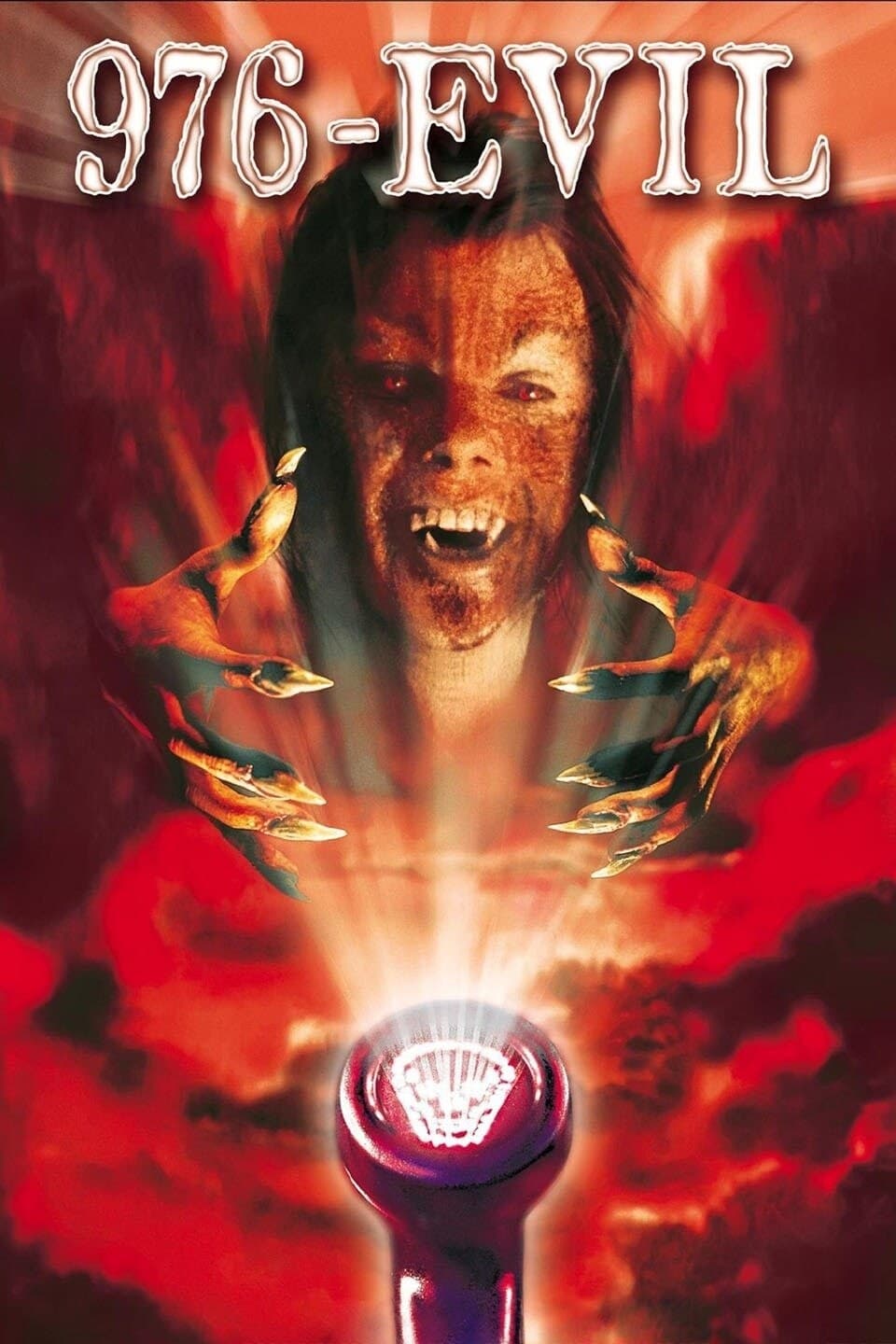
Directed by Robert Englund, this supernatural feature centers on a mysterious phone service that channels demonic powers to callers. Stephen Geoffreys leads the cast, with location work in California and soundstage shoots for effects-heavy sequences. New Line Cinema handled distribution, and the movie’s concept spawned a direct sequel with a different creative team. The home-video version circulated widely on rental shelves and premium-cable rotations.
‘Hellgate’ (1989)
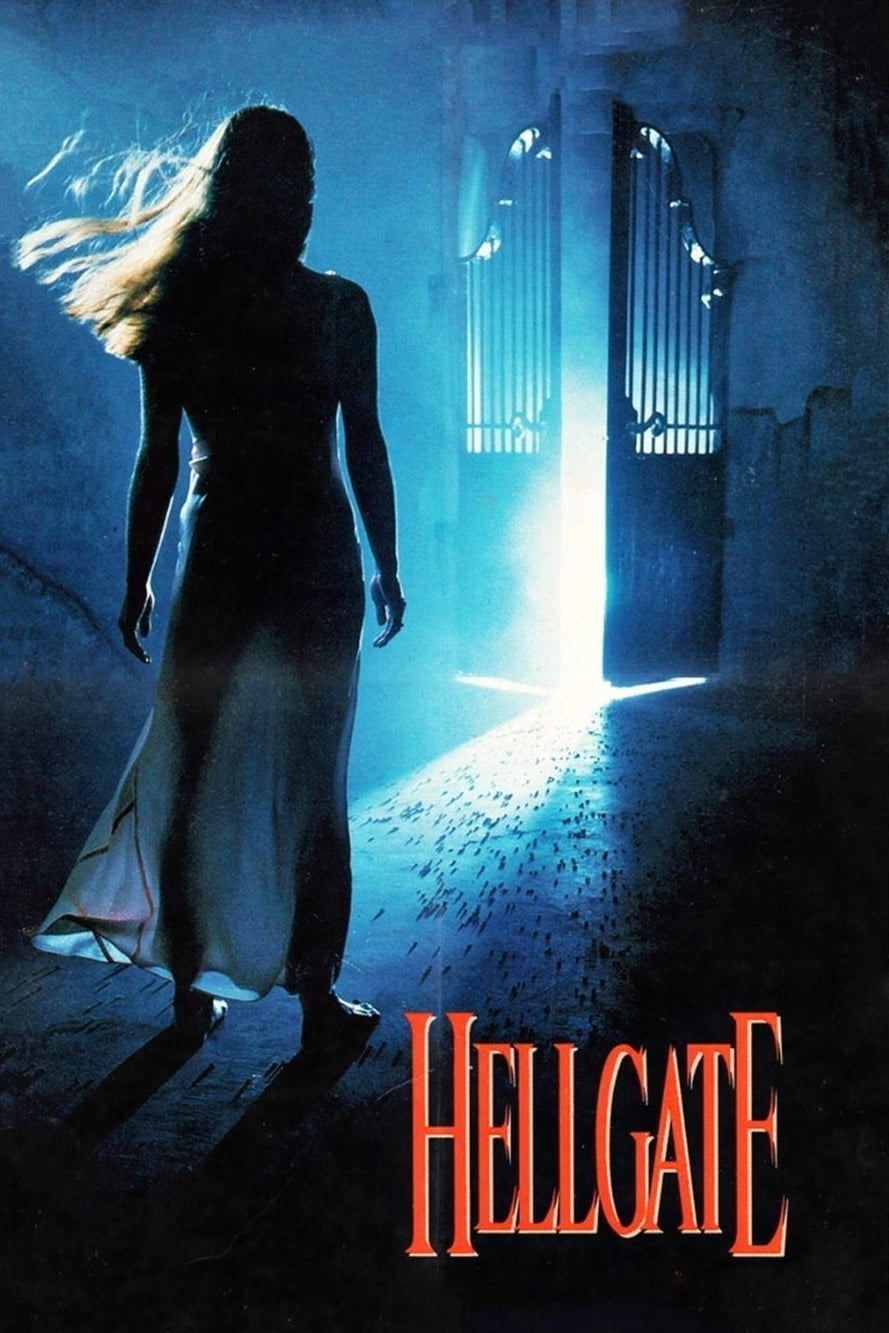
William A. Levey directed this ghost-town chiller starring Ron Palillo, produced with South African resources and an international crew. The story involves a resurrected woman and a cursed roadside attraction, combining period flashbacks with contemporary scenes. Practical effects, optical glows, and creature makeup anchor the set-pieces. U.S. viewers chiefly discovered it via direct-to-video release and genre-channel airings.
‘The Unnamable’ (1988)
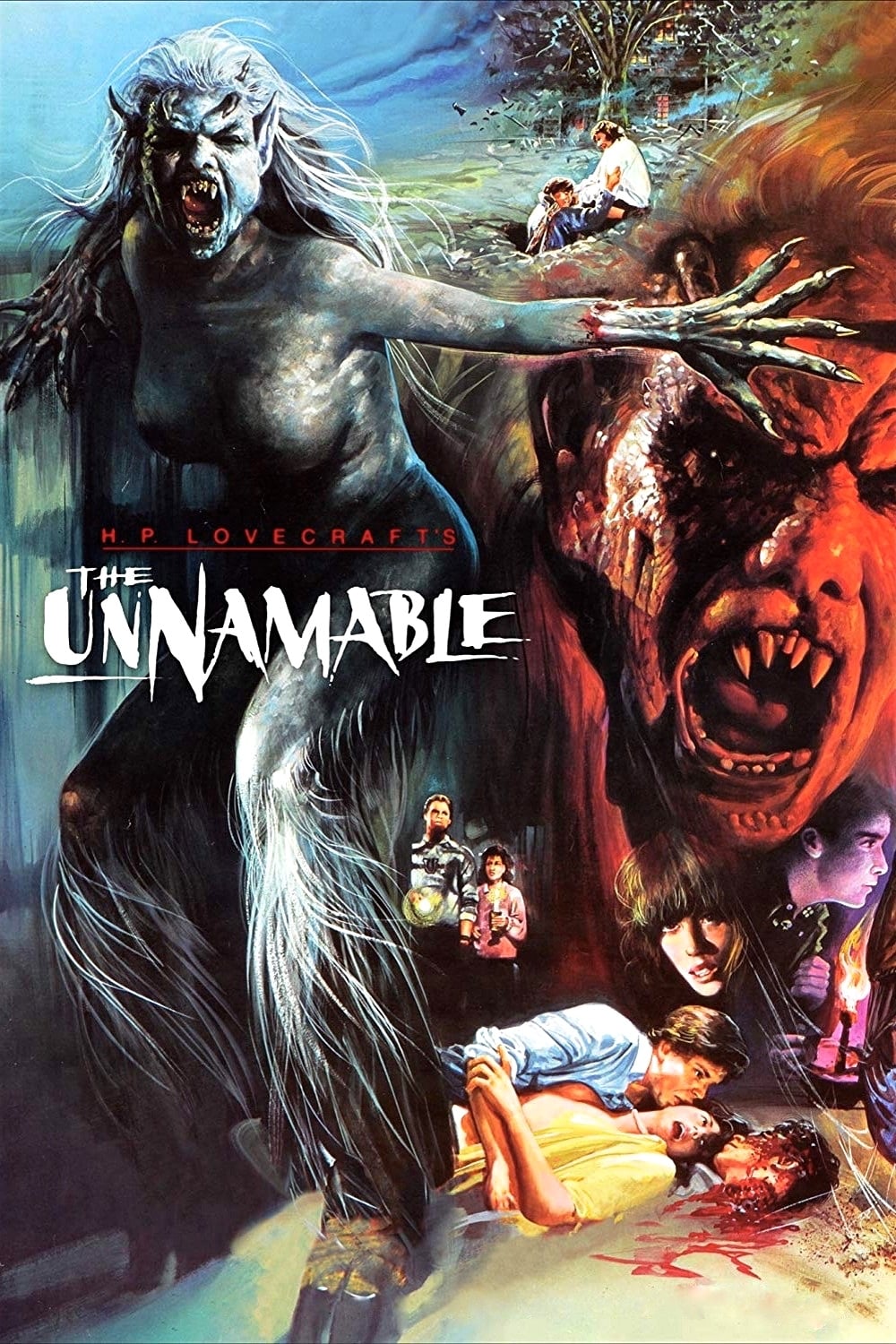
Jean-Paul Ouellette adapted H. P. Lovecraft’s short story, relocating the action to a New England college and a long-abandoned mansion. Charles Klausmeyer, Alexandra Durrell, and Mark Kinsey Stephenson lead the cast, with extensive night shoots and fog-laden interiors. Creature effects relied on full-body suits, prosthetics, and shadow-heavy lighting. A follow-up continued the storyline with returning characters and expanded mythos.
‘The Prey’ (1984)

Directed by Edwin Brown, this backwoods slasher pairs nature footage with a tale of hikers stalked in a national-park setting. The production was completed earlier than its eventual U.S. release, leading to multiple circulating cuts. An international version adds an extended folk-horror backstory that changes the film’s structure. Later restorations gathered the different edits, providing context on the project’s stop-and-start path to distribution.
‘Night Shadows’ (1984)
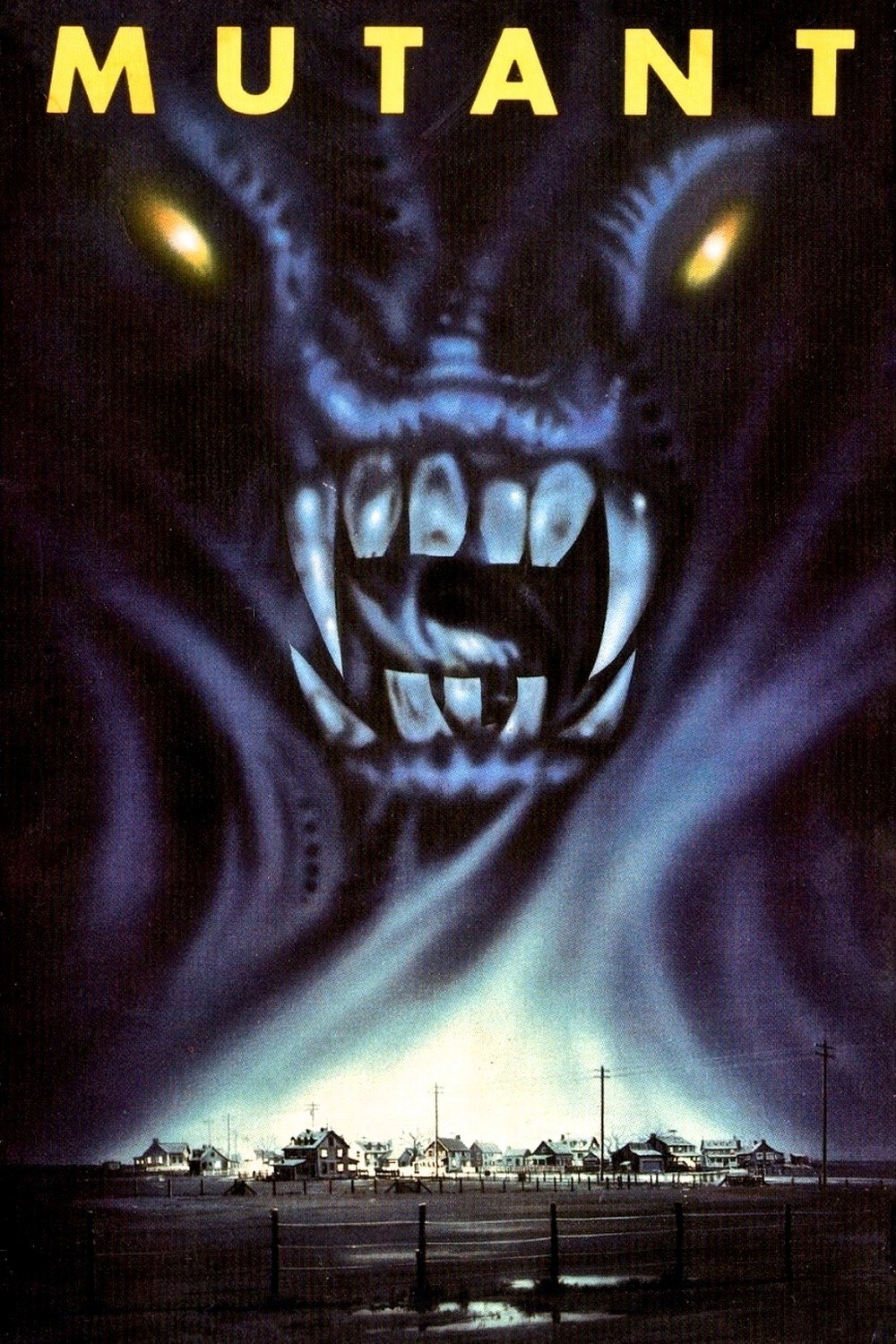
Also known as ‘Night Shadows’, this small-town outbreak thriller stars Wings Hauser and Bo Hopkins. John “Bud” Cardos took over directing duties during production, which filmed across rural Southern locations with practical makeup for infected townspeople. The movie blends epidemiological mystery with action elements, including car chases and nighttime street scenes. Its release relied on regional theatrical play and a lengthy afterlife on cable and cassette.
‘The Nest’ (1988)
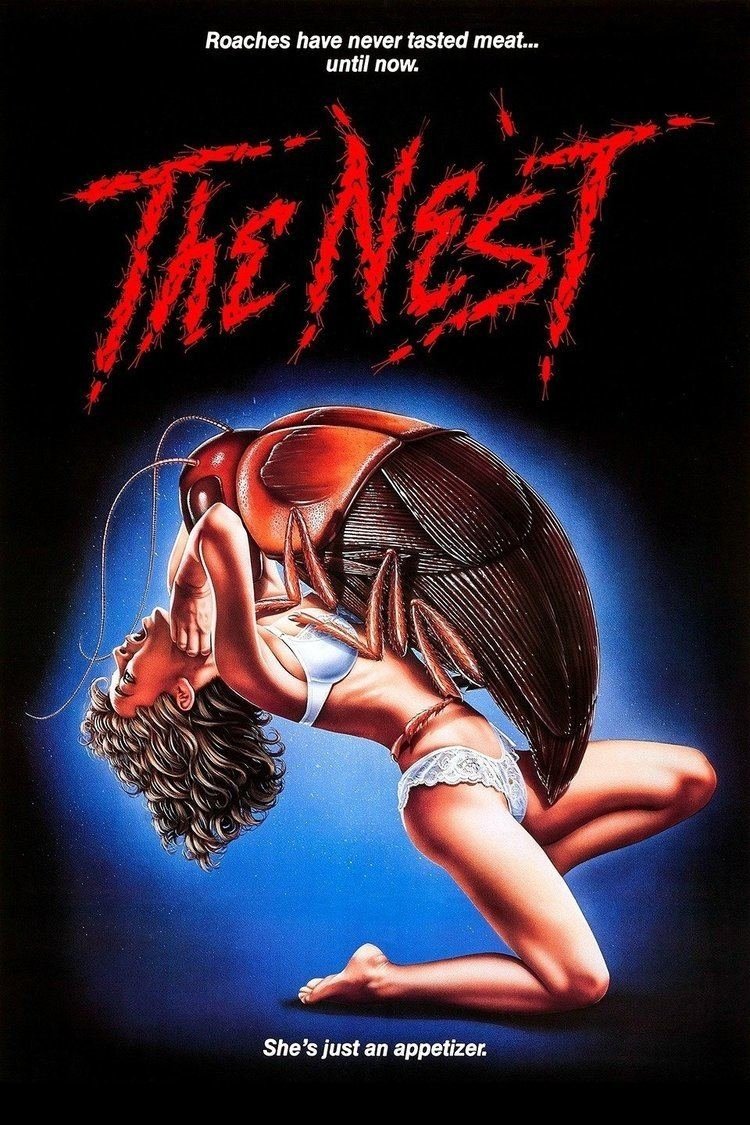
Terence H. Winkless directed this creature feature for Concorde, with producer Julie Corman shepherding a story about aggressive cockroaches overrunning a coastal community. Robert Lansing and Lisa Langlois headline, and effects teams created both swarms and hybrid designs for laboratory sequences. The production used California seaside towns to depict the island setting. Home-video artwork emphasized the insect menace, helping it stand out in rental stores.
‘Deadtime Stories’ (1986)
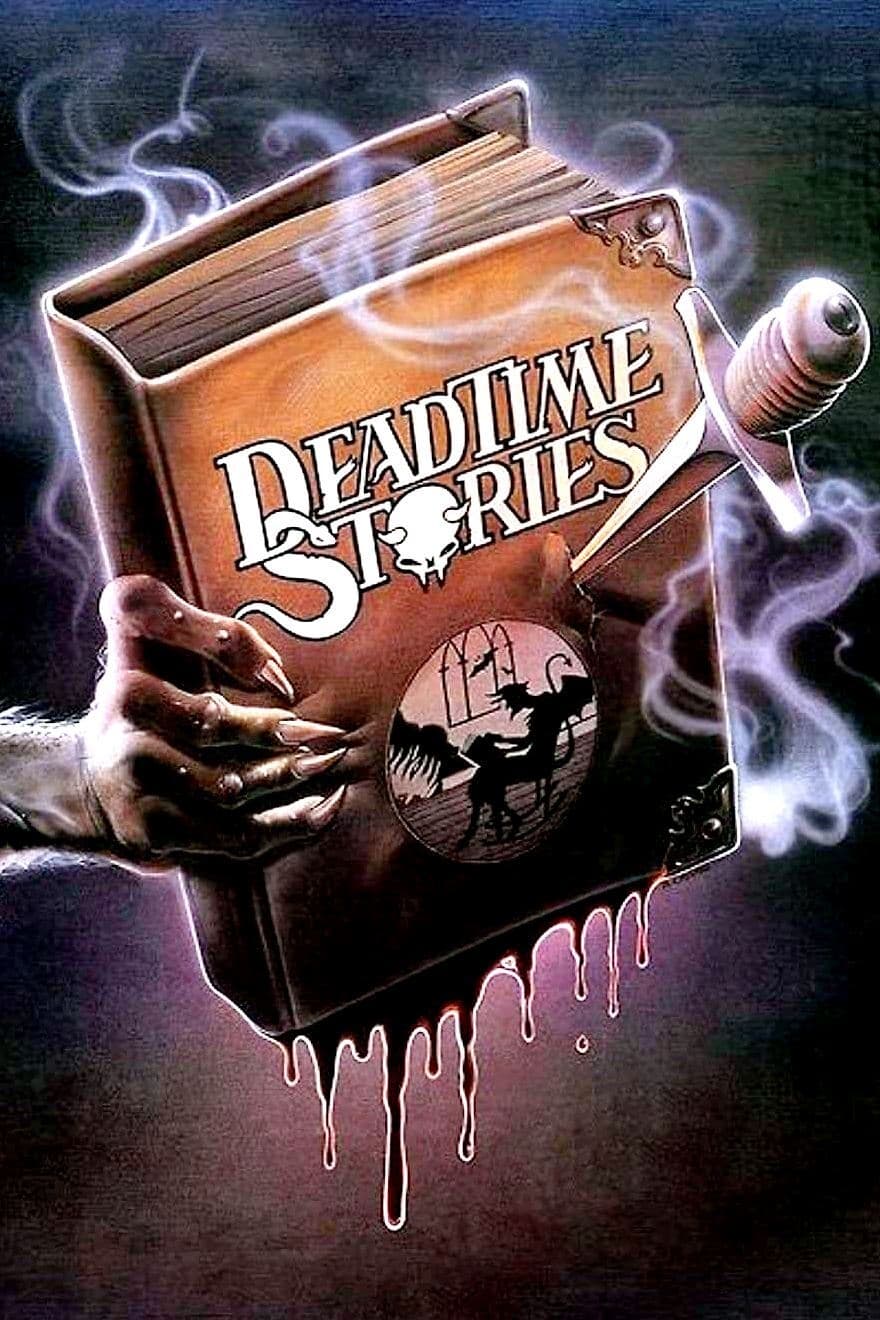
Jeffrey Delman’s anthology reframes familiar fairy tales as horror episodes linked by a babysitter-and-nephew storytelling device. Segments riff on themes from ‘Little Red Riding Hood’, witchcraft-era persecution, and a crime-family spin on the ‘Goldilocks’ setup. The film was produced independently with New York–area crews and practical effects tailored to each vignette. After a modest theatrical footprint, it found most of its audience through television premieres and VHS circulation.
Share your picks—what other eighties deep cuts would you add to the list?