1990s Horror Movies That Are Completely Unwatchable Today


The ’90s were a wild decade for horror—franchise sequels everywhere, direct-to-video gambles stacked on rental shelves, and early CGI creeping into places latex once ruled. Studios chased trends like meta slashers and cyber-thrillers, while long-running series tried bold pivots to keep things fresh. That mix produced plenty of curiosities: ambitious misfires, rushed follow-ups, and cult footnotes that live on in box-art memory. Below is a tour through 40 titles from that era—who made them, what they’re about, and where they sit inside their franchises.
‘Troll 2’ (1990)
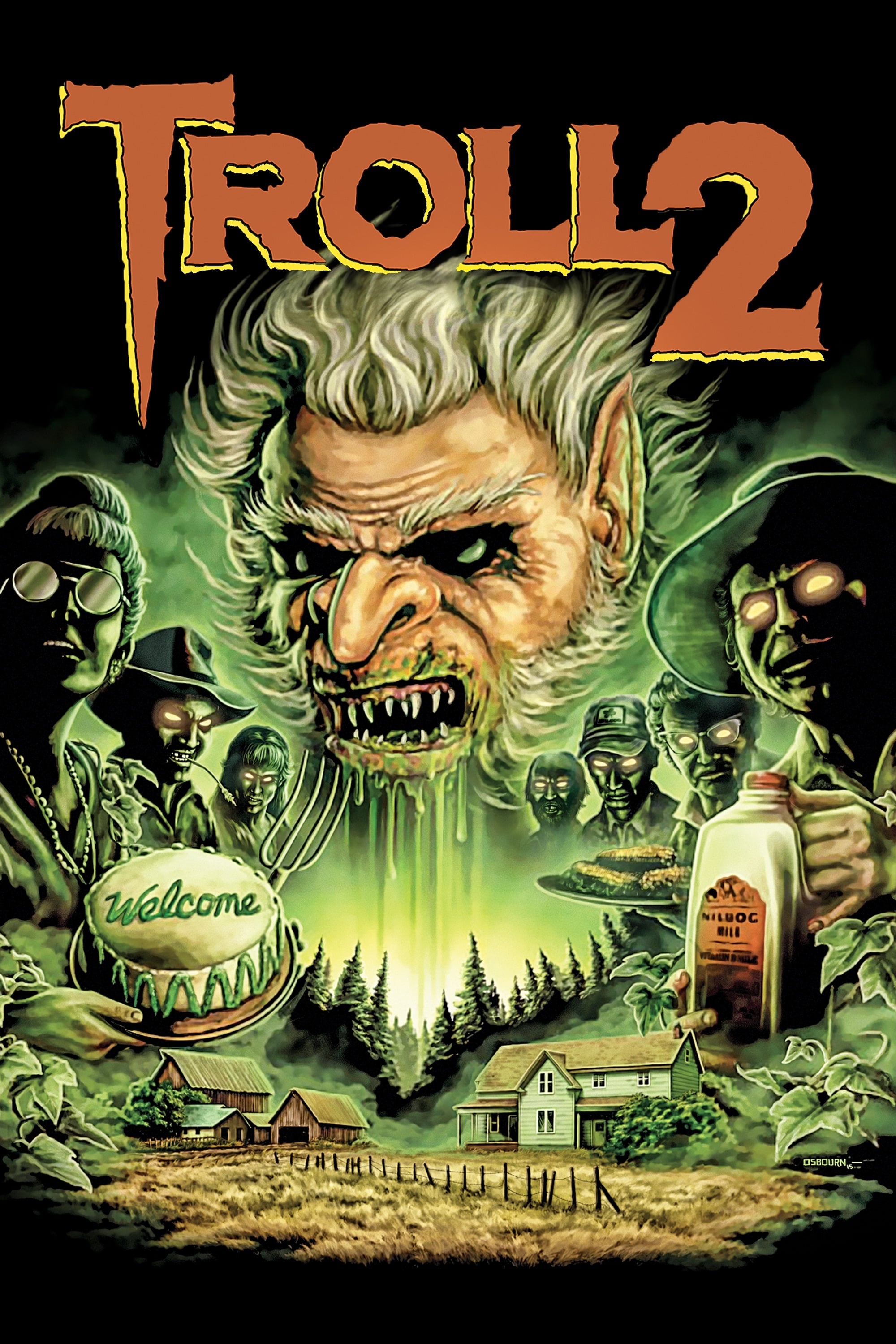
Directed by Claudio Fragasso, ‘Troll 2’ follows a family vacationing in the small town of Nilbog, whose residents are shape-shifting, plant-eating goblins. The script was written by Rossella Drudi and shot in Utah with a largely nonprofessional cast. Despite the title, it is not connected narratively to ‘Troll’. The film became a fixture of midnight screenings, with fan events and documentary coverage expanding its afterlife.
‘The Guardian’ (1990)
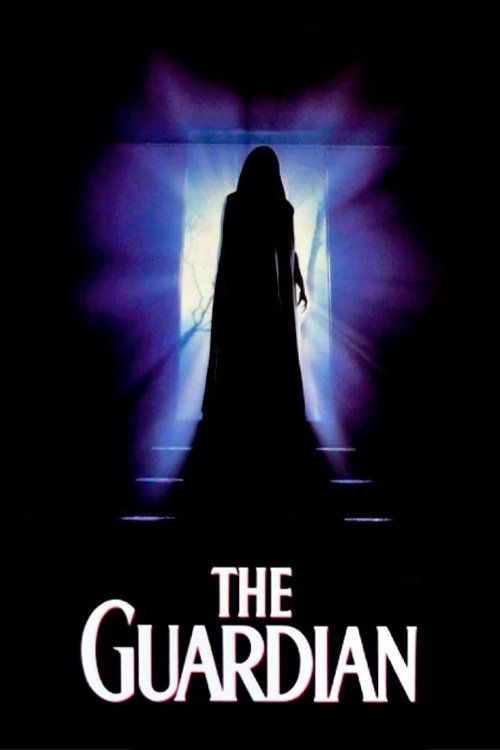
‘The Guardian’ was directed by William Friedkin from a script developed through multiple rewrites, adapting and diverging from Dan Greenburg’s novel ‘The Nanny’. The story centers on a couple who hires a caretaker tied to druidic tree-worship. Shot in Los Angeles, the production combined animatronic effects with practical tree rigs. Universal positioned it as a supernatural thriller from a prestige filmmaker returning to horror.
‘Howling VI: The Freaks’ (1991)
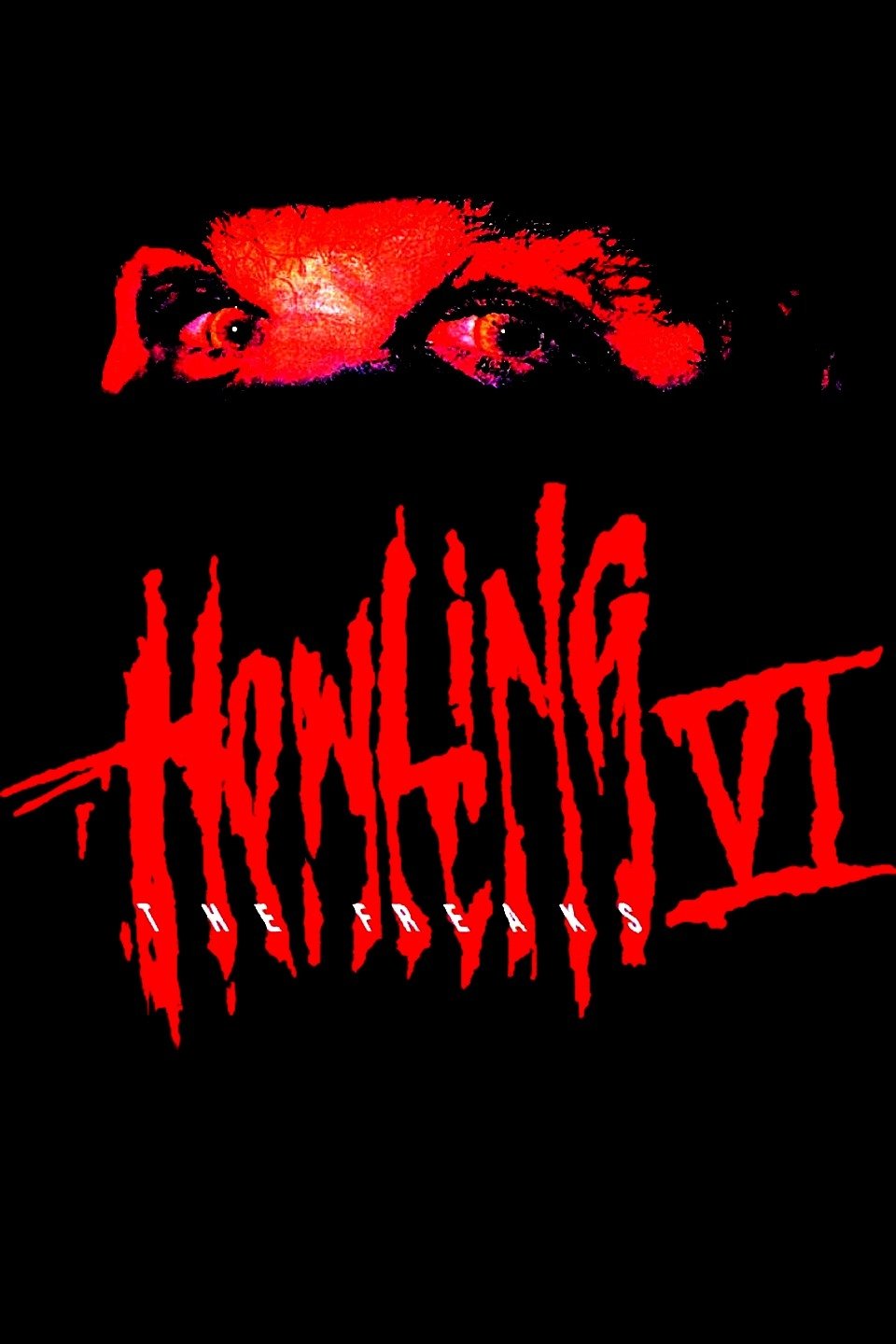
This entry in the ‘Howling’ series was directed by Hope Perello and produced for the home-video market. The plot brings a drifter werewolf into conflict with a traveling carnival run by a sinister ringmaster. Make-up effects drive the creature transformations, emphasizing practical prosthetics over digital techniques. It stands as a side-story rather than a continuation of earlier characters from the franchise.
‘Freddy’s Dead: The Final Nightmare’ (1991)
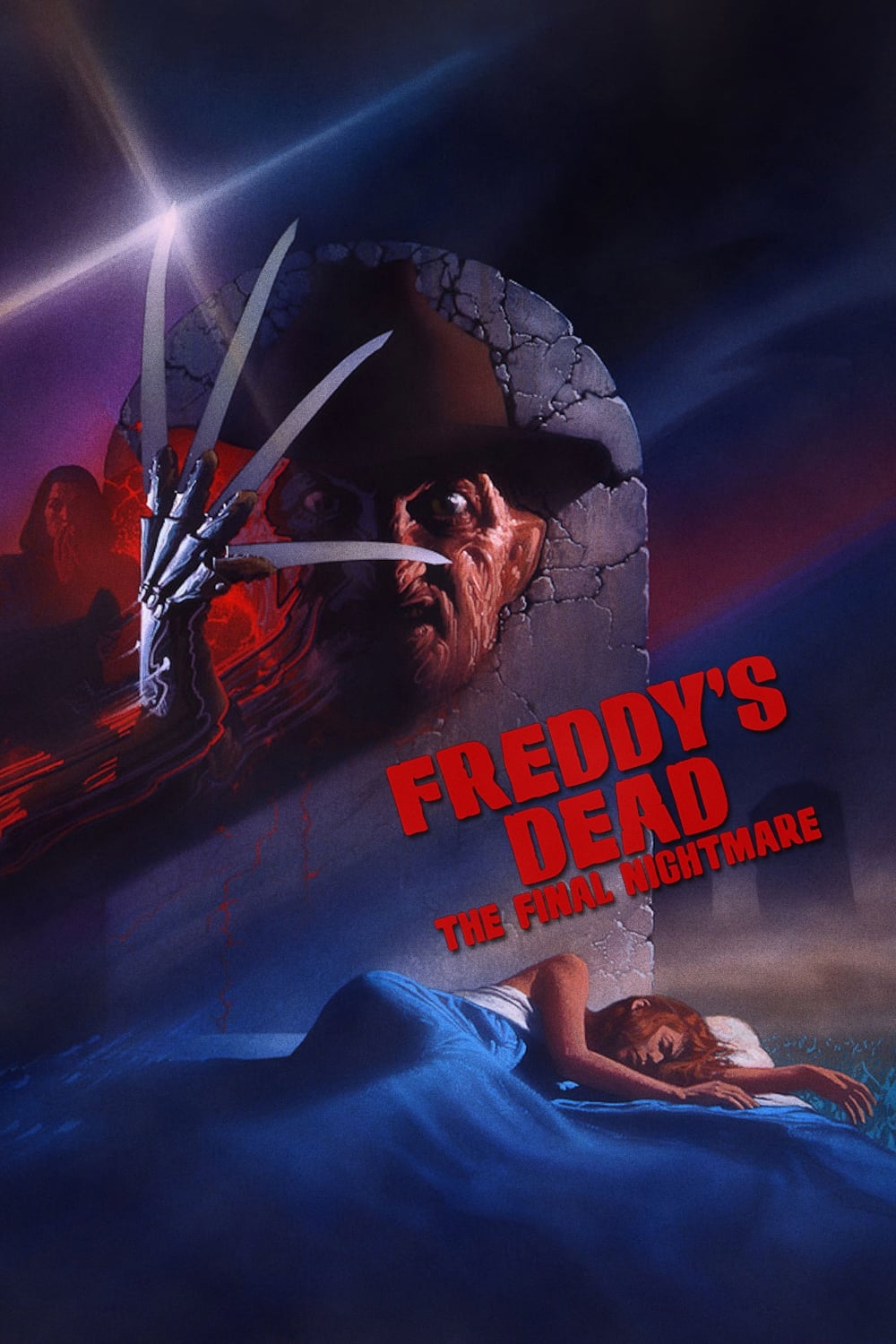
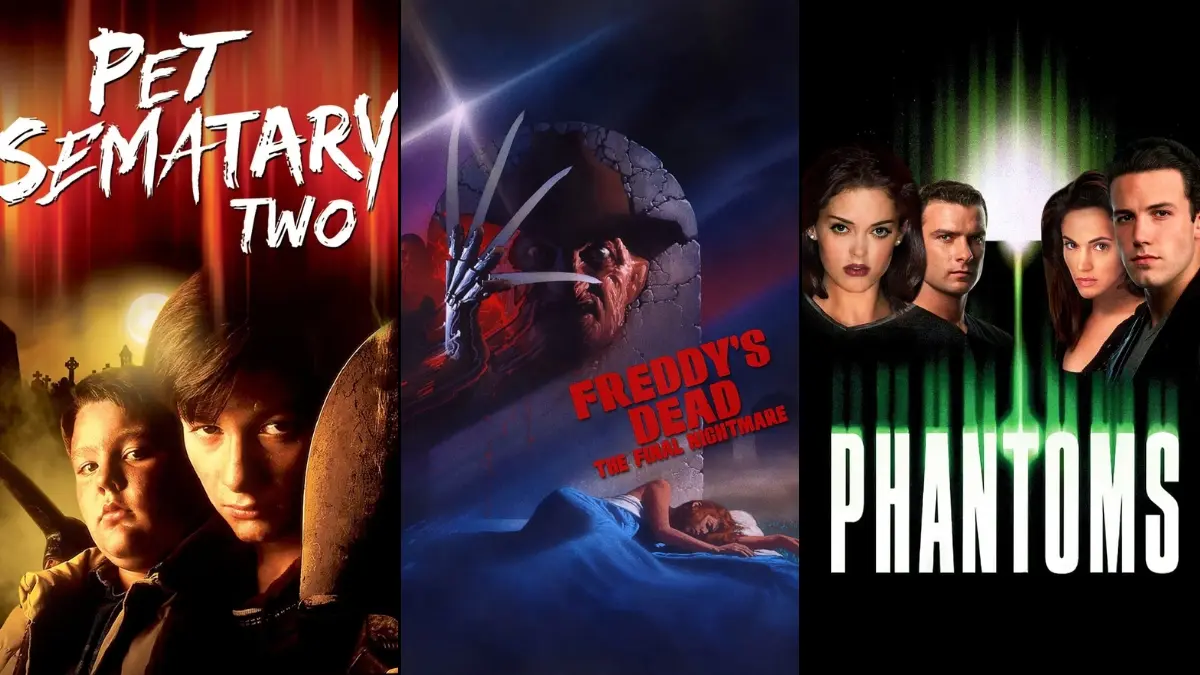
Directed by Rachel Talalay, this installment attempts to close the book on the ‘A Nightmare on Elm Street’ saga with a plot about Springwood’s last surviving teen. New Line Cinema promoted a 3D sequence for the climactic set-piece, distributing special glasses for theatrical screenings. Cameos and backstory elements expand Freddy Krueger’s mythos beyond earlier entries. The film capped an era before the character’s later crossover and reboots.
‘Child’s Play 3’ (1991)

‘Child’s Play 3’ moves the action to a military academy, with Andy Barclay now a teenager facing the returning doll antagonist. Jack Bender directed from a screenplay by series creator Don Mancini. The production redesigned props and puppetry to enable more complex on-screen movement. It bridges the earlier tone of the series with the stylistic shift that followed in subsequent sequels.
‘Ghoulies III: Ghoulies Go to College’ (1991)
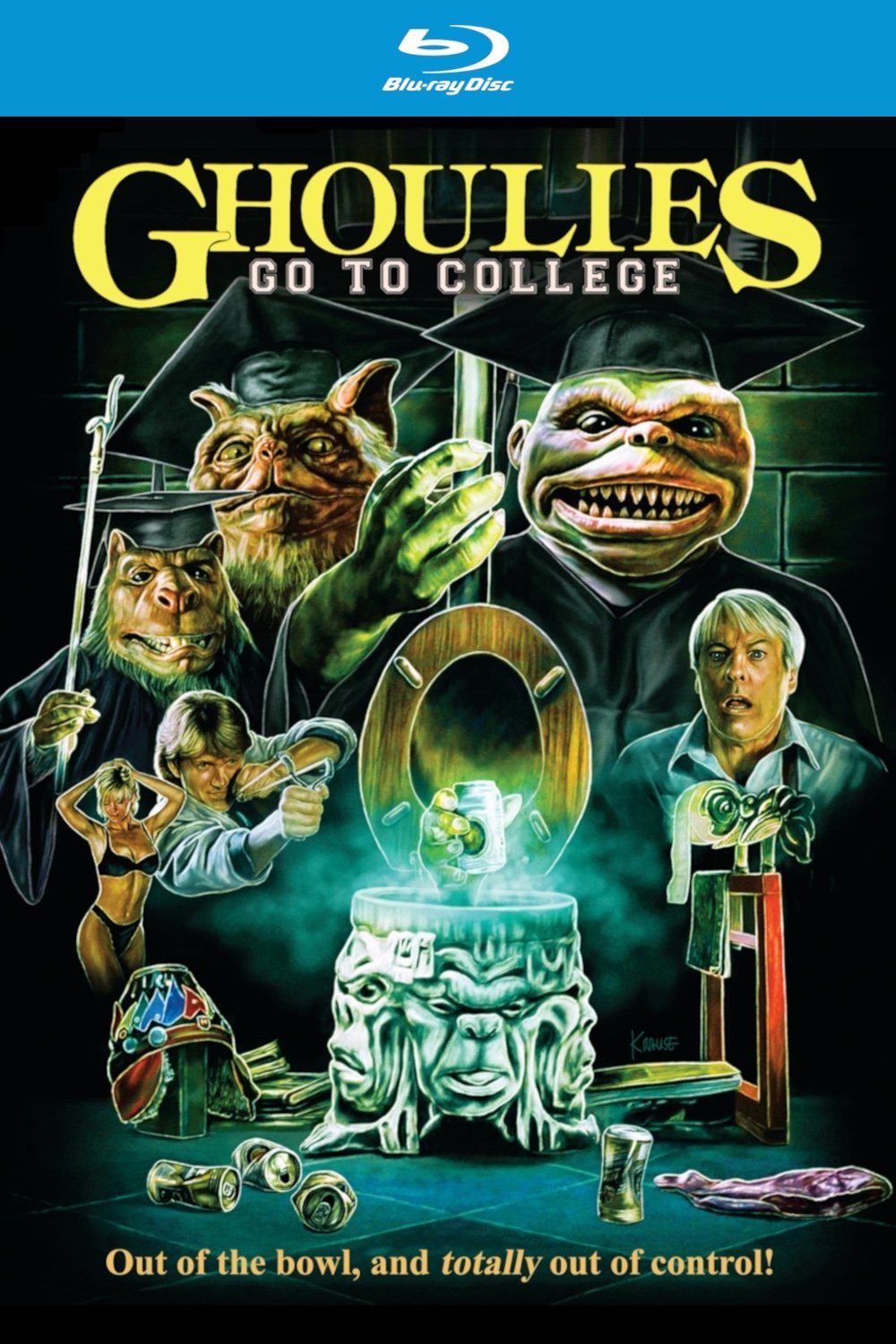
John Carl Buechler directed this campus-set comedy-horror featuring the mischievous creatures unleashed during a fraternity prank war. The film leans on puppet performance and practical gags rather than large-scale set pieces. Shot with an emphasis on slapstick beats, it departs from the occult tone of the original. It was produced for the burgeoning home-video ecosystem and circulated widely on cable.
‘Pet Sematary II’ (1992)
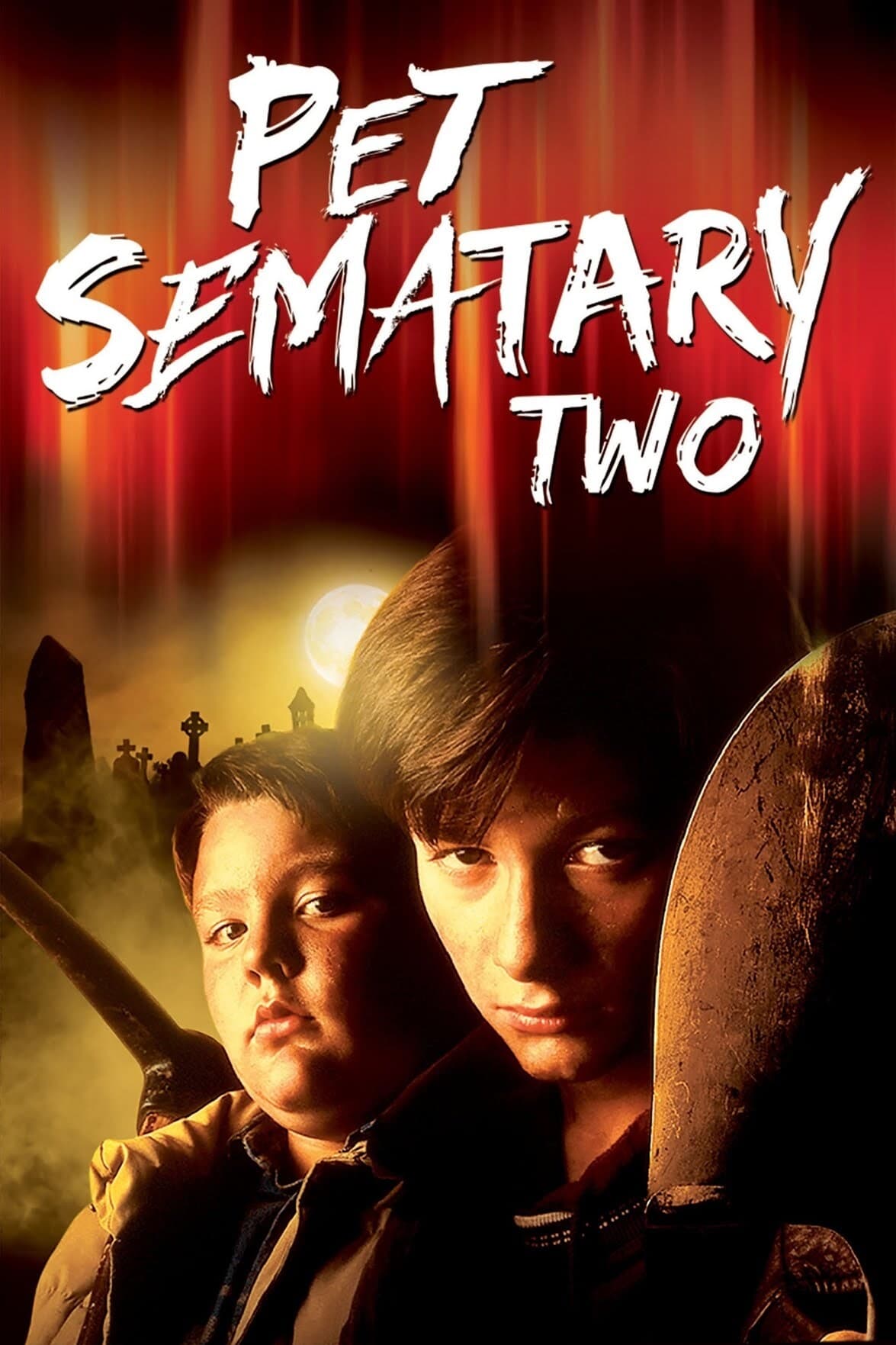
Directed by Mary Lambert, ‘Pet Sematary Two’ tells a new story about grief and resurrection in the same unnerving small-town setting. The cast features Edward Furlong and Clancy Brown, with Brown delivering a memorable turn as an authoritarian sheriff. The production returned to rural locations to maintain continuity of atmosphere with the earlier film. Effects combine animatronics and make-up to realize the revived characters.
‘Sleepwalkers’ (1992)
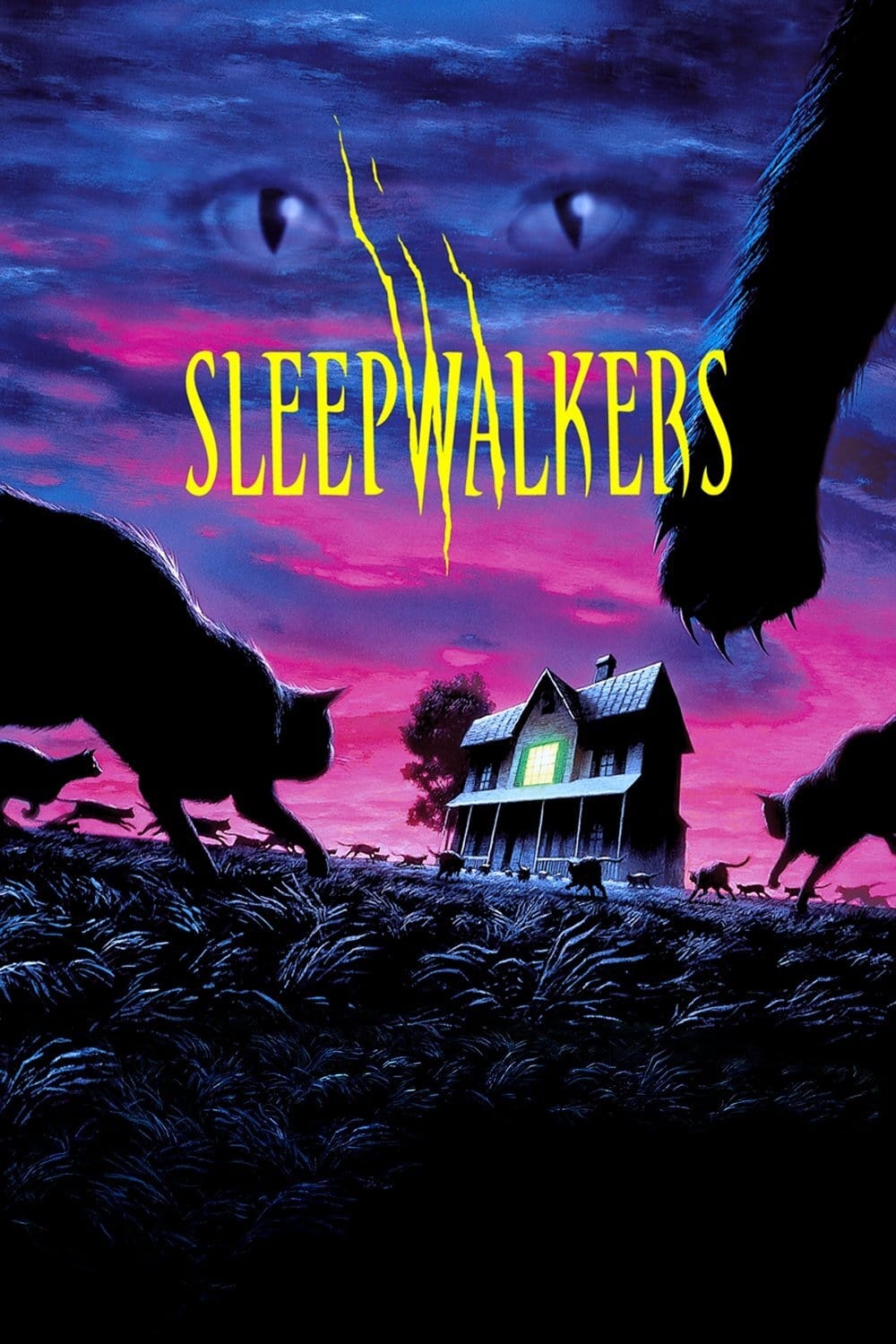
Written by Stephen King directly for the screen and directed by Mick Garris, ‘Sleepwalkers’ follows shape-shifting energy vampires hiding in plain sight. The film uses optical effects, early morphing techniques, and practical creature work. Cameos by genre-familiar filmmakers appear during a police-station sequence. Its feline motif drives both the mythology and the action choreography.
‘Dr. Giggles’ (1992)
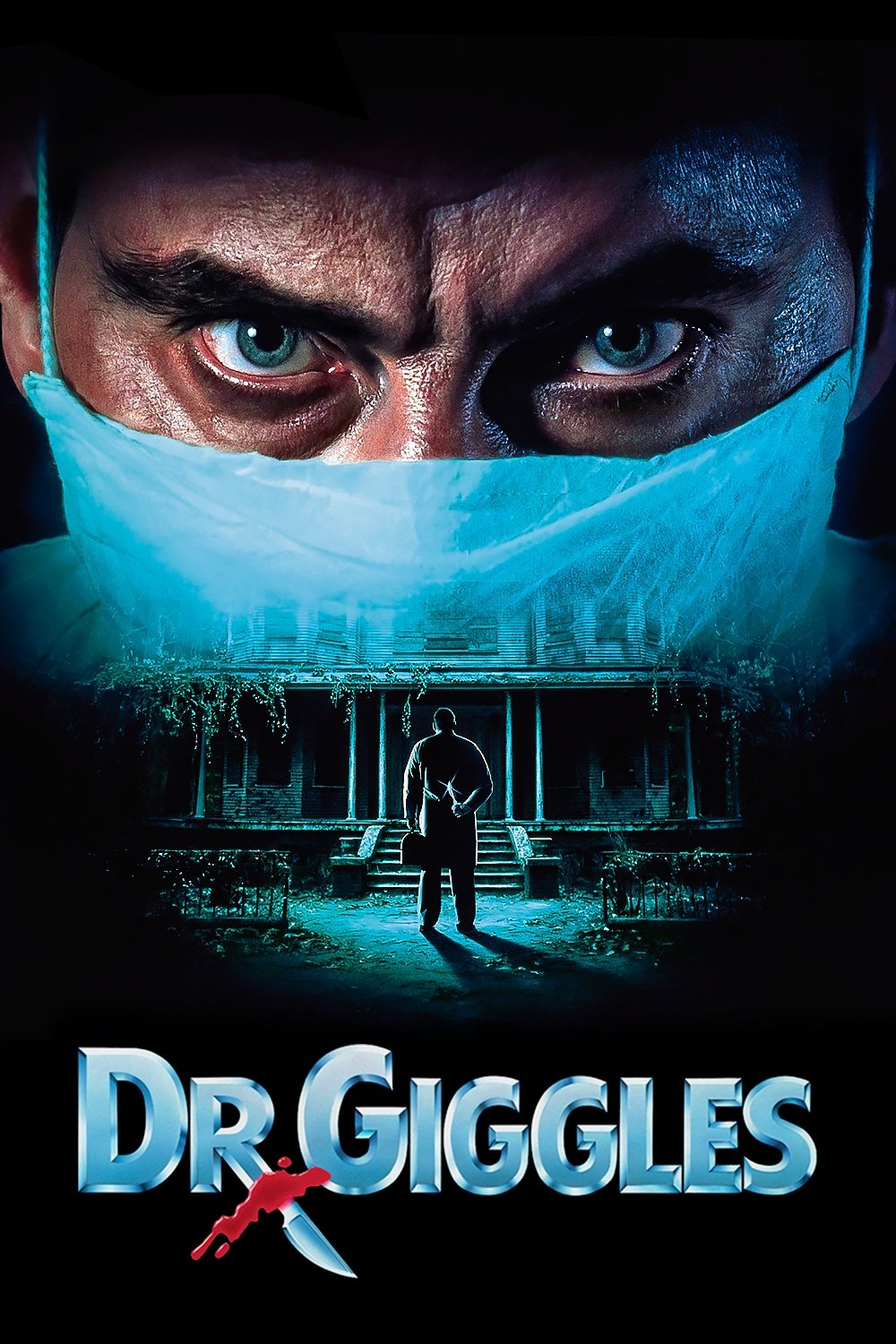
‘Dr. Giggles’ stars Larry Drake as an escaped mental patient who fixates on surgical imagery and medical puns. Manny Coto directed, bringing a stylized approach to hospital and suburban set pieces. The film’s effects emphasize prop-based instruments and practical gore. It circulated heavily through late-night cable slots and video store shelves, becoming a recognizable ’90s slasher artifact.
‘Leprechaun’ (1993)

Warwick Davis headlines ‘Leprechaun’ as a treasure-obsessed fae pursuing a missing pot of gold in modern suburbia. The film is notable for an early screen role by Jennifer Aniston. Practical make-up effects defined the character’s look, supported by trick-shot gags for scale. Its commercial performance on home video spawned a long-running franchise with rapidly produced sequels.
‘Jason Goes to Hell: The Final Friday’ (1993)
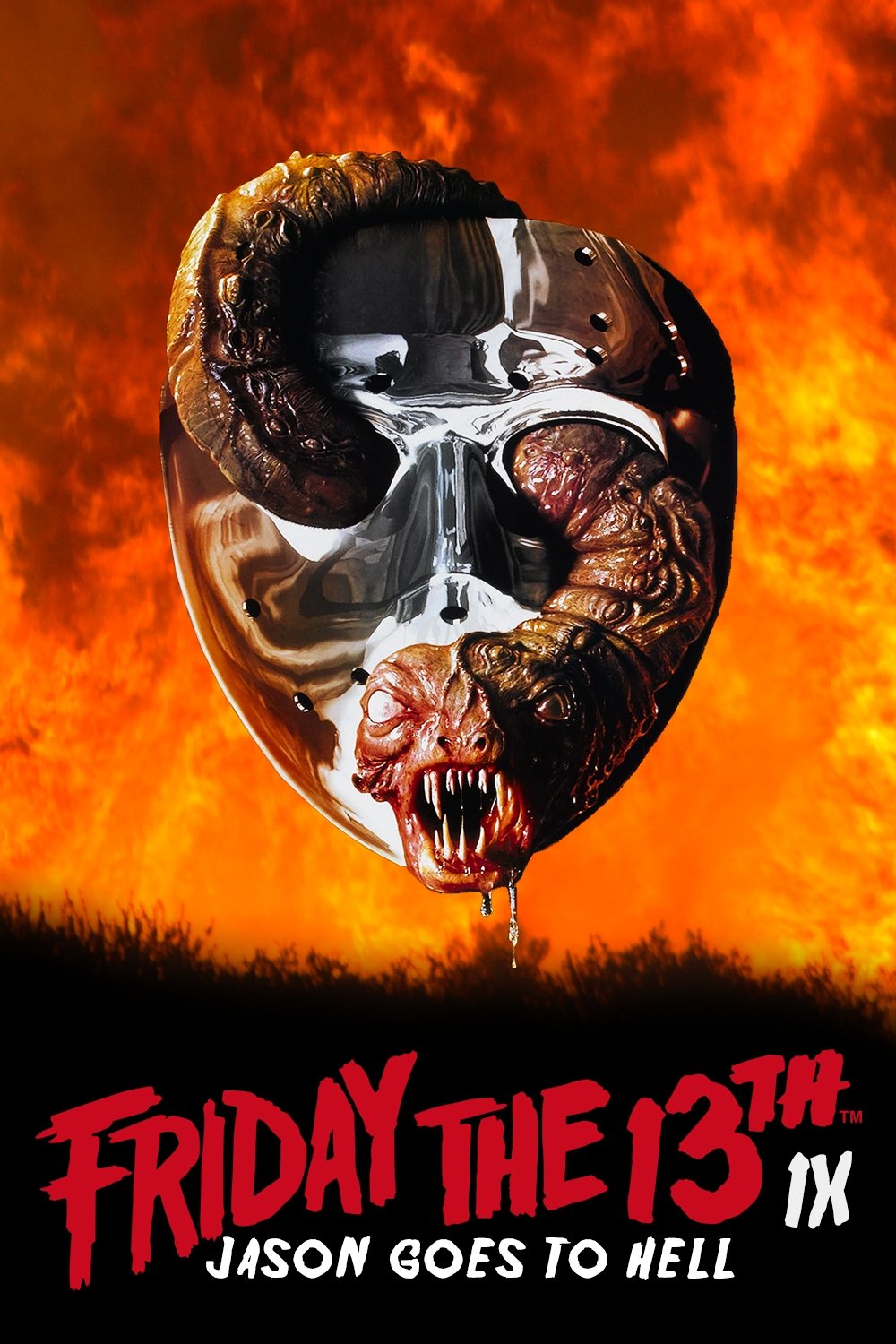
Directed by Adam Marcus, this ‘Friday the 13th’ entry experiments with body-hopping lore to extend the antagonist’s reach. The opening set-piece involves a federal sting operation that reframes the series’ approach to its central villain. New Line’s stewardship introduced mythological artifacts and crossover teases. Extensive make-up and creature effects drive set-piece transformations.
‘Warlock: The Armageddon’ (1993)
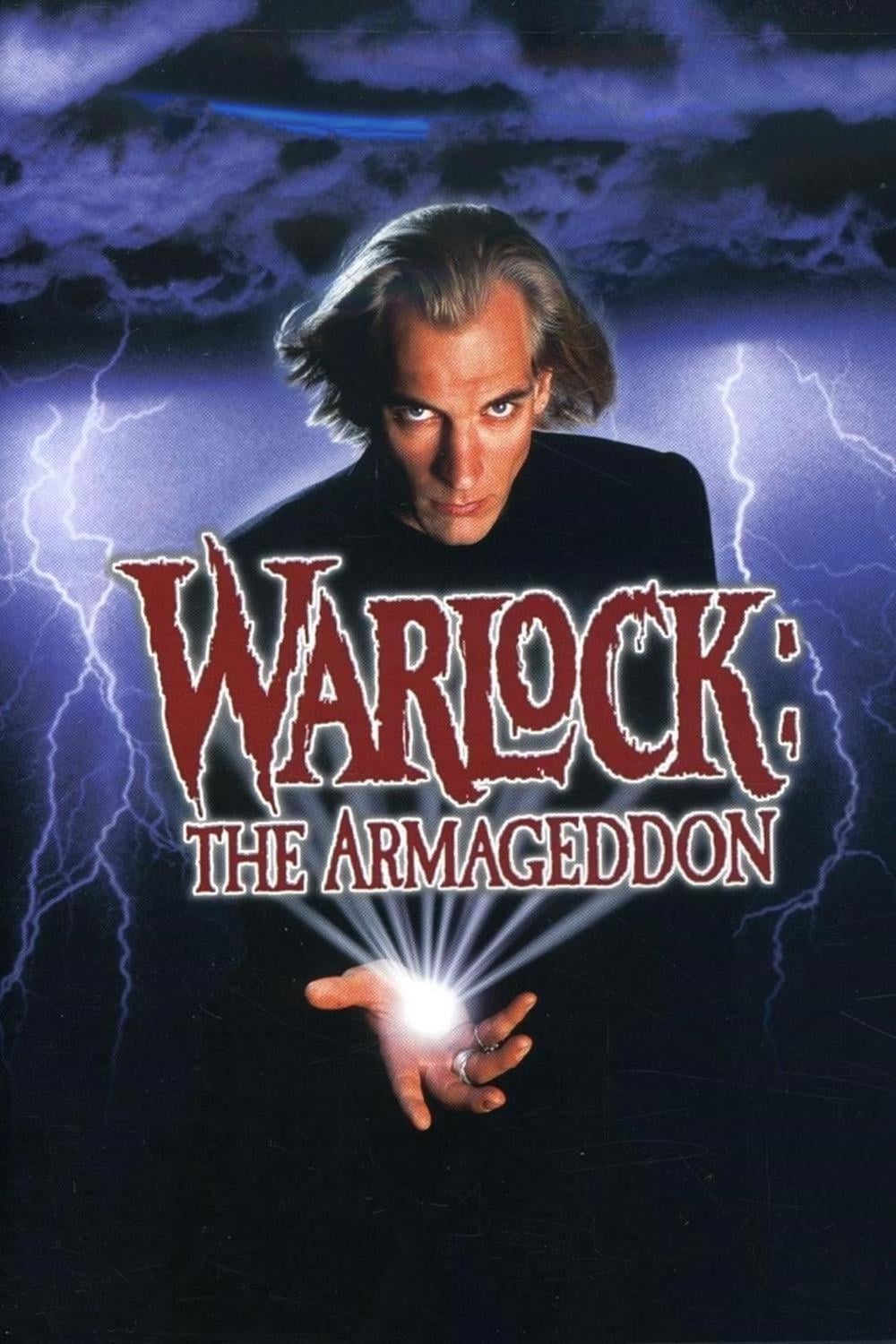
Julian Sands returns in ‘Warlock: The Armageddon’ as a sorcerer seeking mystic runestones that would trigger a world-ending ritual. Anthony Hickox directed, incorporating stylized lighting and optical effects typical of the era. The narrative pits modern-day druid defenders against the antagonist across urban and rural backdrops. It functions as a standalone tale rather than a direct continuation of its predecessor’s storyline.
‘Brainscan’ (1994)
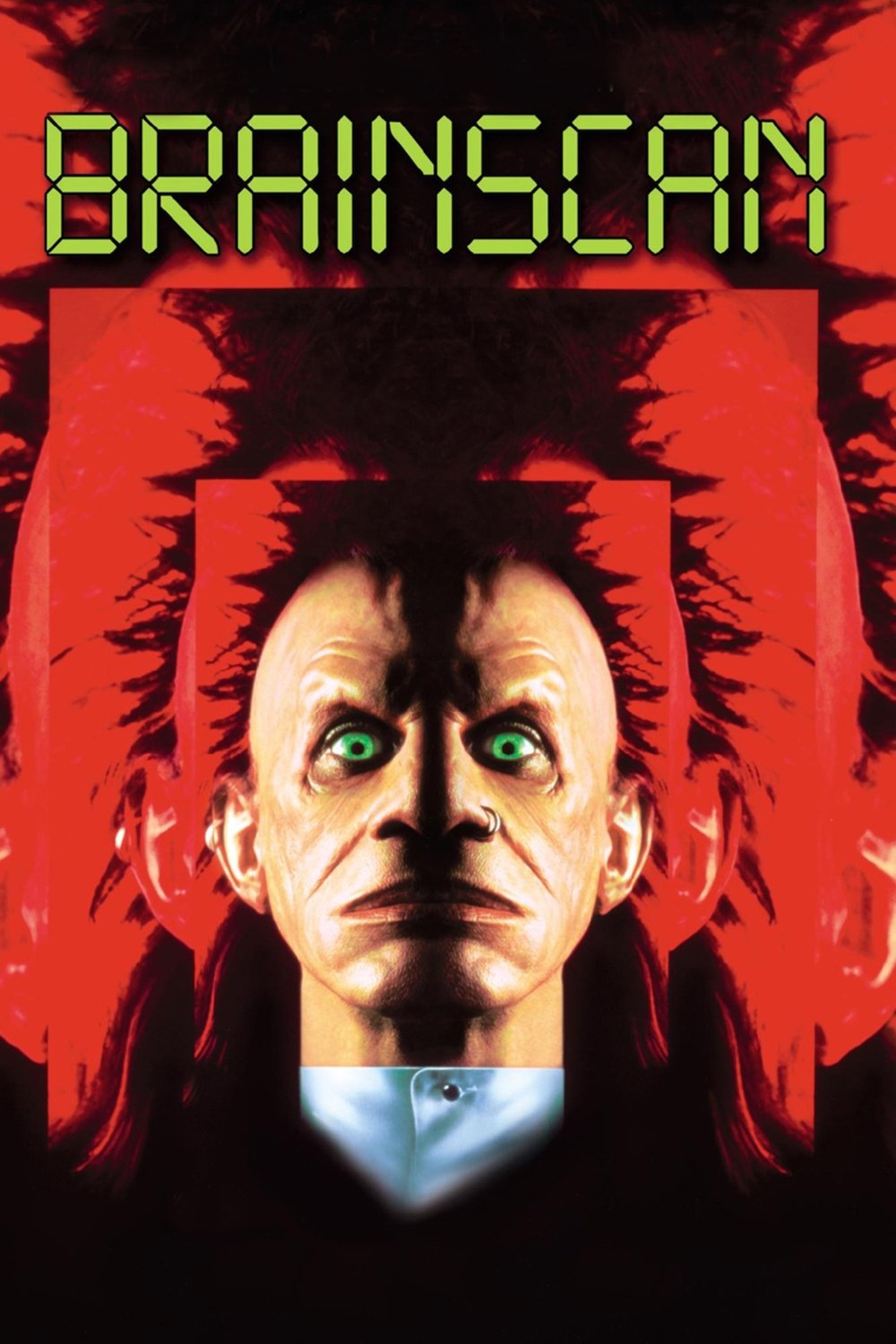
‘Brainscan’ stars Edward Furlong as a teen drawn into an interactive horror game presided over by the enigmatic Trickster, played by T. Ryder Smith. The film explores virtual-reality anxieties and media-violence panic through a suburban thriller frame. Practical make-up and minimal computer graphics emphasize the Trickster’s physical presence. Its soundtrack and tech props capture mid-’90s home-computer culture.
‘Leprechaun 2’ (1994)
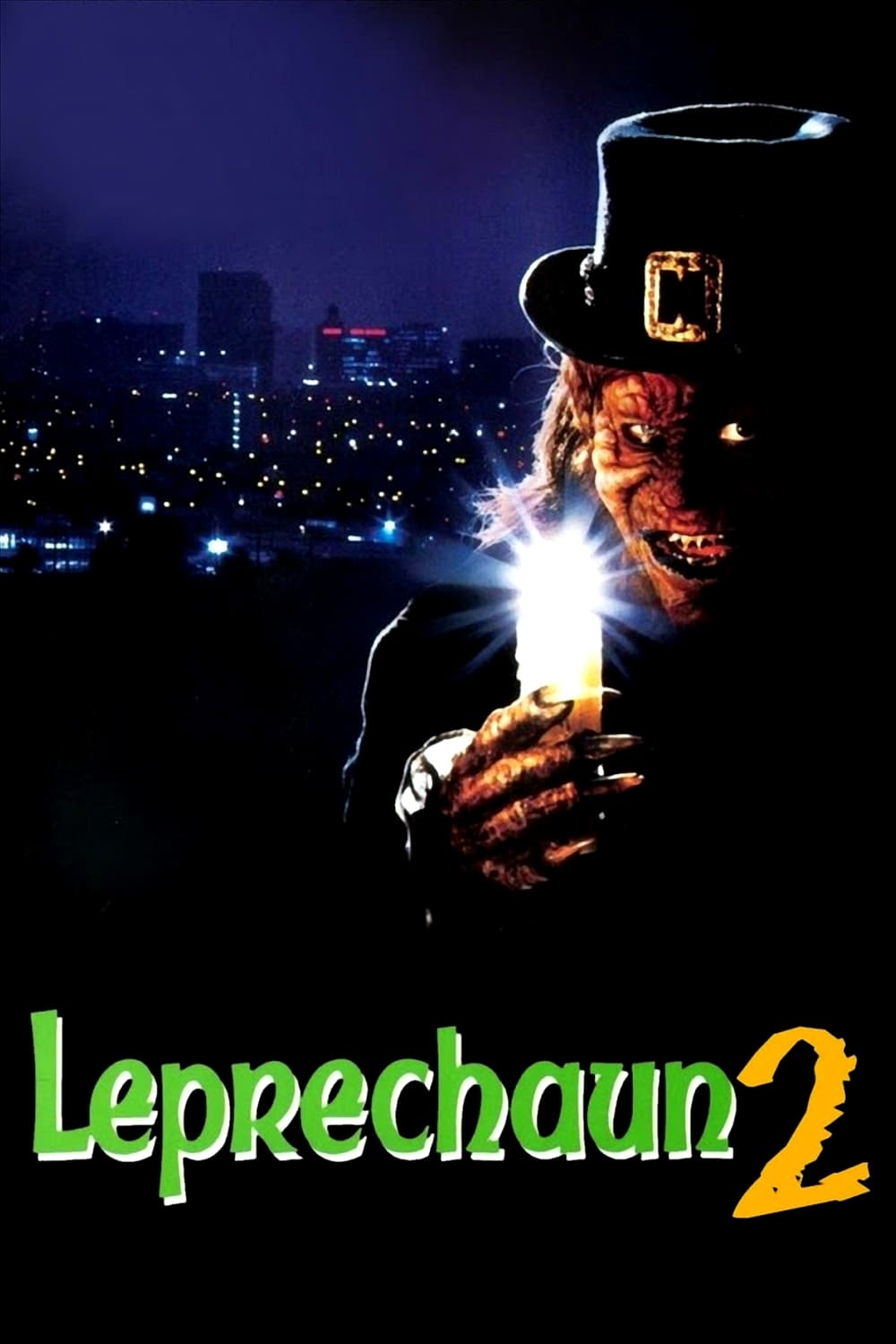
‘Leprechaun 2’ relocates the villain to Los Angeles, tying his scheme to an ancient marriage curse. Warwick Davis reprises the role with expanded one-liners and gadget-based traps. Location shooting around tourist spots provides a brighter, urban look compared with the first film. The sequel cemented the franchise’s pattern of shifting settings between entries.
‘Phantasm III: Lord of the Dead’ (1994)

Written and directed by Don Coscarelli, ‘Phantasm III: Lord of the Dead’ continues the saga of the Tall Man with returning cast members Reggie Bannister and Angus Scrimm. The film expands the mythology with new spheres and resurrected characters. Practical sphere gags and mechanical rigs achieve the franchise’s signature kills. It deepens the road-movie structure that the series adopted after its debut.
‘The Return of the Texas Chainsaw Massacre’ (1995)
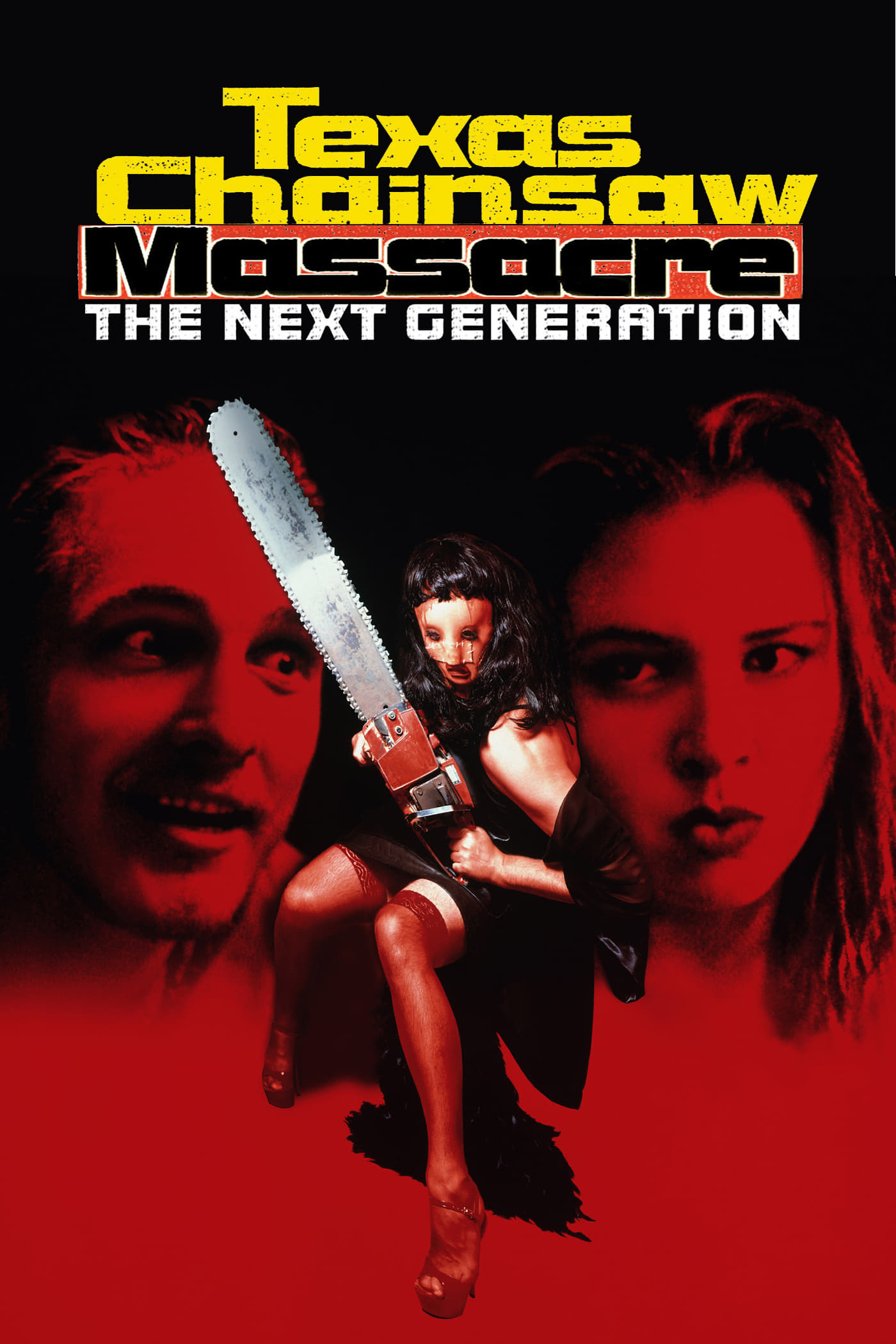
Co-writer of the original, Kim Henkel, directed ‘Texas Chainsaw Massacre: The Next Generation’, featuring early performances by Renée Zellweger and Matthew McConaughey. The story follows prom-night detours into a rural house of horrors tied to a broader conspiracy. Shot around Austin, the production emphasizes handheld work and night exteriors. Multiple edits circulated, with later releases adjusting scenes and credits as the leads became prominent.
‘The Mangler’ (1995)
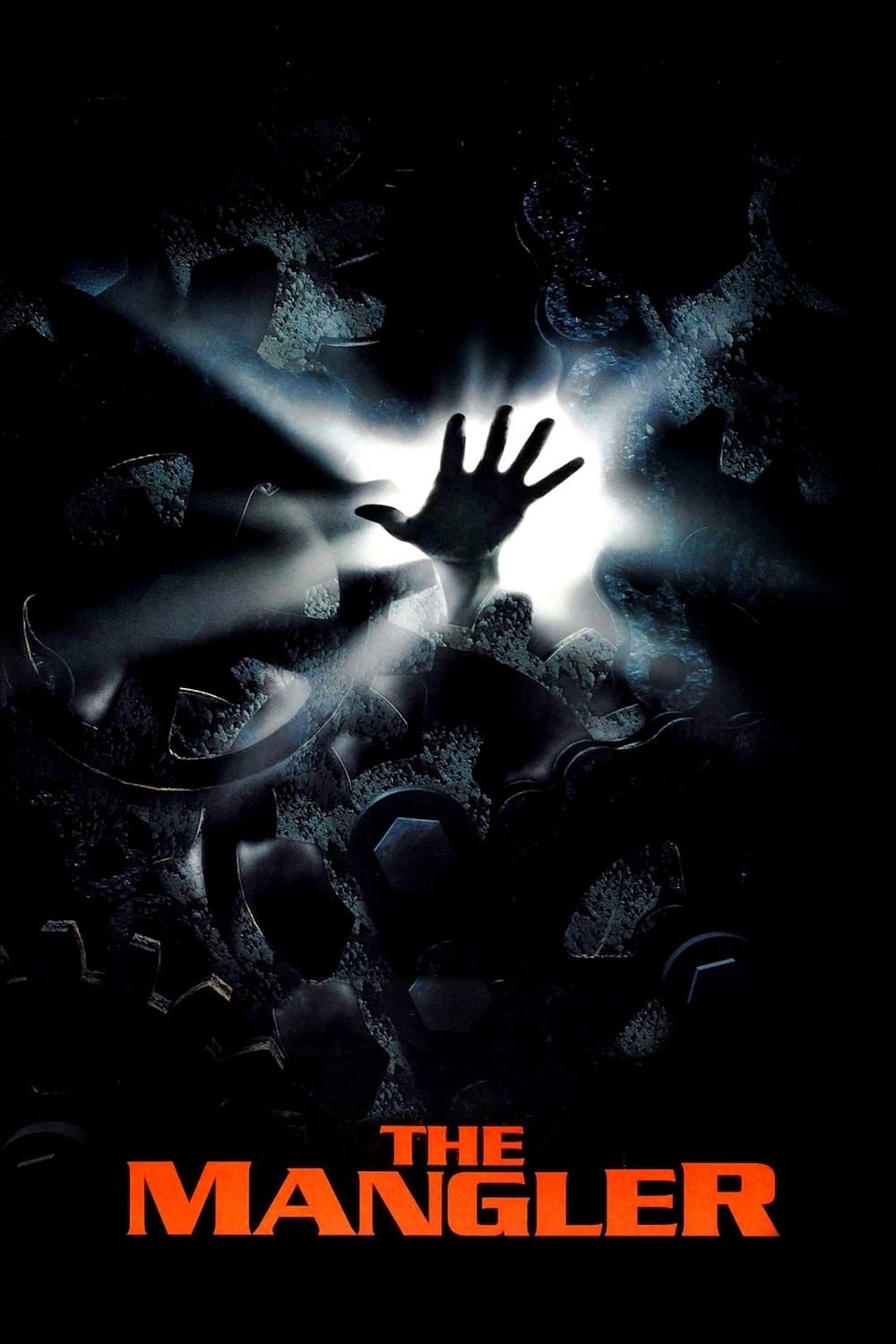
Directed by Tobe Hooper and adapted from a Stephen King short story, ‘The Mangler’ centers on an industrial laundry press with a sinister force. Robert Englund plays the factory owner entangled in occult machinations. The film relies on large mechanical sets, steam effects, and prosthetic injuries to stage its accidents. It blends procedural investigation with supernatural escalation across warehouse locations.
‘Halloween: The Curse of Michael Myers’ (1995)
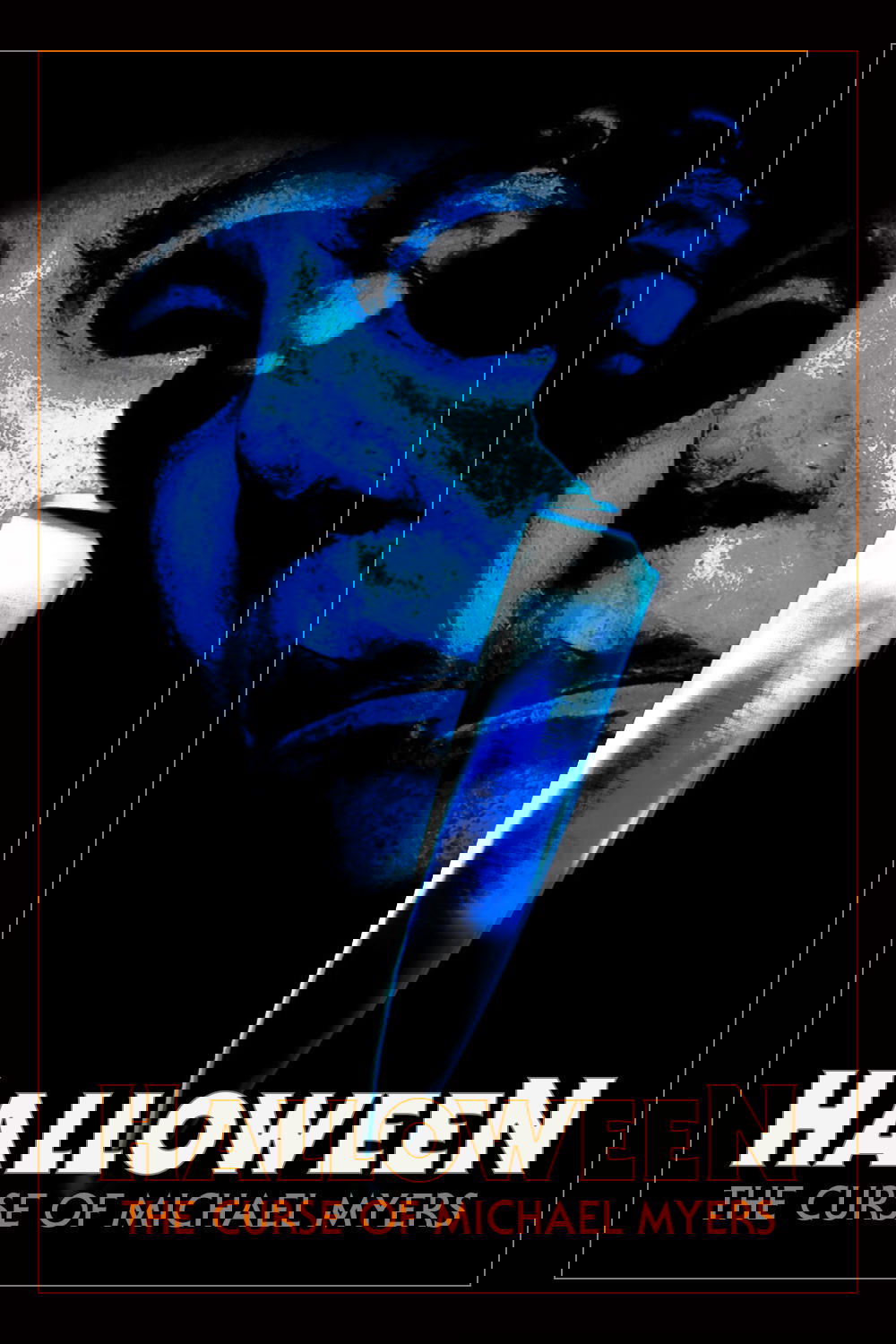
‘Halloween: The Curse of Michael Myers’ introduces a cult mythology strand while bringing back the character of Tommy Doyle, portrayed by Paul Rudd. Joe Chappelle directed, and two distinct cuts exist: a theatrical version and a widely discussed alternate version with different plot emphasis. The production used Midwestern suburban locations to maintain series continuity. Practical mask designs and stunt coordination update the slasher icon’s screen presence.
‘Leprechaun 3’ (1995)
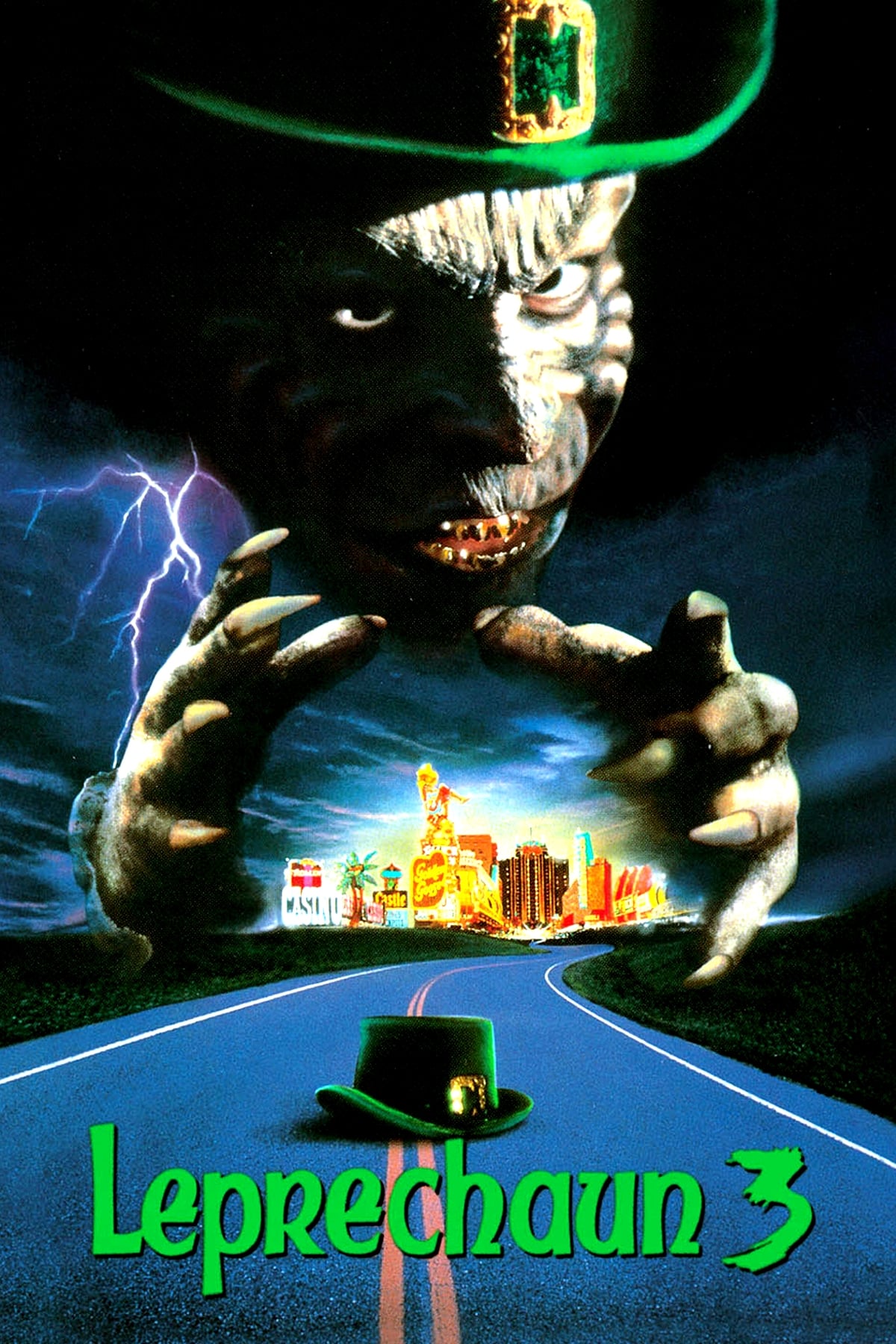
Set in Las Vegas, ‘Leprechaun 3’ exploits casinos and stage magic for wish-gone-wrong scenarios. Warwick Davis returns, interacting with showgirls, magicians, and gamblers across neon-lit sets. The plot uses cursed coin mechanics to drive episodic misadventures. It continued the series’ pivot toward high-concept settings for each sequel.
‘The Dentist’ (1996)
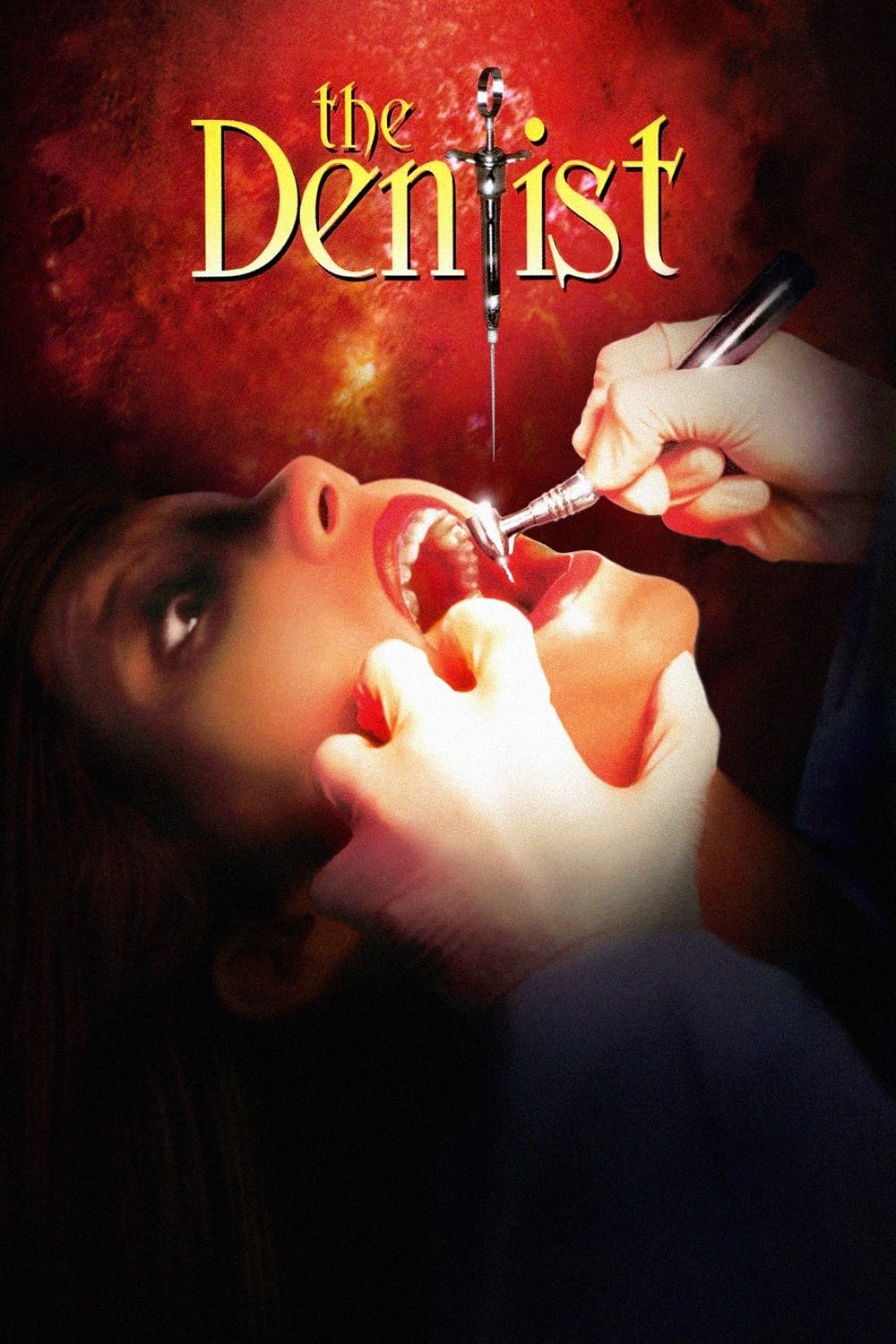
Brian Yuzna directed ‘The Dentist’, starring Corbin Bernsen as a perfectionist practitioner unraveling into violence. Dental tools, prosthetic teeth rigs, and close-quarters camera work create clinic-based suspense. The film’s suburban setting and office politics frame the character study. A follow-up continued the narrative with the same lead and creative team.
‘The Island of Dr. Moreau’ (1996)
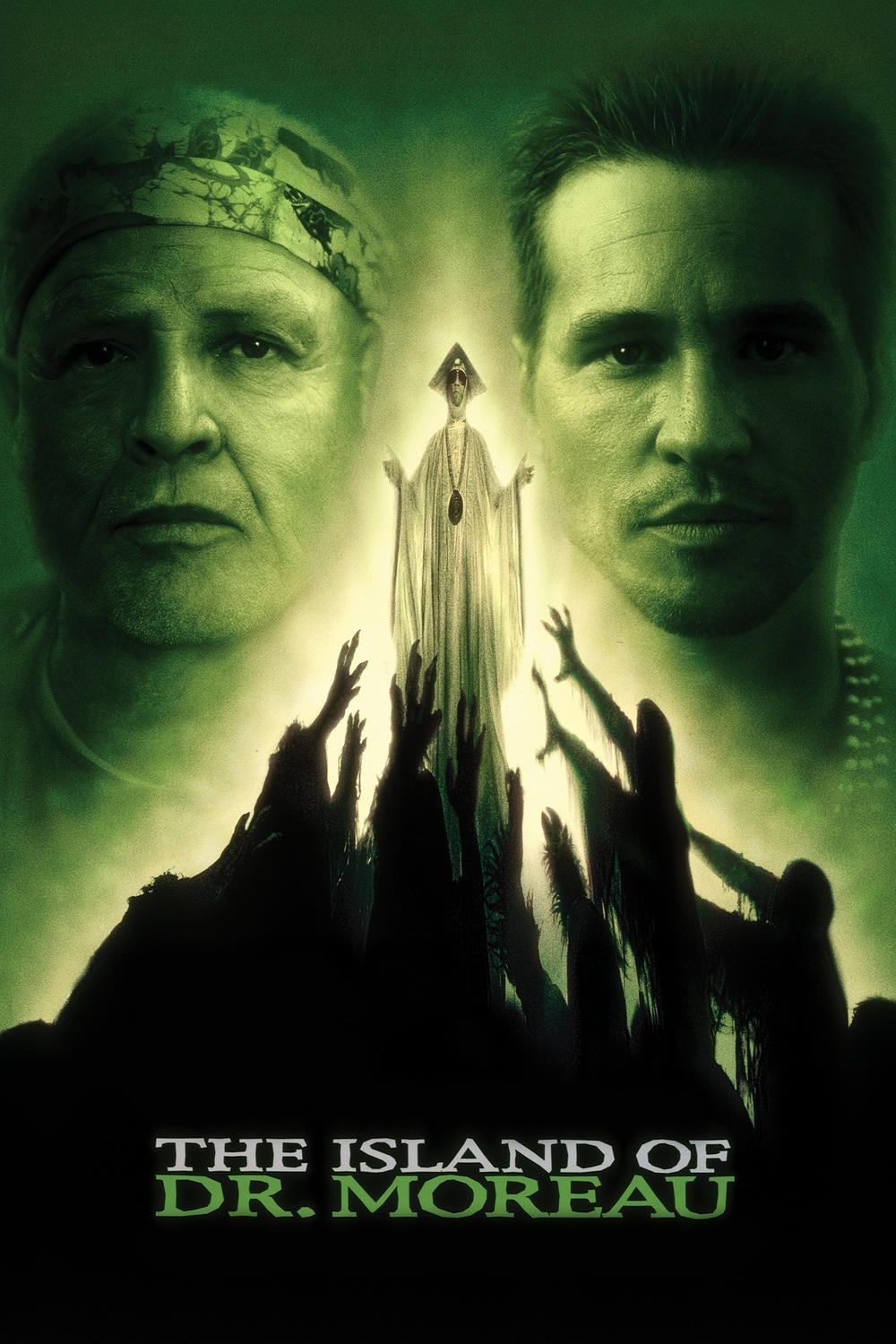
‘The Island of Dr. Moreau’ adapts H. G. Wells’s novel, with John Frankenheimer credited as director after a mid-production change from Richard Stanley. Marlon Brando and Val Kilmer headline, portraying a remote geneticist and his mercurial associate. The production is known for heavy make-up effects, elaborate creature suits, and extensive location challenges. Studio reports and behind-the-scenes accounts document script changes and on-set upheaval.
‘Hellraiser: Bloodline’ (1996)
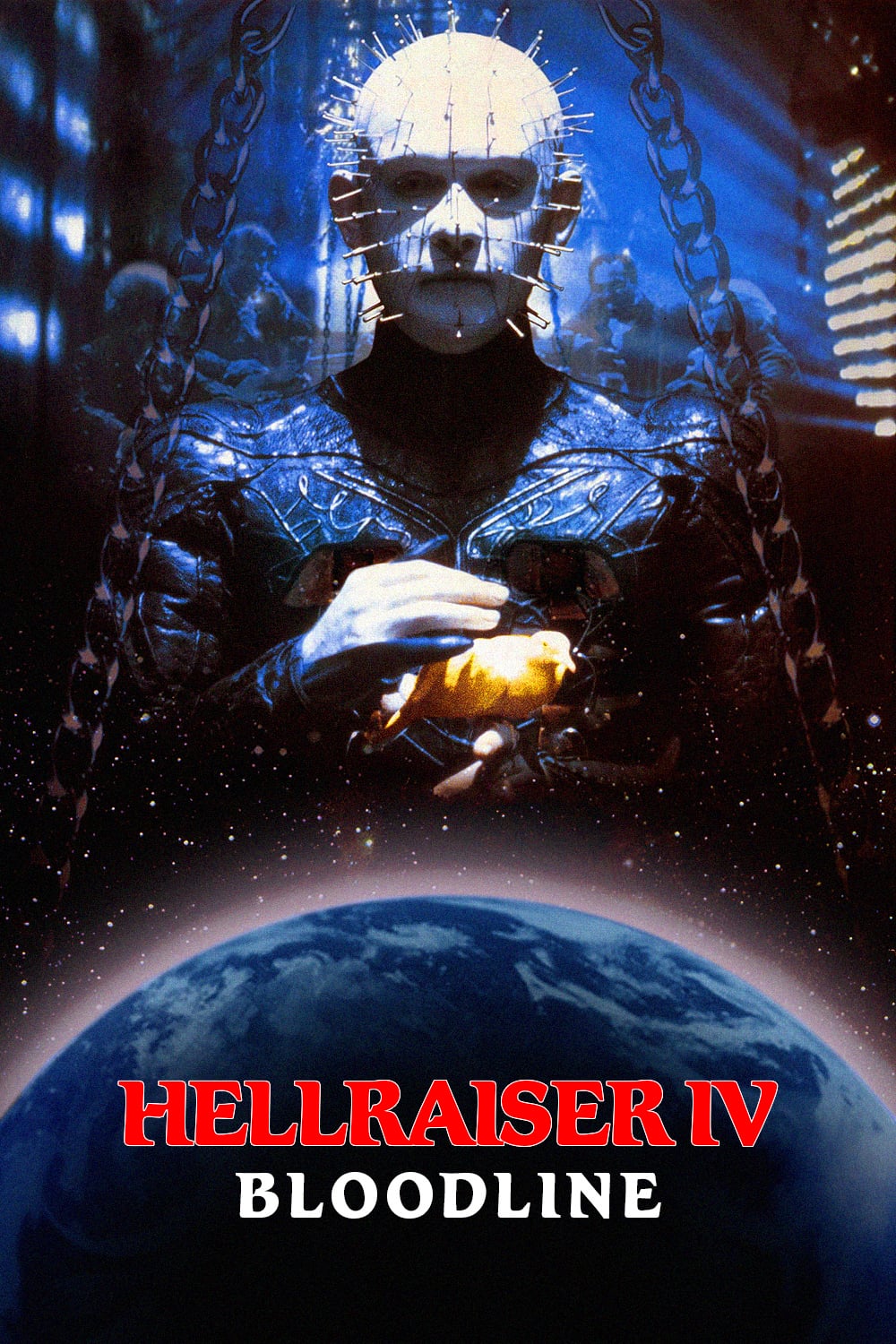
‘Hellraiser: Bloodline’ chronicles the Lament Configuration’s origin and future, spanning a toymaker’s workshop, modern-day intrigue, and a space-station finale. Kevin Yagher directed substantial portions, with the final credit using a pseudonym after editorial changes. The film expands Cenobite lore with new designs and environments. Miniatures, practical creatures, and selective digital shots combine for the anthology-like structure.
‘An American Werewolf in Paris’ (1997)
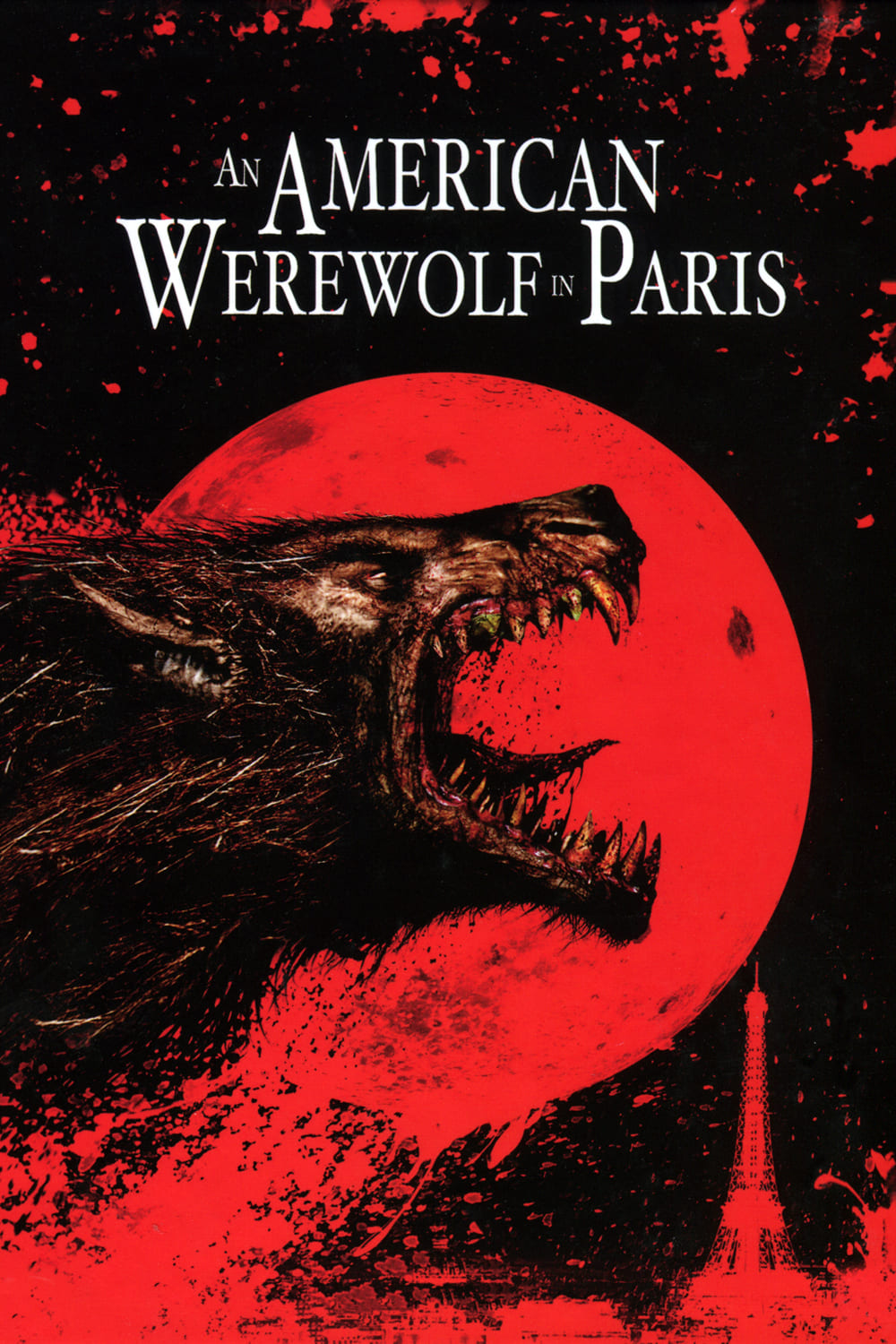
Serving as a spiritual follow-up to an earlier classic, ‘An American Werewolf in Paris’ stars Tom Everett Scott and Julie Delpy. The plot features backpackers entangled with a clandestine group using a dangerous serum. Location shooting around European landmarks pairs with digital creature work for transformations. The soundtrack and extreme-sports elements anchor it to contemporary youth culture.
‘Leprechaun 4: In Space’ (1997)
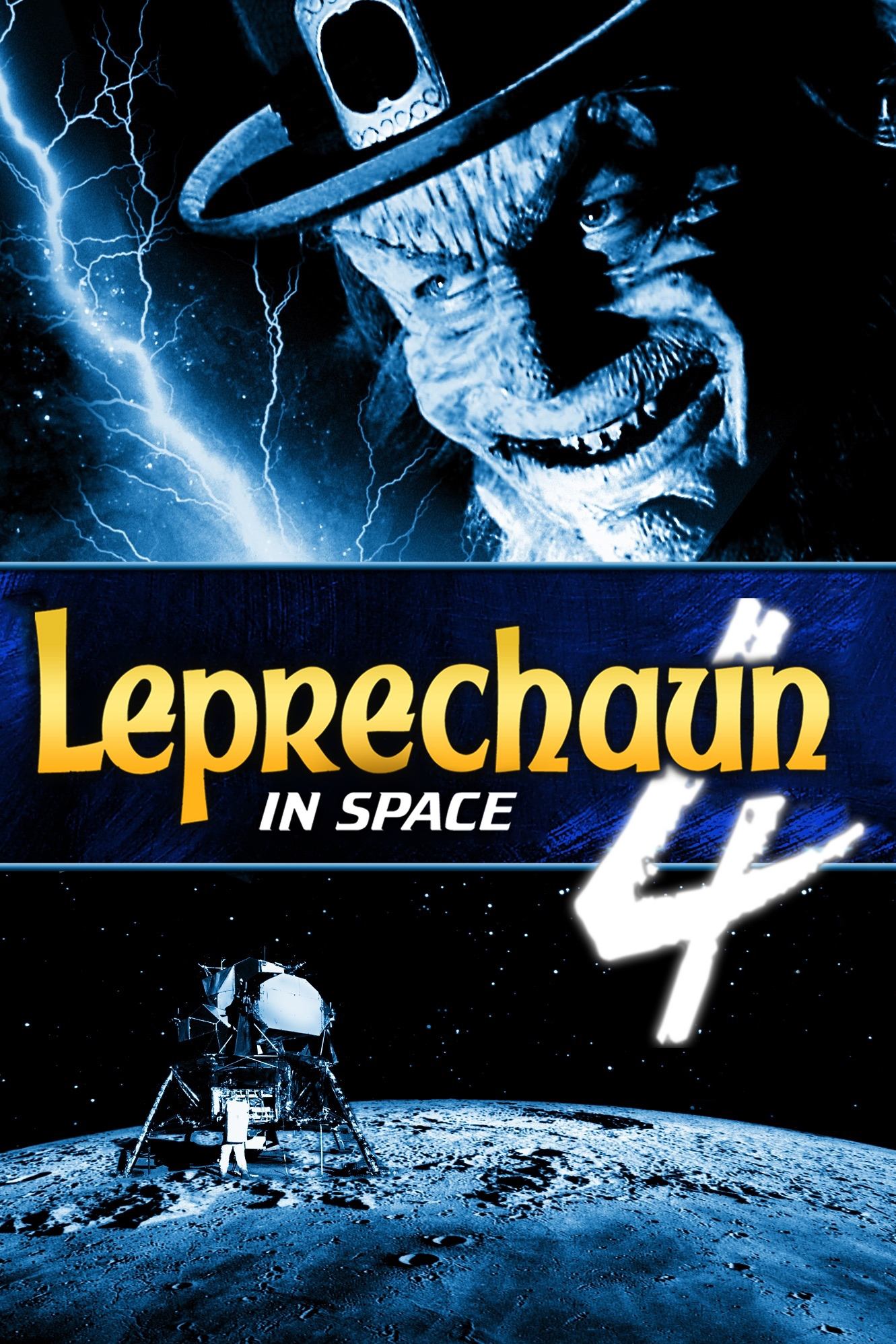
‘Leprechaun 4: In Space’ transports the antagonist to a starship, mixing creature-feature beats with military-sci-fi tropes. The production utilizes miniature models, foam-latex creatures, and laboratory sets. Warwick Davis reprises the lead, interacting with a squad of marines and a royal subplot. It exemplifies the franchise’s willingness to shift genres while keeping core character trademarks.
‘I Still Know What You Did Last Summer’ (1998)

This sequel reunites Jennifer Love Hewitt and Freddie Prinze Jr., relocating the cat-and-mouse to a Caribbean resort during the off-season. The narrative expands the urban-legend premise with new conspirators and isolated-island stakes. Set pieces revolve around storm-battered locations, closed hotel spaces, and boat chases. Music-video veterans contributed to the film’s glossy visual style, aligning it with late-’90s teen thrillers.
‘The Lawnmower Man’ (1992)
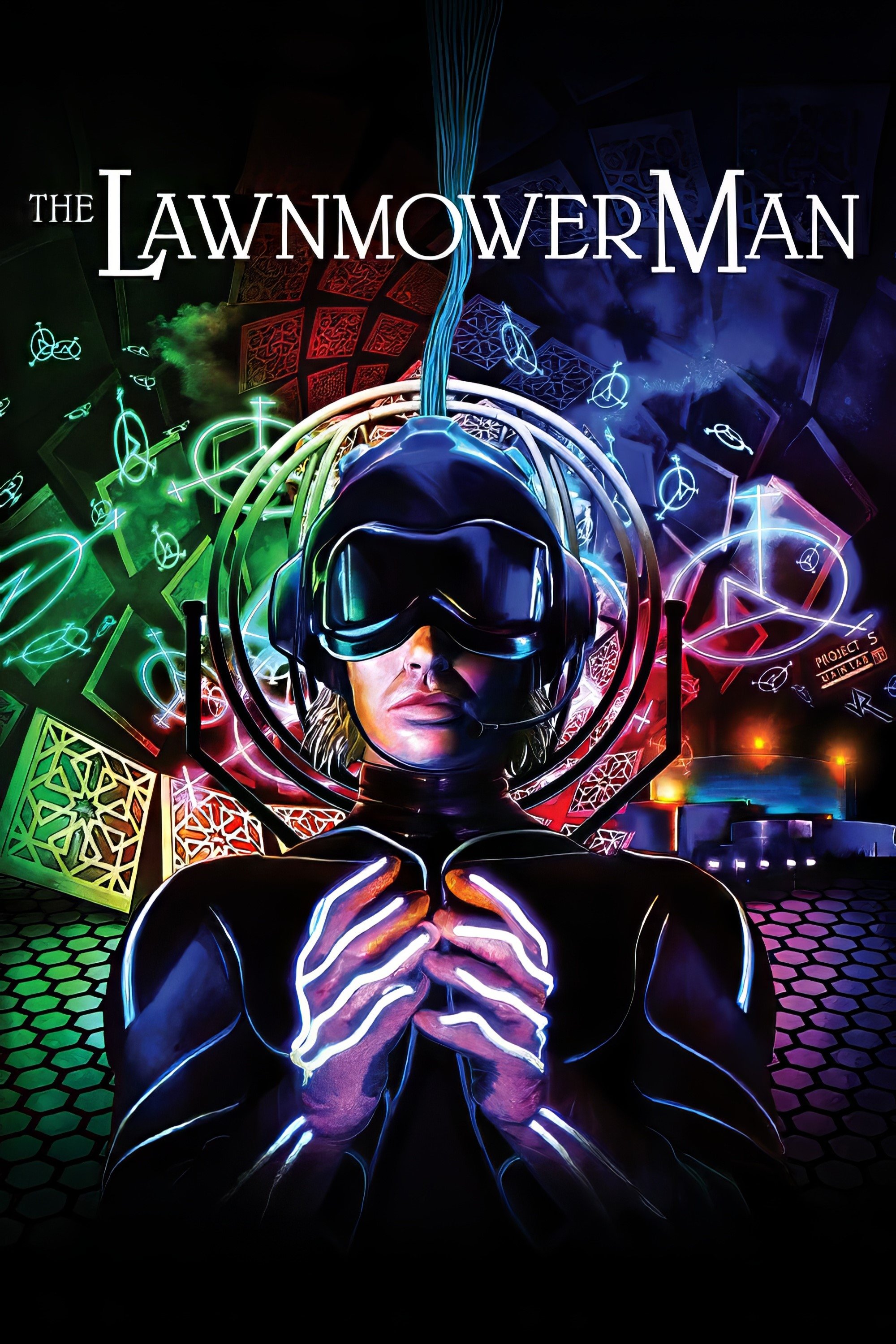
Directed by Brett Leonard and loosely inspired by a Stephen King short story in name only, ‘The Lawnmower Man’ follows an experiment that boosts a groundskeeper’s intelligence through virtual-reality sessions. The production popularized early CGI “cyberspace” sequences and motion-capture visualizations. Pierce Brosnan and Jeff Fahey headline, with practical lab sets contrasted against computer-generated dreamscapes. The film’s depiction of networked consciousness and brain–computer interfaces became a pop-culture touchstone for early-’90s tech anxieties.
‘Lawnmower Man 2: Beyond Cyberspace’ (1996)
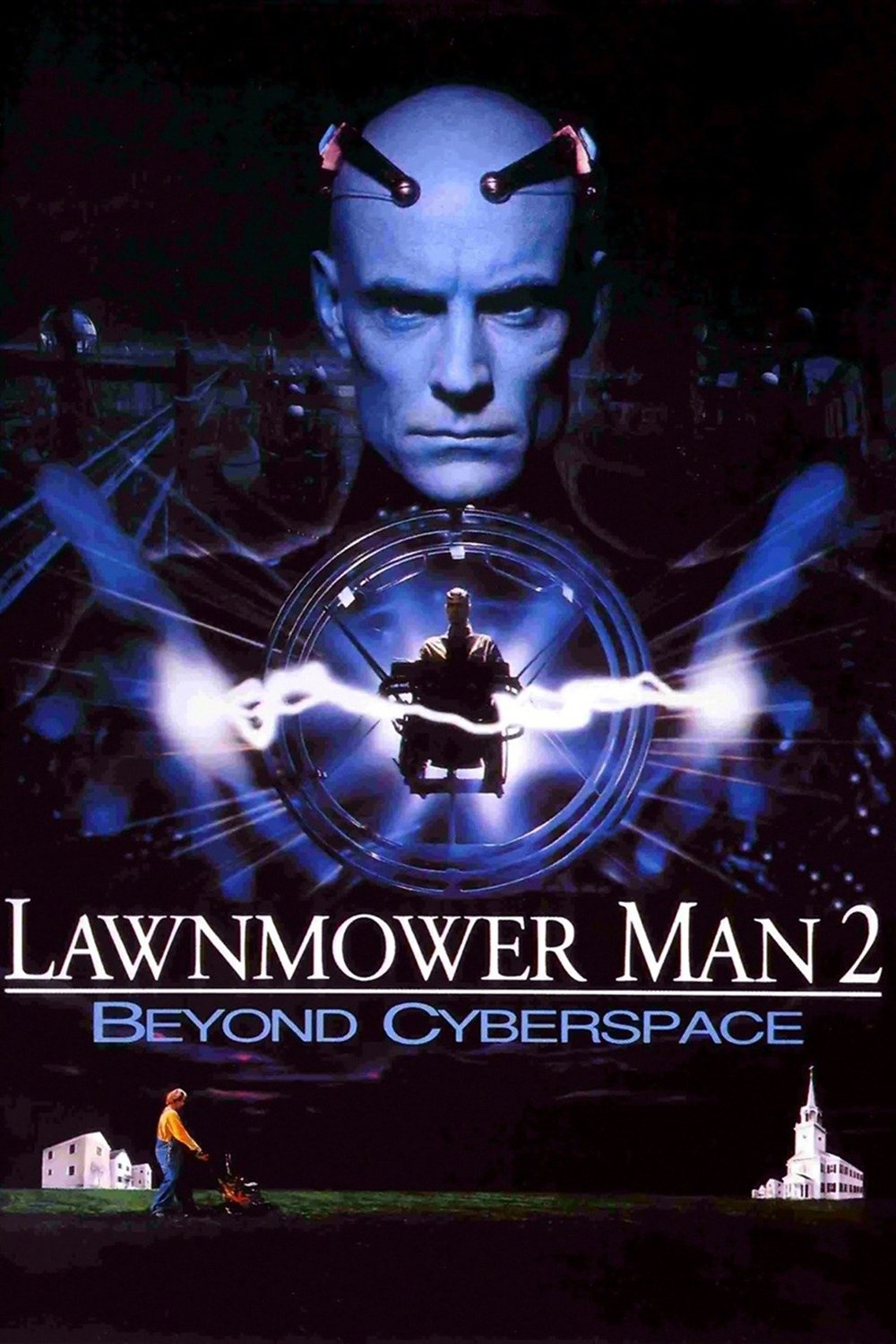
This sequel continues the VR premise with a corporate plot to control global communications through a new chip architecture. Matt Frewer steps into the antagonist role, with returning characters reimagined around a young hacker ensemble. Extensive green-screen and digital compositing stage virtual environments and data tunnels. The production emphasizes futurist cityscapes, wearable tech props, and televised boardroom intrigue.
‘The Rage: Carrie 2’ (1999)
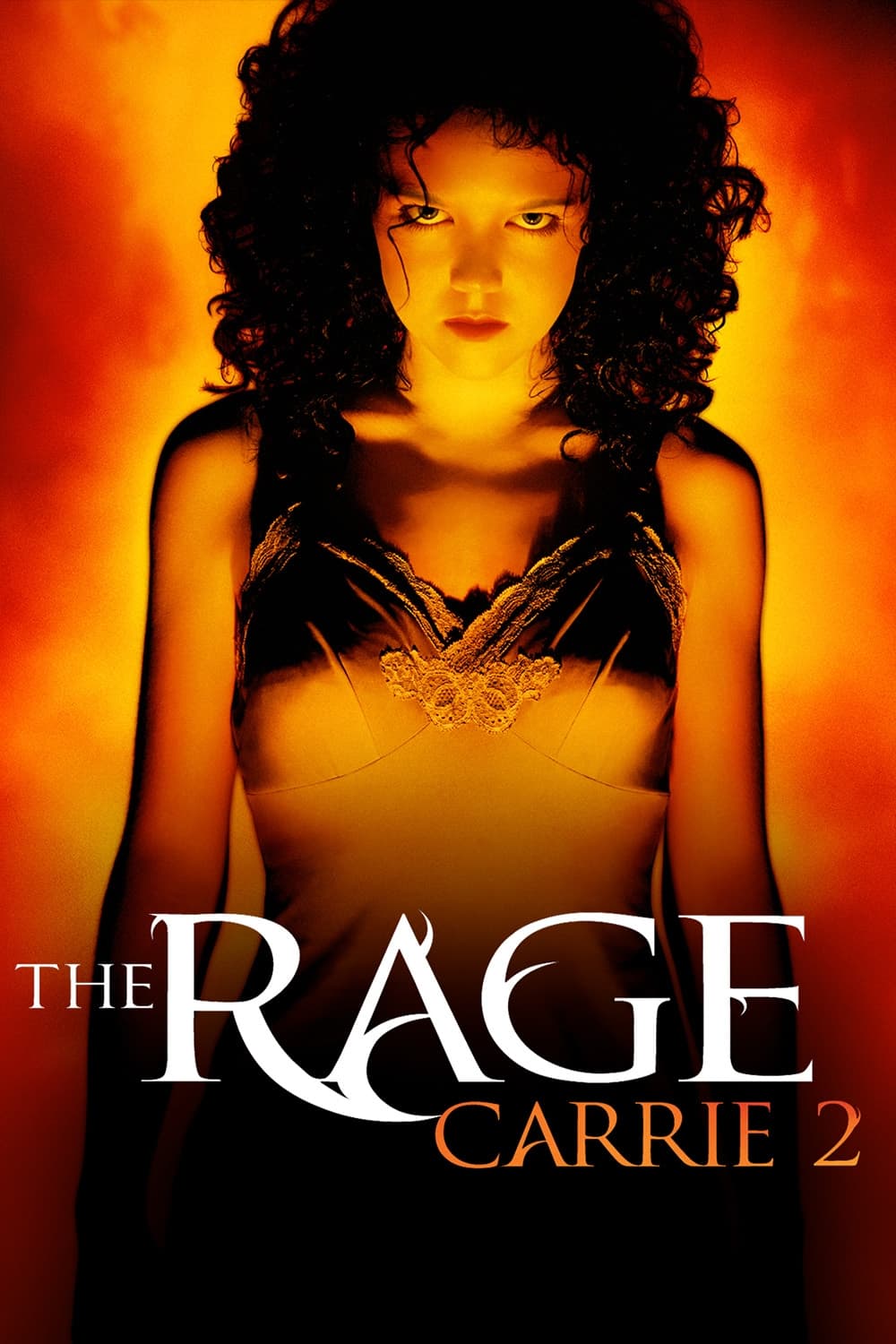
Set in the same universe as ‘Carrie’, this follow-up focuses on a different teen with telekinetic abilities navigating high school cruelty and a predatory football clique. Emily Bergl leads the cast, with Amy Irving appearing as a connective character. Practical stunt rigs, breakaway glass, and wirework create the climactic effects. The story blends counseling sessions, investigative threads, and social-clique dynamics to echo themes from the earlier tale.
‘Species II’ (1998)
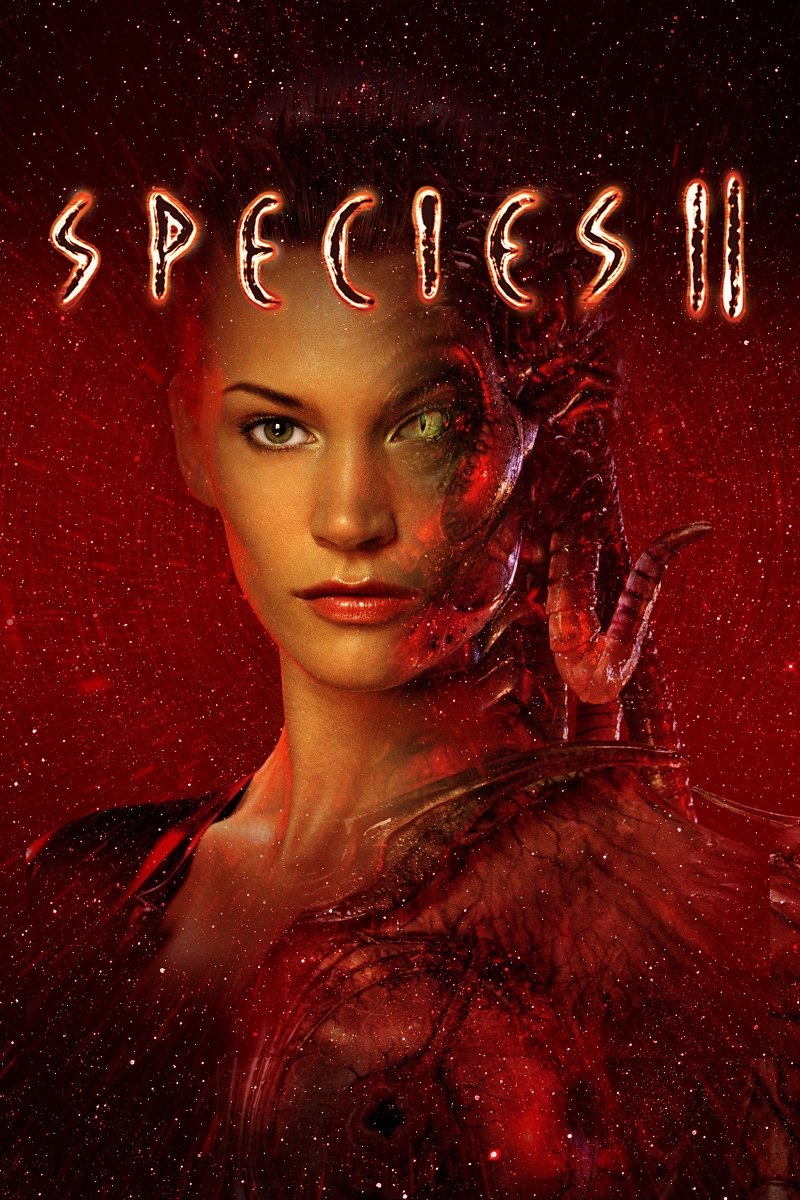
‘Species II’ extends the franchise by shifting its focus to an astronaut exposed to alien DNA during a mission and to a lab-grown hybrid monitored on Earth. The film mixes creature-suit prosthetics with animatronics for metamorphosis scenes. Locations include laboratories, military facilities, and urban exteriors, framing a pursuit narrative. The production design contrasts sterile research spaces with organic, biomechanical textures.
‘Virus’ (1999)
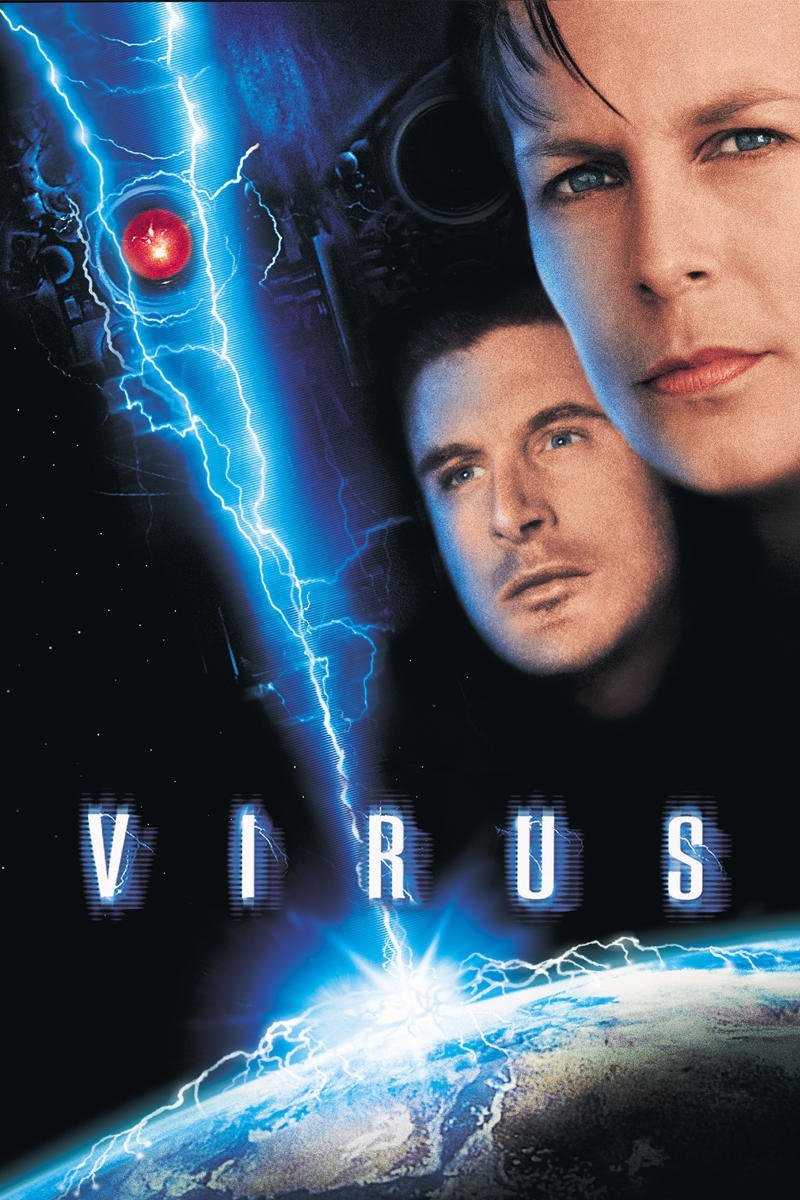
Based on a Dark Horse Comics series, ‘Virus’ places a salvage crew aboard a disabled research vessel overtaken by a sentient machine intelligence. The film features large-scale practical builds—corridors, engine rooms, and hybrid robot-organic constructs—augmented by model work and digital shots. Jamie Lee Curtis, Donald Sutherland, and William Baldwin anchor the ensemble. The narrative centers on resource scrounging, counter-hacking, and engineering set pieces.
‘Bats’ (1999)
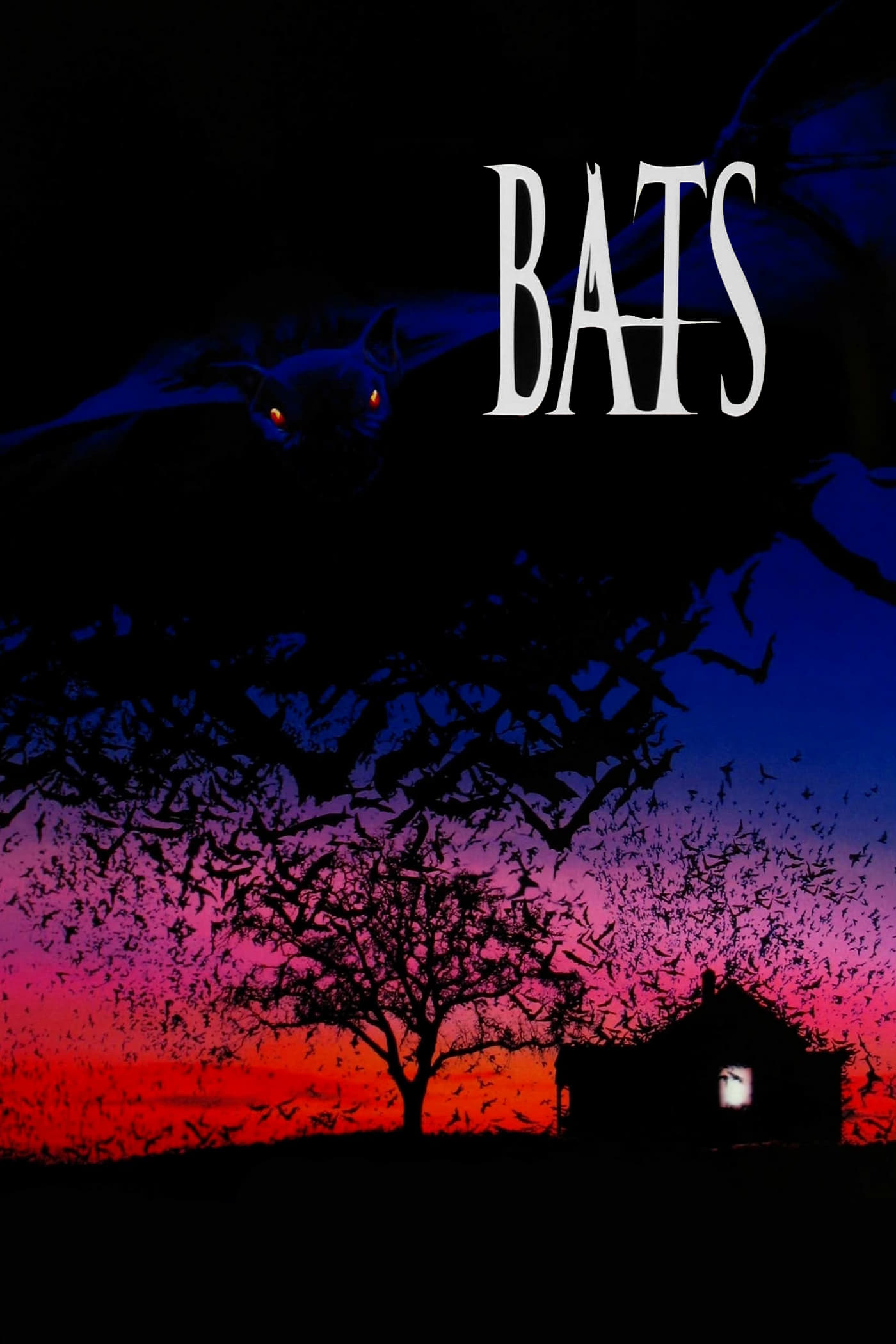
‘Bats’ depicts a small Texas town confronting engineered predators, with a zoologist and a CDC team coordinating the response. A combination of animatronic bat puppets and live-animal elements sells swarm sequences. Aerial photography, night lighting, and wind machines contribute to the siege atmosphere. The film leans on investigative procedures, containment tactics, and improvised defenses.
‘Stigmata’ (1999)
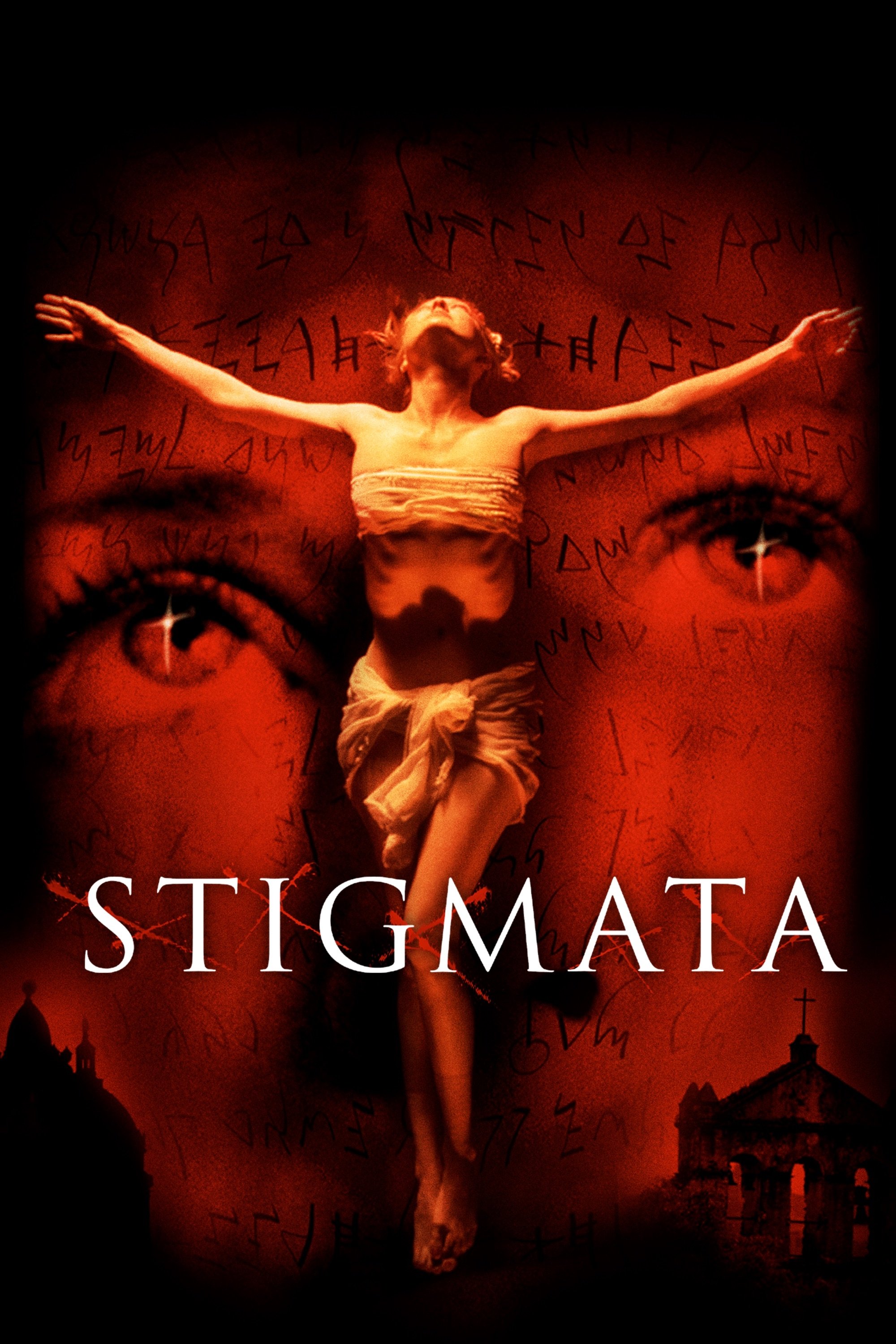
Set primarily in Pittsburgh and Rome, ‘Stigmata’ follows a hairstylist exhibiting unexplained wounds while a Vatican investigator examines a controversial gospel discovery. The production intercuts handheld club scenes with solemn church interiors, emphasizing contrasting visual textures. Patricia Arquette and Gabriel Byrne star, with religious artifacts and linguistic puzzles driving the plot. The soundtrack, editing rhythms, and flash-frame imagery reflect late-’90s music-video aesthetics.
‘Candyman: Day of the Dead’ (1999)
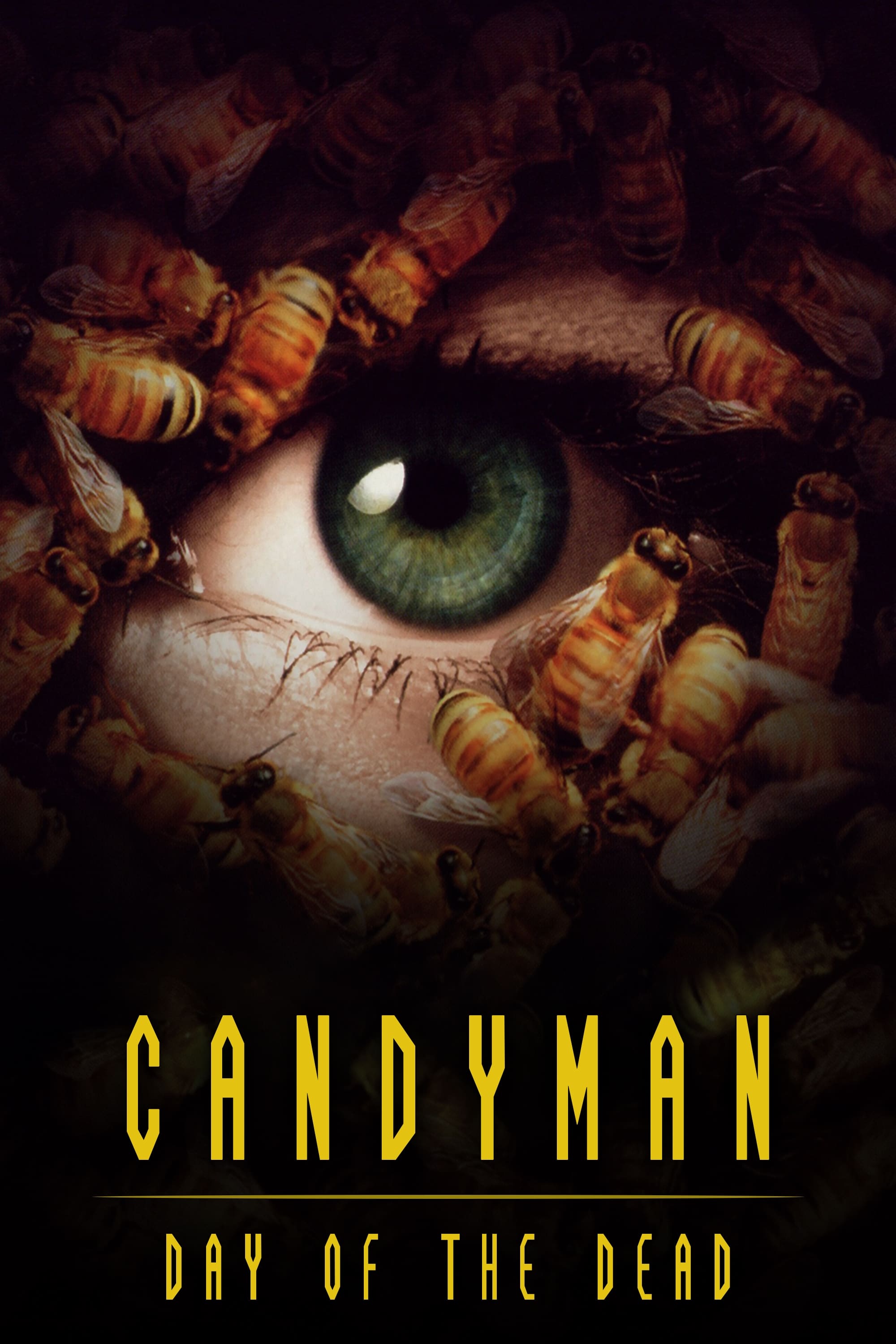
This installment relocates the urban-legend figure to Los Angeles during a Día de los Muertos celebration. Tony Todd returns, with the story connecting to descendants of earlier characters and exploring the myth’s persistence in new neighborhoods. The film employs mural iconography, parade settings, and gallery spaces as backdrops. Practical hook effects, prosthetic makeup, and stylized lighting continue the series’ visual motifs.
‘Children of the Corn II: The Final Sacrifice’ (1992)
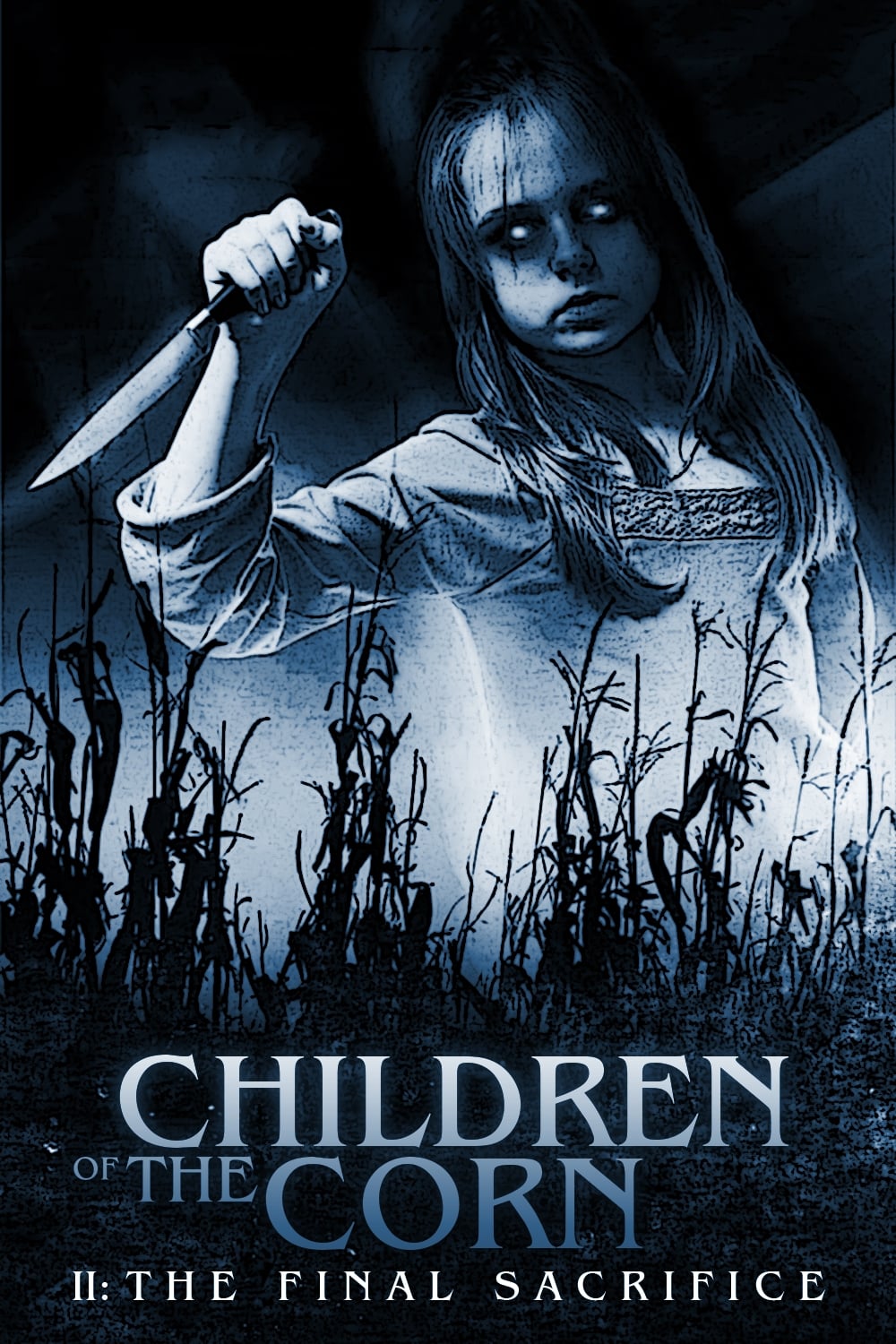
Picking up after a rural massacre investigation, this sequel transports surviving youths to a nearby town where the cult’s influence resurfaces. Journalists and law enforcement thread through the narrative, expanding the perspective beyond farmsteads. Location work features silos, fairgrounds, and small-town streets. Practical stunts and agricultural equipment drive several set pieces.
‘Children of the Corn III: Urban Harvest’ (1995)
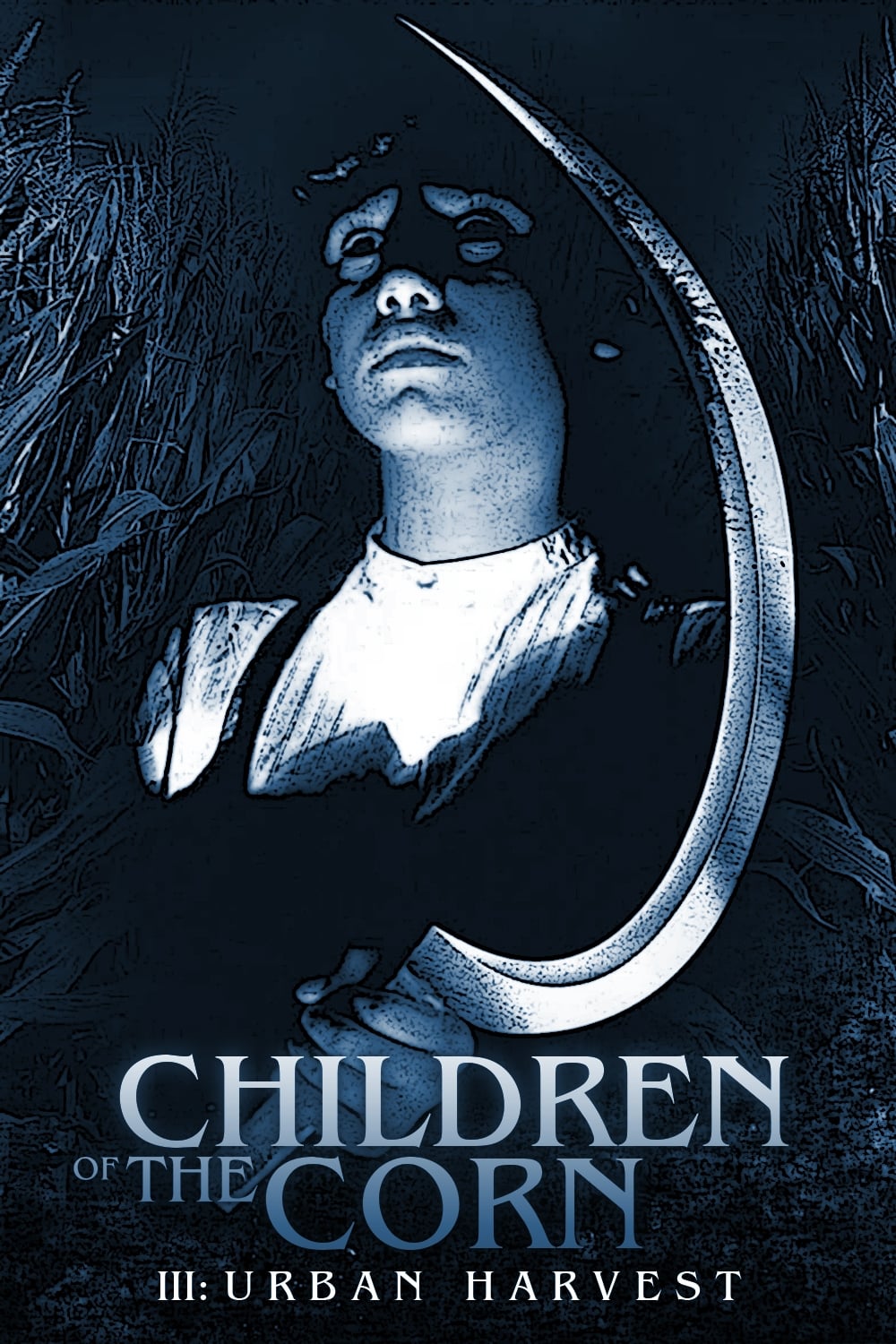
Moving the premise to Chicago, ‘Children of the Corn III: Urban Harvest’ follows two foster brothers whose beliefs clash with city life and a new school. The production blends inner-city locations with greenhouse and warehouse sets to re-root the cult story. Practical vine rigs and creature prosthetics stage the finale’s transformations. The plot weaves adoption dynamics, private schooling, and gang territory into the franchise mythology.
‘Jack Frost’ (1997)
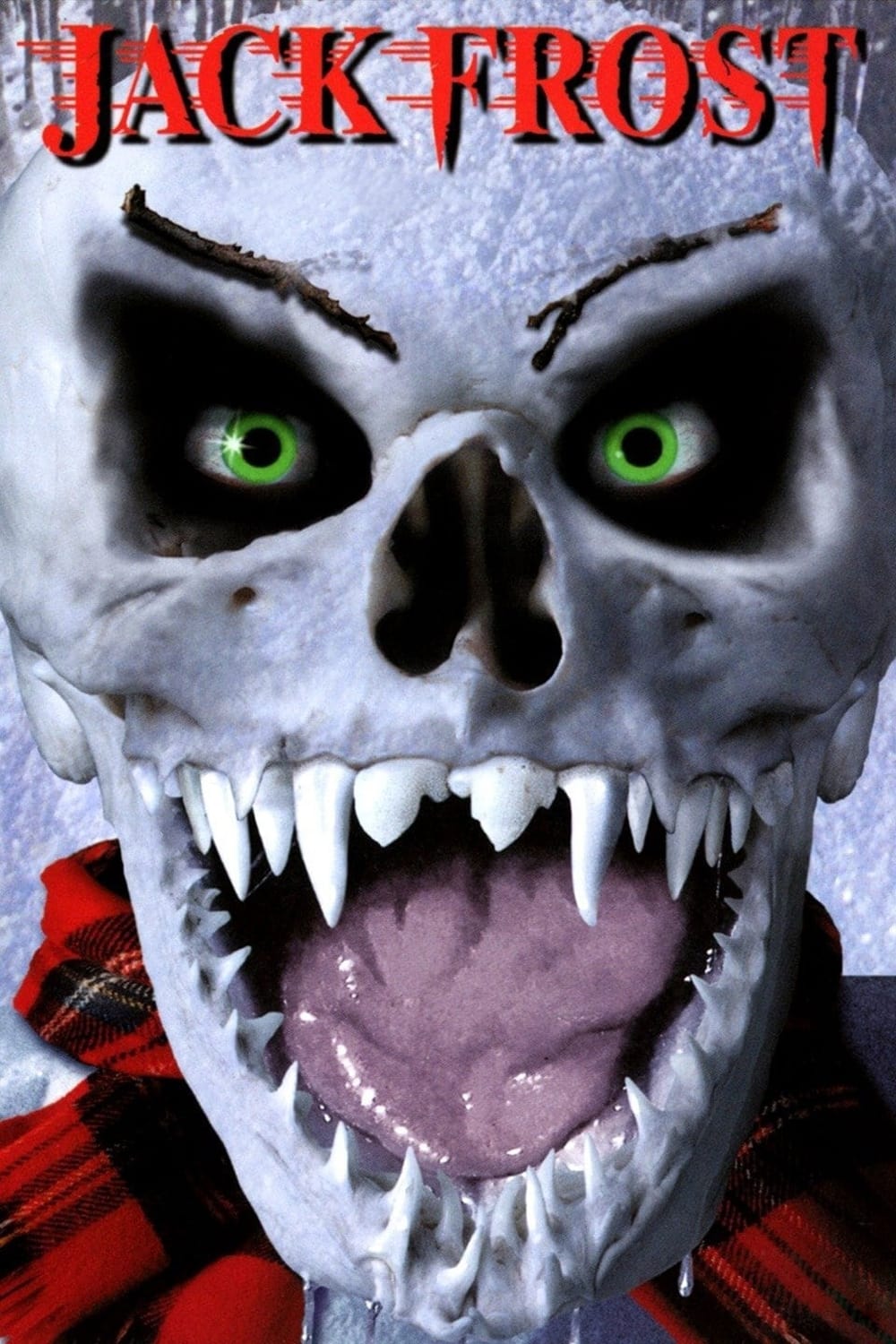
‘Jack Frost’ centers on a serial killer transformed into a living snowman after a transport accident involving experimental chemicals. The production uses foam-latex suits, puppetry, and practical gags to animate the antagonist. Small-town locations provide police-station, hardware-store, and holiday-parade settings. The film’s effects team leans on heating coils, fake ice, and snow machines for environmental continuity.
‘Pinocchio’s Revenge’ (1996)

This psychological chiller frames its story around a defense attorney whose child receives a wooden puppet tied to a homicide case. The narrative keeps ambiguity between a child’s behavior, adult stress, and possible external manipulation. Practical puppetry, edit timing, and point-of-view shots sustain the uncertainty. Domestic spaces, law offices, and school settings anchor the procedural and family threads.
‘Mary Reilly’ (1996)
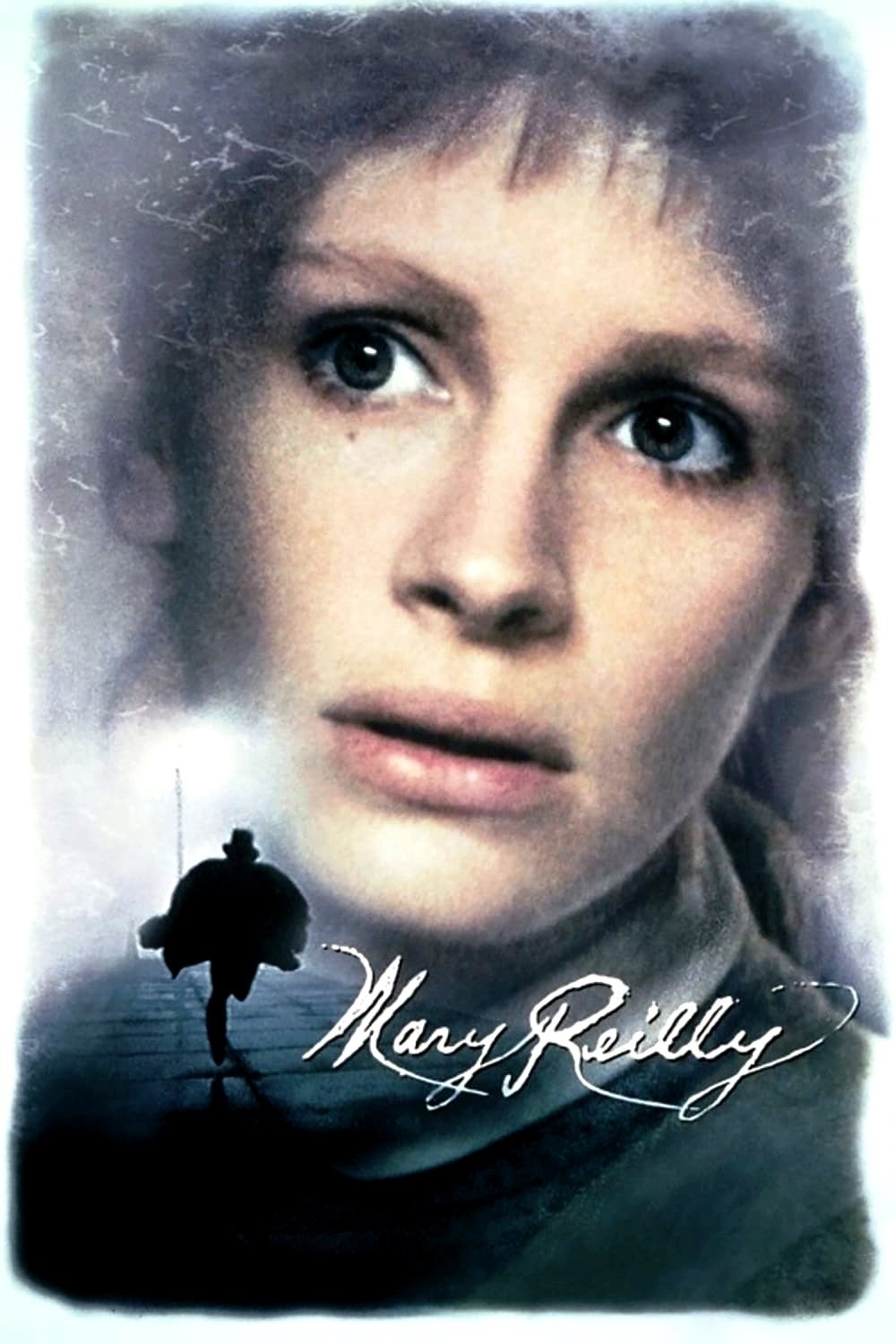
Adapted from Valerie Martin’s novel, ‘Mary Reilly’ retells the ‘Dr. Jekyll and Mr. Hyde’ story through a housemaid’s perspective. Julia Roberts and John Malkovich lead a period production with fog-draped streets, gaslit interiors, and meticulous costume work. The film emphasizes servant hierarchies, medical experimentation, and Victorian morality. Production design highlights laboratory glassware, chemical apparatus, and class-divided domestic rooms.
‘Village of the Damned’ (1995)
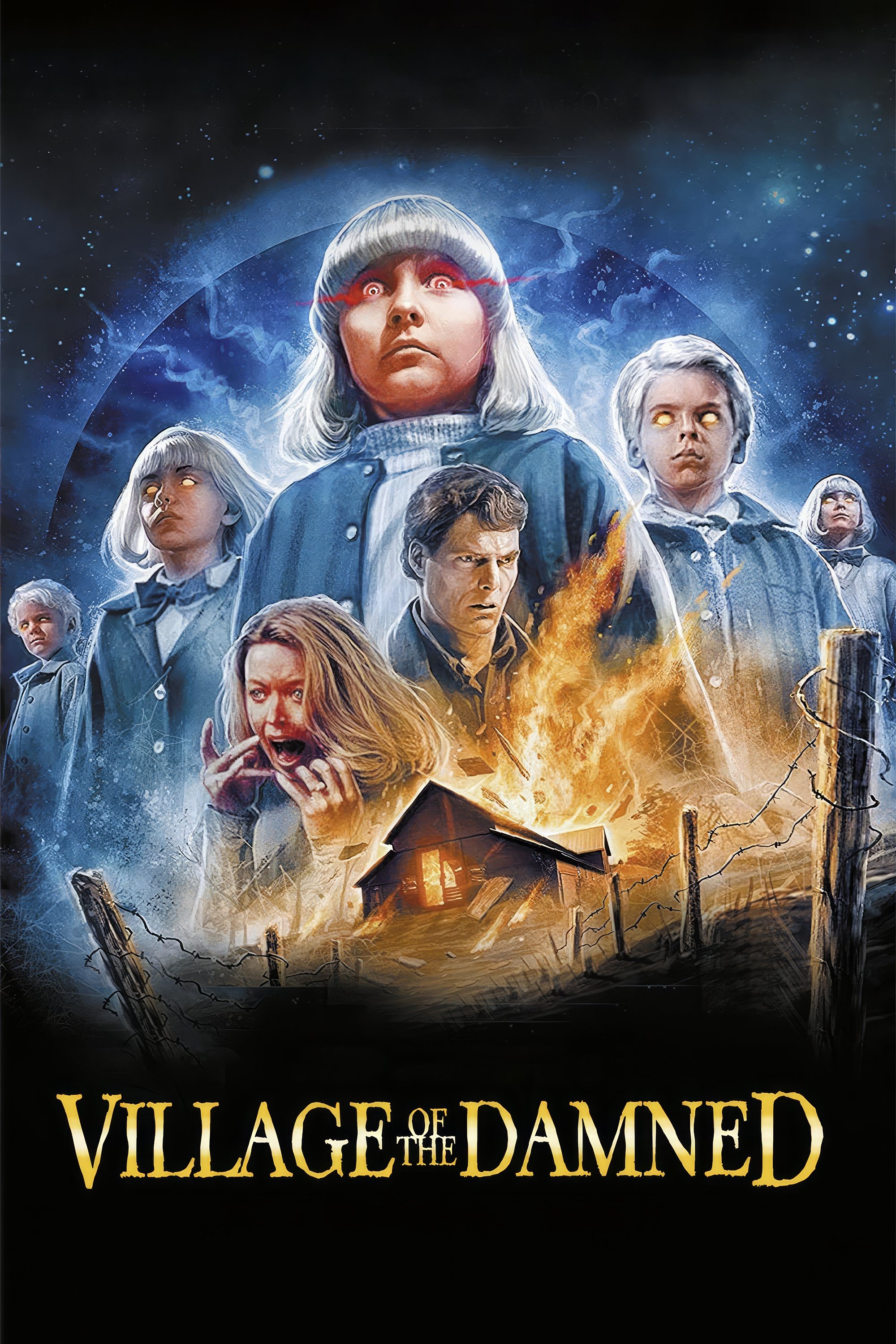
John Carpenter’s remake relocates the eerie-child premise to a coastal American town subjected to a mass blackout and simultaneous pregnancies. The cast includes Christopher Reeve, Kirstie Alley, and Linda Kozlowski, with clinical and school settings shaping the investigation. Pale-haired children, synchronized behavior, and telepathic set pieces define the iconography. Practical optical effects and in-camera tricks create the signature glowing-eye moments.
‘Phantoms’ (1998)
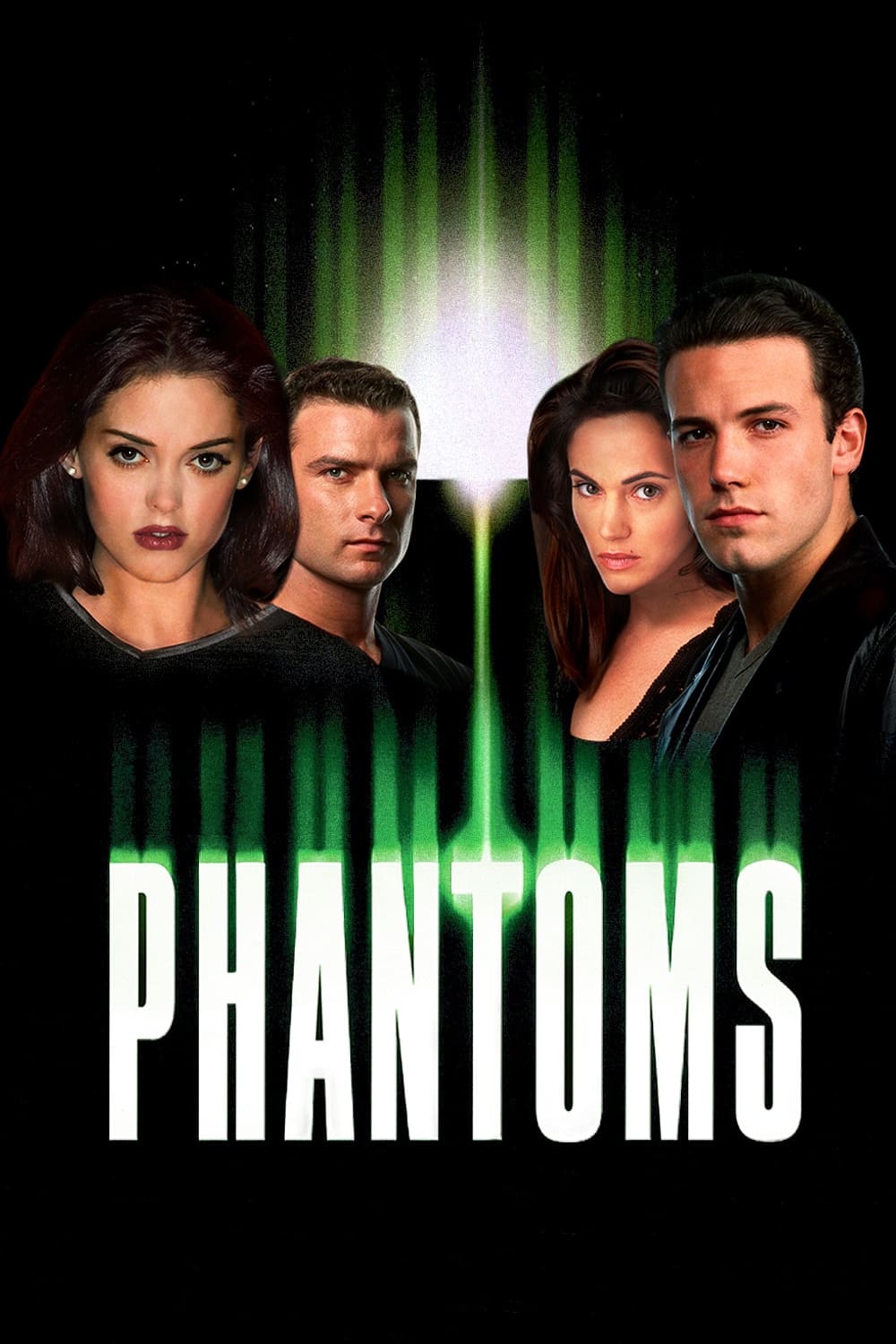
Based on a Dean Koontz novel, ‘Phantoms’ sends two sisters and a small-town sheriff’s team into a mysteriously depopulated community linked to an ancient, amorphous entity. Practical goo effects, prosthetics, and miniatures combine with selective digital augmentation. The ensemble includes Ben Affleck, Liev Schreiber, and Peter O’Toole, with scenes spanning tunnels, churches, and labs. The plot incorporates paleobiology notes, folklore speculation, and military containment protocols.
Share your picks from the ’90s—what would you add or swap out—down in the comments.