1970s Movies That Are Completely Unwatchable Today

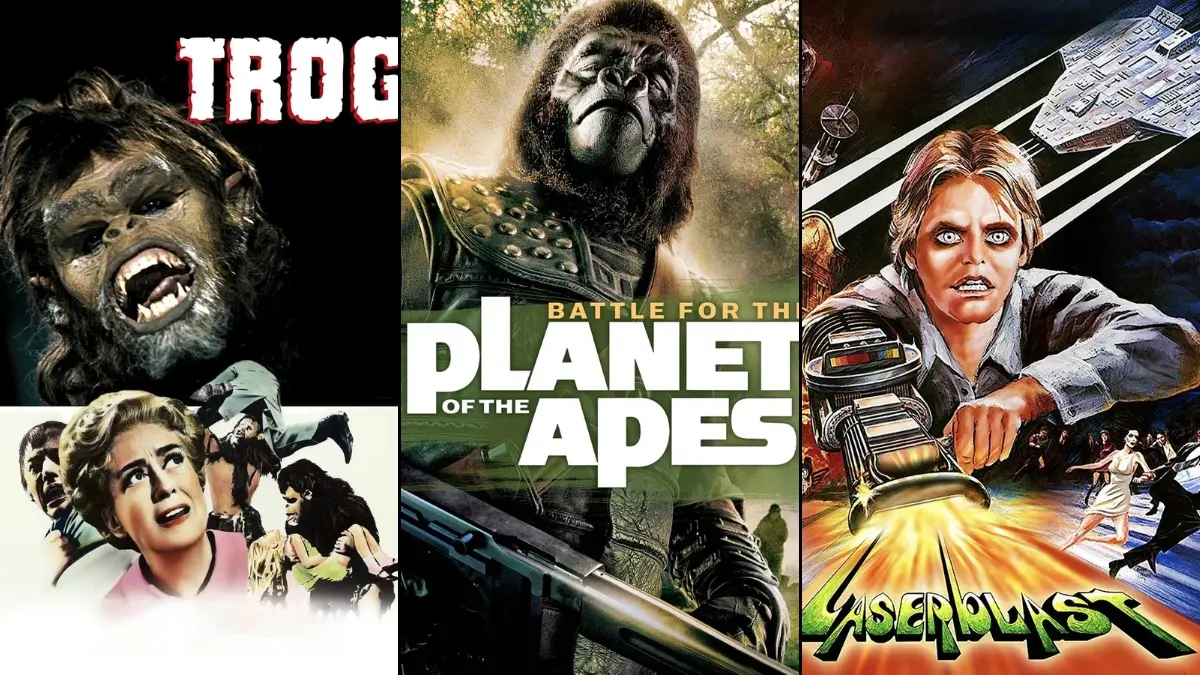

The 1970s produced countless classics, but it also delivered a long list of misfires, curios, and cautionary tales that film historians still talk about. Below, you’ll find a tour through studio gambles that flopped, notorious cult objects, and high-profile star vehicles that didn’t land. For each title, you’ll get quick, useful context—who made it, who starred in it, what it’s about, and how it performed—so you can place these films in their proper spot on the decade’s cinematic map.
‘Myra Breckinridge’ (1970)
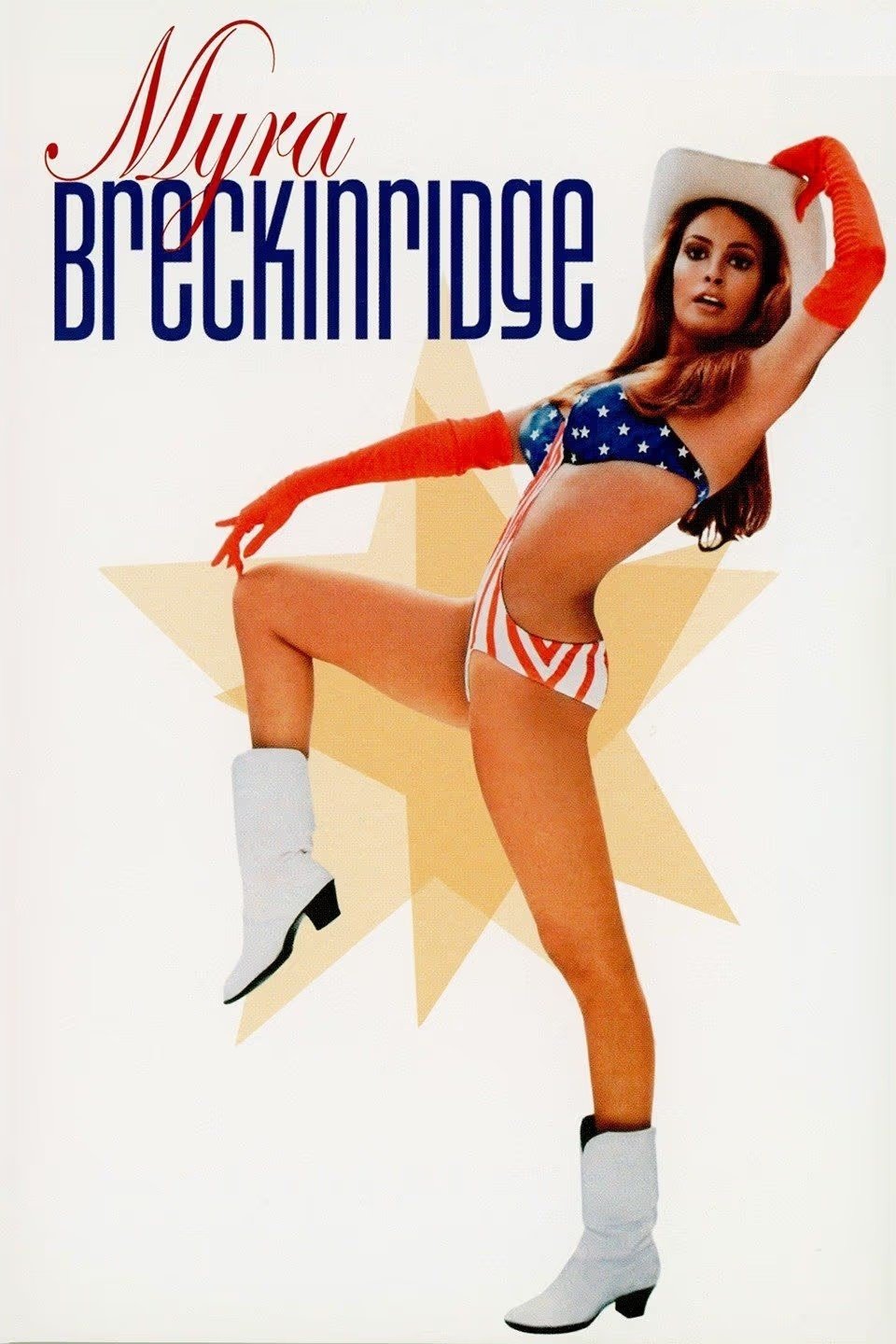
Adapted from Gore Vidal’s novel, ‘Myra Breckinridge’ was directed by Michael Sarne and stars Raquel Welch, John Huston, and Mae West in her final screen role. The story follows a transgender woman who arrives in Hollywood to challenge the industry’s norms, with extensive use of classic film clips woven into the narrative. Twentieth Century-Fox backed the production amid considerable publicity and controversy around its sexual content. The film opened to significant media attention and poor box office, and it quickly became a case study in studio excess and adaptation pitfalls.
‘Trog’ (1970)
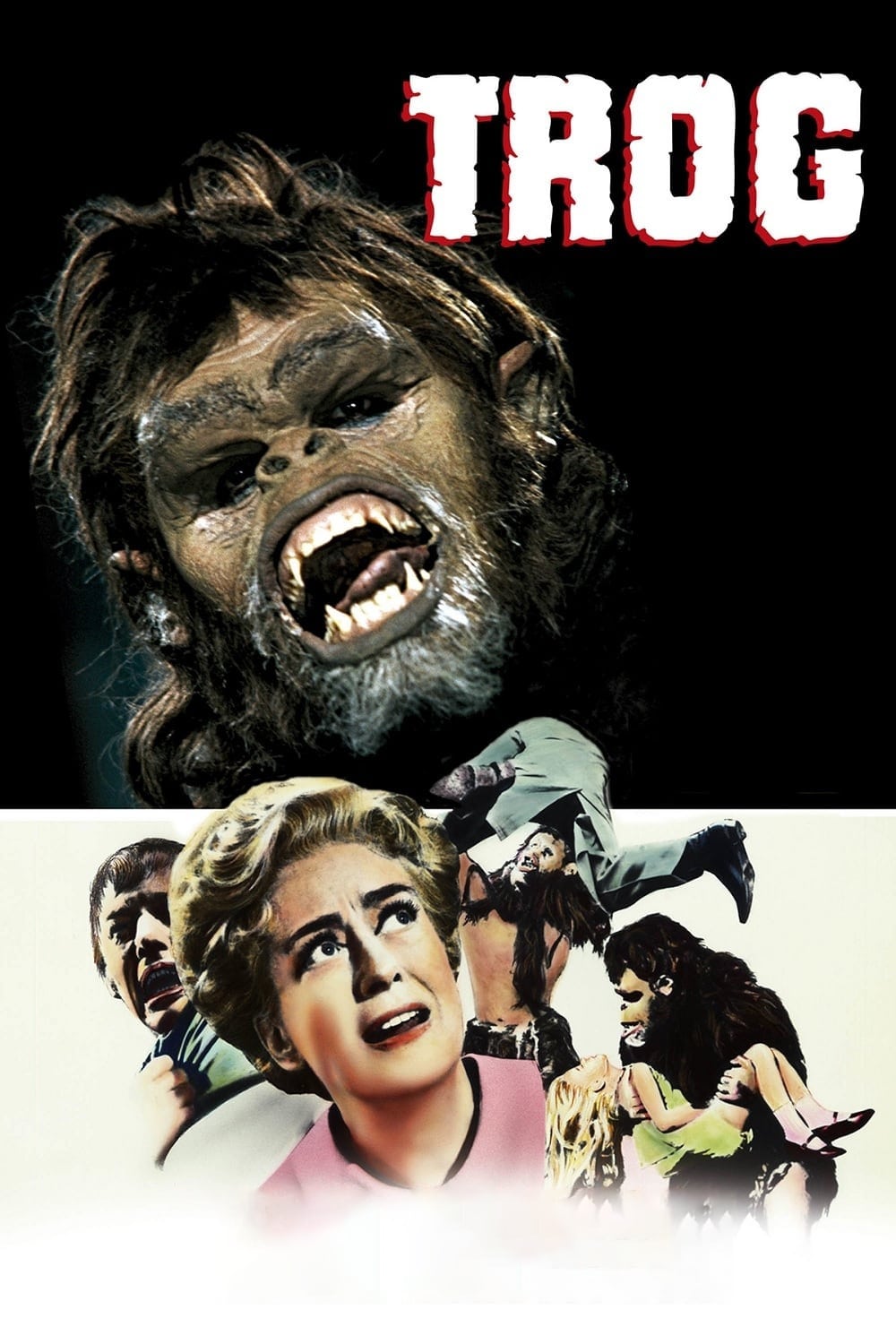
‘Trog’ stars Joan Crawford as an anthropologist who discovers a troglodyte in a remote English cave, with Freddie Francis directing. The production leans on creature-suit effects and laboratory-set scenes, blending courtroom drama with monster-movie conventions. It was distributed by Warner Bros.–Seven Arts and became Crawford’s final feature appearance. The release drew curiosity due to its star and premise but struggled commercially and critically on arrival.
‘Zaat’ (1971)
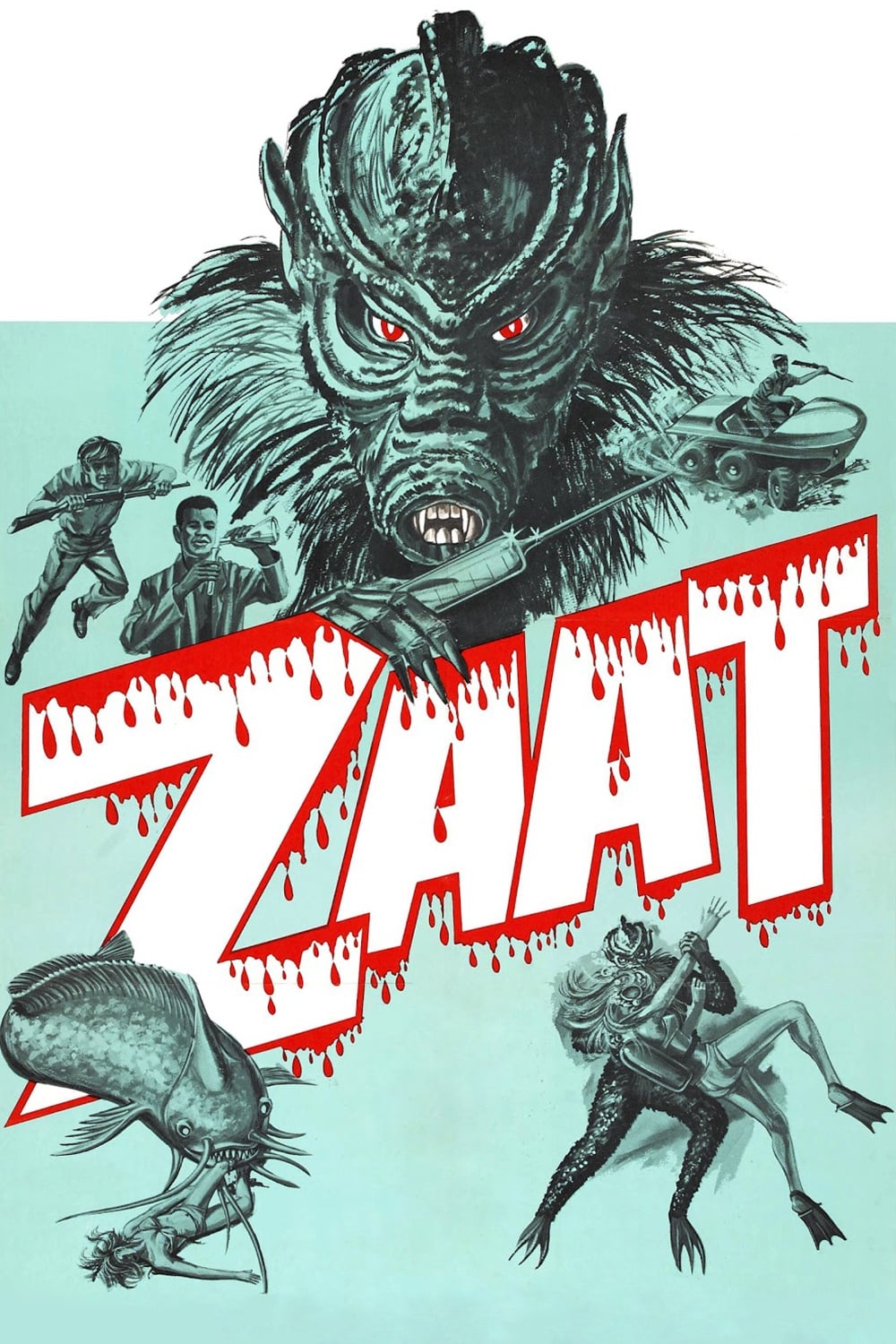
Also known as ‘Blood Waters of Dr. Z’, ‘Zaat’ is a regional independent production directed by Don Barton and shot primarily in Florida. The plot follows a deranged scientist who transforms himself into a catfish-like creature and seeks revenge using a chemical compound called ZAAT. It features extensive location work in swamps and small-town settings, with minimal optical effects and practical makeup. After limited theatrical play, the film found later life on midnight-movie circuits and television syndication.
‘The Incredible 2-Headed Transplant’ (1971)
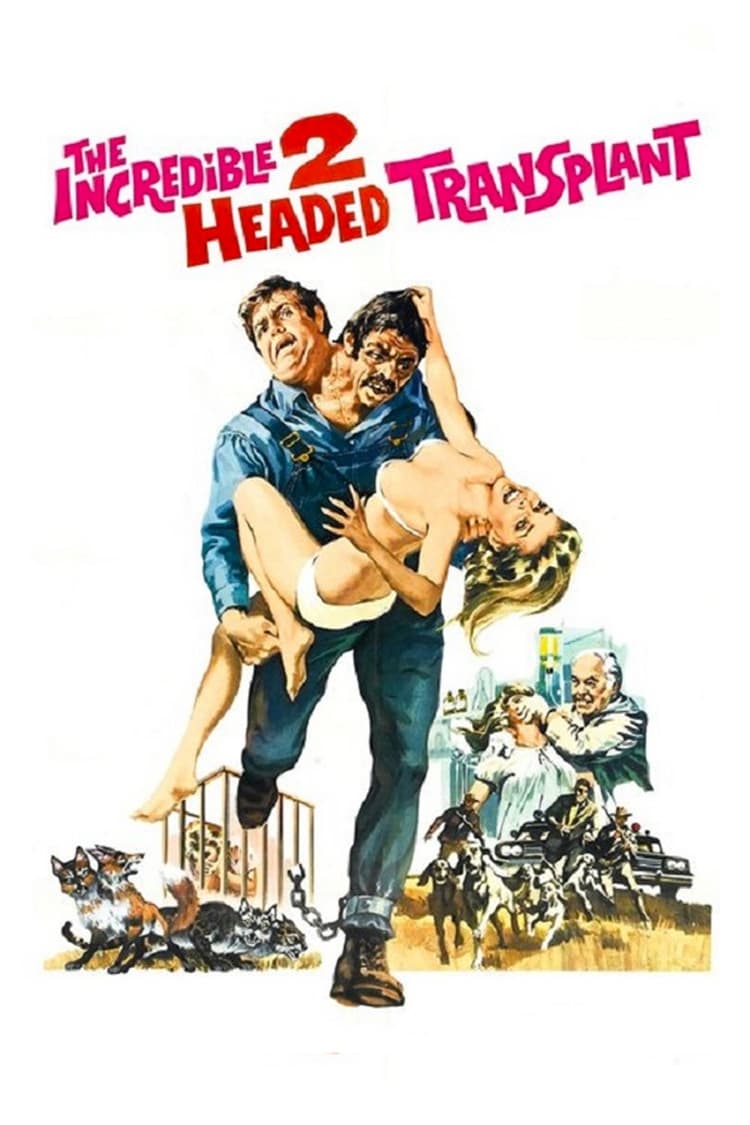
Directed by Anthony M. Lanza, ‘The Incredible Two-Headed Transplant’ stars Bruce Dern, Pat Priest, and John Bloom. The narrative centers on a surgeon who grafts the head of a violent criminal onto the body of a mentally disabled man, producing a rampaging hybrid. American International Pictures handled distribution, positioning it alongside other exploitation fare. The film was marketed with sensational posters and taglines, drawing drive-in crowds despite meager production values.
‘The Thing with Two Heads’ (1972)
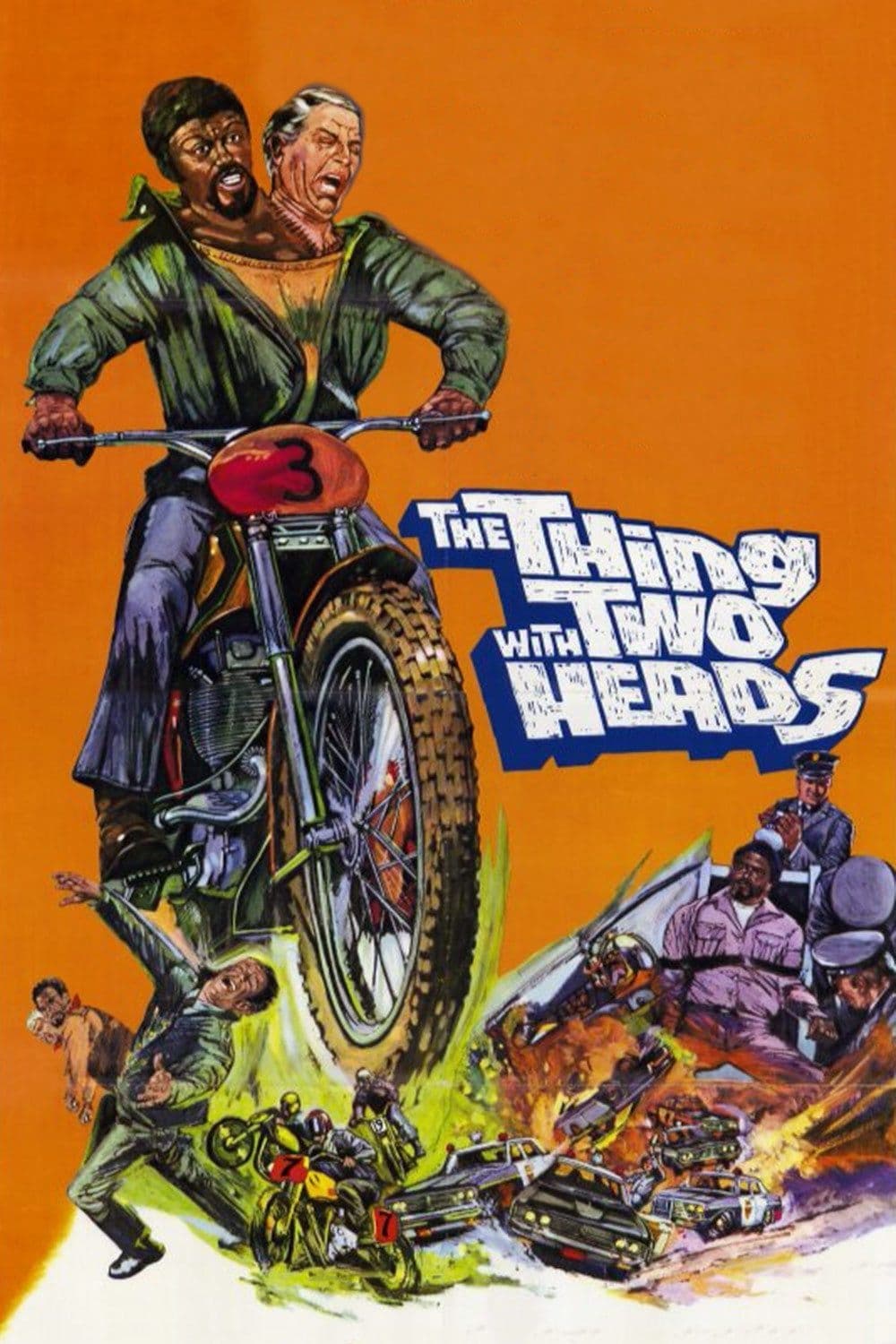
‘The Thing with Two Heads’ is directed by Lee Frost and features Ray Milland and Rosey Grier in a body-horror premise with social overtones. A terminally ill transplant surgeon arranges to have his head attached to a healthy body, only to awaken sharing a body with another man. Shot around Los Angeles, the film combines chase sequences with practical effects to stage its dual-control gags. American International Pictures promoted it heavily to the drive-in market, emphasizing its outrageous concept.
‘Santa and the Ice Cream Bunny’ (1972)
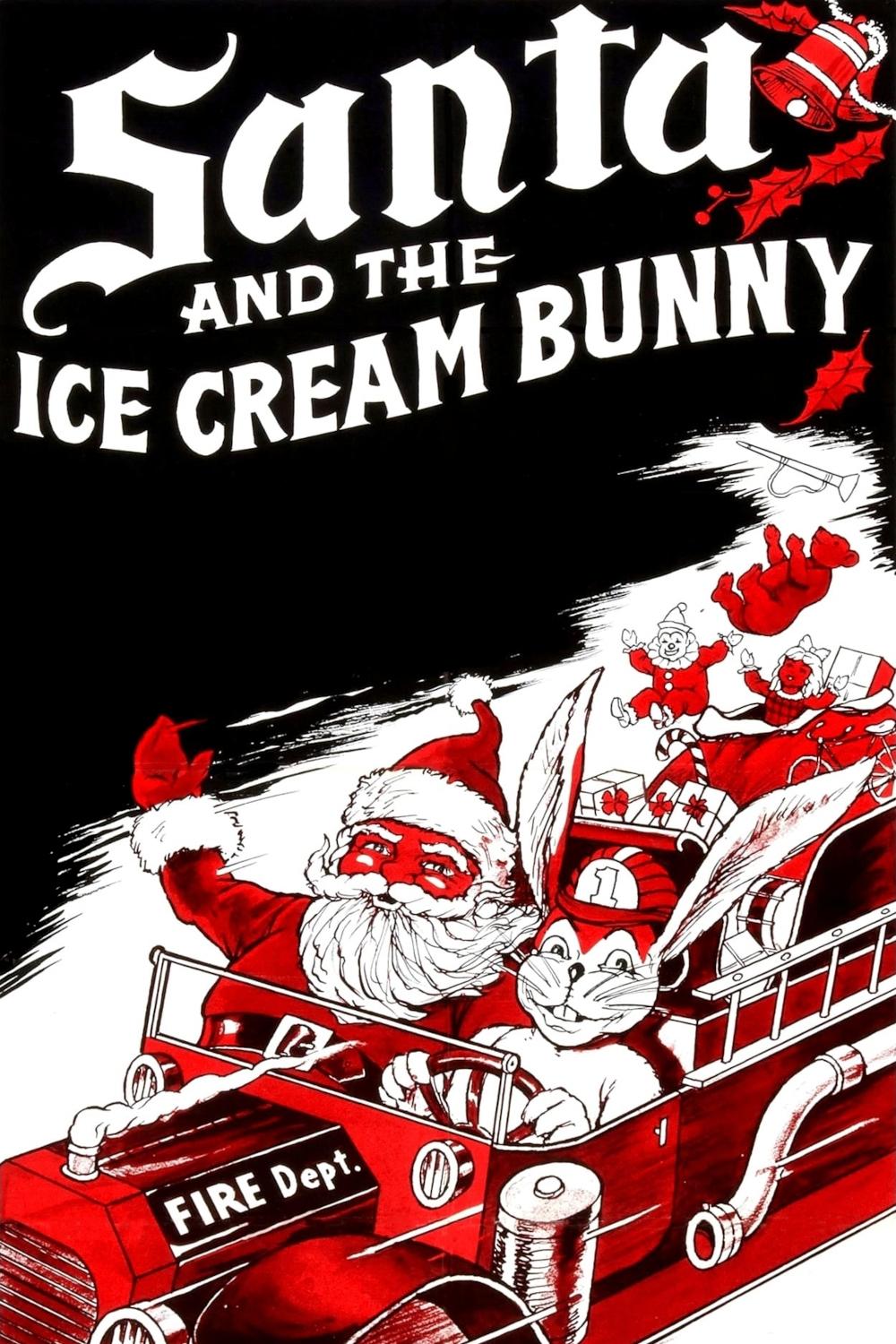
This Florida-shot oddity pairs Santa Claus with footage from ‘Thumbelina’ or ‘Jack and the Beanstalk’, depending on the print, to create a patchwork holiday feature. Produced by Barry Mahon, ‘Santa and the Ice Cream Bunny’ showcases local theme-park attractions and nonprofessional performers. The film survives in multiple cuts with inconsistent audio and picture quality owing to its low-budget origins. It was exhibited primarily in seasonal kiddie matinees and later resurfaced via cult TV showcases.
‘Battle for the Planet of the Apes’ (1973)
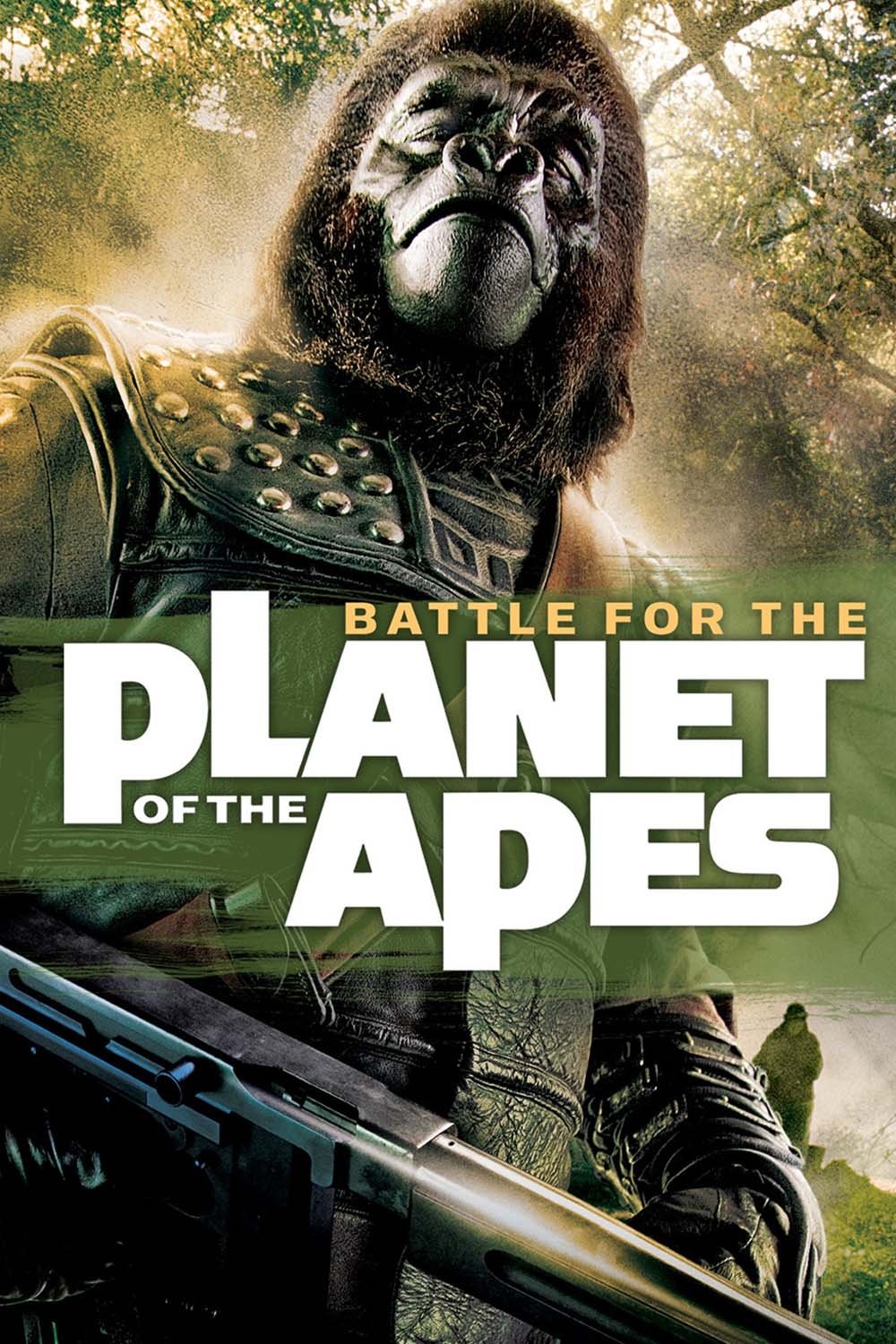
The fifth entry in the original franchise, ‘Battle for the Planet of the Apes’ was directed by J. Lee Thompson and stars Roddy McDowall. Set after the ape uprising, it depicts fragile coexistence between apes and humans while hinting at future conflict. Fox scaled down the production compared to earlier installments, favoring outdoor locations and streamlined effects. The film capped the initial cycle and led into television spinoffs and merchandising rather than further theatrical sequels.
‘Exorcist II: The Heretic’ (1977)
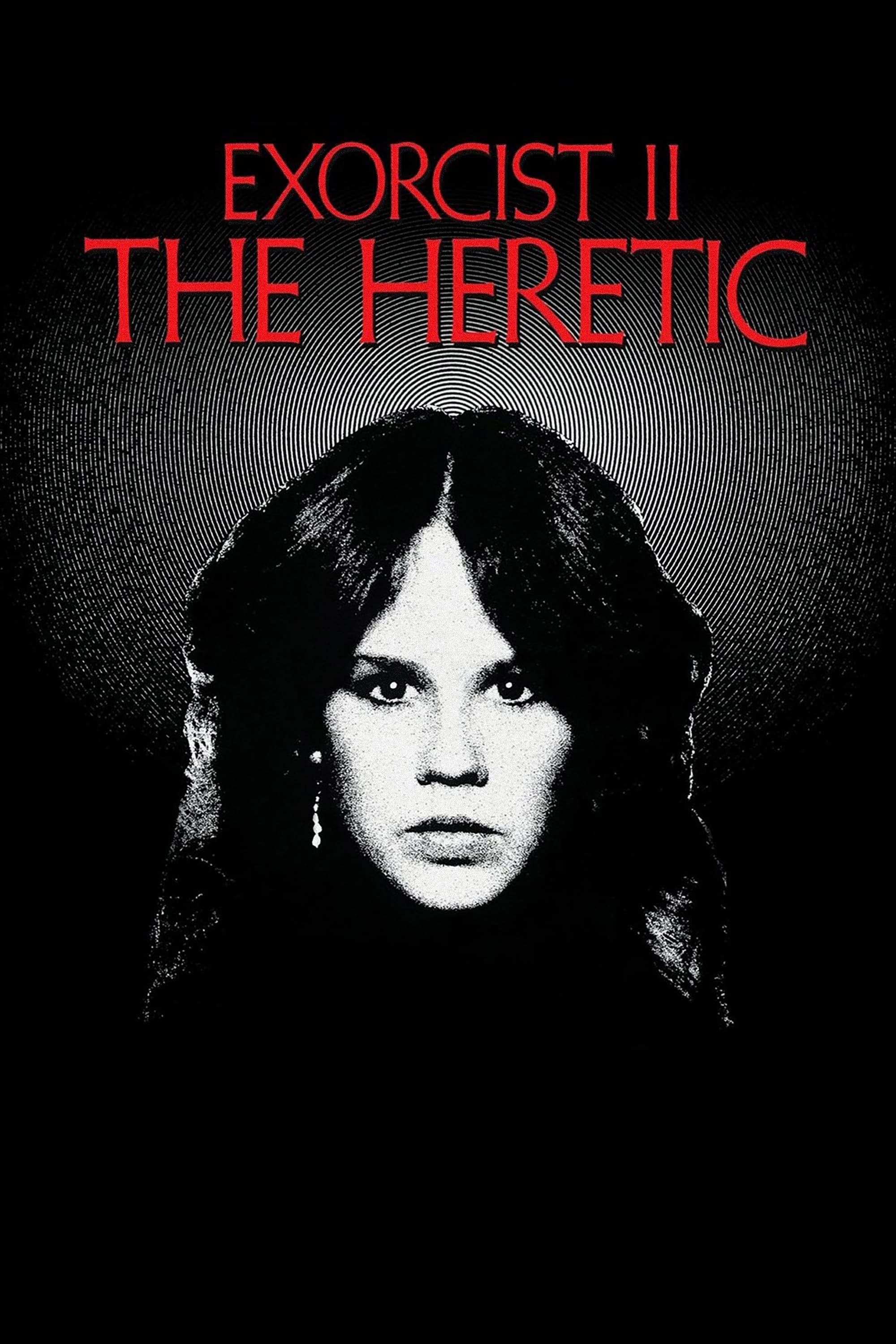
Directed by John Boorman, ‘Exorcist II: The Heretic’ brings back Linda Blair as Regan MacNeil and introduces Richard Burton as a priest investigating the demon Pazuzu. The story expands the mythology with hypnosis technology, visions, and globe-trotting set pieces. Warner Bros. launched it with a wide release following the original’s massive success, creating high expectations. Despite strong opening interest, attendance dropped quickly as word-of-mouth and reviews turned negative.
‘The Giant Spider Invasion’ (1975)
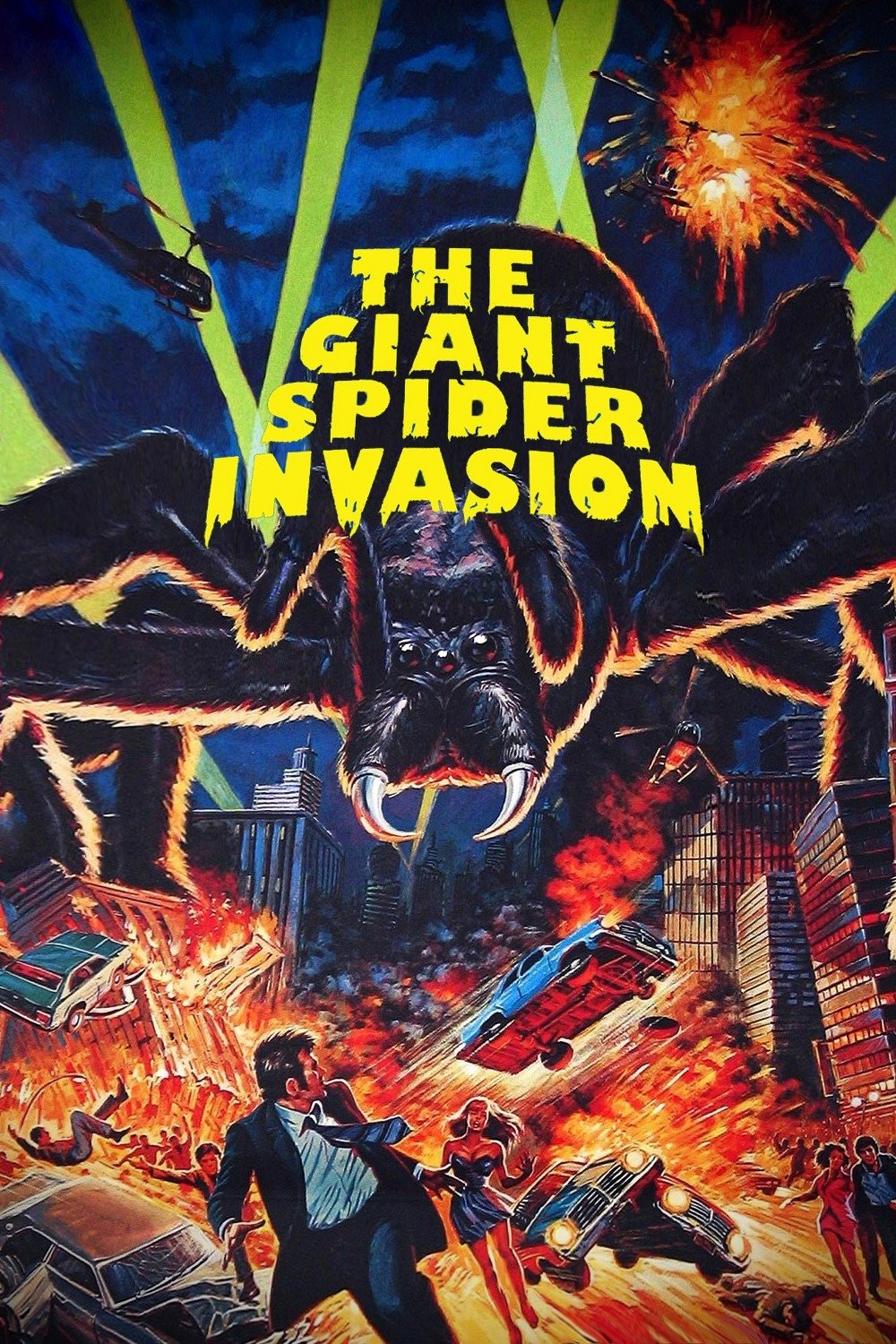
Bill Rebane’s ‘The Giant Spider Invasion’ is a Midwestern regional monster movie headlined by Alan Hale Jr. and Barbara Hale. Large spider props and Volkswagen-based creature rigs prowl rural Wisconsin, with practical pyrotechnics used for destruction scenes. The film rode the popularity of creature features at drive-ins and was distributed nationally by Group 1. It later became a staple of TV horror packages and cult programming blocks.
‘At Long Last Love’ (1975)
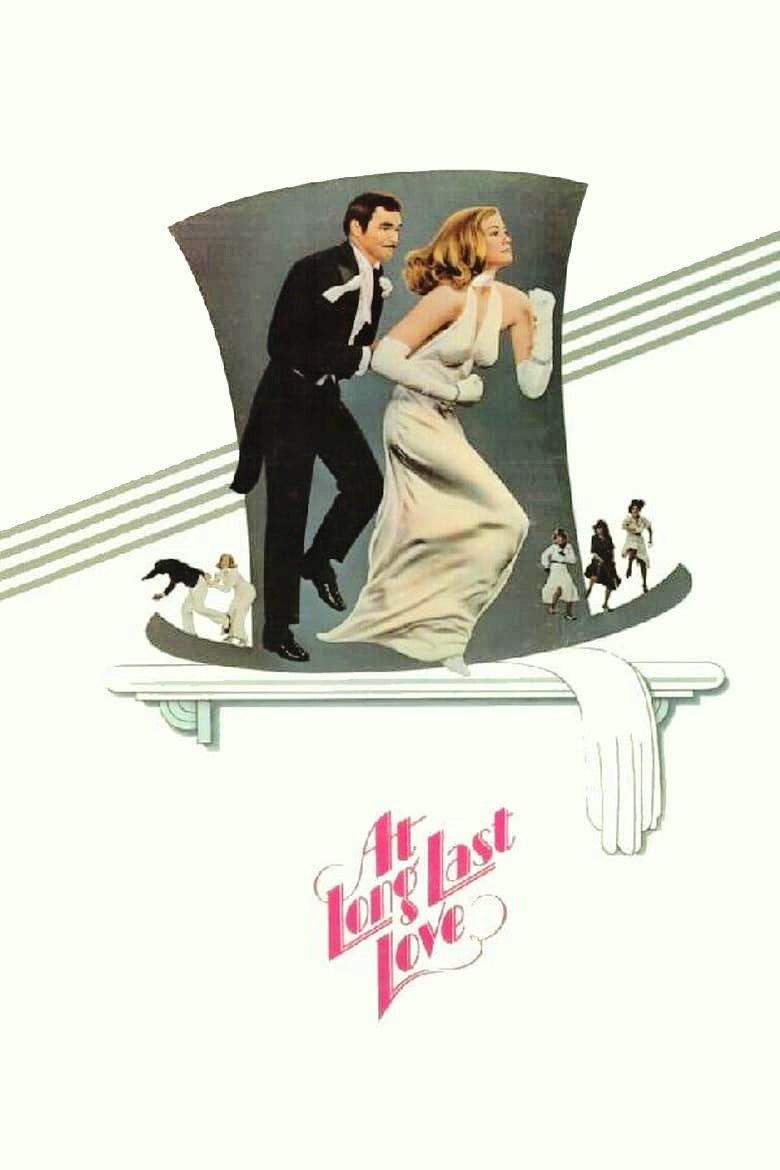
Peter Bogdanovich conceived ‘At Long Last Love’ as a black-and-white–inspired musical pastiche featuring the songs of Cole Porter, starring Burt Reynolds and Cybill Shepherd. The film was recorded with live-on-set vocals, a rarity for its time, and staged in stylized, old-Hollywood sets. Fox backed an aggressive rollout that included multiple re-edits after early audience reactions. The theatrical campaign struggled to find a core audience, and the film’s reception affected the director’s momentum in the industry.
‘Ilsa: She Wolf of the SS’ (1975)
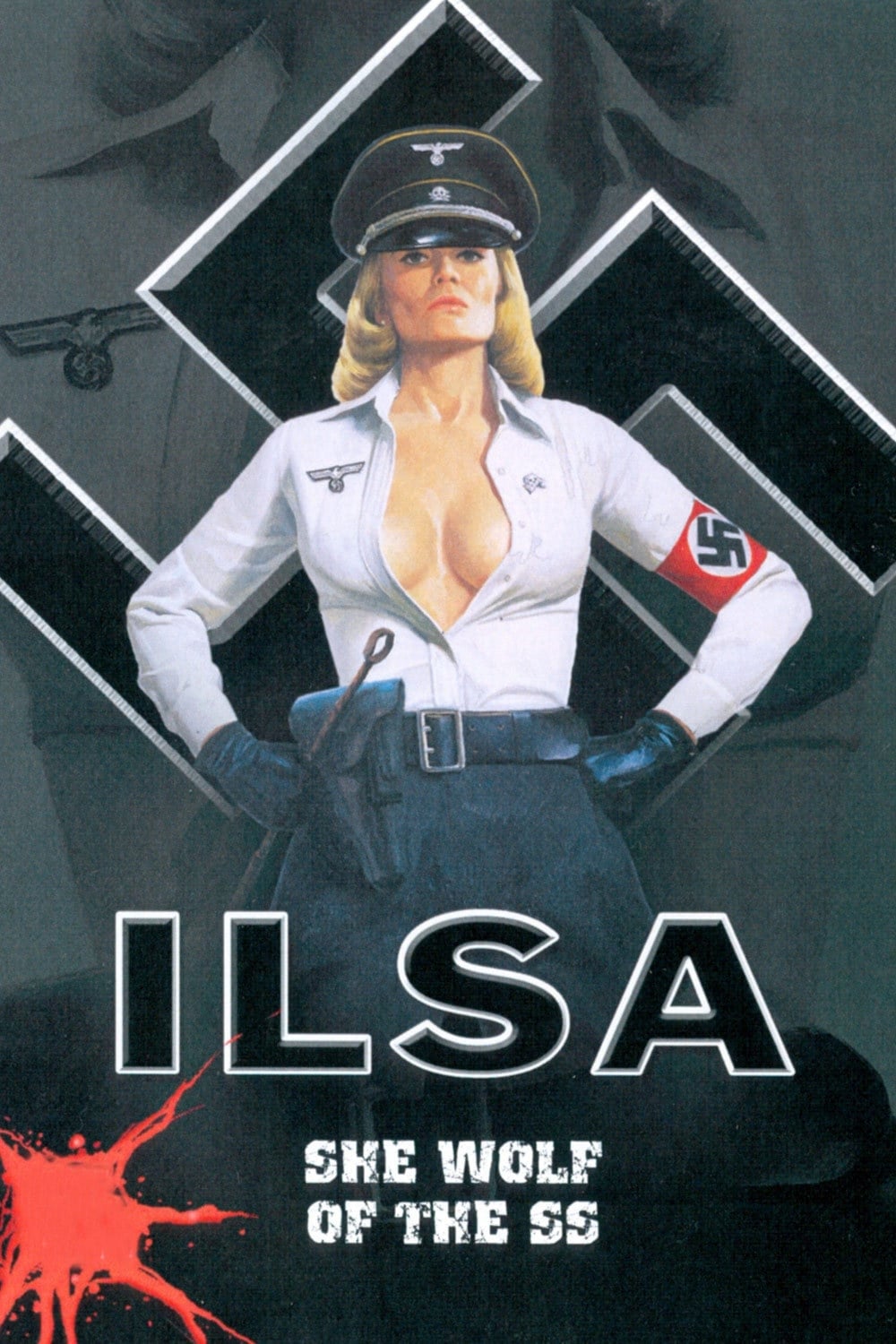
Produced by David F. Friedman and directed by Don Edmonds, ‘Ilsa, She Wolf of the SS’ stars Dyanne Thorne as a sadistic camp commandant. Shot on standing sets from a popular television show’s backlot, it belongs to the exploitation subgenre that emphasized shock and graphic content. The movie’s notoriety led to multiple sequels shifting the character into other settings. Censorship issues and bans in various territories shaped its distribution footprint and long-term availability.
‘The Black Gestapo’ (1975)

‘The Black Gestapo’, directed by Lee Frost, is an exploitation film about a community-protection group that morphs into a violent authoritarian force. Shot around Los Angeles, it blends vigilante tropes with political imagery and grindhouse aesthetics. The production utilized low-cost locations and a pulpy marketing campaign to attract urban action audiences. Its release history includes regional bookings, drive-in circuits, and home-video editions that emphasized its provocative title and poster art.
‘Bloodsucking Freaks’ (1976)
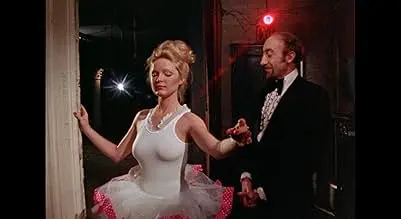
Joel M. Reed’s ‘Bloodsucking Freaks’ is an underground horror feature set around a Grand Guignol–style theater of torture and illusion. The production used New York City locations and a small ensemble cast to stage its shock-driven set pieces. Distribution was plagued by censorship battles and title changes, which limited mainstream access. Over time, specialty video labels and midnight screenings kept it in circulation among gore and exploitation collectors.
‘Sgt. Pepper’s Lonely Hearts Club Band’ (1978)
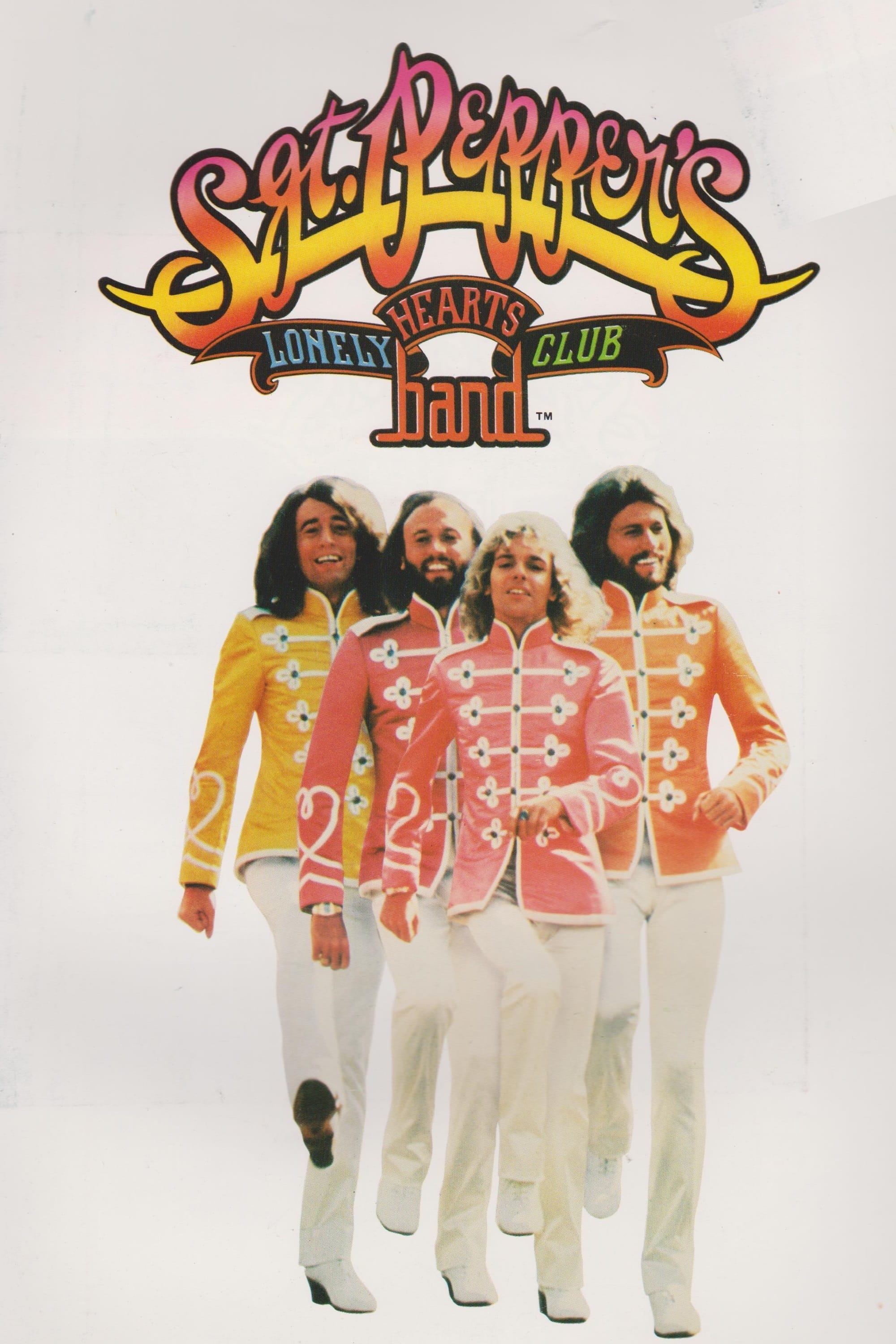
Directed by Michael Schultz, ‘Sgt. Pepper’s Lonely Hearts Club Band’ stars the Bee Gees and Peter Frampton in a jukebox musical built around Beatles songs. The production assembles an all-star supporting cast, including George Burns and Aerosmith, with elaborate set pieces and choreography. Its soundtrack album received heavy promotion, and Universal positioned the film as a major summer event. Box-office returns fell short of expectations, and the project became a high-profile lesson in brand-driven musical filmmaking.
‘Laserblast’ (1978)
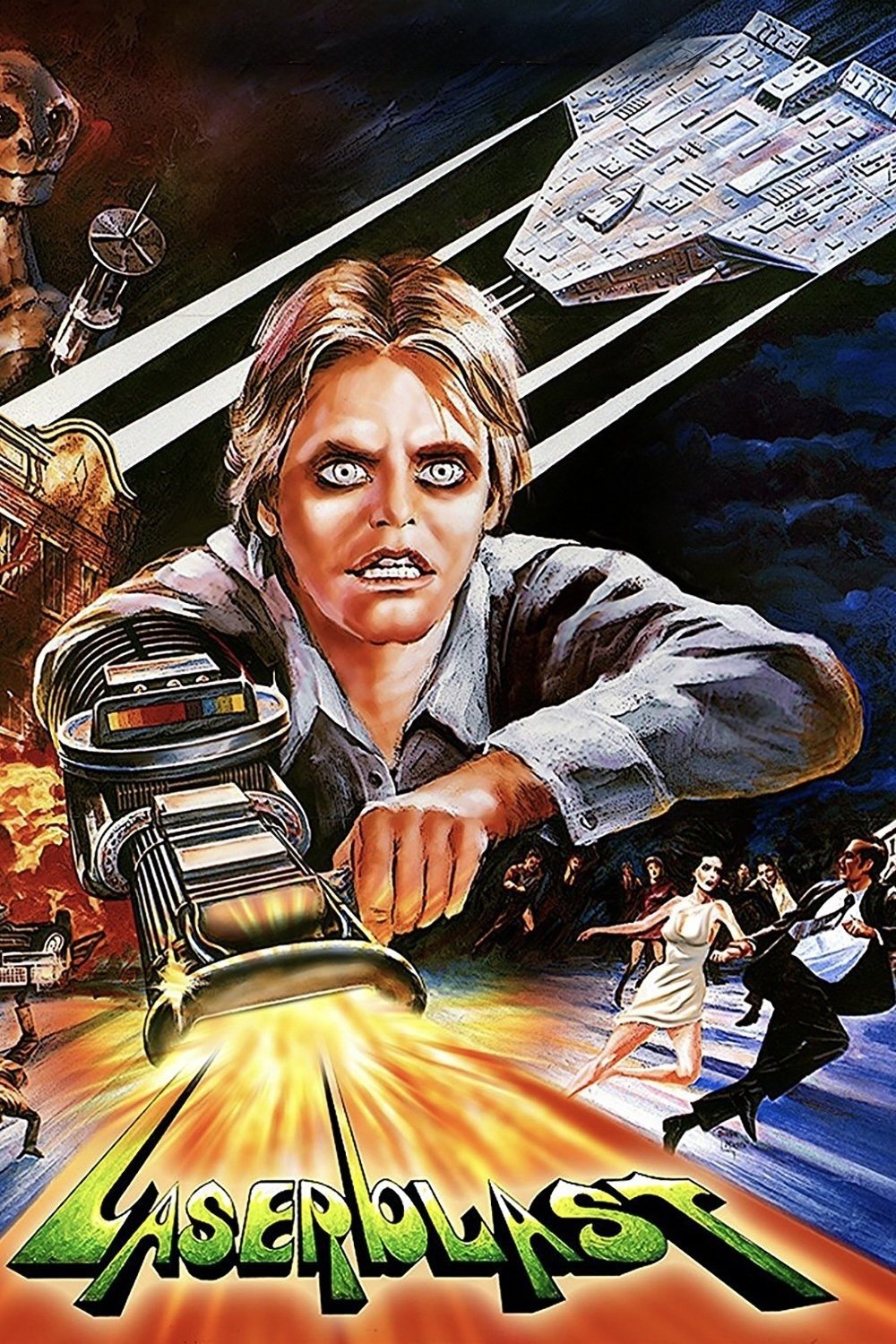
‘Laserblast’, directed by Michael Rae, follows a bullied teenager who finds an alien laser cannon that gradually corrupts him. The film features early stop-motion work by David Allen and practical effects supervised on a limited budget. It played extensively at drive-ins and later aired on cult television showcases that highlighted its effects. Distribution by Showcase Releasing and subsequent home-video editions helped the title gain a niche following.
‘Attack of the Killer Tomatoes!’ (1978)
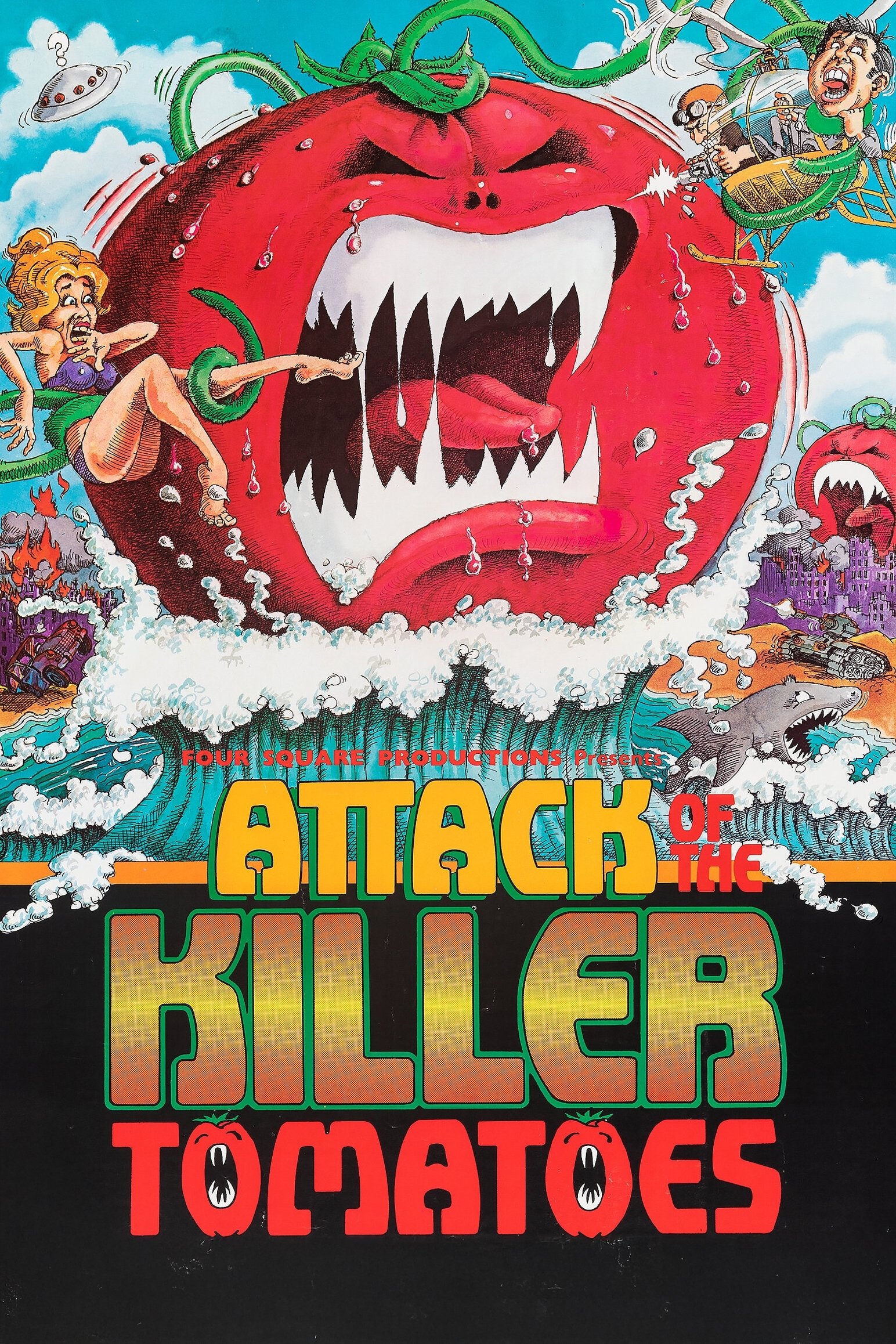
This independent comedy from director John De Bello parodies disaster movies and monster flicks, tracking sentient tomatoes overrunning America. The film’s low budget fostered DIY props, a memorable theme song, and community-based location shoots. After touring colleges and midnight screenings, it spawned sequels and an animated series. Merchandising and television exposure extended the brand well beyond the original feature’s modest initial performance.
‘Moment by Moment’ (1978)
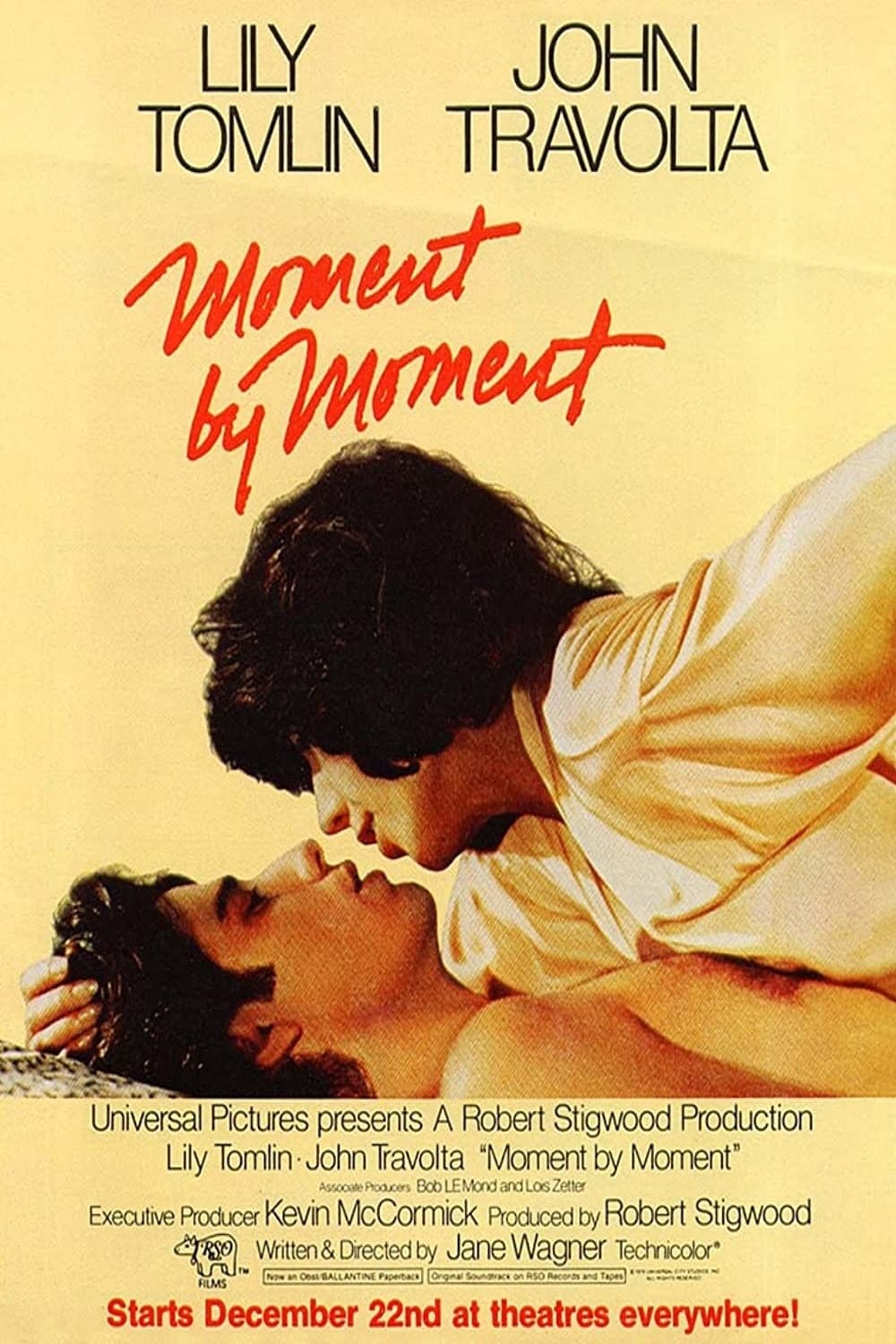
Written and directed by Jane Wagner, ‘Moment by Moment’ pairs Lily Tomlin and John Travolta in a Beverly Hills romance about a wealthy woman and a younger drifter. Universal positioned it as a glossy star vehicle, emphasizing chemistry and coastal settings. The film utilized on-location shooting in Malibu along with upscale interiors and a soft-rock soundtrack. Despite intense publicity, attendance tapered quickly following its nationwide rollout.
‘Rabbit Test’ (1978)

Directed by Joan Rivers, ‘Rabbit Test’ stars Billy Crystal as a man who becomes pregnant after his first sexual experience. The film leans on sketch-style gags and cameo appearances while riffing on then-current social trends. Avco Embassy distributed it with a campaign centered on its high-concept premise. It made back its modest budget through initial curiosity but faded rapidly in general release.
‘The Swarm’ (1978)
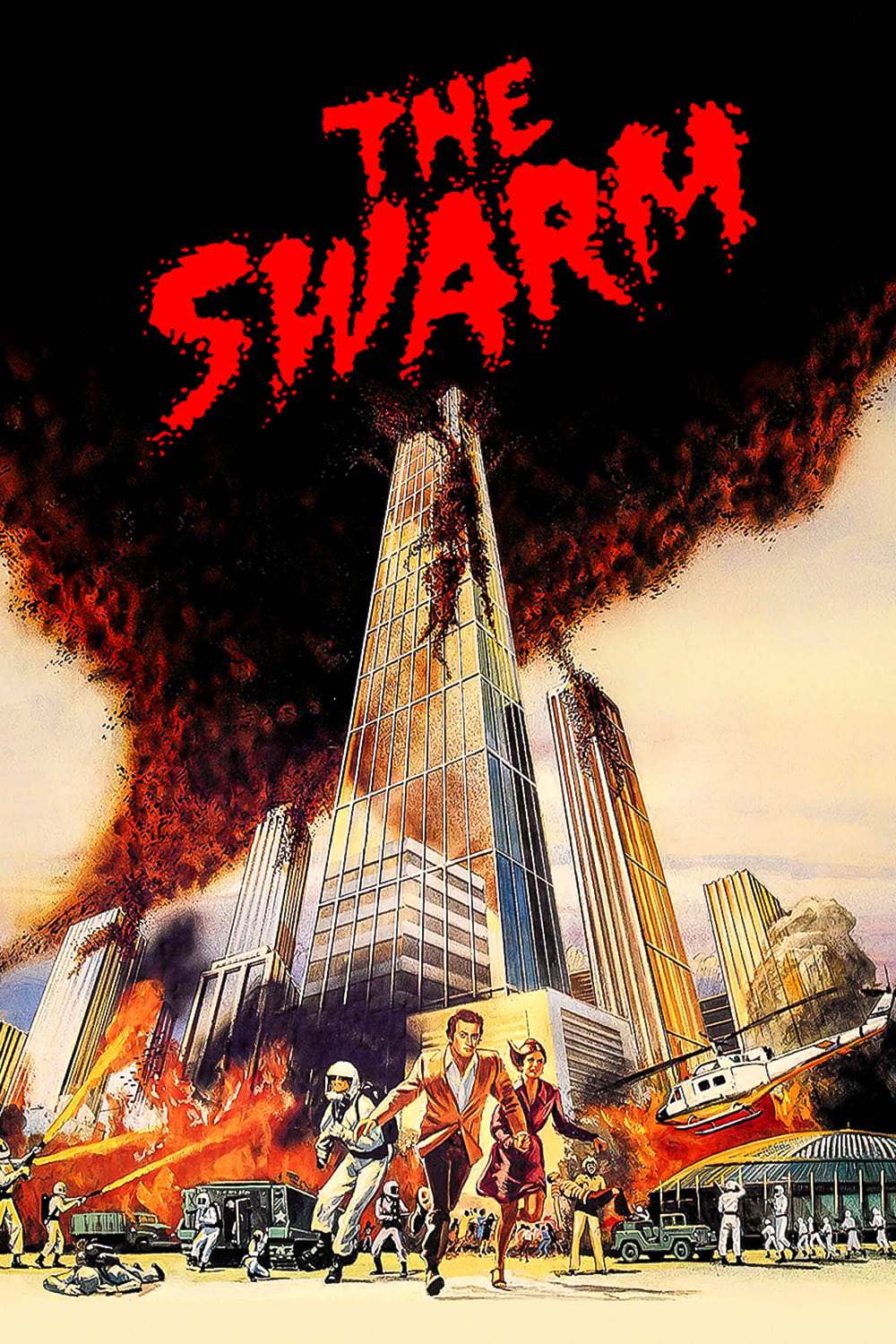
‘The Swarm’, directed by Irwin Allen, dramatizes killer bees invading the United States with an ensemble cast including Michael Caine, Katharine Ross, and Richard Widmark. Warner Bros. mounted large-scale miniature work, stunt sequences, and practical bee effects overseen by entomology consultants. The film’s marketing tied into the disaster cycle with posters, trailers, and tie-in books. Despite heavy promotion, ticket sales lagged and the title became associated with the waning of the big-disaster trend.
‘The Concorde… Airport ’79’ (1979)

The final entry in the ‘Airport’ series follows a supersonic jet imperiled by sabotage and missile attacks. Directed by David Lowell Rich, the film stars Alain Delon, George Kennedy, and Susan Blakely, with aerial sequences staged using models and second-unit footage. Universal aimed for international appeal by setting scenes across multiple cities and featuring the Concorde itself as a draw. The movie’s global release underperformed relative to earlier installments and marked the franchise’s end.
‘Meteor’ (1979)
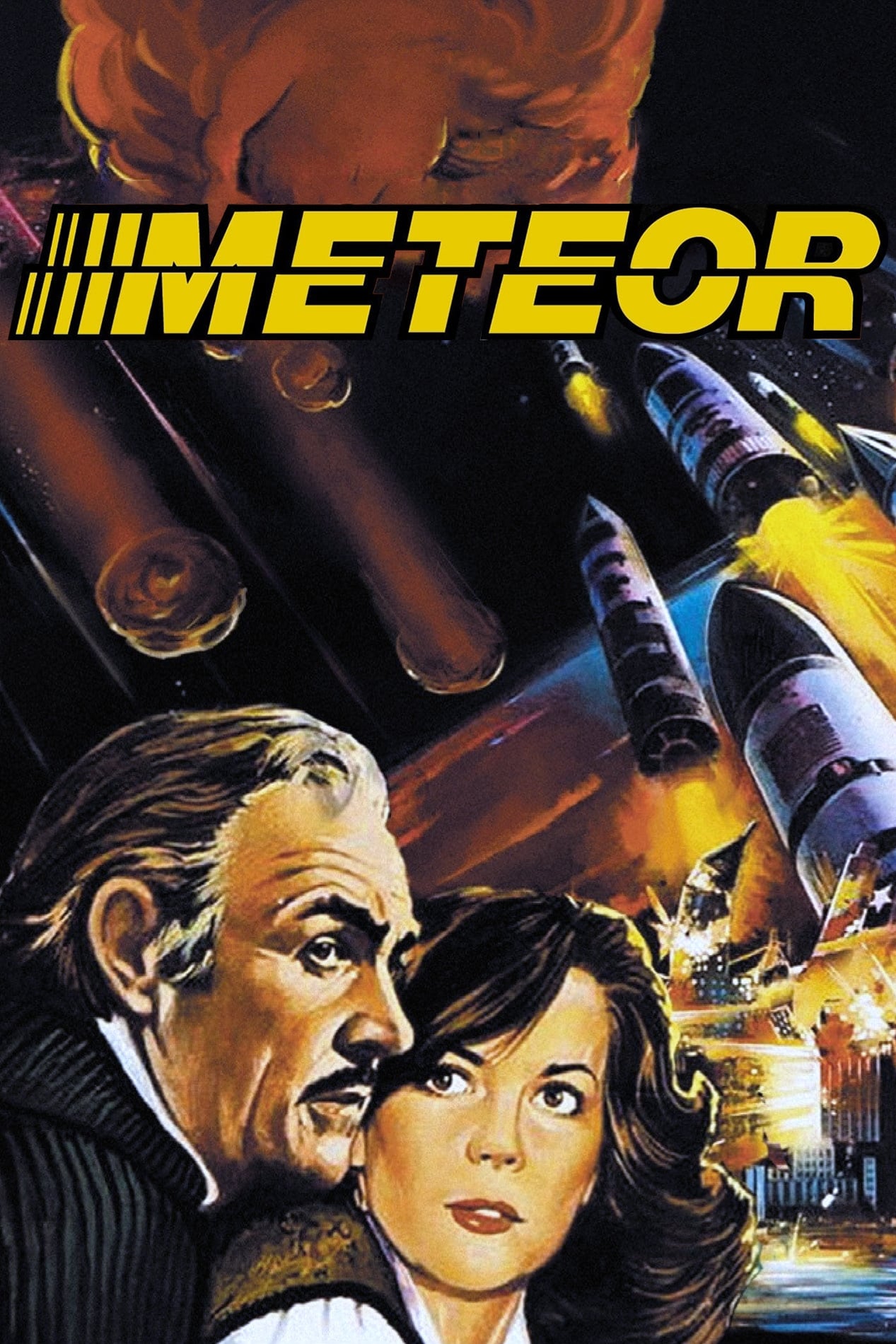
Ronald Neame’s ‘Meteor’ depicts a massive asteroid threat and a U.S.–Soviet effort to divert it using nuclear platforms. The cast includes Sean Connery, Natalie Wood, and Karl Malden, with effects combining miniatures, rear projection, and matte work. American International and Orion partnered on distribution, anticipating strong interest in space-themed spectacles. The film struggled to recoup costs as audiences cooled on disaster epics near the decade’s close.
‘Prophecy’ (1979)

‘Prophecy’, directed by John Frankenheimer, blends eco-horror with creature-feature elements as a mutated bear menaces Maine’s wilderness. Shot in Canada, it employed a large creature suit, wire work, and night-exterior photography to stage attacks. Paramount marketed the film with ominous posters and a trailer that kept the monster mostly concealed. Initial curiosity yielded a front-loaded opening before attendance declined in subsequent weeks.
‘Beyond the Poseidon Adventure’ (1979)
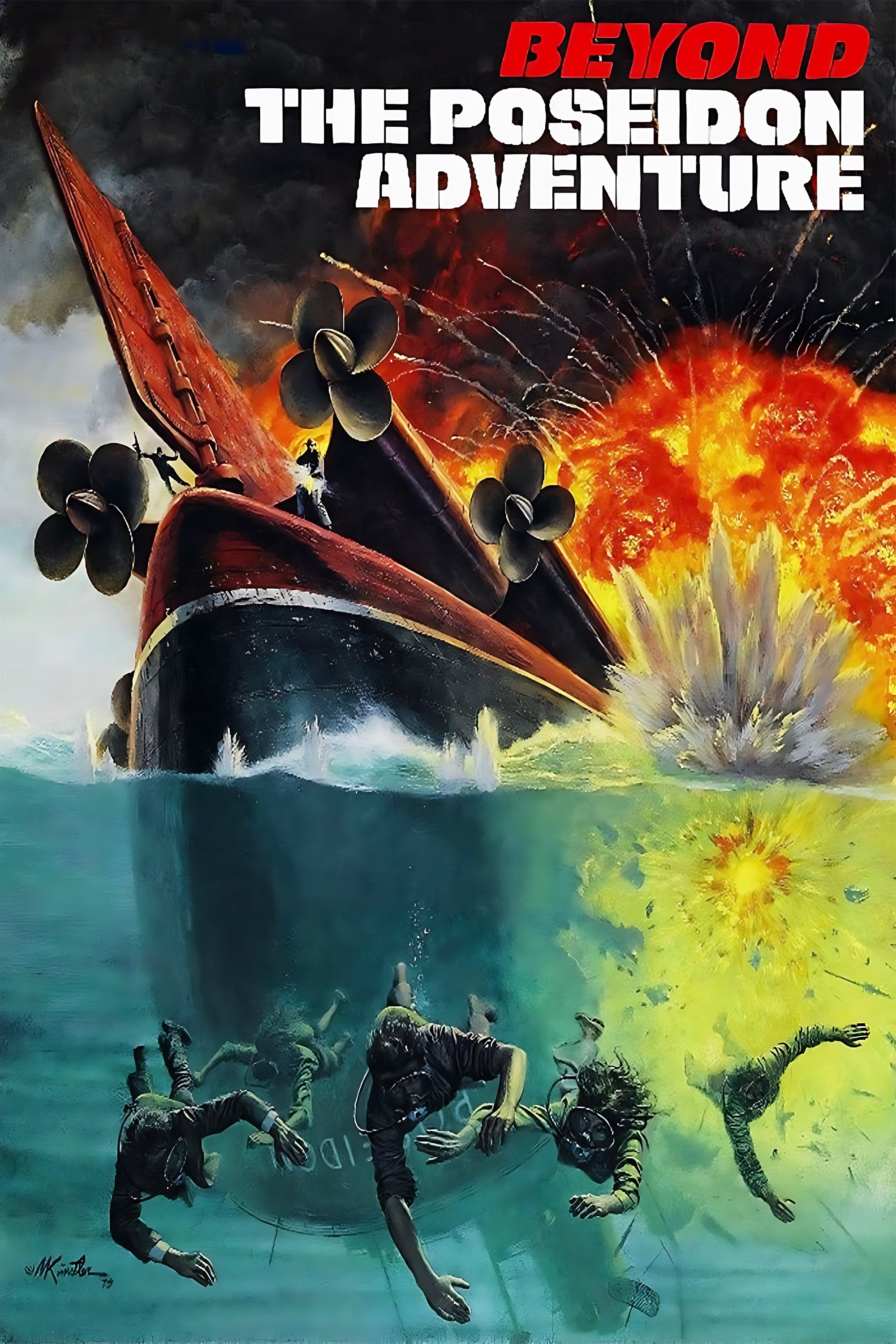
This sequel, directed by Irwin Allen, returns to the overturned ocean liner with new characters seeking salvage and rescue. The cast includes Michael Caine, Sally Field, and Telly Savalas, with extensive tank work and miniature effects. Warner Bros. promoted it as a continuation of a major hit, but general audiences showed less enthusiasm. The title’s performance signaled diminishing returns for late-decade disaster continuations.
‘Caligula’ (1979)
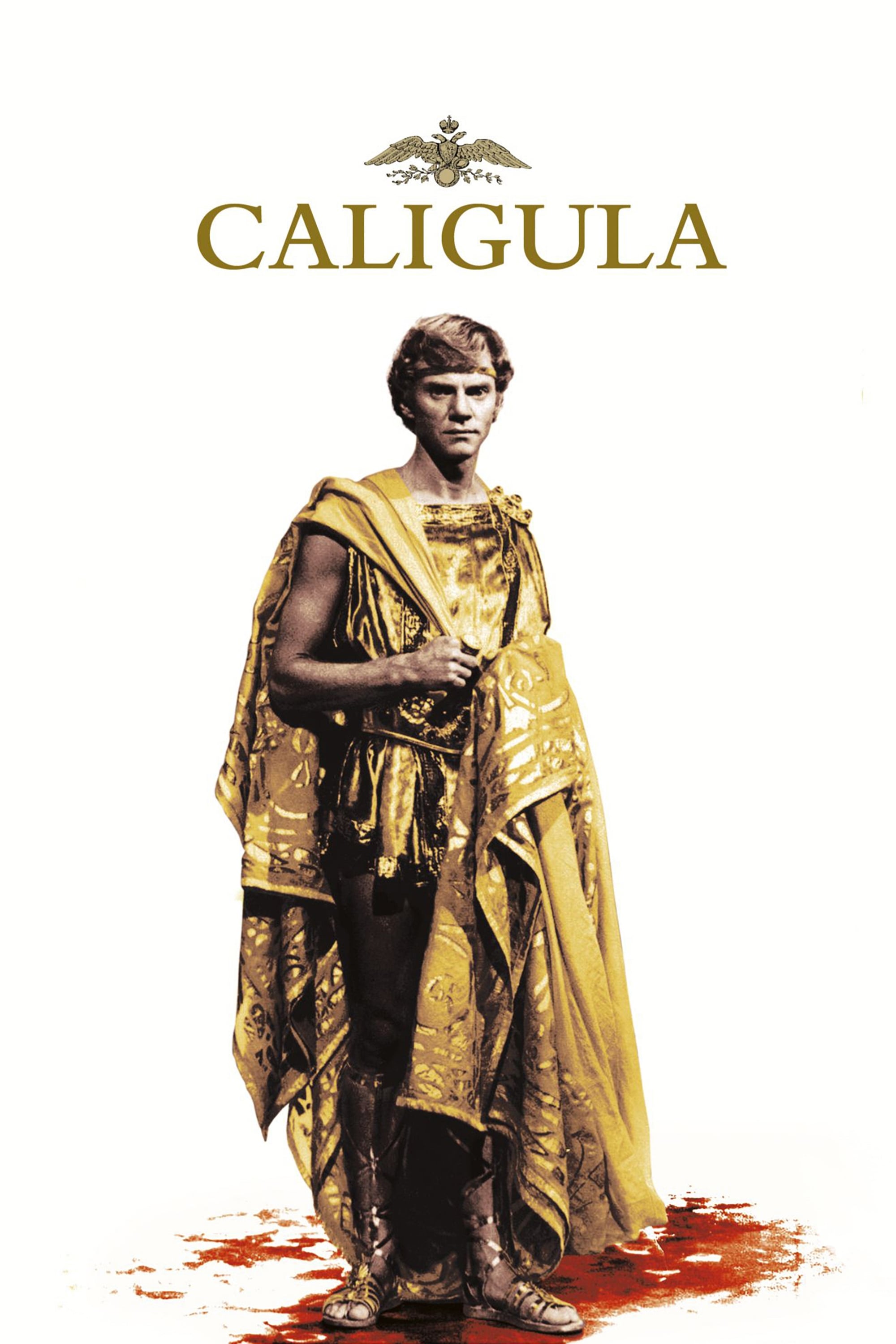
Produced by Penthouse and directed initially by Tinto Brass with later additions by Bob Guccione, ‘Caligula’ dramatizes the reign of the Roman emperor with an all-star cast including Malcolm McDowell. The production became infamous for explicit inserts added without the principal filmmakers’ participation. Its release history is complicated by multiple edits, censorship actions, and region-specific cuts. Despite controversy, the film remains a high-profile example of an unrated or heavily edited theatrical release drawing significant attention.
‘The Visitor’ (1979)
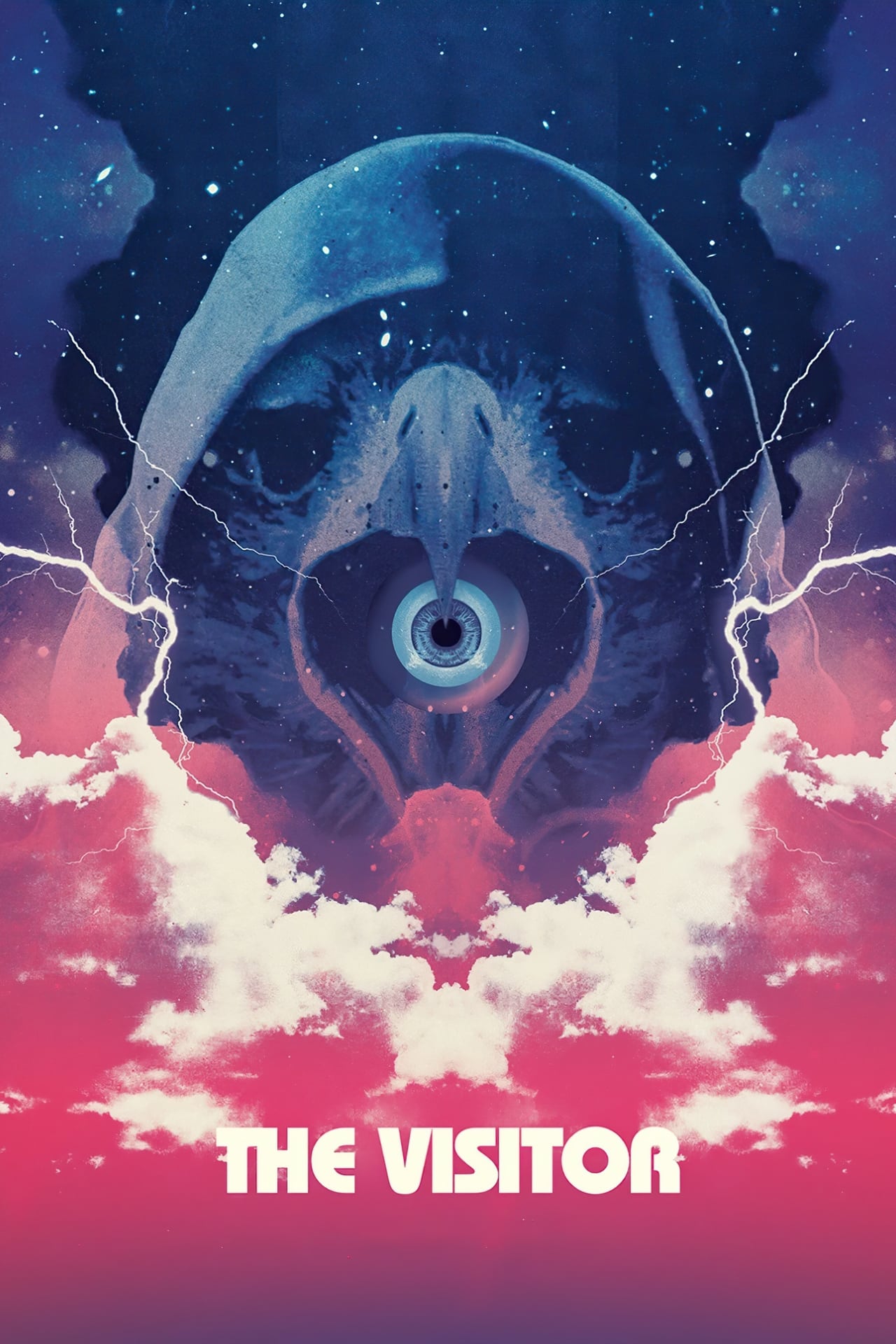
‘The Visitor’, directed by Giulio Paradisi (credited as Michael J. Paradise), is an Italian-American genre hybrid involving a mysterious girl with psychic powers and cosmic forces. The cast features John Huston, Shelley Winters, and Glenn Ford, with Atlanta locations and stylized set pieces. Severely re-edited for certain markets, the film circulated in various cuts under different distributors. It later resurfaced through repertory screenings and boutique home-video restoration efforts.
‘Starcrash’ (1978)
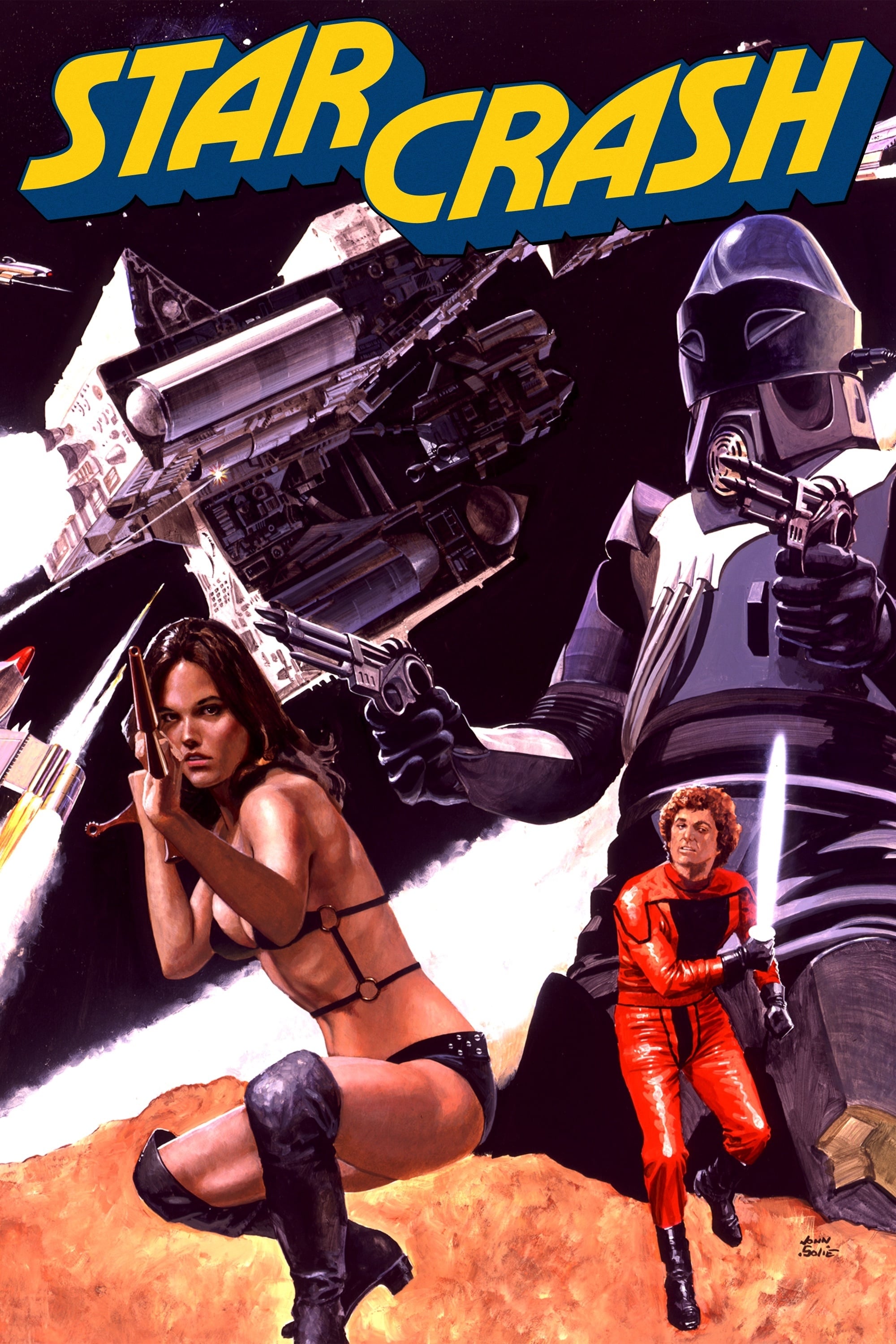
Directed by Luigi Cozzi, ‘Starcrash’ is an Italian space opera starring Caroline Munro, Marjoe Gortner, and a young David Hasselhoff. The plot follows interstellar smugglers tasked with stopping a superweapon, with colorful costumes and miniatures driving the visuals. American International Pictures released it in the United States with dubbing and a revised score by John Barry. Its effects were produced with optical printers and kit-bashed models typical of European genre productions of the period.
‘Message from Space’ (1978)
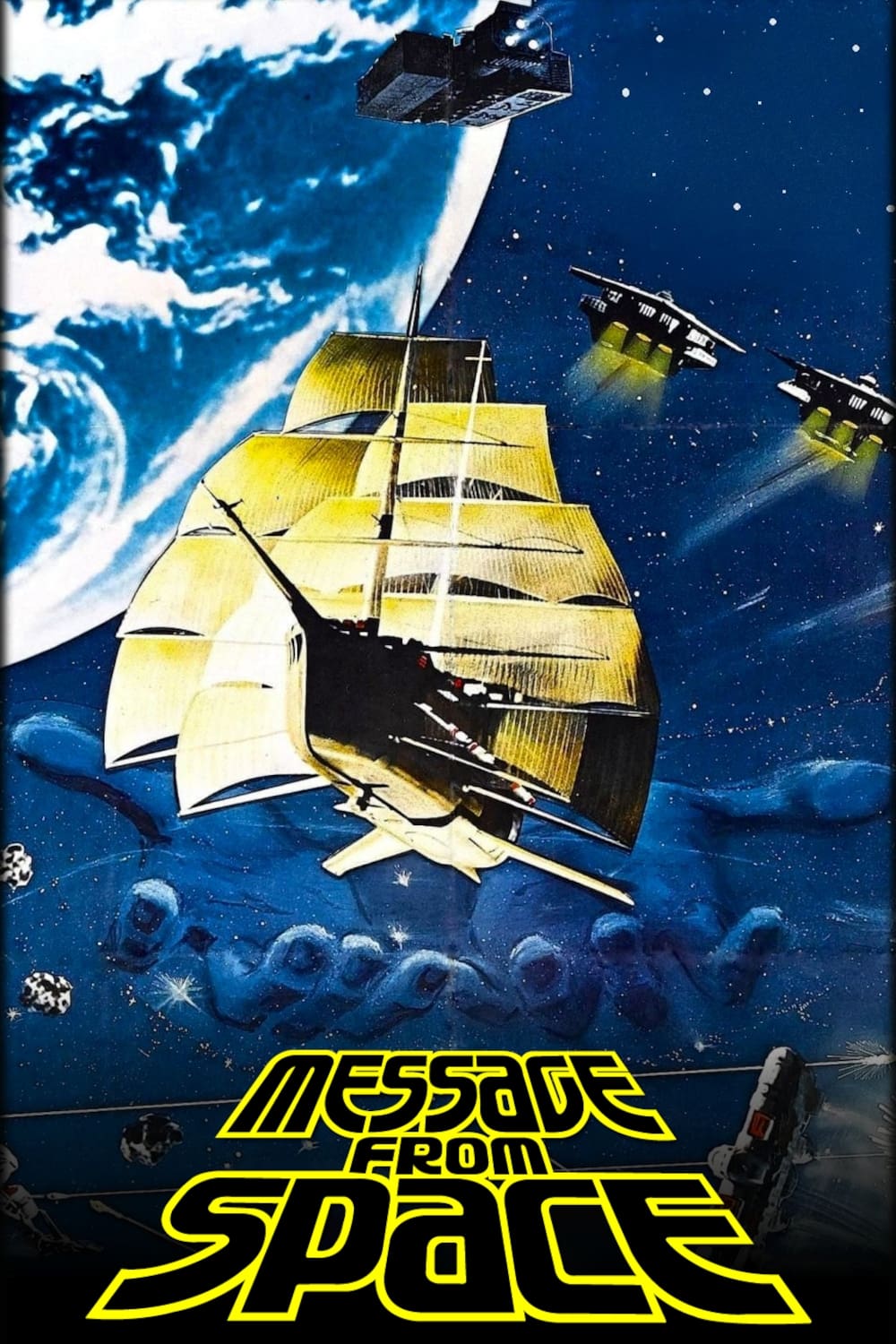
‘Message from Space’, directed by Kinji Fukasaku, features Sonny Chiba and Vic Morrow in a Japanese take on galaxy-spanning adventure. The story revolves around rebels who receive mystic seeds that choose warriors to fight an evil empire. Toei financed large-scale sets, wire work, and pyrotechnics, aiming at both domestic and international markets. English-language versions circulated abroad with altered dialogue and re-edited sequences for wider appeal.
‘The Humanoid’ (1979)
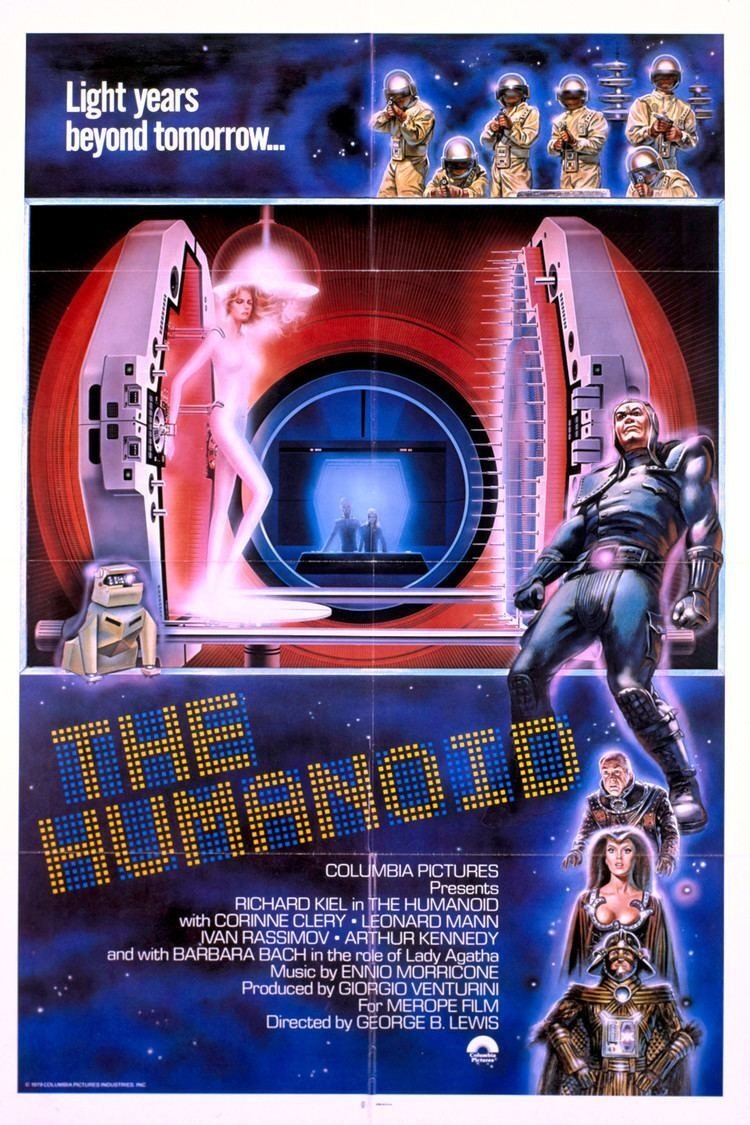
An Italian production from producer Giorgio Venturini, ‘The Humanoid’ stars Richard Kiel as a gentle giant transformed into a super-soldier. The film blends palace intrigue with laboratory escapades, using soundstages in Rome for futuristic corridors and starship interiors. Director Aldo Lado employed miniatures, motion-control shots, and costumed extras to build its world on a modest budget. International releases varied in running time and dubbing, with distributors emphasizing visual spectacle in their marketing.
‘The Manitou’ (1978)
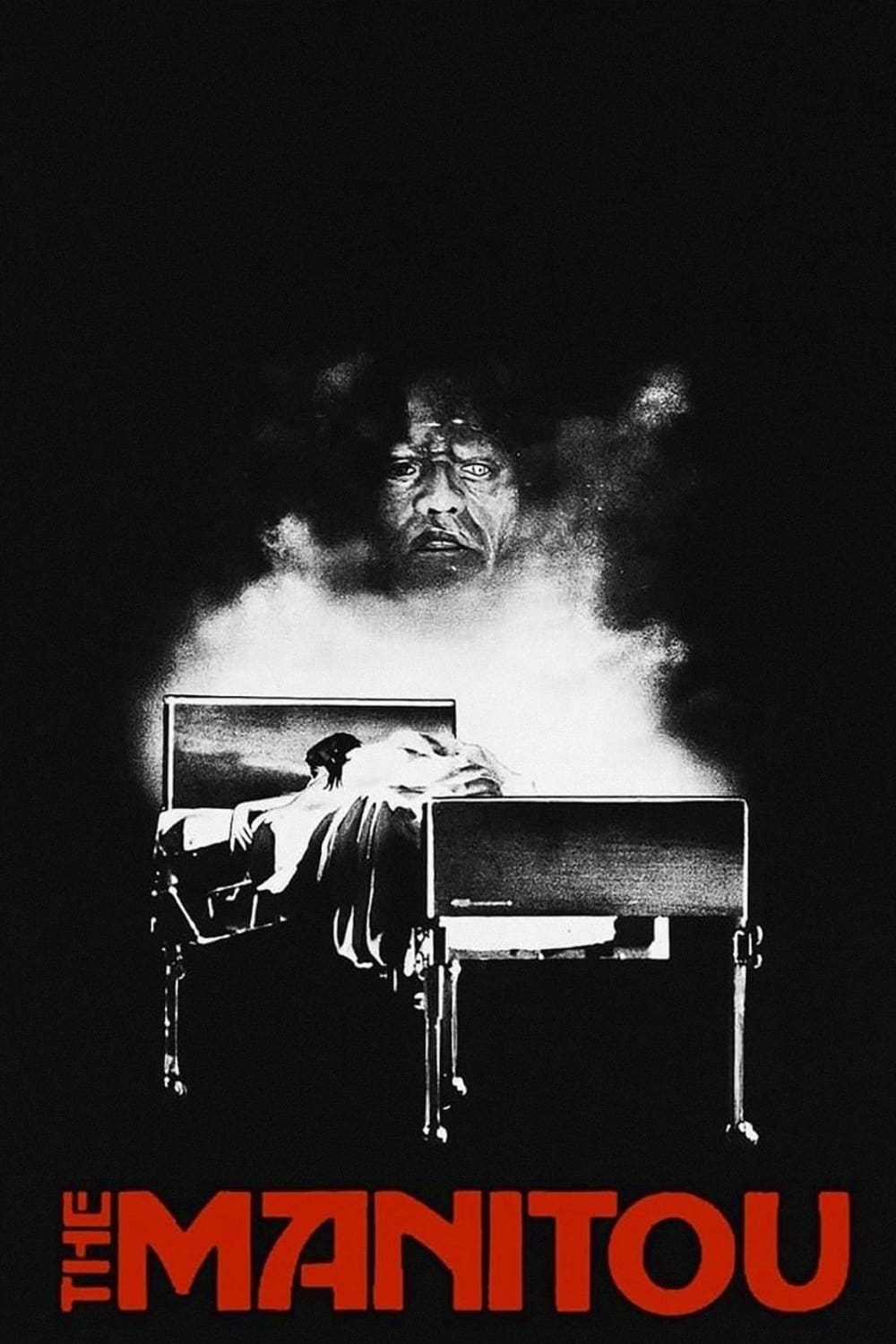
Based on Graham Masterton’s novel, ‘The Manitou’ stars Tony Curtis and Susan Strasberg and is directed by William Girdler. The plot centers on a woman whose neck growth is revealed to be a reincarnating Native American shaman, leading to hospital-set supernatural confrontations. Practical makeup, optical lasers, and smoke effects create its climactic rituals and astral imagery. AVCO Embassy handled distribution, packaging it as part of the decade’s occult-horror wave.
‘Empire of the Ants’ (1977)
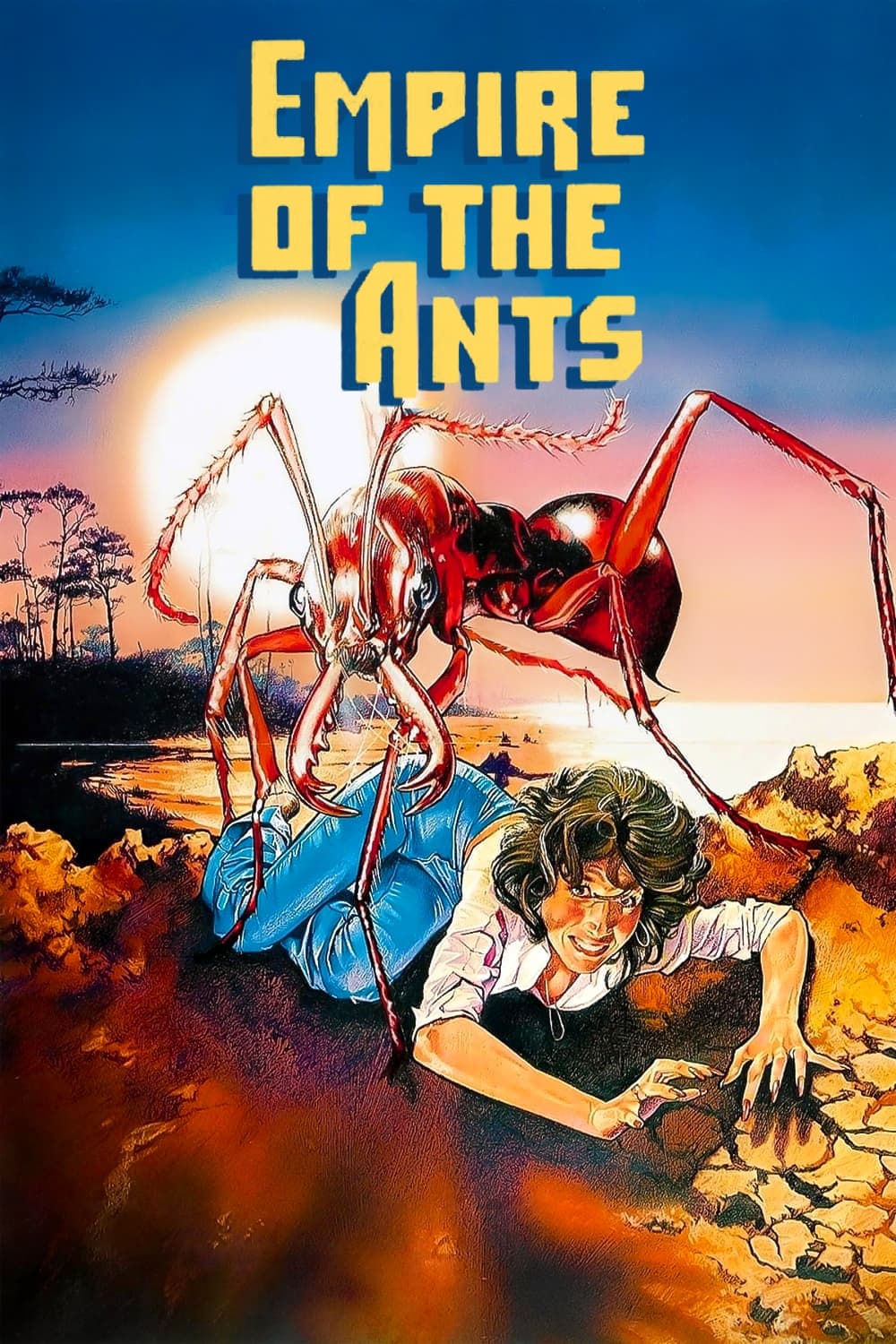
Directed by Bert I. Gordon and starring Joan Collins, ‘Empire of the Ants’ adapts a concept from H. G. Wells into a creature feature. The narrative follows land buyers stranded on a remote island where radiation-spawned ants overrun human settlements. Miniatures, forced perspective, and compositing techniques were used to combine live insects with human actors. American International Pictures promoted it with lurid poster art and a trailer spotlighting giant-ant mayhem.
‘Tentacles’ (1977)
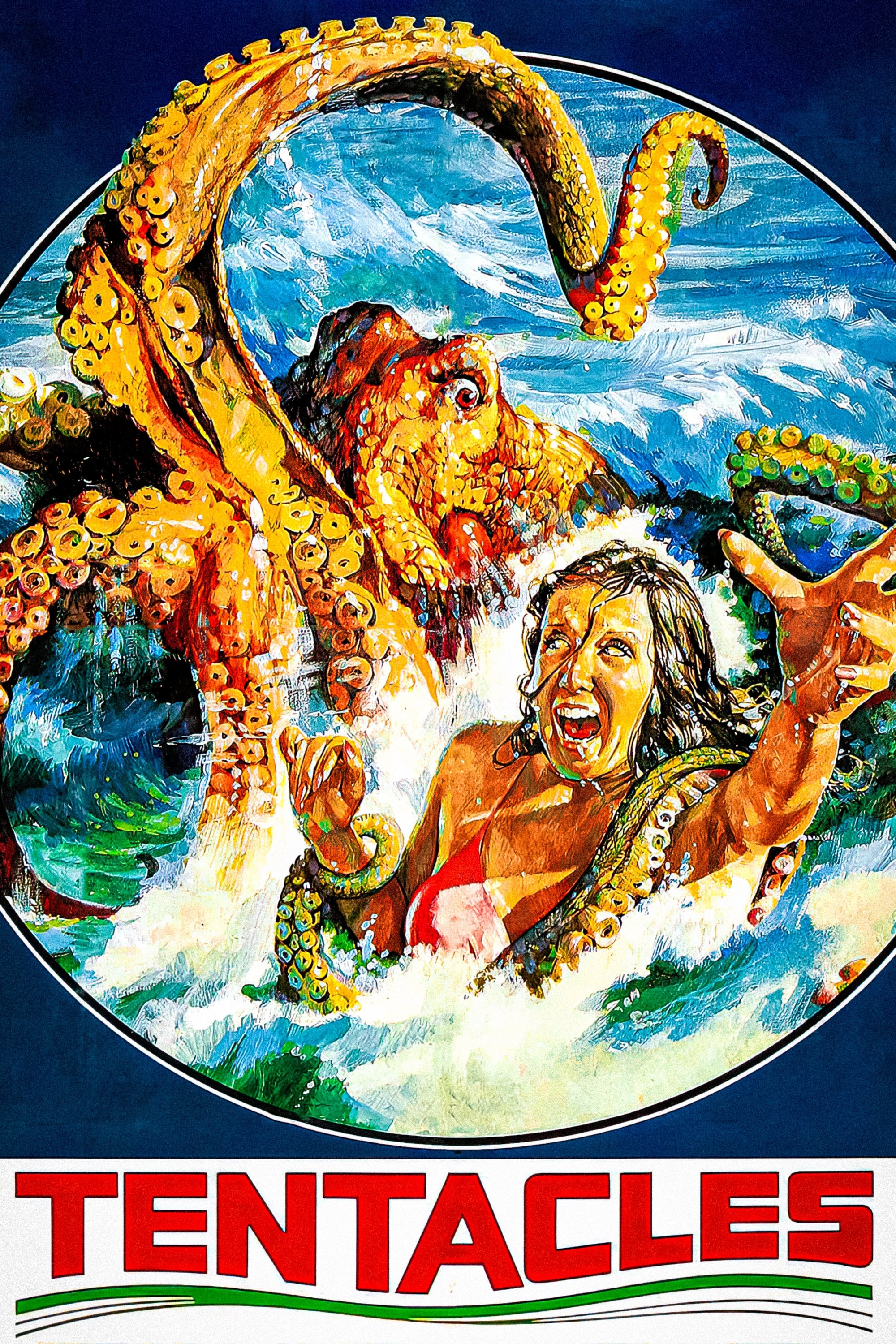
An Italian–American co-production from Ovidio G. Assonitis, ‘Tentacles’ features John Huston, Shelley Winters, and Henry Fonda. The story pits a seaside town against an enormous octopus, folding in corporate negligence and a regatta set piece. Underwater photography, animatronic limbs, and second-unit ocean footage provided the creature scenes. U.S. distribution positioned it alongside other post-‘Jaws’ thrillers, highlighting its starry cast.
‘Grizzly’ (1976)
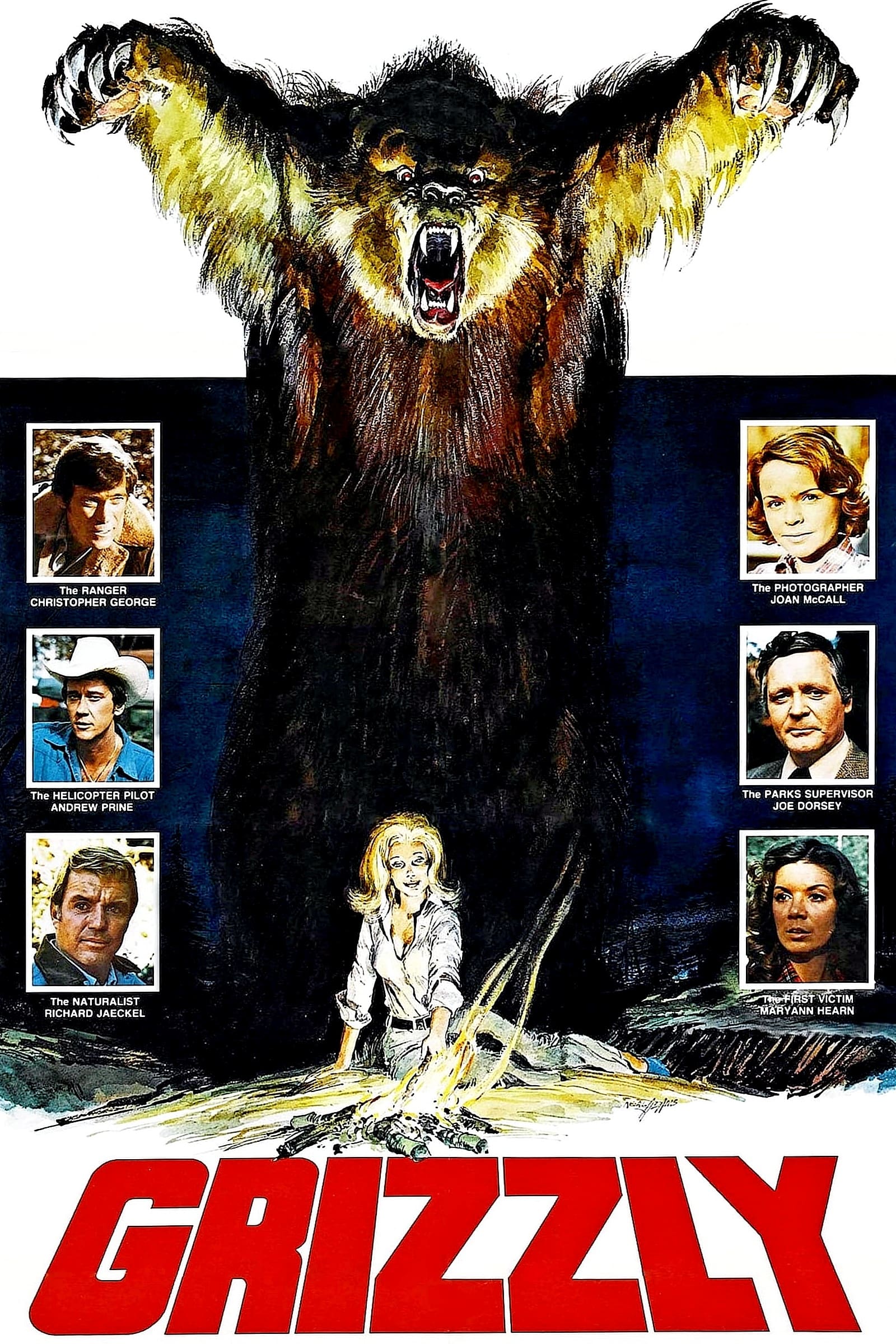
‘Grizzly’, directed by William Girdler, follows park rangers confronting an oversized bear in a national forest. Filmed in mountainous locations, it uses helicopter shots, practical gore, and a mix of real animal footage with mechanical effects. The independent production became a surprise commercial success through wide regional bookings. Its box-office performance spurred quick international sales and talk of follow-ups.
‘The Food of the Gods’ (1976)
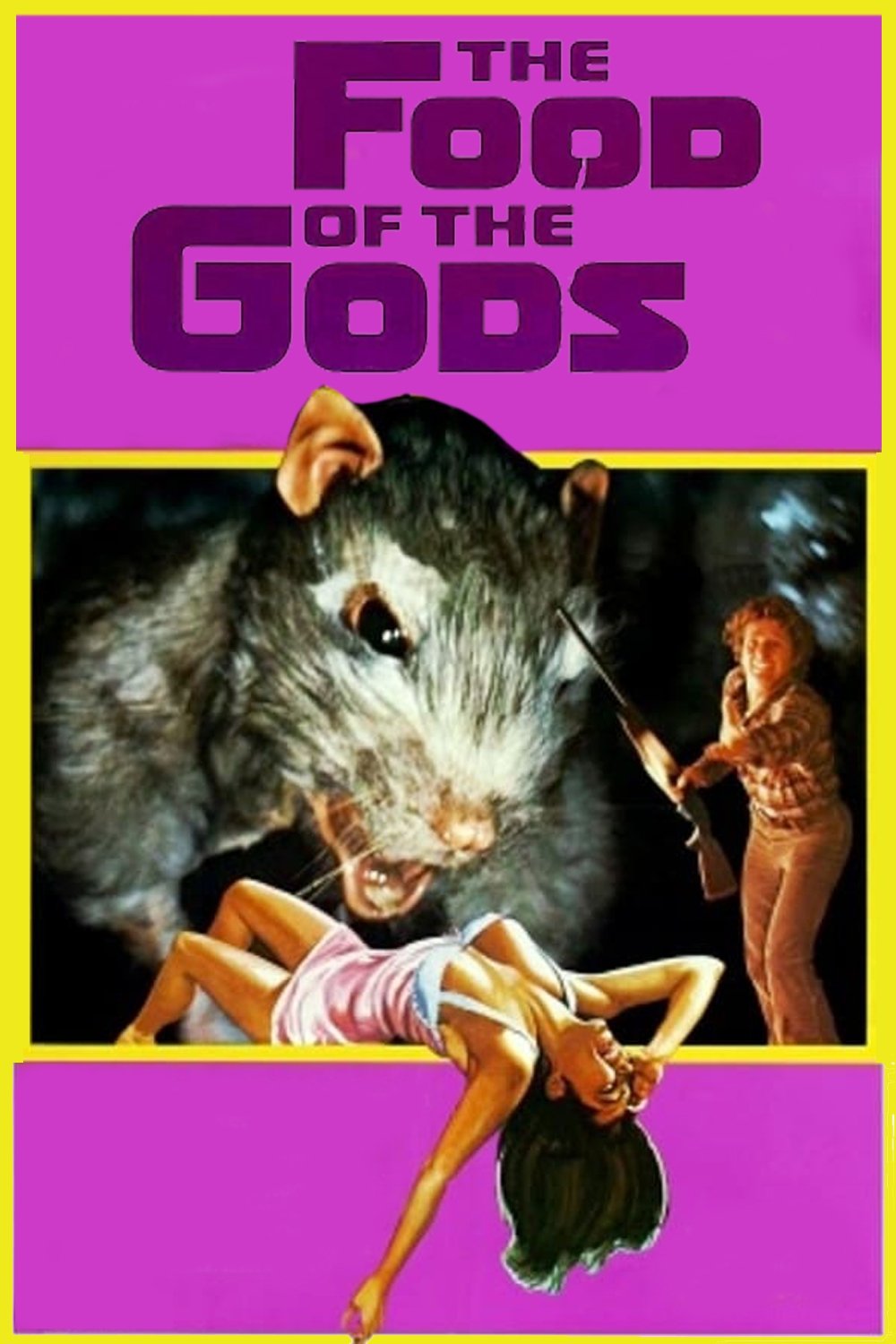
Bert I. Gordon’s ‘The Food of the Gods’ imagines a growth substance causing animals—especially rats—to reach monstrous size. Location shooting on rural properties allowed large-scale set destruction and miniature work. The production relied on rear projection and oversized props to stage human–animal encounters. American International Pictures distributed it with a campaign built around its nature-gone-wild premise.
‘Matilda’ (1978)
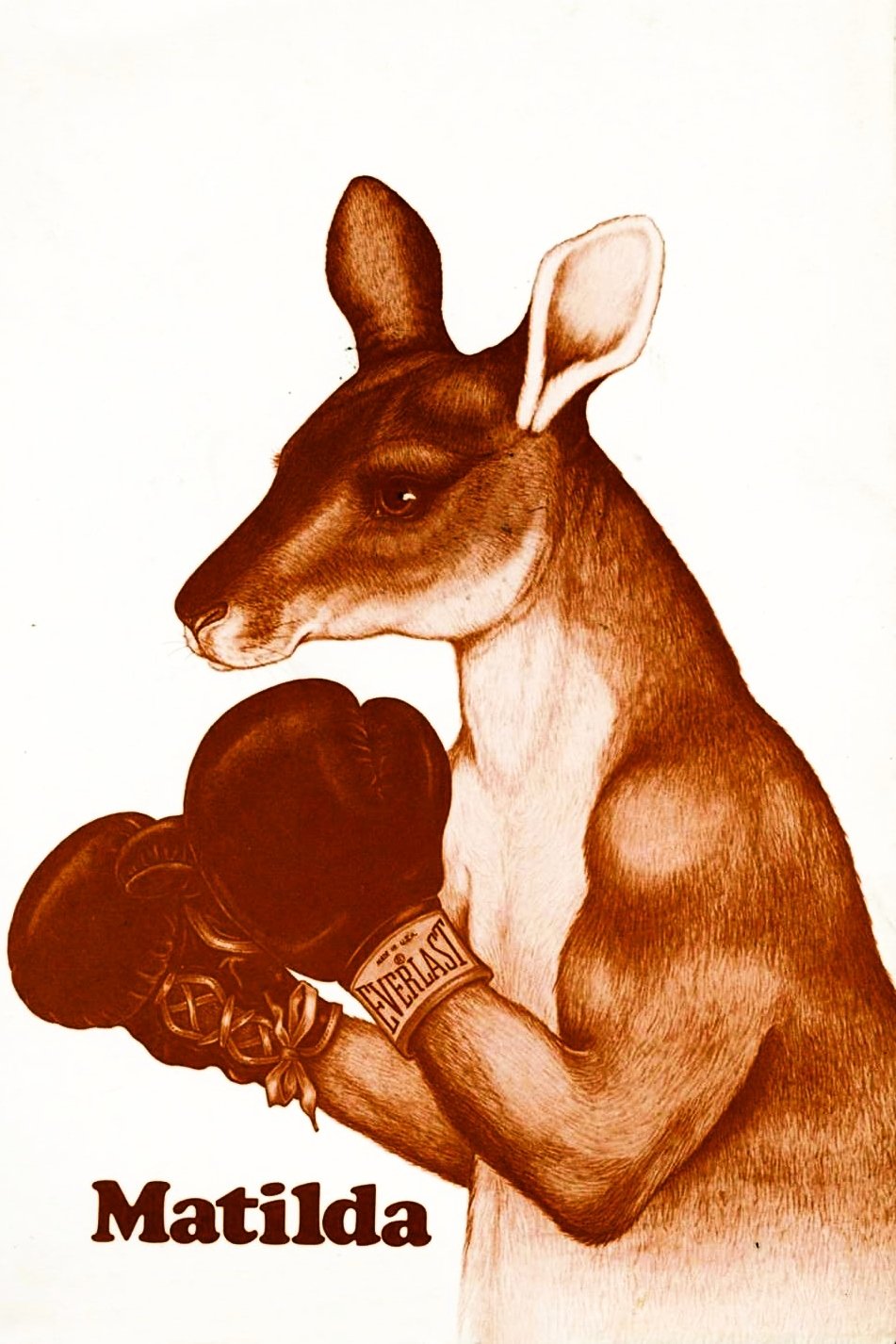
‘Matilda’, directed by Daniel Mann, is a sports comedy about a promoter who enters a boxing kangaroo into professional bouts. The film stars Elliott Gould and Robert Mitchum, using a practical suit and puppetry for the title character. Shot in and around Los Angeles, it stages training montages and arena sequences with crowd extras. United Artists released it nationwide, marketing the oddball premise with family-friendly posters.
‘The Bermuda Triangle’ (1978)

Directed by René Cardona Jr., ‘The Bermuda Triangle’ tracks a family on a yacht encountering strange phenomena in the Atlantic. The film combines maritime disaster elements with supernatural hints, including disappearing crew and ghostly apparitions. Mexico–Venezuela financing shaped its international cast and multilingual release strategy. Prints circulated with alternate language tracks and edits tailored to regional markets.
‘The Worm Eaters’ (1977)
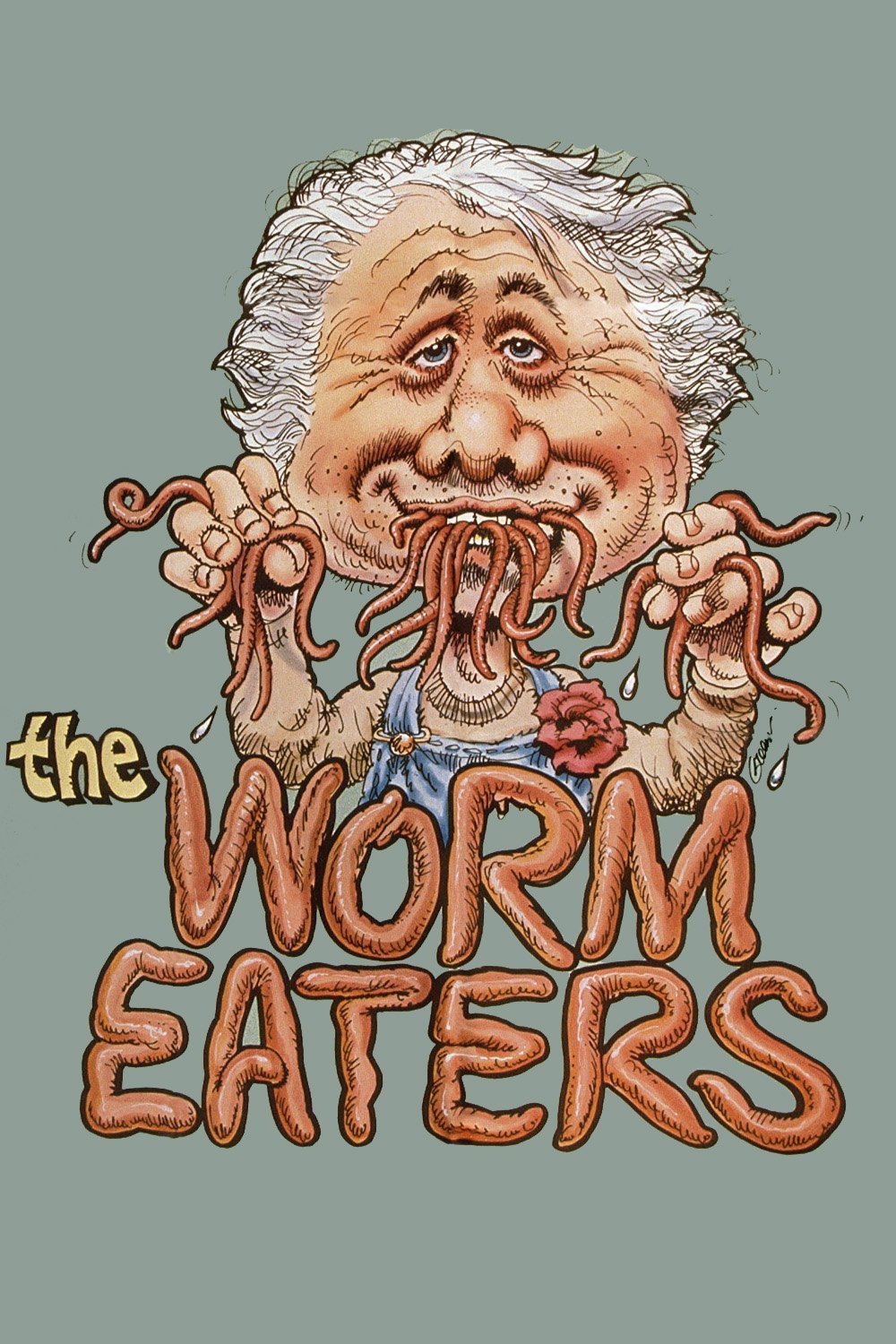
Produced by Jack H. Harris and directed by Herb Robins, ‘The Worm Eaters’ is a microbudget oddity about a recluse who controls man-eating worms. Small-town locations, practical vermin wrangling, and slapstick gags define its production approach. The film toured grindhouses and drive-ins with a gross-out marketing hook. Later, specialty labels issued home-video editions that preserved its regional flavor.
‘Blackenstein’ (1973)
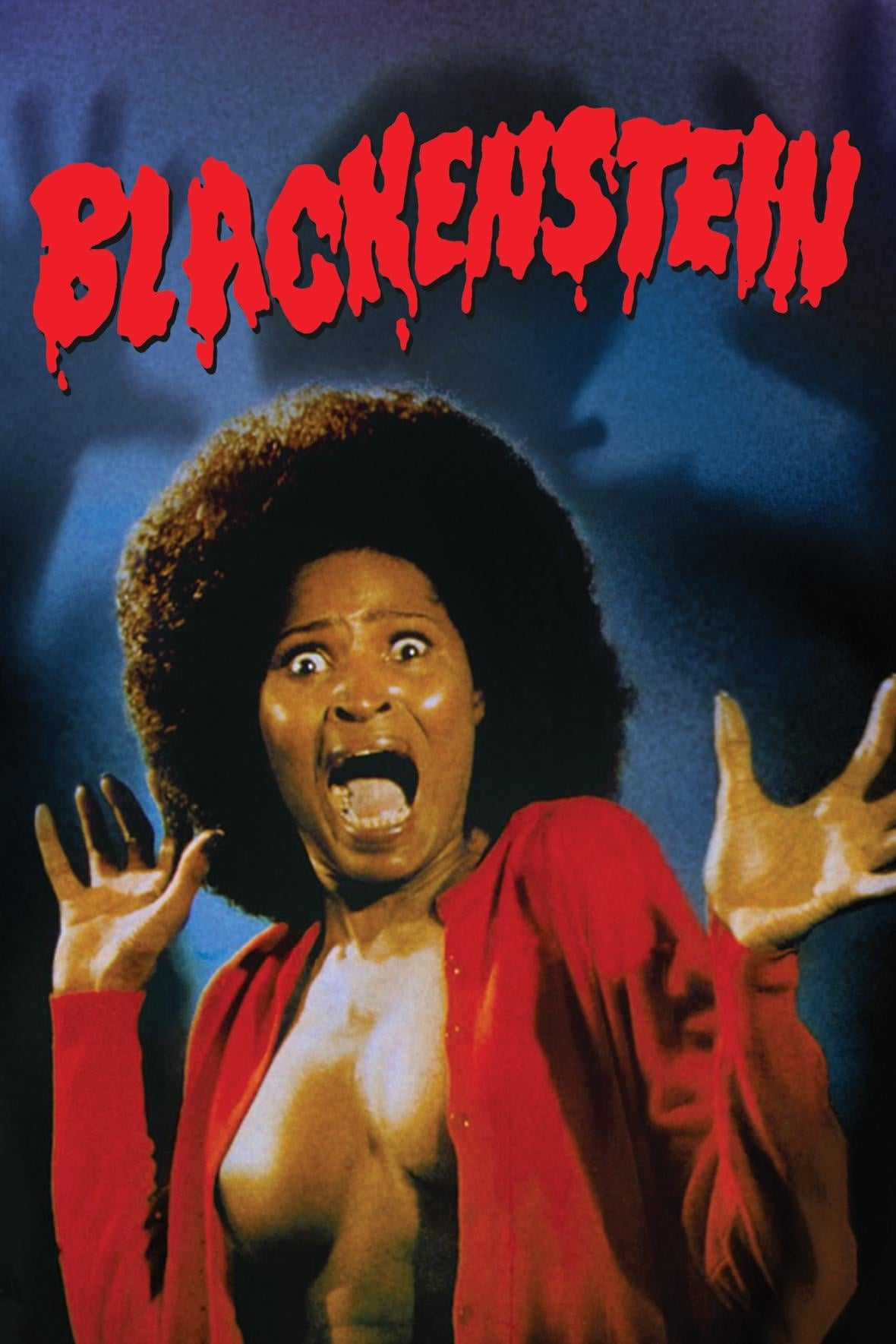
‘Blackenstein’, directed by William A. Levey, follows a wounded veteran subjected to experimental limb transplants that lead to murderous side effects. Shot in Los Angeles, it uses lab sets, day-for-night exteriors, and early gore makeup. The independent production capitalized on contemporary trends in urban horror and science fiction. Multiple cuts and reissues circulated under variant titles to sustain interest across different markets.
‘Beyond the Door’ (1974)
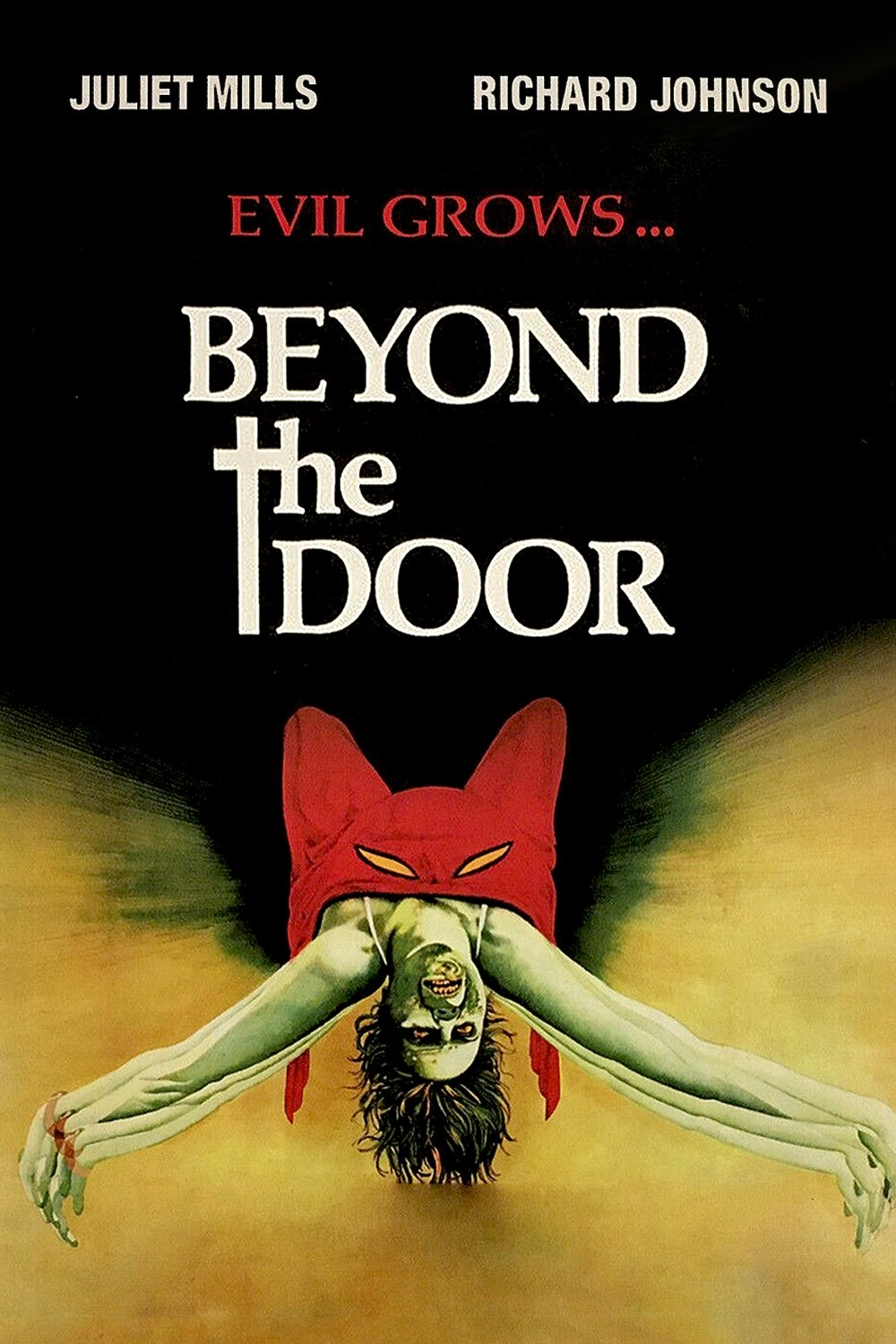
Directed by Ovidio G. Assonitis, ‘Beyond the Door’ stars Juliet Mills as a woman experiencing possession-like phenomena. The production features San Francisco and Rome locations, echoing popular occult motifs of the decade. Its release prompted legal disputes over similarities to other demonic-possession hits. Despite challenges, it played widely and later generated follow-up entries with only tangential connections.
‘Equinox’ (1970)
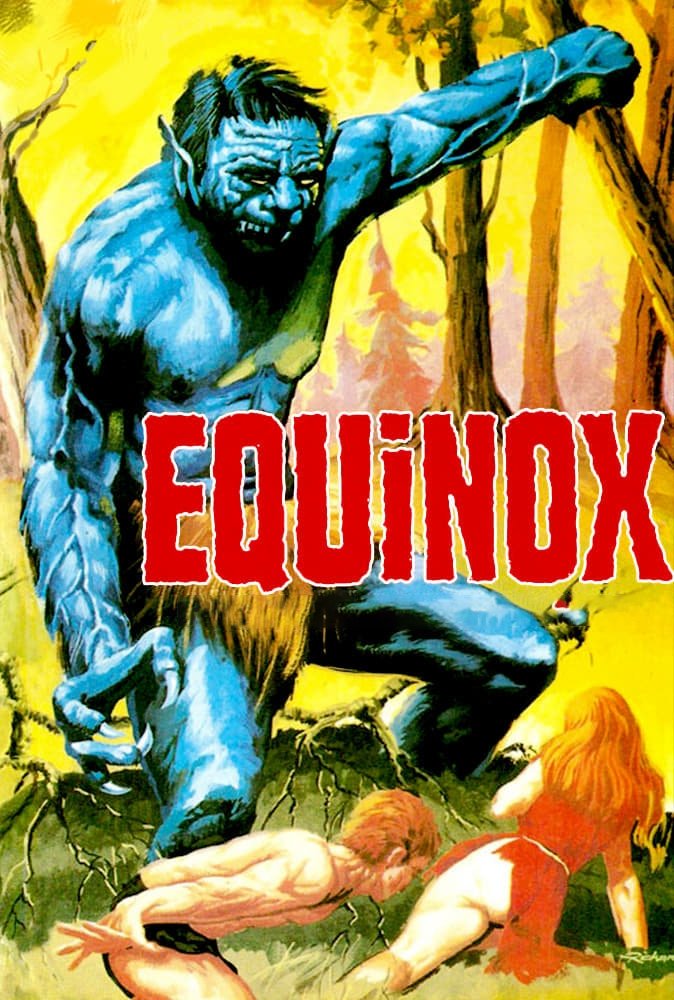
‘Equinox’ began as a student short and expanded into a feature blending stop-motion creatures with a demon-summoning plot. Effects artists Dennis Muren and others created monsters using armatures and miniature sets, later influencing careers in visual effects. The narrative centers on youths discovering a mysterious book that opens a gateway to other realms. Distribution through exploitation circuits brought it steady bookings and television play.
‘The Day the Clown Cried’ (1972)
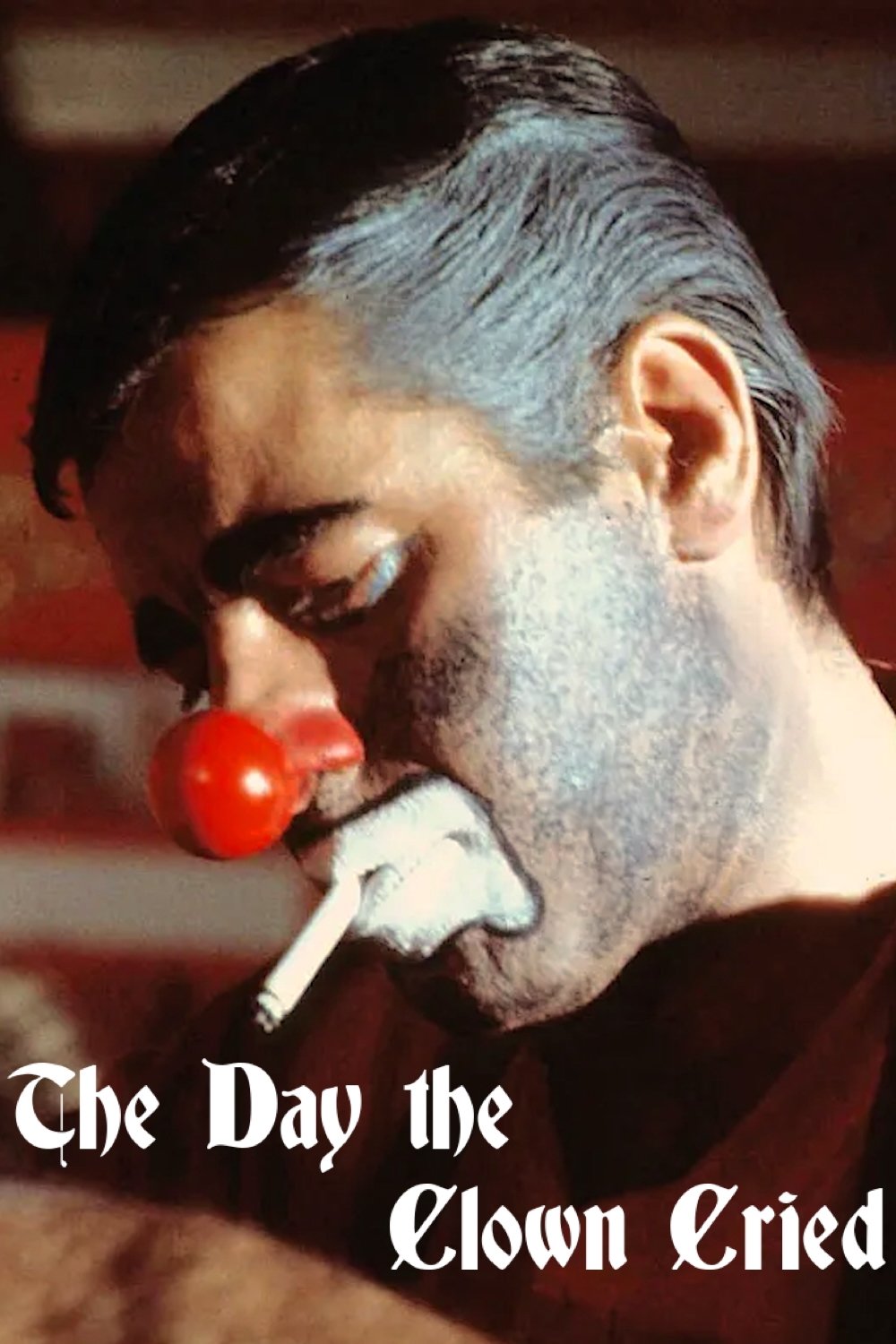
Directed by and starring Jerry Lewis, ‘The Day the Clown Cried’ concerns a circus performer imprisoned during wartime who entertains children in a concentration camp. The production was shot in Europe with financing complications, rights disputes, and unfinished post-production elements. Legal and ethical issues around the script and music clearances contributed to its shelving. Though unreleased, workprint footage, scripts, and later archival screenings have sustained scholarly and fan interest.
Share the titles you’d add—or swap out—in the comments!