Actresses Who Absolutely Hated Their Character


Sometimes a role just doesn’t sit right—whether it’s the way a character is written, how a story treats them, or the experience of making the project. Over the years, plenty of actresses have been candid about parts they wish they hadn’t played, storylines they fought against, or productions that left them frustrated. Below are notable examples and the specific reasons each actress later shared about why a character or gig didn’t work for them. It’s a revealing tour through behind-the-scenes realities that viewers rarely see.
Katherine Heigl – Izzie Stevens in ‘Grey’s Anatomy’
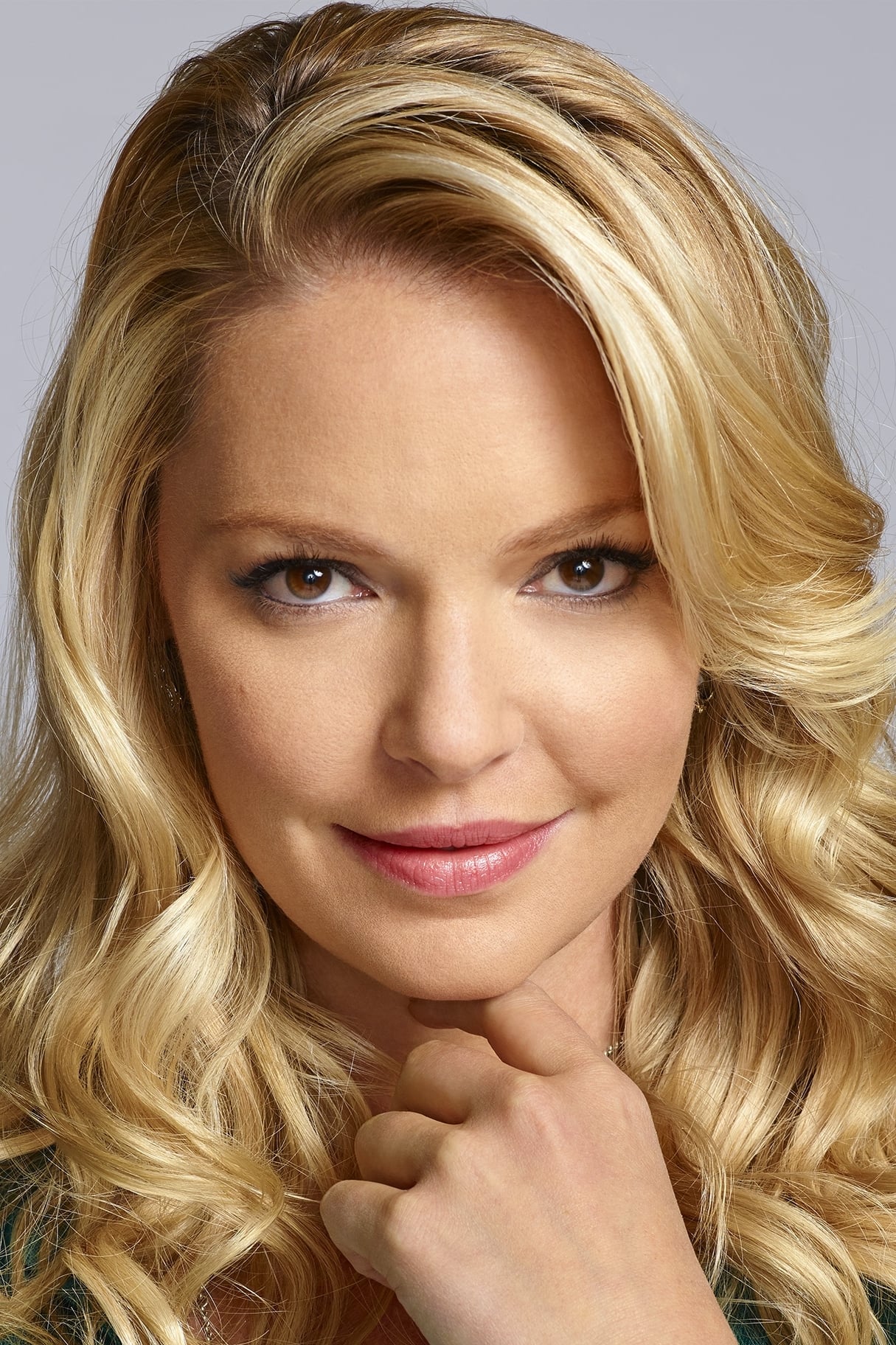
Heigl publicly criticized some of Izzie’s storylines, even withdrawing her name from Emmy consideration because she said the material didn’t warrant it. She said sudden character pivots made Izzie feel inconsistent. Her comments also reflected tensions about long-running arcs and character agency. The dispute became a touchpoint for conversations about creative differences on network dramas.
Blake Lively – Serena van der Woodsen in ‘Gossip Girl’
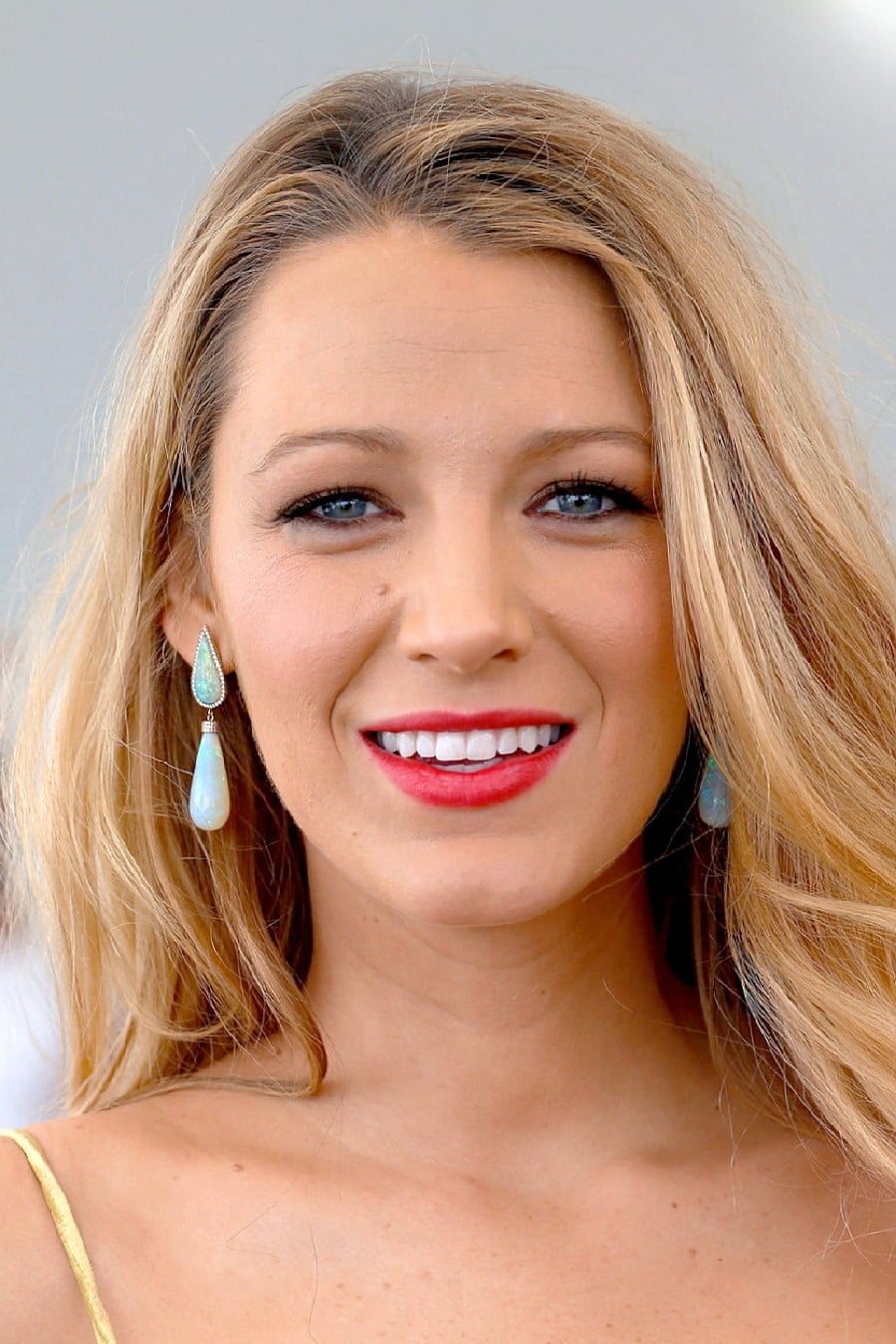
Lively has said she wasn’t comfortable with Serena’s behavior and the image it projected. She noted that press narratives often blurred the line between her and the character. That disconnect made it difficult for her to embrace the role in retrospect. She’s used the experience to talk about boundaries between an actor’s public persona and a character’s choices.
Shailene Woodley – Amy Juergens in ‘The Secret Life of the American Teenager’
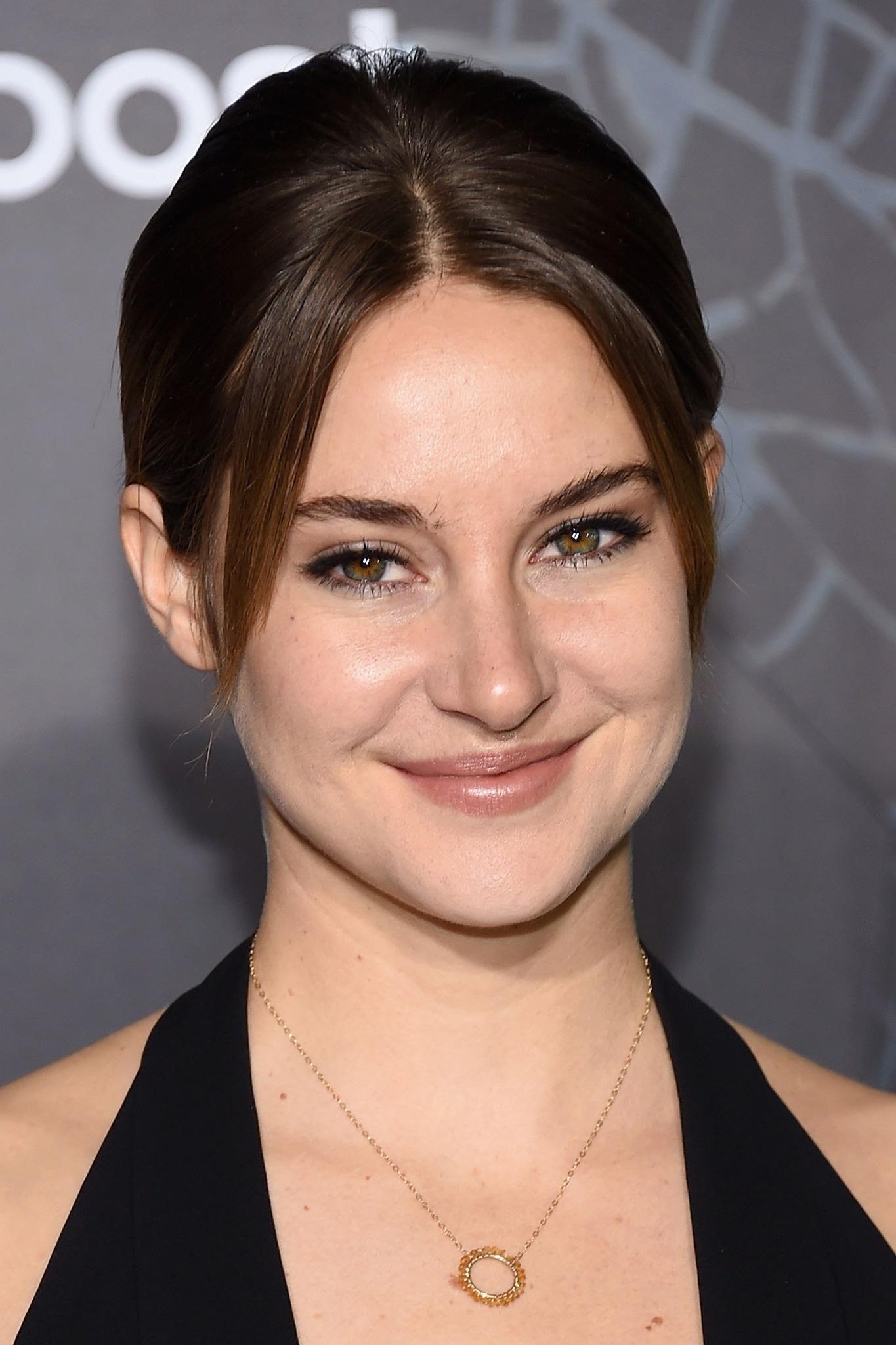
Woodley has been open about disagreeing with the show’s messaging and how Amy’s stories were framed. She later said certain plots felt reductive, especially around relationships and consequences. Those concerns shaped how she spoke about the series after it ended. Her comments fueled discussion about responsibility in teen-focused storytelling.
Evangeline Lilly – Kate Austen in ‘Lost’
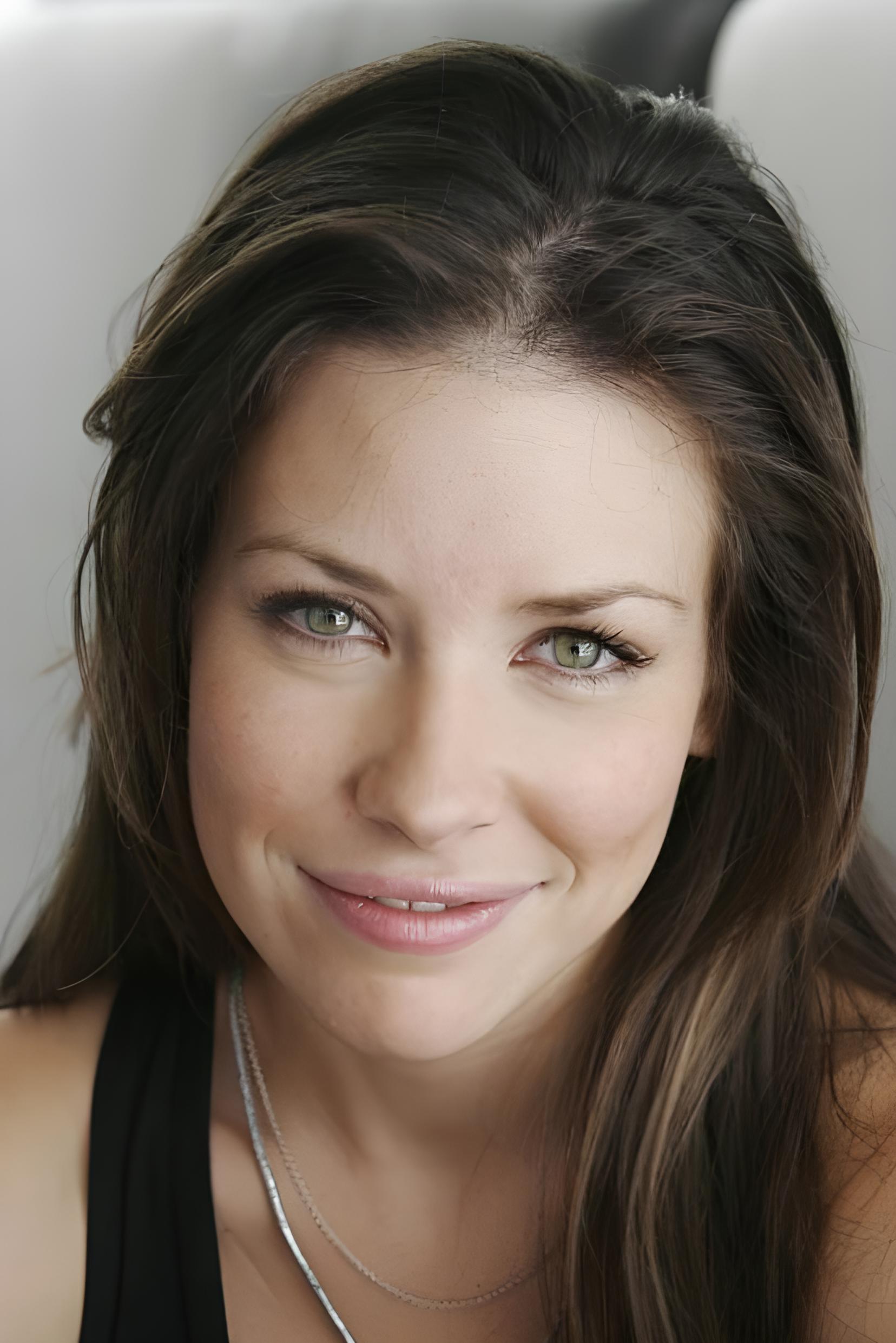
Lilly has described discomfort with specific scenes and said she felt pressured into moments she didn’t want to film. She pushed for more consistency and agency for Kate. The experience led her to set clearer boundaries on subsequent projects. Her account has been cited in broader conversations about consent and safety on set.
Jessica Alba – Sue Storm in ‘Fantastic Four: Rise of the Silver Surfer’
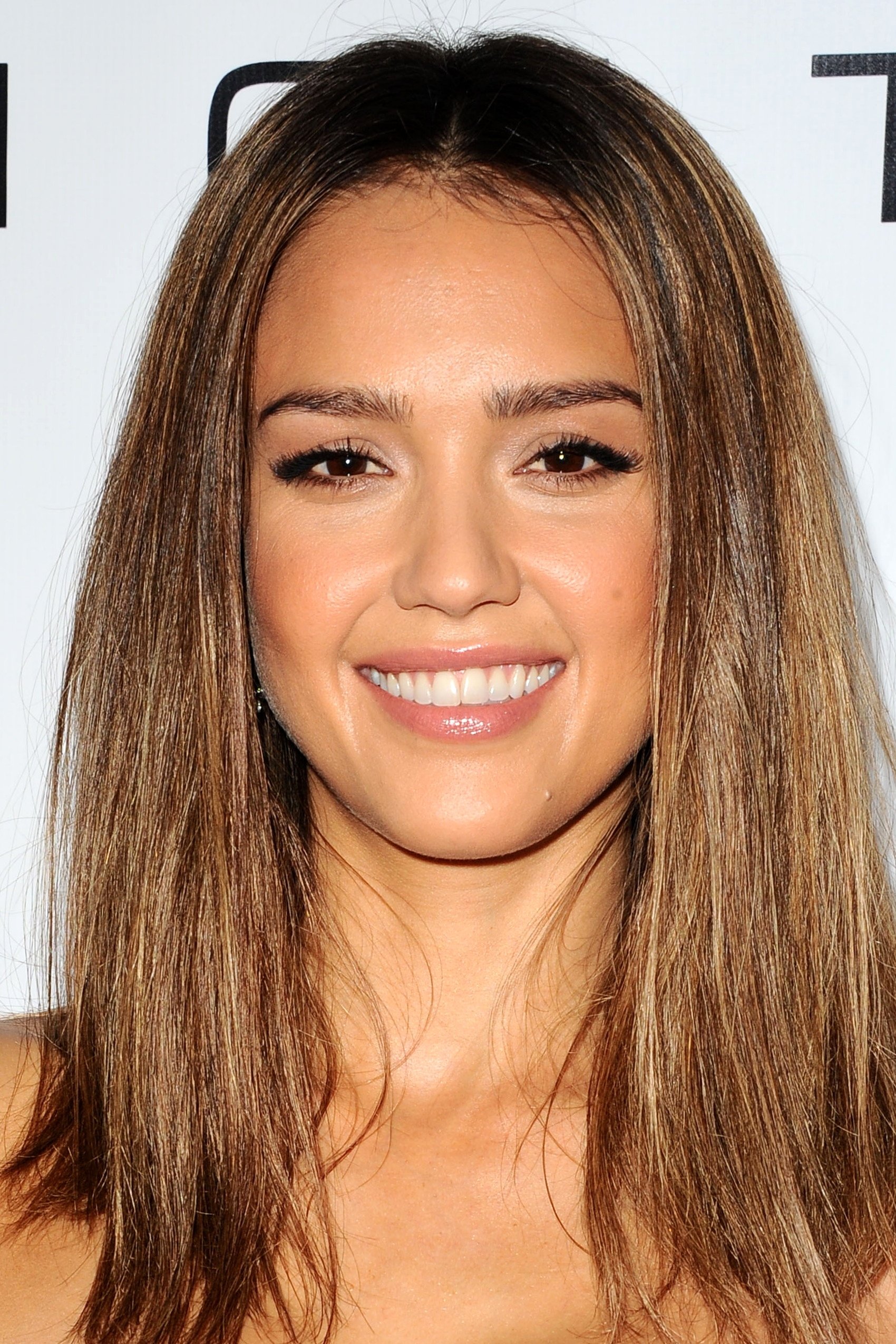
Alba said she received direction that made emotional scenes feel artificial, which distanced her from the character. She recalled questioning whether her work in the film had value. The experience affected how she thought about collaboration with directors. Her reflections are often referenced when discussing trust between performers and filmmakers.
Megan Fox – Mikaela Banes in ‘Transformers’

Fox has spoken about a difficult on-set environment that made playing Mikaela miserable. She criticized the way women were framed in the films and how that influenced her character’s presentation. The fallout from her comments led to a public break with the franchise. Her experience is frequently cited in discussions of power dynamics on blockbuster sets.
Halle Berry – Patience Phillips in ‘Catwoman’
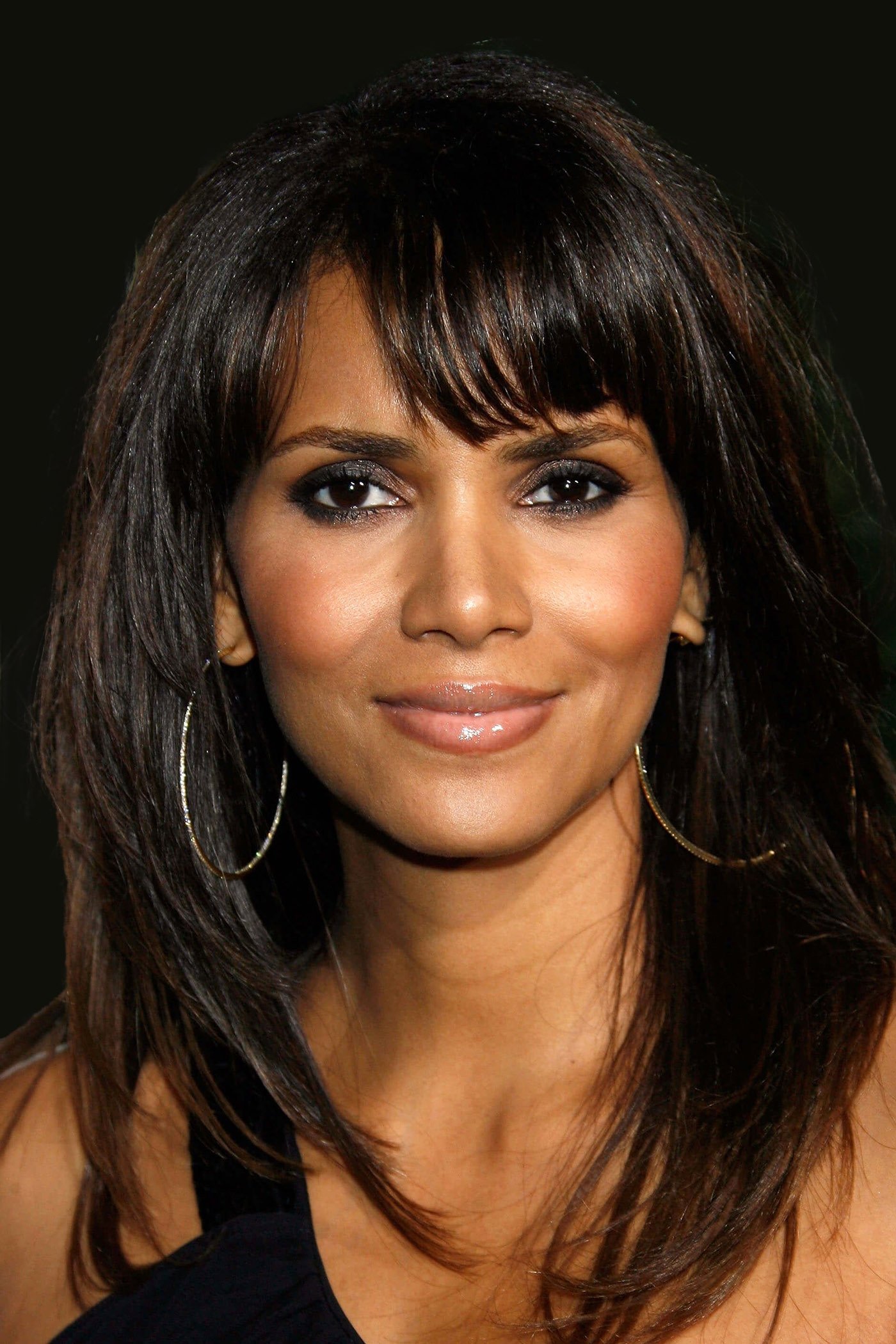
Berry used humor and blunt honesty to address her disappointment with the role. She has said the script didn’t give Patience depth. The gap between the concept and execution made the character feel hollow to her. She often points to the film when advocating for stronger female-led material.
Rooney Mara – Nancy Holbrook in ‘A Nightmare on Elm Street’
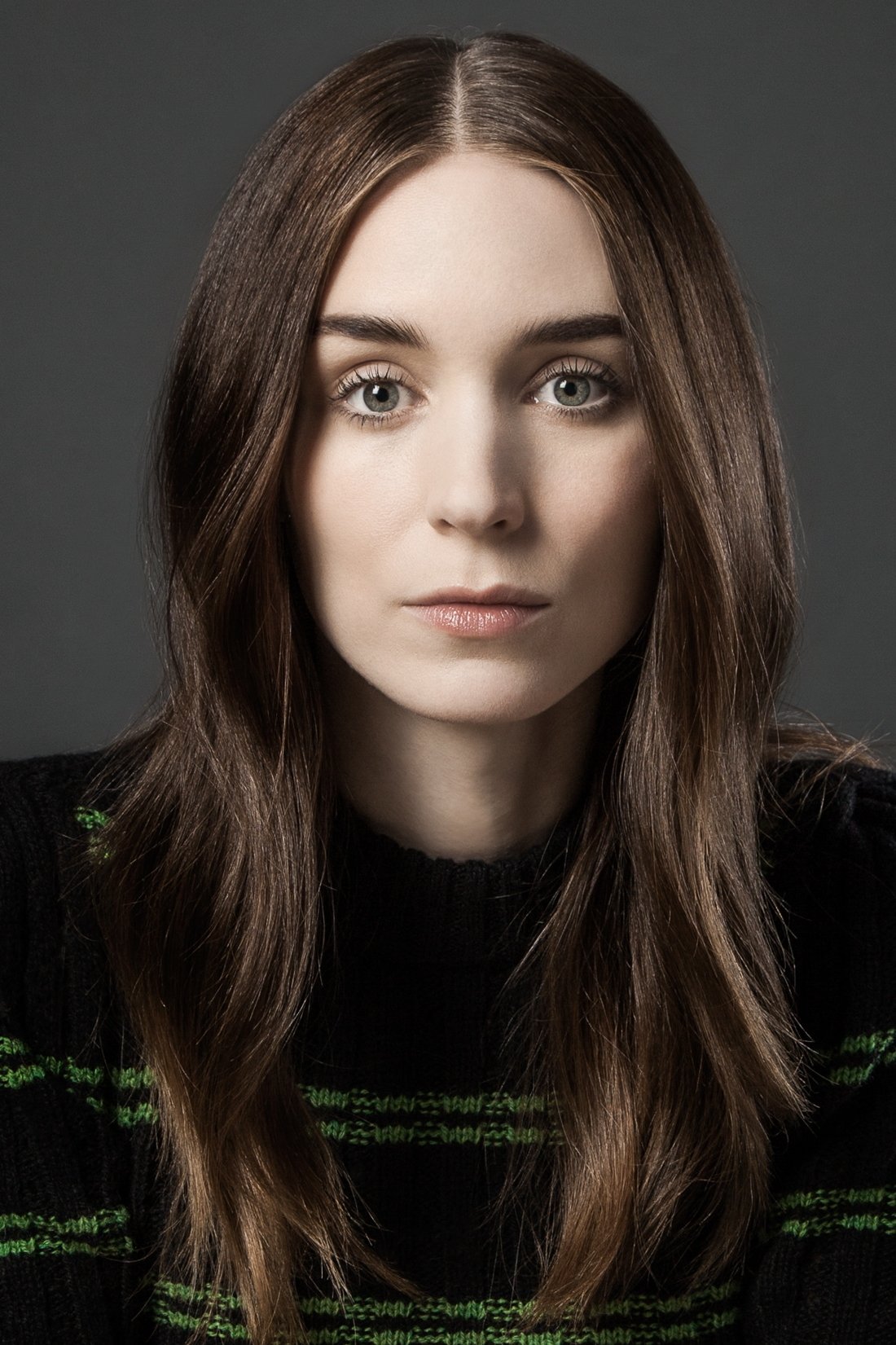
Mara said she was unhappy making the film and considered quitting acting afterward. She felt disconnected from the production and the version of Nancy she was asked to play. The experience clashed with the kinds of projects she wanted. Her candor highlights how early roles can redirect an actor’s career choices.
Kate Mara – Sue Storm in ‘Fantastic Four’
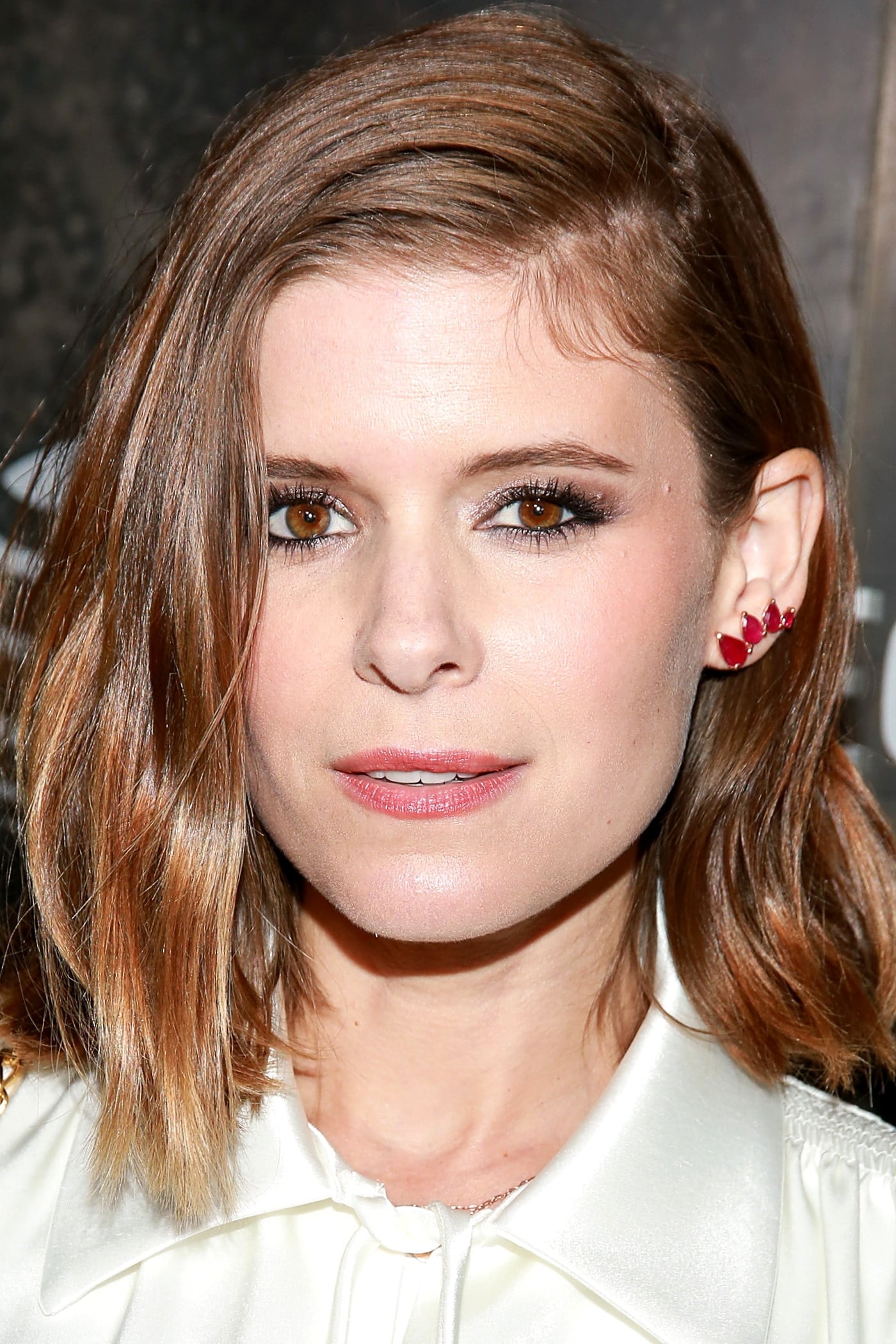
Mara has described the shoot and aftermath as unpleasant, with creative turmoil affecting Sue’s characterization. She said reshoots and behind-the-scenes struggles changed the role she signed up for. That disconnect left her dissatisfied with the character’s arc. The situation is often cited when discussing chaotic productions.
Michelle Williams – Jen Lindley in ‘Dawson’s Creek’

Williams has said she was ready to move on from Jen well before the show ended. She found the long-running teen-drama mold limiting as her interests evolved. While appreciative of the opportunity, she spoke openly about creative burnout. Her stance helped normalize actors setting boundaries with legacy roles.
Emilia Clarke – Daenerys Targaryen in ‘Game of Thrones’
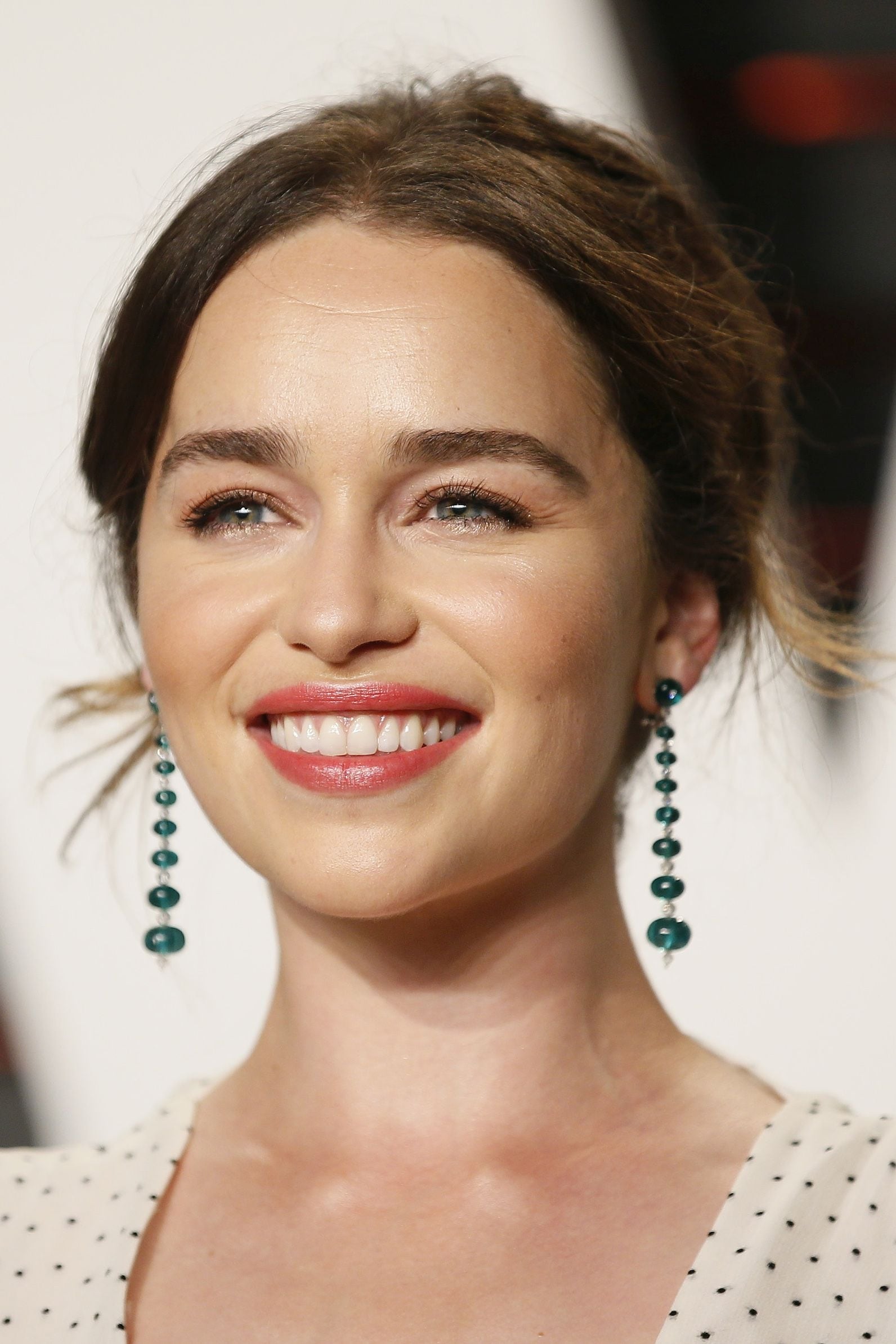
Clarke has discussed discomfort with early nude scenes and misgivings about Daenerys’s final turn. She described physically and emotionally taxing stretches of the production. Compressed late-stage plotting left parts of the arc feeling underbuilt to her. Her reflections intensified fan debates about the show’s endgame.
Lena Headey – Cersei Lannister in ‘Game of Thrones’
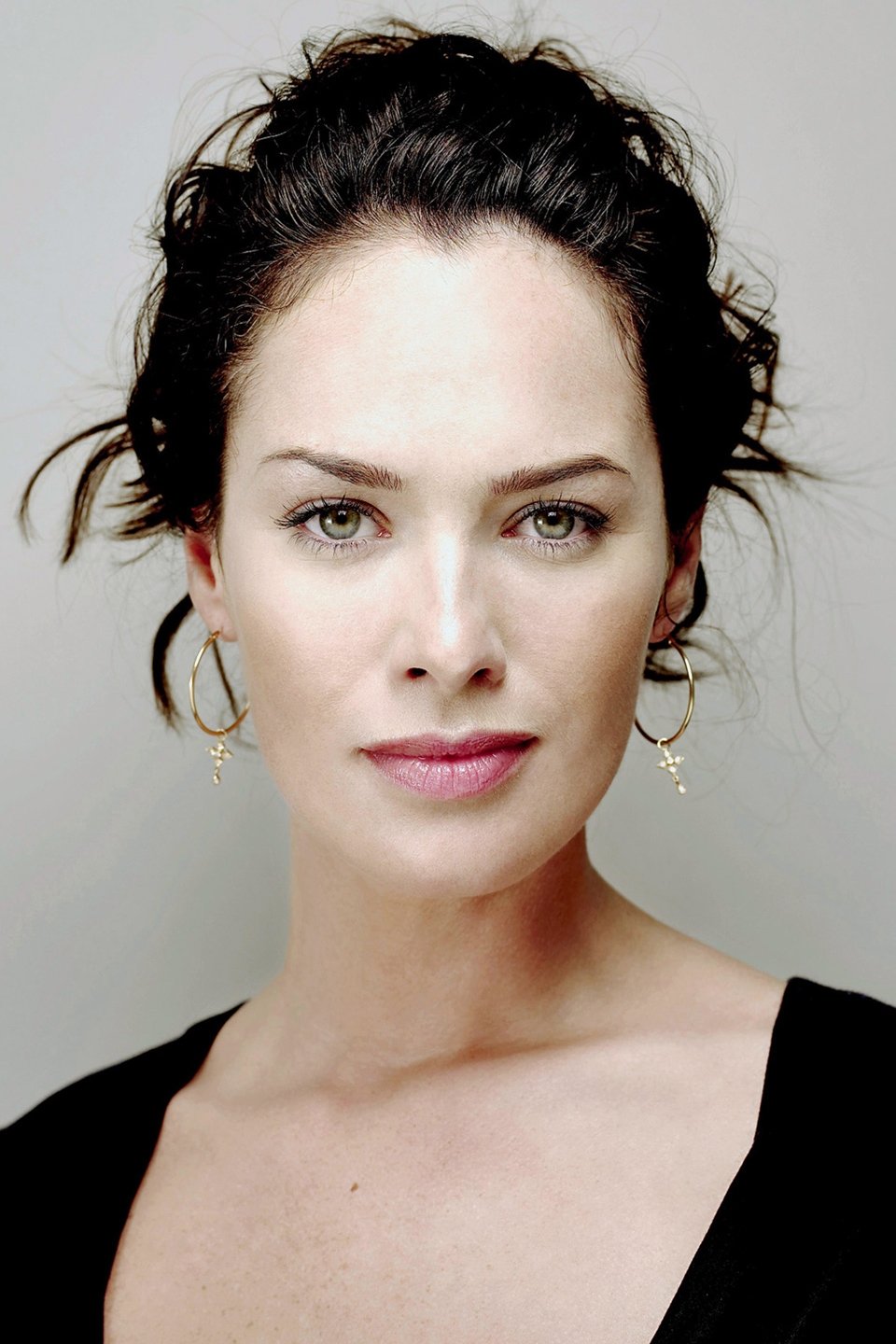
Headey said she was disappointed with how little Cersei ultimately did near the end. She wanted a more active resolution after years of intricate scheming. That sense of underuse colored her view of the character’s send-off. Her comments contributed to broader critiques about late-series pacing.
Miley Cyrus – Miley Stewart in ‘Hannah Montana’
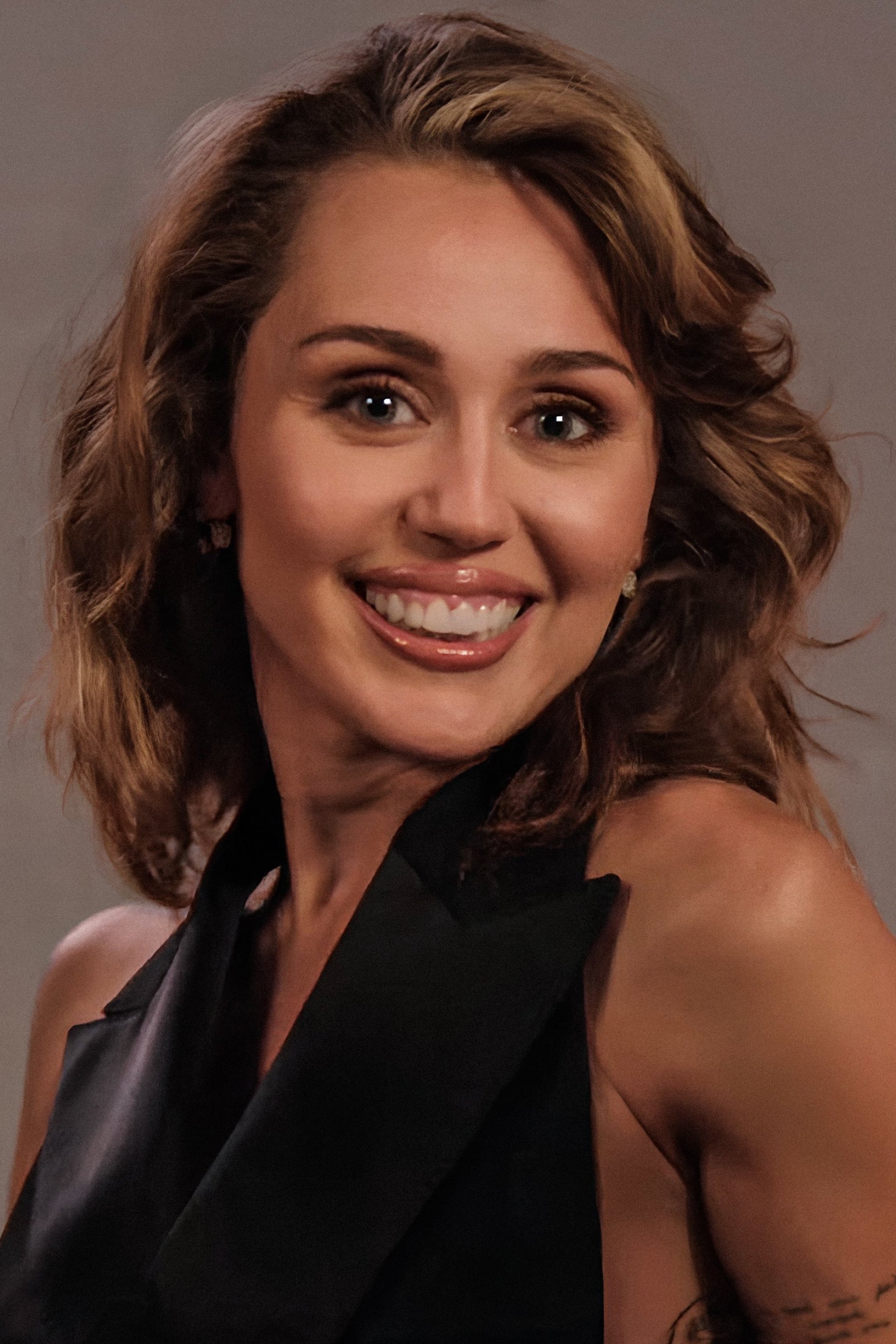
Cyrus has explained that the role’s image pressures took a personal toll. She later said the brand shaped how audiences saw her in ways she didn’t control. That disconnect made it hard to embrace the character in retrospect. Her experience is frequently discussed in the context of child-star transitions.
Sienna Miller – The Baroness in ‘G.I. Joe: The Rise of Cobra’
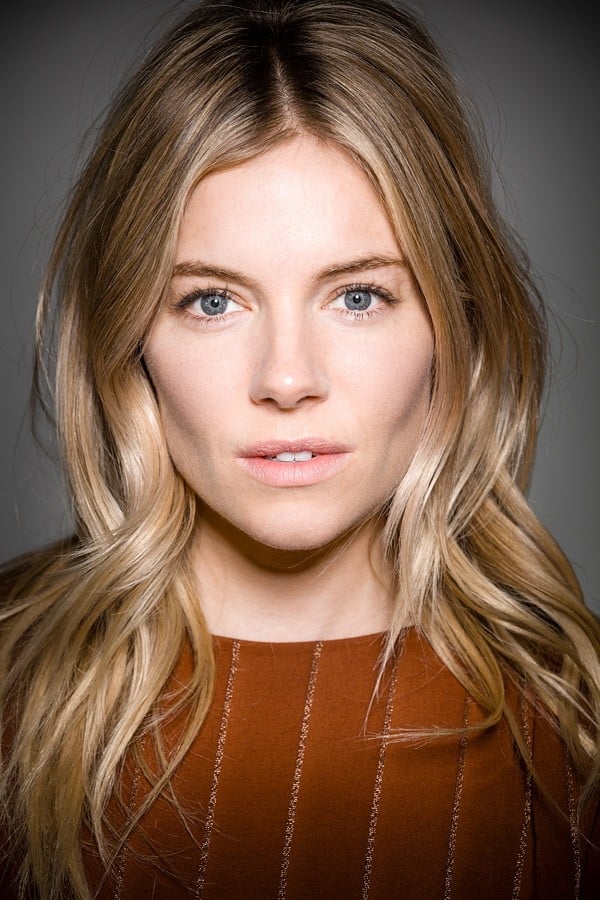
Miller indicated she took the job for reasons unrelated to creative passion and was not proud of the result. She said the role didn’t fit the kind of work she wanted to pursue. The approach left little room for nuance. Her appraisal highlights how momentum can lead to projects that don’t align.
Jamie Lee Curtis – Nadia in ‘Virus’
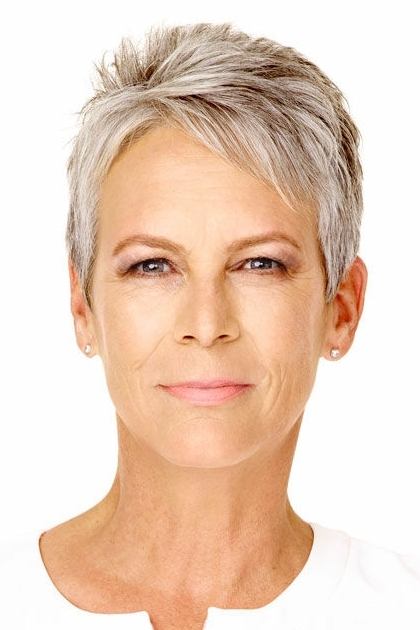
Curtis has repeatedly called the film a misfire. She’s been frank that she didn’t connect with the character or material. The production became a reference point when she discussed career regrets. Her remarks are often cited as an example of honest post-release reflection.
Sandra Bullock – Annie Porter in ‘Speed 2: Cruise Control’
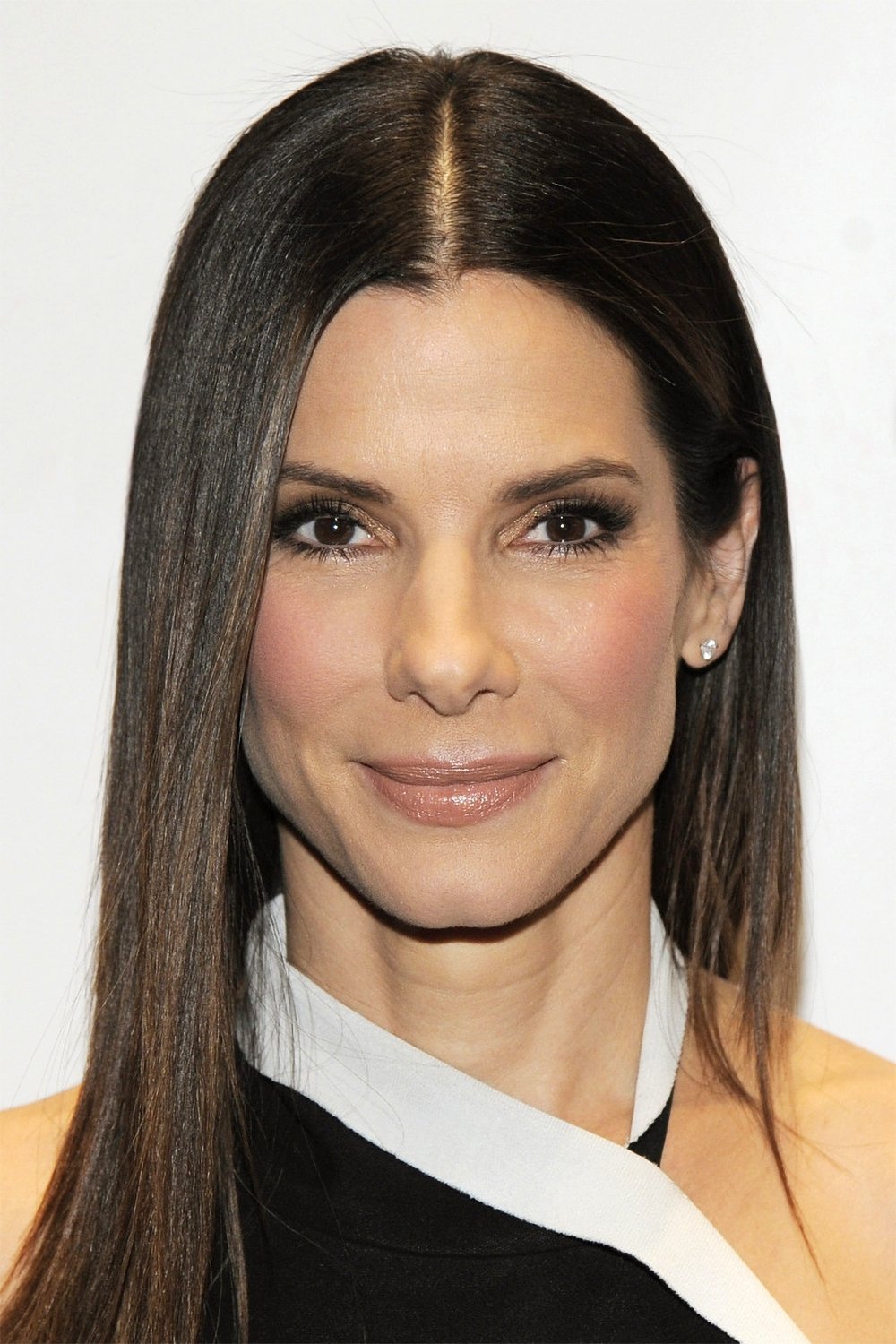
Bullock has said she regretted doing the sequel. She felt the script didn’t deliver for Annie the way the original did. The experience shaped how she evaluated future follow-ups. Her comments often surface in conversations about when not to return to a hit.
Michelle Pfeiffer – Stephanie Zinone in ‘Grease 2’
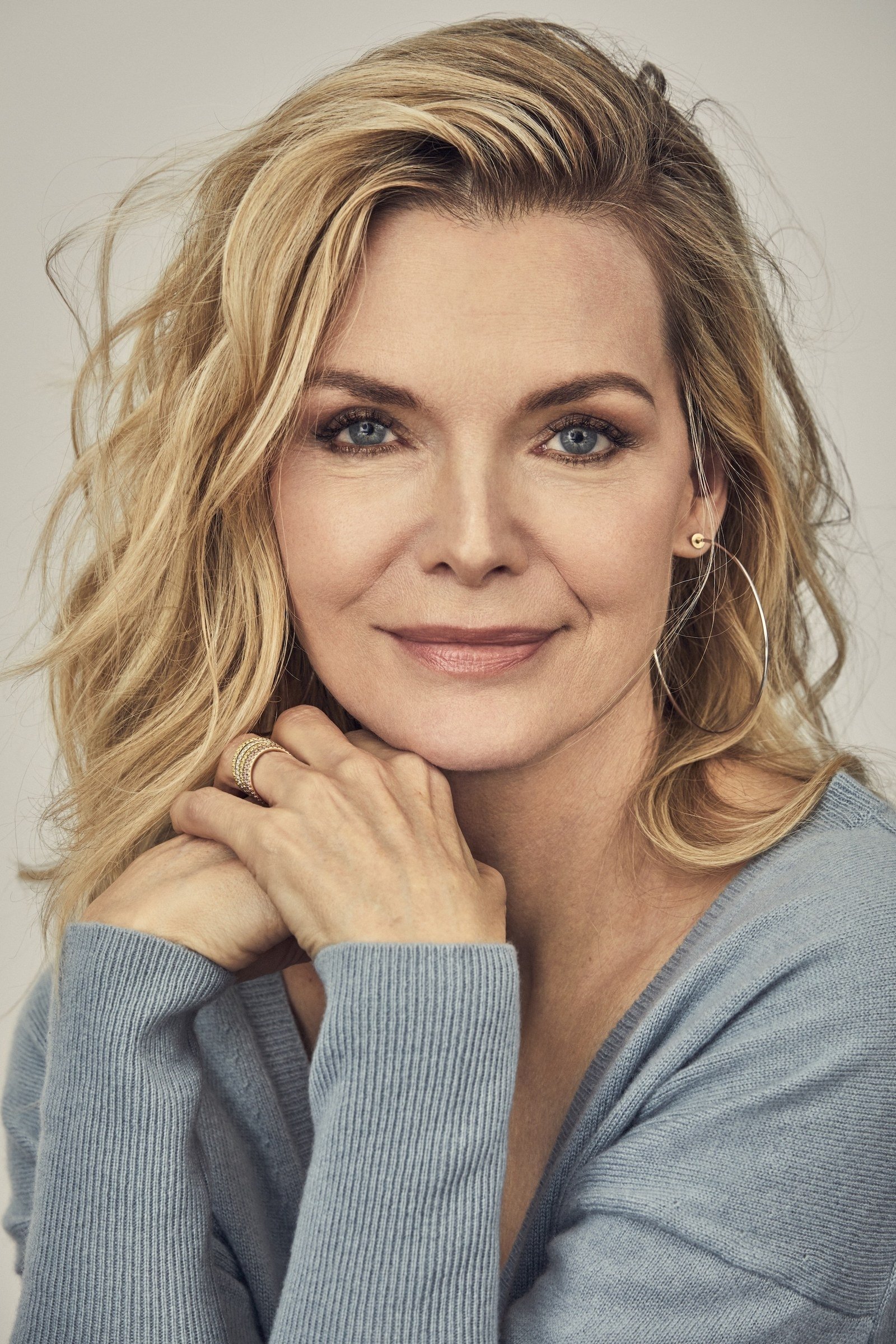
Pfeiffer has joked about disliking the movie and the role in hindsight. She said the part didn’t match the direction she hoped to go. Although it was an early credit, she later emphasized different priorities. The contrast with her later work makes the example stand out.
Nicole Kidman – Grace in ‘Grace of Monaco’

Kidman distanced herself from the film after release, saying it didn’t reflect what she expected. She indicated disappointment with the portrayal and tone. The dispute over approach made the role feel off to her. Reception of the film amplified the dissatisfaction.
Faye Dunaway – Joan Crawford in ‘Mommie Dearest’
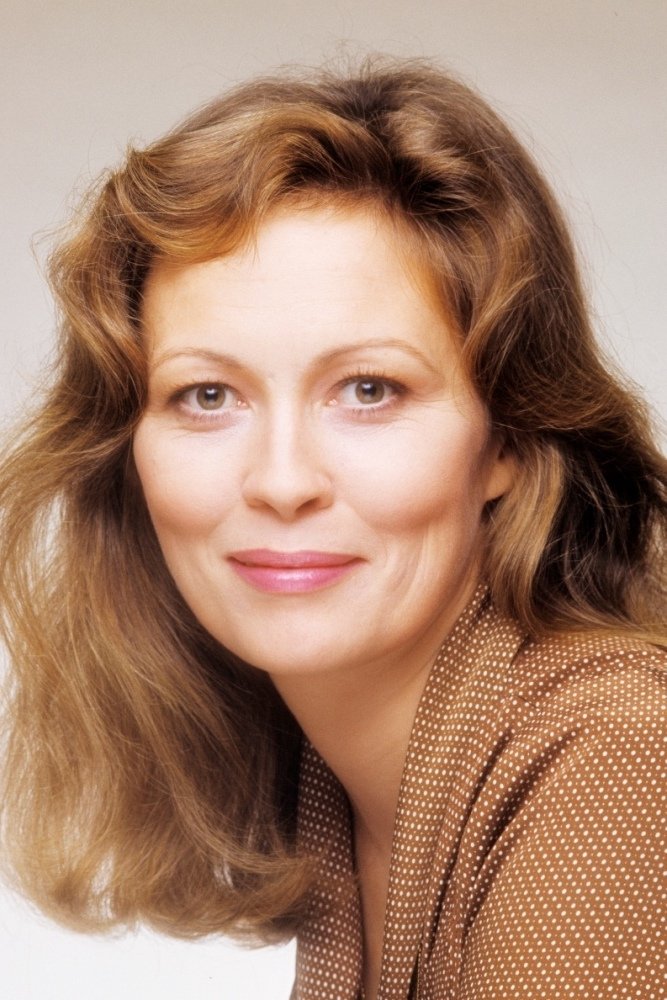
Dunaway has said she disliked how the film shaped perceptions of both her and Crawford. She criticized its heightened tone and impact on the character’s legacy. Over time, she wished the portrayal had been more grounded. The film’s afterlife has been defined by that tension.
Jennifer Garner – Elektra Natchios in ‘Elektra’
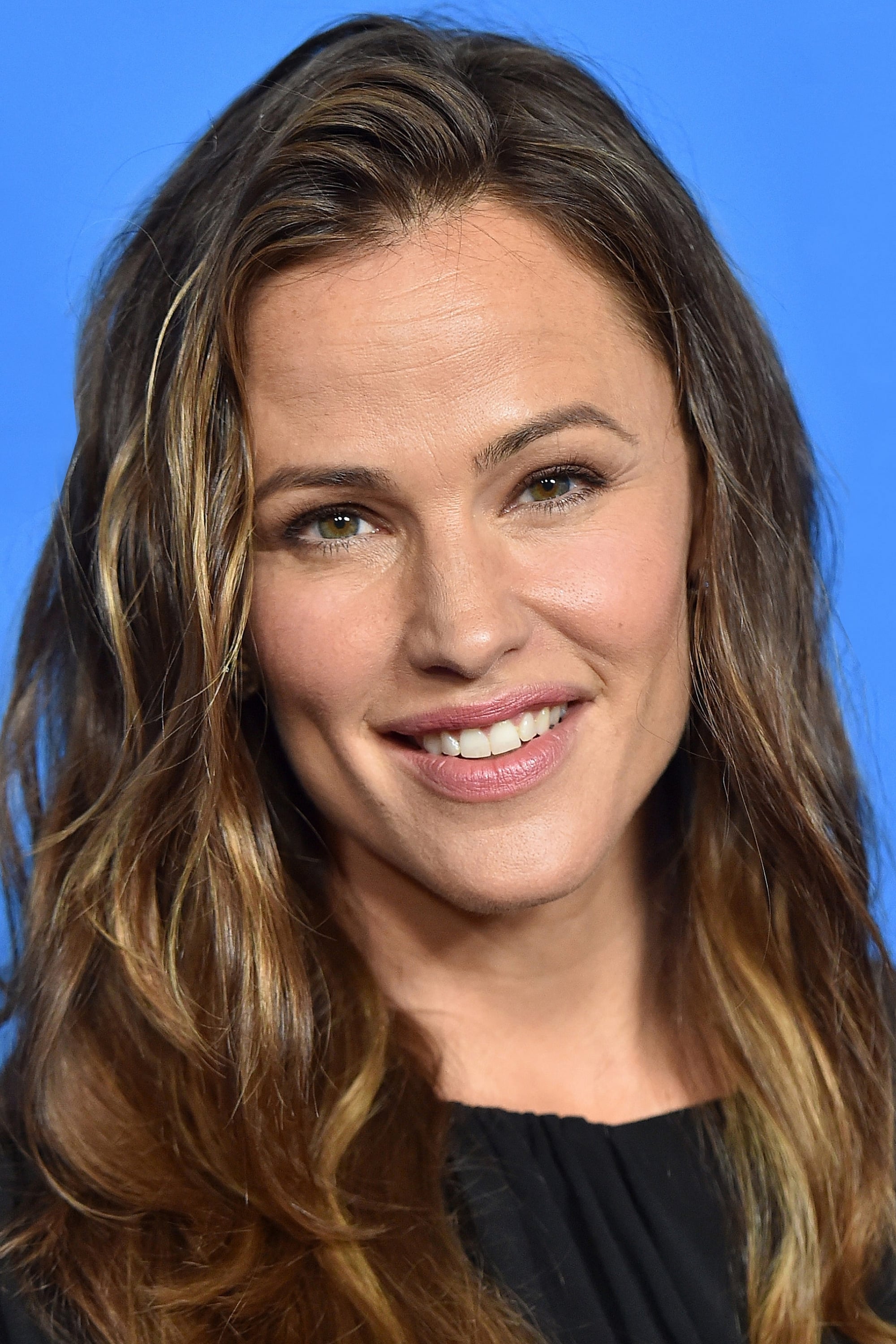
Garner has suggested she took the role under contractual obligations and wasn’t enthusiastic about the script. She later indicated the portrayal didn’t showcase the character as she’d hoped. Reception reinforced those reservations. The case is often cited when spin-offs struggle to define their leads.
Angelina Jolie – Casella “Cash” Reese in ‘Cyborg 2’
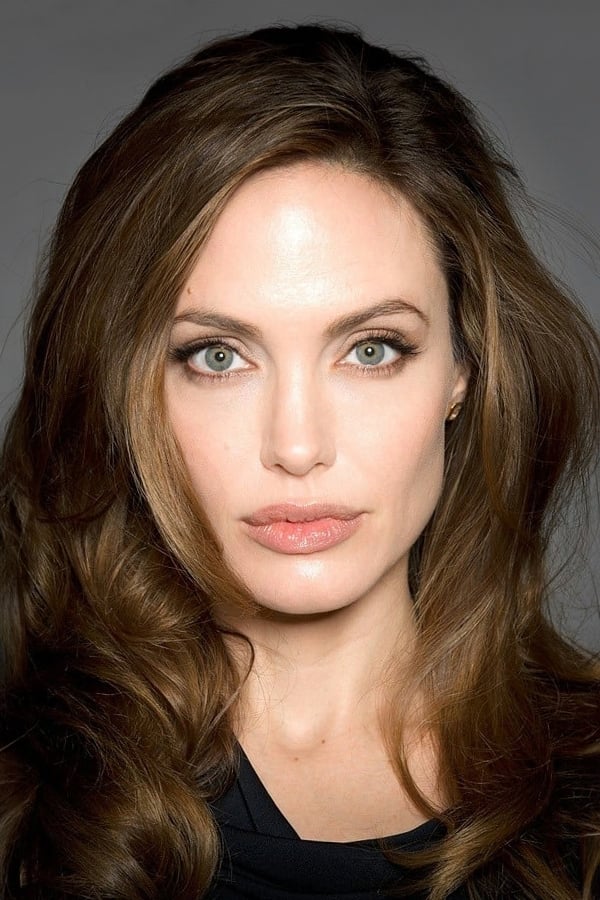
Jolie has called the early role embarrassing and something she didn’t want people to see. She said it didn’t reflect her aspirations or taste. The part became shorthand for pre-breakthrough growing pains. The experience influenced how she selected projects later.
Zoe Saldaña – Nina Simone in ‘Nina’
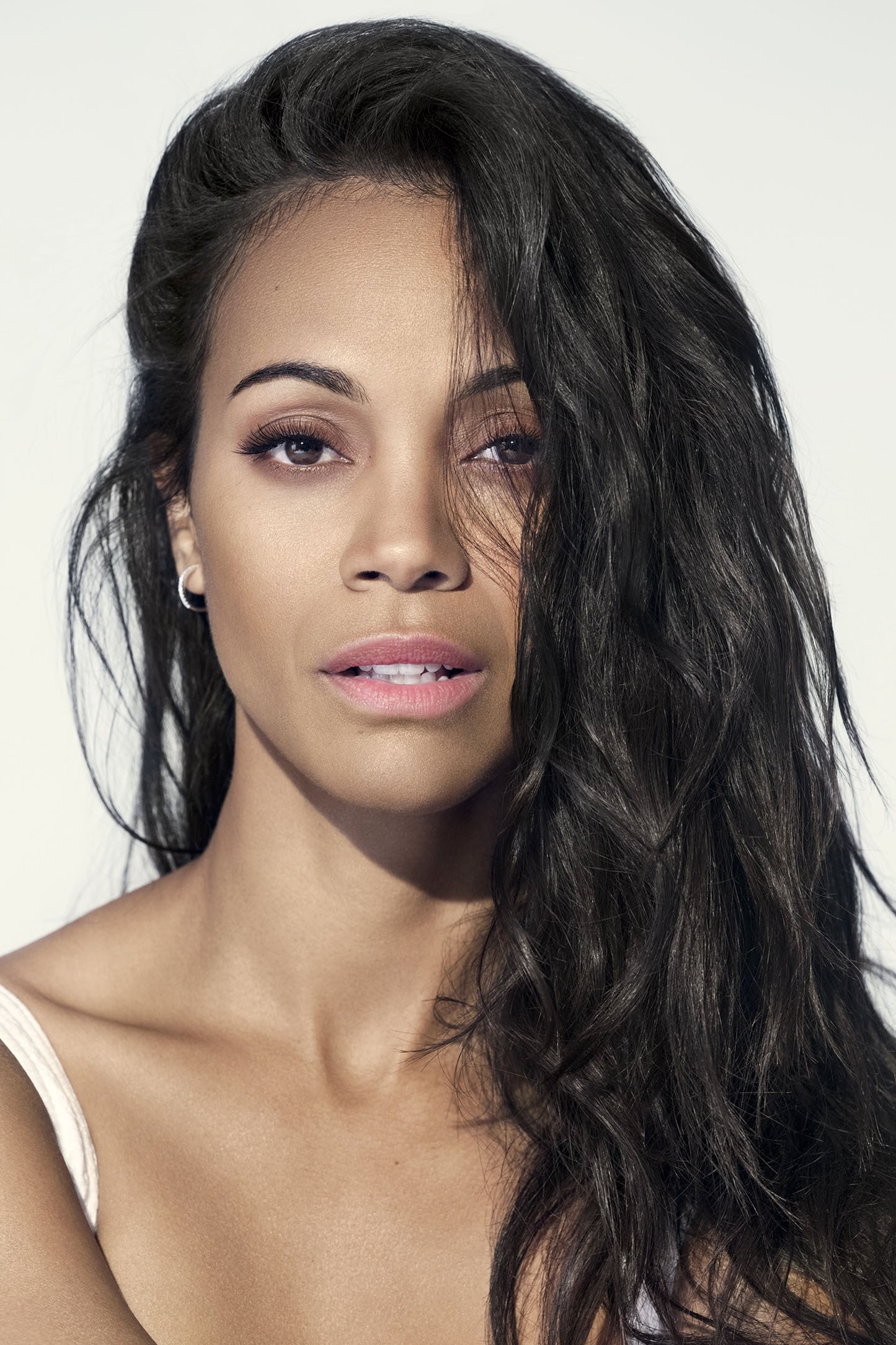
Saldaña later apologized for taking the role, acknowledging issues around casting and representation. She said the portrayal used physical alterations rather than authentic casting. The controversy overshadowed her character work. Her statements are used to argue for inclusive decision-making.
Anne Hathaway – Allison Lang in ‘Havoc’
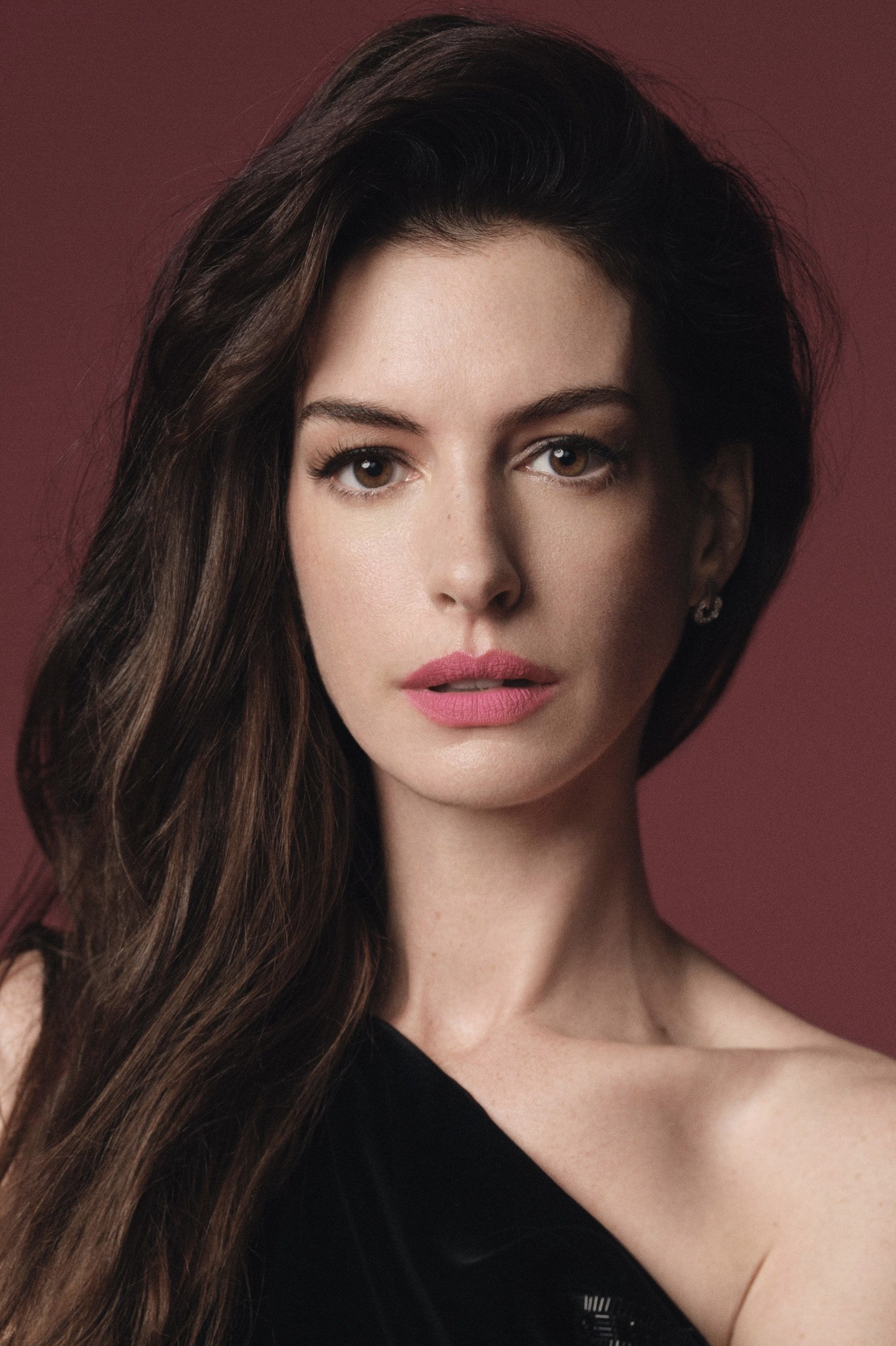
Hathaway said she was uncomfortable with elements of the role and learned from taking it too early. She felt misaligned with the film’s tone and choices. That discomfort shaped how she approached scripts later on. The part is frequently mentioned when she talks about boundaries.
Chloë Grace Moretz – voice of Snow White parody in ‘Red Shoes and the Seven Dwarfs’
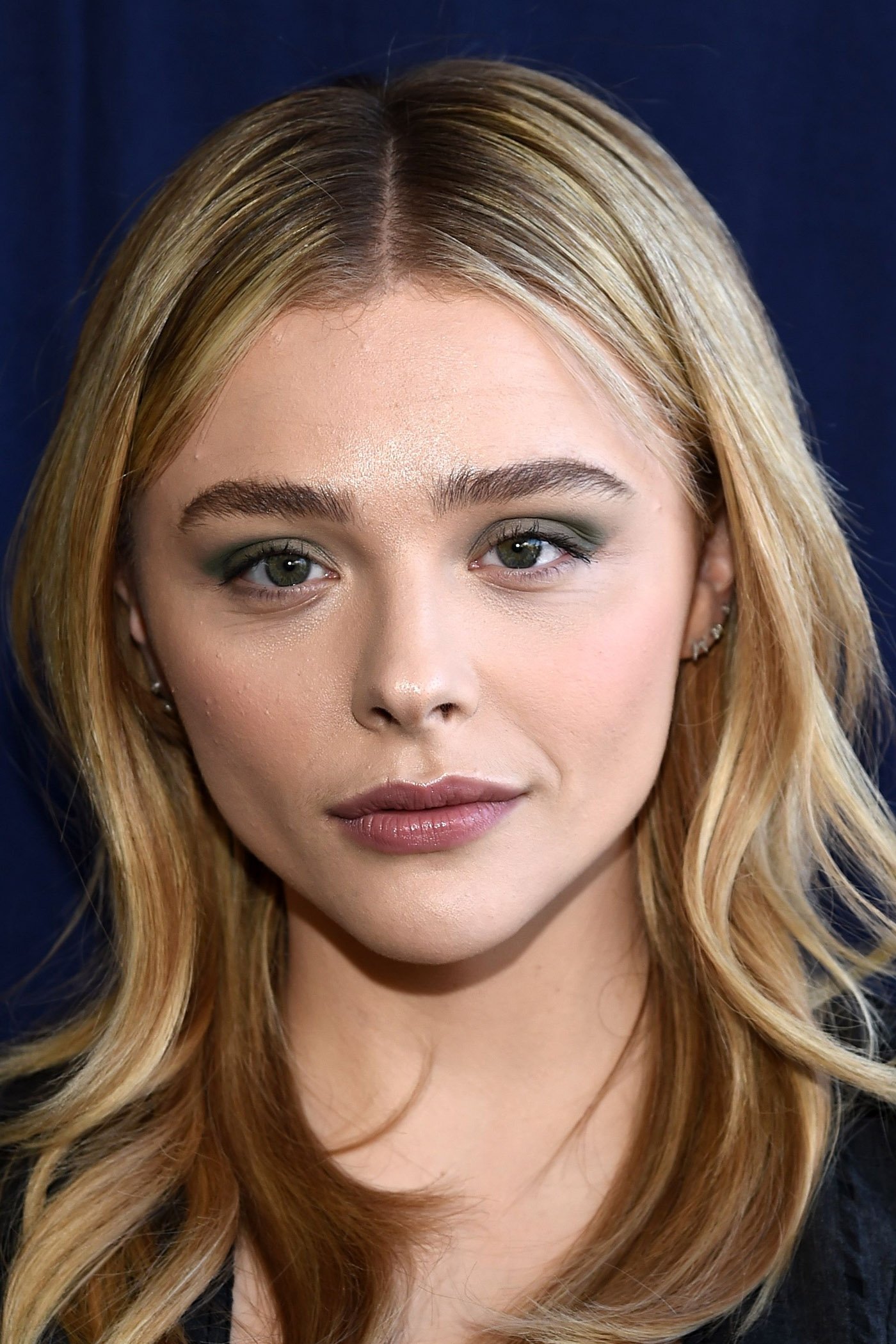
Moretz criticized the marketing campaign, saying it sent harmful messages about body image. She publicly distanced herself from the way the character was promoted. The controversy prompted apologies from the studio. Her response is cited as an example of pushing back when a character’s framing goes wrong.
Daisy Ridley – Rey in ‘Star Wars’

Ridley described the overall experience as challenging and talked about frustrations tied to secrecy and shifting plans. She spoke about the emotional toll of public scrutiny. While appreciative of the opportunity, aspects left her conflicted. Her reflections feed into ongoing discussions about franchise storytelling and fan culture.
Natalie Portman – Jane Foster in ‘Thor: The Dark World’
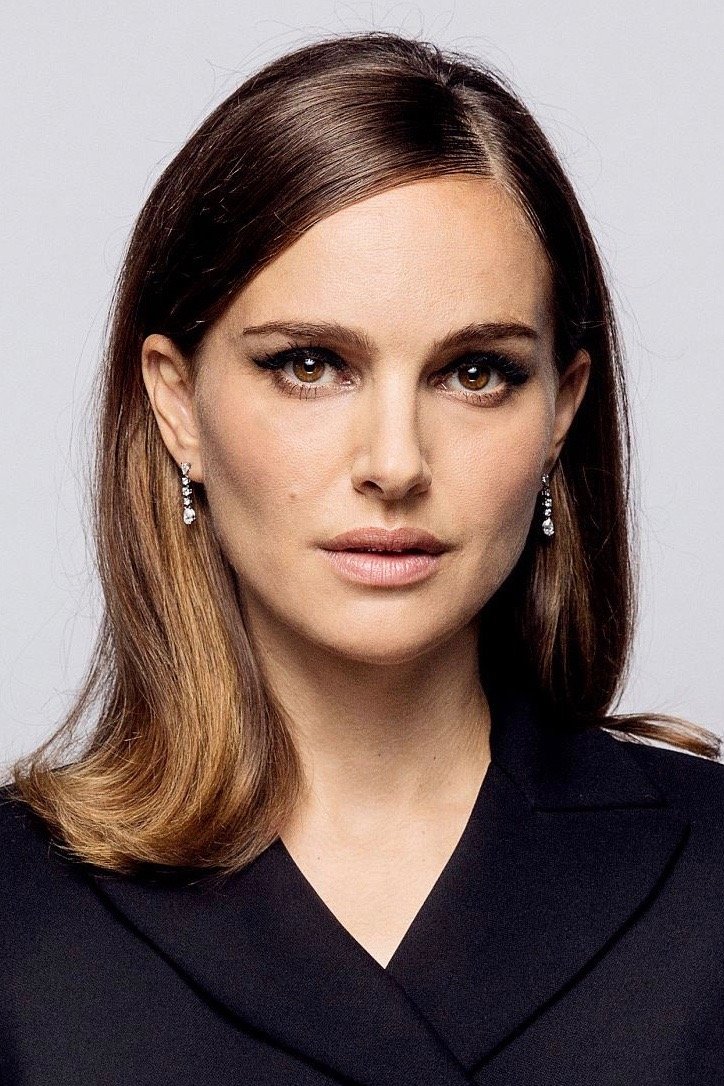
Portman was reported to be unhappy after a directing change reshaped the project she’d signed onto. Industry coverage noted that creative upheaval affected her enthusiasm for returning. She later came back to the franchise with a different team and direction. The situation is often referenced when discussing how behind-the-scenes shifts impact characters.
Jennifer Lawrence – Mystique in ‘X-Men’ films
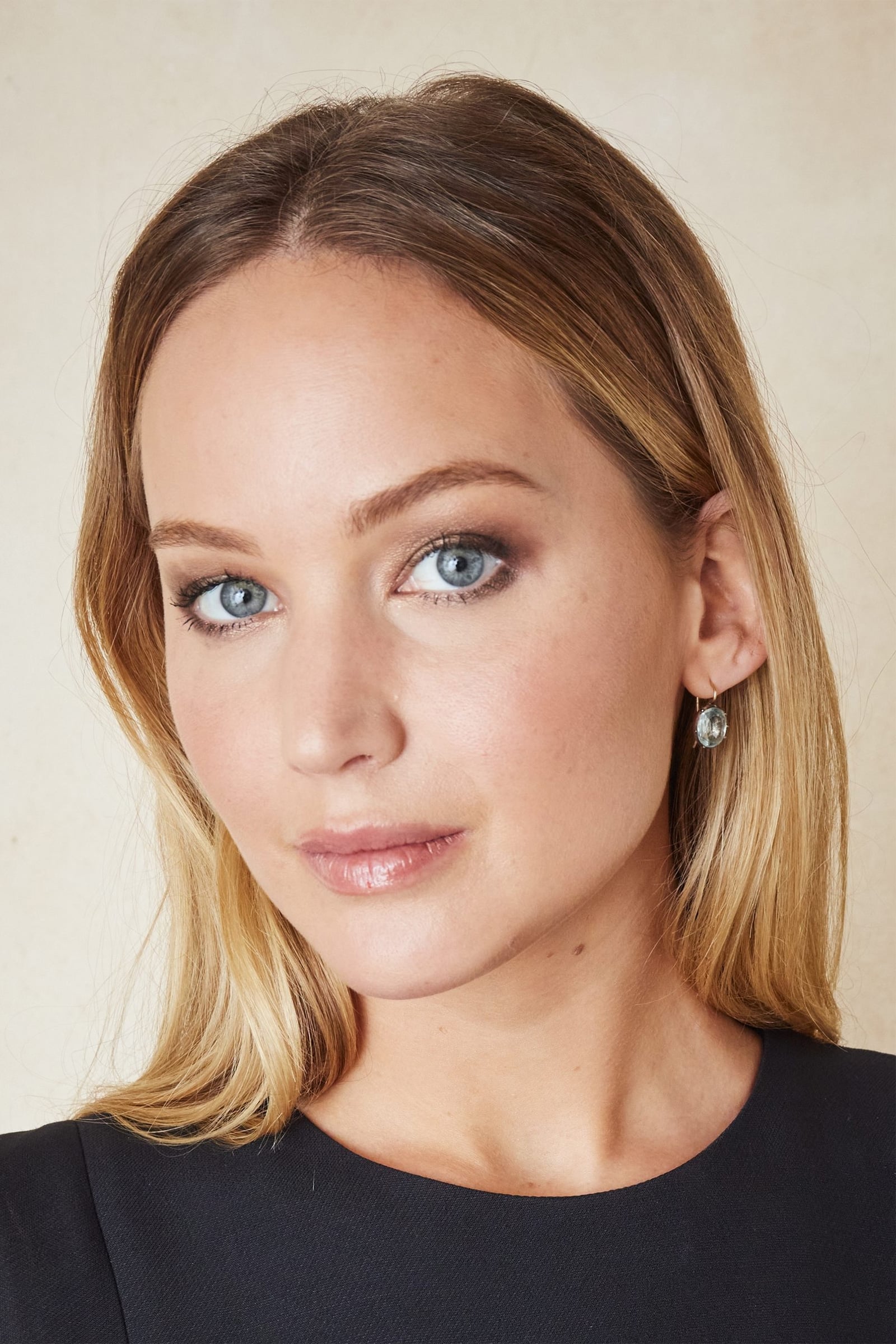
Lawrence frequently described the extensive makeup process as miserable and said she dreaded the role’s demands. She also mentioned concerns about the character’s trajectory over multiple installments. These factors reduced her desire to continue. Her experience highlights the strain of heavy prosthetics and franchise continuity.
Carrie Fisher – Princess Leia in ‘Return of the Jedi’
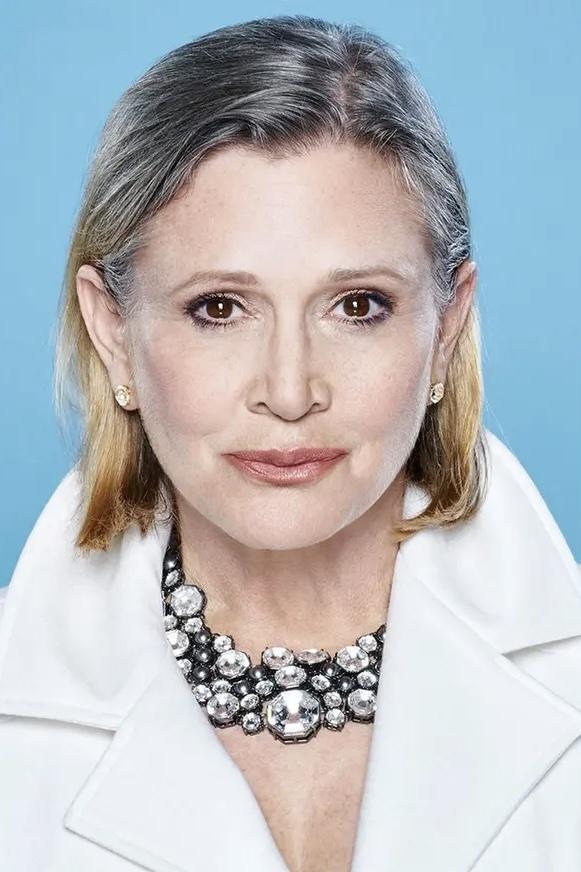
Fisher spoke openly about disliking Leia’s metal-bikini costume and what it represented. She used interviews and public appearances to critique that aspect of the character’s image. Her comments prompted broader conversations about costuming and agency. The topic remains a touchstone in discussions of representation.
Maria Schneider – Jeanne in ‘Last Tango in Paris’
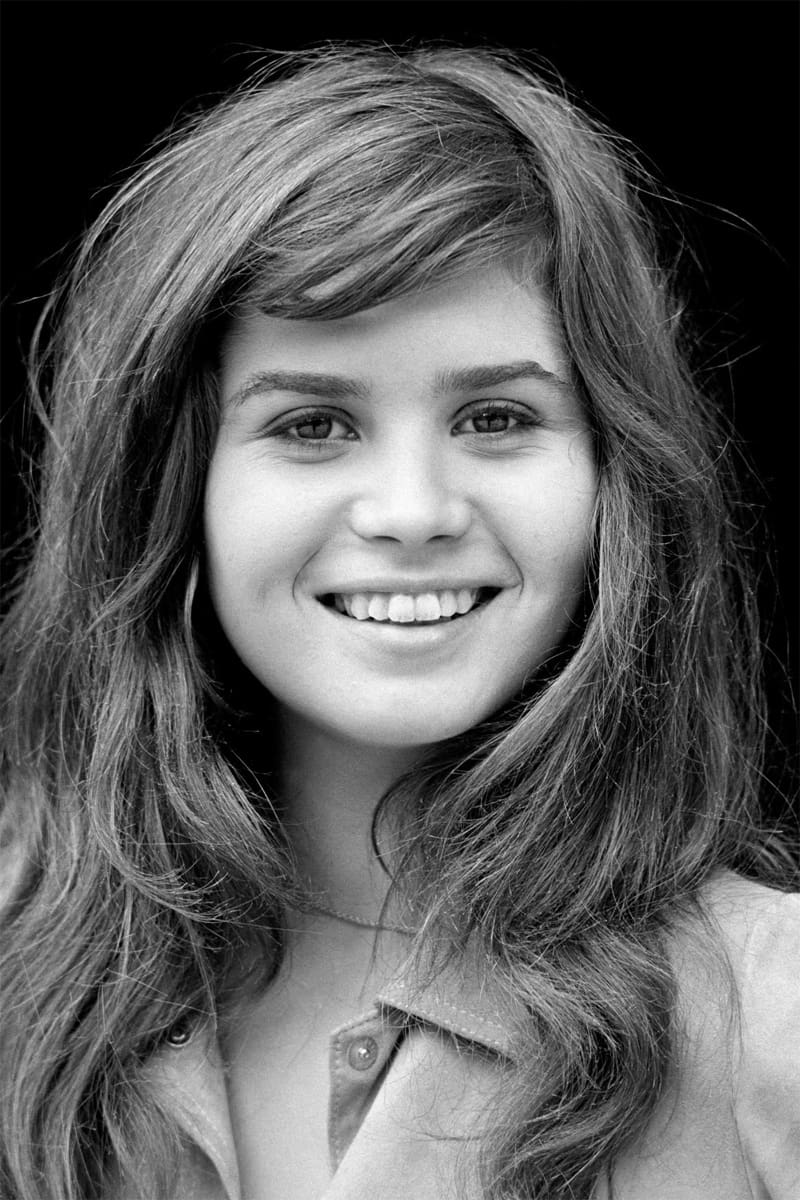
Schneider said she felt humiliated by a now-notorious scene and that she wasn’t informed about key details in advance. She described the experience as traumatic. The incident has been central to debates about consent and transparency on sets. Her account reshaped industry standards and audience understanding.
Tippi Hedren – Melanie Daniels in ‘The Birds’
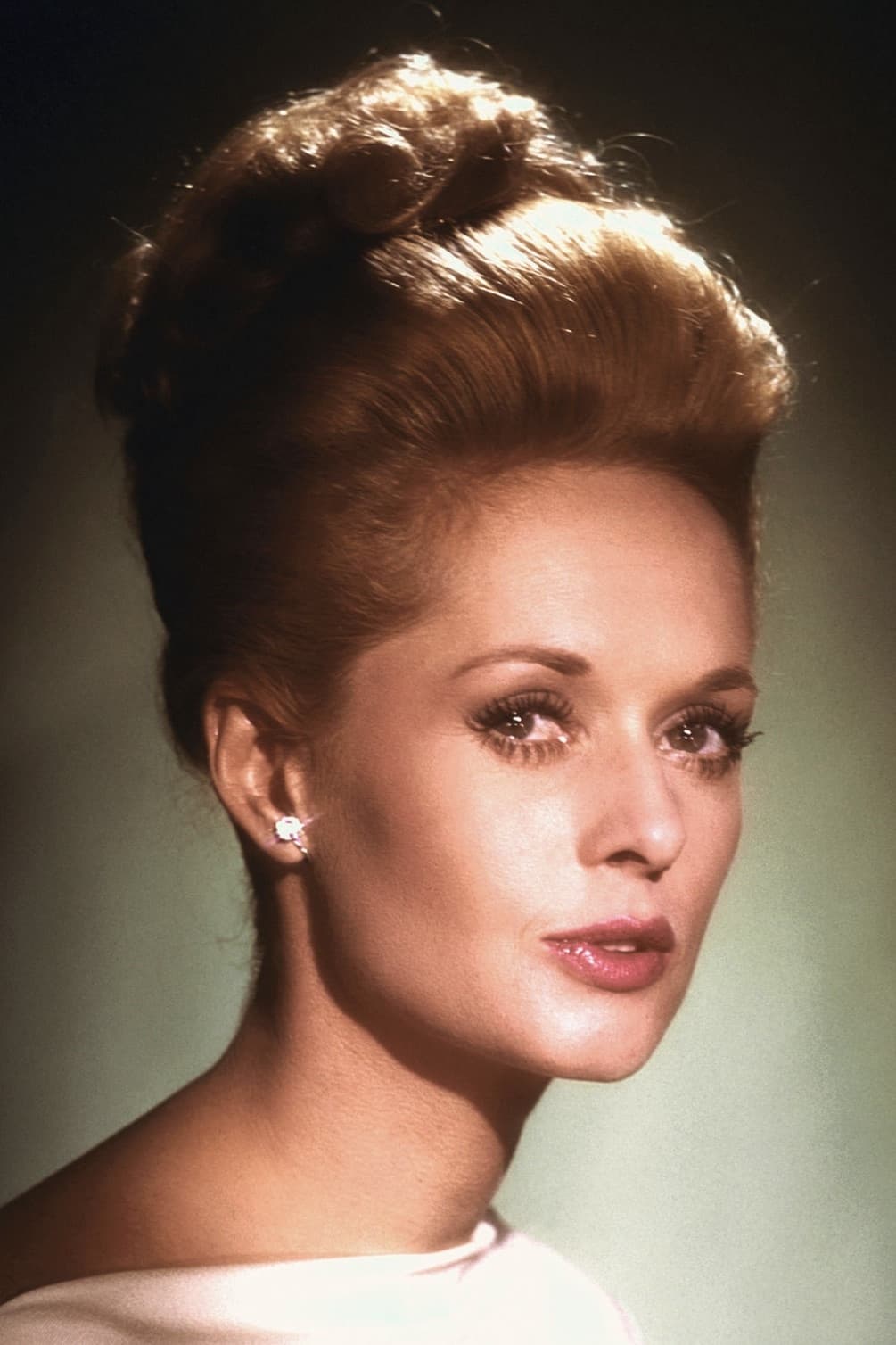
Hedren has described abusive treatment and retaliation during and after filming. She detailed incidents that made the role emotionally and physically punishing. Her testimony became widely discussed in film histories. The case is frequently cited in conversations about safeguarding performers.
Charisma Carpenter – Cordelia Chase in ‘Angel’
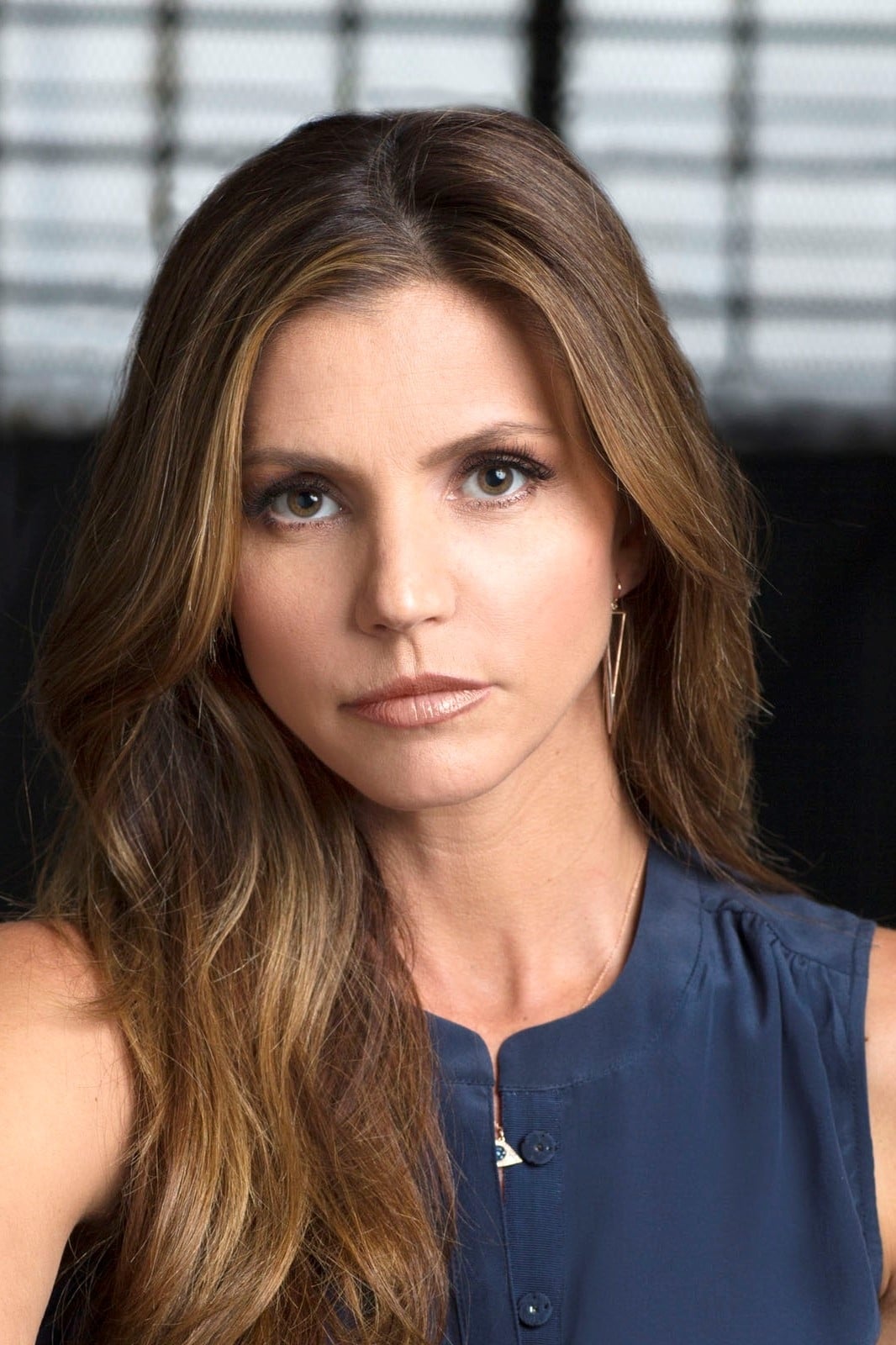
Carpenter alleged hostile and abusive behavior that affected her character’s direction. She said her pregnancy was handled punitively in the narrative. Her statements prompted public responses from colleagues and the studio. The situation remains part of the show’s legacy.
Mischa Barton – Marissa Cooper in ‘The O.C.’

Barton said bullying and set issues drove her to leave the series. She described the pressure of intense media scrutiny alongside on-set conflicts. Those factors made playing Marissa untenable. Her account added context to the character’s sudden exit.
Jessica Biel – Mary Camden in ‘7th Heaven’
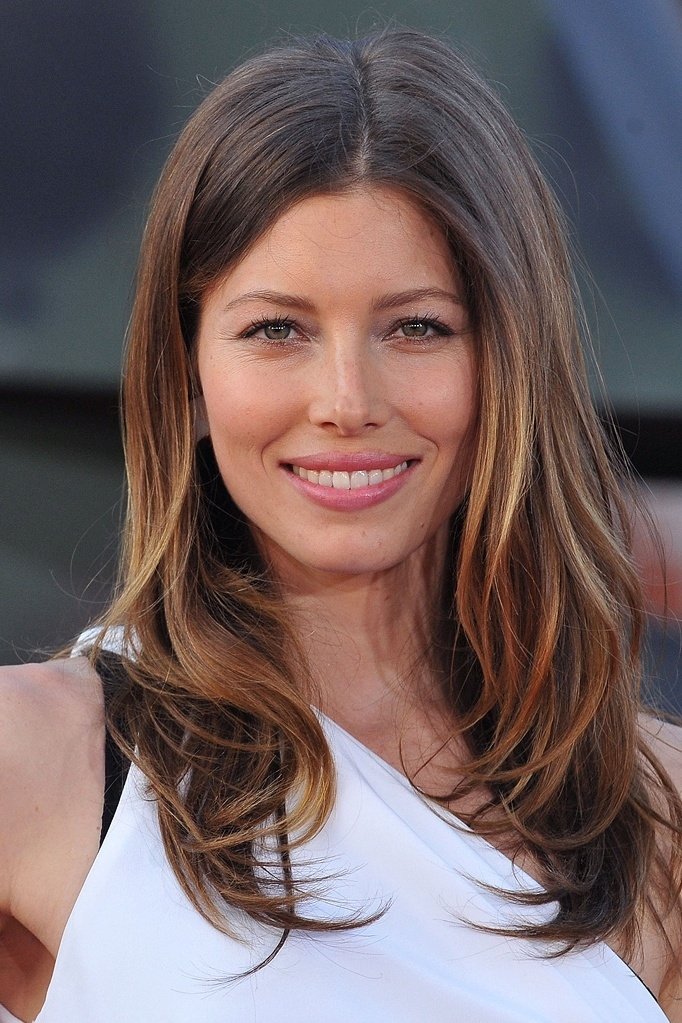
Biel discussed strict image rules and tensions as she grew up on the show. She said the constraints clashed with her evolving career goals. That friction made the character feel limiting. Her reflections are often cited in conversations about young actors on long-running family series.
Thandiwe Newton – Nyah Nordoff-Hall in ‘Mission: Impossible 2’

Newton later called the shoot a nightmare and said she felt unsafe in some circumstances. She also criticized aspects of the role’s conception. The experience influenced how she evaluated future collaborations. Her perspective is used to examine action-film set culture.
Sharon Stone – Catherine Tramell in ‘Basic Instinct’
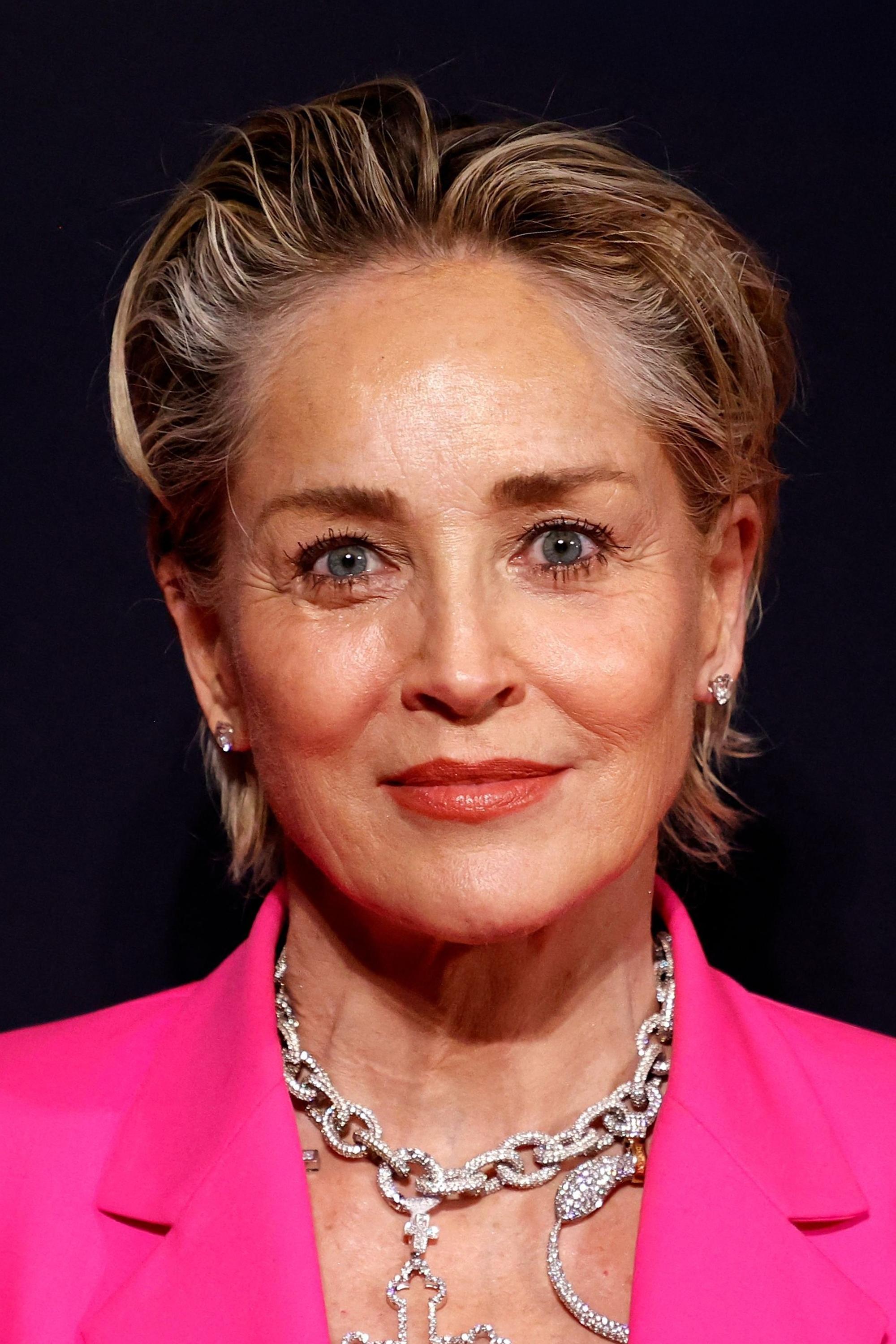
Stone has said she was misled about what would be visible in the interrogation scene. She described learning about the final cut only after screening it. The experience raised issues of consent and trust. Her account remains a case study in informed participation.
Naomi Watts – Princess Diana in ‘Diana’
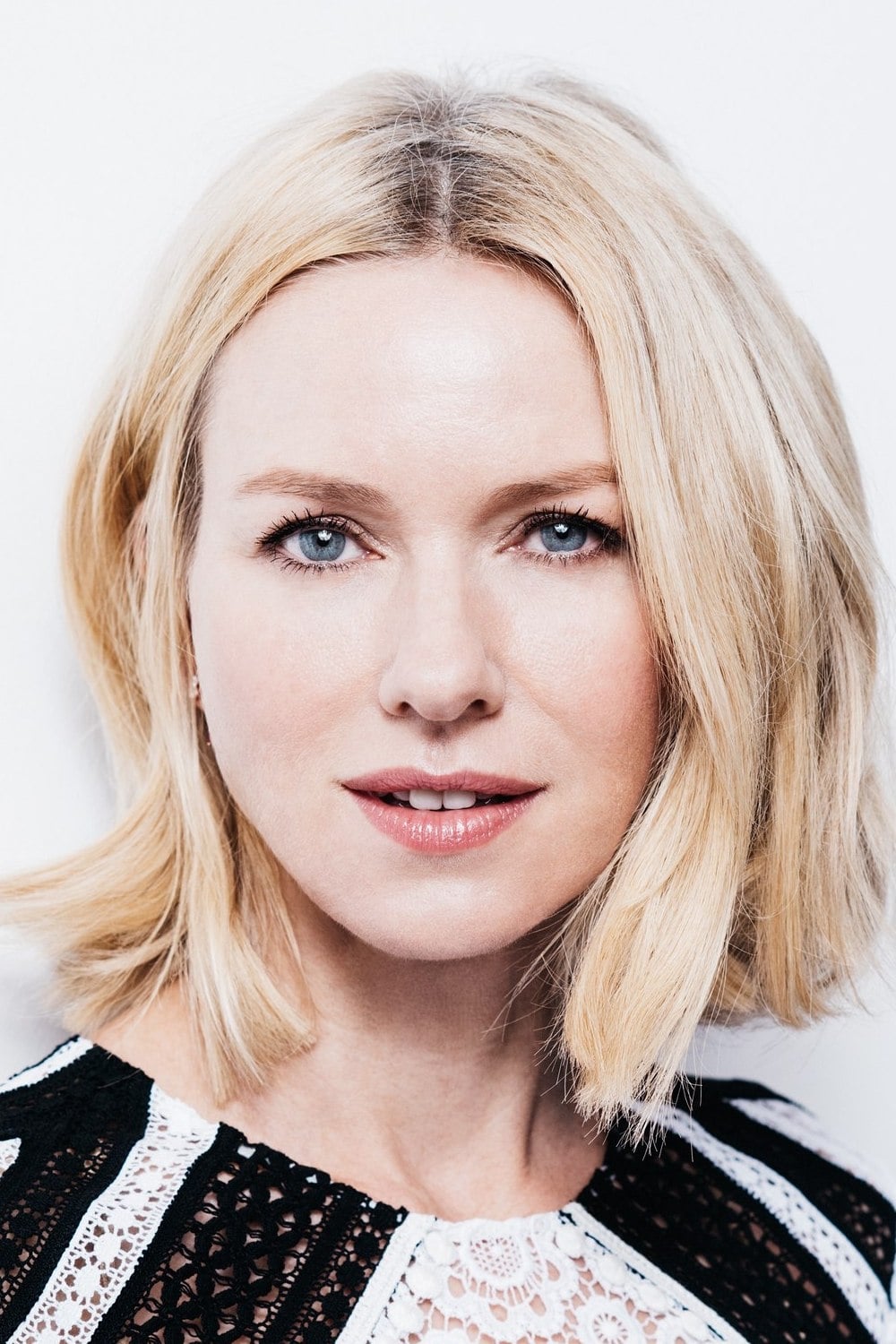
Watts later characterized the project as a misfire and expressed regret over how it turned out. She said the portrayal didn’t match her intentions. The reception compounded her disappointment. The film is frequently referenced in discussions about biopic pitfalls.
Jennifer Aniston – Tory in ‘Leprechaun’
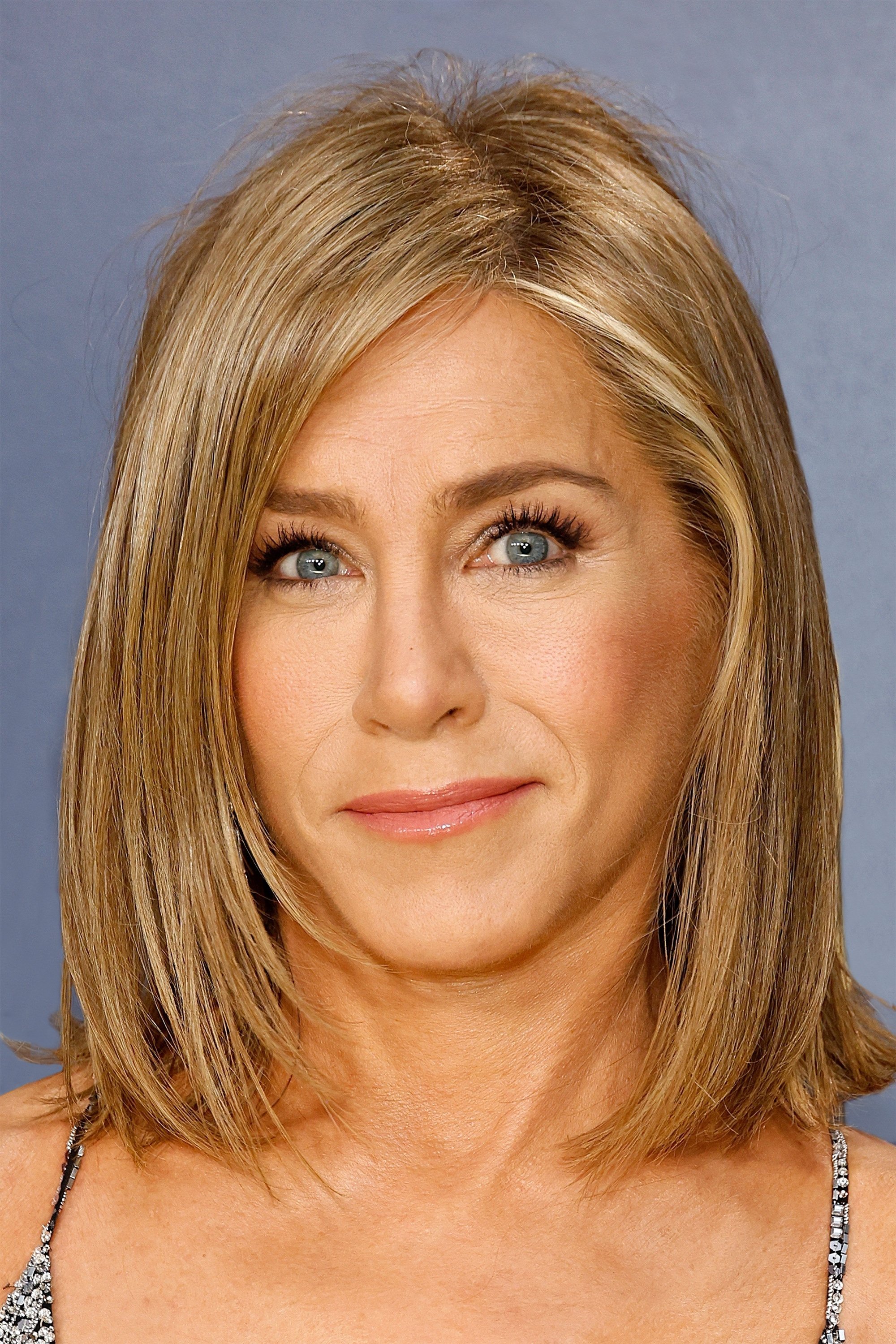
Aniston has joked about cringing at the film and distanced herself from the early role. She’s described embarrassment over the performance and project. The experience is a common example actors cite from their earliest credits. It illustrates how career beginnings don’t always align with later standards.
Anna Paquin – Rogue in ‘X-Men’ films
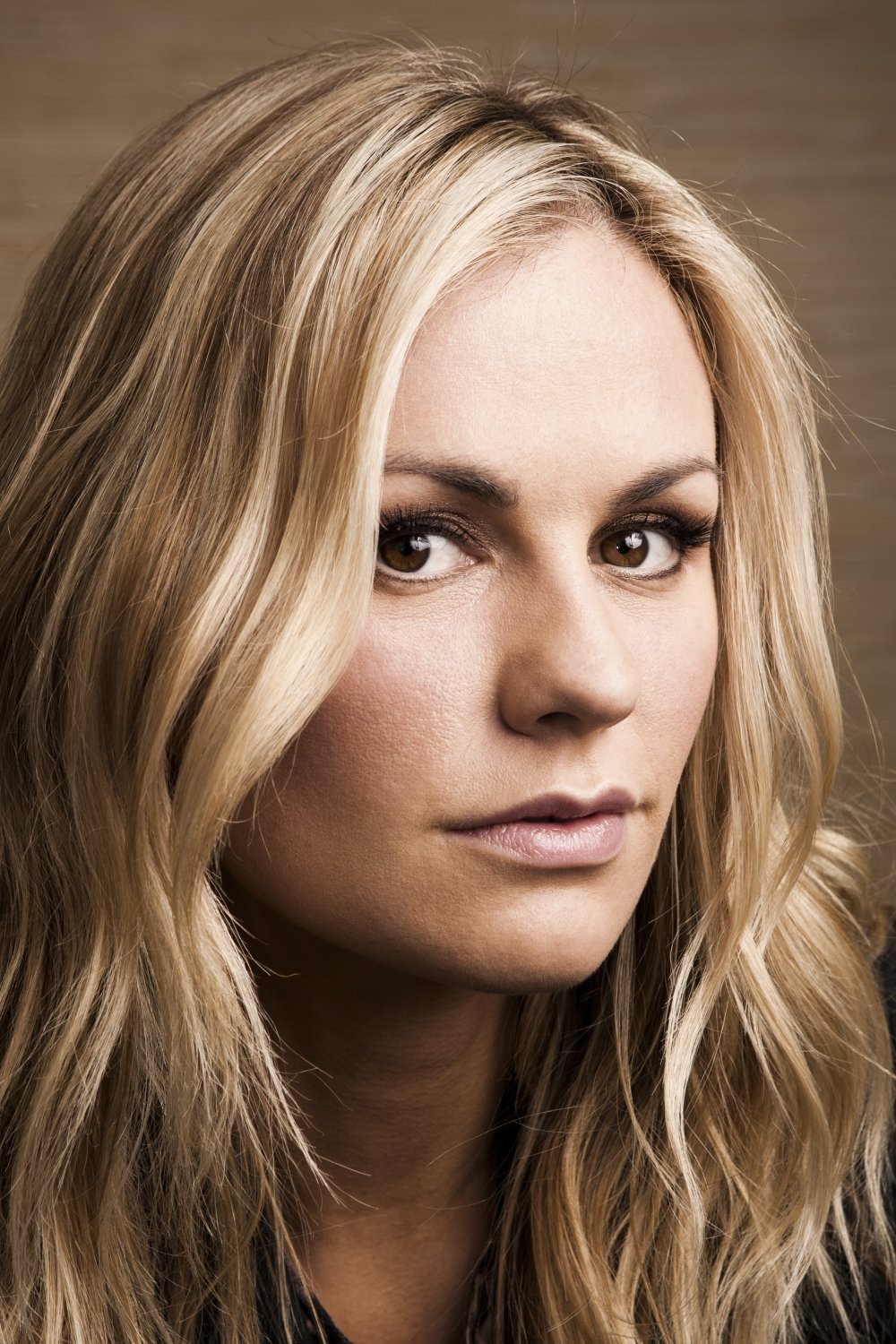
Paquin expressed disappointment when significant Rogue material was cut from a later installment. She said the sidelining reduced the character’s impact. That outcome shaped how she felt about the role’s trajectory. Fans often reference her comments when discussing ensemble balance.
Katherine Heigl – Alison Scott in ‘Knocked Up’
Heigl later criticized aspects of the film’s portrayal of men and women and how her character was written. She said the dynamic didn’t feel balanced. The remarks sparked a larger debate about tone in studio comedies. Her stance remains one of the most discussed post-release critiques.
Dakota Johnson – Anastasia Steele in ‘Fifty Shades of Grey’
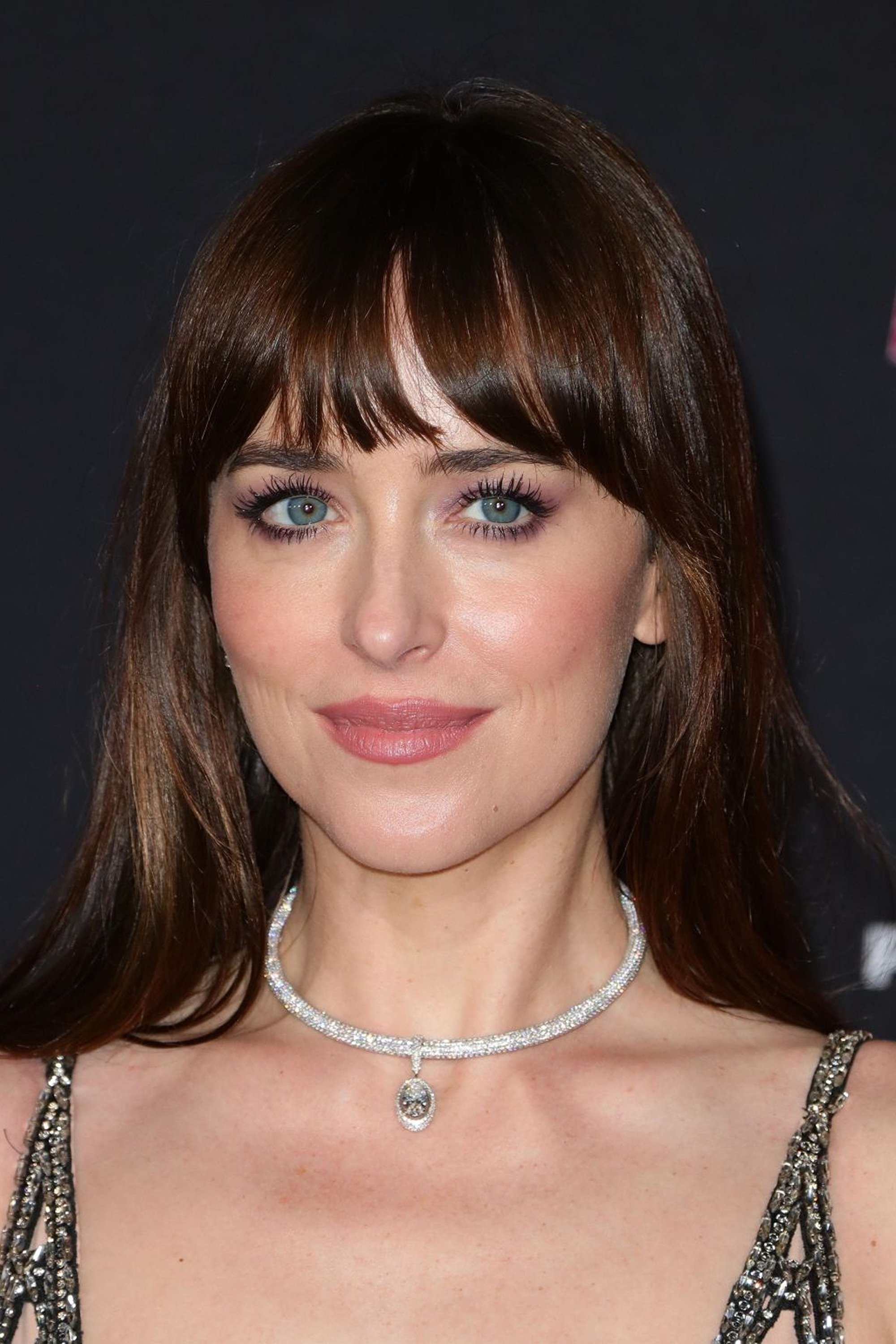
Johnson described the production as chaotic, citing major creative clashes and constant changes. She has said the process was difficult even though she doesn’t regret taking the role. The turbulence affected how she connected to Anastasia. Her comments are often used to illustrate the strain of adapting massive bestsellers.
Share your thoughts below—who did we miss, and which performances do you think the actresses most wanted to walk away from?