Best Endings That Reframe the Whole Film

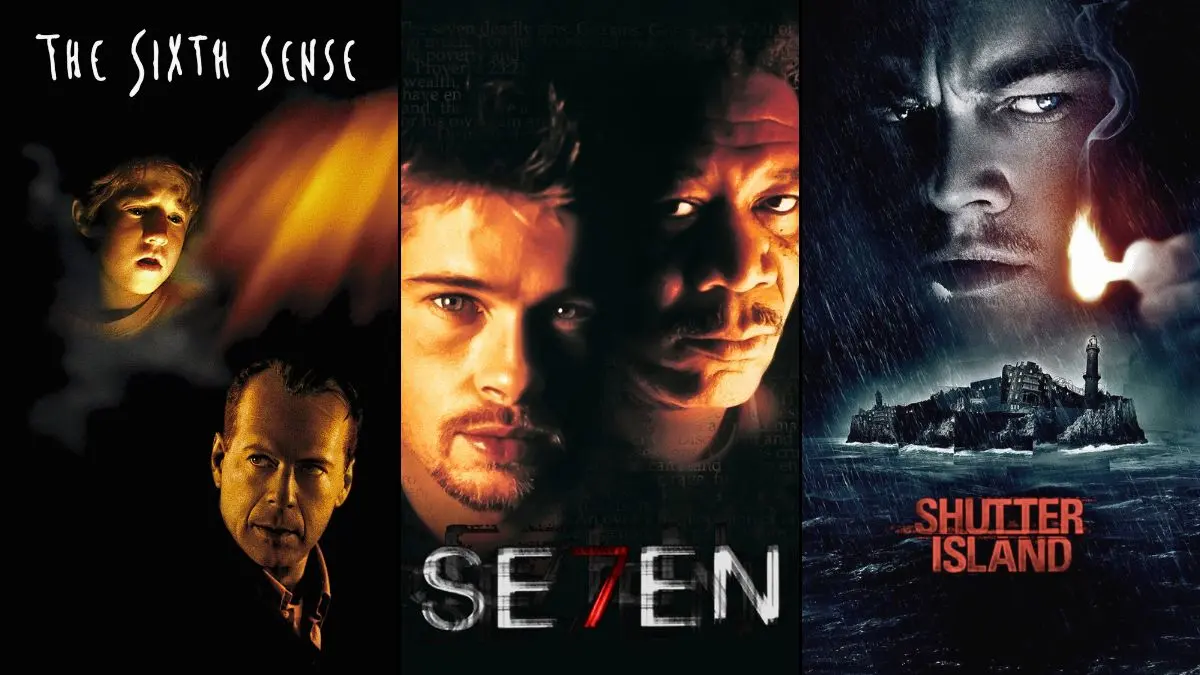

Great endings can flip everything you thought you knew and make you see the story from a brand new angle. These films use final reveals, last scene turnarounds, or closing information to change the meaning of earlier events. Read on for forty movie endings that send you back through the plot with fresh eyes. Spoilers ahead if you have not seen some of these.
‘The Sixth Sense’ (1999)
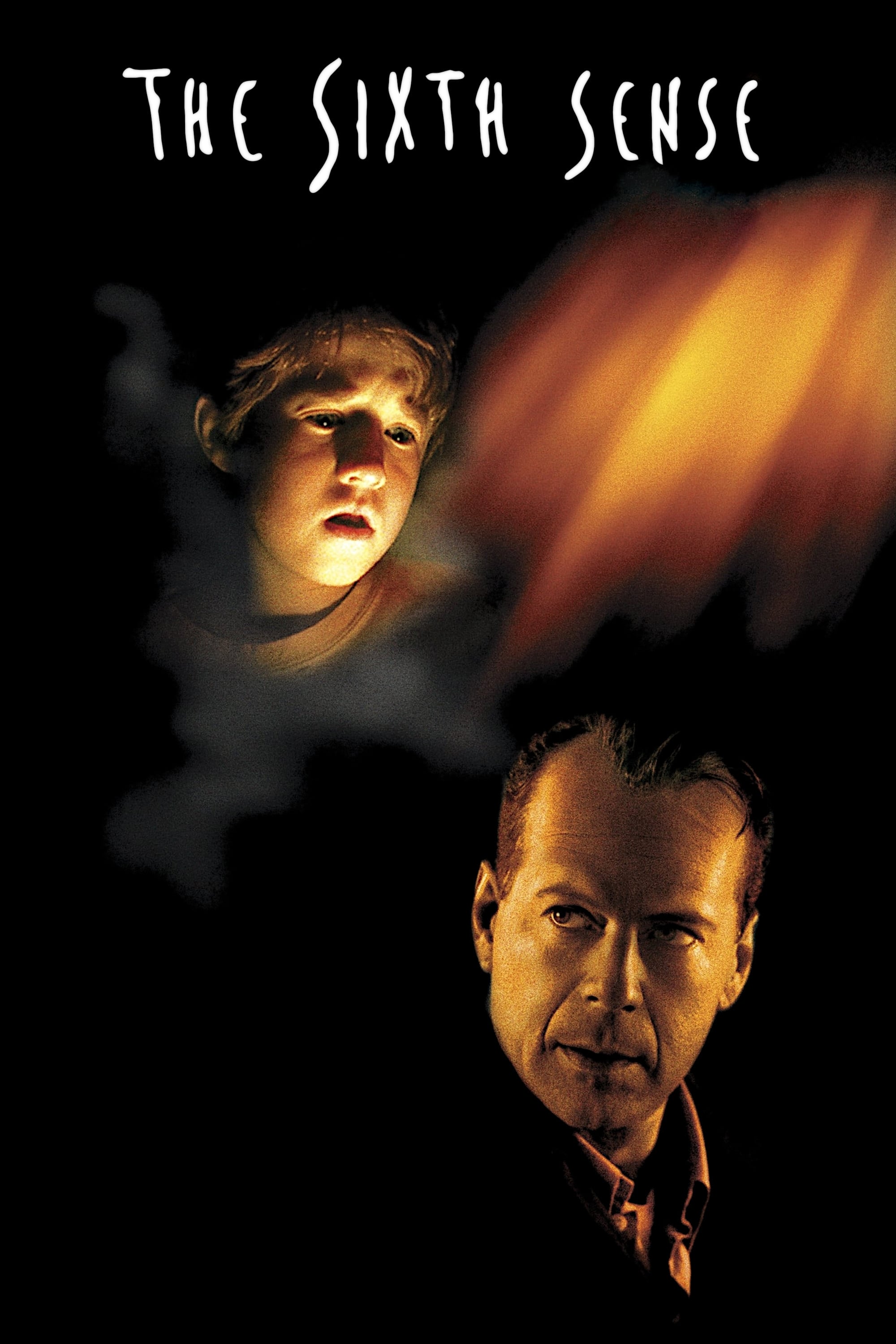
The final reveal establishes that Malcolm has been dead during the entire story. Earlier conversations, doorways, and dinner scenes gain new context because no one else directly engages with him. Cole’s secret becomes the key that explains Malcolm’s unresolved casework and his marriage. Rewatching shows how staging and camera placement concealed the truth in plain sight.
‘Fight Club’ (1999)

The ending confirms that Tyler and the narrator are the same person. Project Mayhem’s operations and the leadership dynamics are revealed as the narrator’s own actions. Flashbacks and cutaways align to show how other characters reacted to a single man. The final skyline sequence clarifies the goal that motivated the plot’s escalating plans.
‘The Usual Suspects’ (1995)
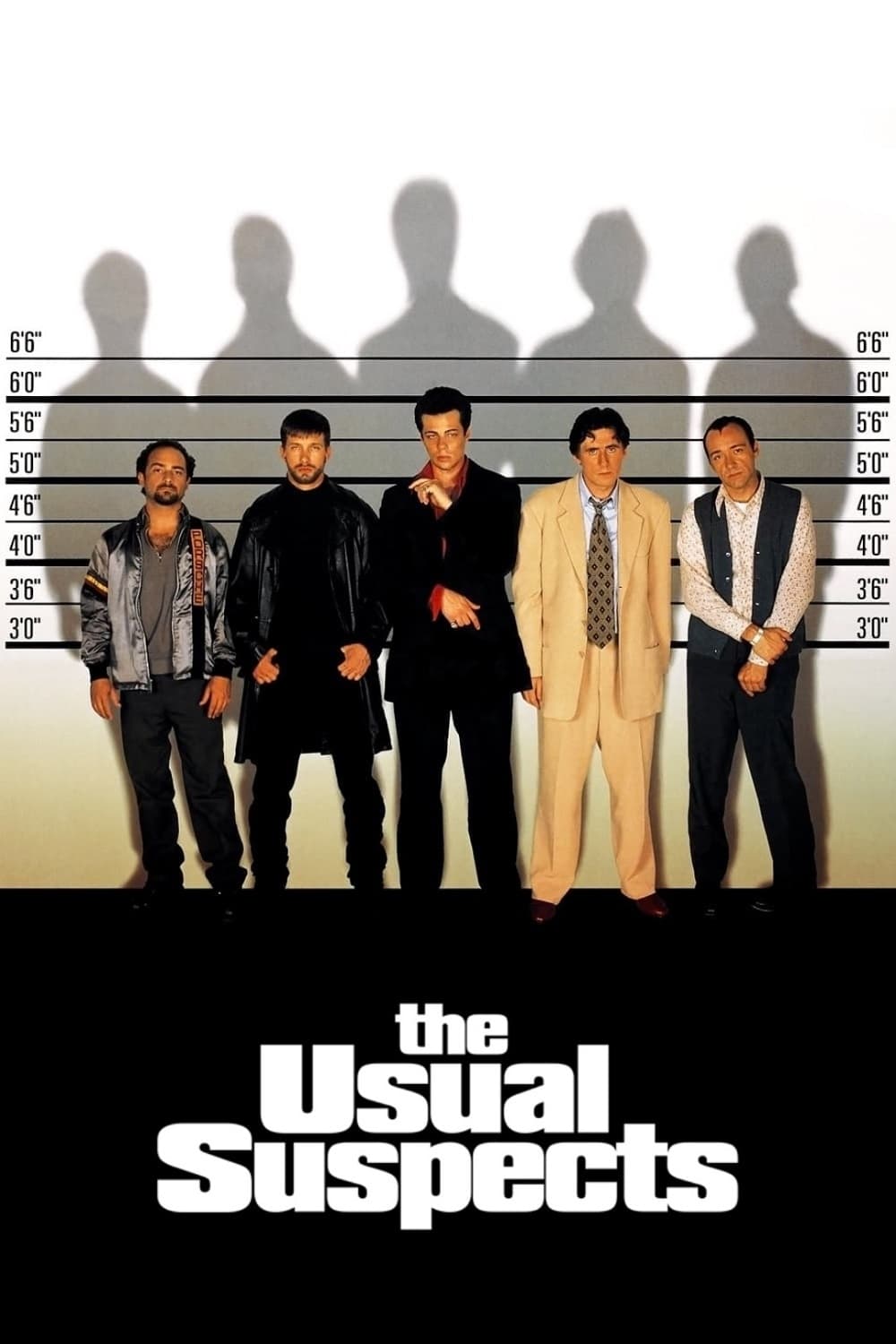
The epilogue shows that Verbal’s entire tale was assembled from details on a bulletin board and items in the office. Names, places, and coincidences connect back to those background props. The elusive figure of Keyser Söze is recast as the storyteller himself. The limp and the coffee mug provide the final proof of the deception.
‘Se7en’ (1995)
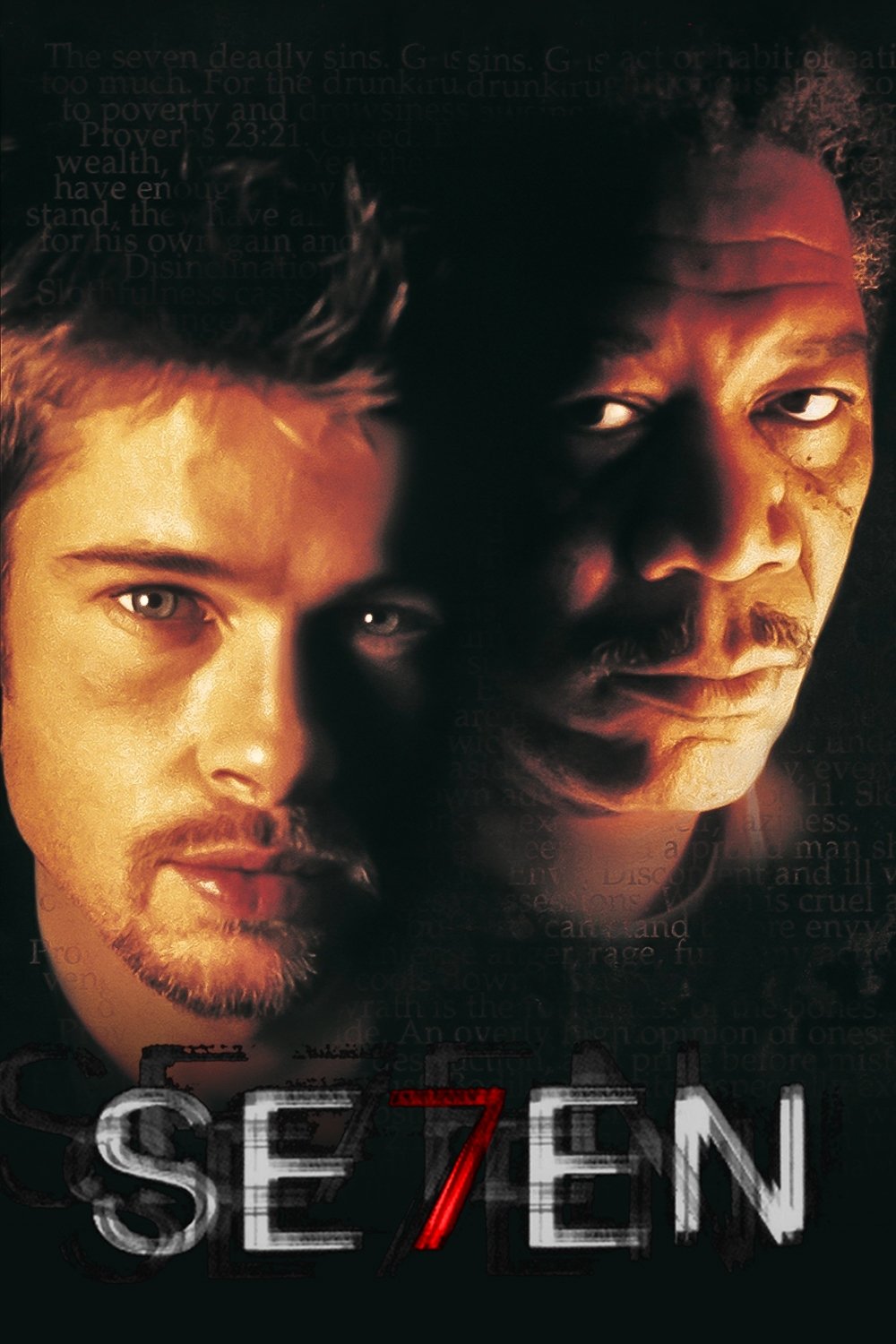
The last delivery forces Mills to complete the killer’s design. Each prior sin-related murder gains meaning as steps in a plan tailored to the detectives. Doe’s surrender is revealed as a strategic move that required the day’s events to unfold in a specific order. The epilogue shows the case reaching its intended conclusion.
‘Oldboy’ (2003)
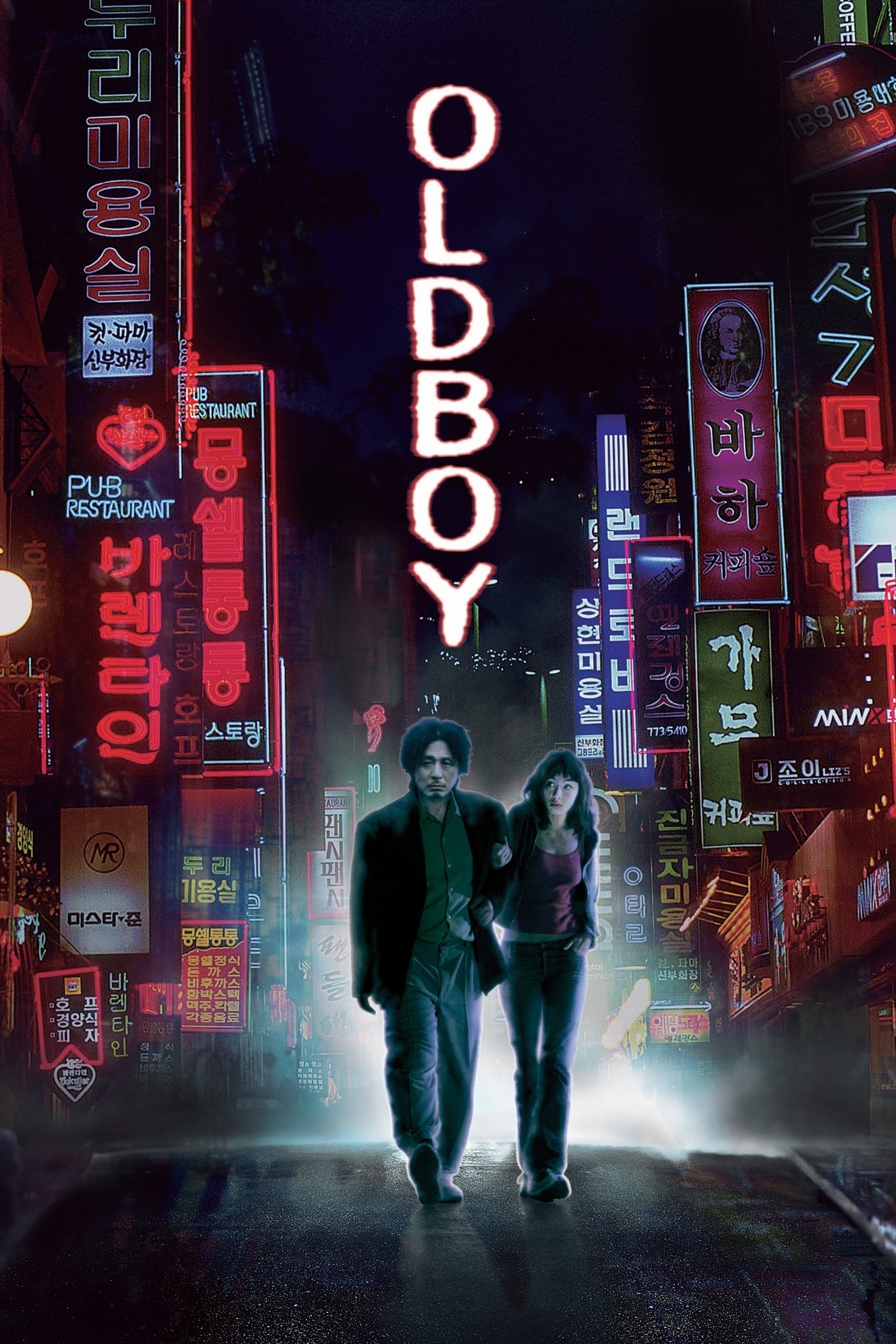
The final hypnosis sequence reveals the full extent of the antagonist’s manipulation. Photographs and past relationships reframe earlier meetings and alliances. The protagonist’s captivity is shown as only one part of a broader revenge architecture. Clues seeded in dialogue and gifts take on new meanings after the reveal.
‘The Others’ (2001)
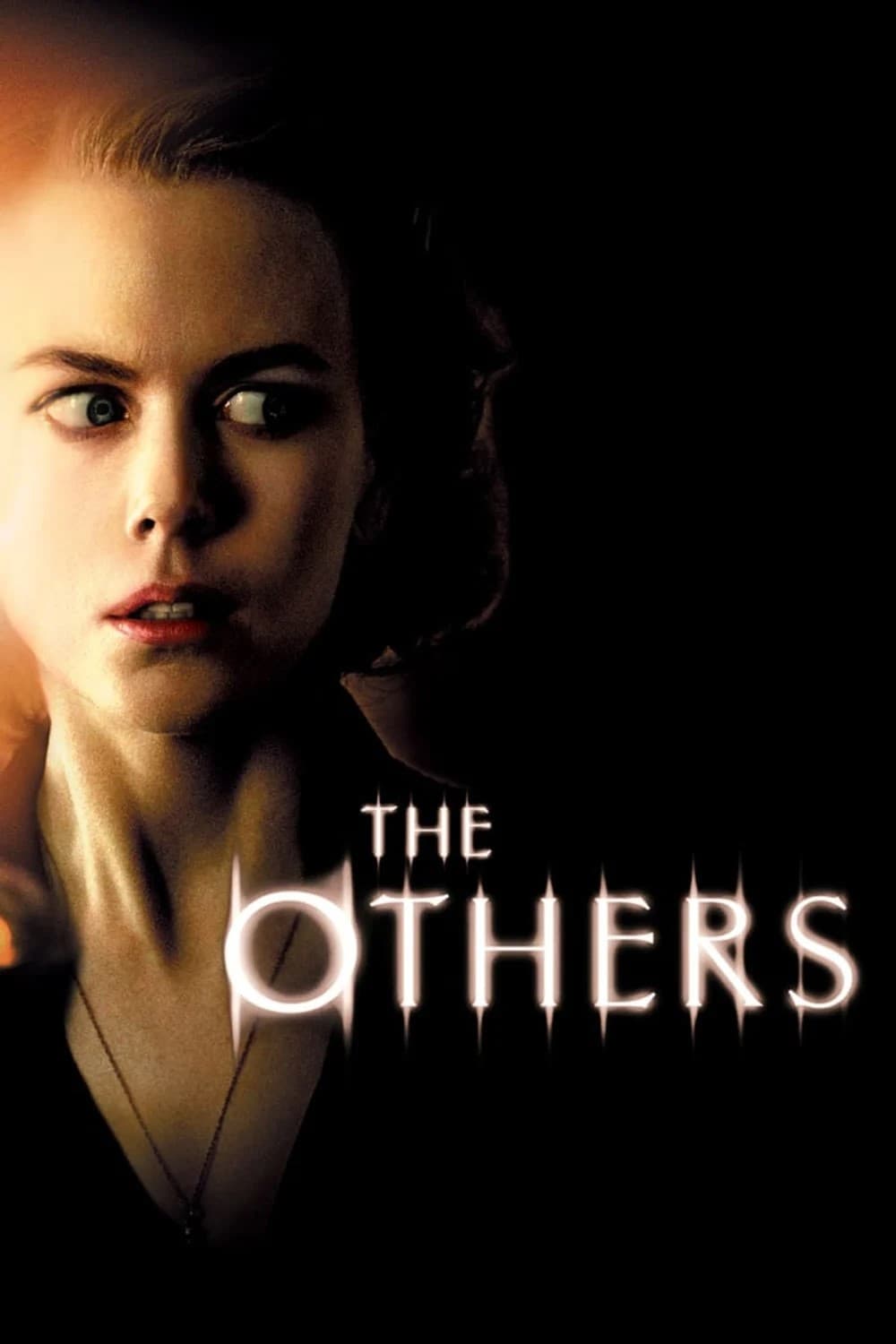
The twist establishes that Grace and her children are the ghosts haunting the house. Strange noises and sightings are explained as the living family’s attempts to move in. The servants’ behavior is reinterpreted as guidance rather than menace. The photographs and séances provide documentary evidence of the truth.
‘Shutter Island’ (2010)
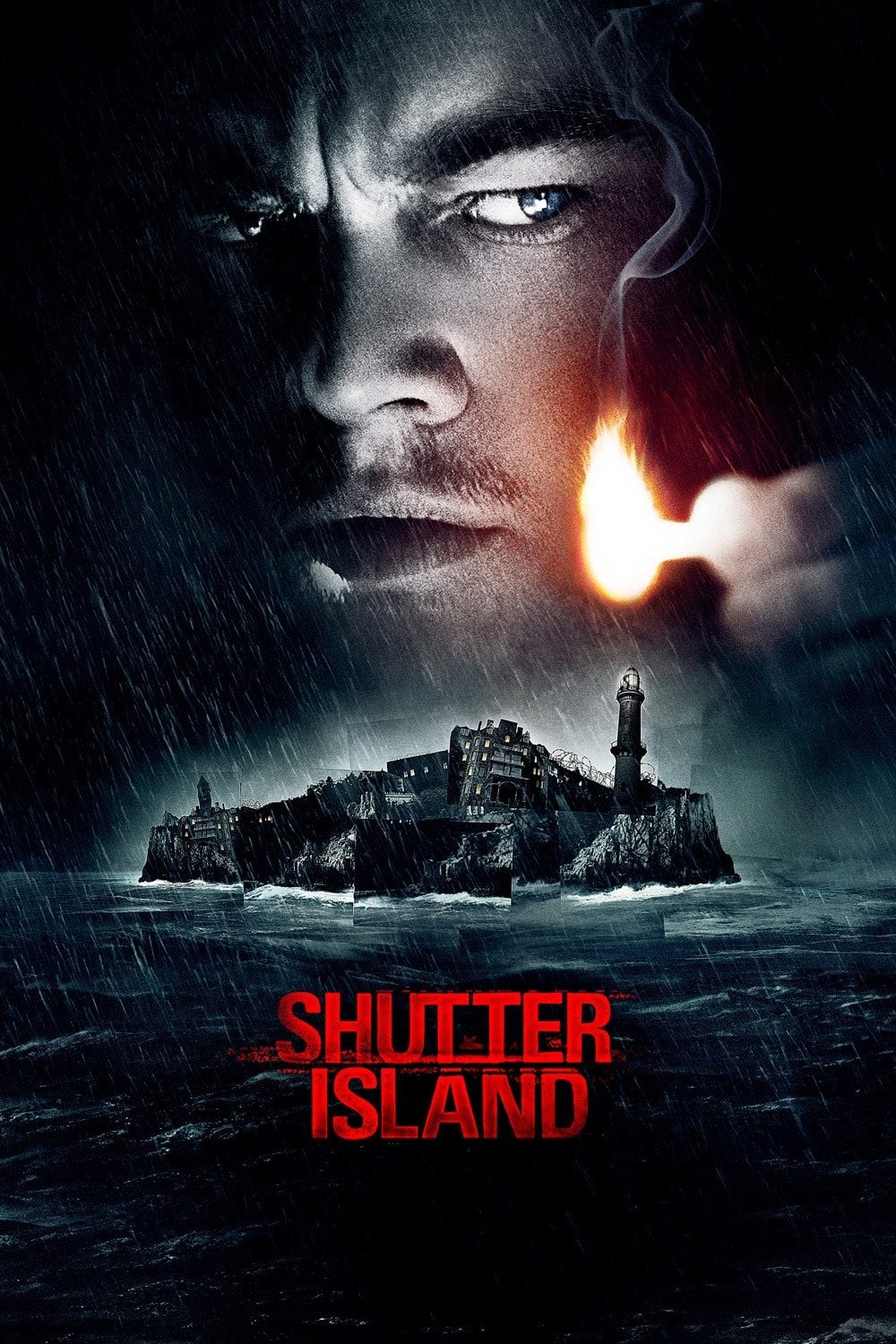
The climax reveals a therapeutic role-play devised for a patient. Staff actions and island protocols are recast as medical interventions rather than conspiracies. Clues in the notebook and medication schedule align with the hospital’s plan. The closing question hints at the patient’s awareness of his condition.
‘Memento’ (2000)
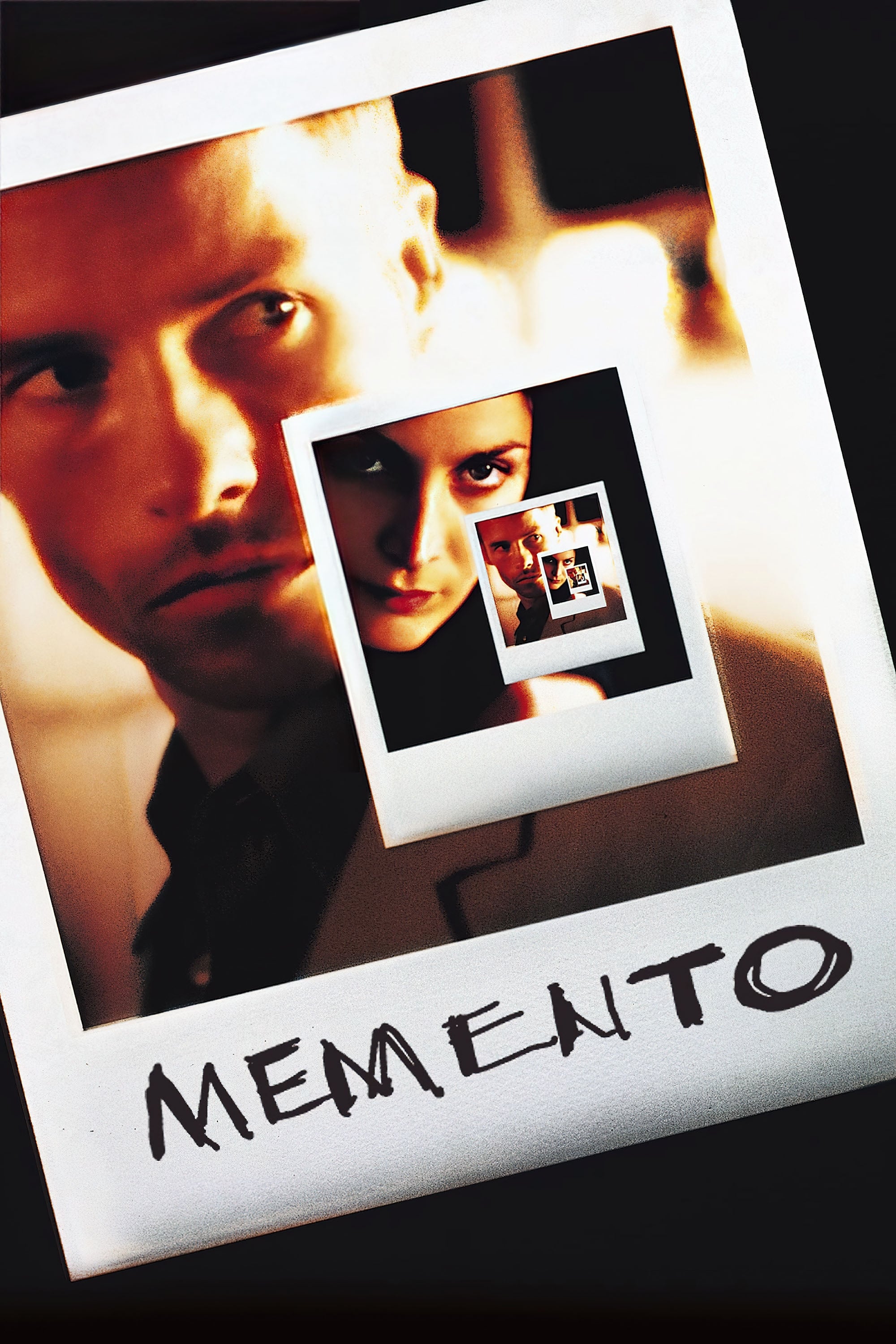
The final scenes show that Leonard has planted false facts to create a target. Tattoos, Polaroids, and notes are reinterpreted as tools that can be steered by suggestion. The timeline reveals that key decisions happened before the story’s first scene. The structure demonstrates how memory gaps enable manipulation.
‘The Prestige’ (2006)
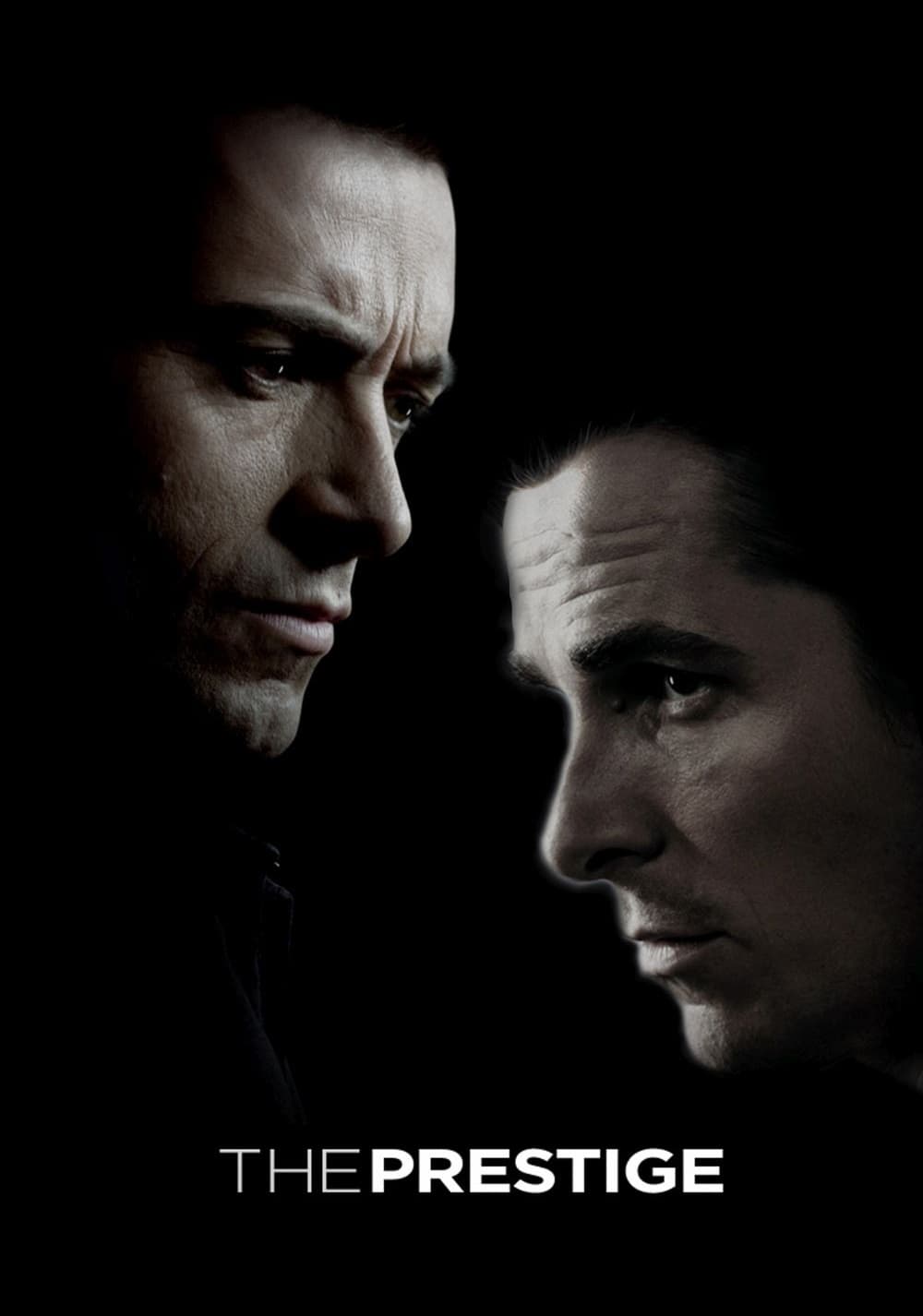
The ending explains the transported man through duplicate bodies and sacrifice. Diary entries and courtroom statements are revealed as deliberate misdirections. The focus on knots and the tank links every performance back to one tragedy. Stagecraft details gain new meaning once the method is shown.
‘Atonement’ (2007)
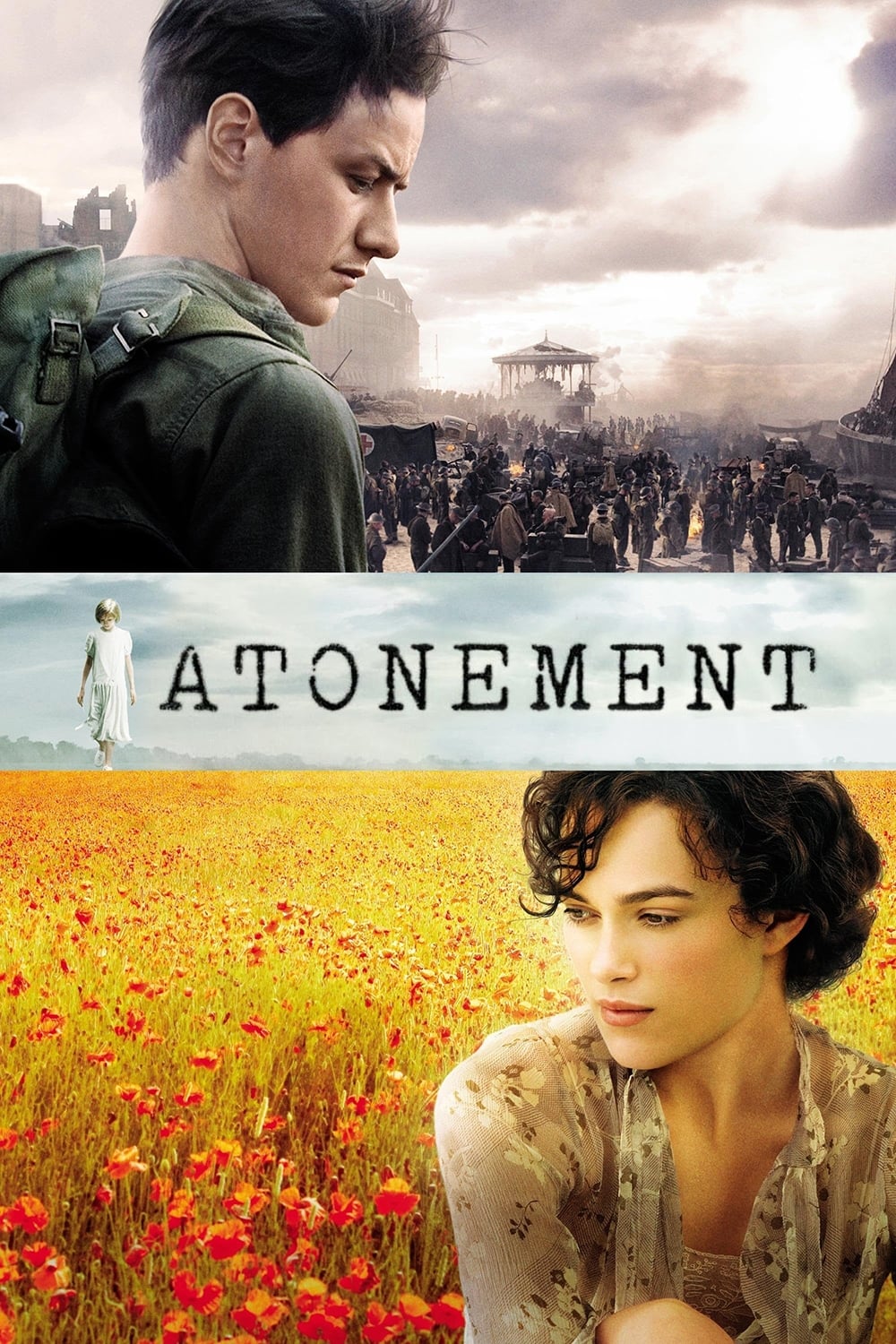
The final interview reveals that the published novel changed the real outcome. Earlier reconciliations are reframed as an author’s gift to two lovers. The typewriter and draft pages become evidence of invention rather than record. The beach and hospital scenes are reclassified as imagined memory.
‘Primal Fear’ (1996)
The closing confession shows that the meek persona was an act. Stuttering, blackouts, and the alter ego are exposed as courtroom tactics. Testimony and medical evaluations become tools in a planned defense. The handshake confirms the lawyer’s defeat by a constructed identity.
‘The Village’ (2004)

The reveal shows a modern wildlife preserve beyond the woods. The creatures are explained as costumed enforcers created by the elders. Medical supplies and maps expose the boundaries of the settlement. The journey for medicine proves the limits of the community’s isolation.
‘Saw’ (2004)

The final rise from the bathroom floor identifies the mastermind in the room. Clues in the tape recordings and the poison control story align with that presence. The key in the bathtub and the staged corpse reframe every prior attempt to escape. The door closing locks in the rules that governed the game.
‘Planet of the Apes’ (1968)

The last image identifies the setting as Earth after a catastrophe. The expedition’s star charts and the ruins in the forbidden zone gain clear meaning. The apes’ debates about history and heresy are reframed by the truth of prior human dominance. The journey becomes a loop back to home rather than a trip to another world.
‘Soylent Green’ (1973)
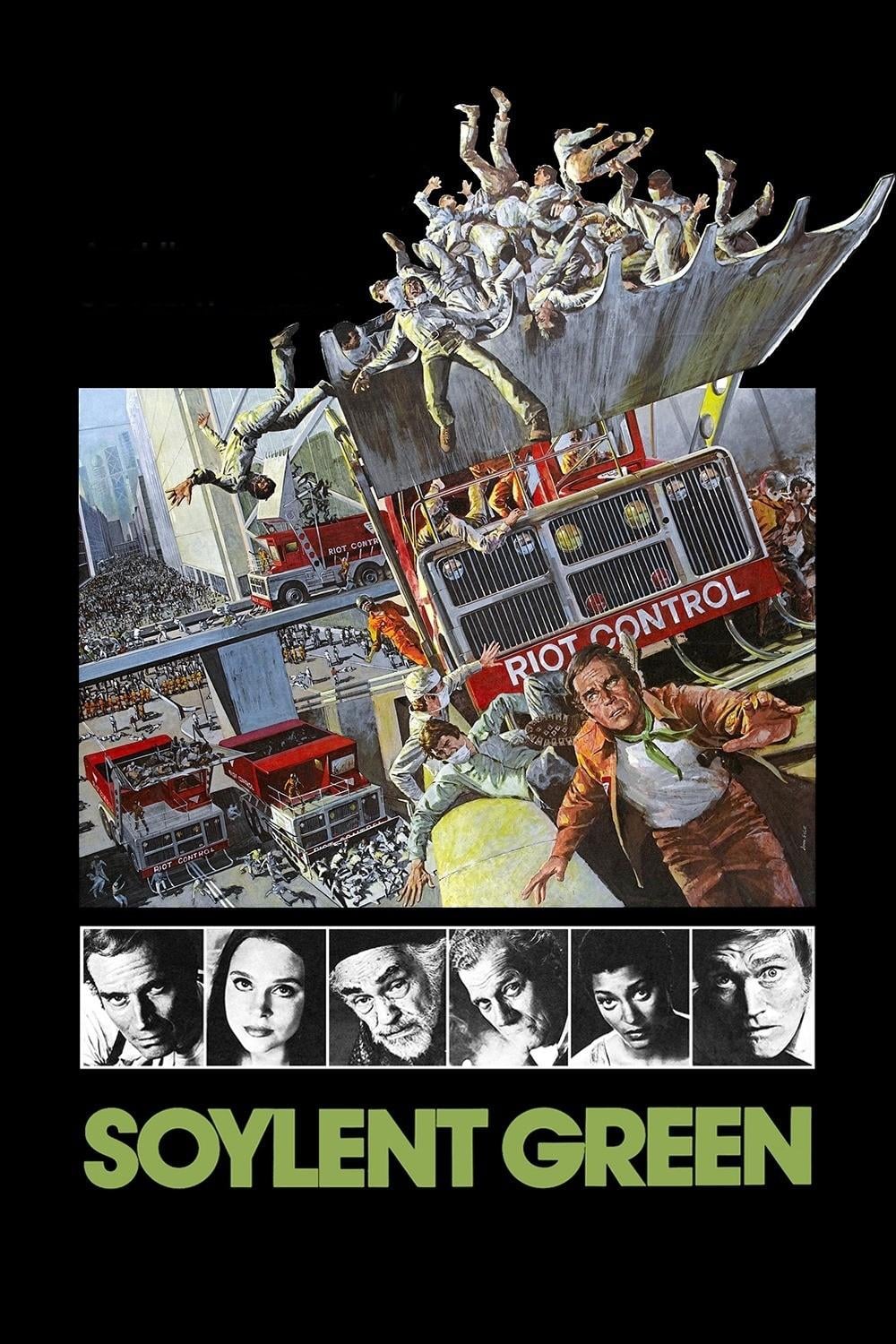
The ending discloses the source of the food supply. Ocean surveys and factory tours retroactively confirm the scarcity that led to the program. Corporate secrecy and euthanasia centers become connected parts of one system. The cry for witnesses reframes the detective’s role as a bearer of knowledge.
‘Psycho’ (1960)
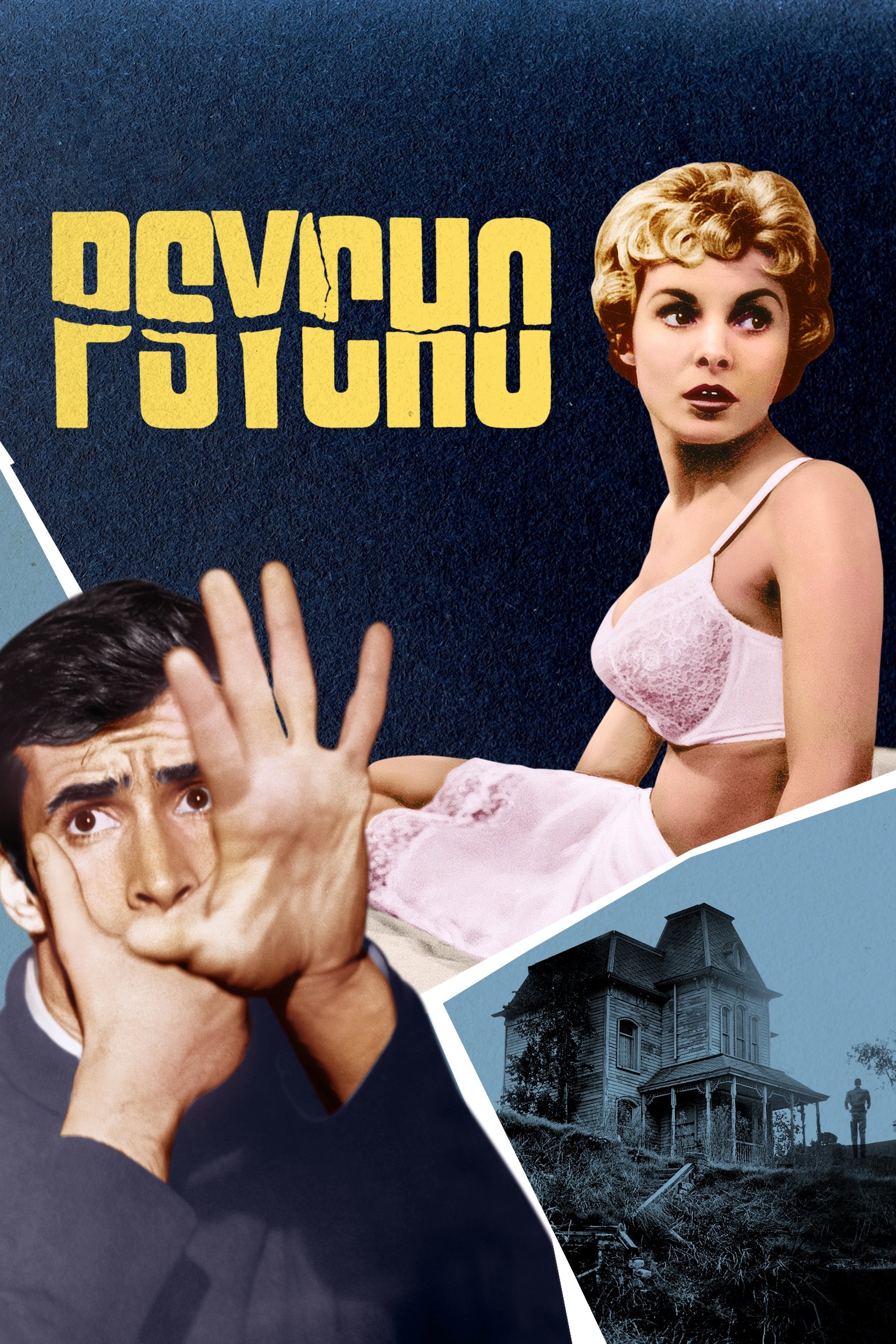
The basement reveal shows the true state of Norman’s mother. Calls, voices, and conversations within the house are recast as ventriloquism and delusion. The stolen money becomes a misdirection that shifts the narrative after the shower scene. The final explanation connects behavior to a single dominant persona.
‘The Game’ (1997)
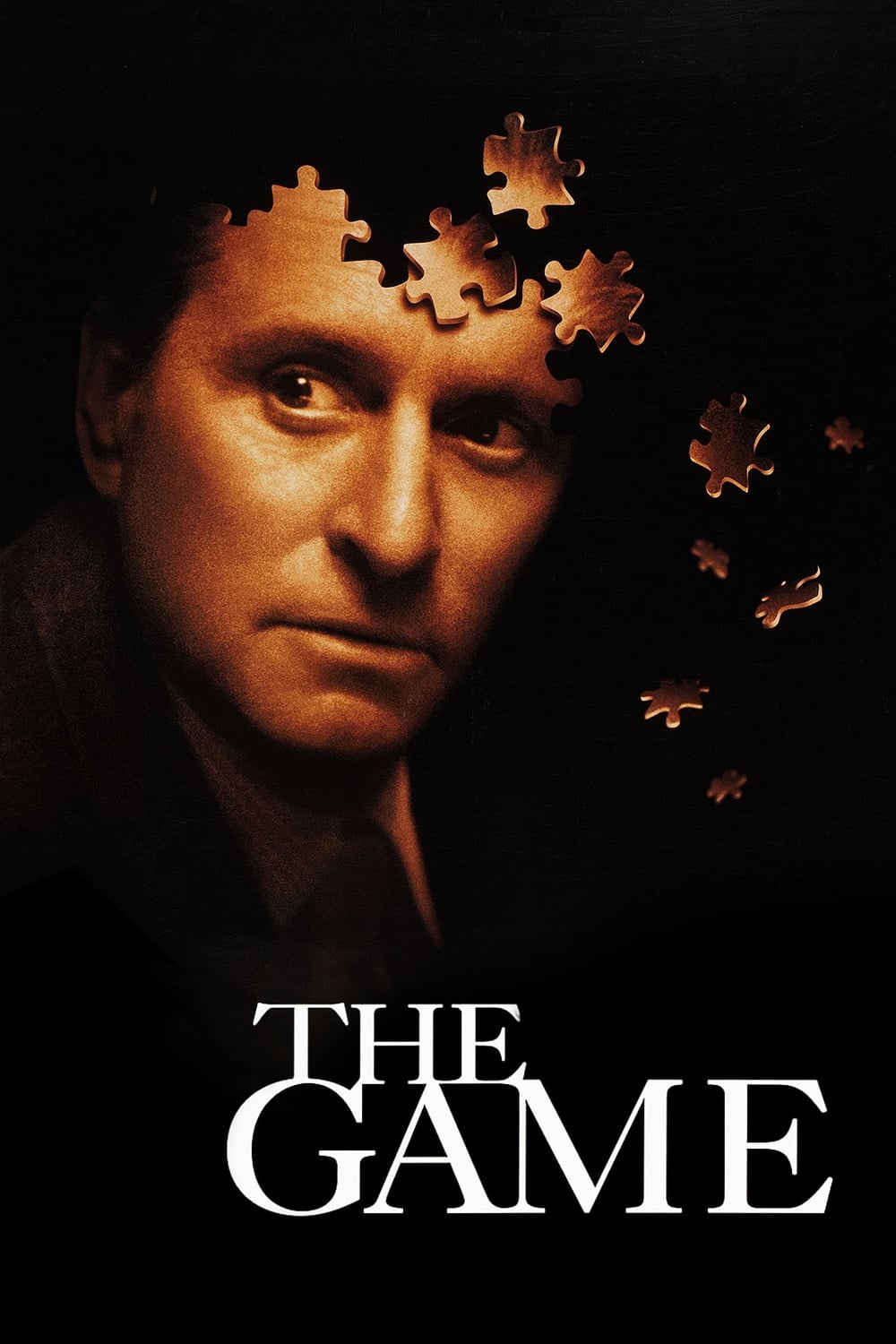
The rooftop outcome shows that the peril was an orchestrated experience. Financial records, intrusive tests, and street encounters are linked by one company. Clues that seemed criminal are re-framed as staged set pieces. The birthday timing explains the design and the participants.
‘The Crying Game’ (1992)
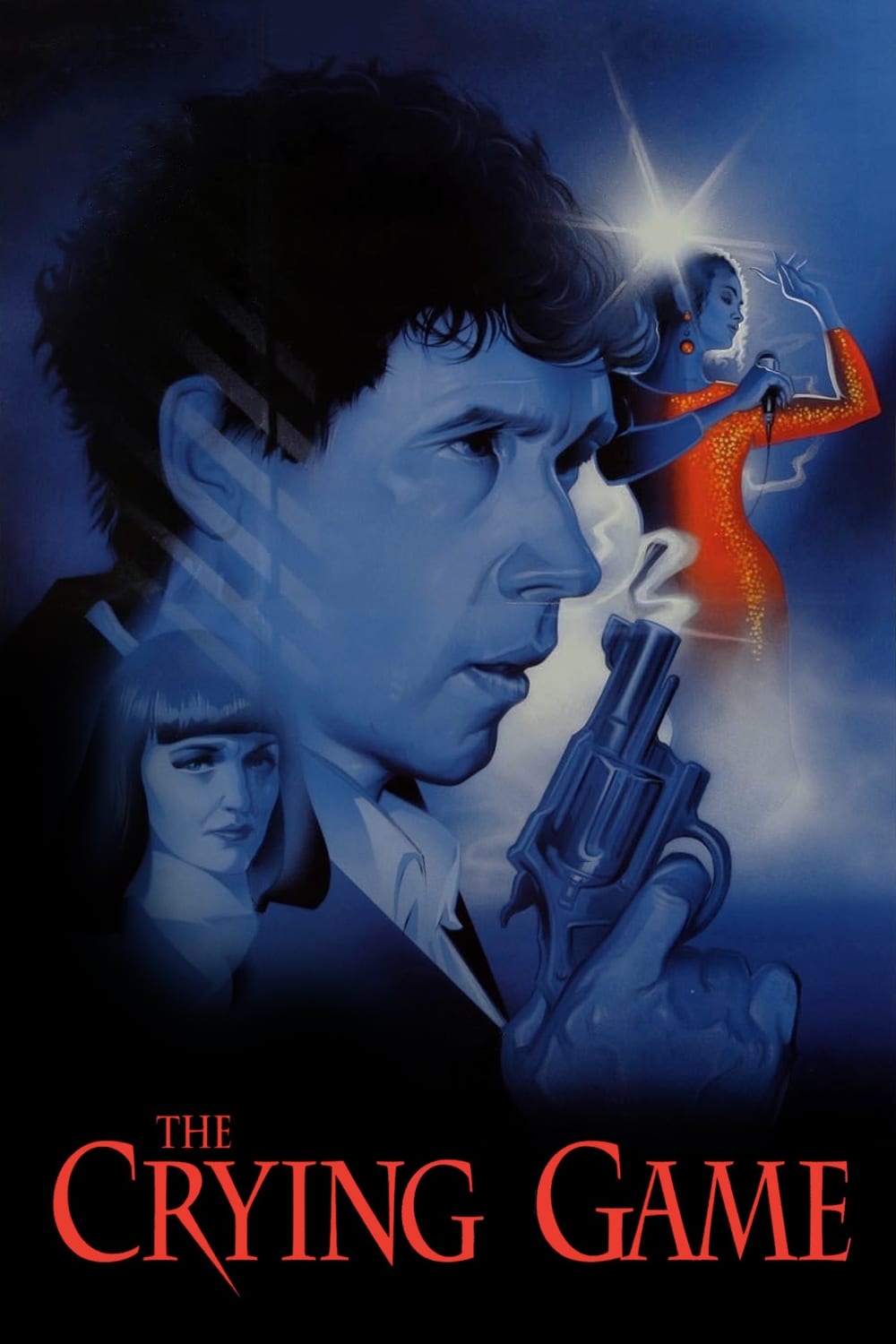
A key reveal about Dil changes the meaning of earlier attraction and loyalty. The kidnapping plot and the promises made in a safe house echo through later choices. Conversations in the bar gain new resonance with the truth in view. The London setting becomes a place where identities are negotiated.
‘Donnie Darko’ (2001)

The ending returns the timeline to an earlier point. Jet engine debris, sleepwalking, and the costume visions are recast as guideposts for a loop. The notebook and manipulated living concept explain the role assigned to the protagonist. Supporting characters’ dreams and tears signal residual memory of the prior path.
‘Jacob’s Ladder’ (1990)

The final scene places the story at the moment of death. Hallucinations, demons, and subway apparitions are reinterpreted as stages of release. Photographs and letters from the war supply the trigger for the visions. The stairway motif marks the transition that ends the narrative.
‘Angel Heart’ (1987)
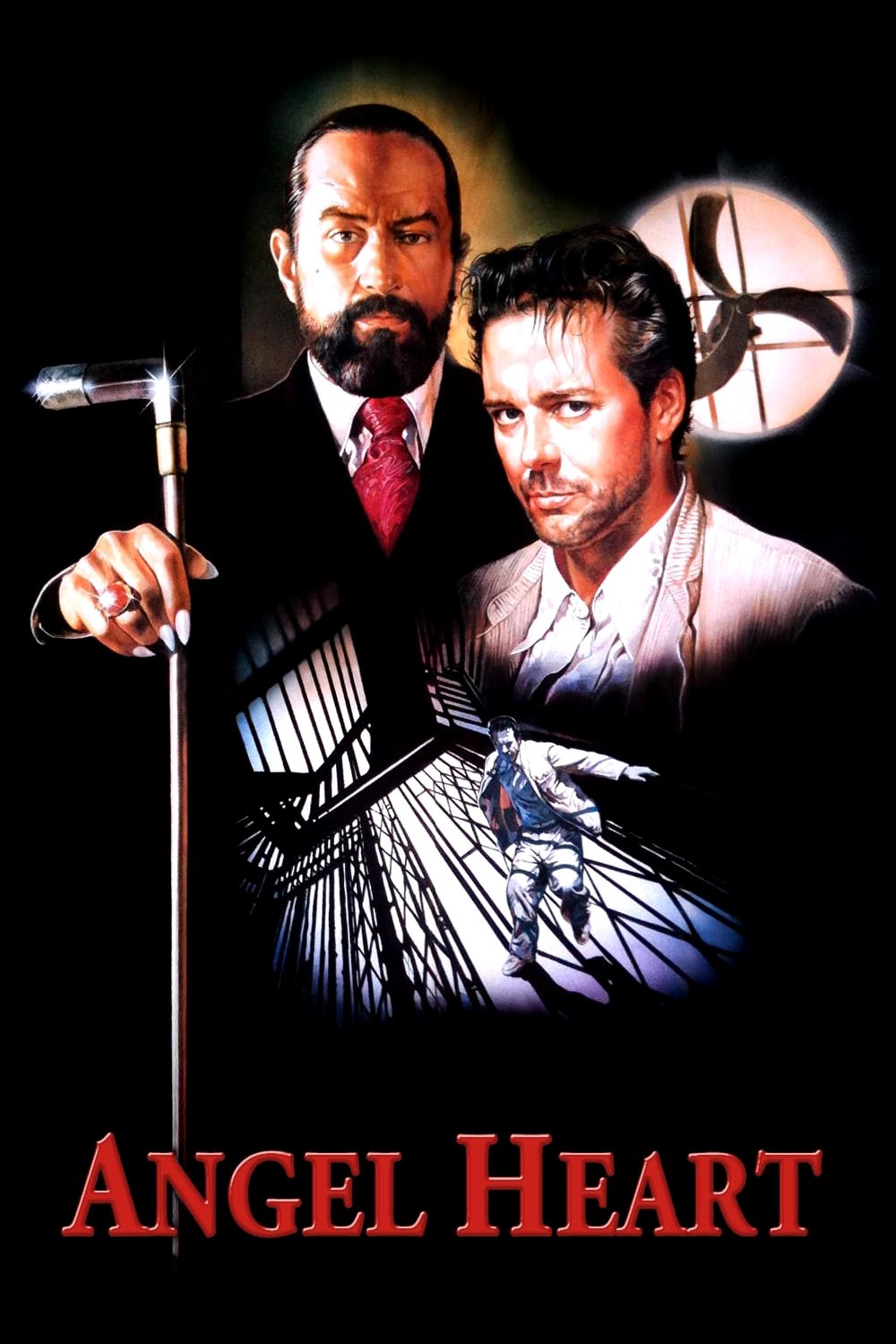
The twist reveals the investigator’s true identity. The missing singer and the series of murders connect back to a single person. Contracts and recurring symbols explain the forces guiding the search. The elevator ride closes a loop that began with a deal.
‘Identity’ (2003)
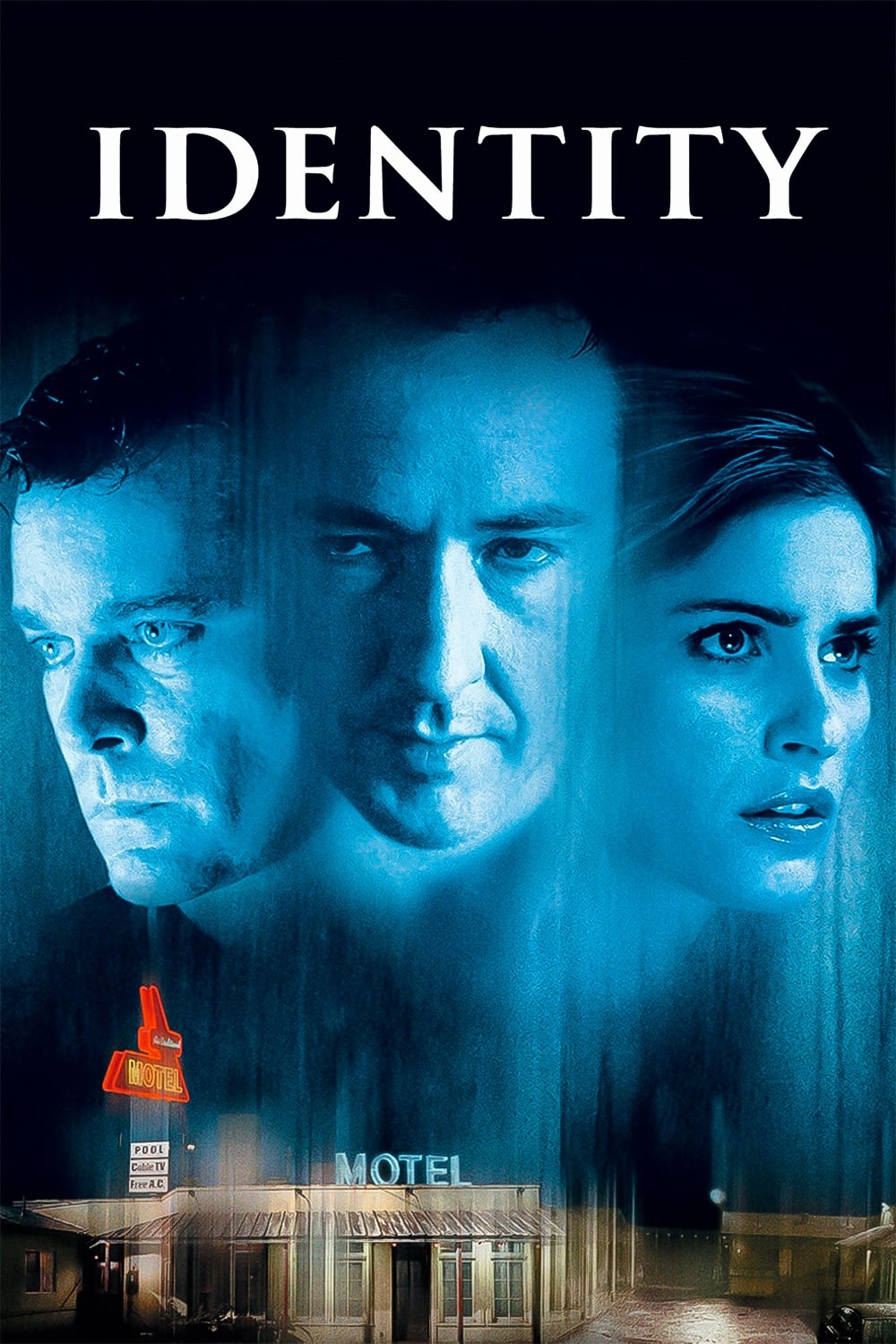
The ending shows that the motel is a psychological construct. Characters with matching birthday clues are reframed as facets of one mind. Evidence tags and numbered rooms map to a therapeutic exercise. The last scene confirms which persona survived the process.
‘Coherence’ (2013)
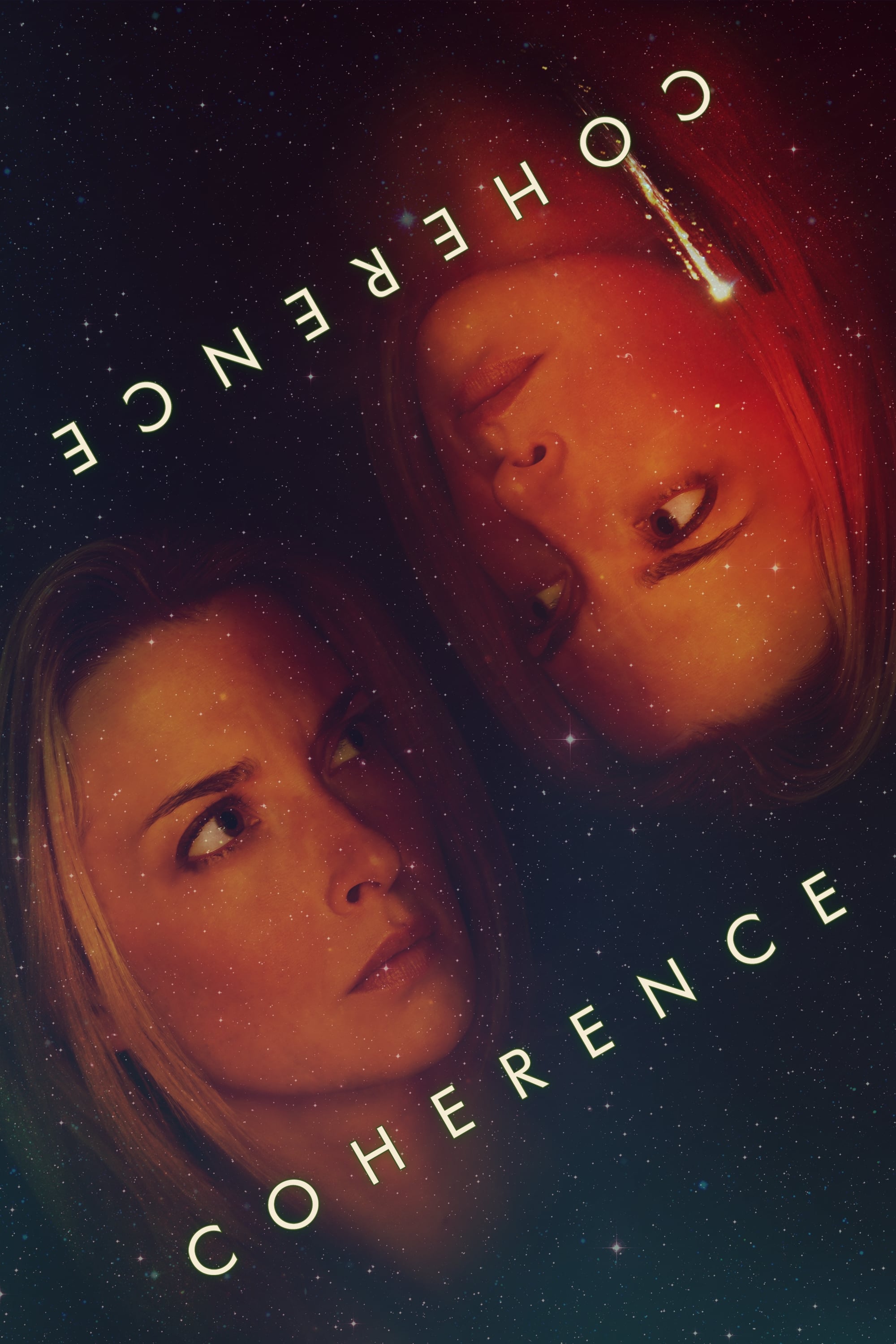
The final scenes reveal overlapping realities caused by a passing object. Dinner arguments and broken phones gain new explanation through divergent timelines. The box of photos and house duplicates catalog the branching paths. The closing knock shows that replacement does not secure safety.
‘Triangle’ (2009)

The story completes a loop that traps the lead in repetition. The locket, the symbol on the ship, and the corpses trace earlier cycles. Messages and scratches left on surfaces serve as markers laid by prior iterations. The cab ride resets the conditions that start the pattern again.
‘A Beautiful Mind’ (2001)
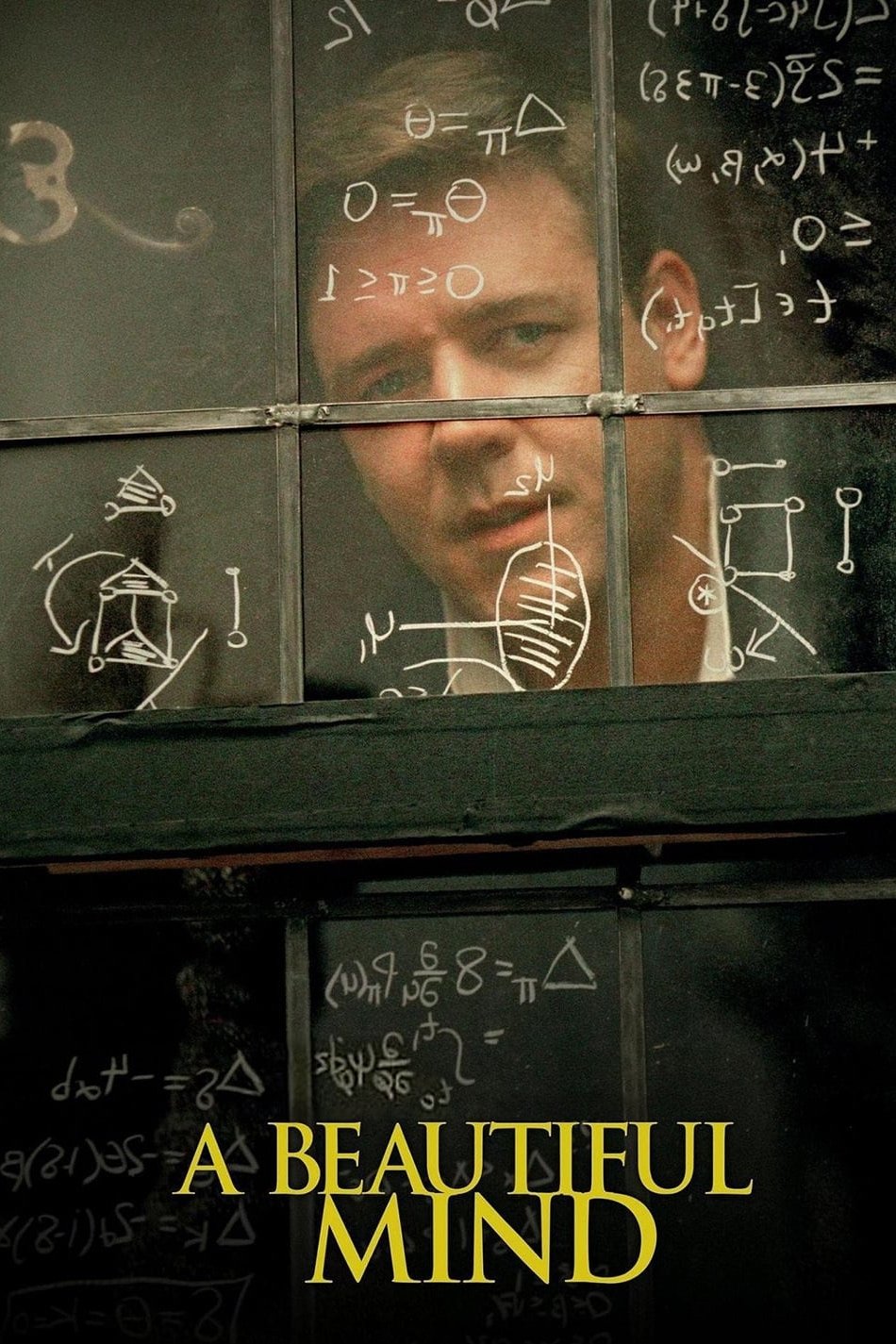
The realization that key figures are hallucinations reframes earlier espionage episodes. Newspaper clippings and drop sites are exposed as imagined assignments. The relationship between treatment and work becomes the central timeline. Later scenes show strategies to manage persistent visions.
‘The Invitation’ (2015)
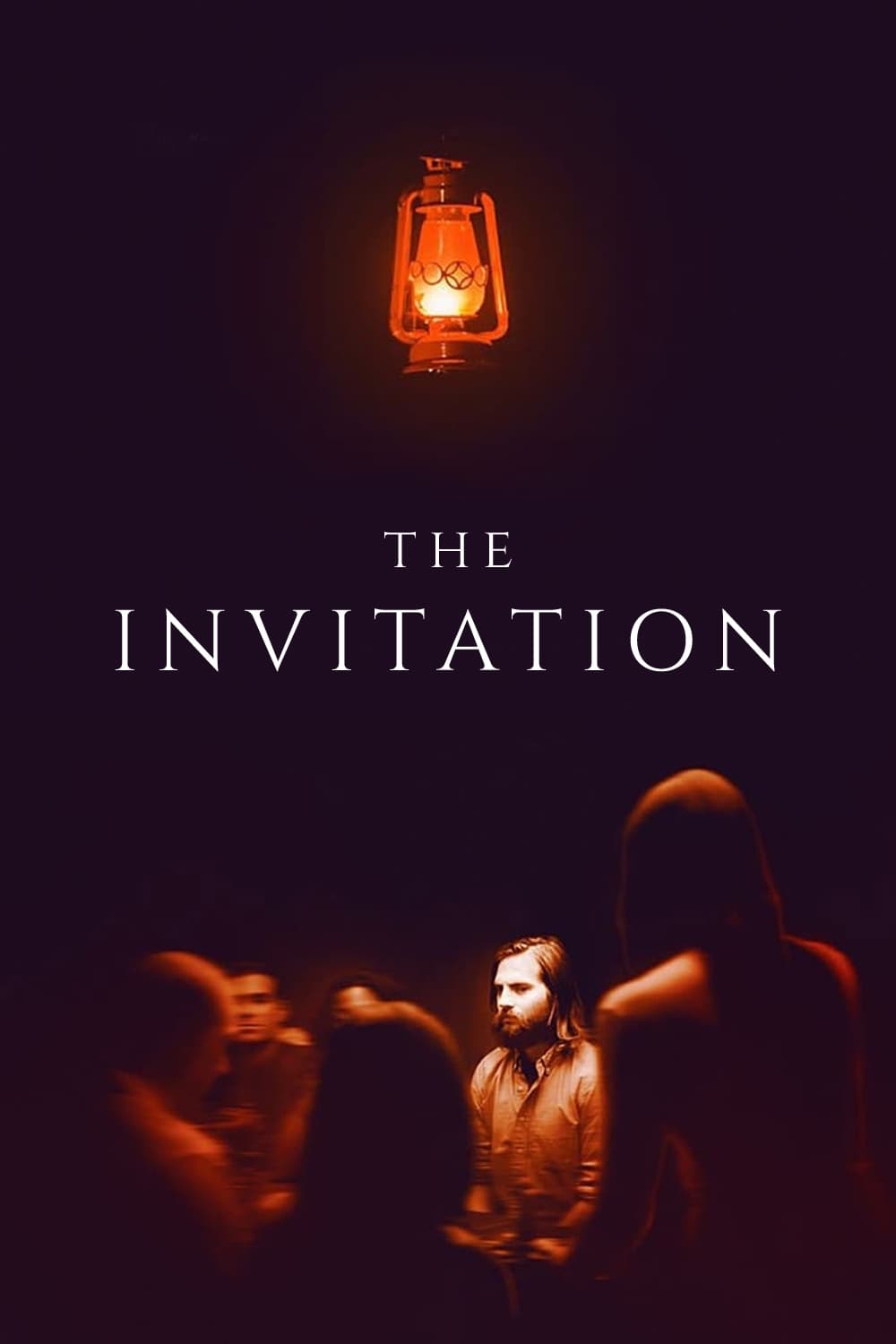
The final exterior shot reveals matching signals across the hills. The dinner’s rituals and locked doors are reinterpreted as part of a larger plan. The guest list and collected phones indicate careful control of movement. The view confirms the scope beyond a single house.
‘Orphan’ (2009)
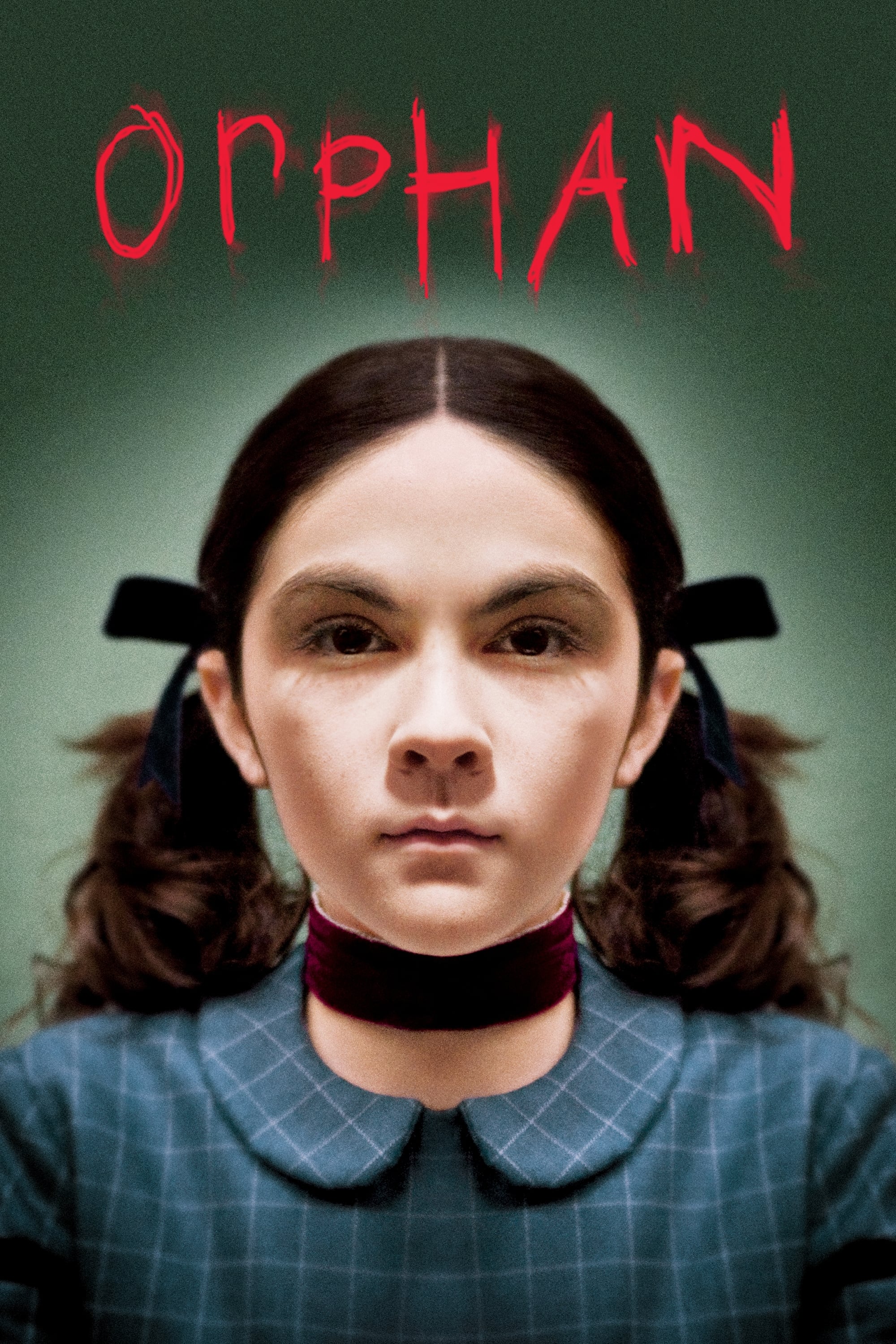
The twist establishes that the adoptee is an adult posing as a child. Medical records and scars rewrite the family’s prior incidents. Past placements explain similar disasters in different homes. The museum painting and hidden documents supply the proof.
‘The Orphanage’ (2007)
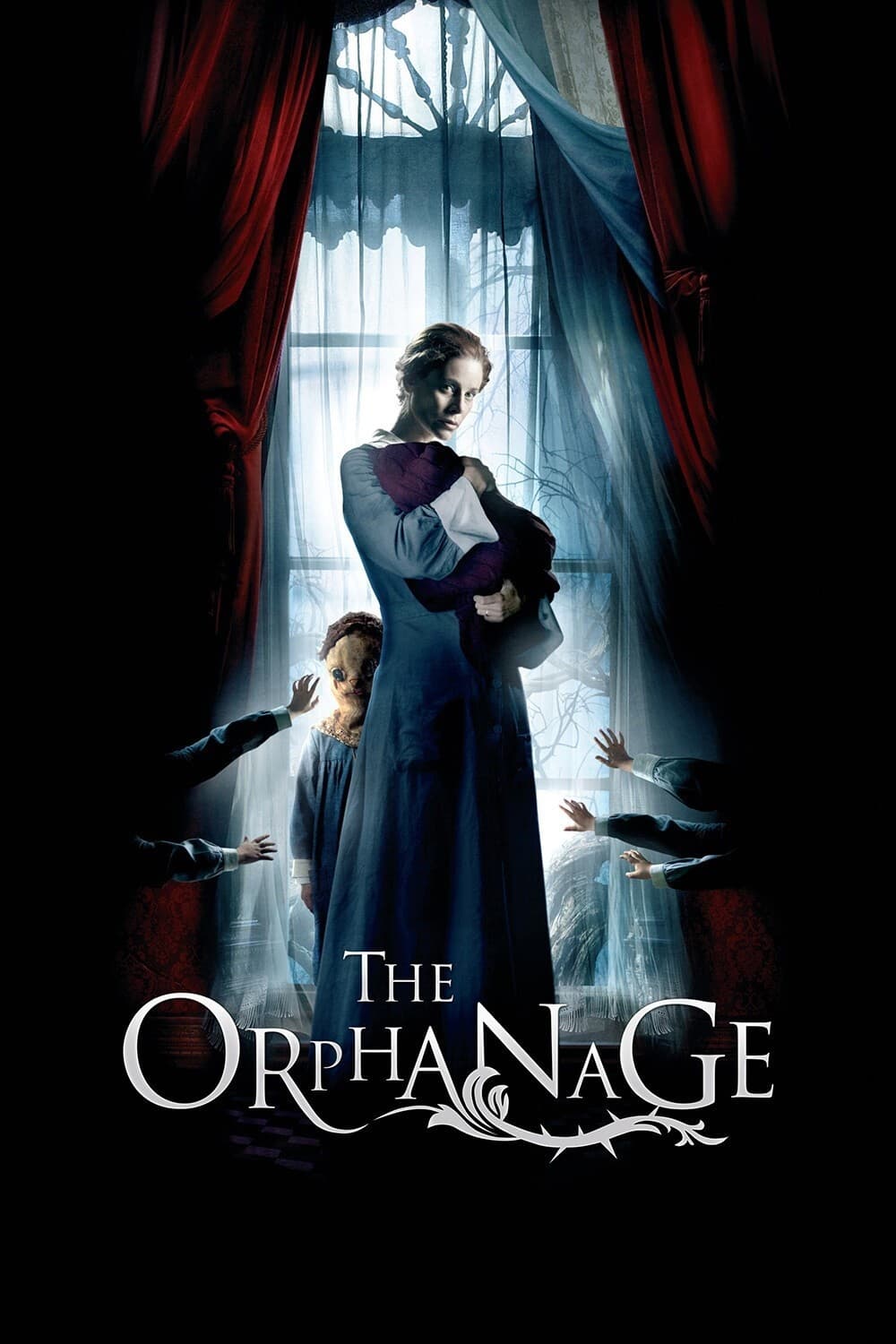
The ending reveals the fate of the missing child within the house. Clues from the treasure hunt and masks map to rooms and hiding places. The knocks and games are shown as attempts at communication. The final reunion recontextualizes the supernatural events as guidance.
‘The Wicker Man’ (1973)
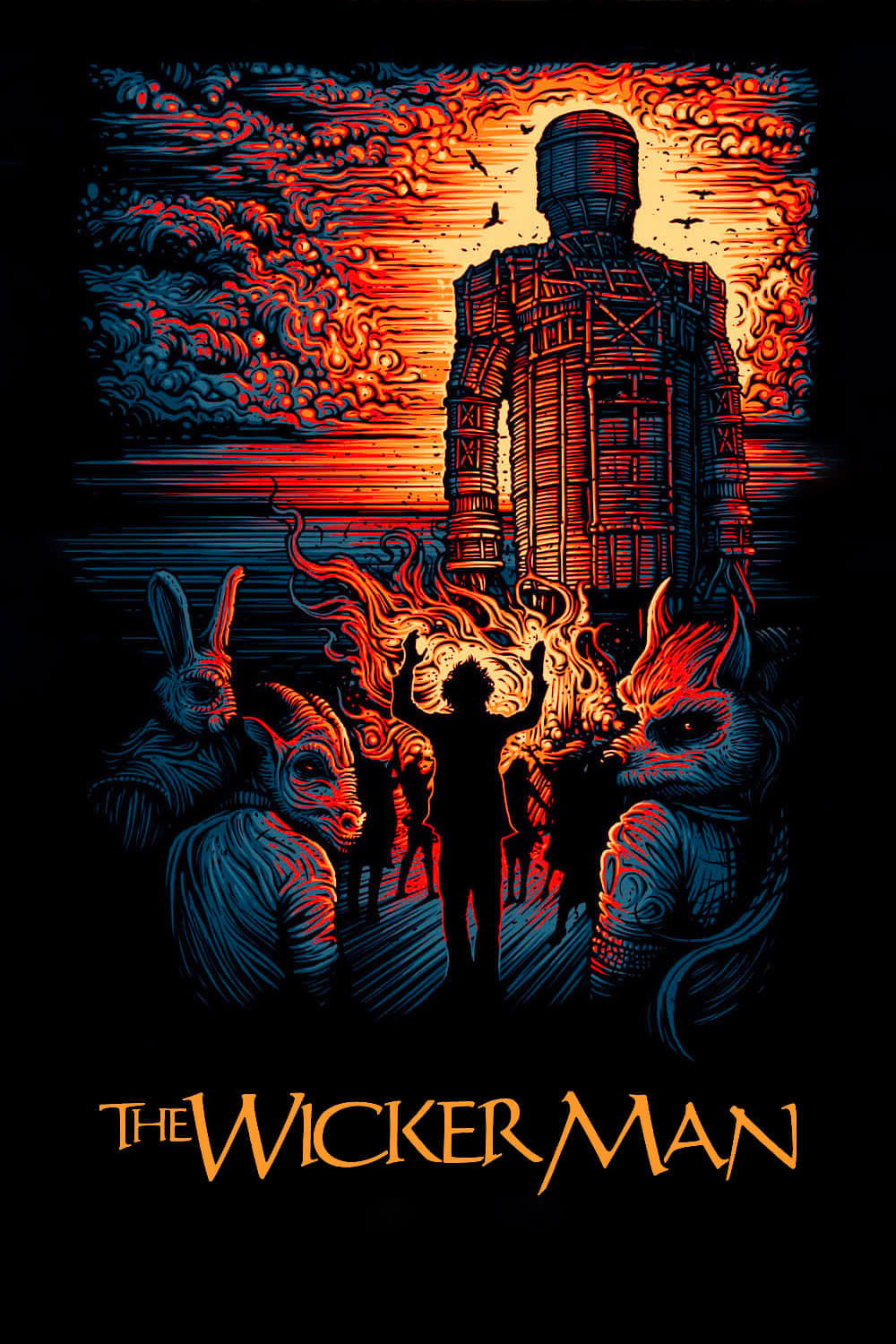
The closing ceremony exposes the true purpose of the island’s hospitality. Contradictions in crop reports and school lessons point to a planned outcome. The missing girl’s story is reassembled as a lure. The final image defines the community’s belief system and its cost.
‘Predestination’ (2014)
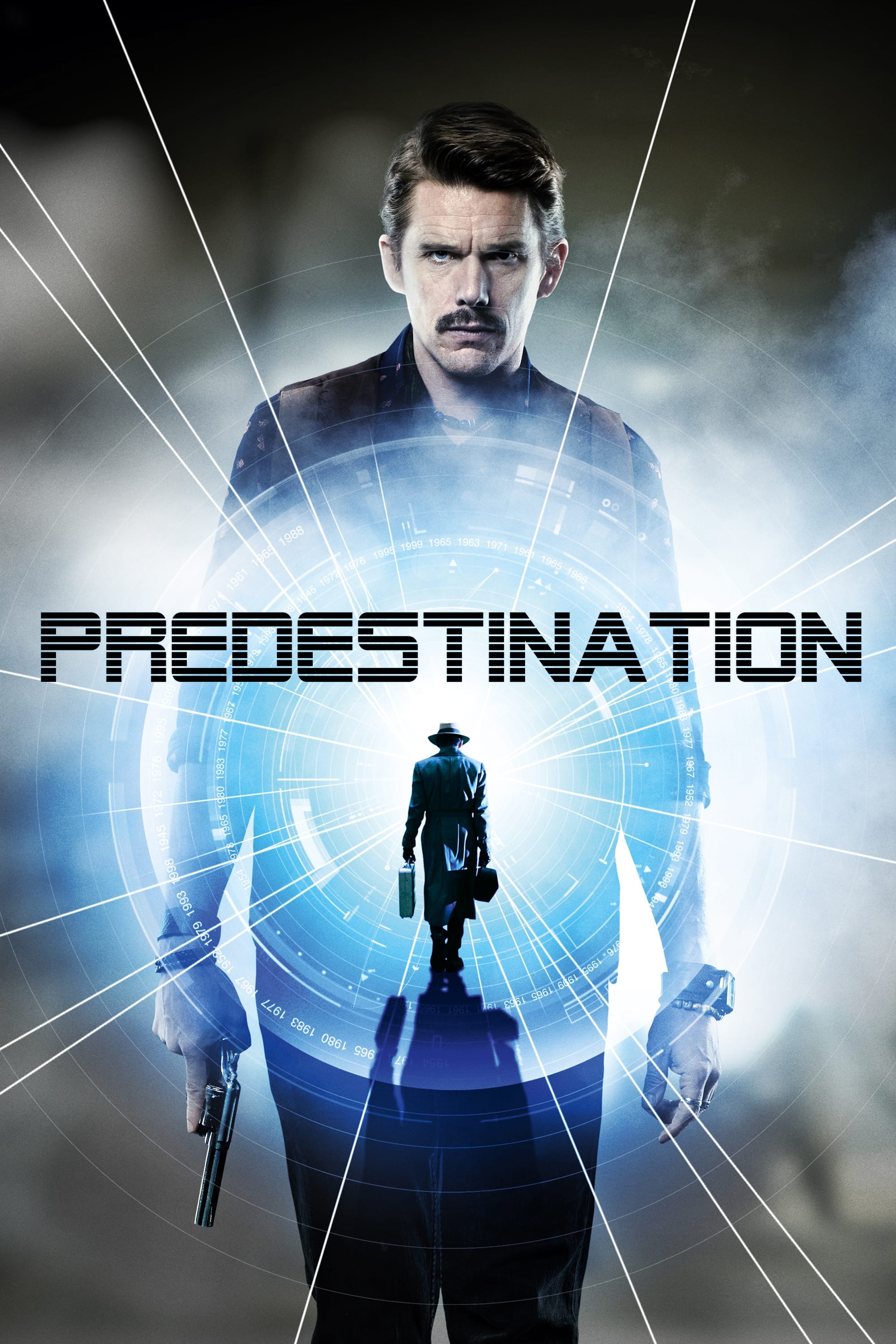
The ending confirms a closed loop linking all major characters. The violin case device and the time jumps stitch together identities across years. Hospital scenes and recruitment files align once the connections are revealed. The bar conversation is reframed as a catalyst for the cycle.
‘Timecrimes’ (2007)
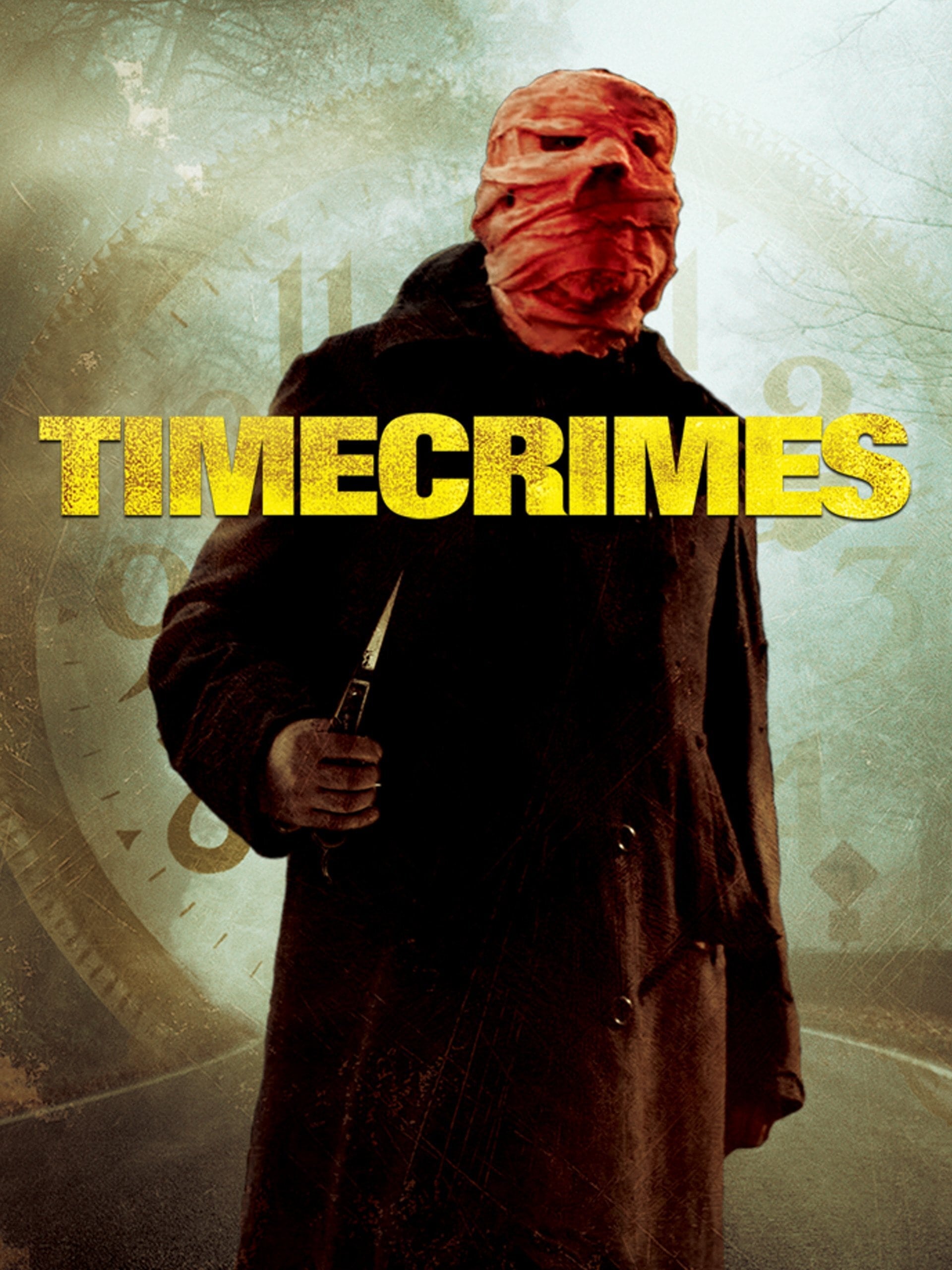
The resolution shows a single person causing the chain of events through repeated travel. The bandaged figure and the car crash are explained by earlier versions of the same man. Walkie talkies and schedules track precise overlaps. The last choice fixes one timeline at the expense of others.
‘The Skeleton Key’ (2005)
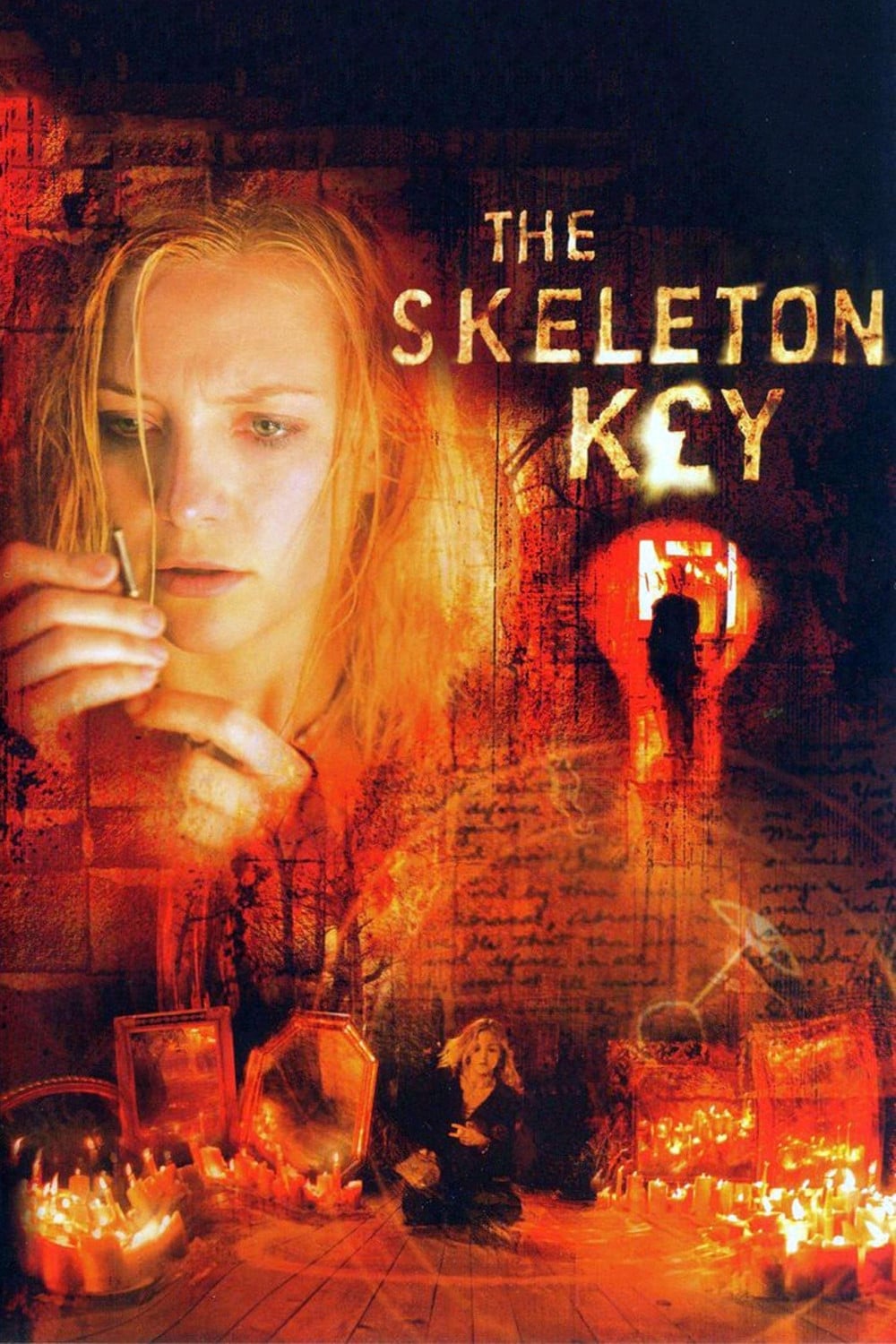
The final body swap exposes the purpose behind the caregiving job. Mirrors, locked rooms, and the attic ritual are reinterpreted as preparation. The old photographs document a history of transfers across decades. The house becomes a vessel that preserves two specific people.
‘Dark City’ (1998)
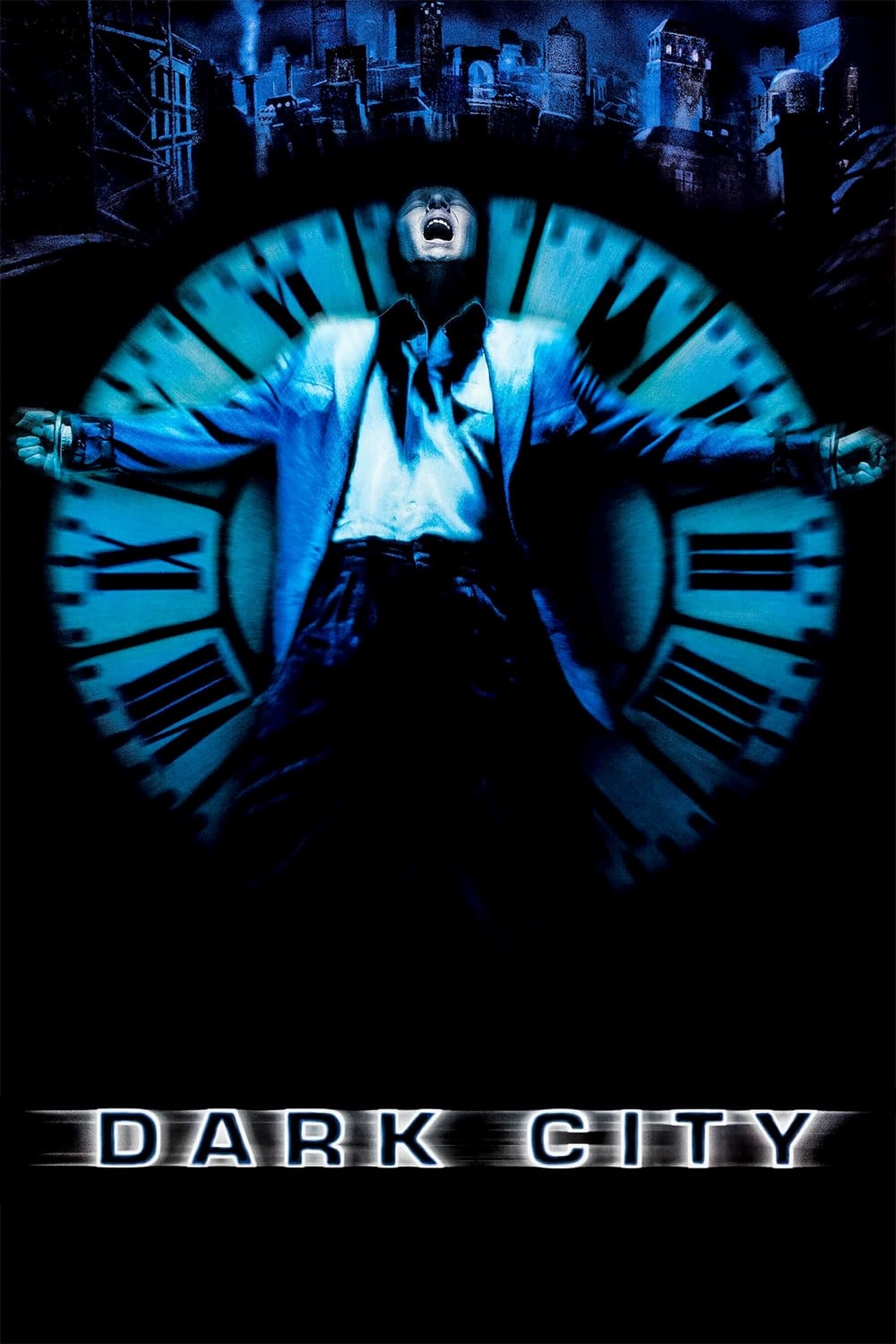
The ending explains the city as a manipulated experiment. Memory injections and shifting architecture clarify the nightly alterations. The protagonist’s awakening redefines earlier chases as tests. The ocean and the pier establish a boundary that was never natural.
‘The Secret in Their Eyes’ (2009)
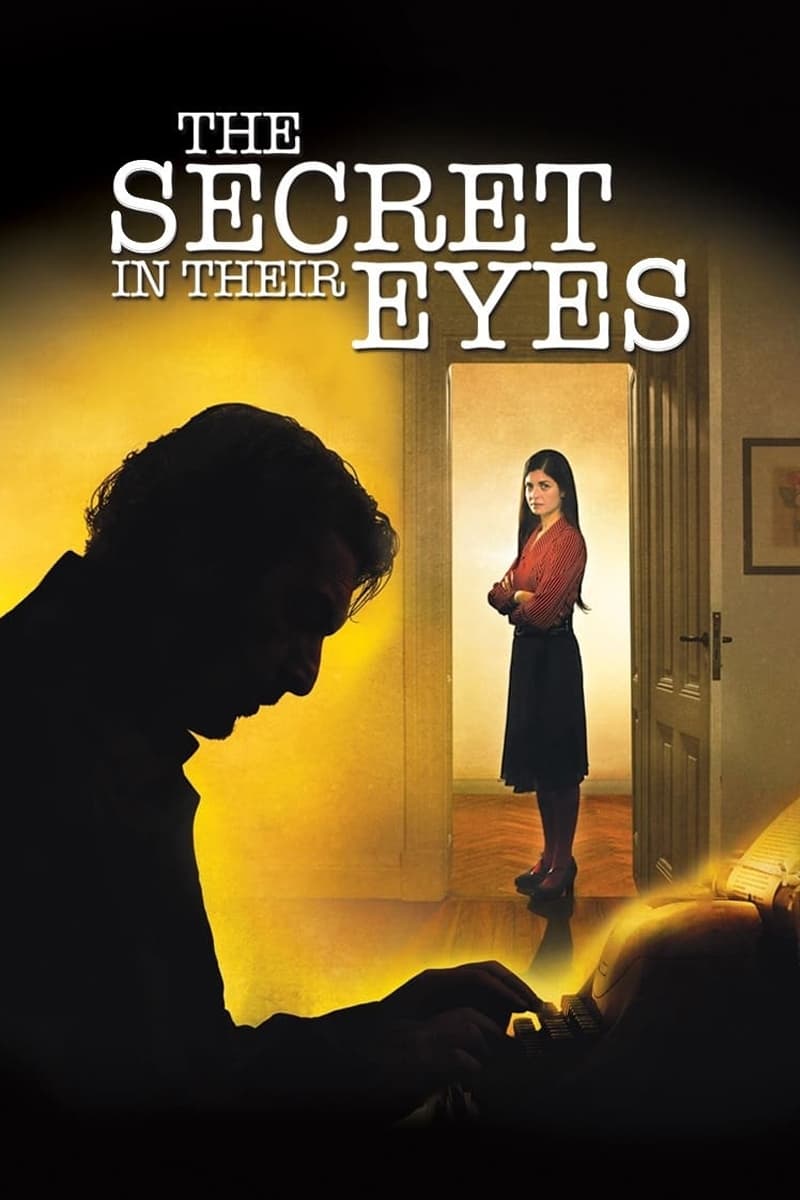
The final visit reveals the prisoner’s long confinement in a private cell. The stalled case files and the transfer order gain new relevance. Eyewitness accounts and a stadium chase are reframed by this hidden outcome. The ending explains a silence that lasted for years.
‘Incendies’ (2010)

The concluding letters reveal the identities tied to two separate searches. War records and a family’s migration connect threads that seemed unrelated. Birth certificates and a photograph complete the puzzle left by a will. The twins’ task transforms from investigation to acknowledgment.
‘Lucky Number Slevin’ (2006)

The reveal shows that the innocent visitor is executing a plan. The Kansas City shuffle concept explains how the gang leaders were misled. The apartment and the borrowed identity serve as staging for access. Flashbacks identify the origin of the vendetta that drives the plot.
‘One Cut of the Dead’ (2017)
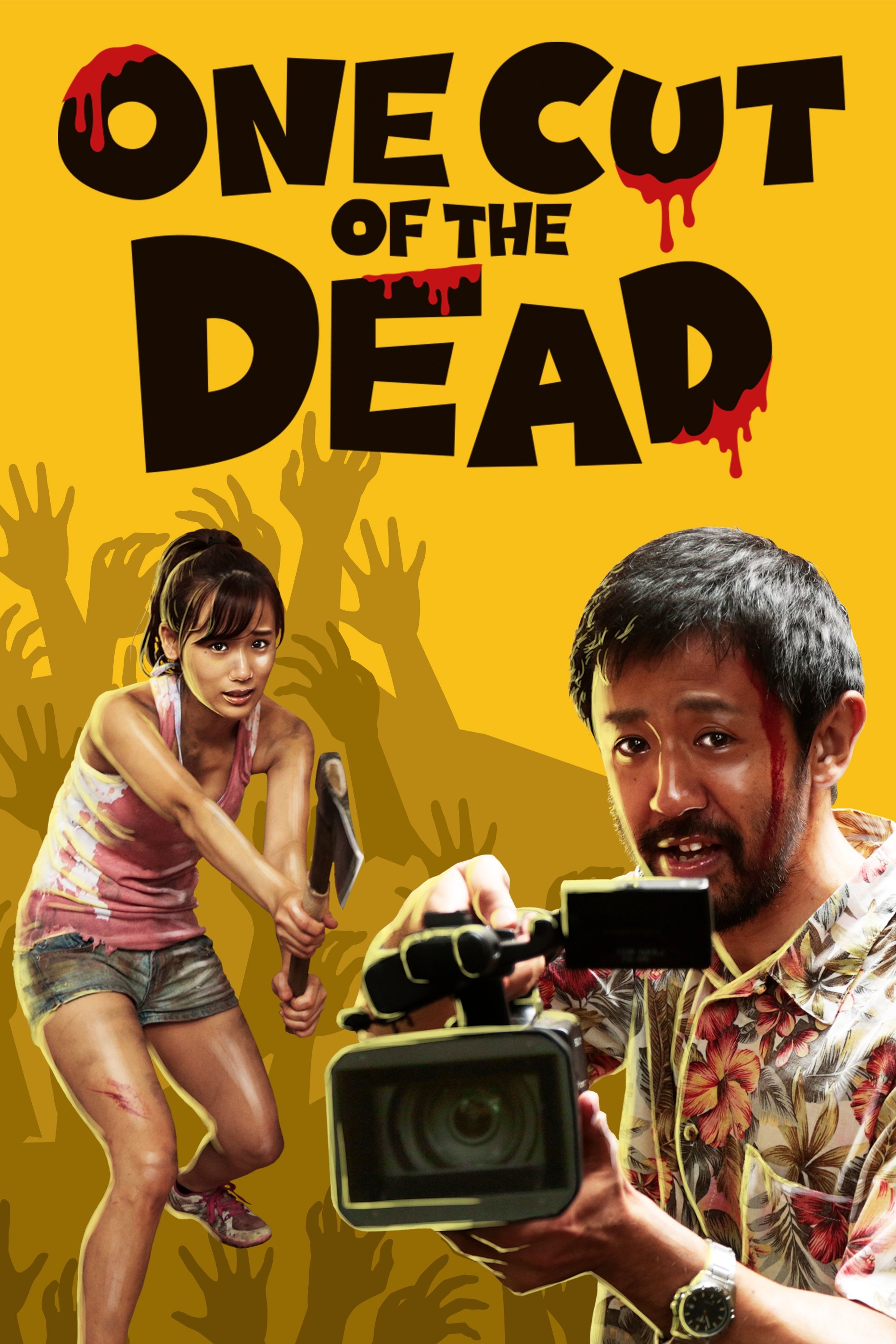
The third act shows a live broadcast with improvised solutions to real problems. The earlier single take is reinterpreted through offscreen mishaps and teamwork. Props, sound cues, and last second lifts explain odd angles and pauses. The family’s roles clarify how the chaotic first act held together.
‘Us’ (2019)

The final twist identifies a switch that happened in childhood. The recurring mantra and the mirrored movements gain clear meaning. The red jumpsuits and scissors are linked to a life underground shaped by imitation. Hands across America becomes the ideological template for the uprising.
‘No Way Out’ (1987)
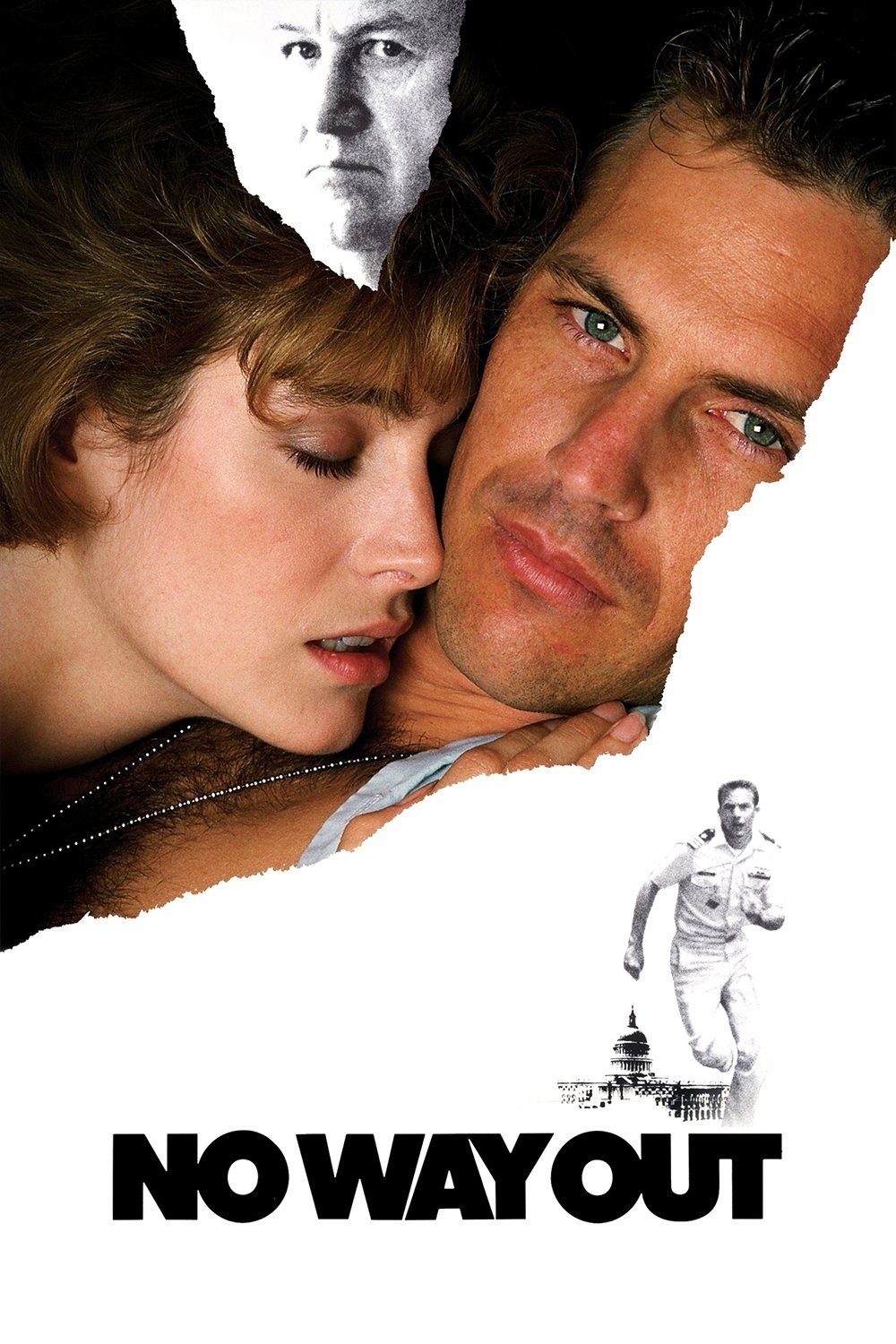
The last scene reveals the operative’s true allegiance. The mole hunt and the erased records are reframed by that identity. The photo lab subplot explains the scramble around a single image. The Pentagon chase becomes a cover for extracting one person.
‘Vanilla Sky’ (2001)
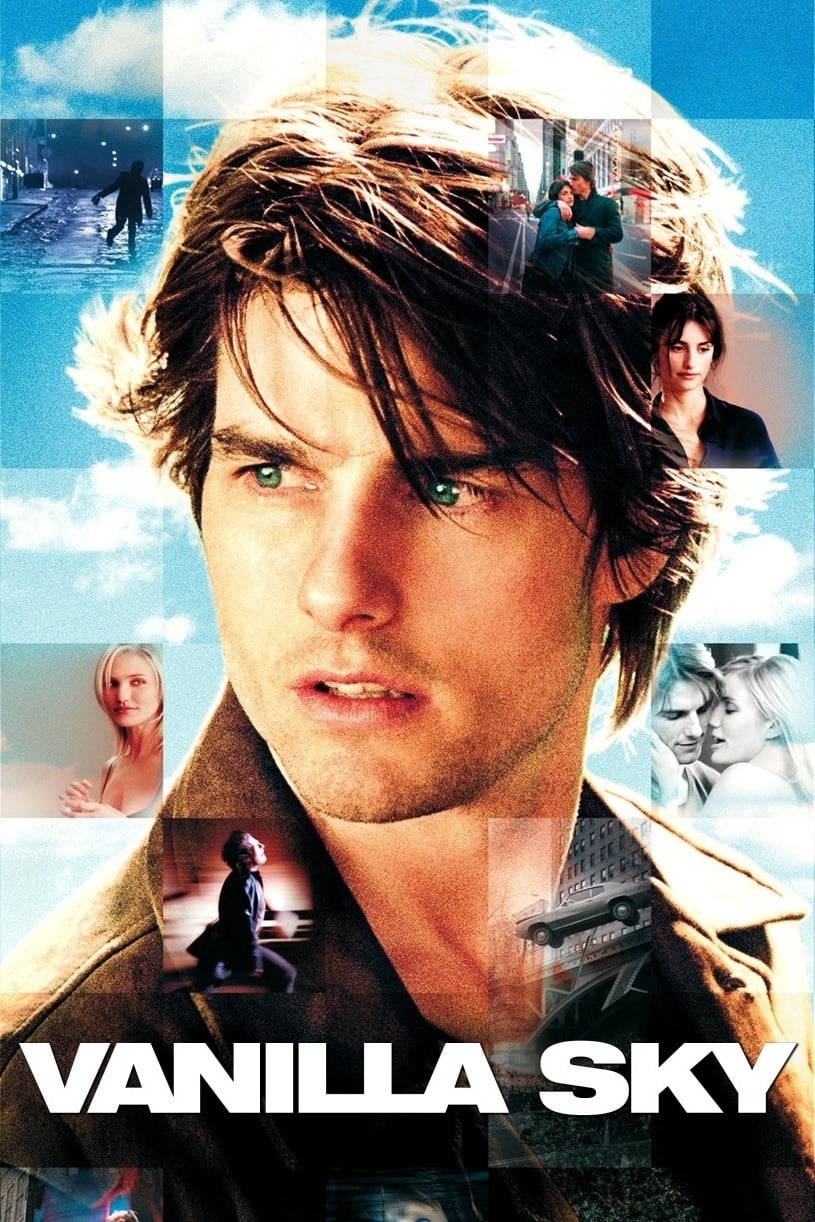
The ending explains a lucid state maintained by a corporation. Distorted faces, spliced memories, and street anomalies are tied to software errors. Contract details and a company representative supply the timeline that bridges past and present. The rooftop choice ends the suspension and restores reality.
‘The Machinist’ (2004)
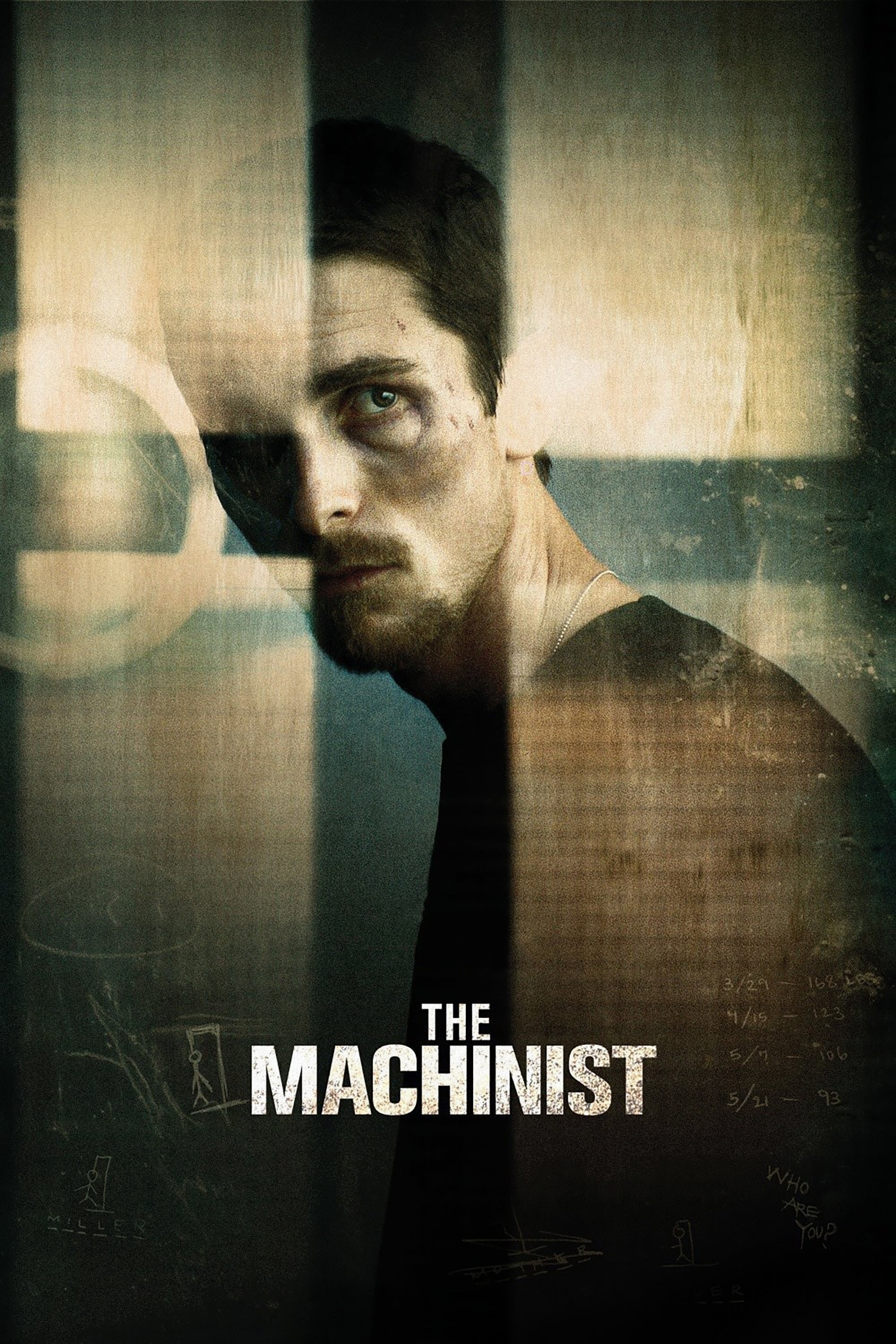
The final confession shows that the antagonist is a projection of guilt. Post-it notes, weight loss, and factory accidents point back to one hit and run. The amusement park clue identifies the origin of the hallucinations. The arrest is presented as the first honest act in a long time.
‘Perfect Blue’ (1997)

The climax separates a manufactured idol image from the real performer. Stalker messages, a fan site, and a double on stage are tied to careful manipulation. Set pieces mirror earlier scenes to blur work and life. The final shot confirms reclaimed identity after the unmasking.
‘The Illusionist’ (2006)
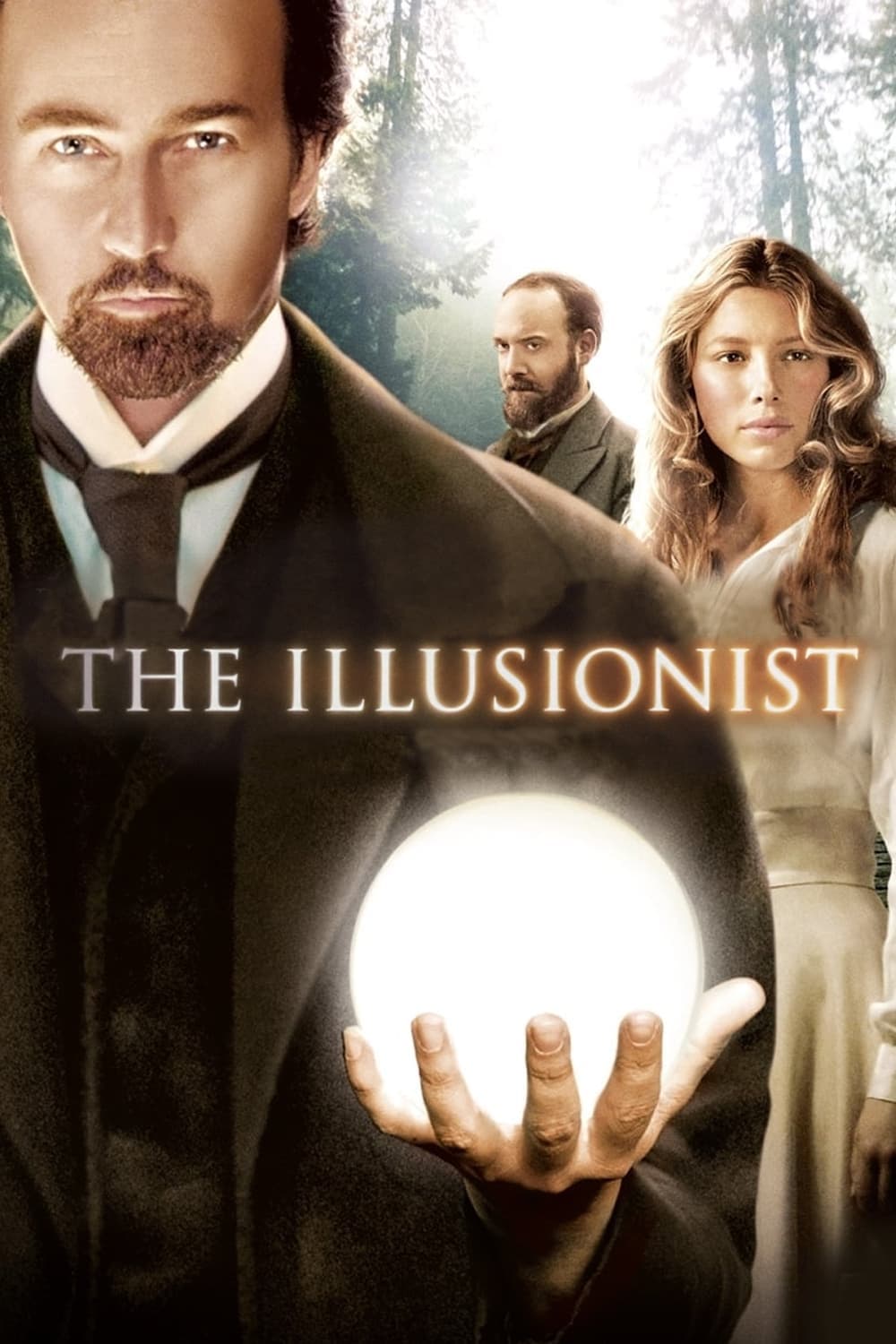
The last montage decodes the tricks as cooperative staging. The locket, orange tree story, and ghost lights align with hidden passages and actors. Police dossiers and a forged death certificate complete the plan. The train platform meeting proves that the deception achieved its aim.
Share your favorite mind bending movie endings in the comments and tell us which reveal made you rethink the entire story.