The Most Influential Comedy Movies of All Time


Comedy has reshaped cinema again and again, pushing storytelling, performance, and even technology into new territory. From silent-era innovators to mockumentaries and boundary-pushing satires, these films changed how jokes are written, how ensembles are directed, and how audiences see the world through laughter. Below is a broad sweep of titles that pioneered forms, set templates other filmmakers borrowed, and proved that comedy can carry cultural weight, box-office muscle, and artistic ambition.
‘The Kid’ (1921)

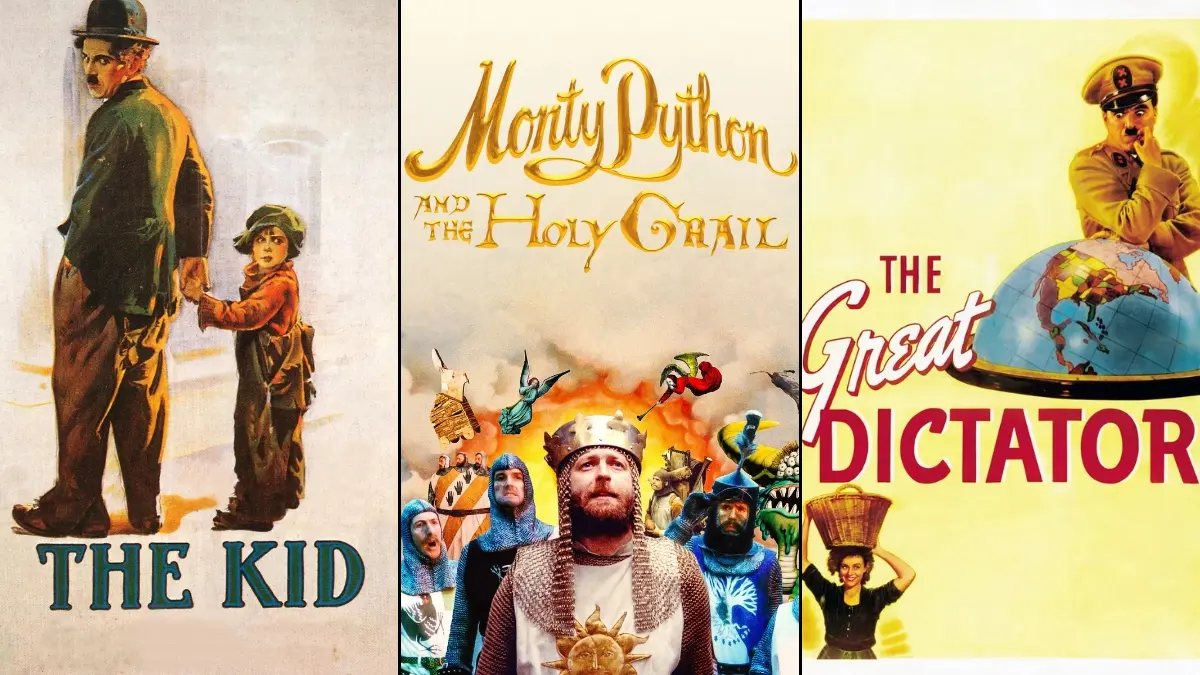
Charlie Chaplin blended pathos and humor in ‘The Kid’, establishing the template for sentimental comedy that many later films emulated. It popularized the feature-length format for a comedian known primarily for shorts, expanding how comic narratives could be structured. The film’s balance of slapstick with character-driven storytelling influenced comedians across continents. Its success helped cement Chaplin’s Tramp as a global icon and validated comedy as commercially durable.
‘Safety Last!’ (1923)
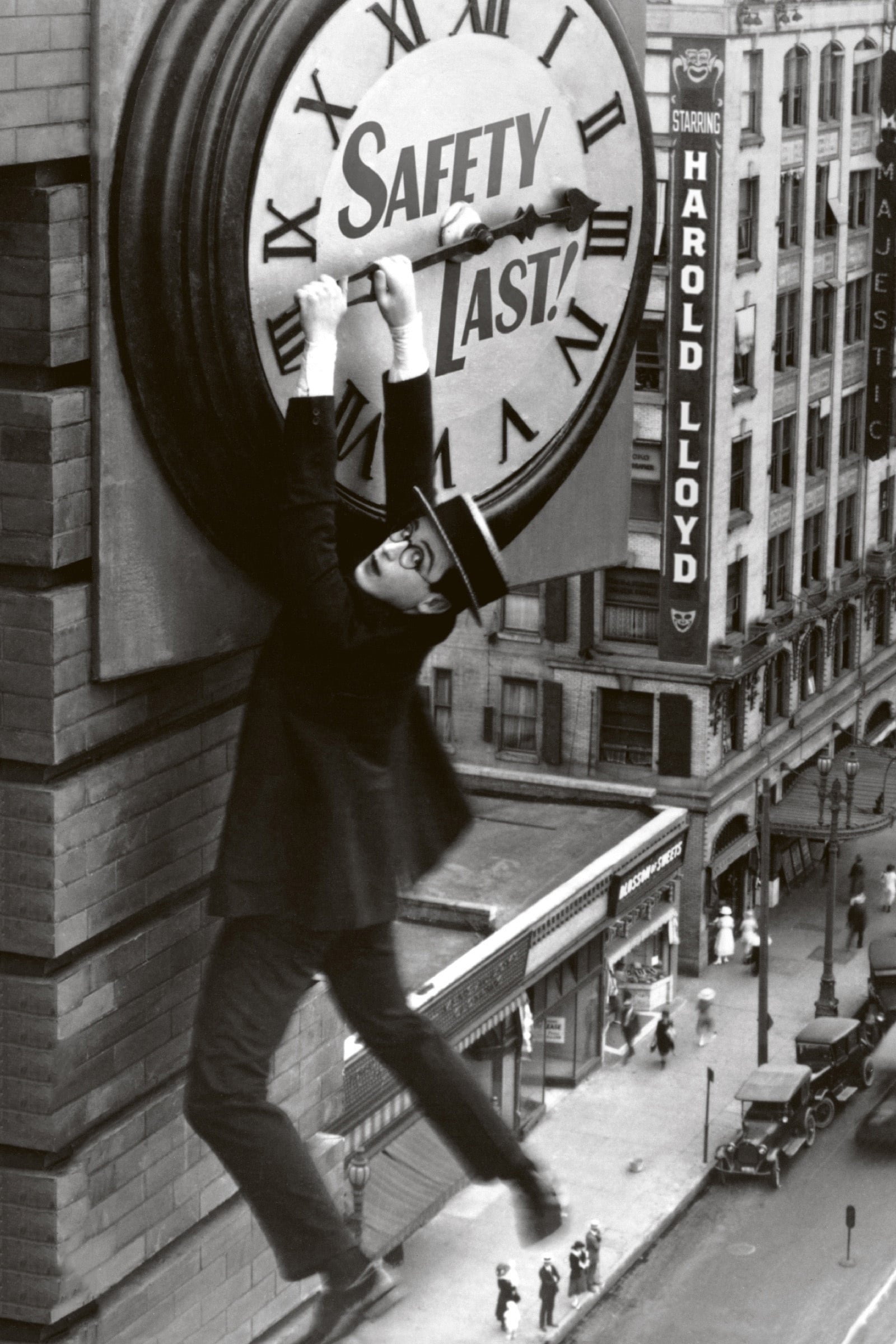
Harold Lloyd’s ‘Safety Last!’ made high-concept set-pieces a comedy signature, with the famous clock-dangling sequence becoming a cinematic landmark. The film advanced stunt-based gags that relied on precise visual framing and physical timing. Its urban setting and white-collar everyman persona broadened the comedic archetype beyond tramp or dandy. The movie’s spectacle helped normalize ambitious production values in comedies.
‘The General’ (1926)
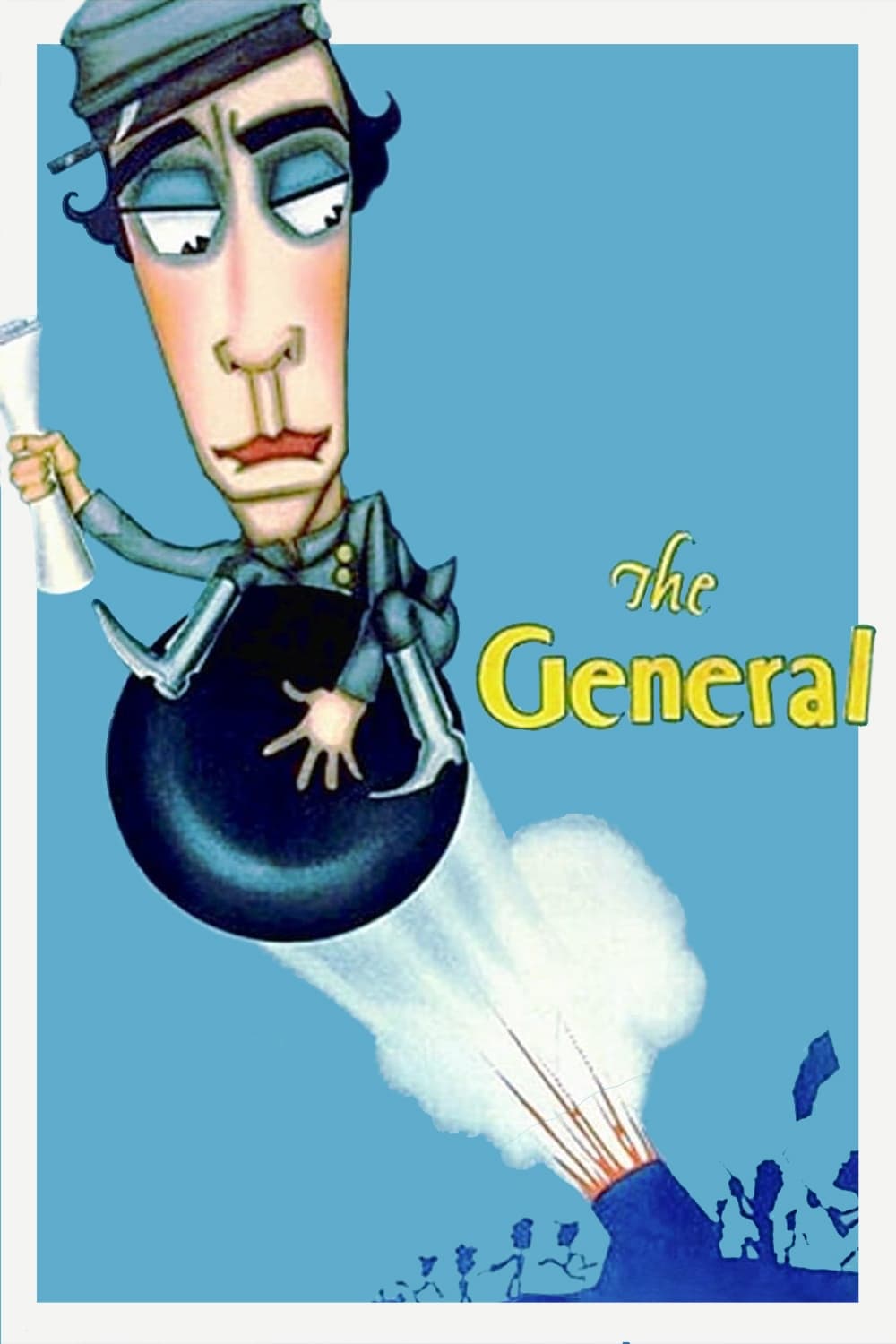
Buster Keaton’s ‘The General’ integrated large-scale action with deadpan humor, proving that comedy could sustain epic logistics. Its elaborate train sequences showcased meticulous gag engineering and camera placement. The film’s physical storytelling influenced action-comedy choreography for generations. Preservation and revival screenings later confirmed its craft as a benchmark for visual humor.
‘Duck Soup’ (1933)
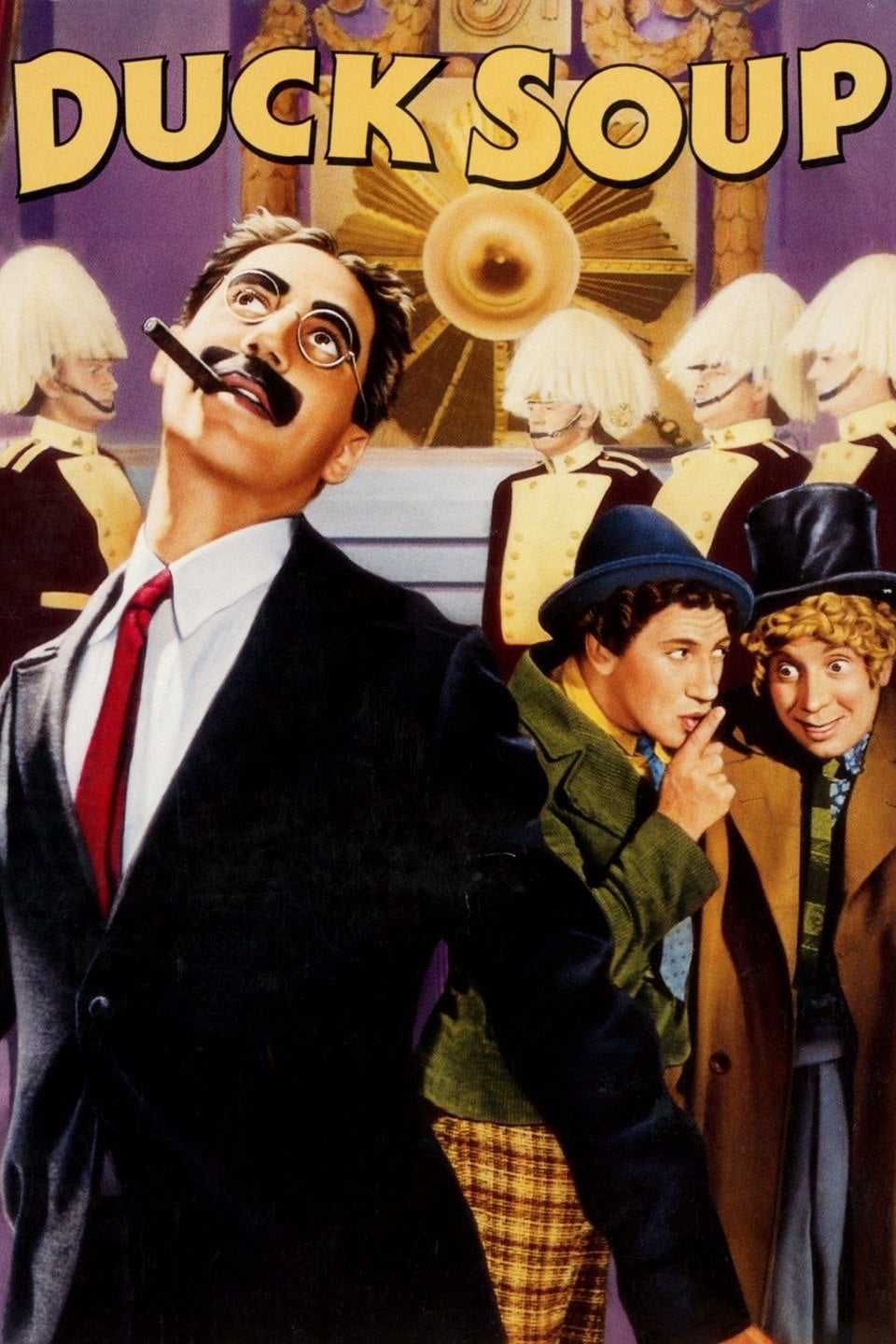
The Marx Brothers’ ‘Duck Soup’ pushed political satire into mainstream film, using wordplay, musical bits, and anarchic set-pieces. Its mirror routine and rapid-fire insults became study material for sketch and sitcom writers. The film’s compact runtime demonstrated how dense joke construction could be sustained without narrative padding. It also influenced censorship debates around satire and authority.
‘It Happened One Night’ (1934)
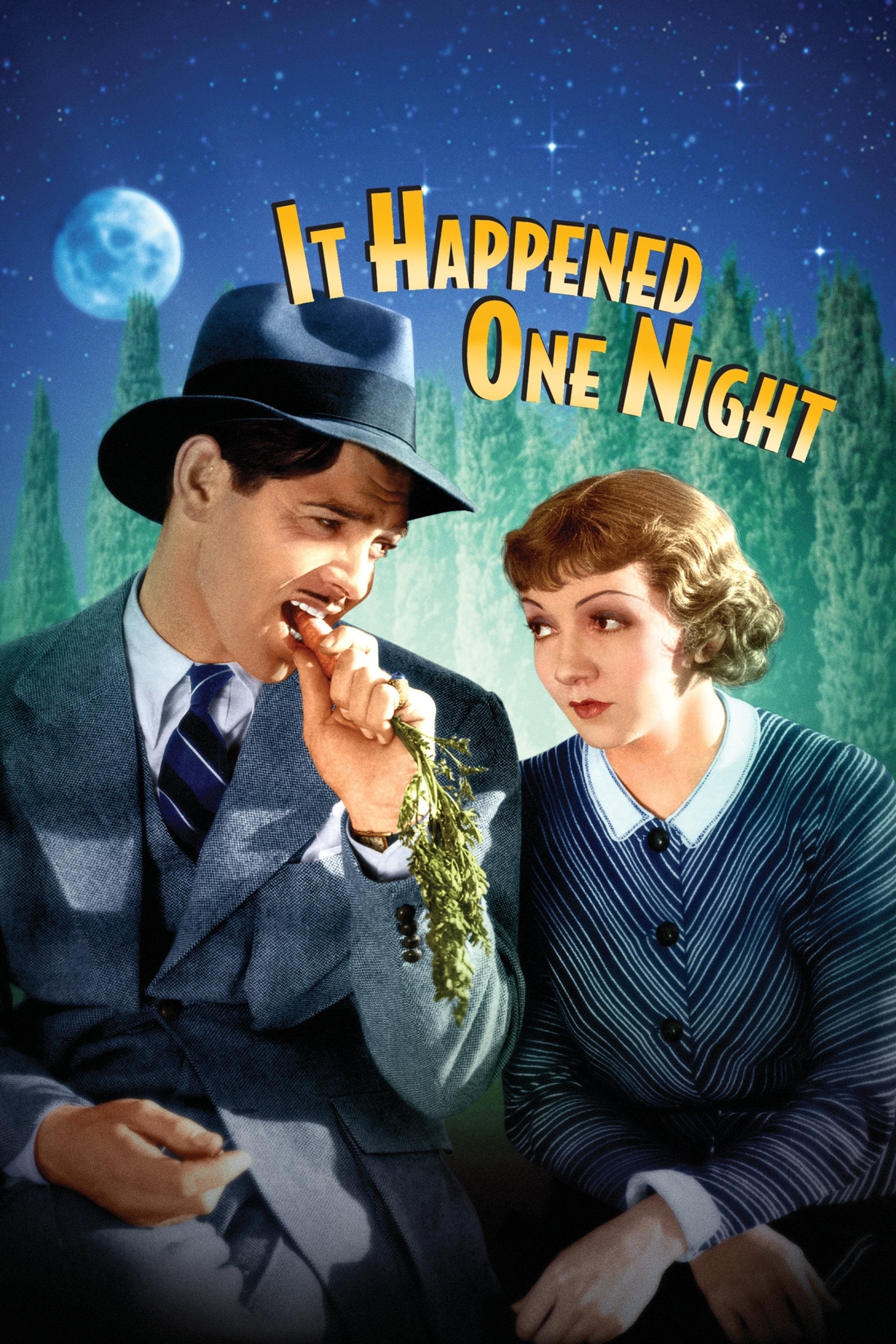
‘It Happened One Night’ codified screwball rhythms—battle-of-the-sexes banter, class clash, and fast pacing. Its cross-country structure popularized the romantic road-comedy blueprint. The film’s wardrobe and prop gags entered pop culture, inspiring marketing tie-ins and copycat plots. Its awards sweep elevated the status of comedy within prestige cinema.
‘Bringing Up Baby’ (1938)
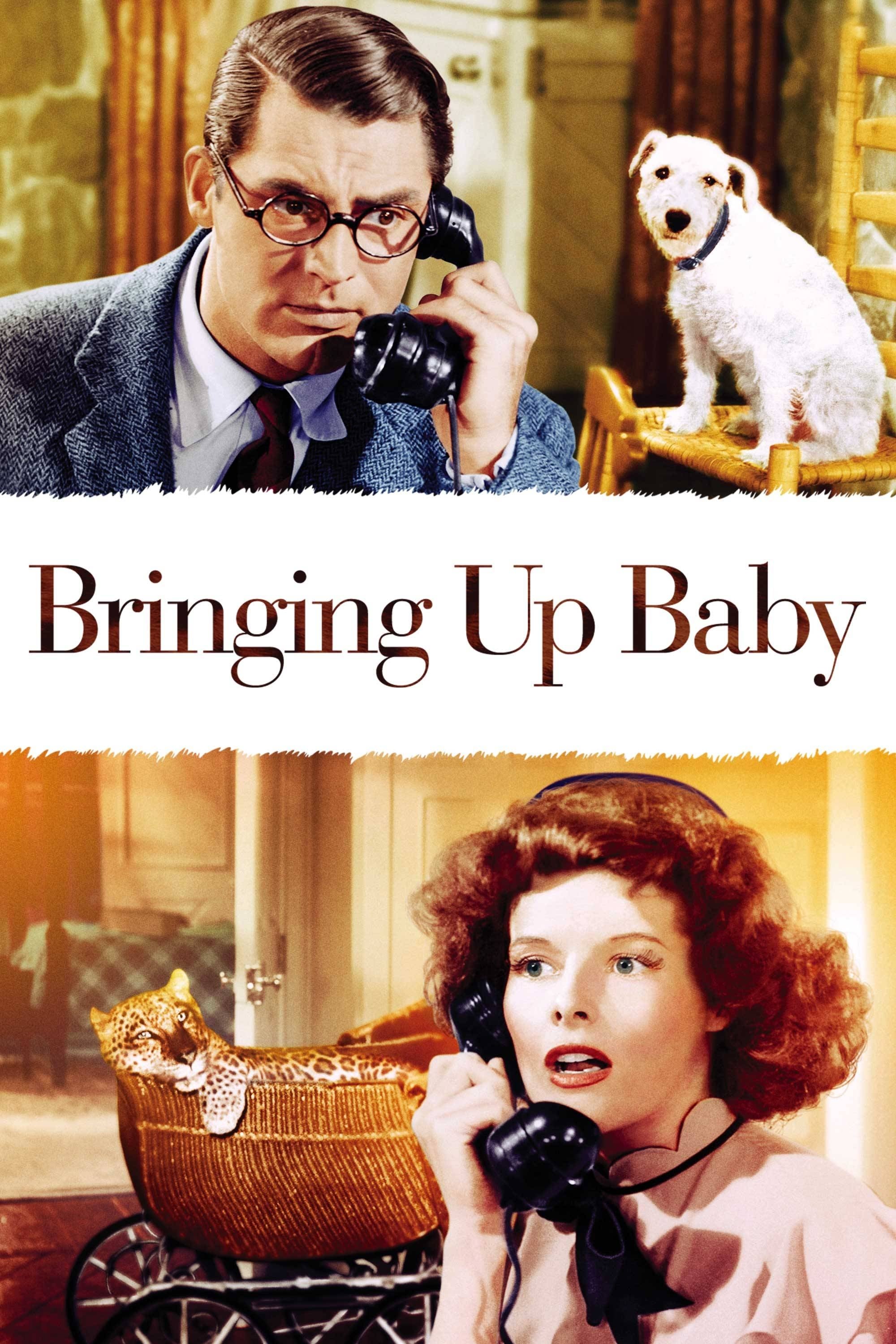
‘Bringing Up Baby’ perfected overlapping dialogue and escalating misunderstandings as core screwball mechanics. Howard Hawks’ staging showed how pace and interruption could generate laughs without broad slapstick. The film’s assertive heroine shaped future portrayals of witty, proactive leads. Its restoration and revival playings influenced film-school curricula on comedic timing.
‘The Great Dictator’ (1940)
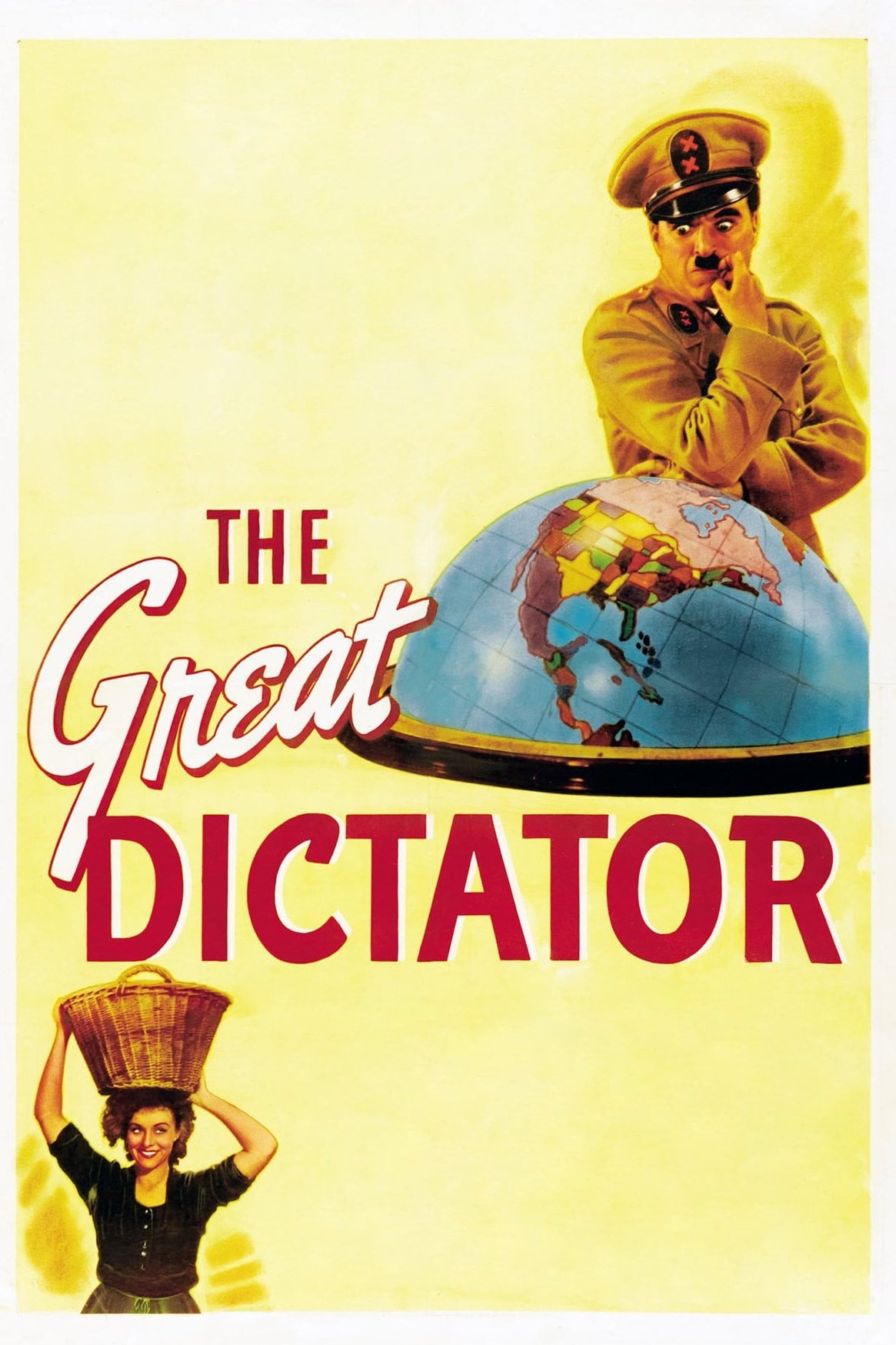
‘The Great Dictator’ advanced satire’s reach by confronting authoritarianism with comedy. Chaplin’s dual performance highlighted how mimicry and contrast can power narrative stakes. The film’s barbershop globe dance and speech sequence became references across media. It demonstrated that comedic voices could address global politics without losing audience engagement.
‘Kind Hearts and Coronets’ (1949)
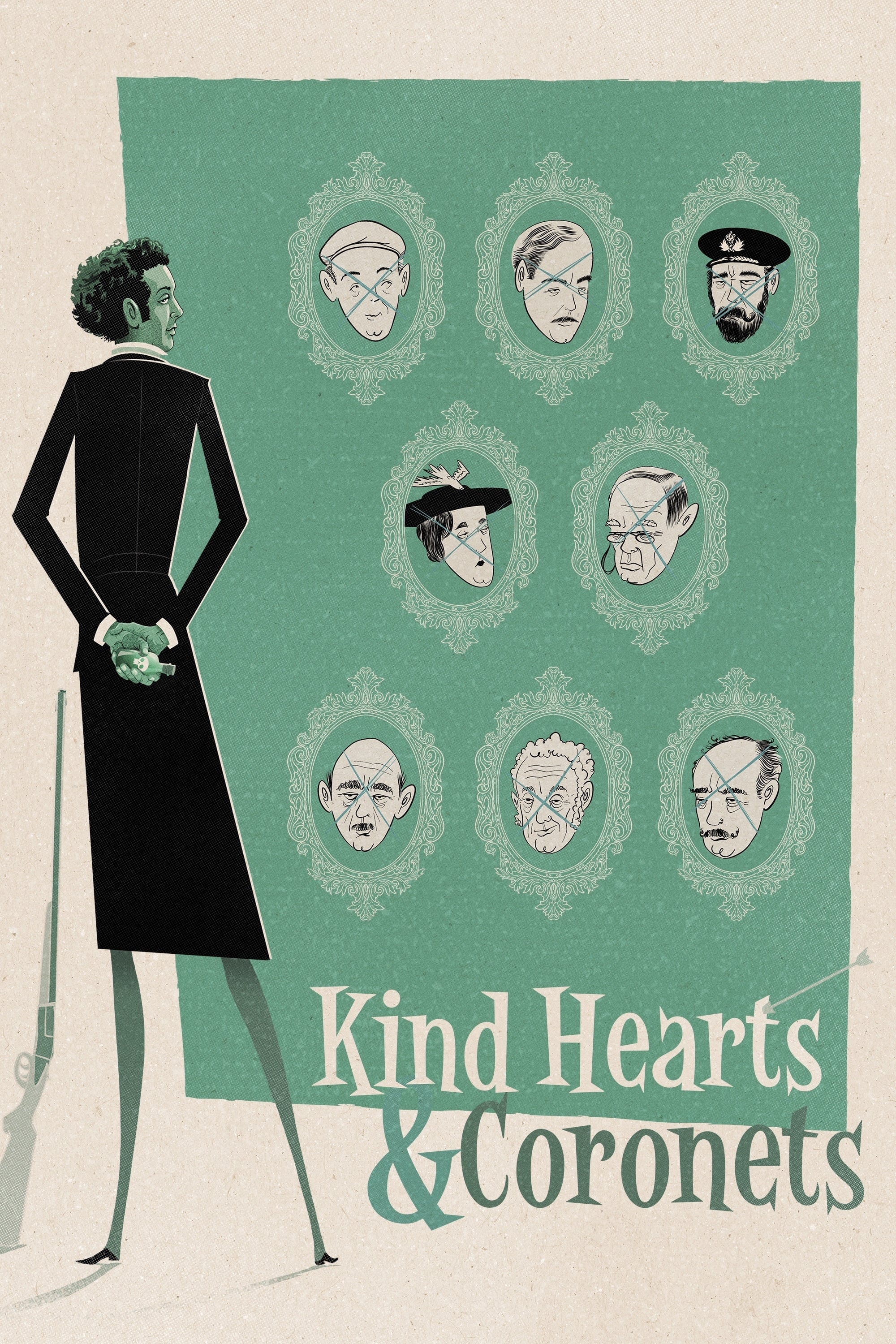
Ealing Studios’ ‘Kind Hearts and Coronets’ refined dark comedy with elegant narration and multiple roles performed by Alec Guinness. Its cool, literate tone paved the way for crime-comedy hybrids. The film’s formal polish showed how editing and voiceover can sharpen dry wit. Its influence is visible in later capers and anti-hero comedies.
‘Some Like It Hot’ (1959)
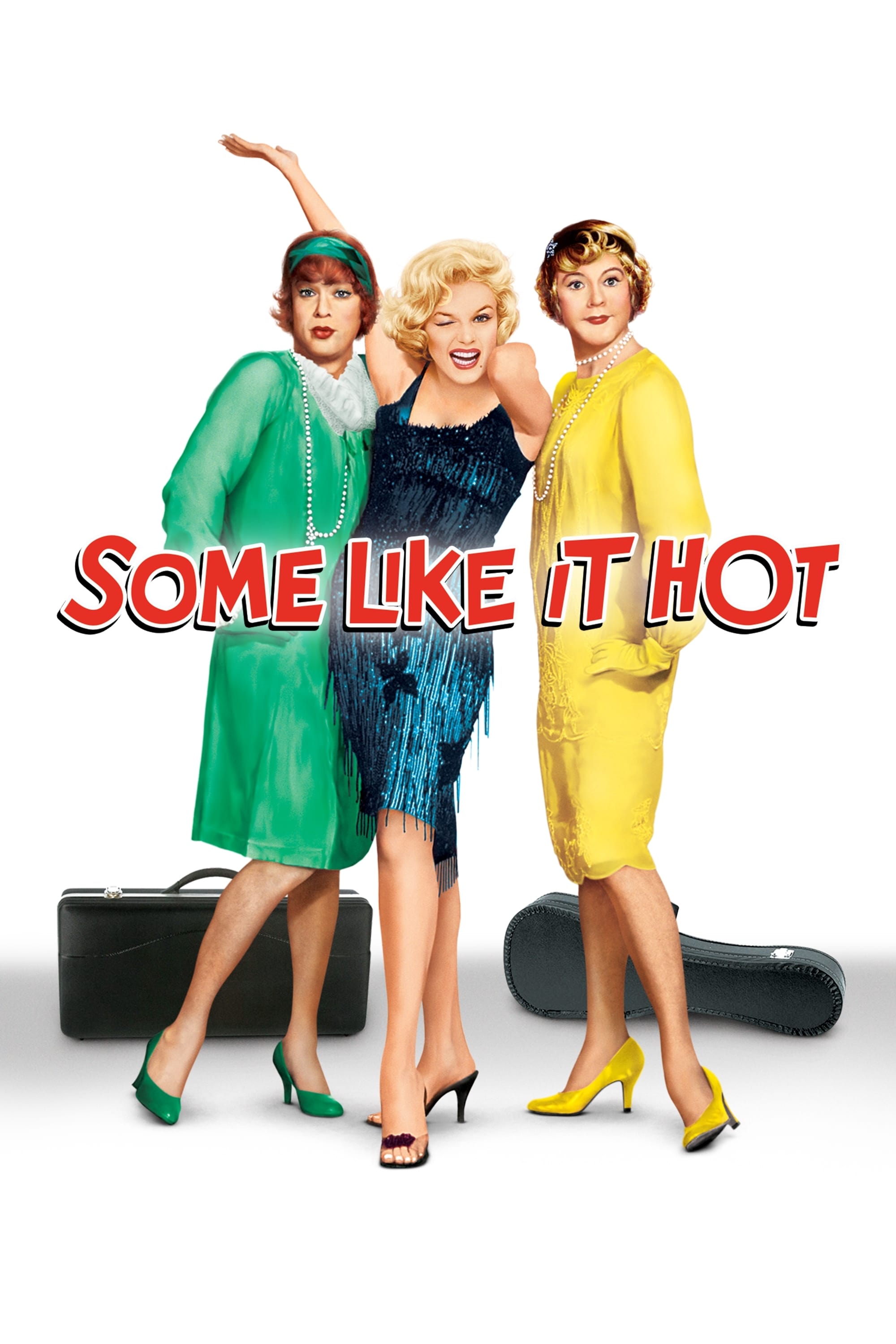
‘Some Like It Hot’ pushed disguise and gender-bending farce into mainstream popularity. Billy Wilder’s tight structure demonstrated how identity confusion can power a full feature without exhausting the premise. The film’s band setting supported musical numbers that functioned as both plot and punchline. It also set a high bar for star-driven ensemble chemistry.
‘Dr. Strangelove or: How I Learned to Stop Worrying and Love the Bomb’ (1964)
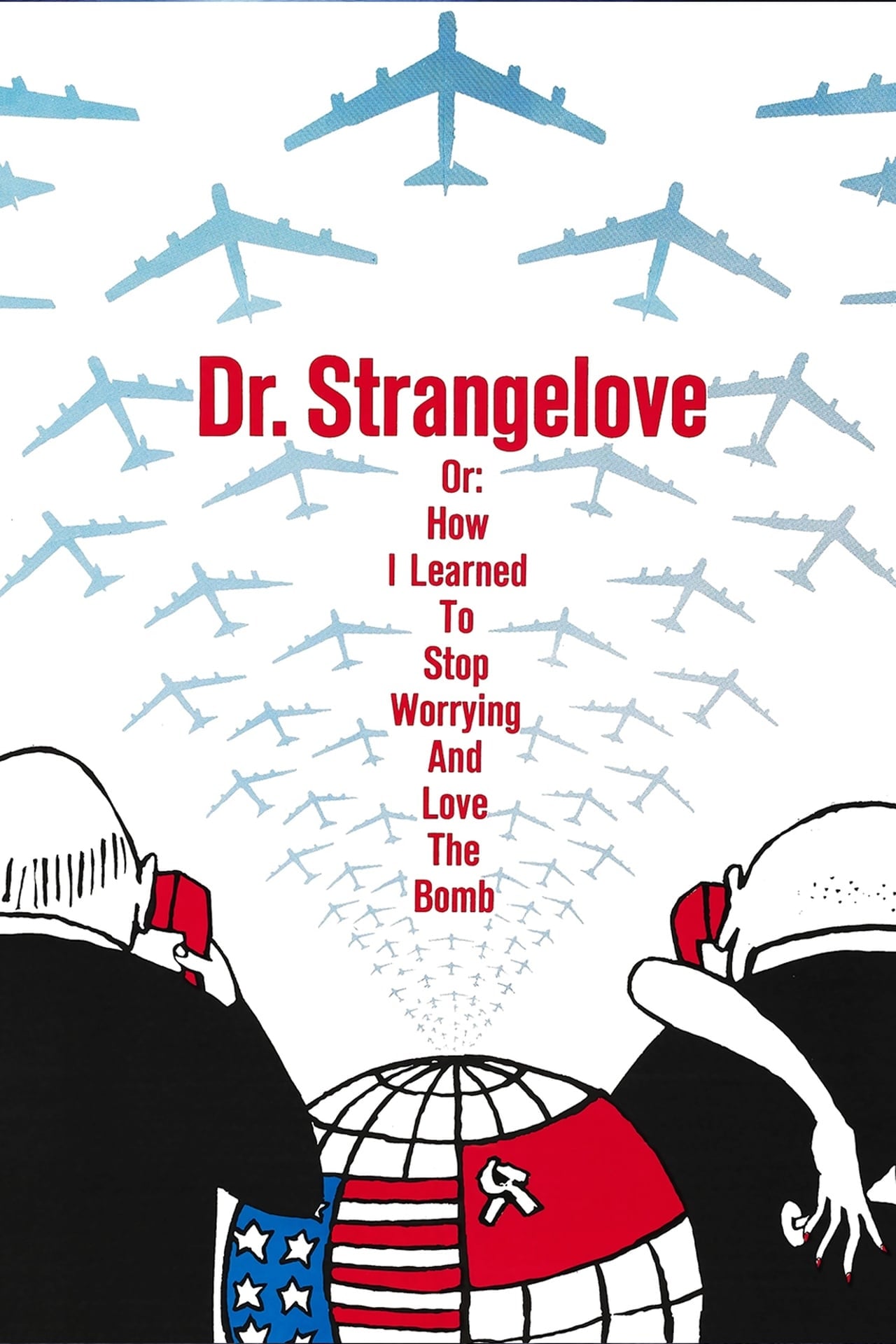
‘Dr. Strangelove’ proved that black comedy could tackle nuclear strategy and bureaucracy with meticulous realism. Stanley Kubrick used documentary-like textures to make satire land harder. The film’s war-room design and multi-role performance model became staples for political send-ups. Its jargon-laced dialogue influenced writers to mine technical language for humor.
‘The Producers’ (1967)
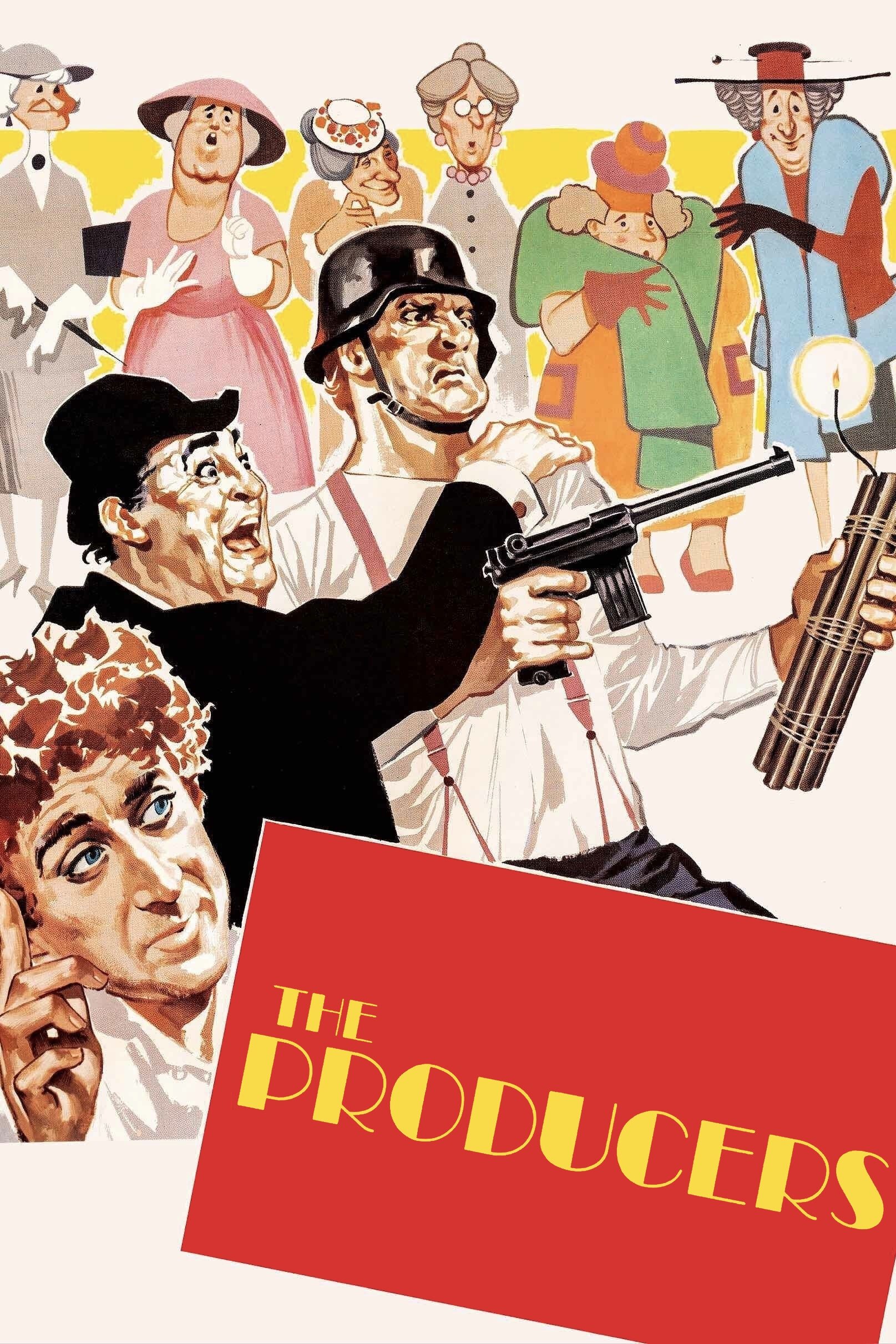
‘The Producers’ turned show-business self-satire into a scalable formula for stage and screen. Mel Brooks fused insider jokes with accessible farce about creative hustling. The film’s audacious musical-within-a-movie expanded comedy’s meta-toolkit. Its later adaptations showed how comedic IP can migrate successfully across formats.
‘Monty Python and the Holy Grail’ (1975)

‘Monty Python and the Holy Grail’ introduced sketch-born absurdism to feature storytelling, using cutaway logic and low-fi gags as deliberate style. Its quotable lines and meta endings encouraged fan participation and communal viewing. The film’s DIY props and location work demonstrated cost-savvy comedy production. It fueled a wave of irreverent medieval and fantasy spoofs.
‘Annie Hall’ (1977)
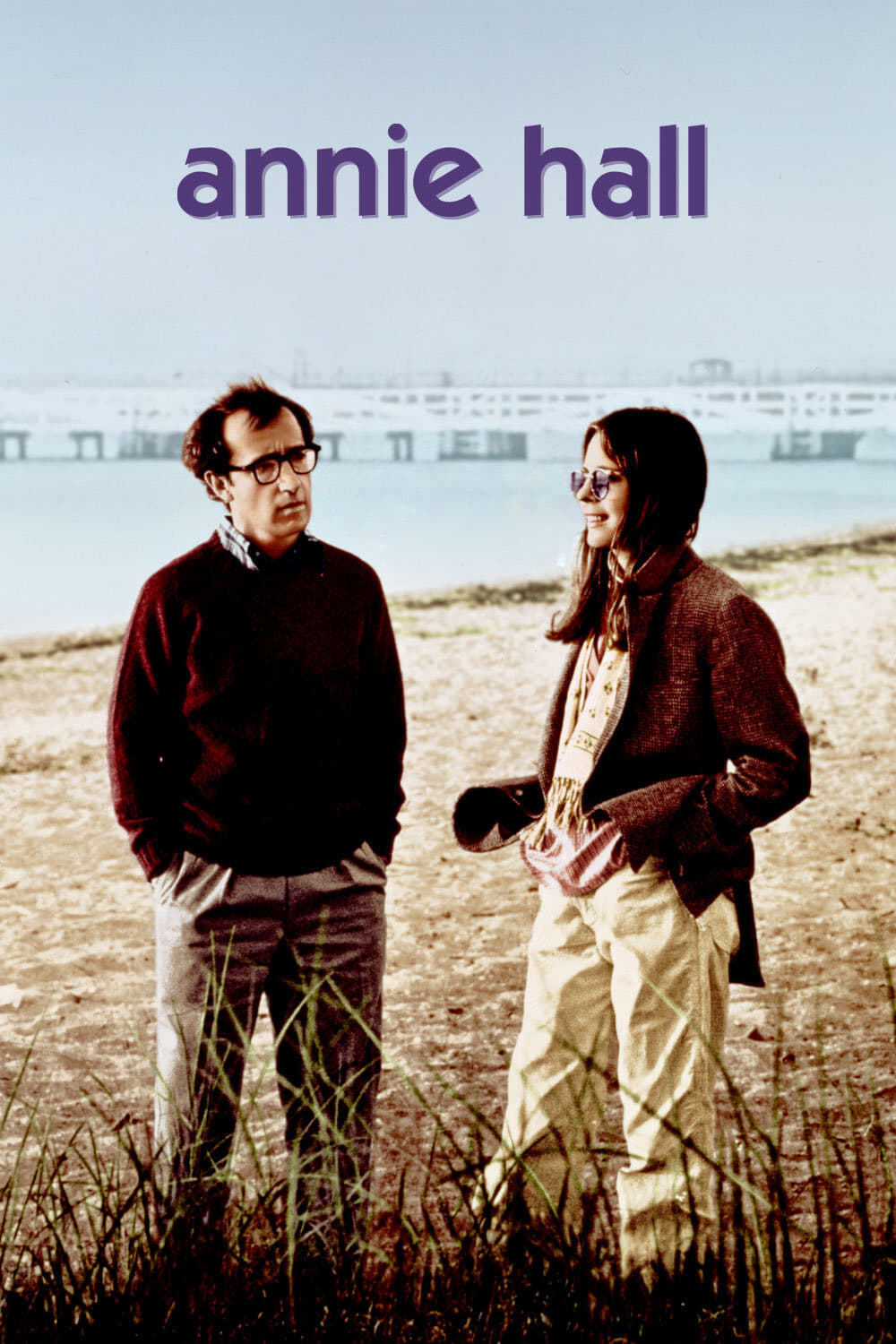
‘Annie Hall’ popularized fourth-wall breaks, split screens, and subtitled inner thoughts in a romantic comedy. The film’s urban neurosis template influenced countless character-driven comedies. Nonlinear structure and essay-like asides broadened how personal relationships could be covered comedically. Its fashion and music cues reverberated through popular culture.
‘Animal House’ (1978)
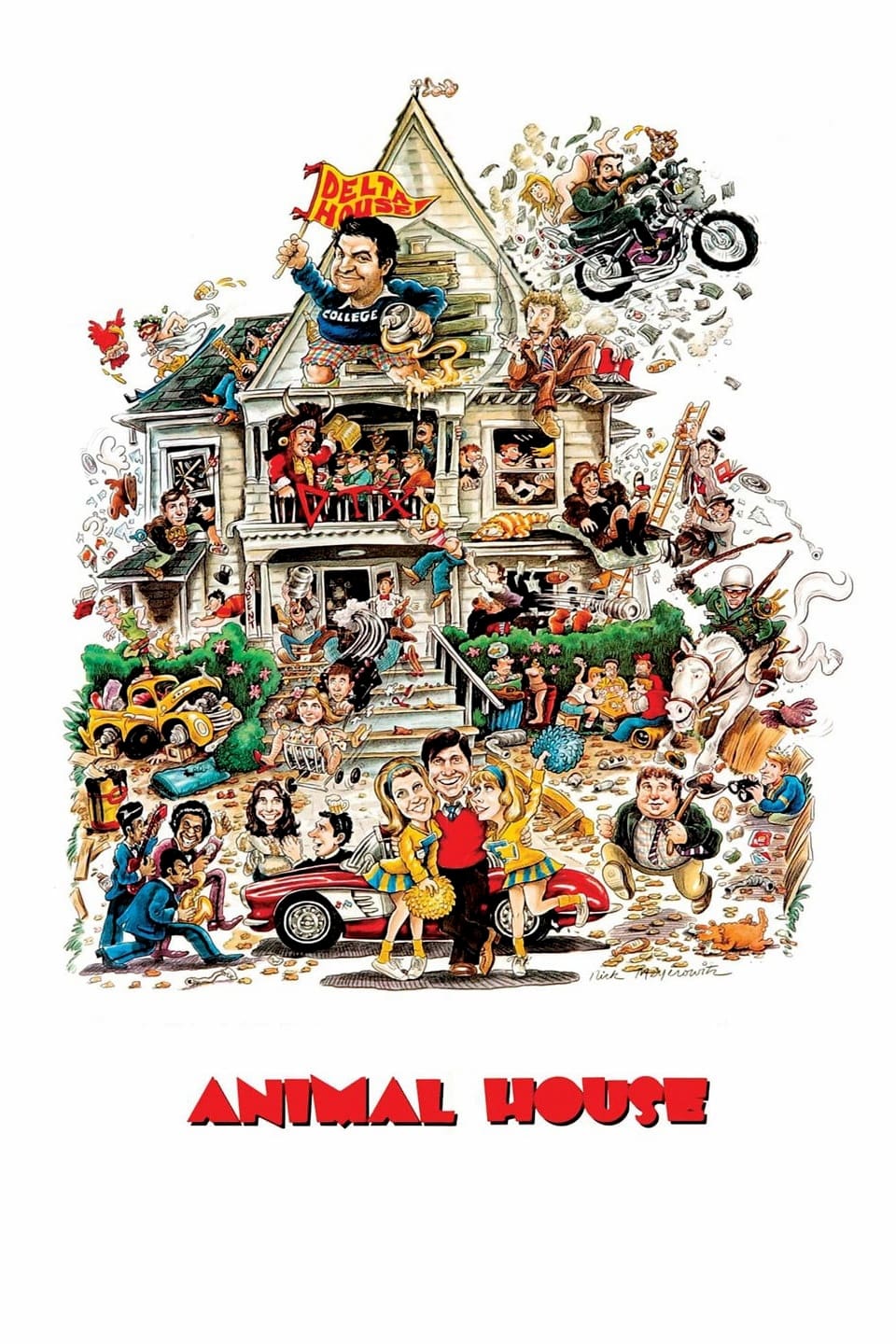
‘Animal House’ solidified the college-party subgenre and launched a new era of ensemble raunch. National Lampoon sensibilities moved from print to screen with high commercial impact. The film helped define campus archetypes later repeated in television and film. Its soundtrack integration also shaped how period hits can amplify comedic set-pieces.
‘Airplane!’ (1980)
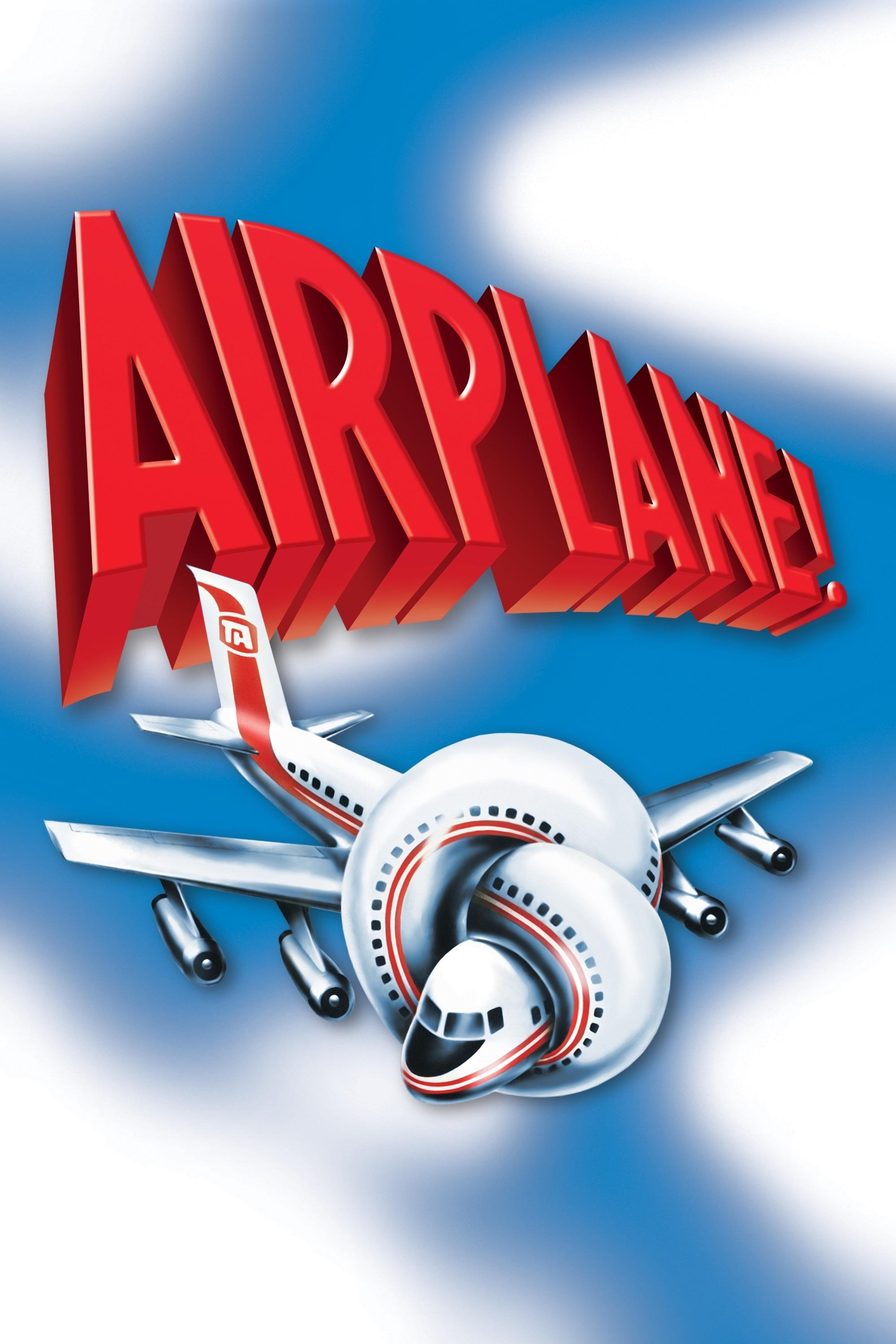
‘Airplane!’ standardized the modern spoof with wall-to-wall sight gags, deadpan delivery, and literalism. It re-cast serious actors to amplify jokes, a tactic widely copied. The film’s elastic joke density influenced editing rhythms in subsequent comedies. It also seeded a franchise mindset for parody filmmaking.
‘This Is Spinal Tap’ (1984)

‘This Is Spinal Tap’ mainstreamed the mockumentary format with improvised dialogue and handheld realism. Its faux-band worldbuilding became a case study in production design as humor. The film’s marketing and home-video afterlife showed how cult comedies can build long-tail audiences. Its influence runs through music docs, sitcoms, and workplace comedies.
‘Ghostbusters’ (1984)
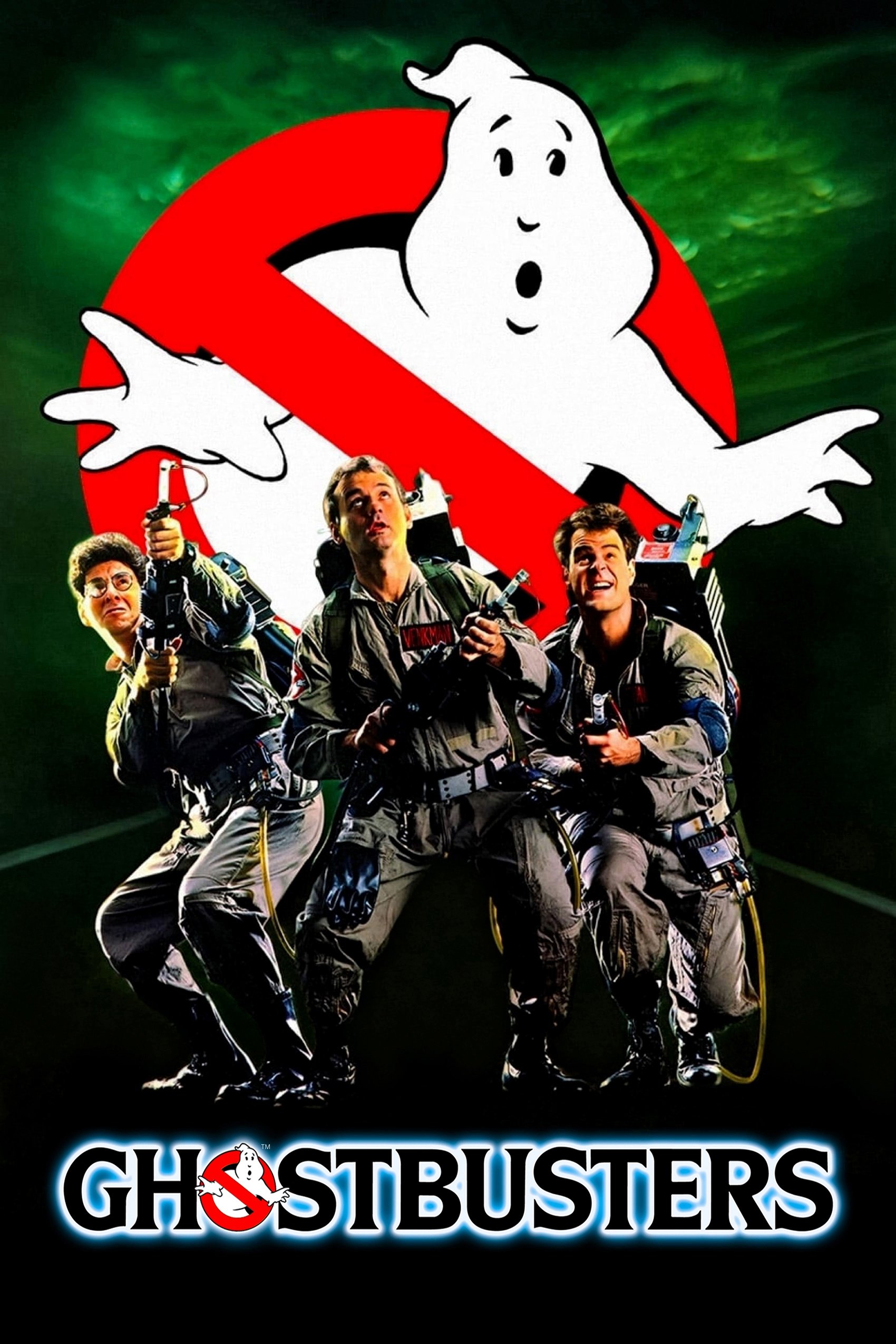
‘Ghostbusters’ fused effects-driven spectacle with dry, character-based humor at tentpole scale. The film demonstrated that supernatural comedy could carry merchandising, animation spinoffs, and game tie-ins. Its theme song and logo became globally recognized branding. The team-of-specialists structure shaped many action-comedies that followed.
‘Ferris Bueller’s Day Off’ (1986)
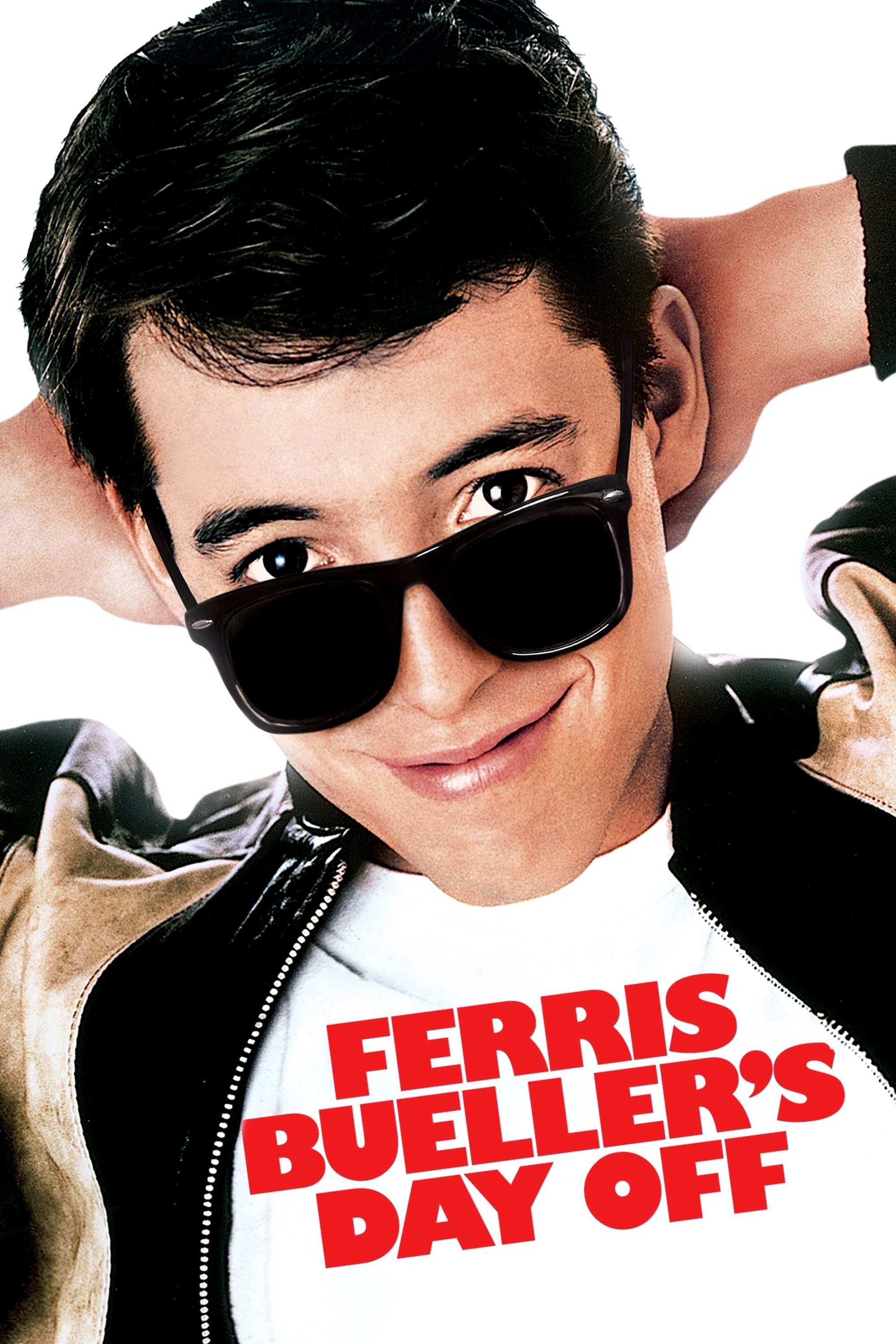
‘Ferris Bueller’s Day Off’ brought direct-address narration and city-as-playground staging to teen comedy. Its curated needle-drops and parade sequence became programming staples for broadcasters. The film’s truancy premise influenced later day-in-the-life comedies. It also showcased Chicago as a character, boosting location tourism.
‘When Harry Met Sally…’ (1989)

‘When Harry Met Sally…’ codified modern romantic-comedy structure around friendship, debate, and seasonal passage. Interview interludes expanded the genre’s storytelling palette. The film’s restaurant scene entered cultural shorthand and hospitality marketing. Its script became a model for dialogue-driven humor in relationship stories.
‘Groundhog Day’ (1993)

‘Groundhog Day’ introduced the time-loop premise as a comedic engine with repeatable beats. The reset structure influenced screenwriting approaches to character change and payoff. Its production design supports iterative gags with precise continuity. The concept migrated across genres, credited frequently by later filmmakers.
‘Clueless’ (1995)
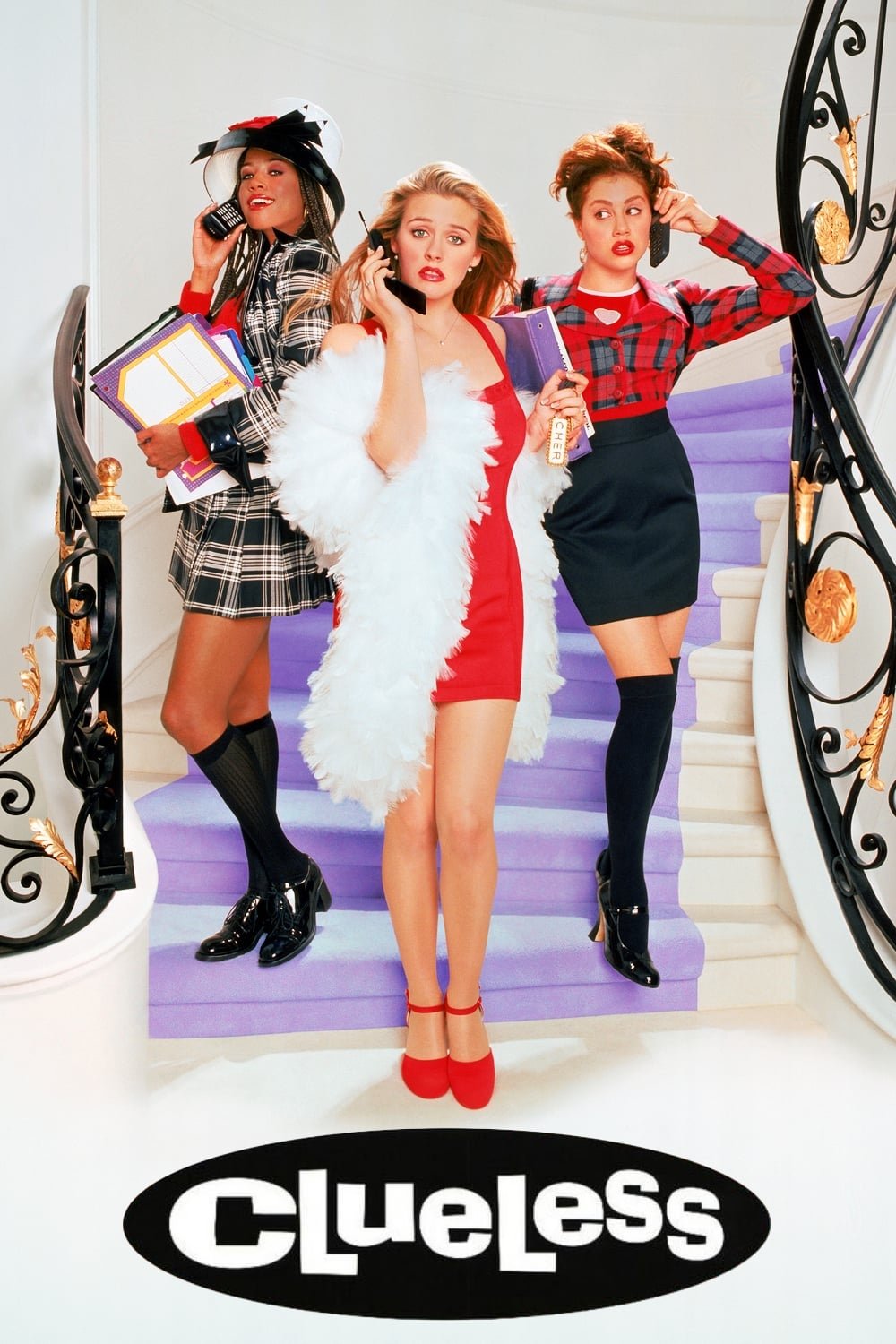
‘Clueless’ updated classic literature for teen comedy, igniting a fashion-driven aesthetic in marketing and television spin-offs. Its slang and valley-speak seeped into mainstream advertising. The film’s wardrobe partnerships boosted designer-comedy crossovers. It also demonstrated how campus settings can launch multi-platform franchises.
‘The Big Lebowski’ (1998)
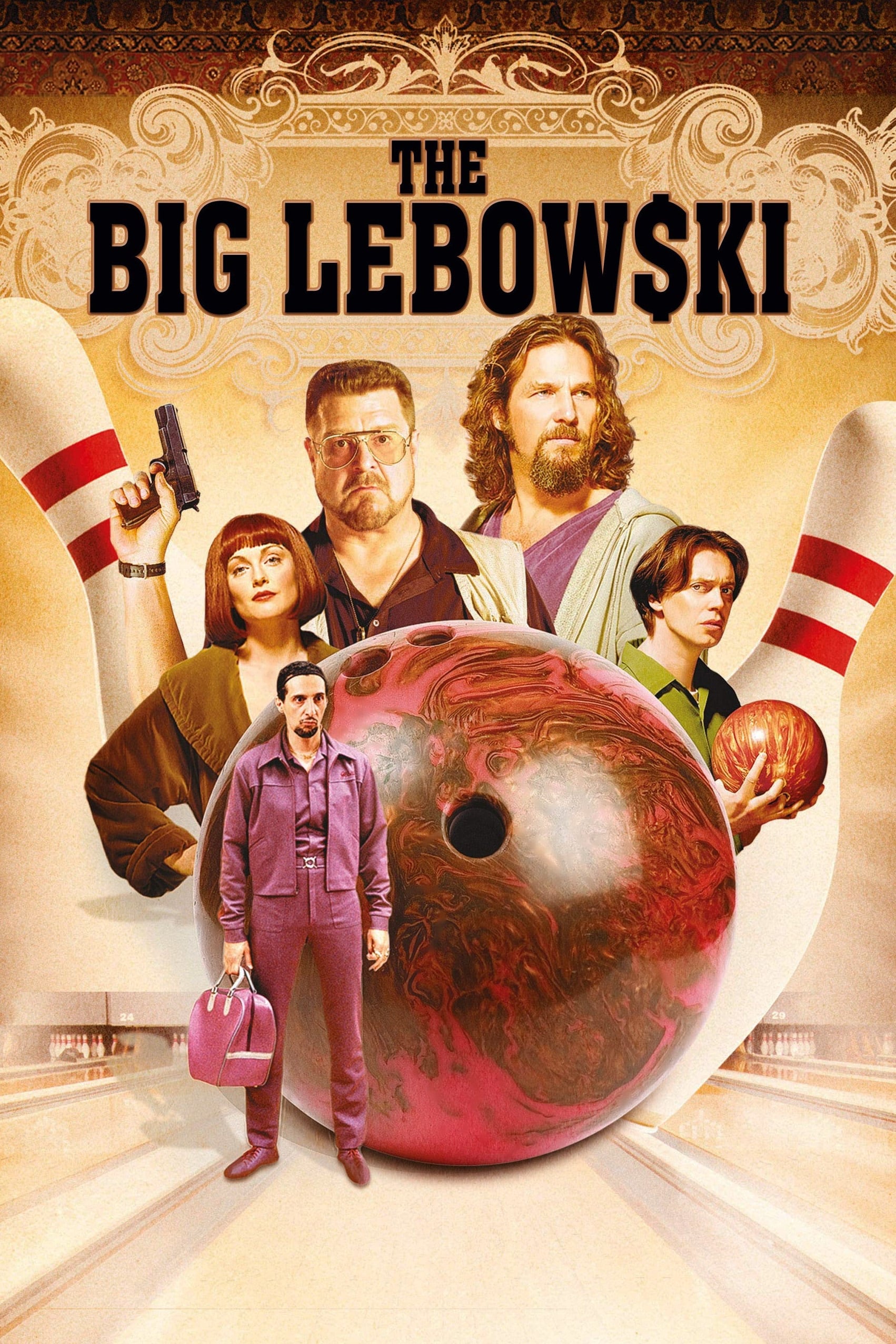
‘The Big Lebowski’ blended noir scaffolding with laid-back humor, popularizing the shaggy-dog mystery in comedy. Its quotable dialogue powered convention culture and themed events. Soundtrack curation and dream sequences expanded comedic visual language. The film’s fan base sustained specialty screenings and merchandising long after release.
‘Shaun of the Dead’ (2004)
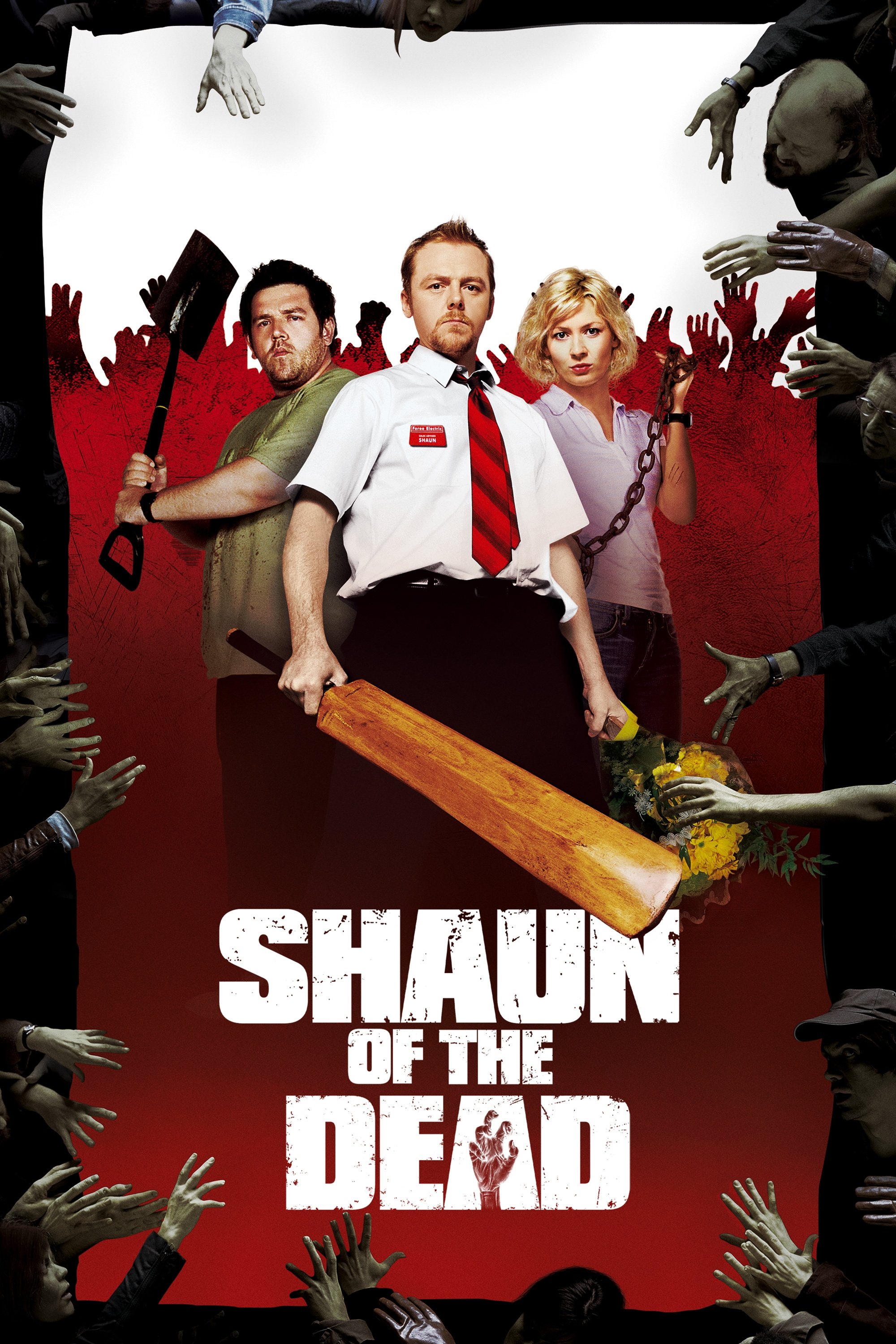
‘Shaun of the Dead’ proved genre-hybrid comedy could deliver scares and laughs without diluting either. Edgar Wright’s whip-pan transitions and musical cue choreography influenced editing in comedy. The film’s pub setting and ensemble dynamics became templates for international remakes and homages. It helped revive interest in zombie narratives for mainstream audiences.
‘Borat: Cultural Learnings of America for Make Benefit Glorious Nation of Kazakhstan’ (2006)
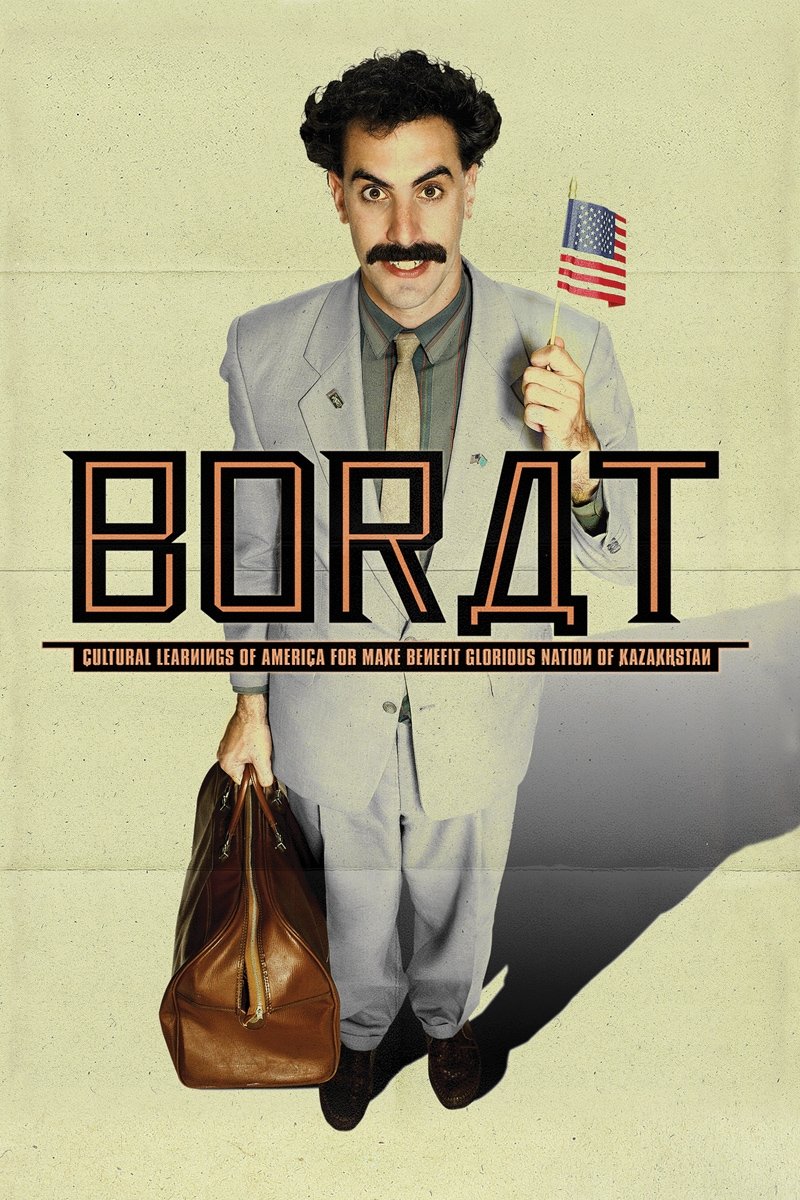
‘Borat’ used ambush interviews and on-the-street interactions to merge documentary tactics with comedy. The film’s viral marketing and catchphrases showed how online culture can amplify theatrical comedies. Its minimal crew footprint enabled flexible, location-heavy production. The approach impacted prank-driven and reality-adjacent projects across platforms.
‘Bridesmaids’ (2011)
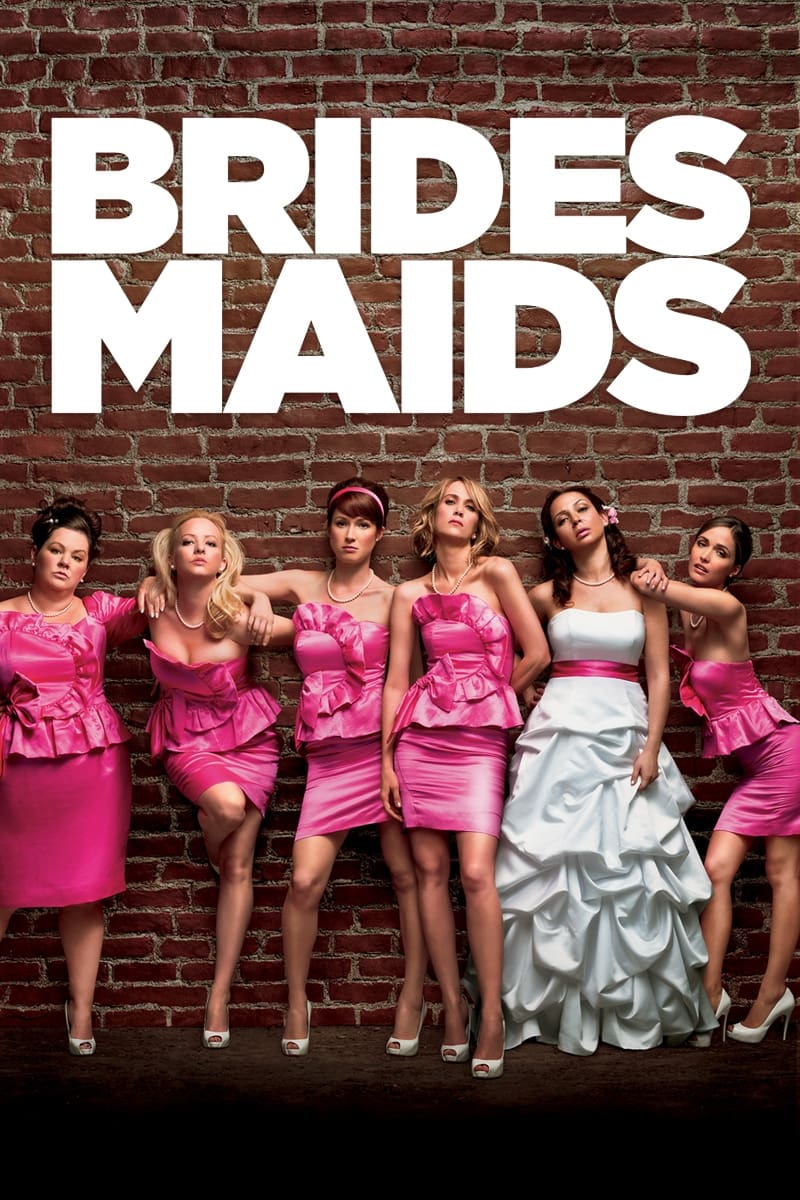
‘Bridesmaids’ expanded studio faith in female-led ensemble comedies with strong box-office performance. It balanced set-piece chaos with character arcs, encouraging similar greenlights. The film boosted several cast members into headline status and spurred more women-driven writers’ rooms. Its success proved lucrative for R-rated comedy in the event-movie era.
‘The Apartment’ (1960)
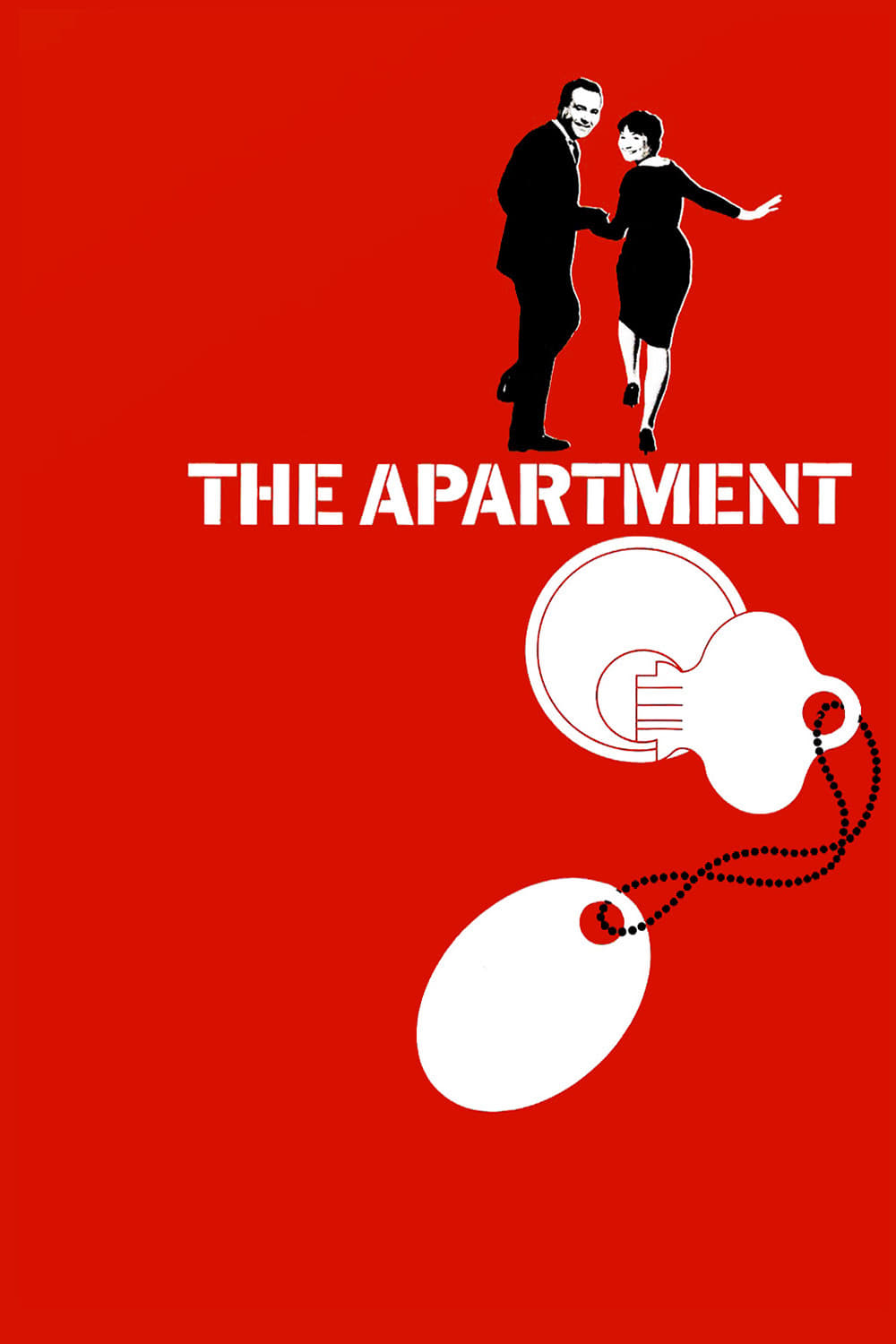
‘The Apartment’ blended corporate satire with romantic-comedy mechanics, setting a template for workplace-set humor that many films and TV series followed. Its use of recurring locations and supporting-office characters showed how ensemble worldbuilding strengthens comedic payoff. The film’s frank take on office politics expanded what studio comedies could address. Its structure demonstrated how character-driven stakes can carry sophisticated farce.
‘A Hard Day’s Night’ (1964)
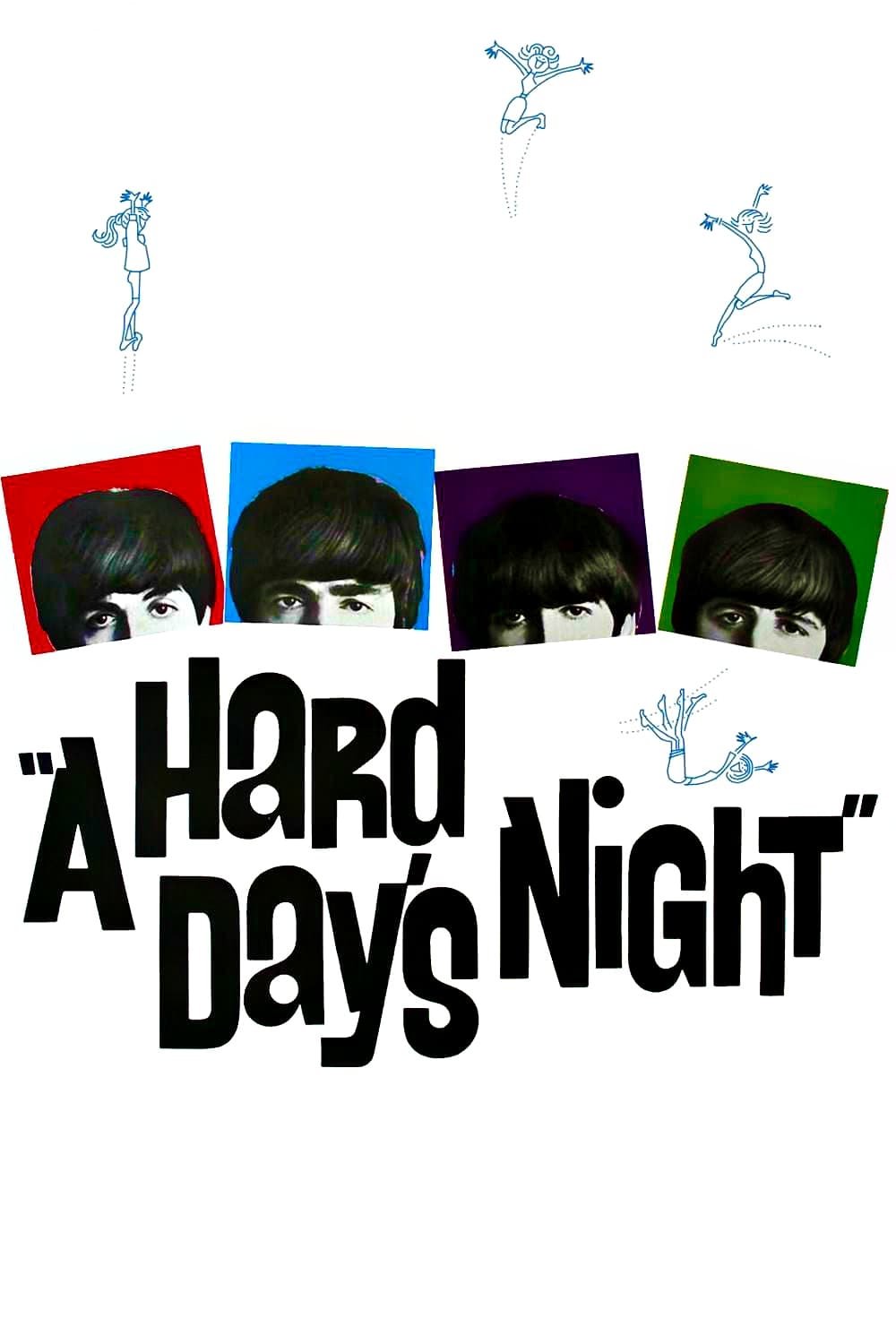
‘A Hard Day’s Night’ pioneered a fast-cut, handheld style that later shaped music videos and mockumentaries. Its semi-improvised banter and faux-documentary framing normalized fourth-wall play in musical comedies. Location shooting and brisk montage created a kinetic comic rhythm other filmmakers adopted. The film also demonstrated how pop acts could anchor narrative features without traditional plot scaffolding.
‘The Graduate’ (1967)
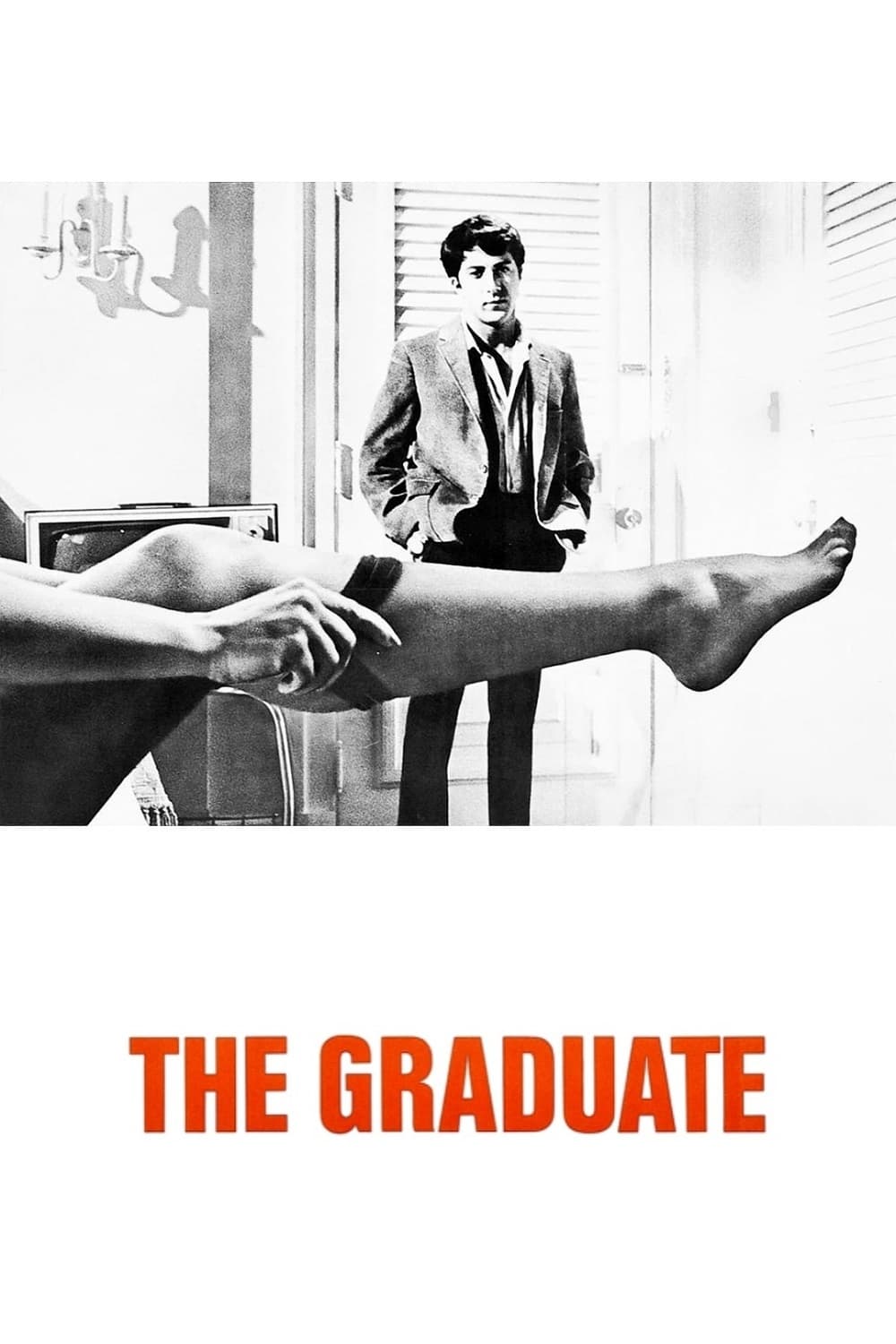
‘The Graduate’ integrated pop soundtrack cues as narrative drivers, influencing how music supervisors and editors shape comedic tone. Its deadpan framing and suburban settings modernized social satire for a new generation. The film’s staging of awkward silences and long takes broadened the toolkit for cringe-based humor. Its character archetypes informed later coming-of-age comedies and dramedies.
‘Young Frankenstein’ (1974)
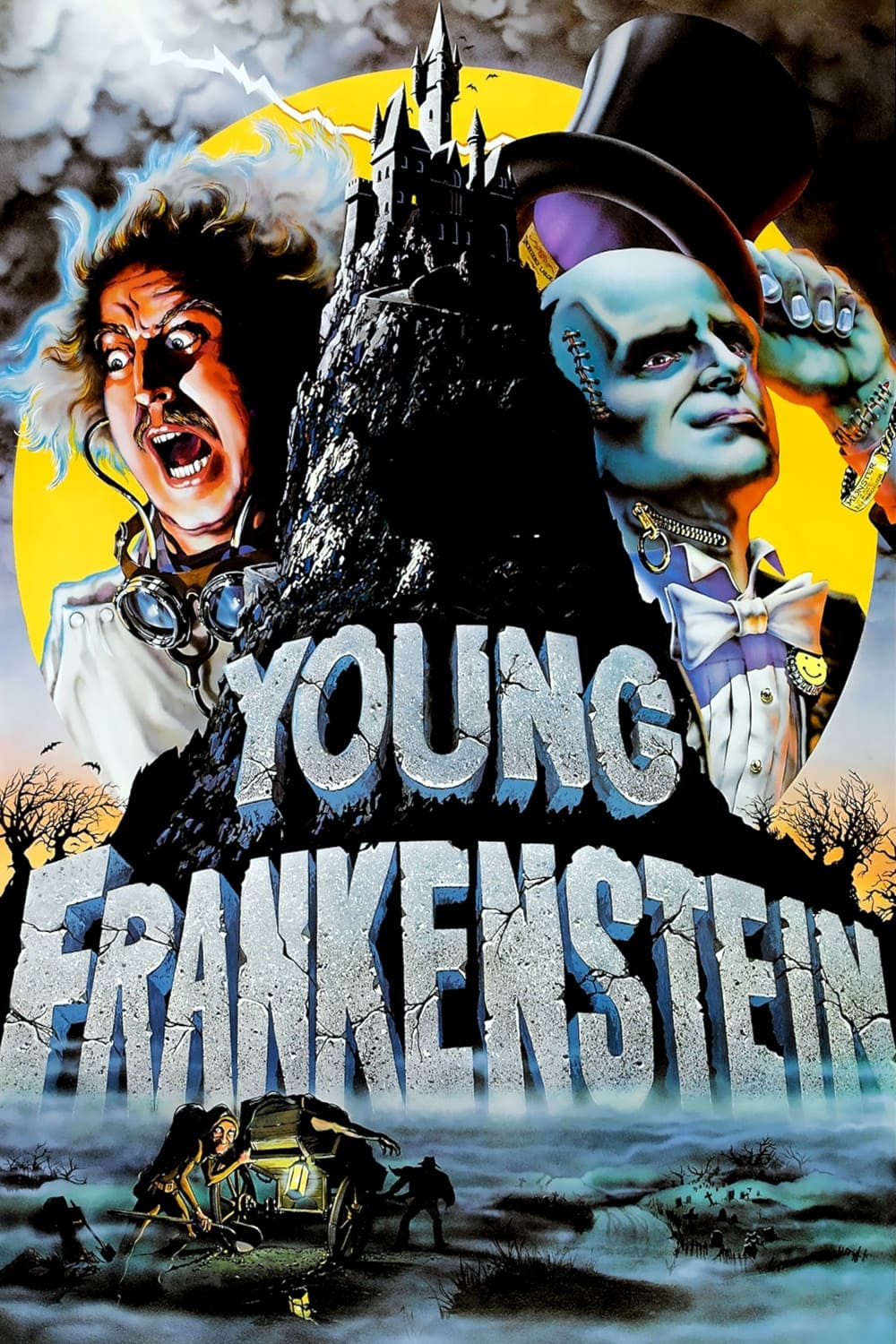
‘Young Frankenstein’ reproduced classic horror techniques—period lenses, lab sets, and chiaroscuro lighting—to elevate parody craft. The film demonstrated how genre-authentic production design can amplify jokes without undercutting atmosphere. Its precise verbal running gags became models for callback-based scripting. The success reinforced the viability of lovingly meticulous genre spoofs.
‘The Blues Brothers’ (1980)
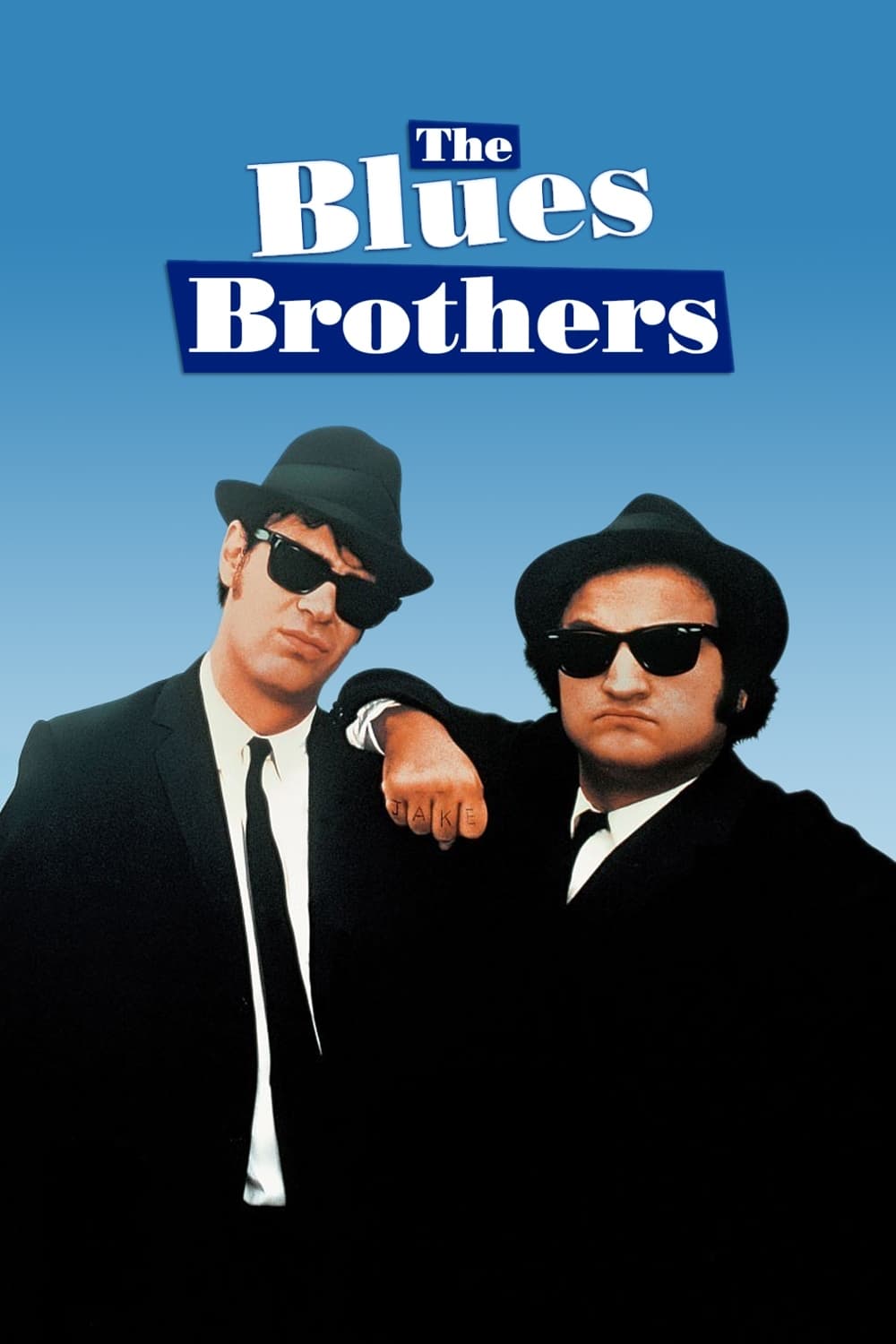
‘The Blues Brothers’ fused musical-comedy numbers with large-scale action set-pieces, proving the two could coexist at blockbuster scope. Its parade of musical legends helped standardize cameo-driven comic setlists. Location work turned a major American city into a recurring character, guiding future city-specific comedies. The film’s car-chase choreography set a benchmark for stunt-heavy humor.
‘Tootsie’ (1982)
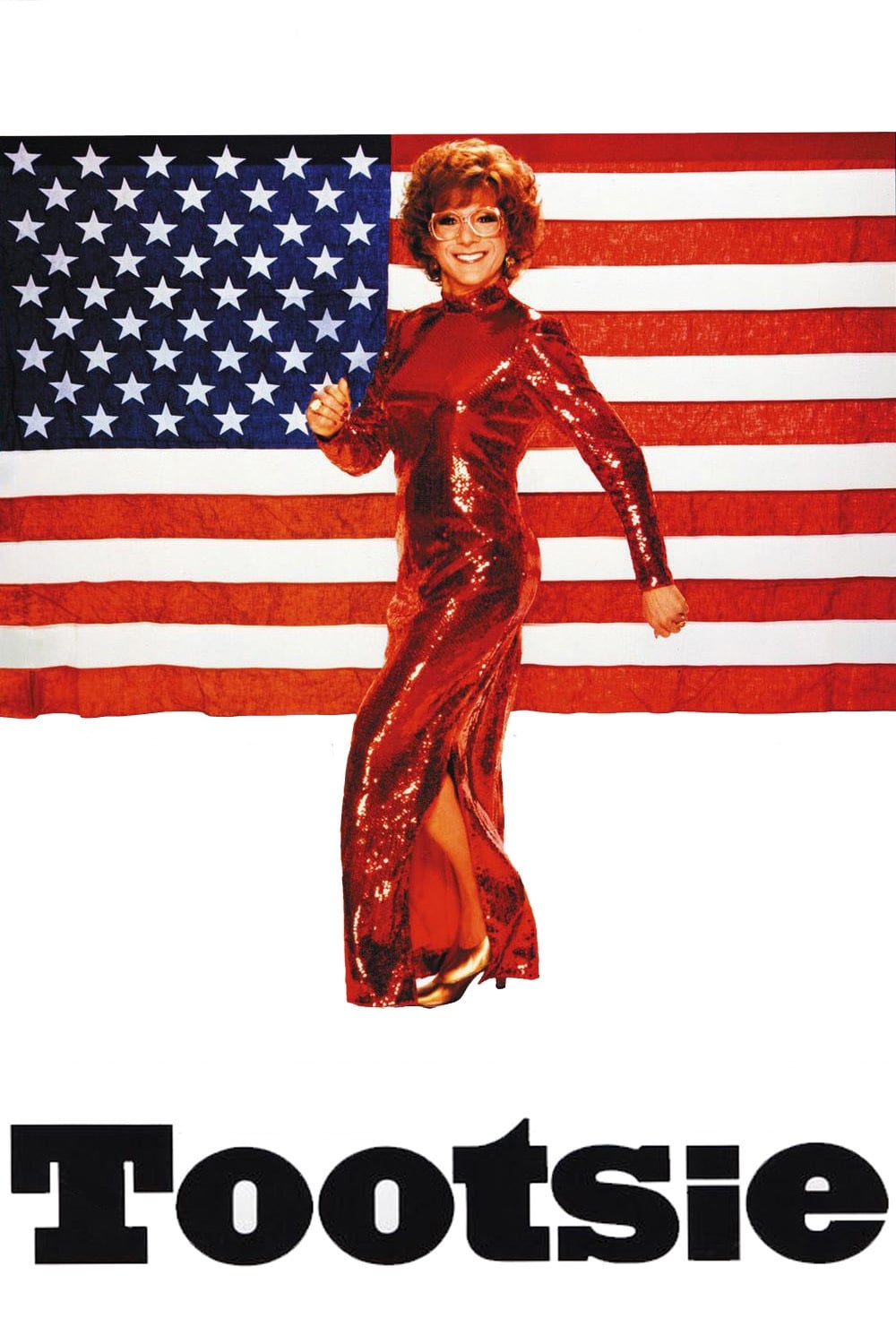
‘Tootsie’ used disguise as a fulcrum for industry satire, turning casting rooms and soap-operas into arenas for social commentary. The production’s emphasis on rehearsal and re-writes helped popularize performance-forward studio comedies. Its blend of farce and workplace dynamics influenced later identity-swapping plots. The film also expanded mainstream conversations about gender presentation within a comedic framework.
‘The Princess Bride’ (1987)
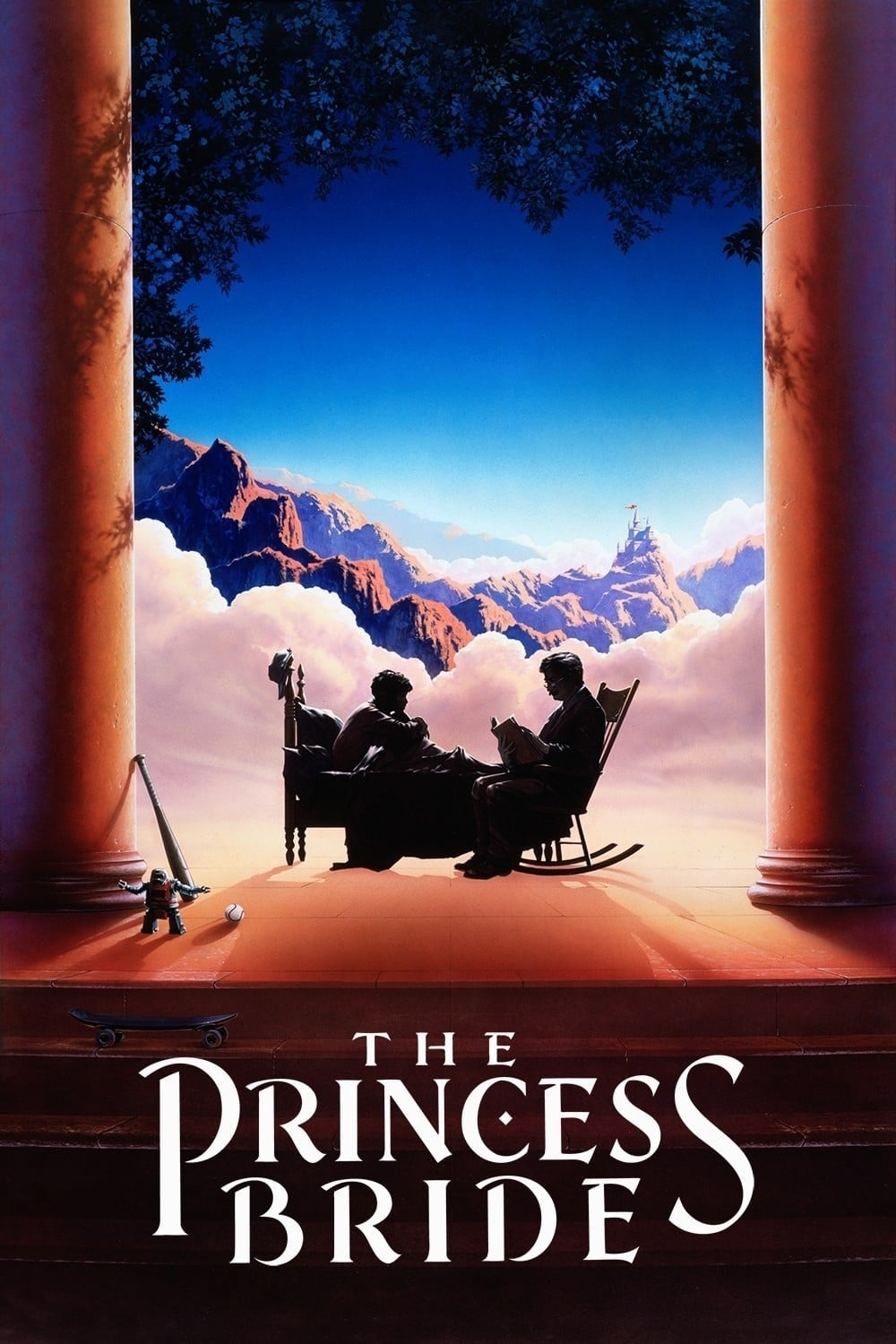
‘The Princess Bride’ combined fairy-tale adventure with self-aware narration, making meta-humor accessible to family audiences. Its storybook framing encouraged later films to use narrators as comedic collaborators. The mix of swordplay, romance, and quips created a cross-genre template widely copied. Quotable dialogue and character archetypes fueled long-term repertory screenings and fandom culture.
‘Home Alone’ (1990)
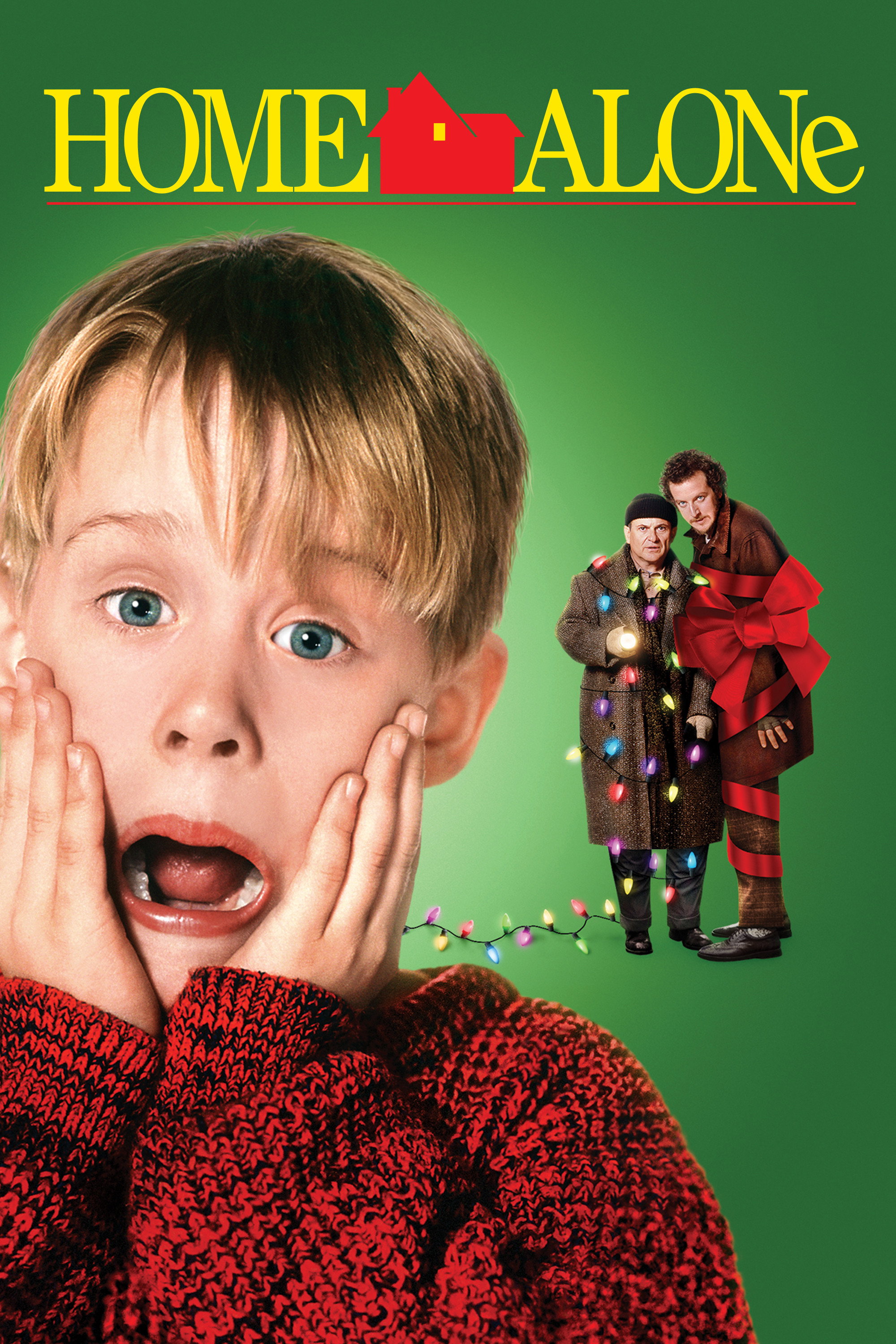
‘Home Alone’ scaled slapstick with elaborate house traps, turning production design into a comedic engine. Its holiday setting, musical motifs, and neighborhood geography created a durable seasonal formula. The film’s kid-centric POV influenced casting and marketing strategies for family comedies. Merchandising and sequels demonstrated how a simple premise can support a broad franchise.
‘Dumb and Dumber’ (1994)
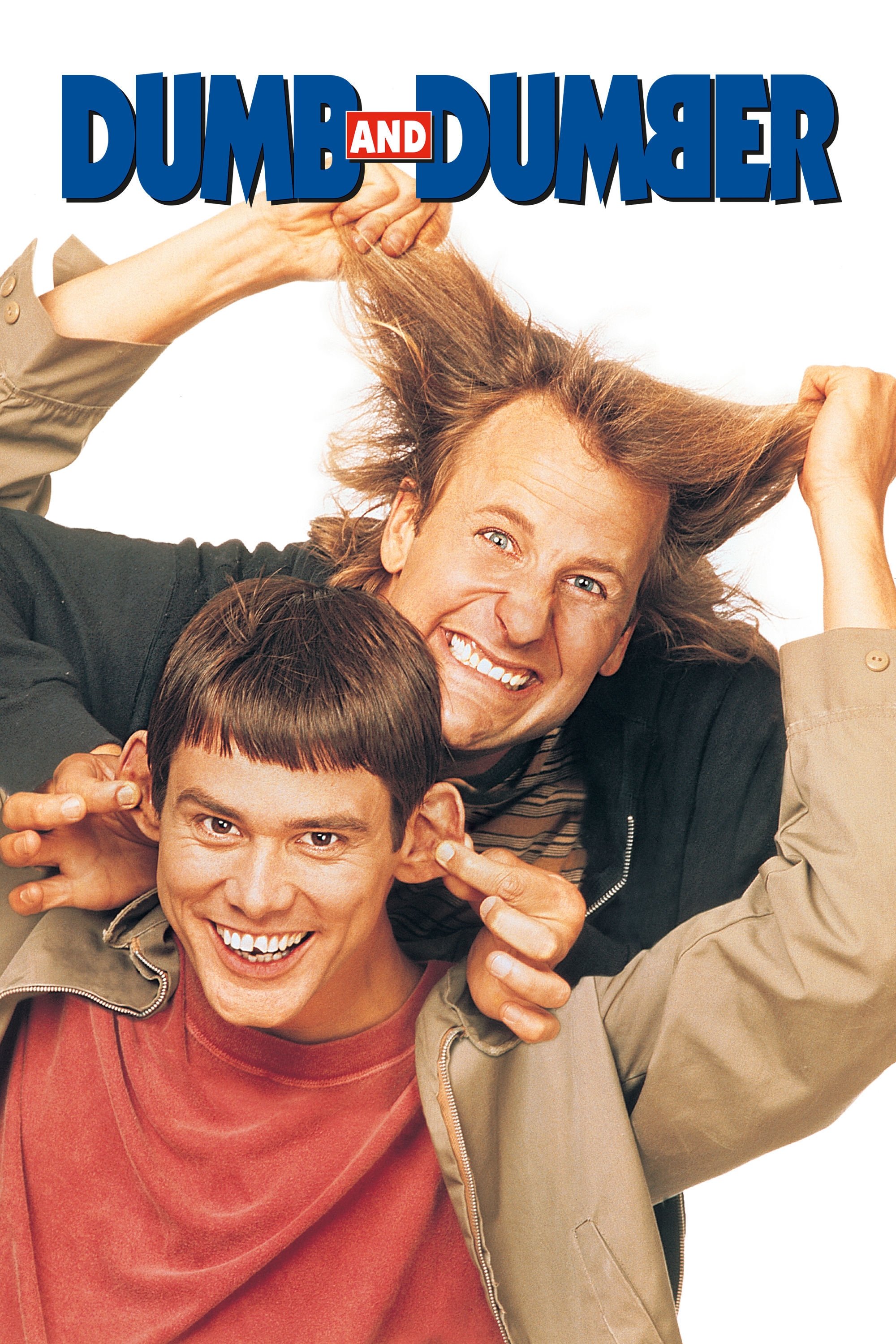
‘Dumb and Dumber’ brought road-trip farce back with extreme physical gags and malaprop-laced dialogue. Its earnest characterizations showed how naivete can drive set-piece escalation. Location-hopping structure offered a flexible canvas for recurring joke patterns. The film’s success paved the way for more high-concept buddy comedies.
‘Toy Story’ (1995)
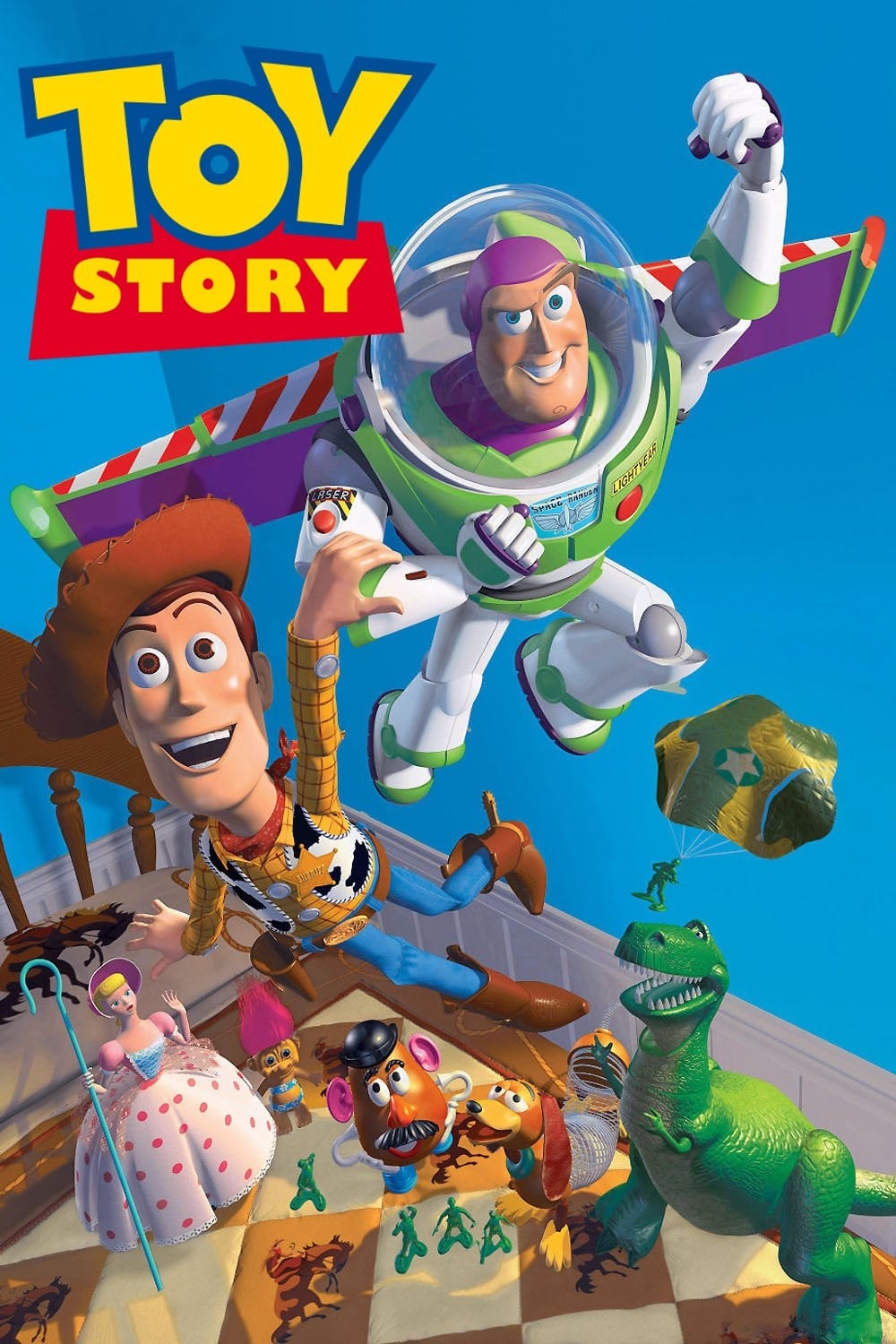
‘Toy Story’ introduced the first fully computer-animated feature, proving CG could carry feature-length comedy with emotional clarity. Its character animation and story beats set standards for timing, sight gags, and silent reactions. The film’s worldbuilding of rules and toy logic expanded opportunities for visual punchlines. It also established a production pipeline that many studios later adopted.
‘American Pie’ (1999)
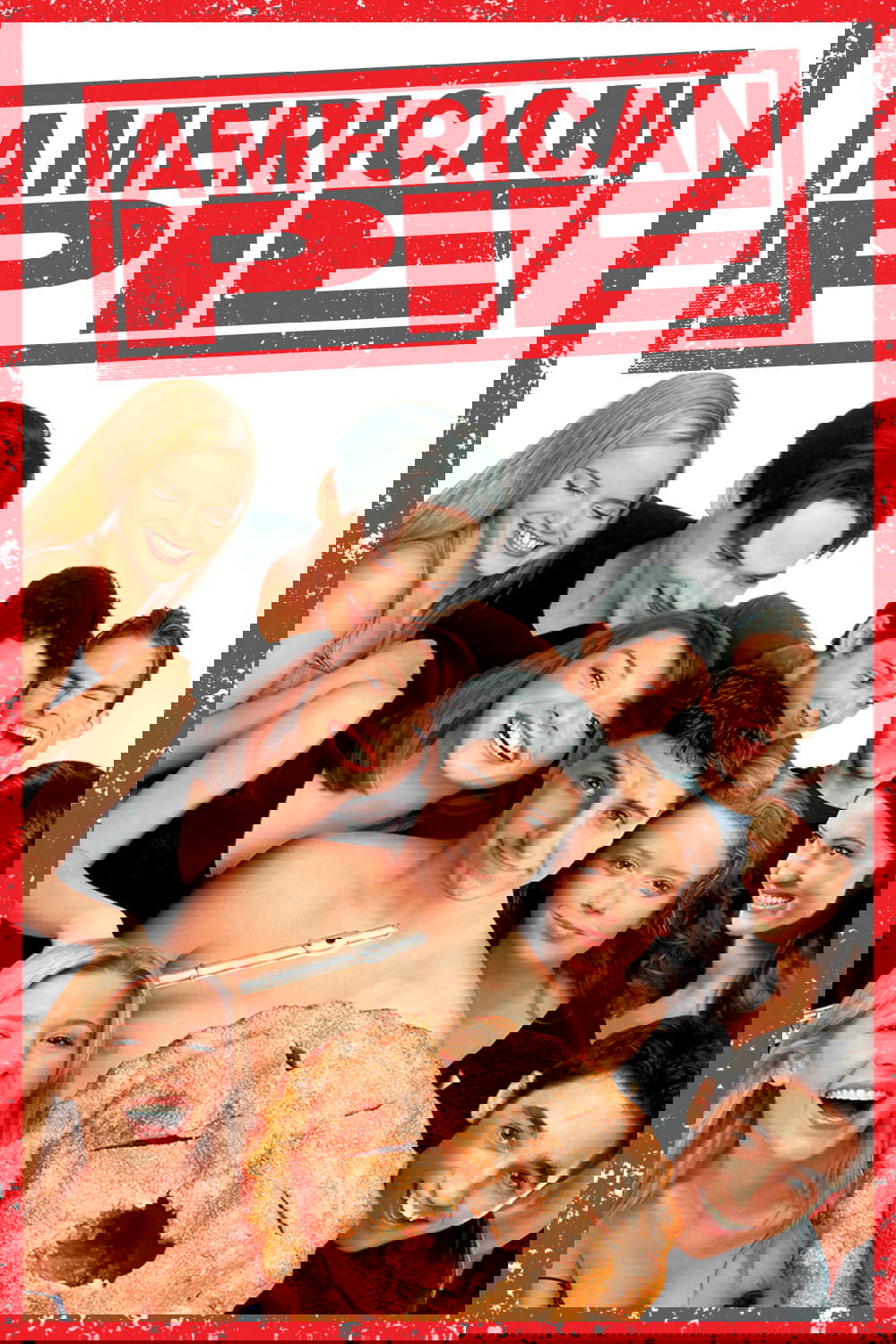
‘American Pie’ revitalized teen ensemble comedy with set-pieces that balanced shock value and character arcs. The film’s marketing and soundtrack strategies helped event-ize youth comedies. Its ensemble structure supported multiple spin-offs and sustained character-brand recognition. The success re-opened studio budgets for R-rated coming-of-age stories.
‘Anchorman: The Legend of Ron Burgundy’ (2004)
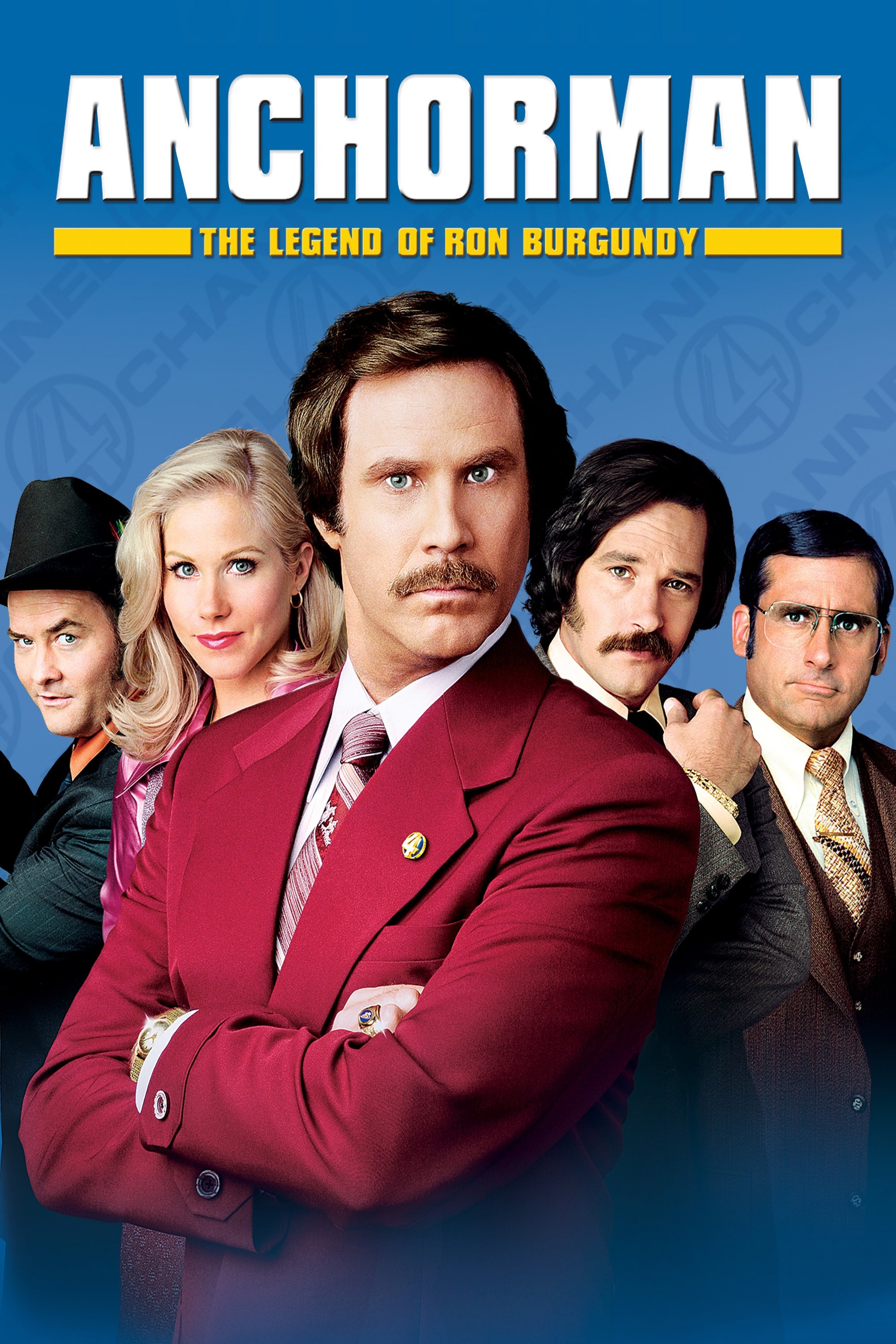
‘Anchorman: The Legend of Ron Burgundy’ popularized improvisation-heavy shoots that generated alternate cuts and extensive bonus material. Its period newsroom setting provided a framework for workplace absurdity and media satire. The film’s cameo-stuffed set-pieces became a model for cross-project comedian collaboration. Viral quotes and outtakes extended the life of the property across platforms.
‘Mean Girls’ (2004)
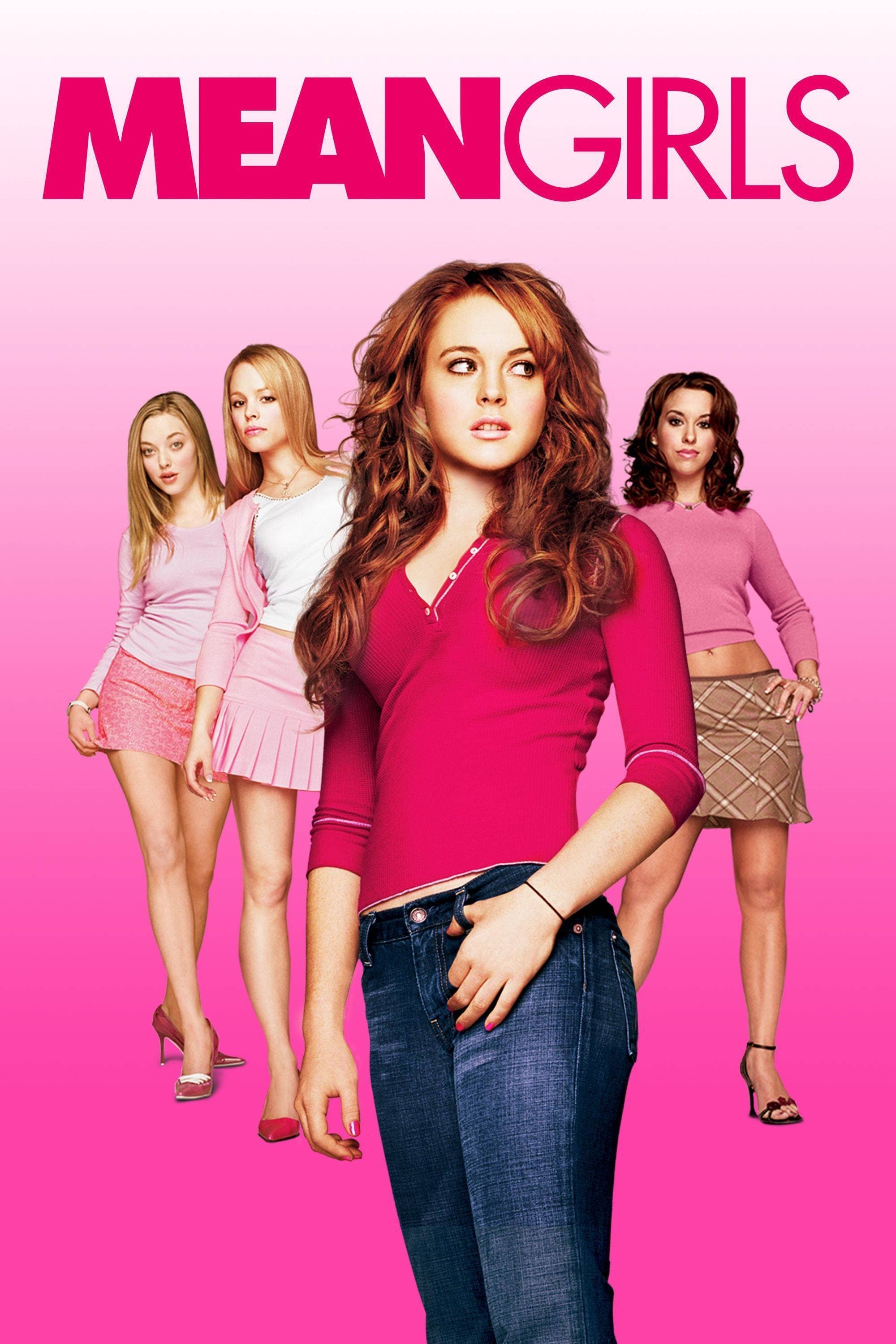
‘Mean Girls’ translated sociological concepts about cliques into a sharp comedic map of high-school dynamics. Its slang and one-liners permeated everyday speech and digital culture. The film’s depiction of social hierarchies influenced later teen comedies and series. Adaptations across stage and screen demonstrated the durability of its structure.
‘Superbad’ (2007)
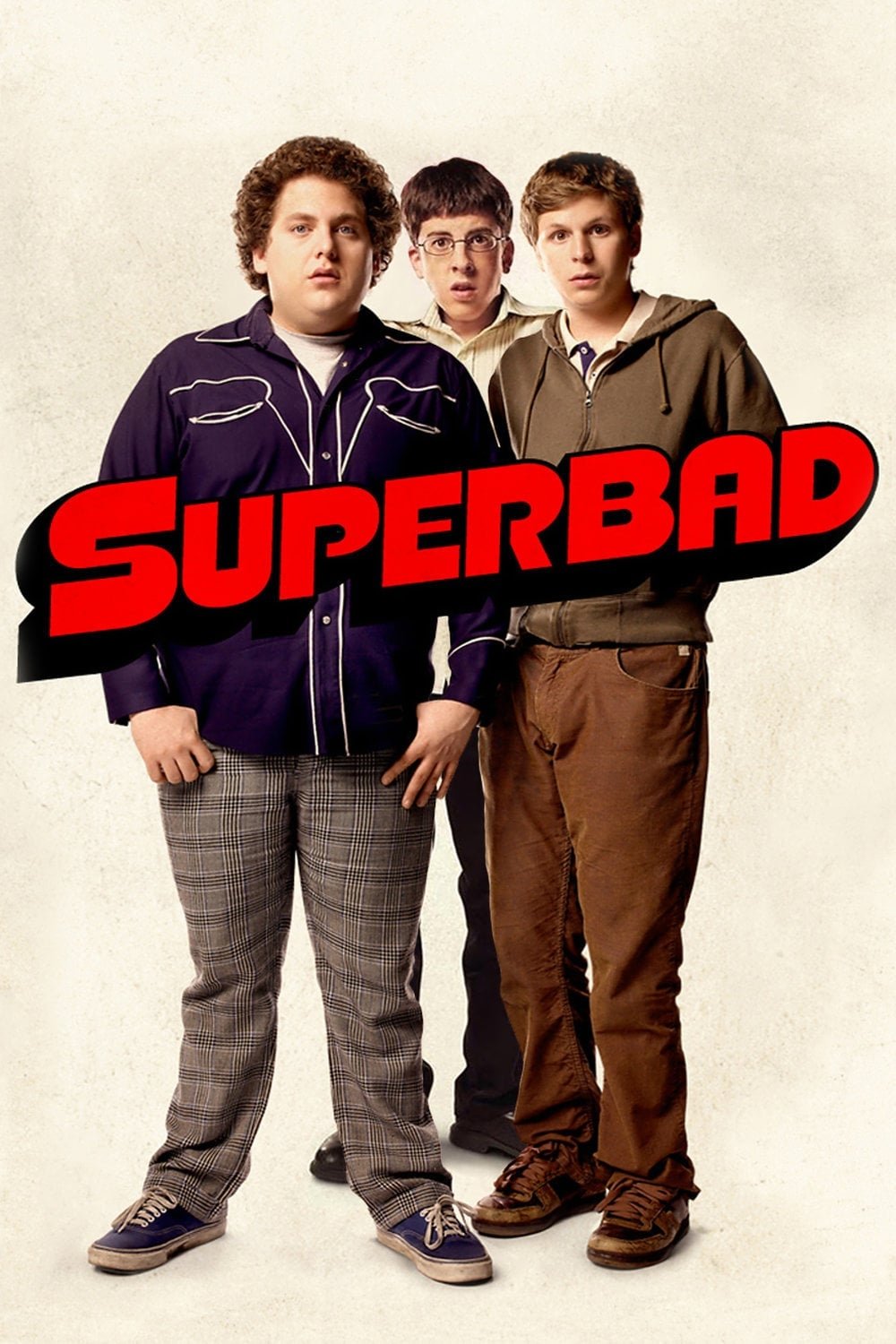
‘Superbad’ centered a single-night odyssey on friendship logistics, refining the micro-goal plot for teen comedies. Its focus on awkward negotiation and low-stakes crises created a new rhythm for set-pieces. The film’s casting and breakout roles reshaped ensemble pipelines in studio comedy. Its balance of raunch and sincerity influenced a wave of coming-of-age projects.
‘The Hangover’ (2009)
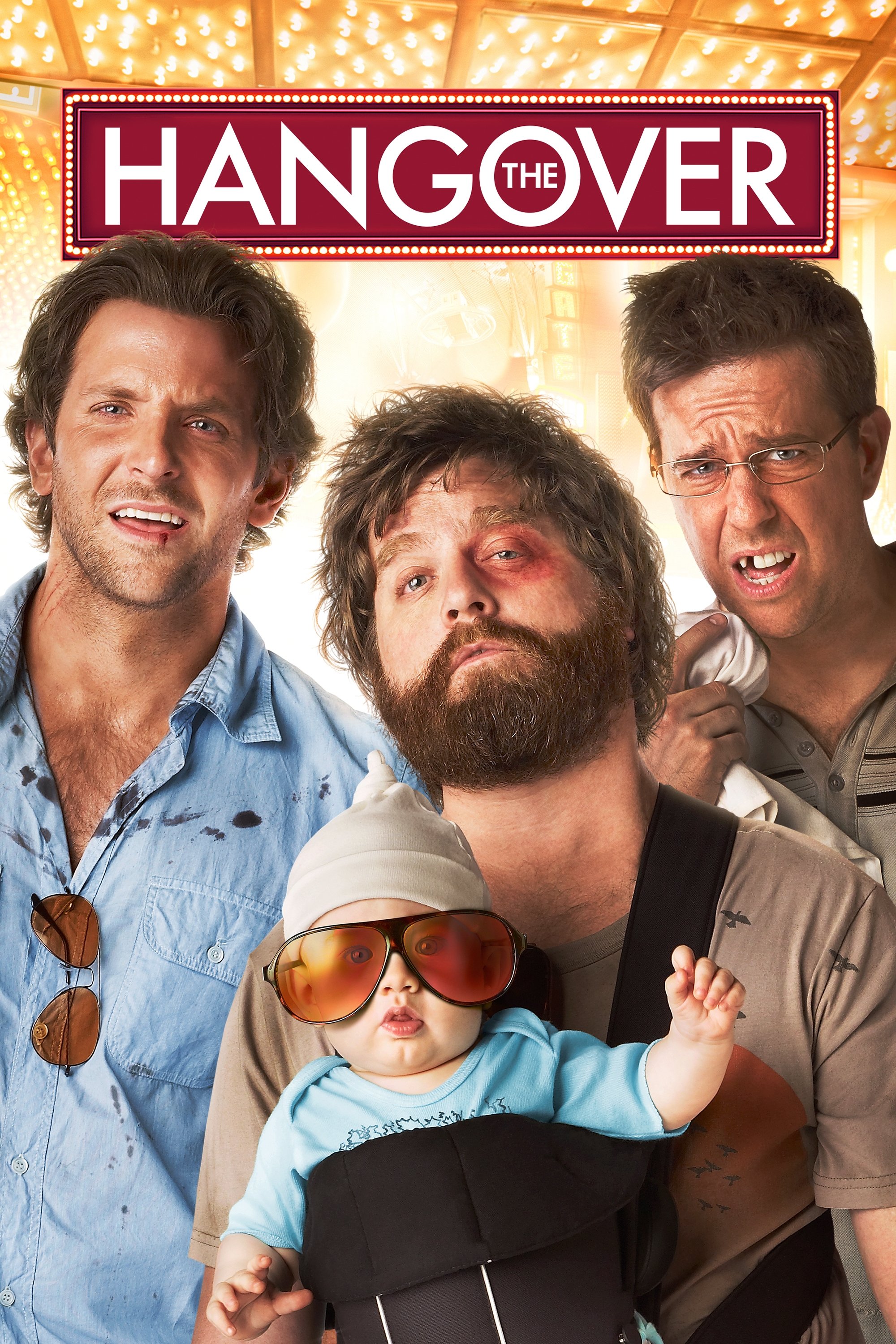
‘The Hangover’ used a mystery-reconstruction device to refresh the bachelor-party premise. Nonlinear clues and photo-montage epilogues showed how evidence-based storytelling can power comedy. The film’s runaway box office re-energized R-rated studio comedies and travel-based ensembles. Its structure proved easily exportable to sequels and international remakes.
Share your own picks and why they matter in the comments!