The Most Influential History Movies of All Time

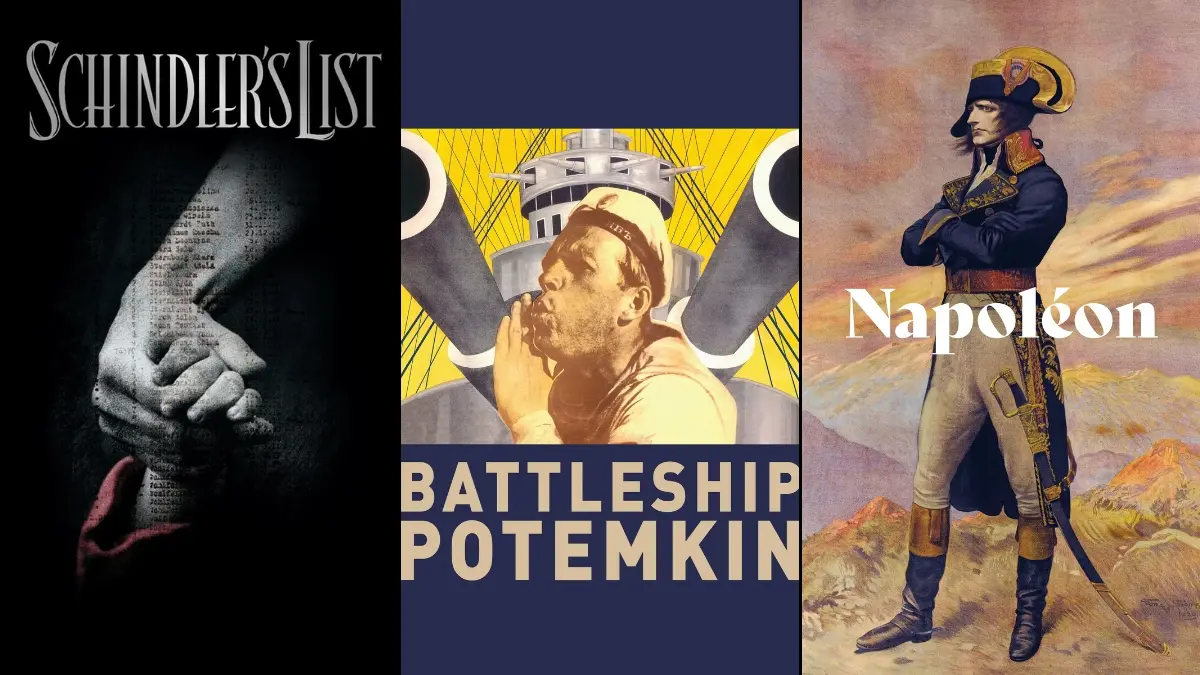

History on film doesn’t just re-create the past—it shapes how people picture events, leaders, and everyday life from eras they never experienced. The titles below proved influential by changing filmmaking techniques, reframing public conversations, reviving interest in overlooked subjects, or setting new standards for scale, realism, and research. From silent epics to contemporary dramas, each entry left a mark on both cinema and how audiences engage with history.
‘The Birth of a Nation’ (1915)
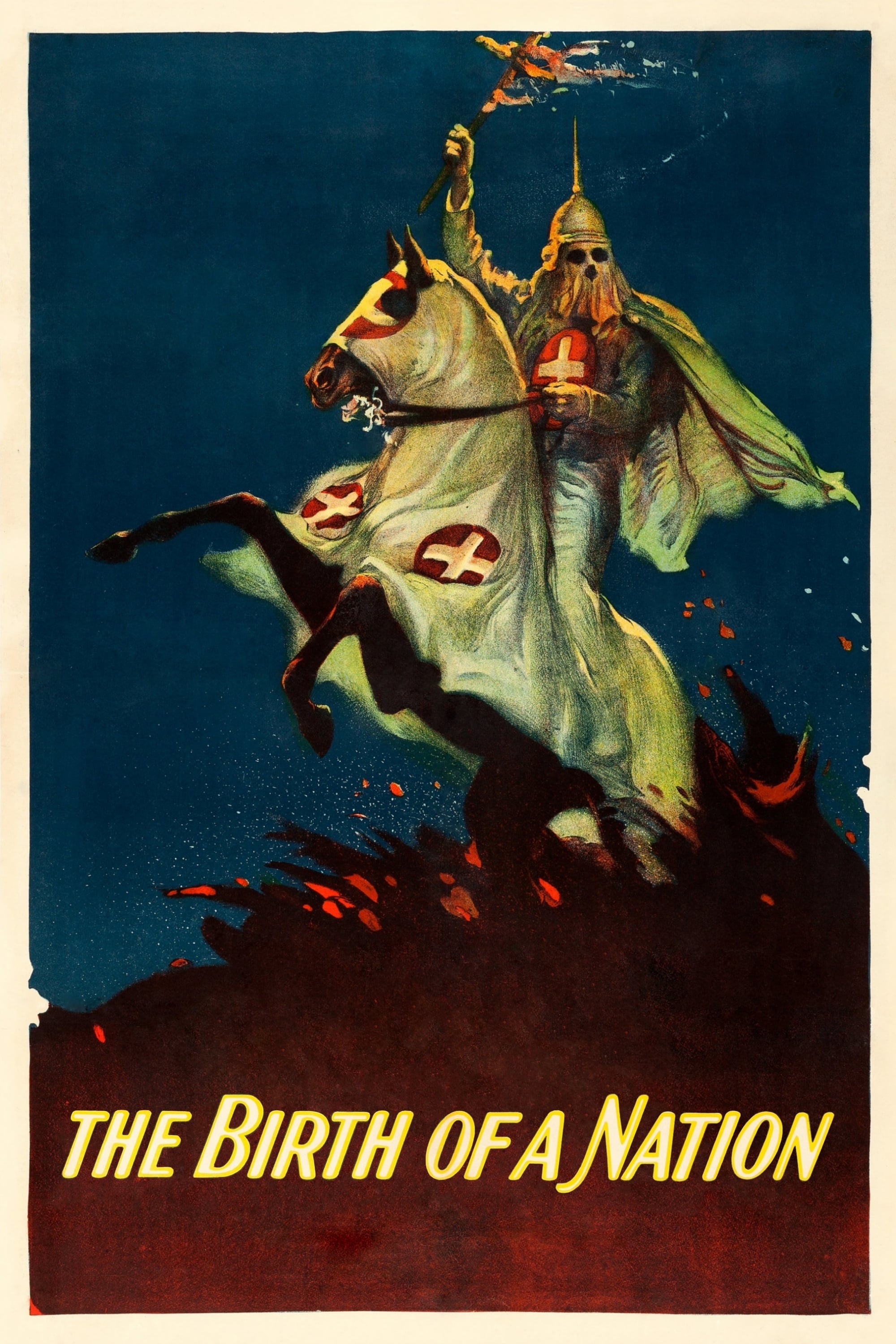
D.W. Griffith’s epic helped establish large-scale narrative filmmaking, pioneering cross-cutting, close-ups, and massive crowd scenes. Its racist ideology and glorification of the Ku Klux Klan spurred protests and censorship battles that shaped early discussions of screen responsibility. The film’s technical innovations influenced editing and storytelling for generations despite its toxic legacy. It remains a central case study in how powerful images can distort public memory.
‘Battleship Potemkin’ (1925)
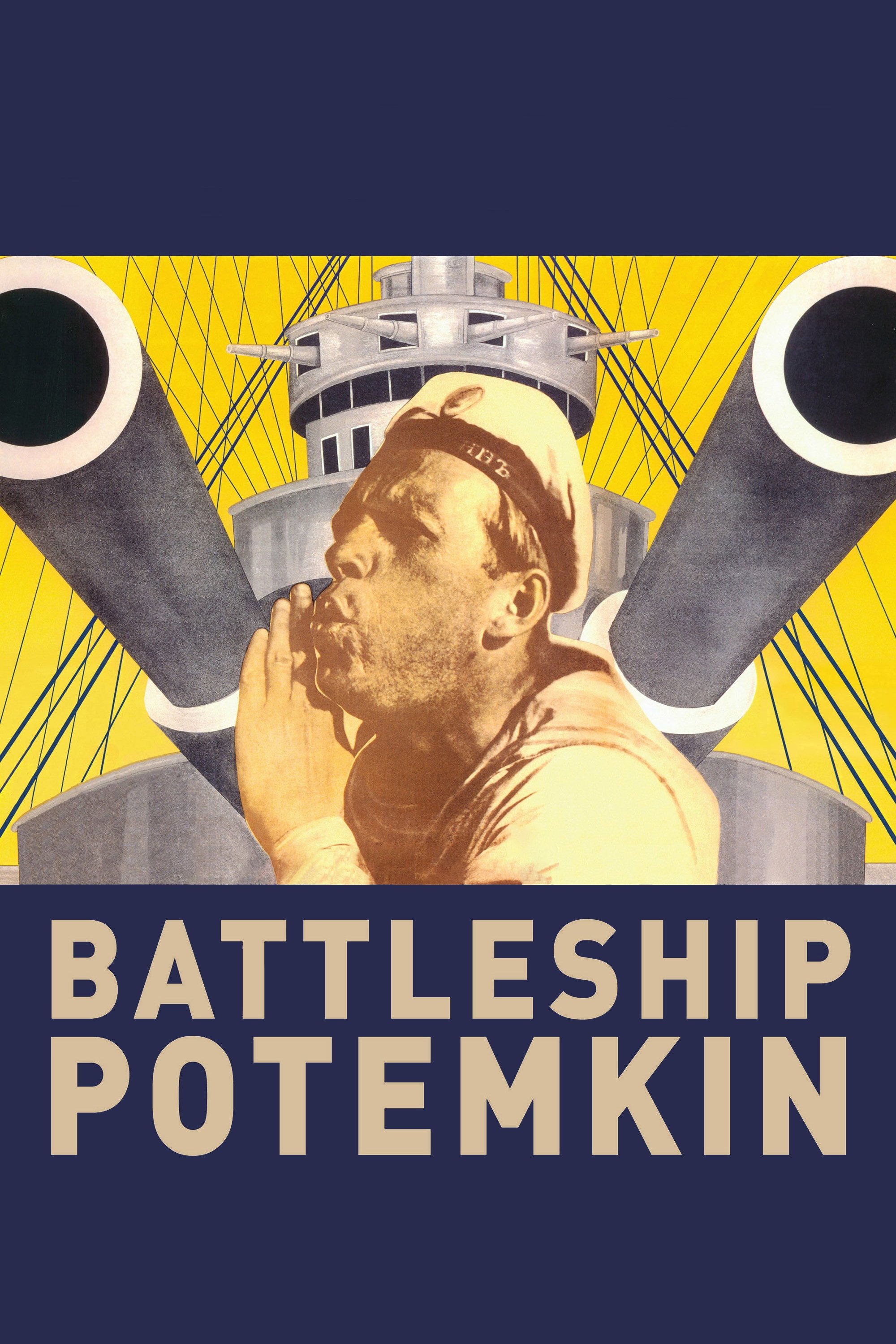
Sergei Eisenstein’s film crystallized montage theory, demonstrating how shot juxtapositions create emotion and meaning. The Odessa Steps sequence became a foundational textbook example for editing worldwide. Beyond craft, it turned a mutiny into a universal story of revolt, influencing political cinema across continents. Its techniques filtered into newsreels, propaganda, and mainstream features alike.
‘Triumph of the Will’ (1935)
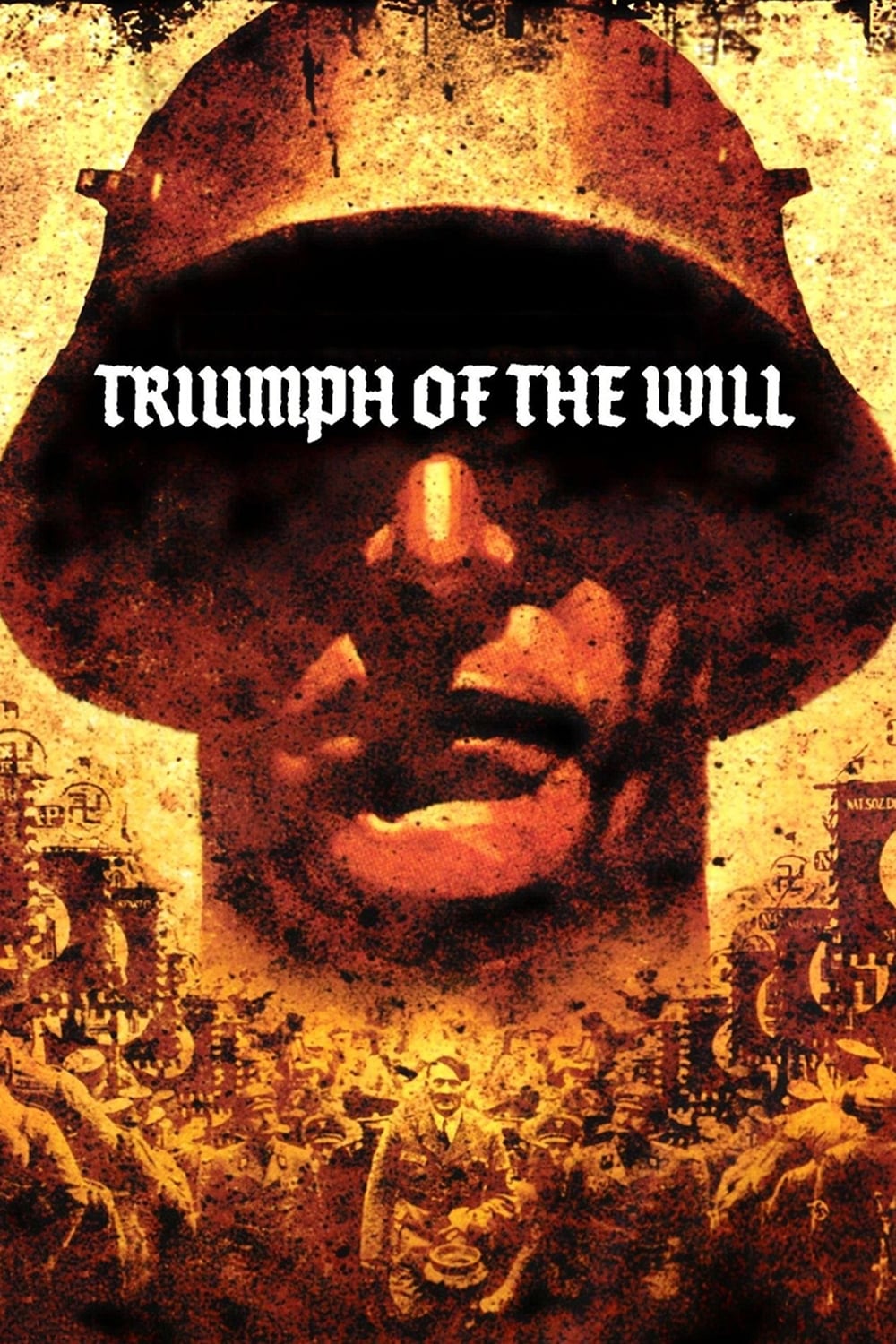
Leni Riefenstahl’s documentary codified the visual grammar of mass-rally propaganda—low angles, soaring camera moves, and choreographed crowds. Its imagery influenced political advertising, commercial spectacle, and documentary technique while also fueling critical study of ethics in nonfiction filmmaking. The film’s distribution and subsequent restrictions helped define policies toward extremist content. It is widely taught to analyze how cinematic form can manufacture authority.
‘Gone with the Wind’ (1939)
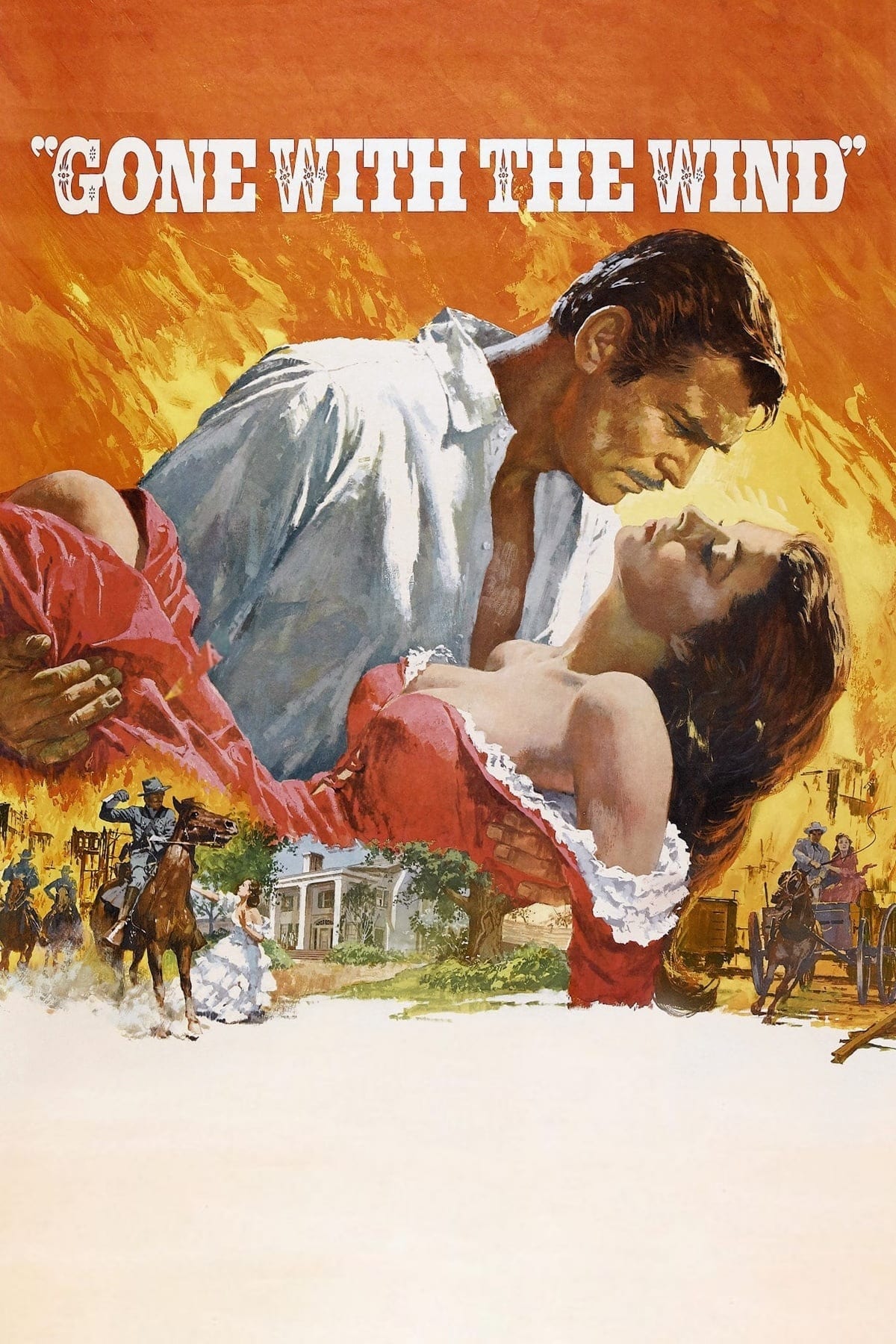
This Civil War–era saga set new benchmarks for production scale, color cinematography, and costume design. Its plantation mythmaking shaped popular images of the Old South for decades, provoking ongoing reassessment of historical accuracy and representation. The film’s global reach influenced period melodramas and prestige adaptations. Restorations and broadcasts kept it central to debates over nostalgia versus historical truth.
‘Rome, Open City’ (1945)
Roberto Rossellini’s drama helped launch Italian neorealism, using location shooting, non-professional actors, and a focus on ordinary people under occupation. Its pared-down style influenced postwar filmmakers seeking authenticity over studio polish. The film expanded international appetite for stories told from street level rather than palace rooms. It also encouraged hybrid methods blending documentary textures with scripted narrative.
‘The Bridge on the River Kwai’ (1957)
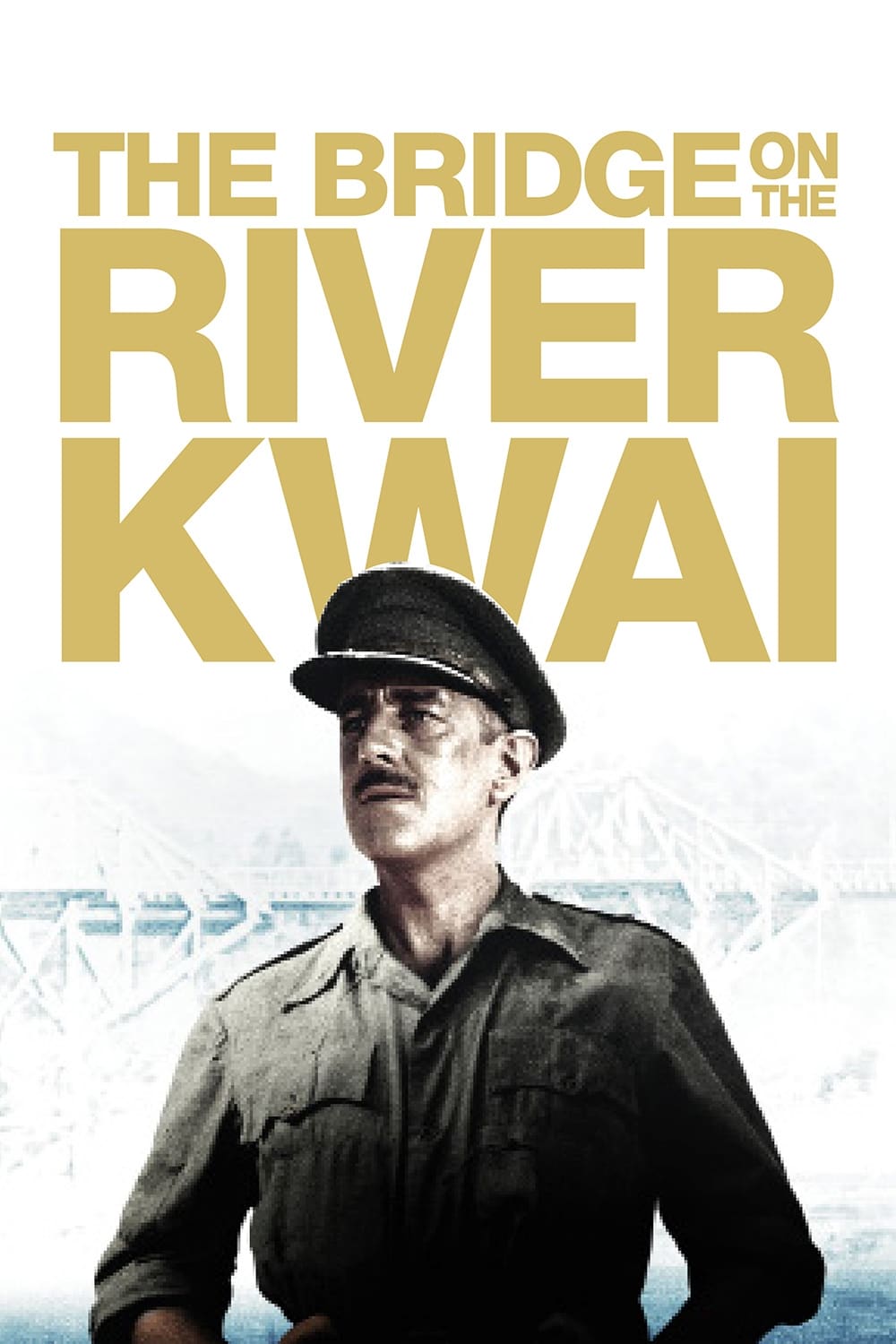
David Lean’s epic combined character study with large-scale engineering spectacle, setting a template for prestige war dramas. Its whistled march entered popular culture and is still referenced across media. The story prompted renewed interest in prisoner-of-war histories and infrastructure projects built under coercion. The film’s balance of moral ambiguity and sweeping visuals became a model for later historical epics.
‘Spartacus’ (1960)
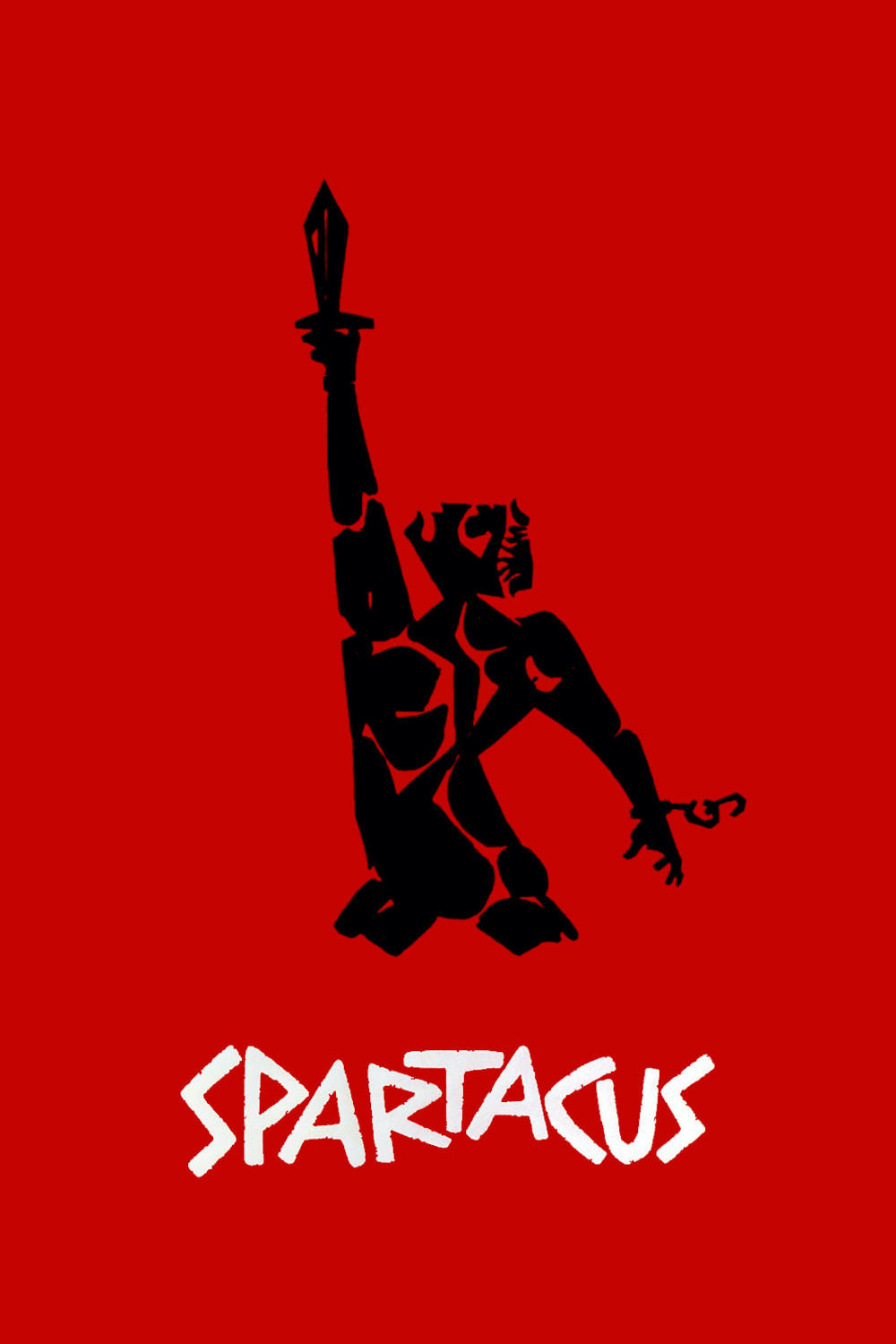
Kirk Douglas’s production hired blacklisted writer Dalton Trumbo under his own name, accelerating the collapse of the blacklist. The film revived interest in ancient-world narratives with large sets, crowd choreography, and practical battles. It underscored the potential of star-driven advocacy to change industry practices. Its slave-revolt story echoed through later depictions of resistance against empire.
‘Lawrence of Arabia’ (1962)
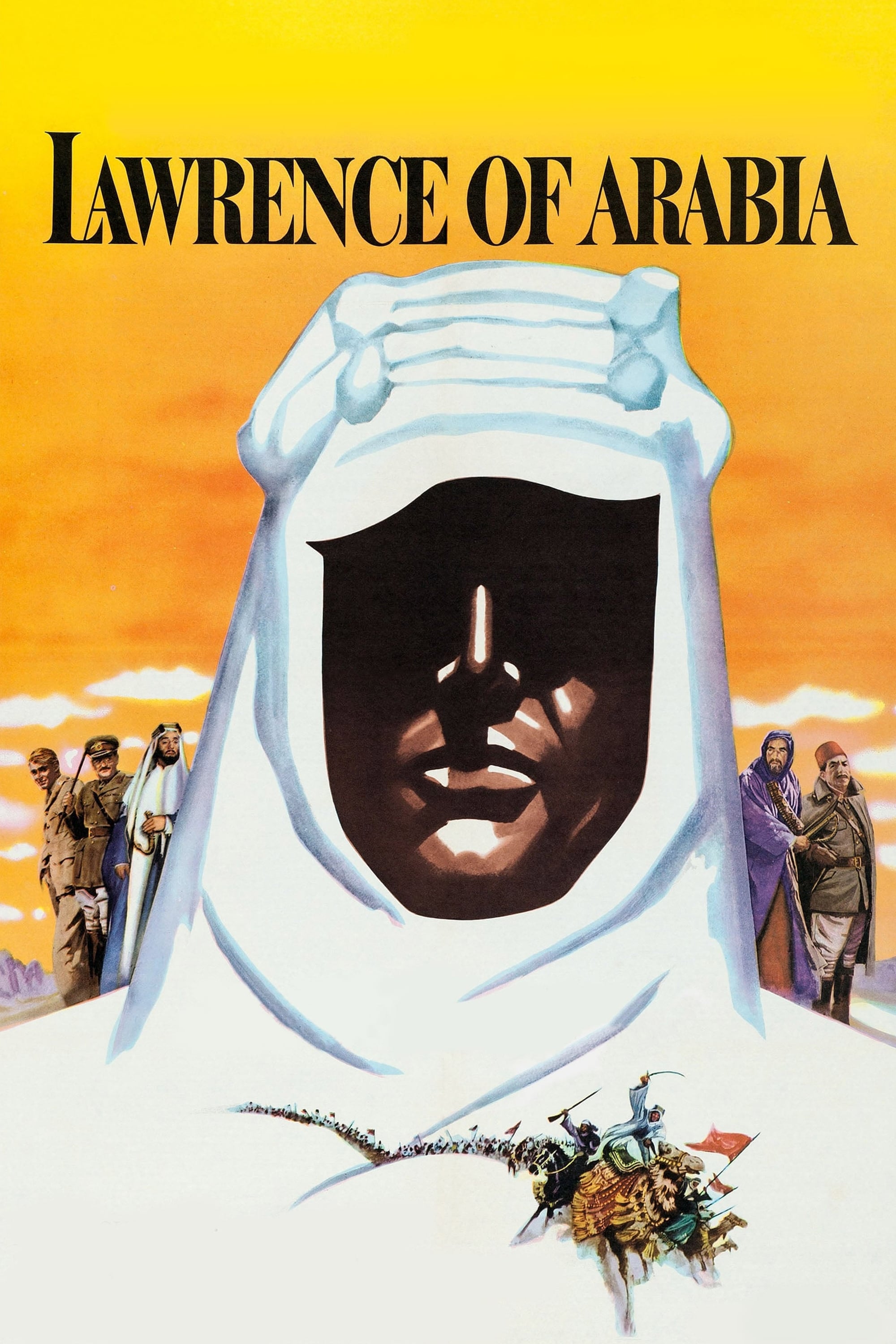
David Lean’s desert epic showcased widescreen cinematography, long takes, and expansive location work that redefined the possibilities of historical spectacle. It propelled interest in Middle Eastern history and the complexities of colonial intervention. The film’s approach to character as a bridge between cultures influenced biographical epics thereafter. Restorations became milestones in film preservation and exhibition quality.
‘The Battle of Algiers’ (1966)
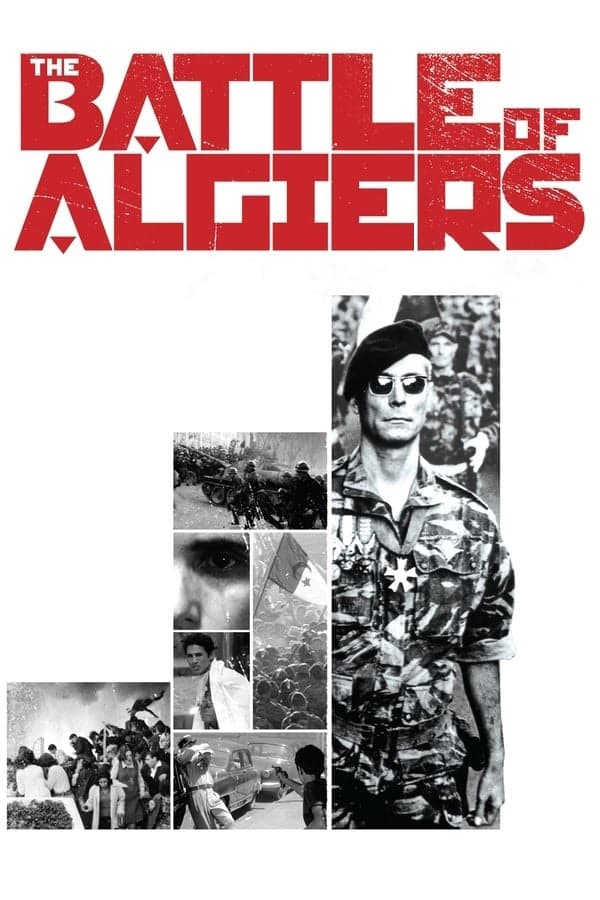
Shot with documentary immediacy, Gillo Pontecorvo’s film became a reference point for urban guerrilla warfare on screen. Governments, militaries, and activists studied it for its procedural detail. Its neutral, reportorial tone influenced political thrillers and news-style dramatizations. The film also raised enduring questions about torture, counterinsurgency, and civilian resistance.
‘Patton’ (1970)
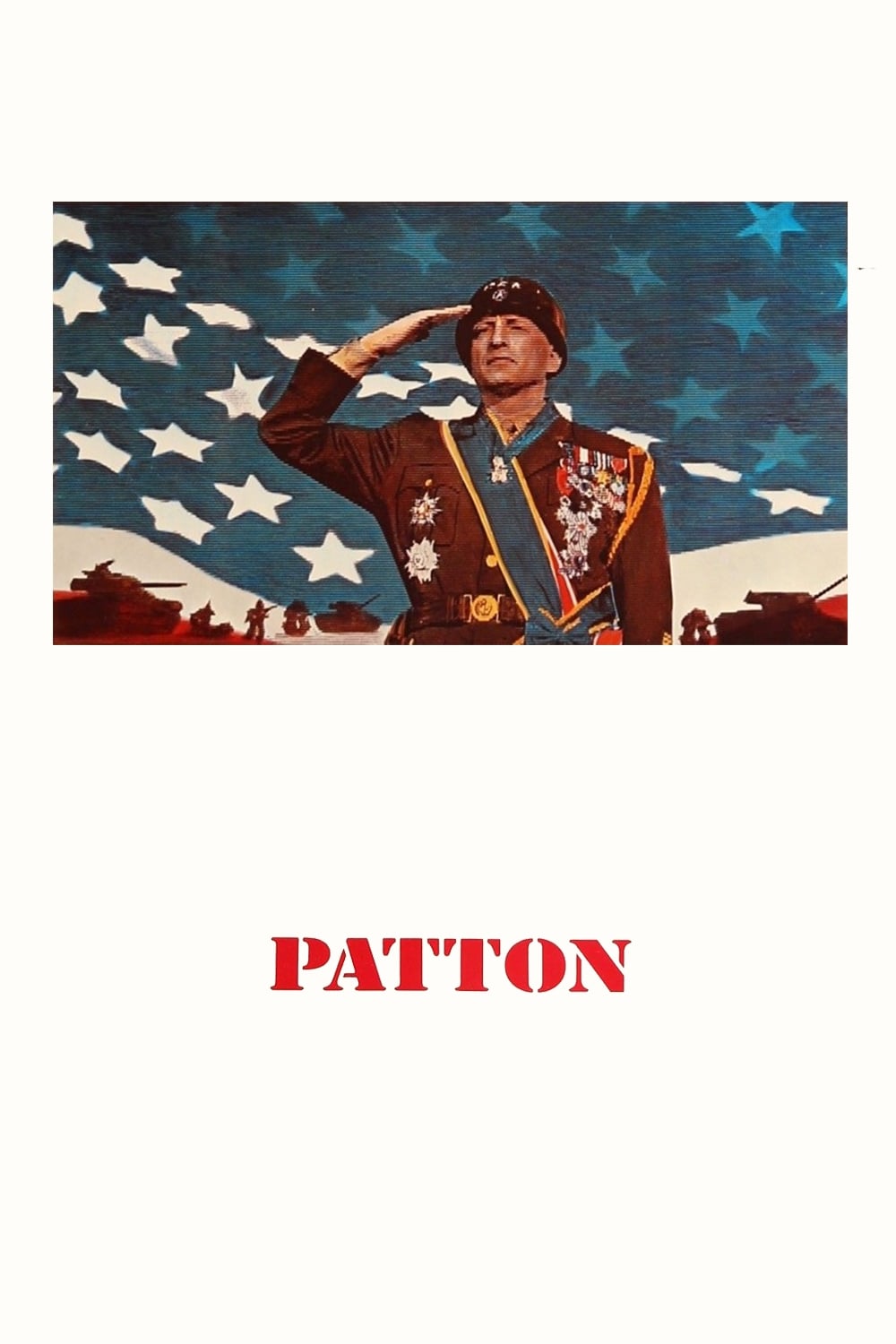
This portrait of a complex commander shaped how leadership and ego are depicted in war films. Its opening monologue before a massive flag became a cultural touchstone. Military academies and leadership programs have used the film to spark discussion on command ethics and strategy. The production’s attention to hardware and tactics set a benchmark for authenticity.
‘All the President’s Men’ (1976)
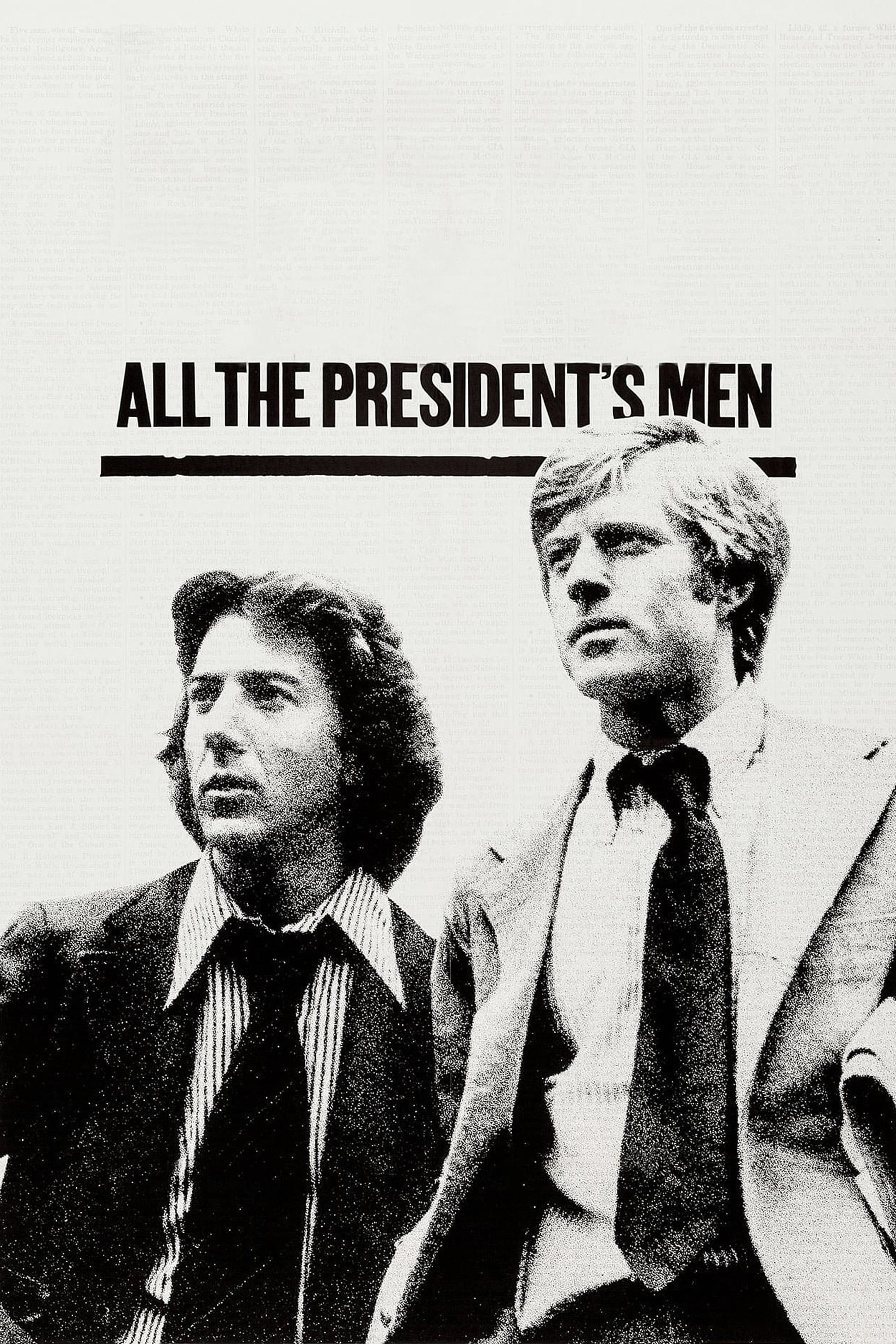
The procedural focus on reporting methods—notes, sources, and verification—recast investigative journalism as a gripping cinematic subject. Its newsroom detail influenced dozens of media-centric dramas. The film helped cement the public image of the investigative reporter as a persistent civic watchdog. It also elevated the value of process-driven storytelling in historical narratives.
‘Apocalypse Now’ (1979)
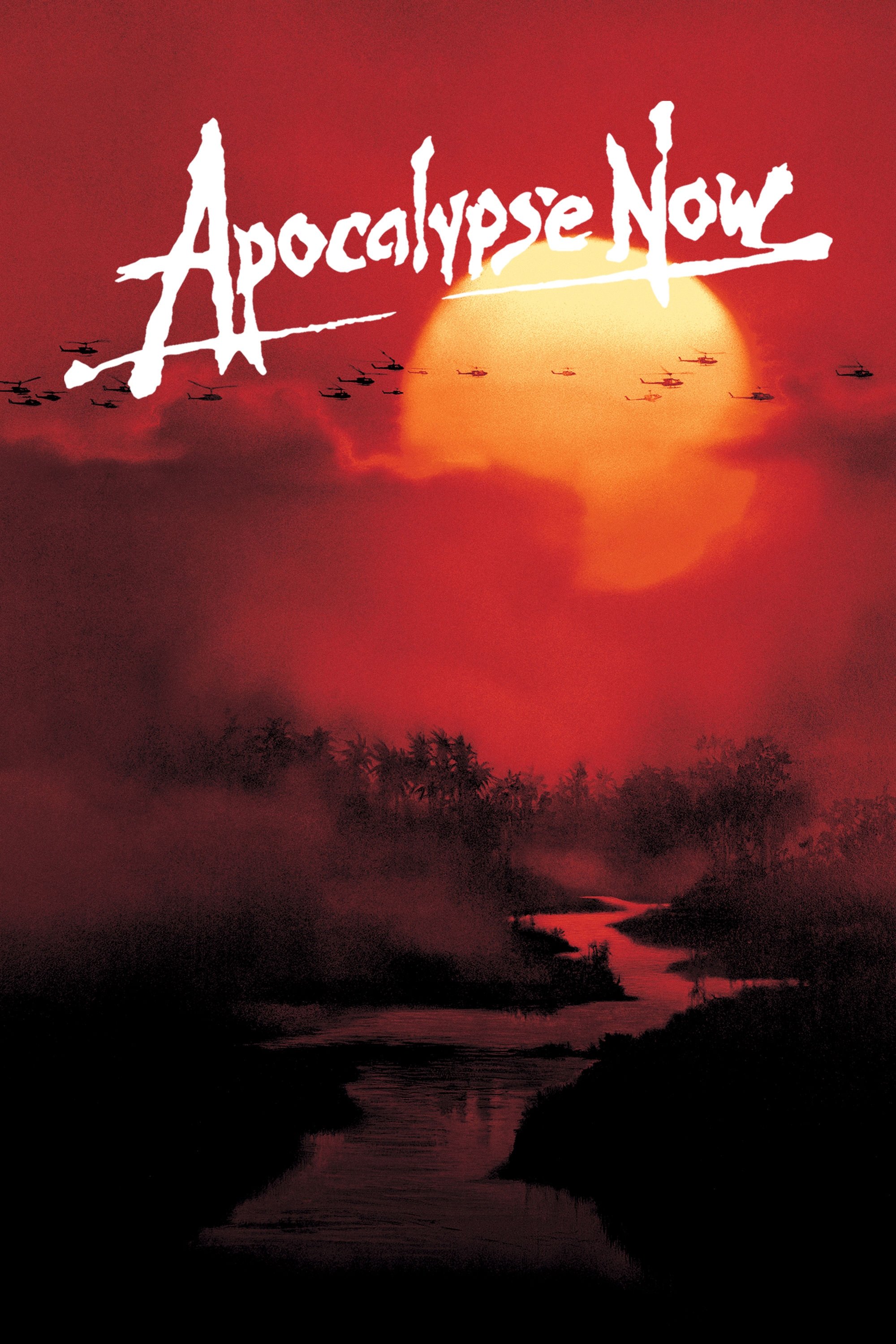
Francis Ford Coppola’s river odyssey fused literary adaptation with war-era psychology, expanding the boundaries of what a war film could explore. Its sound design and location production shifted expectations for immersive, destabilizing historical storytelling. The film’s making-of saga became a landmark case study in production risk and artistic ambition. It continues to inform depictions of mission drift and moral fog in conflict.
‘Chariots of Fire’ (1981)
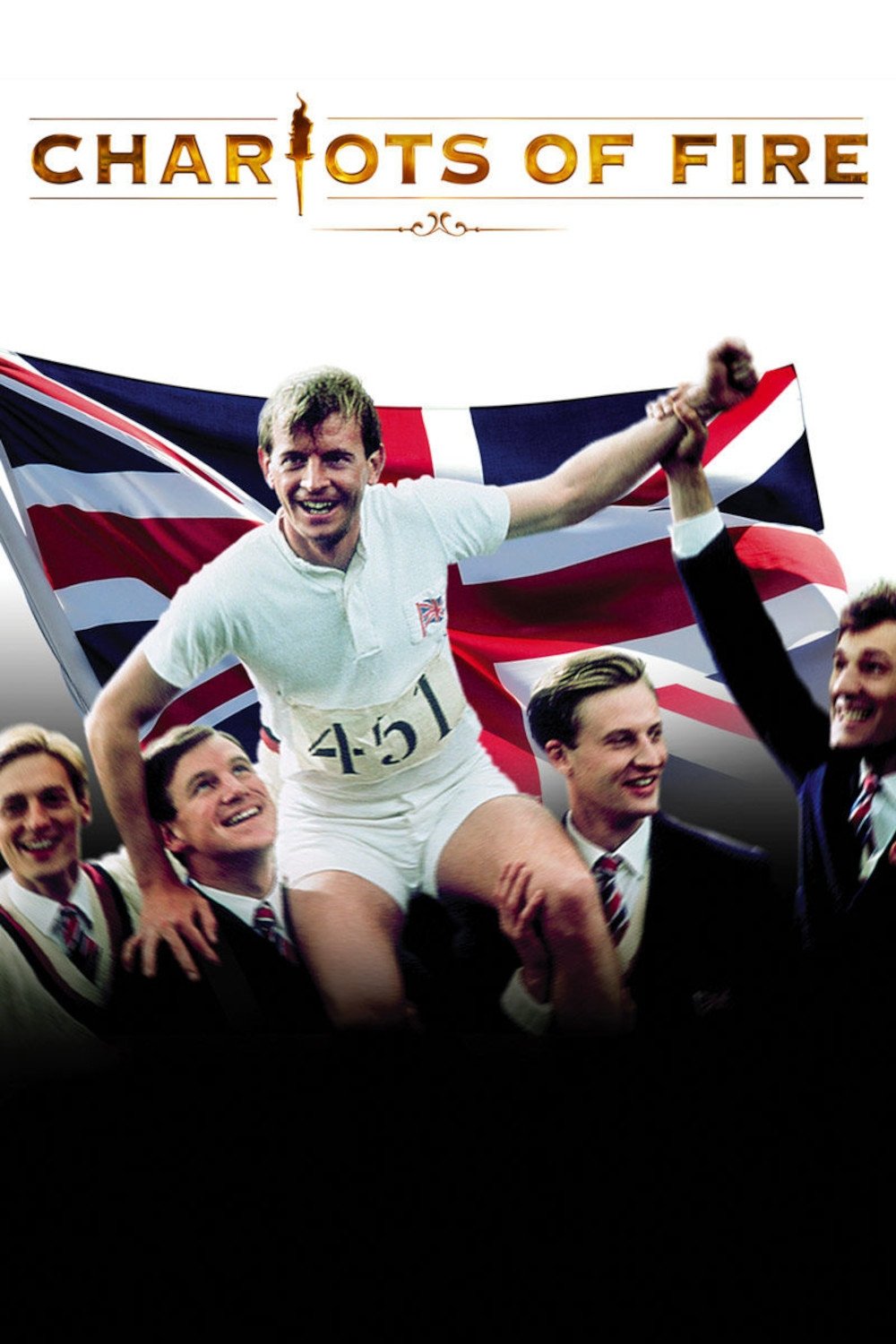
This sports period piece popularized a contemplative tone for athletic biopics, emphasizing faith, identity, and national representation. Its beach-running sequence and musical theme entered global popular culture. The film renewed interest in early twentieth-century amateur athletics and international competitions. It helped make character-driven sports histories a reliable prestige format.
‘Gandhi’ (1982)
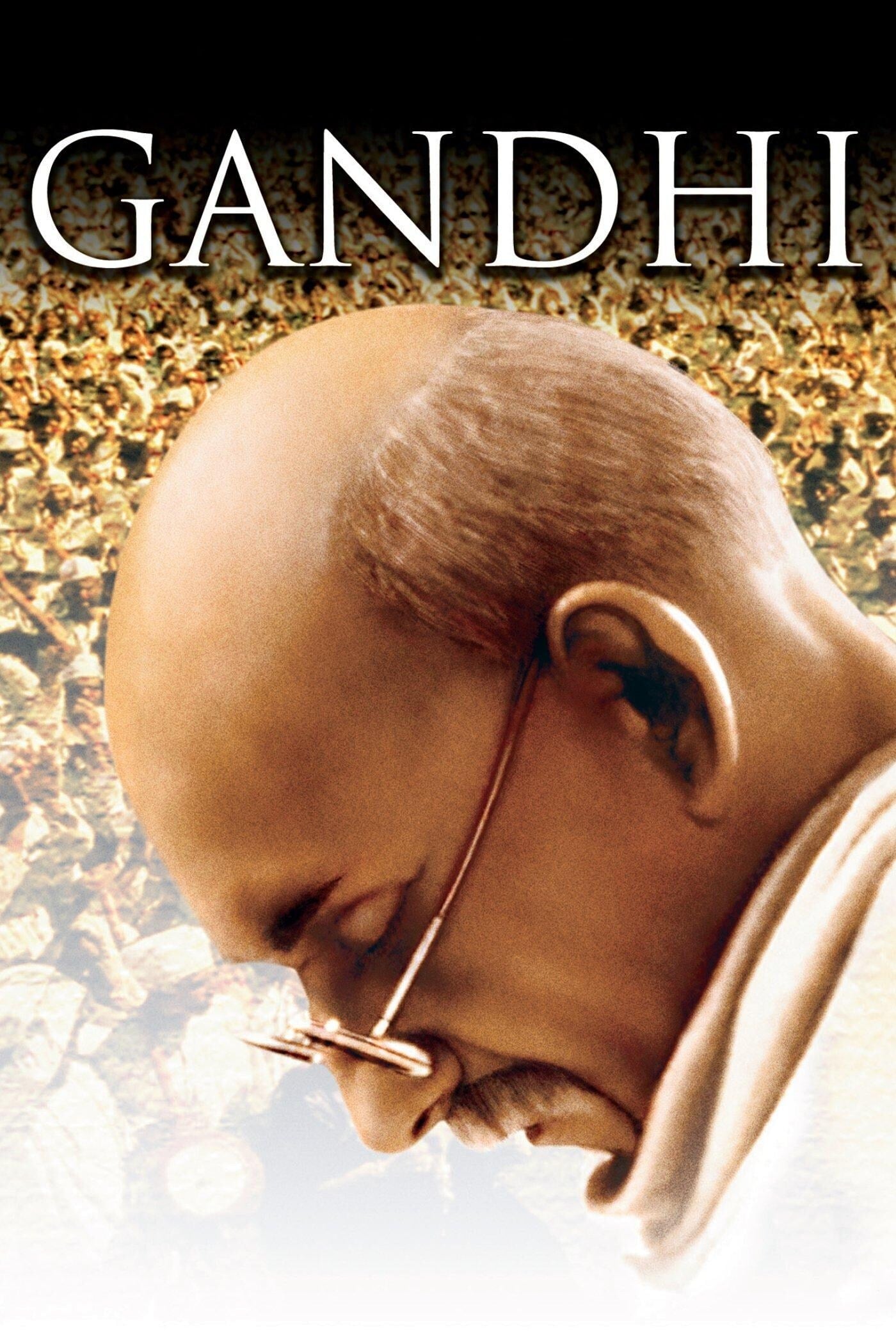
Richard Attenborough’s epic introduced mass audiences to nonviolent resistance through large crowd scenes and careful attention to political strategy. The film catalyzed educational use of cinema to teach decolonization and civil rights. Its global casting and location work underscored the feasibility of expansive, multinational productions. It remains a reference for biographical structure spanning a public life.
‘Amadeus’ (1984)
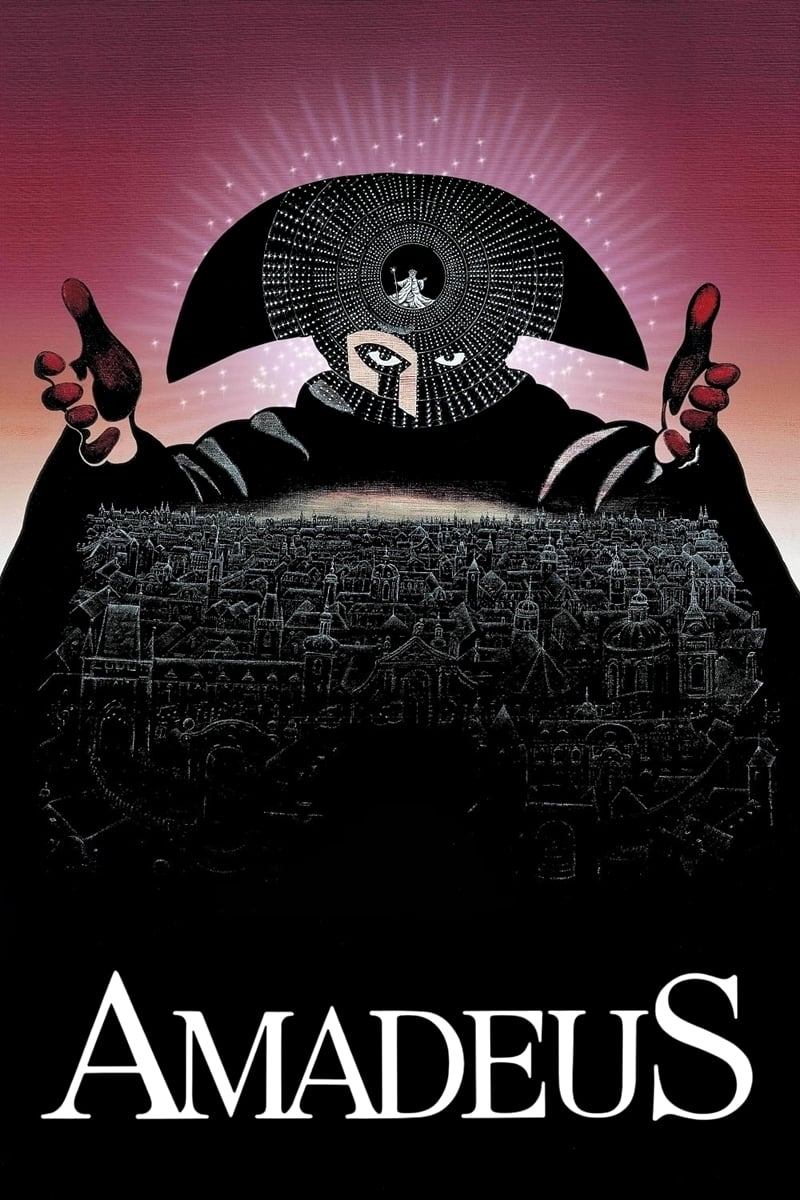
This drama about rivalry and genius boosted public interest in classical music through theatrical storytelling and grand staging. Its use of performance sequences as narrative engines influenced later musician biopics. The film revived sales and concert programming of featured compositions. It also demonstrated how unreliable narration can animate historical subjects.
‘Platoon’ (1986)
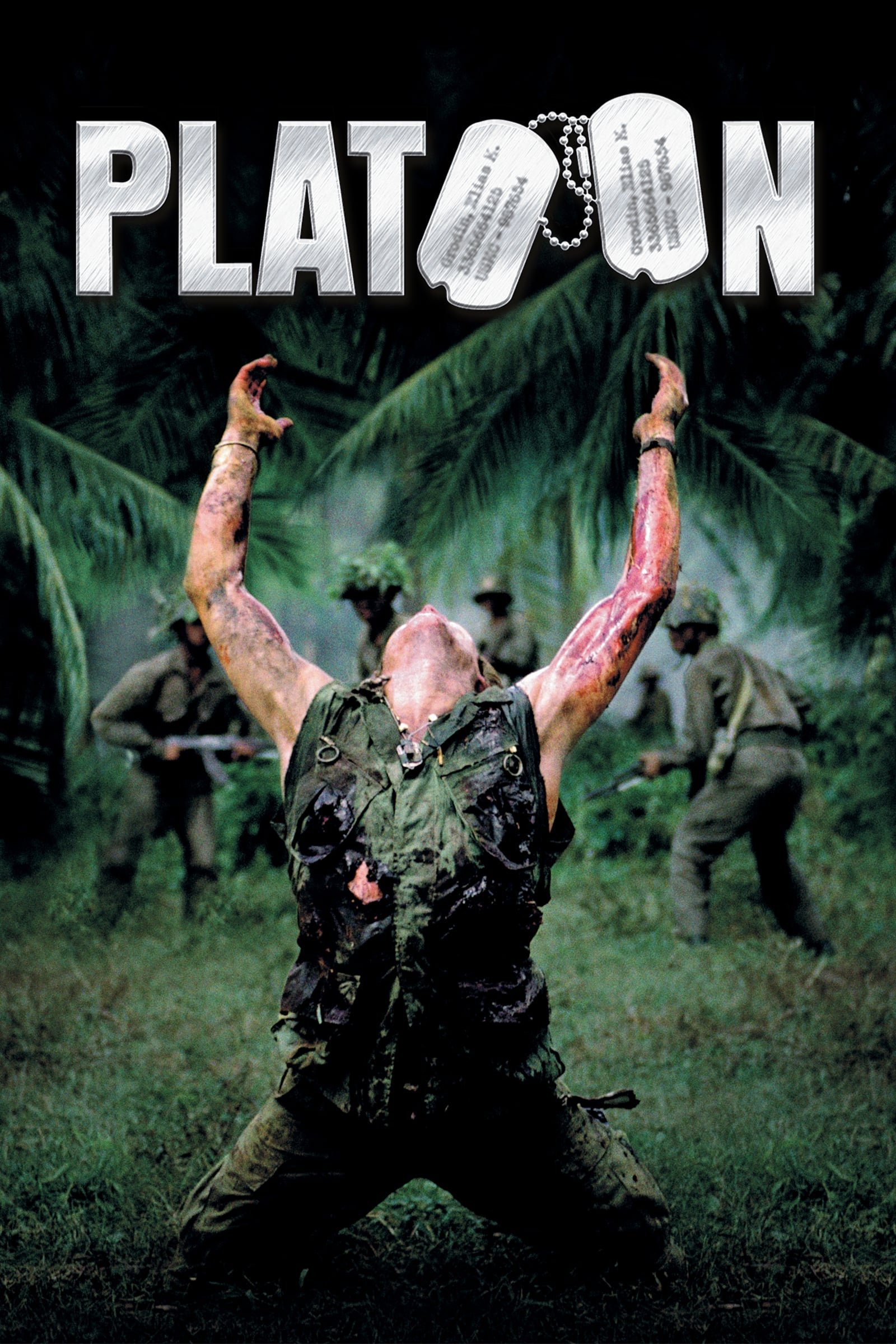
Oliver Stone’s infantry-level view emphasized grunt experience, moral fracture, and jungle immersion. The film influenced training scenes, patrol dynamics, and small-unit tactics in later depictions. Its veteran-authored perspective encouraged more first-person accounts from filmmakers who served. Classroom and counseling settings have used it to discuss combat stress and camaraderie.
‘The Last Emperor’ (1987)
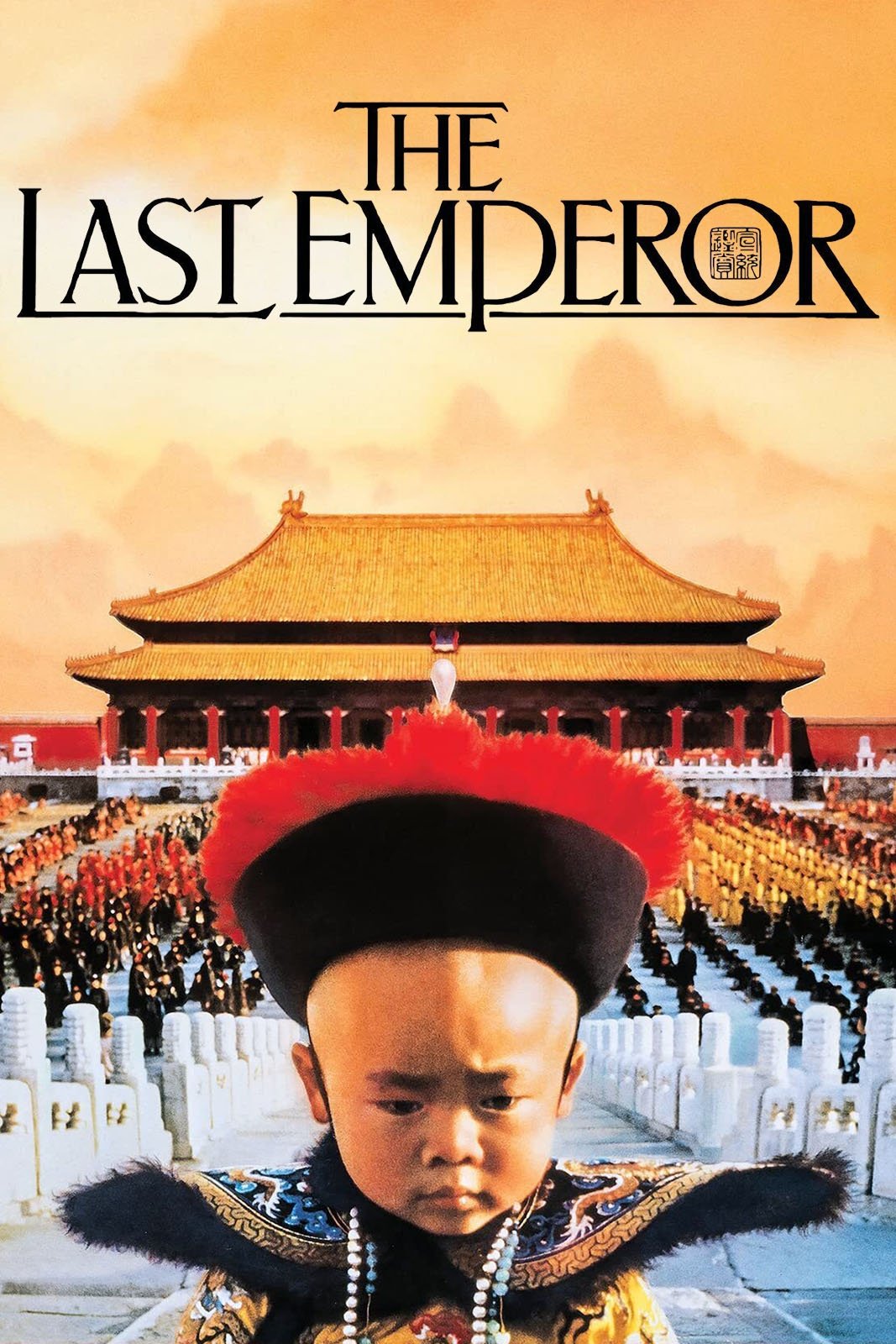
Bernardo Bertolucci’s palace-to-prison arc introduced many viewers to a major twentieth-century political transformation. Unprecedented access to imperial locations and large ceremonial set-pieces expanded expectations for historical authenticity. The film contributed to global curiosity about East Asian modernity and court rituals. Its international production model became a template for cross-border financing and distribution.
‘Schindler’s List’ (1993)

Steven Spielberg’s black-and-white approach, handheld camera work, and restrained score helped reframe Holocaust representation in mainstream cinema. The film spurred museum partnerships, survivor testimony projects, and curriculum materials. Its focus on individual choices within systemic atrocity influenced later narratives of genocide. Preservation and access initiatives linked to the film broadened public engagement with recorded memory.
‘Braveheart’ (1995)
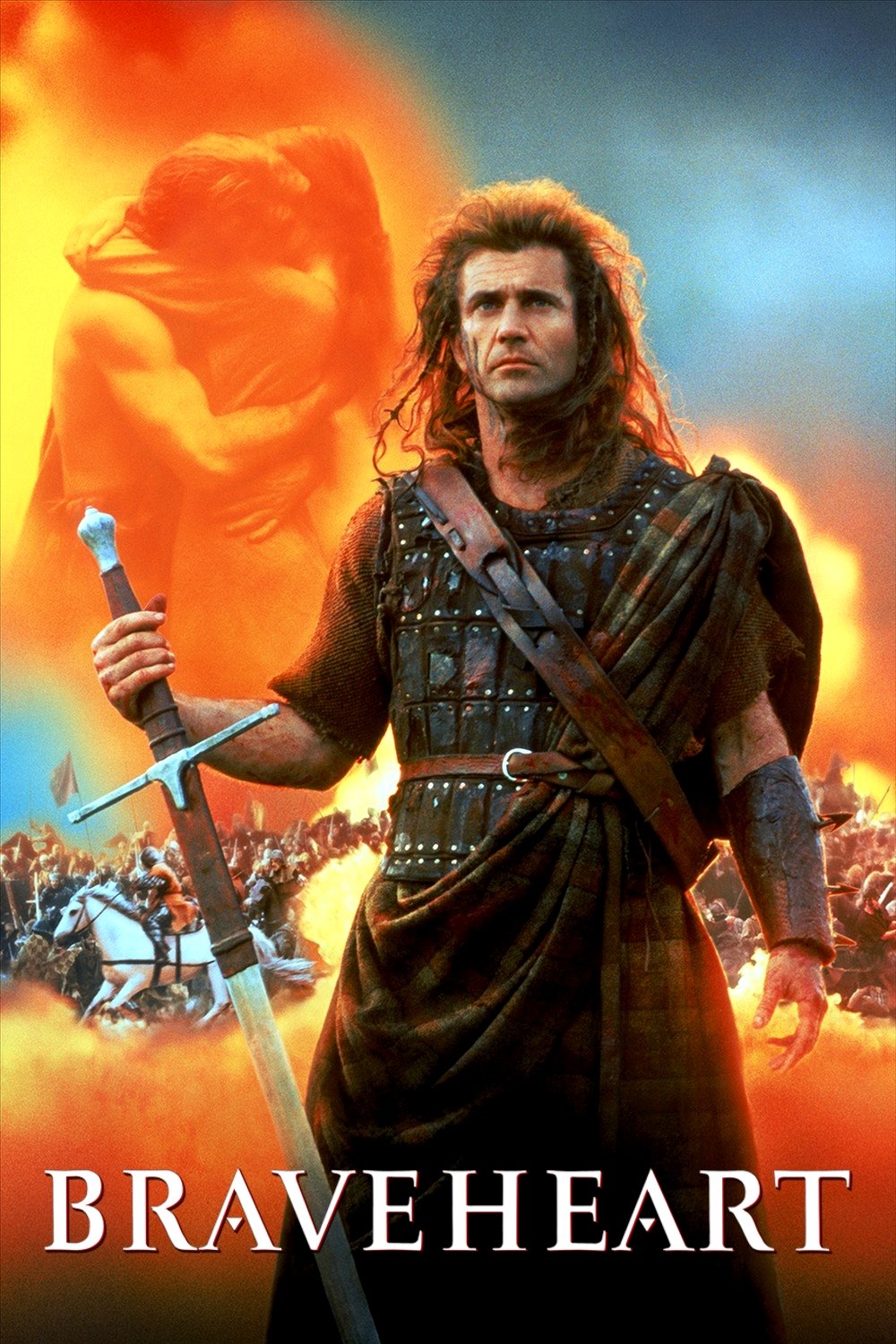
This medieval saga revitalized large-scale battle staging with practical effects, cavalry charges, and handheld intensity. It boosted heritage tourism tied to its settings and characters. The film popularized interest in medieval dress, music, and clan culture in global media. Its success encouraged a wave of sword-and-standard epics.
‘Titanic’ (1997)
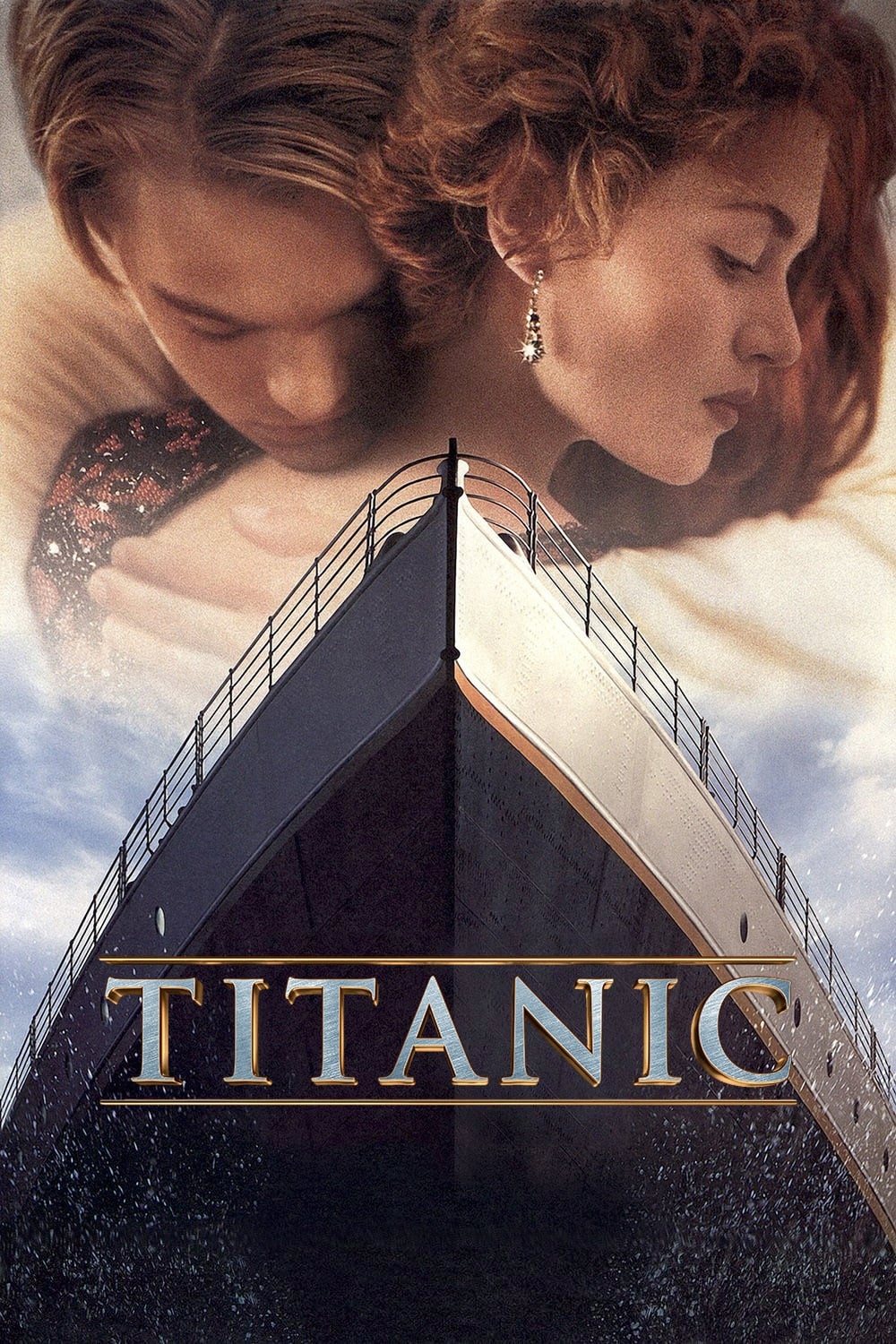
James Cameron’s blend of historical disaster, romance, and cutting-edge visual effects redefined the commercial potential of period cinema. The film drove renewed research, exhibitions, and dives focused on maritime archaeology. Its production pioneered digital-meets-practical techniques for large-scale water work. The soundtrack and marketing demonstrated how cross-media synergy can amplify a historical narrative.
‘Saving Private Ryan’ (1998)
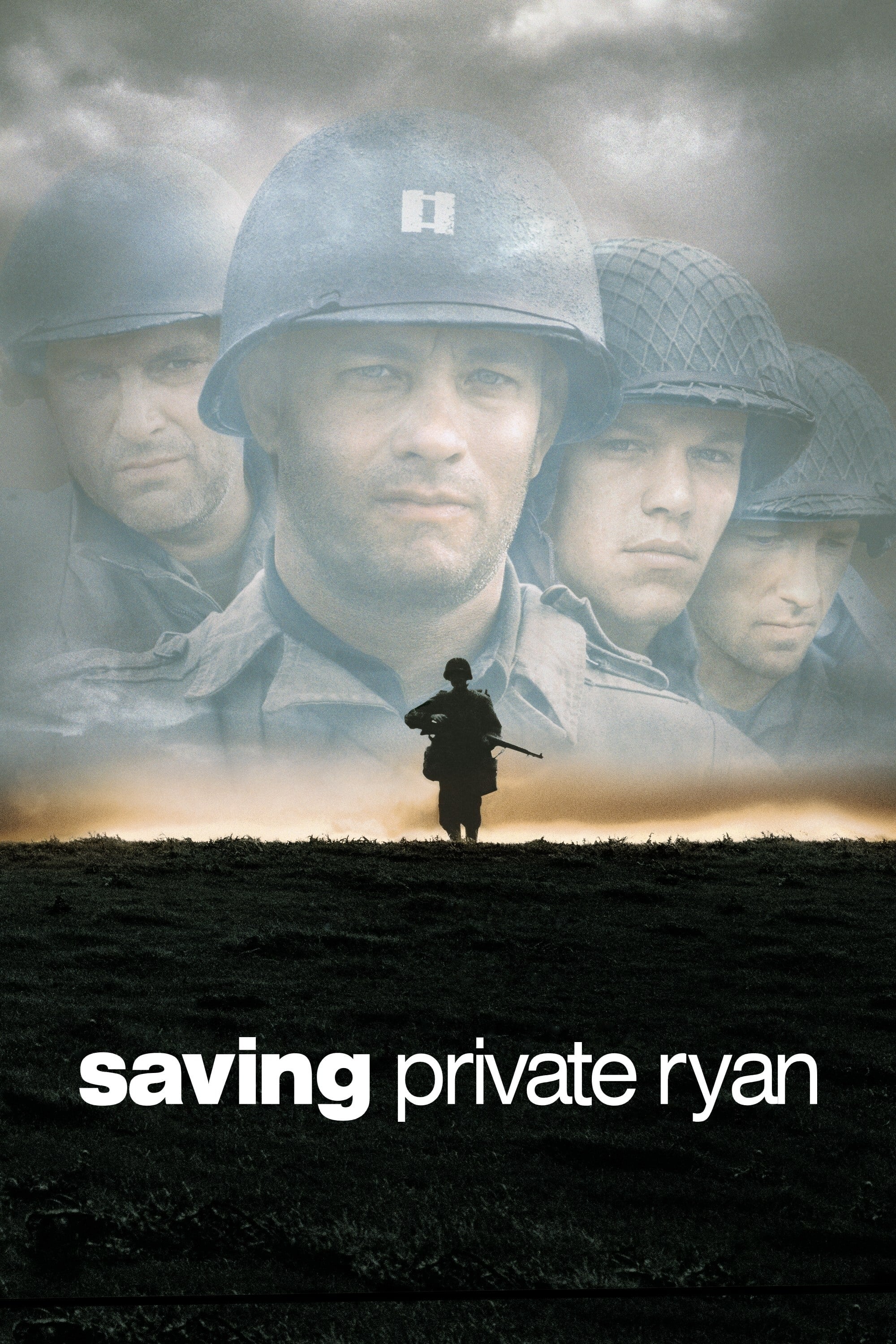
The opening beach landing’s desaturated palette, shutter effects, and sound design set a new realism standard for combat on screen. Military video games, television series, and later films adopted its visceral style. The production’s boot-camp preparation for actors influenced training norms for ensemble war casts. Educators often use specific sequences to discuss amphibious operations and small-unit cohesion.
‘The Thin Red Line’ (1998)
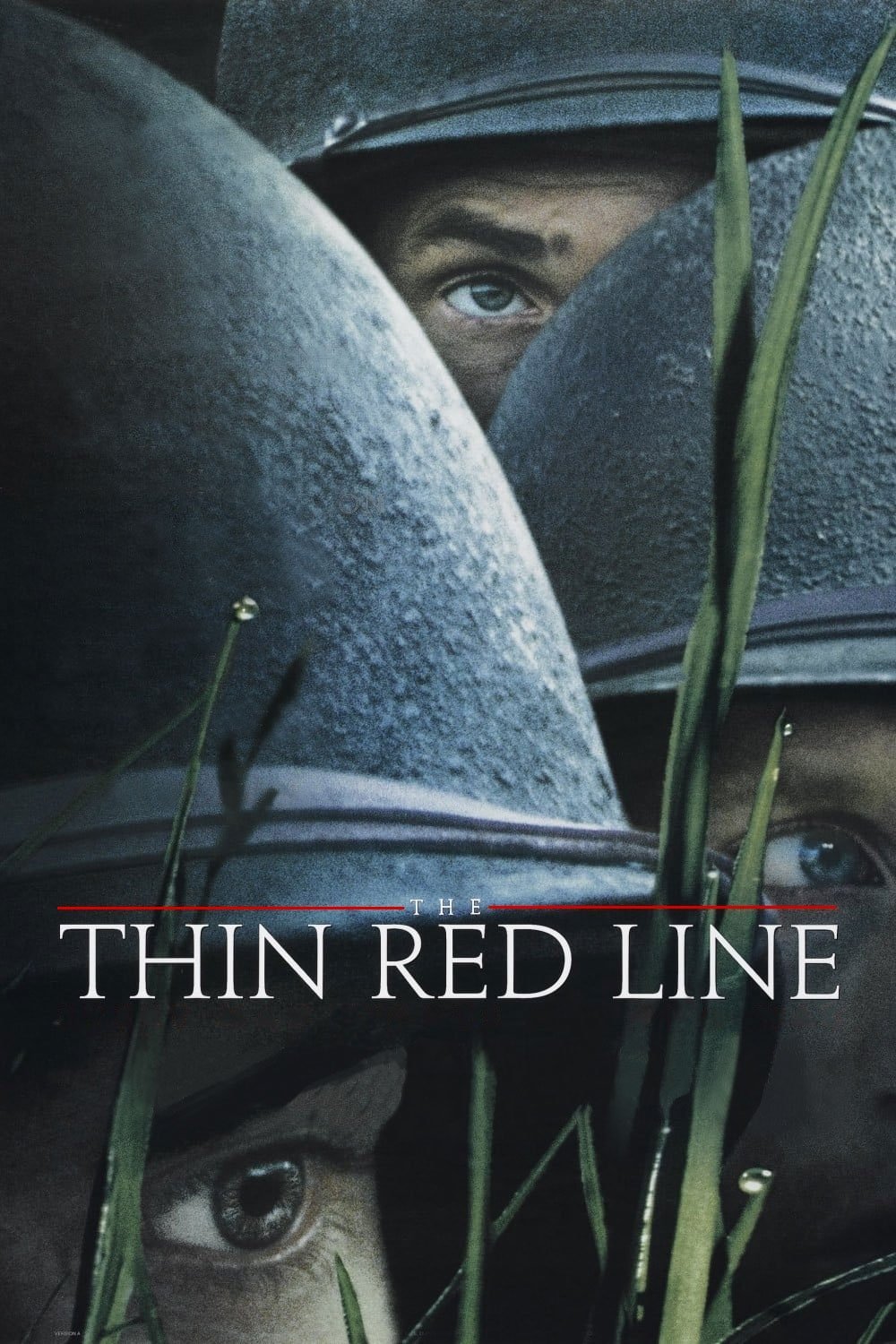
Terrence Malick’s film introduced a philosophical, nature-attuned lens to conflict storytelling, emphasizing interior monologue and landscape. Its elliptical editing and choral voiceover influenced art-house and mainstream approaches to war. The ensemble structure offered shifting points of view without a single dominating hero. The film broadened expectations for contemplative pacing in historical epics.
‘Gladiator’ (2000)
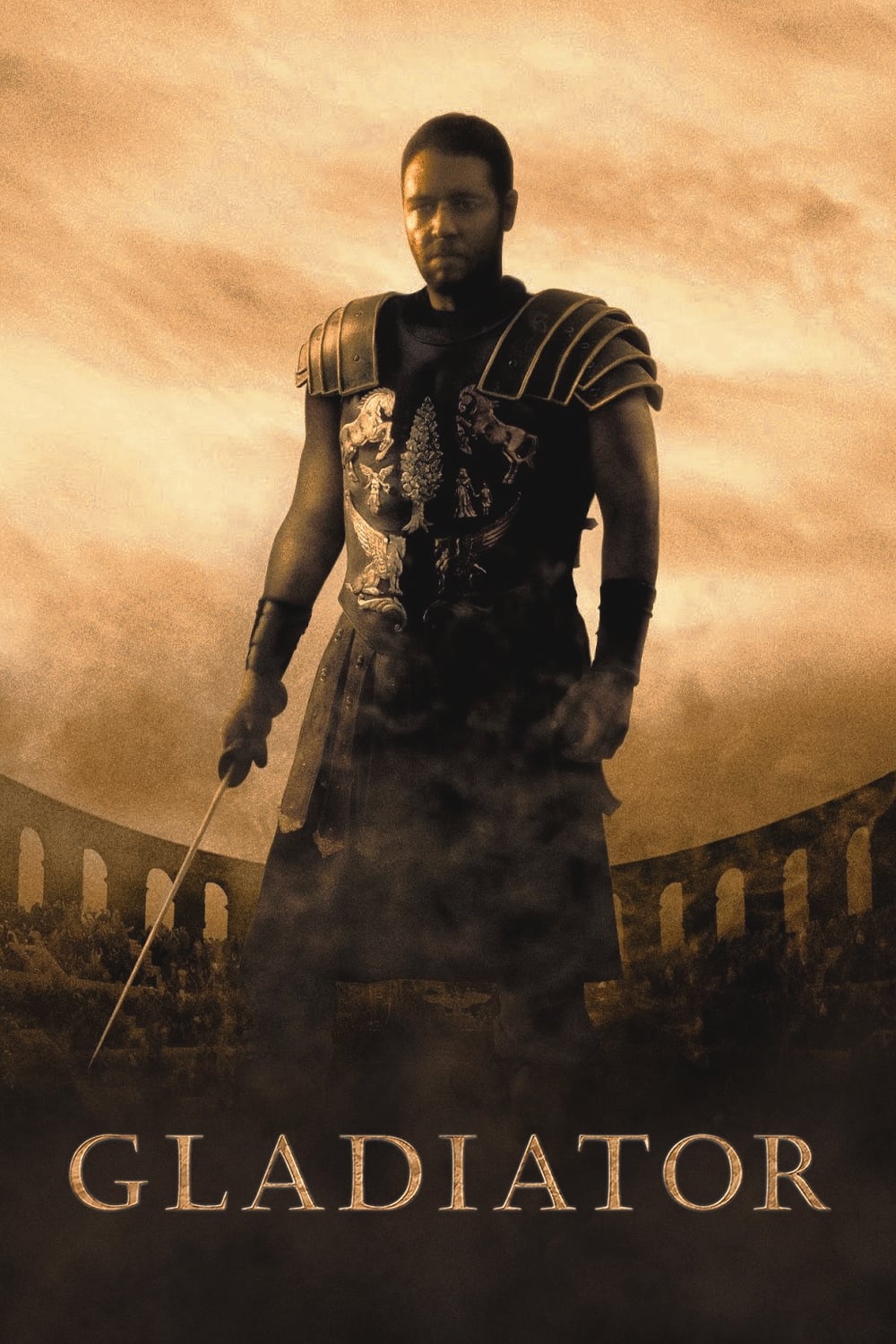
Ridley Scott’s revival of the Roman spectacle reignited audience appetite for ancient history on screen. The film standardized a gritty production design for antiquity—weathered armor, smoky arenas, and tactile sets. It accelerated the use of digital crowds blended with practical stunts in period action. The success prompted a new cycle of swords-and-sandals projects across film and television.
‘Downfall’ (2004)

This bunker-set drama popularized intimate, day-by-day accounts of collapsing regimes. Its detailed depiction of command structures and civilian panic influenced subsequent leadership-in-crisis films. The central performance sparked widespread discussion about portraying perpetrators with psychological nuance. It also seeded one of the internet’s most recognizable subtitle-meme formats, expanding the film’s cultural footprint.
’12 Years a Slave’ (2013)
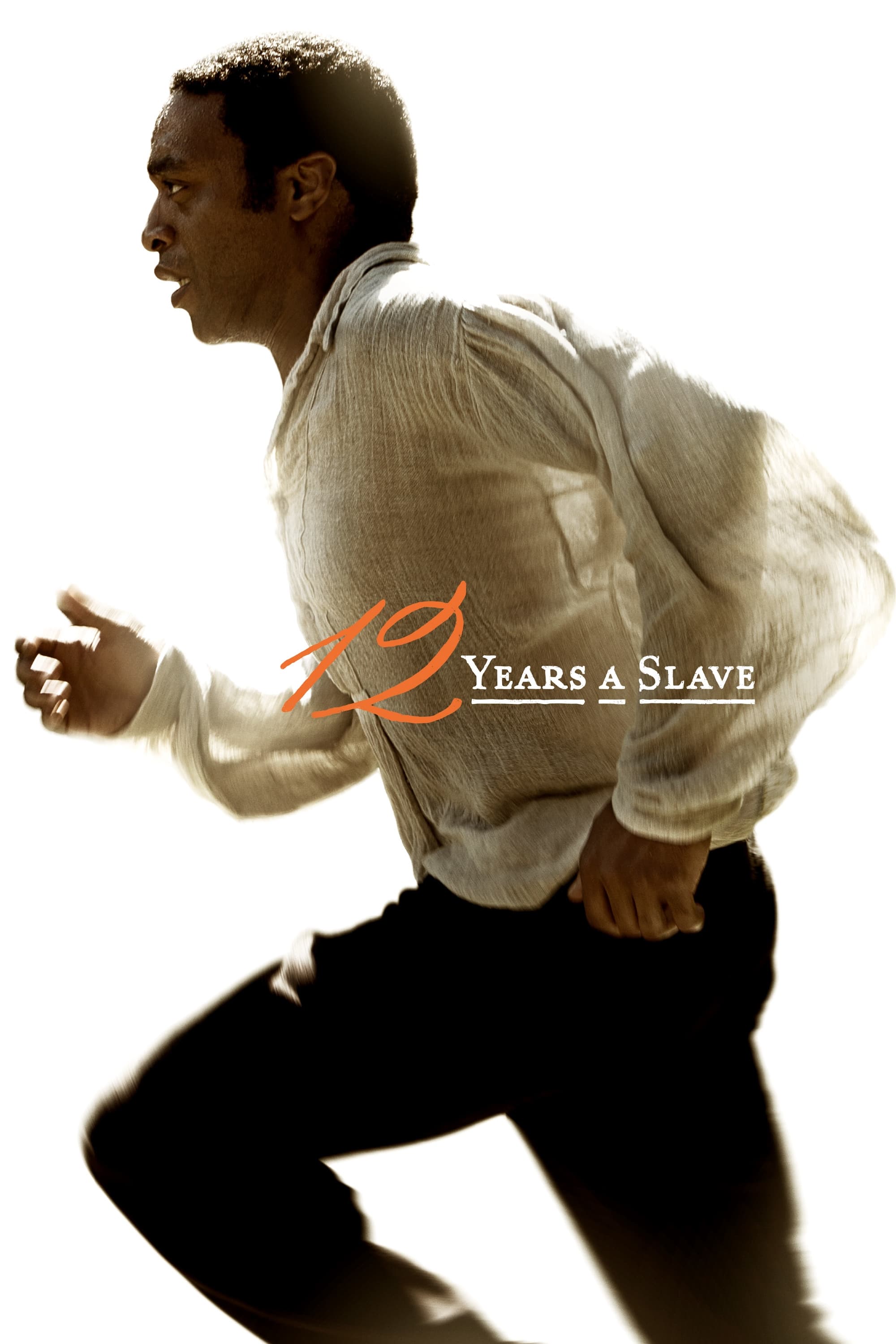
Steve McQueen’s adaptation centered a free Black man’s kidnapping and endurance, reframing mainstream conversations about slavery’s mechanisms. The film emphasized legal documents, trade networks, and plantation labor to map an economy built on coerced work. Its collaboration with historians and the use of primary-source material shaped dialogue, settings, and character arcs. The production influenced museum programming, classroom resources, and later screen narratives about bondage and resistance.
‘Napoleon’ (1927)
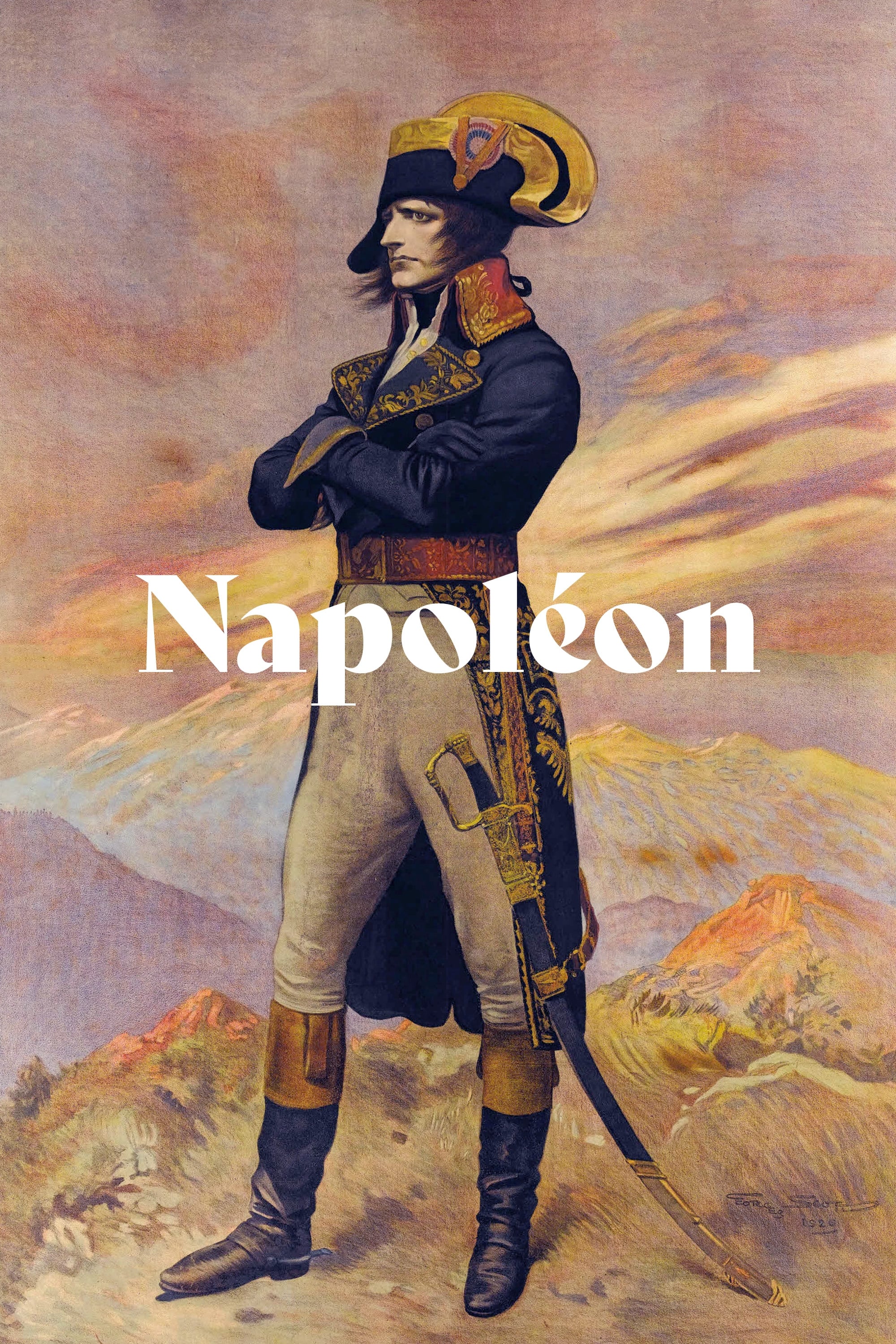
Abel Gance’s silent epic pioneered rapid montage, handheld shots, and multi-screen projection via Polyvision. Its ambitious camera rigs, including sleds and pendulum mounts, expanded the language of movement in historical storytelling. Large-scale crowd direction and location work influenced later battlefield staging. Restoration efforts around the film helped galvanize interest in film preservation for early historical epics.
‘The Passion of Joan of Arc’ (1928)
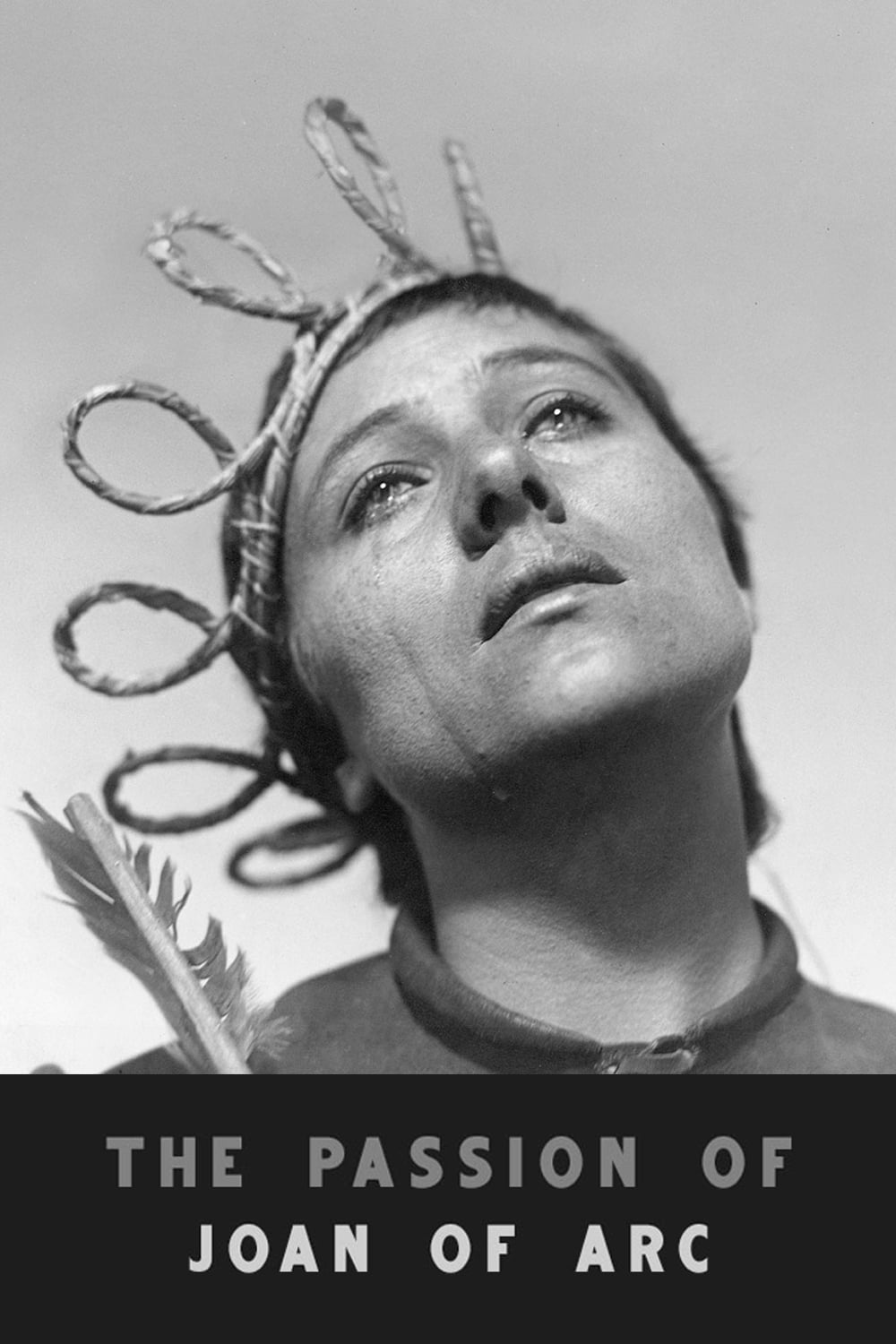
Carl Theodor Dreyer’s close-up–driven approach emphasized facial expression and minimal sets to convey historical intensity. The production drew on trial records to shape dialogue and structure. Its stark lighting and fluid camera reframed how martyrdom and legal proceedings could be visualized. Rediscovery of a near-complete print decades later reshaped scholarship on silent-era historical drama.
‘Judgment at Nuremberg’ (1961)
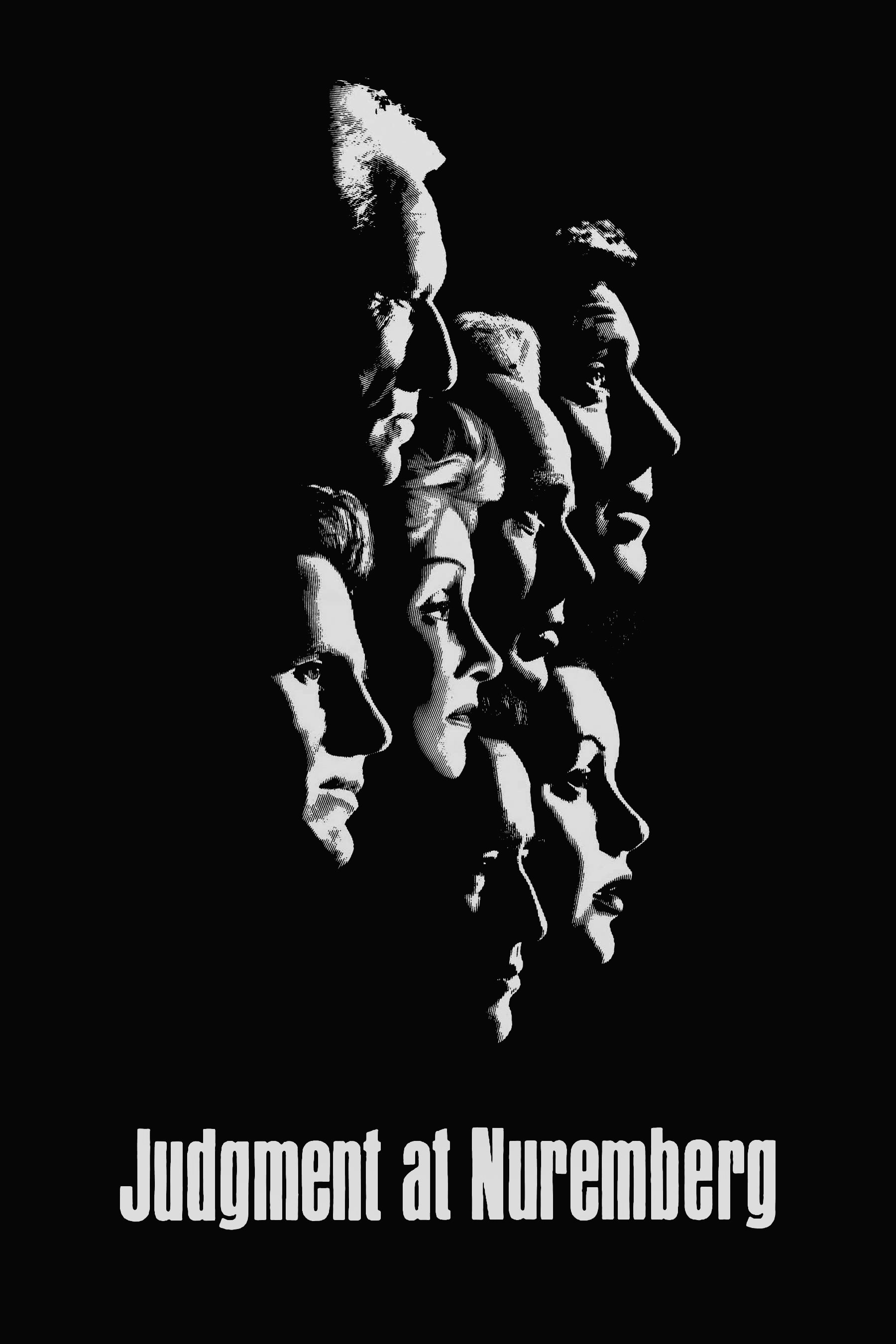
This courtroom drama foregrounded postwar accountability by dramatizing legal arguments, witness testimony, and judicial dilemmas. The film helped establish the template for international-law narratives on screen. Its emphasis on evidentiary procedure influenced later historical courtroom works. Educational settings have used it to discuss due process, complicity, and precedent.
‘Aguirre, the Wrath of God’ (1972)
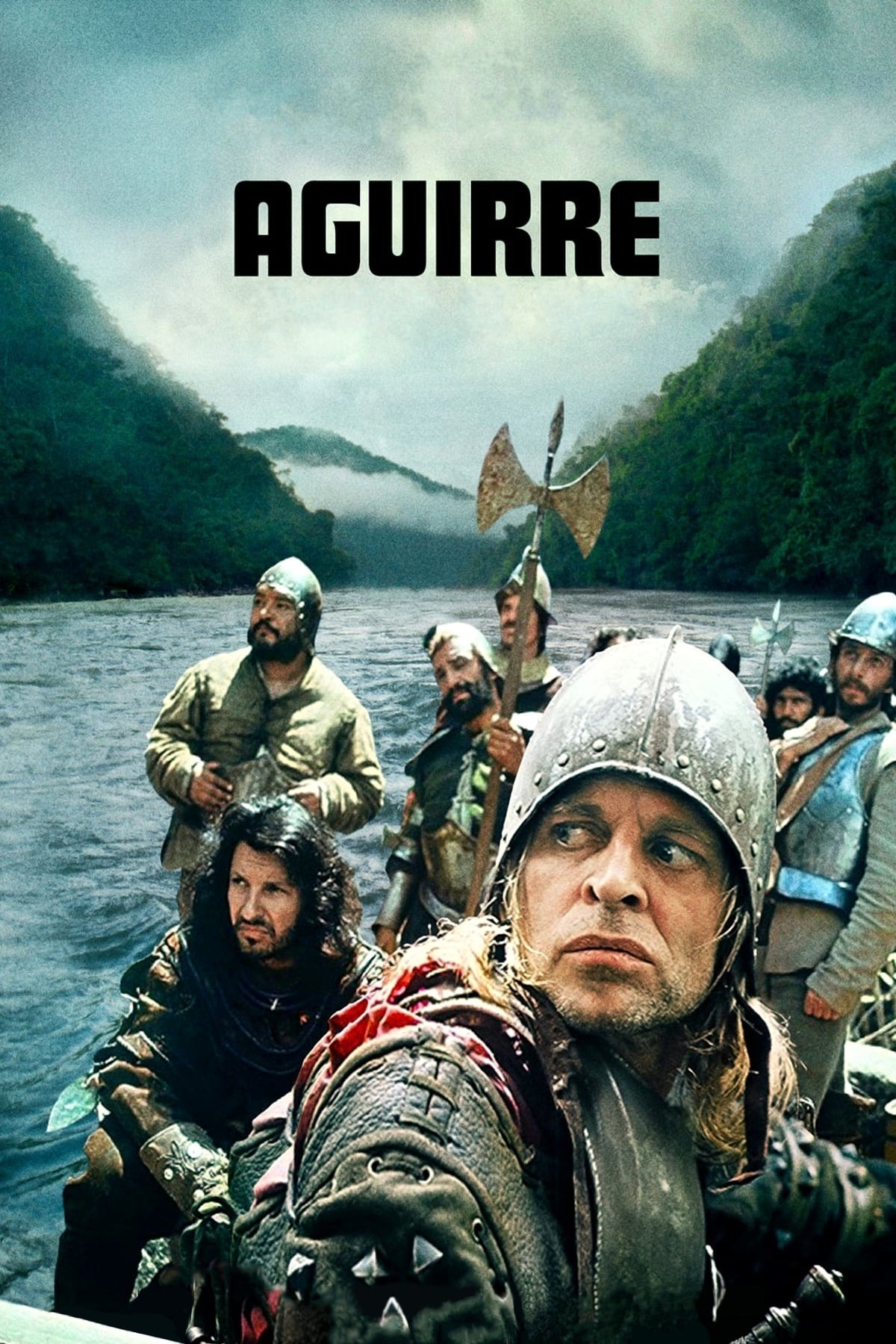
Werner Herzog’s river expedition film used location shooting, a lean crew, and natural light to capture colonial ambition and breakdown. The production’s logistical audacity influenced later historical survival and exploration films. Its portrayal of imperial ventures as precarious enterprises informed depictions of conquest in global cinema. The soundtrack and patient pacing expanded expectations for mood-driven history narratives.
‘The Deer Hunter’ (1978)
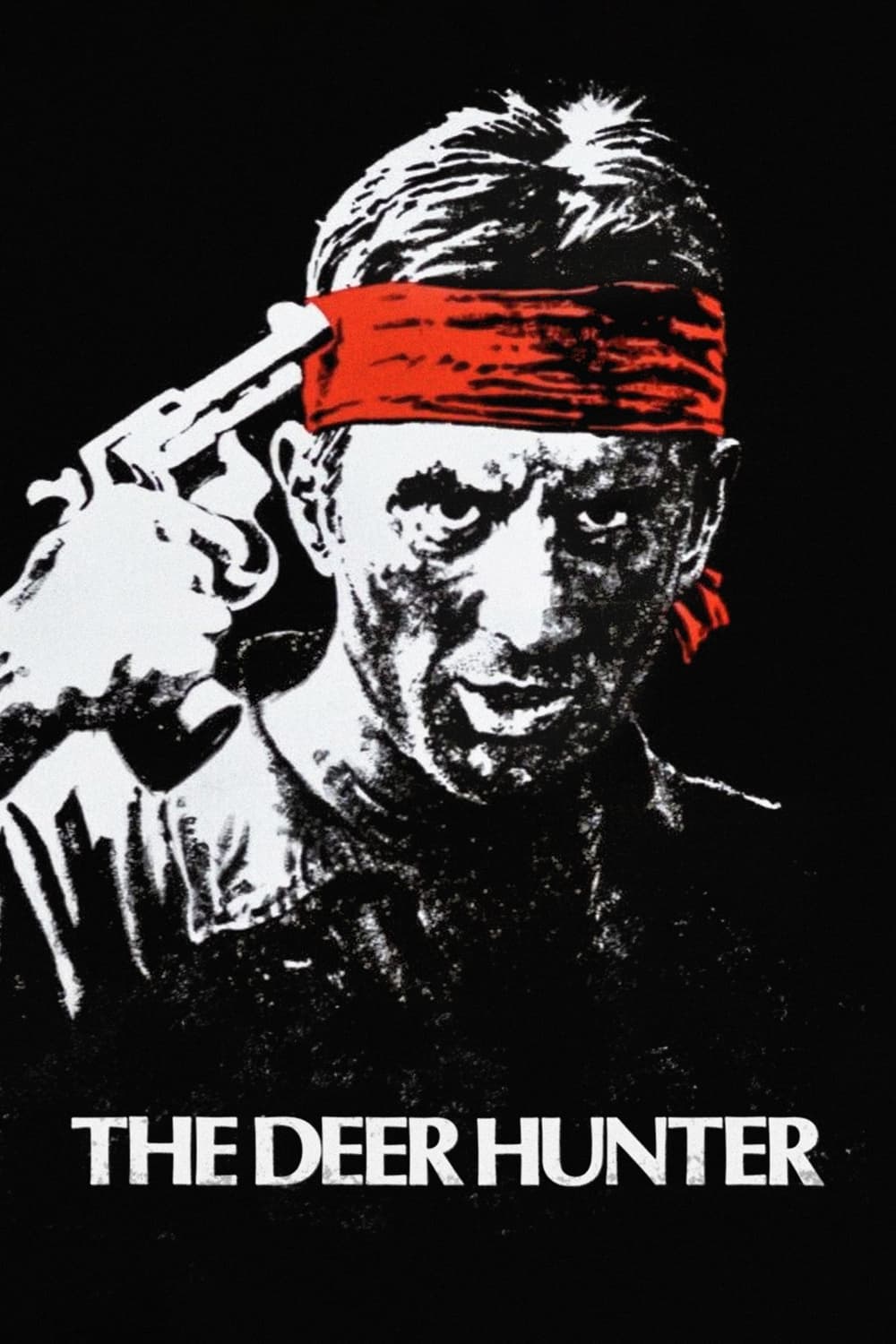
By tracing a community before, during, and after conflict, the film broadened the scope of war stories beyond the battlefield. Location work in industrial towns anchored the narrative in a specific social fabric. Its structure encouraged later films to follow soldiers’ reintegration and trauma. The production’s attention to ritual and camaraderie influenced portrayals of working-class life in historical contexts.
‘Das Boot’ (1981)
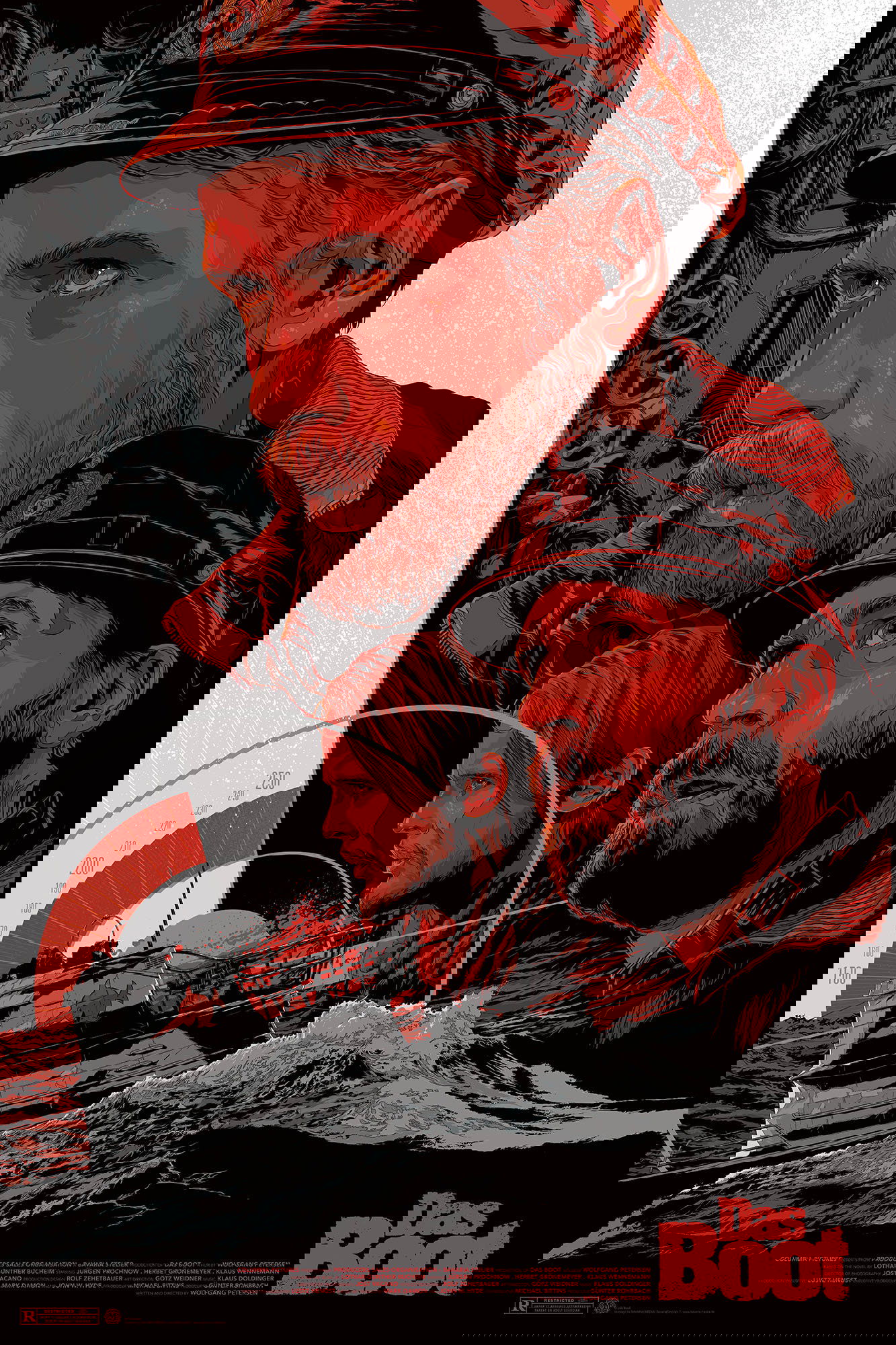
This submarine drama set a new bar for claustrophobic authenticity through production design, sound mixing, and extended depth-of-field shots. The film’s focus on daily routine, equipment, and procedure influenced naval and aviation histories on screen. Multiple edits for cinema and television demonstrated flexible distribution models for long-form historical storytelling. Its technical approach shaped later immersive depictions of crews under pressure.
‘The Killing Fields’ (1984)
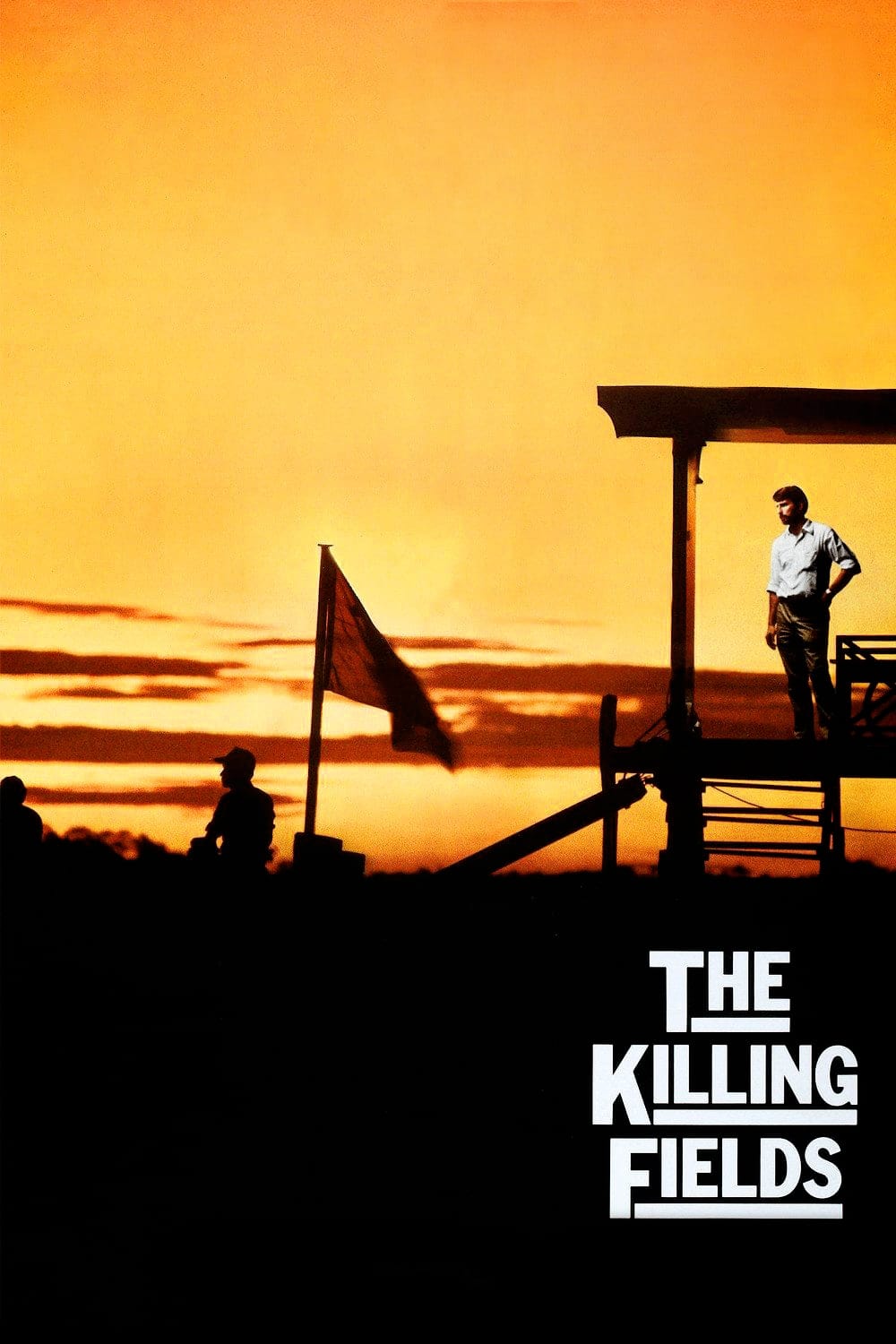
Based on the experiences of journalists and local survivors, the film brought global attention to the Cambodian genocide. On-location shooting and multilingual casting emphasized specificity and credibility. The production supported renewed interest in refugee histories and post-conflict reconciliation. Its depiction of professional partnership across cultures influenced later journalism-in-history dramas.
‘Malcolm X’ (1992)
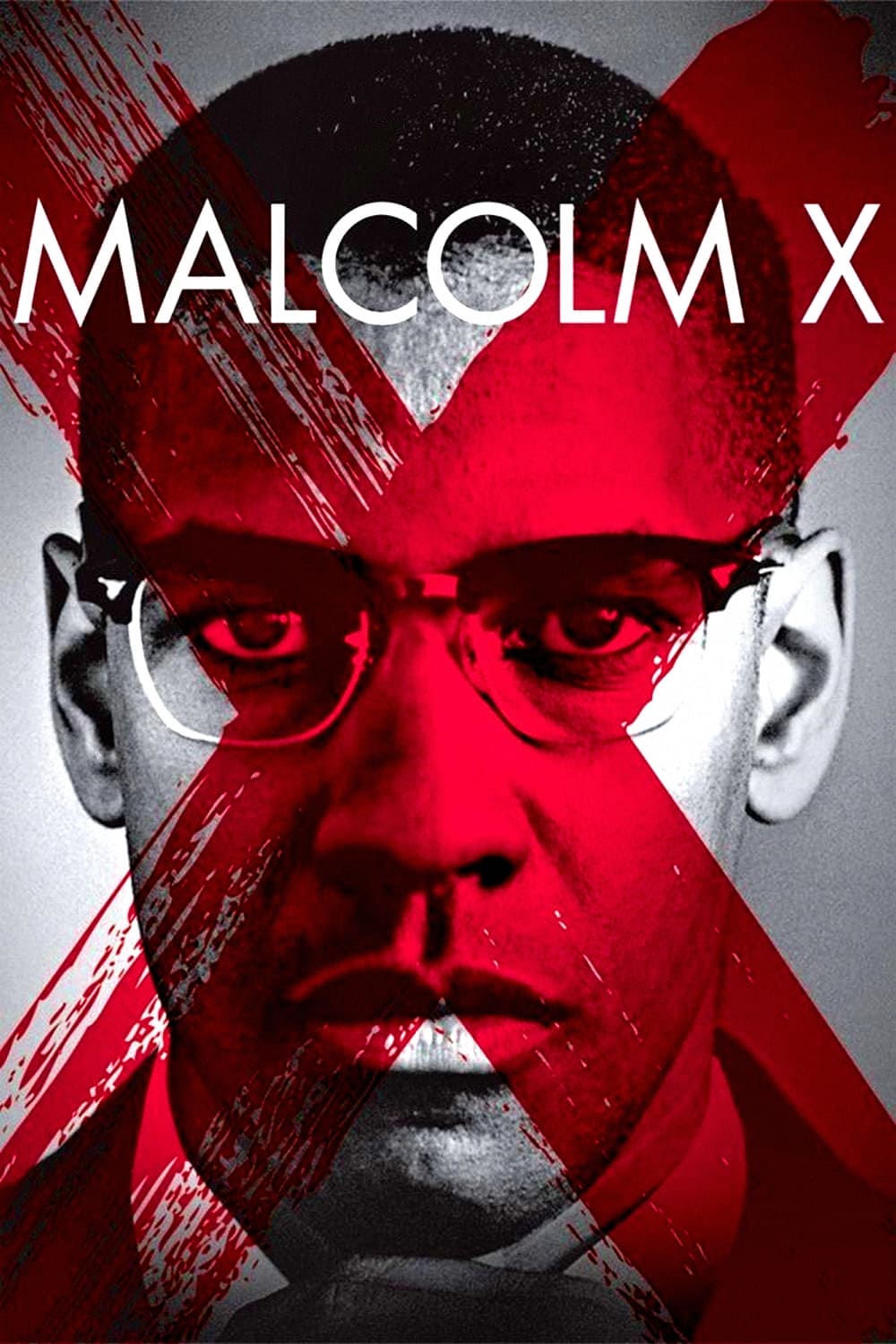
This biographical epic integrated archival techniques, period-accurate design, and city-scale logistics to chart activism, faith, and media strategy. The film’s collaboration with historians and community stakeholders informed its scope and detail. Its use of multiple formats and locations demonstrated how a public life can be mapped across institutions and movements. The soundtrack and costume work reintroduced key speeches and iconography to new audiences.
‘Apollo 13’ (1995)
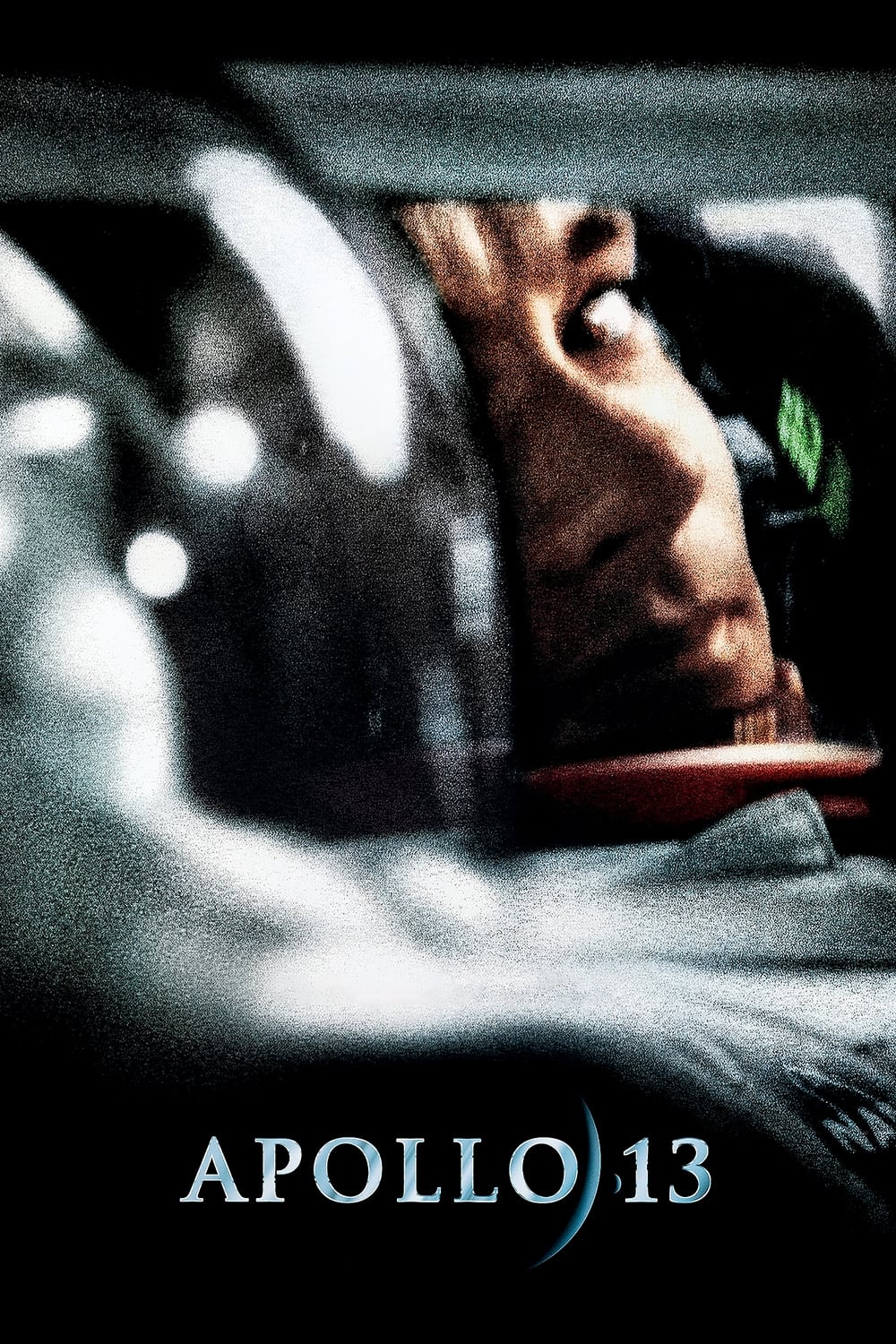
Meticulous attention to mission protocols, ground–capsule communication, and engineering problem-solving defined its approach. The production worked with aerospace consultants, used partial-gravity flights, and built functional control-room interfaces. It popularized the step-by-step depiction of crisis management in historical cinema. The film also boosted museum exhibits and educational programming around crewed spaceflight.
‘The Pianist’ (2002)

Roman Polanski’s adaptation emphasized survival tactics, urban geography, and the role of music within occupied life. The production reconstructed streets, interiors, and checkpoints to reflect daily realities under persecution. Its restrained perspective aligned with memoir sources and archival references. The film influenced subsequent works focusing on individual endurance within broader atrocities.
‘United 93’ (2006)

Paul Greengrass employed real-time pacing, non-professional performers, and documentary-style cameras to reconstruct events across air and ground. Aviation procedures, air-traffic protocols, and interagency communication were central to the narrative. Consultation with families and officials shaped casting and structure. The film established a model for immediate-history dramatizations with rigorous procedural detail.
‘The Queen’ (2006)
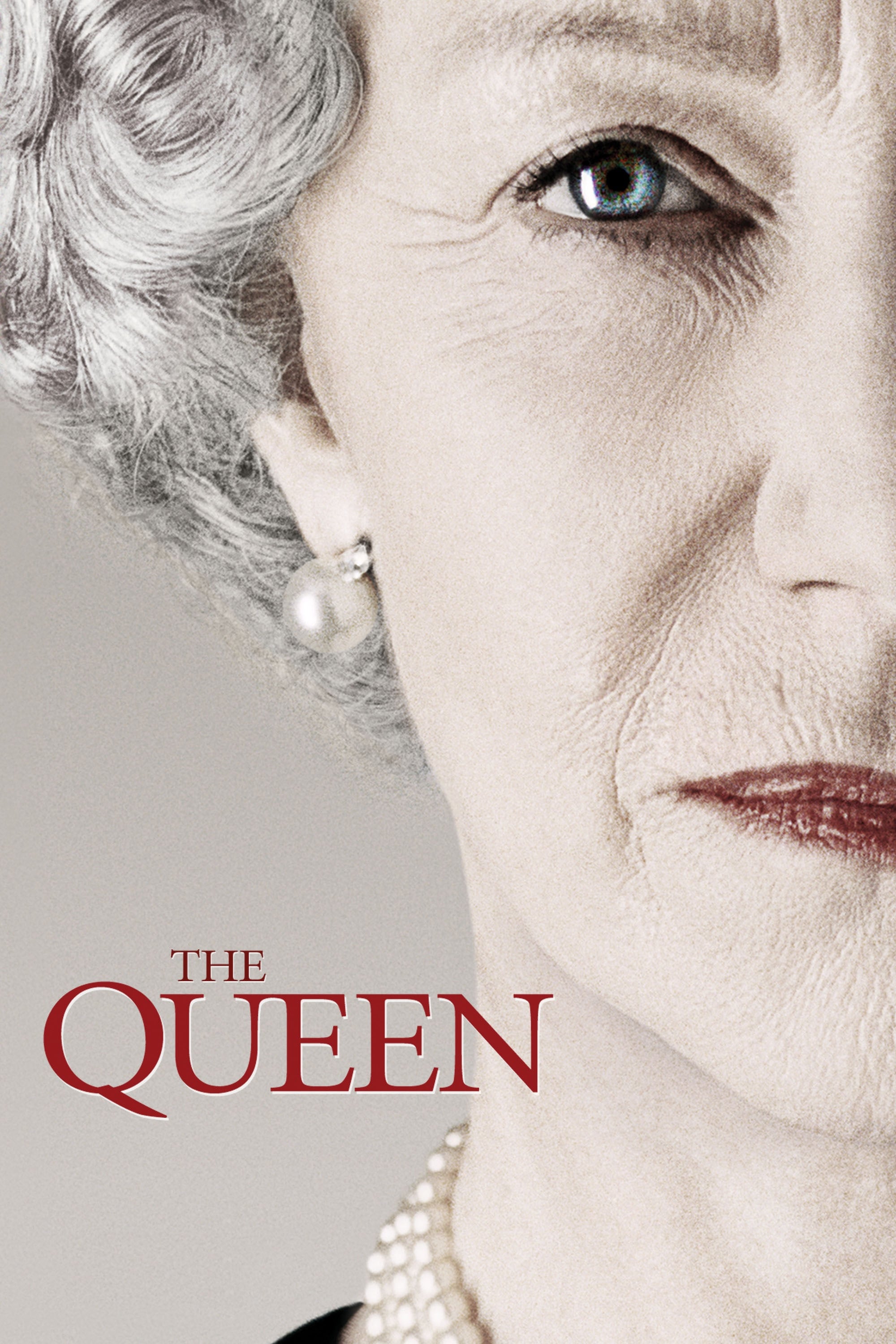
This contemporary history focused on constitutional tradition, media dynamics, and institutional response during a national crisis. It integrated actual broadcast footage with dramatic scenes to examine public image management. The screenplay drew on documented schedules, press briefings, and court protocols. Its approach influenced later portraits of leadership under scrutiny.
‘Lincoln’ (2012)
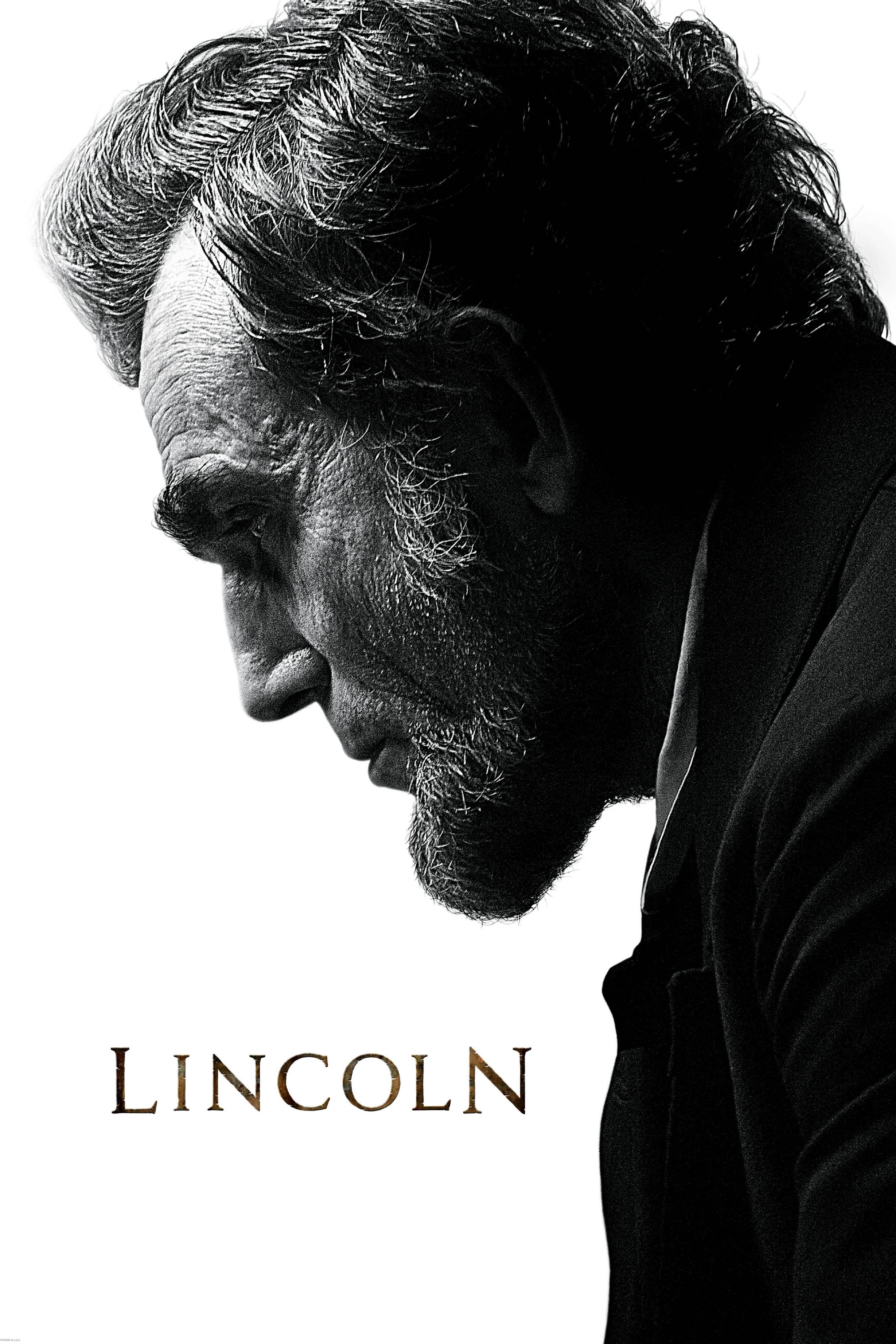
The film concentrated on legislative strategy, caucus negotiations, and vote-whipping to show policy-making as drama. Extensive research into correspondence, floor procedure, and cabinet dynamics shaped scenes. Production design emphasized working offices, drafting rooms, and public galleries. The result popularized process-oriented depictions of governance in historical cinema.
‘Selma’ (2014)
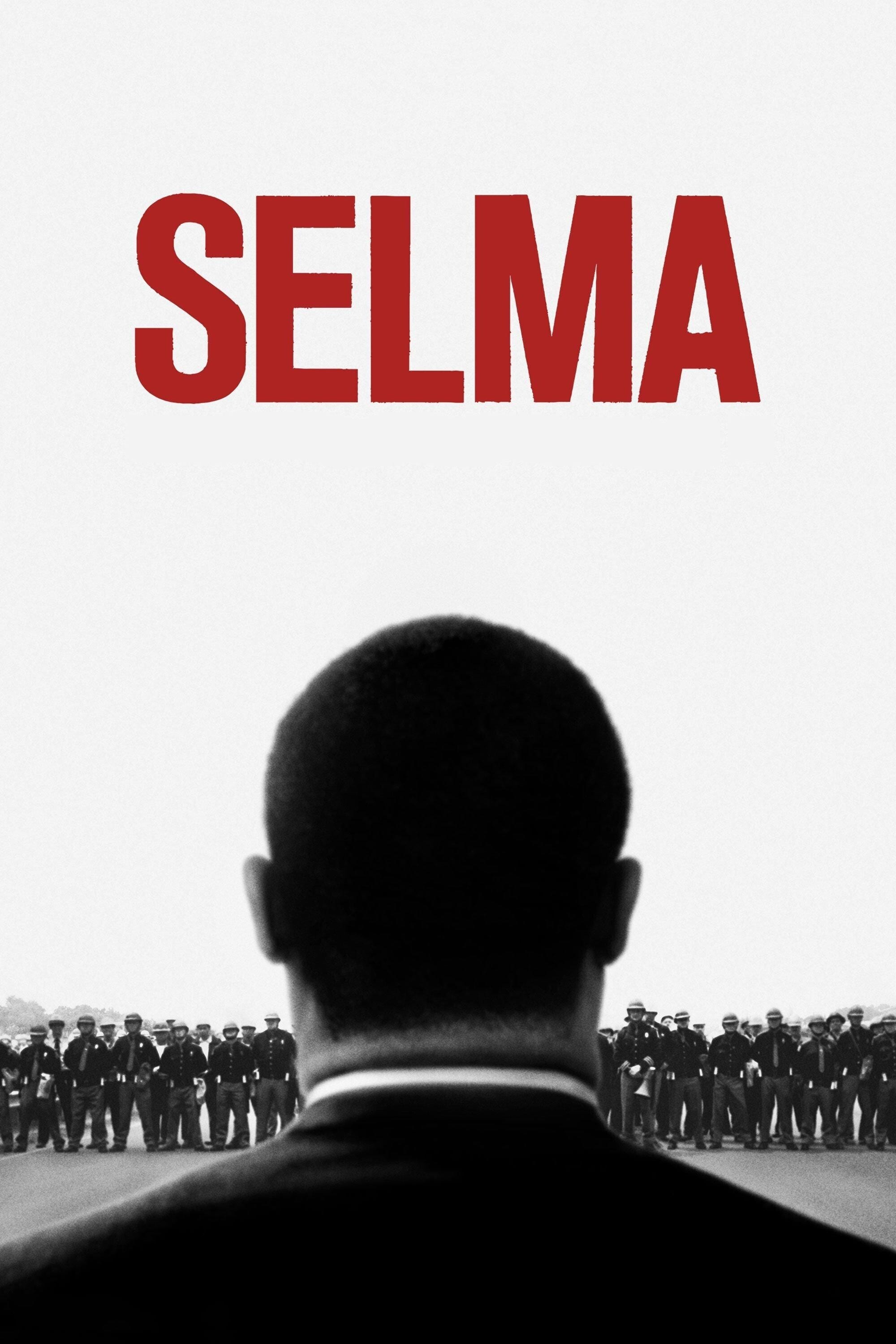
Ava DuVernay’s film centered logistics of marches, coalition-building, and federal–local negotiation during a voting-rights campaign. It highlighted the roles of organizers, legal teams, and clergy alongside public speeches. Location choices and choreography recreated streetscapes integral to strategy and visibility. The film supported educational initiatives on civic participation and movement infrastructure.
‘Dunkirk’ (2017)
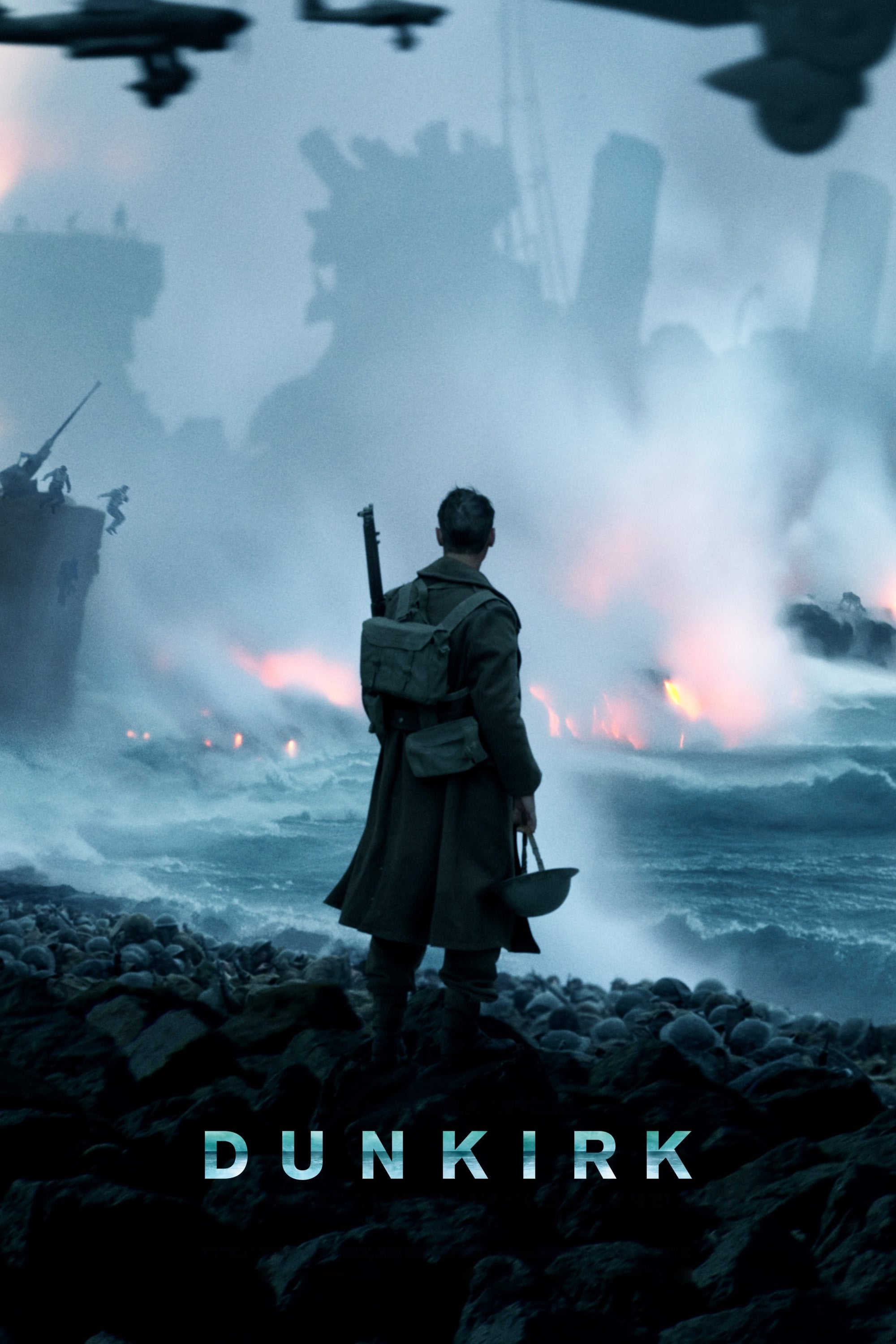
Christopher Nolan’s triptych structure intercut land, sea, and air timelines to convey a large operation through intersecting vantage points. Practical effects, period aircraft, and maritime vessels anchored the action in tangible hardware. Minimal dialogue and precision sound design emphasized situational awareness and coordination. The film demonstrated how time compression and parallel editing can refresh major historical events on screen.
Share your picks for influential history films we missed in the comments!