The Most Influential Disaster Movies of All Time


From early studio epics to modern spectacles built on cutting-edge visual effects, disaster cinema has shaped how audiences think about catastrophe, resilience, and large-scale filmmaking. These films advanced production techniques, launched enduring subgenres, and often reflected real-world anxieties—from earthquakes and fires to pandemics and planetary threats. Below are 40 landmark titles that left lasting marks on technology, storytelling, and the industry itself.
‘San Francisco’ (1936)

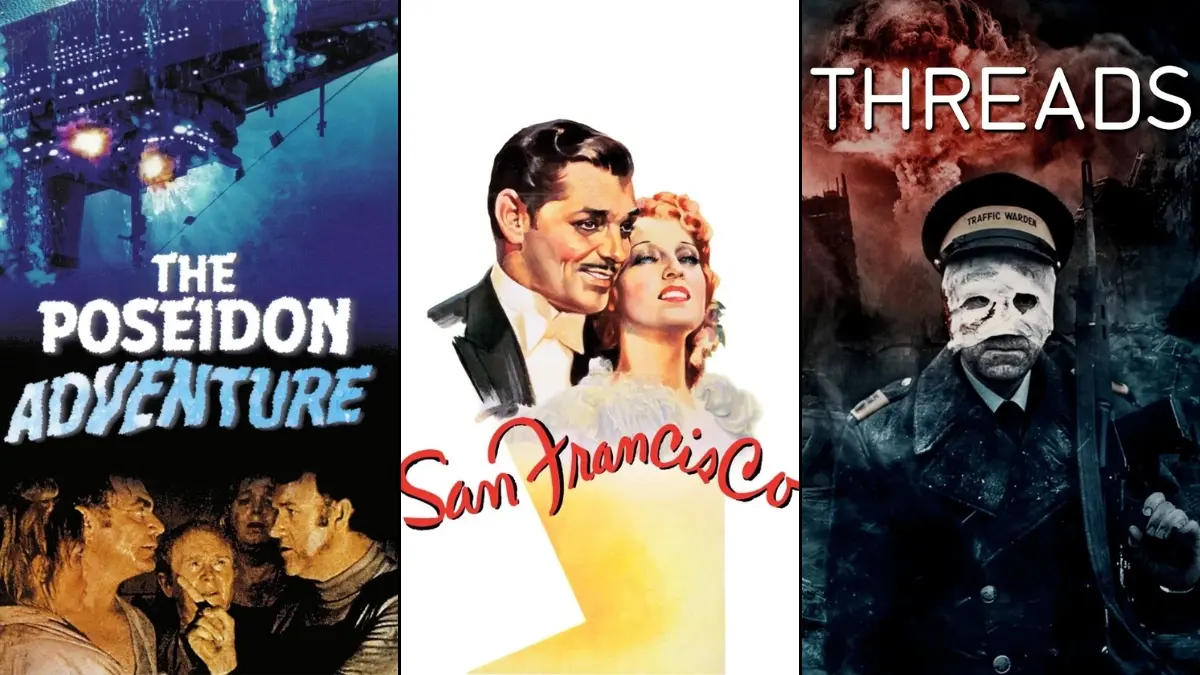
This MGM classic used elaborate sets, miniatures, and sound design to recreate the 1906 earthquake and subsequent fires. It paired a melodrama framework with large-scale destruction sequences that pushed studio resources and logistical planning. The film helped standardize how major disasters could be integrated into star-driven narratives. Its success encouraged studios to treat catastrophe as a prestige subject.
‘The Rains Came’ (1939)

The production staged extensive flood and earthquake sequences with complex water effects and model work. Its craftsmanship earned recognition for visual achievements and established a template for multi-disaster plotting. The film’s large ensemble approach influenced later titles that interwove intersecting storylines around a single calamity. Its effects work became a reference point for subsequent studio water-disaster scenes.
‘When Worlds Collide’ (1951)
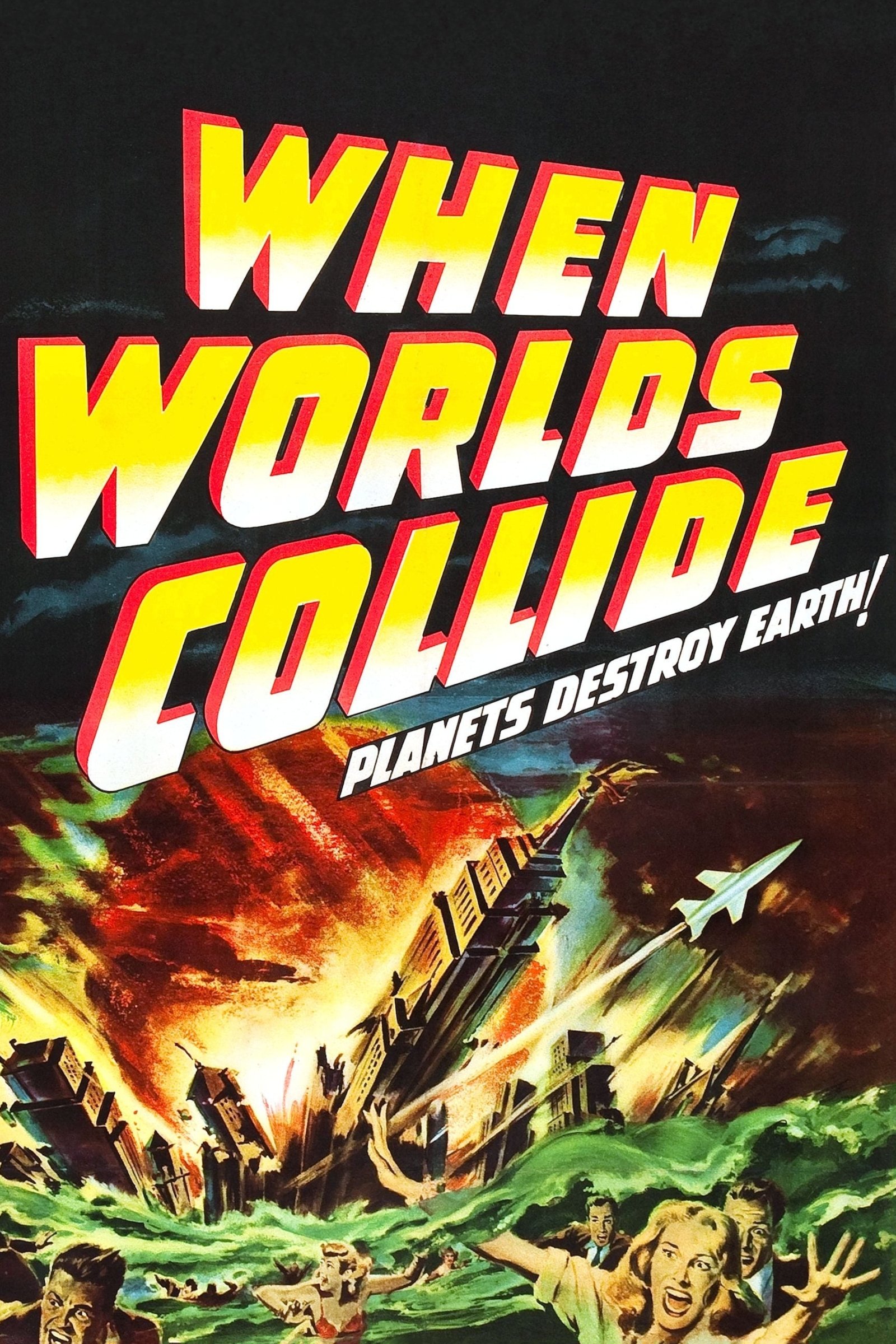
This sci-fi disaster feature presented a global evacuation effort using matte paintings, miniatures, and process shots to visualize planetary catastrophe. It popularized the countdown-to-impact narrative that later films adapted for modern audiences. The story emphasized engineering, spaceflight, and survival logistics, broadening disaster cinema’s scientific scope. Its effects team’s techniques circulated widely among genre productions.
‘The Day the Earth Caught Fire’ (1961)

Shot with location reporting techniques and a newsroom frame, this British film presented a warming planet pushed into climatic chaos. It integrated scientific exposition, government briefings, and street-level sequences to convey escalating stakes. The use of tinted photography and documentary-style coverage gave the catastrophe a grounded texture. Its journalistic structure informed later media-centered disaster storytelling.
‘Airport’ (1970)
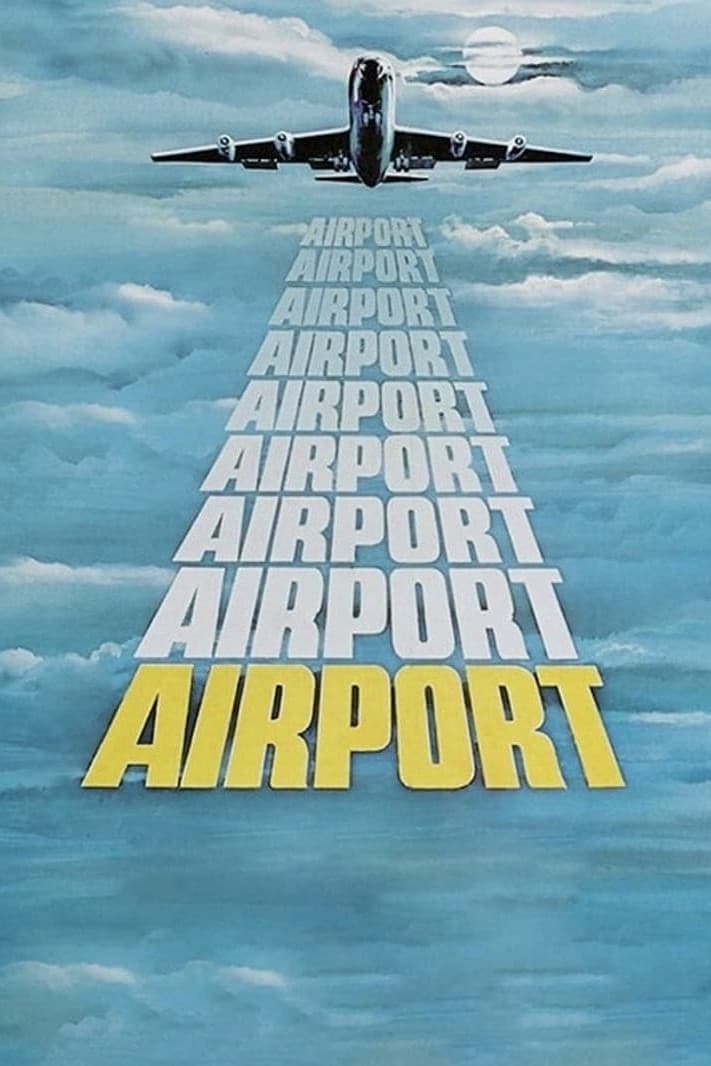
This ensemble drama codified the modern disaster formula with intersecting passenger, crew, and ground-control arcs. It led to a wave of aviation and infrastructure crisis films and standardized casting strategies for large ensembles. The production emphasized procedural details of airline operations and emergency response. Its commercial impact triggered a cycle of big-budget disaster projects across studios.
‘The Poseidon Adventure’ (1972)
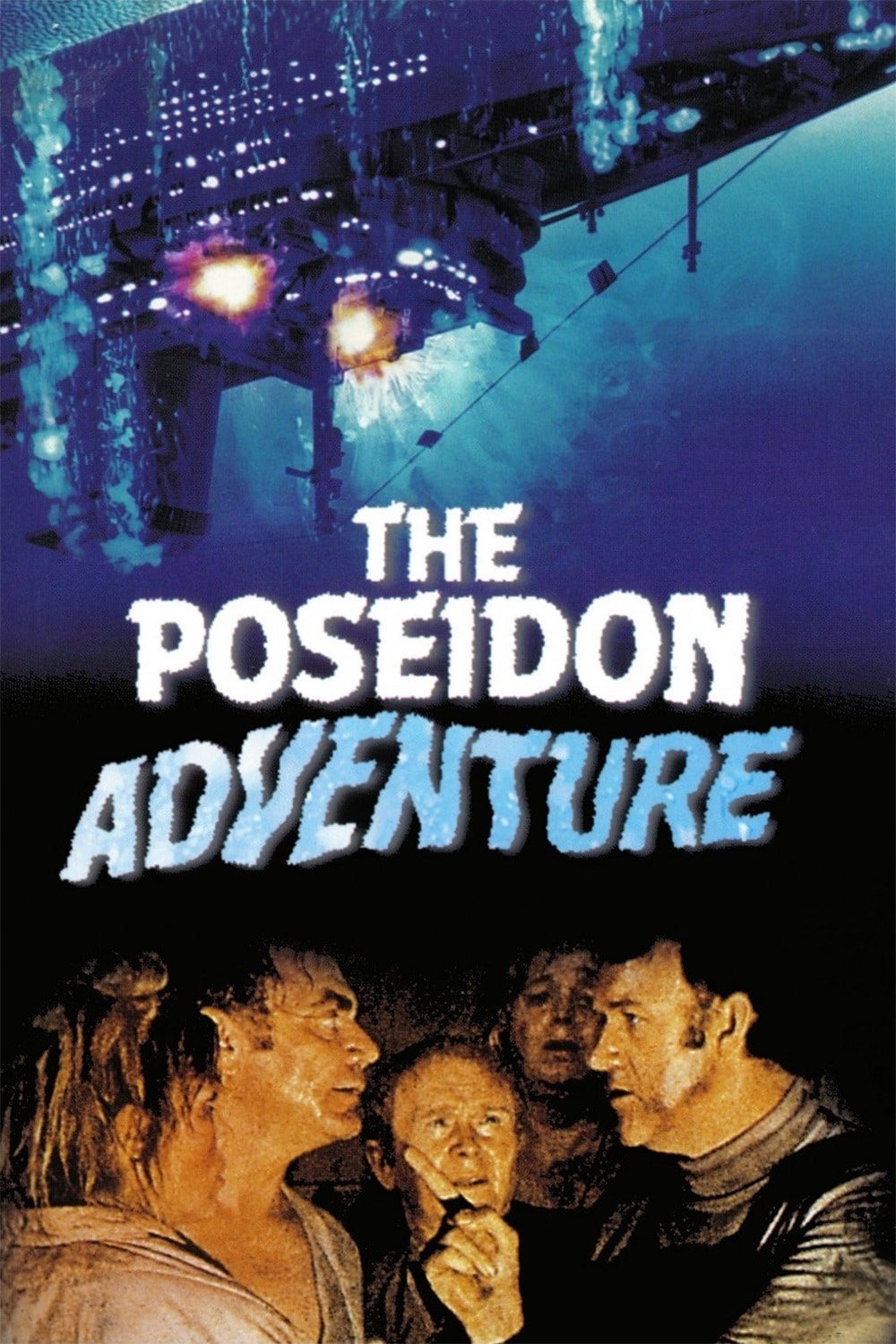
The film’s inverted-ship setting required rotating sets, hydraulics, and practical stunts to depict a capsized ocean liner. It popularized the “survival through levels” structure as characters navigated a series of physical obstacles. Marketing centered on spectacle while retaining clear spatial geography in action scenes. The picture’s success established Irwin Allen as a major figure in disaster production.
‘Earthquake’ (1974)
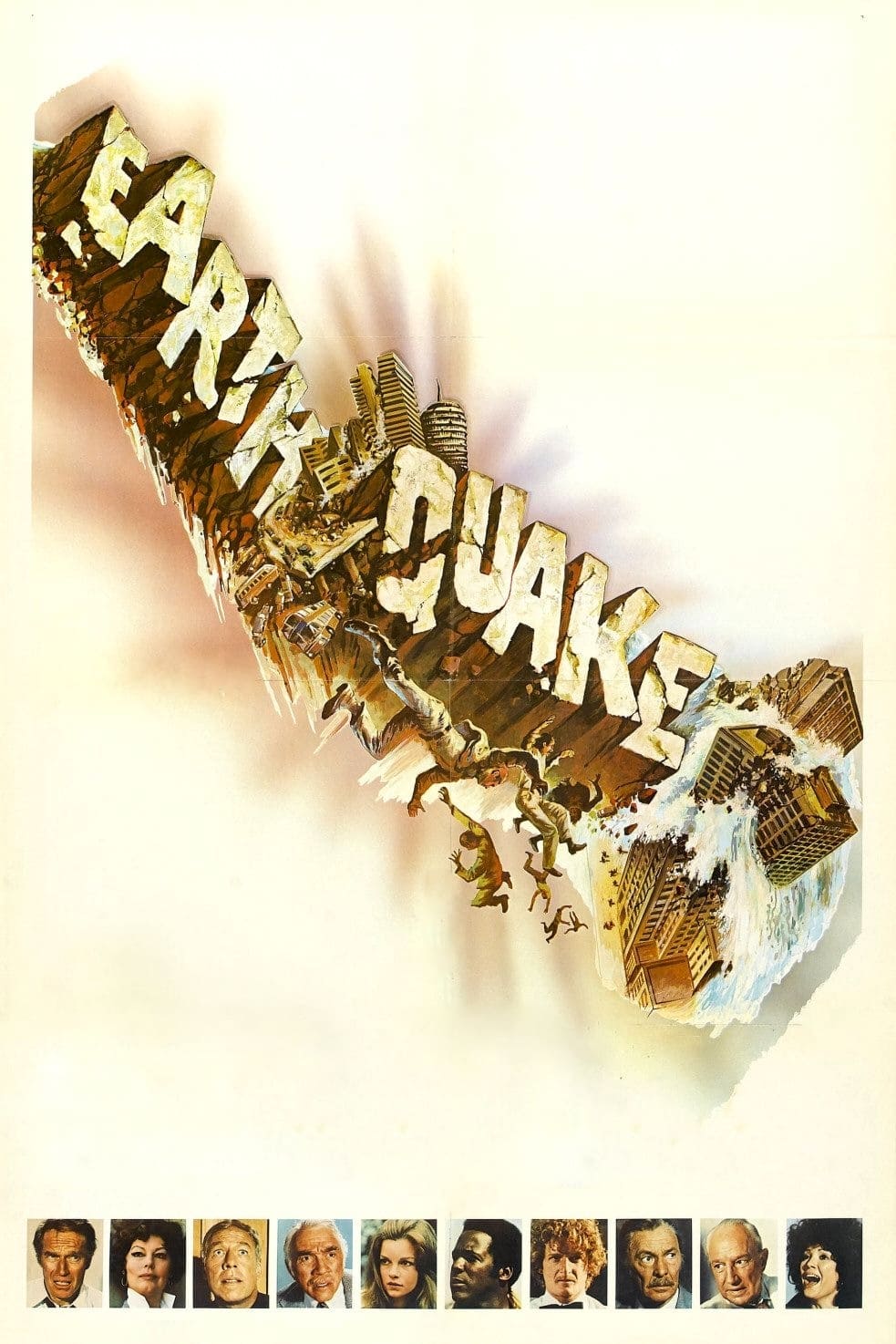
This release introduced Sensurround, an audio system designed to physically convey tremors in theaters. Large-scale urban destruction was achieved with miniatures, breakaway sets, and optical composites. The production coordinated citywide crowd control, stunt work, and second-unit photography on an uncommon scale. Its technology-forward approach influenced exhibition practices for event films.
‘The Towering Inferno’ (1974)
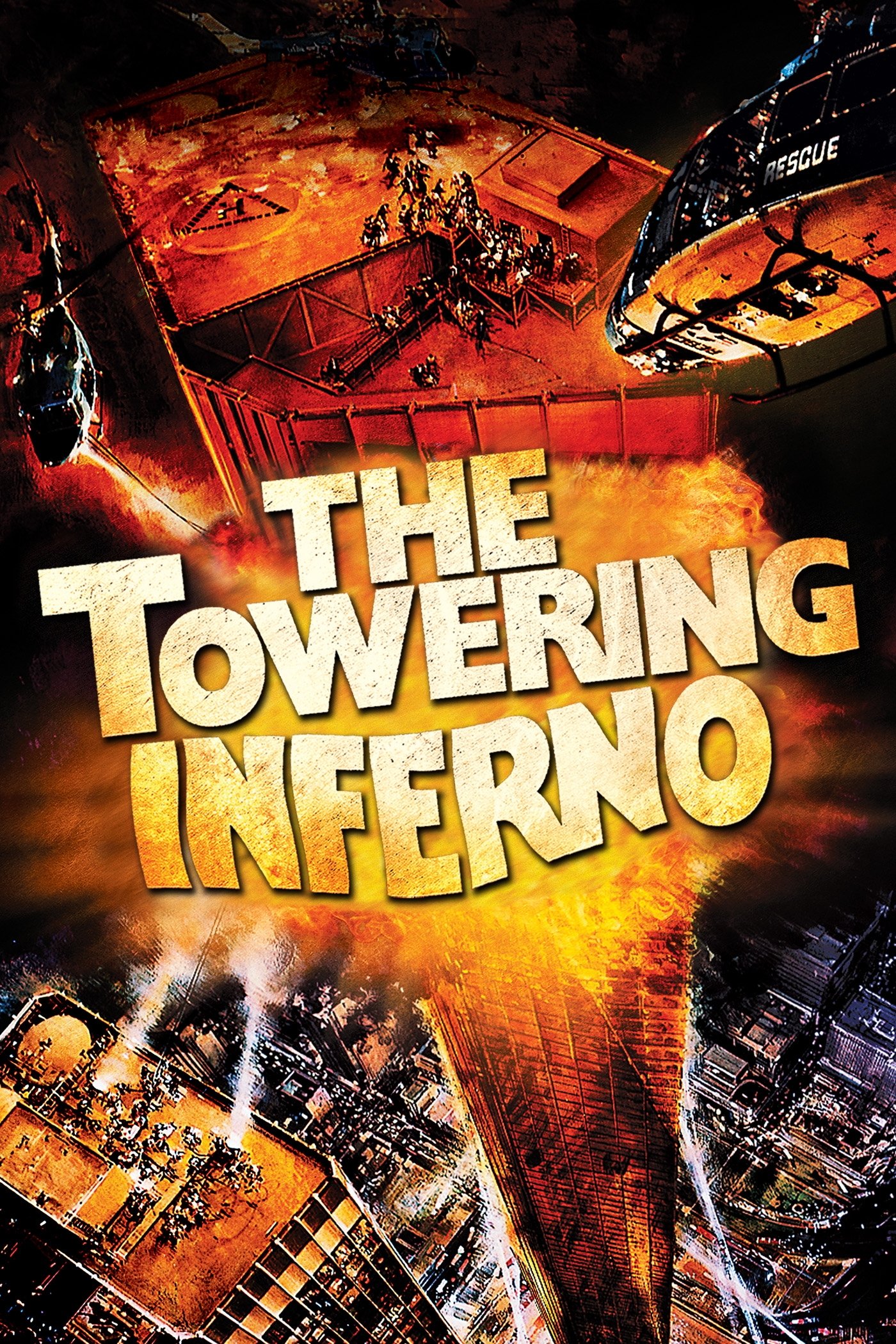
A cross-studio collaboration brought together major stars for a skyscraper fire scenario built on massive sets and miniature pyro work. Safety choreography for performers and crew advanced on-set fire protocols. The film balanced command-center strategy with on-floor rescue vignettes, shaping later high-rise and emergency-response narratives. Its box-office and awards recognition validated disaster epics as prestige ventures.
‘The China Syndrome’ (1979)
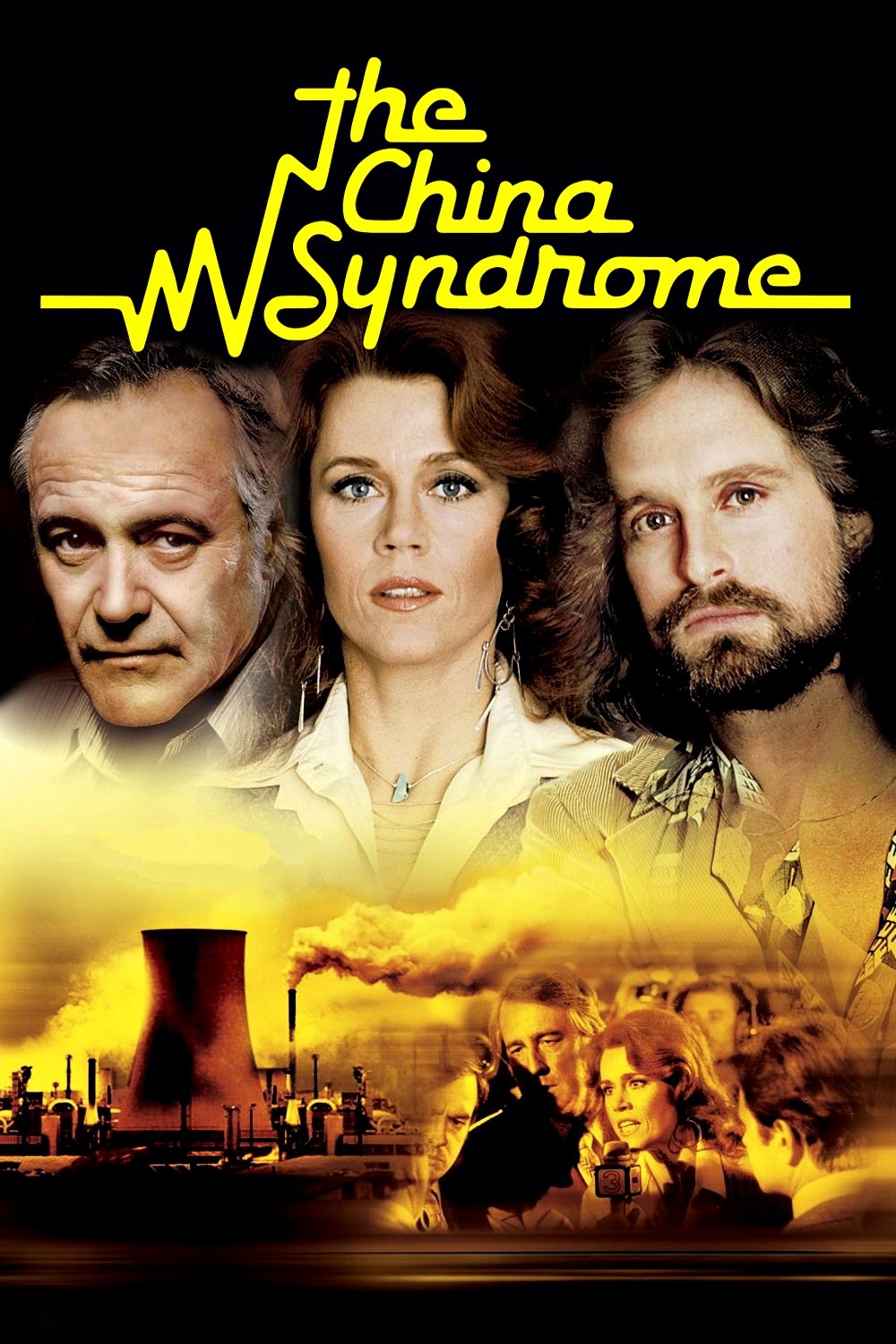
This nuclear-incident thriller focused on investigative journalism, regulatory oversight, and plant safety procedures. It used control-room staging and technical consultation to dramatize systems failure without large-scale destruction on screen. The film influenced public conversation around energy policy and industrial risk. Its procedural emphasis broadened the disaster genre beyond pure spectacle.
‘The Day After’ (1983)

This television event depicted nuclear exchange and its immediate public-health consequences across a Midwestern community. Broadcast reach made it a widely viewed portrayal of mass-casualty planning, fallout effects, and civil-defense gaps. The production coordinated medical, scientific, and policy advisers to shape its scenarios. Its audience response spurred broad discussions in schools, news media, and government.
‘Threads’ (1984)
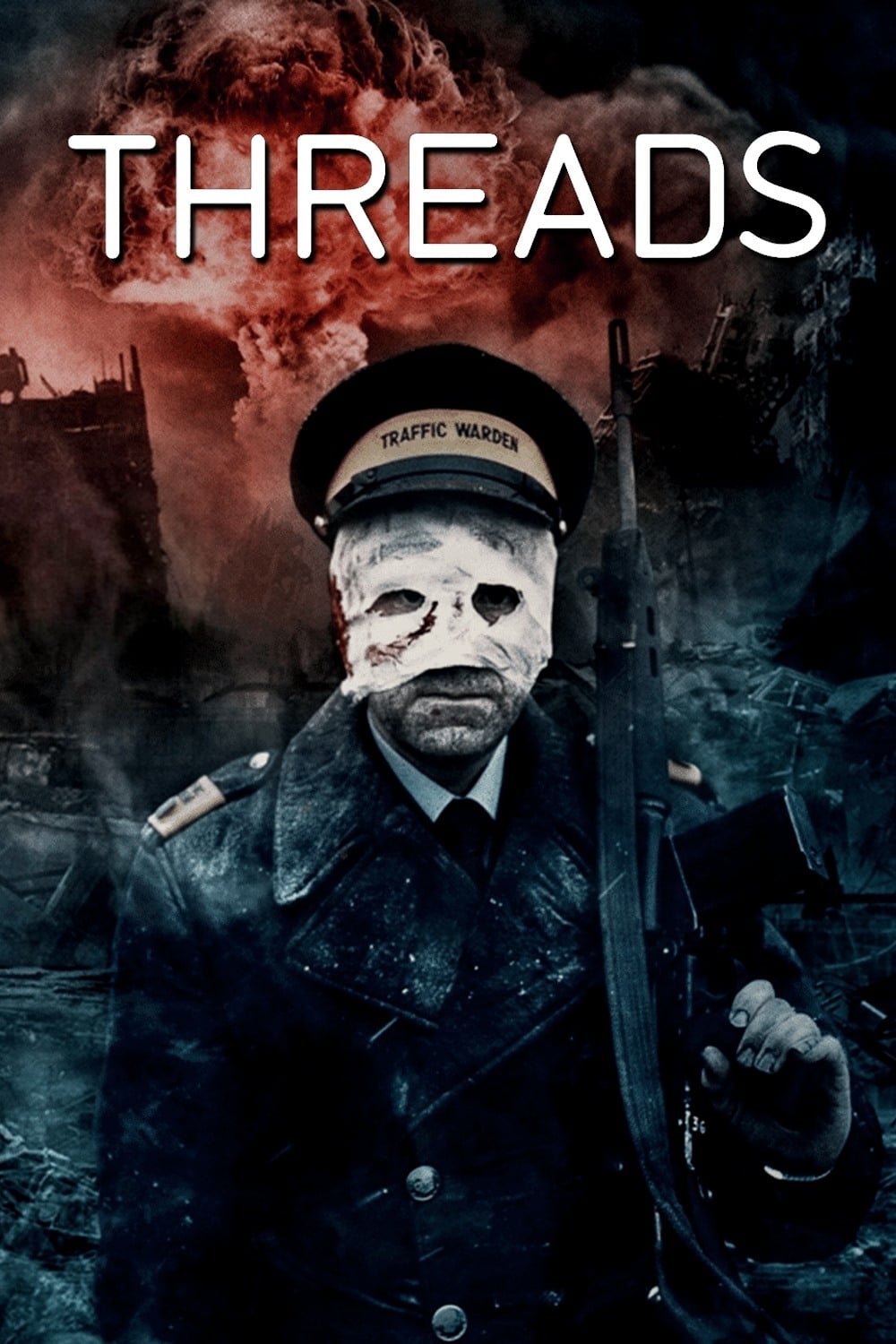
Produced for British television, this drama followed municipal planning and long-term societal collapse after nuclear attack. It presented granular detail on supply chains, communications breakdowns, and epidemiological impacts. Documentary techniques, public-information inserts, and time jumps mapped the degradation of infrastructure. The film became a benchmark for realistic, policy-focused catastrophe depiction.
‘Twister’ (1996)
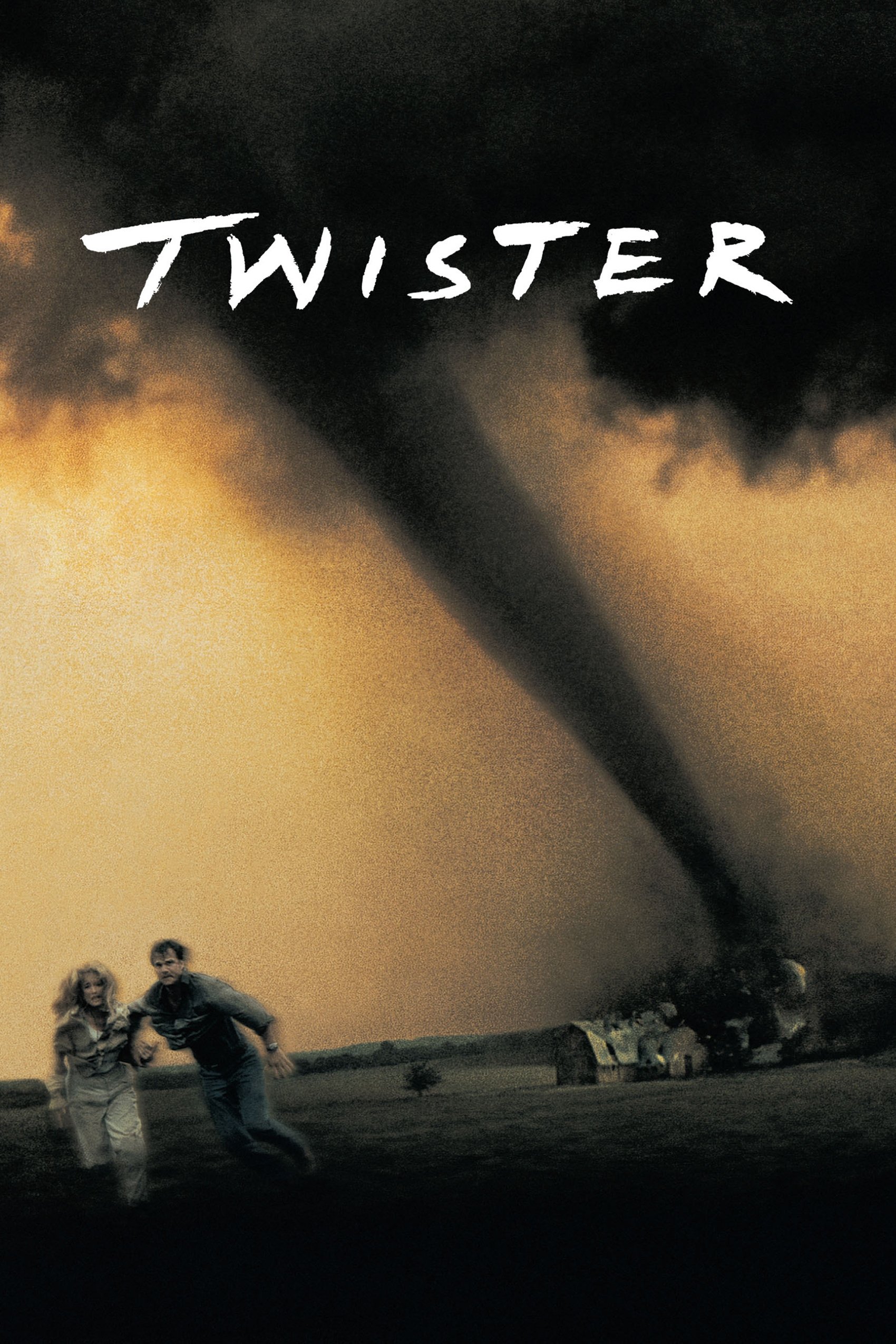
This weather thriller integrated then-advanced computer graphics with practical debris rigs to visualize tornado dynamics. It showcased storm-chasing equipment, mobile radar, and research terminology for mainstream audiences. Location shooting and sound design emphasized wind shear, pressure shifts, and environmental cues. The film boosted public interest in severe-weather science and VFX-driven meteorology sequences.
‘Titanic’ (1997)
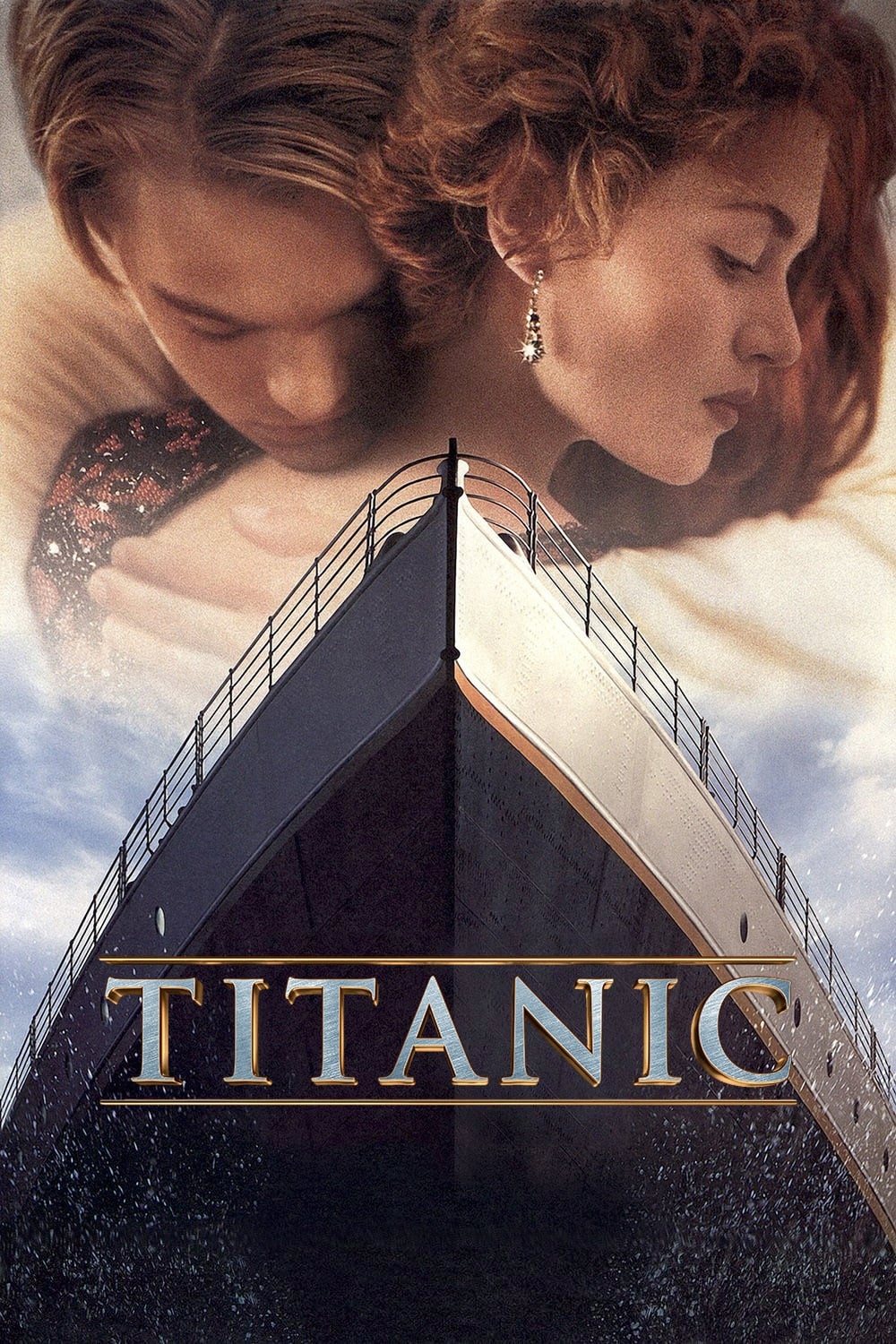
A combination of full-scale sets, miniatures, digital water simulations, and meticulous production design recreated the transatlantic liner and its sinking. The film interwove maritime procedures, ship architecture, and period detail with survival scenarios. Motion-control photography and digital compositing enabled large crowd and ocean shots. Its global reach renewed interest in maritime safety history and underwater archaeology.
‘Deep Impact’ (1998)
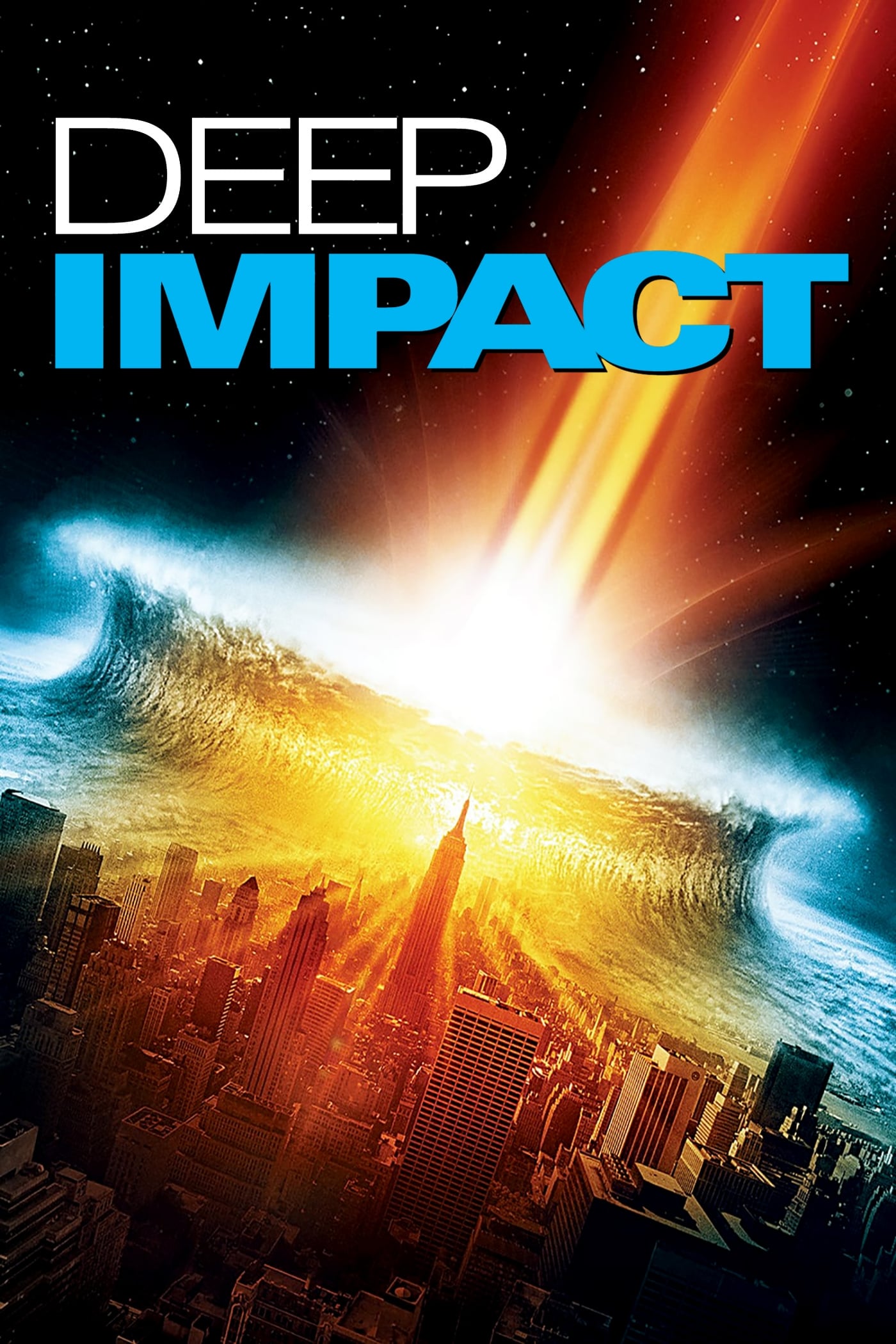
This impact-event drama balanced government continuity planning with community-level evacuation logistics. It depicted telescope discovery, mission planning, and coastal inundation with a mix of miniatures and digital effects. The narrative emphasized multinational coordination and risk communication strategies. Its focus on aftermath and relocation widened the scope of space-threat storytelling.
‘Armageddon’ (1998)
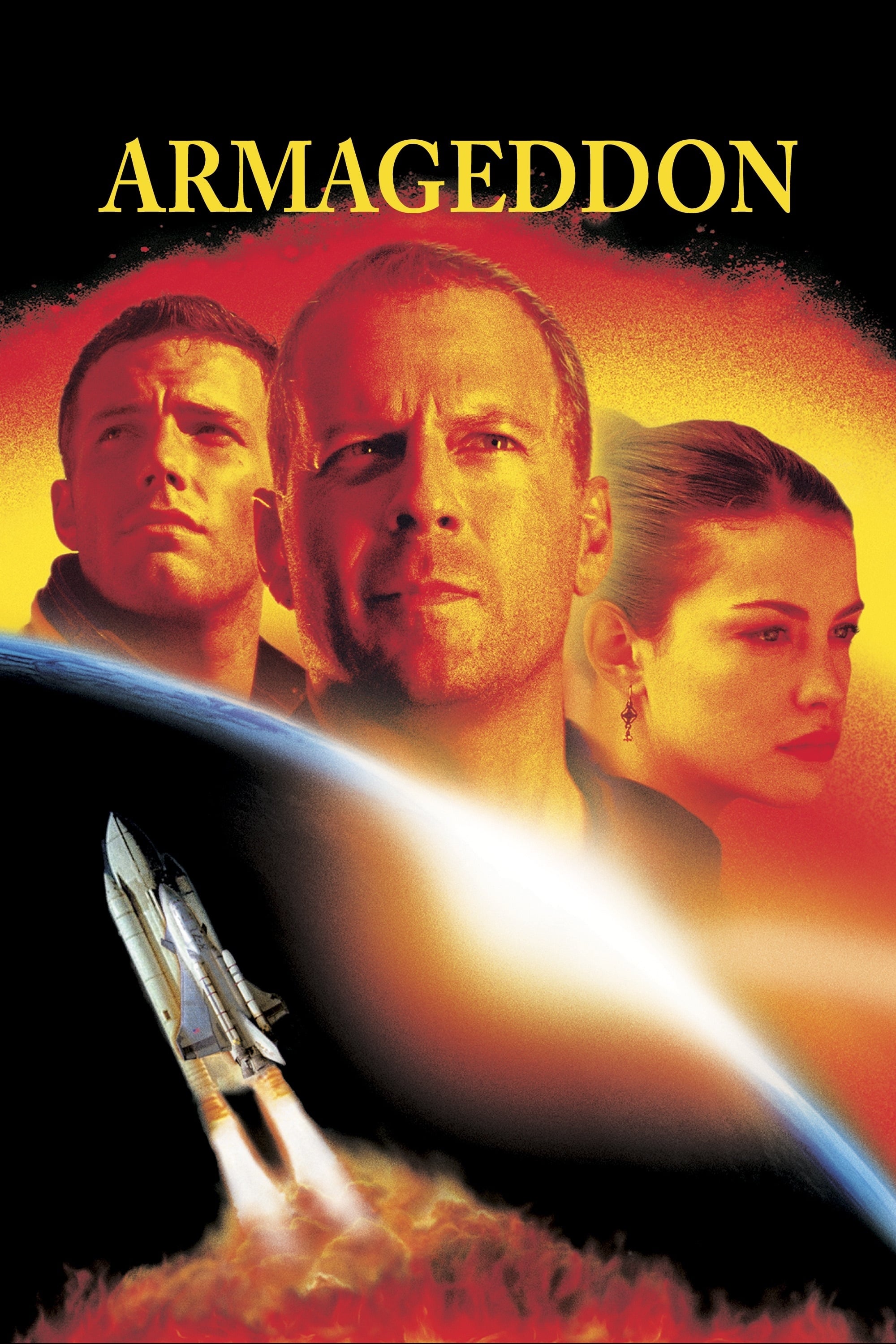
The film popularized the drill-the-asteroid premise, staging astronaut training, launch operations, and deep-space EVAs with large-scale sets. A fast-cut style and extensive pyrotechnics defined its presentation of off-world hazards. The production collaborated with aerospace advisers to design vehicles and mission profiles for dramatic clarity. Its soundtrack-driven marketing helped position impact disasters as summer tentpoles.
‘The Perfect Storm’ (2000)
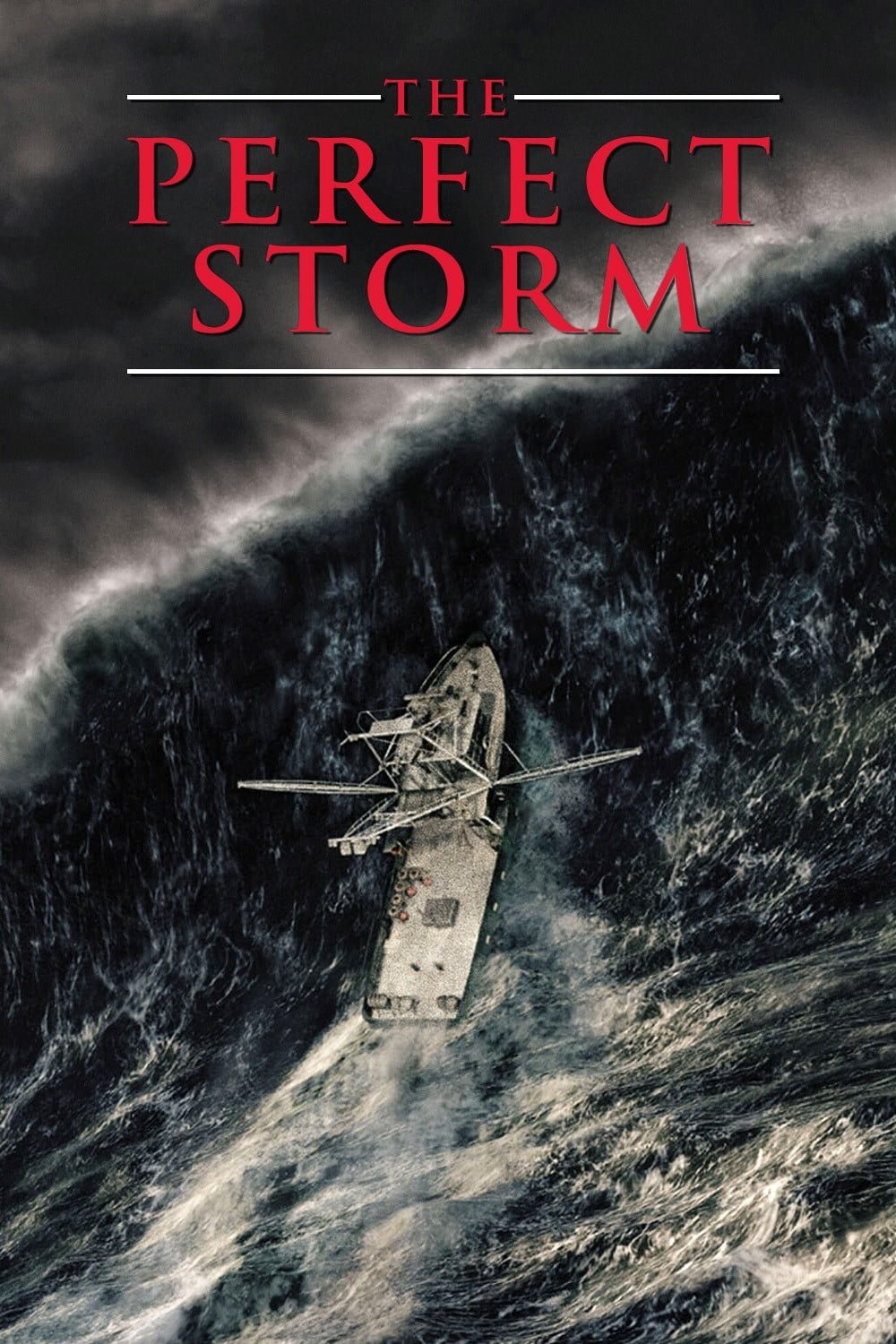
Based on a real North Atlantic weather event, this film used digital water simulation and motion-base boat rigs to depict rogue-wave conditions. It outlined fishing industry practices, storm forecasting, and Coast Guard rescue operations. Integration of live-action footage with volumetric ocean surfaces advanced marine VFX. The project highlighted the logistics of helicopter hoist rescues and search patterns.
‘The Day After Tomorrow’ (2004)
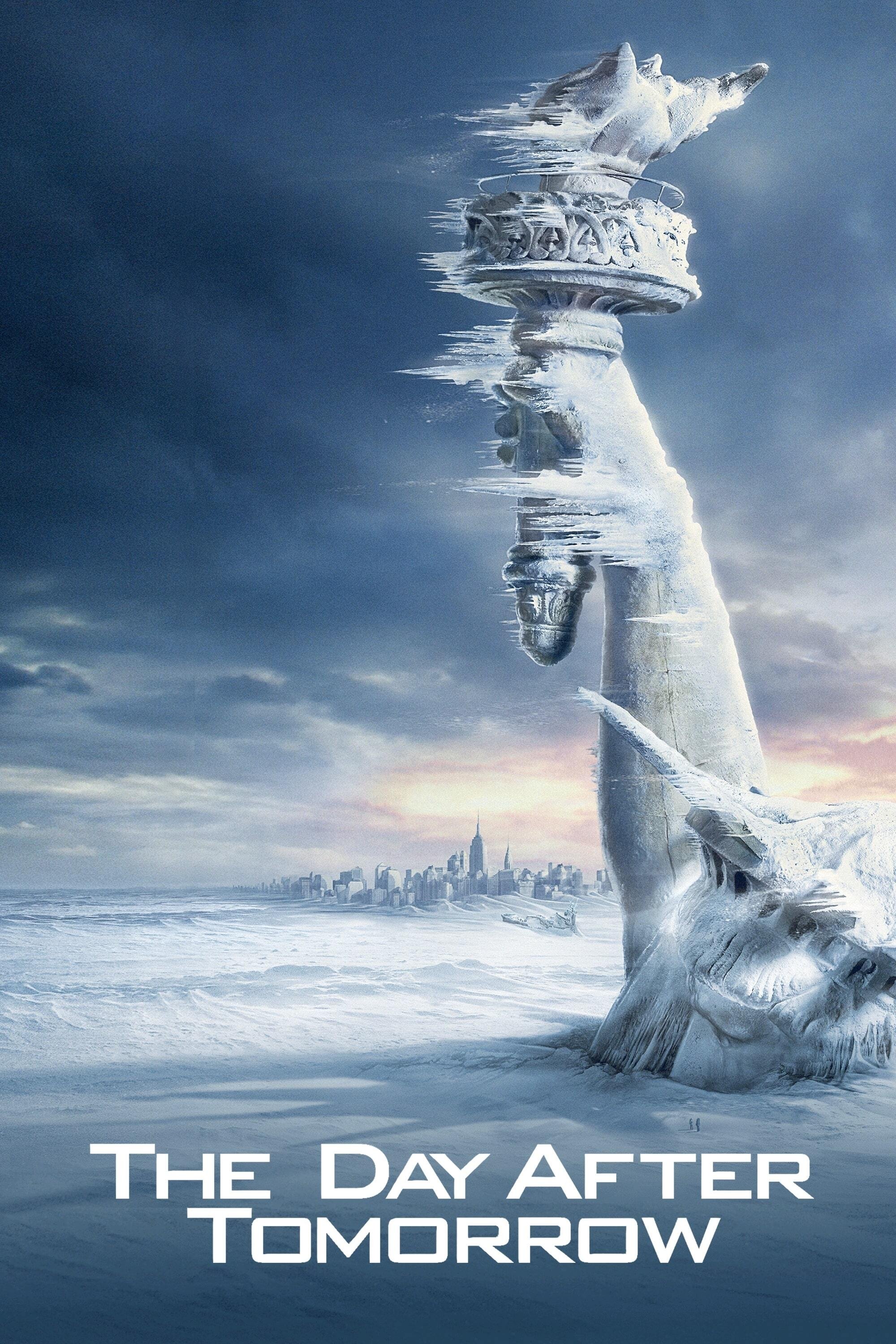
This climate-disaster spectacle presented rapid-onset weather extremes using large environment builds, digital matte work, and fluid simulations. Scientific advisors contributed terminology and model scenarios to frame the chain of events. Large city sequences combined location photography with CG to depict flooding, ice, and wind effects. The film helped standardize global-event cross-cutting across multiple continents.
‘United 93’ (2006)

Structured as a real-time reconstruction, this docudrama drew on official records, air-traffic tapes, and participant interviews. It detailed cockpit procedures, FAA protocols, and command-and-control communication under crisis. Minimalist camerawork and sound design emphasized process authenticity over spectacle. The film influenced later productions’ use of consultative research for contemporary disasters.
‘Cloverfield’ (2008)
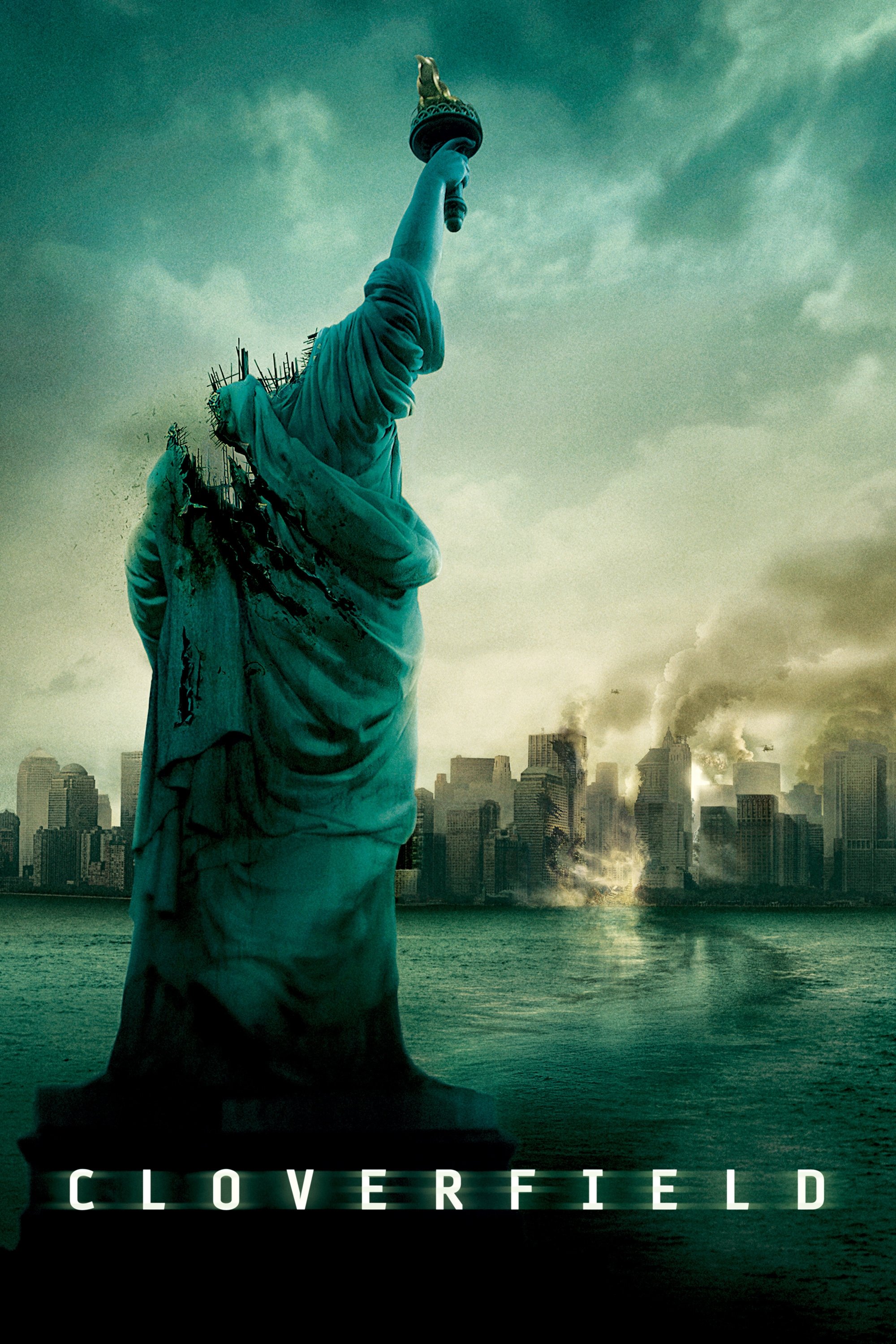
This project applied found-footage techniques to a large-scale urban catastrophe, integrating handheld camerawork with CG destruction. Viral marketing and transmedia elements expanded the story world outside the theatrical frame. The production blended practical debris, miniatures, and digital set extensions to maintain immediacy. Its format reshaped how disaster scenarios could be experienced from a single vantage point.
‘2012’ (2009)
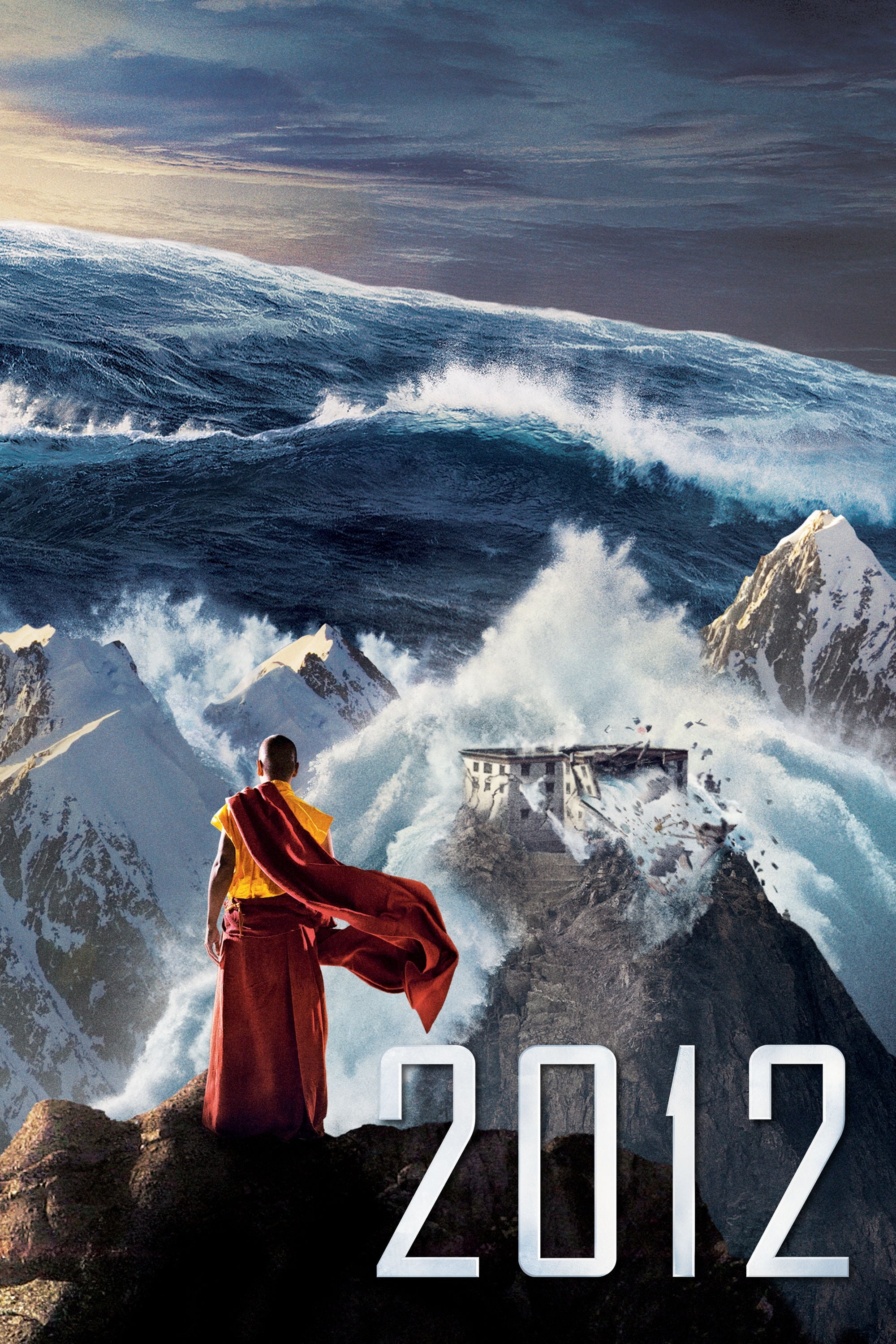
The film staged multi-hazard global collapse with extensive digital environments, physics-driven destruction, and large moving-set platforms. It coordinated international locations and evacuation arcs across government, family, and scientific groups. Advanced rendering pipelines enabled sustained city-scale sequences. The project demonstrated the feasibility of near-continuous CG catastrophe within a mainstream narrative.
‘Contagion’ (2011)
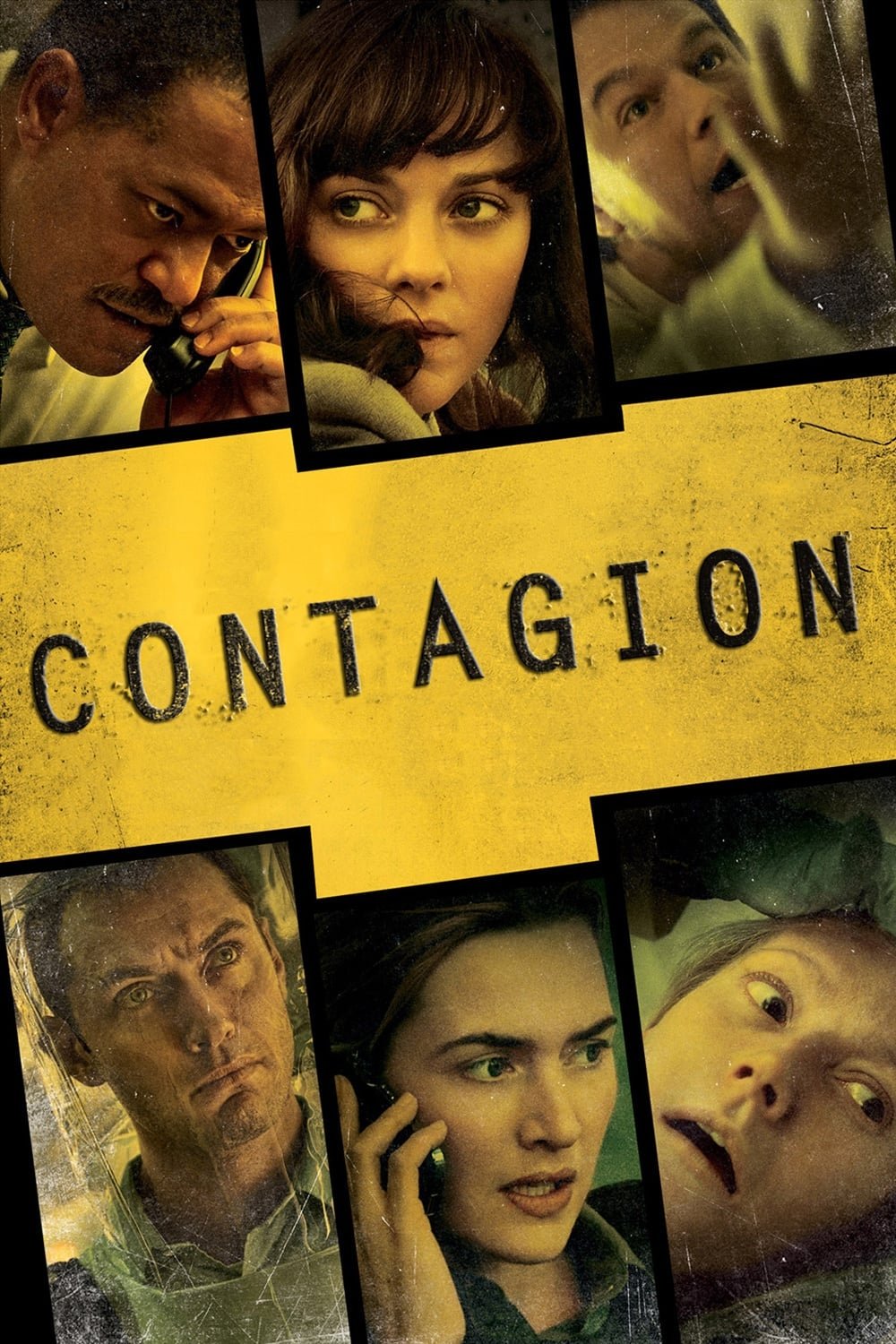
This epidemiological thriller consulted public-health agencies and researchers to depict transmission, contact tracing, and countermeasure development. It followed supply chains, vaccine allocation, and risk communication through government and media channels. The production emphasized realistic lab protocols and global coordination challenges. Its detail has been used in educational contexts to illustrate outbreak response.
‘The Impossible’ (2012)
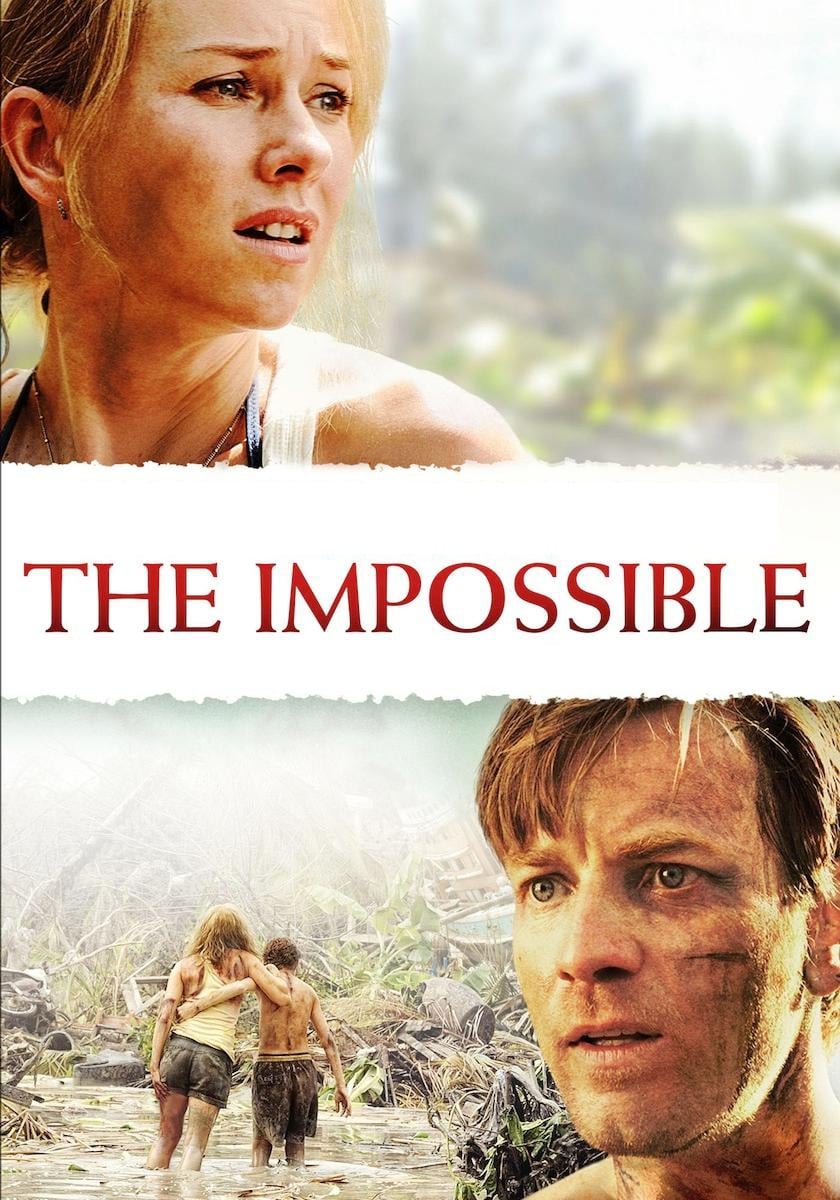
Based on a family’s real experience during a major tsunami, the film used water-tank shoots and digital augmentation to stage wave impact and aftermath. Medical triage, hospital overflows, and aid logistics were portrayed with location authenticity. The production worked closely with survivors and local communities to reconstruct events. Practical make-up and prosthetics supported realistic injury depiction.
‘San Andreas’ (2015)
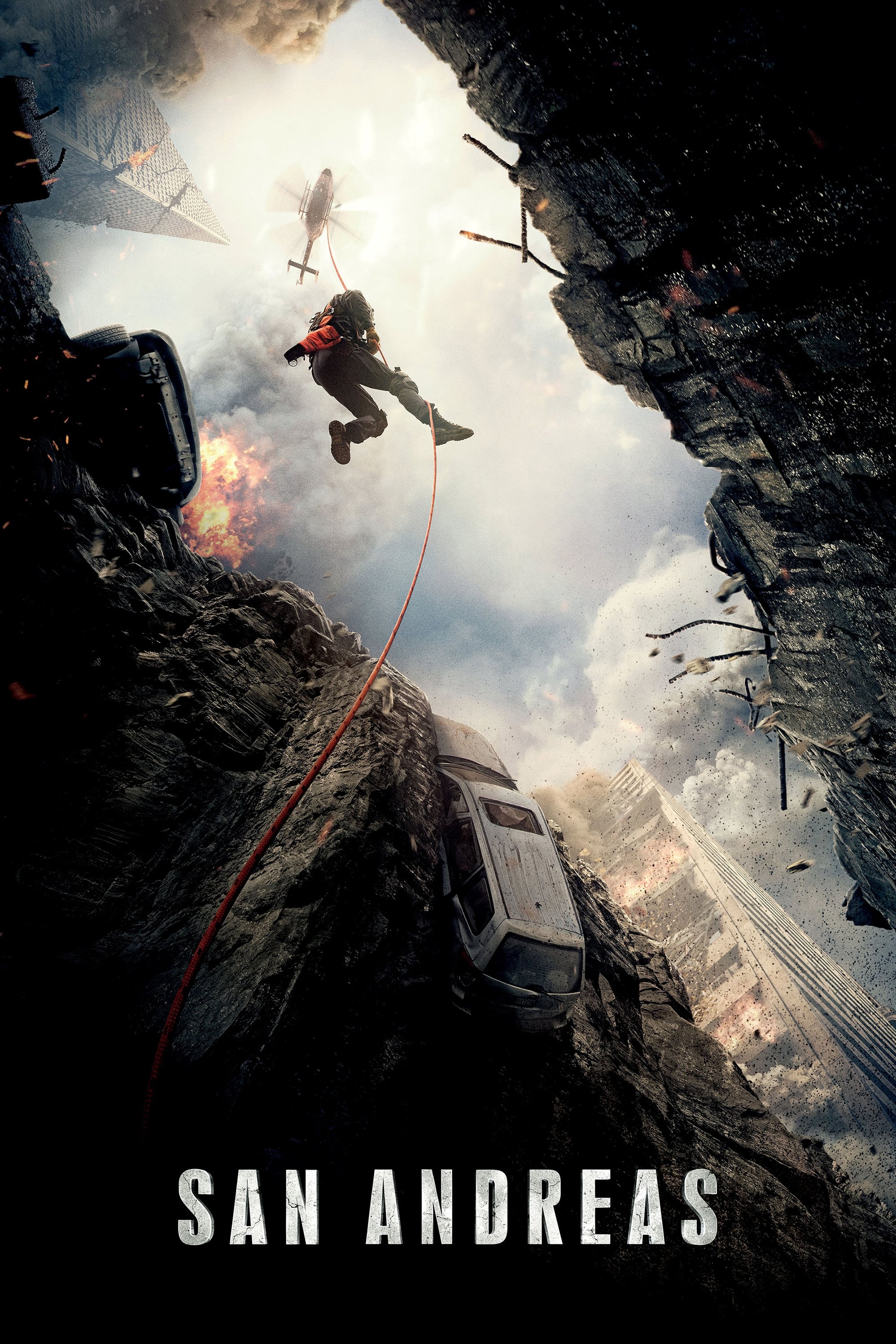
Centered on a major fault rupture, the film integrated seismic visualization with large-scale urban destruction. Helicopter rescues, building collapse simulations, and water-inundation sequences combined practical and digital methods. Location work matched with CG extended key landmarks and infrastructure. The project popularized geophysical terminology and emergency-preparedness cues for mainstream audiences.
‘Deepwater Horizon’ (2016)
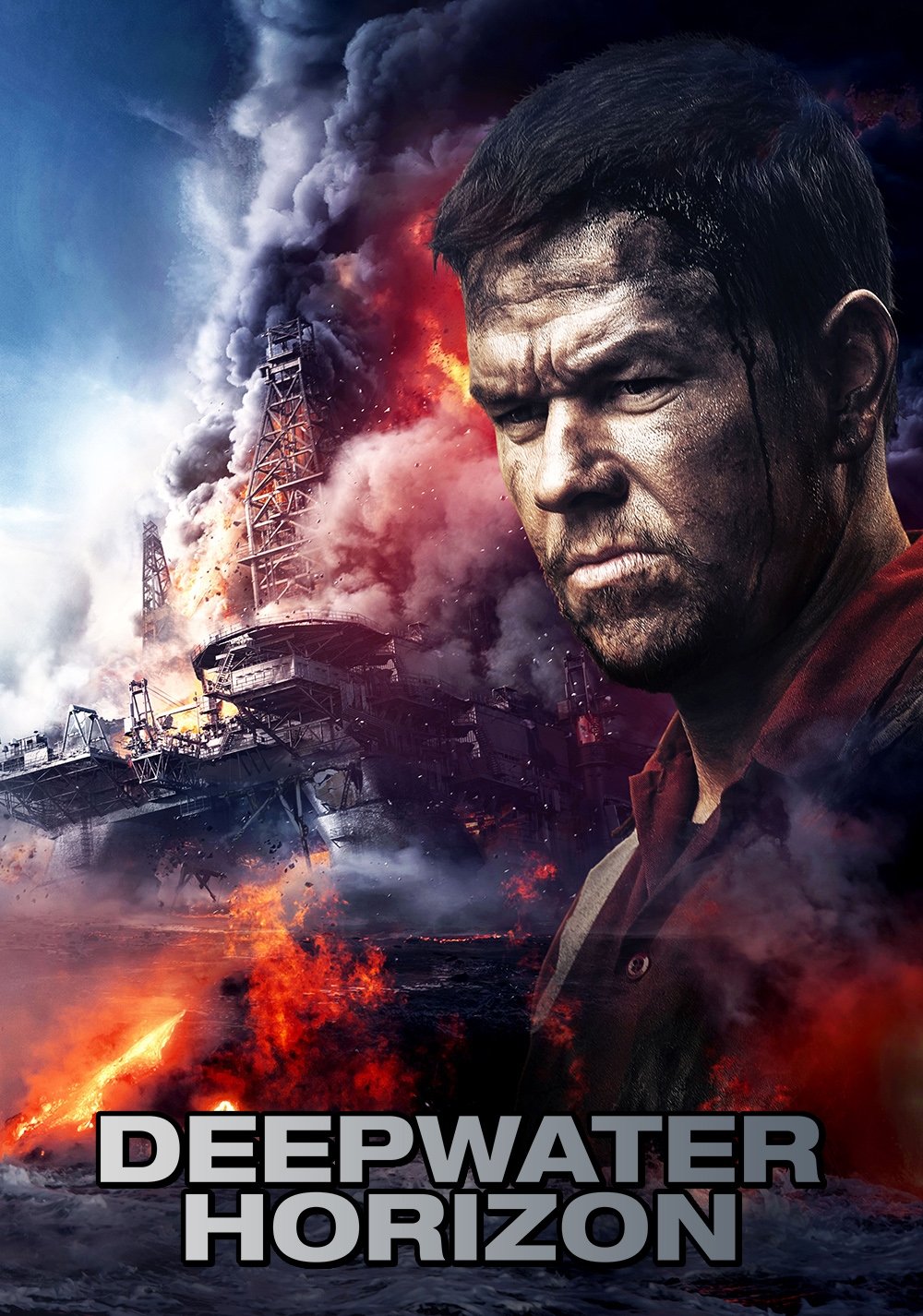
Recreating an offshore drilling platform, the production built a large functional set and coordinated extensive fire and smoke effects. It depicted well-control procedures, blowout preventer operations, and emergency evacuation protocols. Collaboration with subject-matter experts supported accurate depiction of drilling terminology and timelines. The film highlighted industrial safety culture and incident investigation processes.
‘Greenland’ (2020)
This impact-event thriller emphasized evacuation orders, shelter selection, and documentation required for relocation. It tracked family movement through checkpoints, airlift logistics, and community response to cascading crises. Effects work supported grounded environments rather than continuous spectacle. The film’s focus on practical preparedness connected disaster cinema with everyday contingency planning.
‘A Night to Remember’ (1958)
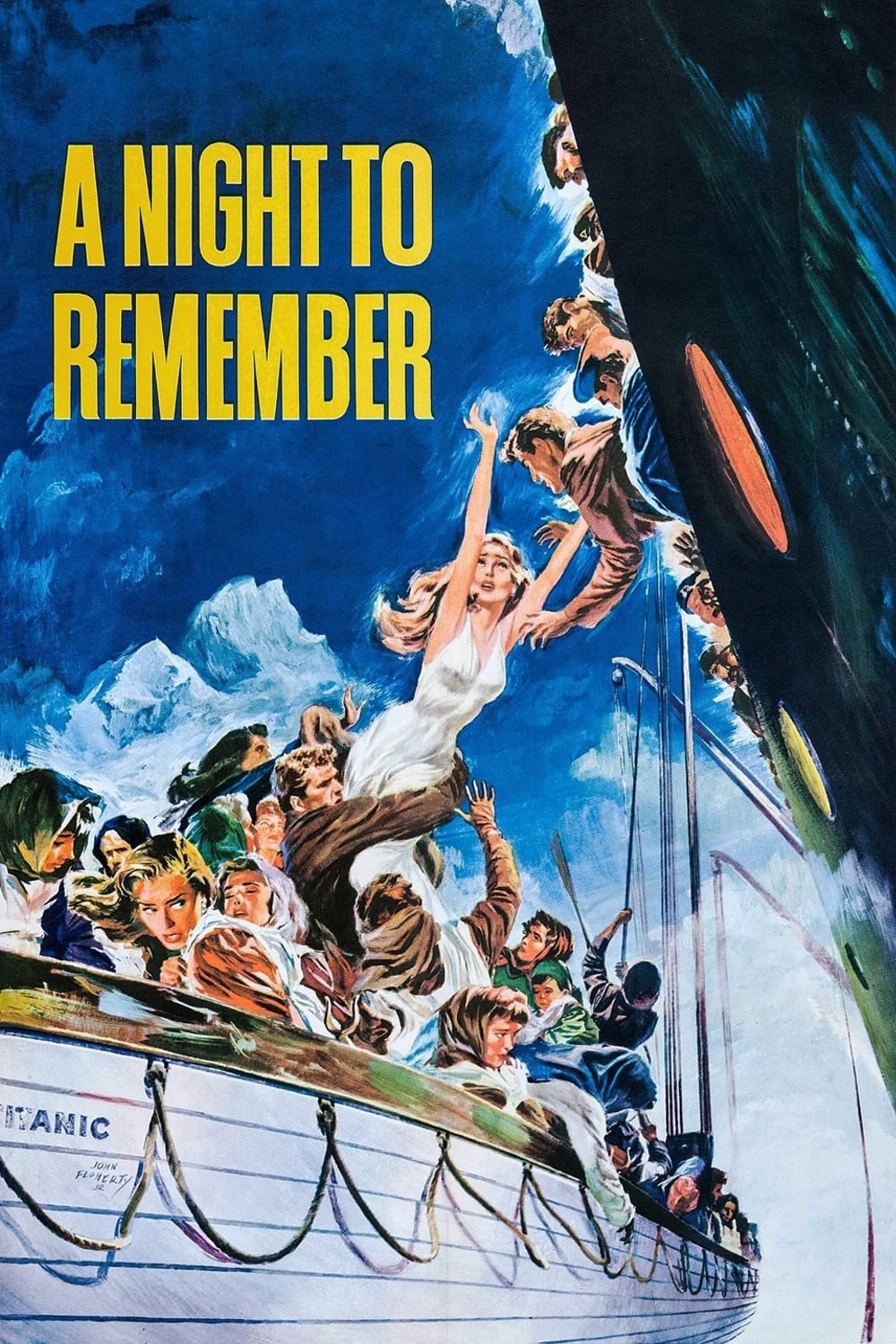
This British production drew extensively from survivor accounts and official inquiries to reconstruct the sinking of RMS ‘Titanic’. It emphasized maritime procedures, ship design details, and the sequence of distress communications. Model work, practical water tanks, and restrained staging aimed for documentary-style authenticity. The film set a reference standard for maritime disaster reenactments used by later productions.
‘Krakatoa, East of Java’ (1969)
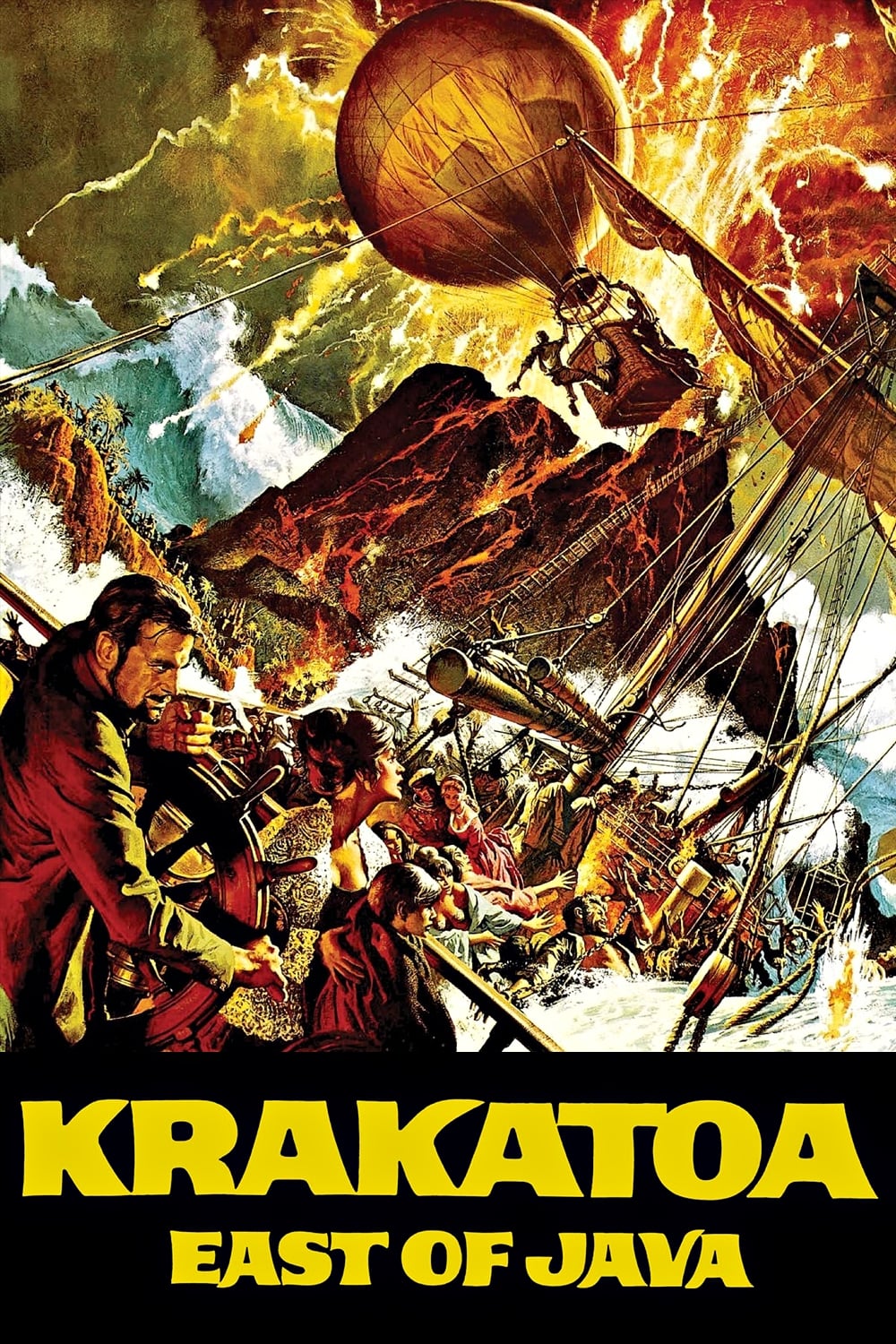
Despite the famous geographical misnomer, the film mounted large-scale volcanic and tsunami effects with miniatures, matte paintings, and location photography. The story followed a salvage expedition, allowing the narrative to chart shipboard protocols and coastal evacuations. Sound design and optical work visualized ash clouds, pyroclastic activity, and sea surges. Its multi-hazard approach influenced subsequent volcano-and-sea disaster hybrids.
‘The Andromeda Strain’ (1971)

Adapted from Michael Crichton’s novel, the film centered on a high-security laboratory investigating an extraterrestrial pathogen. It showcased multi-level decontamination procedures, computer-assisted analysis, and emergency containment protocols. Production design emphasized systems engineering and fail-safes within a sealed facility. Its procedural focus shaped how outbreak narratives could be told through technology and workflow.
‘Meteor’ (1979)
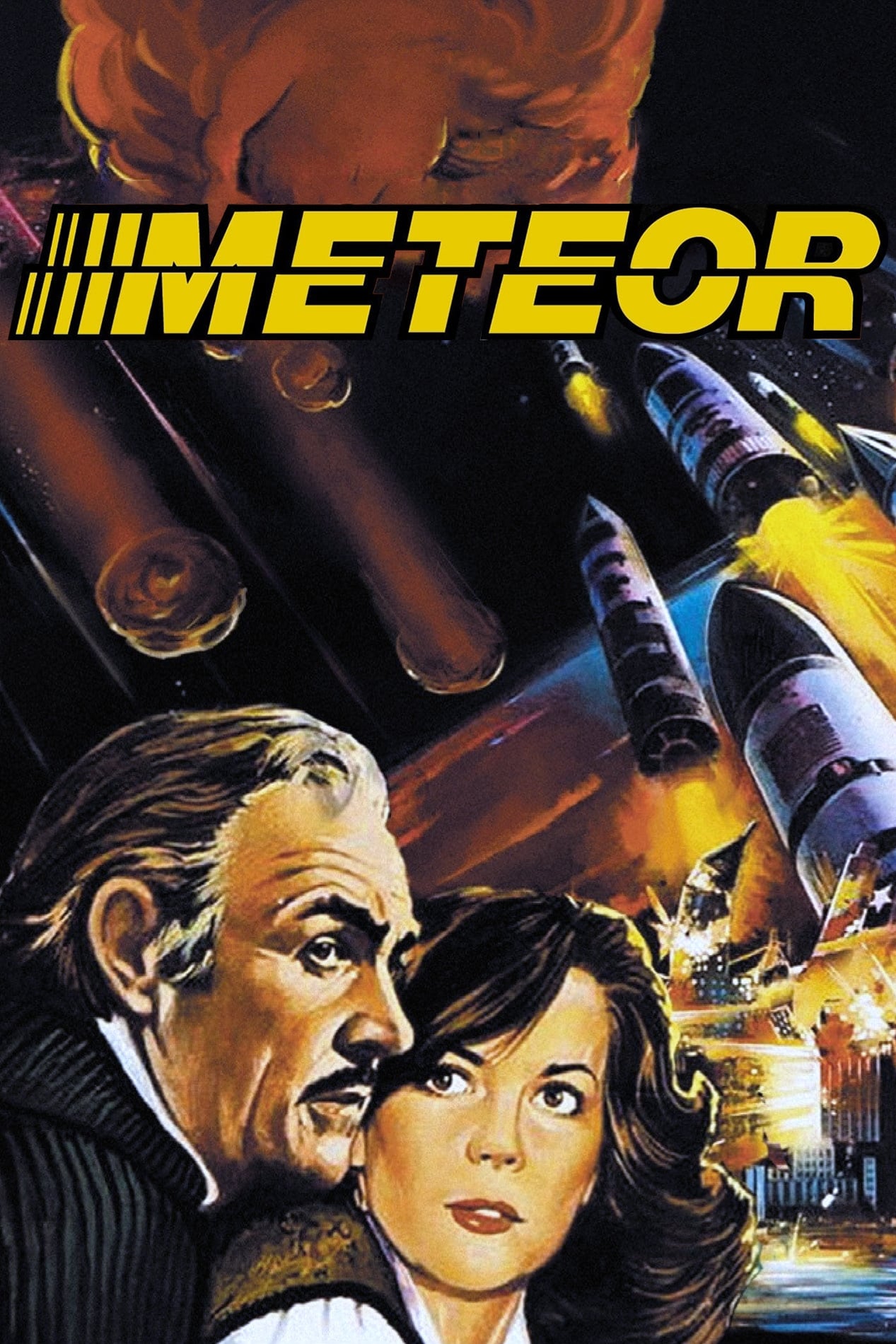
This impact-threat drama depicted international cooperation around space-based missile platforms and deflection plans. It presented tracking networks, early-warning systems, and political negotiation under time pressure. Miniatures and optical compositing portrayed orbital assets and near-Earth debris. The film helped standardize command-center cross-cutting for space-disaster scenarios.
‘Outbreak’ (1995)
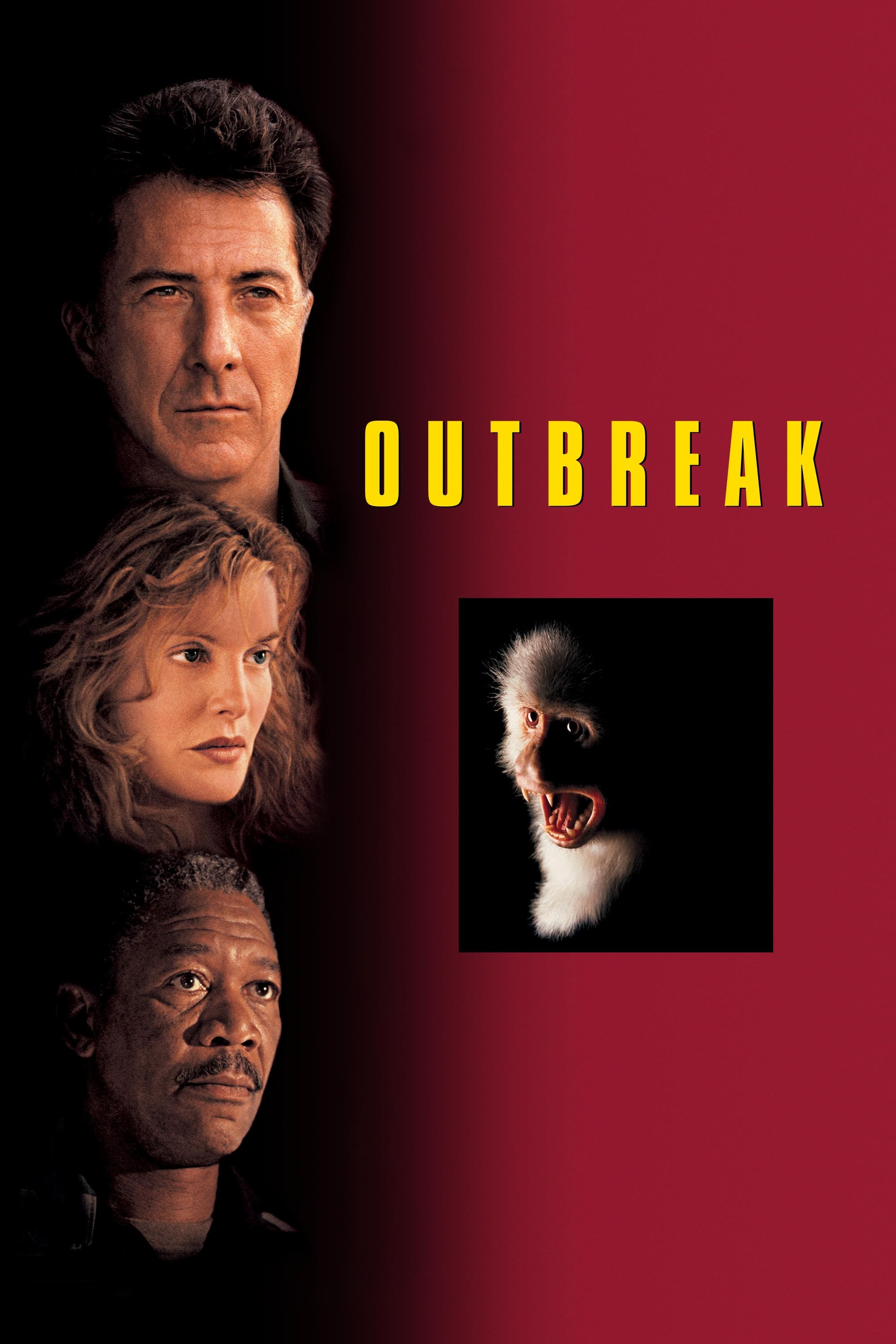
Set around an emergent virus, the story traced contact chains, military quarantine measures, and antiviral research. It detailed field epidemiology steps, including patient zero identification, sample transport, and lab classification. Helicopter operations, perimeter enforcement, and public-information briefings showed layered response. The film made outbreak logistics legible to mainstream audiences.
‘Dante’s Peak’ (1997)
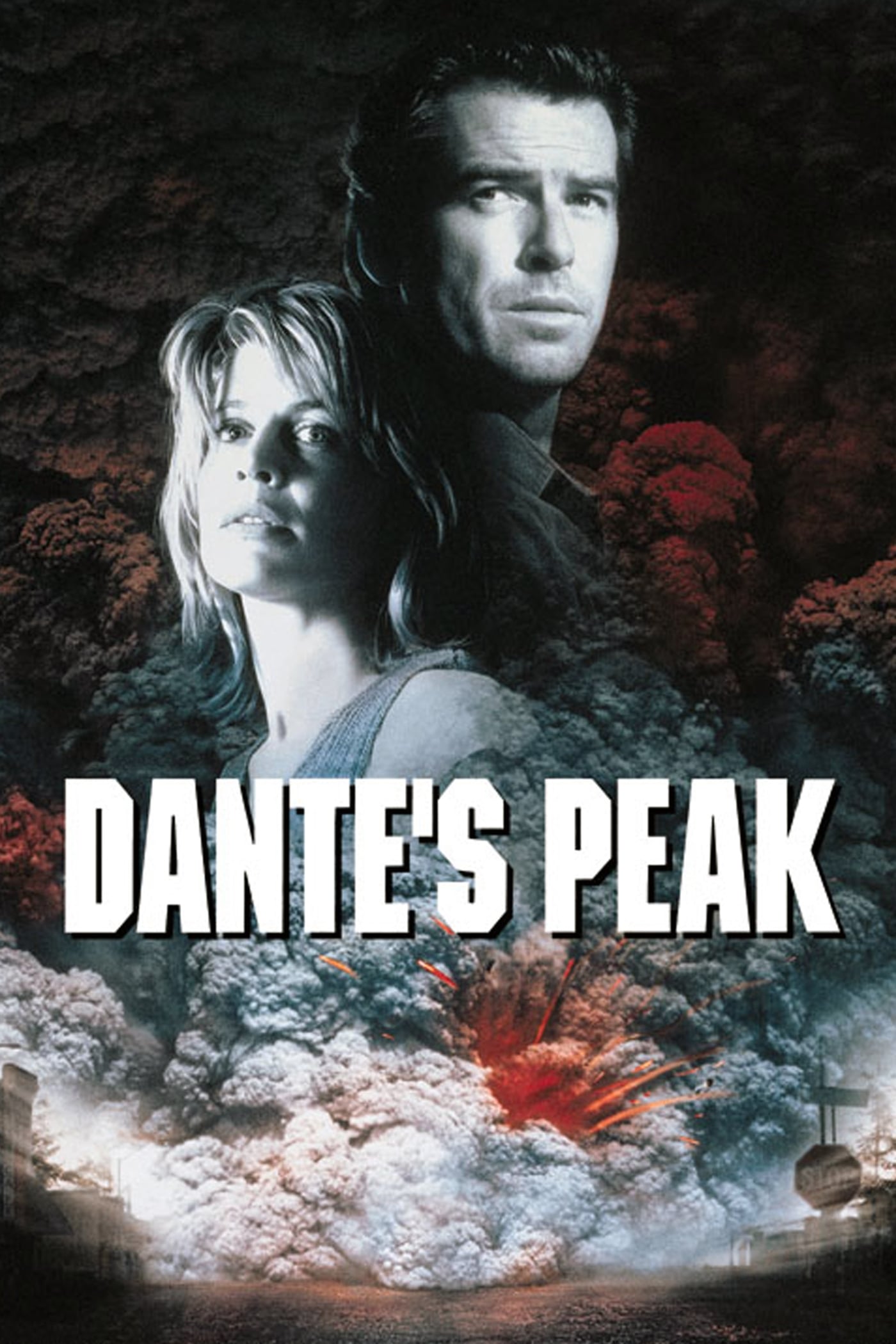
This volcano thriller incorporated monitoring practices such as gas sampling, seismograph readings, and hazard mapping. It demonstrated evacuation decision-making and the challenges of communicating risk to local officials. Onscreen effects combined large water-tank sequences, ash falls, and pyro debris rigs. The production popularized practical guidelines like evacuation routes and lahar awareness.
‘Volcano’ (1997)
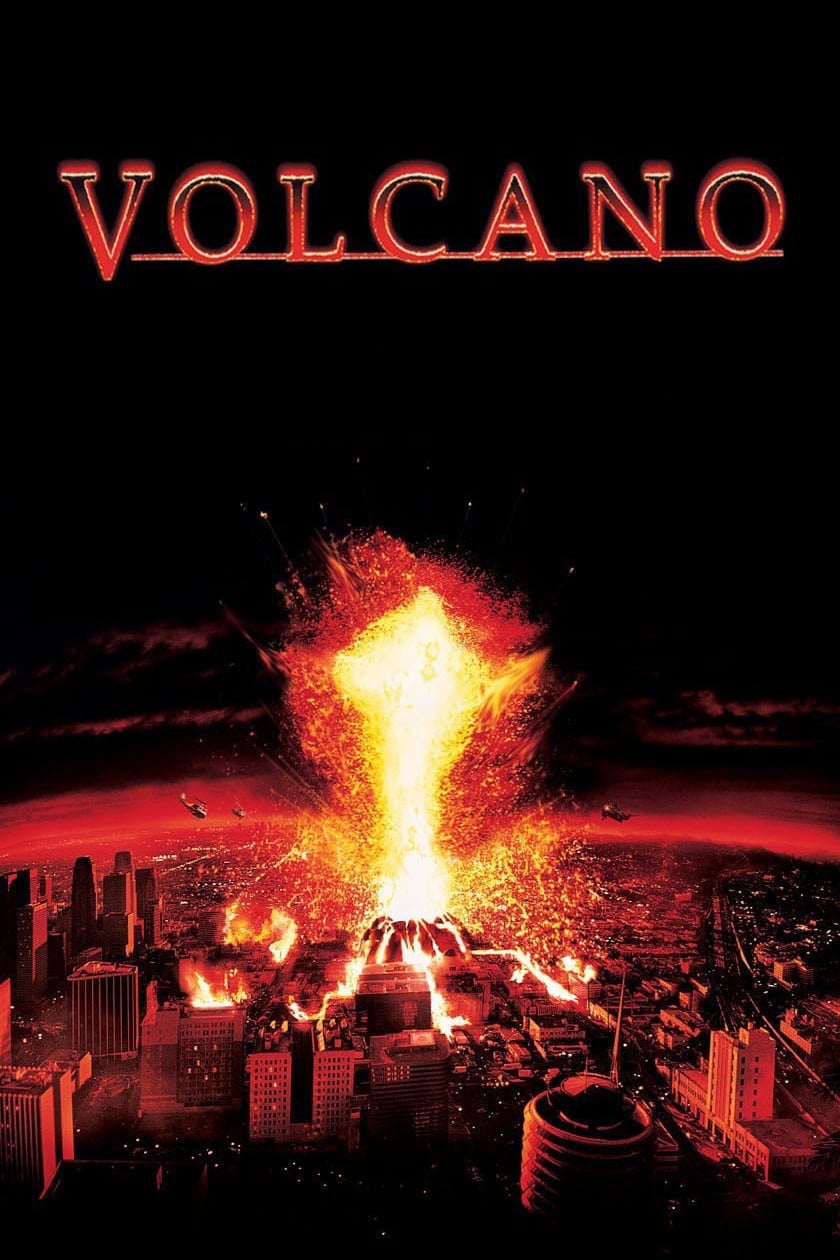
Set in a major urban center, the film explored emergency-management coordination among fire, police, transit, and public-works departments. It dramatized ad-hoc civil engineering—barriers, diversions, and cooling strategies—to steer lava flows. Location shoots and set builds recreated city infrastructure under stress. The depiction of interagency command posts became a template for urban disaster portrayals.
‘The Core’ (2003)
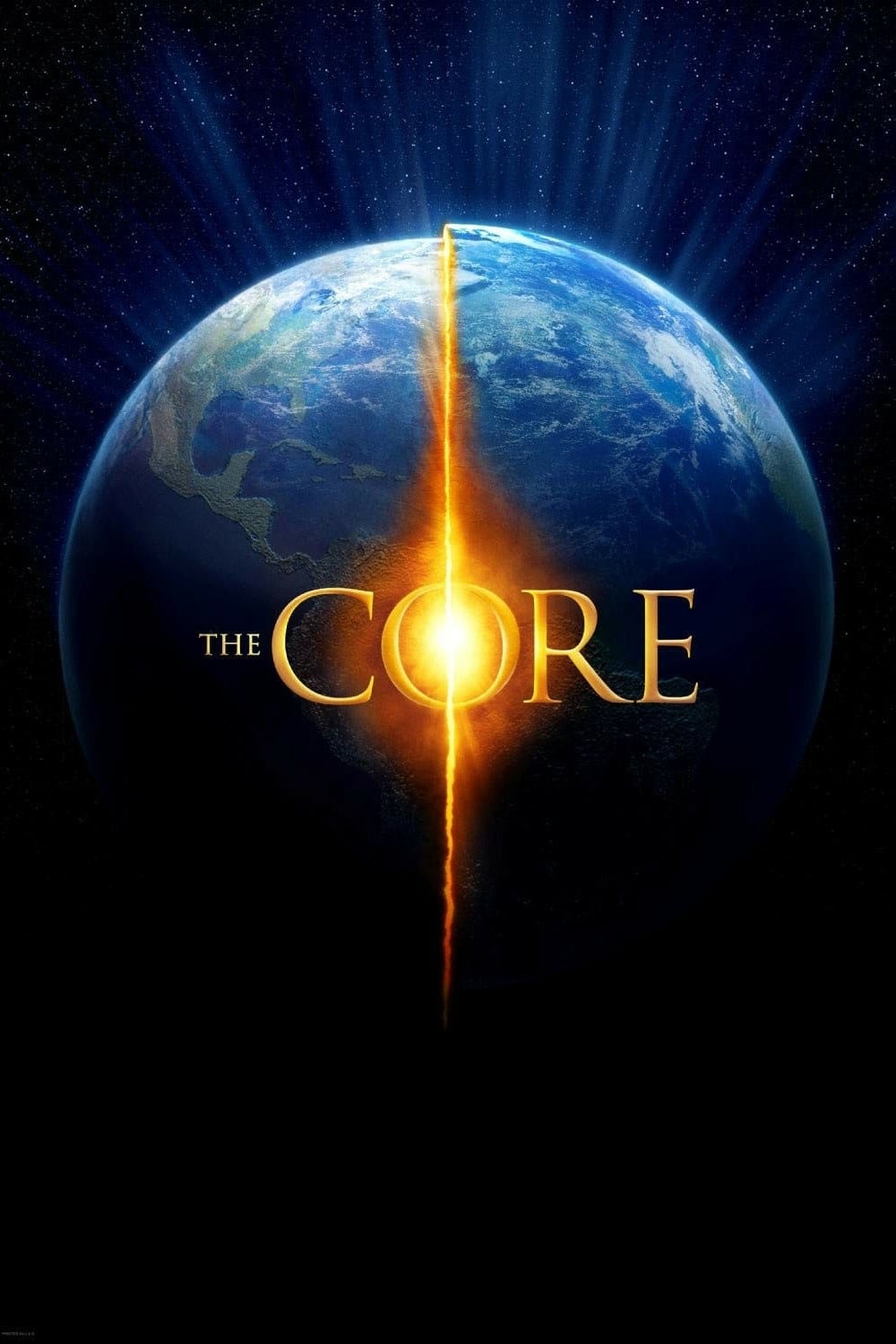
The plot centered on geophysics and an experimental vehicle designed to restart planetary processes. Production design highlighted materials science concepts, navigation challenges, and thermal shielding solutions. Command-chain dynamics and mission planning were conveyed through simulations and systems readouts. The film expanded disaster cinema into deep-Earth engineering territory.
‘Tidal Wave’ (2009)
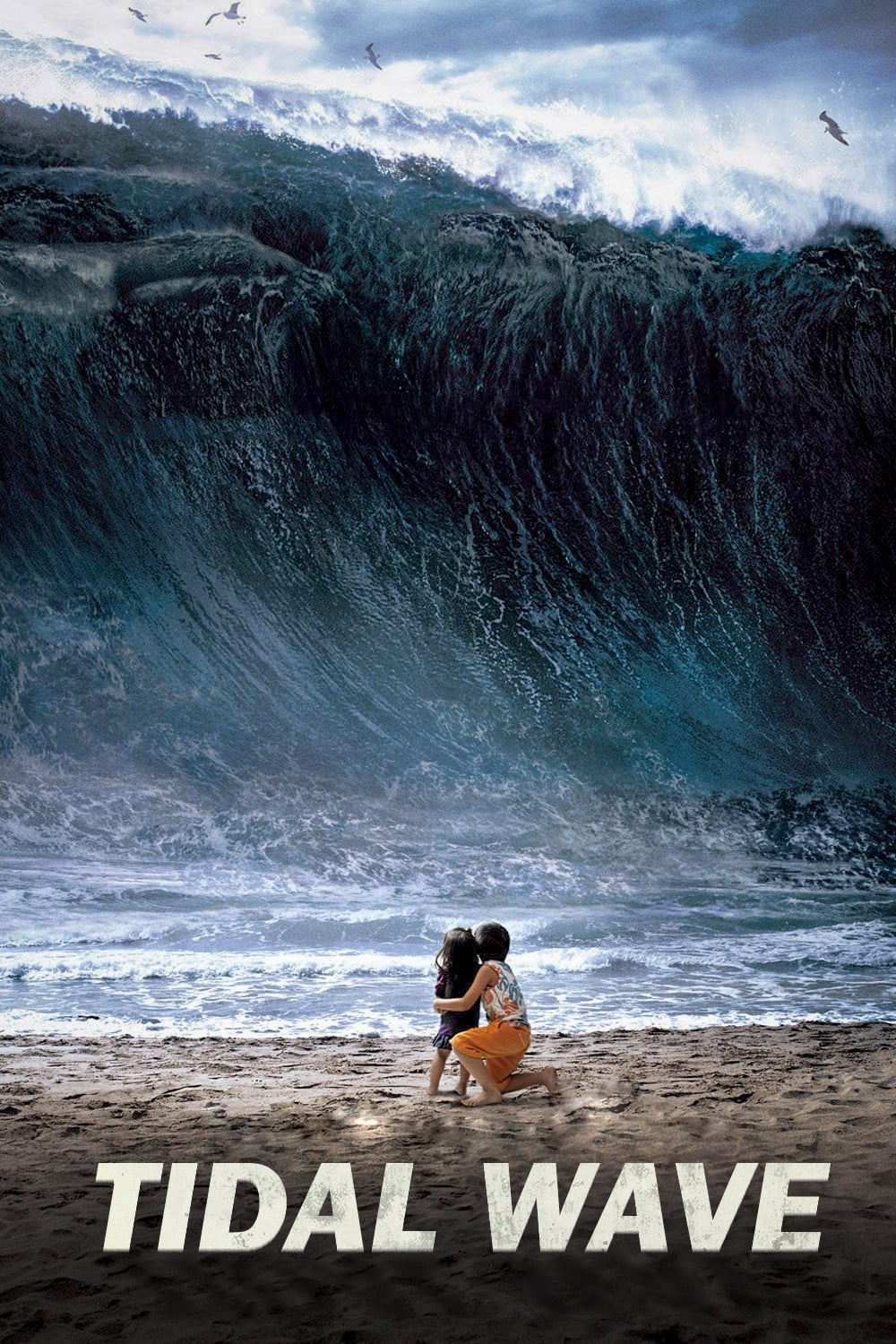
Also known as ‘Haeundae’, this Korean blockbuster mapped a coastal community’s preparations and response to an incoming tsunami. It showcased early-warning alerts, shoreline evacuation, and search-and-rescue operations. Effects teams blended large water-tank work with digital extensions of urban waterfronts. The film’s regional focus broadened global attention to local disaster-readiness practices.
‘The Wave’ (2015)

Inspired by real fjord geology, this Norwegian film depicted a rockslide-triggered megatsunami threat to a tourist town. It followed a geologist’s monitoring routines, alert thresholds, and family-level evacuation choices. Location photography combined with digital water simulations to model inundation paths. Its realism-oriented approach helped spur international interest in geohazard monitoring.
‘Only the Brave’ (2017)
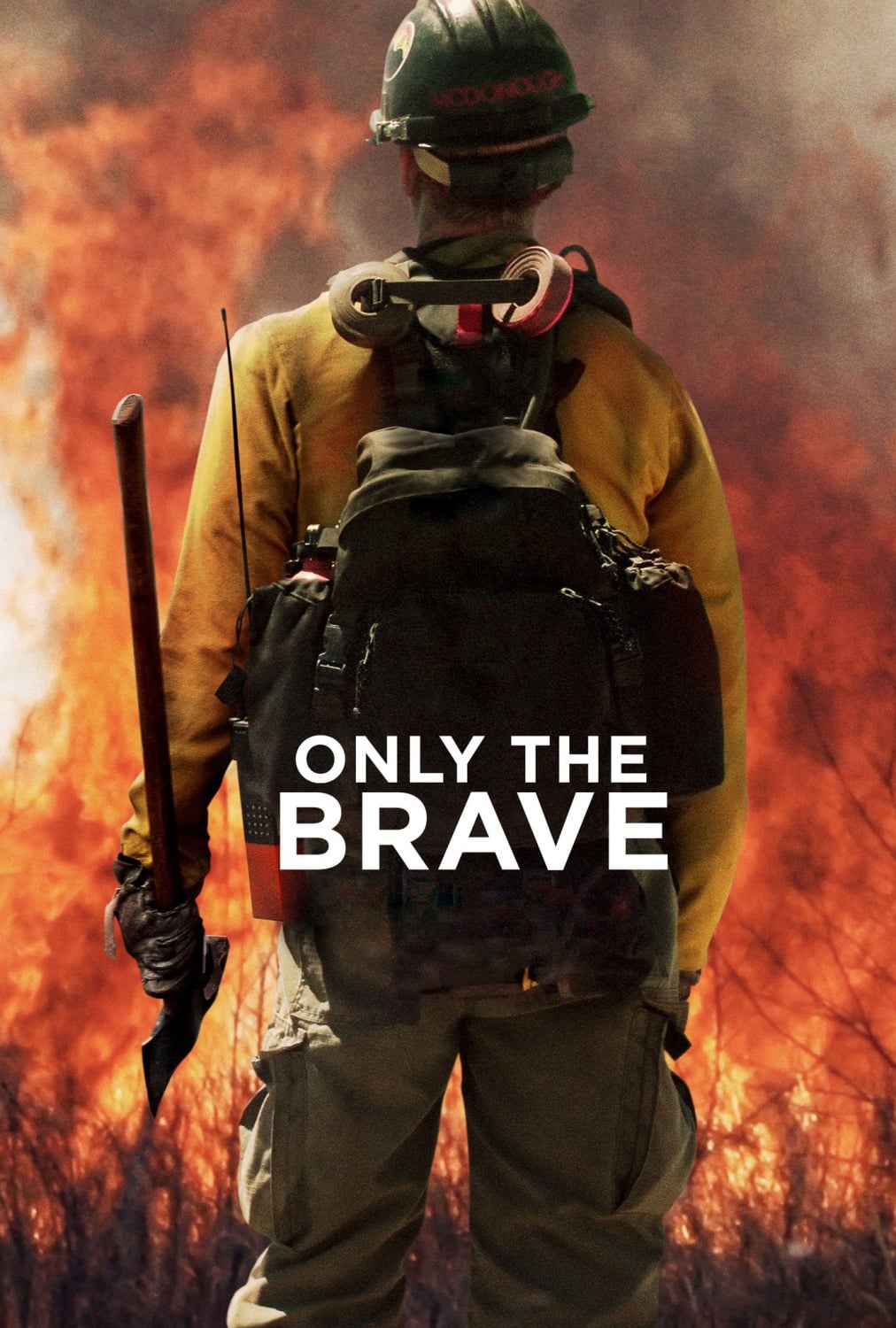
This wildfire drama chronicled a municipal hotshot crew’s training, tactics, and deployment protocols. It detailed line construction, burnouts, weather shifts, and communications under changing conditions. Practical fire effects and real terrain work emphasized operational realities. The film served as a primer on wildfire behavior and crew safety culture.
‘Geostorm’ (2017)
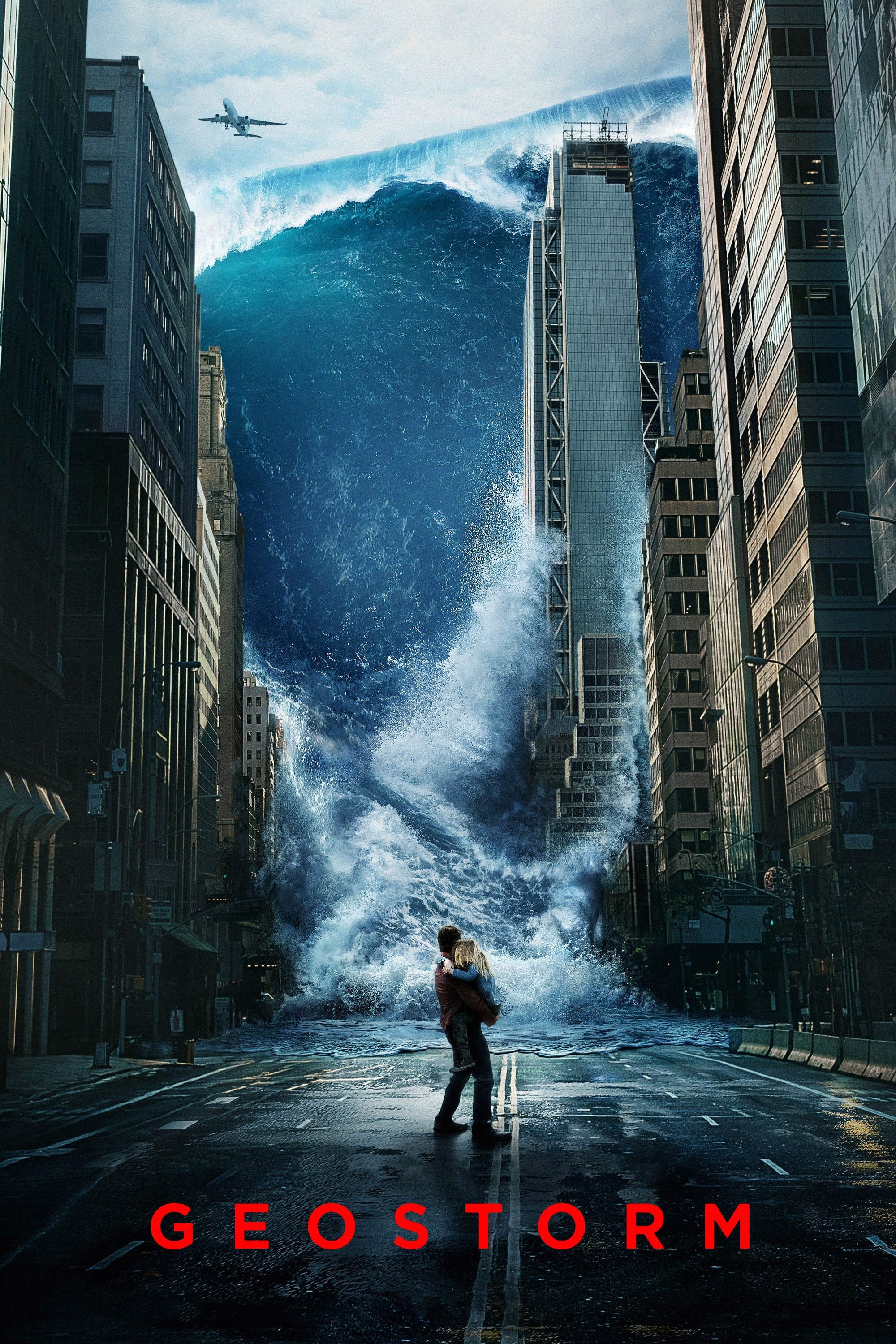
Set against a network of climate-control satellites, the story visualized failure modes across a global weather-control system. It portrayed international governance structures, diagnostic telemetry, and orbital maintenance operations. Large-scale VFX sequences linked localized disasters to a central technical malfunction. The film extended disaster plotting into cyber-physical infrastructure territory.
‘Chernobyl’ (2019)
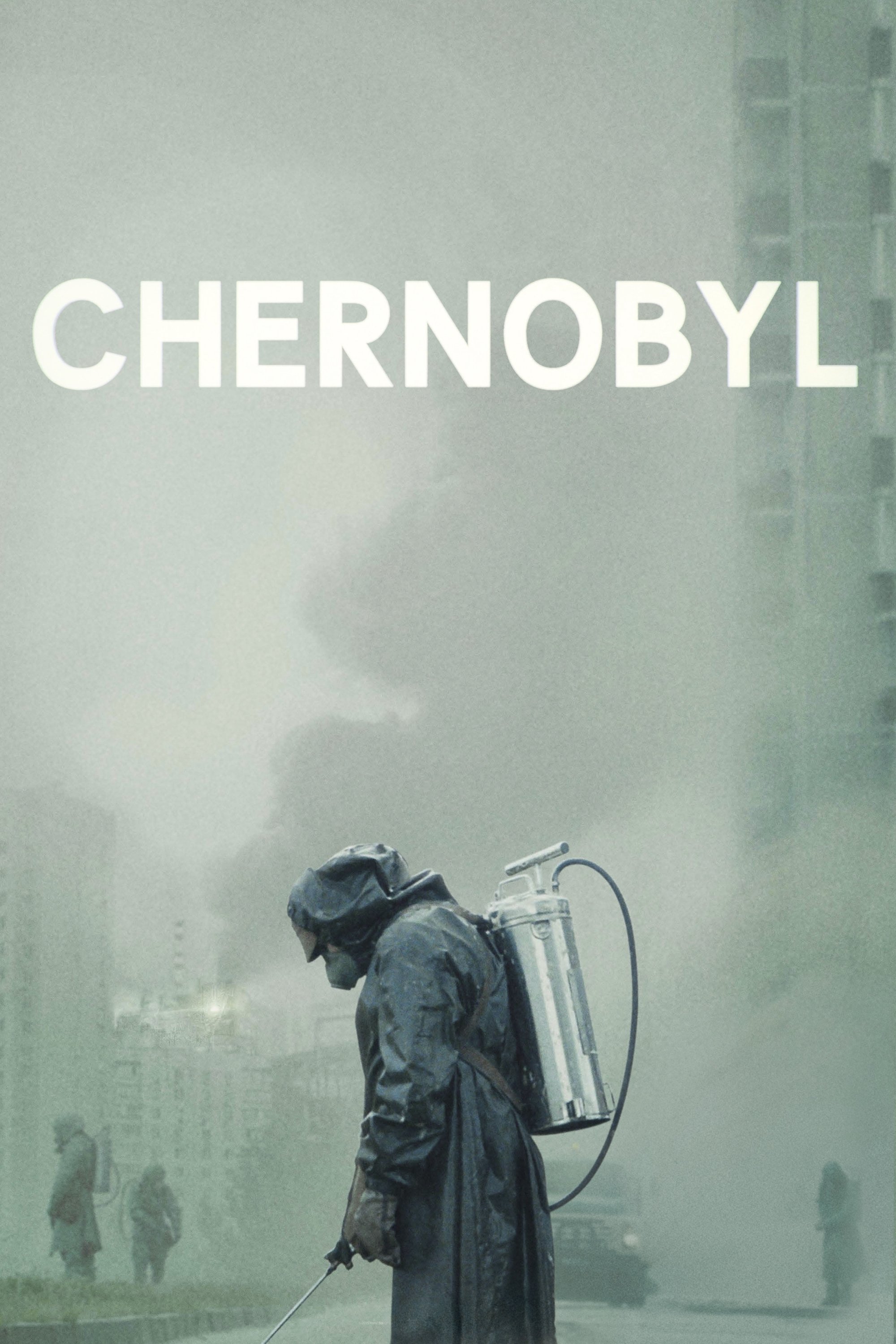
This miniseries reconstructed the nuclear accident with attention to reactor design, emergency shutdown procedures, and radiological hazards. It depicted command decisions, dosimetry practices, and decontamination efforts across multiple agencies. Production consulted technical documentation to stage control rooms, protective equipment, and medical responses. The series influenced public understanding of nuclear safety and crisis management.
‘The Wandering Earth’ (2019)

Based on Liu Cixin’s novella, this film presented a planetary-scale engineering project to move Earth through space. It highlighted megastructures, propulsion logistics, and global coordination frameworks. Visual effects integrated massive industrial environments with ground-level rescue sequences. The project demonstrated the scale of contemporary Chinese science-disaster filmmaking on the world stage.
‘Don’t Look Up’ (2021)

This satirical impact narrative followed scientists navigating media, politics, and emergency policy while an extinction-level object approached. It depicted discovery pipelines, peer confirmation, and mission proposals inside bureaucratic structures. The film examined risk communication, public reception, and coordination between civilian and defense agencies. Its broad reach reframed disaster themes through policy and information ecosystems.
Share your favorite disaster films and the moments that stuck with you in the comments.