The Most Influential Family Movies of All Time


Family films have shaped technology, storytelling, and global viewing habits, often setting new benchmarks for animation, music, and box-office reach. From pioneering hand-drawn features to computer-generated landmarks and live-action musicals, these titles influenced how studios develop franchises, market to multiple age groups, and build cross-media worlds. Many introduced technical firsts, broadened international appeal, and redefined what qualifies as all-ages entertainment. Below are 40 films whose production methods, distribution strategies, and cultural footprints changed the family-movie landscape.
‘Snow White and the Seven Dwarfs’ (1937)
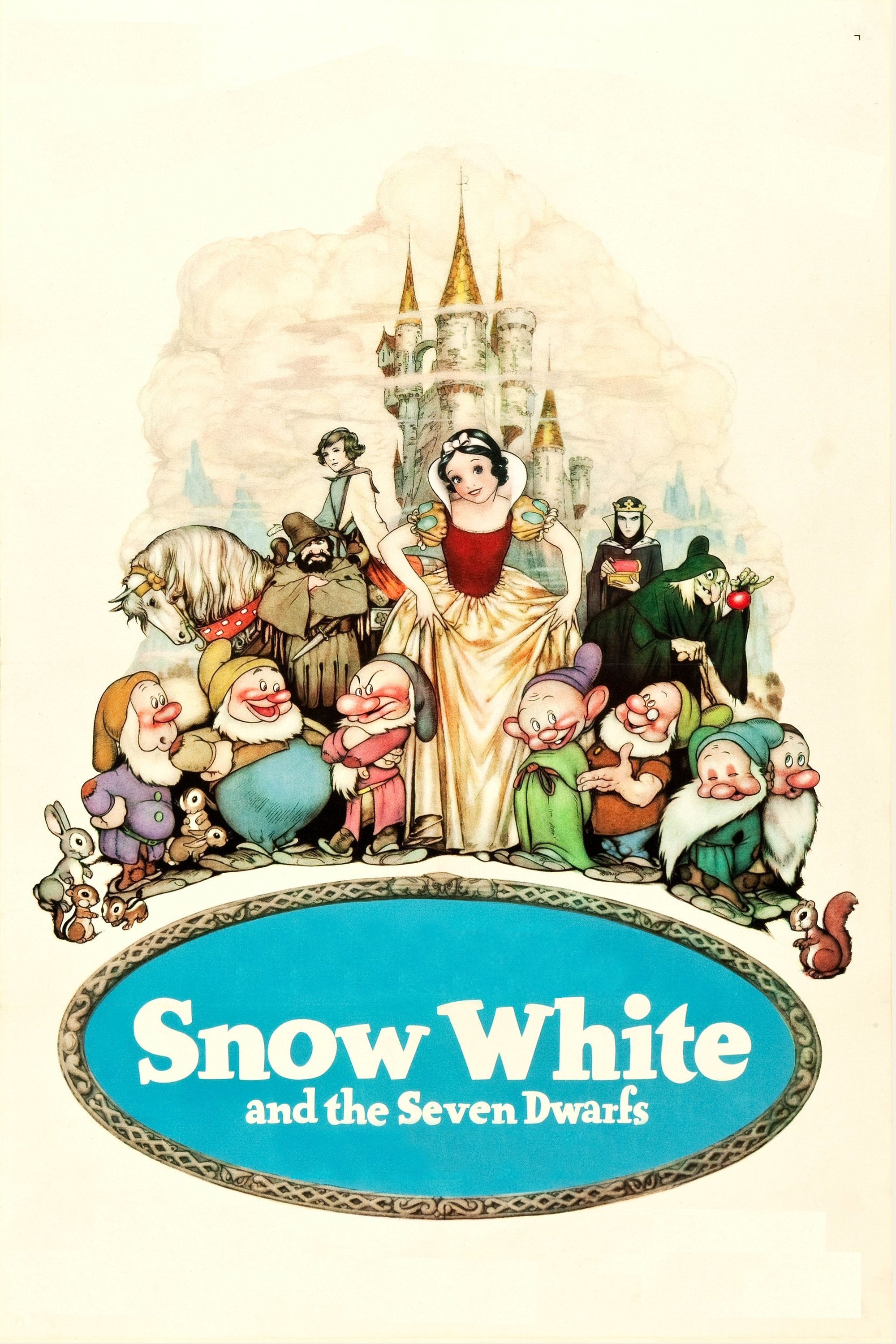
Walt Disney Productions released the first feature-length cel-animated film in Technicolor, proving audiences would embrace feature animation. Its multiplane camera techniques advanced depth and visual richness in animated storytelling. The film’s soundtrack and character merchandising created new revenue models for studios. Its success established the template for animated features as cornerstone releases for major holidays.
‘The Wizard of Oz’ (1939)
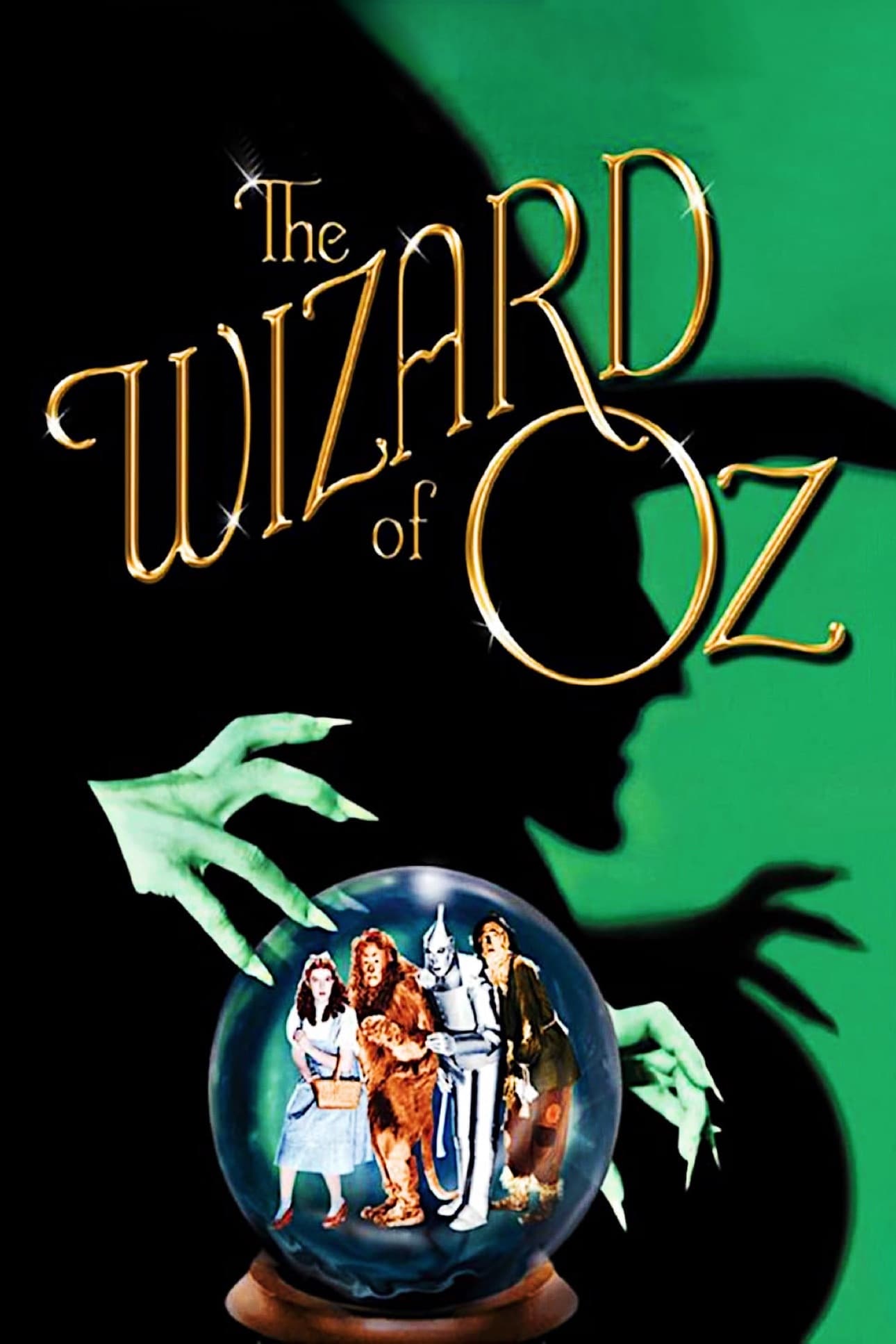
This adaptation leveraged Technicolor transitions, from sepia to vibrant color, to dramatize a shift between narrative worlds. Studio marketing showcased songs, costumes, and set design, helping standardize ancillary tie-ins. The film’s regular television broadcasts turned it into a perennial event, demonstrating the power of home viewing to extend a title’s lifespan. Its production design influenced fantasy world-building across stage and screen.
‘Pinocchio’ (1940)
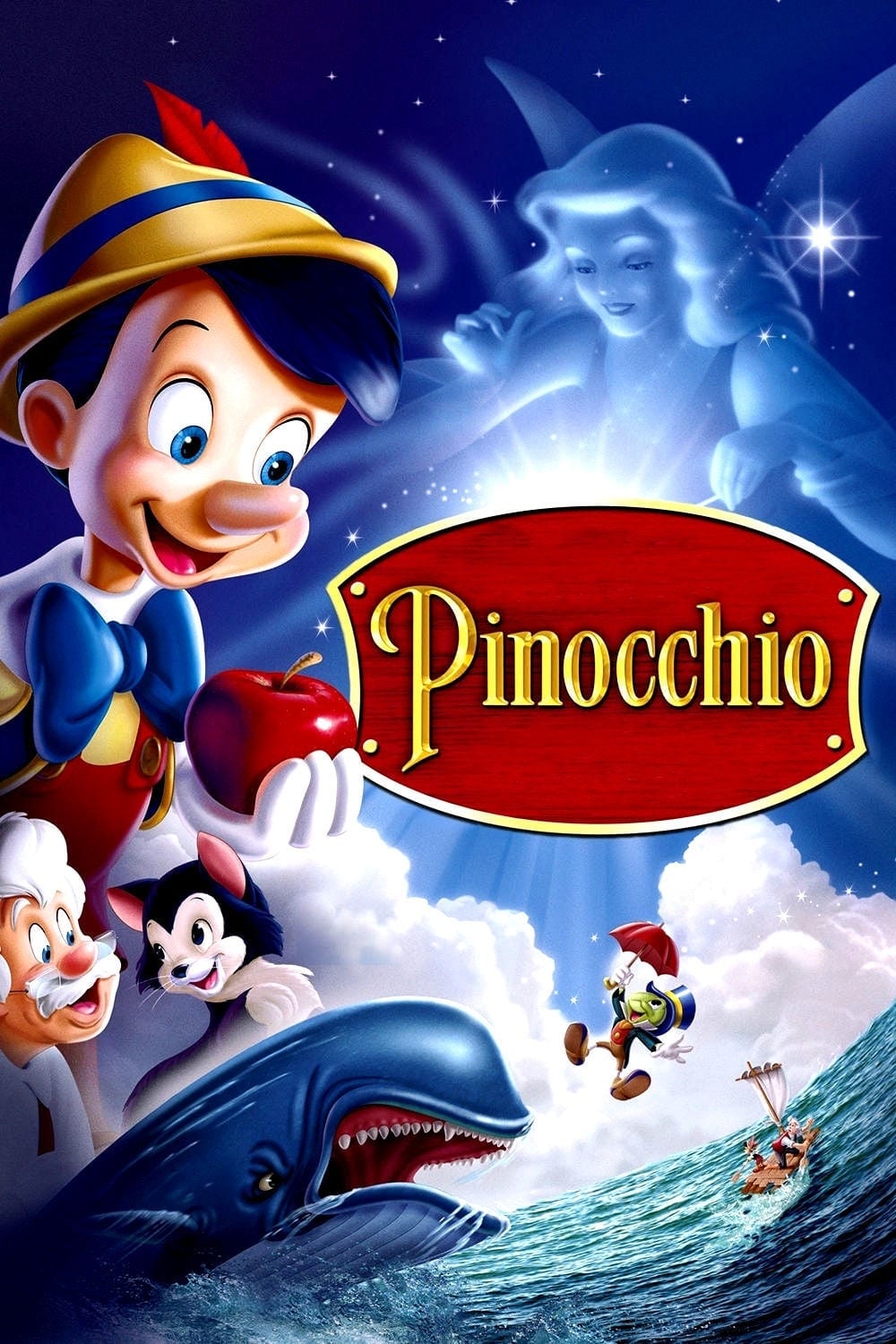
Animators employed advanced effects like underwater sequences and complex character animation to elevate realism. The production integrated sophisticated sound design and music cues to drive narrative beats. Its moral-lesson structure became a widely copied framework for family storytelling. Restoration and re-releases illustrated how archival work can renew commercial life for classics.
‘Bambi’ (1942)
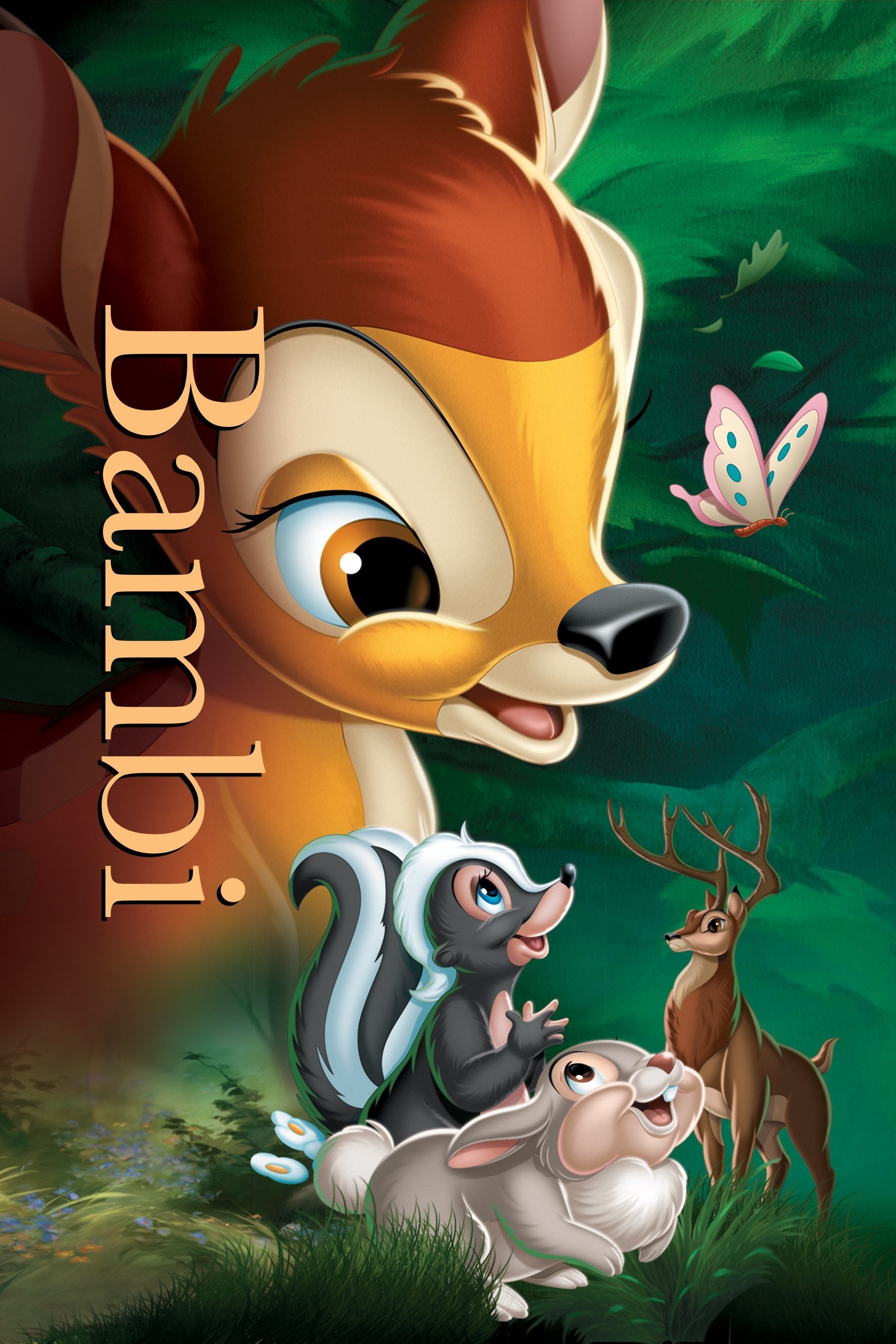
Artists studied animal anatomy and movement to achieve naturalistic animation uncommon at the time. Layouts and backgrounds emphasized atmospheric perspective, influencing later nature-centric storytelling. The film’s soundscape and minimal dialogue demonstrated how mood and music can carry plot. Conservation themes helped position family films as vehicles for environmental awareness.
‘Cinderella’ (1950)
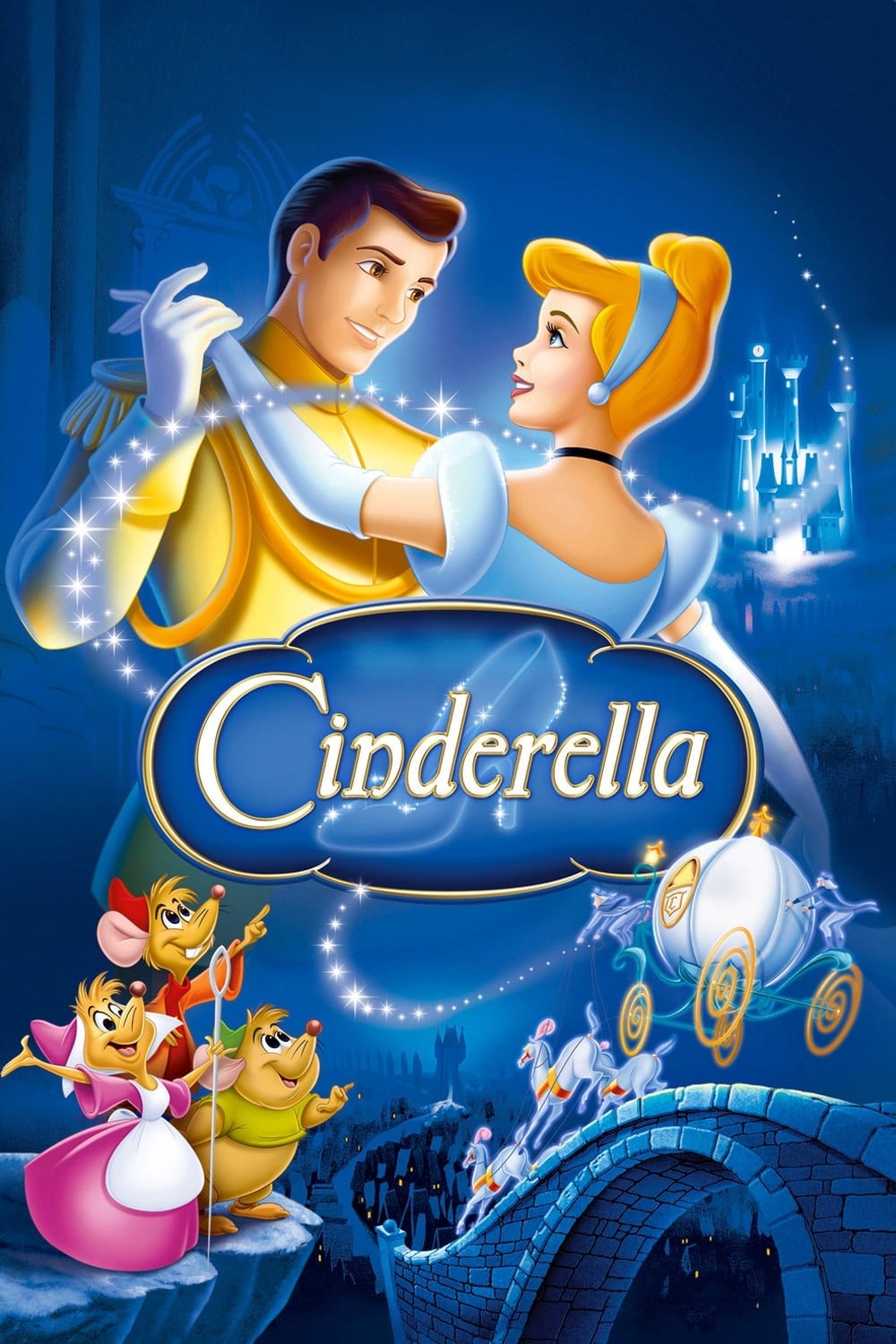
This release revitalized a studio’s feature-animation slate and proved the viability of fairy-tale adaptations in the post-war market. Storyboarding and live-action reference techniques streamlined production workflows. Its success drove licensed products across apparel, toys, and home goods. The narrative structure became a model for character-driven musical features.
‘Peter Pan’ (1953)
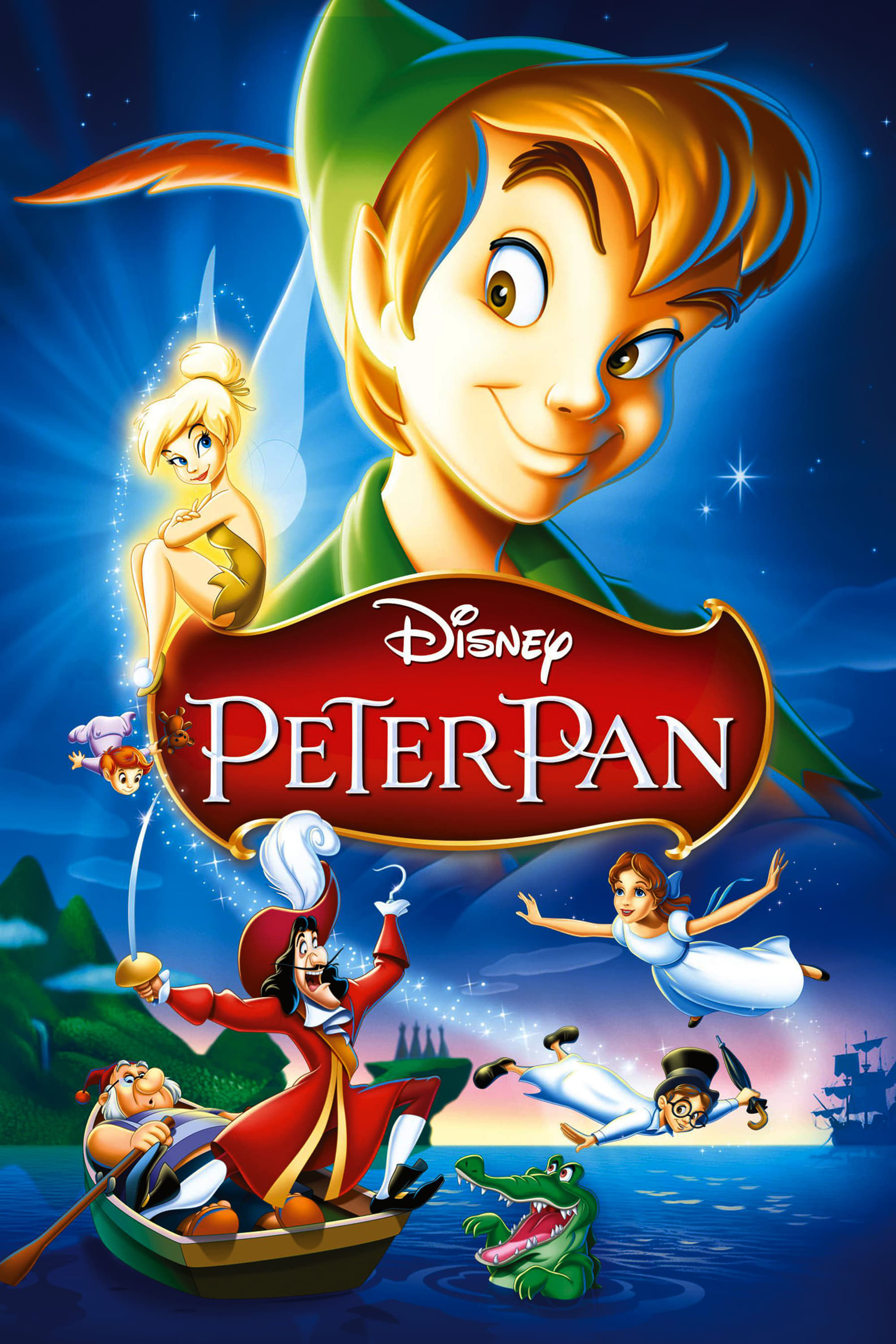
Wire-work research and flight sequences informed how animators suggest weightlessness and momentum. The film expanded the studio’s approach to balancing adventure, music, and humor within a tight runtime. It demonstrated repeat commercial value through theme-park integrations. Its depiction of youthful escapism influenced later family adventure plots.
‘Mary Poppins’ (1964)
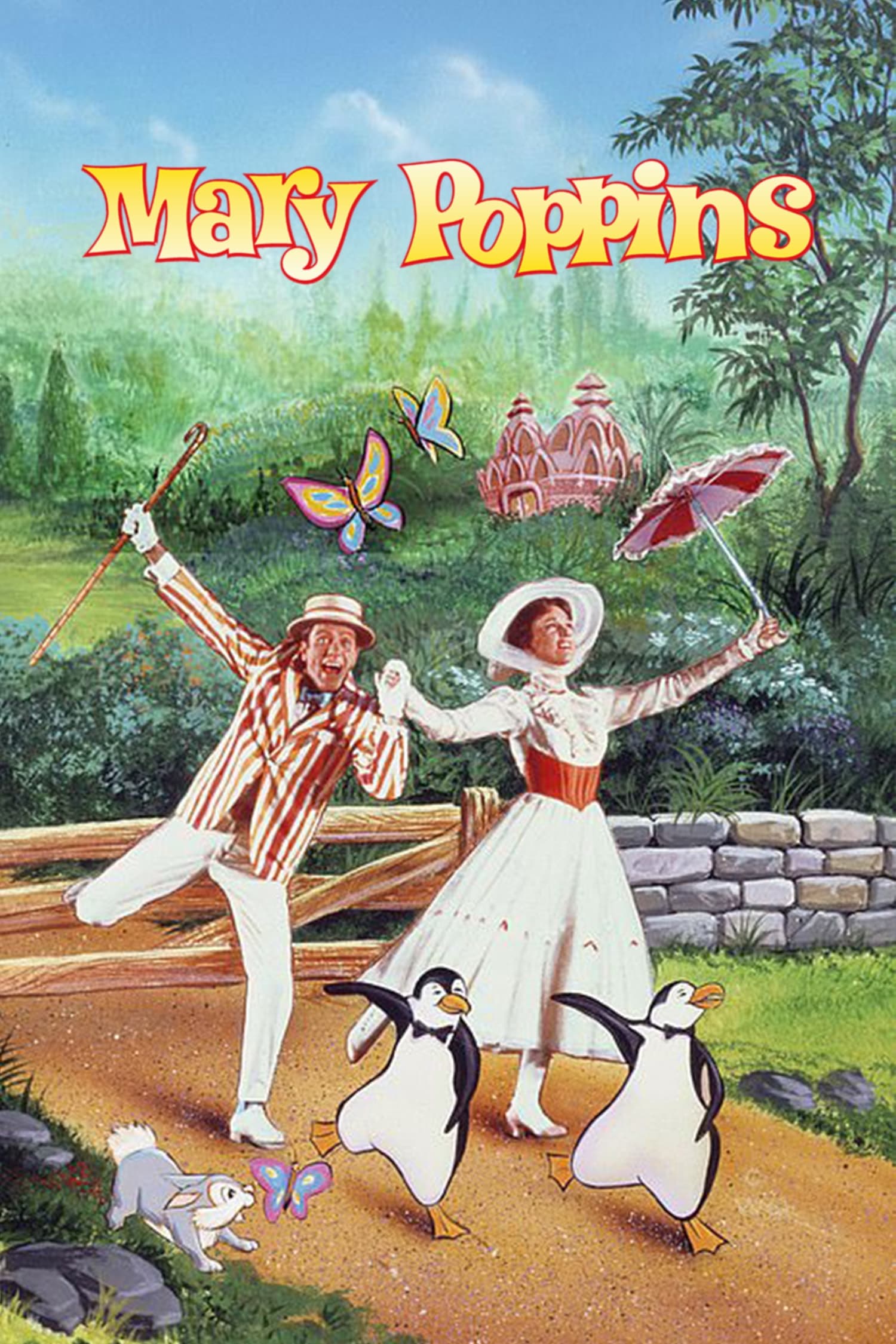
The film blended live action with animation using sodium-vapor matte processes for clean composites. Studio music teams delivered a songbook that generated significant soundtrack sales and radio play. The production’s set-piece choreography set a standard for family musical staging. Its awards recognition legitimized hybrid techniques within mainstream filmmaking.
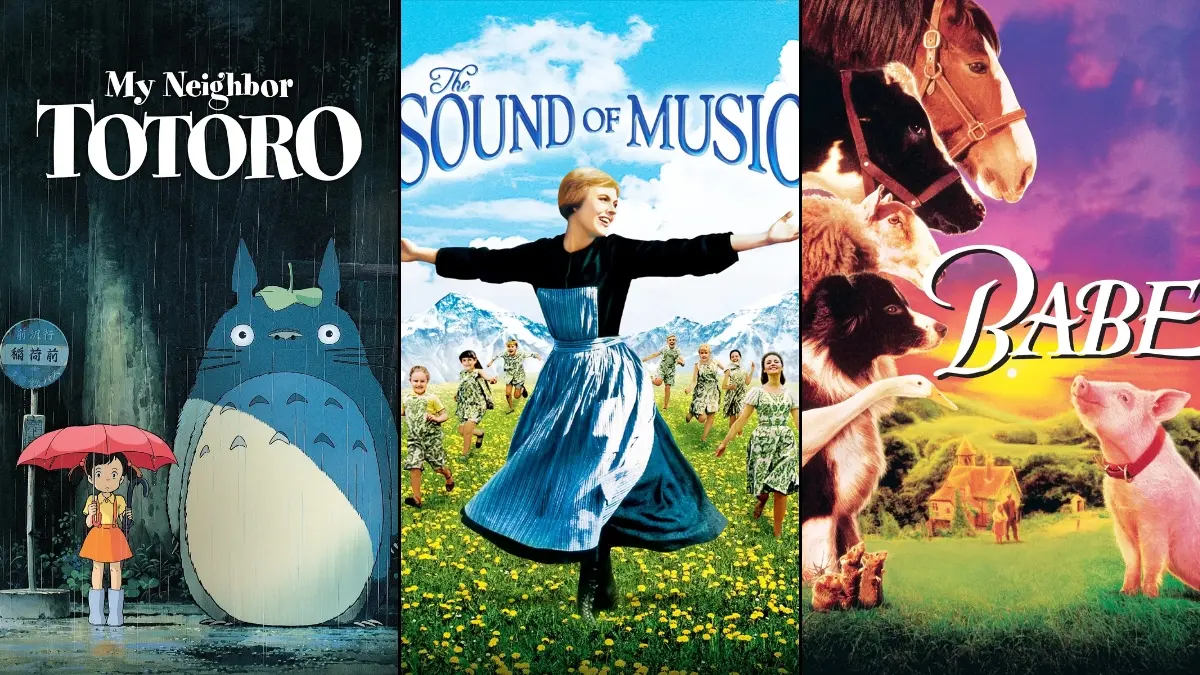
‘The Sound of Music’ (1965)
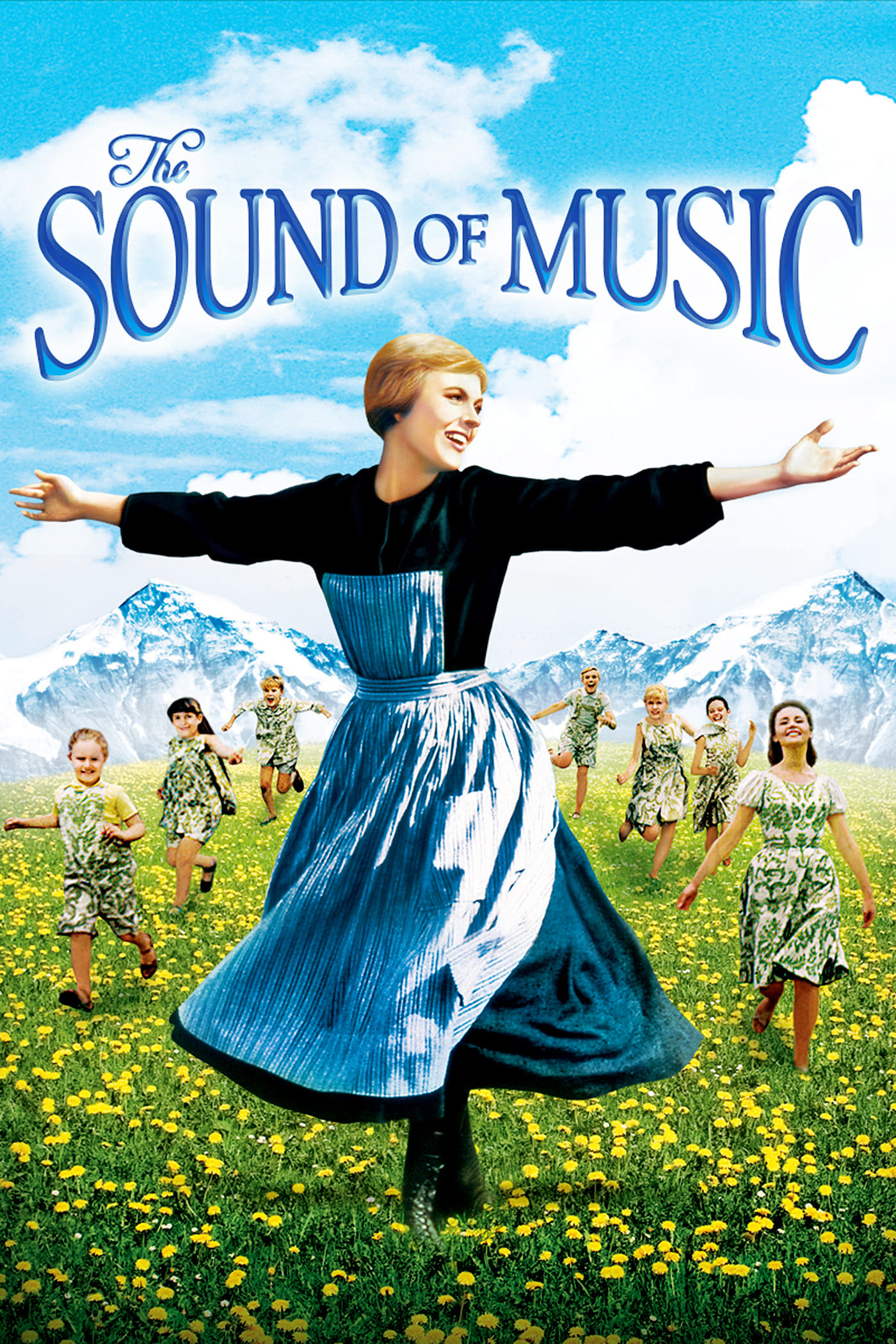
Location photography and widescreen formats showcased scenic storytelling as a theatrical draw. The soundtrack achieved long-running sales, strengthening the link between films and cast recordings. Roadshow engagements demonstrated premium pricing strategies for family audiences. The film’s success encouraged large-scale musical investments from studios.
‘The Jungle Book’ (1967)
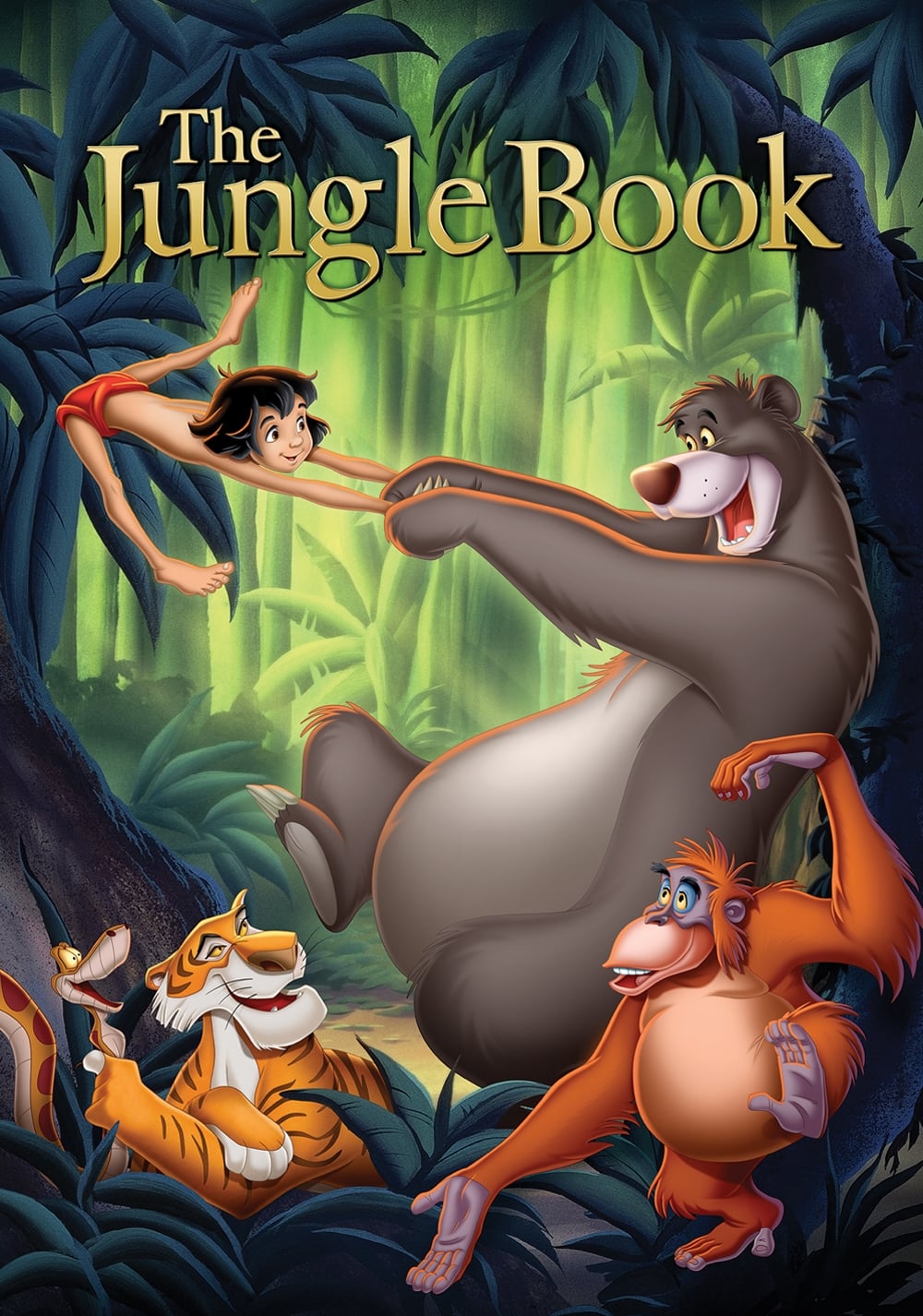
Character-animation emphasis on personality acting advanced comic timing and ensemble dynamics. The film’s jazz-influenced score expanded approaches to popular music in animation. Re-issues and home-video performance revealed enduring multi-generation appeal. Its animal-ensemble formula informed numerous later projects across media.
‘Willy Wonka & the Chocolate Factory’ (1971)
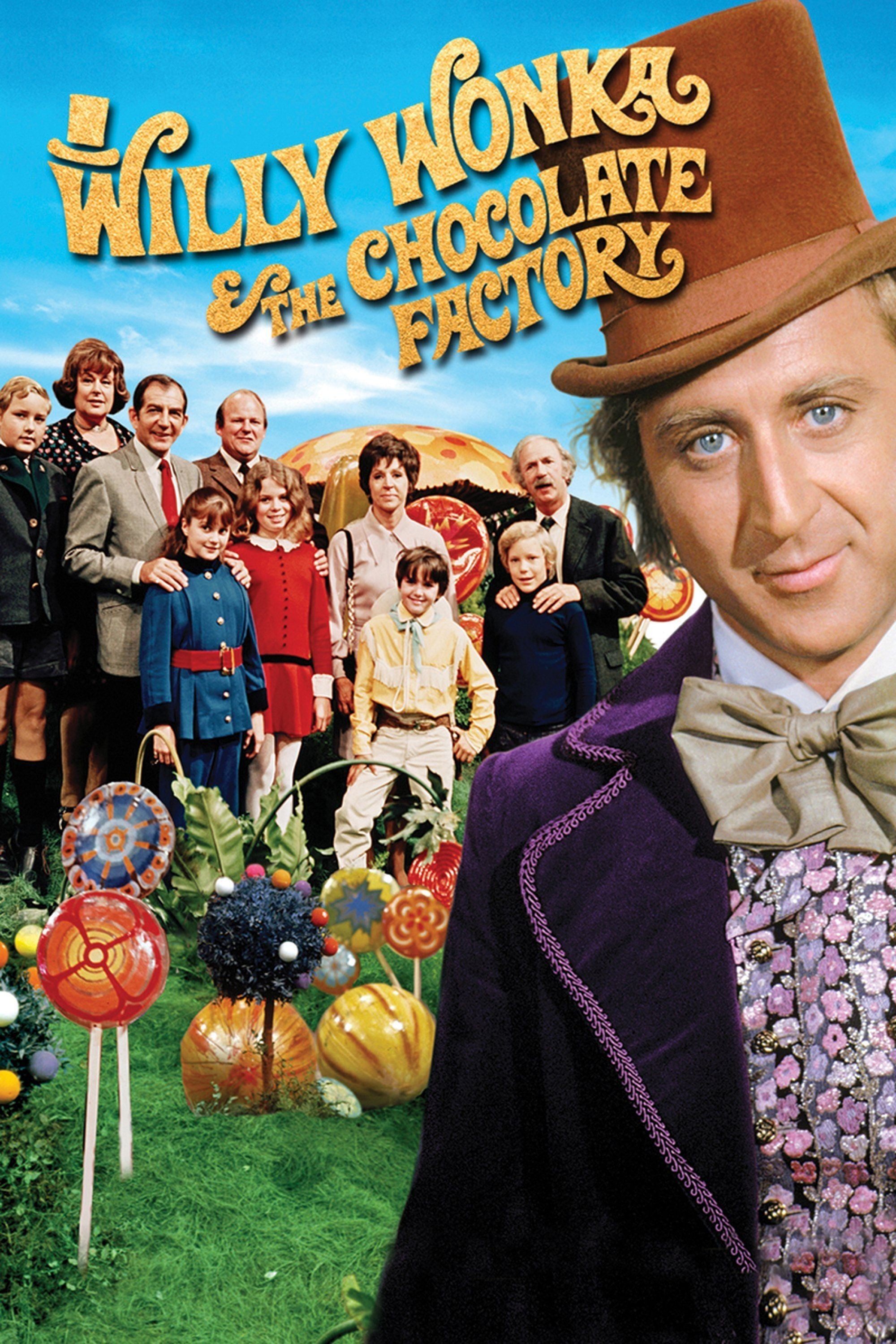
The production used practical sets and effects to realize a storybook factory with tactile detail. Music publishing deals extended revenue far beyond theatrical runs. Television syndication and classroom screenings kept the film continually discoverable for new viewers. Its satirical tone showed that family films can balance whimsy with sharper commentary.
‘E.T. the Extra-Terrestrial’ (1982)
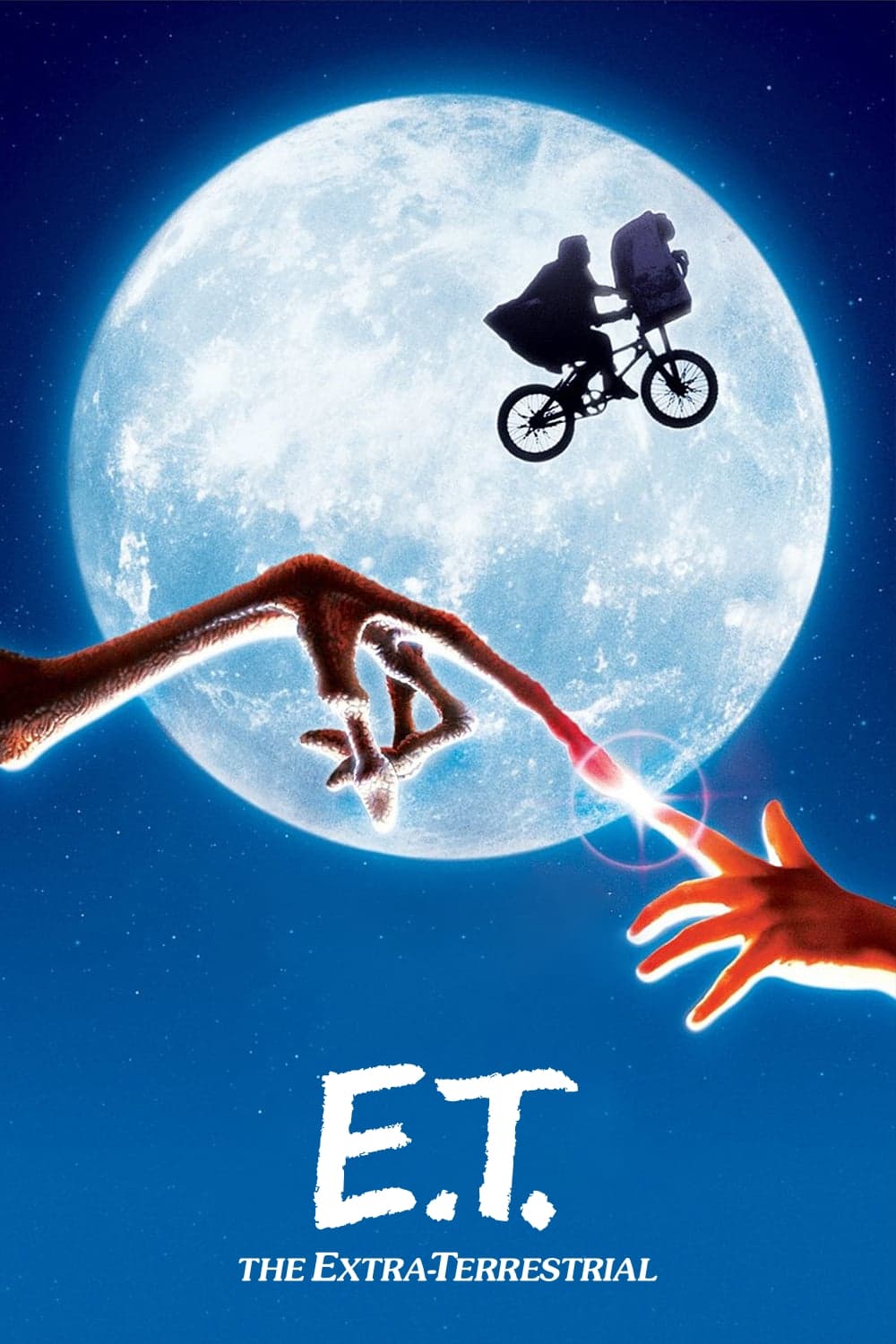
The film’s restrained creature effects and animatronics achieved intimate character expressiveness. A wide release strategy, followed by staggered rollouts, maximized word-of-mouth and repeat viewing. Product tie-ins and limited home-video windows demonstrated event-movie economics for family audiences. Its orchestral scoring became a study case in theme-driven storytelling.
‘Back to the Future’ (1985)
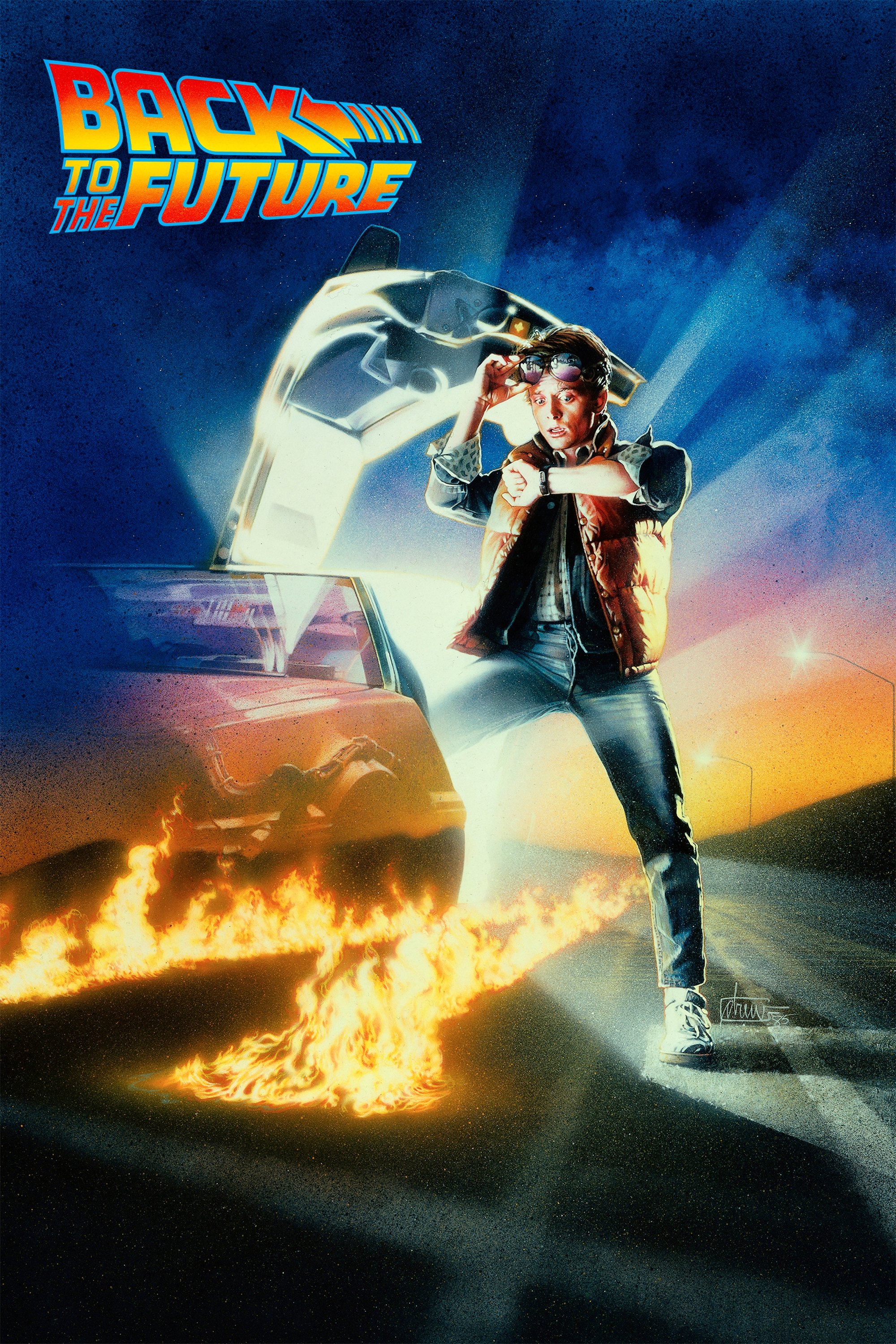
This time-travel adventure paired high-concept plotting with accessible family humor. Cross-promotional partnerships and soundtrack singles amplified its reach. The film’s narrative architecture fostered seamless sequel planning and franchise world-building. Its depiction of cause-and-effect storytelling influenced numerous family-friendly sci-fi comedies.
‘The Princess Bride’ (1987)
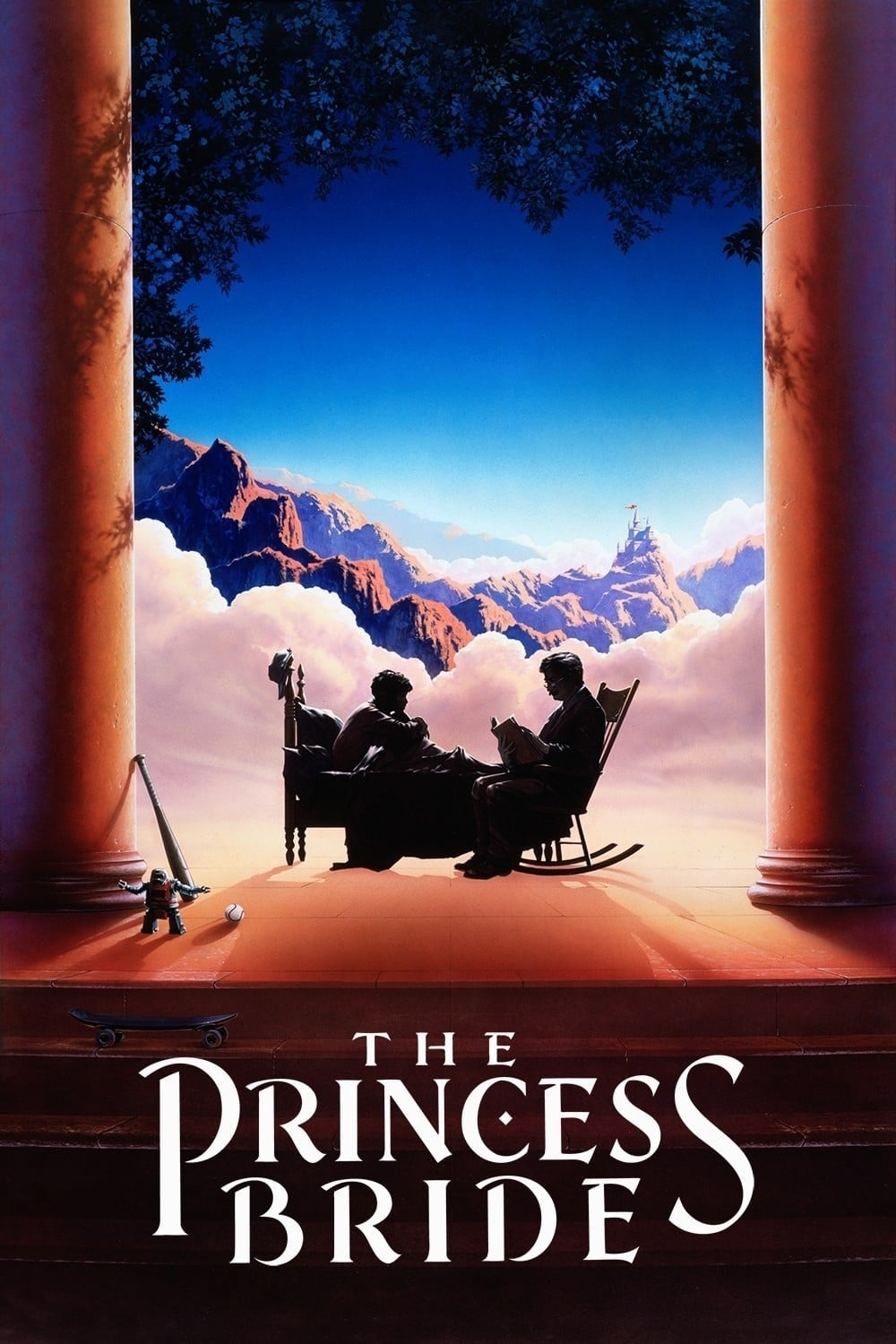
The screenplay balanced adventure, romance, and metafictional framing to broaden family appeal. Cable rotation and home video transformed it into a long-tail success story. Quotable dialogue fueled cultural references across television and advertising. Its genre-mixing approach became a template for later family fantasy adventures.
‘Home Alone’ (1990)
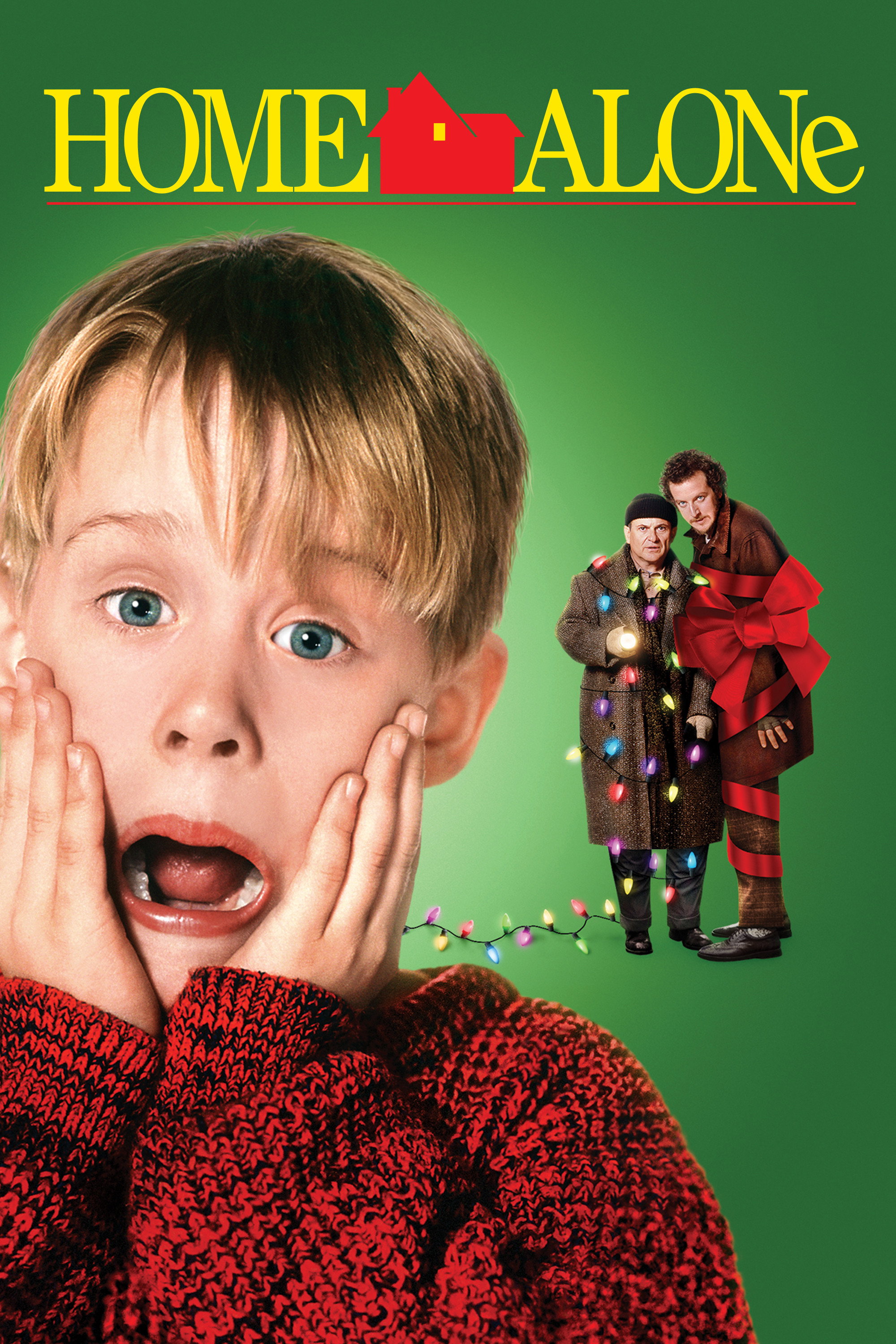
A modestly budgeted production turned into a global box-office phenomenon through holiday scheduling and repeat attendance. Physical-comedy set pieces relied on precise stunt coordination and sound design. The film paved the way for seasonal family comedies as dependable theatrical draws. Its international performance highlighted the universality of minimal-dialogue humor.
‘Beauty and the Beast’ (1991)
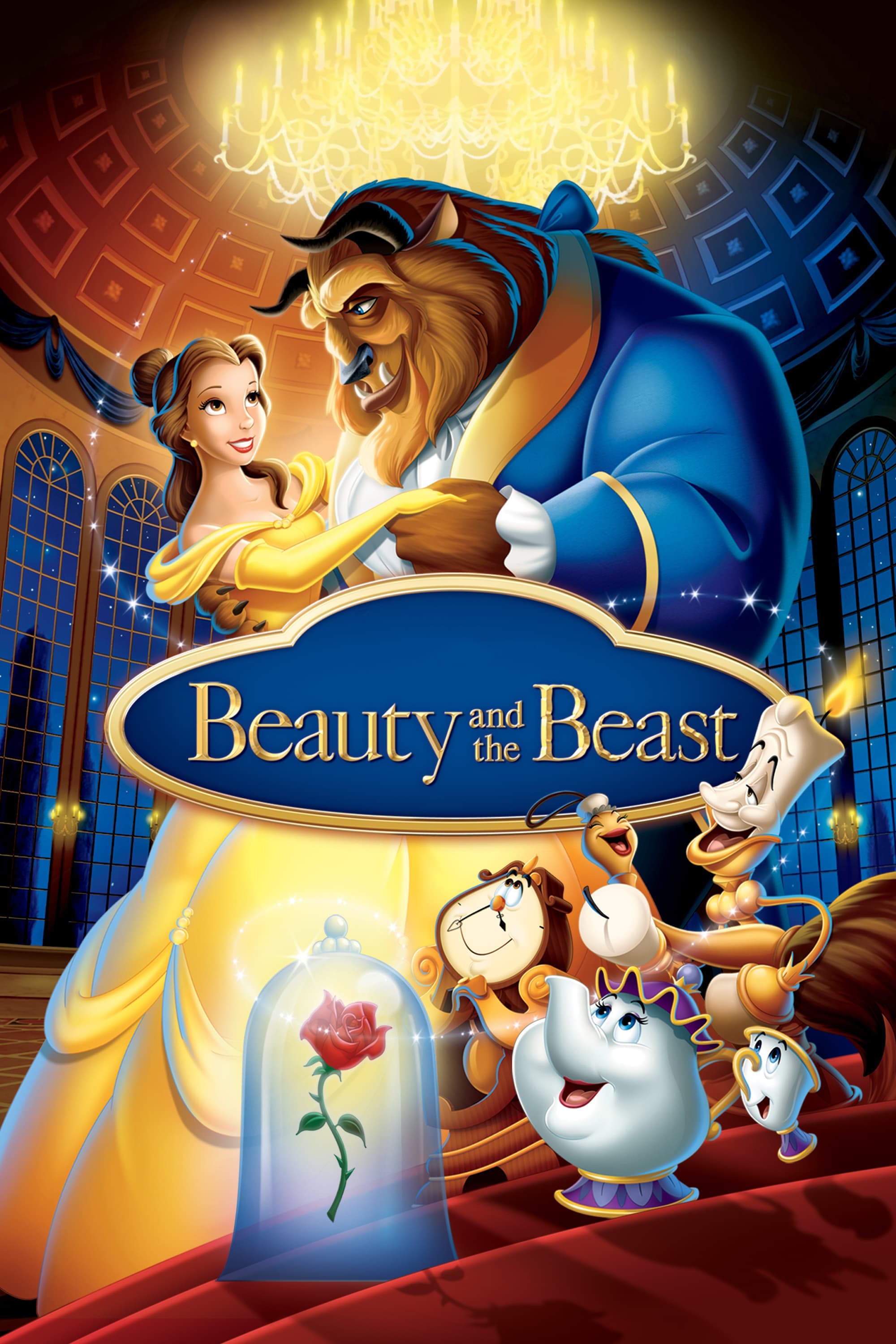
Computer-assisted imagery enhanced traditionally animated layouts, notably during elaborate ballroom staging. The film’s Broadway-style songwriting accelerated a pipeline from screen to stage adaptations. Awards recognition for a feature-length animated work shifted perceptions of animation within prestige categories. Its marketing integrated soundtrack sales, publishing, and touring productions.
‘The Lion King’ (1994)
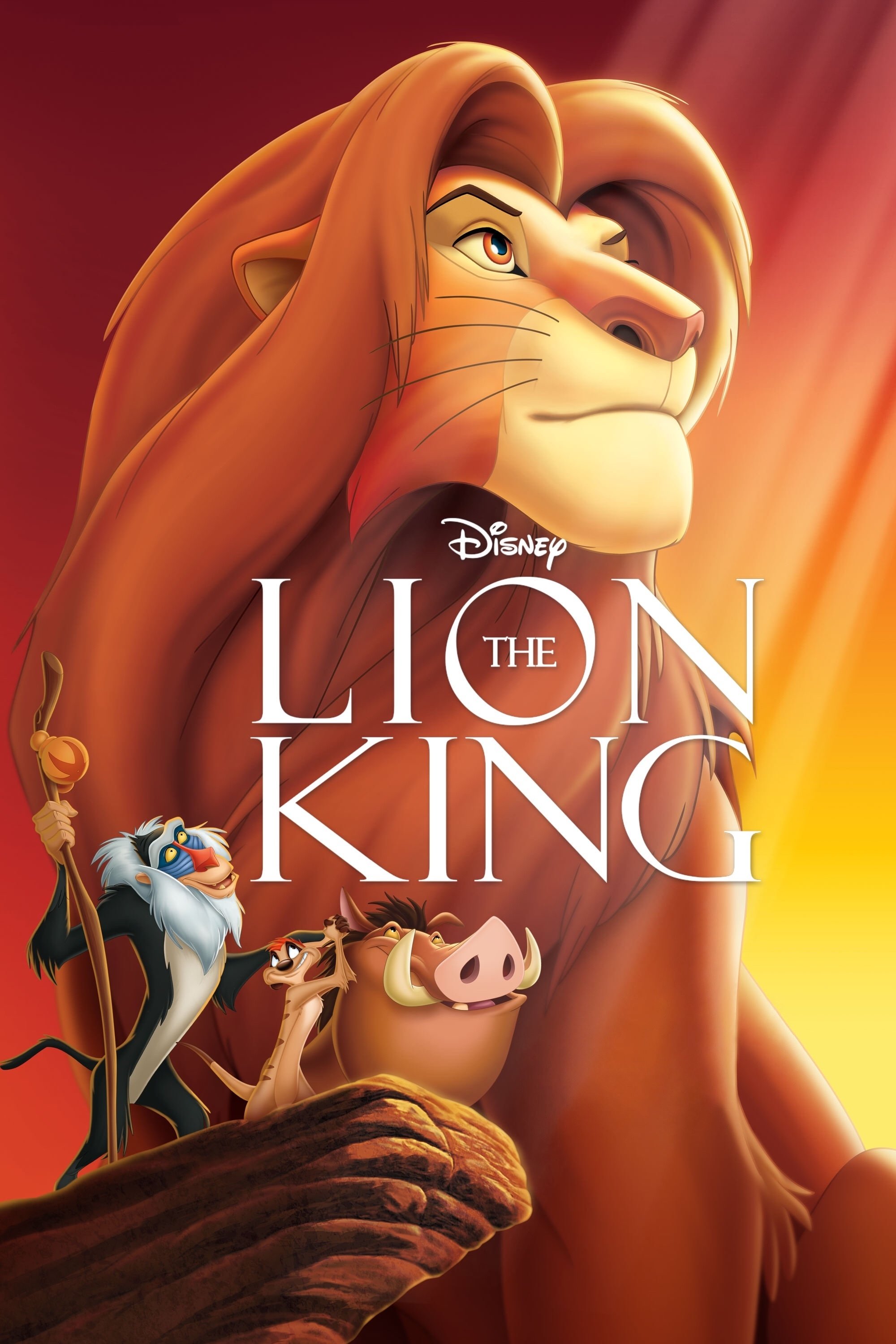
The production invested heavily in original music, chorus arrangements, and global dubbing to reach diverse markets. Wildlife-informed animation techniques and stylized backgrounds created a distinct visual identity. The title evolved into a long-running stage musical with international companies. Its home-video and re-release strategies set records and refined windowing models.
‘Toy Story’ (1995)
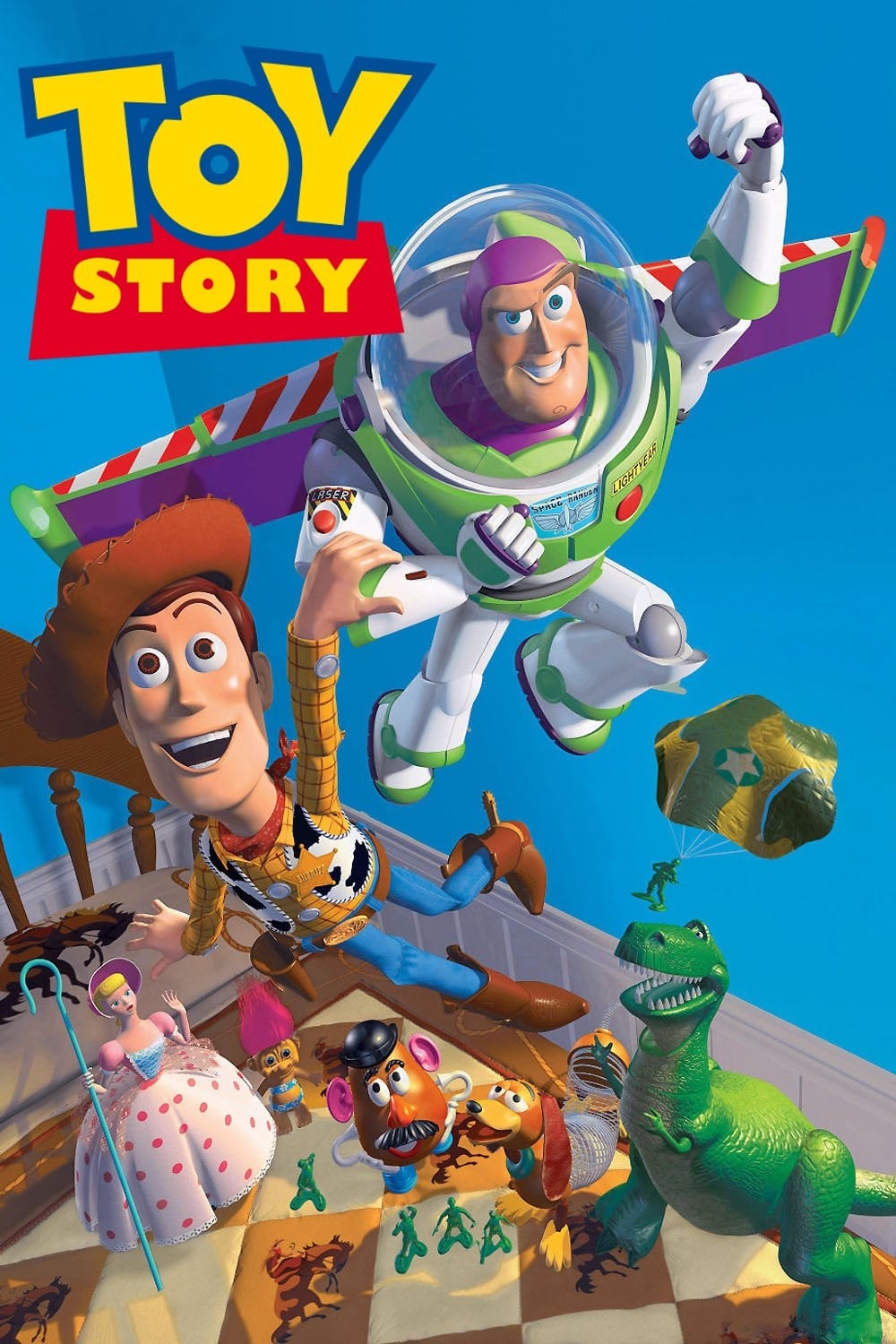
This feature inaugurated fully computer-generated storytelling at scale. Render pipelines, shading models, and story tools developed for the project became industry standards. The film’s success validated CG features as a primary mode for family animation. Franchise management introduced consistent sequel quality control and character-driven merchandising.
‘Babe’ (1995)
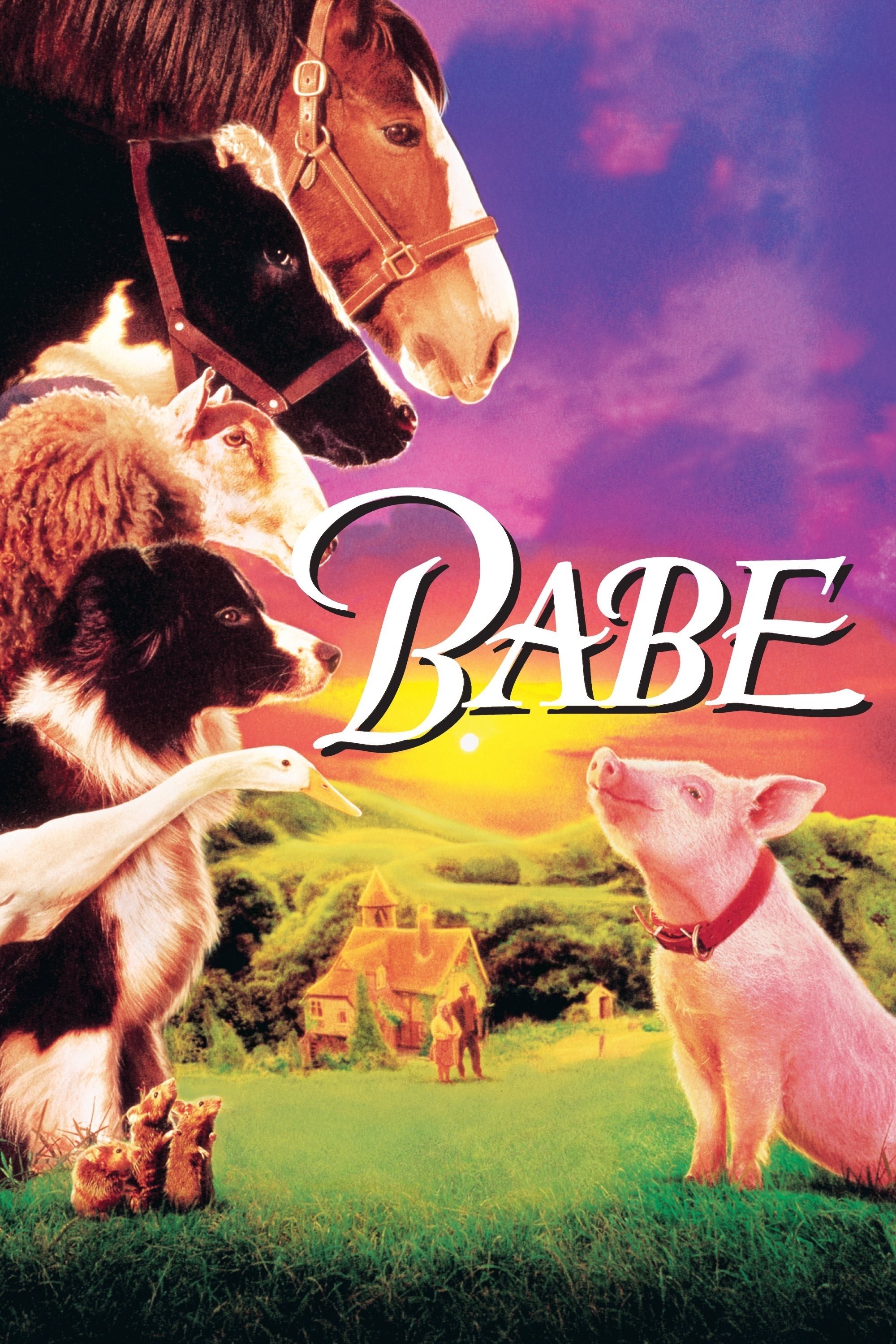
Digital lip-sync and animatronics combined to create convincing talking animals in live-action settings. The film showcased rural production design while maintaining complex effects workflows. Its awards trajectory demonstrated recognition for family features beyond animation categories. Marketing emphasized craftsmanship, broadening audience expectations for live-action family films.
‘Shrek’ (2001)

Advances in real-time tools and character rigs enabled expressive CG performances. The soundtrack strategy blended pop covers and original score to appeal across age groups. The film’s cross-demographic humor informed subsequent studio branding and release planning. Its success accelerated competition among major CG-animation houses.
‘Spirited Away’ (2001)
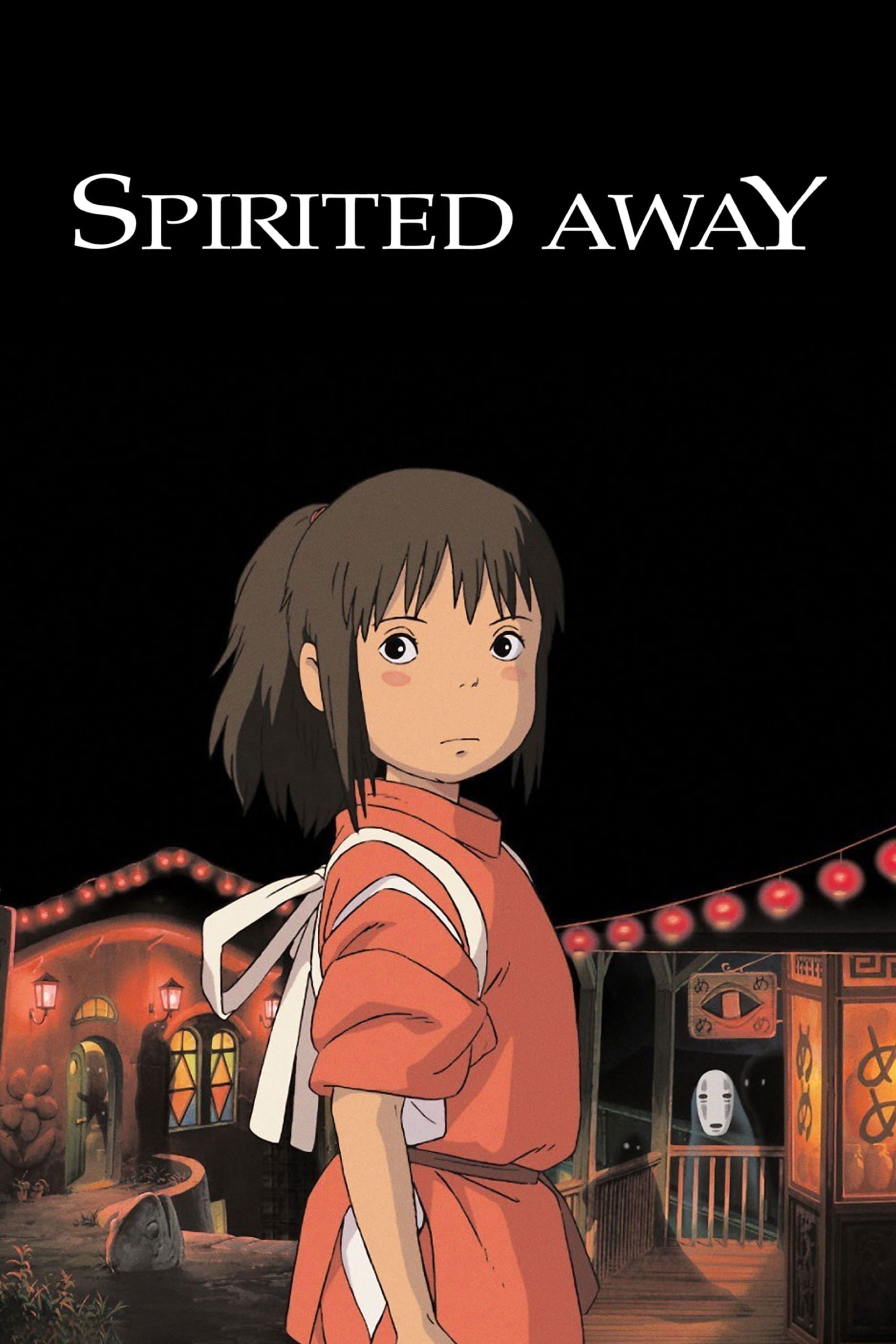
Hand-drawn artistry combined with selective digital compositing created layered, immersive worlds. International distribution partnerships expanded the reach of Japanese animation in mainstream theaters. Awards recognition introduced wider audiences to a studio’s auteur-driven approach. The film influenced localization practices for animated imports.
‘Harry Potter and the Philosopher’s Stone’ (2001)
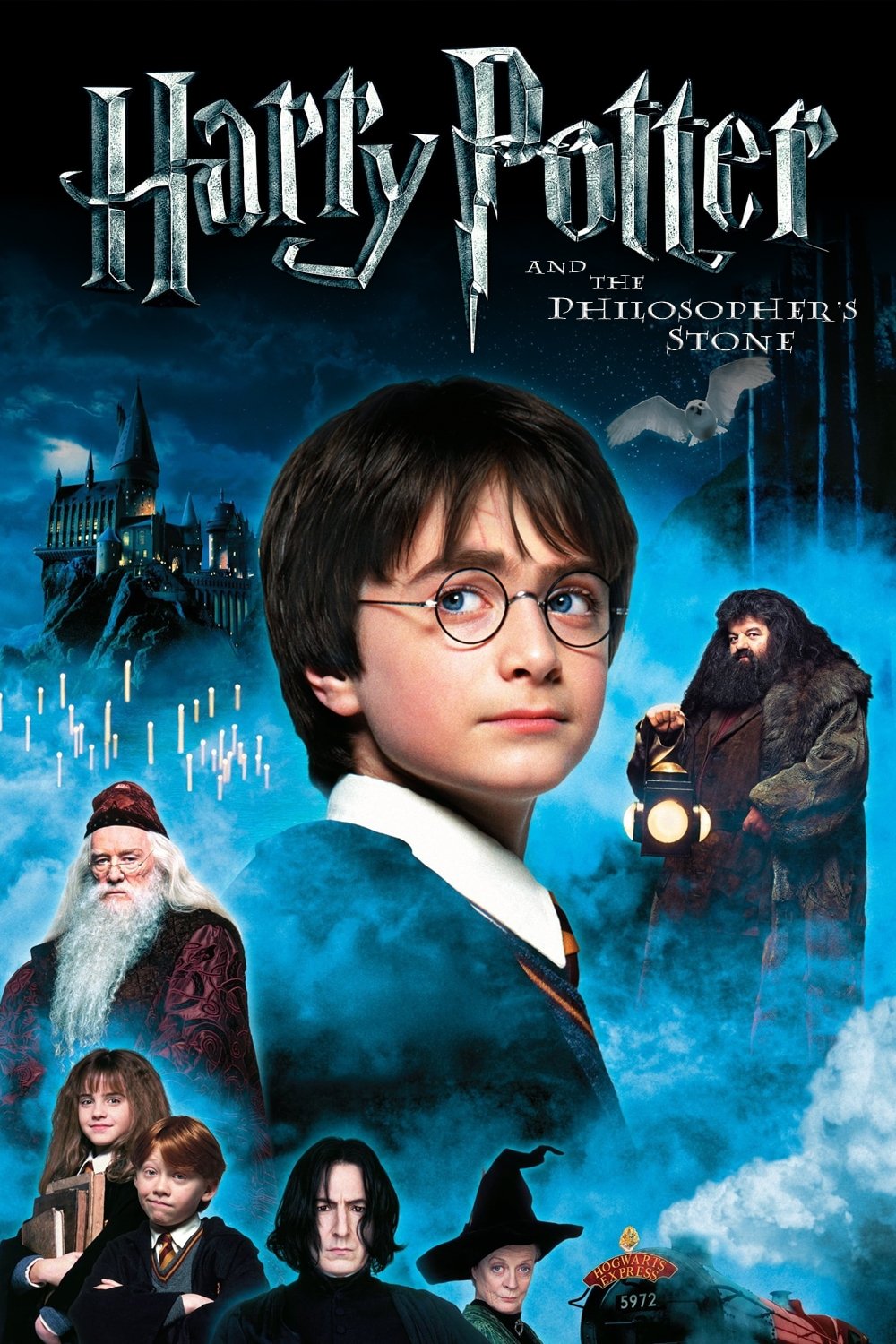
The adaptation launched a multi-installment franchise with coordinated publishing, film, and merchandising timelines. Production design established a consistent visual lexicon carried through later entries. Casting choices and school-year structure supported character aging across sequels. Global release strategies aligned with book launches to maximize cross-media momentum.
‘Finding Nemo’ (2003)
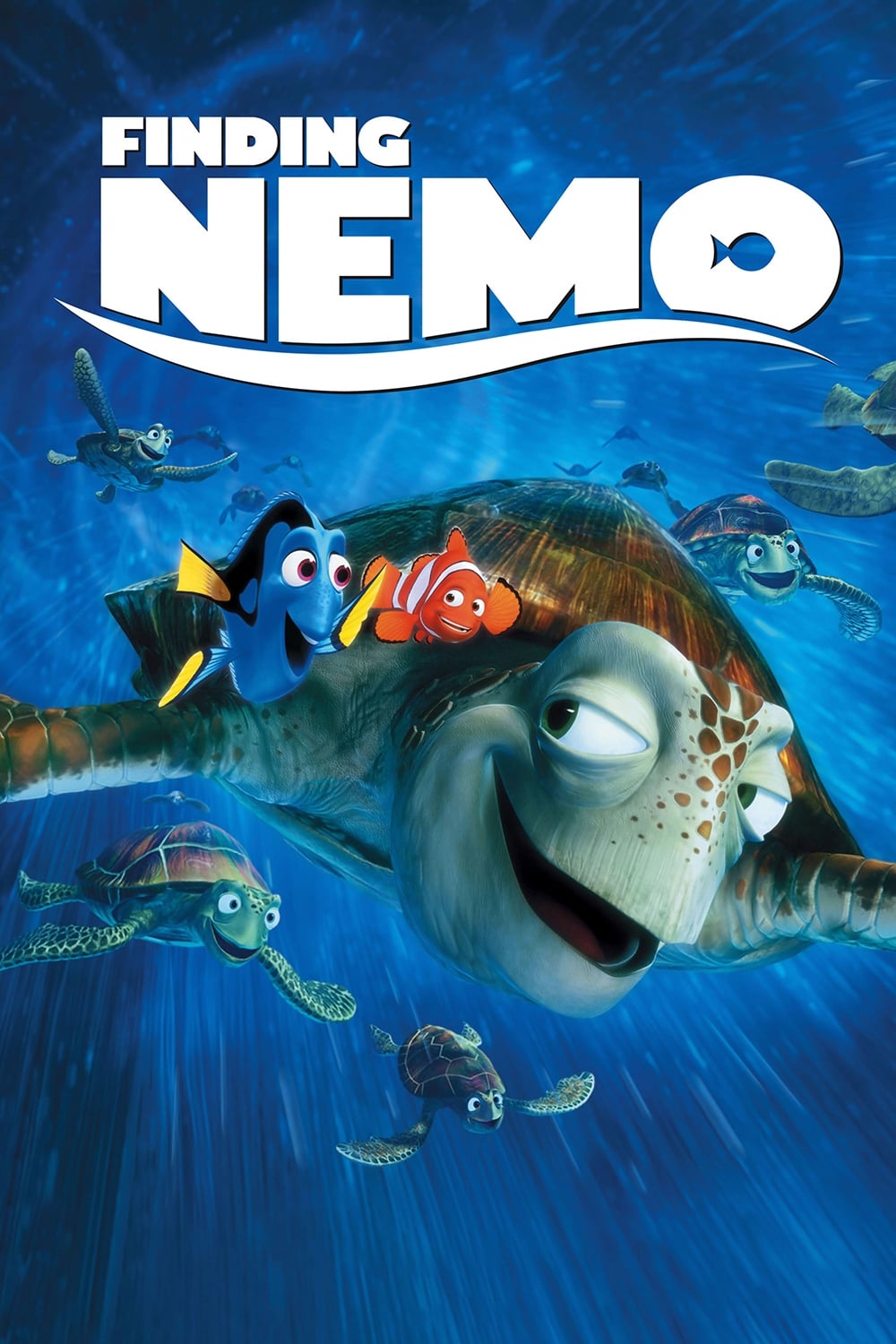
Underwater lighting, caustics, and particle simulation advanced CG rendering realism. Story development emphasized parental and child perspectives to connect with multi-age audiences. The film prompted increased interest in marine-themed attractions and educational partnerships. Long-term home-media performance demonstrated strong rewatch behavior among families.
‘The Incredibles’ (2004)
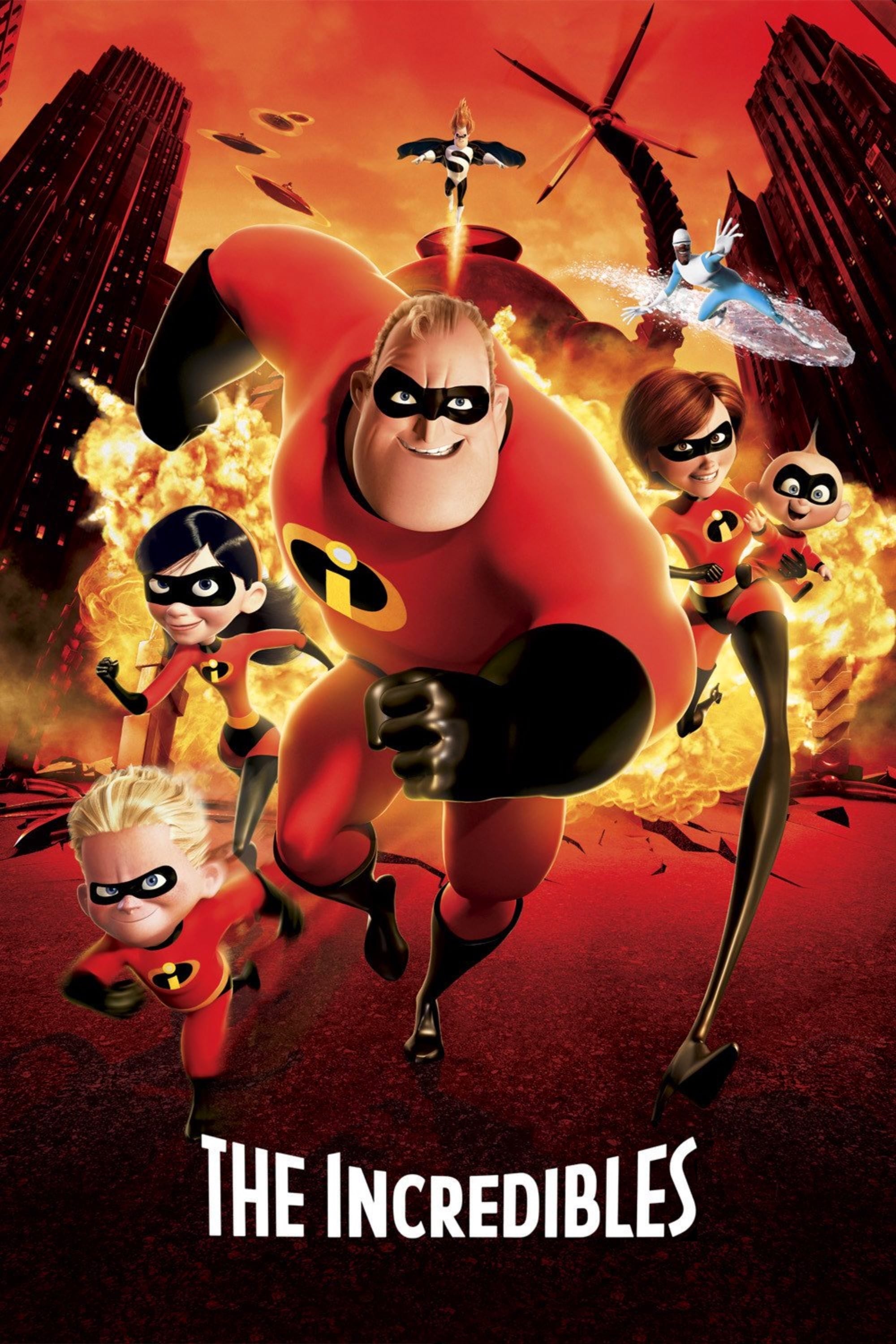
The project integrated superhero action with domestic-life plotting, broadening genre crossover for family audiences. Fabric simulation and effects pipelines enabled complex action sequences. Production design introduced retro-futurist aesthetics now common in family adventure branding. The film’s success supported expanded-universe planning while remaining anchored in character dynamics.
‘Up’ (2009)

Stereoscopic 3D exhibition was used to enhance spatial storytelling rather than rely on gimmicks. The film opened a major festival, signaling broader critical acceptance of animated features. Its music and motif design supported clear, wordless narrative passages. The release continued a trend of CG features leading early-summer box offices.
‘Frozen’ (2013)
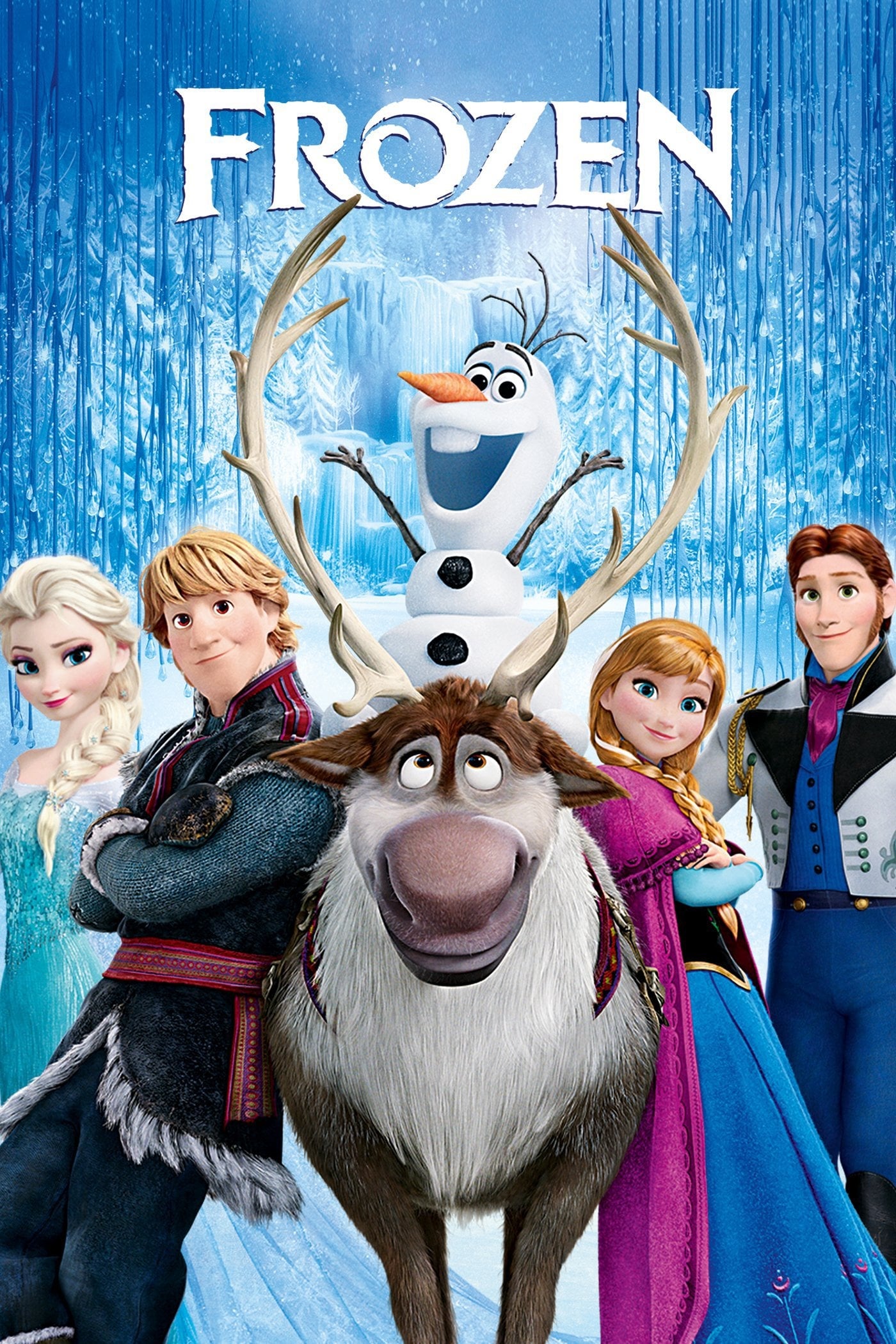
New hair, fabric, and snow simulation tools delivered detailed character movement and environments. A breakout song cycle demonstrated the commercial synergy of streaming, radio, and theatrical longevity. The film’s consumer-products program expanded rapidly across apparel, toys, and live events. Multiplatform shorts and sequels showed how to sustain audience engagement between major releases.
‘Fantasia’ (1940)
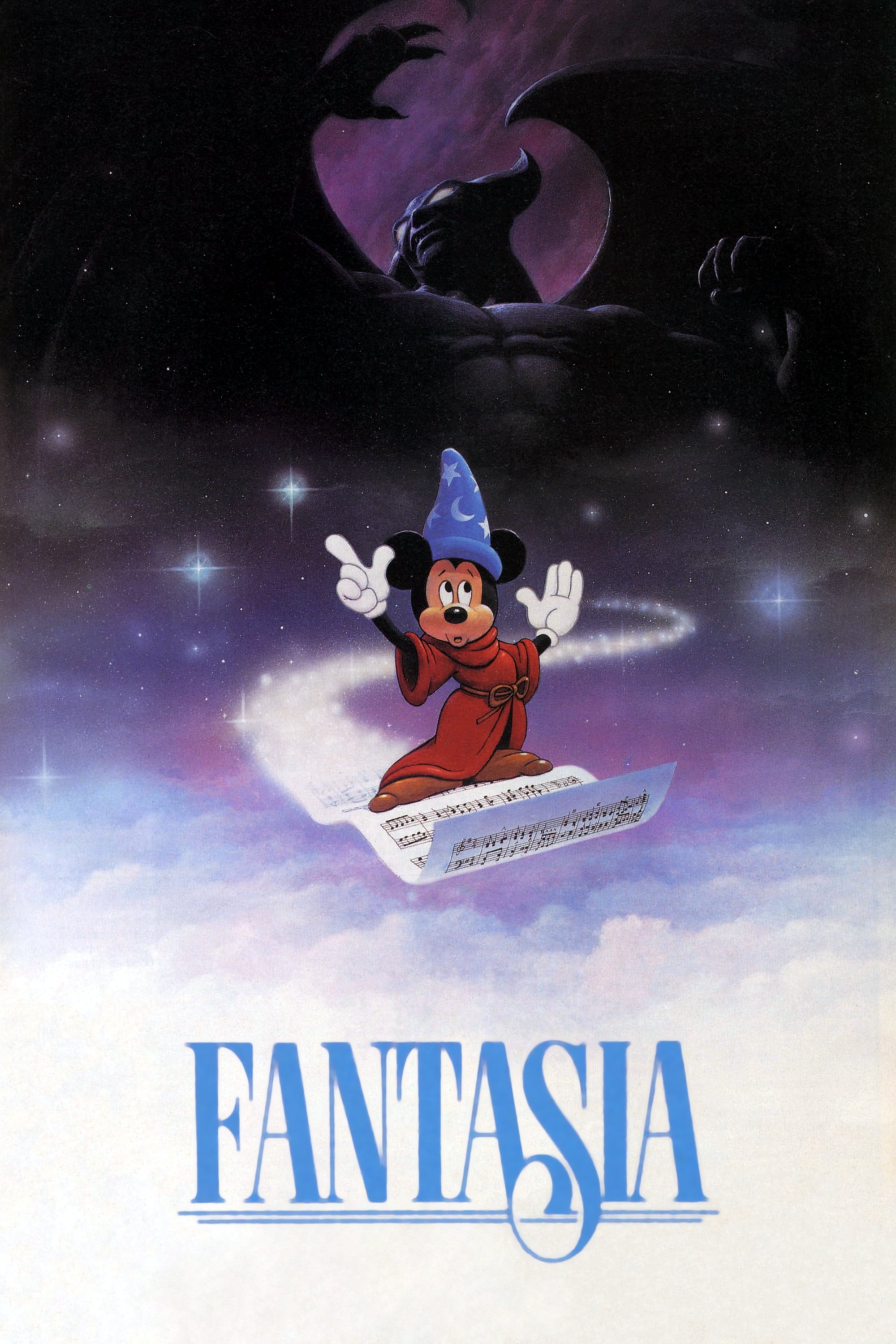
This anthology paired animation with classical compositions in a concert-style structure. Engineers developed the Fantasound system to deliver multi-channel audio in select theaters. The project expanded the role of music departments in animated features. Restorations and reissues demonstrated how archival sound and image work can renew audience interest.
‘One Hundred and One Dalmatians’ (1961)
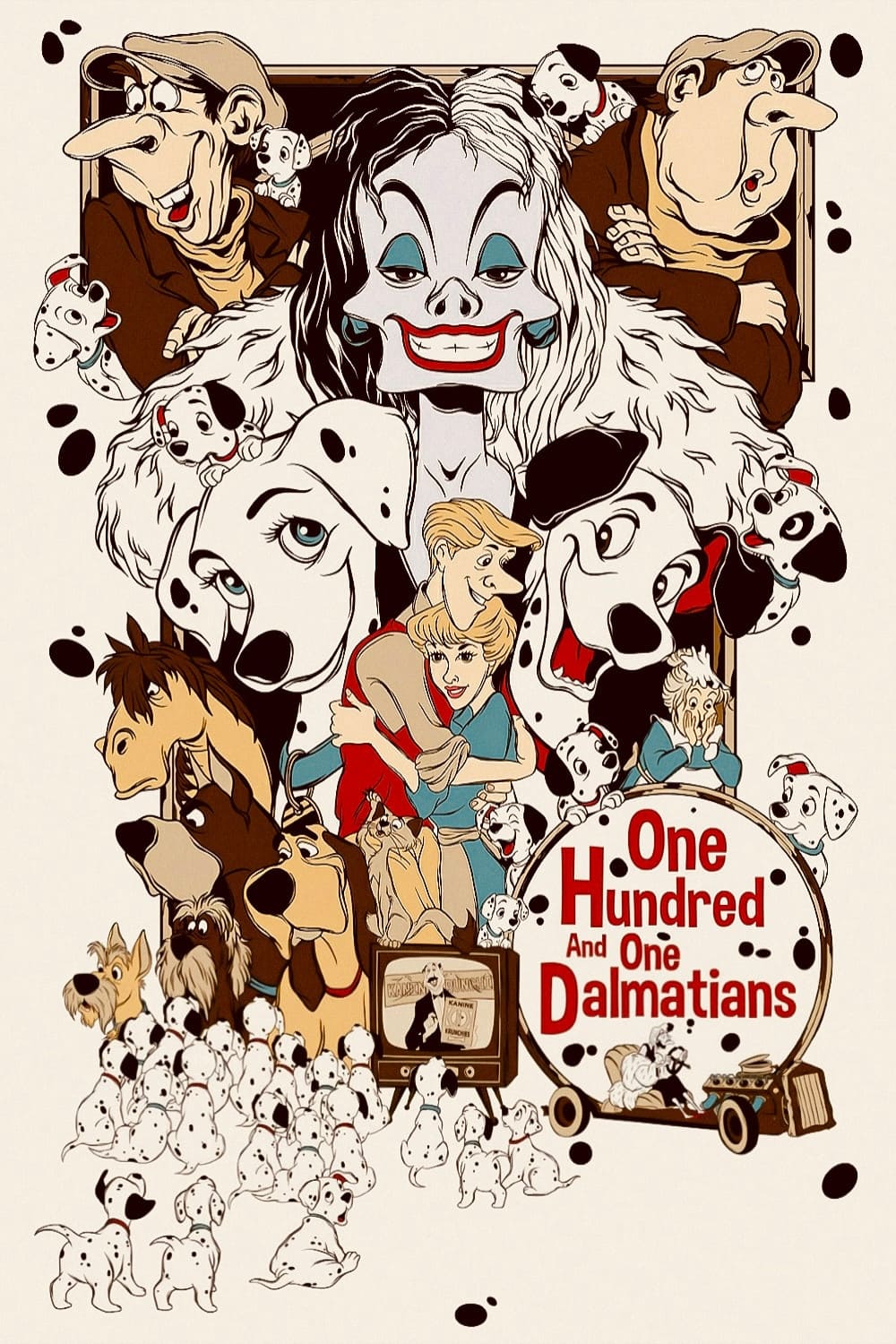
The production popularized xerography, transferring animators’ pencil lines directly to cels for a brisk, graphic look. Its contemporary urban setting shaped character design, backgrounds, and costuming. The film’s spotted imagery translated cleanly to apparel and toys, strengthening merchandise strategy. Strong performance helped stabilize studio finances and encouraged further modern-set family stories.
‘The Little Mermaid’ (1989)
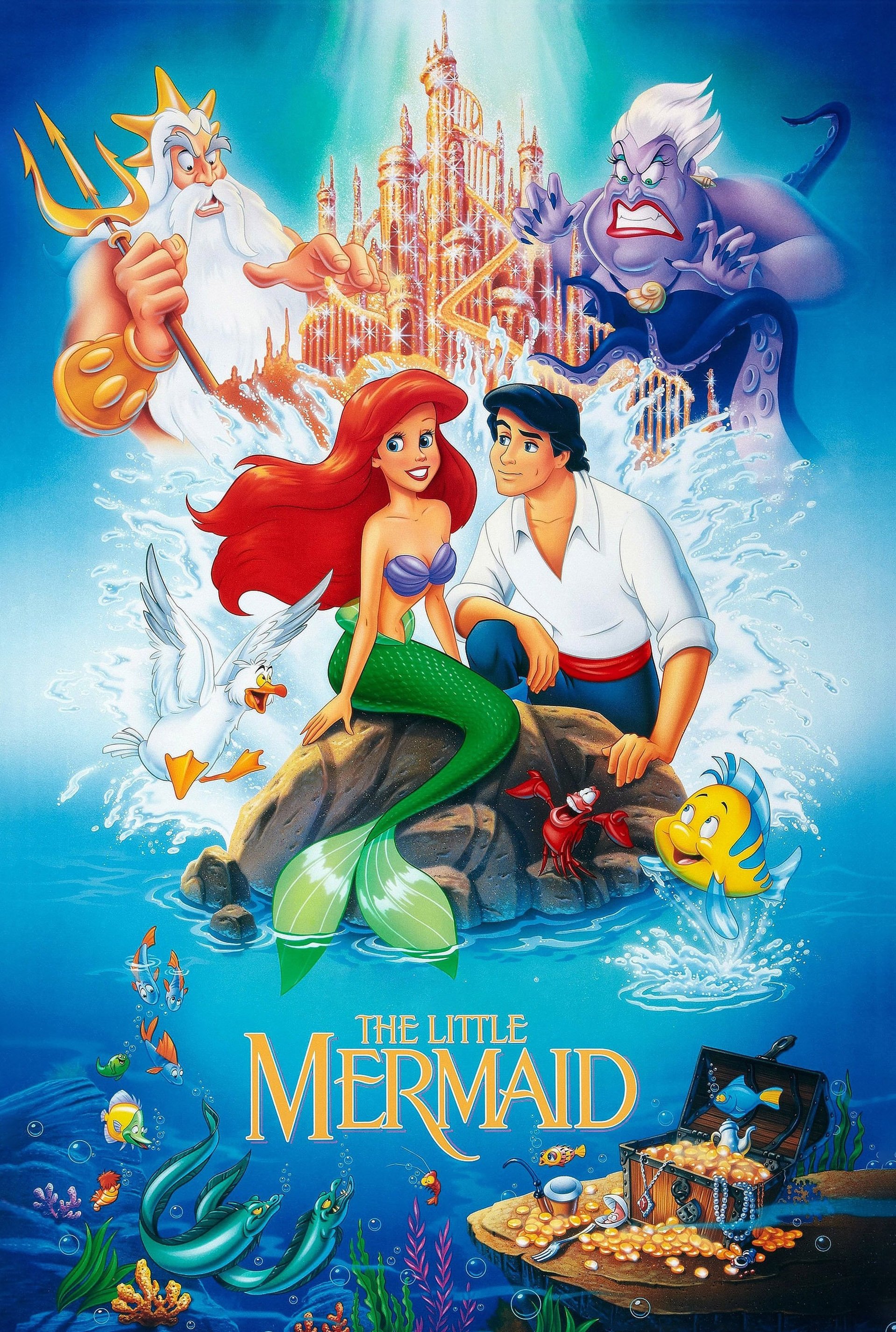
This musical revived the studio tradition of Broadway-style song cycles in feature animation. Creative teams aligned story beats with a tightly structured soundtrack that drove marketing and radio play. Success reignited investment in animated features across multiple studios. The property later moved to the stage, illustrating a repeatable screen-to-theater pipeline.
‘Aladdin’ (1992)
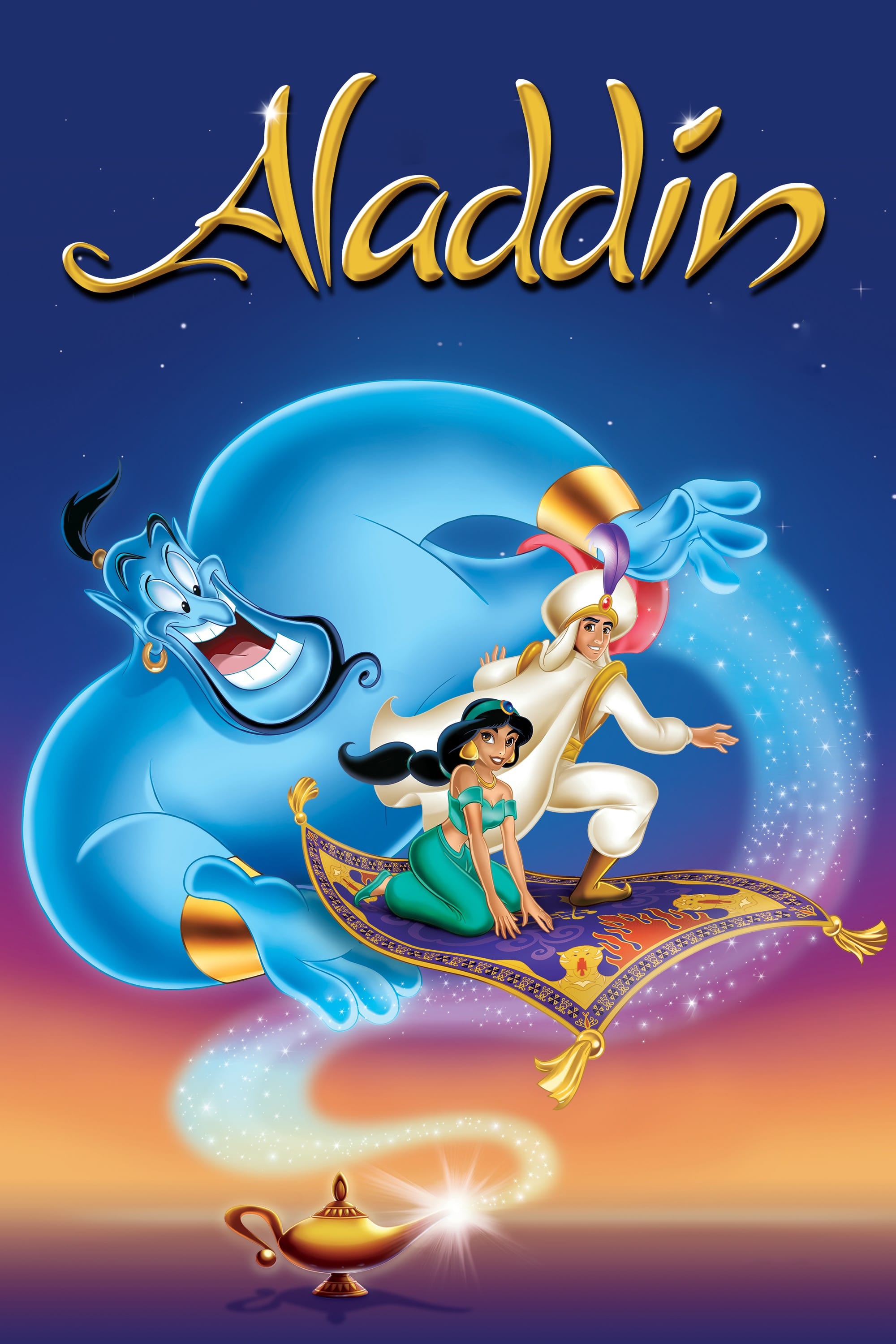
The film showcased digital ink-and-paint workflows and early CAPS-based effects in large-scale set pieces. Celebrity voice casting and rapid-fire comedy broadened four-quadrant appeal. Soundtrack singles supported cross-promotions on radio and television. The title’s home-media performance and spin-offs demonstrated sustained franchise potential.
‘Who Framed Roger Rabbit’ (1988)
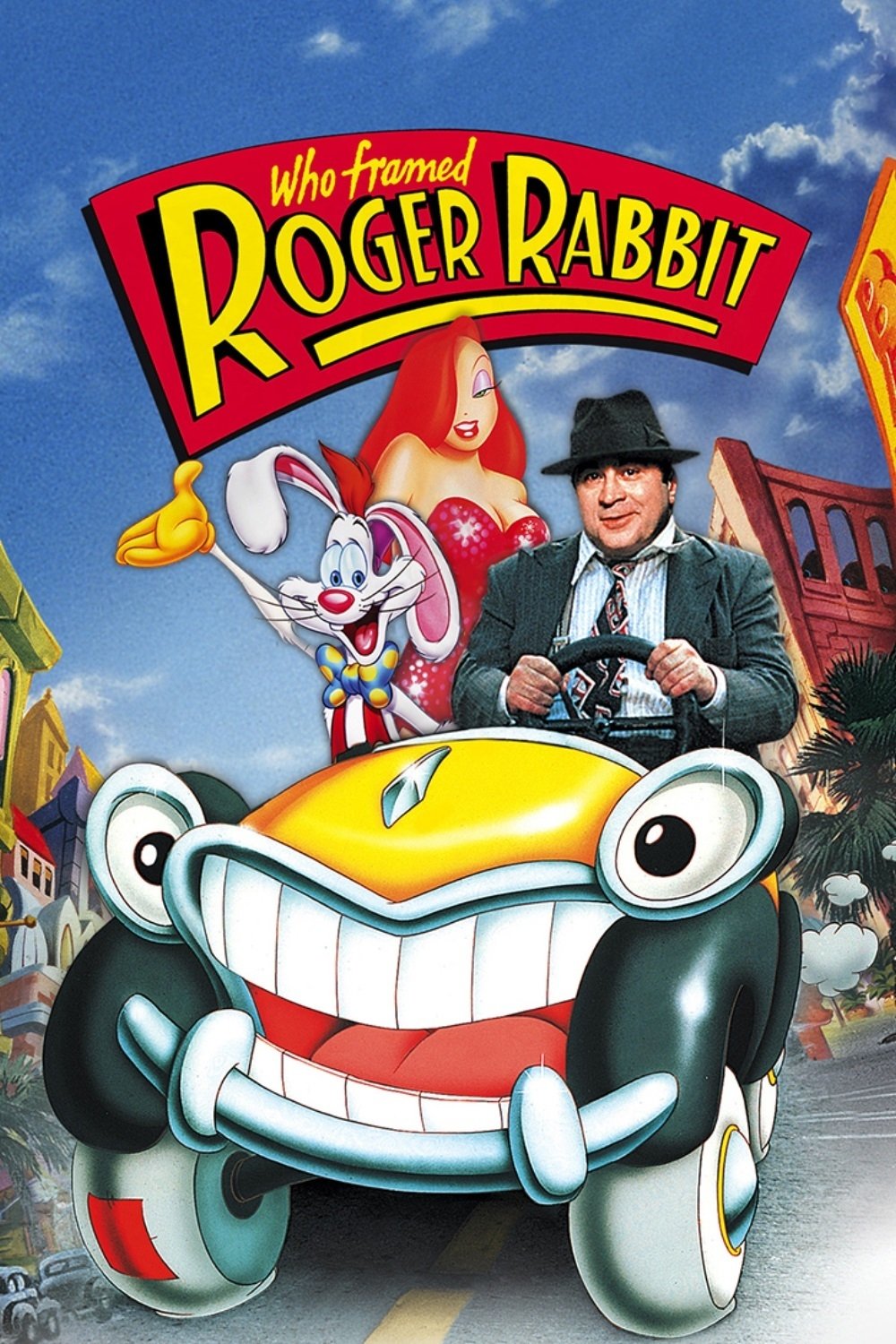
Live action and hand-drawn animation were composited with meticulous lighting and practical on-set guides. Licensing brought together characters from multiple rights holders in one narrative space. The film’s success spurred renewed investment in feature animation across the industry. Its integration methods influenced later hybrid projects and theme-park attractions.
‘The Iron Giant’ (1999)
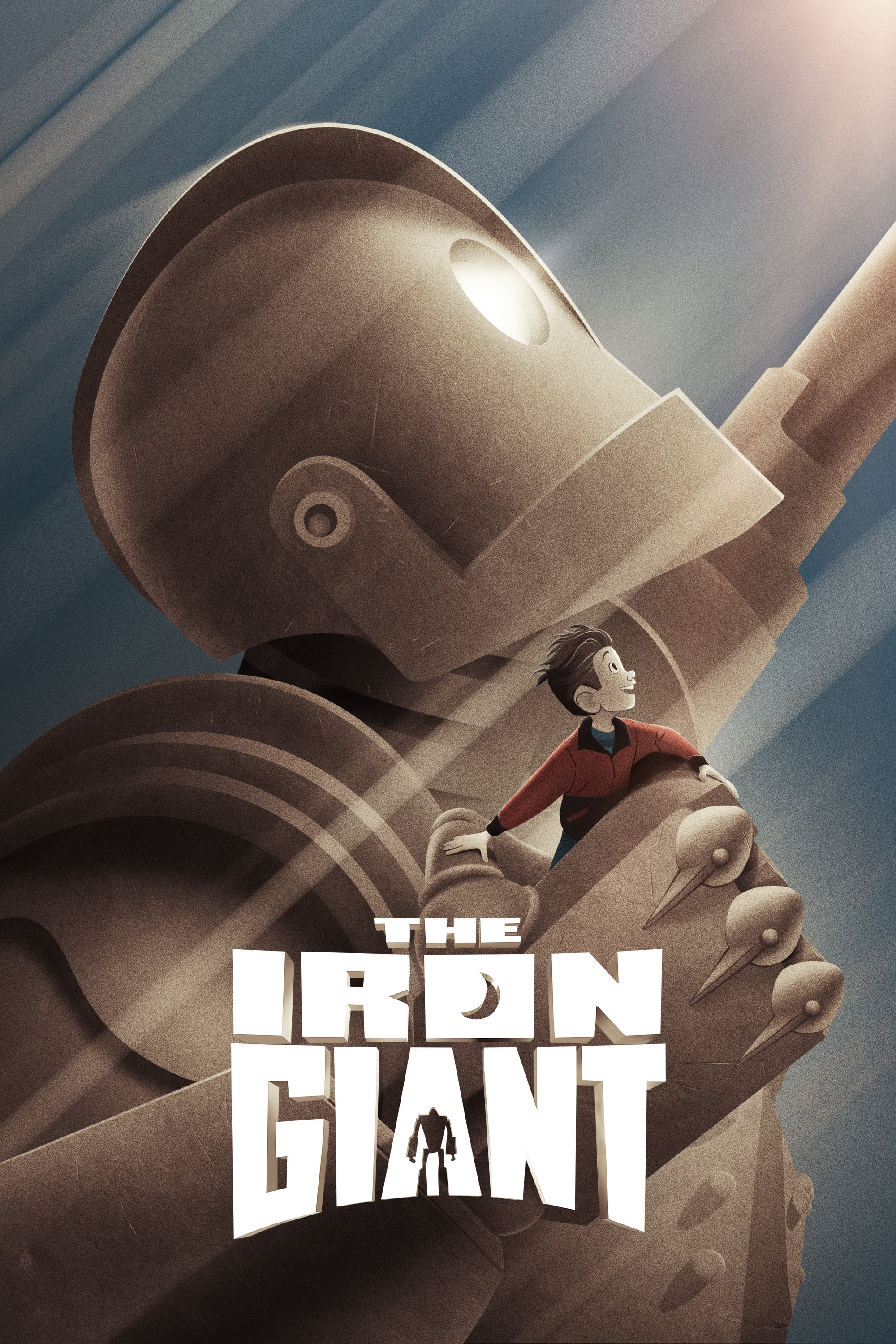
Traditional animation combined with CG for the title character’s articulated design. Word-of-mouth and broadcast rotation built a long-tail audience beyond initial theatrical results. The movie became a reference for blending science-fiction spectacle with intimate character arcs. Its creative team’s later projects carried forward lessons in visual storytelling and tone.
‘Monsters, Inc.’ (2001)
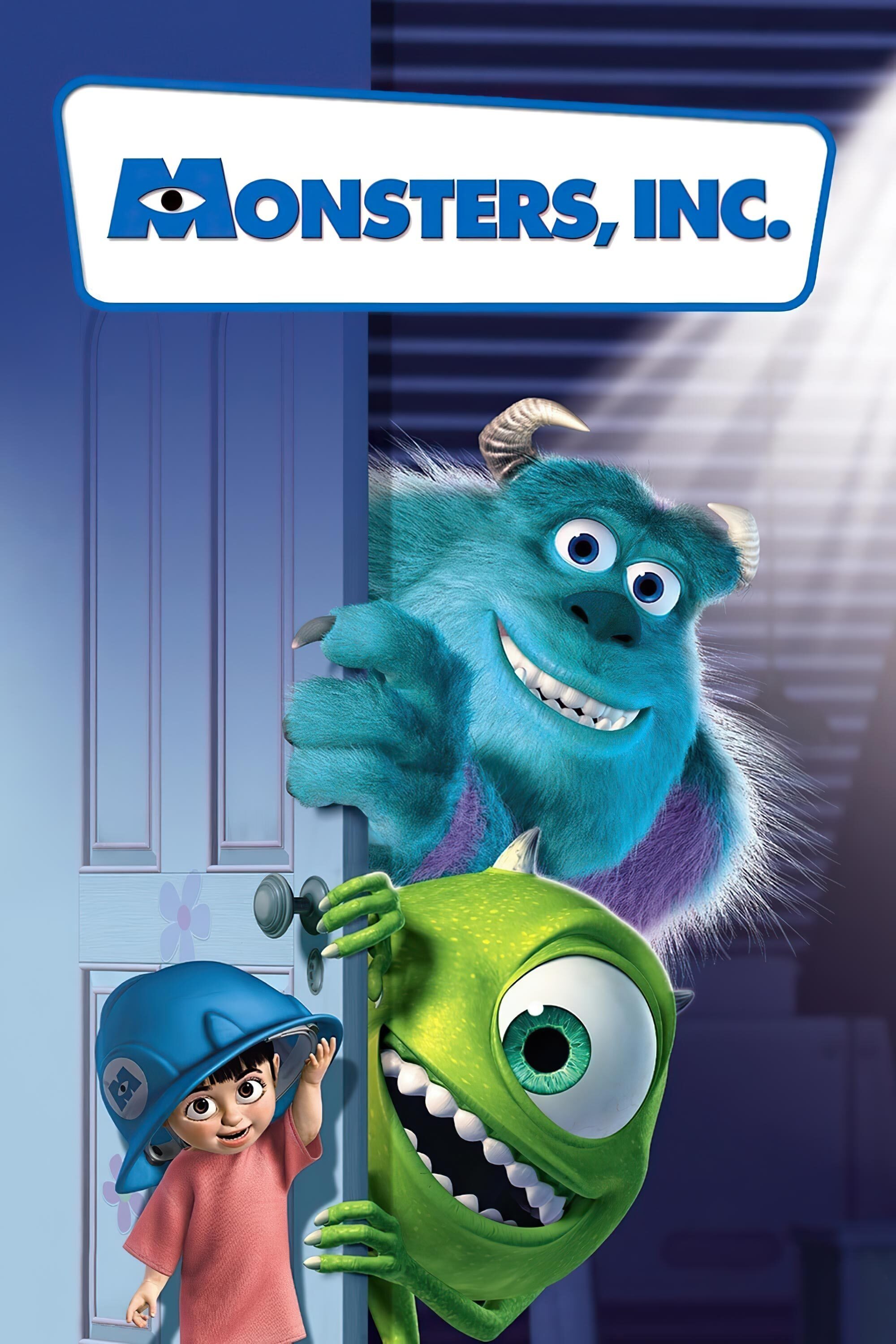
Hair and cloth simulation pipelines were scaled up to render a lead character with dense fur convincingly. World-building around energy production, factory logistics, and door portals supported games and attractions. The property expanded through a prequel that explored institutional backstories. Its monster designs balanced appeal and variety for wide merchandising.
‘The Lego Movie’ (2014)
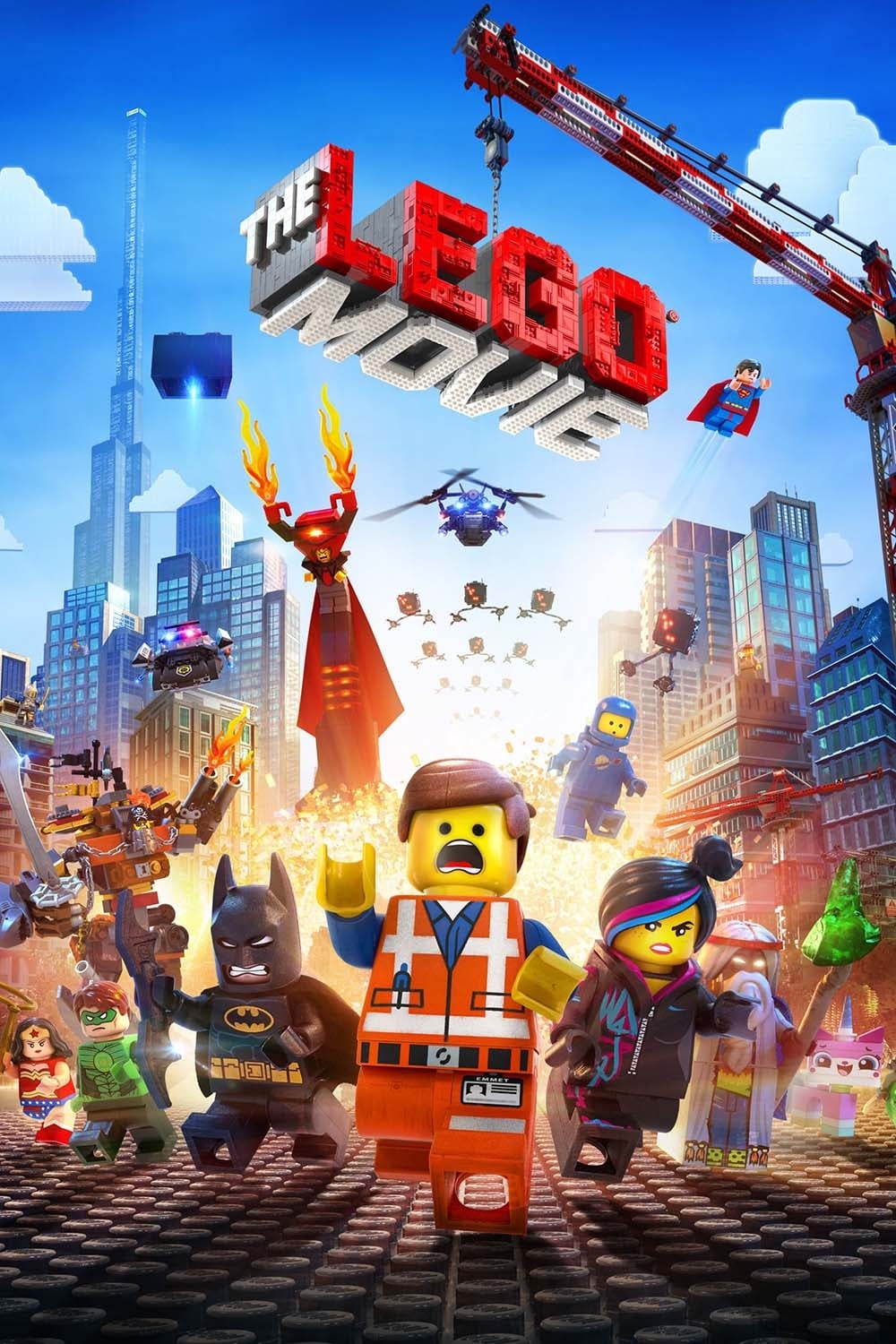
CG mimicked stop-motion timing and photographed plastic textures to keep the look toy-authentic. The script integrated brand storytelling with a narrative about creativity and play. The release catalyzed sales across multiple building sets and tie-in products. Its success encouraged studios to consider adaptable toy-to-film frameworks with strong visual identities.
‘How to Train Your Dragon’ (2010)
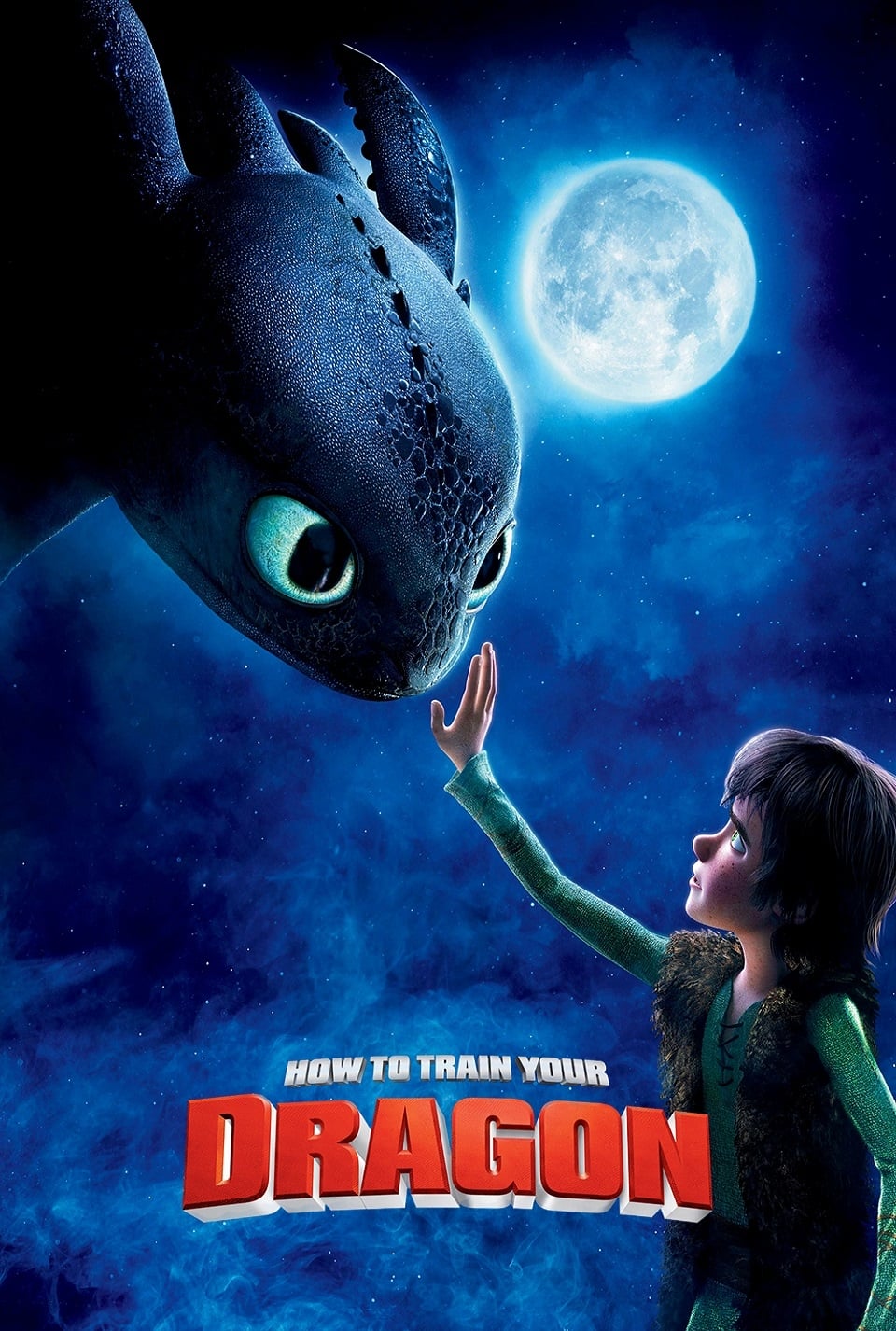
Virtual cinematography emphasized aerial sequences with dynamic camera paths and horizon lines. Character designs supported readable silhouettes during fast flight action. The franchise expanded through sequels and series that tracked meaningful character growth. Music and touring shows translated flight motifs to live experiences.
‘Inside Out’ (2015)
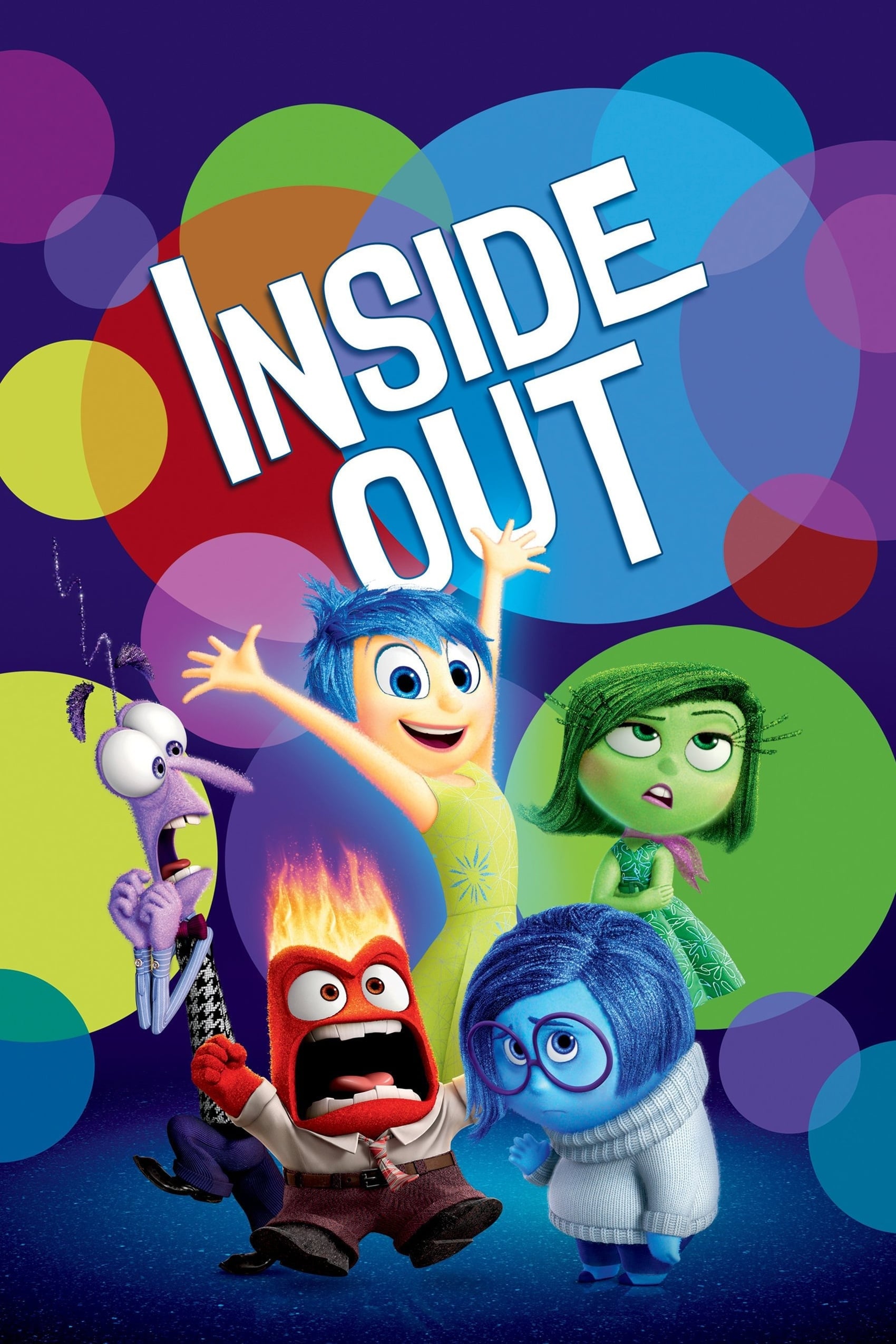
Consultation with psychologists informed a clear model of emotion, memory, and cognition for family audiences. Visual metaphors turned abstract processes into readable locations and rules. Classroom and counseling settings adopted the film’s terminology to aid discussion of feelings. The property continued through shorts and follow-ups that extended its conceptual framework.
‘Coco’ (2017)
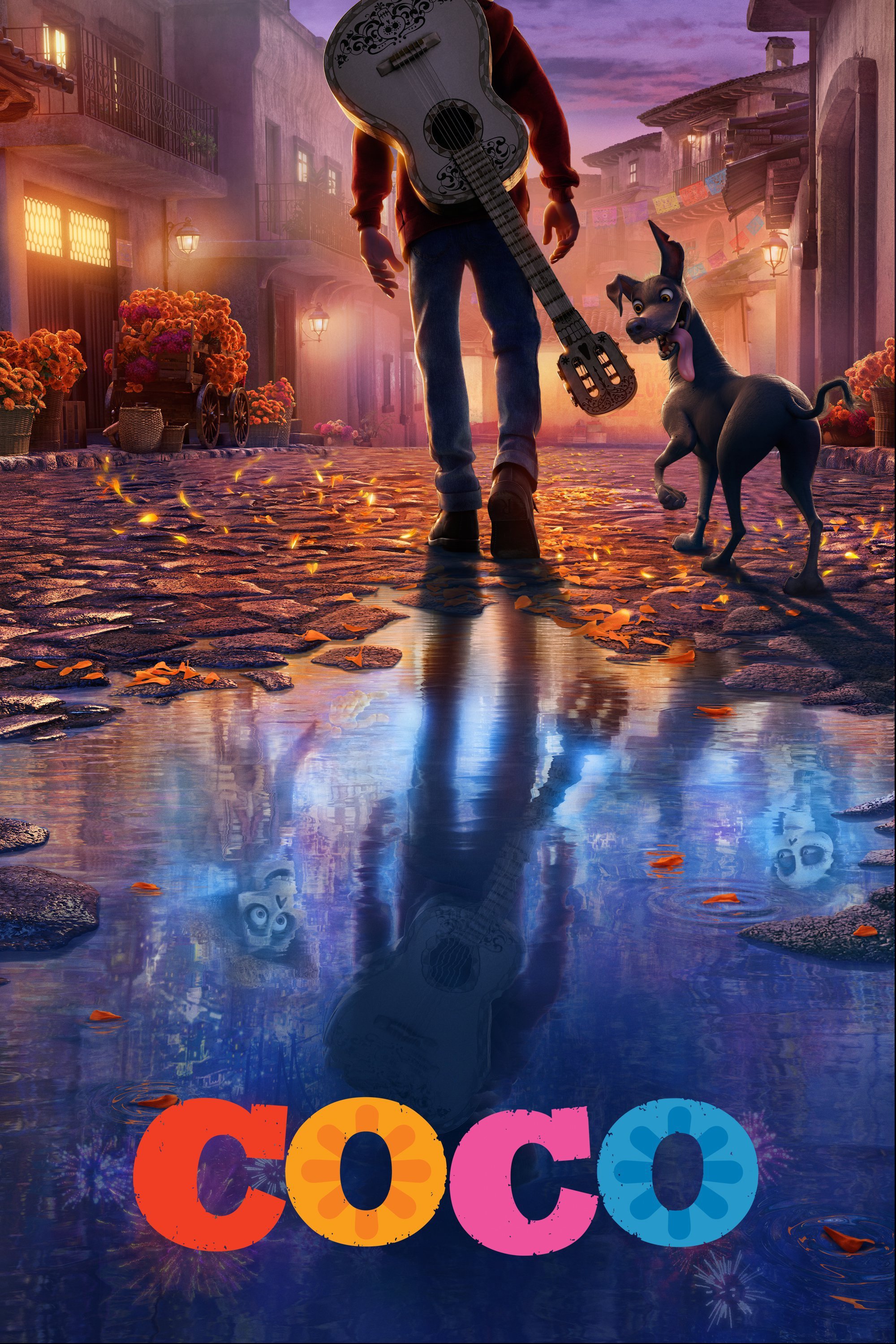
Cultural advisors guided costumes, instruments, and rituals to depict traditions with care. Music production featured authentic styles and performance practices central to the plot. The film resonated strongly in Spanish-speaking markets and across diaspora audiences. Exhibitions and concerts used the score to deepen engagement beyond the screen.
‘Moana’ (2016)
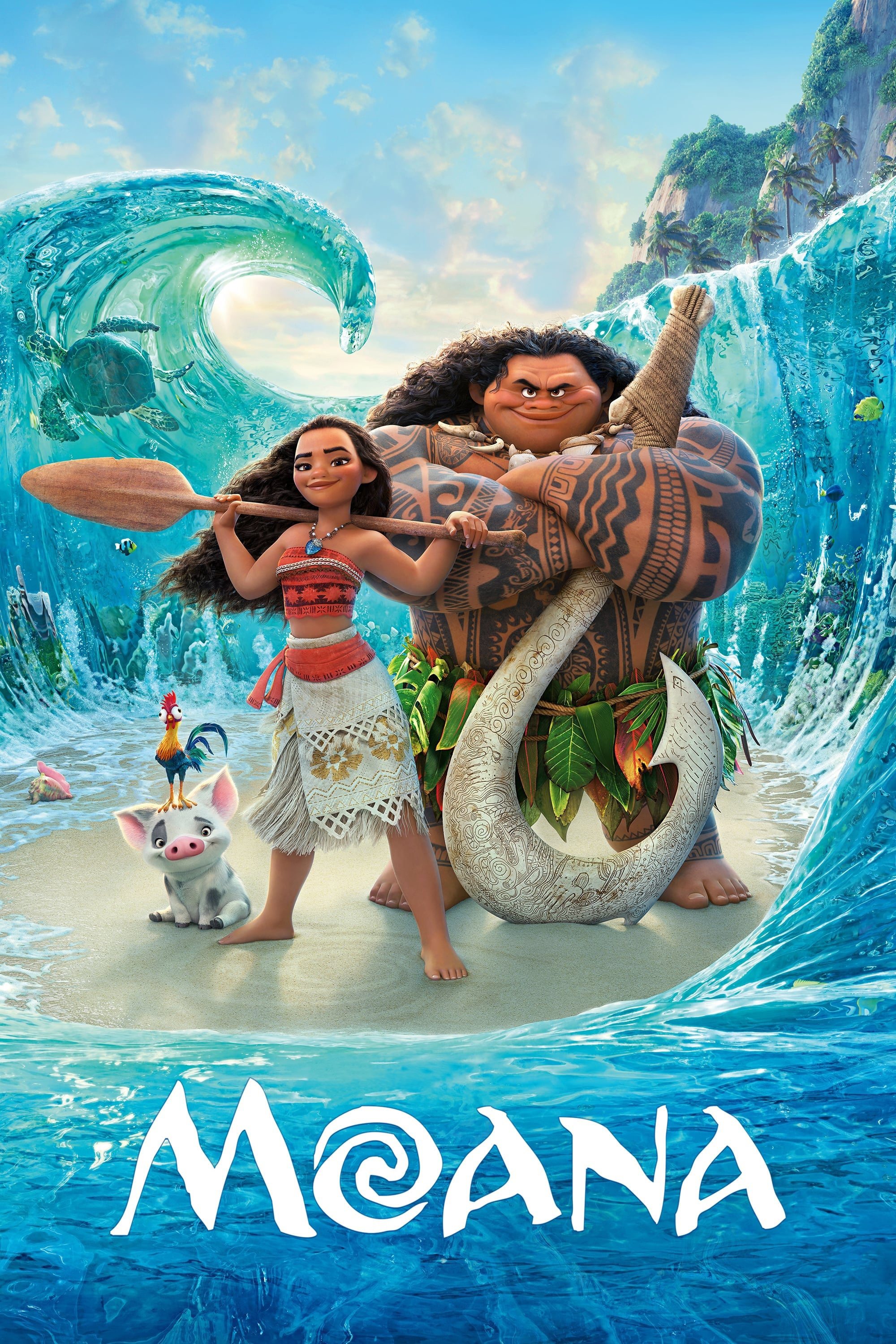
Water and wet-surface simulation advanced realism for ocean environments and hair movement. Navigational lore and canoe design were developed with regional cultural experts. The soundtrack blended contemporary songwriting with choral traditions for broad reach. Theme-park experiences and live performances kept interest active between screen releases.
‘Kiki’s Delivery Service’ (1989)
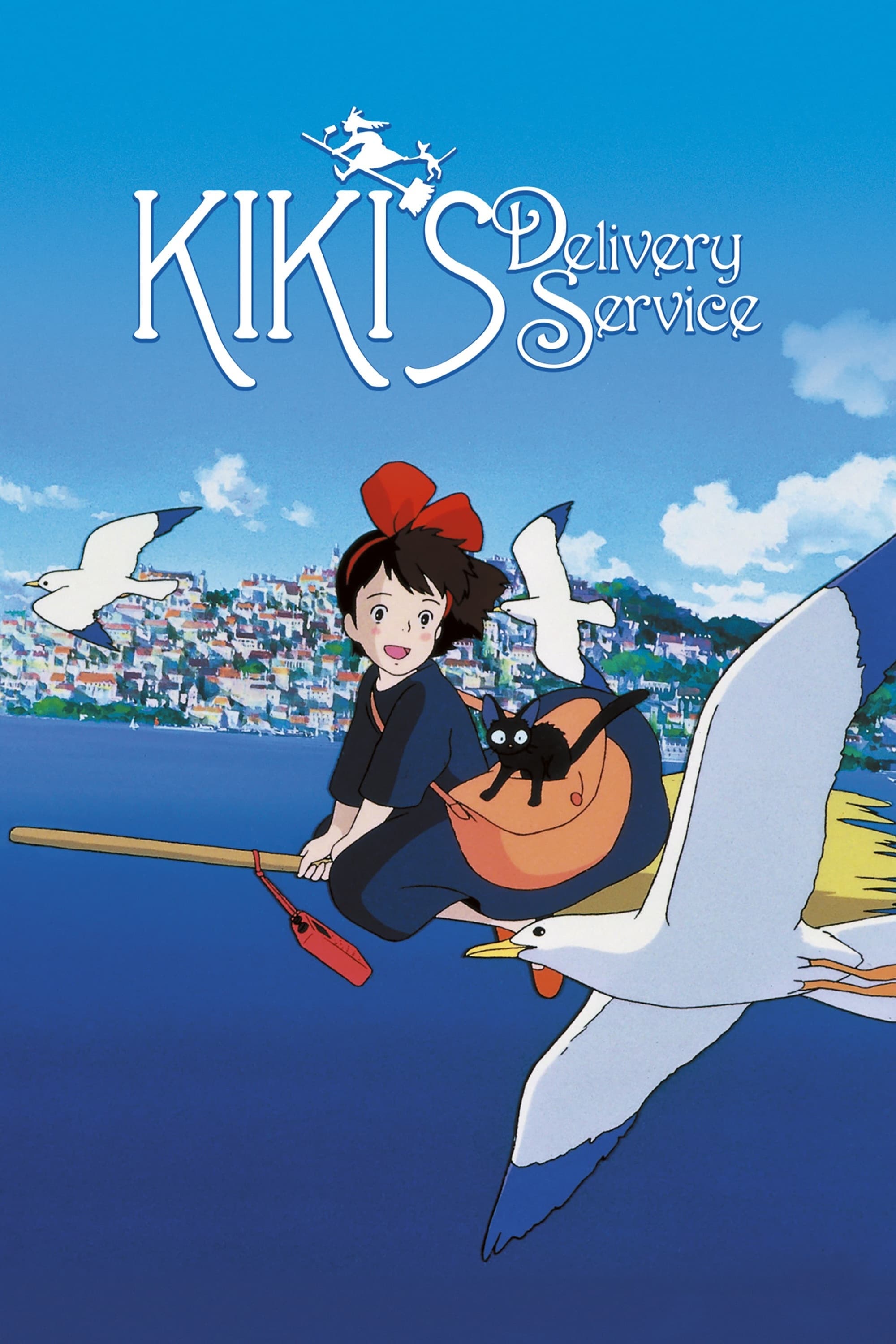
Slice-of-life pacing centered on work, community, and craft rather than large-scale conflict. Distribution deals helped introduce more Studio Ghibli titles to international family audiences. The film’s depiction of independent living and small business became a touchpoint for young viewers. Background design drew on European coastal cities to ground the setting.
‘My Neighbor Totoro’ (1988)
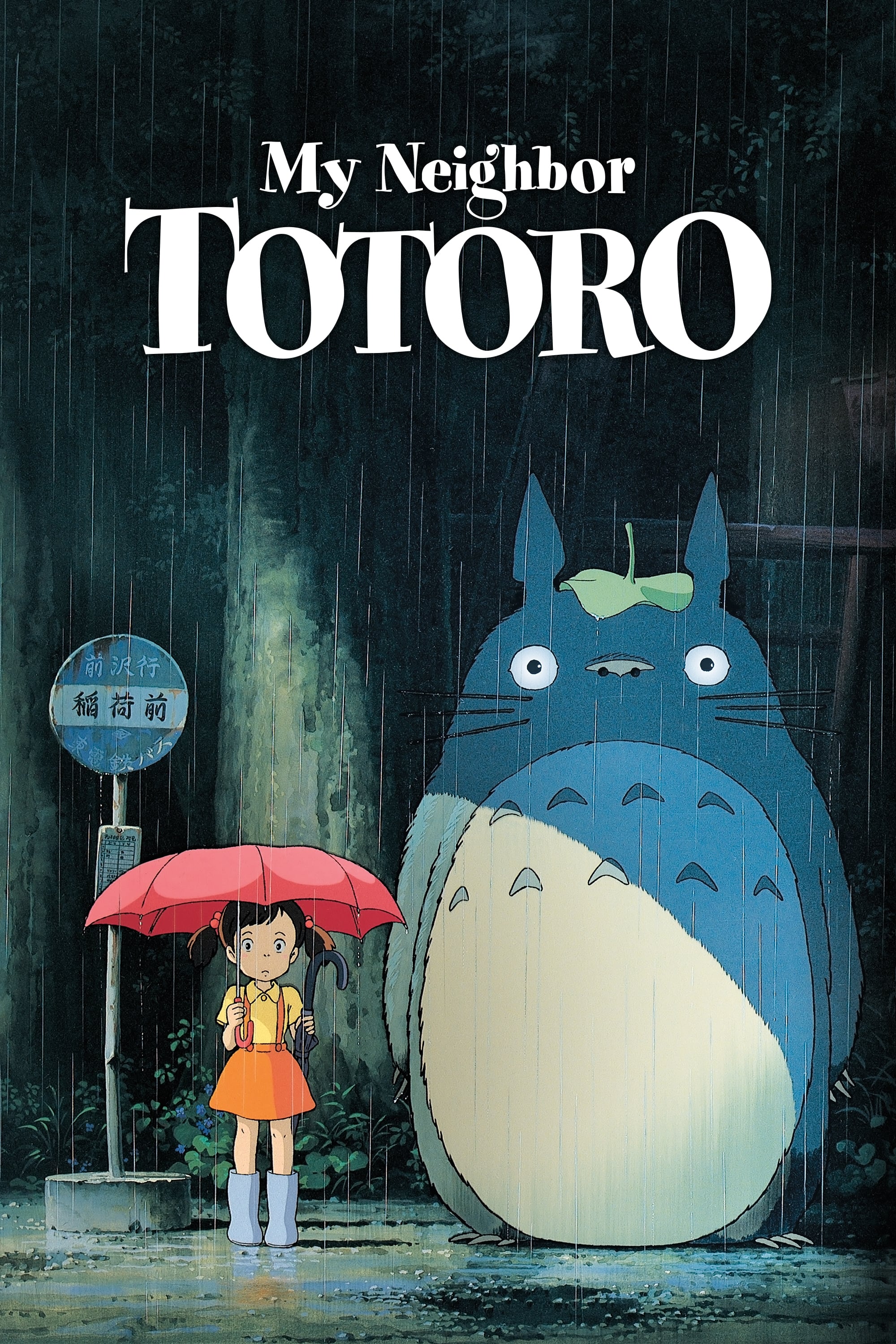
The title character evolved into a studio mascot recognized across global markets. Licensing and plush sales provided steady revenue that supported future productions. Quiet storytelling and nature imagery expanded the range of acceptable stakes for family films. The Catbus and forest spirits became durable icons in children’s media.
‘Wallace & Gromit: The Curse of the Were-Rabbit’ (2005)
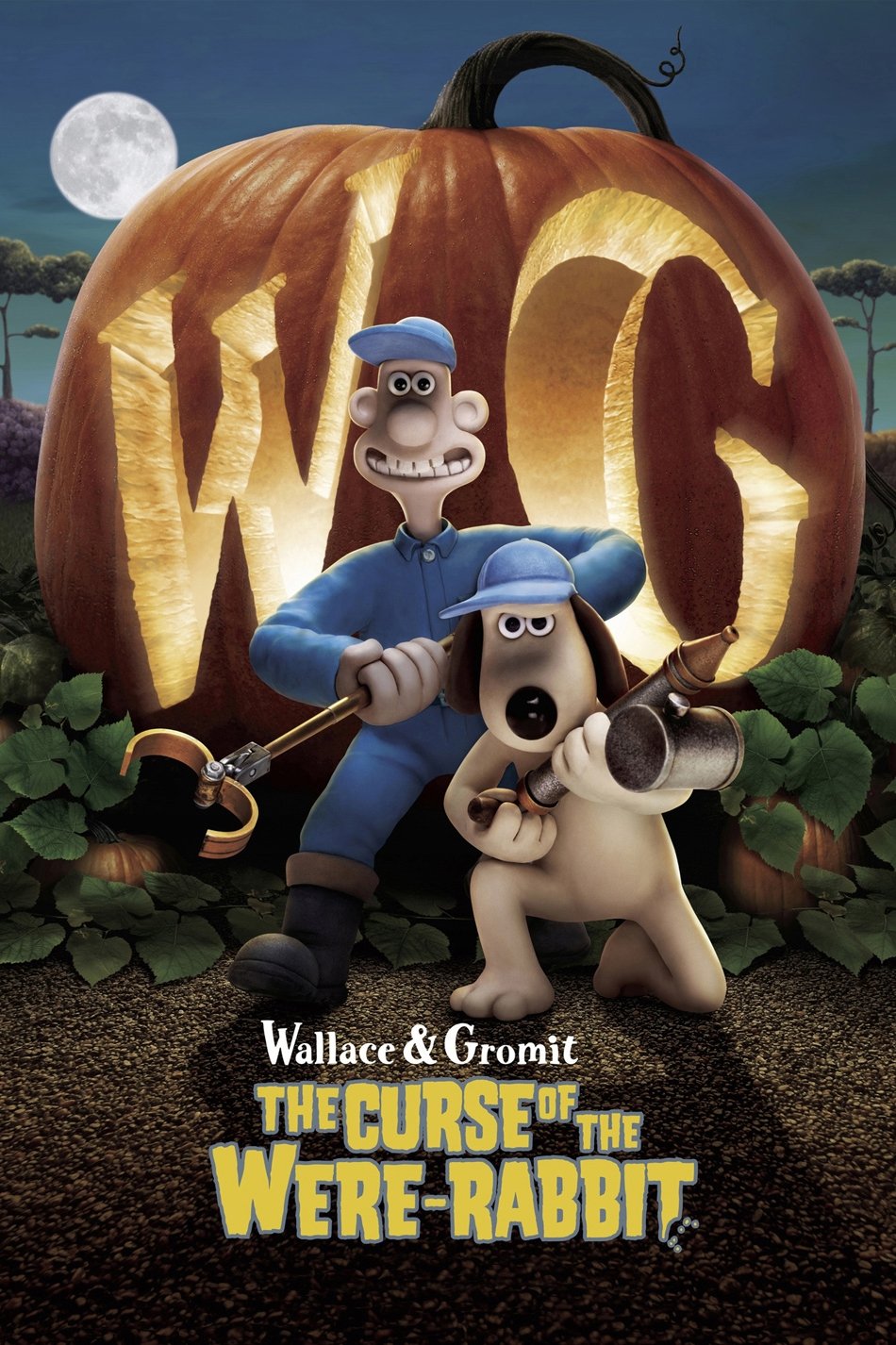
Stop-motion craftsmanship scaled to feature length with detailed sets, miniatures, and lighting continuity. Production workflows balanced hand-animated performances with digital clean-up. The film’s global rollout reinforced demand for clay animation in mainstream theaters. Awards recognition increased visibility for independent and artisanal family animation.
Share your picks and what you think makes a family film truly influential in the comments!