The Most Influential Mystery Movies of All Time

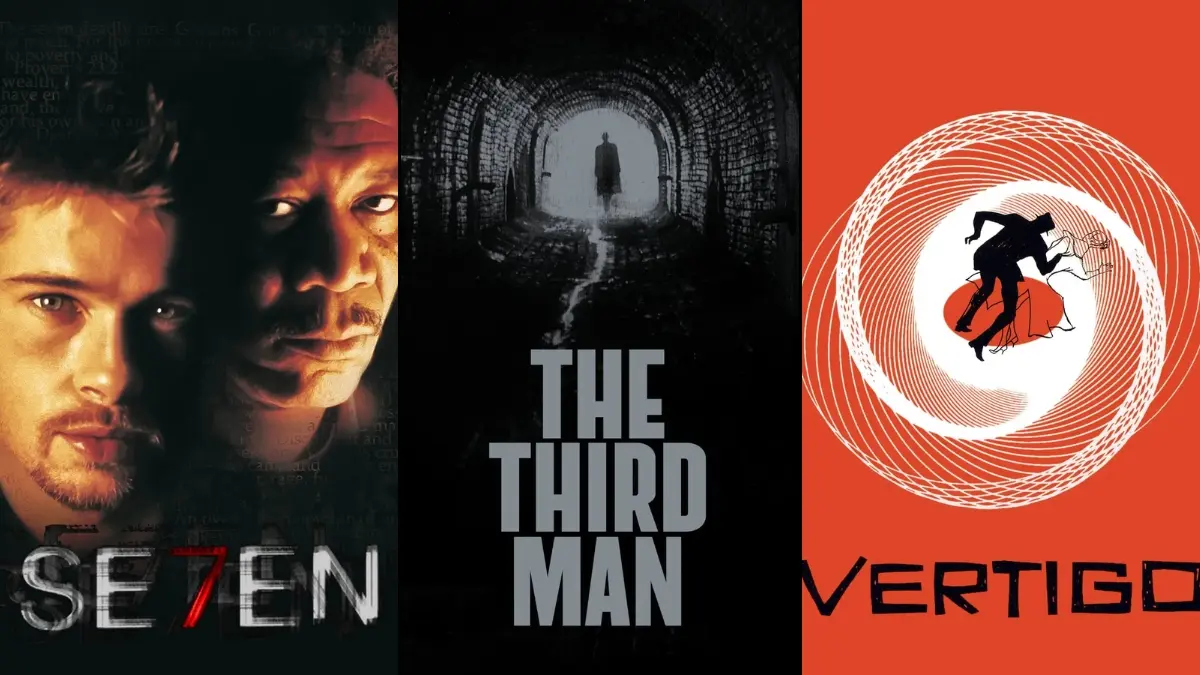

Mystery films have shaped how audiences follow clues, evaluate suspects, and piece together narratives across genres—from classic noir to contemporary thrillers and international standouts. The titles below highlight milestones in storytelling craft, character archetypes, and visual technique that continue to inform how mysteries are written, shot, edited, and scored. You’ll find pioneering detective tales, psychologically layered puzzles, and procedurals that changed how investigations are portrayed on screen. Each entry notes key creators, signature elements, and the ripple effects these films had on later works—without spoiling what makes their reveals so memorable.
‘The Third Man’ (1949)
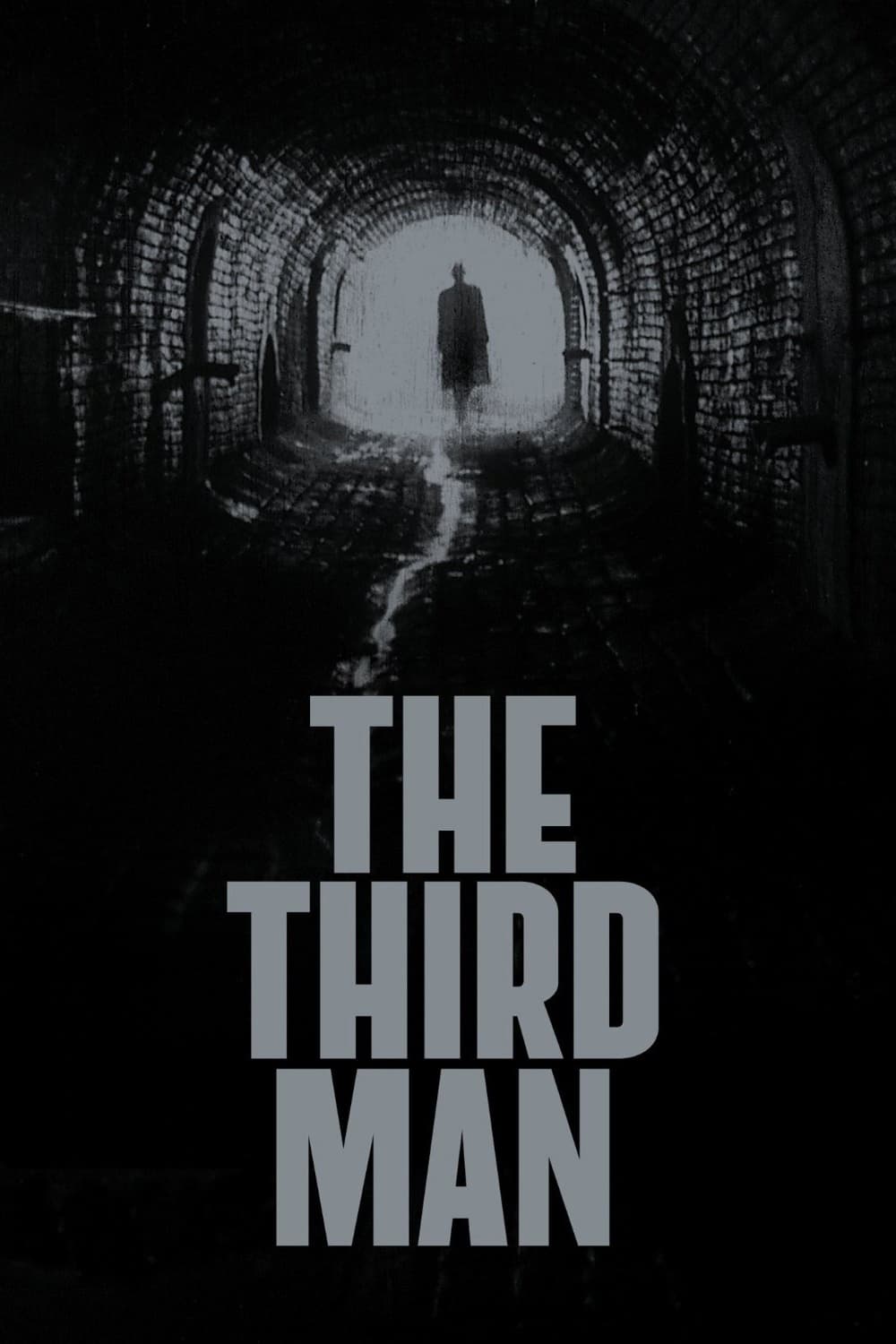
Directed by Carol Reed and written by Graham Greene, ‘The Third Man’ follows a writer navigating postwar Vienna’s black-market underworld. Joseph Cotten and Orson Welles headline a cast set against tilted compositions and inky shadows photographed by Robert Krasker. Anton Karas’s zither theme became one of cinema’s most recognizable musical signatures. Its use of location shooting, morally ambiguous characters, and a now-iconic sewer pursuit influenced the look and tone of noir worldwide.
‘Chinatown’ (1974)
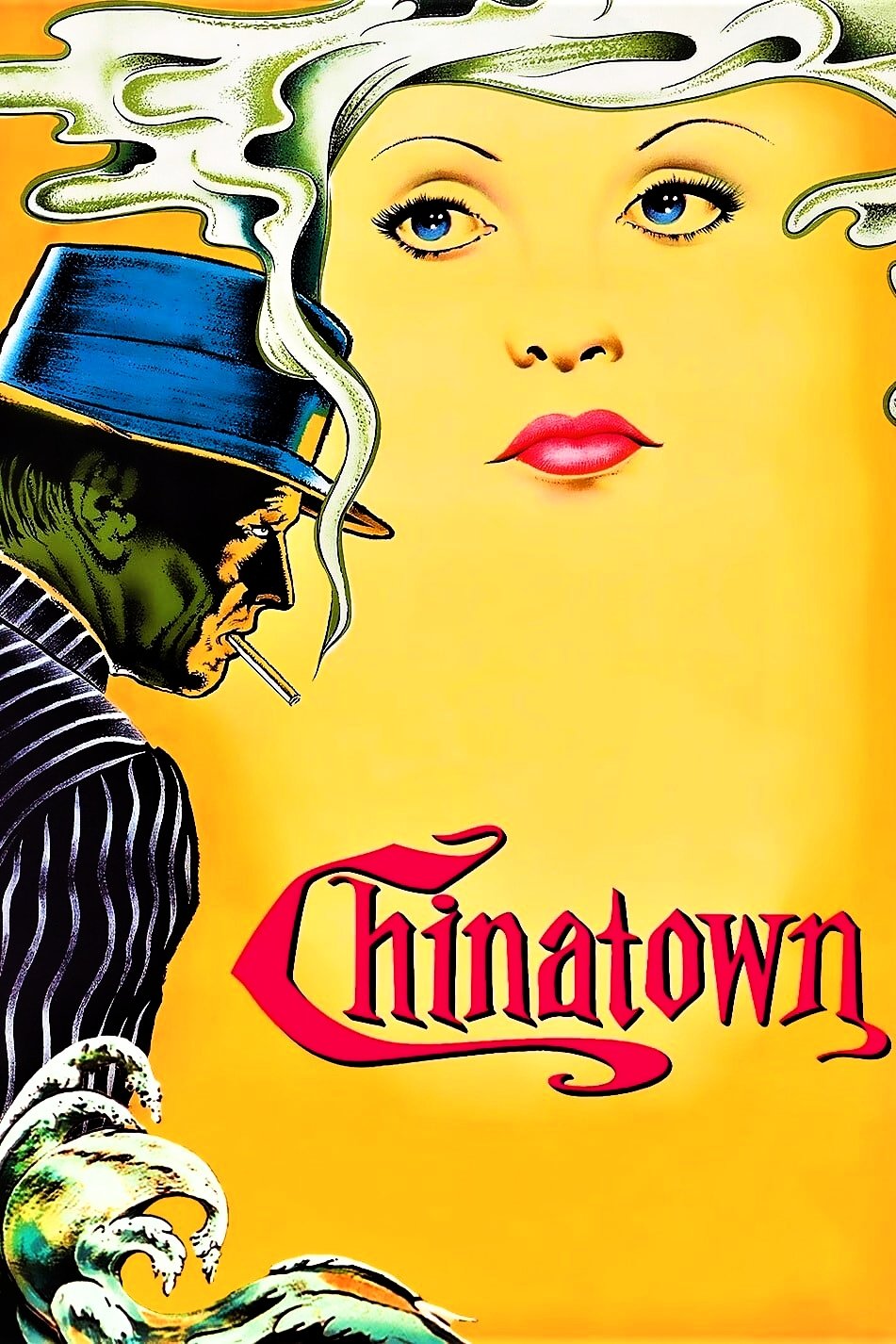
‘Chinatown’ pairs director Roman Polanski with screenwriter Robert Towne for a private-eye case entwined with municipal power and water rights in Los Angeles. Jack Nicholson and Faye Dunaway anchor a story that threads historical detail through a methodical investigation. Production design and costuming meticulously reconstruct the city’s past while Jerry Goldsmith’s score underscores simmering tension. The film’s structure and Towne’s dialogue set a template for modern neo-noir storytelling.
‘Se7en’ (1995)
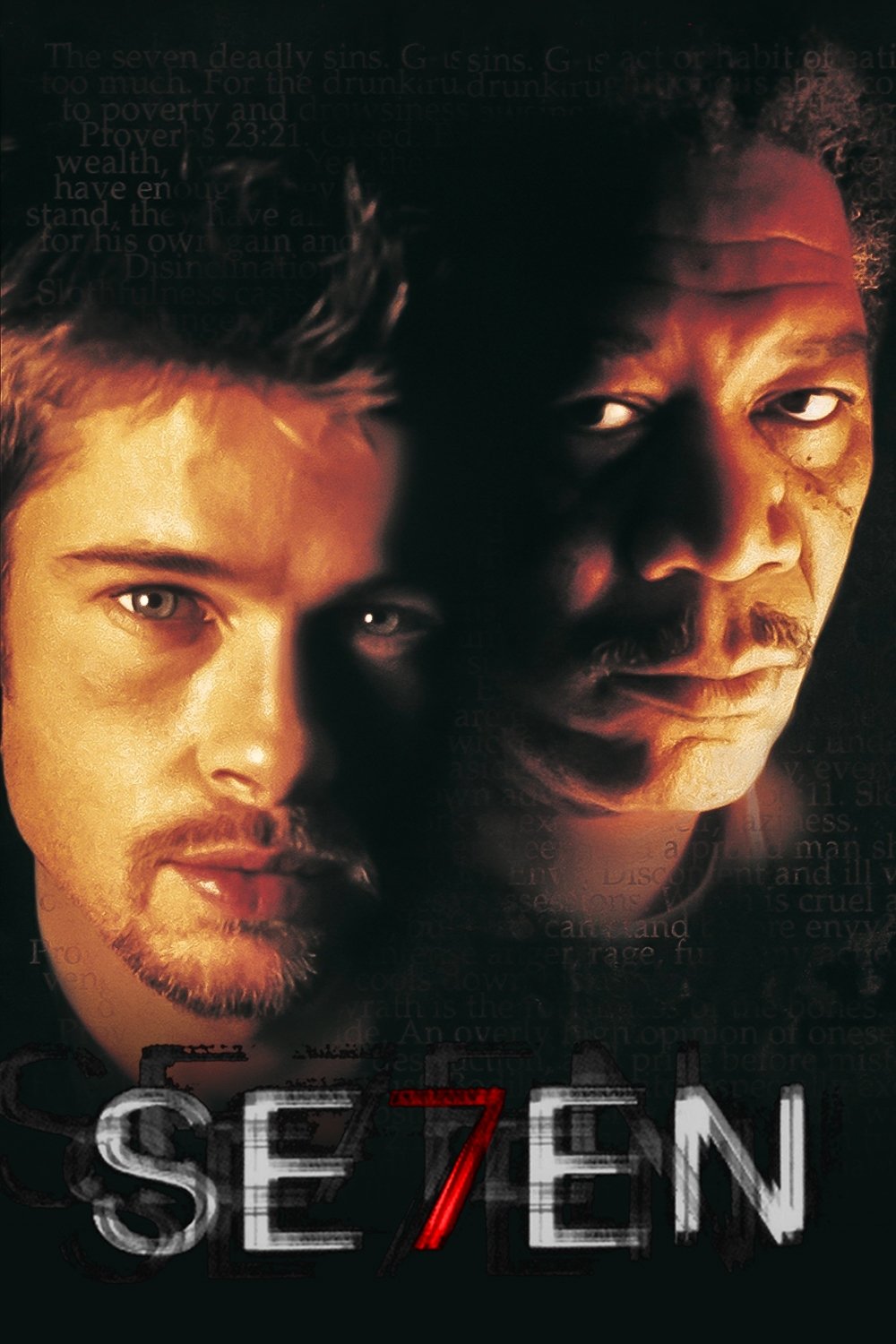
David Fincher’s ‘Se7en’ follows two detectives, played by Brad Pitt and Morgan Freeman, tracking a killer whose crimes mirror the seven deadly sins. The film’s bleak urban aesthetic is reinforced by meticulous production design and tight, procedural scene construction. Andrew Kevin Walker’s screenplay parcels information through interrogations, forensic clues, and library research. Its conclusion reshaped expectations for how studio mysteries could end while remaining structurally precise.
‘Zodiac’ (2007)
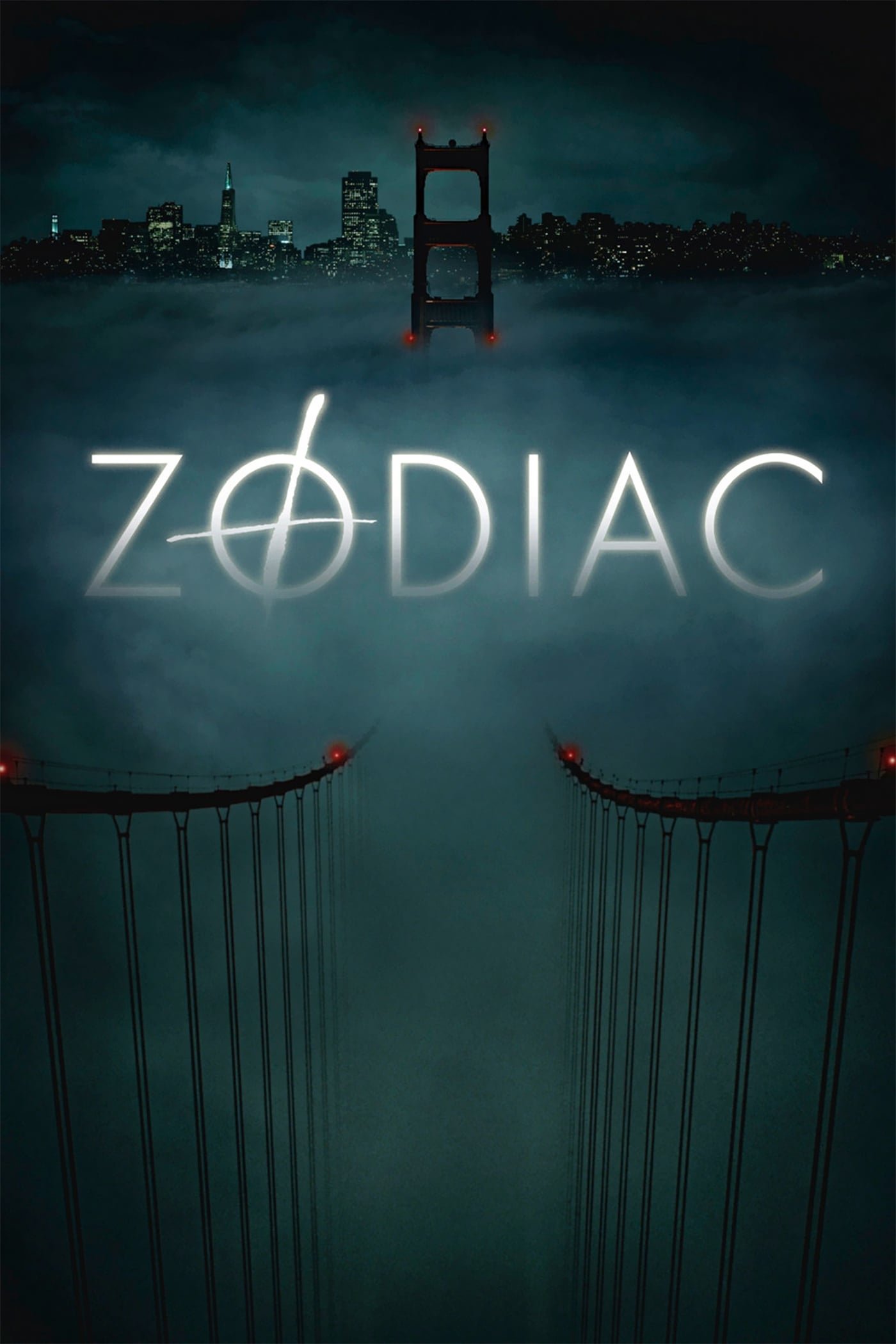
‘Zodiac’ dramatizes the multi-agency search for the Zodiac killer, centering on a newspaper cartoonist and a committed detective. David Fincher uses extensive research, multi-year timelines, and exacting digital cinematography to visualize evolving leads and dead ends. Jake Gyllenhaal, Mark Ruffalo, and Robert Downey Jr. portray professionals worn down by an open case’s demands. The film’s emphasis on documentation, cross-checking, and print culture made it a touchstone for realistic procedurals.
‘Memento’ (2000)
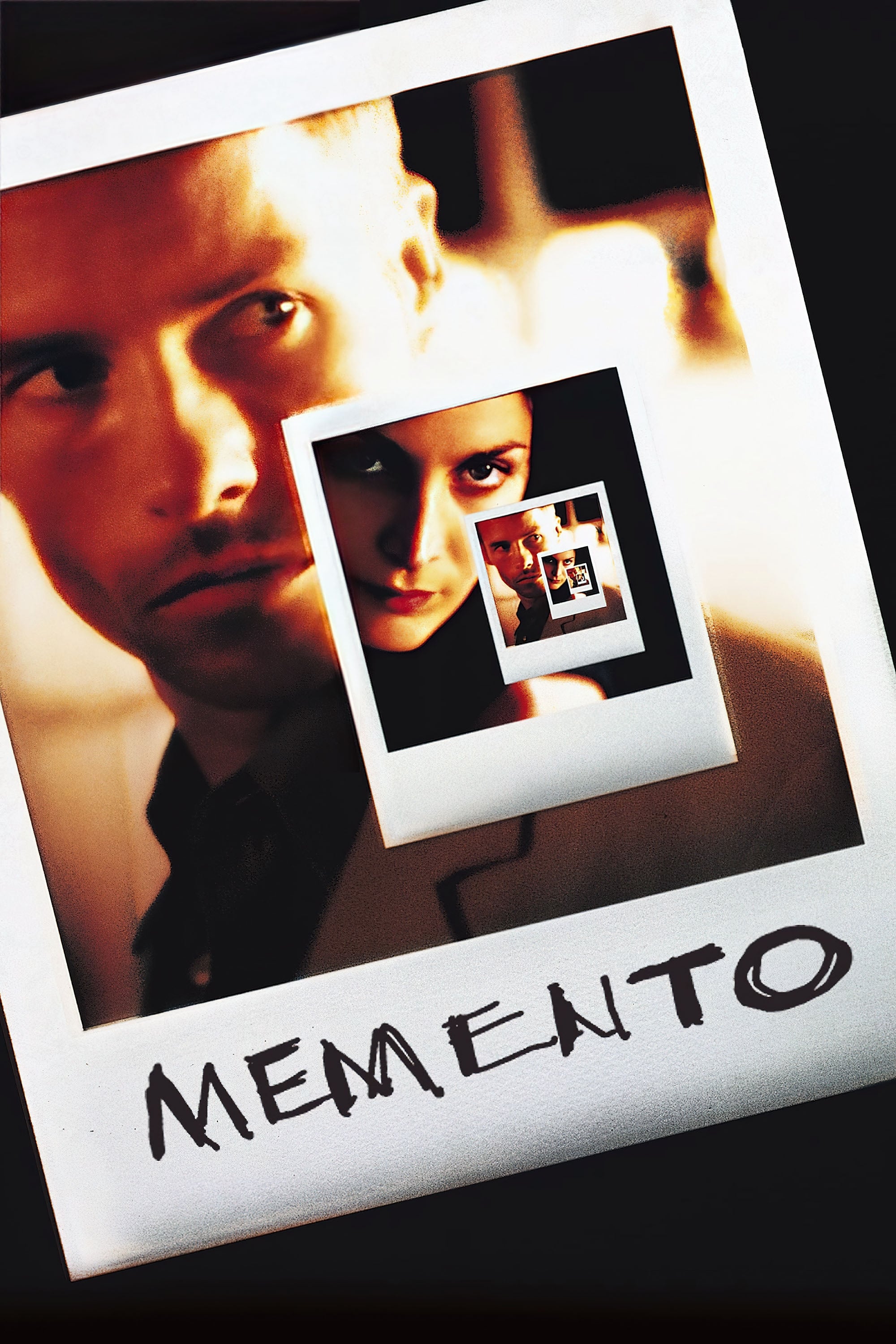
Christopher Nolan’s ‘Memento’ structures a detective story around a protagonist with anterograde amnesia who relies on Polaroids and tattoos. Guy Pearce, Carrie-Anne Moss, and Joe Pantoliano ground a narrative that intercuts color and black-and-white segments to control information flow. The film is based on Jonathan Nolan’s short story ‘Memento Mori’. Its reverse chronology and diegetic note-taking system became widely studied techniques for constructing unreliable investigations.
‘Rear Window’ (1954)
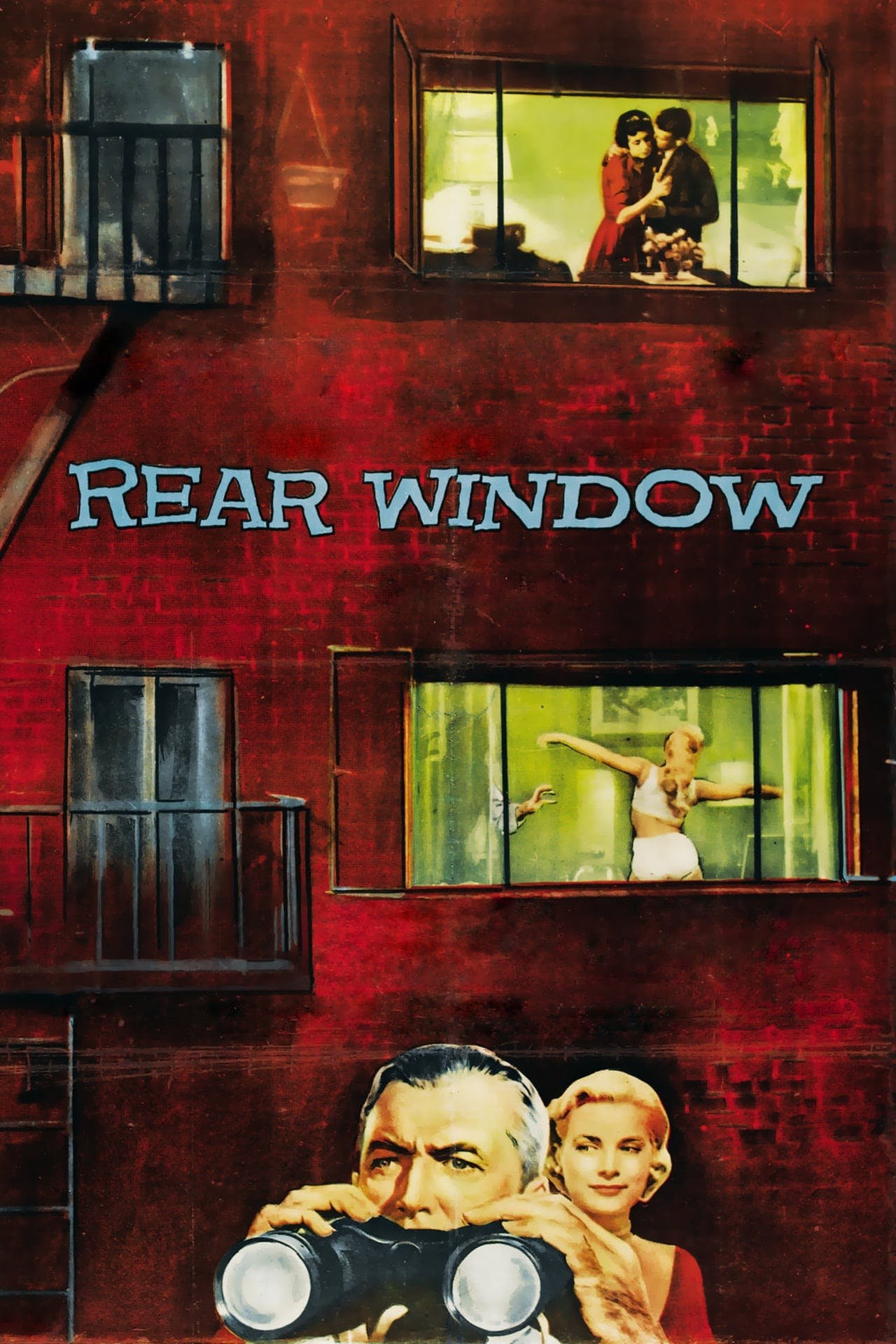
Alfred Hitchcock’s ‘Rear Window’ confines its perspective to a photographer’s apartment as he observes neighbors and suspects foul play. James Stewart and Grace Kelly lead a tightly choreographed ensemble viewed through lenses, frames, and sightlines designed by cinematographer Robert Burks. The set’s courtyard functions as a grid of simultaneous micro-stories. By turning spectatorship into evidence gathering, the film influenced countless one-location mysteries and surveillance thrillers.
‘Vertigo’ (1958)
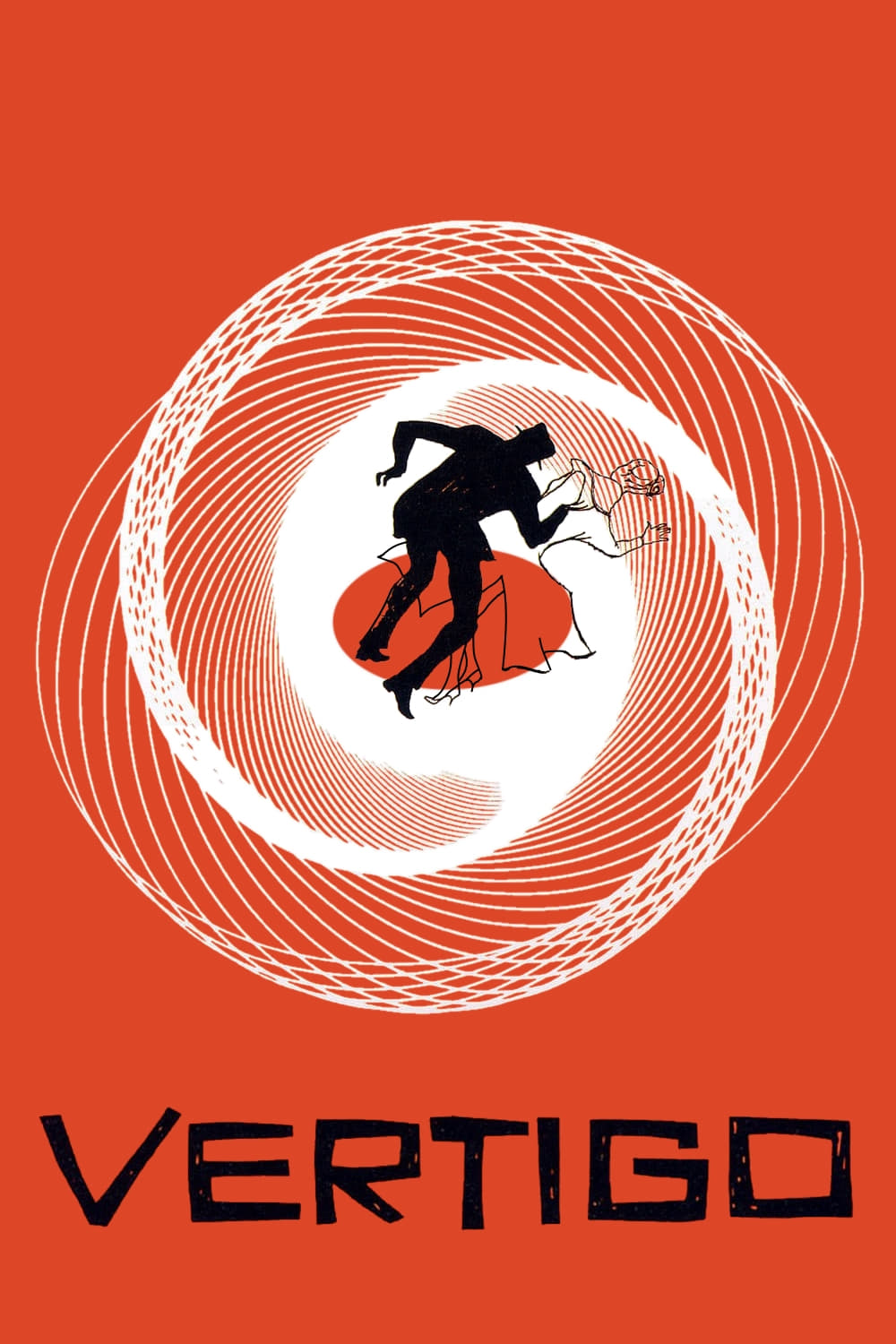
In ‘Vertigo’, Alfred Hitchcock follows a retired detective whose acrophobia complicates his surveillance of a mysterious woman. James Stewart and Kim Novak inhabit a San Francisco story shaped by Bernard Herrmann’s swirling score and the famous dolly-zoom effect. Color motifs and mirrored identities guide viewers through shifting perceptions. Its study of obsession and misdirection became a cornerstone for psychological mysteries and academic film analysis.
‘The Maltese Falcon’ (1941)
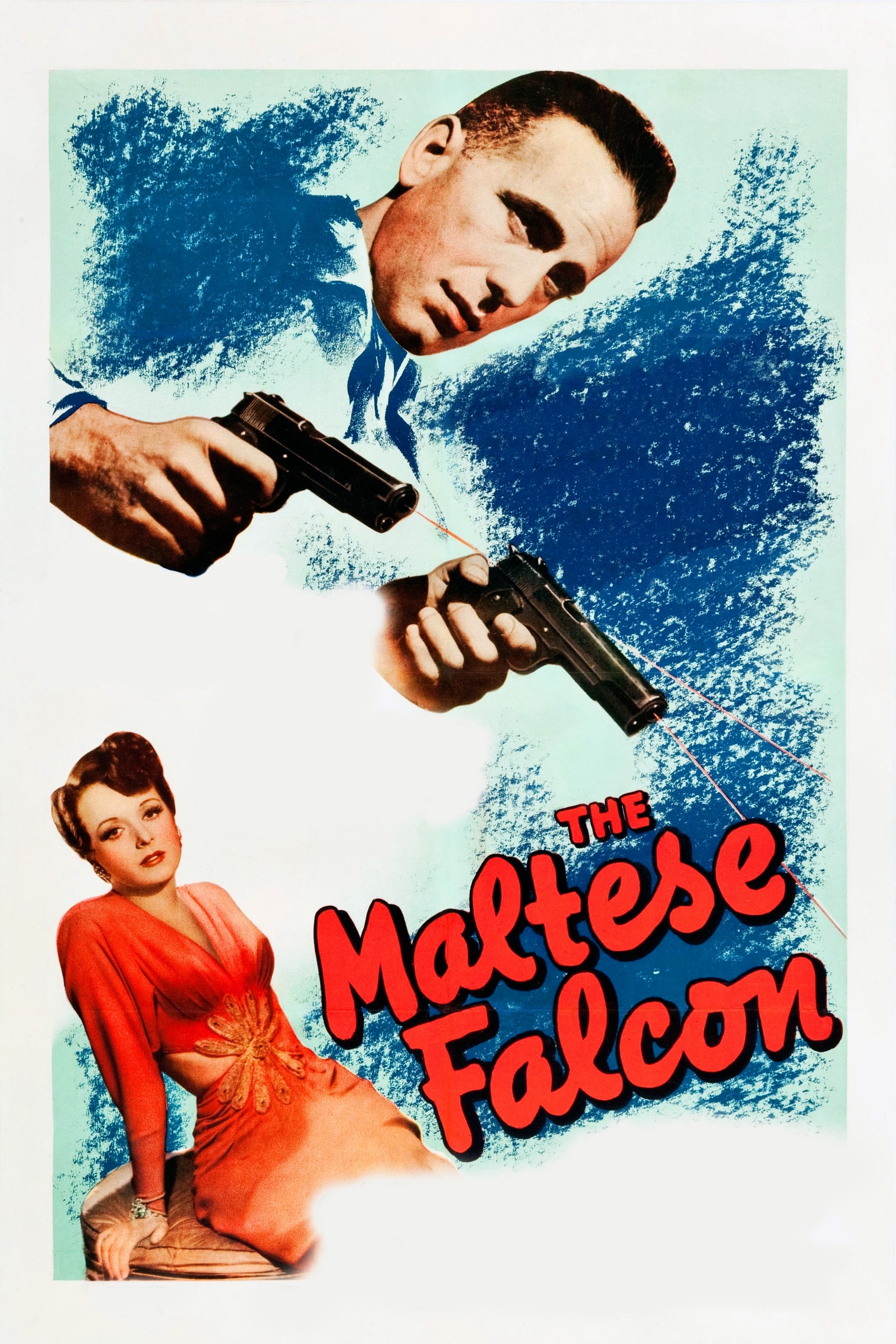
John Huston’s ‘The Maltese Falcon’ adapts Dashiell Hammett’s novel about a private investigator and a coveted statuette. Humphrey Bogart, Mary Astor, Peter Lorre, and Sydney Greenstreet navigate overlapping agendas and rapid-fire interrogation scenes. Huston’s script and blocking translated hard-boiled prose into crisp cinematic language. The film formalized detective-film tropes—client deception, a MacGuffin, and ethically gray leads—that defined noir plotting.
‘Psycho’ (1960)
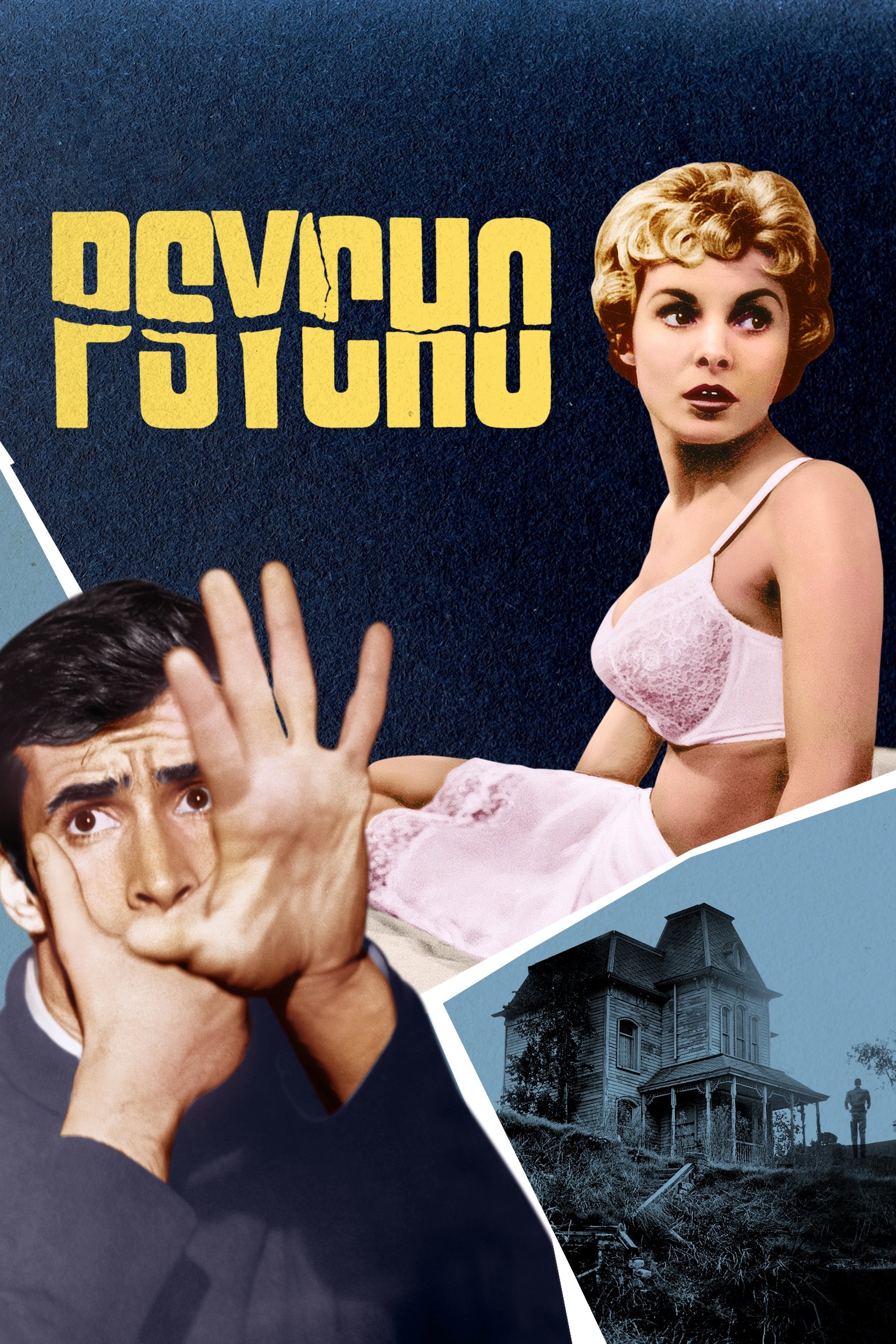
Alfred Hitchcock’s ‘Psycho’ begins with a theft and shifts into an investigation around a remote motel. Anthony Perkins and Janet Leigh headline a production that used economical sets, stark black-and-white photography, and Bernard Herrmann’s shrieking strings. Hitchcock’s marketing embargoes and “no late admissions” policy managed audience knowledge like evidence control. The film’s mid-story narrative pivot influenced how mysteries can reassign protagonists and reset stakes.
‘L.A. Confidential’ (1997)
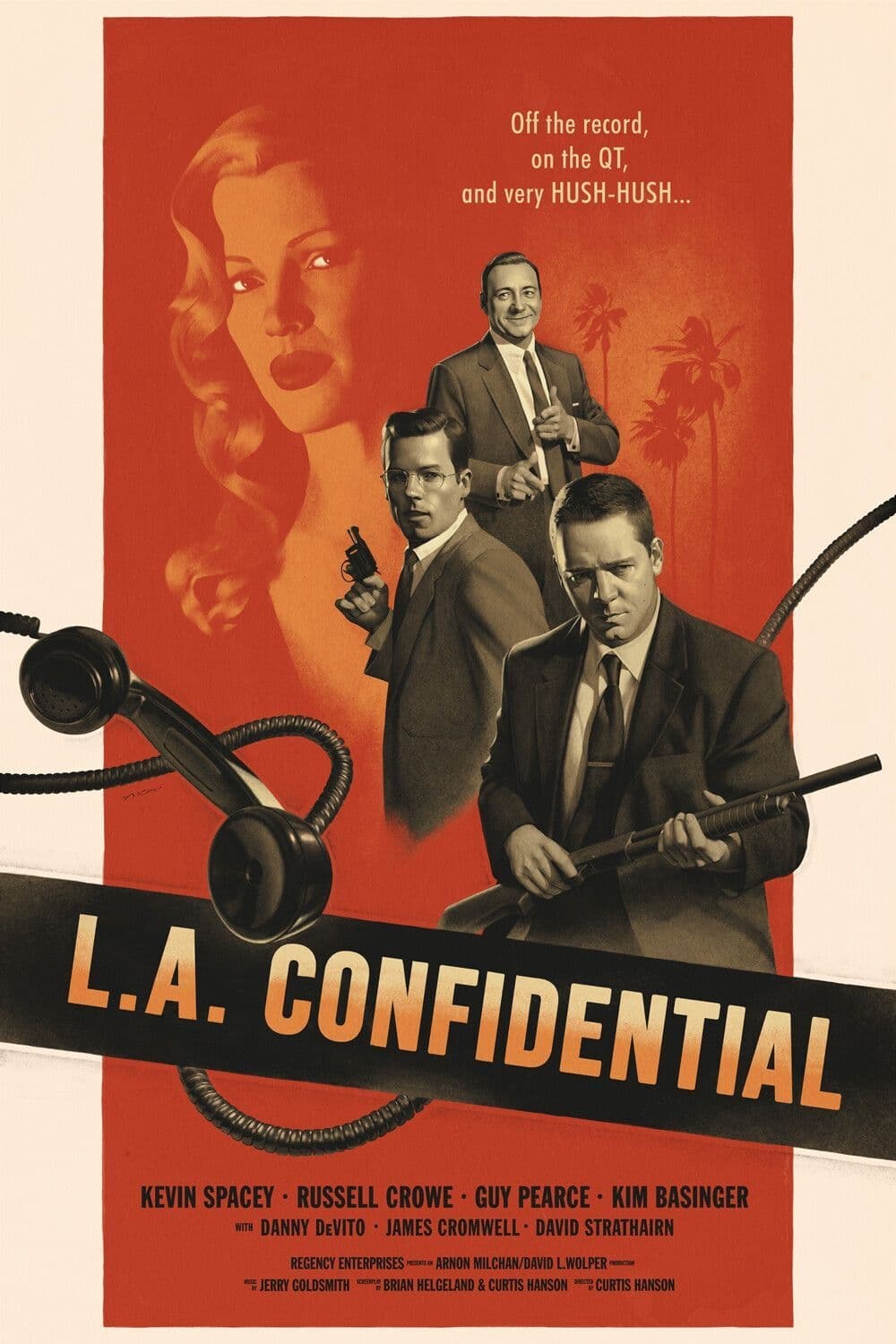
Curtis Hanson’s ‘L.A. Confidential’ adapts James Ellroy’s novel about intersecting LAPD investigations, tabloid media, and organized crime. Russell Crowe, Guy Pearce, Kevin Spacey, and Kim Basinger power a plot that exposes institutional incentives and cover-ups. Dante Spinotti’s cinematography and period design reconstruct city spaces crucial to the casework. The film earned Academy Awards for Adapted Screenplay and Supporting Actress, underscoring the precision of its writing and performances.
‘The Big Sleep’ (1946)
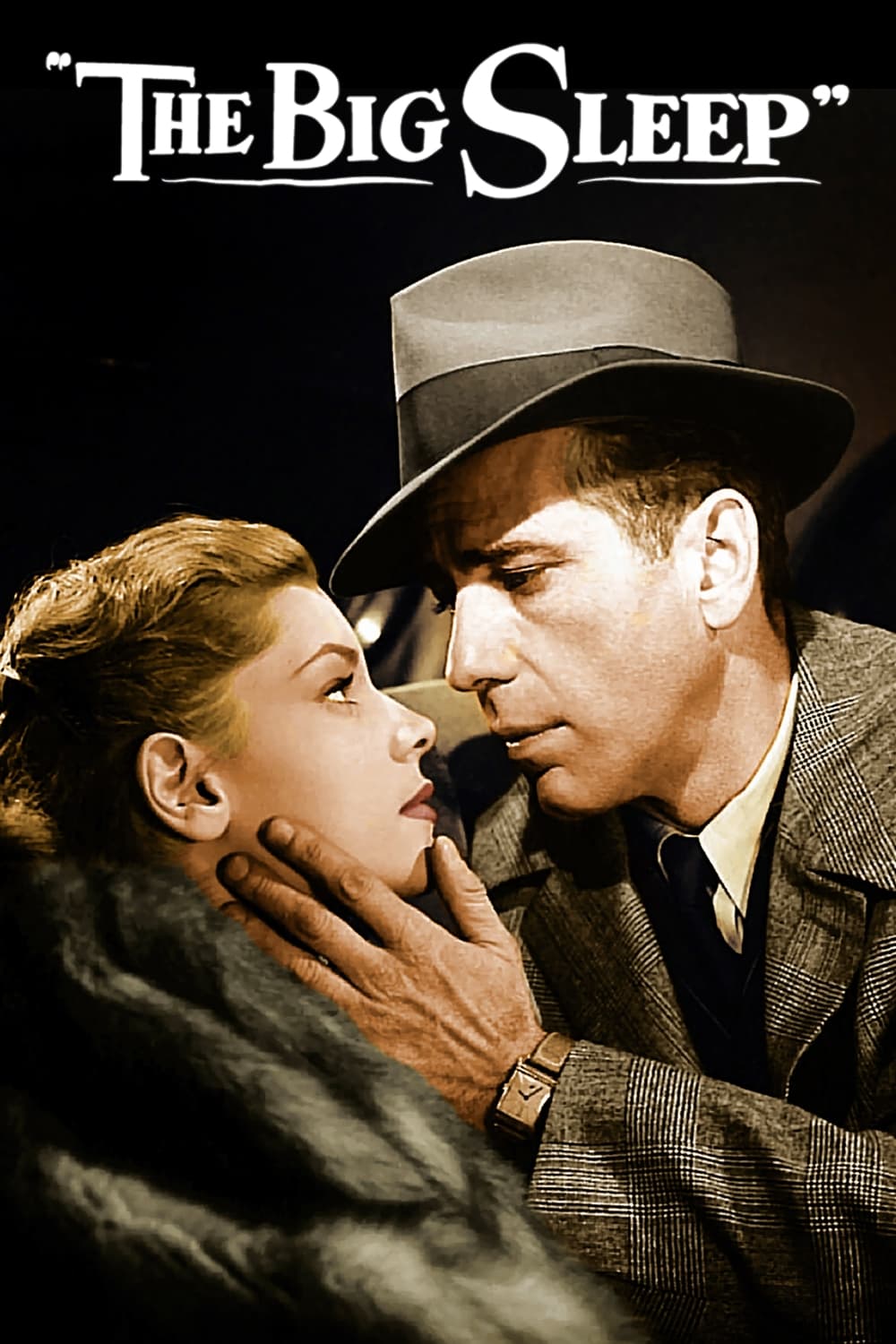
‘The Big Sleep’ translates Raymond Chandler’s labyrinthine casework for the screen under director Howard Hawks. Humphrey Bogart’s Philip Marlowe navigates blackmail, missing persons, and overlapping motives, with Lauren Bacall as a key foil. The screenplay by Leigh Brackett, Jules Furthman, and William Faulkner preserves Chandler’s crackling language. Its intentionally opaque chain of clues became a benchmark for complex, dialogue-driven mysteries.
‘The Silence of the Lambs’ (1991)
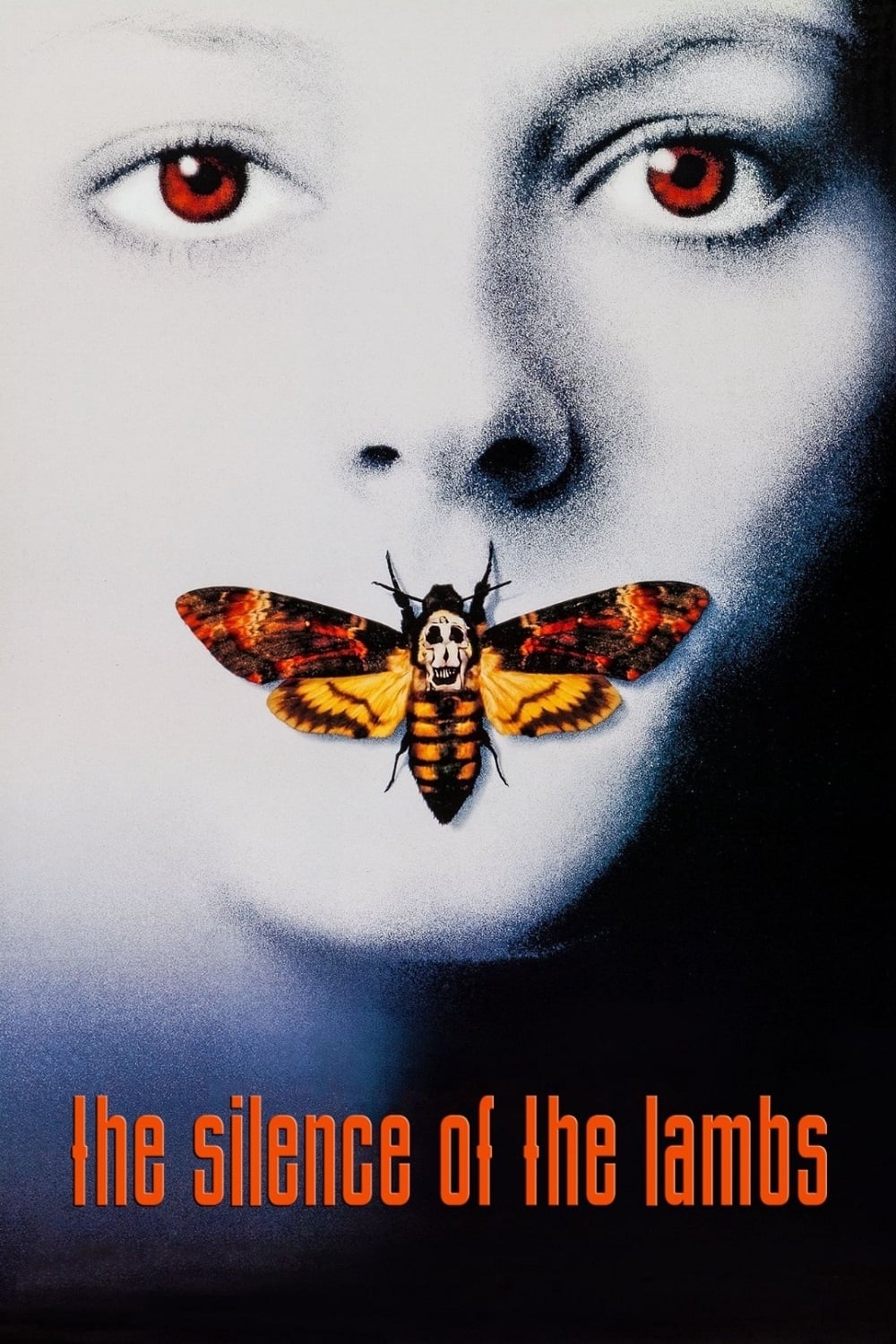
Jonathan Demme’s ‘The Silence of the Lambs’ pairs an FBI trainee with an incarcerated psychiatrist to profile a serial murderer. Jodie Foster and Anthony Hopkins anchor scenes built around psychological negotiation, controlled eye-lines, and subject-camera proximity. The film integrates behavioral science procedures, evidence collection, and inter-agency coordination into its momentum. It won the Academy Awards’ “Big Five,” highlighting the craft across acting, direction, and writing in a mystery framework.
‘Gone Girl’ (2014)
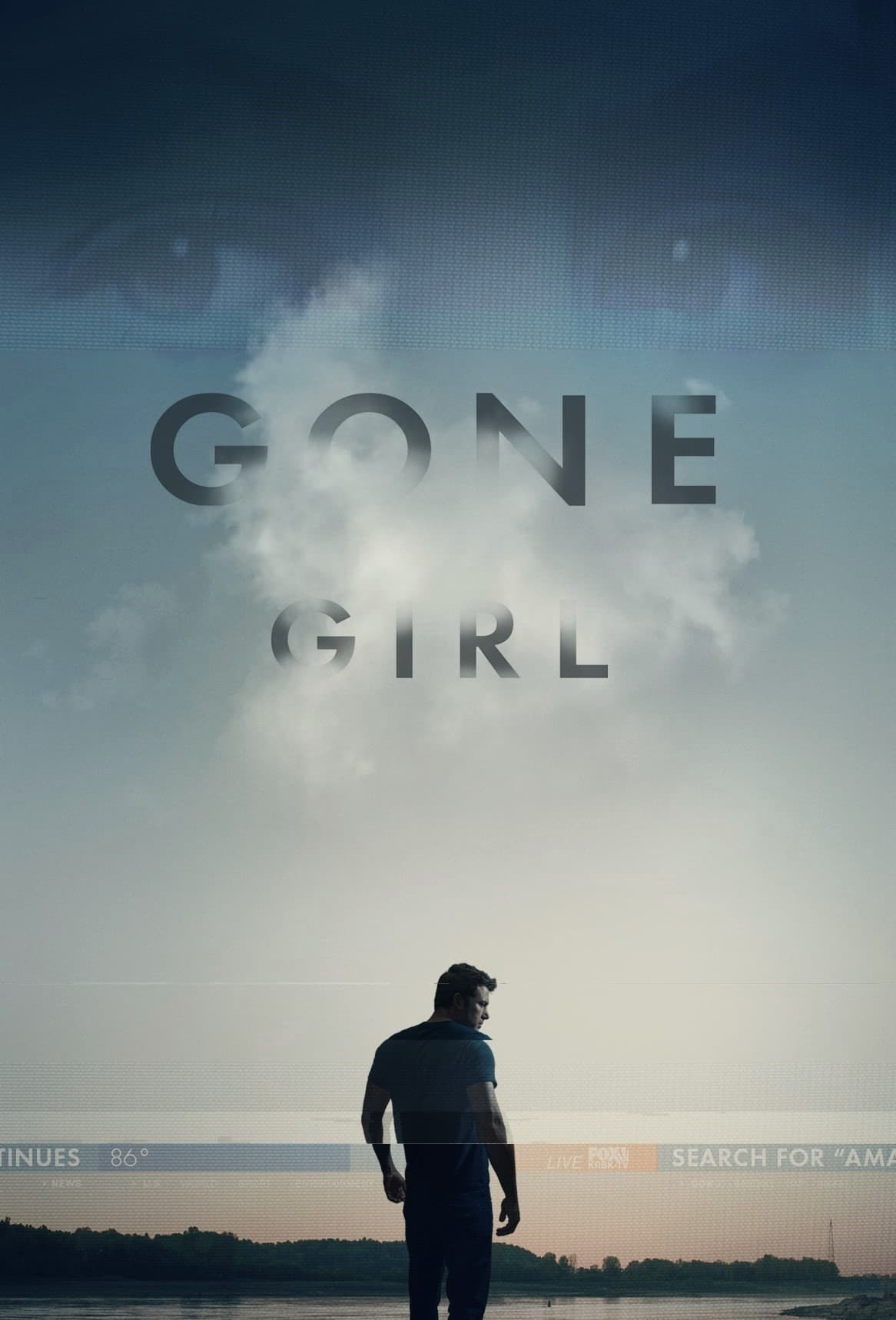
David Fincher’s ‘Gone Girl’ adapts Gillian Flynn’s novel—scripted by Flynn—about a missing-person case shaped by media narratives and marital secrets. Ben Affleck and Rosamund Pike lead a story that alternates between investigation and diary fragments to recontextualize facts. Atticus Ross and Trent Reznor’s score underscores shifts in perspective. Pike received an Academy Award nomination for Best Actress, and the film popularized a wave of twist-driven domestic mysteries.
‘The Usual Suspects’ (1995)
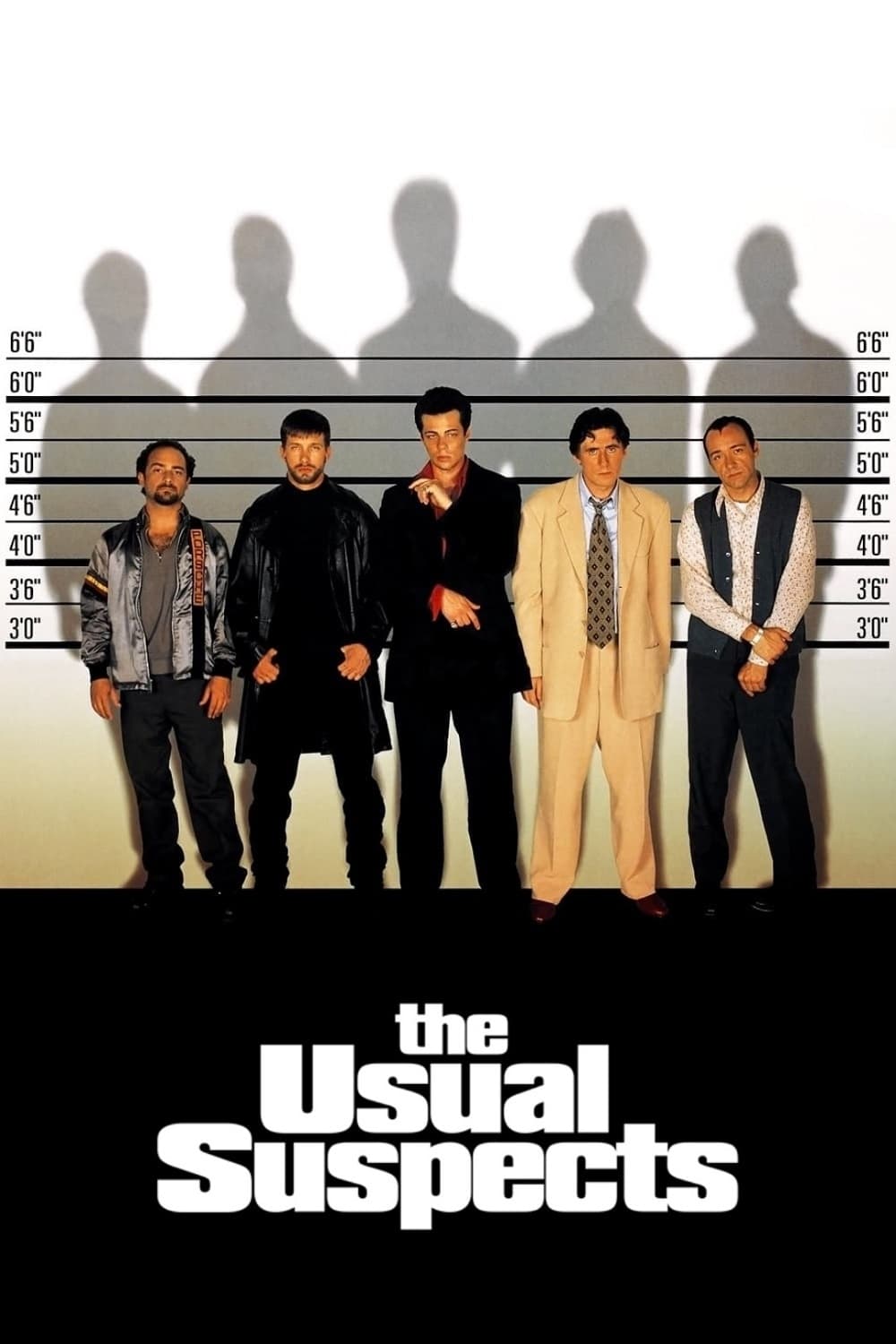
‘The Usual Suspects’, directed by Bryan Singer and written by Christopher McQuarrie, unfolds largely through an interrogation that reconstructs a heist. Gabriel Byrne, Kevin Spacey, and Benicio Del Toro head an ensemble of unreliable narrators and competing alibis. Its structure foregrounds how spoken testimony can fabricate or conceal evidence. The film won Academy Awards for Supporting Actor and Original Screenplay, cementing its script-first approach to mystery construction.
‘Oldboy’ (2003)
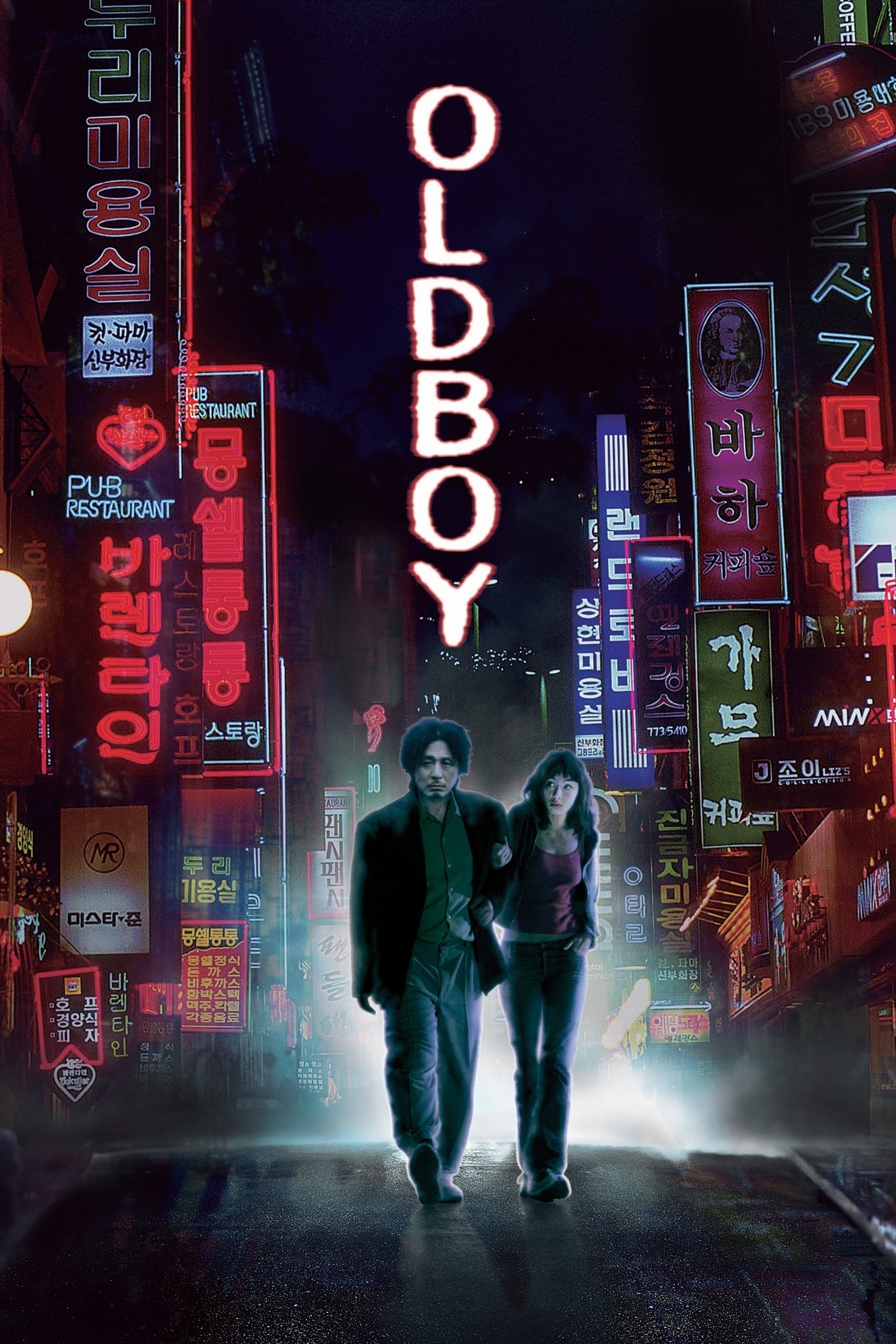
Park Chan-wook’s ‘Oldboy’ tracks a man inexplicably imprisoned and then released, pushing him to uncover who orchestrated his captivity. Choi Min-sik’s performance anchors set-piece investigations, including a corridor hammer fight executed in a single extended take. The film is part of the director’s Vengeance Trilogy and received the Grand Prix at Cannes. Its blend of precise visual grammar and layered revelations influenced neo-noir mysteries across Asia and beyond.
‘Memories of Murder’ (2003)
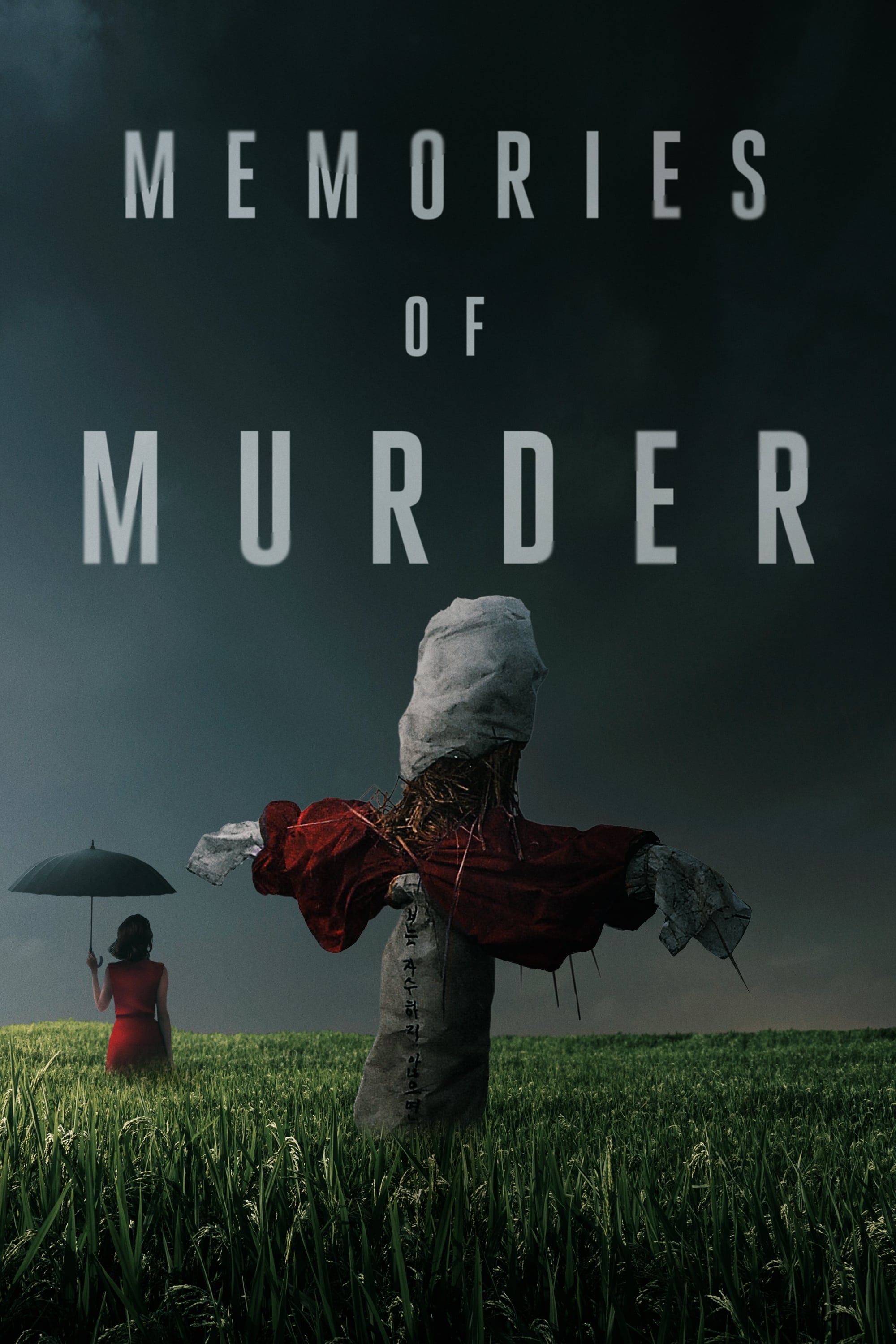
Bong Joon-ho’s ‘Memories of Murder’ dramatizes the hunt for a serial killer in rural Korea, centering on clashing investigative methods. Song Kang-ho and Kim Sang-kyung portray detectives balancing intuition, forensic limitations, and bureaucratic pressures. The film draws from the real Hwaseong murder case and integrates social context with procedural detail. Its unresolved tensions and tonal control reshaped expectations for true-crime mysteries on film.
‘The Girl with the Dragon Tattoo’ (2011)
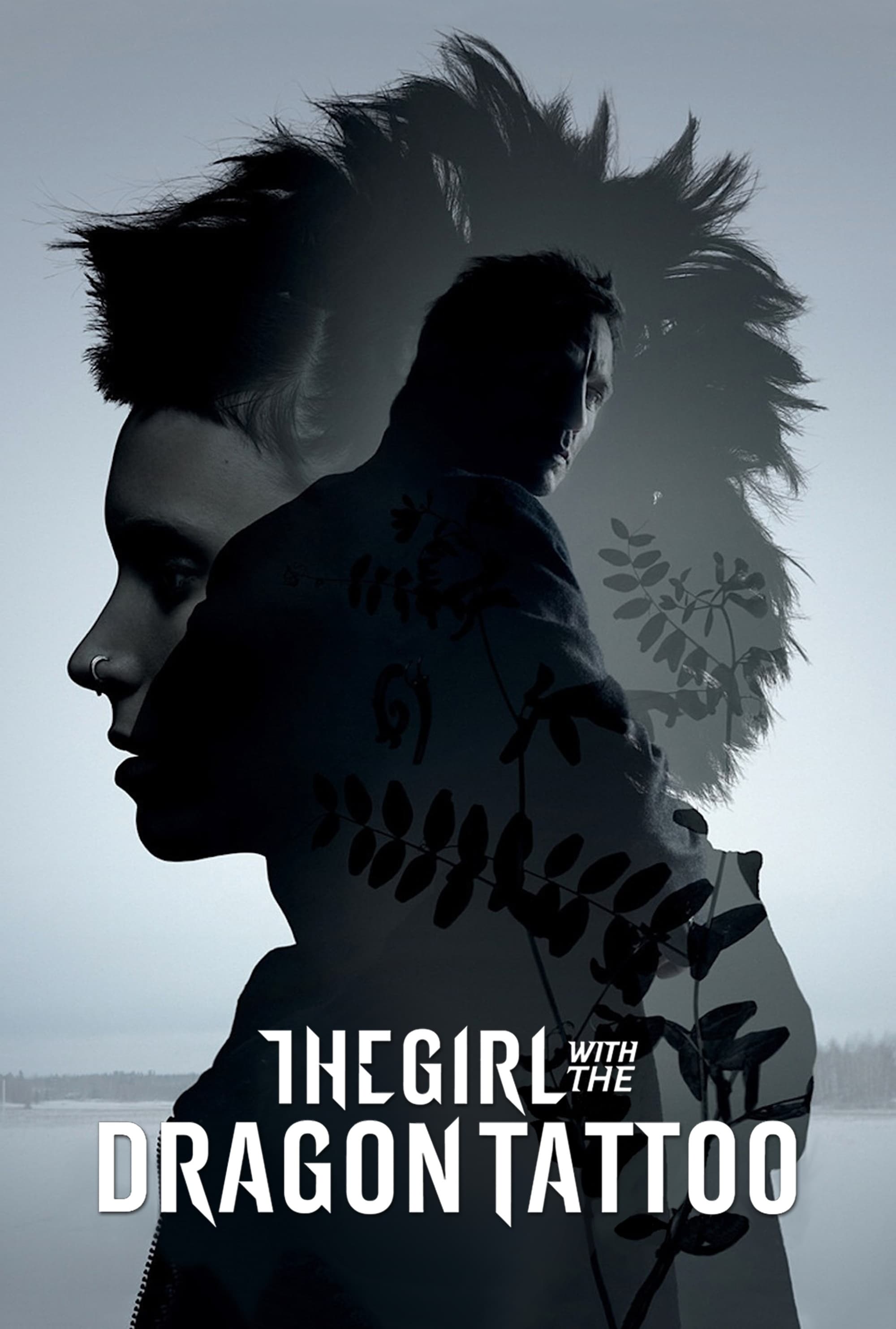
David Fincher’s ‘The Girl with the Dragon Tattoo’ adapts Stieg Larsson’s bestseller about a journalist and a hacker investigating a family’s dark history. Rooney Mara and Daniel Craig lead an inquiry that navigates archives, corporate records, and encrypted data. Kirk Baxter and Angus Wall’s editing and Trent Reznor and Atticus Ross’s score guide the investigation’s rhythm. The film won the Academy Award for Film Editing, with Mara earning a Best Actress nomination.
‘Knives Out’ (2019)
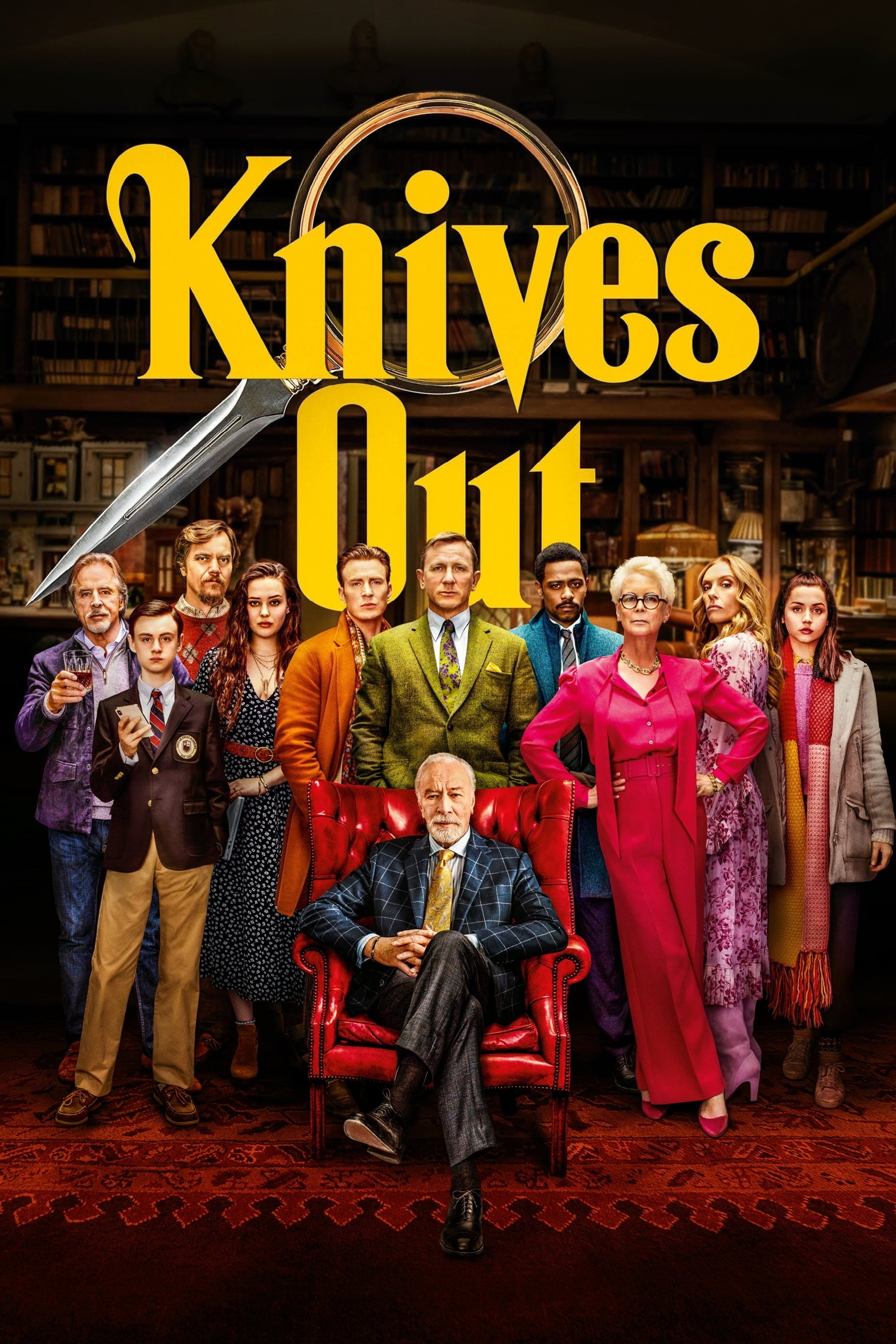
Rian Johnson’s ‘Knives Out’ revitalizes the ensemble whodunit with meticulous clue placement and competing testimonies. Daniel Craig’s Benoit Blanc presides over interviews that reframe relationships within a wealthy family estate. Production design turns the mansion into a living evidence board, down to props that encode backstory. The screenplay received an Academy Award nomination, and the film demonstrated broad audience appetite for original mystery narratives.
‘Murder on the Orient Express’ (1974)
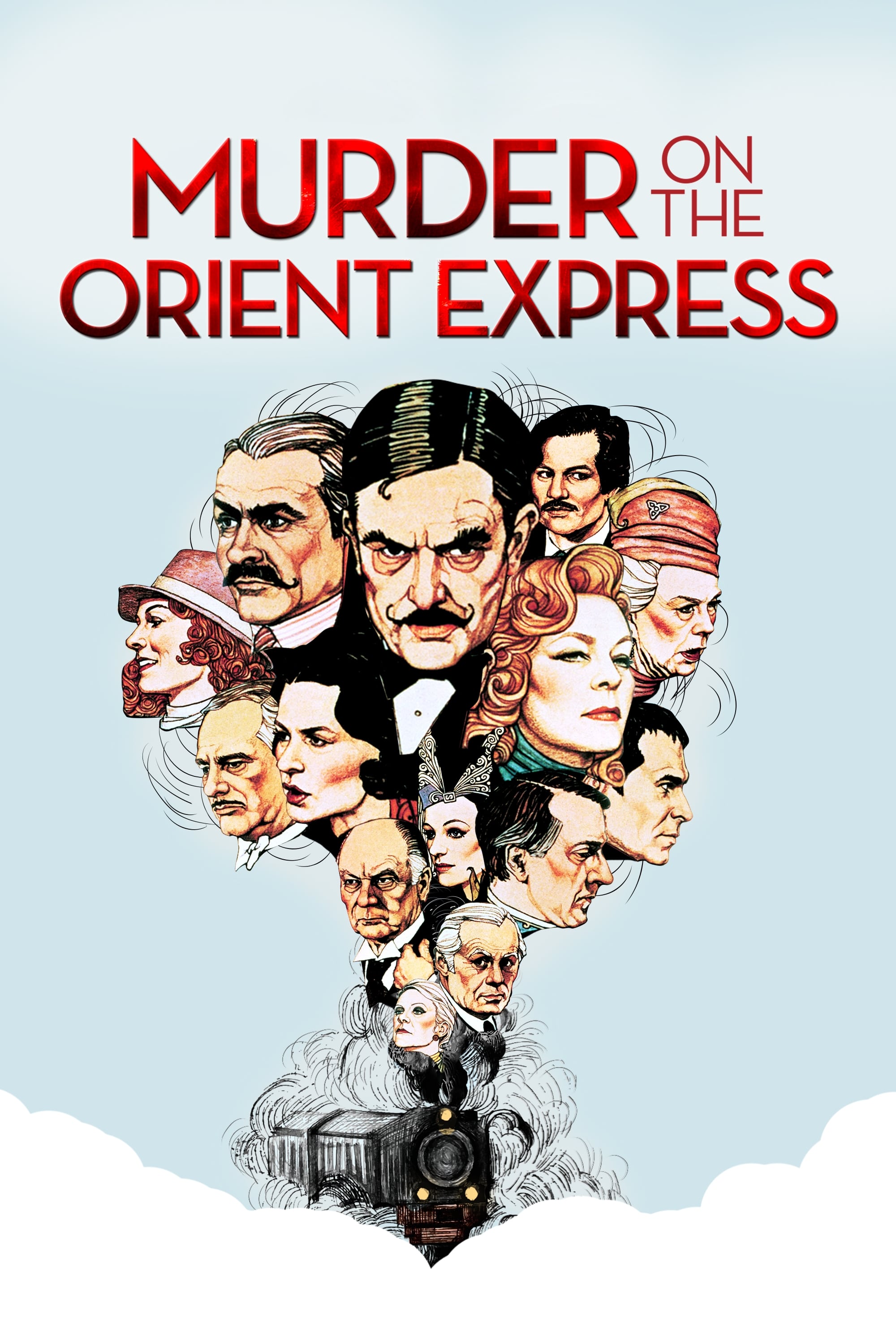
Sidney Lumet’s ‘Murder on the Orient Express’ adapts Agatha Christie’s celebrated Poirot case with an all-star ensemble. Albert Finney leads a cast including Lauren Bacall, Sean Connery, and Ingrid Bergman, whose performance earned an Academy Award for Supporting Actress. The film showcases compartment-set staging and methodical, room-by-room interviews. Its meticulous period production and structured denouement helped standardize the modern Christie adaptation.
‘Blue Velvet’ (1986)
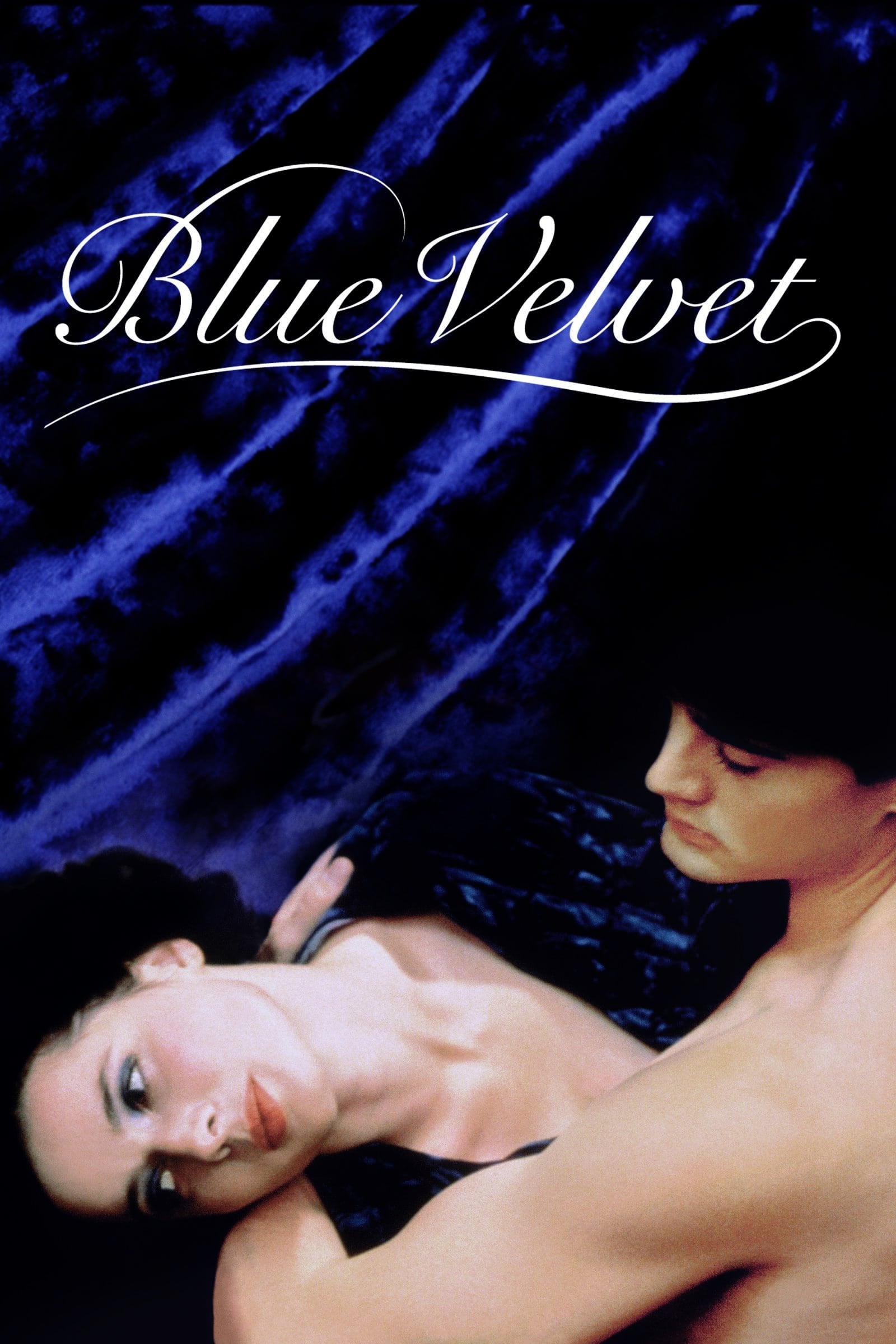
David Lynch’s ‘Blue Velvet’ begins with a discovered ear and spirals into an investigation that threads through a small town’s public and hidden spaces. Kyle MacLachlan and Isabella Rossellini anchor a narrative that juxtaposes suburban surfaces with nocturnal secrets. Angelo Badalamenti’s music and Frederick Elmes’s cinematography shape a dream-logic mystery. The film’s approach to atmosphere and symbolic clues influenced later noir-tinged investigations.
‘The Long Goodbye’ (1973)
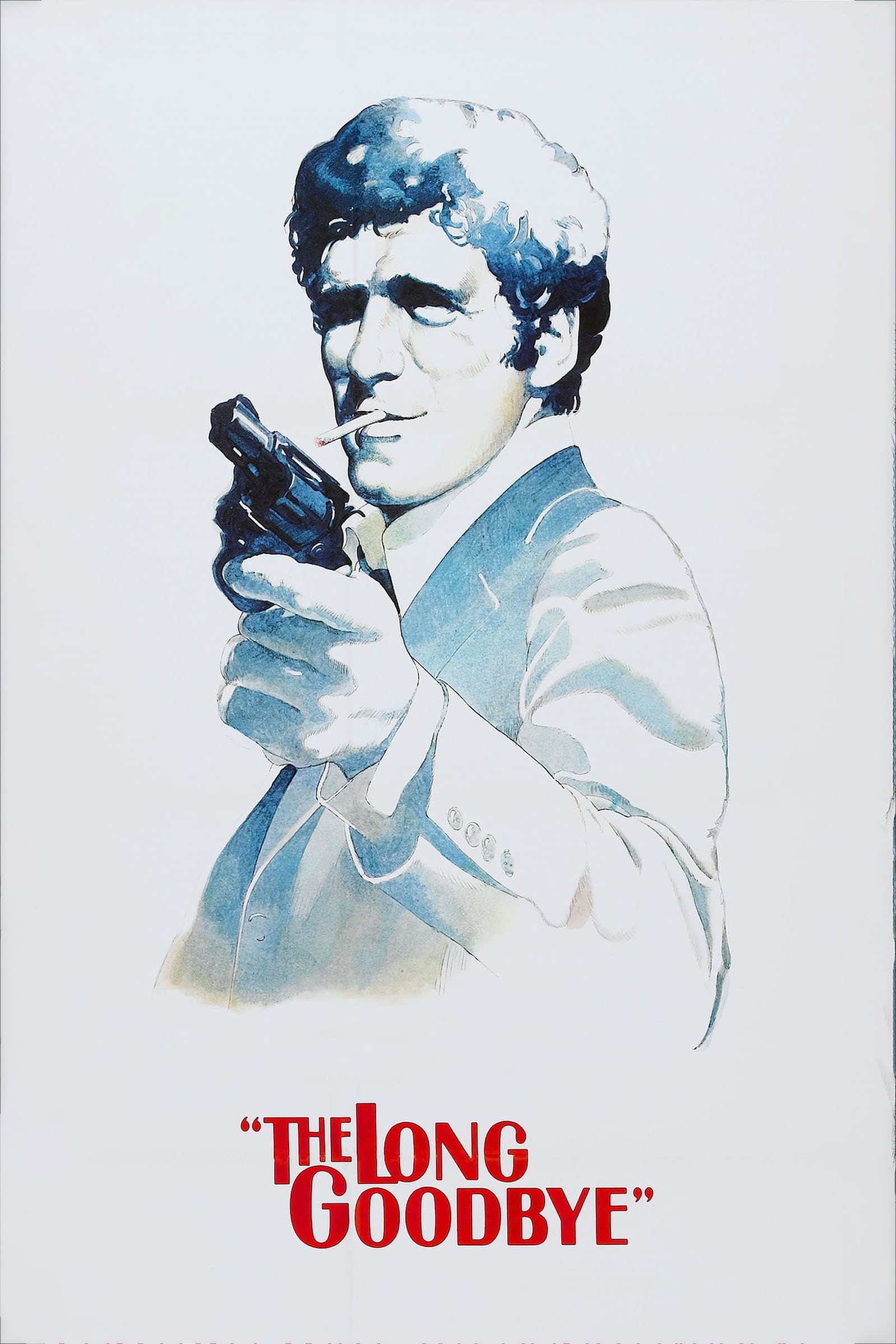
Robert Altman’s ‘The Long Goodbye’ relocates Raymond Chandler’s Philip Marlowe to contemporary Los Angeles while preserving the character’s dogged ethics. Elliott Gould’s loose, observant performance complements Vilmos Zsigmond’s soft-filtered cinematography. The film reframes classic detective beats—missing persons, betrayals, and studio backlots—through a modern lens. Its genre update paved the way for subsequent re-imaginings of hard-boiled icons.
‘The Vanishing’ (1988)
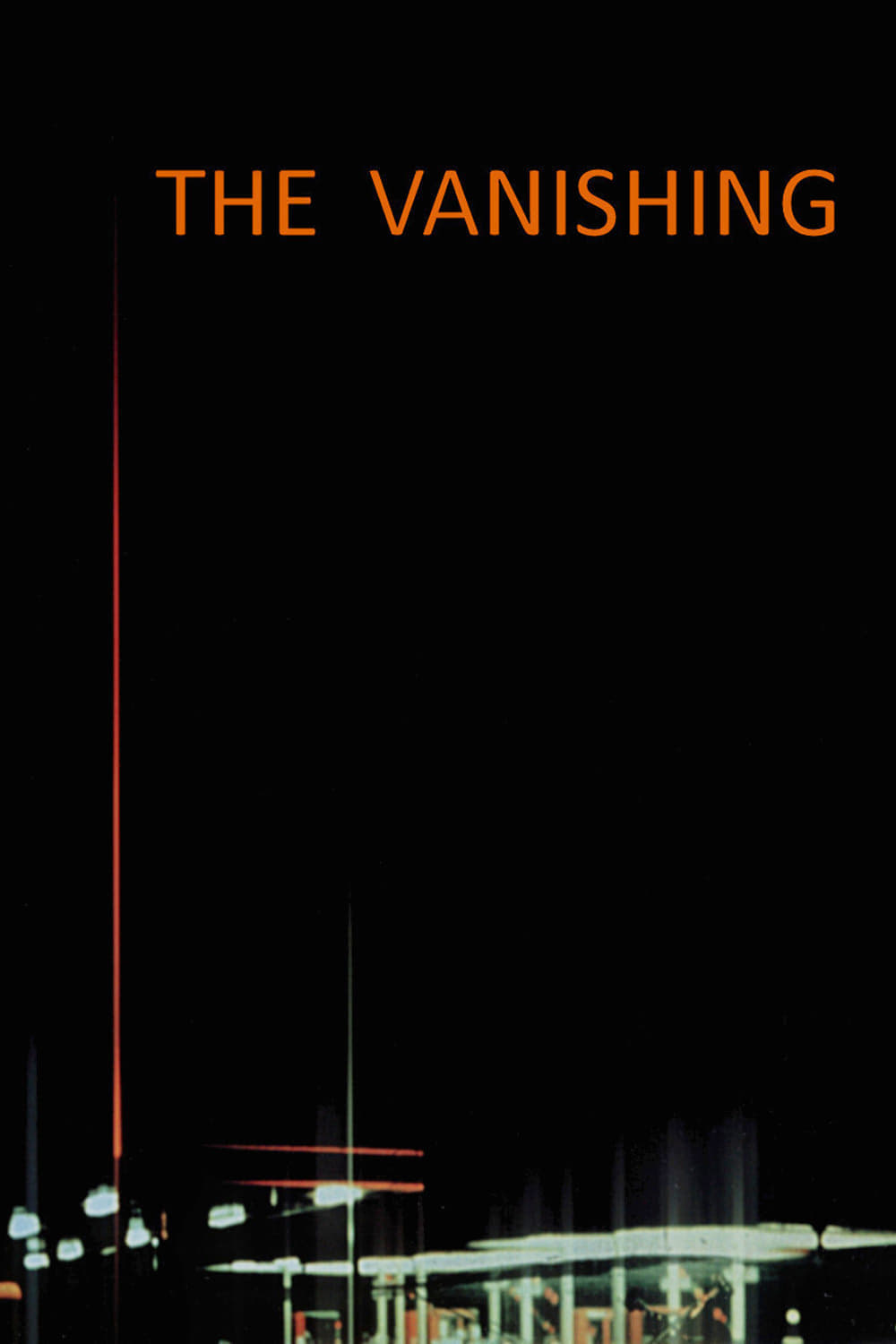
George Sluizer’s ‘The Vanishing’ (‘Spoorloos’) adapts Tim Krabbé’s novella ‘The Golden Egg’, following a man obsessed with learning what happened to his missing partner. Gene Bervoets and Bernard-Pierre Donnadieu embody investigator and perpetrator in a methodical duel of routines. The film’s calm, procedural viewpoint intensifies how information is withheld and revealed. Its final movement became a reference point for uncompromising mystery conclusions.
‘Prisoners’ (2013)
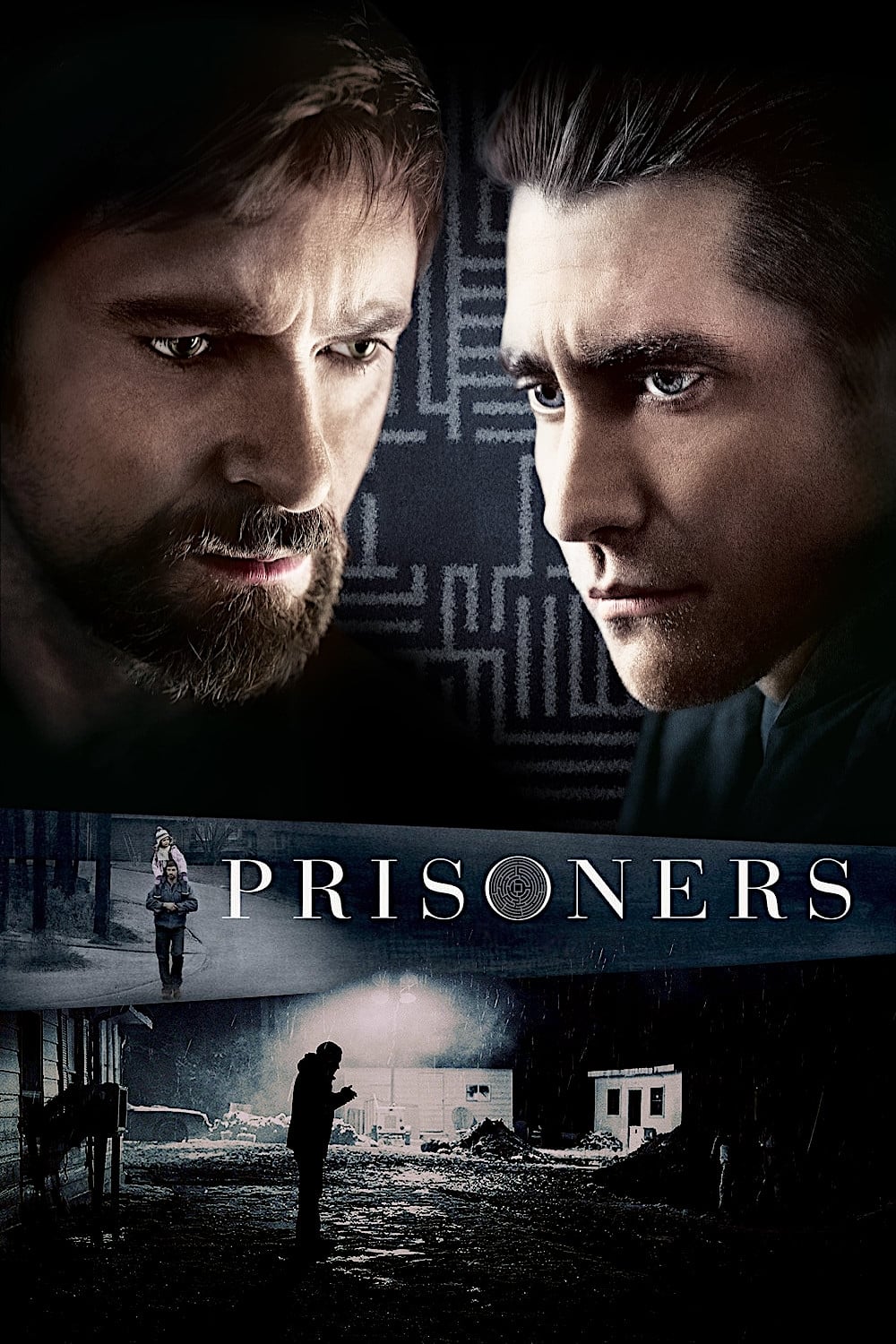
Denis Villeneuve’s ‘Prisoners’ chronicles parallel investigations into two missing children—one by a determined detective, another by a desperate parent. Hugh Jackman and Jake Gyllenhaal lead a story that ties together forensic leads, local histories, and ambiguous evidence. Roger Deakins’s cinematography and sound design build a sensory map of the suburban search area. The film received an Academy Award nomination for Cinematography and is frequently cited in discussions of ethical ambiguity in procedurals.
‘Witness for the Prosecution’ (1957)
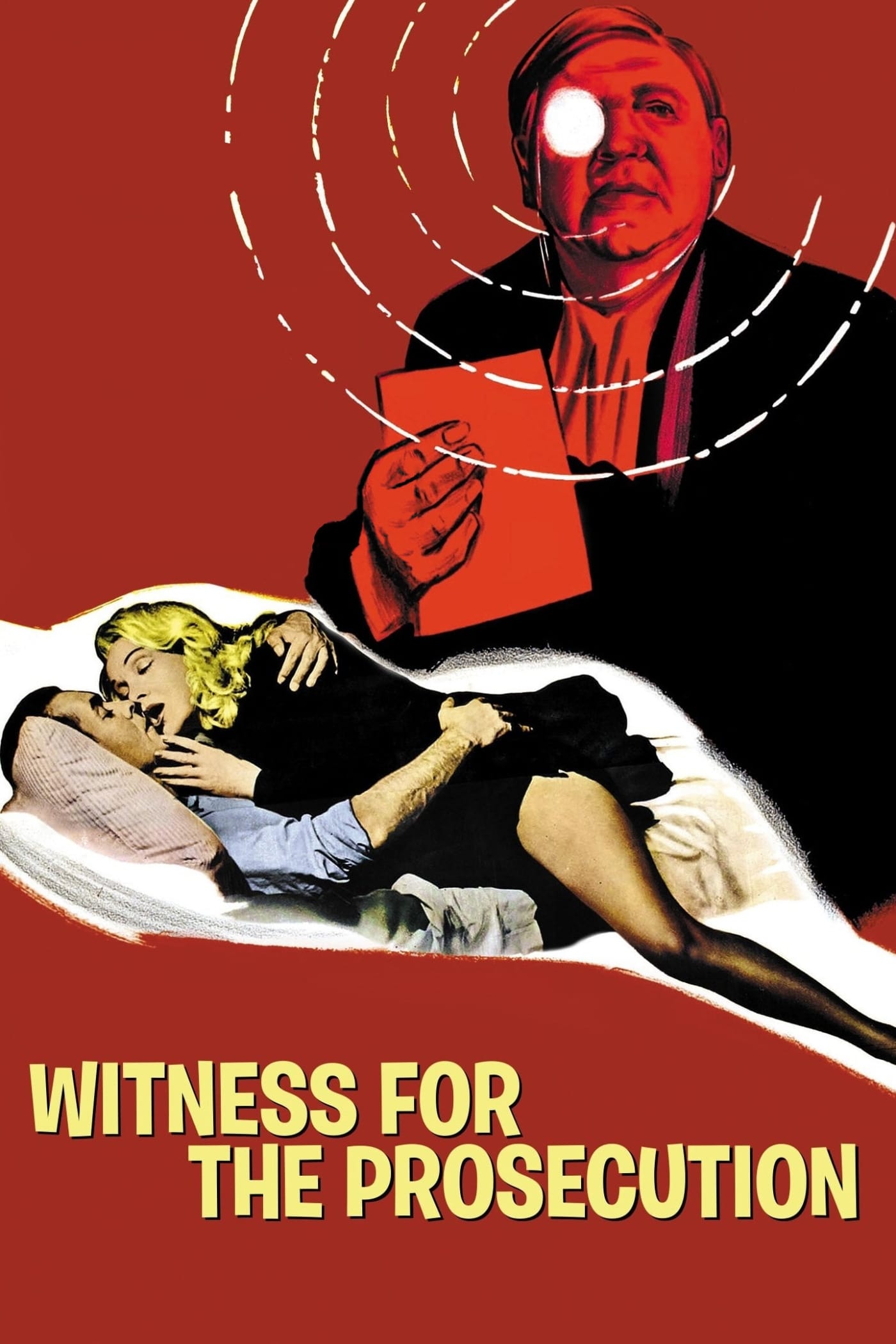
Billy Wilder’s ‘Witness for the Prosecution’ adapts an Agatha Christie courtroom mystery featuring Charles Laughton, Marlene Dietrich, and Tyrone Power. Its legal setting hinges on witness credibility, surprise filings, and careful cross-examination. Wilder’s staging uses chambers, corridors, and private consultations as investigative spaces. Multiple Academy Award nominations recognized the film’s performances and tightly engineered script.
‘And Then There Were None’ (1945)
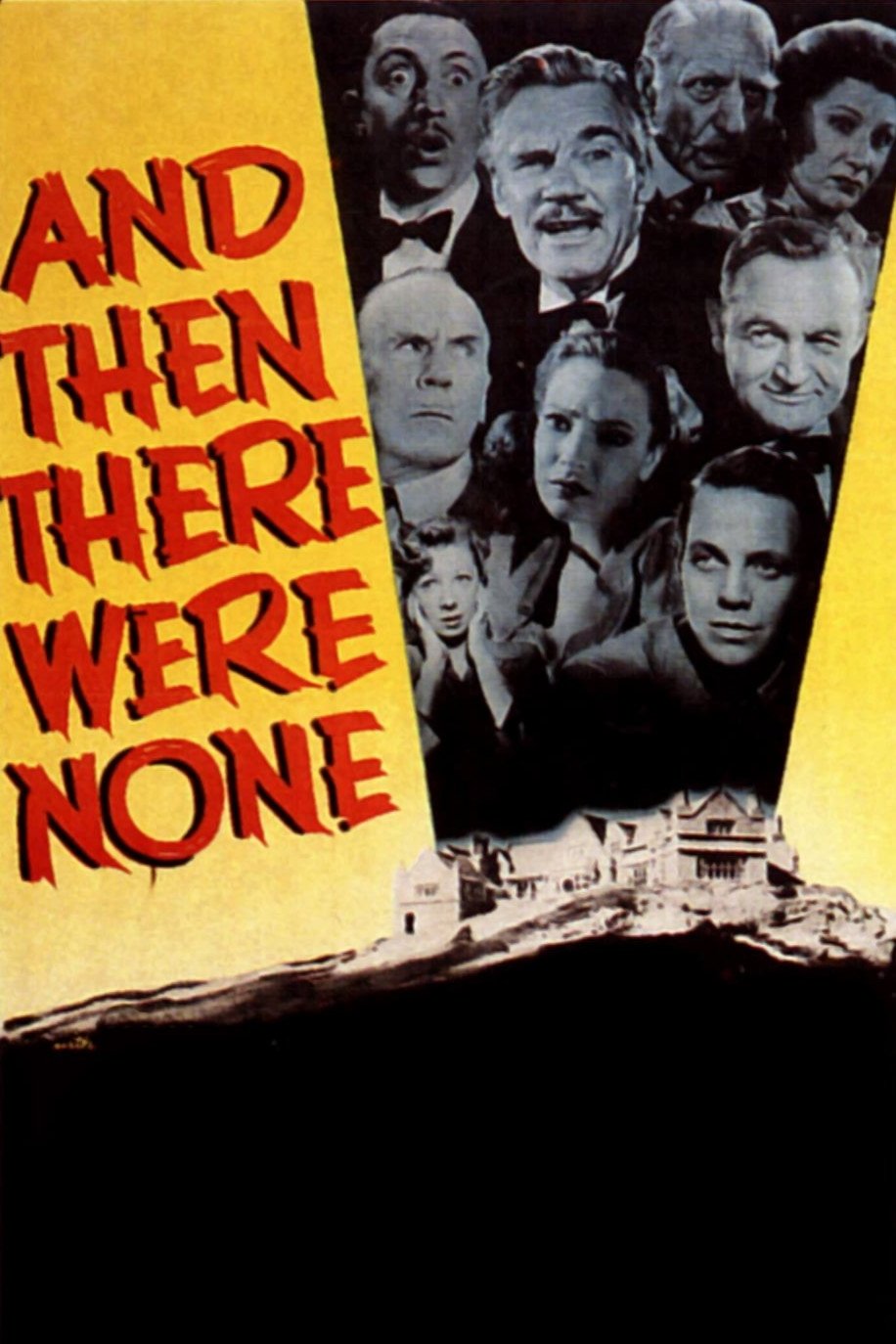
René Clair’s ‘And Then There Were None’ brings Agatha Christie’s isolated-island premise to the screen with a large ensemble of suspects. The plot organizes tension through a nursery-rhyme motif and a steadily shrinking guest list. Production design transforms the mansion into a contained puzzle box of alibis and access routes. Its structure has been replicated and parodied across film, television, and interactive media.
‘Double Indemnity’ (1944)
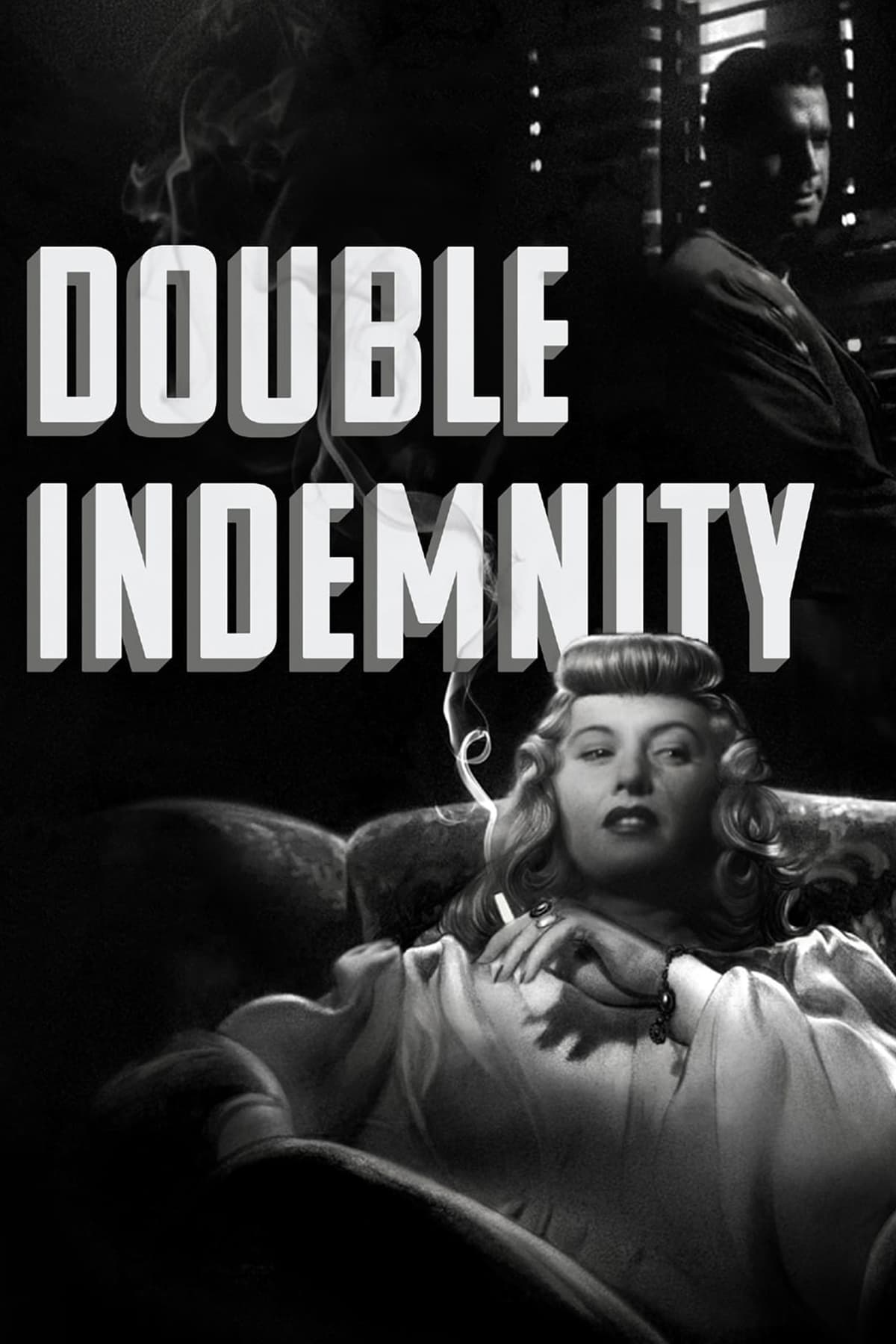
Directed by Billy Wilder and co-written with Raymond Chandler, ‘Double Indemnity’ adapts James M. Cain’s tale of an insurance agent drawn into a murder scheme. Fred MacMurray, Barbara Stanwyck, and Edward G. Robinson drive a plot built around actuarial detail, recorded statements, and policy loopholes. John F. Seitz’s shadow-heavy cinematography and Venetian-blind patterns became visual shorthand for noir suspicion. Its voiceover confession and claims-investigation mechanics shaped countless insurance and corporate mysteries.
‘Laura’ (1944)
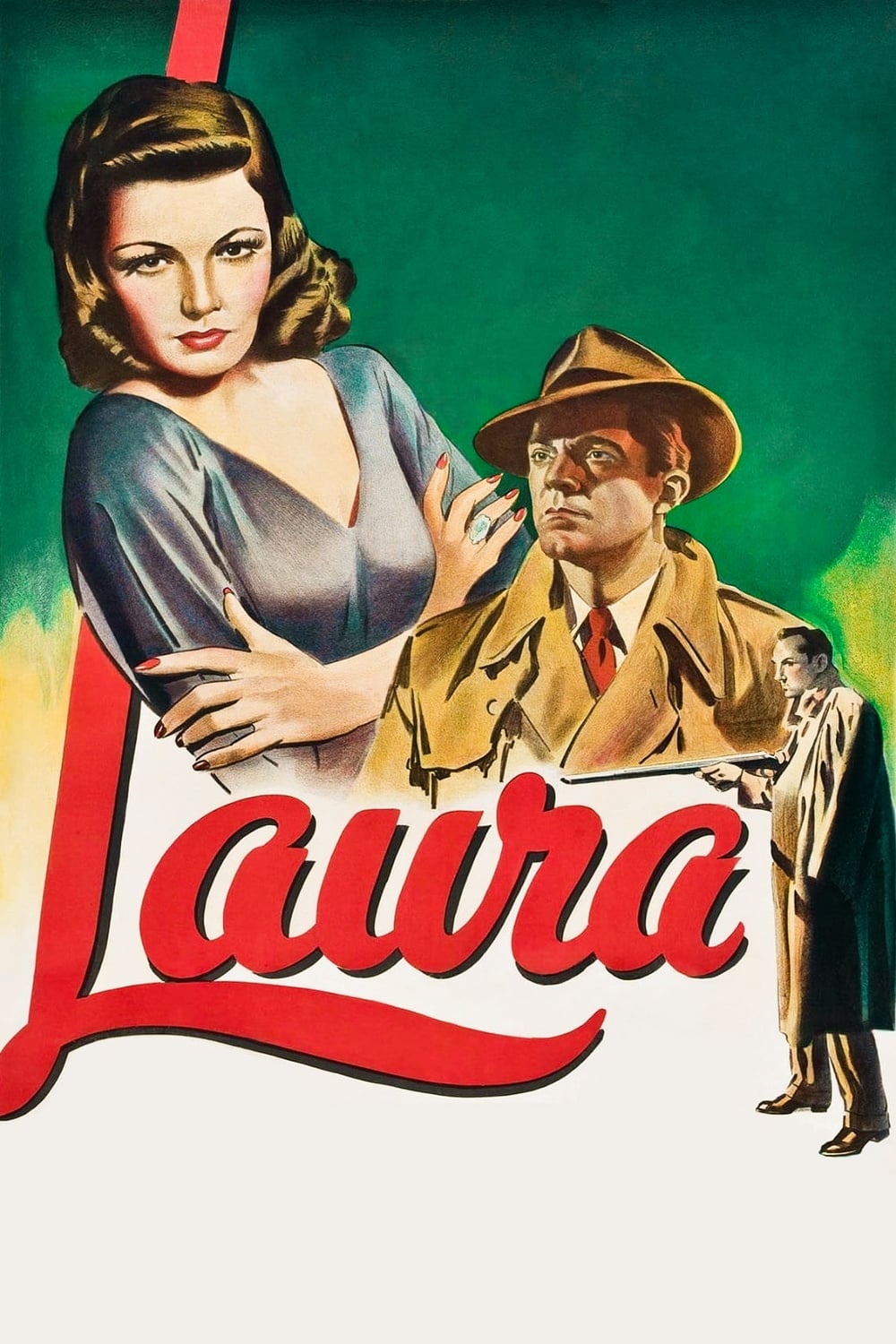
‘Laura’, directed by Otto Preminger, follows a detective probing a socialite’s apparent death through interviews, letters, and portraits. Gene Tierney, Dana Andrews, and Clifton Webb map a web of artistic patronage and media influence. Joseph LaShelle’s lensing and David Raksin’s theme unify the case’s memory and identity threads. The film’s twisty interrogation structure and fixation on an image influenced romantic-noir mysteries.
‘The Thin Man’ (1934)
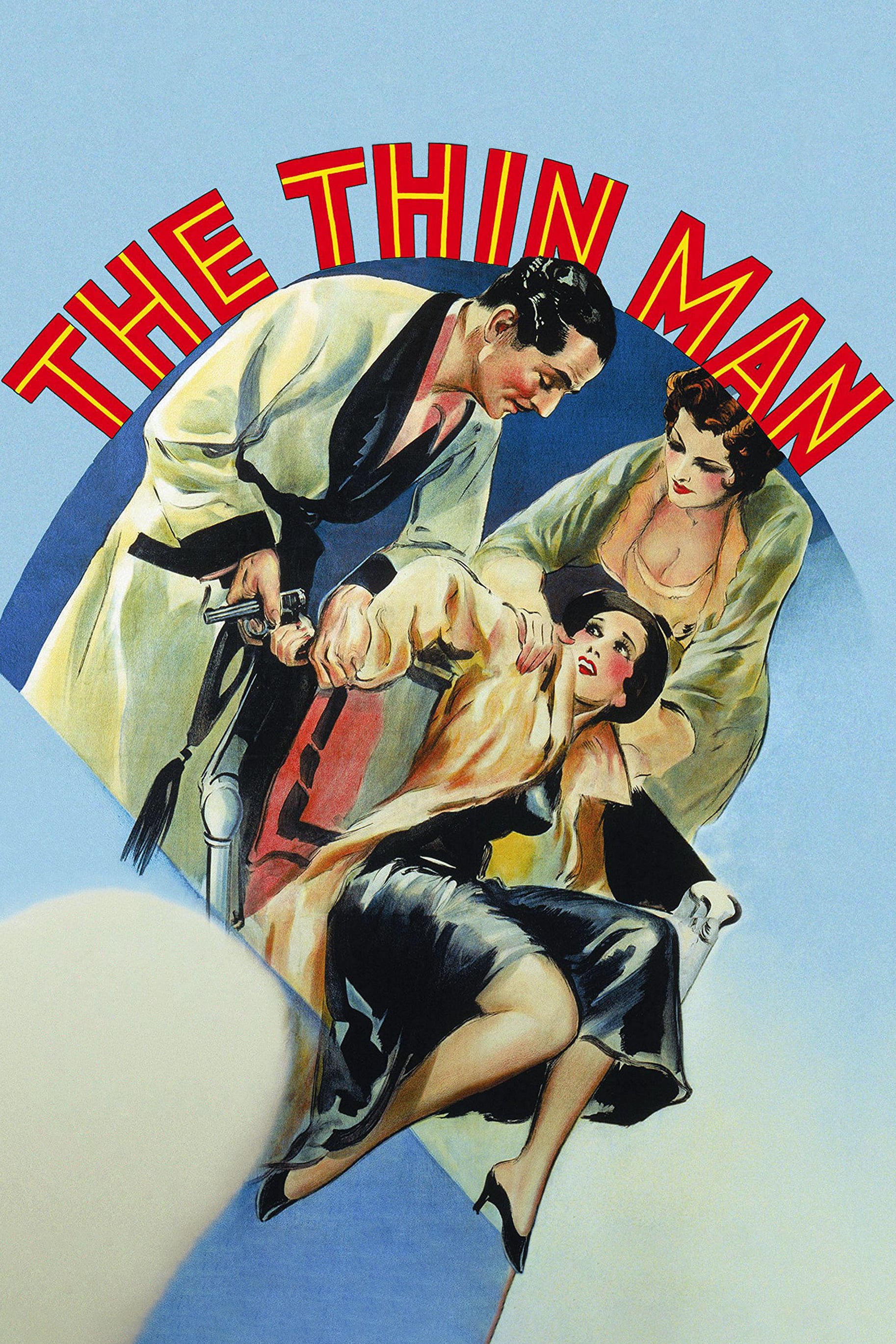
Based on Dashiell Hammett’s novel, ‘The Thin Man’ teams retired sleuth Nick Charles with Nora in a missing-inventor case. William Powell and Myrna Loy use party circuits, overlapping alibis, and playful cross-examination to surface motives. Its climactic dinner reveal codified the parlor-room solution format. The film’s banter-forward approach demonstrated that procedural clarity and light tone can coexist in detective mysteries.
‘The Lady Vanishes’ (1938)
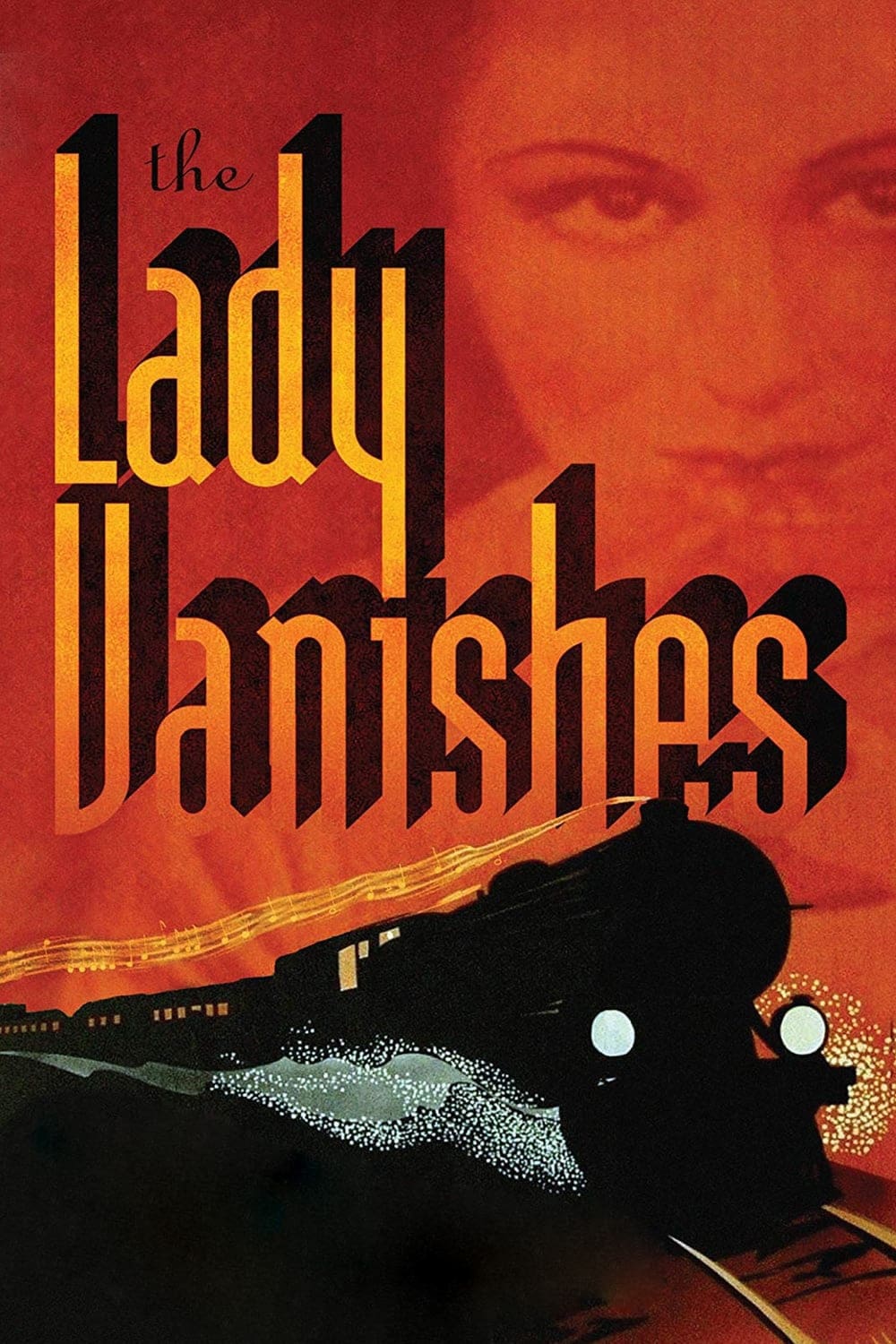
Alfred Hitchcock’s ‘The Lady Vanishes’ turns a train journey into a closed-circle investigation when a passenger disappears. Margaret Lockwood and Michael Redgrave sift through conflicting testimonies, compartment sightings, and coded messages. The script uses carriage geography and timetables as evidence frameworks. Its blend of espionage stakes with commuter logistics set a model for transit-bound mysteries.
‘The Hound of the Baskervilles’ (1939)
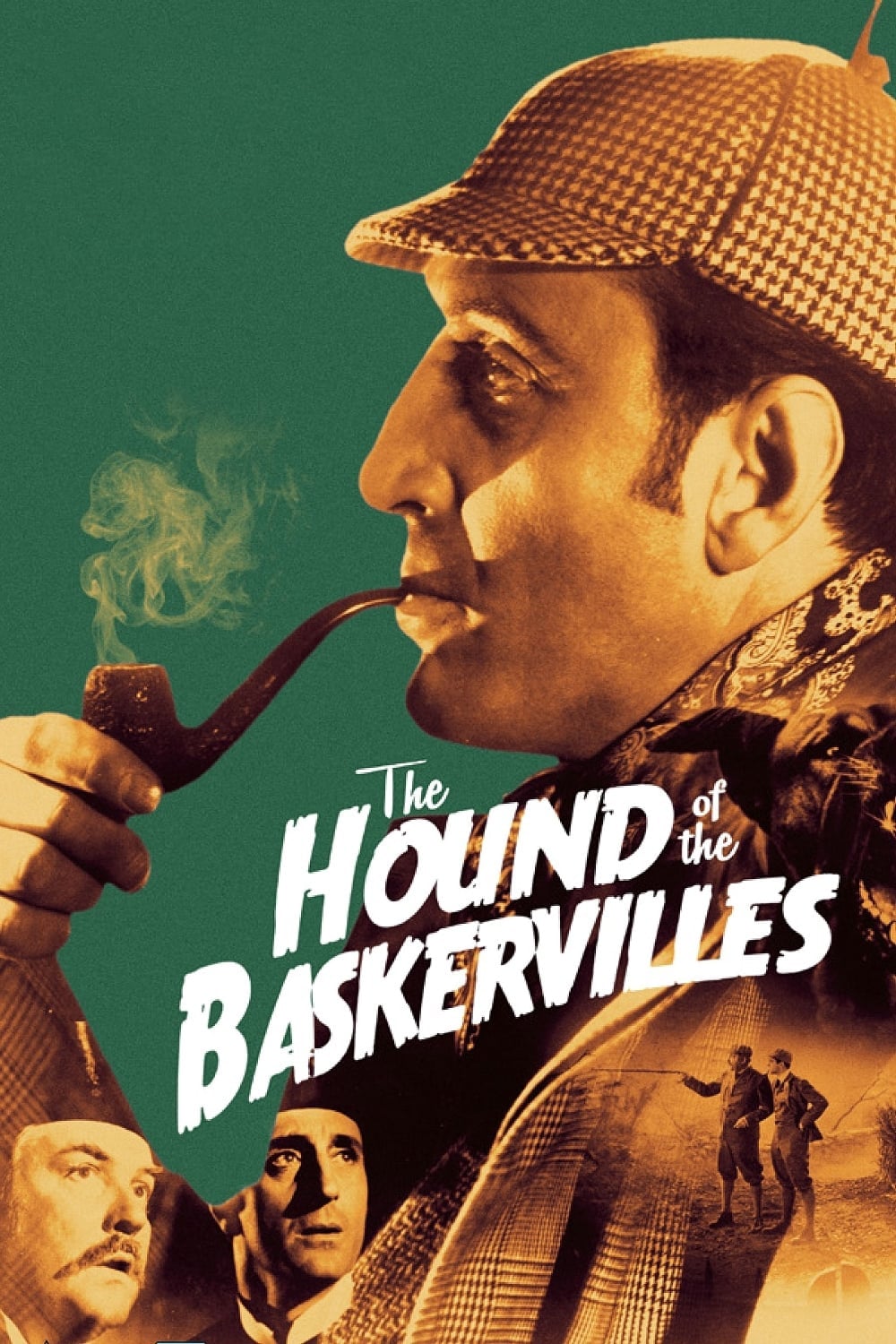
‘The Hound of the Baskervilles’ brings Arthur Conan Doyle’s case to the screen with Basil Rathbone as Sherlock Holmes and Nigel Bruce as Dr. Watson. The narrative balances moorland folklore with rational deduction and footprint analysis. Atmospheric sets and fog effects underscore the contrast between legend and forensic scrutiny. This adaptation helped standardize Holmes’s cinematic tools—from magnifiers to disguise work—for later versions.
‘Charade’ (1963)

Stanley Donen’s ‘Charade’ entwines a widow’s inheritance with multiple claimants and a government past. Audrey Hepburn and Cary Grant navigate Parisian landmarks, locker clues, and shifting aliases. Peter Stone’s script layers ciphered names and war-era theft into the investigation. Its mix of romantic interplay and clear clue trails made it a go-to template for caper-mystery hybrids.
‘The Wicker Man’ (1973)
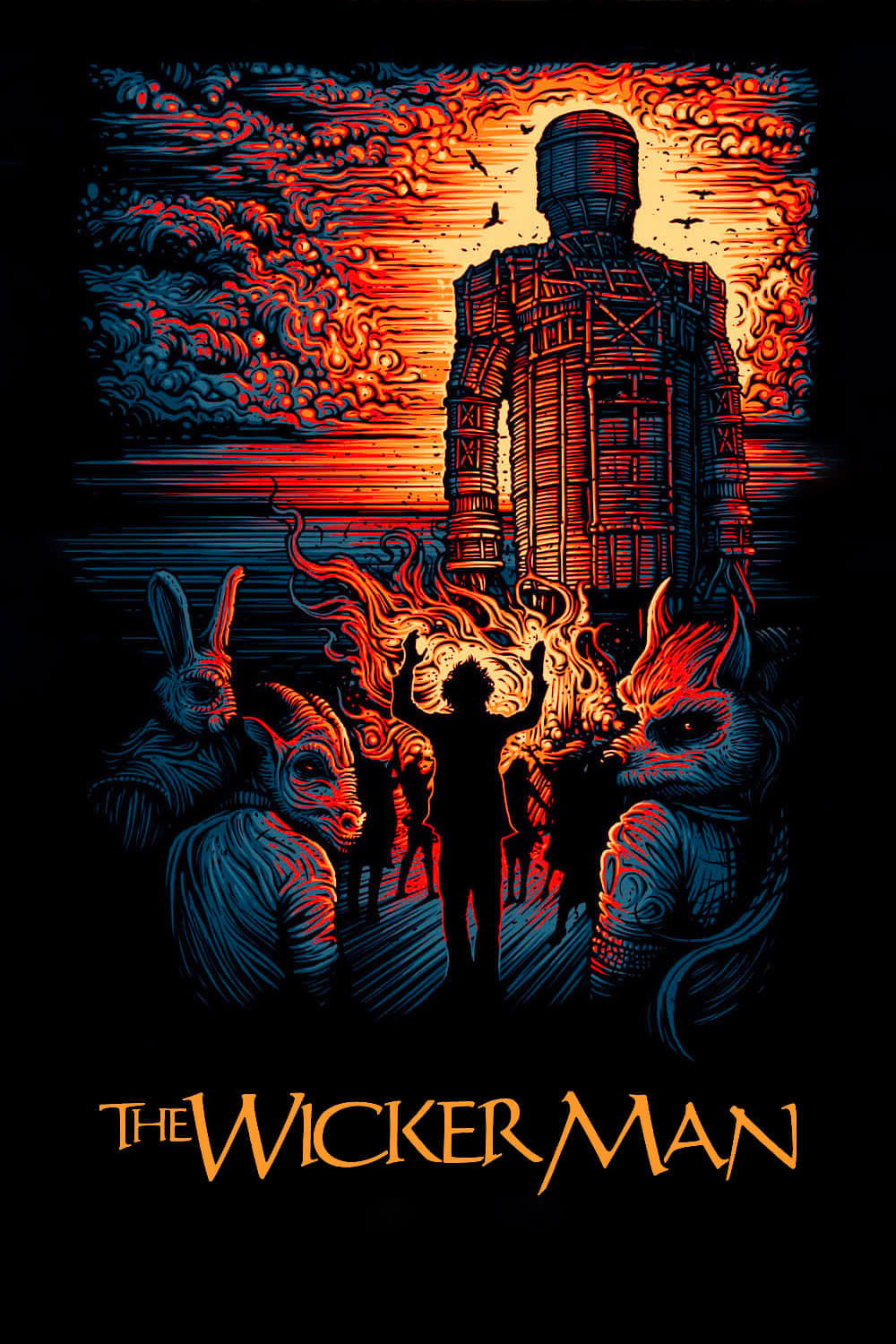
‘The Wicker Man’, directed by Robin Hardy, follows a police sergeant searching for a missing girl on a remote island with insular customs. The investigation relies on parish records, harvest rites, and contradictory village accounts. Songs, rituals, and architecture function as evidence as much as witnesses do. Its folk-tradition framework expanded the mystery genre’s settings beyond urban crime and standard procedure.
‘The Conversation’ (1974)
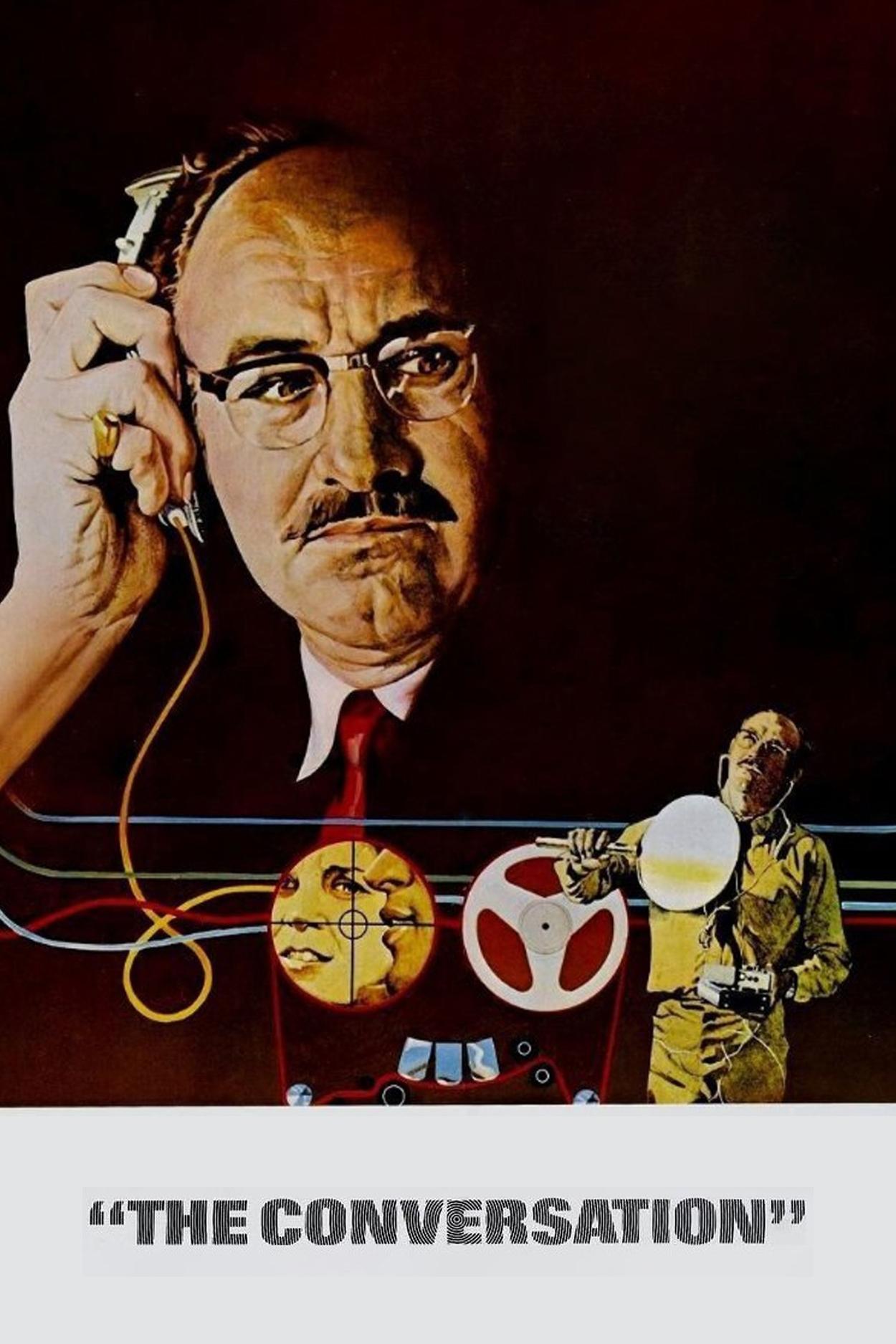
Francis Ford Coppola’s ‘The Conversation’ centers on a surveillance expert who reanalyzes a recorded exchange for hidden meaning. Gene Hackman’s character processes audio through filters, splices, and repeated playback to reframe assumptions. Walter Murch’s sound design turns technical artifacts into narrative clues. The film became a touchstone for mysteries built on misheard data and privacy tools.
‘The Name of the Rose’ (1986)
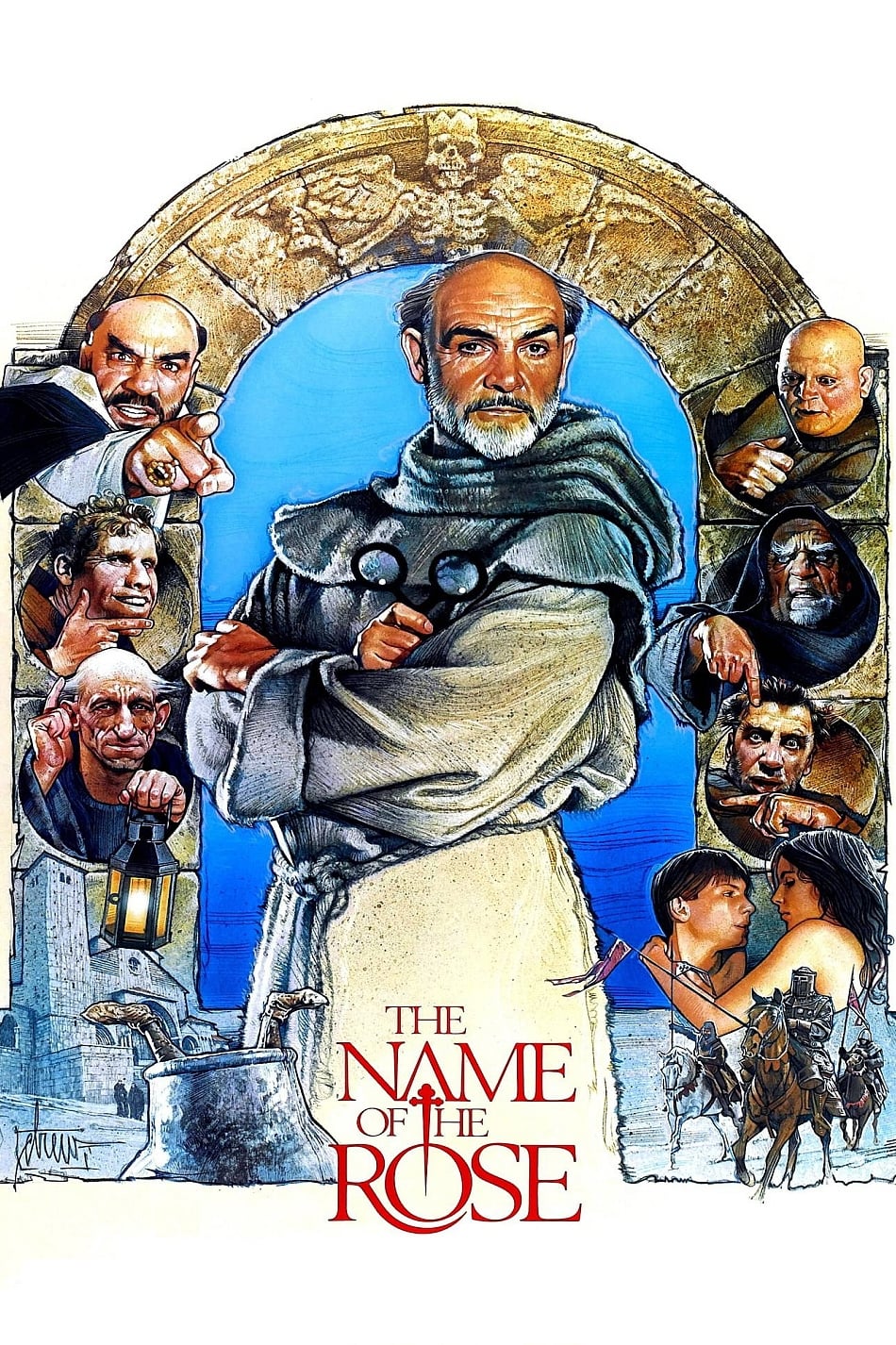
‘The Name of the Rose’, directed by Jean-Jacques Annaud from Umberto Eco’s novel, situates a murder inquiry in a medieval abbey. Sean Connery and Christian Slater track patterns in manuscripts, marginalia, and monastic schedules. Production design reconstructs scriptorium workflows and library architecture as a labyrinth of evidence. Its fusion of semiotics, theology, and detection broadened period-mystery conventions.
‘The Sixth Sense’ (1999)
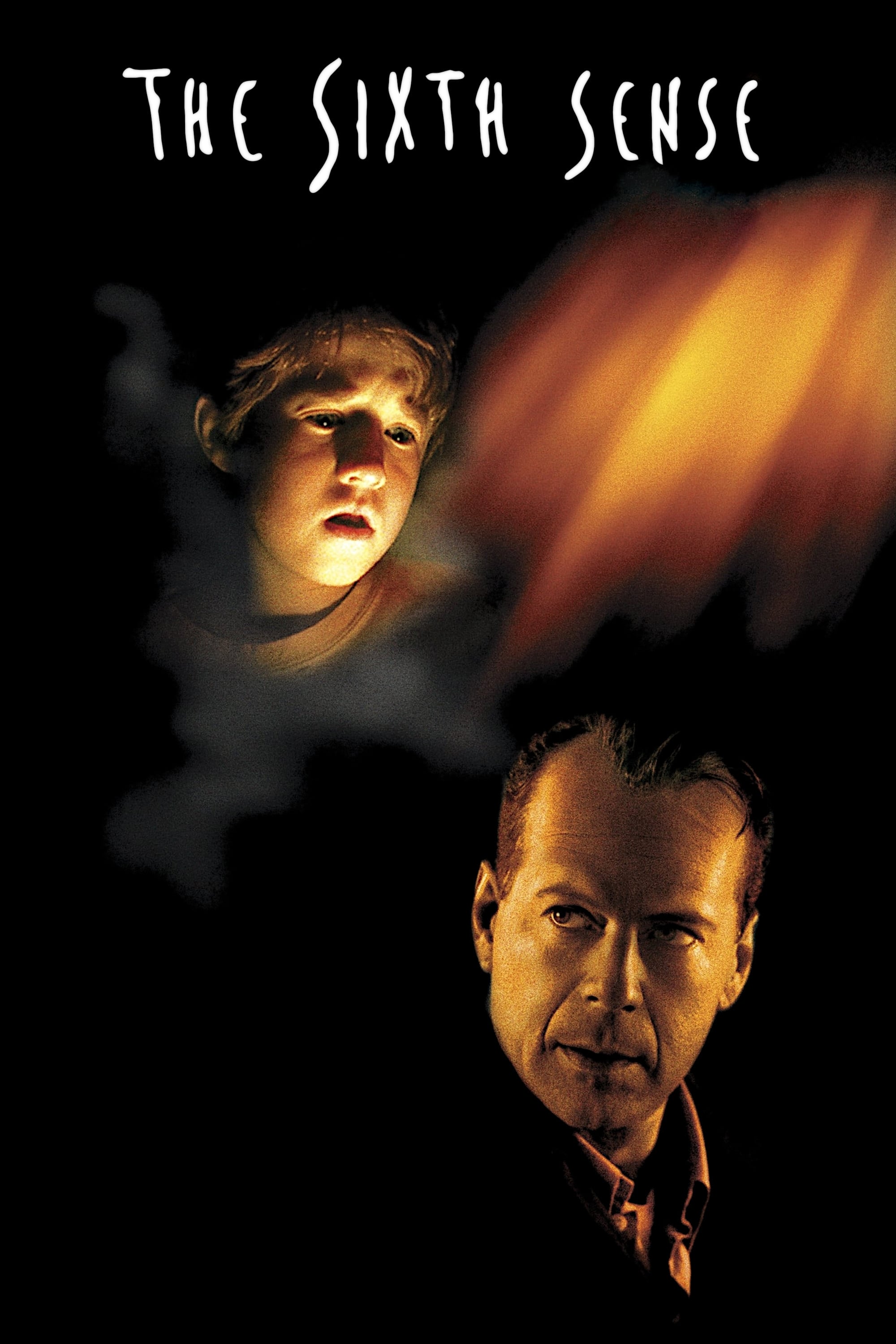
Written and directed by M. Night Shyamalan, ‘The Sixth Sense’ follows a child psychologist working with a boy who reports extraordinary perceptions. Bruce Willis and Haley Joel Osment guide viewers through clinical sessions, environmental triggers, and observed anomalies. Tak Fujimoto’s framing plants visual cues that support later reinterpretation. The film’s carefully seeded setup became a case study in puzzle-box storytelling.
‘Insomnia’ (1997)
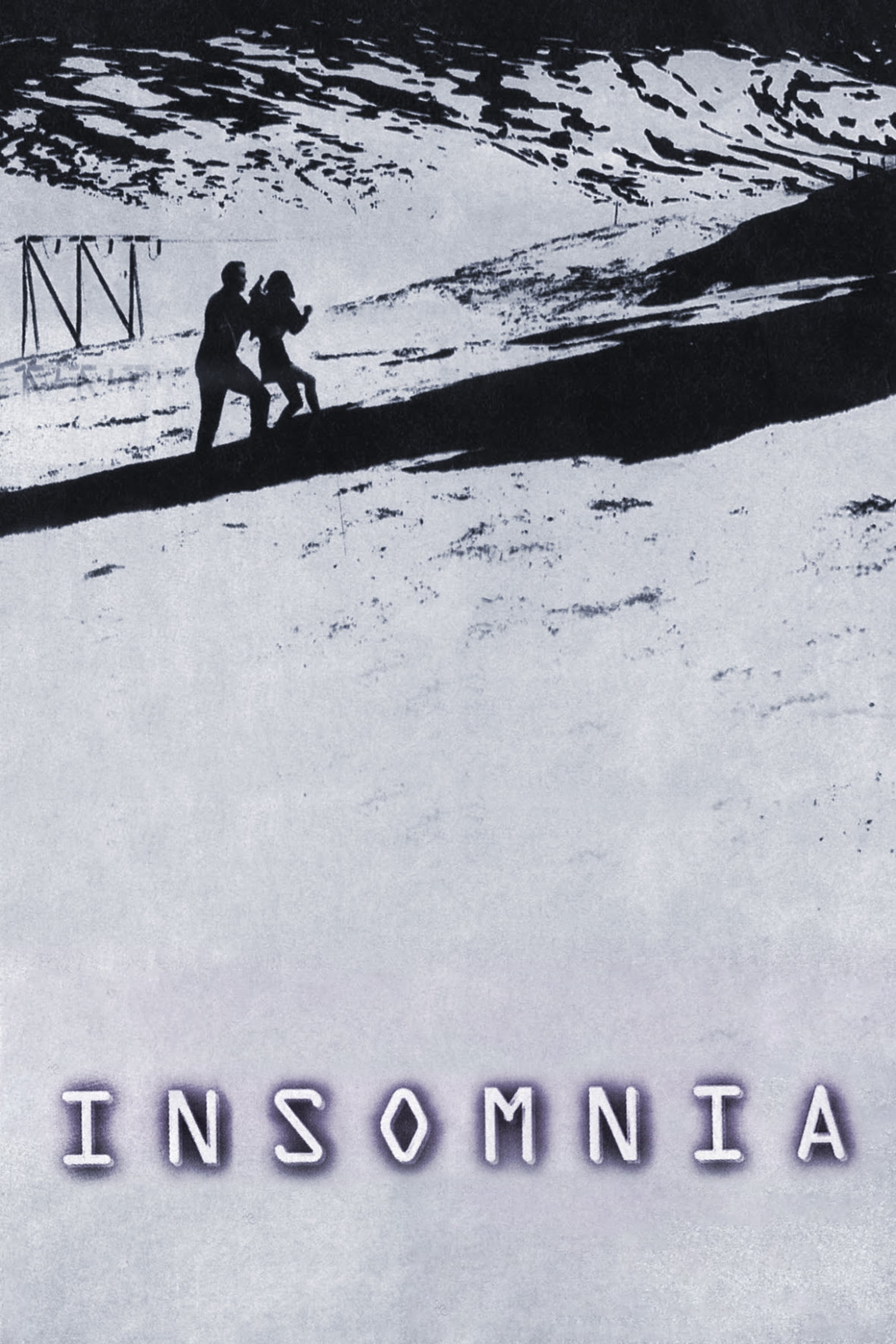
‘Insomnia’, directed by Erik Skjoldbjærg, places a detective in a sunlit northern town where sleeplessness compromises judgment. Stellan Skarsgård’s investigator wrestles with procedural errors, tainted evidence, and ethical drift. The environment’s perpetual daylight functions as a narrative device that blurs timelines and alibis. Its psychological angle on investigative impairment informed later remakes and character-driven procedurals.
‘Cure’ (1997)
Kiyoshi Kurosawa’s ‘Cure’ tracks a series of murders linked by suggestive triggers and amnesiac suspects. Kōji Yakusho’s detective confronts interrogation breakdowns, hypnotic cues, and clinical records that resist patterning. Minimalist staging and negative space turn everyday locations into open-ended clue fields. The film’s approach to causality influenced modern mysteries that probe suggestion and agency.
‘Tell No One’ (2006)
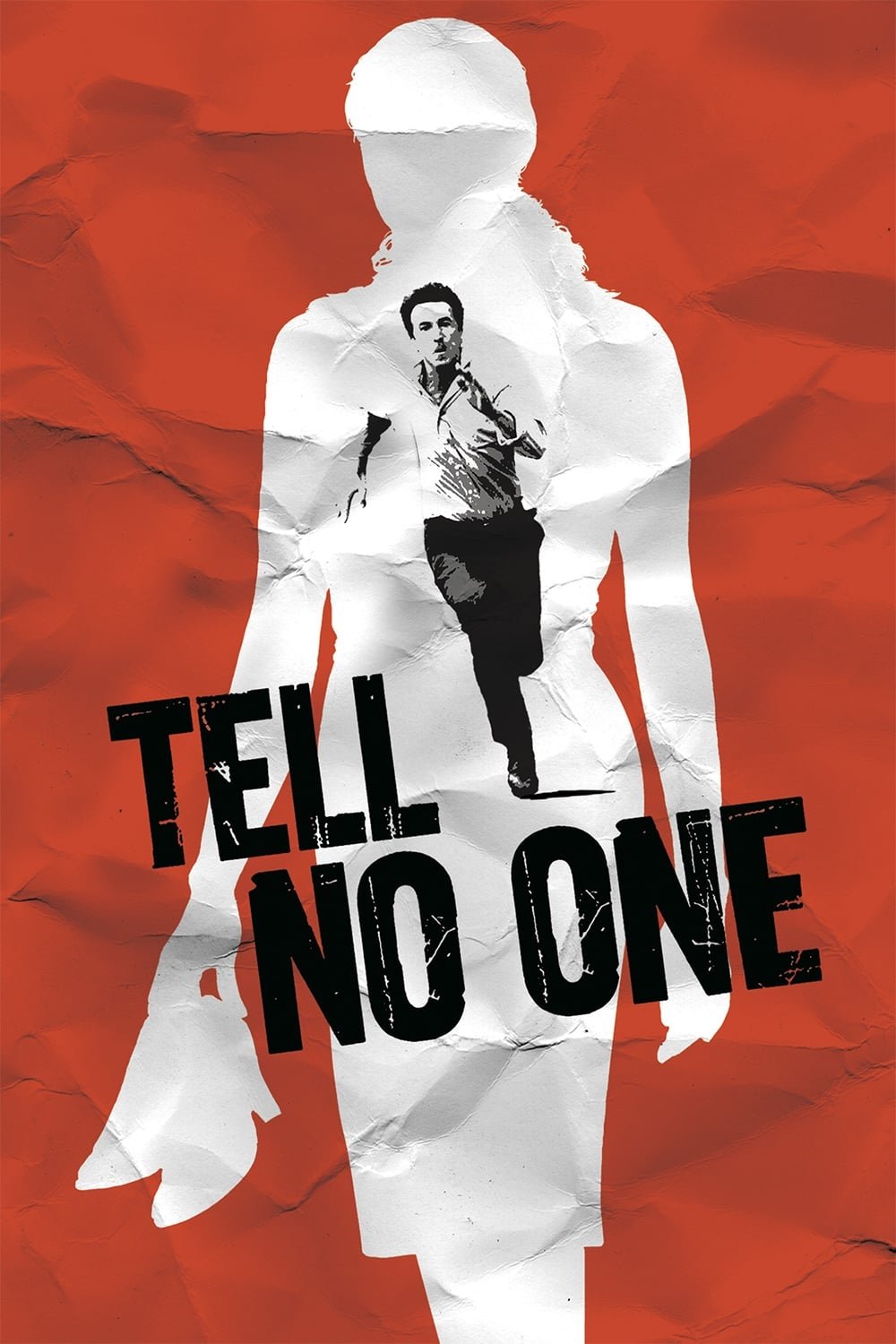
Guillaume Canet’s ‘Tell No One’ adapts Harlan Coben’s novel about a doctor who receives cryptic messages after a spouse’s murder case reopens. François Cluzet’s protagonist cross-references surveillance footage, bank records, and anonymous emails. Parisian geography and layered chase sequences tie character histories to present evidence. Its brisk editing and credible paper trail helped popularize high-velocity European thrillers with mystery cores.
‘The Secret in Their Eyes’ (2009)
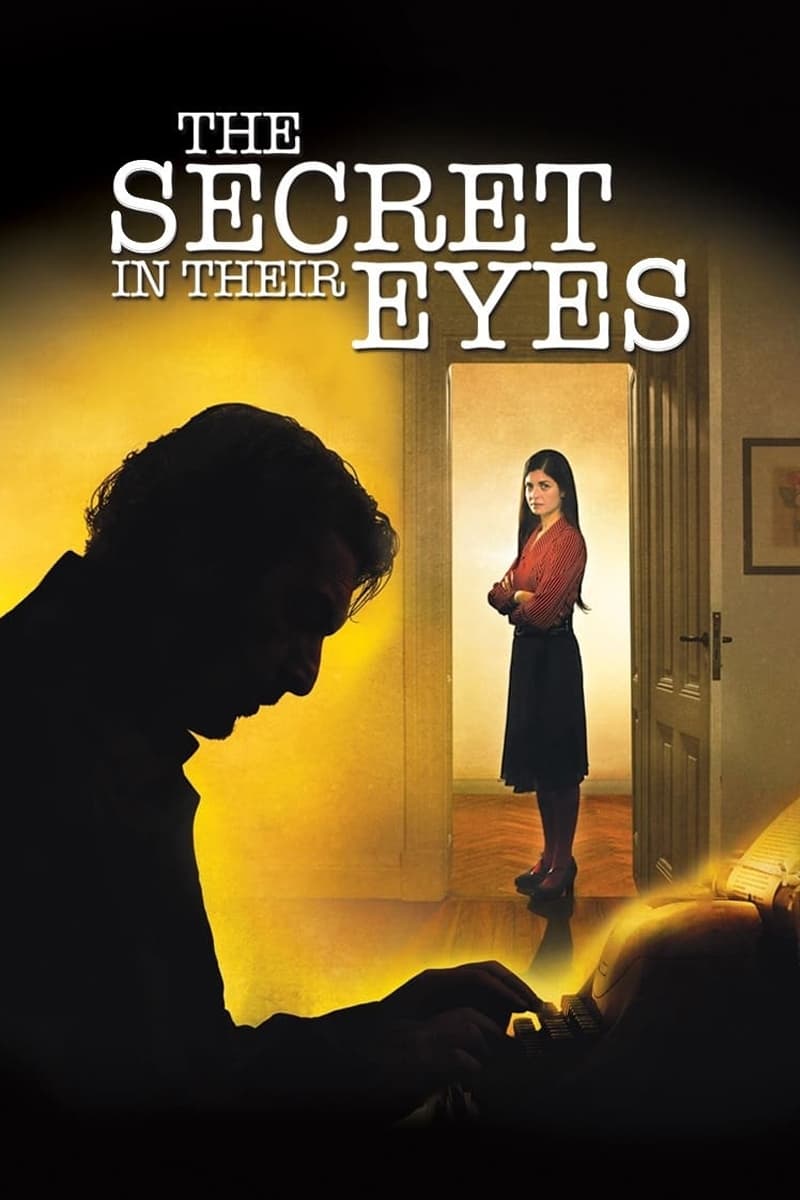
Juan José Campanella’s ‘The Secret in Their Eyes’ intercuts a cold case with a present-day search for closure inside a legal office. Ricardo Darín leads an inquiry that leans on witness statements, bureaucratic obstacles, and an infamous stadium sequence constructed as a single extended shot. The narrative examines how politics and departmental shifts derail justice. Its blend of institutional critique and meticulous clue work earned wide international recognition.
‘Shutter Island’ (2010)
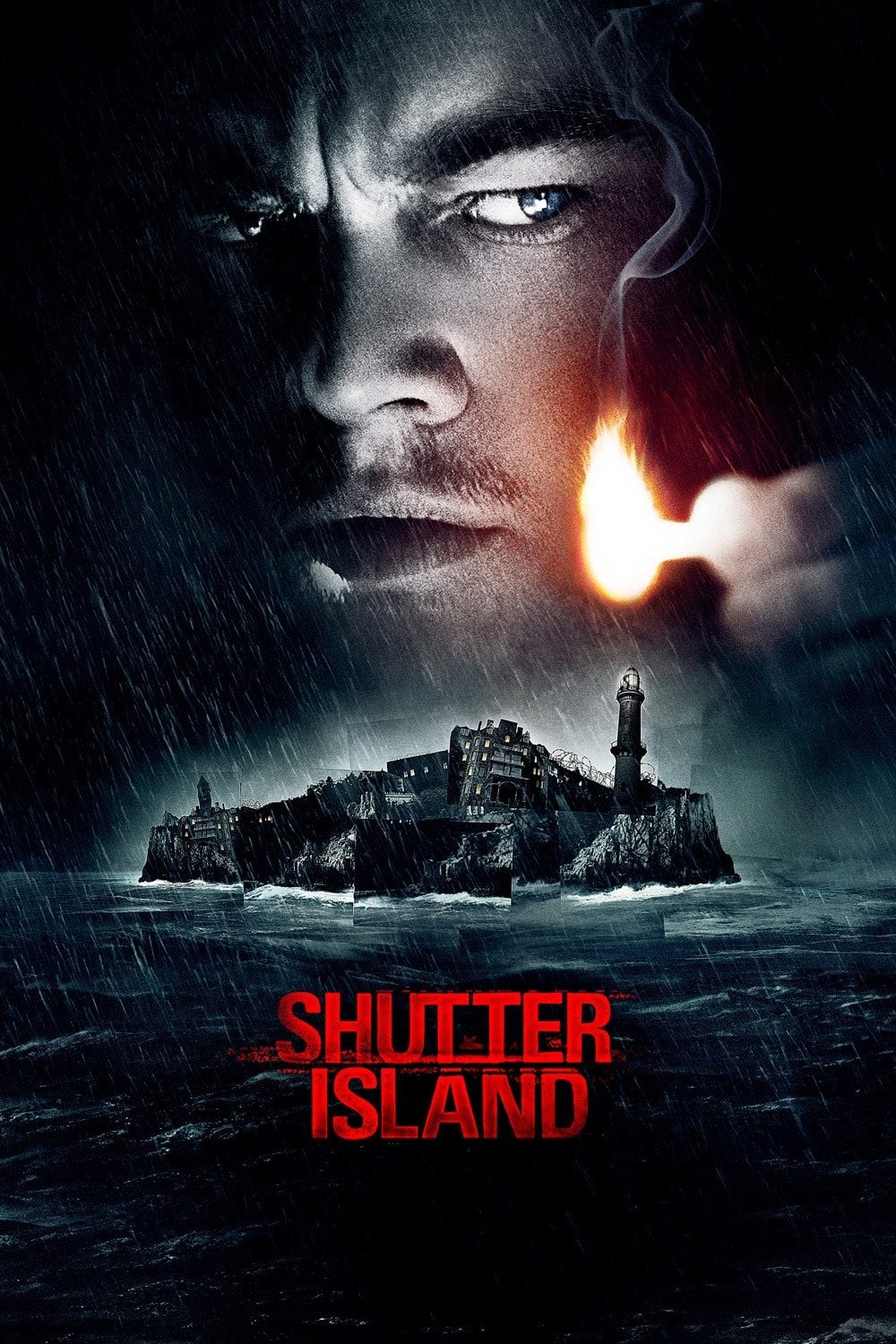
Directed by Martin Scorsese, ‘Shutter Island’ follows U.S. marshals investigating a disappearance at a psychiatric facility amid storm damage and sealed archives. Leonardo DiCaprio and Mark Ruffalo navigate restricted wards, patient records, and contradictory staff accounts. Dante Ferretti’s production design encodes spatial uncertainty, while Thelma Schoonmaker’s editing controls access to key information. The film’s careful alignment of medical files, interviews, and setting reinforced interest in institution-set mysteries.
Share your picks and the mysteries you think shaped the genre most in the comments!