The Most Influential Psychological Movies of All Time


Psychological films dig into perception, identity, memory, trauma, and the blurred lines between reality and imagination, leaving a lasting mark on how stories are told on screen. The selections below shaped genres, inspired filmmakers, and introduced techniques and themes that continue to echo in today’s cinema. You’ll find landmark thrillers, character studies, and mind-benders from around the world, each noted for concrete contributions—from narrative structure and cinematography to awards impact and cultural influence. Dive in to see how these films changed the conversation around the psyche and the screen.
‘Psycho’ (1960)
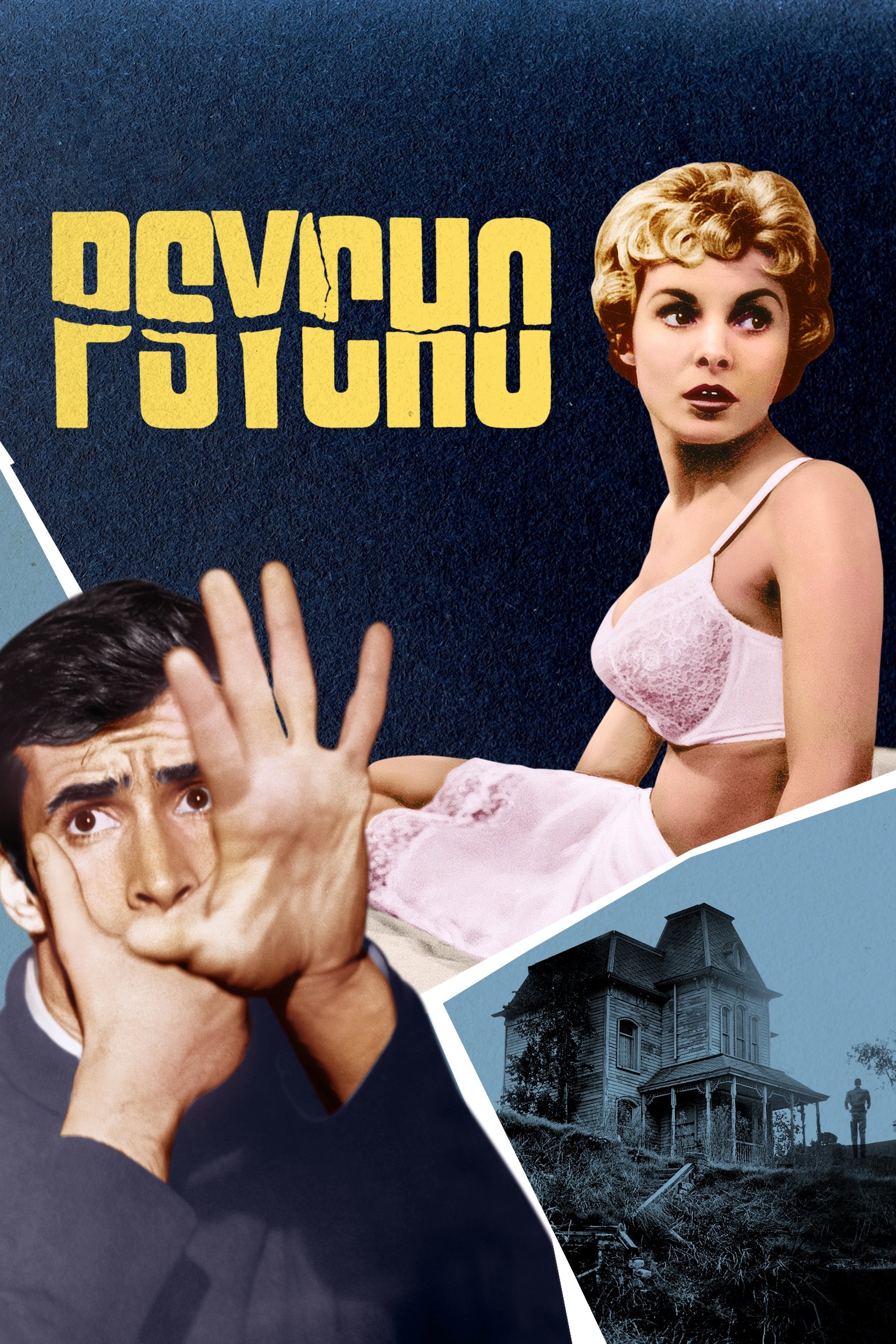
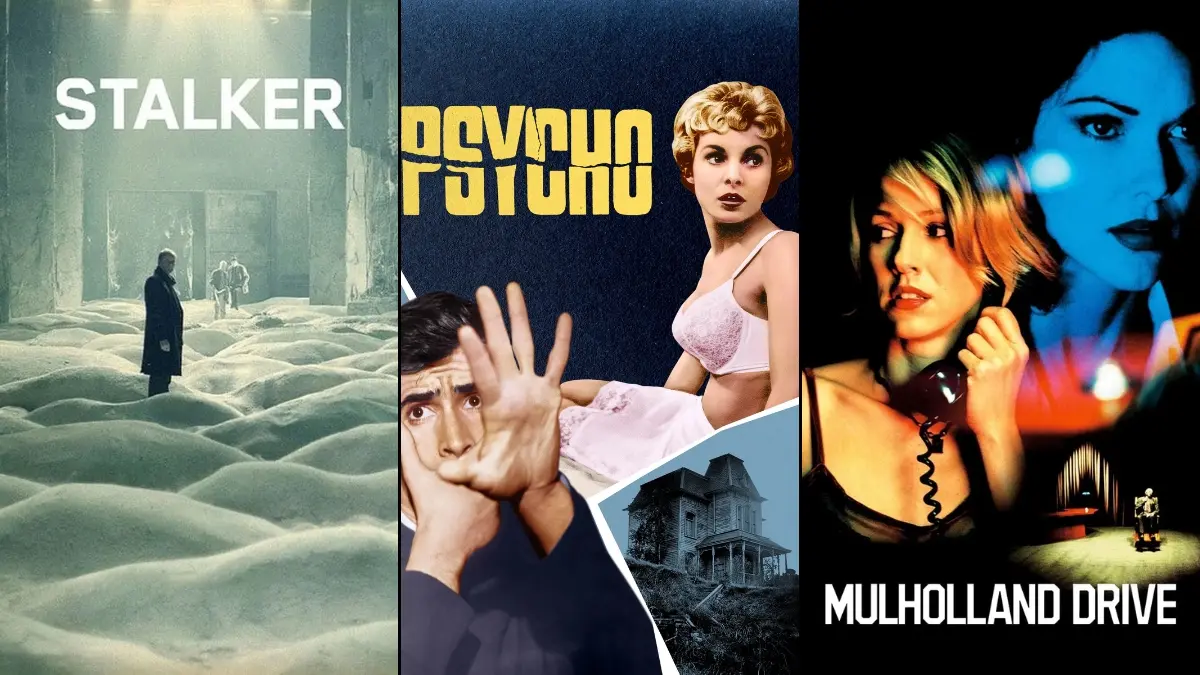
Alfred Hitchcock’s film redefined the thriller by shifting protagonists mid-story and deploying pioneering editing in its shower sequence. Bernard Herrmann’s string-driven score demonstrated how sound design can manipulate anxiety. The movie helped normalize on-screen depictions of forensic investigation and the figure of the unreliable caretaker. Its marketing strategy, including strict no-late-admission policies, reshaped theatrical release tactics.
‘Vertigo’ (1958)
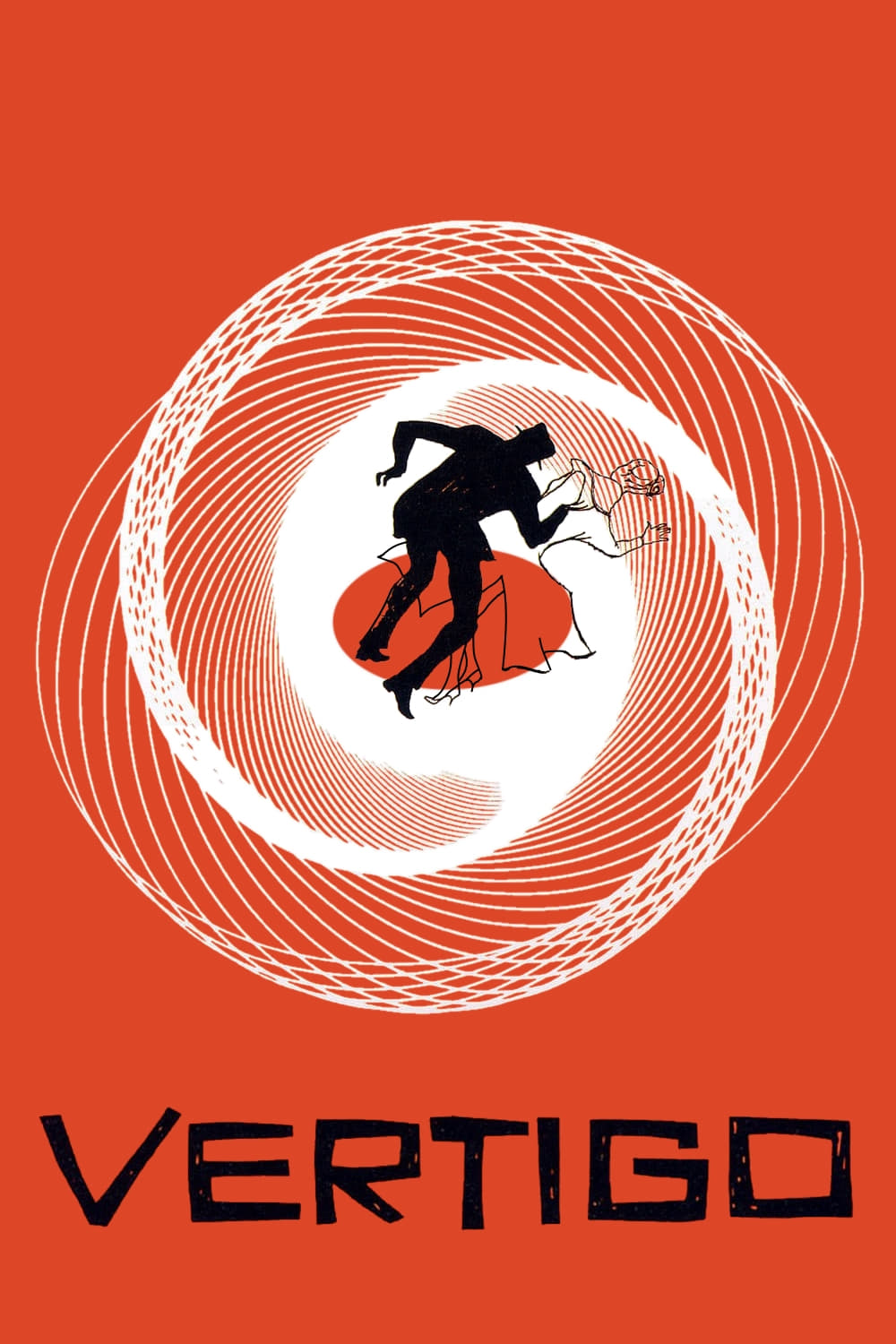
Hitchcock’s study of obsession advanced point-of-view cinematography through the now-famous dolly zoom to visualize acrophobia. The film’s San Francisco locations and spiraling narrative structure influenced noir and psychological mystery conventions. Restoration efforts decades later helped reestablish its critical standing, expanding discussions of identity and gaze in film studies. It also cemented the motif of the double as a tool for exploring fractured selves.
‘Persona’ (1966)
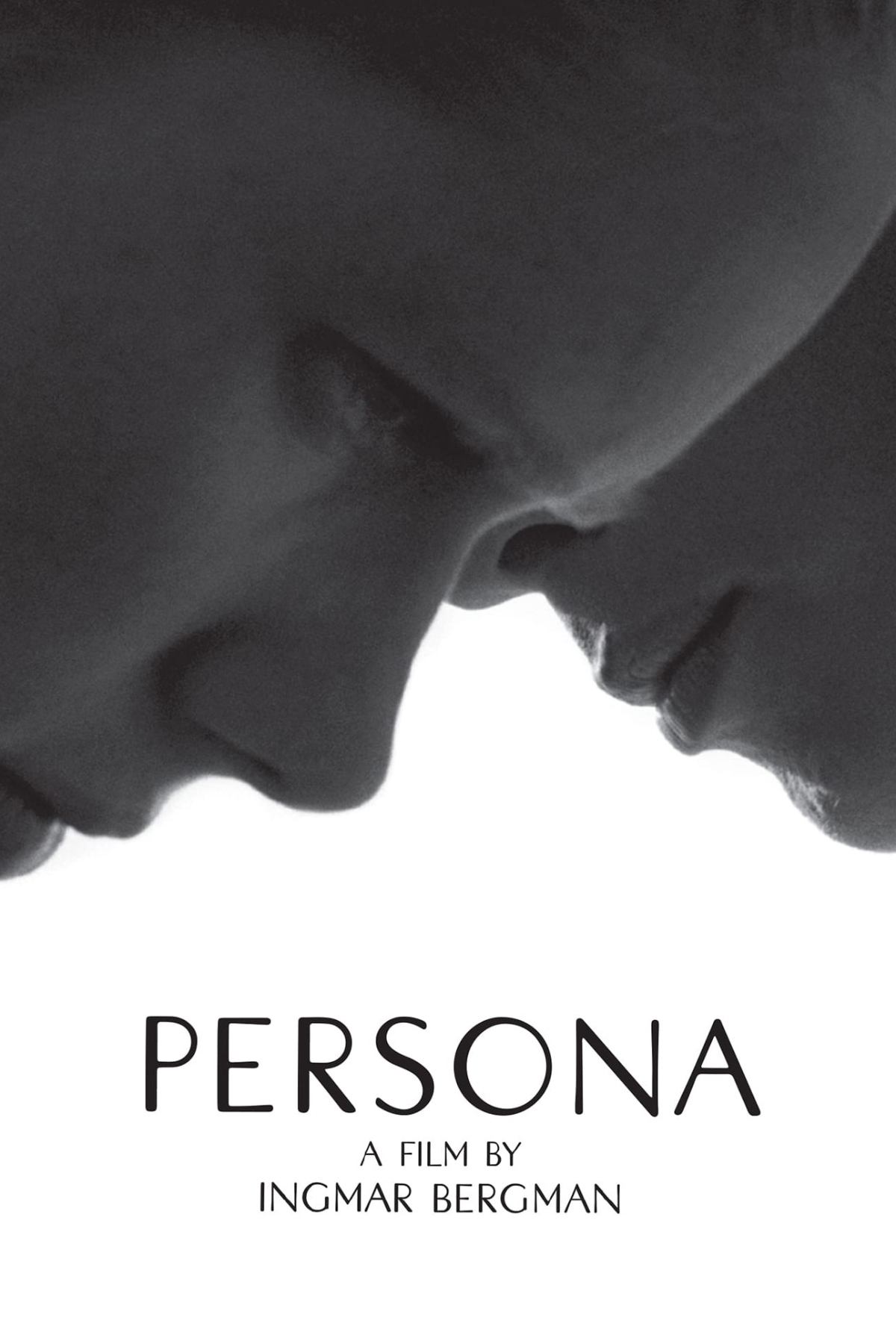
Ingmar Bergman used minimalist staging and experimental montage to explore identity fusion between two women. The film breaks the fourth wall and incorporates film-leader imagery to foreground cinema’s constructed nature. Its stark sound design and close-up-driven framing influenced arthouse approaches to interiority. Academic discourse frequently cites it as a cornerstone for psychoanalytic film theory.
‘Rosemary’s Baby’ (1968)
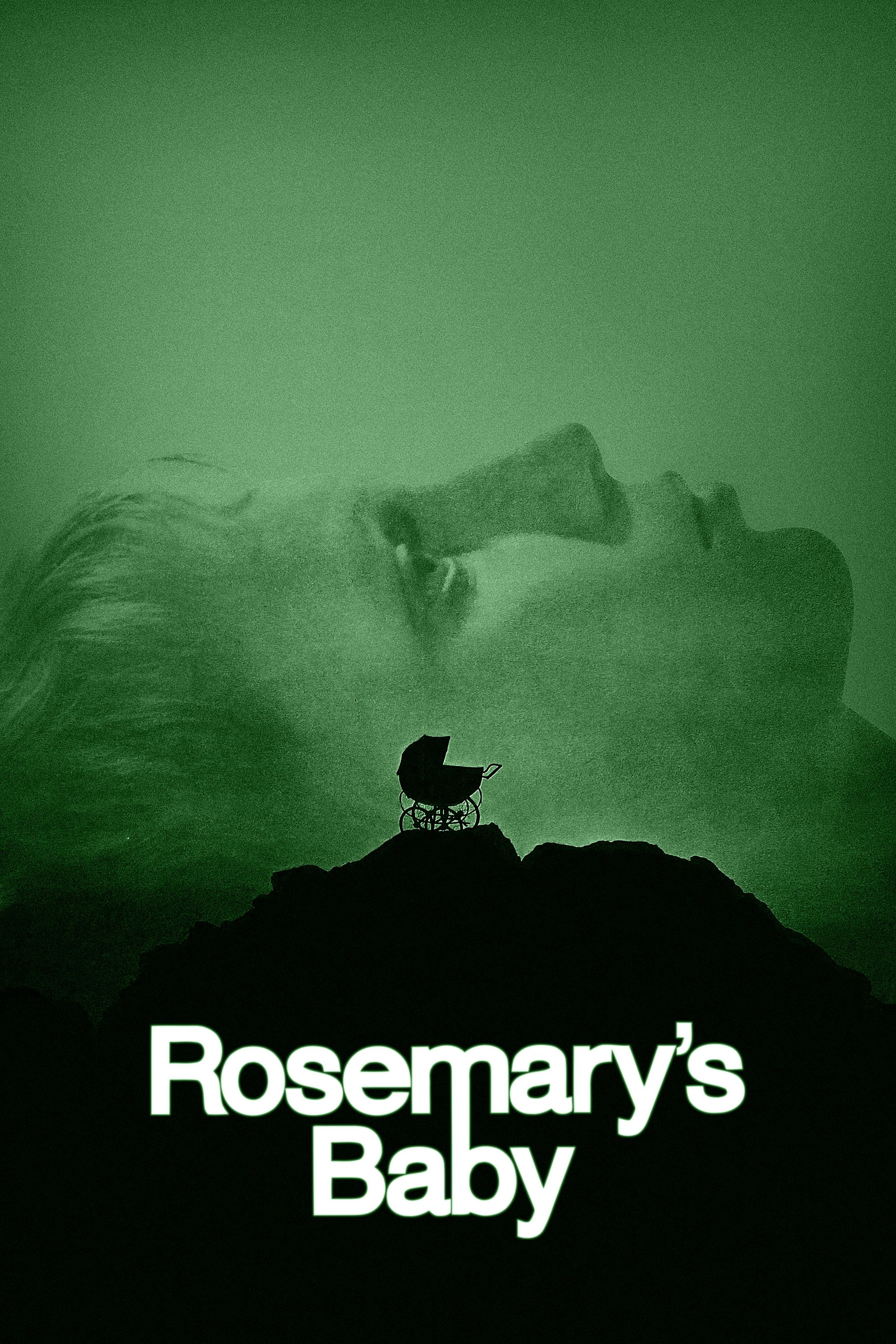
Roman Polanski’s adaptation turned domestic spaces into sites of paranoia, emphasizing slow-burn dread over explicit horror. The film’s ambiguous framing of agency and gaslighting helped define the modern psychological horror template. Location shooting in New York’s Dakota building added a realist texture that many urban thrillers later adopted. It also foregrounded reproductive autonomy as a theme in mainstream cinema.
‘A Clockwork Orange’ (1971)
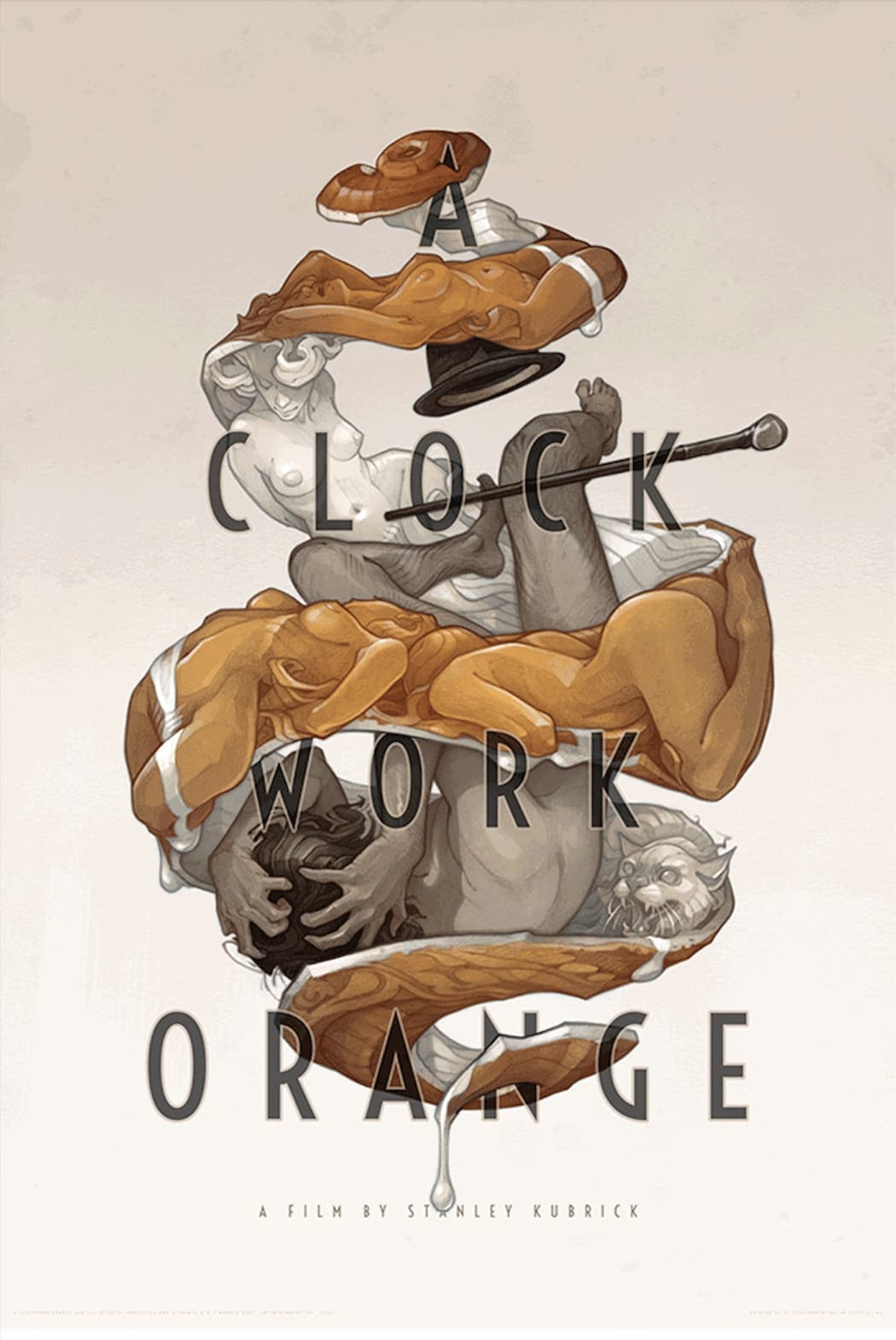
Stanley Kubrick fused stylized violence with behavioral psychology, centering on conditioning and free will. The film’s production design and invented slang created a distinct dystopian world that shaped later sci-fi and crime hybrids. Its controversial reception prompted debates on censorship and media effects research. The use of classical music against disturbing images influenced scoring strategies across genres.
‘One Flew Over the Cuckoo’s Nest’ (1975)

Miloš Forman’s adaptation portrayed institutional power dynamics through naturalistic performances and ensemble blocking. Filmed in a working psychiatric hospital, it incorporated real procedures and staff for authenticity. The production popularized critiques of coercive treatment and rigid authority structures. Its major awards sweep raised the profile of character-centered psychological drama in the mainstream.
‘Taxi Driver’ (1976)
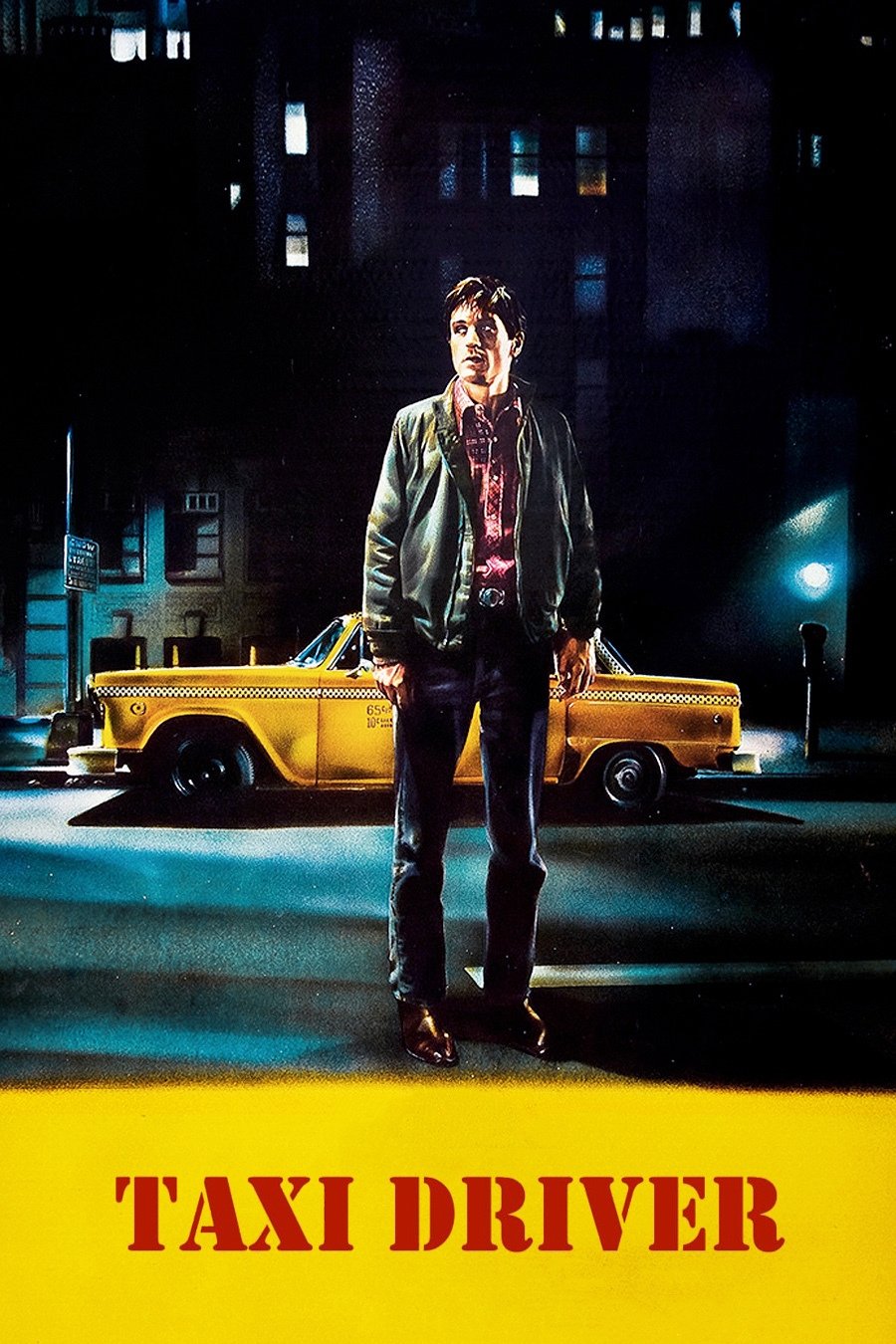
Martin Scorsese’s film tracked urban alienation and vigilantism with subjective voiceover and nocturnal cinematography. Bernard Herrmann’s final score fuses jazz with menace to reflect the protagonist’s deteriorating mindset. The film’s release triggered discussions about media, politics, and personal violence. It influenced later anti-hero narratives and location-based, guerrilla-style shooting in cityscapes.
‘The Shining’ (1980)
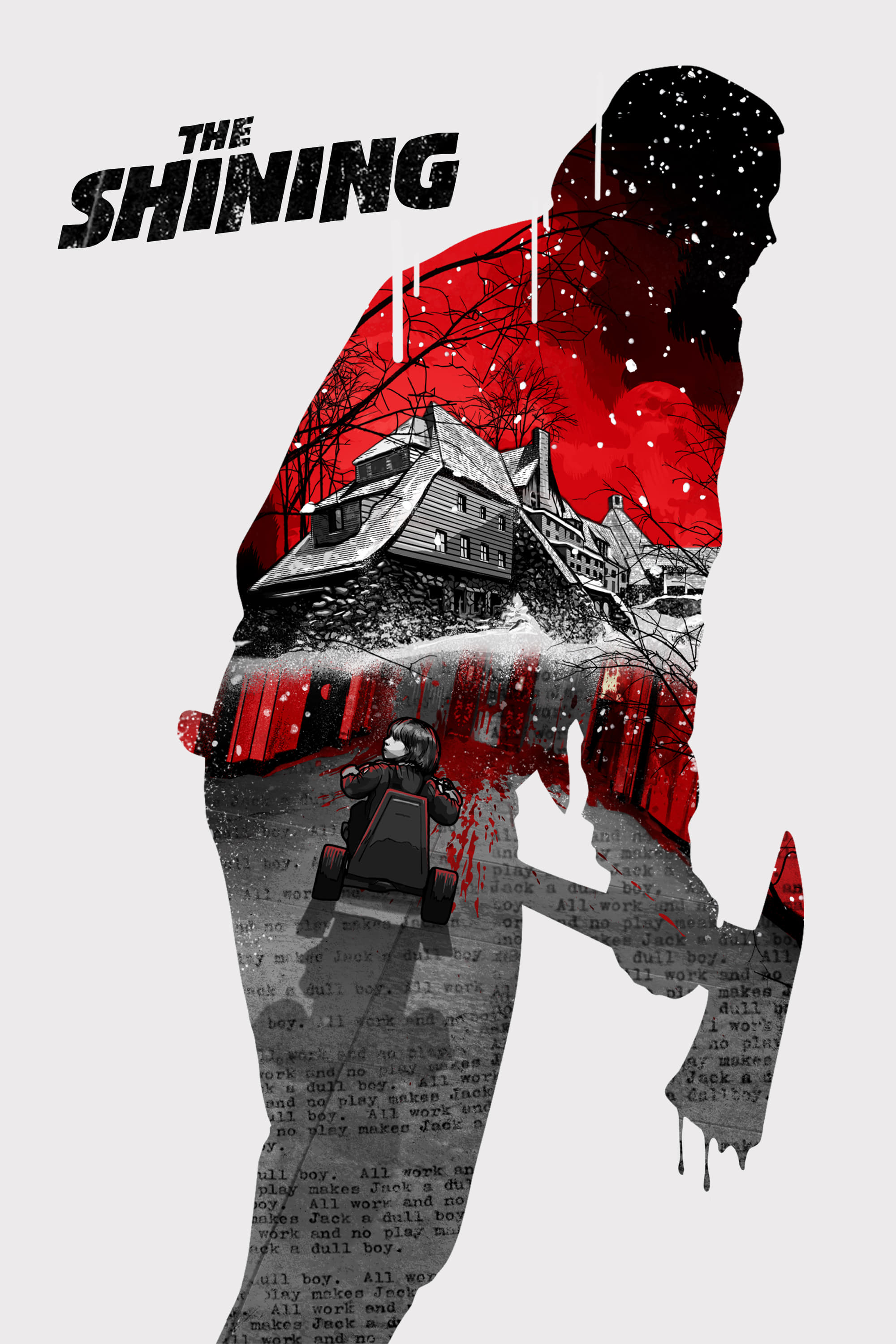
Kubrick blended steadicam tracking with labyrinthine set design to induce spatial disorientation. The film uses symmetrical framing and soundscapes to depict isolation and psychic disturbance. Its ambiguous final imagery and recurring motifs made it a cornerstone for close-reading culture and fan analysis. The production’s long takes and multiple retakes helped define a meticulous approach to psychological horror.
‘Blue Velvet’ (1986)
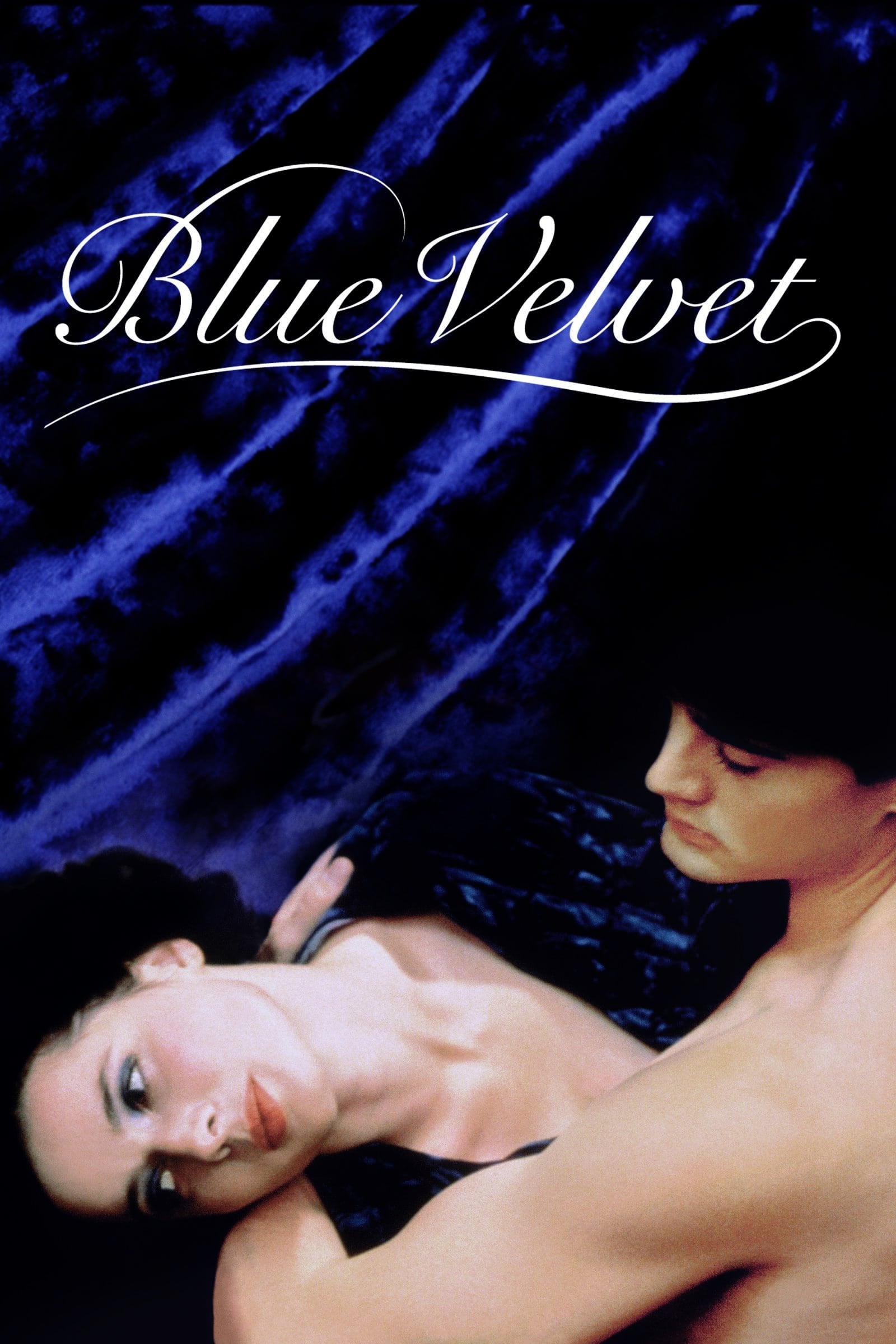
David Lynch contrasted idyllic suburbia with subterranean menace, using color design and sound to suggest hidden trauma. The film’s nonlinear unease and dream logic helped build a template for neo-noir surrealism. Its depiction of voyeurism and control informed later studies of power and desire on screen. The collaboration with composer Angelo Badalamenti set a benchmark for mood-driven scoring.
‘Jacob’s Ladder’ (1990)

Adrian Lyne’s film visualized trauma and dissociation with staccato, jittering effects later echoed in horror and music videos. Its narrative structure employs ambiguous timelines to mirror a fractured psyche. The depiction of post-combat stress anticipated broader cinematic engagement with veteran mental health. Production design blends religious and medical imagery to externalize internal conflict.
‘The Silence of the Lambs’ (1991)
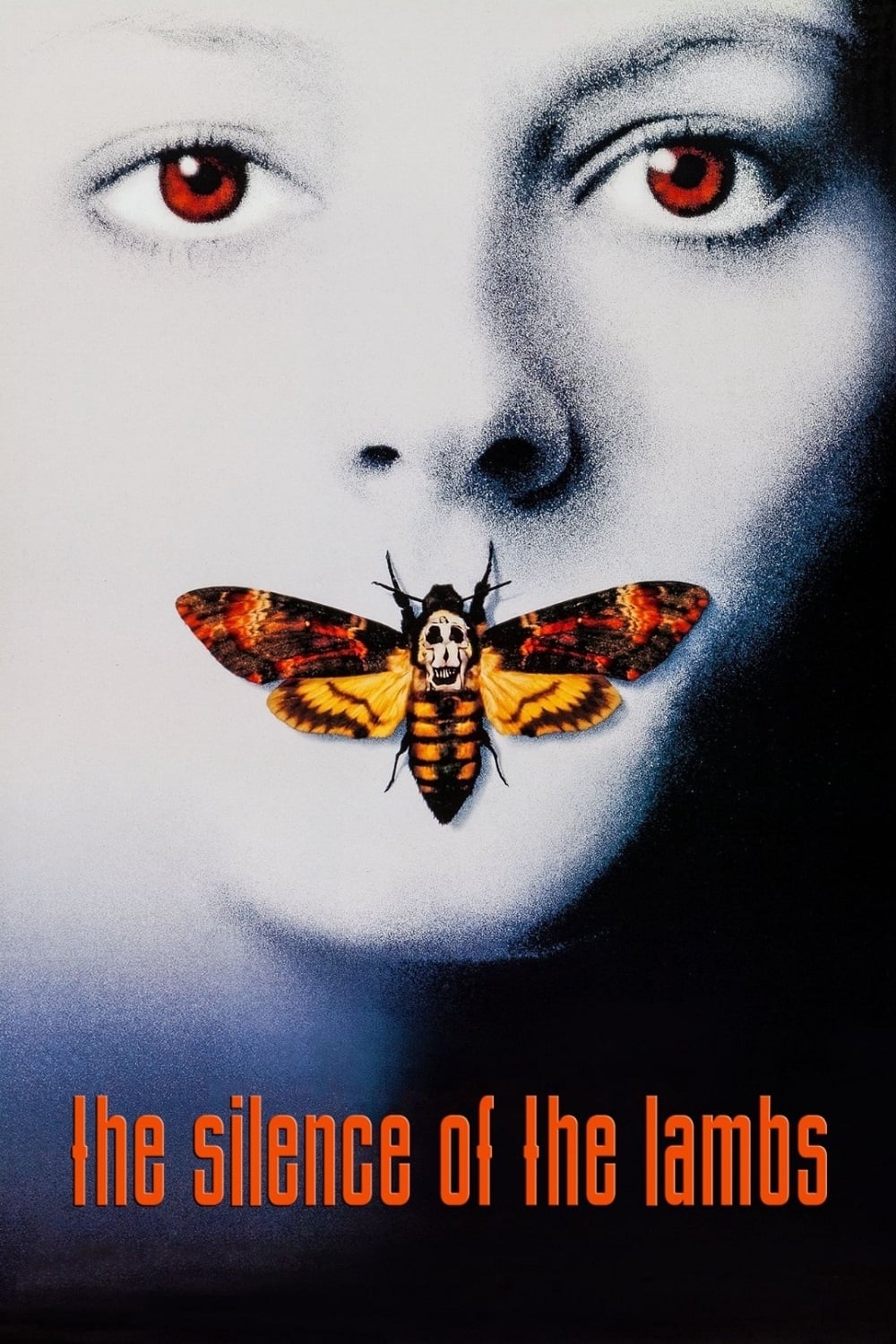
Jonathan Demme’s close-up technique—actors staring just off-lens—created an unnerving intimacy that shaped interrogation scenes across media. The film consolidated procedural and psychological thriller elements into a widely emulated hybrid. It earned major awards across top categories, expanding the prestige of dark character studies. Its influence extends to serial-investigator television formats and forensic storytelling.
‘Se7en’ (1995)
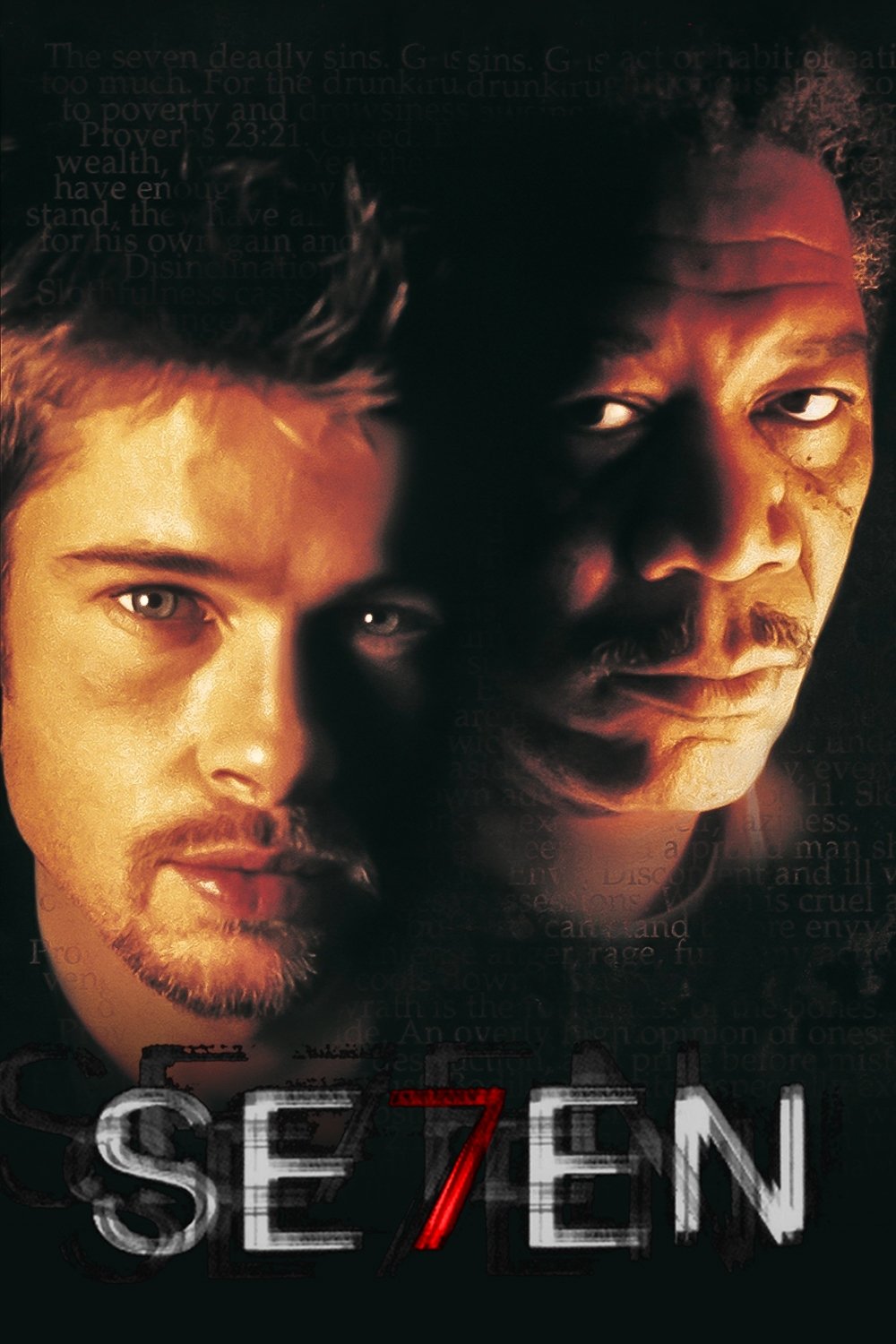
David Fincher’s rain-soaked urban aesthetic and tactile props grounded a morality play in gritty realism. The film’s structure uses a series of ritualized crimes to explore obsession and apathy. Title-sequence typography and graphic design set a new bar for main titles as narrative immersion. Its finale reframed expectations for endings in mainstream thrillers.
‘The Sixth Sense’ (1999)
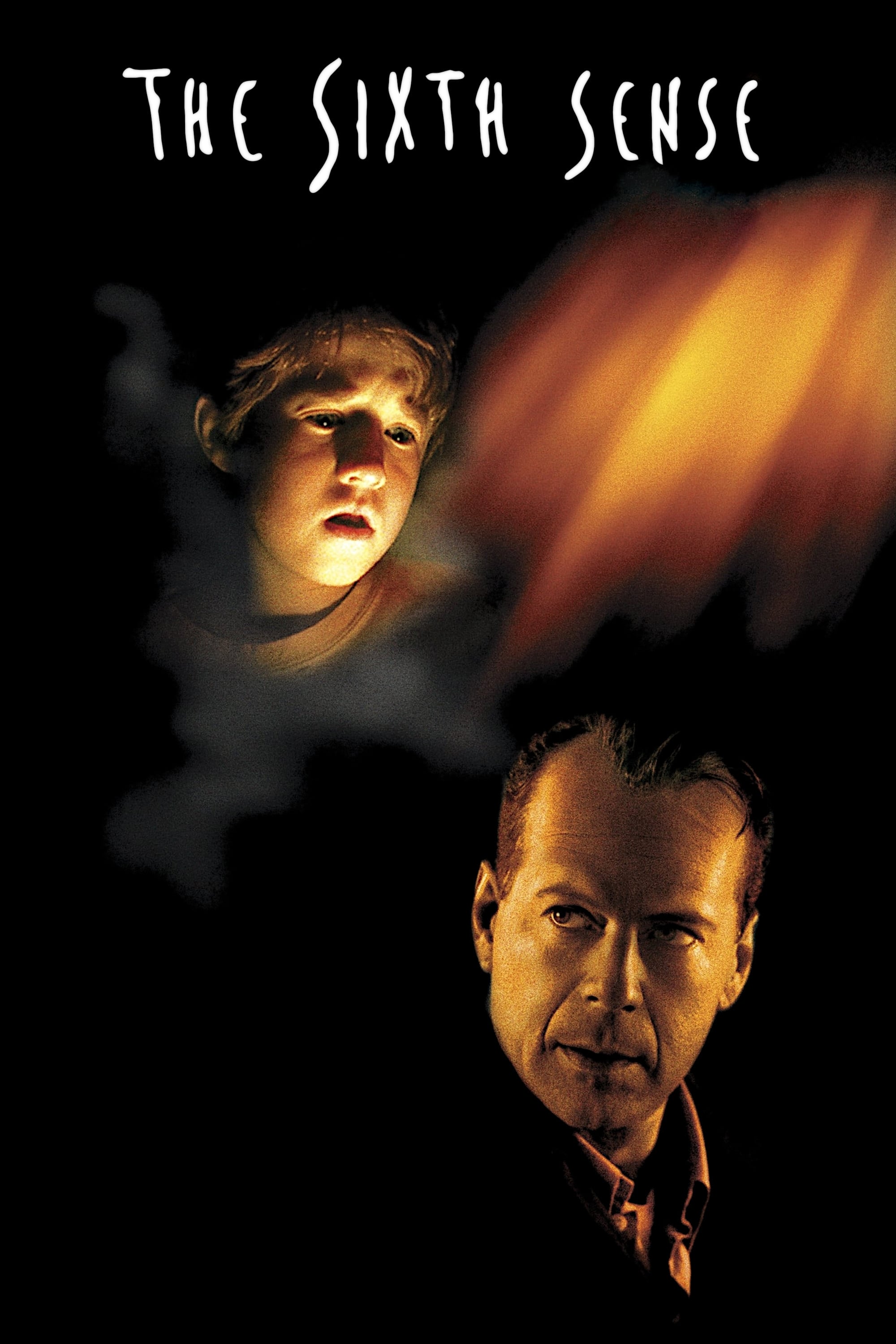
M. Night Shyamalan’s careful clue placement and restrained pacing popularized twist-driven storytelling with repeat-viewing rewards. The film integrates child psychology and grief counseling into a supernatural framework. Cross-cutting and muted palettes underscore emotional distance and gradual connection. Its success revitalized interest in atmospheric, character-first ghost stories.
‘Fight Club’ (1999)
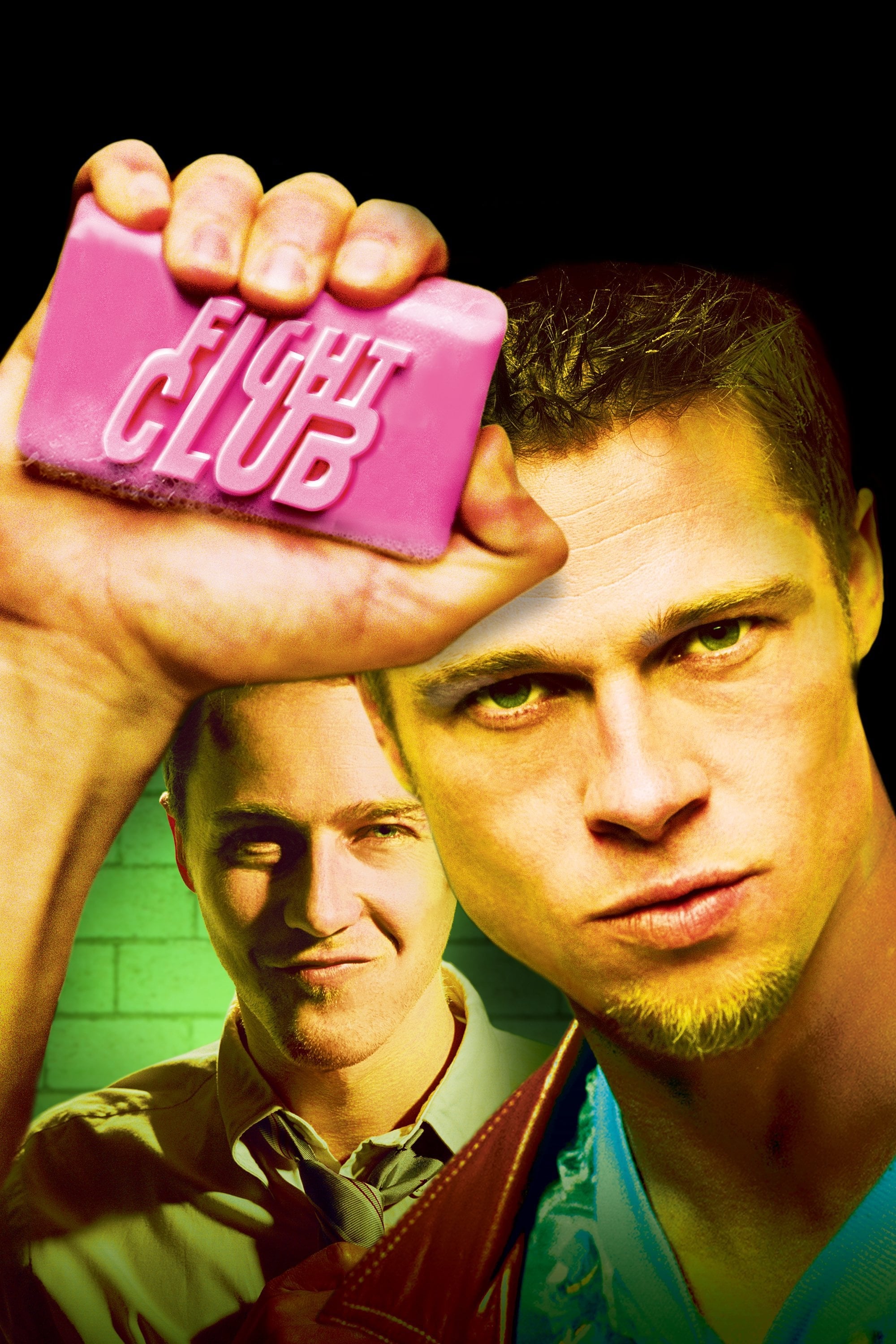
David Fincher combined unreliable narration with rule-breaking voiceover and subliminal imagery to examine identity and consumer culture. Digital effects were used sparingly to illustrate mental breaks rather than spectacle. The film’s underground-club structure influenced narratives about secret communities and radicalization. Its production design and marketing seeded extensive intertextual references in later media.
‘American Psycho’ (2000)

Mary Harron’s adaptation satirized status obsession while charting dissociation through meticulous repetition and surface detail. The film’s costuming and product discourse reveal character psychology via material culture. It spurred academic work on performative masculinity and the corporate persona. The ambiguous boundary between fantasy and action became a model for similar character studies.
‘Memento’ (2000)
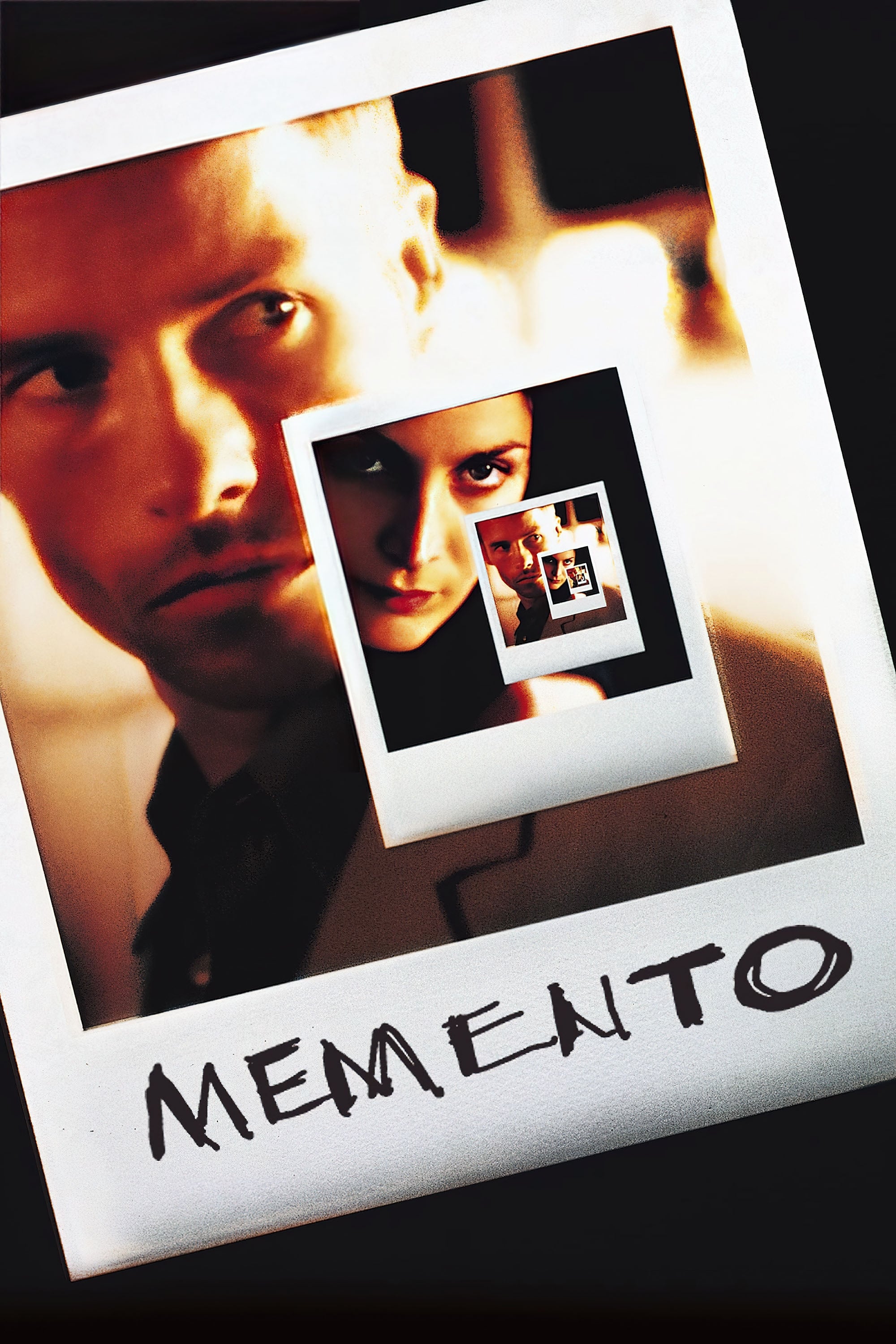
Christopher Nolan told a revenge story in reverse-chronological segments intercut with forward-moving scenes to simulate anterograde amnesia. On-screen Polaroids, tattoos, and voiceover form a diegetic memory system that guides the viewer. The structure influenced non-linear puzzle narratives in both film and television. Its independent production path demonstrated audience appetite for formally inventive thrillers.
‘Requiem for a Dream’ (2000)
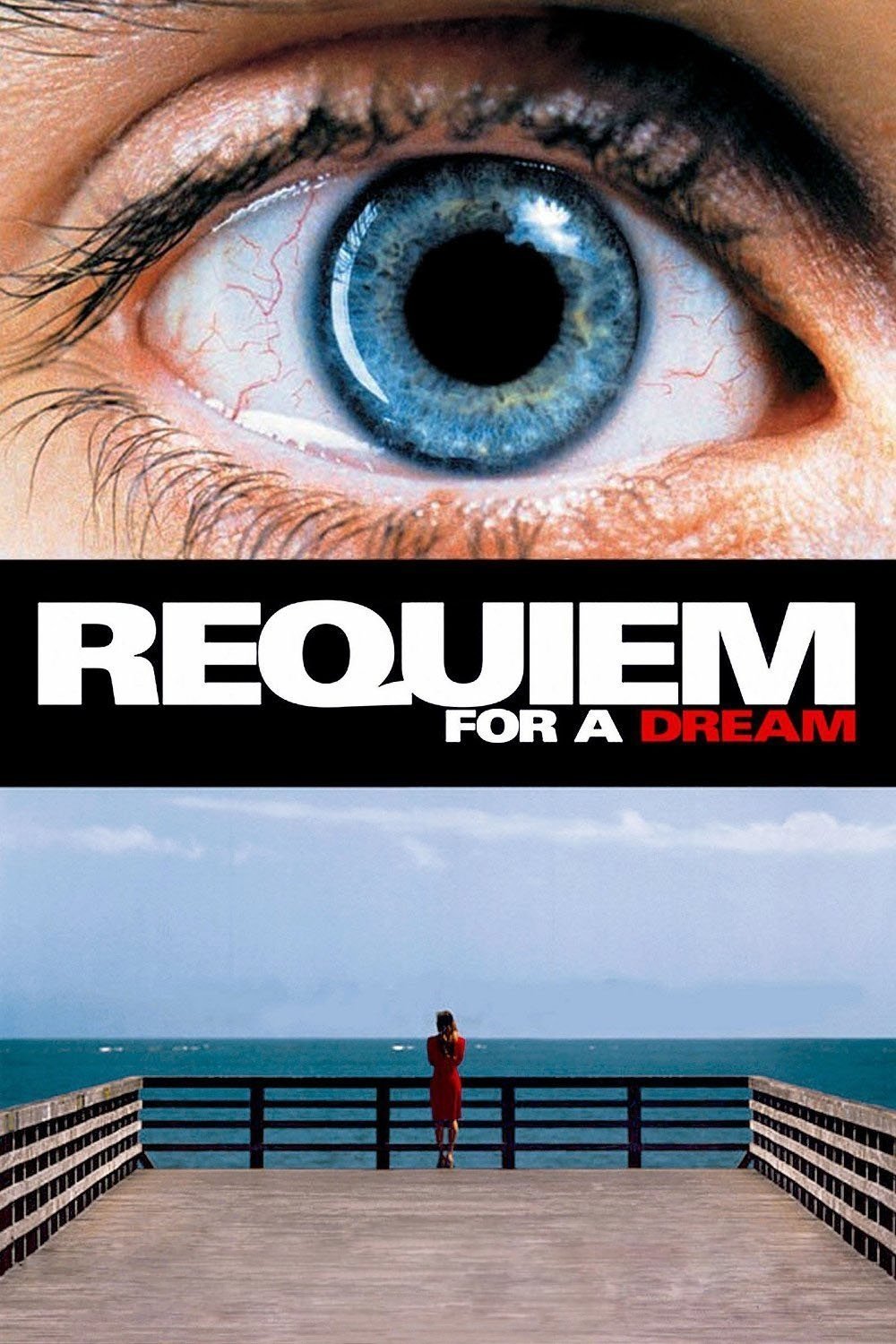
Darren Aronofsky used rapid-fire montages, split screens, and hip-hop editing techniques to depict addiction cycles. Repetitive micro-montages visualize ritual behaviors and escalating dependence. Clint Mansell’s score, performed with the Kronos Quartet, became a widely reused motif beyond the film. The work’s unflinching depiction of psychological and physical deterioration informed later addiction portrayals.
‘Donnie Darko’ (2001)
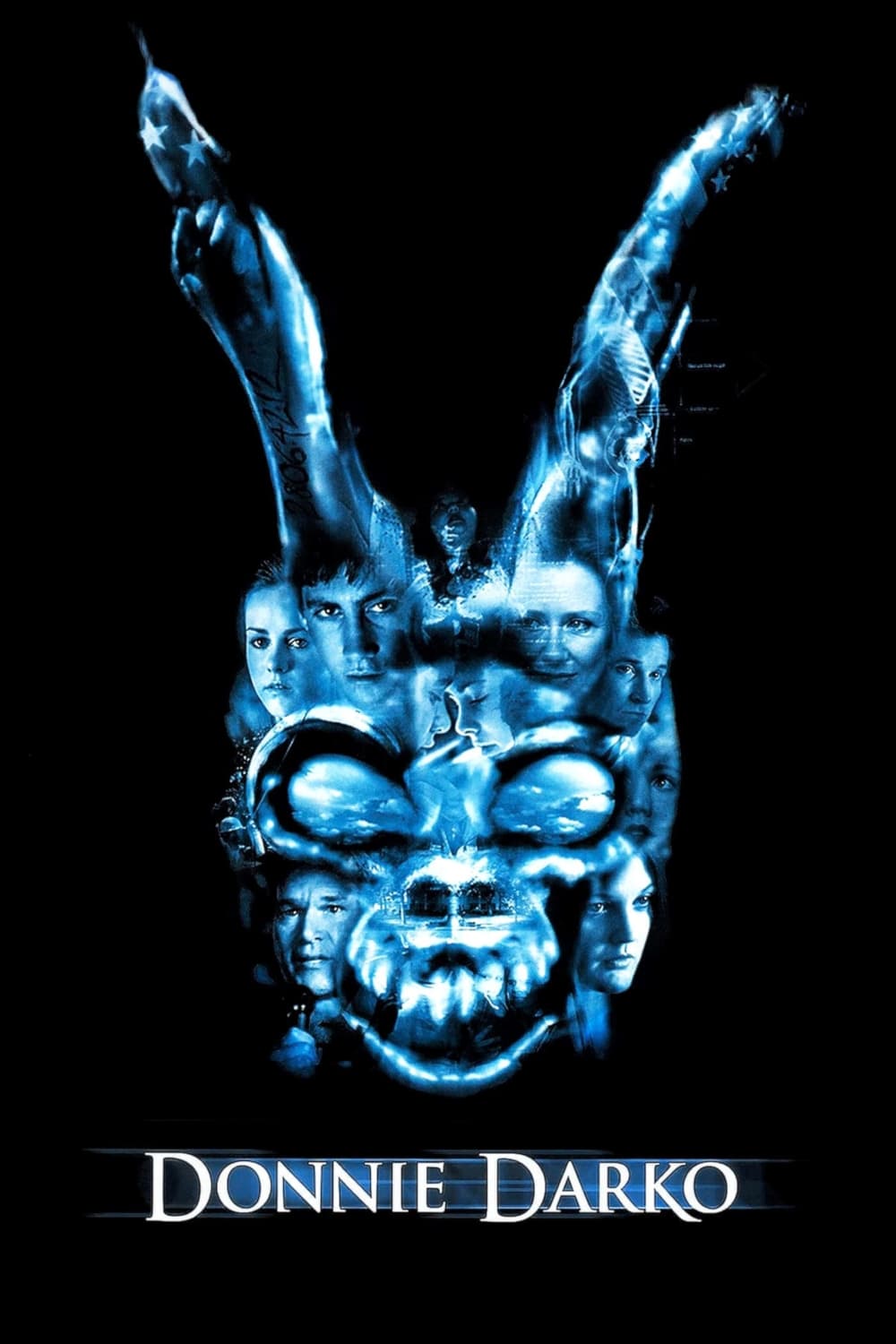
Richard Kelly’s film merged suburban coming-of-age with time-loop mechanics and apocalyptic imagery. Its soundtrack and period details created a specific cultural milieu that fueled cult status. The director’s and theatrical cuts sparked debates about authorial intent and narrative clarity. It broadened teen cinema’s willingness to embrace metaphysical and psychological themes.
‘Mulholland Drive’ (2001)
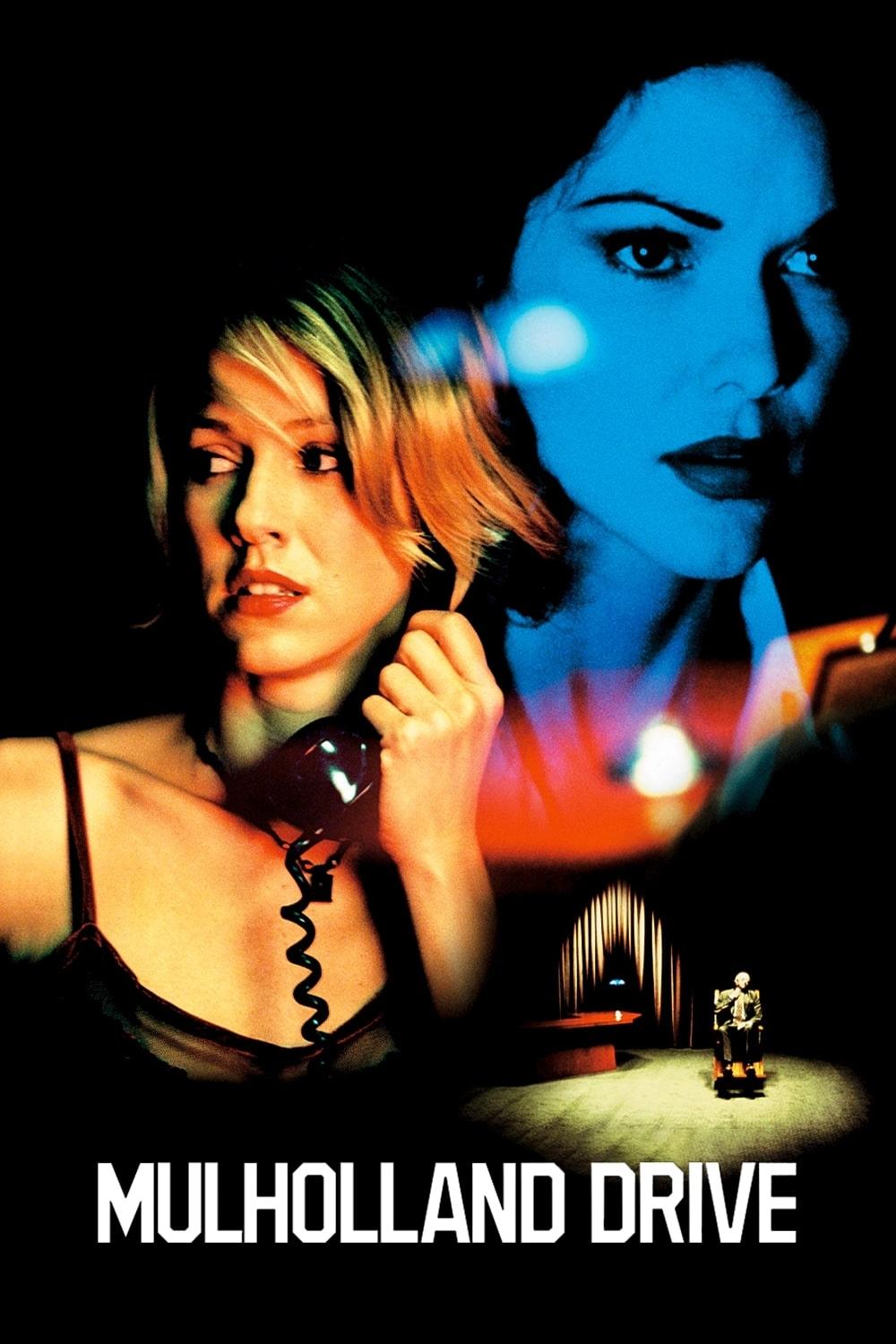
David Lynch constructed a Hollywood nightmare that shifts identities and timelines without explicit exposition. Sound design, club sequences, and doubling motifs articulate dreams, desire, and failed reinvention. The film’s open interpretability encouraged close textual analysis and puzzle-box marketing. It cemented a modern template for surreal psychological mystery in mainstream arthouse distribution.
‘Oldboy’ (2003)
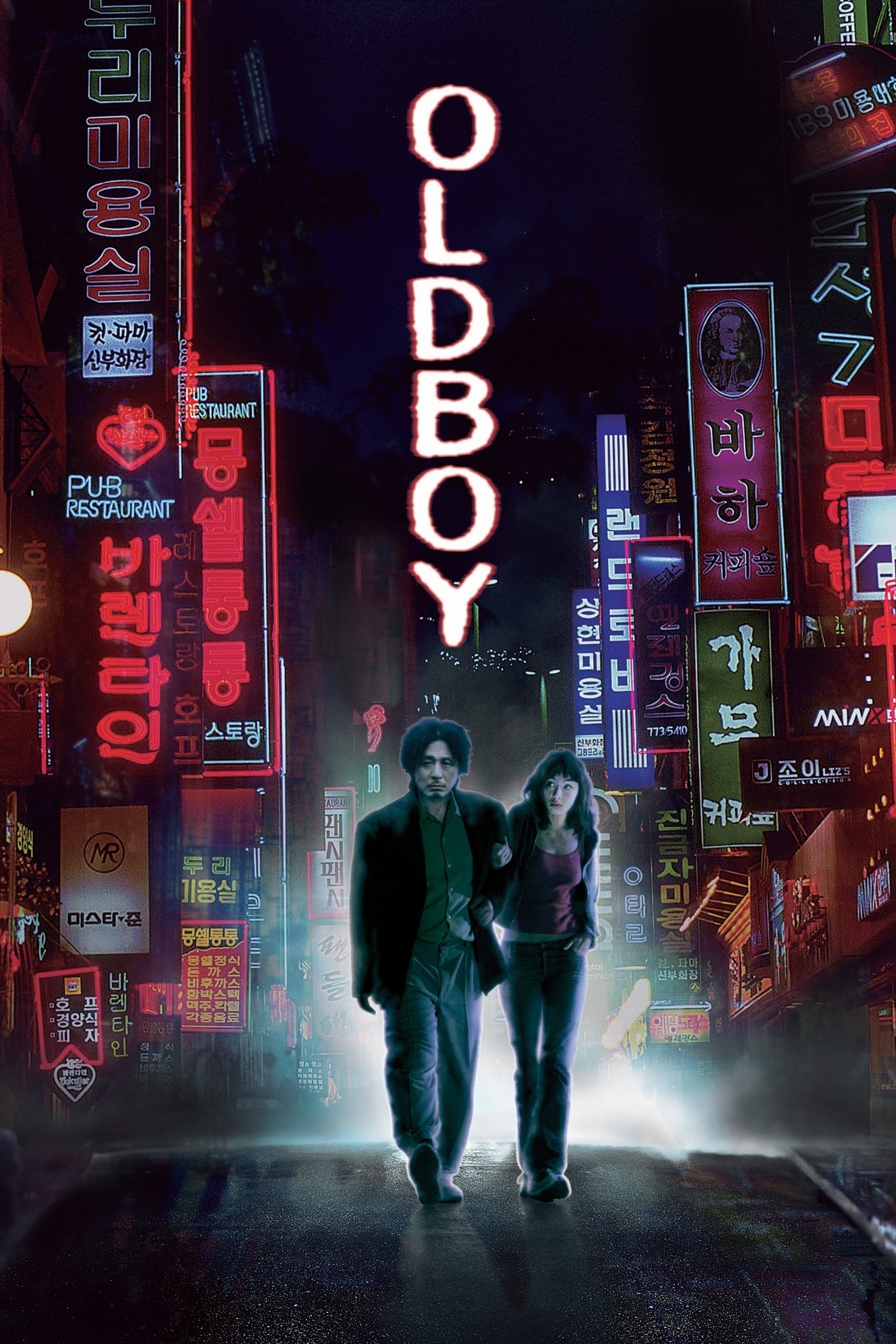
Park Chan-wook combined revenge drama with memory manipulation and captivity psychology. The film’s corridor fight, staged as a lateral long take, influenced global action choreography while serving character psychology. Its narrative twists interrogate guilt, complicity, and the cost of obsession. International festival recognition amplified interest in Korean thrillers worldwide.
‘The Machinist’ (2004)
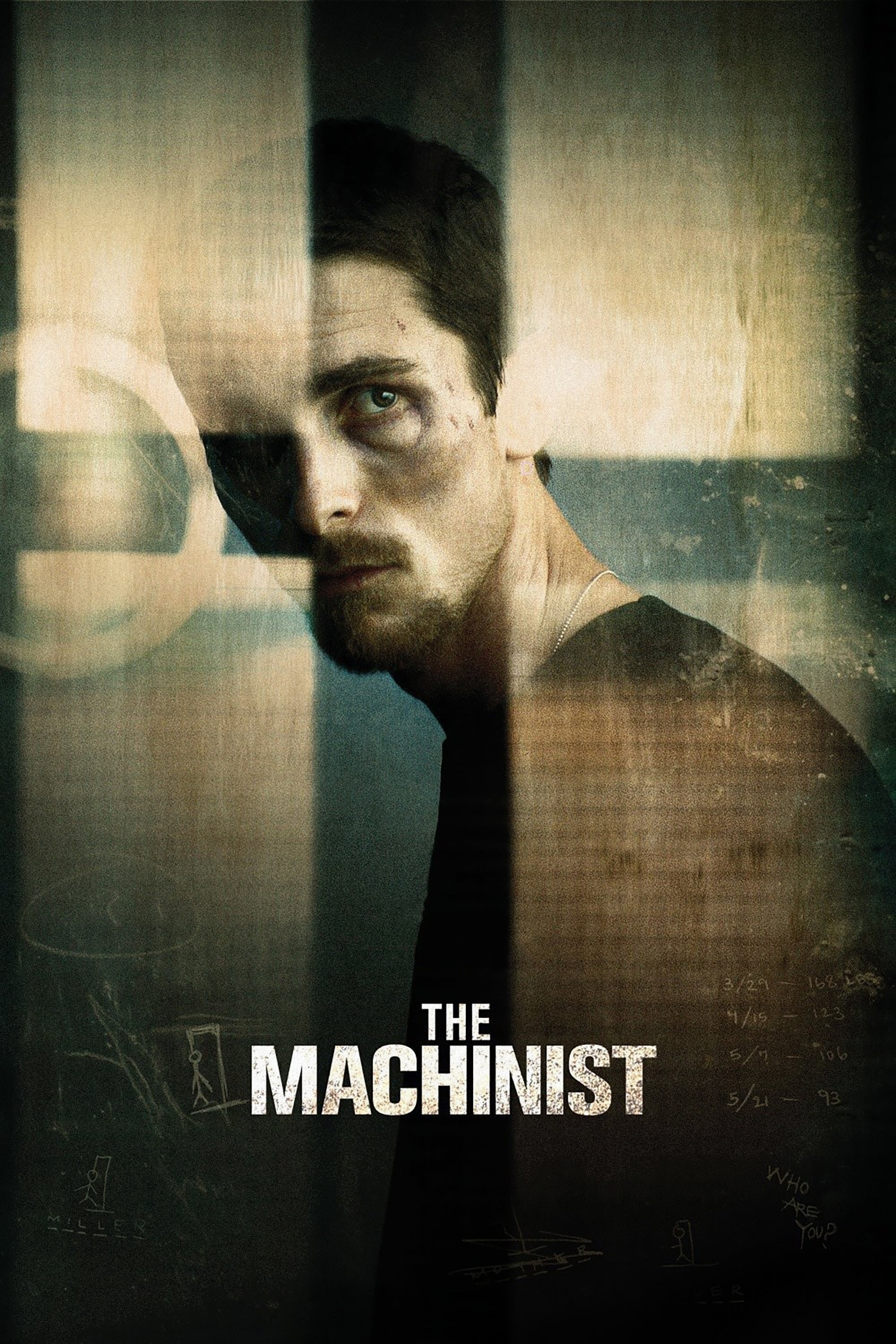
Brad Anderson visualized insomnia and guilt through emaciated physical transformation and desaturated production design. Industrial settings and distorted measurements externalize cognitive decline. The film’s use of recurring symbols guides viewers through fragmented recollection. Its commitment to bodily change and atmosphere influenced later depictions of psychosomatic distress.
‘Black Swan’ (2010)
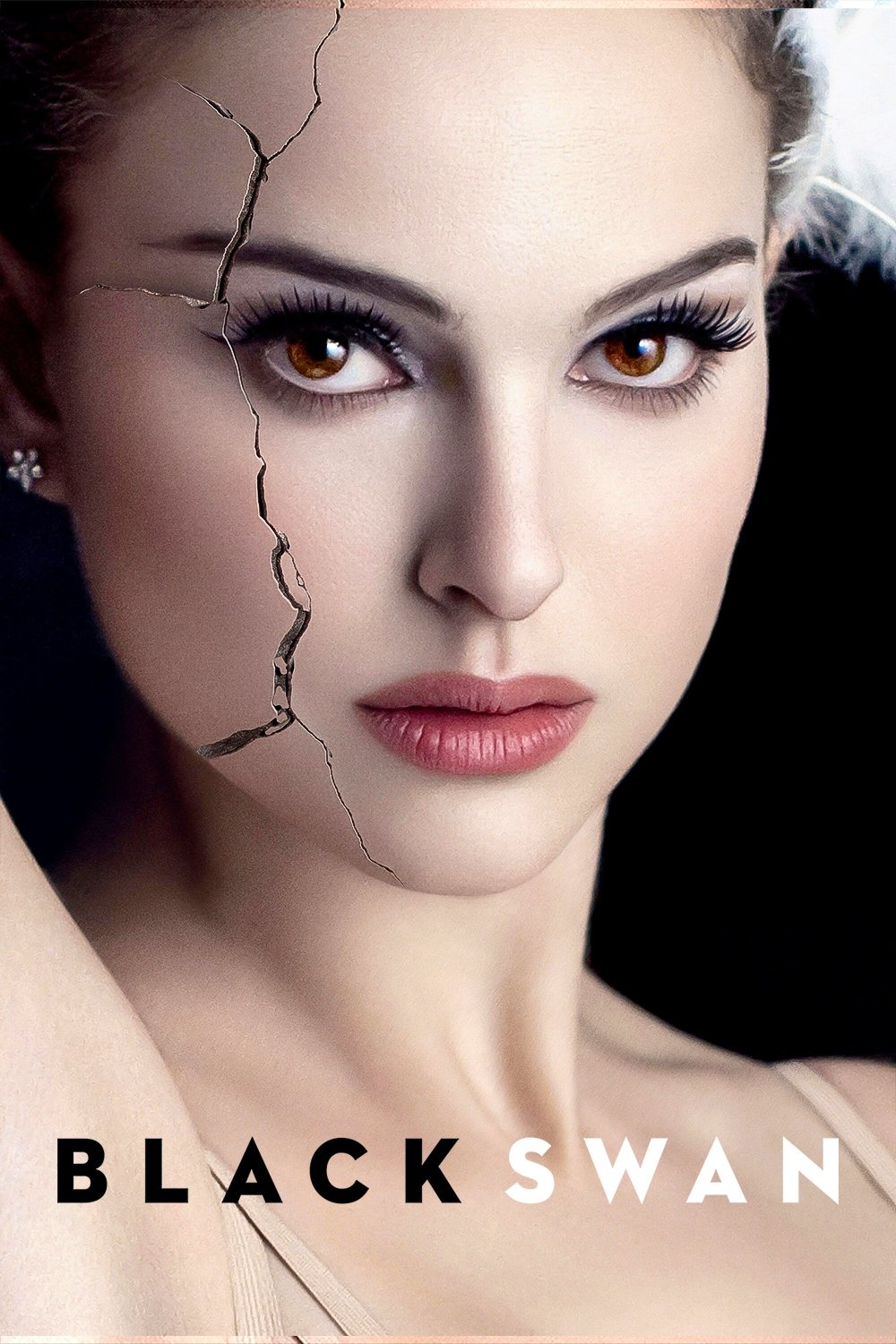
Darren Aronofsky mapped perfectionism and identity splitting onto the world of elite ballet. Handheld camerawork and mirror imagery track a performer’s psychological unravelling. Practical effects and minimal CG maintain tactile realism for body-horror elements. Awards recognition expanded the reach of female-centered psychological horror in the mainstream.
‘Shutter Island’ (2010)
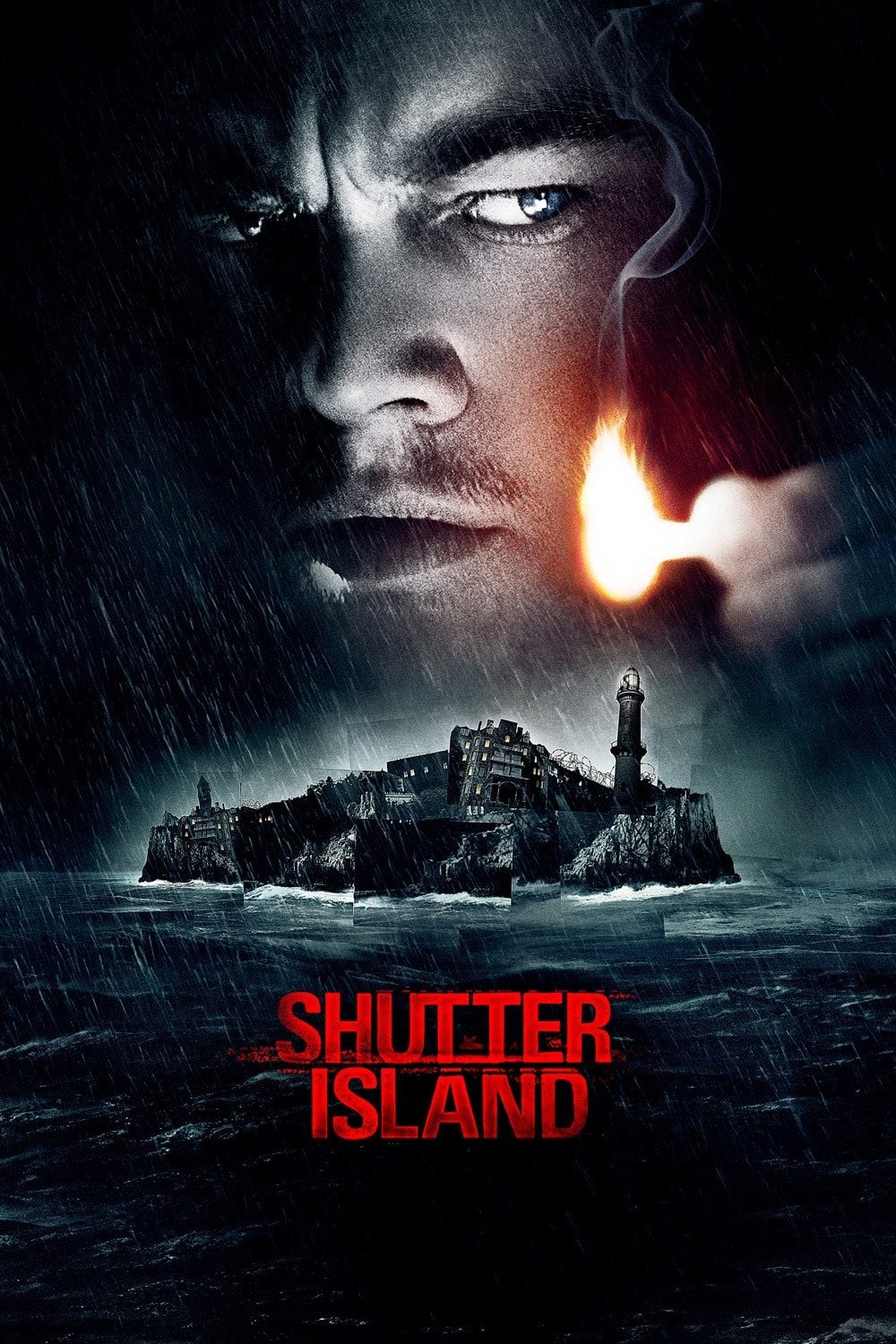
Martin Scorsese crafted a period noir that explores trauma and institutionalization through layered flashbacks and storm-lashed settings. Production design repurposes lighthouse, ward, and cliff locations to symbolize confinement and doubt. The film uses auditory cues and mismatched continuity to hint at narrative instability. Its reception reinforced appetite for twist-inflected, character-driven mysteries.
‘Parasite’ (2019)
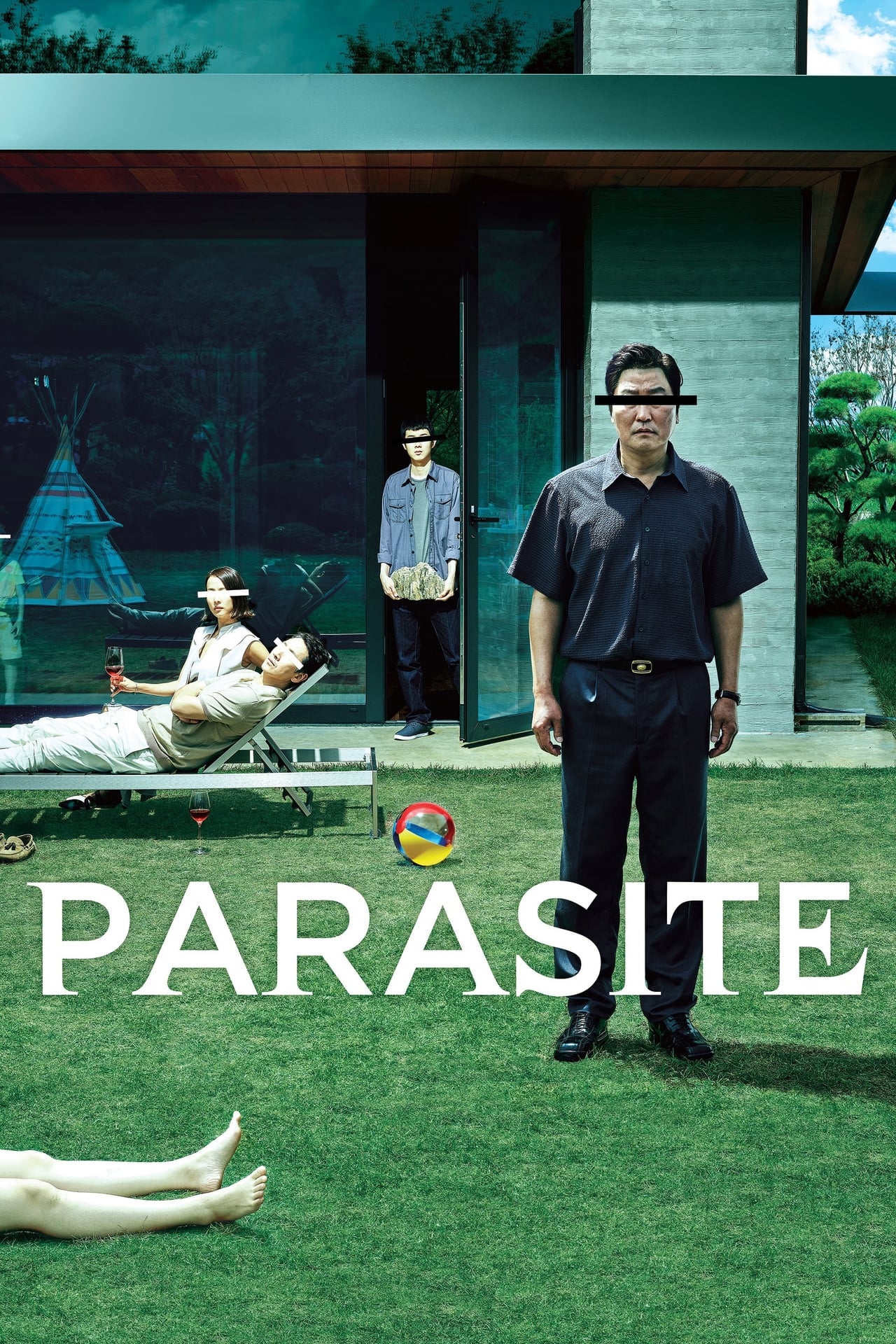
Bong Joon-ho fused class satire with escalating tension to chart the psychology of aspiration and resentment. Architectural space—stairs, basements, and thresholds—structures power dynamics and perception. Genre shifts maintain suspense while exposing invisible social contracts. The film’s global awards success broadened international audiences for socially rooted psychological thrillers.
‘Joker’ (2019)
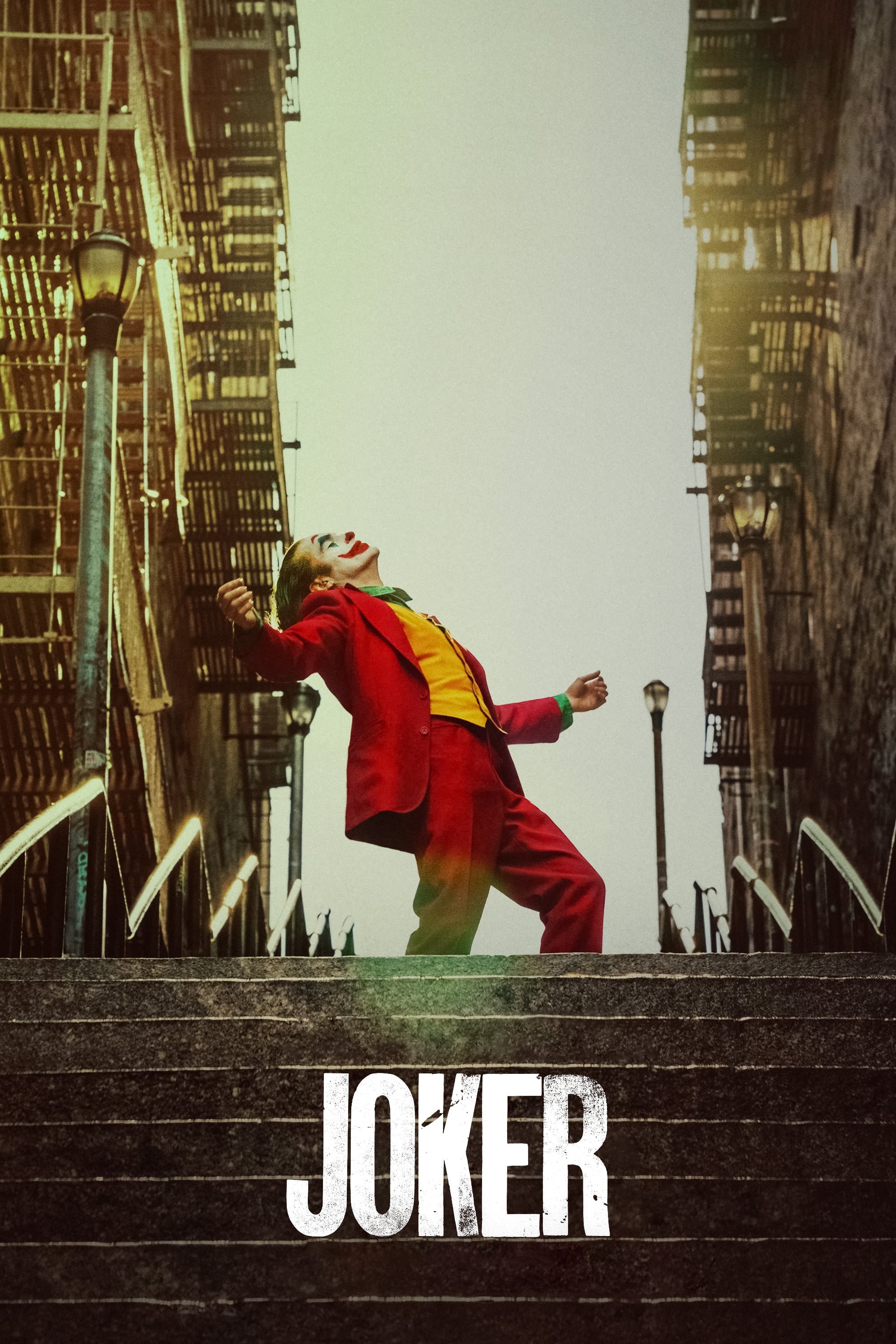
Todd Phillips presented an origin story grounded in social isolation, neglected care, and media spectacle. The film’s color progression and period setting track the character’s changing self-image and public response. Large-format cinematography and a cello-driven score create intimate but oppressive subjectivity. Its box-office performance and awards run catalyzed discussions on mental health portrayal in comic-book cinema.
‘Repulsion’ (1965)
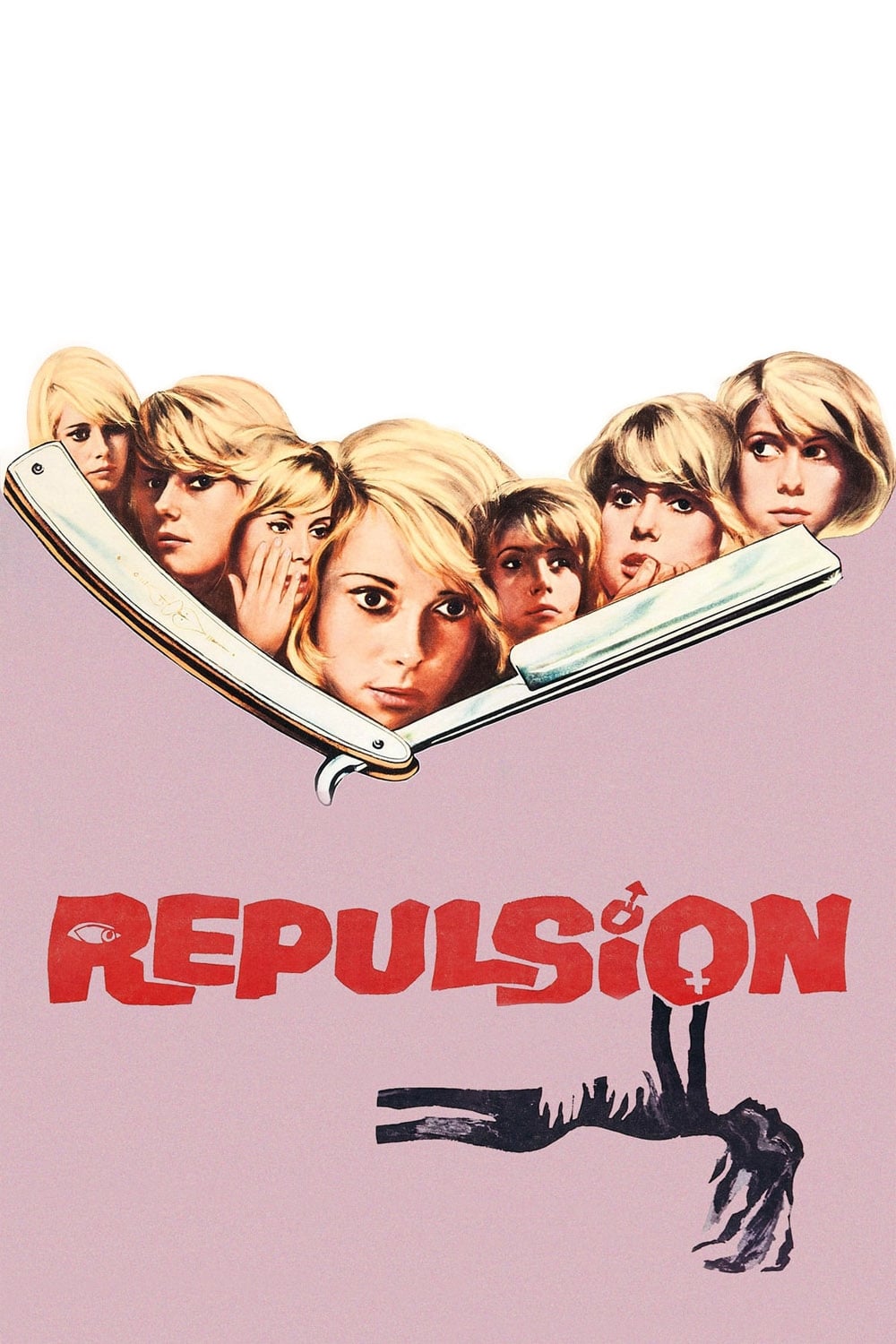
Roman Polanski visualizes isolation and fear through claustrophobic apartment staging and subjective sound cues. The production uses minimal dialogue and recurring motifs to track a character’s deteriorating perception. Practical effects and shifting set geometry externalize intrusive thoughts. Its success established a template for urban psychodrama built around confined spaces.
‘Peeping Tom’ (1960)
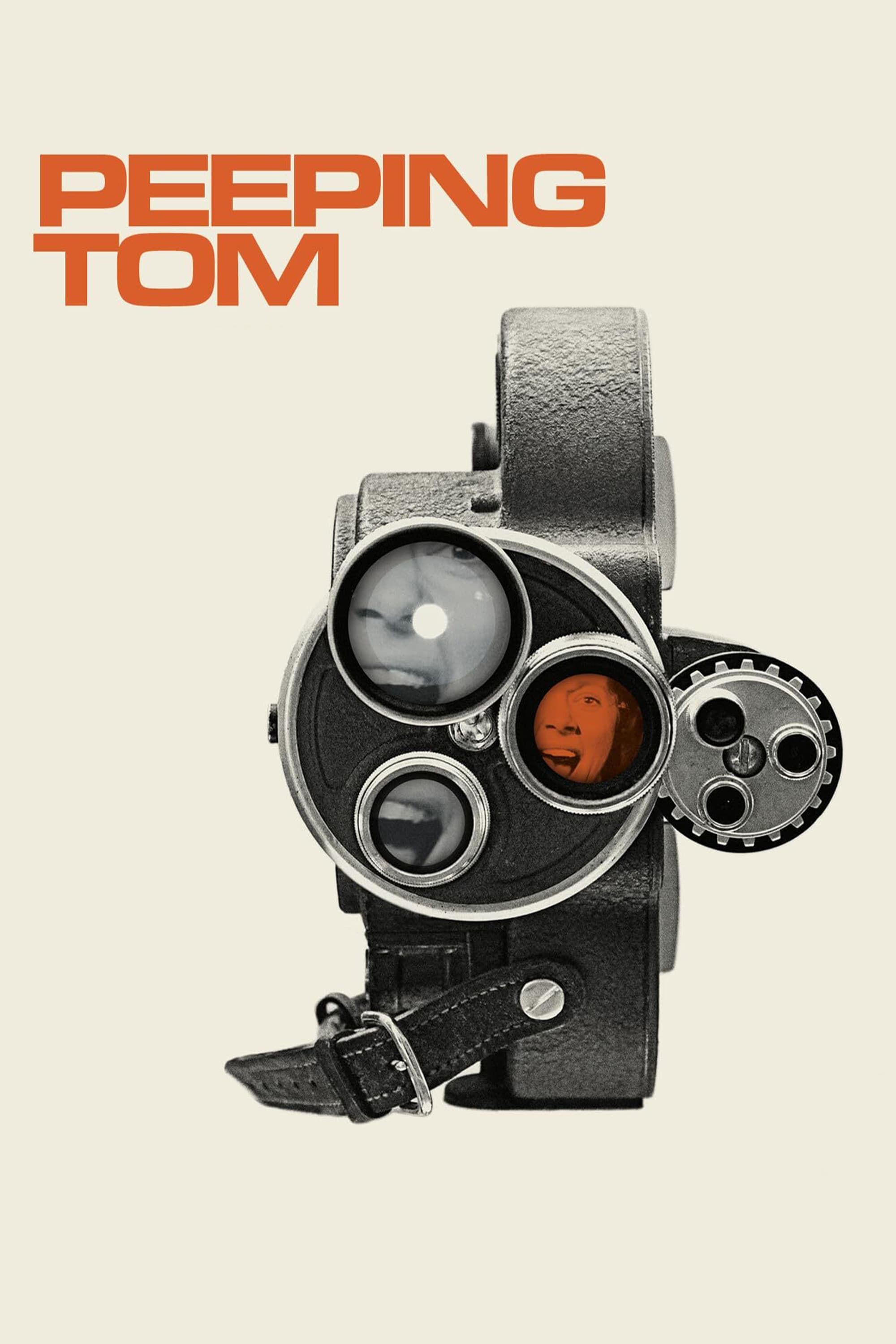
Michael Powell’s film interrogates voyeurism by merging the killer’s camera with the audience’s gaze. Point-of-view shots and diegetic filming equipment turn the act of watching into the central psychological mechanism. The release spurred extensive debate about violence and spectatorship in media studies. Its later reappraisal influenced modern thrillers about surveillance and mediated identity.
‘Rashomon’ (1950)
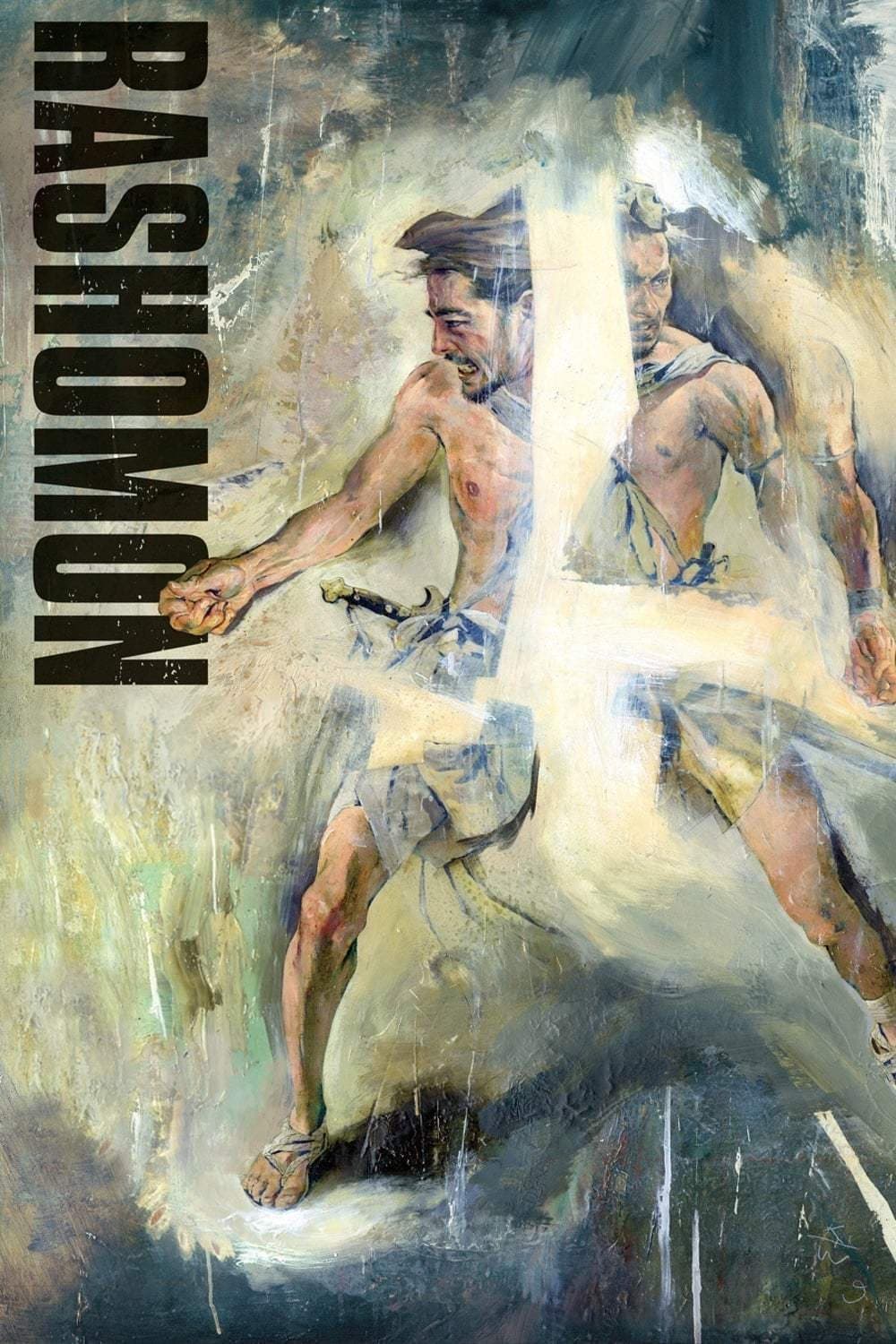
Akira Kurosawa structures a crime around conflicting testimonies to examine memory and self-interest. Multi-perspective retellings show how narrative framing shapes perceived truth. Natural light techniques and forest staging heighten ambiguity without relying on exposition. The film’s approach to unreliable accounts became foundational for courtroom dramas and mystery storytelling.
‘Stalker’ (1979)

Andrei Tarkovsky uses long takes and ambient sound to immerse viewers in a landscape that mirrors internal desire and dread. The journey through the Zone dramatizes wish, fear, and faith via changes in texture and rhythm. Sparse effects and careful blocking prioritize psychological tension over spectacle. Its philosophical focus influenced science-fiction that centers interior states.
‘Eraserhead’ (1977)
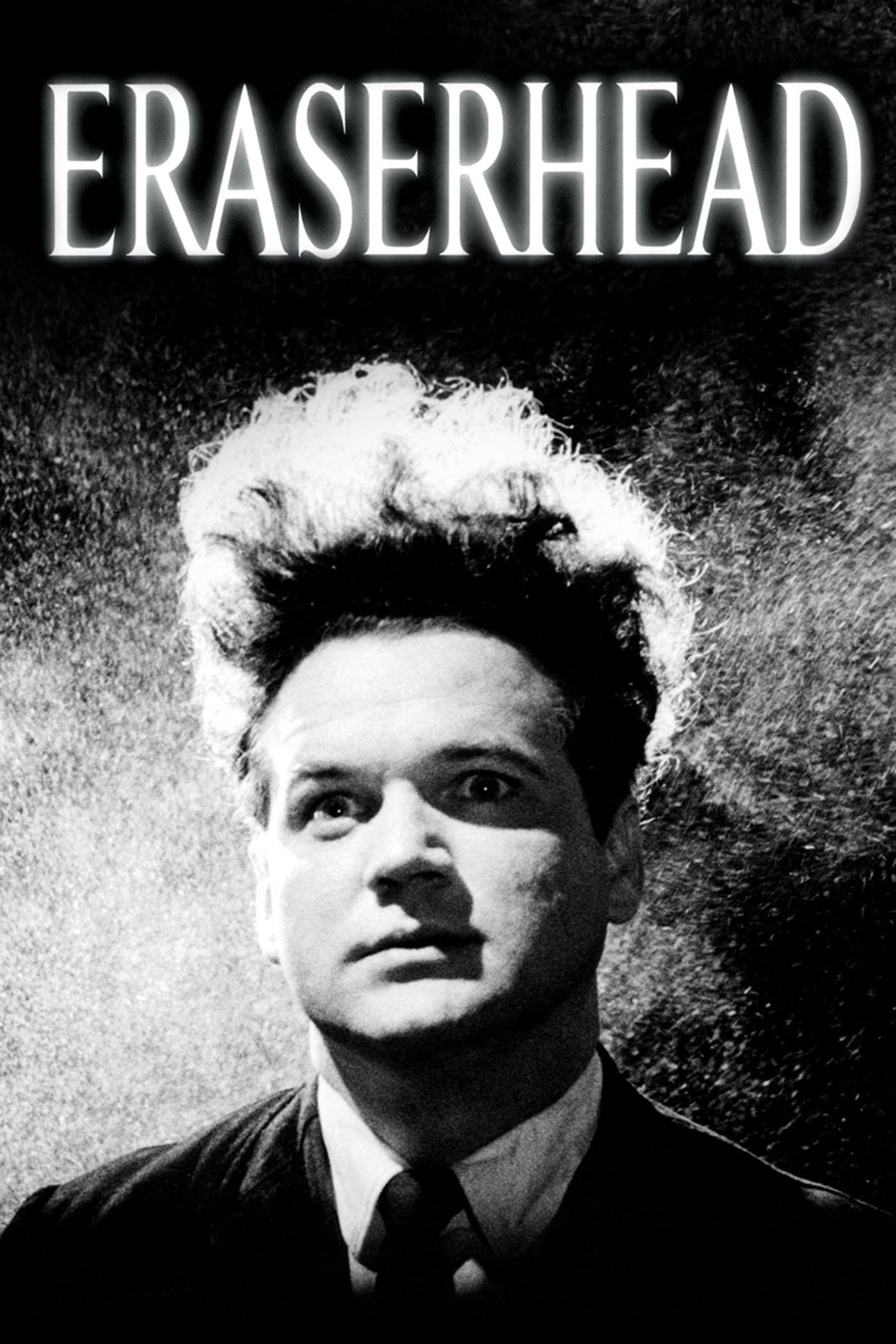
David Lynch crafts a nightmarish domestic world using industrial soundscapes and tactile, low-budget effects. The film’s nonlinear logic demonstrates how dream imagery can carry narrative weight. Black-and-white cinematography controls texture to suggest anxiety and alienation. Cult exhibition patterns showed how midnight circuits could incubate experimental psychological cinema.
‘The Conversation’ (1974)
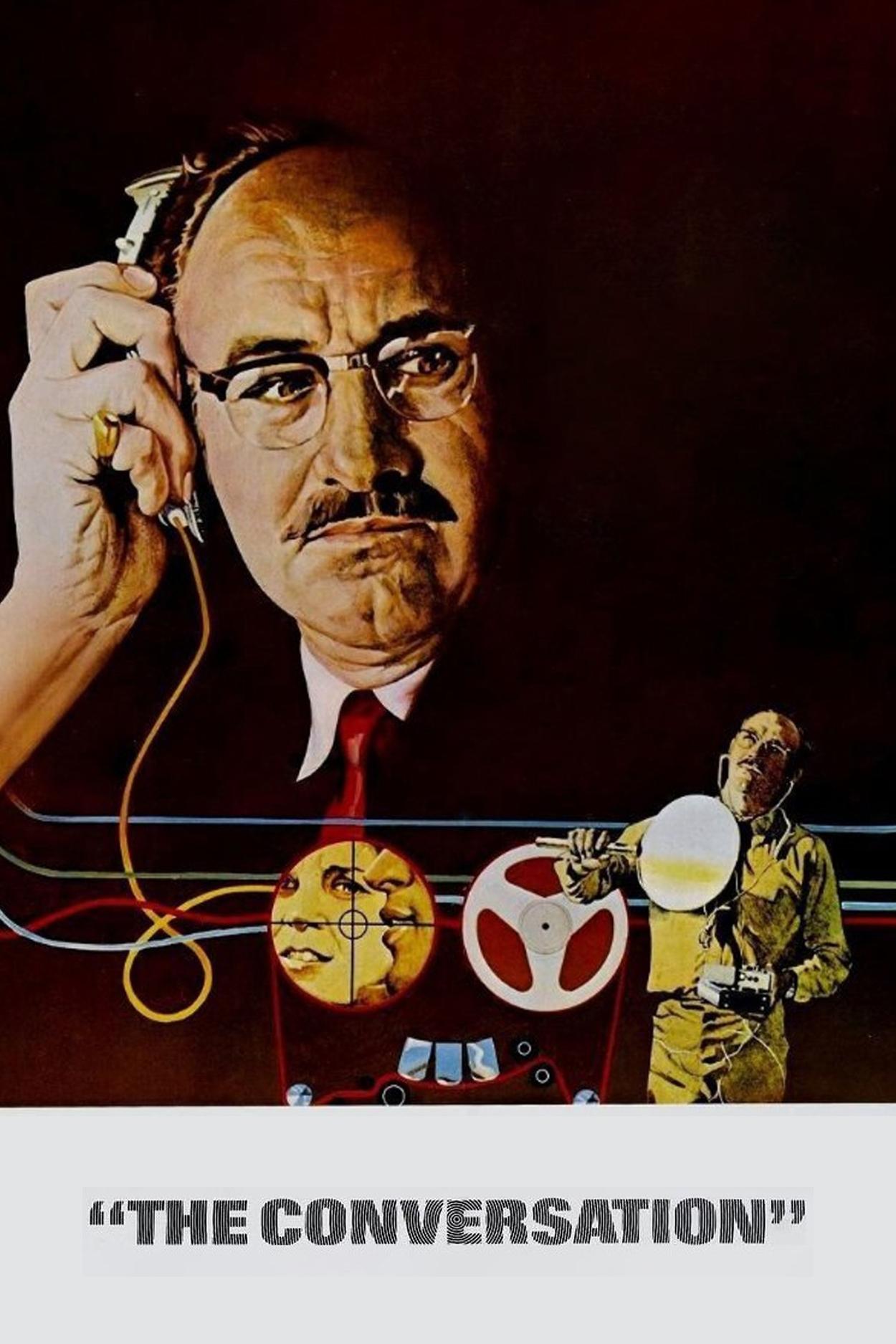
Francis Ford Coppola builds paranoia from audio rather than visuals, focusing on surveillance, editing, and misheard fragments. Repeated tape playbacks reveal how interpretation shifts with context. Location sound, filters, and mixing place perception at the center of the plot. The film influenced later techno-thrillers that treat data as a psychological burden.
‘Solaris’ (1972)

Tarkovsky adapts a science-fiction premise into a meditation on grief and memory. Set design and slowed pacing foreground emotional inquiry over hardware or action. Encounters with manifestations of the past explore the limits of rational problem-solving. Its emphasis on inner life expanded the possibilities of serious genre filmmaking.
‘The Truman Show’ (1998)
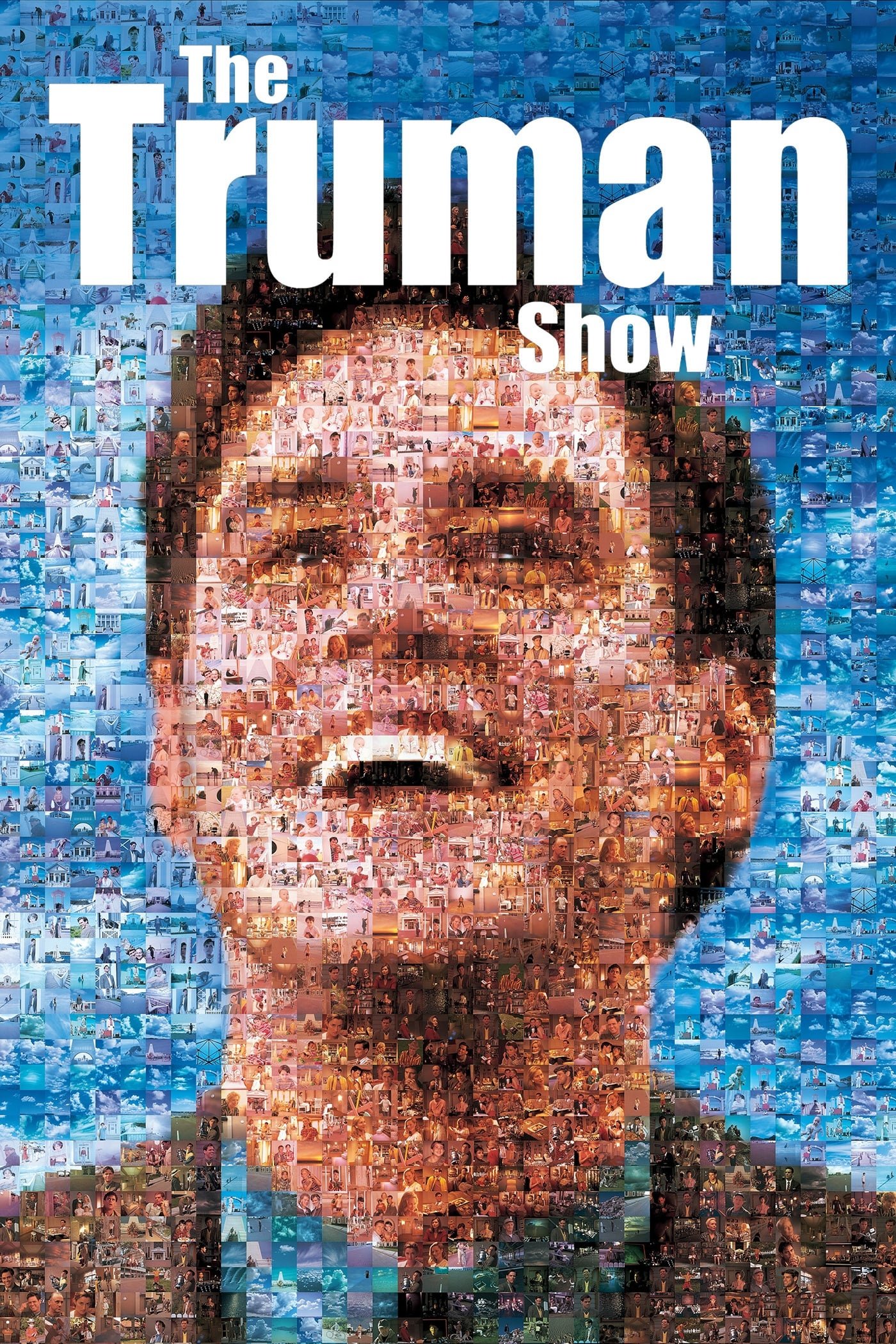
Peter Weir depicts a life under total surveillance to probe constructed reality and consent. Hidden-camera framing and broadcast cutaways turn everyday moments into mediated events. The narrative helped popularize discourse about reality television and privacy. Its production design shows how architecture and media systems shape self-concept.
‘A Beautiful Mind’ (2001)
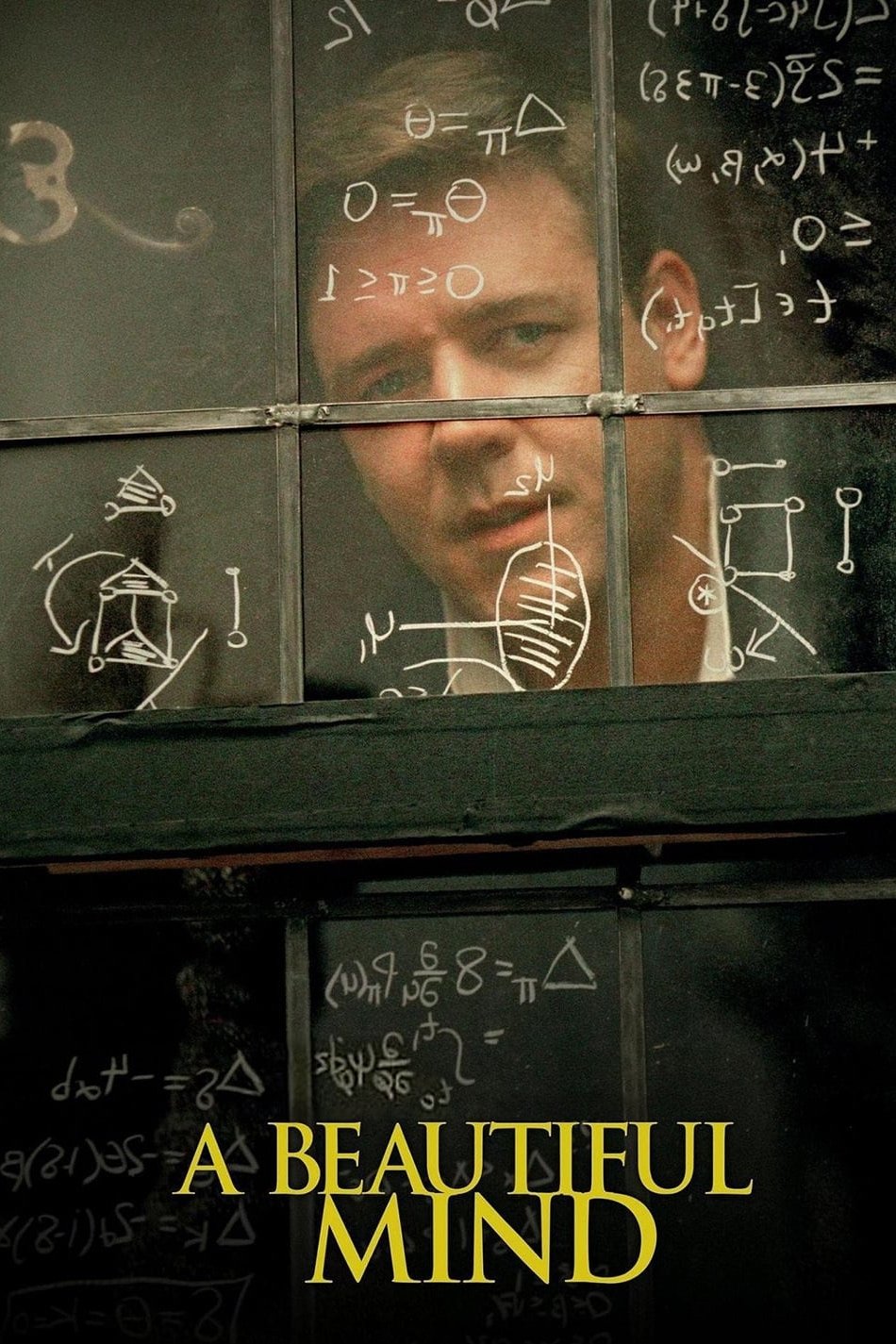
Ron Howard portrays a mathematician’s delusions by blending subjective visions with procedural academic scenes. The story illustrates challenges in differentiating external facts from internal narratives. Visual motifs and shifting focus guide viewers through evolving insight and treatment. Awards recognition brought wider attention to depictions of serious mental illness in mainstream drama.
‘Perfect Blue’ (1997)
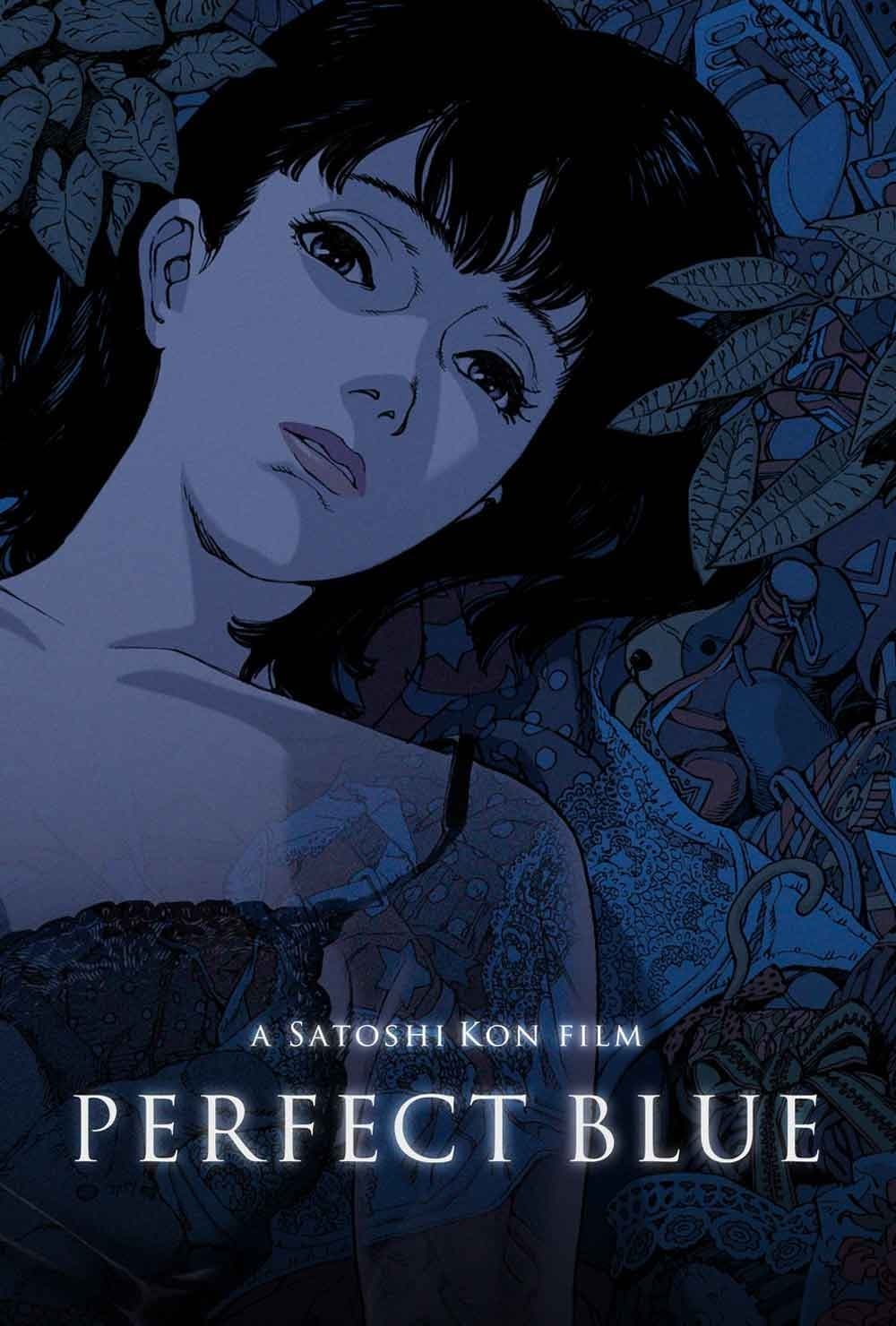
Satoshi Kon merges idol culture with identity fragmentation using rapid match cuts and frame-to-frame misdirection. Animated form enables seamless shifts between performance, media, and hallucination. The film directly influenced later works on celebrity, online personas, and stalking. Its editing vocabulary became a touchstone for psychological thrillers across mediums.
‘Eternal Sunshine of the Spotless Mind’ (2004)
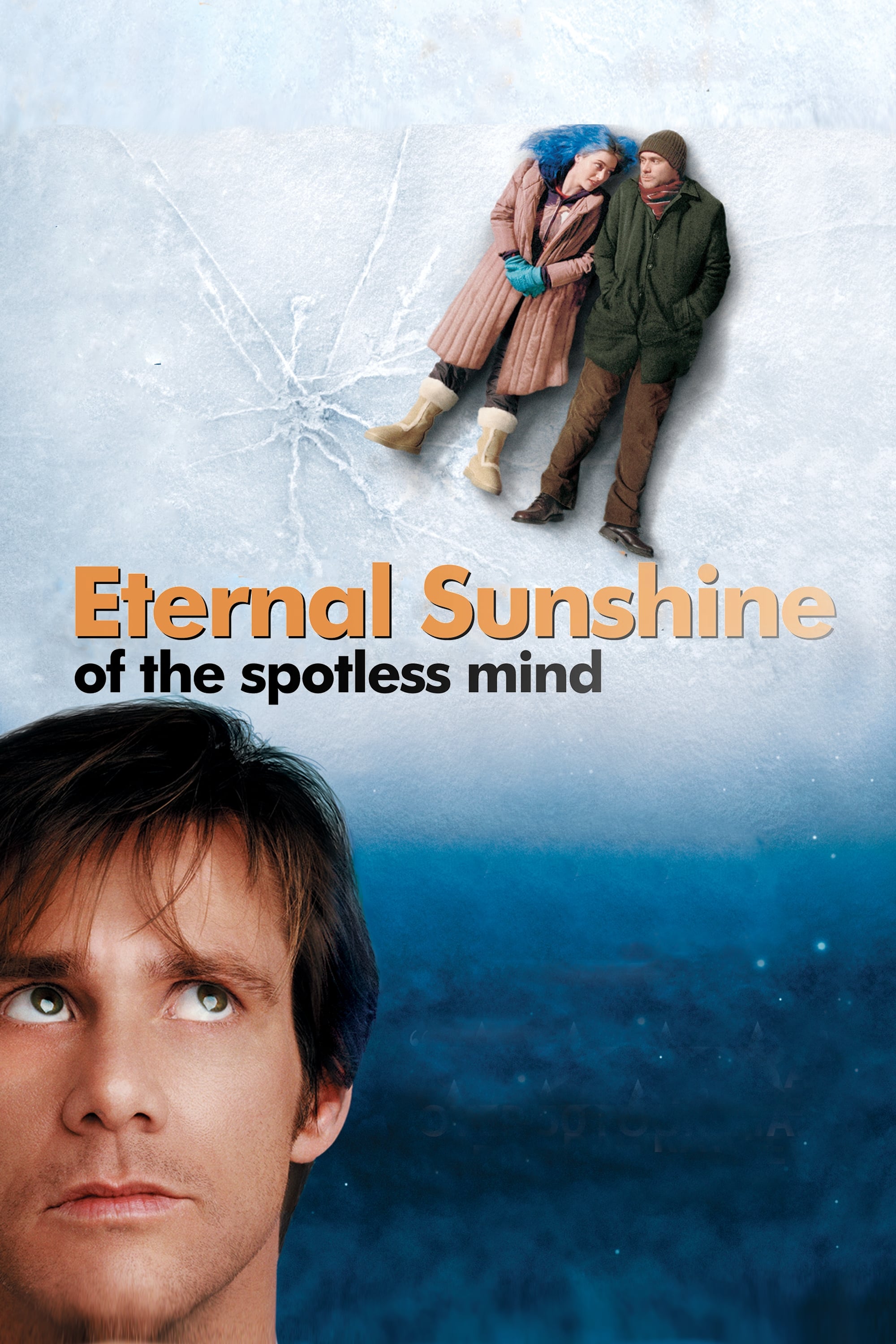
Michel Gondry stages memory erasure within practical, in-camera effects and fluid set transitions. The narrative structure reverses emotional distance as memories collapse, emphasizing how recall shapes relationships. Sound and lighting cues mark the boundaries between remembered and present experience. The film spurred broader interest in memory as a design space for storytelling.
‘Gone Girl’ (2014)
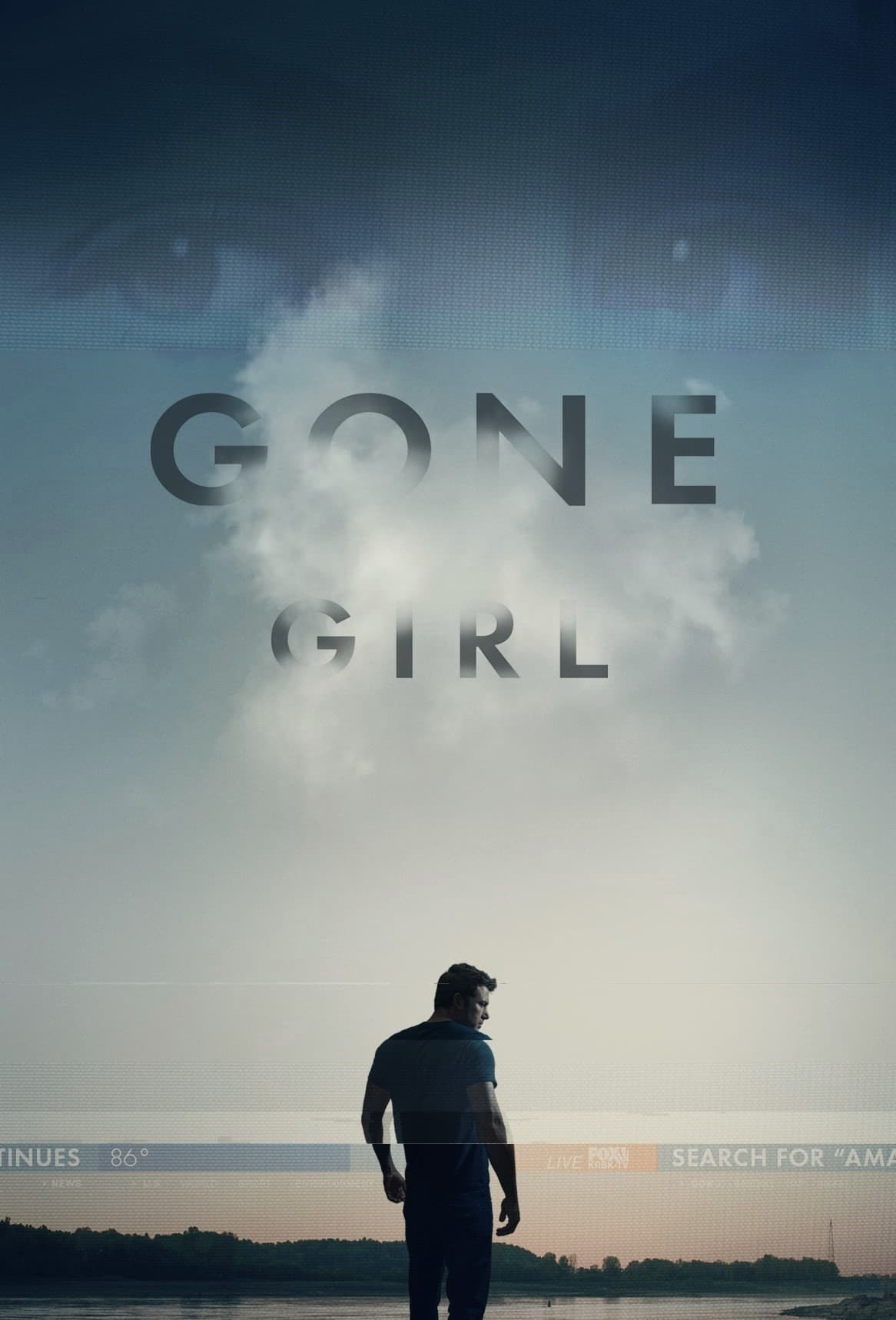
David Fincher adapts a domestic mystery into a study of image management and media narrative. Alternating perspectives and diary passages demonstrate control of public and private versions of events. Production design and costuming support shifting power dynamics within a relationship. Its release intensified discussions about press framing and performative identity.
‘The Babadook’ (2014)
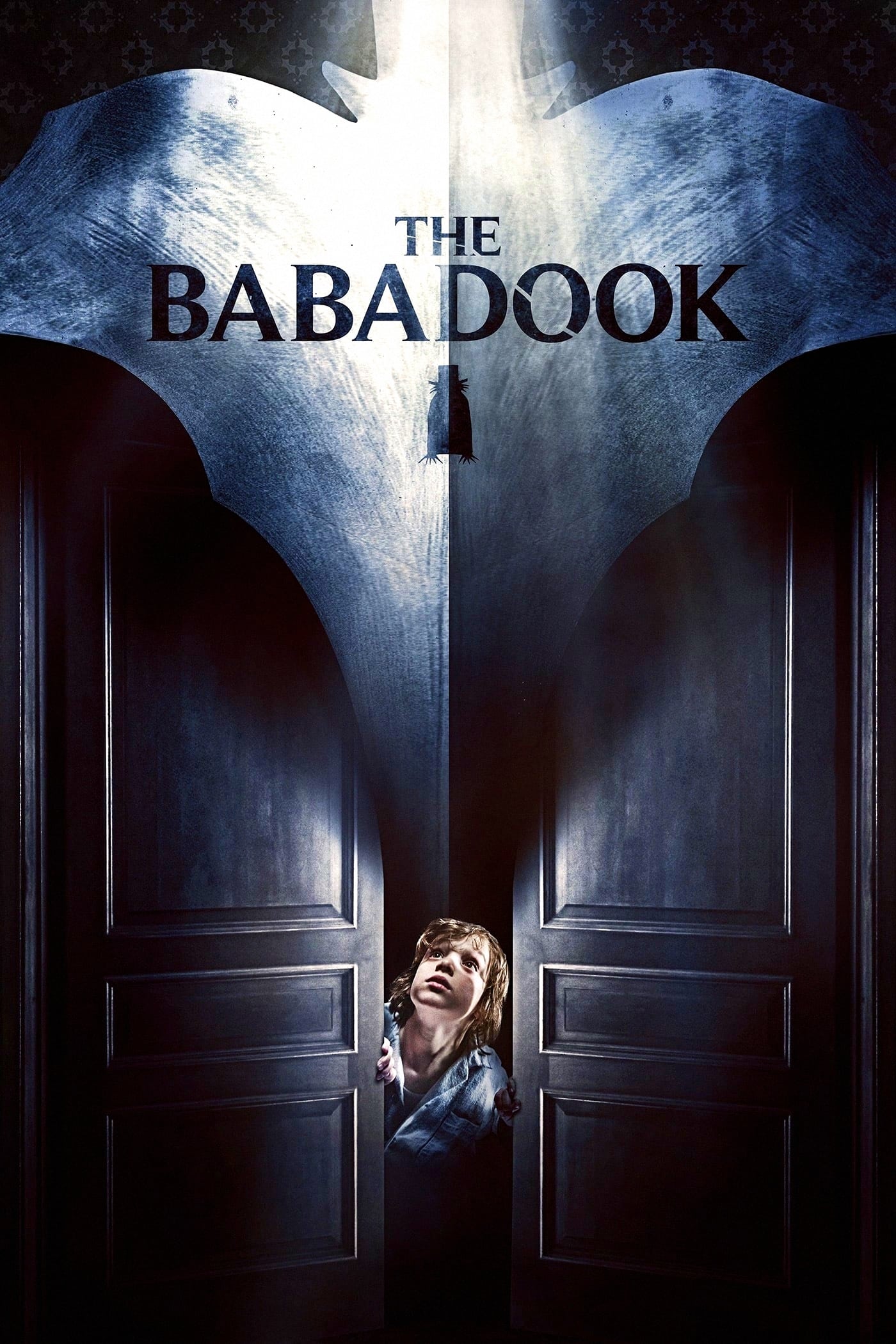
Jennifer Kent externalizes grief and parental exhaustion through a storybook creature and sound-driven suspense. The film uses lighting and confined interiors to visualize mounting stress. Practical effects and restrained imagery keep focus on psychological processes rather than spectacle. Its reception broadened the reach of character-centered horror about caregiving and loss.
‘Hereditary’ (2018)

Ari Aster connects family trauma with ritual and inherited patterns of behavior. Long takes and careful blocking let anxiety build in domestic spaces. Miniature motifs mirror the sense of lives arranged by unseen forces. The film’s design and performances sparked renewed interest in slow-burn, psychologically driven horror.
‘Enemy’ (2013)
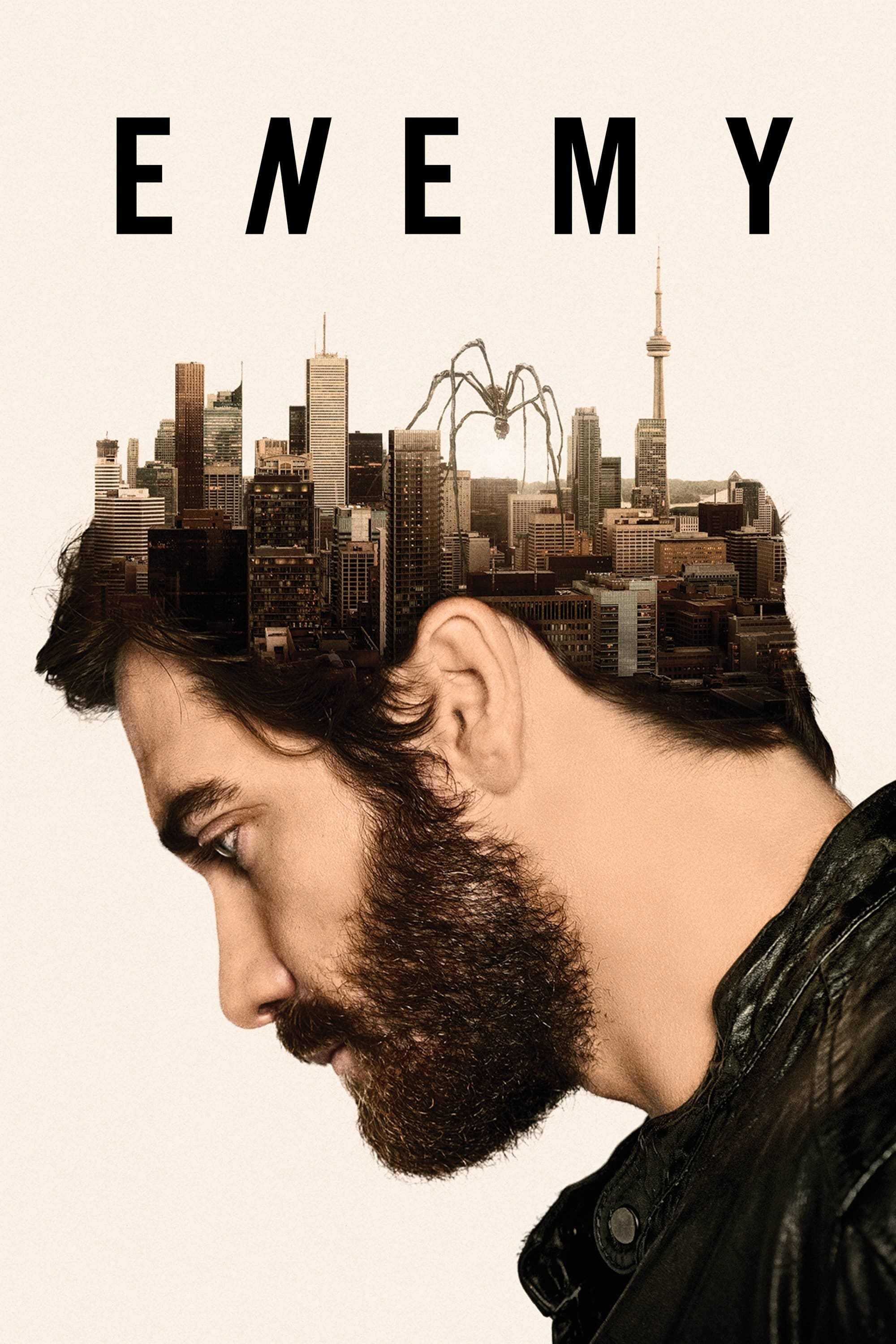
Denis Villeneuve explores doubling and repression through sparse dialogue and recurring symbols. Color palettes and architectural repetition create a controlled, uneasy atmosphere. The narrative withholds explicit answers while mapping anxiety via motif and mise-en-scène. Its approach influenced discussions on ambiguity as an engine for psychological suspense.
Share which titles you think shaped the genre most—and what we missed—in the comments!