The Most Influential DC Movies of All Time


From pioneering superhero epics to bold, genre-bending adaptations of Vertigo and WildStorm comics, DC’s film legacy stretches across decades and styles. These twenty-five titles shaped technical craft, box office trends, franchise building, and awards trajectories, while introducing generations to iconic characters and creators. Below, each entry highlights concrete details—directors, casts, production notes, and industry impact—to show how DC movies have left their mark.
‘Superman’ (1978)
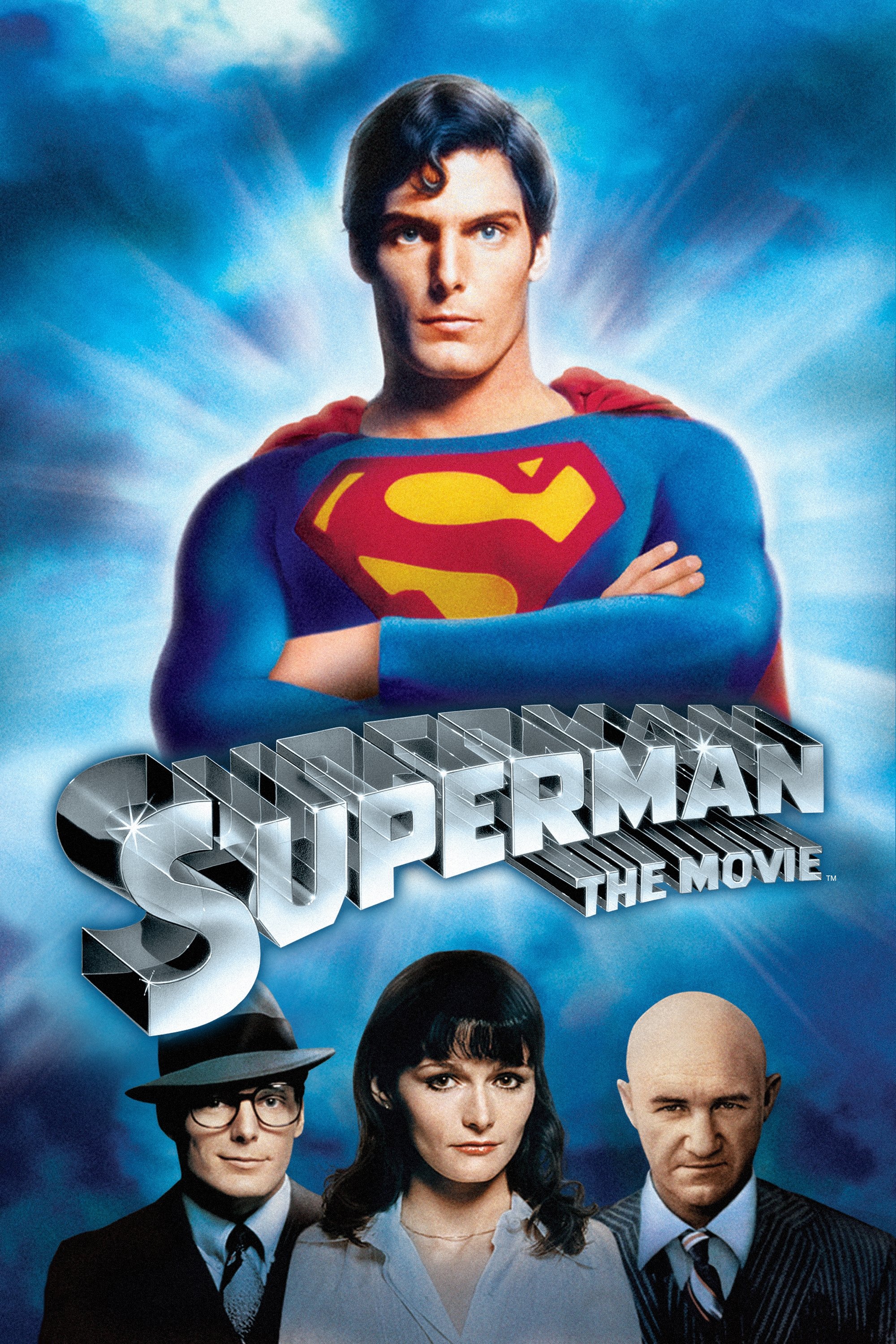
Directed by Richard Donner and starring Christopher Reeve and Margot Kidder, ‘Superman’ combined large-scale practical effects with optical techniques that set new standards for flying sequences. John Williams composed the score, recorded with the London Symphony Orchestra. The production built massive sets at Pinewood Studios and used front-projection and wire-rig systems for aerial shots. Its marketing campaign included an early use of the “You’ll believe…” tagline strategy that became a template for later superhero releases.
‘Superman II’ (1980)
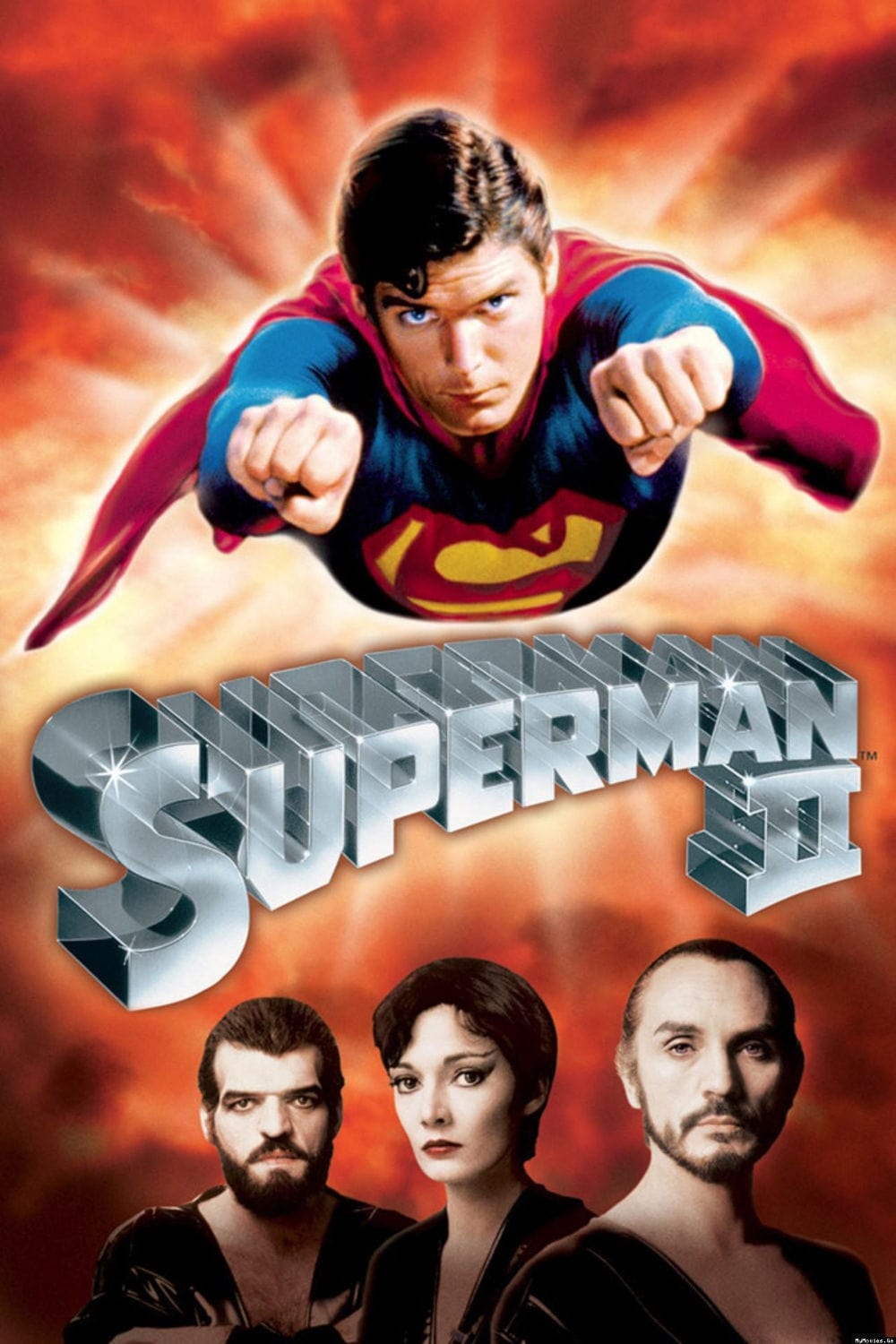
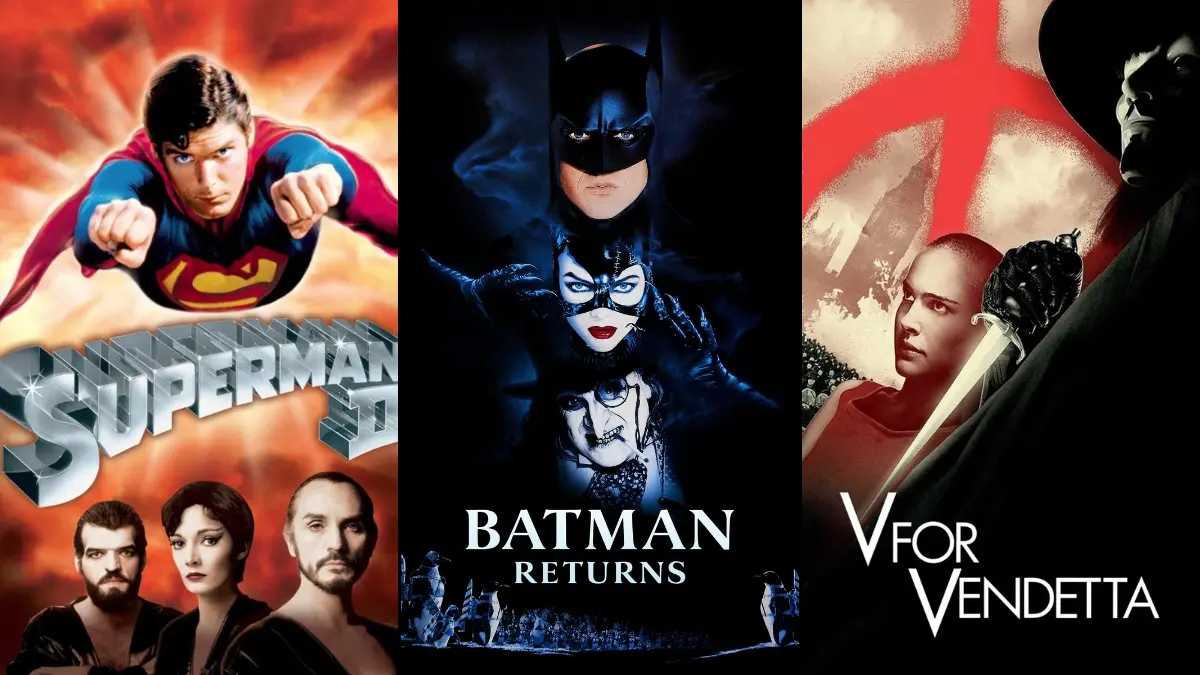
‘Superman II’ introduced General Zod, Ursa, and Non as Kryptonian antagonists, with Terence Stamp leading the trio. Much of the film was shot concurrently with its predecessor, resulting in a complex director change and subsequent re-edits. The story expanded the Fortress of Solitude mythology and the Phantom Zone concept on screen. It achieved strong international earnings, reinforcing global appetite for comic-based blockbusters.
‘Batman’ (1989)
Tim Burton’s ‘Batman’ starred Michael Keaton and Jack Nicholson and leaned into art-deco and gothic production design by Anton Furst, who won an Academy Award for the work. The film deployed extensive miniatures and matte paintings to realize Gotham City. Prince contributed a tie-in album alongside Danny Elfman’s orchestral score. Its merchandising push—action figures, apparel, and a ubiquitous bat-symbol—set a modern template for studio tentpoles.
‘Batman Returns’ (1992)
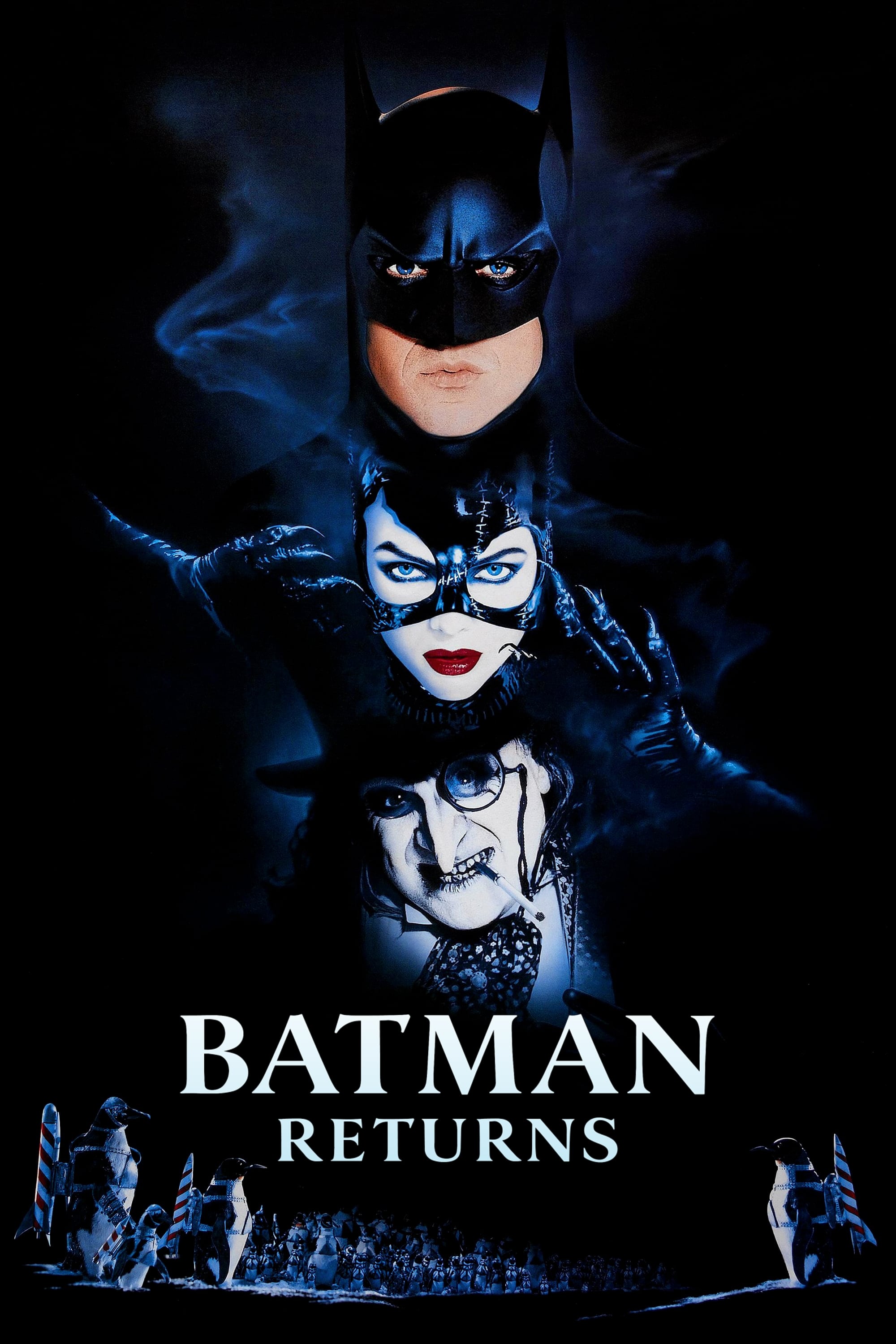
‘Batman Returns’ reunited Tim Burton and Michael Keaton, adding Michelle Pfeiffer’s Catwoman and Danny DeVito’s Penguin. Bo Welch’s production design crafted a winter-themed Gotham with large-scale sets and animatronics for the penguin army. The film advanced suit fabrication techniques for stunt mobility. Its PG-13 tone and stylized aesthetics influenced subsequent discussions on content guidelines for superhero films.
‘Batman: Mask of the Phantasm’ (1993)
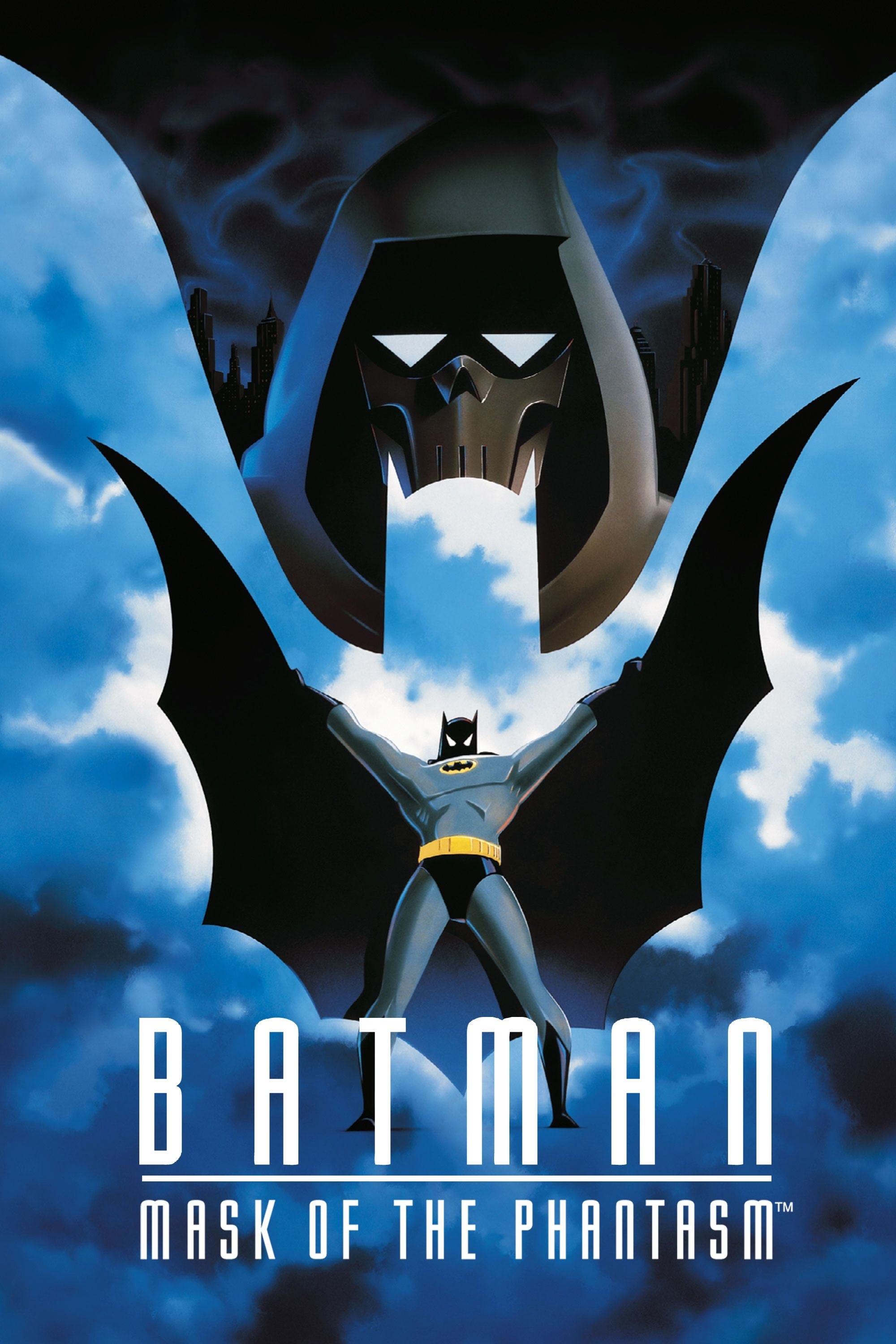
Spun off from ‘Batman: The Animated Series’, ‘Batman: Mask of the Phantasm’ brought Bruce Timm and Eric Radomski’s art style to theaters. Kevin Conroy and Mark Hamill reprised their voice roles, cementing definitive animated interpretations of Batman and the Joker. The film used a widescreen reformat of the show’s “dark deco” look with richer color timing. Its theatrical run and later home-video success elevated the standing of feature-length animated superhero stories.
‘Road to Perdition’ (2002)
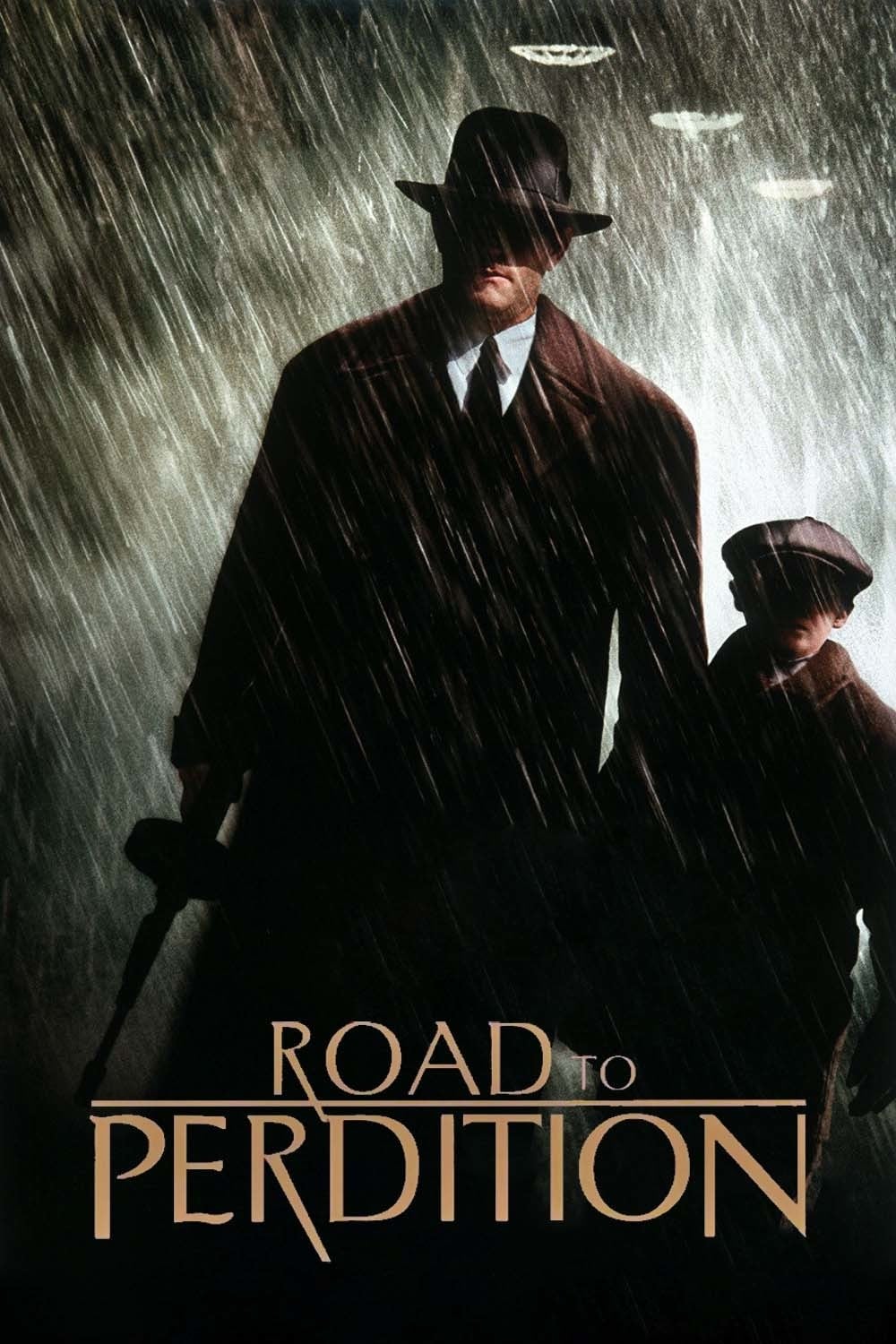
Based on the Paradox Press graphic novel by Max Allan Collins and Richard Piers Rayner, ‘Road to Perdition’ was directed by Sam Mendes and starred Tom Hanks, Paul Newman, and Jude Law. Cinematographer Conrad L. Hall’s work earned major awards recognition and became widely studied for low-key lighting and rain-soaked set pieces. Thomas Newman scored the film with a lyrical, period-appropriate palette. The adaptation showcased DC’s imprints as sources for prestige crime dramas.
‘A History of Violence’ (2005)
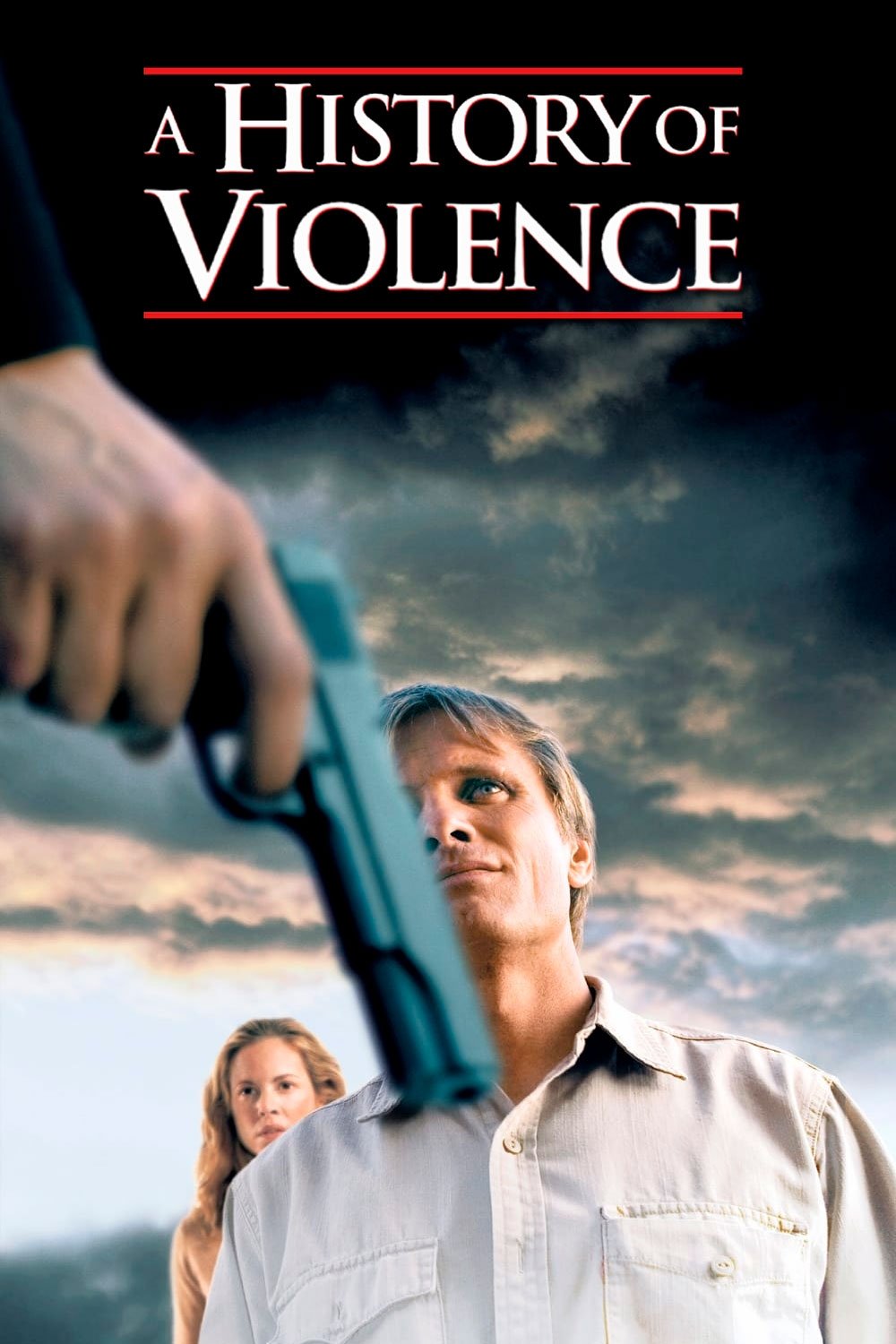
Adapted from the Vertigo graphic novel by John Wagner and Vince Locke, ‘A History of Violence’ was directed by David Cronenberg with Viggo Mortensen in the lead. The film’s grounded approach emphasized identity and small-town life rather than superhero spectacle. Maria Bello and Ed Harris delivered notable supporting turns that drew critical attention. Its success highlighted the breadth of DC-related material beyond capes and powers.
‘Batman Begins’ (2005)
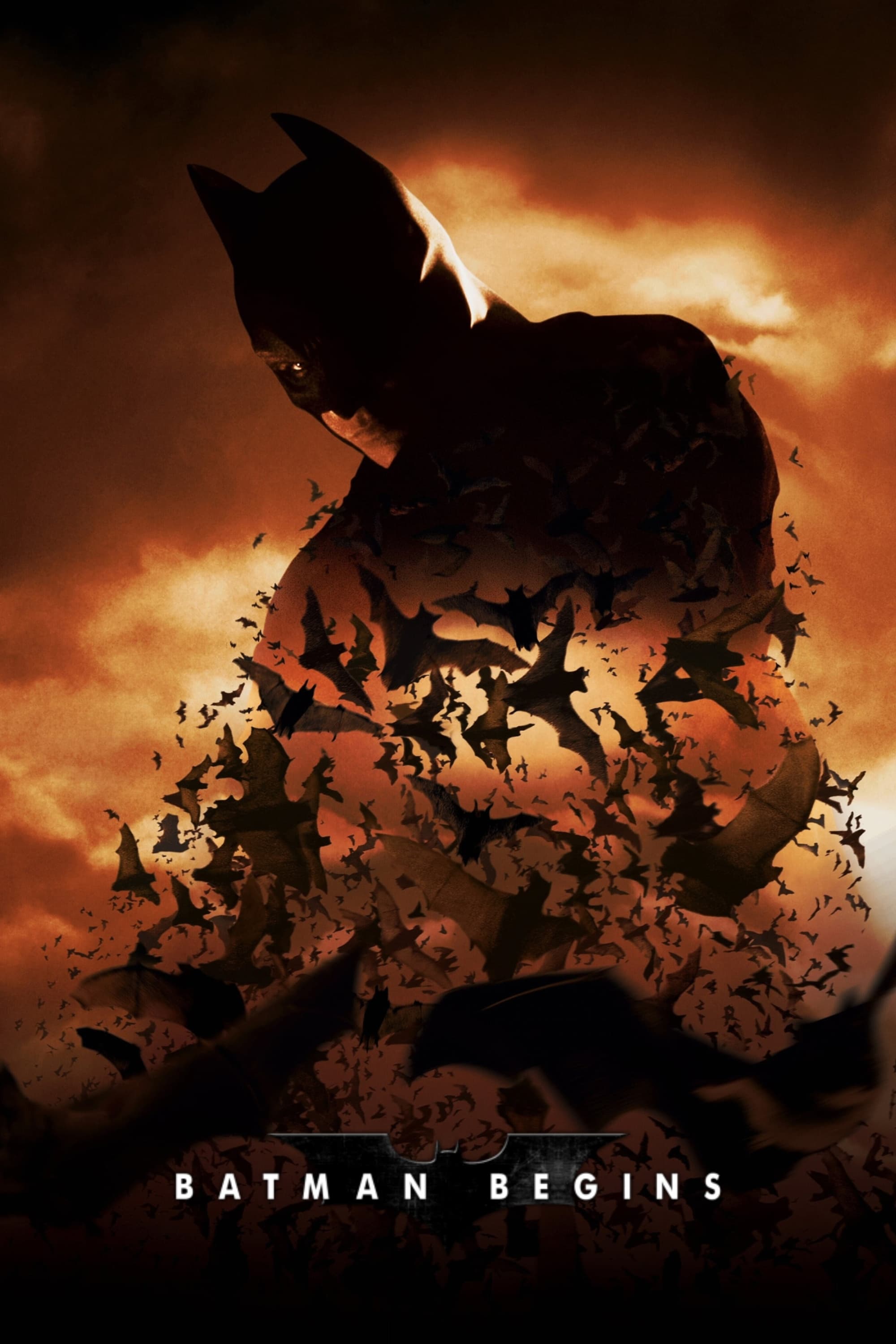
Christopher Nolan rebooted the character with ‘Batman Begins’, starring Christian Bale, Michael Caine, and Cillian Murphy. The production introduced the Tumbler Batmobile, engineered with real stunt-capable hardware. Extensive use of practical effects, large-format photography, and real locations set a grounded aesthetic. Hans Zimmer and James Newton Howard collaborated on a hybrid score that influenced subsequent superhero sound design.
‘V for Vendetta’ (2005)
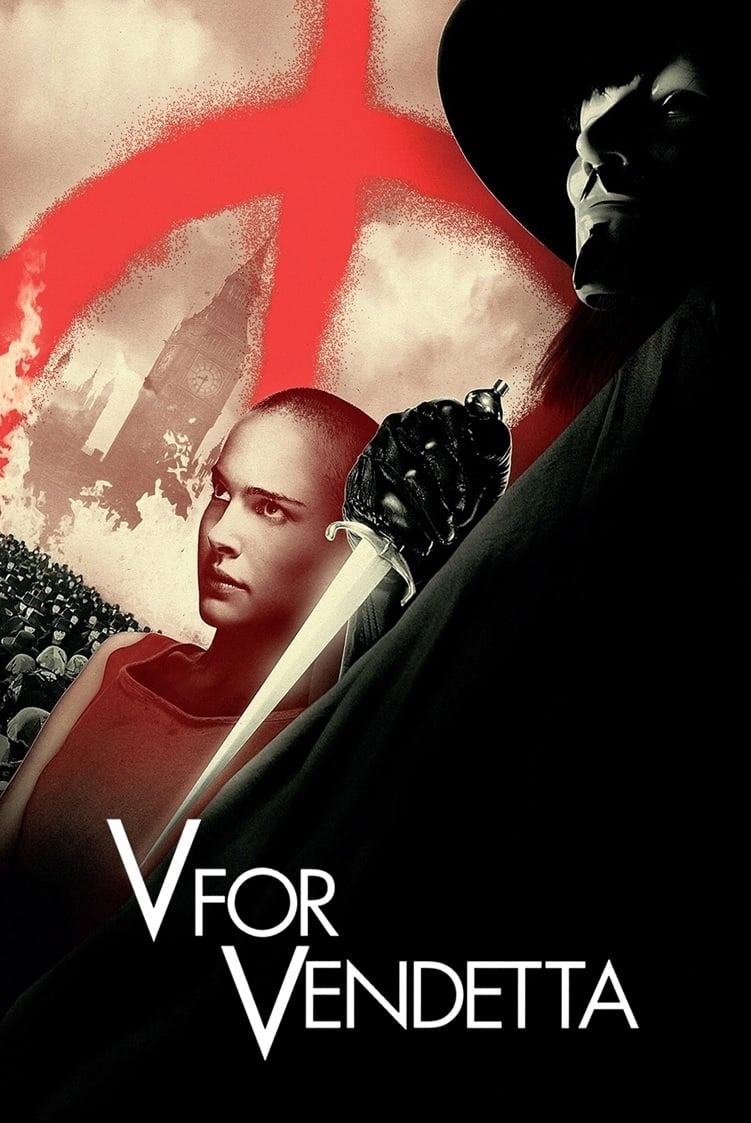
Produced by the Wachowskis and directed by James McTeigue, ‘V for Vendetta’ adapted the Vertigo work by Alan Moore and David Lloyd. Natalie Portman and Hugo Weaving led the cast, with the V mask becoming a widely recognizable symbol in global culture. Principal photography centered in Berlin and London, including large-scale set closures for pivotal scenes. The film demonstrated the political-thriller potential of DC’s mature-readers imprints.
‘Superman Returns’ (2006)
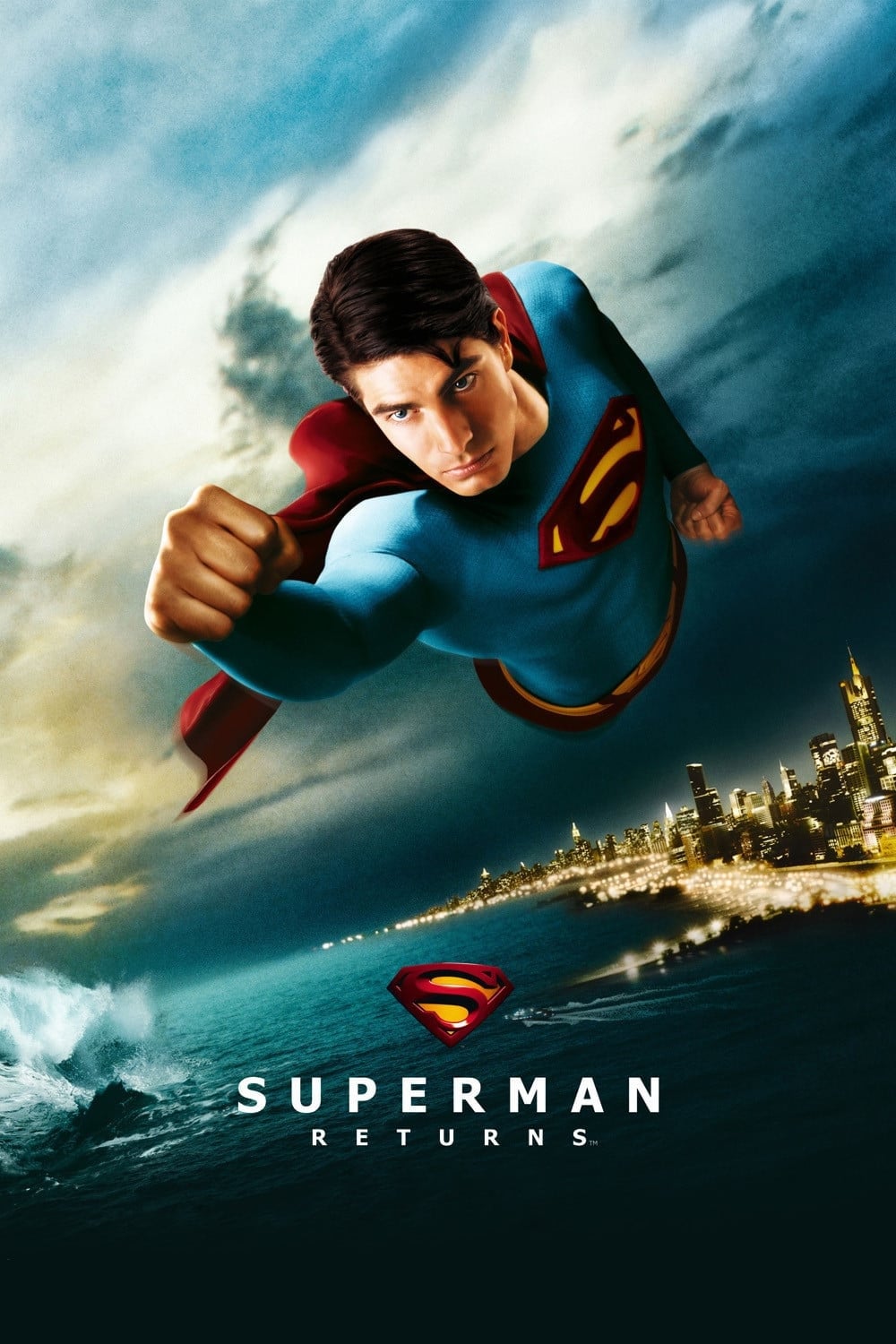
Bryan Singer’s ‘Superman Returns’ starred Brandon Routh and Kate Bosworth and employed early generations of digital compositing for large-scale aerial and water effects. The production incorporated a meticulously recreated suit and Fortress design to echo earlier films. John Ottman handled both editing and scoring, integrating thematic motifs associated with the character. The project advanced large-format digital intermediates for superhero features.
‘The Dark Knight’ (2008)
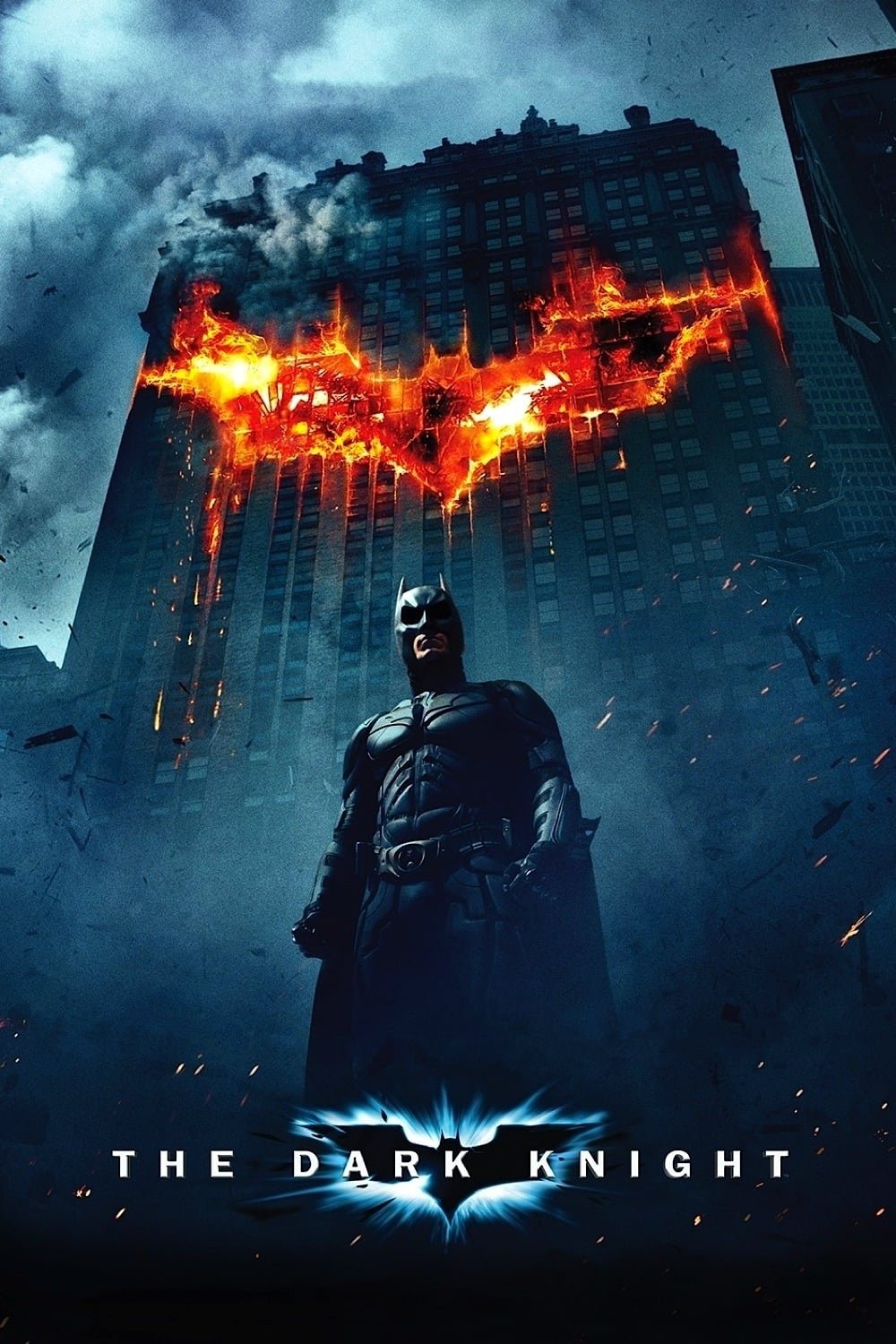
‘The Dark Knight’ expanded IMAX photography for narrative sequences, a milestone for mainstream adoption of the format. Heath Ledger’s portrayal of the Joker received extensive awards recognition, bringing heightened prestige to comic-book performances. The film’s Hong Kong and Chicago location work blended practical stunts with minimal CGI for realism. Its viral marketing campaign used ARG-style tactics that studios later emulated.
‘Watchmen’ (2009)
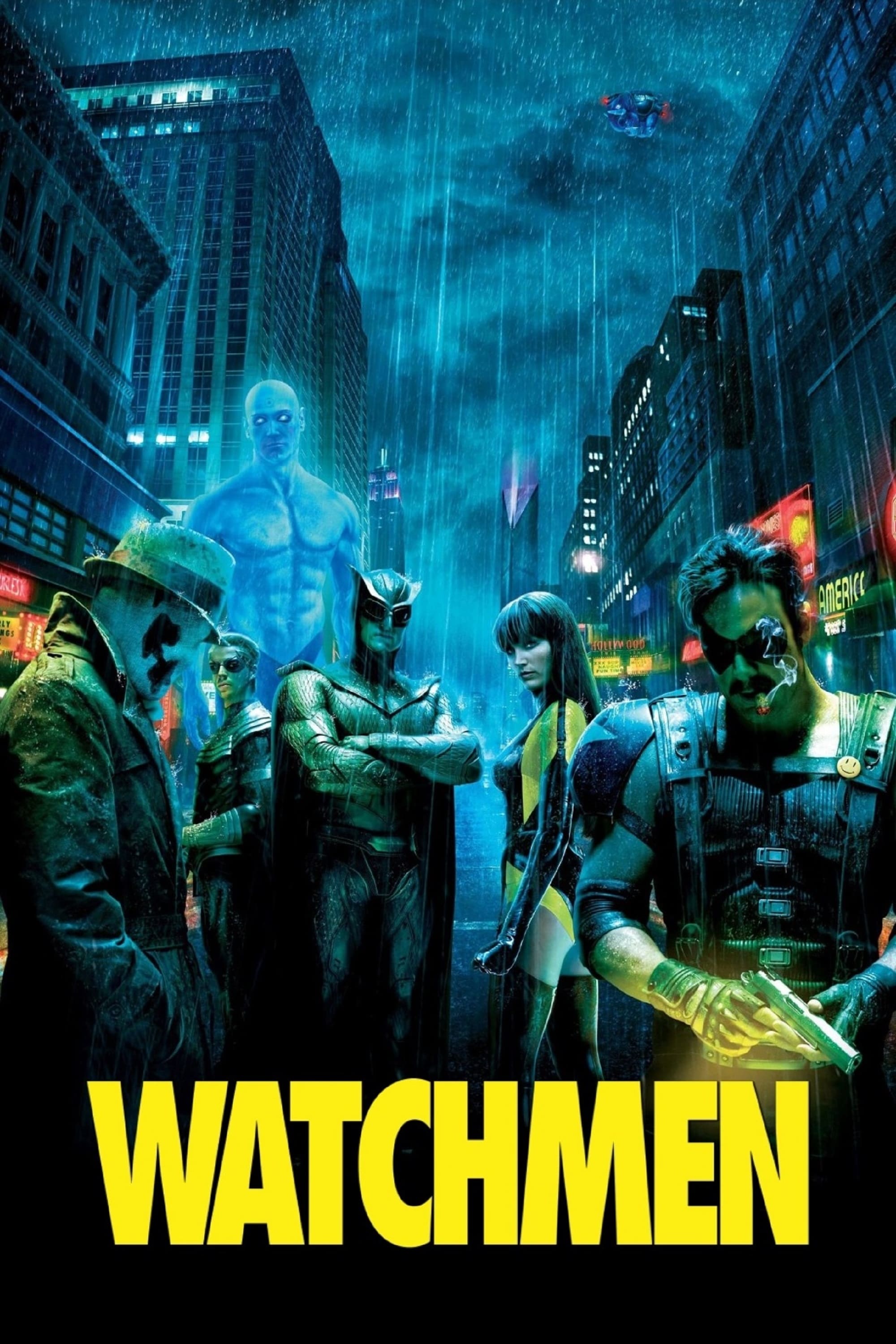
Zack Snyder’s ‘Watchmen’ adapted the DC graphic novel by Alan Moore and Dave Gibbons with a period-accurate alternate-history world. The production utilized complex makeup and costuming to realize multiple eras across a shifting timeline. Tyler Bates delivered a score paired with curated needle-drops to anchor key montages. The film’s director’s cut and later re-edits illustrated evolving strategies for extended editions.
‘RED’ (2010)
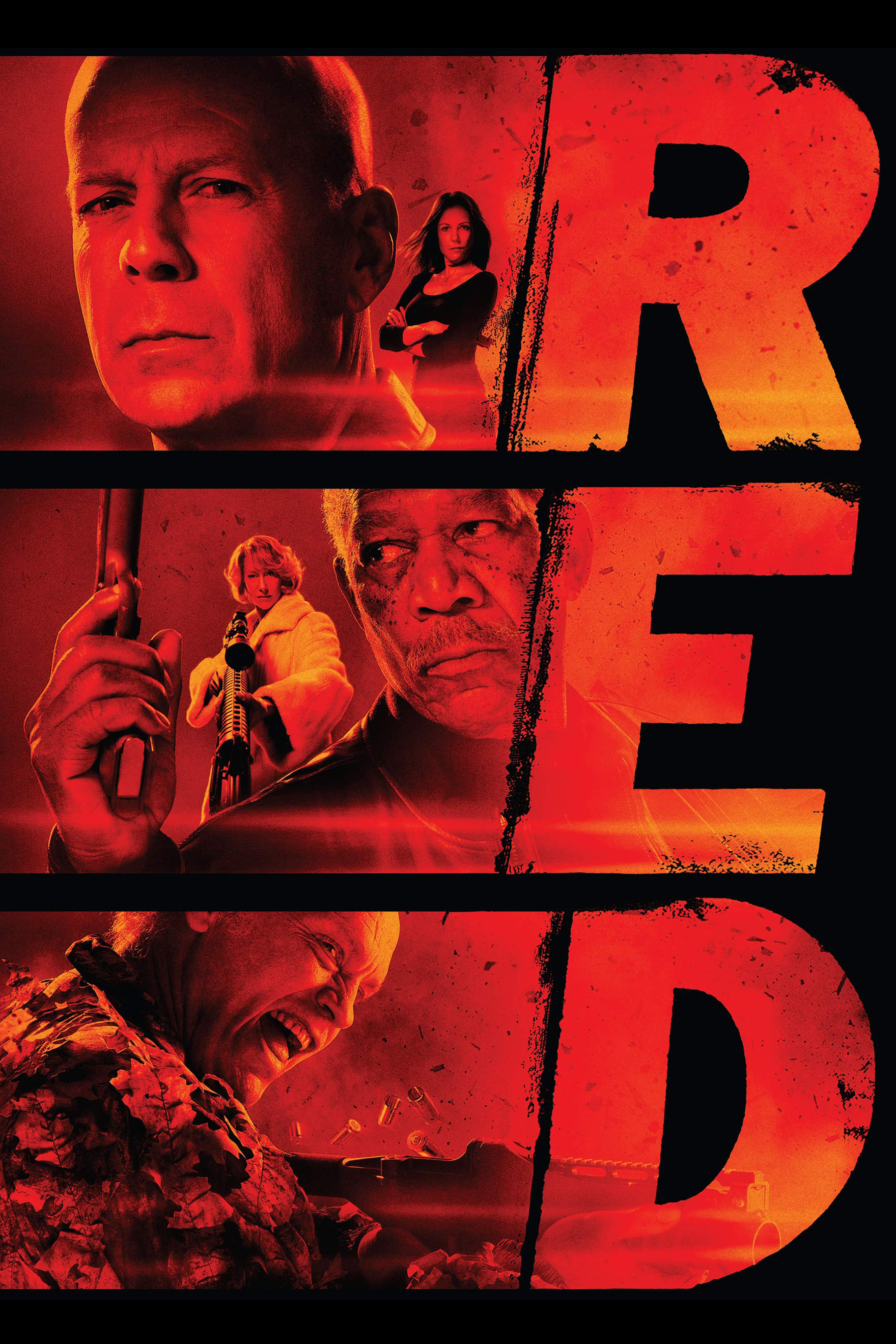
Based on the WildStorm/DC comic by Warren Ellis and Cully Hamner, ‘RED’ starred Bruce Willis, Helen Mirren, and John Malkovich. The premise centered on retired operatives, blending action and comedy to reach cross-generational audiences. Filming spanned multiple locations, employing stylized transitions inspired by graphic-novel panels. Its performance led to a sequel and demonstrated the commercial viability of lighter-toned DC adaptations.
‘The Dark Knight Rises’ (2012)
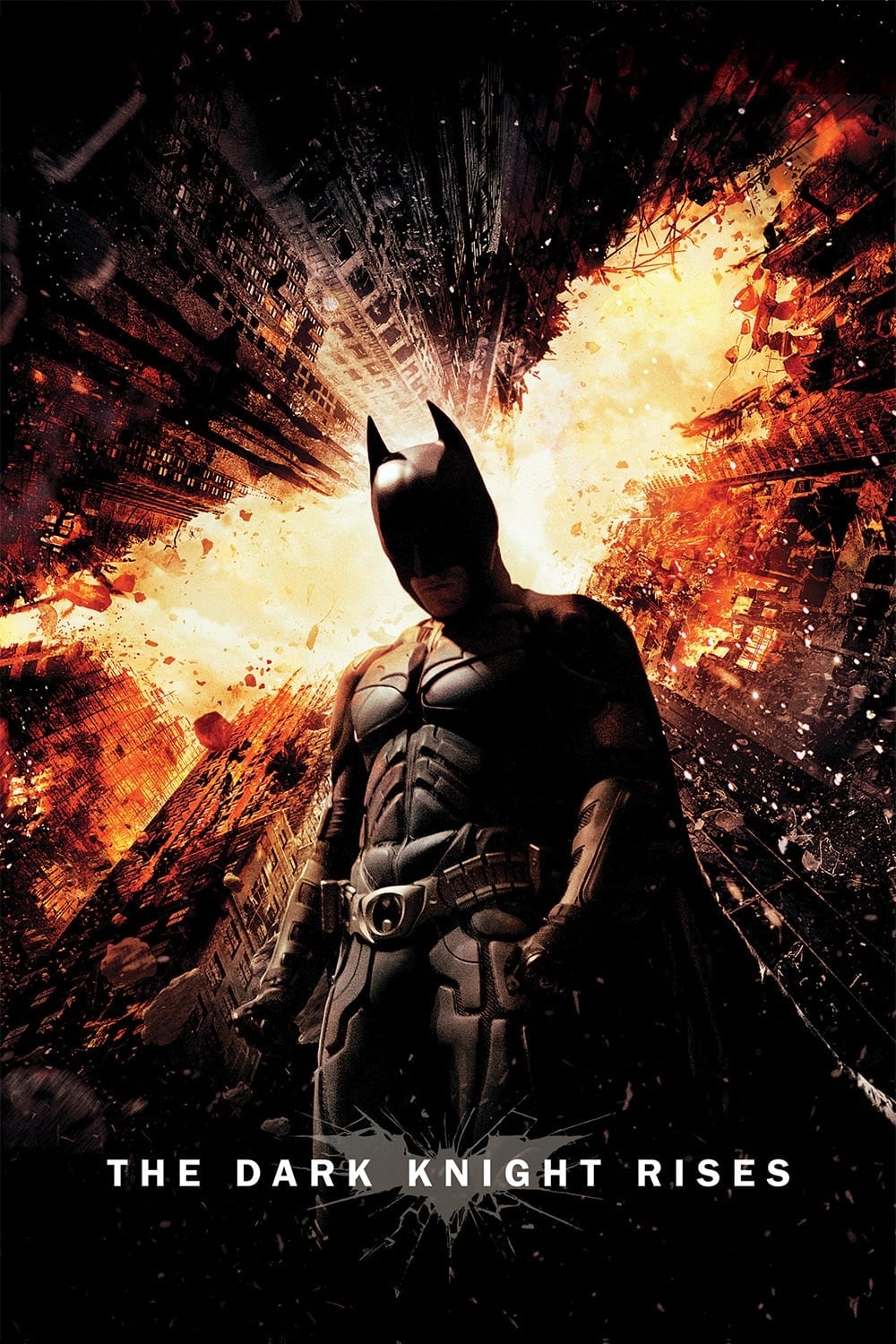
‘The Dark Knight Rises’ concluded Nolan’s trilogy with large-scale practical set pieces, including aircraft-based stunts for the opening sequence. Anne Hathaway, Tom Hardy, and Joseph Gordon-Levitt joined the ensemble, expanding the roster of key characters. IMAX cameras captured substantial portions of the runtime, further normalizing premium exhibition for blockbusters. The film capped a consistent production approach centered on real-world textures and practical effects.
‘Man of Steel’ (2013)
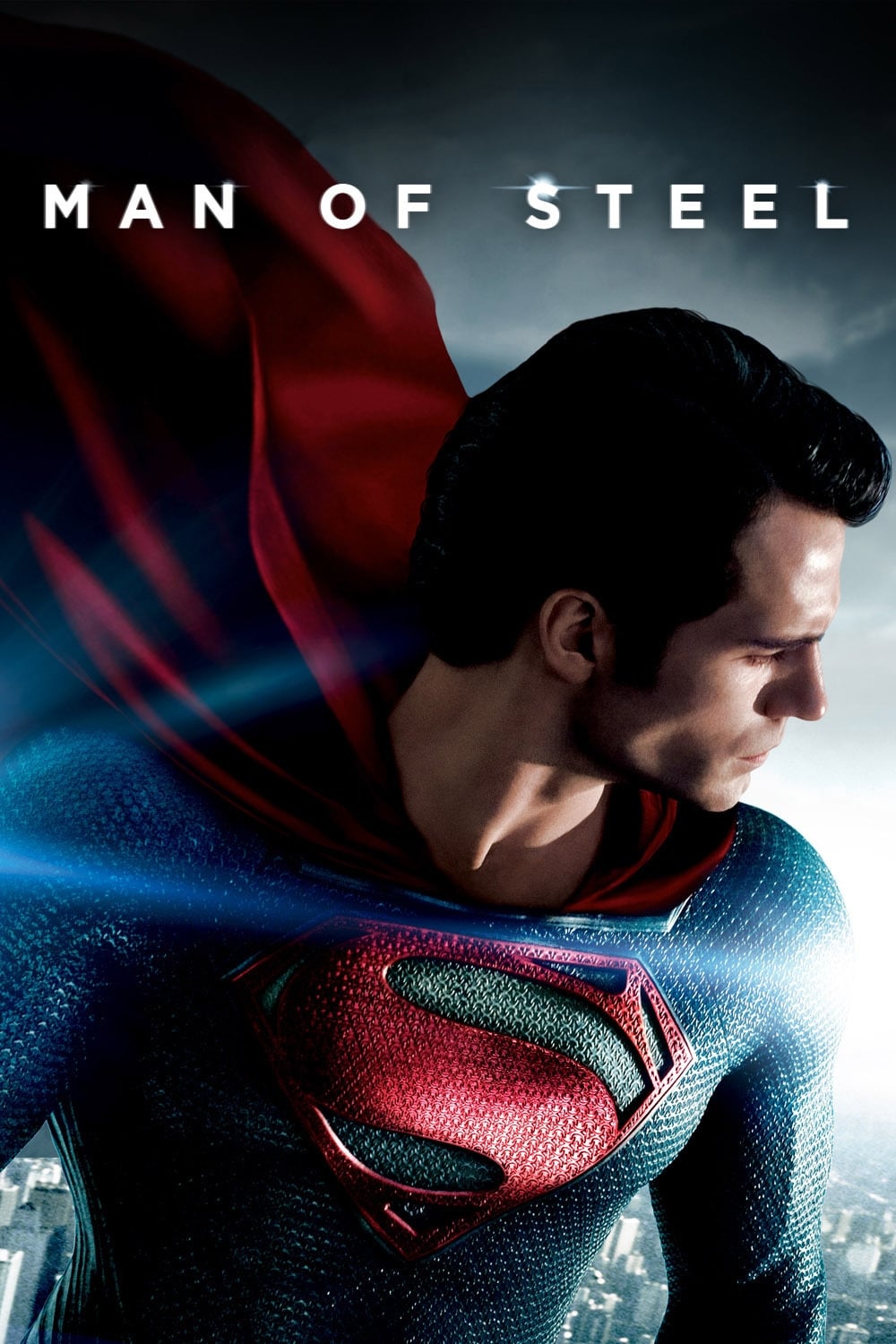
Directed by Zack Snyder with Henry Cavill as Clark Kent, ‘Man of Steel’ introduced a new continuity for DC’s shared universe. The film used handheld-inspired camerawork and extensive VFX to visualize Krypton and large-scale battles. Hans Zimmer developed a percussion-heavy theme distinct from earlier musical identities. Its end-credits and cameo structure laid groundwork for follow-on crossovers.
‘Batman v Superman: Dawn of Justice’ (2016)
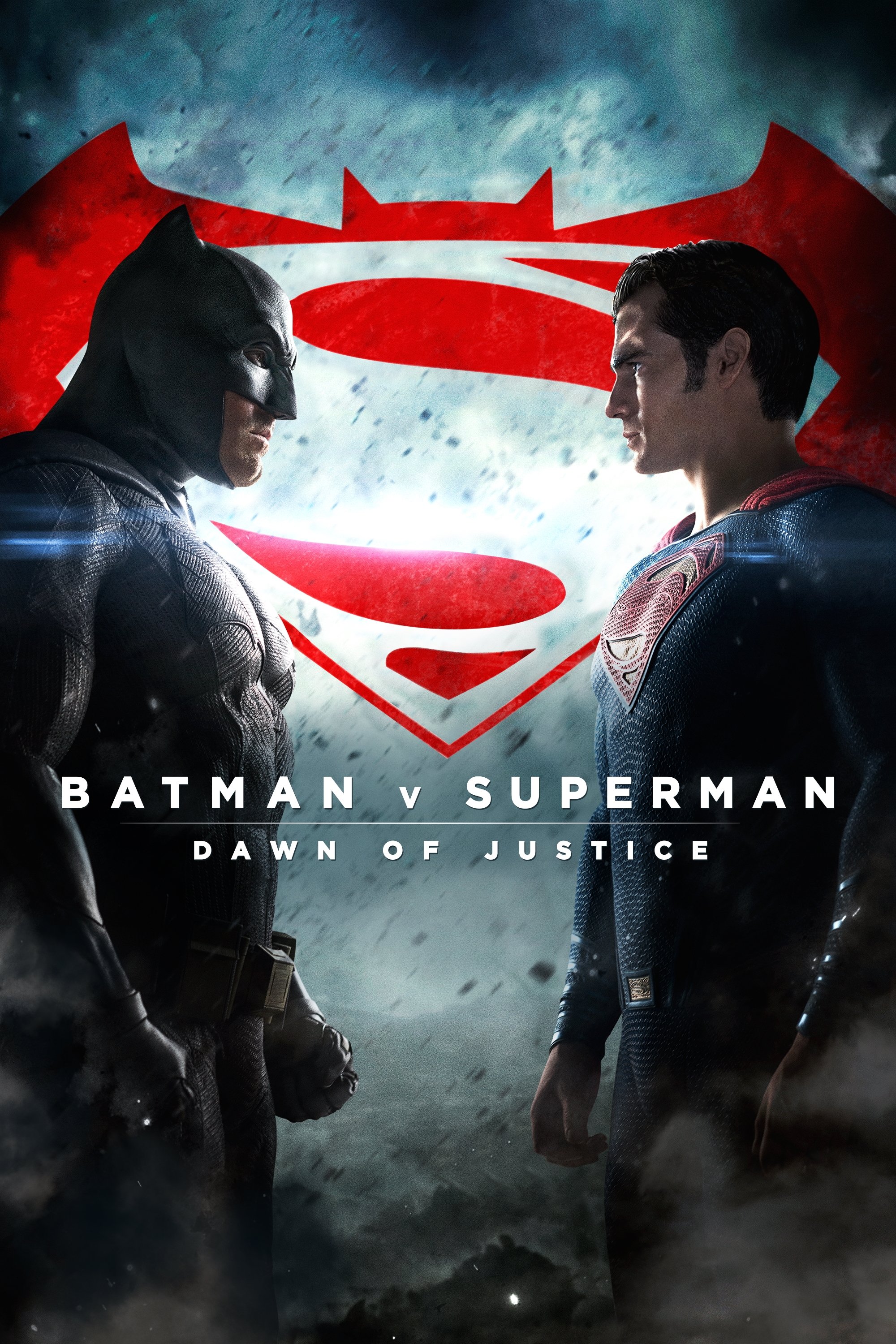
‘Batman v Superman: Dawn of Justice’ brought together Batman, Superman, and Wonder Woman in a single narrative, with Ben Affleck and Gal Gadot joining the franchise. The production built a new Batcave and Batmobile, emphasizing industrial design details. The Ultimate Edition restored additional story material and action beats in home release. Its box office and ancillary performance confirmed audience interest in shared-universe team-ups.
‘Suicide Squad’ (2016)
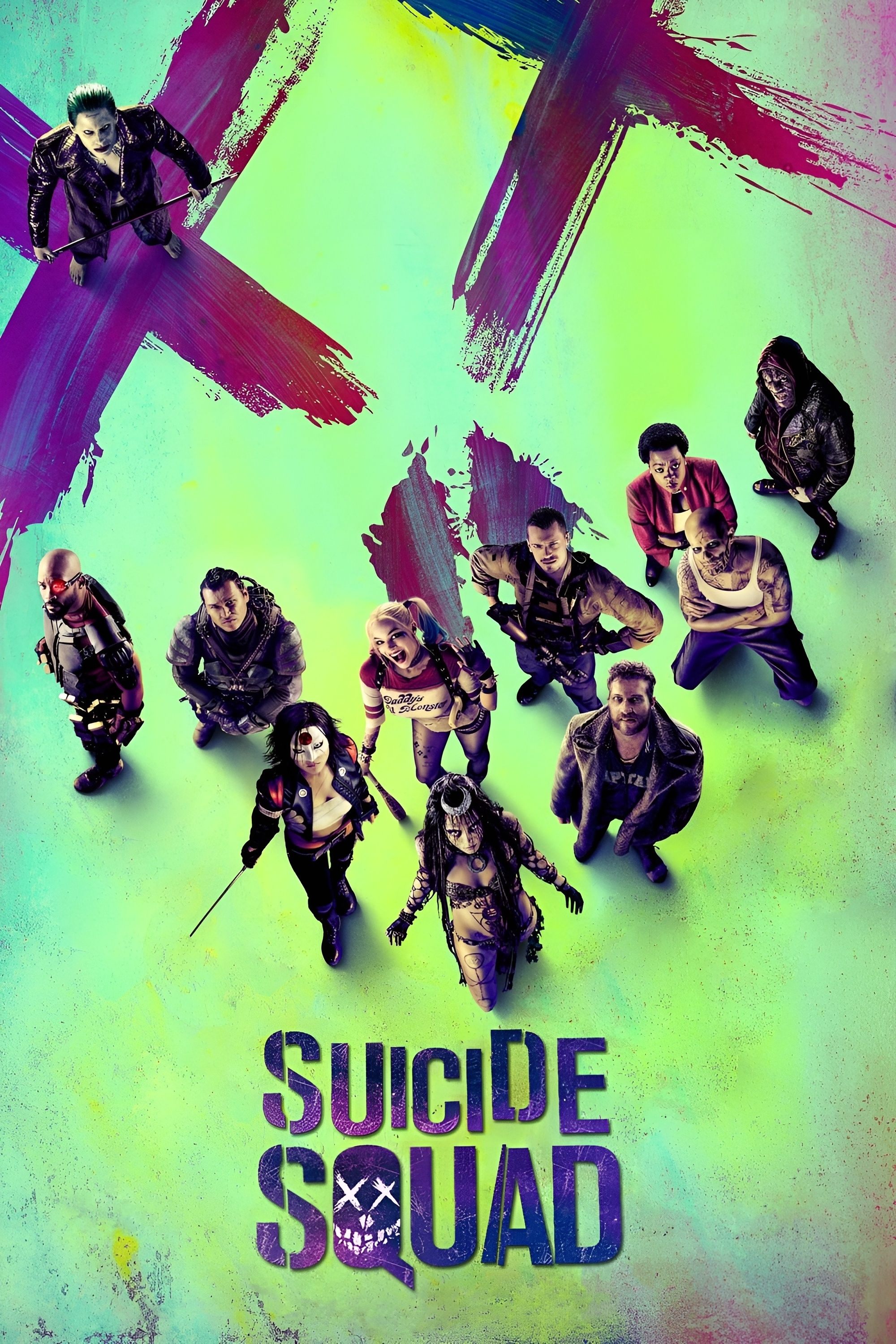
‘Suicide Squad’ assembled an ensemble of antiheroes led by Will Smith and Margot Robbie. The film’s soundtrack mixed original tracks with high-profile artists and received strong streaming traction. Production design created Midway City with practical set builds for destructive set pieces. The property’s success accelerated spin-offs and character-focused projects for the roster.
‘Wonder Woman’ (2017)
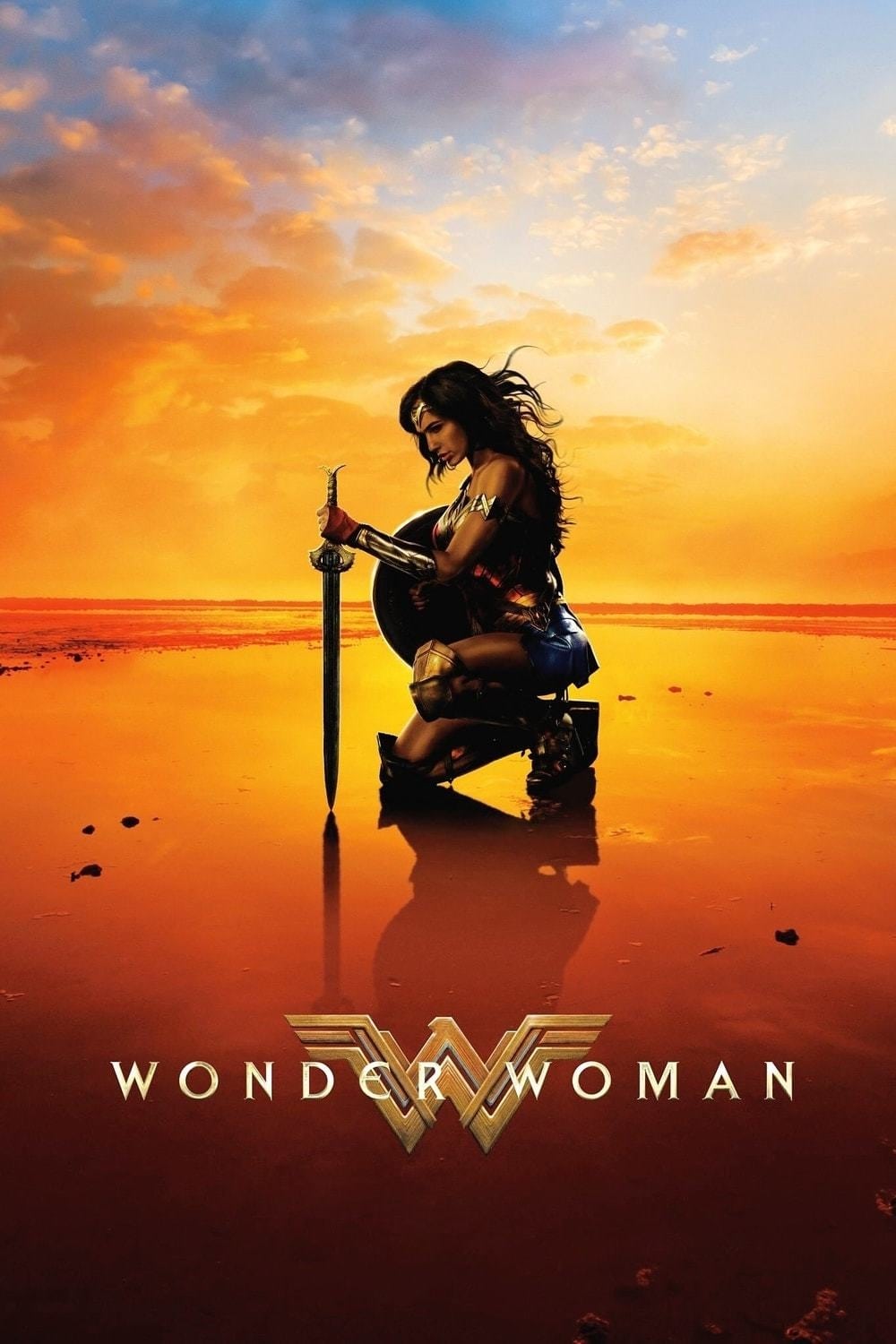
‘Wonder Woman’ starred Gal Gadot and Chris Pine and was directed by Patty Jenkins, marking a milestone for female-led superhero features at major scale. The production filmed across multiple European locations for its period-war setting. Rupert Gregson-Williams scored the film, incorporating the character’s electric-cello motif. Its global performance expanded DC’s reach in markets receptive to inspirational hero narratives.
‘Justice League’ (2017)
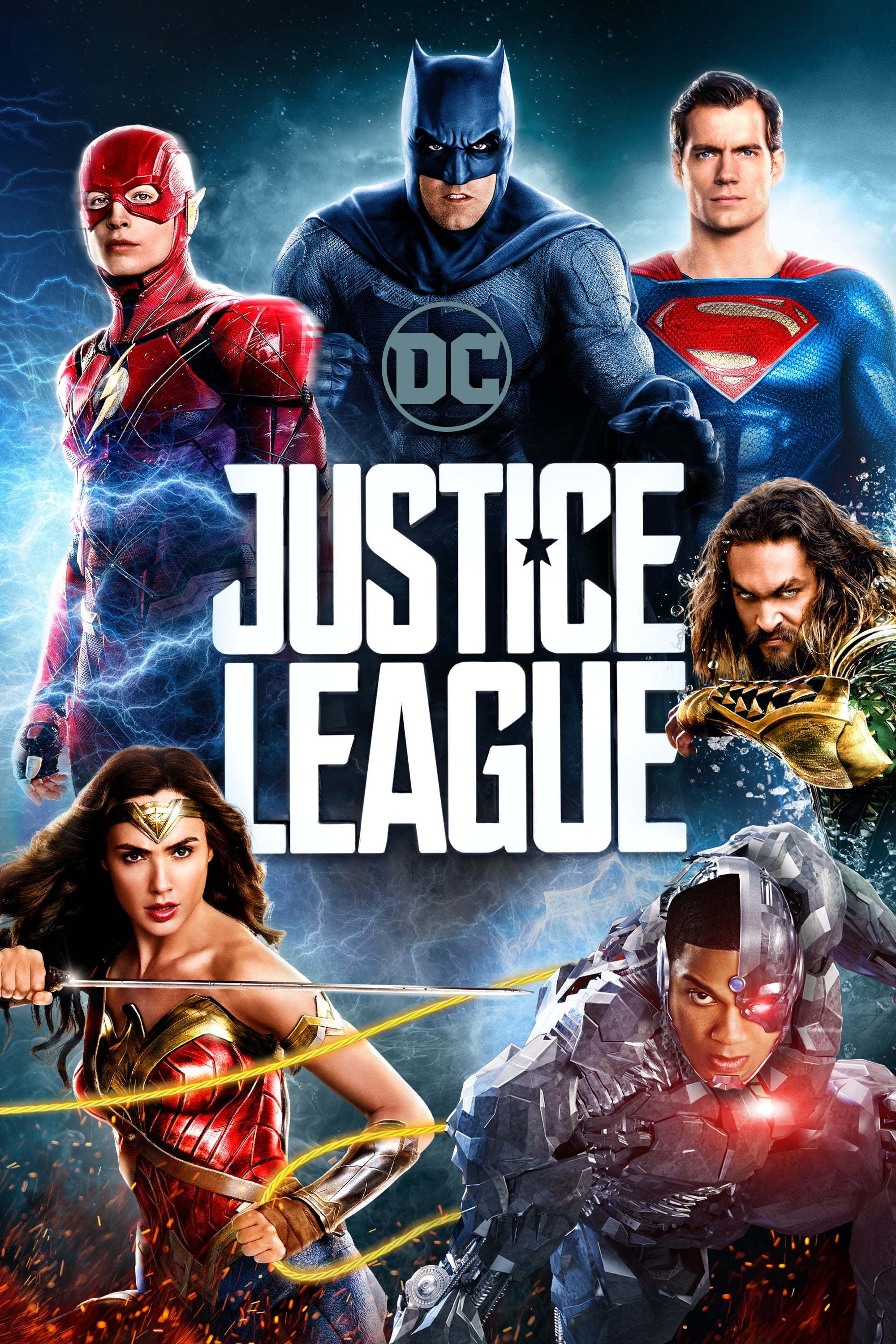
‘Justice League’ united core heroes including Batman, Superman, Wonder Woman, Aquaman, the Flash, and Cyborg. The film combined large-scale VFX environments with reshoot integrations and a revised color pipeline. Danny Elfman contributed the theatrical score, referencing legacy themes in select cues. Its release strategy and reception set the stage for later alternate-cut distribution.
‘The LEGO Batman Movie’ (2017)
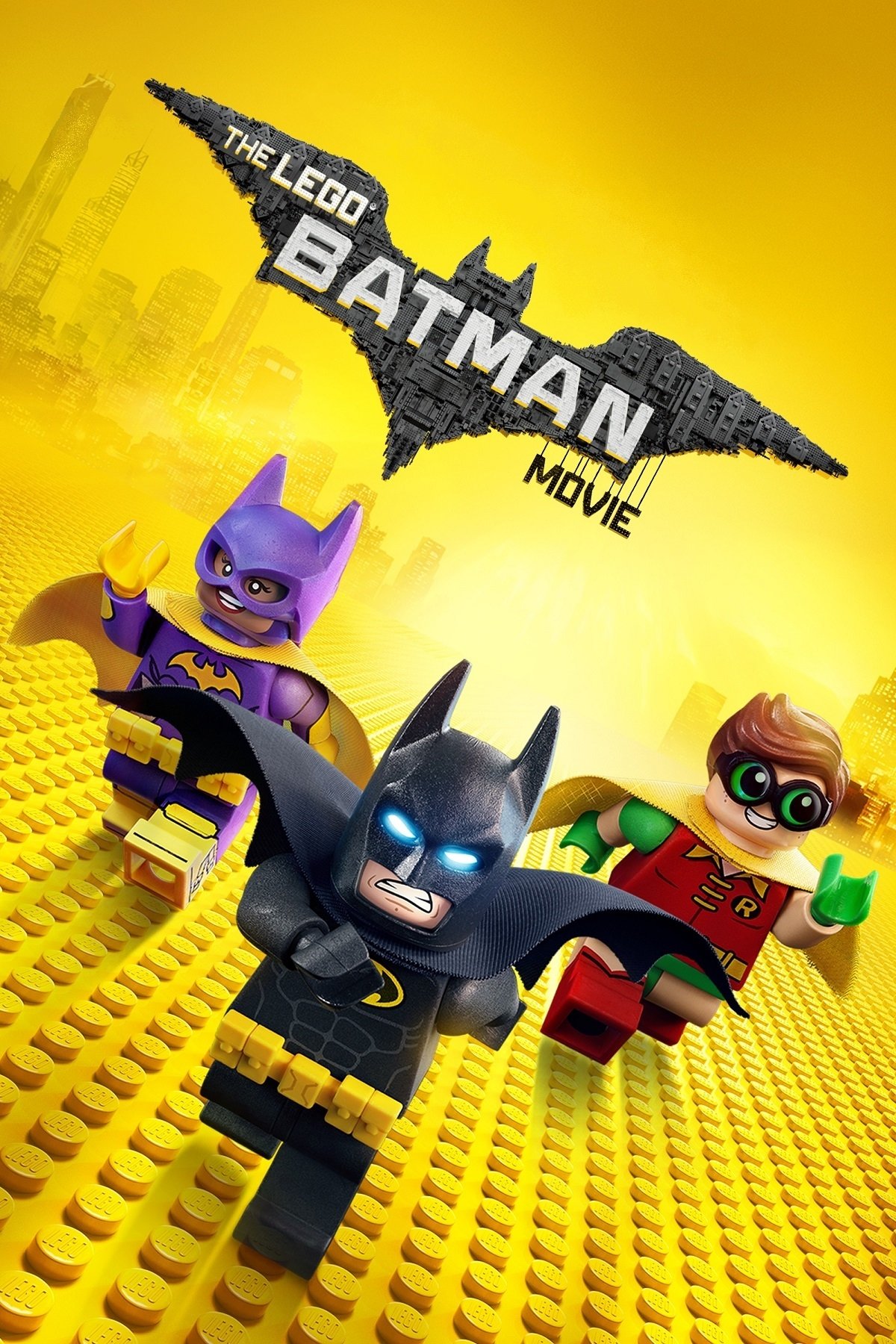
‘The LEGO Batman Movie’ delivered a parody-inflected take on the character while maintaining detailed continuity nods to prior iterations. The animation pipeline used physically based rendering to mimic stop-motion brick textures. Will Arnett led a voice cast that included Rosario Dawson and Ralph Fiennes. Merchandising integrated with existing brick sets to create a synergistic product lineup.
‘Aquaman’ (2018)
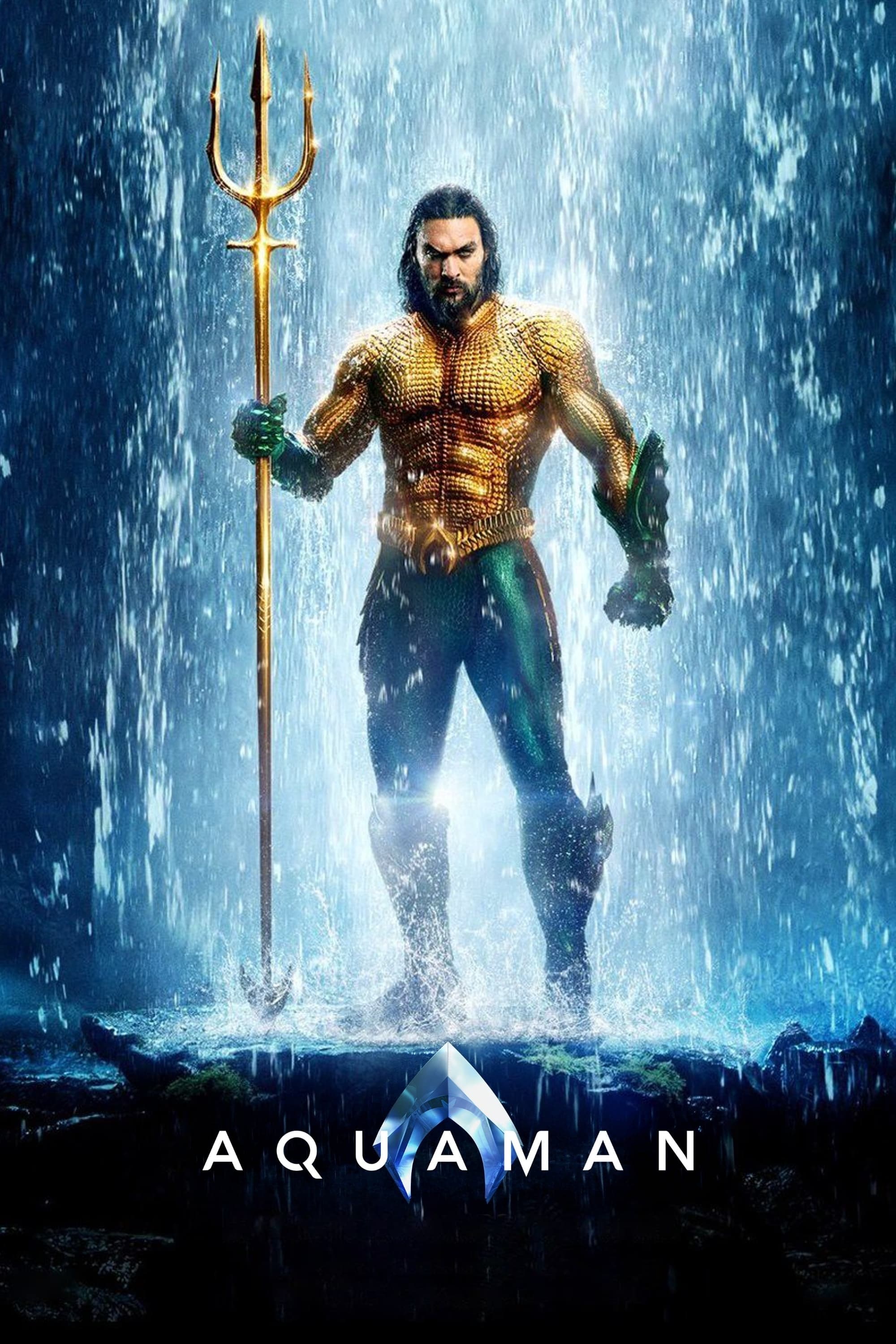
Directed by James Wan and starring Jason Momoa and Amber Heard, ‘Aquaman’ developed extensive underwater VFX techniques, including hair-simulation and “dry-for-wet” performance rigs. The film designed multiple undersea kingdoms with unique color and architectural language. Production spanned large backlot tank work and location shoots in diverse coastal settings. Its strong international earnings underscored DC’s appeal in aquatic spectacle.
‘Shazam!’ (2019)
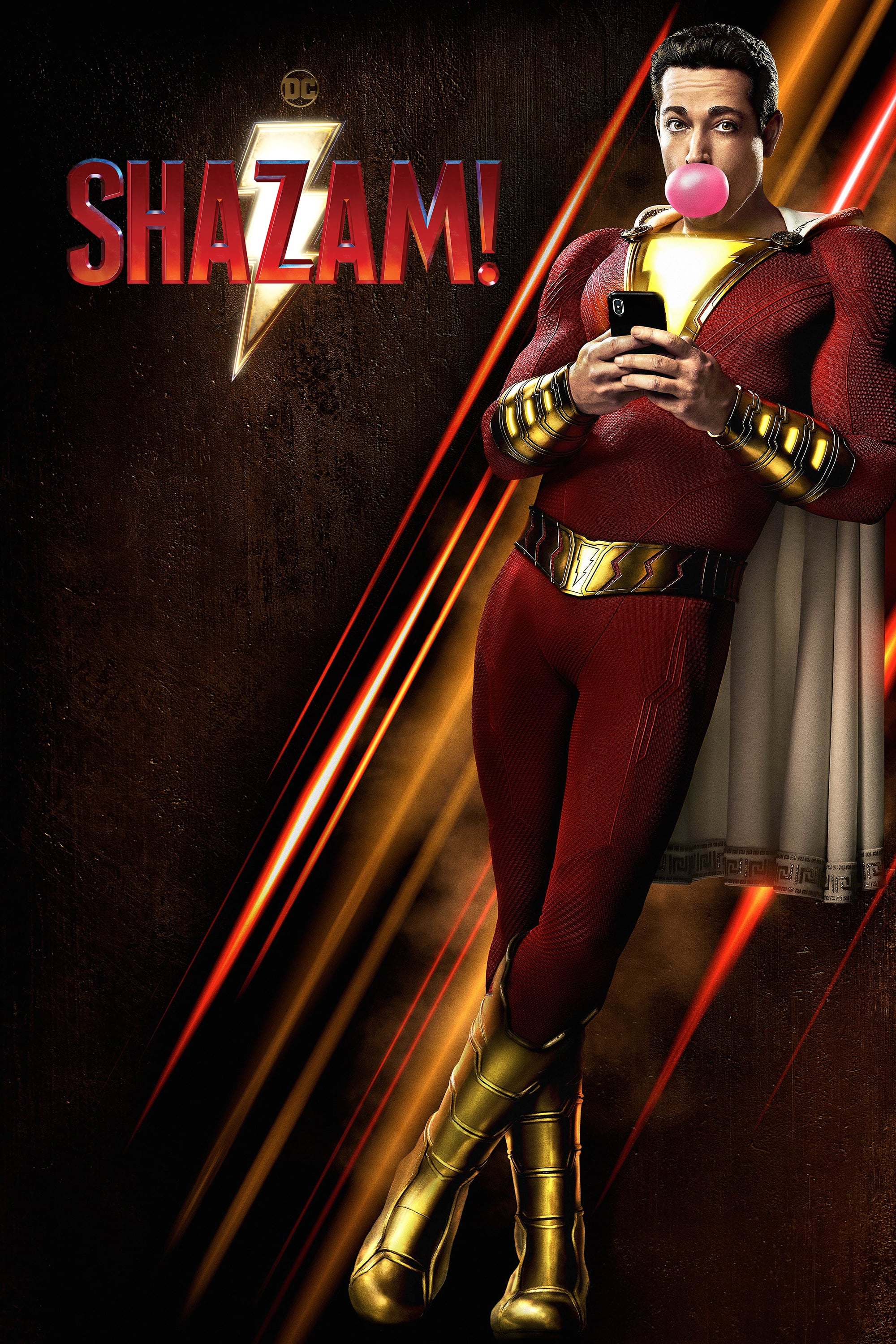
‘Shazam!’ featured Asher Angel and Zachary Levi in a foster-family adventure with a lighter tone. The production used Philadelphia-set locations and wintertime visuals to ground the story. Composer Benjamin Wallfisch delivered a classic-heroic orchestral approach. The film’s mid-credits and end-credits scenes connected the character to broader franchise elements.
‘Joker’ (2019)
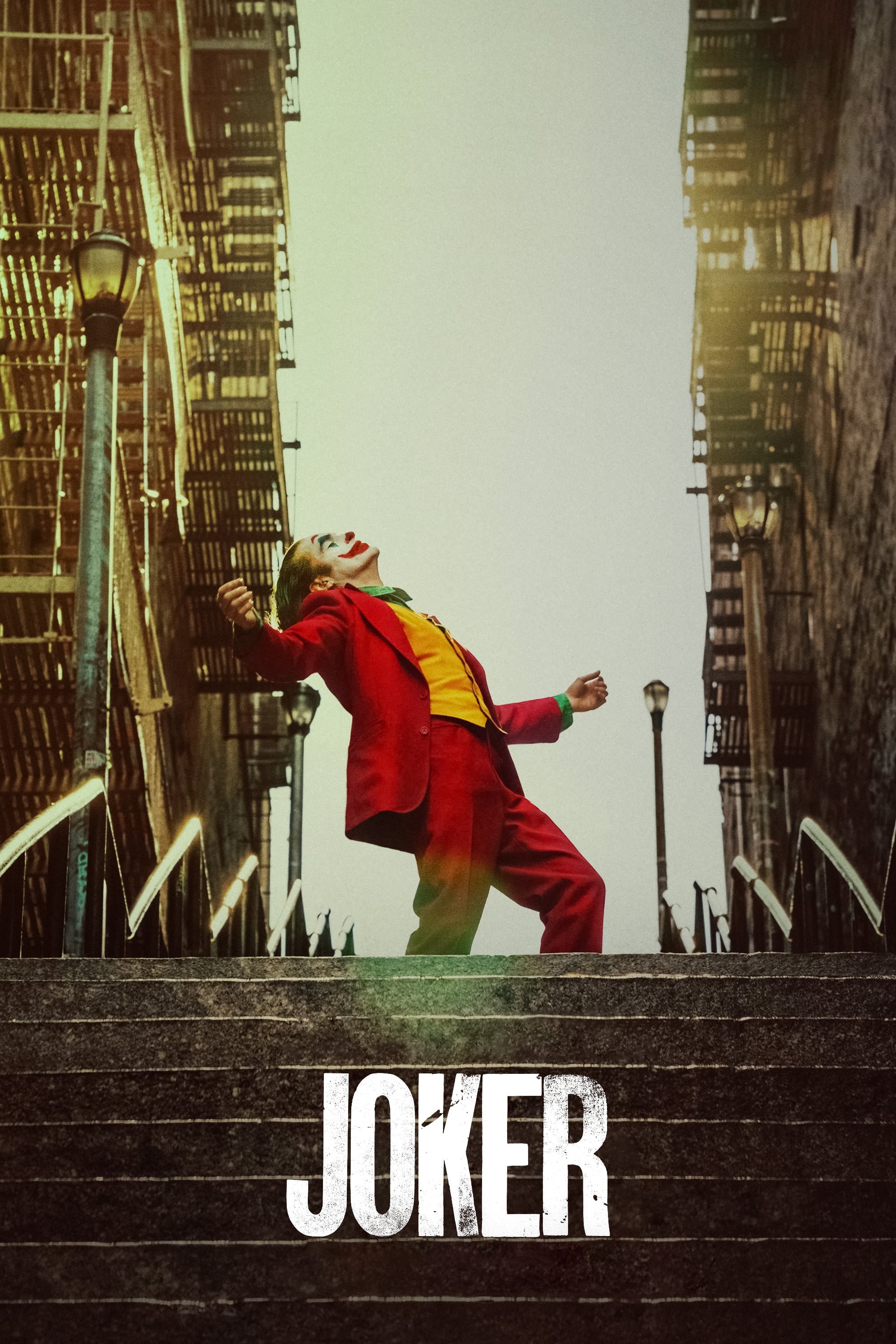
Directed by Todd Phillips and starring Joaquin Phoenix, ‘Joker’ presented a standalone character study outside the shared-universe continuity. Hildur Guðnadóttir’s score received major awards recognition and became central to the film’s mood. Principal photography used real New York locations to evoke a gritty urban atmosphere. The film’s festival run and box office showed the viability of R-rated, auteur-driven comic adaptations.
‘Zack Snyder’s Justice League’ (2021)
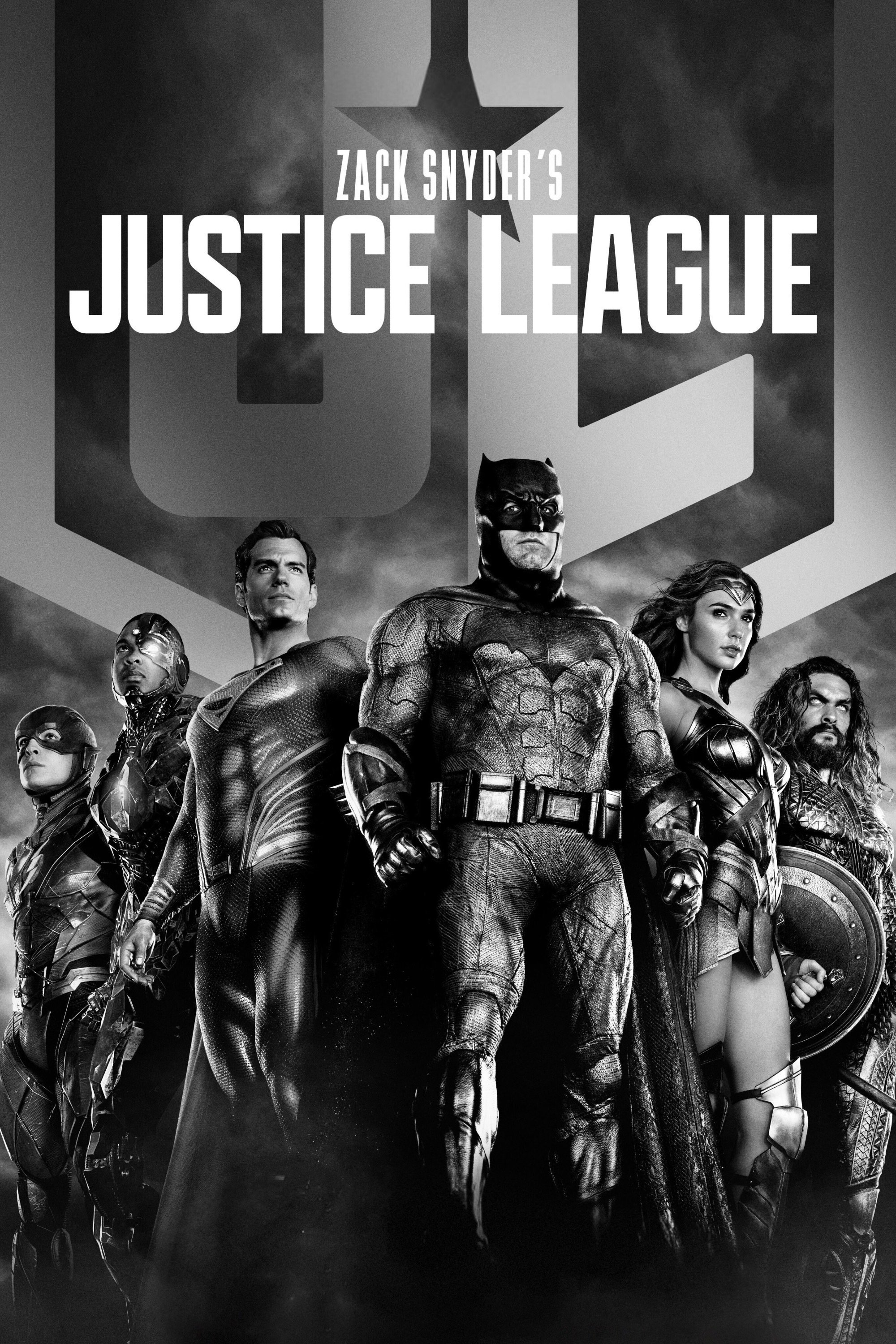
‘Zack Snyder’s Justice League’ delivered an expanded cut with restored sequences, new VFX, and an altered color grade. The project employed remote post-production pipelines and selective additional photography. Junkie XL’s score replaced the theatrical cues to align with the director’s vision. Its release on streaming highlighted evolving distribution models for large-scale superhero projects.
‘The Batman’ (2022)
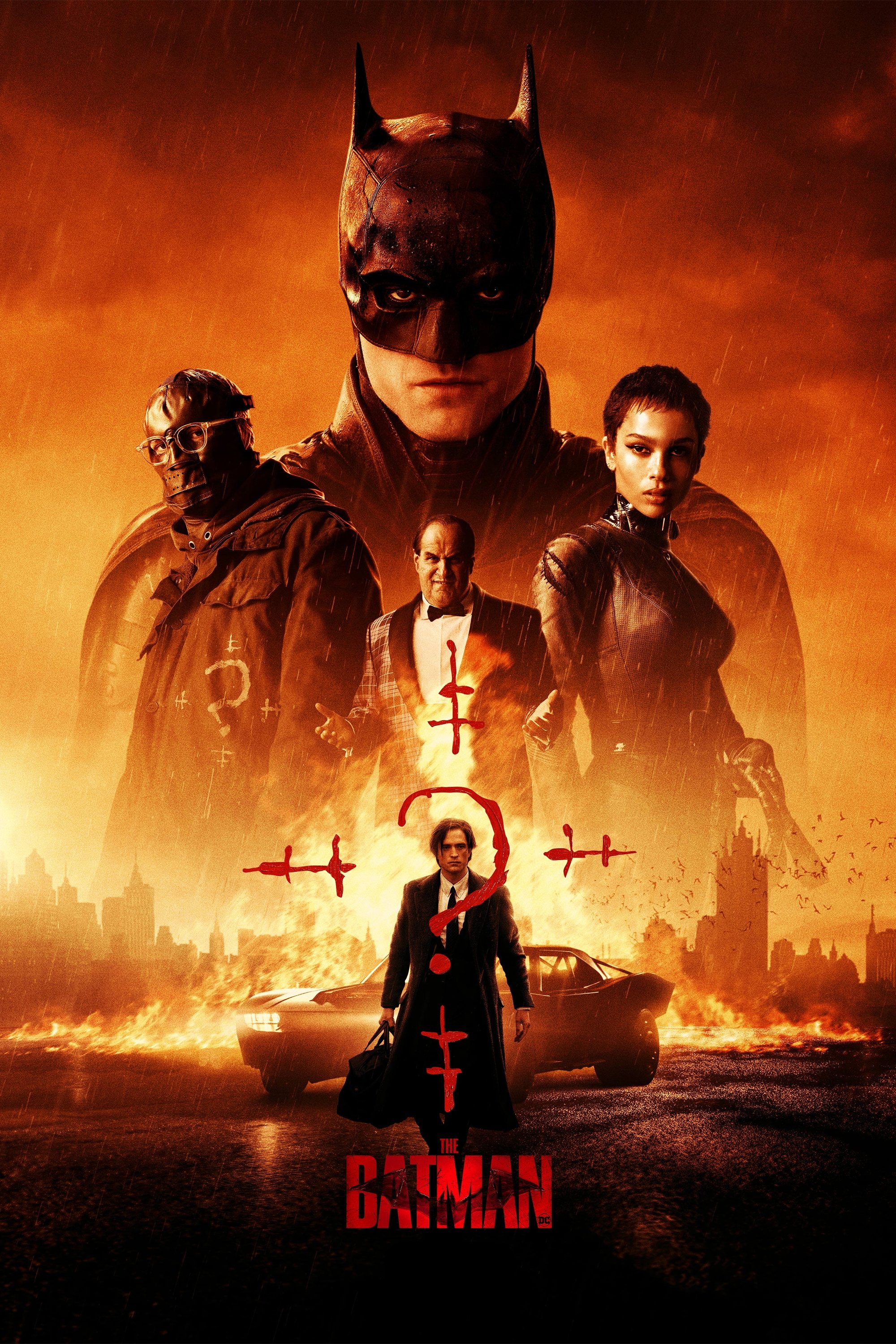
Matt Reeves directed ‘The Batman’ with Robert Pattinson, Zoë Kravitz, and Paul Dano, emphasizing detective elements. Greig Fraser’s cinematography used innovative LED volume techniques and low-light capture. Michael Giacchino composed a theme centered on a minimalist, percussive motif. The film established a separate continuity, enabling parallel DC film lines alongside shared-universe titles.
Share which DC film influenced you the most—and why—in the comments!