The Most Influential Sitcoms of All Time

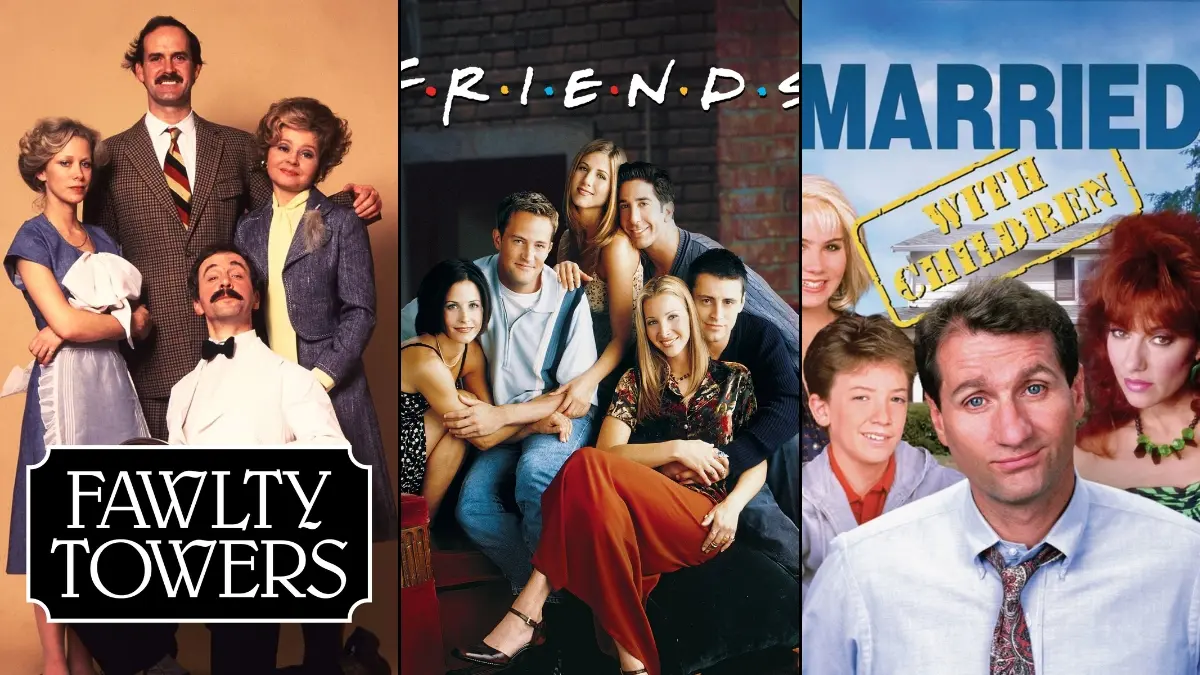

From pioneering multi-camera setups to shaping streaming habits, sitcoms have repeatedly rewritten the rules of television. The shows below didn’t just pull big laughs—they introduced new production methods, opened doors for underrepresented voices, created enduring formats, and set records in ratings, awards, and syndication that changed how comedy is made and watched around the world.
‘I Love Lucy’ (1951–1957)
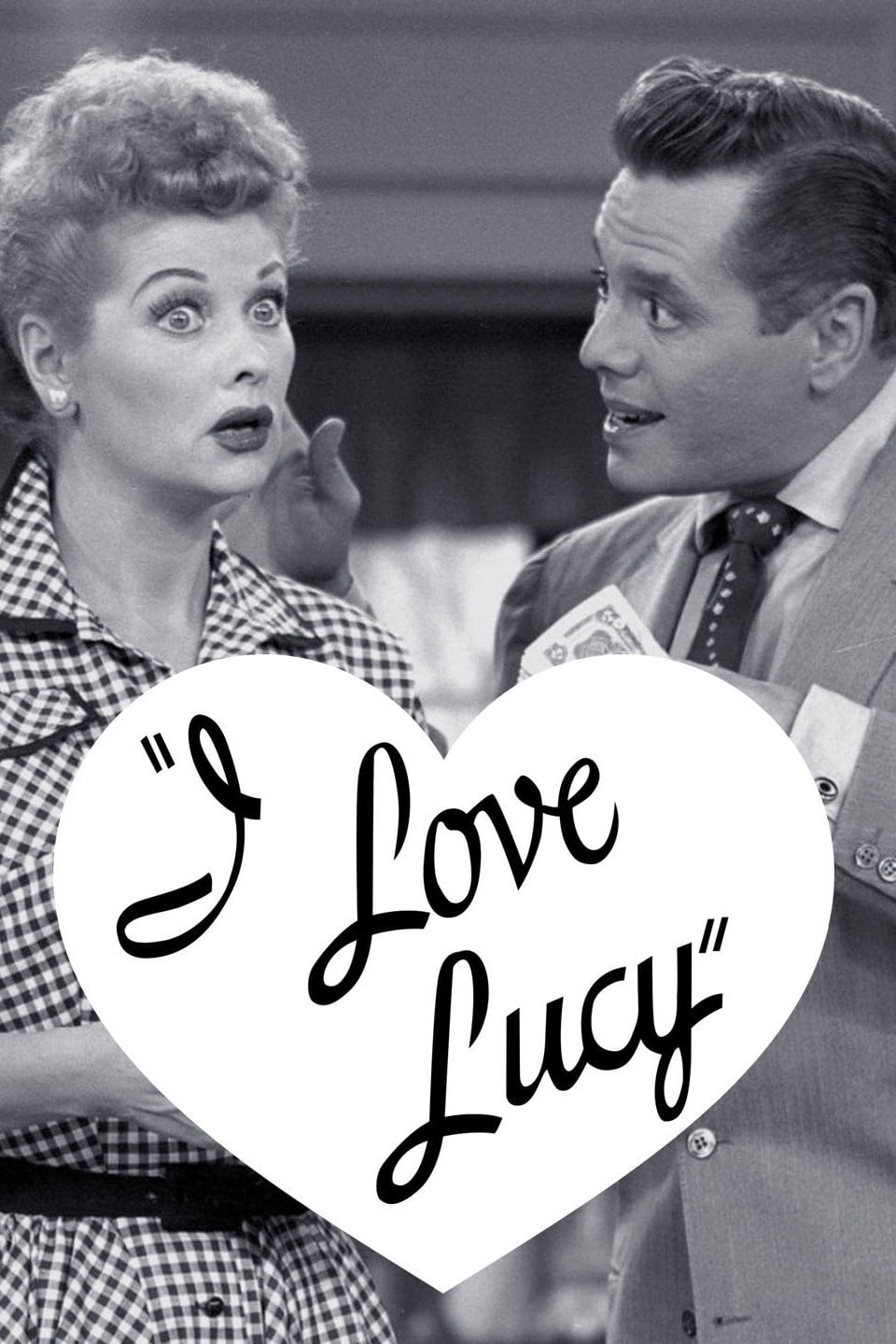
This series standardized the three-camera, filmed-before-a-live-audience method that became the multi-cam sitcom template. It preserved episodes on high-quality 35mm film, enabling reruns and creating the modern syndication model. The show’s production company, Desilu, reinvested profits into studio infrastructure that later housed major TV hits. Its pregnancy storyline and real-life couple at the center pushed network standards and broadened what family comedy could depict.
‘The Honeymooners’ (1955–1956)
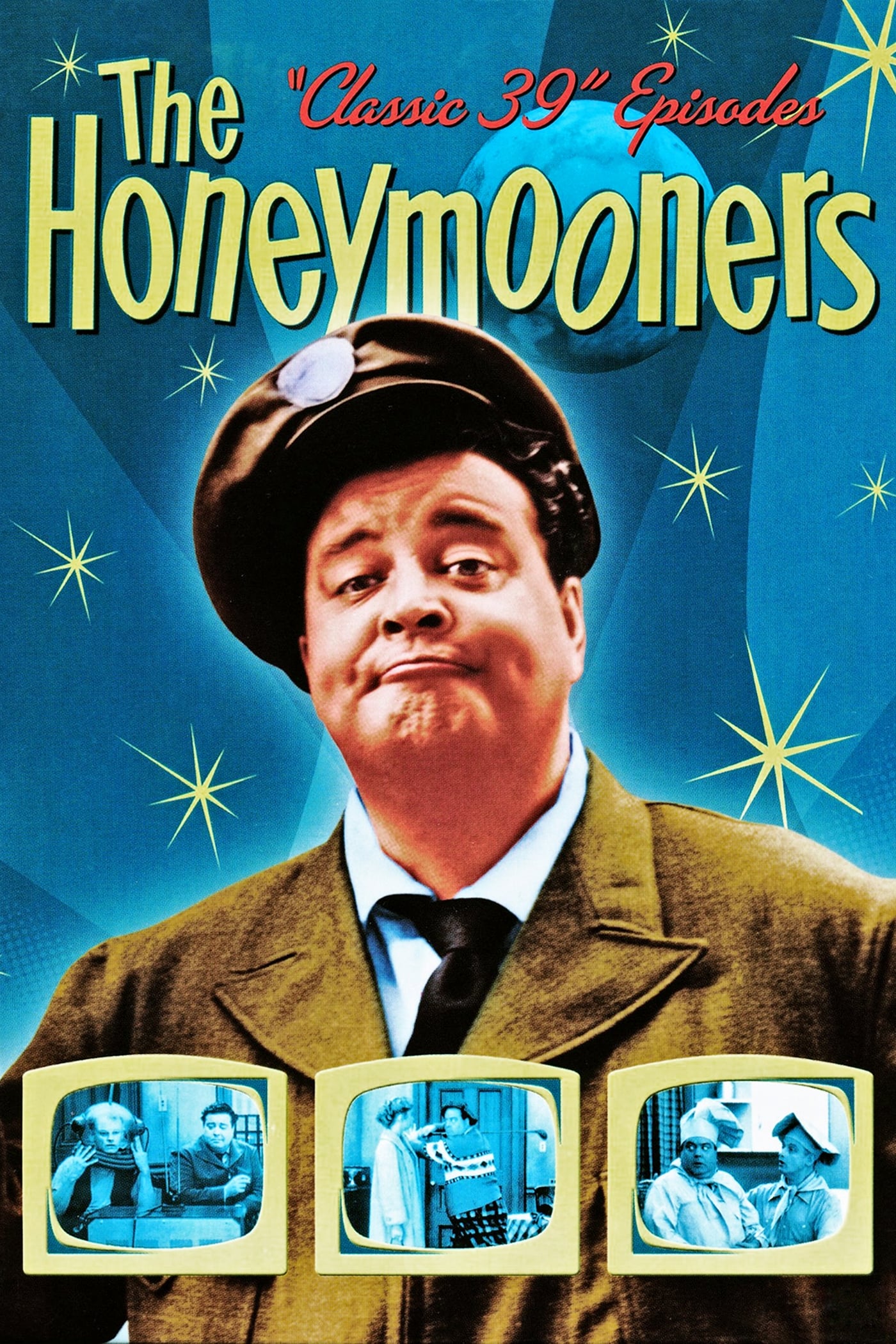
Built around tightly written domestic farce, this show established archetypes for working-class sitcom couples that many later series echoed. Its minimalist sets and performance-first approach made it a staple in rerun packages for decades. Character dynamics here directly influenced animated and live-action successors, including the blue-collar humor that became a sitcom mainstay. The series also demonstrated how sketch characters could successfully expand into a half-hour format.
‘The Dick Van Dyke Show’ (1961–1966)
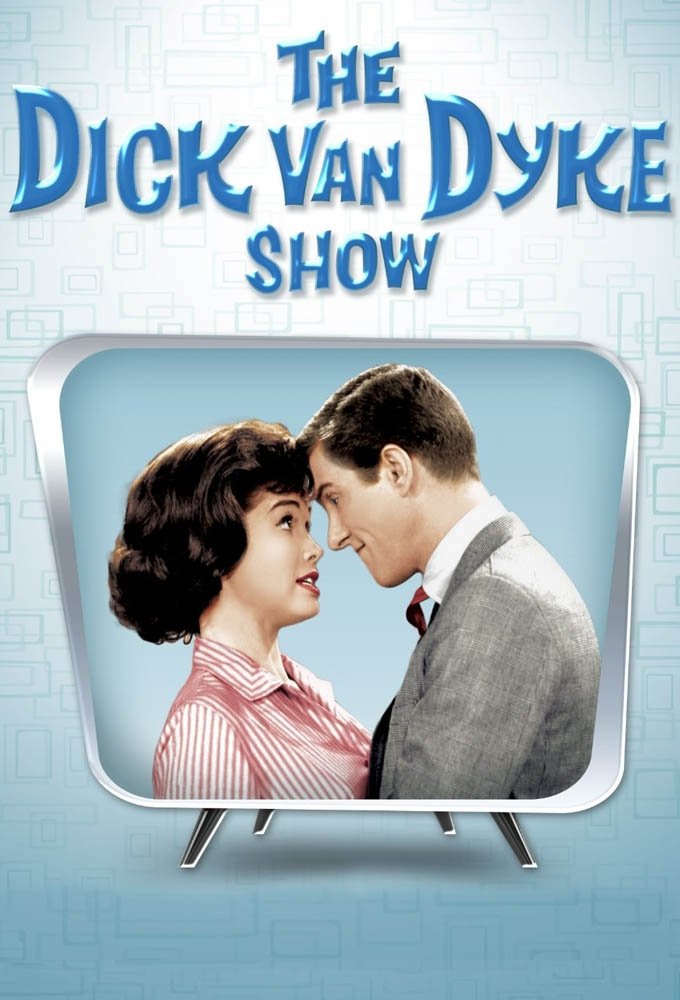
By splitting time between a TV writers’ room and home life, the series made workplace-plus-domestic storytelling a go-to sitcom structure. It spotlighted behind-the-scenes television production, seeding countless later “show-about-a-show” comedies. Its ensemble balance and sophisticated joke construction became a study template for writers. The program also elevated the role of the showrunner-creator model through Carl Reiner’s tightly authored vision.
‘The Mary Tyler Moore Show’ (1970–1977)
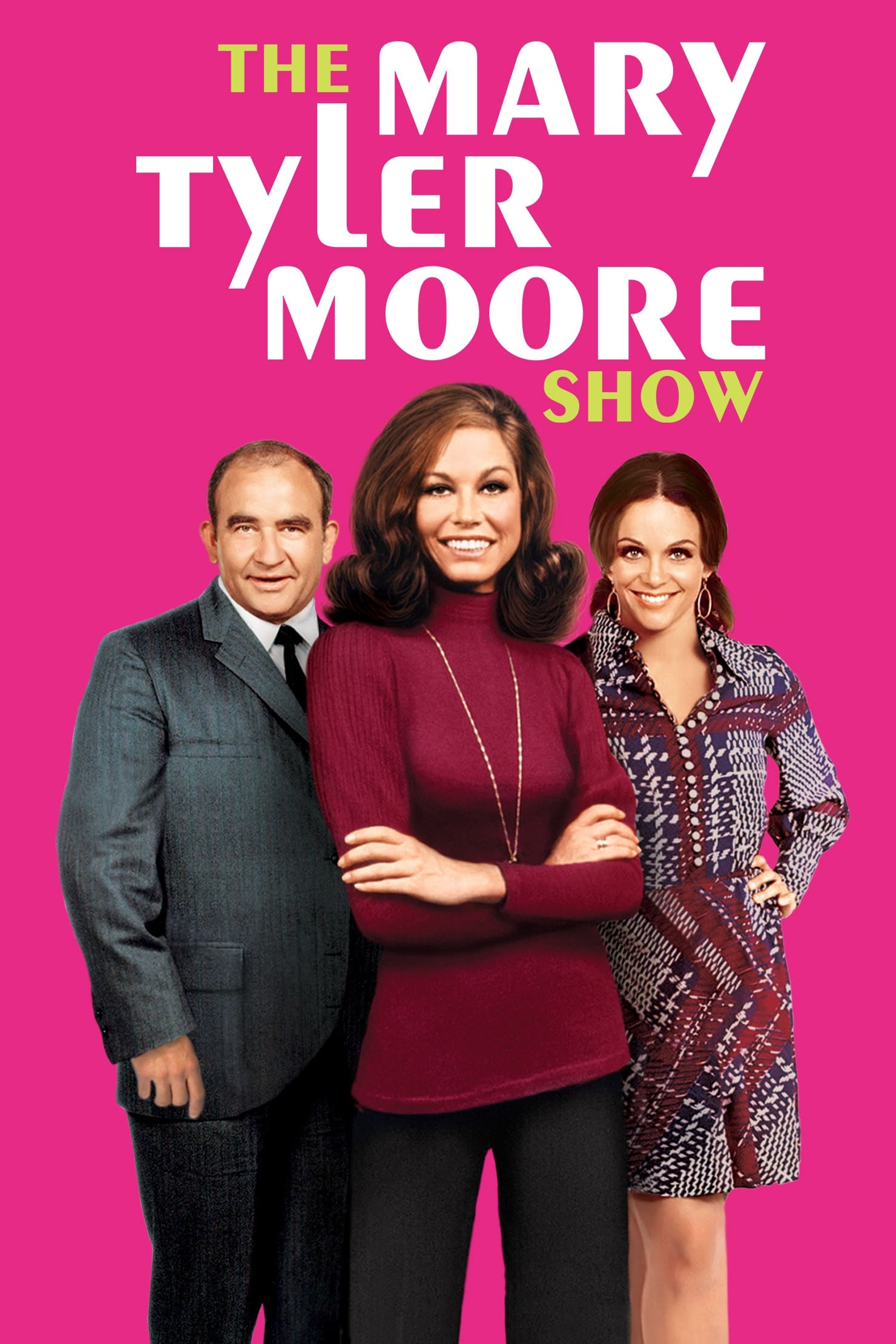
Centering a single, independent woman in a newsroom, the series broadened network comedy’s subjects and settings. It built a deep bench of memorable supporting characters, then launched multiple spin-offs that proved sitcom “universes” could thrive. The show’s character-driven storytelling influenced how comedies addressed workplace culture and gender roles. Its writers’ room became a training ground for future hitmakers across television.
‘All in the Family’ (1971–1979)
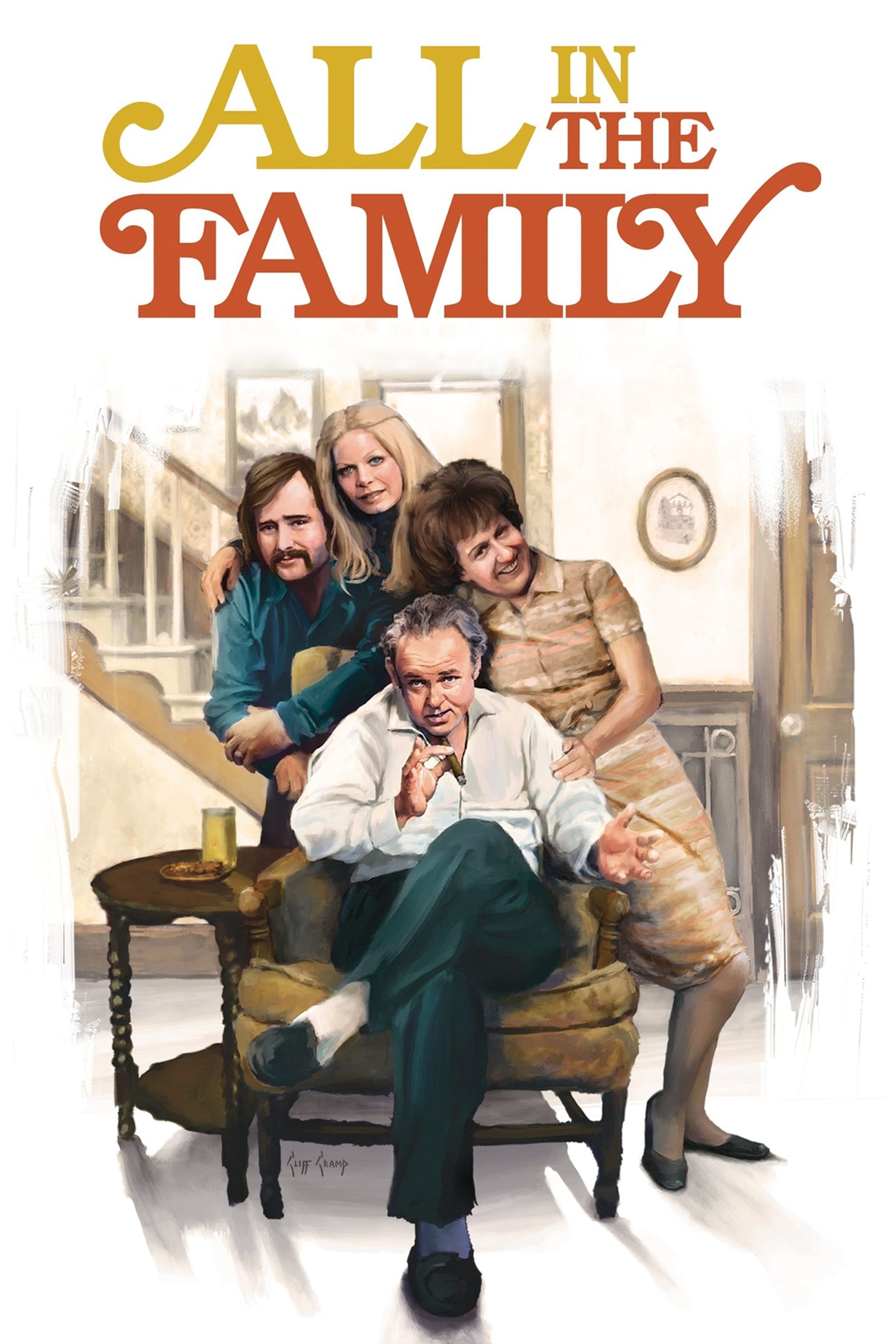
This landmark brought topical issues—race, gender, class, and politics—into primetime comedy without abandoning mass appeal. It demonstrated that sitcoms could drive national conversation while remaining format-faithful. The show generated a sprawling family of spin-offs, establishing a playbook for expanding successful IP across multiple series. Its living-room set and live-audience energy showed how social realism could coexist with classic sitcom rhythms.
‘M*A*S*H’ (1972–1983)
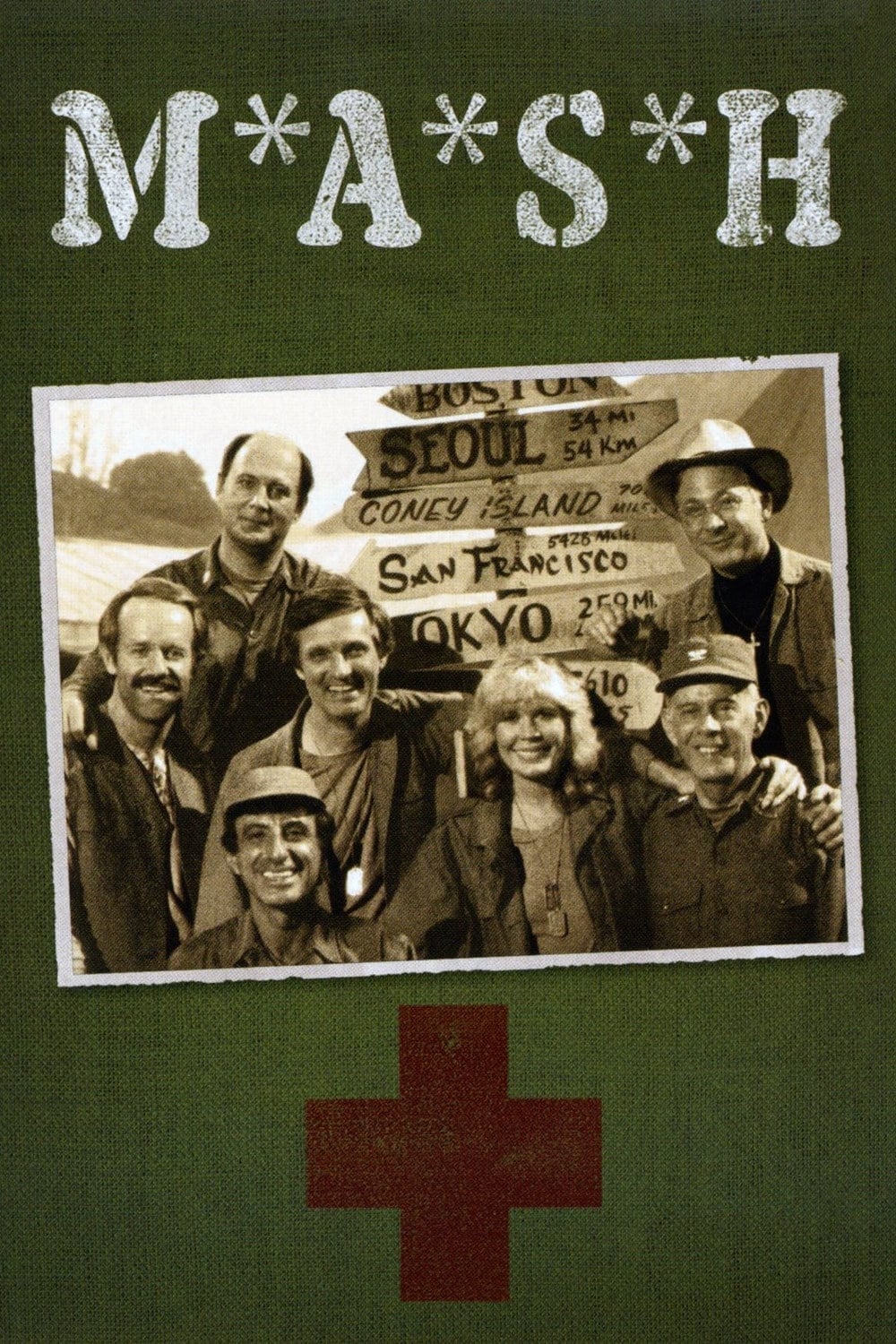
Blending comedy and wartime drama, the series stretched what a half-hour could do tonally. Single-camera staging, overlapping dialogue, and occasional laugh-track-free episodes introduced a cinematic feel to network comedy. Its finale drew one of the largest audiences in American TV history, underscoring sitcoms’ cultural centrality. The show’s character arcs and moral complexity expanded expectations for long-running comedic storytelling.
‘Fawlty Towers’ (1975–1979)
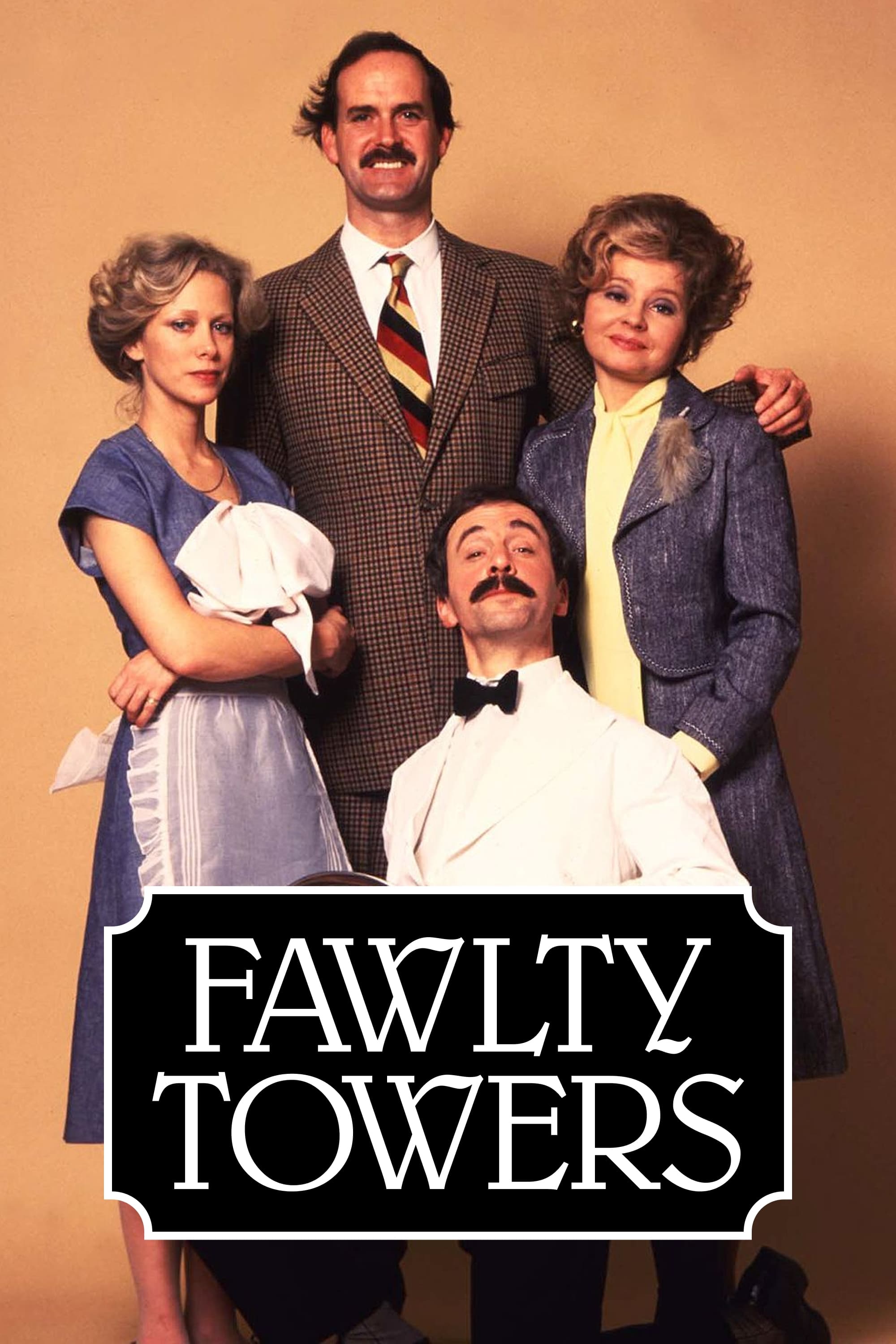
With meticulously constructed farce and tightly plotted episodes, this series became a screenwriting touchstone. Its compact run is frequently used in curricula to illustrate escalation, setup-payoff craft, and ensemble precision. The hotel setting proved a durable template for high-pressure workplace chaos. International remakes and homages keep its influence circulating across formats and languages.
‘The Jeffersons’ (1975–1985)
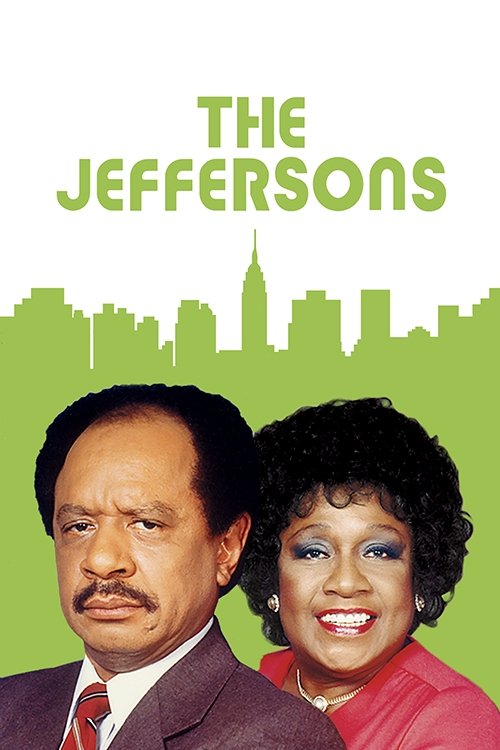
Spun off from ‘All in the Family’, this show moved an African American family into an upscale setting, broadening representation in primetime comedy. It featured an interracial couple as major recurring characters, normalizing on-screen depictions that were still rare. The series sustained a long run while tackling class mobility and entrepreneurship. Its success validated spin-offs as major franchises rather than secondary experiments.
‘Cheers’ (1982–1993)
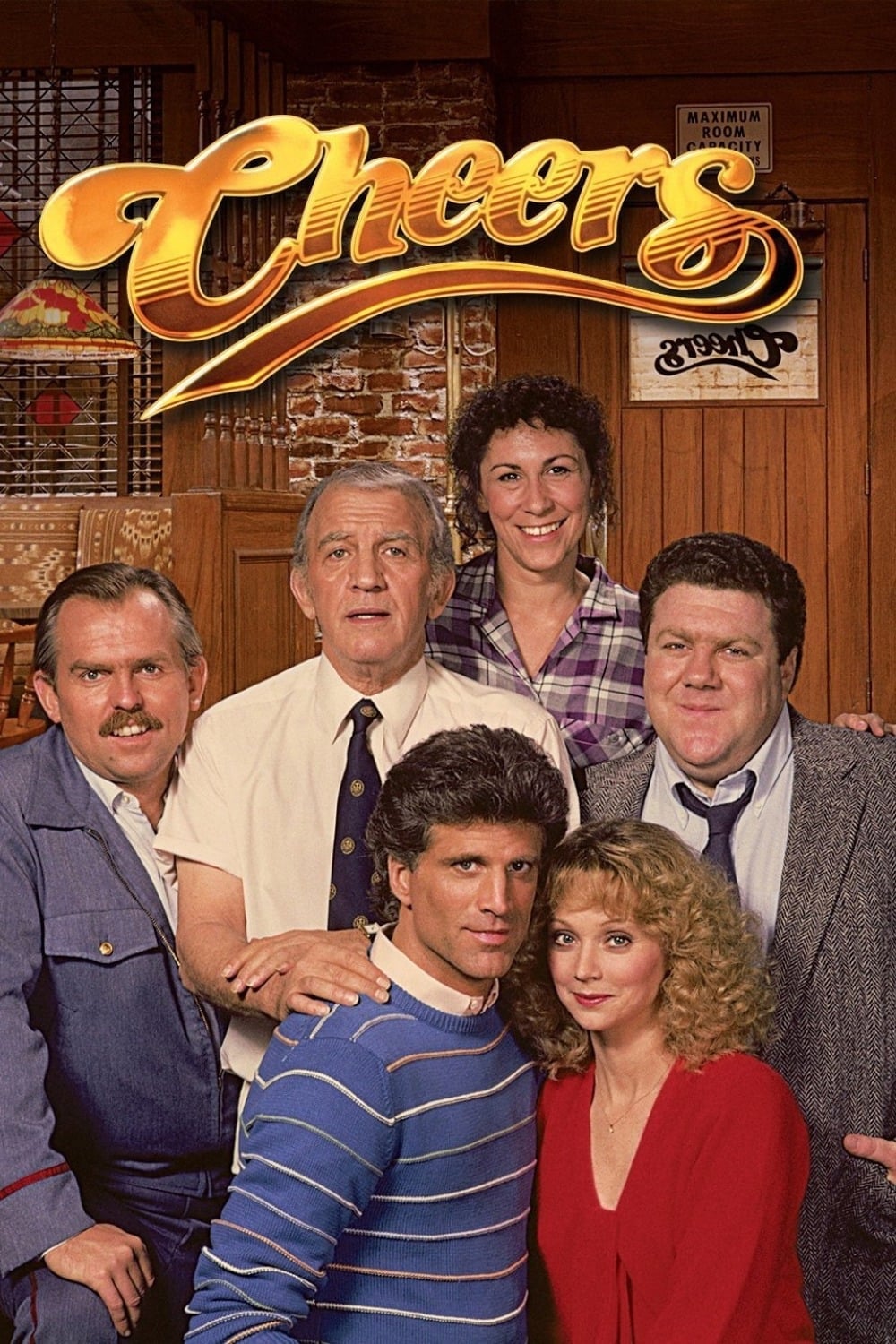
Set almost entirely in one bar, the series proved a fixed location could host expansive, character-driven storytelling. It became a syndication powerhouse, training audiences to follow long-arc relationships across many seasons. The show’s ensemble design, cold-opens, and A/B-story balance became standard practice in writers’ rooms. It also produced ‘Frasier’, showing how a spin-off could equal—or surpass—its parent’s awards footprint.
‘The Cosby Show’ (1984–1992)
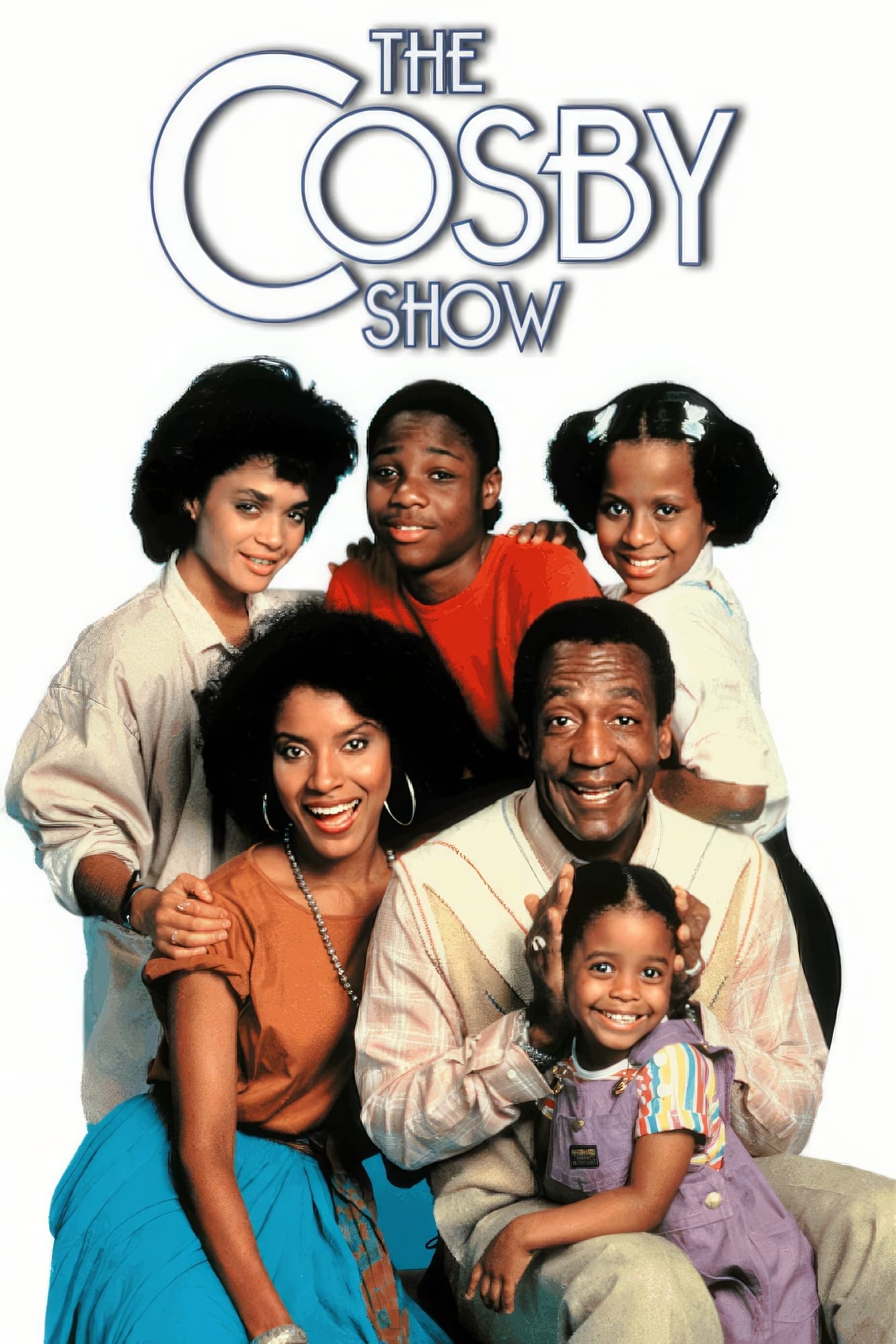
This family comedy revitalized its network’s fortunes and re-centered sitcoms at the core of primetime schedules. It showcased a professional, upper-middle-class Black family, altering casting and commissioning assumptions across the industry. Its success helped launch ‘A Different World’, illustrating how lead-out programming could extend a brand. The show’s music-infused set pieces and living-room staging became widely emulated.
‘The Golden Girls’ (1985–1992)
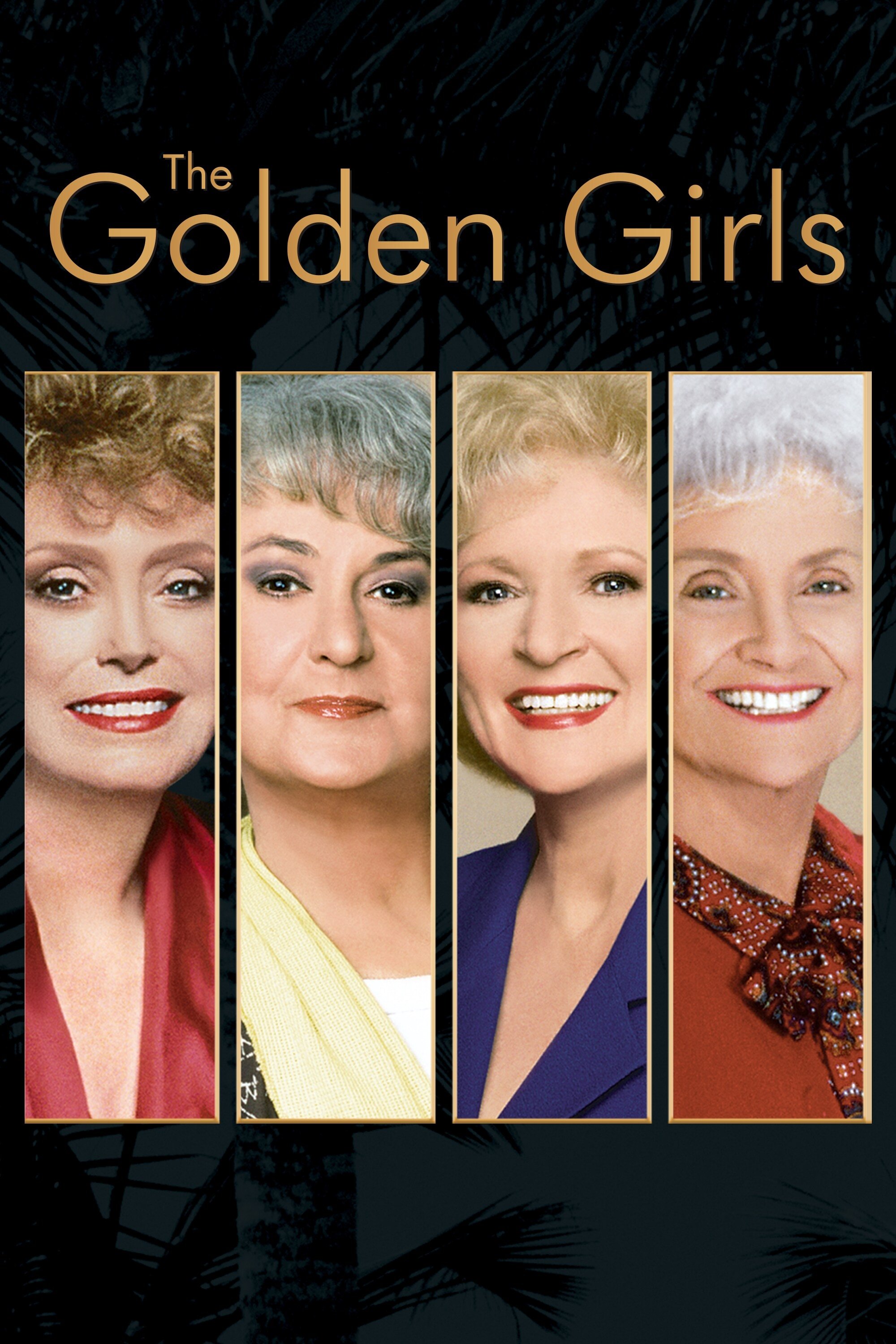
Headlined by four older women, the series broadened ideas about who could lead a mainstream sitcom. It achieved enduring syndication success, proving cross-generational appeal for character-first humor. The show’s frank discussions of aging, health, and friendship expanded sitcom subject matter. It also spun off ‘The Golden Palace’, demonstrating ongoing audience interest in its world.
‘The Simpsons’ (1989– )
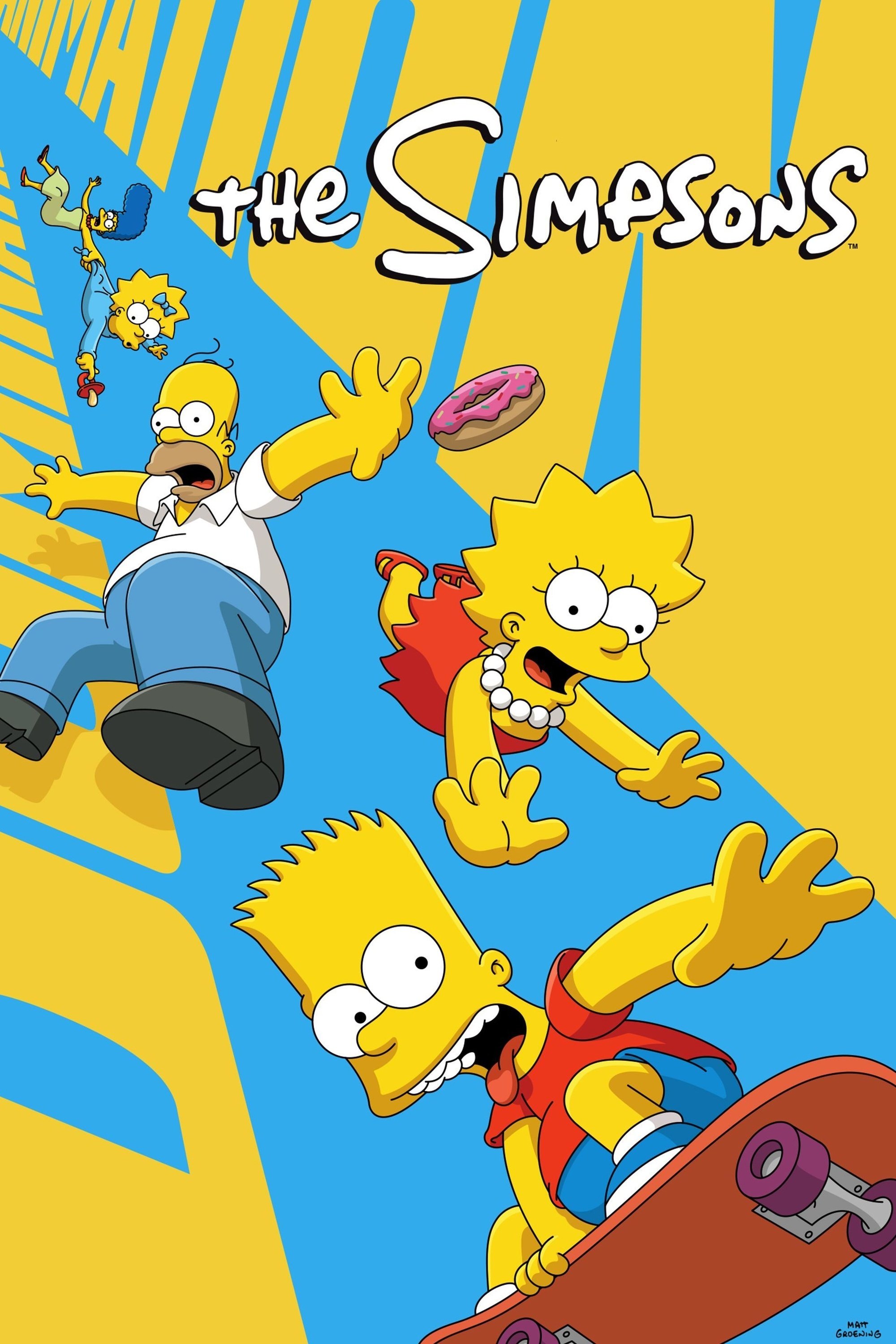
This animated sitcom reshaped primetime by proving that adult animation could anchor schedules for decades. Its rapid-fire joke density, cutaways, and cultural references set a new pace for televised comedy. The series incubated a large creative alumni network that went on to create other influential shows. Merchandising and transmedia presence established a template for global brand building around a sitcom.
‘Seinfeld’ (1989–1998)
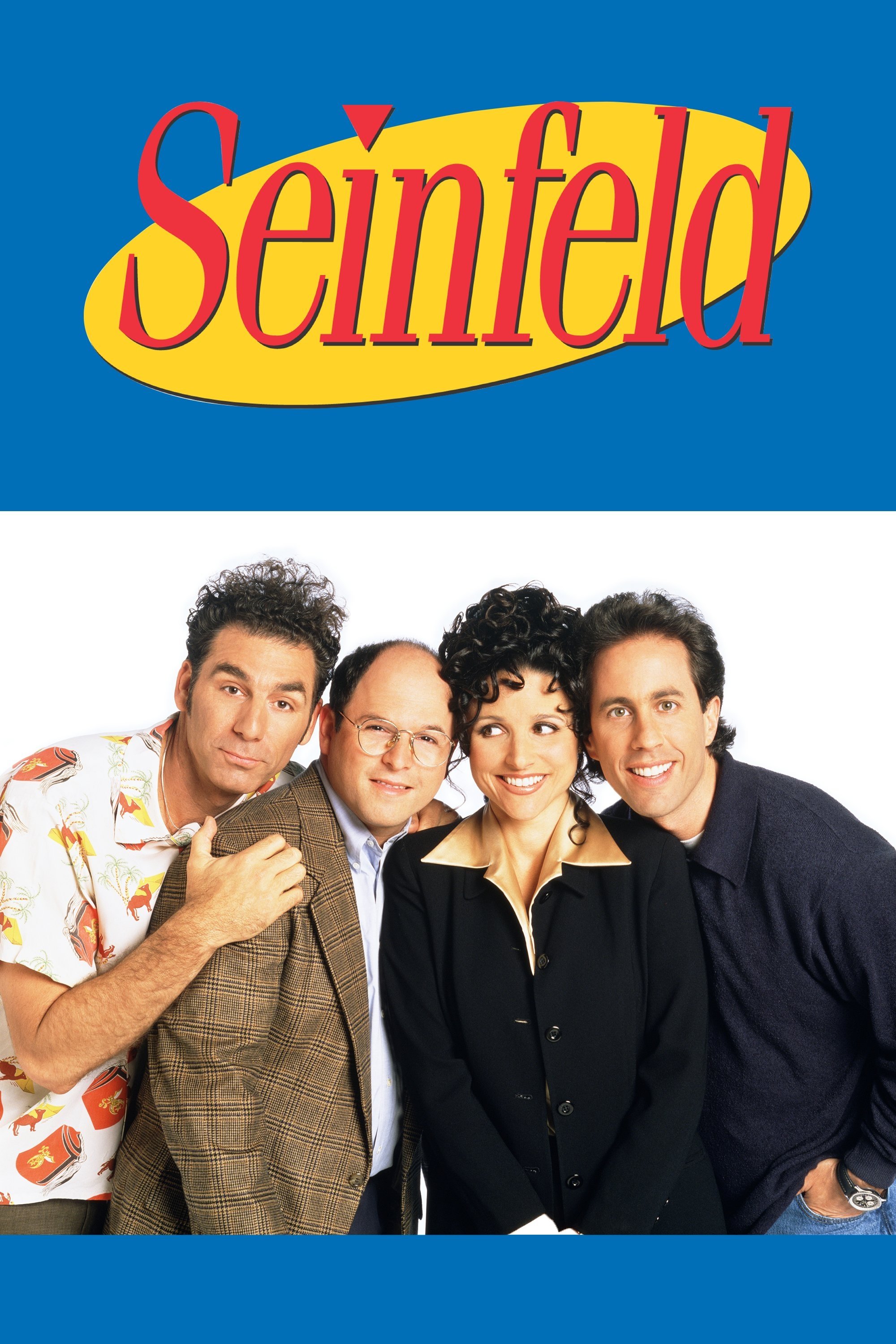
Known for precise observational plotting, the show popularized interwoven storylines that converge in final beats. It largely avoided sentimental resolutions, influencing a wave of character-driven, behavior-based comedies. The series’ self-referential production arc helped normalize meta-narrative in network sitcoms. Its syndication deals reshaped back-end economics for off-network sales.
‘Friends’ (1994–2004)
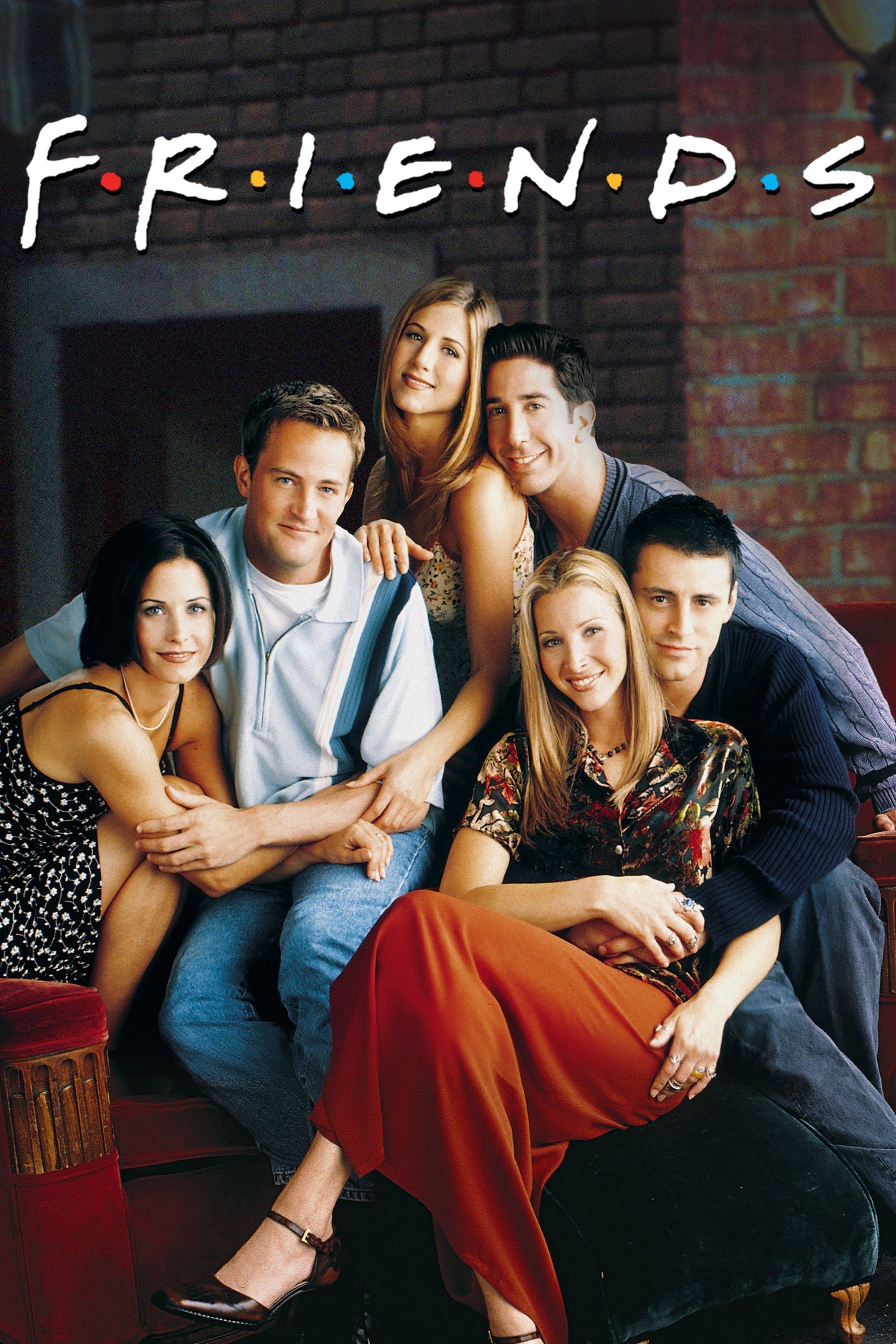
This ensemble comedy defined the “hangout sitcom,” where setting and friendship arcs drove long-term engagement. It became a global syndication force, sustaining massive streaming rediscoveries years after its finale. The show’s multi-lead compensation renegotiations informed later cast bargaining strategies. Its cross-platform soundtrack and marketing tie-ins showed how sitcoms could extend beyond the screen.
‘Frasier’ (1993–2004)
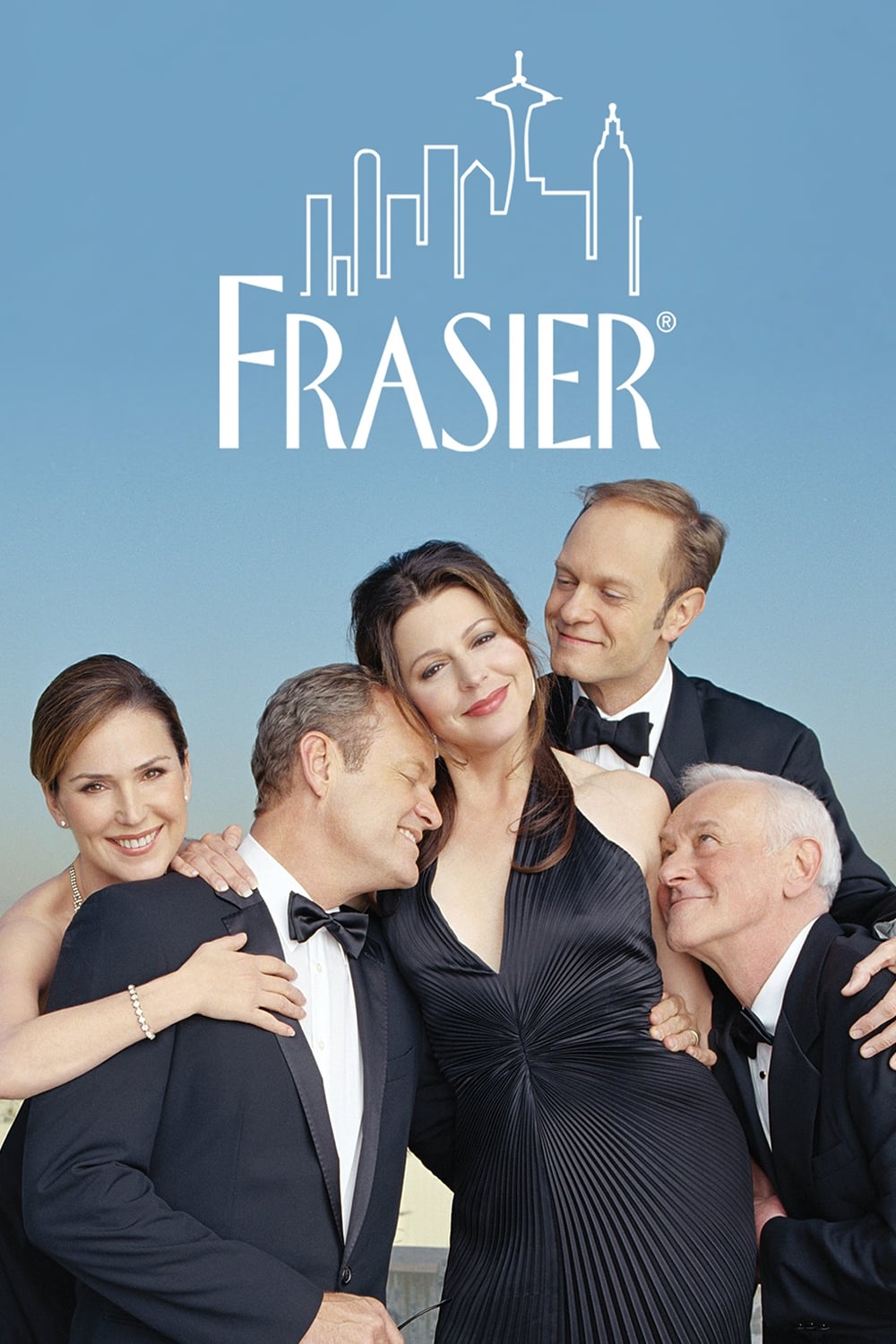
A rare spin-off that built a distinct identity, the series emphasized wordplay, farce structure, and character intellect. It accumulated an extensive awards haul, cementing prestige-comedy credibility for network sitcoms. The show refined bottle-episode craft and theatrical staging within a multi-cam format. Its successful revival planning demonstrated durable audience appetite for legacy IP.
‘The Fresh Prince of Bel-Air’ (1990–1996)
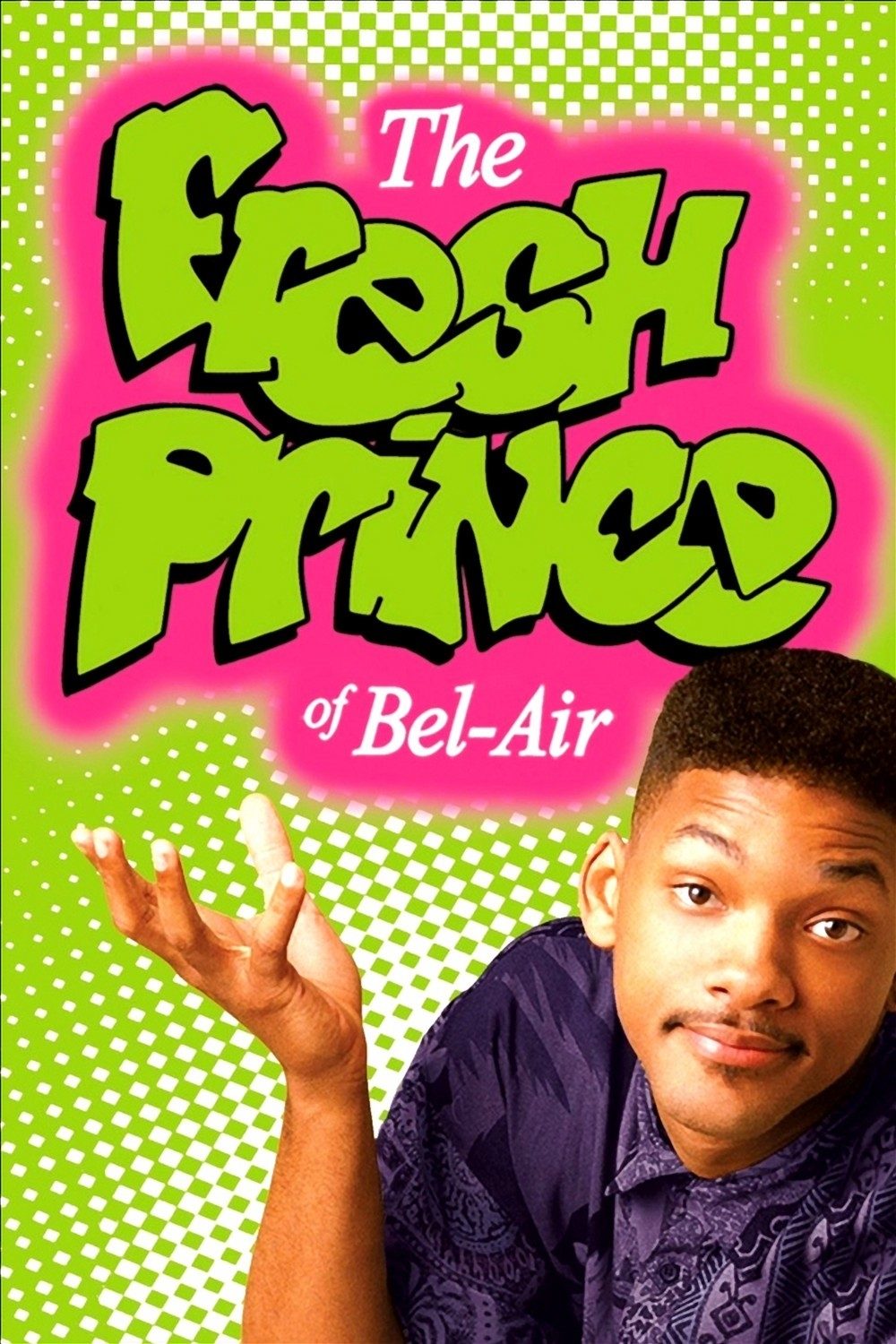
This fish-out-of-water story blended hip-hop culture with traditional family-sitcom beats, expanding mainstream sitcom music and fashion vocabularies. It launched a lead actor into major film stardom, illustrating sitcoms’ talent pipeline power. The series found long afterlife in syndication and streaming, introducing new viewers to its format. Its heartfelt “very special” episodes showed how tonal pivots could coexist with weekly humor.
‘Roseanne’ (1988–1997)
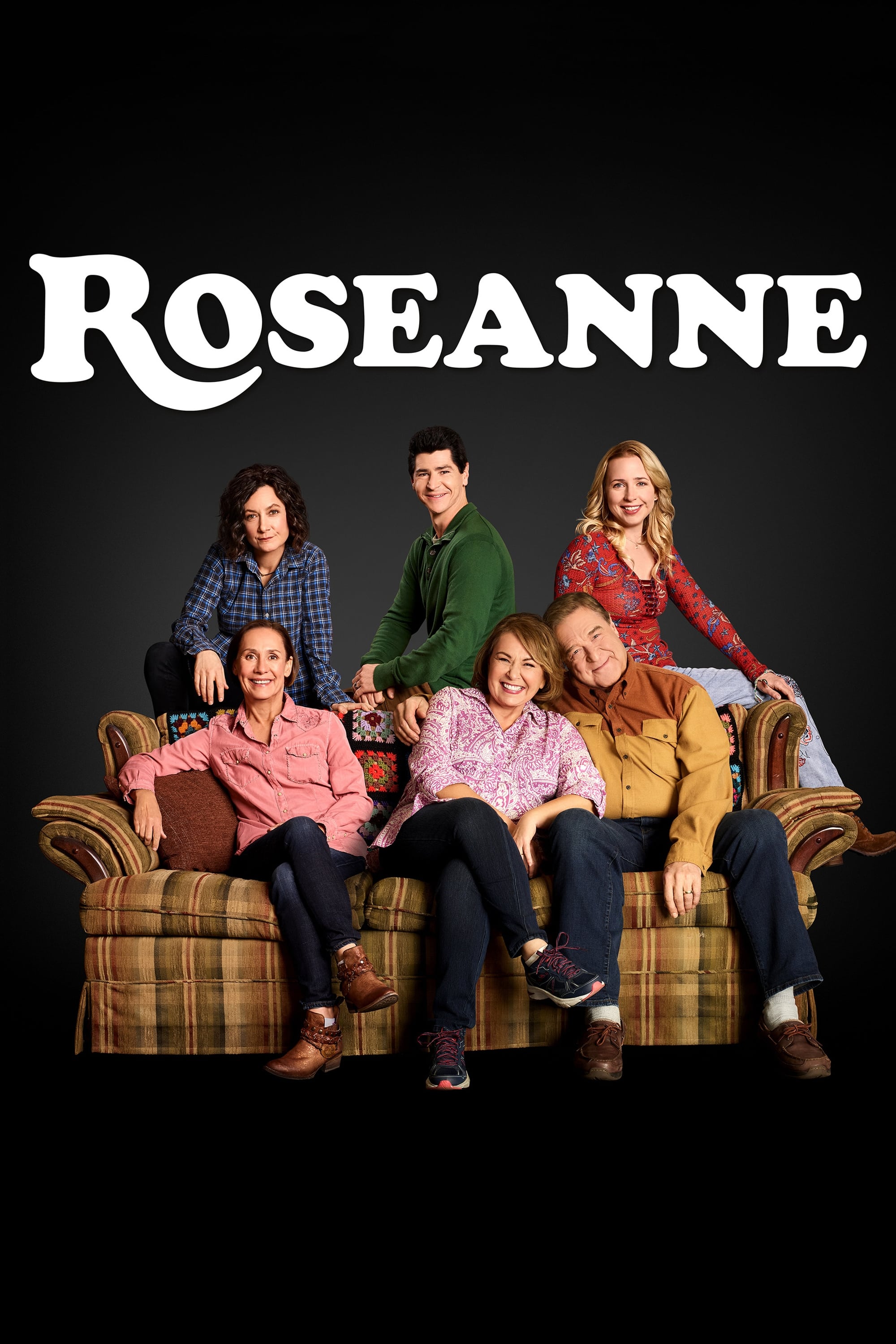
Focusing on a working-class Midwestern family, the series pushed network comedy toward economic realism. Its production choices—like emphasizing kitchen-table scenes and practical sets—recentered everyday spaces in sitcom storytelling. The show achieved top ratings while tackling wage, healthcare, and parenting pressures. Its legacy continued through a spin-off, ‘The Conners’, demonstrating brand resilience.
‘Only Fools and Horses’ (1981–2003)
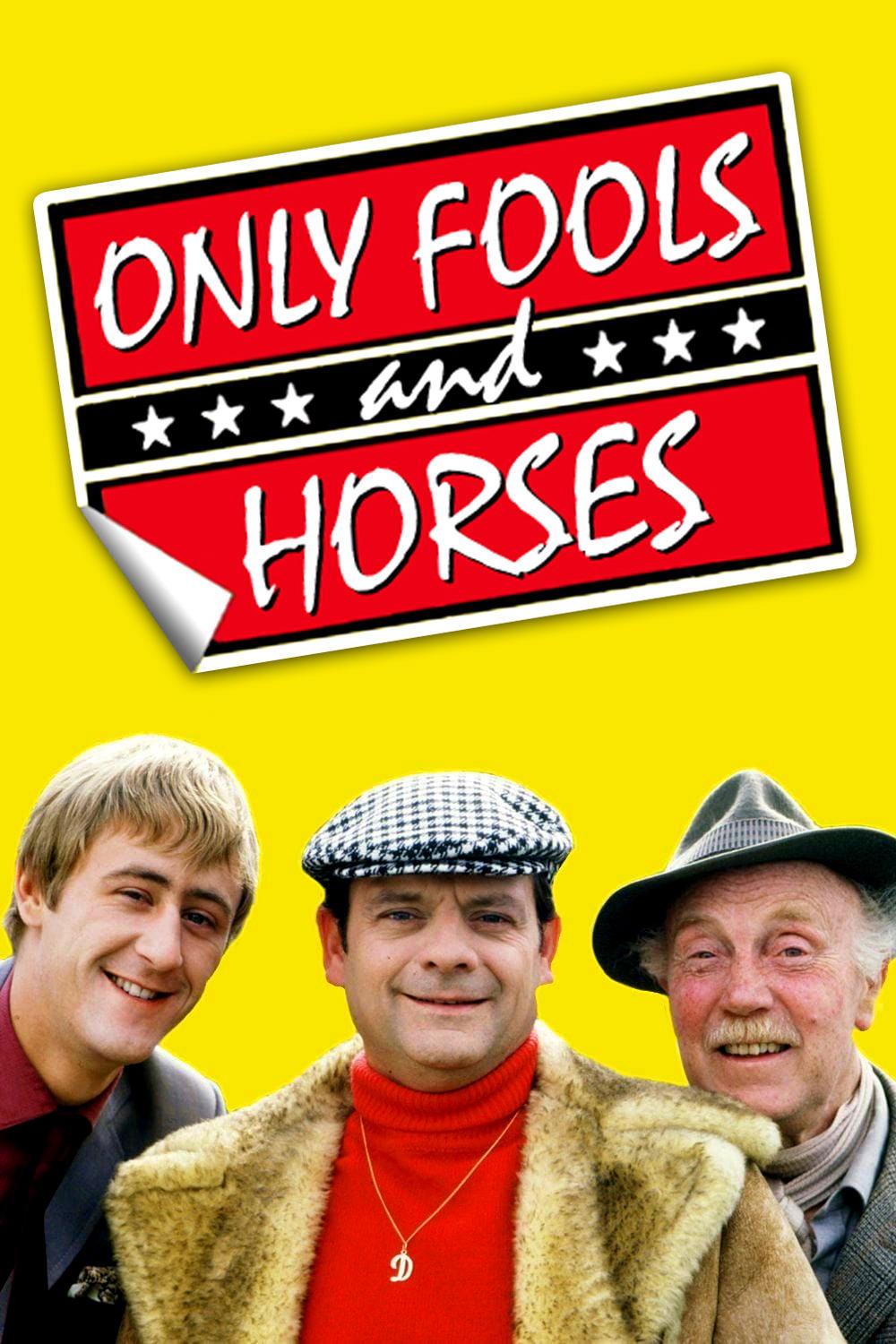
This British sitcom became a national institution, with specials drawing enormous viewership and creating shared cultural references. It demonstrated how long-running characters could age and change within a comedic framework. The show helped cement the Christmas-special format as a UK television event. Its blend of entrepreneurial schemes and family dynamics influenced later UK and international comedies.
‘The Office’ (2001–2003)
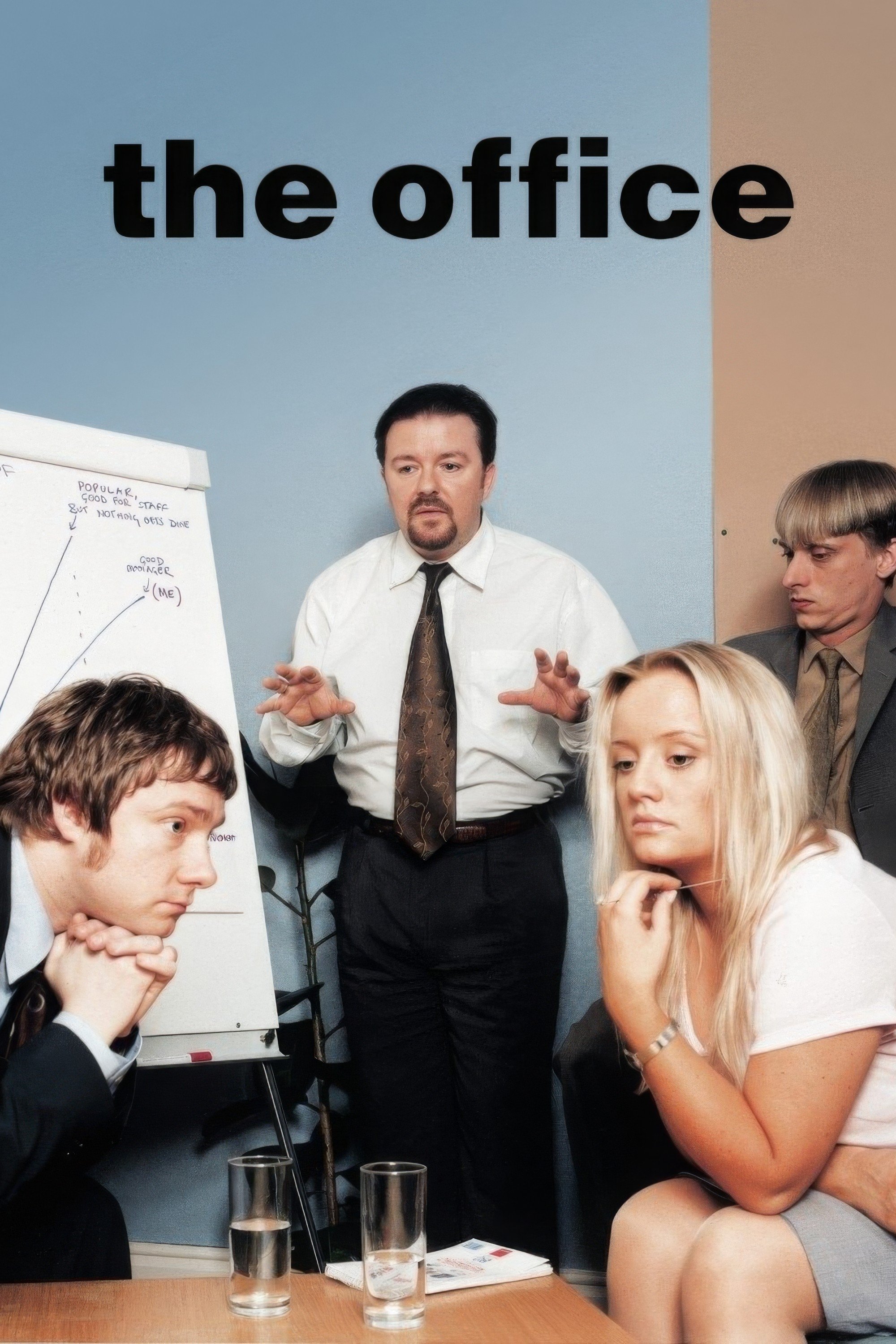
The UK original codified the mockumentary sitcom for the modern era, using talking-head interviews and handheld camerawork. Its cringe-comedy tone and observational humor reshaped workplace storytelling. The format proved highly exportable, leading to numerous international remakes. Its compact run showed how high-impact series could leave an outsized industry footprint.
‘The Office’ (2005–2013)
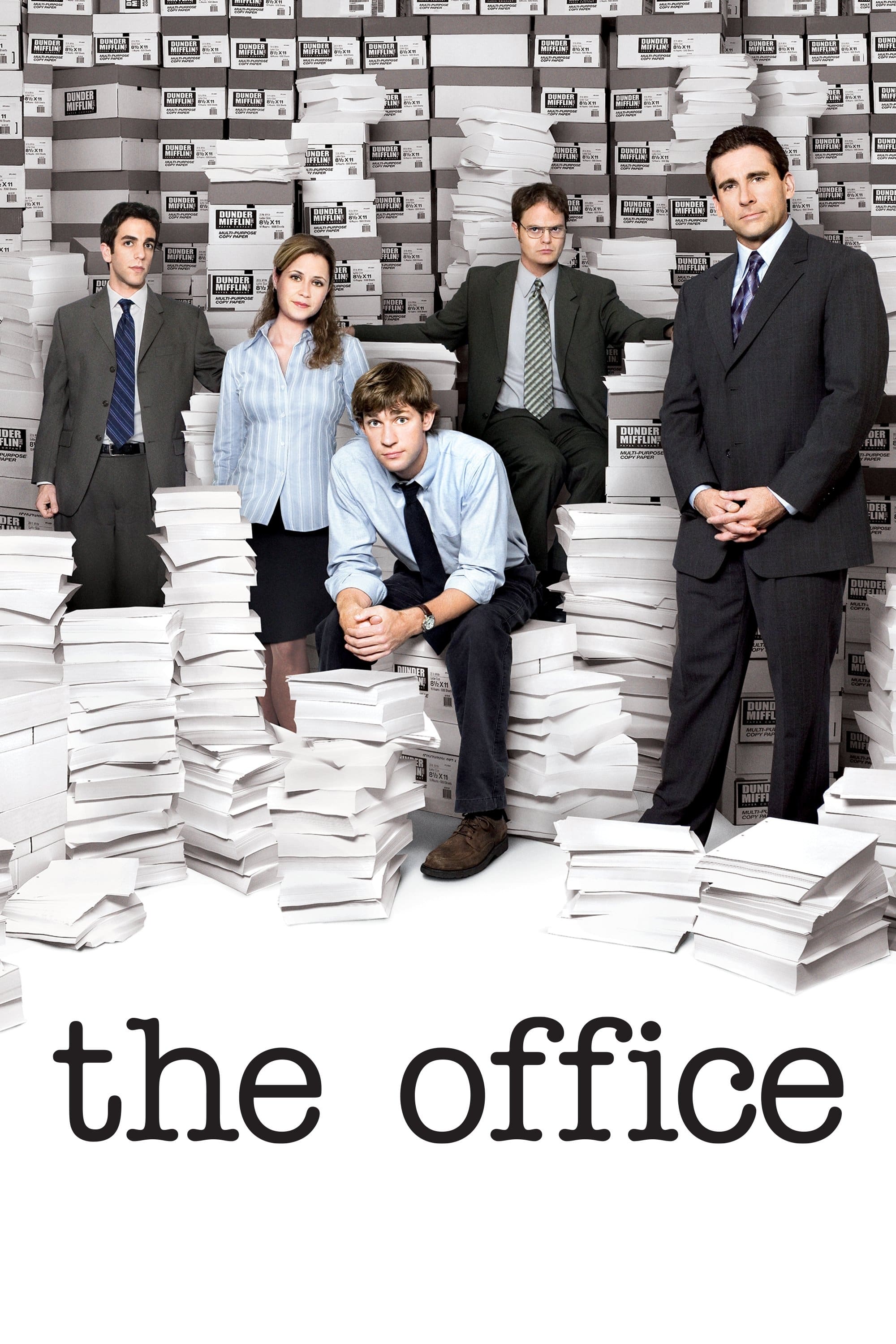
This U.S. adaptation expanded the mockumentary template to a larger ensemble and long-arc romance. It became a cornerstone of streaming-era rewatch culture, influencing platform licensing strategies. The show refined the use of cutaway interviews, silent reactions, and documentary crews as story devices. Its success accelerated workplace comedies across networks and platforms.
‘Arrested Development’ (2003–2019)
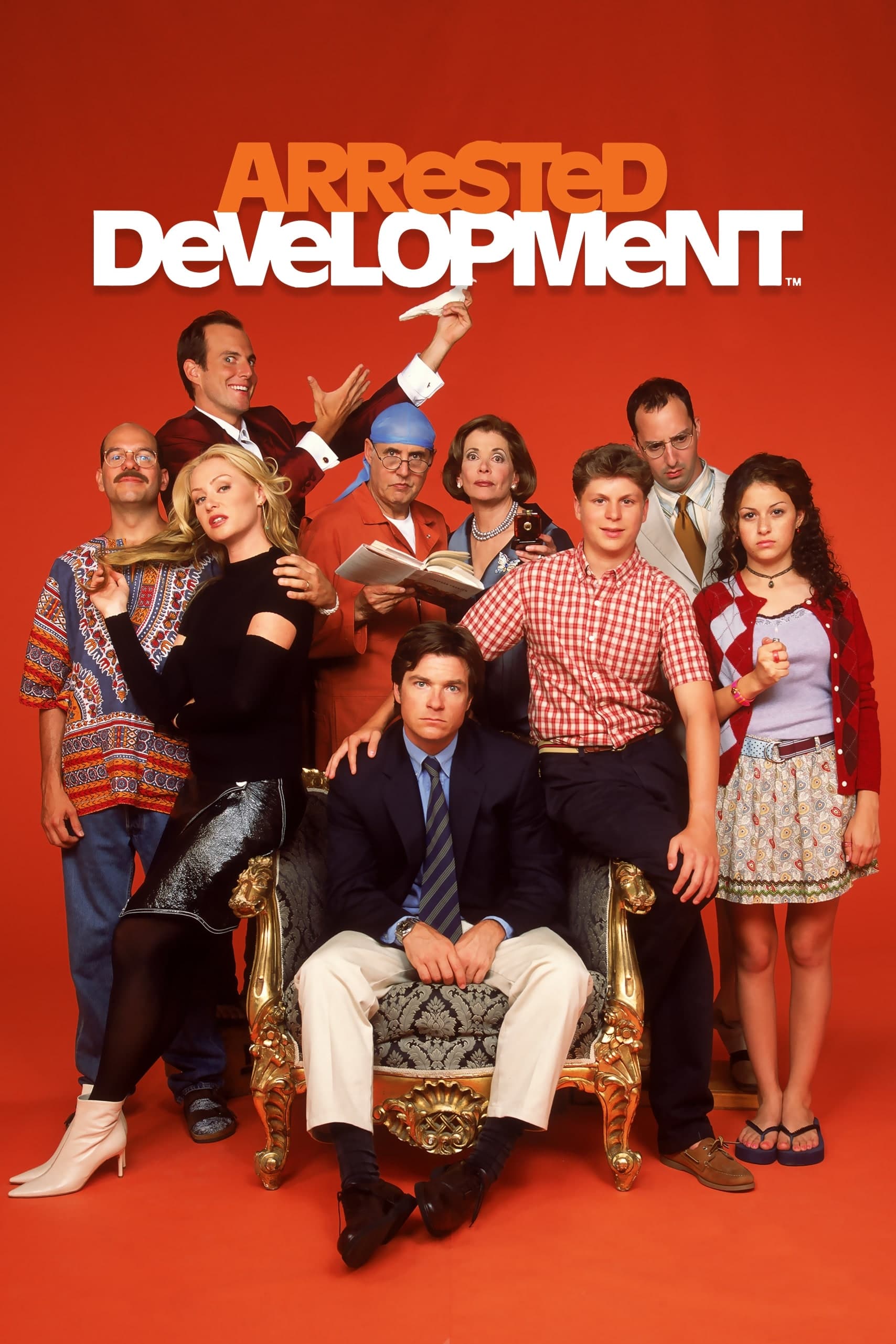
With dense callbacks, narrator-driven structure, and layered visual gags, the series rewarded repeat viewing. It demonstrated how single-camera sitcoms could operate without a laugh track while maintaining high joke density. The show’s revival on a streaming service signaled new pathways for canceled properties. Its serialized plotting encouraged fans to treat sitcoms like puzzle boxes.
’30 Rock’ (2006–2013)
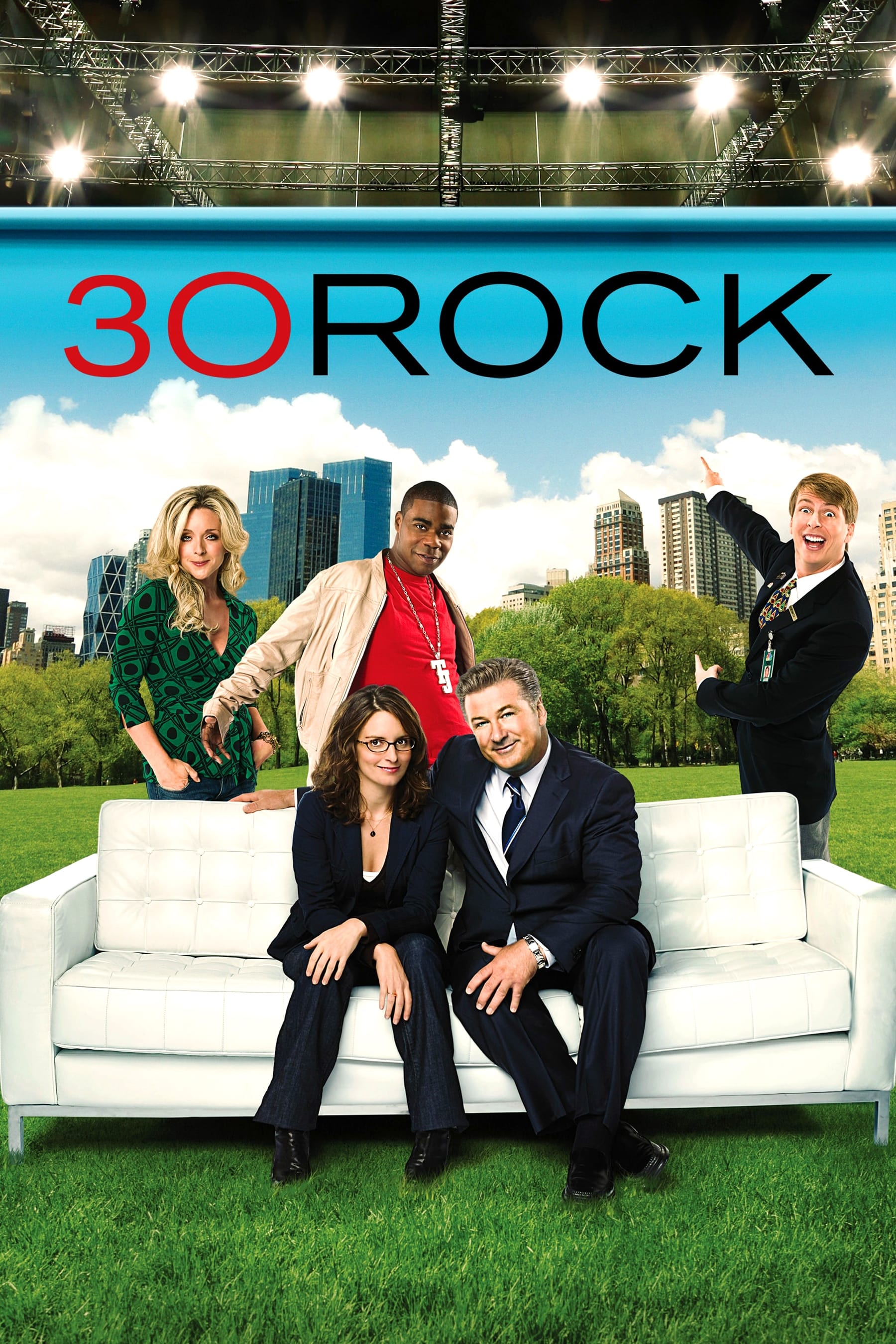
Set inside a sketch-show factory, the series delivered rapid meta-satire of media consolidation and network politics. It maintained a high volume of jokes per minute, influencing pacing across contemporary comedies. The show became an awards mainstay, reinforcing the viability of smart, industry-aware sitcoms on broadcast TV. Its recurring corporate and brand storylines modeled integrated yet story-first product lampoons.
‘Parks and Recreation’ (2009–2015)
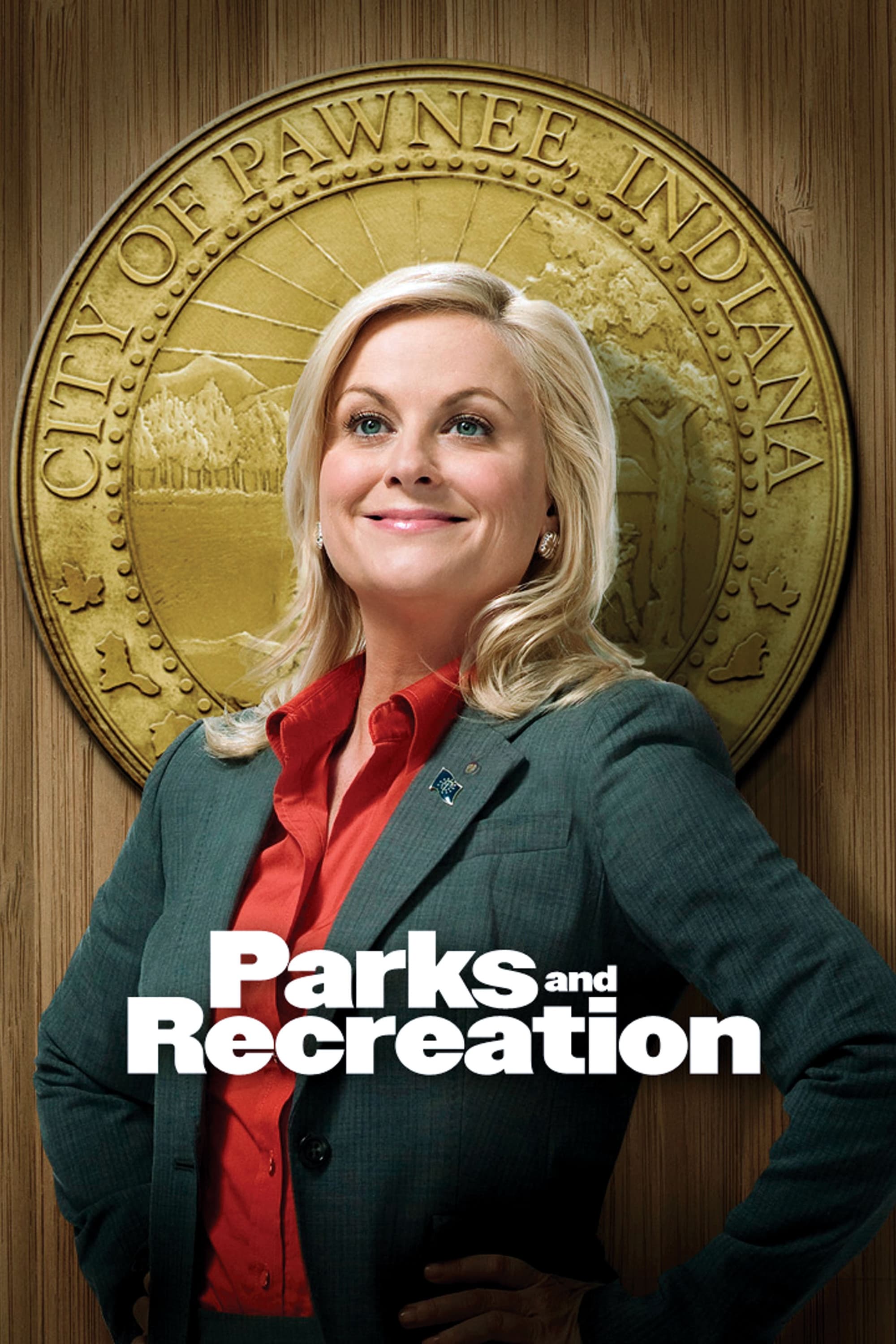
Building on the mockumentary approach, the series pivoted from initial cynicism to civics-minded ensemble storytelling. It showcased municipal governance as fertile ground for character growth and workplace humor. The show’s recurring events, documents, and town lore created a rich internal canon. Its production refined talking-head usage to deepen character perspectives rather than just deliver punchlines.
‘Modern Family’ (2009–2020)
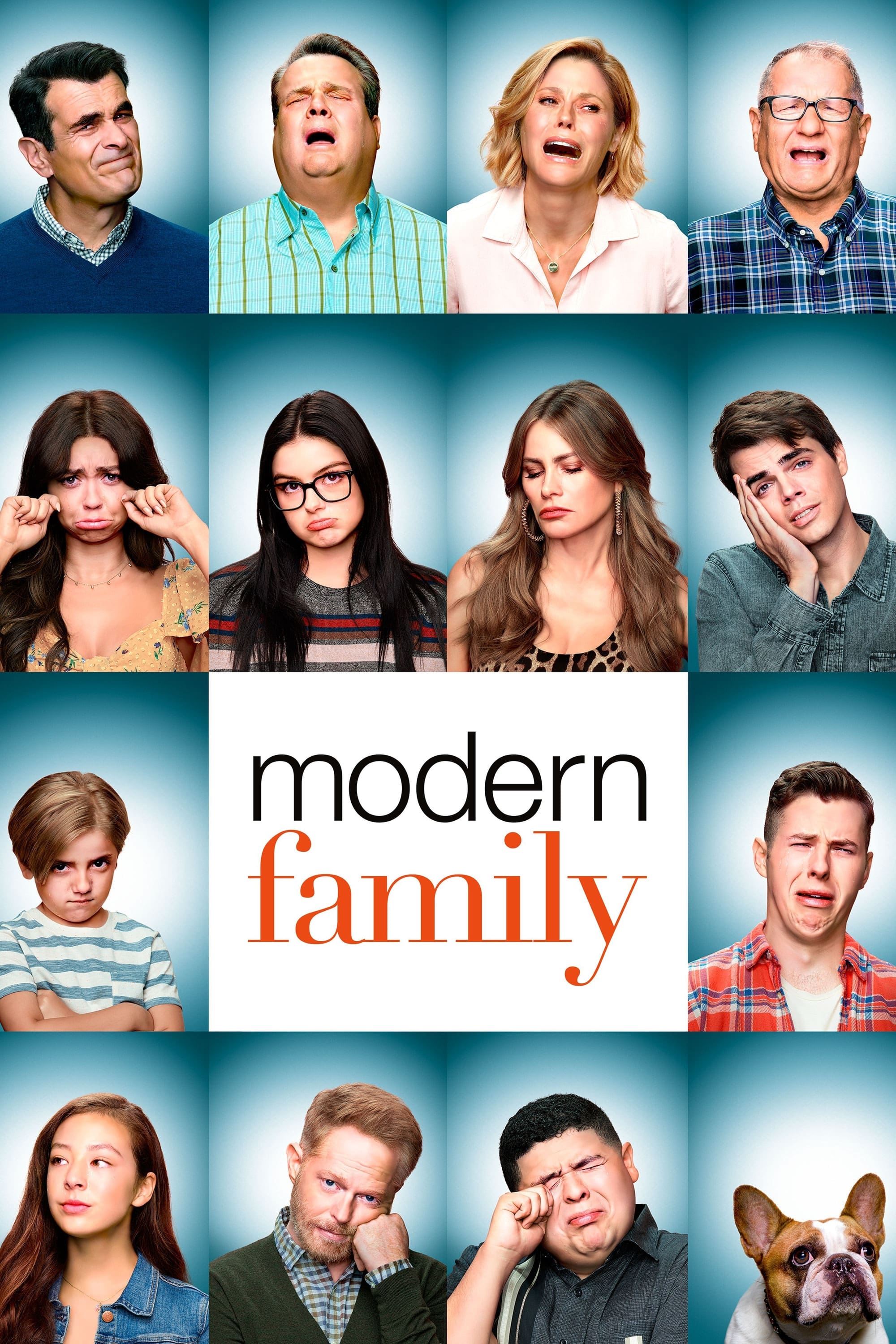
Told through interwoven households, this mockumentary-style family sitcom modernized the domestic template. Its portrayal of a same-sex couple in a central family unit influenced network casting and storyline norms. The series became a major awards winner while remaining broadly accessible. Its documentary devices, cutaways, and overlapping plots became common across family comedies.
‘It’s Always Sunny in Philadelphia’ (2005– )
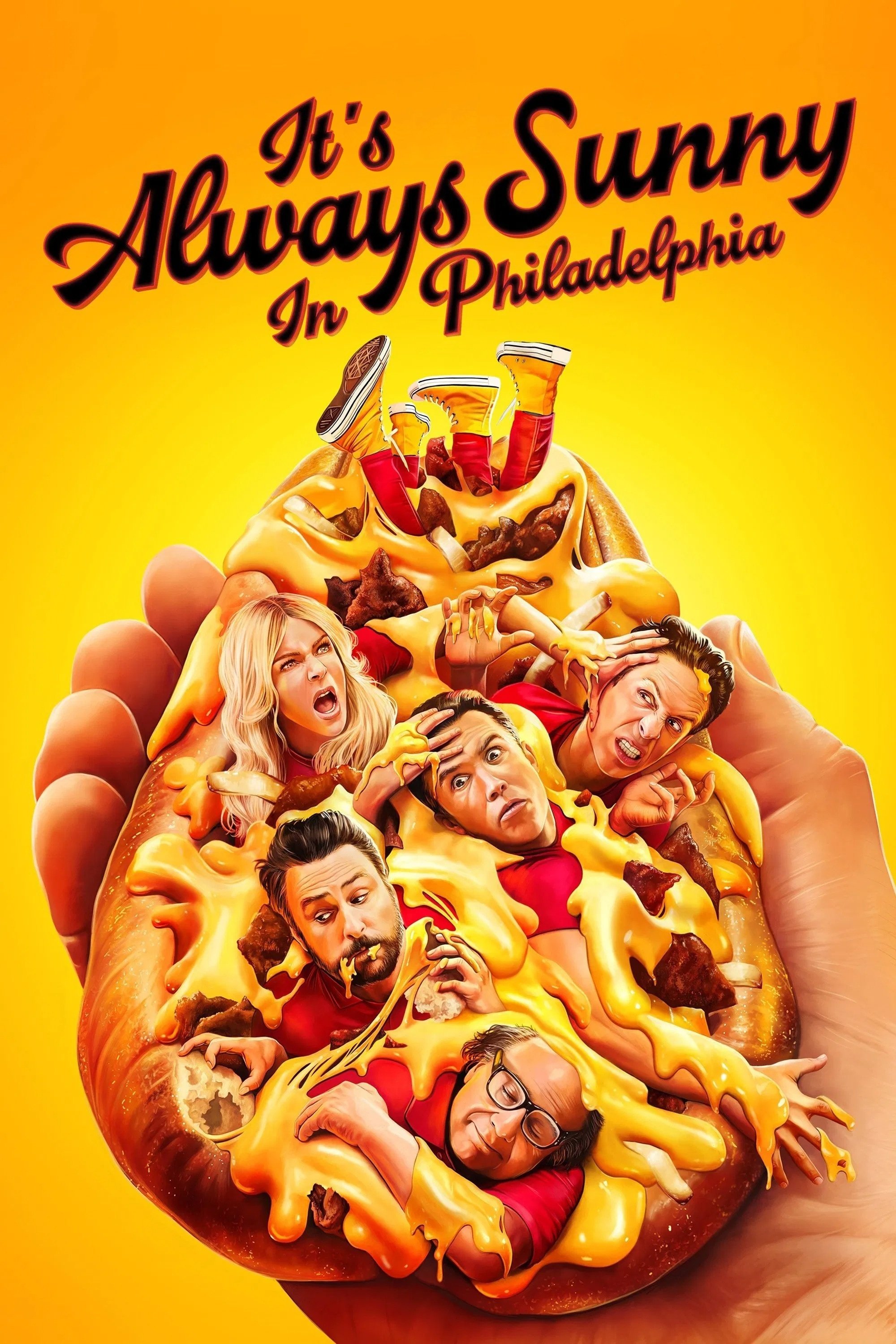
This long-running series demonstrated that low-budget, creator-driven sitcoms could scale into network staples. Its longevity set records for a live-action American sitcom by number of seasons. The show proved cable and later streaming ecosystems could support boundary-pushing ensemble comedy. Its production history encouraged networks to invest in scrappy pilots that evolve with cast-creator control.
‘The Andy Griffith Show’ (1960–1968)
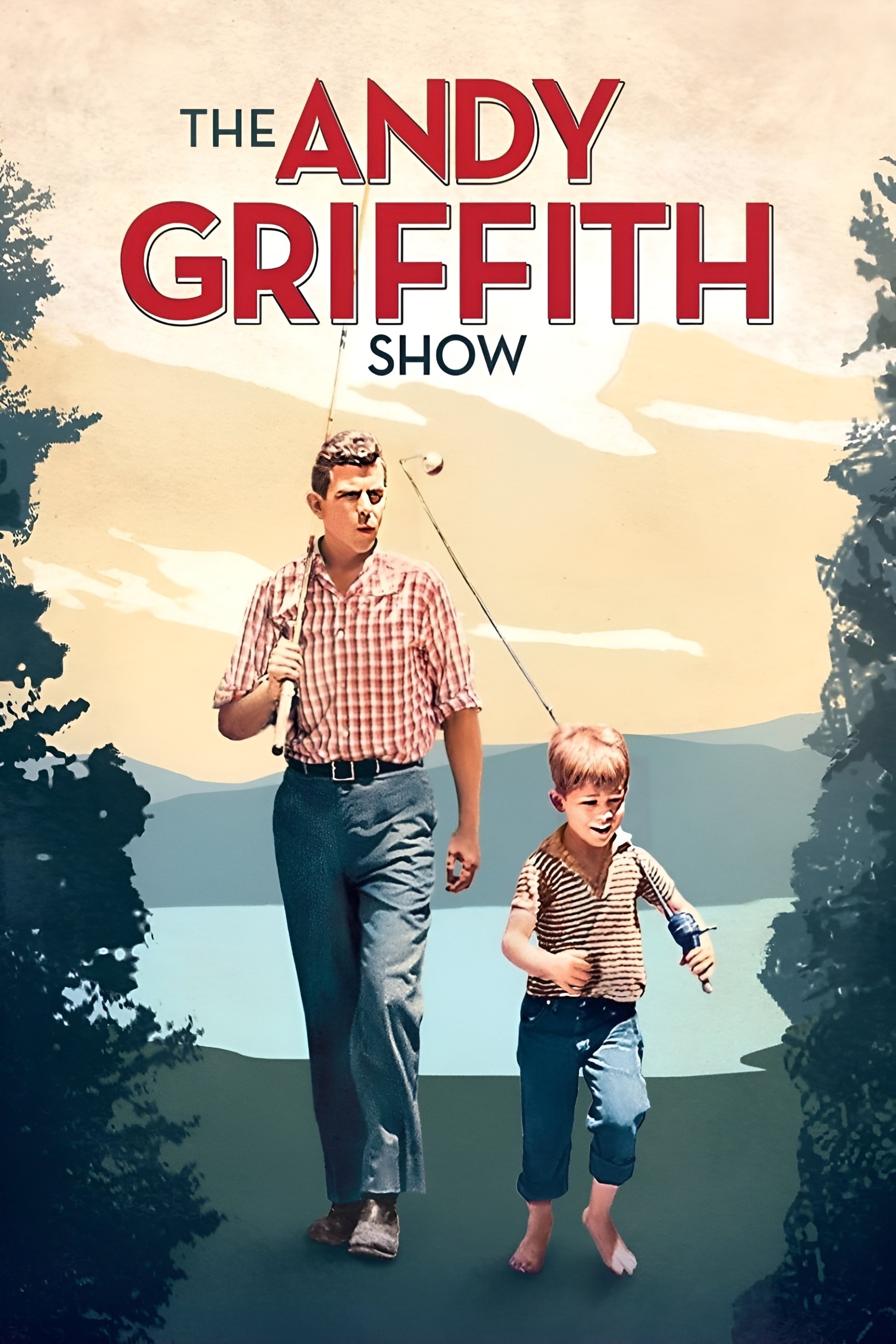
Set in the fictional town of Mayberry, this series refined the gentle, character-first approach that family sitcoms would repeat for decades. Its focus on community rituals, small-town institutions, and mentorship shaped countless later depictions of Americana. The show’s ensemble model gave supporting players recurring arcs that audiences followed closely. Long after its run, it remained a syndication mainstay that trained stations to rely on evergreen comfort comedies.
‘The Beverly Hillbillies’ (1962–1971)
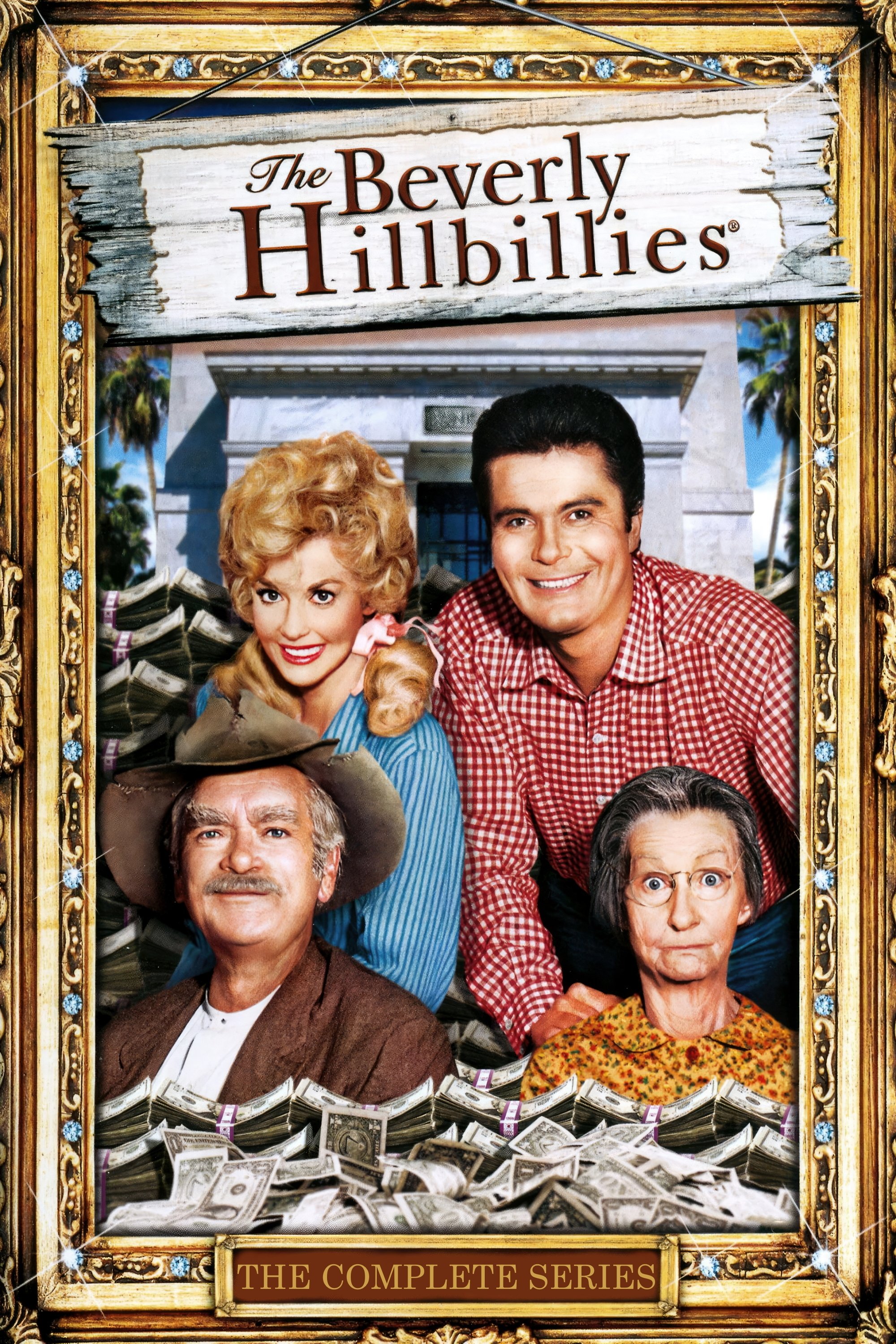
This fish-out-of-water hit demonstrated how high-concept premises could translate into sustained ratings dominance. Its rural-to-urban contrast popularized a wave of culture-clash comedies across networks. The series’ broad physical humor traveled well in international markets, expanding the reach of American sitcoms. Its success helped cement the practice of building nightly lineups around a single breakout show.
‘Happy Days’ (1974–1984)

Set in mid-century Milwaukee, the series turned nostalgia into a durable sitcom engine and accelerated the spin-off economy. Characters introduced here launched multiple series, proving that shared-universe planning could anchor an entire schedule. Signature catchphrases and recurring set pieces demonstrated how merchandising and iconography bolster a comedy brand. The multi-camera format and single-set efficiency became a template for studio-bound productions.
‘Taxi’ (1978–1983)
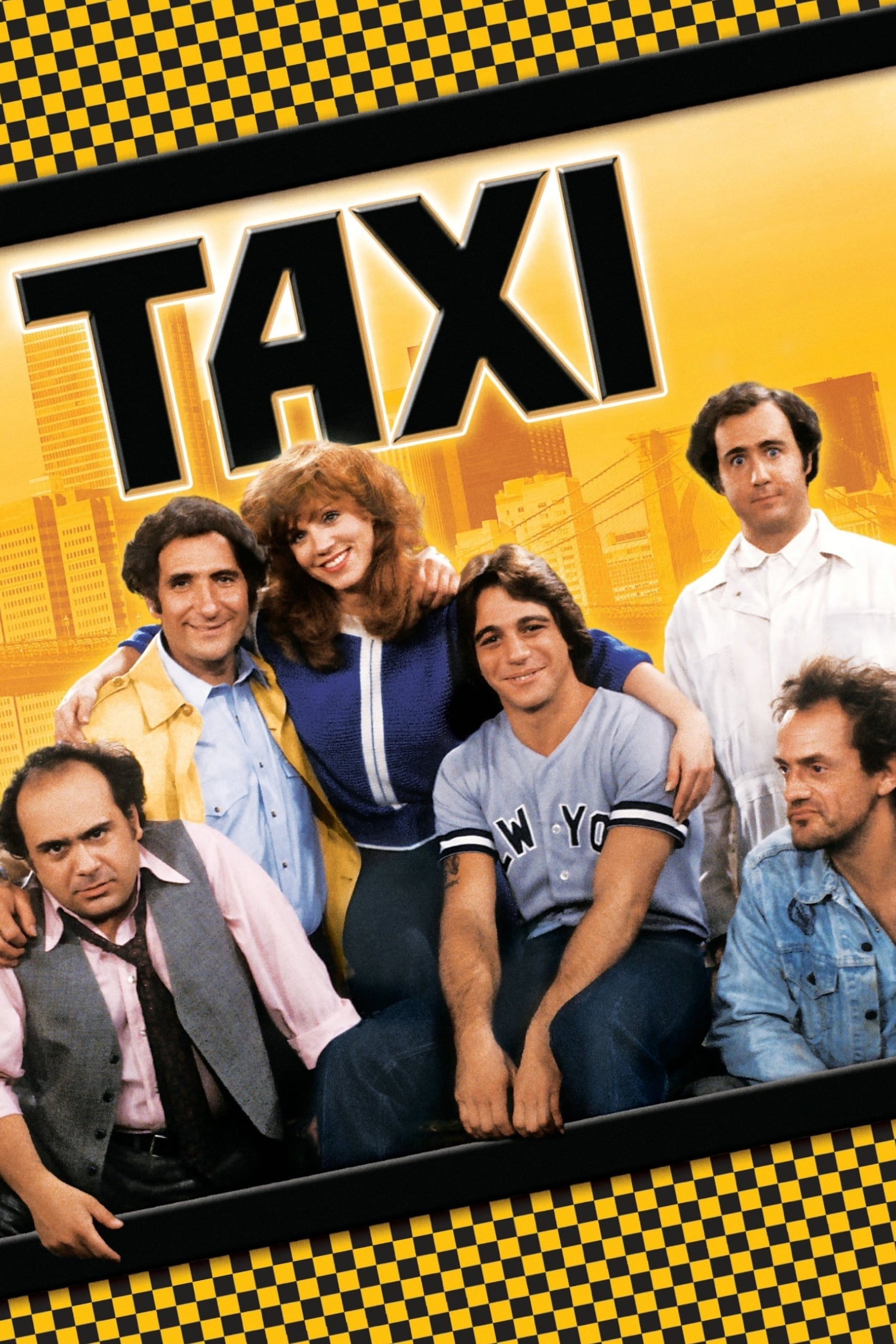
This workplace ensemble balanced blue-collar stories with sophisticated character studies, influencing later urban-set comedies. Its writers and cast became a pipeline for future hits across TV and film. The show’s staging embraced bottle episodes and theatrical blocking, refining performance-forward multi-cam craft. Syndication and critical recognition combined to keep it in rotation long after the original broadcast.
‘Married… with Children’ (1987–1997)

Arriving with a brash, anti-sentimental tone, this series pushed network boundaries for domestic sitcoms. It helped define the identity of a then-new broadcast network by courting counterprogramming audiences. The show’s running gags, live-audience energy, and episodic misadventures influenced comedic sensibilities. Its long run proved that edgier family humor could achieve mainstream staying power.
‘Murphy Brown’ (1988–1998)

Anchored by a sharp-tongued news anchor, the series made journalism a lively sitcom workplace and engaged directly with public policy. It demonstrated that topical humor and real-world references could coexist with weekly character arcs. The show’s high-profile guest appearances and cultural callbacks built appointment viewing. Its revival years later showed the durability of newsroom comedy as a vehicle for current issues.
‘The Larry Sanders Show’ (1992–1998)
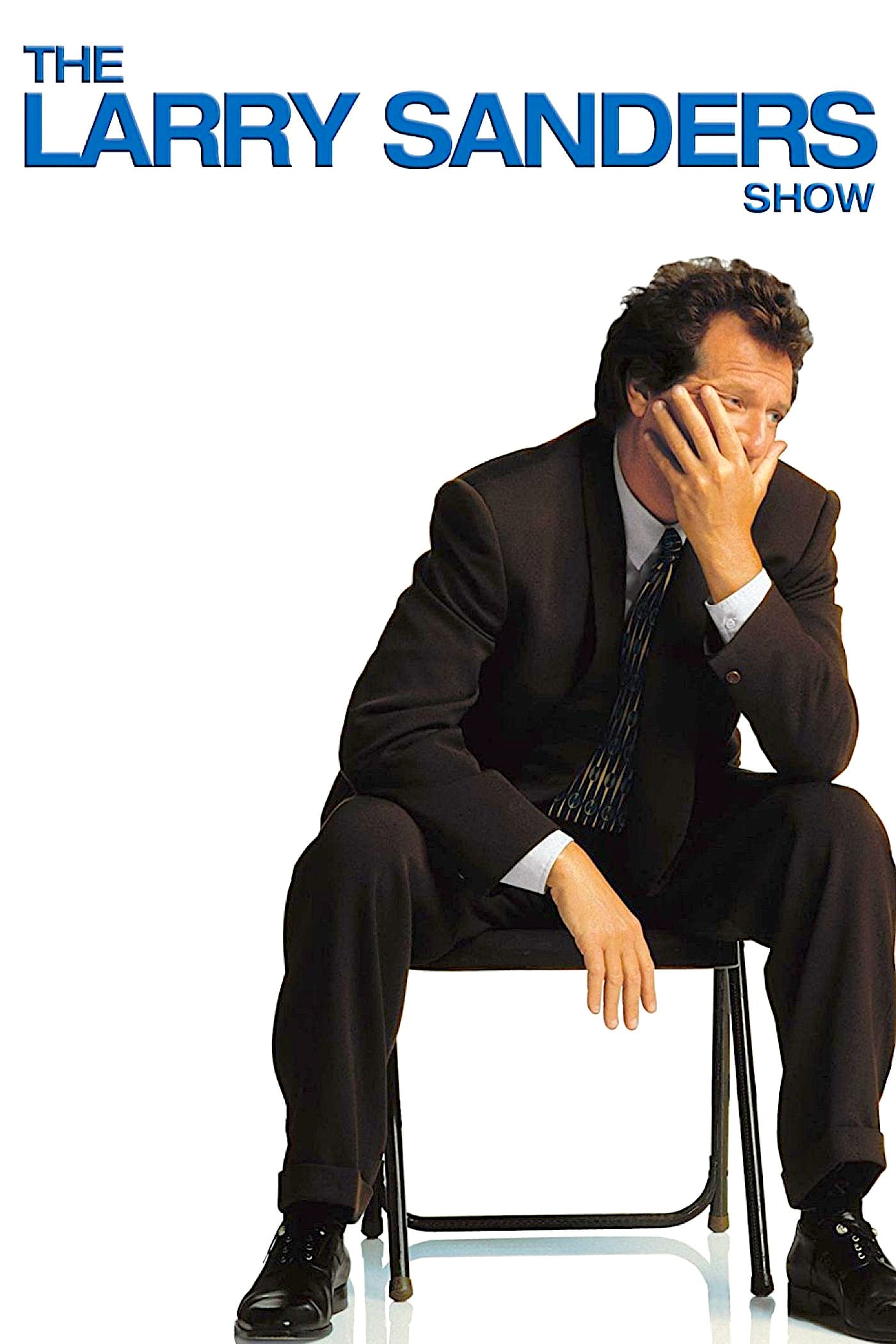
Set behind the scenes of a late-night talk show, this single-camera sitcom pioneered a cringe-inflected, industry-savvy style. It blended improvisation with scripted beats, shaping the tone of later prestige comedies. The series used faux-documentary textures and celebrity cameos to blur lines between fiction and media culture. Its writers’ room and alumni influenced the next generation of showrunners.
‘Will & Grace’ (1998–2006)
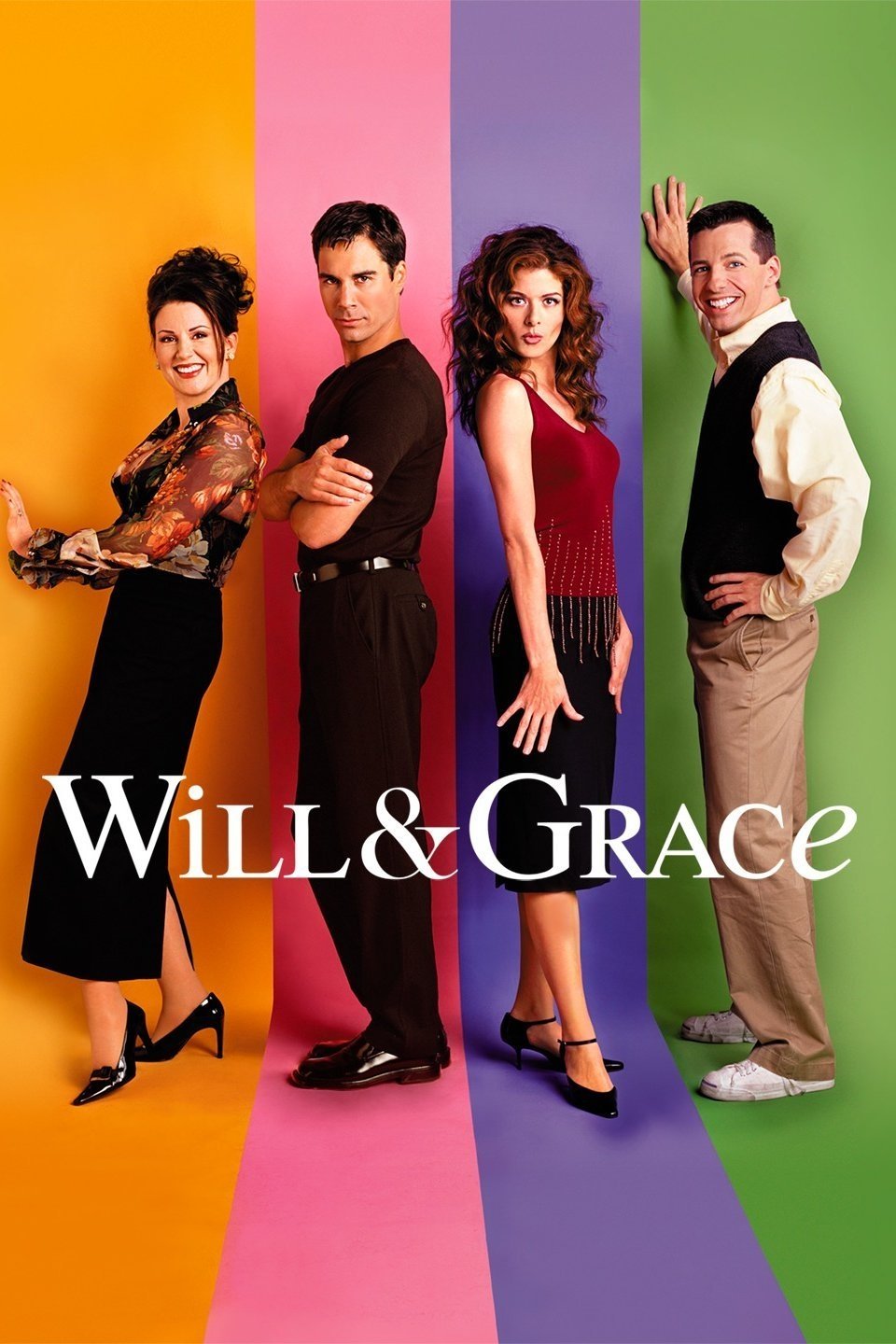
This ensemble helped bring LGBTQ+ characters to the center of a mainstream network sitcom. Its success encouraged broader casting and storylines across multiple networks. The series delivered sharp dialogue within a classic multi-cam structure, showing inclusivity worked within traditional formats. A later revival underscored the show’s ongoing cultural footprint and fan engagement.
‘Curb Your Enthusiasm’ (2000–2024)

Built on outlines and heavy improvisation, this show popularized a semi-scripted approach for half-hour comedy. It used recurring social faux pas as a serialized engine, rewarding long-term viewers with layered callbacks. The series’ flexible production schedules demonstrated an alternative model for sustaining a long-running sitcom. Its minimalist aesthetics kept focus on performance and situation rather than elaborate sets.
‘Scrubs’ (2001–2010)
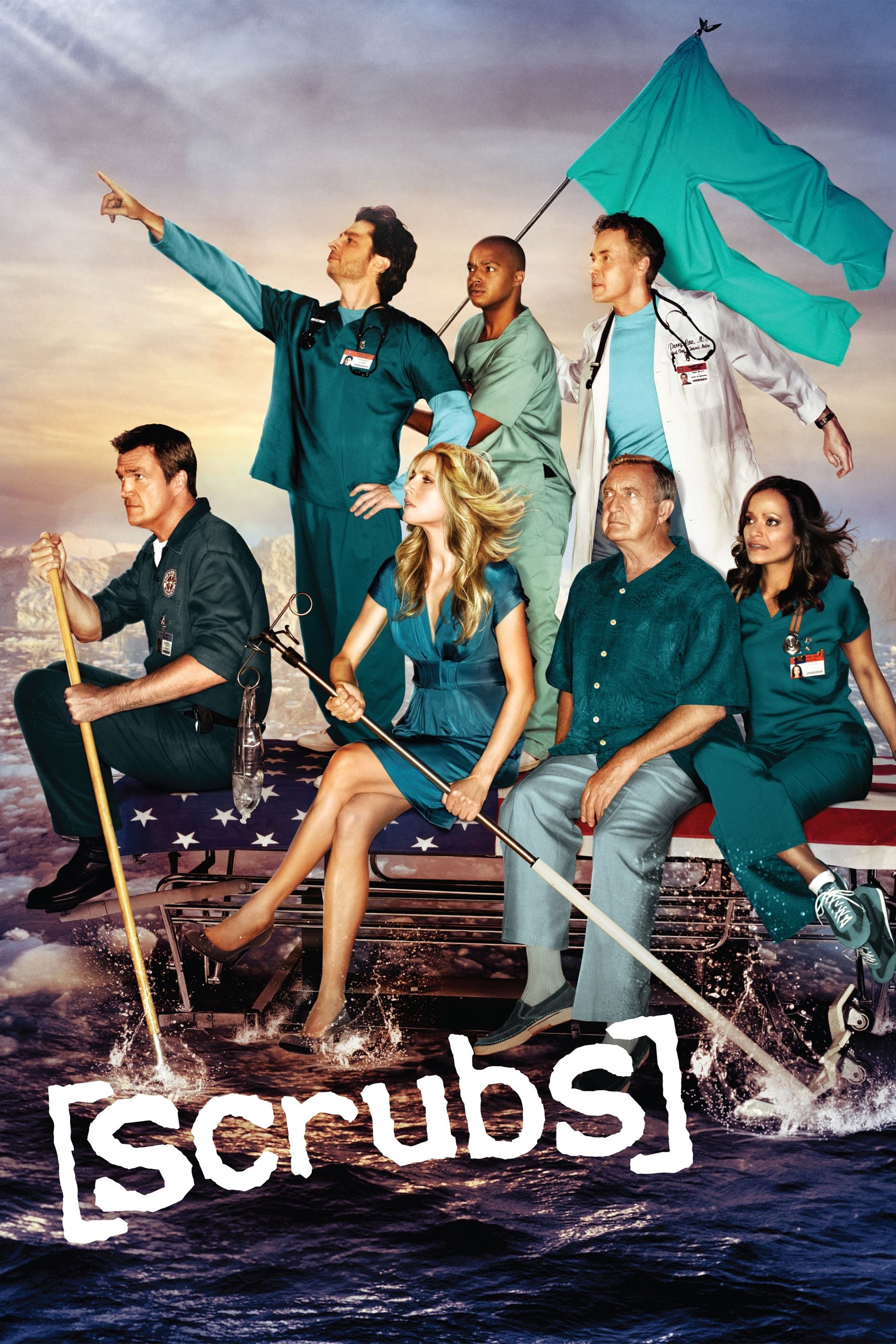
Set in a teaching hospital, this single-camera comedy mixed surreal cutaways with grounded professional stakes. It normalized rapid tonal shifts from slapstick to emotionally intense moments within one episode. The show leveraged voiceover to deepen character perspective, a device many later sitcoms adopted. Its soundtrack integration and recurring motifs built a cohesive narrative identity.
‘The Big Bang Theory’ (2007–2019)
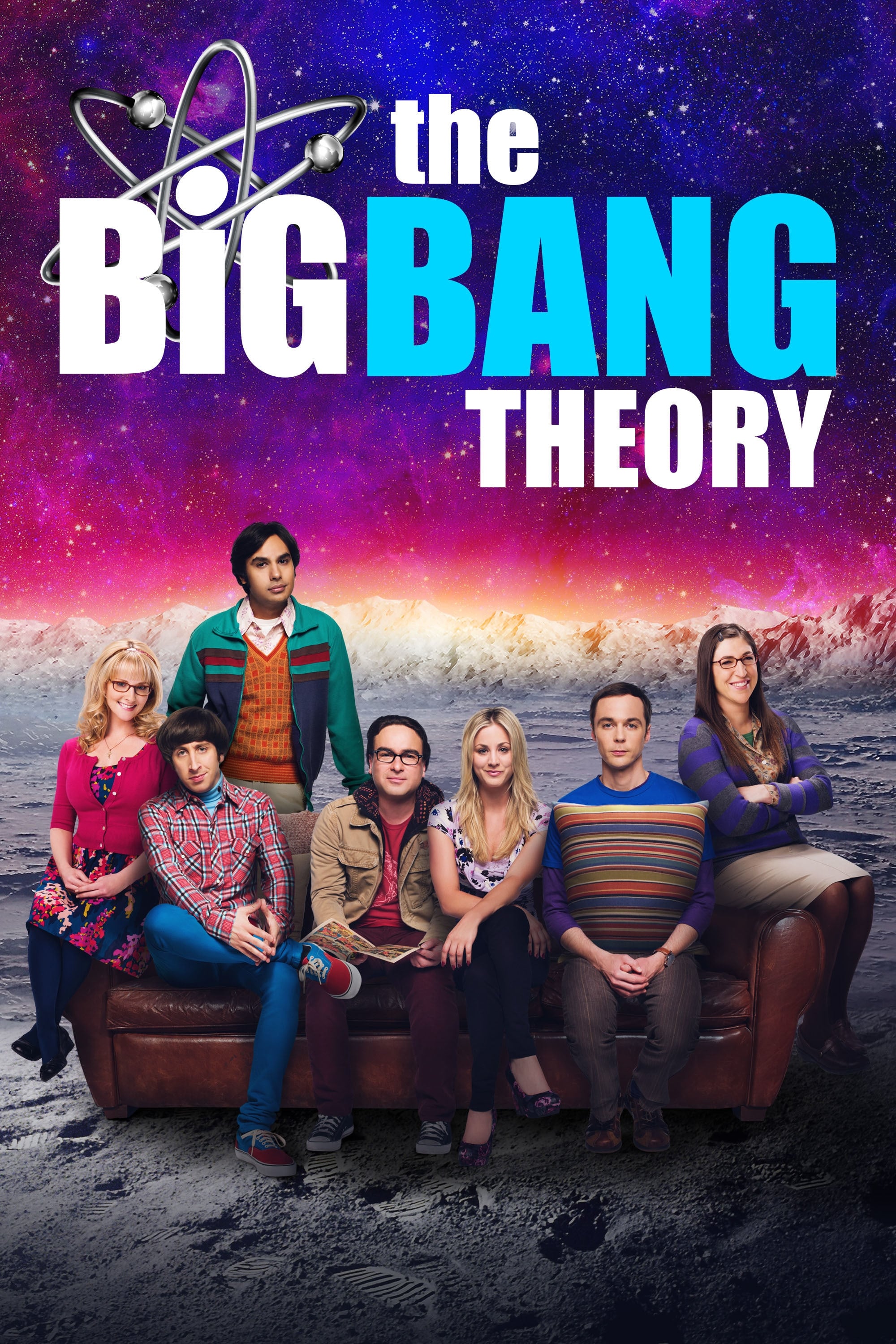
Centering scientists and pop-culture fandom, this series broadened mainstream sitcom subject matter. It became a syndication juggernaut that drove large package deals and constant reruns. The show’s taping model, live-audience rhythms, and recurring set ecosystems proved exceptionally stable over a long run. Its success generated a prequel spin-off that extended the franchise’s reach.
‘Community’ (2009–2015)
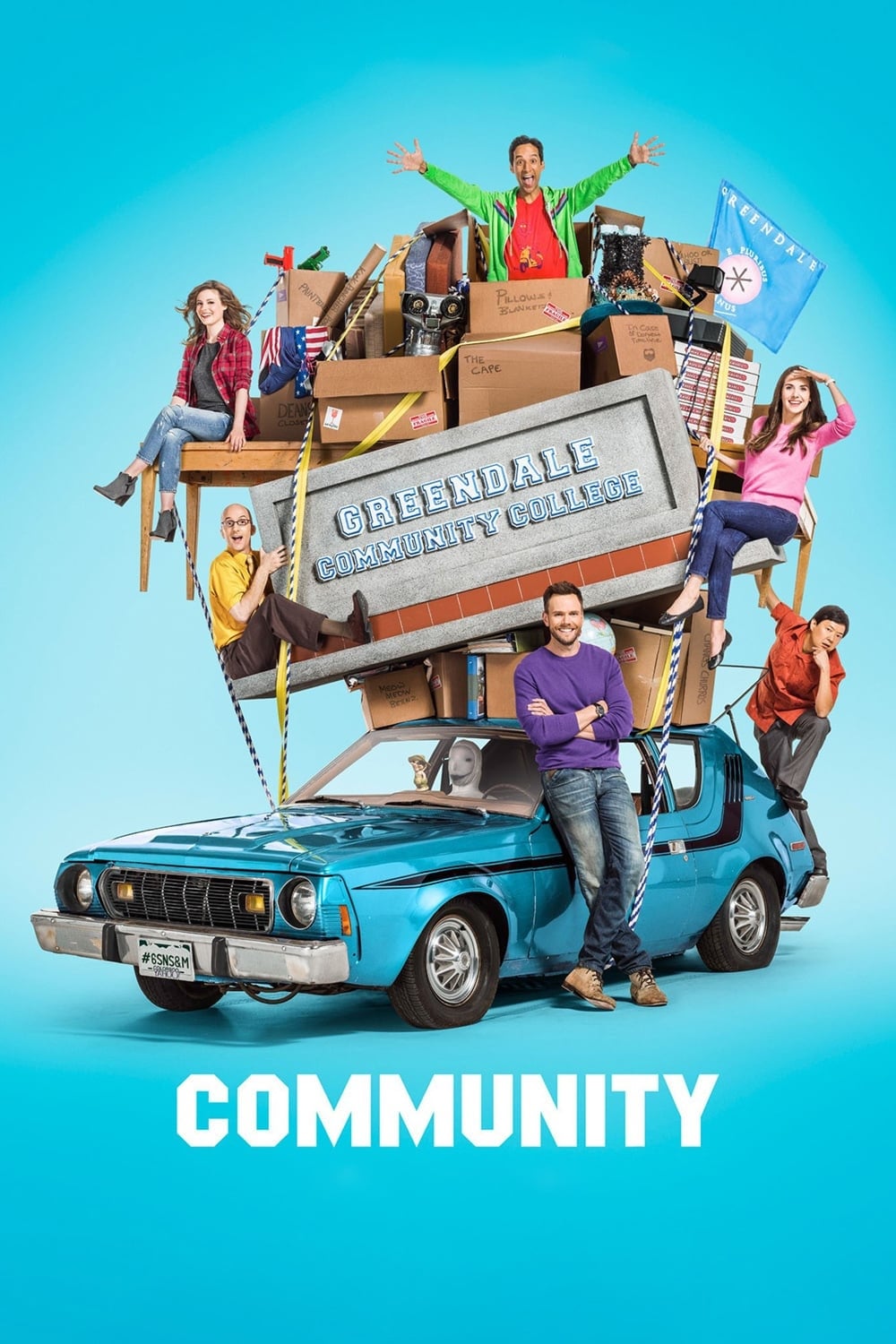
This campus-set sitcom treated genre homage as a weekly toolkit, from heist riffs to documentary spoofs. It used running meta-jokes and continuity nods to encourage devoted rewatching. The series experimented with animated episodes and format-breaking specials without abandoning character arcs. Its streaming afterlife and later-season production shifts illustrated new pathways for cult comedies.
‘Brooklyn Nine-Nine’ (2013–2021)
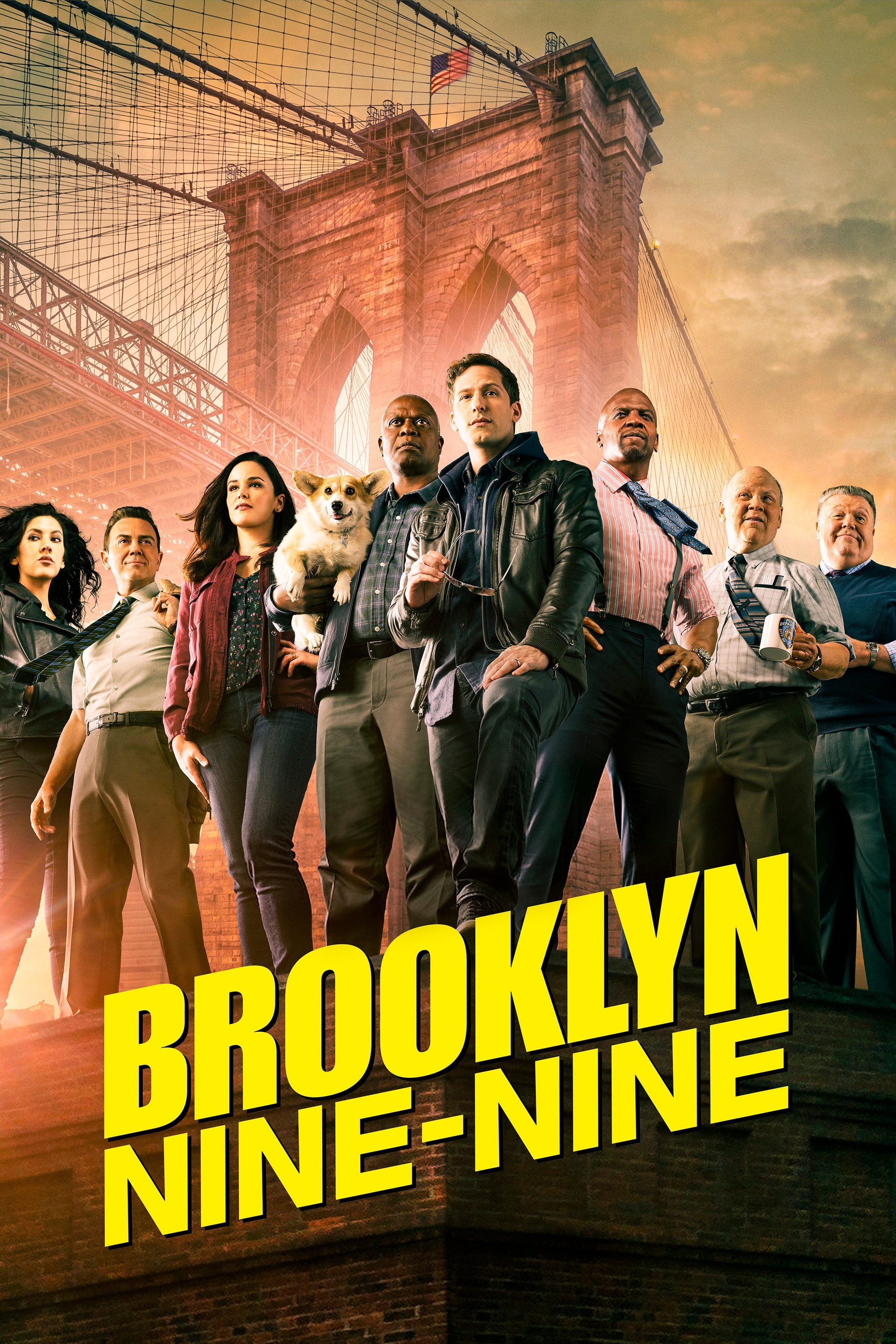
Set in a police precinct, the show balanced workplace hijinks with serialized friendships and annual event episodes. It migrated between networks, demonstrating cross-platform audience loyalty for ensemble comedies. The series maintained a brisk cold-open tradition that became widely shared and memed. Its finale planning and syndication presence sustained steady discovery by new viewers.
‘Black-ish’ (2014–2022)
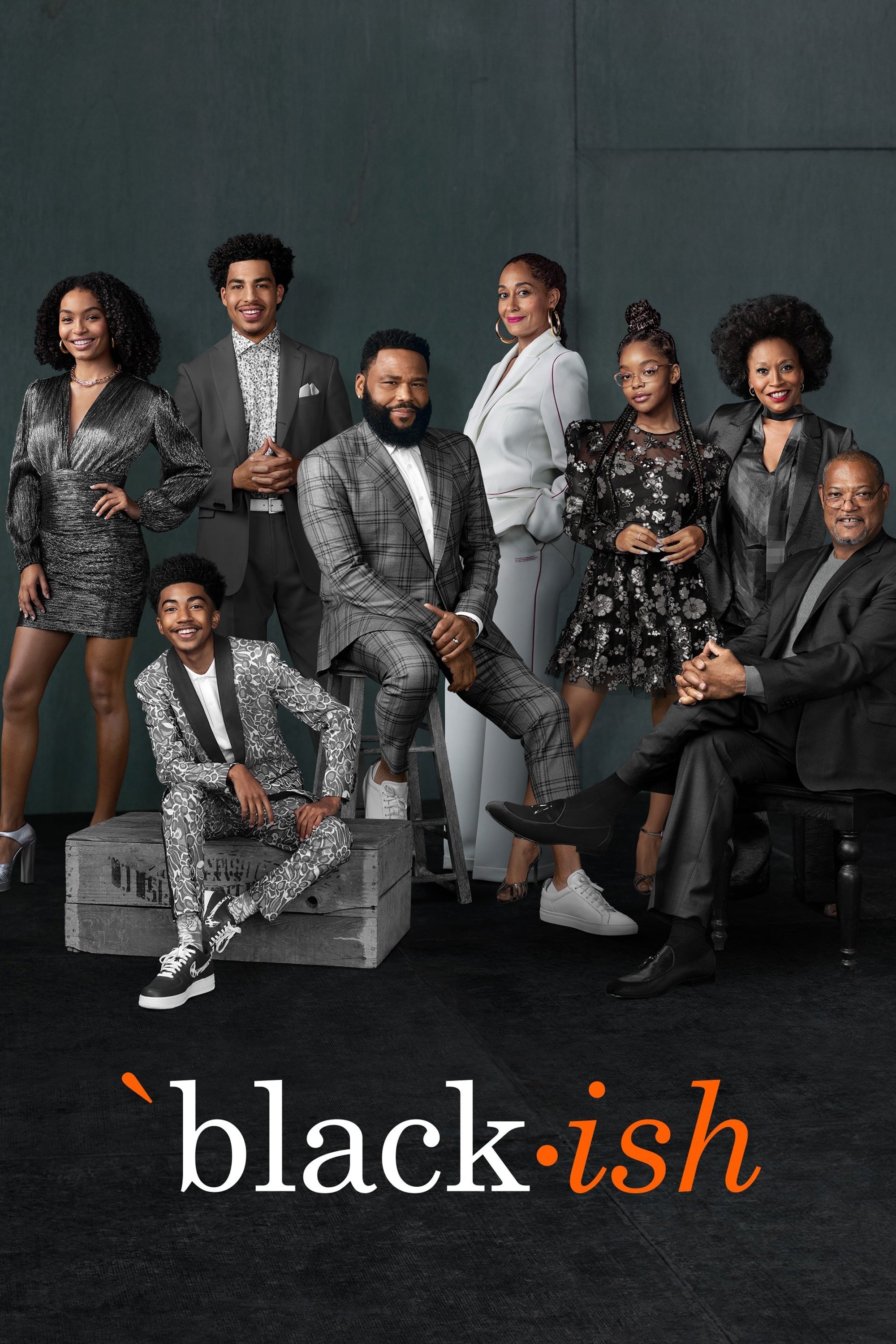
This family sitcom integrated contemporary cultural debates into accessible domestic storytelling. It launched multiple spin-offs, building a multi-series brand around one family’s world. The show’s aesthetic—narration, cutaways, and visual text—gave complex topics a clear, comedic vocabulary. Its awards and critical reception encouraged networks to greenlight more creator-driven family comedies.
‘Fleabag’ (2016–2019)

This series refined fourth-wall address as a central storytelling device for a modern sitcom. It condensed character growth into compact seasons that traveled widely on streaming platforms. The show’s theatrical origins informed tight scripts and performance-centered production. Its international acclaim highlighted the exportability of sharply authored, short-run comedies.
Share your picks—what sitcoms do you think shaped the genre—in the comments!