The Most Influential Horror Movies of All Time


Horror keeps reinventing itself—borrowing from folklore, social anxieties, and new technology—so the movies that move the genre forward tend to change how stories are told, how scares are staged, and even how films are marketed and distributed. The titles below didn’t just thrill audiences; they shaped filmmaking craft, special effects, censorship debates, and entire subgenres from slashers to found footage. You’ll find groundbreakers from the silent era through today, each leaving fingerprints on the films that followed. Think of this as a tour of innovations: visual styles, narrative twists, sound design, practical effects, and guerrilla marketing that became the new normal. Dive in and spot the techniques and tropes that still echo across modern horror.
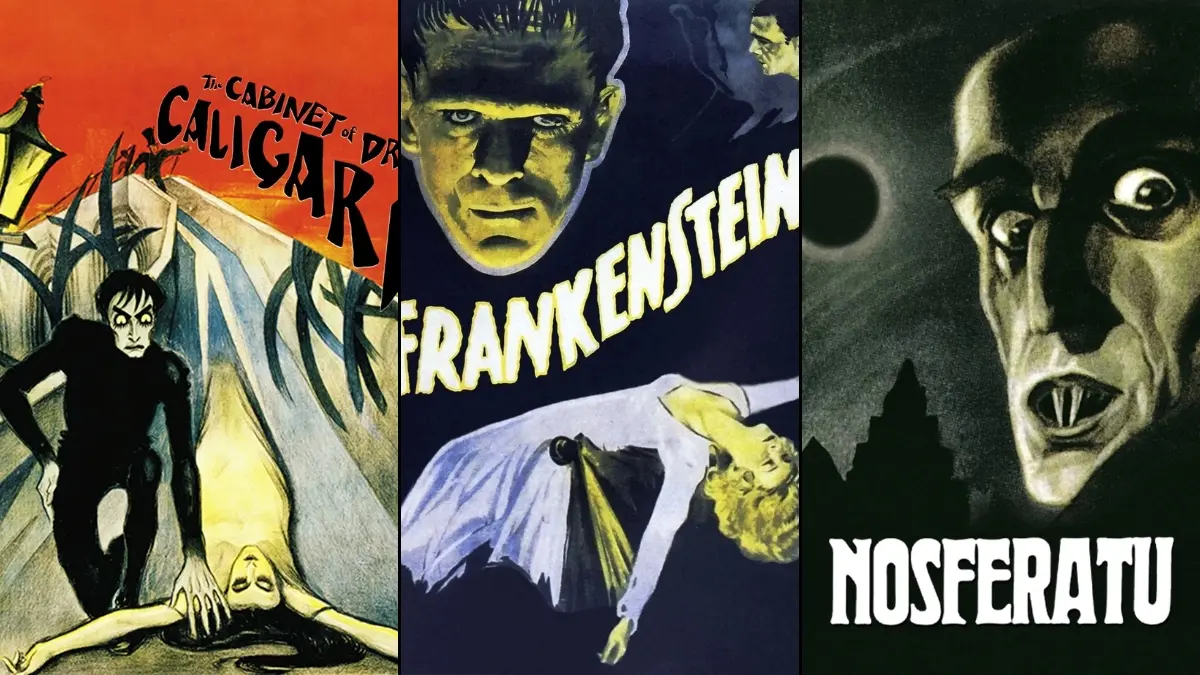
‘The Cabinet of Dr. Caligari’ (1920)
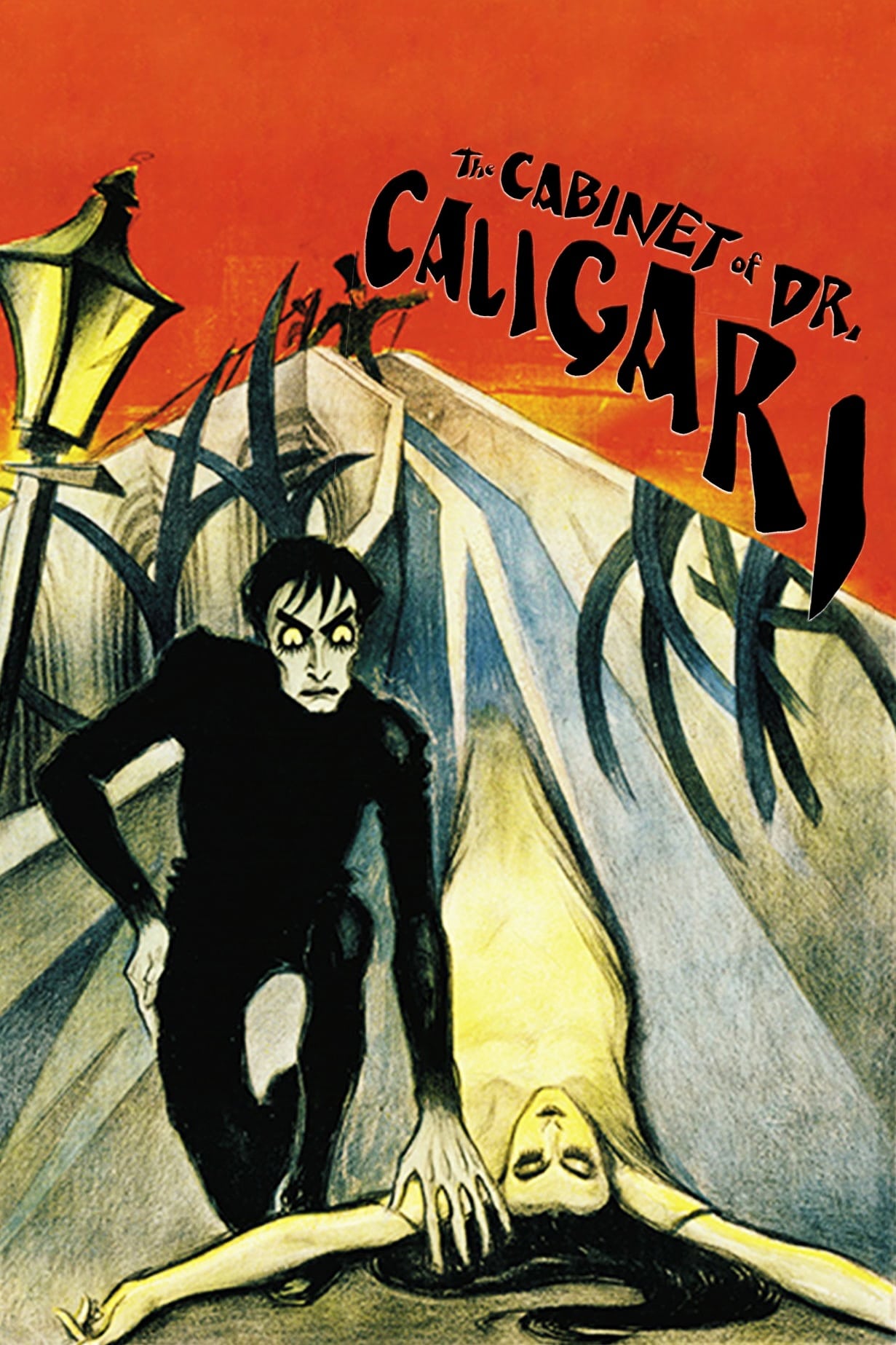
Robert Wiene’s film crystallized German Expressionism with painted, distorted sets and exaggerated, angular design that turned psychology into architecture. Cinematographer Willy Hameister’s stark lighting and shadows taught filmmakers how stylization can externalize madness. The framing story structure influenced countless unreliable-narrator thrillers. Its art-direction-first approach became a blueprint for production design as a storytelling tool.
‘Nosferatu’ (1922)
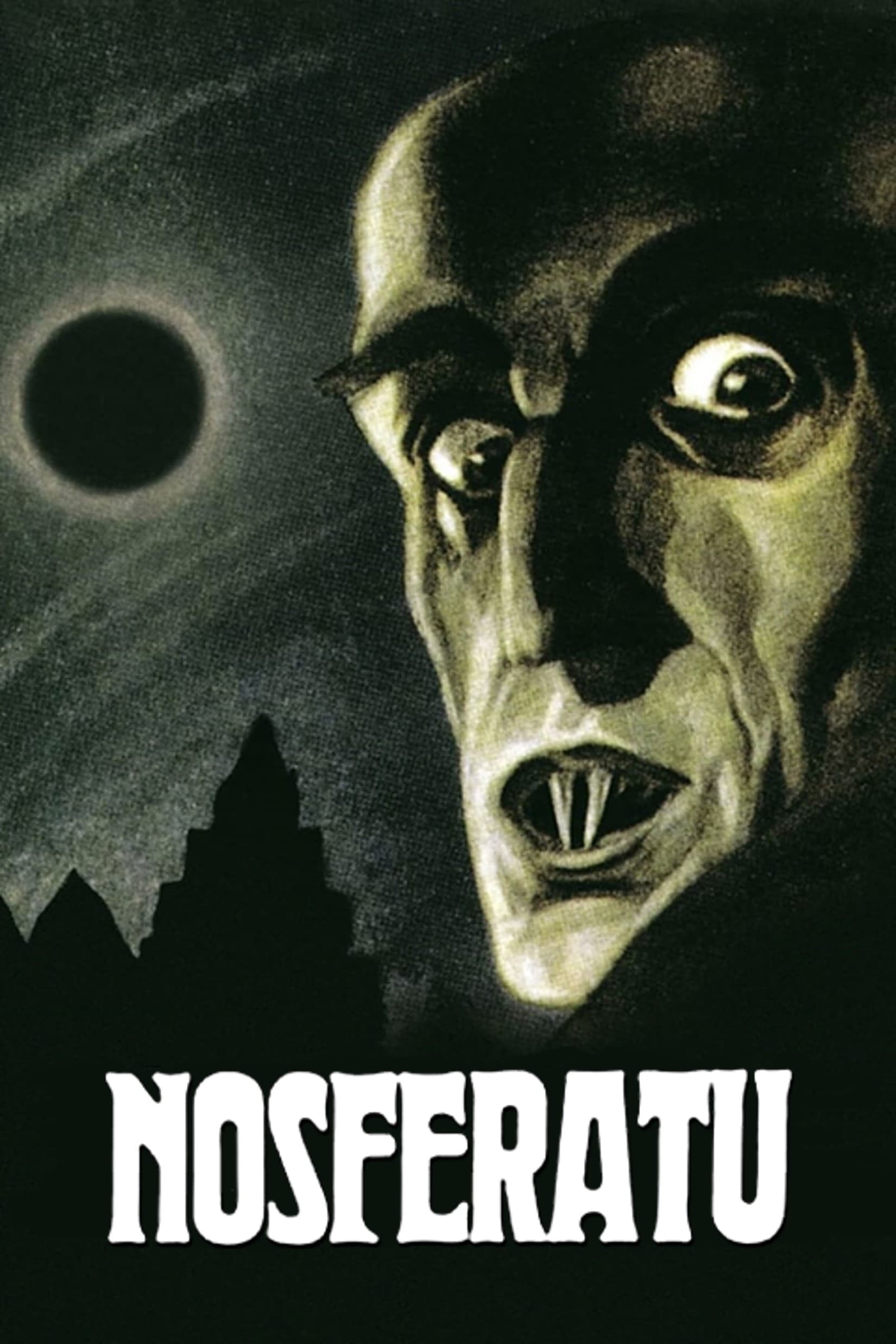
F. W. Murnau’s unauthorized take on the Dracula myth introduced the rat-like Count Orlok and codified visual language for screen vampires. Location shooting in real towns blended documentary textures with supernatural dread. The use of negative exposure and stop-motion for eerie movement expanded the effects toolkit. Legal battles around the film’s source material also set early precedents for adaptation rights.
‘Dracula’ (1931)
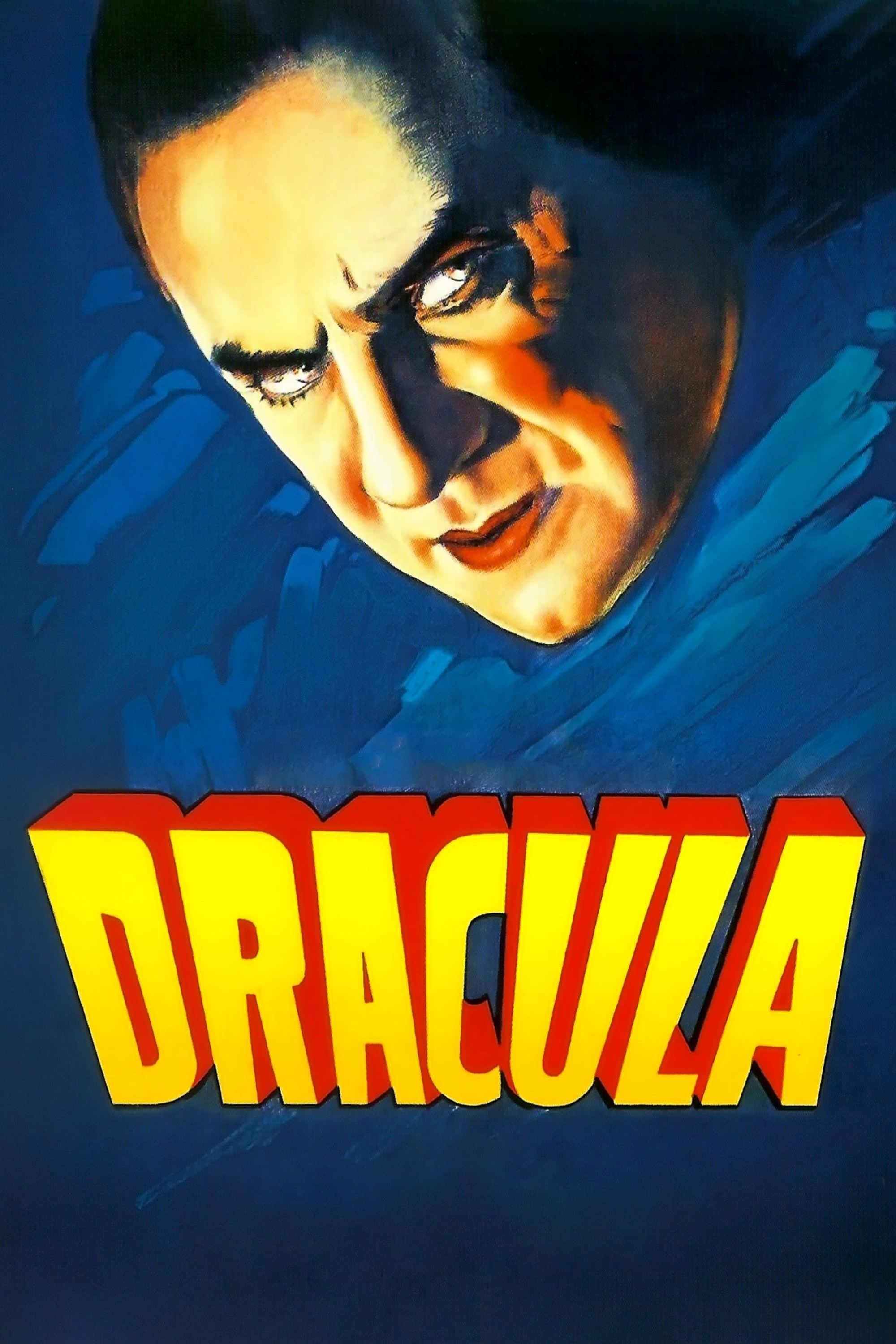
Tod Browning’s adaptation established Universal’s monster-brand playbook and made Bela Lugosi’s performance the default screen vampire template. The film’s gothic sets and theatrical cadence carried stage techniques into studio sound filmmaking. Its success kickstarted a shared universe of classic monsters and studio horror franchises. Marketing emphasized star power and iconography, pioneering character-driven promotion.
‘Frankenstein’ (1931)
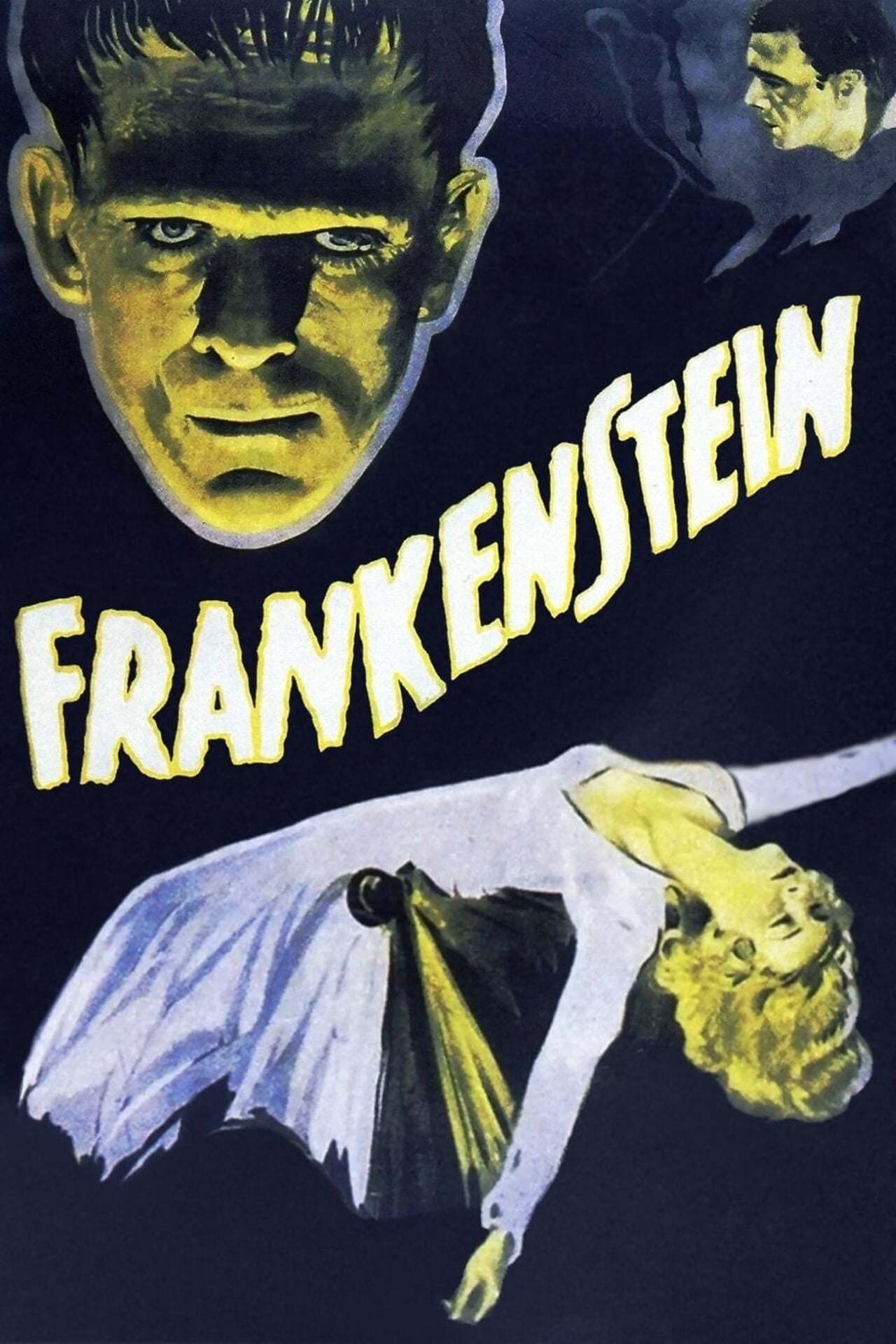
James Whale’s adaptation standardized the laboratory-as-spectacle with towering sets, electrical rigs, and visual motifs that became horror shorthand. Jack Pierce’s makeup created one of cinema’s most recognizable character designs, informing creature fabrication for decades. The film’s moral framing around scientific transgression entered common genre vocabulary. Its success cemented studio-backed monster cycles and cross-title branding.
‘King Kong’ (1933)

Willis O’Brien’s stop-motion animation integrated with live action set a benchmark for creature effects and compositing. Innovative use of rear projection, matte paintings, and miniature sets mapped out a toolkit for large-scale fantasy and horror. Max Steiner’s score illustrated how leitmotifs can drive spectacle and emotion in genre cinema. Its success proved audiences would embrace ambitious effects-forward storytelling.
‘Bride of Frankenstein’ (1935)
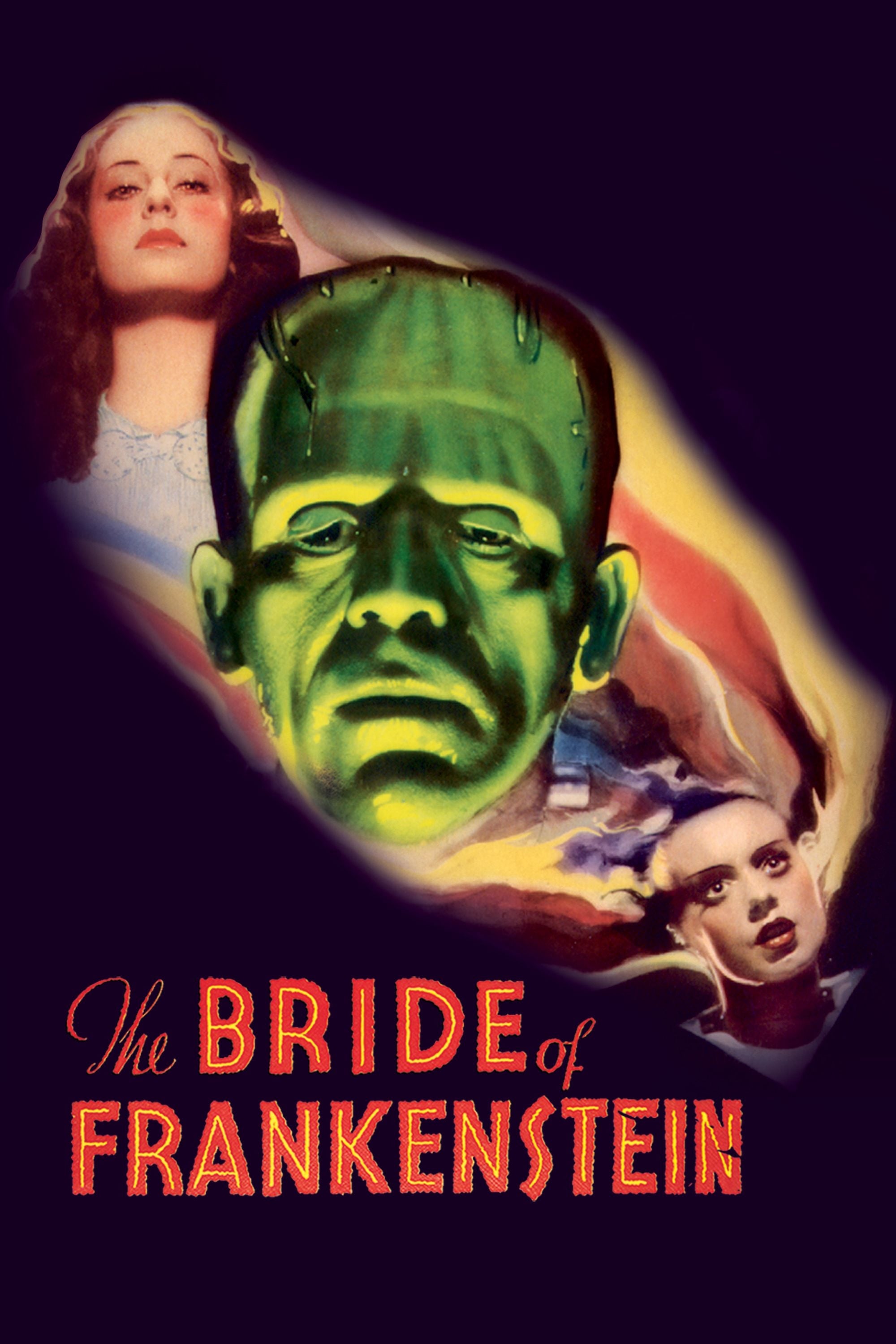
James Whale’s follow-up expanded character depth and dark humor while escalating production design into near-operatic territory. The Bride’s iconic hair, costuming, and brief but potent screen time demonstrated how silhouette and sound can mint instant mythology. Complex optical and practical effects advanced laboratory illusions and miniature work. The film showed sequels could enrich themes rather than just repeat plot beats.
‘Invasion of the Body Snatchers’ (1956)
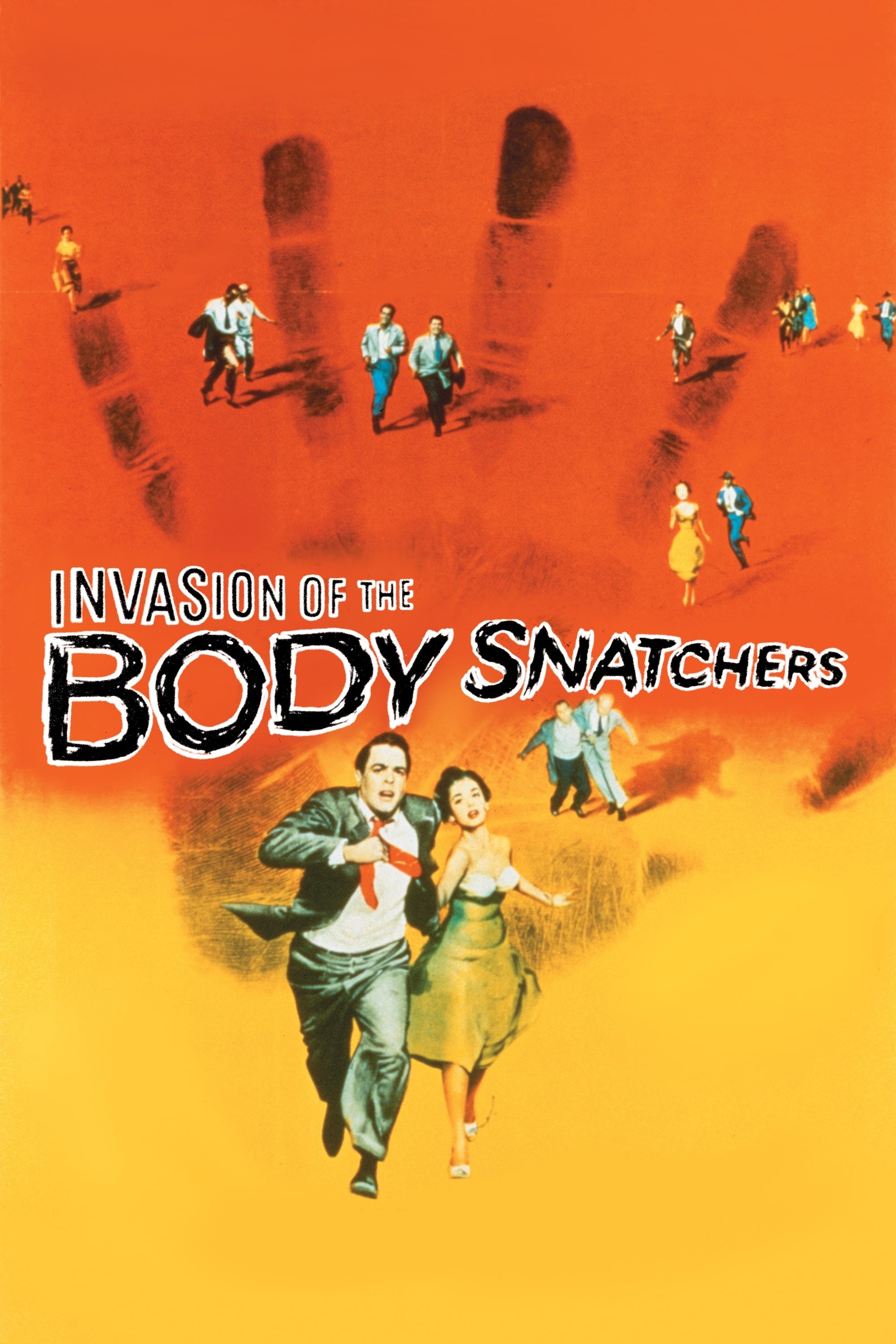
Don Siegel’s paranoid sci-fi horror turned small-town America into a metaphor for identity loss and conformity. Economical location photography and crisp editing showed how tension can escalate without elaborate effects. The “pod people” concept became a durable framework for remakes and social allegory. Its open-ended menace helped define the modern ambiguous ending.
‘Psycho’ (1960)
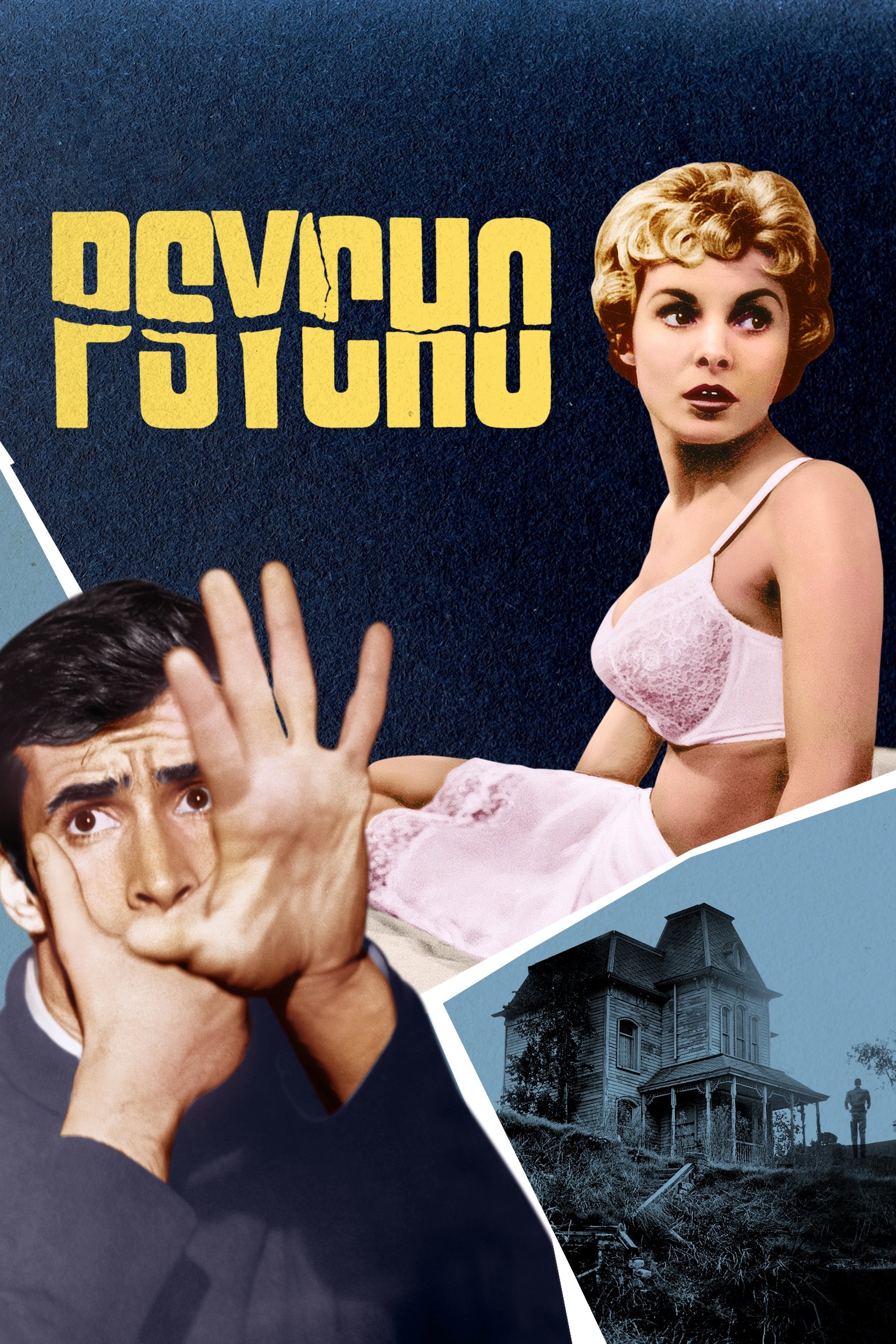
Alfred Hitchcock shattered studio rules by killing a seeming protagonist mid-story and by demanding strict spoiler-free screenings. Saul Bass’s title design and Bernard Herrmann’s strings demonstrated how graphics and music can prime an audience. Minimalist sets and tight close-ups created intimacy that magnified shock. The film reshaped censorship norms and expanded what mainstream thrillers could depict.
‘Peeping Tom’ (1960)
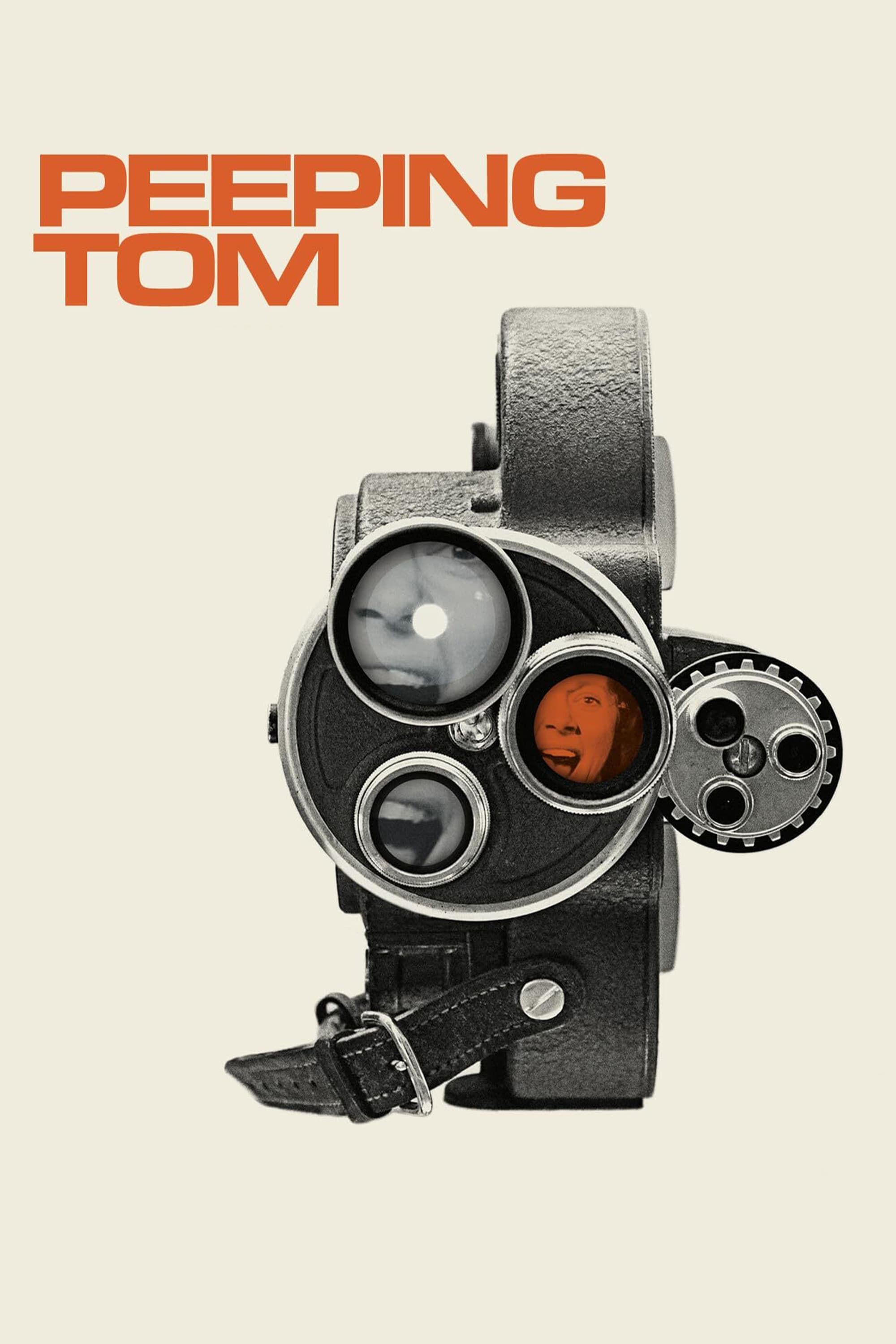
Michael Powell’s story of a cameraman-killer put the audience inside the predator’s gaze with bold point-of-view shots. Its exploration of voyeurism and filmmaking ethics anticipated later meta-horror. Color cinematography and clinical production design contrasted beauty with brutality for added unease. Initially condemned, it later became a touchstone for discussions about violence on screen.
‘The Haunting’ (1963)
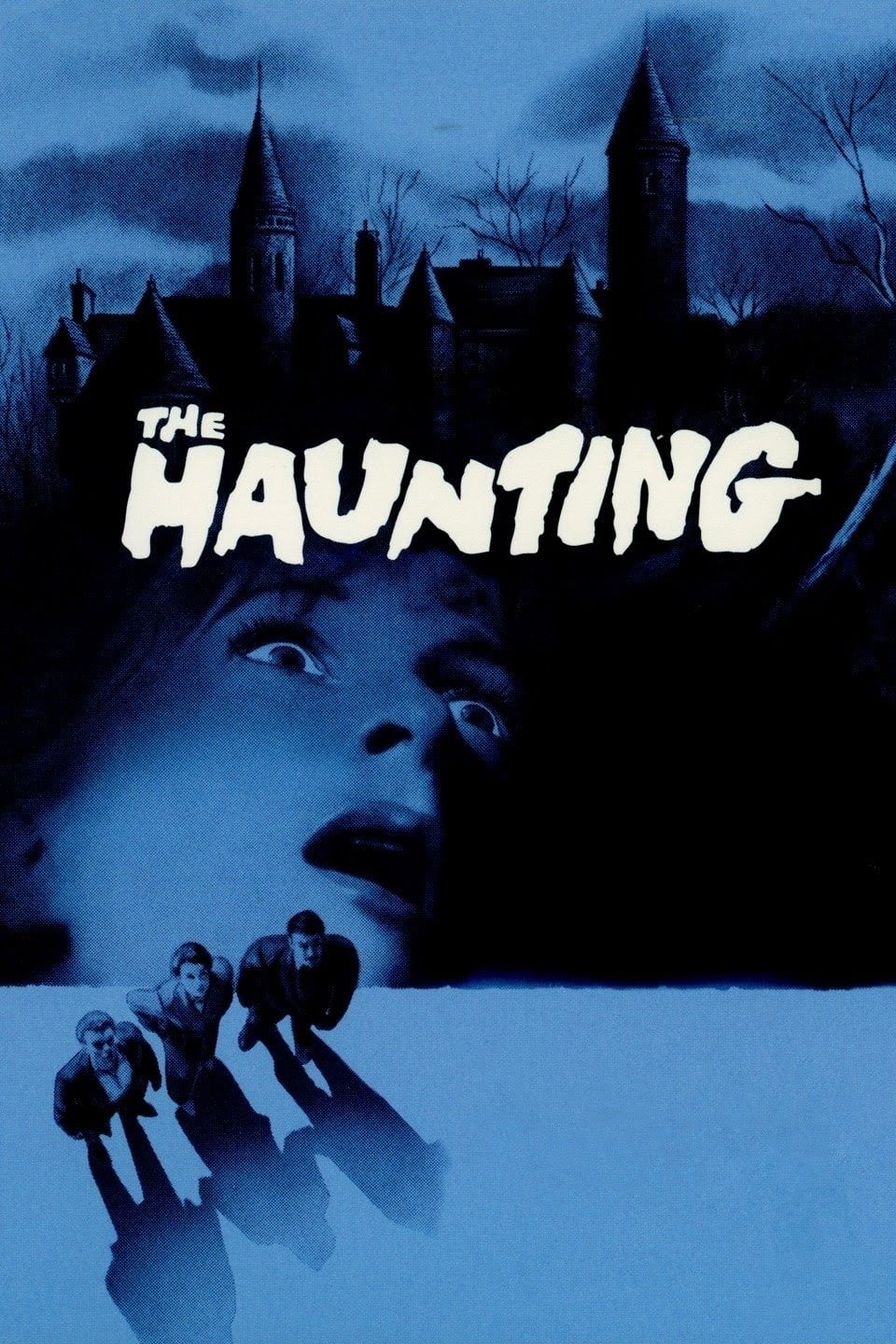
Robert Wise emphasized suggestion over spectacle, using sound cues, off-screen space, and architectural geometry to generate fear. Wide-angle lenses and mobile camerawork turned hallways and doors into psychological triggers. The film became a primer on how production design and acoustics can externalize a building’s “character.” Its restraint influenced countless haunted-house narratives and television adaptations.
‘Night of the Living Dead’ (1968)
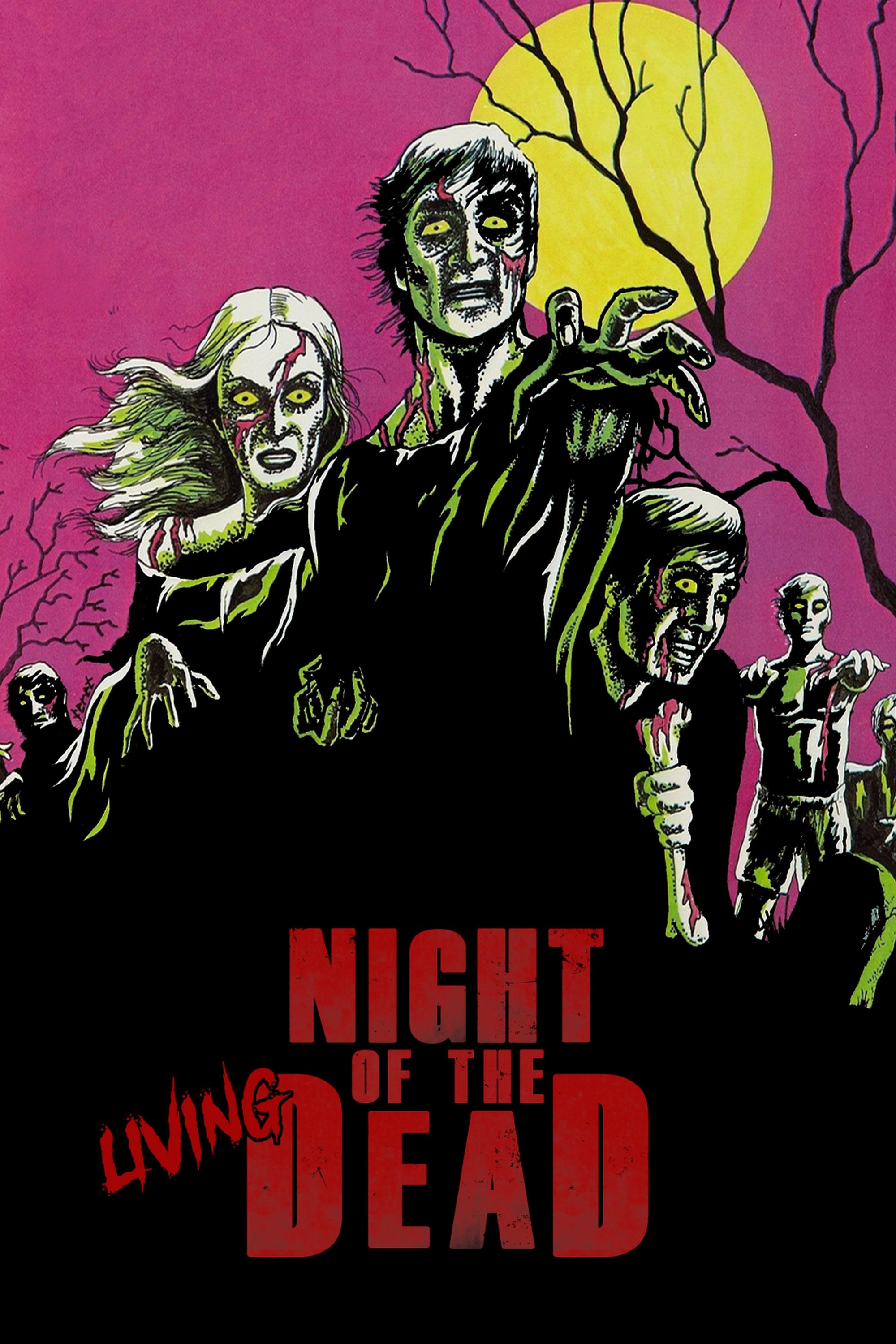
George A. Romero reinvented the zombie as a flesh-eating ghoul and constructed a siege narrative that became a survival-horror template. Guerrilla production methods proved how independent filmmaking could deliver lasting impact. Public-domain distribution quirks helped it spread widely, multiplying its cultural reach. The film seeded a cottage industry of sequels, remakes, and entire entertainment categories centered on the undead.
‘Rosemary’s Baby’ (1968)
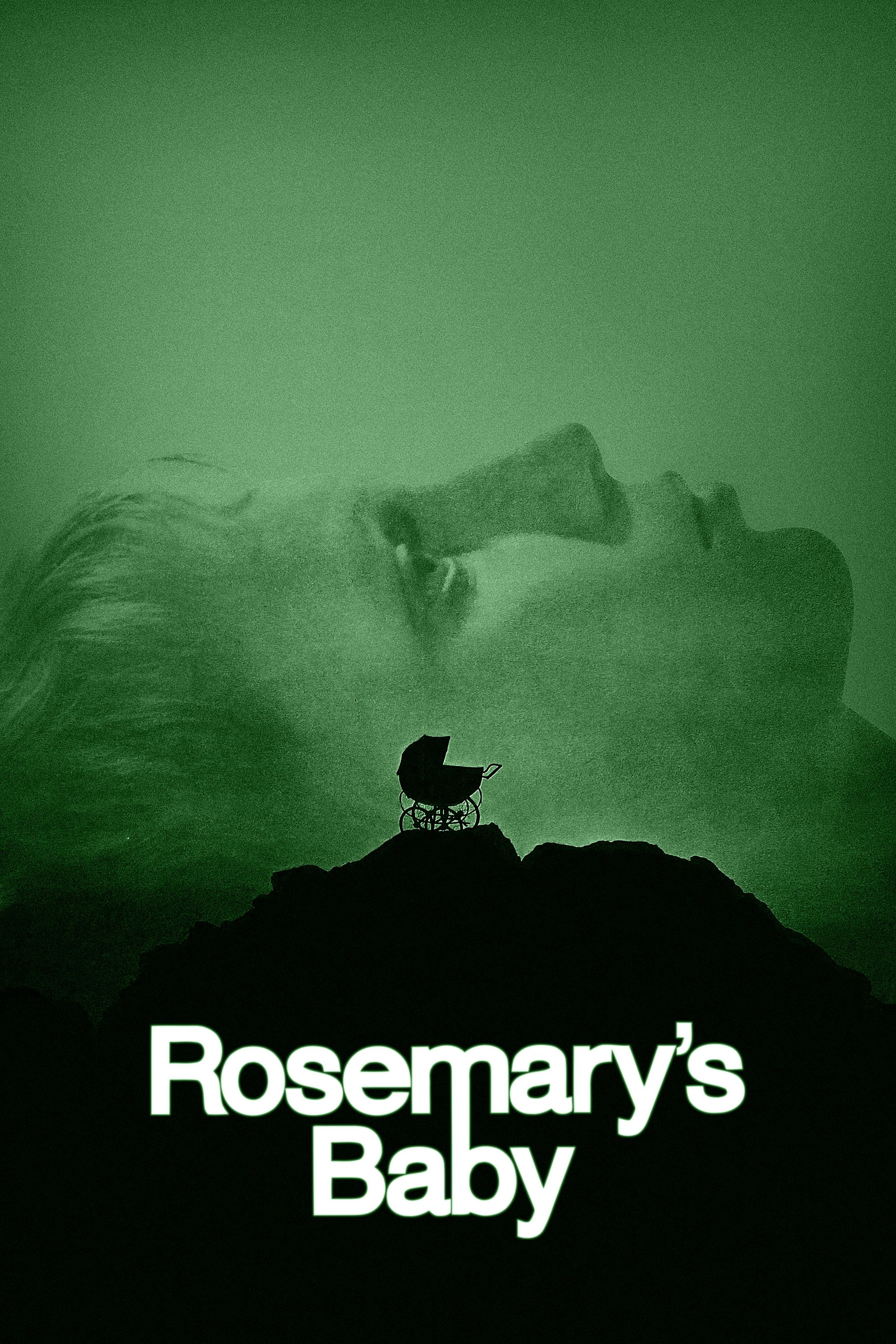
Roman Polanski’s apartment-set chiller weaponized urban domesticity and prenatal anxiety. Subtle sound cues, off-screen suggestion, and grounded performances showed how to build dread without overt spectacle. The film’s focus on gaslighting and conspiracy influenced psychological horror for decades. It also demonstrated how literary bestsellers could translate into prestige genre cinema.
‘The Exorcist’ (1973)

William Friedkin’s adaptation blended documentary immediacy with cutting-edge makeup and practical effects supervised by Dick Smith. Mike Oldfield’s music and innovative sound mixing turned audio into a character. Its event-style release, complete with long lines and news coverage, proved horror could dominate mainstream box office. The production normalized complex, faith-and-medicine debates within genre storytelling.
‘The Wicker Man’ (1973)
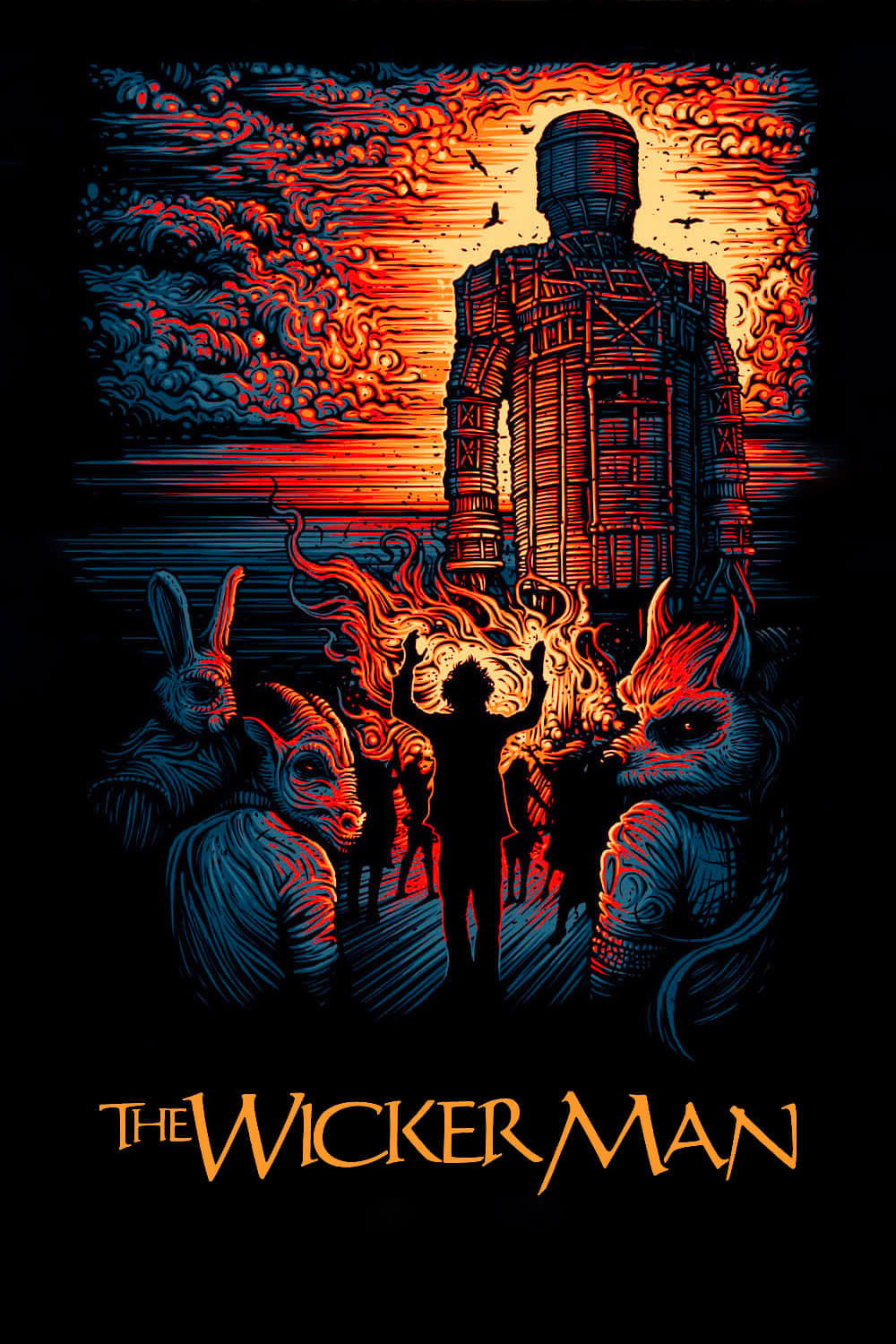
This folk-horror landmark combined police procedural structure with pagan ritual to reframe rural settings as ideological battlegrounds. Location shooting, choral music, and diegetic performance grounded the uncanny in everyday textures. The finale’s ritual logic and landscape integration provided a model for slow-burn dread. Its hybridization of mystery and anthropology broadened the genre’s thematic scope.
‘The Texas Chain Saw Massacre’ (1974)
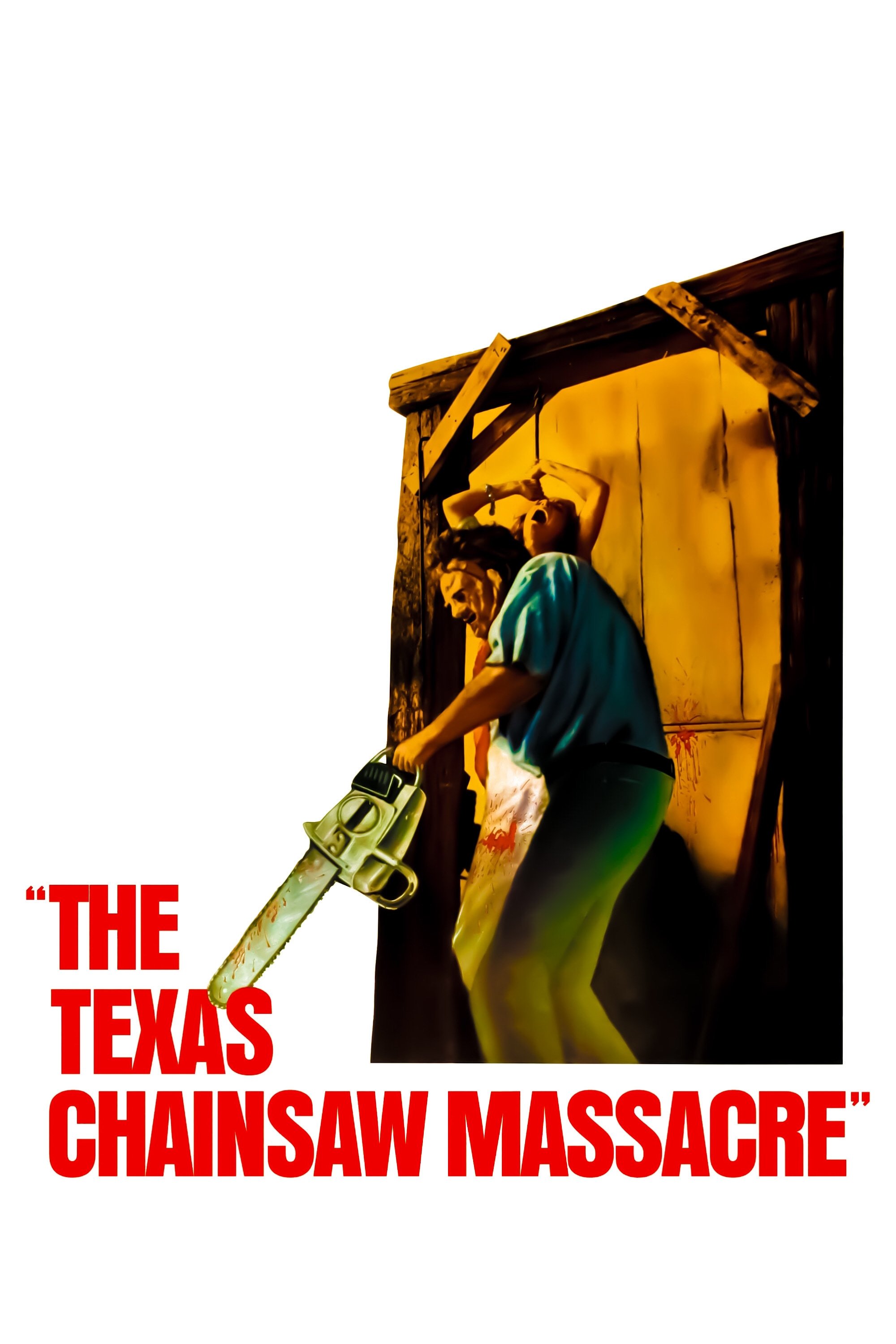
Tobe Hooper’s raw, sun-baked nightmare used handheld cameras, natural light, and abrasive sound design to feel disturbingly real. Minimal on-screen gore, despite reputation, highlighted the power of suggestion and editing. Its family-of-killers setup reoriented slashers toward rural grotesque and transgressive humor. The film’s shoestring production became a case study in high impact on low resources.
‘Black Christmas’ (1974)
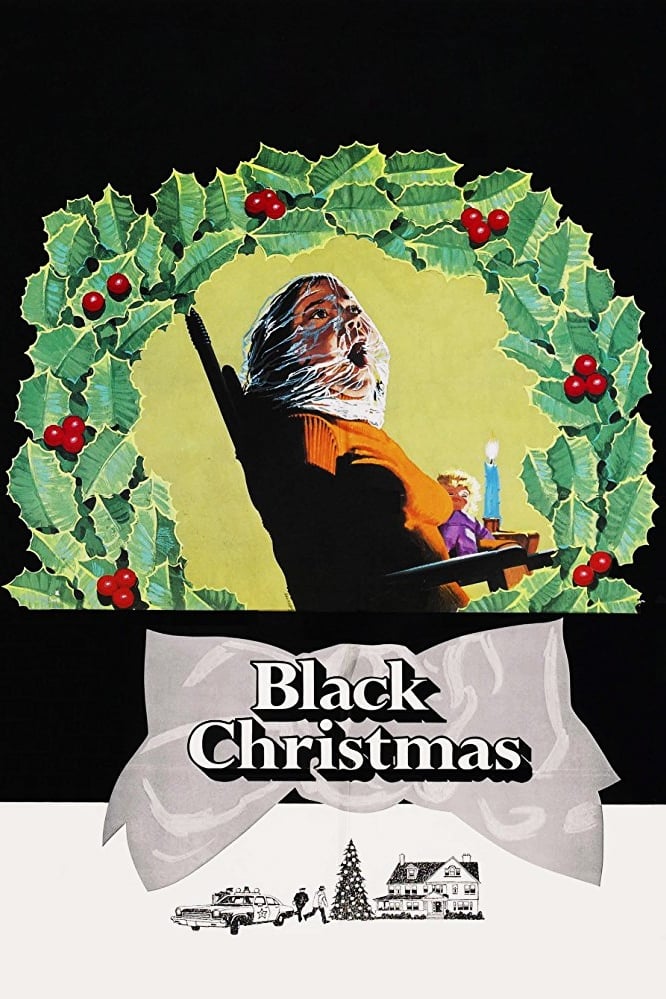
Bob Clark’s film helped codify slasher grammar with sorority-house stalking, holiday framing, and killer POV technique. Anonymous phone calls and sound design converted mundane objects into threat vectors. Non-closure in the ending set a template for lingering menace. Its production choices influenced campus-set thrillers and seasonal horror marketing.
‘Jaws’ (1975)
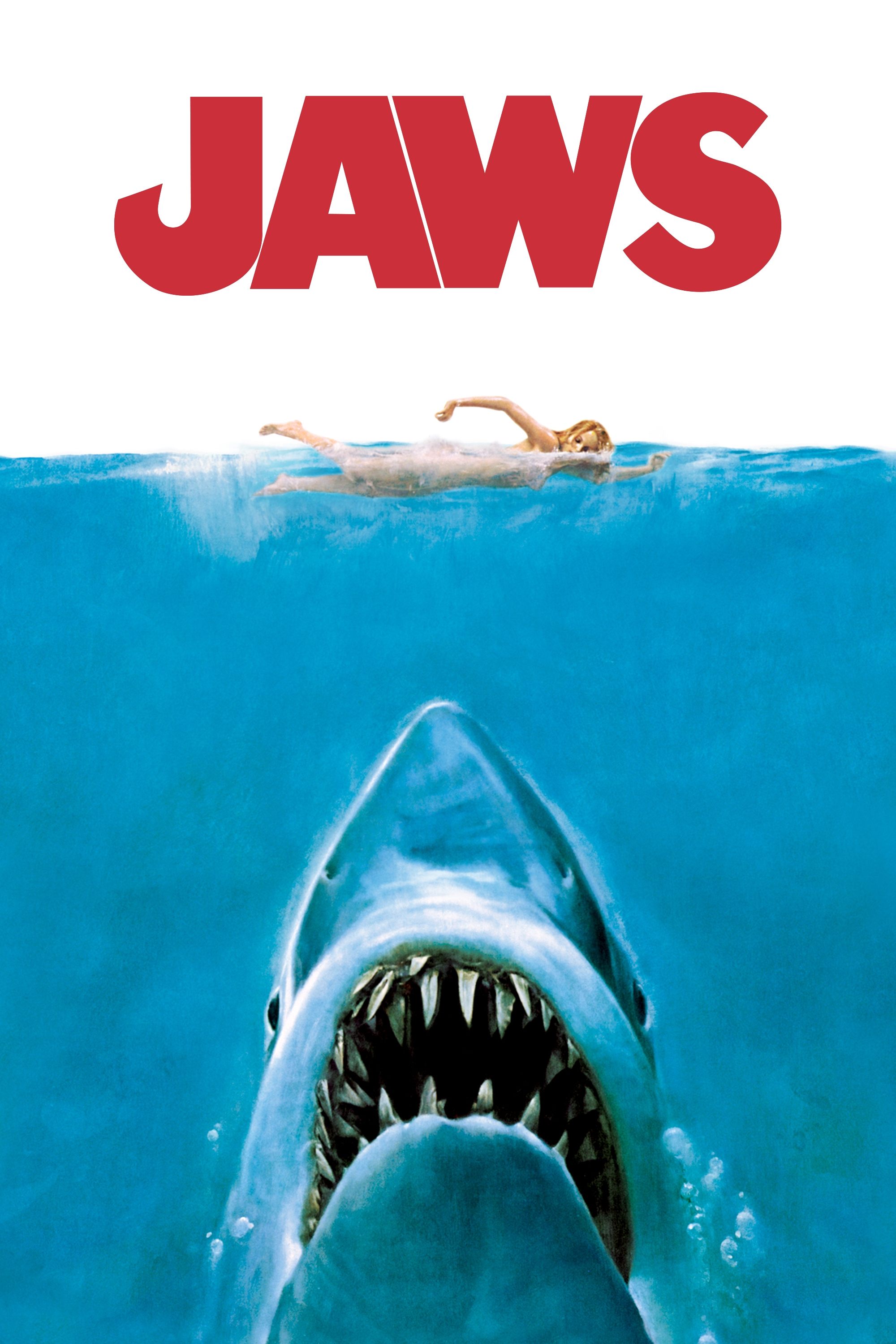
Steven Spielberg’s malfunctioning mechanical shark forced a less-is-more strategy that turned editing and music into primary scare engines. John Williams’s two-note motif became a masterclass in leitmotif suspense. The wide release with national TV spots created the modern summer blockbuster model. Location logistics and water work set benchmarks for large-scale production management.
‘Carrie’ (1976)
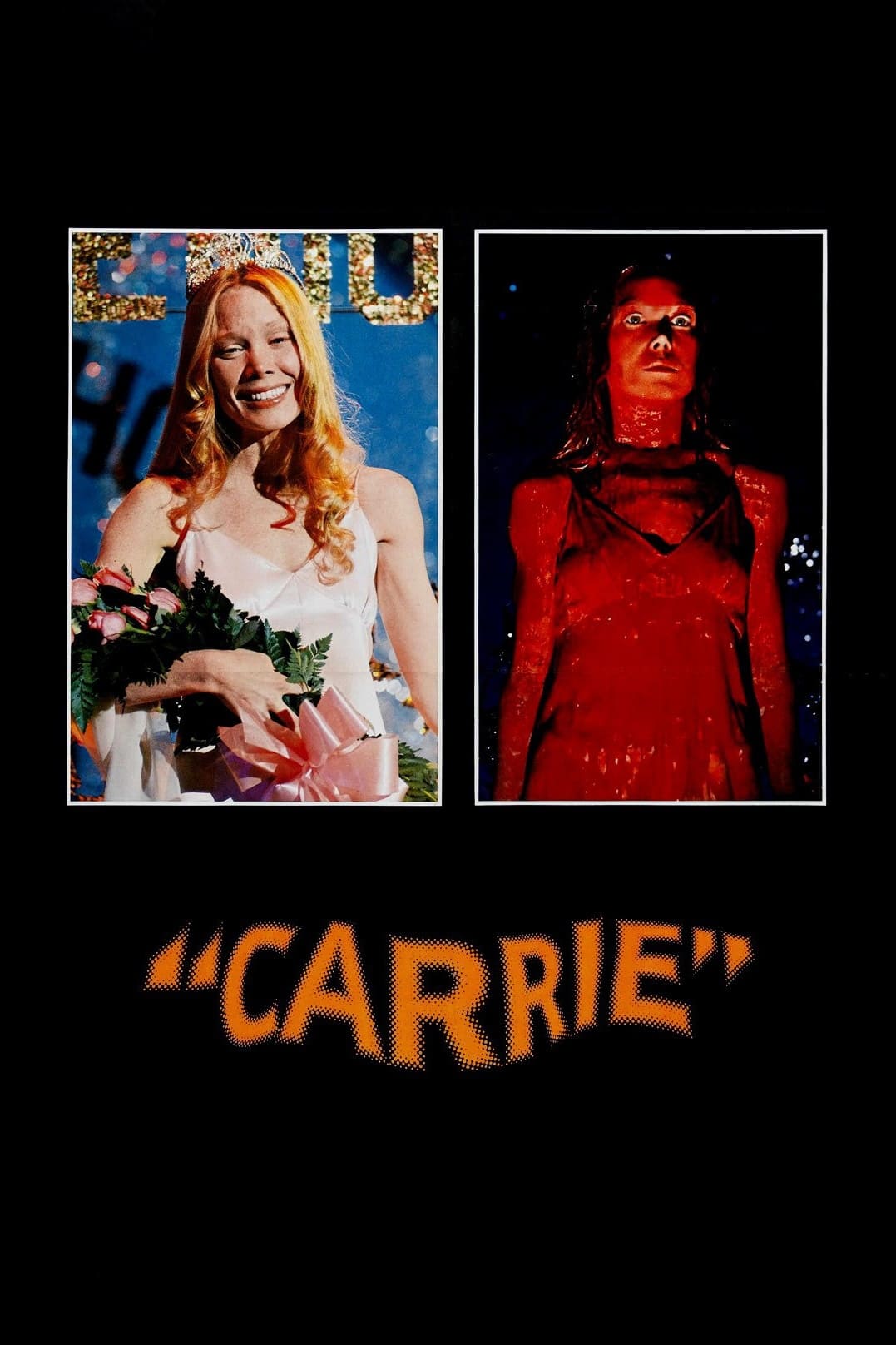
Brian De Palma fused bullying, religious control, and telekinesis into a high-school tragedy structure that many later films echoed. Split-screen editing and carefully staged prom sequences showcased formal experimentation within mainstream genre. Practical effects and controlled bloodwork became case studies in cathartic shock construction. The adaptation established a long-running pipeline for horror drawn from contemporary fiction.
‘Suspiria’ (1977)
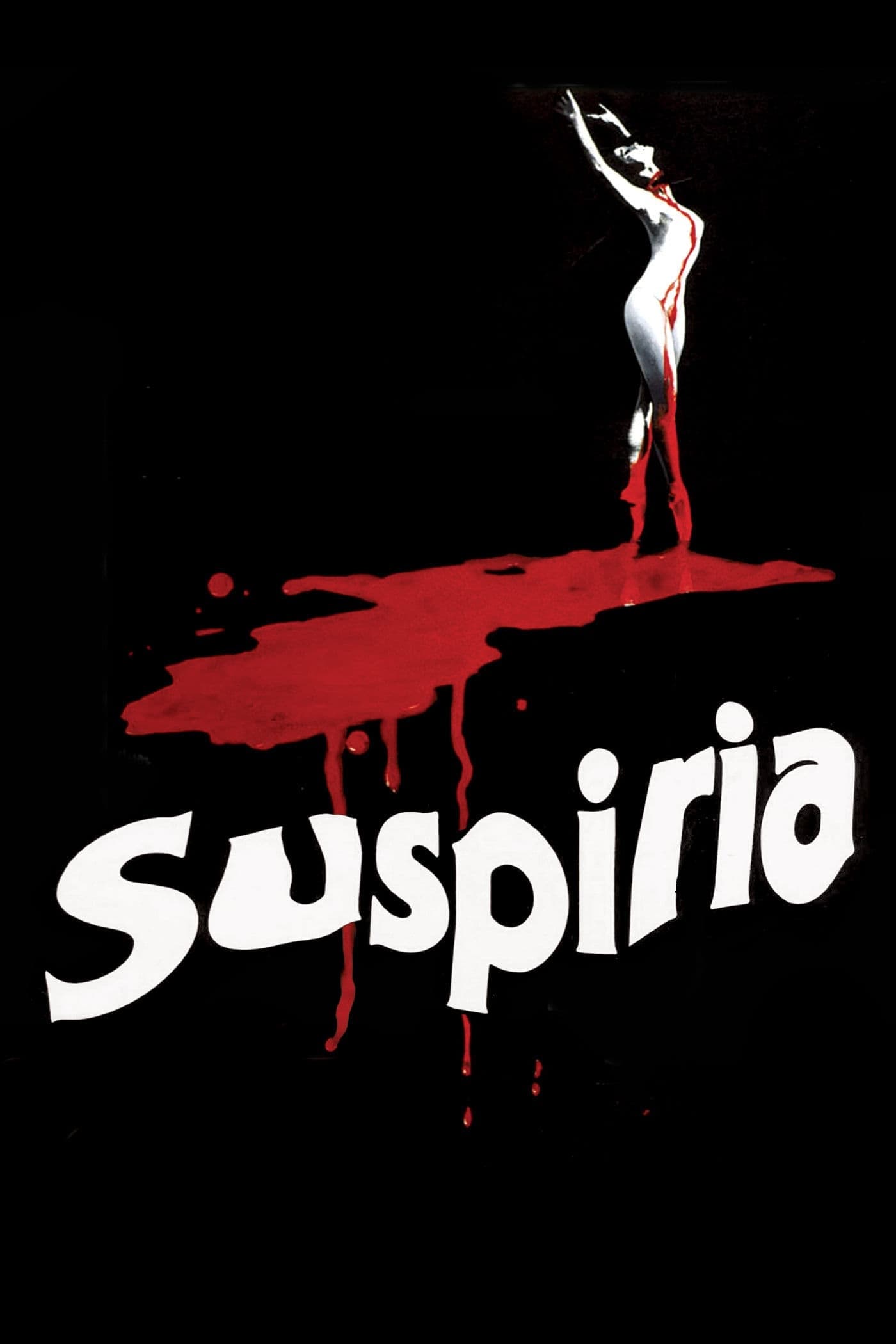
Dario Argento’s film fused baroque color, elaborate camera moves, and Goblin’s pulsating score into pure sensory horror. Its dance-academy setting and fairy-tale logic expanded the genre’s narrative palette. Practical effects and ornate set pieces demonstrated how production design can carry mythology. The movie inspired waves of neon-soaked, music-driven thrillers and art-horror aesthetics.
‘Halloween’ (1978)
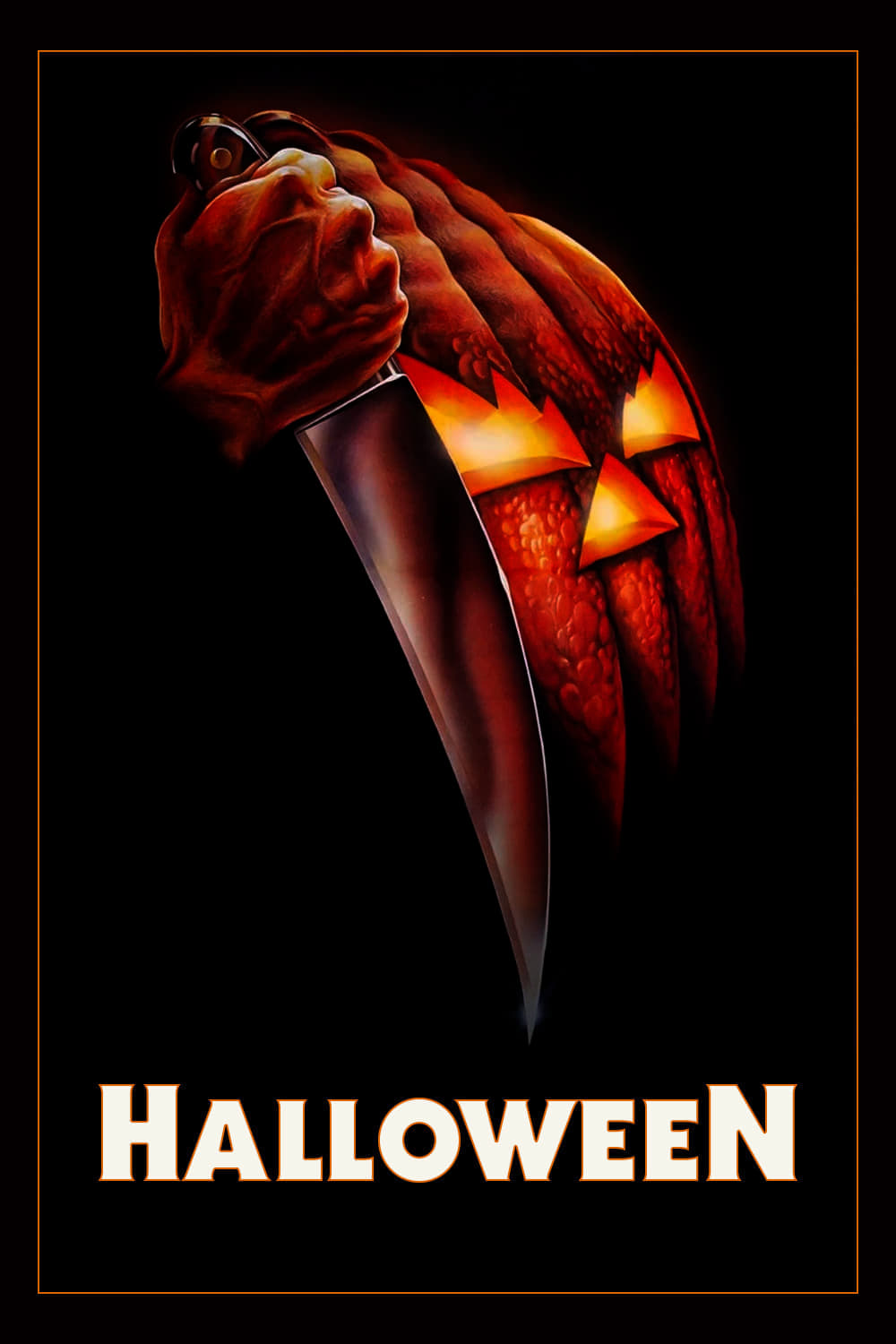
John Carpenter’s widescreen compositions and Steadicam stalking created the definitive suburban slasher grammar. The synthesizer score, composed on a tight schedule, showed how minimal themes can drive tension. Masked anonymity turned the killer into an archetype replicated across franchises. The film’s independent production and merchandising strategy became a franchise playbook.
‘Dawn of the Dead’ (1978)
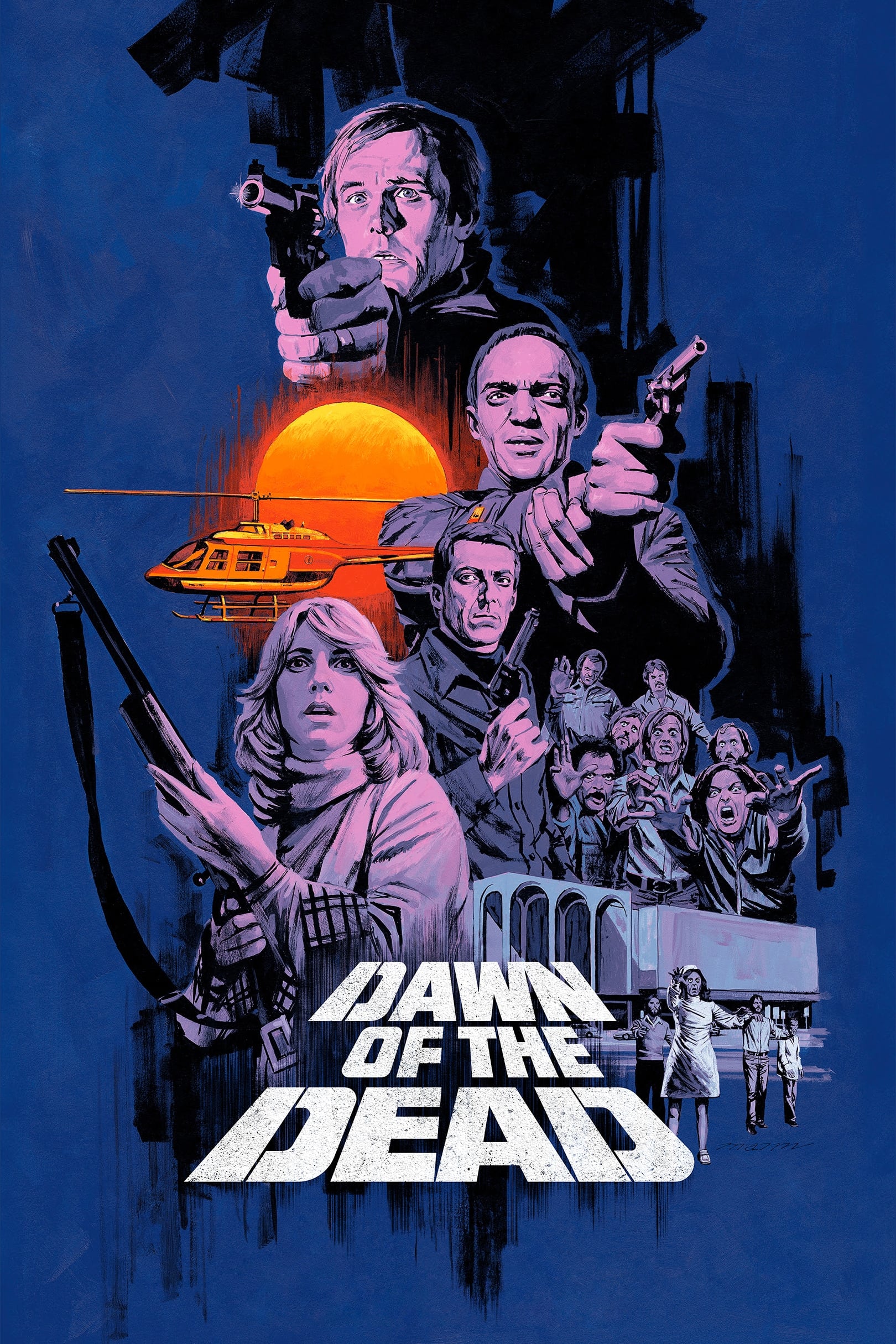
George A. Romero scaled his siege framework to a consumerist setting, turning a shopping mall into both refuge and critique. Tom Savini’s effects work advanced on-screen gore and color makeup techniques. Ensemble survival logistics and resource management influenced games and transmedia narratives. International cuts and alternate scores demonstrated flexible distribution strategies.
‘Alien’ (1979)
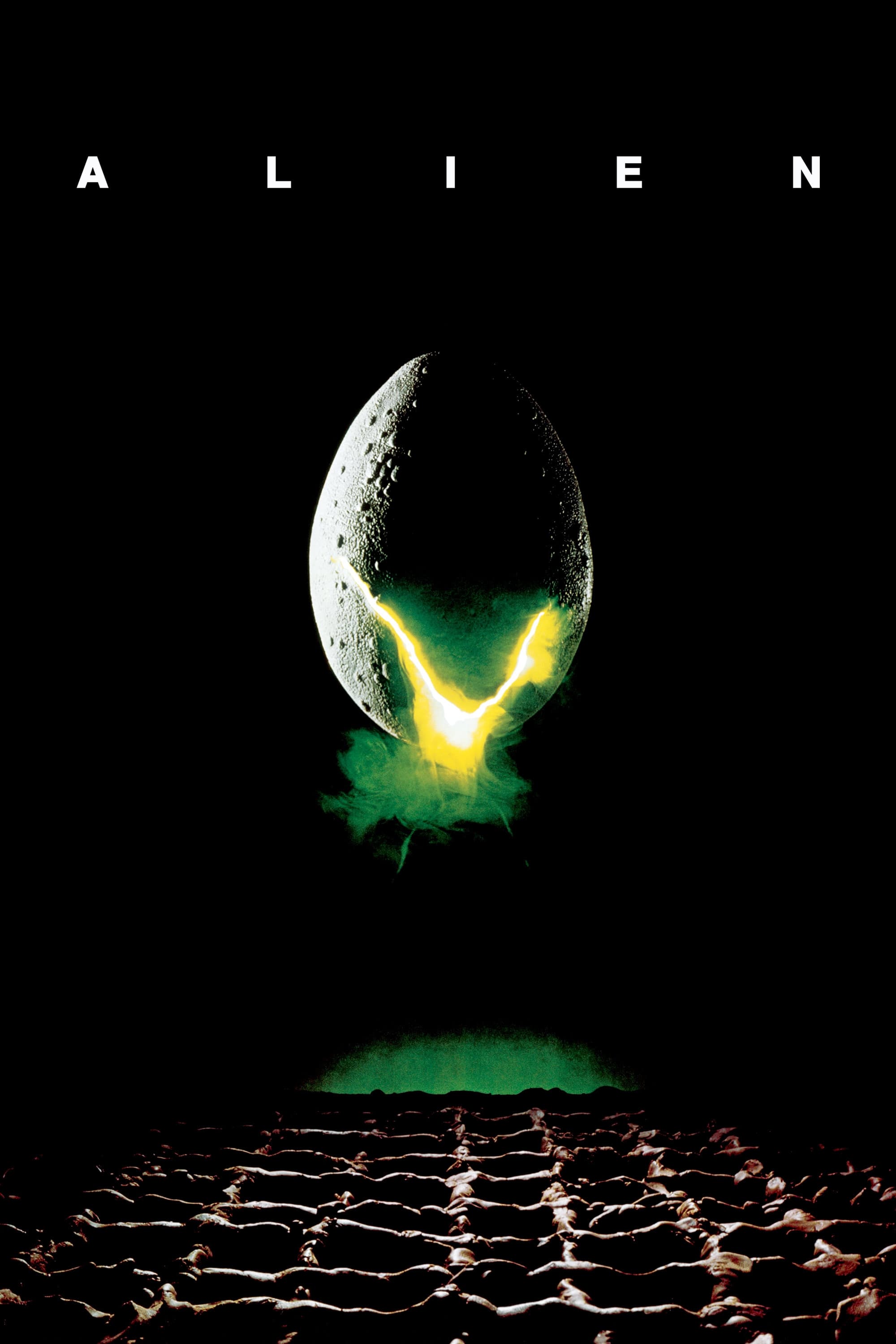
Ridley Scott blended blue-collar space design with H. R. Giger’s biomechanical creature to invent a new industrial-sci-fi horror look. Slow-burn pacing and motion-tracker soundscapes defined cat-and-mouse suspense in confined spaces. The life-cycle structure gave creature features a biological plausibility that filmmakers reused endlessly. Strong ensemble casting normalized character-first approaches in effects-heavy horror.
‘The Shining’ (1980)
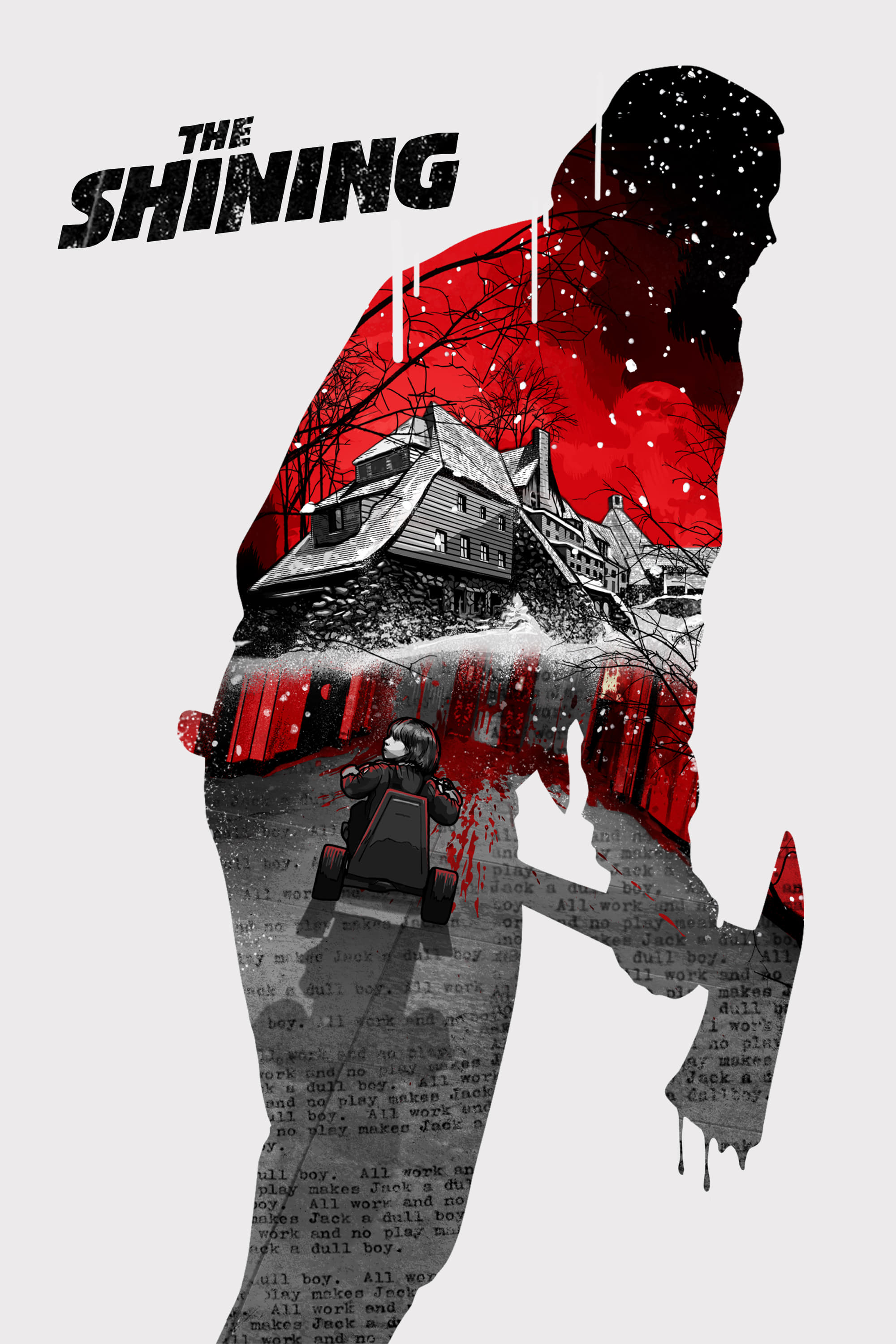
Stanley Kubrick’s precision—Steadicam choreography, symmetrical framing, and meticulous set construction—turned a haunted hotel into a maze of dread. Sound design layered whispers, drones, and diegetic echoes to destabilize space. The film’s ambiguous imagery encouraged decades of scholarly interpretation and fan theory. Its production methods popularized extended takes and controlled camera movement in horror.
‘The Evil Dead’ (1981)
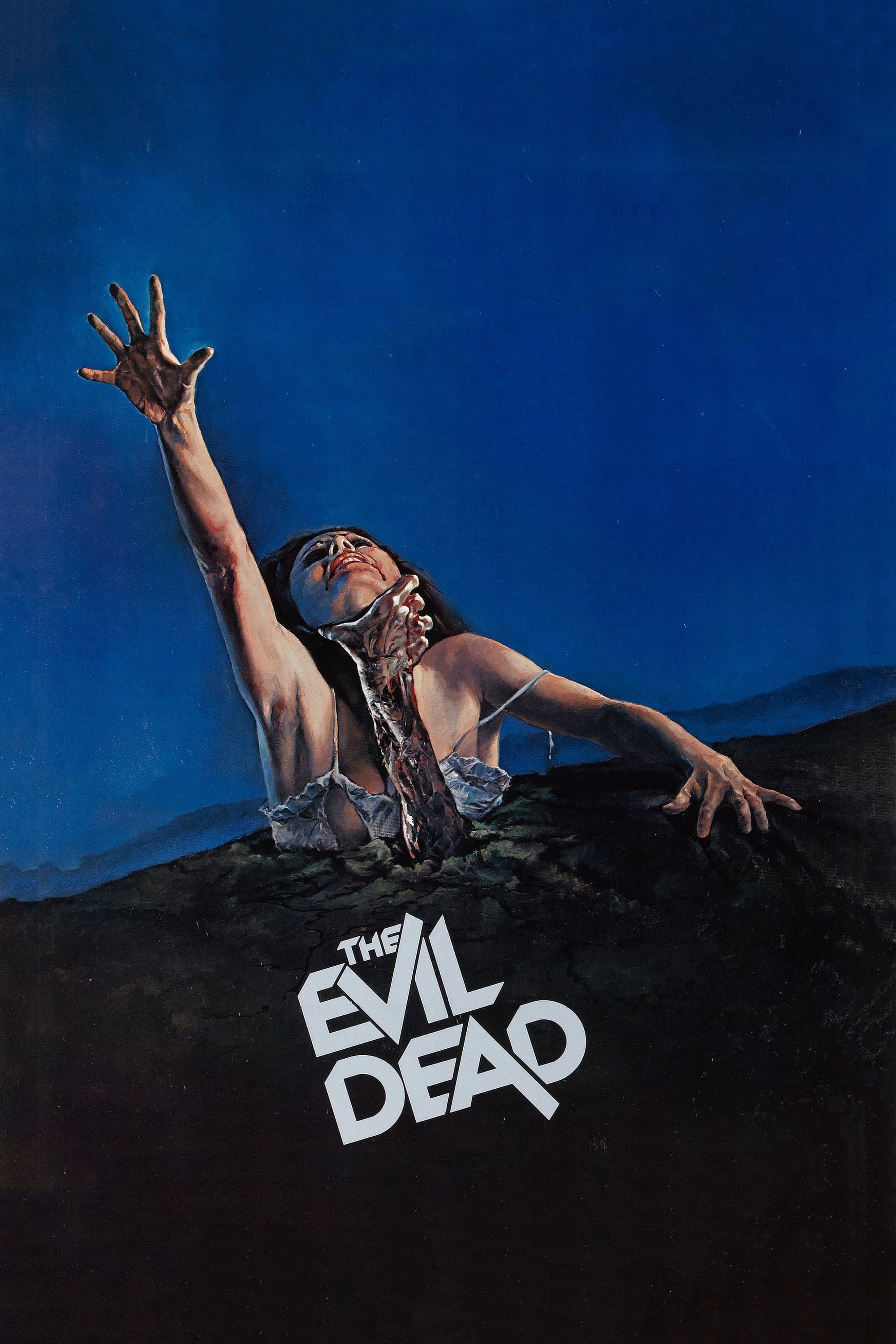
Sam Raimi’s DIY camera rigs, crash zooms, and frenetic editing delivered kinetic supernatural mayhem on a micro-budget. Stop-motion and makeup effects pushed gore gags into slapstick territory that birthed splatstick. Creative location work proved a single cabin could support a whole mythology. Its festival run and home-video surge demonstrated alternative paths to cult success.
‘An American Werewolf in London’ (1981)
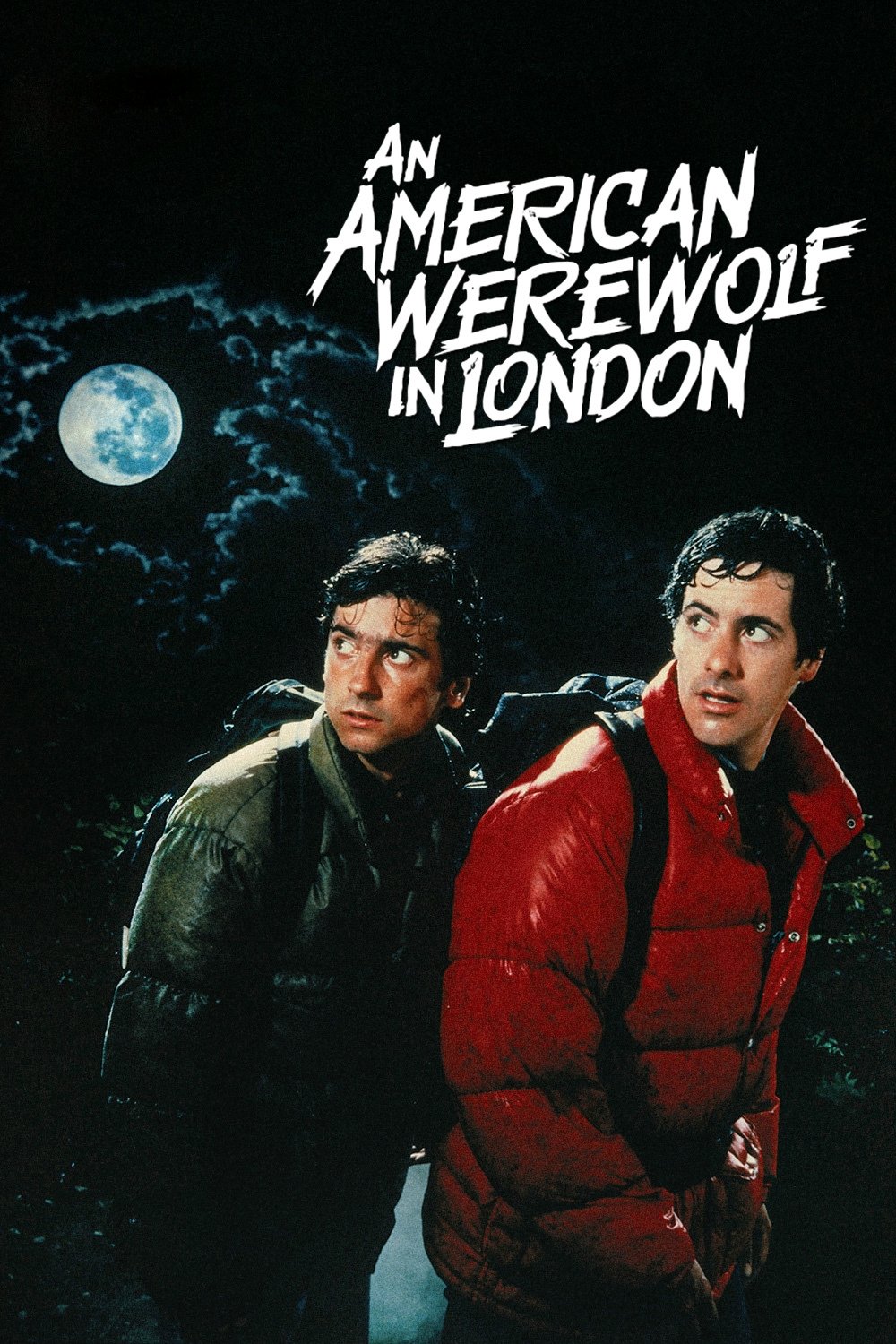
John Landis’s film set the gold standard for transformation effects with Rick Baker’s groundbreaking appliances. Location shooting in bustling city streets contrasted modernity with folklore. The tonal blend of horror and dark comedy became a model for genre hybrids. Its makeup innovations spurred industry recognition for effects artistry.
‘The Thing’ (1982)
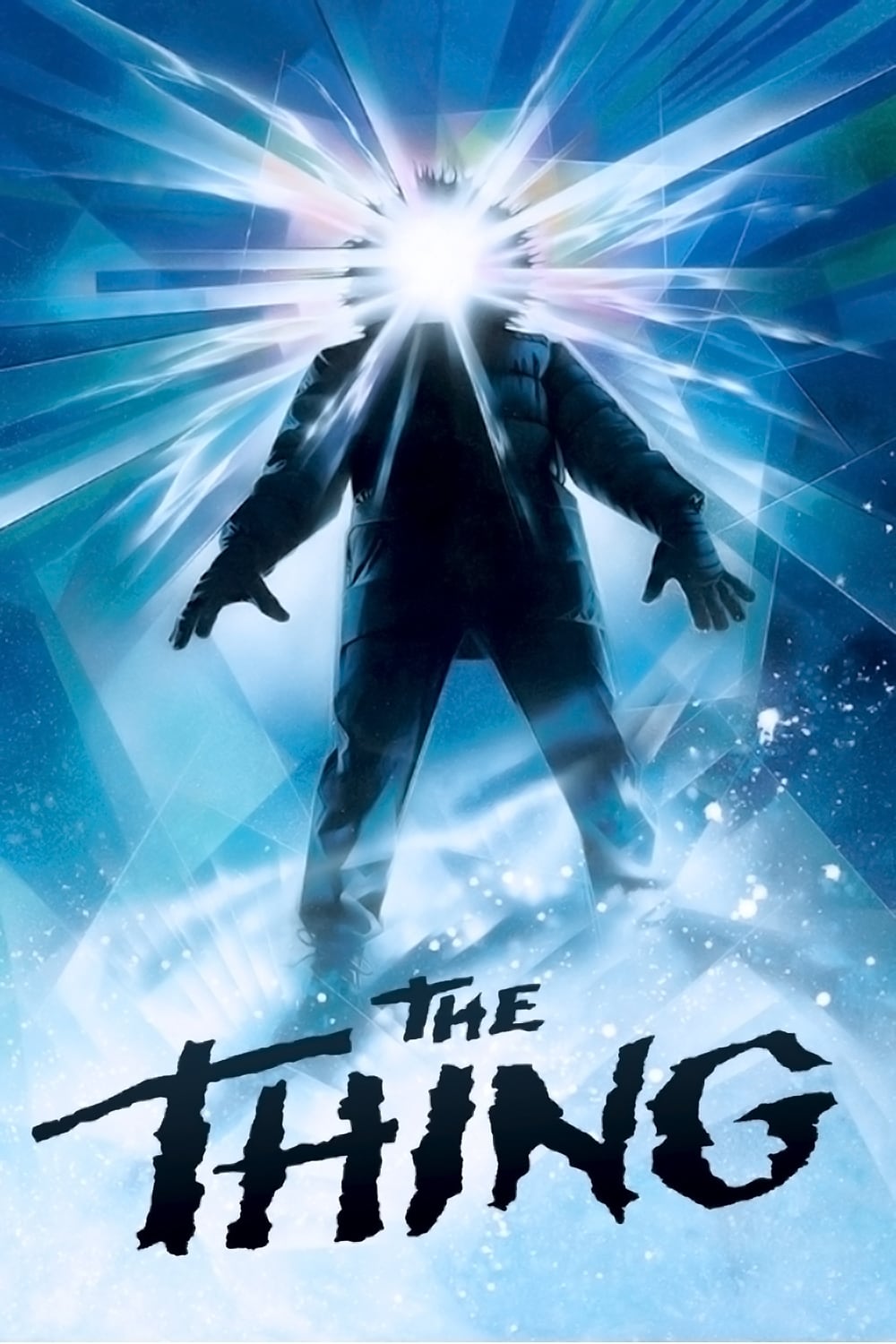
John Carpenter and effects wizard Rob Bottin delivered shape-shifting creature work that still anchors practical-effects discussions. Enclosed-space paranoia and blood-test set pieces refined trust-collapse storytelling. Morricone’s minimalist score and icy soundscapes built oppressive atmosphere. The ensemble dynamic influenced countless isolation thrillers and sci-fi horrors.
‘A Nightmare on Elm Street’ (1984)
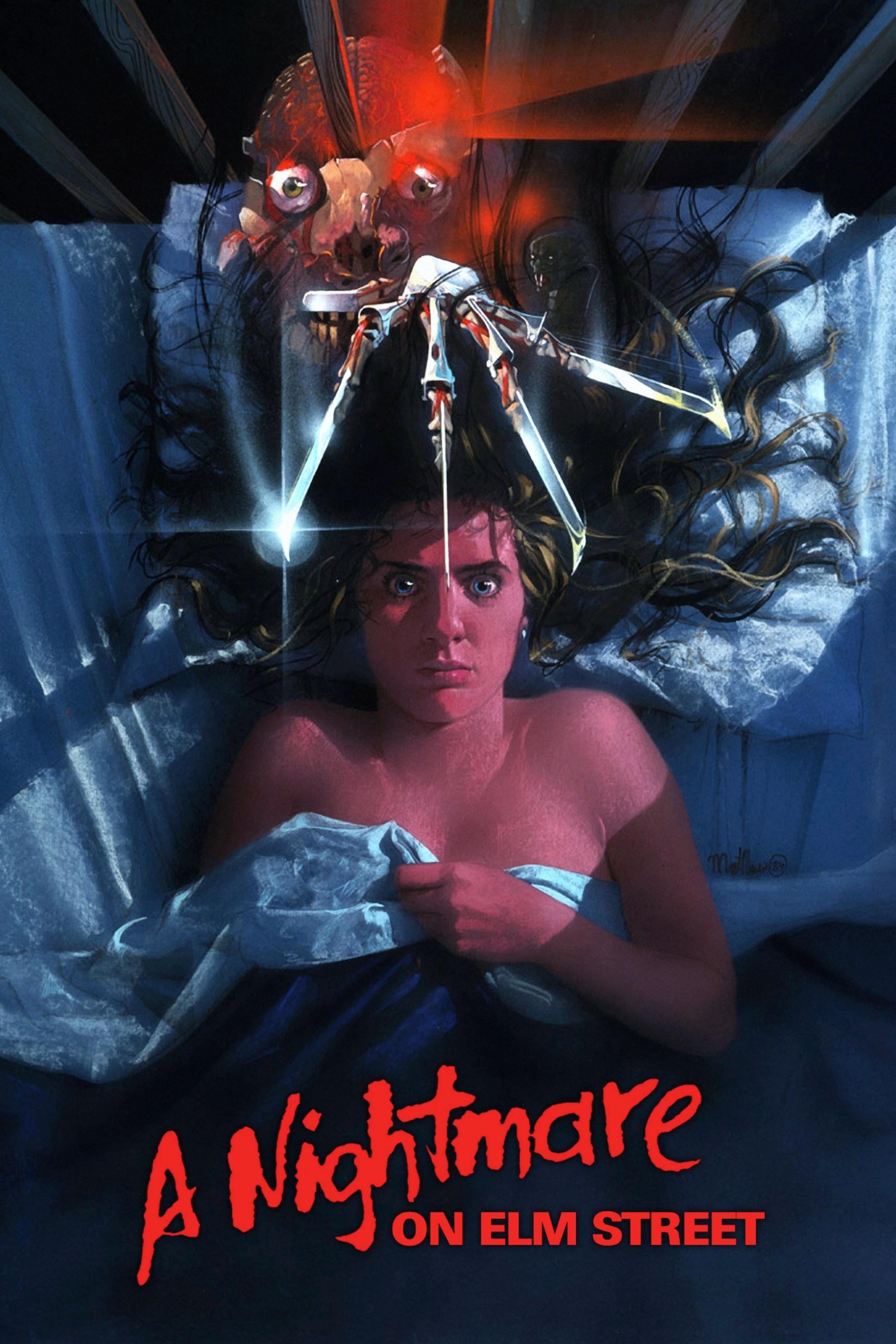
Wes Craven turned dreams into battlegrounds, enabling surreal set pieces and reality-blurring rules. In-camera tricks, rotating rooms, and practical gags showed how to visualize nightmares without heavy computing. The antagonist’s personality and mythology encouraged character-centric franchise building. Its hook spurred cross-media expansions from TV to merchandise.
‘The Fly’ (1986)
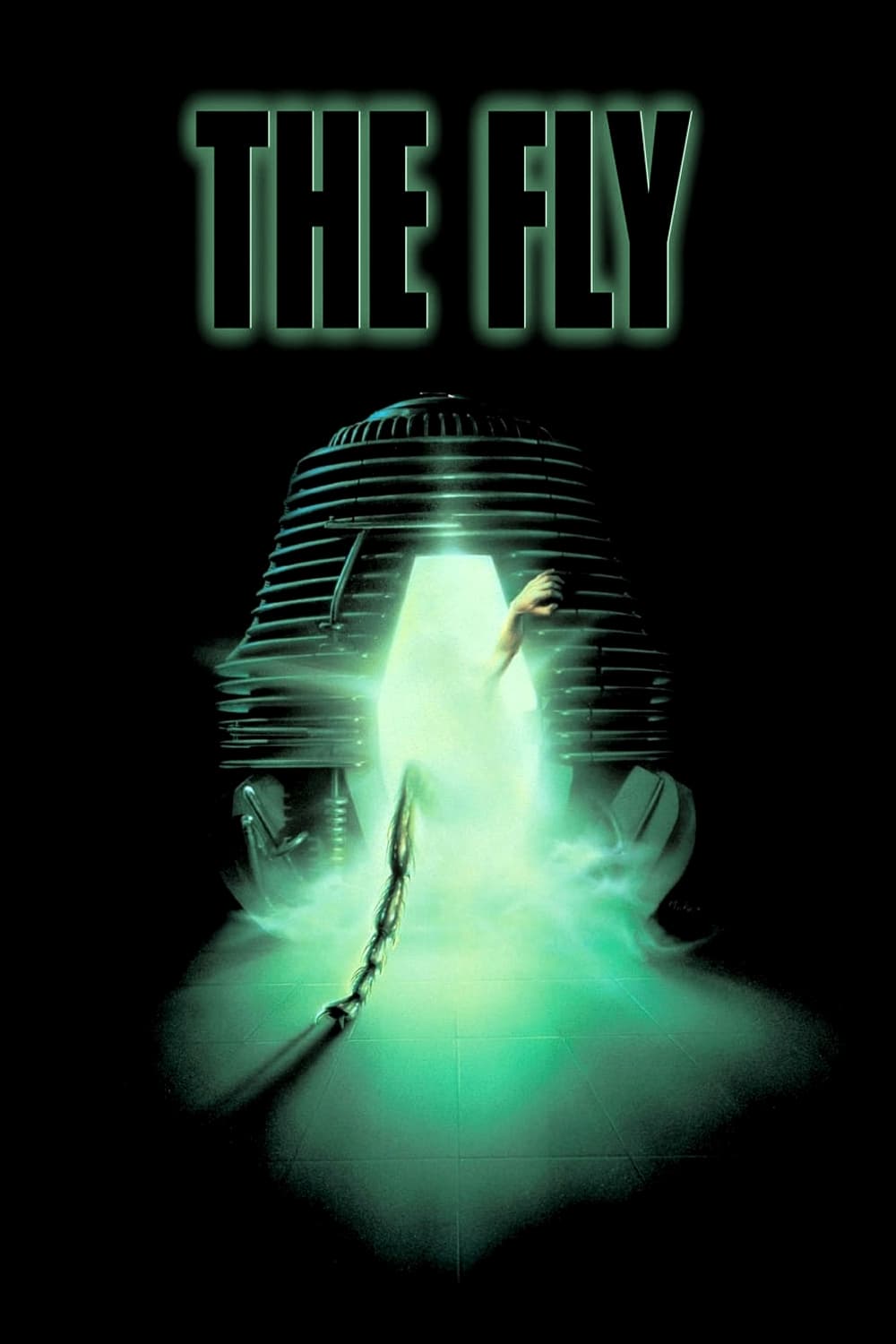
David Cronenberg’s reimagining foregrounded body-horror transformation through progressive makeup appliances and animatronics. Character-driven pacing tied each effects beat to emotional stakes, a model for sympathetic monsters. The production refined laboratory sets and props into tactile, story-carrying elements. Its critical and commercial reception legitimized sophisticated adult-oriented horror.
‘Henry: Portrait of a Serial Killer’ (1986)
Shot on a minimal budget, the film used observational framing and location naturalism to depict violence with unsettling neutrality. Non-psychologizing presentation influenced later true-crime aesthetics. Fragmented, episodic structure demonstrated alternative plotting beyond chase-and-capture arcs. Its censorship battles shaped conversations around ratings and artistic intent.
‘The Silence of the Lambs’ (1991)
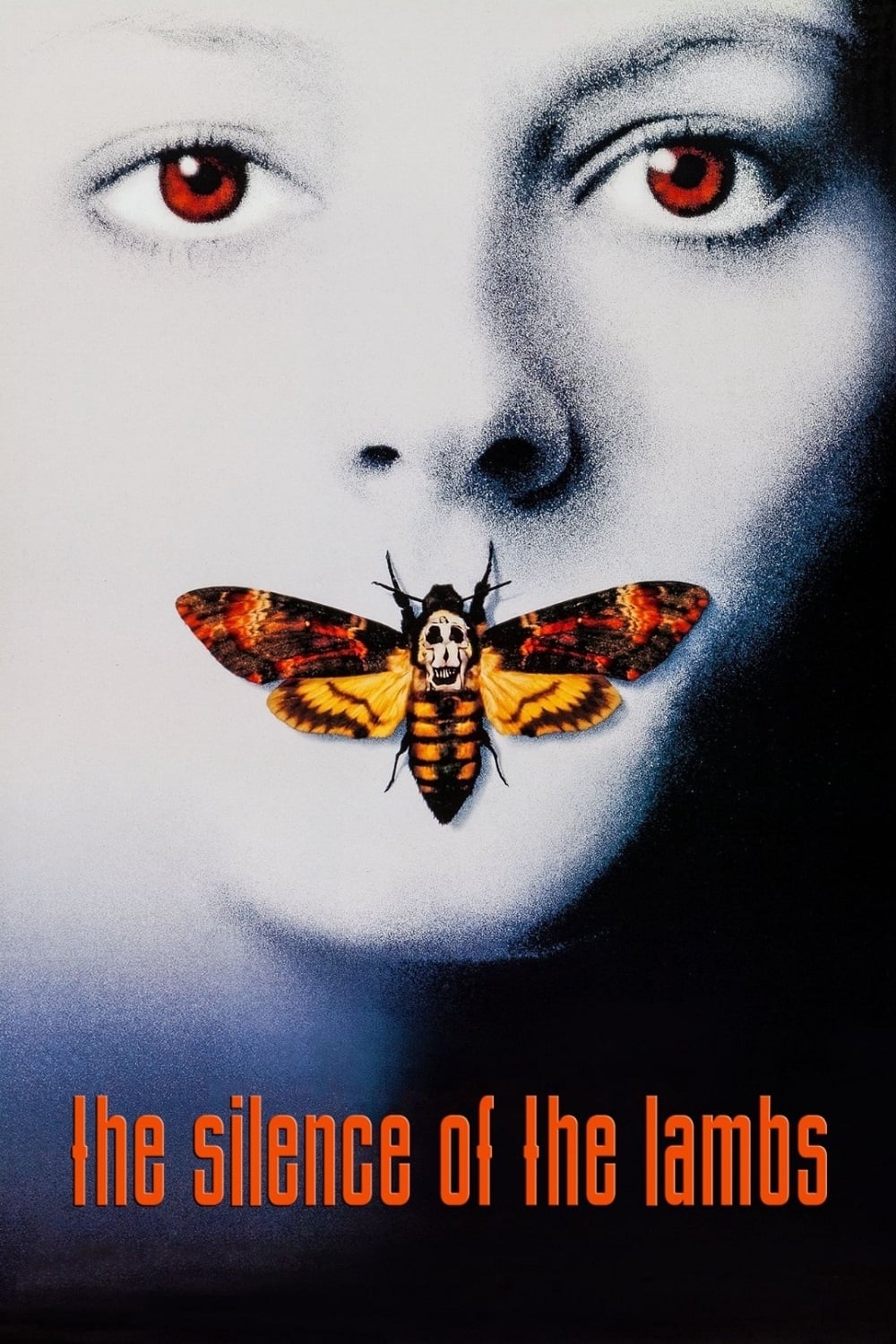
Jonathan Demme’s close-up-driven dialogue scenes created an intense, eye-line-centered tension now standard in psychological horror. The film’s forensic procedure details helped fuse crime thriller and horror toolkits. Character iconography and smart use of negative space influenced costuming and production design across the genre. Awards success expanded prestige pathways for future releases.
‘Ringu’ (1998)

Hideo Nakata’s curse-transmission concept reframed hauntings as viral phenomena. Muted color palettes and restrained pacing contrasted sharply with jump-scare conventions, refreshing the ghost story. The film ignited a wave of J-horror exports and international remakes. Its central cursed media object became a modern urban-legend template.
‘Audition’ (1999)

Takashi Miike’s slow-burn structure uses tonal misdirection before pivoting to surgical precision in its final movement. Minimal locations and controlled sound create escalating dread without elaborate effects. The film’s casting setup became a reference point for bait-and-switch narratives. International festival circulation helped broaden access to contemporary Japanese horror worldwide.
‘The Blair Witch Project’ (1999)
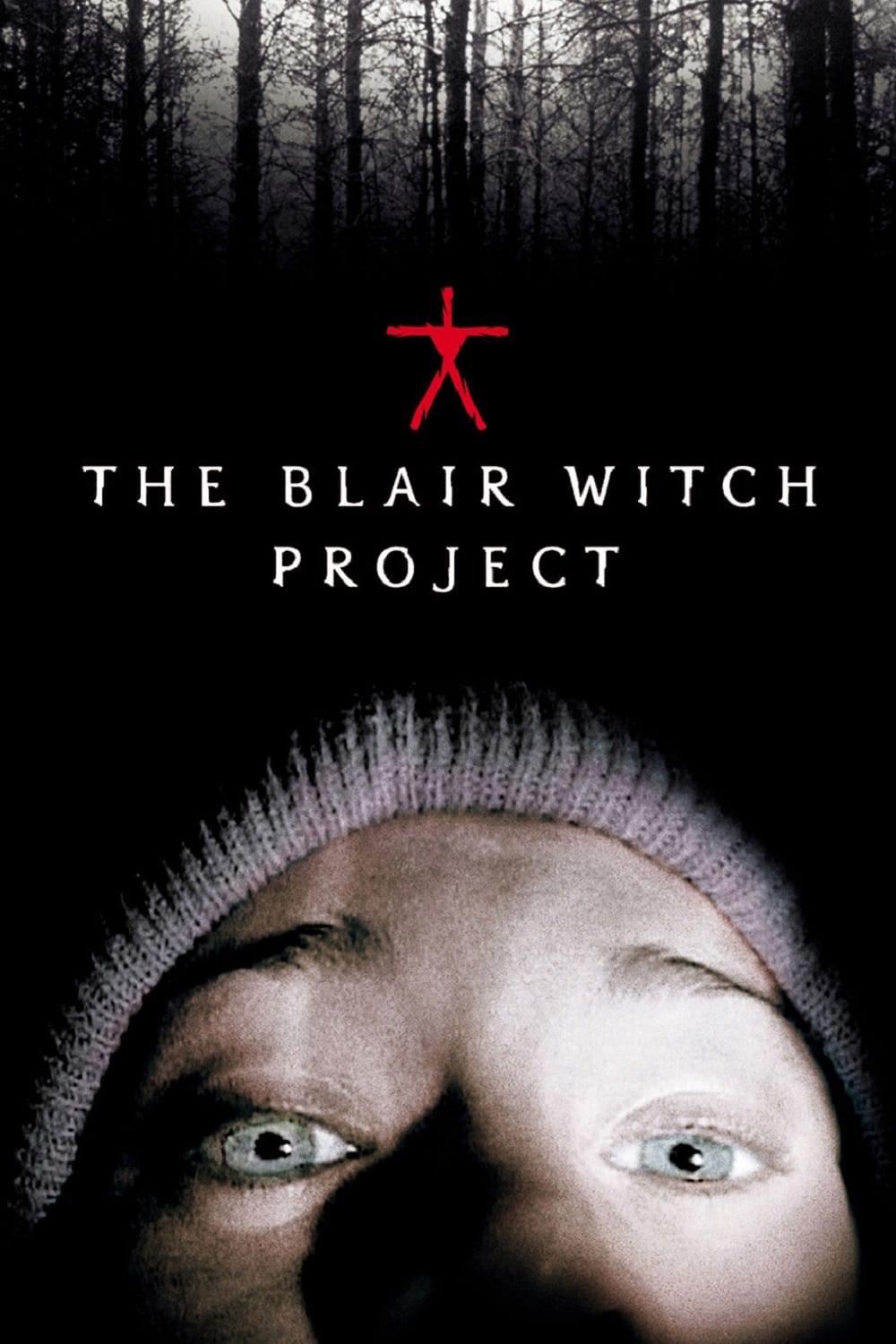
Shot with consumer-grade cameras, this indie refined the found-footage format for the digital age. An early internet marketing campaign used faux missing-person materials to blur fiction and reality. The film proved that off-screen sound and unseen threats can carry a feature. Its profitability reshaped acquisition strategies for low-budget horror.
’28 Days Later’ (2002)
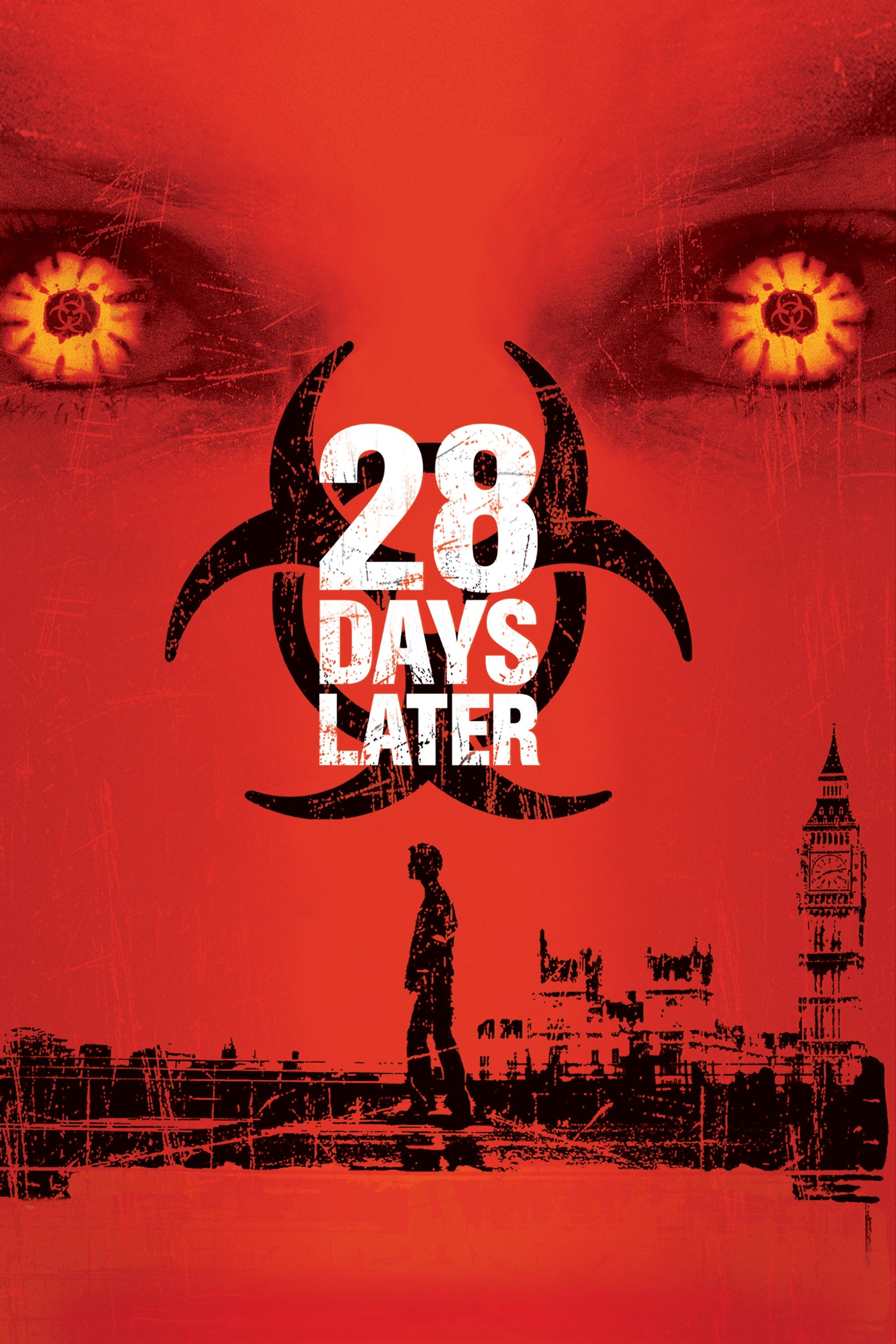
Danny Boyle’s fast-moving infected reframed outbreak horror with kinetic camera work and urban emptiness. Digital video capture enabled agile, guerrilla street shooting at scale. Score and sound mixing emphasized tempo and shock without heavy effects budgets. The film reenergized apocalyptic storytelling and influenced subsequent television and game design.
‘Saw’ (2004)
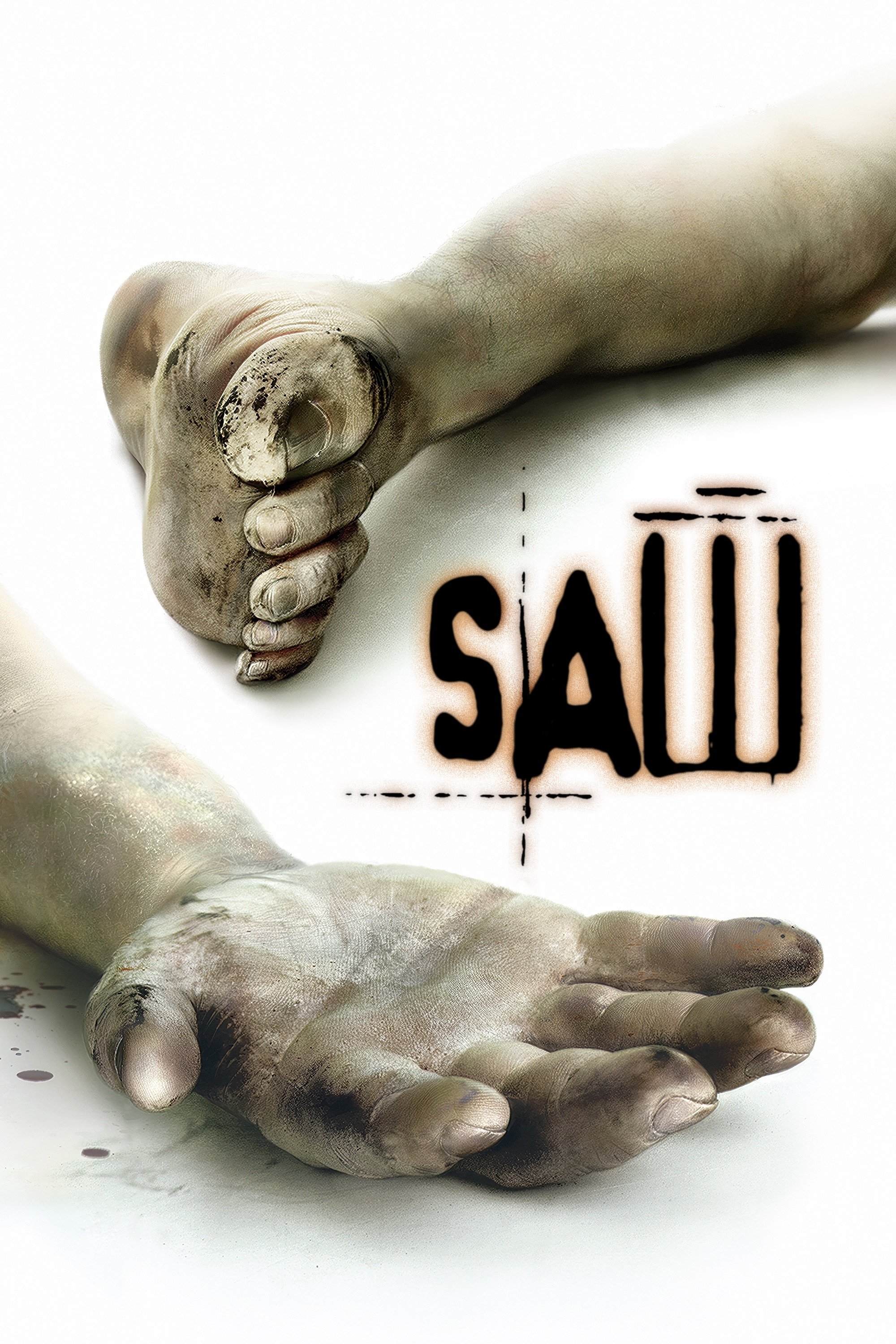
James Wan and Leigh Whannell’s puzzle-trap structure reoriented horror around moral games and forensic narrative. Limited locations and timeline cross-cuts maximized suspense on a lean production. The film kickstarted a long-running franchise with annualized releases and evolving lore. Its success revitalized interest in twist-driven storytelling and practical gore effects.
‘Let the Right One In’ (2008)
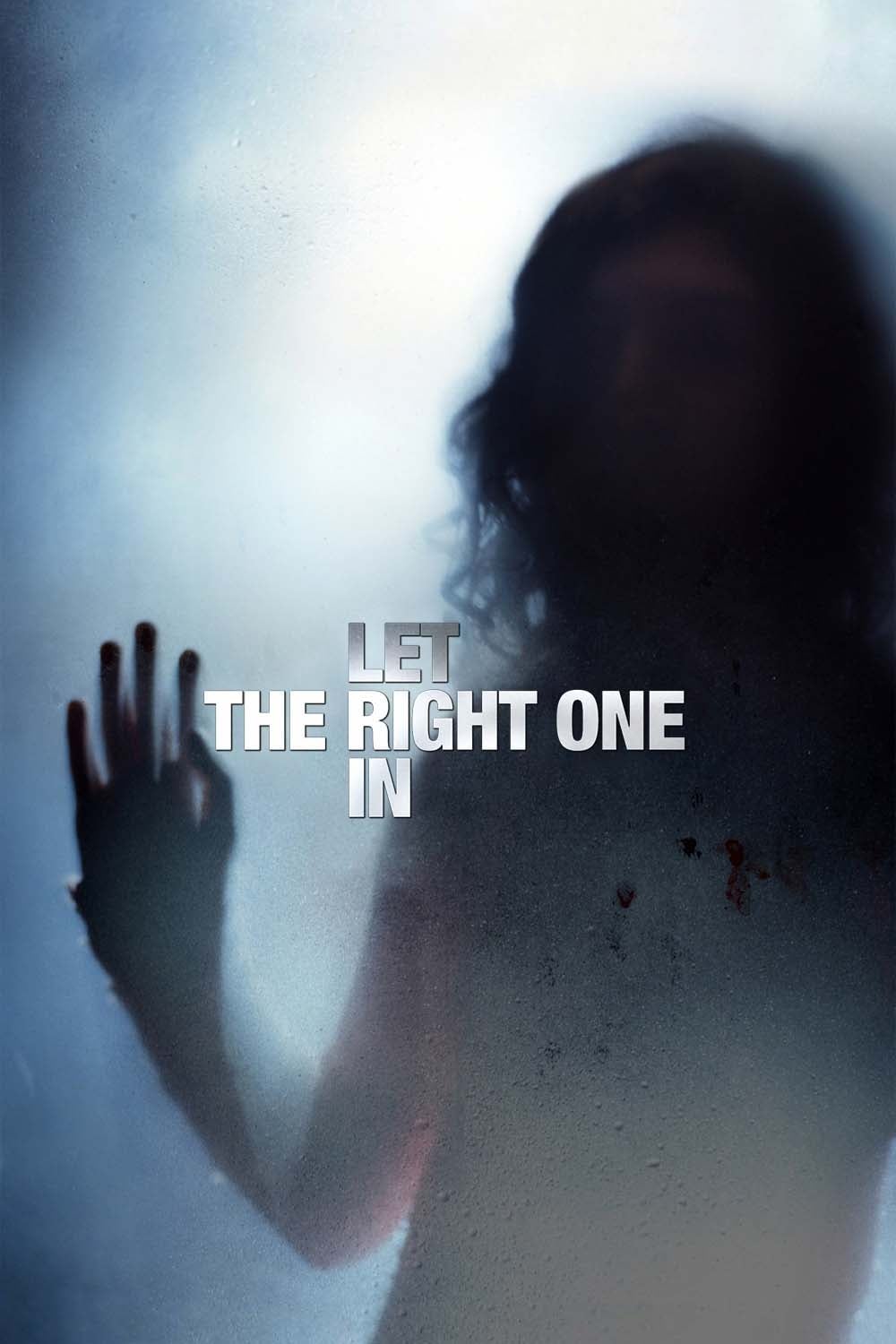
This Swedish vampire story intertwined coming-of-age tenderness with methodical violence, showing how genre can carry intimate drama. Winter landscapes and muted palettes demonstrated environmental mood-building. Practical effects and careful blocking handled supernatural beats with restraint. Cross-cultural remakes and stage adaptations highlighted its flexible narrative core.
‘Paranormal Activity’ (2007)
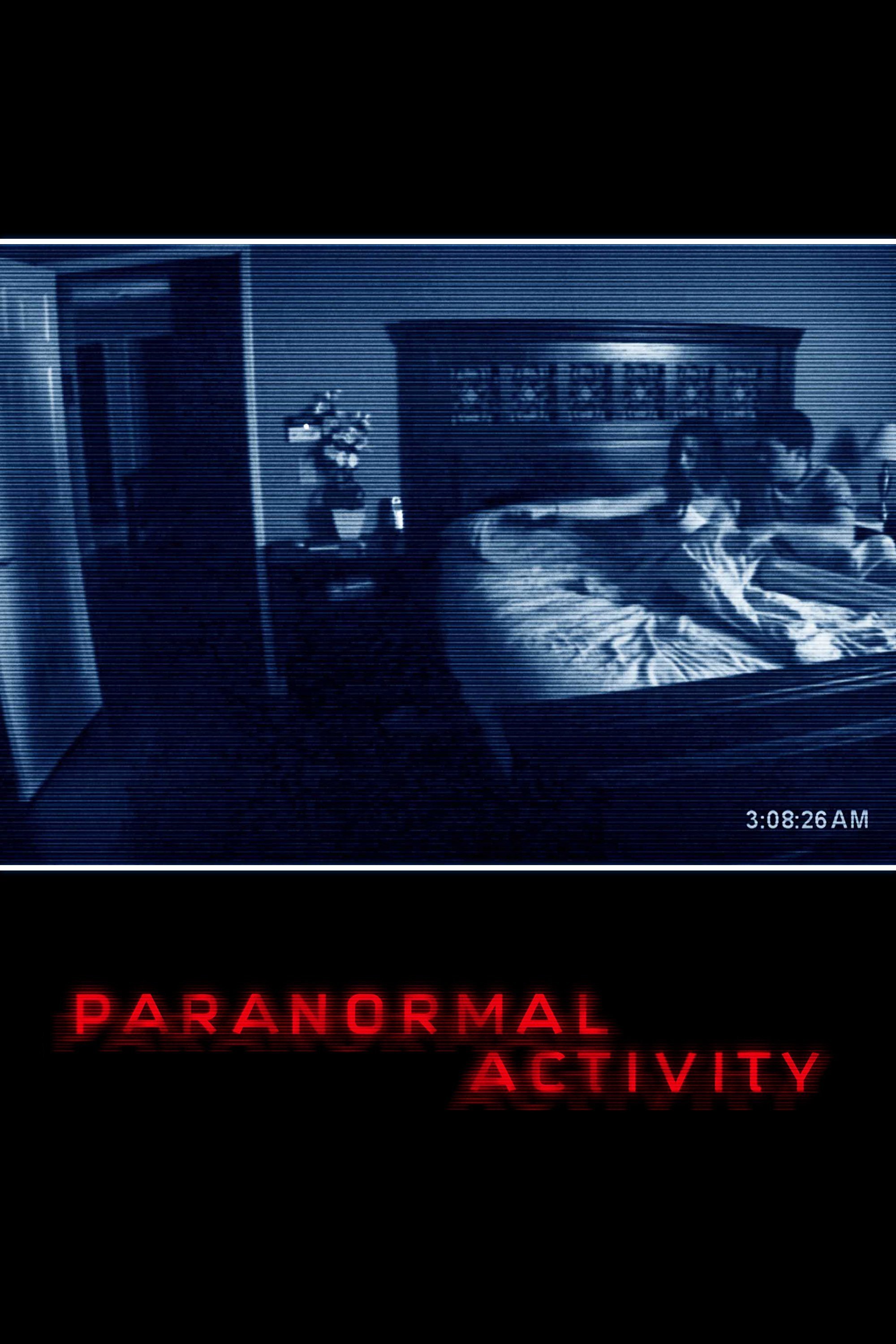
Oren Peli’s domestic surveillance setup turned static shots and time-lapse into suspense engines. The film leveraged test screenings and targeted platform releases to build word-of-mouth. Minimalist effects—footsteps, doors, and subtle movement—demonstrated high return on simple ideas. The template scaled into a multi-installment series and inspired a wave of home-cam horrors.
‘The Witch’ (2015)
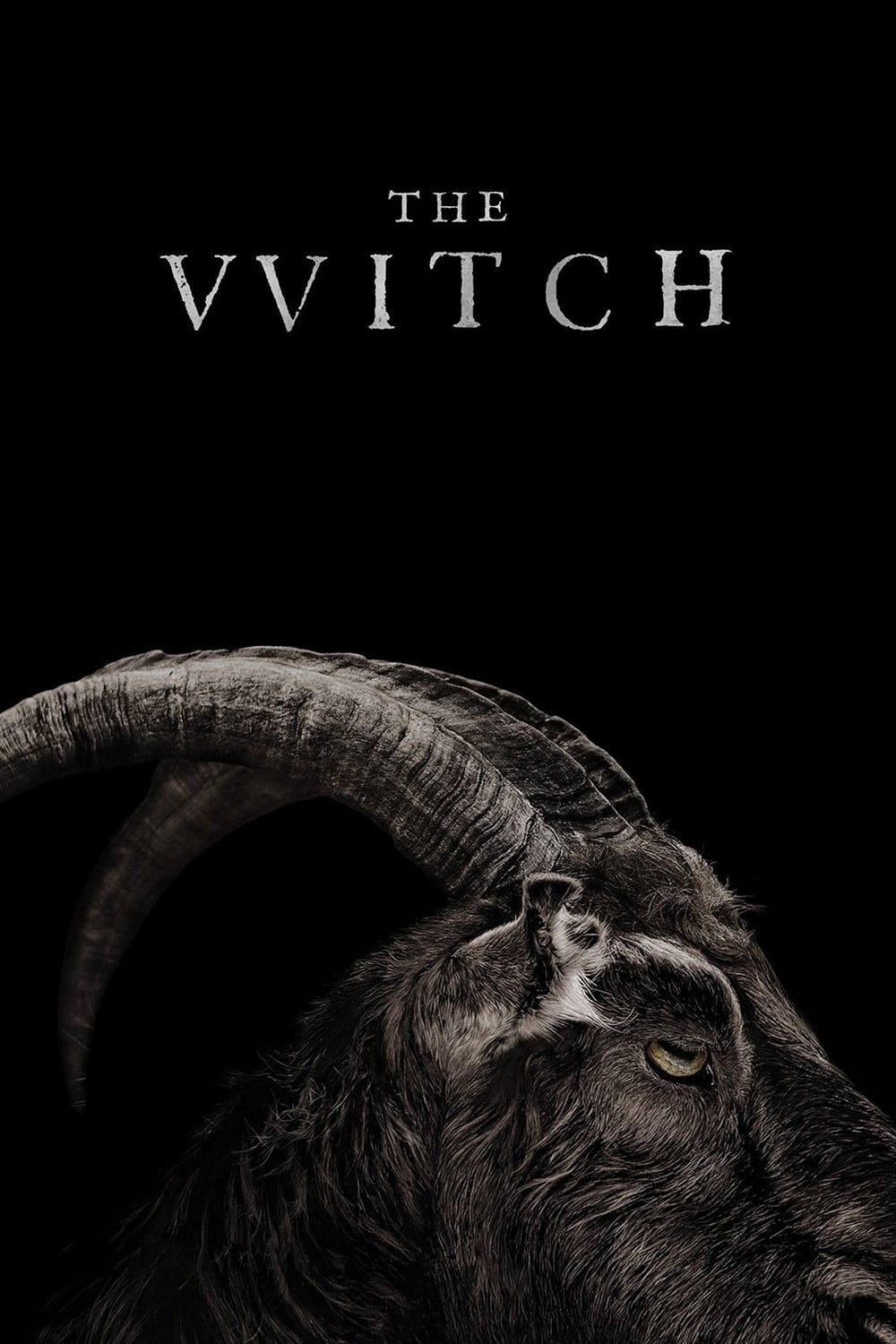
Robert Eggers grounded folk horror in period dialects, historical research, and natural-light cinematography. Soundscapes of wind, wood, and choral drones created tactile dread. The film’s focus on family fracture and superstition revived interest in rural occult narratives. Its meticulous production design pushed authenticity as a source of fear.
‘Get Out’ (2017)
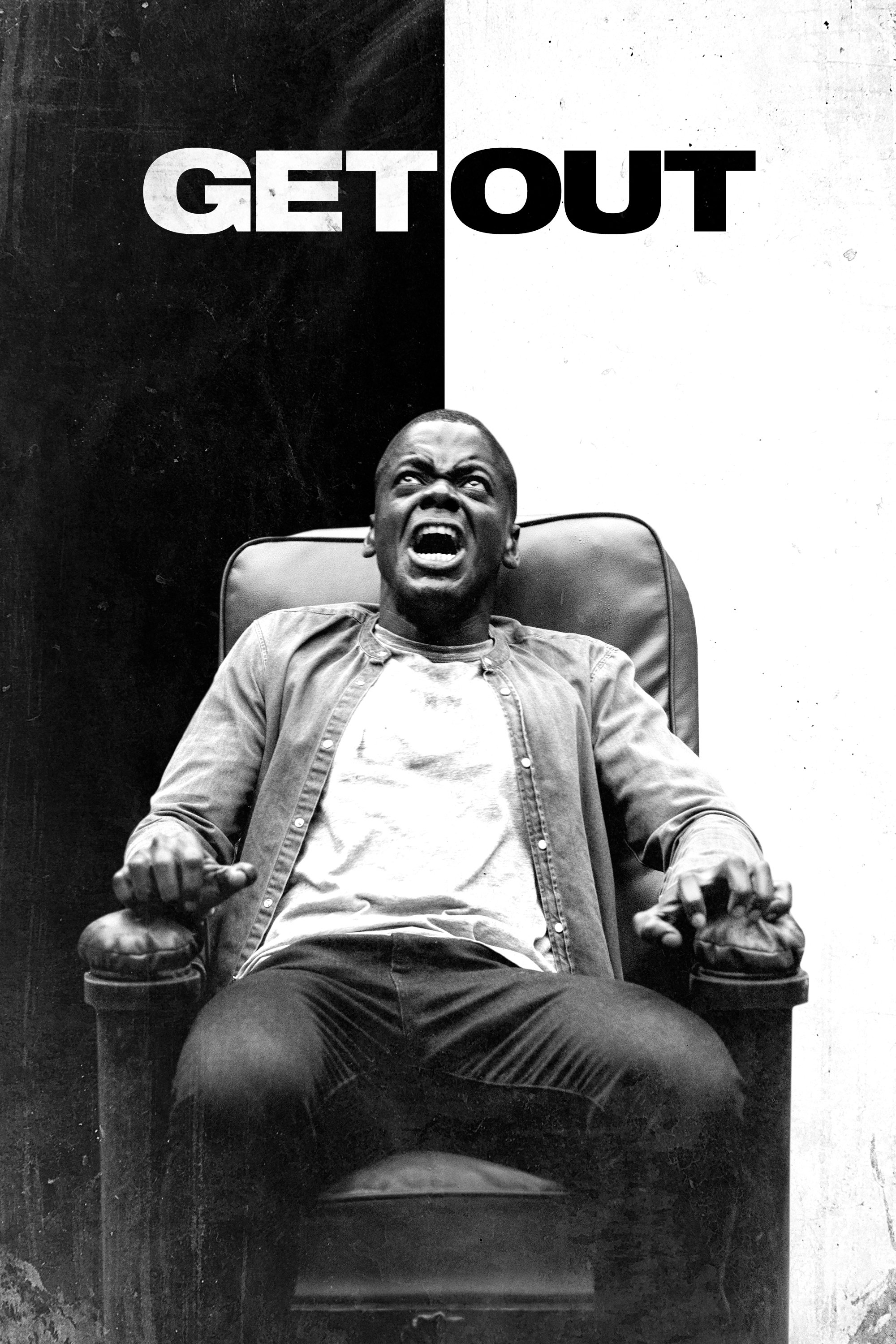
Jordan Peele fused social thriller mechanisms with classic genre setups, centering code-switching and manipulation as horror engines. Smart blocking and visual motifs—eyes, doors, silverware—encoded character power dynamics. The film broadened commercial and awards pathways for politically charged genre work. Its success catalyzed a wave of culturally specific horror stories.
‘A Quiet Place’ (2018)
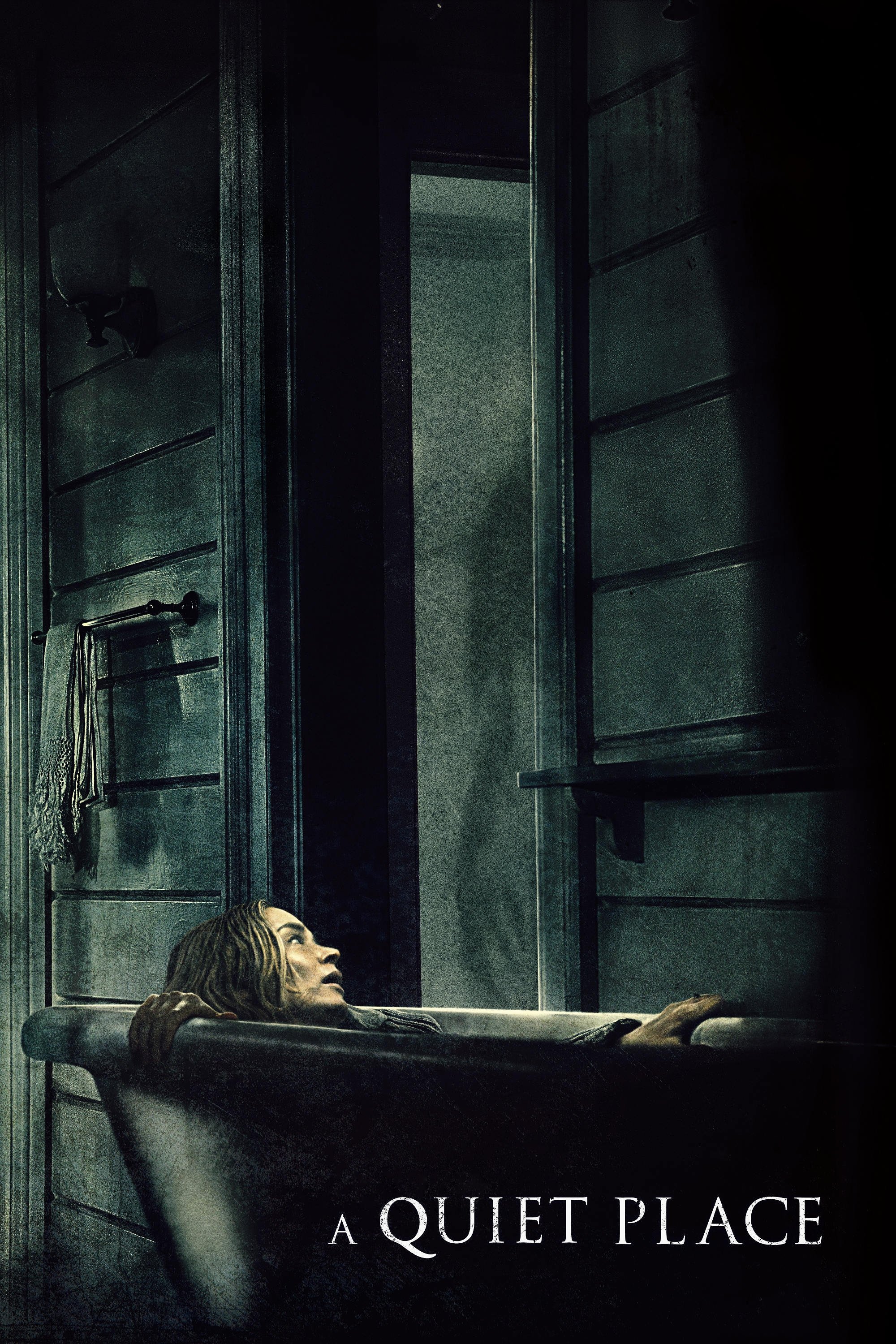
John Krasinski’s film centered sound design and silence as primary mechanics for world-building and suspense. Diegetic rules around noise shaped blocking, prop use, and set construction. The creature’s sensory profile integrated effects and narrative logic into everyday family routines. Its broad success encouraged accessibility-focused, high-concept horror built on clear, teachable rules.
‘Hereditary’ (2018)

Ari Aster’s family tragedy uses miniatures, precise framing, and sound stings to orchestrate dread. Practical effects and careful blocking deliver shocks without overreliance on digital tools. The film’s grief-driven structure reframed possession narratives through domestic rupture. Its reception accelerated the prominence of slow-burn, character-led horror in the mainstream.
Share your own picks for influential horror in the comments and tell us which titles changed how you think about the genre!