The Best Hollywood Directors of the 1980s (Ranked)

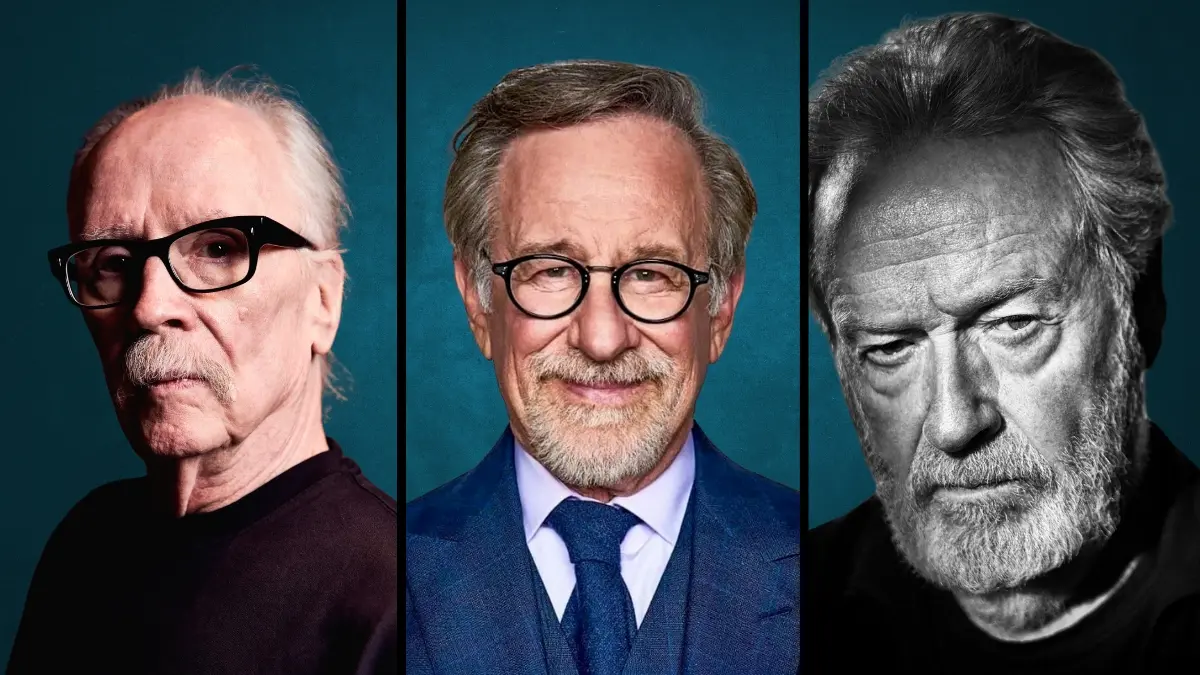

The 1980s reshaped Hollywood with fresh voices, bold genre experiments, and blockbuster breakthroughs, and the decade’s directors steered that transformation from the studio lot to the cultural mainstream. From sci-fi game-changers and high-concept comedies to prestige dramas and era-defining thrillers, these filmmakers set templates that studios still chase. The list below counts down 40 directors whose 1980s work left a measurable mark through box office impact, awards recognition, technical innovation, and lasting influence on craft and genre. Each entry highlights key projects and contributions that defined their decade—no fluff, just the facts that tell the story of how they moved the industry forward.
40. Ron Howard
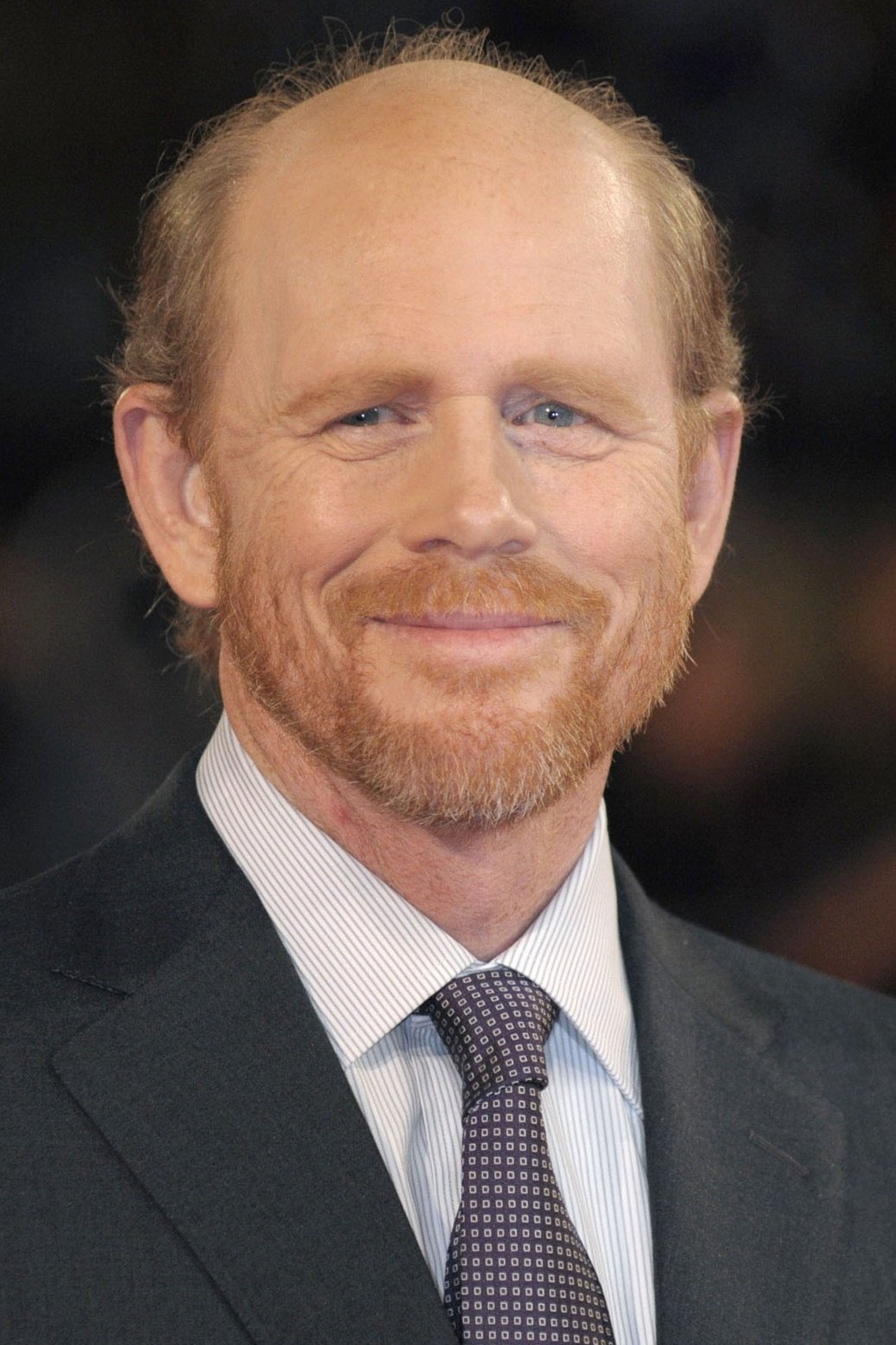
Ron Howard transitioned from acting to directing with a run of accessible, effects-savvy studio hits. He delivered ‘Splash’, ‘Cocoon’, ‘Willow’, and ‘Parenthood’, balancing family themes with precise comic timing and large-scale set logistics. He collaborated closely with visual-effects teams and veteran editors to keep fantastical elements grounded in character. These productions strengthened the template for star-driven, four-quadrant entertainment that studios favored across the decade.
39. Kathryn Bigelow
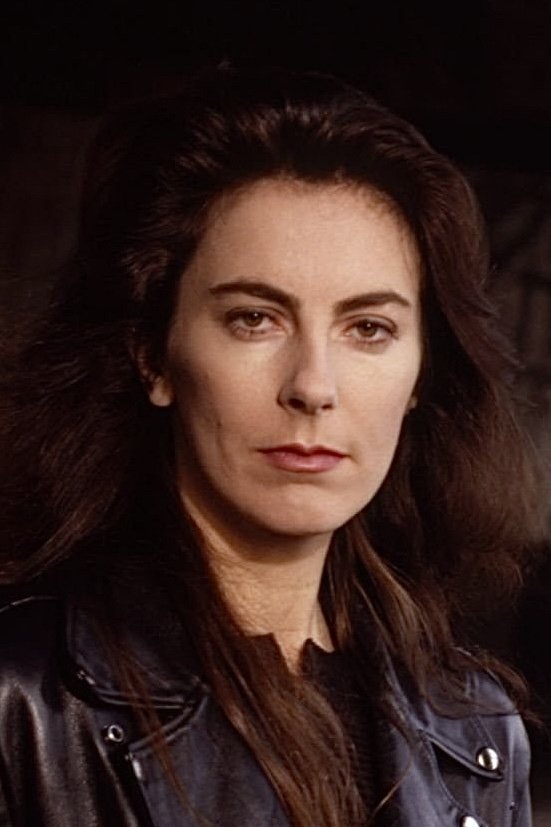
Kathryn Bigelow brought muscular, kinetic staging to genre filmmaking while foregrounding character psychology. She blended horror and western textures in ‘Near Dark’ and refined stylized urban action in ‘Blue Steel’. Her shoots emphasized practical stunt work, expressive lighting, and tight geography to sustain tension. The results established a durable approach to action-thriller craft that later productions adopted widely.
38. Spike Lee
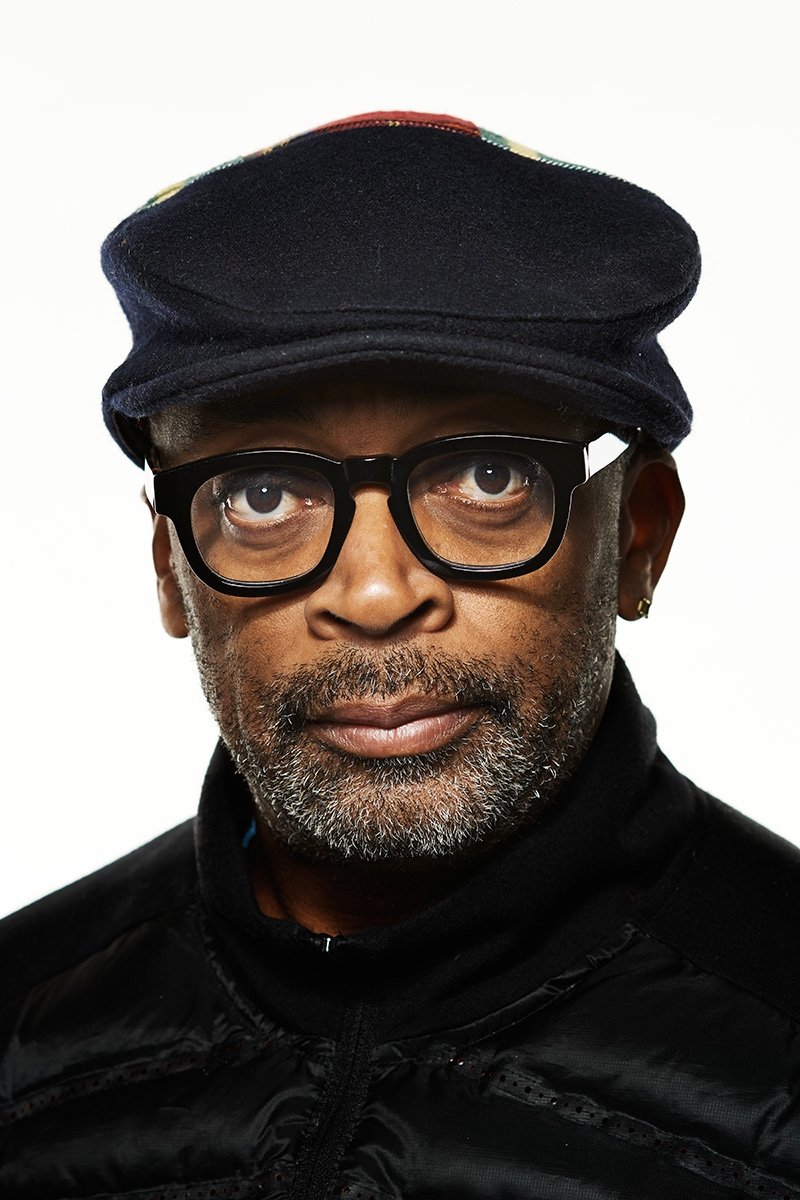
Spike Lee reshaped American independent film with personal, location-driven stories and a strong visual identity. He launched with ‘She’s Gotta Have It’, expanded his campus musical satire in ‘School Daze’, and delivered a landmark urban drama with ‘Do the Right Thing’. His company, 40 Acres and a Mule, supported a repeat team of collaborators in cinematography, music, and design. The model showed how indie production could break into mainstream distribution without losing authorship.
37. Terry Gilliam
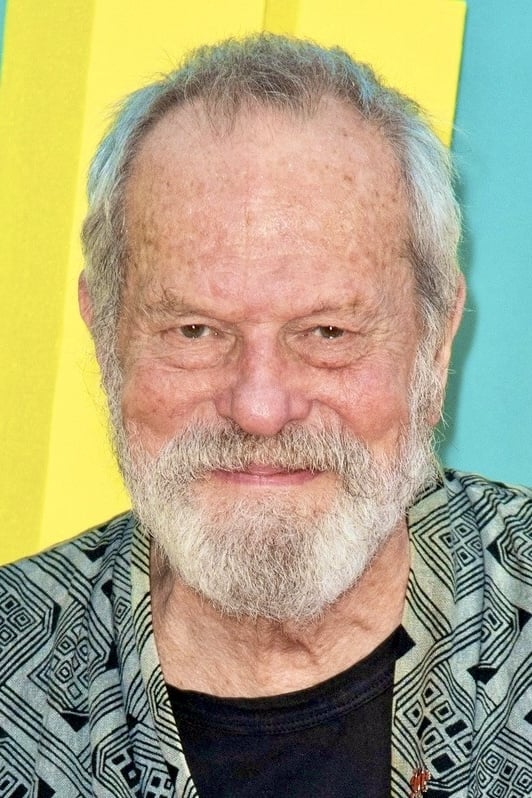
Terry Gilliam fused baroque production design, handmade effects, and satirical world-building. ‘Time Bandits’, ‘Brazil’, and ‘The Adventures of Baron Munchausen’ showcased miniature work, forced perspective, and elaborate sets coordinated with choreographed camera moves. He worked closely with designers and model-makers to achieve storybook scale on studio stages and locations. The films remain reference points for art direction and practical-effects integration.
36. Joel Coen
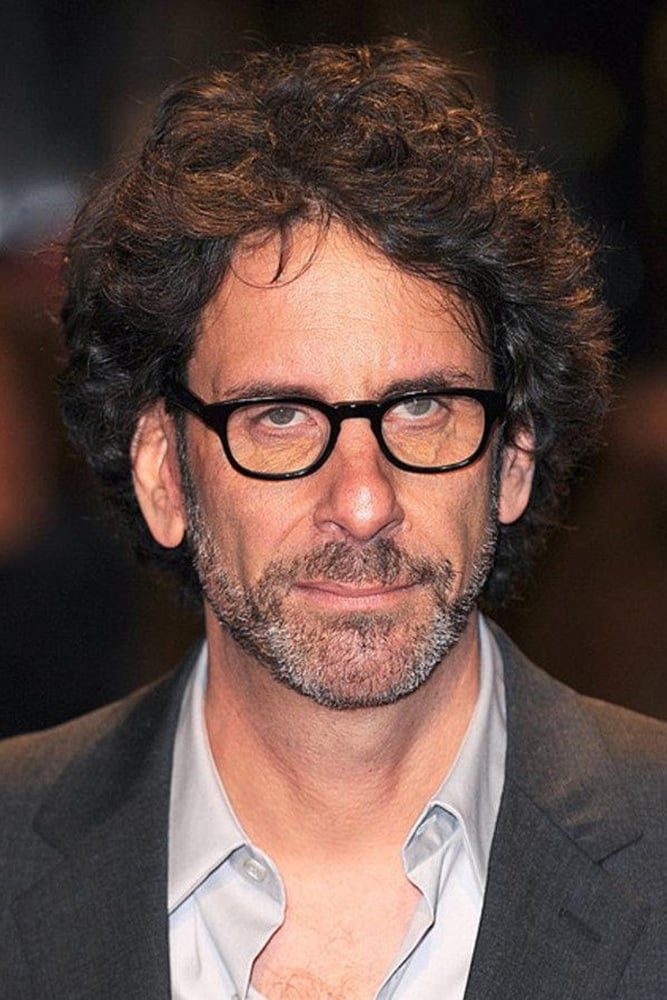
Joel Coen, working with Ethan Coen as co-writer and producer, refined deadpan crime storytelling and visual wit. ‘Blood Simple’ demonstrated crisp suspense mechanics and inventive low-budget cinematography, while ‘Raising Arizona’ expanded into antic comedy with stylized chase sequences. The team prioritized meticulous storyboarding, rhythmic editing, and distinctive dialogue cadences. Their approach influenced a wave of independent crime films that followed.
35. Alan Parker
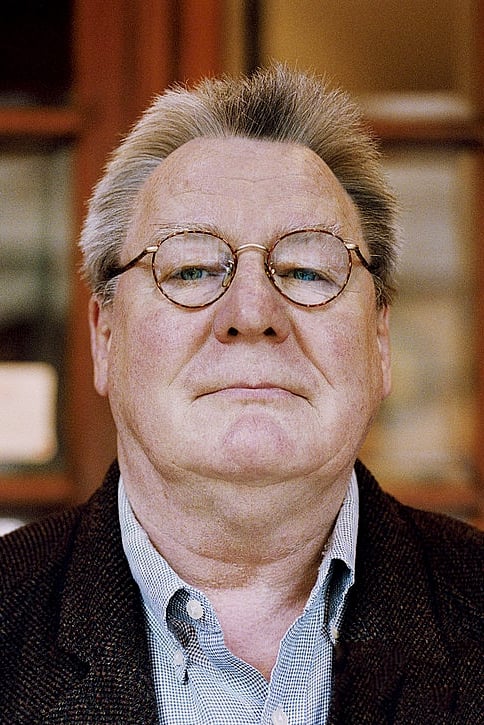
Alan Parker combined music-forward storytelling with bold visual concepts across multiple genres. He staged performance and adolescence in ‘Fame’, tackled surreal concert imagery with ‘Pink Floyd – The Wall’, and delivered tense investigations in ‘Angel Heart’ and ‘Mississippi Burning’. His films often paired expressive production design with assertive sound mixing to drive emotion. The body of work demonstrated how stylization and subject-matter gravity could coexist in studio releases.
34. Miloš Forman
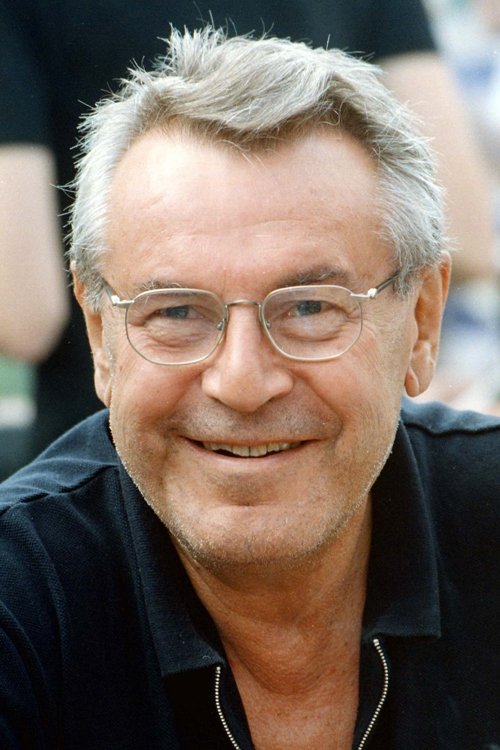
Miloš Forman delivered period precision and complex ensembles with a steady, classical touch. He staged American social tapestries in ‘Ragtime’, mounted an operatic biopic with ‘Amadeus’, and returned to costume drama in ‘Valmont’. His productions emphasized rigorous casting, historically informed design, and careful rehearsal schedules. The films became benchmarks for large-scale prestige filmmaking supported by meticulous craft.
33. John Landis
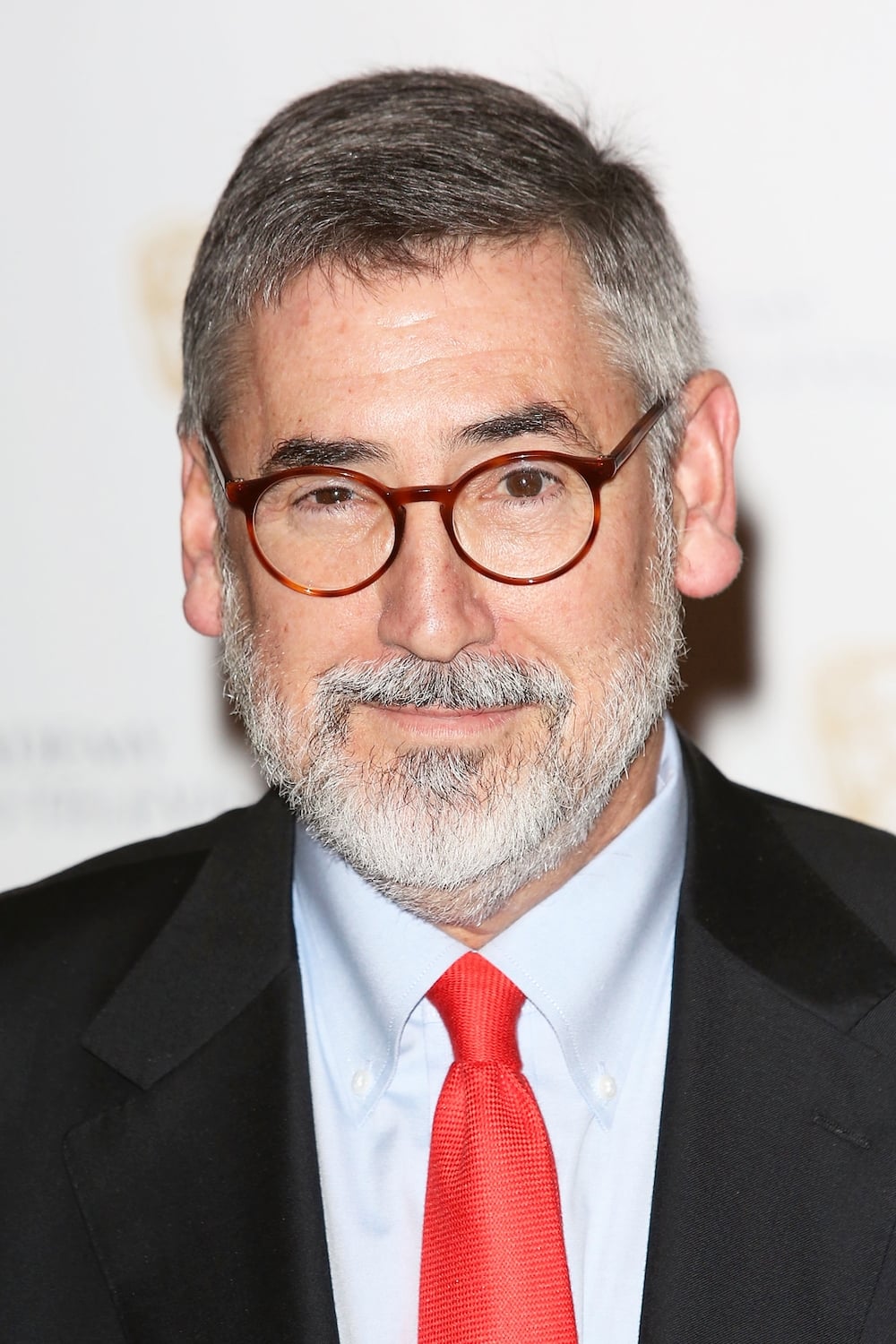
John Landis unified music, comedy, and genre spectacle with confident crowd-pleasing instincts. He orchestrated large musical set-pieces in ‘The Blues Brothers’, advanced makeup effects and transformation scenes with ‘An American Werewolf in London’, and delivered star-led comedies like ‘Trading Places’ and ‘Coming to America’. He worked extensively with choreographers, effects artists, and soundtrack producers to align image and rhythm. The cross-pollination with pop culture helped drive strong ancillary markets.
32. Adrian Lyne

Adrian Lyne popularized the sleek, high-contrast look of adult thrillers and dance-centric drama. He integrated music-video techniques, stylized lighting, and rapid cutting in ‘Flashdance’, ‘9½ Weeks’, and ‘Fatal Attraction’. His focus on desire, obsession, and upscale settings shaped a recognizable subgenre. The films became case studies in how image systems and soundtracks can amplify straightforward narratives.
31. Lawrence Kasdan

Lawrence Kasdan moved from screenwriting into directing with confident control over tone and ensemble dynamics. He revived classic noir elements in ‘Body Heat’, mapped generational friendship in ‘The Big Chill’, and mounted wide-canvas western action in ‘Silverado’. His productions leaned on sharp scripts, strong location choices, and clear blocking for dialogue scenes. The work reinforced the viability of writer-driven studio pictures.
30. John Boorman
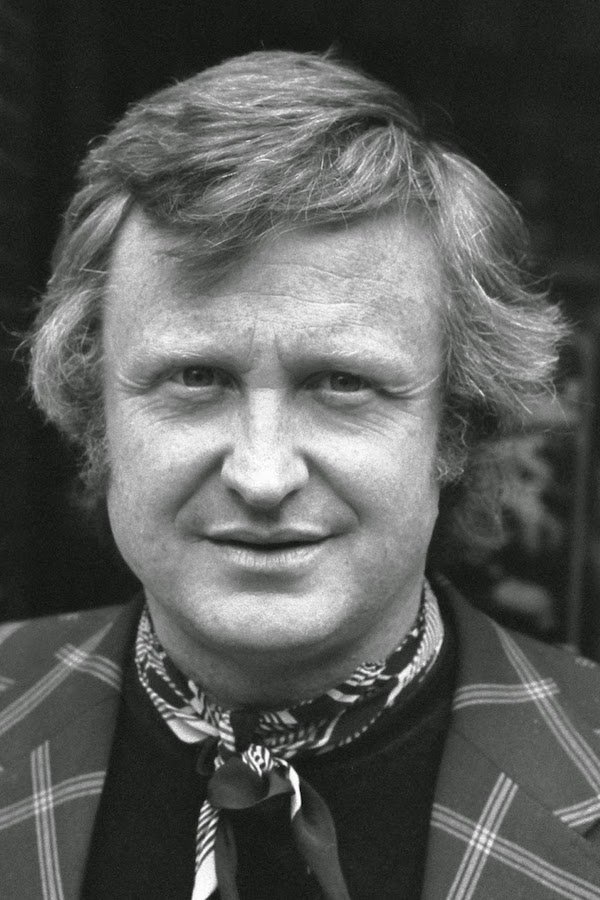
John Boorman brought mythic imagery and tactile landscapes to studio-backed epics and personal dramas. He staged myth and steel in ‘Excalibur’, explored environmental conflict in ‘The Emerald Forest’, and turned autobiographical material into ‘Hope and Glory’. His films favored practical locations, atmospheric lighting, and textured soundscapes. This approach yielded distinctive worlds that stood apart from more conventional period pieces.
29. George Miller
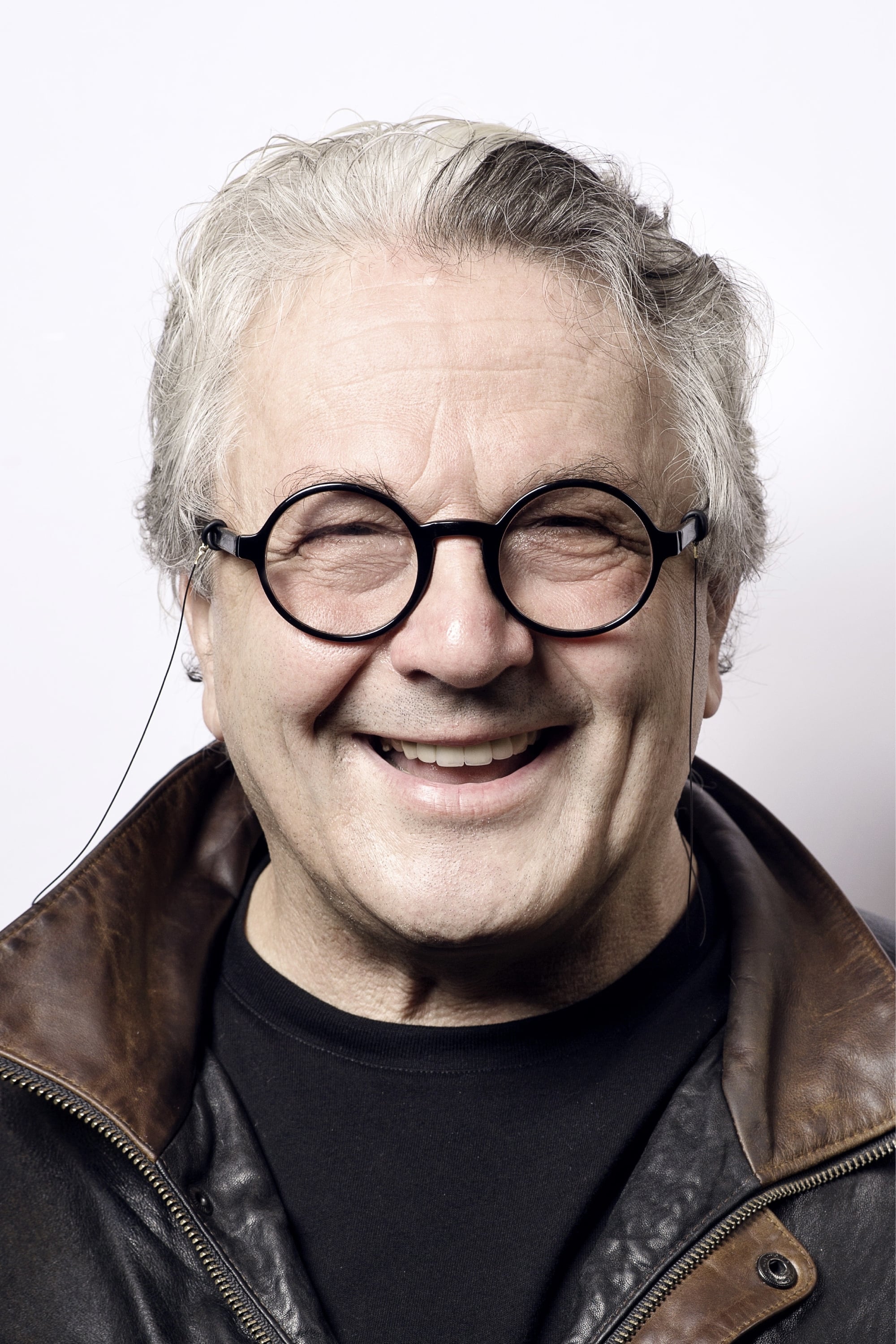
George Miller revolutionized action grammar with relentless momentum and precise stunt architecture. He refined vehicular choreography in ‘The Road Warrior’ and ‘Mad Max Beyond Thunderdome’, then pivoted to supernatural comedy with ‘The Witches of Eastwick’. His sets emphasized practical rigs, safety-forward stunt design, and editorial rhythms that kept geography legible. These methods became foundational for later high-speed action cinema.
28. David Cronenberg
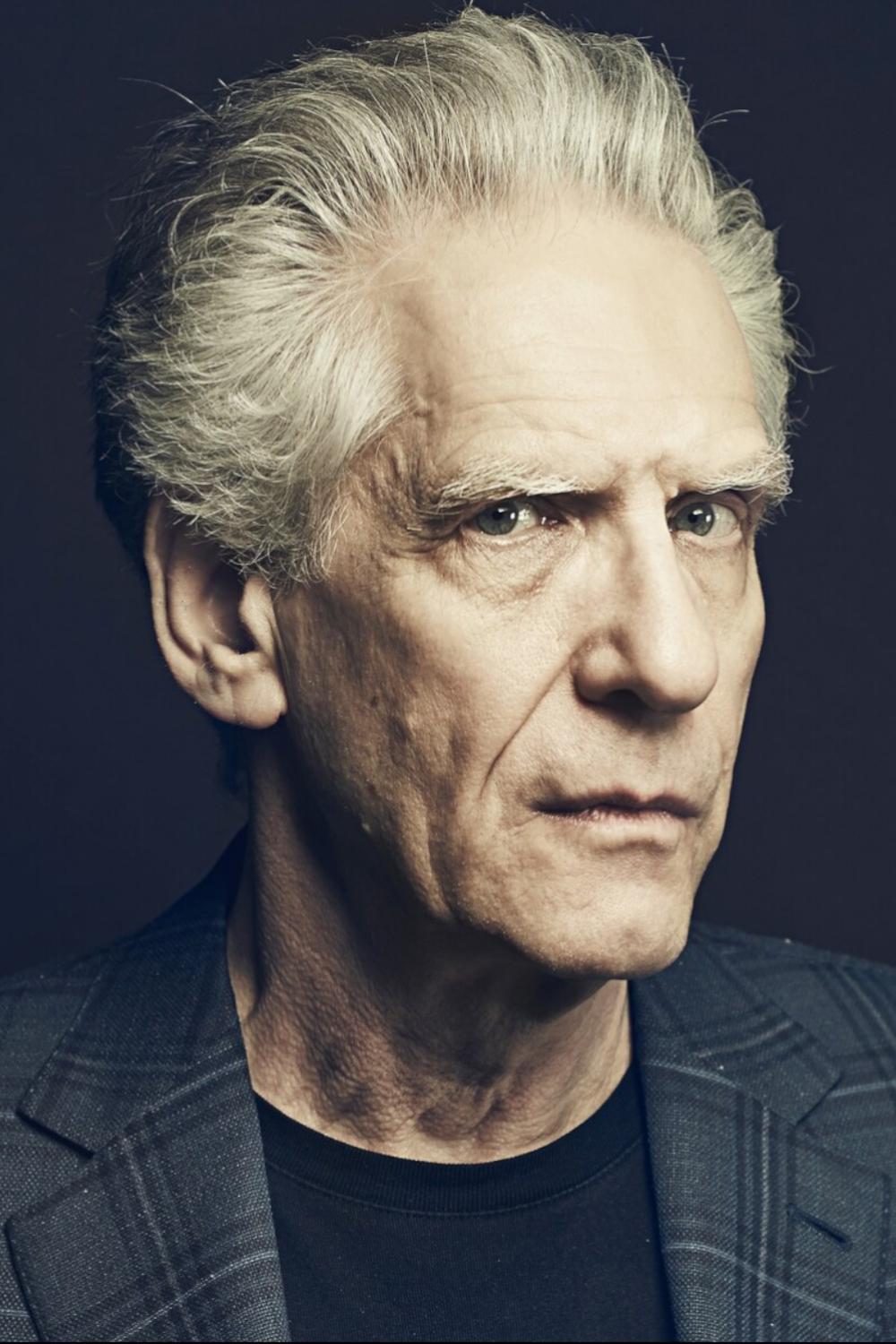
David Cronenberg fused clinical storytelling with startling practical effects in psychologically charged genre films. He explored technology and media in ‘Videodrome’, adapted a thriller with ‘The Dead Zone’, and delivered a landmark effects-driven tragedy with ‘The Fly’. His shoots foregrounded makeup appliances, animatronics, and precise sound design to externalize inner states. The films influenced both horror technique and serious critical engagement with genre.
27. John Badham
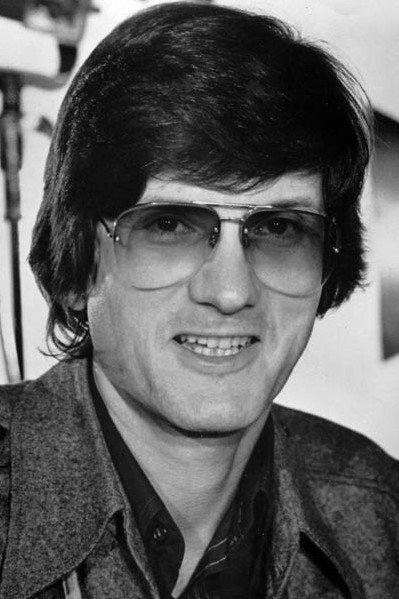
John Badham specialized in tech-era thrillers and accessible action-comedies with clear stakes. He examined defense systems and teen hacking in ‘WarGames’, staged aerial hardware in ‘Blue Thunder’, and balanced heart with robotics in ‘Short Circuit’. His approach emphasized readable coverage, brisk pacing, and audience-friendly exposition. The results helped mainstream high-concept technology stories for broad audiences.
26. Bruce Beresford
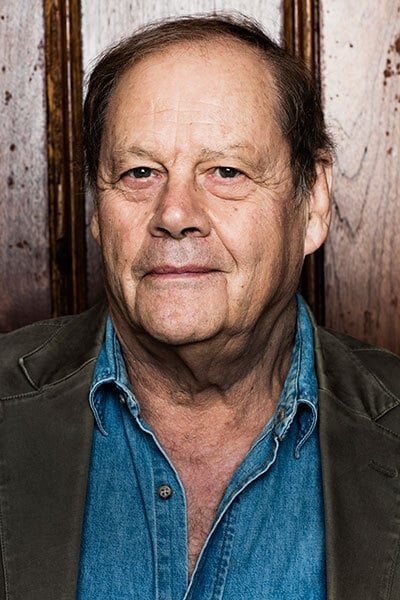
Bruce Beresford focused on performance-centered Americana and intimate drama within the studio system. He guided nuanced country-music resilience in ‘Tender Mercies’, adapted stage material in ‘Crimes of the Heart’, and delivered an intergenerational character study with ‘Driving Miss Daisy’. His productions leaned on careful casting, uncluttered camera setups, and strong editorial restraint. The films earned extensive awards attention and sustained theatrical playability.
25. James L. Brooks
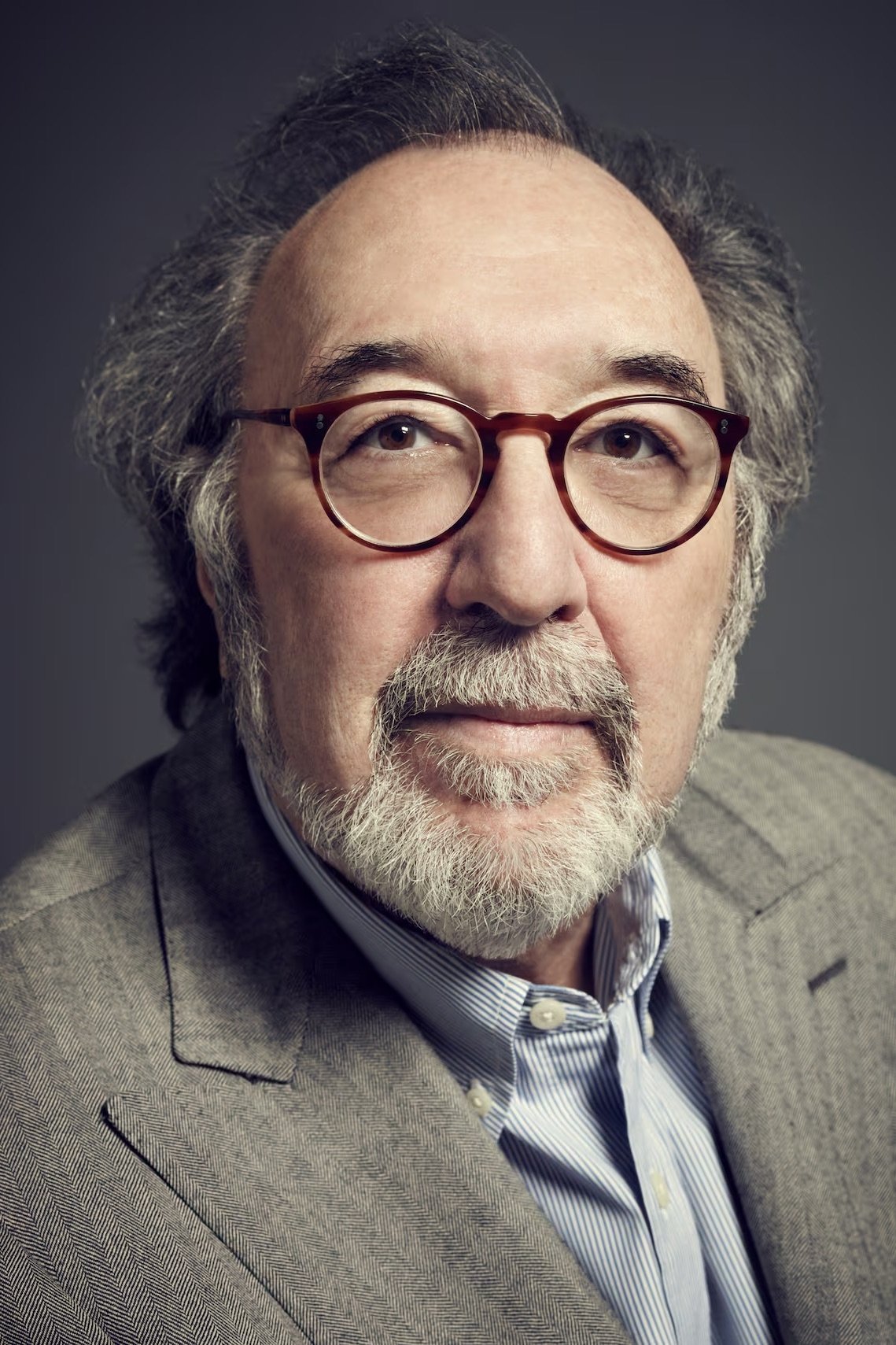
James L. Brooks bridged film and television with character-driven stories that balanced humor and emotional clarity. He directed ‘Terms of Endearment’ and ‘Broadcast News’, both noted for sharp dialogue and ensemble performances. A veteran showrunner and producer, he brought TV timing and narrative economy to studio features. His work shaped Hollywood’s appetite for sophisticated adult dramedies and guided careers for actors and writers who carried that style into the 1990s.
24. Paul Verhoeven

Paul Verhoeven’s move to Hollywood introduced a satirical, ultra-stylized approach to genre. With ‘RoboCop’, he fused action, science-fiction, and media critique, popularizing a blend of pulp and provocation that studios repeatedly emulated. His visual signatures—heightened violence, corporate dystopias, and sharp world-building—became touchstones for effects teams and production designers. The films’ marketing and merchandise strategies also illustrated how edgy properties could thrive in mainstream channels.
23. Sidney Lumet
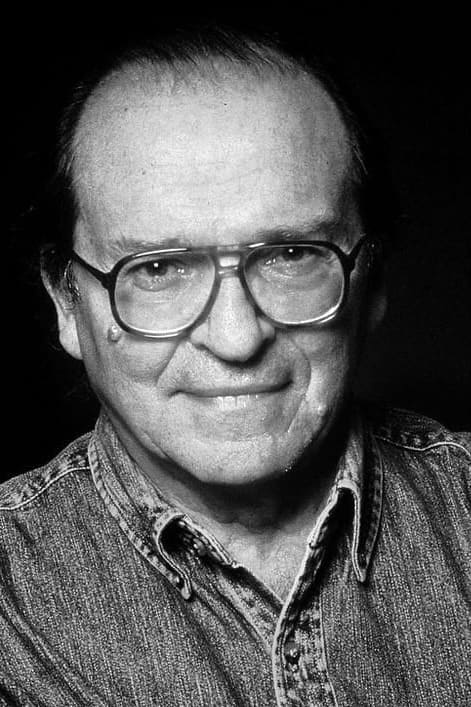
Sidney Lumet brought his New York realism into the 1980s with tightly focused legal and moral dramas. Films such as ‘The Verdict’ and ‘Prince of the City’ emphasized procedure, performance, and ethical stakes over spectacle. He continued to favor brisk schedules and rehearsal-heavy methods that foregrounded actors and script. These practices influenced studio respect for mid-budget adult dramas throughout the decade.
22. Peter Weir
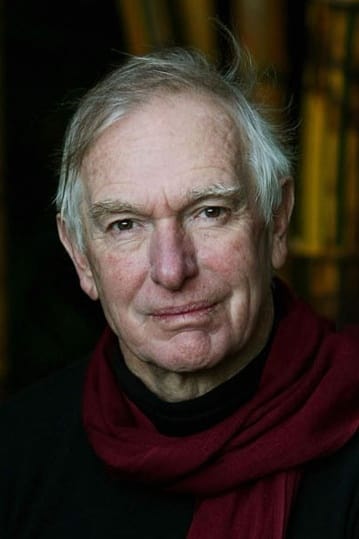
Peter Weir entered the U.S. market with character-centered dramas that combined intimate storytelling and precise atmosphere. ‘Witness’ and ‘The Mosquito Coast’ displayed meticulous location work, measured pacing, and understated tension. He consistently collaborated closely with cinematographers to craft visuals that supported culture-clash narratives. The films’ awards traction helped sustain studio confidence in prestige releases outside the holiday corridor.
21. Walter Hill

Walter Hill refined the modern action template with muscular pacing and spare dialogue. Titles like ‘48 Hrs.’ and ‘Streets of Fire’ showcased stylized urban settings, propulsive editing, and music-driven sequences. He helped popularize buddy-cop dynamics and cross-genre design in studio action pictures. His producing work on the ‘Alien’ franchise also reinforced his influence behind the scenes.
20. Joe Dante
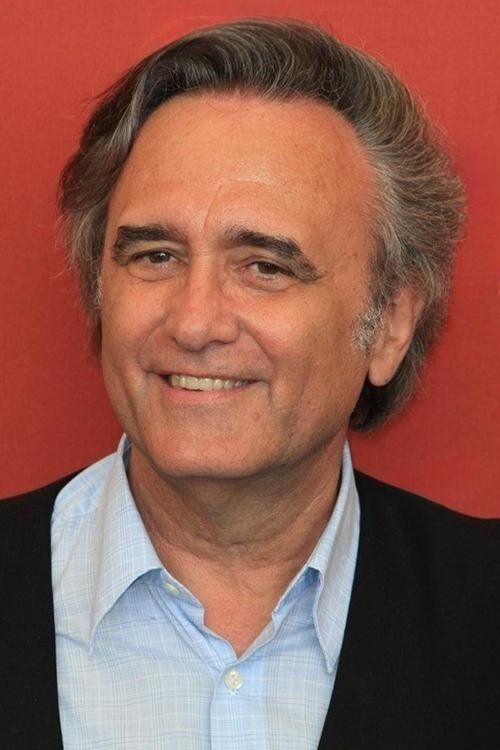
Joe Dante blended horror, comedy, and Americana with an editor’s precision and a fan’s encyclopedic references. ‘The Howling’, ‘Gremlins’, and ‘Innerspace’ mixed practical effects with playful tone shifts that appealed to broad audiences. He frequently partnered with effects houses to push creature design and miniatures work. The results shaped studio confidence in mischievous, PG-skirting genre hybrids that dominated multiplexes.
19. Tony Scott
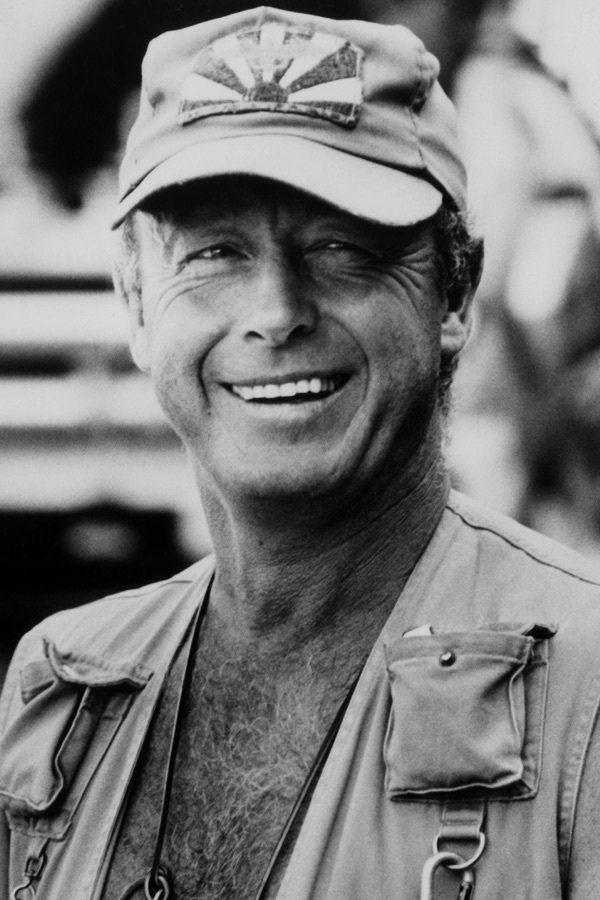
Tony Scott defined high-octane, glossy action aesthetics that advertising and music videos quickly adopted. ‘Top Gun’ and ‘Beverly Hills Cop II’ paired kinetic camera movement with rhythm-driven cutting and branded soundtracks. He favored long-lens photography, silhouette lighting, and color-gel atmospherics that became commercial shorthand for cool. The films also set benchmarks for military and police cooperation on large-scale shoots.
18. Richard Donner
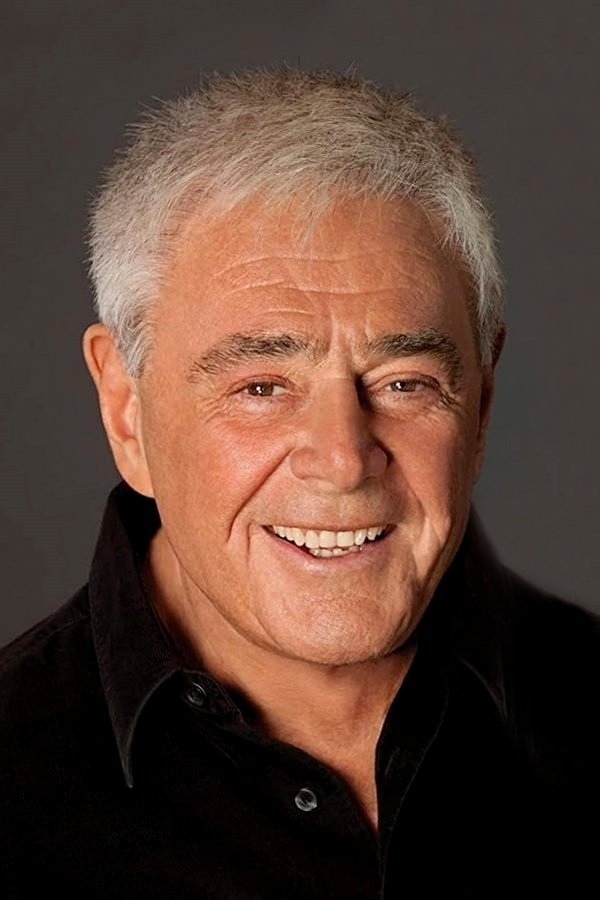
Richard Donner delivered crowd-pleasing adventure and action with clean storytelling and strong ensembles. ‘The Goonies’, ‘Ladyhawke’, and ‘Lethal Weapon’ demonstrated his knack for tone management across family adventure and R-rated action. He worked efficiently with second-unit teams to stage stunts and practical effects at scale. His projects generated durable franchises and home-video staples that extended their commercial life well past theatrical runs.
17. Ivan Reitman
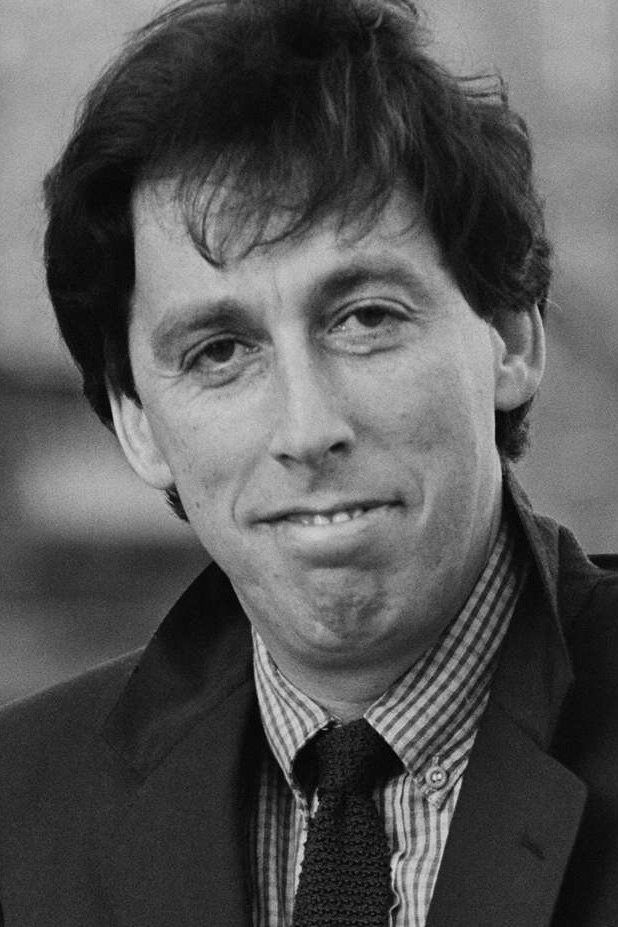
Ivan Reitman specialized in high-concept comedy with genre trappings. ‘Stripes’, ‘Ghostbusters’, and ‘Twins’ paired star-driven casts with visual effects and memorable hook premises. He coordinated effects, improv-friendly sets, and music cues to keep pace brisk without sacrificing character beats. The success of these films recalibrated studio interest in comedy as tentpole-level business.
16. Jonathan Demme
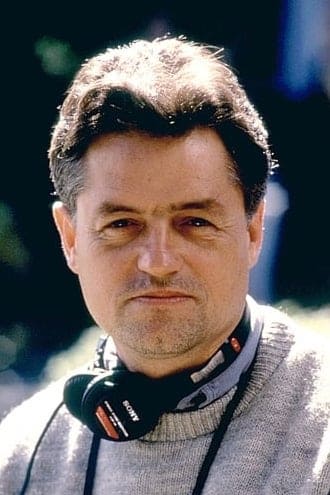
Jonathan Demme brought a humane, eclectic sensibility to concert films, comedies, and off-beat crime stories. ‘Stop Making Sense’, ‘Something Wild’, and ‘Married to the Mob’ showcased inventive camera placement and music integration. He cultivated collaborative sets that encouraged idiosyncratic supporting turns and vivid production design. The decade’s work positioned him as a go-to stylist for character-centric genre blends.
15. Barry Levinson
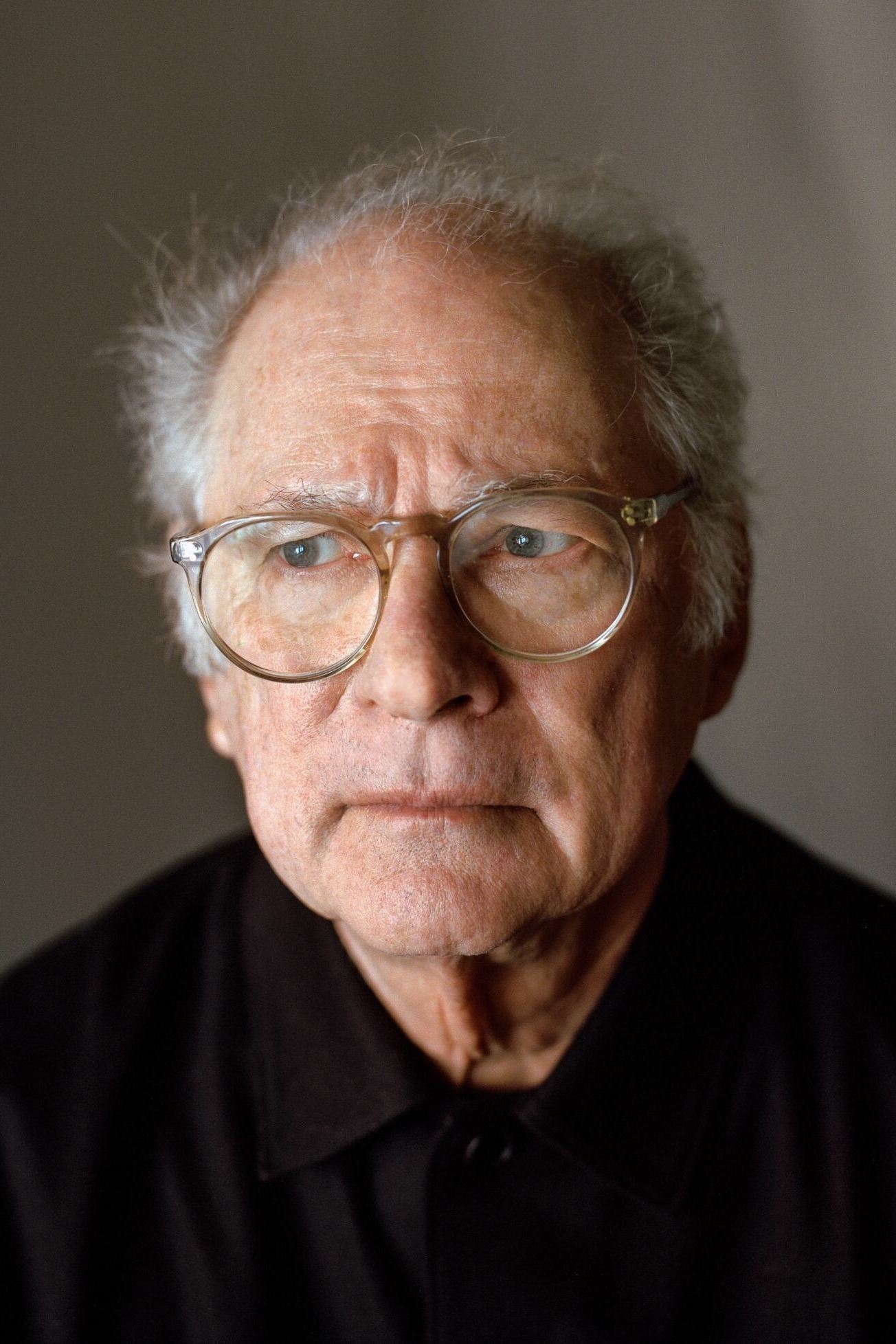
Barry Levinson’s 1980s films combined observational humor with meticulous period detail. ‘Diner’, ‘The Natural’, ‘Tin Men’, ‘Good Morning, Vietnam’, and ‘Rain Man’ demonstrated range from sports romance to war-era comedy-drama. He favored ensemble structures, location authenticity, and radio-inspired soundscapes. The films earned major awards and box office results, reinforcing studios’ commitment to prestige entertainment.
14. Michael Mann
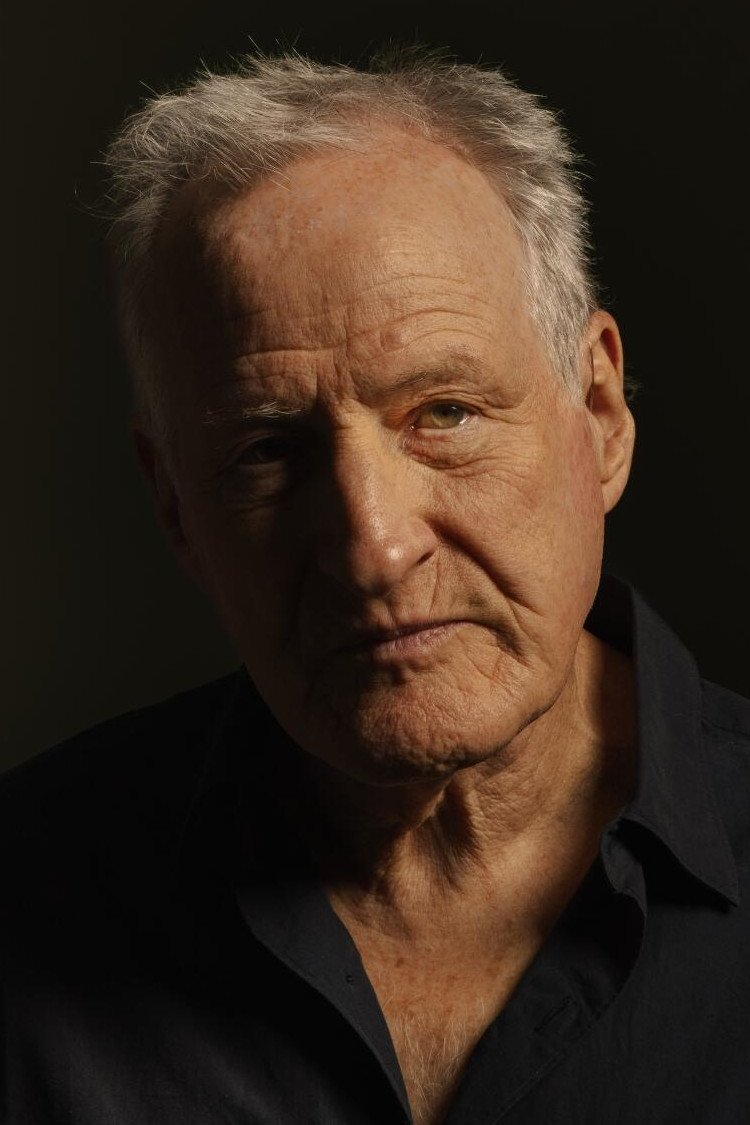
Michael Mann shaped the decade’s sleek crime aesthetic across film and television. ‘Thief’ and ‘Manhunter’ emphasized forensic detail, analog tech, and synth-driven soundtracks that defined a mood many productions echoed. His involvement with ‘Miami Vice’ extended that look into weekly TV, influencing wardrobe, color palettes, and music supervision. Meticulous research and location work anchored style in procedural credibility.
13. Brian De Palma
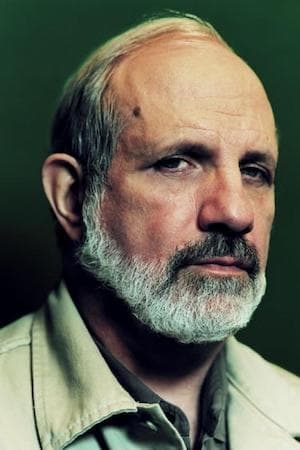
Brian De Palma delivered operatic crime sagas and Hitchcockian thrillers with bold set-pieces. ‘Scarface’, ‘Body Double’, ‘The Untouchables’, and ‘Casualties of War’ featured elaborate camera moves, split-diopter shots, and choreographed suspense. He collaborated closely with composers to craft memorable leitmotifs that shaped audience tension. These techniques became case studies in film-school discussions of visual storytelling and tone.
12. John Carpenter
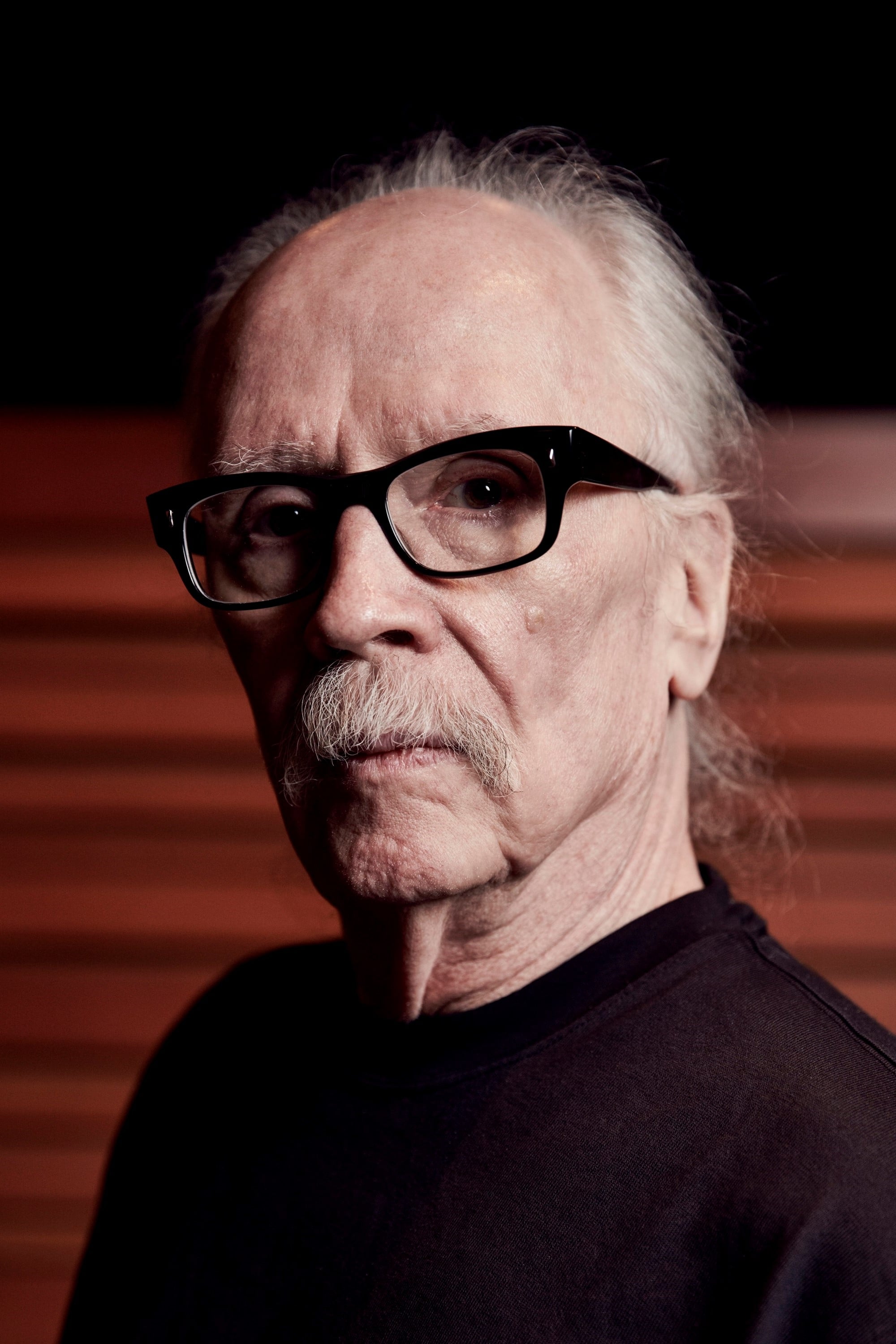
John Carpenter fused horror, sci-fi, and action with minimalist scores and icon-making imagery. ‘The Fog’, ‘Escape from New York’, ‘The Thing’, ‘Big Trouble in Little China’, and ‘They Live’ leaned on practical effects and widescreen composition. He often composed or co-composed synth scores that reinforced mood and pace. The films built cult reputations that later powered extensive home-video and merchandise ecosystems.
11. Rob Reiner

Rob Reiner delivered a rare streak of genre-spanning hits that emphasized structure and dialogue. ‘This Is Spinal Tap’, ‘Stand by Me’, ‘The Princess Bride’, and ‘When Harry Met Sally…’ showcased adaptable craft across mockumentary, coming-of-age, fantasy, and romantic comedy. He worked with top screenwriters, maintaining clear arcs and character-first editing rhythms. The run established reliable templates widely imitated in the next decade.
10. Tim Burton
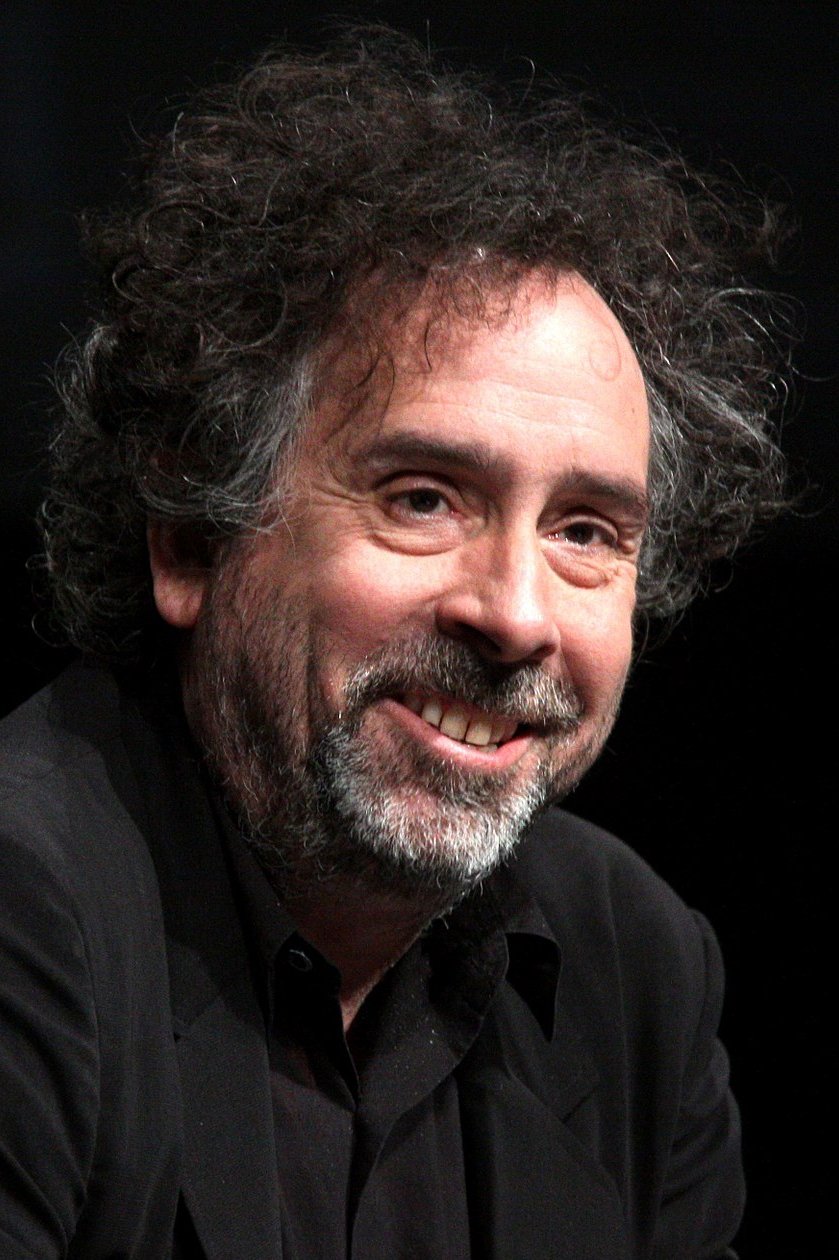
Tim Burton introduced a distinctive gothic-pop production design that became instantly identifiable. ‘Pee-wee’s Big Adventure’, ‘Beetlejuice’, and ‘Batman’ paired handcrafted aesthetics with visual-effects breakthroughs and merchandising savvy. He consistently collaborated with designers and composers to unify image and sound into a singular brand. Studio marketing leveraged his imagery across posters, trailers, and tie-ins that expanded audience reach.
9. David Lynch
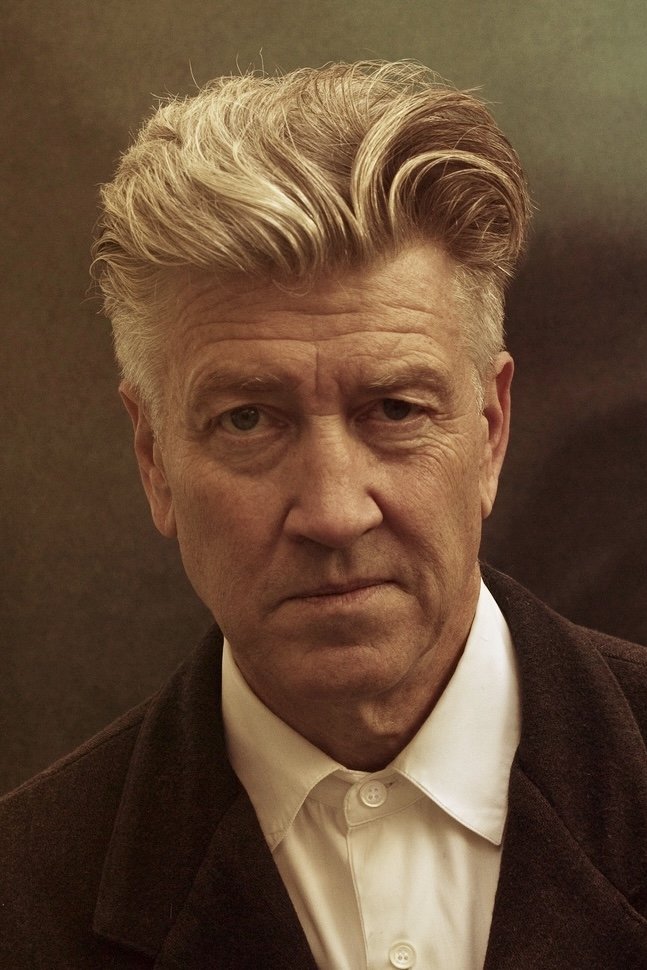
David Lynch advanced American art-film sensibilities within studio frameworks. ‘The Elephant Man’, ‘Dune’, and ‘Blue Velvet’ showcased dream logic, textural sound design, and controlled surrealism. He cultivated long-term partnerships with actors and craftspeople to sustain a consistent tonal universe. The films influenced festival programming and encouraged distributors to back risk-taking projects with commercial potential.
8. John McTiernan
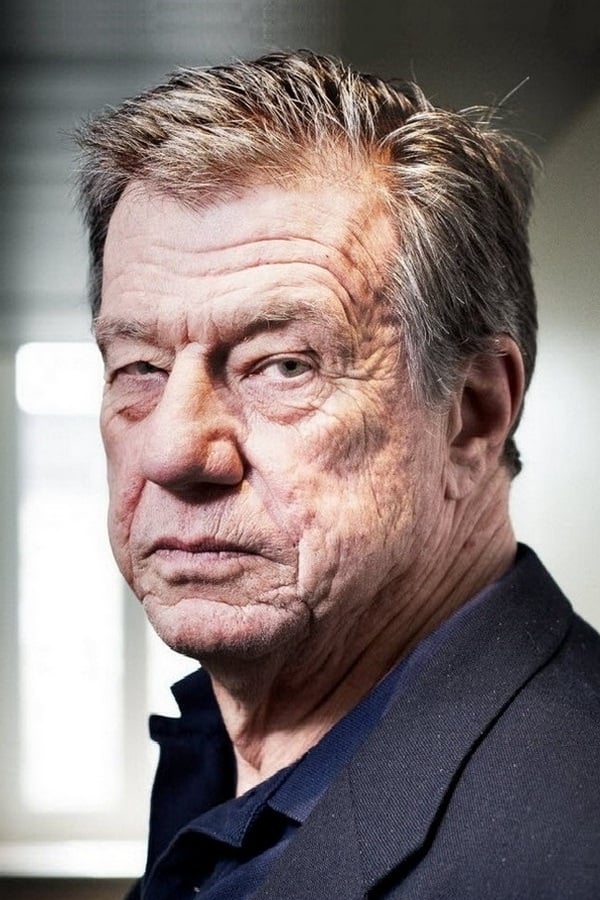
John McTiernan sharpened action grammar with spatially clear set-pieces and character-led tension. ‘Predator’ and ‘Die Hard’ emphasized ensemble interplay, practical stunt coordination, and escalating, clock-driven stakes. He favored anamorphic framing and location-driven tactics that kept geography readable during complex sequences. These choices informed second-unit methodologies across numerous late-decade action films.
7. John Hughes

John Hughes defined teen and family comedy through character empathy and soundtrack-savvy storytelling. ‘Sixteen Candles’, ‘The Breakfast Club’, ‘Ferris Bueller’s Day Off’, ‘Planes, Trains and Automobiles’, and ‘Uncle Buck’ aligned pop music choices with narrative beats. He frequently wrote and directed, giving his films a consistent voice and cadence. Their success anchored a cycle of youth-market comedies that dominated release calendars.
6. Oliver Stone
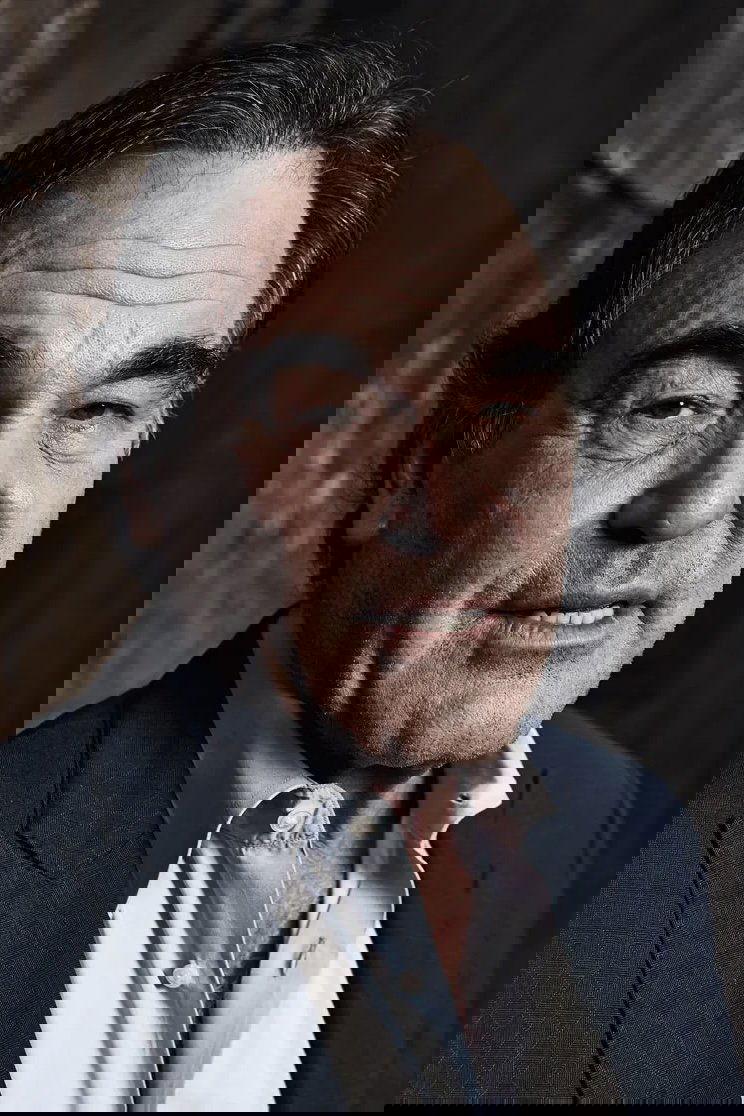
Oliver Stone delivered politically charged dramas with vivid combat realism and corporate-culture critique. ‘Platoon’, ‘Wall Street’, ‘Talk Radio’, ‘Born on the Fourth of July’, and ‘Salvador’ combined intensive research with assertive editing and sound design. He collaborated with military advisers and journalists to ground contentious subjects. The films earned major awards and fueled public conversation around recent history and power.
5. Robert Zemeckis
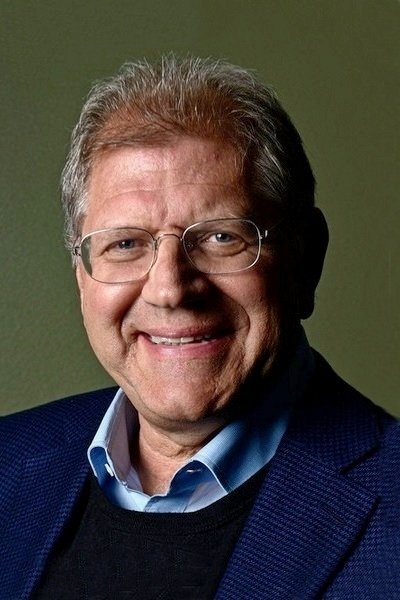
Robert Zemeckis merged crowd-pleasing storytelling with technical experimentation. ‘Romancing the Stone’, ‘Back to the Future’, and ‘Who Framed Roger Rabbit’ showcased advances in optical compositing, live-action/animation integration, and effects-driven comedy. He maintained tight pacing through pre-planning and storyboarding that supported complex set-pieces. The films’ global performance influenced studio investment in VFX-heavy family adventure.
4. Ridley Scott
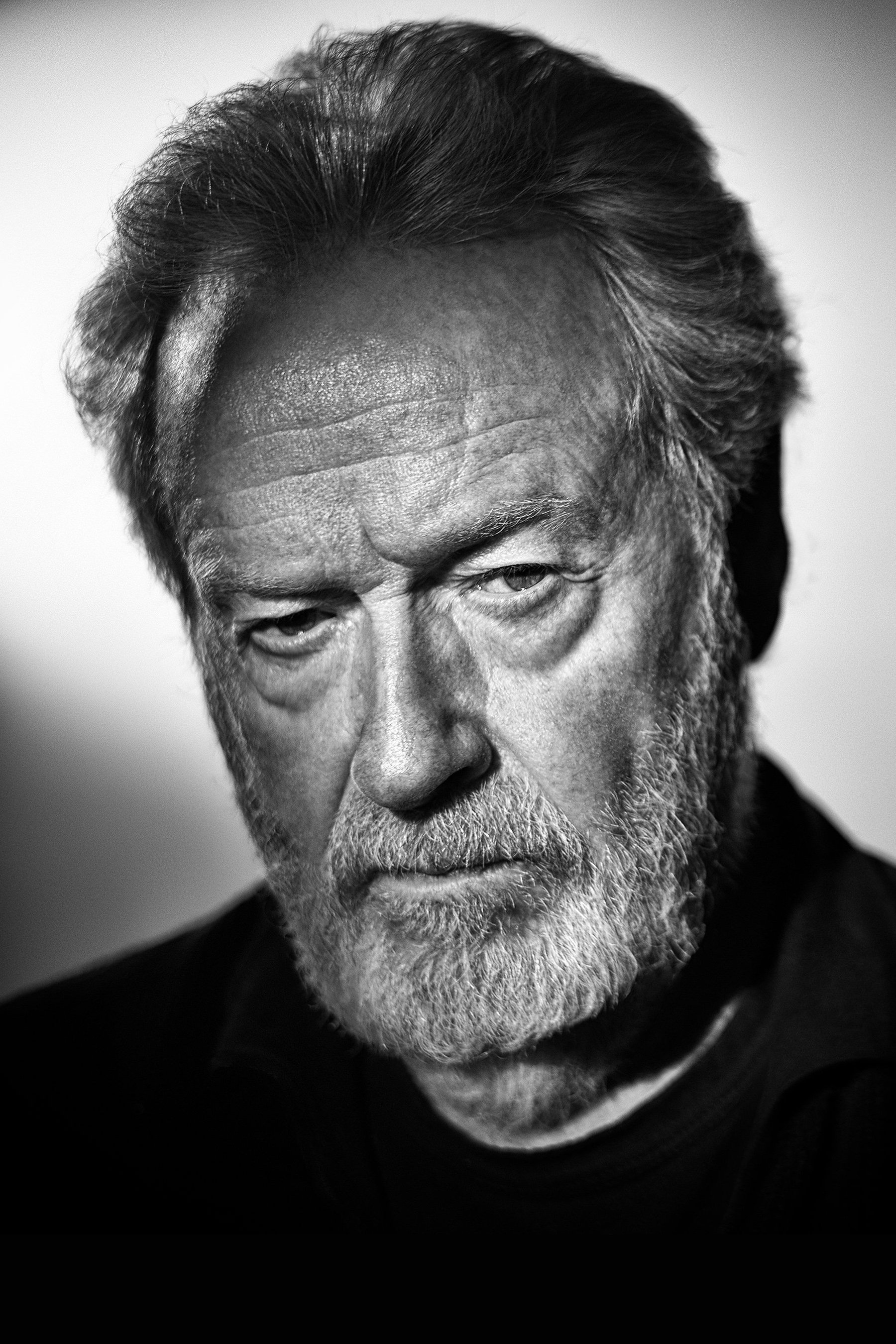
Ridley Scott refined world-building and visual atmosphere that shaped science-fiction and neo-noir aesthetics. ‘Blade Runner’, ‘Legend’, and ‘Black Rain’ emphasized production design, lighting texture, and meticulous frame composition. He prioritized storyboarded sequences, second-unit coordination, and long-take coverage for editorial flexibility. These practices became reference points for cinematographers and designers across multiple genres.
3. Martin Scorsese
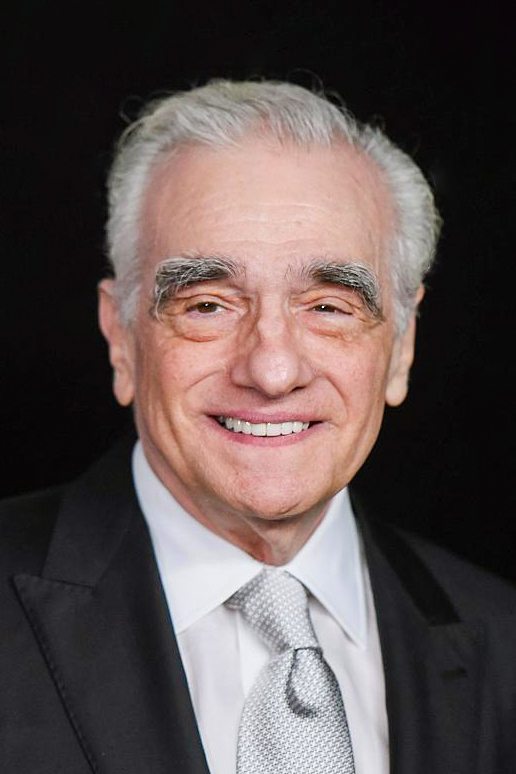
Martin Scorsese expanded his craft with boxing drama, dark comedy, and spiritual epic within the studio system. ‘Raging Bull’, ‘The King of Comedy’, ‘After Hours’, and ‘The Last Temptation of Christ’ demonstrated disciplined camera movement, needle-drop curation, and performance-centered staging. He worked closely with editors and music supervisors to align rhythm and thematic intent. The films were heavily studied in academia and influenced independent filmmakers entering the market.
2. James Cameron
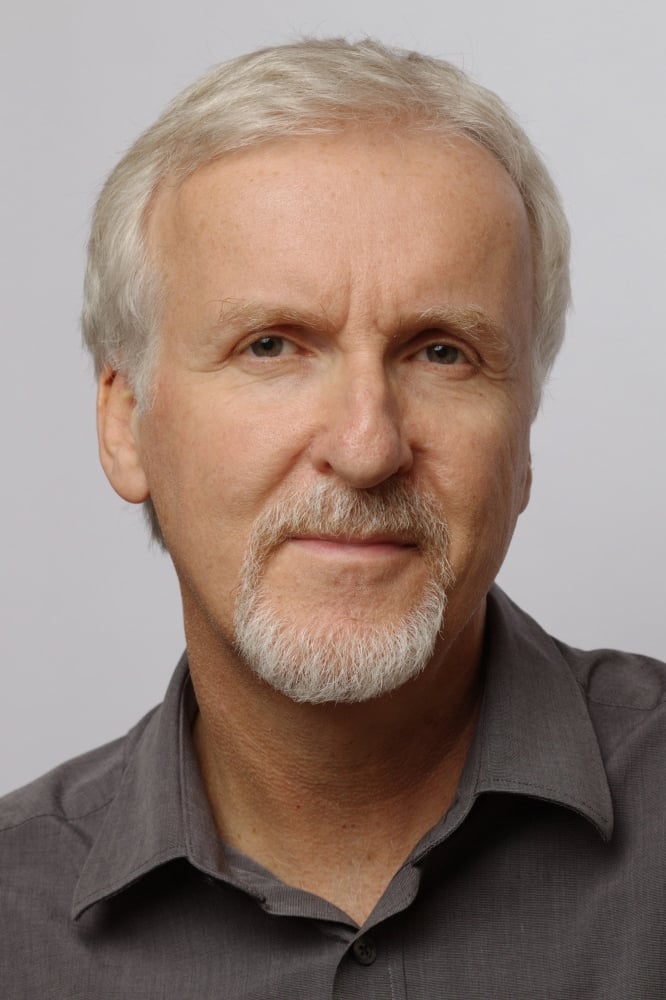
James Cameron pushed effects, sound, and stunt integration while keeping narratives tightly engineered. ‘The Terminator’, ‘Aliens’, and ‘The Abyss’ advanced animatronics, miniature work, and underwater cinematography. He emphasized pre-viz planning and specialized camera rigs to achieve unprecedented action clarity. The films drove technological adoption across studios and trained crews for increasingly ambitious productions.
1. Steven Spielberg
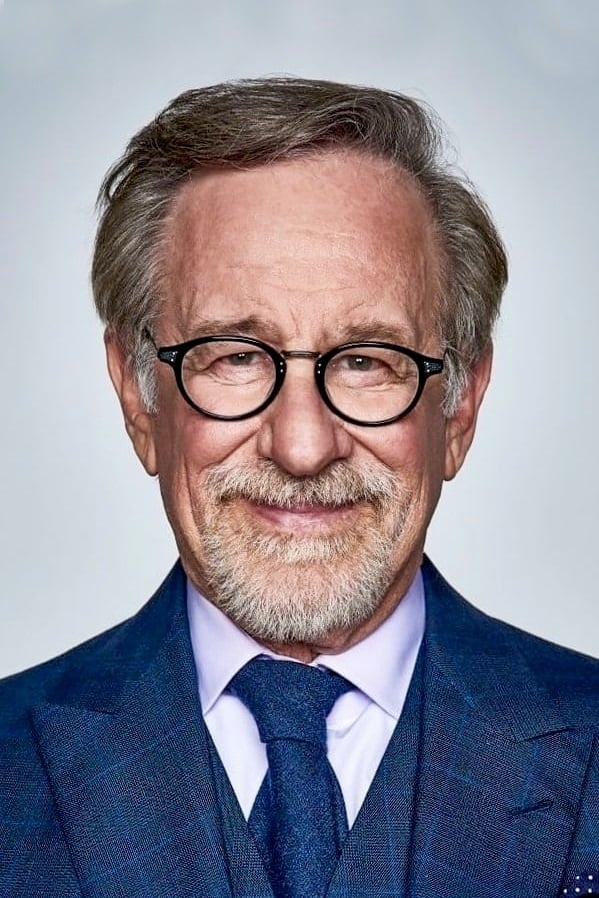
Steven Spielberg dominated the decade with crowd-connecting adventure, family fantasy, and prestige drama. ‘Raiders of the Lost Ark’, ‘E.T. the Extra-Terrestrial’, ‘Indiana Jones and the Temple of Doom’, and ‘The Color Purple’ combined classical coverage with modern effects and iconic scoring. He cultivated long-term collaborations across editing, sound, and music that streamlined complex productions. The films set box-office records, established enduring franchises, and defined the multiplex era’s event-movie model.
If you love or disagree with any picks, drop your own top 5 directors of the 1980s in the comments so everyone can compare notes!