The Best Hollywood Directors of the 2000s (Ranked)



The 2000s were a transformative decade for Hollywood, with directors pushing digital filmmaking, reviving practical stunts, and blending studio scale with bold personal visions. From franchise world-building to intimate character dramas, these filmmakers shaped what audiences expected from big-screen storytelling and set technical benchmarks that still hold. This countdown spotlights the directors whose work defined the era through awards recognition, cultural impact, industry influence, and box-office results—each entry highlighting signature films, craft, and innovations from that decade.
Jason Reitman
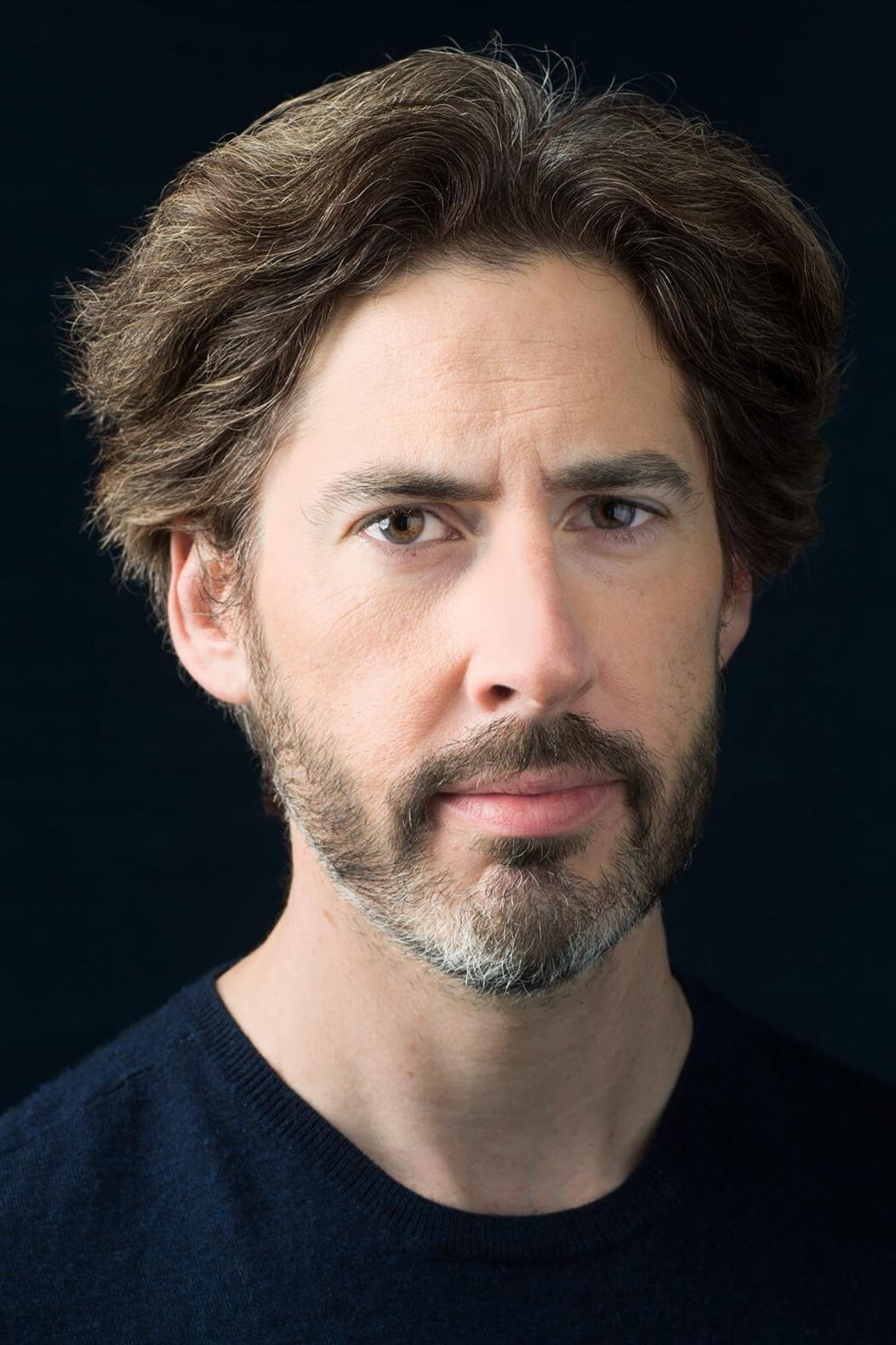
Reitman’s studio comedies and dramas—’Thank You for Smoking’, ‘Juno’, and ‘Up in the Air’—paired sharp scripts with unobtrusive, actor-first direction. He maintained brisk pacing and topical subject matter through clean coverage and editorial clarity. The films garnered awards attention and strong ensemble performances. His work demonstrated how mid-budget, dialogue-driven projects could thrive in the decade’s marketplace.
Joe Wright
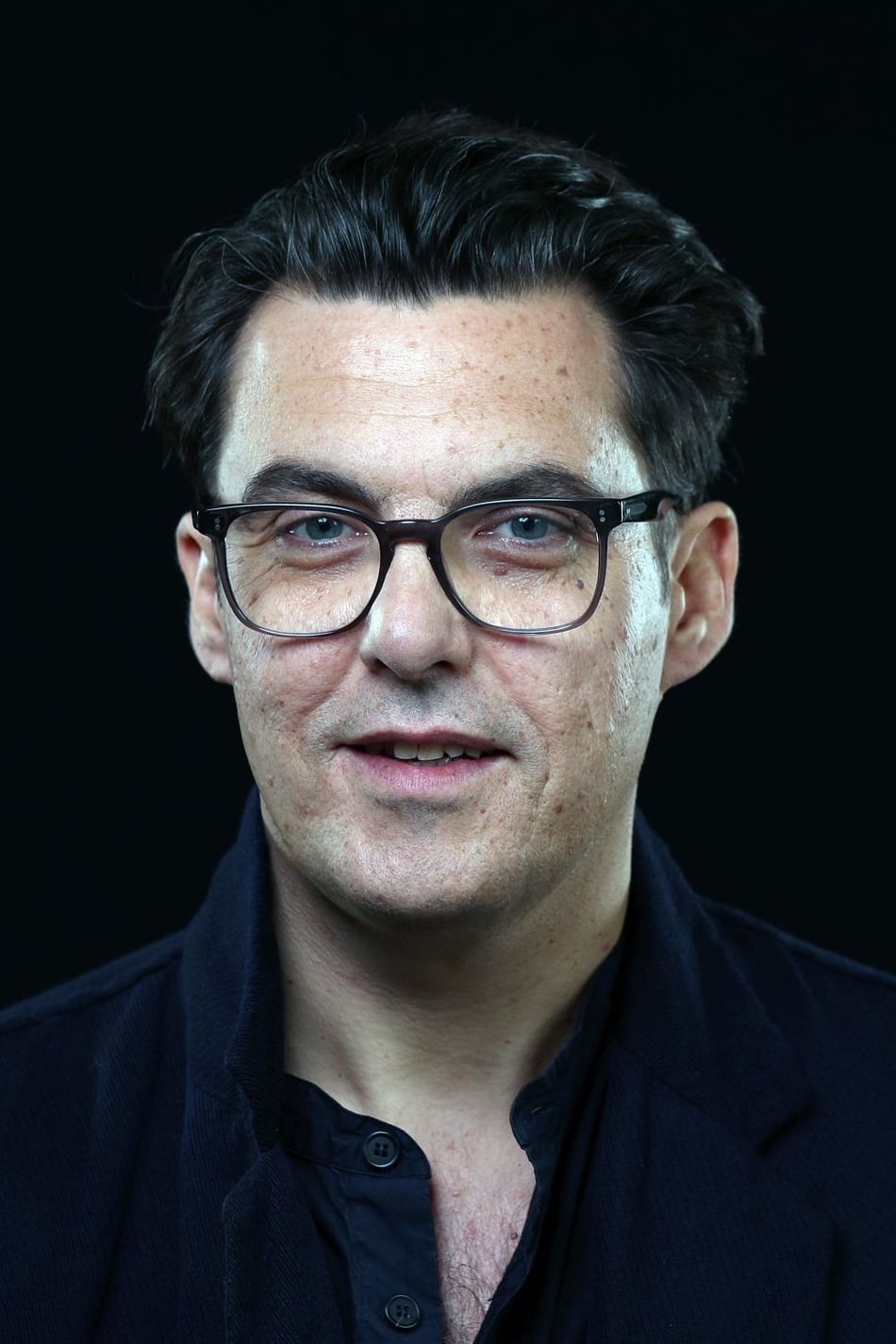
Wright emerged with literary and period pieces including ‘Pride & Prejudice’ and ‘Atonement’. He emphasized long takes, integrated steadicam moves, and expressive production design. Close collaboration with composers and sound teams supported sweeping yet intimate storytelling. The war-drama sequences and single-shot set-pieces became case studies in choreography and timing.
Robert Rodriguez
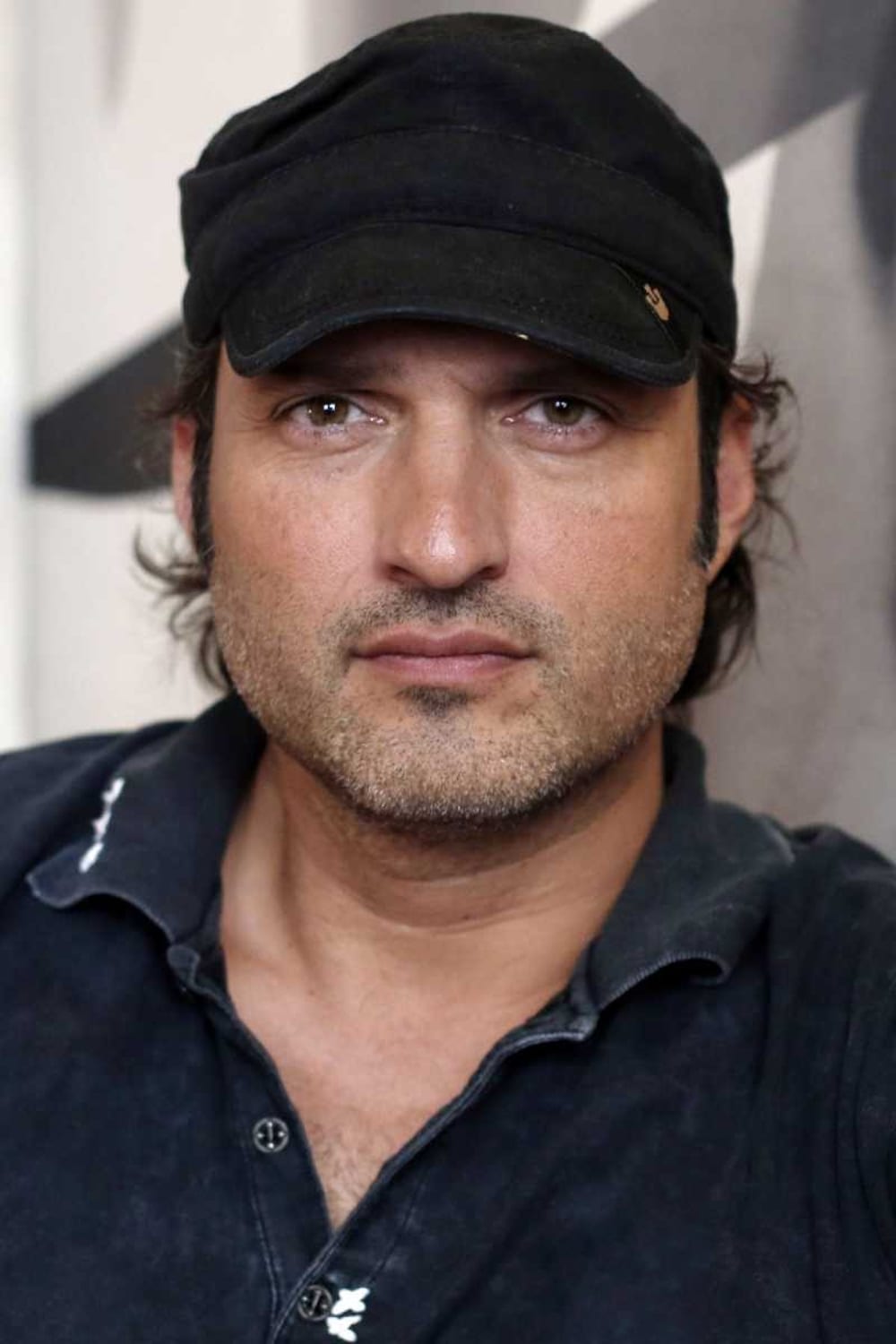
Rodriguez operated a vertically integrated model from writing to editing on films like ‘Sin City’, ‘Spy Kids’, and ‘Planet Terror’. He leaned on digital backlot methods, stylized monochrome palettes, and rapid postproduction. His Austin-based studio ecosystem demonstrated cost-efficient effects work outside traditional hubs. The approach empowered genre experimentation under studio distribution.
Robert Zemeckis

Zemeckis pursued performance-capture features such as ‘The Polar Express’, ‘Beowulf’, and ‘A Christmas Carol’. He developed pipelines for facial tracking, virtual cinematography, and stereoscopic exhibition. The decade’s work functioned as R&D for digital human depiction in mainstream releases. These productions aligned with his longstanding interest in integrating new technology with classical storytelling.
David Lynch
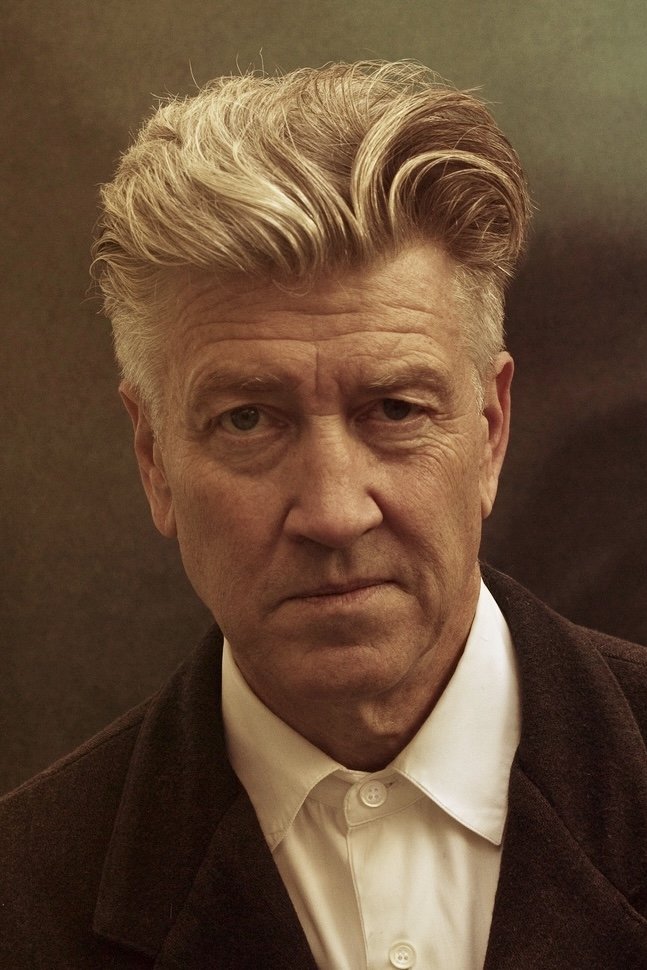
Lynch’s ‘Mulholland Drive’ and ‘Inland Empire’ extended dream-logic storytelling into the digital era. He moved toward prosumer camera technology to enable improvisational performance and experimental structure. Sound design and layered atmospherics drove mood and subtext across minimalistic setups. The films influenced discussions of nonlinear narrative and independent production methods inside Hollywood circles.
David Cronenberg
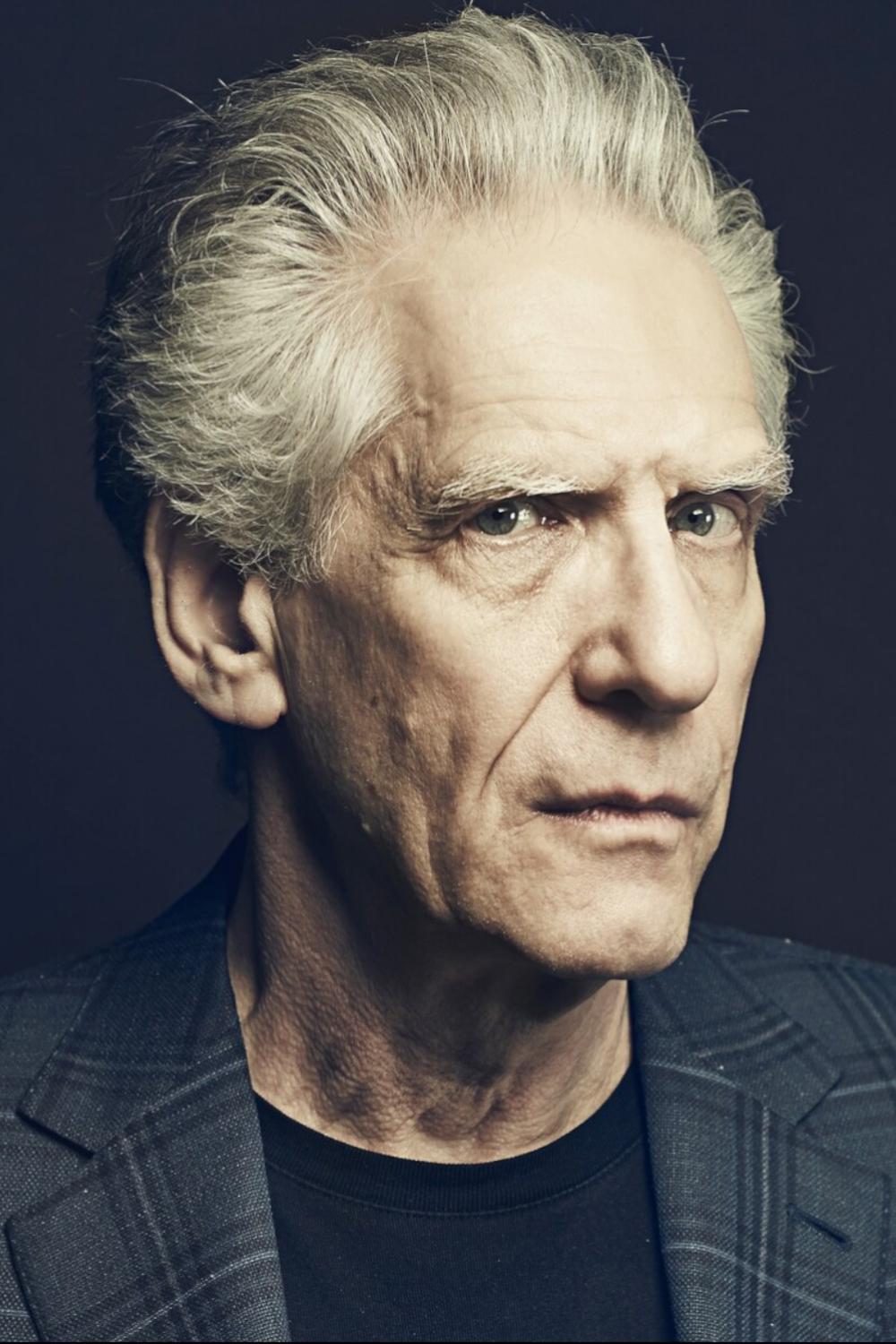
Cronenberg pivoted into lean crime and drama with ‘A History of Violence’ and ‘Eastern Promises’. He applied clinical framing and controlled pacing to explore identity, power, and bodily risk. Detailed stunt choreography and practical effects served grounded brutality without excess flourish. Collaborations with recurring actors anchored character development within precise visual restraint.
Andrew Stanton
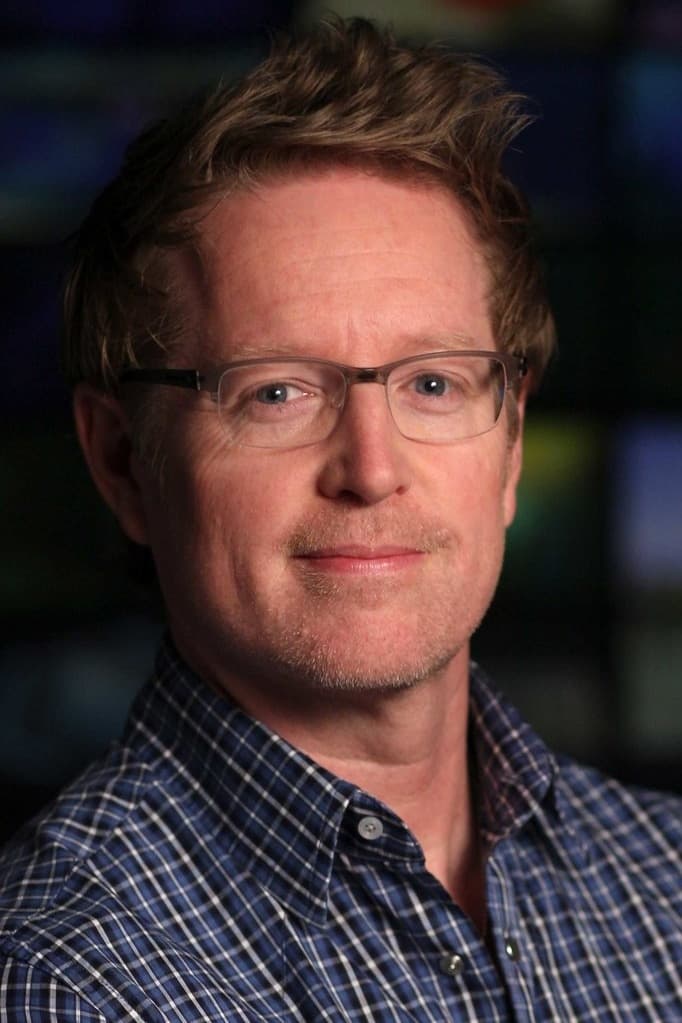
Stanton directed crowd-pleasing, technically forward animated features including ‘Finding Nemo’ and ‘WALL·E’. He prioritized visual storytelling, expressive character animation, and robust world-building. The productions advanced water simulation, lighting, and silent-film-inspired sequences. Strong merchandise and critical response demonstrated animation’s capacity for both commercial scale and thematic ambition.
Brad Bird
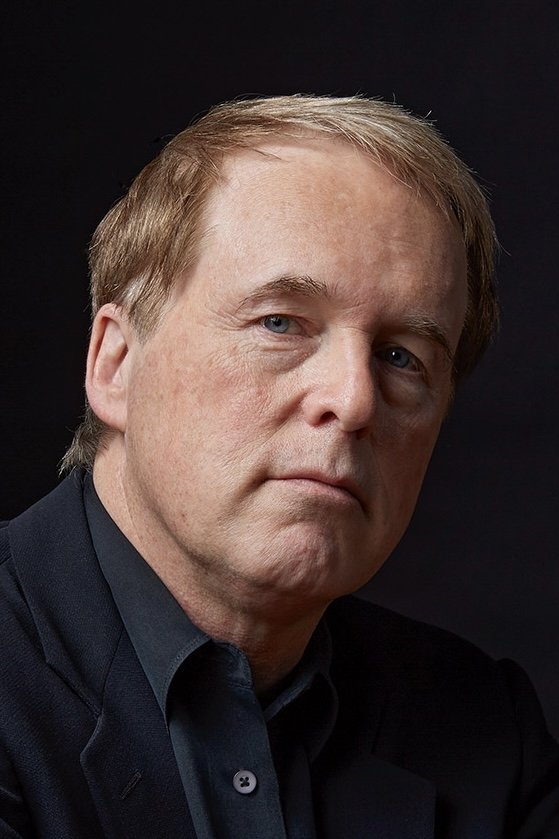
Bird brought animation craft to studio prestige with ‘The Incredibles’ and ‘Ratatouille’. He emphasized character-driven action geography, clear spatial design, and sophisticated thematics accessible to broad audiences. Collaboration with world-class story, lighting, and effects teams helped integrate cinematic staging into CG animation. His move from television writing to feature direction showcased cross-disciplinary leadership within a large pipeline.
M. Night Shyamalan
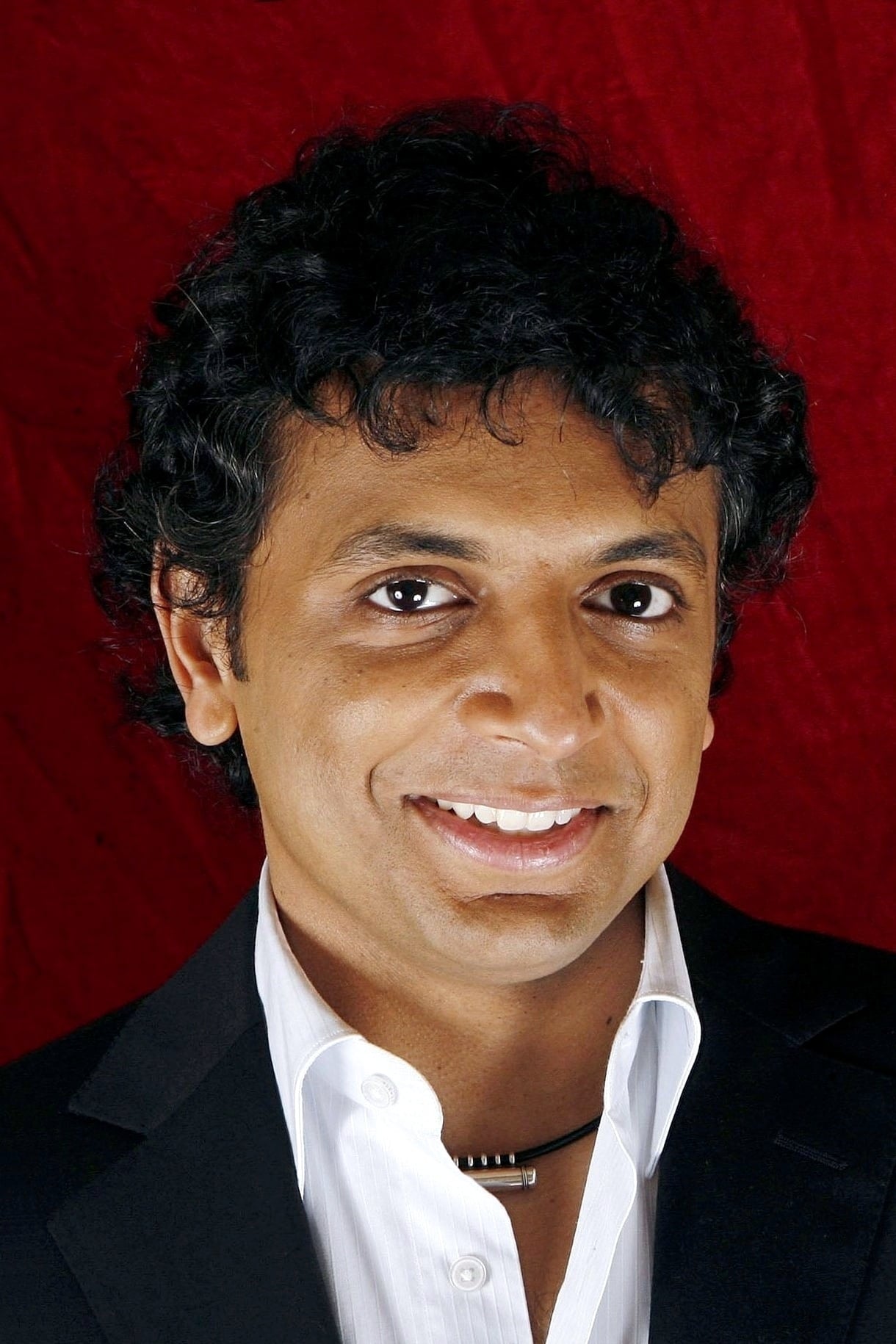
Shyamalan followed psychological and supernatural threads through ‘Unbreakable’, ‘Signs’, and ‘The Village’. He favored restrained camerawork, carefully staged suspense, and precise sound cues. His films were built around high-concept premises executed with grounded family dynamics. The decade demonstrated his preference for original screenplays inside a studio distribution model.
Alejandro González Iñárritu
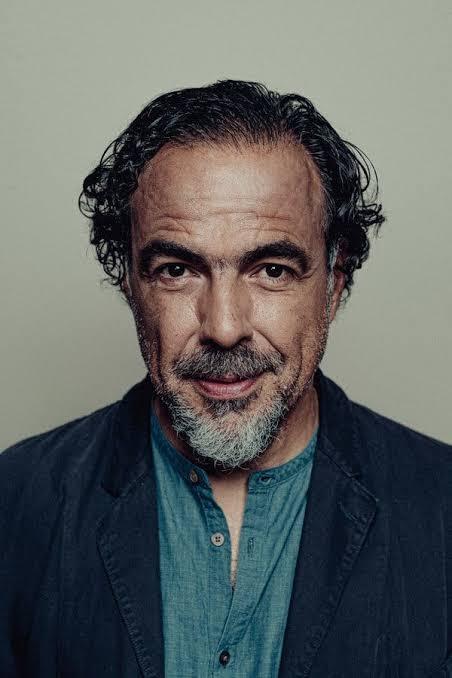
Iñárritu’s hyperlink narratives in ‘Amores Perros’, ’21 Grams’, and ‘Babel’ interwove multiple perspectives with handheld immediacy. He partnered with top cinematographers to create raw, location-driven images and natural light strategies. Nonlinear structures and sound design emphasized emotional continuity across continents. The films received significant festival and Academy attention, expanding the space for international voices in Hollywood.
Richard Linklater
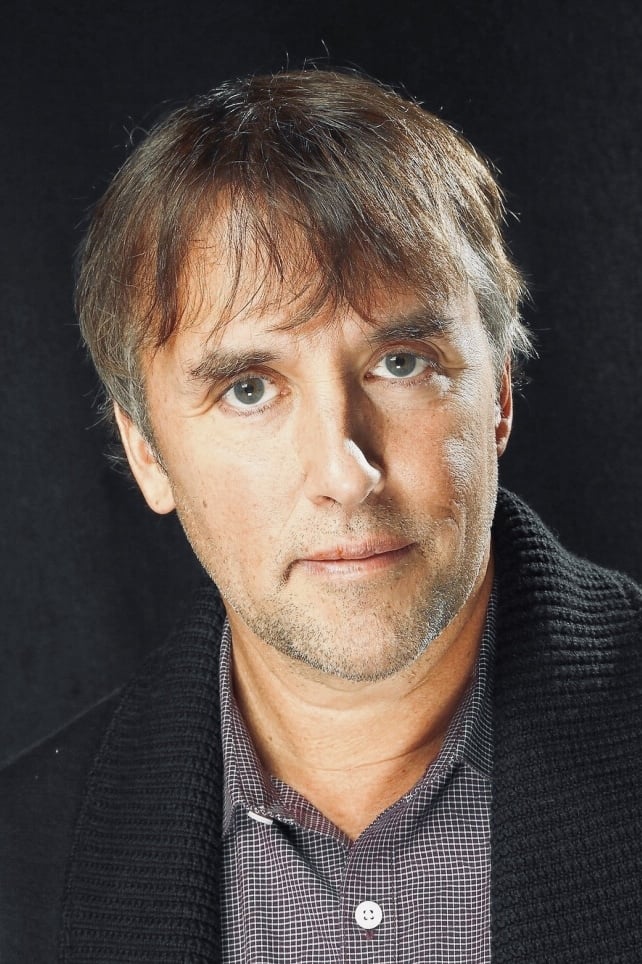
Linklater alternated between rotoscoped experiments and intimate character pieces with ‘Waking Life’, ‘A Scanner Darkly’, and ‘Before Sunset’. He used long takes, naturalistic dialogue, and time-spanning collaborations with actors. The decade also included a major studio comedy in ‘School of Rock’ that showcased adaptable tone and pacing. His process-oriented approach influenced low-budget and studio teams alike.
Danny Boyle
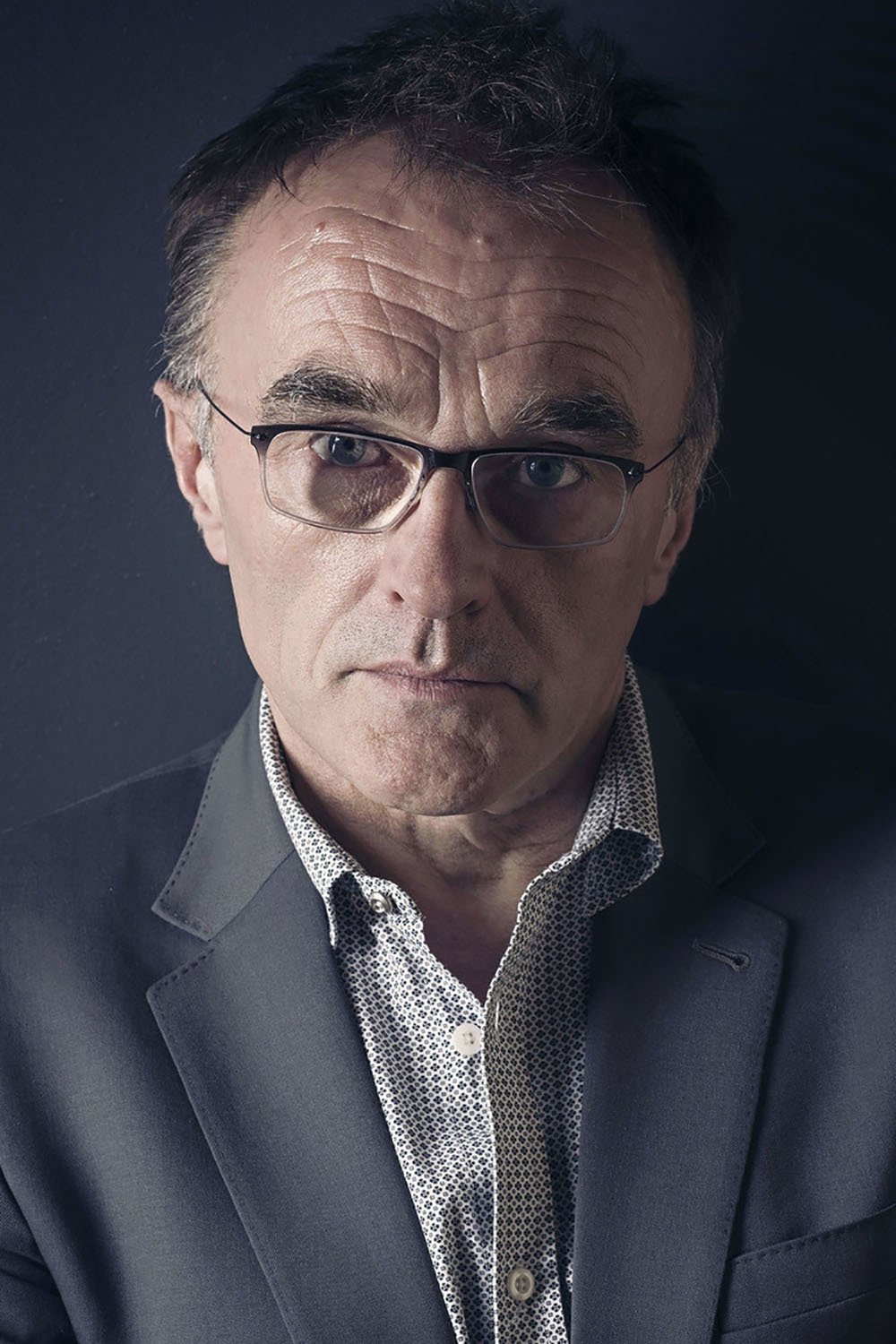
Boyle’s range covered survival drama, kinetic crime, and science fiction with films like ’28 Days Later’, ‘Sunshine’, and ‘Slumdog Millionaire’. He embraced lightweight digital cameras early to capture immediacy and urban texture. Rhythmic editing and propulsive soundtracks supported fast-paced storytelling. Awards recognition and international box office solidified his position as a flexible studio collaborator.
Tim Burton
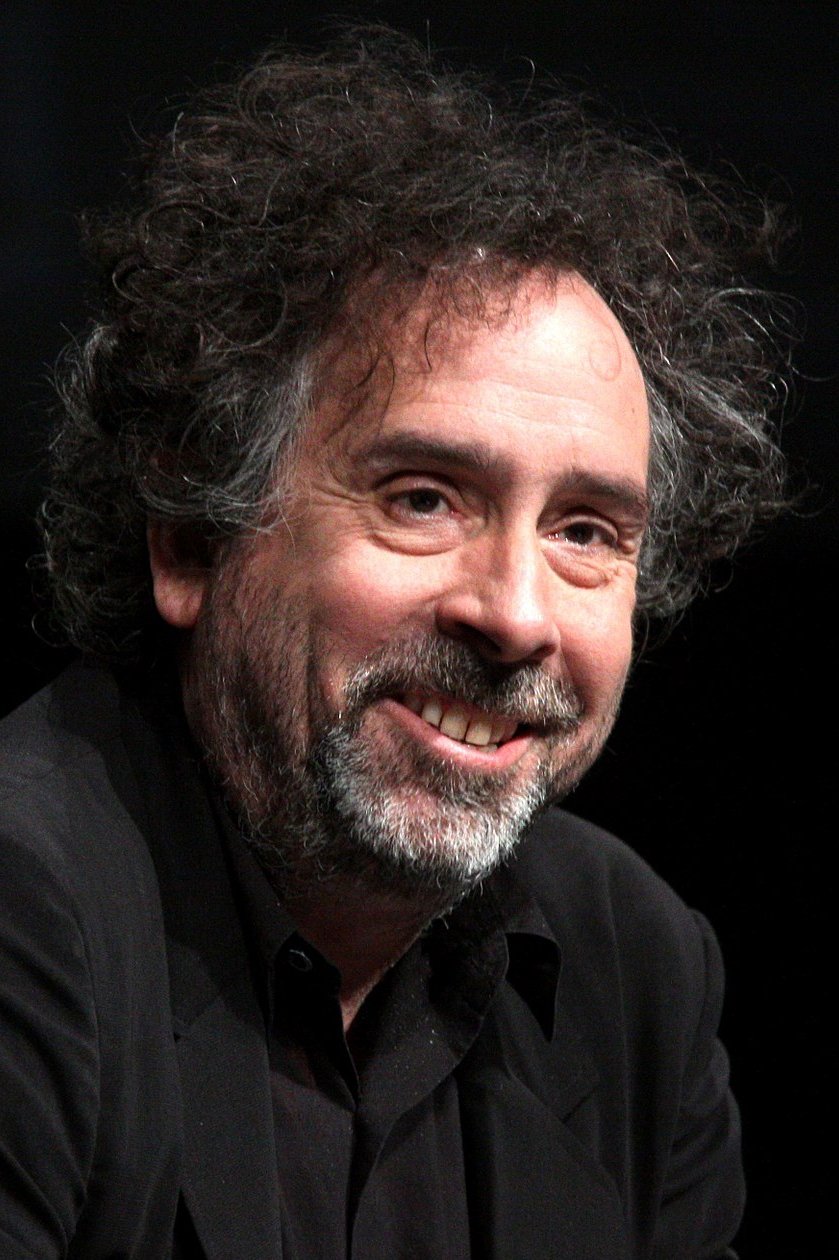
Burton expanded his gothic-pop sensibility with ‘Big Fish’, ‘Charlie and the Chocolate Factory’, and ‘Sweeney Todd: The Demon Barber of Fleet Street’. He integrated practical sets, exaggerated production design, and digital augmentation to maintain a storybook look. Frequent partnerships with composer Danny Elfman and recurring lead actors sustained a consistent brand identity. The decade included ventures into stop-motion and CG that broadened his toolkit without losing his signature tone.
Ron Howard
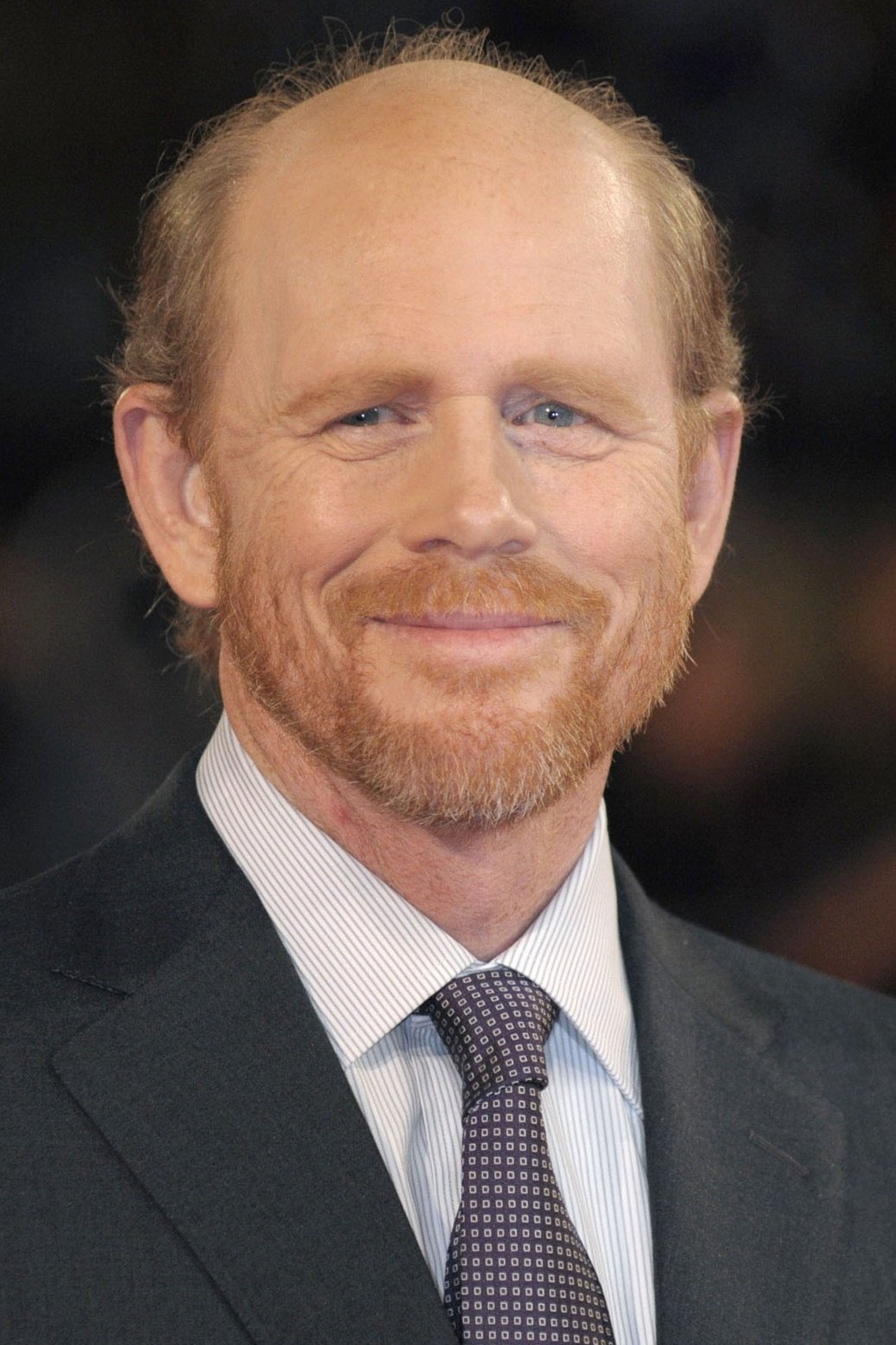
Howard balanced prestige and commercial fare with titles such as ‘A Beautiful Mind’, ‘Cinderella Man’, and ‘Frost/Nixon’. He collaborated with top cinematographers and composers to keep classical storytelling at studio scale. His work emphasized clear narrative arcs, period detail, and performance-centered direction. Parallel franchise work like ‘The Da Vinci Code’ extended his reach into global event filmmaking.
Tony Scott
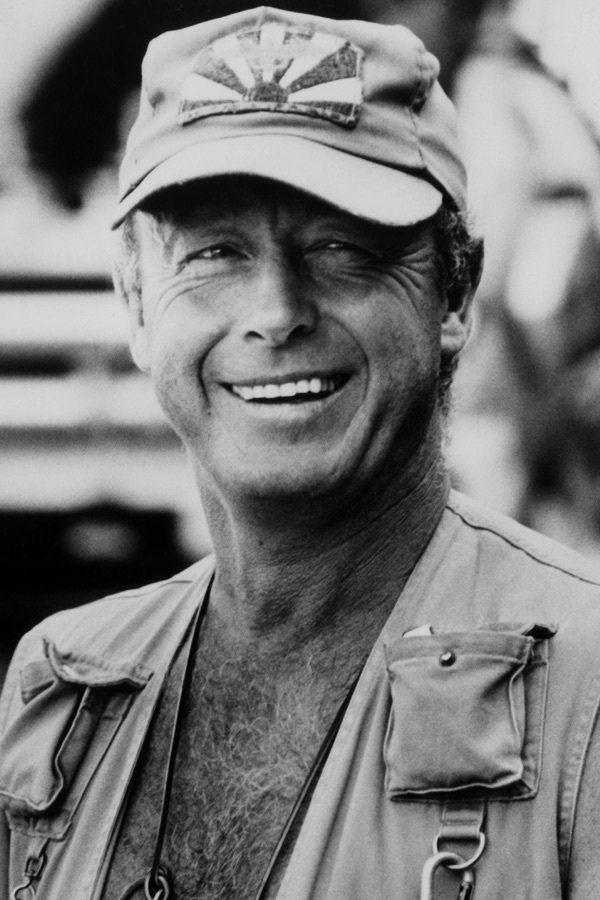
Scott delivered high-velocity thrillers like ‘Man on Fire’, ‘Déjà Vu’, and ‘Domino’, marked by saturated color, multi-camera coverage, and vigorous cutting. He worked closely with Denzel Washington across several projects, refining character-driven stakes inside large action frameworks. His films blended practical stunt work with burgeoning digital post techniques for stylized motion and texture. The decade cemented his late-career visual signature through experimental in-camera effects and layered editorial rhythms.
J.J. Abrams
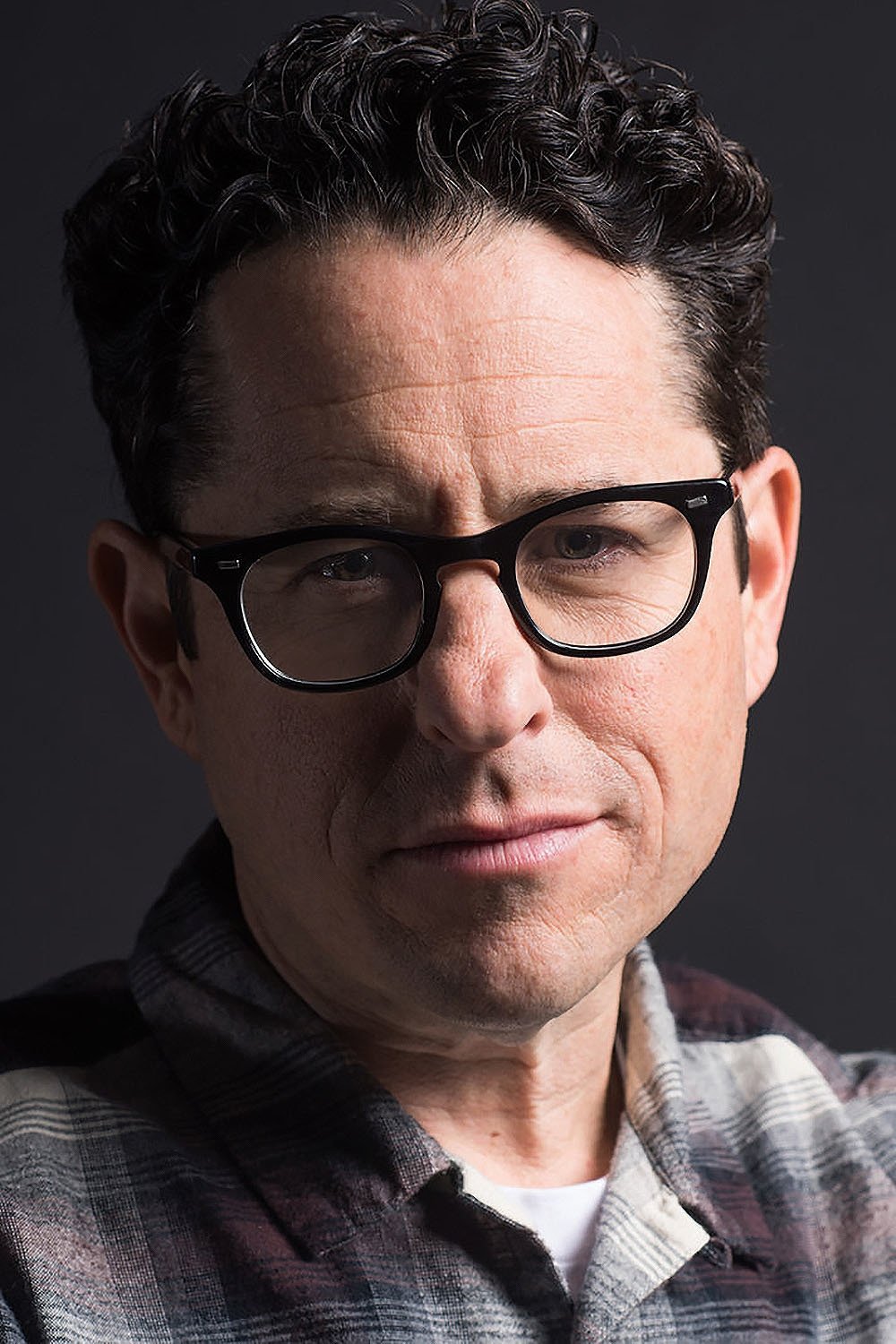
Abrams bridged television and film by bringing his mystery-box storytelling to features like ‘Mission: Impossible III’ and ‘Star Trek’. He revitalized an established sci-fi brand while maintaining character-centric stakes and kinetic action design. His Bad Robot banner became a launchpad for cross-platform franchises and high-concept genre projects. The decade cemented his reputation for rebooting legacy properties with modern pacing and spectacle.
Zack Snyder
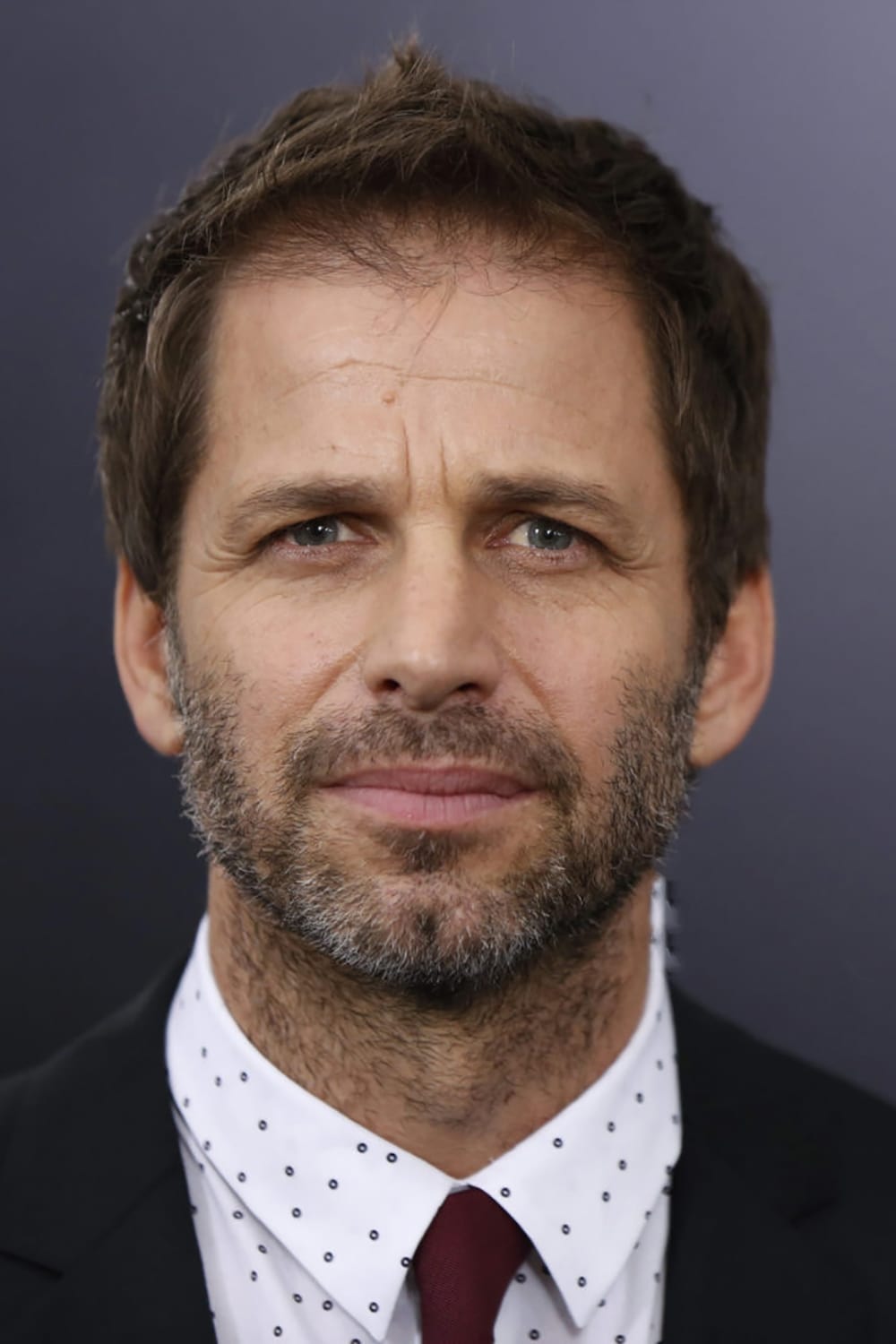
Snyder broke through with stylized, panel-faithful adaptations like ‘300’ and ‘Watchmen’. He popularized speed-ramping action and high-contrast comic-book imagery in mainstream studio releases. His embrace of digital intermediates and aggressive compositing shaped the look of large-scale genre cinema. These films established a visual signature that studios later tapped for franchise world-building.
Spike Jonze
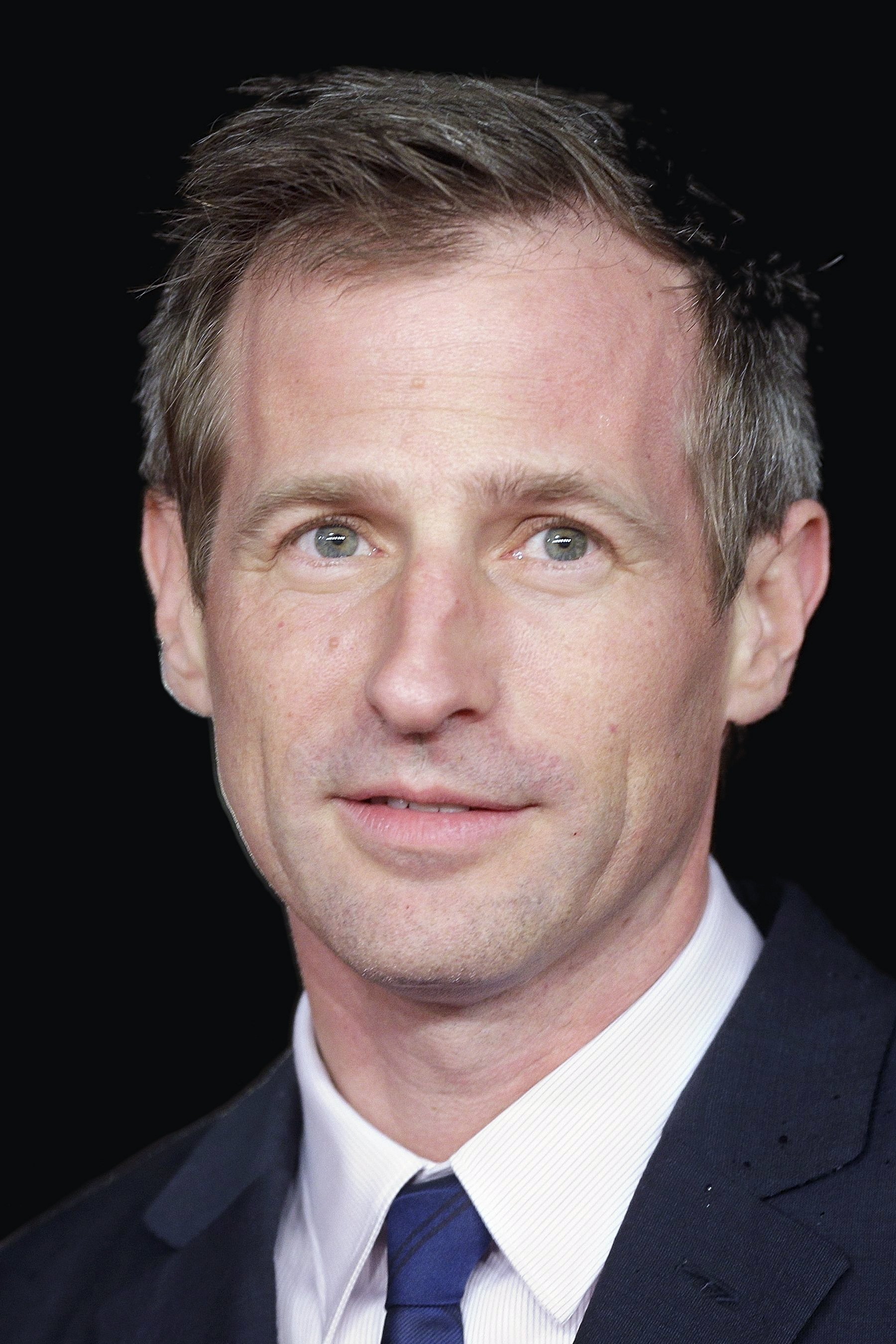
Jonze balanced inventive visuals with offbeat, emotionally precise storytelling in ‘Adaptation.’ and ‘Where the Wild Things Are’. His collaborations with screenwriters and designers yielded tactile worlds that blended practical fabrication with VFX. Music-video and commercial craft informed his rhythmic editing and playful production design. The decade showed how personal sensibilities could thrive inside studio pipelines.
Sofia Coppola

Coppola delivered intimate, mood-driven films like ‘Lost in Translation’ and ‘Marie Antoinette’. Her work emphasized atmospheric soundtracks, restrained camera movement, and observational pacing. She often explored isolation and celebrity culture using minimalist dialogue and sumptuous production design. These choices influenced a wave of character-first dramas within the studio-indie ecosystem.
Darren Aronofsky
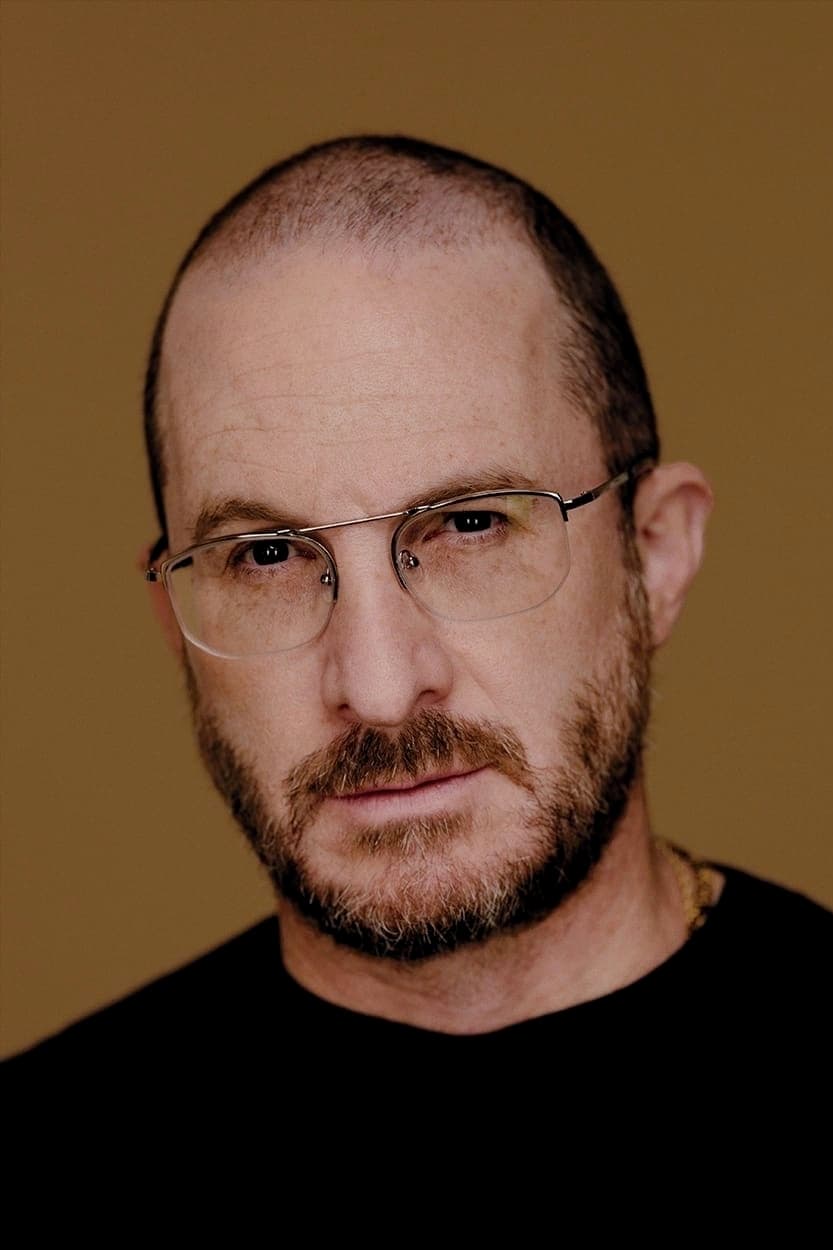
Aronofsky’s ‘Requiem for a Dream’, ‘The Fountain’, and ‘The Wrestler’ showcased bold formal experimentation and rigorous actor direction. He employed techniques like hip-mounted camera rigs, rapid montages, and stark sound design to depict obsession and loss. The films combined art-house risk-taking with studio resources and awards-caliber performances. His 2000s output became a case study in how challenging material can travel through the commercial system.
Wes Anderson
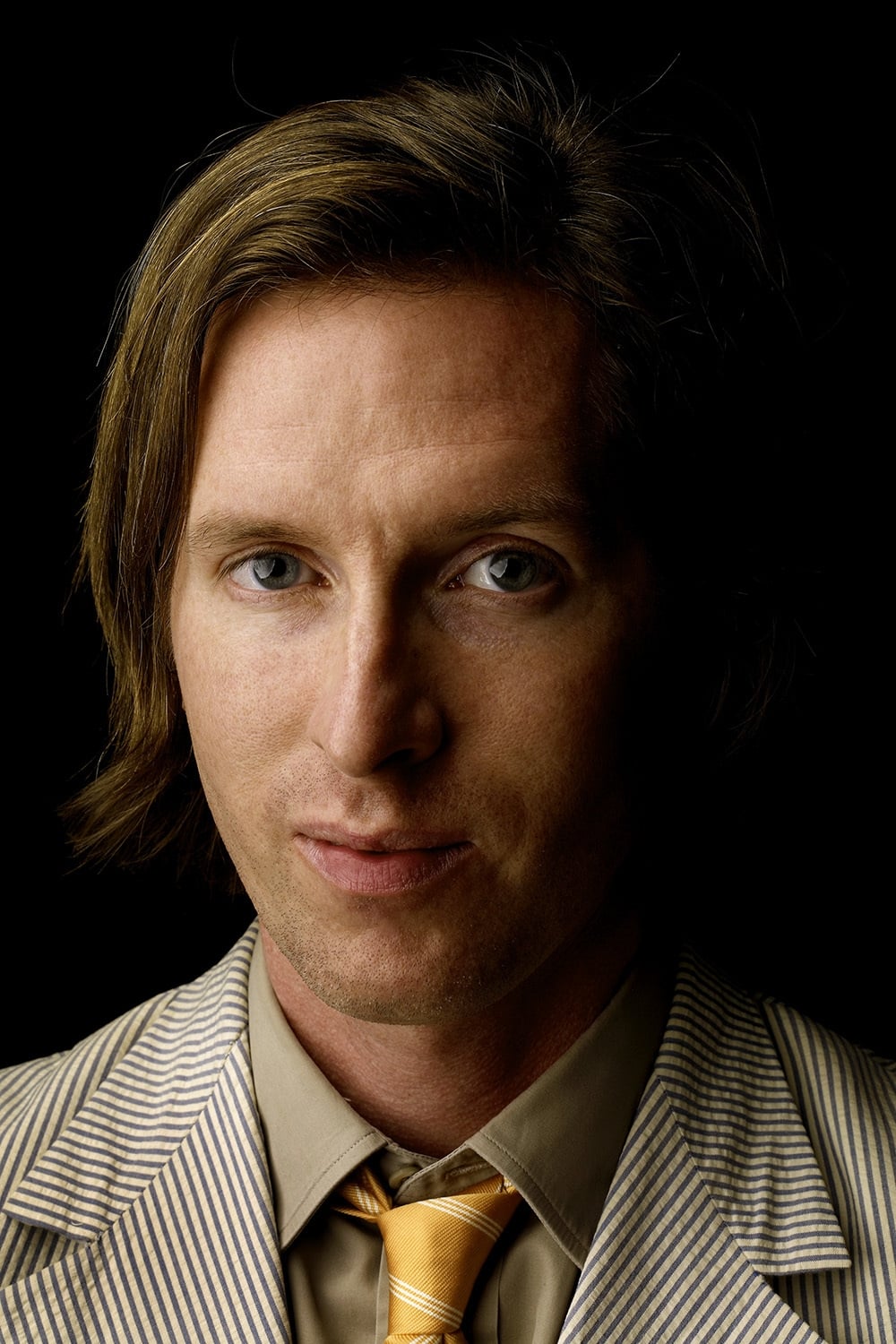
Anderson refined a meticulous storybook aesthetic with ‘The Royal Tenenbaums’, ‘The Life Aquatic with Steve Zissou’, and ‘Fantastic Mr. Fox’. Symmetrical framing, precise color palettes, and needle-drop soundtracks defined his approach. He expanded into stop-motion while maintaining the dry wit and ensemble dynamics of his live-action features. The decade broadened his production toolbox and solidified a distinct auteur brand inside Hollywood.
Gore Verbinski
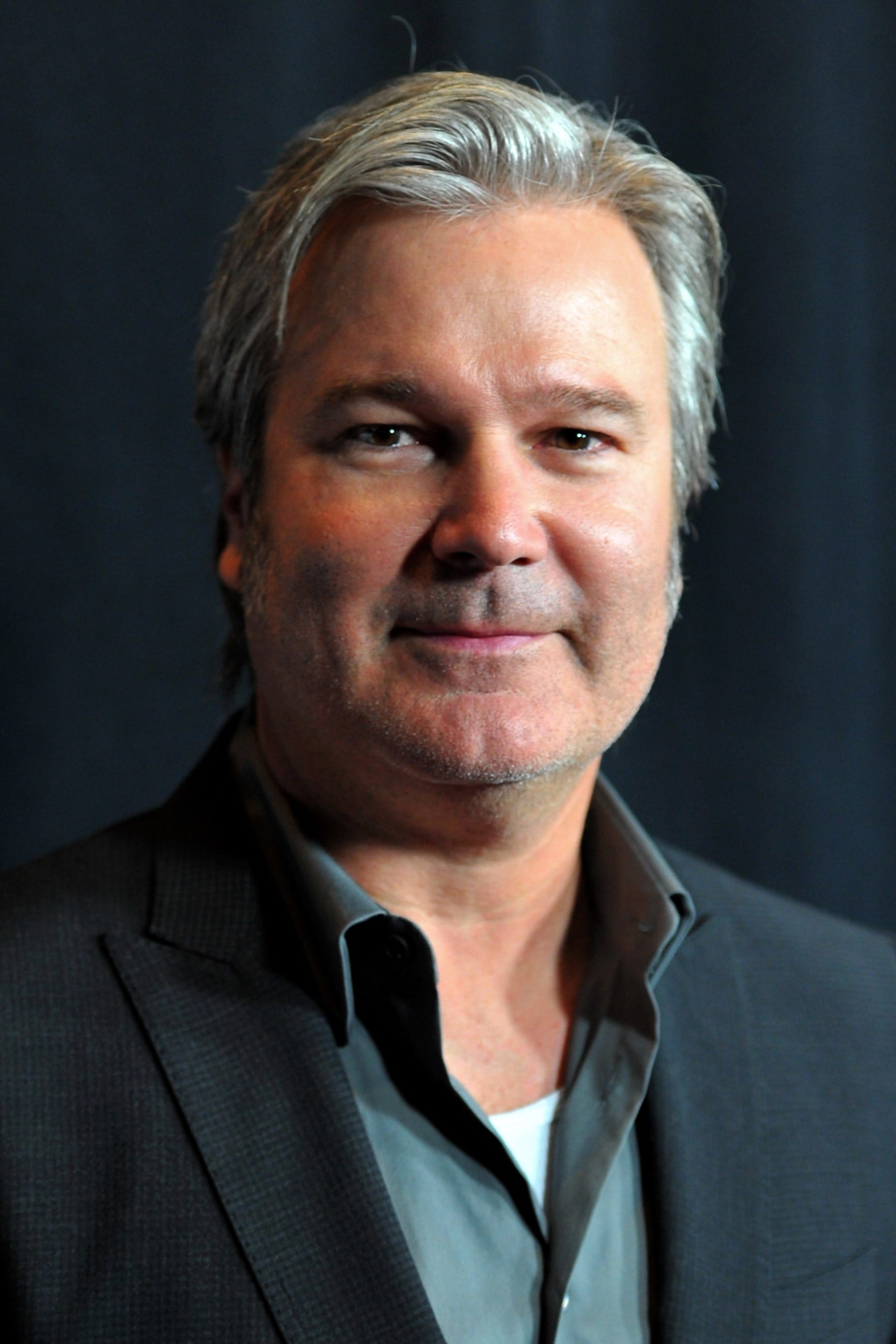
Verbinski steered the ‘Pirates of the Caribbean’ saga and reenergized American horror with ‘The Ring’. He fused practical water-borne set-pieces with cutting-edge CGI character work to scale swashbuckling spectacle. His films balanced humor, mythmaking, and action choreography at tentpole size. The results demonstrated how technical ambition and eccentric tone could drive global franchises.
Sam Mendes
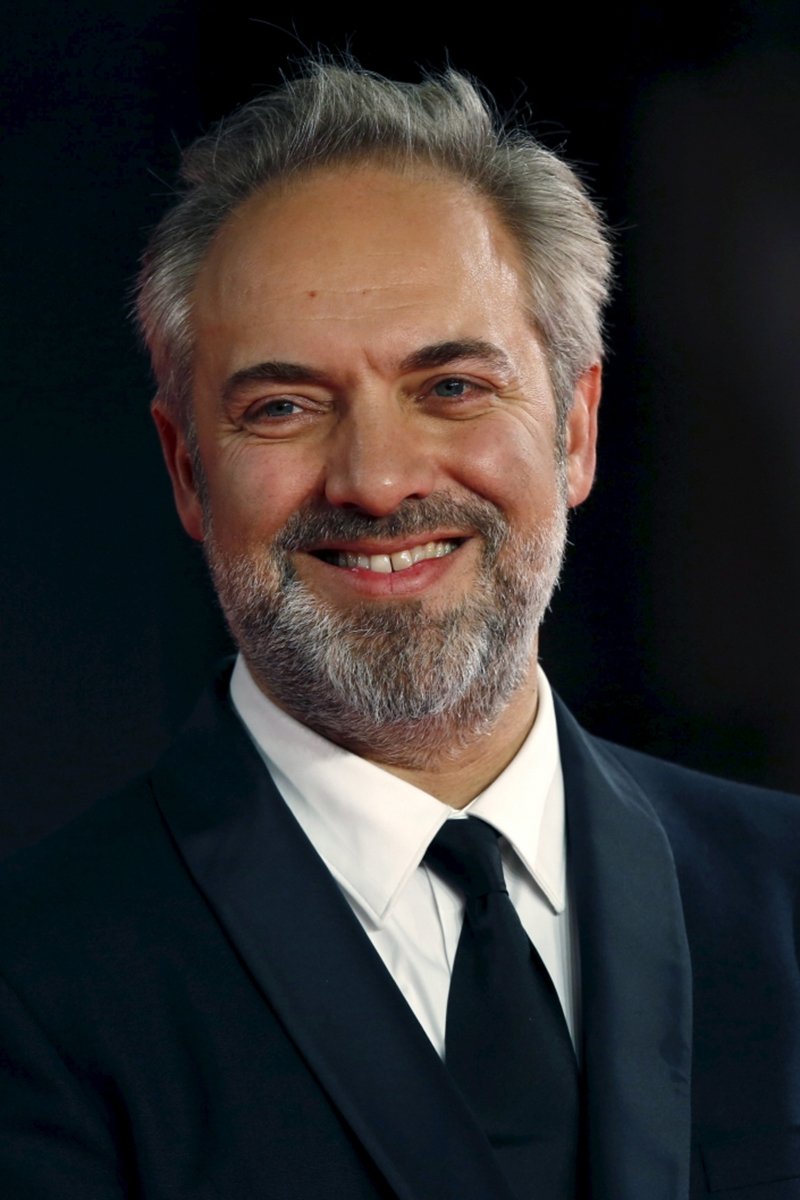
Mendes crafted prestige dramas and muscular war and crime pictures including ‘Road to Perdition’, ‘Jarhead’, and ‘Revolutionary Road’. He emphasized classical shot composition, theatrical blocking, and actor-forward direction. Collaborations with top cinematographers produced carefully controlled color and light strategies. The films’ awards traction kept serious adult dramas prominent in the studio slate.
Michael Mann
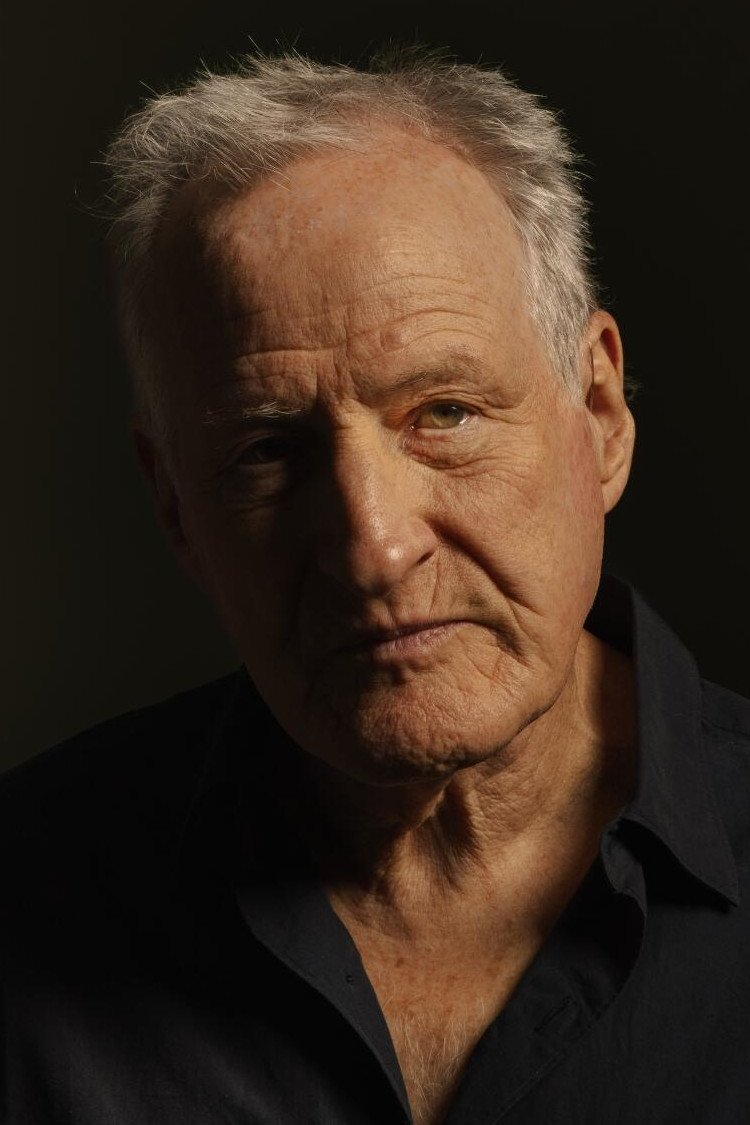
Mann’s digital-era crime and action films like ‘Collateral’ and ‘Miami Vice’ pushed low-light, high-ISO cinematography into the mainstream. He leaned on on-location soundscapes, handheld intimacy, and procedural detail. The approach captured urban atmospherics with a documentary immediacy at studio scale. His technique influenced how Hollywood photographed night exteriors and kinetic gunfights.
Paul Greengrass

Greengrass brought you-are-there urgency to ‘The Bourne Supremacy’, ‘United 93’, and ‘The Bourne Ultimatum’. His handheld camera language, rapid cutting, and location sound created visceral realism. He blended real-world geopolitics with propulsive set-pieces, setting a template for modern spy action. The style reshaped fight choreography, stunt coverage, and editorial rhythm in big franchises.
Kathryn Bigelow
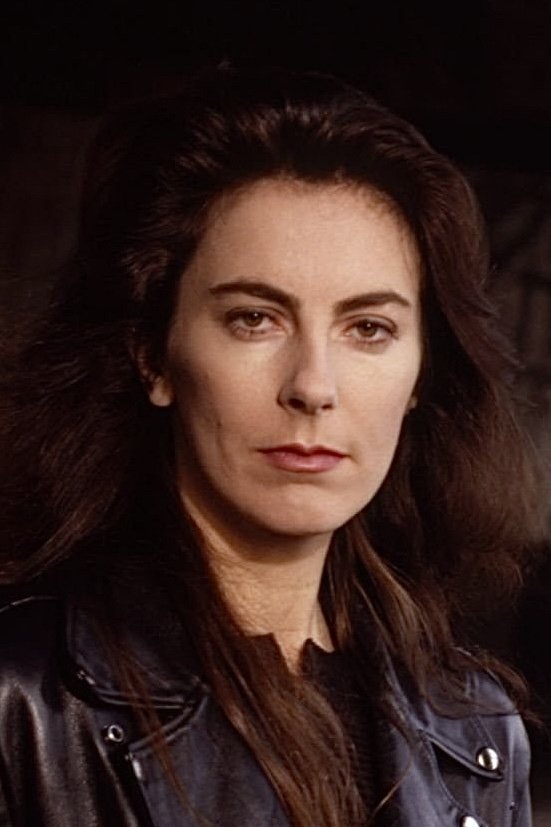
Bigelow delivered high-tension, boots-on-the-ground storytelling with films like ‘The Hurt Locker’. She used long-lens coverage and practical explosions to immerse viewers in field operations. The film earned major industry awards, including top honors for direction. Her 2000s work influenced how Hollywood treated contemporary conflict with immediacy and craft rigor.
Ridley Scott
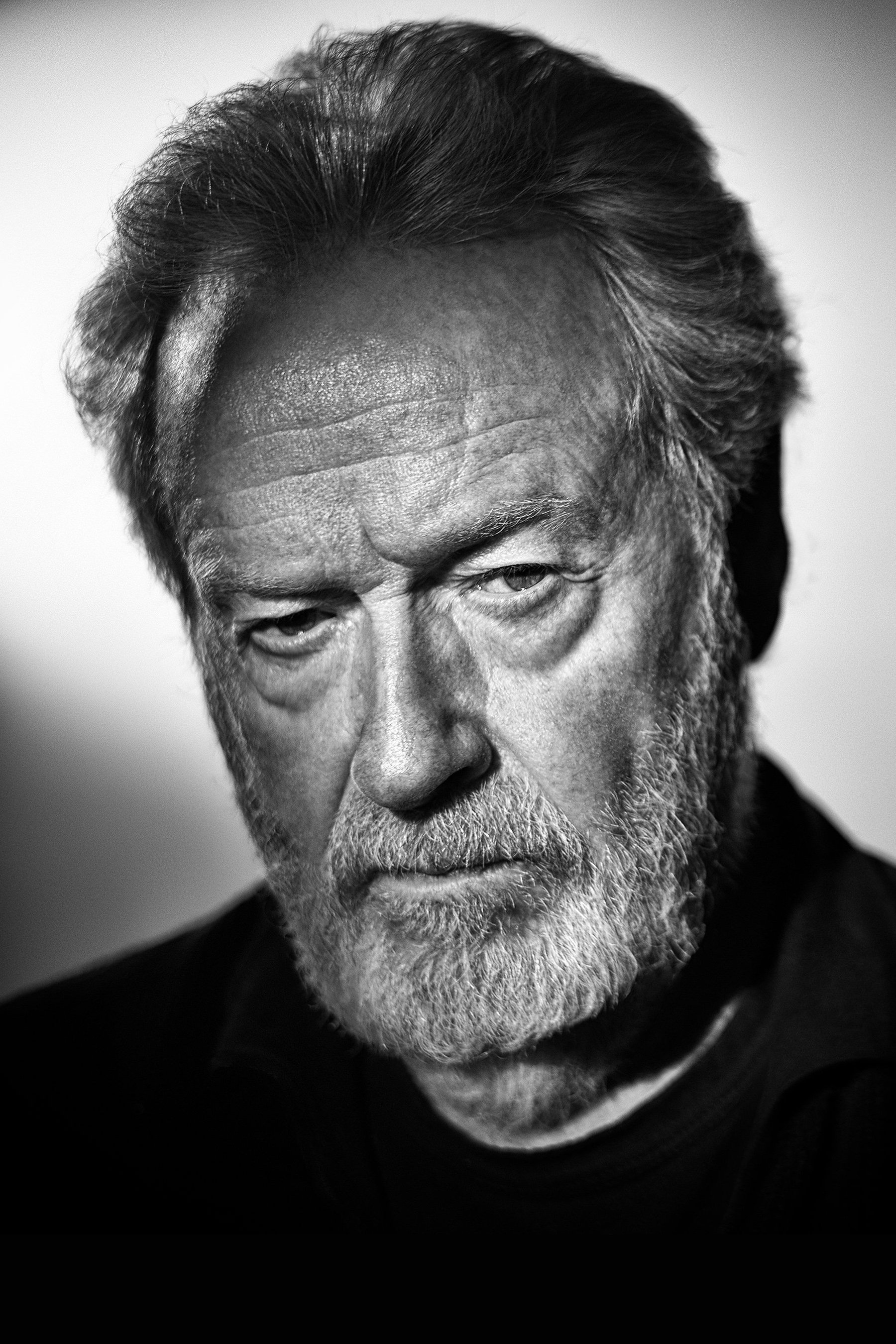
Scott balanced epics and crime sagas such as ‘Gladiator’, ‘Black Hawk Down’, ‘Kingdom of Heaven’, and ‘American Gangster’. He combined large-format production design with fast, multi-camera coverage and immersive sound. His films showcased durable world-building and battlefield clarity. These productions reinforced his stature as a scale specialist who could deliver prestige and box office.
Guillermo del Toro

Del Toro fused dark fairy-tale sensibilities with creature effects in ‘Pan’s Labyrinth’ and studio adventures like ‘Hellboy’. He championed practical makeup, animatronics, and miniature work alongside digital augmentation. His detailed production bibles and hand-drawn designs guided teams across departments. The decade’s films earned major awards recognition for makeup, art direction, and cinematography.
Ang Lee

Lee navigated genres from wuxia to intimate romance and superhero spectacle with ‘Crouching Tiger, Hidden Dragon’, ‘Brokeback Mountain’, and ‘Hulk’. He tailored visual language and pacing to each story rather than a single signature. His collaborations emphasized nuanced performance direction and cultural specificity. The results garnered top festival prizes and Academy recognition across multiple categories.
Clint Eastwood
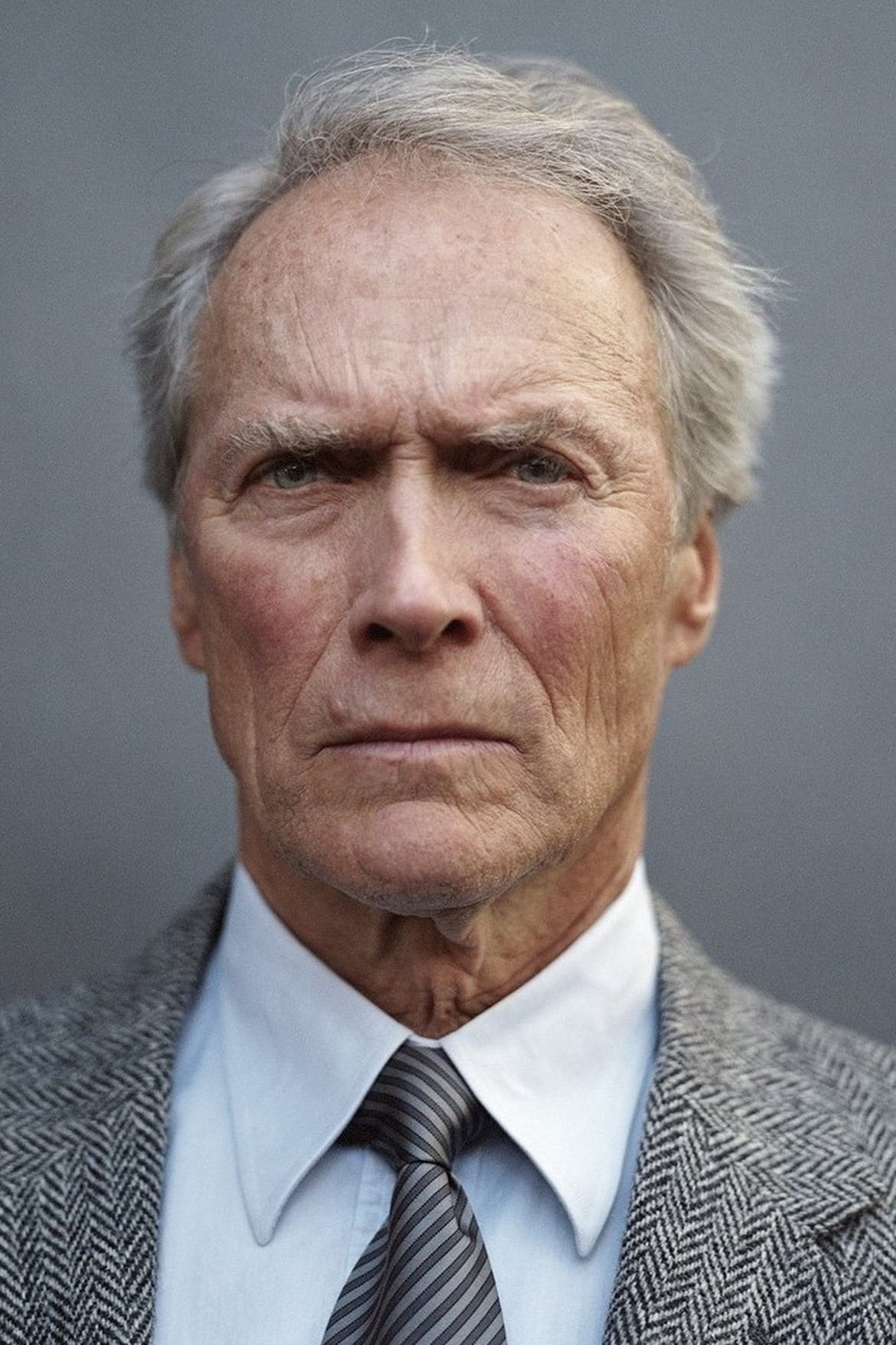
Eastwood directed critically lauded dramas including ‘Mystic River’, ‘Million Dollar Baby’, ‘Letters from Iwo Jima’, and ‘Gran Torino’. He favored efficient schedules, lean coverage, and jazz-inflected scores. The films featured acclaimed ensemble performances and serious moral themes. This run delivered multiple major awards and reaffirmed his reliability within the studio system.
Alfonso Cuarón

Cuarón advanced technical grammar through ‘Y Tu Mamá También’, ‘Harry Potter and the Prisoner of Azkaban’, and ‘Children of Men’. He pioneered extended takes with complex blocking and integrated VFX. His work blended handheld intimacy with elaborate visual effects pipelines. The films became textbook examples for long-take design, camera rigs, and digital compositing.
David Fincher
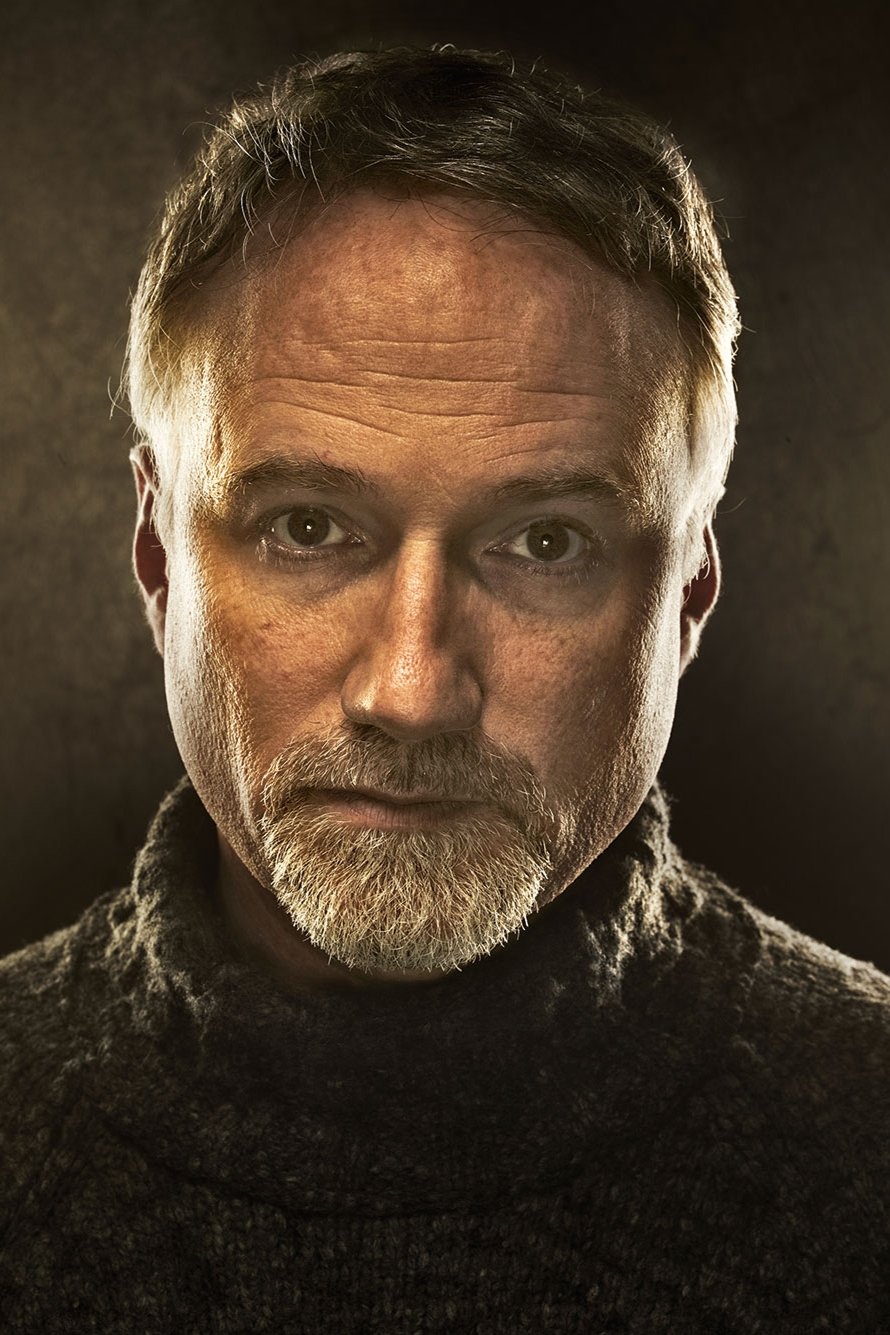
Fincher’s ‘Zodiac’, ‘Panic Room’, and ‘The Curious Case of Benjamin Button’ showcased meticulous control over image processing and VFX-assisted realism. He used invisible effects, motion-control, and digital color management to refine tone. His productions emphasized precise camera movement and performance modulation across many takes. The period cemented his reputation for technical exactitude and postproduction innovation.
Coen Brothers (Joel and Ethan Coen)
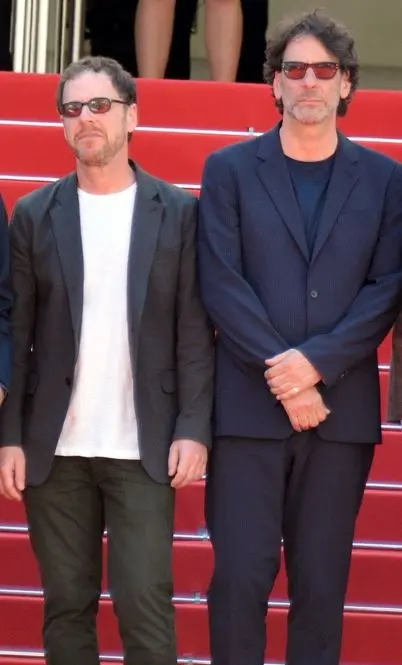
The Coens delivered ‘O Brother, Where Art Thou?’, ‘No Country for Old Men’, and ‘A Serious Man’, uniting genre play with sharp dialogue and exact framing. They collaborated closely with top cinematographers and their long-time editor to craft rhythm and tone. ‘No Country for Old Men’ earned multiple Academy Awards, including Best Picture and Best Director. Their 2000s work influenced thriller pacing and deadpan comic timing within studio-backed releases.
Quentin Tarantino
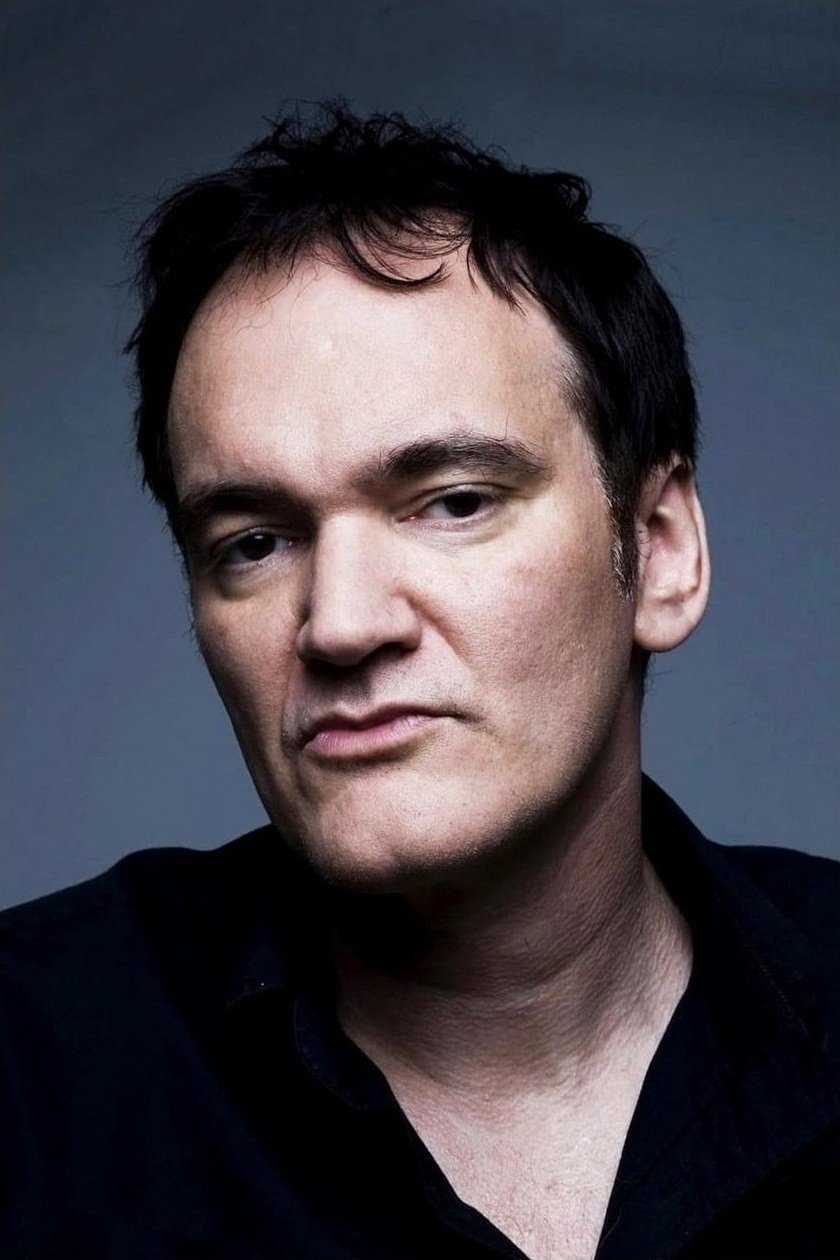
Tarantino expanded his pop-mythic storytelling with ‘Kill Bill: Vol. 1’, ‘Kill Bill: Vol. 2’, and ‘Inglourious Basterds’. He mixed grindhouse textures, multilingual dialogue, and needle-drop soundtracks with meticulous action geography. The films featured chaptered structures and memorable ensemble casting. Awards recognition and robust international grosses reinforced his global cultural footprint.
Paul Thomas Anderson
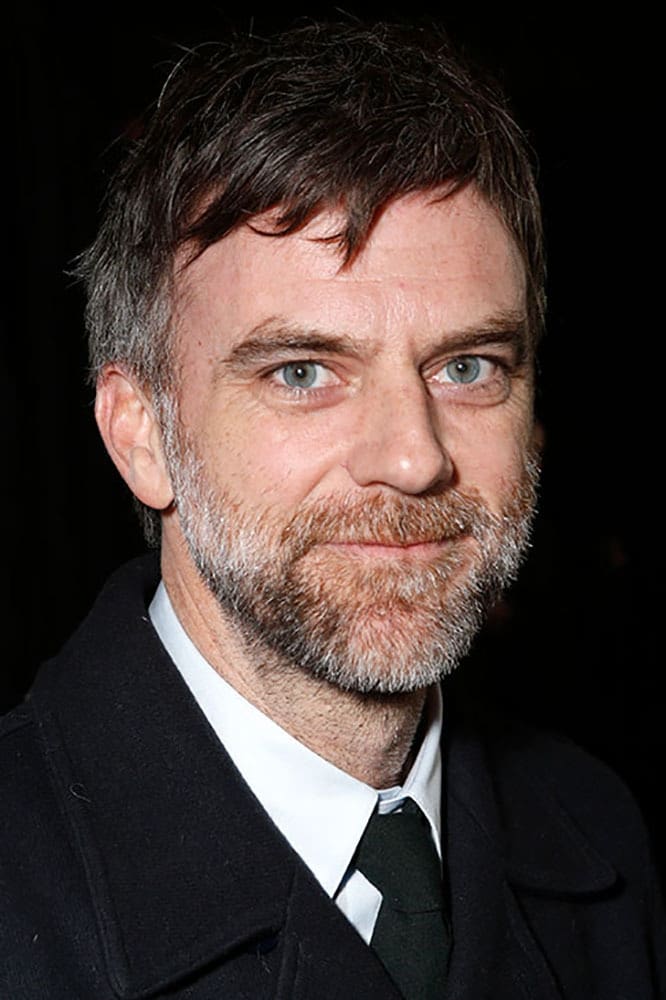
Anderson delivered character-driven epics such as ‘Punch-Drunk Love’ and ‘There Will Be Blood’. He combined large-format cinematography with intensely focused performance direction. The films featured innovative sound design and minimalist scoring choices. This stretch garnered major nominations and wins, influencing a generation of prestige drama.
James Cameron
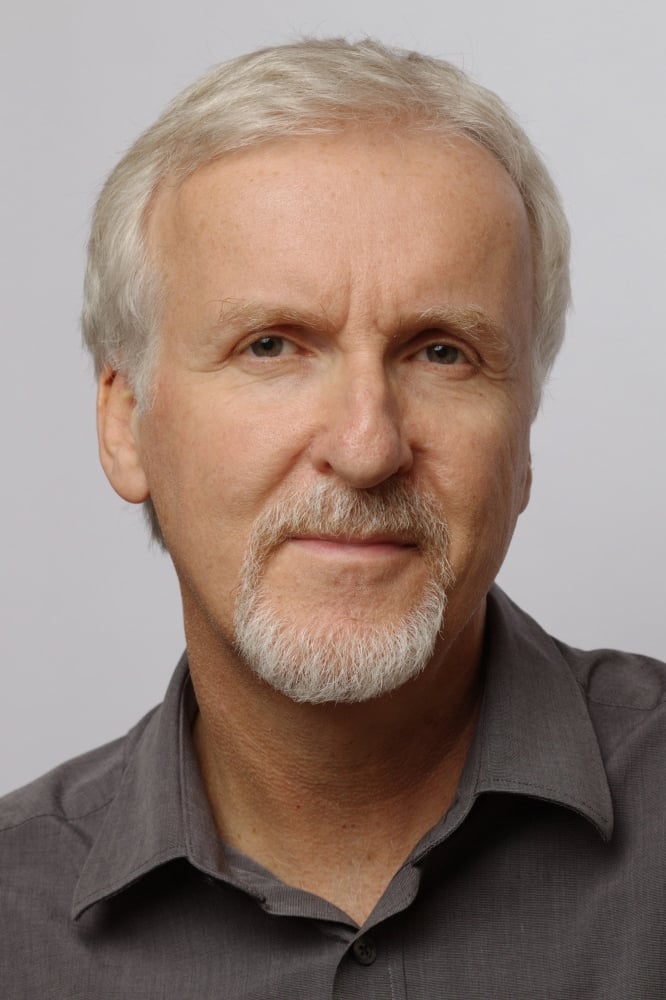
Cameron returned with ‘Avatar’, advancing performance capture, virtual production, and stereoscopic exhibition. He oversaw bespoke camera systems and real-time visualization tools to integrate live action with CG environments. The film became the highest-grossing release worldwide at the time. Its pipeline innovations reshaped blockbuster production and 3D distribution models.
Steven Spielberg
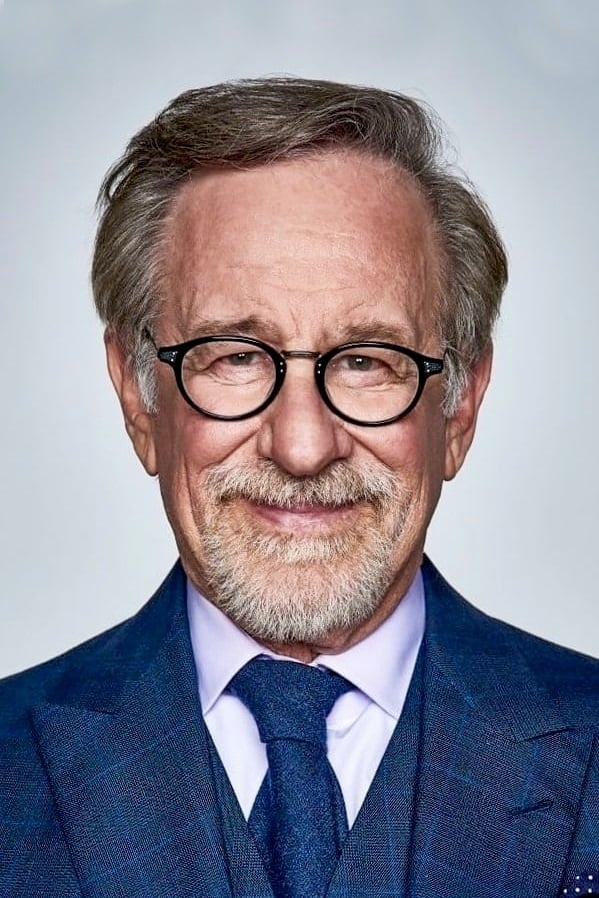
Spielberg balanced character-driven spectacles and historical dramas with ‘Minority Report’, ‘Catch Me If You Can’, ‘War of the Worlds’, and ‘Munich’. He continued to refine oners, practical effects, and classical shot-reverse-shot storytelling. His collaborations with recurring crafts teams sustained a consistent visual and musical identity. These films combined commercial success with sustained awards presence.
Peter Jackson
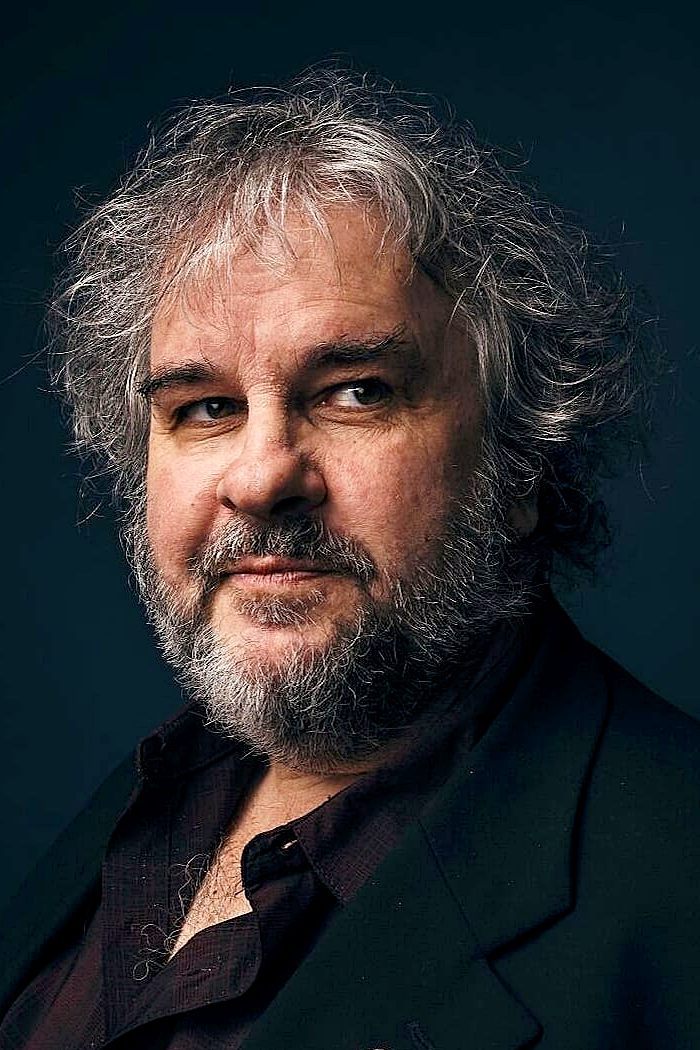
Jackson led large-scale fantasy filmmaking with ‘The Lord of the Rings’ trilogy and ‘King Kong’. He coordinated extensive motion-capture, miniature photography, and digital creature pipelines through a unified VFX studio. The trilogy earned a sweep of major Academy Awards for its finale, including Best Picture and Best Director. His production management became a model for multi-film franchise planning and world-building.
Martin Scorsese
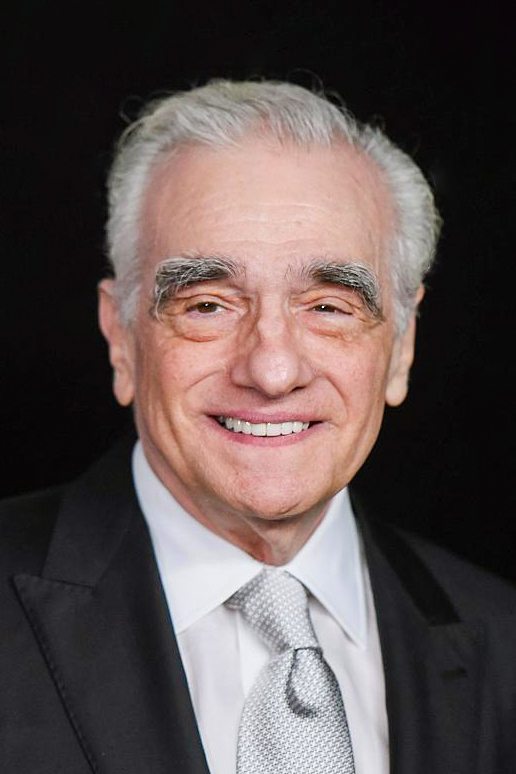
Scorsese delivered muscular genre and crime dramas such as ‘Gangs of New York’, ‘The Aviator’, and ‘The Departed’. He combined ambitious period reconstruction with dynamic camera movement and needle-sharp editing. ‘The Departed’ earned him Best Director and won Best Picture. The decade reaffirmed his command of studio-scale craftsmanship and awards-season excellence.
Christopher Nolan

Nolan merged cerebral structures with blockbuster scope in ‘Memento’, ‘Batman Begins’, ‘The Prestige’, and ‘The Dark Knight’. He championed large-format acquisition, practical effects, and in-camera stunts for grounded spectacle. The films set box-office records, expanded IMAX exhibition, and influenced franchise tone across the industry. His 2000s run demonstrated how ambitious narrative design could thrive within major studio frameworks.
Tell us which filmmakers defined the 2000s for you—and which films sealed the deal—in the comments!