The Best Hollywood Directors of the 2010s (Ranked)



The 2010s reshaped mainstream filmmaking with bold original visions, franchise-defining installments, and awards-season milestones, and the directors below were central to that shift. This countdown moves from versatile studio storytellers to filmmakers whose craft, consistency, and influence defined the decade across genres. You’ll see tentpole architects alongside auteurs who pushed style and technique, as well as filmmakers who opened doors for new voices. Each entry highlights notable works, industry impact, and concrete achievements that marked the decade in Hollywood.
Jon Watts
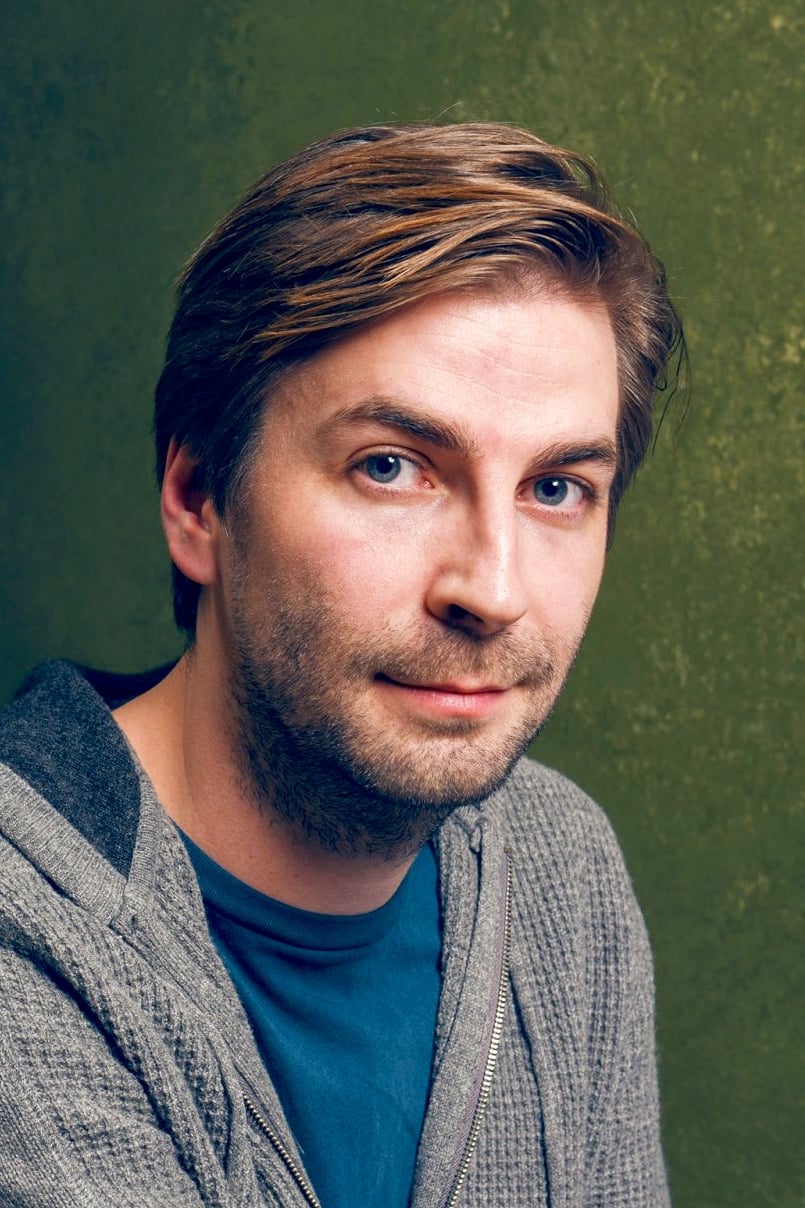
Jon Watts steered Marvel’s modern Spider-Man era with ‘Spider-Man: Homecoming’ and ‘Spider-Man: Far From Home’, establishing a grounded high-school tone inside a massive franchise. He balanced ensemble casts, cross-franchise character handoffs, and effects-driven set pieces while keeping a light comedic rhythm. Before the superhero leap, he showed thriller chops with ‘Cop Car’, a small-scale proof of concept that flagged his precision with tension. His work demonstrated a reliable capacity to integrate character-first storytelling within large continuity requirements.
Tom McCarthy
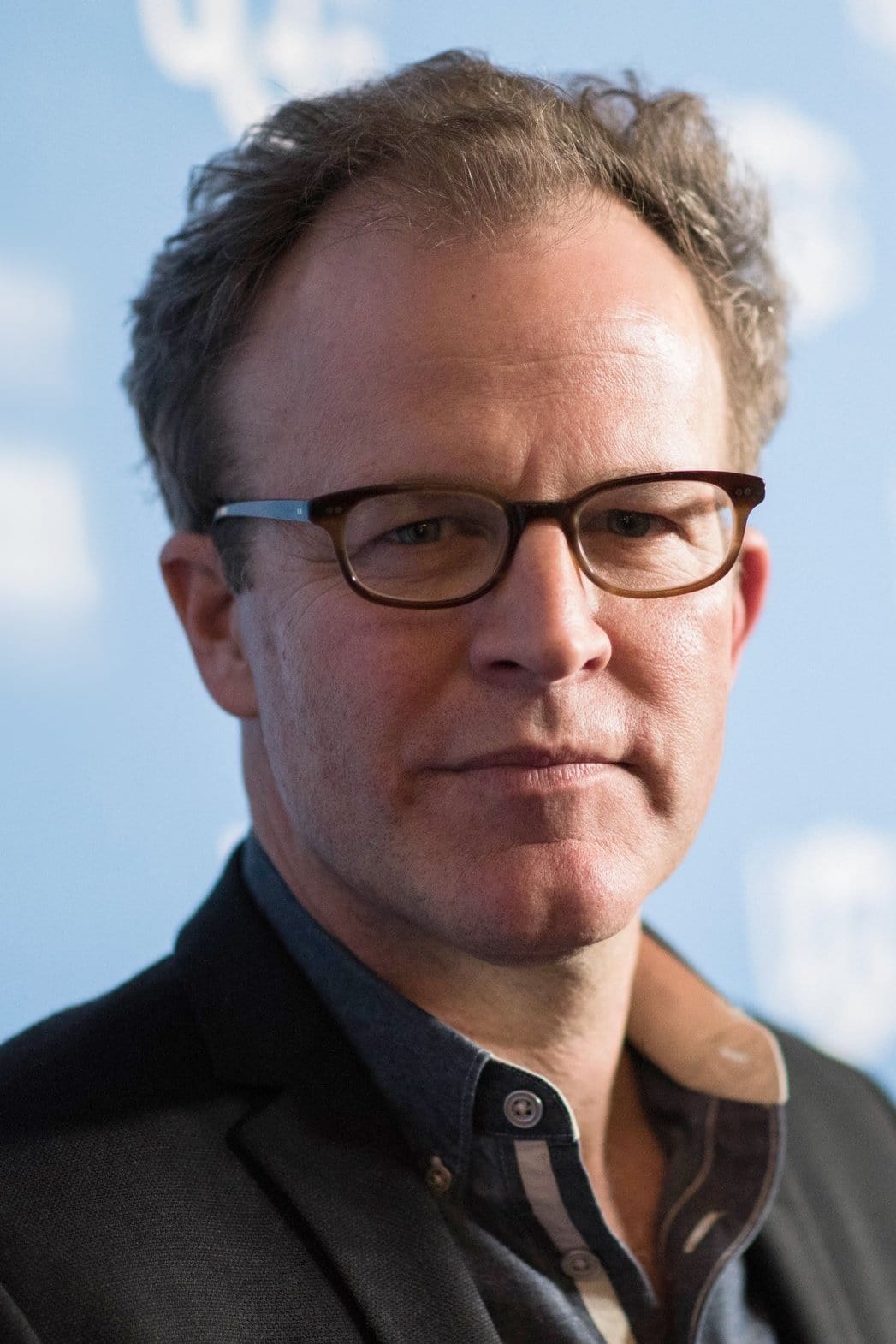
Tom McCarthy’s journalism drama ‘Spotlight’ earned widespread recognition, anchored by procedural clarity and careful ensemble direction. The film’s methodical reporting structure emphasized verification, sourcing, and editorial decision-making without sensationalism. McCarthy’s work across the decade highlighted unobtrusive craftsmanship—favoring performance, process, and institutional detail. He also contributed to television and family fare, demonstrating flexibility beyond awards-season dramas.
Kenneth Branagh
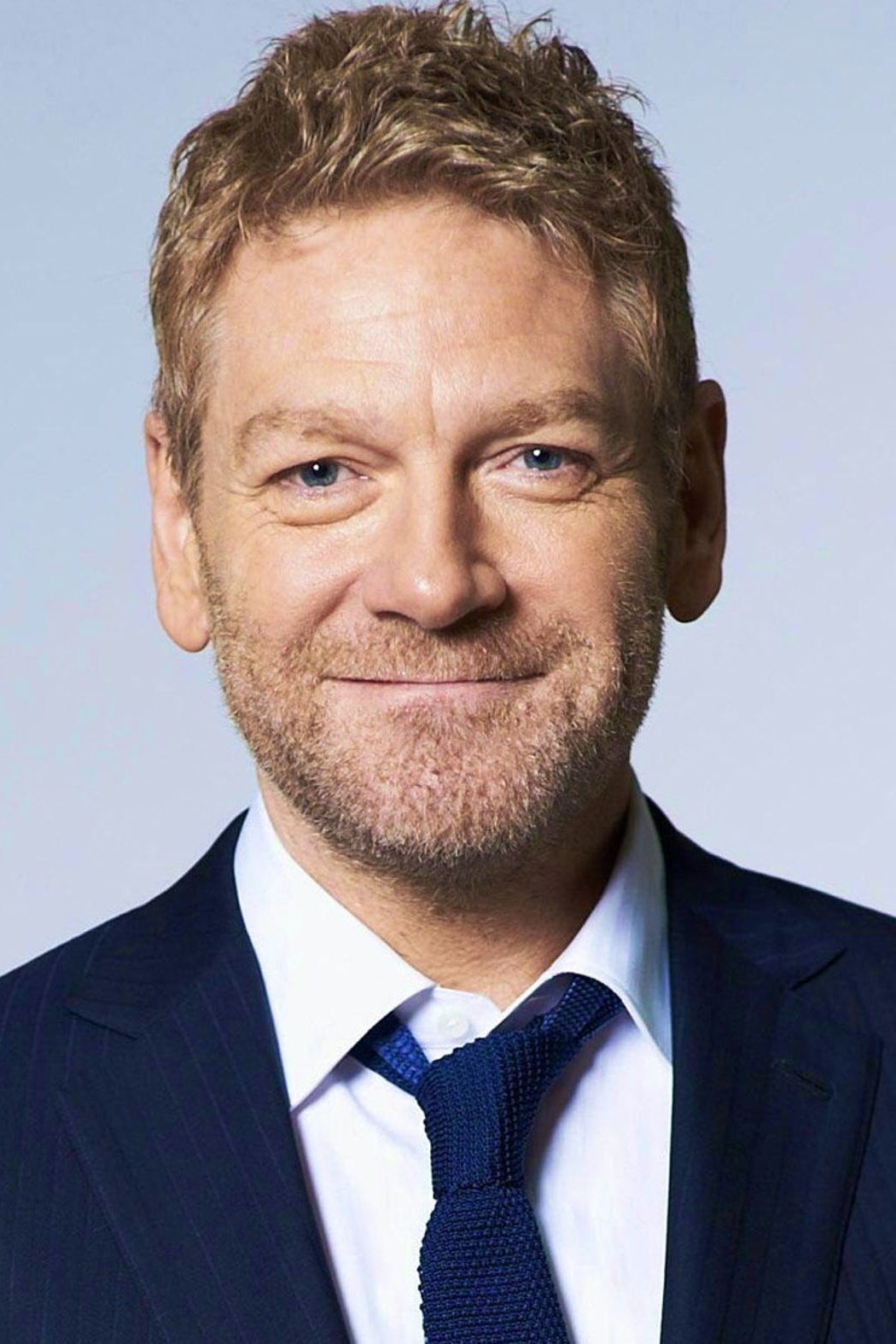
Kenneth Branagh brought classical craftsmanship to studio filmmaking with ‘Thor’, folding mythic scale into a then-expanding franchise. He showed range across genres with the stylish Disney live-action ‘Cinderella’ and the star-packed whodunit revival ‘Murder on the Orient Express’. Branagh’s actor-focused process is evident in polished ensemble performances that serve both spectacle and character. His films underlined a steady hand at blending legacy intellectual property with accessible, audience-friendly storytelling.
Justin Lin
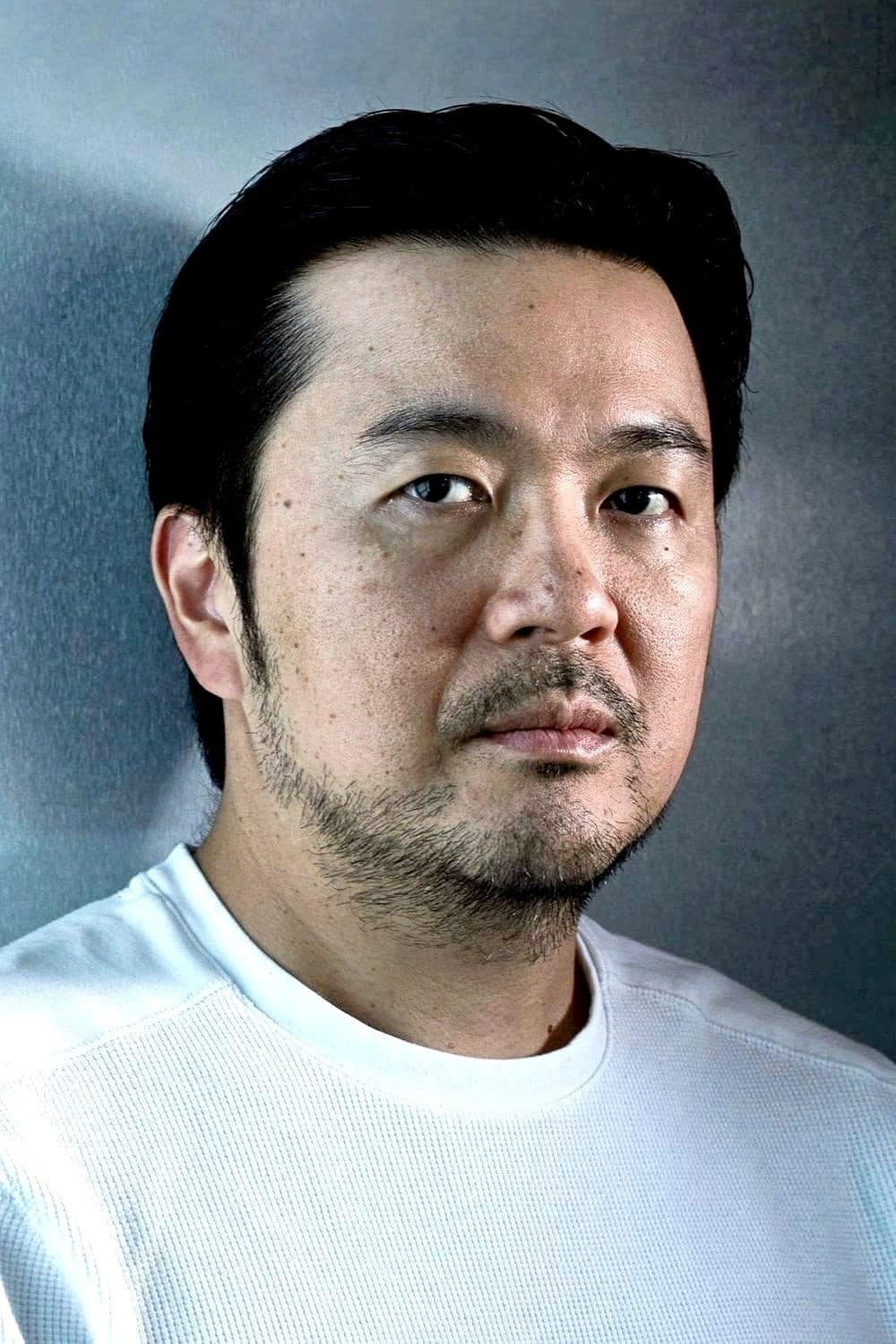
Justin Lin advanced the ‘Fast & Furious’ series with entries that scaled set-piece engineering and global location work. He prioritized ensemble chemistry, practical stunt integration, and vehicular action geography. Lin also handled franchise handoffs and continuity, aligning character arcs across installments. His contributions solidified a template for high-energy, internationally oriented action filmmaking.
Matthew Vaughn
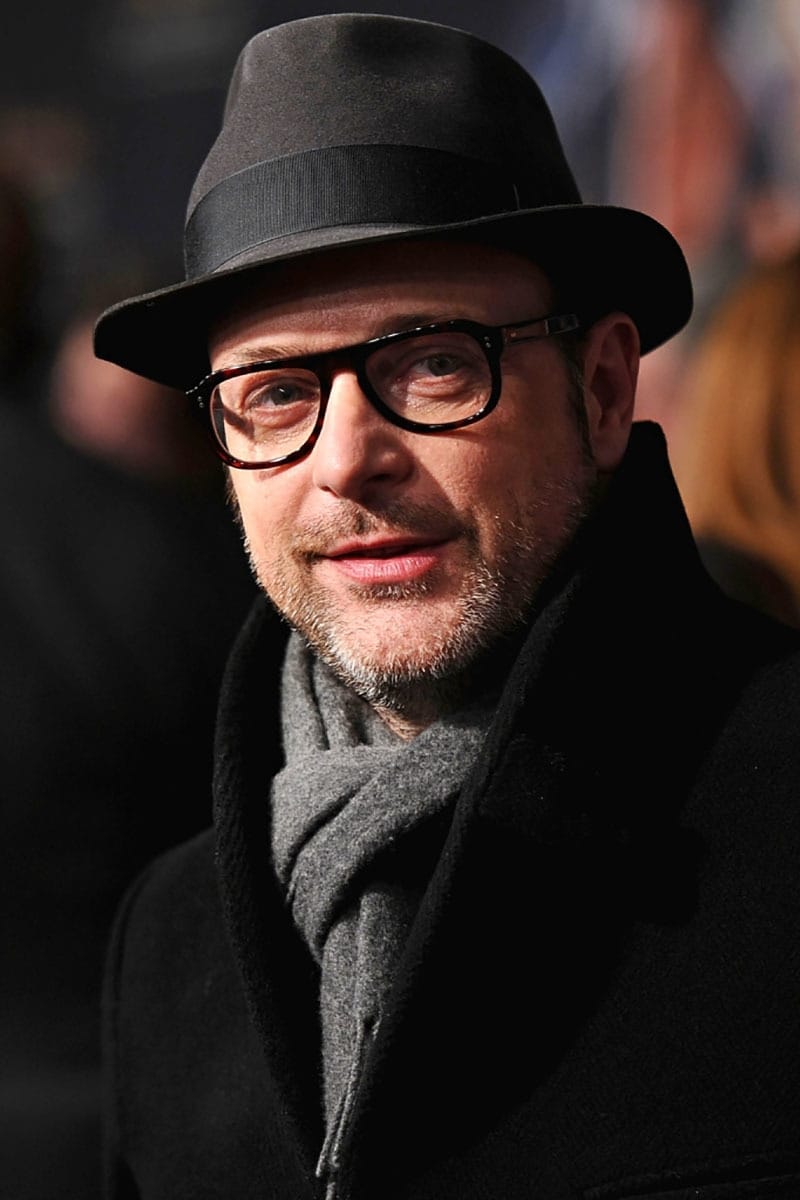
Matthew Vaughn brought stylized spy and comic-book energy with ‘Kick-Ass’ and the ‘Kingsman’ films. He favored heightened choreography, graphic framing, and brisk narrative momentum. Vaughn worked closely with costume and production design to establish instantly recognizable visual worlds. His slate delivered glossy, R-rated spectacle within tightly structured genre frameworks.
Brad Bird
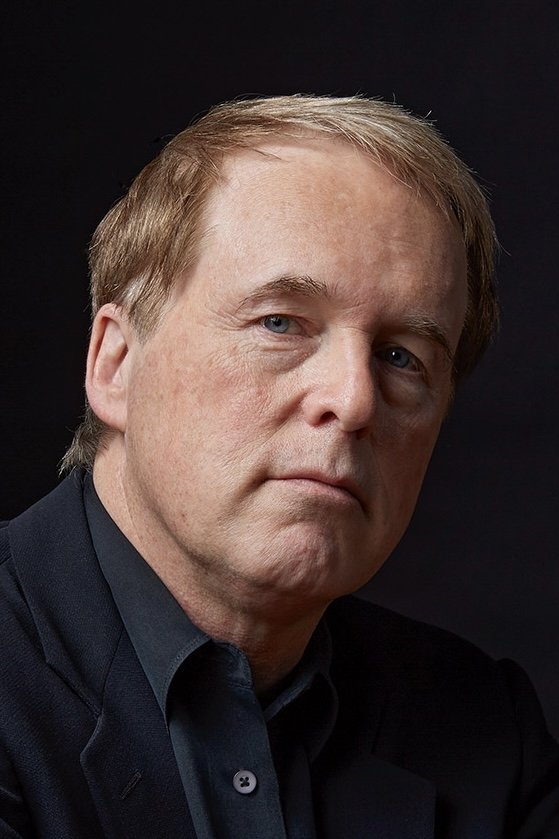
Brad Bird delivered live-action scale with ‘Mission: Impossible – Ghost Protocol’ and returned to animation with ‘Incredibles 2’. He emphasized inventive set-piece design, silhouette-readable action, and clear visual storytelling. Bird’s films integrated ambitious production design with precise editorial rhythm. The decade highlighted his capacity to jump between animation pipelines and live-action logistics.
Guy Ritchie

Guy Ritchie delivered slick studio adventures including ‘Sherlock Holmes: A Game of Shadows’ and the retro-cool ‘The Man from U.N.C.L.E.’. He later applied his kinetic sensibility to Disney with ‘Aladdin’, handling musical staging and large-scale visual effects while maintaining brisk pacing. His output showed continued experimentation with structure and banter-heavy dialogue inside broader commercial frameworks. The result was a recognizable stylistic imprint that adapted to varied studio demands.
Ari Aster

Ari Aster emerged with ‘Hereditary’ and followed with ‘Midsommar’, applying sustained dread, ritual detail, and grief-driven character study. He used controlled compositions, practical effects, and daylight horror to reframe genre expectations. Aster’s collaboration with art departments and sound design created dense symbolic environments. His films signaled a distinct authorial presence in studio-adjacent horror.
Steve McQueen

Steve McQueen’s ’12 Years a Slave’ combined rigorous historical detail with formally precise storytelling and earned top industry honors. He followed with ‘Widows’, fusing heist mechanics with political and social textures set against Chicago institutions. McQueen’s direction foregrounded performance intensity, spatial clarity, and composition that advances character psychology. His decade work balanced prestige drama with genre, maintaining formal discipline throughout.
Richard Linklater
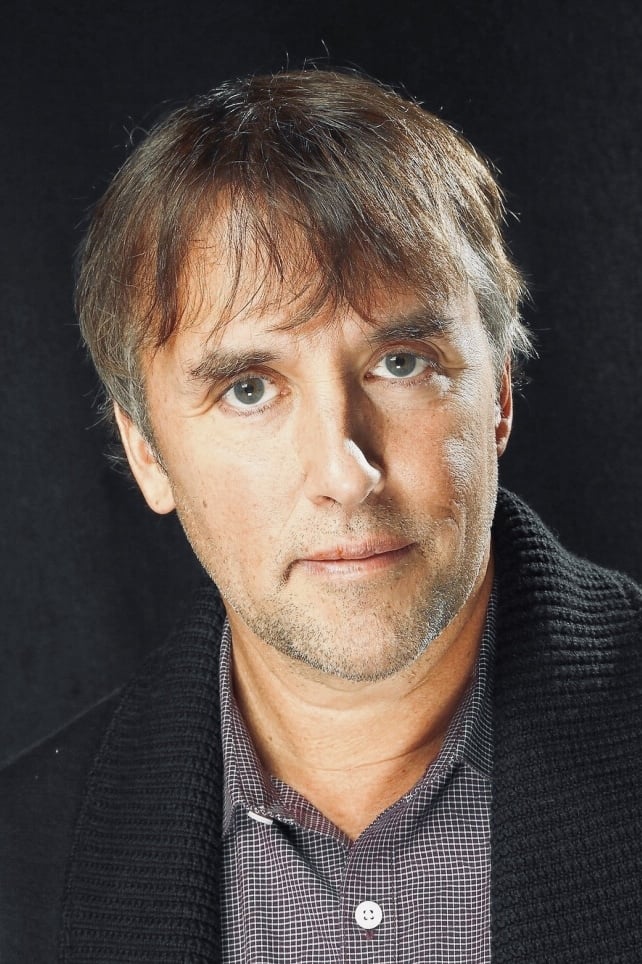
Richard Linklater’s ‘Boyhood’ captured a longitudinal portrait of American family life using the same cast over an extended production period, culminating in a widely celebrated release. He continued exploring time, memory, and coming-of-age textures with ‘Everybody Wants Some!!’. Linklater’s films underscored a process-driven approach—minimalist staging, naturalistic performances, and attention to everyday rhythms. His consistency reinforced a distinct American indie sensibility within the Hollywood ecosystem.
Kathryn Bigelow
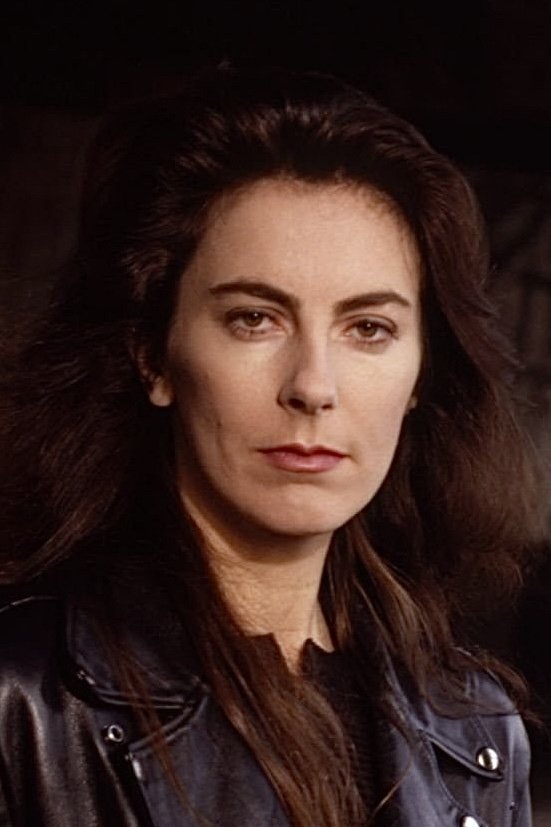
Kathryn Bigelow delivered muscular, research-driven dramas with ‘Zero Dark Thirty’ and followed with the tense, historically grounded ‘Detroit’. Her direction emphasized procedural detail, field operations authenticity, and kinetic staging under pressure. She collaborated closely with screenwriters and technical advisers to maintain verisimilitude. Across the decade, her films combined real-world subject matter with rigorous, propulsive filmmaking.
Peter Jackson
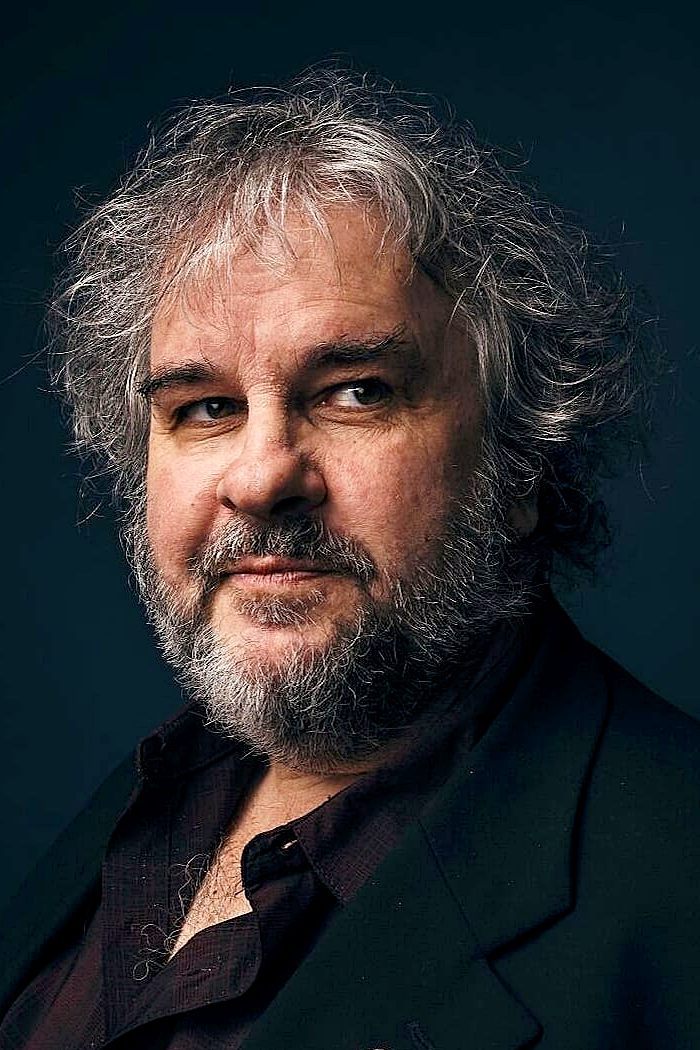
Peter Jackson concluded the Middle-earth saga with ‘The Hobbit’ trilogy and later crafted the archival restoration documentary ‘They Shall Not Grow Old’. He coordinated massive visual-effects pipelines, location photography, and performance capture at scale. Jackson’s post-production innovations included high-resolution restoration and colorization techniques applied to historical footage. His work demonstrated large-team orchestration and technical problem-solving on expansive projects.
Christopher McQuarrie
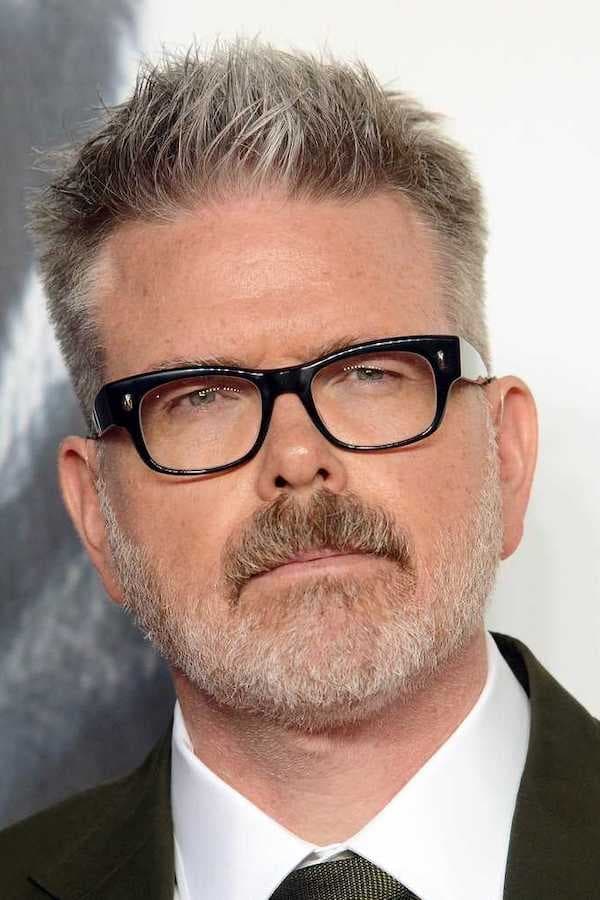
Christopher McQuarrie retooled long-running action craft with ‘Mission: Impossible – Rogue Nation’ and ‘Mission: Impossible – Fallout’. He emphasized practical stunts, clear spatial logic, and in-camera spectacle while iterating story with the lead and core crew. McQuarrie’s writing background supported objective-driven sequences and modular set-piece design. His output set a benchmark for contemporary action clarity and escalation.
Edgar Wright
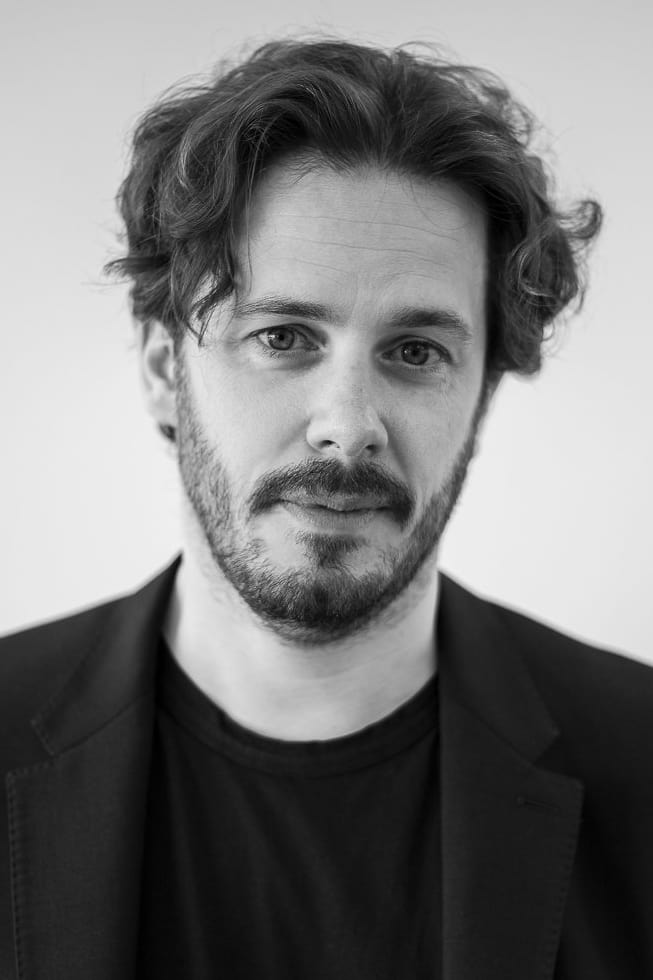
Edgar Wright combined rhythmic editing, needle-drop choreography, and practical stunt driving in ‘Baby Driver’, after earlier decade entries like ‘Scott Pilgrim vs. the World’ and ‘The World’s End’. He maintained precise visual comedy through match cuts, transitions, and blocking that support jokes and story beats. Wright’s close collaboration with editors and sound teams created music-synced narratives engineered for tempo. The result was crowd-pleasing genre filmmaking with unmistakable technical control.
James Mangold
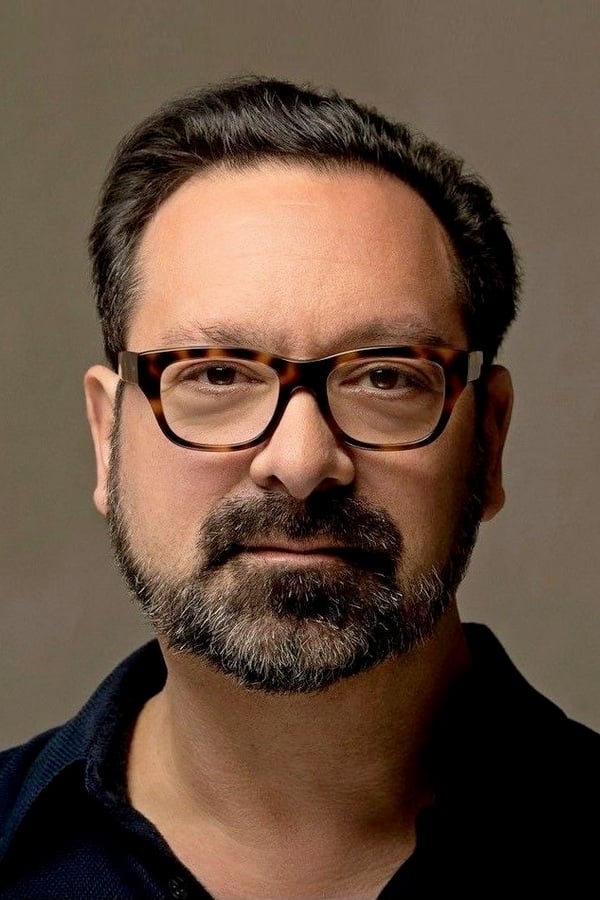
James Mangold revitalized a comic-book icon with ‘Logan’, pairing genre action with grounded character stakes, and delivered motorsports intensity in ‘Ford v Ferrari’. His films emphasized tactile stunt work, analog textures, and clear action geography. Mangold’s collaborations with editors and sound teams supported coherent, momentum-driven set pieces. He navigated intellectual property–driven projects while maintaining character-centered storytelling.
Anthony and Joe Russo
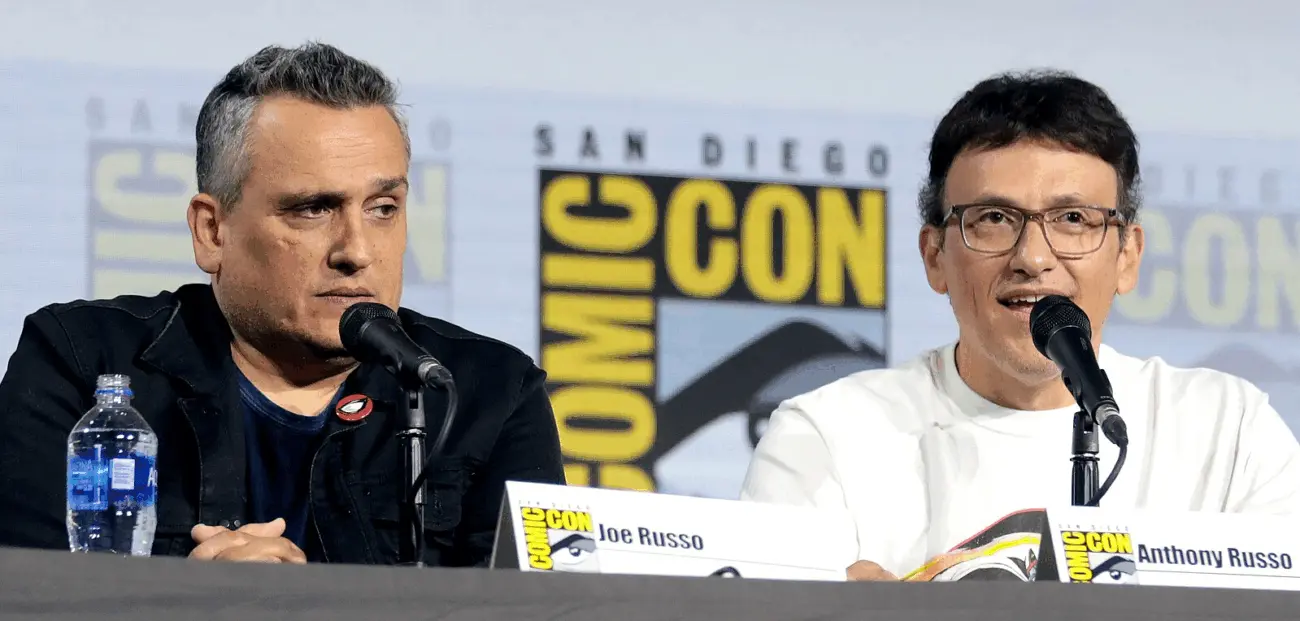
Anthony and Joe Russo guided ‘Captain America: The Winter Soldier’ and ‘Captain America: Civil War’, refining grounded spy-thriller elements inside superhero continuity. They then delivered ‘Avengers: Infinity War’ and ‘Avengers: Endgame’, coordinating multi-franchise arcs and large ensemble logistics. Their projects managed global production footprints, complex post schedules, and cross-departmental visual effects collaboration. The results provided templates for concluding longform cinematic sagas.
Ridley Scott
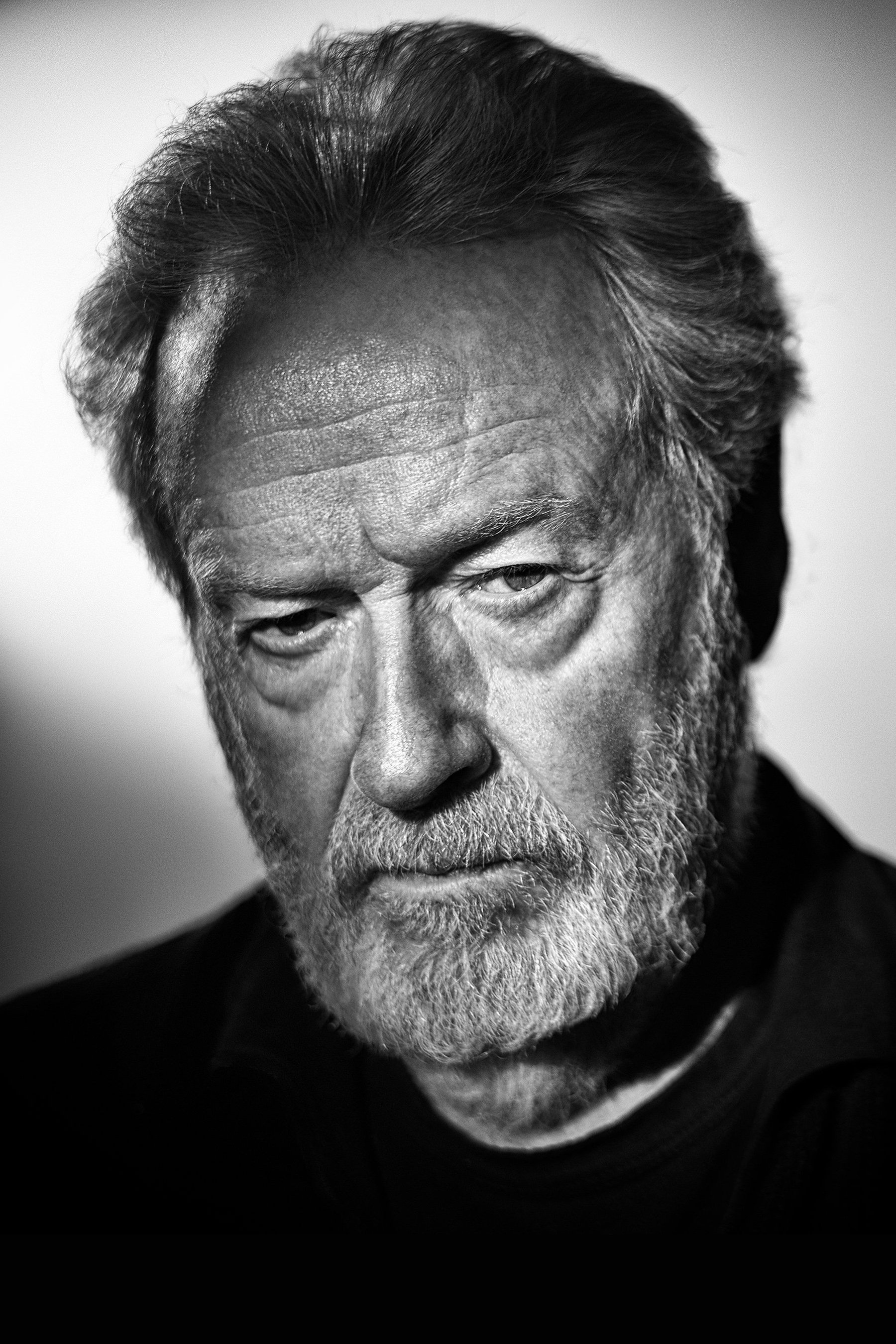
Ridley Scott combined survival drama and science-forward problem solving in ‘The Martian’, emphasizing practical engineering under pressure and collaborative teamwork. He revisited franchise mythology with ‘Prometheus’ and ‘Alien: Covenant’, expanding lore while showcasing production design and creature effects. Scott’s slate reflected high-throughput production practices and large-scale world-building. His films leveraged robust craft departments to deliver polished studio spectacles.
J.J. Abrams
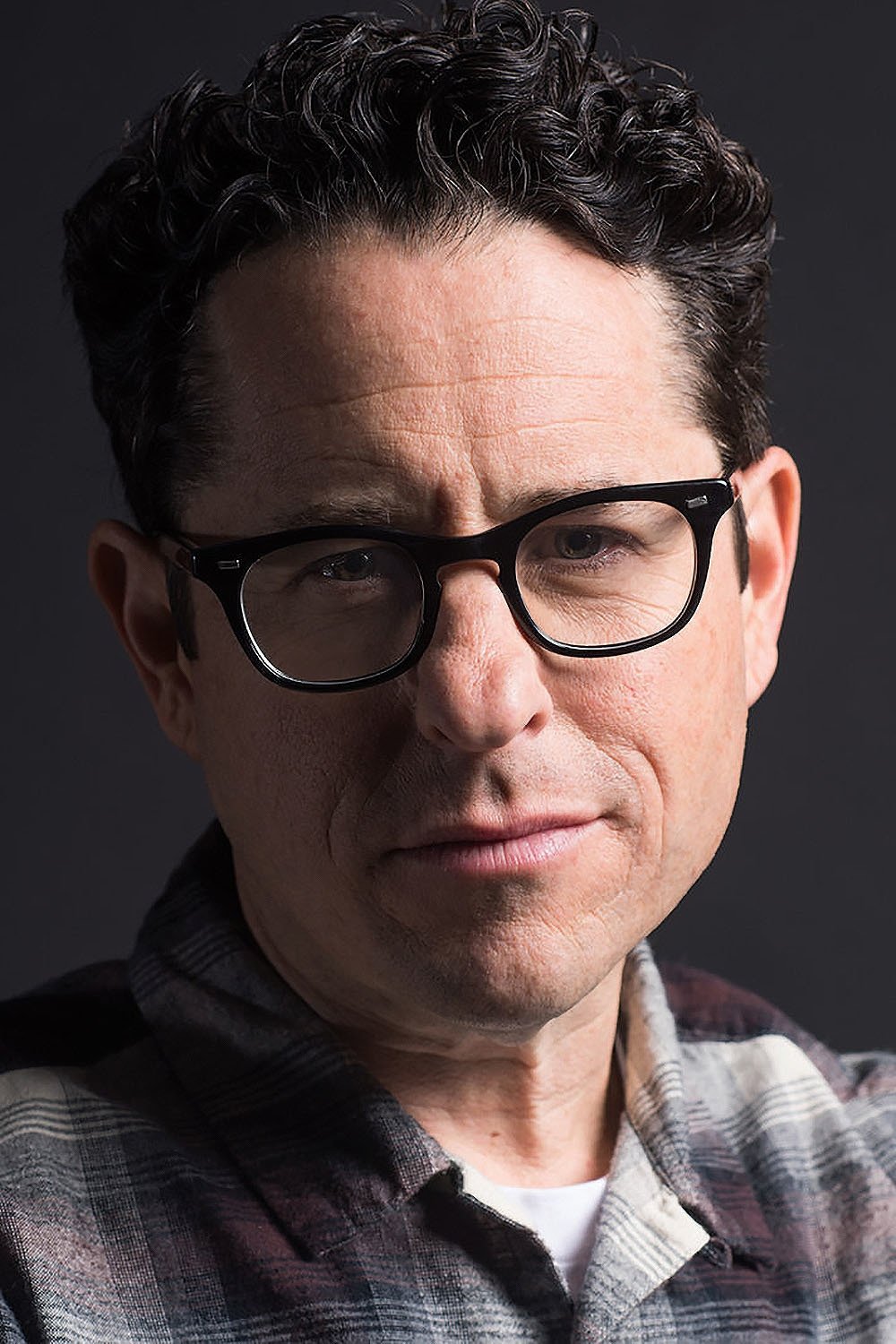
J.J. Abrams relaunched two of the biggest modern franchises with ‘Star Wars: The Force Awakens’ and ‘Star Trek Into Darkness’. He emphasized mystery-box pacing, practical effects integration, and legacy character stewardship to re-energize long-running series. His production oversight through Bad Robot extended influence across film and television, nurturing pipeline talent and projects. The decade cemented him as a go-to architect for large-scale, nostalgia-sensitive storytelling.
Rian Johnson
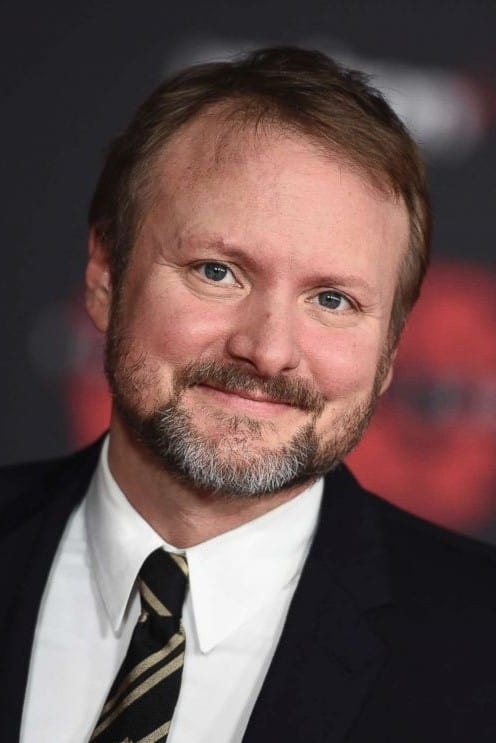
Rian Johnson delivered franchise-scale authorship with ‘Star Wars: The Last Jedi’, emphasizing thematic subversion, cross-cut structure, and bold visual design. He then pivoted to an original studio hit with ‘Knives Out’, reviving the ensemble mystery for contemporary audiences. Johnson’s scripts foreground puzzle-box construction while preserving character arcs and comedic timing. He balanced franchise expectations with original projects that traveled globally.
Patty Jenkins

Patty Jenkins delivered a major superhero landmark with ‘Wonder Woman’, centering a heroic arc with clear emotional stakes and period-war textures. The film’s success broadened studio confidence in women-led tentpoles and franchise leadership. Jenkins emphasized character empathy alongside large-format action and visual effects. She also guided sequel development and helped shape franchise tone across marketing and cross-media initiatives.
James Wan
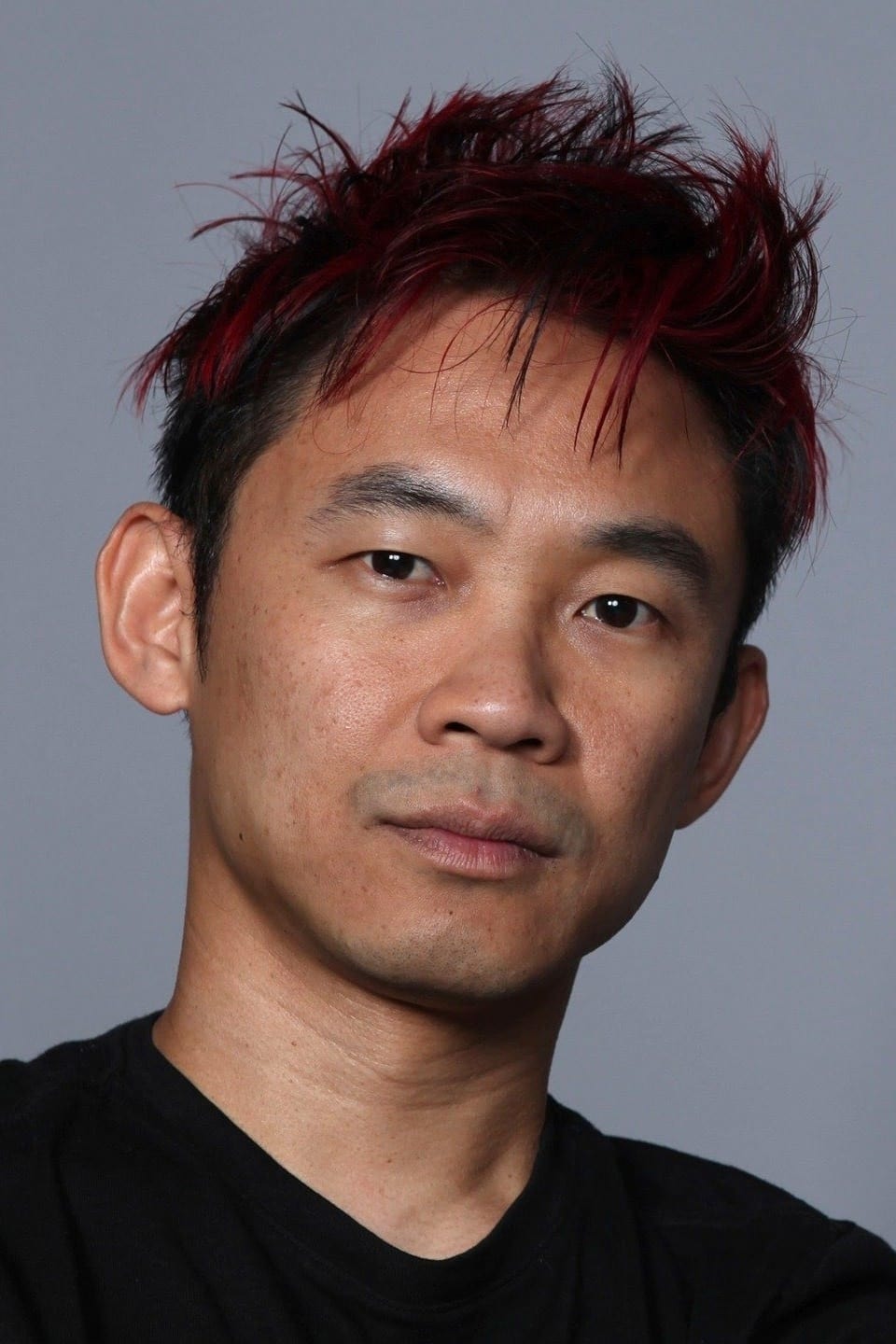
James Wan expanded a modern horror empire with ‘The Conjuring’ and its spin-offs, applying classical staging, sound design, and practical effects to build sustained dread. He demonstrated blockbuster versatility with ‘Furious 7’ and ‘Aquaman’, handling large action logistics and underwater world-building. Wan’s career blended creator-driven horror with four-quadrant spectacle. His production imprint fostered a connected horror universe that remained cost-efficient and globally marketable.
Taika Waititi
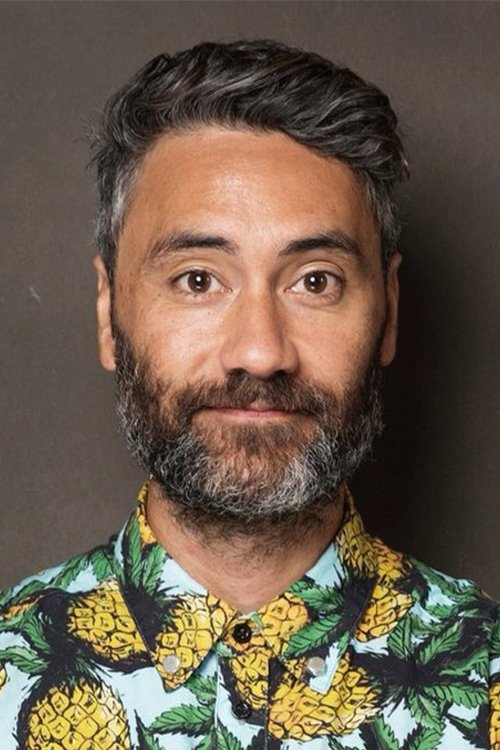
Taika Waititi blended heartfelt comedy and character-driven storytelling in ‘Hunt for the Wilderpeople’ and brought tonal freshness to the Marvel Cinematic Universe with ‘Thor: Ragnarok’. He integrated improvisational energy with polished visual gags and stylized production design. Waititi also wrote and acted in several projects, keeping a consistent voice across roles. The decade established him as a versatile filmmaker capable of pivoting between indie sensibility and studio spectacle.
Ryan Coogler
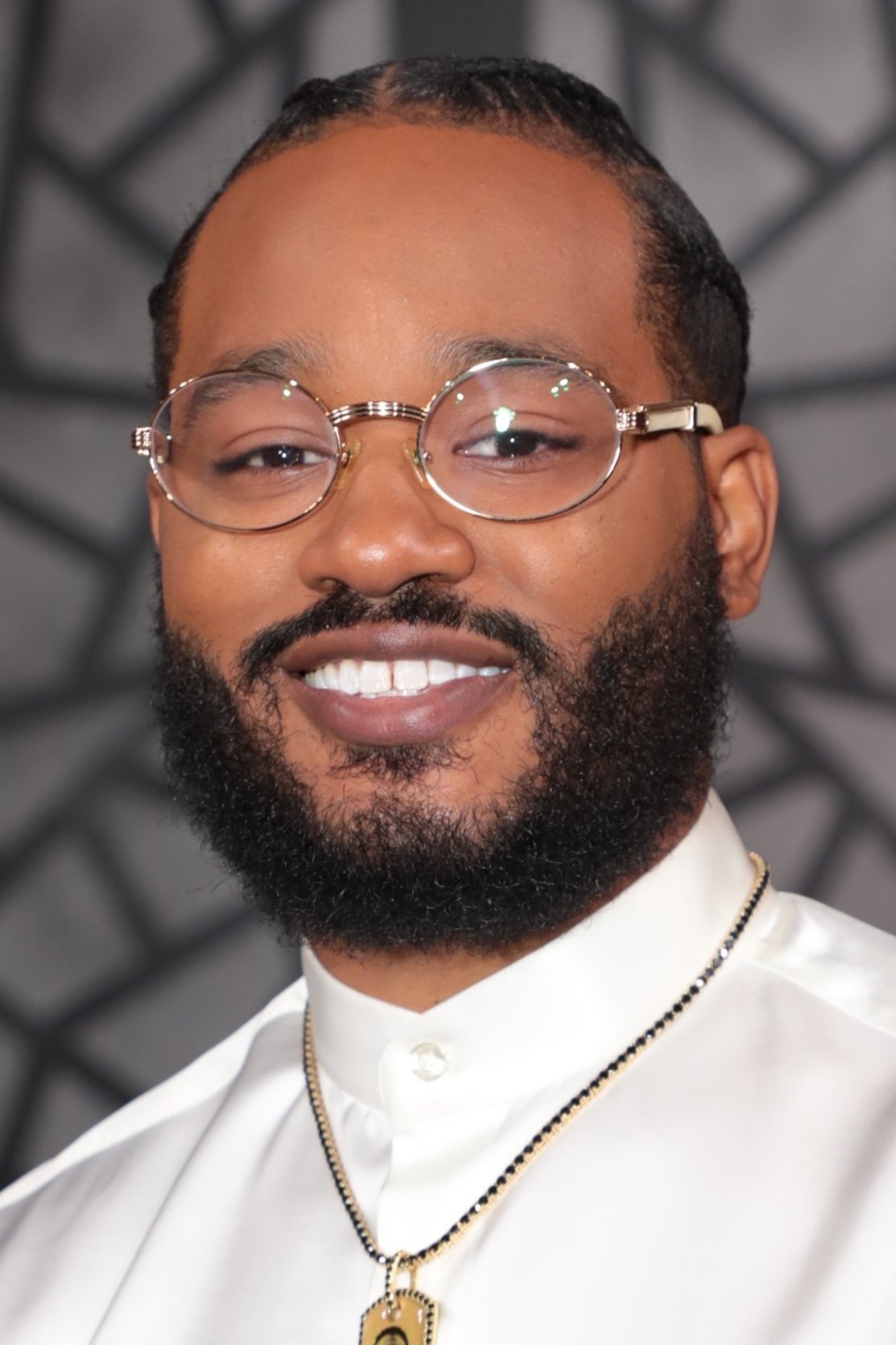
Ryan Coogler broke out with ‘Fruitvale Station’, moved into franchise boxing with ‘Creed’, and scaled to global superhero storytelling with ‘Black Panther’. He foregrounded community context, intergenerational dynamics, and character motivation inside mainstream frameworks. Coogler’s partnership with frequent collaborators across cinematography, production design, and music shaped a cohesive signature. His work demonstrated smooth transitions from intimate drama to tentpole scale.
Sam Mendes
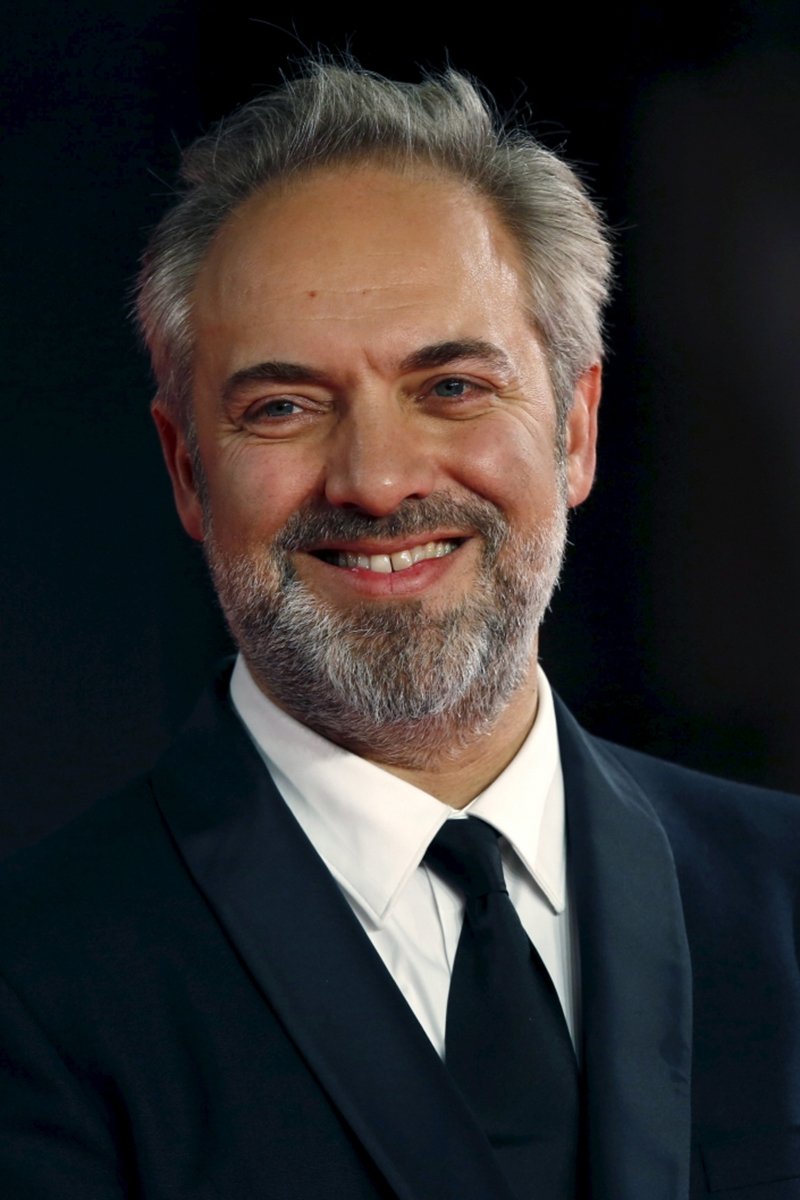
Sam Mendes steered modern Bond entries with ‘Skyfall’ and ‘Spectre’, prioritizing elegant staging, large-format cinematography, and location-driven set pieces. He later crafted the continuous-shot World War I story ‘1917’, coordinating complex choreography across departments. Mendes’ projects showcased meticulous production design and integrated score to shape mood. His work balanced prestige aesthetics with mass-audience reach.
Jordan Peele
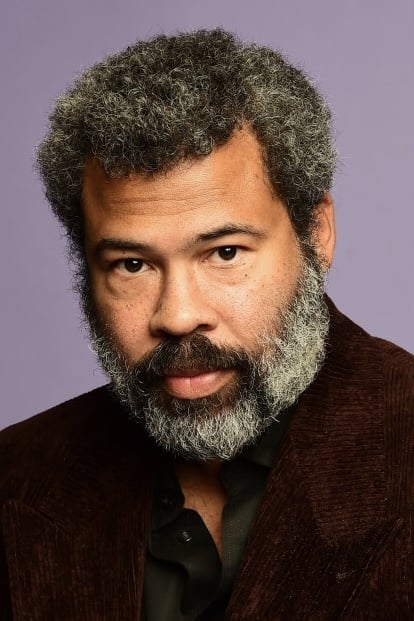
Jordan Peele’s ‘Get Out’ fused social satire with horror mechanics and earned major awards recognition for original screenplay. He followed with ‘Us’, continuing high-concept genre storytelling anchored by metaphor and image systems. Peele also developed projects through Monkeypaw Productions, elevating new voices and anthology formats. His impact showed how socially engaged genre filmmaking can scale to mainstream success.
Greta Gerwig

Greta Gerwig’s ‘Lady Bird’ presented a sharply observed coming-of-age story, noted for dialogue cadence and mother–daughter dynamics. She then adapted ‘Little Women’, reorganizing chronology to foreground authorship and economic agency. Gerwig’s collaboration-forward sets and script revisions emphasized character specificity and regional texture. Her work marked a transition from actor-writer to major studio director with awards-season traction.
Barry Jenkins
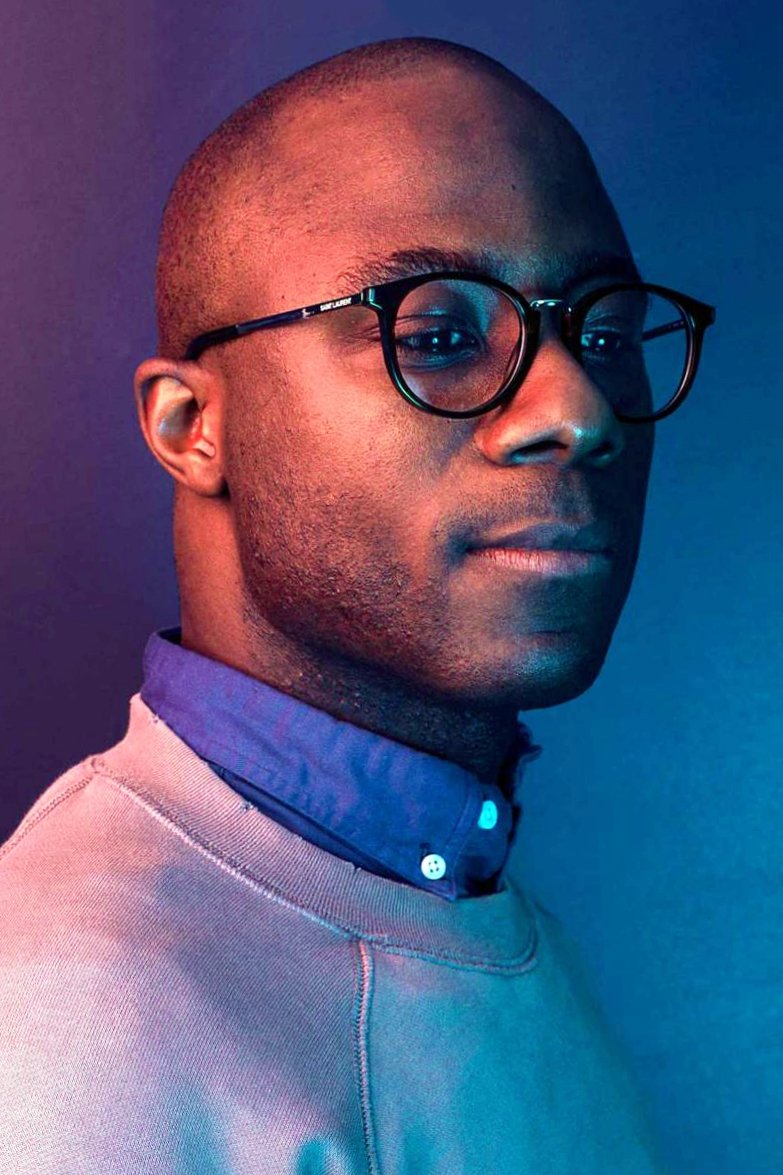
Barry Jenkins’ ‘Moonlight’ received top industry honors, with Jenkins also recognized for adapted screenplay. He continued with ‘If Beale Street Could Talk’, emphasizing lyrical camera movement, color design, and music-driven mood. Jenkins’ films highlighted intimate performance direction and community-grounded storytelling. His projects established a pipeline for continued work in both film and prestige television.
Damien Chazelle
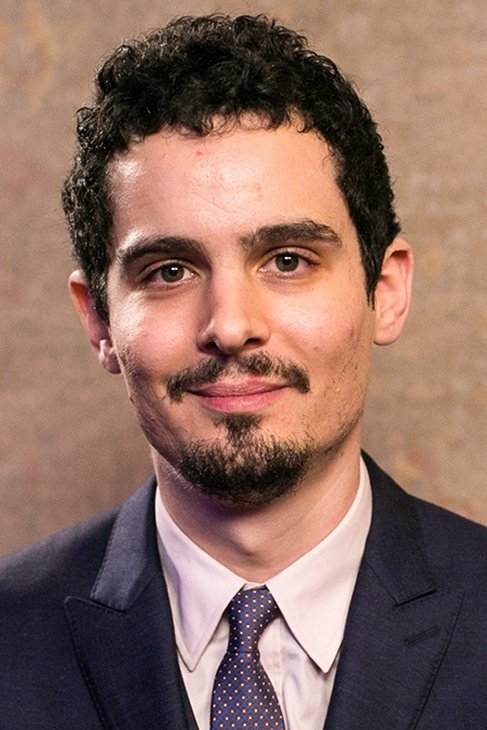
Damien Chazelle’s ‘Whiplash’ showcased music-performance intensity and editorial pacing calibrated to rhythm. He scaled up with ‘La La Land’, integrating classic musical grammar with contemporary storytelling and earning major directing honors. ‘First Man’ applied immersive, tactile filmmaking to aerospace history using extensive in-camera techniques. His decade arc demonstrated rapid progression from indie breakthrough to top-tier studio auteur.
Wes Anderson
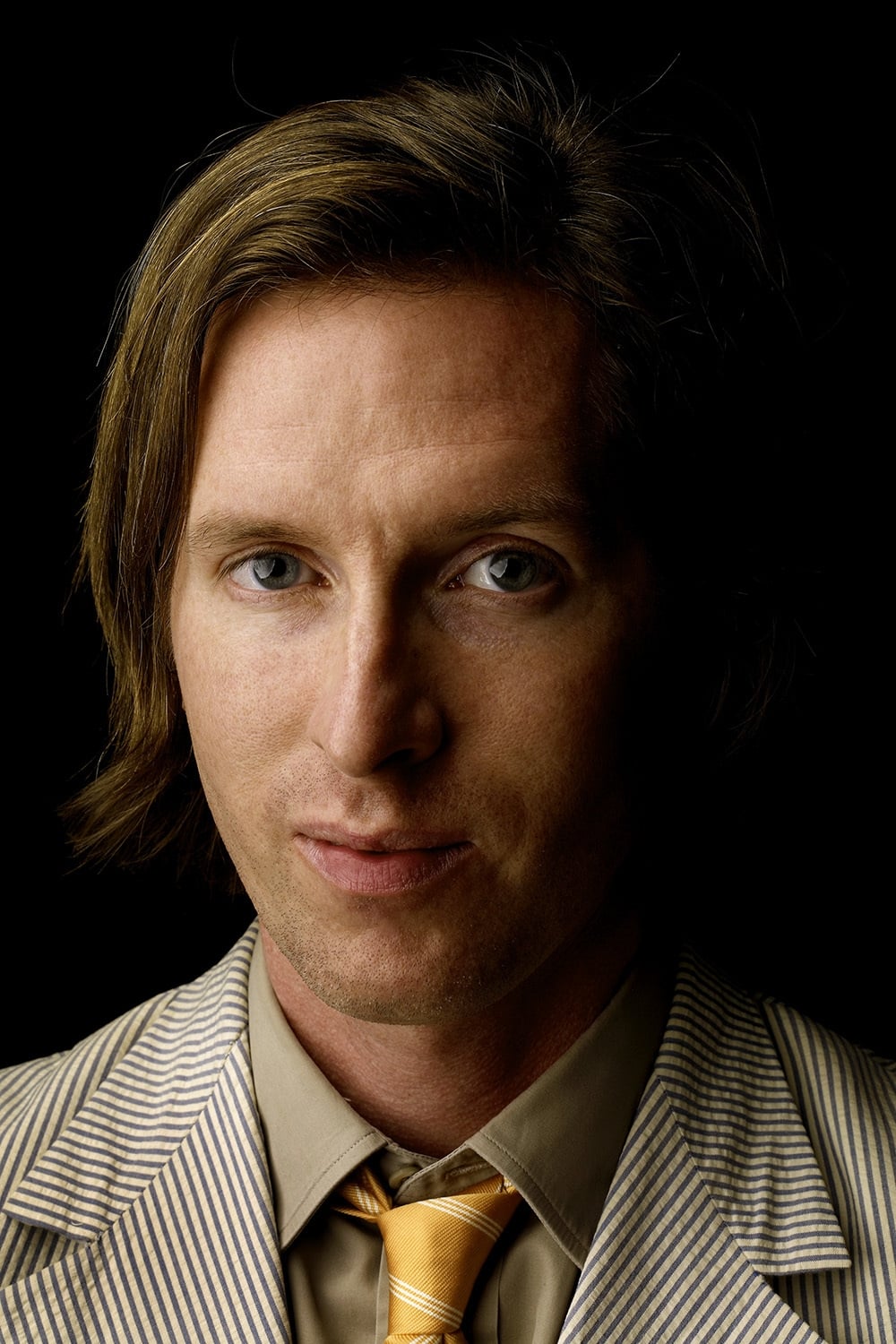
Wes Anderson’s ‘The Grand Budapest Hotel’ combined nested storytelling, miniatures, and ensemble casting to create a meticulously designed caper. He returned to animation with ‘Isle of Dogs’, applying stop-motion craft to a culturally layered adventure. Anderson’s films emphasized symmetrical framing, curated color palettes, and literary narration structures. The decade solidified his position as a distinctive voice whose formal signatures are instantly recognizable.
Paul Thomas Anderson
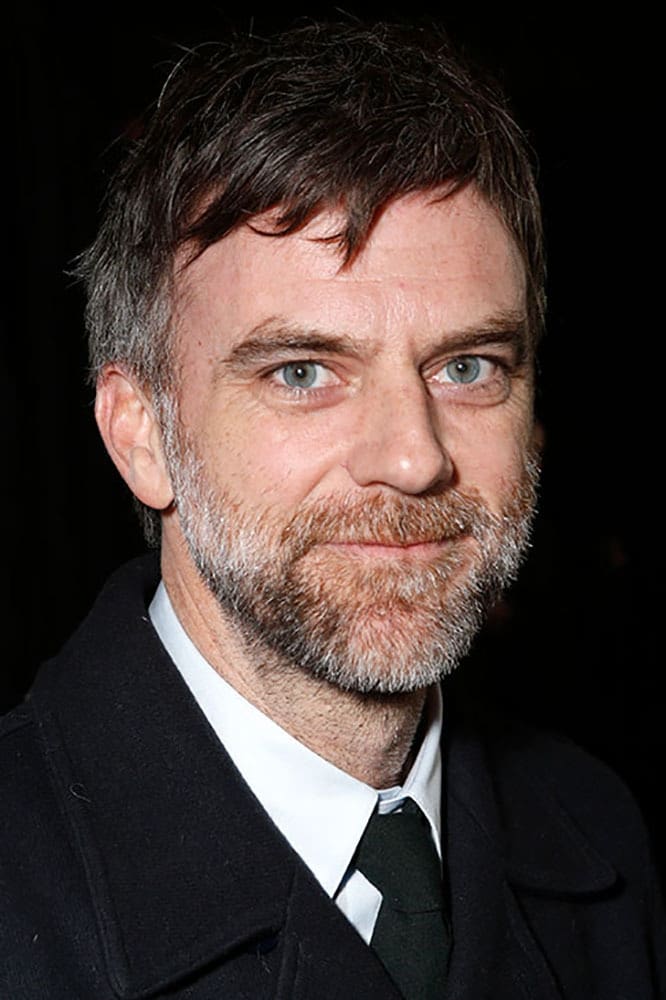
Paul Thomas Anderson continued actor-led, formally adventurous filmmaking with ‘The Master’, ‘Inherent Vice’, and ‘Phantom Thread’. He focused on character psychology, tactile period detail, and camera movement that mirrors shifting power dynamics. Anderson collaborated deeply with performers and department heads, integrating score, costuming, and production design into cohesive mood pieces. His output reinforced a precision stylist working comfortably within studio-aligned distribution.
Quentin Tarantino
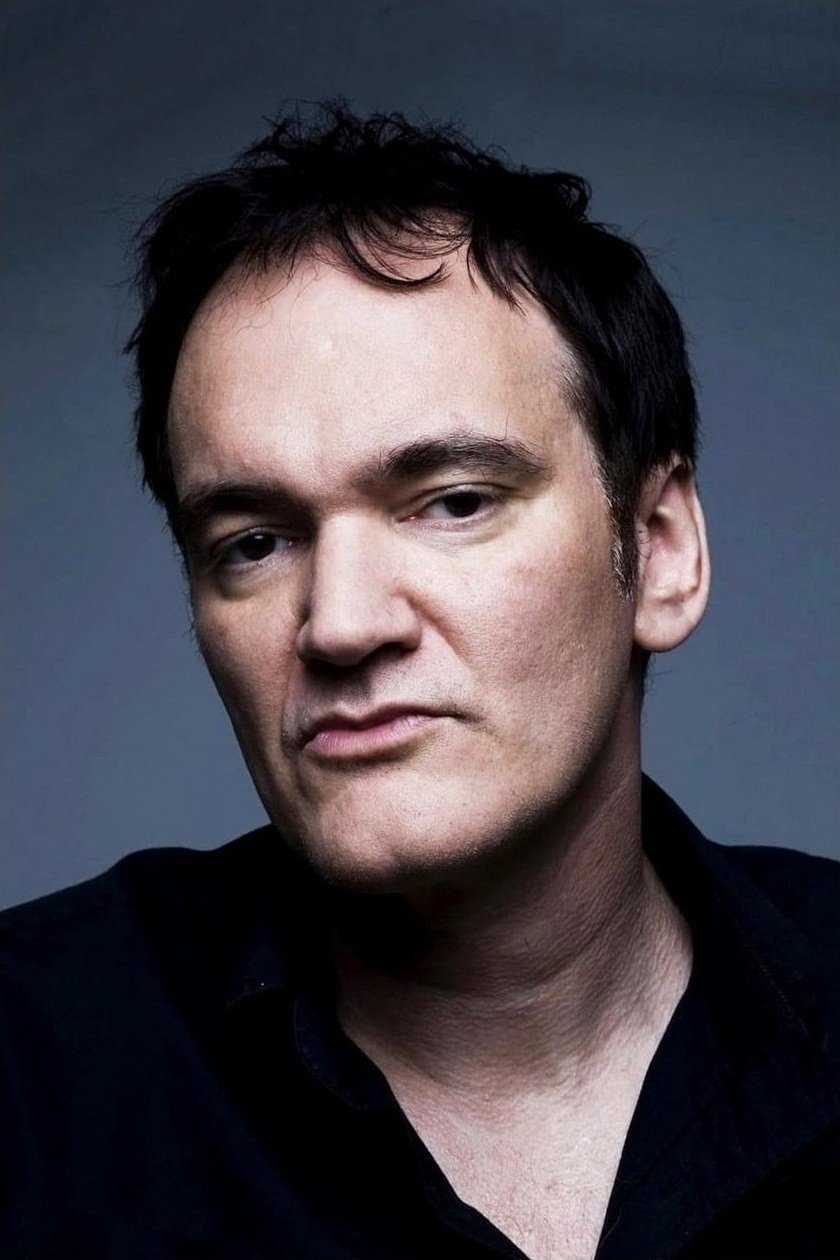
Quentin Tarantino’s ‘Django Unchained’ and ‘The Hateful Eight’ continued his genre-mixing approach, followed by a meticulously recreated period landscape in ‘Once Upon a Time in Hollywood’. He emphasized analog capture and exhibition formats alongside curated needle drops and long-take dialogue staging. Tarantino’s films intersected star power with cine-history references and production-design scale. The work reinforced his event-filmmaker status within studio slates.
Denis Villeneuve
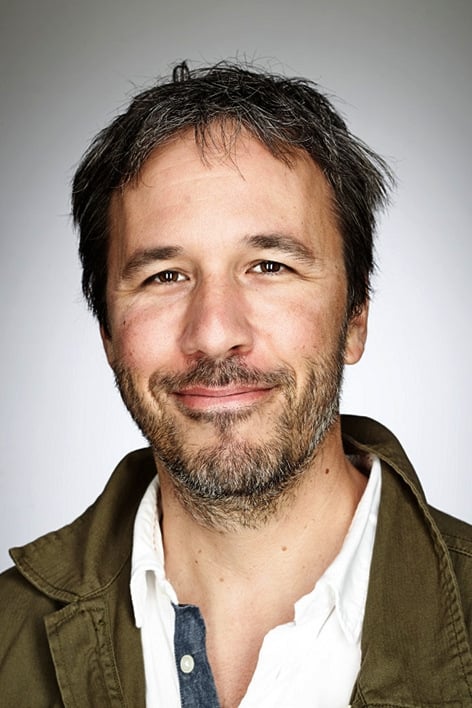
Denis Villeneuve delivered character-driven thrillers with ‘Prisoners’ and ‘Sicario’ before expanding to science fiction in ‘Arrival’ and ‘Blade Runner 2049’. He emphasized atmospheric world-building, sound architecture, and image-driven storytelling. Villeneuve’s collaborations with cinematographers and composers yielded distinct audiovisual signatures recognized across the industry. The decade established him as a go-to director for intelligent, large-scale genre cinema.
George Miller
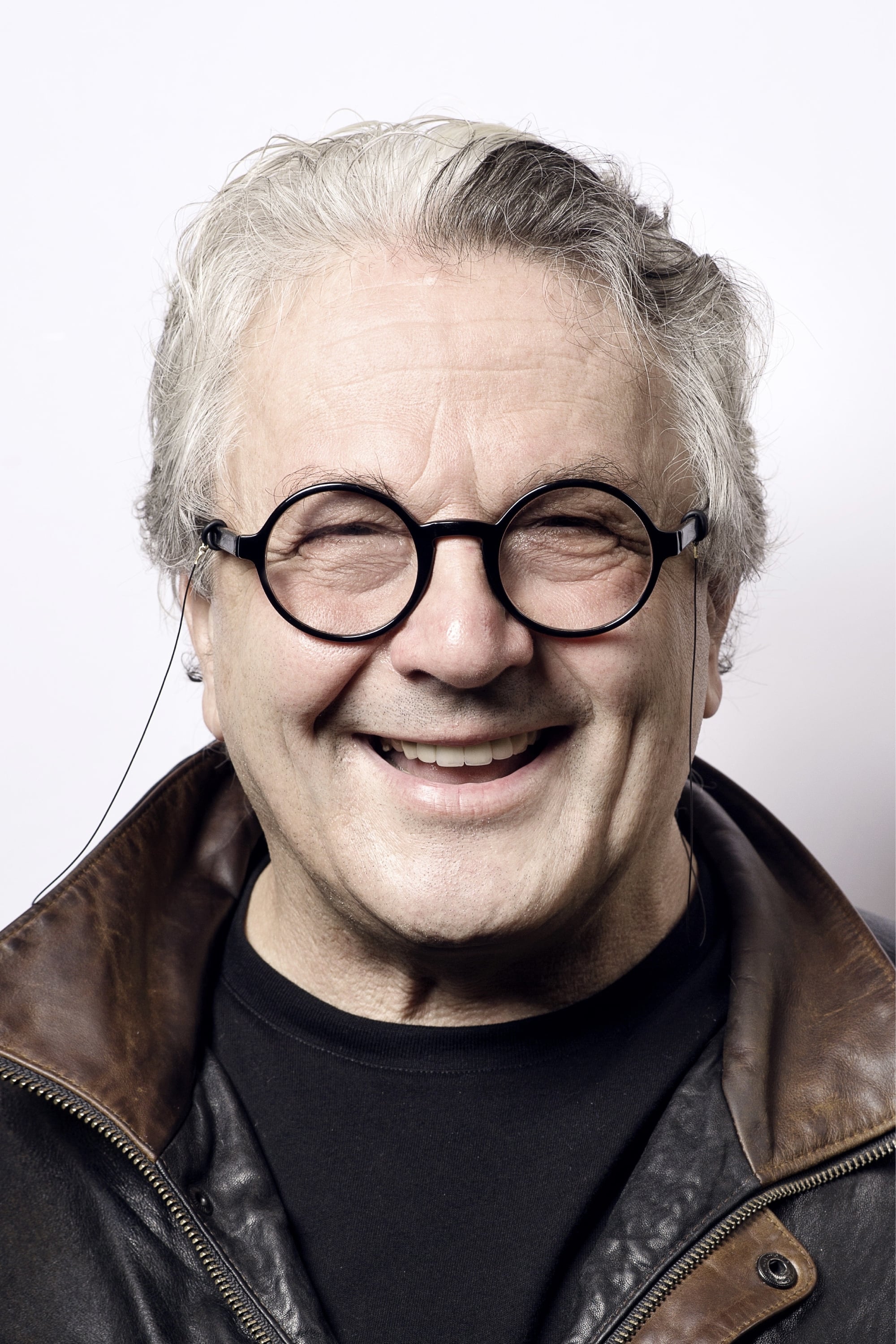
George Miller returned to the ‘Mad Max’ universe with ‘Mad Max: Fury Road’, showcasing practical stunt integration, editorial propulsion, and design coherence. The film became a craft benchmark across editing, sound, production design, and costume. Miller’s action geography and vehicle choreography set a reference point for large-scale chase filmmaking. His leadership across second-unit, stunts, and effects demonstrated holistic, department-spanning coordination.
David Fincher
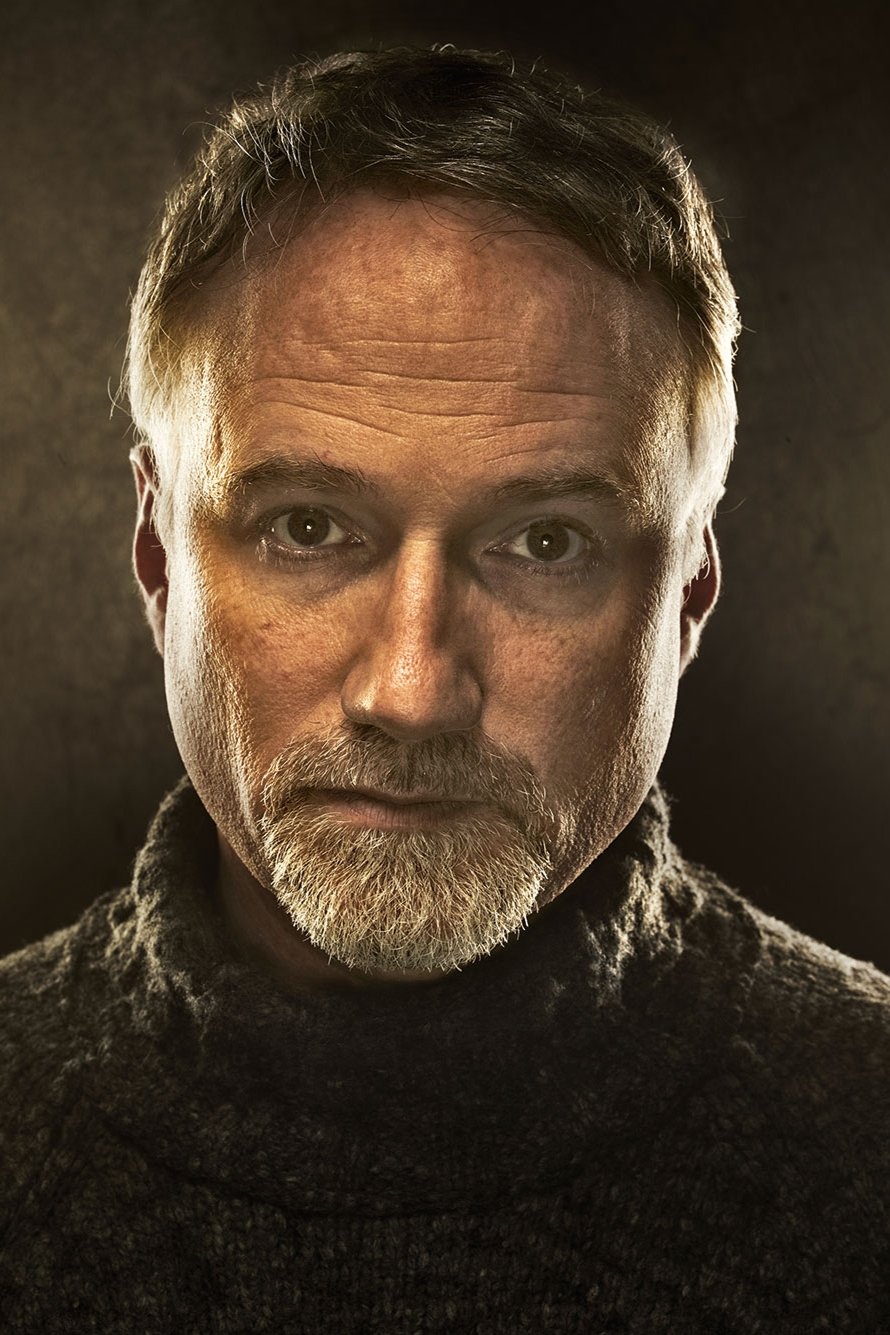
David Fincher delivered ‘The Social Network’, ‘The Girl with the Dragon Tattoo’, and ‘Gone Girl’, each marked by exacting editorial rhythm and digital craft. He advanced workflow standards in camera testing, color management, and post-production pipelines. Fincher’s collaborations with composers and screenwriters produced tightly engineered narratives with high repeat-view value. His influence extended into streaming-era series production, shaping visual grammar and showrunning protocols.
Martin Scorsese
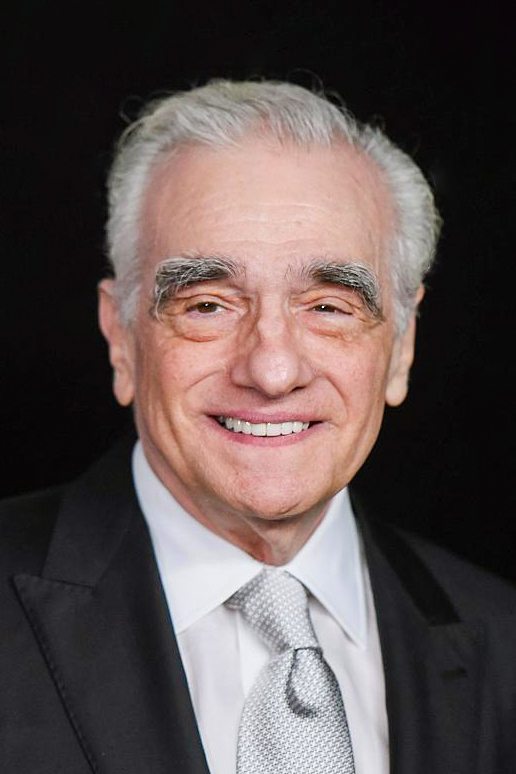
Martin Scorsese’s decade included ‘Shutter Island’, ‘The Wolf of Wall Street’, ‘Silence’, and ‘The Irishman’, spanning psychological thriller, financial satire, spiritual drama, and epic crime. He championed film preservation and exhibition initiatives while working with both studios and streamers. Scorsese’s production partnerships facilitated ambitious runtimes, period authenticity, and veteran ensemble performances. His slate illustrated sustained artistic vitality alongside evolving distribution models.
Bong Joon Ho
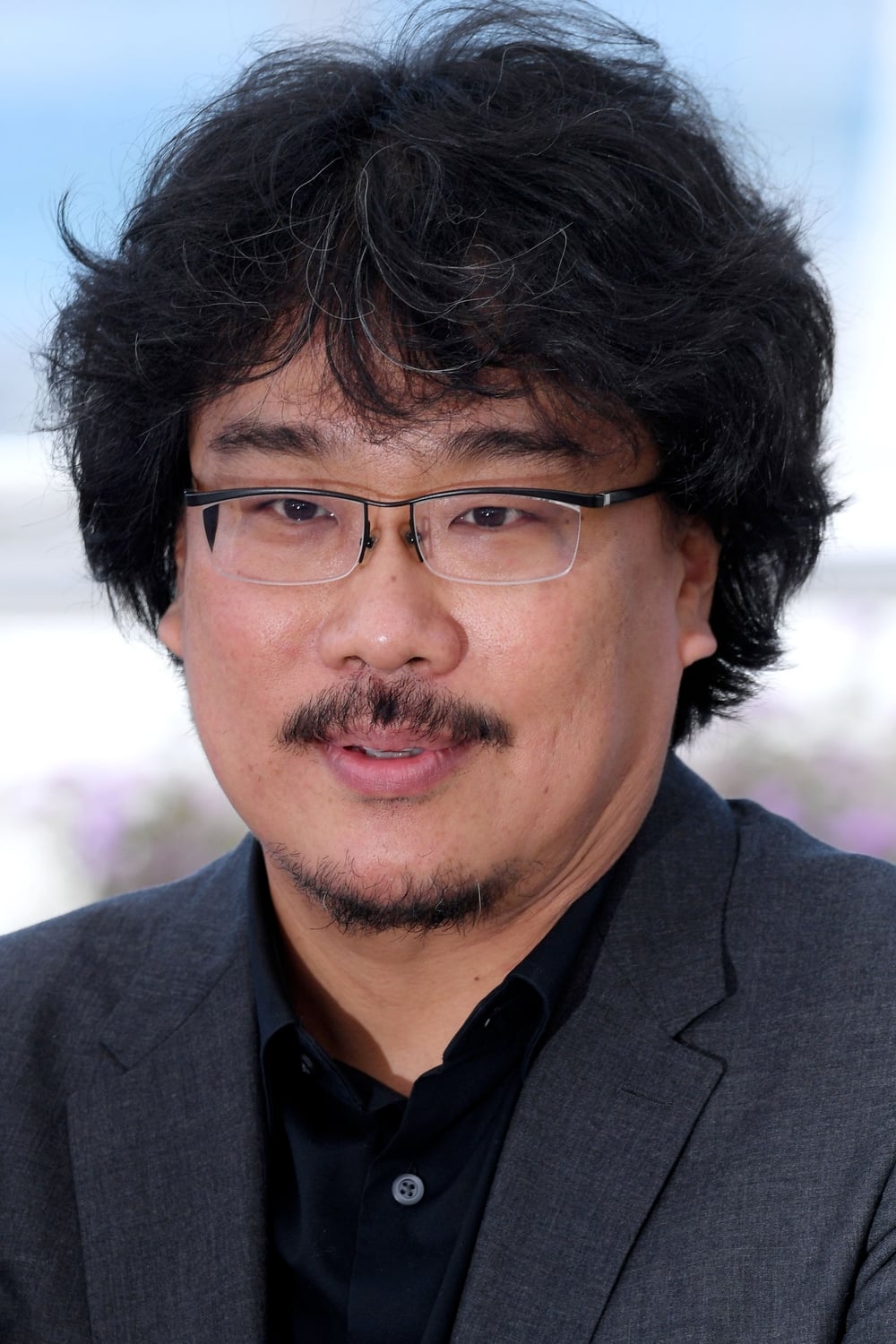
Bong Joon Ho bridged international and Hollywood systems with ‘Snowpiercer’ and ‘Okja’, then capped the decade with ‘Parasite’. He combined class-conscious themes with genre mechanics, ensemble precision, and sharply staged set pieces. Bong’s productions leveraged intricate sets and spatial storytelling to encode conflict and hierarchy. His work demonstrated cross-market appeal while retaining a singular narrative voice.
Alejandro González Iñárritu
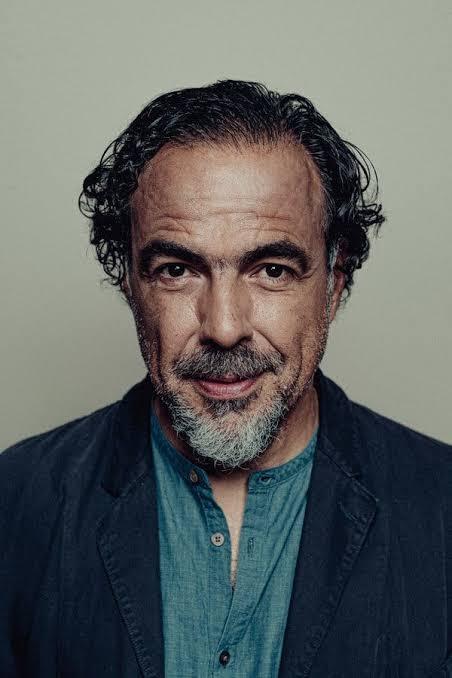
Alejandro G. Iñárritu paired experimental form with scale in ‘Birdman’ and ‘The Revenant’, the former using a continuous-take conceit and the latter emphasizing natural light and location endurance. He also advanced immersive exhibition with the VR installation ‘Carne y Arena’. Iñárritu’s projects reflected collaboration-intensive production and technical risk. The decade showed how ambitious technique can integrate with wide accessibility.
Alfonso Cuarón

Alfonso Cuarón combined technical innovation and emotional clarity with ‘Gravity’, noted for extended-take design and immersive space sequences. He followed with ‘Roma’, leveraging monochrome cinematography, long takes, and location sound to craft intimate scale with epic texture. Cuarón’s hands-on roles across writing, editing, and cinematography reflected total authorship. His achievements included top-tier recognition for direction and craft categories.
Christopher Nolan

Christopher Nolan delivered ‘Inception’, ‘The Dark Knight Rises’, ‘Interstellar’, and ‘Dunkirk’, each marked by large-format capture, practical effects, and precision sound design. He advocated for film exhibition standards, partnering with IMAX to preserve high-quality theatrical presentation. Nolan’s productions coordinated complex stunt engineering, miniatures, and in-camera techniques at blockbuster scale. His films combined box-office reach with craft leadership across editorial, sound, and cinematography disciplines.
Share your own picks for the decade’s standout filmmakers in the comments!