The Most Influential Actors of the 1970s

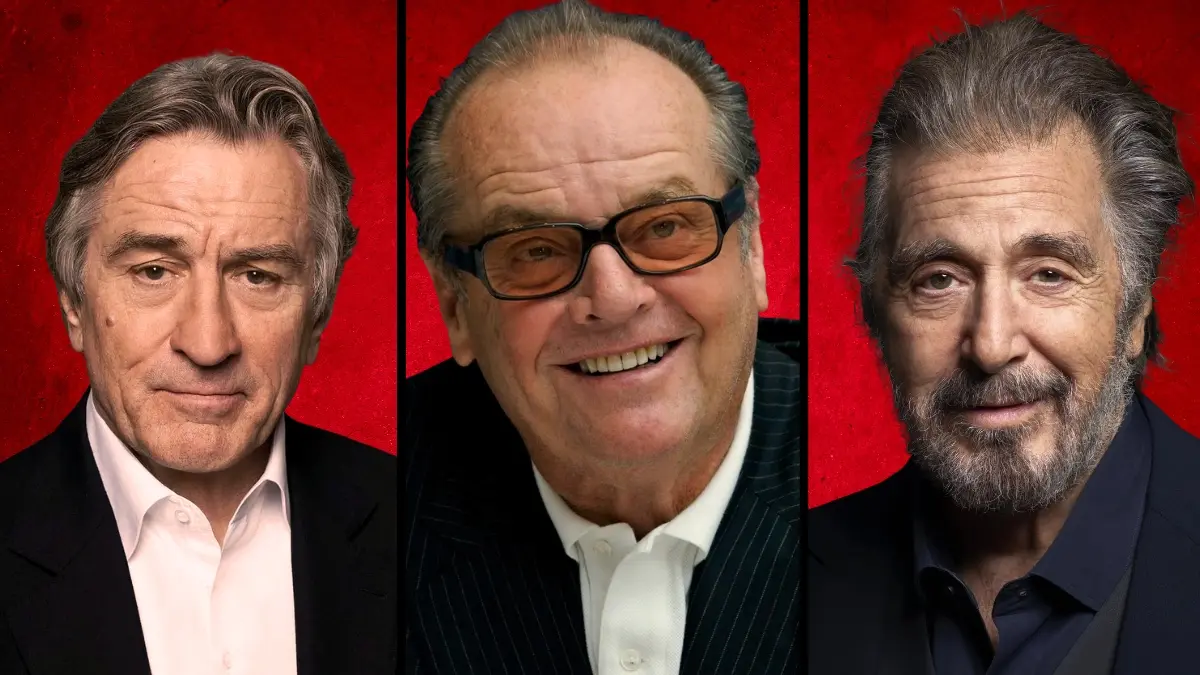

The 1970s reshaped modern screen acting, blending new-wave grit, auteur-driven character studies, and global box-office phenomena. The men below helped define that decade through landmark performances, industry-shifting collaborations, and careers that influenced how stories were cast, produced, and received around the world. From crime sagas and political dramas to martial-arts breakthroughs and Bollywood blockbusters, their work traveled widely and still anchors film history courses, repertory calendars, and streaming queues today.
Al Pacino
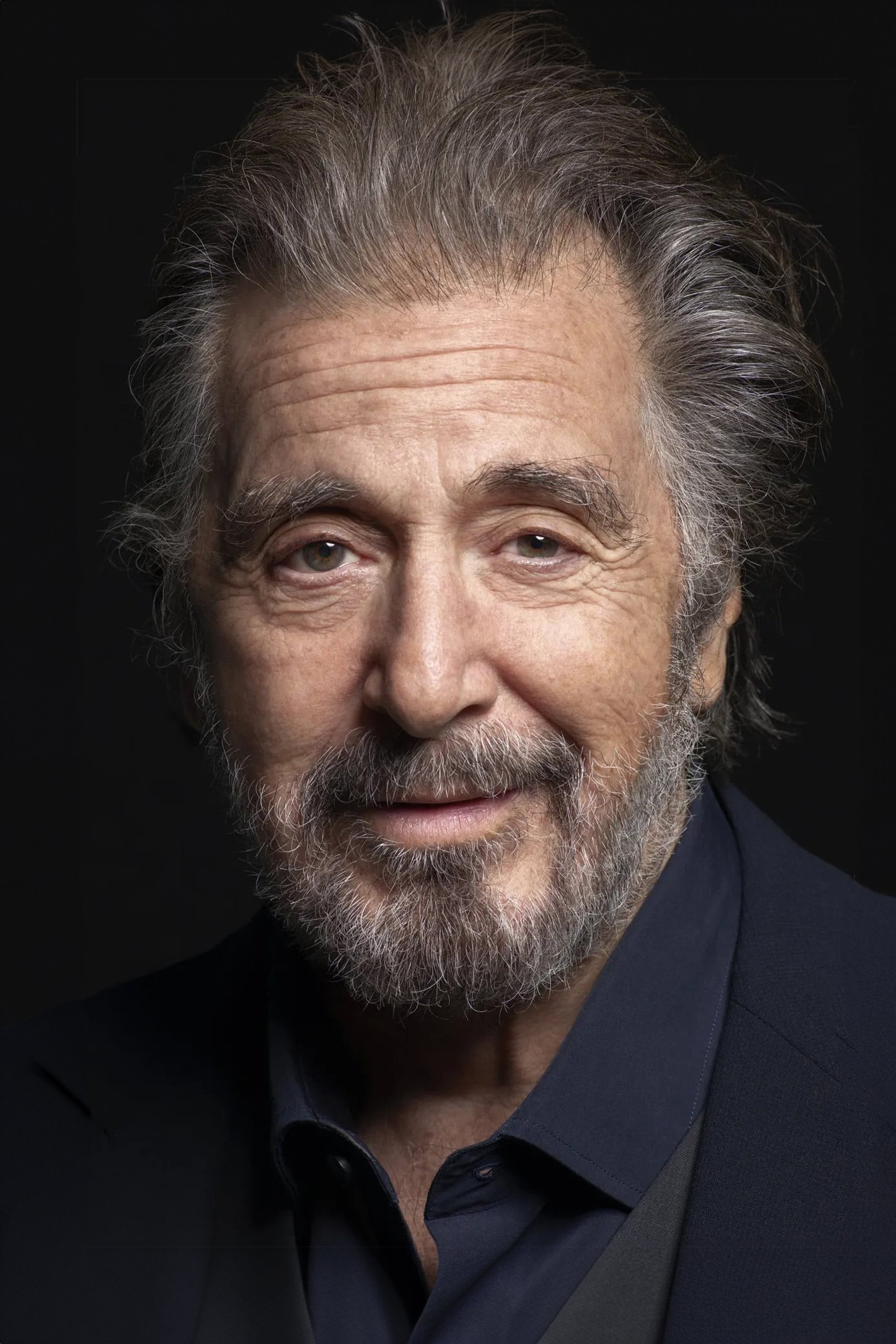
Pacino became a central face of New Hollywood with a run of character-driven dramas that placed moral ambiguity at the forefront. He earned multiple Academy Award nominations in the decade, reflecting consistent recognition from peers. His collaborations with directors like Francis Ford Coppola and Sidney Lumet helped standardize the intense, psychologically detailed acting style often associated with the era. Pacino’s stage background also kept him active in theater, reinforcing a craft-first approach even as his film profile rose.
Robert De Niro
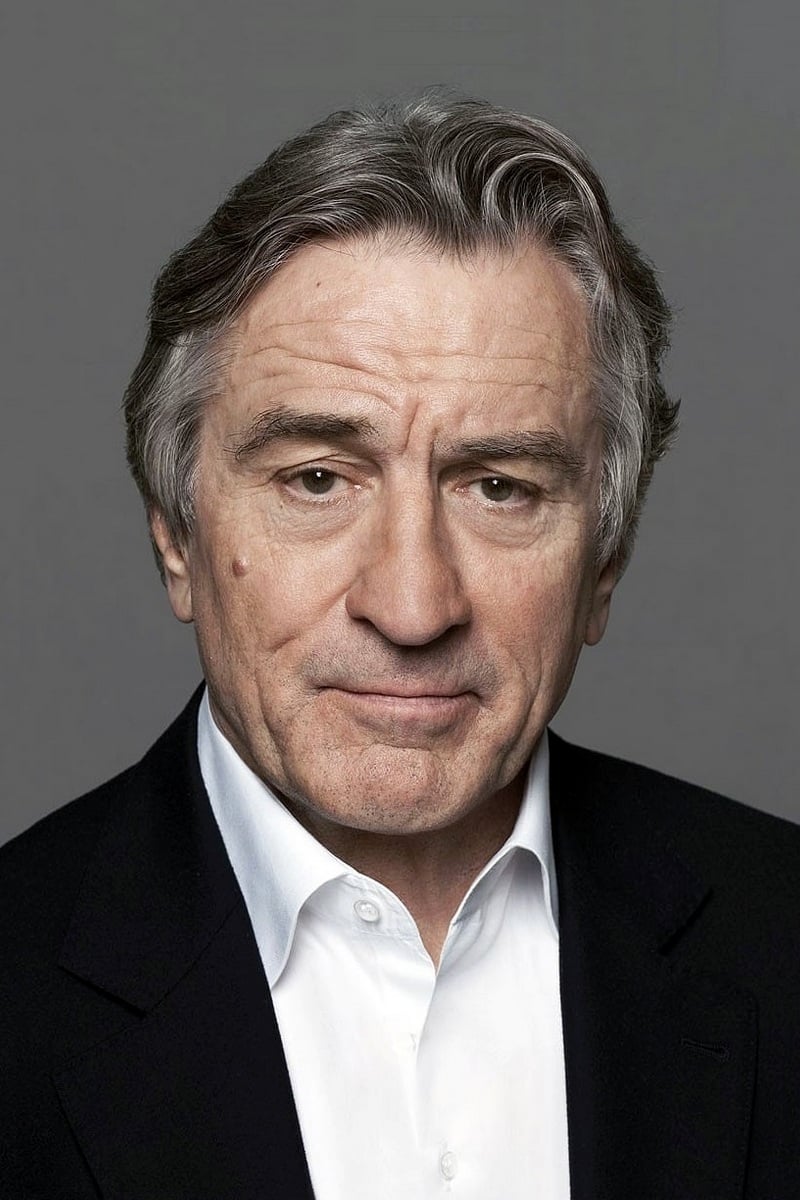
De Niro’s 1970s roles showed remarkable range, from reserved introspection to volatile transformation. He won the Academy Award for Best Supporting Actor for ‘The Godfather Part II’, cementing his status early in the decade. His ongoing partnership with Martin Scorsese produced several films that became touchstones for character-centric American cinema. De Niro’s method-inflected preparation practices were widely reported and frequently cited by younger actors.
Jack Nicholson
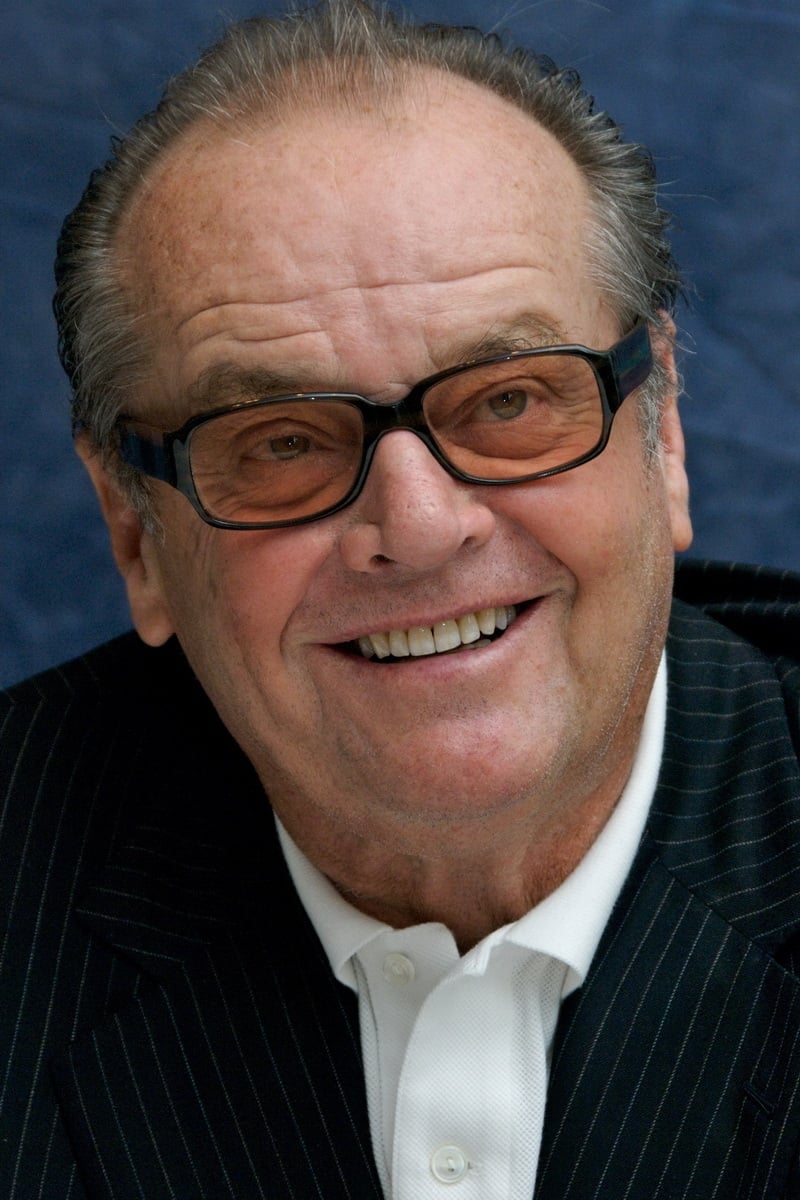
Nicholson emerged as a marquee star who could carry both counterculture stories and mainstream dramas. He won the Academy Award for Best Actor for ‘One Flew Over the Cuckoo’s Nest’, a performance often referenced in discussions of screen character arcs. Nicholson also worked behind the scenes as a producer and maintained ties to independent-minded filmmakers. His distinctive voice and persona became shorthand for the decade’s rebellious streak in studio films.
Marlon Brando
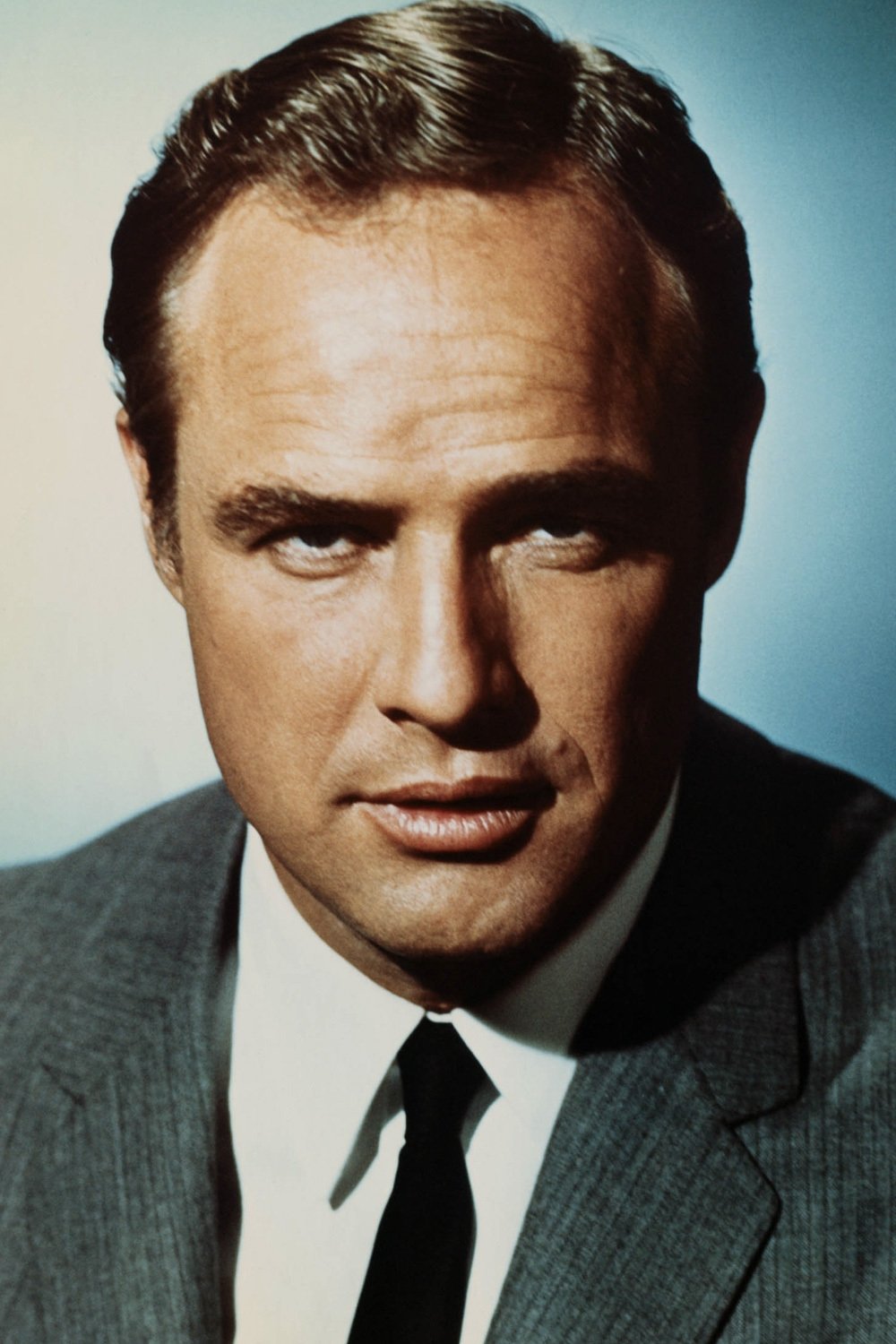
Brando’s 1970s work reasserted his influence after an earlier career peak, introducing him to a new generation of audiences. He won the Academy Award for Best Actor for ‘The Godfather’, revitalizing interest in nuanced, internally driven screen performances. Brando’s choices during the decade spotlighted the power of limited but memorable screen time. His approach to dialogue and improvisation continued to inform acting pedagogy and on-set practices.
Gene Hackman
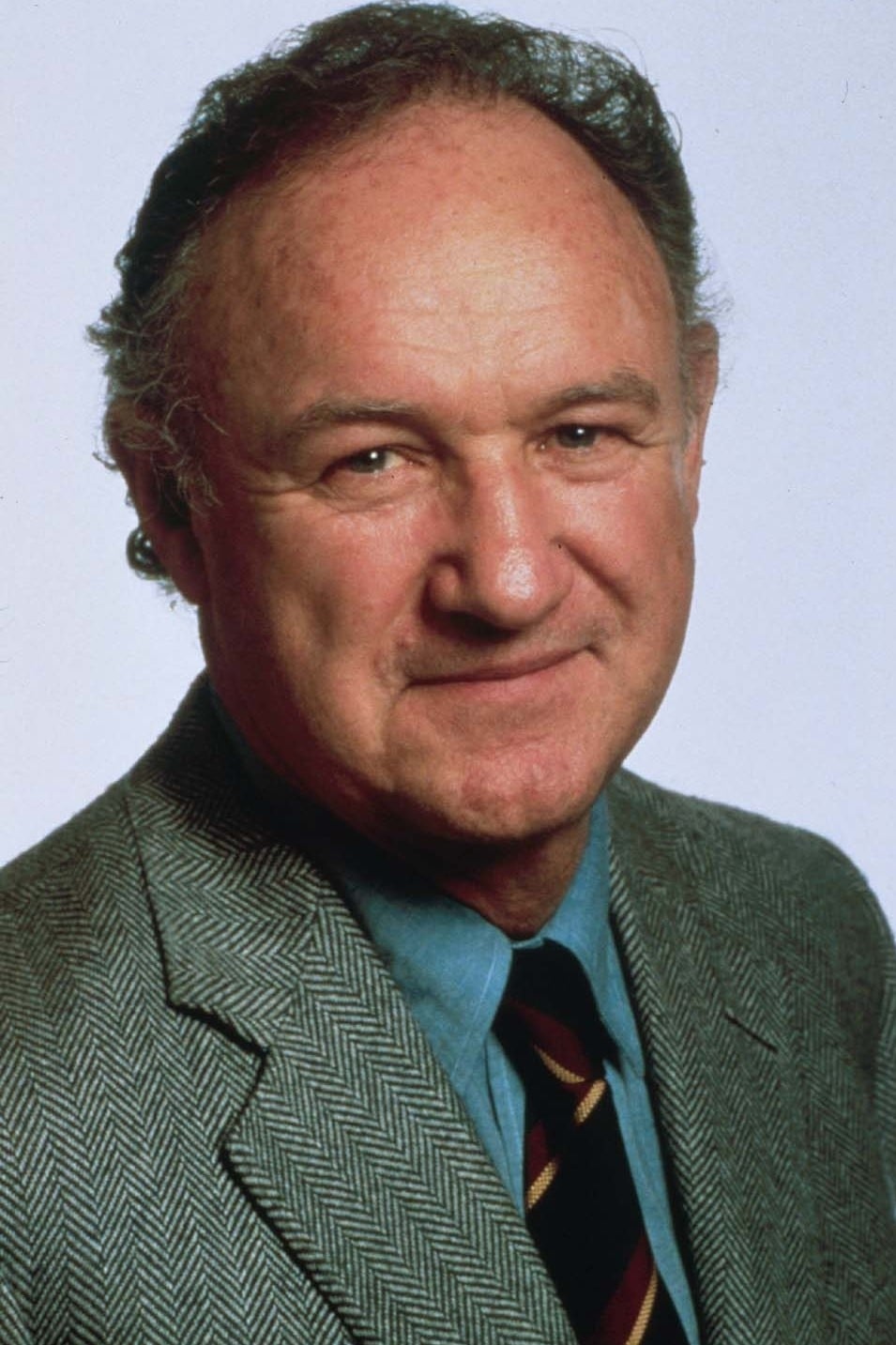
Hackman brought a grounded, unvarnished realism to police and political narratives that defined part of the decade’s mood. He won the Academy Award for Best Actor for ‘The French Connection’, a crime drama frequently cited for its procedural detail. Hackman sustained momentum with a steady stream of leading and supporting roles across genres. His reliability and craft made him a frequent collaborator for directors aiming for authenticity.
Dustin Hoffman
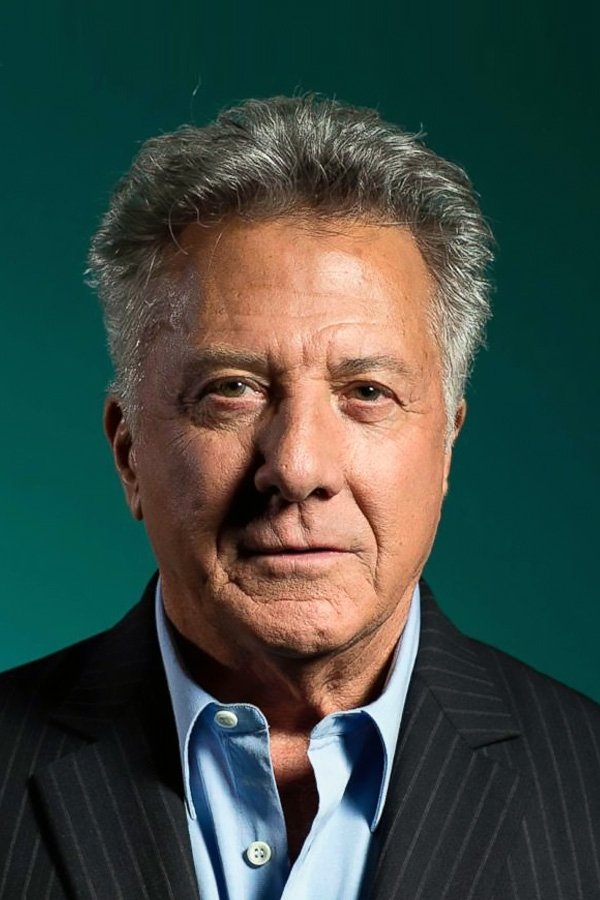
Hoffman bridged countercultural sensibilities and mainstream appeal through precisely detailed character work. He won the Academy Award for Best Actor for ‘Kramer vs. Kramer’, a domestic drama that became a major cultural conversation. Hoffman’s preparation and vocal work set a template for actors tackling roles that transform across a film’s runtime. He also remained active on stage, reinforcing cross-medium discipline.
Clint Eastwood
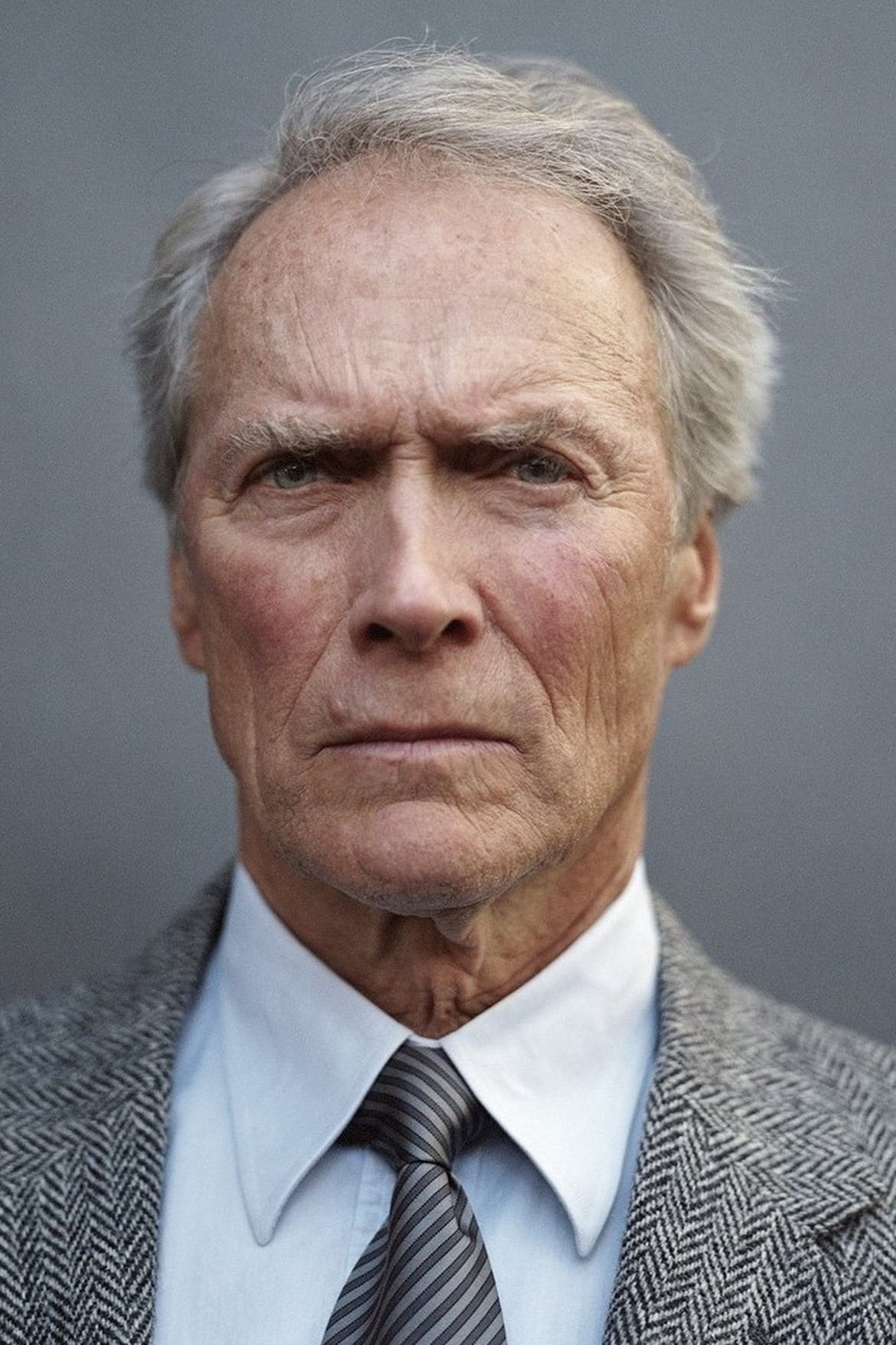
Eastwood’s on-screen persona in the decade helped solidify the anti-hero as a durable commercial force. His portrayal of an uncompromising detective in ‘Dirty Harry’ led to a long-running franchise. Eastwood expanded into directing, laying groundwork for a dual career that would influence Hollywood labor paths for actor-filmmakers. His consistent box-office presence kept traditional genre filmmaking prominent amid auteur experimentation.
Warren Beatty
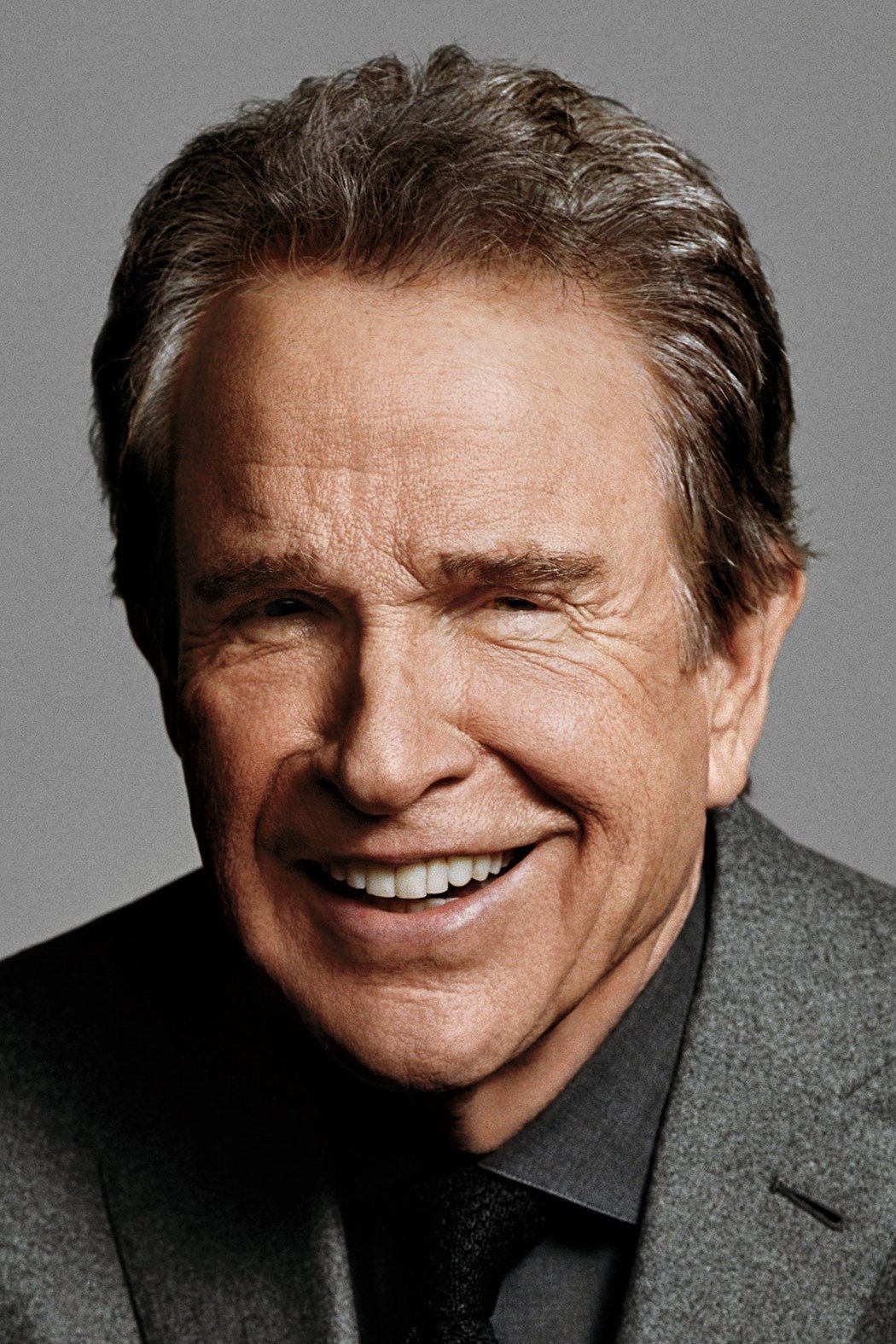
Beatty combined acting with producing and later directing, shaping projects from development through release. He co-produced and starred in ‘Shampoo’ and ‘Heaven Can Wait’, advancing the model of the actor-producer with creative control. Beatty’s political and media-savvy approach to marketing helped eventize adult-driven studio releases. He accumulated multiple Academy Award nominations during the decade across acting and producing categories.
Paul Newman
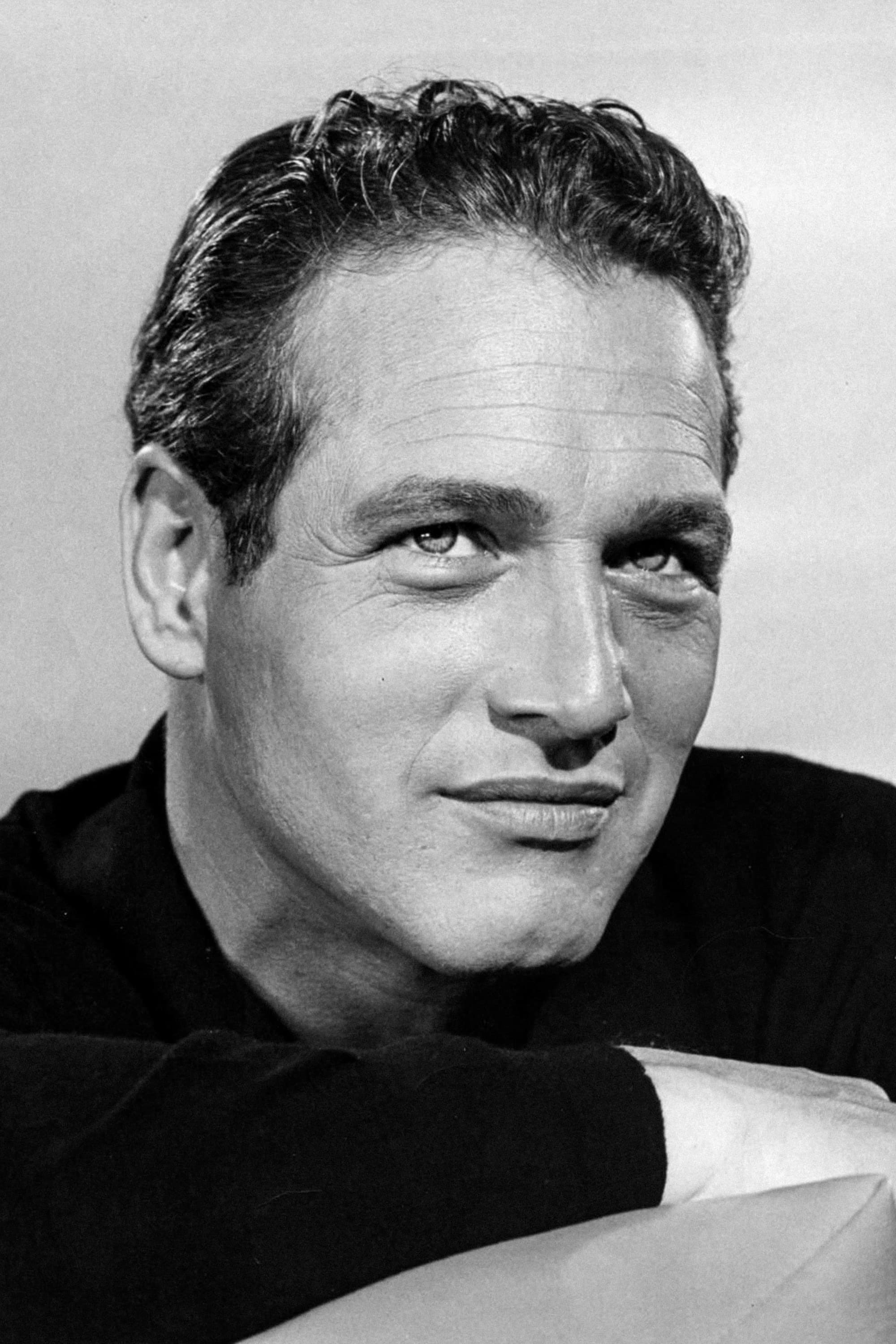
Newman balanced prestige dramas with large-scale entertainments, maintaining a broad audience base. He headlined ‘The Sting’ alongside Robert Redford, one of the decade’s most successful caper films. Newman continued philanthropic work that would later expand into major charitable ventures. His blend of star charisma and disciplined craft kept him in high demand throughout the 1970s.
Robert Redford
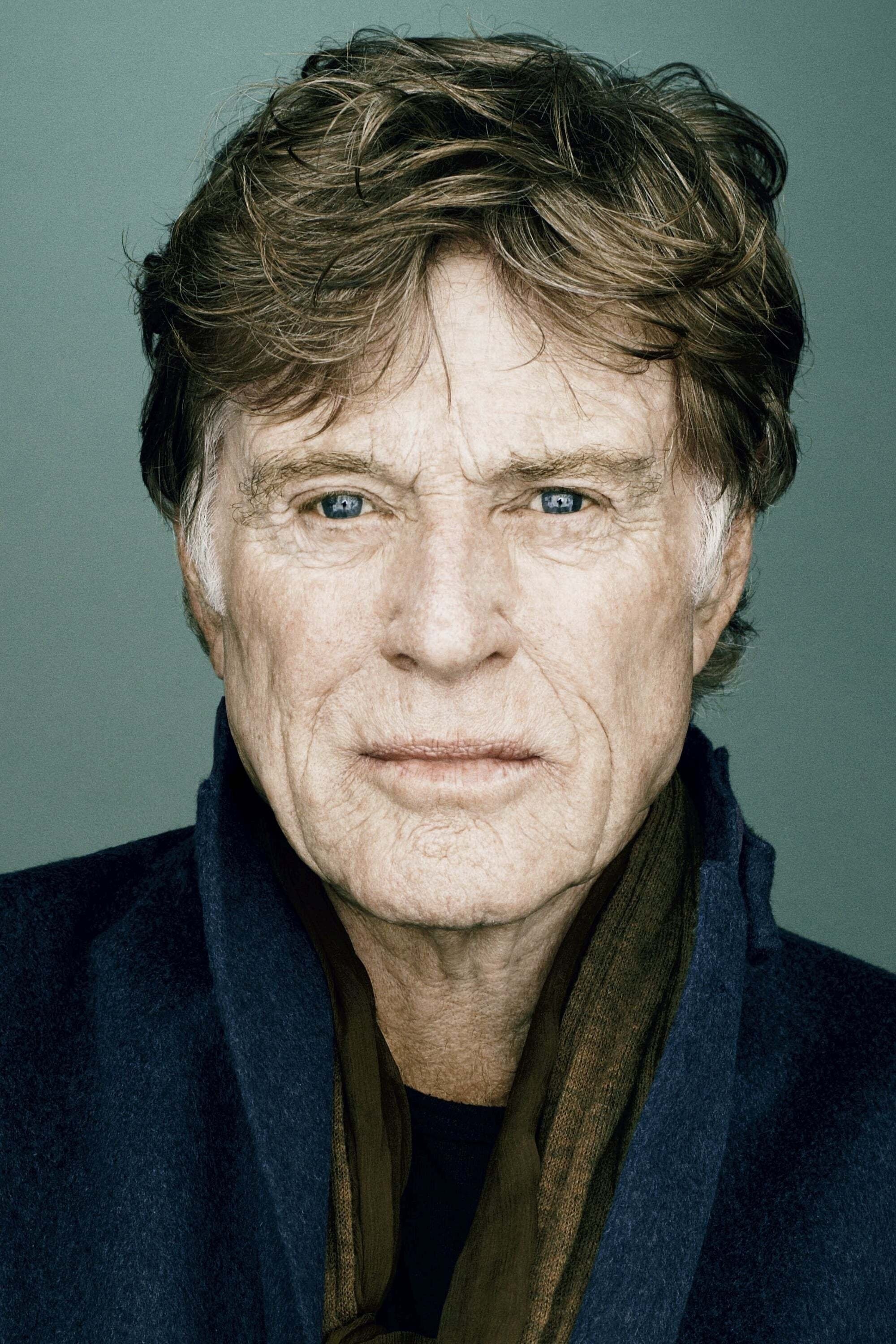
Redford was a bankable lead whose projects influenced both box-office trends and journalistic cinema. He starred in ‘All the President’s Men’, which popularized newsroom storytelling grounded in real reporting methods. Redford’s collaborations with Paul Newman and directors like George Roy Hill maintained an audience for smart, elegant genre pieces. He also used his profile to advance independent film, laying groundwork he would formalize in the following decade.
Peter Finch
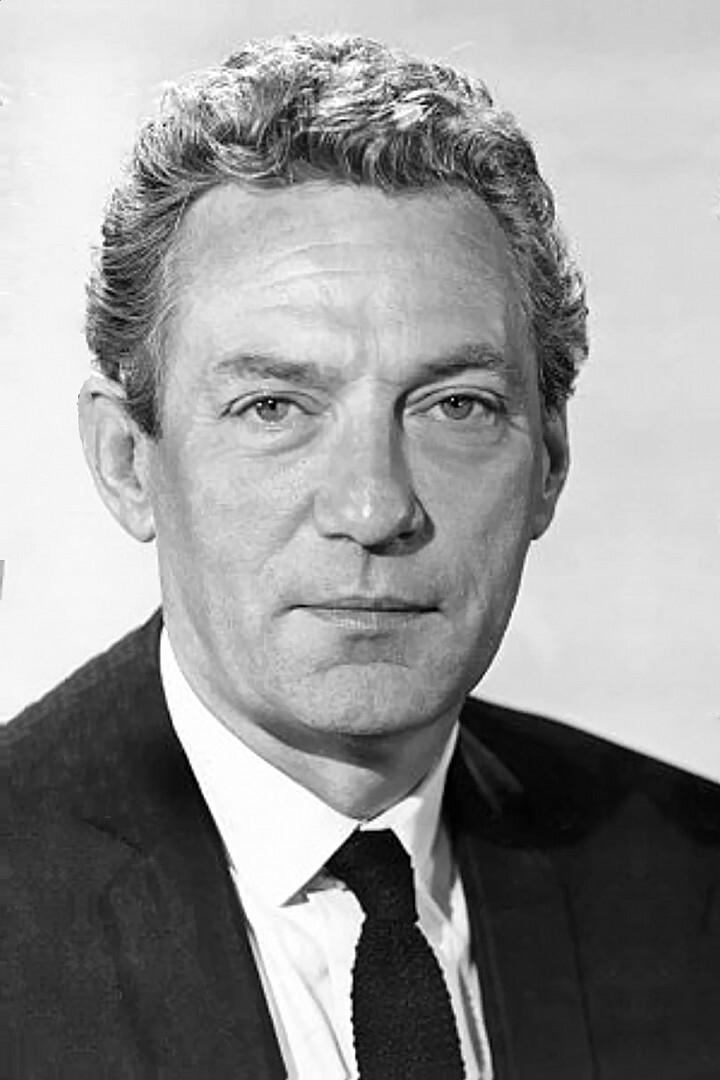
Finch delivered one of the decade’s most discussed performances with ‘Network’. He received a posthumous Academy Award for Best Actor for the role. The film’s depiction of broadcast media and viewer psychology became a classroom fixture, keeping Finch’s work in circulation. His varied international career also highlighted the global nature of acting stardom in the 1970s.
James Caan
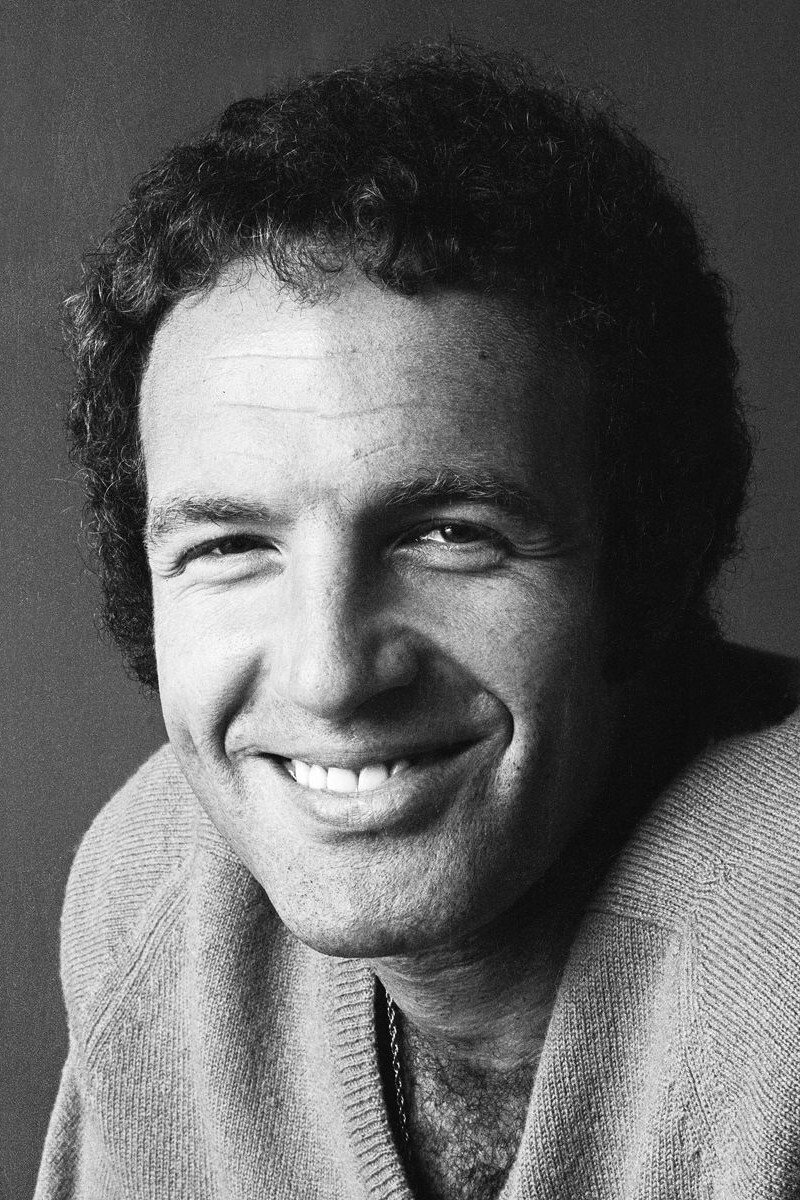
Caan’s 1970s output showcased intensity anchored by emotional vulnerability. He earned major award recognition for ‘The Godfather’, contributing to one of the era’s defining ensembles. Caan also led films such as ‘Rollerball’, which blended action with corporate-dystopia themes that resonated with the decade. His versatility across crime, sports, and drama kept him prominent with both audiences and filmmakers.
Martin Sheen
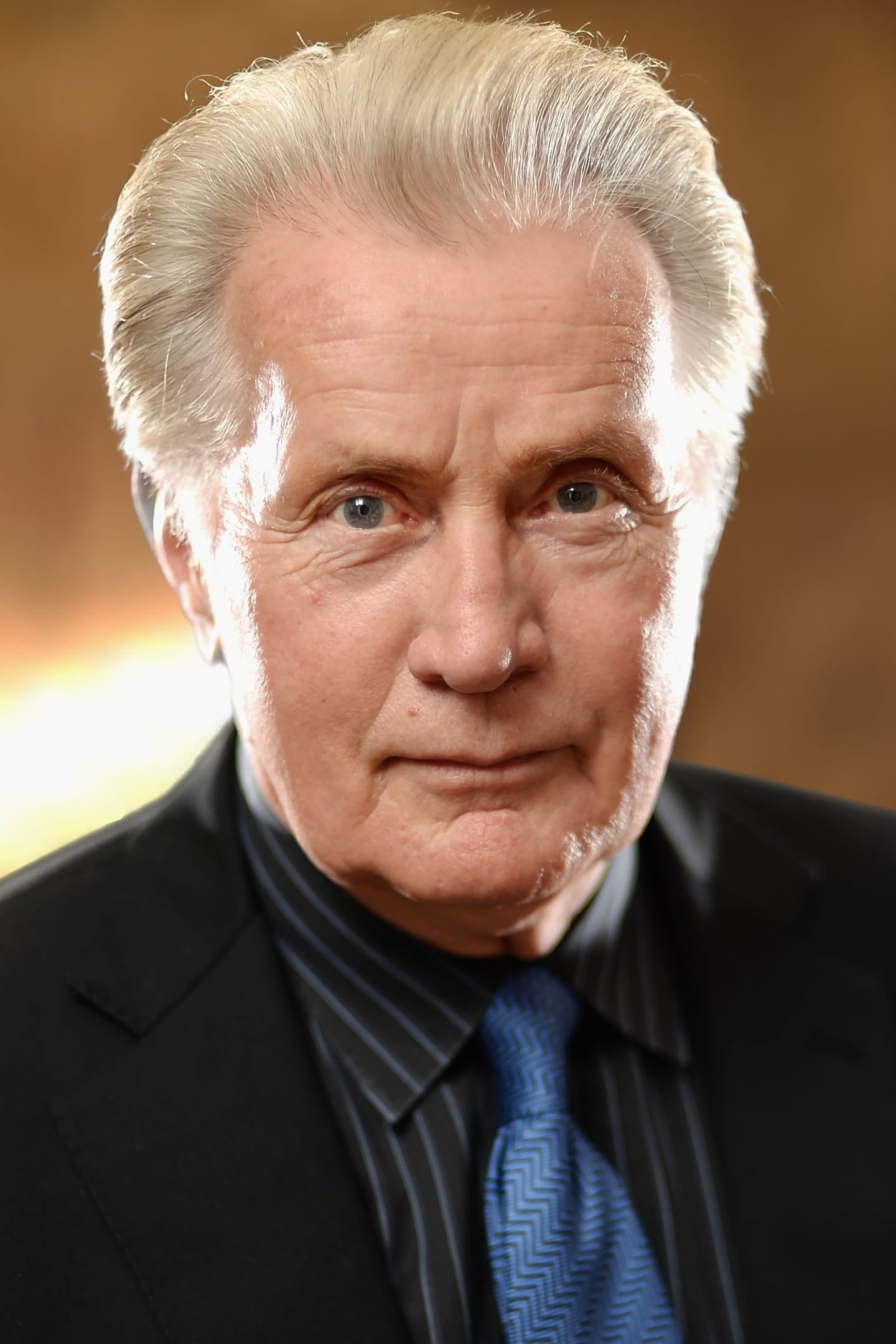
Sheen worked steadily in both independent-leaning projects and large-scale productions. His collaboration with Terrence Malick on ‘Badlands’ displayed a minimalist, observational style that influenced later filmmakers. Sheen’s work on ‘Apocalypse Now’ placed him at the center of a widely studied production and performance. He also built a significant television presence that would expand in later decades.
Sylvester Stallone
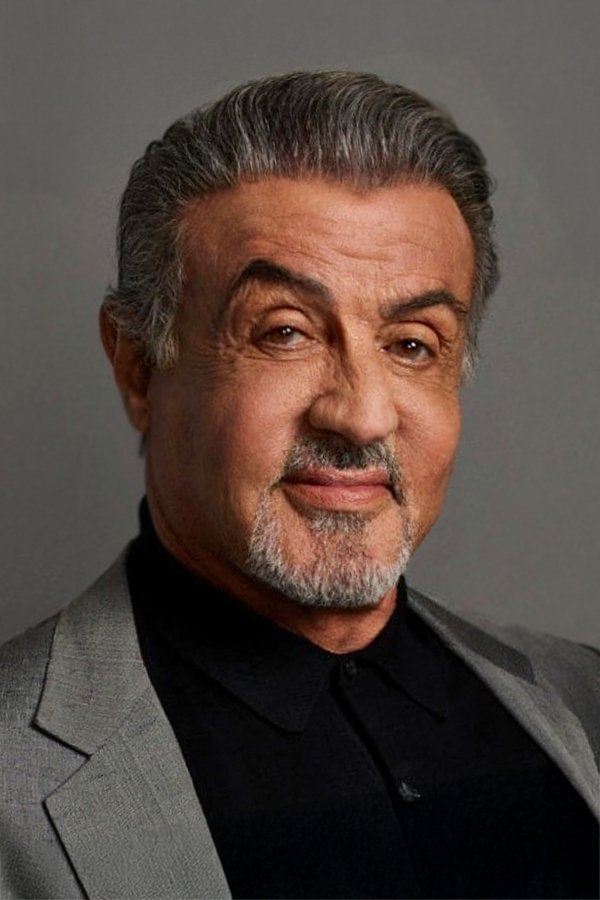
Stallone became a global star by writing and starring in ‘Rocky’, an underdog boxing drama that turned into a franchise. He received Academy Award nominations for both acting and screenwriting for the film. Stallone’s subsequent 1970s roles explored working-class protagonists and sports narratives with broad appeal. His rapid rise illustrated how a performer-writer could leverage a single breakout to long-term industry influence.
John Travolta
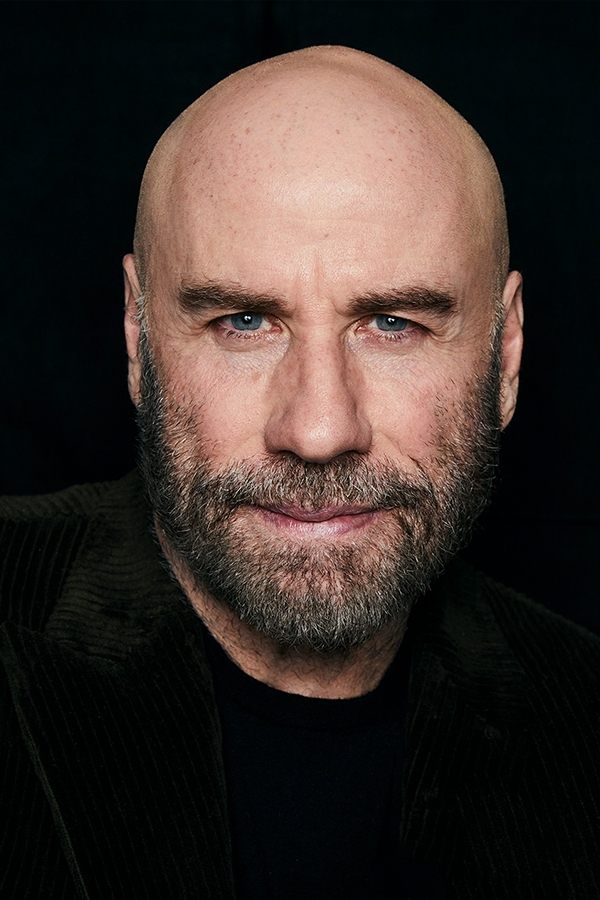
Travolta shifted from television success to film stardom within a short window. He earned an Academy Award nomination for ‘Saturday Night Fever’, which helped popularize dance-driven youth culture on screen. Travolta followed with ‘Grease’, sustaining his momentum across music-inflected storytelling. His teen-to-adult transition became a model for performers navigating both TV and cinema.
Burt Reynolds
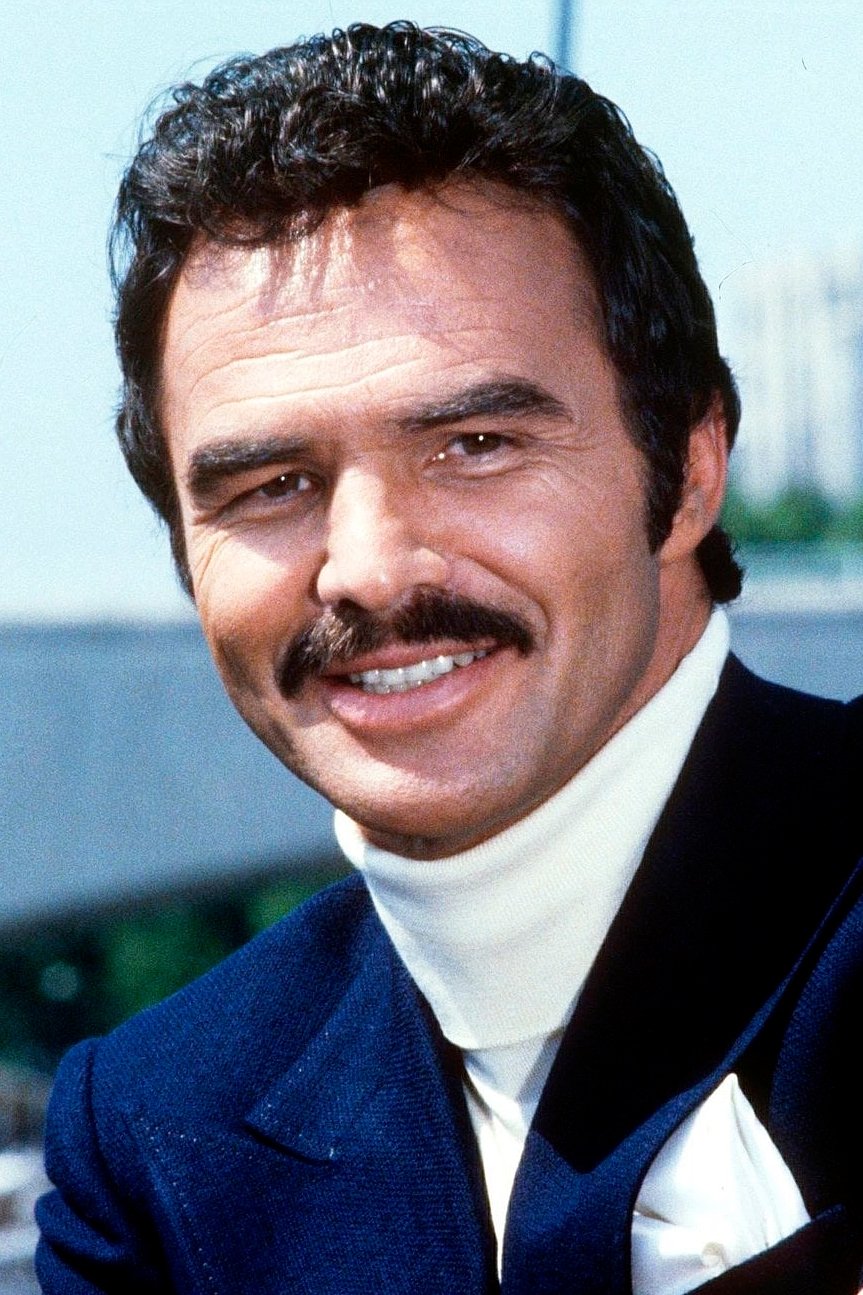
Reynolds dominated box-office charts in the late 1970s with a string of commercial hits. He combined action and comedy in films like ‘Smokey and the Bandit’, appealing to a broad demographic. Reynolds also drew consistent attention for ‘Deliverance’, which displayed his dramatic capacity in a survival narrative. His popularity influenced studio green-lighting for Southern-set chase films and stunt-centered productions.
Steve McQueen
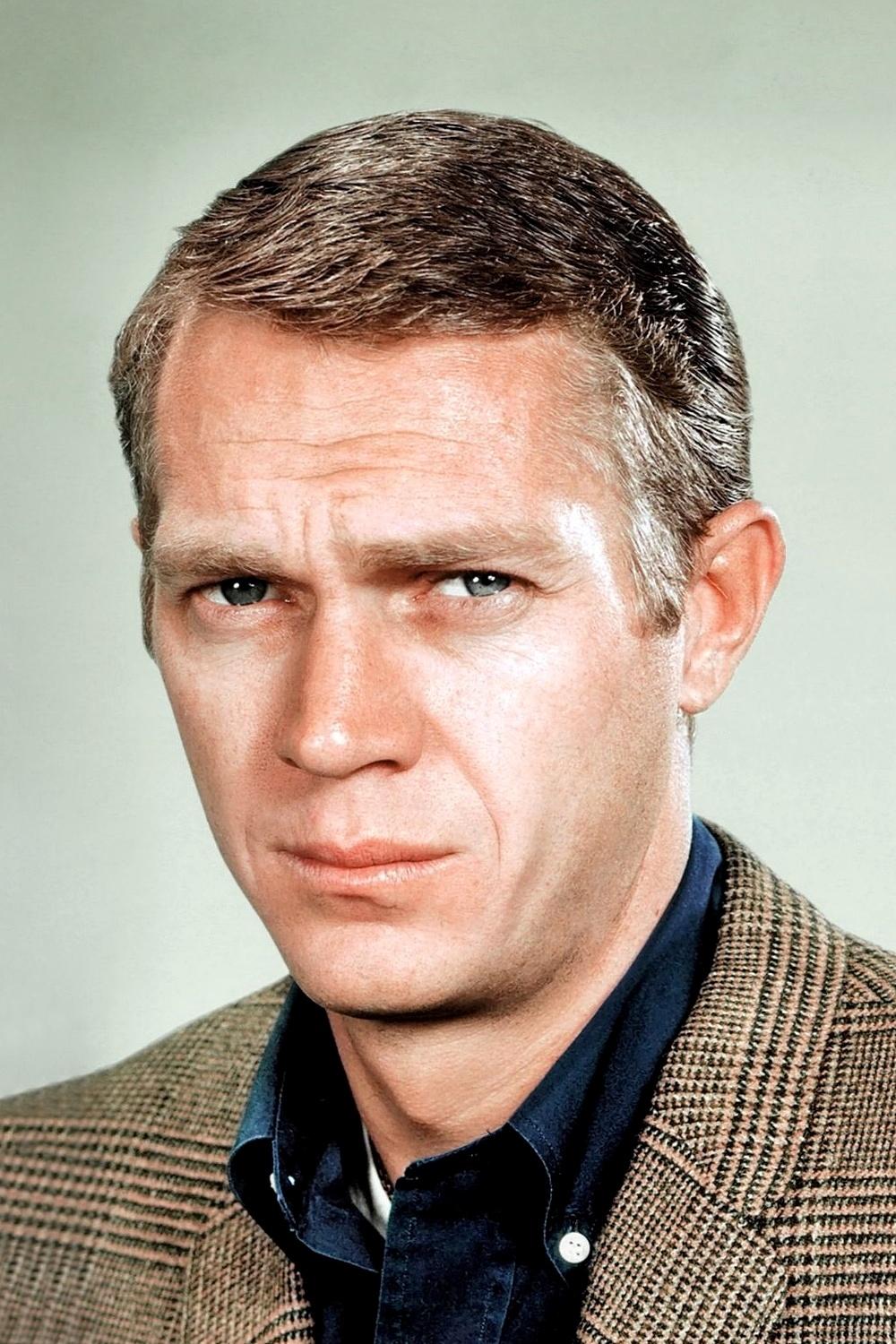
McQueen maintained his status as a major draw through large-scale adventures and character pieces. He headlined ‘Papillon’ and contributed to ensemble spectacle in ‘The Towering Inferno’. McQueen’s exacting approach to stunts and mechanical detail became part of his professional identity. His selective project choices in the decade helped shape the image of the self-directed movie star.
Charles Bronson
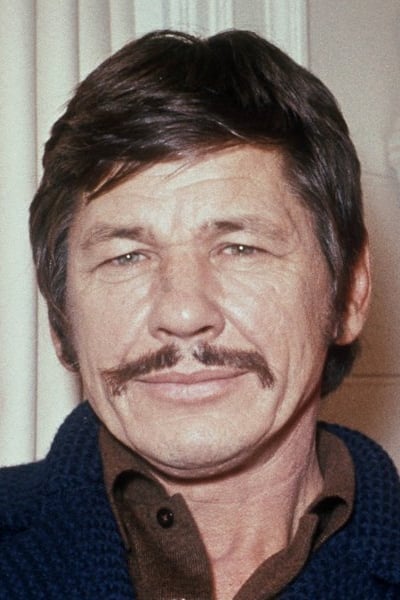
Bronson emerged as an international leading man, particularly strong in European markets. He fronted vigilante and action films such as ‘Death Wish’, which spurred debates about crime and justice on screen. Bronson’s laconic style traveled well across languages and markets, boosting his overseas box office. His collaborations with directors like Michael Winner kept him prolific throughout the decade.
Max von Sydow
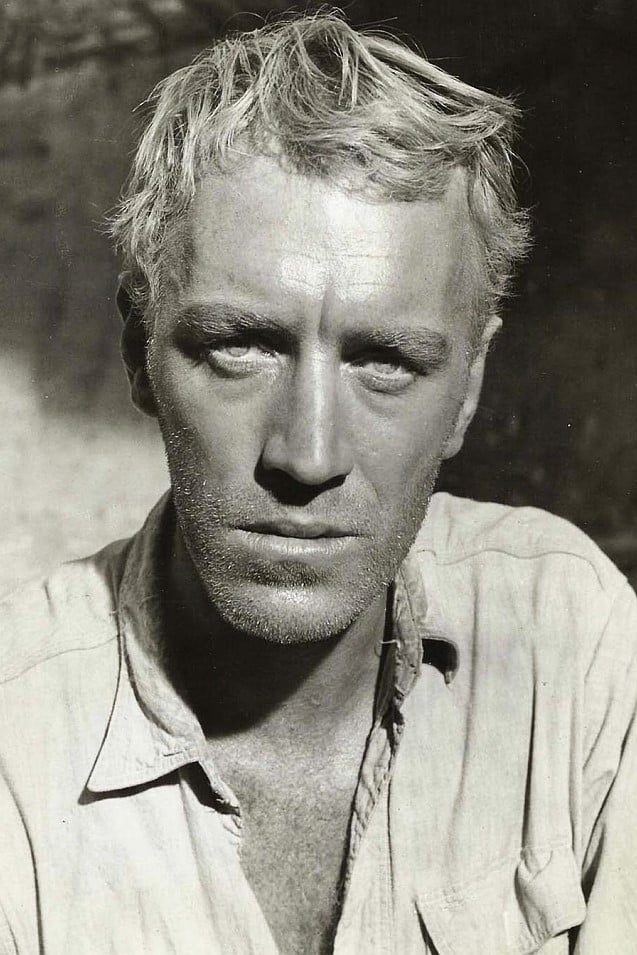
Von Sydow’s 1970s work in American and European productions broadened his already formidable reputation. He appeared in ‘The Exorcist’, bringing gravitas to a genre film that reached massive mainstream audiences. His ongoing collaborations with Ingmar Bergman kept his art-house credentials intact. The dual track across prestige cinema and commercial hits expanded possibilities for European actors in Hollywood.
Bruce Lee
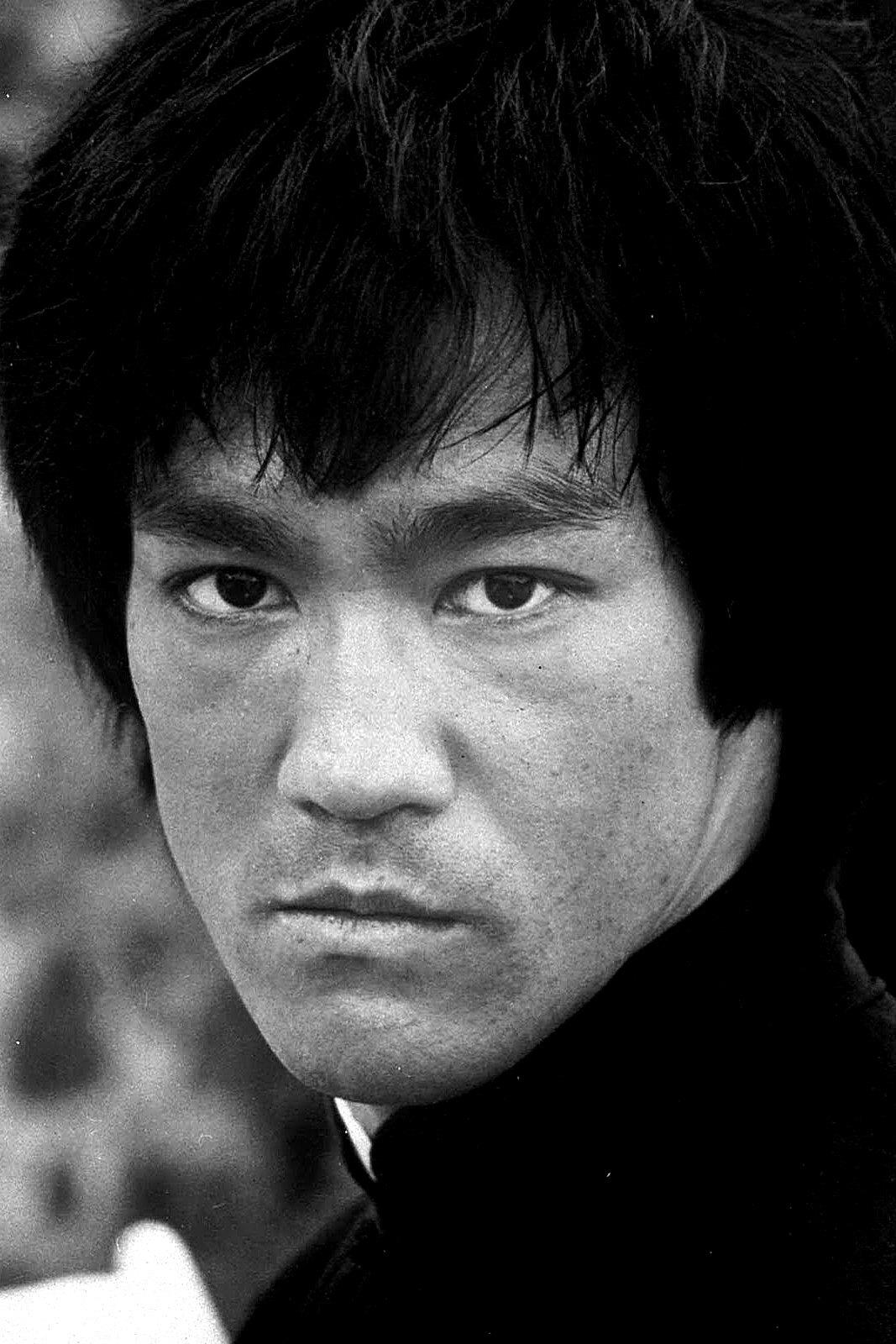
Lee transformed global action cinema with a concise body of films released in the early 1970s. ‘Enter the Dragon’ introduced martial-arts choreography and star presence to an unprecedented worldwide audience. Lee’s training methods and on-screen philosophy influenced professional fighters and screen performers alike. His cross-Pacific career path reshaped distribution and production strategies for action movies.
Peter Sellers
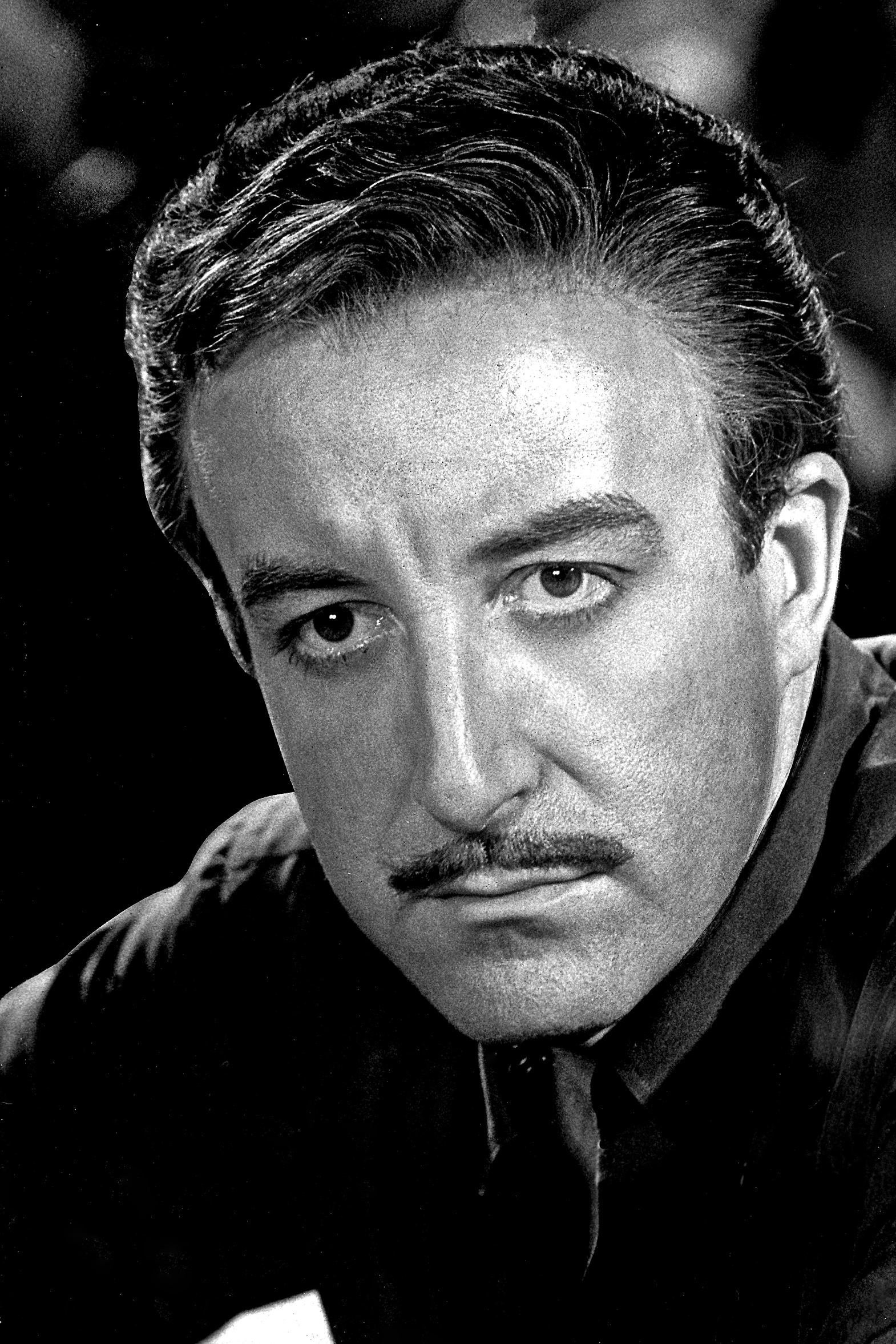
Sellers sustained his popularity through multiple installments of ‘The Pink Panther’ series while venturing into dramatic territory. He earned major award recognition for ‘Being There’, playing a character whose ambiguity invited wide interpretation. Sellers’ facility with accents and character shifts demonstrated an actor’s capacity to anchor varied tonal projects. His visibility in both comedy and drama kept him central to the decade’s conversation about performance range.
Richard Dreyfuss
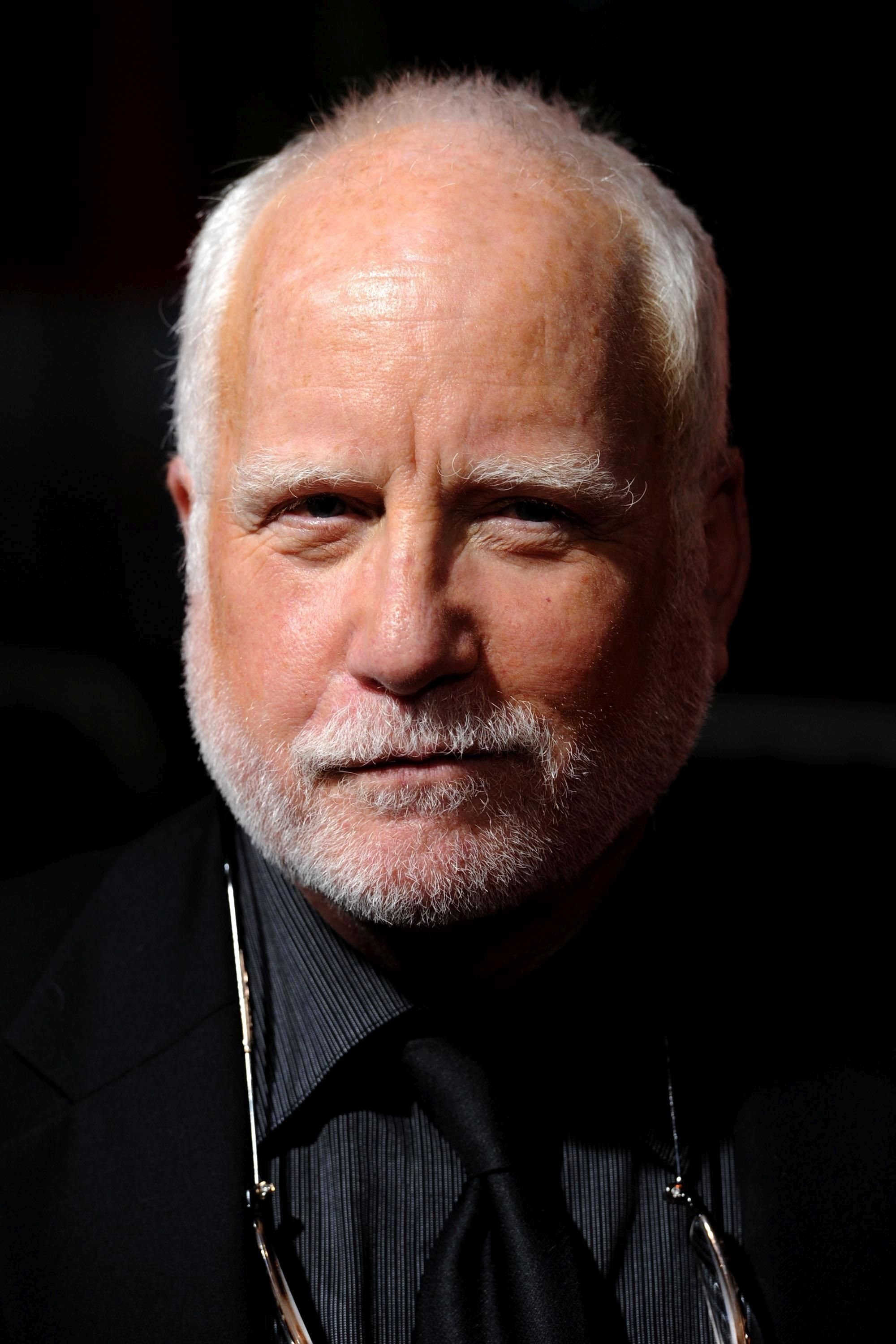
Dreyfuss became one of the youngest winners of the Academy Award for Best Actor for ‘The Goodbye Girl’. He also starred in ‘Jaws’ and worked with Steven Spielberg on ‘Close Encounters of the Third Kind’, aligning him with era-defining blockbusters. Dreyfuss balanced sardonic wit with approachable everyman qualities across roles. His success illustrated how character actors could lead major studio hits.
Roy Scheider
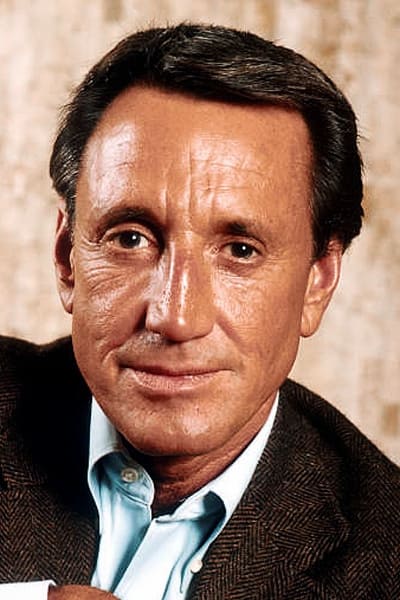
Scheider anchored thrillers and musicals with equal credibility. He co-led ‘Jaws’, which changed the business of summer releasing and marketing. Scheider earned significant awards attention for ‘All That Jazz’, demonstrating stamina in physically demanding performance. His steady presence in procedurals and action dramas made him a frequent choice for directors seeking grounded intensity.
Christopher Walken
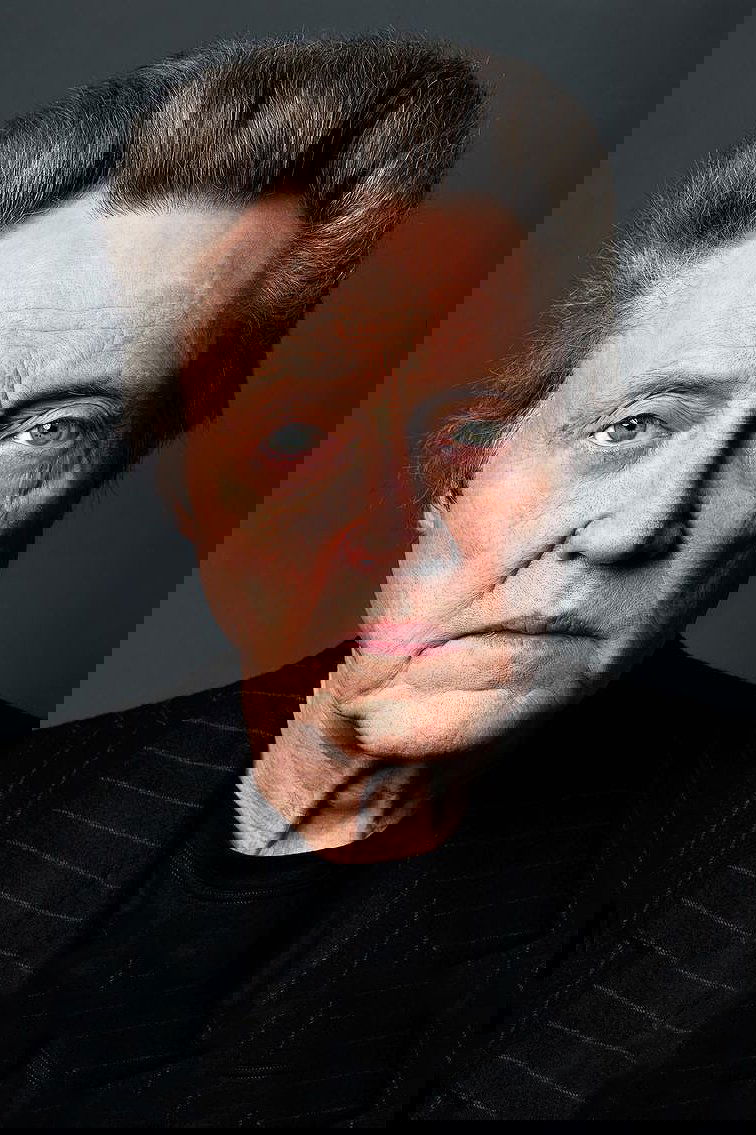
Walken’s supporting and leading roles in the late 1970s revealed a singular screen rhythm and cadence. He won the Academy Award for Best Supporting Actor for ‘The Deer Hunter’. Walken’s stage experience informed precise movement and speech patterns that directors used to striking effect. His emergence at the decade’s end set up a long career of scene-stealing turns.
Amitabh Bachchan

Bachchan became the defining leading man of Hindi cinema in the 1970s, often described as the “angry young man.” He headlined action-dramas and masala entertainers such as ‘Sholay’, ‘Deewaar’, and ‘Amar Akbar Anthony’. Bachchan’s stardom influenced casting trends, dialogue delivery styles, and soundtrack-driven marketing across the subcontinent. His box-office draw helped shape production scales and distribution strategies in Indian cinema.
Michael Caine
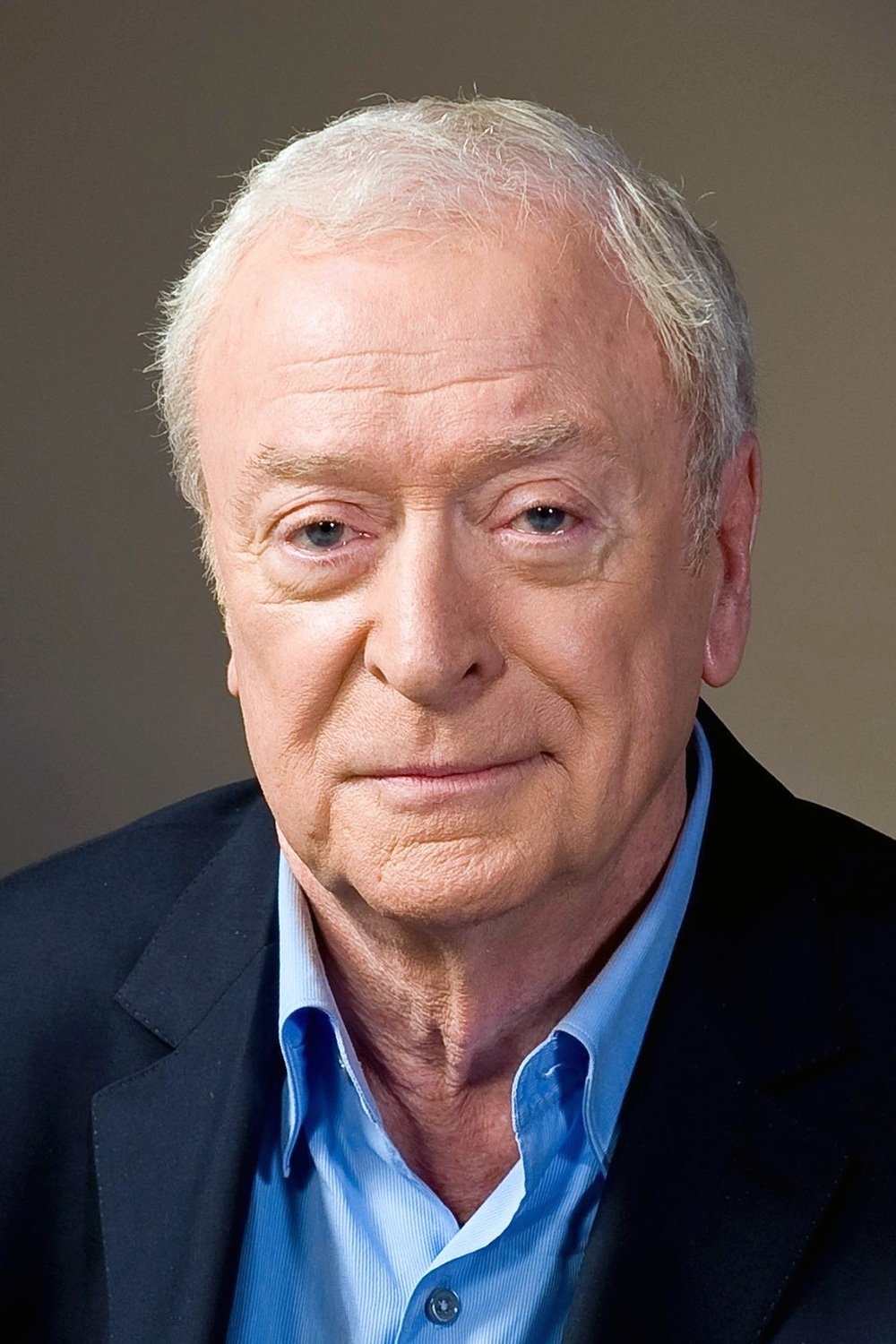
Caine sustained a high volume of leading and supporting roles across thrillers, war films, and character dramas. He balanced British productions with Hollywood projects, strengthening cross-Atlantic casting trends. Notable titles included ‘Get Carter’, ‘The Man Who Would Be King’, and ‘Sleuth’. His crisp delivery and dependable box-office presence kept him central to mainstream studio planning.
Jon Voight
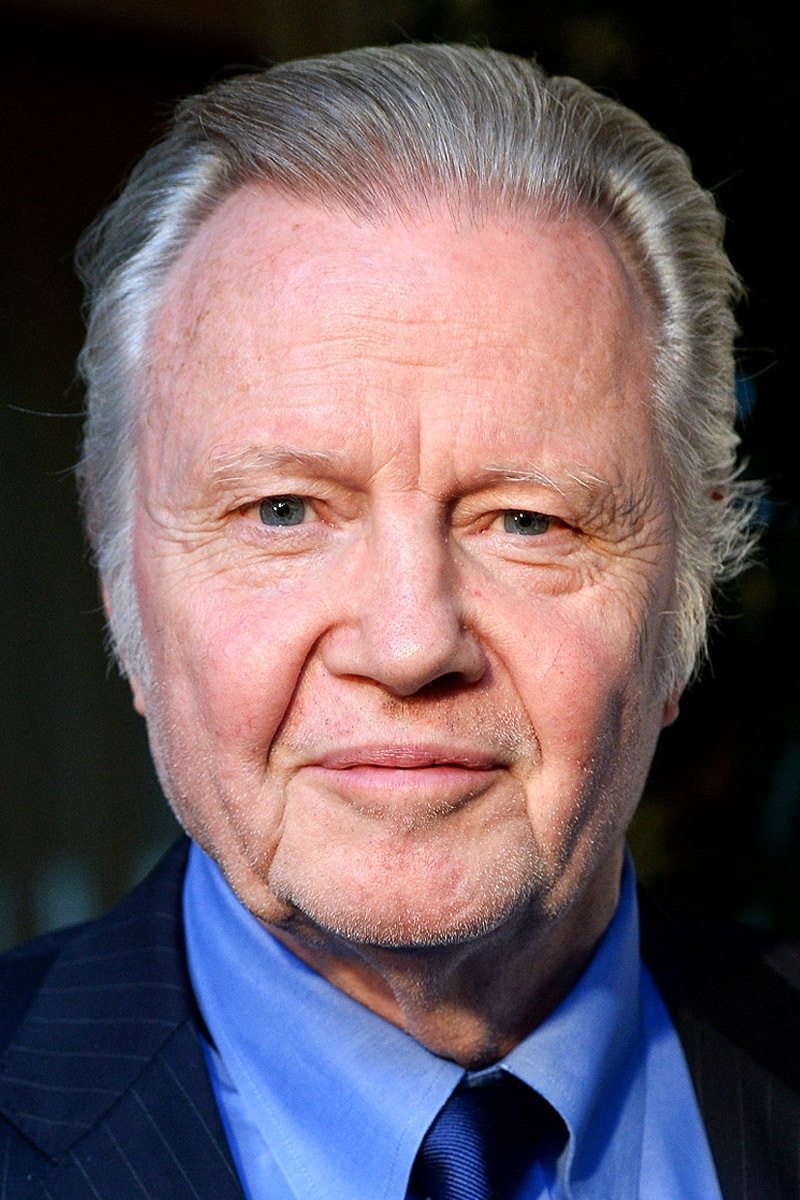
Voight moved from breakout acclaim to complex leads in socially attuned dramas. He earned top-tier awards recognition for roles such as Joe Buck in ‘Midnight Cowboy’ and the determined journalist in ‘The Odessa File’. Voight also fronted survival and sports narratives like ‘Deliverance’ and ‘The Champ’. His choices reflected the decade’s appetite for morally layered protagonists.
Donald Sutherland
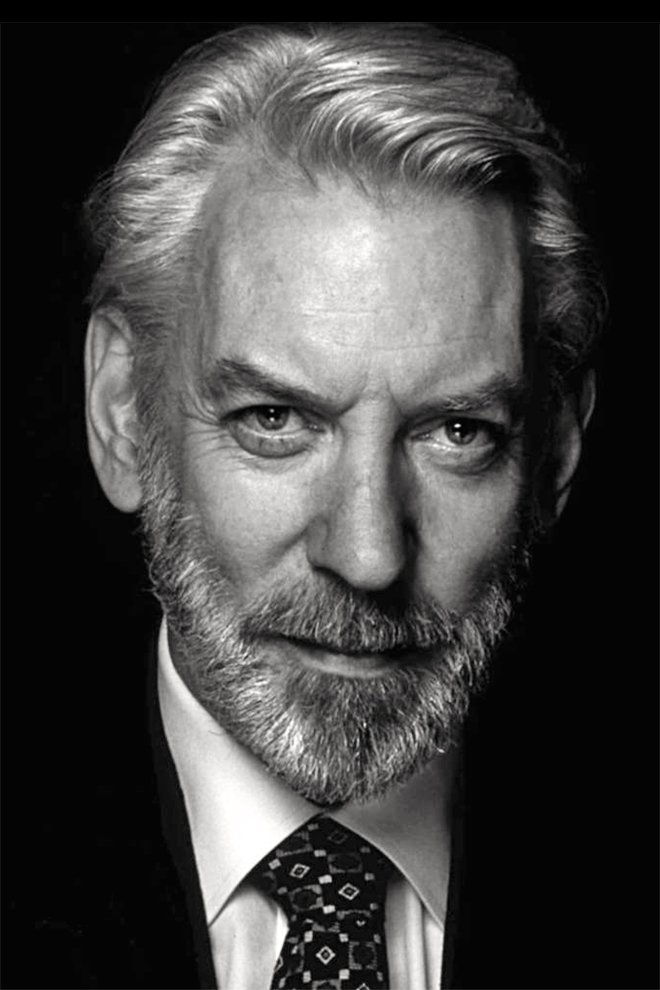
Sutherland maintained a prolific run that spanned satire, war comedy, horror, and political thrillers. He headlined or co-led films such as ‘MAS*H’, ‘Don’t Look Now’, ‘Klute’, and ‘Invasion of the Body Snatchers’. Directors used his cool, analytic presence to anchor uneasy narratives characteristic of the era. His international career helped connect European cinema and Hollywood audiences.
Harvey Keitel
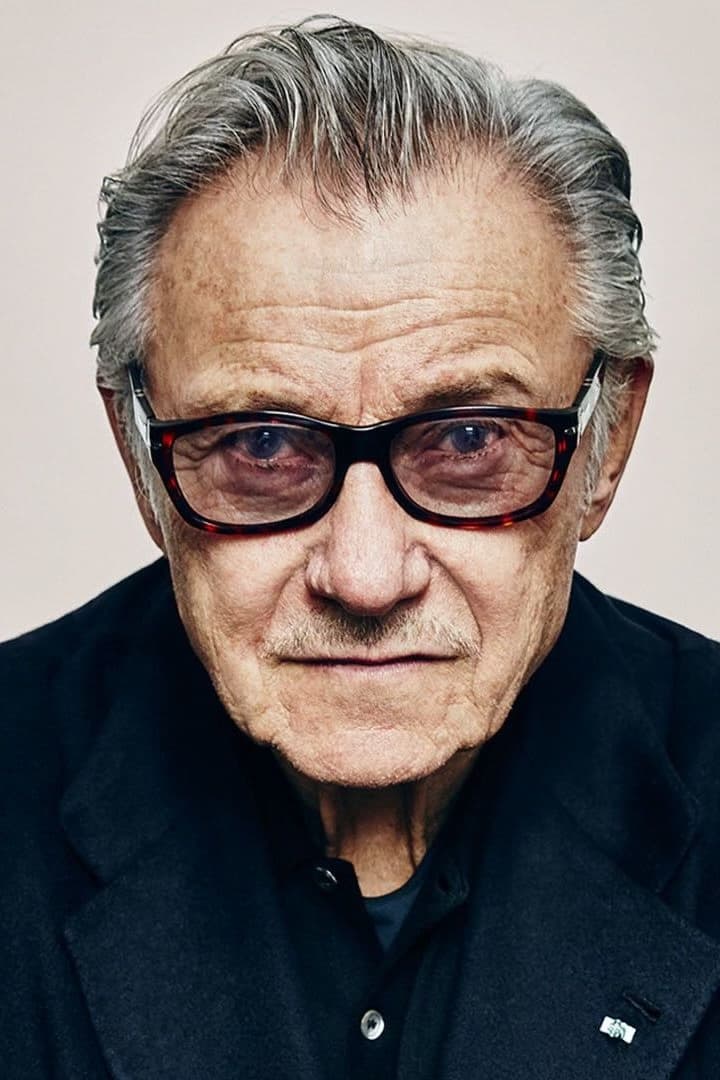
Keitel became a keystone of New York–set independent and studio filmmaking. Collaborations with Martin Scorsese and other auteurs yielded performances in ‘Mean Streets’, ‘Taxi Driver’, and ‘The Duellists’. He frequently portrayed characters entangled with crime, guilt, and redemption, matching decade-defining themes. Keitel’s commitment to smaller projects supported the rise of American indie cinema.
James Earl Jones
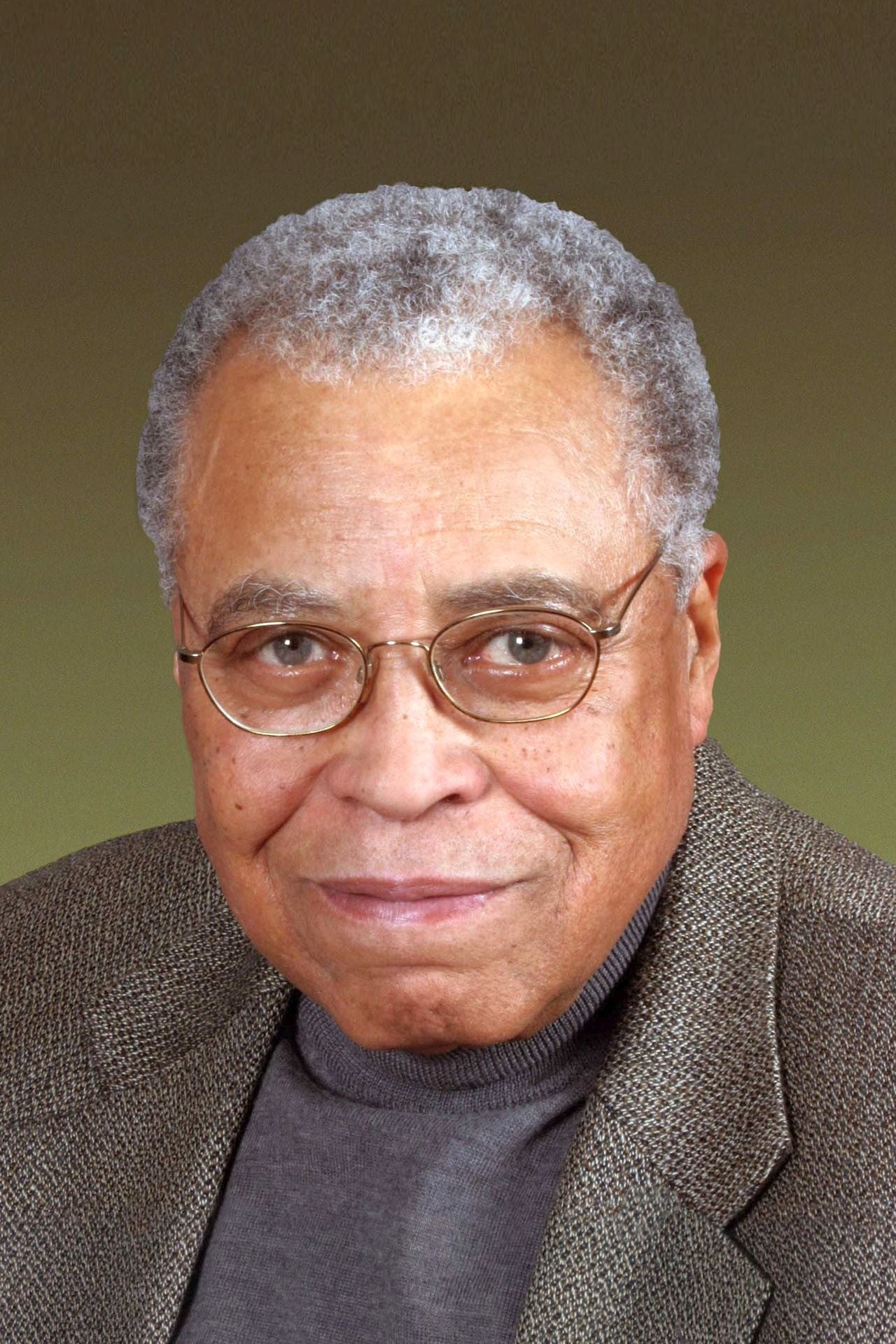
Jones brought classical stage training to screen roles that required authority and resonance. He led the sports drama ‘The Great White Hope’ and appeared in prestige and genre projects throughout the decade. His distinctive voice contributed to high-impact performances and iconic screen presences in multiple productions. Jones’s cross-medium profile strengthened the pipeline between theater and film casting.
George C. Scott
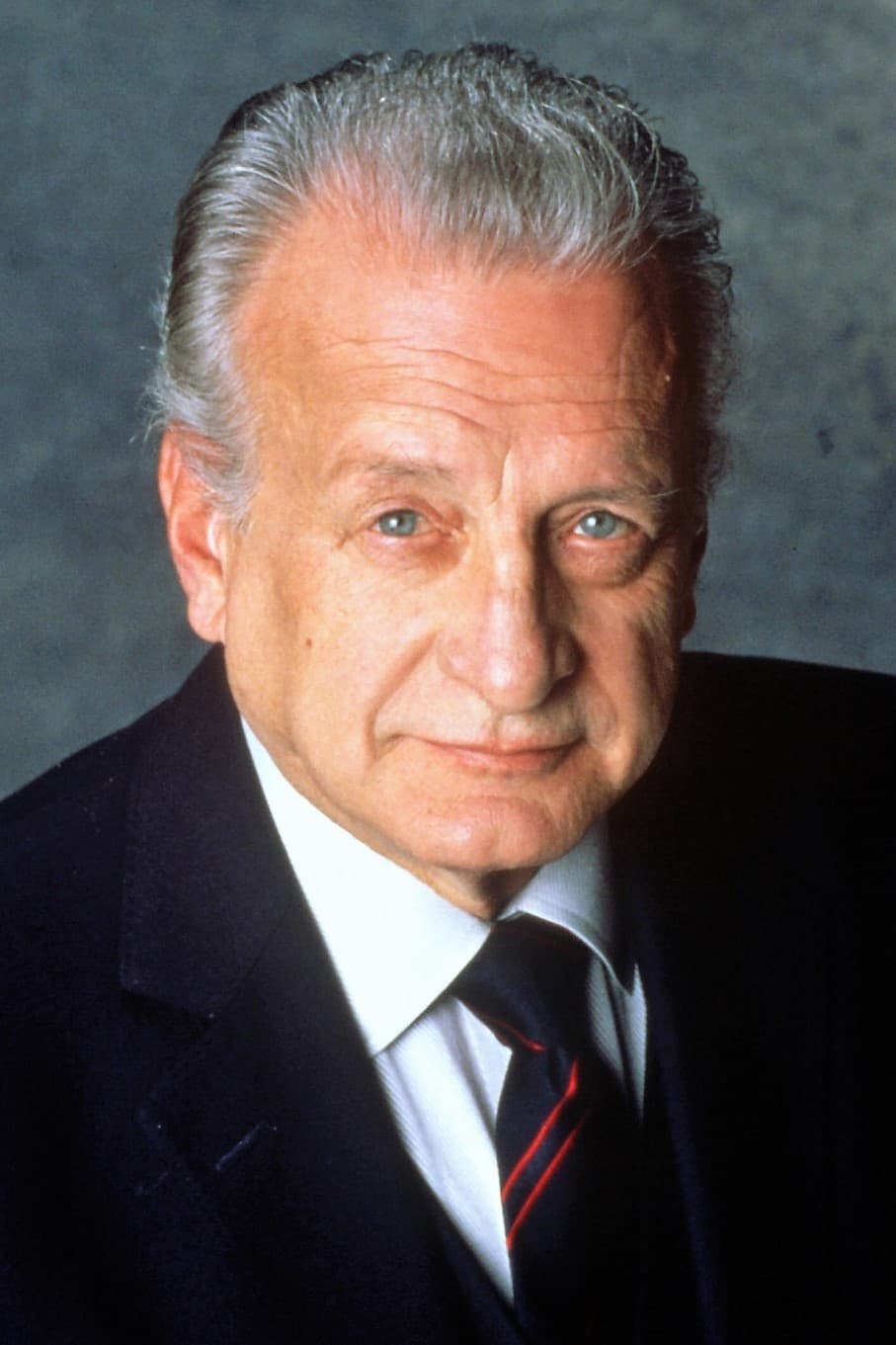
Scott combined ferocity and precision in roles that spanned military leadership, satire, and courtroom drama. He followed acclaimed work in ‘Patton’ with projects like ‘Hospital’ and ‘The New Centurions’. Directors relied on his intensity to lend weight to institutional critiques popular in the era. His refusal of some awards became part of industry lore, underscoring a career defined by principle.
Richard Pryor
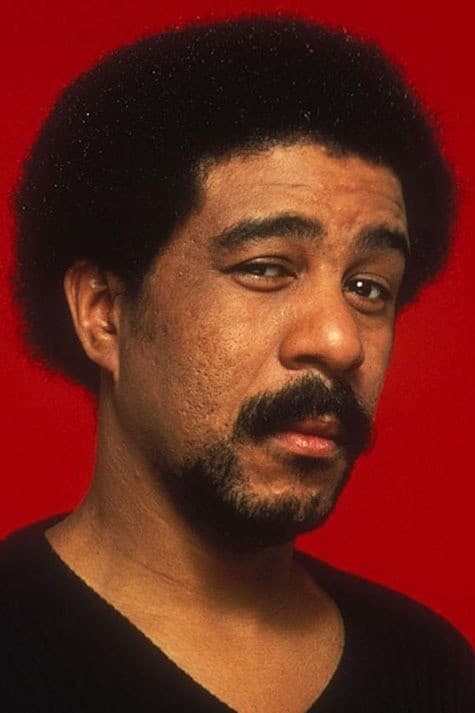
Pryor translated stand-up success into screenwriting and acting roles that broadened the decade’s comedic range. He co-wrote ‘Blazing Saddles’ and appeared in films such as ‘Silver Streak’ and ‘Car Wash’. Pryor’s material addressed race, class, and everyday survival with a frankness that influenced studio comedies. His crossover appeal reshaped expectations for comedians as leading men.
Jeff Bridges
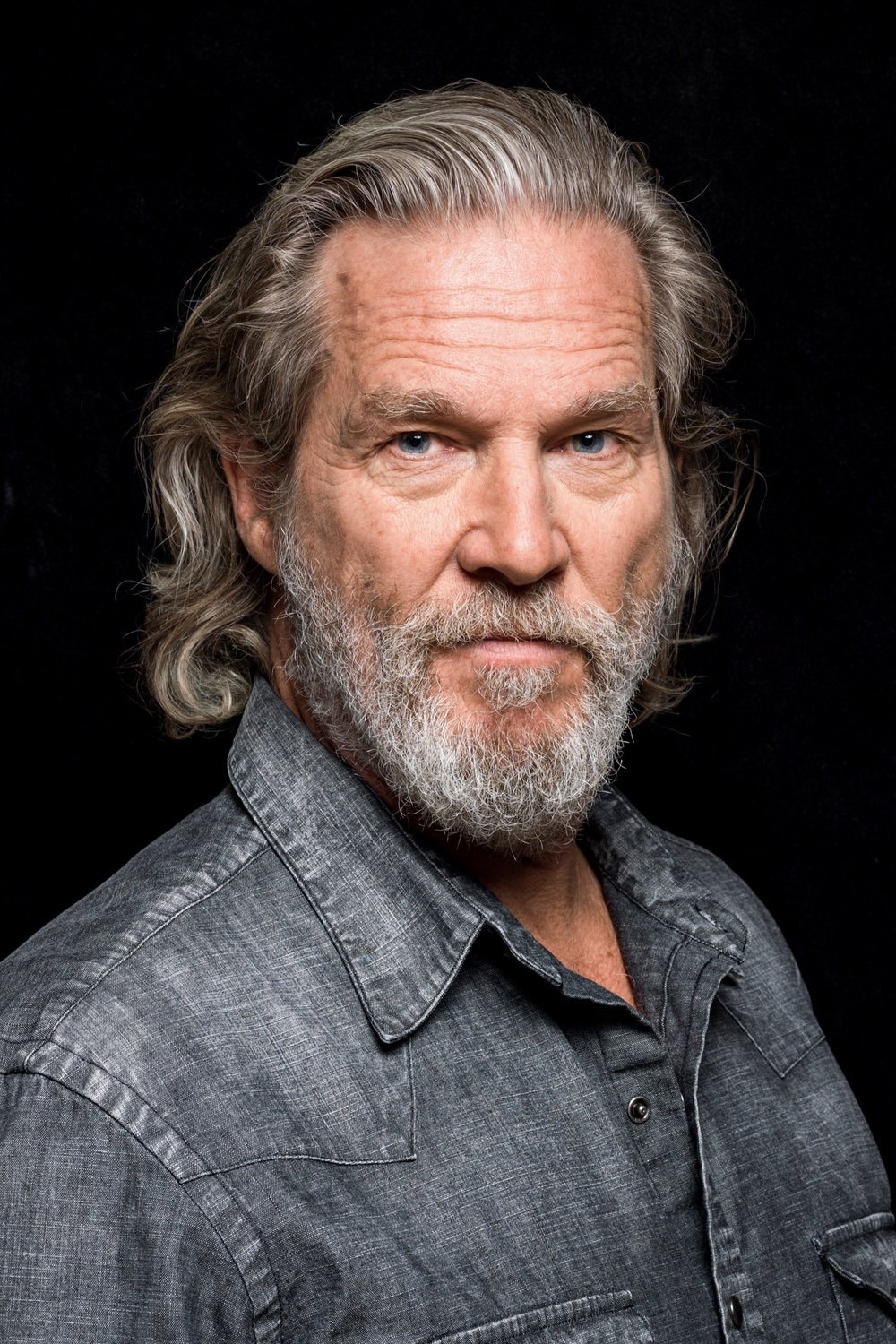
Bridges emerged as a reliable lead and character actor comfortable in drama, romance, and crime stories. He earned major award recognition early, with standout turns in ‘The Last Picture Show’, ‘Thunderbolt and Lightfoot’, and ‘Bad Company’. Filmmakers used his understated naturalism to ground period pieces and contemporary tales alike. Bridges’ steady output made him a fixture of quality-driven projects.
Elliott Gould
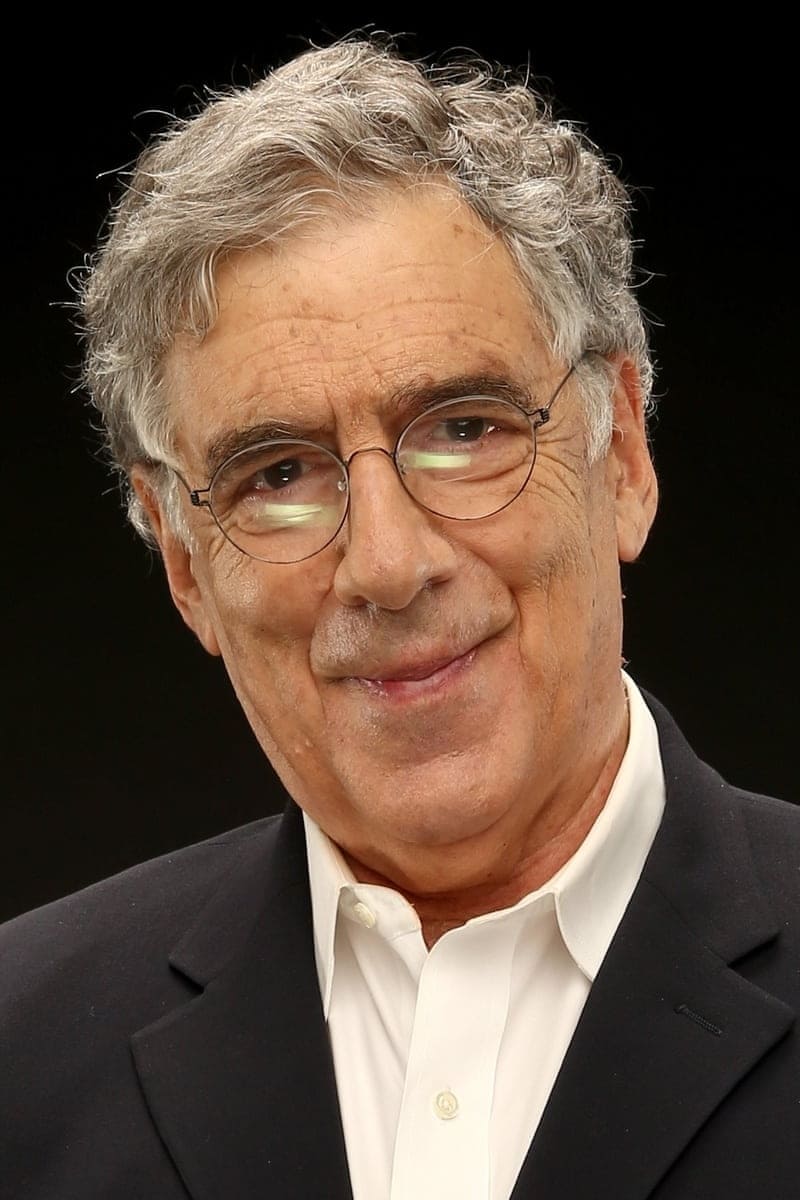
Gould became synonymous with offbeat, contemporary anti-heroes who fit the decade’s skeptical tone. He headlined ‘MAS*H’ and brought a modern spin to detective fiction in ‘The Long Goodbye’. Gould also anchored ensemble pieces like ‘California Split’, supporting a wave of character-centered films. His collaborations helped define the conversational, freewheeling style associated with the era’s auteurs.
John Cazale
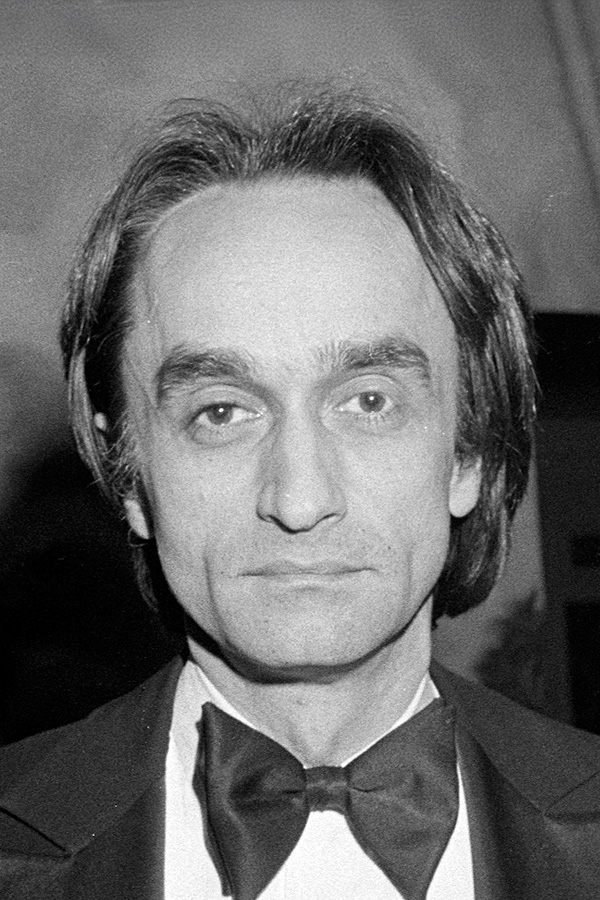
Cazale appeared in a compact but extraordinary run of acclaimed films, often in pivotal supporting roles. His credits include ‘The Godfather’, ‘The Godfather Part II’, ‘The Conversation’, ‘Dog Day Afternoon’, and ‘The Deer Hunter’. Directors cast him for layered portrayals of loyalty, fear, and moral conflict. Cazale’s filmography is frequently studied for its unbroken link to major American cinema milestones.
Richard Roundtree
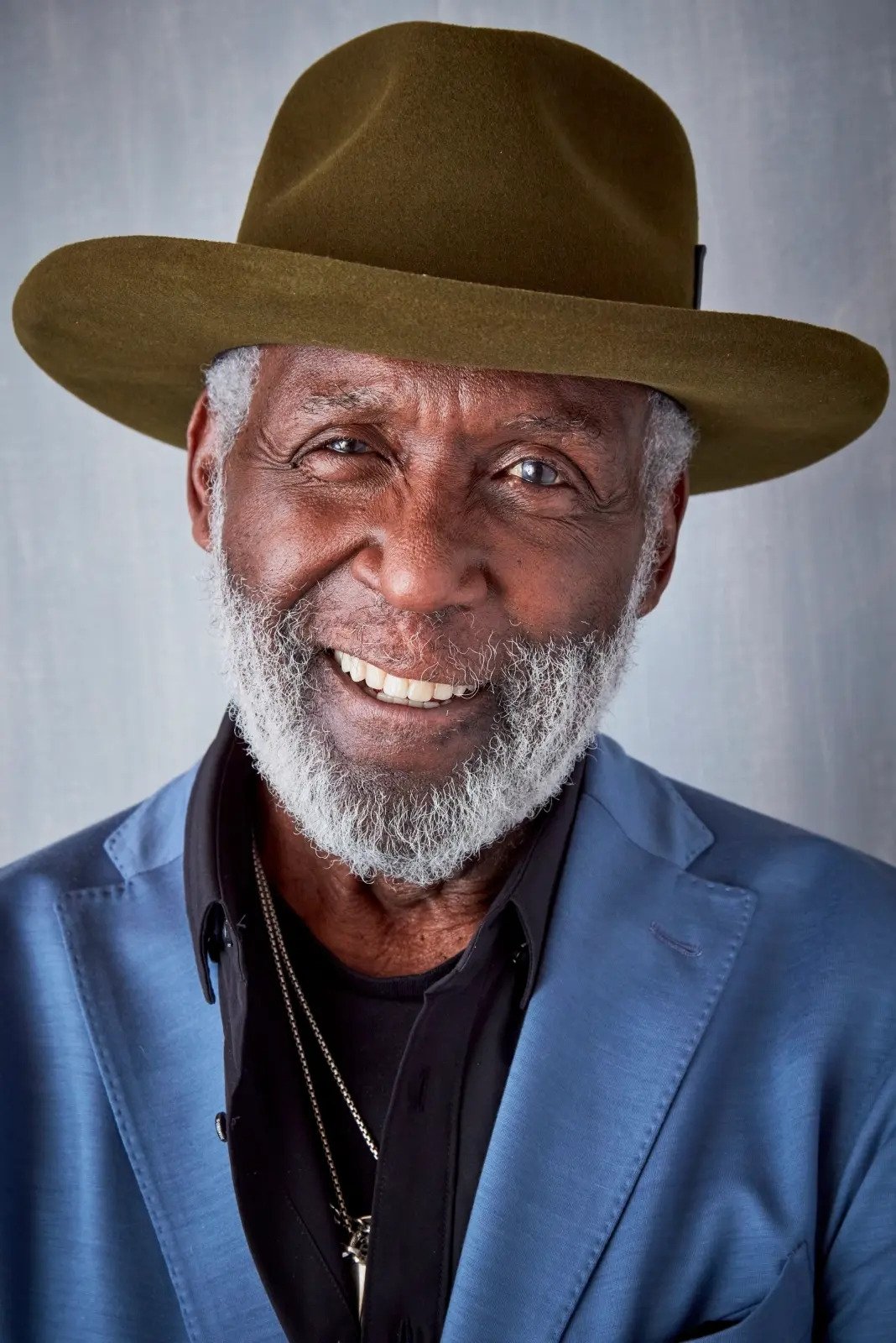
Roundtree’s breakout as John Shaft positioned a confident Black lead at the center of action cinema. ‘Shaft’ and its sequels expanded opportunities for Black performers and crew in commercial filmmaking. He also worked in television and international co-productions, widening distribution for action-driven stories. Roundtree’s presence helped studios recognize underserved audiences as core markets.
Alain Delon
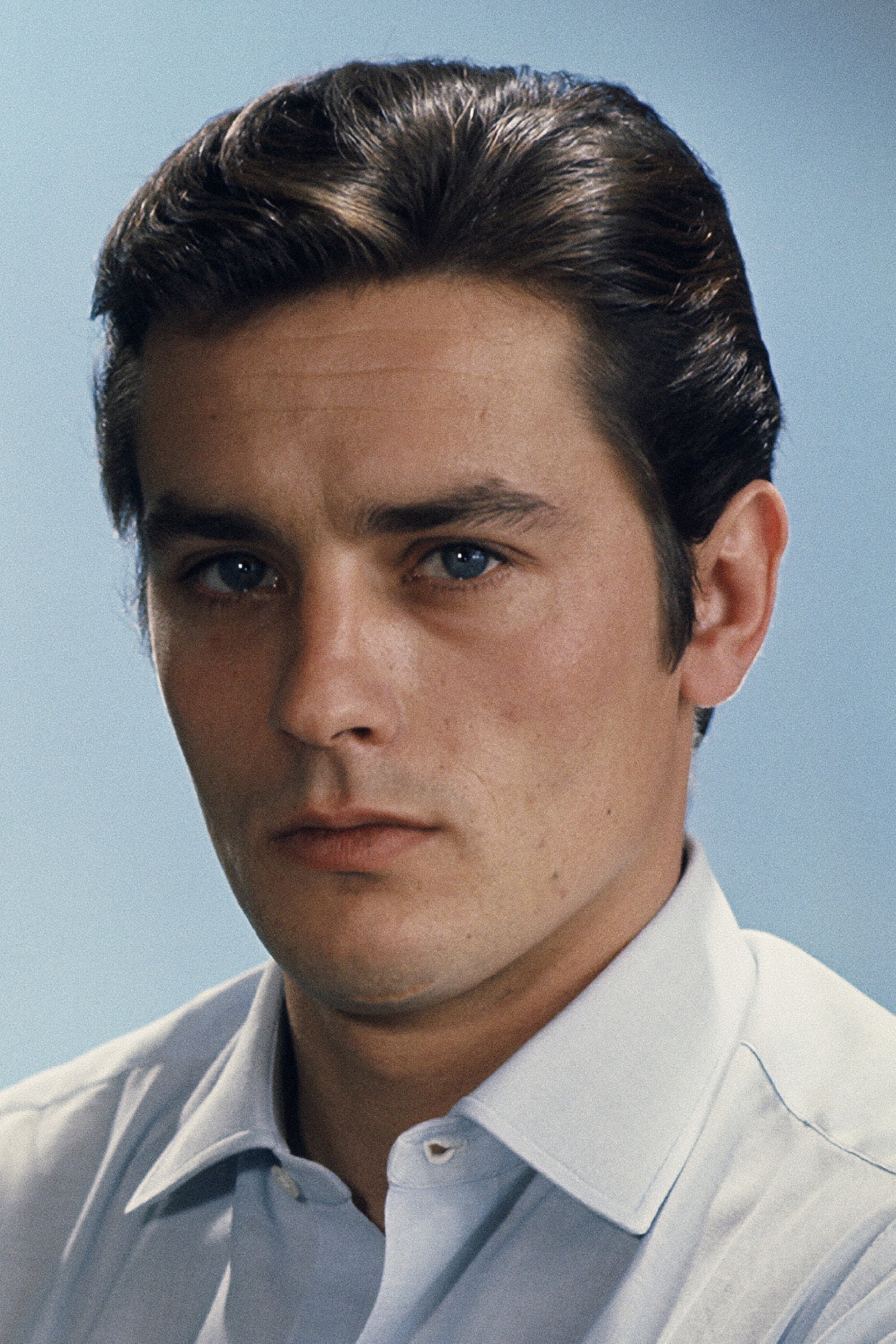
Delon carried European stardom into the decade with crime, noir-inflected, and romantic dramas. He headlined ‘Le Cercle Rouge’, ‘Borsalino’, and ‘Mr. Klein’, all of which circulated widely beyond France. Delon’s films enjoyed strong export, contributing to broader international visibility for French genre cinema. His collaborations with major European directors influenced cool, taciturn screen archetypes emulated worldwide.
Toshirō Mifune
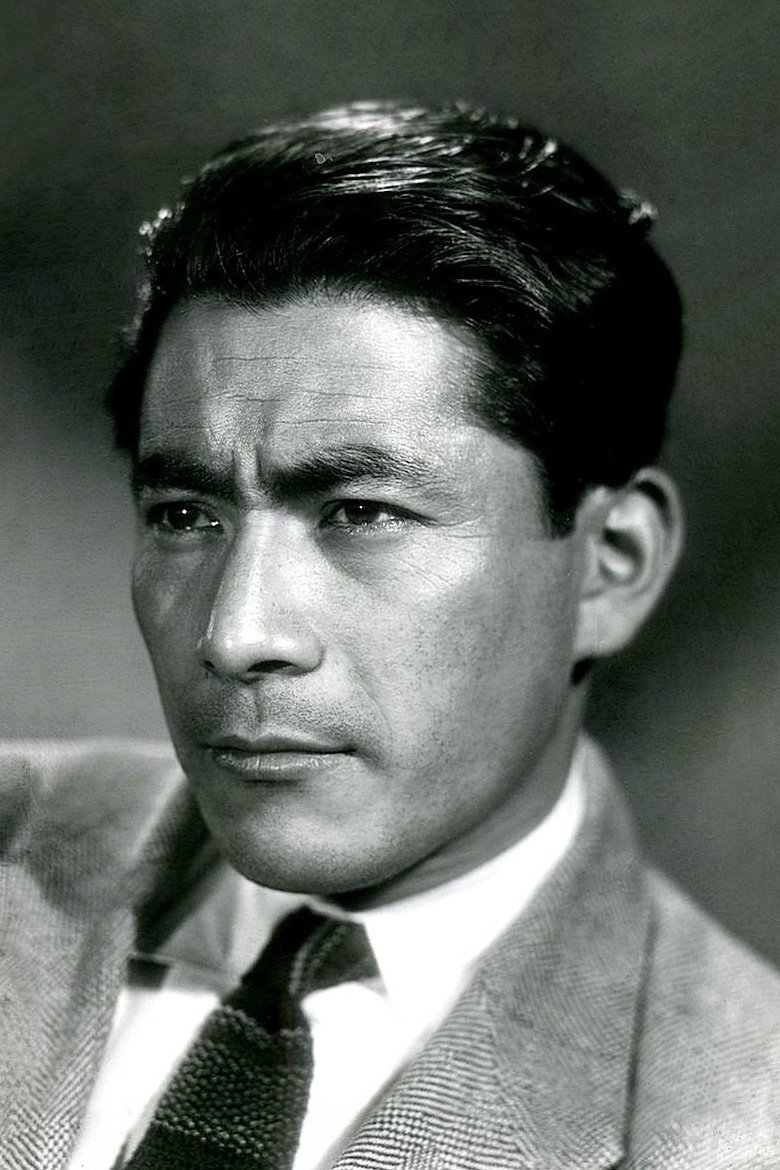
Mifune transitioned from postwar classics into international productions that reached wider audiences. He appeared in projects like ‘Red Sun’ and worked with directors across Europe and the United States. Mifune’s physicality and economy of gesture shaped action and samurai archetypes emulated worldwide. His stature facilitated cross-cultural casting during a decade of expanding global markets.
Omar Sharif
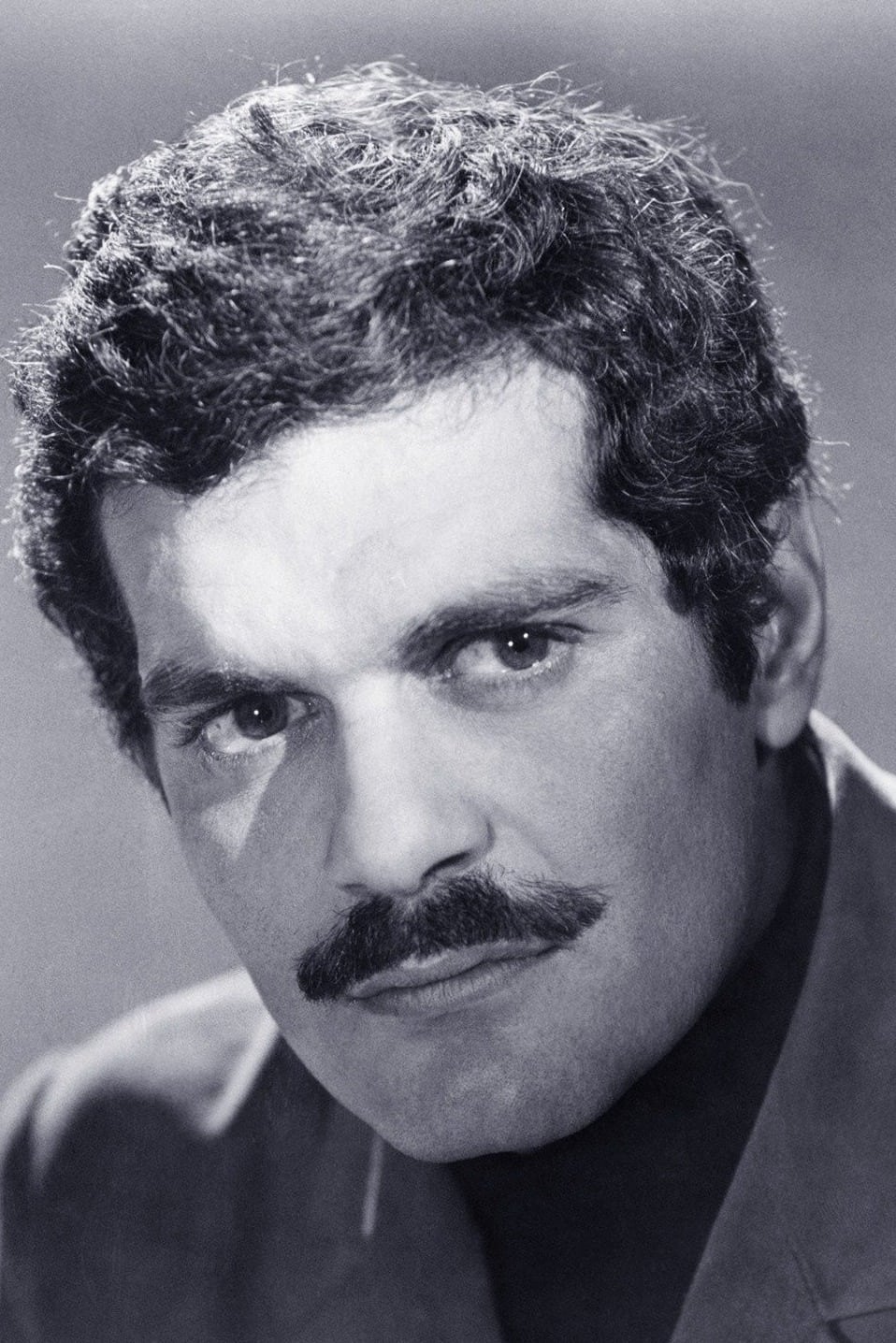
Sharif sustained a global profile through roles that leveraged his multilingual ability and elegant screen presence. He took on mysteries, adventures, and romantic dramas, including ‘Juggernaut’, ‘The Tamarind Seed’, and ‘Ashanti’. Sharif also remained a recognizable figure on television and at international festivals. His career supported co-production models linking European and Middle Eastern funding and distribution.
Dharmendra
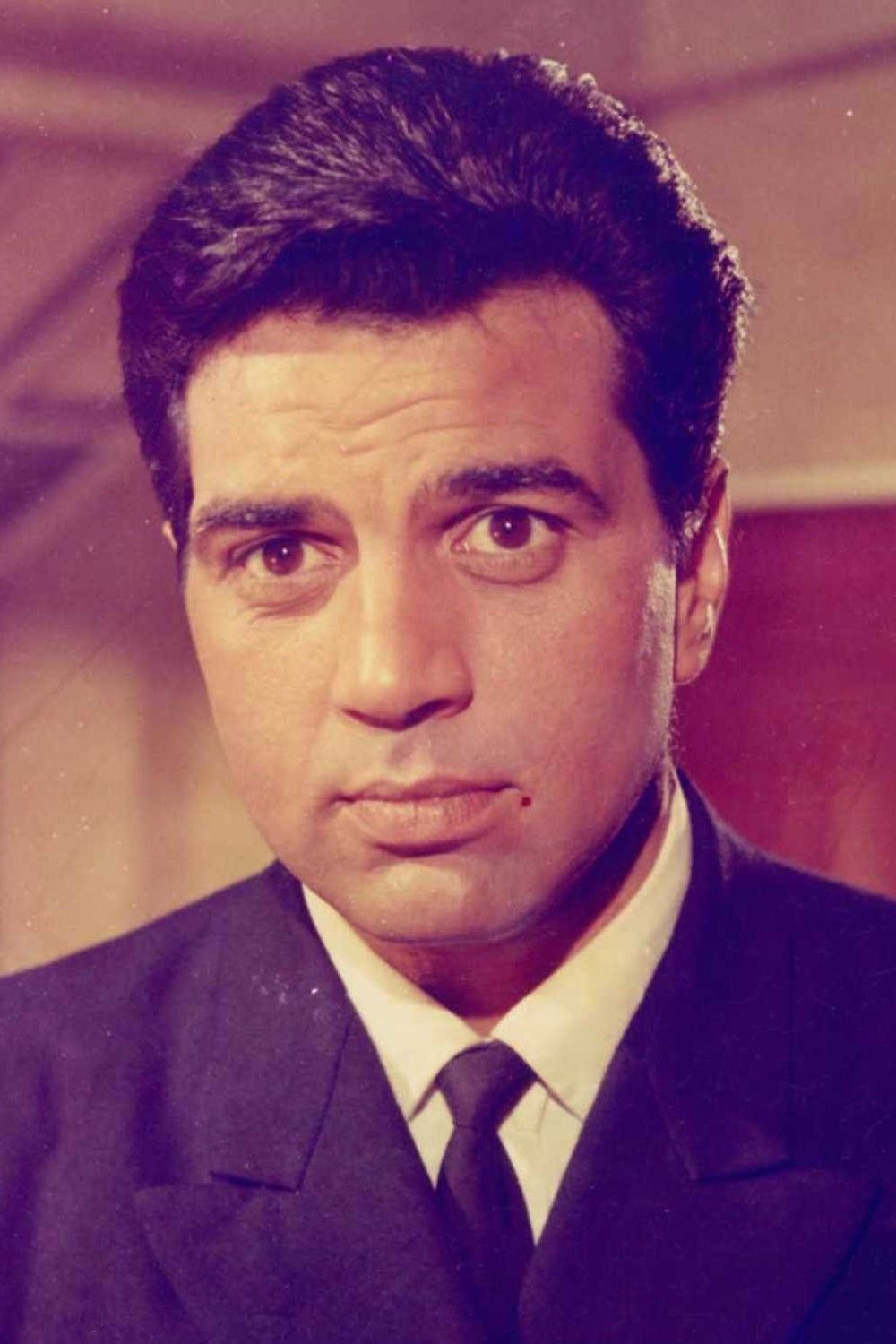
Dharmendra stood among the top Hindi film stars of the decade, leading action, romance, and ensemble entertainers. He headlined major hits including ‘Sholay’, ‘Chupke Chupke’, and ‘Yaadon Ki Baaraat’. His versatility kept him active across comedy and high-stakes drama, strengthening the masala tradition. Dharmendra’s box-office draw influenced casting patterns and release strategies across the Indian market.
Share your picks and favorite performances from the 1970s in the comments!