The Most Influential Actors of the 1980s

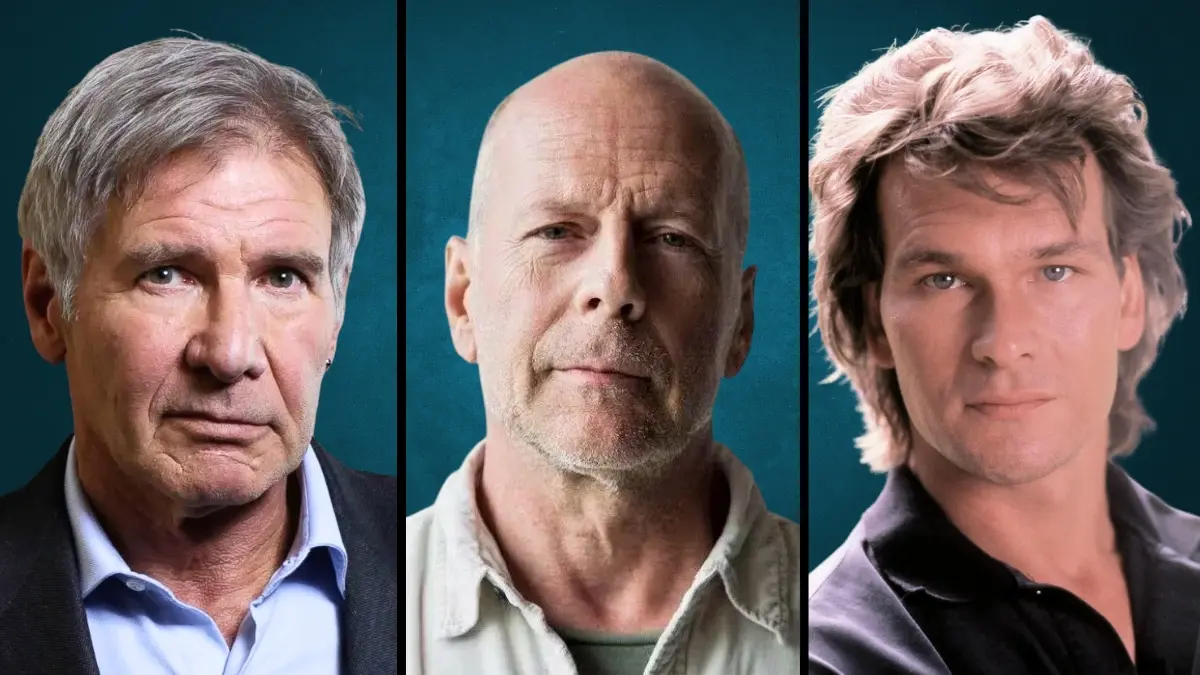

The 1980s reshaped global screens, with star power driving box offices, redefining genres, and exporting pop culture worldwide. This decade saw action franchises explode, high-concept comedies travel across markets, and prestige dramas anchor awards seasons. The men below didn’t just headline hits—they became shorthand for entire styles of filmmaking, from buddy-cop chemistry to auteur-driven character studies. Here’s a focused look at the actors whose work, roles, and career moves set the tone for the era and influenced what audiences watched next.
Harrison Ford
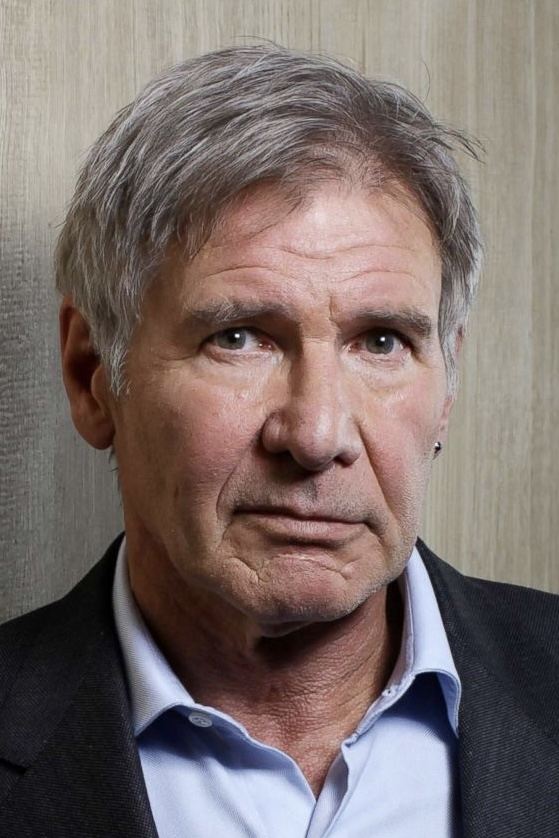
Harrison Ford anchored two defining franchises of the decade with ‘Star Wars’ entries and the ‘Indiana Jones’ adventure cycle. He also broadened his range with genre standouts like ‘Blade Runner’ and the corporate thriller ‘Working Girl’. His films consistently topped international box offices, strengthening Hollywood’s global reach. Ford’s combination of action credibility and everyday-hero charisma set a durable template for blockbuster leads.
Tom Cruise
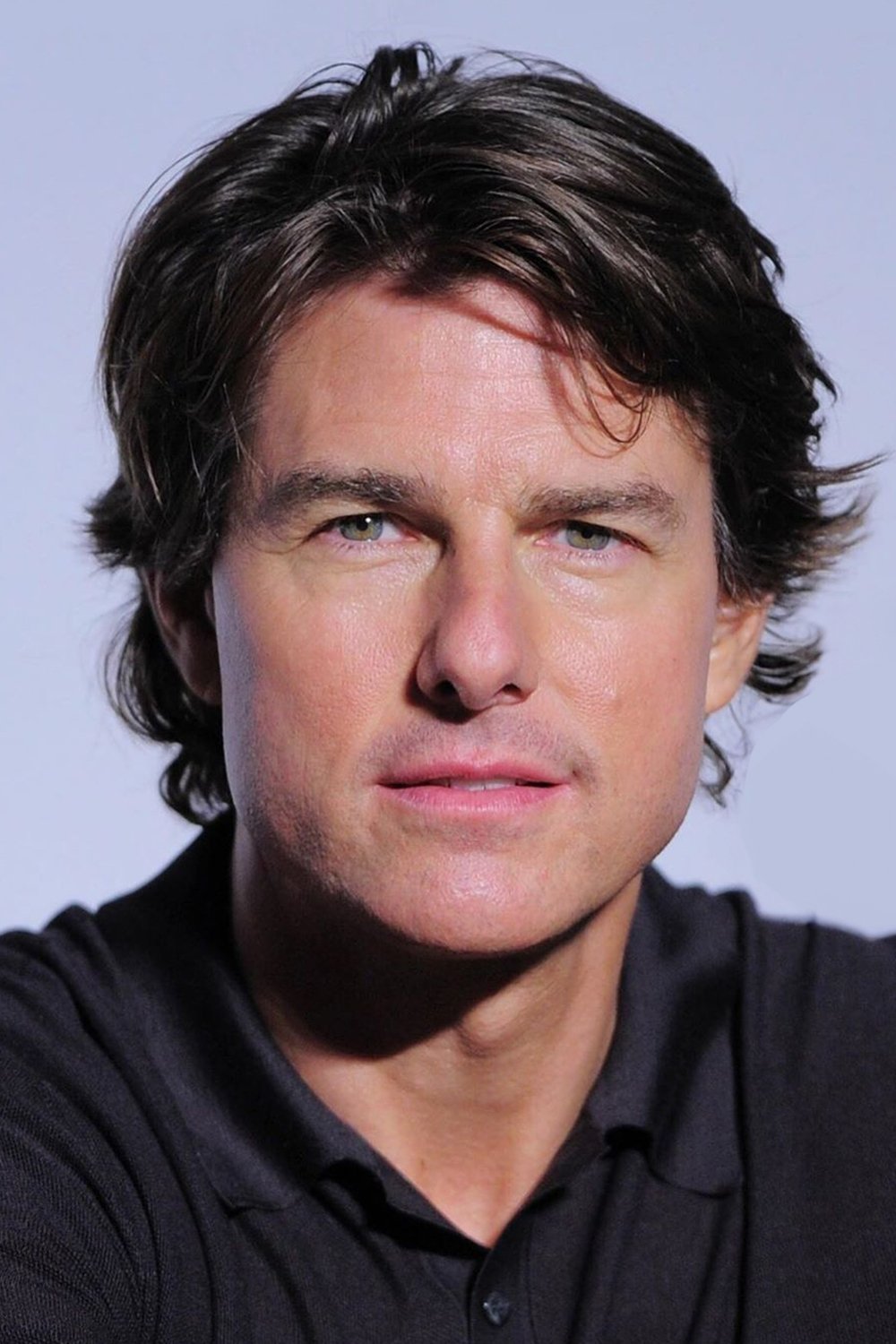
Tom Cruise moved from teen standout in ‘Risky Business’ to worldwide stardom with ‘Top Gun’. He balanced commercial hits with prestige collaborations, pairing with major directors on ‘Rain Man’ and ‘The Color of Money’. Cruise’s projects helped popularize high-concept spectacle tied to music-video aesthetics and iconic soundtracks. His career choices also demonstrated how star branding could travel across genres without losing momentum.
Eddie Murphy
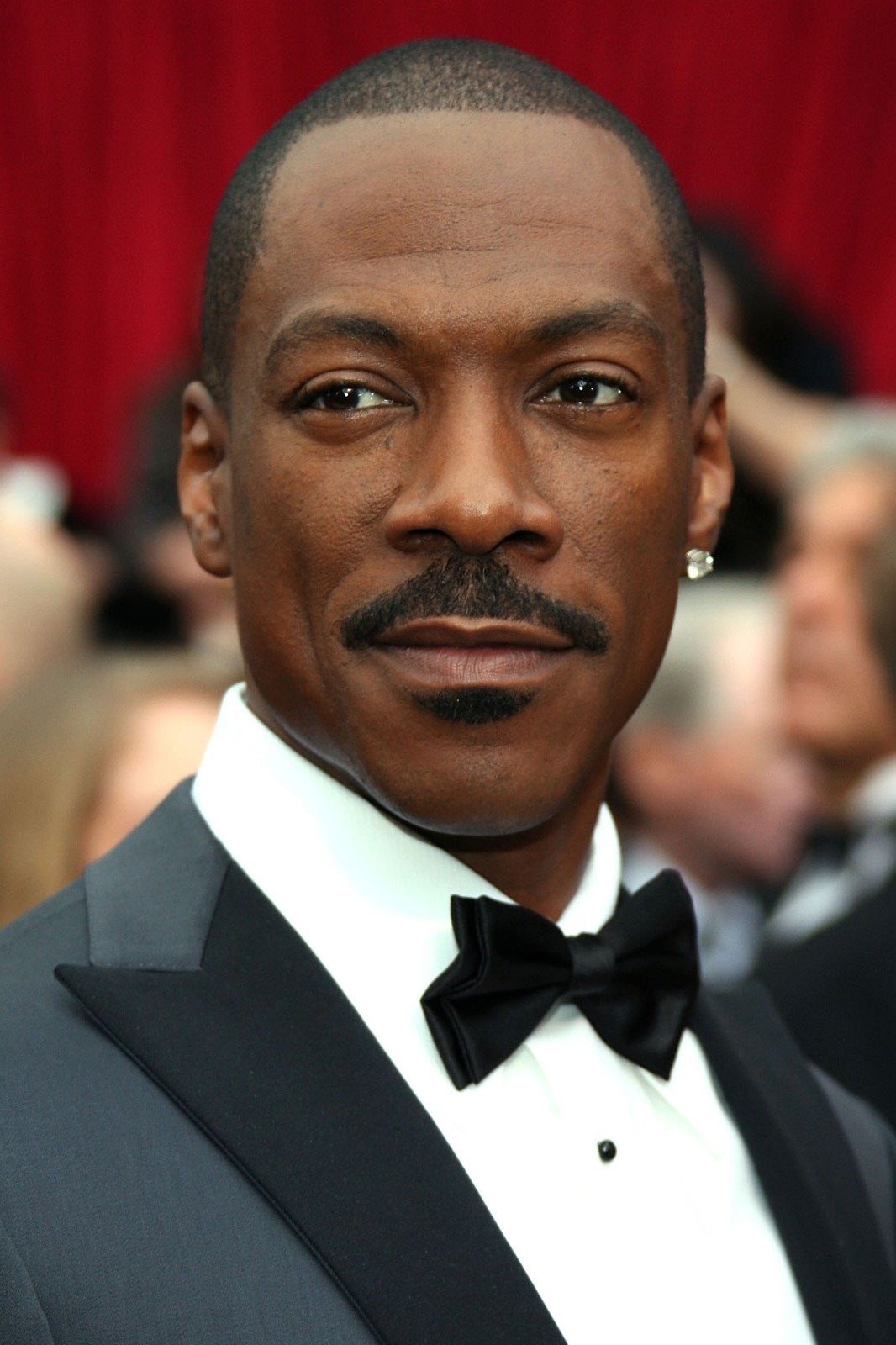
Eddie Murphy transitioned from ‘Saturday Night Live’ to instant film impact with ‘48 Hrs.’ and ‘Trading Places’. ‘Beverly Hills Cop’ turned him into one of the decade’s most bankable stars and propelled the action-comedy hybrid worldwide. He proved that rapid-fire stand-up timing could drive big-screen narratives and cross over to global audiences. Murphy’s success opened doors for more comedy-forward leads in mainstream action and cop films.
Arnold Schwarzenegger
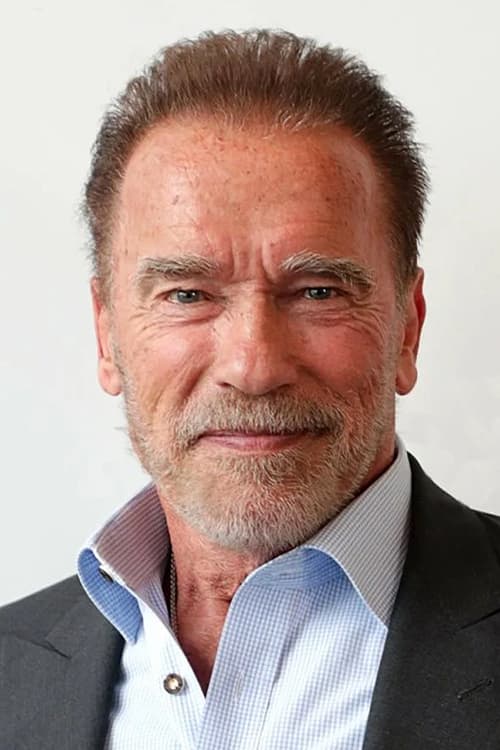
Arnold Schwarzenegger brought bodybuilding iconography into mainstream cinema through roles in ‘The Terminator’, ‘Predator’, and ‘Commando’. His distinct physicality redefined the action hero silhouette and influenced casting trends. He also showed comic range with ‘Twins’, expanding the commercial possibilities for action stars. Schwarzenegger’s name became synonymous with high-octane spectacle and international box-office muscle.
Sylvester Stallone
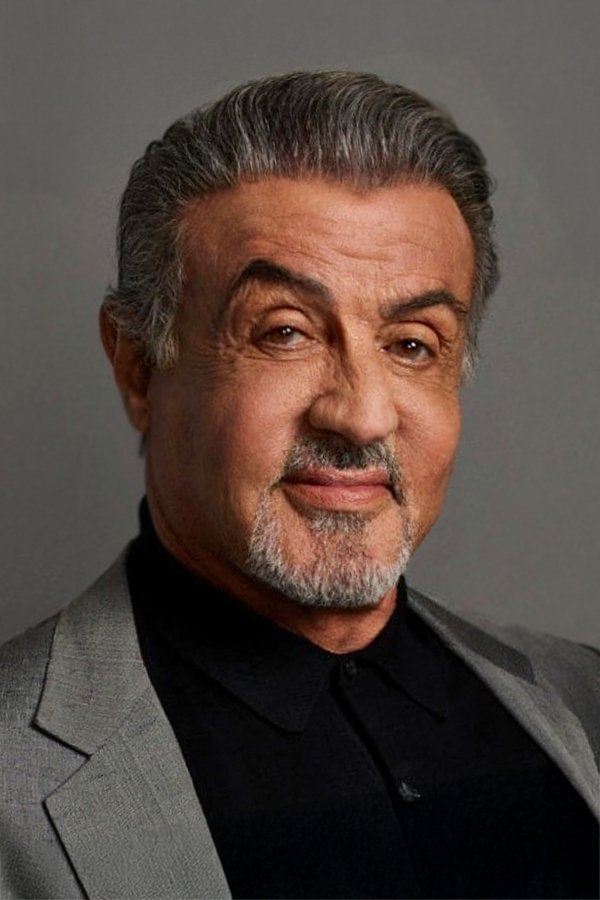
Sylvester Stallone cemented franchise power with ‘Rocky’ sequels and the ‘Rambo’ series. He often shaped projects from the script level, proving stars could drive creative direction as well as on-screen presence. His films popularized training montages, anthemic soundtracks, and a visceral approach to action drama. Stallone’s brand connected with global audiences and helped normalize sequel-driven studio strategies.
Michael Douglas
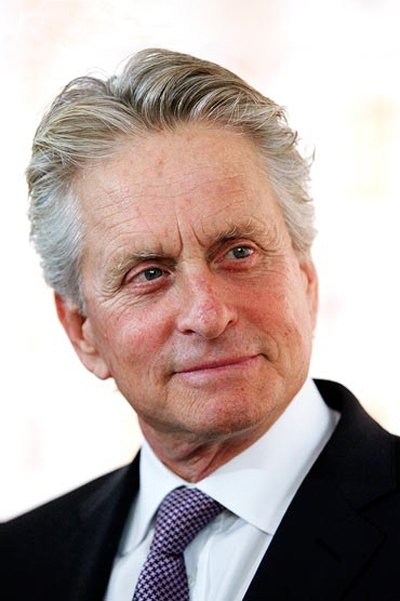
Michael Douglas delivered star turns in ‘Wall Street’, ‘Fatal Attraction’, and ‘Romancing the Stone’. He successfully balanced leading-man roles with producer savvy, helping steer commercially sharp, adult-oriented thrillers. Douglas’s characters reflected the decade’s corporate anxieties and relationship power dynamics. His filmography became a reference point for studio thrillers with sharp hooks and sophisticated gloss.
Robert De Niro
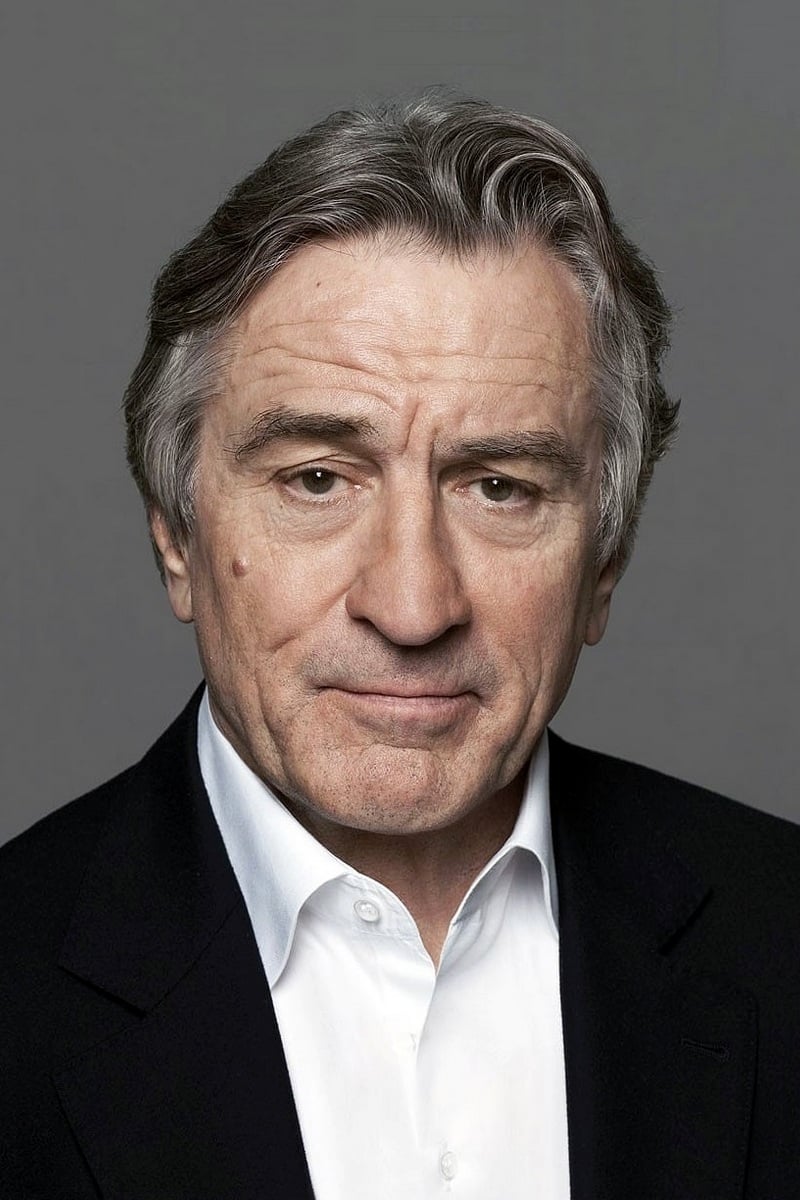
Robert De Niro’s 1980s output ranged from the intense physical transformation of ‘Raging Bull’ to mainstream turns in ‘The Untouchables’ and the comedic chase in ‘Midnight Run’. He continued deep collaborations with auteur directors while engaging broader audiences. De Niro’s method-driven approach influenced younger actors tackling complex characters. His presence kept character study central to a franchise-heavy decade.
Jack Nicholson
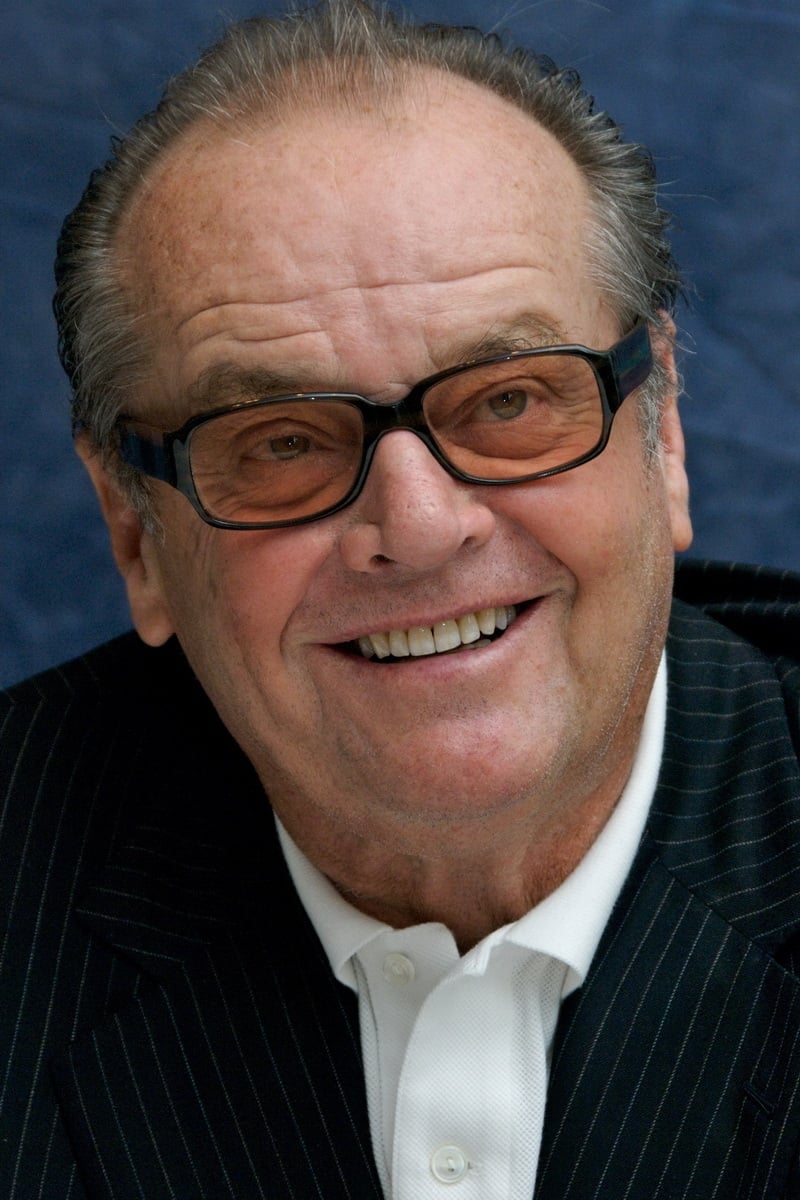
Jack Nicholson moved between psychological horror with ‘The Shining’, ensemble drama in ‘Terms of Endearment’, and pop-culture villainy in ‘Batman’. He regularly delivered awards-recognized performances while anchoring big commercial projects. Nicholson’s screen persona helped elevate genre material to event status. His choices showed how prestige and blockbuster filmmaking could reinforce each other.
Dustin Hoffman
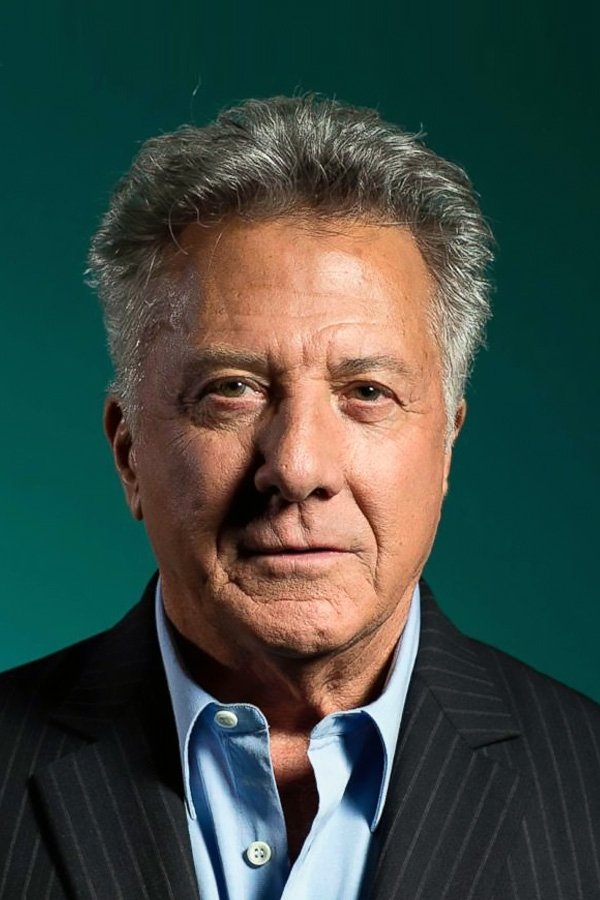
Dustin Hoffman headlined culture-defining hits like ‘Tootsie’ and the road-movie drama ‘Rain Man’. He specialized in character transformations that balanced humor and empathy. Hoffman’s films drew strong critical attention while connecting with large audiences. His work reinforced the viability of performance-driven stories amid effects-driven spectacles.
Mel Gibson
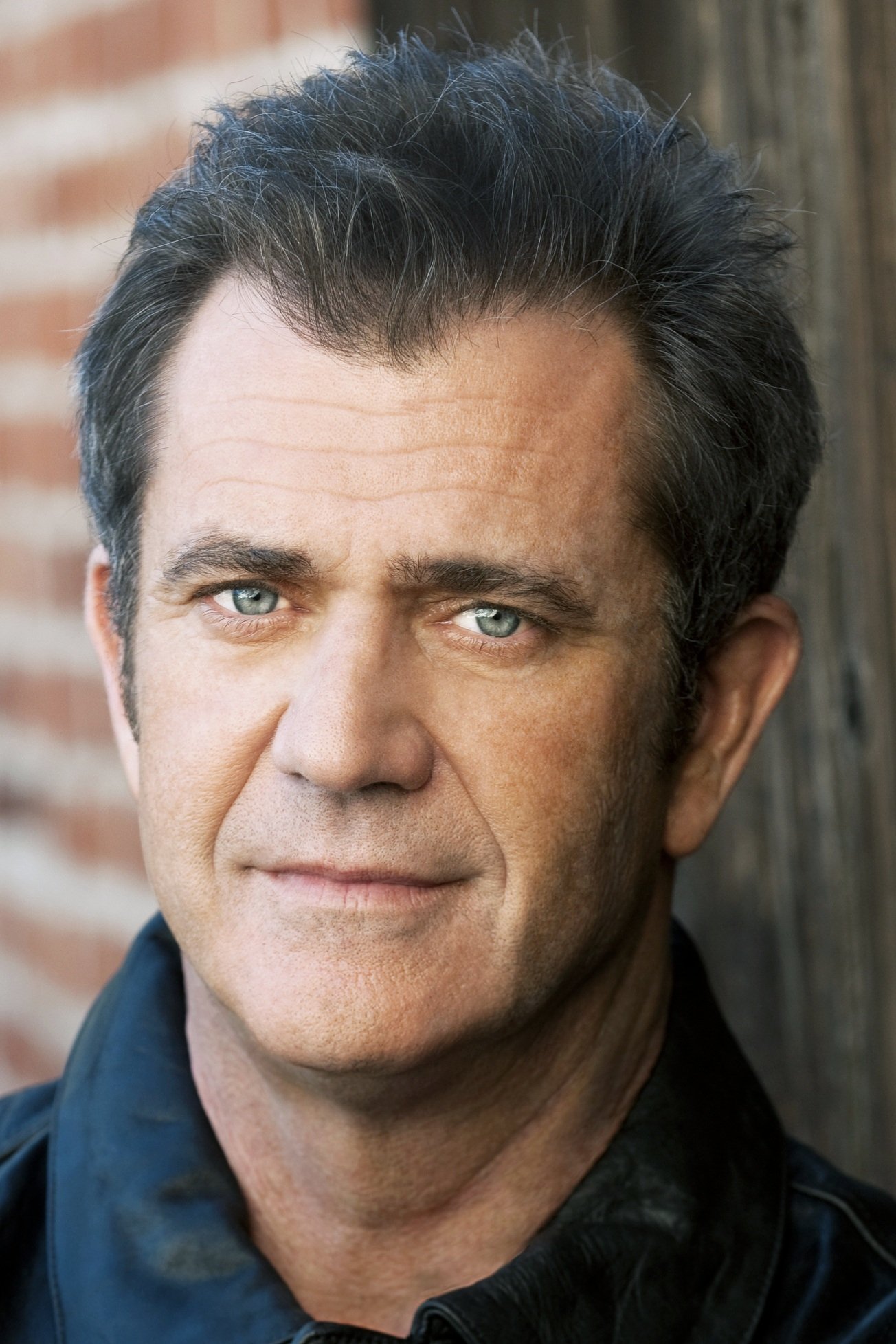
Mel Gibson broke internationally through the ‘Mad Max’ cycle and cemented mainstream status with ‘Lethal Weapon’. He blended action credibility with wry humor, shaping the buddy-cop blueprint for countless imitators. Gibson’s crossover from Australian cinema to Hollywood expanded global talent pipelines. His films proved that stylized action with character chemistry could dominate multiplexes.
Bruce Willis
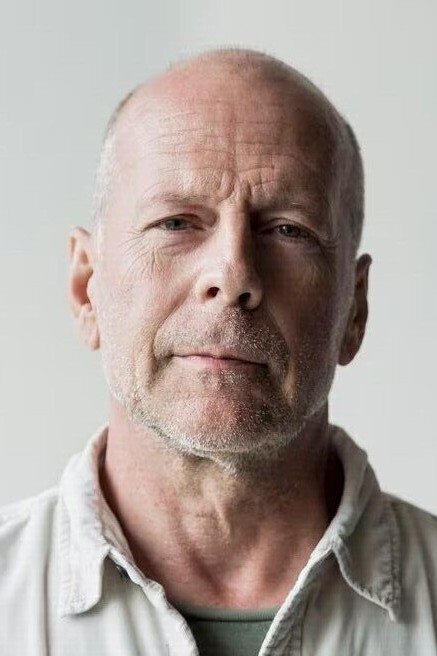
Bruce Willis leveraged TV fame from ‘Moonlighting’ into a paradigm-shifting action lead with ‘Die Hard’. The film’s grounded hero approach influenced action plotting and stunt design across the industry. Willis continued alternating between comedy and action to broaden his audience. His career demonstrated how television visibility could springboard to long-term film superstardom.
Kevin Costner
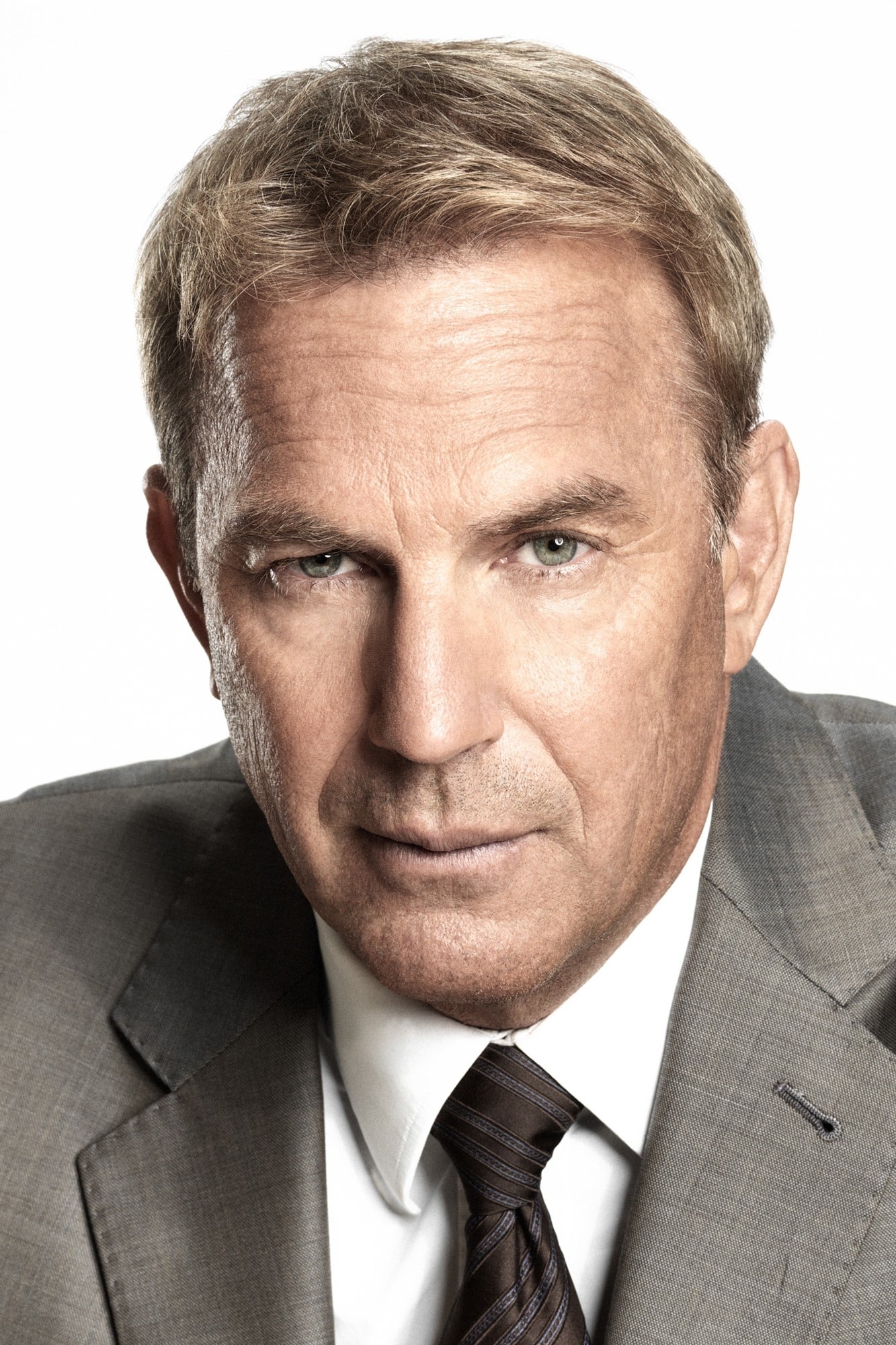
Kevin Costner’s breakout stretch included ‘The Untouchables’, ‘Bull Durham’, and ‘Field of Dreams’. He emerged as a reliable anchor for Americana-tinged dramas and sports stories with strong word-of-mouth appeal. Costner’s presence helped studios green-light mid-budget character pieces alongside tentpoles. His consistent results positioned him as a go-to lead for thoughtful mainstream fare.
Richard Gere
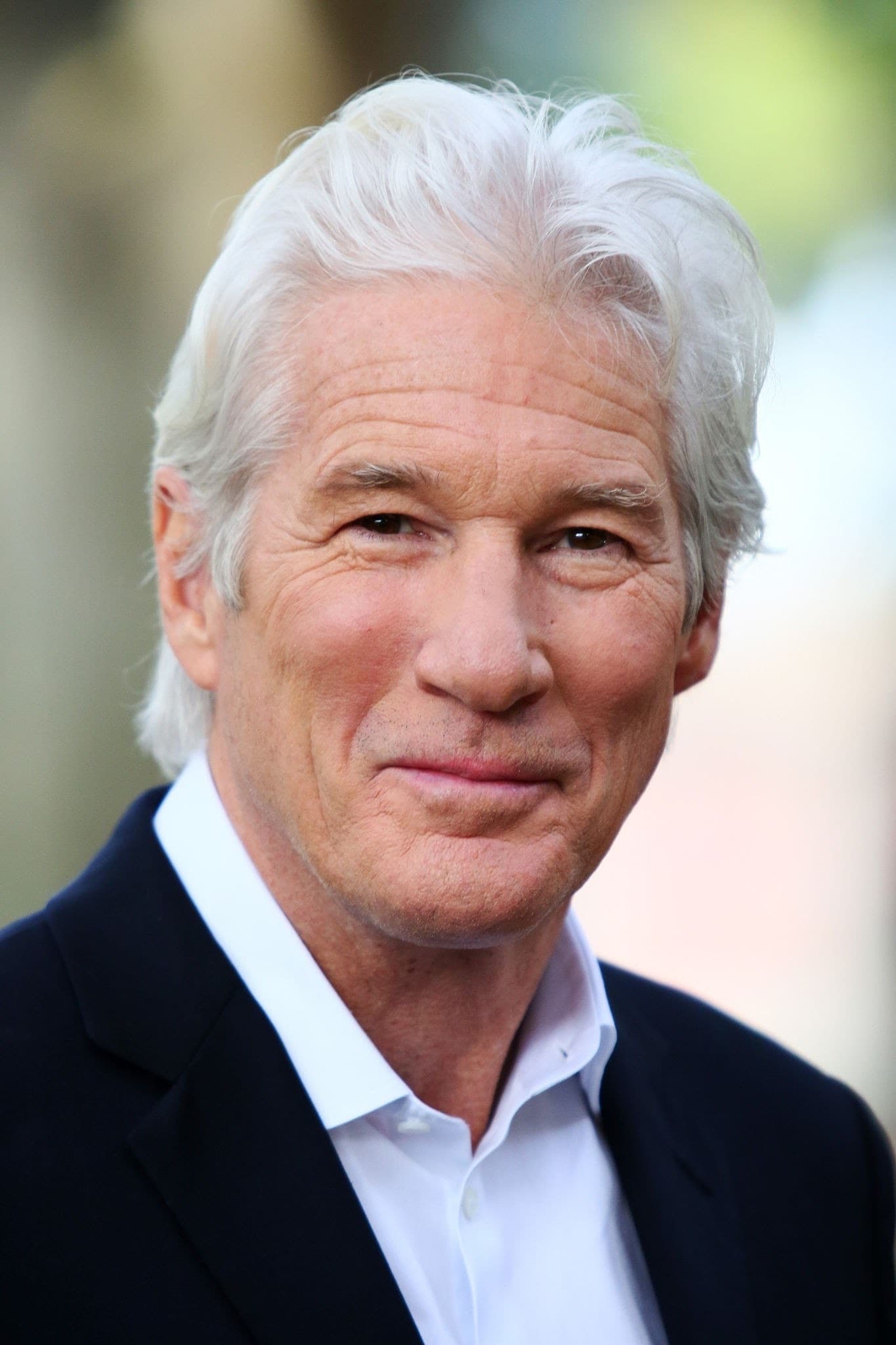
Richard Gere became a marquee name with ‘American Gigolo’ and ‘An Officer and a Gentleman’. He specialized in romantic drama and polished melodrama that performed well domestically and abroad. Gere’s image shaped fashion and music tie-ins around his films’ releases. His sustained popularity kept adult-oriented romances central to studio slates.
Bill Murray
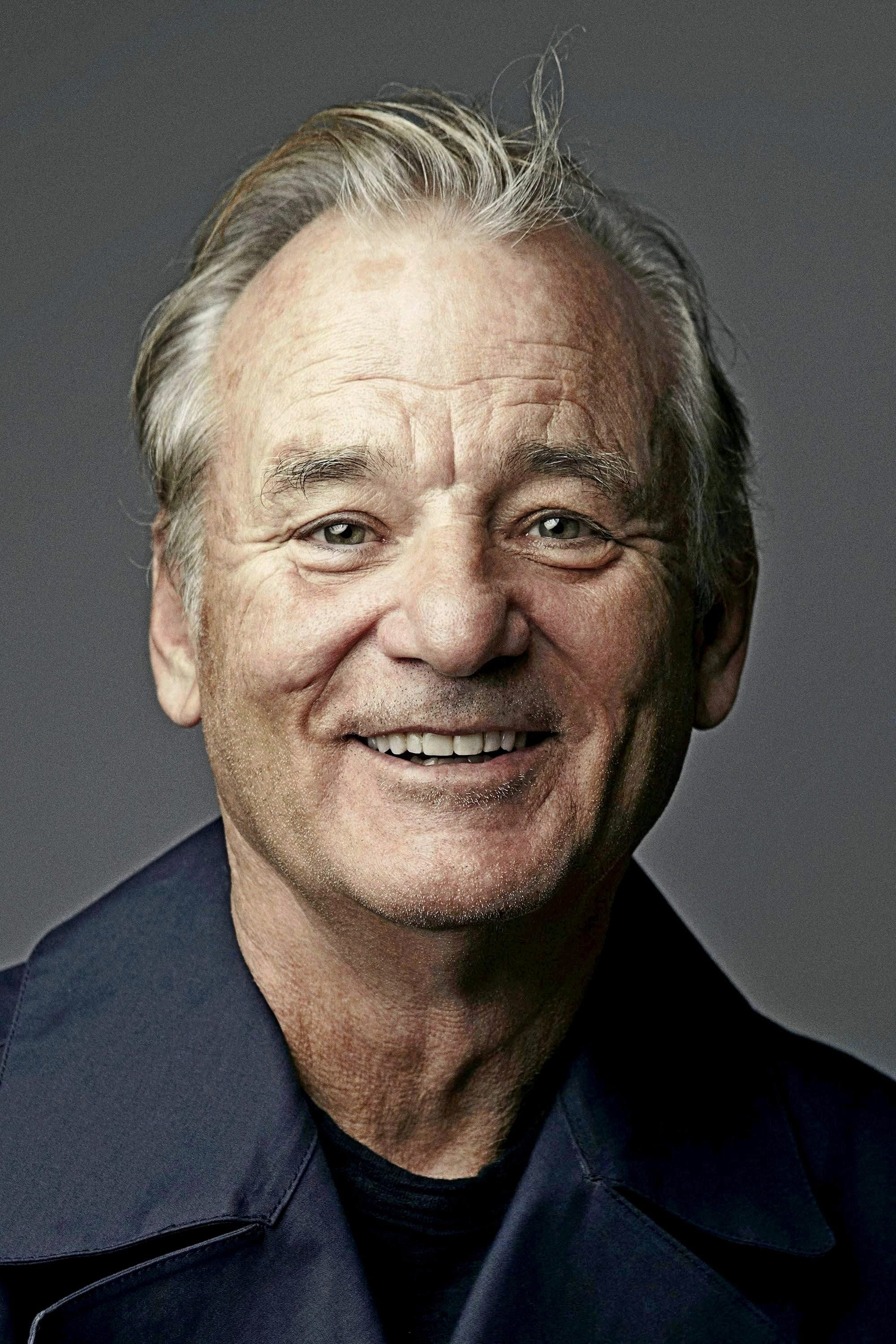
Bill Murray translated ‘Saturday Night Live’ momentum into big-screen success with ‘Stripes’, ‘Ghostbusters’, and ‘Scrooged’. He brought deadpan humor to high-concept premises that traveled easily worldwide. Murray’s hits demonstrated the power of ensemble chemistry and effects-assisted comedy. His work became a model for balancing irreverence with broad four-quadrant appeal.
Dan Aykroyd
Dan Aykroyd co-created and starred in ‘The Blues Brothers’ and co-led ‘Ghostbusters’, merging sketch-born characters with cinematic world-building. He also wrote and produced, shaping projects from inception to release. Aykroyd’s blend of supernatural elements and sharp comedic mechanics influenced studio comedy development. His career underscored how multi-hyphenate talent could expand a film’s cultural footprint.
Robin Williams
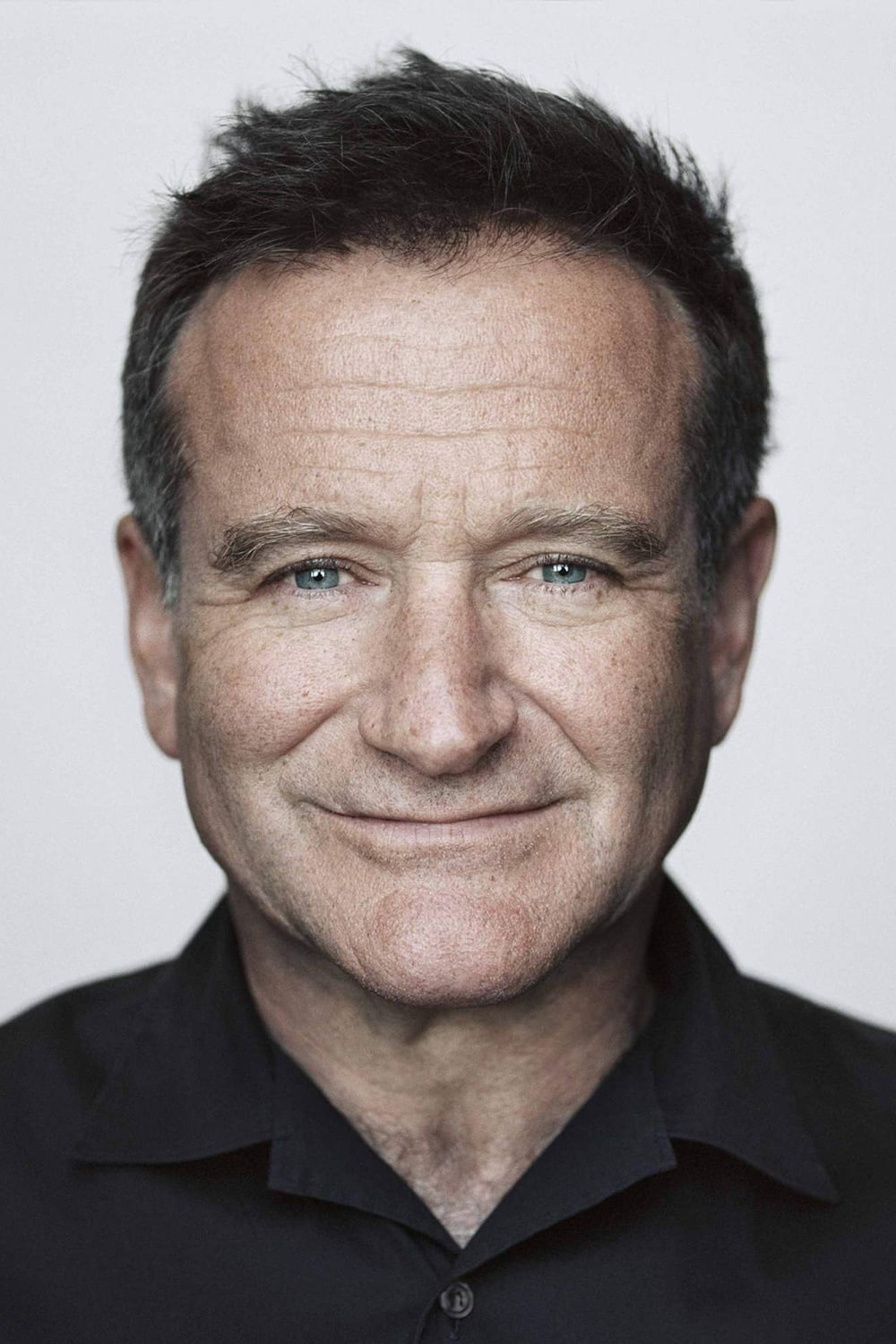
Robin Williams bridged TV and film, moving from ‘Mork & Mindy’ to breakout big-screen roles in ‘Good Morning, Vietnam’ and ‘Dead Poets Society’. He mixed improvisational speed with emotionally grounded characters. Studios leveraged his unique vocal and physical performance style across genres. Williams’s success broadened casting approaches for comedians in dramatic leads.
Kurt Russell
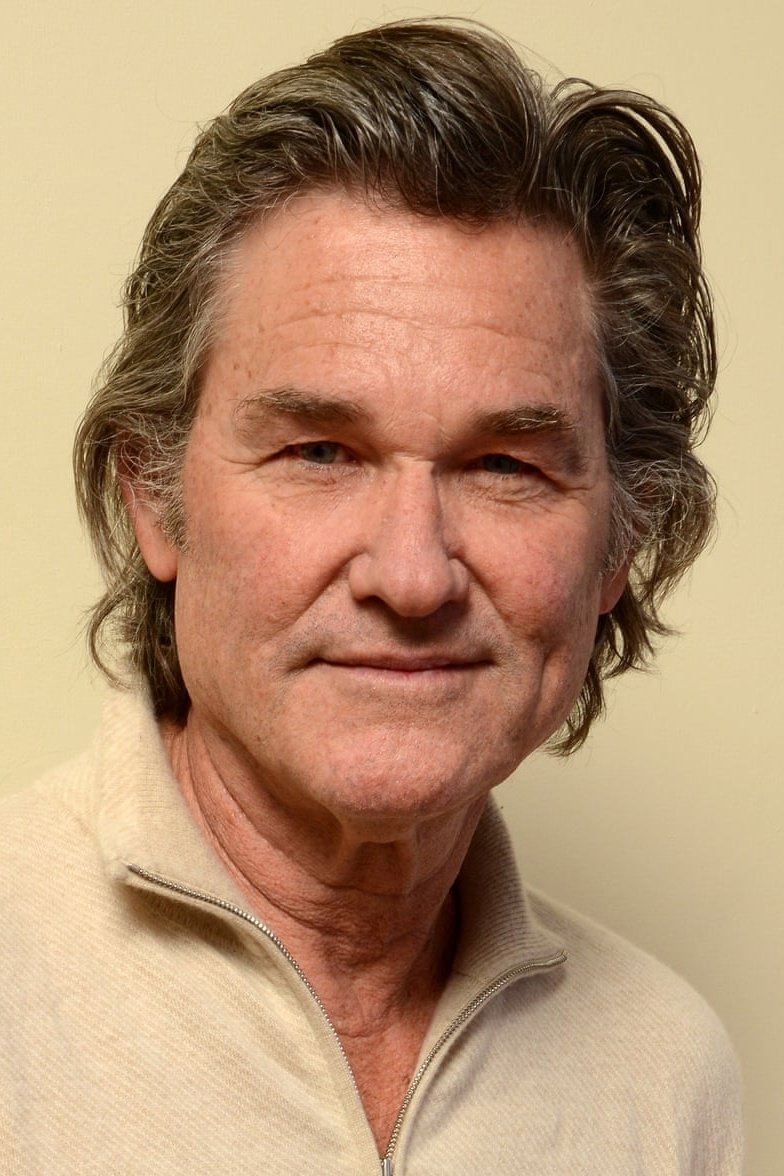
Kurt Russell’s collaborations with John Carpenter produced cult and genre landmarks like ‘Escape from New York’, ‘The Thing’, and ‘Big Trouble in Little China’. He alternated between anti-hero roles and family adventure leads. Russell’s filmography showed how genre filmmaking could cultivate long-term fan bases. His steady output helped keep practical-effects-driven action and horror in the mainstream.
Patrick Swayze
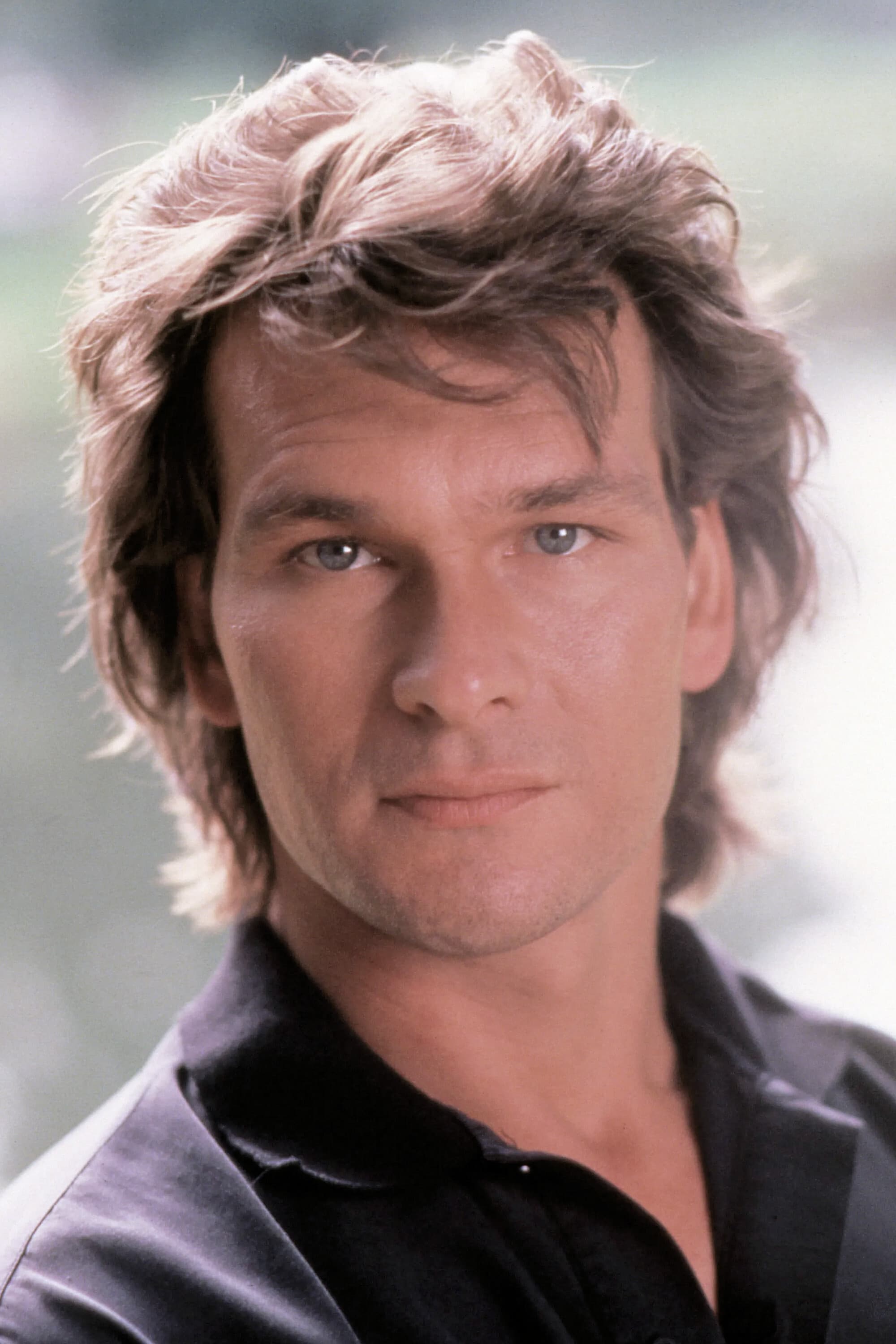
Patrick Swayze vaulted to worldwide stardom with ‘Dirty Dancing’, then expanded into action with ‘Road House’ and ensemble drama in ‘Red Dawn’. He combined dance training with action physicality to create distinct screen presence. Swayze’s films generated strong soundtrack tie-ins and cross-media popularity. His versatility supported both romantic leads and tough-guy roles within the same period.
Gene Hackman
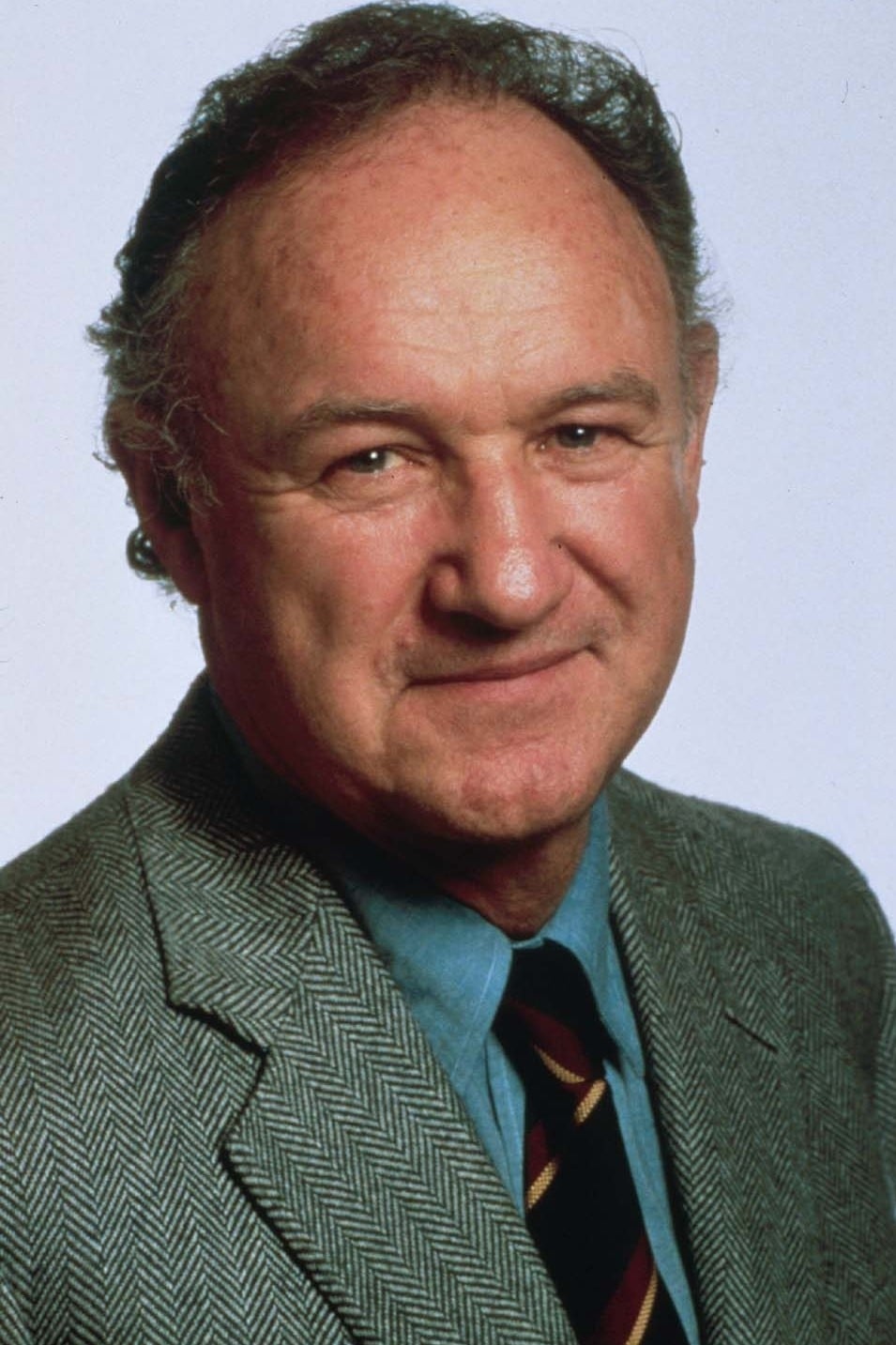
Gene Hackman delivered commanding performances in ‘Hoosiers’, ‘No Way Out’, and ‘Mississippi Burning’. He moved seamlessly between mentor figures, antagonists, and institutional power players. Hackman’s reliability bolstered prestige dramas and taut thrillers alike. His projects consistently earned critical recognition while maintaining audience interest.
Christopher Reeve
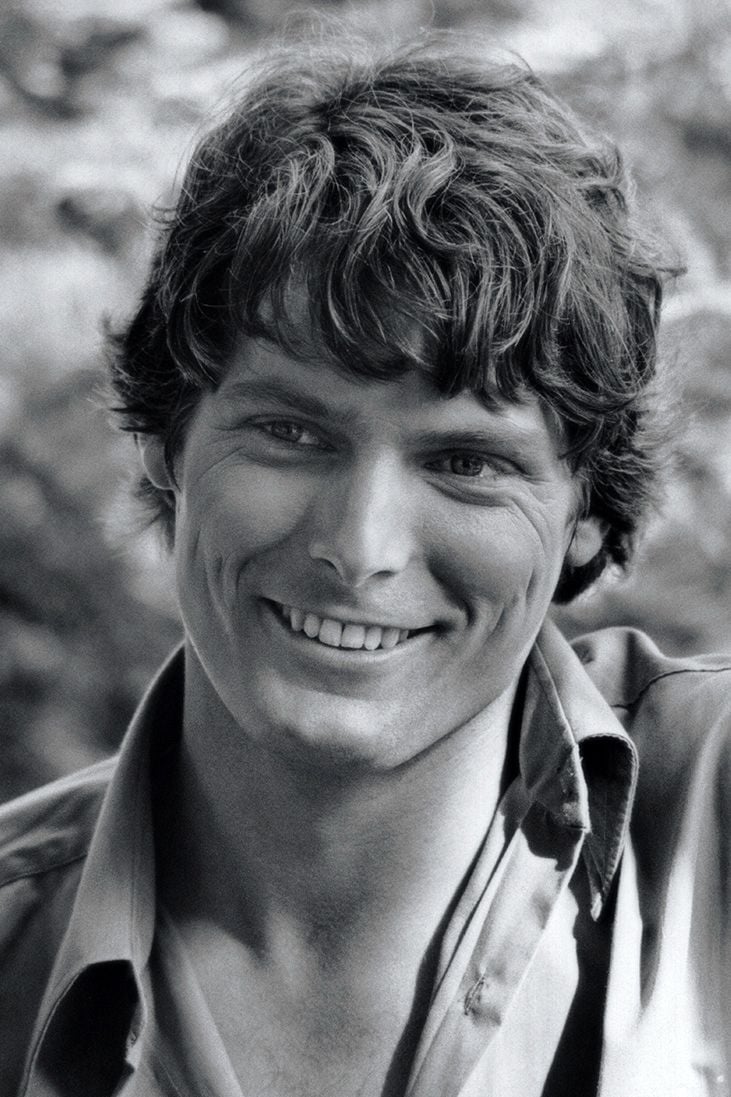
Christopher Reeve defined the modern superhero blueprint with the ‘Superman’ series. He managed dual-identity characterization that influenced later comic-book adaptations. Reeve also took on stage and smaller films, reinforcing classical training alongside franchise work. His portrayal set expectations for sincerity and scale in comic-book cinema.
Michael J. Fox
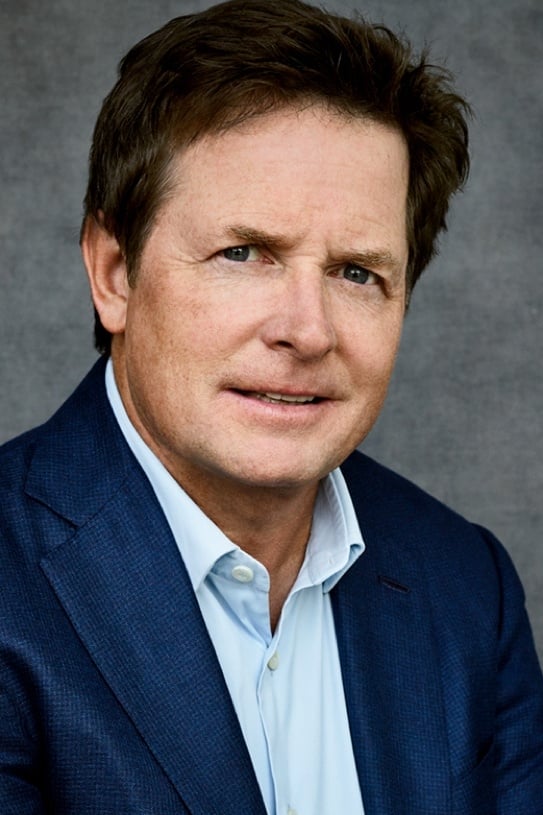
Michael J. Fox became a household name through ‘Family Ties’ and time-travel adventure with ‘Back to the Future’. He balanced teen appeal with sharp comedic timing that resonated across demographics. Fox’s success demonstrated the power of TV-to-film cross-pollination. His projects fueled merchandising, soundtrack sales, and sustained franchise interest.
Sean Connery
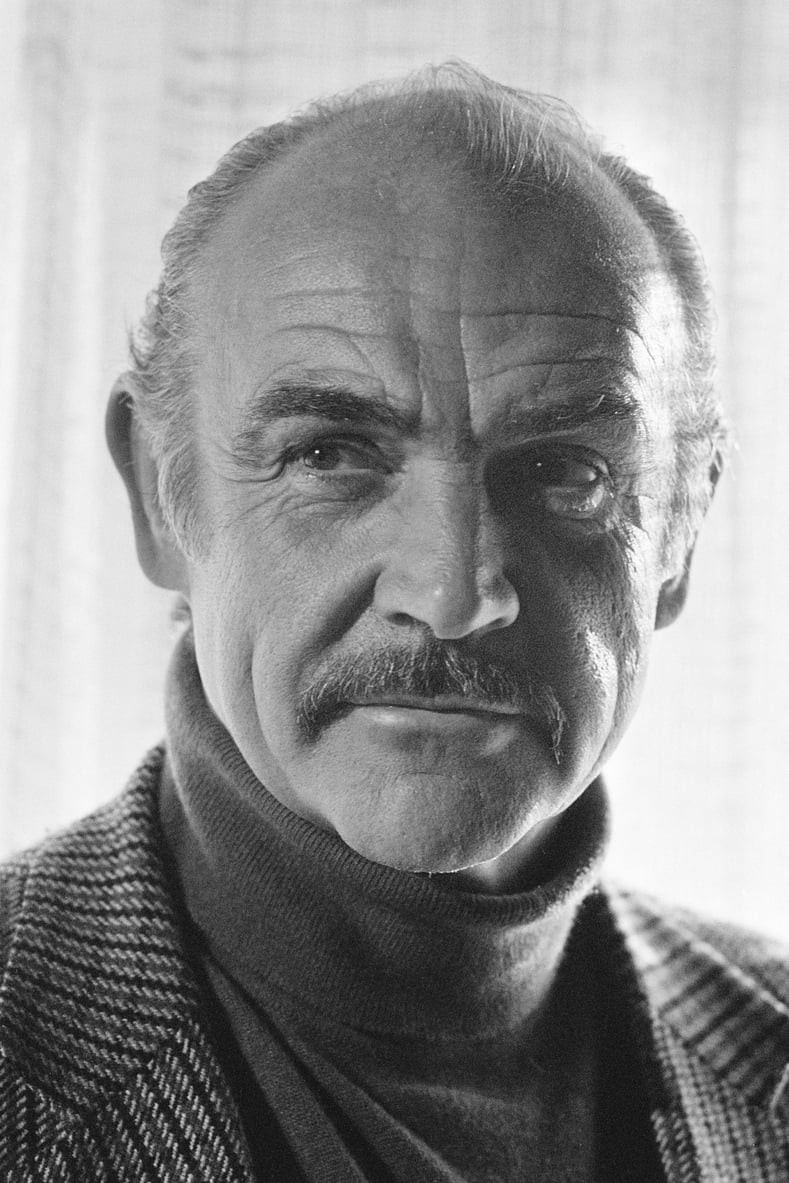
Sean Connery enjoyed a major late-career surge with roles in ‘The Untouchables’ and ‘Indiana Jones and the Last Crusade’. He brought authority and wit that elevated ensemble casts. Connery’s return to high-profile adventure revived interest in legacy stars within new franchises. His performances drew awards attention and strong international turnout.
Jackie Chan
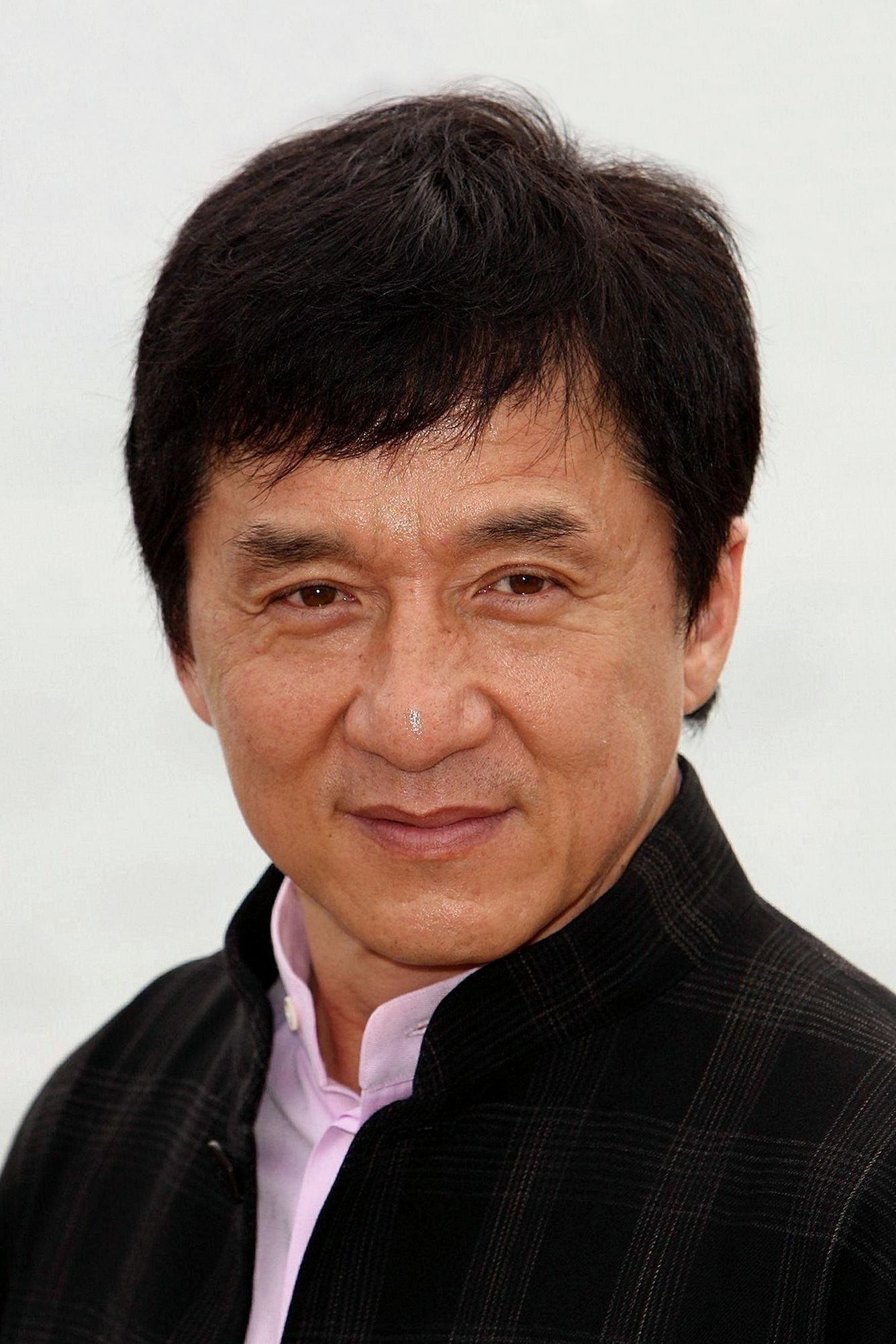
Jackie Chan revolutionized action choreography with ‘Project A’, ‘Police Story’, and other Hong Kong hits. He fused intricate martial-arts sequences with physical comedy and famously performed his own stunts. Chan’s films circulated widely on home video, influencing directors and stunt teams globally. His approach reshaped expectations for fight design and practical stuntwork.
Chow Yun-fat
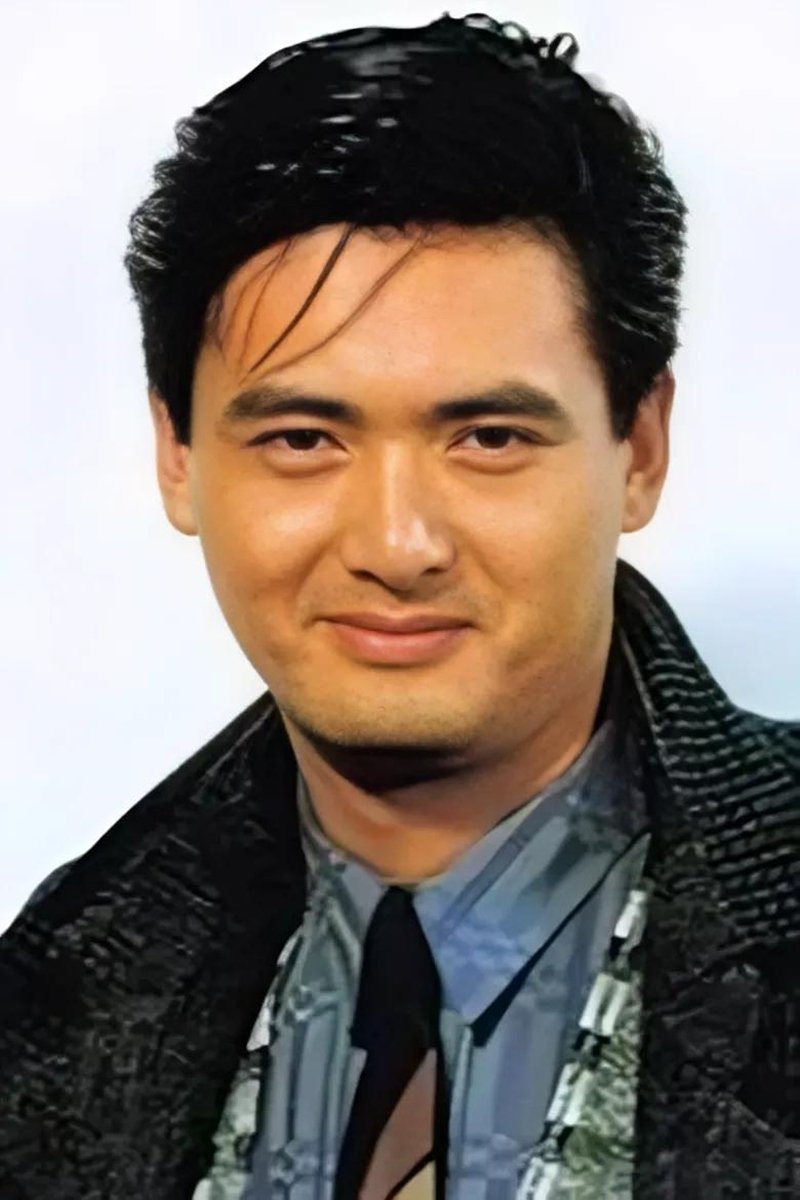
Chow Yun-fat became the face of heroic-bloodshed cinema through collaborations with John Woo on ‘A Better Tomorrow’ and ‘The Killer’. He popularized the stylish, two-fisted urban action that later informed international thrillers. Chow’s screen presence helped Hong Kong cinema break through to Western audiences. His work laid groundwork for cross-Pacific casting and co-productions.
Ben Kingsley
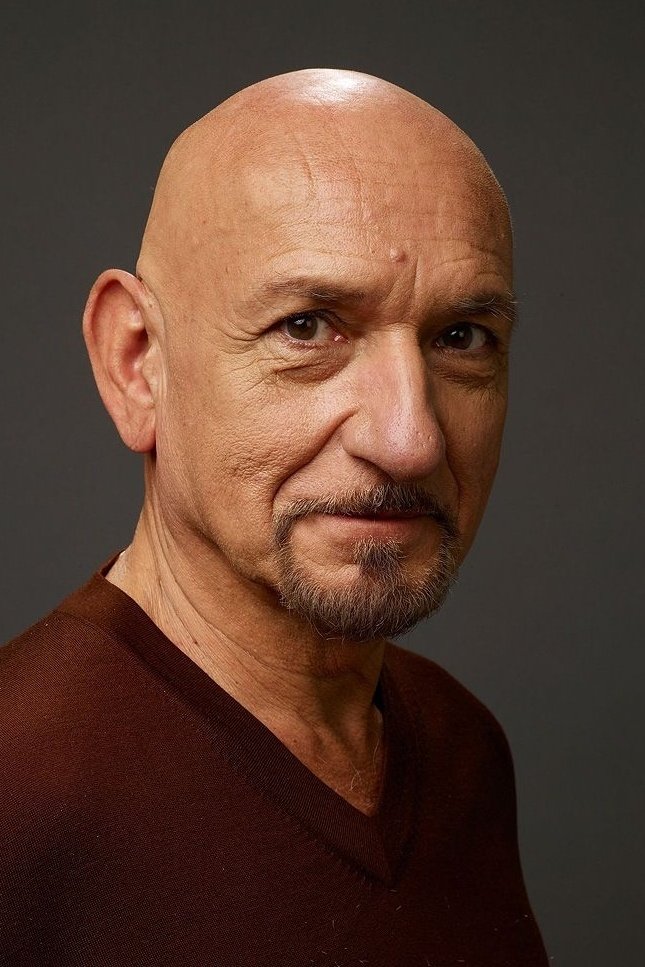
Ben Kingsley achieved worldwide recognition with ‘Gandhi’, followed by varied roles in dramas and thrillers like ‘Turtle Diary’ and ‘Pascali’s Island’. He demonstrated a commitment to literary adaptations and historically grounded stories. Kingsley’s performances attracted critical acclaim and kept serious biography and period pieces in focus. His choices reinforced the decade’s appetite for culturally resonant, actor-driven cinema.
Al Pacino
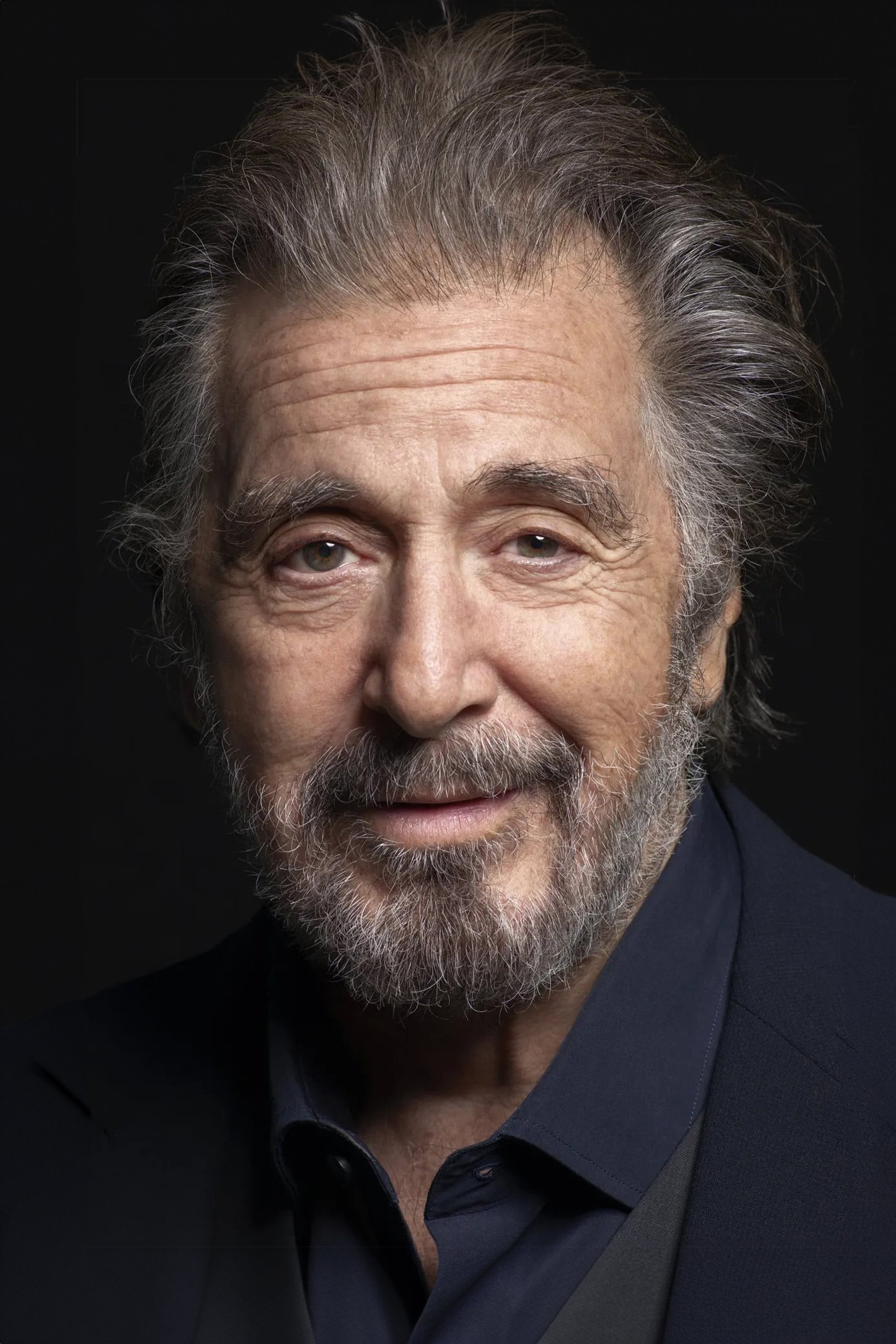
Al Pacino’s decade-defining turn in ‘Scarface’ reshaped the crime-drama playbook with its larger-than-life rise-and-fall arc. He kept one foot in theater while alternating between studio projects and riskier material such as ‘Author! Author!’ and ‘Sea of Love’. His approach to intense, interior characterization influenced a wave of antihero leads. Pacino’s enduring screen presence kept gritty urban drama front and center for international audiences.
Jeff Bridges
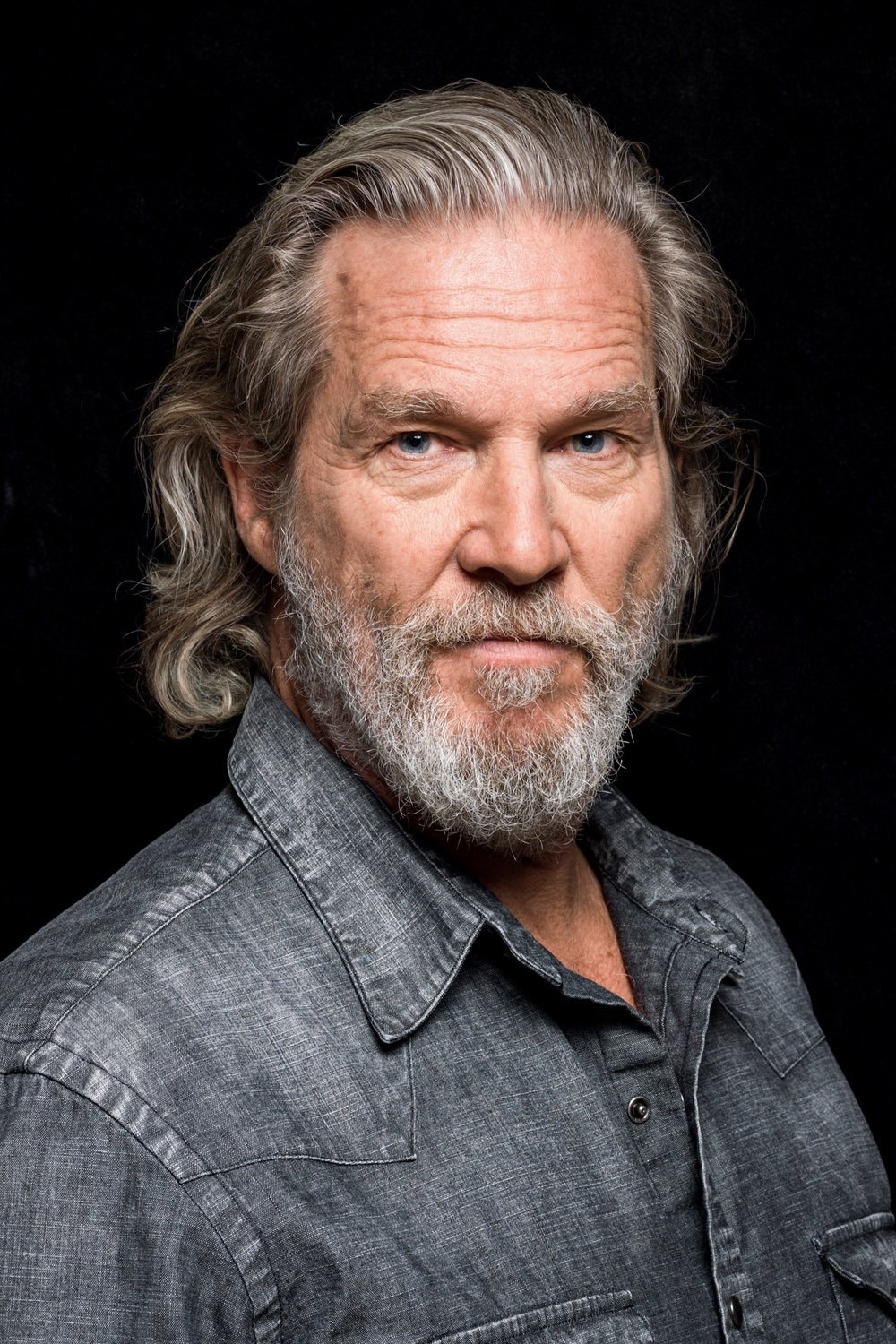
Jeff Bridges moved fluidly across genres, from the digital frontiers of ‘Tron’ to the tender sci-fi romance of ‘Starman’. He balanced prestige-leaning projects with sturdy thrillers like ‘Jagged Edge’. Bridges’ grounded naturalism gave genre films unexpected emotional weight. His choices showed how offbeat concepts could connect when anchored by human-scale performances.
Willem Dafoe
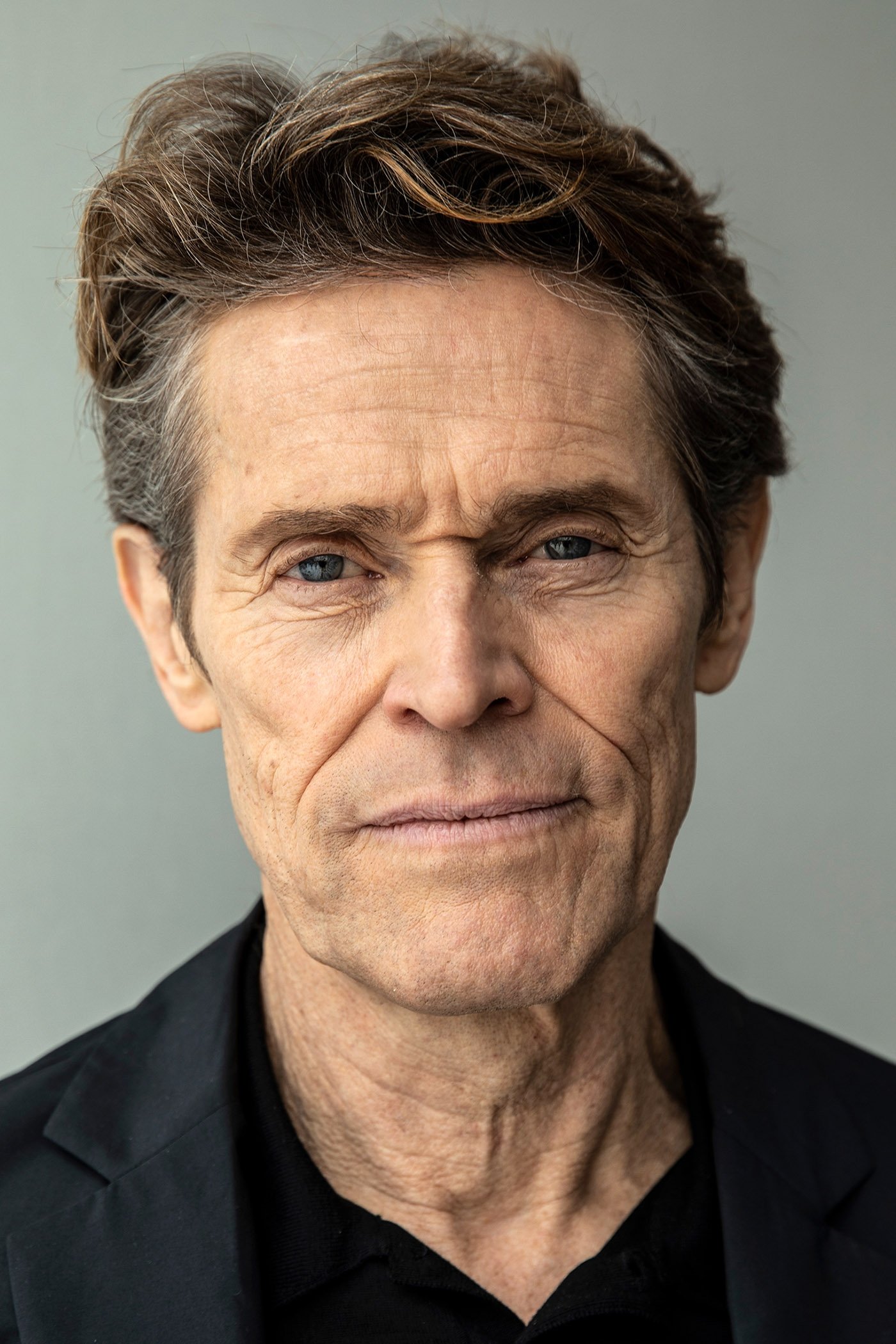
Willem Dafoe broke through with the war ensemble ‘Platoon’, then pushed boundaries in ‘The Last Temptation of Christ’. He brought nervy intensity to neo-noir in ‘To Live and Die in L.A.’, expanding his range into crime and thriller territory. Directors leaned on his physical commitment and willingness to take risks. Dafoe’s presence helped auteur-driven films punch above their budget level.
Jeremy Irons
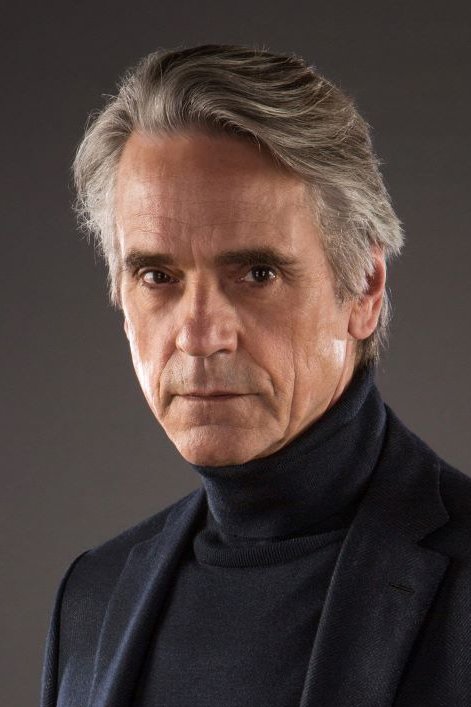
Jeremy Irons drew international attention with the historical drama ‘The Mission’ and the psychological twin study ‘Dead Ringers’. He cultivated a reputation for literate, challenging roles across period pieces and thrillers. Irons’ precise vocal delivery and cool restraint became a model for elegant antagonists and troubled intellectuals. His work reinforced demand for adult dramas with stylistic edge.
Christopher Walken
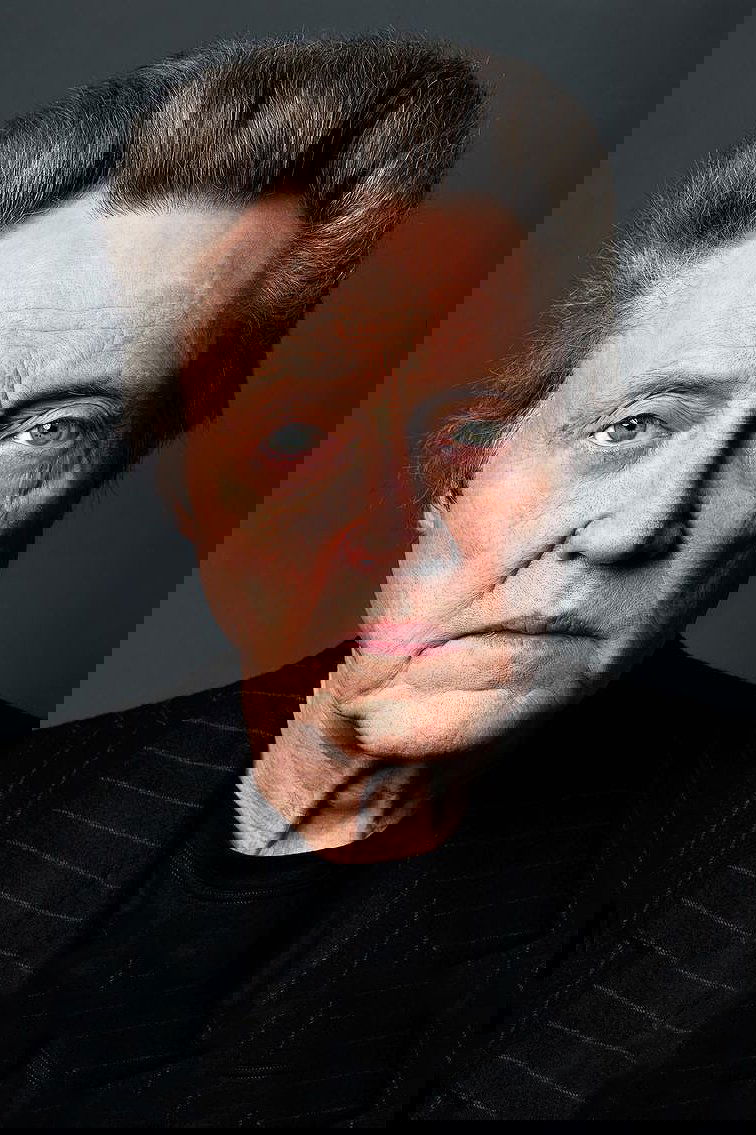
Christopher Walken straddled prestige and pop with eerie gravitas in ‘The Dead Zone’ and a memorable villain turn in ‘A View to a Kill’. He kept musicals and stage roots alive while excelling in off-center screen roles. Walken’s unpredictable rhythms influenced casting for eccentric mentors and urbane heavies. His performances gave genre films a sharp, theatrical jolt.
Nick Nolte
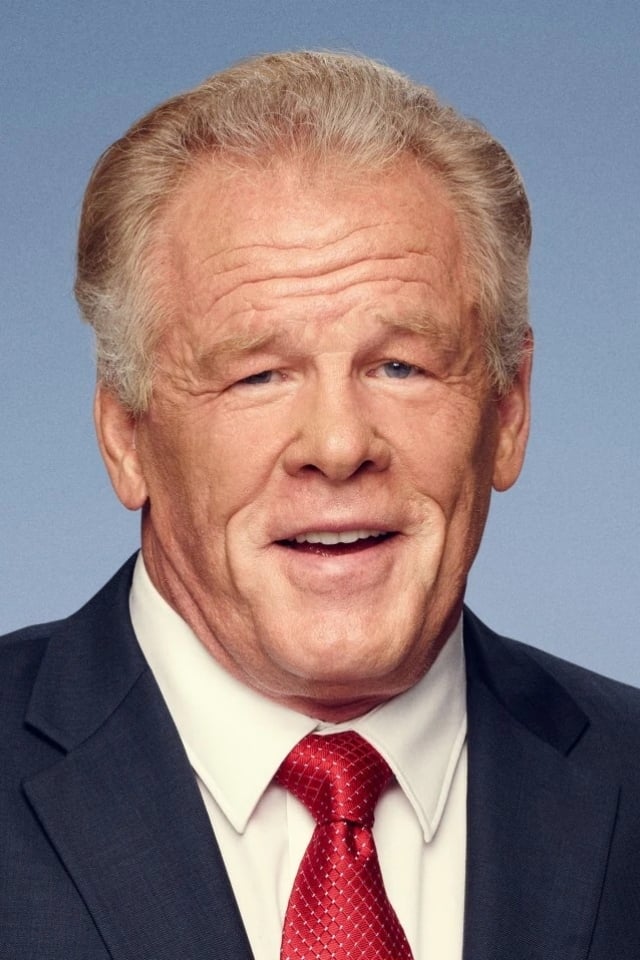
Nick Nolte helped launch the modern buddy-cop template with ‘48 Hrs.’ and pivoted to sharp social comedy in ‘Down and Out in Beverly Hills’. He moved between action, satire, and courtroom drama with equal credibility. Nolte’s rumpled charisma made flawed protagonists relatable. His filmography showed that character-first storytelling could thrive inside commercial frameworks.
James Woods
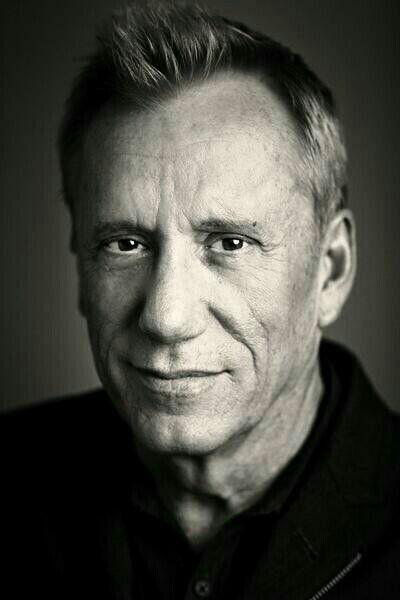
James Woods delivered electric leads in ‘Videodrome’ and ‘Salvador’, pairing indie sensibilities with mainstream intensity. He stood out in crime epics like ‘Once Upon a Time in America’, bringing edgy intelligence to morally gray roles. Woods’ rapid-fire delivery and tightly wound energy suited newsroom, legal, and underworld settings. His choices supported tougher, sharper adult dramas at the studio level.
Mickey Rourke
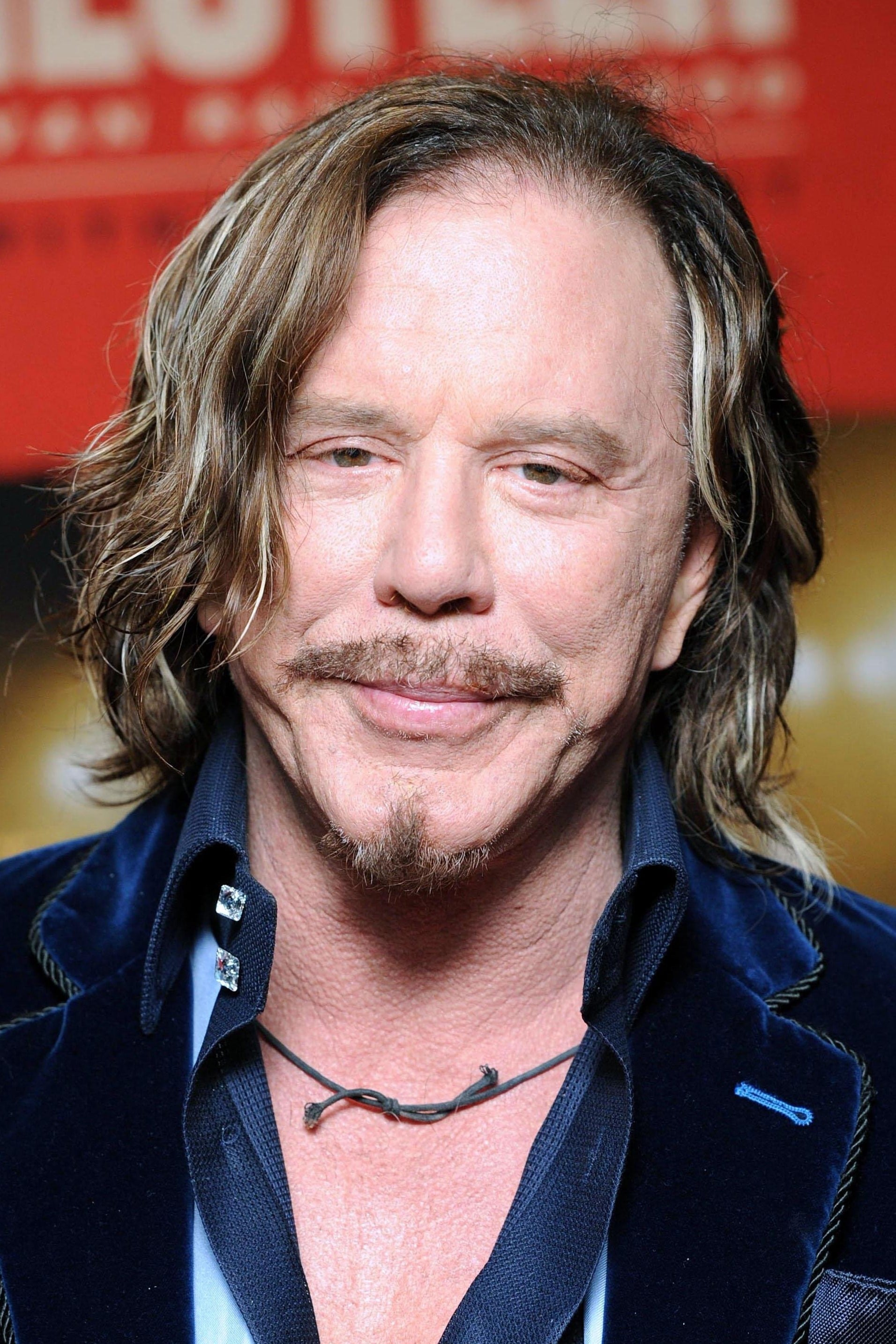
Mickey Rourke emerged as a quintessential screen icon with ‘Diner’, then deepened his mystique in ‘Rumble Fish’ and ‘Angel Heart’. He moved between romantic provocation in ‘9½ Weeks’ and literary grit in ‘Barfly’. Rourke’s offbeat choices kept neo-noir and urban romance in the conversation. His persona gave smaller films a marquee sheen without sanding off their edges.
Steve Martin
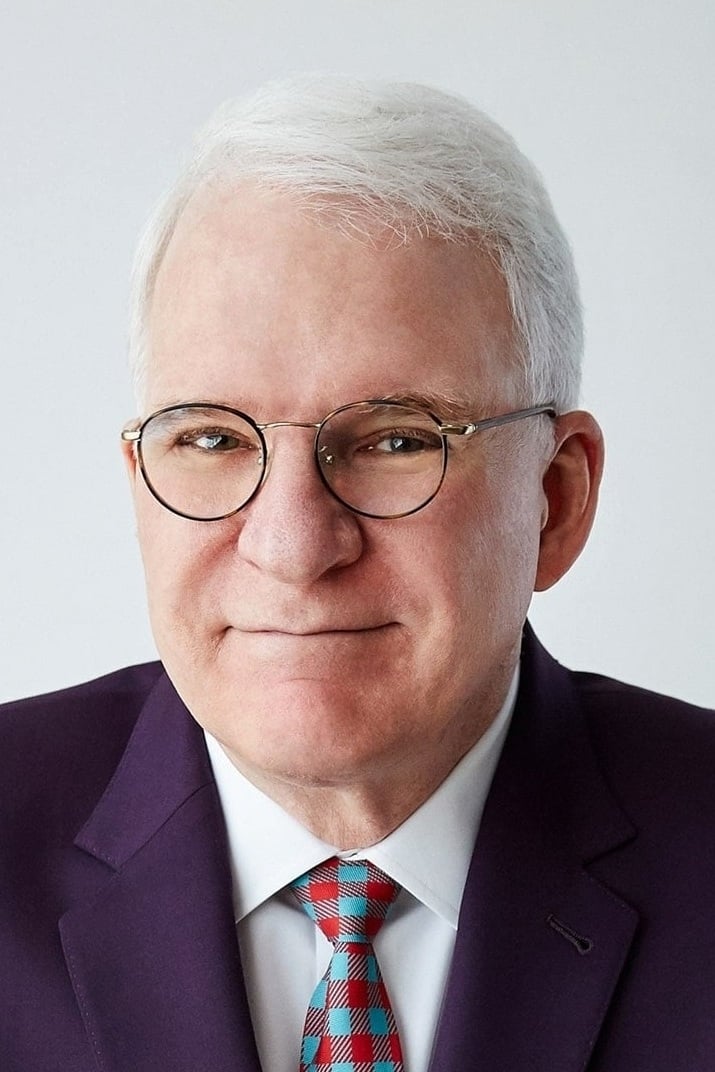
Steve Martin evolved from stand-up phenom to bankable leading man with ‘All of Me’, ‘Roxanne’, and ‘Planes, Trains and Automobiles’. He proved sophisticated wordplay could power crowd-pleasing comedies. Martin also sustained ensemble appeal with ‘Three Amigos’, blending slapstick with buddy-film dynamics. His success kept high-concept, writerly comedy in heavy theatrical rotation.
Chevy Chase
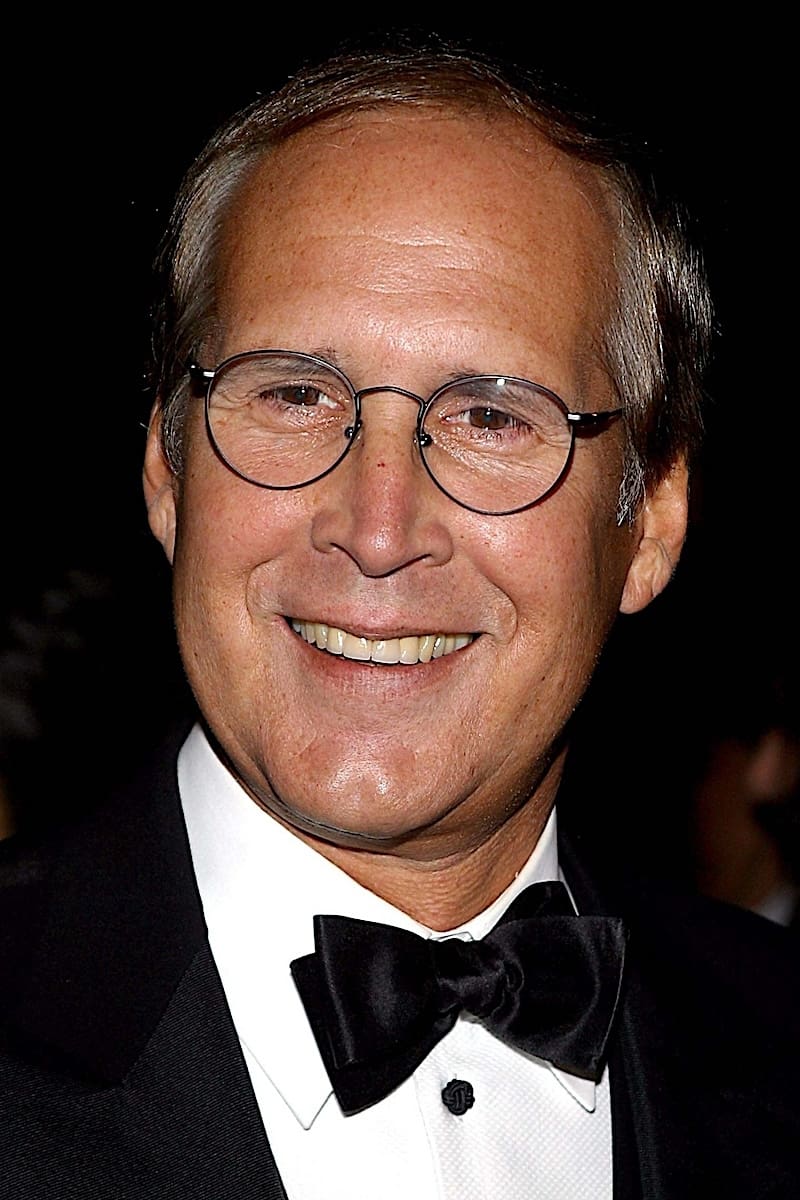
Chevy Chase turned deadpan confidence into big-screen momentum with ‘Caddyshack’, ‘National Lampoon’s Vacation’, and ‘Fletch’. He specialized in suave incompetence that played well across road comedies and light mysteries. Chase’s films became cable and home-video staples, extending their cultural footprint. His brand of arch, fast-quipped humor helped define mainstream studio comedy.
John Candy
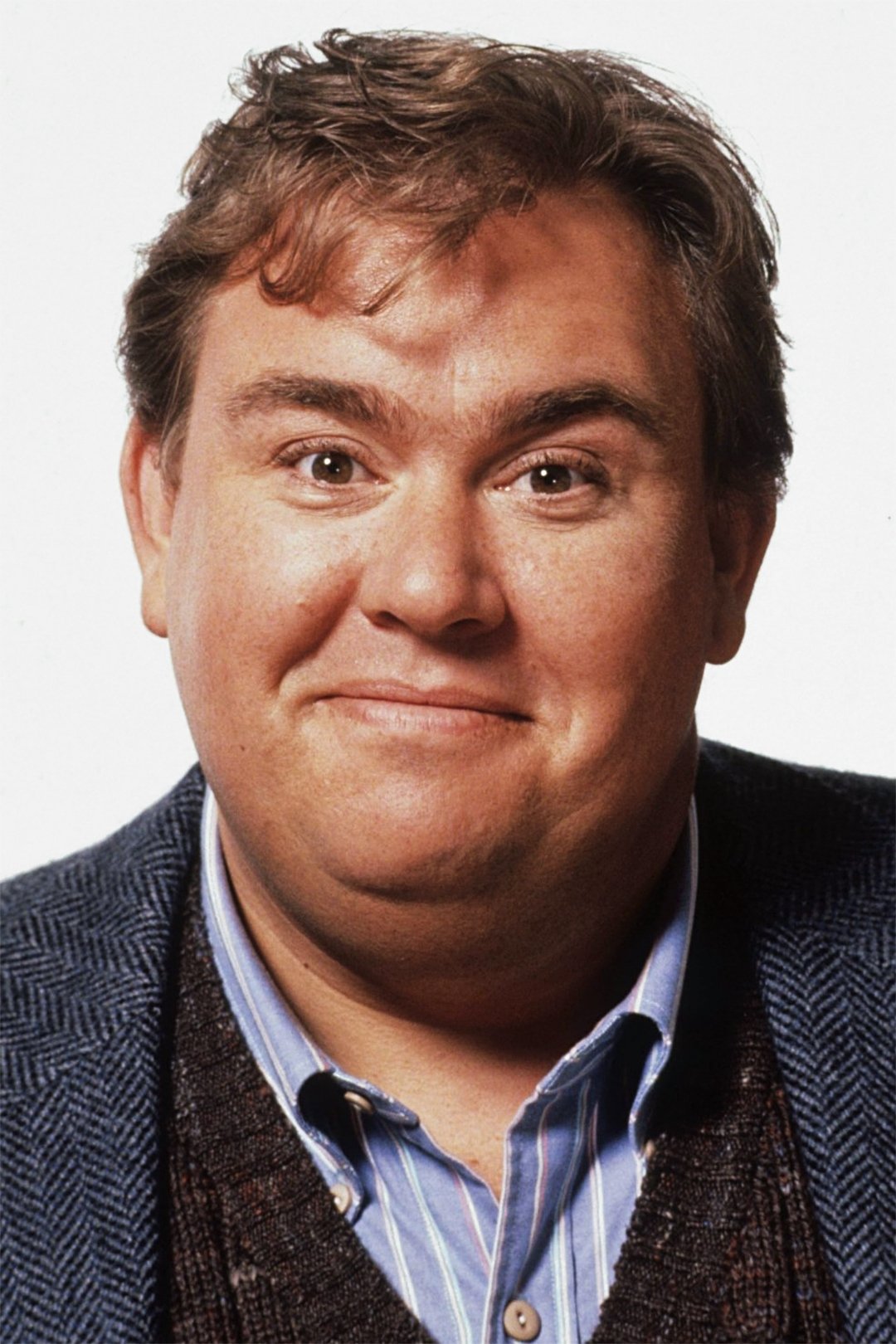
John Candy’s scene-stealing work in ‘Stripes’ and ‘Splash’ led to star vehicles like ‘Planes, Trains and Automobiles’ and ‘Uncle Buck’. He balanced hearty slapstick with warmth, making family-friendly comedies feel genuinely human. Candy thrived in ensembles while carrying films as a lead. His reliability shored up studio comedies and broadened their demographic reach.
Denzel Washington

Denzel Washington rose from television acclaim in ‘St. Elsewhere’ to awards-recognized historical drama in ‘Cry Freedom’ and a standout war epic with ‘Glory’. He brought disciplined focus and moral gravity to biographical and military narratives. Washington’s screen authority expanded opportunities for serious, socially engaged stories. His ascent signaled a new generation of leading men with theater-level rigor.
Morgan Freeman
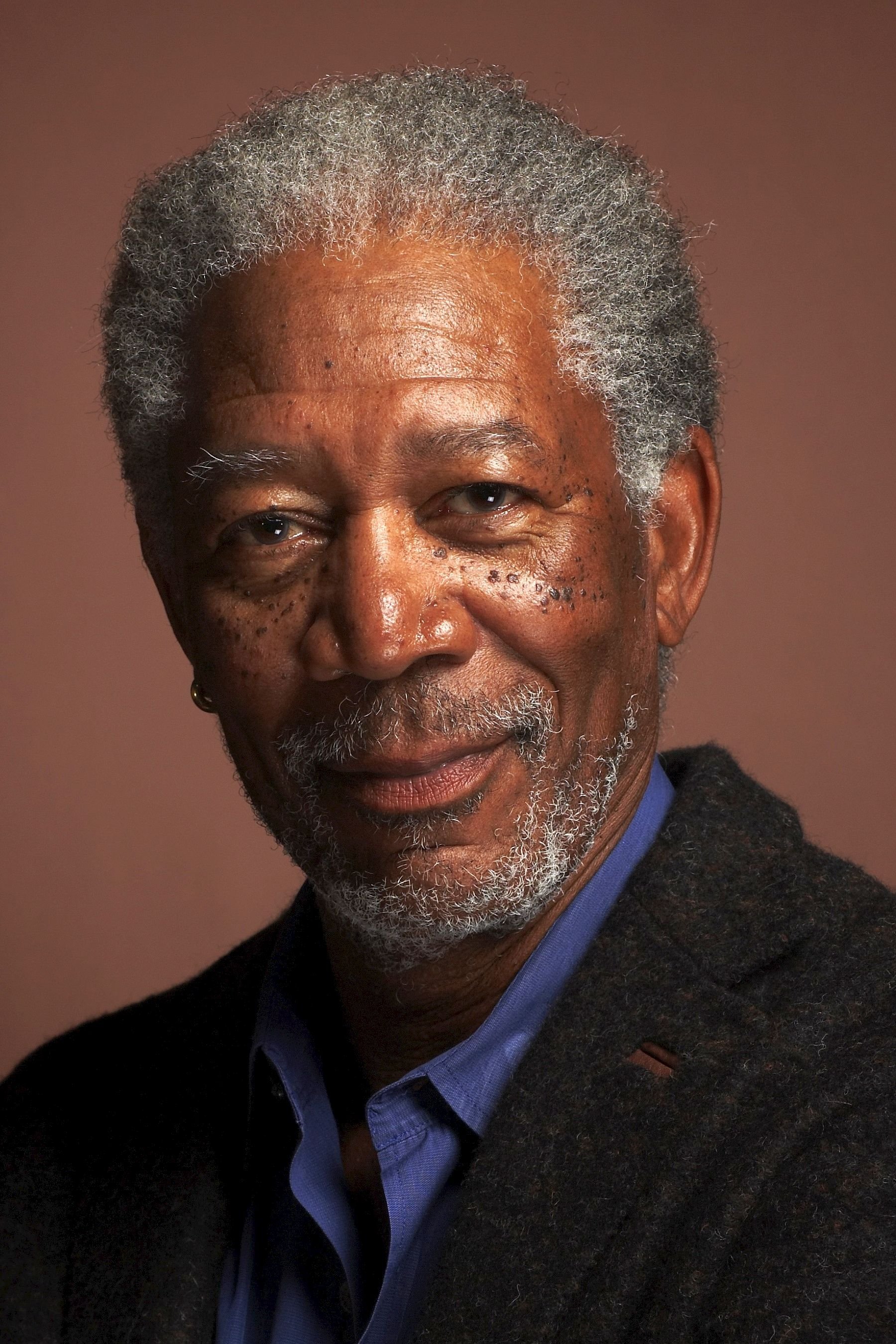
Morgan Freeman earned widespread attention with ‘Street Smart’, then anchored inspirational drama in ‘Lean on Me’ and ‘Driving Miss Daisy’. His measured delivery and humane presence elevated character-centric films. Freeman’s supporting turns added credibility to ensembles while paving the way for future leads. His work proved that quiet intensity could headline commercially viable dramas.
Robert Redford
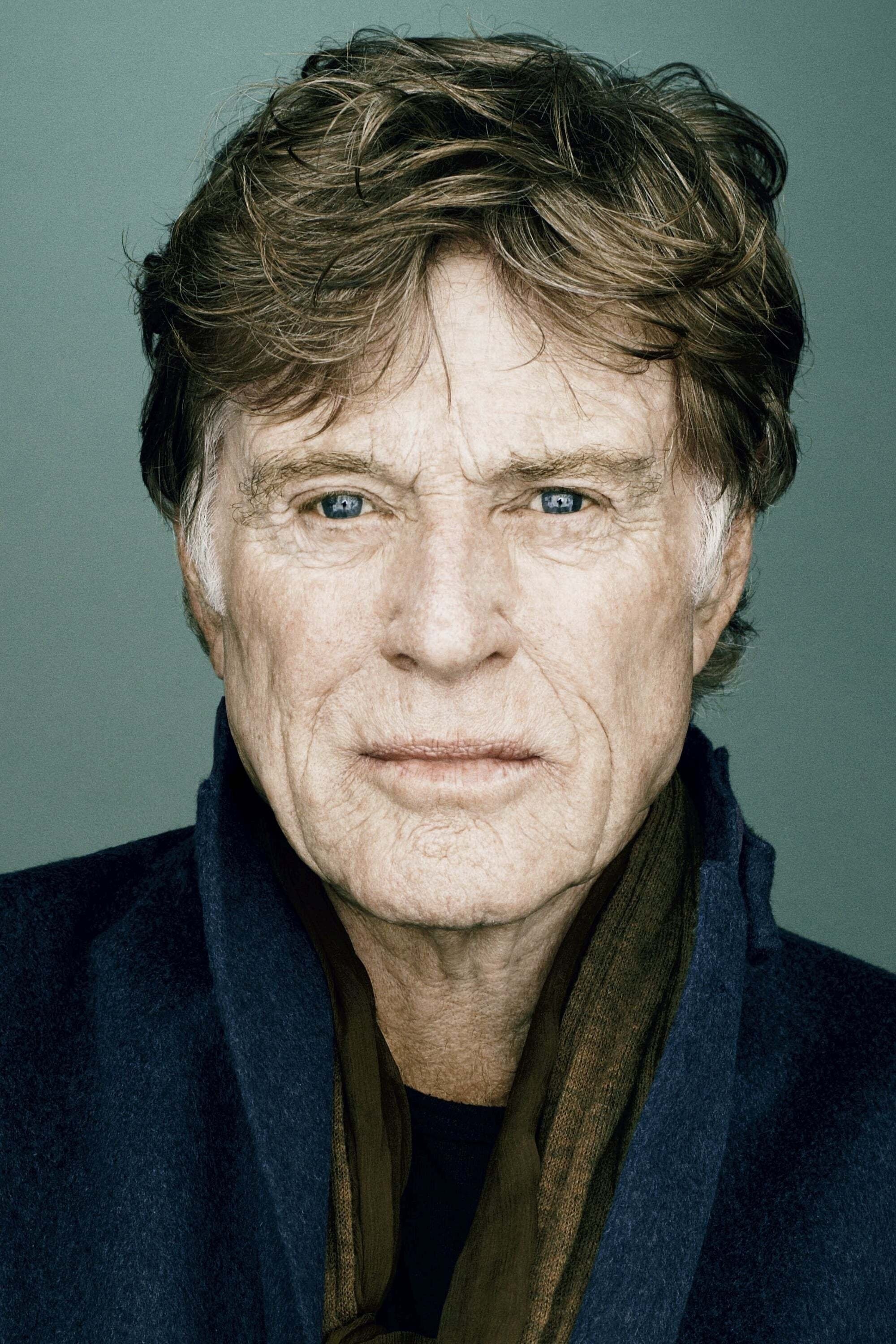
Robert Redford sustained marquee power as a leading man in ‘Out of Africa’ while shaping the industry as a director with ‘Ordinary People’. He also built infrastructure for independent voices through the Sundance ecosystem. Redford’s dual role as artist and advocate influenced distribution, development, and festival culture. His example encouraged stars to steer projects behind the camera as well as on screen.
Gérard Depardieu
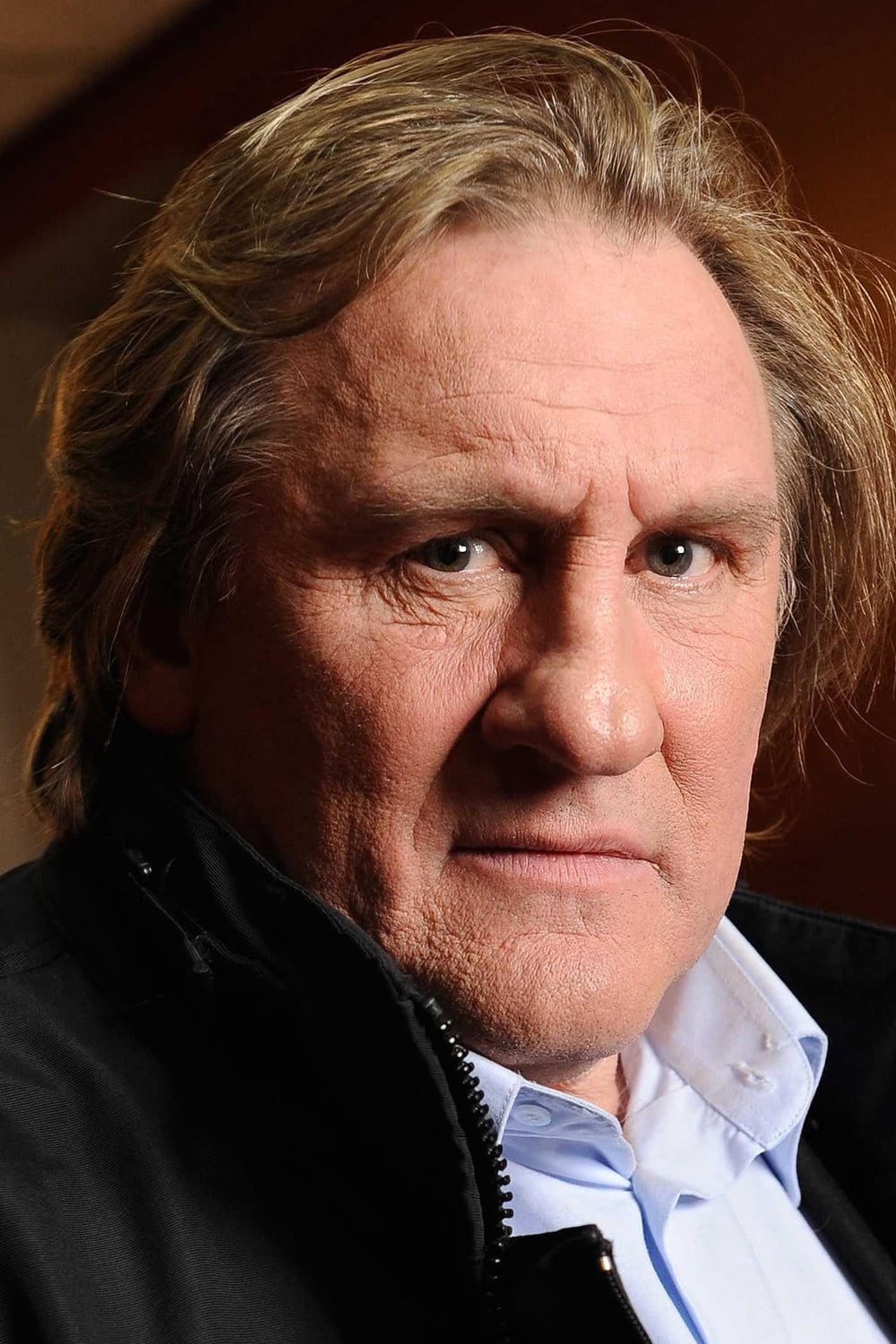
Gérard Depardieu dominated French cinema with performances in ‘The Last Metro’, ‘Danton’, and ‘Jean de Florette’. His prolific output traveled widely through festivals and art-house circuits. Depardieu’s range—from volcanic historical figures to earthy rural protagonists—boosted international interest in Francophone film. His stature helped European productions secure global distribution alongside Hollywood releases.
Share your picks for the most influential 1980s leading men in the comments—who would you add to the list?