The Best Hollywood Directors of the 2020s (Ranked)


The 2020s have seen a wave of filmmaking that blends ambitious craft with cultural impact, from record-breaking blockbusters to awards-season powerhouses and inventive streaming hits. This countdown looks at directors working primarily in Hollywood whose recent releases, festival presence, awards recognition, and industry leadership have defined the decade so far. You’ll find franchise re-inventors alongside auteurs of original stories, all shaping how big and small-screen storytelling feels right now.
40. Olivia Wilde
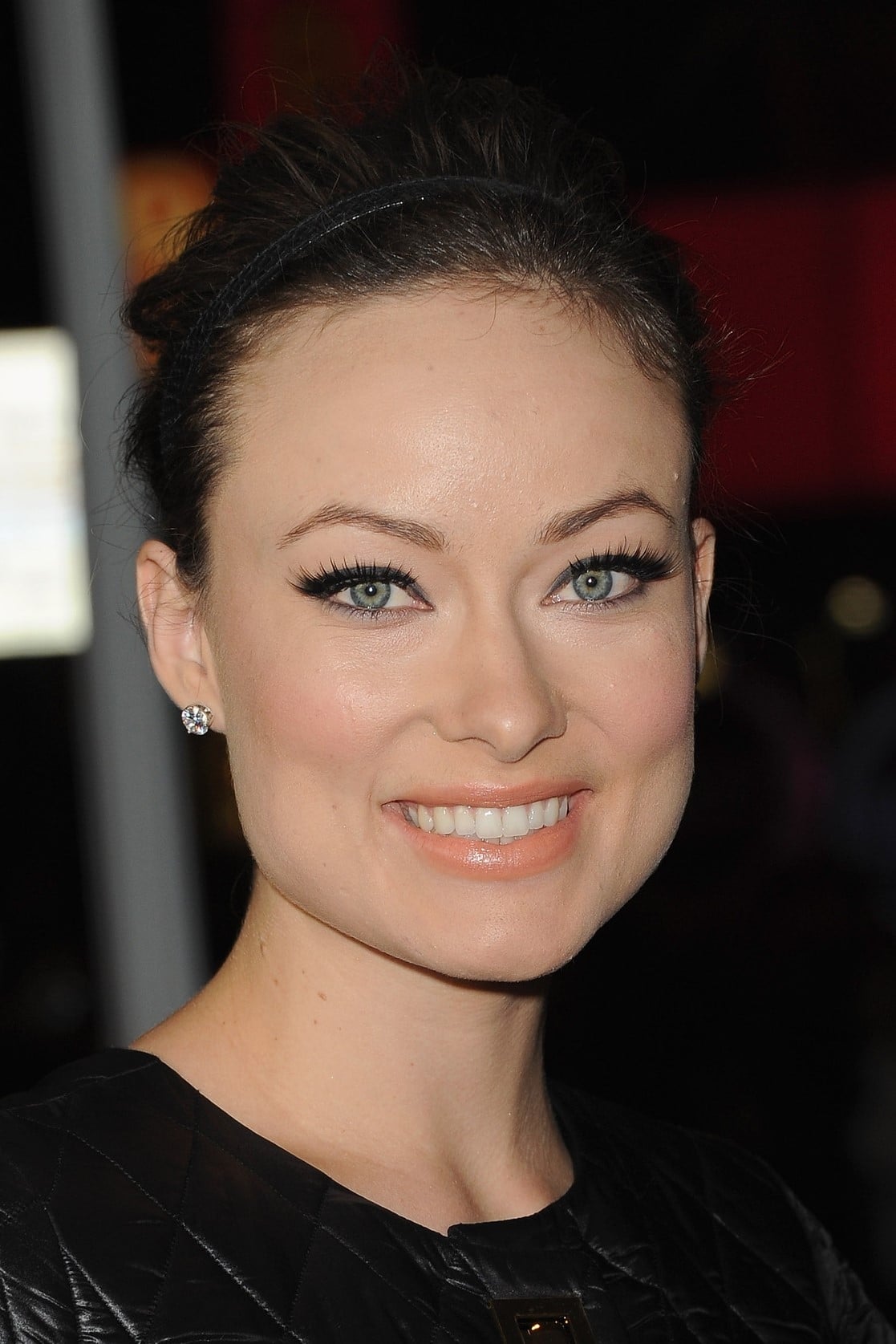
Wilde shifted from acting to directing with high-profile studio backing on ‘Don’t Worry Darling’. The production combined practical mid-century set design with on-location shoots in planned communities that matched the film’s aesthetic. Marketing emphasized music curation and costume collaborations to anchor period detail. Wilde has several development projects in the studio pipeline, leveraging relationships across casting, music supervision, and production design.
39. Michael Bay
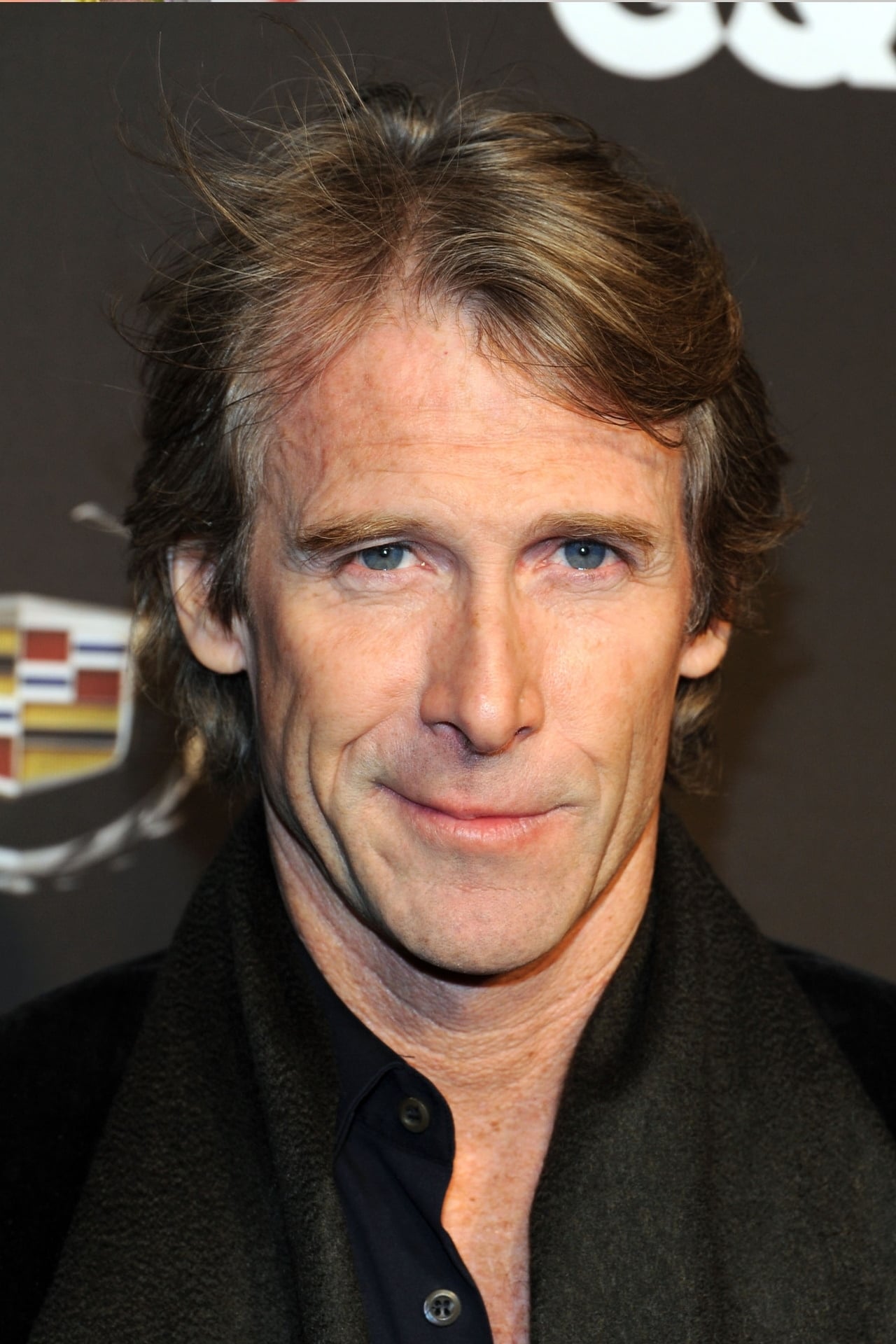
Bay returned to leaner, location-heavy action with ‘Ambulance’, using drone cinematography and compact rigs to capture urban chases. He continued long-standing collaboration with stunt teams and practical pyrotechnics to minimize full-CG set pieces. Editorial pacing relied on multi-camera coverage and high-frame-rate inserts to track geography. His productions optimized street closures and aerial logistics to maximize on-the-day capture.
38. Sam Mendes
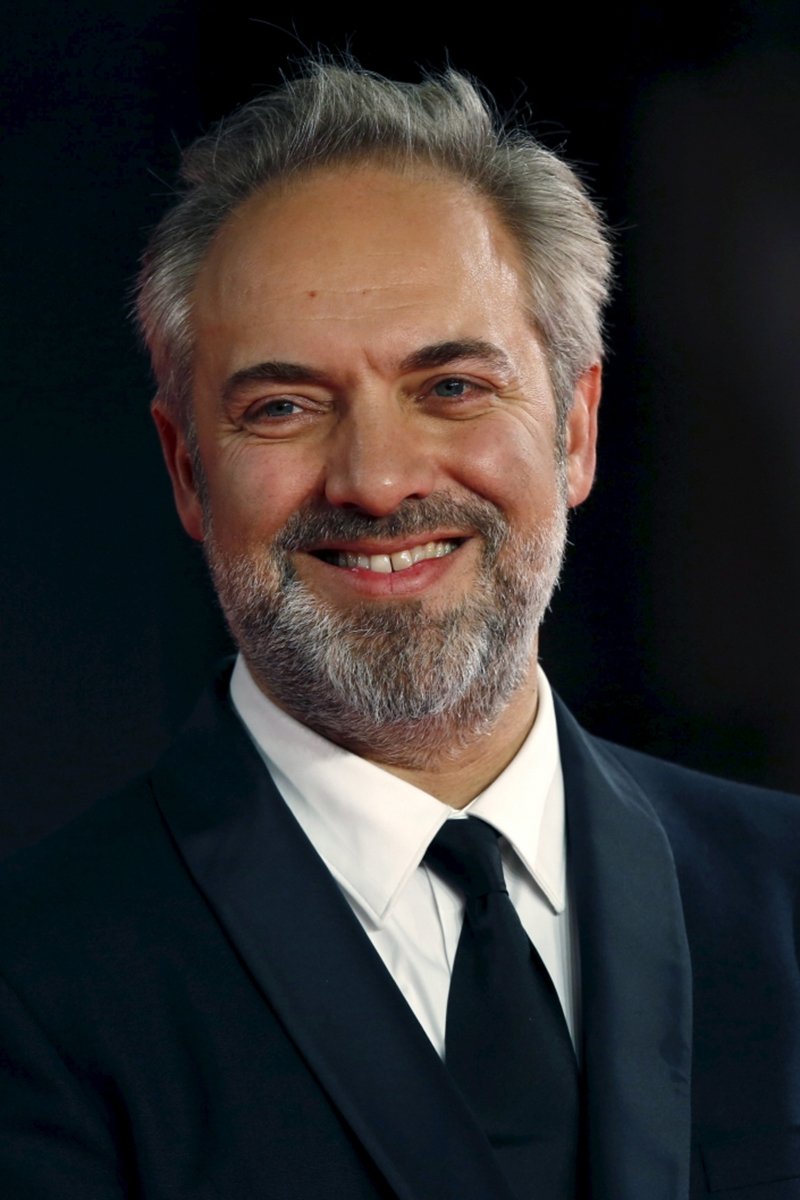
Mendes followed large-scale war staging with the exhibition-centered drama ‘Empire of Light’. He maintained close partnerships with cinematographers and composers to integrate long takes and orchestral scoring. The production emphasized period-accurate theater interiors and coastal exteriors in coordination with heritage venues. Mendes remains active in theater, routinely cross-pollinating rehearsal techniques into screen blocking.
37. Sofia Coppola
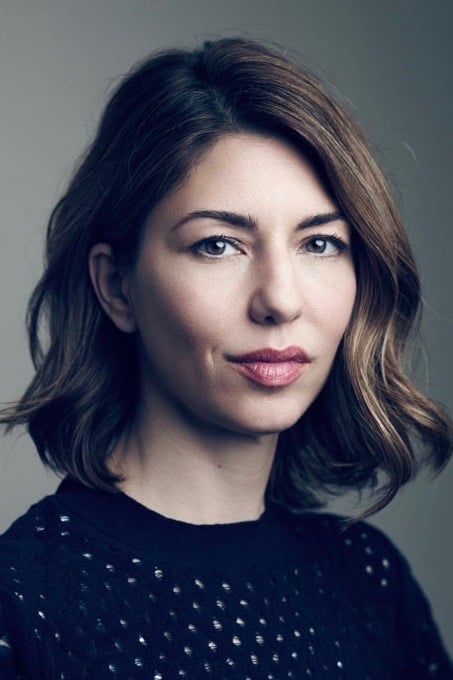
Coppola focused on character-centric biographical storytelling with ‘Priscilla’, adapting source material with a restrained visual palette. She coordinated costume and hair departments to reproduce archival silhouettes with contemporary materials. The production favored intimate interiors and handheld work that supported performance-led scenes. Coppola continues to develop author-driven projects with repeat collaborators across editing and production design.
36. Edgar Wright
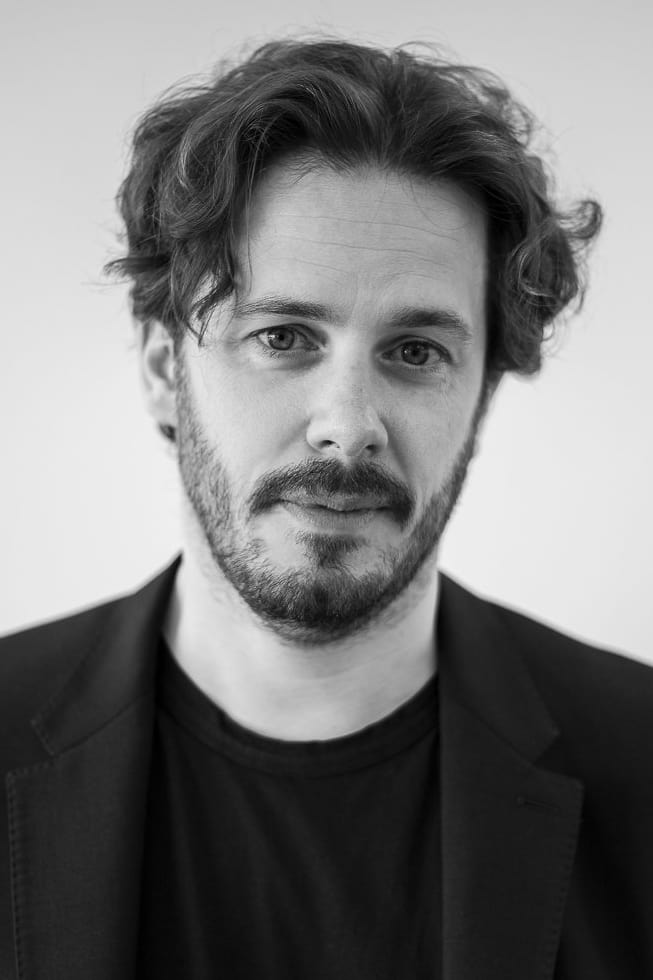
Wright blended psychological horror and music-forward cutting in ‘Last Night in Soho’. He choreographs camera movement to pre-cleared tracks, enabling on-set timing that syncs with editorial rhythm. The production used mirrored set builds and in-camera transitions for identity-swapping sequences. His process integrates storyboard animatics and precise stunt coordination to maintain spatial clarity.
35. Paul Thomas Anderson
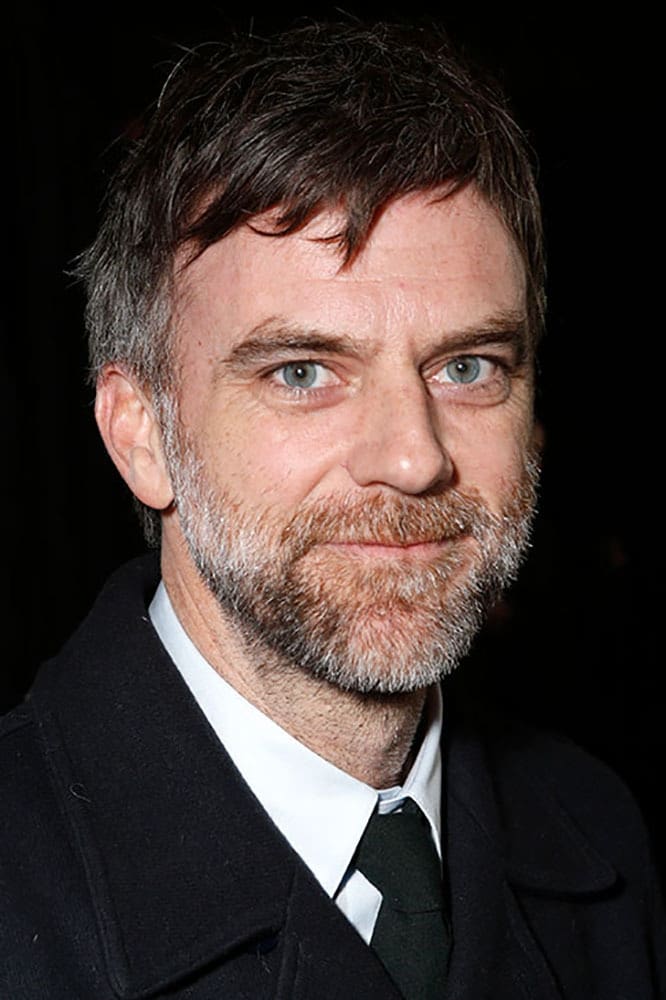
Anderson crafted a San Fernando Valley period piece with ‘Licorice Pizza’, prioritizing 35mm capture and practical lighting. He worked with a mix of first-time actors and seasoned performers, structuring scenes around long rolling takes. The shoot leveraged neighborhood permits and small-footprint crews for nimble location work. His post pipeline keeps color and grain management closely aligned with negative characteristics.
34. Damien Chazelle
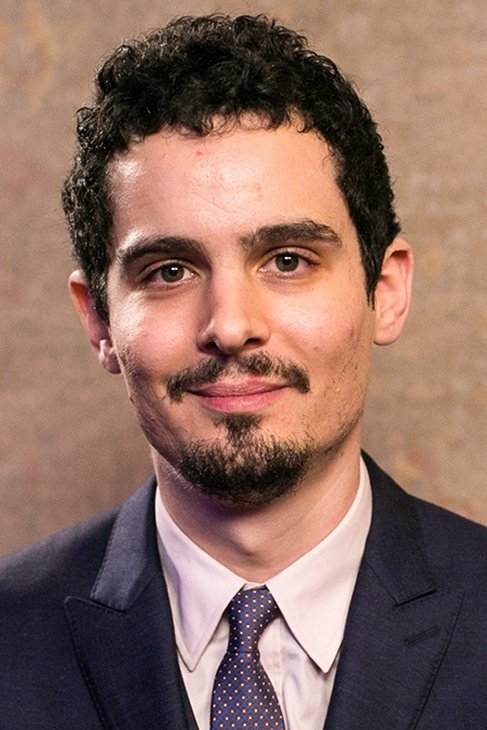
Chazelle mounted a studio-scale Old Hollywood epic with ‘Babylon’, coordinating large crowd scenes and continuous camera moves. He partnered with choreographers, AD teams, and special-effects departments to stage multi-layered party sequences. Music and diegetic performance were captured with close collaboration between sound and editorial. Chazelle maintains a recurring ensemble of department heads, streamlining preproduction across ambitious set builds.
33. George Miller
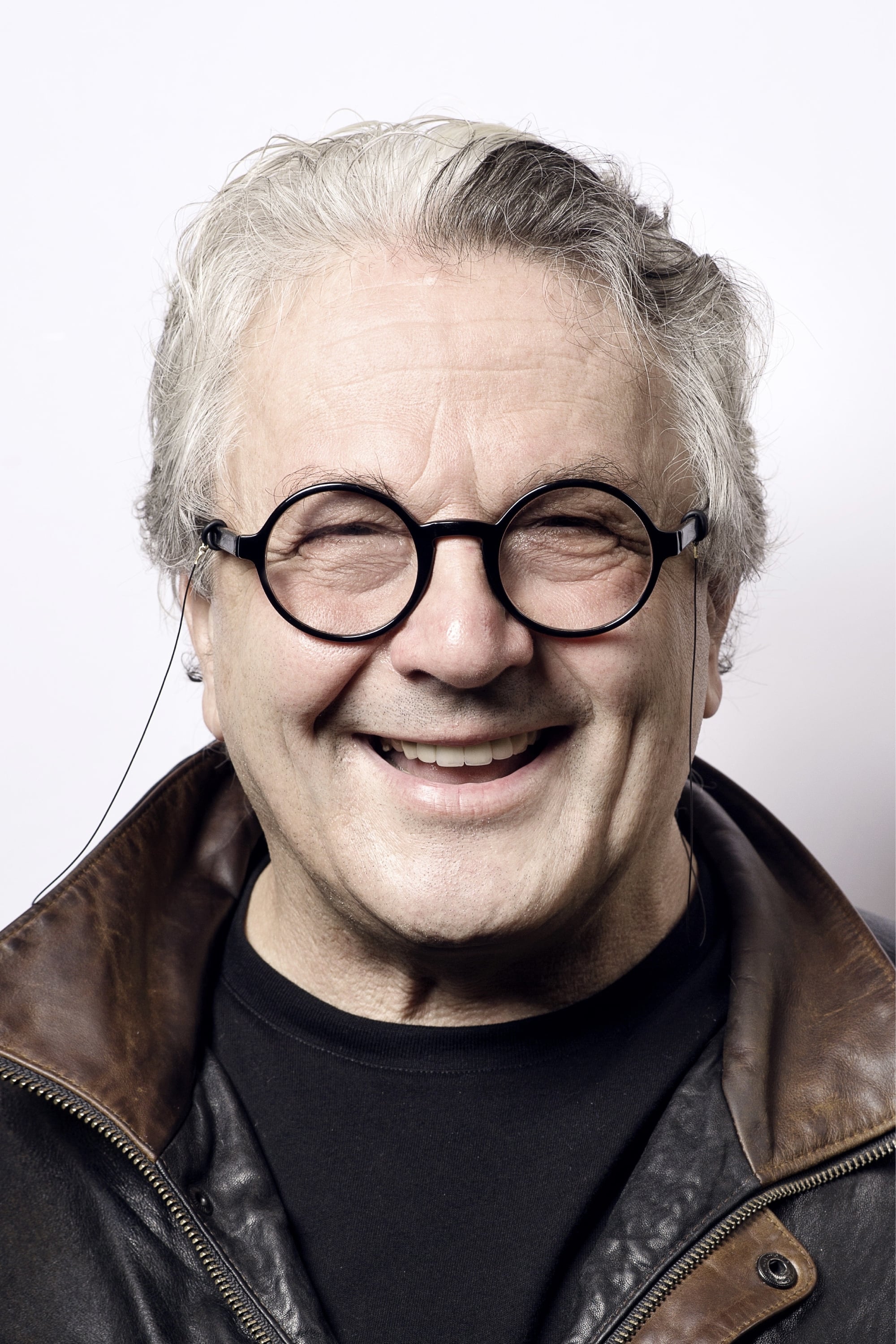
Miller expanded his wasteland saga with ‘Furiosa: A Mad Max Saga’, emphasizing practical stunts, custom vehicles, and desert logistics. The production combined on-location work with targeted digital extensions for horizons and crowds. Action geography was mapped through extensive previs and stunt-driver training programs. Miller’s long-term collaboration with design and effects teams supports continuity across the franchise’s visual language.
32. M. Night Shyamalan
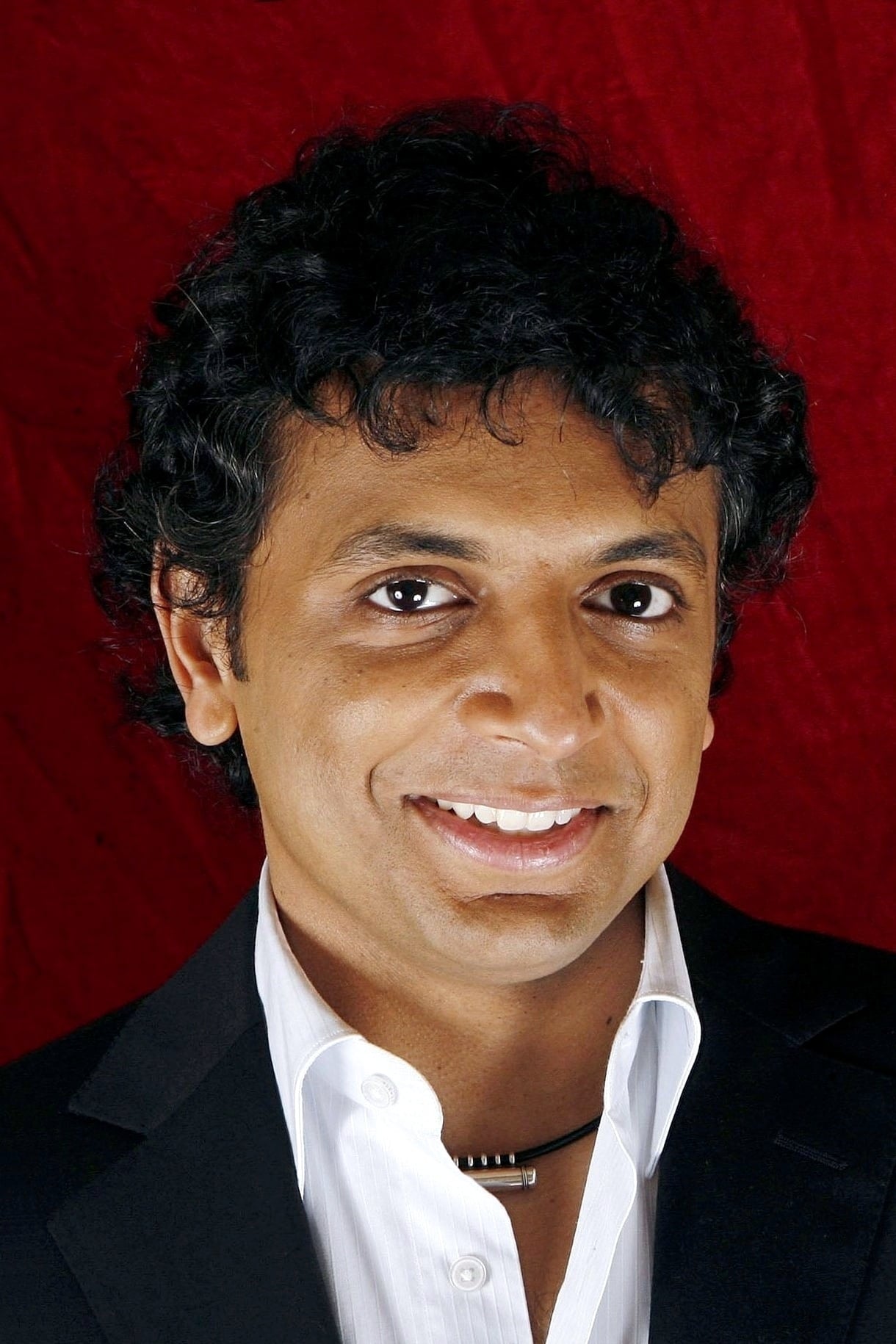
Shyamalan continued mid-budget, high-concept thrillers with ‘Old’ and ‘Knock at the Cabin’. He often self-finances to protect creative control and schedules production around Philadelphia-area infrastructure. The films foreground confined settings and ensemble blocking designed for tension without heavy CG. His family-run banner coordinates development and international distribution partnerships.
31. David Lowery
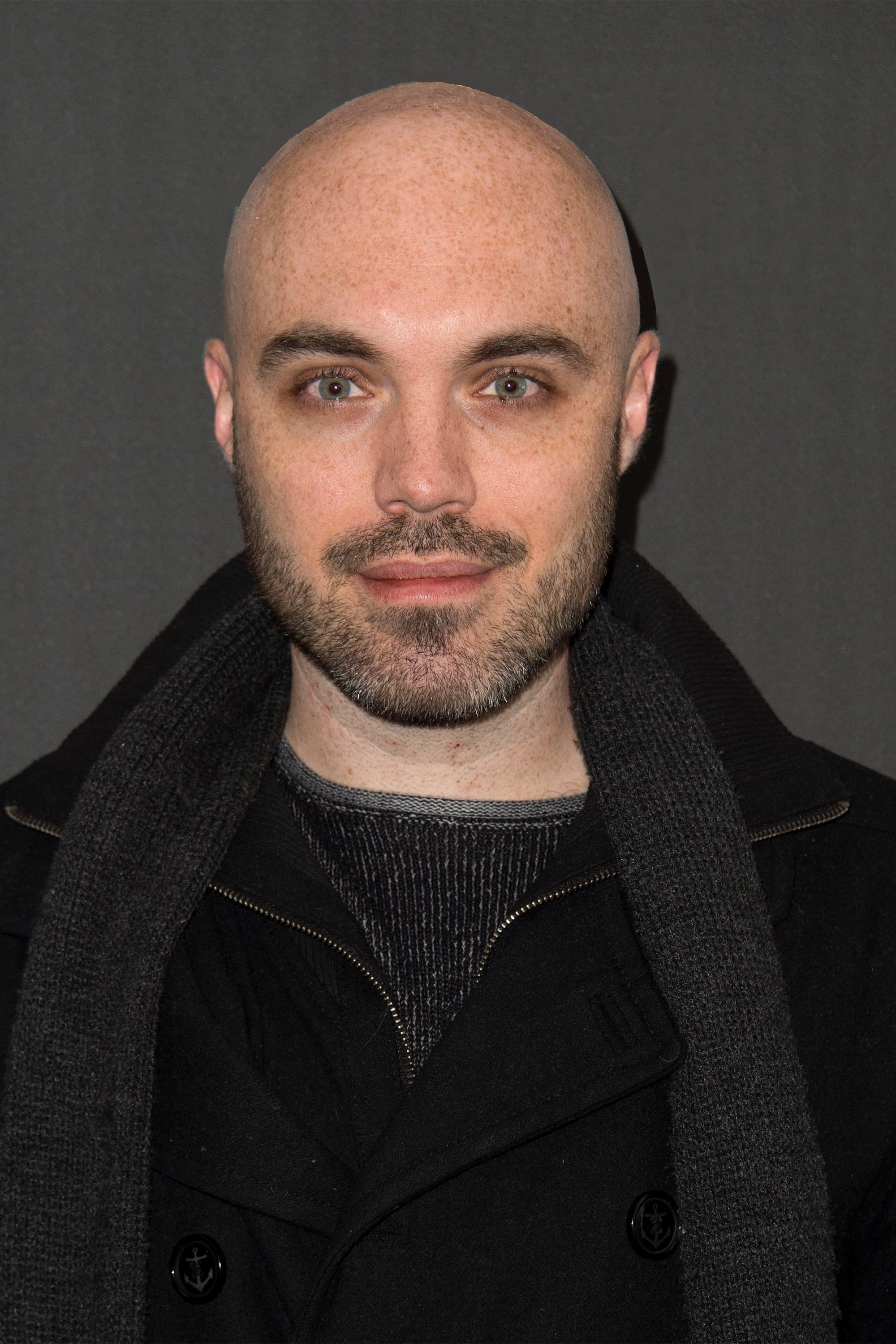
Lowery alternated between indie scale and studio family adventure with ‘The Green Knight’ and ‘Peter Pan & Wendy’. He favors naturalistic lighting, practical creature work, and painterly grading. Editorial rhythms lean on contemplative pacing while preserving narrative clarity for younger audiences in studio projects. Lowery frequently collaborates with composers and production designers to shape mythic tone.
30. Jon Watts
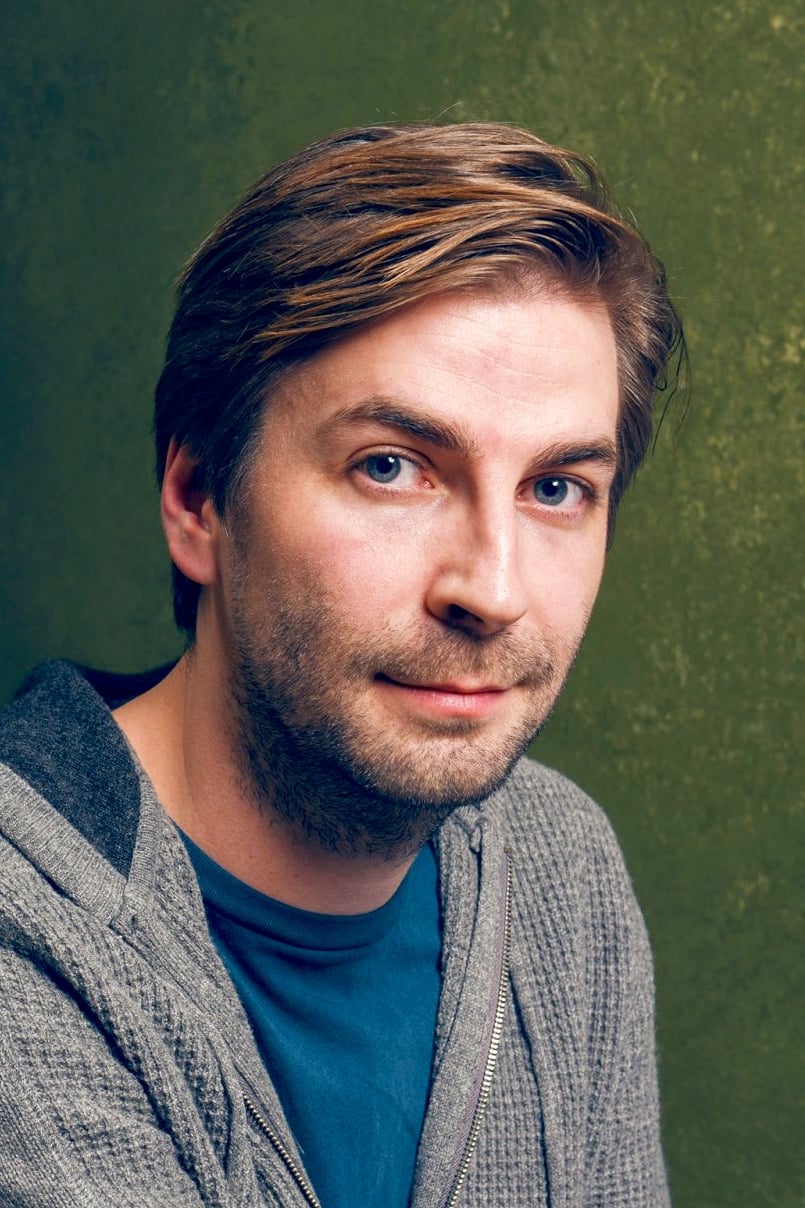
Watts delivered a record-breaking crossover entry with ‘Spider-Man: No Way Home’, coordinating multi-studio talent and VFX assets. The production managed secrecy protocols, segmented scripts, and closed sets to protect reveals. Action design mixed wirework, volume stages, and city backlot builds to maintain continuity. He has since moved into prestige television and feature development across genres.
29. Ryan Coogler
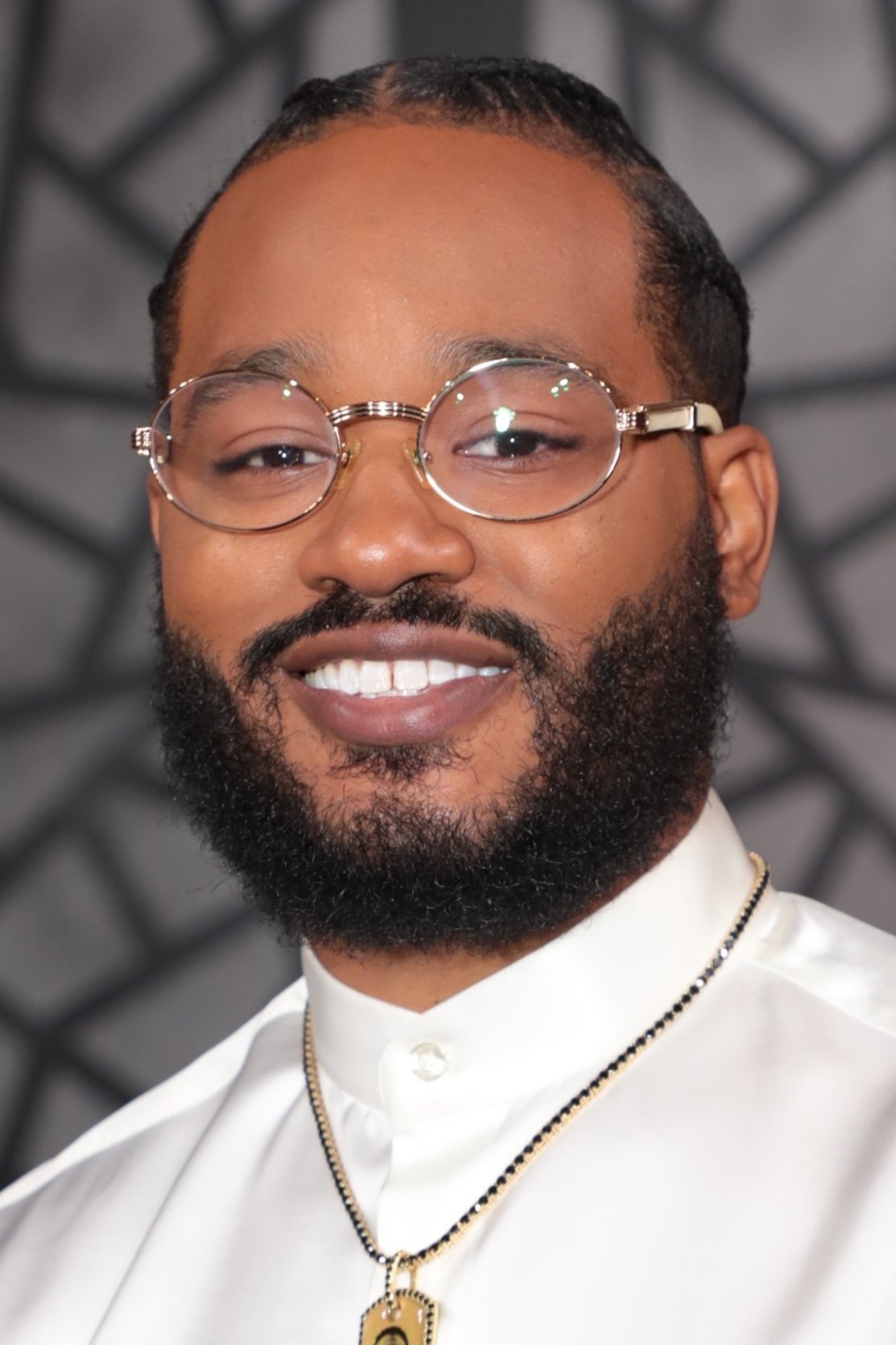
Coogler steered a large-scale sequel with ‘Black Panther: Wakanda Forever’, integrating tribute elements with geopolitical world-building. He partnered with cultural consultants and language specialists for new civilizations and costuming. The shoot balanced water-based stunt work with extensive set construction and second-unit action. His company develops emerging voices and coordinates cross-project talent pipelines.
28. James Wan
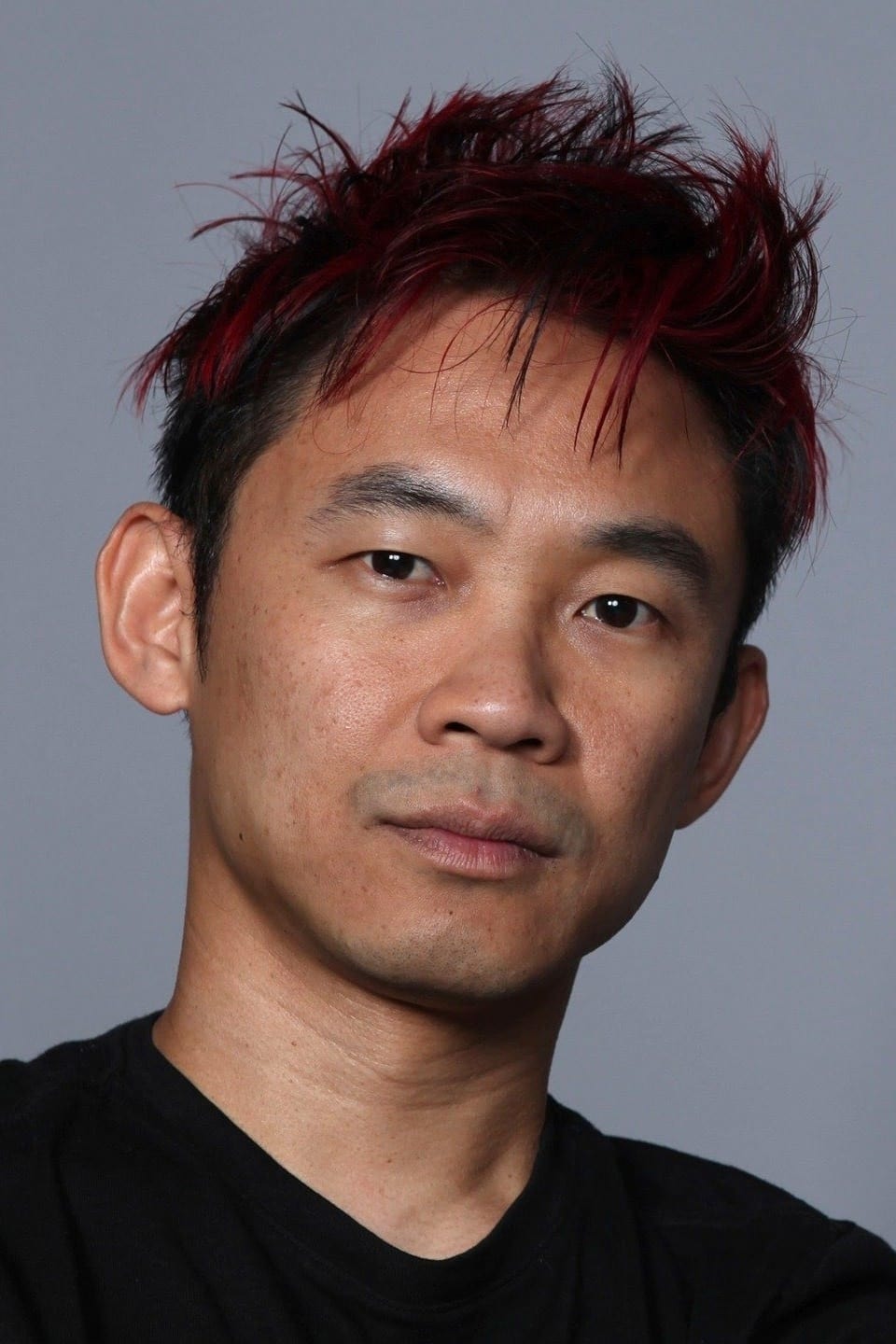
Wan returned to superhero territory with ‘Aquaman and the Lost Kingdom’ while continuing his genre roots as a producer-director. His sets combine animatronics, dry-for-wet techniques, and digital augmentation to render underwater environments. Action sequences are prevised with extensive stunt-viz to plan wire rigs and camera passes. Wan’s horror franchises sustain shared casting pools and production efficiencies across multiple titles.
27. Destin Daniel Cretton
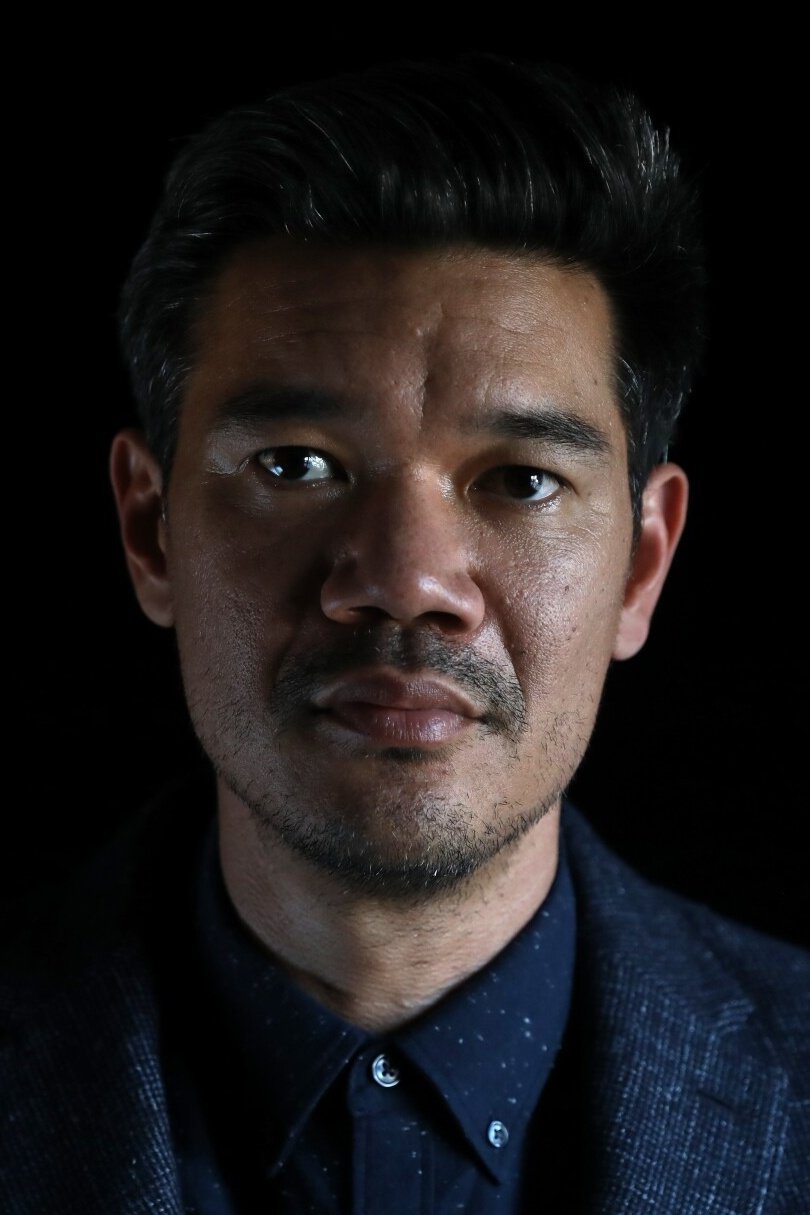
Cretton led a martial-arts-driven blockbuster with ‘Shang-Chi and the Legend of the Ten Rings’ and moved into series producing with ‘American Born Chinese’. He integrates Hong Kong-influenced fight choreography with Western second-unit workflows. The production emphasized practical bus, scaffolding, and ring-set builds enhanced by VFX. Cretton maintains collaborative writers’ rooms for franchise and original development.
26. Jordan Peele
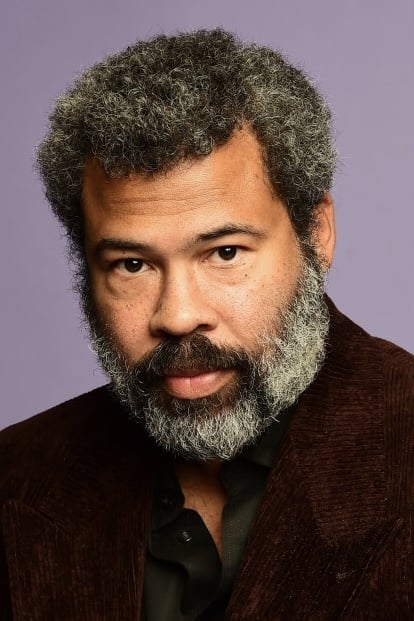
Peele expanded his genre toolkit with ‘Nope’, centering large-format photography and aerial spectacle. He coordinated day-for-night strategies, weather-dependent schedules, and creature design concealed through practical staging. Marketing campaigns used mystery-driven teasers and limited plot disclosures to preserve audience discovery. Peele’s banner supports writer-directors across film and television with first-look partnerships.
25. Zack Snyder
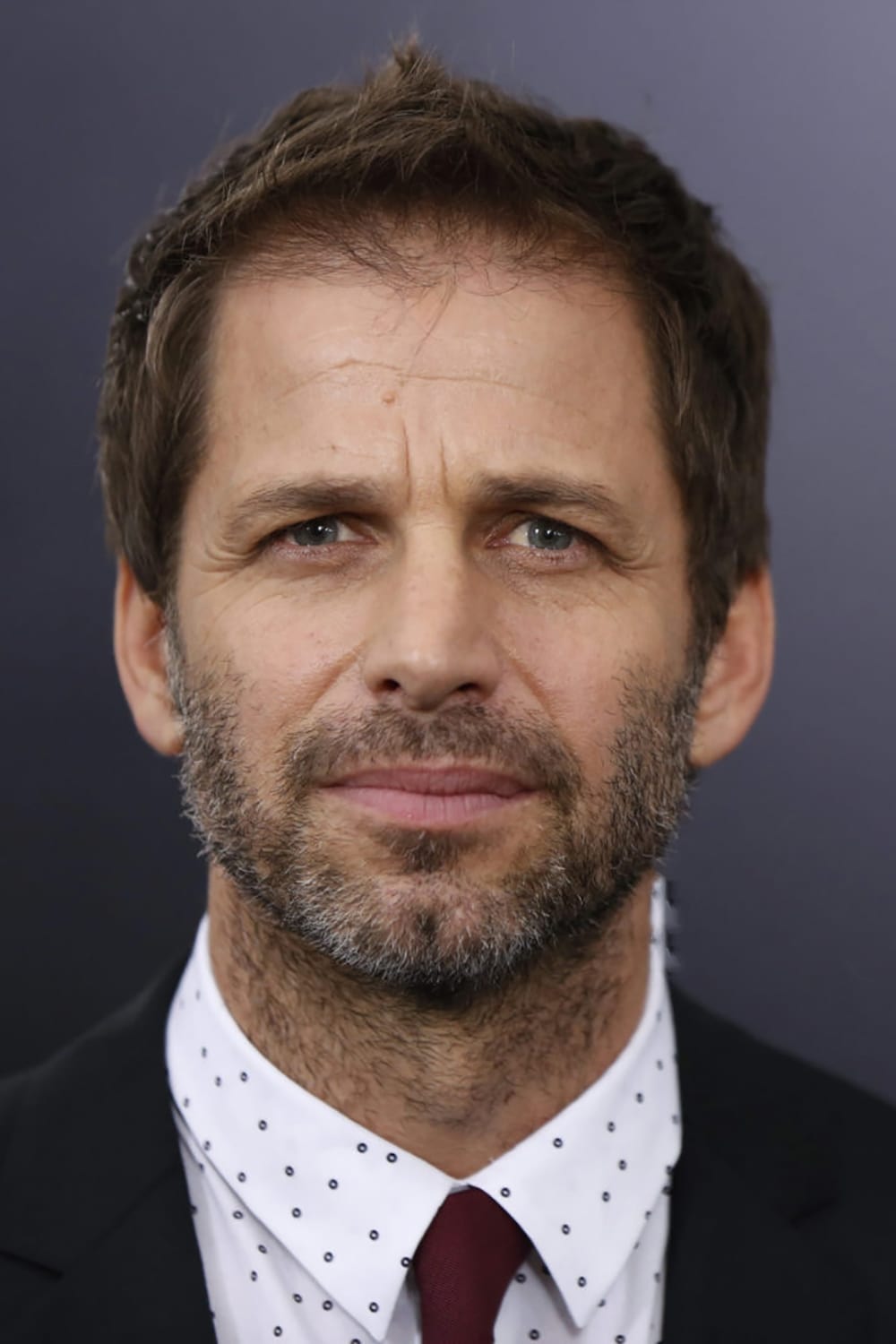
Snyder returned to large-scale genre storytelling with ‘Army of the Dead’ and the two-part ‘Rebel Moon’. He continued collaboration with streaming platforms, pairing stylized action with expansive world-building. His productions emphasized practical-heavy set pieces augmented by VFX pipelines designed for rapid iteration. Snyder also maintained active fan engagement, including behind-the-scenes featurettes and alternate cuts that extend the narrative universe.
24. Nia DaCosta
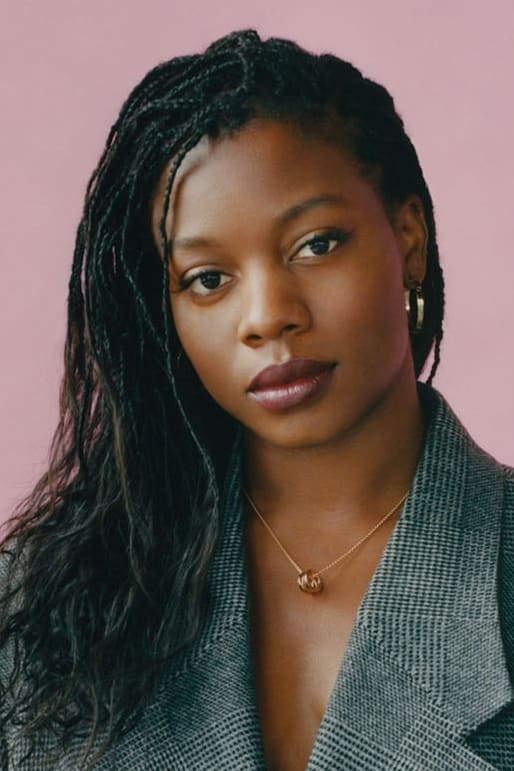
DaCosta moved from indie origins to studio tentpoles with ‘Candyman’ and ‘The Marvels’. She became one of the youngest filmmakers to direct a major superhero ensemble, navigating a complex, VFX-intensive schedule. Her work highlights themes of legacy and identity while balancing genre expectations. DaCosta has developed original material across horror, drama, and franchise work.
23. Christopher McQuarrie
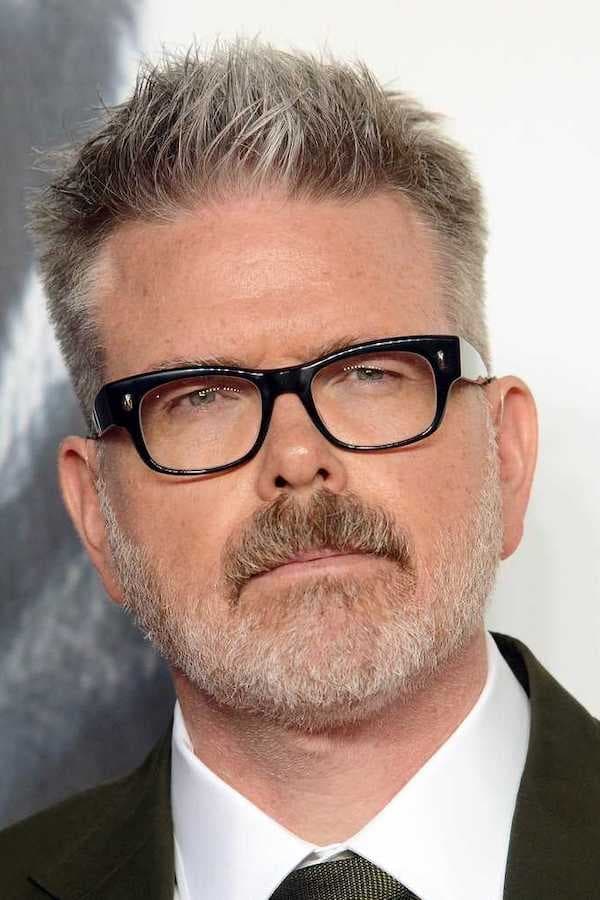
McQuarrie evolved the ‘Mission: Impossible’ series with ‘Dead Reckoning’, prioritizing in-camera stunts and global location work. He runs an integrated writing-directing process, revising sequences around action design and actor capabilities. Production emphasized IMAX capture, aerial units, and long-form second-unit choreography. His partnership with Tom Cruise created a distinct pipeline for training, safety, and set-piece escalation.
22. Taika Waititi
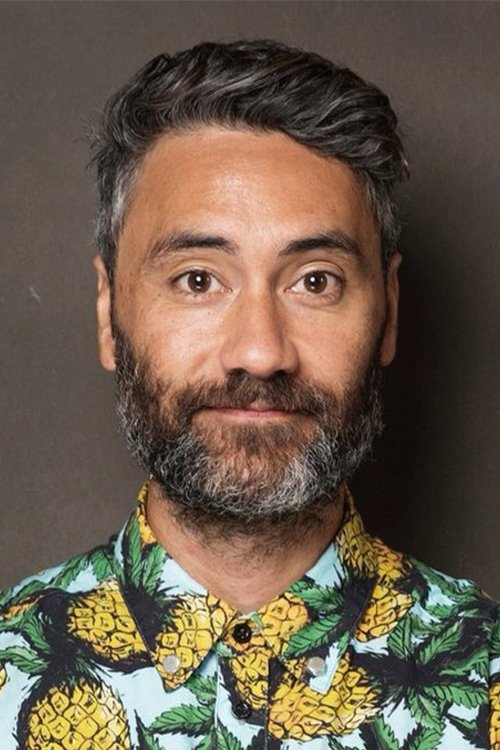
Waititi balanced studio and personal projects, including ‘Thor: Love and Thunder’ and the sports dramedy ‘Next Goal Wins’. His productions favor improvisation-friendly sets and a mix of practical and digital effects that preserve a loose, comedic tone. He expanded into television producing and directing, building interconnected creative teams across multiple shows. His work foregrounds Indigenous and Polynesian perspectives within mainstream formats.
21. Emerald Fennell
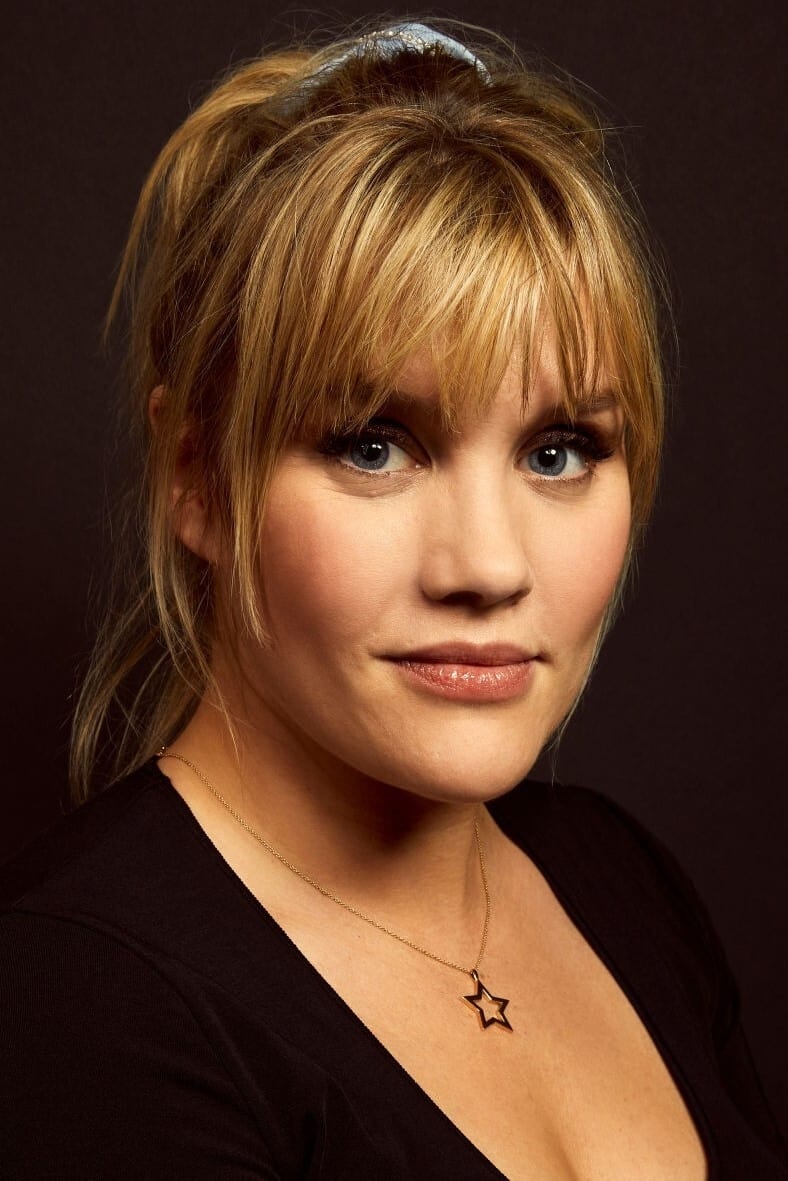
Fennell followed ‘Promising Young Woman’ with ‘Saltburn’, strengthening her profile as a writer-director with a sharp command of tone. Her films are produced with meticulous production design and needle-drop curation that serves character psychology. She collaborates closely with cinematographers to stage long, tension-driven scenes that pivot on performance. Fennell’s scripts use unreliable perspectives to frame social critique.
20. Gina Prince-Bythewood
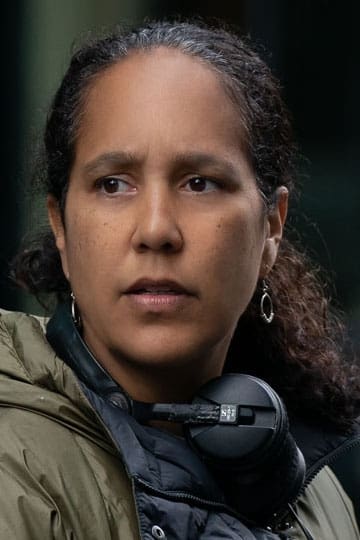
Prince-Bythewood’s ‘The Woman King’ showcased muscular action direction anchored in character and historical context. She is known for intensive stunt and fight camps that prepare casts for grounded, wide-shot combat. The film’s production emphasized location photography and large-scale crowd coordination. She continues to champion crew diversity and pathways for women in second-unit and action departments.
19. Barry Jenkins
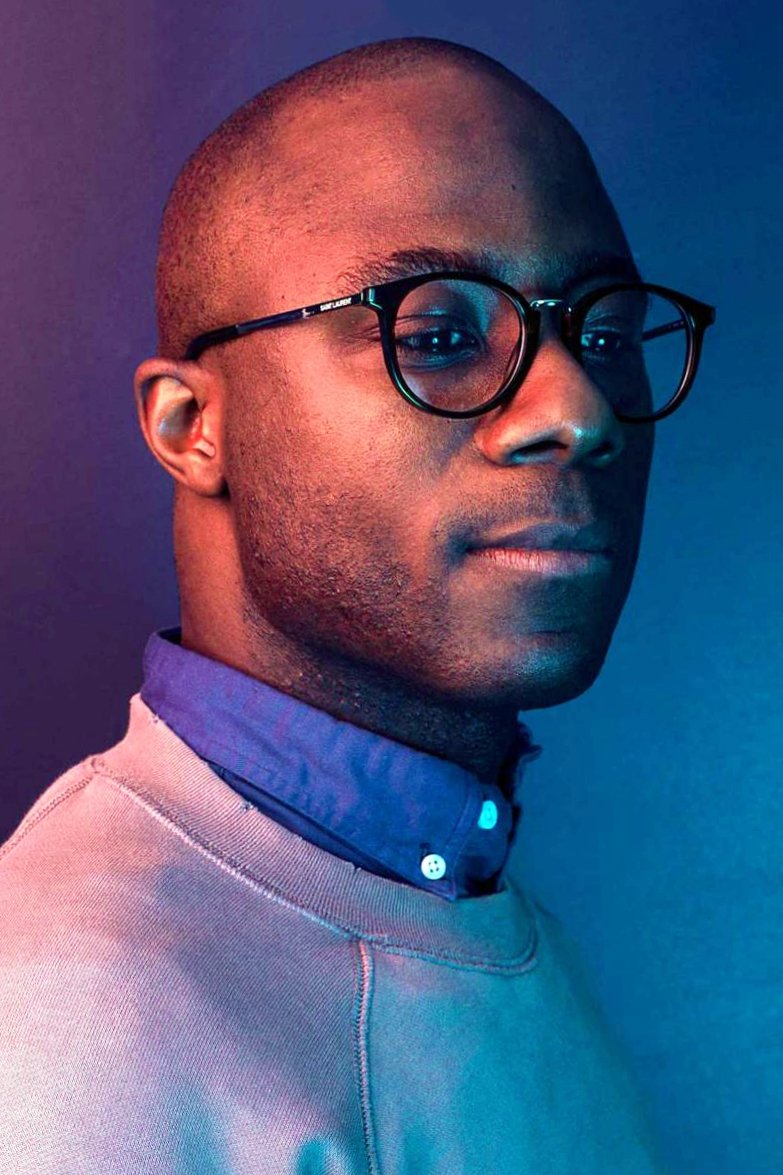
Jenkins directed the limited series ‘The Underground Railroad’, an ambitious literary adaptation with cinematic scope. He integrated long-take visual language with carefully researched production design and soundscapes. Postproduction prioritized HDR finishing and immersive mixes to match the epic scale. Jenkins has developed large franchise material while maintaining a filmmaker-driven authorship model.
18. Todd Field
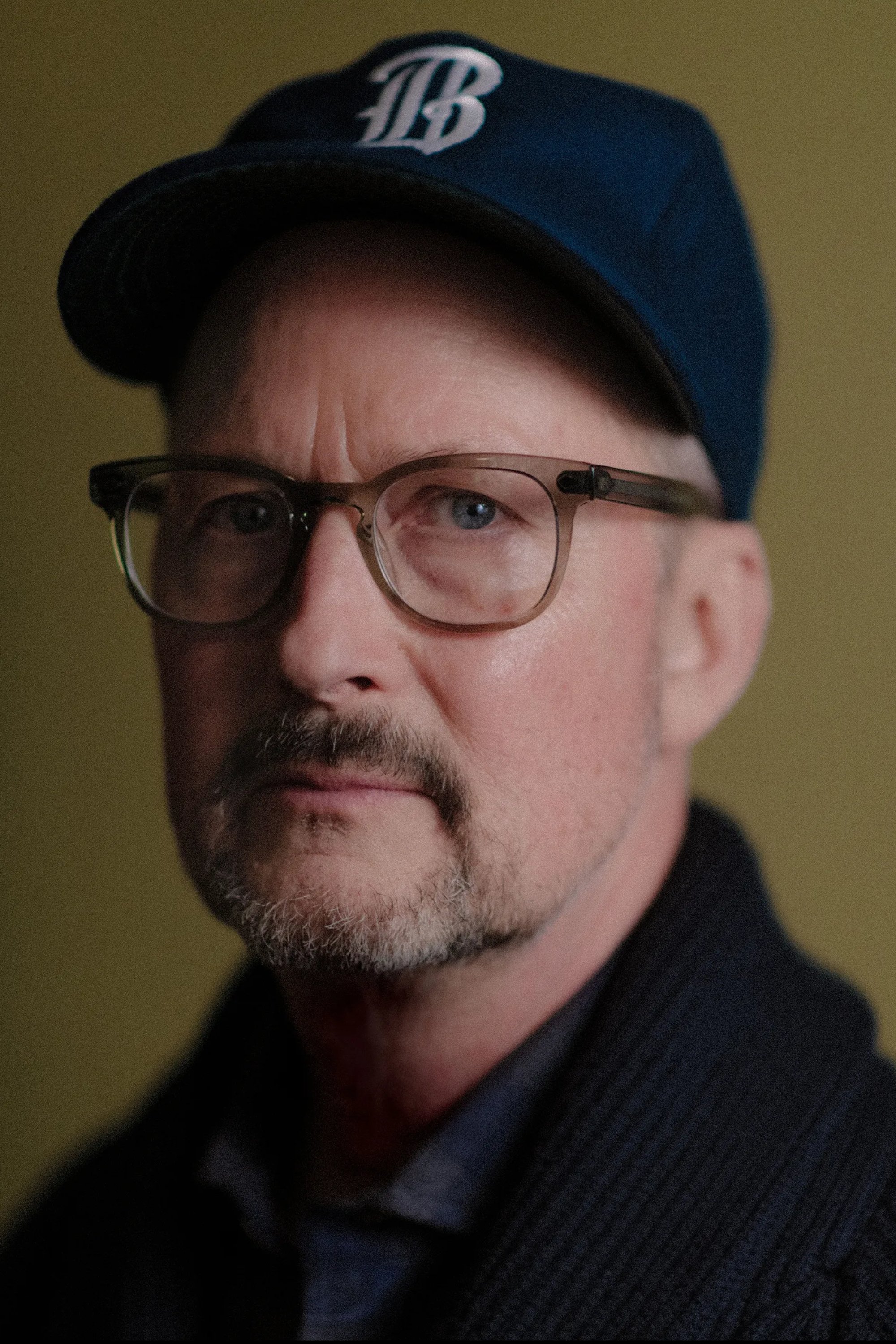
Field returned with ‘Tár’, constructed around an exacting rehearsal and performance process. The production leaned on naturalistic lighting, extended dialogue scenes, and detailed diegetic music workflows. Editorial choices favored unhurried rhythms that let character dynamics surface without overt coverage. Collaboration with sound and music departments produced a textured, performance-forward mix.
17. Ari Aster

Aster expanded his horror signature with the sprawling, surreal ‘Beau Is Afraid’. He collaborates with production design to externalize psychology through sets and practical effects. His films employ long lenses and carefully staged blocking to sustain dread without jump-scare dependence. Cutting often juxtaposes domestic intimacy with operatic escalation.
16. Chloé Zhao
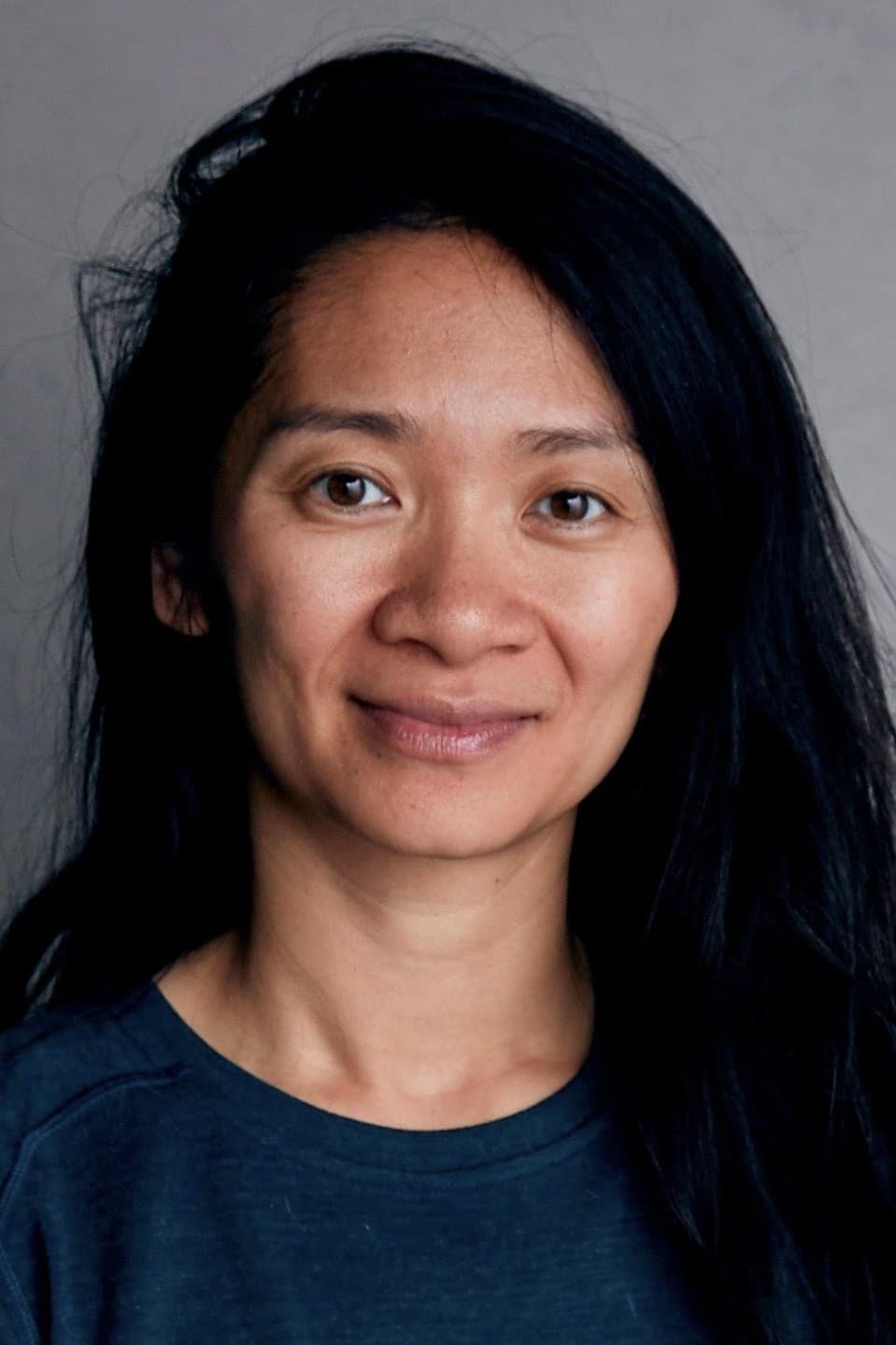
Zhao moved from intimate dramas to large-scale superhero storytelling with ‘Eternals’, bringing naturalistic textures to cosmic material. She favors location photography, golden-hour exteriors, and minimalistic setups even on VFX-heavy shoots. Editorial approaches preserve performance nuance while integrating extensive post-visualization. Outside franchise work, she develops projects rooted in real communities and nonprofessional casting.
15. Alex Garland
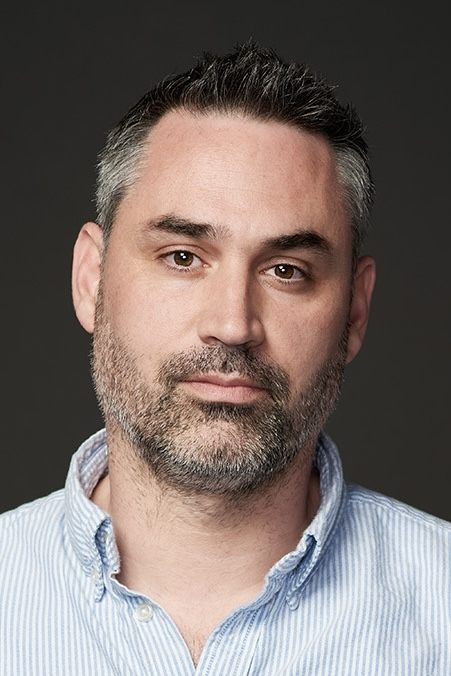
Garland delivered the war-zone road drama ‘Civil War’ after the psychological folk horror ‘Men’. His films rely on conceptual world-building, practical effects, and controlled color pipelines crafted in DI. He designs action geography around ethical dilemmas rather than spectacle alone. Recurring partnerships with actors and department heads sustain a consistent creative ecosystem.
14. Rian Johnson
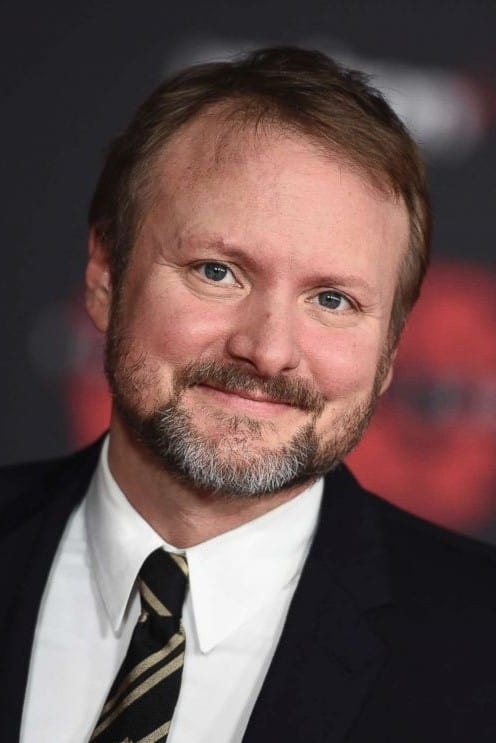
Johnson expanded the Benoit Blanc universe with ‘Glass Onion’ and moved into television with ‘Poker Face’. His mystery frameworks emphasize fair-play plotting, ensemble casts, and location-driven production design. Coverage choices and bright palettes keep clue-tracking legible throughout dense ensembles. He has explored theatrical-to-streaming hybrid releases for star-driven whodunits.
13. Matt Reeves
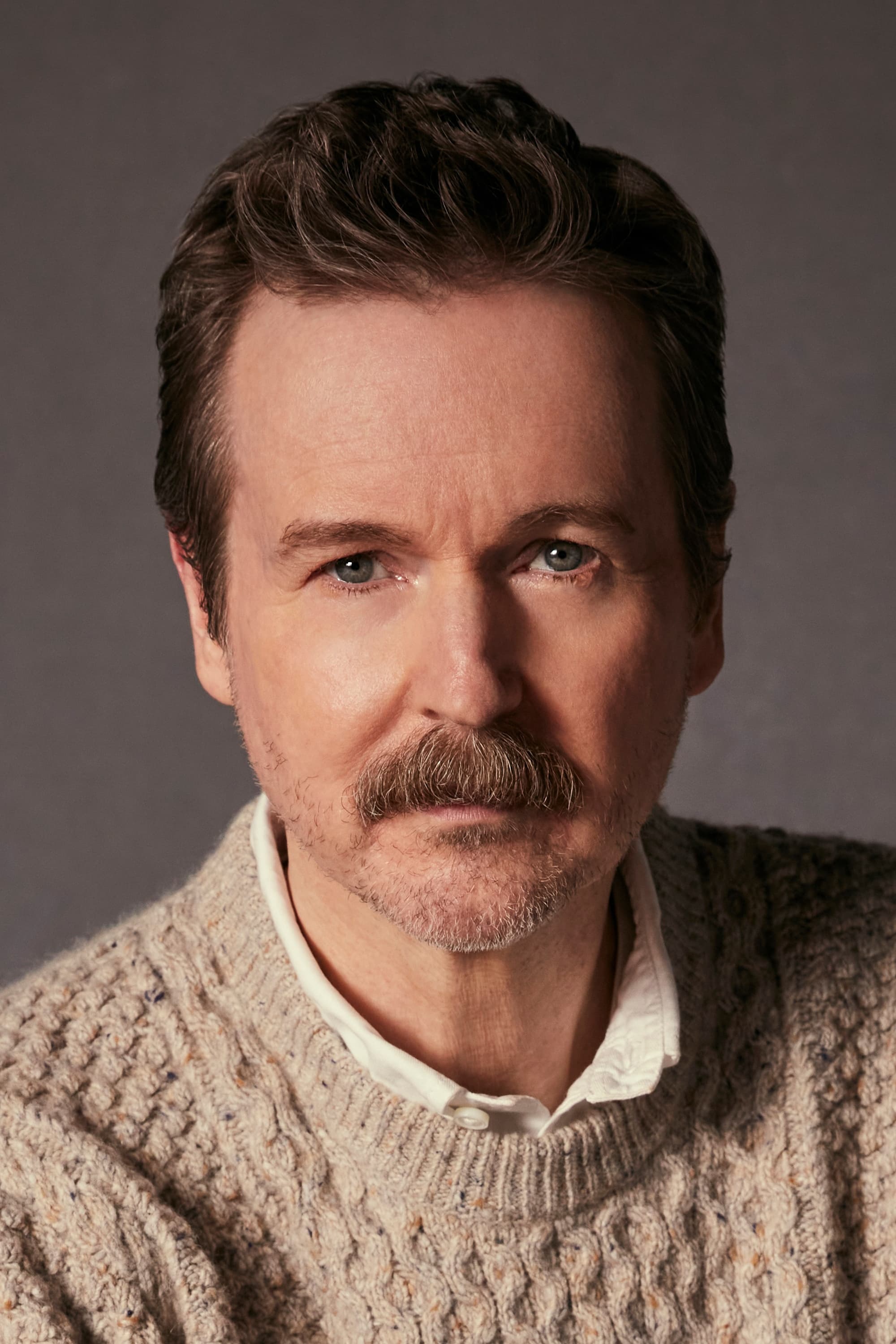
Reeves reimagined Gotham in ‘The Batman’, emphasizing detective procedure, low-light cinematography, and practical rain rigs. The production built large urban backlot environments augmented by digital extensions for continuity. Soundscapes and score integration create a grounded, noir atmosphere across action and quiet beats. He has overseen a growing screen universe that includes spin-off television.
12. James Gunn
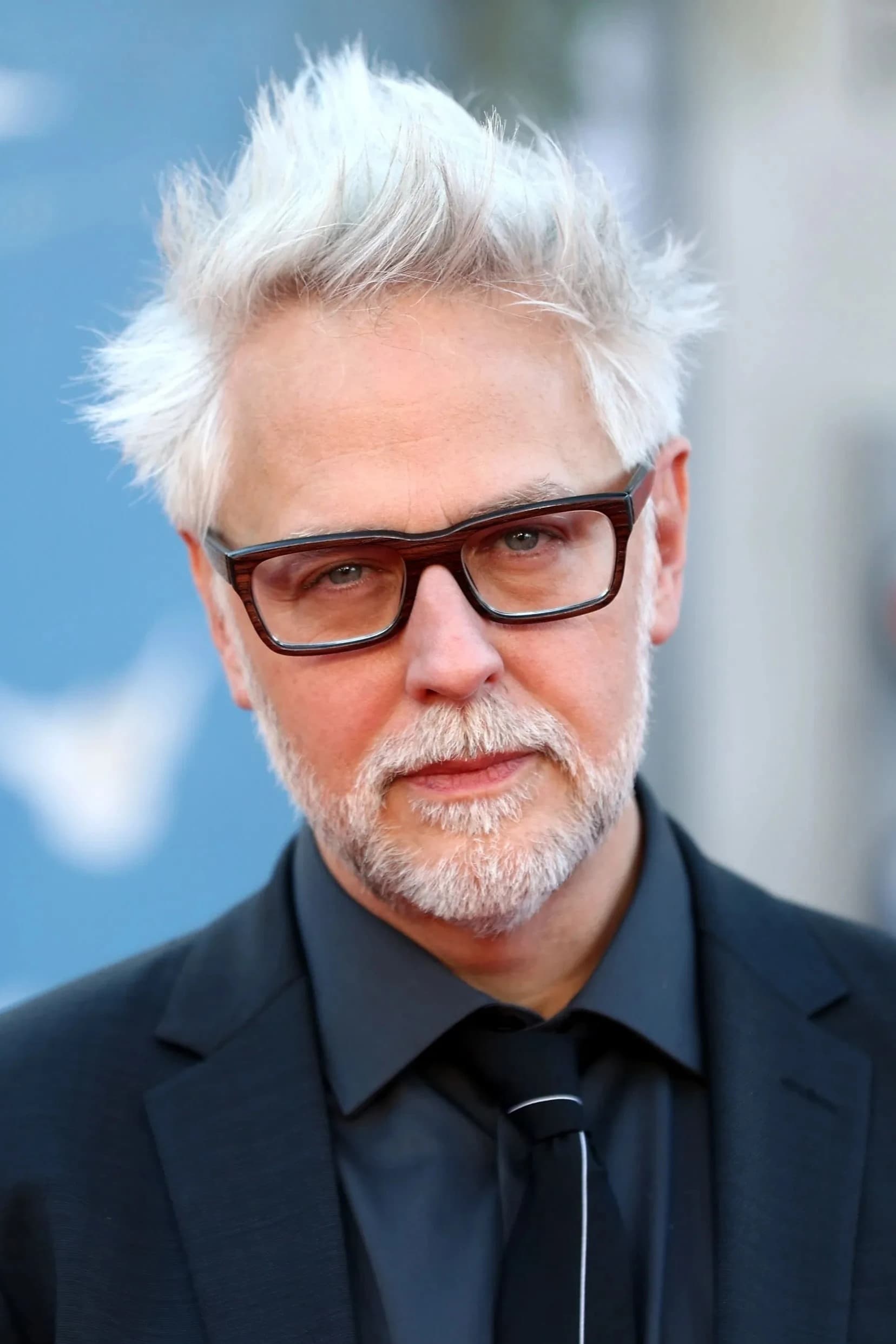
Gunn closed a trilogy with ‘Guardians of the Galaxy Vol. 3’ and steered ‘The Suicide Squad’ alongside the series ‘Peacemaker’. Sets mix practical creature effects with VFX to retain tactile comedy beats. Gunn now helps shape an interconnected superhero slate while continuing to write and direct. His projects prioritize needle-drops, ensemble chemistry, and character-centric spectacle.
11. Ridley Scott
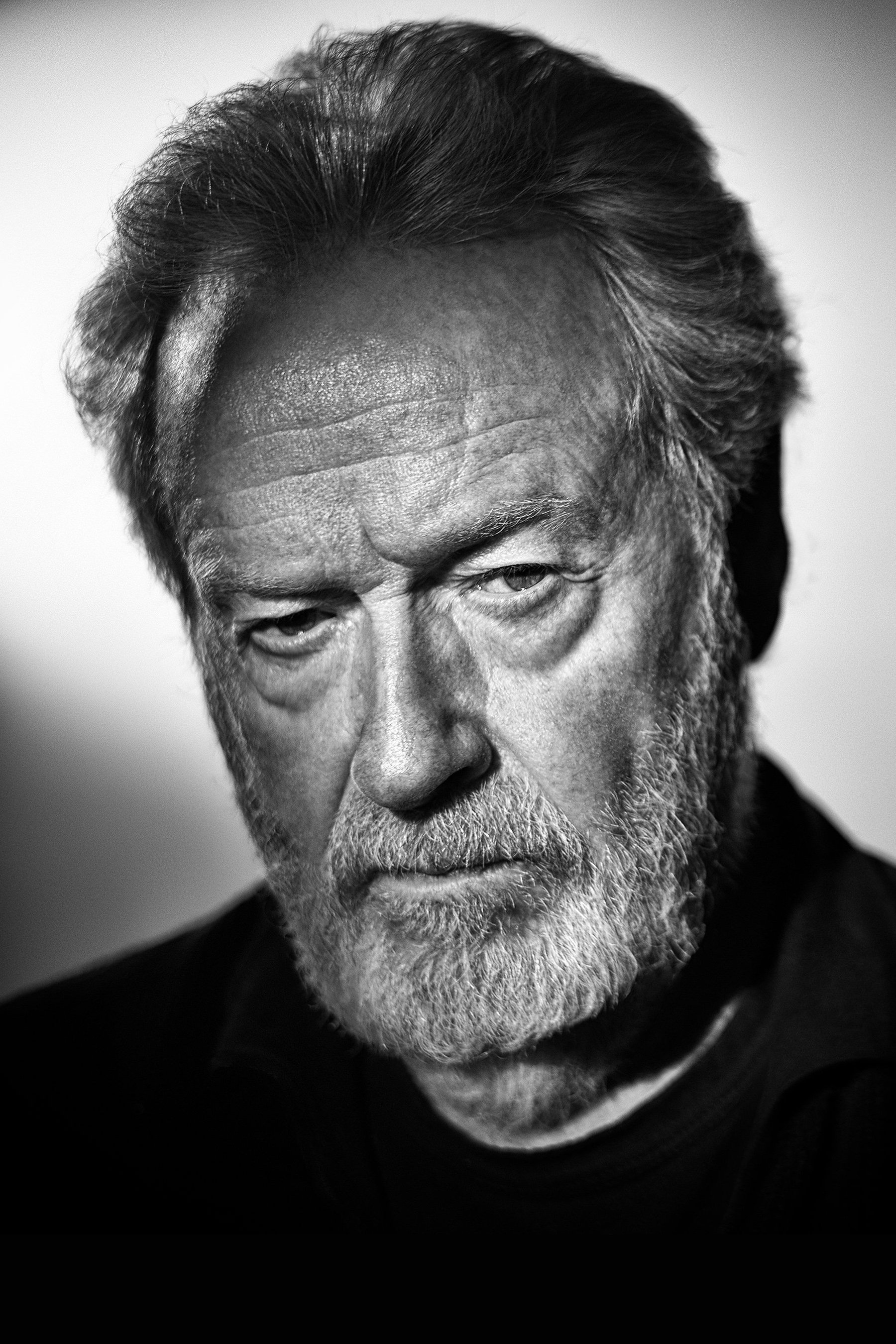
Scott delivered back-to-back epics including ‘The Last Duel’, ‘House of Gucci’, and ‘Napoleon’. He maintains a fast shooting pace, favoring multi-camera coverage and extensive pre-viz. Large battle sequences and period interiors rely on a blend of practical builds and CG set extensions. Veteran crews enable complex schedules across multiple countries.
10. David Fincher
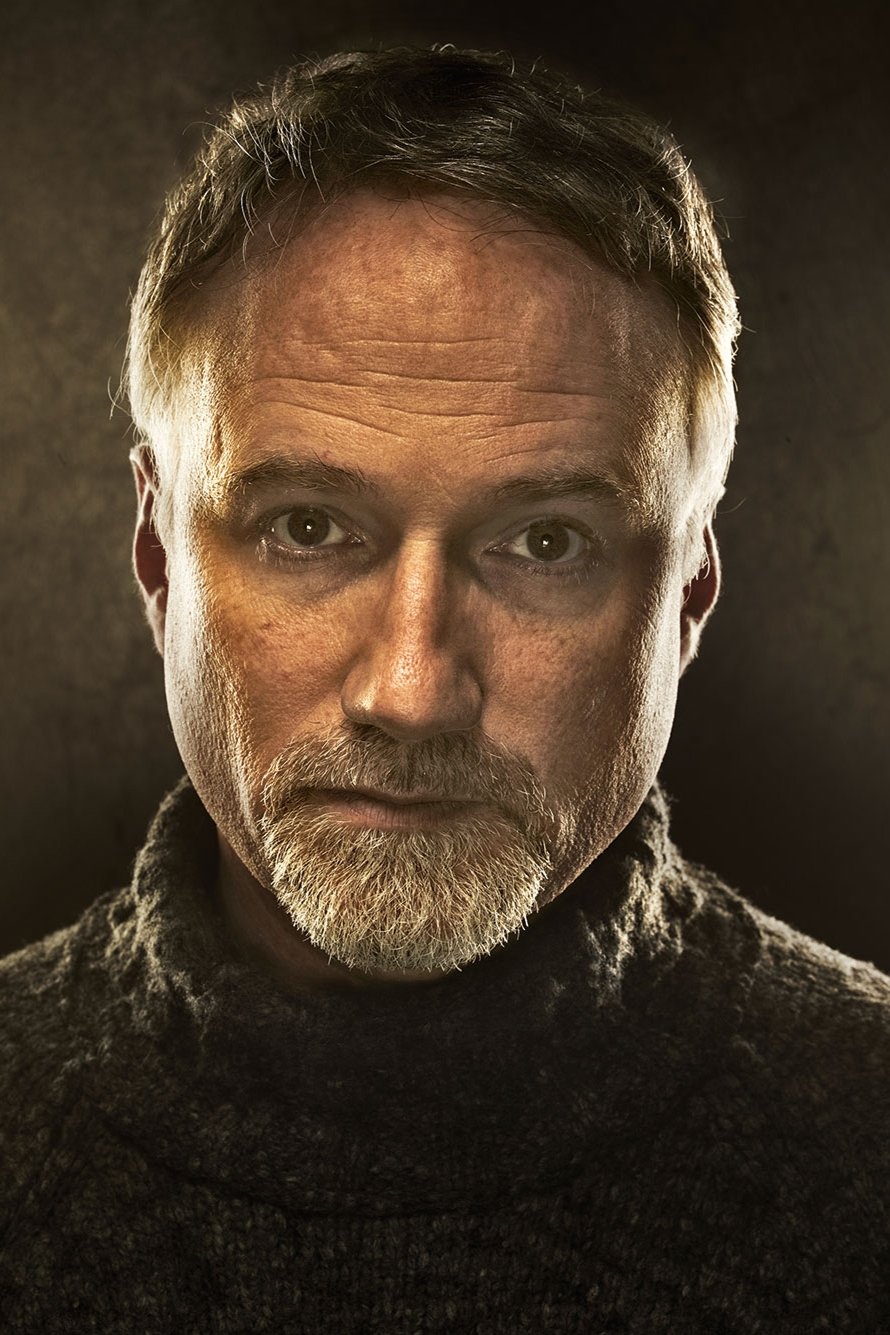
Fincher returned with ‘Mank’ and the neo-noir ‘The Killer’, continuing precision-engineered approaches to coverage and blocking. Digital workflows emphasize controlled color management and meticulous VFX-assisted continuity. He collaborates with consistent editorial and sound teams to maintain a signature cadence. Fincher remains a leading figure in premium streaming features with theatrical sensibilities.
9. Wes Anderson
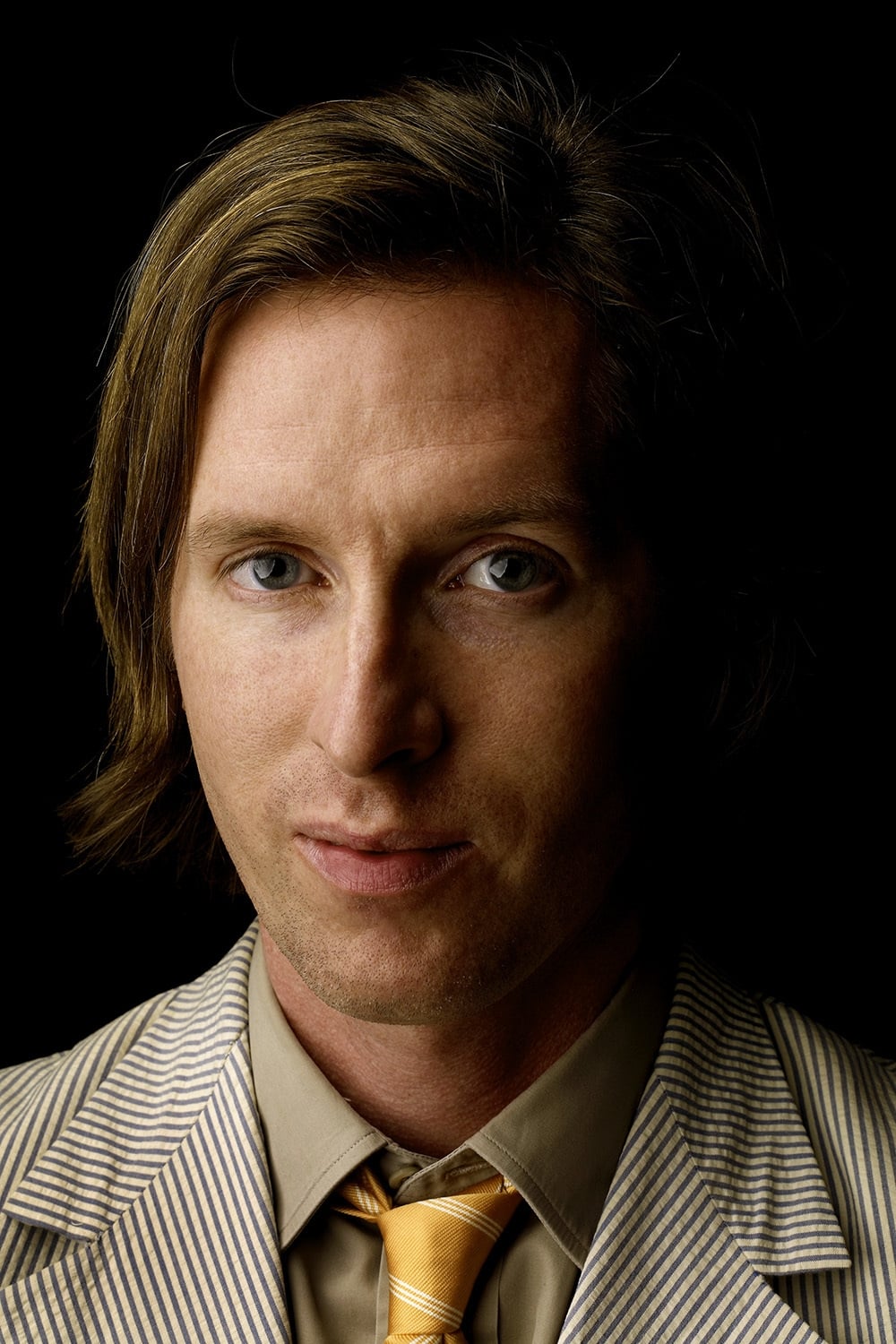
Anderson released ‘The French Dispatch’, ‘Asteroid City’, and a short-form run anchored by ‘The Wonderful Story of Henry Sugar’. Production design uses orthographic compositions, miniatures, and stop-motion-style transitions. He coordinates large ensembles through regimented rehearsals and detailed storyboarding. The shorts demonstrated a nimble pipeline that adapts his style to limited runtimes.
8. Yorgos Lanthimos
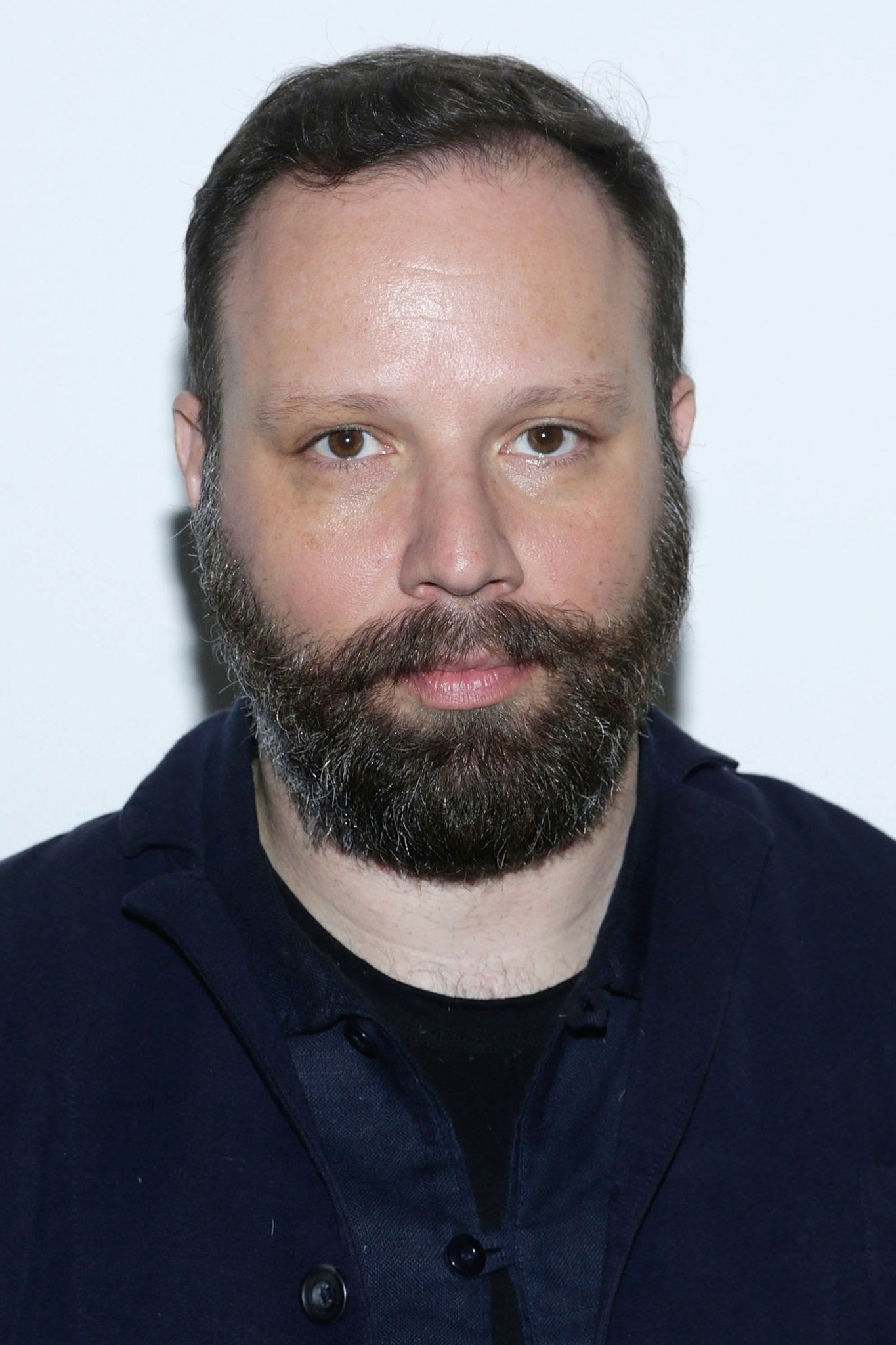
Lanthimos followed ‘The Favourite’ with ‘Poor Things’ and the triptych ‘Kinds of Kindness’. He experiments with wide-angle optics, crane-mounted movement, and expressionist production design. Bold makeup and costume choices pair with rigorous performance modulation. Collaboration with composers and sound designers balances absurdism with emotional clarity.
7. Steven Spielberg
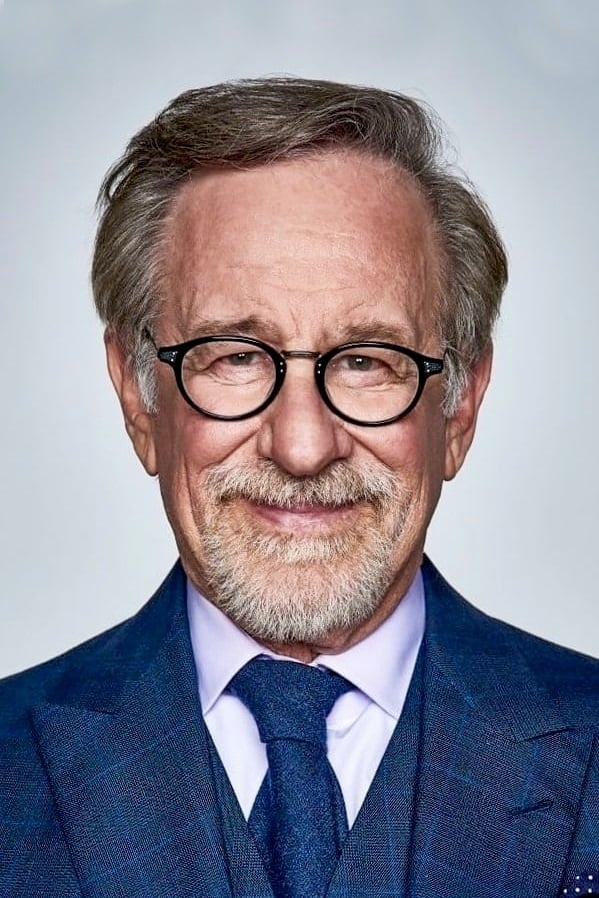
Spielberg combined classic musical staging in ‘West Side Story’ with a personal coming-of-age drama in ‘The Fabelmans’. Productions continue to pioneer on-set visualization and long-take blocking that foregrounds actors. Partnerships with cinematographers and editors yield fluid camera language across genres. He remains an active producer, mentoring new filmmakers and shepherding large-scale projects.
6. James Cameron
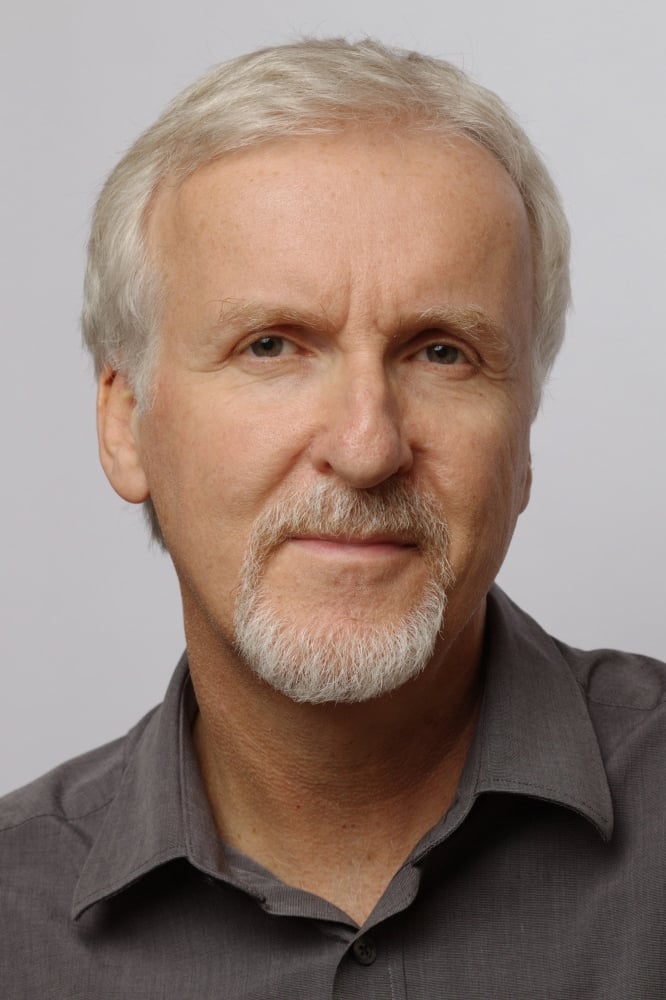
Cameron advanced performance-capture water work in ‘Avatar: The Way of Water’, pushing underwater mocap and virtual production. His pipeline integrates real-time tools with high-frame-rate delivery options. World-building emphasized ecological design supported by extensive linguistics and cultural research. R&D investments frequently spill over into industry-wide tool adoption.
5. Martin Scorsese
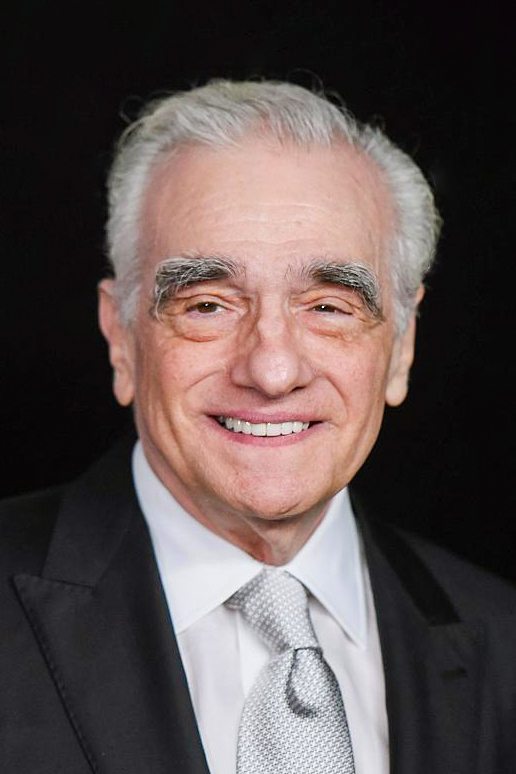
Scorsese’s ‘Killers of the Flower Moon’ combined large-canvas historical storytelling with intimate character study. Production partnered closely with cultural consultants and community representatives for authenticity. He continues to advocate for film preservation while embracing premium-limited theatrical and platform releases. Editorial rhythm and music supervision remain central to narrative propulsion.
4. Greta Gerwig
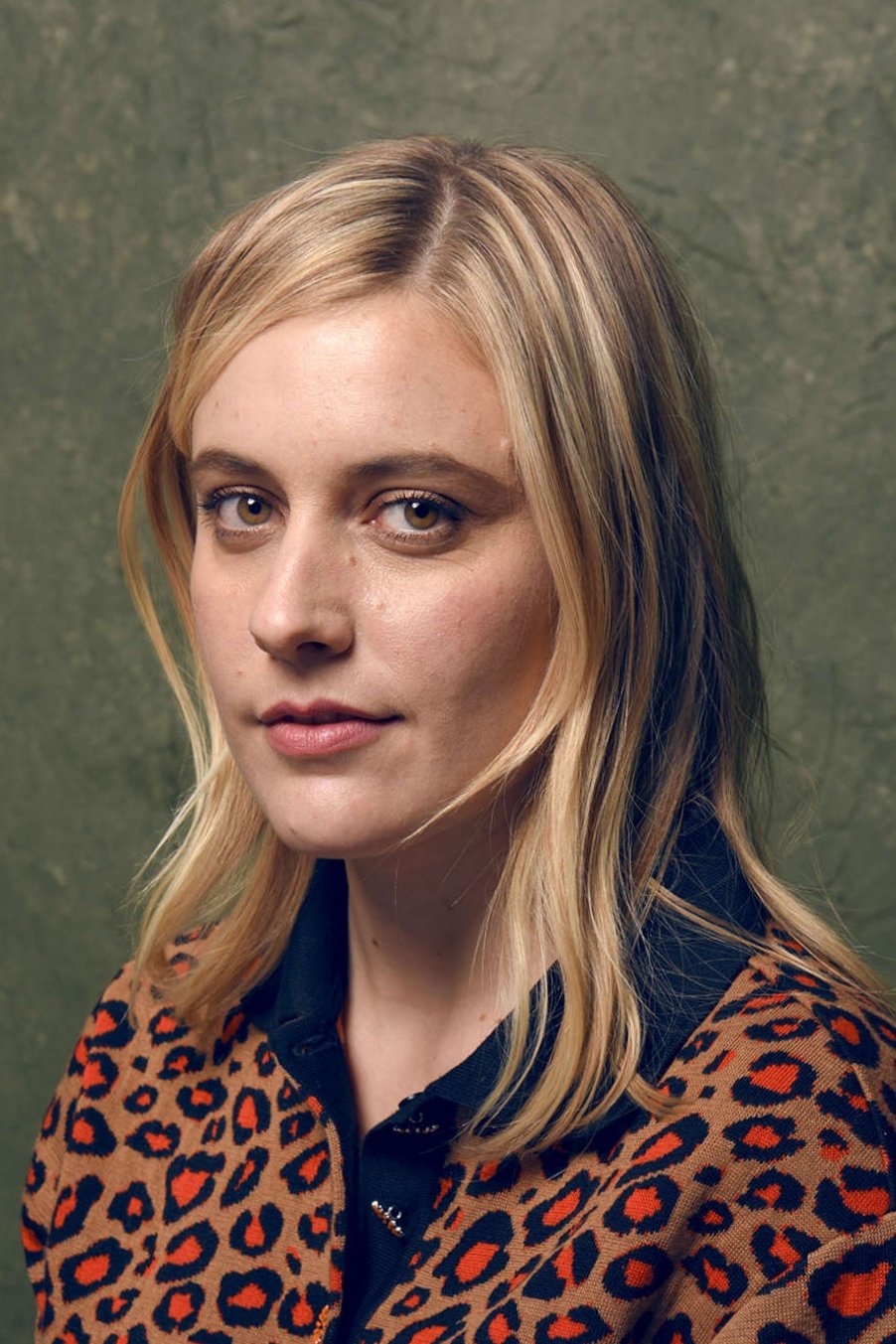
Gerwig’s ‘Barbie’ became a cultural milestone and a top-grossing studio film led by a woman director. Production fused large-scale practical sets, choreographed dance numbers, and a playful color pipeline. She balanced satire with emotional arcs while orchestrating a star ensemble. Gerwig has moved into franchise stewardship while continuing to develop literary adaptations.
3. Denis Villeneuve
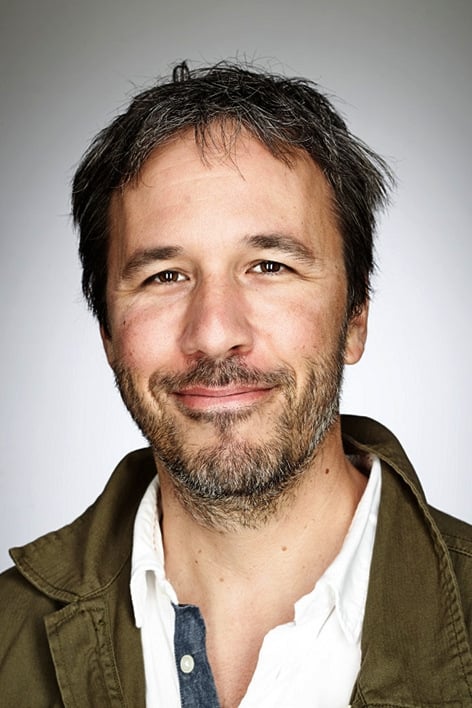
Villeneuve scaled Frank Herbert’s saga with ‘Dune’ and its continuation, blending IMAX capture, practical desert work, and restrained VFX. Emphasis on sound design and score integration conveys scale and interiority. Productions used custom camera housings and dust-resistant rigs for extreme conditions. Collaboration with crafts teams created a cohesive world across locations and stages.
2. Daniel Kwan & Daniel Scheinert (The Daniels)
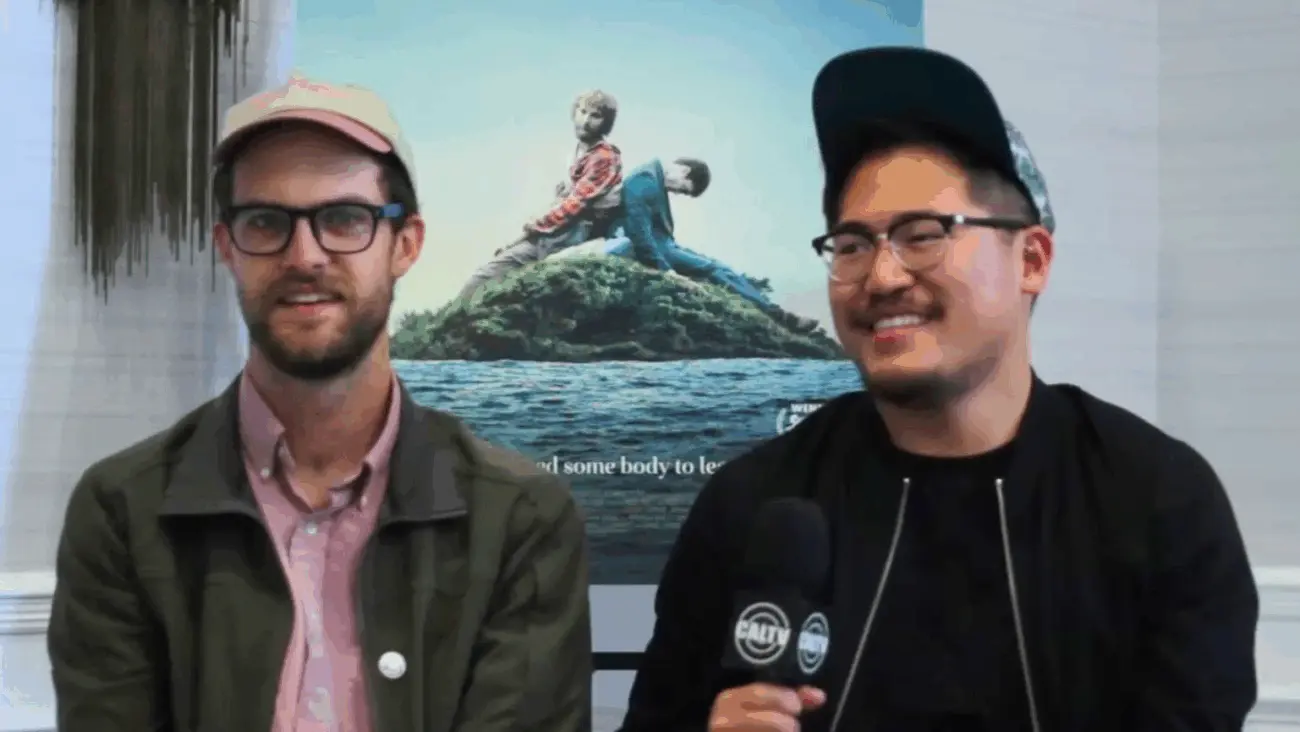
The Daniels delivered ‘Everything Everywhere All at Once’, a multiverse action-dramedy built on inventive low-budget VFX and maximalist editing. A small, nimble VFX team leveraged motion-graphics know-how for rapid composites. Stunt design and a bagel-shaped narrative device became a case study in creative constraint. They have expanded into producing and mentoring projects that blend genre and heartfelt comedy.
1. Christopher Nolan
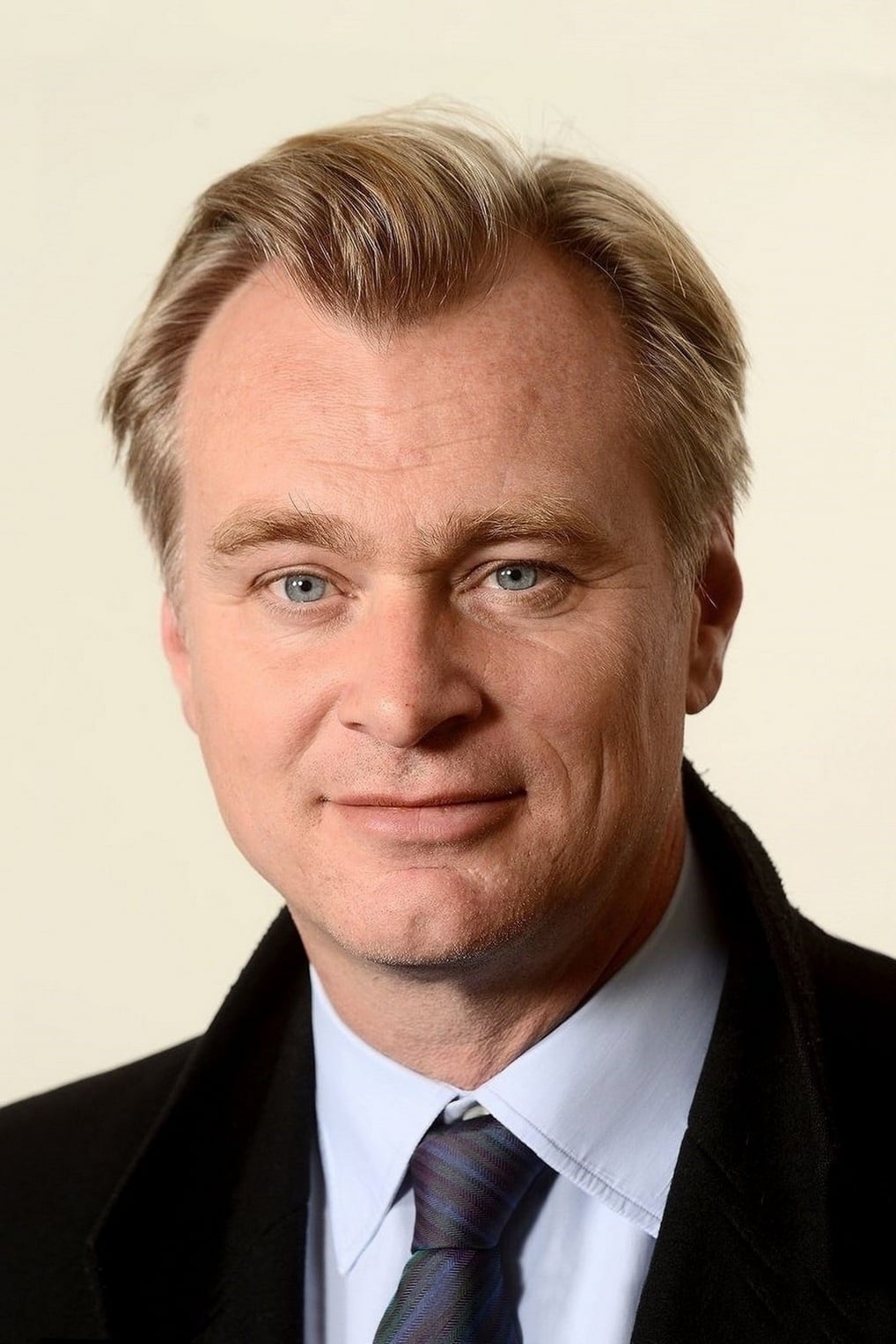
Nolan’s ‘Oppenheimer’ combined large-format photography, practical effects for theoretical phenomena, and an intricate, dialogue-heavy structure. He continues to champion photochemical workflows, including black-and-white large-format capture. Releases emphasize premium theatrical formats and eventized distribution. Collaborations with composers and editors produce propulsive storytelling within rigorous formal constraints.
Share which other 2020s Hollywood directors deserve a spot—and why—in the comments!