The Most Influential Actresses of the 1990s


The 1990s reshaped Hollywood and global television, and a generation of actresses drove box-office shifts, prestige-award races, and new kinds of leading roles. Their work spanned romantic comedies, thrillers, action, indie dramas, and landmark TV, while their contracts, paydays, and production deals set new precedents. Many anchored franchise launches or awards-season staples, crossed from modeling or child stardom into adult leads, and expanded into producing and philanthropy. This list highlights 40 actresses whose careers in that decade helped redefine what mainstream and prestige storytelling looked like.
Julia Roberts
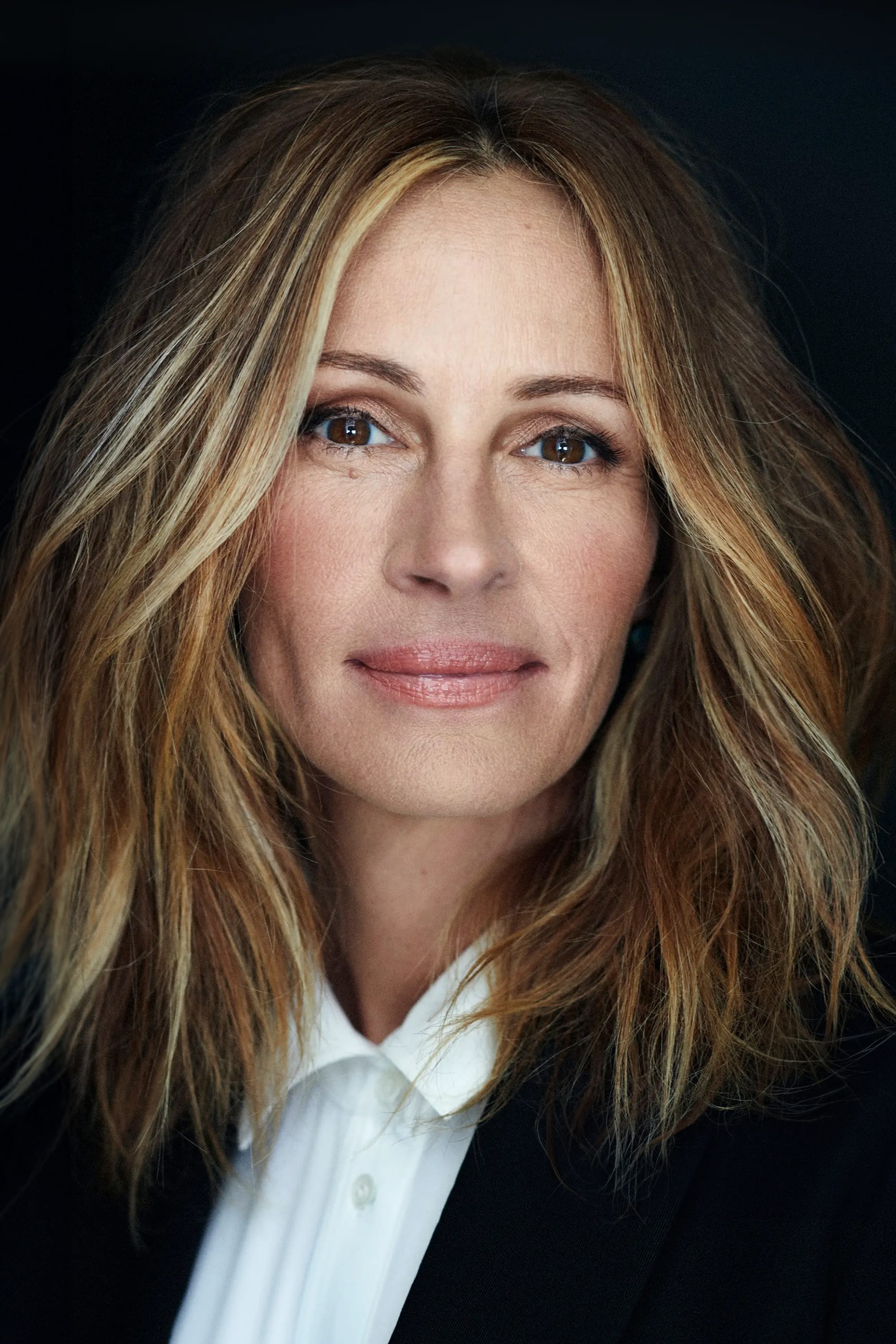
Julia Roberts became one of the decade’s most bankable stars after breakout success with ‘Pretty Woman’. She headlined studio hits like ‘My Best Friend’s Wedding’ and ‘Notting Hill’ and balanced them with legal drama ‘Erin Brockovich’, which earned major awards including the Academy Award for Best Actress. Her dealmaking—commanding top-tier salaries and profit participation—helped reset compensation norms for female leads. Roberts also moved into producing, building long-term collaborations with filmmakers and studios.
Meg Ryan

Meg Ryan led a wave of romantic comedies, starring in ‘When Harry Met Sally…’, ‘Sleepless in Seattle’, and ‘You’ve Got Mail’. These films cemented a template for contemporary rom-coms, including urban settings, ensemble support, and music-driven storytelling. Ryan’s projects routinely paired her with top writers and directors, helping the genre cross firmly into four-quadrant box office. She later expanded into producing and directing, leveraging relationships formed during the decade.
Sandra Bullock
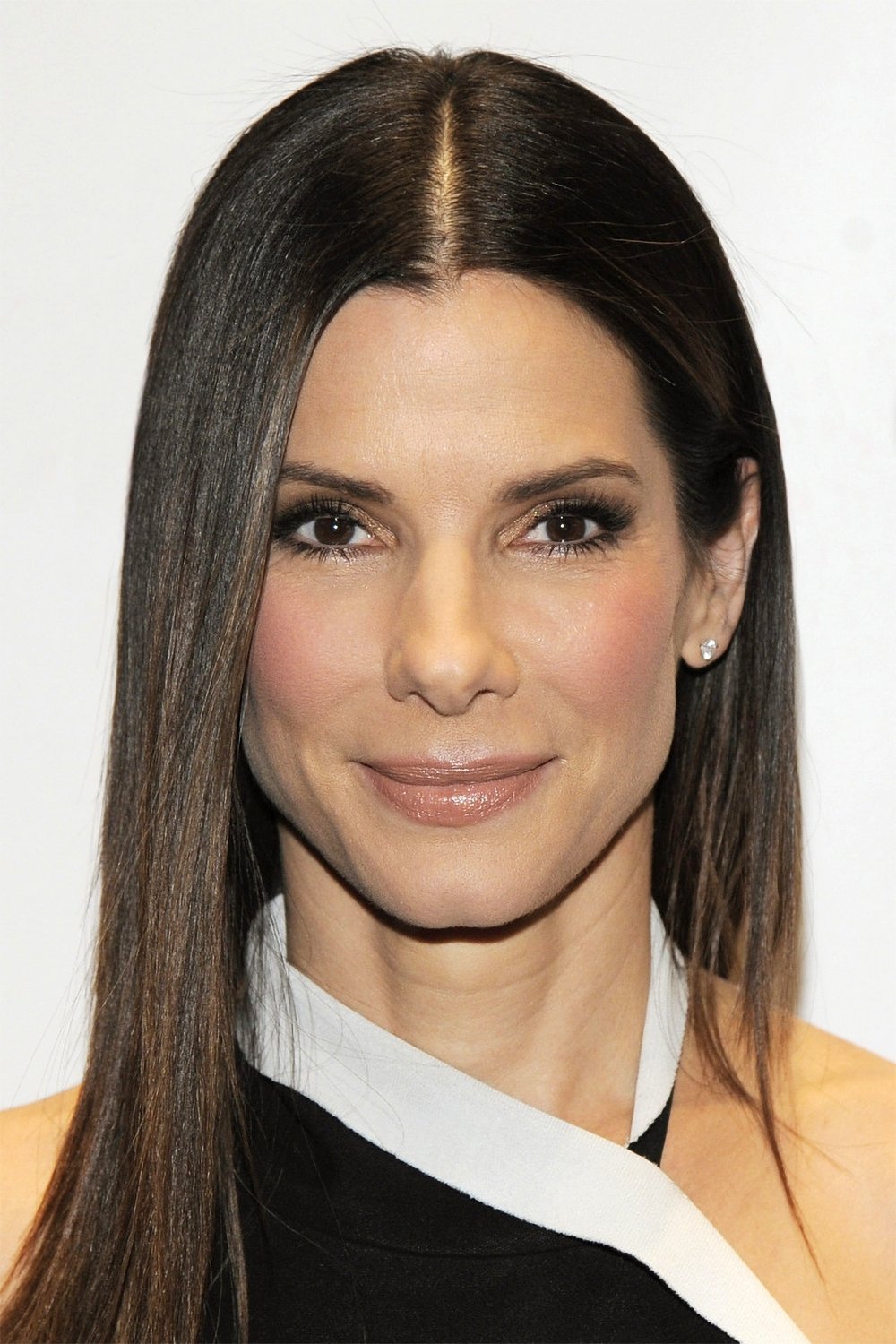
Sandra Bullock broke through with ‘Speed’ and sustained momentum with ‘While You Were Sleeping’, ‘The Net’, and ‘Miss Congeniality’. She consistently alternated between action, comedy, and drama, proving crossover audience appeal. Bullock founded production company Fortis Films, producing projects such as ‘Hope Floats’ and ‘Two Weeks Notice’. Her career choices in the decade positioned her for later awards and streaming-era successes.
Jodie Foster
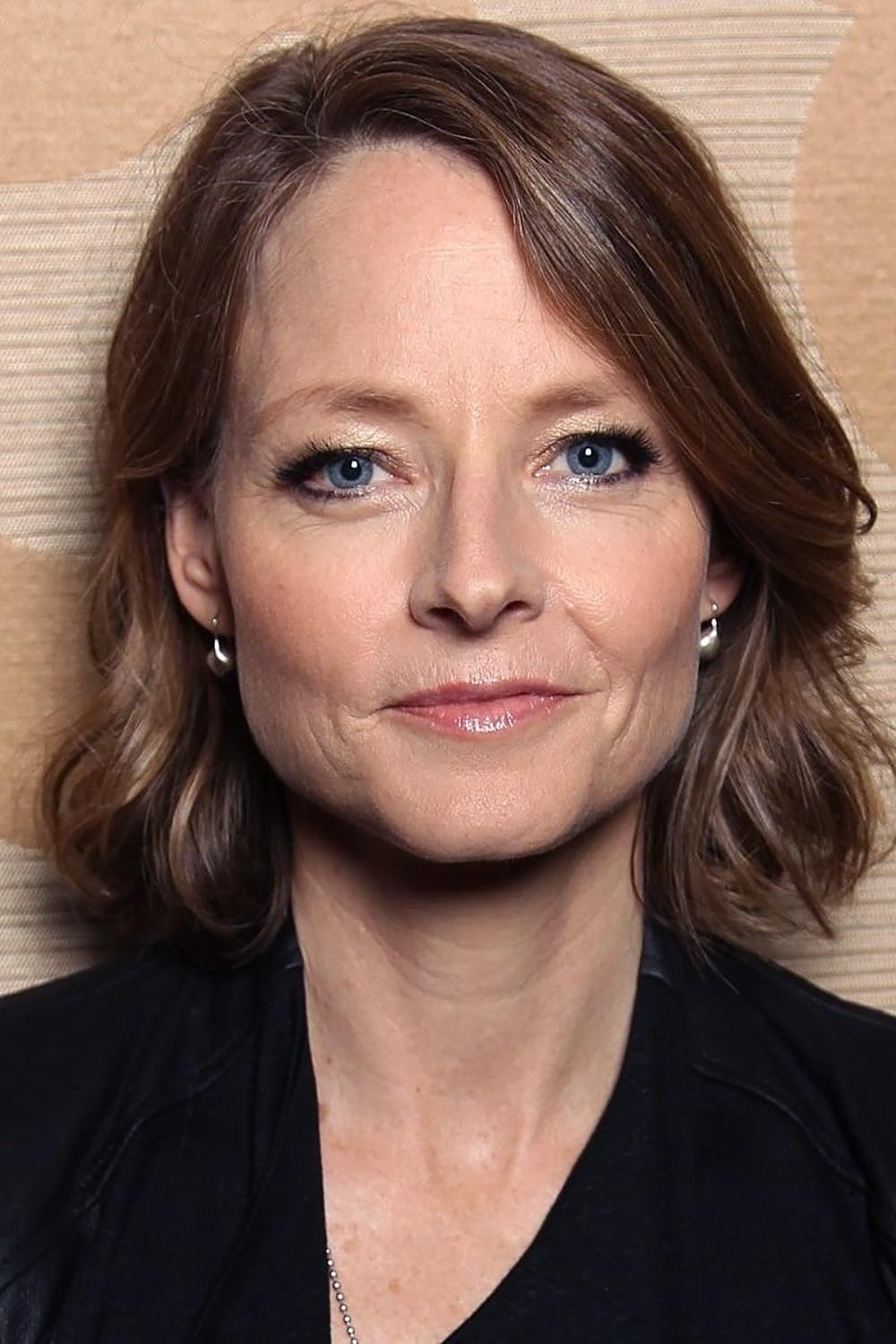
Jodie Foster’s performance in ‘The Silence of the Lambs’ earned the Academy Award for Best Actress and solidified her status as a dramatic lead. She followed with films like ‘Contact’ and ‘Nell’, often carrying dialogue-heavy, idea-driven stories. Foster also directed features, including ‘Little Man Tate’, demonstrating a rare dual-track career at the time. She used her platform to advocate for craft-focused filmmaking and meaningful roles for women.
Demi Moore
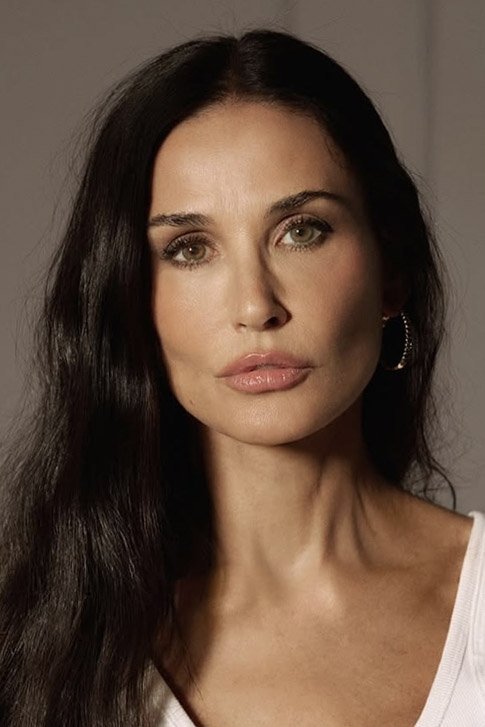
Demi Moore drew massive audiences with ‘Ghost’ and led studio dramas and thrillers such as ‘A Few Good Men’, ‘Indecent Proposal’, and ‘Disclosure’. She became one of the highest-paid actresses of the era, negotiating headline-making salaries. Moore co-founded production company Moving Pictures, developing material that centered women in commercial genres. Her work broadened the scope of female-led box-office vehicles.
Sharon Stone
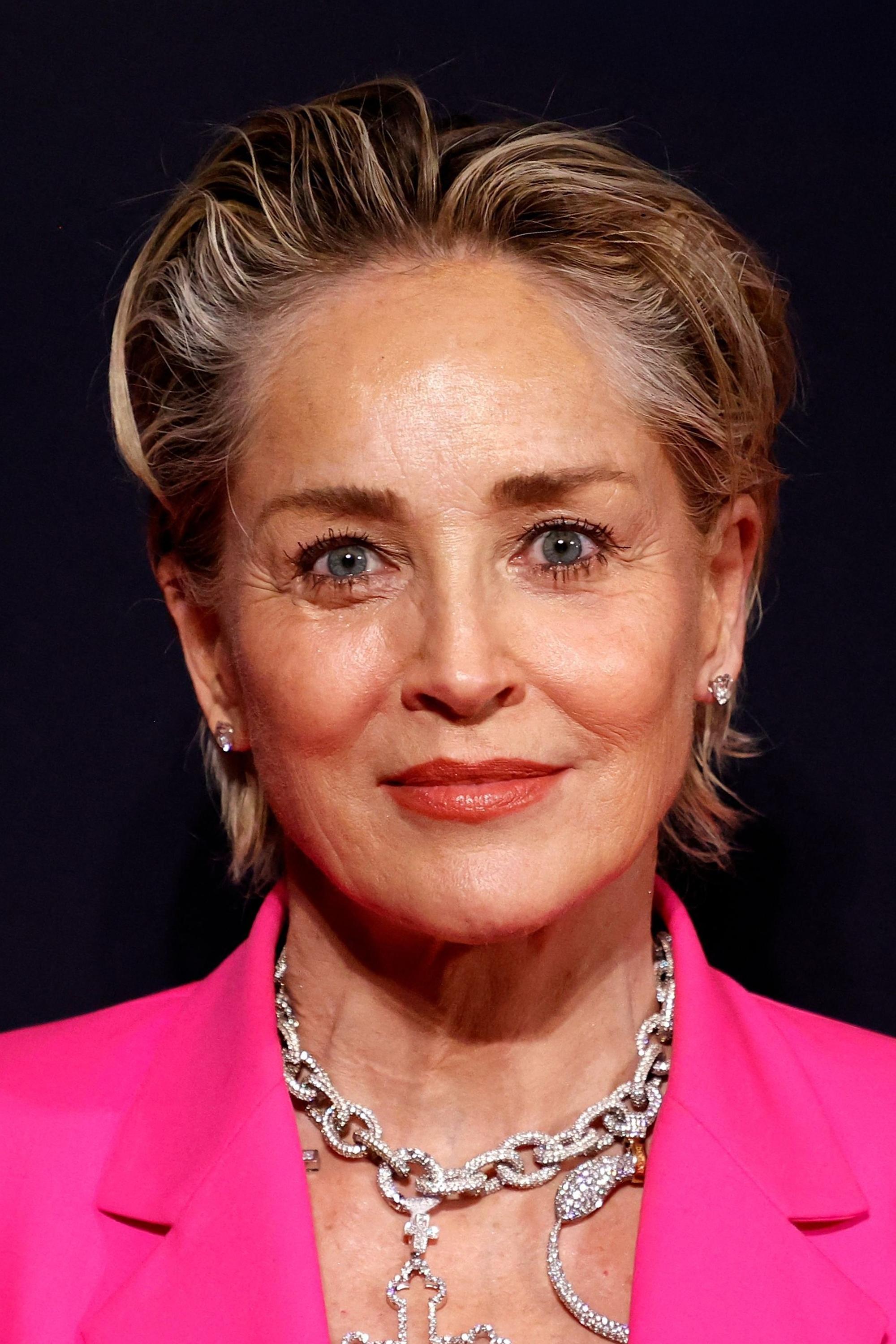
Sharon Stone’s turn in ‘Basic Instinct’ made her an international star and lightning rod for conversations about sexuality on screen. She anchored thrillers like ‘Casino’ and ‘Sliver’ and collaborated with directors including Martin Scorsese and Paul Verhoeven. Stone earned major awards recognition for ‘Casino’, highlighting her range beyond thrillers. She also served as a producer and humanitarian, leveraging her profile for global causes.
Nicole Kidman

Nicole Kidman moved from Australia’s cinema and TV into Hollywood leads with films like ‘Days of Thunder’, ‘To Die For’, and ‘Eyes Wide Shut’. She collaborated with auteurs such as Gus Van Sant and Stanley Kubrick while maintaining studio appeal. Kidman’s choices blended psychological drama, satire, and prestige romance, expanding perceptions of range for actresses in commercial releases. Her decade foundation led to later Oscar wins and sustained TV prestige roles.
Winona Ryder
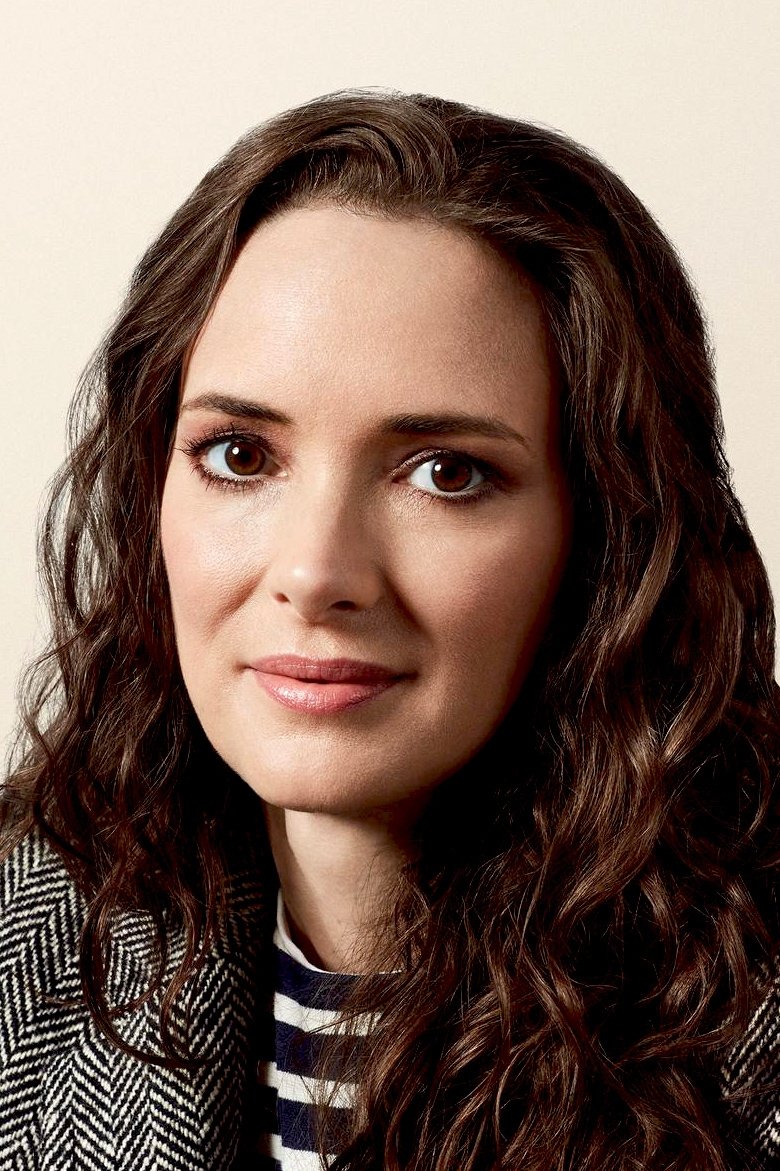
Winona Ryder bridged studio and indie scenes with ‘Heathers’, ‘Edward Scissorhands’, ‘Bram Stoker’s Dracula’, and ‘The Age of Innocence’. She frequently collaborated with directors like Tim Burton and Martin Scorsese and worked across gothic, literary, and youth-culture narratives. Ryder earned multiple Academy Award nominations during the decade. She also served as an executive producer, supporting projects that mixed commercial appeal with art-house sensibilities.
Gwyneth Paltrow

Gwyneth Paltrow’s leading roles in ‘Emma’ and ‘Shakespeare in Love’ brought awards recognition, including the Academy Award for Best Actress. She alternated period pieces with thrillers like ‘Se7en’ and ensemble dramas. Paltrow built an international profile through multilingual work and European productions. Her later ventures in entrepreneurship and TV draw from networks formed during her 1990s rise.
Halle Berry
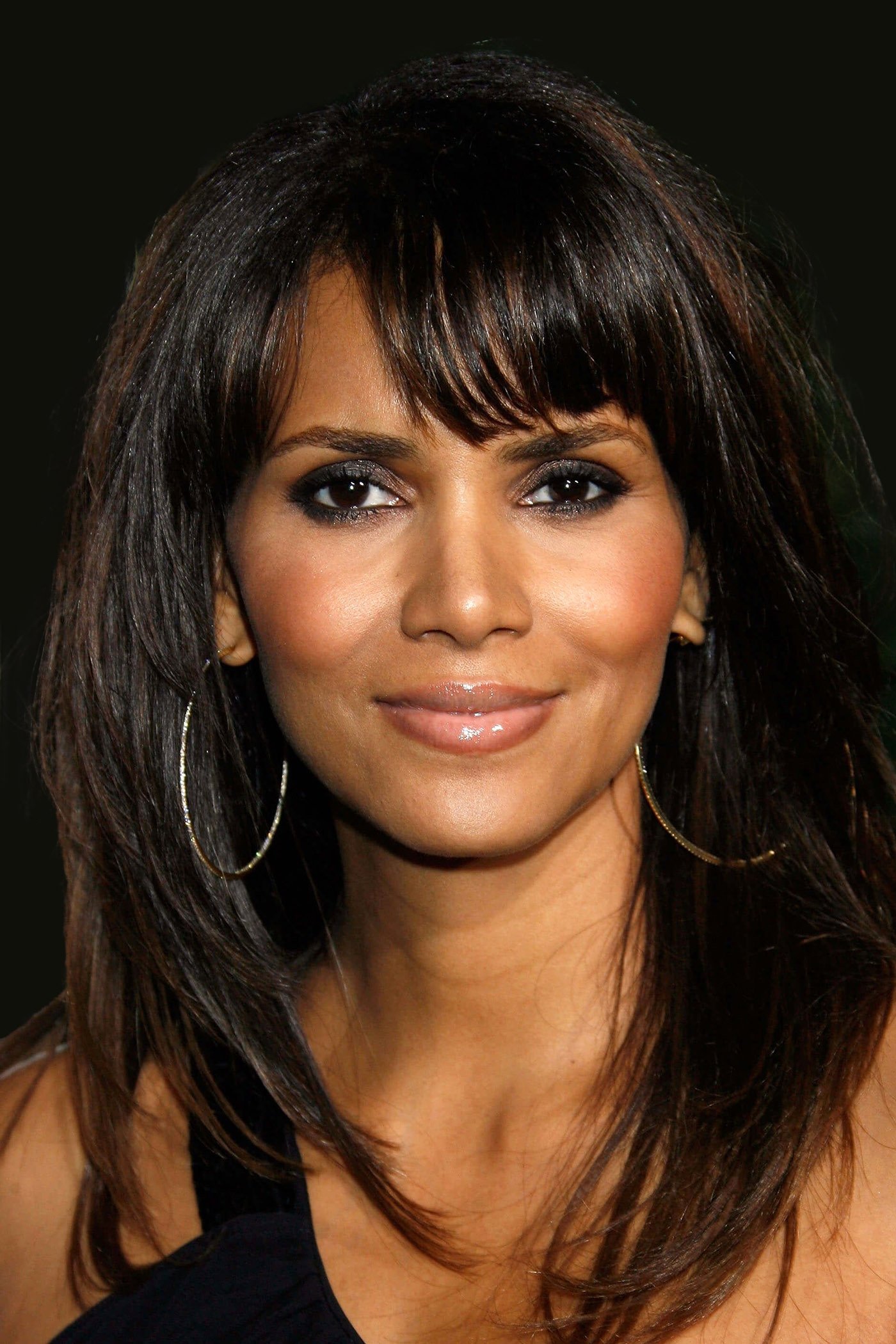
Halle Berry’s breakout included ‘Boomerang’, ‘Bulworth’, and TV miniseries ‘Introducing Dorothy Dandridge’, the latter earning major awards. She moved fluidly between comedy, drama, and political satire, then stepped into action and superhero franchises. Berry’s performances opened doors for broader representation in mainstream studio projects. She later became the first Black woman to win the Academy Award for Best Actress for ‘Monster’s Ball’, built on momentum from the decade.
Meryl Streep
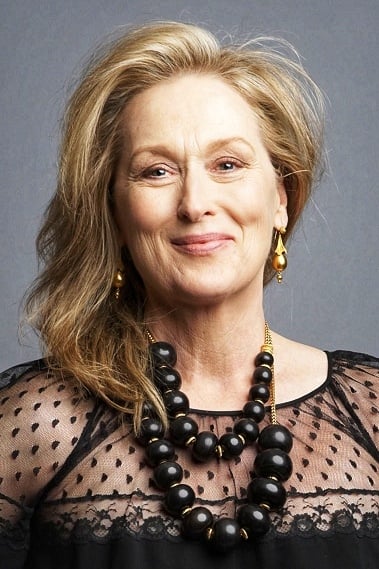
Meryl Streep continued her established acclaim with roles in ‘The Bridges of Madison County’, ‘The River Wild’, and ‘One True Thing’. She maintained a steady stream of Academy Award nominations and expanded into thriller and action territory. Streep’s work with directors like Clint Eastwood and Curtis Hanson reinforced her cross-genre command. The decade sustained her status as a benchmark for dramatic performance.
Susan Sarandon
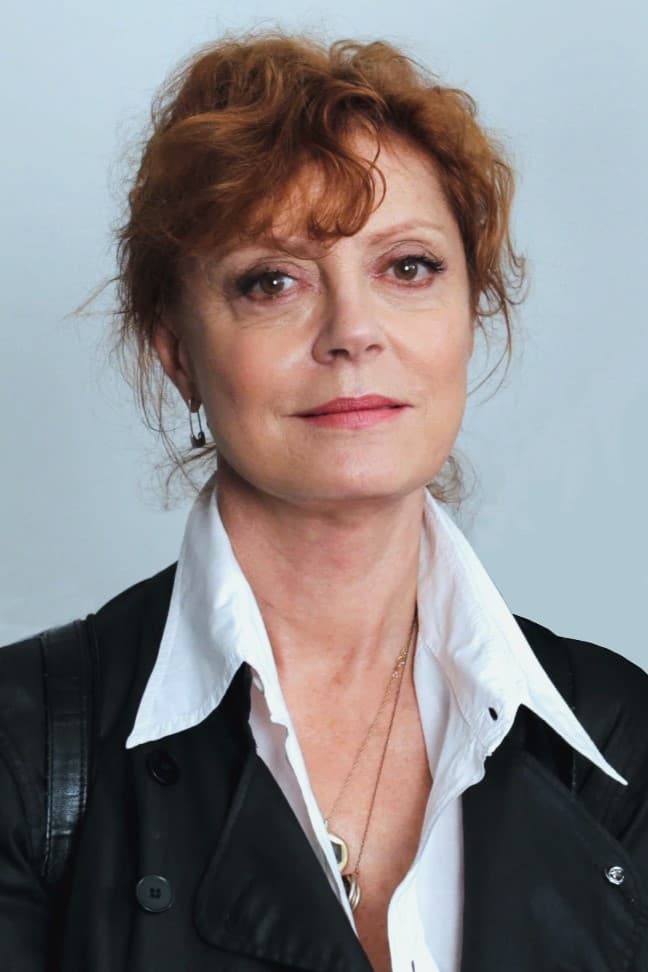
Susan Sarandon’s lead in ‘Thelma & Louise’ became a cultural touchstone, and she earned the Academy Award for Best Actress for ‘Dead Man Walking’. She starred in ‘Lorenzo’s Oil’ and ‘Bull Durham’, maintaining a balance of prestige drama and popular romance. Sarandon advocated for social issues alongside her film work, a model others followed. She also produced projects that highlighted justice, health, and community narratives.
Michelle Pfeiffer

Michelle Pfeiffer delivered acclaimed performances in ‘The Fabulous Baker Boys’, ‘Dangerous Liaisons’, ‘Batman Returns’, and ‘The Age of Innocence’. She combined prestige collaborations with directors like Martin Scorsese and major franchise entries. Pfeiffer earned multiple Oscar nominations and top-tier salaries, anchoring roles across genres. She later founded a production company, extending her influence behind the camera.
Uma Thurman
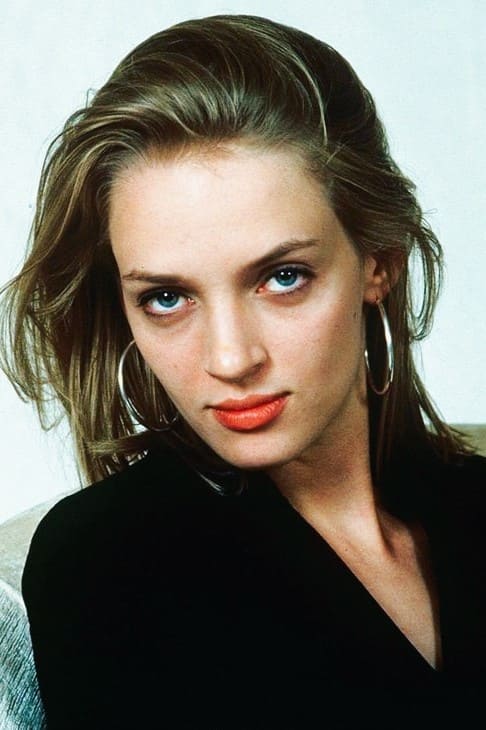
Uma Thurman’s work in ‘Pulp Fiction’ defined a pivotal moment in independent cinema crossing to mainstream audiences. She took on action-forward roles with ‘Batman & Robin’ and continued auteur collaborations. Thurman received Academy Award nominations and became associated with stylized, dialogue-driven filmmaking. The decade’s partnerships set up her later return to action with ‘Kill Bill’.
Cate Blanchett
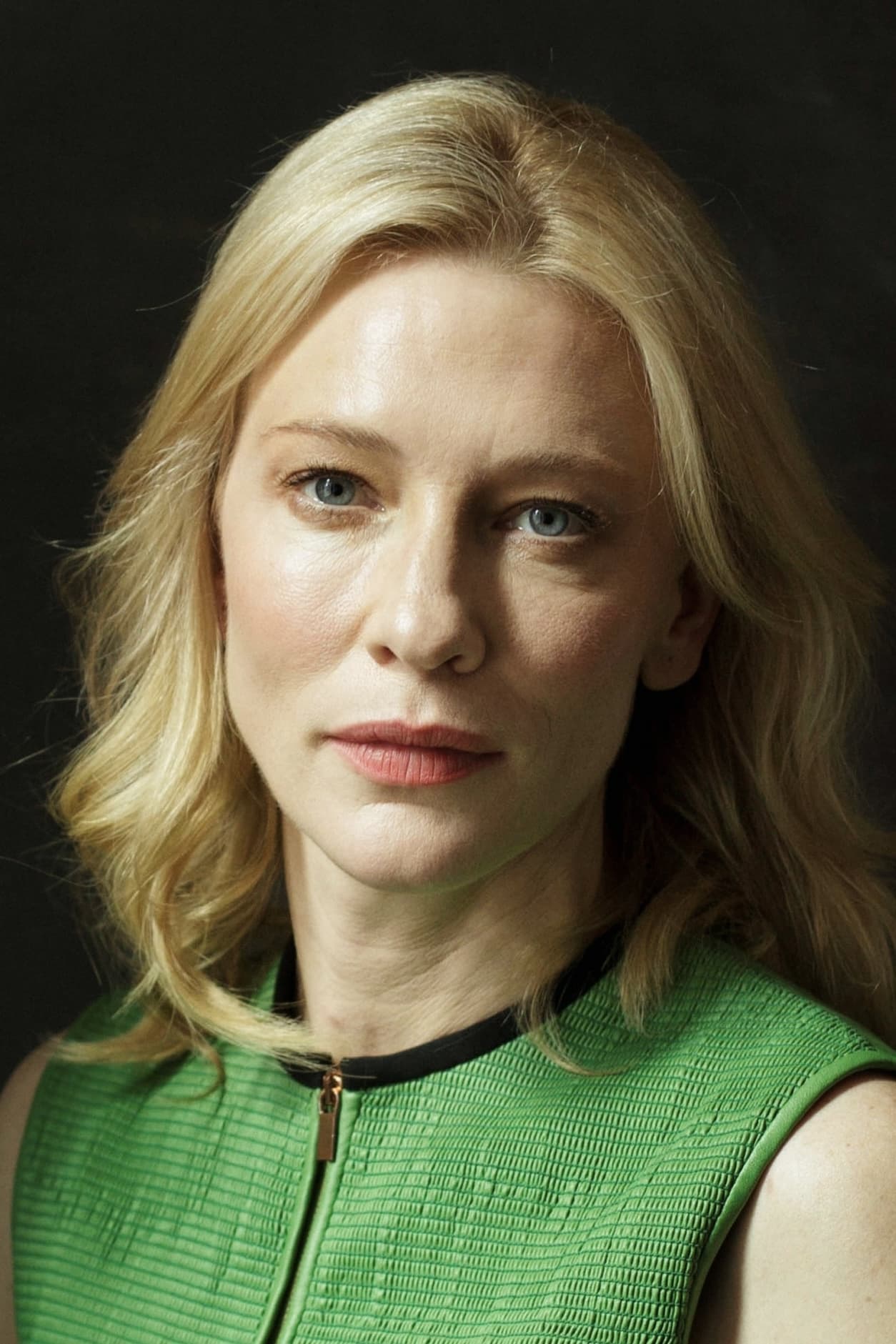
Cate Blanchett emerged globally with ‘Elizabeth’, earning major awards recognition and international festival attention. She quickly moved between historical dramas and contemporary thrillers like ‘The Talented Mr. Ripley’. Blanchett built a reputation for accent work and transformative roles, enabling frequent collaboration with auteur directors. The late-1990s launch created a platform for sustained awards success across film and theater.
Cameron Diaz

Cameron Diaz debuted with ‘The Mask’ and became a comedy mainstay with ‘There’s Something About Mary’ and ‘My Best Friend’s Wedding’. She expanded into drama with ‘Being John Malkovich’, earning significant critical recognition. Diaz consistently delivered strong box office, helping studios bet on female-led comedies. She later added voice-acting franchise work and producing to her portfolio.
Drew Barrymore
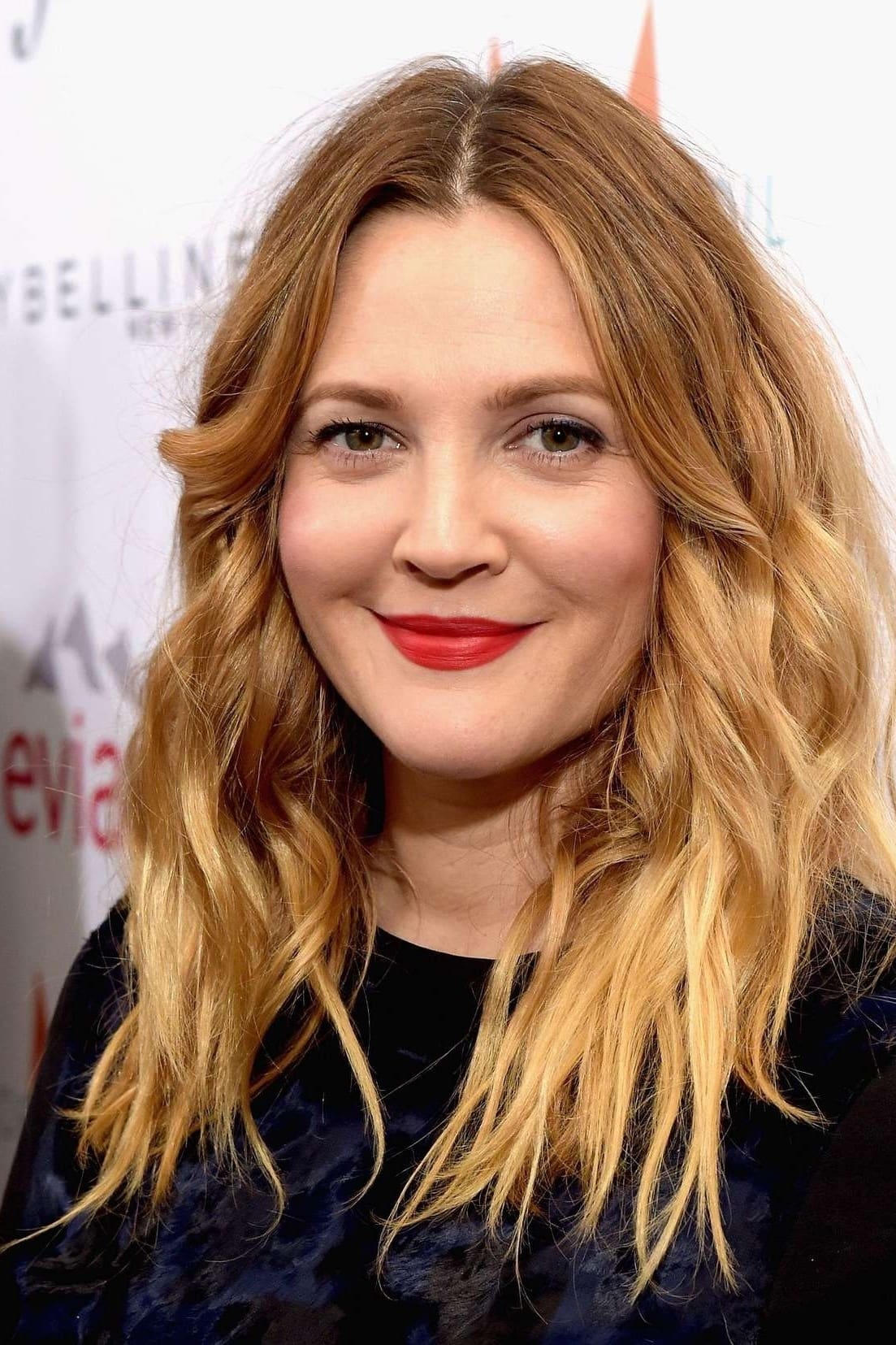
Drew Barrymore navigated a high-profile return to leading roles with ‘The Wedding Singer’, ‘Ever After’, and meta-horror hit ‘Scream’. She co-founded Flower Films, producing ‘Never Been Kissed’ and later franchise projects. Barrymore’s career demonstrated successful reinvention from child star to adult lead. Her production slate helped shape late-1990s and early-2000s rom-com and action trends.
Salma Hayek Pinault
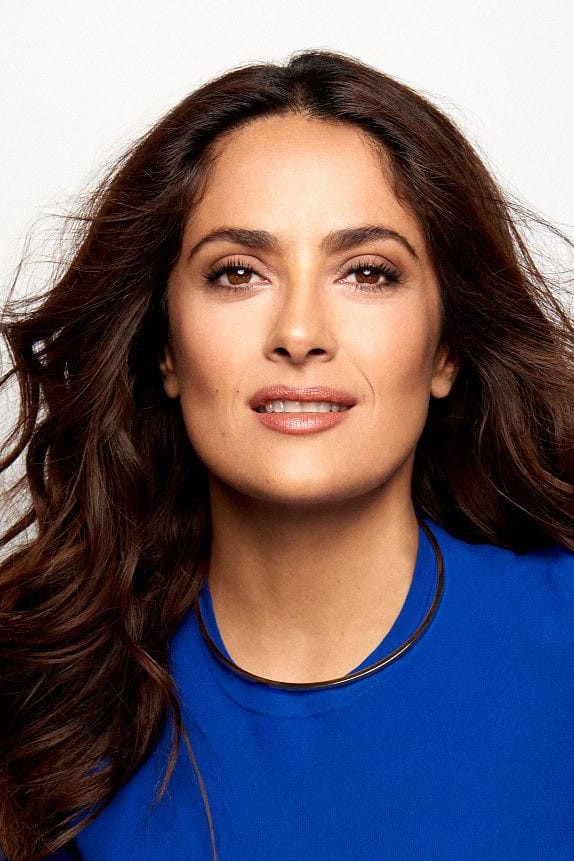
Salma Hayek transitioned from Mexican television to Hollywood films like ‘Desperado’ and ‘From Dusk Till Dawn’. She founded Ventanarosa, producing ‘Frida’, which later brought Academy Award recognition. Hayek championed bilingual and cross-border storytelling, expanding representation in mainstream cinema. She also pursued advocacy on equity and industry access, amplifying her impact beyond screen roles.
Renée Zellweger

Renée Zellweger’s early leads included ‘Jerry Maguire’ and ‘One True Thing’, pairing her with top-tier directors and stars. She balanced mainstream hits with quieter dramas, building a reputation for character-driven work. Zellweger’s preparation and accent abilities set up later success in ‘Bridget Jones’s Diary’ and ‘Cold Mountain’. The groundwork in the 1990s made her a consistent awards contender in the following decade.
Kate Winslet
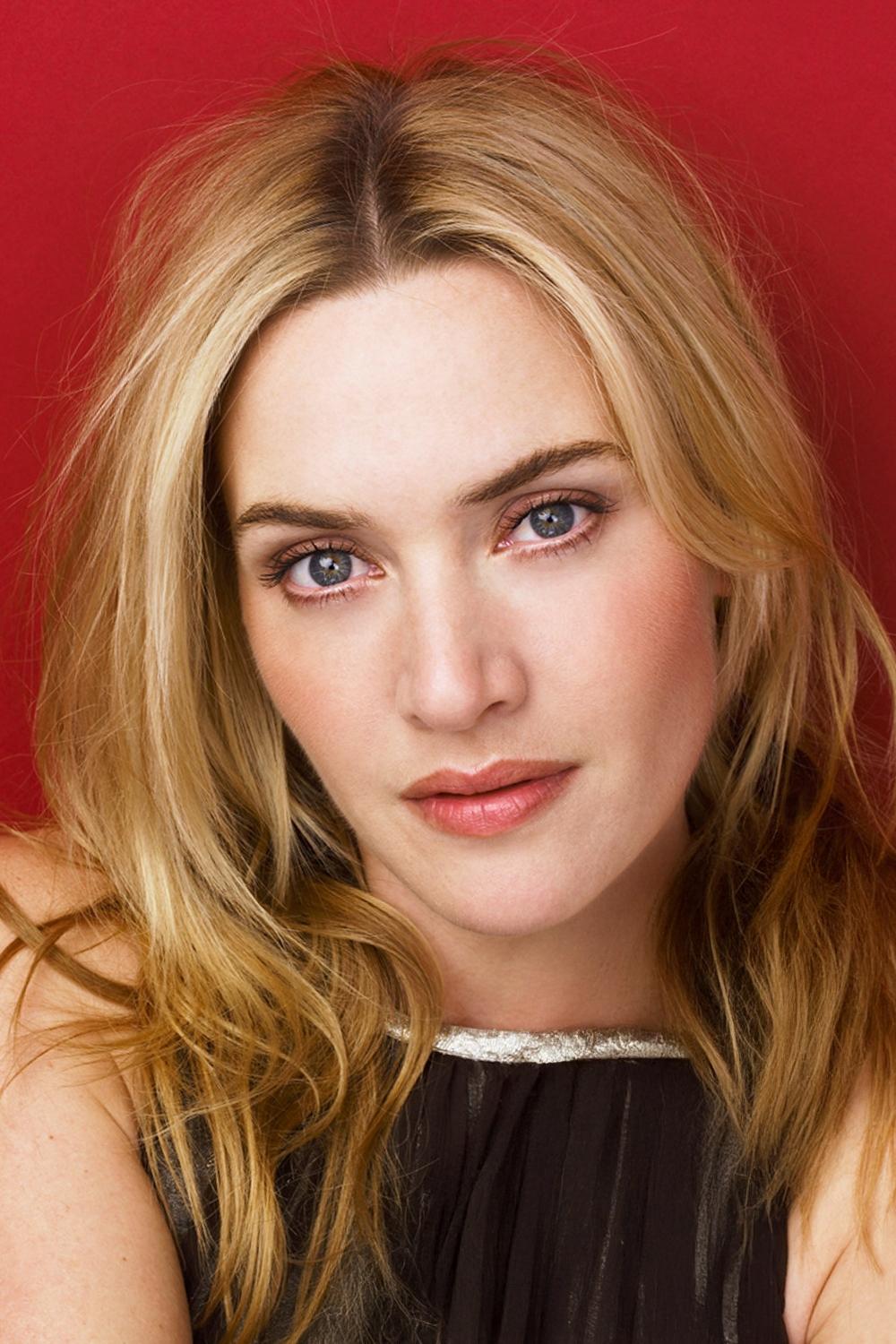
Kate Winslet rose rapidly with ‘Sense and Sensibility’, ‘Titanic’, and ‘Heavenly Creatures’. She strategically alternated global blockbusters with intimate, director-led projects. Winslet earned early Academy Award nominations and maintained collaborations across British and American cinema. Her career choices established a model for mixing scale and prestige.
Helen Hunt
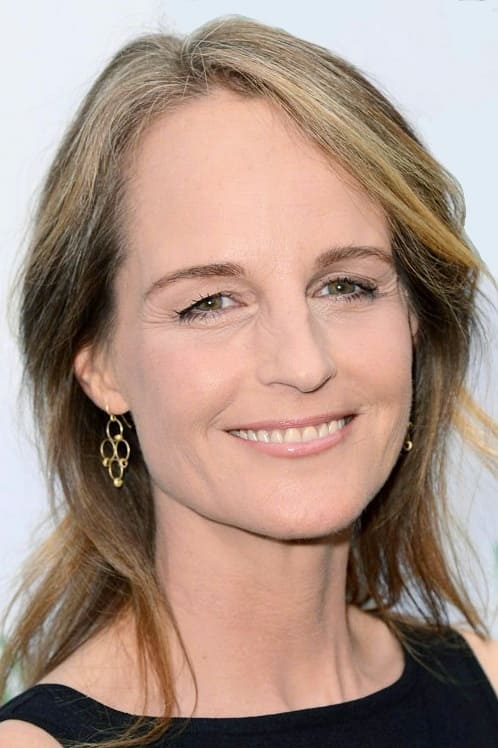
Helen Hunt dominated TV with ‘Mad About You’ and crossed into film prestige with ‘As Good as It Gets’, winning the Academy Award for Best Actress. She led action-disaster blockbuster ‘Twister’, demonstrating box-office pull. Hunt’s dual success on television and film showcased the emerging permeability between mediums. She later expanded into directing and producing for both screens.
Geena Davis
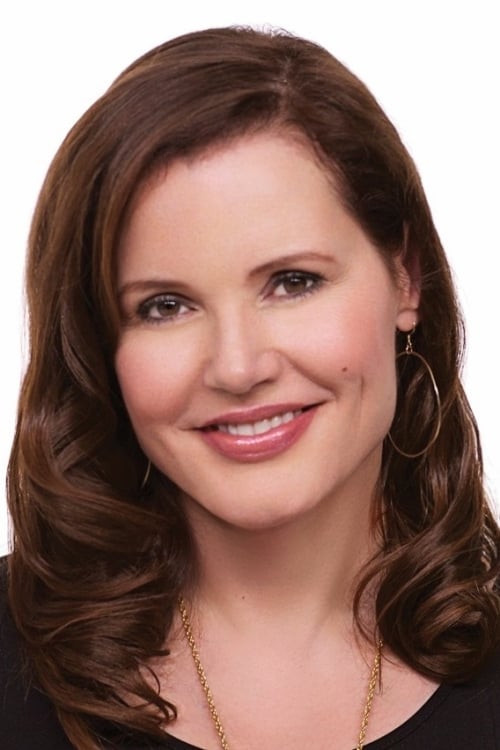
Geena Davis starred in ‘Thelma & Louise’ and ‘A League of Their Own’, two lasting touchstones for women-centered ensemble storytelling. She earned major awards, including an Academy Award for Best Supporting Actress earlier in her career, and continued with action roles like ‘The Long Kiss Goodnight’. Davis founded the Geena Davis Institute on Gender in Media, generating influential research on on-screen representation. Her 1990s work remains a frequent reference in sports and road-movie narratives.
Angela Bassett
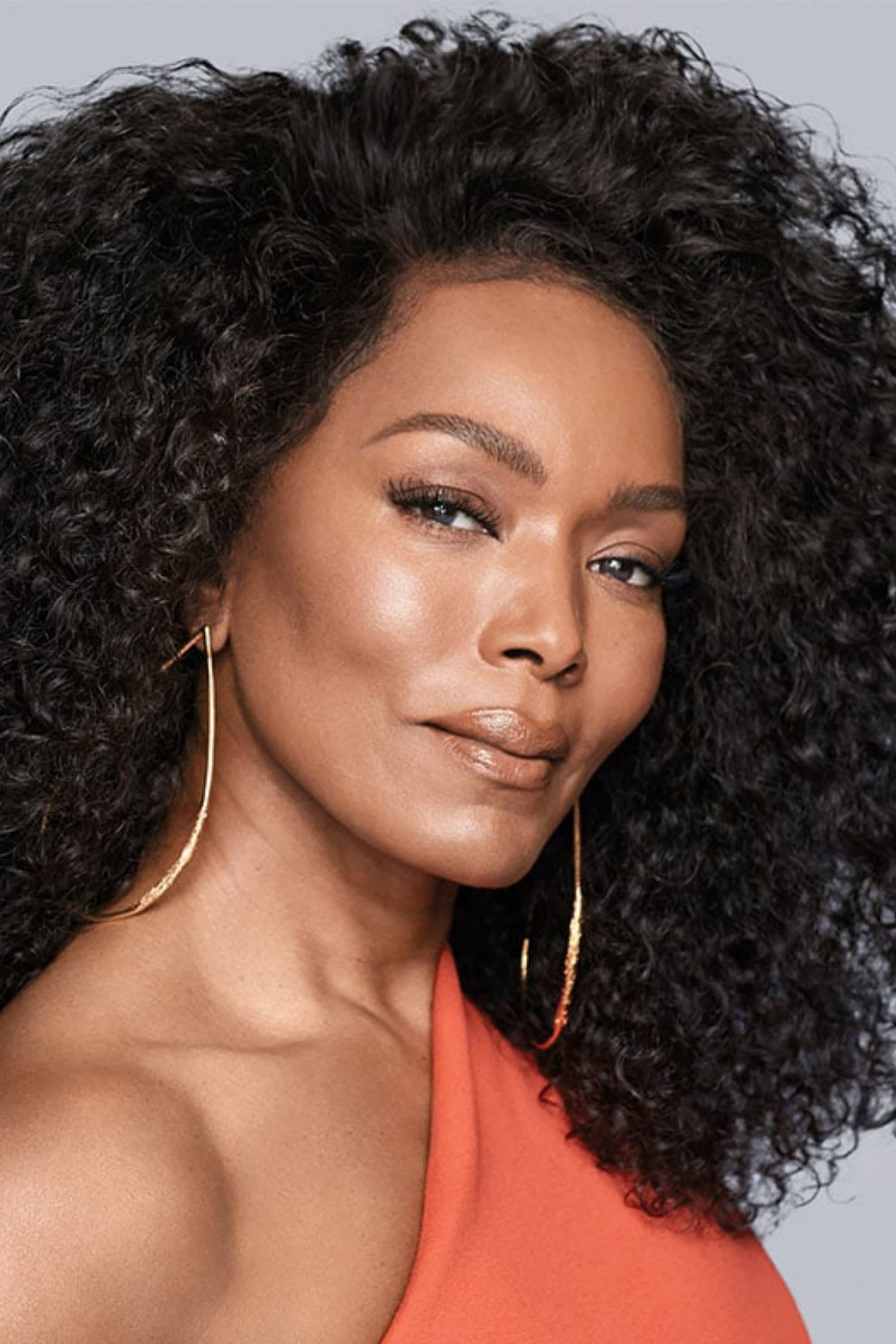
Angela Bassett delivered acclaimed portrayals in ‘What’s Love Got to Do with It’, ‘Waiting to Exhale’, and ‘How Stella Got Her Groove Back’. She became known for biographical and ensemble dramas that centered Black women’s experiences. Bassett earned major awards nominations and later transitioned smoothly into prestige TV. She has continued to produce and advocate for inclusive casting and stories.
Juliette Binoche
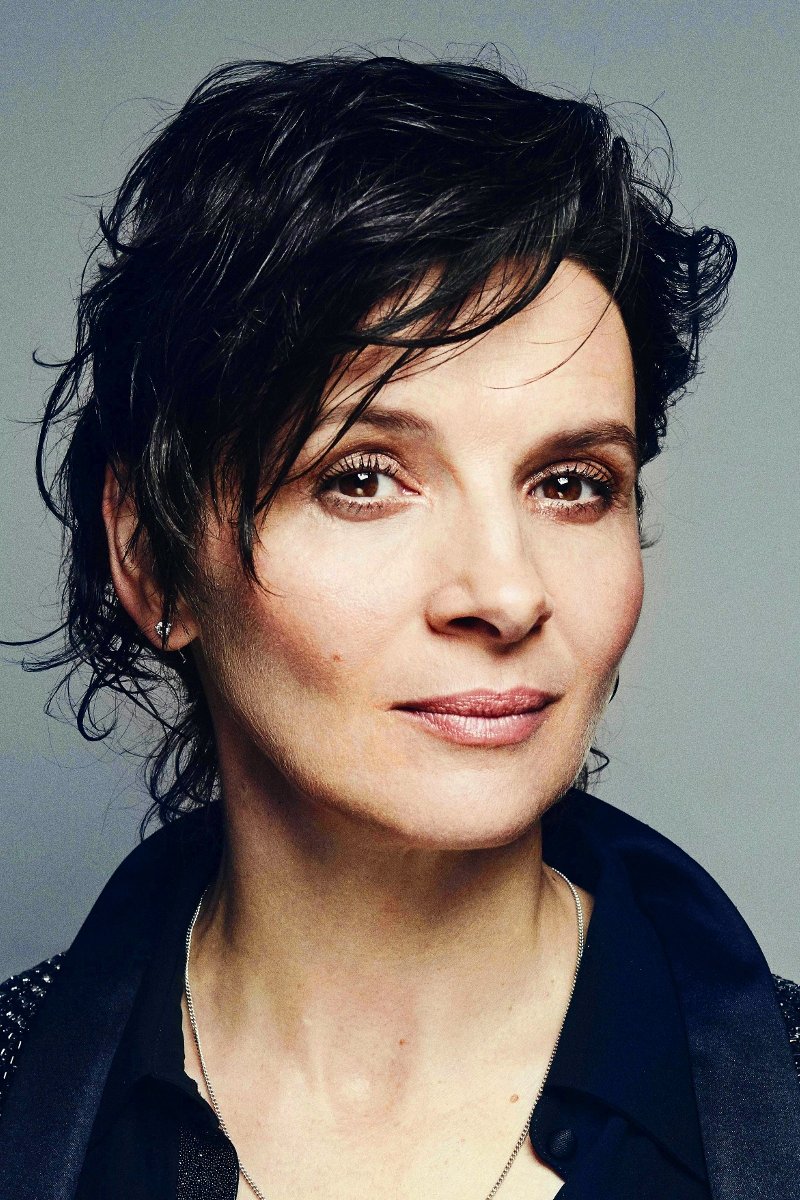
Juliette Binoche bridged European art-house and Hollywood with ‘The English Patient’, ‘Three Colors: Blue’, and ‘Chocolat’. She won the Academy Award for Best Supporting Actress for ‘The English Patient’ and regularly worked with renowned international directors. Binoche’s bilingual and cross-genre projects broadened global distribution for European-led films. Her choices helped normalize transnational casting in prestige releases.
Jennifer Aniston
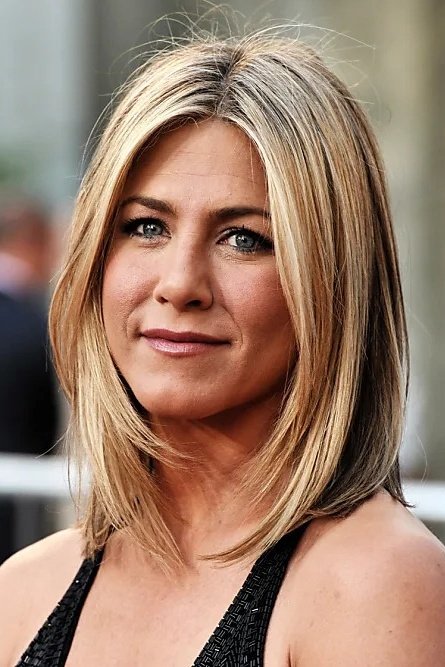
Jennifer Aniston became a household name with the ensemble sitcom ‘Friends’, shaping 1990s television culture. She leveraged TV fame into film roles like ‘Office Space’ and ‘Picture Perfect’. Aniston’s hair, fashion, and syndication presence turned her into a cross-media brand, influencing advertising and product tie-ins. She later developed producing credits and led streaming-era prestige TV projects.
Sarah Jessica Parker
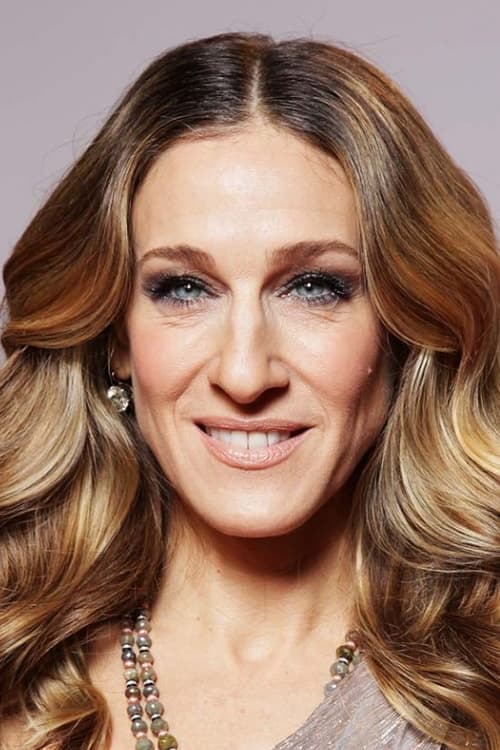
Sarah Jessica Parker led ‘Sex and the City’, which re-centered adult friendship, work, and dating as core TV storytelling. Her fashion partnerships and on-location production model influenced how networks approached urban-set comedies and dramas. Parker negotiated producer credit and later expanded into showrunning and film leads. The character-driven approach she anchored rippled through cable and premium TV development.
Gillian Anderson

Gillian Anderson fronted ‘The X-Files’ as a scientist and investigator whose methodology emphasized evidence and rational inquiry. The character’s profile contributed to documented increases in STEM interest among viewers. Anderson’s film and stage work during and after the series broadened her range across transatlantic productions. Her dual TV and film presence helped normalize prestige-genre hybrids for networks.
Sarah Michelle Gellar
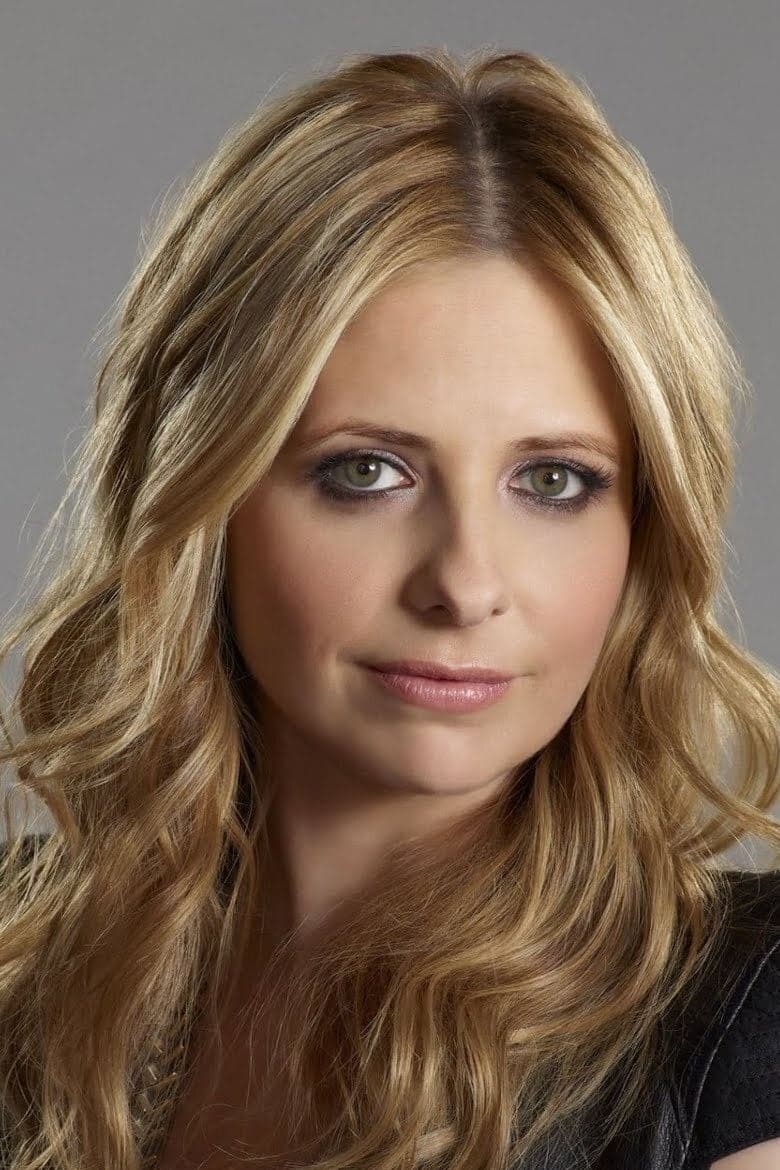
Sarah Michelle Gellar headlined ‘Buffy the Vampire Slayer’, which blended action, horror, and coming-of-age arcs in a serialized format. The show’s mix of monster-of-the-week and season-long arcs informed later genre series structures. Gellar parlayed TV visibility into films like ‘I Know What You Did Last Summer’ and ‘Cruel Intentions’. She later moved into producing and voice acting, extending the brand across mediums.
Alicia Silverstone
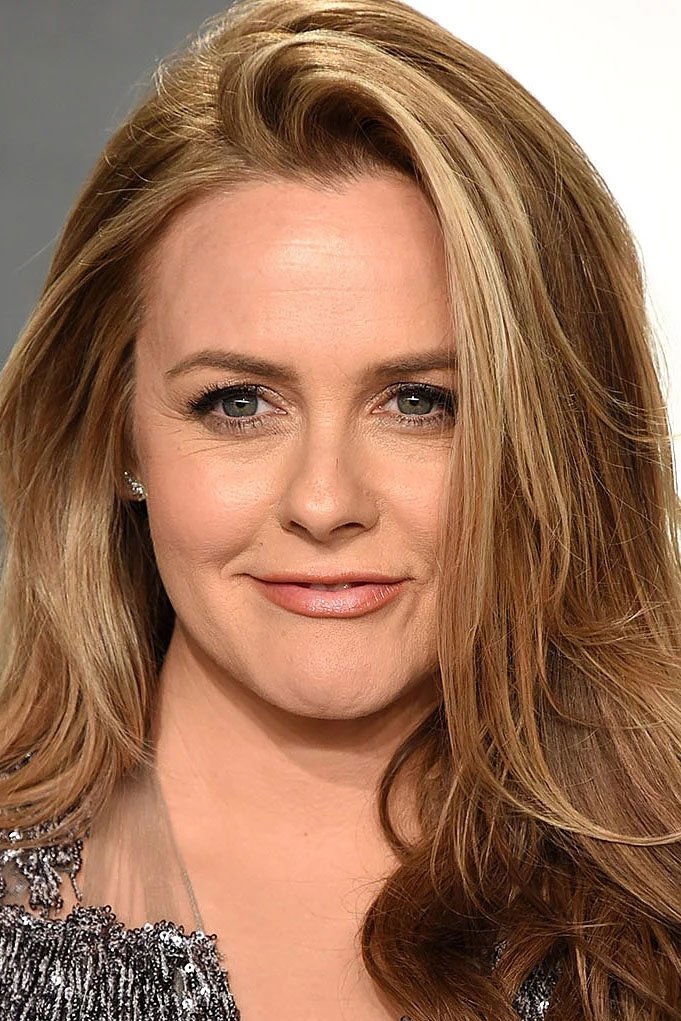
Alicia Silverstone broke out with ‘Clueless’, which reshaped teen-comedy fashion, slang, and soundtrack marketing. She became a frequent spokesperson and producer, steering projects aimed at youth audiences. Silverstone’s early roles also included thrillers, demonstrating range beyond comedy. Her advocacy work and publishing later broadened her influence outside acting.
Reese Witherspoon
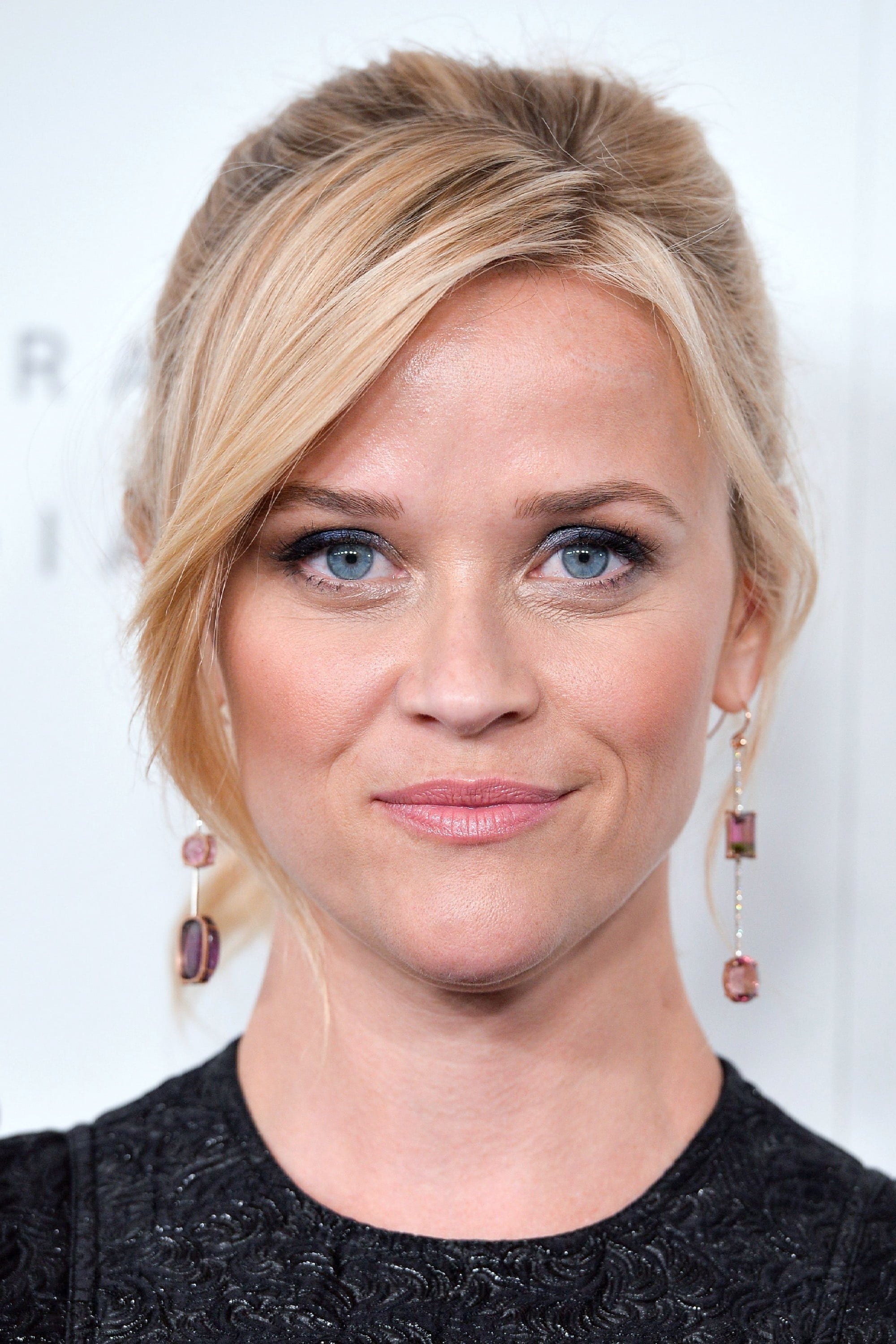
Reese Witherspoon moved from youth-centered roles into acclaimed turns in ‘Election’ and ‘Cruel Intentions’. She established a pattern of selecting character-driven scripts with sharp writing. Witherspoon later founded a production company focused on female-led narratives across film and streaming. Her 1990s foundation positioned her as both star and producer in the following decades.
Marisa Tomei
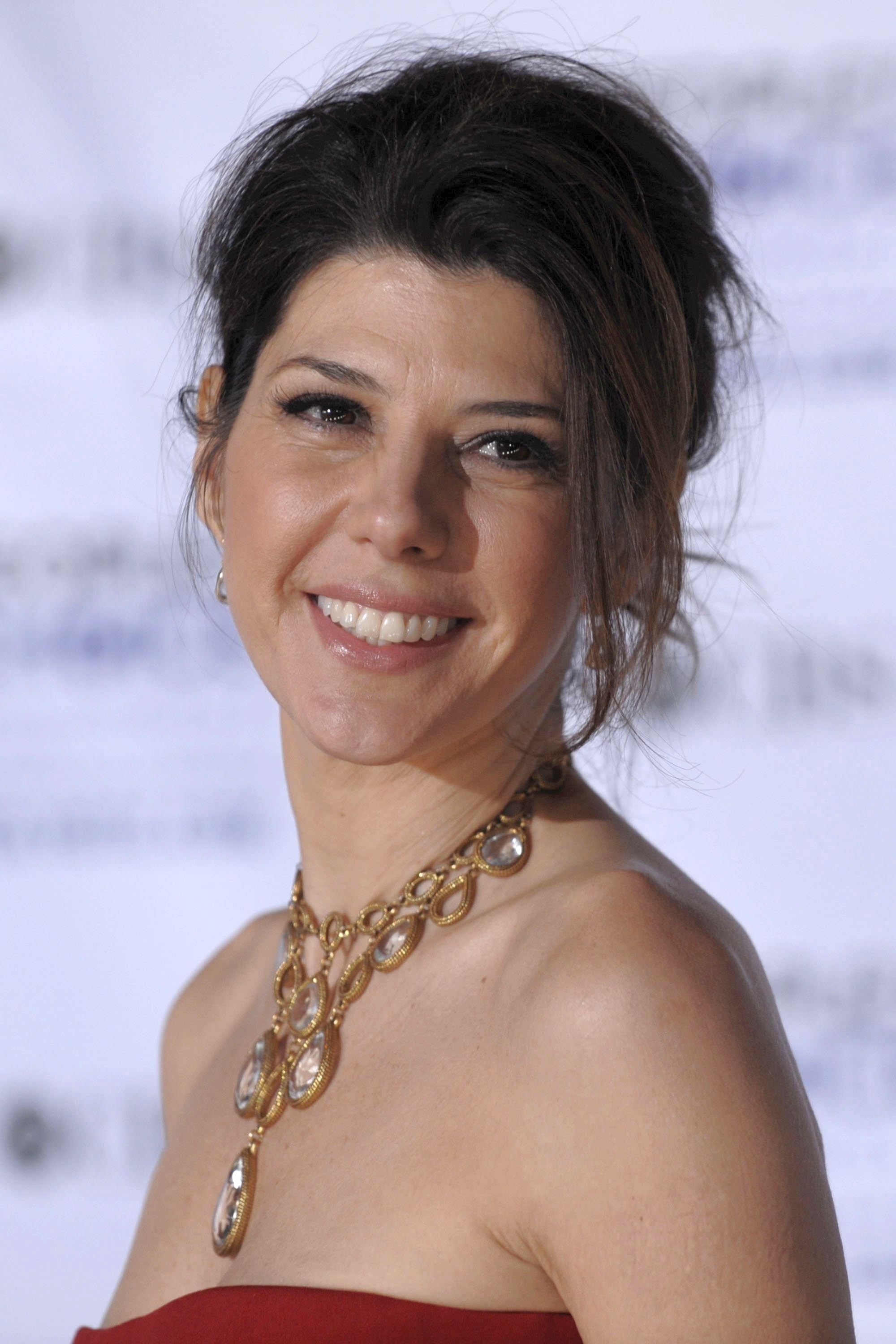
Marisa Tomei earned the Academy Award for Best Supporting Actress for ‘My Cousin Vinny’ and followed with a mix of studio and independent films. She alternated comedic timing with dramatic roles in ensemble pieces. Tomei maintained stage commitments alongside screen work, reinforcing her craft profile. Her consistent presence across genres kept her in demand through the decade.
Charlize Theron
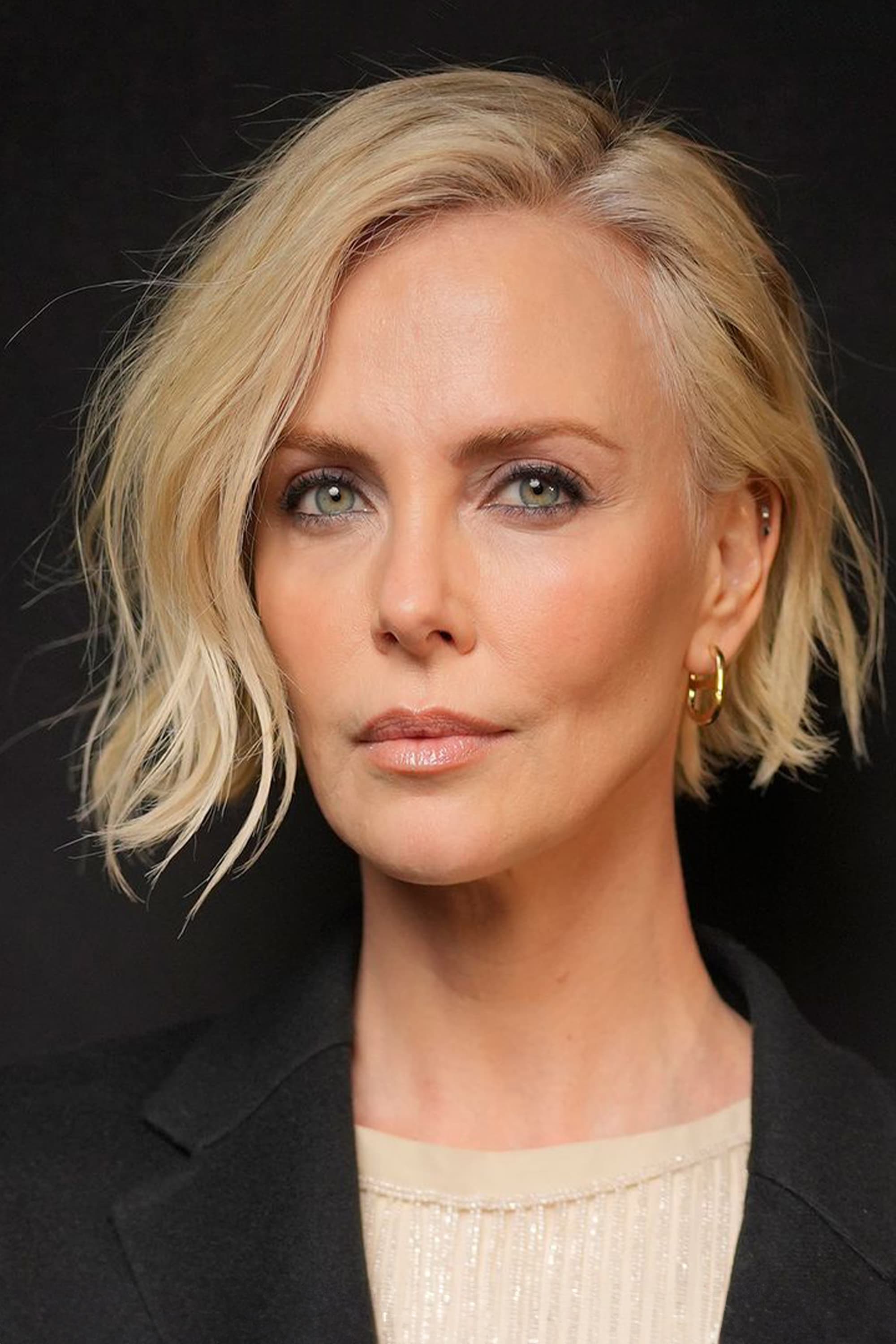
Charlize Theron transitioned from modeling to acting with early roles in films like ‘The Devil’s Advocate’ and ‘Mighty Joe Young’. She demonstrated action and dramatic capacity that later led to awards-winning performances. Theron also built a producing arm to develop genre and prestige projects. Her late-1990s visibility set the stage for global franchise and awards traction.
Toni Collette

Toni Collette broke through internationally with ‘Muriel’s Wedding’ and followed with ensemble work like ‘The Sixth Sense’. She became known for character transformations across accents and tone. Collette balanced independent cinema with mainstream releases, building durable box-office credibility. She later expanded into prestige TV while maintaining a steady film slate.
Claire Danes
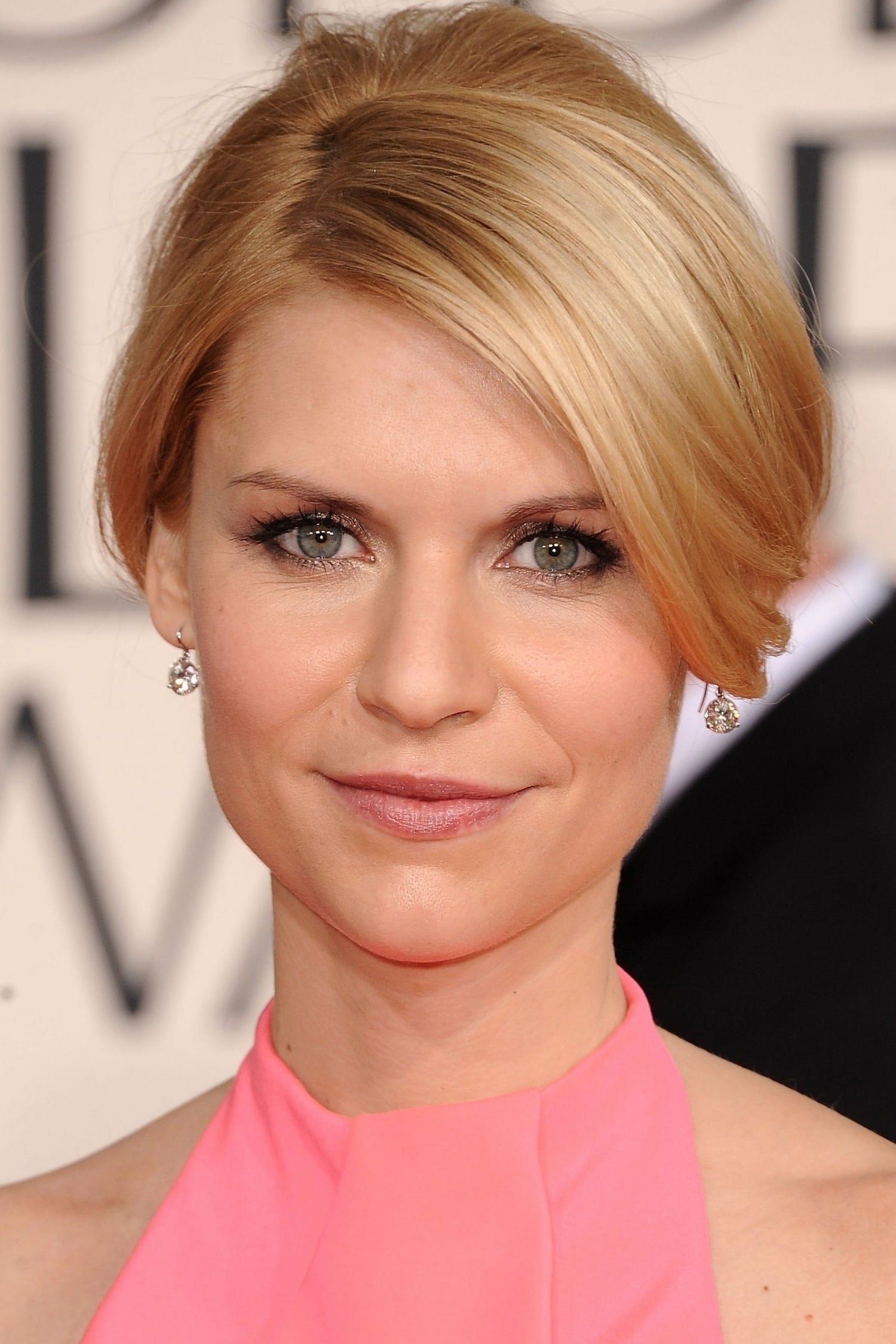
Claire Danes led ‘My So-Called Life’, bringing nuanced portrayal of adolescent interiority to primetime drama. She transitioned to films including ‘Romeo + Juliet’ and ‘The Rainmaker’, collaborating with major directors. Danes’ early career emphasized emotionally complex leads across TV and film. This cross-medium success foreshadowed later long-running prestige roles.
Jennifer Lopez
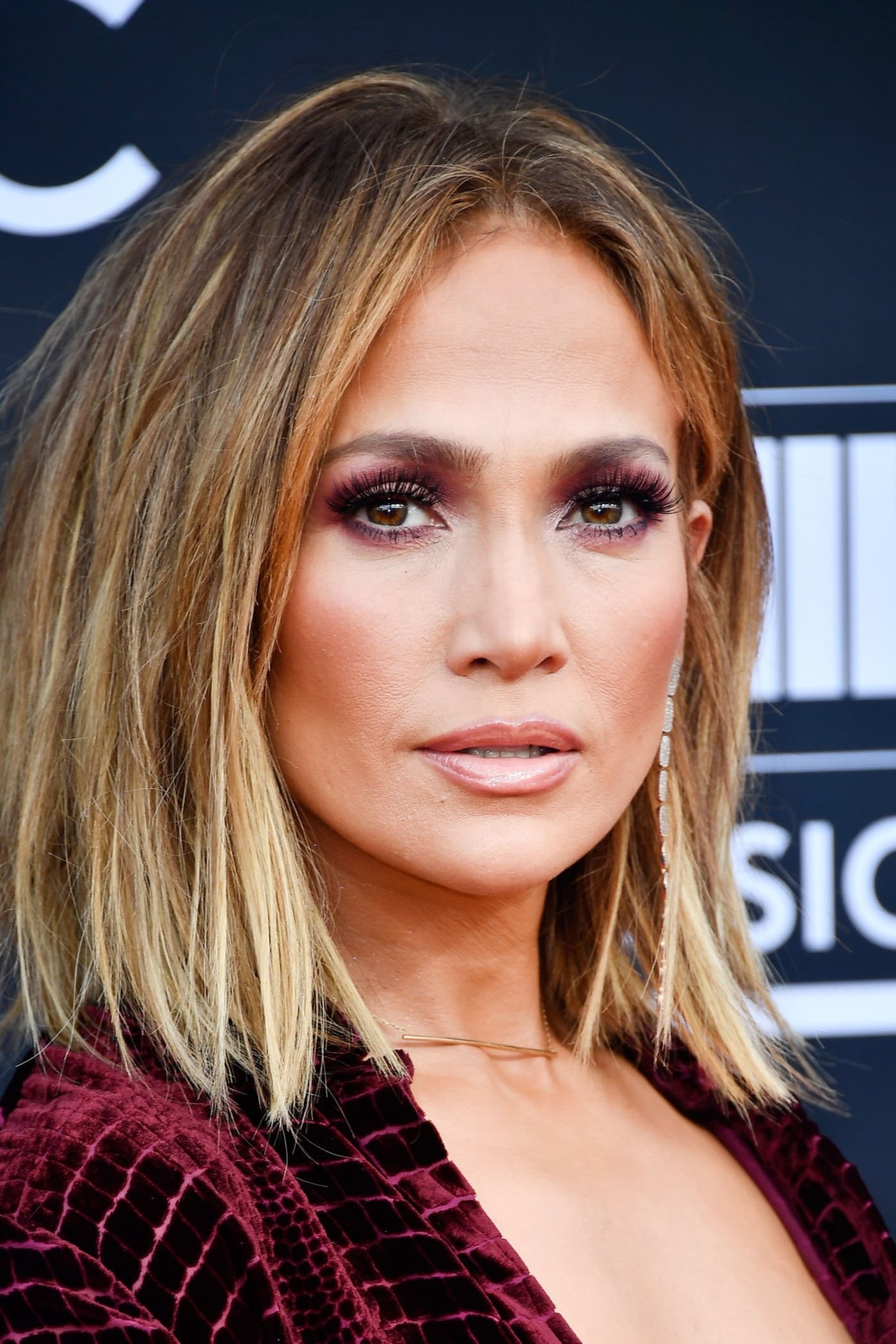
Jennifer Lopez moved from dance and TV to film leads with ‘Selena’, then into studio thrillers like ‘Out of Sight’. She became one of the few performers to maintain simultaneous success in music and film. Lopez launched fashion and production ventures that extended her brand globally. Her 1990s film work helped broaden Latina representation in mainstream releases.
Kirsten Dunst
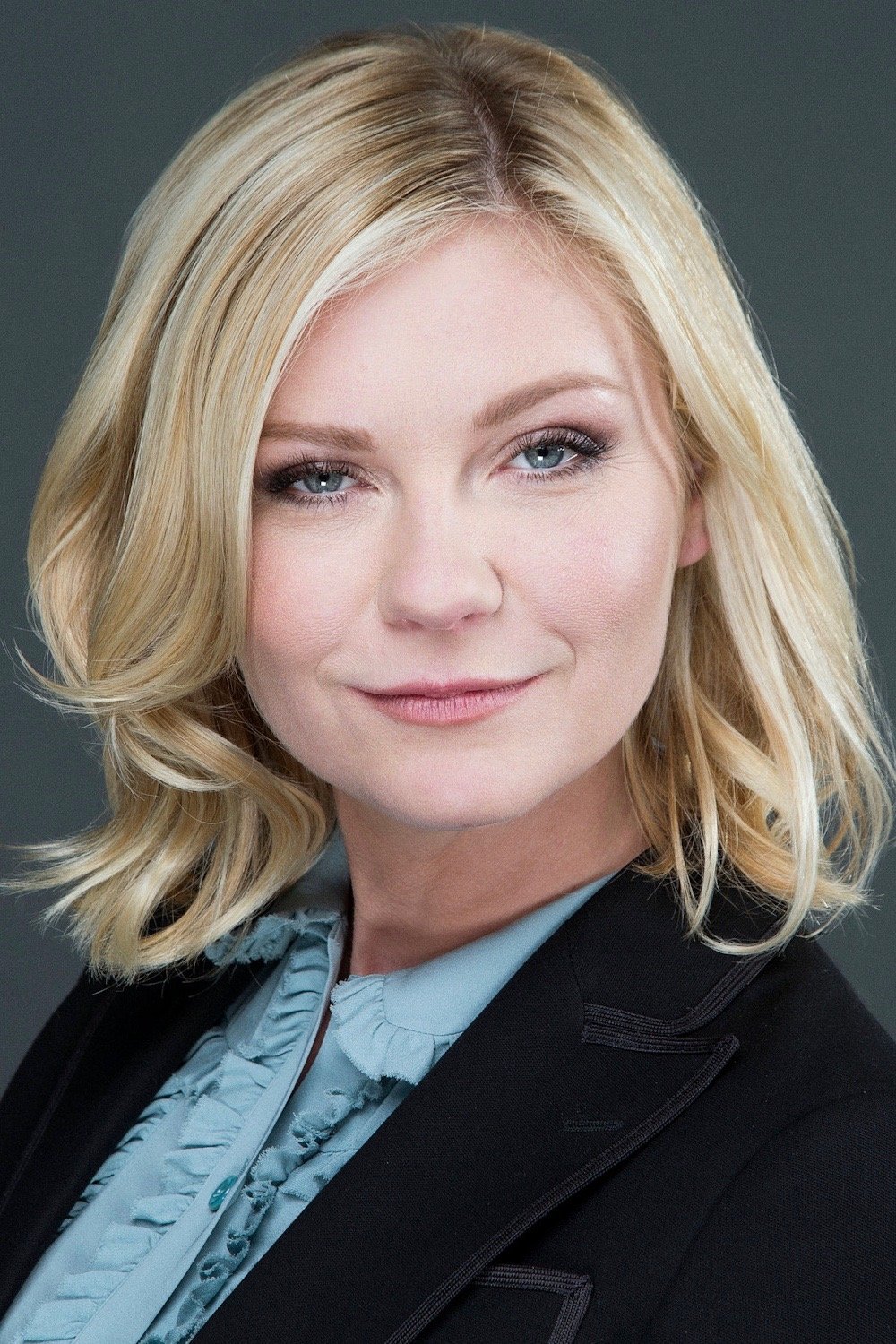
Kirsten Dunst drew notice with ‘Interview with the Vampire’, then sustained momentum in ‘Jumanji’ and ‘The Virgin Suicides’. She balanced family adventure, psychological drama, and independent cinema. Dunst developed a reputation for subtle, character-specific performances at a young age. Her consistent output across the decade laid groundwork for later festival and awards recognition.
Frances McDormand
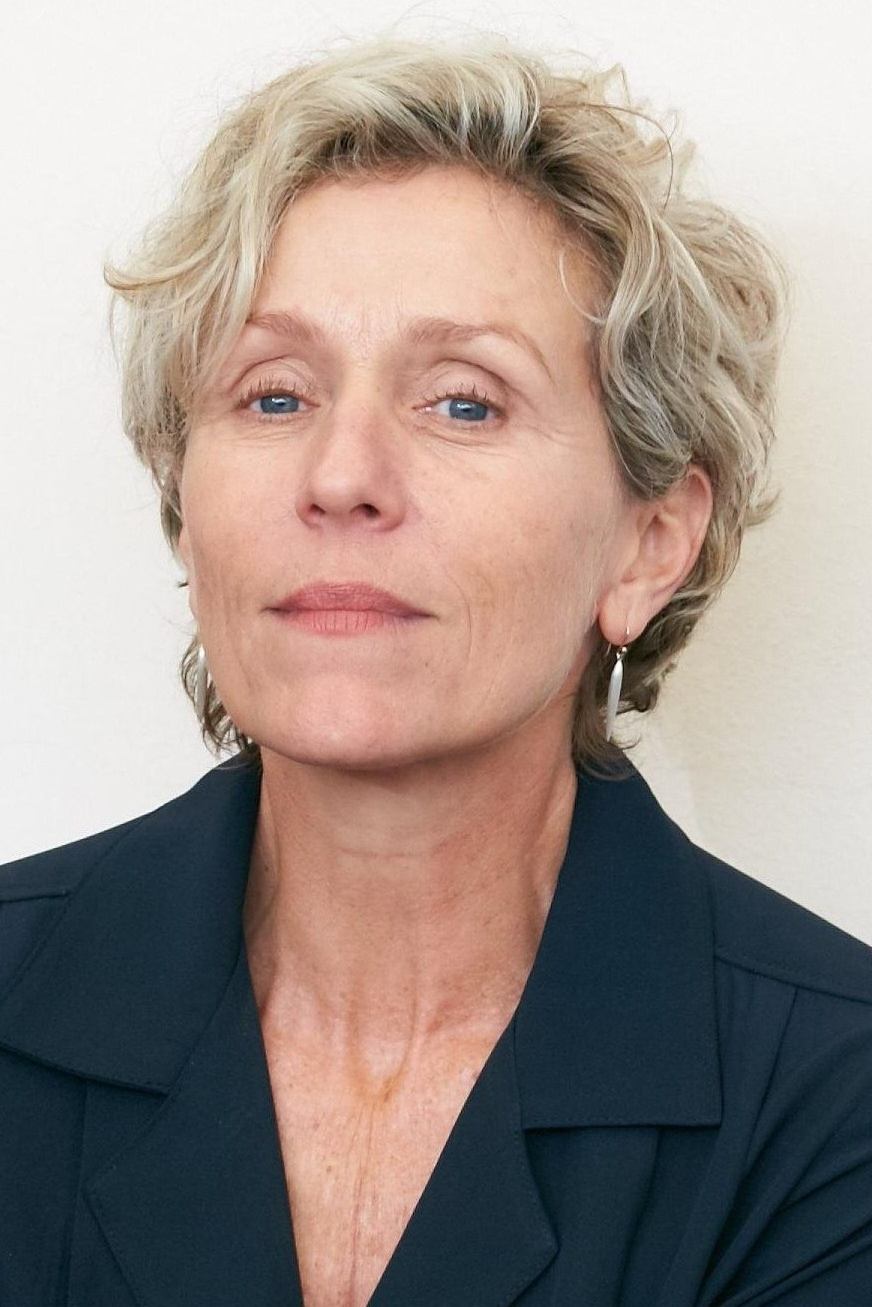
Frances McDormand delivered acclaimed performances in ‘Fargo’ and ‘Short Cuts’, anchoring both dark comedy and ensemble drama. She maintained a strong theater presence, informing screen technique and role selection. McDormand’s collaborations with independent and studio filmmakers showed broad range. Her 1990s work reinforced the viability of unconventional leads in commercial distribution.
Laura Dern
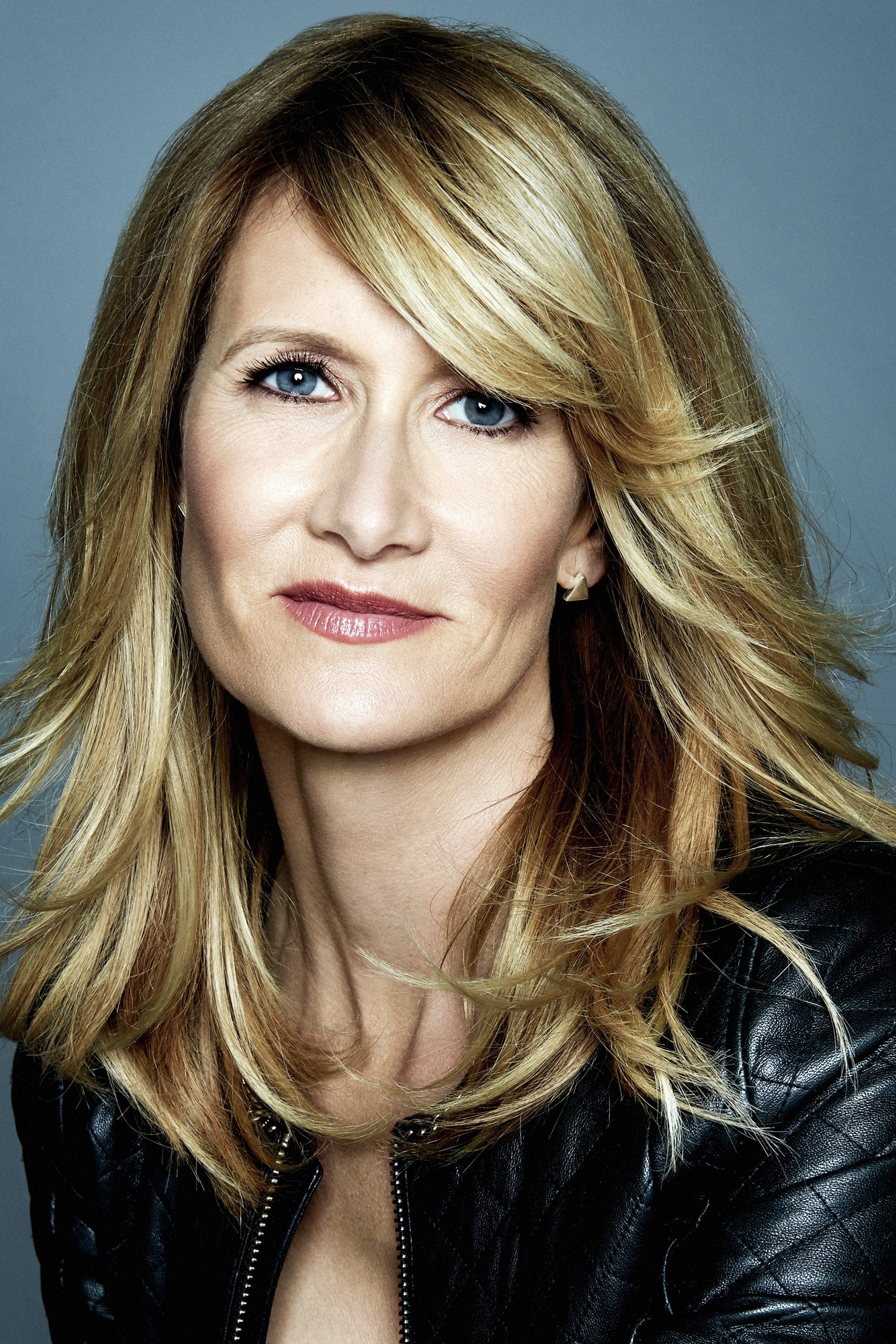
Laura Dern led character-driven dramas and crossed into global blockbusters with ‘Jurassic Park’. She frequently collaborated with auteur directors on psychologically rich roles. Dern supported independent productions while sustaining mainstream visibility. This balance helped her remain a fixture in awards conversations and long-term franchises.
Michelle Yeoh
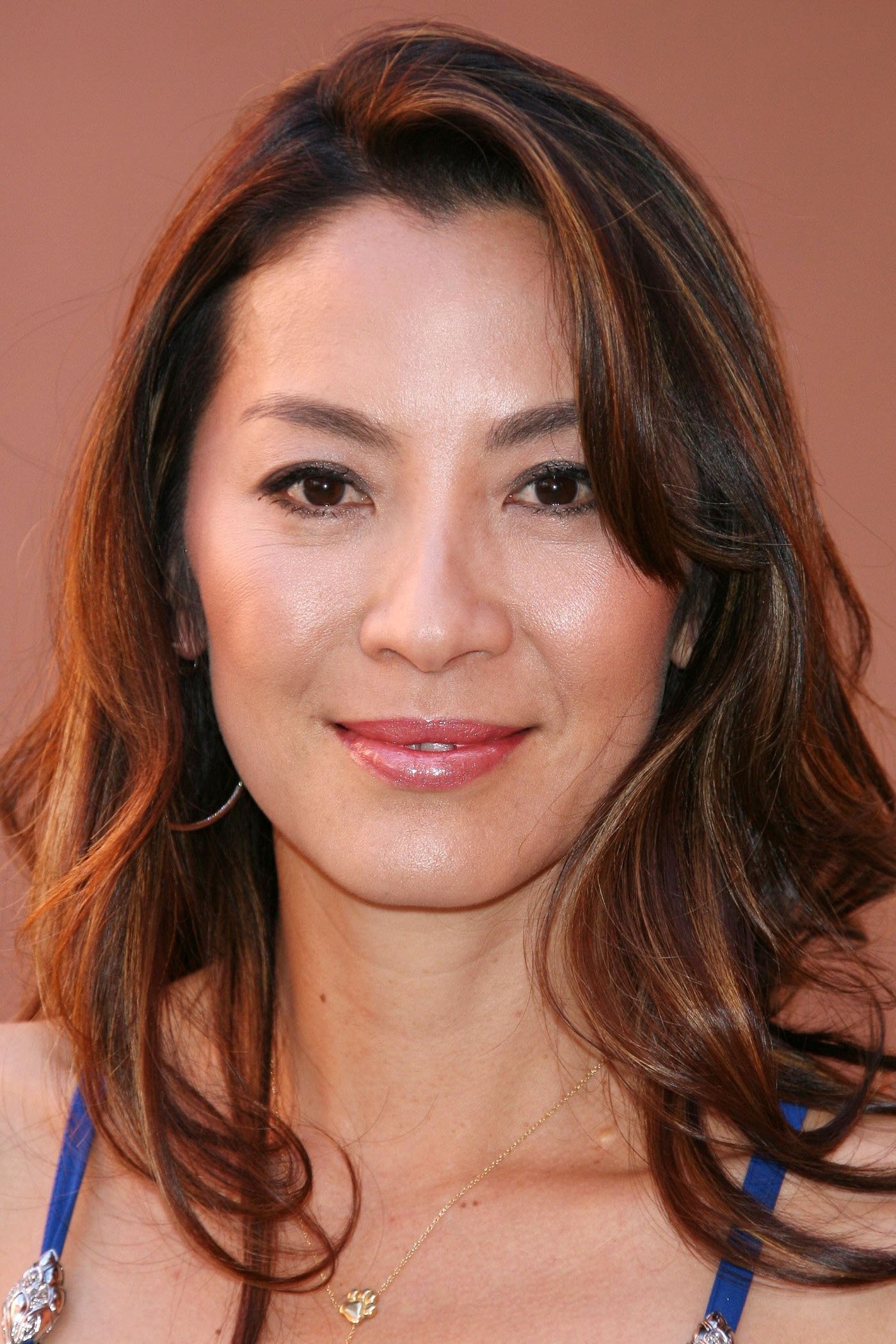
Michelle Yeoh transitioned from Hong Kong action cinema to wider international audiences with films like ‘Supercop’ and ‘Tomorrow Never Dies’. She performed many of her own stunts, influencing expectations for female action leads. Yeoh selected projects that blended martial-arts choreography with character development. Her 1990s profile accelerated East–West collaborations in action and adventure films.
Gong Li
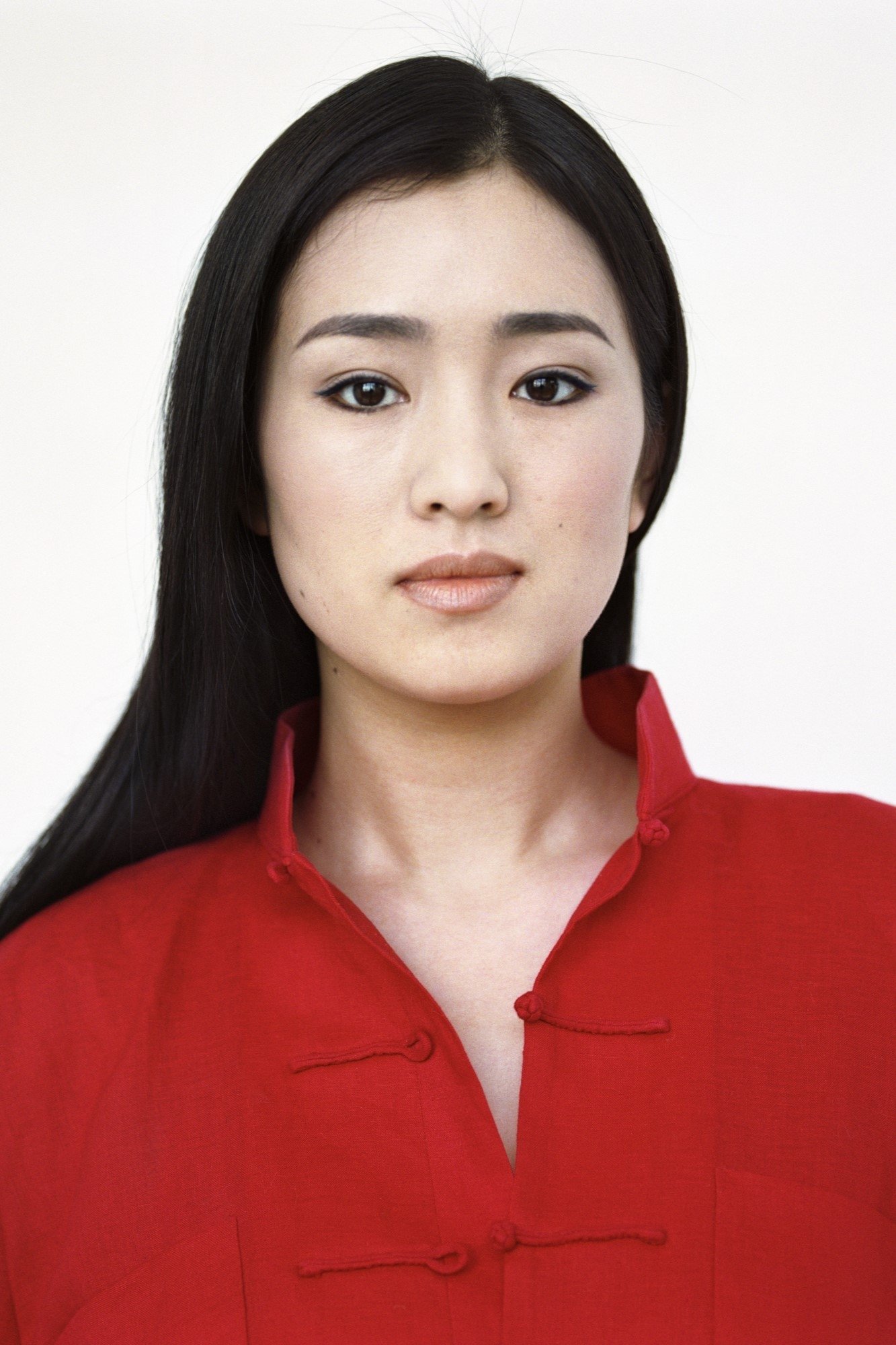
Gong Li worked with leading Chinese directors on films such as ‘Raise the Red Lantern’ and ‘Farewell My Concubine’. Her performances traveled widely through international festivals and art-house circuits. Gong’s work increased Western distribution for Chinese-language cinema. She maintained a cross-border career that influenced casting and co-production models.
Share which actresses you’d add—or which performances from the 1990s you revisit most—in the comments!