The Most Influential Actresses of the 1970s

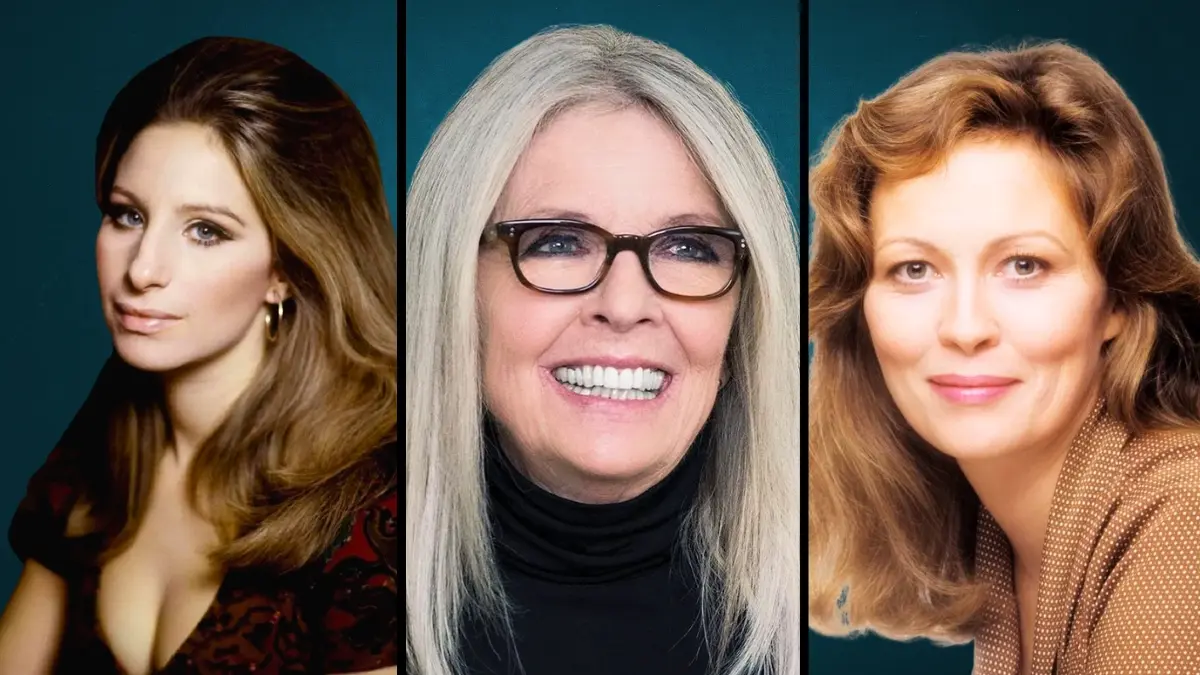

The 1970s reshaped screen acting, and a remarkable group of women drove that change across American, European, and global cinema and television. They anchored new waves of filmmaking, headlined studio hits, carried daring independents, and expanded what kinds of characters audiences could see. Many also moved between film and TV with ease, brought stage discipline to the camera, and worked closely with directors whose styles defined the decade. Here are twenty-five—plus fifteen more—actresses whose work in the era set artistic standards, shifted industry expectations, and built legacies that still shape performances today.
Jane Fonda
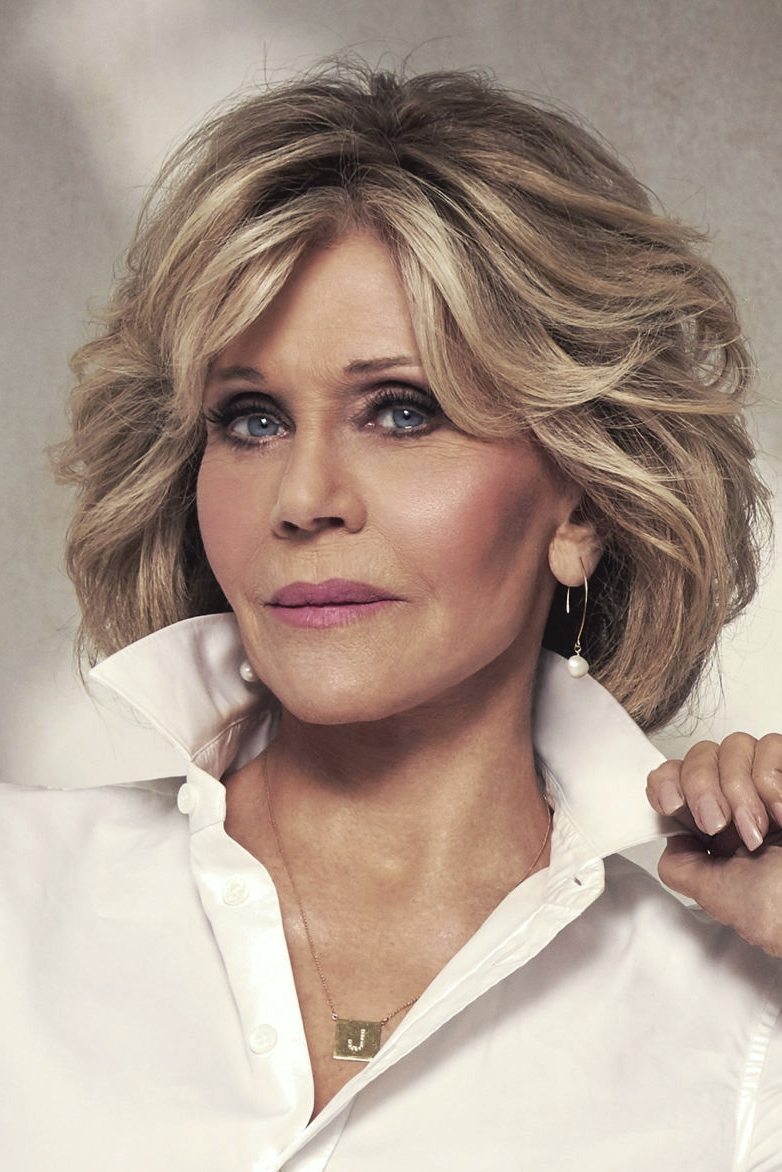
Jane Fonda became a leading force of the decade through layered performances in socially conscious dramas and sharp, character-driven thrillers. She won major awards for roles that blended investigative tension with intimate psychology. Fonda also produced projects to secure complex parts for women and collaborated with filmmakers who pushed topical themes to the foreground. Her performances anchored films like ‘Klute’ and ‘Coming Home’ and helped mainstream politically engaged storytelling.
Faye Dunaway
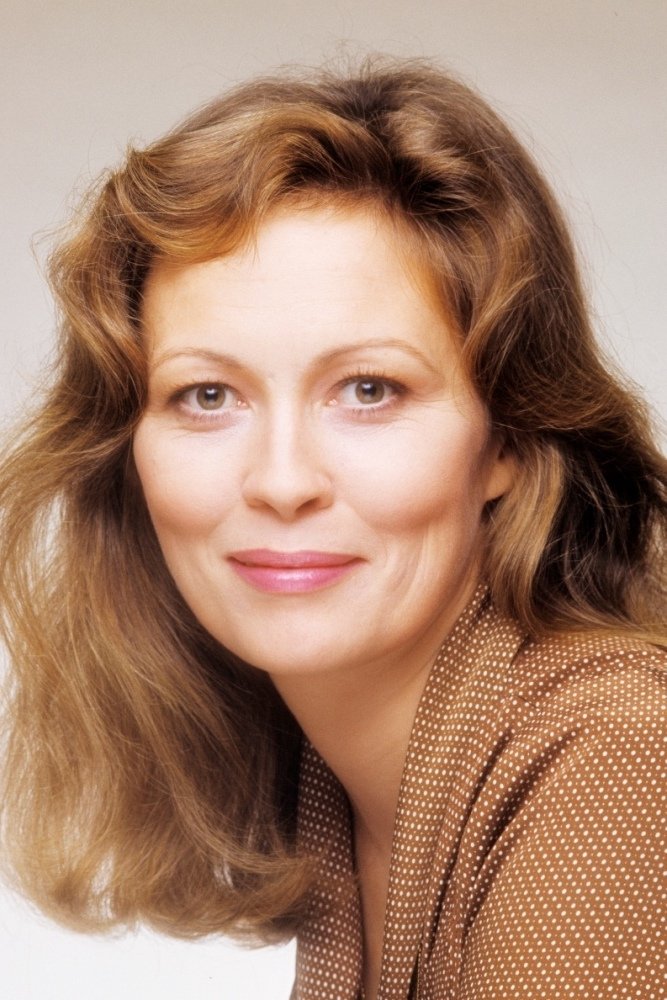
Faye Dunaway defined sophisticated, high-stakes drama through roles that merged glamour with moral ambiguity. She headlined landmark films such as ‘Chinatown’ and ‘Network’, working with directors who were central to the era’s new realism. Dunaway’s command of cool intensity influenced how anti-heroes and ambitious professionals were written for women. Her characters often sat at the center of power struggles, making her a go-to actor for complex modern narratives.
Diane Keaton
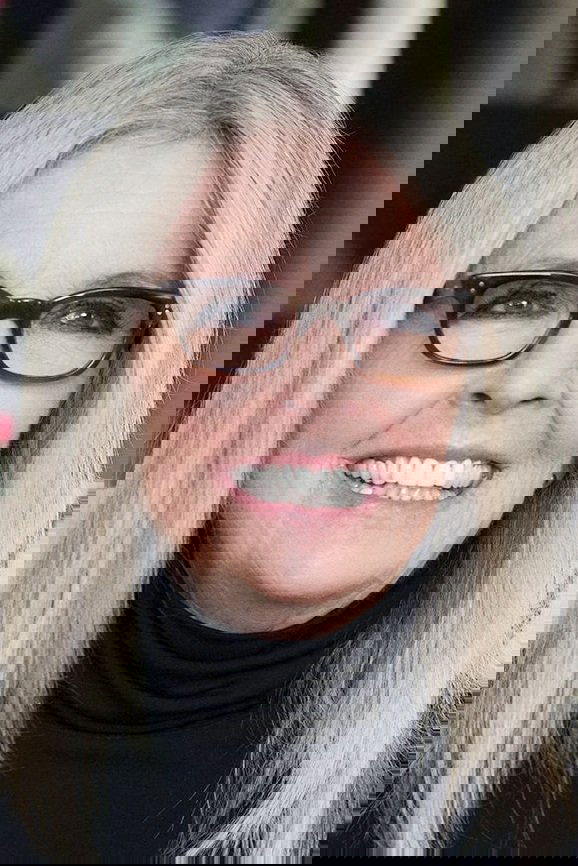
Diane Keaton bridged studio epics and nimble comedies, shaping the decade’s voice-driven style. She starred in ‘Annie Hall’ and across the ‘The Godfather’ saga, showing a range from sly, conversational humor to operatic family drama. Keaton’s rhythm, timing, and naturalism encouraged more off-beat, writerly roles for women. Her collaborations with top directors helped popularize an everyday conversational tone that still influences screen dialogue.
Liza Minnelli
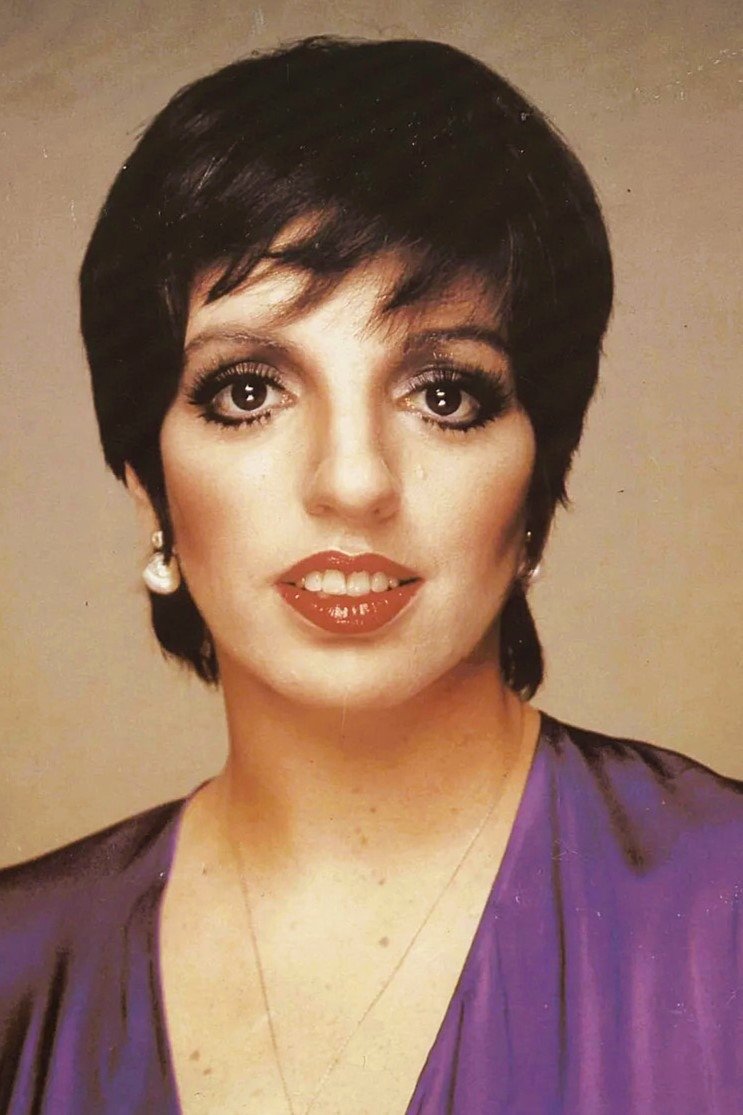
Liza Minnelli brought Broadway power and intimate vulnerability to film musicals and dramas. Her performance in ‘Cabaret’ set a bar for character-forward musical storytelling, pairing vocal precision with detailed acting beats. Minnelli sustained a screen presence across dramas, TV specials, and concert films, reinforcing the decade’s cross-medium stardom. She became a cultural reference point for performance-driven musicals that foreground character arcs.
Sissy Spacek
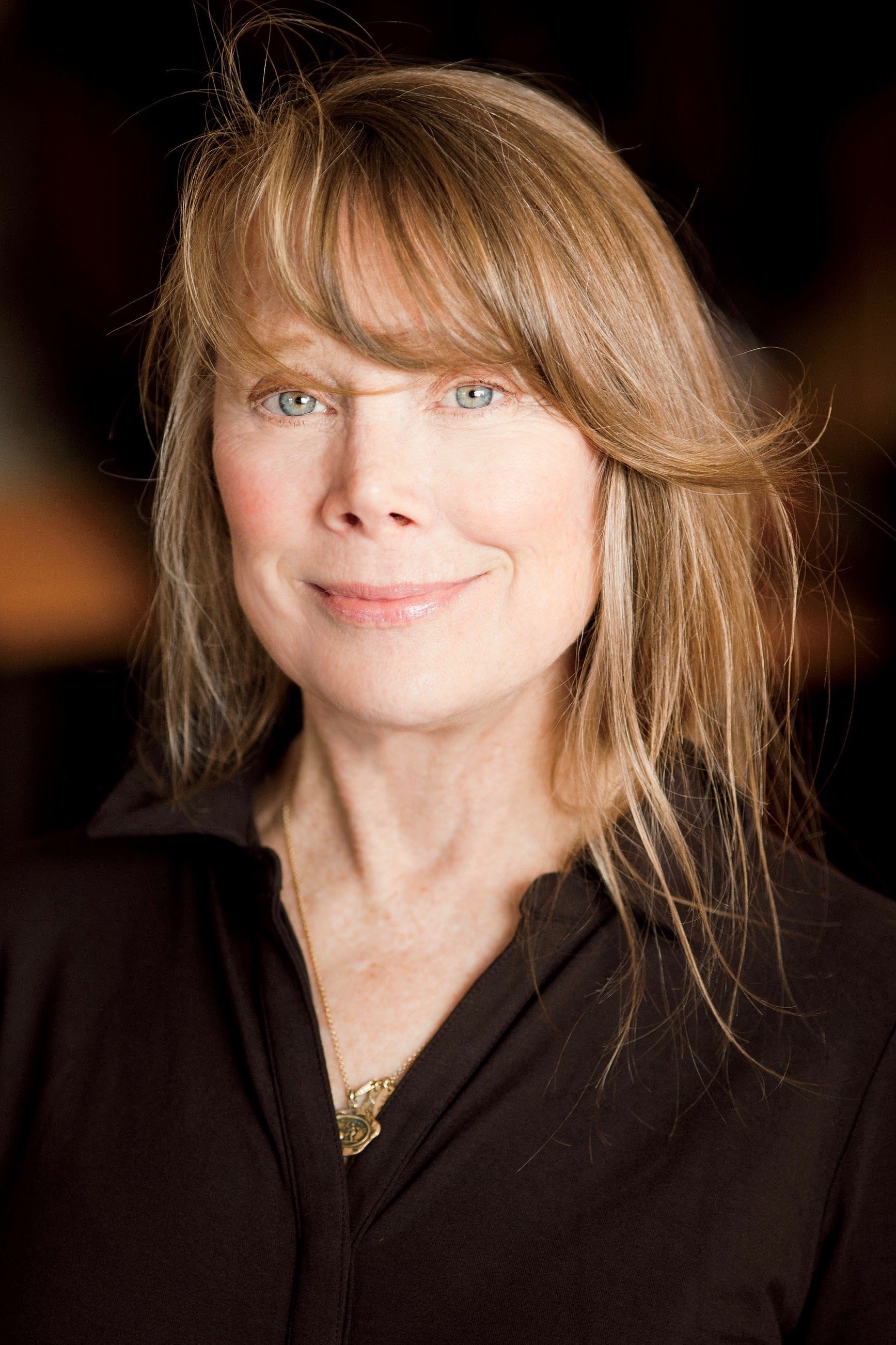
Sissy Spacek’s understated intensity redefined rural and adolescent narratives with a startling, lived-in authenticity. She led ‘Carrie’ and ‘Coal Miner’s Daughter’, showing range from psychological horror to biographical drama and musical performance. Spacek often collaborated with filmmakers exploring American working-class life, bringing specificity to regional settings. Her approach shaped how coming-of-age stories and music-centered biopics could be anchored by a single, disciplined performance.
Ellen Burstyn
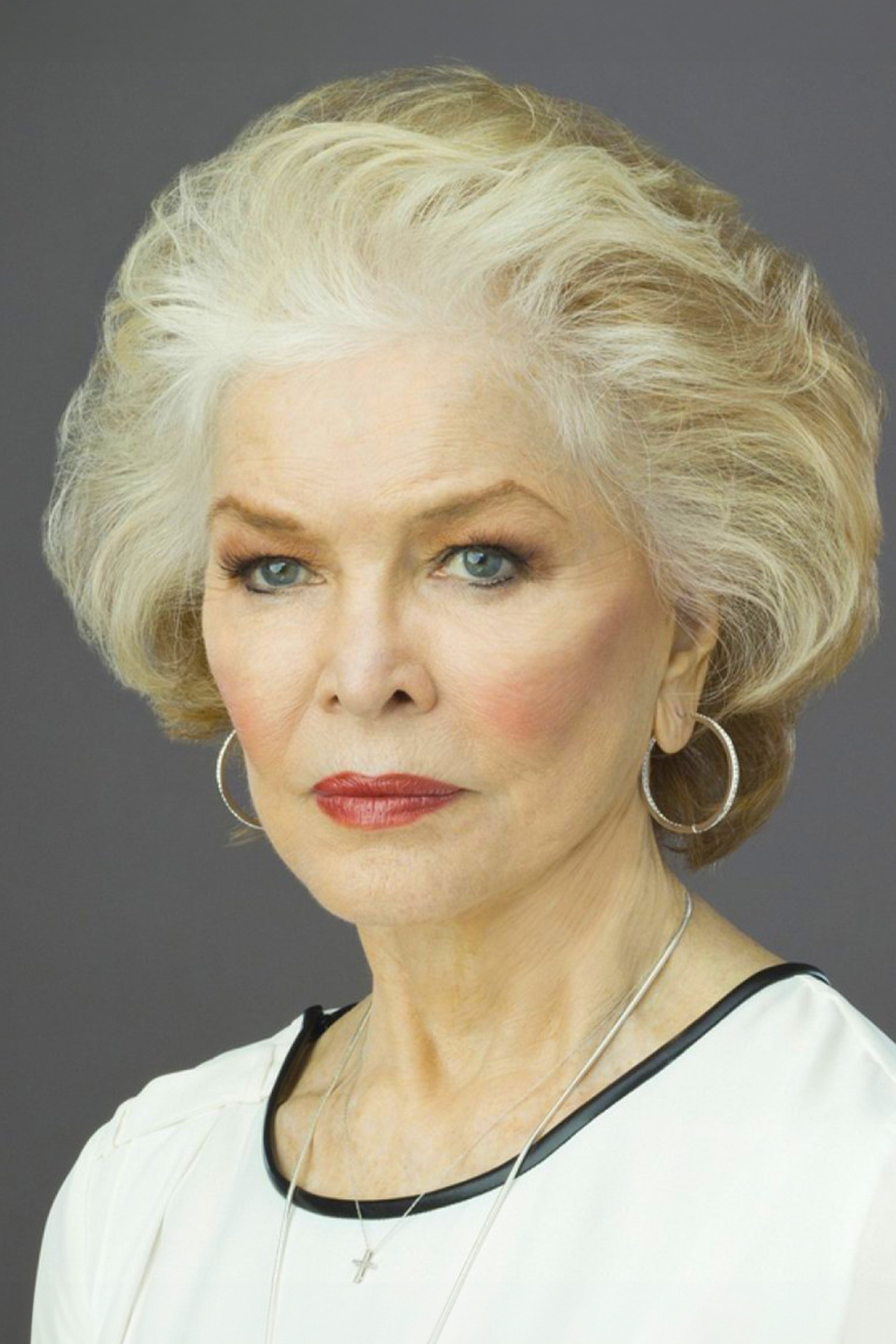
Ellen Burstyn moved fluidly among horror, realist drama, and road-movie tenderness, prioritizing character interiority. She led ‘The Exorcist’ and ‘Alice Doesn’t Live Here Anymore’, working with directors who favored unsparing emotional truth. Burstyn’s roles frequently explored women’s independence, caregiving, and spiritual crisis without sentimentality. She also advocated for artist-led institutions that strengthened actors’ creative voices in film and theater.
Glenda Jackson

Glenda Jackson brought fierce intelligence and stagecraft to films that questioned class, power, and desire. She headlined ‘Sunday Bloody Sunday’ and ‘A Touch of Class’, demonstrating an ability to move from incisive contemporary drama to tart comedy. Jackson’s performances emphasized precision and rigor, making cerebral roles accessible to wide audiences. Her screen work influenced casting of actresses in intellectually demanding, dialogue-heavy projects.
Julie Christie
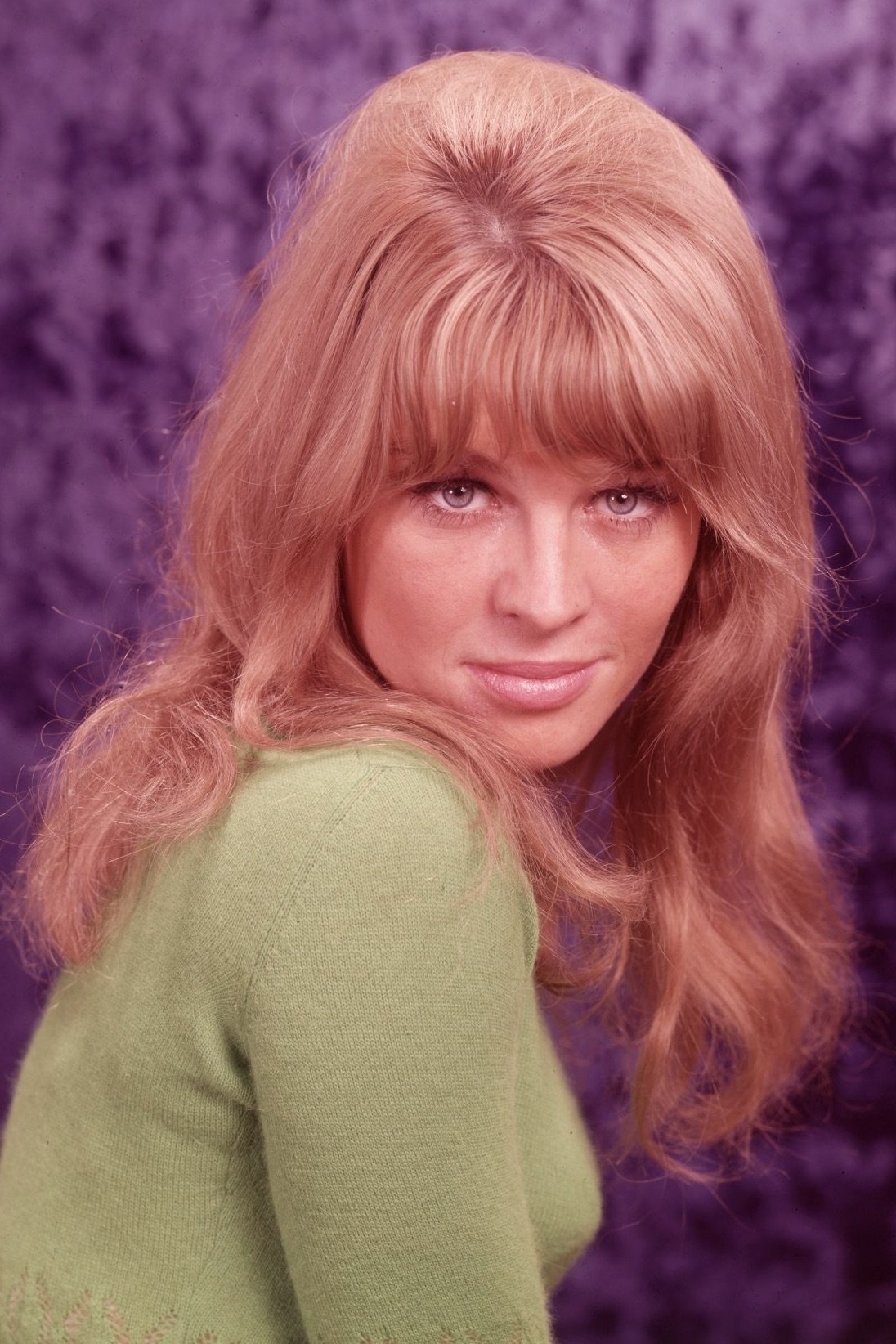
Julie Christie embodied the decade’s shift toward naturalistic, psychologically probing cinema. She gave indelible turns in ‘Don’t Look Now’ and ‘Shampoo’, pairing star magnetism with textured character work. Christie often chose directors interested in mood and atmosphere, bringing emotional clarity to experimental tones. Her choices helped normalize a blend of arthouse style and mainstream reach.
Pam Grier
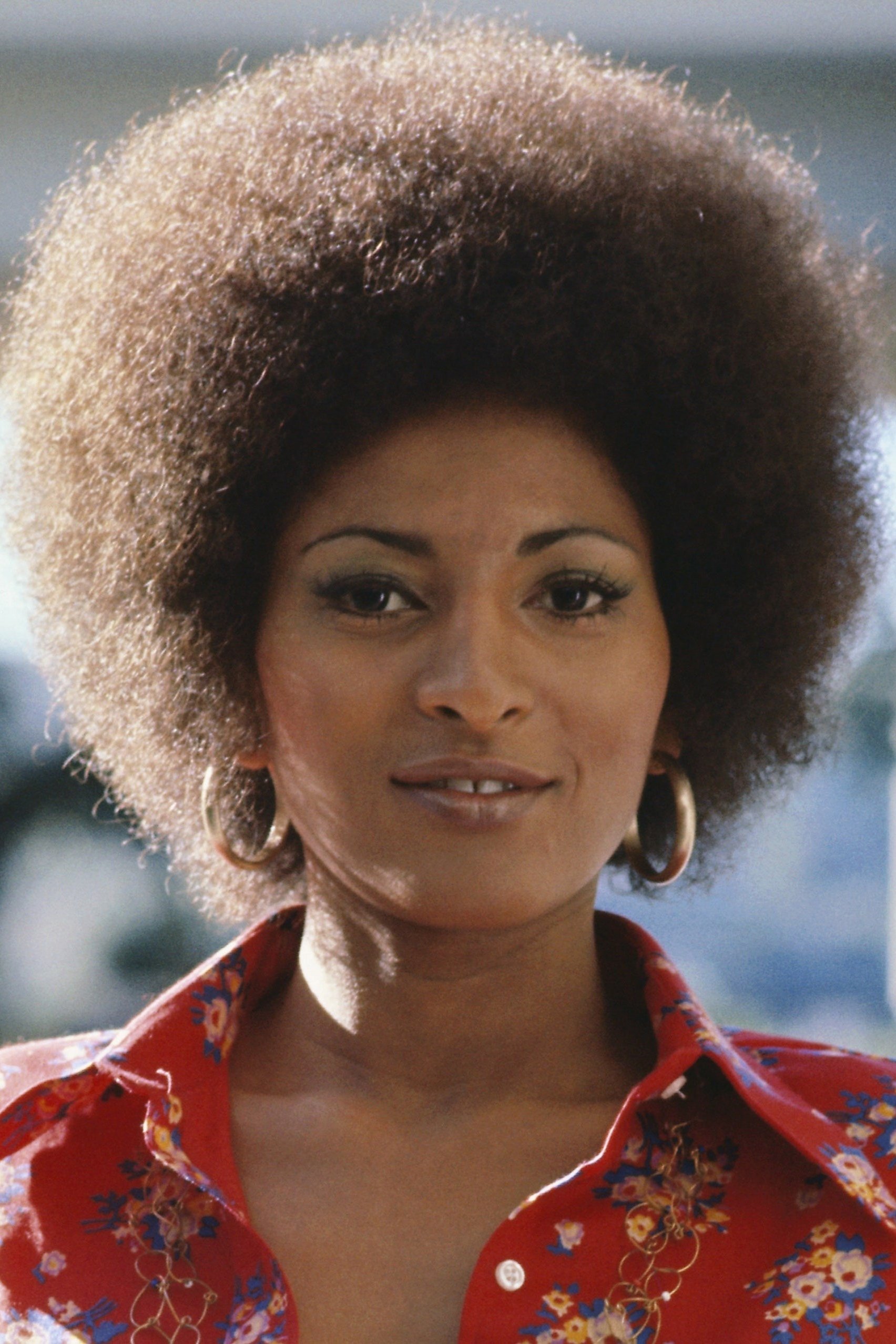
Pam Grier became the foremost female action star of the era, leading urban crime films with ferocious charisma. She fronted ‘Coffy’ and ‘Foxy Brown’, expanding the possibilities for Black women in genre cinema. Grier’s physicality and presence reoriented action narratives around female agency and retribution. Her roles helped open doors for women to lead action, thriller, and exploitation-to-mainstream crossovers.
Cicely Tyson

Cicely Tyson advanced nuanced portrayals of Black women in both film and television. She delivered searing performances in ‘Sounder’ and the TV landmark ‘The Autobiography of Miss Jane Pittman’, emphasizing dignity, resilience, and historical truth. Tyson’s choices prioritized stories with community impact, moving beyond stereotype into fully realized lives. Her work became a model for socially engaged roles across mediums.
Gena Rowlands
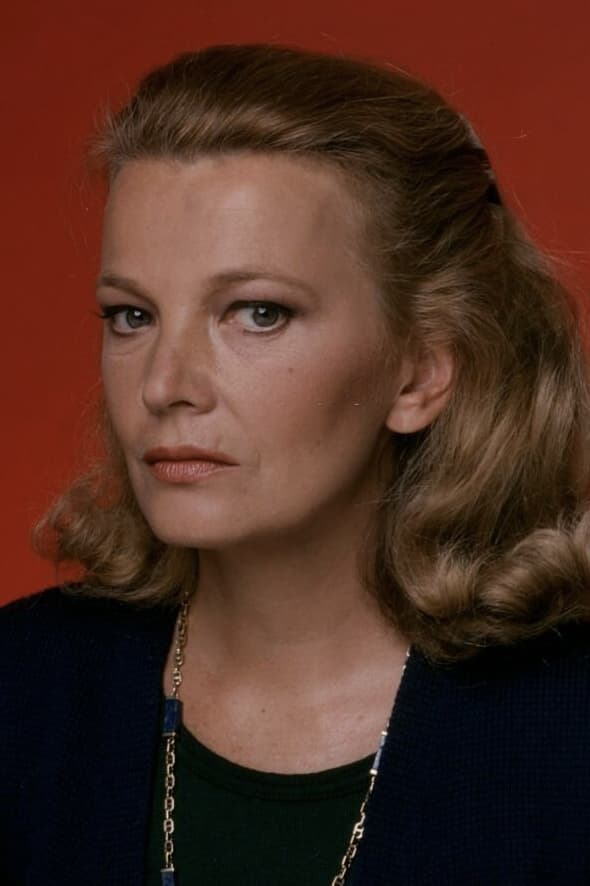
Gena Rowlands, often collaborating with John Cassavetes, pioneered improvisation-inflected realism on screen. She anchored ‘A Woman Under the Influence’ and ‘Gloria’, foregrounding mental health, maternal duty, and self-determination. Rowlands’ process highlighted the actor as co-author, shaping scenes through behavior and moment-to-moment discovery. Her influence is evident in later independent cinema and character-driven dramas.
Liv Ullmann

Liv Ullmann, central to Ingmar Bergman’s ensembles, gave psychologically intricate performances that shaped arthouse cinema. She led ‘Cries and Whispers’ and ‘Scenes from a Marriage’, exploring intimacy, memory, and moral fracture. Ullmann’s camera-aware subtlety showed how micro-expressions can carry narrative weight. Her success broadened US distribution for European dramas and raised the profile of subtitled films.
Isabelle Adjani
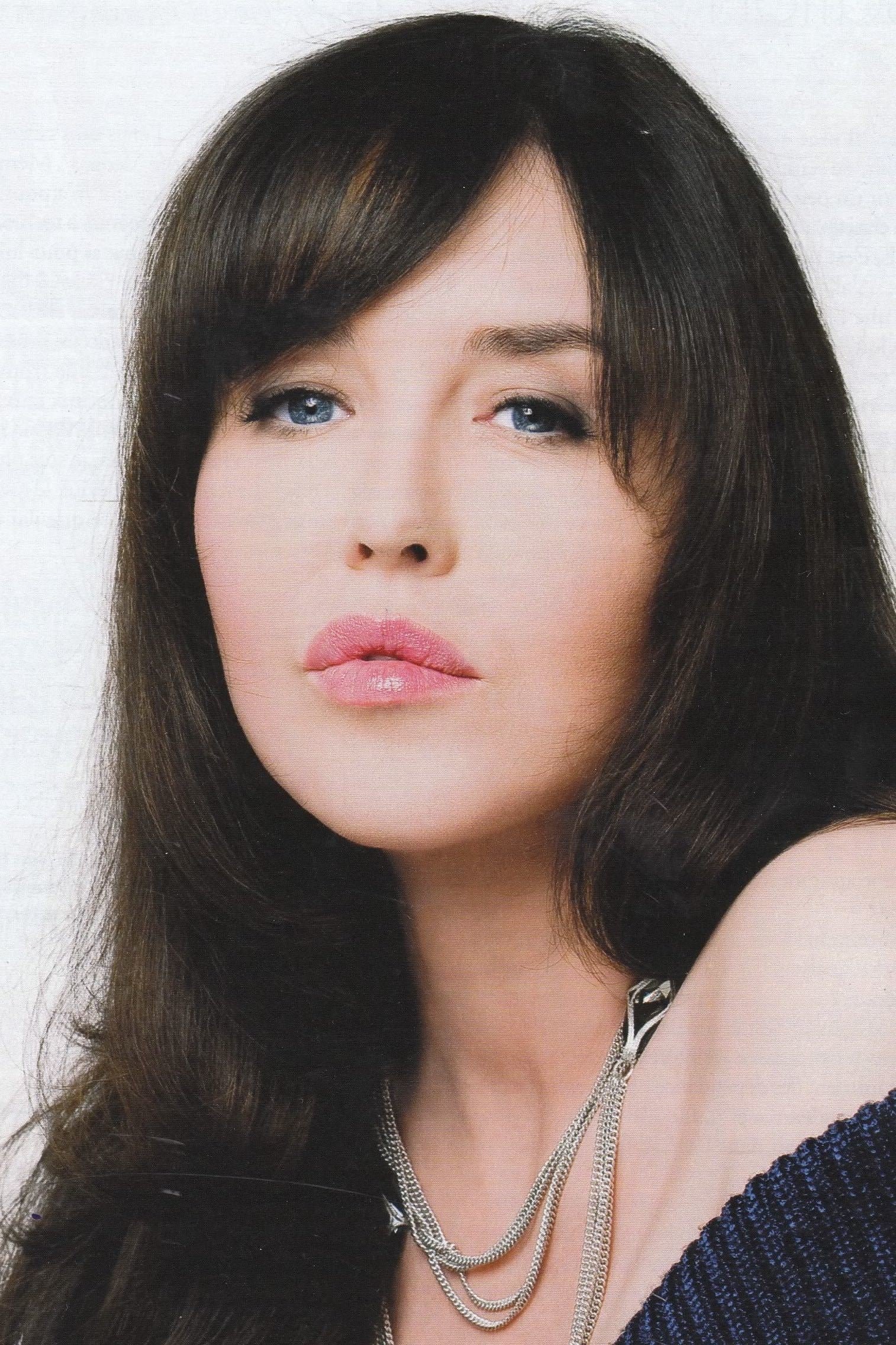
Isabelle Adjani emerged as a phenomenon in French cinema through piercing, emotionally high-wire work. She drew international attention with ‘The Story of Adele H.’ and continued to balance period pieces and psychological drama. Adjani’s performances fused youthful vulnerability with technical command, quickly earning top festival recognition. Her early impact helped position French actresses at the forefront of global arthouse markets.
Isabelle Huppert
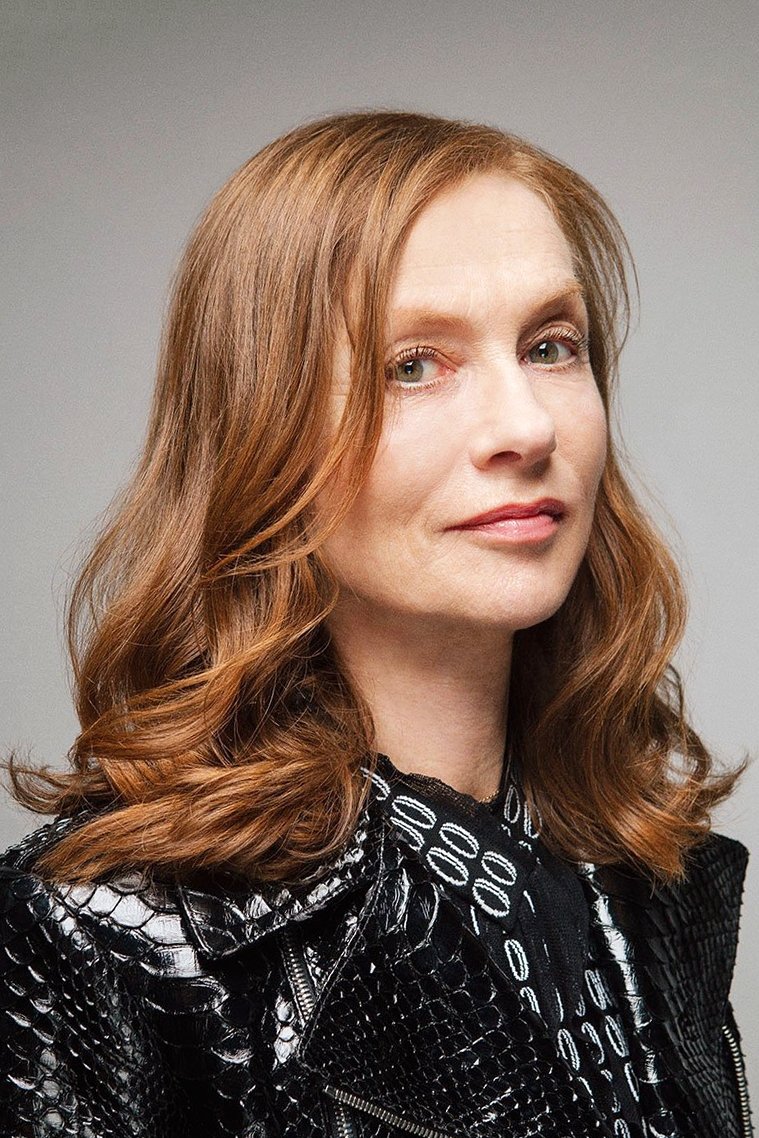
Isabelle Huppert began building a formidable body of work in minimalist dramas and morally tangled stories. She broke out with ‘The Lacemaker’ and ‘Violette Nozière’, establishing a screen persona of quiet intensity and risk. Huppert’s collaborations with major European auteurs made her a go-to for challenging contemporary roles. Her rise in the decade set the foundation for one of cinema’s most sustained careers.
Meryl Streep
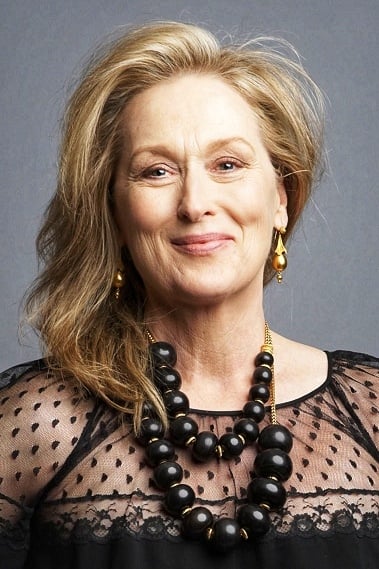
Meryl Streep closed the decade with precision performances that signaled a generational shift in screen acting. She appeared in ‘The Deer Hunter’ and ‘Kramer vs. Kramer’, demonstrating uncommon versatility across supporting and lead roles. Streep’s technical control—accents, gesture, and careful modulation—drew notice from critics and peers. Her early screen work quickly established her as a standard-setter for dramatic realism.
Sally Field
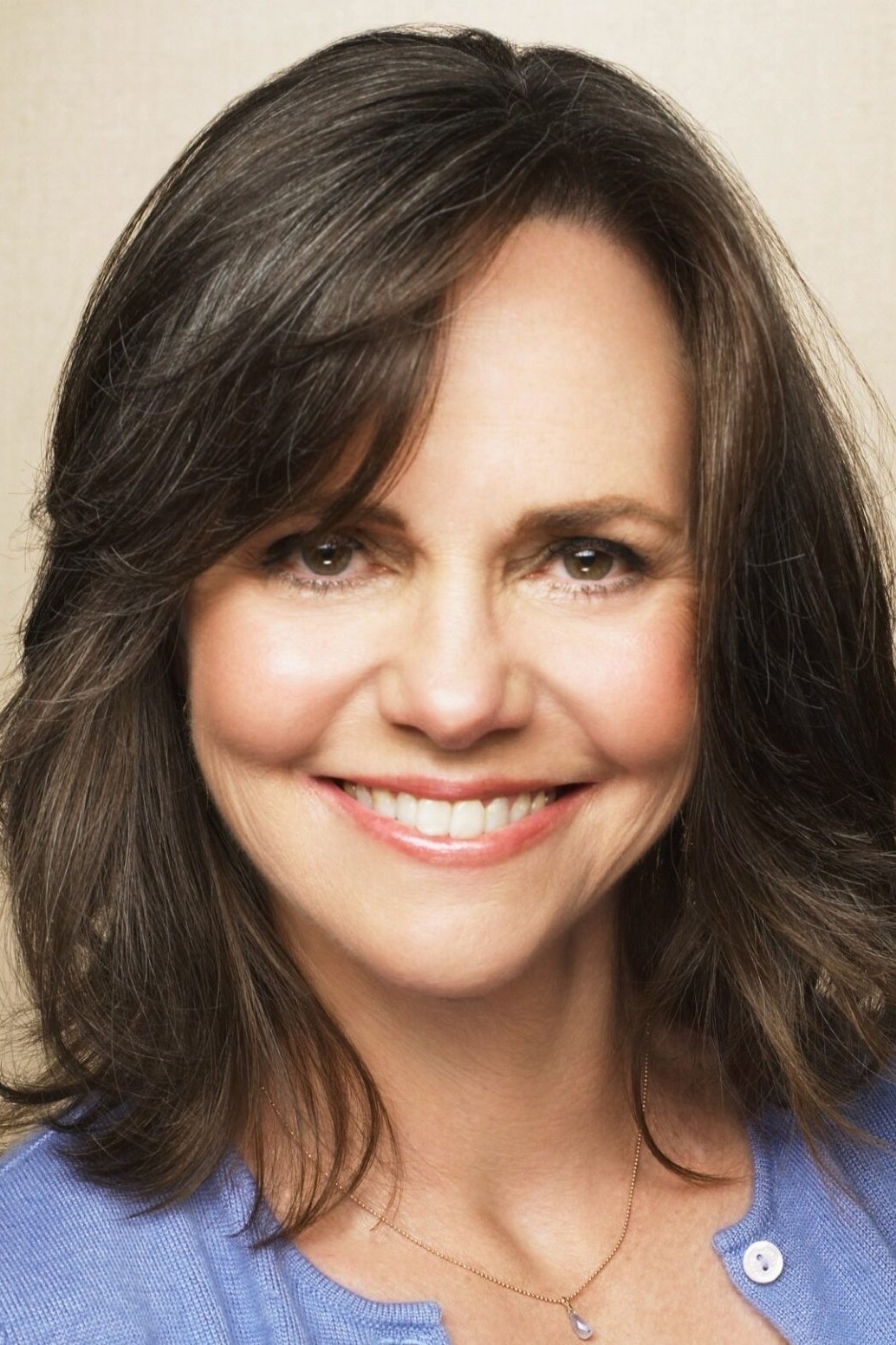
Sally Field transformed from TV star to major film lead through demanding dramatic roles. She delivered a landmark performance in ‘Norma Rae’ and earned acclaim for the TV film ‘Sybil’. Field’s choices emphasized working-class narratives and character-centric scripts that highlighted labor and identity. Her trajectory encouraged more actresses to pivot from television into prestige cinema.
Goldie Hawn
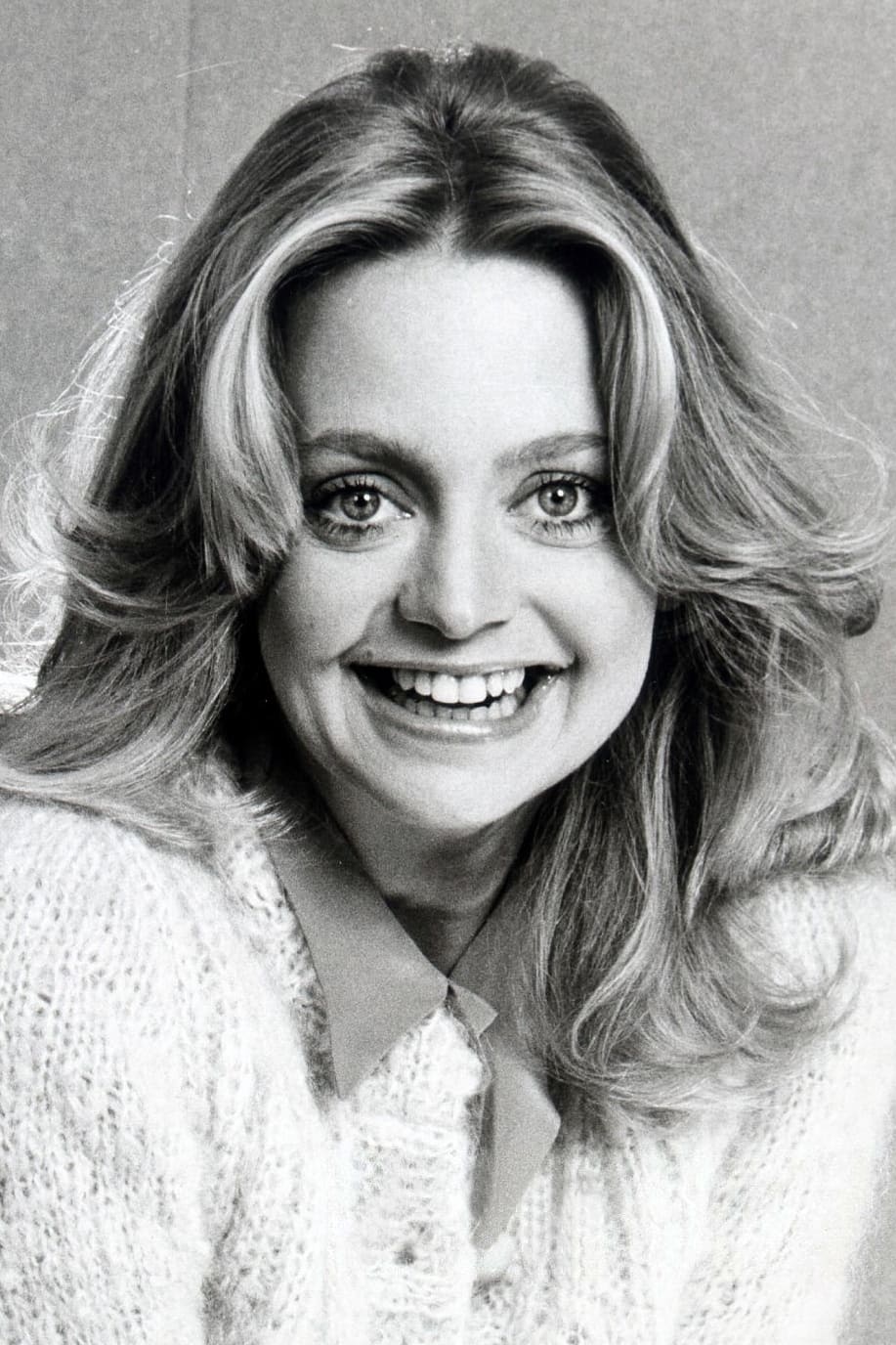
Goldie Hawn translated effervescent comic timing into sophisticated satire and sturdy dramatic turns. She headlined ‘Shampoo’ and ‘The Sugarland Express’, and capped the decade’s star run with the hit caper ‘Foul Play’. Hawn’s screen persona proved that comedic leads could also carry socially pointed narratives. Her filmography from the era widened the commercial space for women-led comedies.
Sigourney Weaver
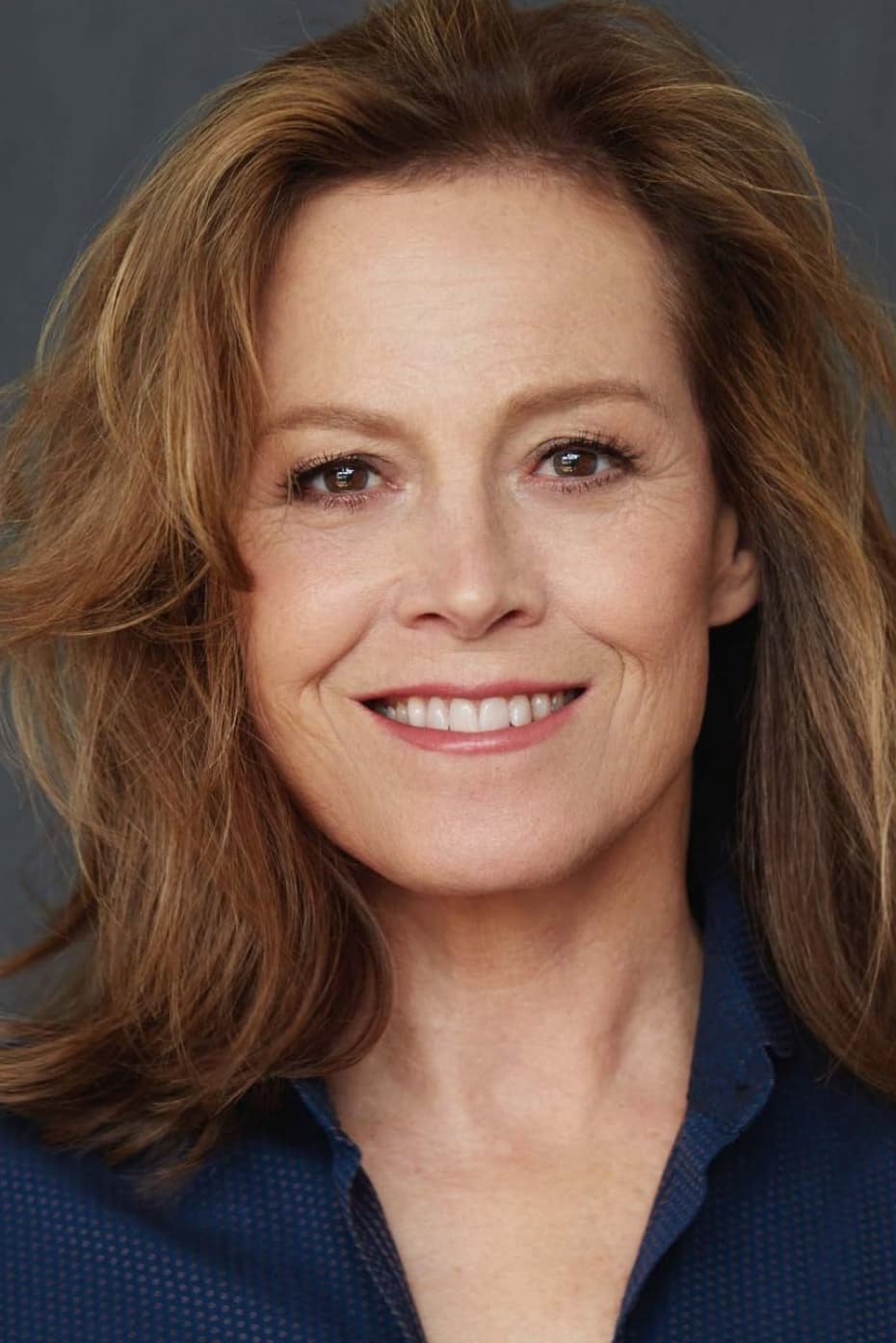
Sigourney Weaver closed the decade by redefining science-fiction heroism. Her lead role in ‘Alien’ positioned a woman at the center of a high-concept survival narrative without compromise. Weaver’s physical performance and steady authority influenced casting across genre cinema. The character’s durability demonstrated that franchise-level storytelling could hinge on a female action lead.
Jodie Foster
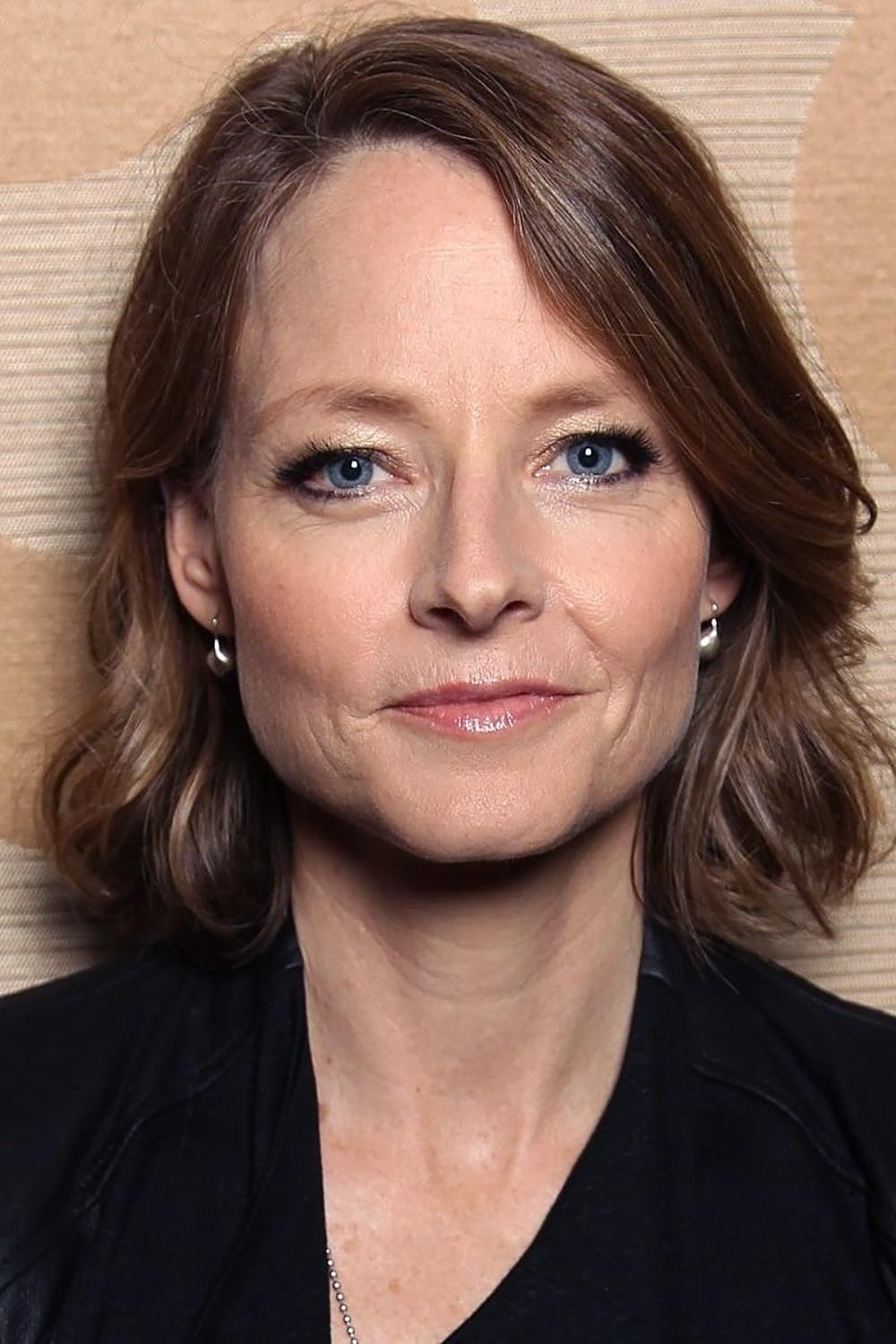
Jodie Foster delivered unusually mature performances as a young actor in both gritty dramas and family films. She earned acclaim for ‘Taxi Driver’ and showed range in ‘Freaky Friday’. Foster navigated an early career that balanced controversy, commercial reach, and critical respect. Her work in the decade set up a seamless transition to adult roles and directing.
Shelley Duvall
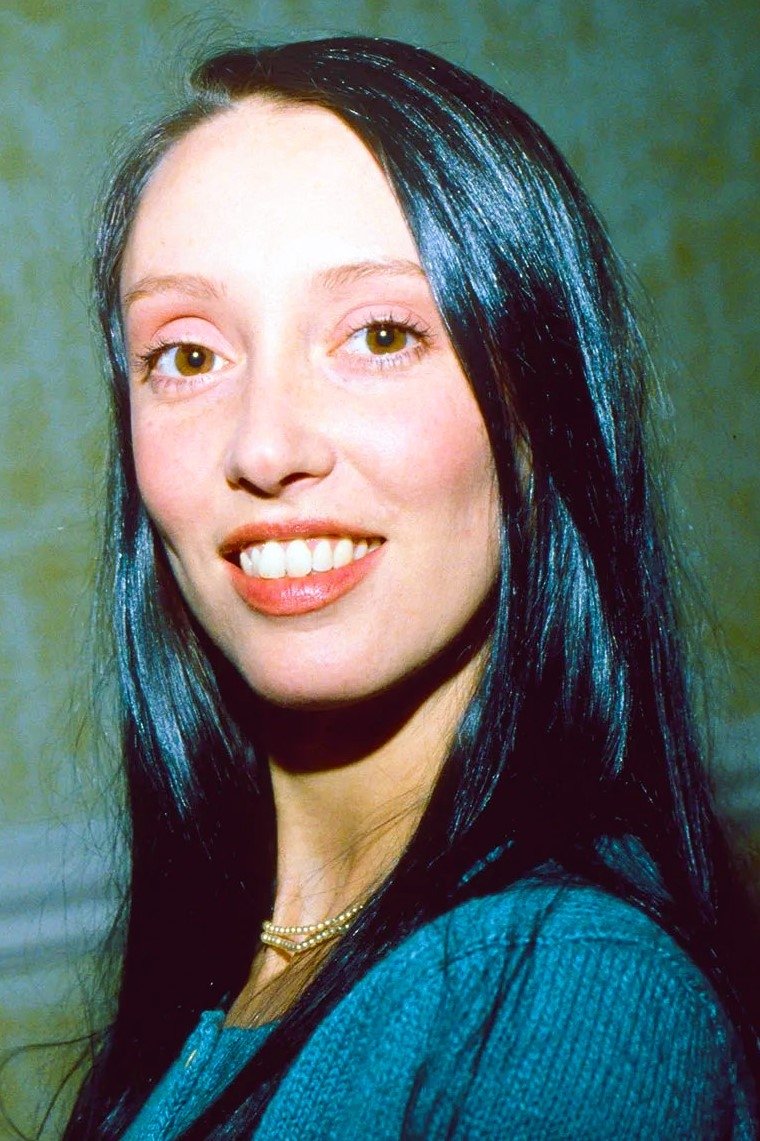
Shelley Duvall became a favorite of directors who prized naturalism and off-beat presence. She starred in ‘3 Women’ and collaborated with Robert Altman on multiple projects, then moved into genre with ‘The Shining’. Duvall’s screen persona blended fragility with resolve, adding texture to psychological narratives. She later produced and hosted TV anthologies that brought literature and fairy tales to new audiences.
Margot Kidder
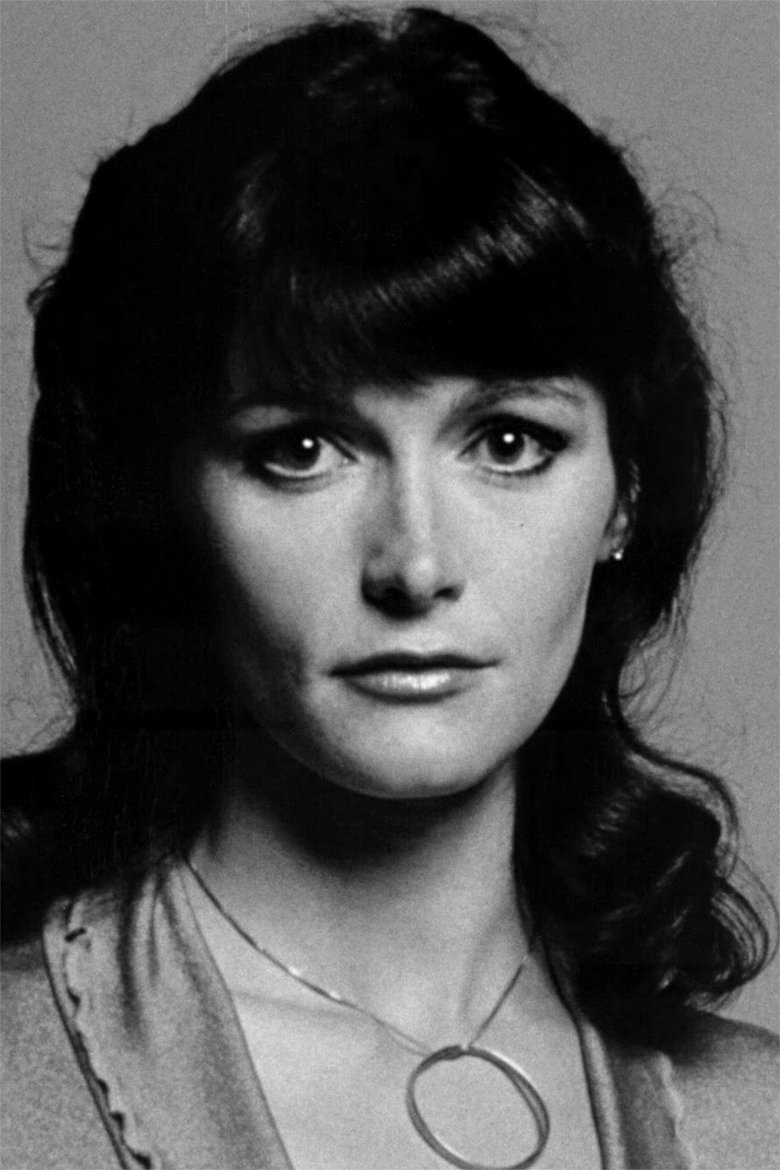
Margot Kidder balanced nervy thrillers and blockbuster spectacle with distinctive energy. She delivered breakout work in ‘Sisters’ and reached global fame as Lois Lane in ‘Superman’. Kidder’s performances mixed intelligence and wry humor, influencing portrayals of journalists and genre heroines. Her visibility across horror, drama, and comic-book cinema showed broad range within the decade’s shifting marketplace.
Vanessa Redgrave
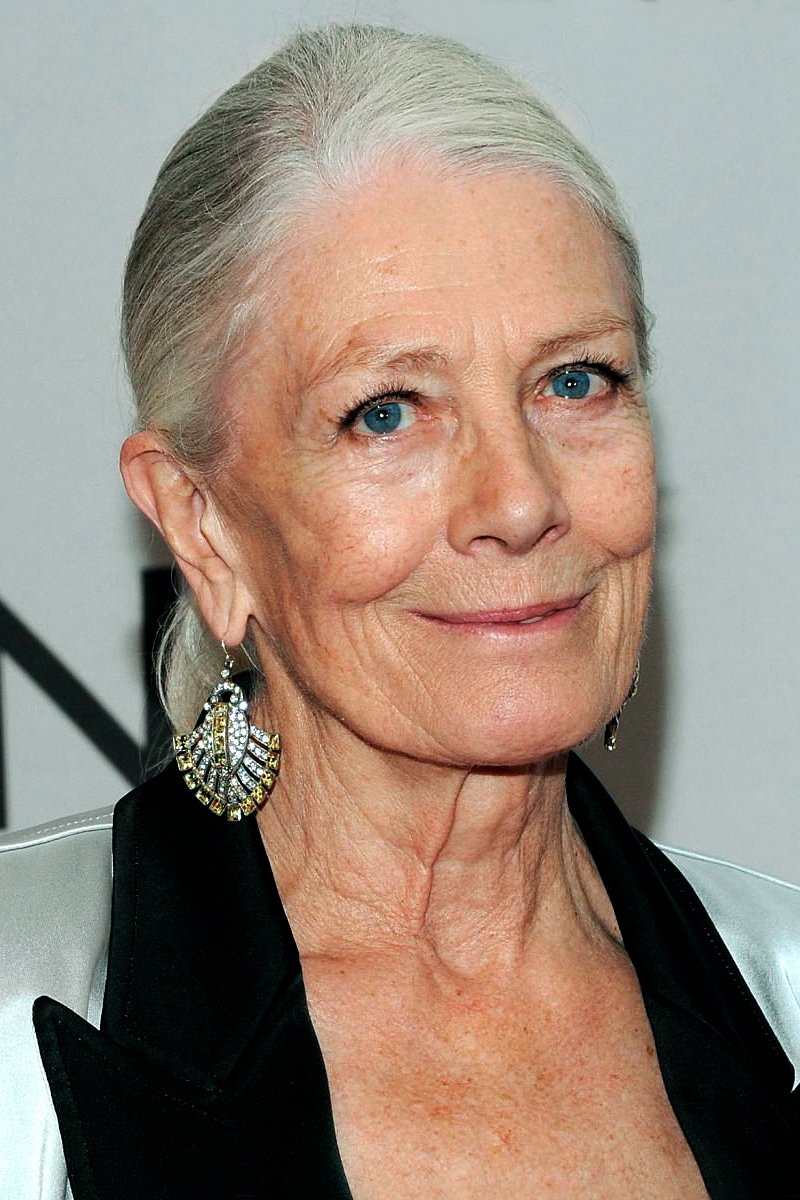
Vanessa Redgrave paired classical technique with fearless role choices across stage, film, and television. She led ‘Julia’ and took striking parts in works like ‘The Devils’, often tackling political and historical themes. Redgrave’s command of language and movement elevated literary adaptations and auteur projects. Her international career strengthened cross-Atlantic collaboration and festival attention on actor-driven films.
Catherine Deneuve

Catherine Deneuve sustained European stardom with cool, enigmatic performances that traveled internationally. She worked with acclaimed directors on films such as ‘The Discreet Charm of the Bourgeoisie’ and ‘Tristana’. Deneuve’s presence helped bring French and Spanish cinema further into global distribution and awards conversations. Her choices kept sophisticated, adult dramas in the commercial conversation during a blockbuster-tilting market.
Charlotte Rampling
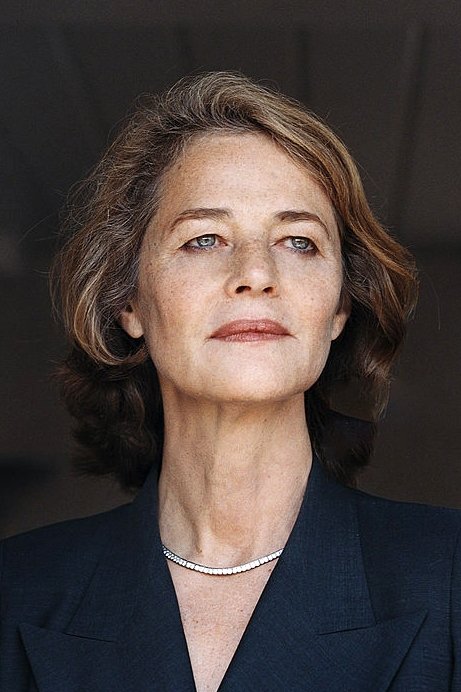
Charlotte Rampling specialized in psychological and erotic dramas that challenged audience expectations. She made a deep impression with ‘The Night Porter’ and continued to collaborate with European auteurs. Rampling’s roles often examined memory, guilt, and identity within stylized frameworks. Her career contributed to the era’s appetite for daring, conversation-starting cinema.
Talia Shire

Talia Shire became integral to two of the decade’s defining franchises, balancing vulnerability and resilience. She portrayed Adrian in ‘Rocky’ and Connie in ‘The Godfather Part II’, shaping arcs that grounded epic narratives in family and romance. Shire’s performances provided emotional anchors amid crime sagas and sports dramas. Her work demonstrated how supporting roles could carry significant thematic weight.
Barbra Streisand
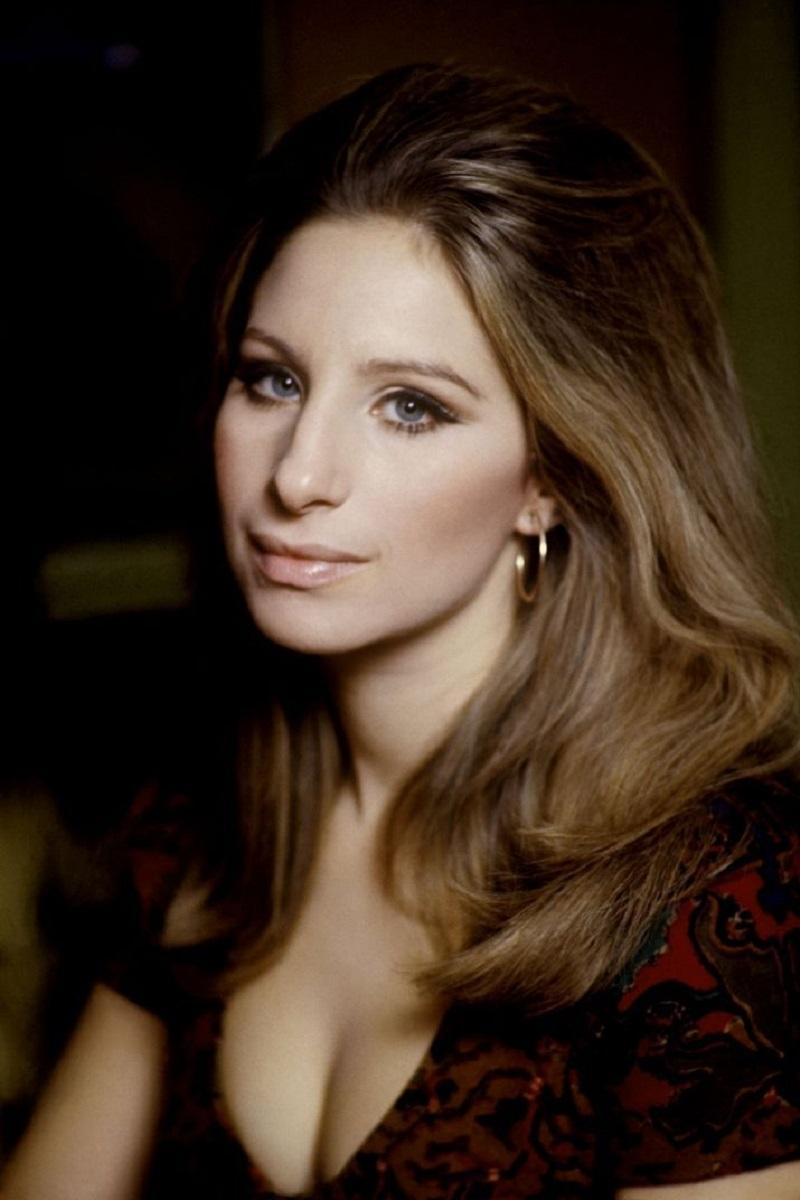
Barbra Streisand combined powerhouse vocals with strong dramatic instincts, leading films that blended romance, comedy, and character-driven spectacle. She headlined cultural touchstones like ‘The Way We Were’ and ‘A Star Is Born’, while also steering projects as a hands-on creative. Streisand’s success proved that women could anchor high-grossing, music-forward dramas and comedies without ceding narrative control. Her screen presence and production influence shaped how studios positioned female-led prestige vehicles.
Mary Tyler Moore
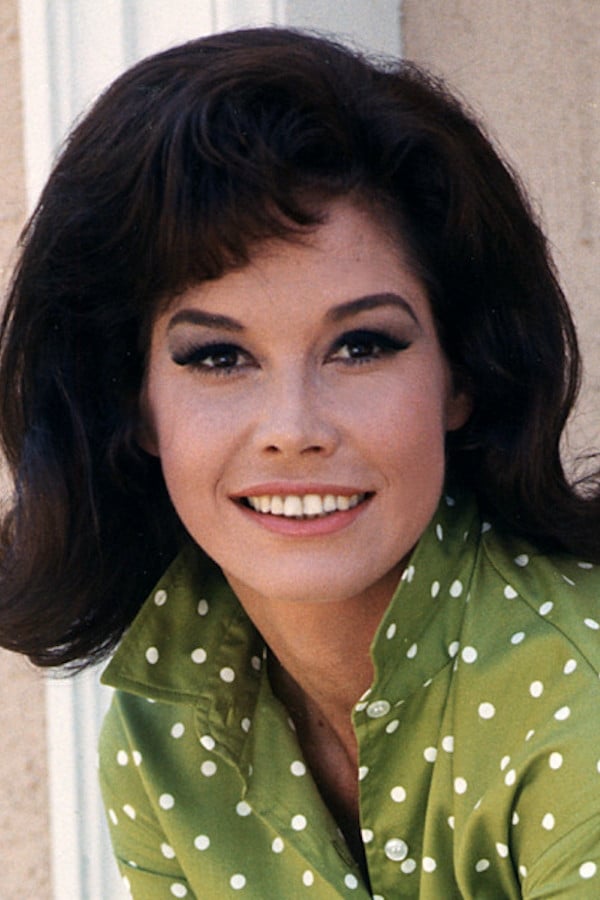
Mary Tyler Moore redefined workplace comedy and women’s representation on television. ‘The Mary Tyler Moore Show’ centered a single, career-focused producer whose professional life drove the storytelling, normalizing ambitious female leads in sitcoms. The series’ ensemble structure, newsroom setting, and character arcs became a template for later shows. Moore’s blend of timing, authority, and vulnerability set a durable standard for modern TV leads.
Carol Burnett
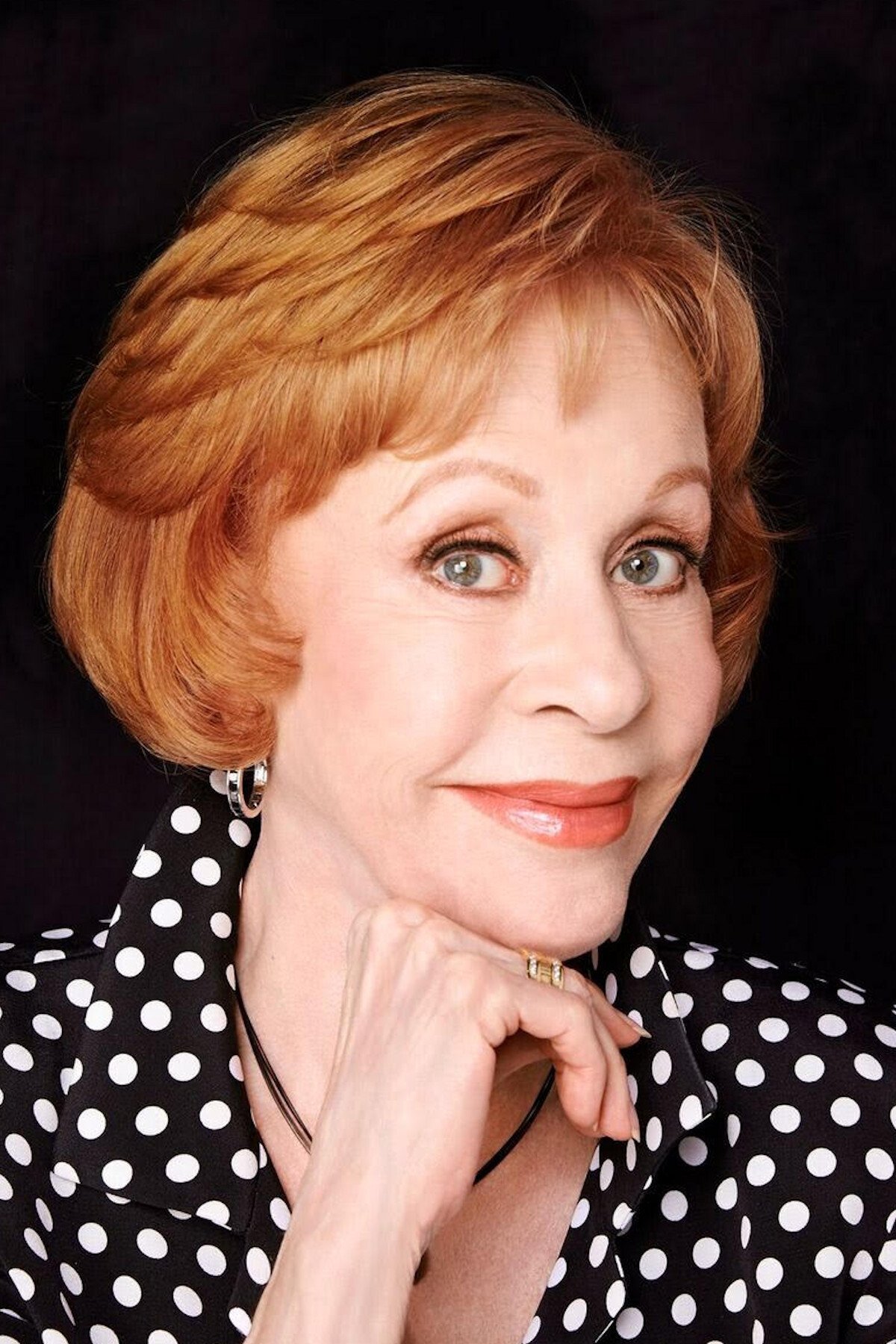
Carol Burnett set the standard for variety and sketch performance with ‘The Carol Burnett Show’. She introduced recurring characters, parodies of classic films, and long-form sketches that showcased physical comedy and precise timing. The program launched or accelerated multiple co-stars’ careers and influenced later sketch institutions. Burnett’s weekly production demands demonstrated how a woman could anchor, shape, and sustain a large-scale television enterprise.
Farrah Fawcett
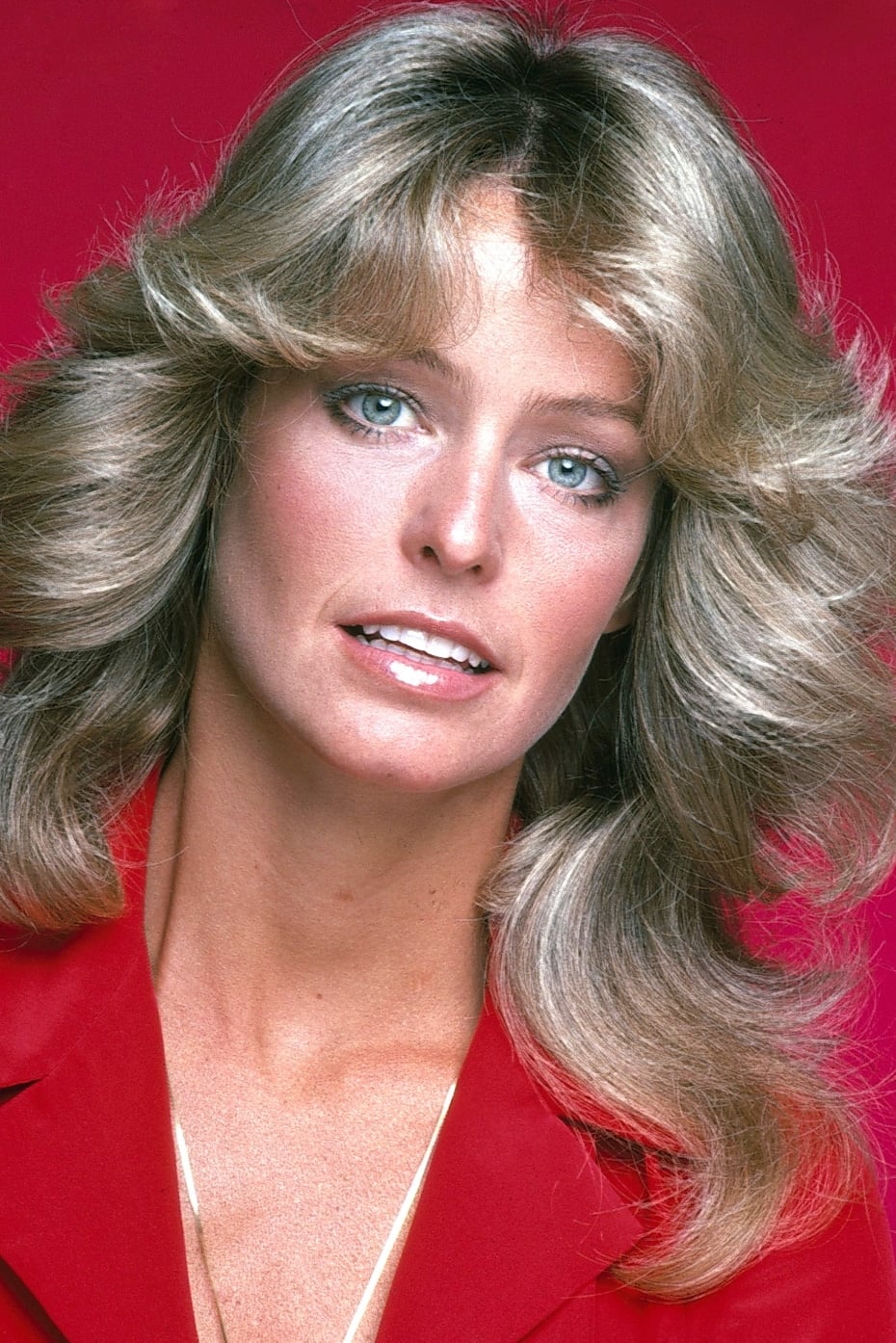
Farrah Fawcett became a global TV icon with ‘Charlie’s Angels’, bringing athleticism and charisma to prime-time action. Her image and breakout episodes drove merchandising and international syndication, showing the commercial power of women-led procedurals. Fawcett also made notable big-screen appearances during the decade, expanding visibility beyond television. Her career helped normalize ensemble action series centered on women.
Lynda Carter
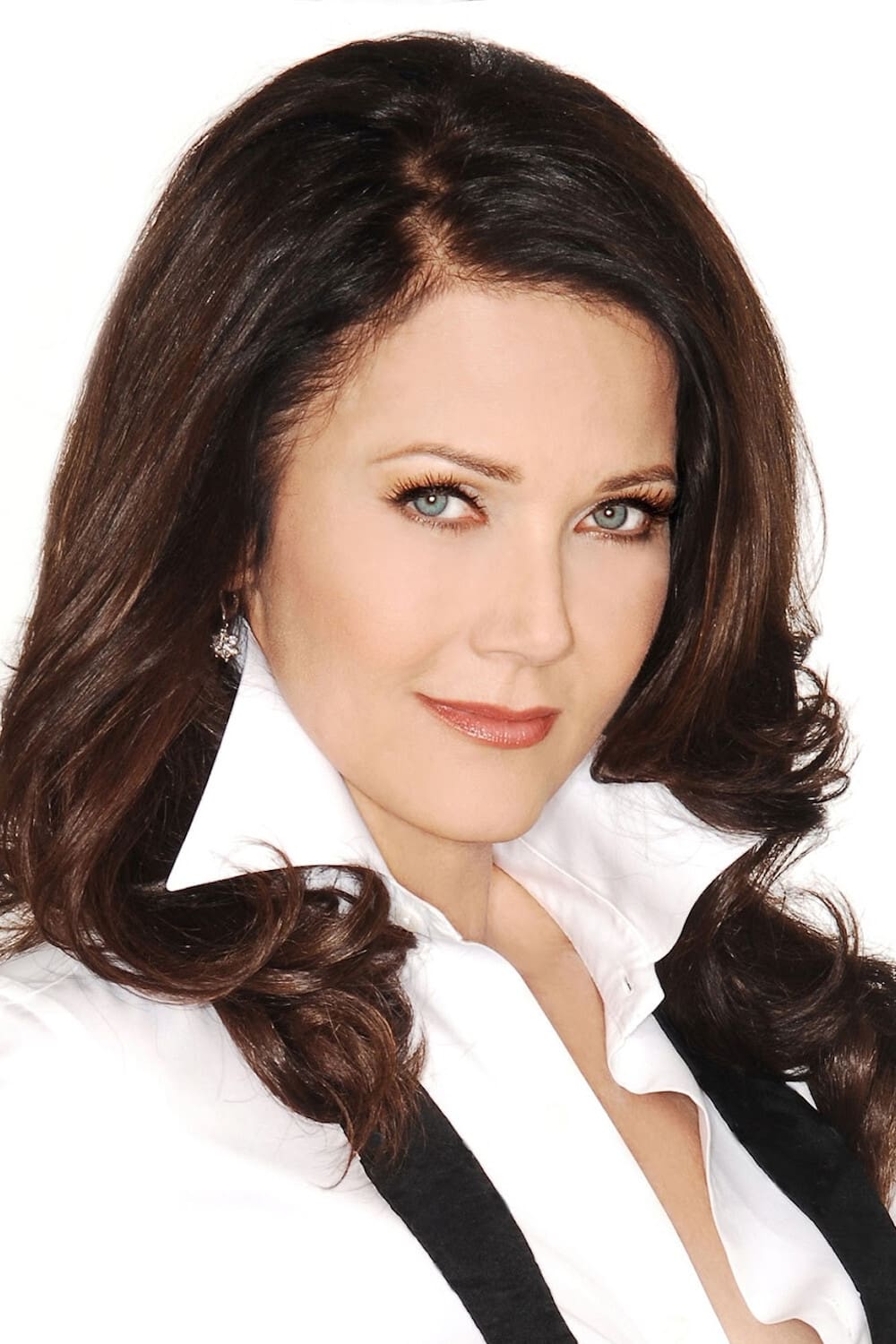
Lynda Carter’s portrayal of ‘Wonder Woman’ fused superhero myth with approachable warmth and stunt-forward action. The series broadened the audience for comic-book adaptations and established a durable template for female-led genre TV. Carter’s performance emphasized compassion as strength, shaping later portrayals of superheroines across media. The show’s success proved that fantasy properties could thrive around a woman lead in prime time.
Angie Dickinson
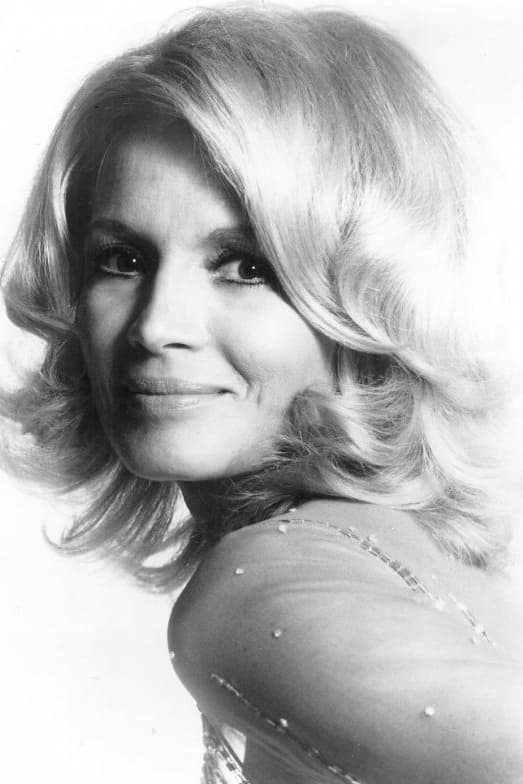
Angie Dickinson brought procedural credibility to television with ‘Police Woman’. The series foregrounded undercover operations and case-of-the-week structure anchored by a female sergeant, expanding opportunities for women in crime dramas. Dickinson’s presence bridged film and TV, maintaining glamour while leaning into street-level storytelling. The role influenced casting decisions for later cop series and action-focused leads.
Sophia Loren
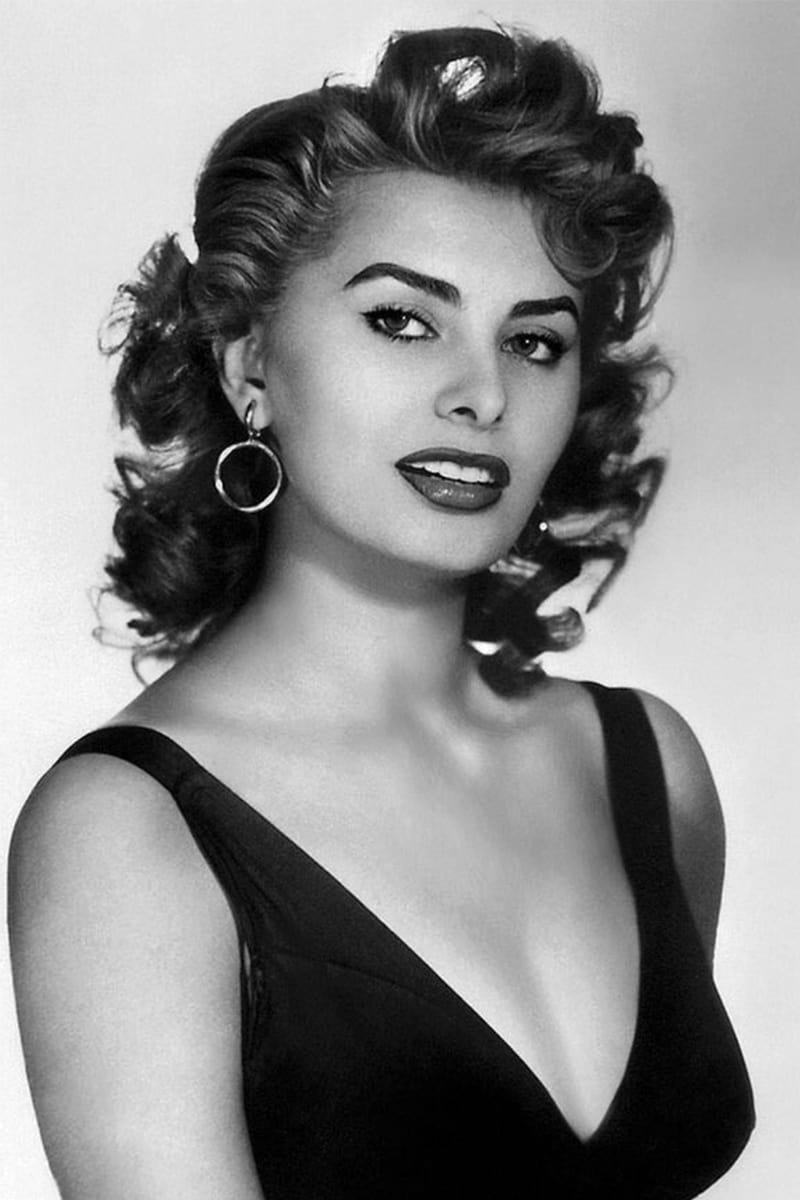
Sophia Loren sustained international star power with character-rich European dramas that traveled widely. Her collaboration with Ettore Scola on ‘A Special Day’ paired intimate, politically aware storytelling with meticulous performance detail. Loren continued to alternate between domestic productions and English-language films, strengthening cross-border distribution for actress-led projects. Her work affirmed that mature female leads could command both critical and commercial attention across markets.
Romy Schneider

Romy Schneider defined a modern European screen presence, moving from romantic leads to psychologically layered roles. She earned acclaim for ‘The Most Important Thing: Love’ and worked steadily in French and German cinema. Schneider’s choices favored directors exploring emotional complexity and industry satire. Her visibility helped position continental films as exportable star vehicles anchored by women.
Delphine Seyrig
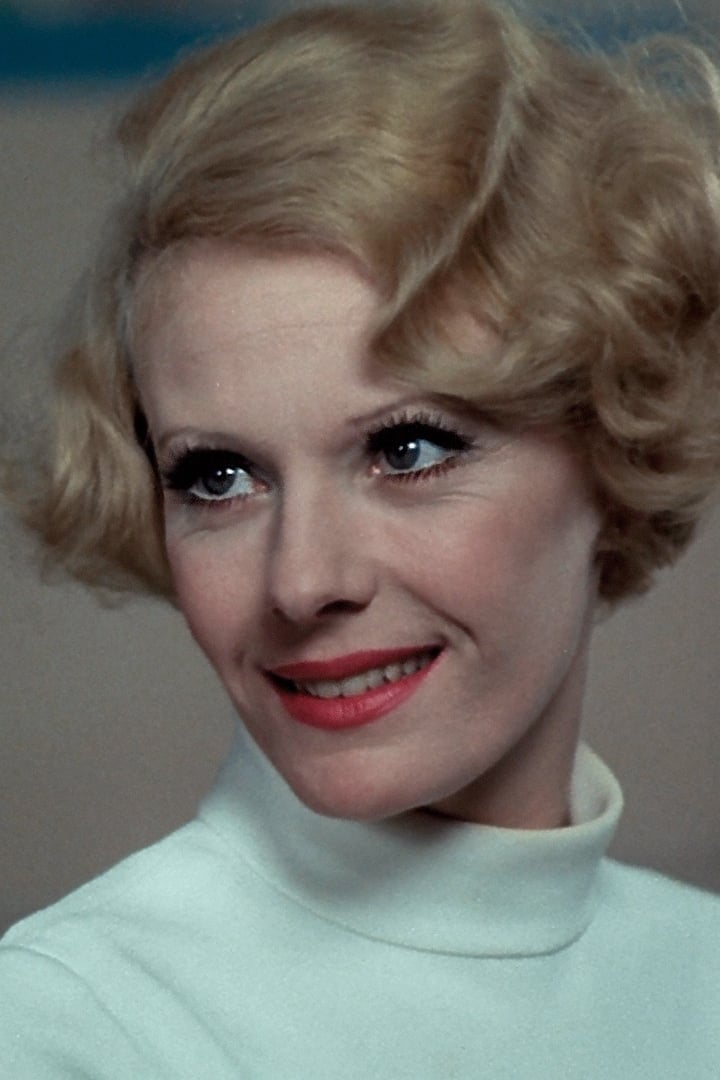
Delphine Seyrig was central to feminist filmmaking and formally adventurous cinema. She headlined ‘Jeanne Dielman, 23, quai du Commerce, 1080 Bruxelles’, a landmark in durational storytelling and domestic-labor representation. Seyrig collaborated with women directors and participated in activist media collectives, amplifying production models beyond studio norms. Her performances demonstrated how experimental form could connect with character truth.
Claudia Cardinale
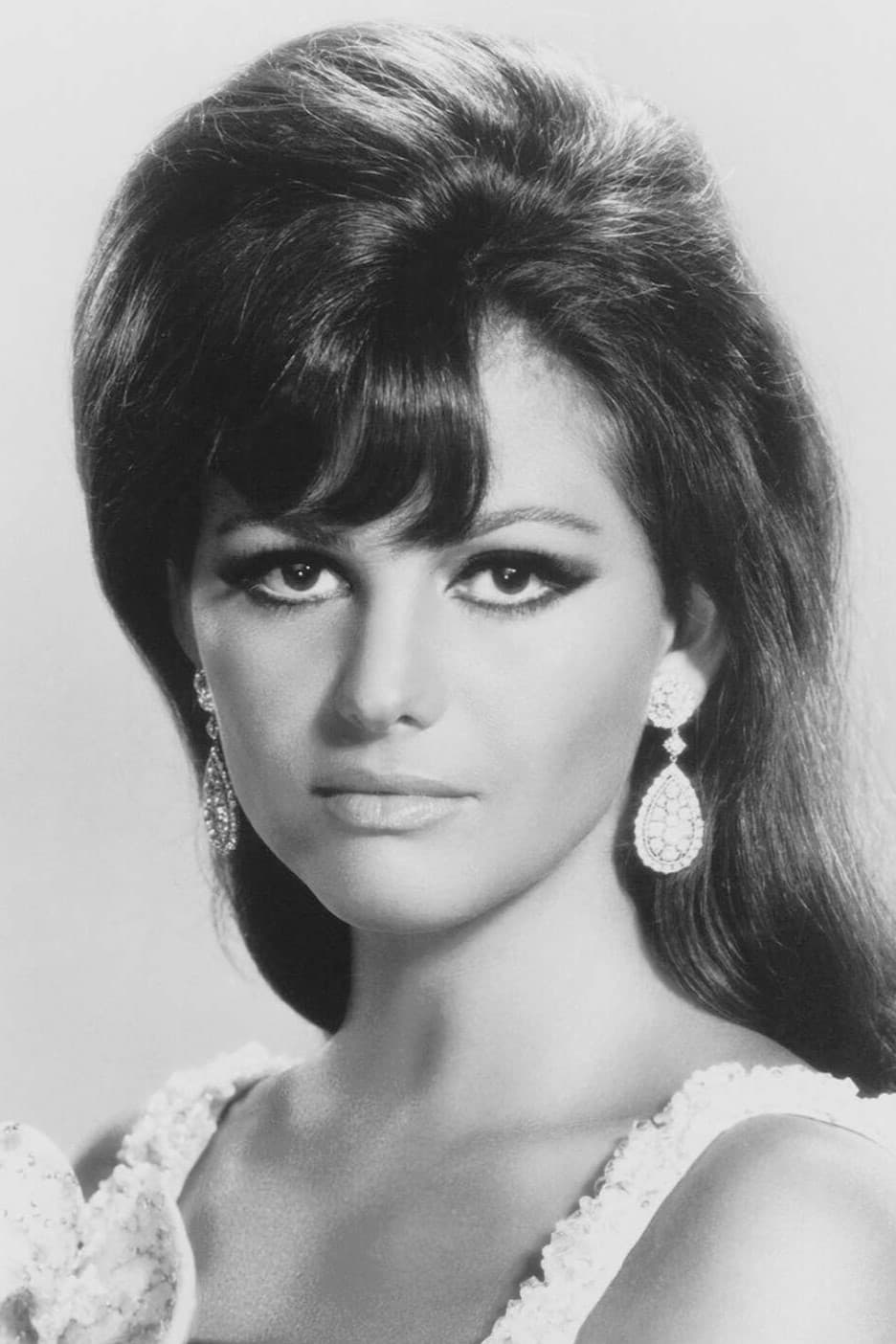
Claudia Cardinale balanced Italian and international productions throughout the decade, maintaining marquee draw across drama, comedy, and adventure. She worked in European co-productions like ‘A Girl in Australia’ and ‘Libera, amore mio!’, a system that relied on multilingual stars to secure financing and distribution. Cardinale’s ability to move between auteur-driven projects and commercial entertainments supported wider theatrical reach for European cinema. Her sustained output kept actress-led vehicles prominent in cross-border markets.
Geneviève Bujold
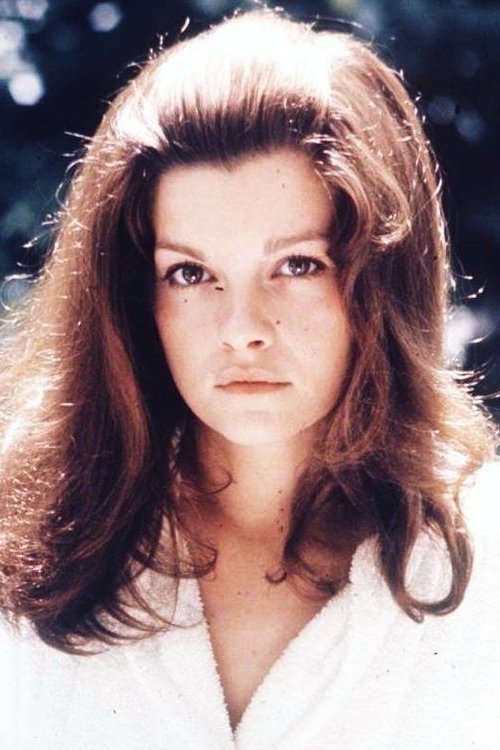
Geneviève Bujold specialized in intense, cerebral dramas and thrillers with exacting character detail. She gave notable turns in films such as ‘Obsession’ and ‘Coma’, often portraying professionals entangled in moral or conspiratorial puzzles. Bujold’s screen intelligence made complex plots accessible without heavy exposition. Her roles strengthened the presence of women at the center of mystery and suspense narratives.
Karen Black

Karen Black became a defining face of American new-wave cinema with distinctive, risk-friendly choices. She delivered pivotal performances in ‘Five Easy Pieces’ and ‘Nashville’, and headlined cult favorites like ‘Trilogy of Terror’. Black’s versatility let her cross from intimate realism to genre experimentation with ease. Her work helped cement the 1970s reputation for off-beat, actor-driven storytelling.
Jill Clayburgh
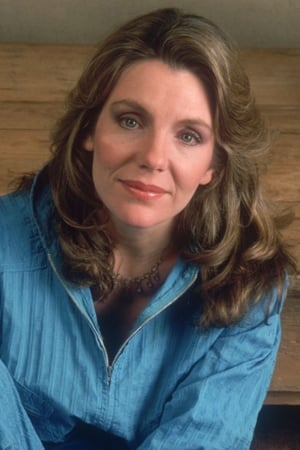
Jill Clayburgh personified contemporary, urban dramas focused on female independence and professional identity. She led ‘An Unmarried Woman’, bringing frankness to divorce and self-reinvention narratives. Clayburgh’s success encouraged studios to back adult dramas with women’s interior lives at the center. Her roles became touchstones for later depictions of career, relationships, and autonomy.
Susan Sarandon
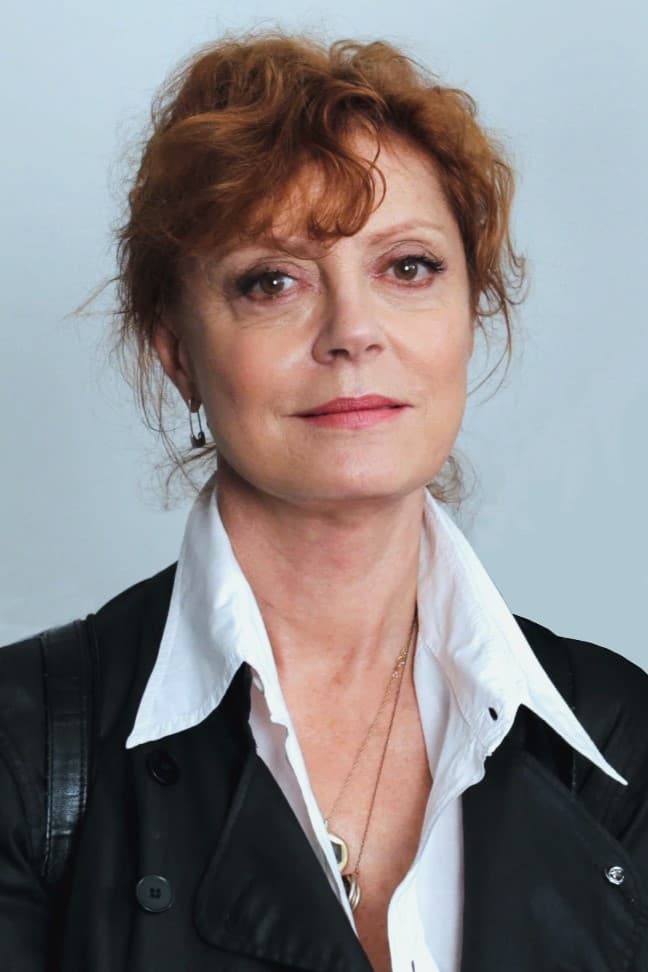
Susan Sarandon emerged as a distinctive presence through edgy indies and cult phenomena. She was central to ‘The Rocky Horror Picture Show’ and expanded into literary adaptations and sports dramas. Sarandon’s early choices mixed satire, sensuality, and social commentary, building a foundation for long-term versatility. Her growing profile illustrated how midnight-movie success could translate into mainstream opportunities.
Meiko Kaji
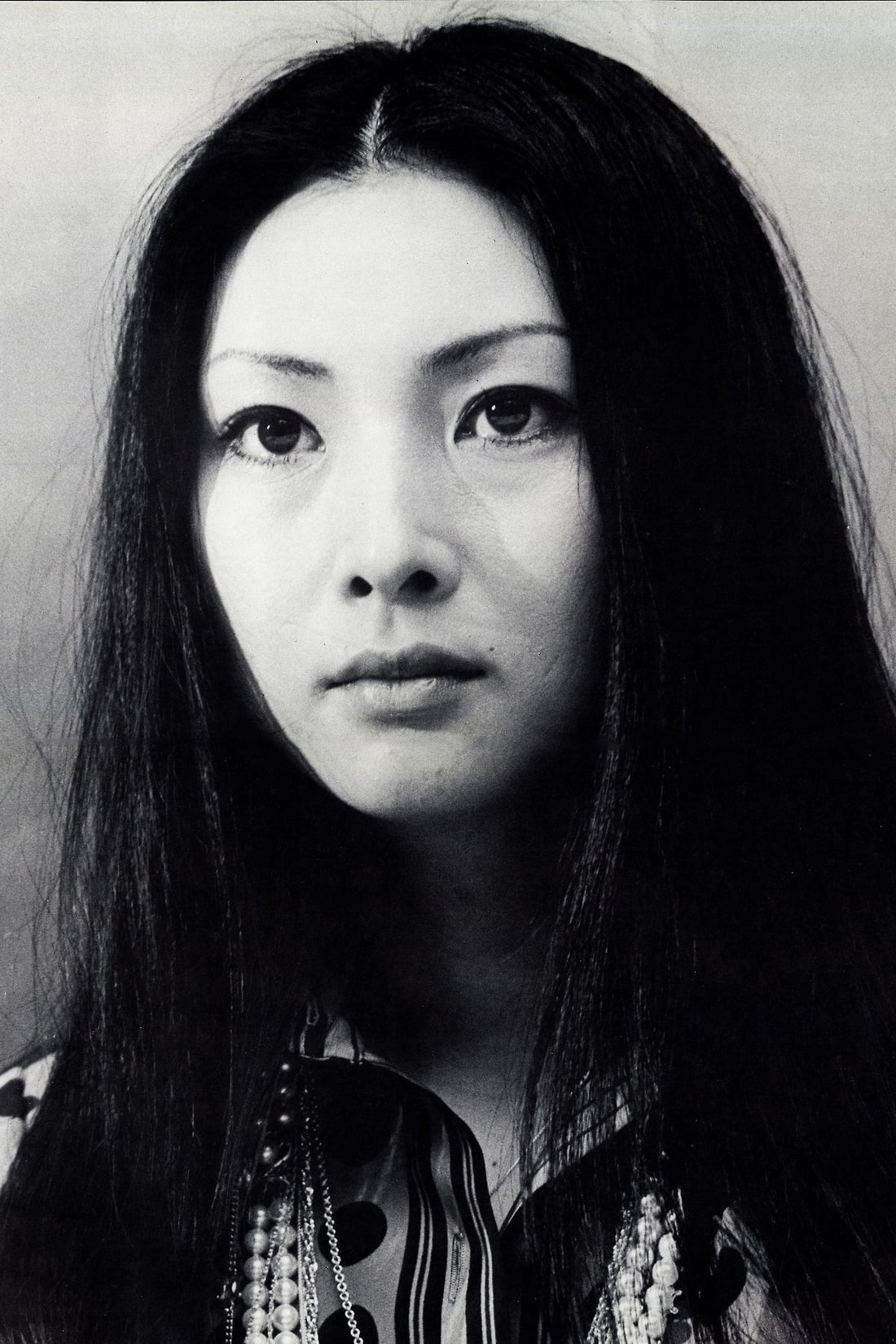
Meiko Kaji defined Japanese action and revenge cinema with iconic roles that later influenced global pop culture. She led ‘Lady Snowblood’ and the ‘Female Prisoner Scorpion’ series, combining stylized combat with stoic, emblematic characterization. Kaji’s theme songs and visual motifs became shorthand for a genre aesthetic adopted worldwide. Her work foregrounded a formidable, self-directed heroine within Asian genre filmmaking.
Share your picks and what you’d add to this list in the comments!