Essential Anime Movies Every Self-Proclaimed Fan Should Watch

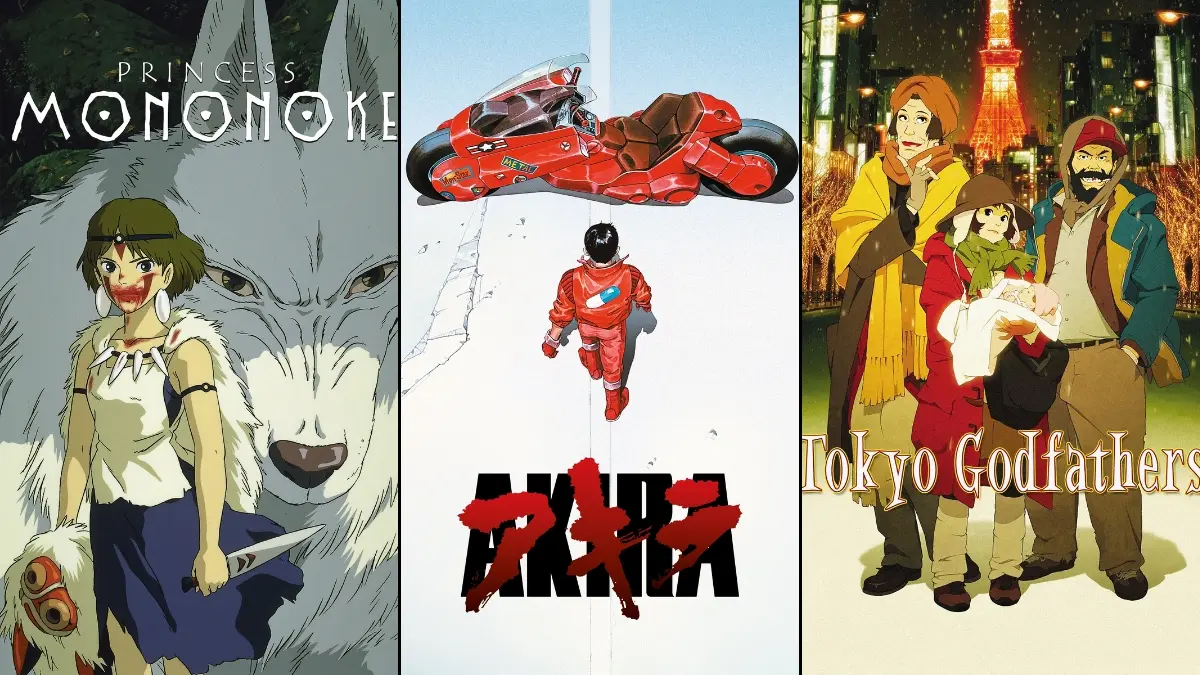

Whether you’re catching up on cornerstones or filling gaps in your watchlist, this guide spotlights feature-length anime that helped define the medium’s artistry, technology, and global reach—spanning visionary science fiction, historical drama, intimate coming-of-age stories, and folklore retellings—so you can understand where modern favorites came from and why these films keep showing up in conversations about animation.
‘Akira’ (1988)
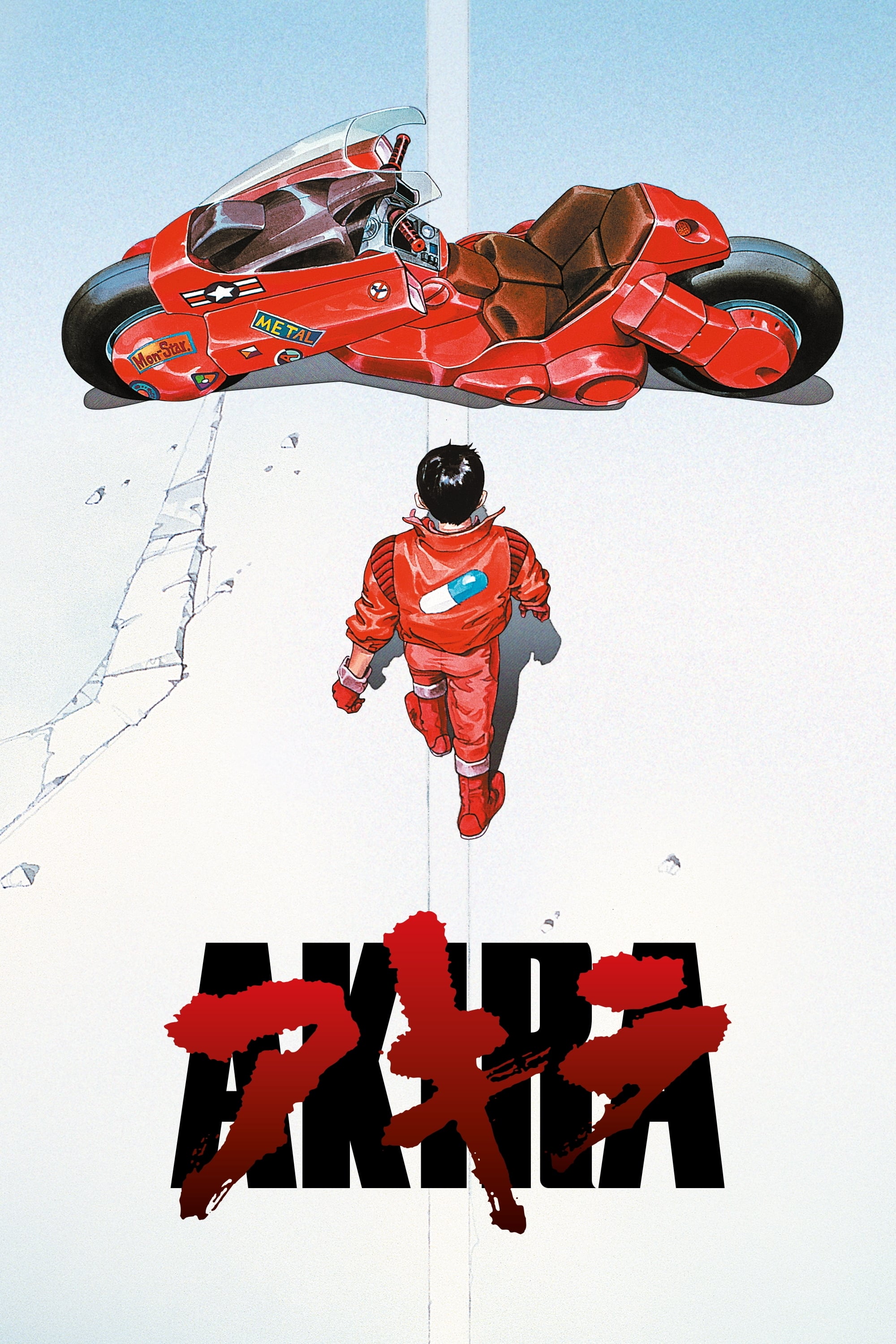
Directed by Katsuhiro Otomo and produced by Tokyo Movie Shinsha, ‘Akira’ adapts Otomo’s own manga into a cyberpunk epic set in Neo-Tokyo. Its high frame count, extensive use of pre-recorded dialogue, and meticulous cityscapes pushed theatrical animation techniques. The story follows biker Kaneda and his friend Tetsuo after a government experiment triggers destructive psychic power. The film’s technical ambition and dystopian imagery influenced creators across animation, live-action cinema, comics, and video games worldwide.
‘Nausicaä of the Valley of the Wind’ (1984)
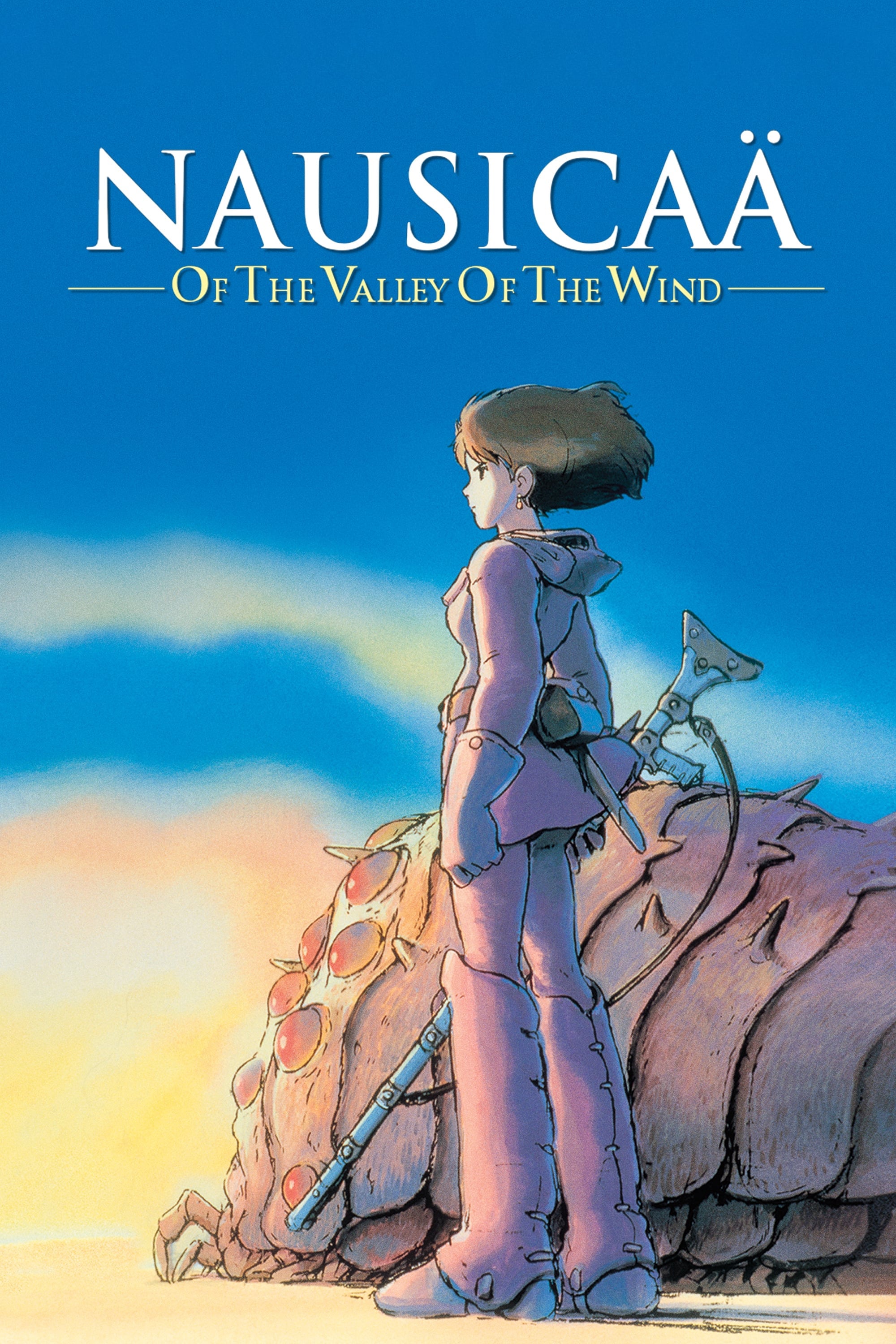
‘Nausicaä of the Valley of the Wind’ was directed by Hayao Miyazaki and animated primarily at Topcraft, shortly before Studio Ghibli was founded. Adapted from Miyazaki’s manga, it follows Princess Nausicaä navigating conflict between human kingdoms and a toxic, evolving forest. The film established recurring ecological and pacifist themes associated with Miyazaki’s later work. Its success directly paved the way for the creation of Studio Ghibli.
‘Grave of the Fireflies’ (1988)
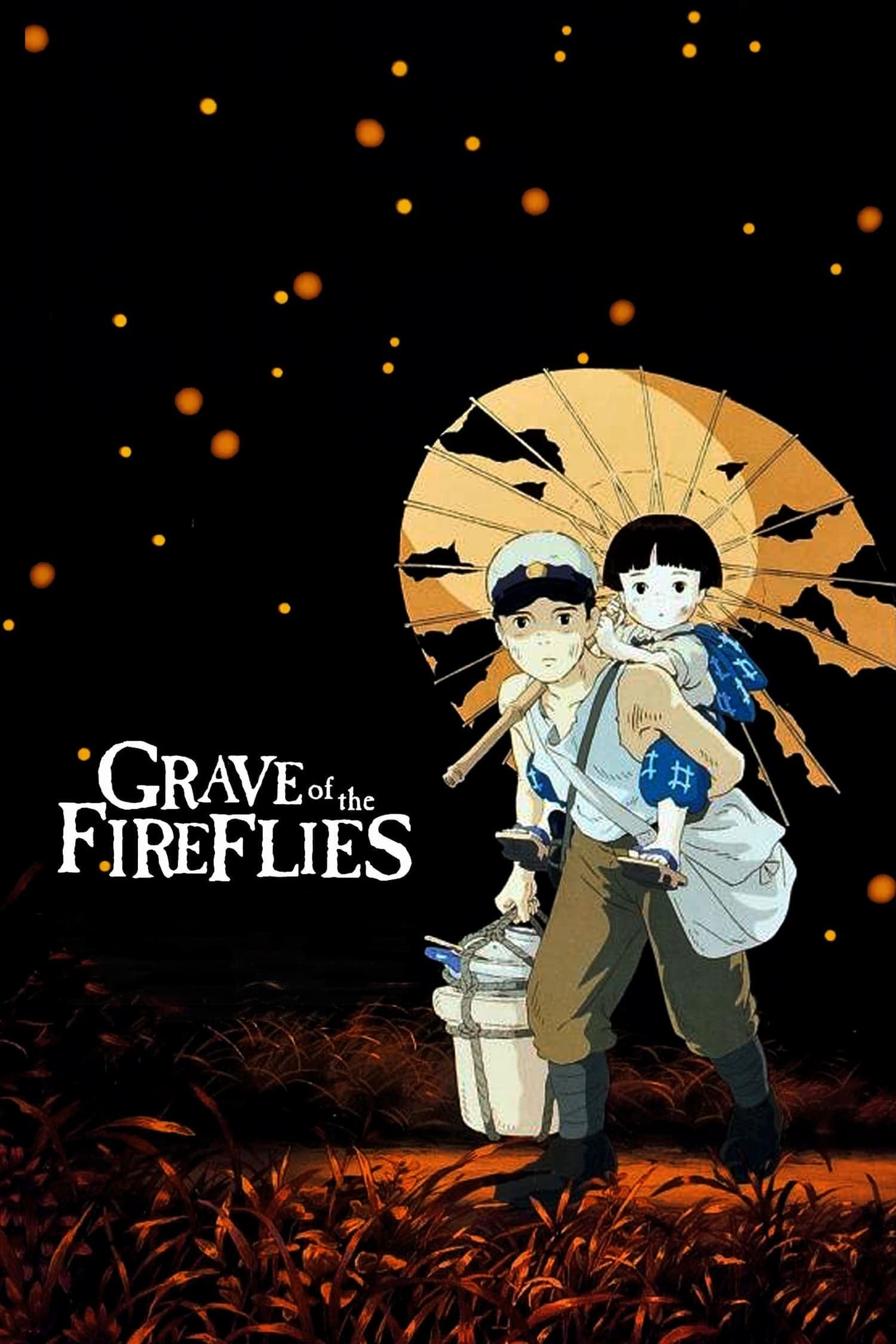
Directed by Isao Takahata at Studio Ghibli, ‘Grave of the Fireflies’ adapts Akiyuki Nosaka’s semi-autobiographical story about two siblings struggling to survive near Kobe during wartime. The film is noted for its grounded portrayal of civilian life, restraint in music and staging, and detailed period settings. It has been screened internationally by art houses and festivals for decades. Many releases presented it alongside ‘My Neighbor Totoro’ due to shared production and distribution ties.
‘My Neighbor Totoro’ (1988)
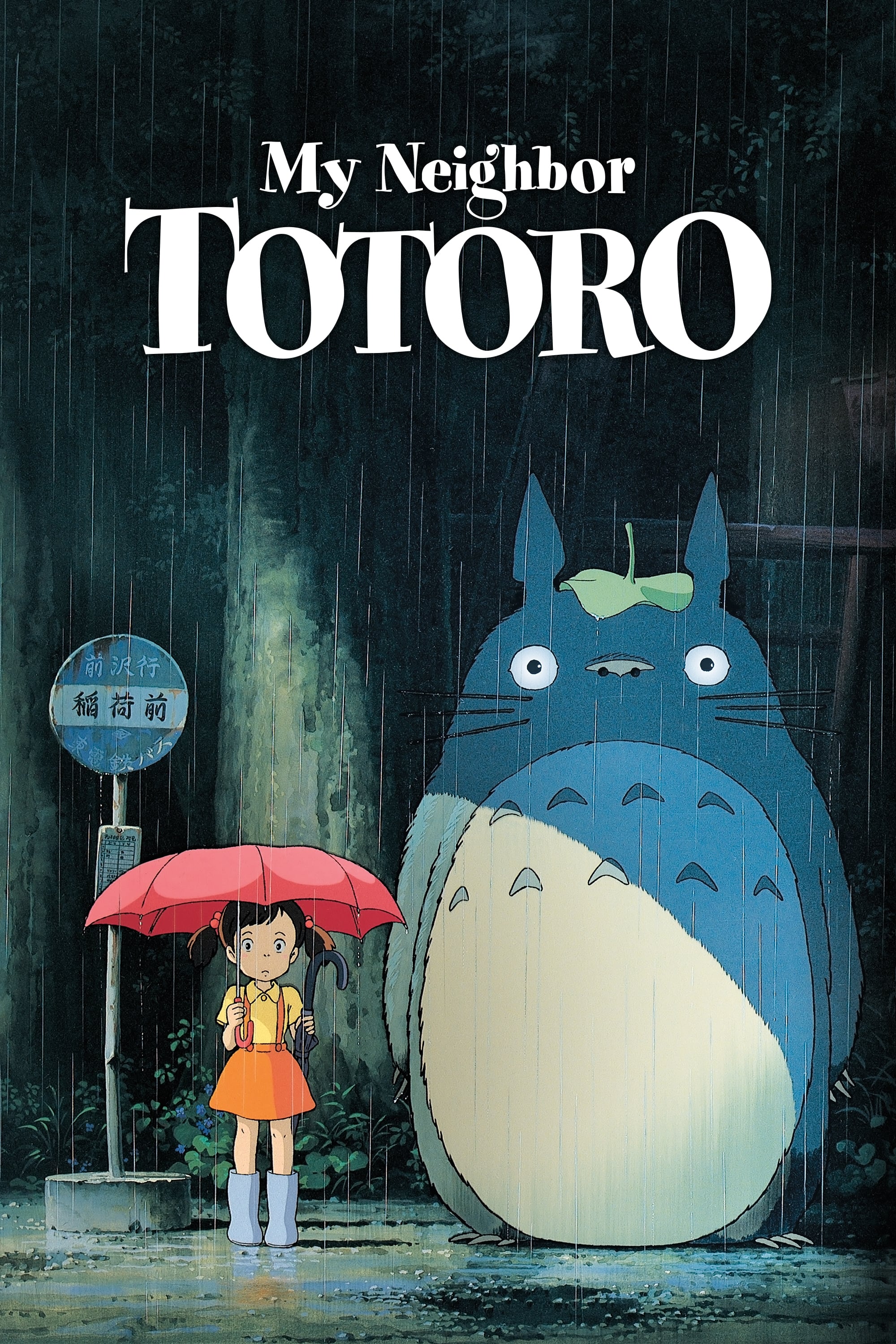
Hayao Miyazaki’s ‘My Neighbor Totoro’ follows two sisters who move to rural Japan and encounter forest spirits, including the character Totoro, who later became Studio Ghibli’s mascot. The film emphasizes everyday routines, natural landscapes, and gentle fantasy elements like the Catbus. Joe Hisaishi’s score, character design, and soft color palette are widely cited in studies of children’s media. Merchandise and iconography from the film remain central to Ghibli’s global branding.
‘Princess Mononoke’ (1997)
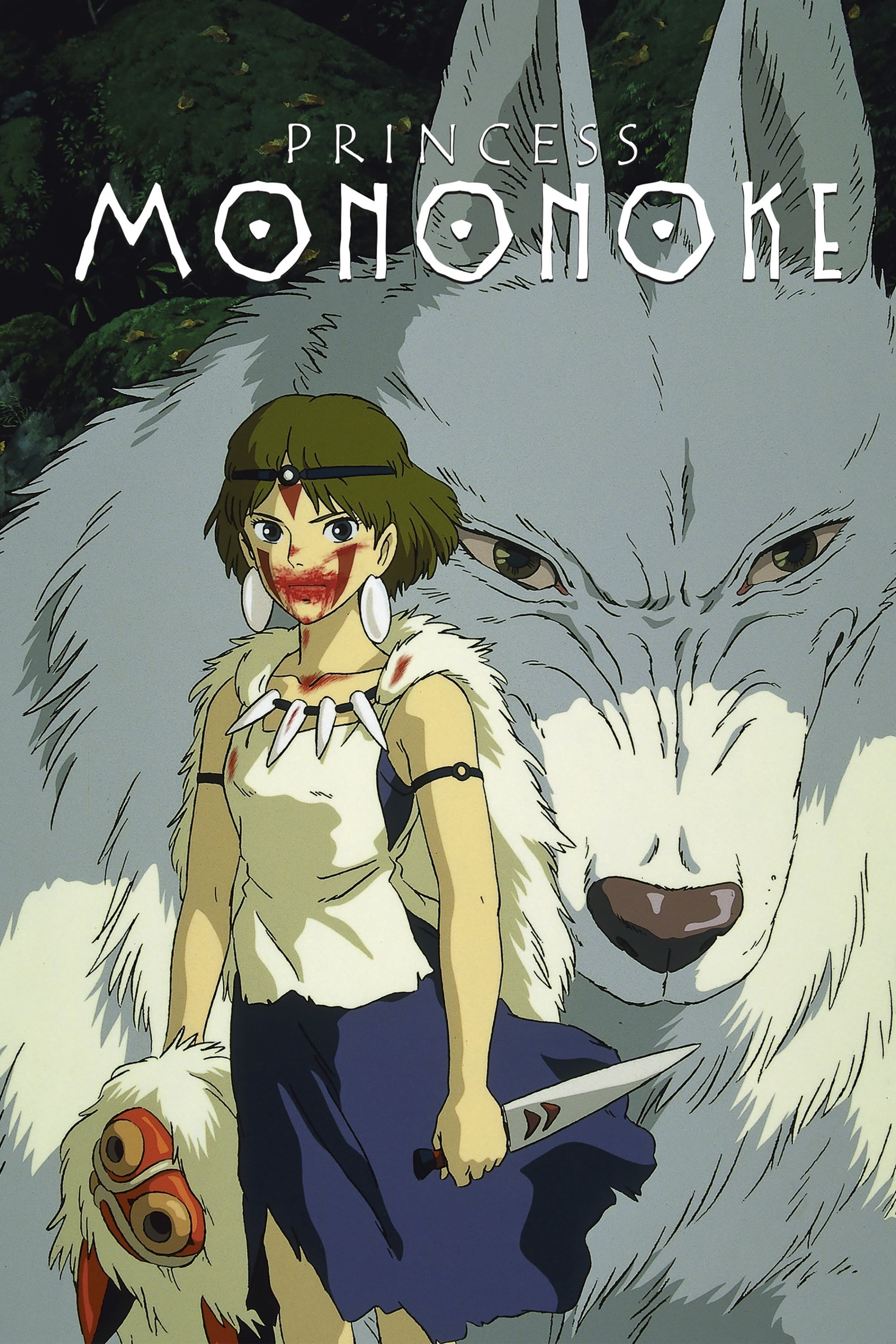
‘Princess Mononoke’ is a historical fantasy from Hayao Miyazaki and Studio Ghibli that depicts the clash between industrial development and the gods of the forest. The production combined hand-drawn animation with digital compositing to stage large-scale battles and natural vistas. Its release set major domestic box-office records in Japan before being surpassed by later titles. The film’s distribution included an English-language localization overseen to maintain fidelity to the original script.
‘Spirited Away’ (2001)
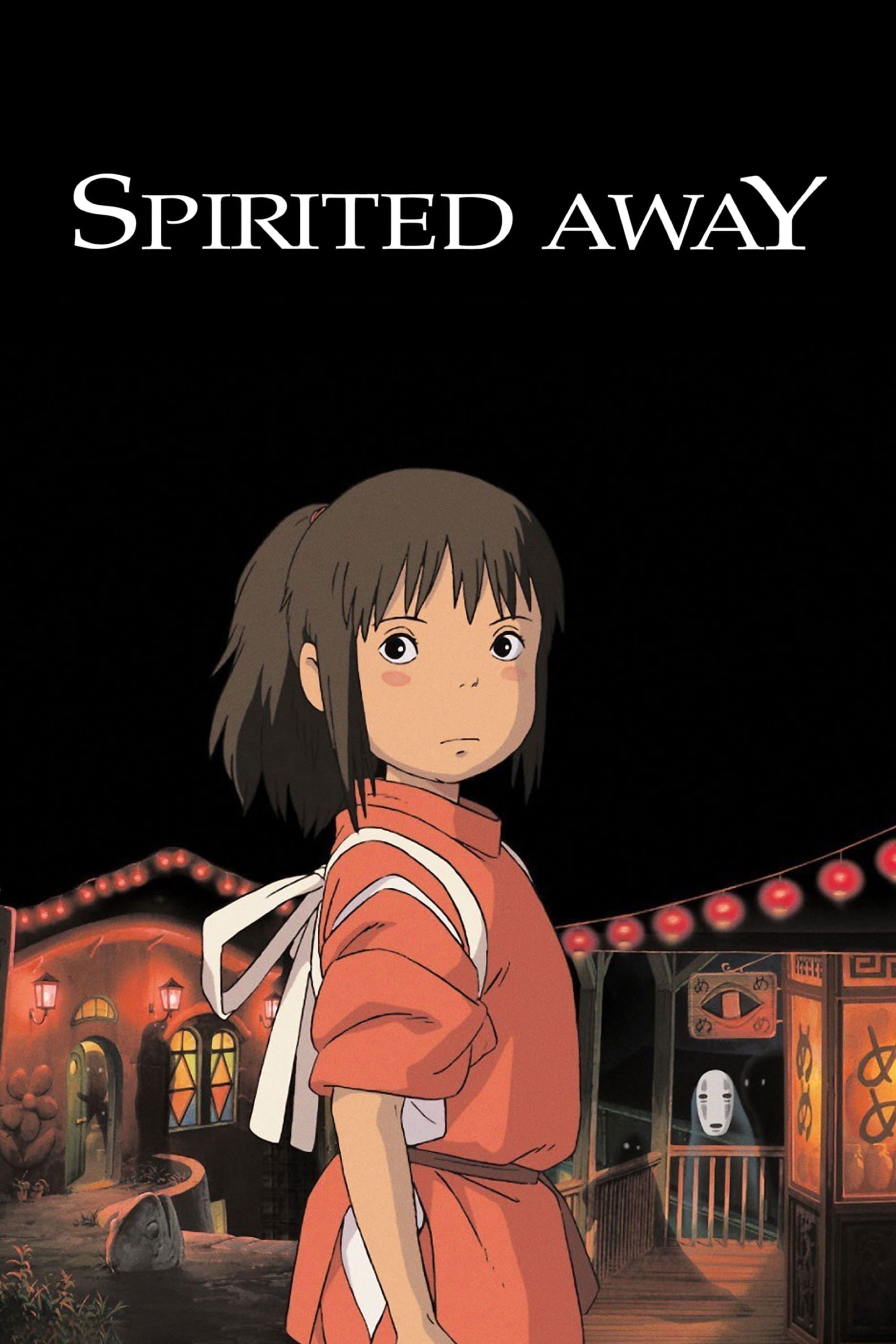
Hayao Miyazaki’s ‘Spirited Away’ follows Chihiro, who enters a spirit bathhouse run by Yubaba while trying to save her parents. Produced by Studio Ghibli, it features extensive hand-drawn layouts with selective digital effects and background paintings by Kazuo Oga’s team. The film won the Academy Award for Best Animated Feature and multiple international festival honors. It stood as Japan’s highest-grossing film for many years and helped expand global distribution for Ghibli works.
‘Ghost in the Shell’ (1995)
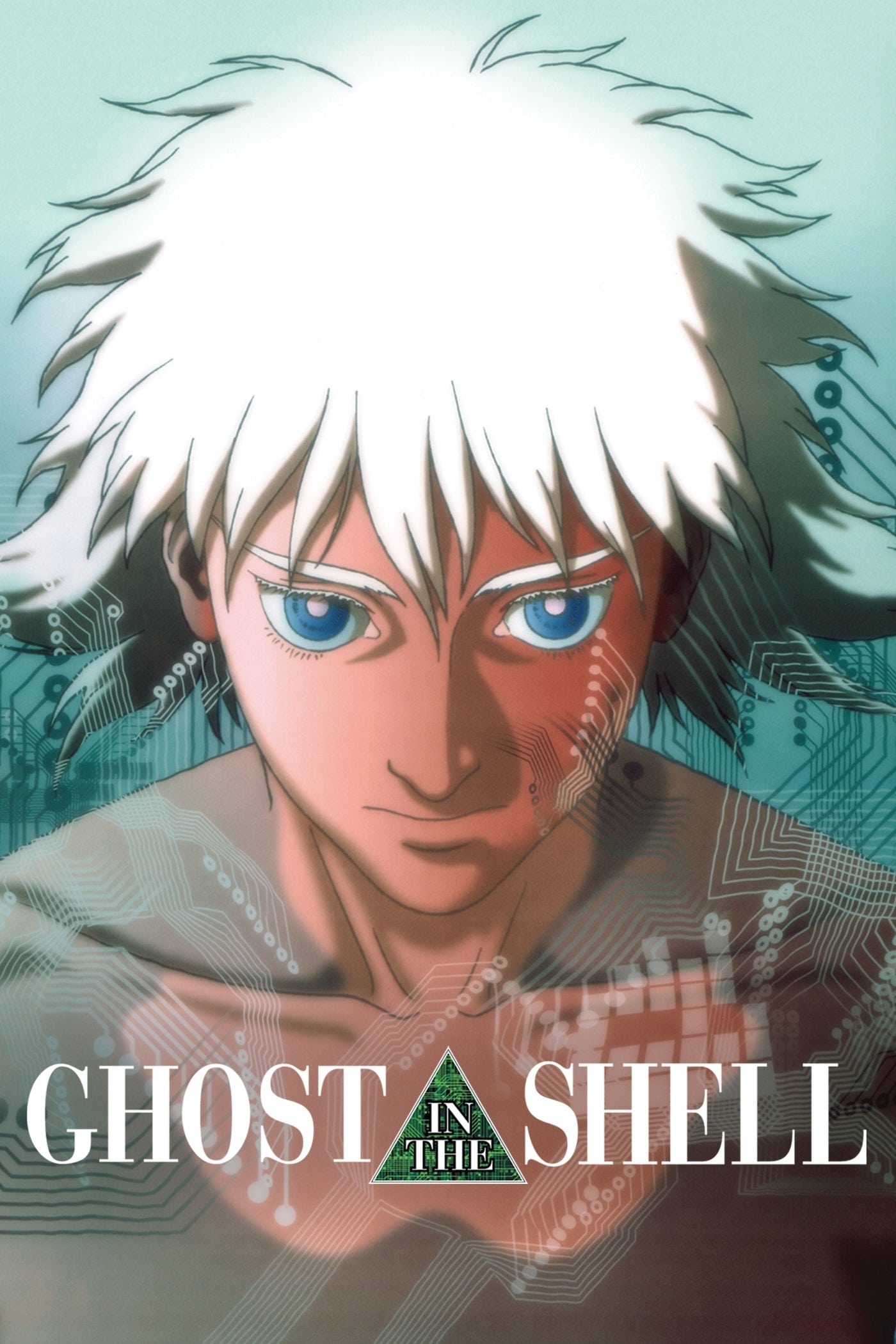
Directed by Mamoru Oshii and produced by Production I.G, ‘Ghost in the Shell’ adapts Masamune Shirow’s manga into a philosophical cyberpunk thriller. The film is known for its “digital-composite” process that blended CGI with cel animation, as well as Kenji Kawai’s choral score. It follows Section 9’s Major Motoko Kusanagi investigating the hacker known as the Puppet Master. Its concepts and imagery have been frequently referenced in international science-fiction cinema.
‘Perfect Blue’ (1997)
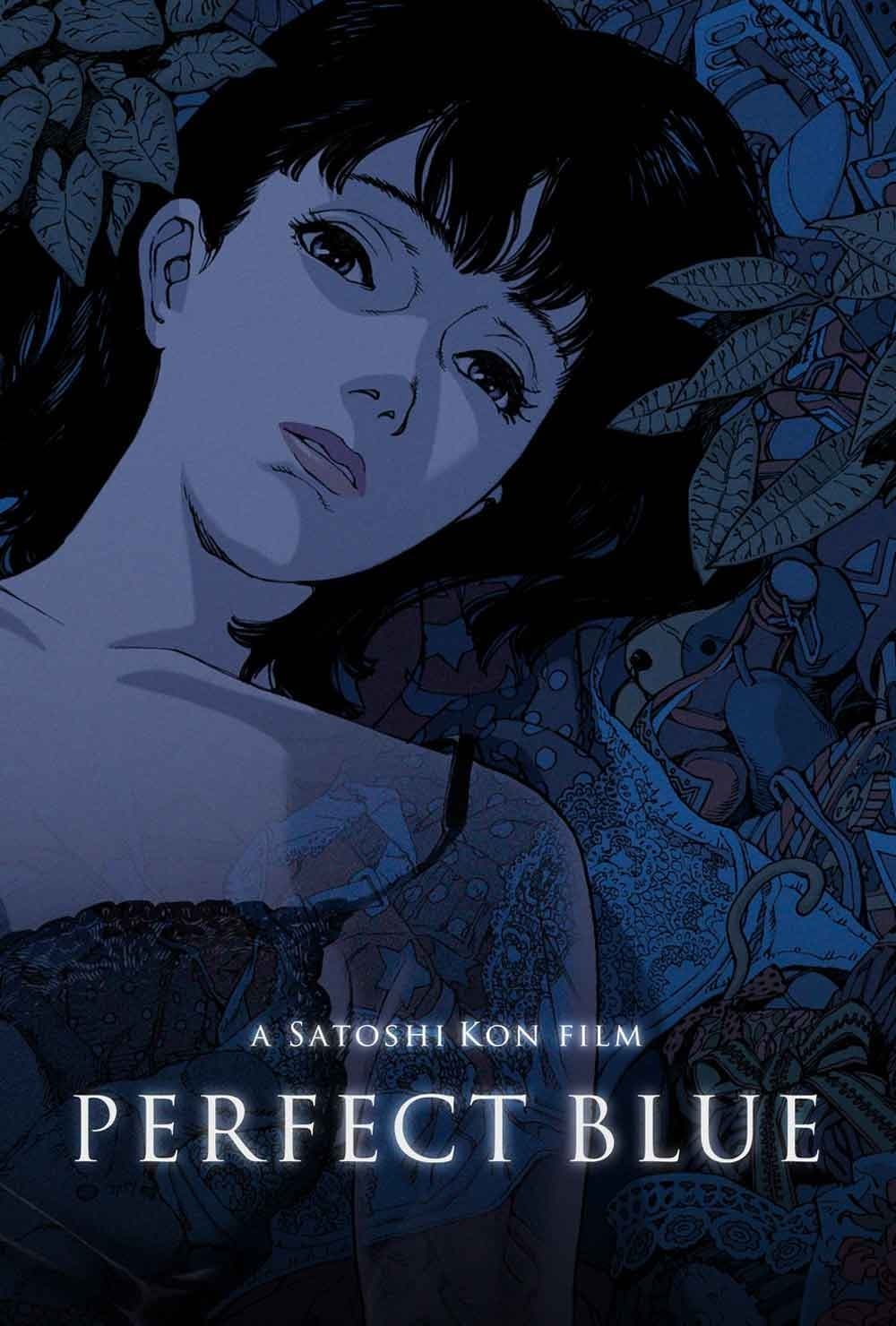
Satoshi Kon’s ‘Perfect Blue’, produced by Madhouse, adapts Yoshikazu Takeuchi’s novel about a pop idol whose transition to acting spirals into stalking and identity confusion. The film is noted for its editing, match cuts, and layered scenes that blur reality and performance. Its production repurposed an originally planned OVA into a theatrical feature with economical yet precise storyboarding. The movie is widely studied for media and celebrity themes in contemporary film courses.
‘Millennium Actress’ (2001)
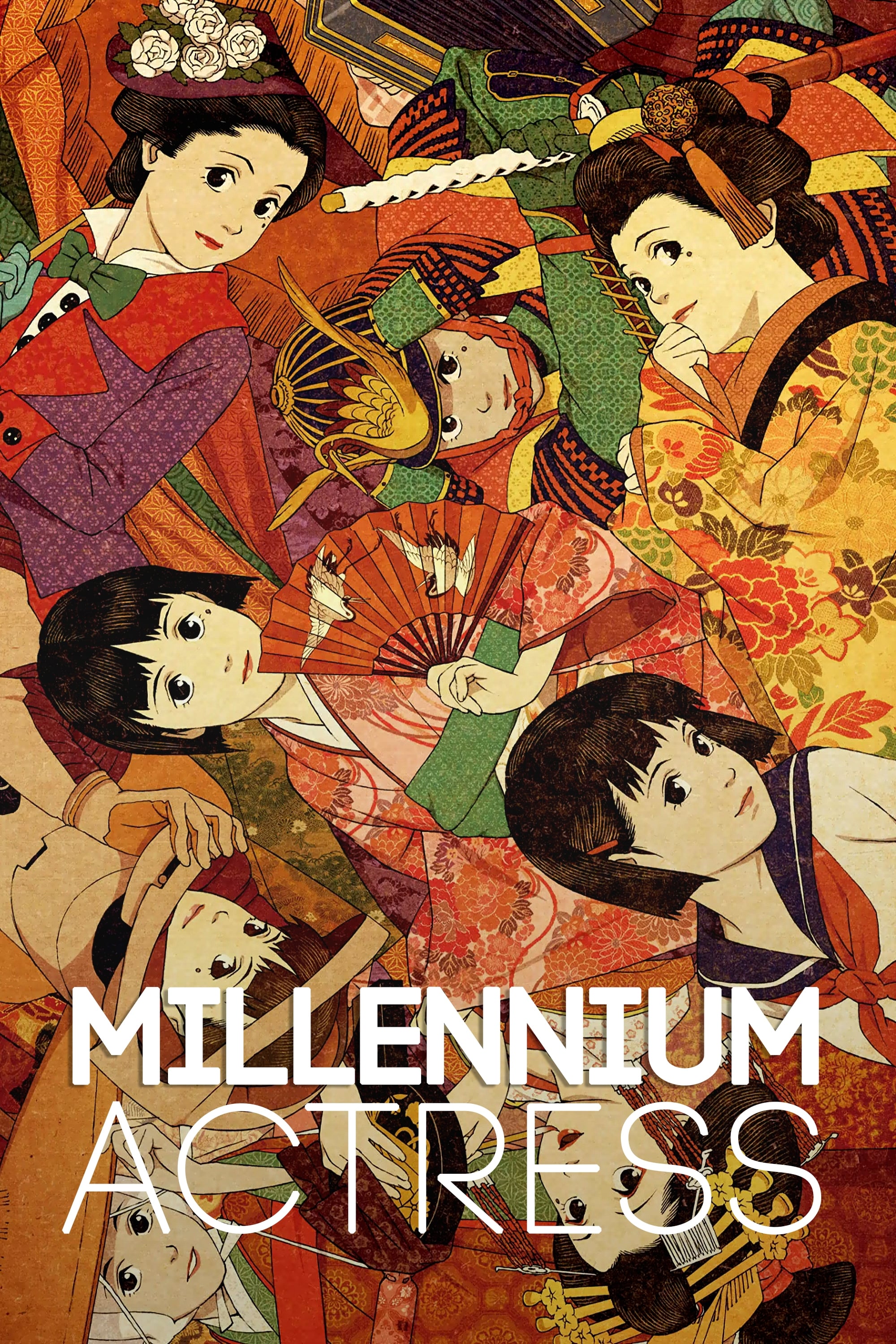
Also directed by Satoshi Kon for Madhouse, ‘Millennium Actress’ follows a reclusive screen legend recounting her life to a documentary crew, with her memories interweaving with roles from classic Japanese cinema. The film uses seamless transitions to move between eras, film sets, and personal history. Susumu Hirasawa composed the score, continuing his collaboration with Kon. The narrative structure is frequently cited in discussions of montage and subjective storytelling.
‘Paprika’ (2006)
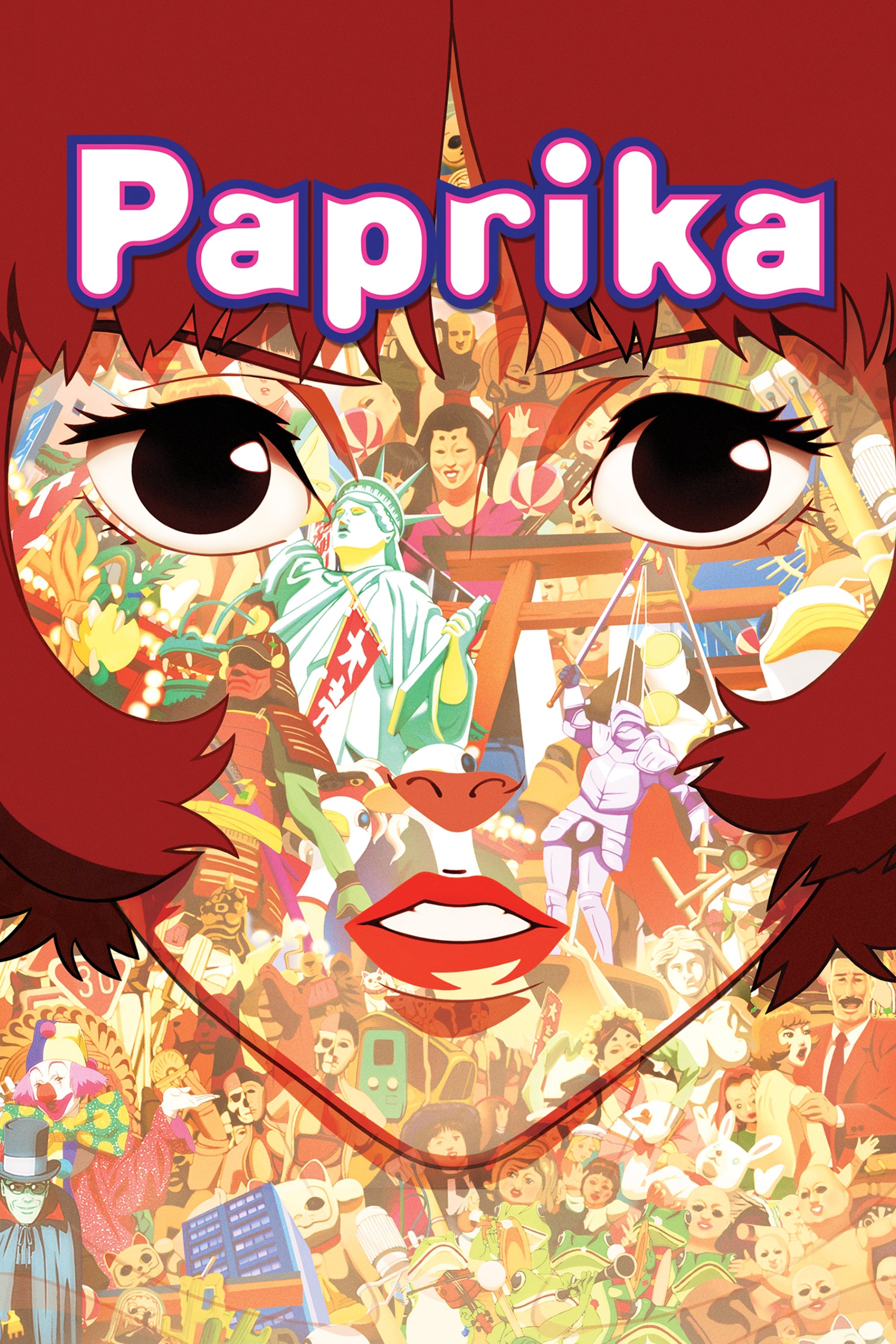
Satoshi Kon’s ‘Paprika’, produced by Madhouse, centers on a device that allows therapists to enter patients’ dreams, where a stolen prototype unleashes shared hallucinations. The movie deploys bold scene-to-scene transformations to depict dream logic and collective unconscious motifs. Susumu Hirasawa’s electronic score underscores the shifting realities. Numerous commentators have noted parallels between its imagery and later high-profile live-action thrillers.
‘The Girl Who Leapt Through Time’ (2006)
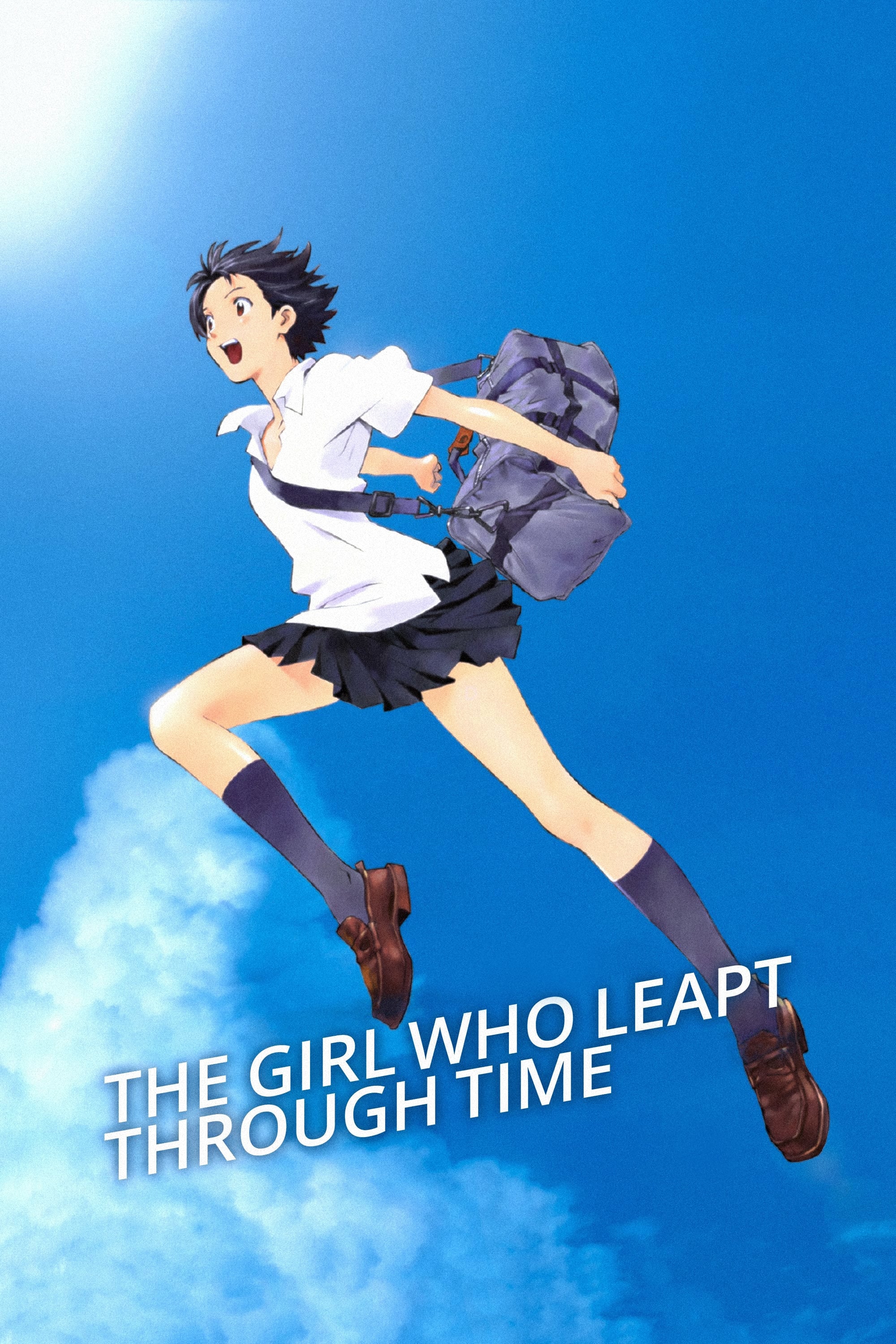
Directed by Mamoru Hosoda at Madhouse, ‘The Girl Who Leapt Through Time’ is a loose sequel to Yasutaka Tsutsui’s novel, following high-schooler Makoto as she repeatedly “time-leaps.” The film uses restrained character animation and background art to ground the science-fiction premise in everyday life. It received multiple festival awards and domestic recognition for animation. The success led to Hosoda’s subsequent features at Studio Chizu.
‘Your Name.’ (2016)
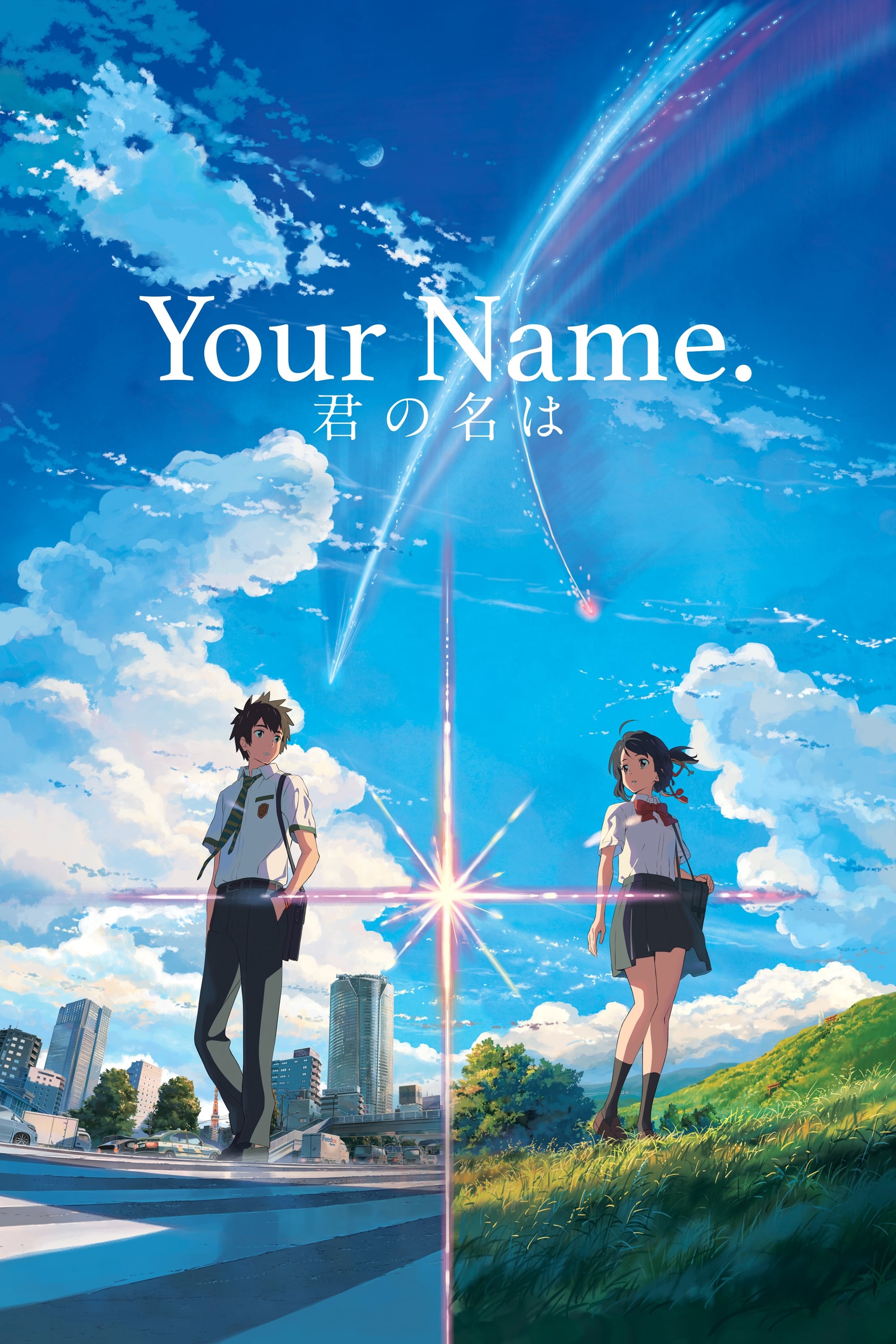
Makoto Shinkai’s ‘Your Name.’ from CoMix Wave Films follows two teenagers who begin mysteriously swapping bodies across distant locations. The production emphasized detailed urban and rural backgrounds, with music and theme songs by RADWIMPS integrated into the narrative. The film achieved major worldwide box-office totals for an anime feature outside its home market. Its success expanded international theatrical runs for subsequent Shinkai releases.
‘A Silent Voice: The Movie’ (2016)
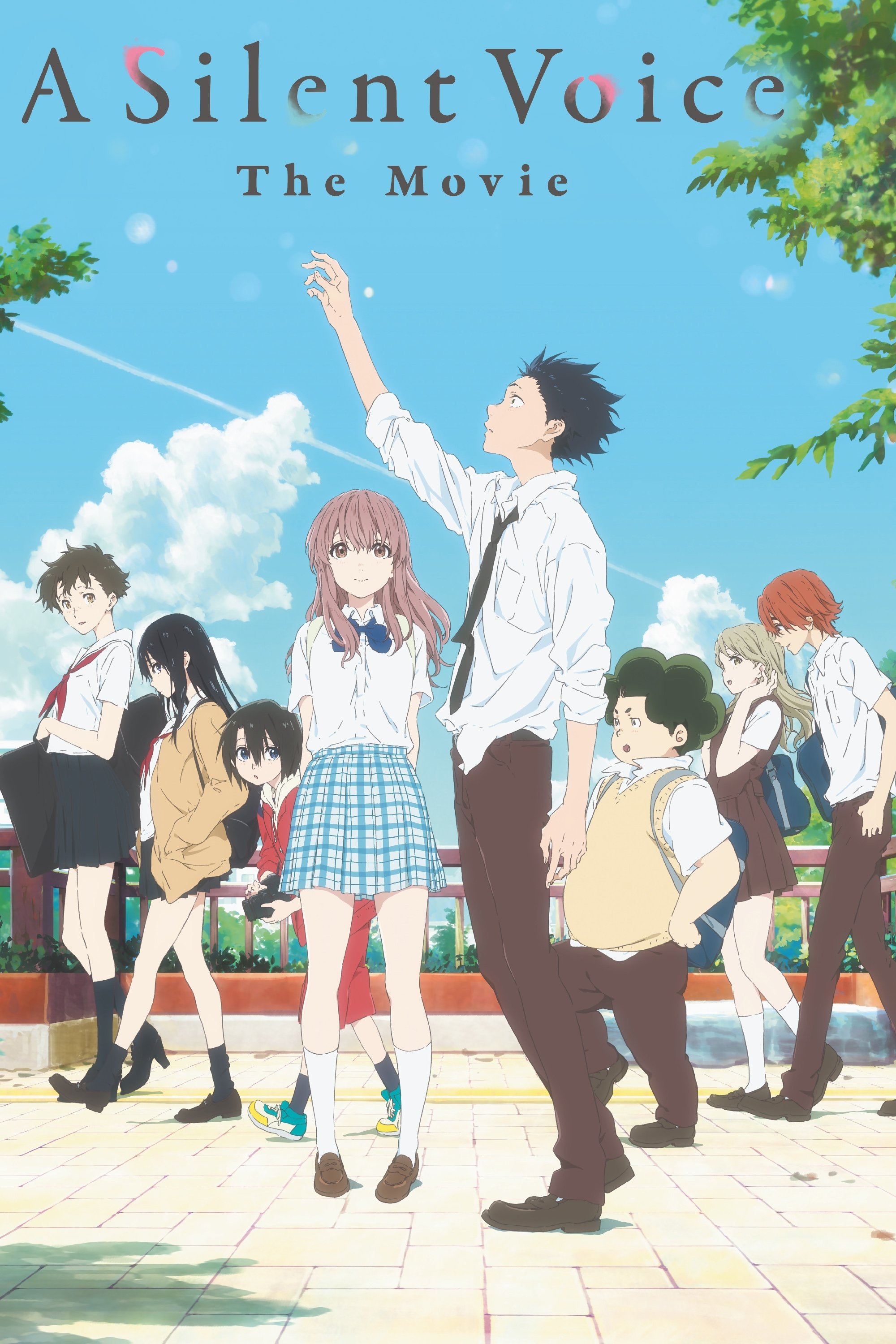
Directed by Naoko Yamada and produced by Kyoto Animation, ‘A Silent Voice’ adapts Yoshitoki Ōima’s manga about a former bully seeking to make amends with a deaf classmate. The film pays close attention to sign language depiction, character framing, and sound design to convey communication barriers. Kensuke Ushio composed the music, complementing the film’s focus on perspective and memory. Its theatrical and home-release rollouts brought broad discussion of accessibility and education themes.
‘The Tale of the Princess Kaguya’ (2013)
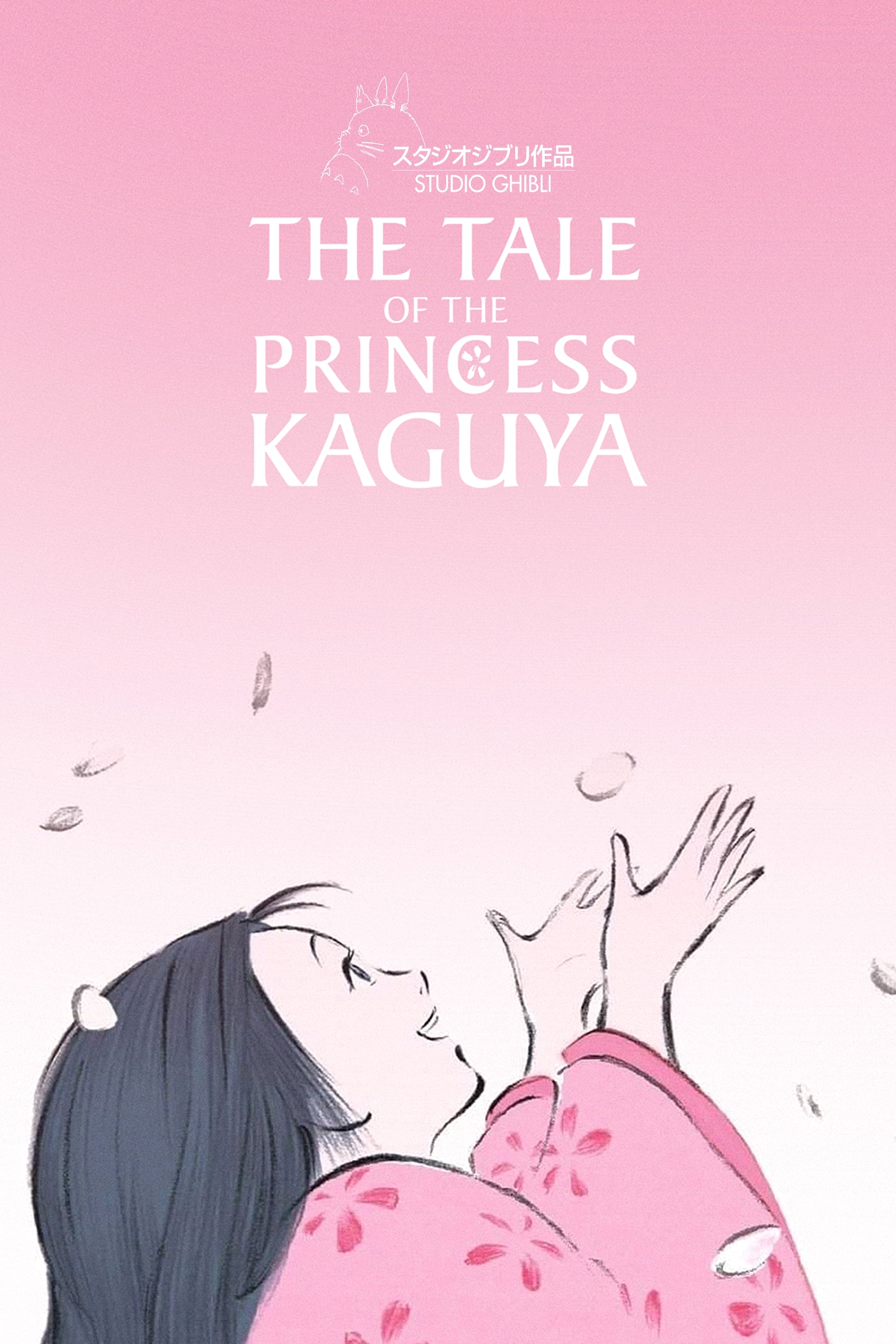
Isao Takahata’s ‘The Tale of the Princess Kaguya’ at Studio Ghibli adapts the classic folktale “The Tale of the Bamboo Cutter.” The film employs a hand-painted, brush-and-ink aesthetic with intentionally visible linework and watercolor-style backgrounds. Joe Hisaishi composed the score, marking a rare collaboration with Takahata. It received an Academy Award nomination for Best Animated Feature and widespread festival recognition.
‘Redline’ (2010)
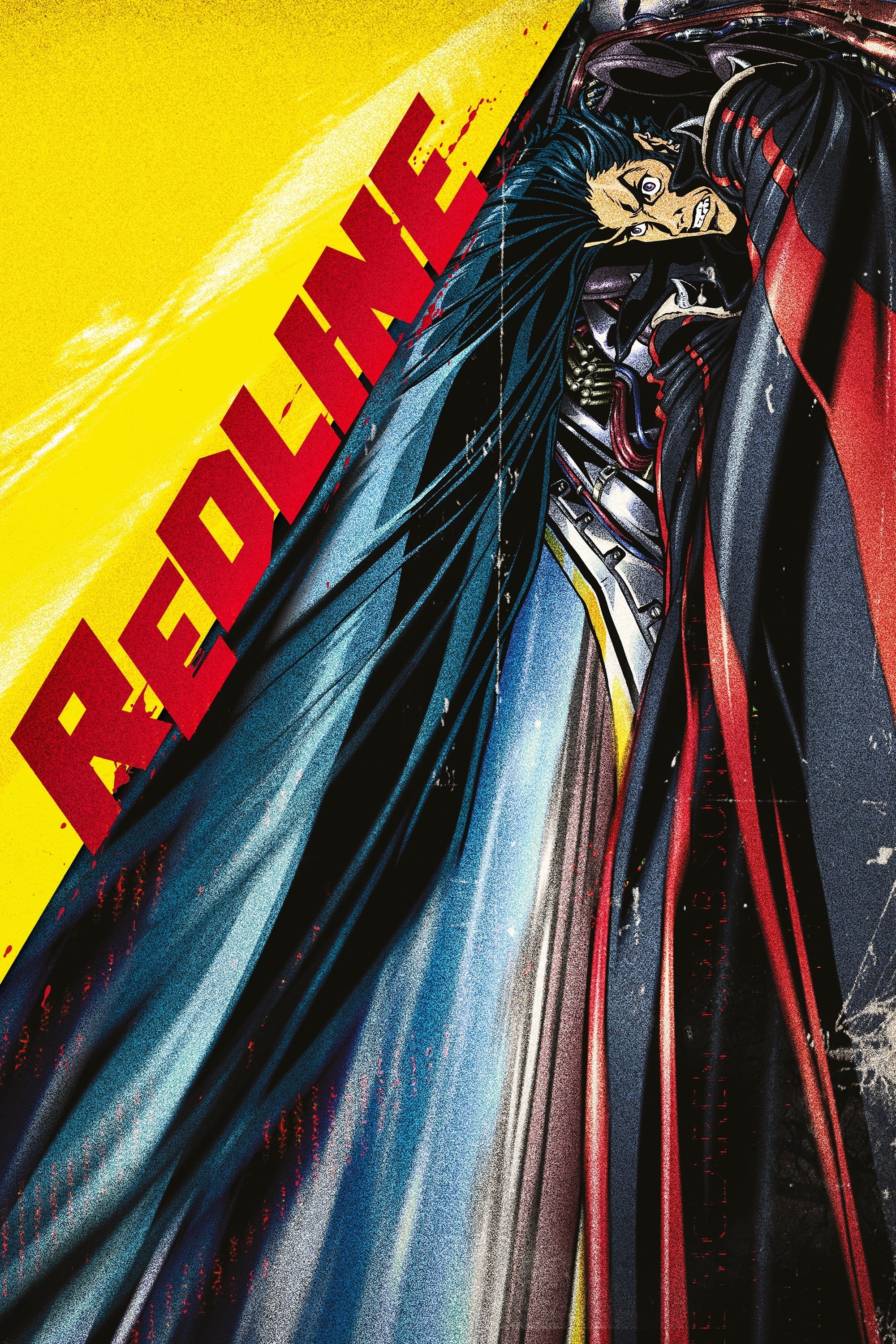
Directed by Takeshi Koike for Madhouse, ‘Redline’ is a high-octane racing film famous for its long, hand-drawn production and kinetic layouts. The story centers on racer JP entering the illegal interplanetary ‘Redline’ competition, with character designs by Katsuhito Ishii. Practical effects in the animation—such as smear frames, line bursts, and exaggerated perspective—deliver its signature momentum. The film developed a strong cult following through festival screenings and home media.
‘Howl’s Moving Castle’ (2004)
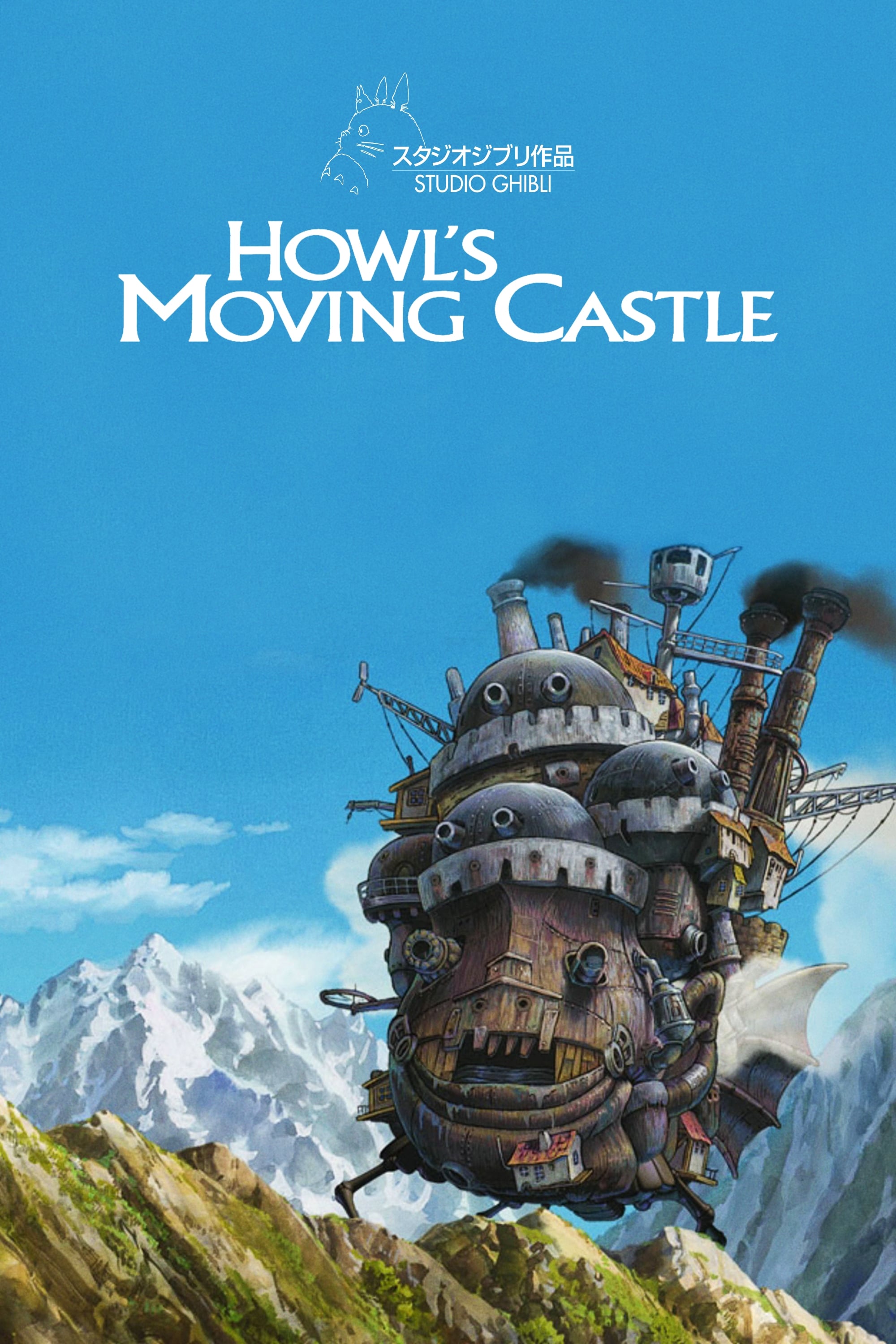
Directed by Hayao Miyazaki at Studio Ghibli, ‘Howl’s Moving Castle’ adapts Diana Wynne Jones’s fantasy novel about a young hat maker transformed by a witch’s curse. The film is known for its walking castle design, airship imagery, and hand-drawn character animation combined with digital compositing. Joe Hisaishi composed the orchestral score that underscores the shifting locales and large set-pieces. International releases expanded Ghibli’s presence in multiplexes and streaming catalogs.
‘The Wind Rises’ (2013)
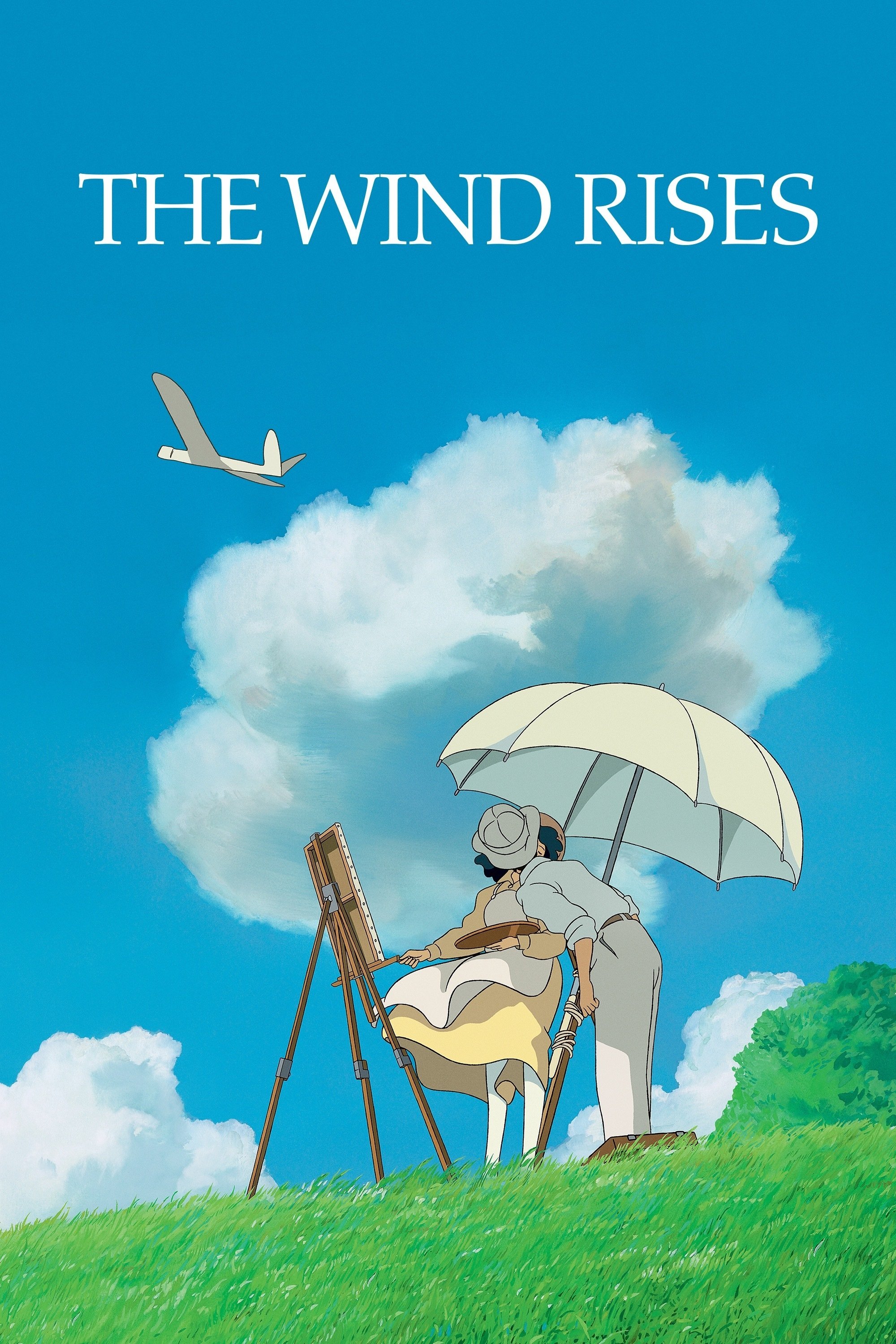
Hayao Miyazaki’s ‘The Wind Rises’ is a historical drama inspired by the life of aeronautical engineer Jiro Horikoshi and a literary novella by Tatsuo Hori. The production emphasizes detailed aircraft design, wind motifs, and minimalistic sound effects, including vocalized engine noises. Its screenplay blends biographical episodes with dream sequences featuring a fictionalized Caproni. The movie received widespread festival play and major accolades for animation and score.
‘Weathering With You’ (2019)
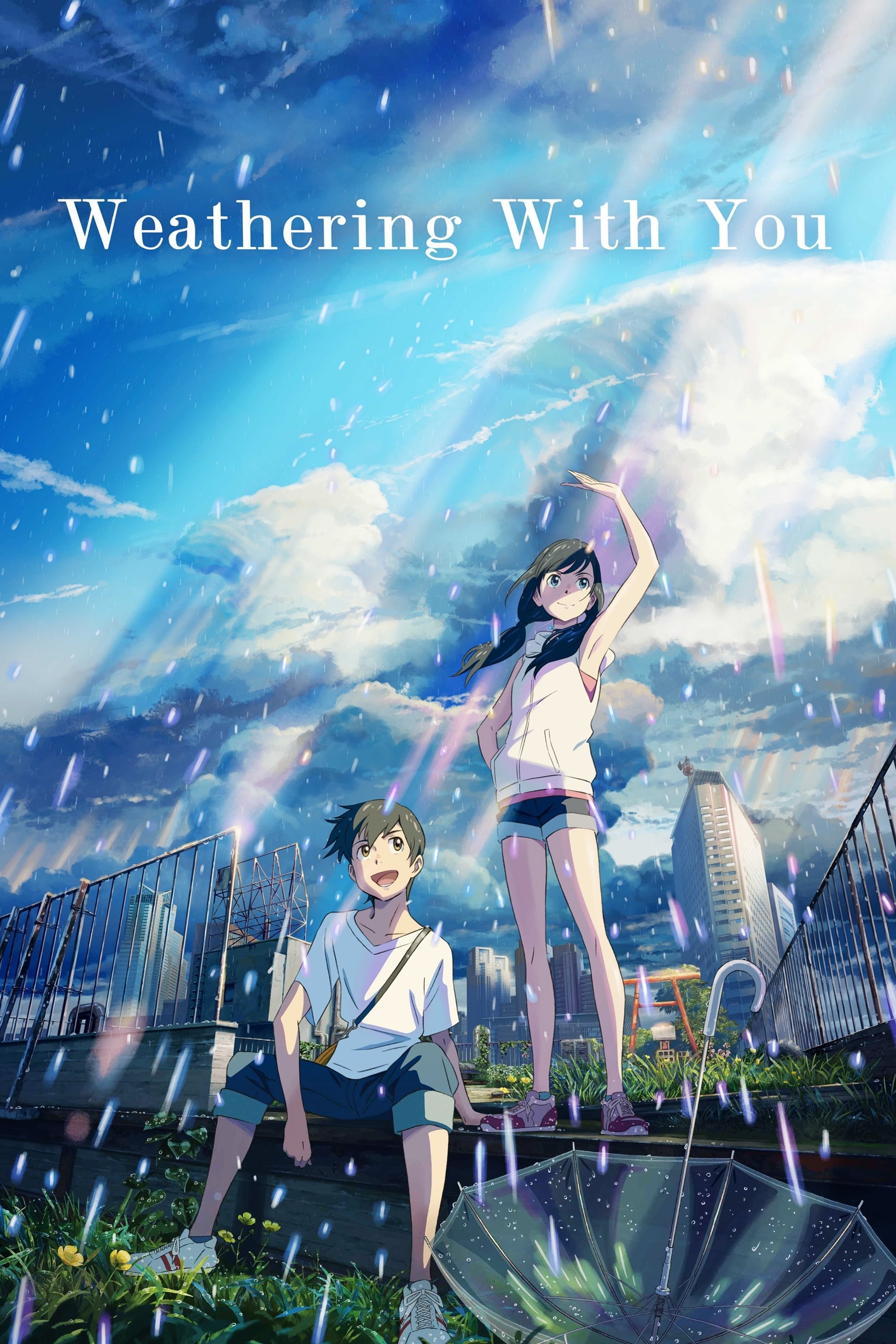
Makoto Shinkai’s ‘Weathering With You’ follows a runaway boy who meets a girl capable of temporarily clearing the rain. CoMix Wave Films produced it with highly detailed urban backgrounds, atmospheric effects, and integrated songs by RADWIMPS. The film achieved strong theatrical runs across Asia, Europe, and North America. Tie-ins included art books, soundtrack releases, and a novelization by Shinkai.
‘Suzume’ (2022)

‘Suzume’ is a road-movie fantasy from Makoto Shinkai and CoMix Wave Films about a teenager closing supernatural “doors” that unleash disasters. The production uses location-scouting across multiple prefectures, blending photoreal backgrounds with stylized character animation. Music is by RADWIMPS with additional composition by Kazuma Jinnouchi. The film set new records for Shinkai’s overseas box office and received premieres at major international festivals.
‘Cowboy Bebop: The Movie’ (2001)
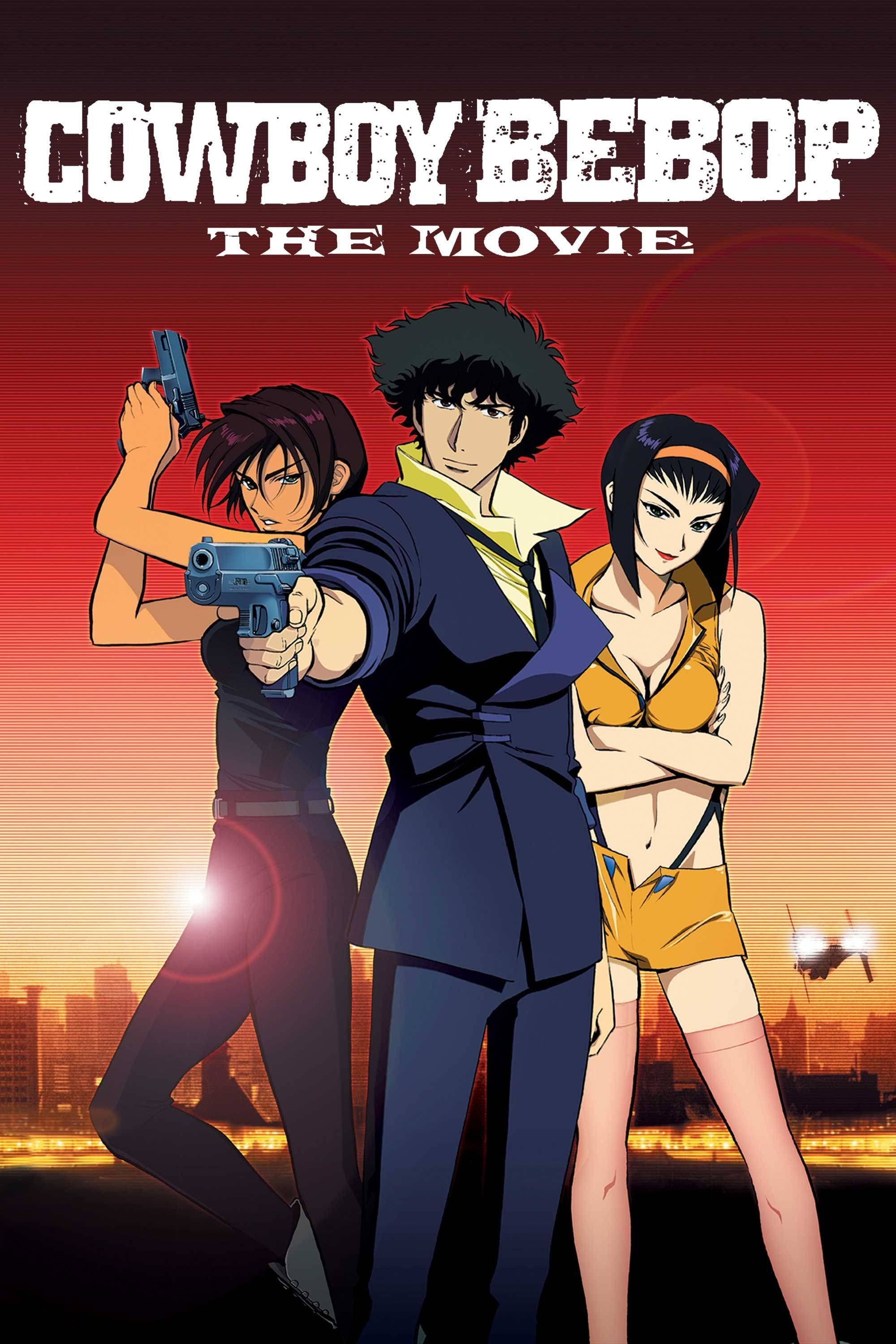
Also known as ‘Cowboy Bebop: Knockin’ on Heaven’s Door’, this feature from Sunrise expands the bounty-hunter crew’s story between television episodes. Director Shinichirō Watanabe returned with composer Yoko Kanno and the Seatbelts for a jazz-driven score. The film showcases large-scale action across Martian cityscapes and detailed hand-to-hand choreography. It was produced with a higher per-cut budget than typical TV episodes, enabling more fluid animation.
‘Neon Genesis Evangelion: The End of Evangelion’ (1997)

Produced by Gainax and Production I.G, ‘The End of Evangelion’ serves as an alternate conclusion to the television series ‘Neon Genesis Evangelion’. The film combines traditional animation with elaborate mechanical layouts and complex composite shots. Shiro SAGISU’s music features choral and orchestral cues that contrast with intense battle sequences. The release generated extensive analysis of its symbolism, production history, and connection to the series finale.
‘Evangelion: 3.0+1.0 Thrice Upon a Time’ (2021)
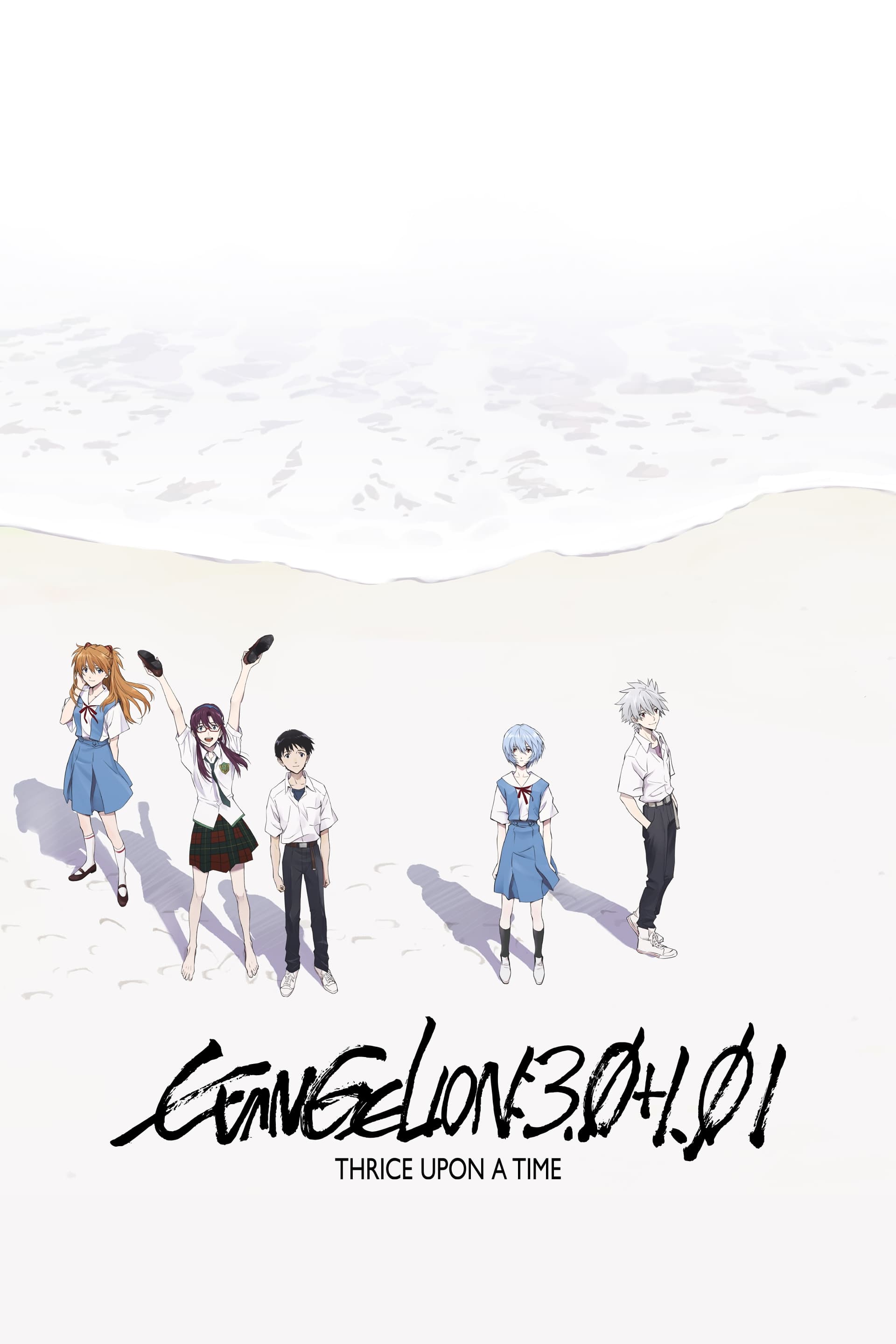
Studio Khara’s ‘Evangelion: 3.0+1.0 Thrice Upon a Time’ concludes the Rebuild of Evangelion film project initiated by Hideaki Anno. It uses hybrid production pipelines, including digital paint, CGI mecha choreography, and large-format background art. The film debuted with staggered theatrical and streaming windows in different regions. Its rollout included multiple revised cuts with incremental technical adjustments and credits changes.
‘Patlabor 2: The Movie’ (1993)

Directed by Mamoru Oshii and produced by Production I.G, ‘Patlabor 2: The Movie’ continues the ‘Mobile Police Patlabor’ saga with a focus on political tension and urban security. The film is noted for realistic city layouts, restrained mecha action, and atmospheric sound design. Kenji Kawai composed the score with choral motifs that mirror the quiet pacing. The screenplay integrates geopolitics with detective-style investigation by Special Vehicles Section 2.
‘Royal Space Force – The Wings of Honneamise’ (1987)
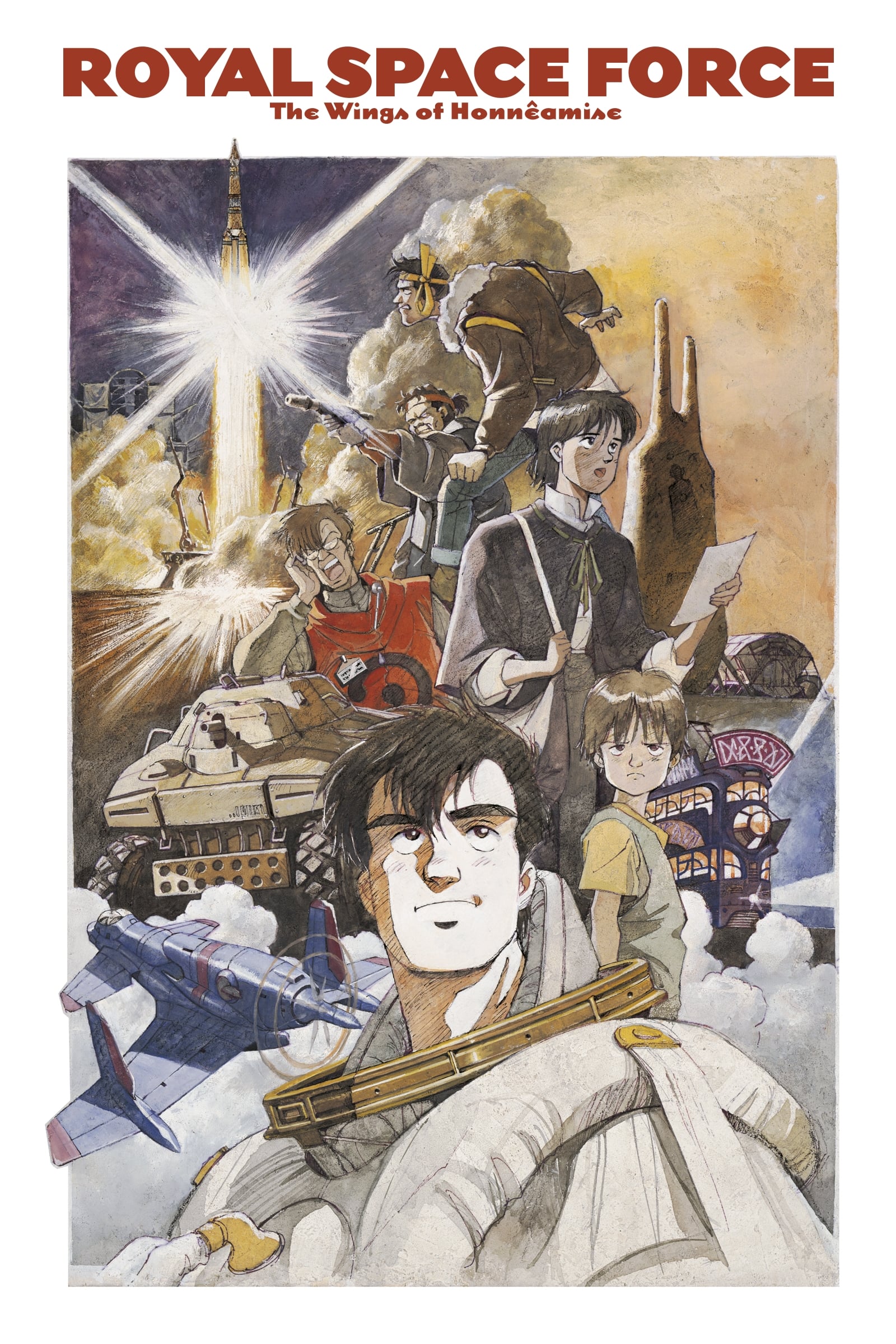
‘Royal Space Force: The Wings of Honnêamise’ was Gainax’s first feature, backed by Bandai, depicting a fictional nation’s early space program. The production built an original world with unique scripts, signage, vehicles, and costumes to avoid direct historical analogues. Ryuichi Sakamoto composed the music, including the main theme and choral pieces. The film has been restored and reissued multiple times, reflecting its importance in anime history.
‘Belladonna of Sadness’ (1973)

‘Belladonna of Sadness’, directed by Eiichi Yamamoto at Mushi Production, presents a psychedelic, illustration-driven approach influenced by art-nouveau and watercolor techniques. Rather than continuous character animation, it employs pans across painted stills and limited motion to tell its story. The film’s restoration introduced it to new audiences through art-house circuits. Its visual style is frequently cited in discussions of experimental Japanese animation.
‘Vampire Hunter D: Bloodlust’ (2000)
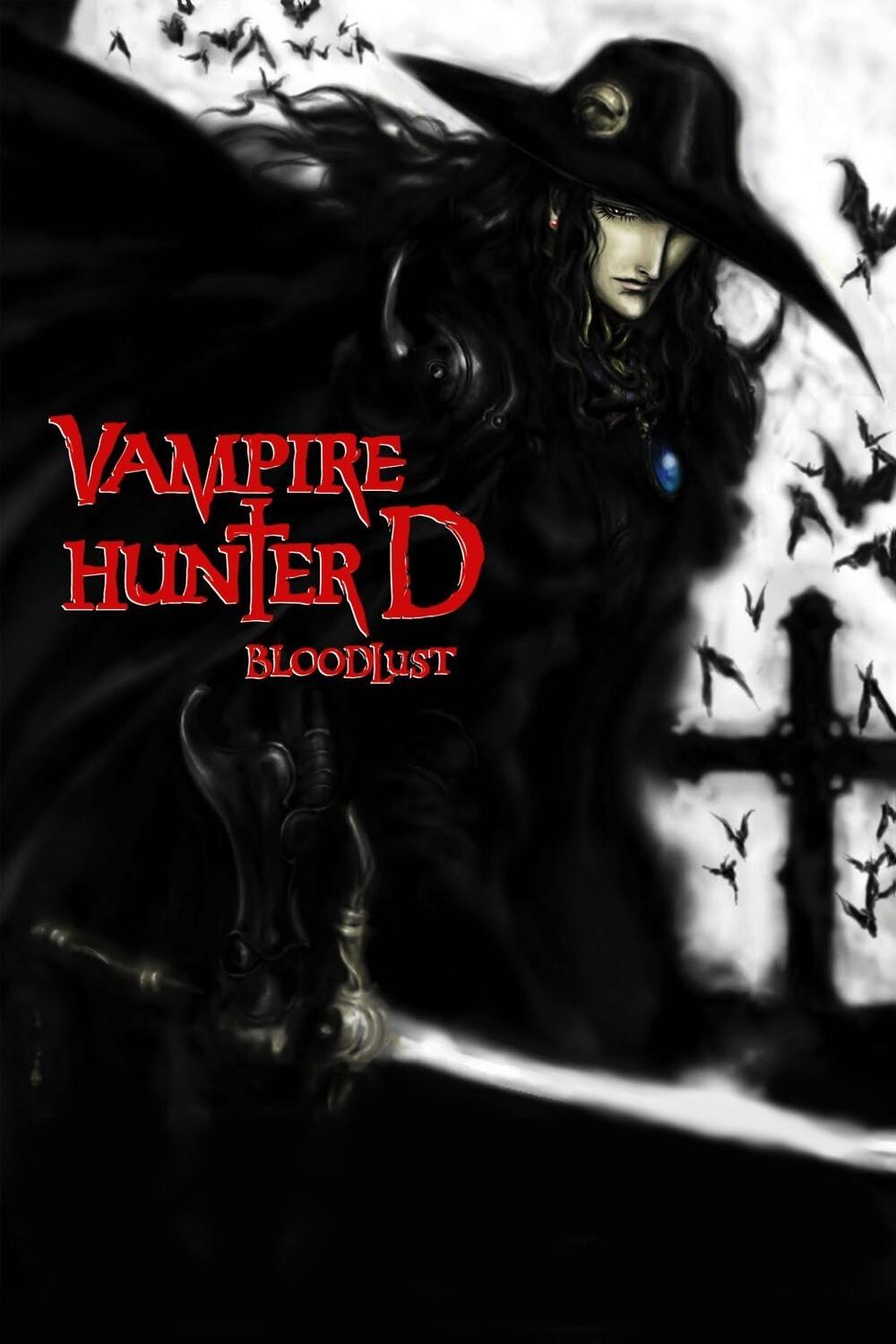
Directed by Yoshiaki Kawajiri at Madhouse, ‘Vampire Hunter D: Bloodlust’ adapts a novel by Hideyuki Kikuchi set in a far-future gothic world. The production features character designs by Yoshitaka Amano and action sequences with intricate sword choreography. English was recorded as the primary voice track for international distribution. Background art and creature effects highlight the blend of science fiction and dark fantasy.
‘In This Corner of the World’ (2016)
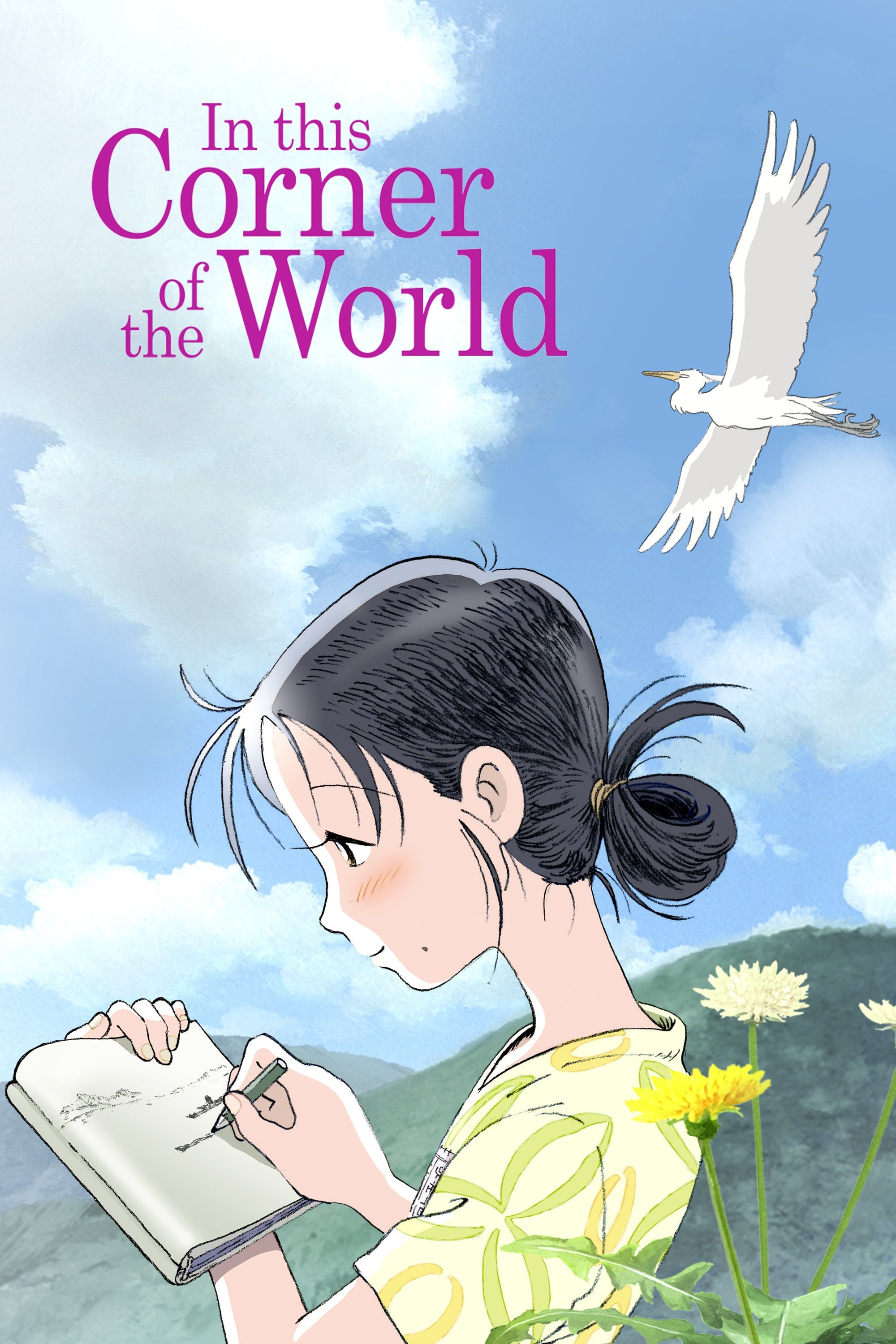
Directed by Sunao Katabuchi at MAPPA, ‘In This Corner of the World’ adapts Fumiyo Kōno’s manga about civilian life in Hiroshima and Kure. The film reconstructs neighborhoods using archival maps, interviews, and period research. Its production later released an extended cut with additional scenes focusing on supporting characters. The movie received numerous domestic awards for animation and screenplay.
‘Wolf Children’ (2012)
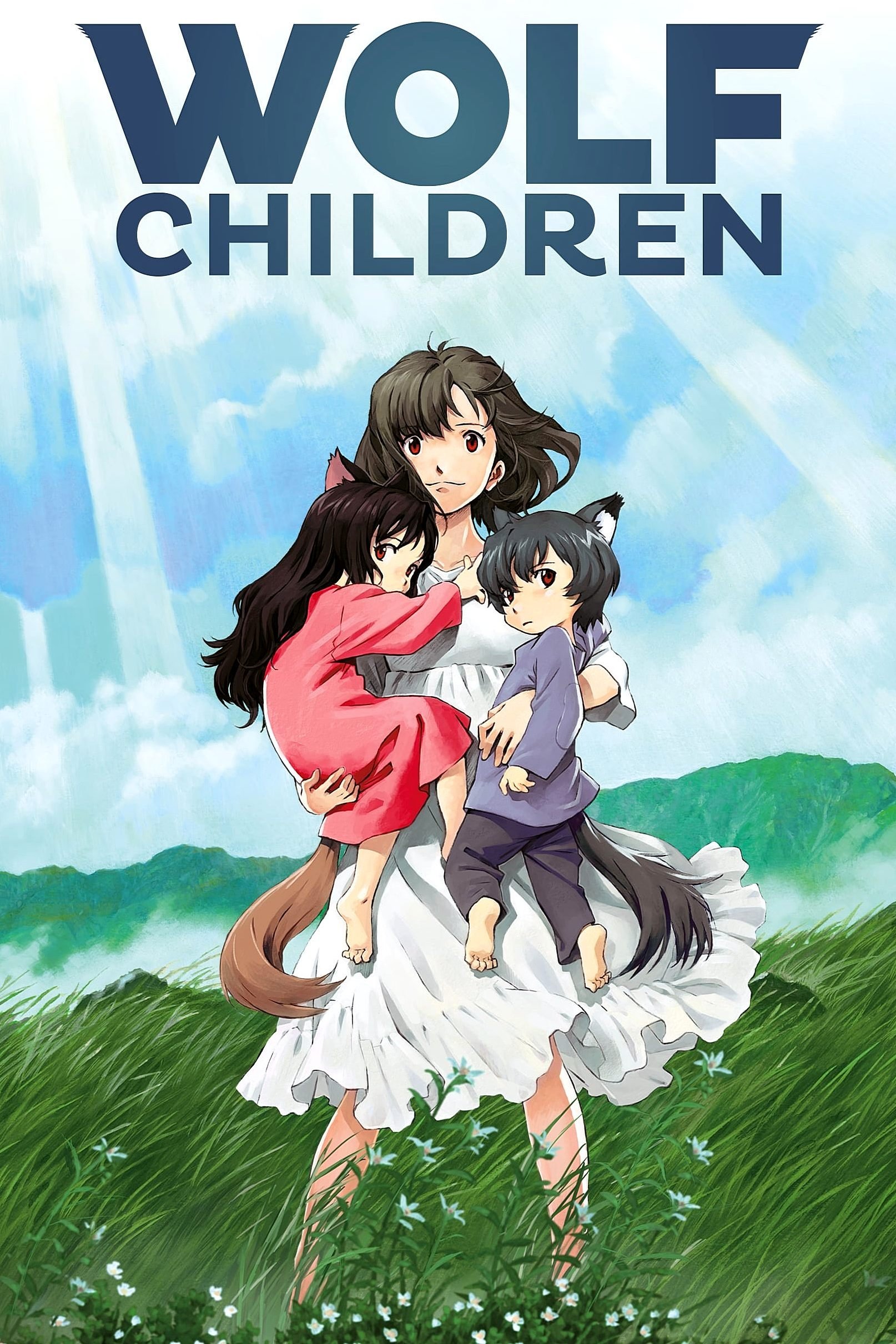
Mamoru Hosoda’s ‘Wolf Children’ from Studio Chizu follows a mother raising two children who can transform between human and wolf forms. The film contrasts city living with rural self-sufficiency through seasonal montage and location-based backgrounds. Composer Takagi Masakatsu provided the score and theme. It became a long-running catalog title on home media and streaming, frequently used in family-themed anime retrospectives.
‘Mind Game’ (2004)
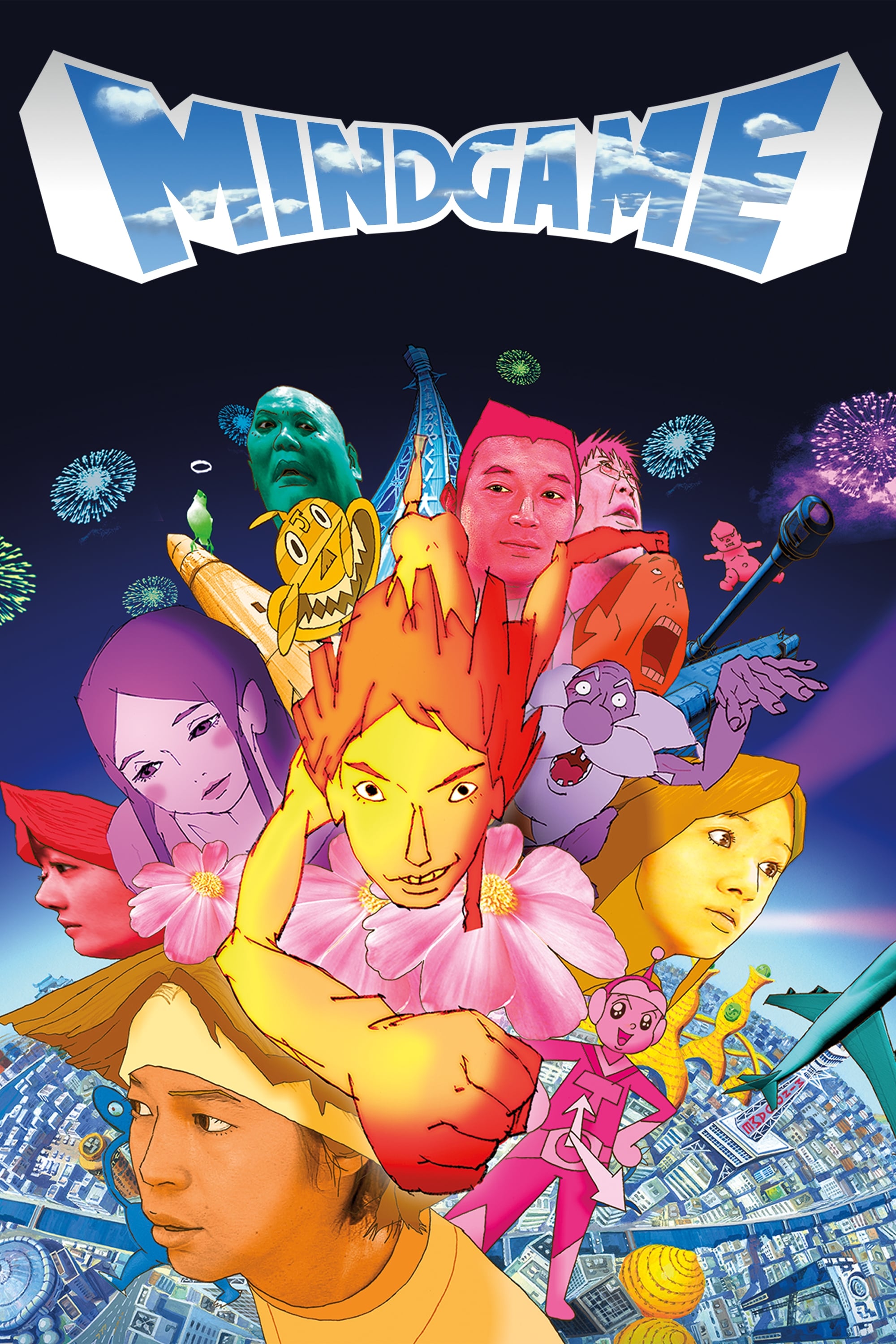
Directed by Masaaki Yuasa at Studio 4°C, ‘Mind Game’ uses mixed media, rotoscoping fragments, and abrupt art-style shifts to depict a surreal odyssey. The narrative structure incorporates sudden visual transitions, typography gags, and extended musical sequences. Its independent release strategy relied on festival buzz and specialty theaters. The film later influenced Yuasa’s subsequent television and feature projects.
‘Promare’ (2019)
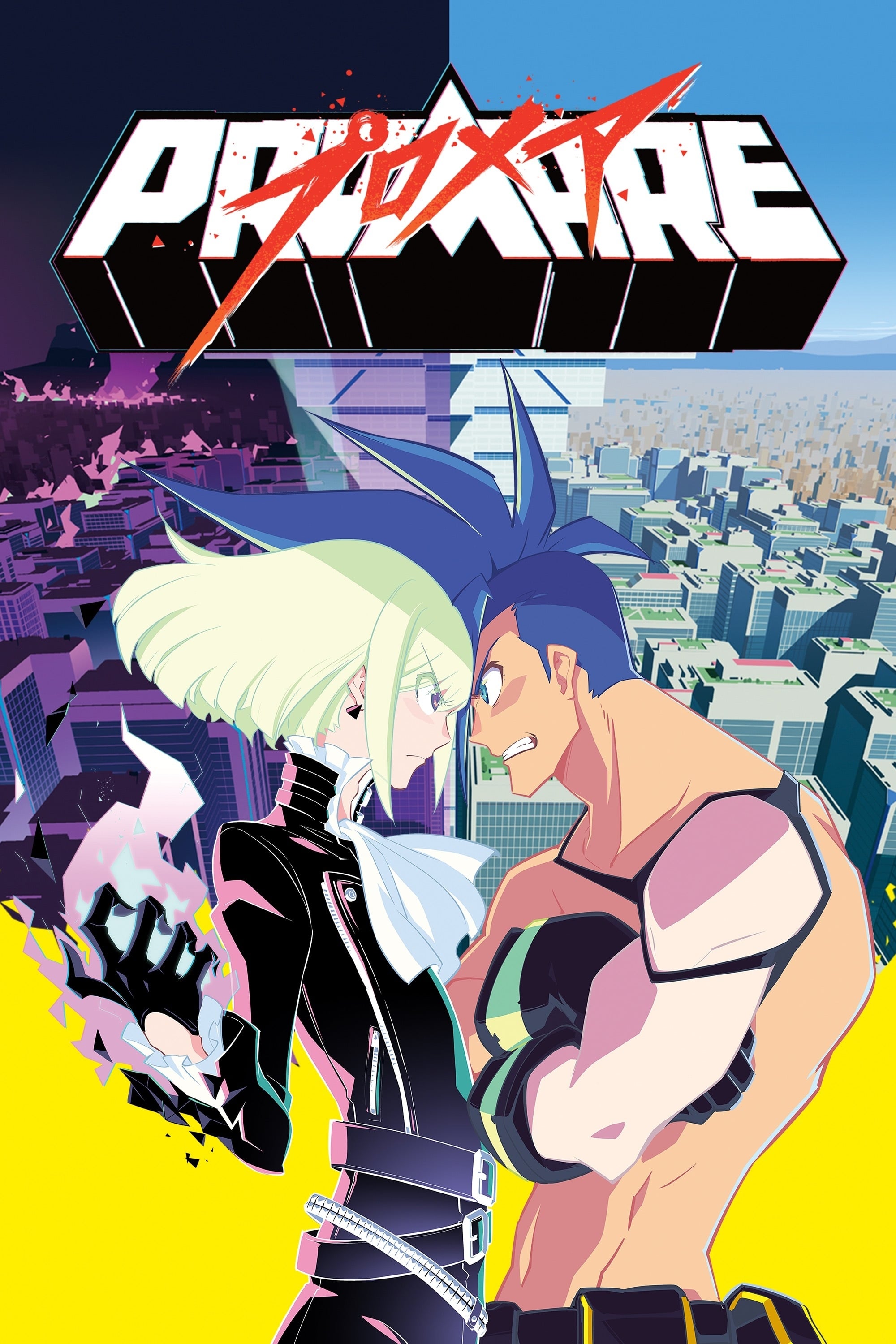
Trigger and XFLAG produced ‘Promare’, directed by Hiroyuki Imaishi with character designs by Shigeto Koyama and music by Hiroyuki Sawano. The film employs bold geometric backgrounds, cel-shaded CG vehicles, and high-contrast color blocking. Action set-pieces use rapid cuts, stylized camera moves, and on-screen typography. Global screenings included fan events, deluxe subtitles, and encore showings due to demand.
‘Castle in the Sky’ (1986)
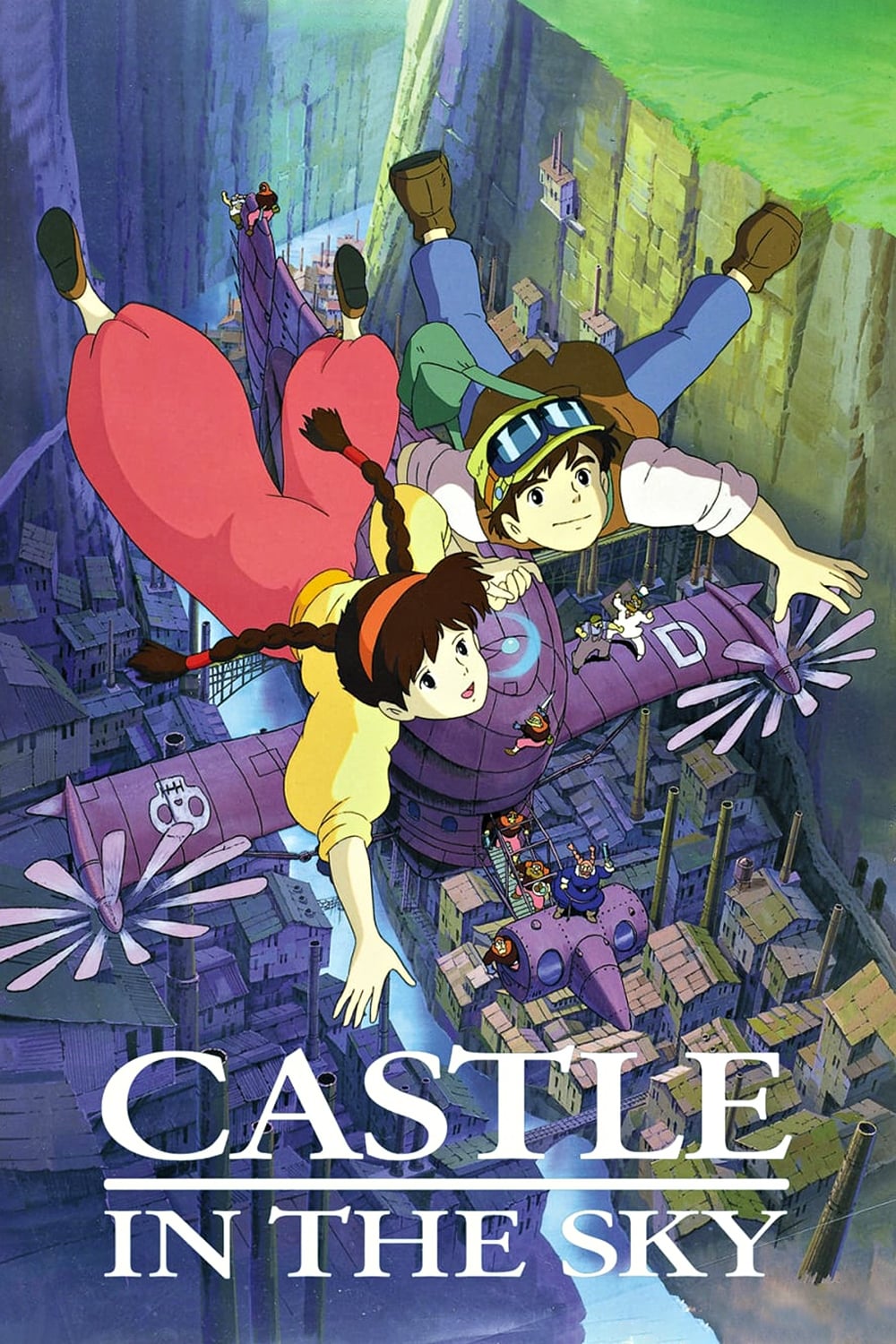
Directed by Hayao Miyazaki at Studio Ghibli, ‘Castle in the Sky’ follows two children drawn into a chase for a legendary floating island. The production blends hand-drawn aeronautical designs with large-scale action set-pieces and detailed background art. Joe Hisaishi’s score anchors airship sequences and quieter character moments. International releases helped establish early awareness of Ghibli’s adventure storytelling.
‘Kiki’s Delivery Service’ (1989)
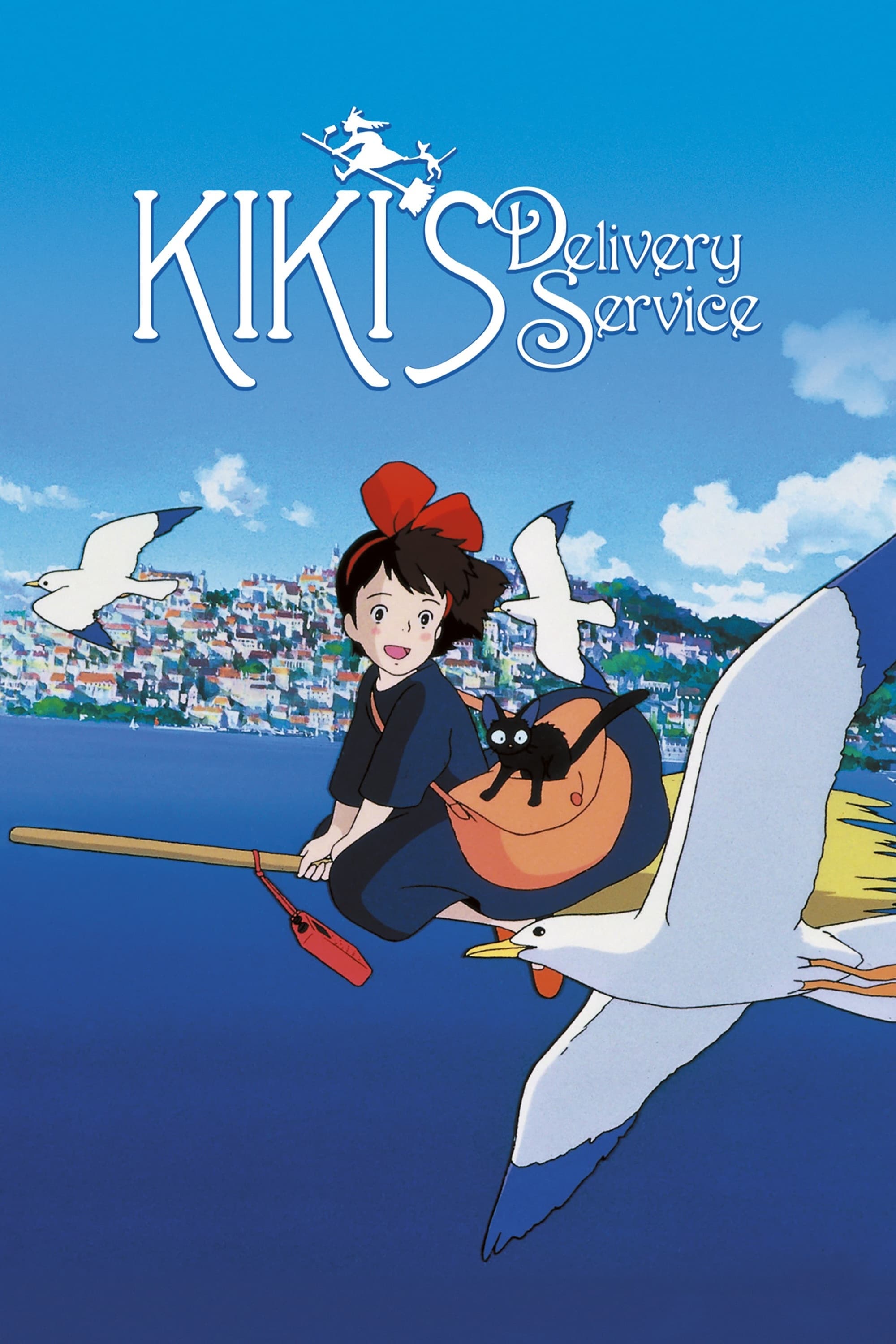
Hayao Miyazaki’s ‘Kiki’s Delivery Service’ adapts Eiko Kadono’s novel about a young witch starting an independent courier service. The film emphasizes everyday problem-solving, city life by the sea, and aerial animation that highlights wind and motion. Background art and color design create a cohesive European-inspired setting. It became a long-running catalog title on home media and streaming platforms.
‘Porco Rosso’ (1992)

‘Porco Rosso’, directed by Hayao Miyazaki, centers on a World War I veteran turned freelance pilot based on the Adriatic. The production features meticulously storyboarded dogfights, seaplane mechanics, and period costumes. Joe Hisaishi composed a jazz-tinged score that matches the film’s aviation focus. Its theatrical life included restorations and festival screenings that highlighted its craft.
‘Only Yesterday’ (1991)
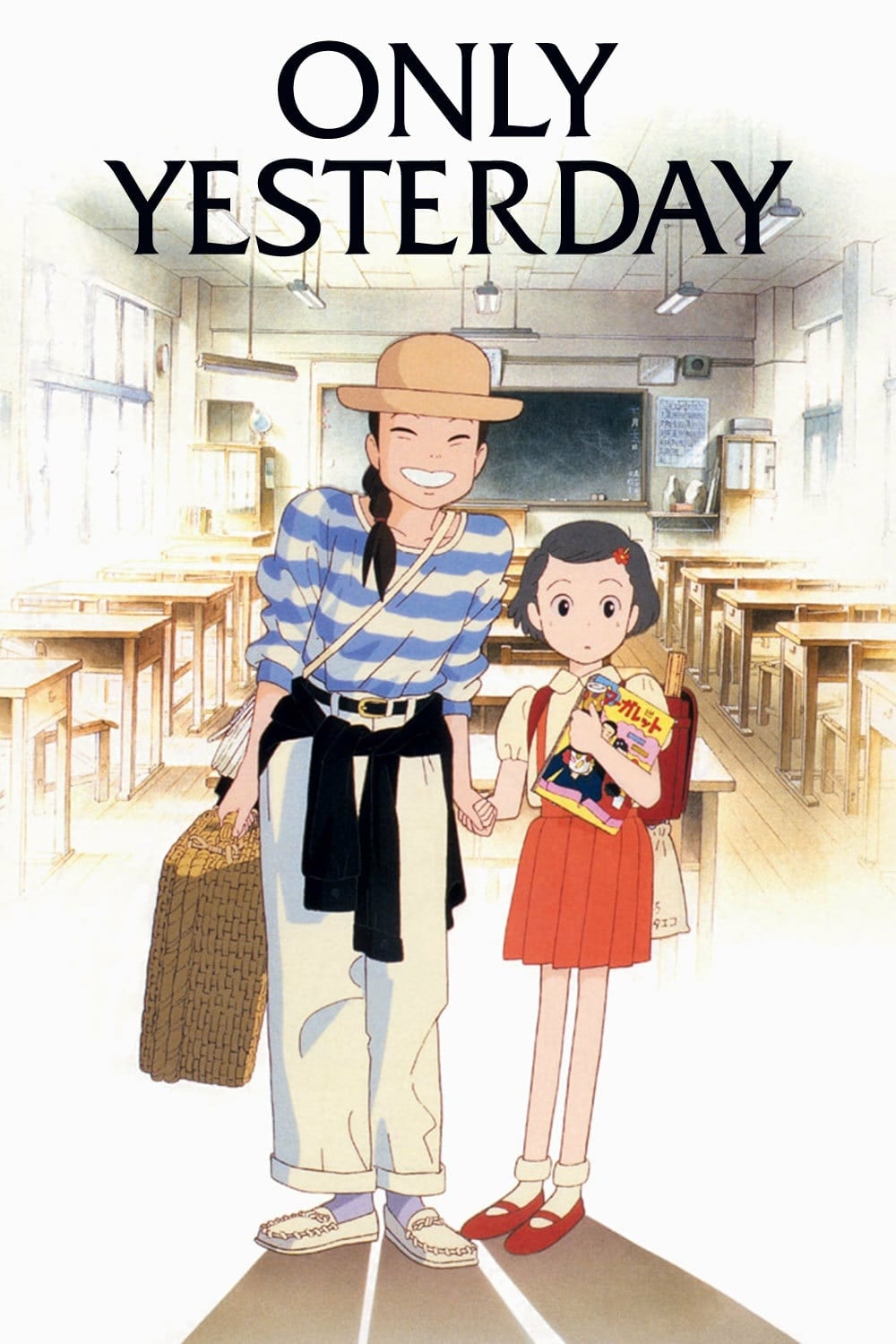
Isao Takahata’s ‘Only Yesterday’ adapts a manga by Hotaru Okamoto and Yuko Tone about a woman reflecting on childhood while visiting relatives in the countryside. The film is known for naturalistic facial animation and muted color palettes that distinguish memory from the present. Realistic dialogue timing and everyday settings reflect Takahata’s documentary-influenced approach. International distribution expanded significantly with later dubs and restorations.
‘Whisper of the Heart’ (1995)
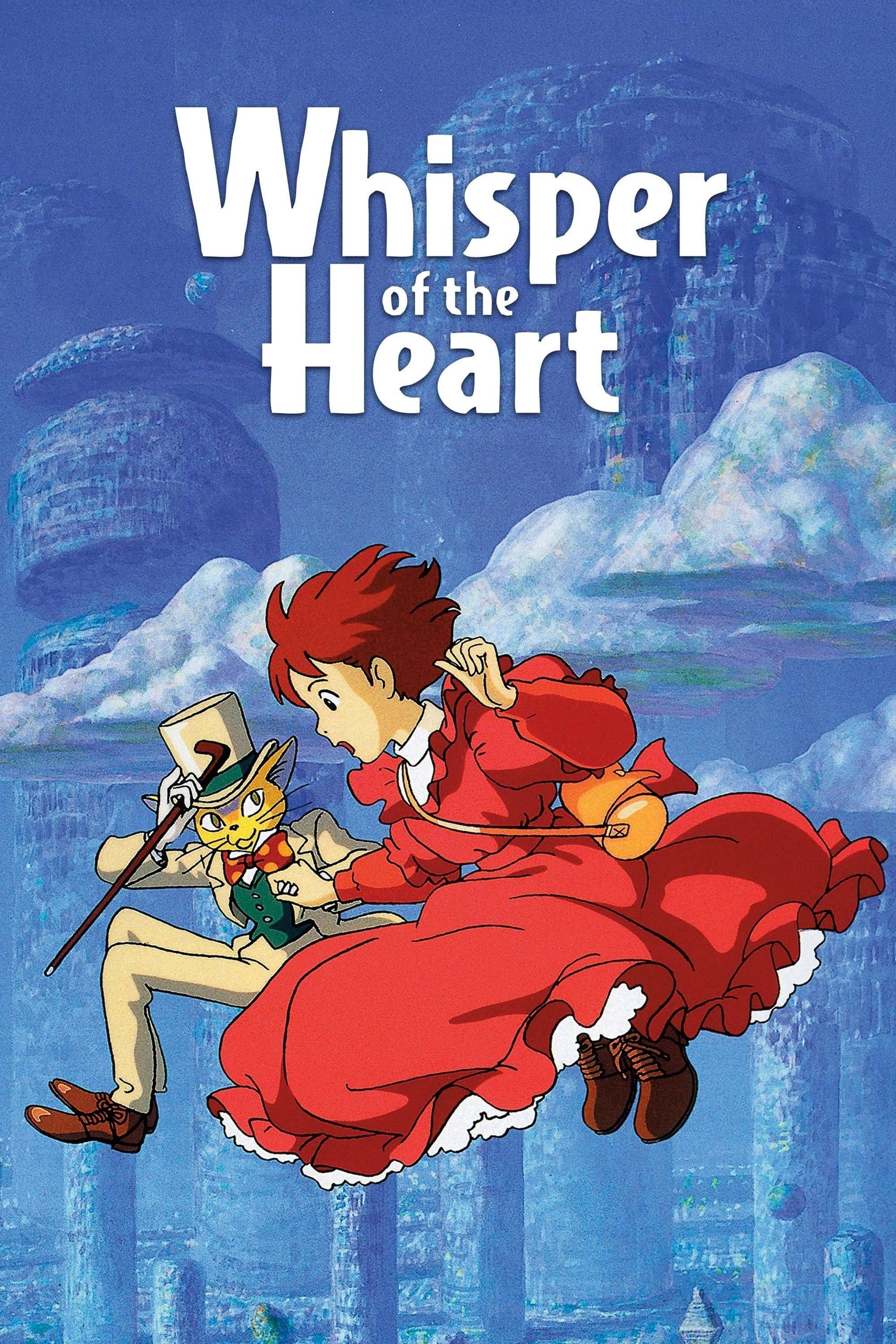
Directed by Yoshifumi Kondō and scripted by Hayao Miyazaki, ‘Whisper of the Heart’ adapts Aoi Hiiragi’s manga about a student discovering a passion for writing and music. The film introduced the character “Baron,” who connects to the spinoff ‘The Cat Returns’. Location-scouted backgrounds depict suburban rail lines, bookstores, and hilltop neighborhoods. The soundtrack incorporates a localized rendition of “Country Roads” within the story.
‘Tokyo Godfathers’ (2003)
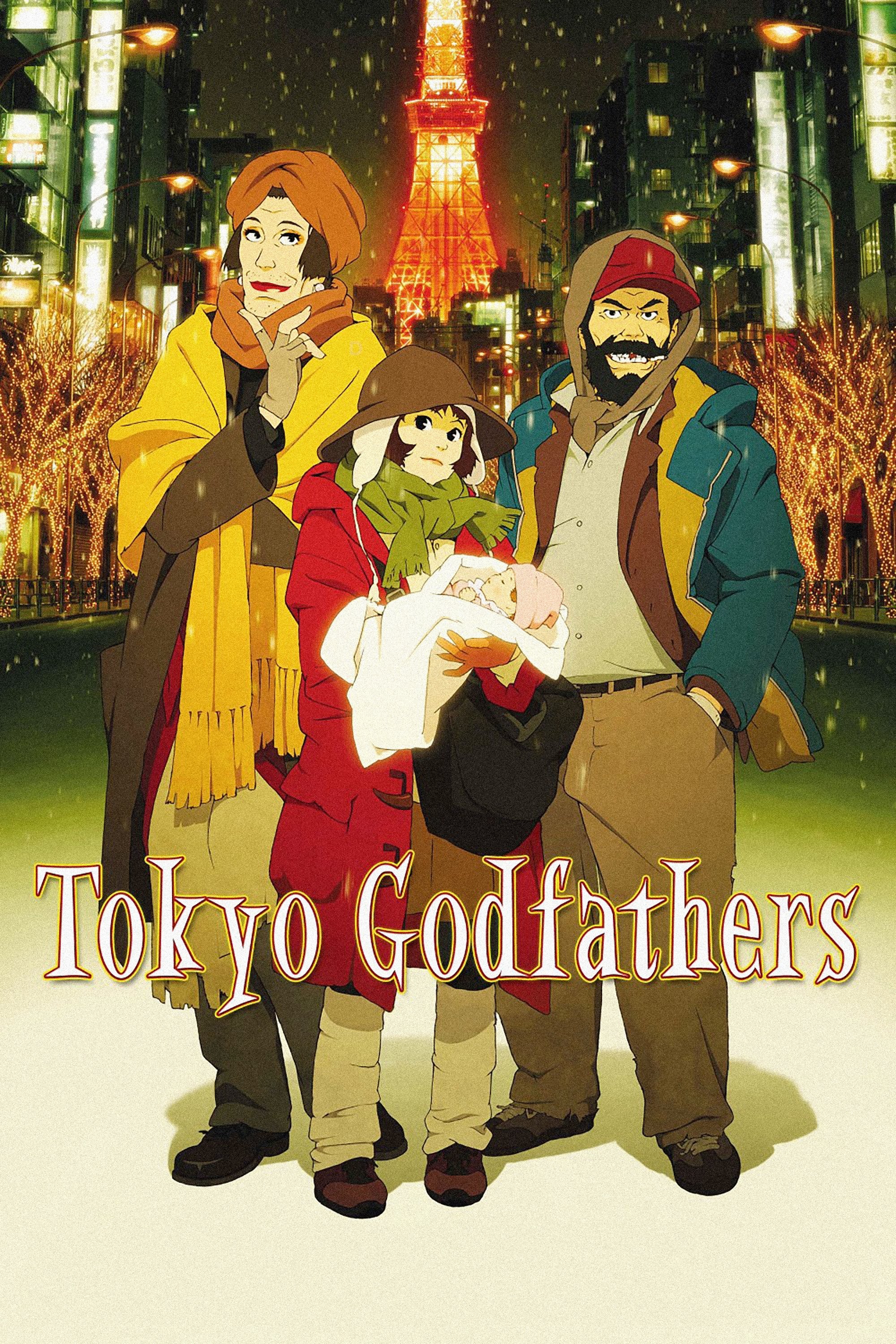
Satoshi Kon’s ‘Tokyo Godfathers’, produced by Madhouse, follows three unhoused companions who discover an abandoned baby and set out to find the parents. The movie balances urban winter settings with slapstick timing and grounded character acting. Susumu Hirasawa contributed to the musical landscape alongside seasonal cues. Subsequent restorations and re-releases broadened its reach to new audiences.
‘Summer Wars’ (2009)
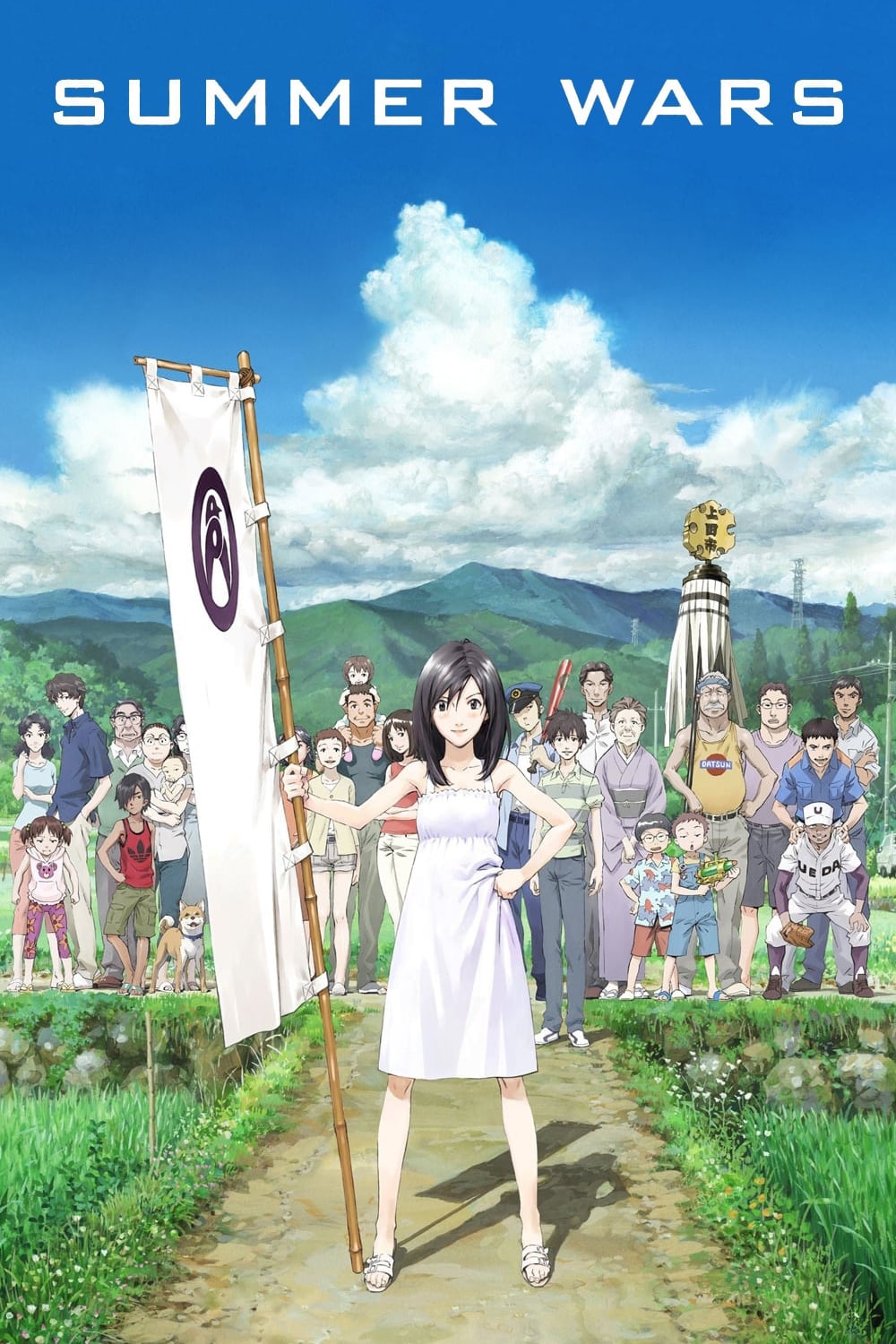
Directed by Mamoru Hosoda at Madhouse, ‘Summer Wars’ intercuts a family gathering with a crisis inside a global virtual network. The production contrasts warm hand-drawn family scenes with stylized, graphic CG for the online world. Takagi Masakatsu composed the score, supporting both domestic and action sequences. The film received multiple festival awards and boosted Hosoda’s international profile.
‘Maquia: When the Promised Flower Blooms’ (2018)
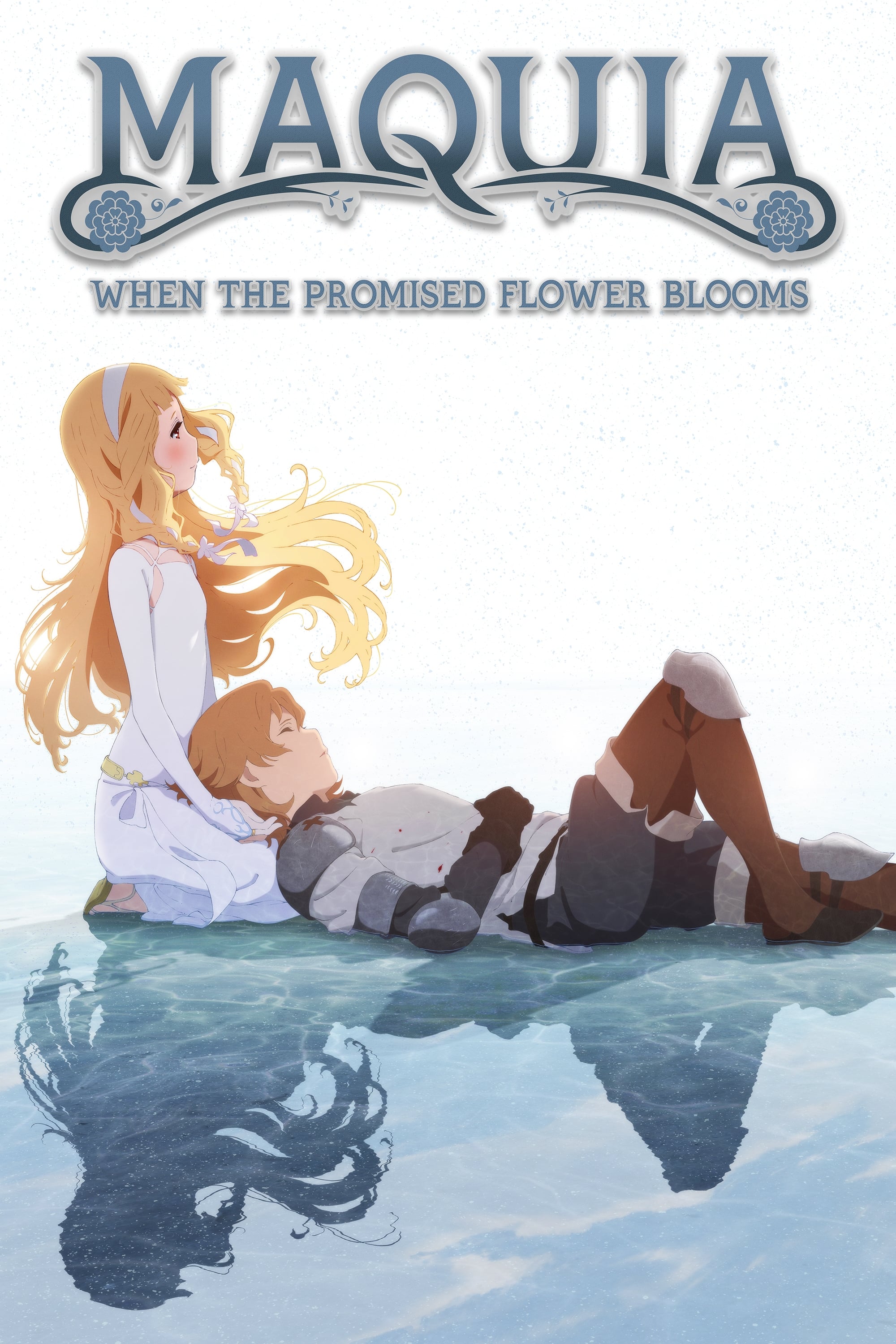
‘Maquia: When the Promised Flower Blooms’ marks Mari Okada’s directorial debut, produced by P.A. Works. The story explores the lives of a long-lived girl and a human child within intersecting kingdoms. Character designs by Akihiko Yoshida and elaborate textile motifs inform the film’s worldbuilding. The release earned accolades for music, visual design, and screenplay at international festivals.
‘5 Centimeters per Second’ (2007)
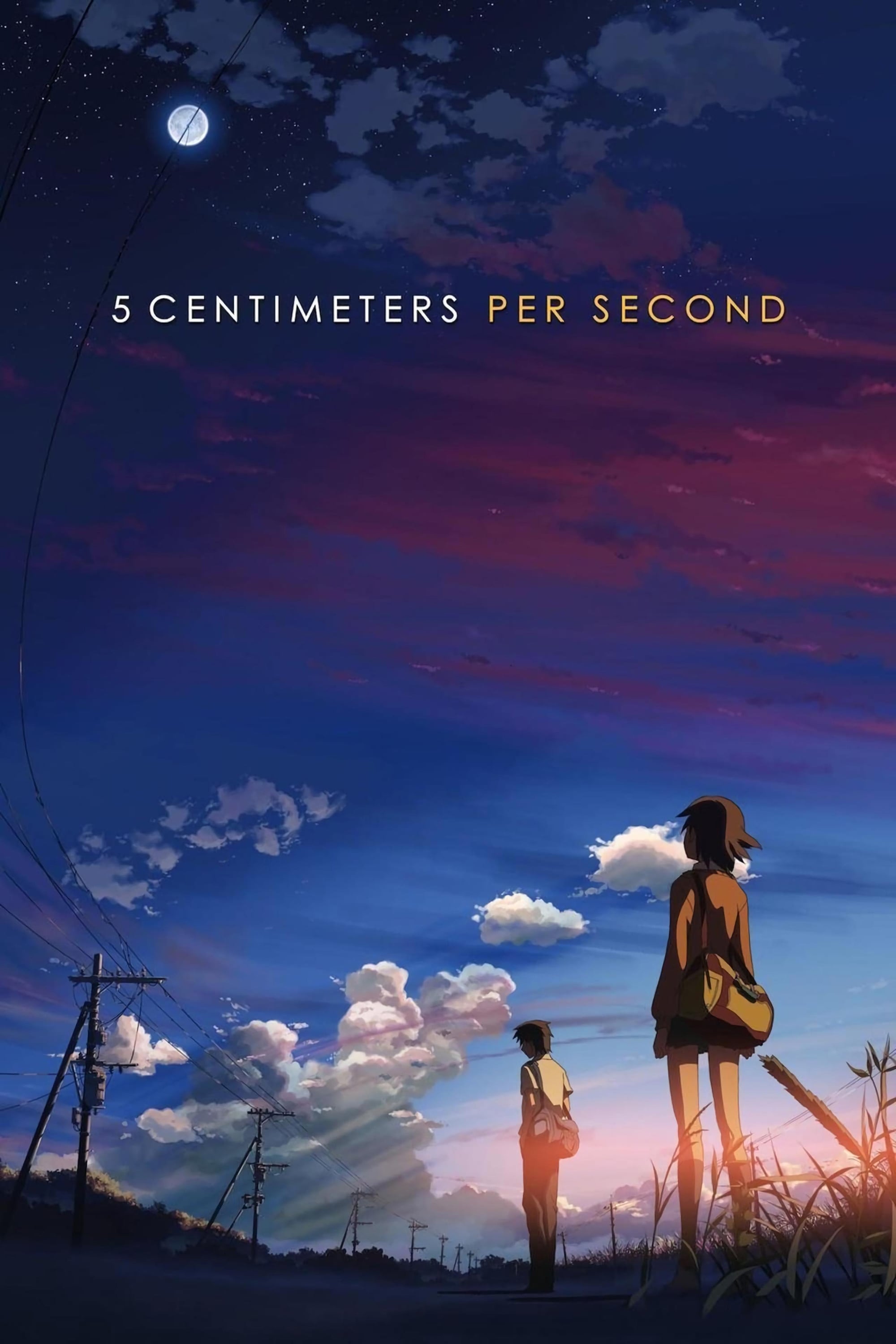
Makoto Shinkai’s ‘5 Centimeters per Second’ presents three connected chapters about distance and communication. The production emphasizes photo-realistic backgrounds, seasonal transitions, and restrained character animation. Its soundtrack and insert songs are integrated to bridge time skips and emotional beats. The film circulated widely through limited theatrical runs and high-definition home releases.
‘The Garden of Words’ (2013)
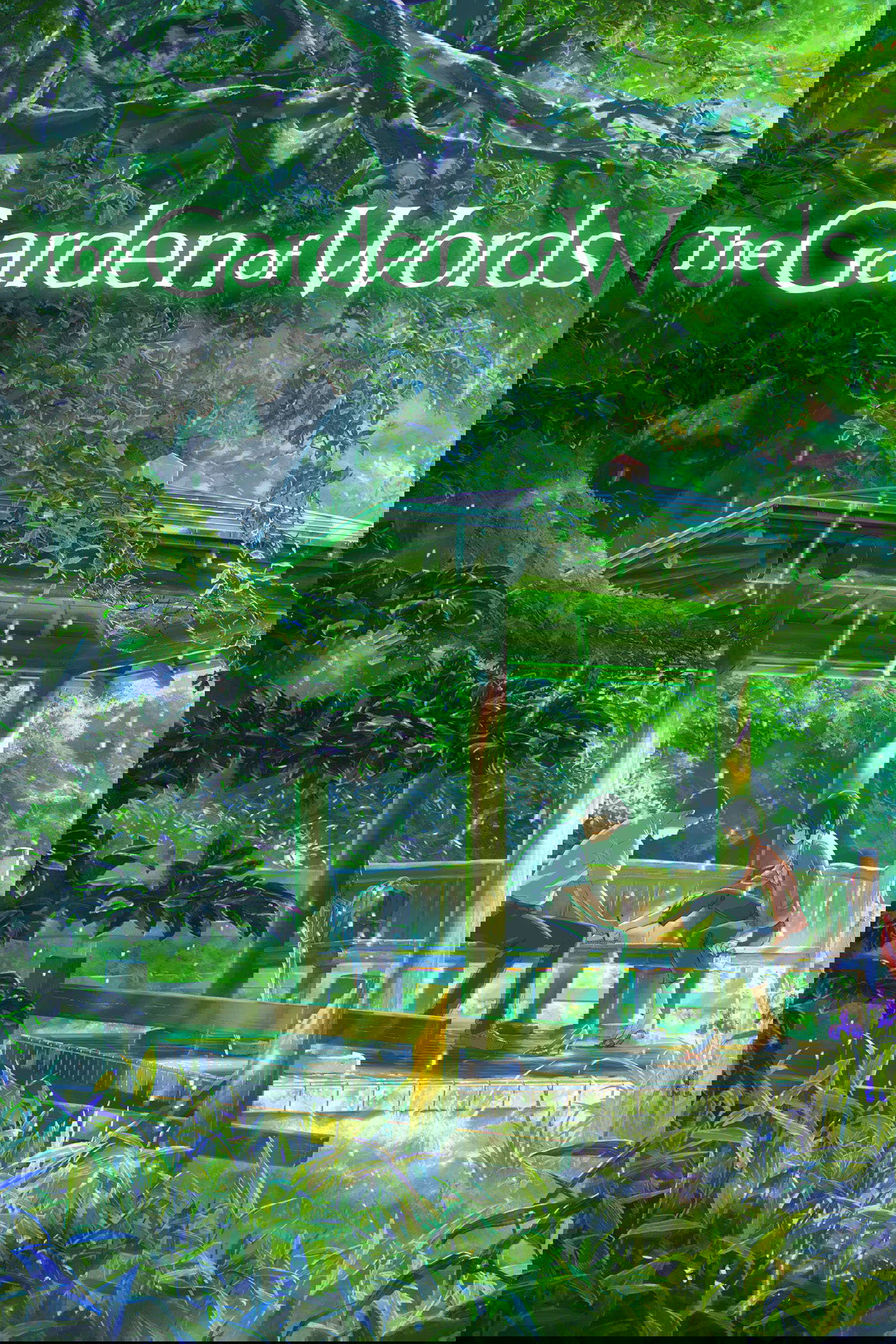
‘The Garden of Words’ from Makoto Shinkai centers on two people who regularly meet in a park during rainy mornings. Detailed rain effects, reflections, and botanical close-ups showcase the film’s environmental focus. The script explores language and mentorship themes with minimal locations and a short runtime. It received critical attention for background artistry and sound design.
‘The Secret World of Arrietty’ (2010)
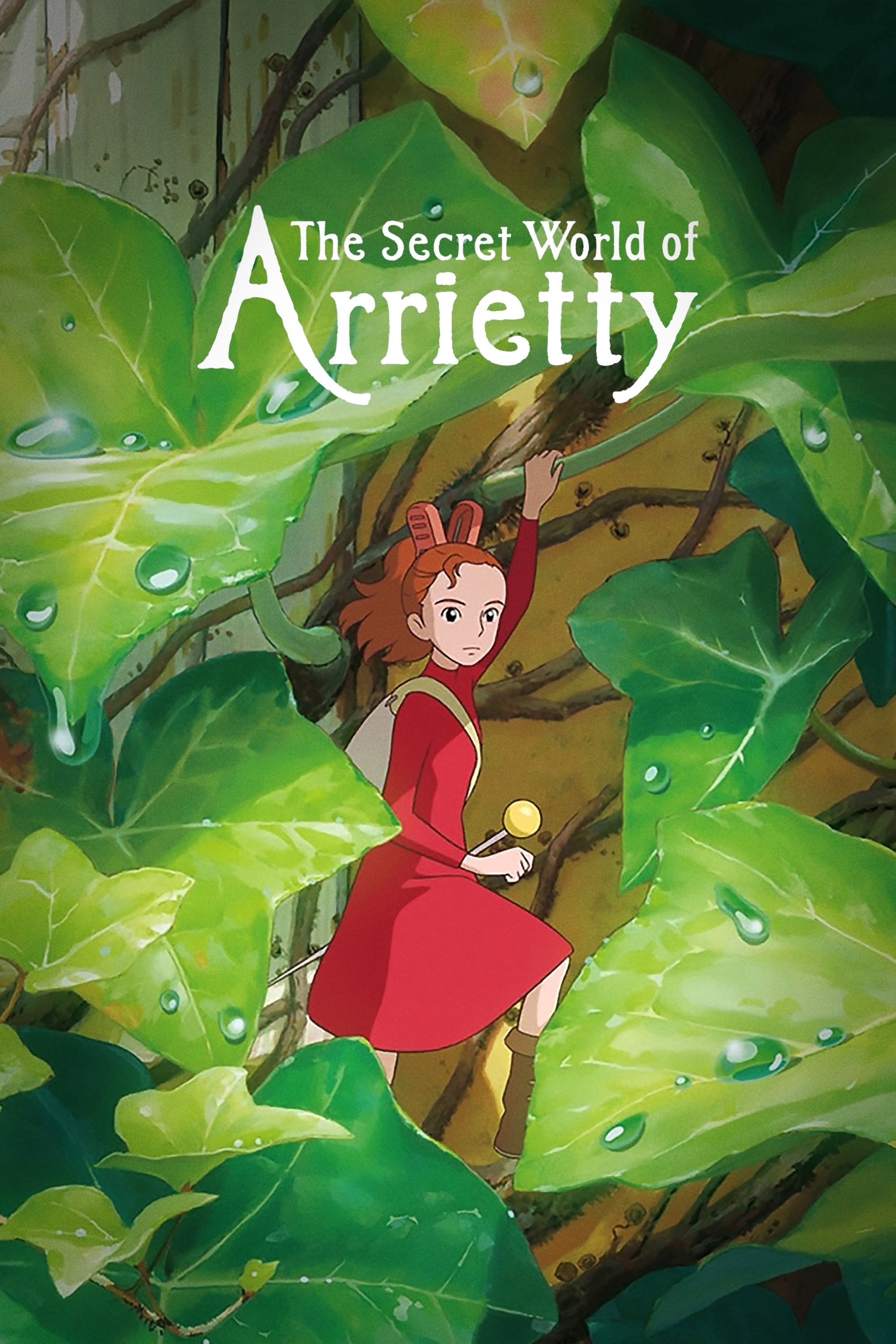
Produced by Studio Ghibli and directed by Hiromasa Yonebayashi, ‘The Secret World of Arrietty’ adapts Mary Norton’s ‘The Borrowers’. The film scales everyday household spaces into expansive environments through perspective and sound design. Character animation highlights careful movement for tiny protagonists navigating human-sized obstacles. Multiple localized dubs were created for different regions.
‘The Night Is Short, Walk On Girl’ (2017)
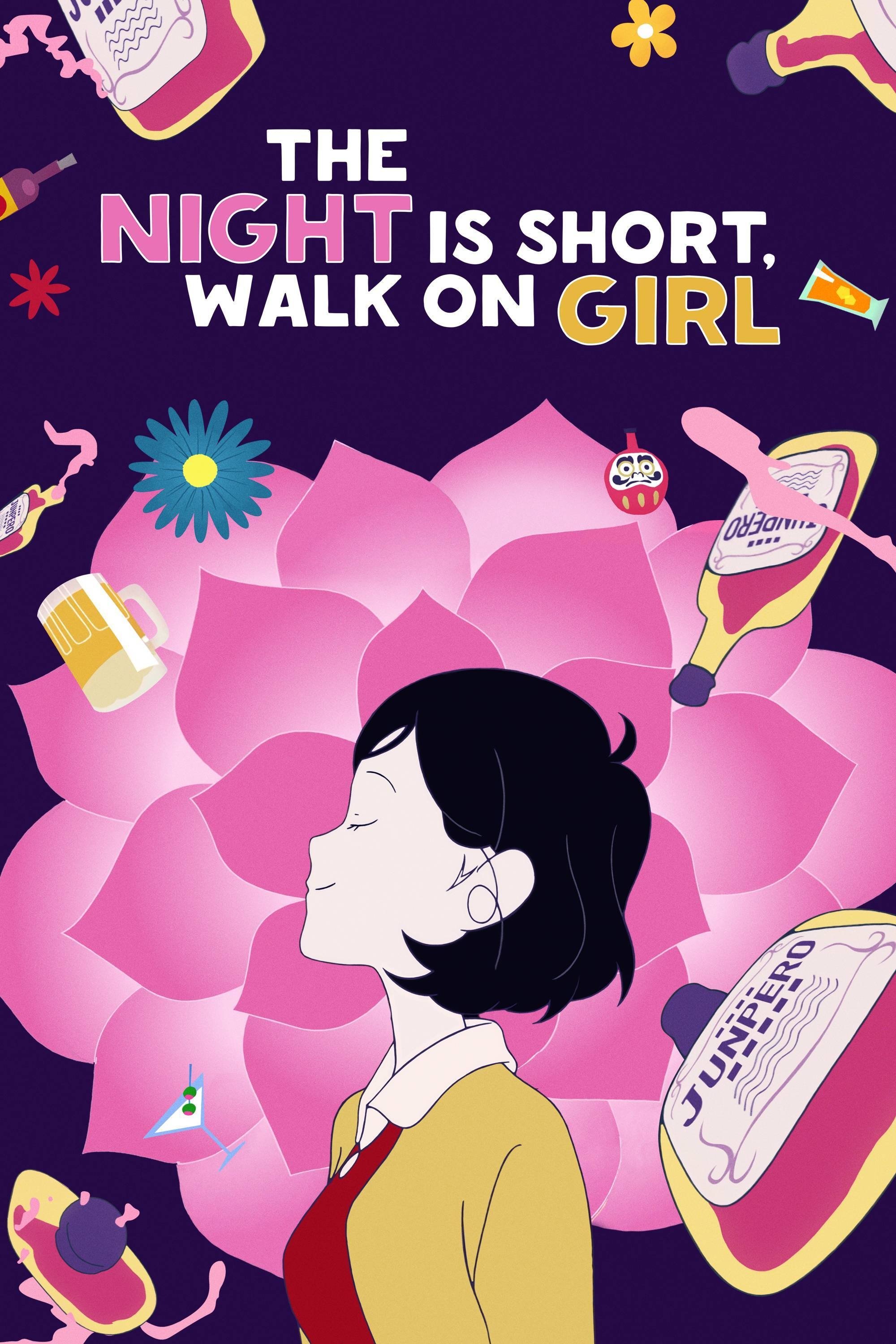
Directed by Masaaki Yuasa at Science SARU, ‘The Night Is Short, Walk On Girl’ adapts Tomihiko Morimi’s novel set across a single, eventful night. The production uses elastic character animation, musical interludes, and playful typography. Its narrative connects cameos and settings related to the earlier ‘The Tatami Galaxy’. Festival play introduced the movie to international audiences before broader distribution.
‘Penguin Highway’ (2018)
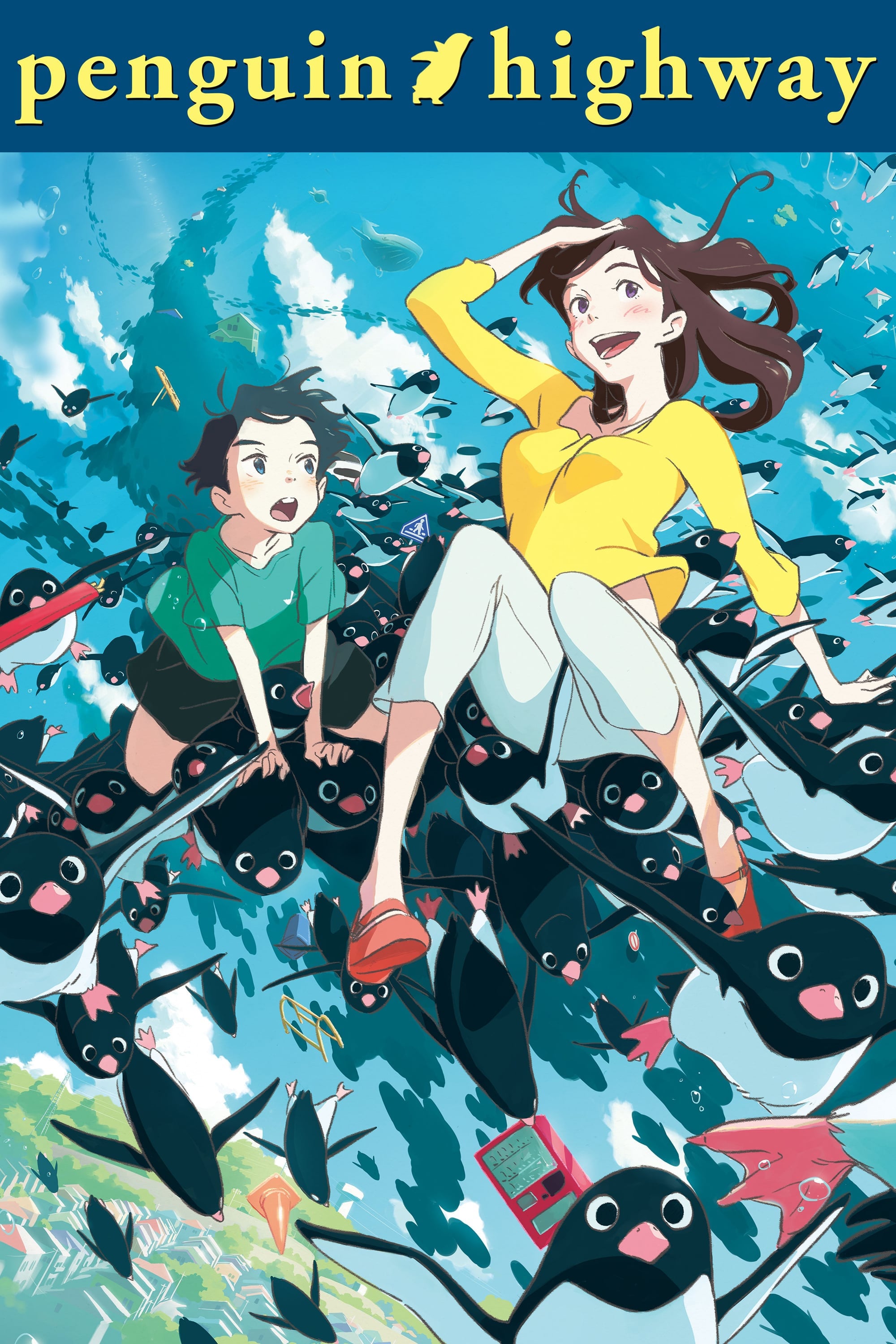
‘Penguin Highway’, directed by Hiroyasu Ishida and produced by Studio Colorido, adapts Tomihiko Morimi’s novel about mysterious penguins appearing in a suburban town. The film features clean character designs, bright color palettes, and science-curious dialogue. Umitarō Abe composed the score, complementing observational humor and small-scale spectacle. The release helped elevate Studio Colorido’s profile internationally.
‘Josee, the Tiger and the Fish’ (2020)
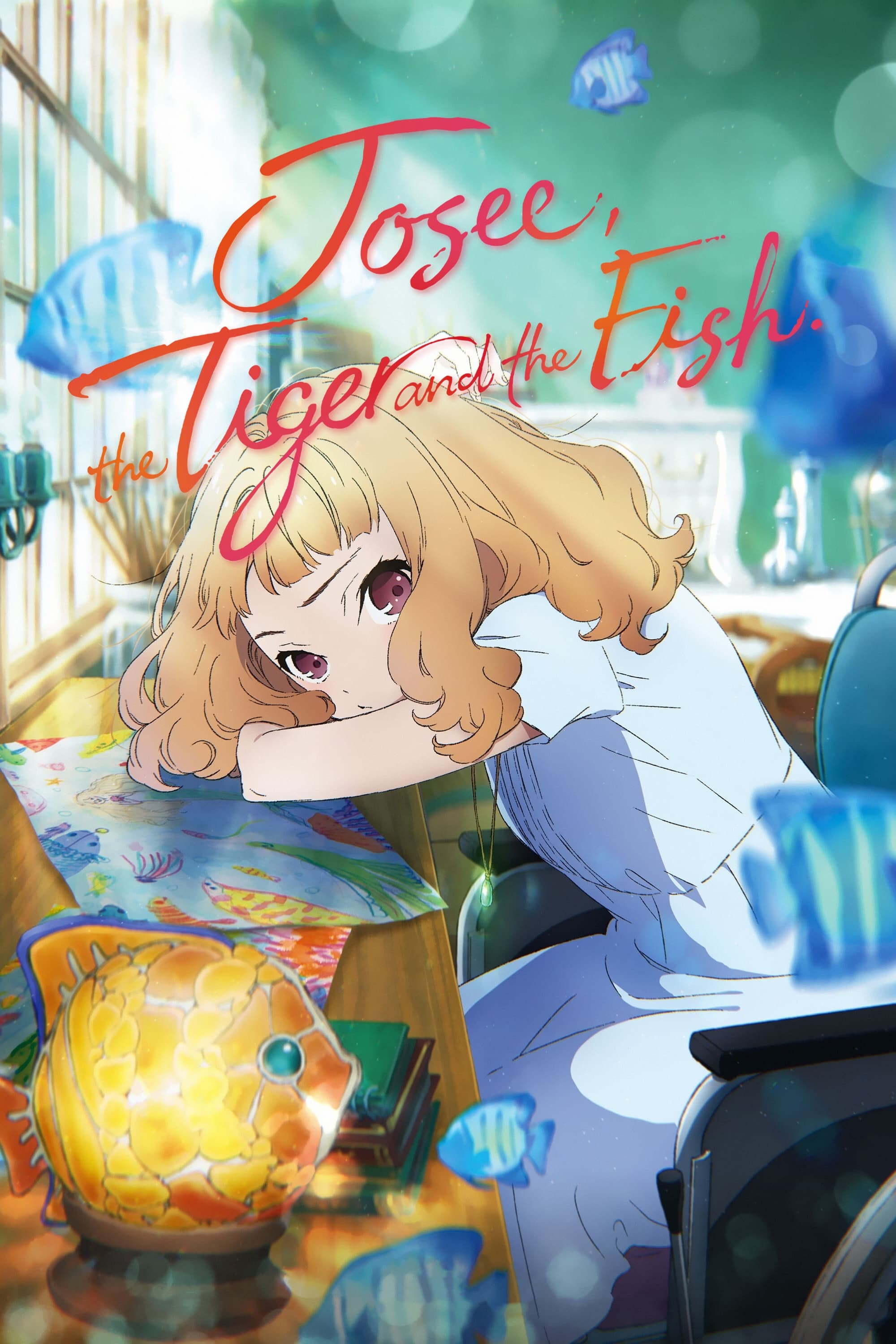
This adaptation by Bones reimagines Seiko Tanabe’s short story as a contemporary animated feature. ‘Josee, the Tiger and the Fish’ focuses on art school ambitions, mobility challenges, and university life. The production emphasizes soft lighting, seaside backgrounds, and expressive character acting. It screened at festivals and secured theatrical distribution across multiple regions.
‘The Boy and the Heron’ (2023)
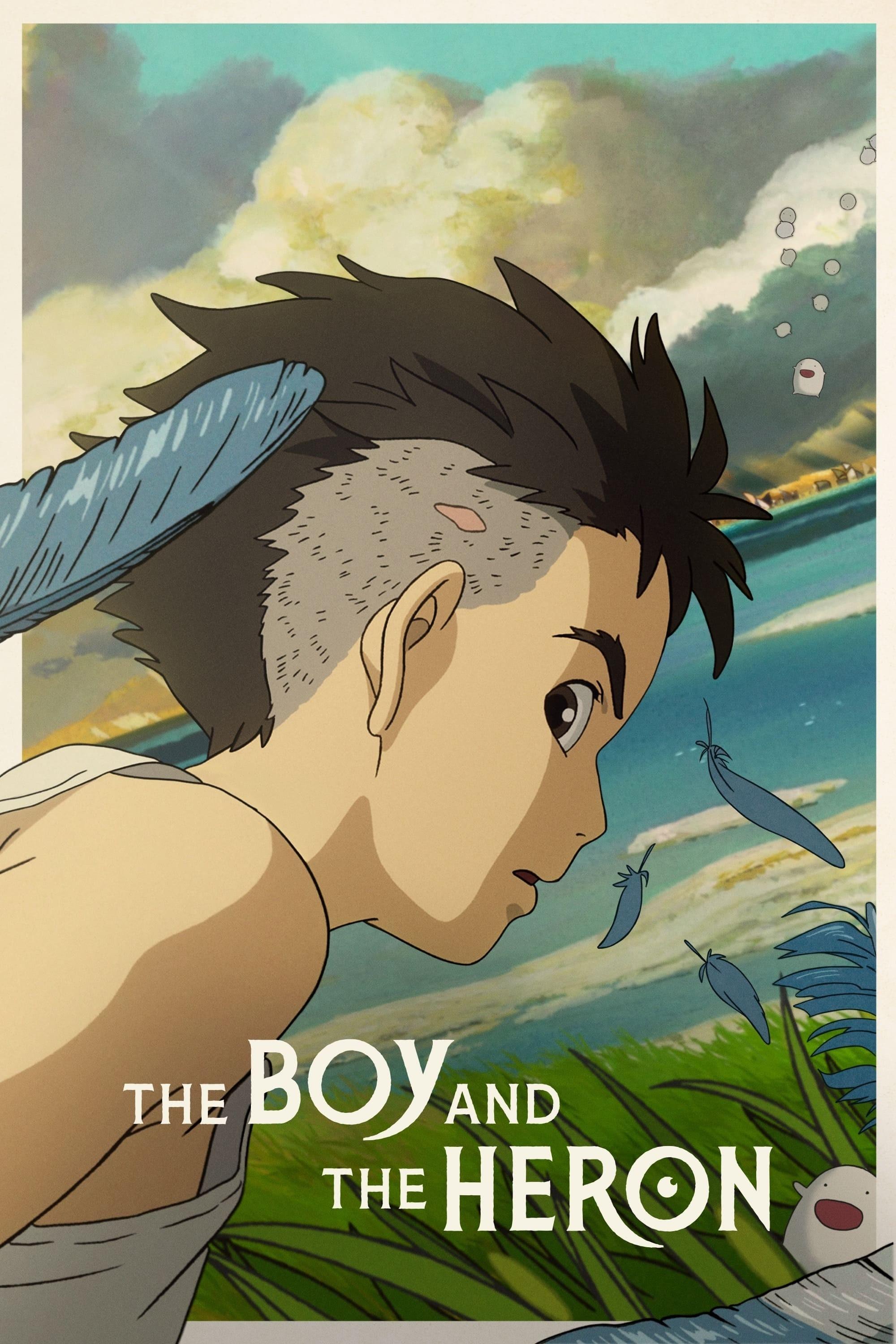
Hayao Miyazaki’s ‘The Boy and the Heron’ was produced by Studio Ghibli with hand-drawn animation and a score by Joe Hisaishi. The film combines domestic drama with fantasy realms connected by architectural spaces and avian imagery. Its release achieved major international box office and won top honors including an Academy Award for Best Animated Feature. Global distribution included IMAX and premium large-format screenings alongside standard runs.
Share your own must-watch picks in the comments so everyone can compare lists and discover what to queue up next.