Essential Movies Every Self-Proclaimed Fan Should Watch

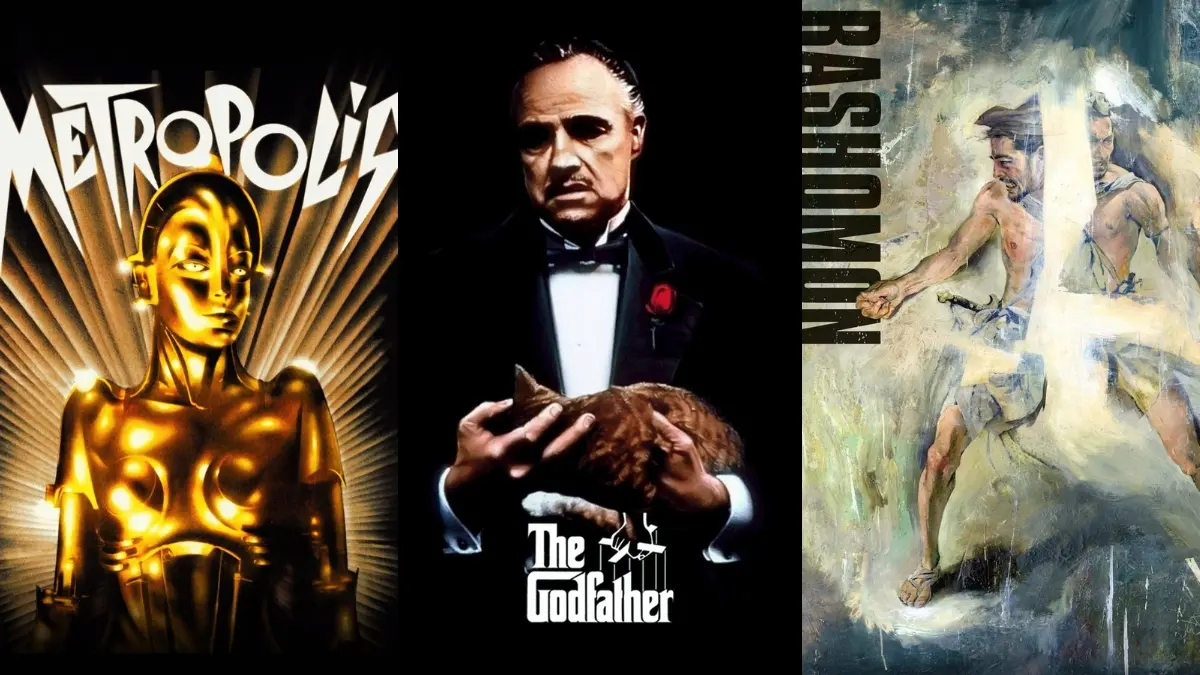

If you call yourself a film fan, these titles cover the craft from multiple angles—storytelling breakthroughs, technical leaps, and global milestones that shaped what audiences expect from the screen. You’ll find influential editing, sound, visual effects, and production design choices, along with adaptations that set the gold standard and festival winners that shifted the conversation worldwide. Think of it as a fast-track tour through keystone works across genres and continents. Each entry includes concrete context—who made it, how it worked, and why it became part of the cinematic vocabulary.
‘Citizen Kane’ (1941)
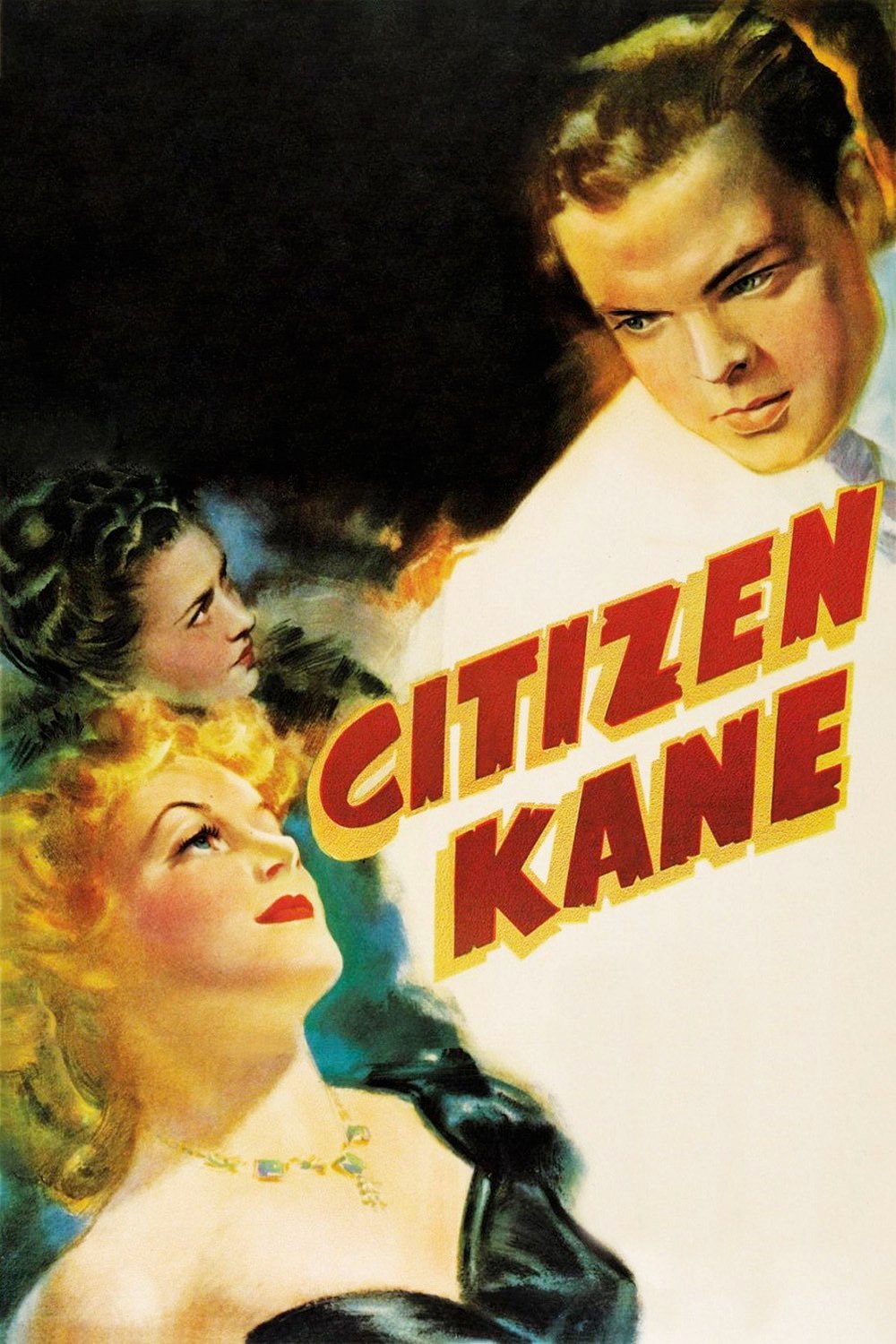
Orson Welles directed, co-wrote, and starred in ‘Citizen Kane’, working with cinematographer Gregg Toland to push deep-focus photography and low-angle compositions into mainstream use. The narrative unfolds through a multi-perspective, investigative structure that popularized non-linear storytelling in studio features. Its sound design layers overlapping dialogue and inventive transitions that mirrored radio techniques Welles had mastered. The film’s depiction of media power and personal mythmaking became a reference point for later biographical dramas and newsroom stories.
‘The Godfather’ (1972)
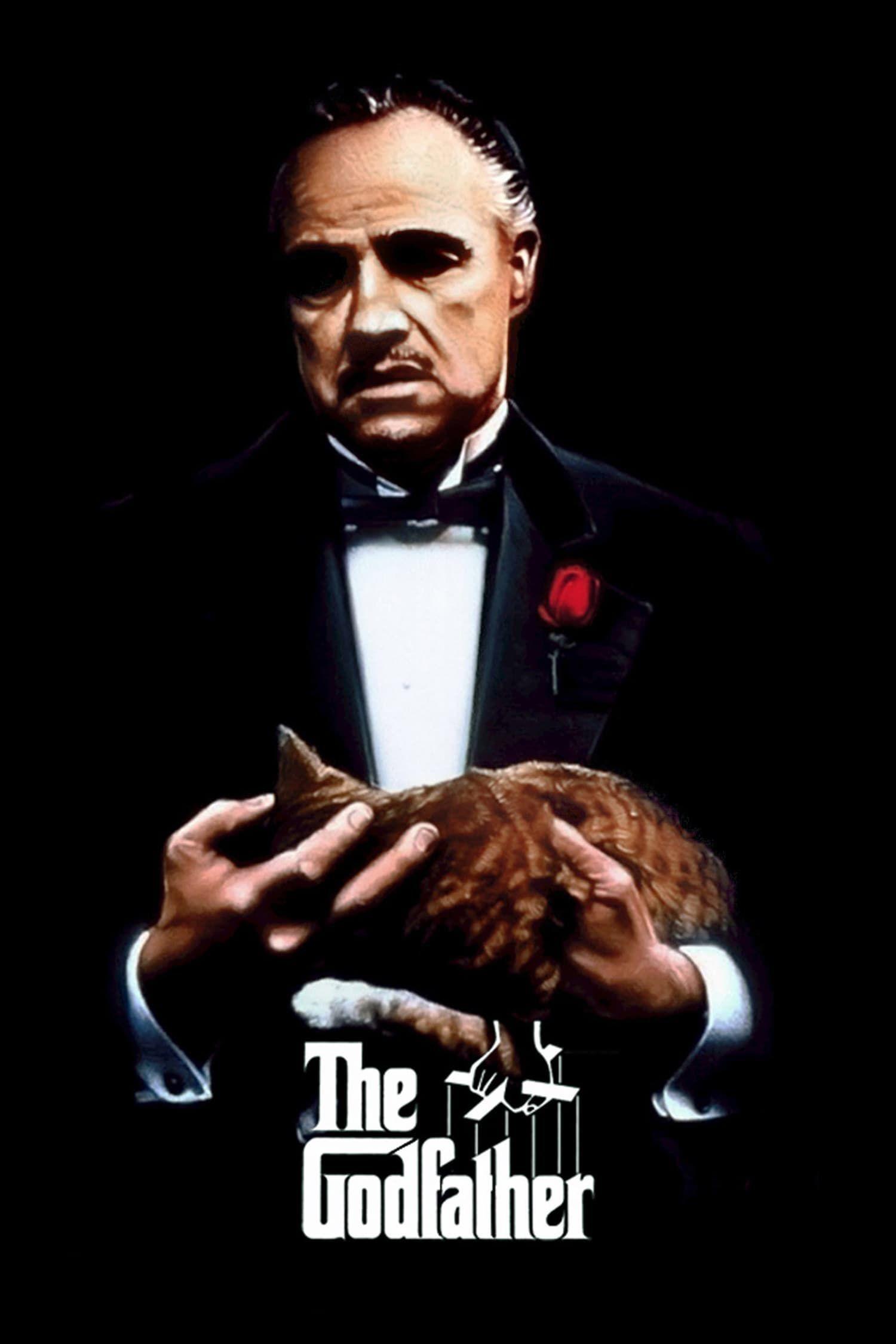
Directed by Francis Ford Coppola from Mario Puzo’s novel, ‘The Godfather’ fused family drama with organized-crime procedure in a way that redefined the American gangster film. Gordon Willis’s cinematography favored shadowy interiors that emphasized secrecy and hierarchy. The production’s Sicilian sequences and careful period design anchored its sense of place and time. Nino Rota’s score became an instantly recognizable motif, widely used as a shorthand for the genre.
‘Seven Samurai’ (1954)
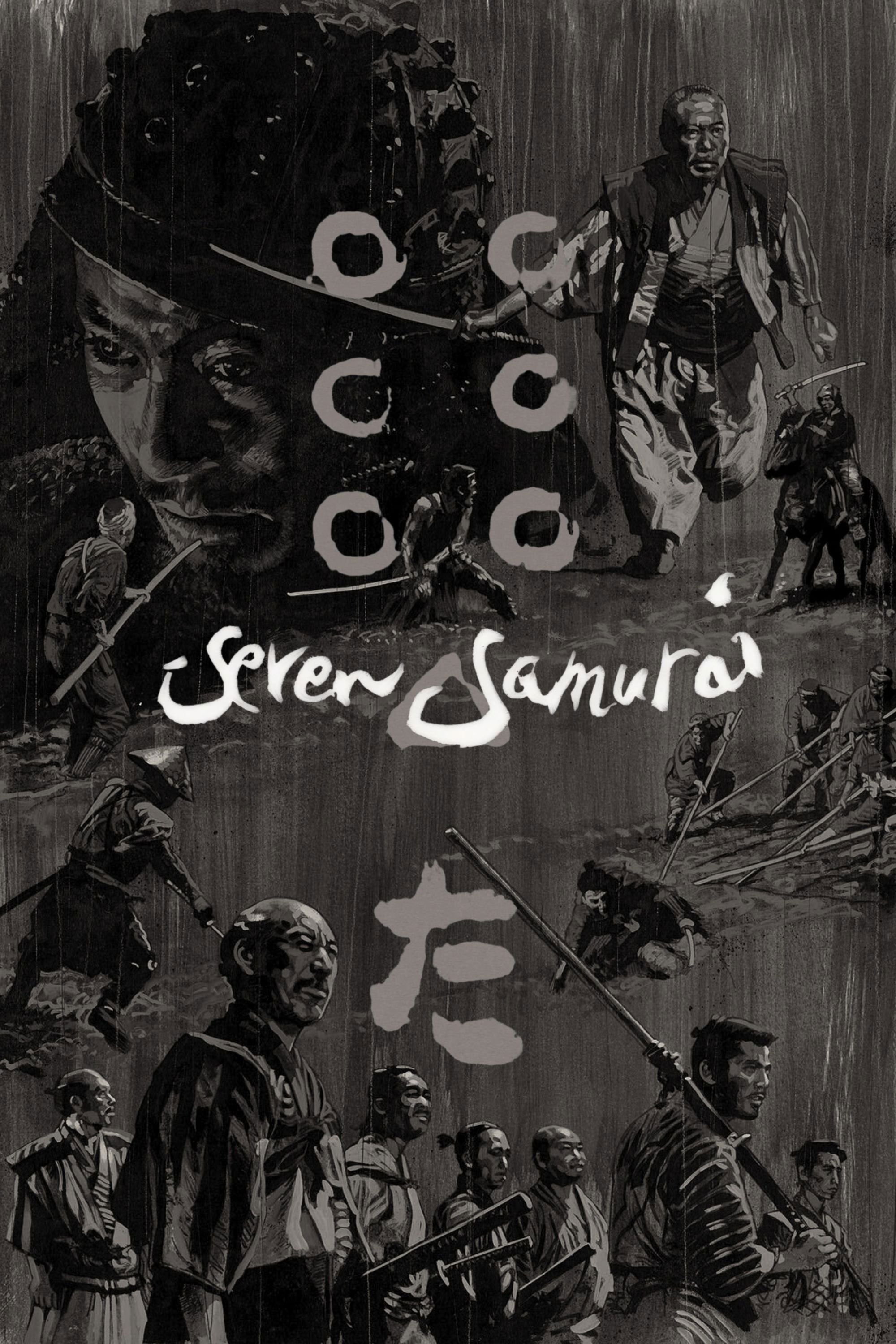
Akira Kurosawa’s ‘Seven Samurai’ assembled a large ensemble led by Toshiro Mifune and Takashi Shimura to craft a meticulous village-under-siege narrative. The film mapped character arcs across recruitment, training, and multi-phase battle plans that influenced countless team-up stories. Its dynamic telephoto compositions and weather-driven staging shaped modern action grammar. The structure directly inspired Western remakes like ‘The Magnificent Seven’ and numerous later heist and war films.
‘Psycho’ (1960)
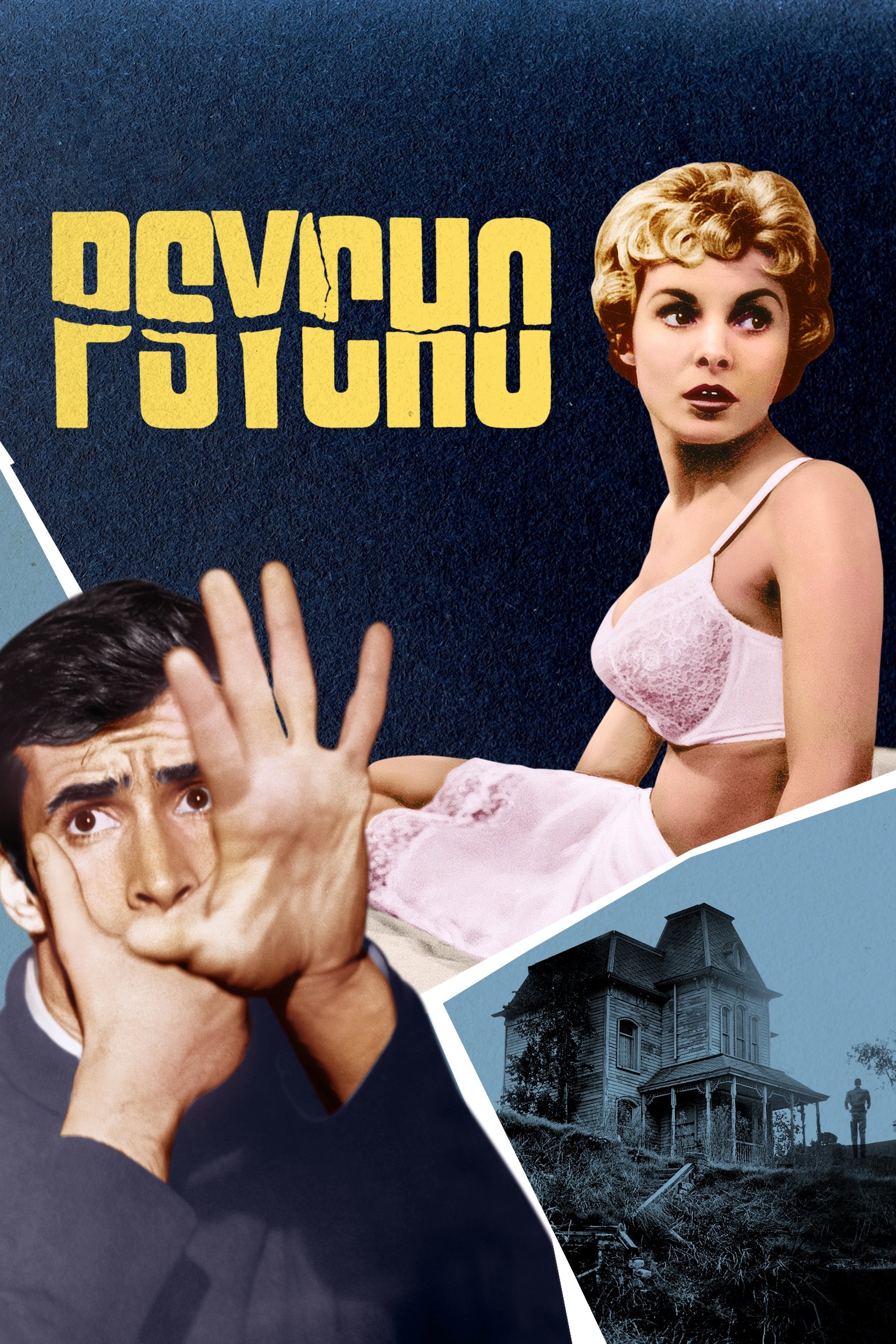
Alfred Hitchcock’s ‘Psycho’ employed rapid cutting, stark sound design, and Bernard Herrmann’s string score to create one of the most cited suspense sequences in cinema. The production’s marketing and theatrical policies changed how studios handled spoilers and weekend attendance. Its narrative feints and point-of-view pivots expanded audience expectations for character continuity and protagonist safety. The film also prompted shifts in content standards around violence and sexuality in mainstream releases.
‘2001: A Space Odyssey’ (1968)
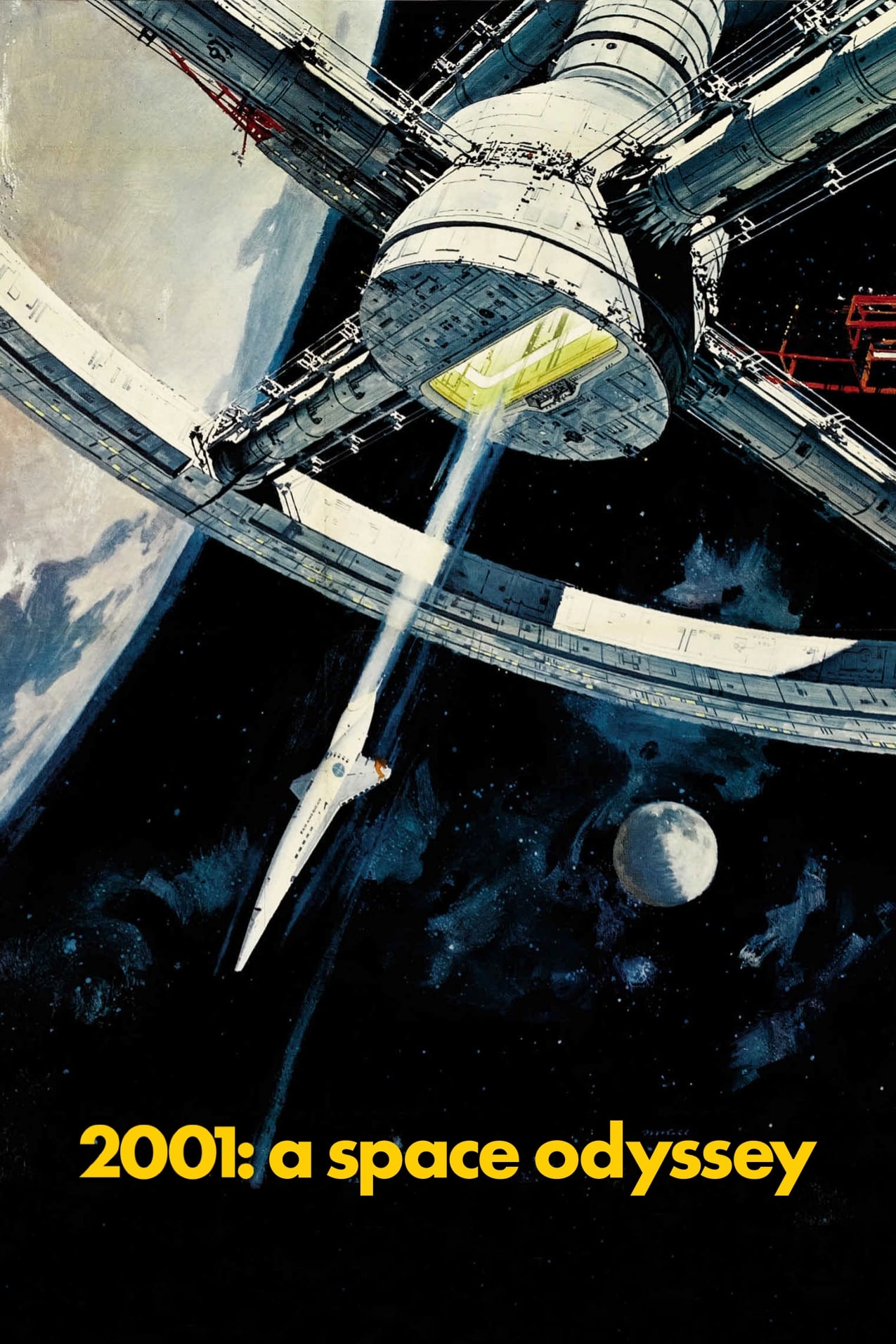
Stanley Kubrick developed ‘2001: A Space Odyssey’ alongside writer Arthur C. Clarke, integrating scientifically minded design with minimal dialogue. The film’s large-format photography and front-projection techniques delivered unprecedented space imagery and practical effects. Its classical-music curation and sound-in-space choices emphasized realism and mood over exposition. The portrayal of HAL 9000 became a lasting template for screen portrayals of artificial intelligence.
‘Star Wars’ (1977)
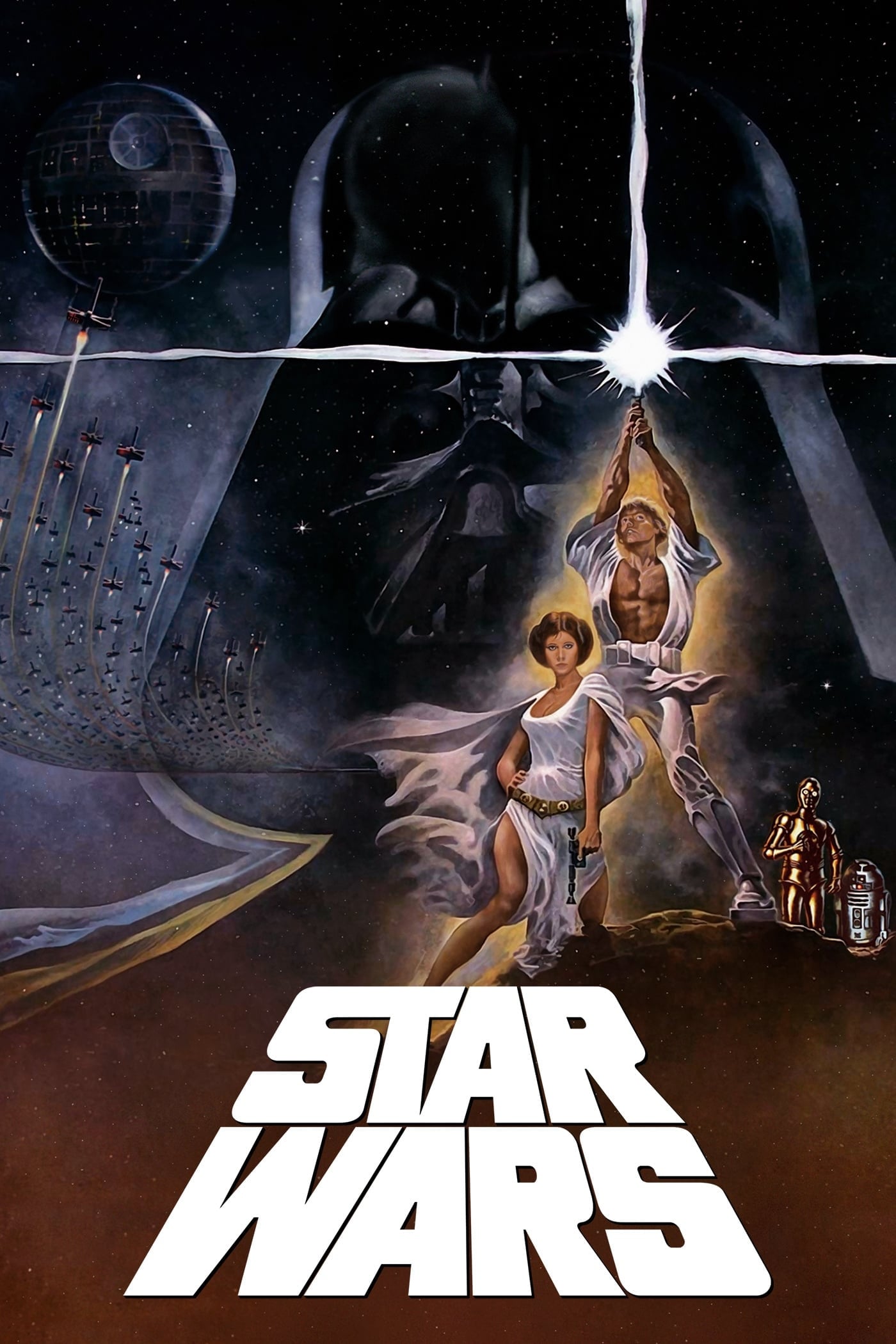
George Lucas’s ‘Star Wars’ pioneered a new era of effects-driven storytelling through Industrial Light & Magic’s model work, motion-control photography, and optical compositing. John Williams’s orchestral themes re-centered big-screen adventure around leitmotifs and character cues. The film’s production design blended samurai, western, and World War-inspired textures into a used-future aesthetic. Its mythology introduced concepts like the Force that expanded into a multi-platform franchise.
‘The Shawshank Redemption’ (1994)
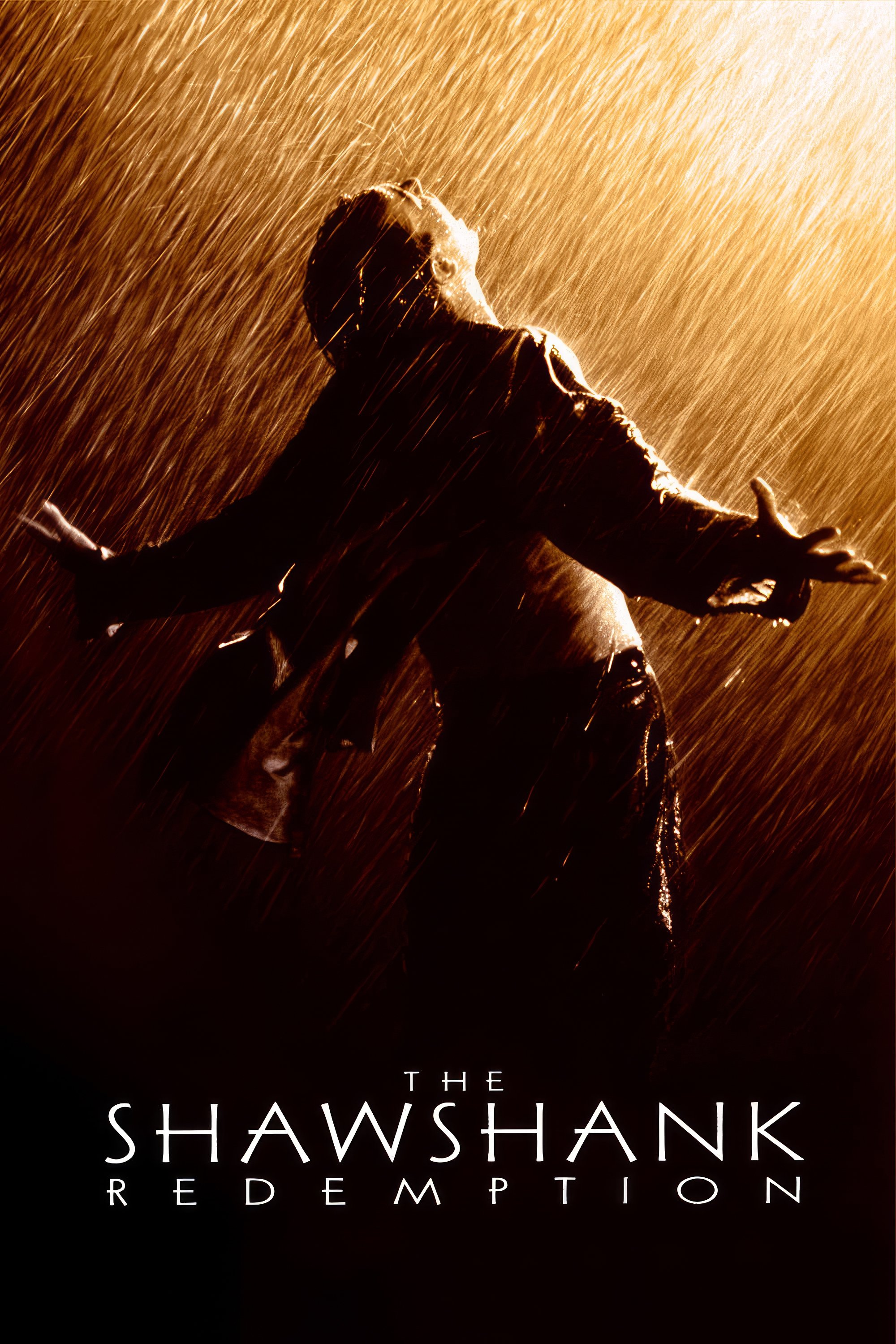
Adapted and directed by Frank Darabont from a Stephen King novella, ‘The Shawshank Redemption’ foregrounds institutional detail, narration, and long-arc friendship. The casting of Tim Robbins and Morgan Freeman anchors the story’s perspective and reflective tone. Thomas Newman’s score and the film’s measured pacing built word-of-mouth over time. After a modest theatrical run, it gained a massive following through home video and television rotation.
‘Pulp Fiction’ (1994)
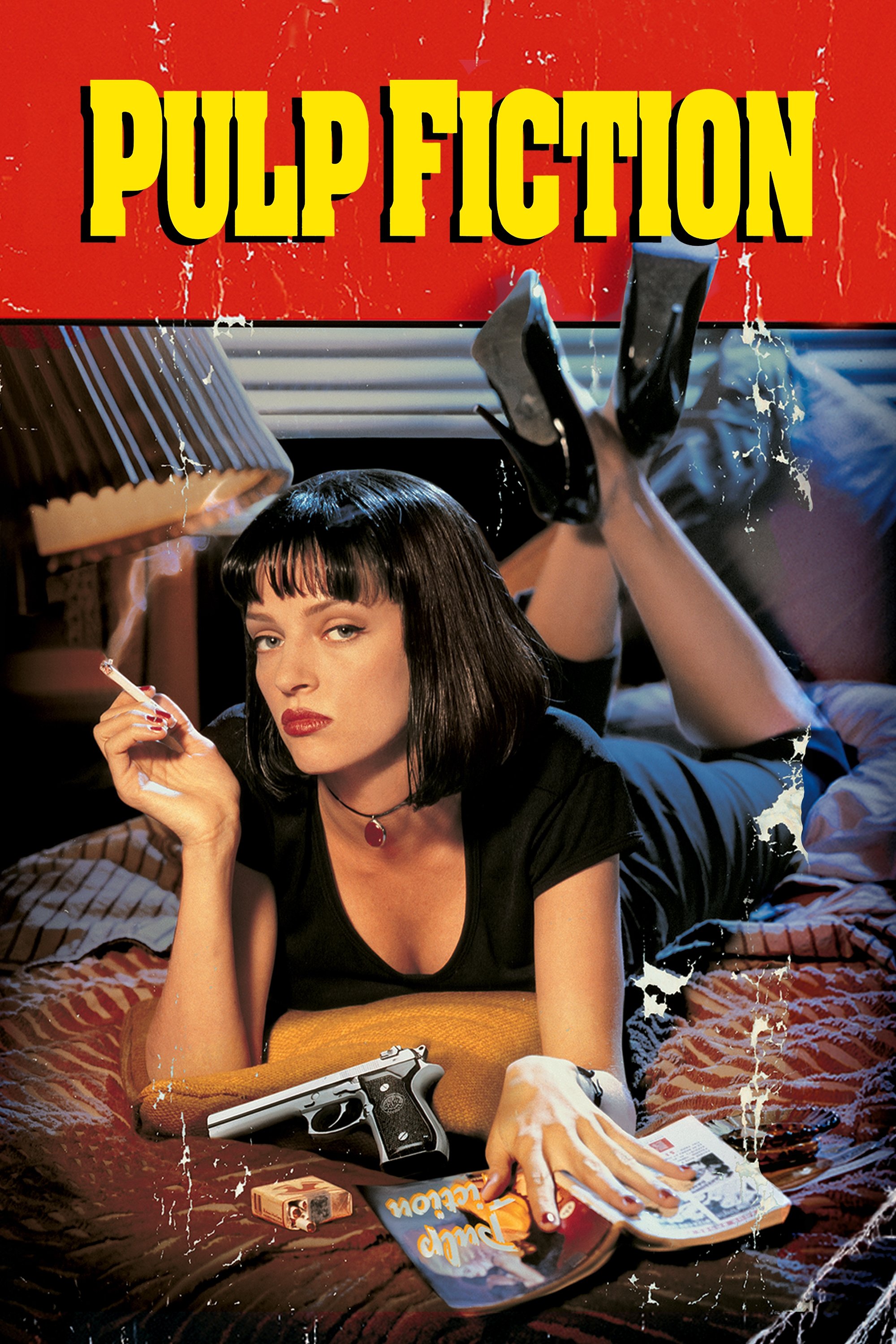
Quentin Tarantino’s ‘Pulp Fiction’ interweaves multiple crime stories using a non-linear timeline that reshaped narrative expectations for mainstream audiences. The film’s dialogue-driven scenes, needle-drop soundtrack, and pop-culture references became a stylistic signature. It earned the Palme d’Or at Cannes, boosting the profile of American independent cinema. The project also revitalized John Travolta’s screen career and expanded opportunities for ensemble casting in genre films.
‘Spirited Away’ (2001)
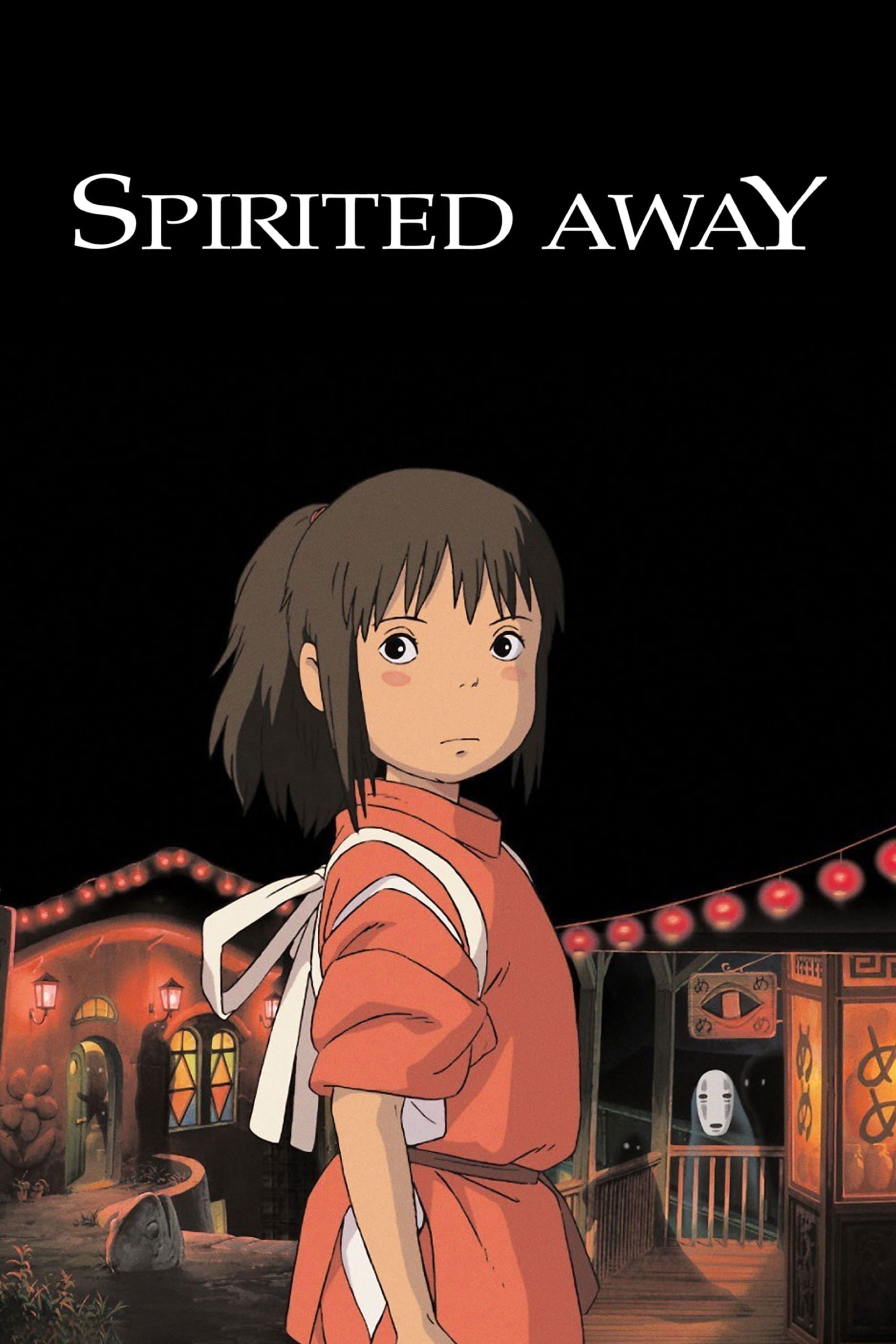
Hayao Miyazaki’s ‘Spirited Away’ from Studio Ghibli blends hand-drawn animation with selective digital compositing for intricate, layered imagery. The film explores identity and labor through a bathhouse setting populated by spirits and shapeshifters. Its worldbuilding relies on Japanese folklore, careful environmental design, and character-driven transformation. The film won the Academy Award for Best Animated Feature, expanding global visibility for feature-length hand-drawn animation.
‘The Lord of the Rings: The Fellowship of the Ring’ (2001)
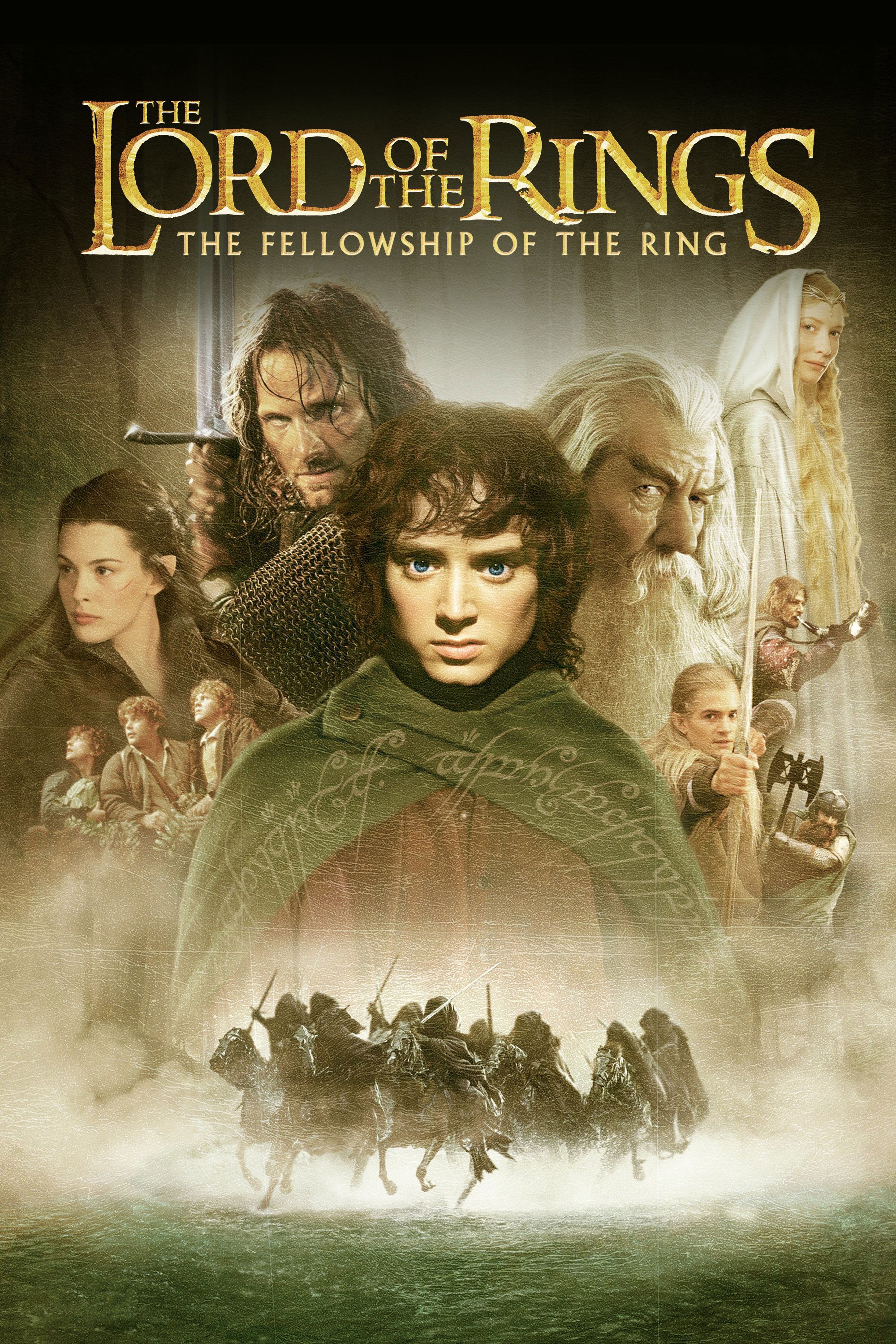
Peter Jackson’s ‘The Lord of the Rings: The Fellowship of the Ring’ launched a back-to-back production that leveraged New Zealand locations and large-scale practical sets. Weta Workshop and Weta Digital combined miniatures, forced perspective, and early large-volume CGI to depict Middle-earth at epic scale. The adaptation balanced ensemble storytelling with clear geography across travel, council, and battle sequences. Its release strategy and extended editions helped cement long-form fantasy as a theatrical event.
‘Parasite’ (2019)
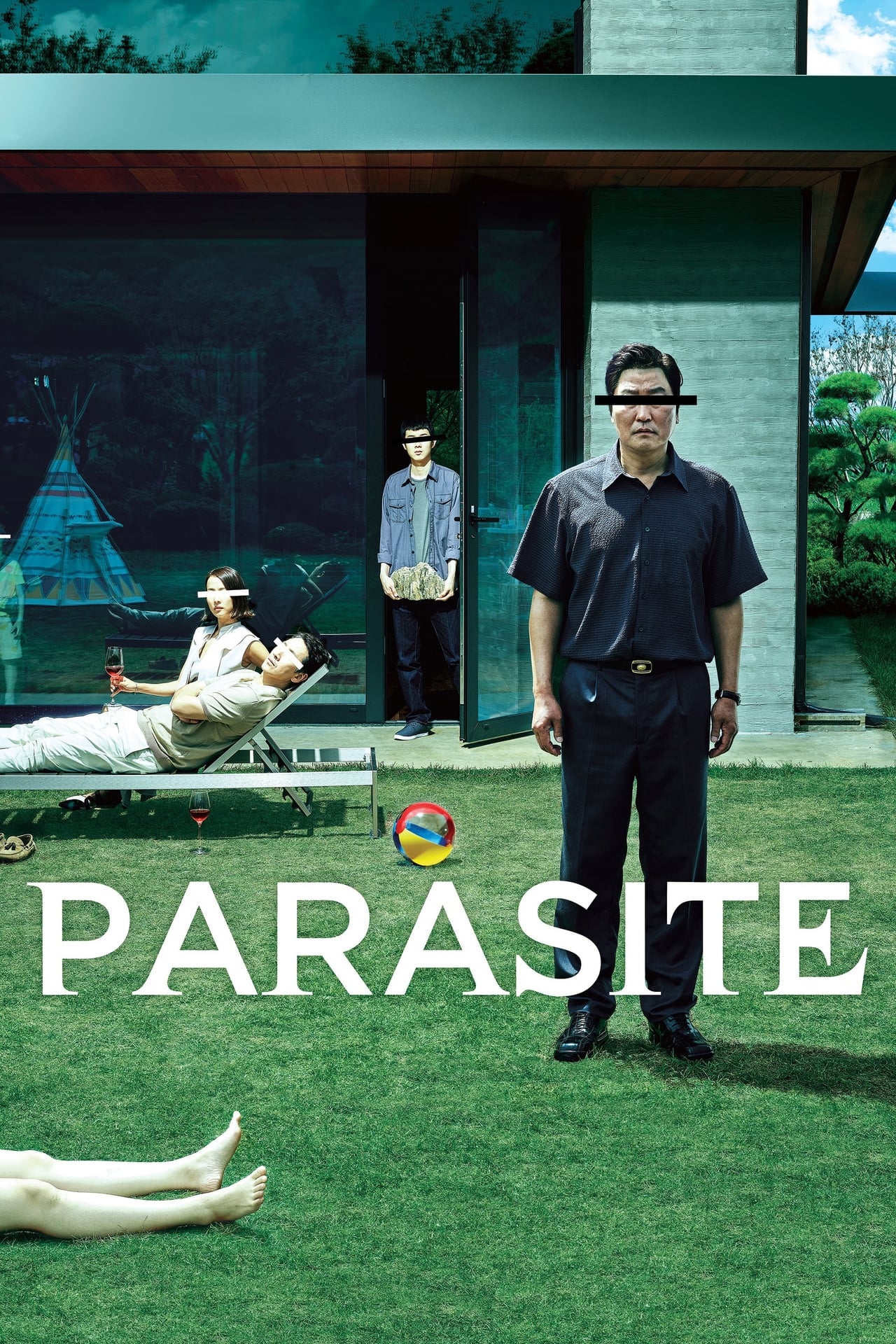
Bong Joon Ho’s ‘Parasite’ uses a precise architectural contrast between two households to examine class mobility and domestic labor. The film’s tonal shifts move between dark comedy, thriller, and tragedy without losing narrative cohesion. It won the Palme d’Or at Cannes and later became the first non-English-language film to win the Academy Award for Best Picture. The production design and blocking make stairs, doors, and hidden spaces central to plot mechanics.
‘Casablanca’ (1942)
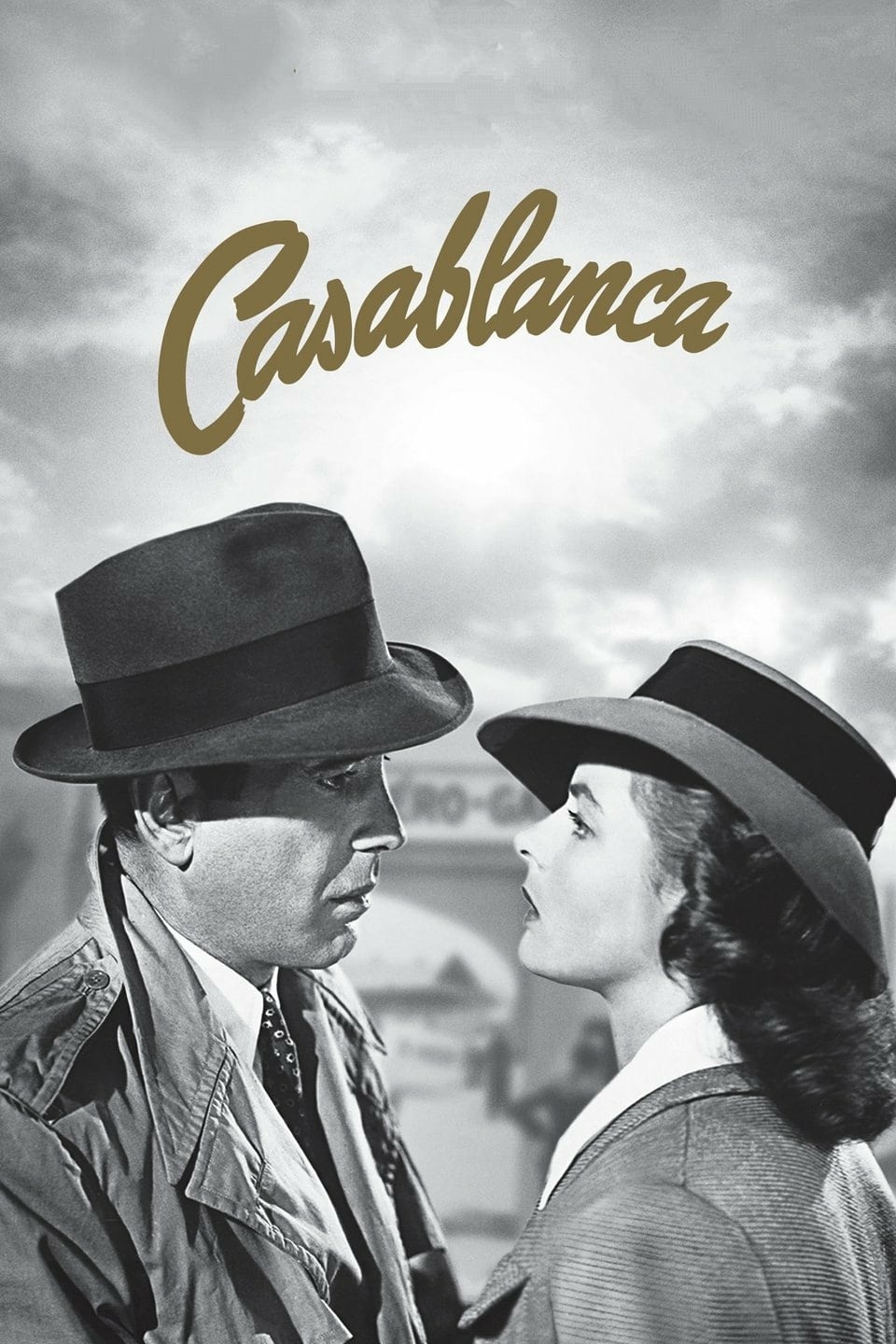
Directed by Michael Curtiz, ‘Casablanca’ combines wartime intrigue with a café setting that brings refugees, officials, and resistance figures into conflict. The screenplay, developed through multiple writers, delivered tightly structured scenes and enduring lines. Humphrey Bogart and Ingrid Bergman’s pairing, along with Dooley Wilson’s musical numbers, anchors the film’s atmosphere. The studio production won Best Picture and became a canonical example of Hollywood’s classic era.
‘Raiders of the Lost Ark’ (1981)
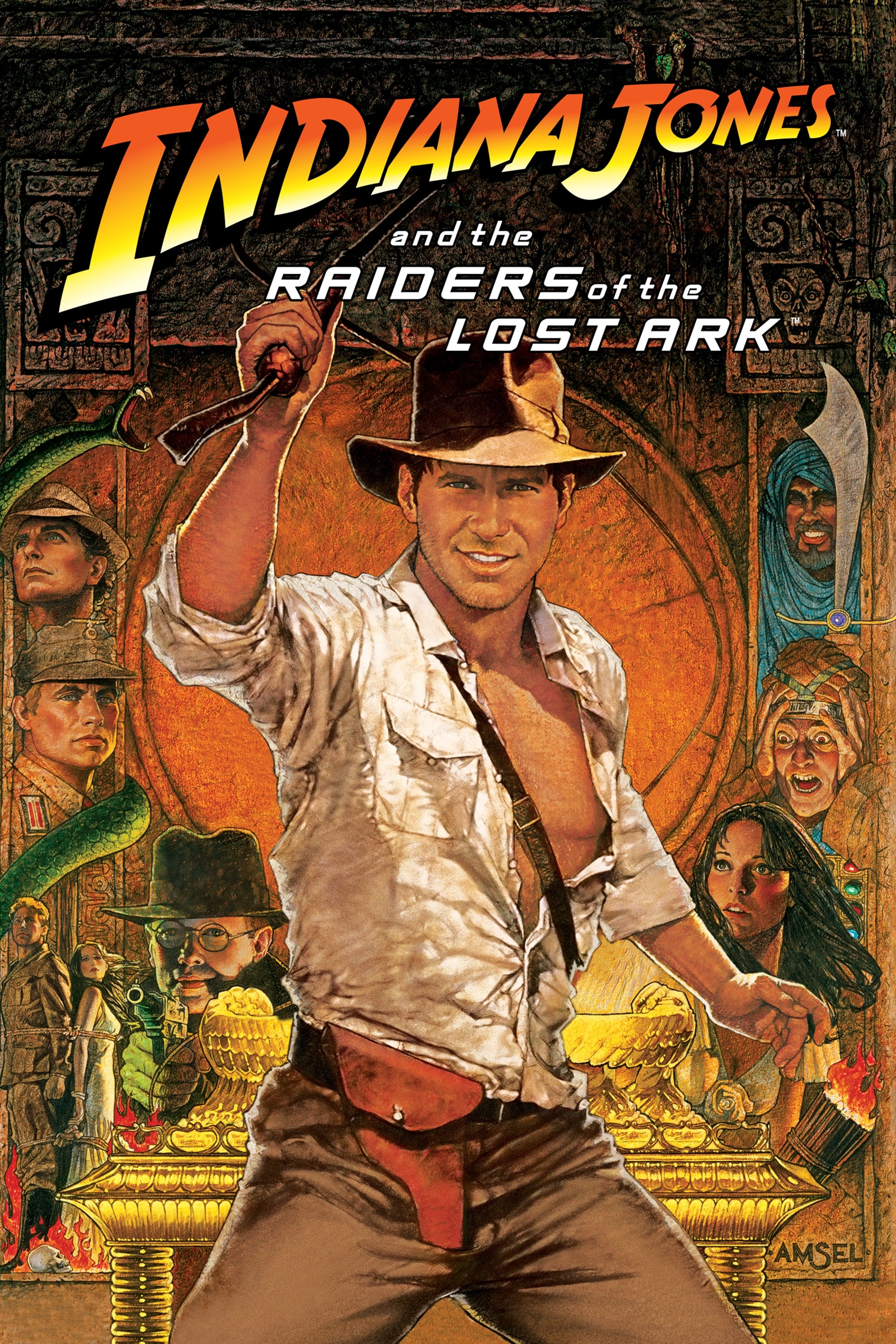
Steven Spielberg’s ‘Raiders of the Lost Ark’ reintroduced the spirit of adventure serials through brisk set-pieces and practical stunt work. Harrison Ford’s portrayal of archaeologist Indiana Jones helped define a modern action hero archetype. The film’s sound design, matte paintings, and pyrotechnics created tactile thrills across multiple continents. Its collaboration between Spielberg, George Lucas, and composer John Williams set the template for subsequent installments.
‘The Matrix’ (1999)
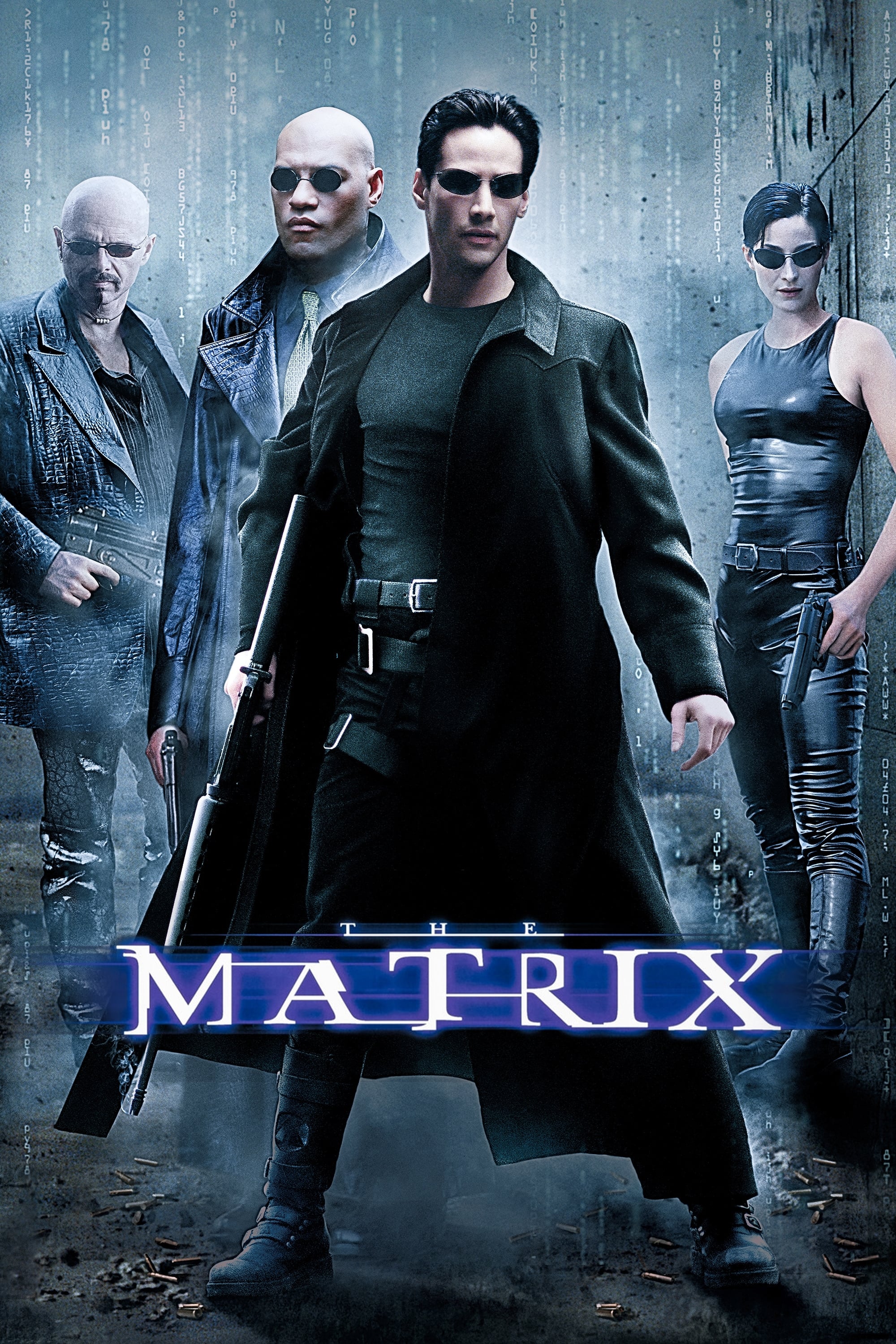
Written and directed by Lana and Lilly Wachowski, ‘The Matrix’ fused cyberpunk concepts with Hong Kong-influenced fight choreography. The production popularized “bullet time” through multi-camera arrays and advanced compositing techniques. Keanu Reeves, Carrie-Anne Moss, and Laurence Fishburne led a cast that trained extensively in wire-fu methods. The film’s costume and green-code visual identity became widely imitated across media and advertising.
‘Schindler’s List’ (1993)
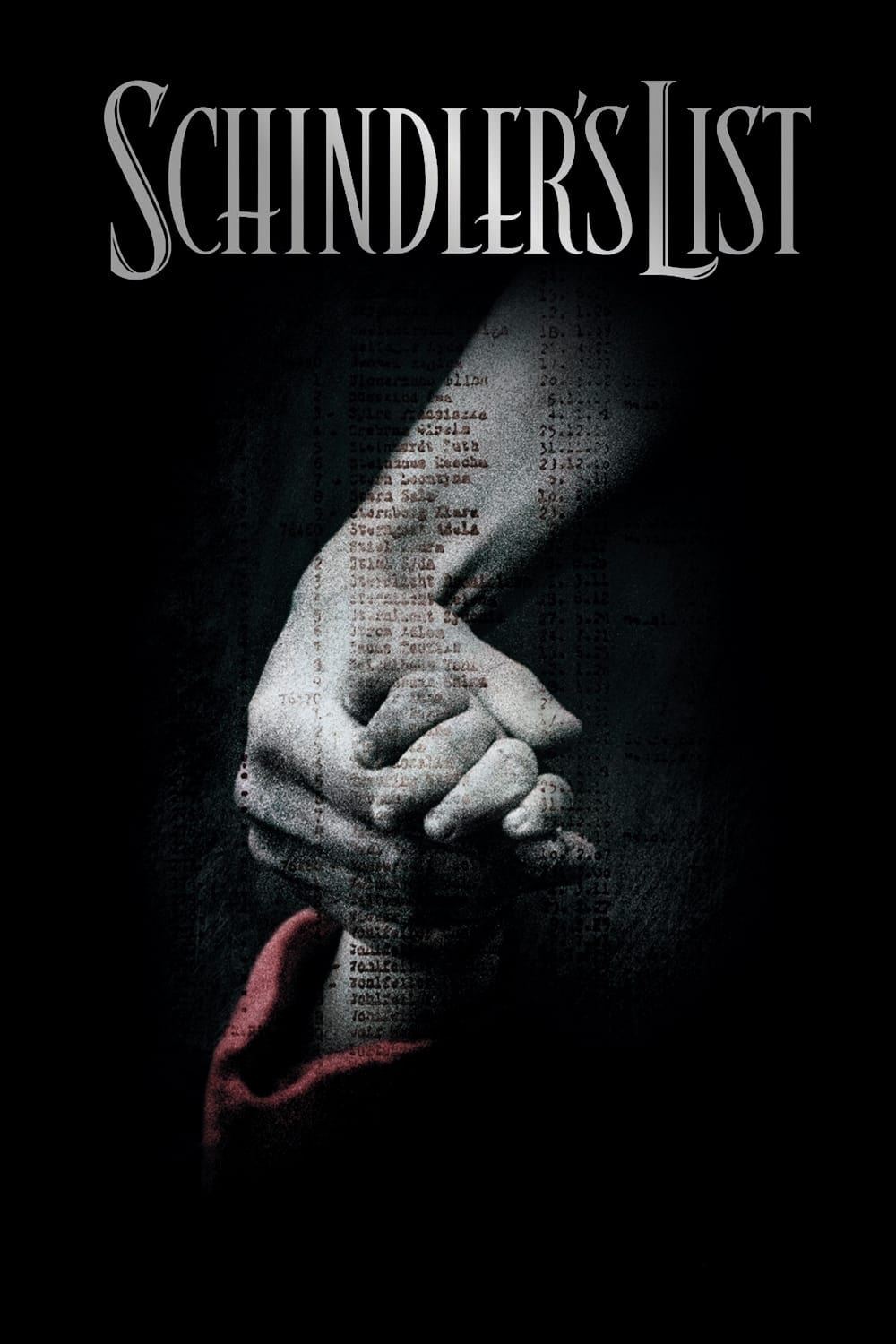
Steven Spielberg’s ‘Schindler’s List’ adapts Thomas Keneally’s novel to depict industrialist Oskar Schindler’s efforts to save Jewish workers during the Holocaust. The production’s black-and-white cinematography, with selective color moments, underscores historical immediacy. John Williams’s score, featuring violin solos by Itzhak Perlman, supports the film’s memorial tone. The film won multiple Academy Awards, including Best Picture and Best Director, and is frequently used in educational contexts.
‘Metropolis’ (1927)
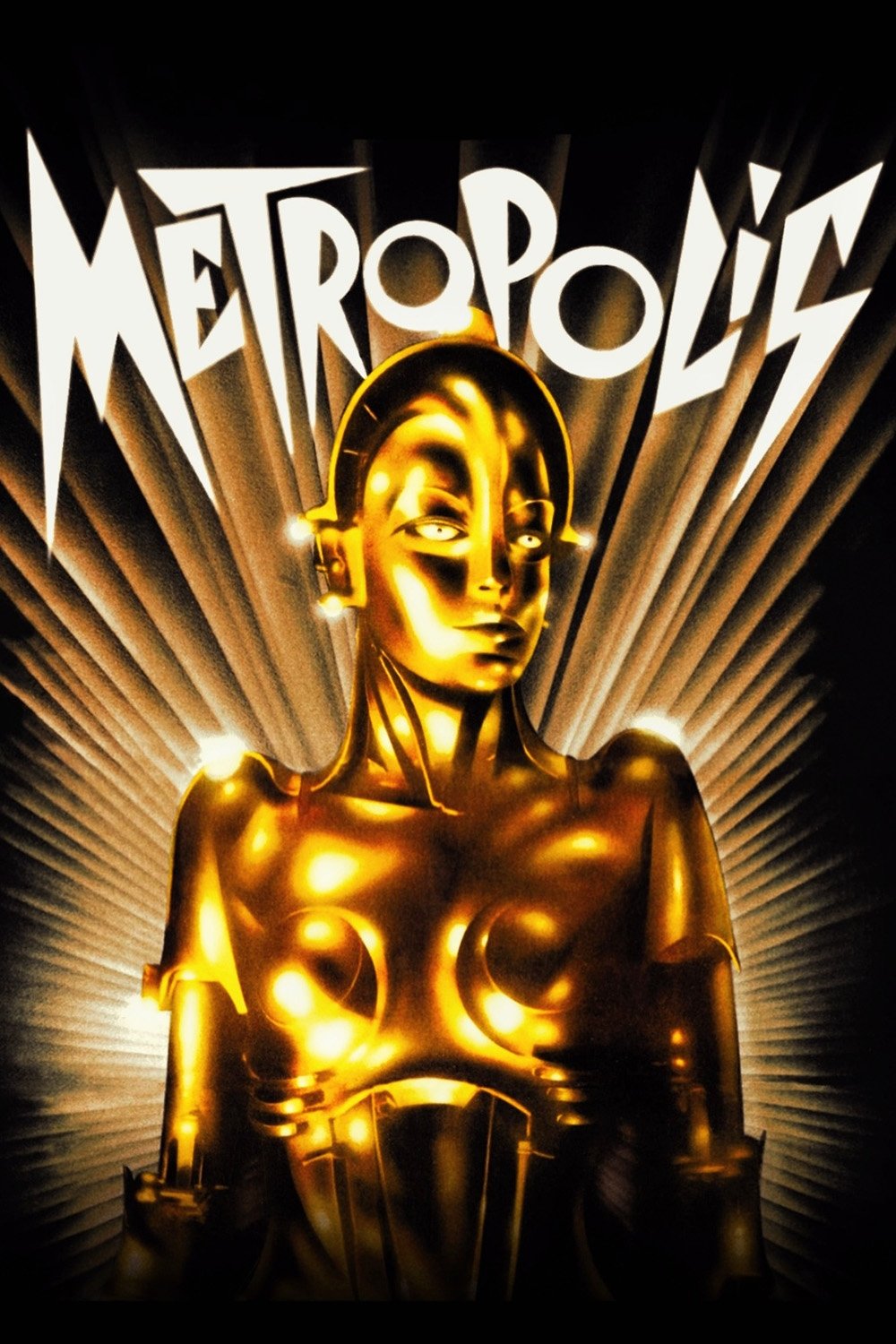
Directed by Fritz Lang at UFA, ‘Metropolis’ combined monumental sets with miniatures to visualize a stratified future city. The production popularized the Schüfftan process, which used mirrors to integrate actors into model environments. Its class-struggle narrative and machine imagery became touchstones for later science-fiction design. Extensive restorations—incorporating rediscovered footage from a South American archive—reconstructed sequences long thought lost.
‘The Wizard of Oz’ (1939)
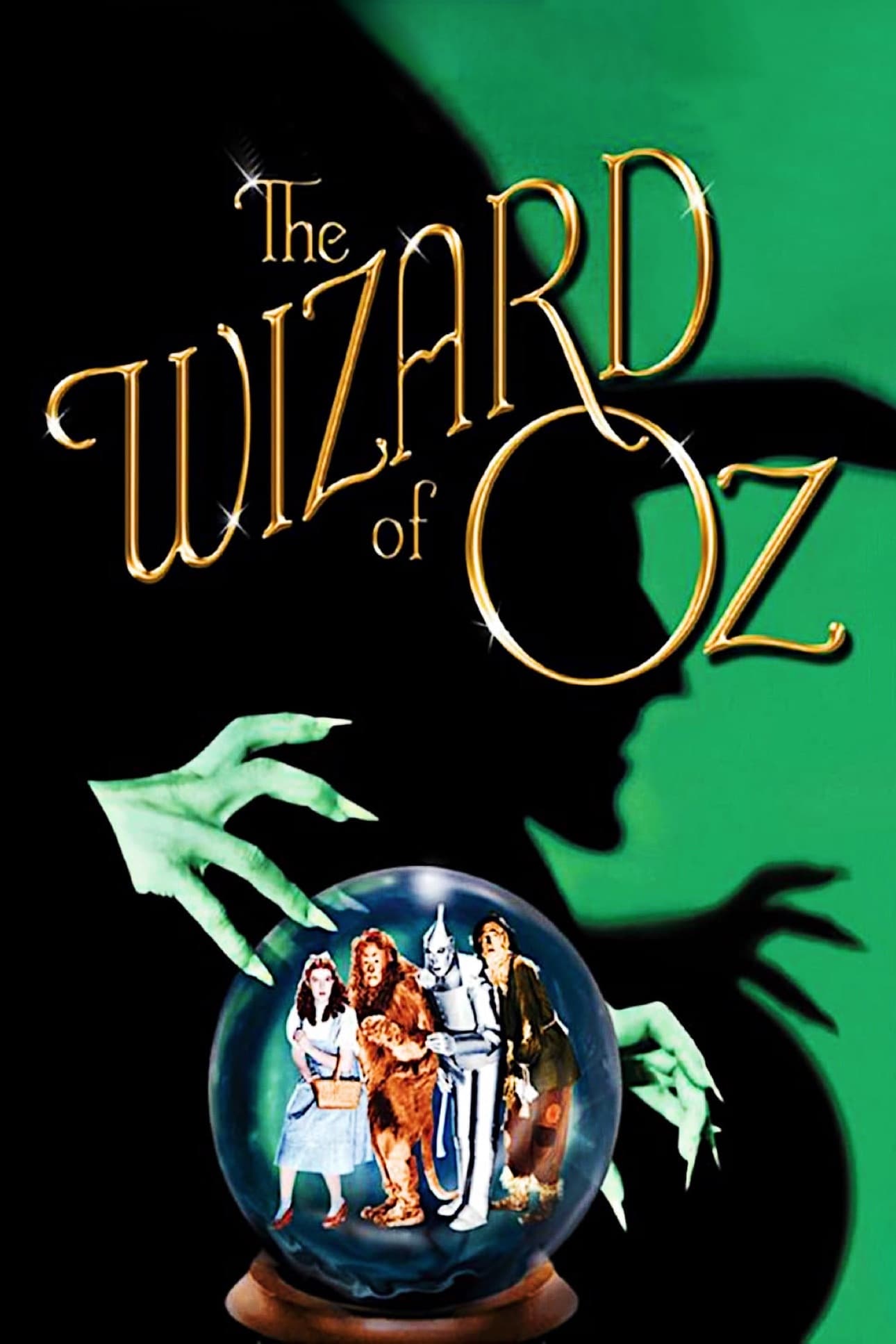
Produced by MGM, ‘The Wizard of Oz’ showcased three-strip Technicolor in a fantasy-musical framework with a Kansas-to-Oz transition. The film’s set and costume design created iconic elements such as the Emerald City, the Yellow Brick Road, and the ruby slippers. Judy Garland’s performance anchored musical numbers that became standards, including ‘Over the Rainbow’. Its studio-era craftsmanship made it a perennial fixture of holiday broadcasts and repertory programming.
‘Vertigo’ (1958)
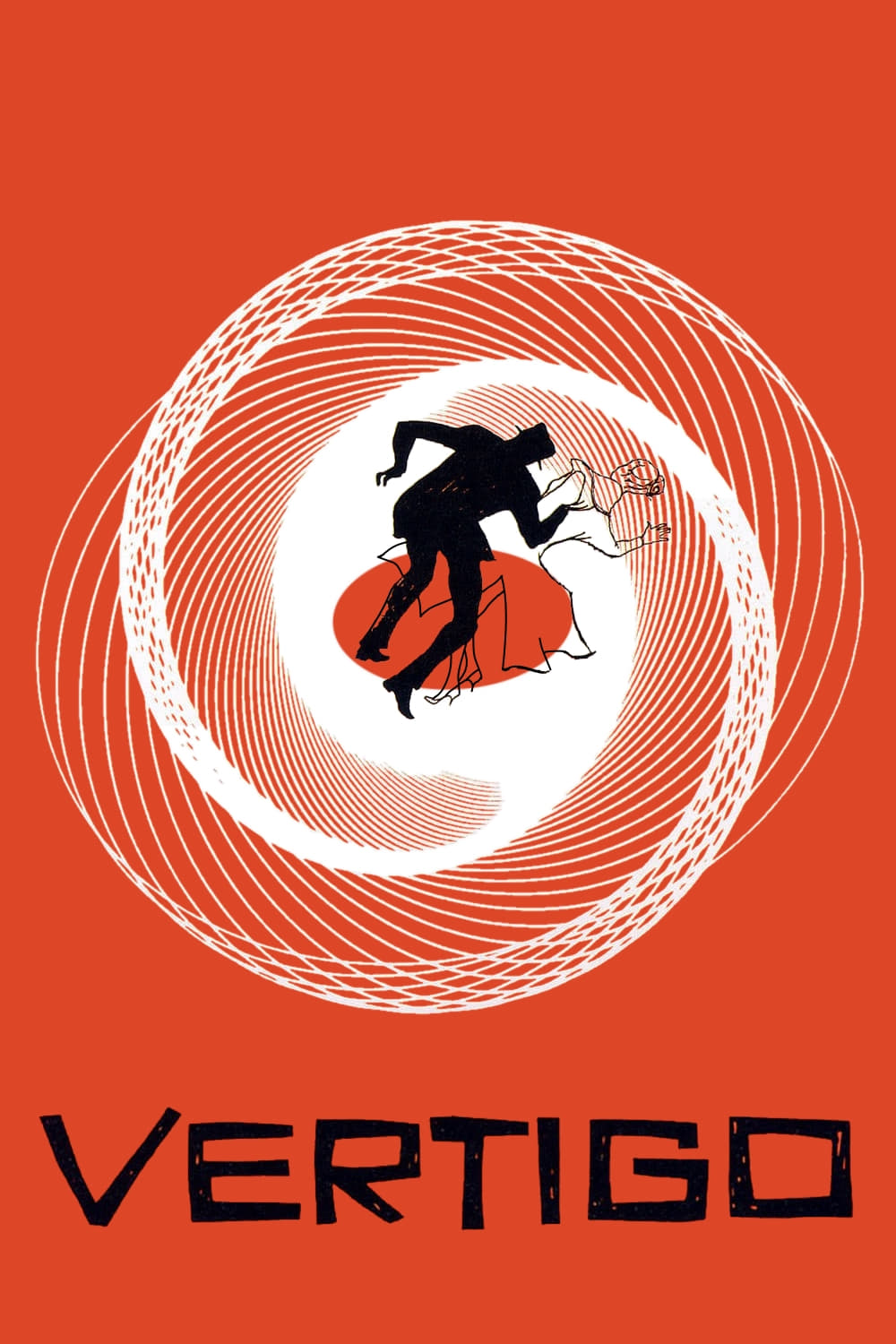
Alfred Hitchcock’s ‘Vertigo’ used San Francisco locations and elaborate camera moves to explore identity, surveillance, and desire. The production introduced the dolly-zoom technique—later nicknamed the ‘Vertigo effect’—to simulate disorientation within a single shot. Bernard Herrmann’s score sustains a spiraling motif that mirrors the story’s structure. Title design by Saul Bass and color-coded costuming provide visual cues that track the protagonist’s fixation.
‘Lawrence of Arabia’ (1962)
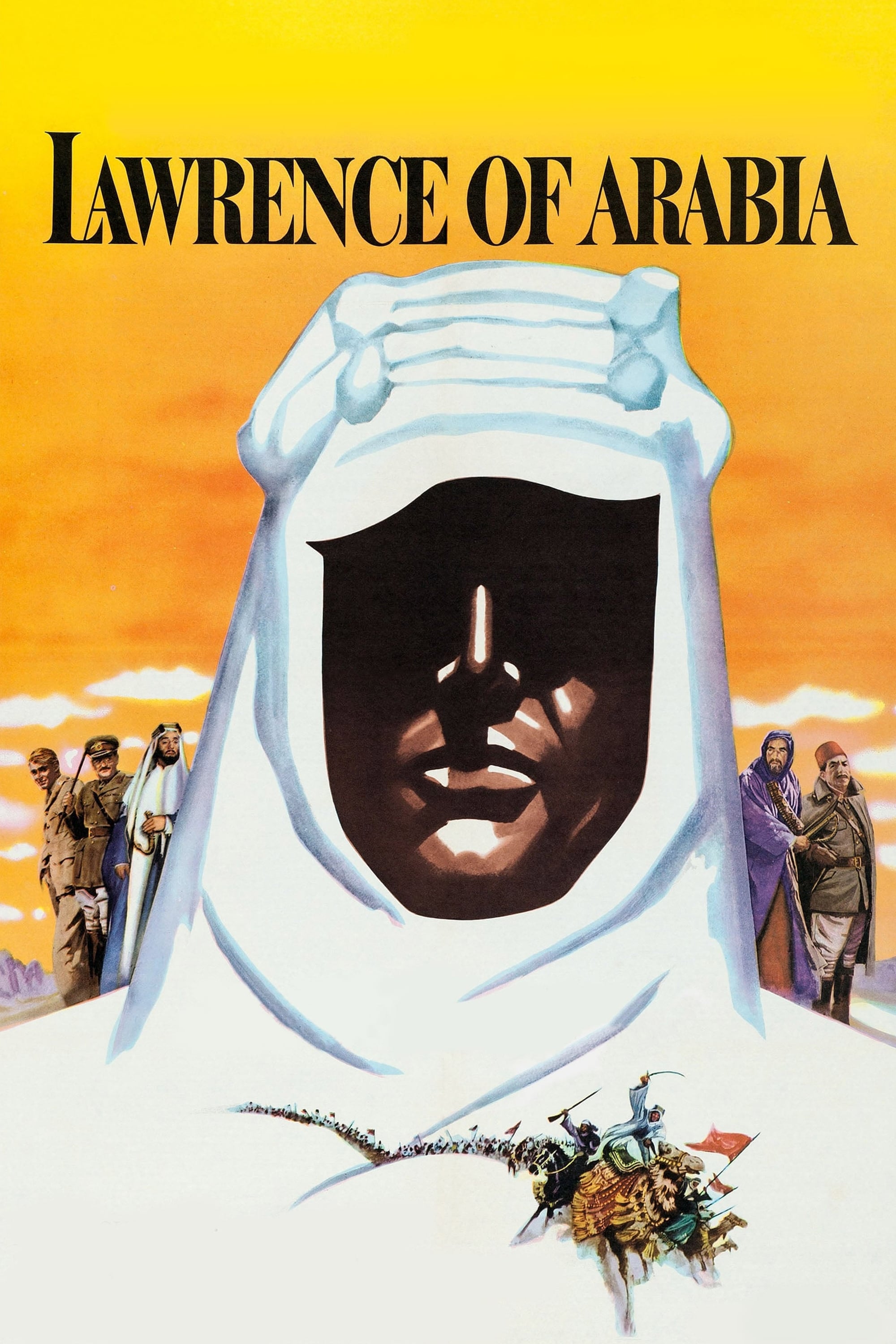
David Lean’s ‘Lawrence of Arabia’ was photographed in large-format Super Panavision, emphasizing horizon lines and long takes across desert landscapes. Cinematographer Freddie Young and editor Anne V. Coates coordinated action on an epic scale while preserving clear geography. Maurice Jarre’s theme became emblematic of widescreen historical adventure. Roadshow presentation with an overture and intermission framed the release as an event.
‘The Godfather Part II’ (1974)
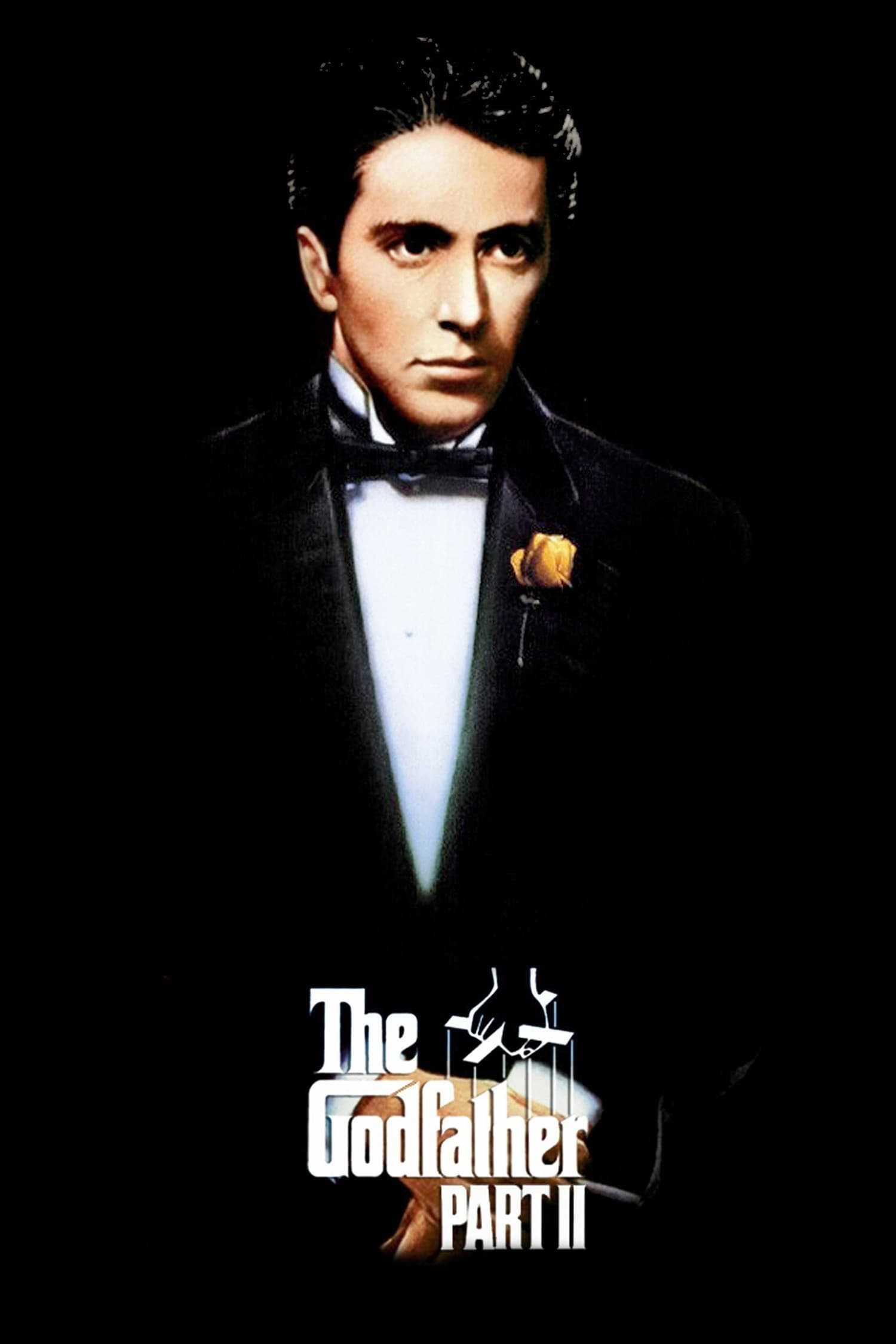
‘The Godfather Part II’ extends the Corleone saga with a bifurcated structure following Michael in the present and Vito’s earlier rise. Robert De Niro’s portrayal of young Vito complements Al Pacino’s arc through parallel scenes and mirrored choices. The score by Nino Rota and Carmine Coppola threads new motifs through established themes. It became the first sequel to receive the Academy Award for Best Picture.
‘Jaws’ (1975)
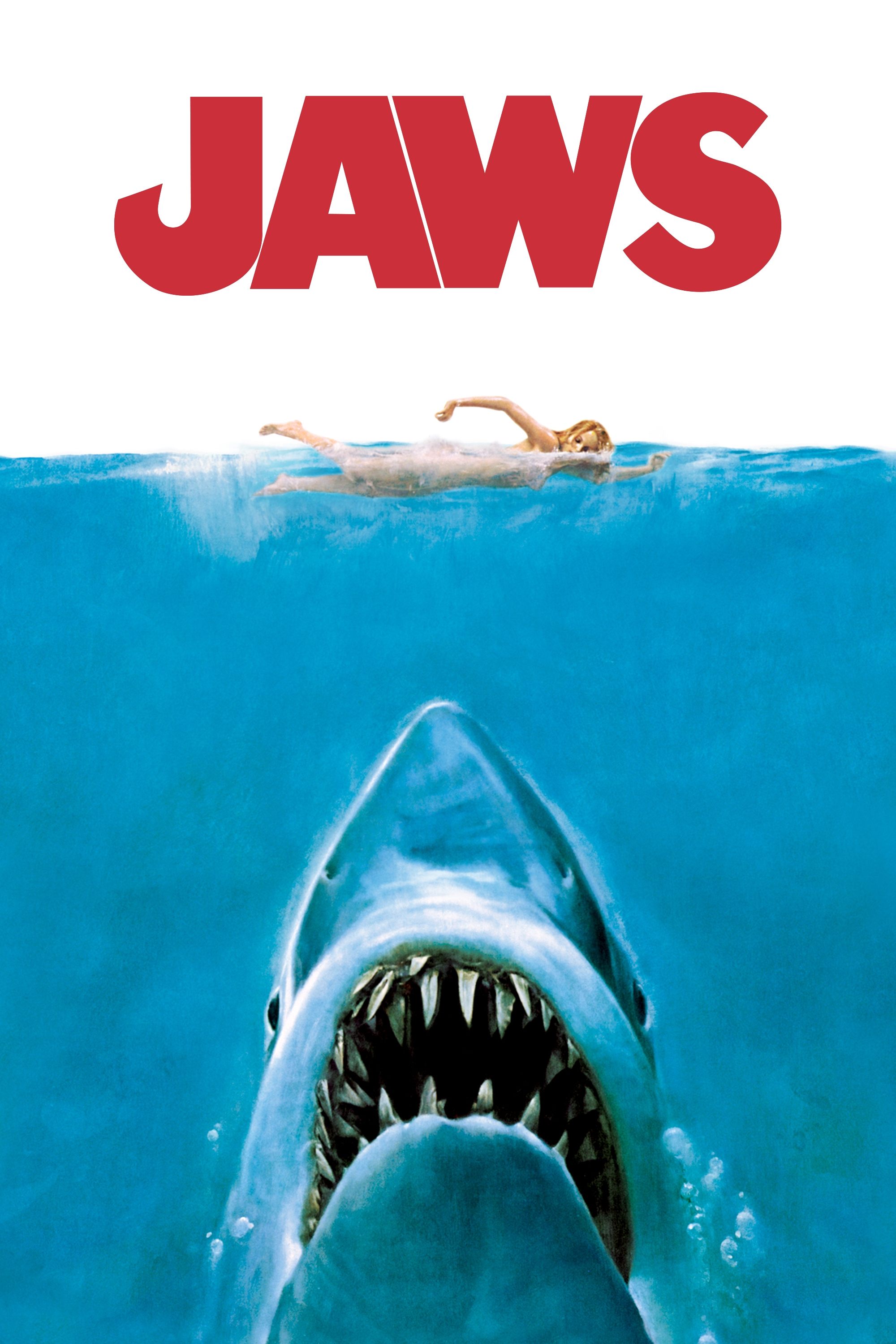
Steven Spielberg’s ‘Jaws’ combined location shooting with a mechanical shark to stage maritime suspense set-pieces. John Williams’s two-note motif established a simple, recognizable musical signal for approaching danger. The release strategy and television marketing helped define the modern summer wide-release model. Its success accelerated the growth of high-concept studio filmmaking and ancillary merchandising.
‘Apocalypse Now’ (1979)
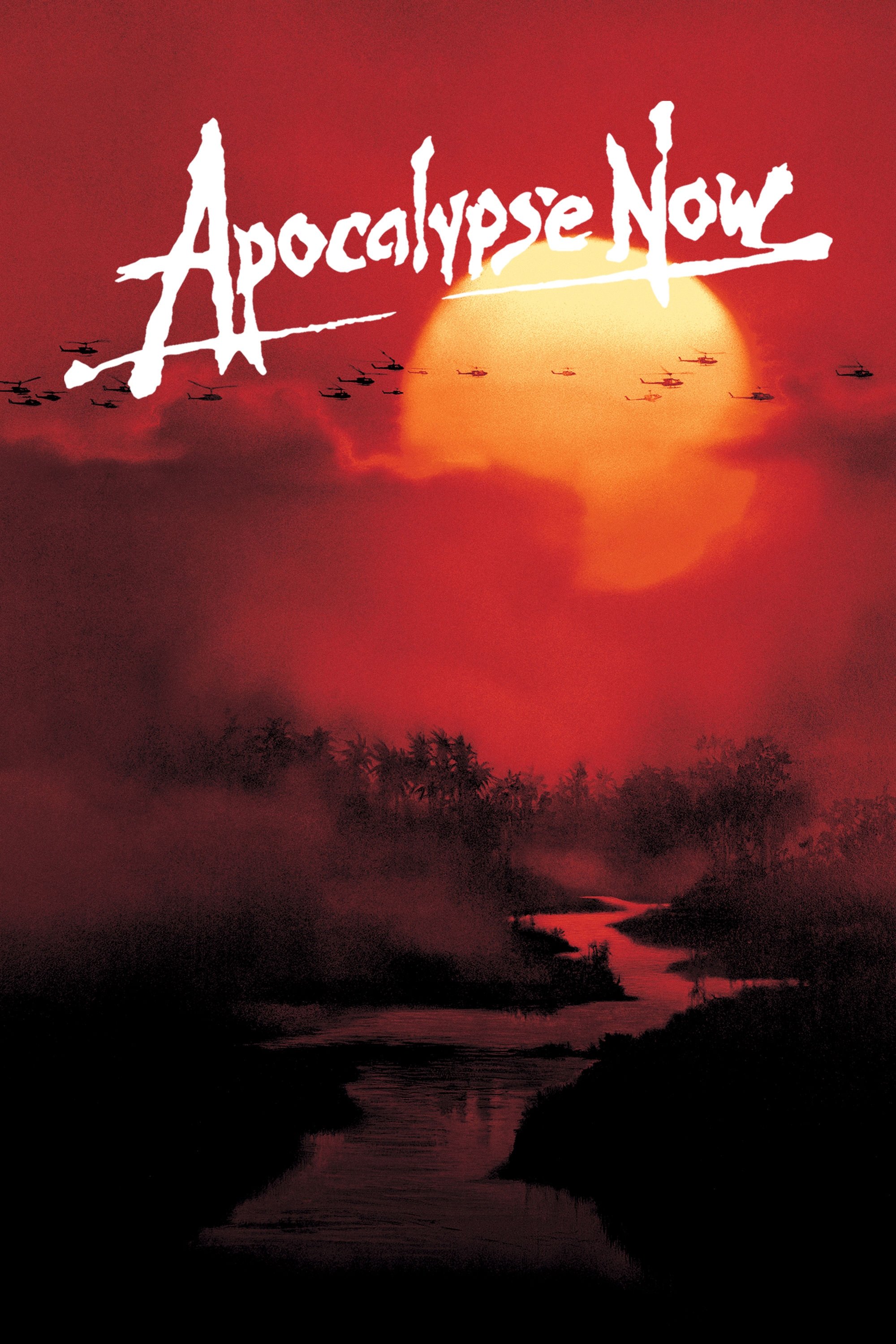
Francis Ford Coppola’s ‘Apocalypse Now’ adapted ‘Heart of Darkness’ into a river journey through the Vietnam War, with production based in the Philippines. The helicopter assault sequence synchronized to ‘Ride of the Valkyries’ became a benchmark in sound-image coordination. Long, troubled shooting and post-production yielded multiple versions, including ‘Redux’ and a later ‘Final Cut’. Walter Murch’s sound design and editing shaped the film’s hallucinatory atmosphere.
‘Blade Runner’ (1982)
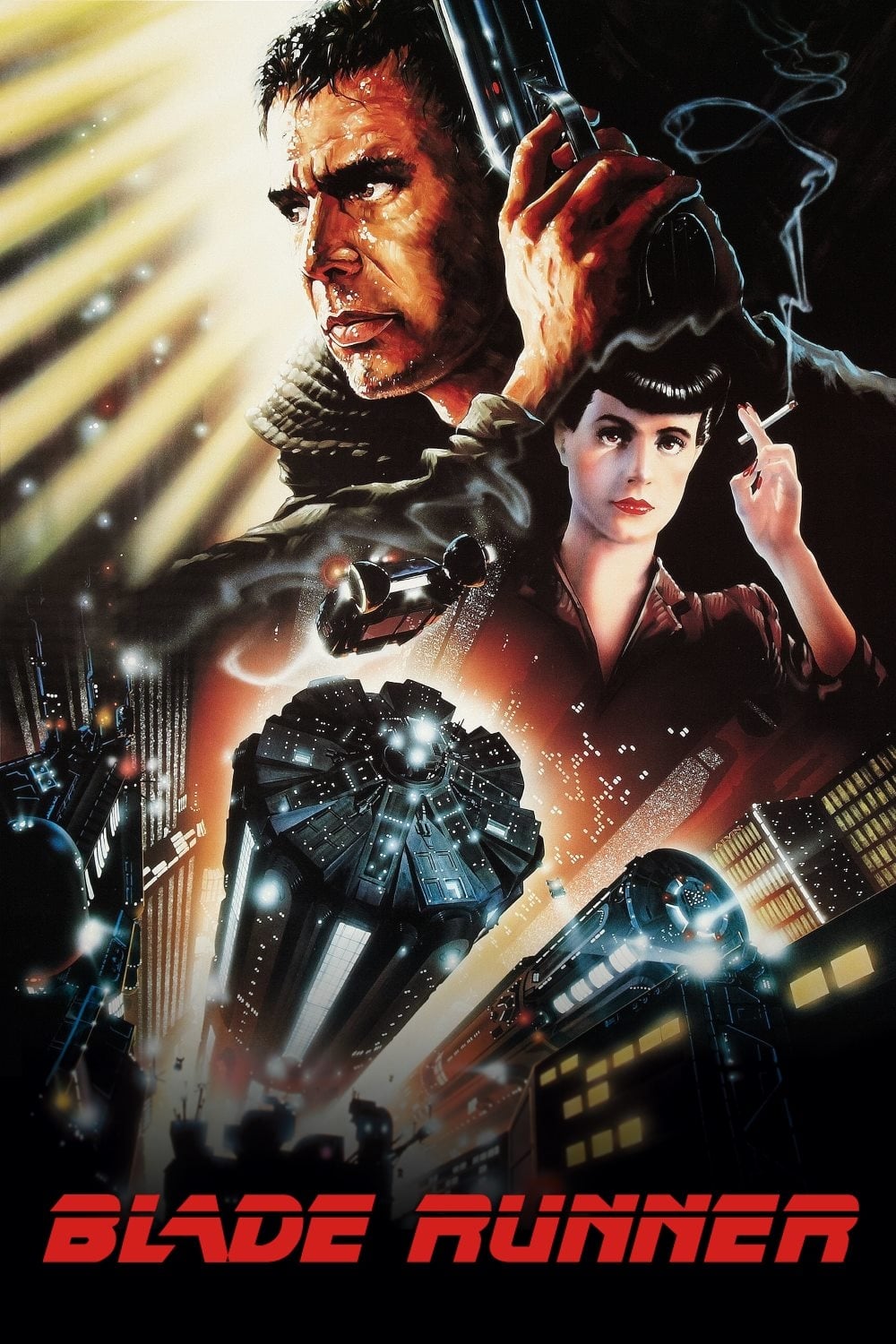
Ridley Scott’s ‘Blade Runner’ fused film-noir tropes with futuristic urban design informed by art director Syd Mead. Vangelis’s synthesizer score paired with rain-soaked visuals to define a neon-noir aesthetic adopted widely in later media. The film’s release history includes several edits, culminating in ‘Blade Runner: The Final Cut’ as the director-preferred version. Its depiction of replicants and corporate skylines influenced production design across science fiction for decades.
‘Do the Right Thing’ (1989)
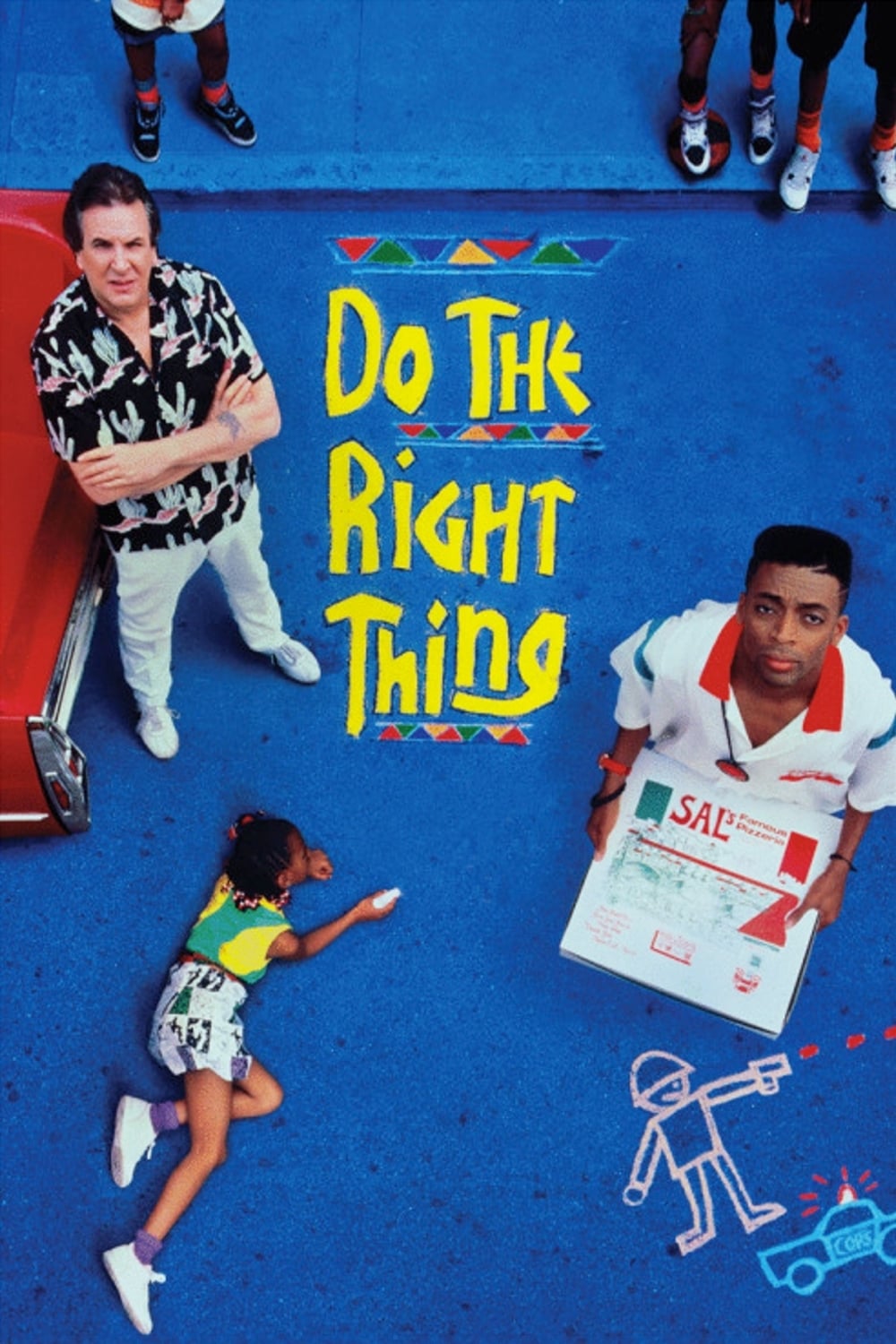
Spike Lee’s ‘Do the Right Thing’ follows one blistering day in Brooklyn as neighborhood tensions escalate around a corner pizzeria. Ernest Dickerson’s saturated color palette and canted frames emphasize heat and pressure. The soundtrack, including Public Enemy’s ‘Fight the Power’, operates as a narrative driver as well as atmosphere. The film was selected for the National Film Registry for its cultural, historical, and aesthetic significance.
‘Jurassic Park’ (1993)
‘Jurassic Park’ integrated groundbreaking computer-generated dinosaurs from Industrial Light & Magic with full-scale animatronics by Stan Winston’s team. The film launched widespread adoption of digital surround sound in theaters through a new format debut. Its release set worldwide box-office records that held until ‘Titanic’ surpassed them. On-location work and meticulous sound effects, from footsteps to roars, reinforced scale and presence.
‘Titanic’ (1997)
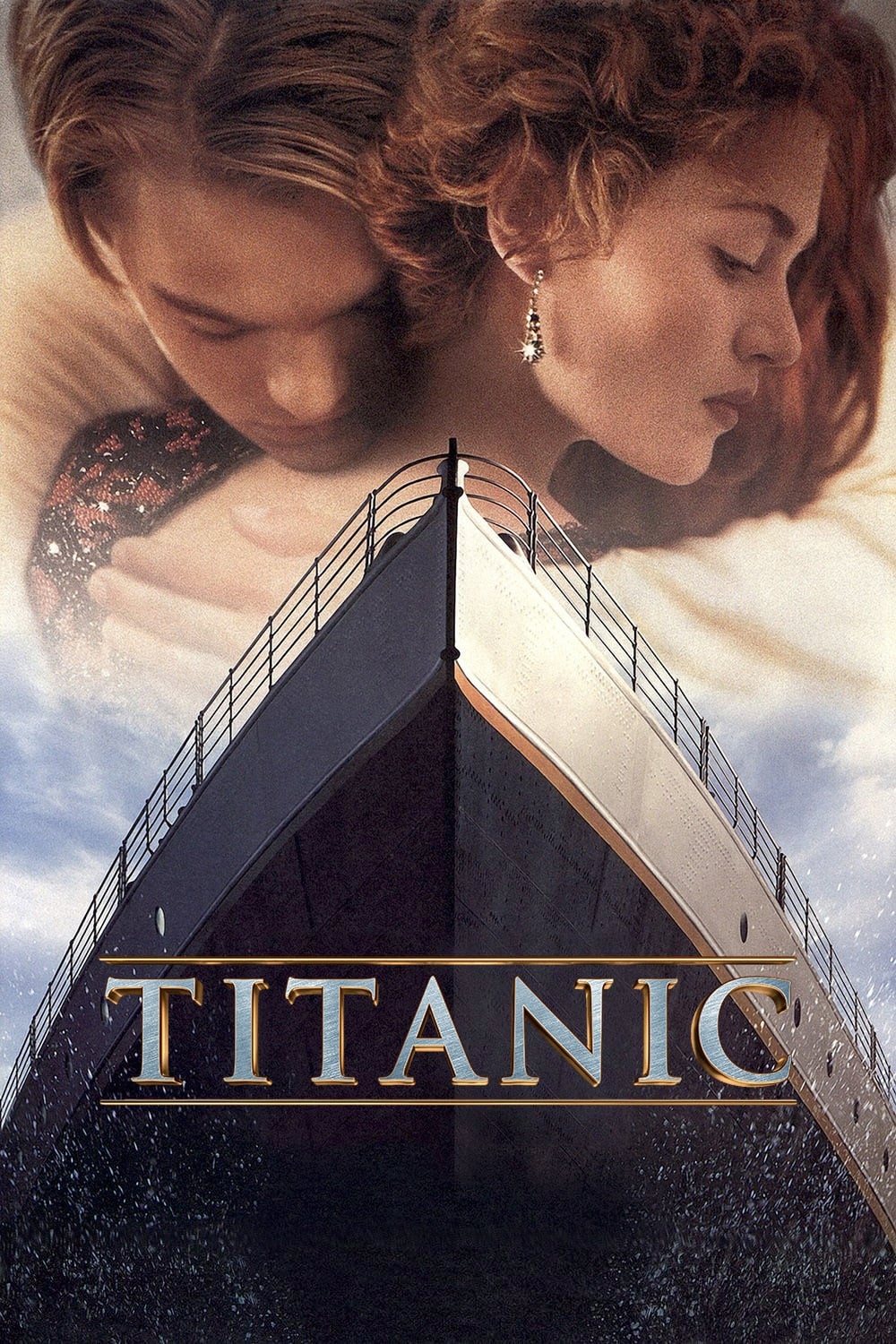
James Cameron’s ‘Titanic’ combined large-scale sets, motion-control photography, and digital water simulations to recreate the ocean liner’s voyage. The production used a near full-size exterior and detailed interiors to stage extended sequences in real water. Its soundtrack—featuring ‘My Heart Will Go On’—achieved global sales alongside the film’s theatrical run. The project matched long-standing Academy Award records and topped worldwide revenue milestones.
‘Pan’s Labyrinth’ (2006)
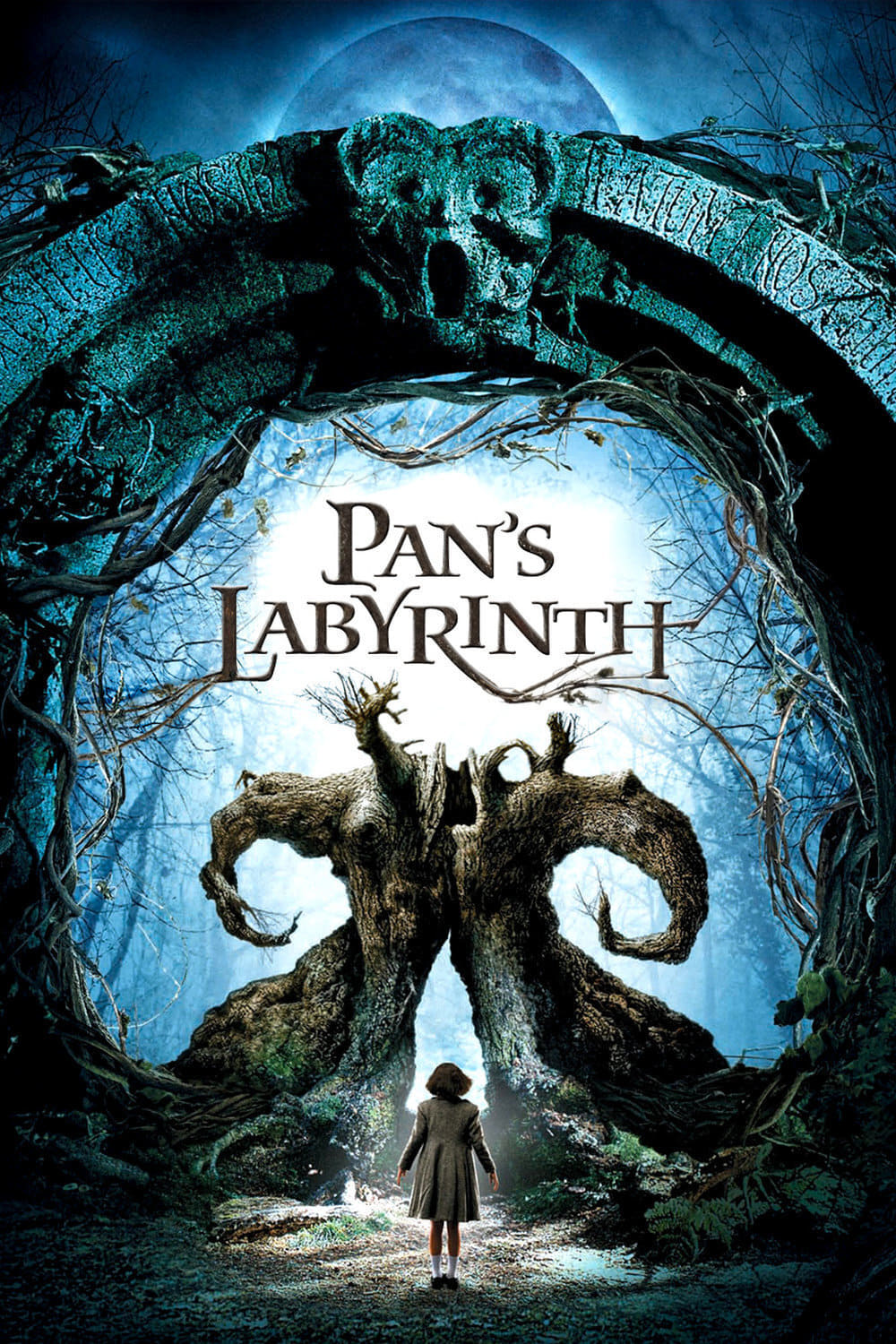
Guillermo del Toro’s ‘Pan’s Labyrinth’ interweaves a dark fairy tale with a historical drama set in postwar Spain. Creature work used animatronics, prosthetics, and in-suit performances to realize the Faun and the Pale Man. The production design layers natural textures, clockwork motifs, and handwritten glyphs to integrate myth into occupied landscapes. The film earned multiple Academy Awards for craft categories, including makeup, art direction, and cinematography.
‘The Dark Knight’ (2008)
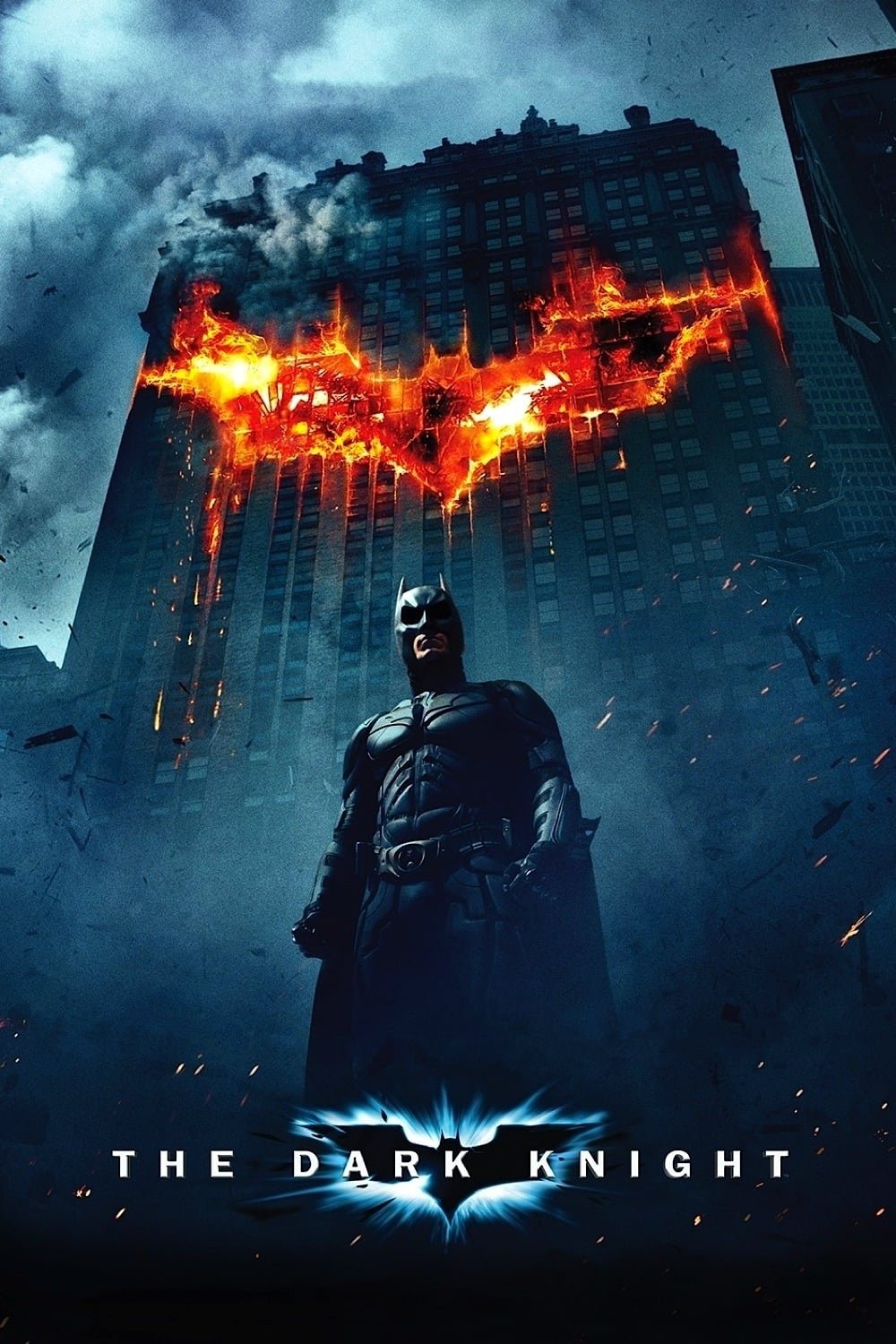
Christopher Nolan’s ‘The Dark Knight’ incorporated sequences photographed with IMAX cameras to heighten scale in a contemporary crime saga. The film’s sound and music—developed by Hans Zimmer and James Newton Howard—use rhythmic motifs and electronic textures to define characters. Heath Ledger’s performance as the Joker anchored an approach that emphasized practical effects and location work. Its reception is widely cited as a factor in the Academy’s expansion of the Best Picture nominee slate.
‘Inception’ (2010)
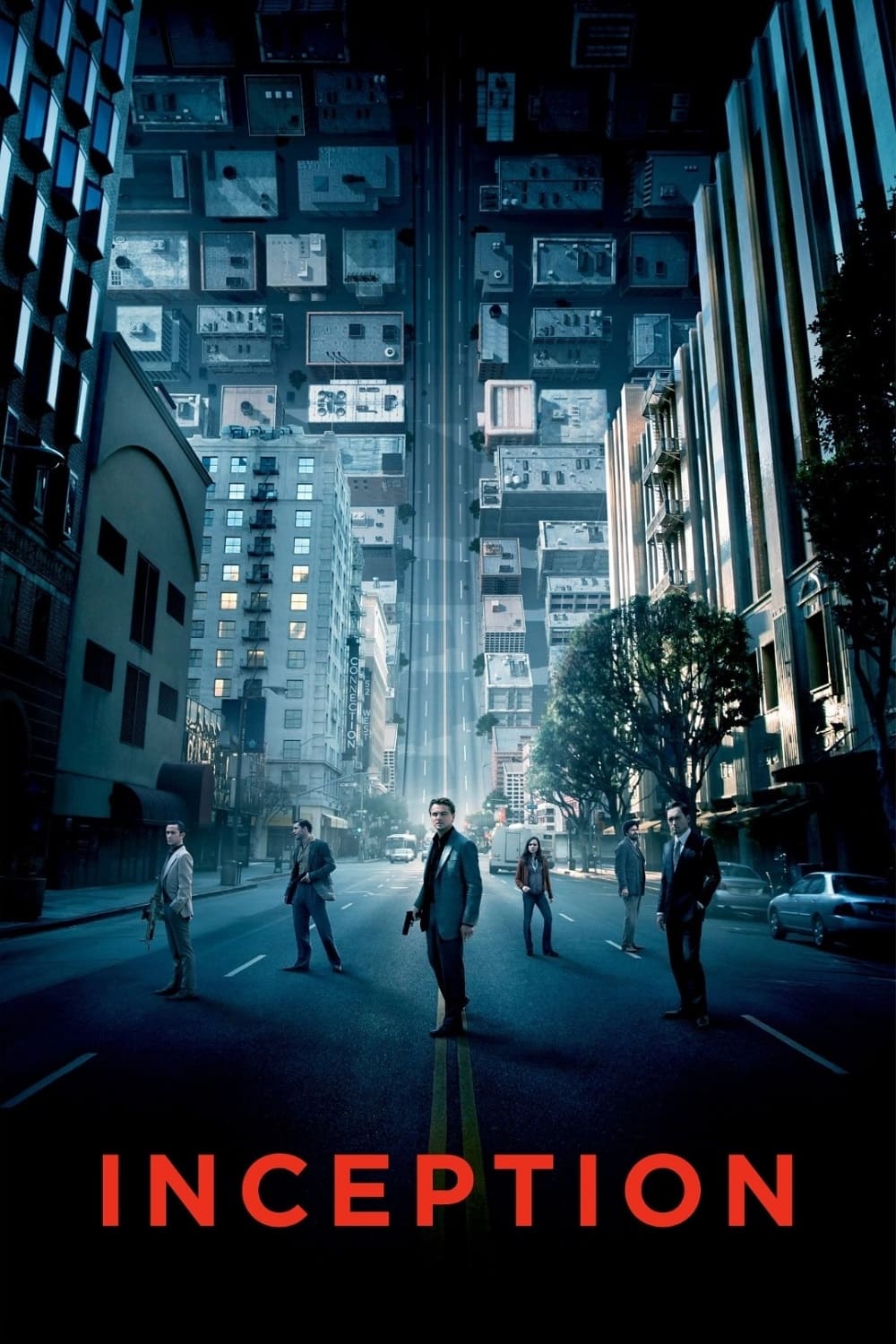
‘Inception’ applies a heist structure to layered dream spaces, with rules that govern time, gravity, and shared consciousness. Practical effects included a rotating corridor and wire-work to stage zero-gravity combat without relying solely on CGI. Visual effects teams extended cityscapes, folding architecture, and collapsing environments while keeping live-action plates central. The film won multiple Academy Awards in craft categories, including visual effects, cinematography, and sound.
‘Mad Max: Fury Road’ (2015)
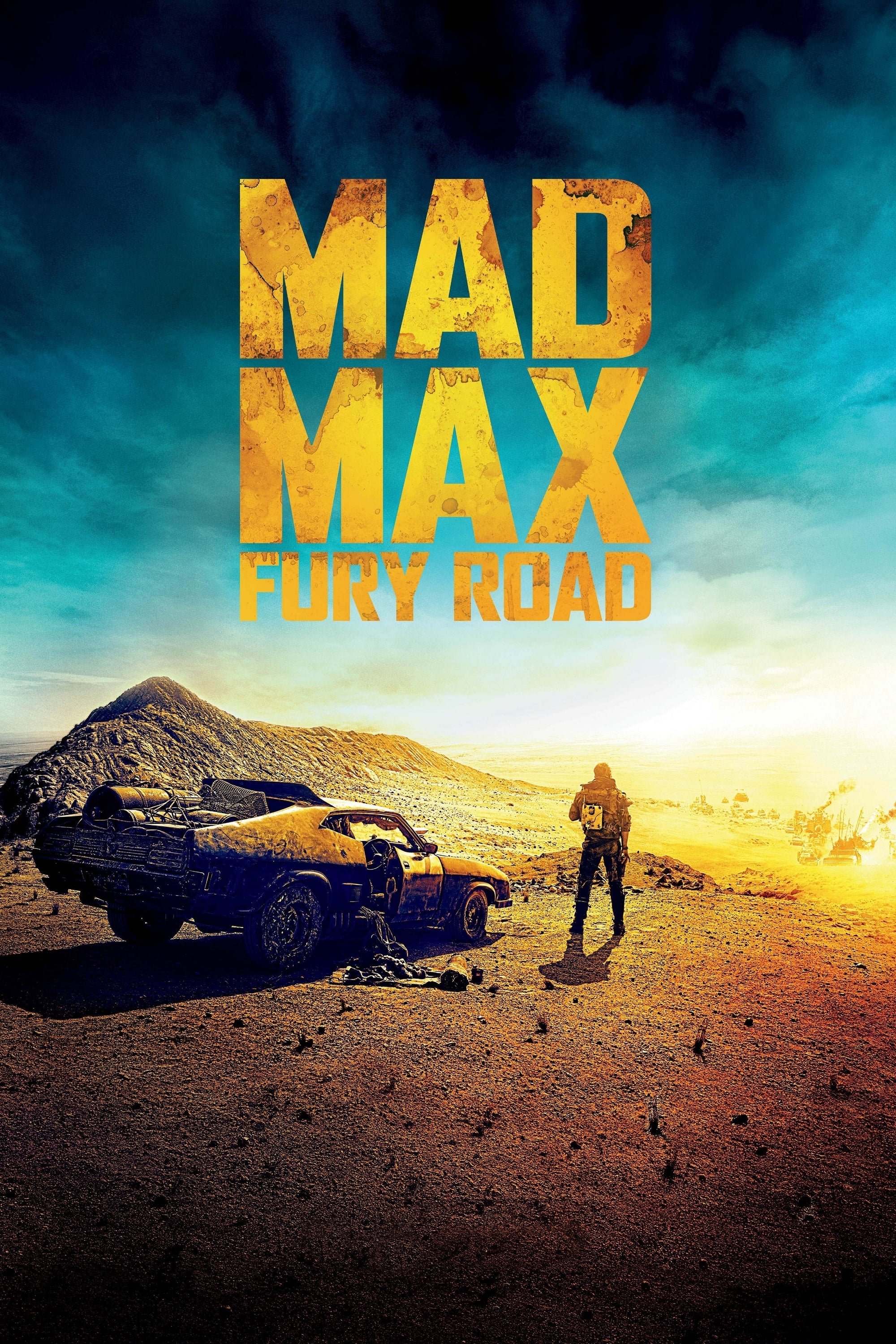
George Miller’s ‘Mad Max: Fury Road’ emphasized practical stunt driving and coordinated vehicle choreography across desert locations. Production design built modular cars and the War Rig to support real high-speed action. Editor Margaret Sixel’s rapid cutting maintains clear eyelines and geography despite extreme pace. The film won numerous Academy Awards, including editing, sound, costume, makeup and hairstyling, and production design.
‘Sunrise: A Song of Two Humans’ (1927)
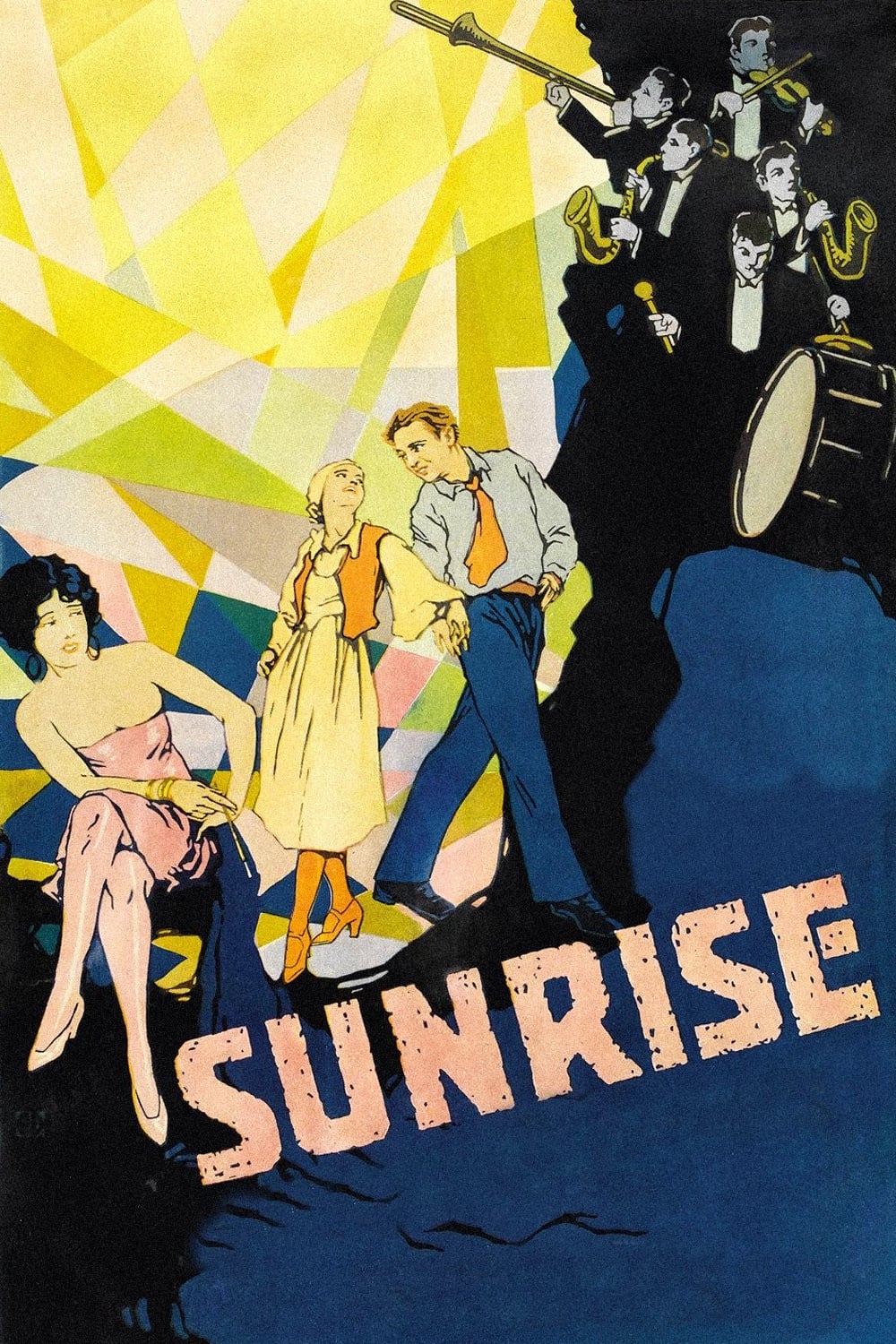
F. W. Murnau’s ‘Sunrise: A Song of Two Humans’ blends German Expressionist imagery with Hollywood studio resources to tell a rural-urban marriage tale. Fox’s Movietone system provided a synchronized music-and-effects track while maintaining silent-era performance styles. Innovative tracking shots and superimpositions support a fluid visual grammar that influenced later camera movement. The film received the Academy’s special award for Unique and Artistic Picture alongside recognition for cinematography and actress.
‘Bicycle Thieves’ (1948)
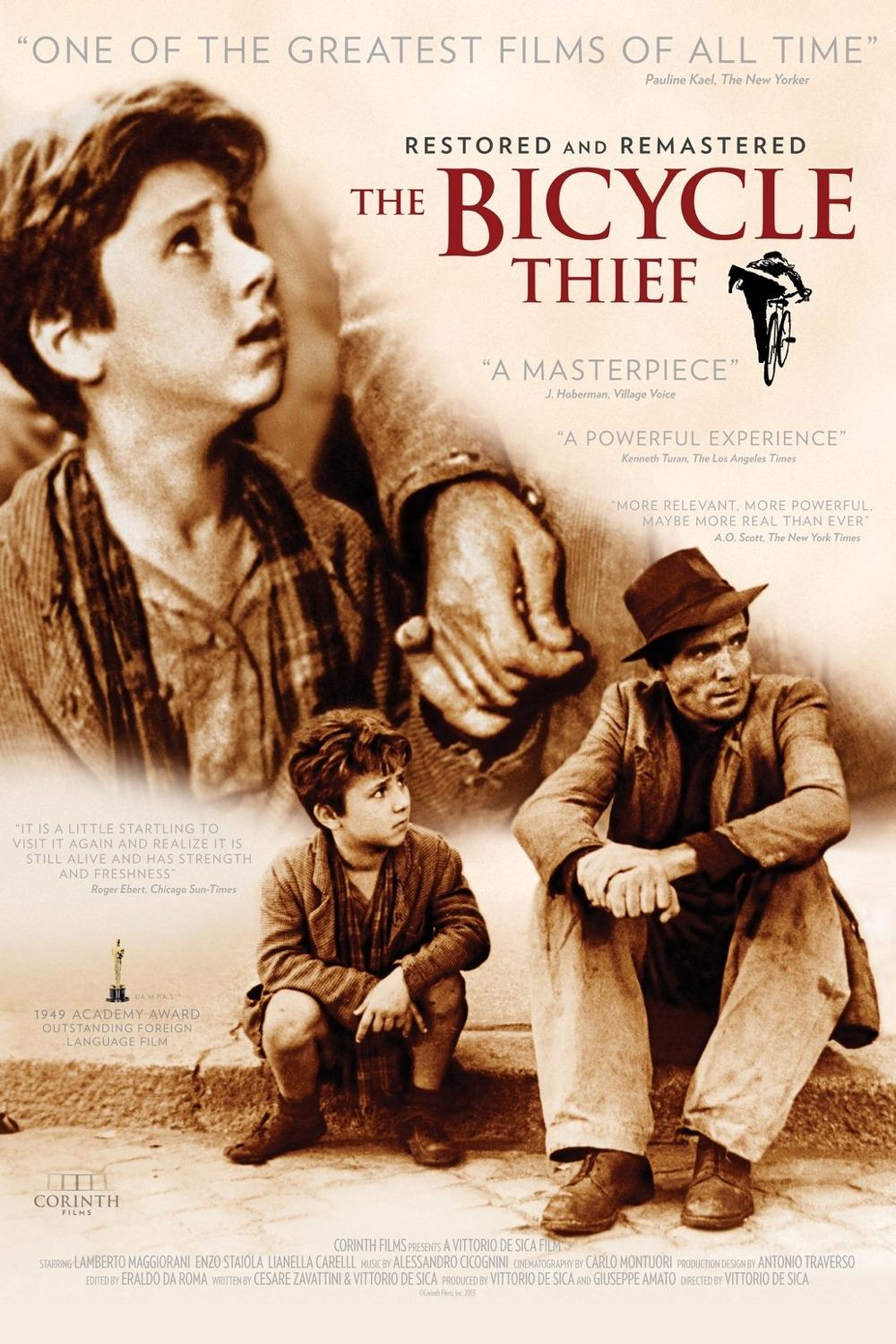
Vittorio De Sica’s ‘Bicycle Thieves’ exemplifies Italian neorealism with non-professional actors and extensive location shooting in Rome. The story follows a father and son navigating postwar unemployment and petty crime. Natural light, spare production design, and documentary-like staging ground the material in everyday detail. The film earned an honorary Academy Award that predated the competitive international feature category.
‘Rashomon’ (1950)
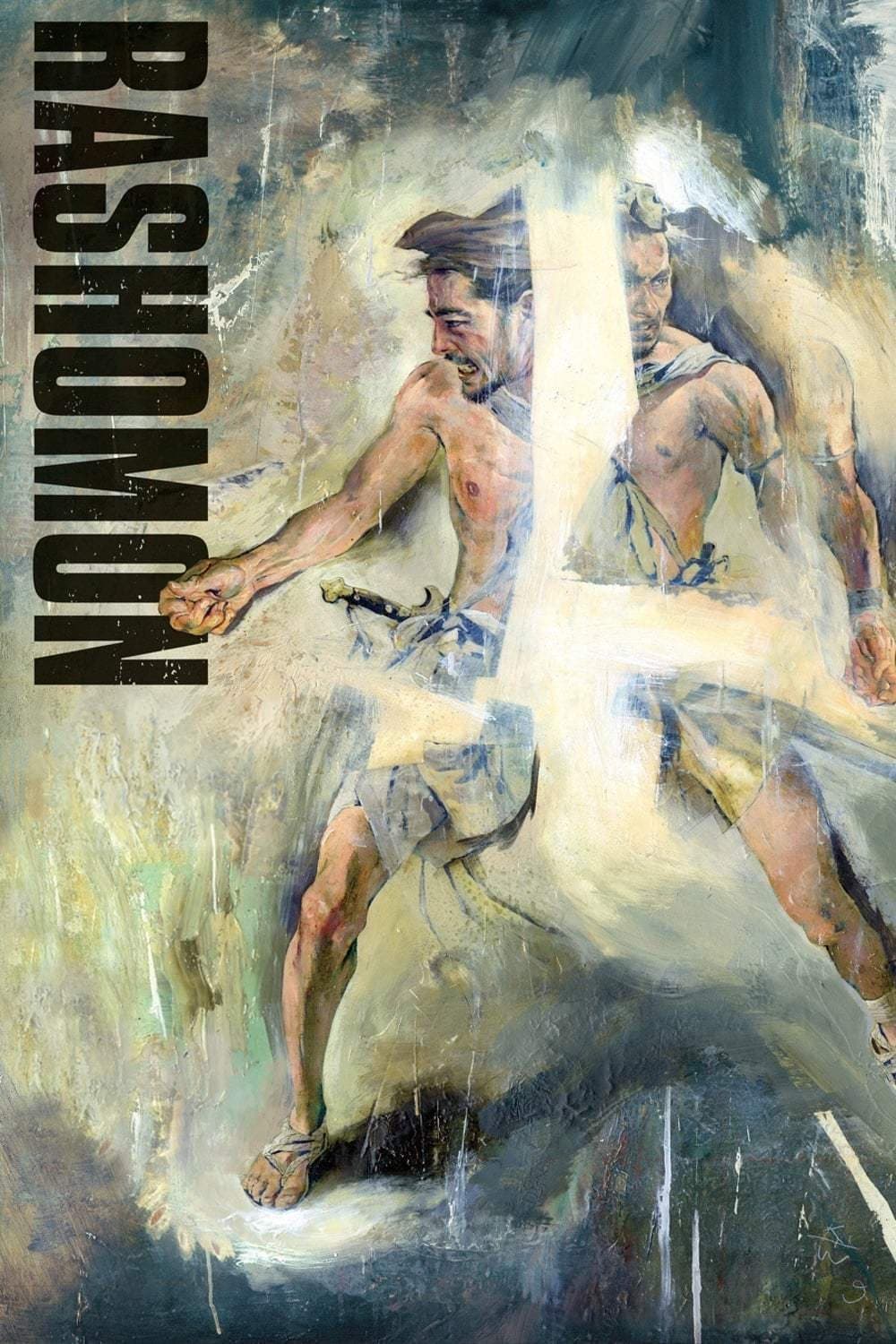
Akira Kurosawa’s ‘Rashomon’ presents one event through multiple conflicting testimonies, a structure that entered common usage as the “Rashomon effect.” Cinematographer Kazuo Miyagawa’s work uses dappled sunlight, forest movement, and unusual angles to emphasize subjectivity. The film won the Golden Lion at Venice, boosting international distribution for Japanese cinema. Its framing device at a city gate links memory, truth, and storytelling technique.
‘Rear Window’ (1954)
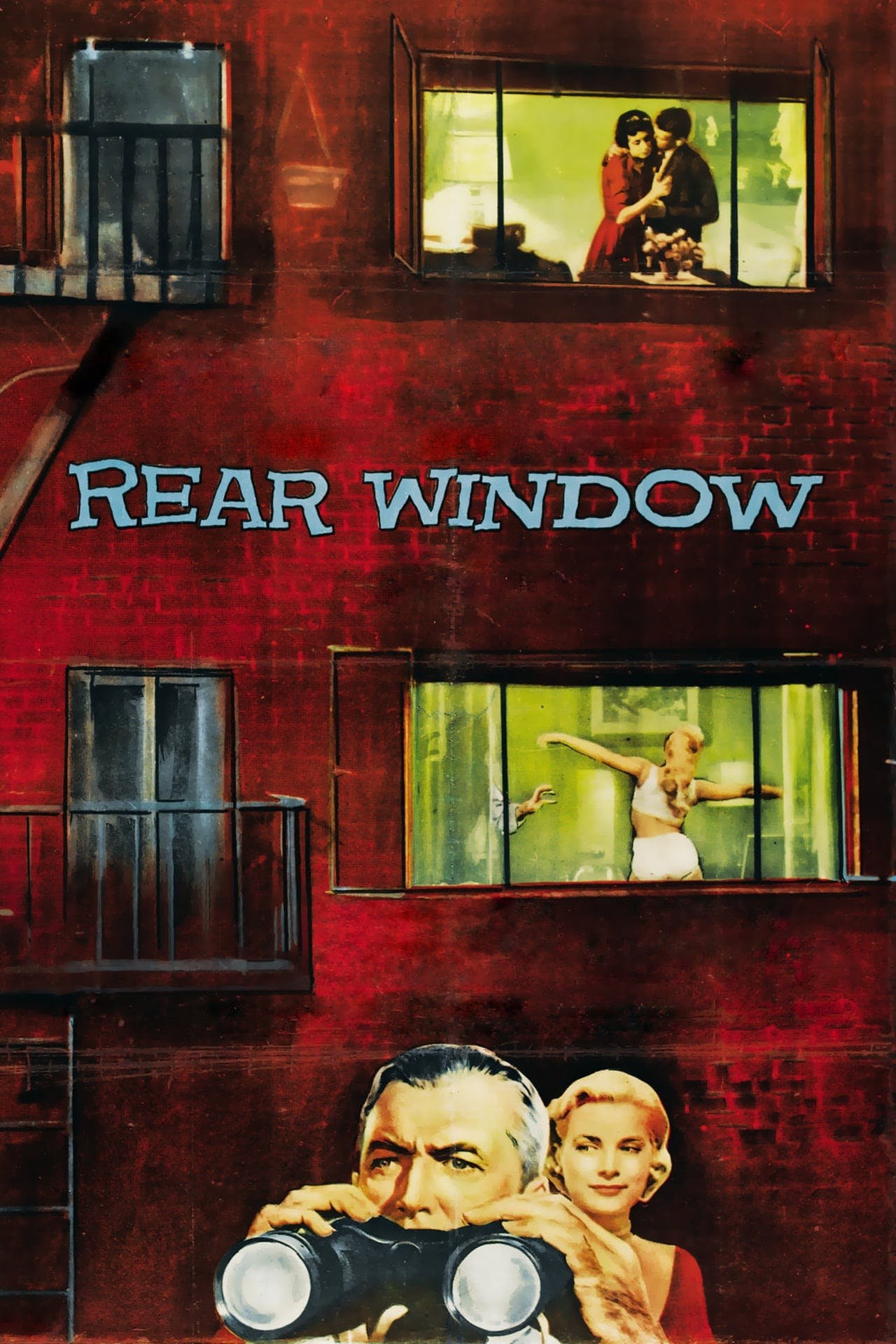
Alfred Hitchcock’s ‘Rear Window’ confines its action to a single courtyard set built on a soundstage, with sightlines controlled from one apartment vantage point. The production relies on diegetic sound—neighbors’ radios, conversations, and street noise—to shape perspective. Camera choices and binocular framing formalize surveillance and attention. The film’s set construction included working apartments and lighting rigs that simulated day-night cycles.
‘Dr. Strangelove or: How I Learned to Stop Worrying and Love the Bomb’ (1964)
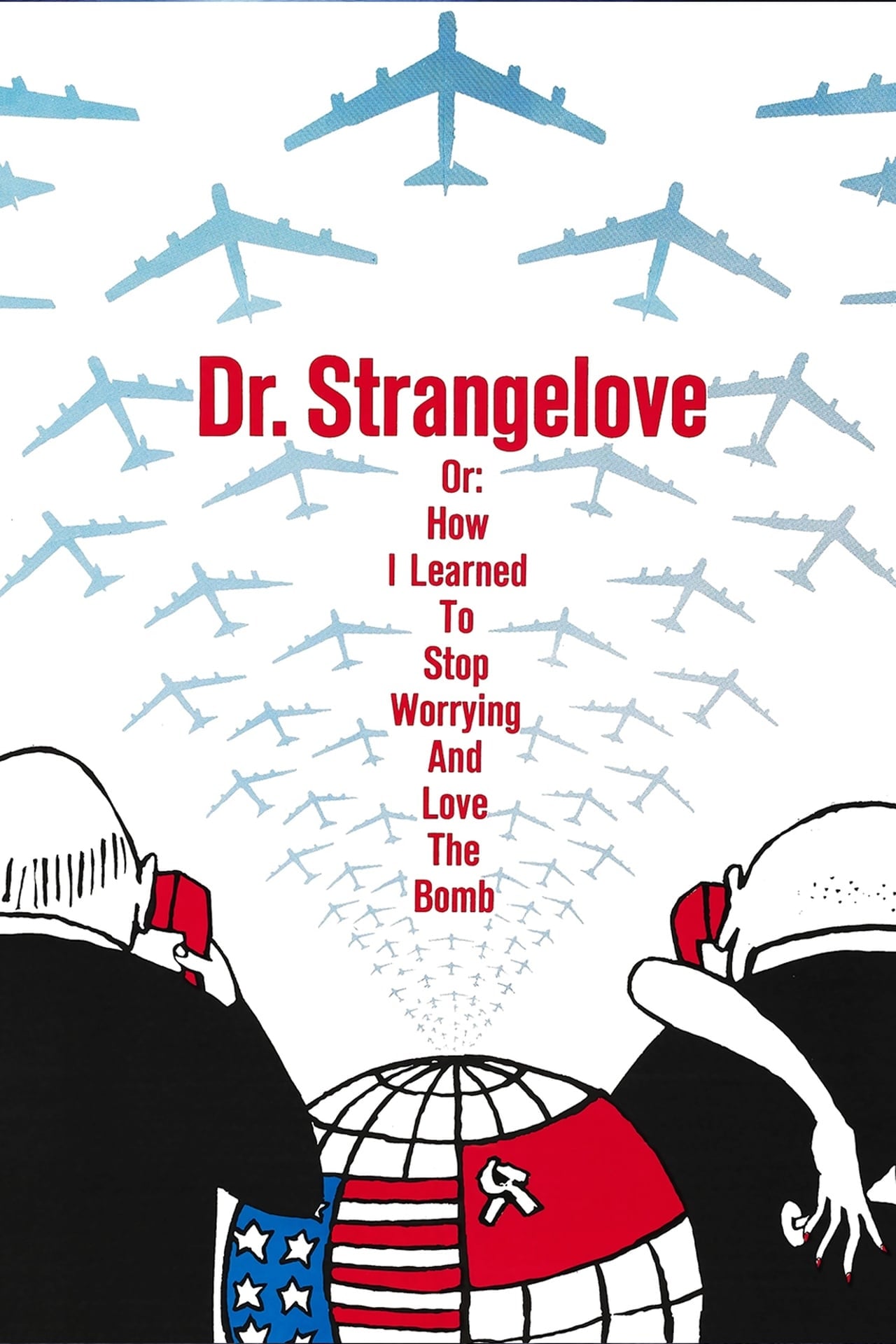
Stanley Kubrick’s ‘Dr. Strangelove or: How I Learned to Stop Worrying and Love the Bomb’ adapts a nuclear-war thriller into a political satire. Ken Adam’s War Room set, with its illuminated table and looming map wall, became a production-design landmark. Peter Sellers performs multiple roles, each highlighting a different institutional viewpoint. The film integrates stock footage, model work, and strategic cross-cutting between command centers and aircraft.
‘The Good, the Bad and the Ugly’ (1966)
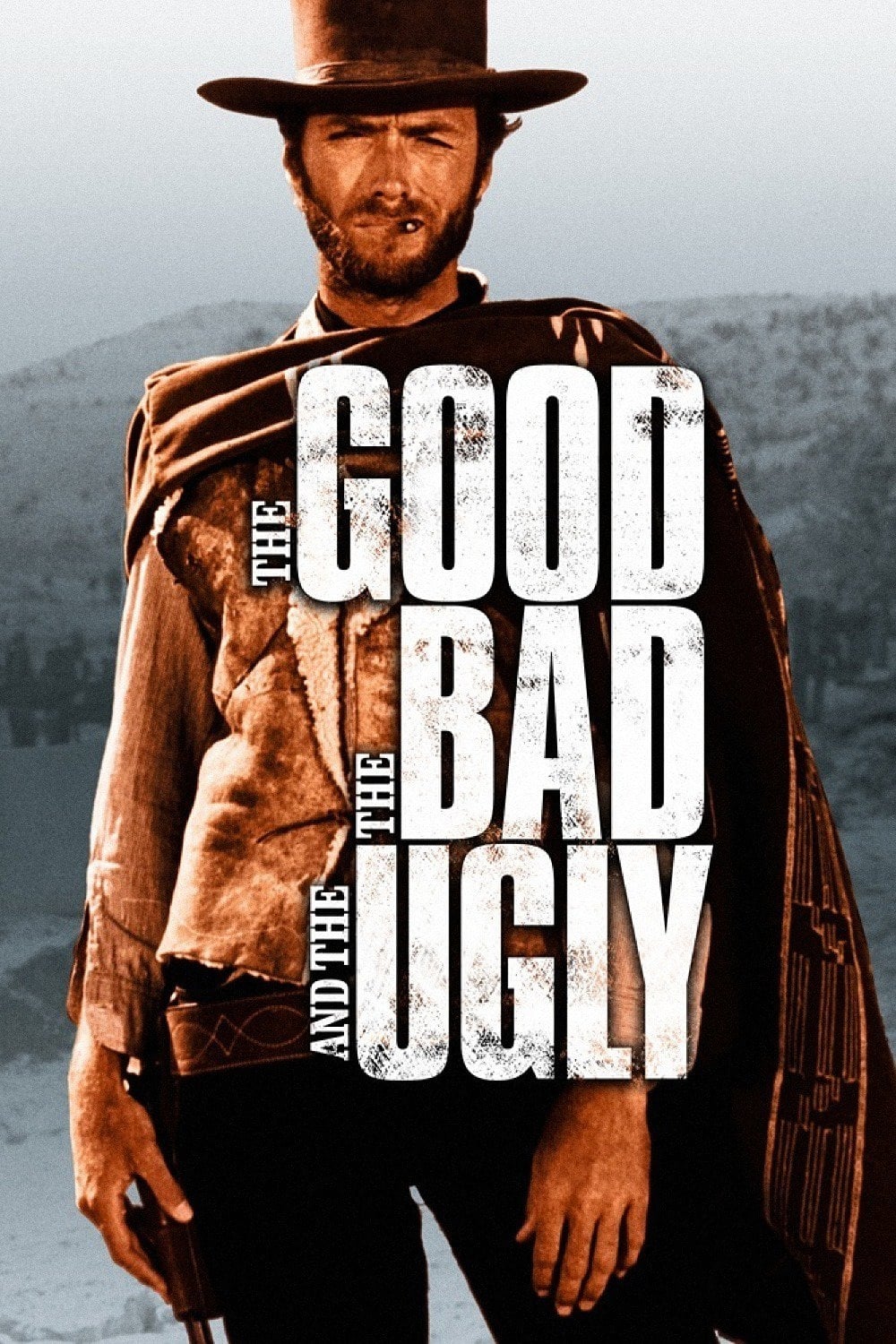
Sergio Leone’s ‘The Good, the Bad and the Ugly’ uses widescreen Techniscope photography to frame duels and landscapes with graphic clarity. Ennio Morricone’s score employs whistling, percussion, and vocalizations as character and tension cues. International co-production logistics combined Italian crews with Spanish locations and American performers. The finale’s cemetery sequence showcases Leone’s pattern of rhythmic editing and extreme close-ups.
‘Chinatown’ (1974)
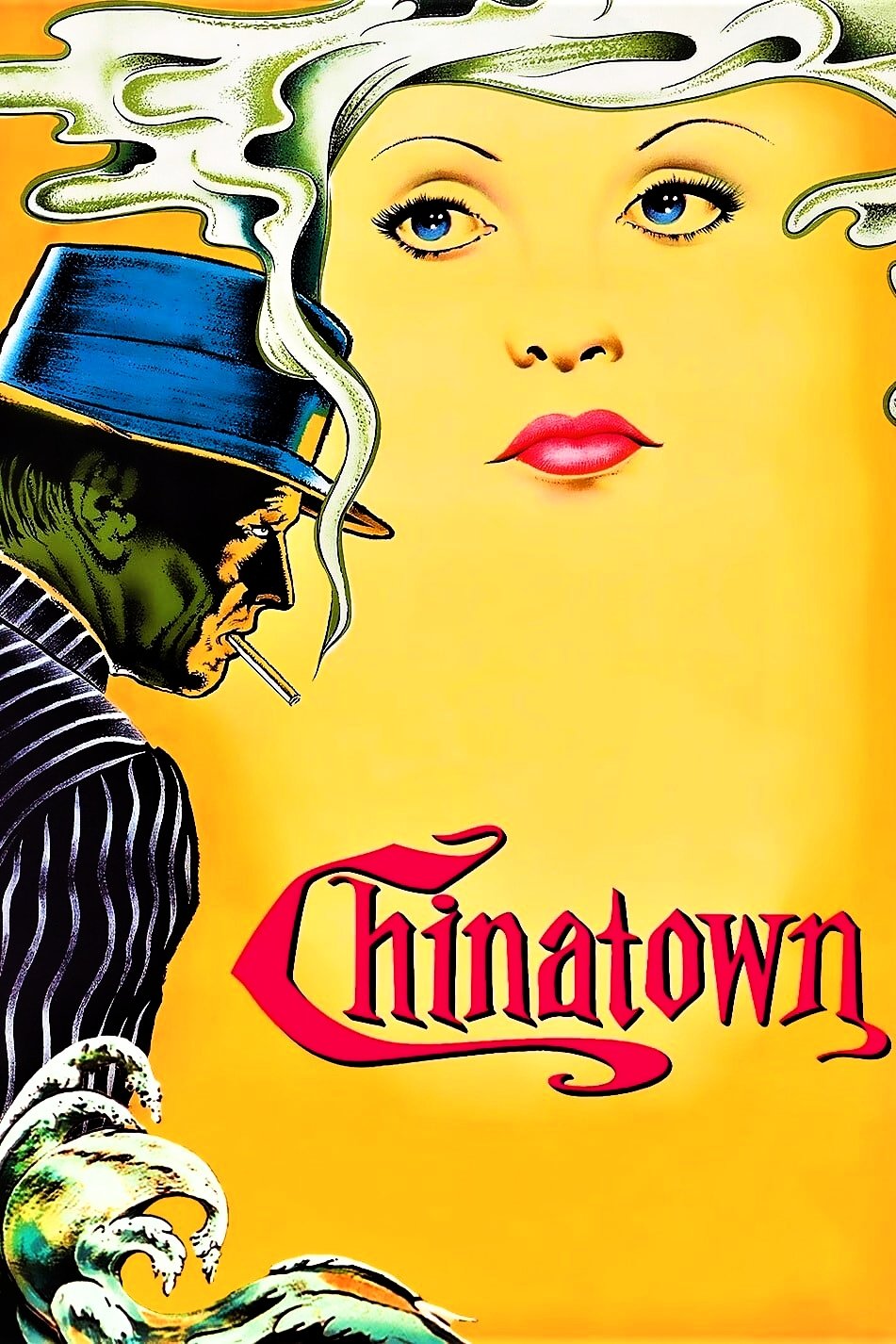
Roman Polanski’s ‘Chinatown’ draws on Los Angeles history around water rights to construct a modern noir. Robert Towne’s screenplay structures an investigation that reveals municipal, familial, and financial layers. John A. Alonzo’s cinematography and Richard Sylbert’s production design recreate period detail without resorting to pastiche. Jerry Goldsmith’s trumpet-led score was composed and recorded quickly yet became integral to the film’s identity.
‘Alien’ (1979)
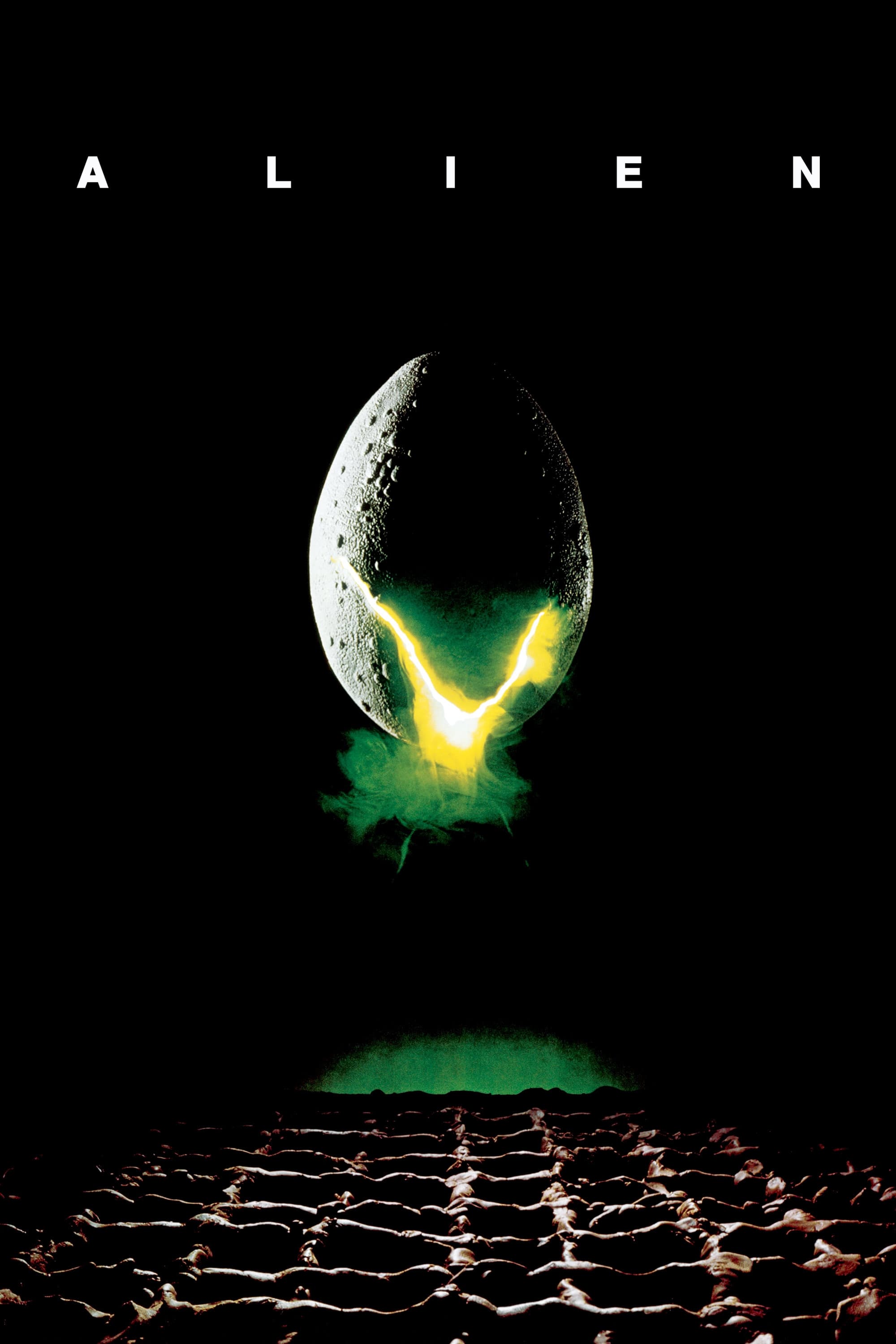
Ridley Scott’s ‘Alien’ merges industrial science fiction with gothic horror through design contributions from H. R. Giger, Ron Cobb, and Chris Foss. Practical effects, miniatures, and confined sets create a tactile starship environment. Sound design emphasizes alarms, ventilation, and creature textures to build unease. The film introduced the Xenomorph lifecycle as a structured series of encounters across ship compartments.
‘Raging Bull’ (1980)
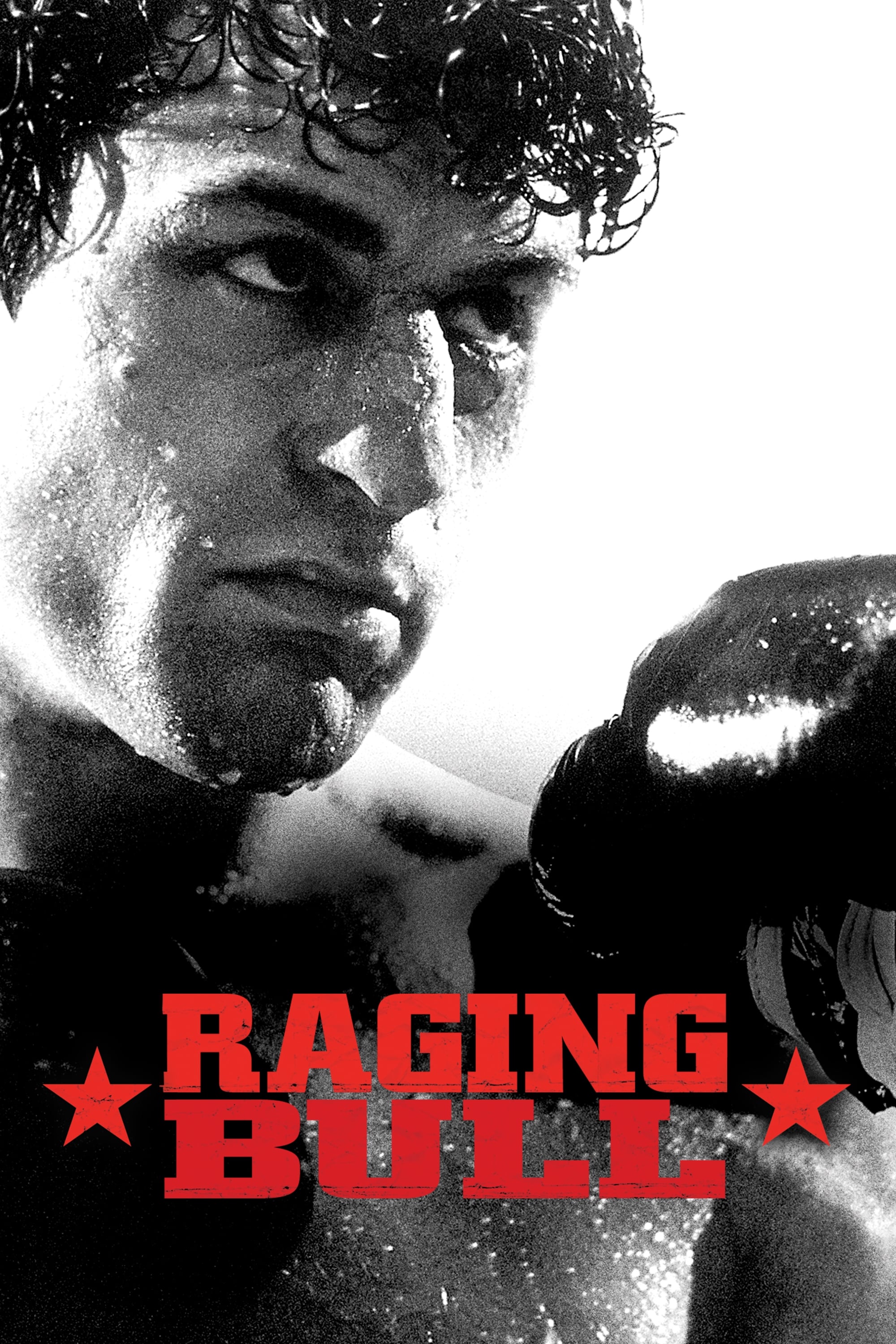
Martin Scorsese’s ‘Raging Bull’ portrays boxer Jake LaMotta with high-contrast black-and-white imagery photographed by Michael Chapman. Thelma Schoonmaker’s editing and variable-speed ring scenes emphasize impact and rhythm. Robert De Niro’s performance included major physical transformation guided by makeup and production schedules. The soundtrack repurposes classical and popular cues to frame training, bouts, and personal aftermath.
‘Amadeus’ (1984)
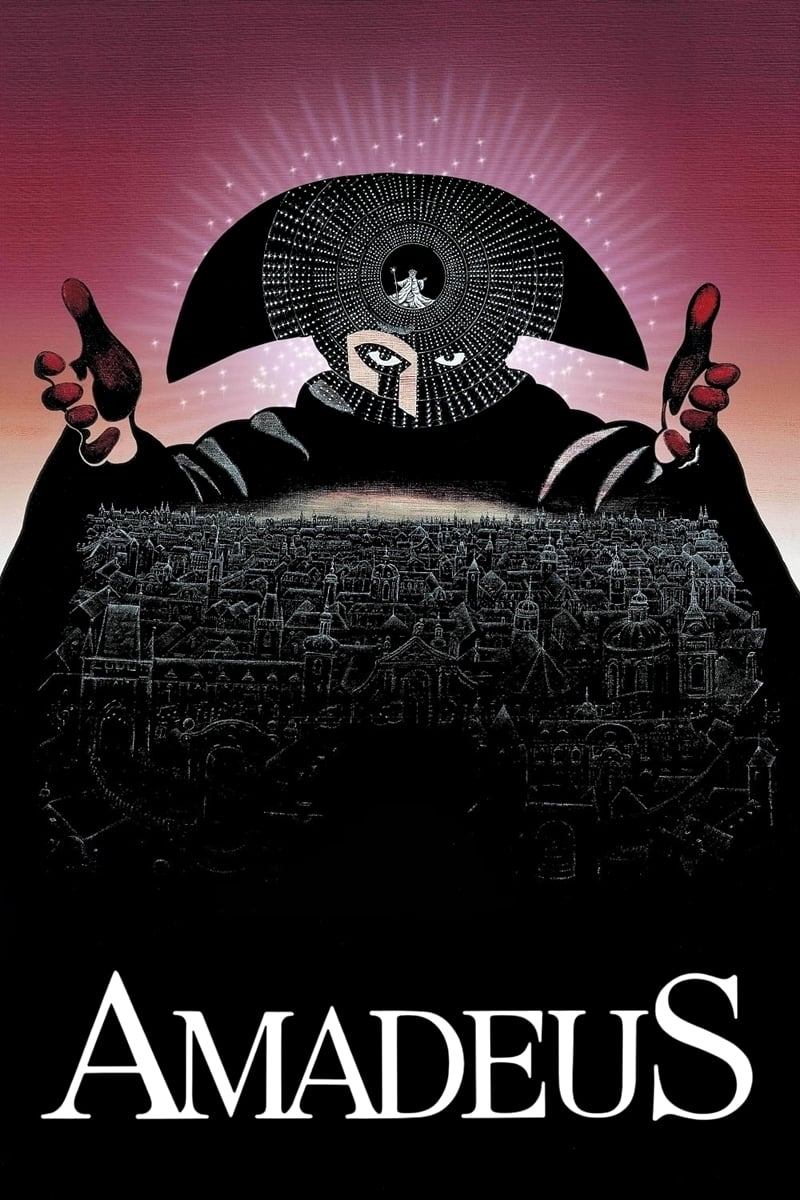
Miloš Forman’s ‘Amadeus’ adapts Peter Shaffer’s play about Mozart and Salieri with large-scale costume and set work filmed in Prague. The production used the Estates Theatre, an opera house linked to Mozart’s premieres, for performance sequences. Orchestral recording and on-set conducting enable extended musical passages without heavy cutting. The film won multiple Academy Awards across picture, directing, acting, and design categories.
‘Goodfellas’ (1990)
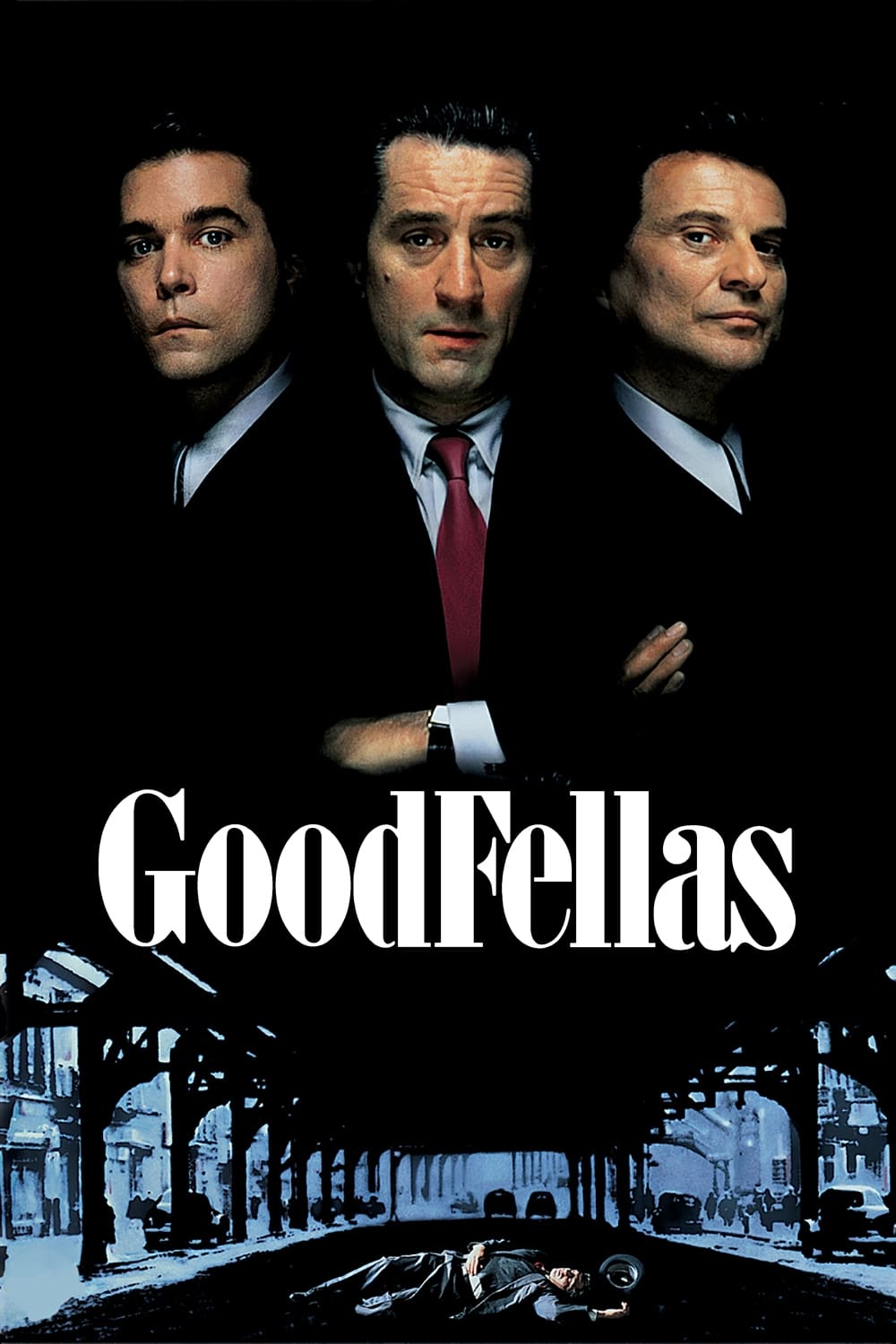
Martin Scorsese’s ‘Goodfellas’ adapts Nicholas Pileggi’s non-fiction account of New York organized crime. Voiceover narration, freeze-frames, and a celebrated long-take nightclub entrance shape point-of-view and tempo. Thelma Schoonmaker’s editing and a densely curated pop soundtrack drive transitions and set-piece energy. Casting across generations tracks the crew’s rise, fallout, and legal consequences.
‘Toy Story’ (1995)
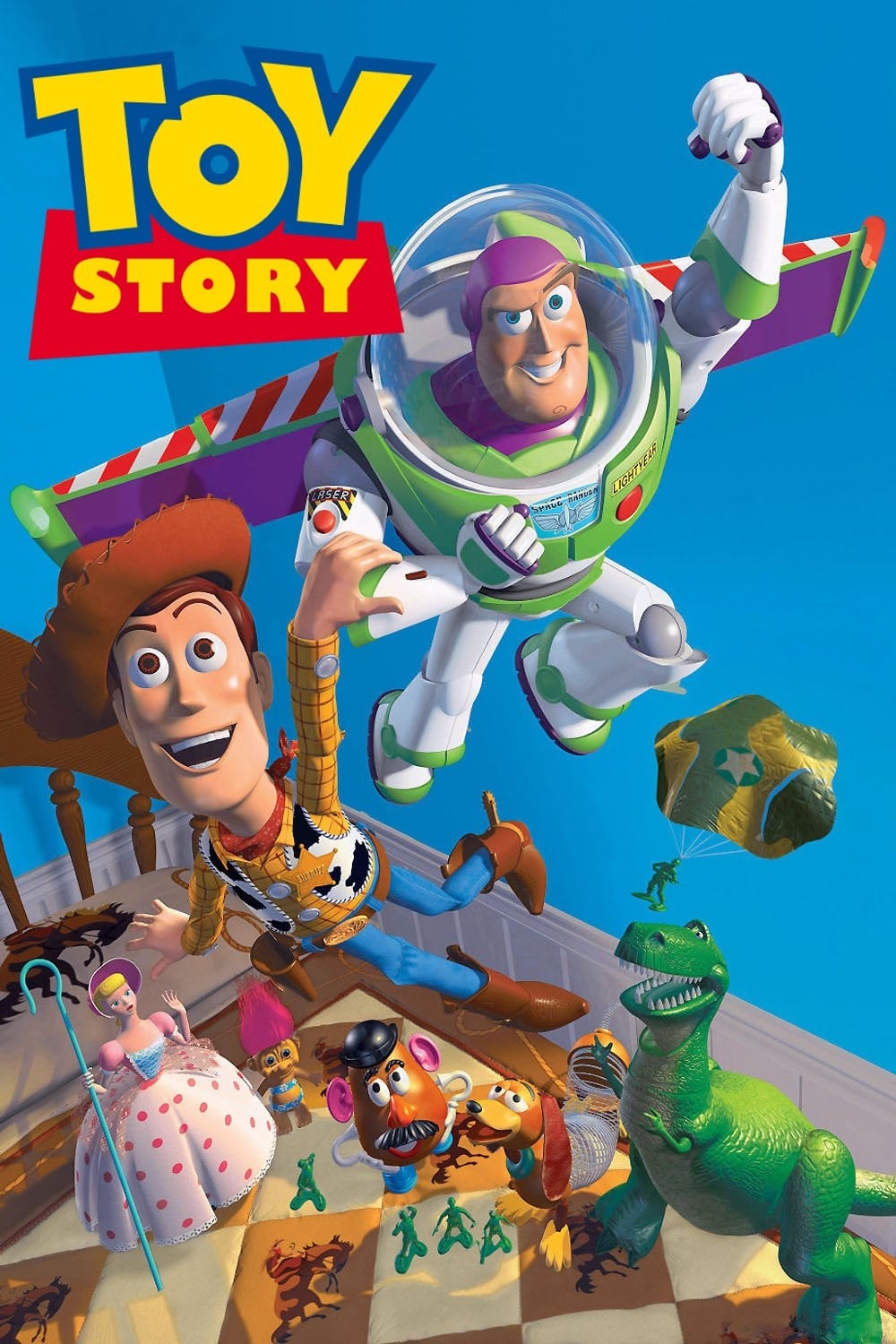
Pixar’s ‘Toy Story’ is the first feature-length film created entirely with computer animation. The production established a 3D storytelling pipeline built around modeling, rigging, lighting, and RenderMan rendering. Voice performances by Tom Hanks and Tim Allen were recorded to support precise facial and body animation. The film’s success accelerated the industry shift toward digital tools for both animation and visual effects.
‘Fargo’ (1996)
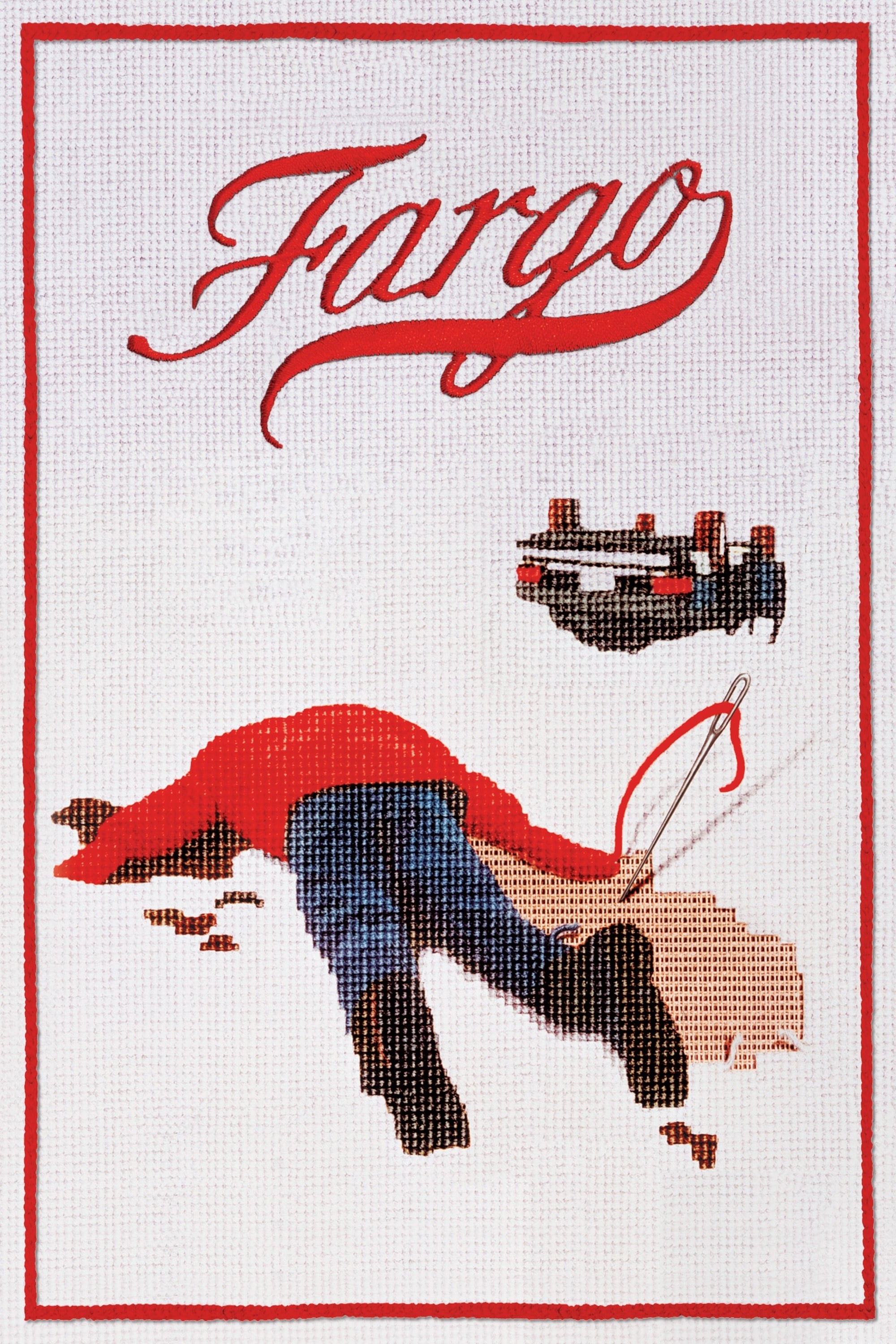
Joel and Ethan Coen’s ‘Fargo’ situates a kidnapping-gone-wrong within Upper Midwest settings and speech patterns. Frances McDormand’s character anchors the investigation as the narrative alternates between domestic scenes and violent crime. Roger Deakins’s cinematography uses winter landscapes and controlled compositions to set tone and geography. The film received Academy Awards for screenplay and lead actress and later inspired a multi-season television anthology using the same title.
‘City of God’ (2002)
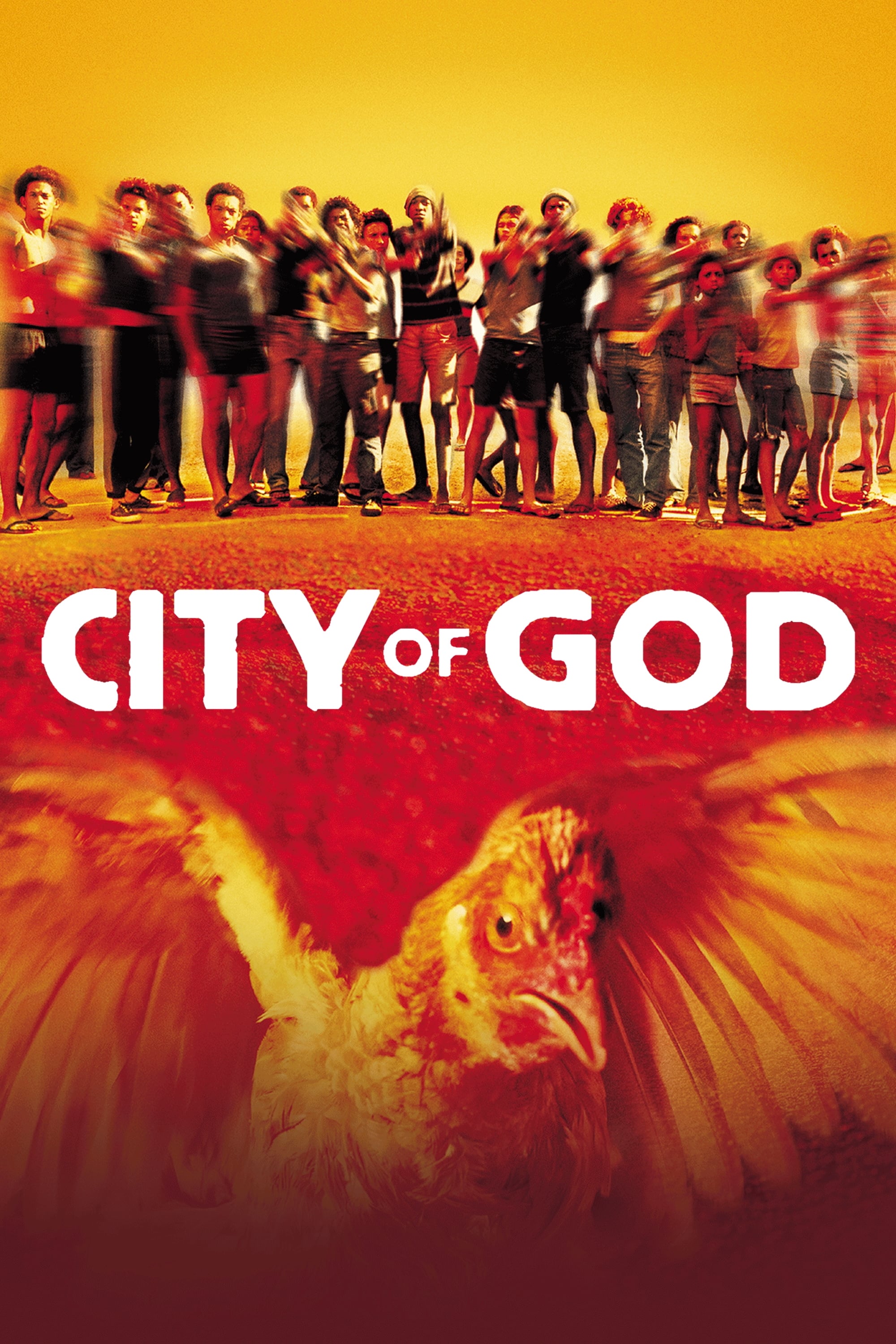
Fernando Meirelles and Kátia Lund’s ‘City of God’ adapts Paulo Lins’s novel about gangs and community life in Rio de Janeiro. Casting included many first-time performers from local neighborhoods and an on-set workshop to prepare them. Daniel Rezende’s editing and handheld camera work create kinetic momentum across intersecting character arcs. The film earned international award nominations, bringing wider attention to Brazilian cinema.
‘Get Out’ (2017)
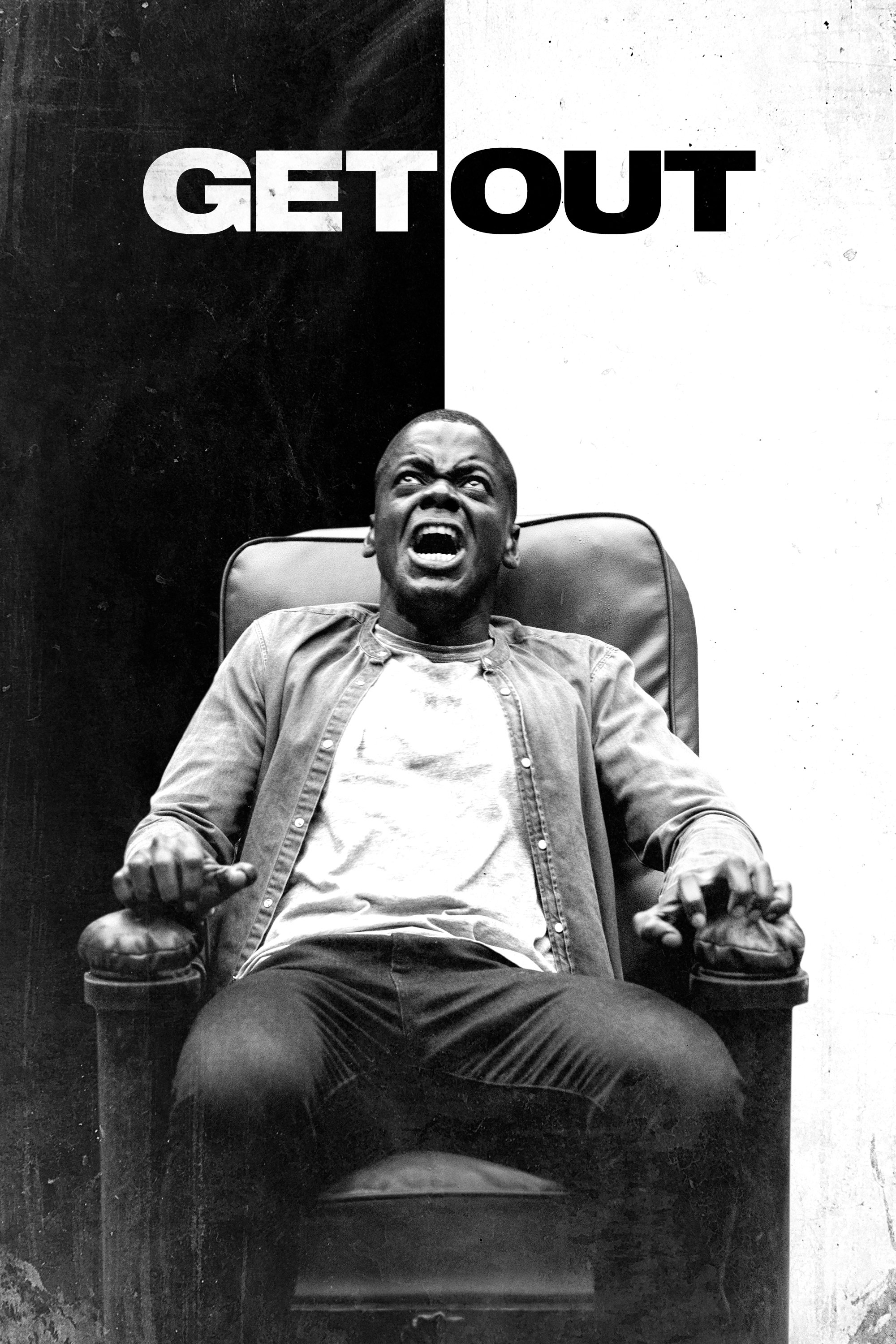
Jordan Peele’s ‘Get Out’ blends social thriller elements with precise visual motifs such as the Sunken Place and teacup hypnosis. Production partnered with Blumhouse to deliver a lean, high-efficiency shoot and post schedule. The screenplay structures reveals through foreshadowing, perspective shifts, and controlled use of humor. The film won the Academy Award for Original Screenplay and became a reference point for hybrid-genre storytelling.
Share your own essential picks in the comments so everyone can compare notes and keep expanding the ultimate watchlist.