Essential Anime Series Every Self-Proclaimed Fan Should Watch

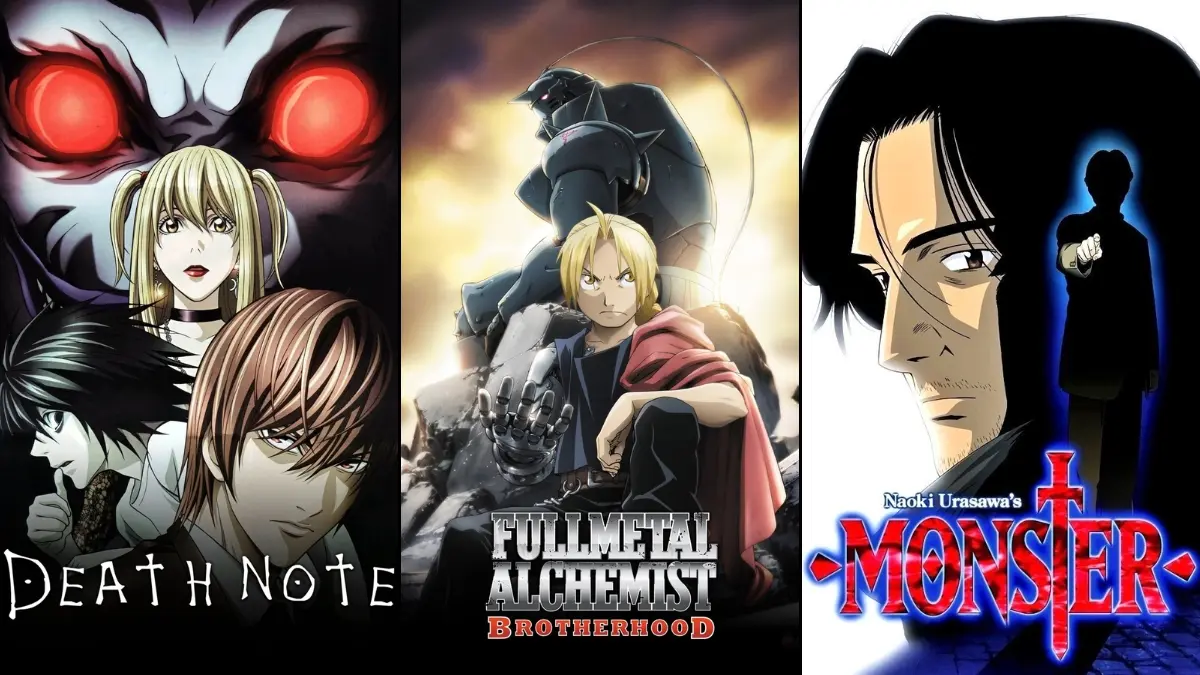

Whether you’re catching up or building a solid foundation, these series cover the mediums’ big genres, landmark creators, and long-running franchises that shaped how anime is made and watched today. From space westerns and mecha epics to shōnen adventures and mind-bending thrillers, each entry below includes core premise details, format notes, source material, and industry context so you can decide what to queue up next without any fluff.
‘Neon Genesis Evangelion’ (1995–1996)
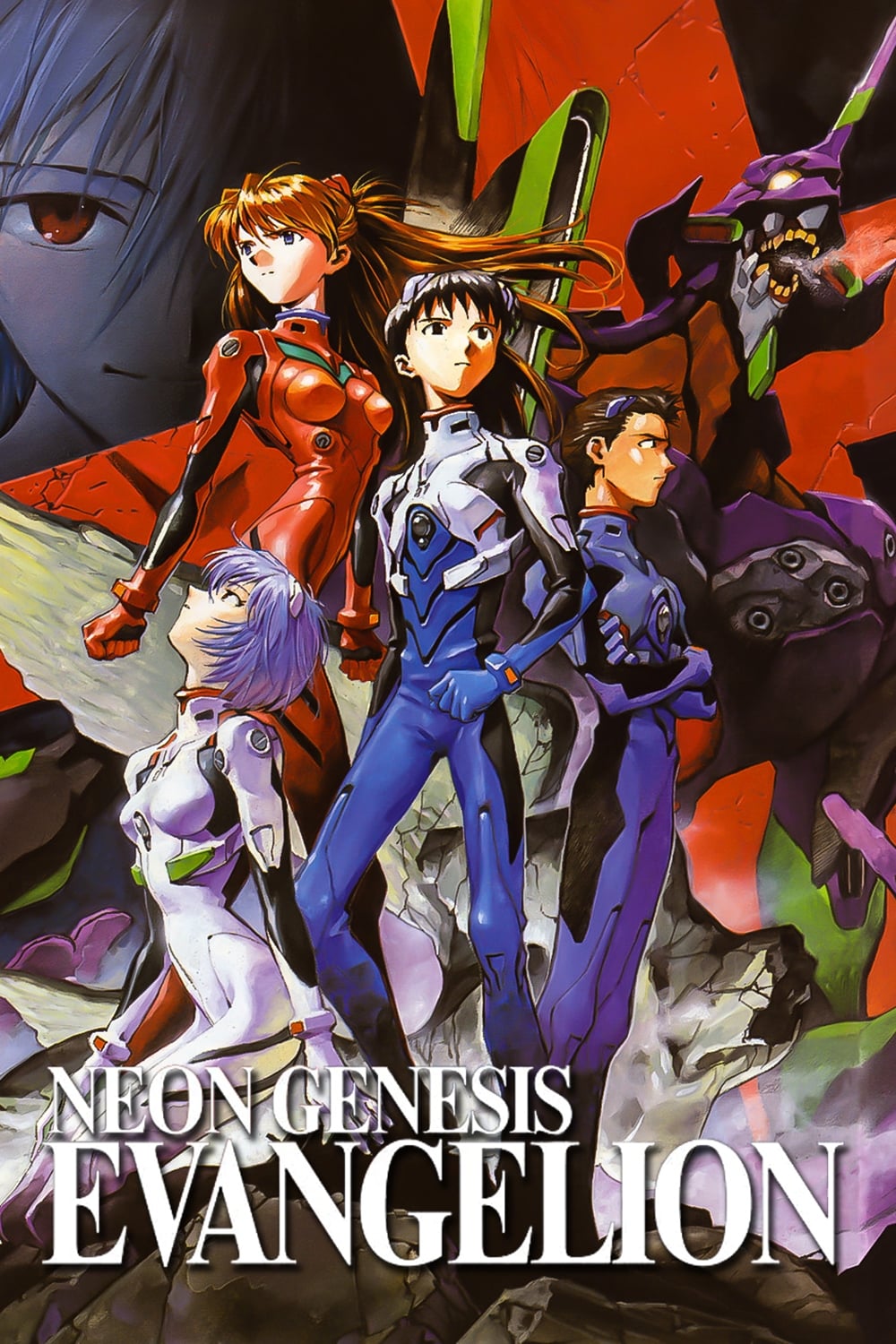
This series follows teenage pilots controlling biomechanical units against world-ending creatures, framed through psychological drama and religious imagery. It was created by Hideaki Anno and produced by Gainax with Tatsunoko production assistance. The story reinterprets the mecha genre with an emphasis on character interiority and experimental narrative structure. Multiple director’s-cut episodes and a concluding film project expand key plot points beyond the televised ending.
‘Cowboy Bebop’ (1998–1999)
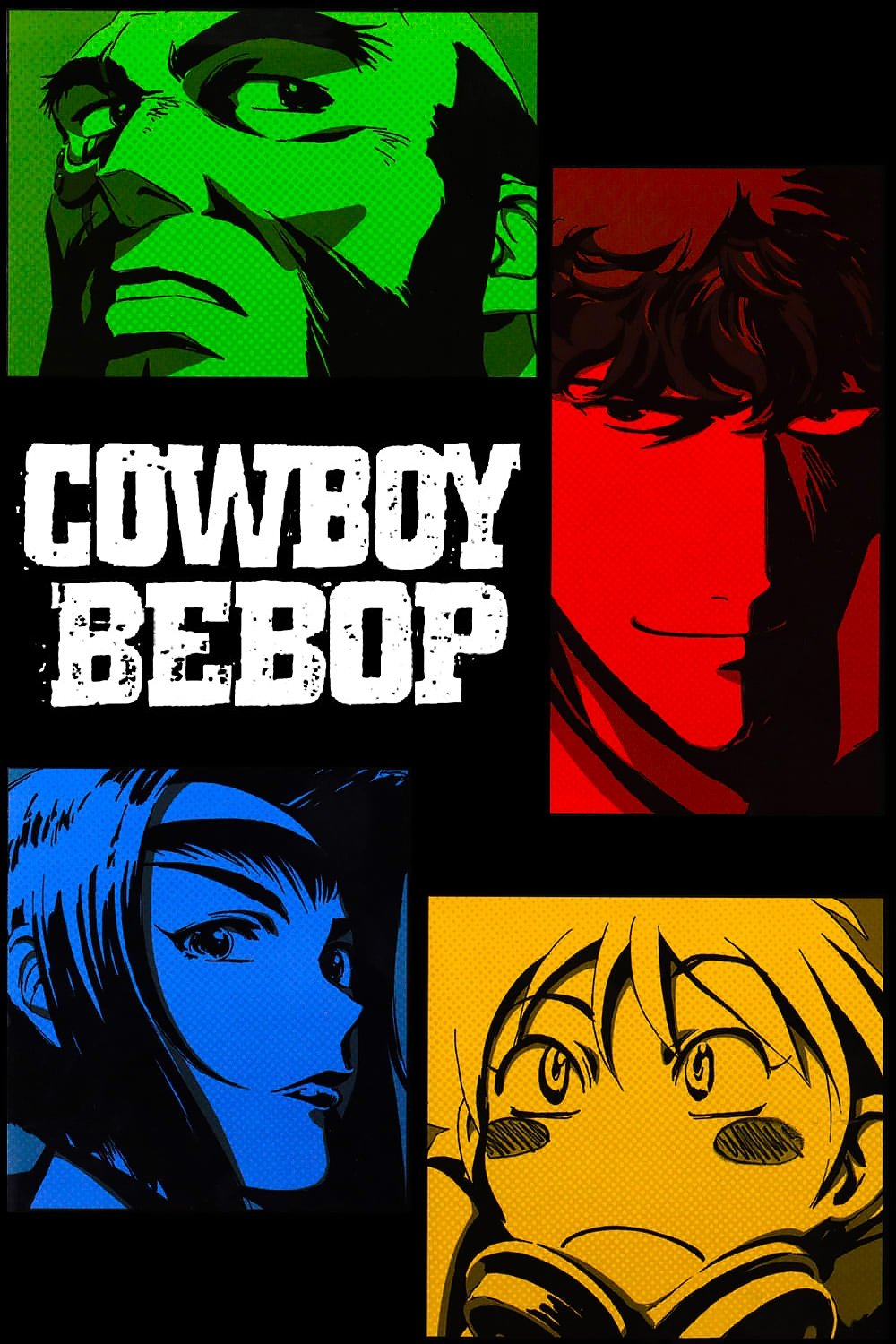
Set in a solar-system diaspora, this space western tracks a small crew of bounty hunters moving from job to job. Shinichirō Watanabe directs, with Sunrise handling production and Yoko Kanno composing a jazz-driven score that shapes episode pacing. The show uses largely self-contained cases that gradually reveal character backstories. Its blend of noir, western, and sci-fi tropes established a template for episodic, music-forward anime.
‘Fullmetal Alchemist: Brotherhood’ (2009–2010)
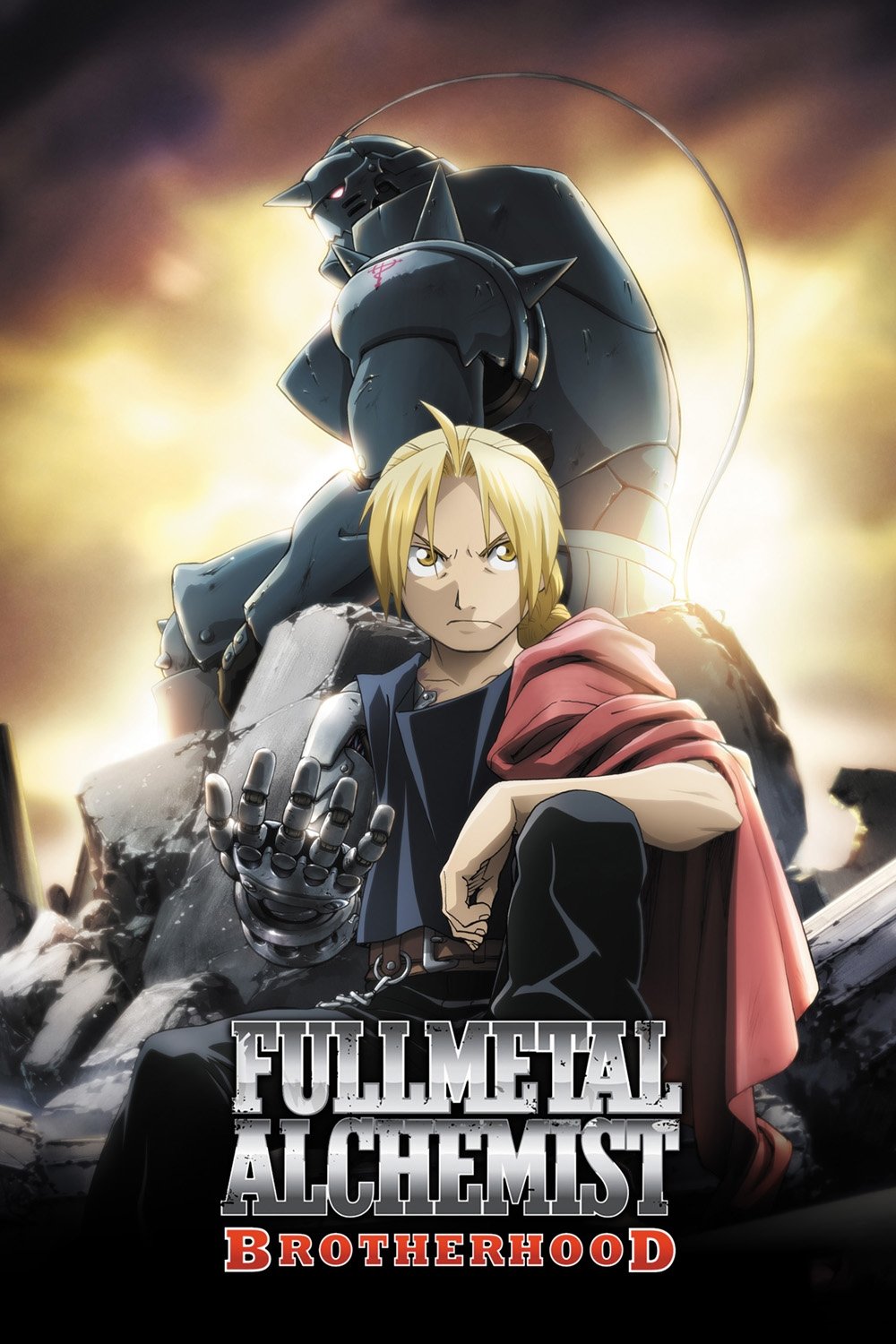
Adapted from Hiromu Arakawa’s manga, this retelling follows two brothers using alchemy to repair the consequences of a failed transmutation. Bones produced the series with a complete, manga-faithful narrative across multiple arcs. Alchemical rules and state politics drive the plot, connecting personal stakes to national conflicts. The structure balances investigation, travel, and escalating confrontations that tie back to the story’s central taboo.
‘Attack on Titan’ (2013–2023)
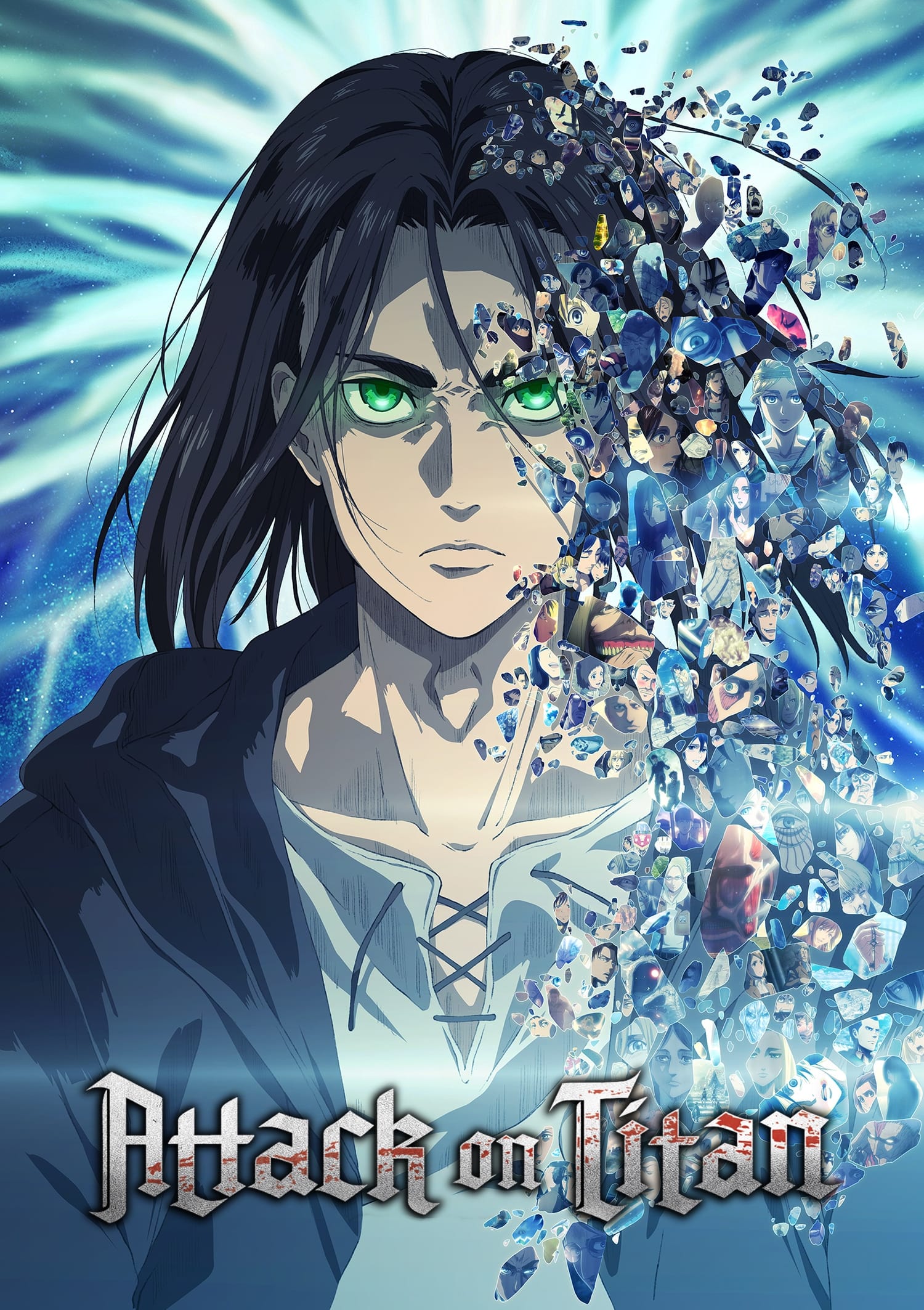
This dark fantasy depicts walled cities besieged by man-eating giants, led by soldiers trained for vertical maneuver combat. Based on Hajime Isayama’s manga, it transitions from mystery survival to geopolitical warfare as new territories and factions appear. The production moved from Wit Studio to MAPPA while maintaining choreography built around momentum and terrain. The plot relies on layered revelations that recontextualize early events and alliances.
‘Death Note’ (2006–2007)
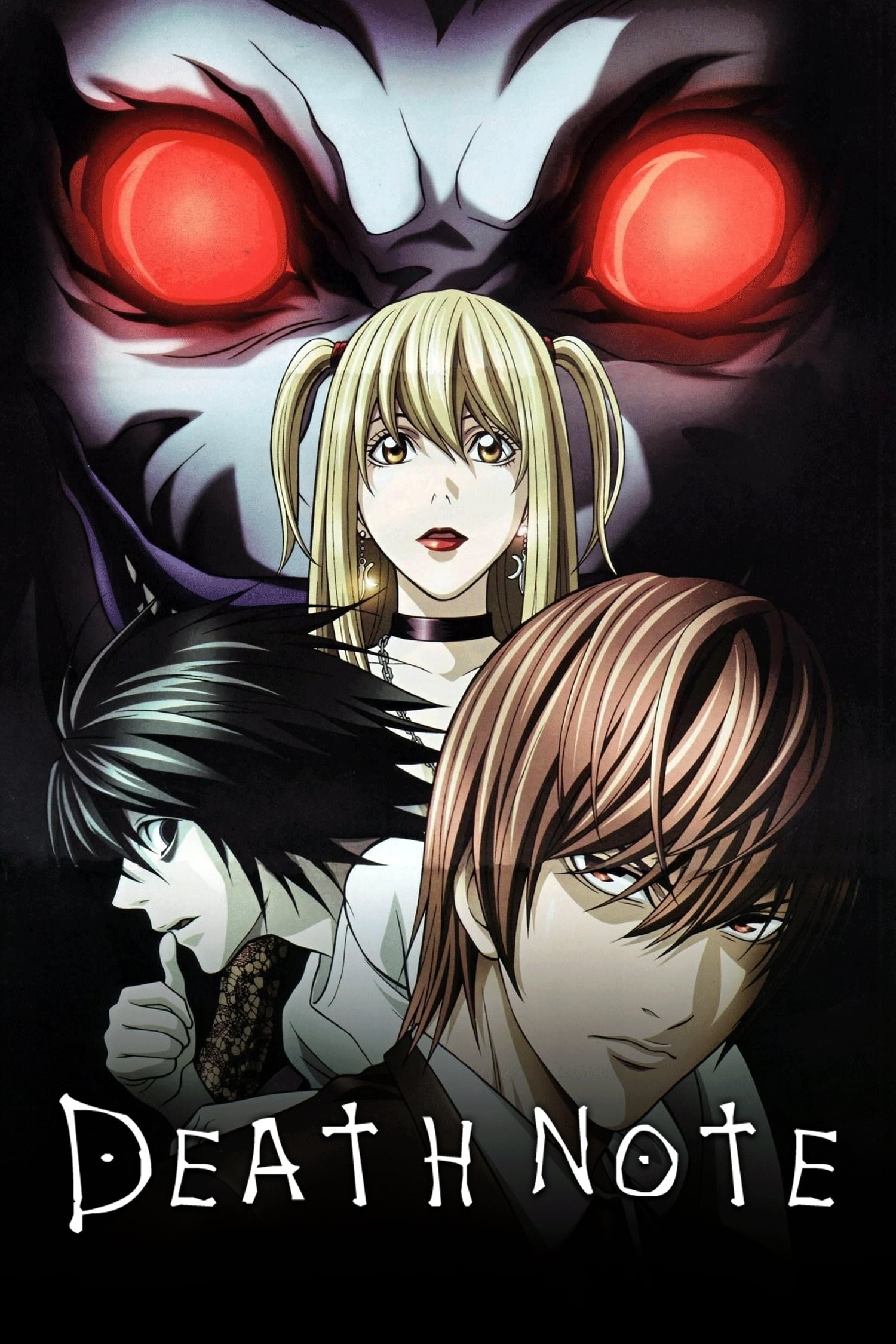
A high school student discovers a supernatural notebook that enables anonymous executions under strict rules. Madhouse adapted the series from Tsugumi Ohba and Takeshi Obata’s manga, emphasizing rule-based cat-and-mouse battles between a killer and investigators. The narrative hinges on procedural logic, written constraints, and identity concealment. Visual motifs—names, clocks, and careful handwriting—underscore how evidence flows between characters.
‘One Piece’ (1999– )
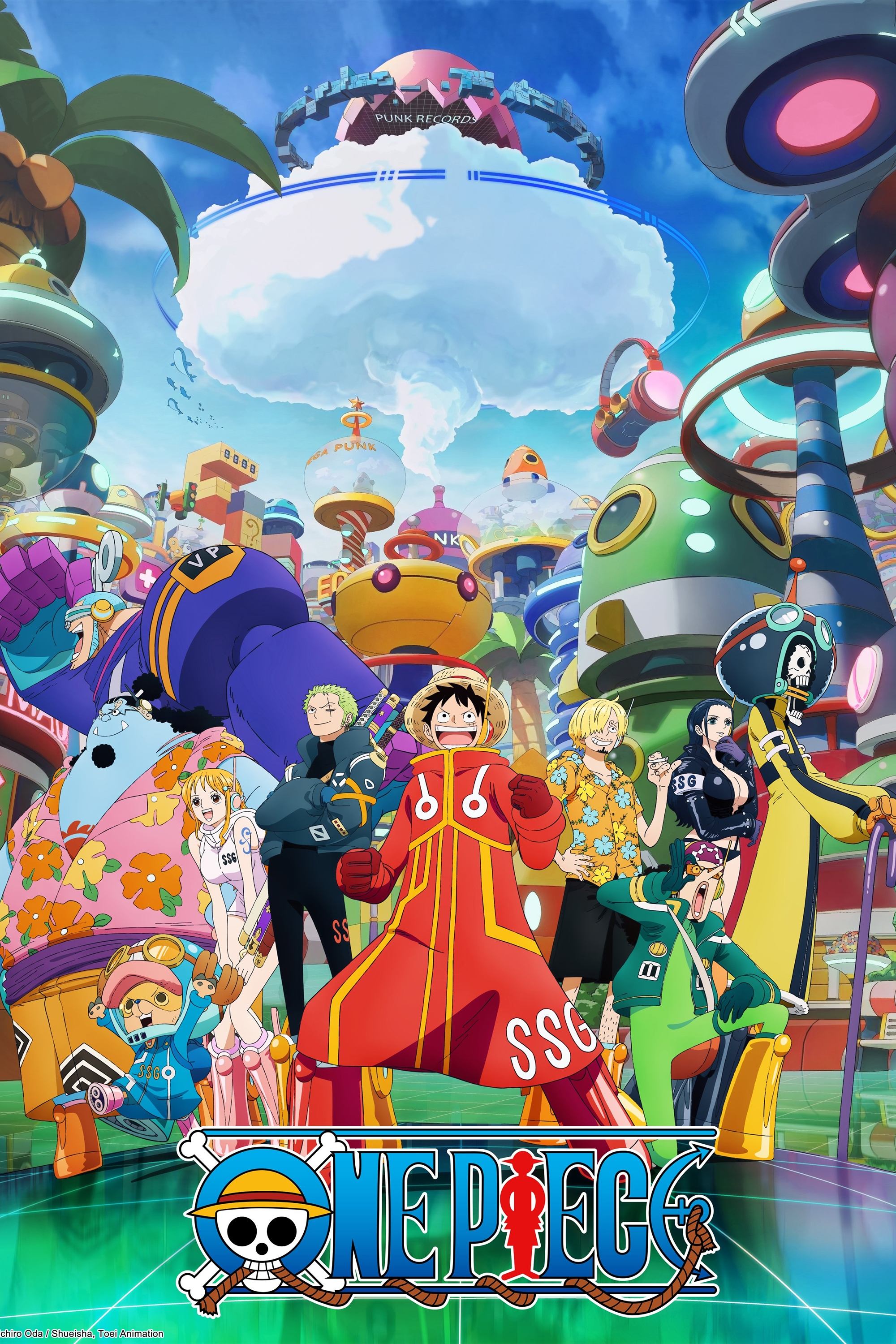
This long-running adventure follows a pirate crew seeking a legendary treasure across island nations with distinct cultures and powers. Toei Animation adapts Eiichiro Oda’s manga with arcs that introduce regional conflicts, government agencies, and sea-spanning conspiracies. The power system centers on Devil Fruits and haki, shaping combat roles and exploration. Worldbuilding expands through recurring allies, bounties, and interconnected histories that inform new voyages.
‘Naruto Shippūden‘ (2007–2017)

Continuing from the original series, this installment tracks ninja from the Hidden Leaf as they confront organized criminal networks and ancient threats. Studio Pierrot adapts Masashi Kishimoto’s manga with extended arcs focused on covert operations, clan histories, and large-scale battles. Techniques are classified by rank and nature transformation, tying strategy to training and lineage. The timeline consolidates character development from earlier years into war-level stakes.
‘Dragon Ball Z’ (1989–1996)

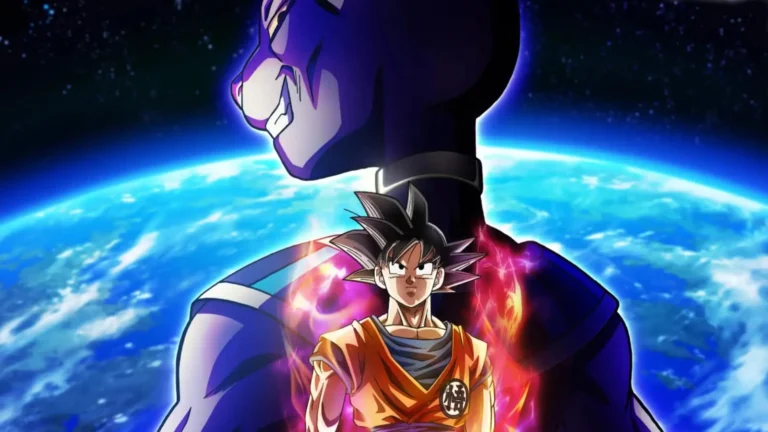
This action series advances the ‘Dragon Ball’ saga into interplanetary threats and martial arts tournaments with escalating power tiers. Toei Animation adapts Akira Toriyama’s manga sections covering Saiyan arrivals, galactic tyrants, and bio-engineered adversaries. Transformations, fusion methods, and gravity training formalize progression systems for fighters. Its arc structure standardizes rivalries, team tactics, and rematches that many later shōnen series adopt.
‘Sailor Moon’ (1992–1997)
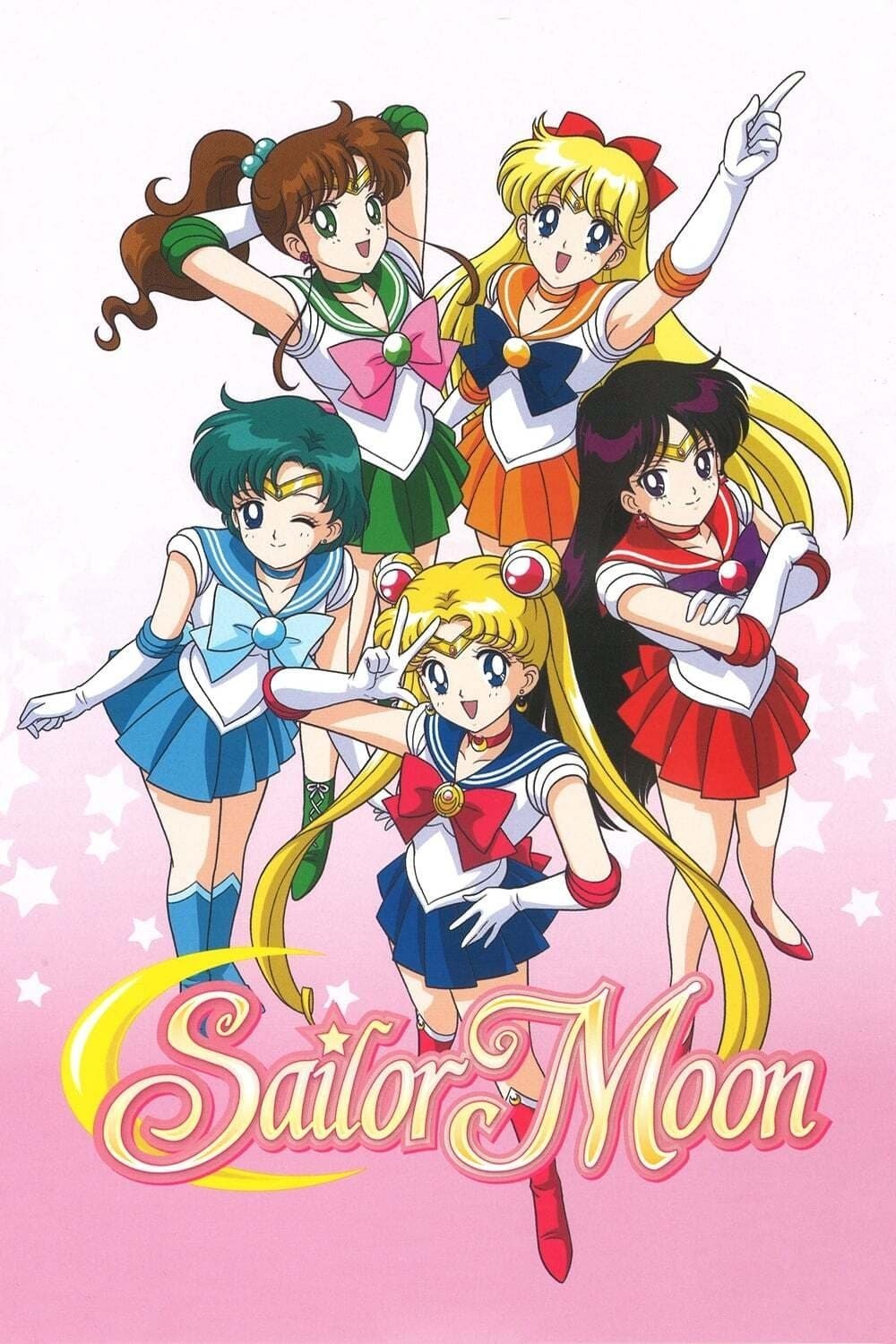
This magical-girl team series features planetary guardians balancing daily life with battles against supernatural enemies. Toei Animation adapts Naoko Takeuchi’s manga across multiple seasons with changing uniforms, abilities, and leadership dynamics. Transformation sequences and monster-of-the-week formats anchor episode rhythms while larger arcs reveal cosmic origins. Merchandise, live performances, and international broadcasts helped popularize team-based heroine narratives.
‘Mobile Suit Gundam’ (1979–1980)
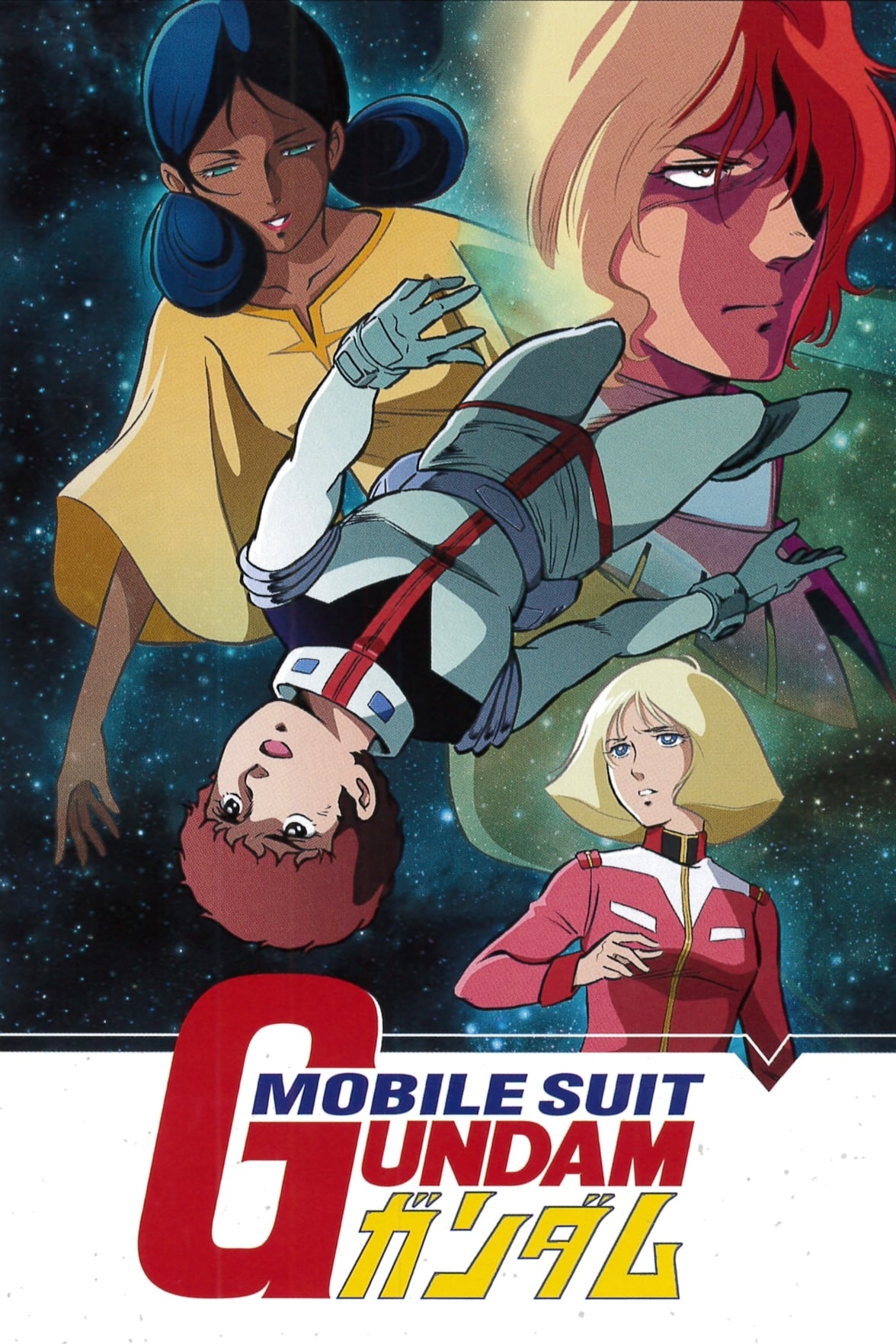
This foundational real-robot mecha series presents a conflict between Earth and space colonies, centered on a prototype mobile suit. Created by Yoshiyuki Tomino and animated by Sunrise, it introduced military logistics, political factions, and hardware constraints into the genre. The narrative explores civilian conscription and shifting front lines throughout a broader war. Compilation films and later entries establish a long-running franchise set in multiple timelines.
‘Steins;Gate’ (2011)
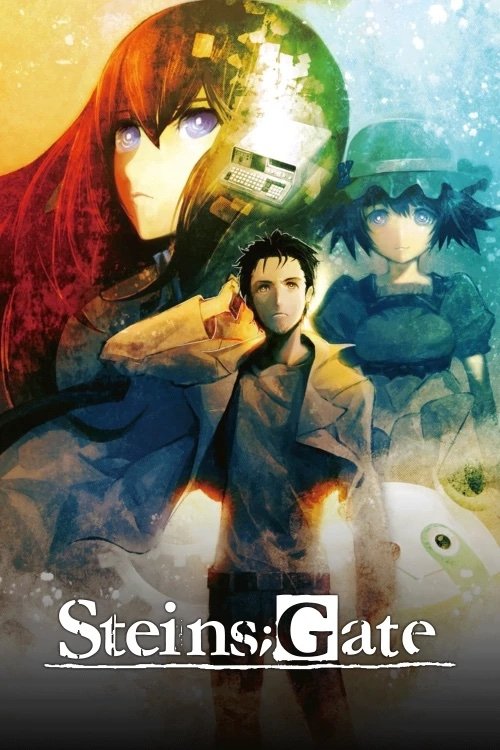
Based on a visual novel, this science-fiction thriller follows a small group experimenting with message-based time manipulation from a modest lab. White Fox produced the adaptation, organizing branching routes into a coherent mainline that tracks cause-and-effect. Communication methods, microwave hardware, and data constraints serve as plot mechanics. The script integrates real-world urban locations and subculture references into its causality puzzles.
‘Hunter x Hunter’ (2011–2014)
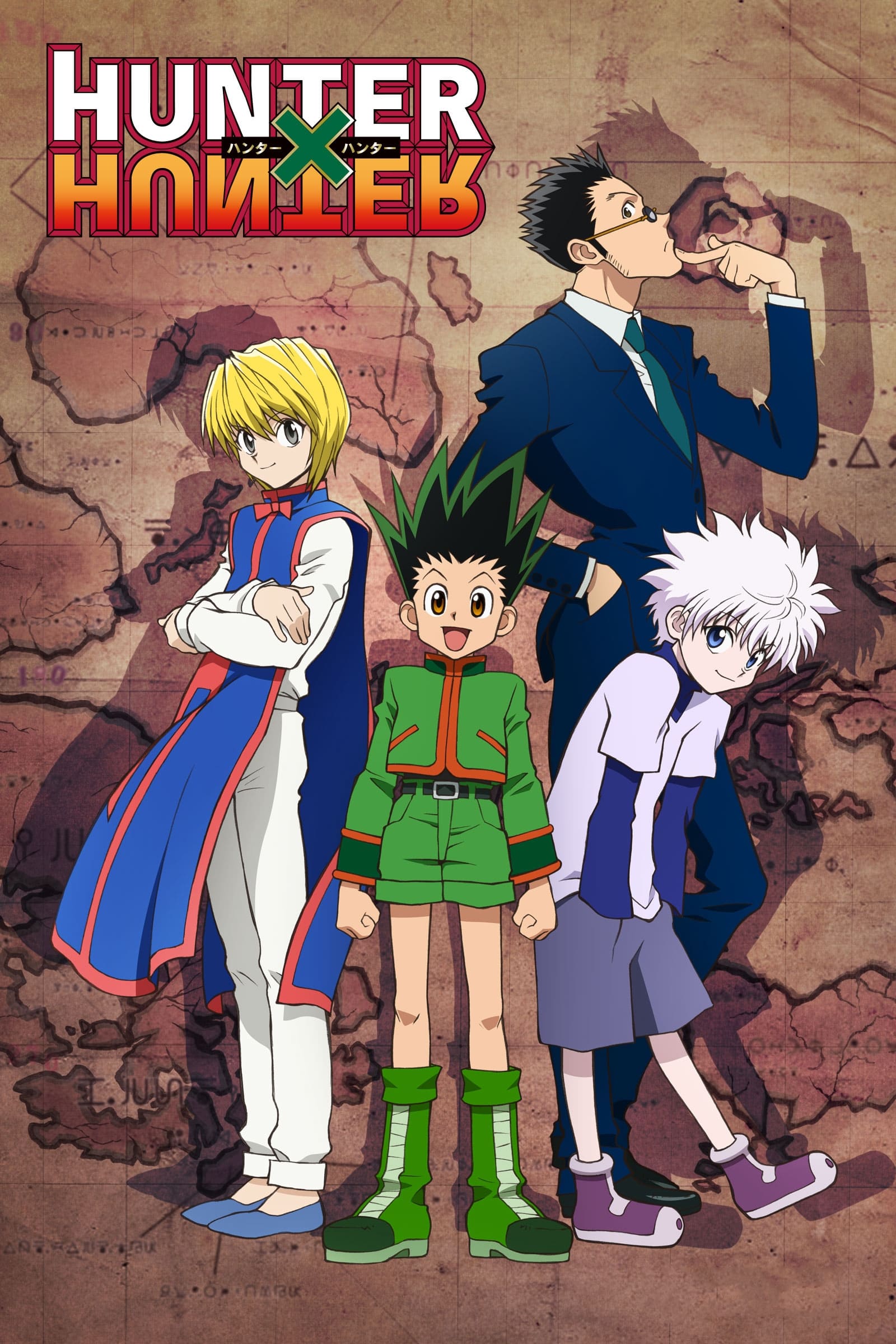
This adaptation of Yoshihiro Togashi’s manga covers examinations, criminal underworlds, and expeditions into uncharted territories. Madhouse structures arcs around changing goals—licensing, rescue, crime, and exploration—each with distinct rulesets. The nen system defines abilities via categories, conditions, and contracts that influence strategy more than raw strength. Tone and stakes shift with each arc while maintaining consistent internal logic.
‘Code Geass: Lelouch of the Rebellion’ (2006–2008)
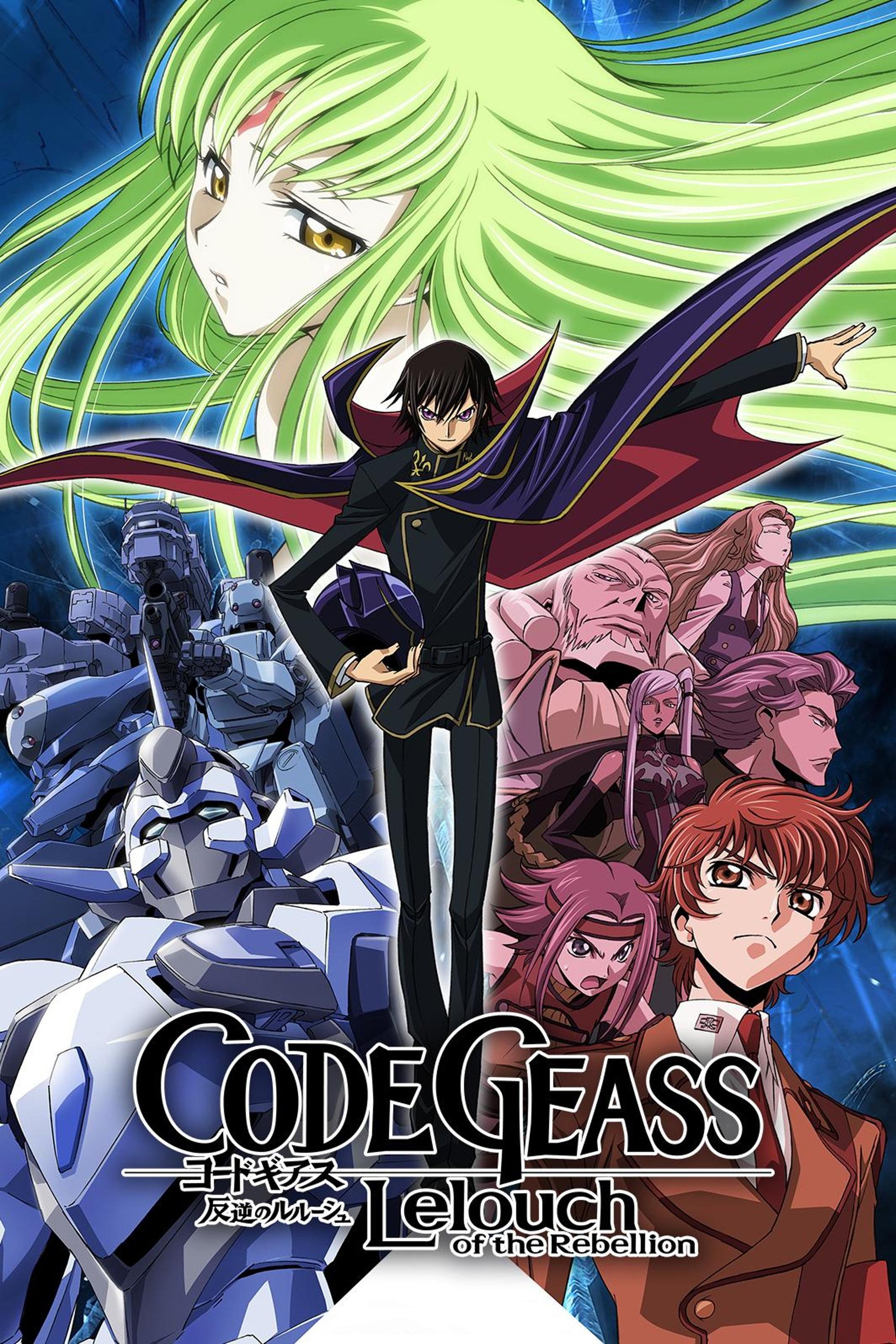
Set in an alternate geopolitical order, this series follows a strategist who gains a command-forcing power and leads an insurgency. Sunrise produced the show with mecha combat integrated into urban and political theaters. The plot emphasizes covert identities, tactical gambits, and shifting allegiances across student life and resistance cells. Standalone and multi-episode operations build toward regime-level confrontations and legal ramifications.
‘Demon Slayer: Kimetsu no Yaiba’ (2019– )
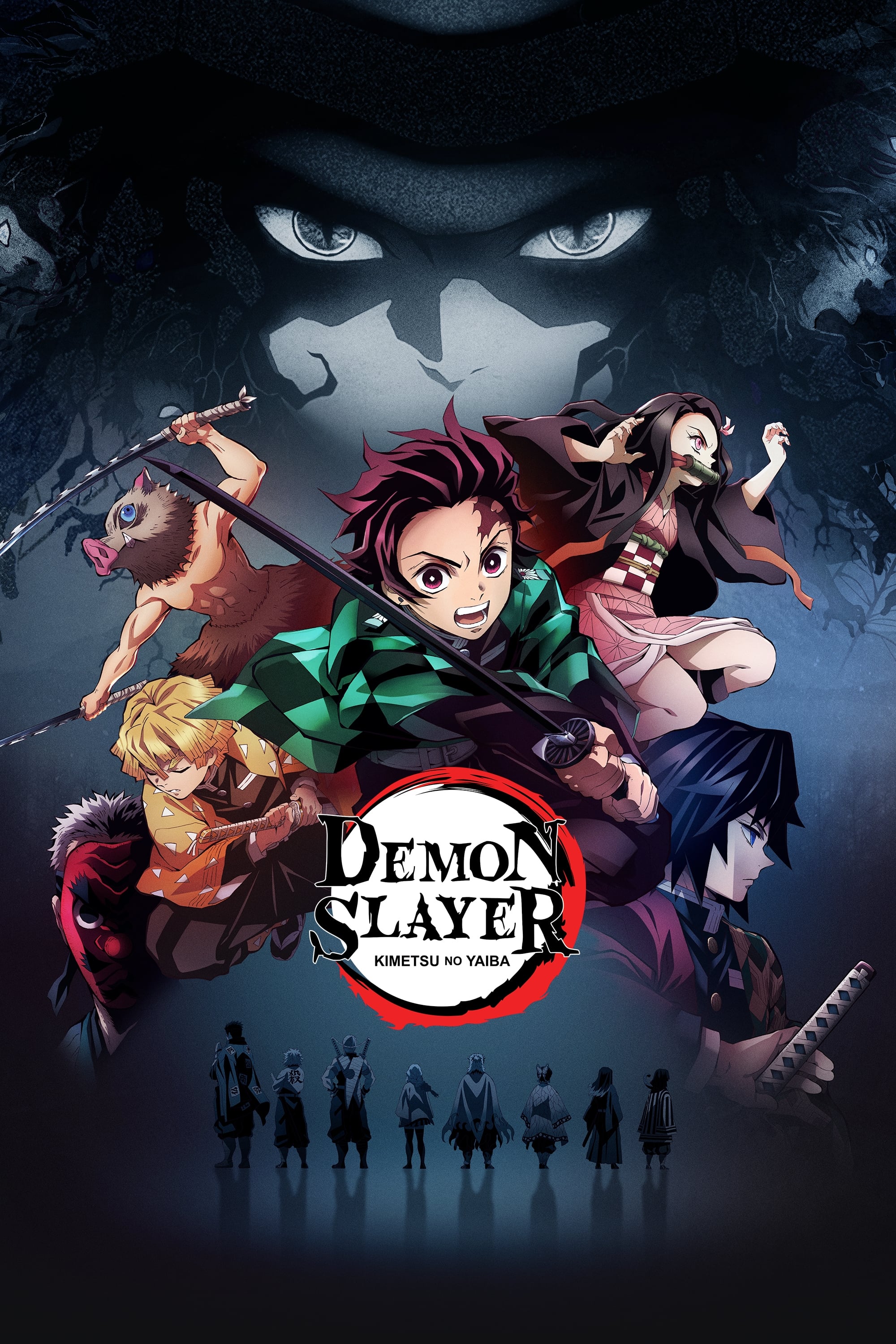
This dark fantasy centers on a swordsman seeking a cure for a demon-cursed sibling while joining a formalized corps. Ufotable adapts Koyoharu Gotouge’s manga with choreographed battles tied to breathing styles and weapon craft. The setting maps threats by regions, ranks, and specialized training regimens within the organization. Arcs feature targeted missions that connect personal motives to hierarchical enemies.
‘My Hero Academia’ (2016– )
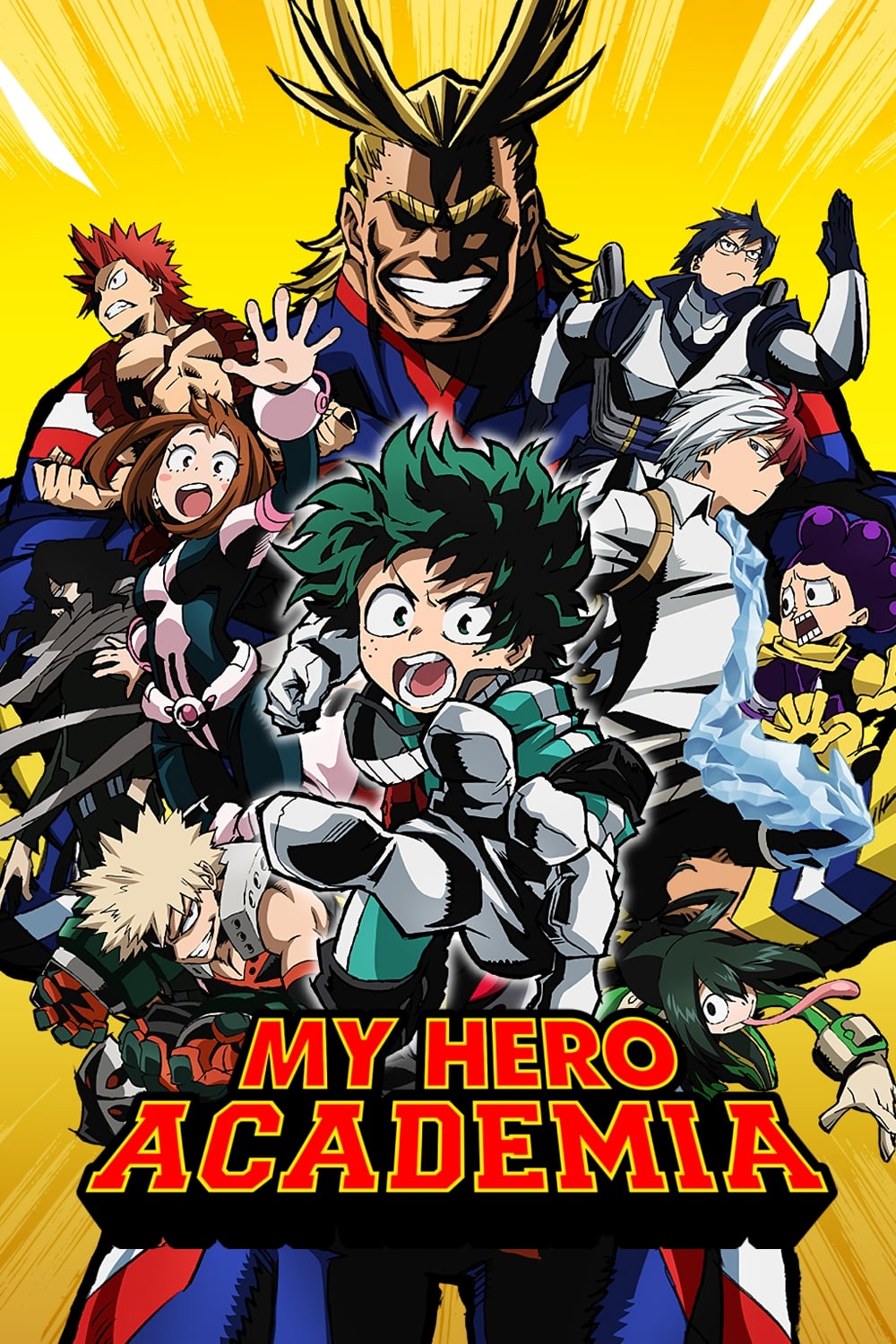
In a world where superhuman quirks are common, students train at a hero academy under professional supervision. Bones adapts Kōhei Horikoshi’s manga with semester-based arcs that include entrance trials, internships, and licensing. Power inheritance, support gear, and regulatory bodies frame how abilities are taught and overseen. The narrative tracks classroom dynamics alongside organized villain groups and public response to hero activity.
‘Monster’ (2004–2005)

This psychological thriller follows a neurosurgeon whose decision to save a child entangles him in a continent-spanning manhunt. Madhouse adapted the series from Naoki Urasawa’s manga with a slow-burn structure that tracks police work, witness interviews, and shifting aliases. The narrative maps interlocking conspiracies across hospitals, orphanages, and post–Cold War institutions. Recurring dossiers, tapes, and case files drive how information is uncovered and verified.
‘JoJo’s Bizarre Adventure’ (2012– )
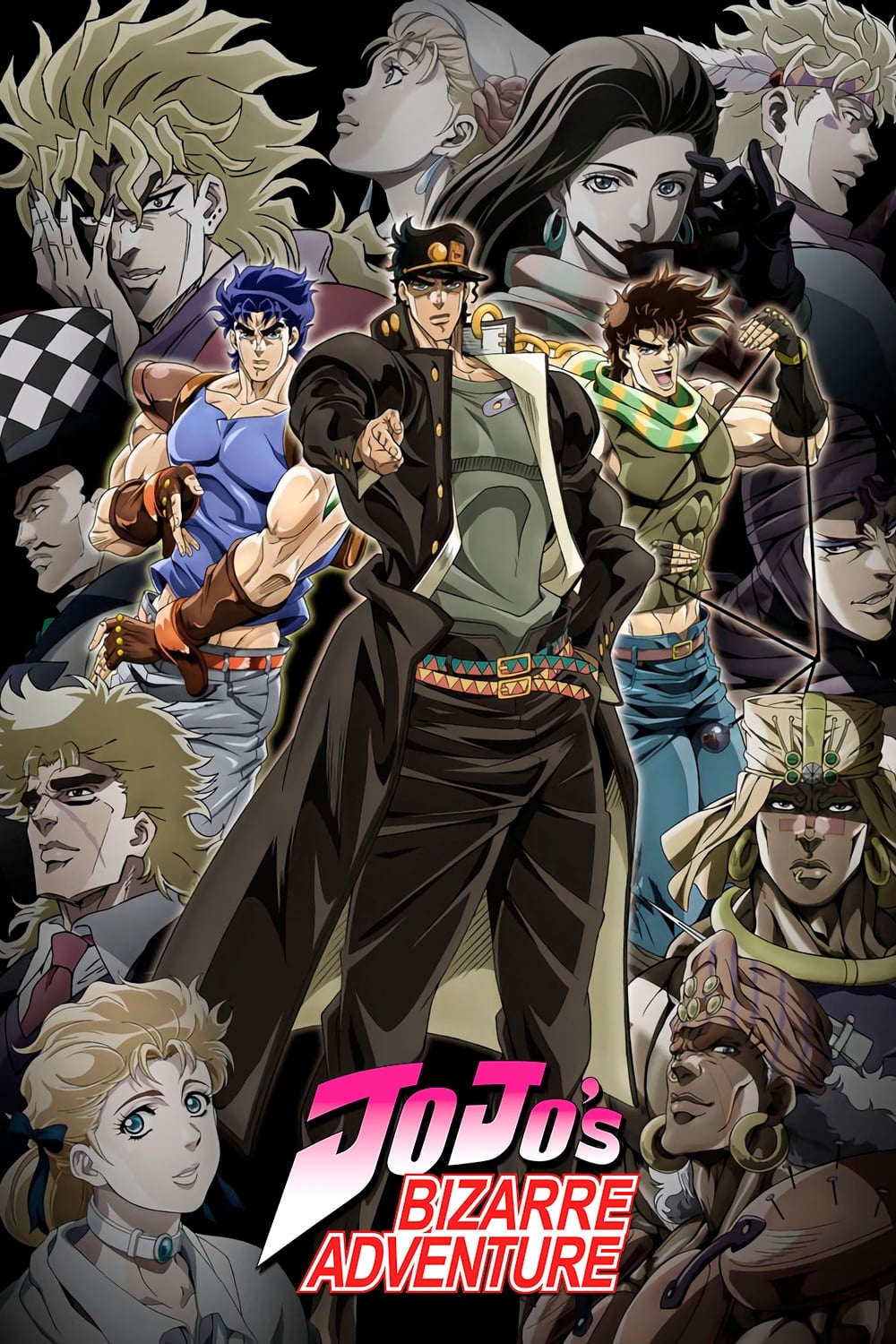
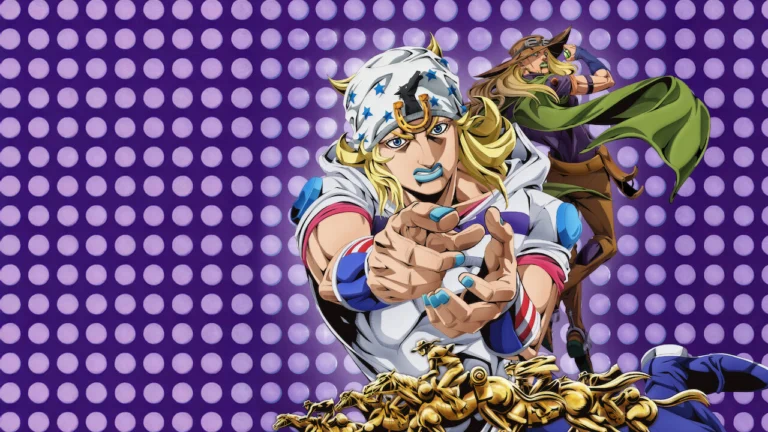
David Production adapts Hirohiko Araki’s multigenerational saga, organizing each part around a different Joestar descendant and locale. The power system evolves from ripple-based martial arts to stand abilities with distinct rules and counters. Visual design emphasizes bold poses, on-screen sound effects, and shifting color palettes tied to dramatic beats. Arcs function as self-contained road stories that feed into a larger family lineage.
‘Psycho-Pass’ (2012–2019)
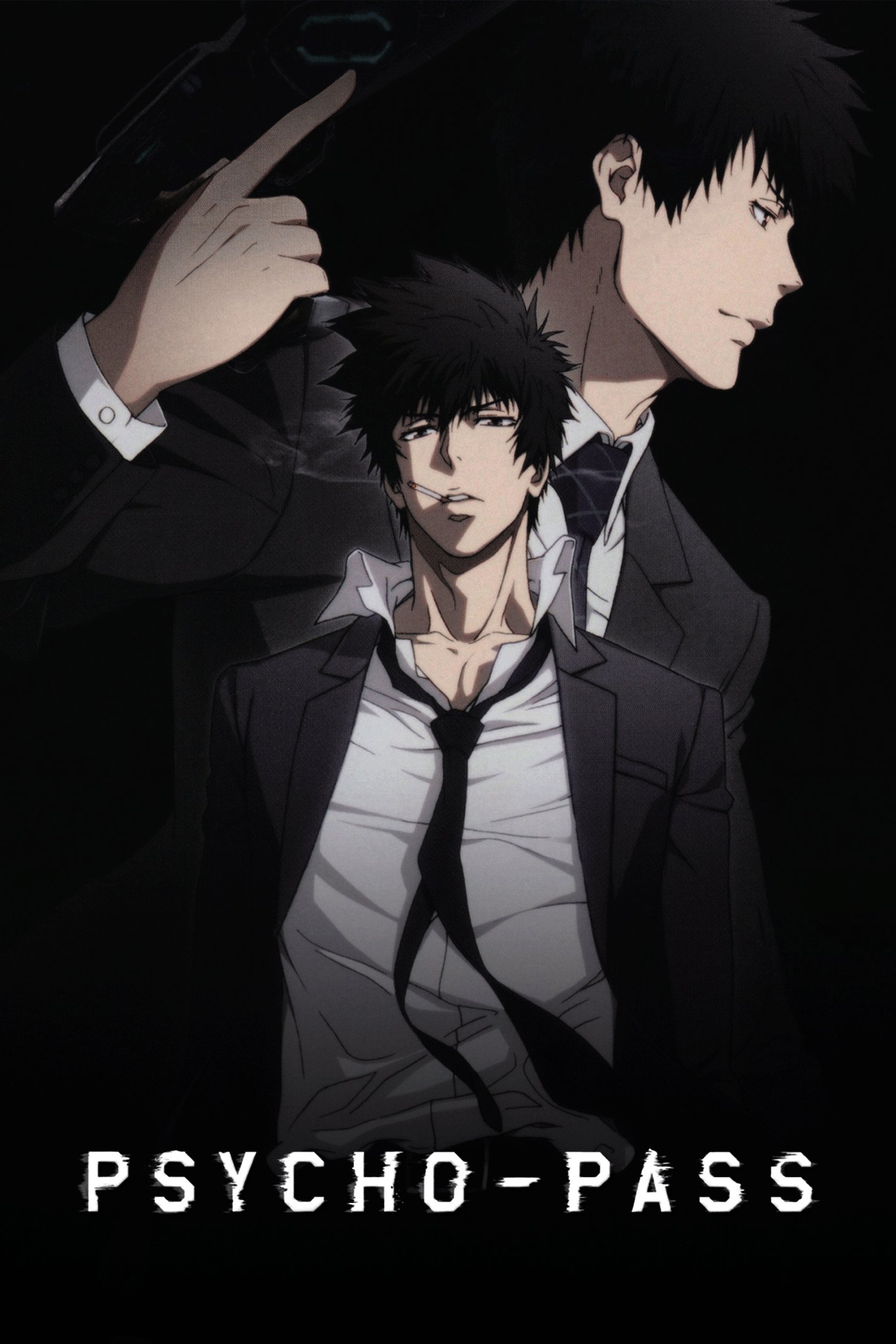
Set in a surveillance-driven society, this series follows inspectors and enforcers who rely on quantifiable mental-state readings to police crime. Production I.G frames investigations around forensic tech, profiling thresholds, and legal procedures. The worldbuilding details public infrastructure, weapon authorization, and data governance. Case arcs examine how algorithms, jurisdiction, and oversight shape field operations.
‘Made in Abyss’ (2017– )
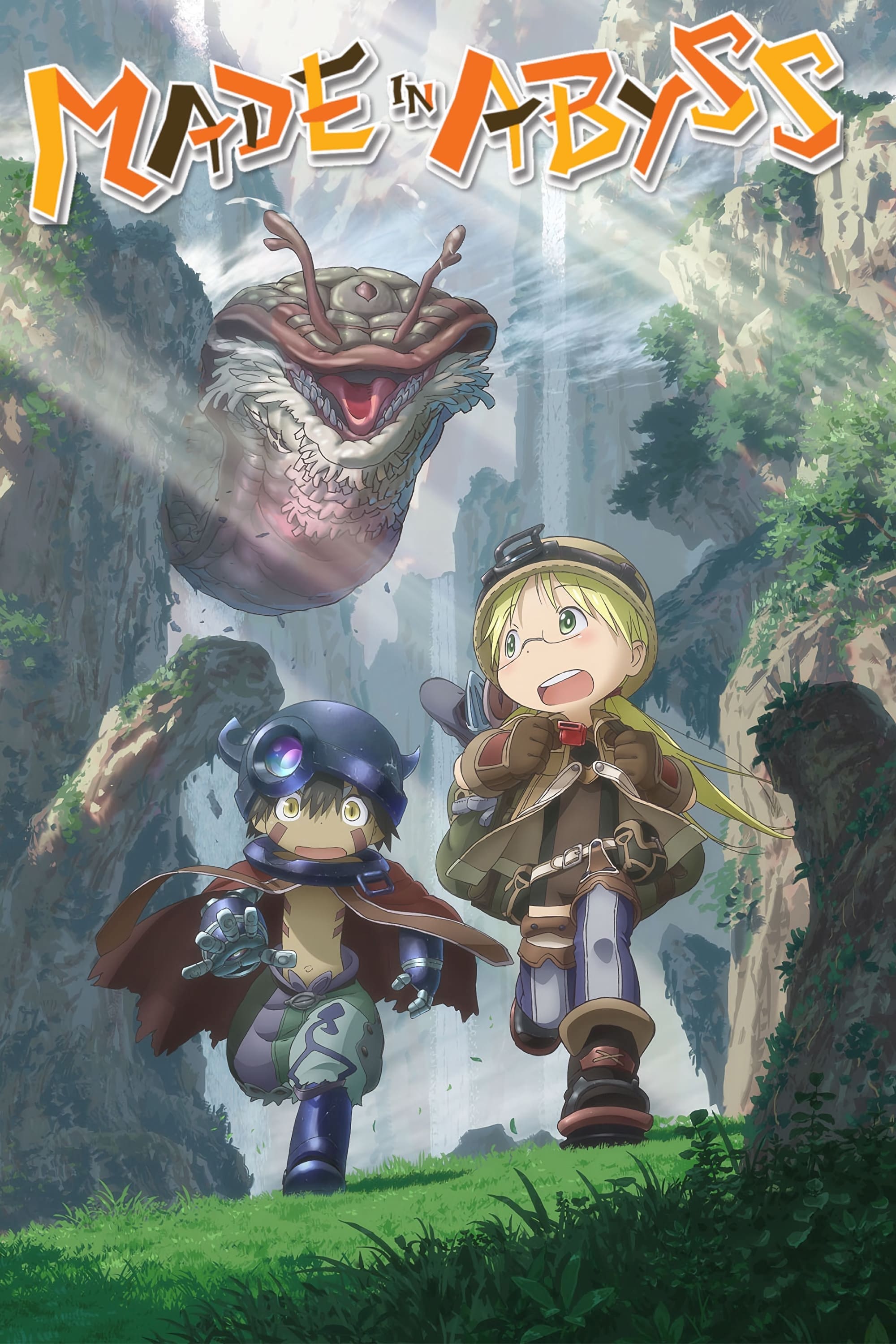
Kinema Citrus adapts Akihito Tsukushi’s manga about cave raiders exploring a vertical chasm with layer-specific hazards. Exploration relies on relic tools, survival protocols, and knowledge of the “curse” that imposes physical and cognitive penalties when ascending. Field notes, maps, and medicinal improvisation are central to problem-solving. The story alternates between expedition logistics and discoveries that reframe earlier assumptions.
‘Vinland Saga’ (2019– )
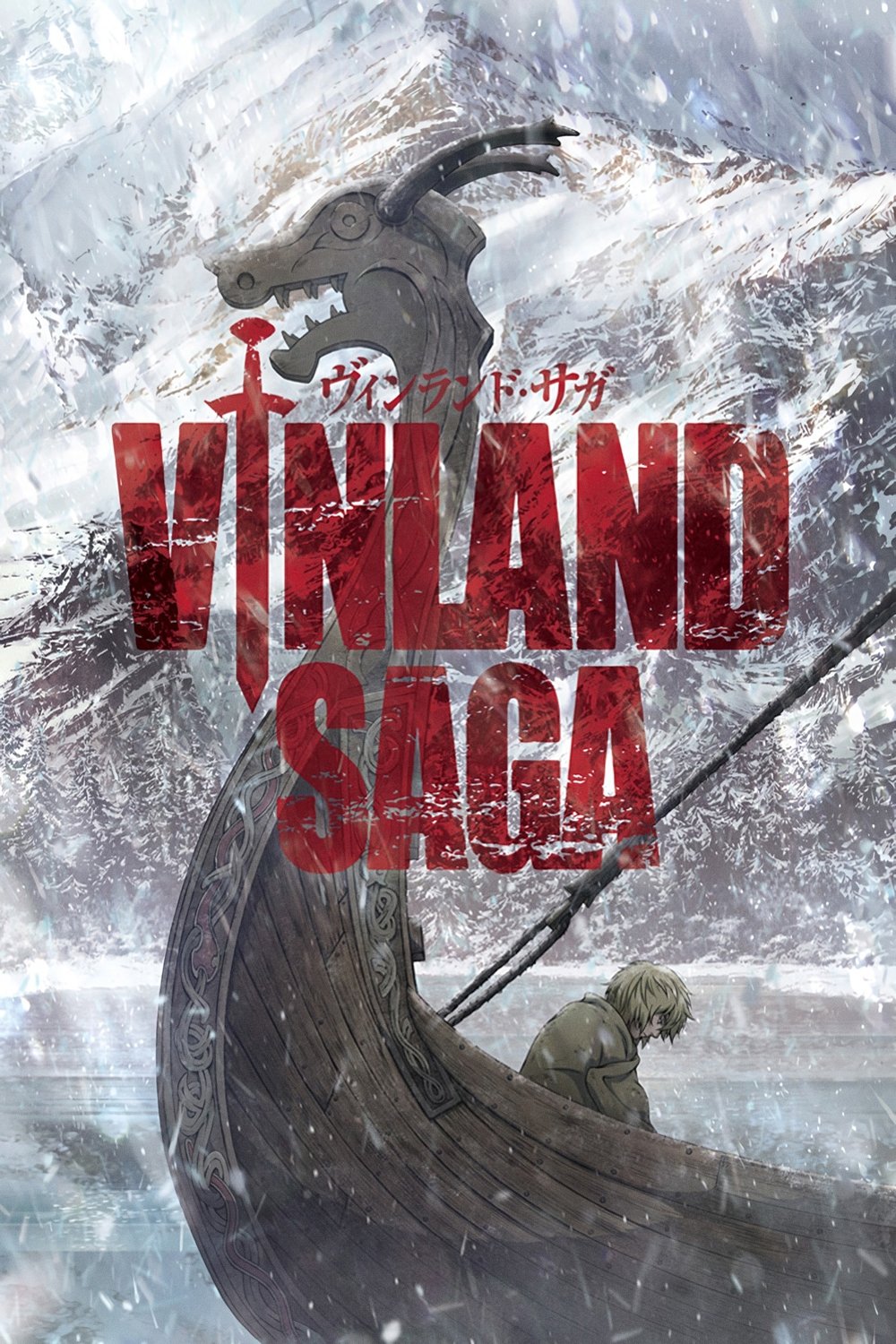
This historical epic tracks warriors, traders, and settlers navigating shifting power structures across northern Europe. The adaptation began at Wit Studio and later continued at MAPPA with consistent core staff. Farming techniques, trade routes, and political oaths are treated as drivers of character choices alongside battles. The narrative transitions from mercenary campaigns to settlement-building and legal institutions.
‘Gurren Lagann’ (2007)
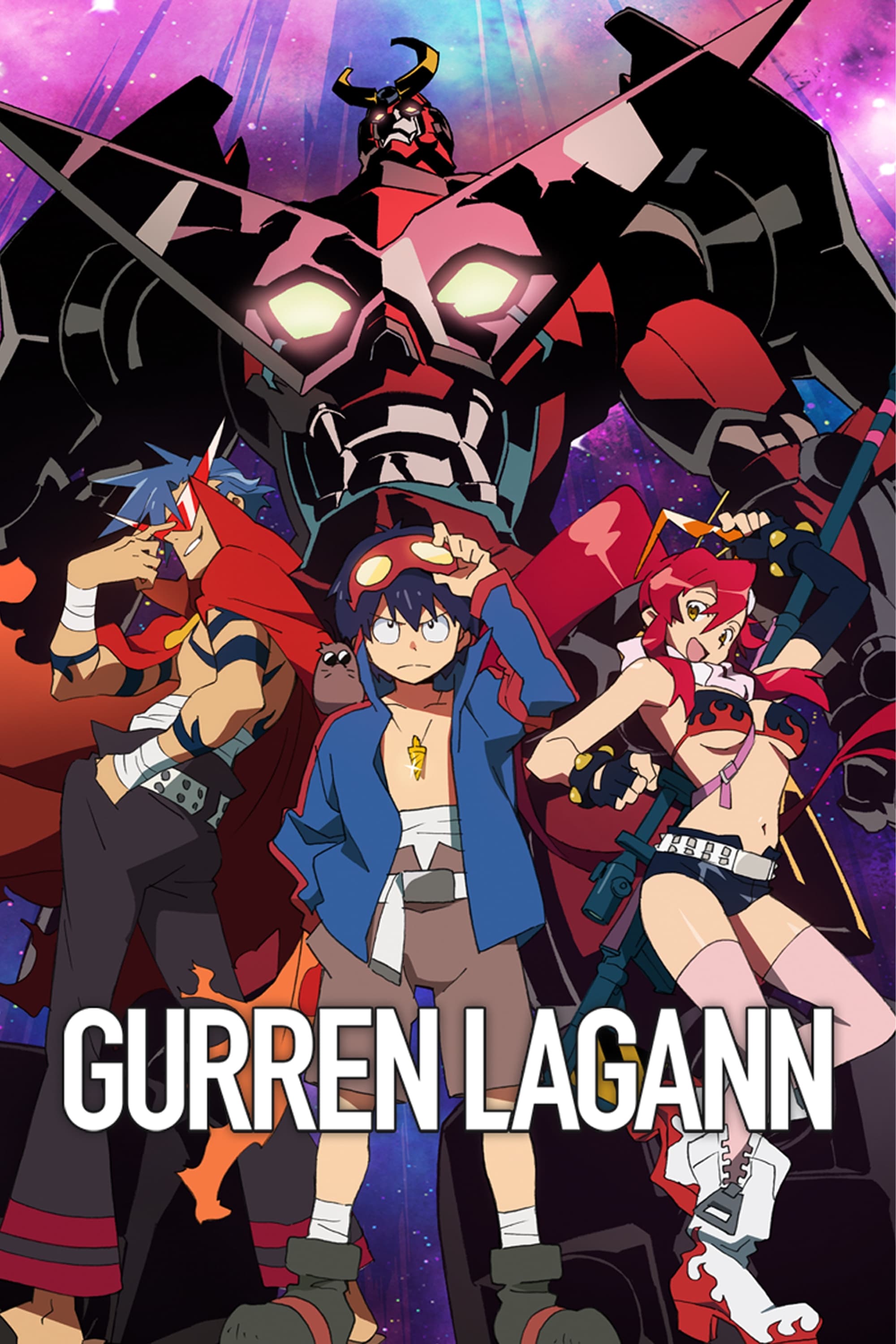
Gainax presents a mecha adventure that scales from underground villages to interstellar conflict through successive power milestones. Drills, combining frames, and team hierarchies define combat roles and upgrades. Episode structure alternates between frontier expansion, engineering breakthroughs, and rival factions. The series codifies mechanics like morale, formation shifts, and resource constraints within battles.
‘Mob Psycho 100’ (2016–2022)
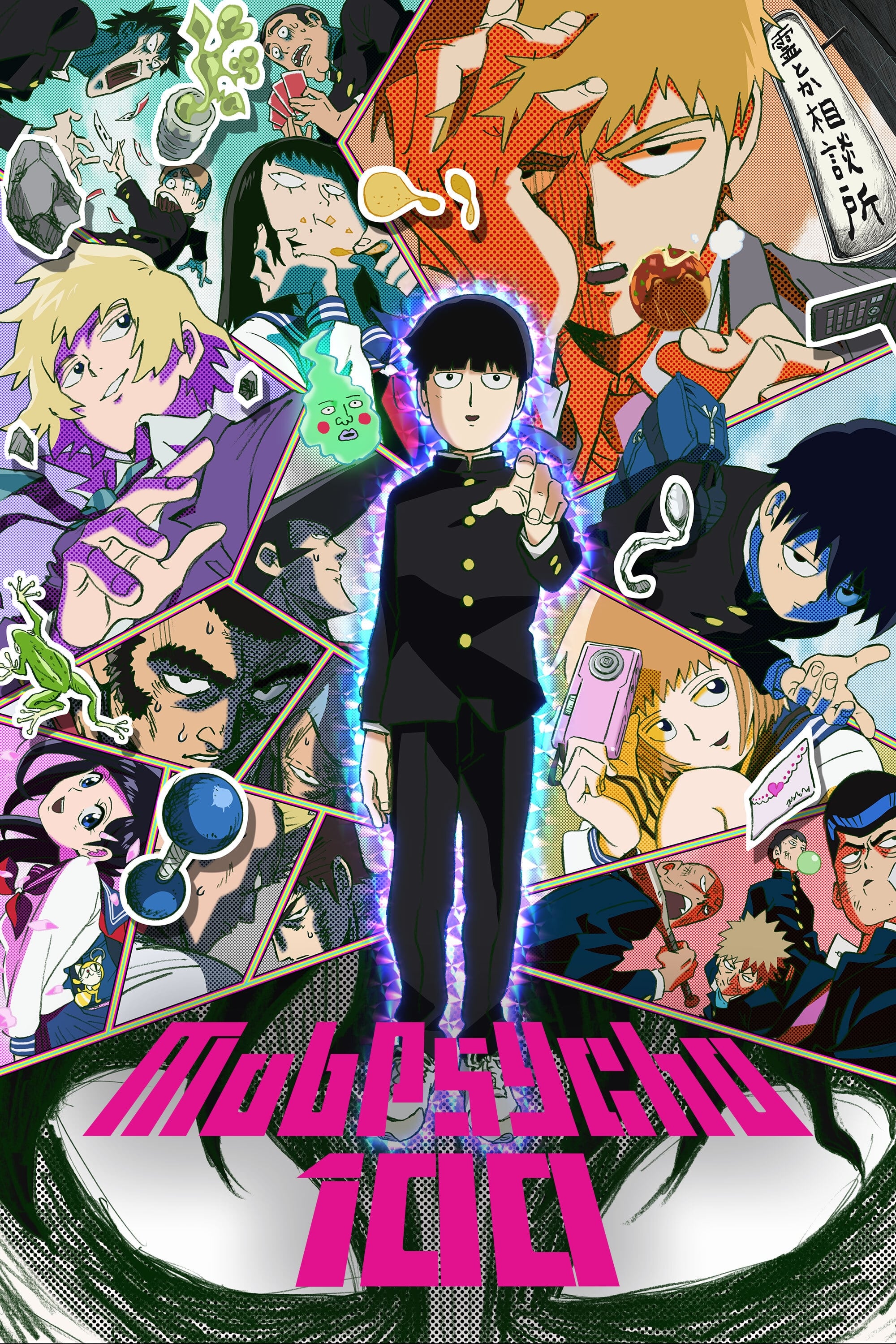
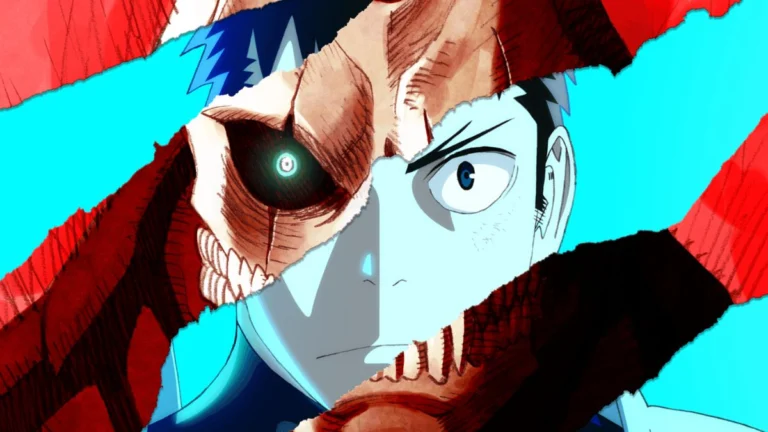
Bones adapts ONE’s manga about a reserved psychic balancing everyday life with exorcism work. Ability ceilings, emotional states, and percentage-based build-ups structure encounters. Organizational charts—clubs, agencies, and criminal groups—establish how psychics coordinate or clash. Visual gags and experimental animation support clear rule-sets for powers and growth.
‘Samurai Champloo’ (2004–2005)
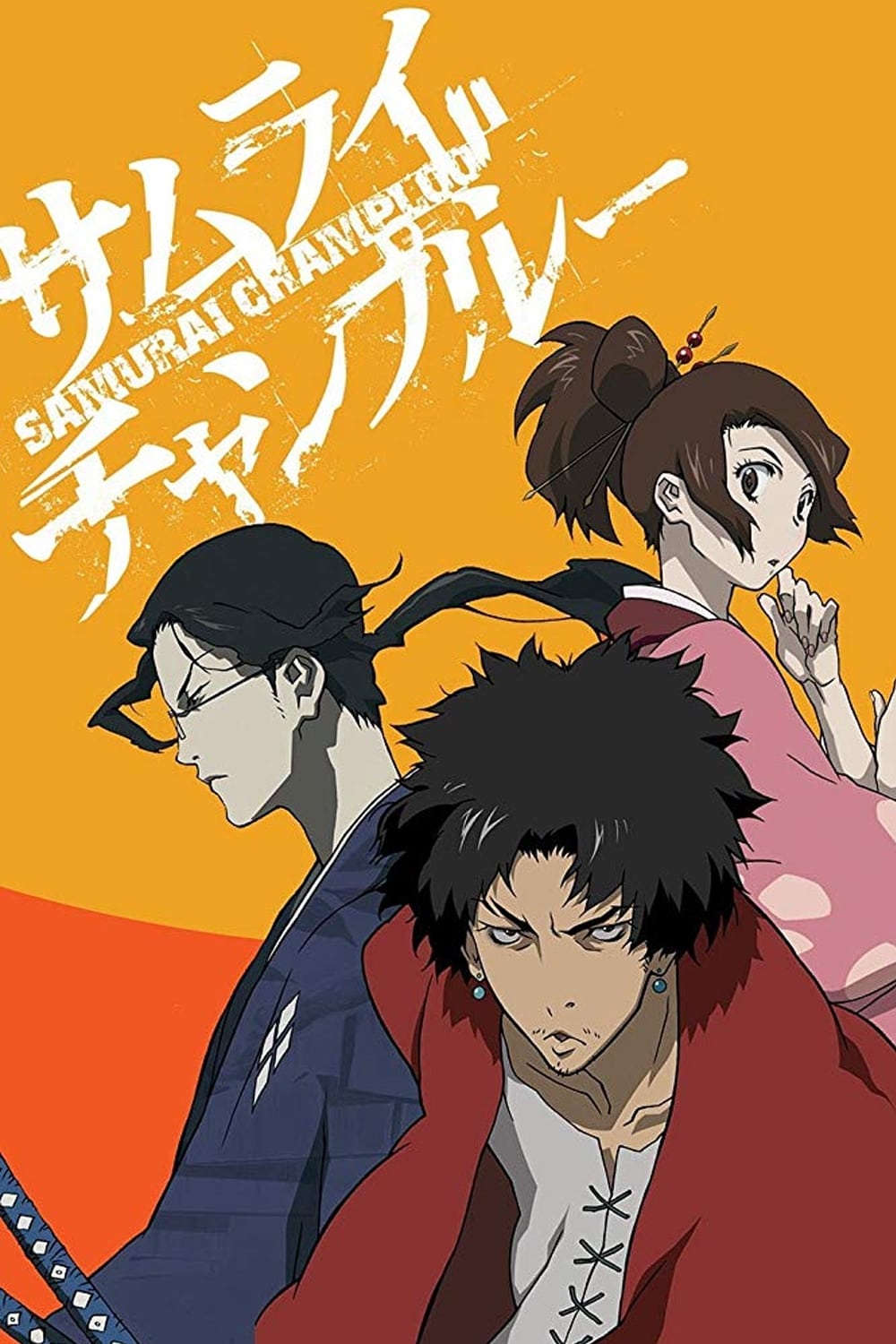
Manglobe blends Edo-period travel with hip-hop aesthetics across a trio’s province-to-province journey. Episodes combine historical settings with anachronistic narration, graffiti-style intertitles, and music-driven scene transitions. Swordplay choreography is framed around footwork, stance, and environment. The road format uses discrete jobs, bounties, and local disputes to reveal regional customs and authorities.
‘Legend of the Galactic Heroes’ (1988–1997)
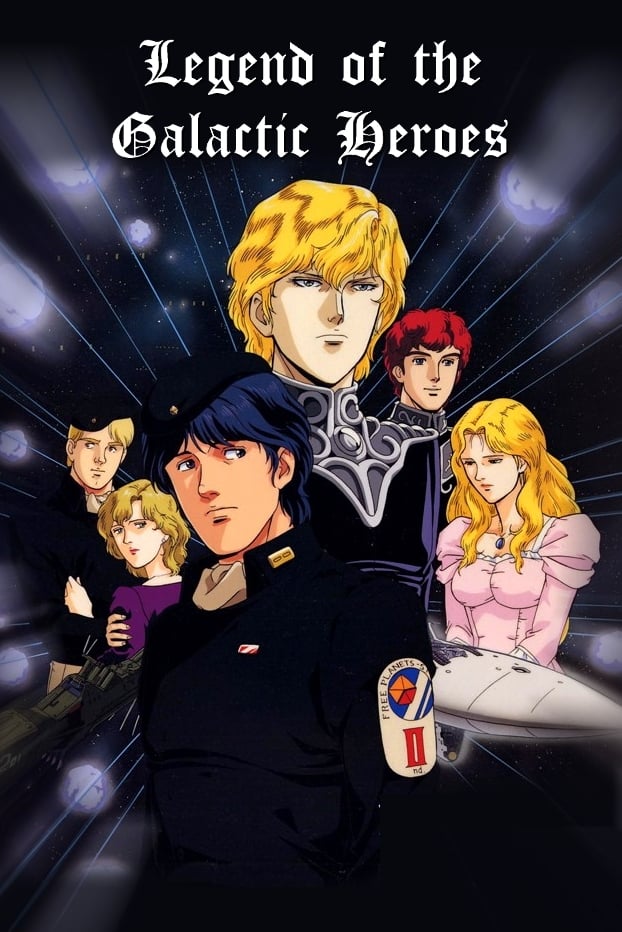
This long-form space opera adapts Yoshiki Tanaka’s novels into an extensive OVA series covering rival states, admirals, and political reformers. Battles emphasize logistics, formation theory, and command hierarchies with detailed maps and fleet compositions. Civil administration, media, and supply lines receive as much attention as tactics. Side stories and character dossiers expand the scope beyond flagship engagements.
‘Ghost in the Shell: Stand Alone Complex’ (2002–2005)
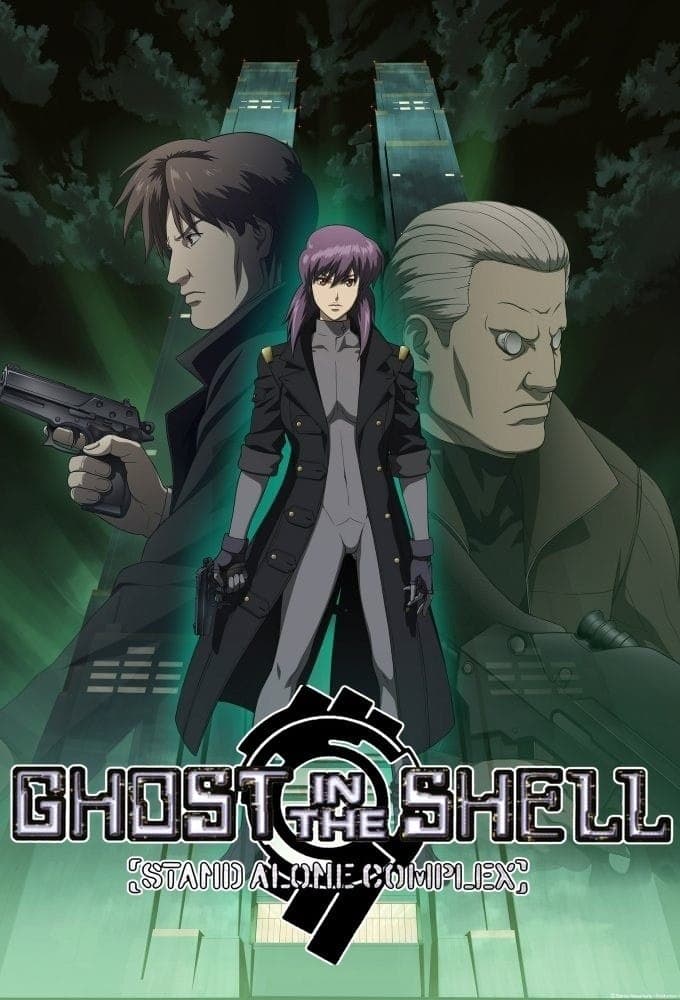
Production I.G depicts a public-security unit handling cybercrime, terrorism, and political corruption in a networked society. Case files alternate between one-off “stand alone” investigations and a serialized conspiracy thread. Technical procedures cover cyberbrain forensics, remote shells, and counter-hacking. Institutional relationships—military, cabinet offices, and private contractors—shape operations and jurisdiction.
‘Haikyu!!’ (2014–2020)

Production I.G adapts Haruichi Furudate’s volleyball manga with training cycles, tournament brackets, and role-specific development. Play is broken down into receive, set, and spike systems with rotations, signals, and data-driven blocking. Practice matches, scouting, and film study inform strategy changes across opponents. Team dynamics are organized through positions, captains, and coaching philosophies.
‘Fate/Zero’ (2011–2012)
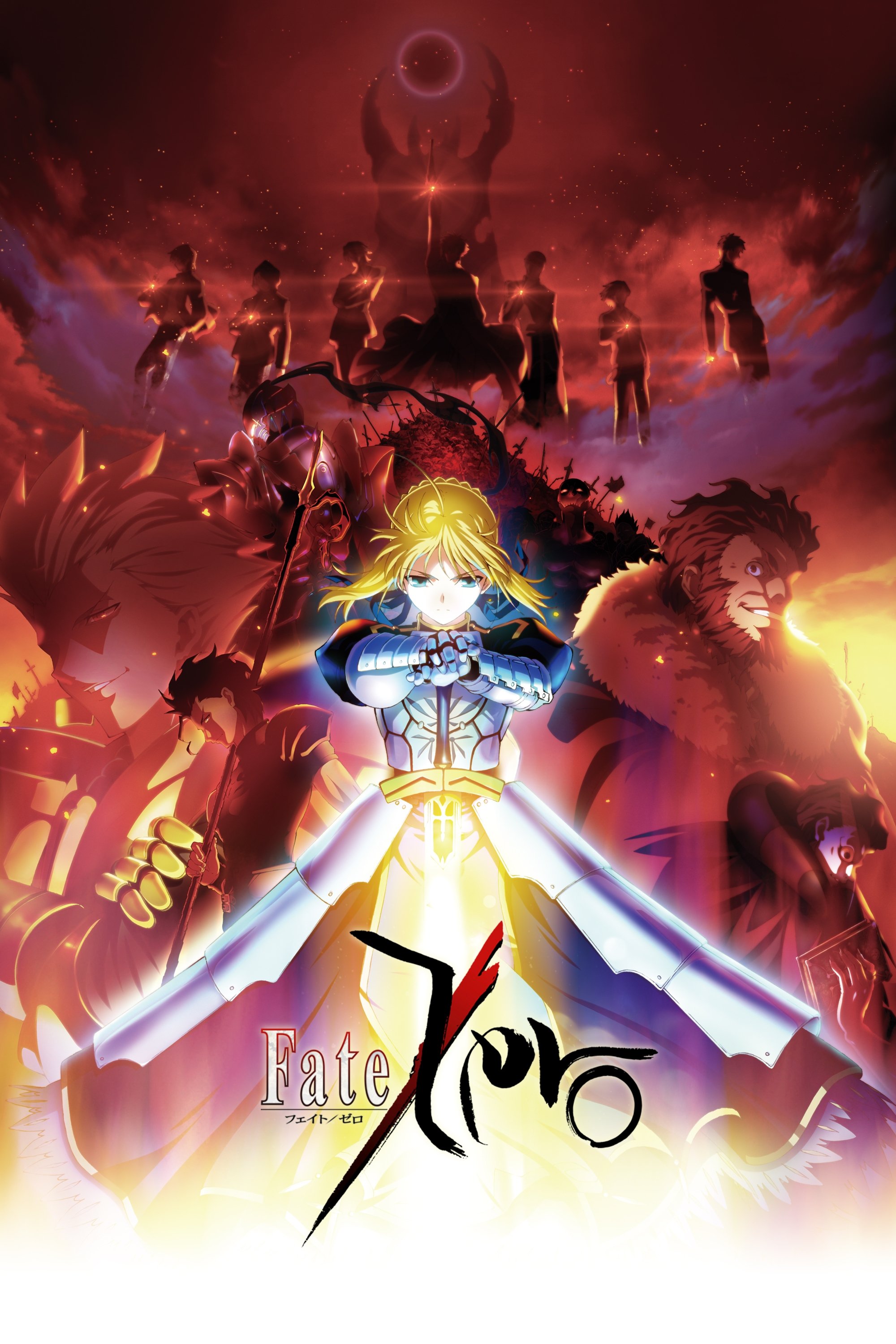
Ufotable adapts Gen Urobuchi’s prequel novels about a clandestine tournament where mages summon historic and mythic champions. Summoning rules, command seals, and bounded fields define combat conditions. Information warfare—contracts, espionage, and urban concealment—drives encounters as much as raw power. The narrative tracks master–servant pairings through overlapping investigative and ritual schedules.
‘Black Lagoon’ (2006–2011)
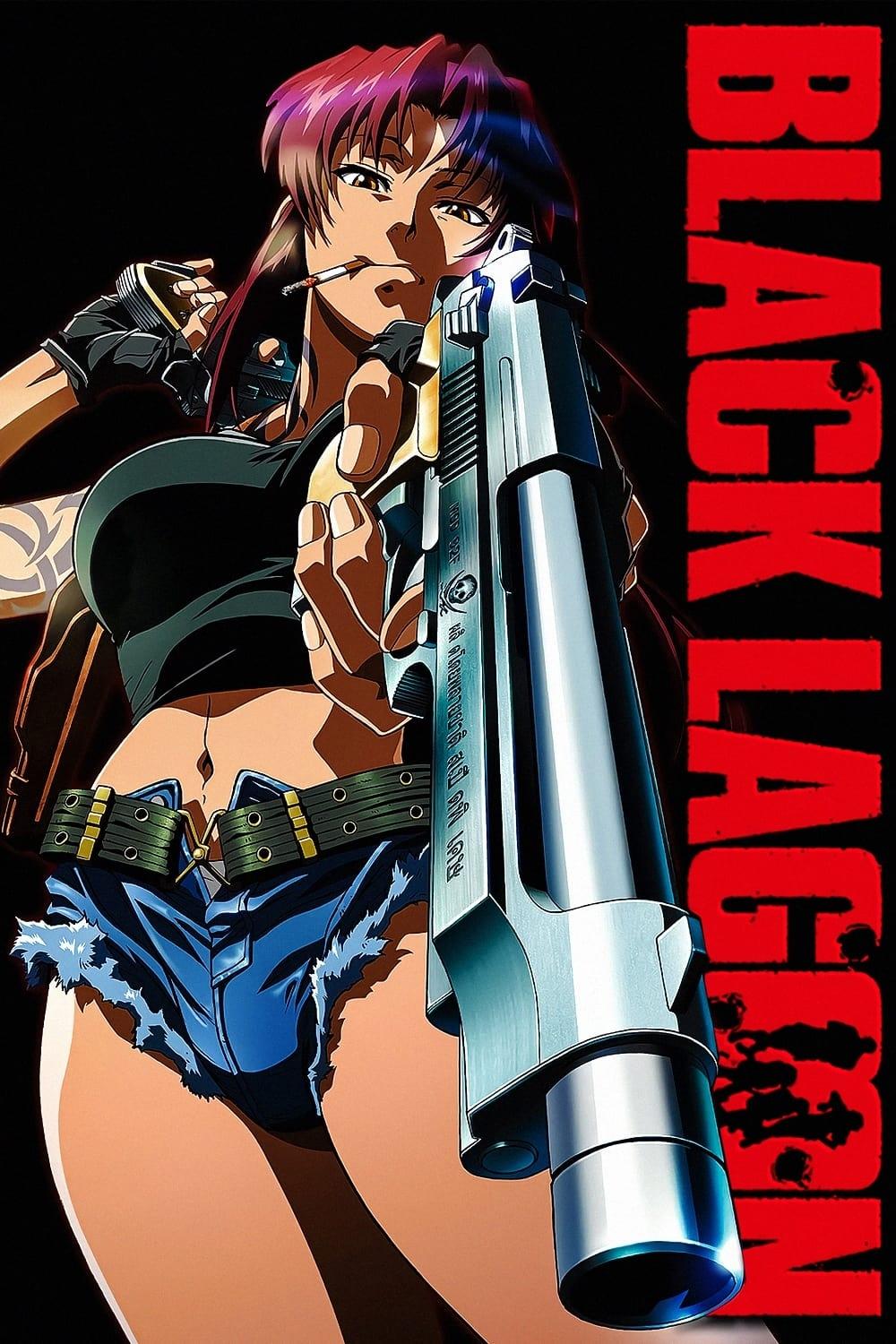
Madhouse follows a small mercenary outfit operating in a Southeast Asian port city dominated by syndicates. Jobs range from escort and retrieval to conflict mediation, each shaped by shipping routes and private arsenals. The setting details front companies, smuggling networks, and multilingual negotiations. Multi-episode arcs escalate from street-level disputes to transnational operations.
‘Serial Experiments Lain’ (1998)
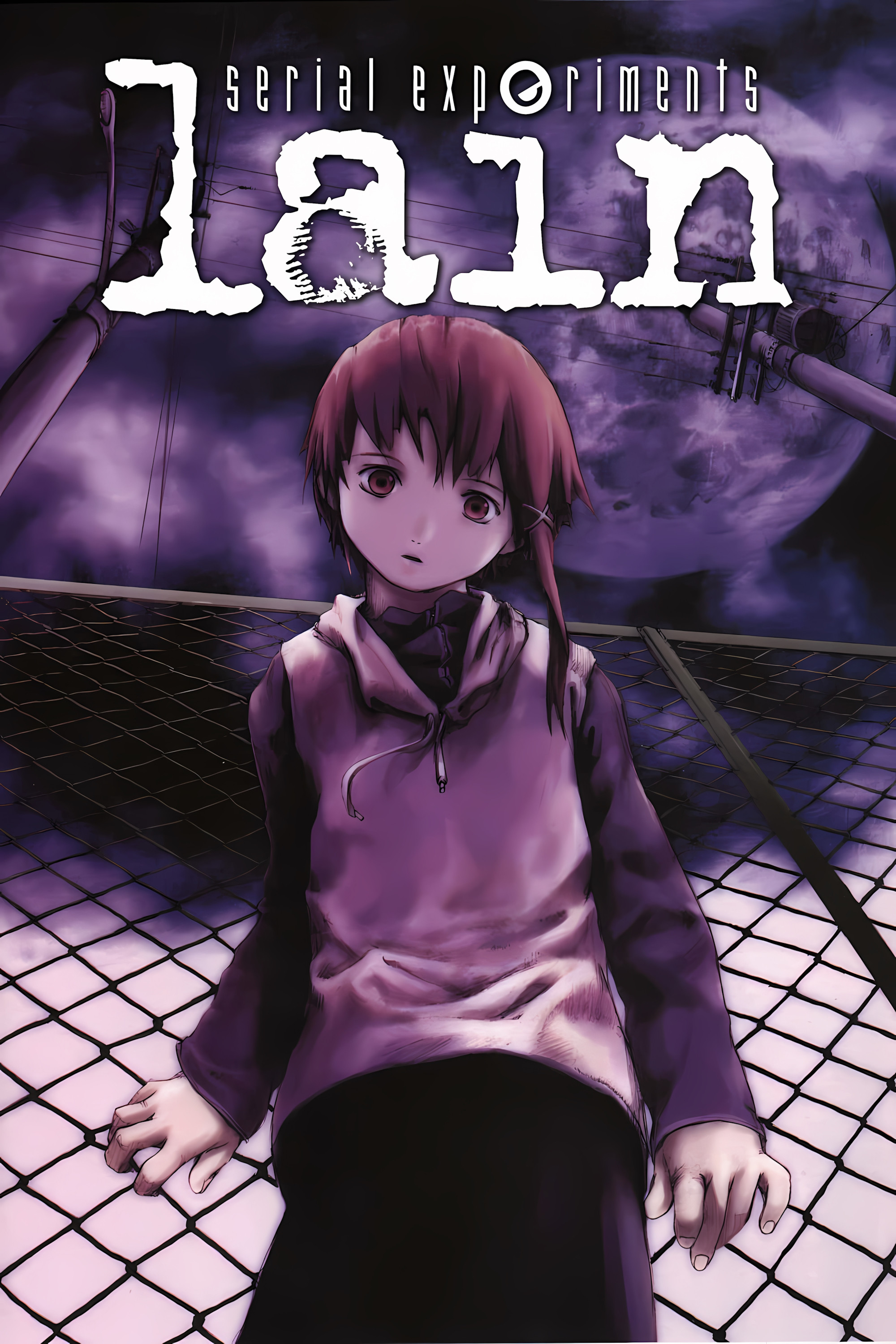
Triangle Staff presents a network-centric mystery focused on identity, communication protocols, and the porous boundary between wired systems and daily life. Visual motifs—user interfaces, power lines, and packet noise—mirror information flow. The story examines how protocols, hardware upgrades, and access rights alter perception. Episodes layer memos, rumors, and system messages to advance plot points.
‘Parasyte -the maxim-‘ (2014–2015)
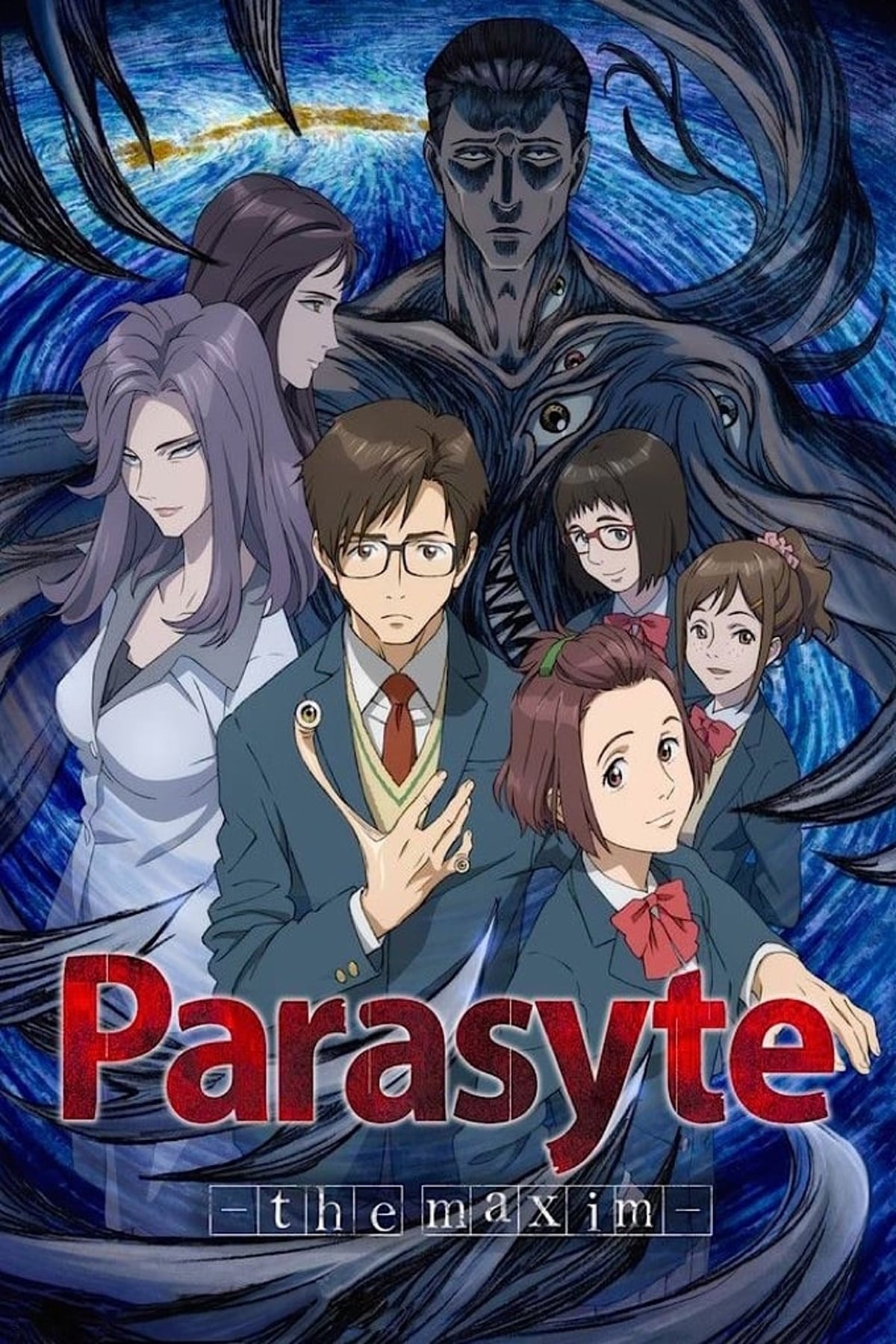
Madhouse adapts Hitoshi Iwaaki’s manga about organisms that infiltrate human hosts, prompting bioethical and tactical challenges. Detection methods, tissue behavior, and combat adaptations drive confrontations. Law enforcement responses, school procedures, and neighborhood surveillance affect how incidents unfold. The series tracks cooperation, countermeasures, and jurisdictional coordination as threats escalate.
‘Trigun’ (1998)
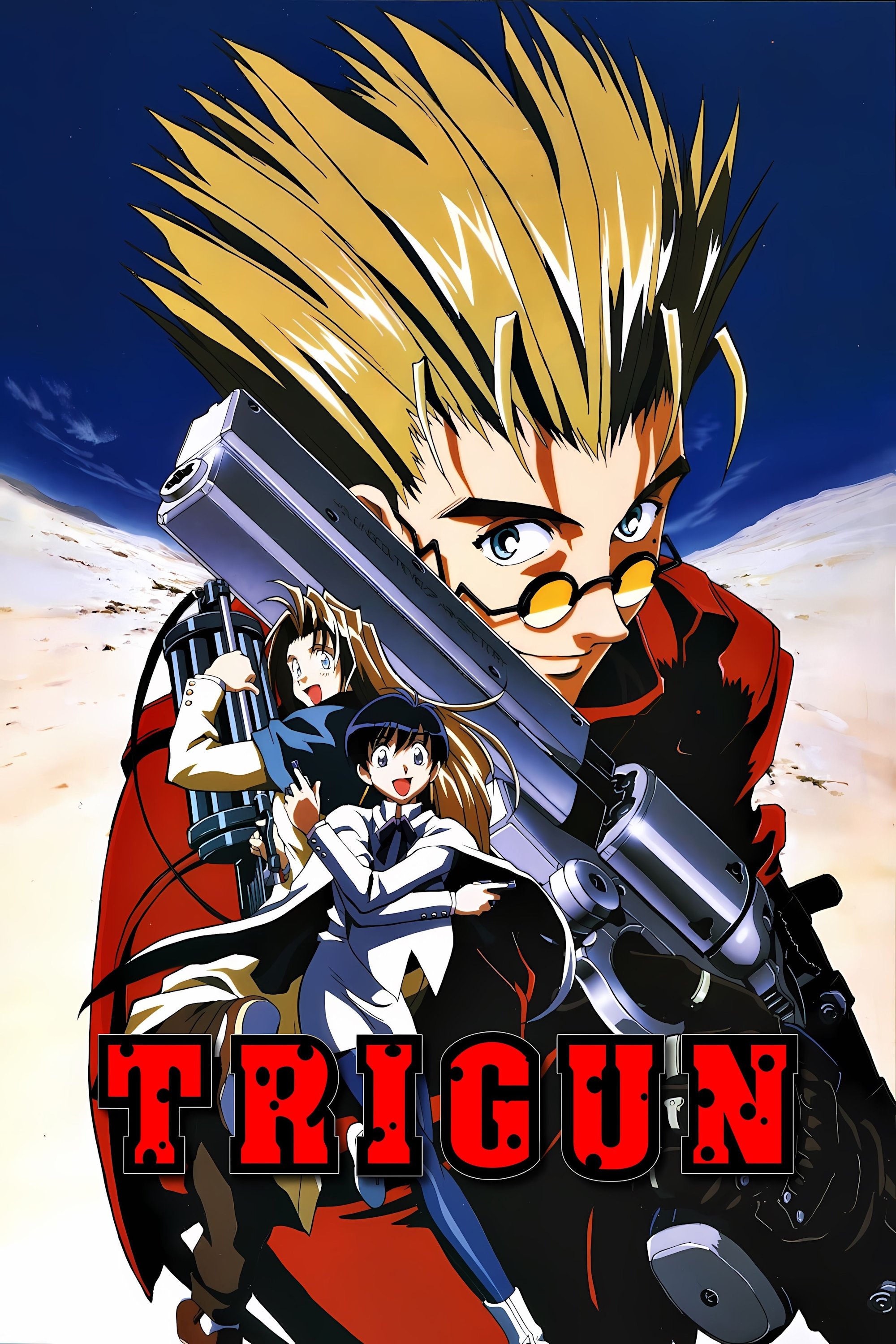
Set on a desert planet with scattered settlements, this series follows a pacifist gunslinger whose reputation for destruction draws bounty hunters and law enforcers. Madhouse adapts Yasuhiro Nightow’s manga with a structure that alternates stand-alone jobs and plot-revealing pursuits. Worldbuilding centers on towns powered by plant-based energy systems and frontier economics. The story gradually connects personal history, corporate interests, and outlaw codes across shifting alliances.
‘Berserk’ (1997)
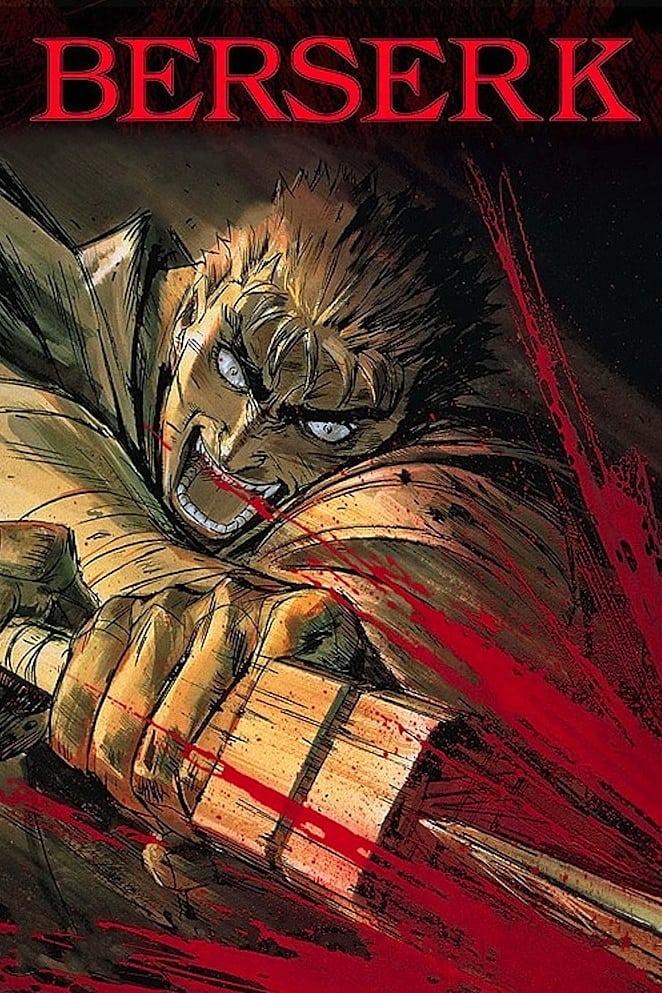
This dark fantasy chronicles a mercenary’s rise within a company led by an ambitious commander, framed by warfare and court politics. OLM adapts Kentaro Miura’s manga with a focus on battlefield tactics, feudal patronage, and chain-of-command dynamics. Armor, siege engines, and formation choices ground large-scale engagements. The narrative uses contracts, noble sponsorships, and rival factions to chart power consolidation.
‘Puella Magi Madoka Magica’ (2011)
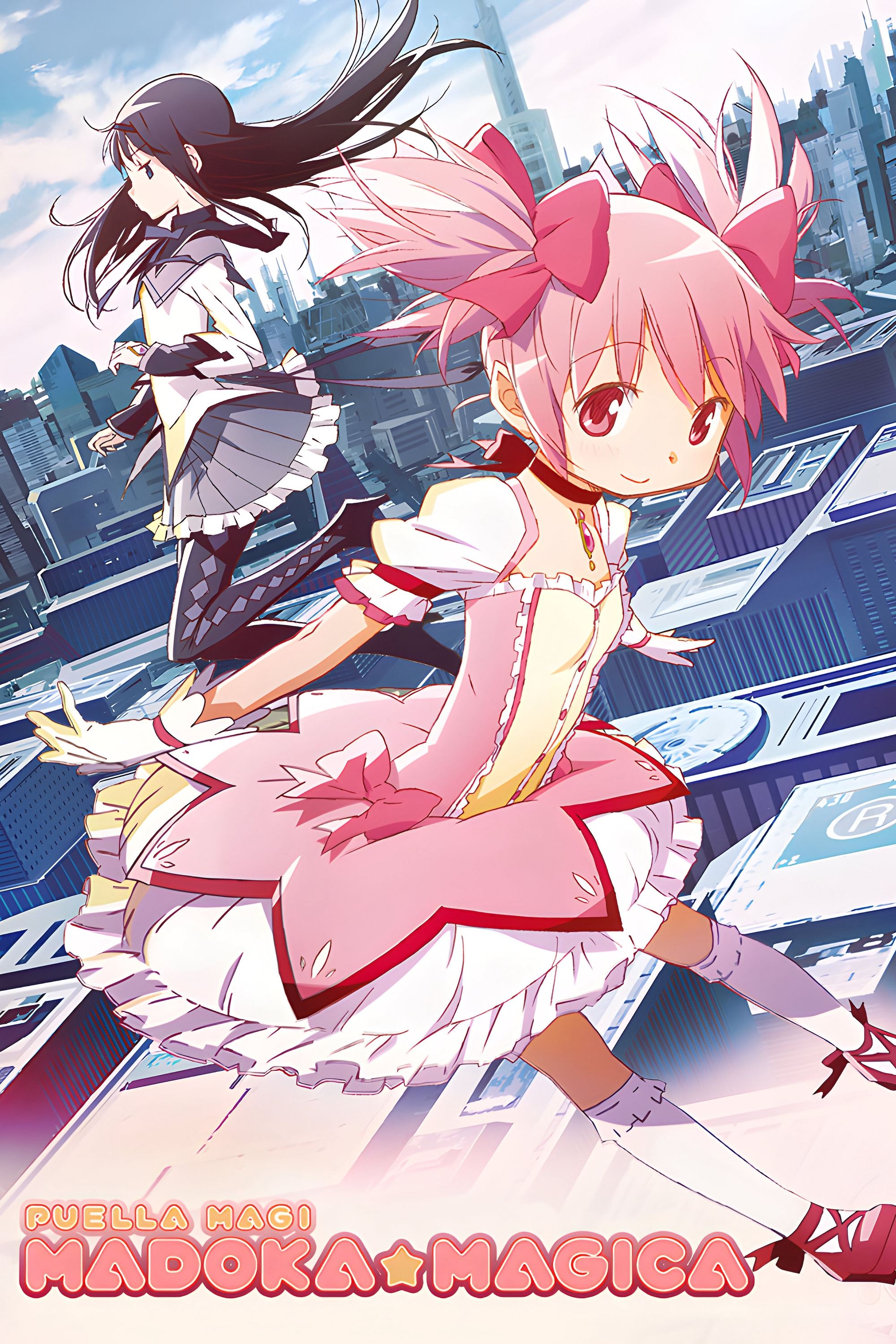
This series presents a contract-based magical-girl system that trades supernatural abilities for defined obligations and risks. Shaft structures episodes around wish terms, resource depletion, and combat against otherworldly entities. Soul gems, familiars, and labyrinth spaces operate by consistent rules that shape decisions. Information disclosures and recorded histories reframe earlier encounters as characters learn the system’s costs.
‘Fruits Basket’ (2019–2021)

This family drama explores a clan cursed to transform when embraced, intertwining school life with inherited roles and taboos. TMS Entertainment adapts Natsuki Takaya’s manga with a complete, chronological retelling. Household hierarchies, rituals, and therapy-informed conversations drive conflict resolution. The series maps how secrecy, guardianship, and caretaking responsibilities affect each character’s choices.
‘March Comes in Like a Lion’ (2016–2018)
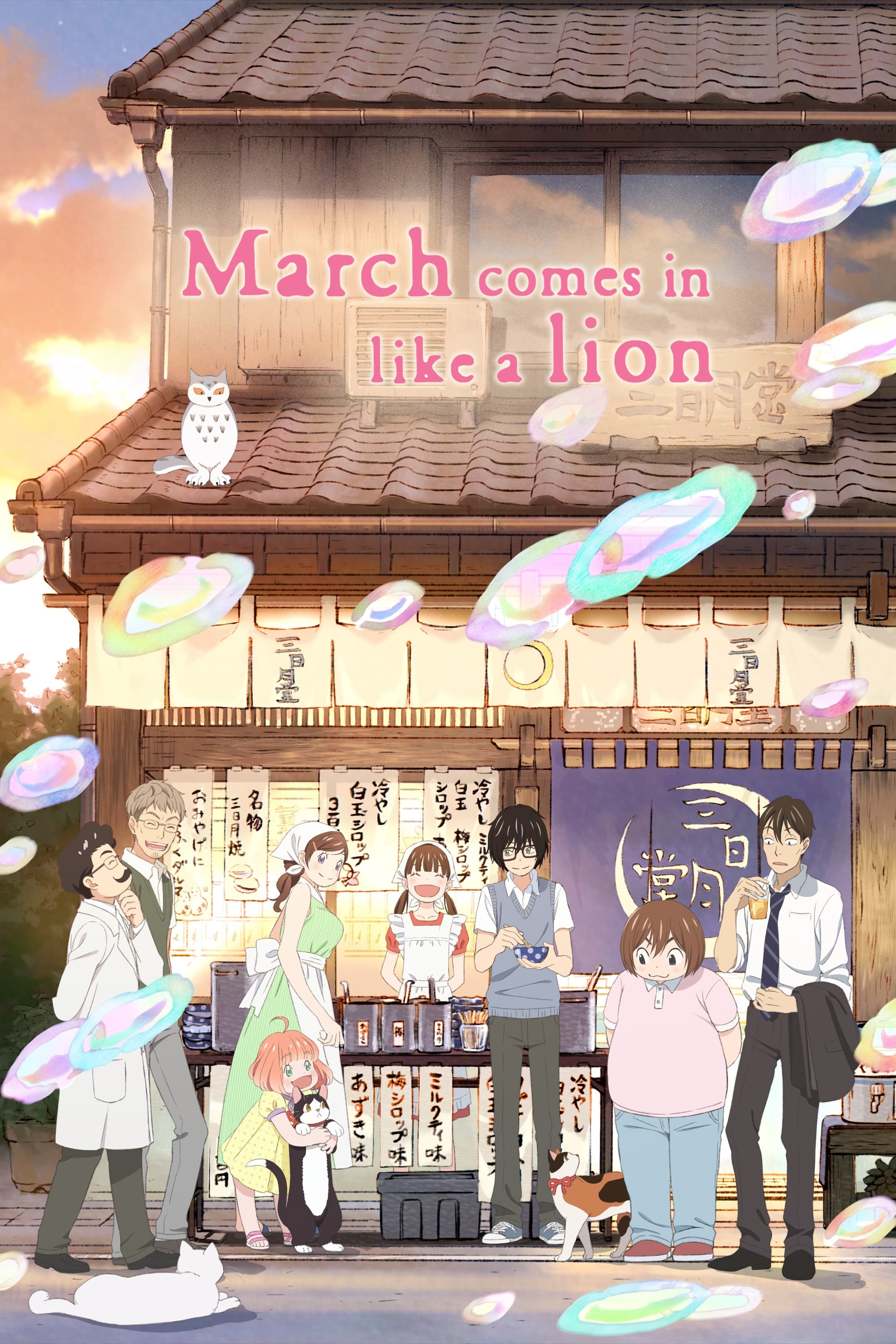
Centered on a young professional shogi player, this series connects competitive play with health, education, and community support. Shaft adapts Chica Umino’s manga, depicting practice routines, tournaments, and mentor relationships. Game commentary explains board states, time controls, and ranking progress. Parallel arcs address bullying, grief, and recovery through school interventions and neighborhood networks.
‘The Tatami Galaxy’ (2010)
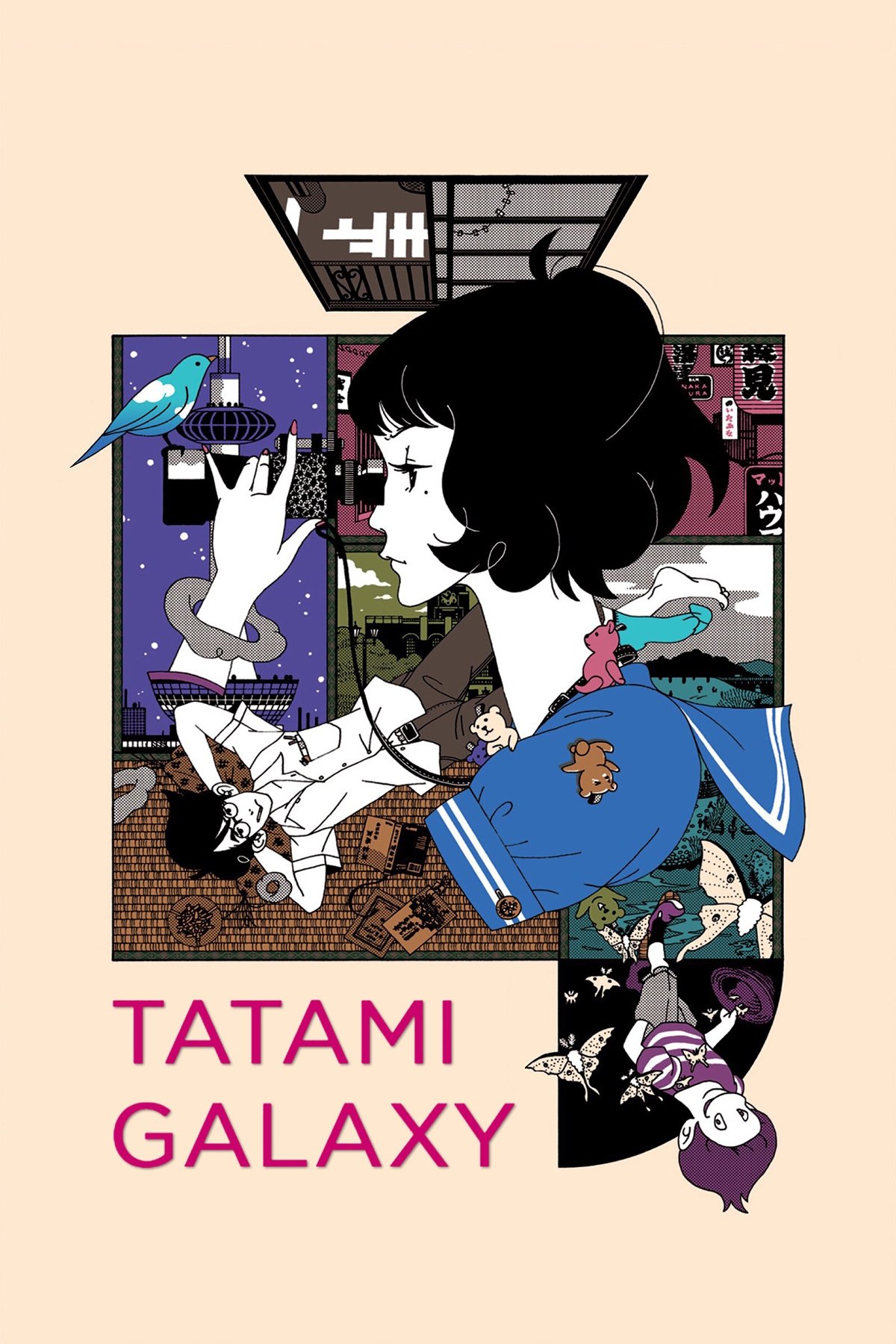
This campus chronicle loops through alternate timelines as a student tries different clubs and social groups to find an ideal path. Madhouse adapts Tomihiko Morimi’s novel with rapid-fire narration and visual motifs tied to repeating choices. Each loop reassigns the same characters to new roles while preserving cause-and-effect links. The structure highlights how small decisions cascade into academic, housing, and friendship outcomes.
‘Baccano!’ (2007)
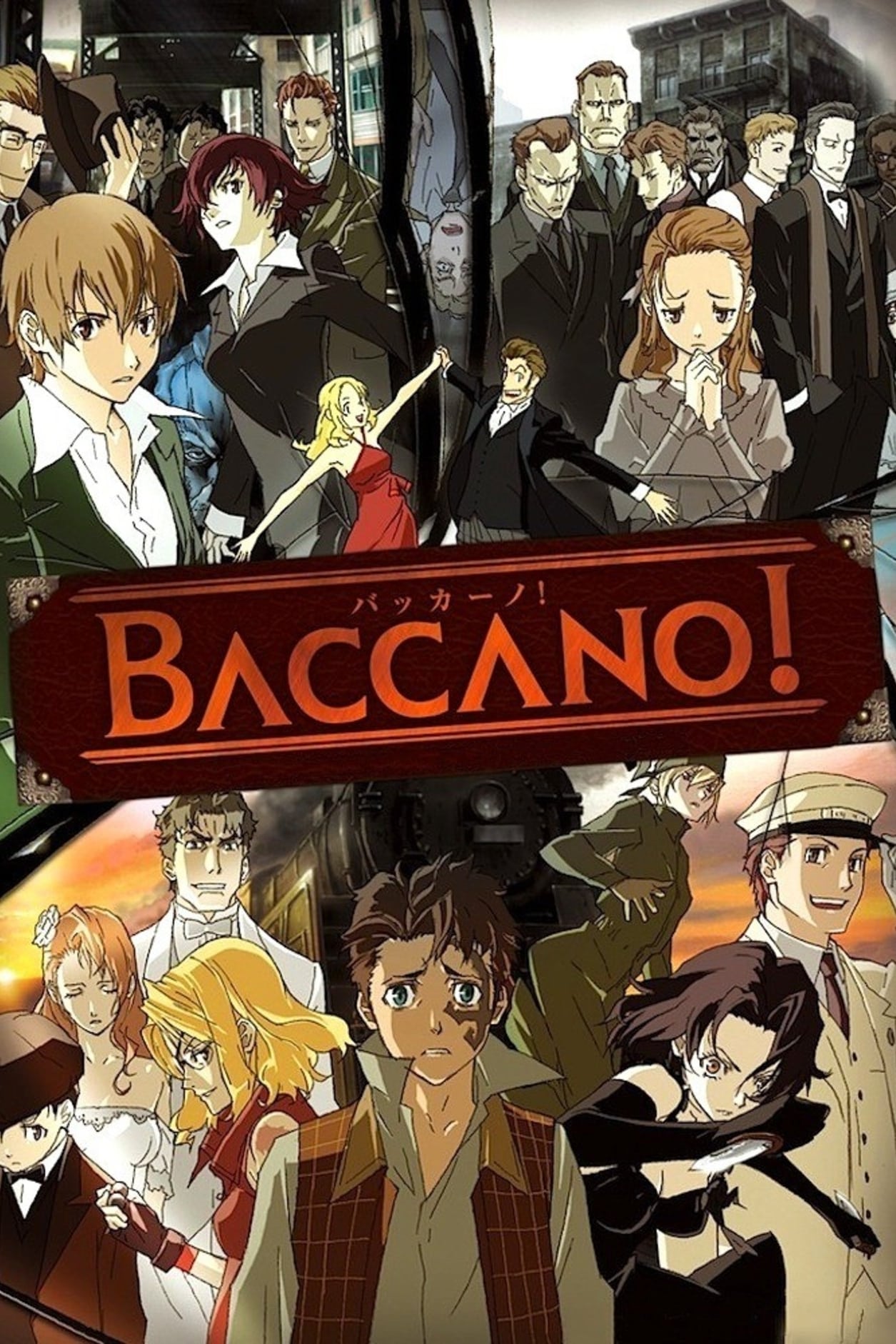
Set across interconnected heists and immortality experiments, this ensemble series shuffles chronology among trains, speakeasies, and laboratories. Brain’s Base adapts Ryohgo Narita’s light novels using overlapping viewpoints that converge on shared incidents. Alchemy rules, mob hierarchies, and transport schedules govern how plots collide. Character dossiers and recurring props track identities through shifting timelines.
‘Durarara!!’ (2010–2016)
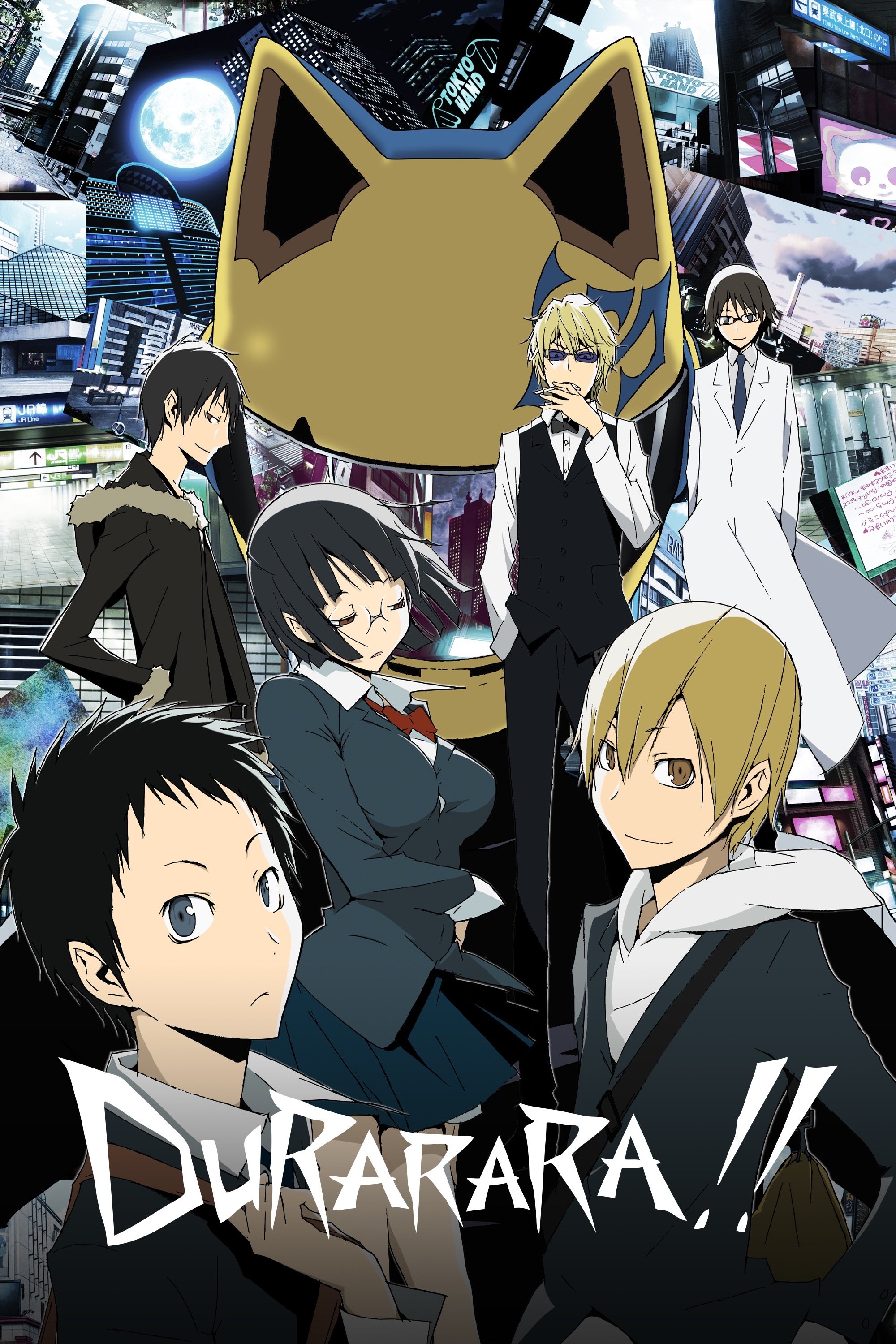
In an urban district known for online rumors and eclectic residents, intersecting gangs, brokers, and supernatural figures negotiate territory. Brain’s Base and later Shuka adapt Ryohgo Narita’s novels with rotating narrators who fill gaps in ongoing incidents. Anonymous forums, courier routes, and school ties organize information flow. The story emphasizes how rumors, channels, and informal rules shape conflict escalation.
‘Hellsing Ultimate’ (2006–2012)

This OVA series follows a royal-sanctioned organization combating undead threats with a controlled vampire operative. Madhouse, Satelight, and Graphinica adapt Kouta Hirano’s manga closely, focusing on chain-of-command, supply lines, and special-operations protocols. Missions detail urban containment, airship engagements, and international jurisdiction. The plot examines private military contractors, intelligence sharing, and wartime propaganda.
‘Clannad: After Story’ (2008–2009)

Continuing a school-set visual-novel adaptation, this installment focuses on family formation, employment, and community ties. Kyoto Animation structures arcs around work schedules, caregiving, and neighborhood support systems. Local festivals, town services, and folklore elements intersect with personal responsibilities. The narrative follows how decisions about housing, health, and education affect long-term outcomes.
‘Kill la Kill’ (2013–2014)
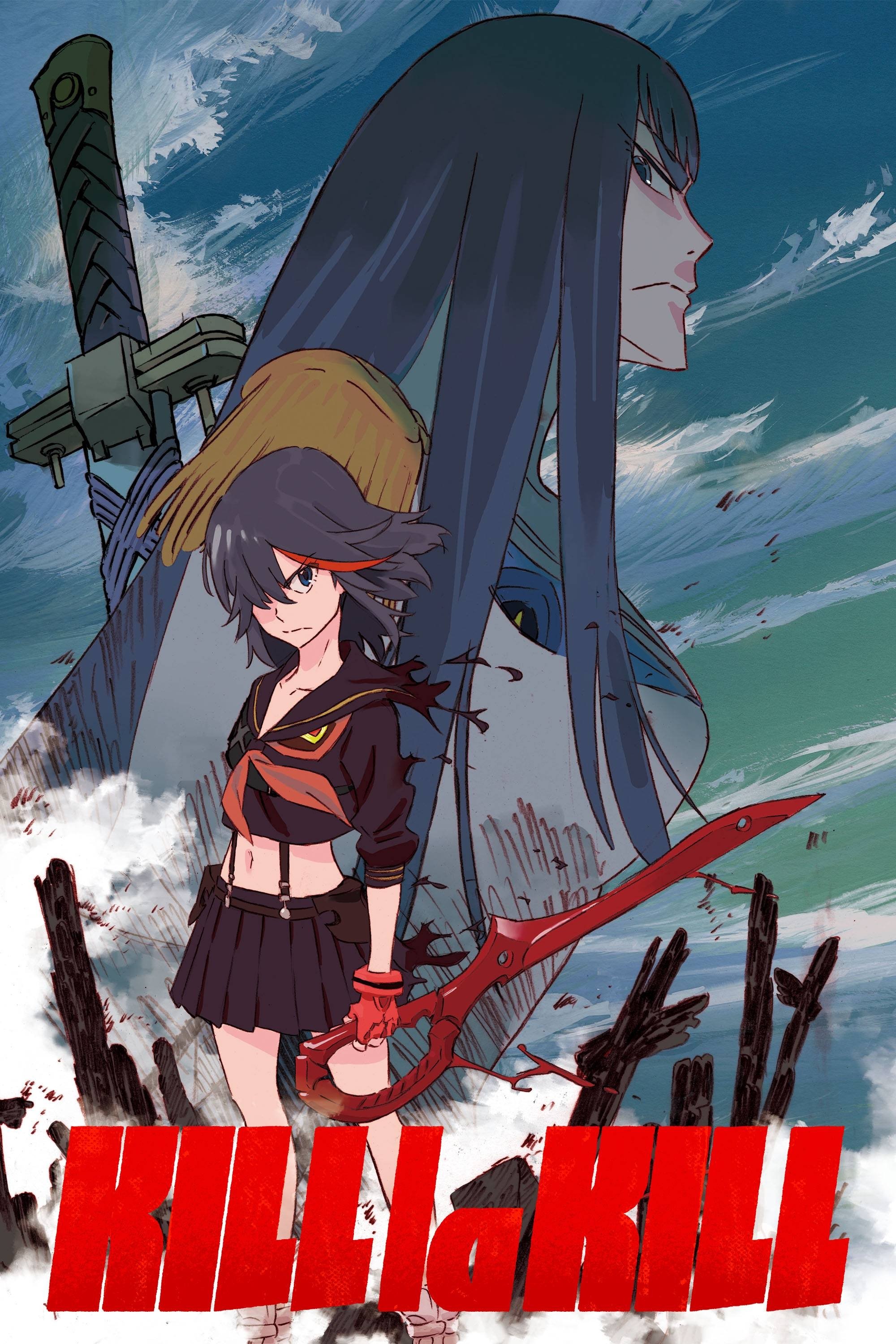
This action series situates student councils as governing bodies where uniforms confer abilities through fiber technology. Trigger organizes battles as club challenges, tournament ladders, and regime shifts. Clothing ranks, tailoring labs, and supply chains establish power distribution across the academy. The plot connects fashion conglomerates, resistance networks, and research history into a single control system.
‘Planetes’ (2003–2004)
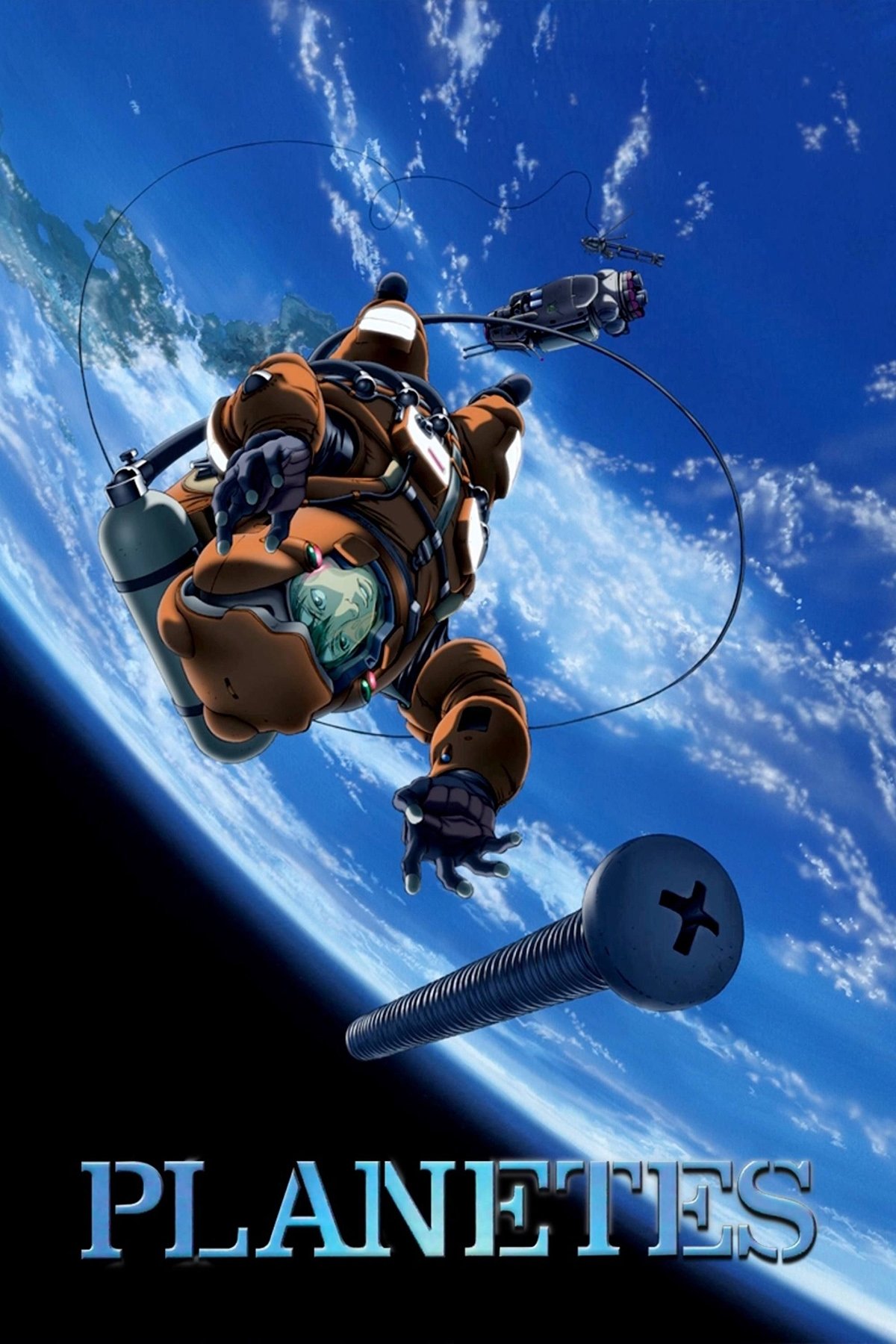
Focused on orbital debris collection, this hard-sci-fi drama treats space work as a regulated industry with budgets, unions, and safety protocols. Sunrise adapts Makoto Yukimura’s manga, detailing suit maintenance, tether procedures, and mission planning. Workplace politics and corporate contracts shape crew composition and risk management. Side stories address licensing, media coverage, and international standards for space operations.
‘Haibane Renmei’ (2002–2003)
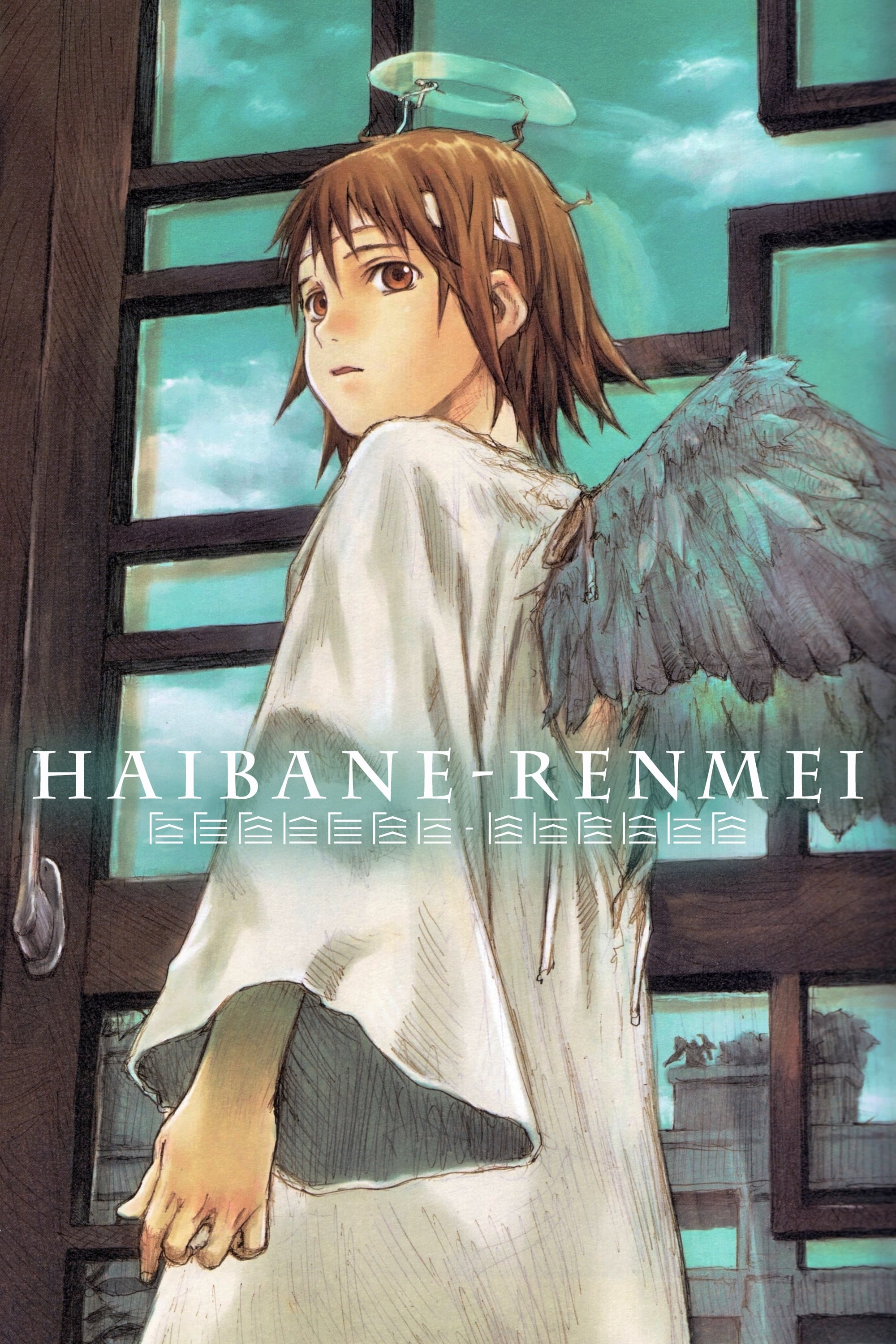
Set in a walled town with strict rules, this series follows haloed residents who abide by guidelines issued by a local order. Radix depicts daily labor assignments, thrift-based economies, and regulated travel. Journals, found objects, and community rituals serve as key information sources. The story observes how forgiveness, atonement practices, and naming customs structure social life.
‘Yu Yu Hakusho’ (1992–1995)
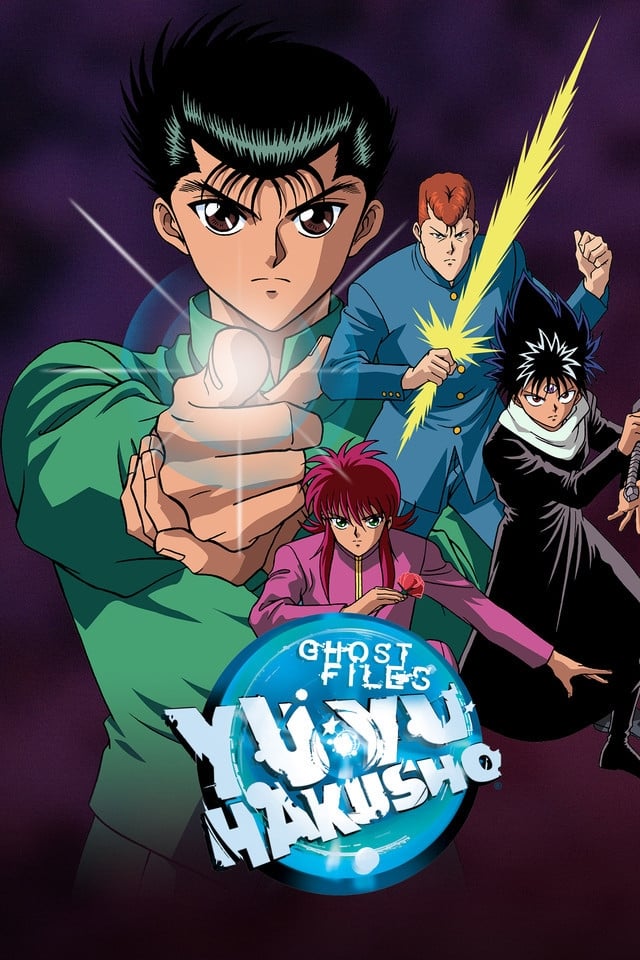
After an unexpected act of heroism, a teenager becomes an investigator dealing with human and spirit realms. Studio Pierrot adapts Yoshihiro Togashi’s manga with arcs that include tournaments, infiltration, and territory disputes. Power systems categorize techniques, domains, and energy management. The series tracks team formations, rivalries, and negotiated truces across changing jurisdictions.
‘Erased’ (2016)
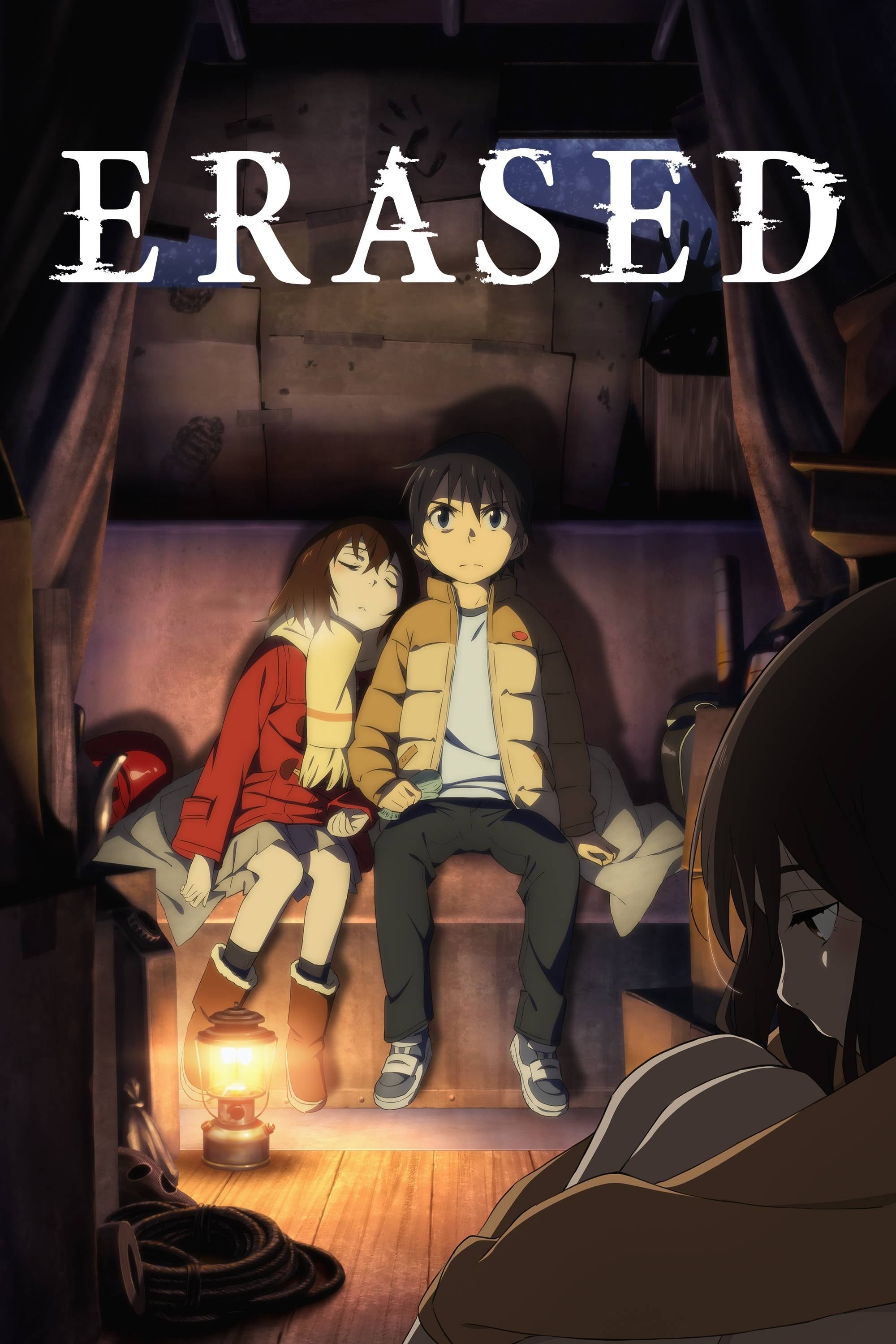
A struggling artist experiences involuntary time slips that let him intervene before crimes occur, leading to a focused effort to stop a serial case. A-1 Pictures adapts Kei Sanbe’s manga with parallel timelines that intercut investigation work and school life. Procedural elements include alibi tracking, custody arrangements, and teacher oversight. The narrative uses local geography, community watch patterns, and recorded evidence to tighten the net around suspects.
Share your own essential picks in the comments so everyone can discover what to watch next.