Movies Controversy Killed (Despite Being Good)


Some films arrive with strong craft and bold ideas, only to be sideswiped by headlines, protests, bans, or online firestorms that shrink their audience or stall their future. This list spotlights releases whose distribution, box office, awards prospects, or long-term availability were derailed by controversy rather than quality. You’ll see studio pullbacks after threats, religious and political boycotts, censorship battles, and social-media pile-ons that changed the conversation and, in many cases, the commercial fate of otherwise impressive work. Here are forty times uproar smothered momentum.
‘The Interview’ (2014)
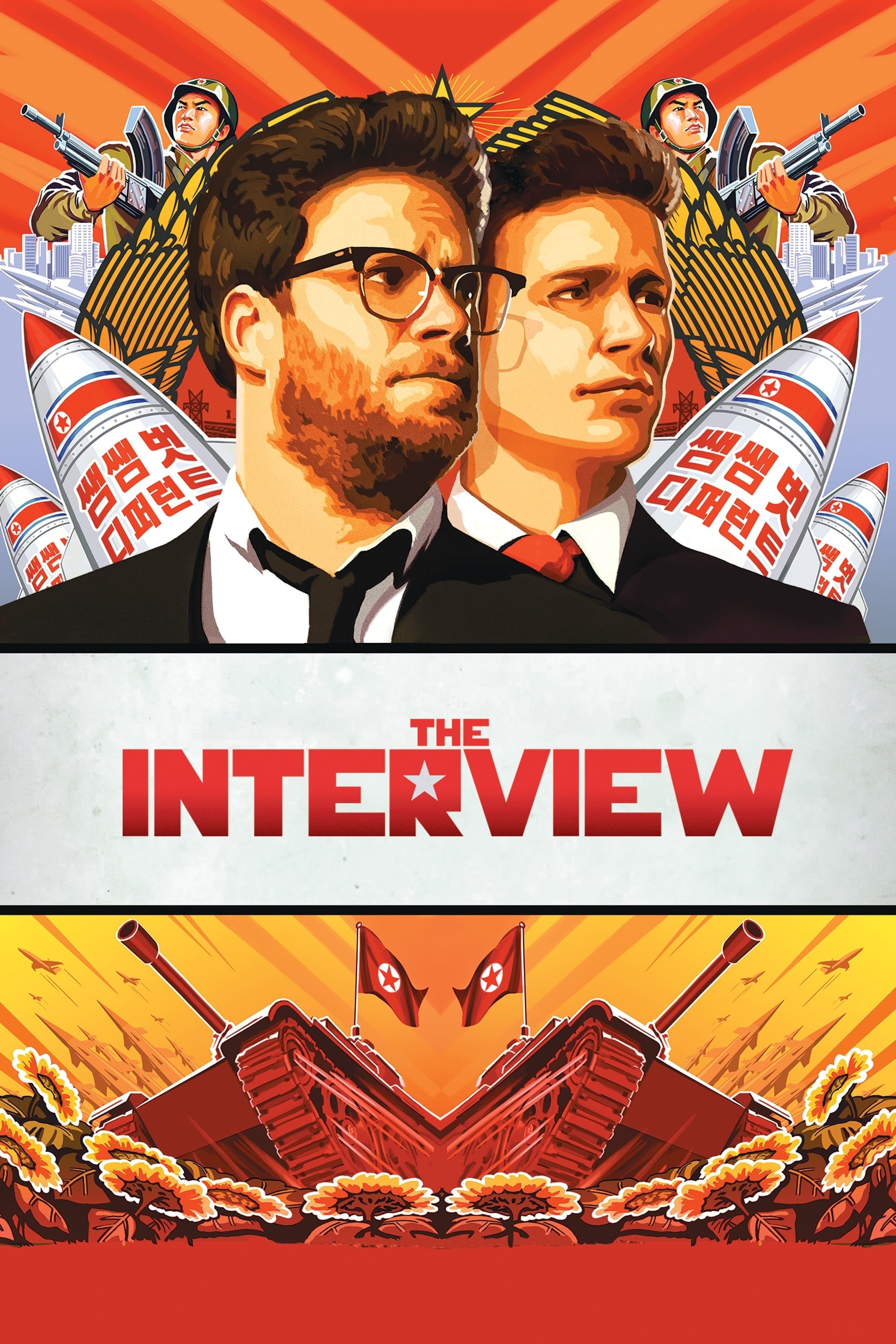
A cyberattack on the releasing studio and threats tied to the film’s premise prompted major theater chains to cancel bookings nationwide. The studio initially pulled the wide release, then pivoted to a small digital rollout and limited independent-theater screenings. International distribution was curtailed or delayed, and the box office collapsed compared with a typical holiday comedy. The episode also triggered insurance and security reviews across the industry, chilling similarly provocative projects.
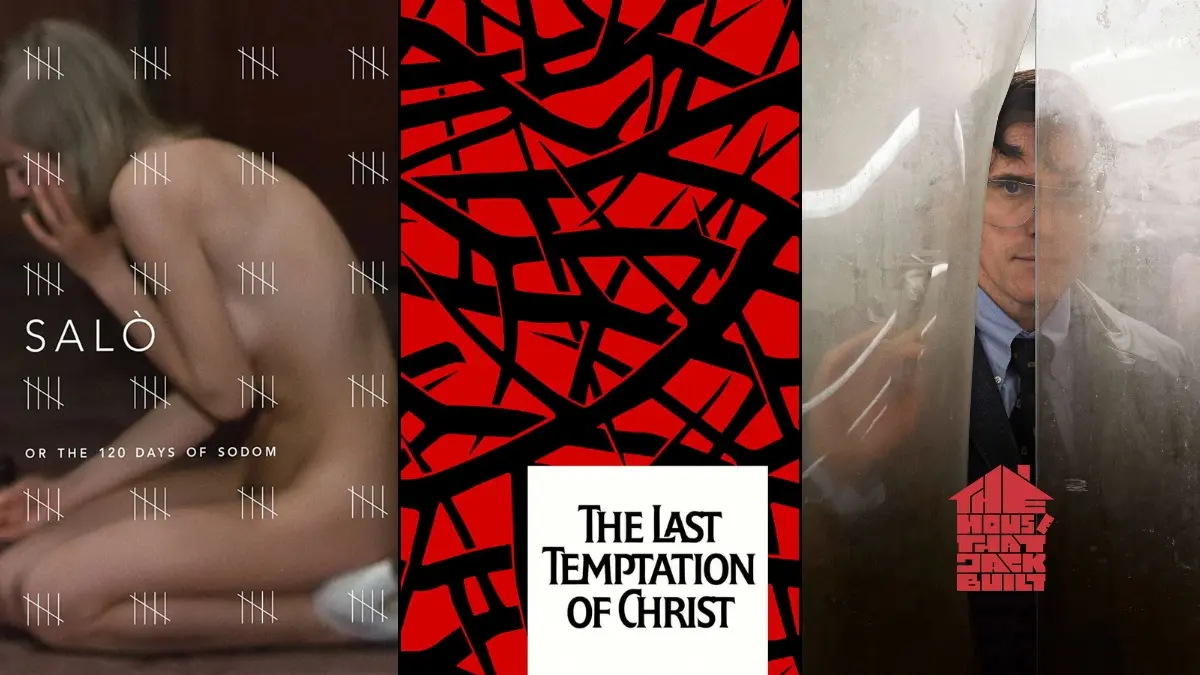
‘The Last Temptation of Christ’ (1988)
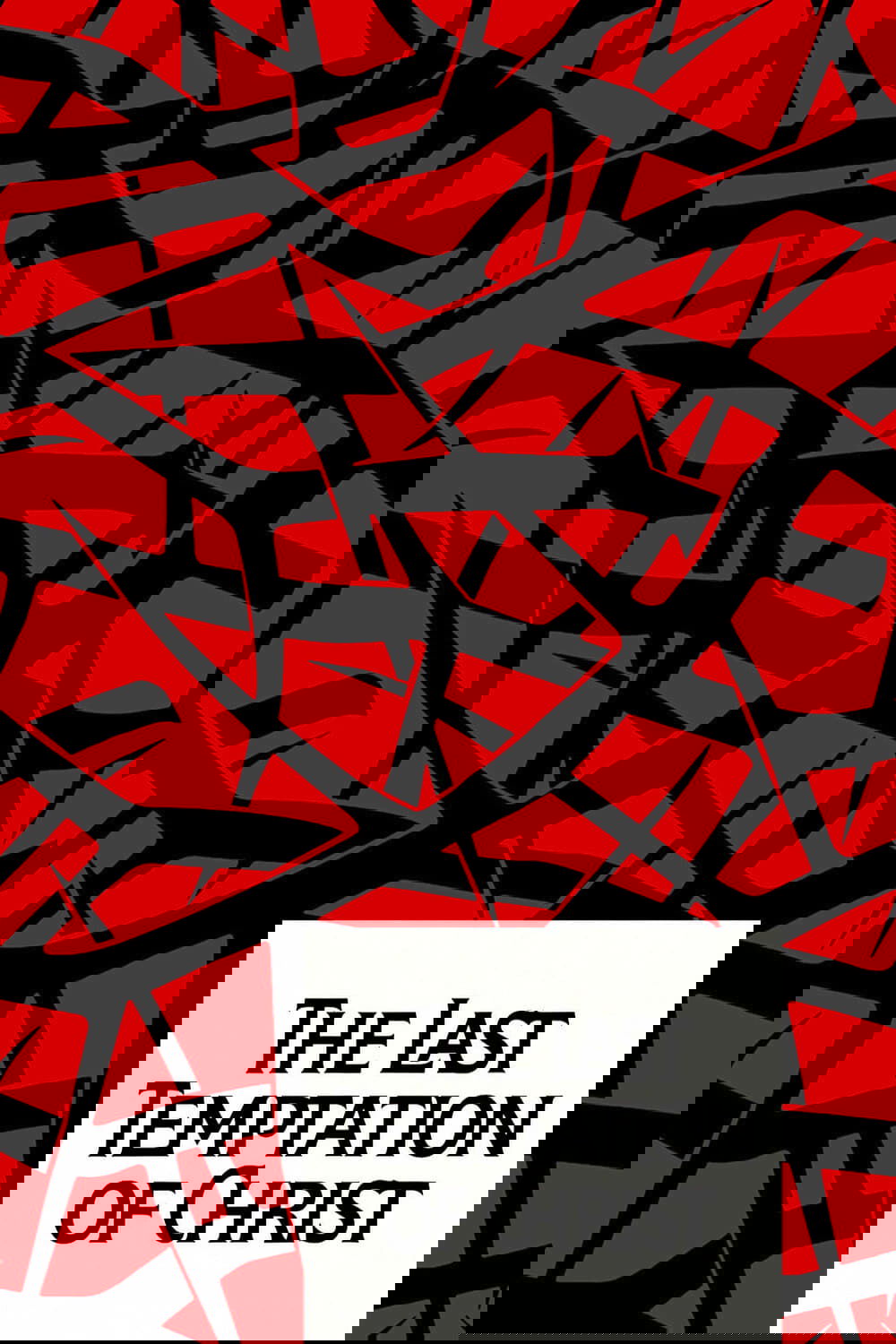
Religious organizations organized protests and boycotts against the adaptation, leading some theater owners to drop showings. Several countries imposed bans or heavy restrictions, forcing edited versions or delayed distribution. Vandalism and threats targeted cinemas, which further reduced screens willing to carry it. Despite critical acclaim, the controversy narrowed its reach during the crucial first weeks of release.
‘A Clockwork Orange’ (1971)
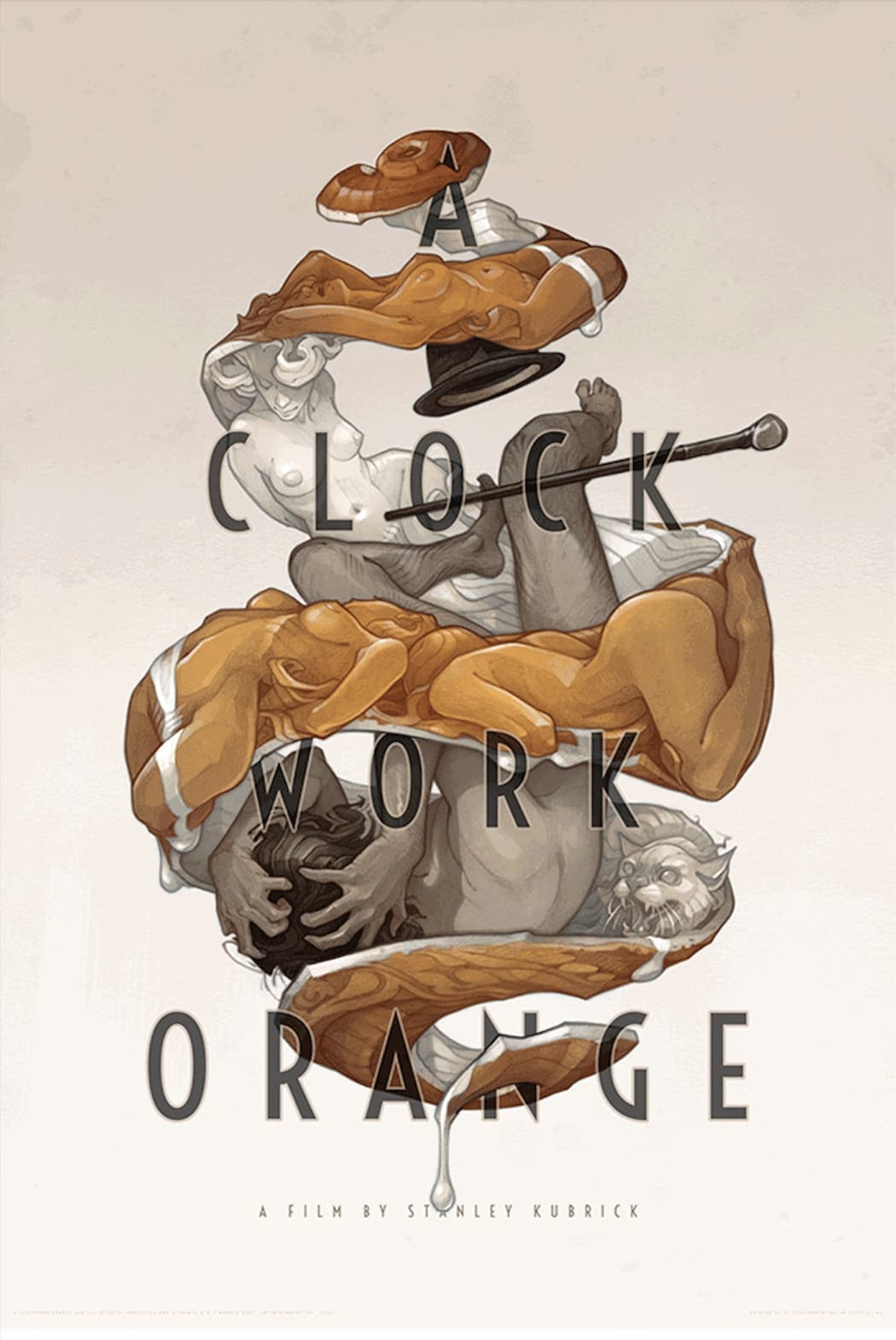
Following reports of copycat crimes and intense media scrutiny, the director requested the film be withdrawn from circulation in the United Kingdom. The self-imposed removal lasted for decades, limiting theatrical and home-video availability in a major market. Local authorities also struggled with classification standards, complicating repertory screenings. The restricted access muted the film’s mainstream cultural presence for a generation.
‘The Hunt’ (2020)
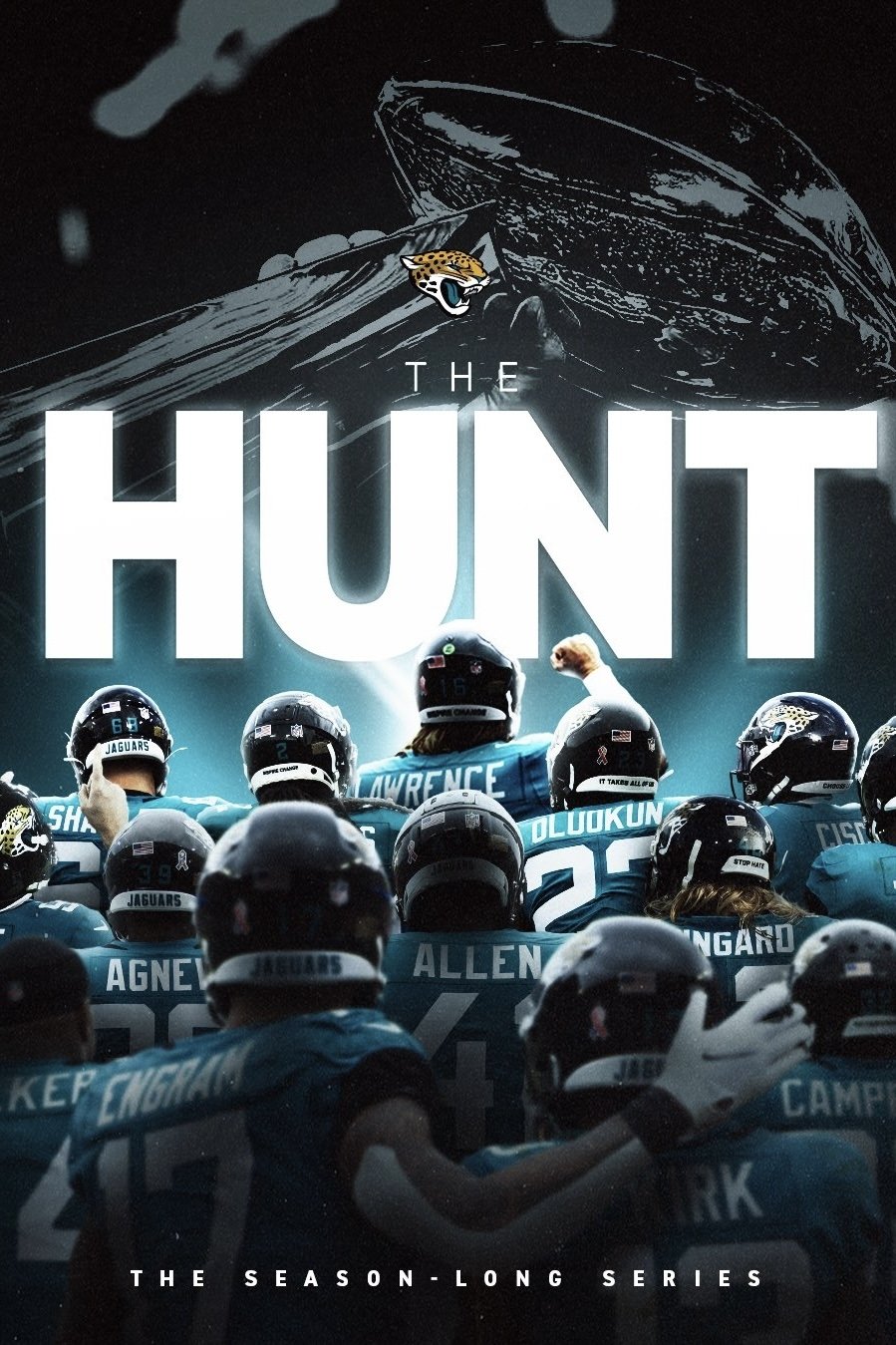
An initial marketing campaign sparked partisan backlash over its satirical premise, prompting the studio to cancel the original release. The film then faced a second setback when a new date collided with widespread theater closures. It finally arrived via premium digital rental with minimal in-person play, erasing the planned word-of-mouth push. The combination of political uproar and distribution disruptions kneecapped its commercial prospects.
‘The Birth of a Nation’ (2016)
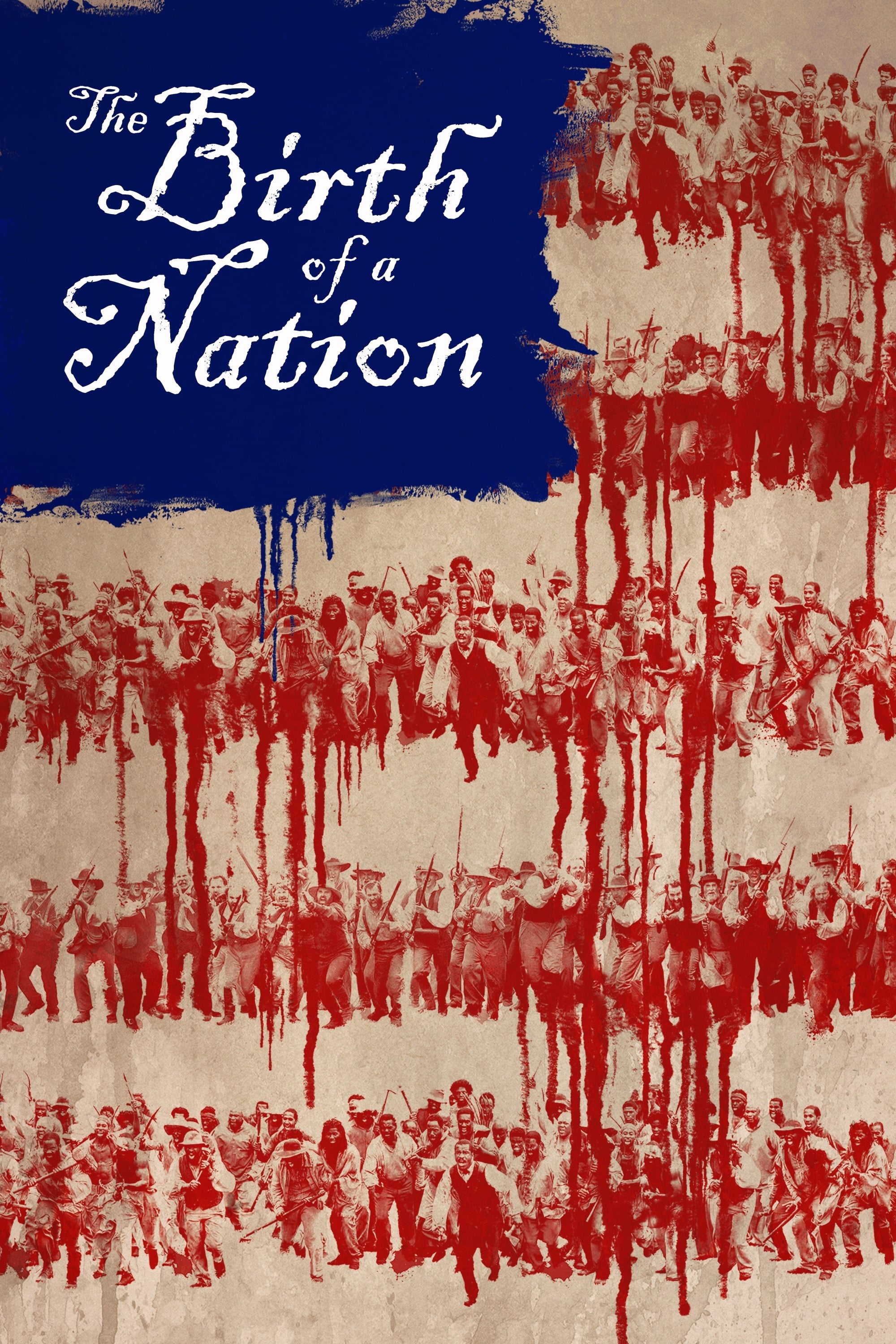
Festival awards and early acquisition buzz positioned this drama as an awards contender until past allegations against its director dominated coverage. Press tours shifted from discussing the film to crisis management, and advocacy groups called for boycotts. Several promotional partners scaled back support, and the domestic box office fell far below expectations. Awards campaigns lost momentum as voters and guilds distanced themselves from the publicity storm.
‘Song of the South’ (1946)
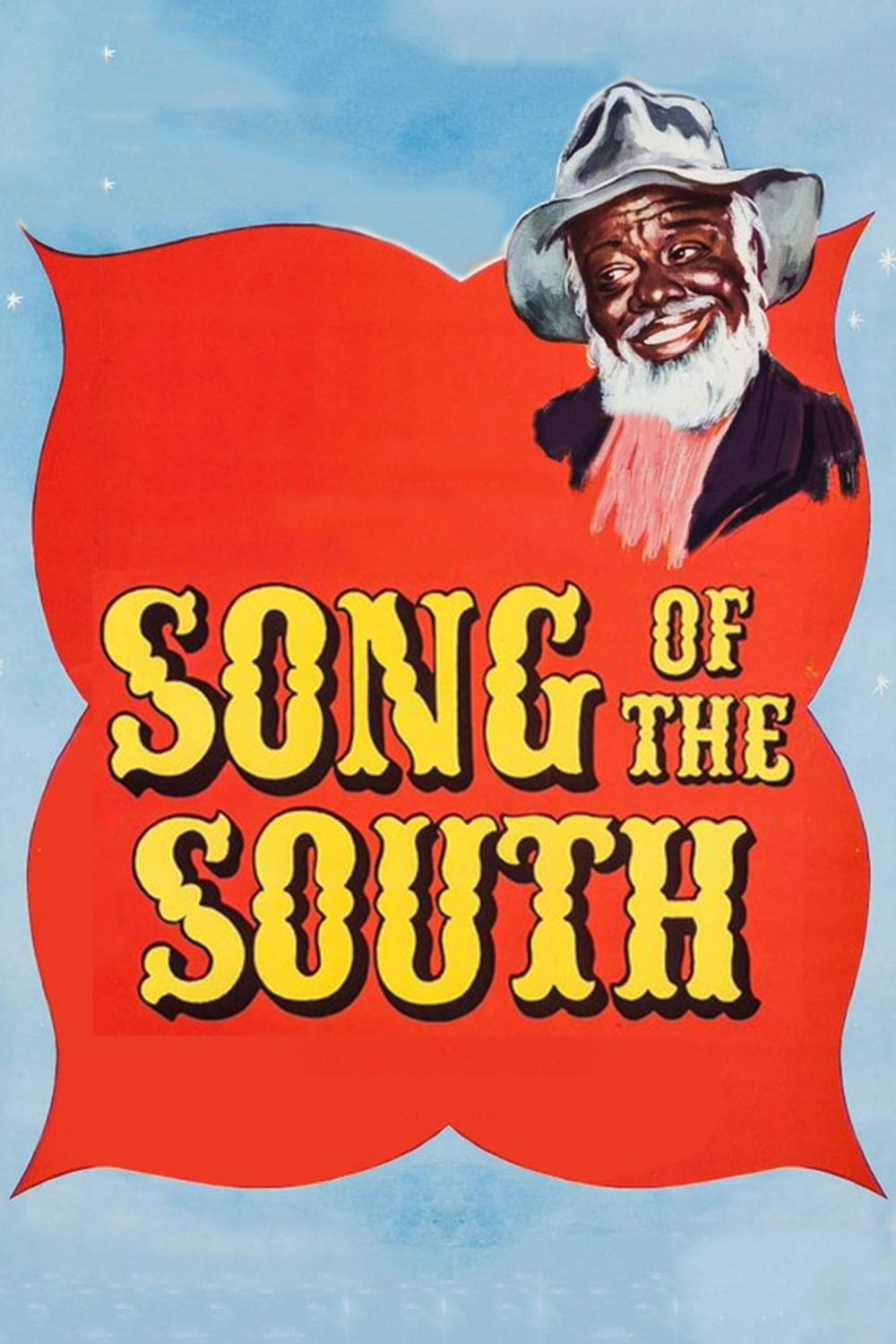
Long-running criticism of its racial portrayals led the studio to curtail re-releases and eventually lock the film out of circulation. Home-video editions were withheld in key markets, and the title remains absent from the studio’s streaming platform. Scholars, archivists, and fans rely on imported or archival prints, limiting legitimate access. The company’s public branding strategy further discourages any restoration or rediscovery.
‘Heaven’s Gate’ (1980)
After disastrous early reviews and reports about an overbudget production, the studio pulled the film for re-editing. The negative narrative overshadowed later restorations that improved reception. The release scaled down to a token theatrical presence, and the financial fallout reshaped studio policies. Its producer’s freedom on future projects was curtailed as executives tightened oversight industry-wide.
‘The Death of Stalin’ (2017)
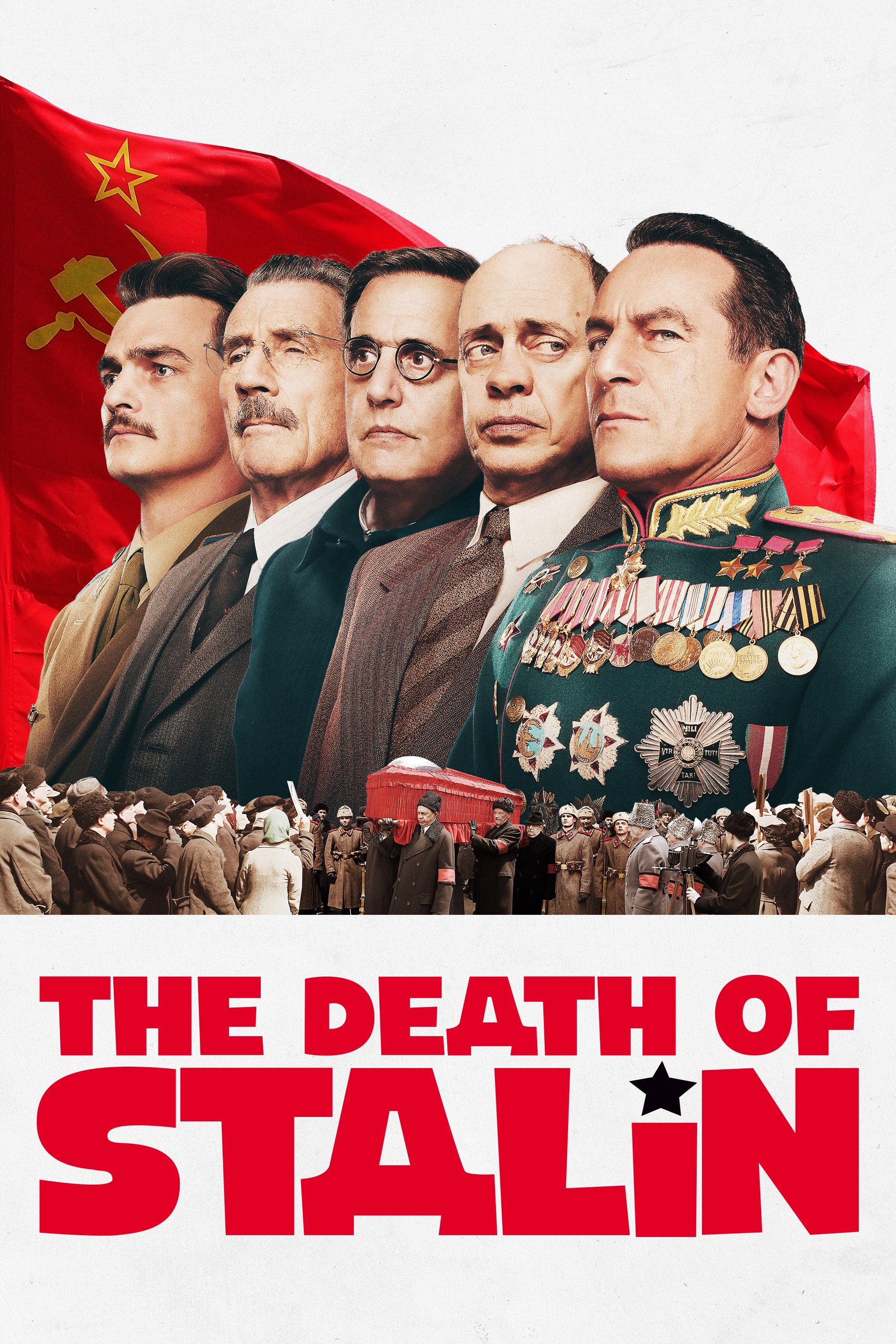
Authorities in Russia revoked the film’s distribution certificate shortly before release, citing offense to national symbols. State-aligned theaters dropped planned bookings, and some neighboring territories restricted play. Festival and arthouse circuits in other countries became the primary viewing route. The bans constrained revenue and exposure in a central market depicted onscreen.
‘The Golden Compass’ (2007)
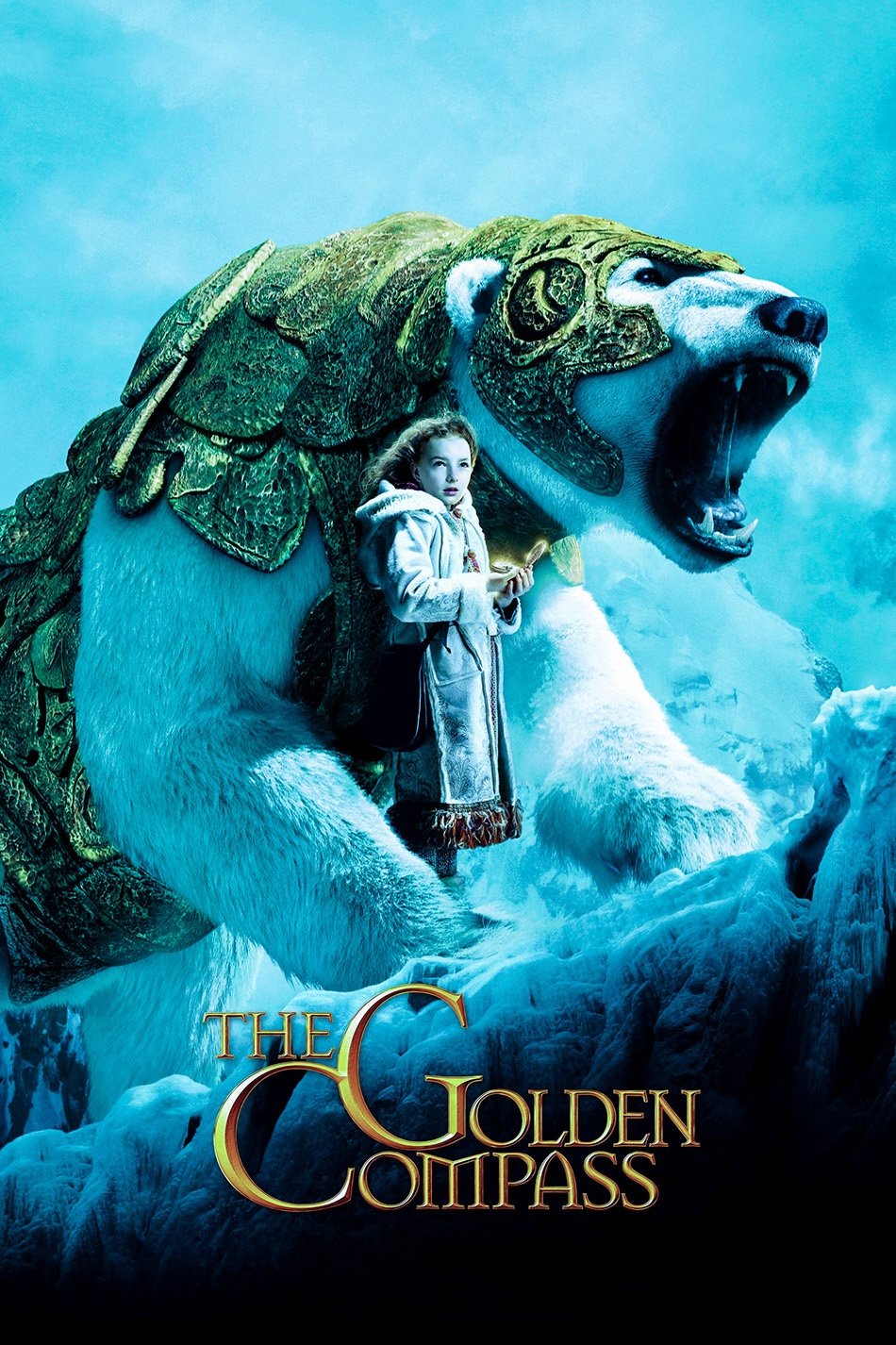
Religious groups criticized the story’s themes and organized boycotts in North America. The studio softened certain elements during adaptation and marketing, which alienated parts of the core readership while not defusing the backlash. Domestic performance lagged, and plans for immediate sequels were shelved. The property eventually returned to screens years later via television rather than film.
‘Annihilation’ (2018)
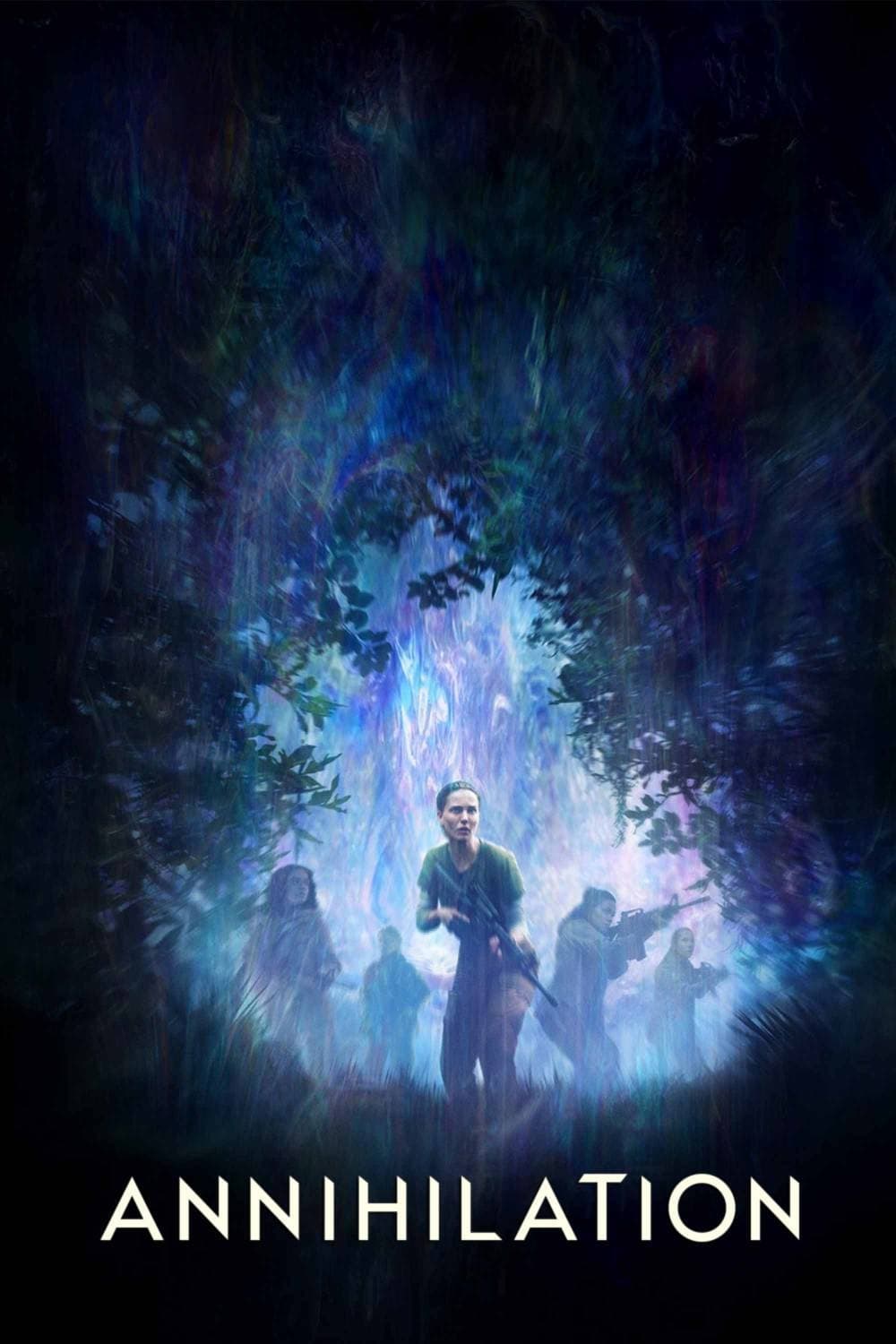
A dispute over perceived challenging content led the financier to offload international rights to a streaming platform in many territories. As a result, the film skipped theaters across large parts of the world, undermining global box office. Viewers in those regions first encountered it at home, reducing event status and press coverage. The distribution split also complicated awards positioning across categories.
‘Dogma’ (1999)
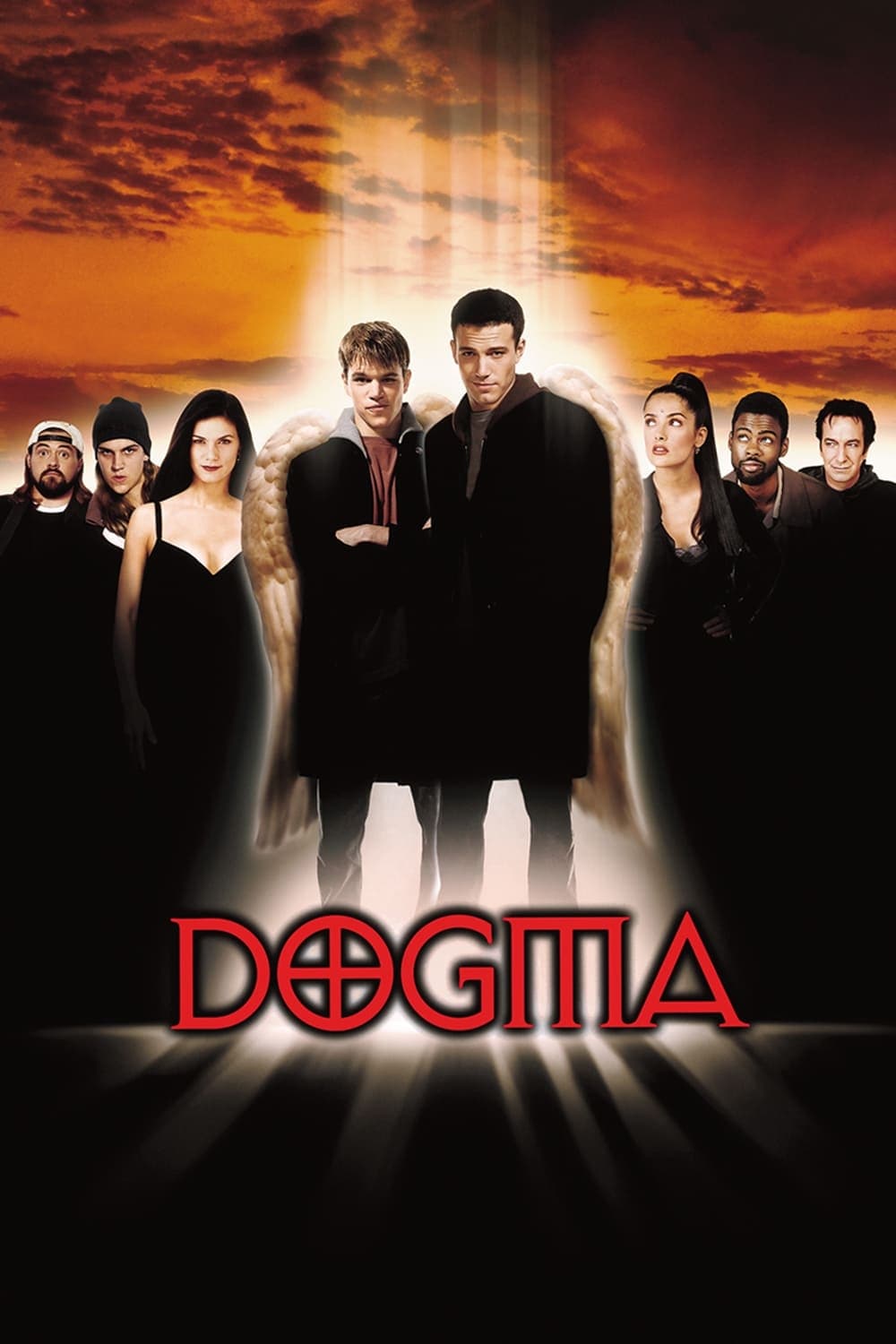
Because its religious satire clashed with the corporate parent’s image, the original distributor sold the film to a specialty label. Theater chains in certain areas declined bookings amid organized protests. The title’s home-video and digital availability later became tangled by rights transfers, making it difficult to find legally. That patchy access limited its long-term audience growth.
‘The Devils’ (1971)
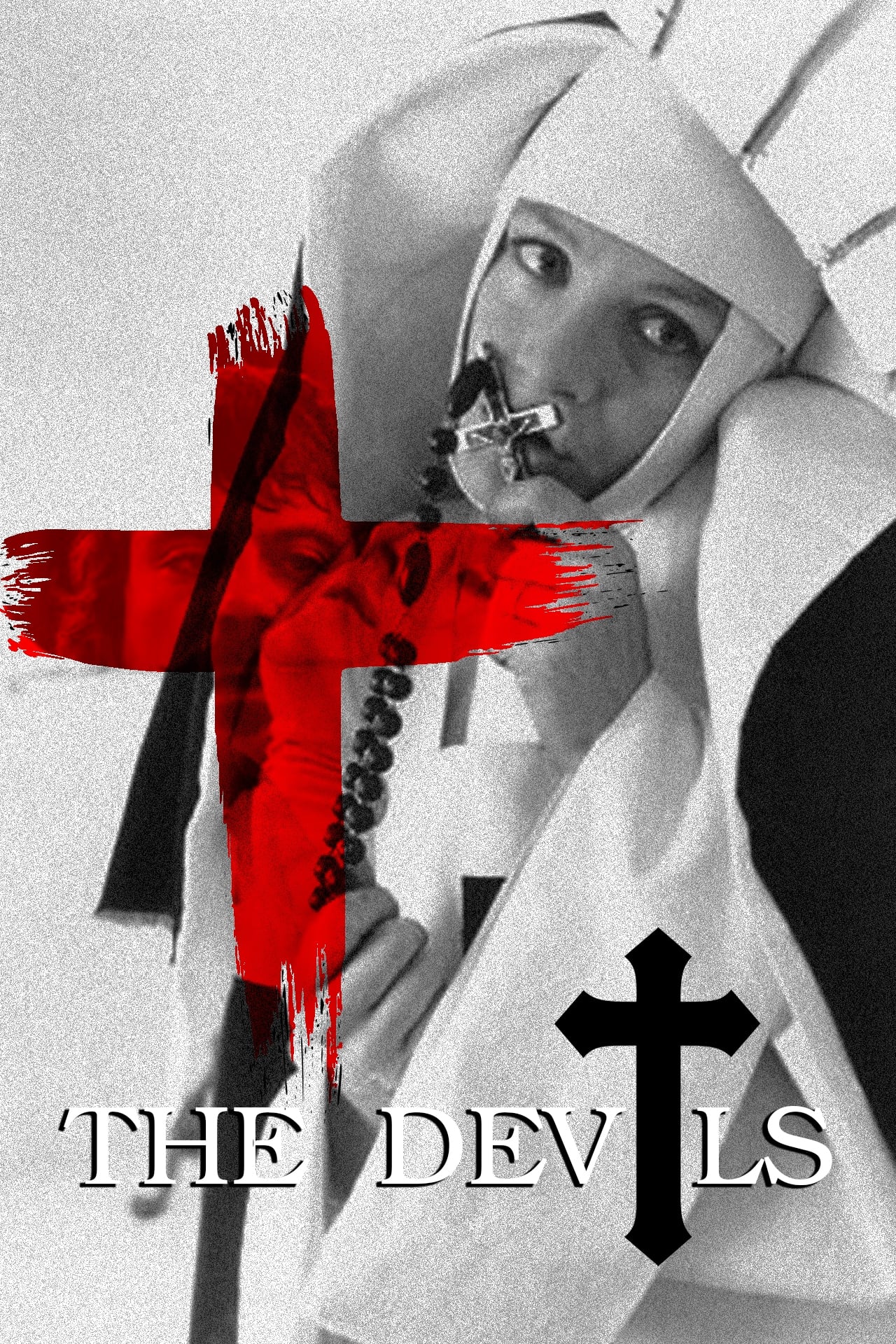
Censors demanded extensive cuts due to accusations of blasphemy and obscenity, resulting in multiple divergent versions. The studio kept the uncut print out of general circulation, and television broadcasts avoided it. Archivists and historians pushed for restoration, but rights holders moved cautiously. For decades, audiences encountered only incomplete edits, suppressing critical reassessment.
‘Last Tango in Paris’ (1972)
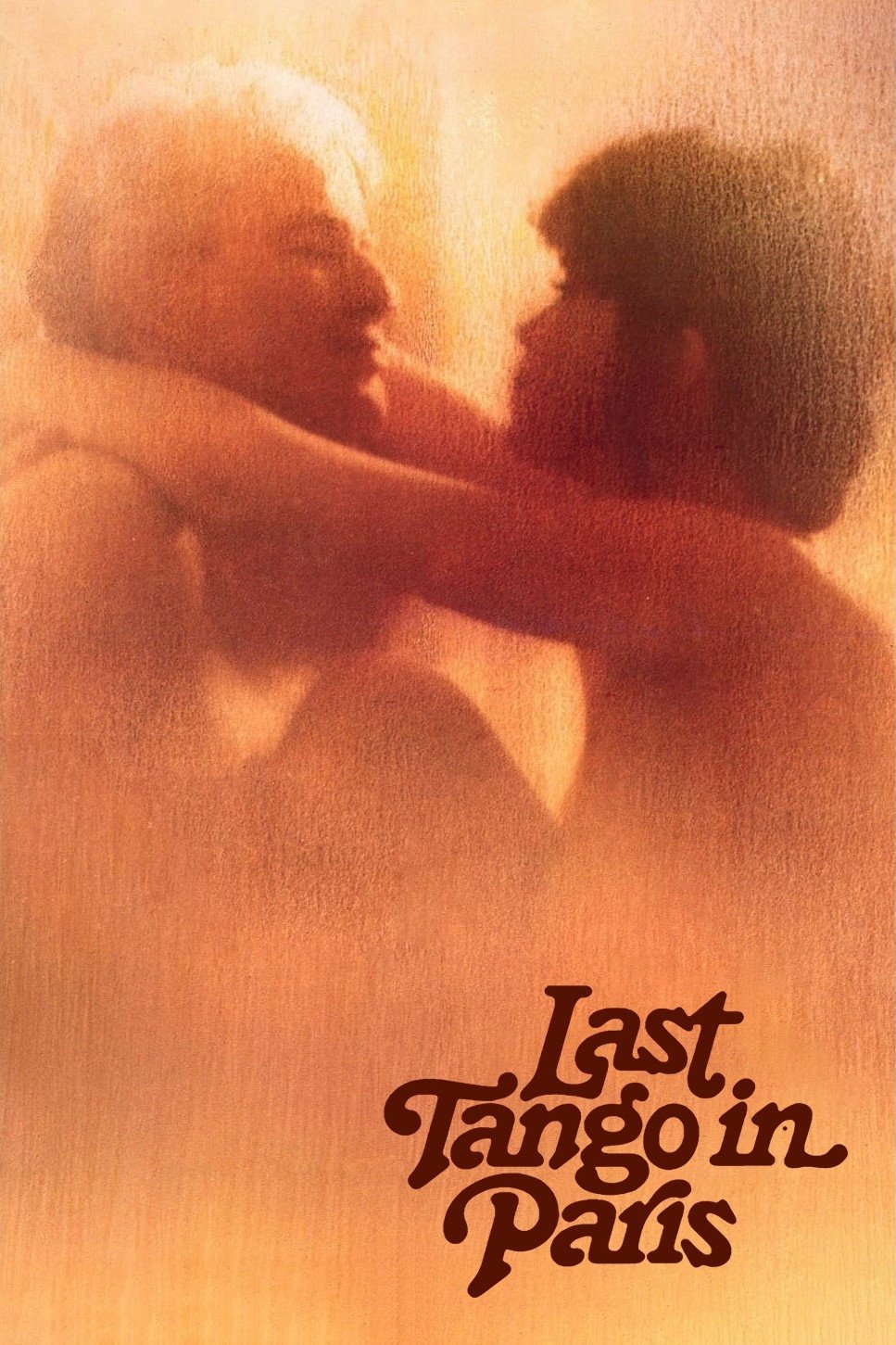
Obscenity prosecutions and bans in several countries led to confiscations of prints and halted screenings. Court rulings vacillated over time, but periods of prohibition interrupted theatrical and home-video access. The legal battles dominated coverage, overshadowing cinematography and performance discussion. Import restrictions further fragmented the versions available to viewers.
‘Ghostbusters’ (2016)
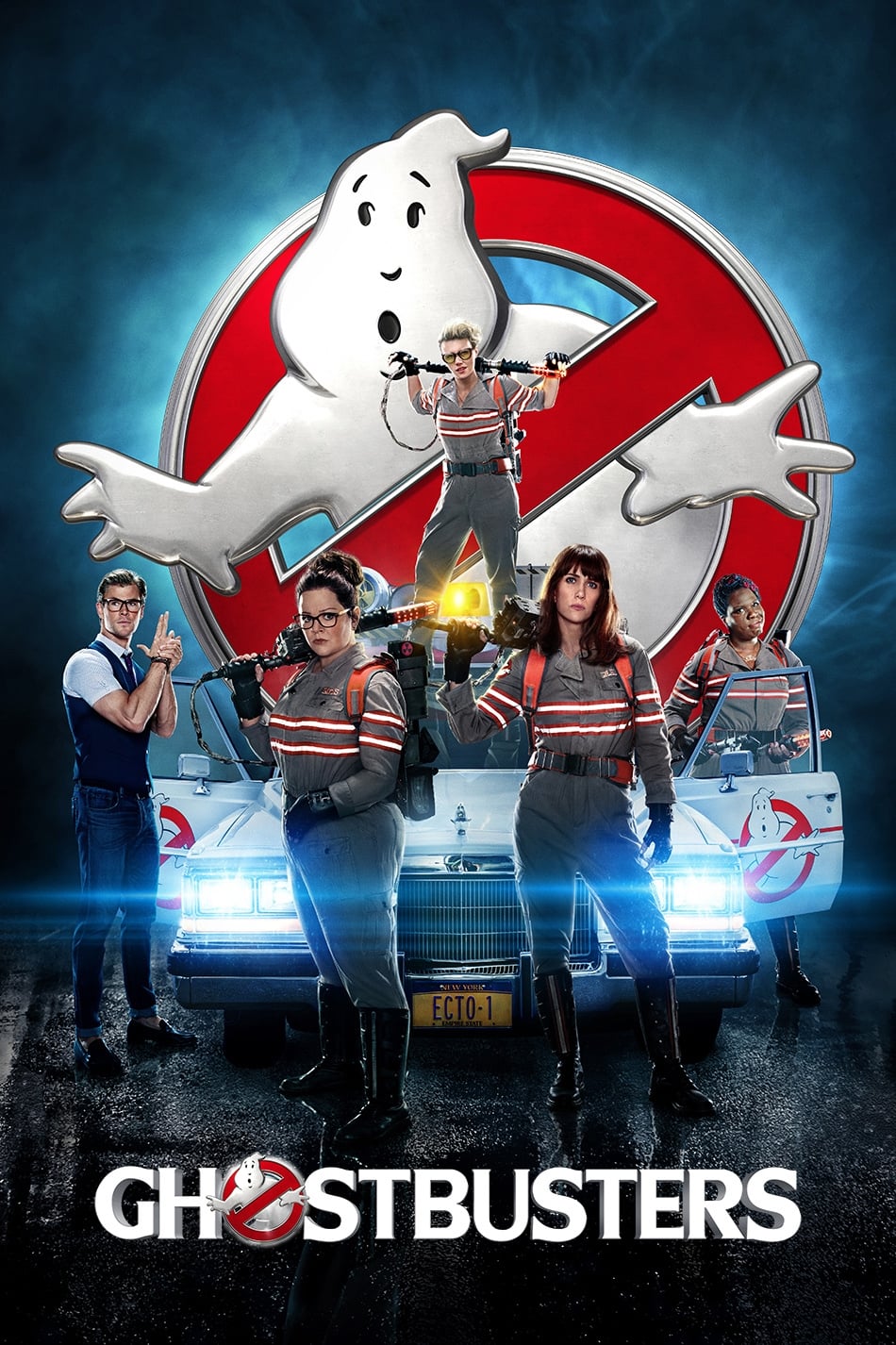
A pre-release online backlash targeted casting and marketing, creating a hostile environment across social platforms. The conversation drifted from the film itself to culture-war talking points, which affected audience intent surveys. Merchandise and partnership plans were adjusted as tracking weakened. Underperformance prompted the studio to rethink its planned follow-ups in that continuity.
‘Cannibal Holocaust’ (1980)
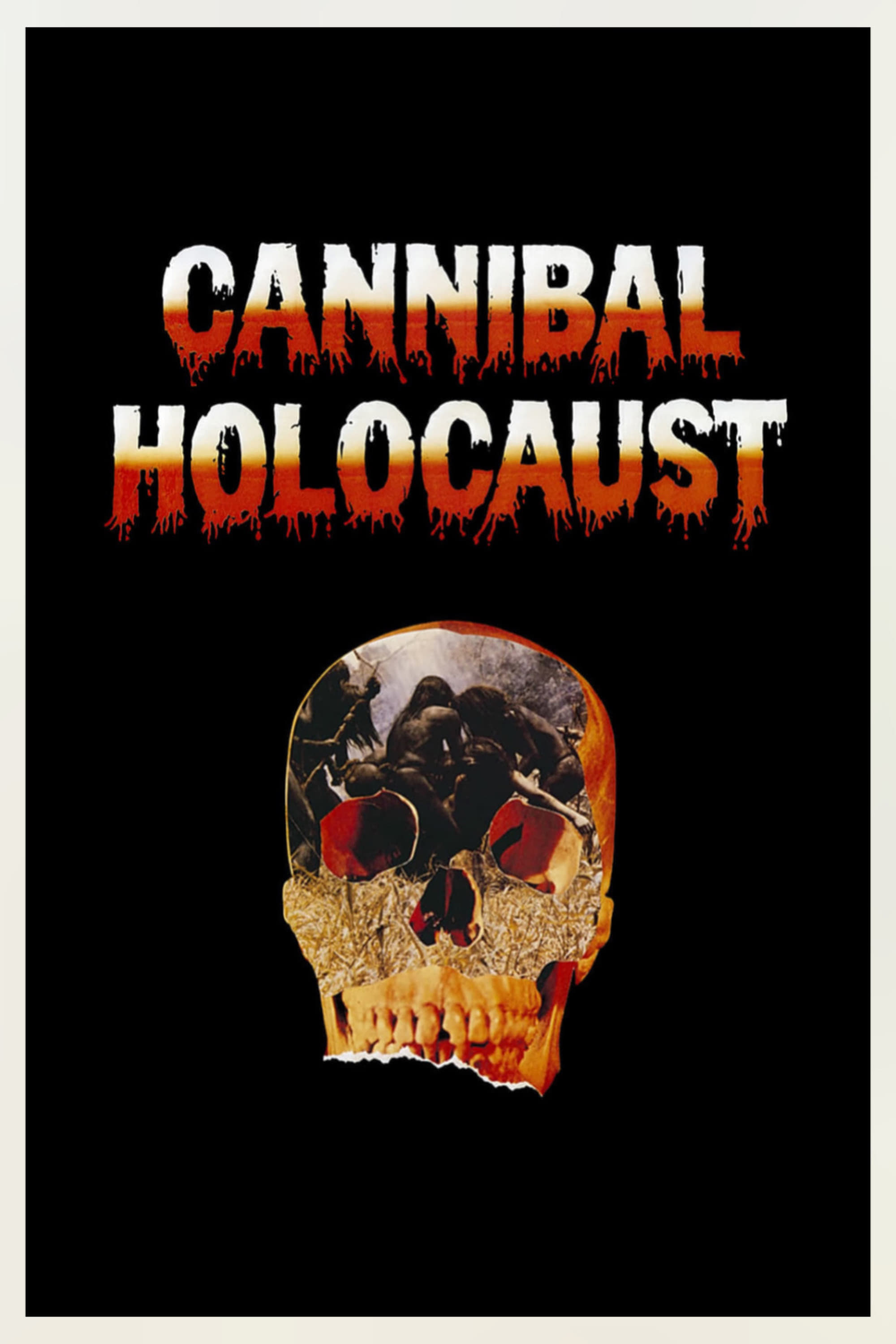
Authorities seized the film in multiple jurisdictions, and the director faced legal action over alleged animal-cruelty and obscenity offenses. Many territories imposed outright bans or demanded heavy cuts, fracturing the version history. The notoriety overshadowed its found-footage innovations, limiting mainstream venues willing to show it. Long-term, the title circulated primarily through underground or specialty channels.
‘The Promise’ (2016)

Online campaigns attempted to manipulate audience scores due to the film’s portrayal of the Armenian genocide. Organized down-rating efforts began before wide release, skewing perception on major platforms. The contentious climate discouraged some exhibitors and complicated marketing. Despite prominent talent, the box office lagged in the face of coordinated pushback.
‘Lolita’ (1962)

Strict content codes forced the production into careful circumvention, resulting in battles with censors and ratings boards. Marketing avoided explicit references, and some territories delayed or restricted screenings. The distribution complexities narrowed initial access despite significant name recognition. Subsequent releases continued to grapple with classification sensitivities.
‘Hail Mary’ (1985)
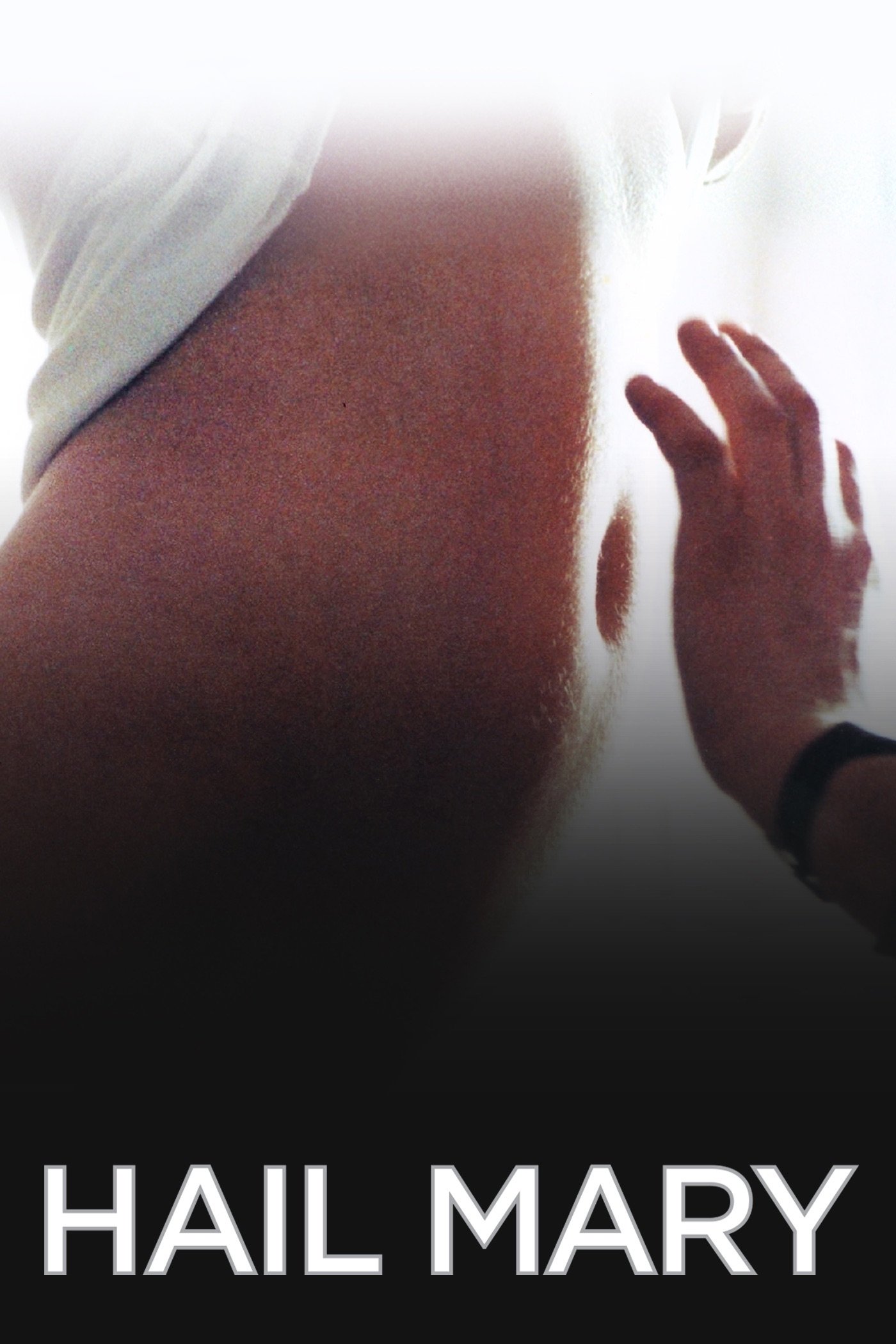
Religious authorities condemned the film, prompting protests and municipal bans in parts of Europe and North America. Exhibitors reported threats and withdrew bookings to avoid controversy. Limited screenings reduced press opportunities and audience discovery. The uproar overshadowed discussion of its formal experimentation and music.
‘The House That Jack Built’ (2018)
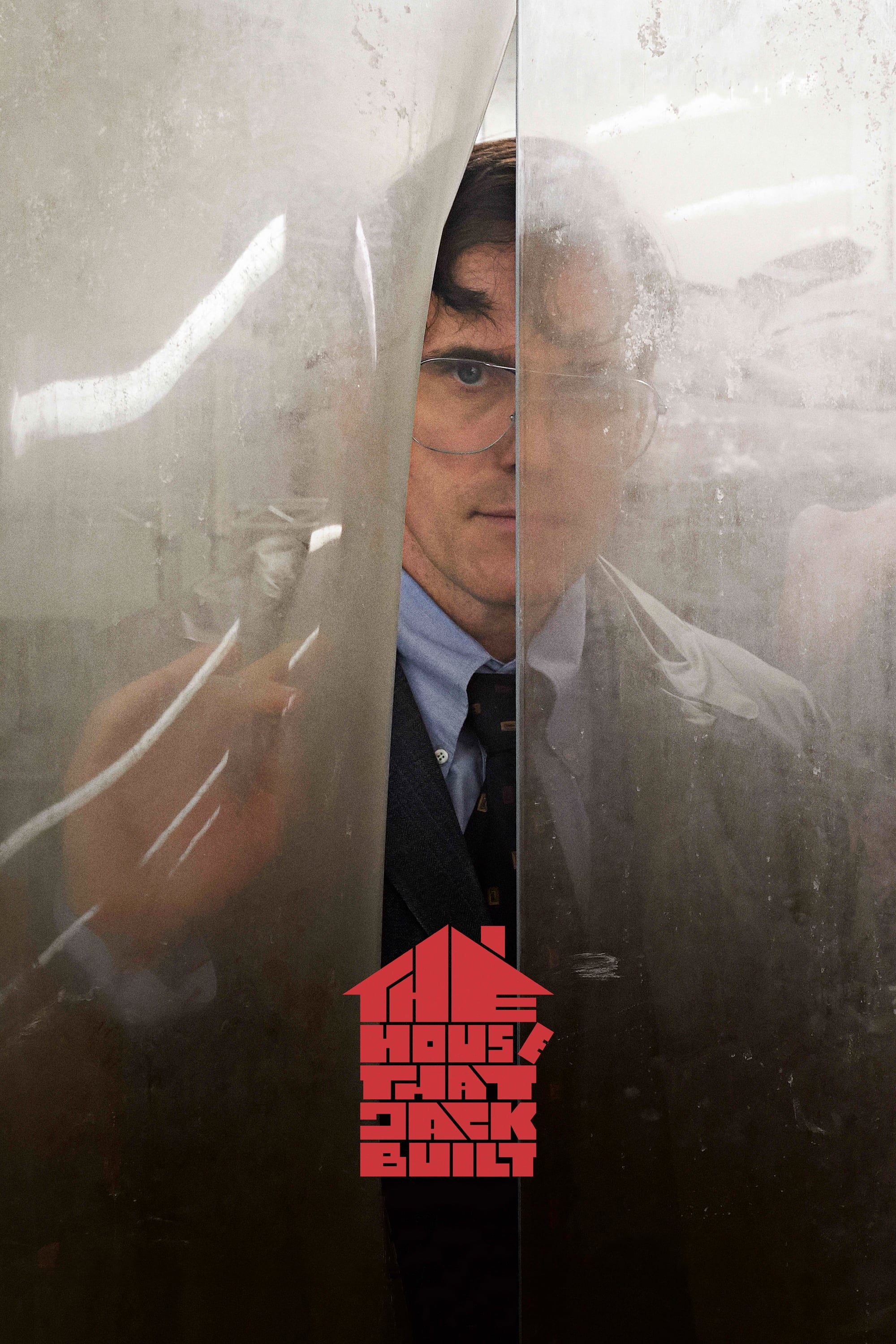
An unrated festival screening triggered complaints, and a later one-night theatrical event drew regulatory scrutiny. Major chains declined to carry the unrated cut, and the rated version reached far fewer screens than typical thrillers. Internationally, classification boards imposed restrictions that varied by territory. The fractured rollout blunted potential cult momentum.
‘Cuties’ (2020)

A marketing image and description on a streaming platform sparked global backlash before most viewers saw the film. Hashtags, petitions, and calls for cancellation dominated attention, and some politicians sought investigations. The controversy led to review bombing and subscription-cancellation campaigns, crowding out discussion of the actual narrative. Distribution remained on the platform, but broader cultural acceptance stalled.
‘Team America: World Police’ (2004)
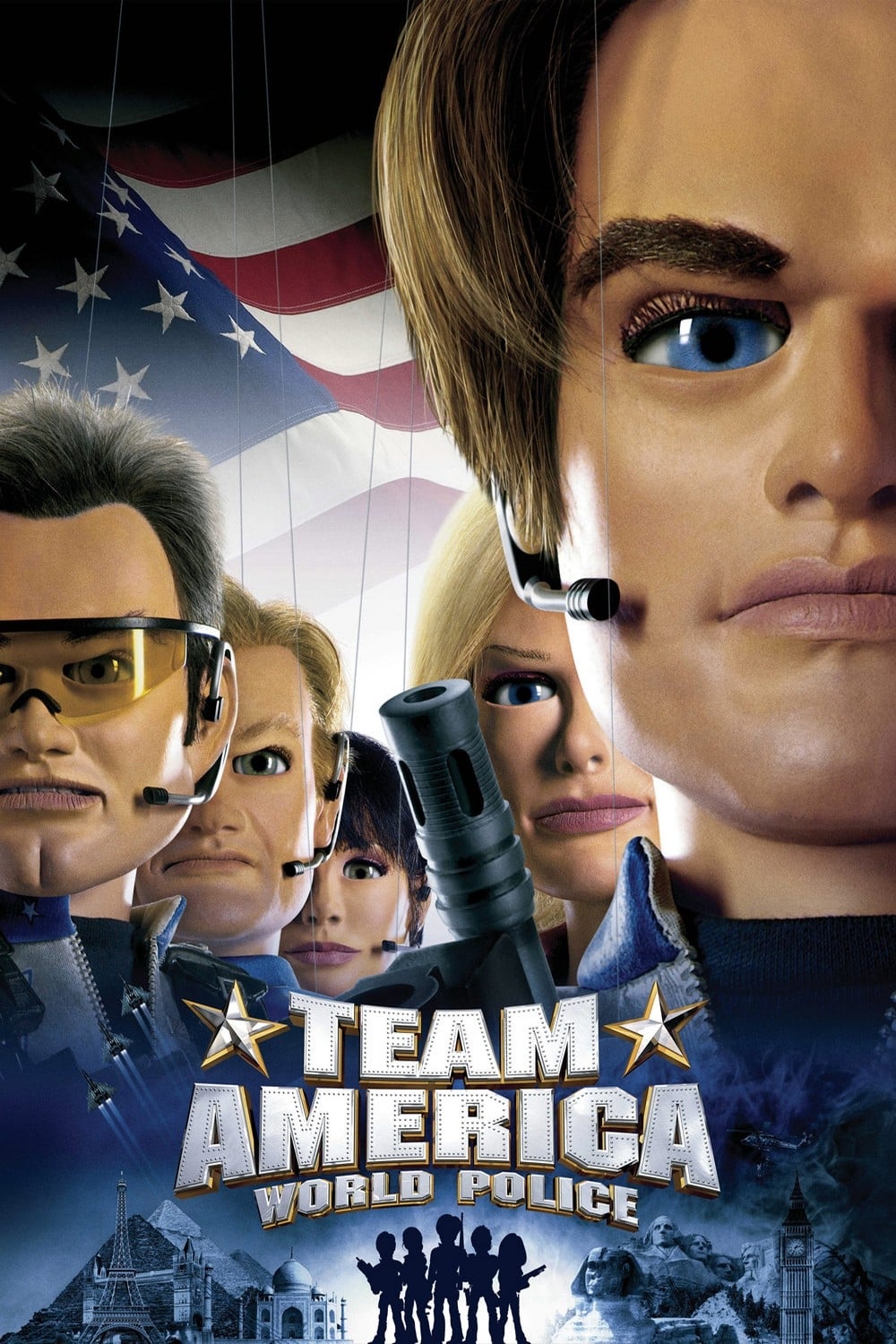
Years after release, planned special screenings were cancelled by theaters amid security concerns during a separate geopolitical controversy tied to another film. Earlier, certain countries imposed cuts or restrictions due to political satire and depictions of leaders. The cumulative pushback limited where and how it could be shown publicly. Those constraints reduced opportunities for repertory revival.
‘The Woodsman’ (2004)
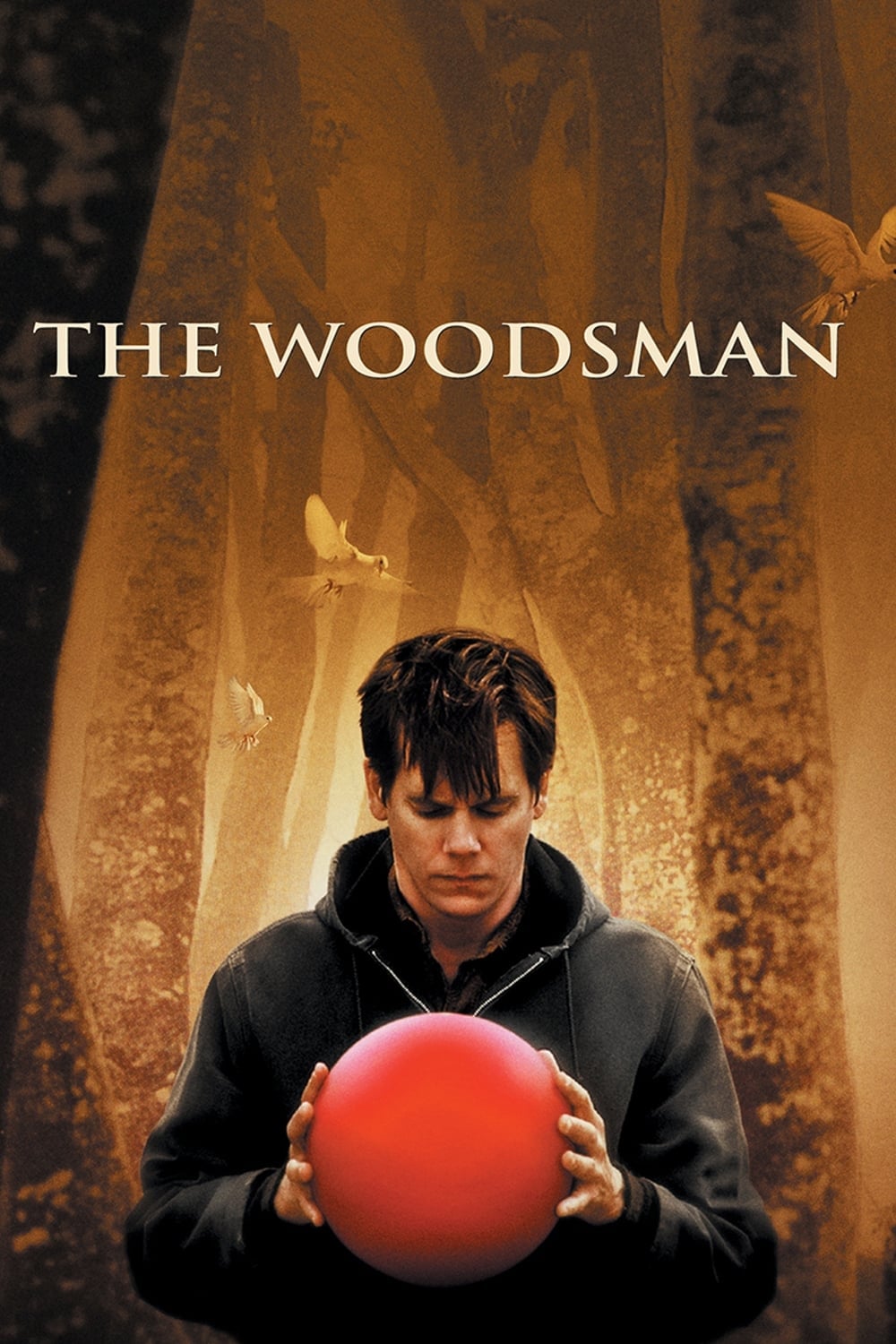
Its difficult subject matter prompted advocacy-group pressure on exhibitors and advertisers. Many chains placed it on minimal screens, and some markets skipped theatrical play. Awards campaigns focused on acting had trouble gaining traction amid the public debate. With limited promotion and showtimes, the film struggled to reach audiences despite strong notices.
‘The Painted Bird’ (2019)
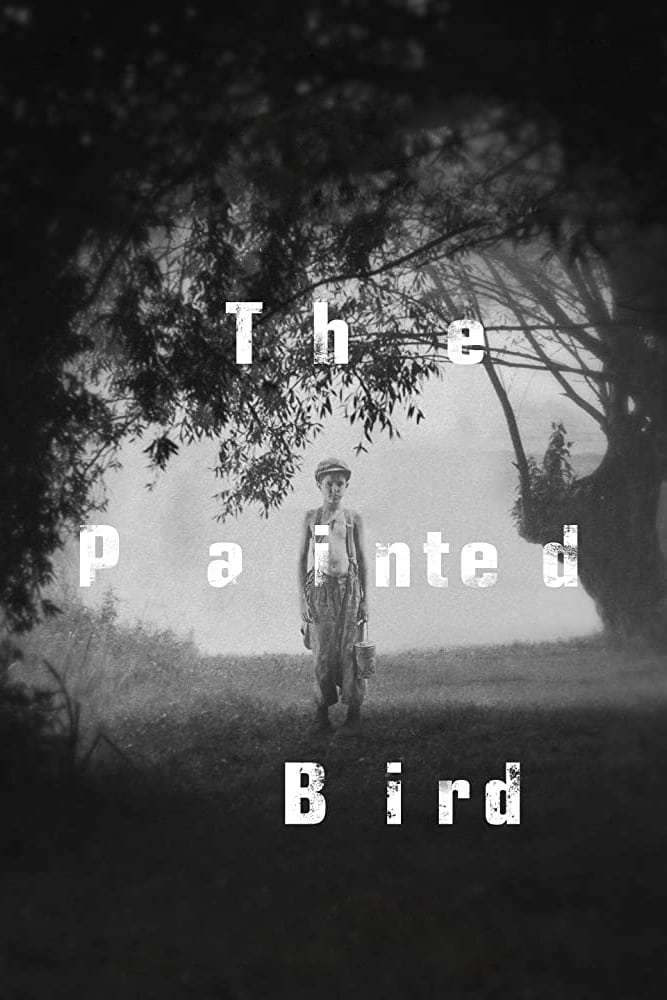
Festival walkouts and reports of extreme content became the dominant media angle. National ratings boards imposed strict classifications that curtailed mainstream bookings. Distributors leaned on art-house circuits and event screenings rather than wide play. The notoriety narrowed its audience to specialized venues and festivals.
‘Zero Dark Thirty’ (2012)

Accusations that the film endorsed torture practices sparked congressional statements and media investigations. Awards bodies faced pressure over nominations, and some guild screenings grew contentious. The studio’s campaign shifted toward damage control instead of broad promotion. The political debate dulled momentum in key voting phases.
‘United 93’ (2006)

Concerns about releasing a dramatization of a recent national tragedy made exhibitors and advertisers cautious. Early teaser placements drew complaints, and some theaters pulled the trailer. The marketing emphasized restraint, but bookings remained conservative in several regions. The hesitancy compressed its commercial ceiling despite strong reviews.
‘Blue Story’ (2019)
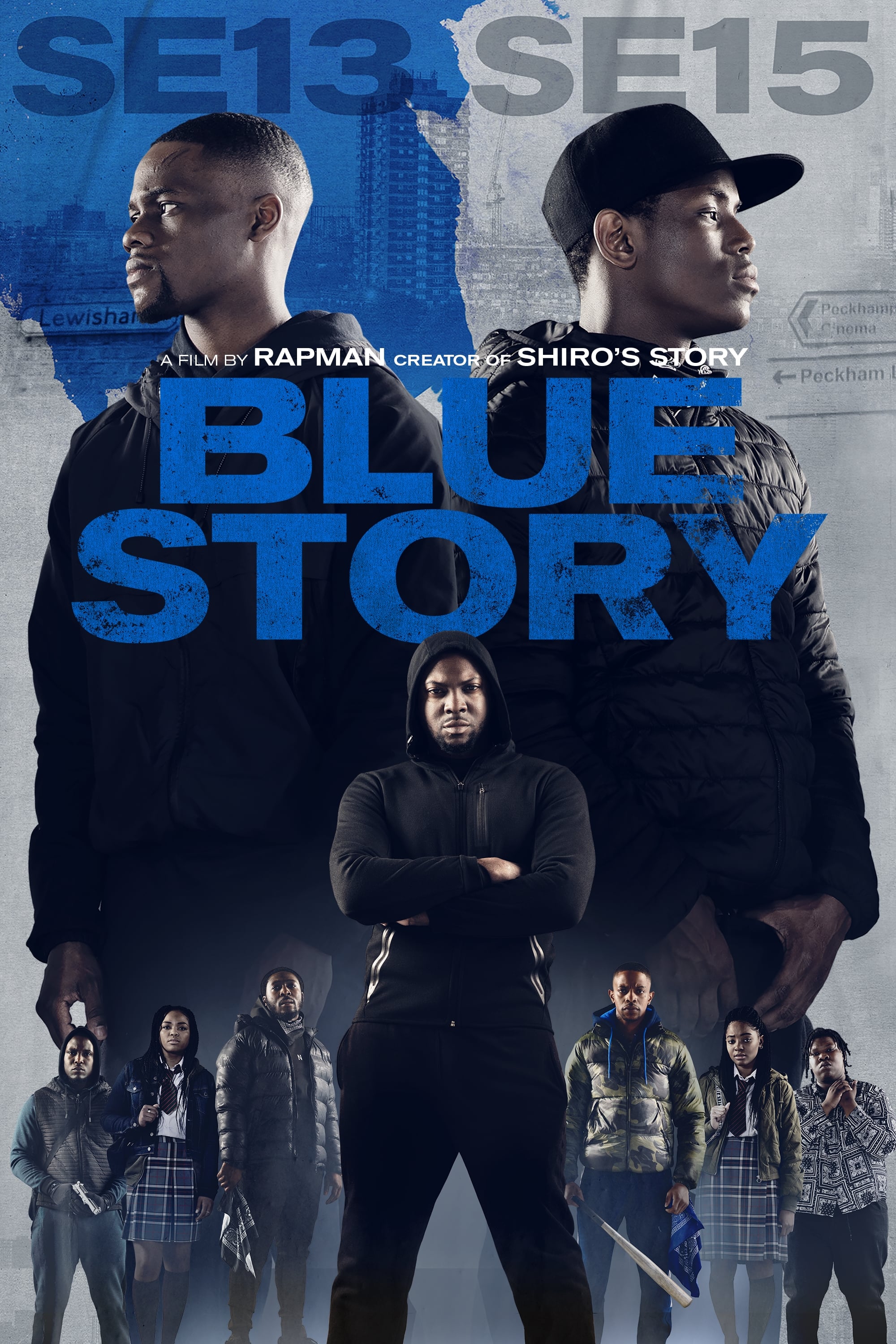
A violent incident at a screening led a major UK cinema chain to pull ‘Blue Story’ nationwide for days, with others following suit before later restoring showings. Police and local councils scrutinized venues, and some imposed extra conditions on screenings. The withdrawal disrupted opening-week momentum and constrained access in key urban markets. The distributor had to rework schedules and outreach as the situation evolved.
‘The Lady of Heaven’ (2021)
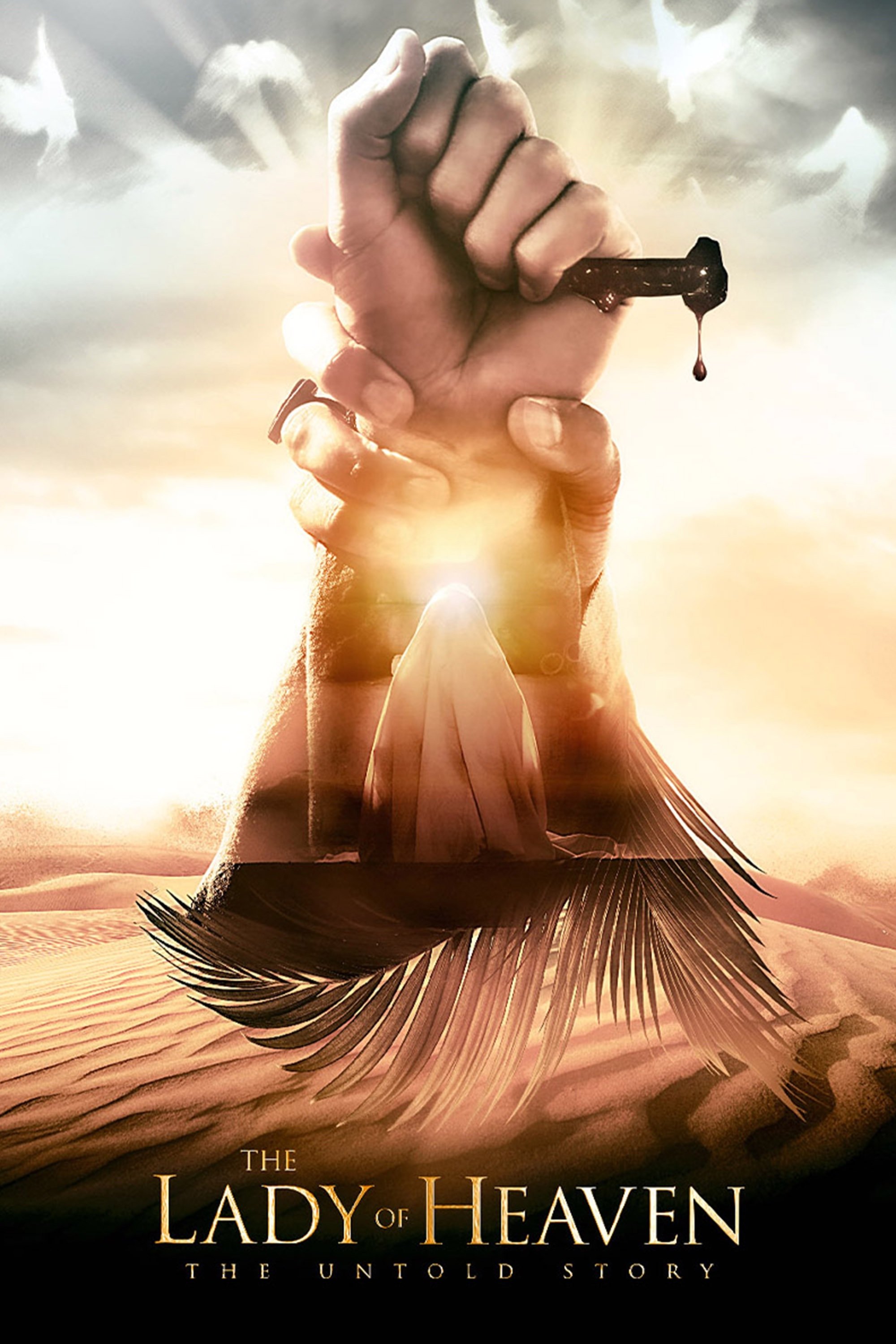
Protests outside cinemas in several UK cities prompted exhibitors to cancel screenings of ‘The Lady of Heaven’. A national chain temporarily removed the film from its listings amid safety and public-order concerns. Religious organizations issued statements urging boycotts, which pressured independent venues. The cancellations curtailed theatrical availability during the critical early-release window.
‘Death of a President’ (2006)
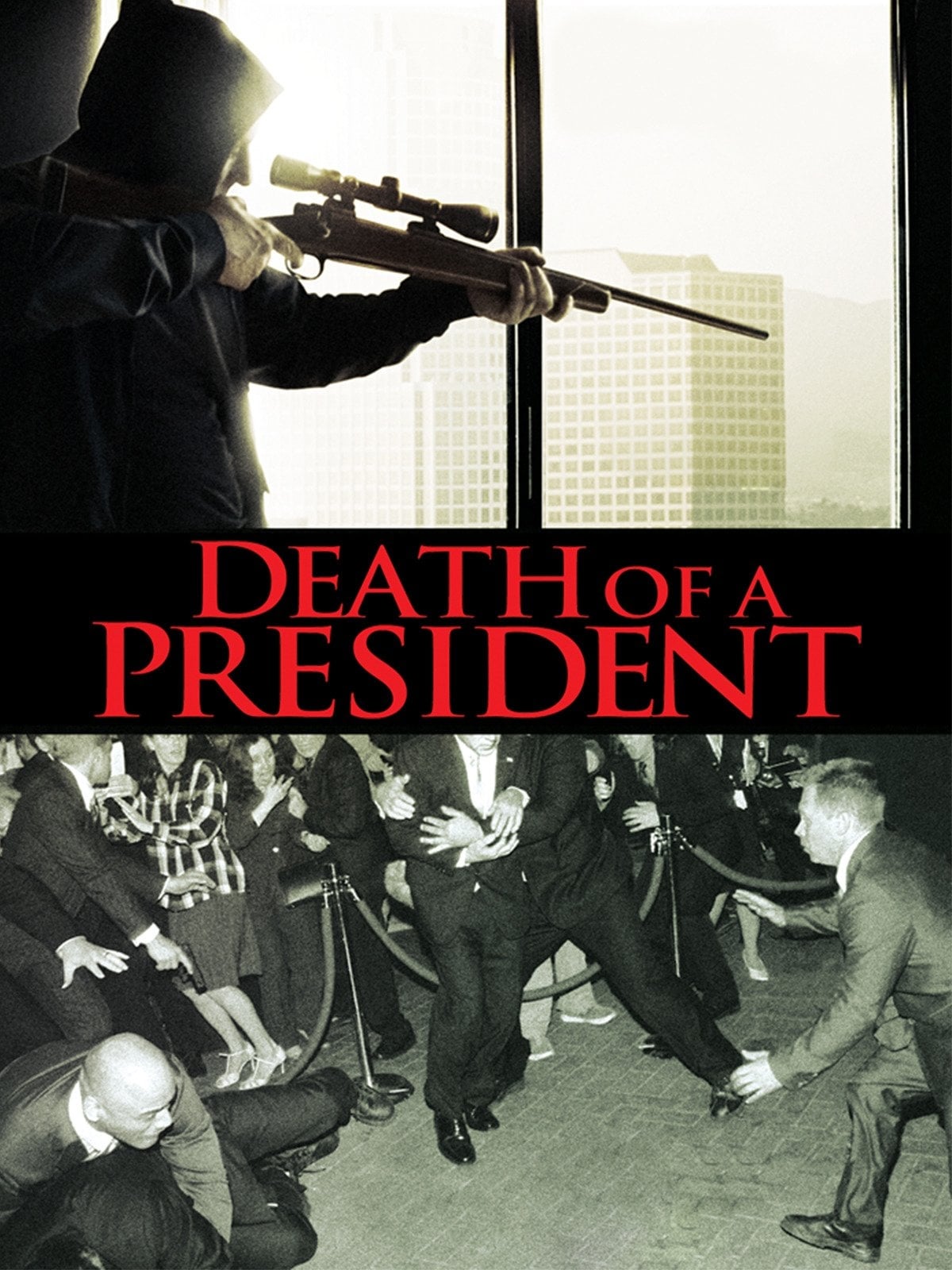
The mockumentary ‘Death of a President’ faced advertiser resistance and theater reluctance due to its provocative premise. Several chains refused bookings, and broadcasters in multiple territories opted not to license it. Retailers limited DVD placement, restricting visibility after the theatrical run. The distribution hurdles dampened audience reach compared with typical festival breakouts.
‘Salò, or the 120 Days of Sodom’ (1975)

‘Salo, or the 120 Days of Sodom’ was banned outright or heavily cut across numerous countries, with authorities seizing prints and prosecuting distributors. Classification boards imposed strict conditions that varied by region, creating multiple truncated versions. Mainstream chains avoided the title, relegating it to sporadic art-house play. These barriers delayed restoration work and limited legitimate circulation for decades.
‘Water’ (2005)
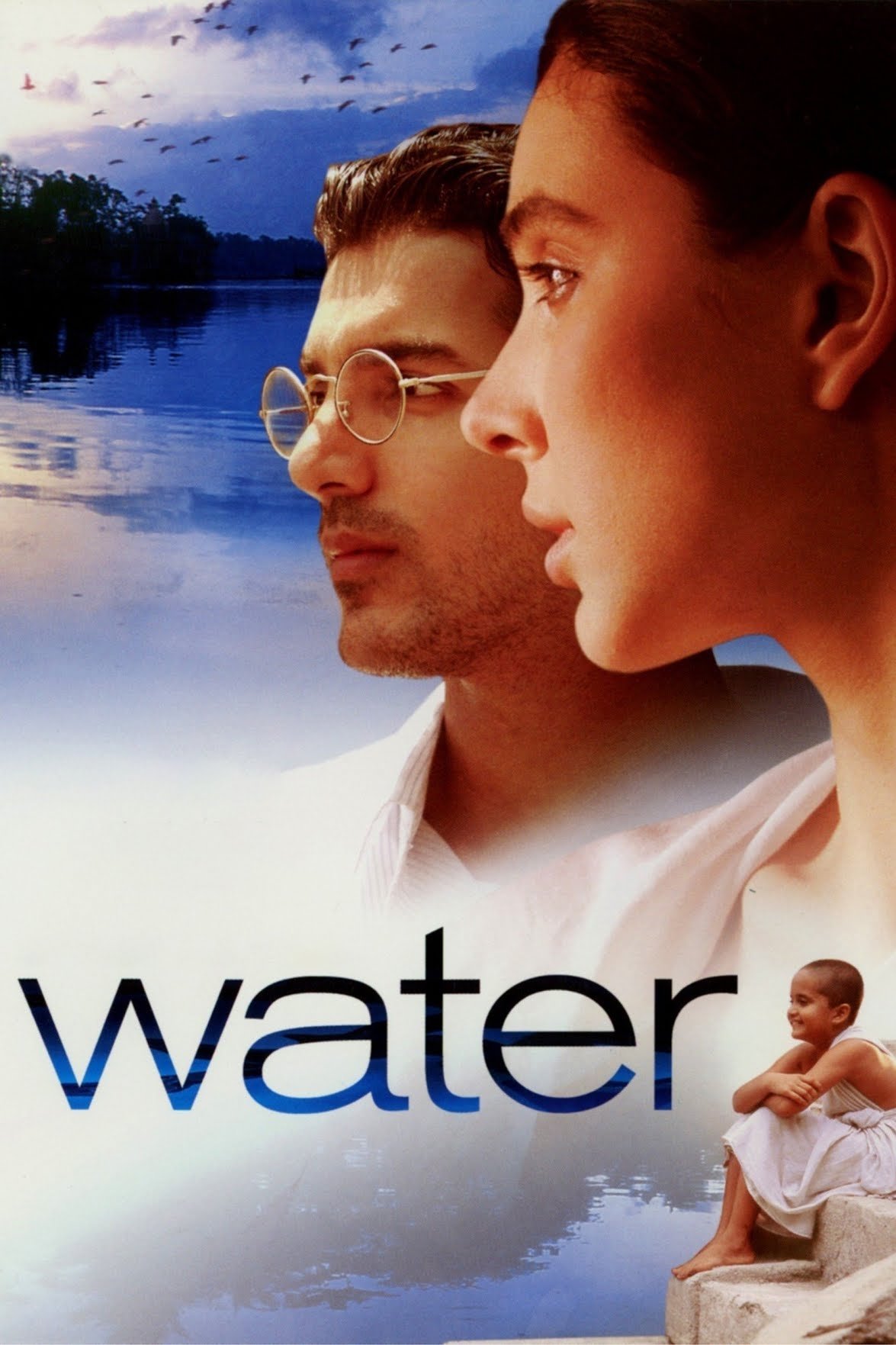
Production on ‘Water’ was halted after protests and threats forced the original shoot to shut down, leading the filmmakers to relocate and resume under secrecy. On release, the film encountered organized demonstrations in some areas, complicating exhibitor commitments. Political pressure shaped local certification and screening permissions. The turbulent path to theaters reduced the scale of its rollout in key markets.
‘Fire’ (1995)

After initial Indian screenings, ‘Fire’ triggered protests that led several theaters to withdraw the film. Municipal authorities reviewed safety and public-order considerations, influencing venue decisions. The distributor faced difficulties maintaining showtimes in affected cities. The disruption constrained word-of-mouth during its early weeks.
‘Padmaavat’ (2018)
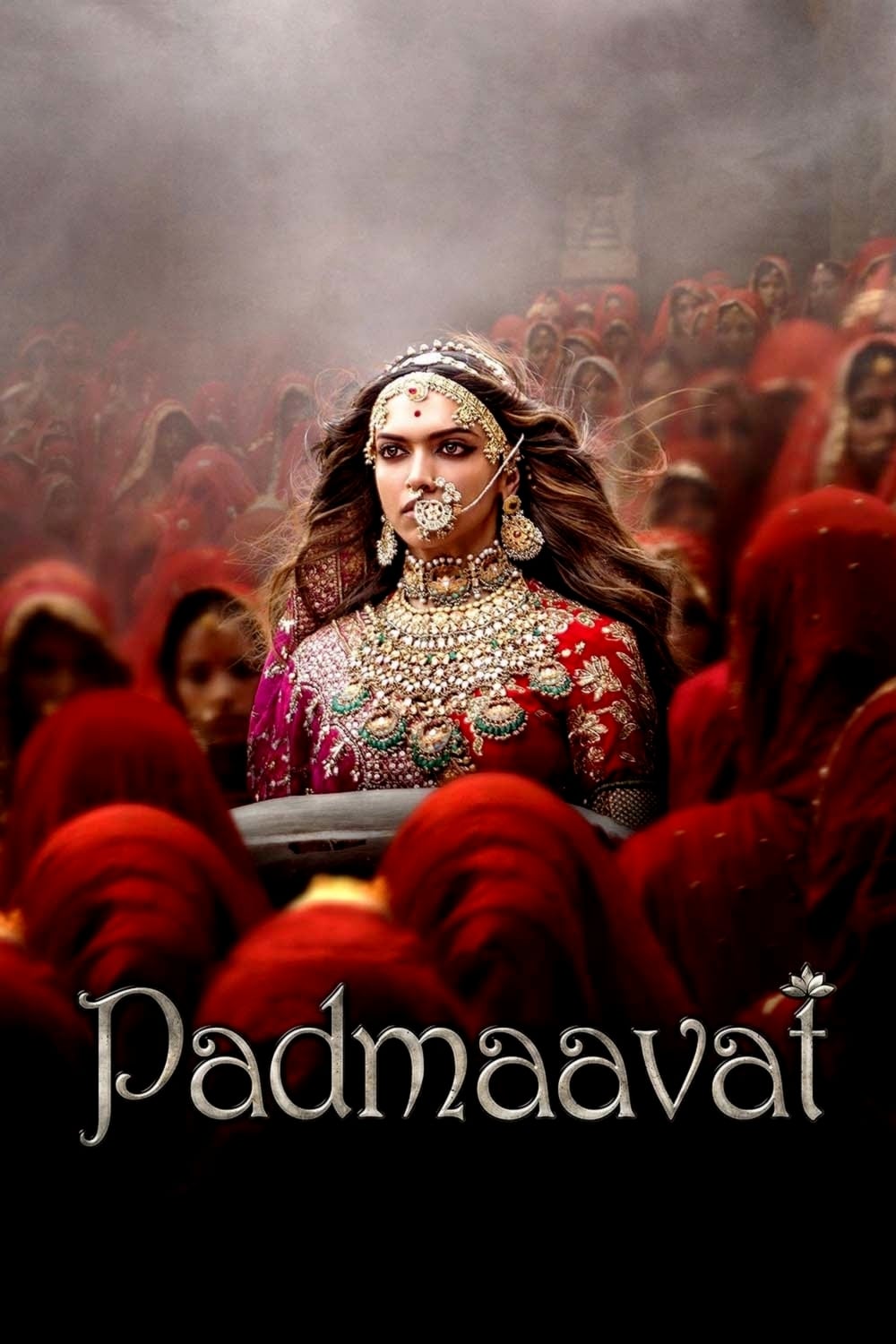
‘Padmaavat’ faced violent protests, legal petitions, and calls for a ban, prompting the producers to alter marketing materials and secure additional clearances. Several Indian states initially blocked screenings until court interventions. Exhibitors weighed insurance and security costs before committing to showings. The staggered and contested release limited access in parts of its home market.
‘Shame’ (2011)
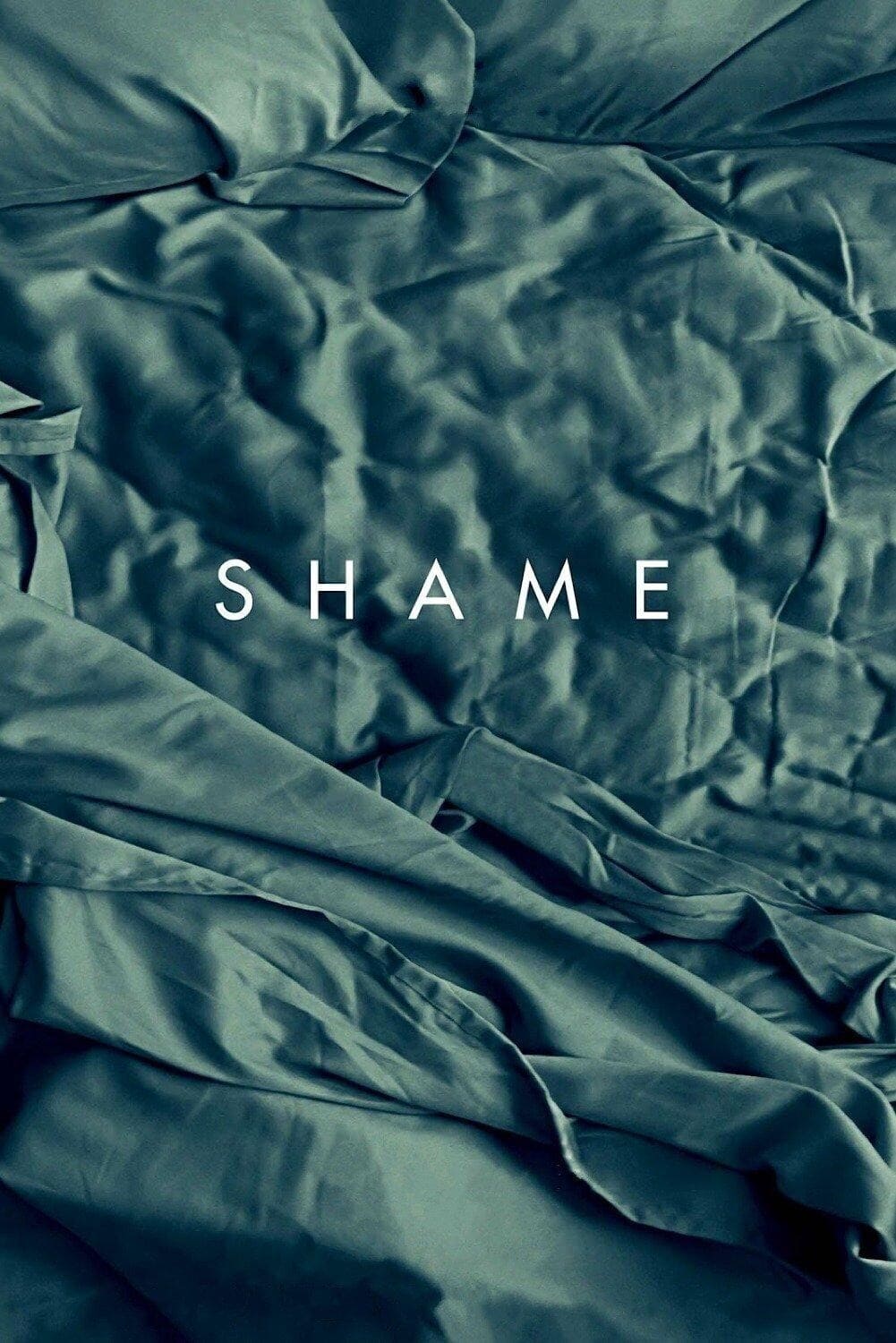
An adults-only rating restricted advertising options and multiplex placement for ‘Shame’. Some theater chains minimized showtimes or skipped bookings, citing policy on unrated or restrictive-content titles. Television spots and outdoor campaigns were curtailed by standards bodies. This narrowed exposure compared with similarly scaled dramas.
‘Ken Park’ (2002)
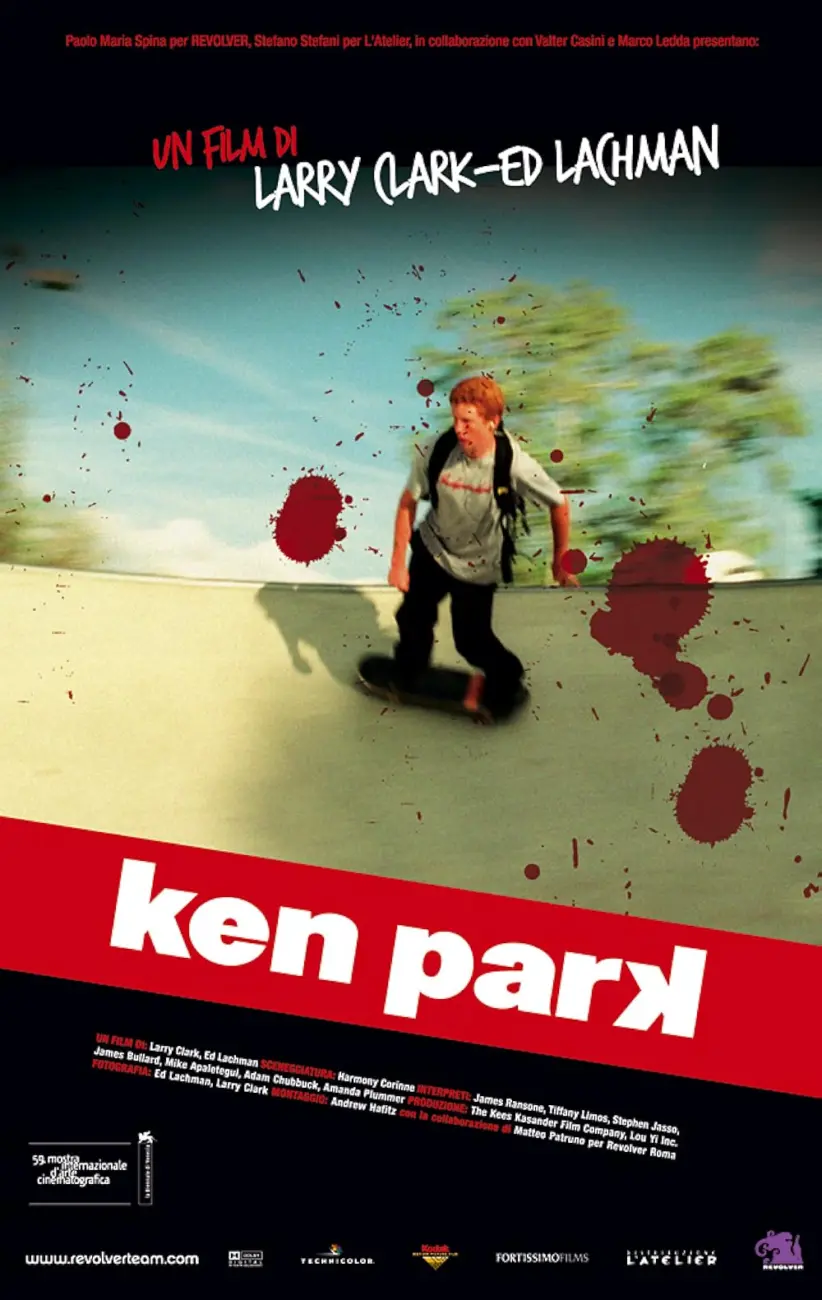
‘Ken Park’ was refused classification in multiple countries, effectively banning commercial screenings. Distributors and festivals navigated legal challenges and police interventions at attempted showings. Home-video releases were blocked or delayed, producing a patchwork of gray-market circulation. The lack of formal availability stunted broader critical reassessment.
‘Baise-moi’ (2000)
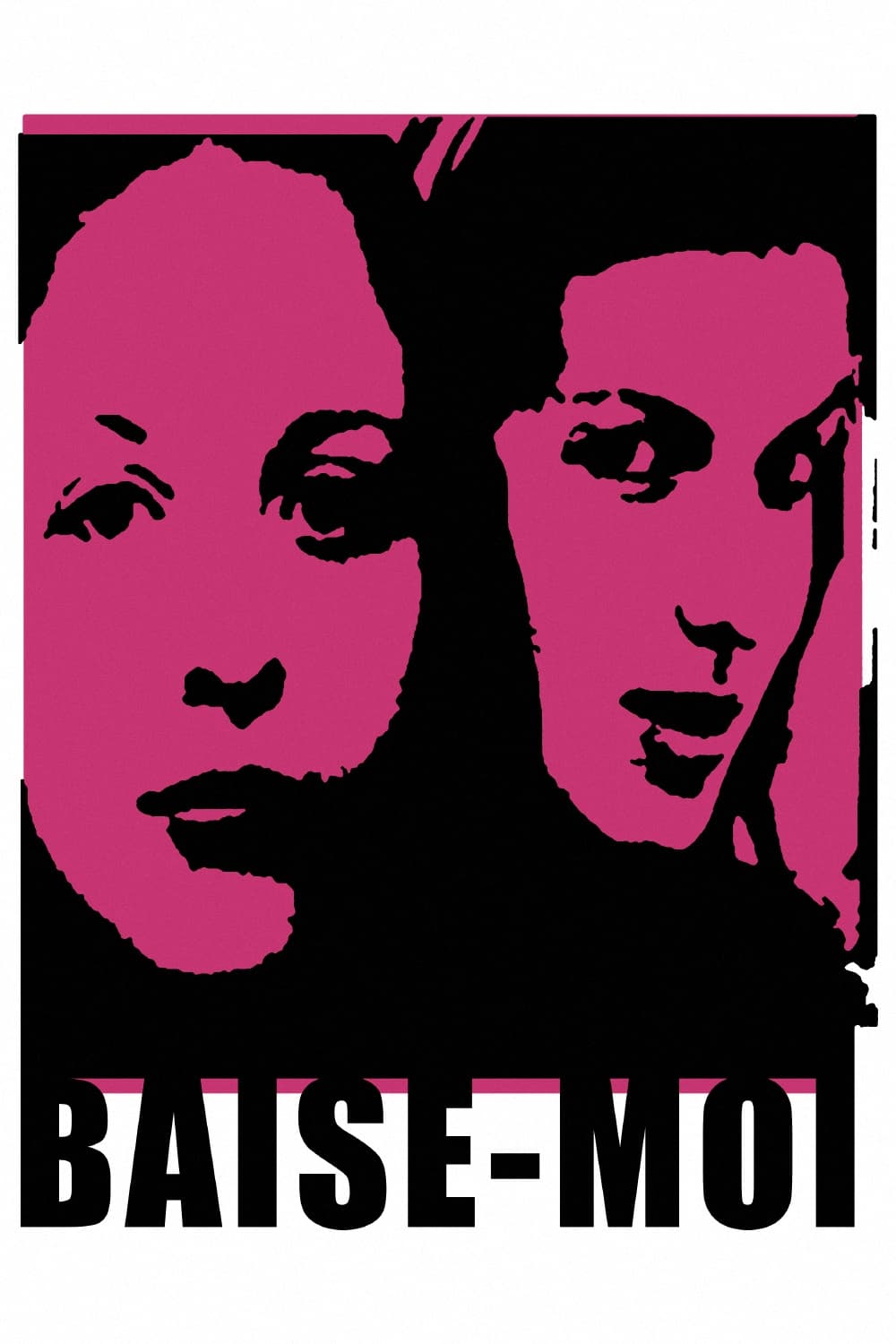
Following court challenges, ‘Baise-moi’ lost standard classification in France and was moved to a more restrictive category typically used for explicit material. Several countries imposed bans or mandated extensive cuts, leading to divergent edits. Multiplex chains declined to carry it under the new rules. The tightened access sharply reduced potential box office.
‘Crash’ (1996)
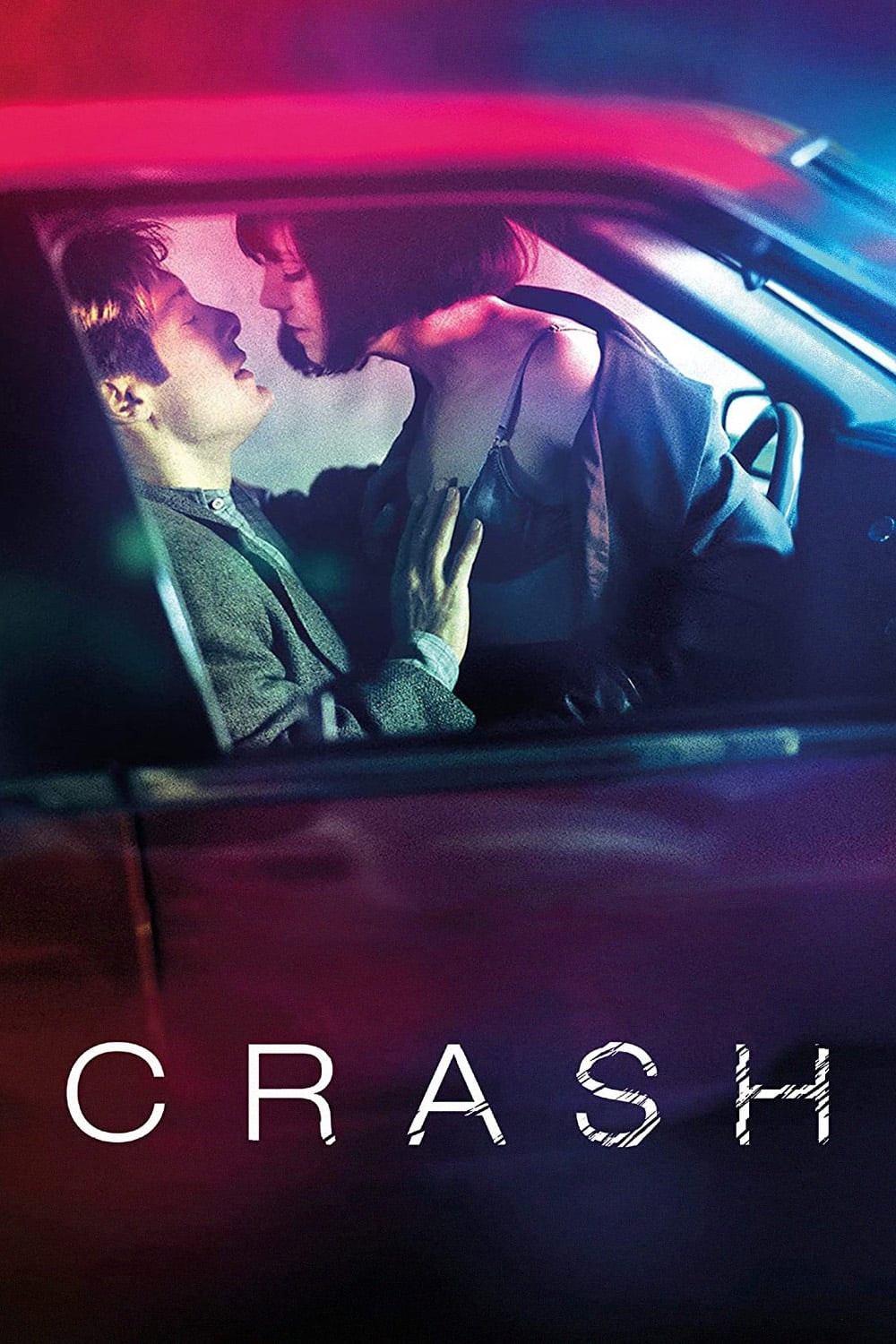
In the UK, local authorities in major metropolitan areas advised against or barred screenings of ‘Crash’, and a major newspaper campaign pressured distributors. Some cinemas withdrew the film preemptively to avoid controversy. Internationally, classification outcomes varied, complicating coordinated marketing. The uneven availability hindered sustained theatrical play.
‘Possession’ (1981)
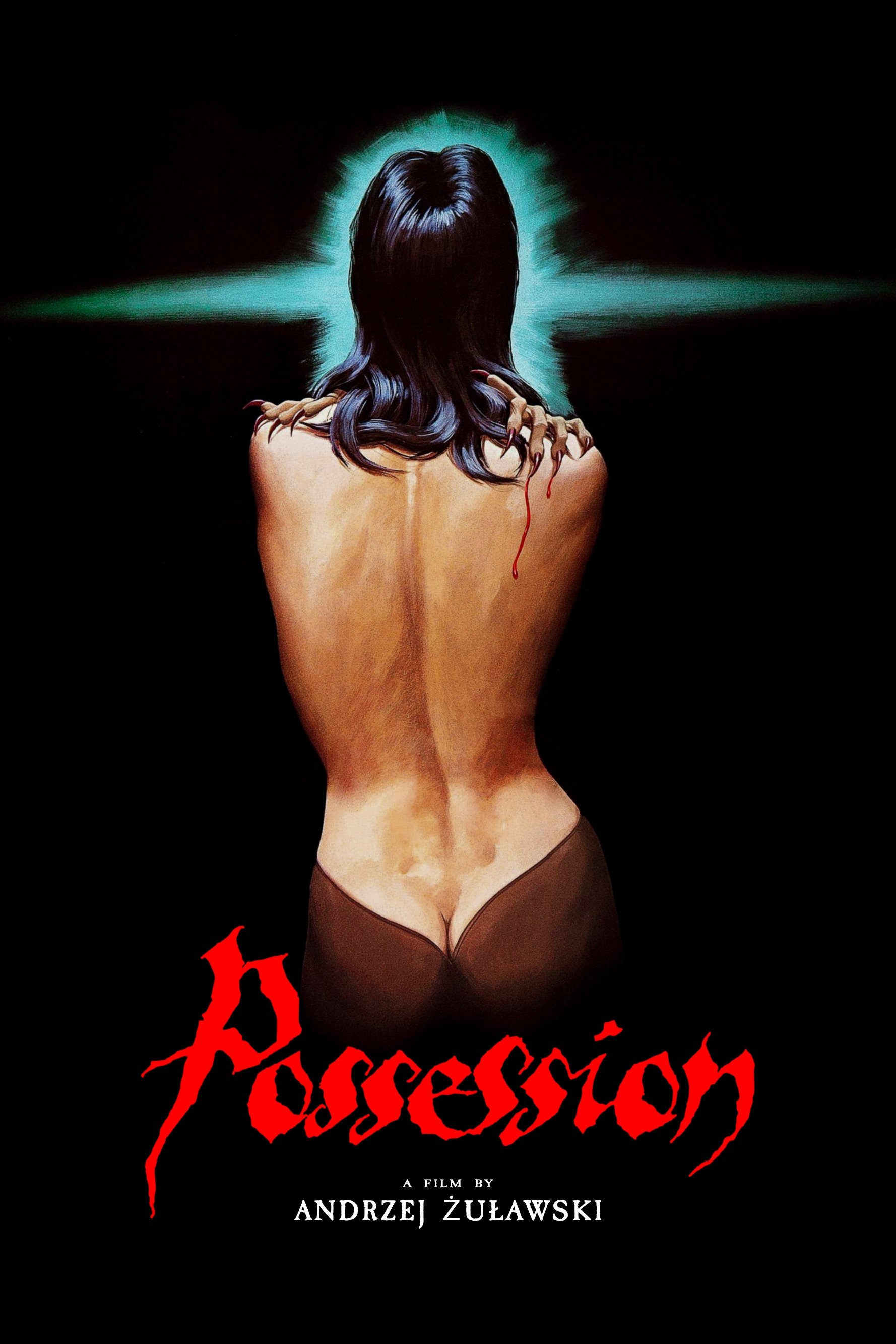
‘Possession’ suffered severe cuts for certain territories and was later placed on a prosecution list during the video-nasties era, limiting home distribution. The heavily edited versions distorted reception and discouraged repertory bookings. Rights and classification entanglements delayed proper restorations. For years, audiences primarily encountered compromised editions.
‘Titicut Follies’ (1967)
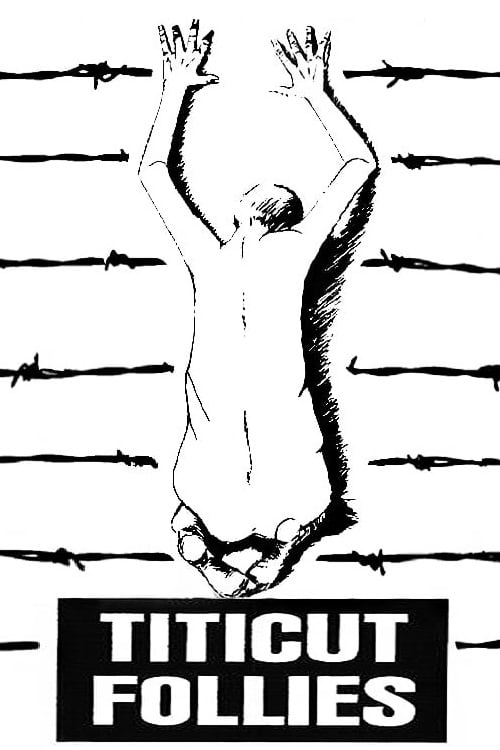
A court order restricted ‘Titicut Follies’ to educational and professional audiences for decades due to privacy concerns. Public screenings were largely prohibited, and general home-video release was blocked. The injunction hindered critical and academic access outside specialized settings. Only after legal changes did broader circulation become possible.
‘The Kite Runner’ (2007)

The release of ‘The Kite Runner’ was adjusted after concerns that scenes could endanger child actors in Afghanistan, prompting delayed distribution and relocation of the performers. Studio plans for regional rollouts were revised in response to security assessments. Some territories limited theatrical exposure amid political sensitivities. The altered schedule blunted a coordinated global campaign.
‘Nocturama’ (2016)
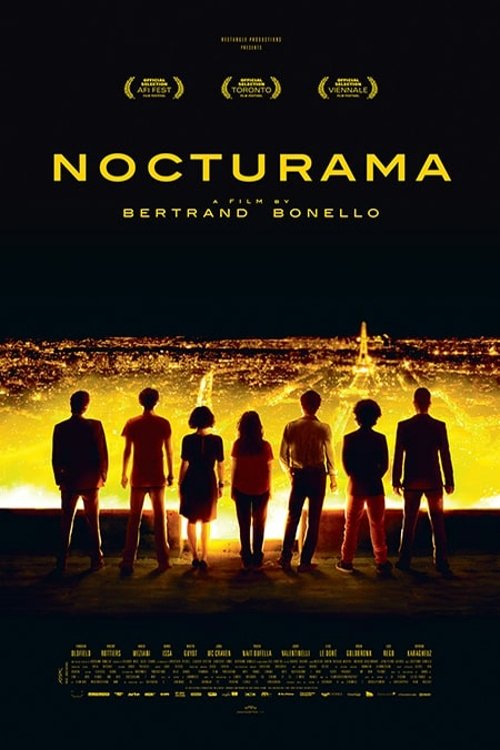
Depicting coordinated attacks by young radicals, ‘Nocturama’ encountered heightened sensitivities among distributors and platforms. A planned streaming deal in a major market was scaled back to a limited window, and theatrical bookings remained sparse. Marketing materials avoided wide placements, constraining awareness. The subdued release kept the film largely within niche festival circles.
Share which titles you think were most unfairly sidelined in the comments!