Movies Critics Snubbed that Aged Like Fine Wine

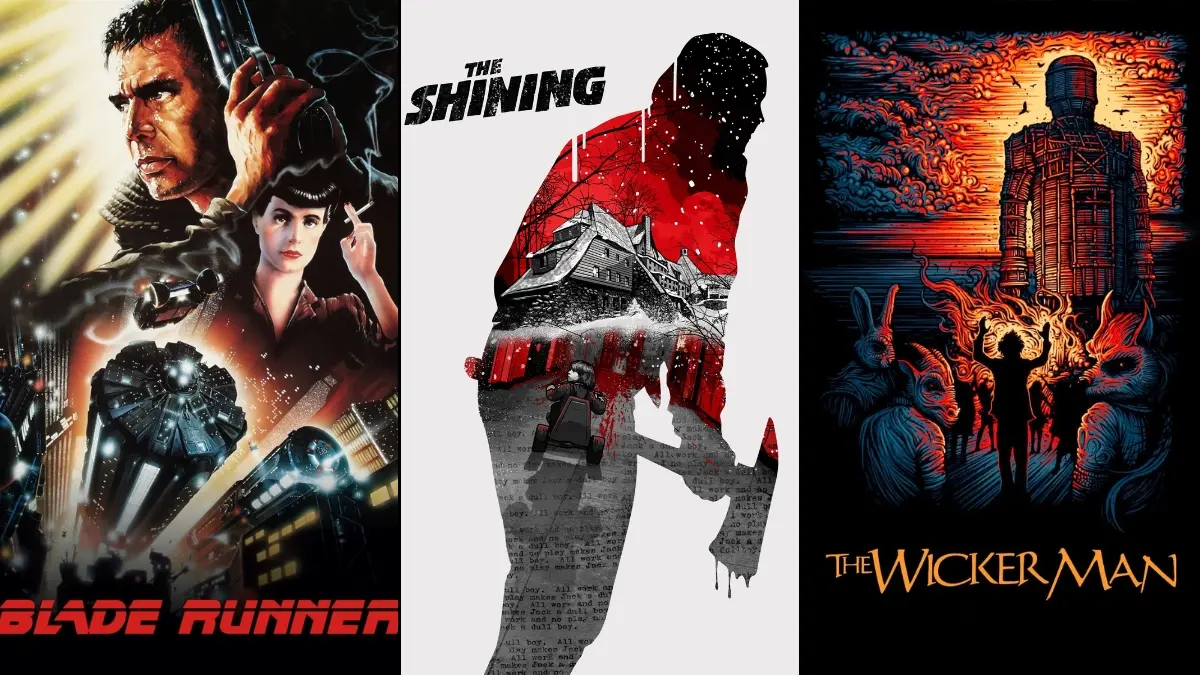

Some films stumble out of the gate with lukewarm reviews or puzzling press, only to be rediscovered later by new audiences, restored cuts, and scholars who connect the dots with time and context. Below are films that faced initial critical indifference or outright dismissal, then gained momentum through festivals, repertory screenings, home-video revivals, and preservation honors. You’ll find studio tussles, infamous test screenings, and box-office misfires that quietly became syllabus staples, midnight-movie fixtures, and long-term cultural touchstones.
‘Vertigo’ (1958)
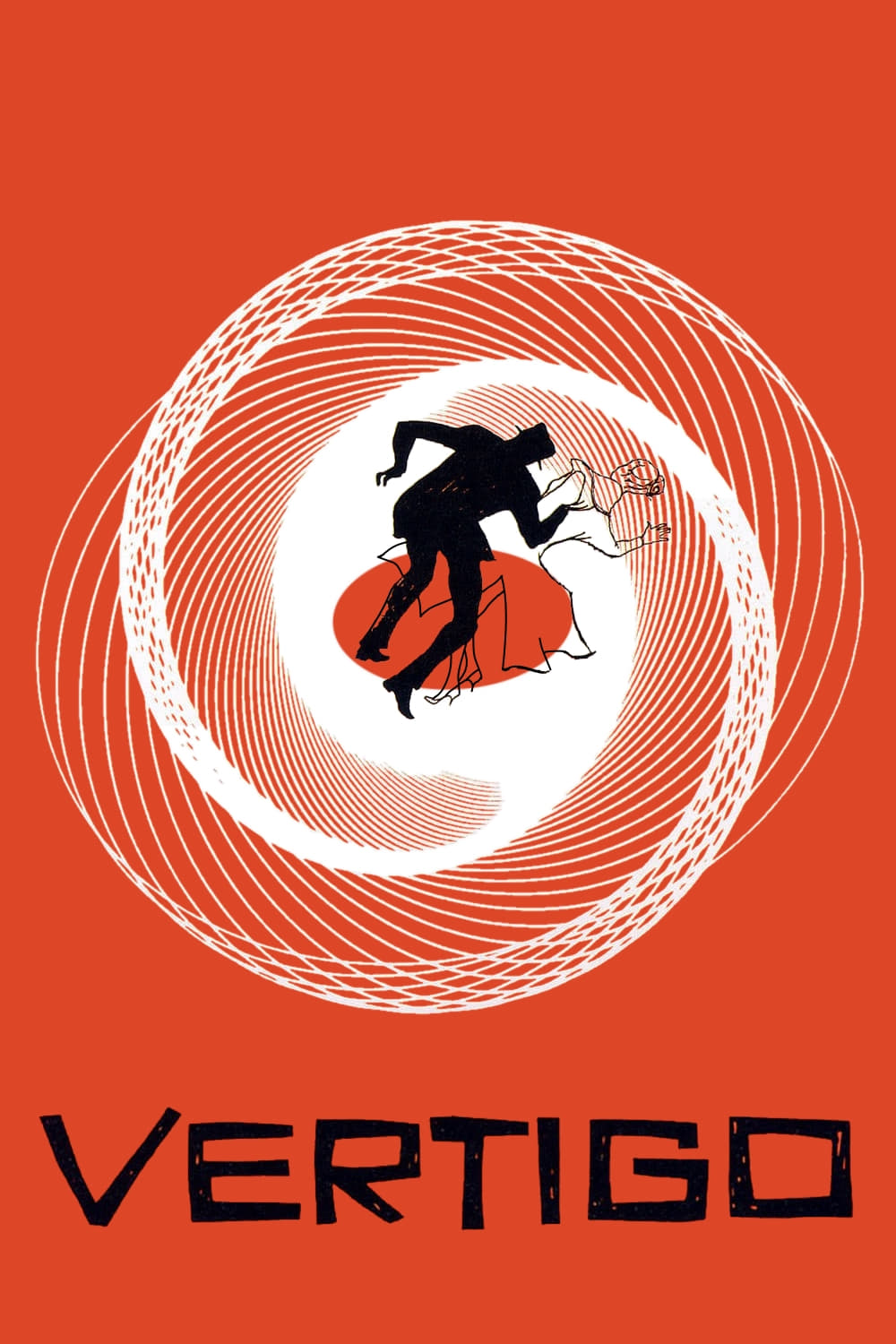
Alfred Hitchcock’s psychological thriller opened to mixed notices and only modest business in some markets. The film was later withdrawn from circulation along with several other Hitchcock titles, limiting access for years. A high-profile restoration returned its original color palette and sound design to prominence. Subsequent critical surveys pushed it to the forefront of canon discussions and archival preservation efforts.
‘The Night of the Hunter’ (1955)

Charles Laughton’s only feature as a director struggled commercially and critically on release. Its expressionist imagery and unusual tone puzzled reviewers, leading to a short theatrical life. Revival screenings and film-school curricula later emphasized its innovative cinematography and child-centered perspective. It is now frequently cited as a key influence on later American thrillers.
‘Peeping Tom’ (1960)
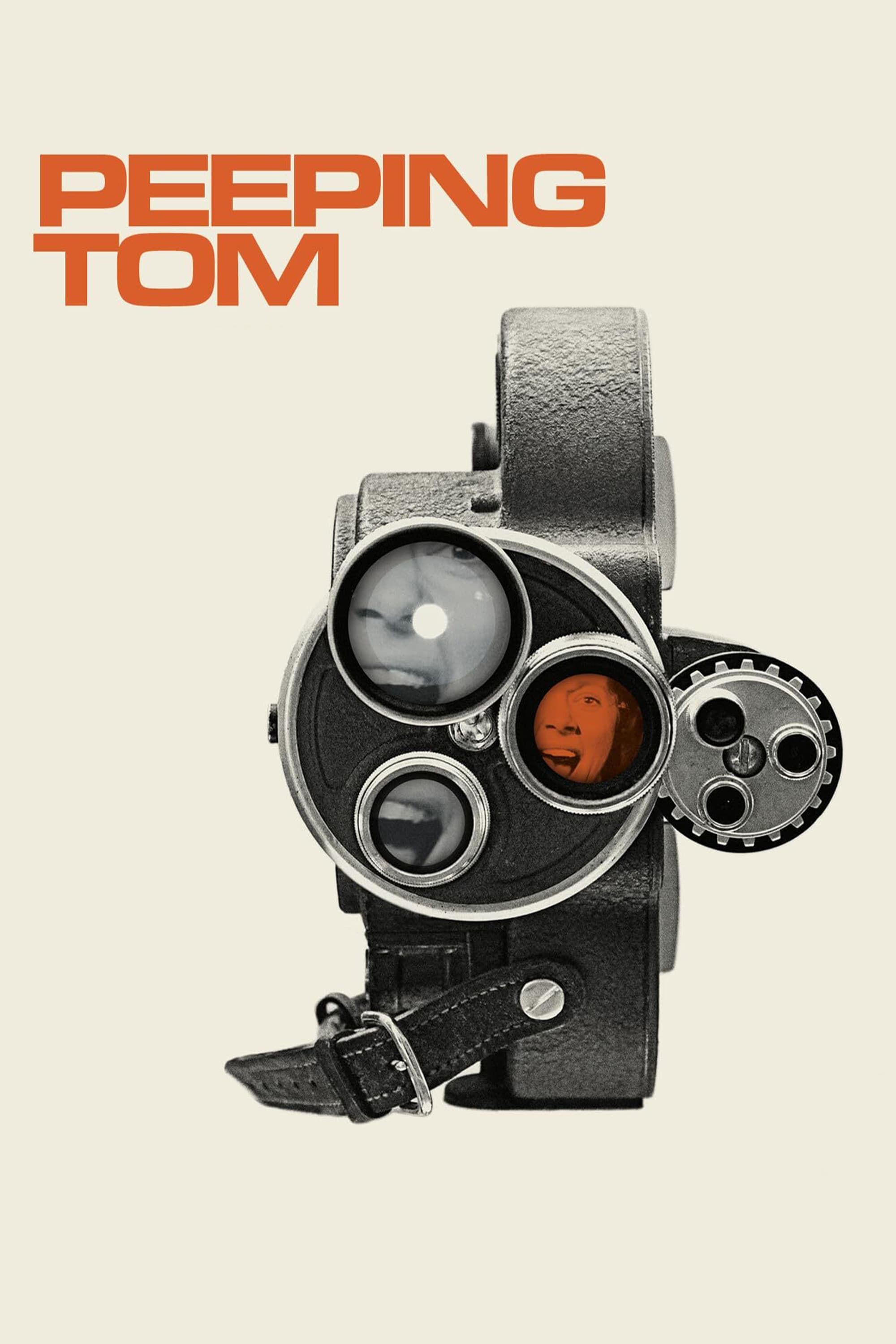
Michael Powell’s thriller provoked outrage from many British critics, damaging its theatrical prospects. Its frank depiction of voyeurism led to pulled bookings and limited distribution. Restorations and retrospectives reframed the film as a significant entry in modern horror and psychological cinema. Leading filmmakers openly championed its craft, boosting academic and festival attention.
‘Once Upon a Time in the West’ (1968)
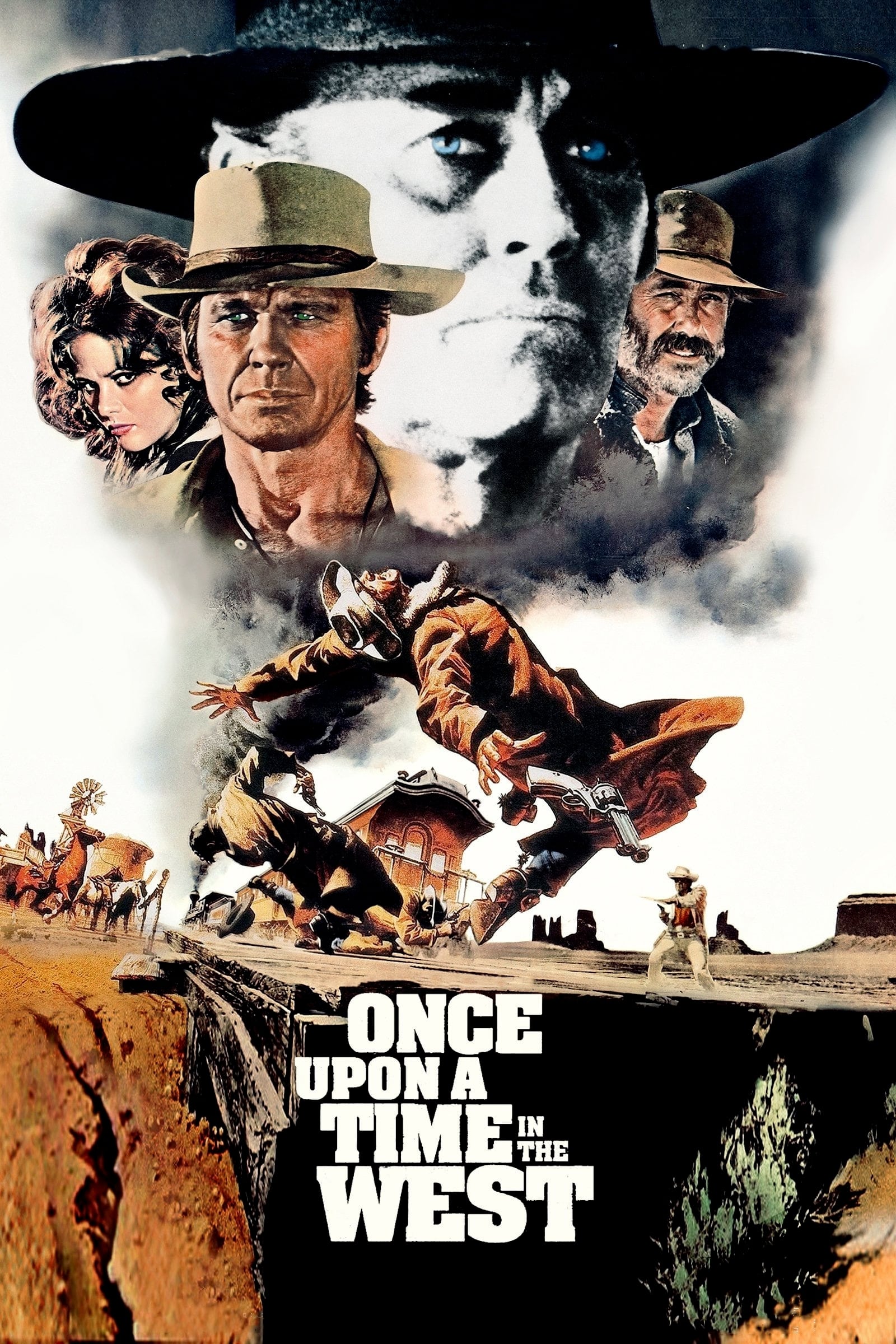
Paramount trimmed the U.S. release, which undercut early reviews and box-office performance. European markets received longer cuts, highlighting the film’s operatic pacing and design. Home-video restorations standardized a fuller version for global audiences. Its production craft—score, sound, and widescreen staging—became a staple in film-studies analysis.
‘Willy Wonka & the Chocolate Factory’ (1971)
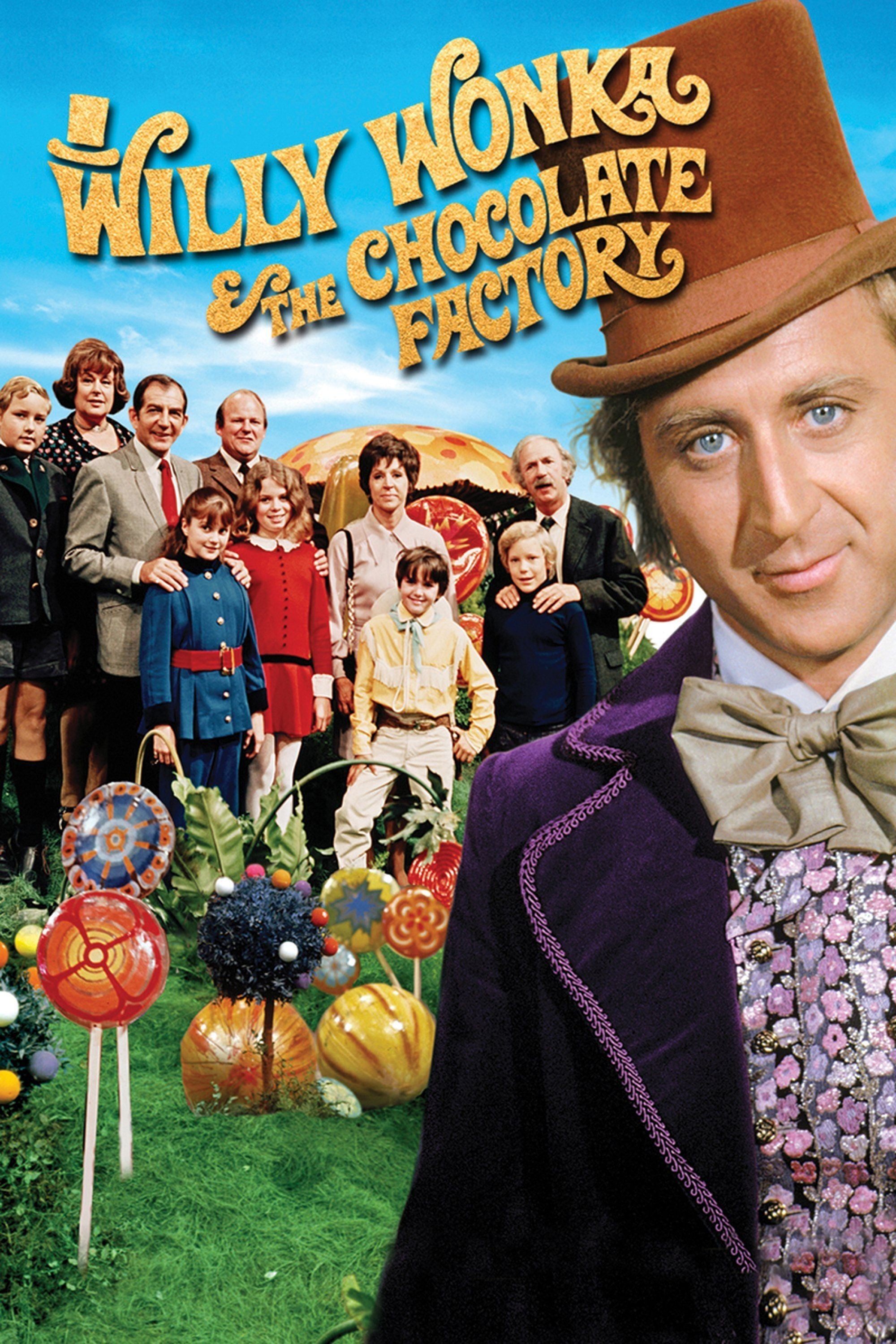
Initial critics were divided, and ticket sales were uneven despite a major studio release. The project’s financing famously involved a confectionery brand tie-in, shaping marketing and title choices. Regular television broadcasts and home-video circulation steadily built a multigenerational audience. The film’s songs, sets, and central performance became enduring pop-culture references.
‘Sorcerer’ (1977)
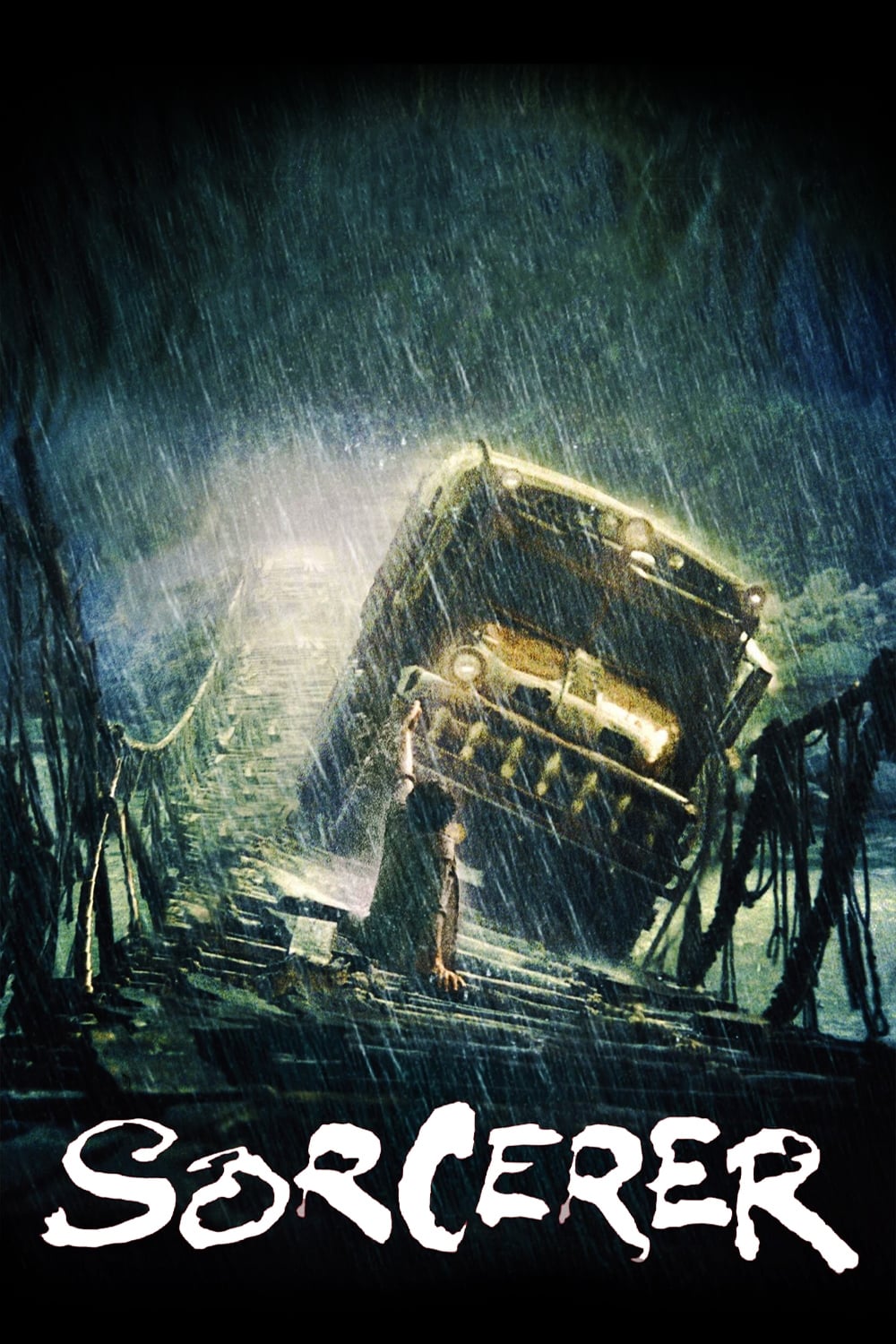
William Friedkin’s thriller opened shortly after a game-changing sci-fi blockbuster, which diverted media attention and screens. A title that overlapped with that era’s fantasy branding confused some moviegoers. Complex location shooting and a distinctive electronic score later drew renewed interest in restorations. Festival reissues reintroduced its geography-driven suspense to new viewers.
‘Heaven’s Gate’ (1980)
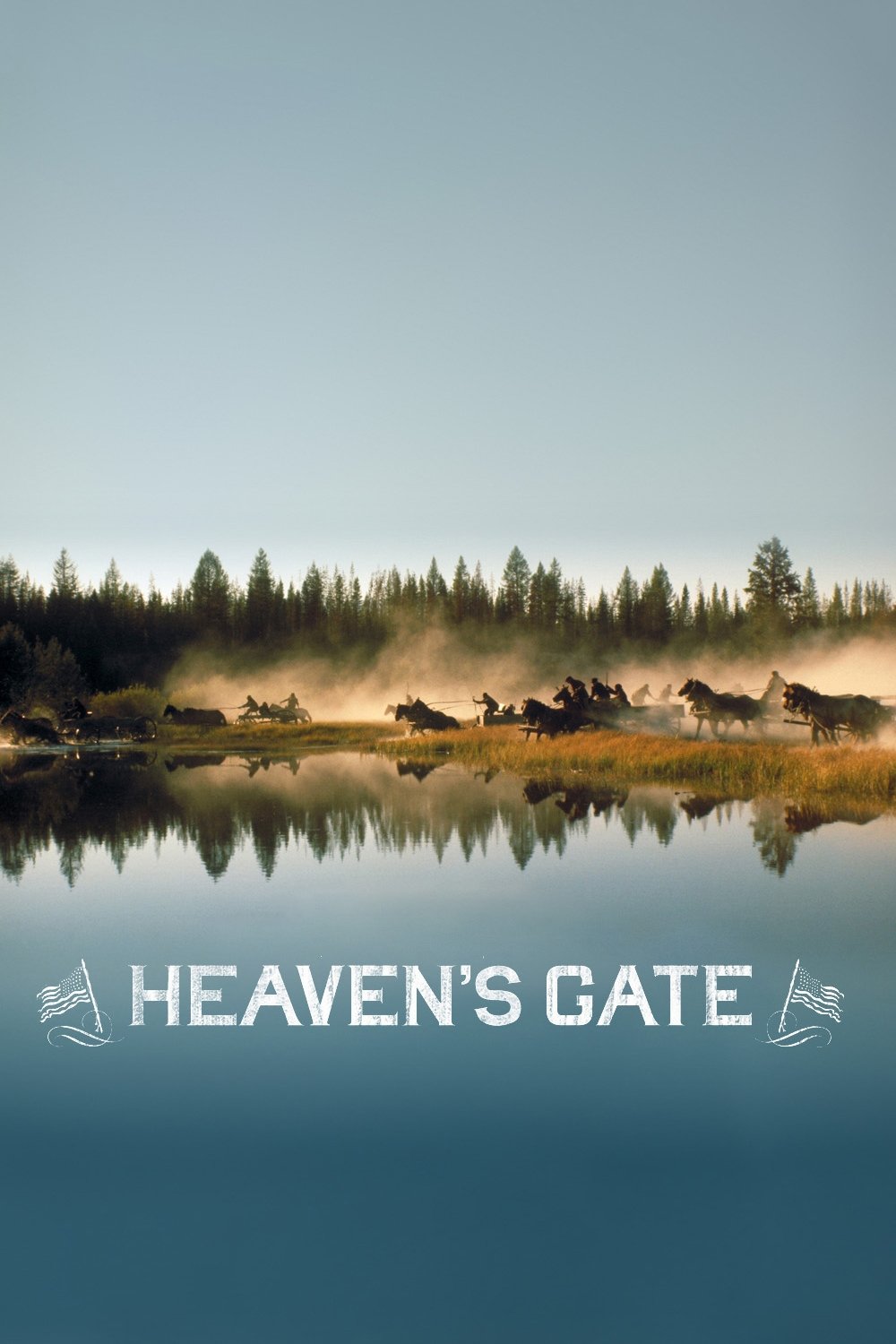
United Artists rushed a heavily edited release after hostile early reactions, fueling a widely reported financial crisis. The film’s initial cut and production overruns dominated coverage more than its content. A meticulous restoration and director-approved version reframed its ambitions and narrative scope. Scholarly reassessment now emphasizes its place in American epic filmmaking.
‘The Shining’ (1980)
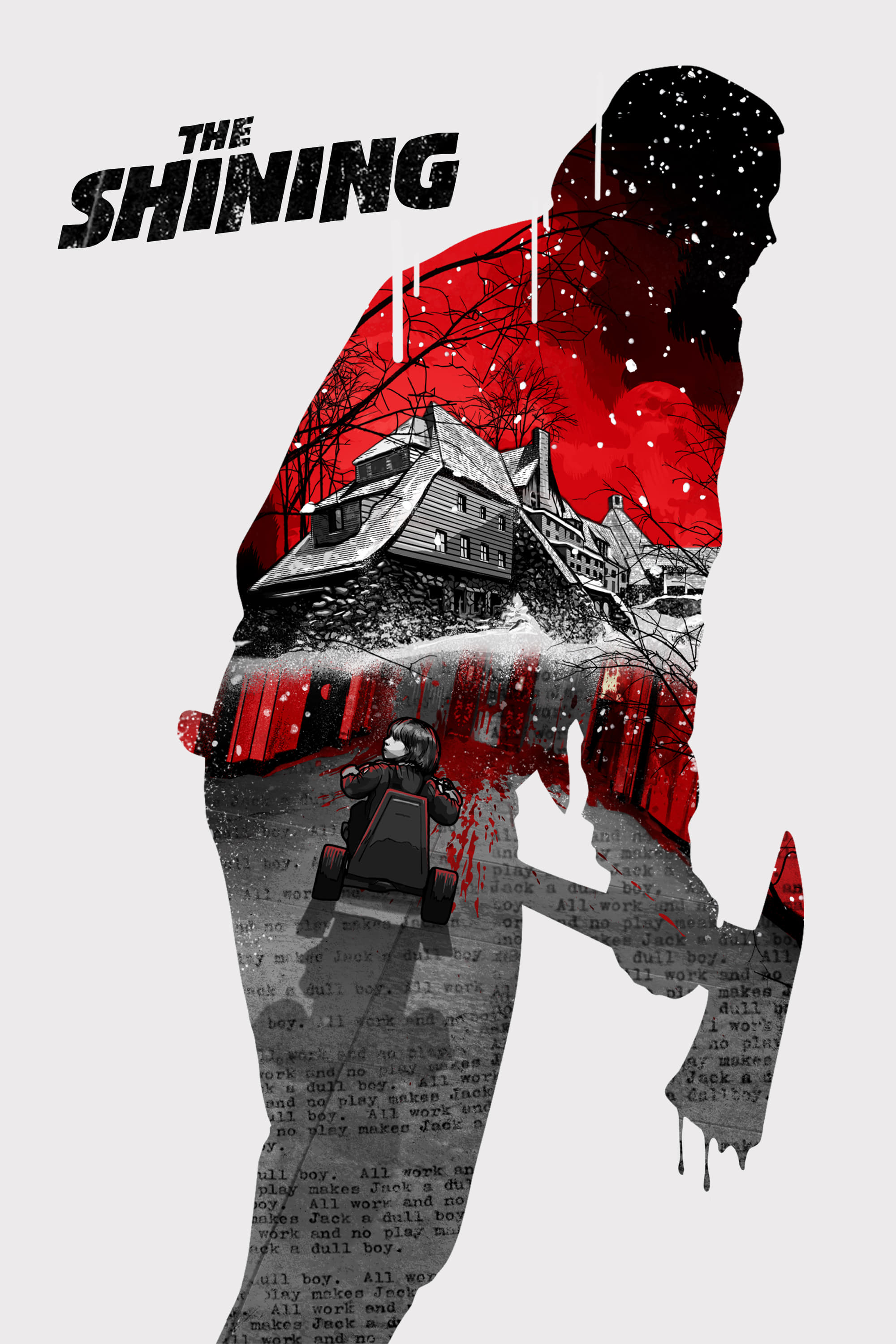
Early reviewers were split, and the film received nominations from a high-profile parody awards show. Stanley Kubrick removed a sequence after opening, and alternate regional cuts circulated for years. The film’s Steadicam innovations and production design became standard reference points in craft discussions. Its ongoing theatrical re-releases and archival presentations keep it in active circulation.
‘Blade Runner’ (1982)
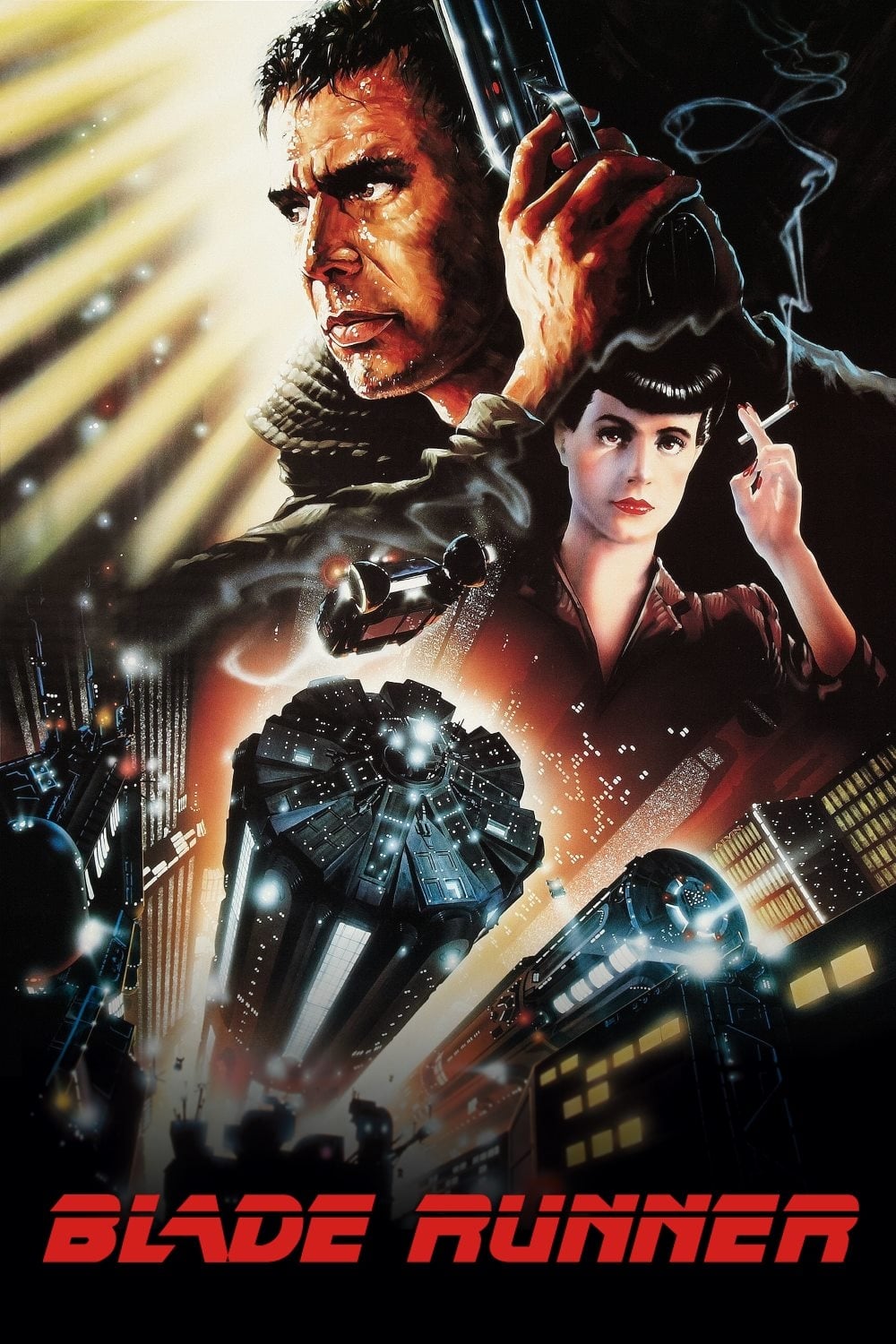
Warner Bros. released a version with voice-over and a different ending after test screenings, which shaped mixed early responses. Later cuts removed narration, restored key scenes, and standardized visual effects across prints. Urban production design, model work, and sound mixing became case studies in world-building. The film’s influence spans design, music, and interactive media studies.
‘The Thing’ (1982)
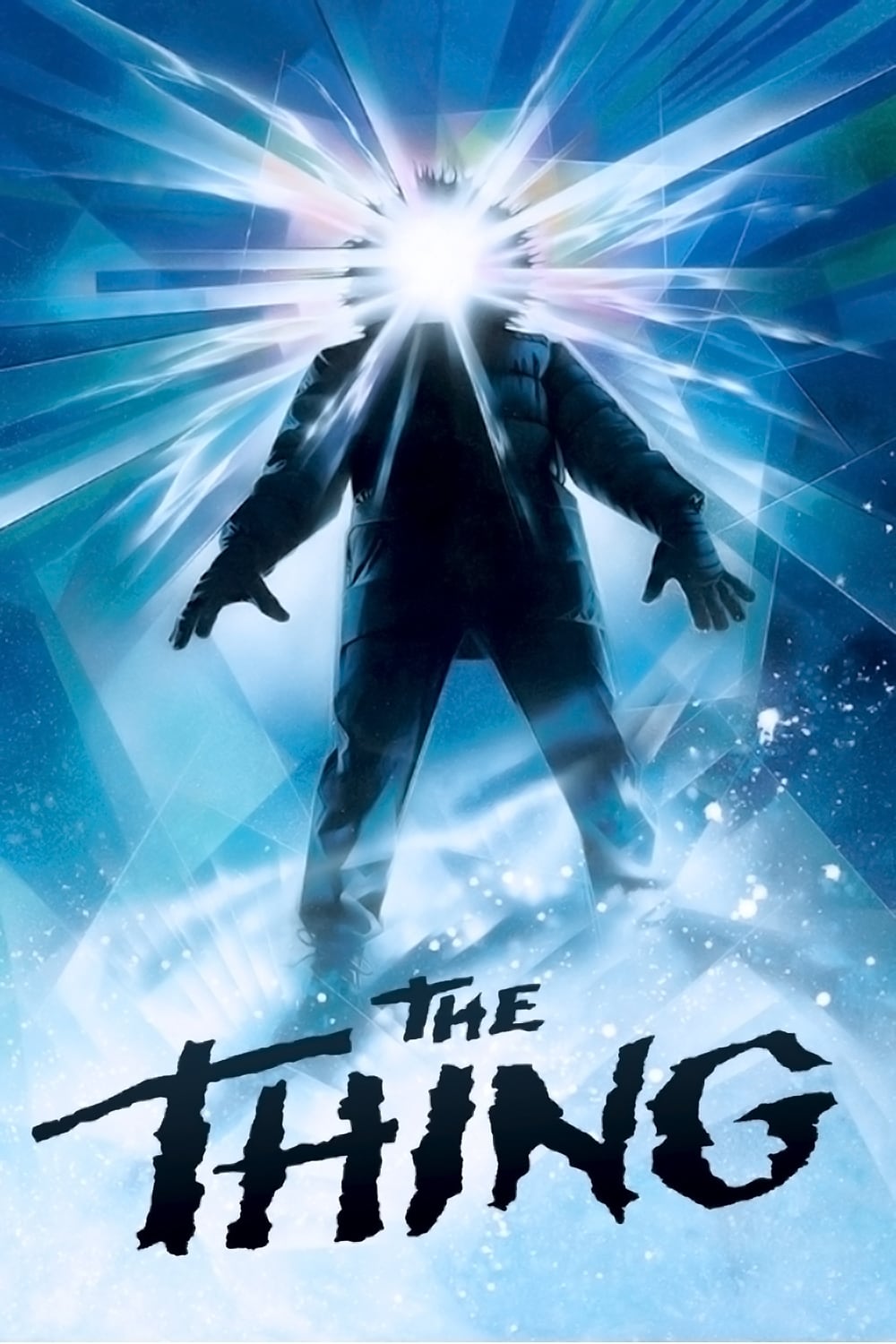
John Carpenter’s creature feature opened against a family-friendly phenomenon, limiting its audience and shaping press comparisons. Reviews frequently criticized its graphic effects despite groundbreaking makeup and animatronics. Home-video markets and special-edition releases highlighted its ensemble staging and practical craft. It’s now a regular subject in scholarship on paranoia, isolation, and effects history.
‘The King of Comedy’ (1982)
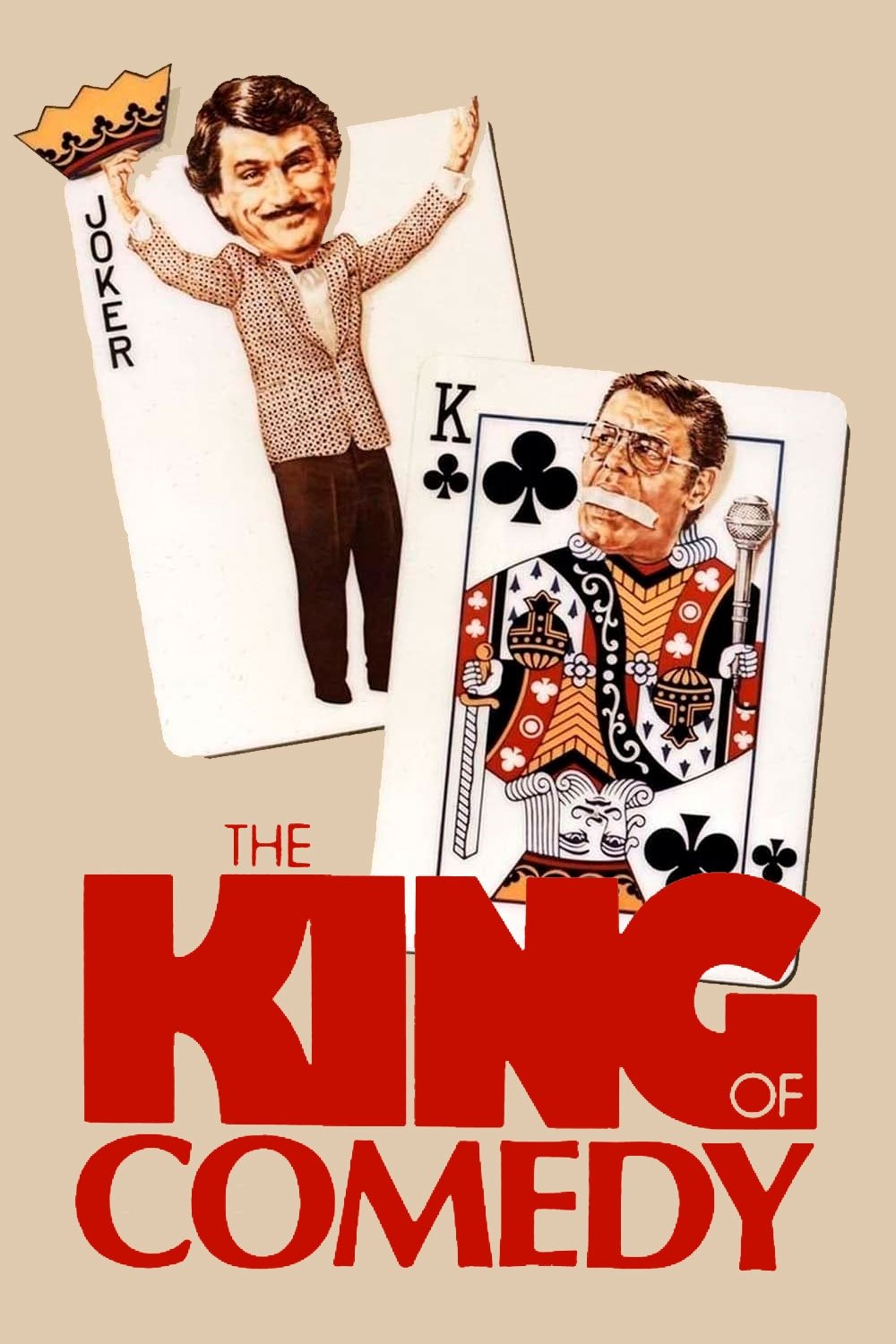
Martin Scorsese’s satire underperformed in theaters and drew cautious reviews. Its portrait of celebrity culture and broadcast media found greater traction with later viewers. Repertory screenings and restorations showcased its precise production design and location work. The film now appears in museum programs and academic courses focused on media studies.
‘Scarface’ (1983)

The release faced ratings board challenges and extensive debate over violence and language. Critics were divided, but the film’s theatrical run established strong word-of-mouth in specific markets. Television airings, soundtrack circulation, and home media expanded its reach. Its production collaboration between Brian De Palma and Oliver Stone remains a commonly cited auteur pairing.
‘Twin Peaks: Fire Walk with Me’ (1992)
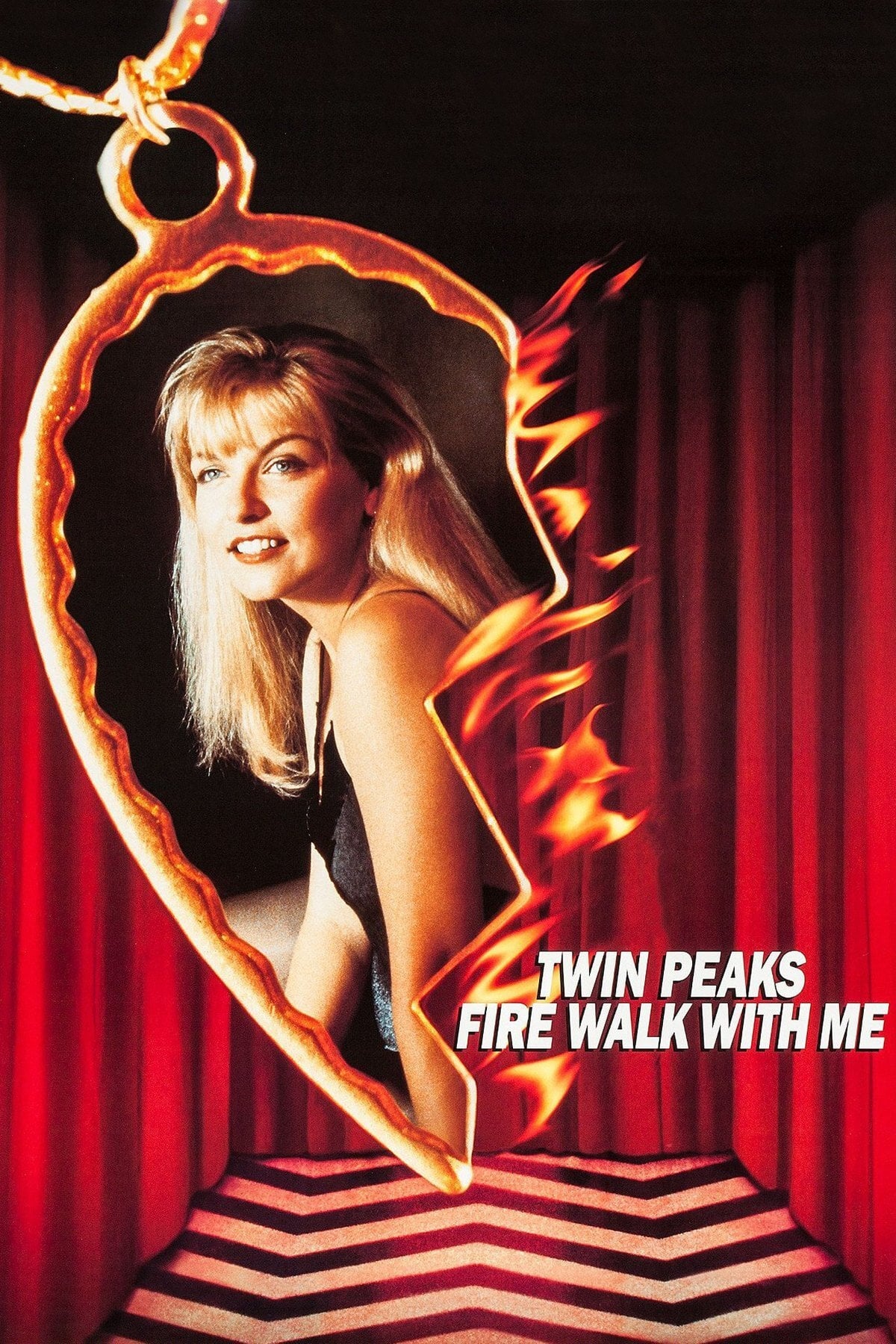
Premiering at a major festival to boos and harsh reviews, David Lynch’s prequel struggled with expectations from the television series. Theatrical box office was limited, especially in North America. Restored versions and late-night screenings emphasized its sound design and performance centerpiece. It is now widely discussed in courses on trauma narratives and transmedia storytelling.
‘Alien³’ (1992)

Studio pressures, script overhauls, and a compressed schedule led to a turbulent shoot and mixed initial reviews. A later assembly cut restored extensive character and plot material absent from the theatrical release. Production design and creature effects continued the franchise’s blend of practical and optical work. The expanded version significantly shaped subsequent critical analysis of the film.
‘Hocus Pocus’ (1993)
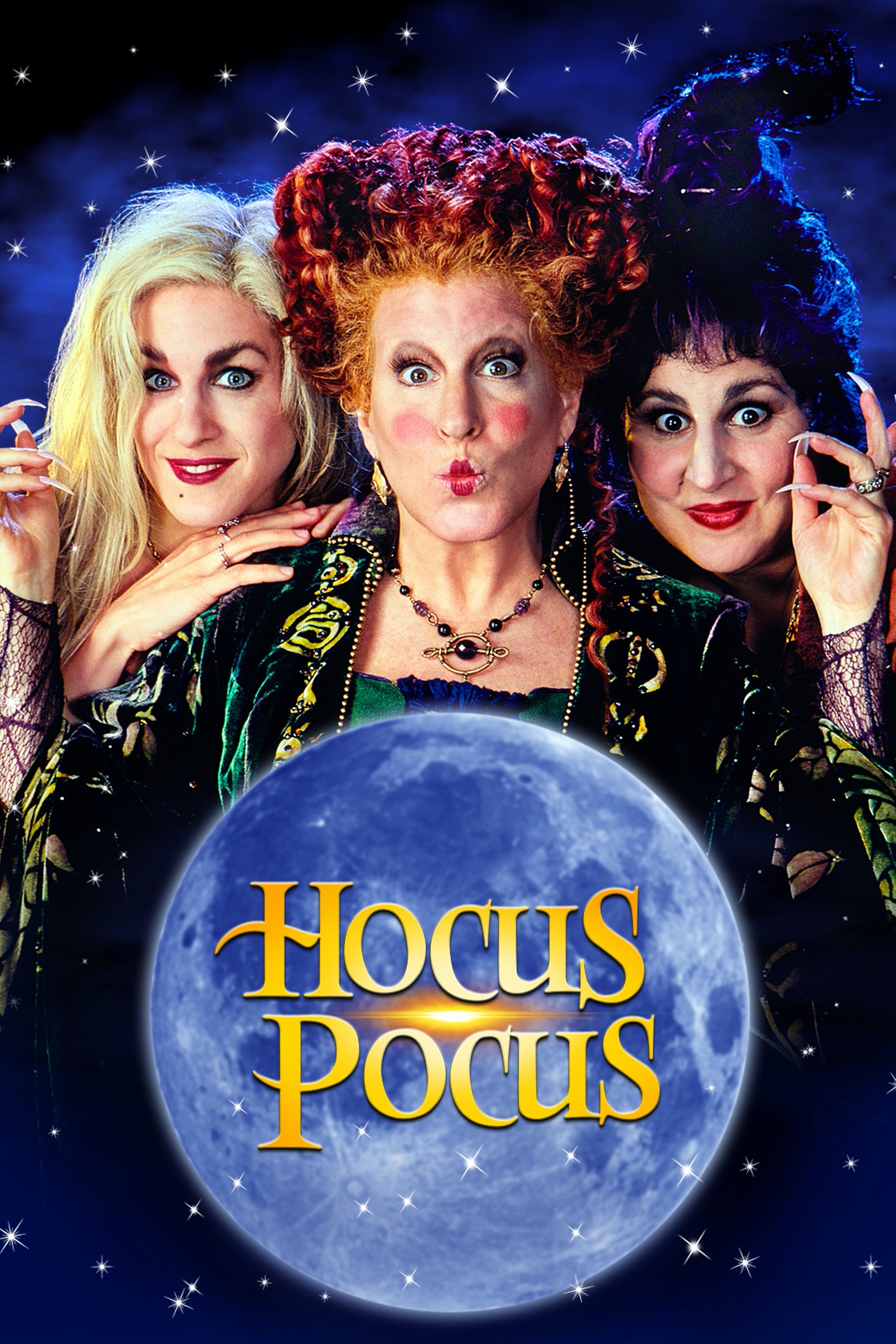
Disney positioned this Halloween tale in a summer window, dampening opening grosses and reviews. Cable reruns and seasonal programming steadily built audience familiarity. Soundtrack cues, costume design, and Salem location work became holiday staples. Success on home media led to franchise expansion and new installments.
‘Showgirls’ (1995)

Released with an adults-only rating, the film drew scathing reviews and multiple parody-award wins. Midnight screenings and campus circuits later reframed it as a camp artifact, boosting attendance. Special-edition discs documented its production history and marketing strategy. The film now anchors discussions of rating systems, censorship, and industry risk.
‘Waterworld’ (1995)

Extensive trade coverage of budget overruns colored critical and public reception. Despite strong international performance, domestic press focused on production troubles. A longer cut surfaced on home video and television, restoring character beats and world details. The property’s stunt show at a major theme park sustained brand visibility for decades.
‘Starship Troopers’ (1997)
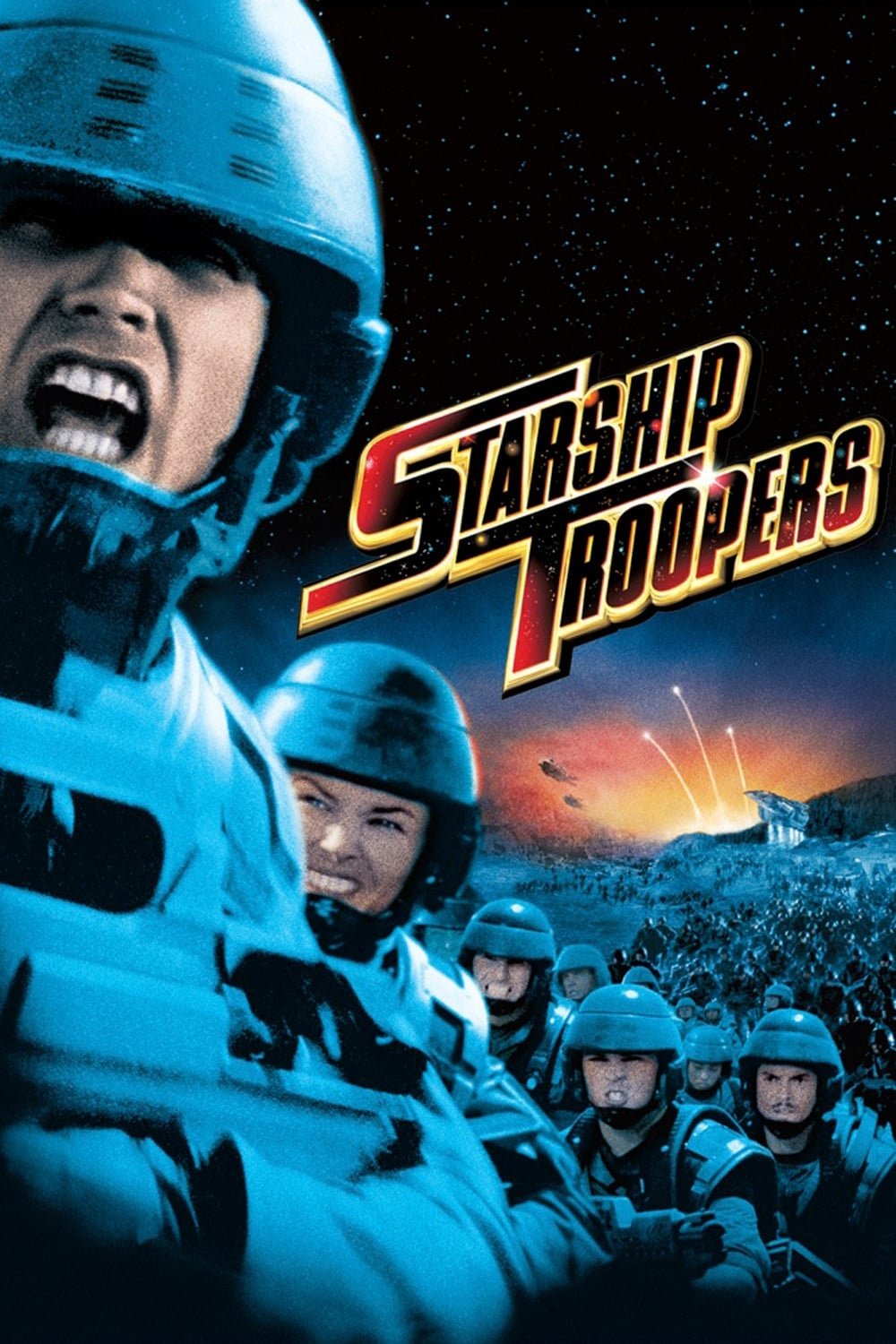
Early reviewers often treated it as straightforward militaristic spectacle, overlooking its satirical framing devices. Marketing foregrounded action elements, which shaped audience expectations. Subsequent criticism highlighted newsreel segments, propaganda interludes, and production design as central texts. The film now appears frequently in courses on media literacy and political satire.
‘Event Horizon’ (1997)
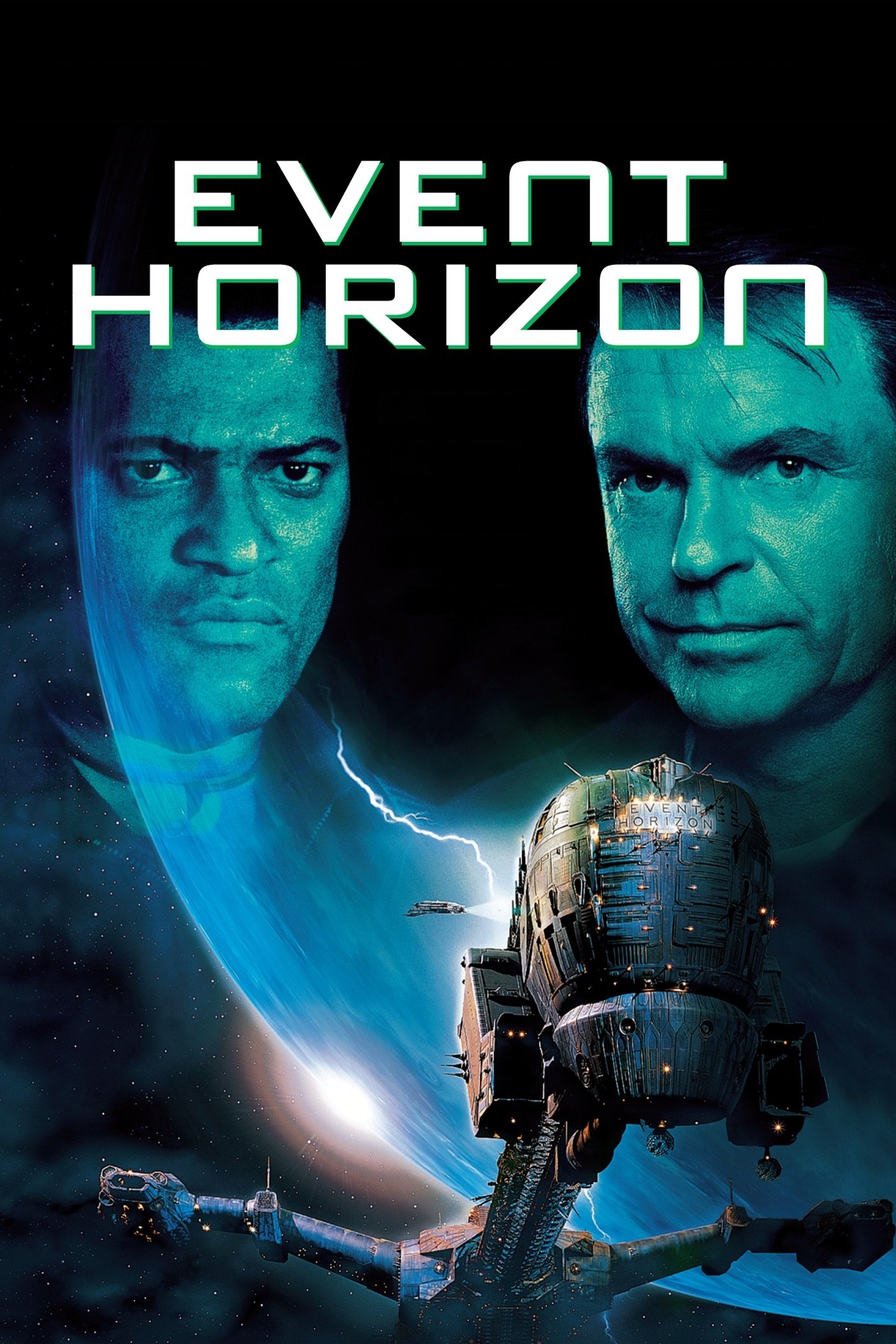
A tight post-production schedule forced substantial edits, and some footage was lost or discarded. Reviews were poor, and the theatrical run was short in several territories. DVD and Blu-ray editions emphasized miniature work, set construction, and soundscapes. Genre publications and conventions helped grow a dedicated following.
‘The Big Lebowski’ (1998)
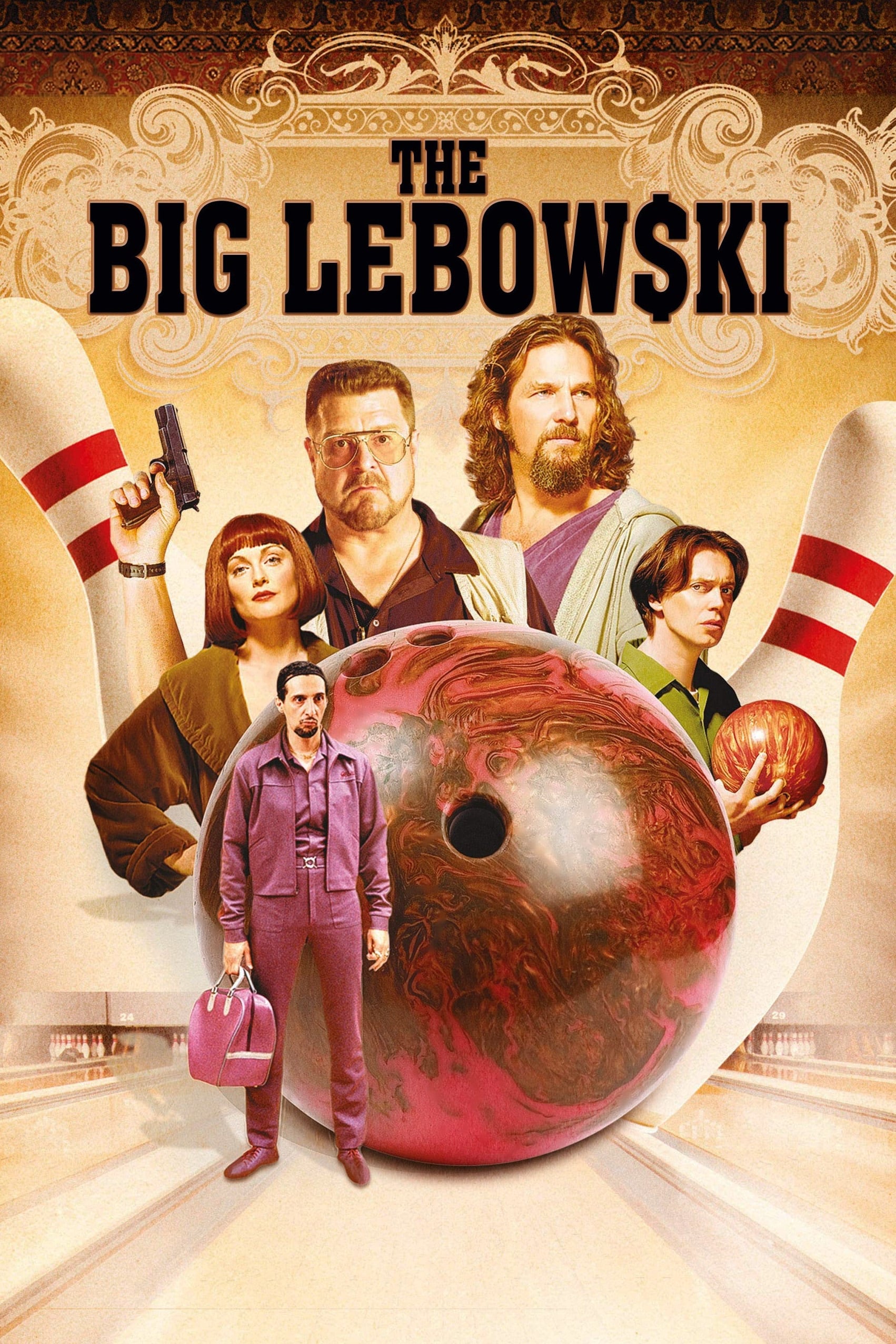
Initial responses were muted compared to the filmmakers’ previous hit. Quote-along screenings, fan gatherings, and repertory houses extended its afterlife. The film’s idiosyncratic production design and needle-drops became objects of study. It was later added to the National Film Registry, recognizing its cultural and historical significance.
‘Fight Club’ (1999)

Controversy around its marketing and subject matter influenced early coverage and bookings. The theatrical run underperformed expectations in some markets. Strong home-video sales turned it into a high-circulating catalog title. Its layered sound design, title design, and visual effects remain frequent points of technical analysis.
‘Eyes Wide Shut’ (1999)

The studio released a version with digital alterations to secure a specific rating in one region, while other territories screened an unaltered cut. Media coverage centered on secrecy during production and the director’s death shortly after completion. Over time, archives and retrospectives foregrounded its choreography, lighting strategies, and set construction. Academic writing connected its themes to earlier entries in the director’s filmography.
‘Donnie Darko’ (2001)
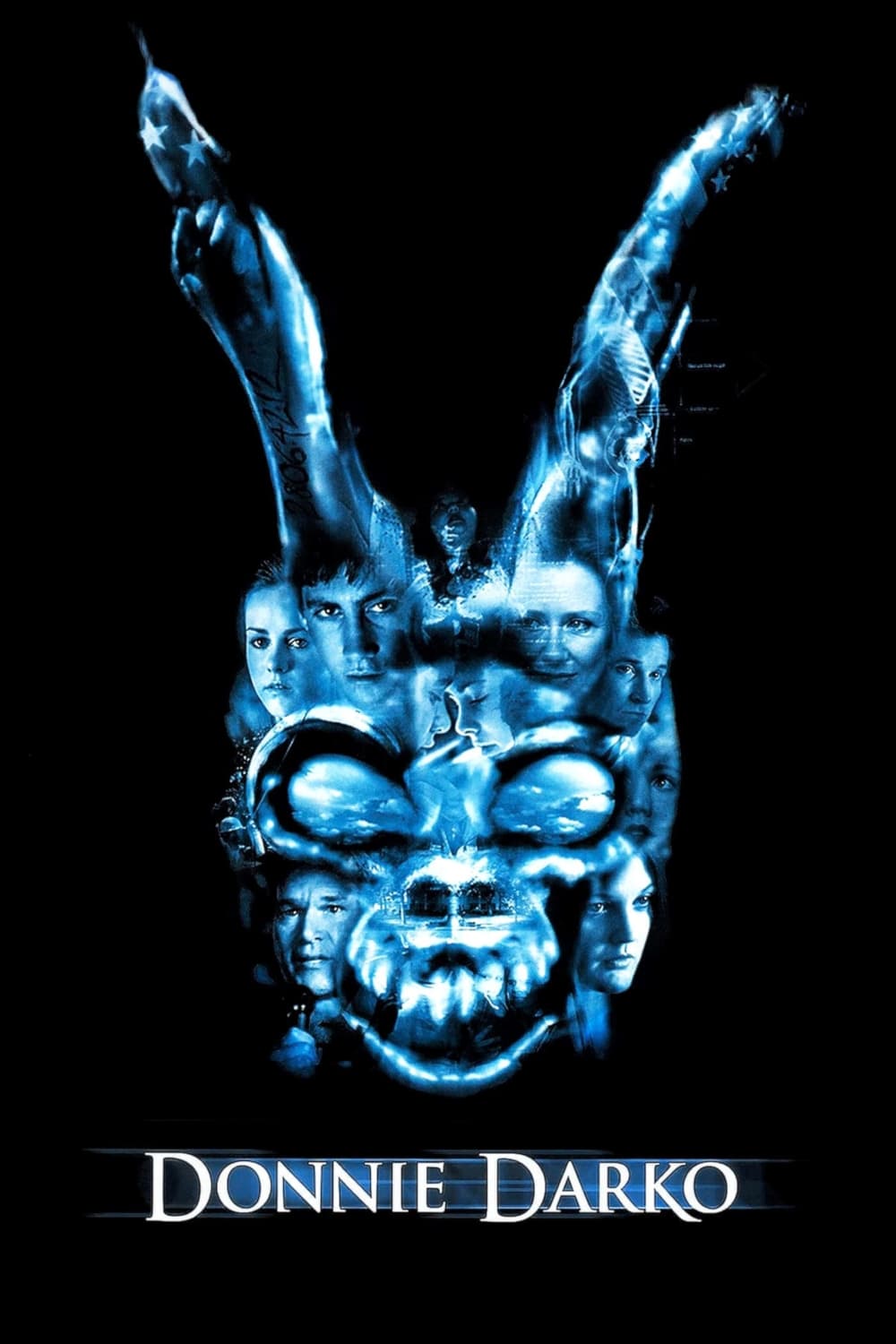
A limited theatrical release and marketing challenges led to low initial grosses. Midnight screenings and a later director’s cut significantly expanded its audience. The film’s soundtrack, suburban locations, and visual motifs became emblematic of turn-of-the-century indie cinema. It remains a common case study in distribution, fan culture, and alternate editions.
‘A.I. Artificial Intelligence’ (2001)
Originating with one director’s long-gestating concept and completed by another, the film sparked polarized reviews. Discussion initially focused on tonal shifts and authorship dynamics. Restorations and critical essays later emphasized its production design, animatronics, and digital effects. It now sits at the intersection of studies on futurism and fairy-tale structures.
‘Speed Racer’ (2008)
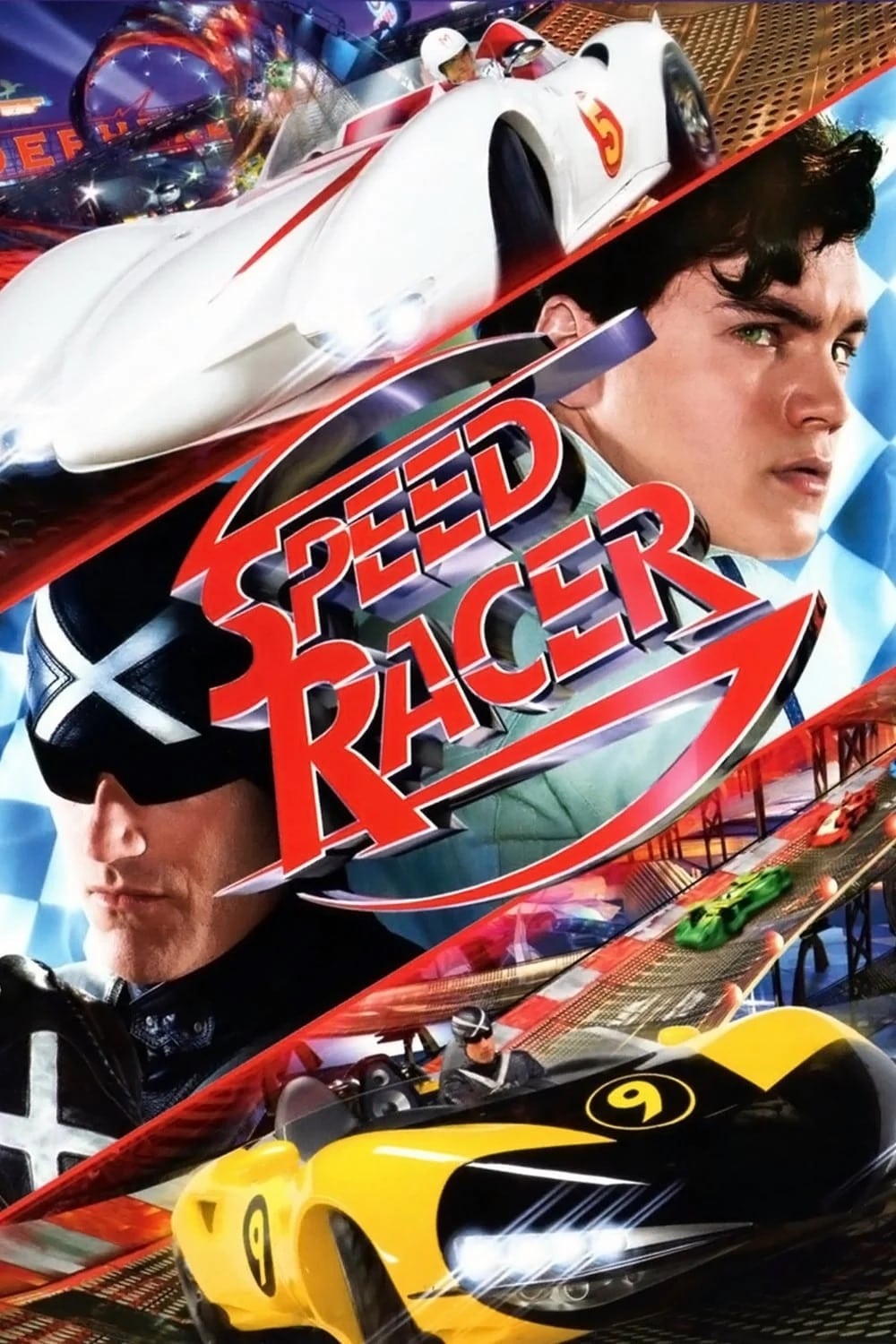
Despite major-studio backing, the film underperformed domestically and drew mixed early reviews. Its nearly all-digital approach created a stylized aesthetic that was unusual for its release window. High-definition home formats showcased the compositing, editing strategies, and sound mix as intended. Retrospectives often position it within conversations about digital cinematography and family-film experimentation.
‘It’s a Wonderful Life’ (1946)
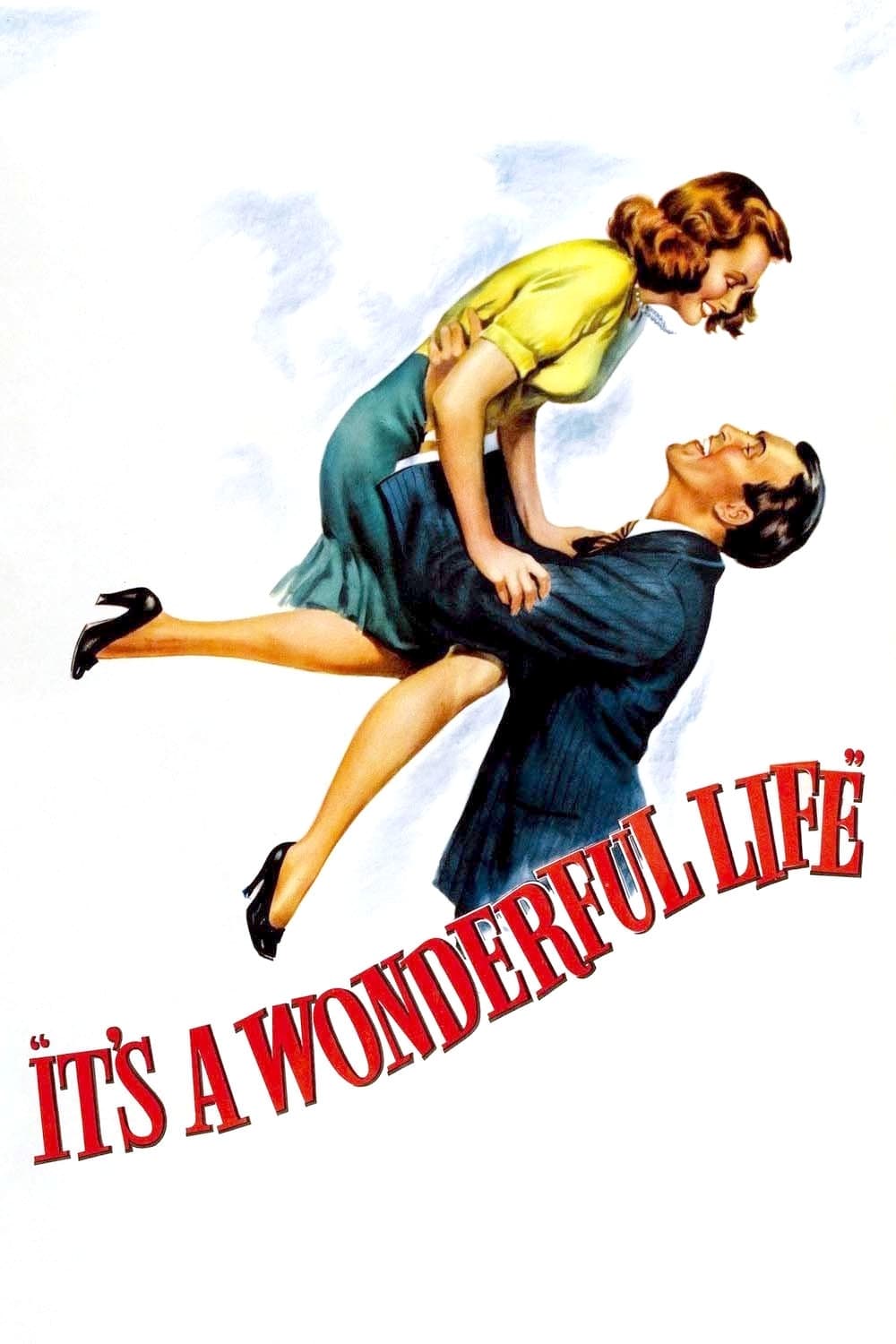
Frank Capra’s drama underperformed at the box office, partly due to competition and postwar audience trends. Early reviews were mixed, and the film slipped into relative obscurity after its initial run. A clerical lapse allowed widespread television syndication, which dramatically increased exposure. Subsequent restorations and repertory screenings solidified its place in holiday programming and film-history curricula.
‘The Wicker Man’ (1973)
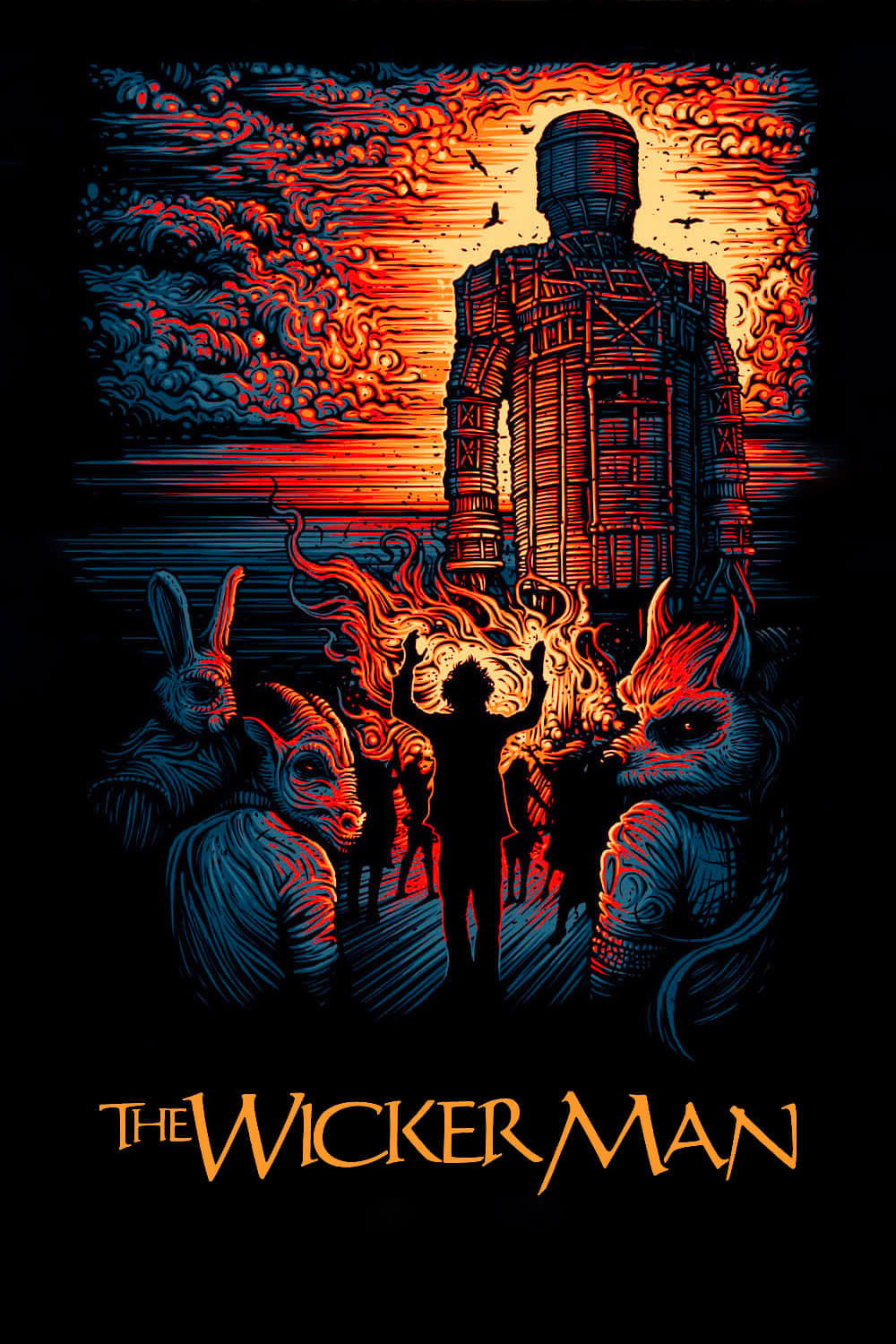
Studio recutting led to a shortened release that confused distribution and limited promotion. Some prints were paired as a secondary feature, reducing visibility with critics and audiences. Later discoveries of longer elements enabled restorations that clarified narrative structure and musical sequences. Archival presentations and scholarship highlighted its folk-horror craft and location work.
‘Bring Me the Head of Alfredo Garcia’ (1974)
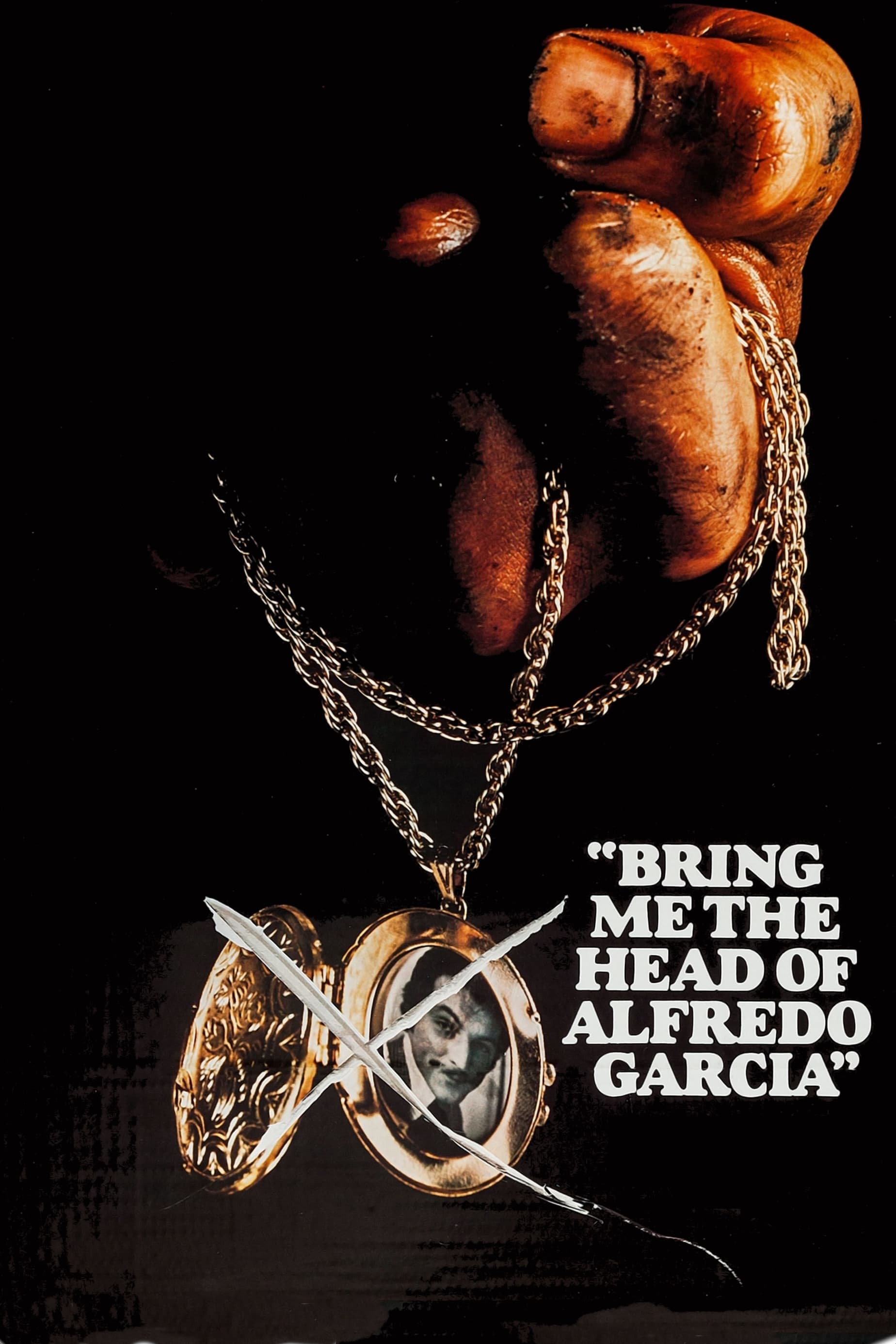
Initial notices were harsh, and the film struggled to find an audience in wide release. Its grim storyline and downbeat marketing made programming difficult for mainstream theaters. Home-video circulation and director retrospectives drew renewed attention to its production history and Mexico-set shoot. Festival spotlights on American maverick directors further boosted academic interest.
‘The Killing of a Chinese Bookie’ (1976)
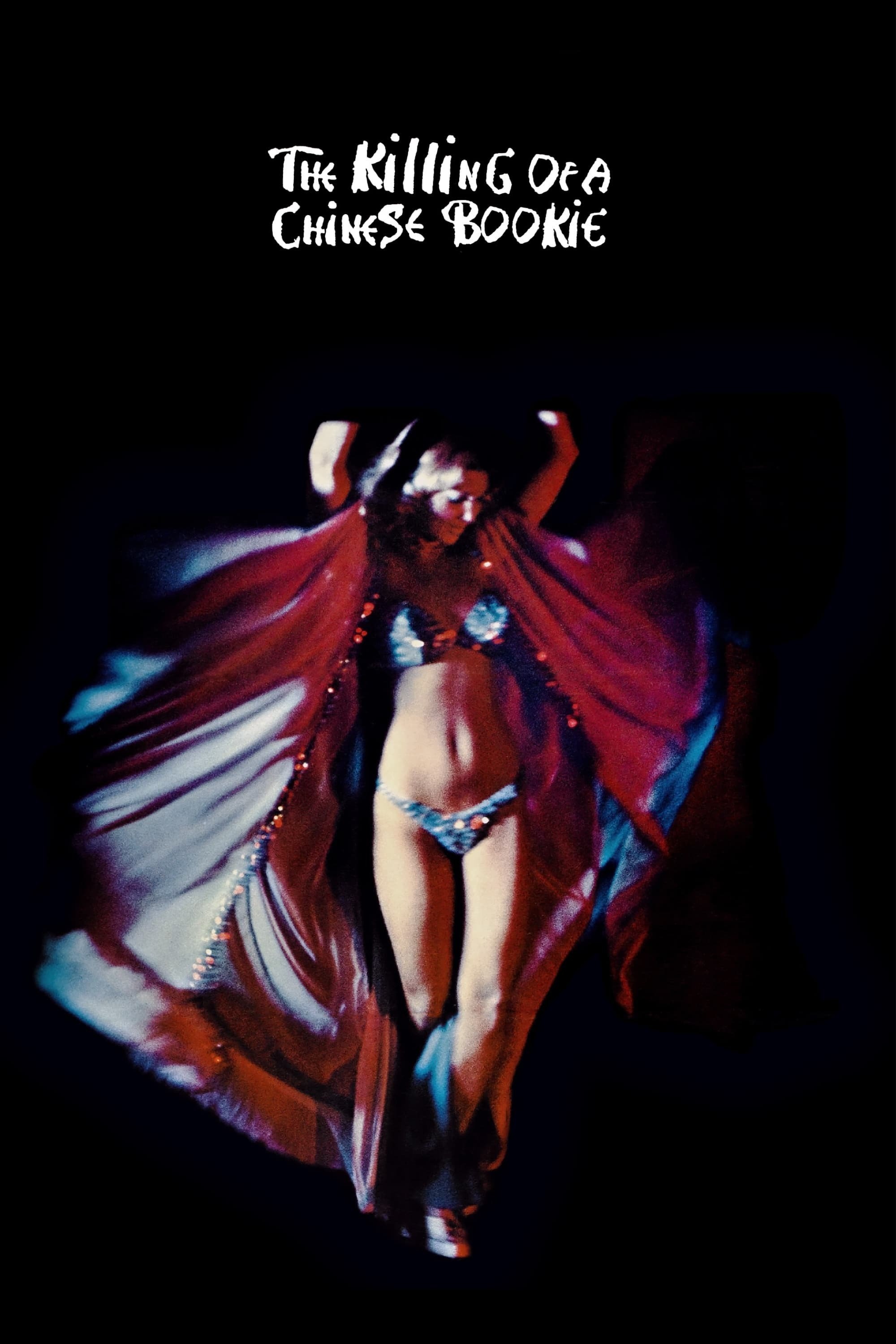
John Cassavetes re-edited the film after an unproductive opening, producing a shorter version that circulated widely. Early critical reaction fixated on pacing and narrative clarity, limiting bookings. Later restorations presented both cuts, encouraging close comparison of structure and performance rhythms. Film schools and cinematheques incorporated it into studies of independent production and exhibition.
‘Possession’ (1981)
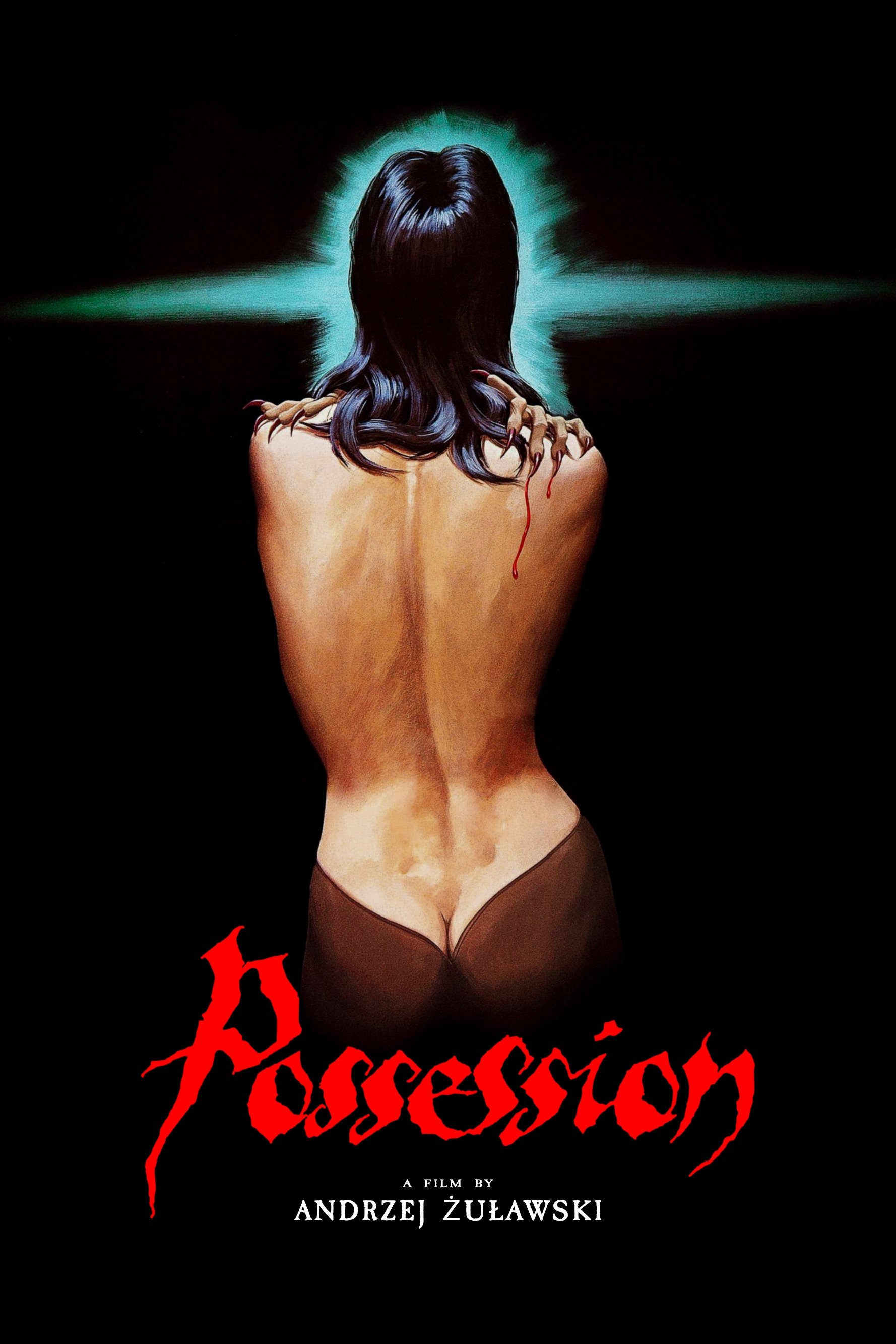
Premiering at a major European festival, the film earned polarized reviews and uneven distribution. Censorship controversies and recut versions complicated its availability in multiple territories. Decades later, restorations reinstated excised material and corrected color timing. Retrospectives showcased its location shooting, practical effects, and sound design as distinctive craft elements.
‘Halloween III: Season of the Witch’ (1982)
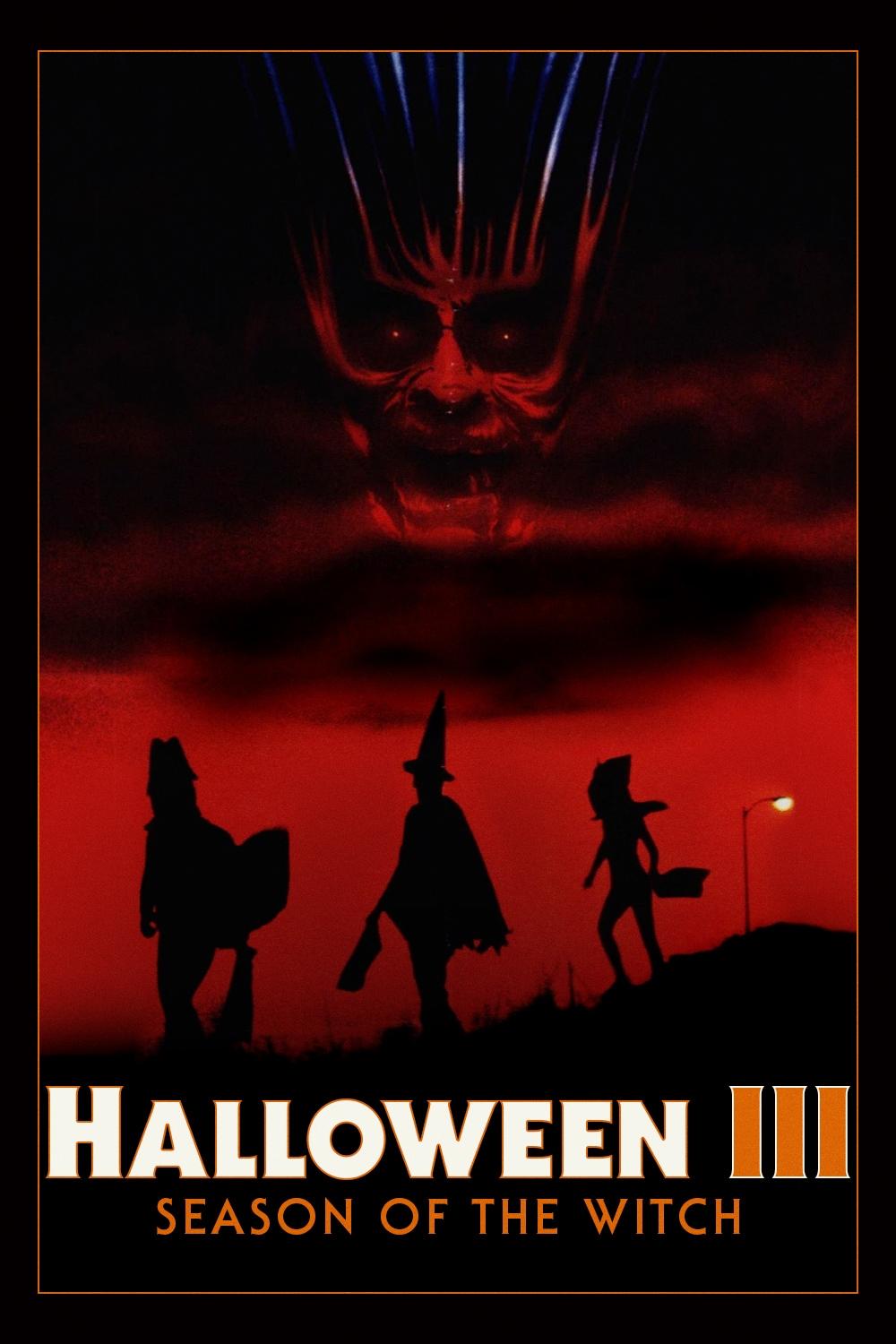
Audiences expected a returning slasher antagonist, but the studio pursued an anthology approach, leading to confusion at release. Marketing emphasized franchise branding while downplaying the standalone story, which affected word-of-mouth. Television broadcasts and home media gradually reframed expectations, separating it from series continuity. Practical effects, score, and mask design became seasonal touchstones for genre programming.
‘Ishtar’ (1987)

Trade coverage of budget overruns and reshoots shaped press narratives before critics saw the film. Theatrical performance lagged as negative publicity overshadowed its actual content. Cable rotations and physical media releases foregrounded its desert shoot and musical-comedy framework. Contemporary reassessments often reference production memos, script drafts, and studio decision-making as case material.
‘Predator’ (1987)
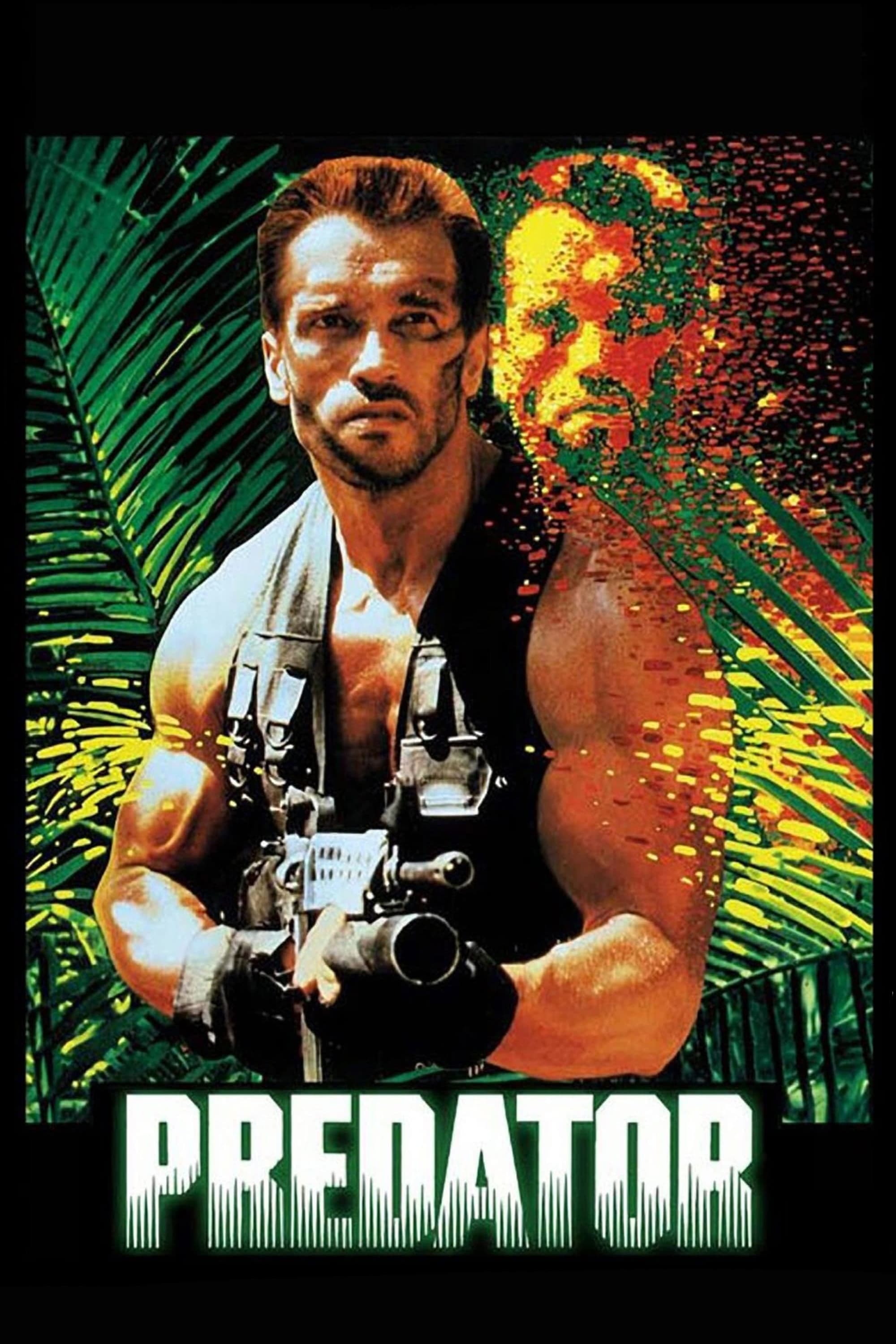
Initial reviews were restrained, focusing more on violence than production craft. Subsequent technical commentary highlighted location logistics, creature effects, and sound recording in challenging terrain. Television syndication and home-video formats expanded its audience far beyond the original run. The film’s design and stunt work are now commonly cited in action-cinema histories.
‘King of New York’ (1990)
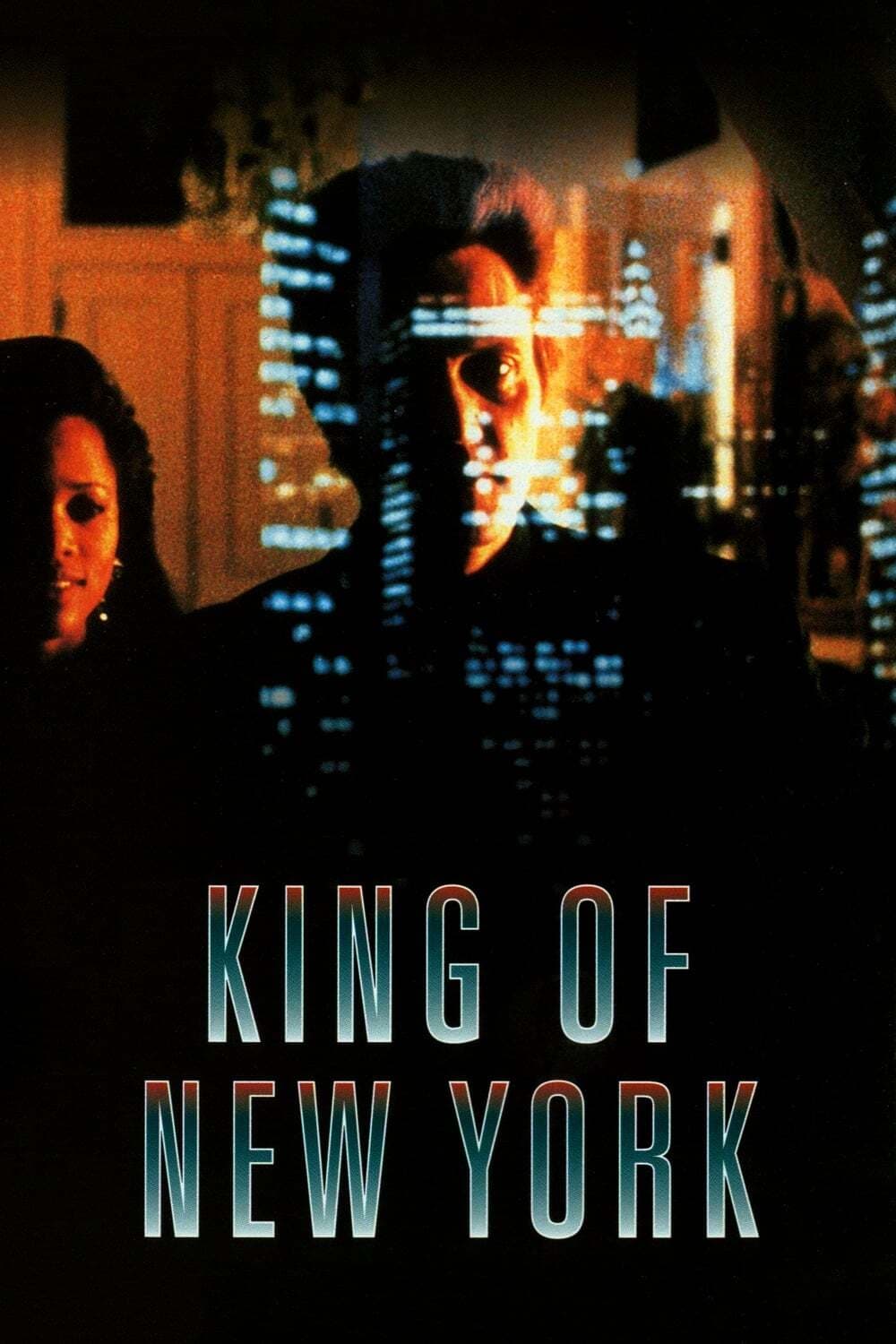
Abel Ferrara’s crime drama met mixed reception and a limited theatrical footprint in several markets. Festival play and specialty theaters gradually amplified attention to its urban locations and cinematography. Soundtrack selections and casting later drew cross-genre interest from music and film circles. Restorations and anniversary screenings improved access and print quality.
‘The Cable Guy’ (1996)
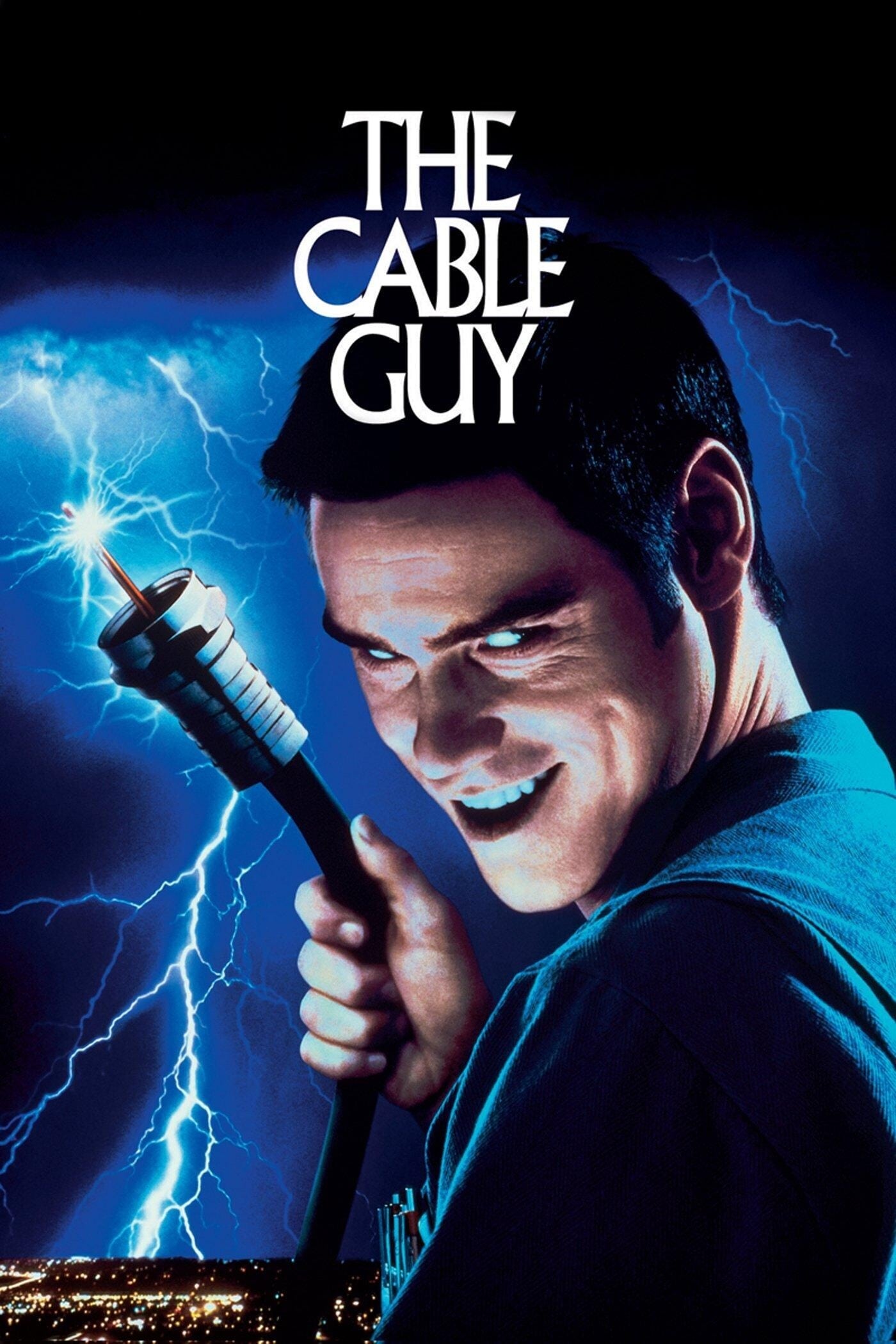
Reactions centered on tonal darkness compared to contemporary studio comedies, dampening early press. The film nonetheless documented a significant moment in star salaries and marketing strategy. Cable and DVD circulation broadened viewership and contextualized its satirical elements within media trends. Commentary tracks and production featurettes helped reframe intentions and craft choices.
‘Southland Tales’ (2006)
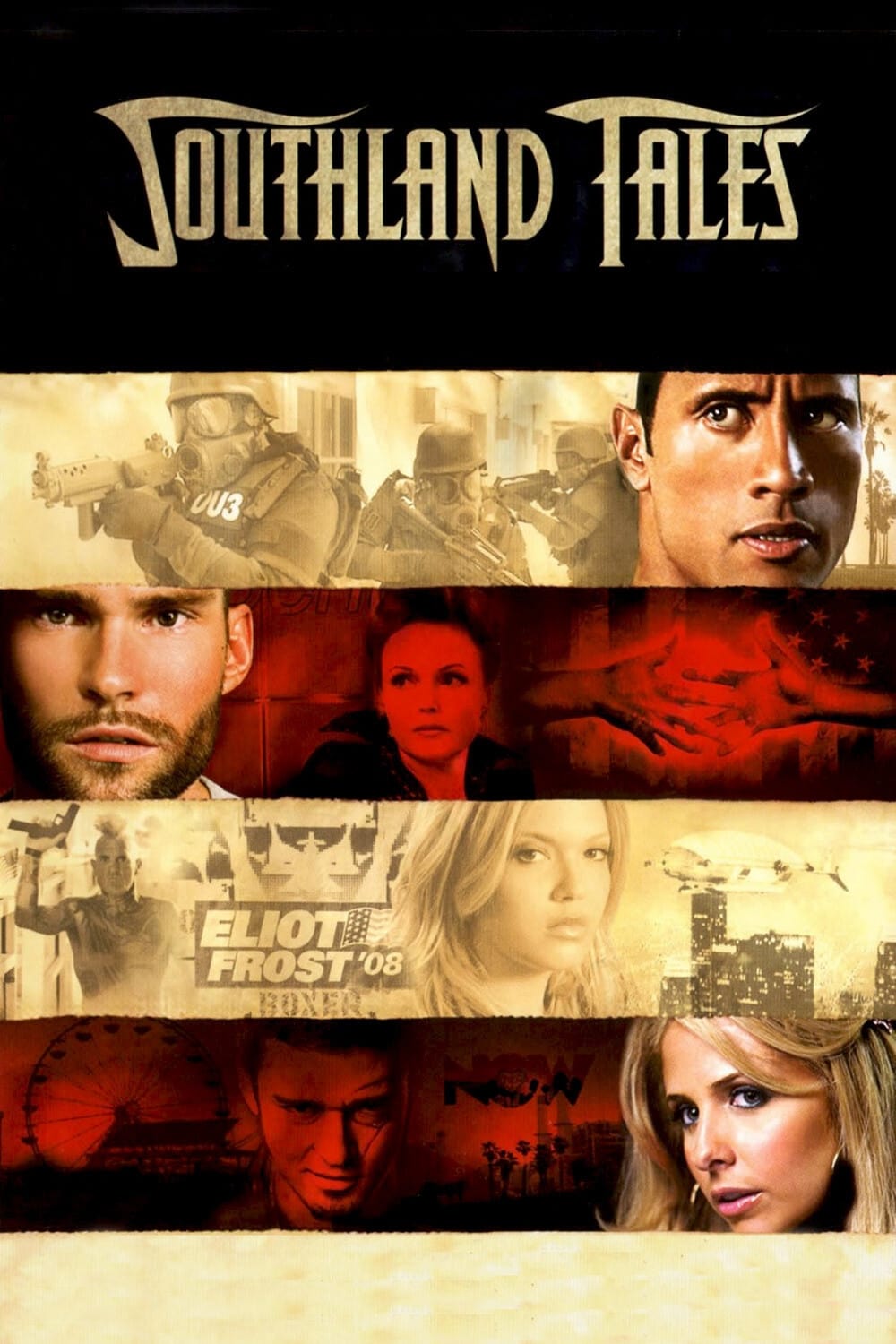
A high-profile festival premiere drew negative coverage, leading to extensive re-editing before release. Distribution remained limited, and early audiences encountered a dense, multi-platform narrative. Later home-media versions and accompanying graphic novels clarified world-building and character arcs. Academic writing on transmedia storytelling frequently uses it as a primary example.
‘Miami Vice’ (2006)
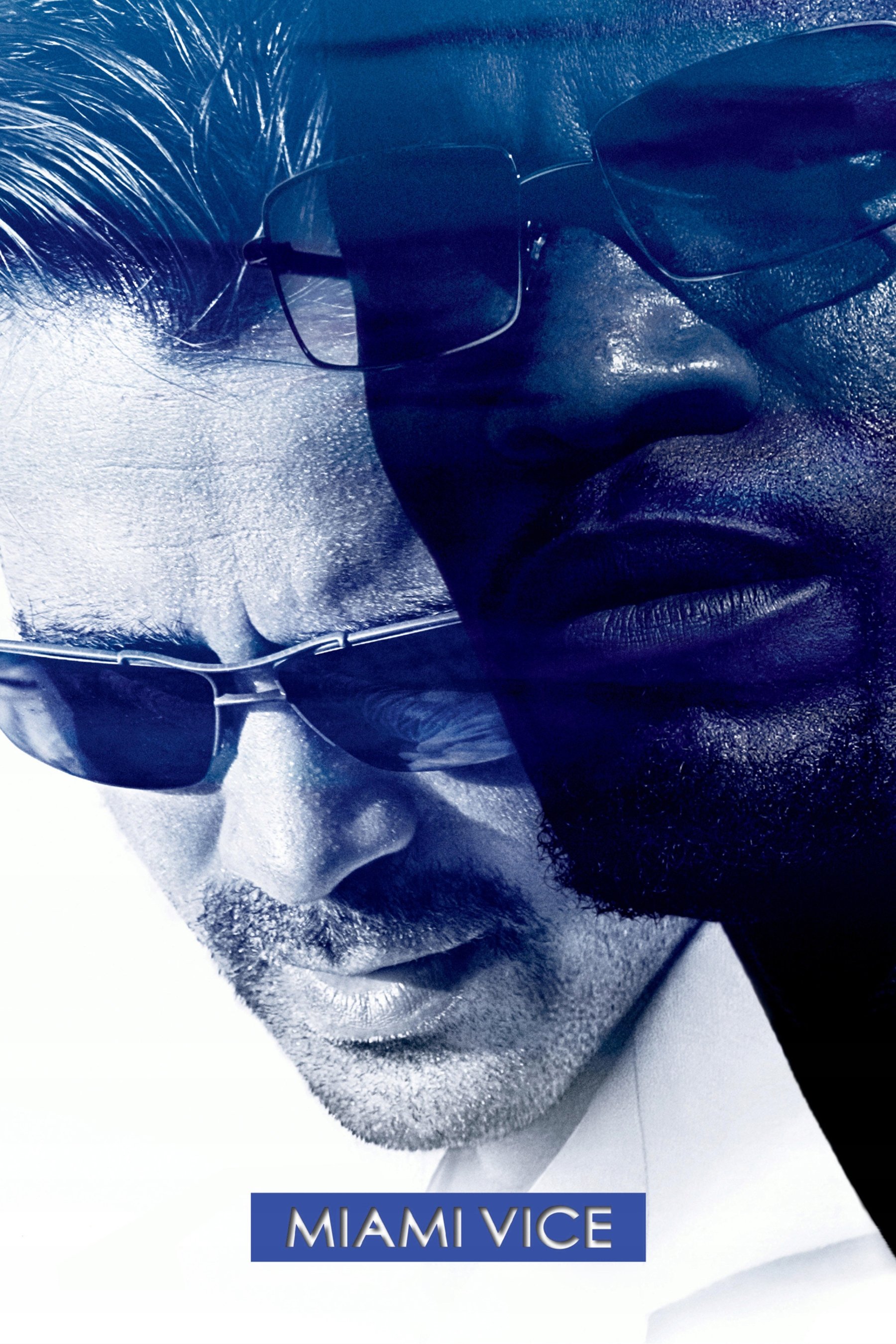
Expectations of nostalgic iconography collided with a grounded, location-heavy production that emphasized digital cinematography. Weather disruptions and on-set challenges contributed to a complex shoot and evolving schedule. Theatrical and home releases highlighted distinct cuts, with variations in scenes and music cues. Technical analysis now focuses on night photography, soundscapes, and maritime logistics.
‘The Fountain’ (2006)
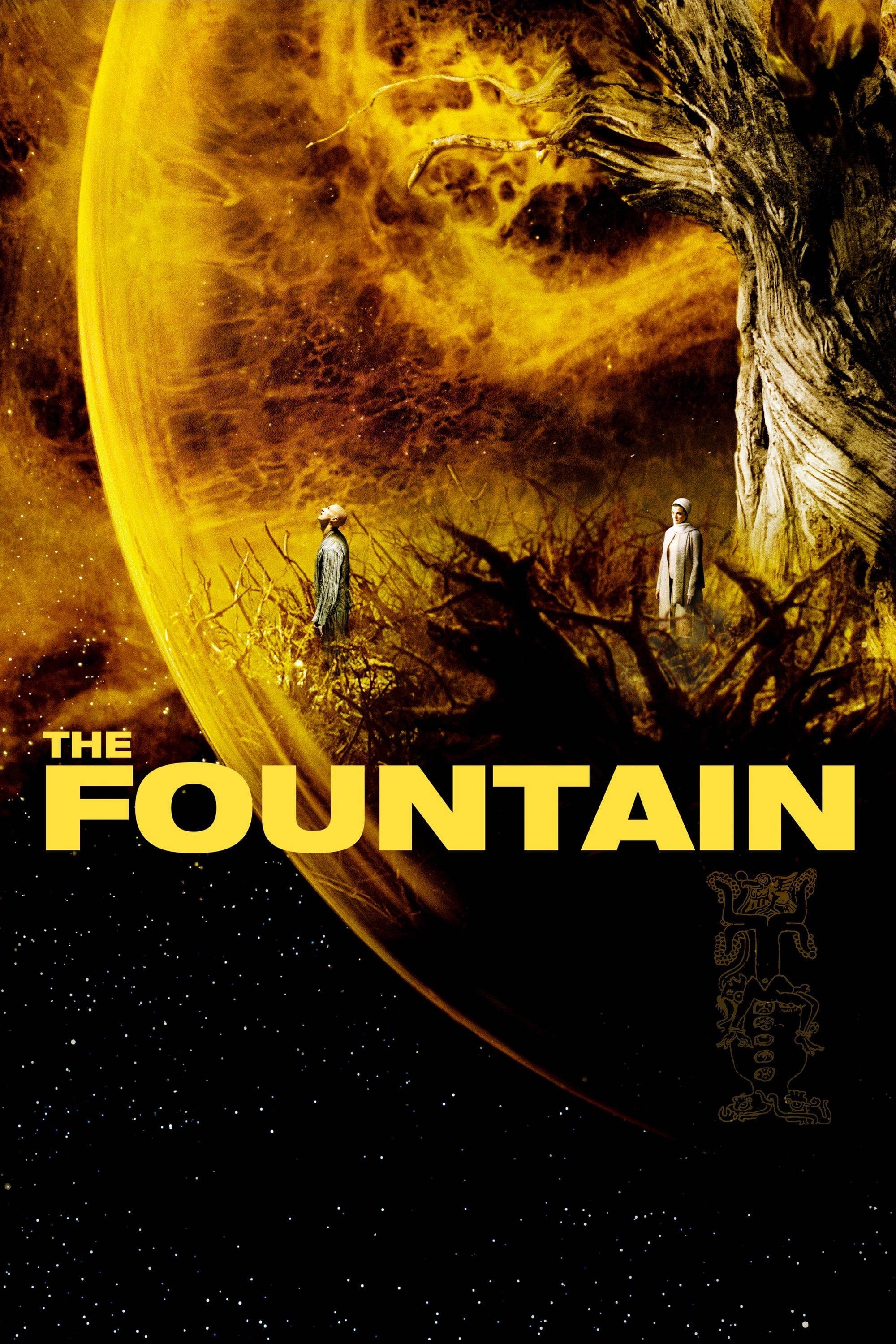
Test screenings and shifting marketing approaches made positioning difficult for mainstream audiences. Visual-effects methodology relied heavily on macro photography, reducing conventional CGI usage. Composer collaboration and recurring motifs linked three narrative threads across production design and score. Later discussions often center on how editorial structure and effects pipelines were integrated.
‘Jennifer’s Body’ (2009)
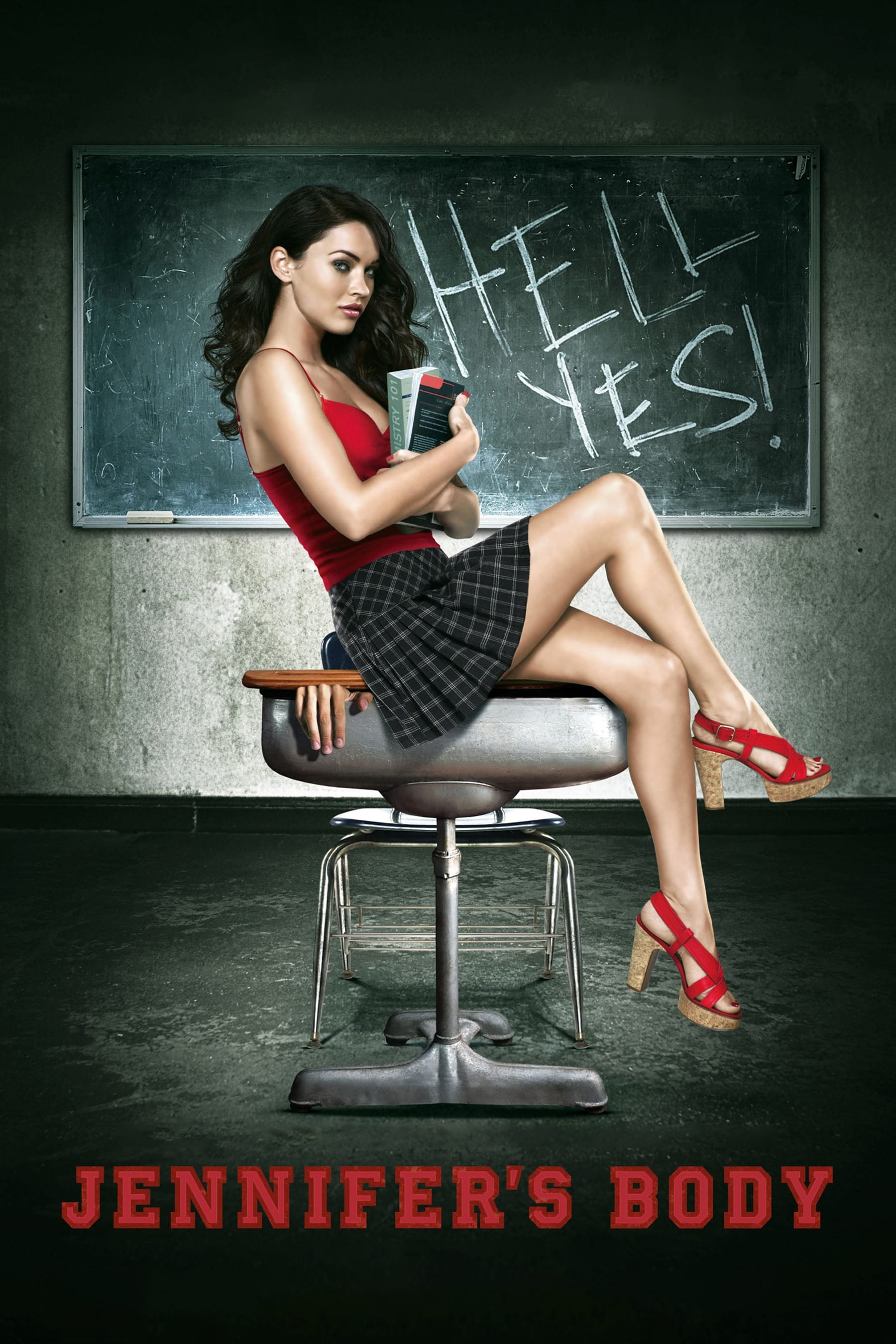
Marketing emphasized broad-appeal angles while downplaying the film’s specific genre blend, which affected initial turnout. Reviews at release were mixed, and the theatrical window was short in some regions. Streaming and academic interest in gender and horror reframed its dialogue and setting choices. Oral histories and anniversary pieces documented development, casting, and campaign strategy.
‘Cloud Atlas’ (2012)
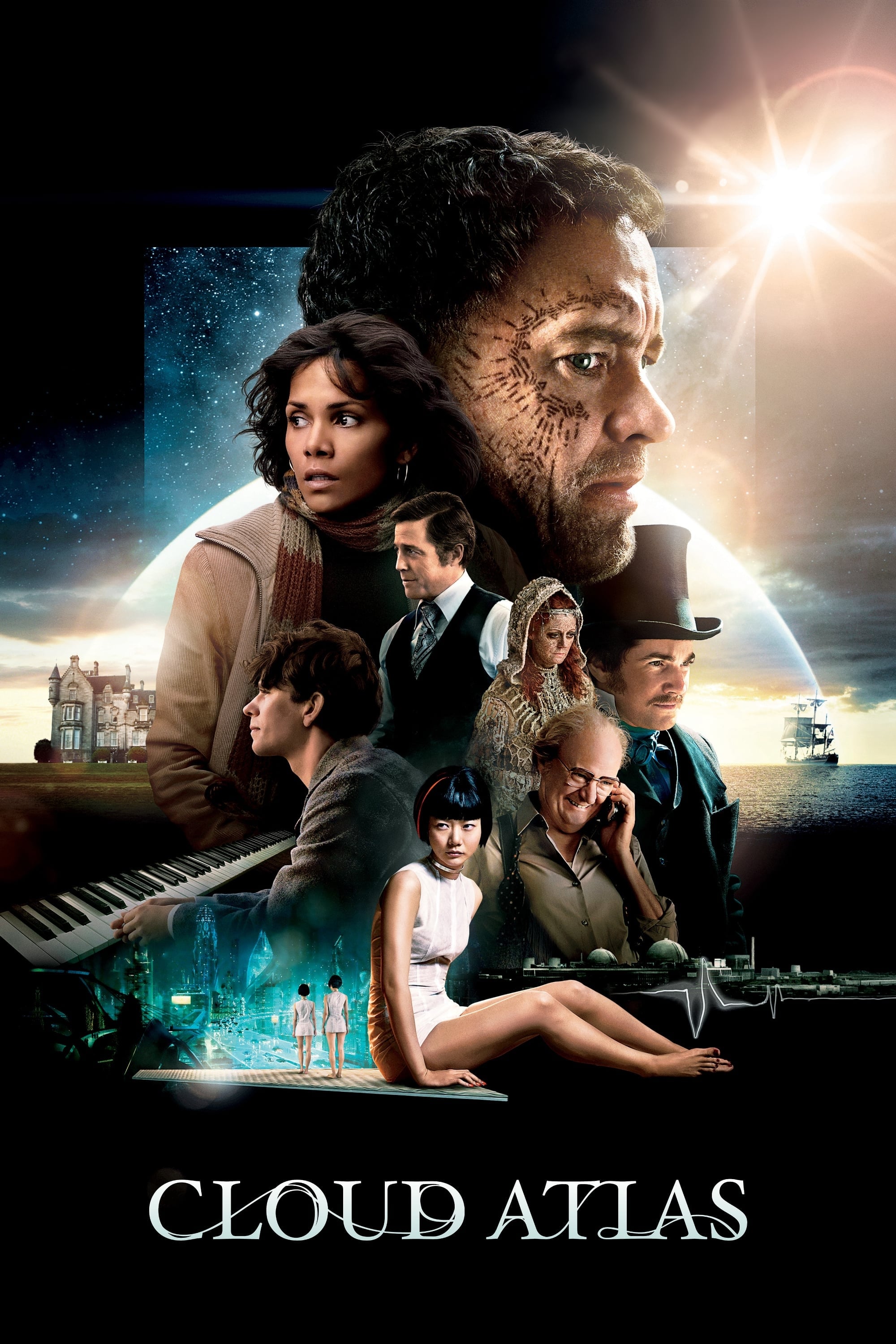
The production was financed through an unusual international structure that combined multiple regional partners. Parallel storylines required complex scheduling and shared sets, props, and makeup strategies. Early responses were divided, but later home-media releases highlighted editorial rhythms and thematic throughlines. Cast and crew interviews, plus production diaries, have become key sources for studying its modular approach.
Share your own contenders—once-snubbed films you think have matured the most—in the comments.