The Most Influential Black Actresses of All Time

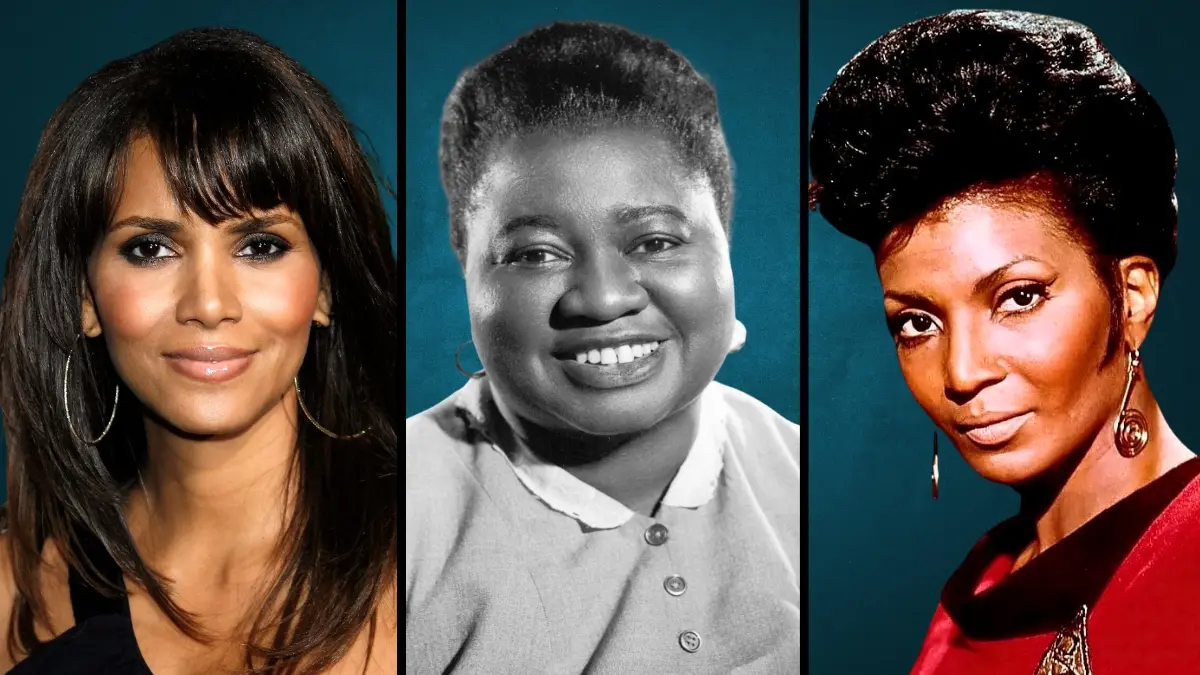

Black actresses have shaped film, television, and theatre across generations, opening doors with barrier-breaking firsts, award-winning performances, and powerhouse work behind the scenes as writers, producers, directors, and advocates. The women below span early Hollywood to today’s global franchises and prestige dramas, and their careers reveal a throughline of craft, entrepreneurship, and leadership that changed the industry. From historic Oscars and network-TV milestones to Broadway triumphs and franchise-defining roles, their impact is visible on screens, in boardrooms, and in talent pipelines. Here are 40 trailblazers whose influence continues to ripple through entertainment and culture.
Hattie McDaniel
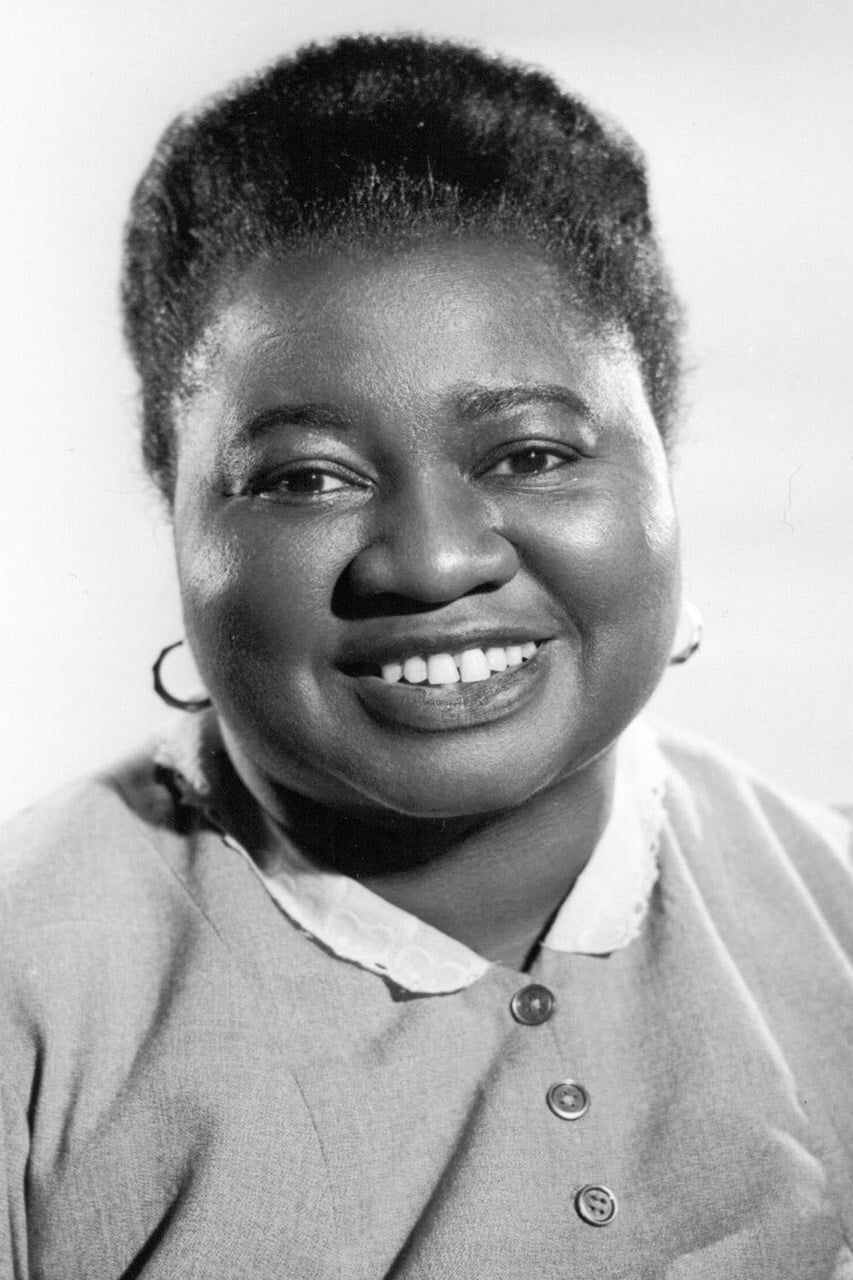
Hattie McDaniel became the first Black person to win an Academy Award, a milestone that challenged segregated Hollywood practices. She built a prolific radio and film career, often navigating and negotiating the roles available to Black performers in her era. Beyond acting, she advocated for fair employment for Black artists in unions and studios. Her legacy is referenced whenever conversations turn to representation, credit, and access in the industry.
Dorothy Dandridge
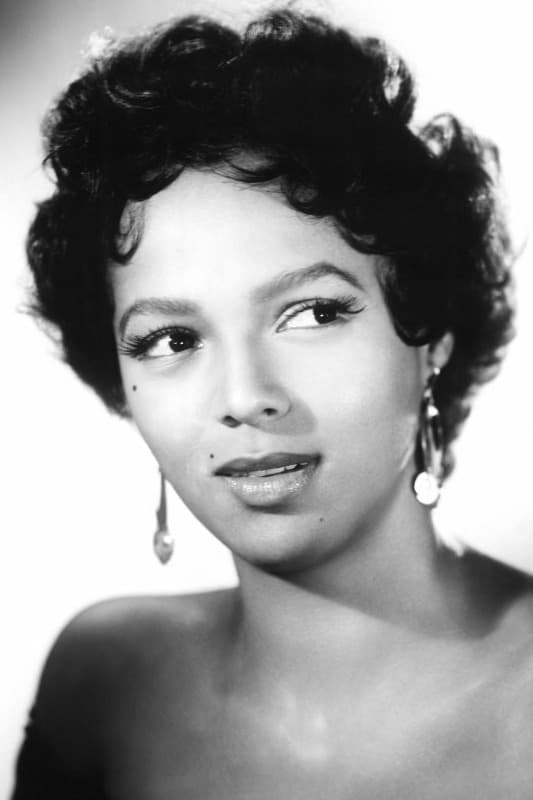
Dorothy Dandridge was the first Black woman nominated for the Academy Award for Best Actress. She broke into leading-lady territory at a time when studios rarely offered substantive roles to Black women. Her nightclub and film work helped market Hollywood glamour internationally with a Black star at the center. Later reassessments of her career highlight how her path widened opportunities for the next generation.
Ruby Dee
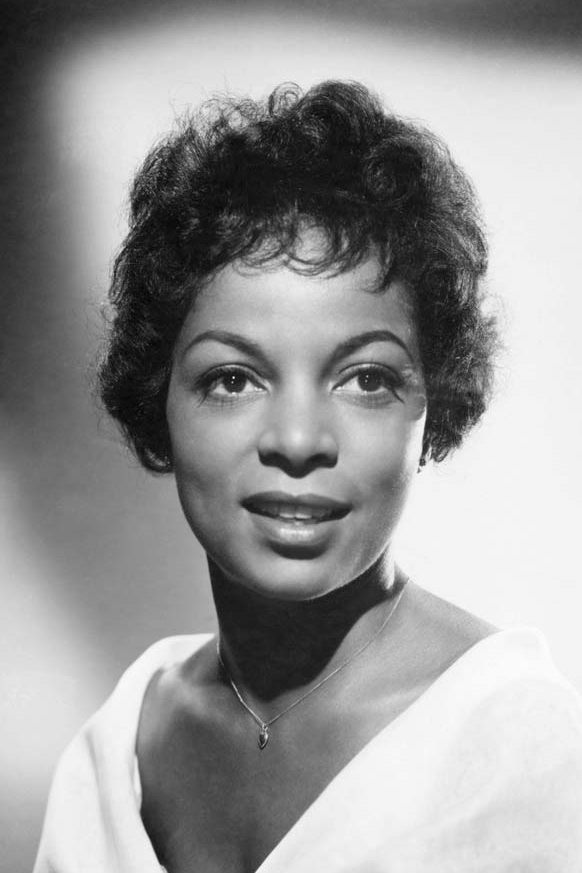
Ruby Dee built a multifaceted career across stage, film, and television while maintaining a deep commitment to civil rights. She originated and reprised key roles in works like ‘A Raisin in the Sun’, bringing complex Black family narratives to mainstream audiences. Dee collaborated frequently with Ossie Davis, creating enduring performances and community-based arts initiatives. Her later-career honors recognized both artistic excellence and activism.
Cicely Tyson

Cicely Tyson insisted on dignified, fully realized characters, reshaping expectations for Black women on screen. Her performances in projects like ‘Sounder’, ‘The Autobiography of Miss Jane Pittman’, and ‘How to Get Away with Murder’ anchored stories of resilience and history. She mentored younger actors and spoke widely about choosing roles with purpose. Tyson’s accolades across decades cemented a blueprint for artistic integrity.
Diahann Carroll
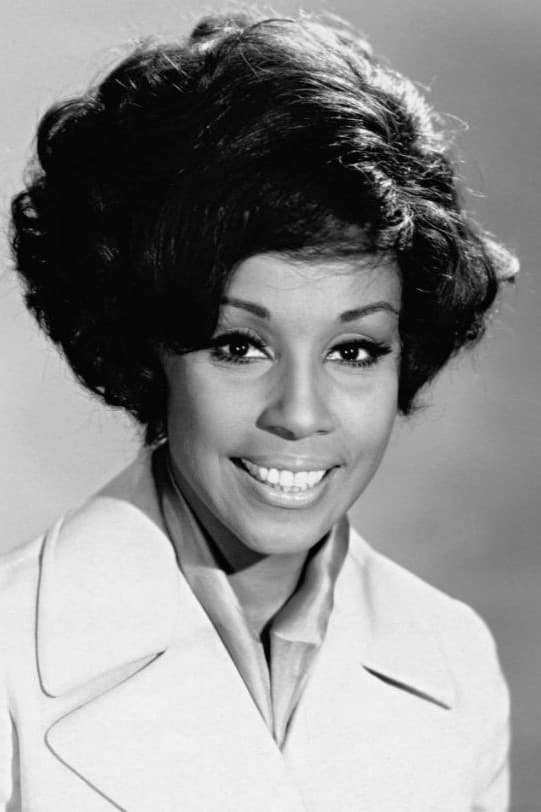
Diahann Carroll starred in ‘Julia’, one of the first American network series to depict a Black woman in a professional role outside of domestic service. She later earned acclaim in film with ‘Claudine’ and brought high style and complexity to prime-time drama in ‘Dynasty’. Carroll’s stage work included Tony-winning performances and major concert tours. Her career normalized seeing Black women as leads in varied genres.
Nichelle Nichols
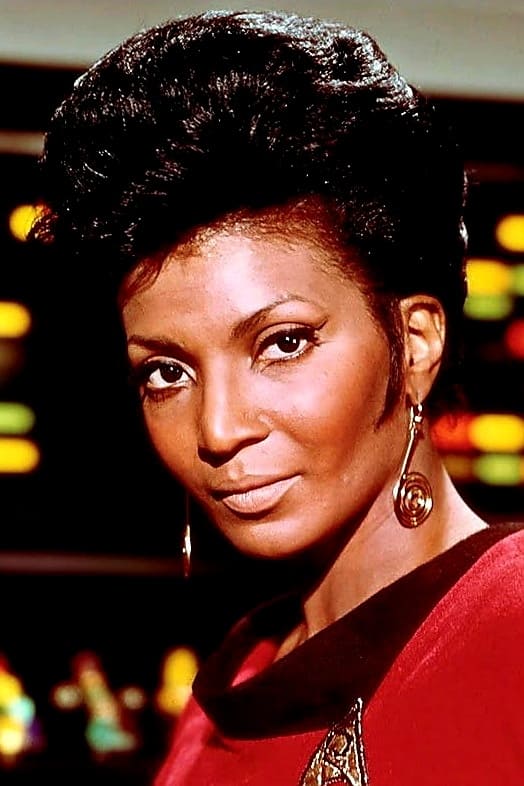
Nichelle Nichols’ portrayal of Lt. Uhura in ‘Star Trek’ placed a Black woman on the bridge of a starship during a pivotal cultural moment. She later partnered with NASA to recruit women and people of color into the astronaut corps. Nichols’ convention appearances and public outreach kept STEM pathways in the spotlight. Her role remains a touchstone for inclusion in science-fiction and beyond.
Pam Grier
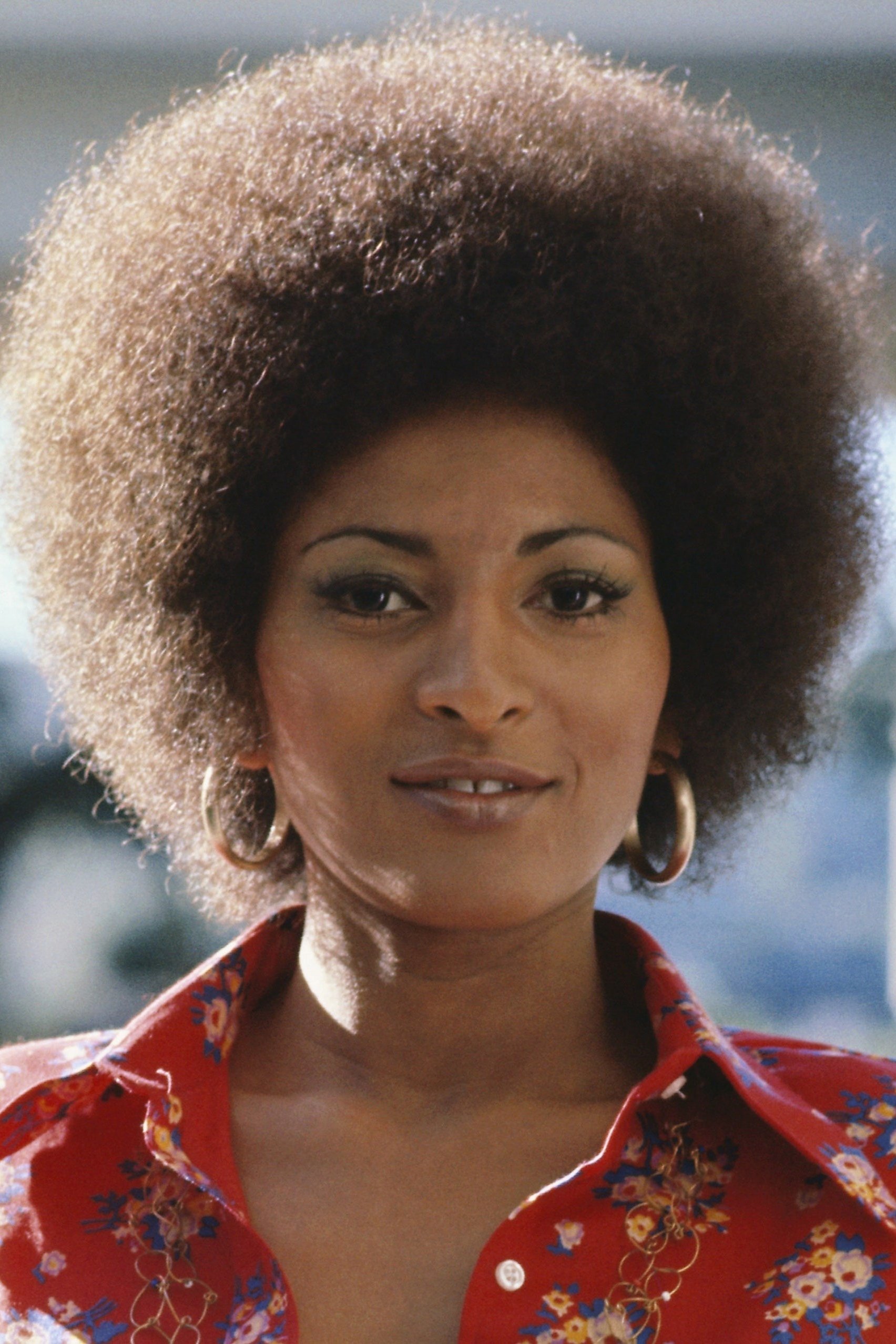
Pam Grier redefined the action heroine with breakout roles in films like ‘Coffy’ and ‘Foxy Brown’. She headlined stories where Black women drove the plot, a rarity in genre cinema at the time. Grier’s later resurgence with ‘Jackie Brown’ introduced her to new audiences while honoring her earlier impact. She has since taught, written, and advocated for independent filmmaking.
Whoopi Goldberg
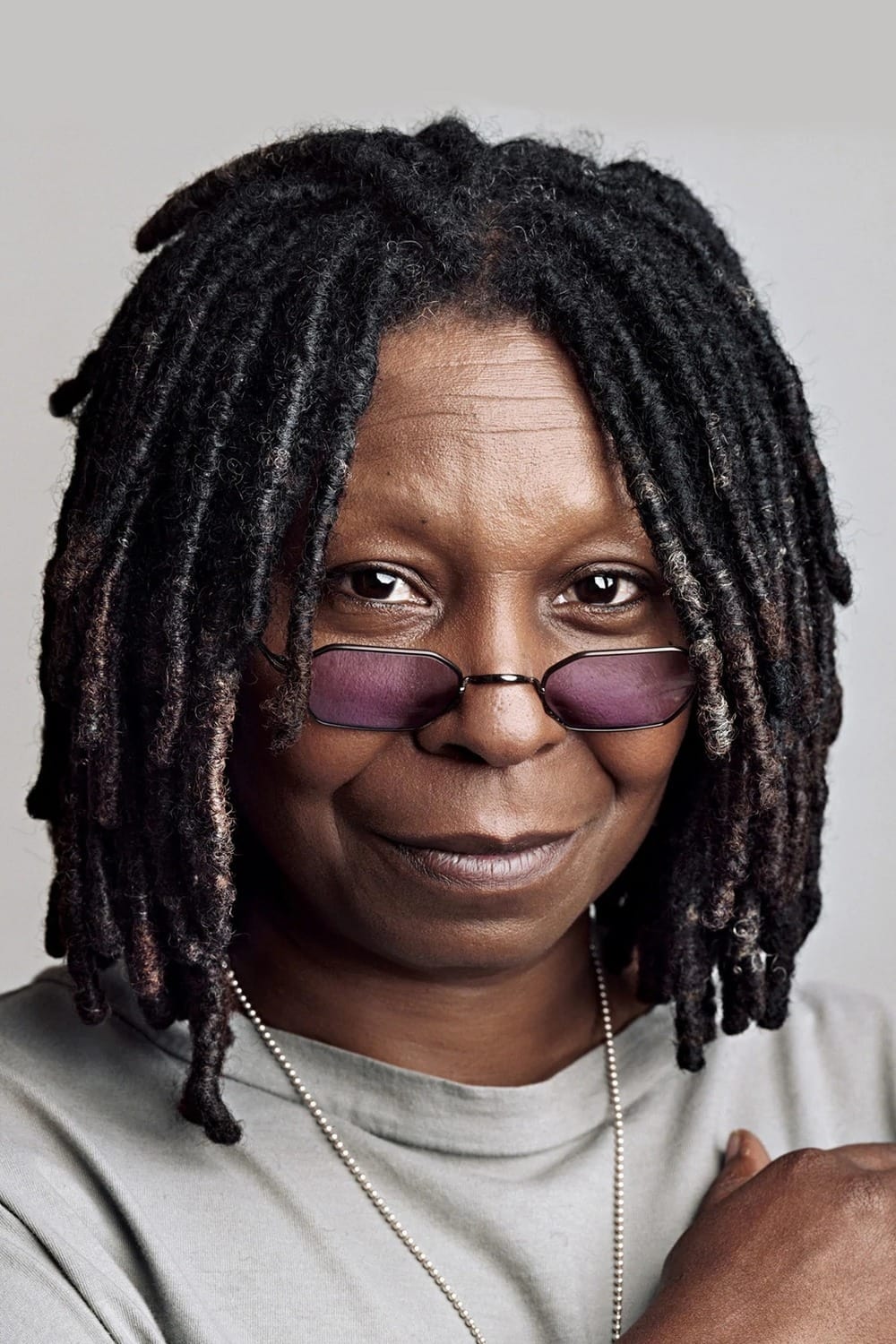
Whoopi Goldberg is among the few performers to achieve EGOT status, spanning film, television, stage, and recording. She delivered landmark performances in projects such as ‘The Color Purple’ and ‘Ghost’ while also sustaining a long-running daytime television presence. Goldberg produced for stage and screen, helping shepherd new works and voices. Her charitable and hosting work kept arts education and social issues in public view.
Angela Bassett
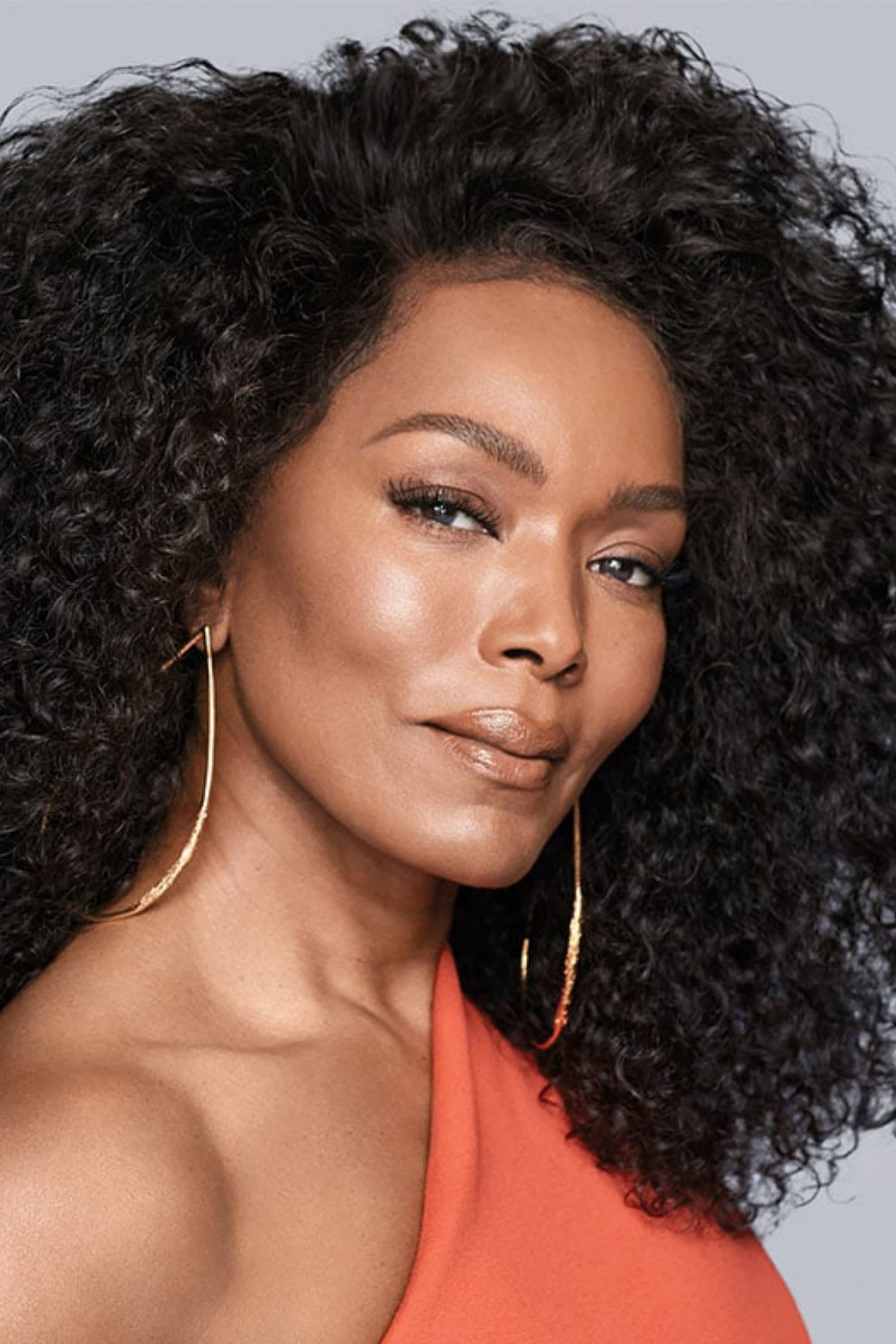
Angela Bassett built a career portraying real-life icons and leading contemporary dramas with precision and intensity. She earned multiple major award nominations and wins, and later received an Academy Honorary Award recognizing her body of work. Bassett’s roles in ‘What’s Love Got to Do with It’, ‘Waiting to Exhale’, ‘Black Panther’, and ‘9-1-1’ demonstrated remarkable range. She also directs and produces, supporting stories centered on Black experiences.
Halle Berry
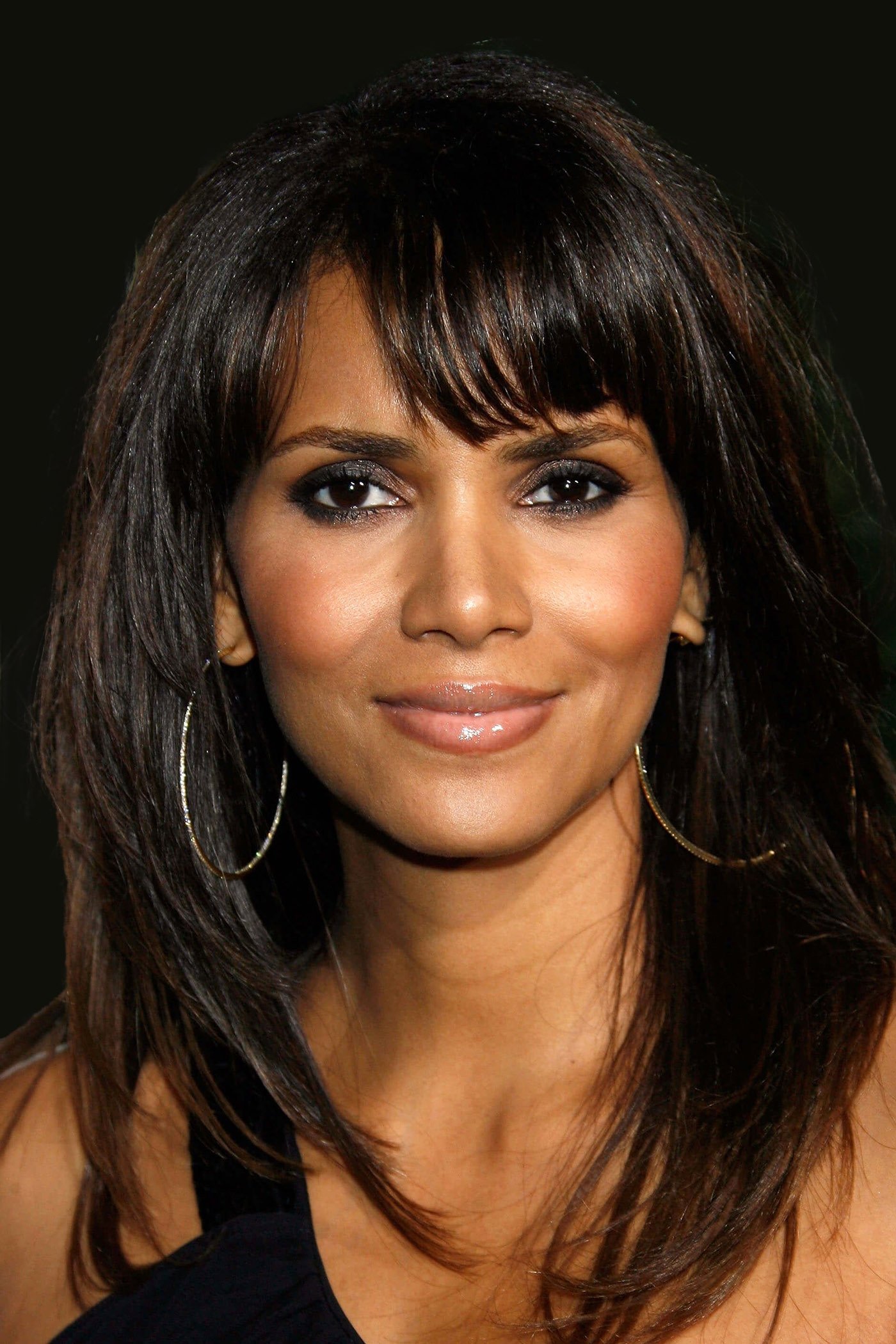
Halle Berry became the first Black woman to win the Academy Award for Best Actress. She balanced mainstream blockbusters with independent dramas, expanding the types of roles offered to Black women. Berry later moved into producing and directing, including the sports drama ‘Bruised’. Her career has influenced casting decisions and green-lighting for women of color in genre films.
Viola Davis
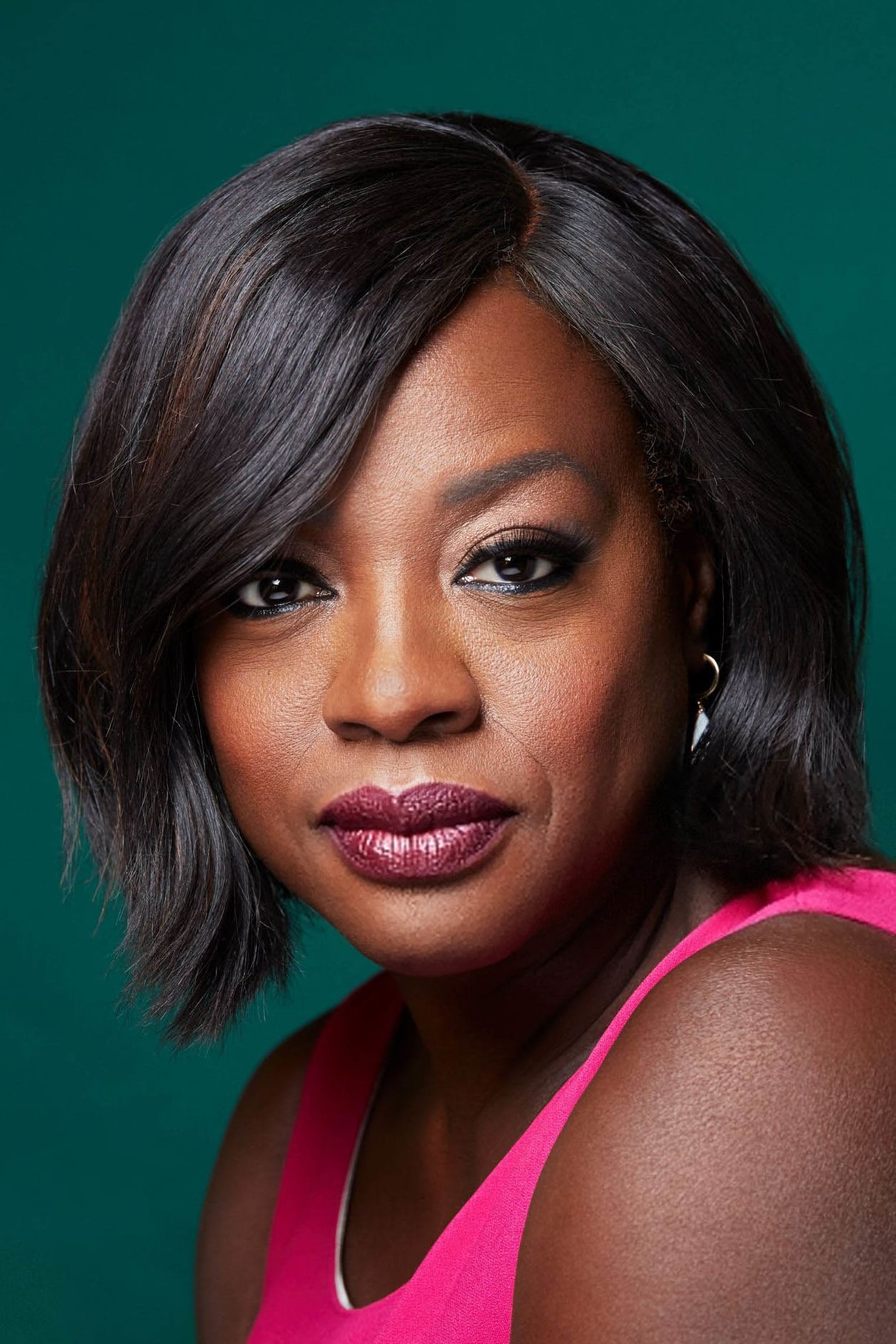
Viola Davis is an EGOT winner whose film, TV, and theatre work is frequently studied in acting programs. She led ‘How to Get Away with Murder’ and delivered acclaimed performances in films like ‘Doubt’, ‘Fences’, and ‘The Woman King’. Davis co-founded a production company focused on inclusive storytelling. She also uses public platforms to advocate for pay equity and representation.
Octavia Spencer
Octavia Spencer earned an Academy Award for Best Supporting Actress and followed with consistent, varied roles across genres. She has headlined series like ‘Truth Be Told’ and anchored films including ‘Hidden Figures’ and ‘The Shape of Water’. Spencer produces film and television projects that broaden opportunities for underrepresented talent. Her children’s books and mentorship initiatives extend her influence beyond the screen.
Alfre Woodard
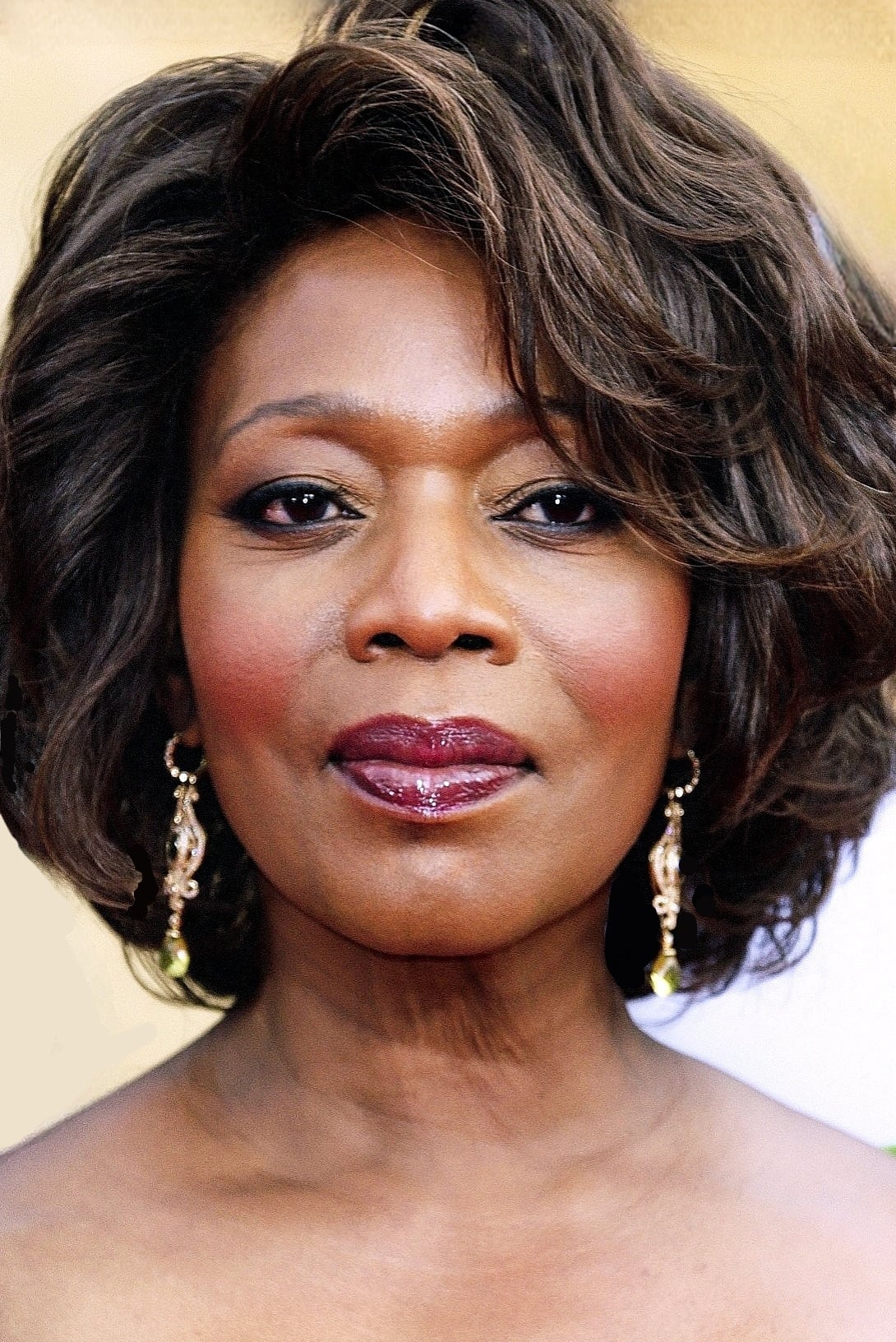
Alfre Woodard is one of television’s most decorated performers, with Emmys across drama, limited series, and guest roles. She delivered notable film work in ‘Cross Creek’, ’12 Years a Slave’, and ‘Clemency’. Woodard co-founded artists’ organizations to support South African creatives during apartheid and continues philanthropic efforts. Her casting leadership on independent projects has helped launch emerging directors.
Phylicia Rashād
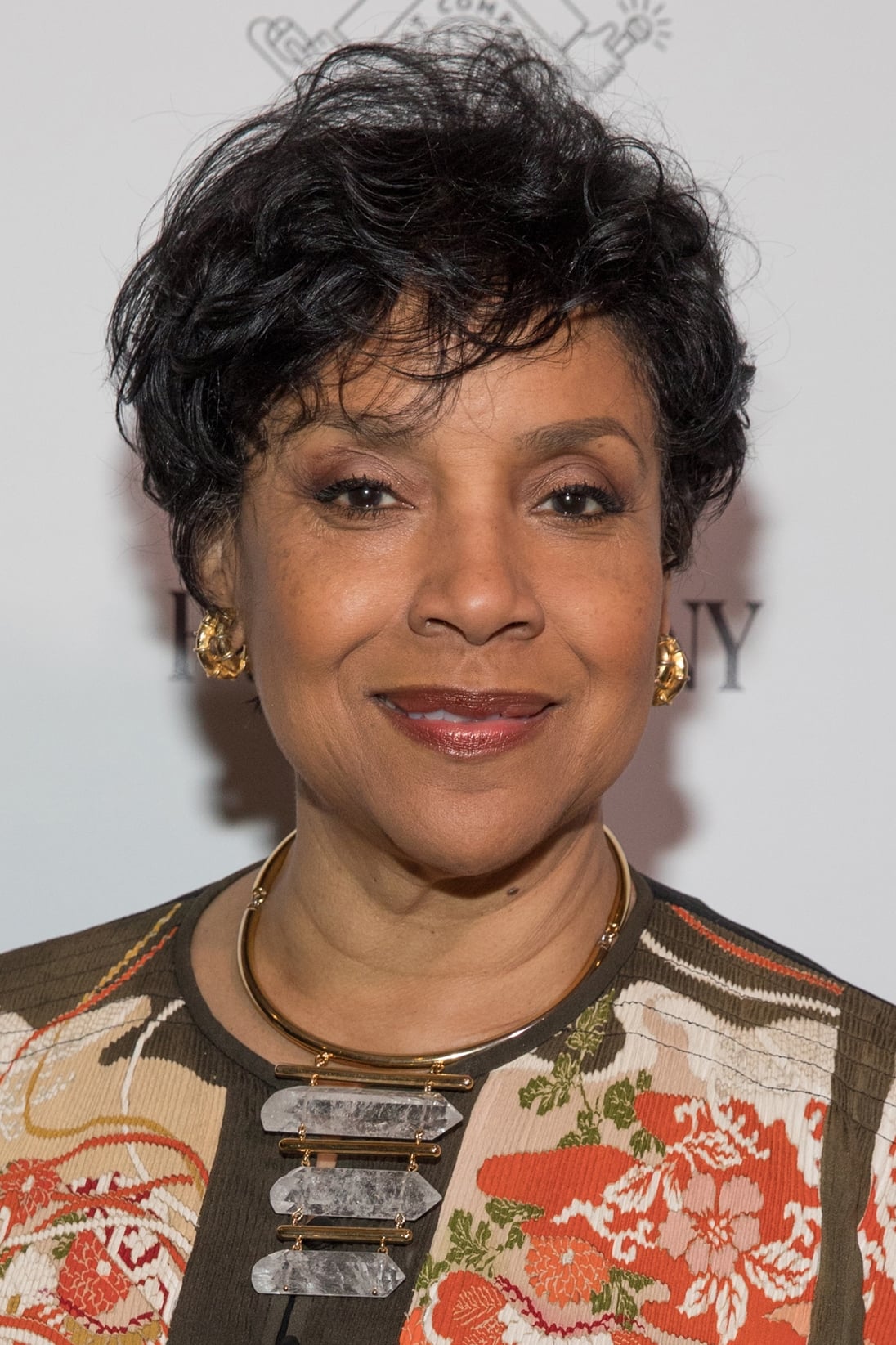
Phylicia Rashad became a household name on ‘The Cosby Show’ and later earned a Tony Award for her stage work. She has directed and starred in numerous theatre productions, shaping interpretations of August Wilson’s plays. Rashad served as a dean in arts education, expanding training pipelines for performers. Her mentorship of young actors bridges television, film, and stage communities.
Oprah Winfrey
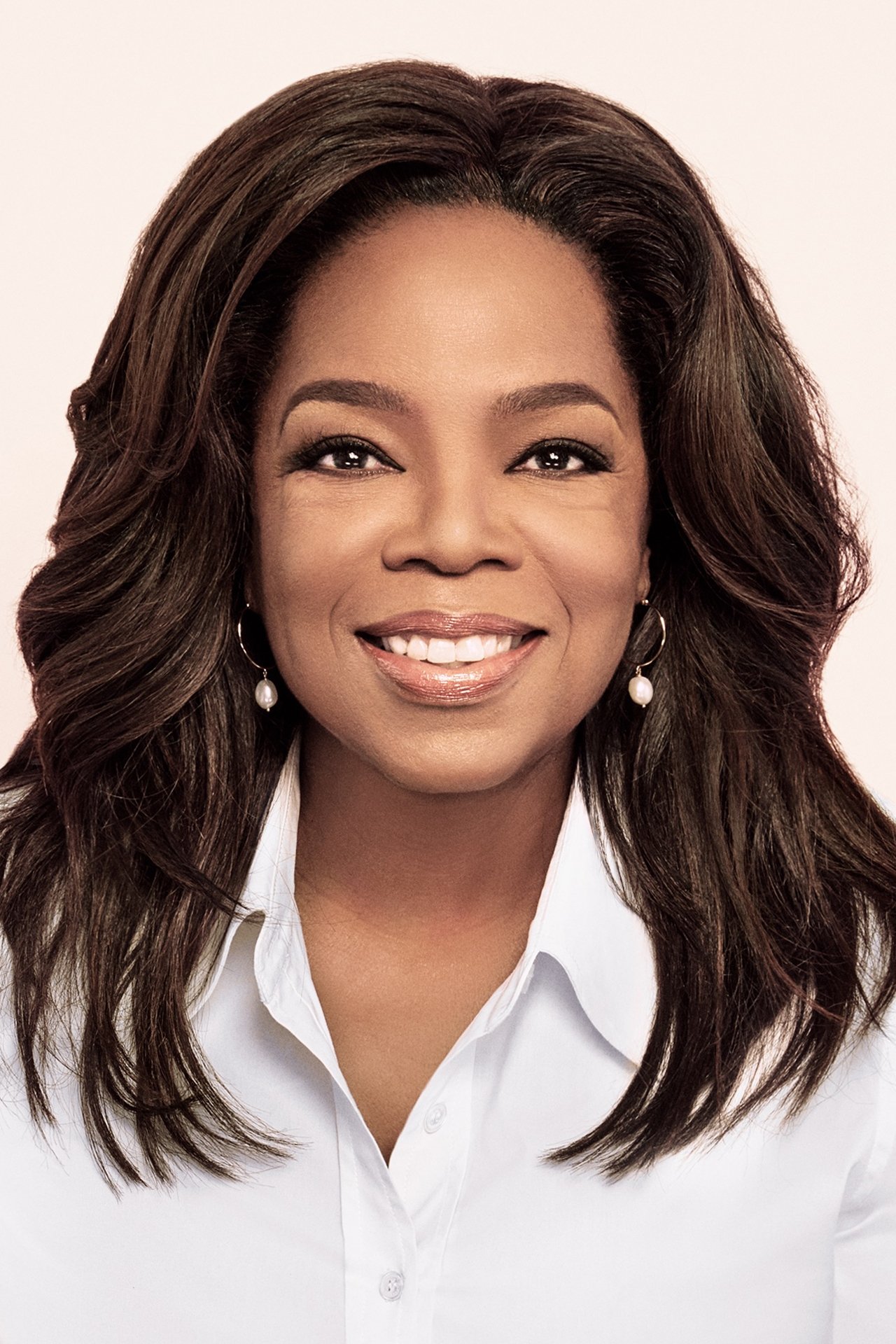
Oprah Winfrey parlayed her talk-show success into a media empire that funds and distributes film and television. She earned an Academy Award nomination for ‘The Color Purple’ and later produced projects like ‘Selma’ and ‘The Immortal Life of Henrietta Lacks’. Through Harpo and OWN, she championed creators and stories that might not otherwise reach wide audiences. Her philanthropic and educational initiatives further amplify cultural impact.
Queen Latifah
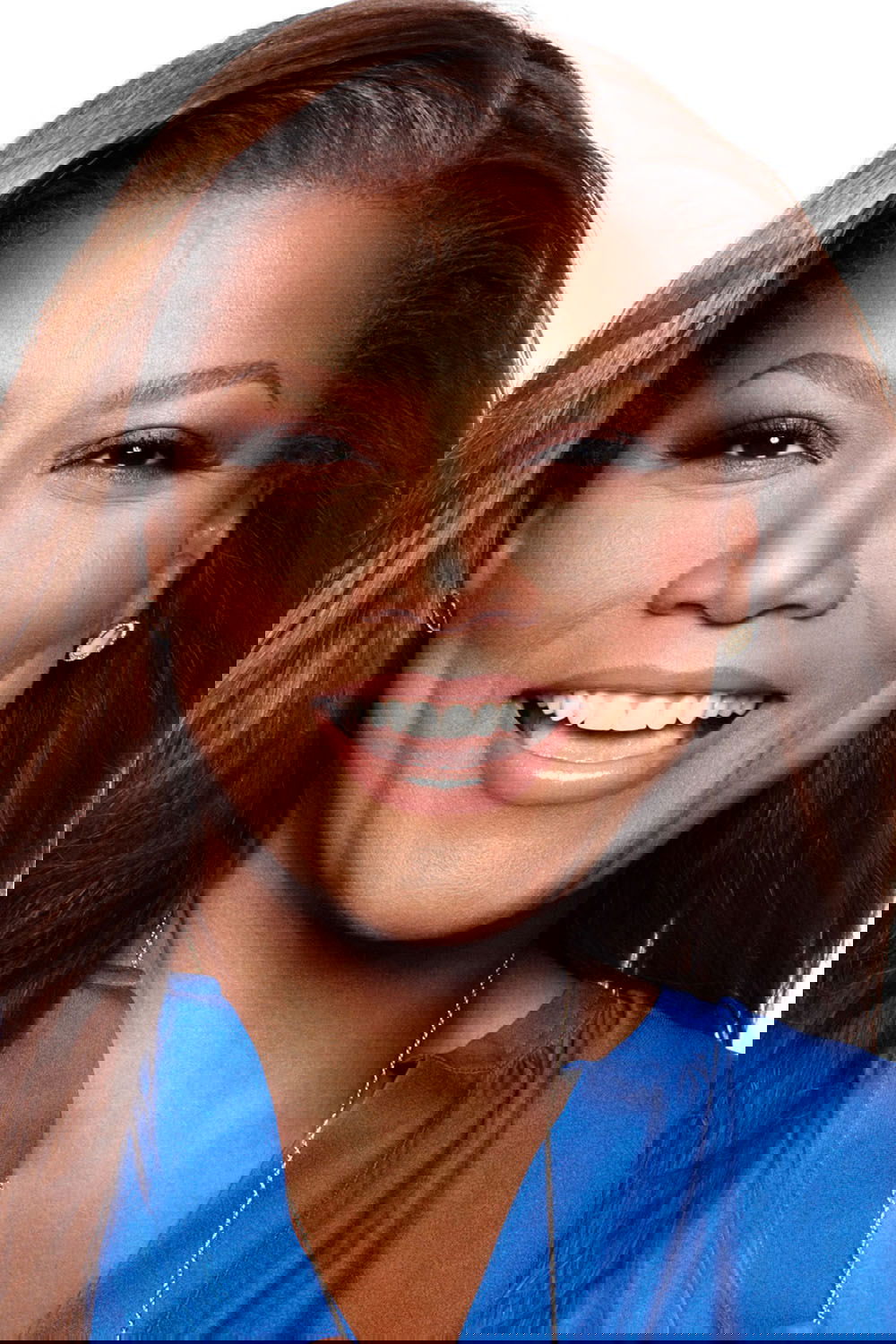
Queen Latifah transitioned from Grammy-winning rapper to acclaimed actress and producer. She starred in films like ‘Set It Off’ and ‘Chicago’, then fronted network and streaming series including ‘Living Single’ and ‘The Equalizer’. Latifah founded production companies that developed vehicles for women and diverse casts. Her cross-platform career normalized multi-hyphenate success for Black women in entertainment.
Regina King
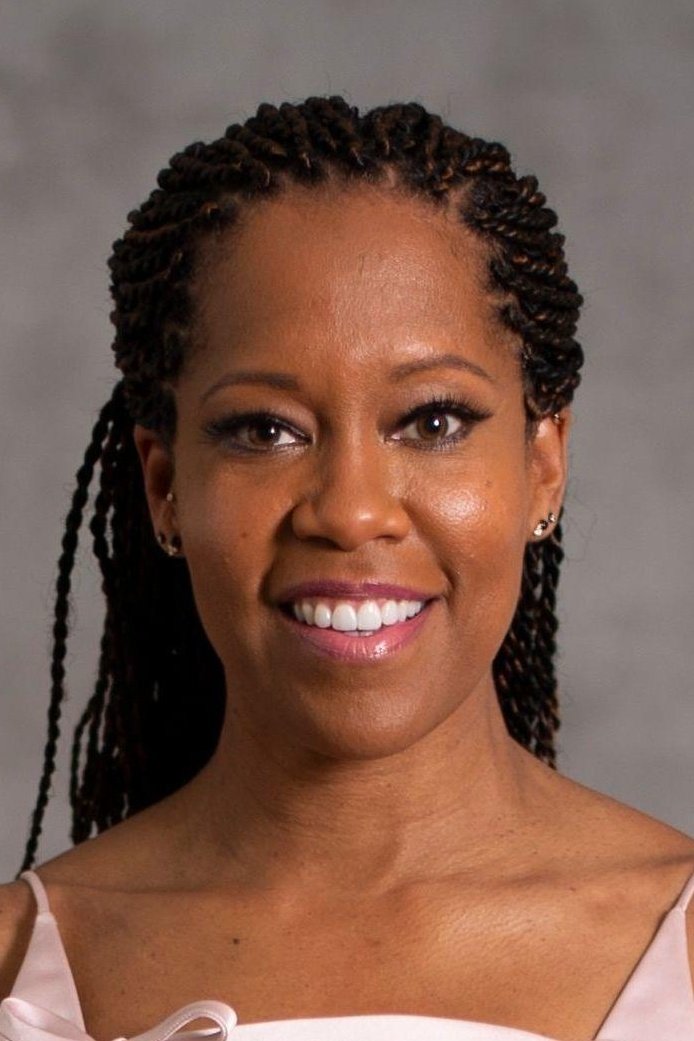
Regina King evolved from teen sitcom standout to Academy Award-winning film actor and Emmy-winning television force. She directed episodes across multiple series and made a feature debut with ‘One Night in Miami’. King’s performances in ‘If Beale Street Could Talk’ and ‘Watchmen’ catalyzed conversations about justice and history. She continues to produce projects centered on Black communities and women’s perspectives.
Taraji P. Henson
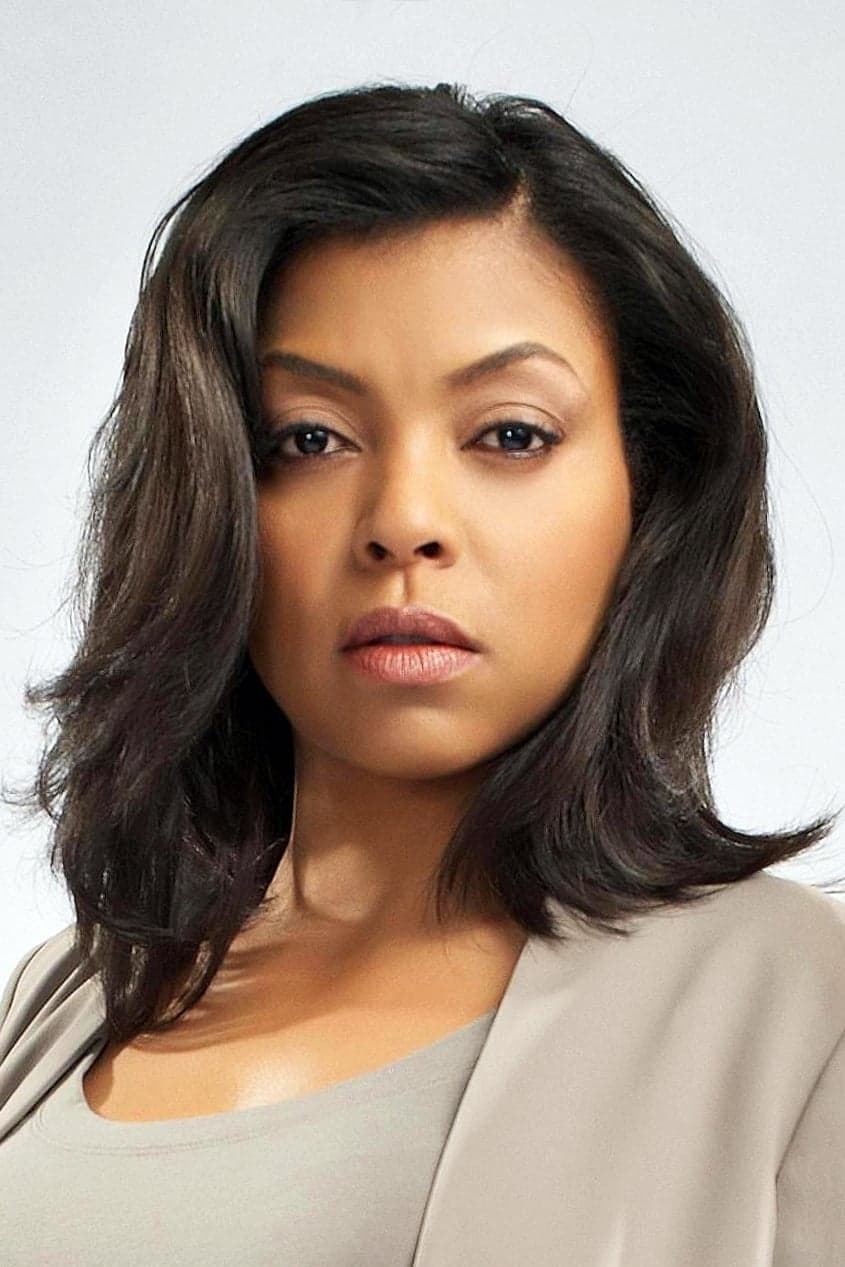
Taraji P. Henson earned an Academy Award nomination for ‘The Curious Case of Benjamin Button’ and led the hit series ‘Empire’. She starred in films such as ‘Hustle & Flow’ and ‘Hidden Figures’ that reached broad audiences. Henson authored a memoir and launched a foundation supporting mental-health services in Black communities. Her producing work has increased the visibility of Black women in mainstream genres.
Kerry Washington
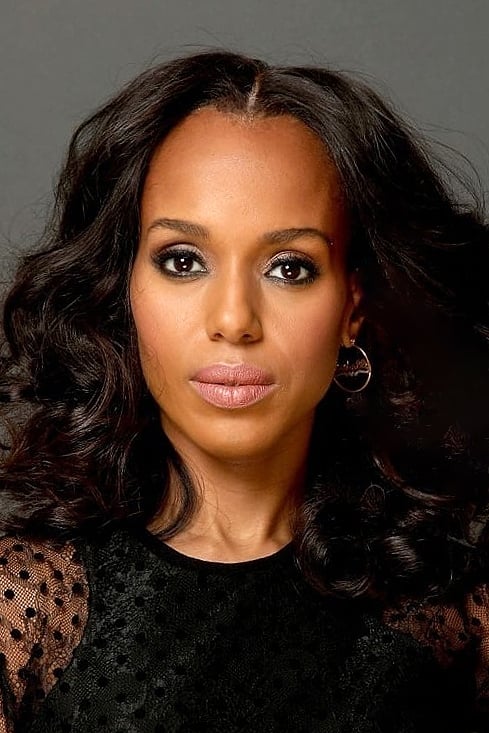
Kerry Washington headlined ‘Scandal’, the first network drama in decades to center a Black woman in a political thriller. She has produced limited series and films, including ‘Little Fires Everywhere’ and ‘American Son’, adapting stage work to screen. Washington’s advocacy includes voting access and arts education partnerships. Her blend of acting and producing reshaped expectations for Black women as creative executives.
Gabrielle Union
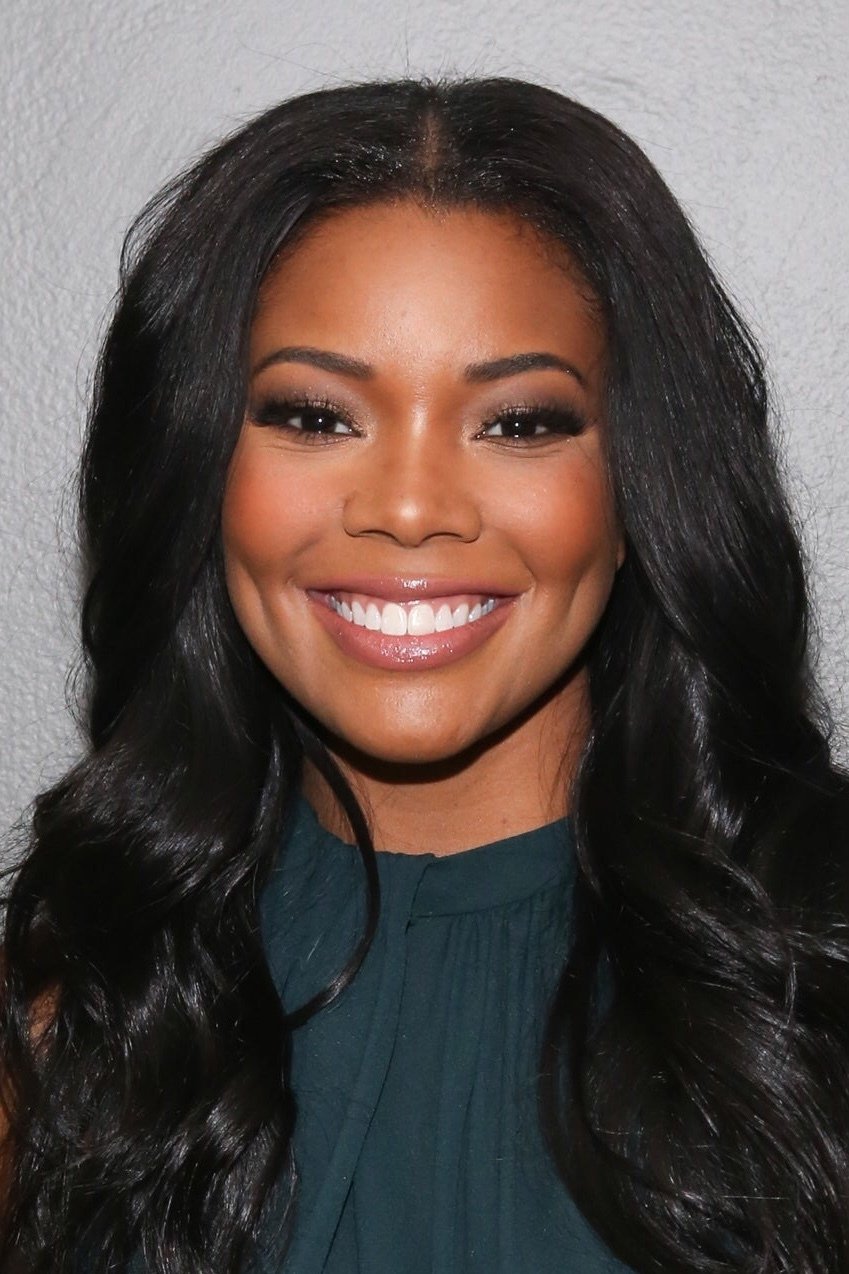
Gabrielle Union became a leading face of teen and adult ensemble films before anchoring ‘Being Mary Jane’. She co-authored bestselling books and launched a hair-care line addressing underserved consumers. Through her production company, she develops projects with inclusive casts and crews. Union’s public advocacy on workplace equity and LGBTQ+ rights has influenced industry policies and conversations.
Lupita Nyong’o
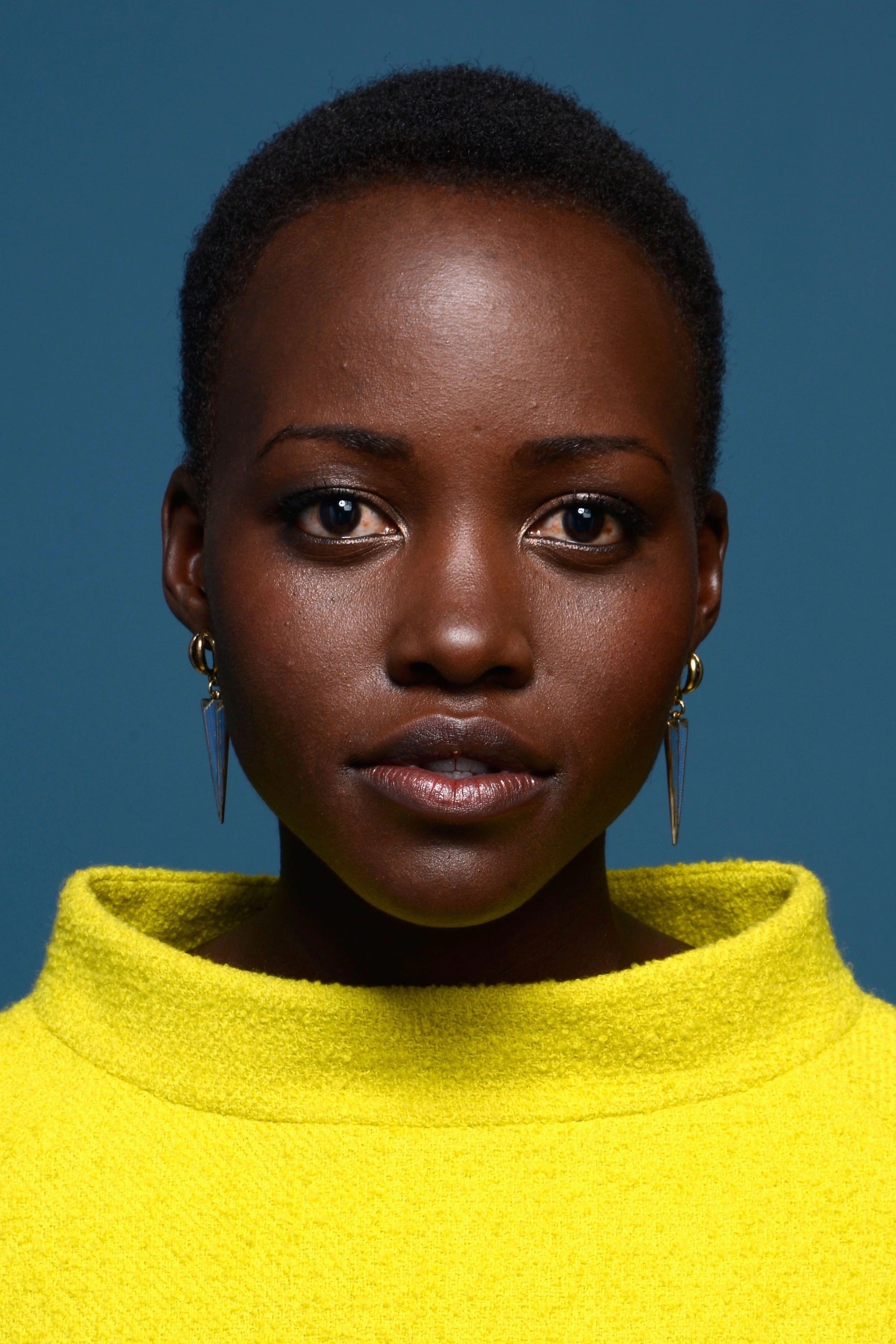
Lupita Nyong’o won an Academy Award early in her film career and expanded into global franchises and acclaimed indies. She starred in ’12 Years a Slave’, ‘Us’, and the ‘Black Panther’ films while also publishing a children’s book. Nyong’o’s stage work and voice performances show broad technical range. She supports Kenyan and international arts initiatives that connect training with opportunity.
Danai Gurira
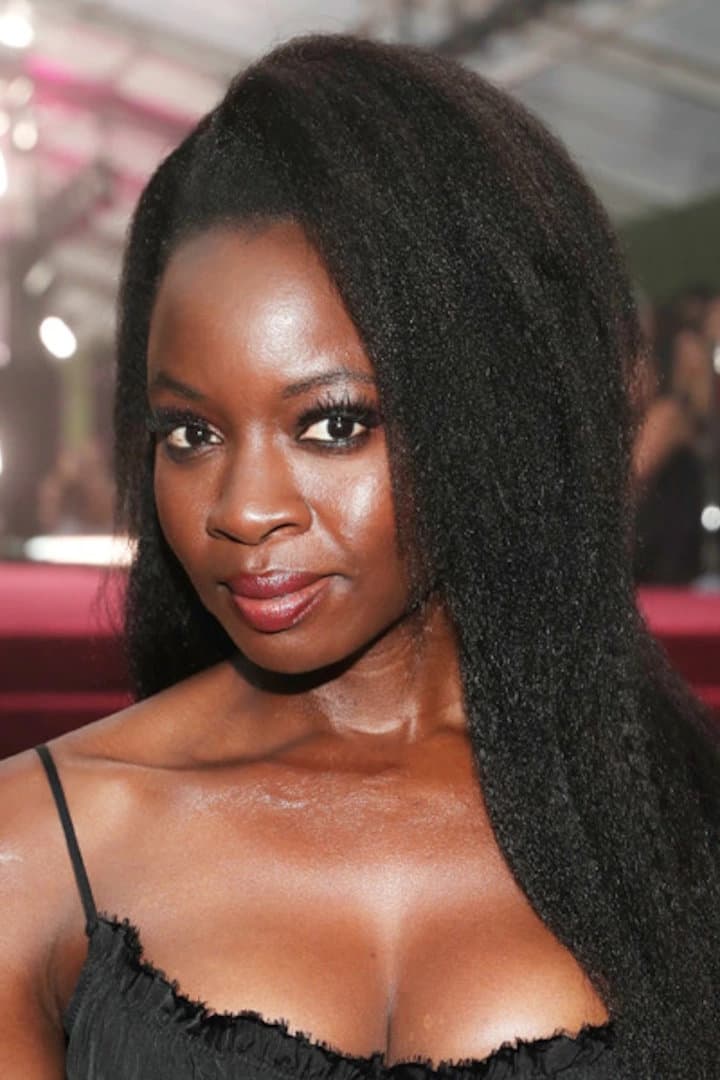
Danai Gurira is both a celebrated actor and a Tony-nominated playwright. Her plays, including ‘Eclipsed’, spotlight African women’s stories and have launched notable Broadway careers. On screen, she portrayed Okoye in the ‘Black Panther’ films and starred in ‘The Walking Dead’, reaching worldwide audiences. Gurira advocates for gender equality and arts development through organizations she co-founded.
Issa Rae
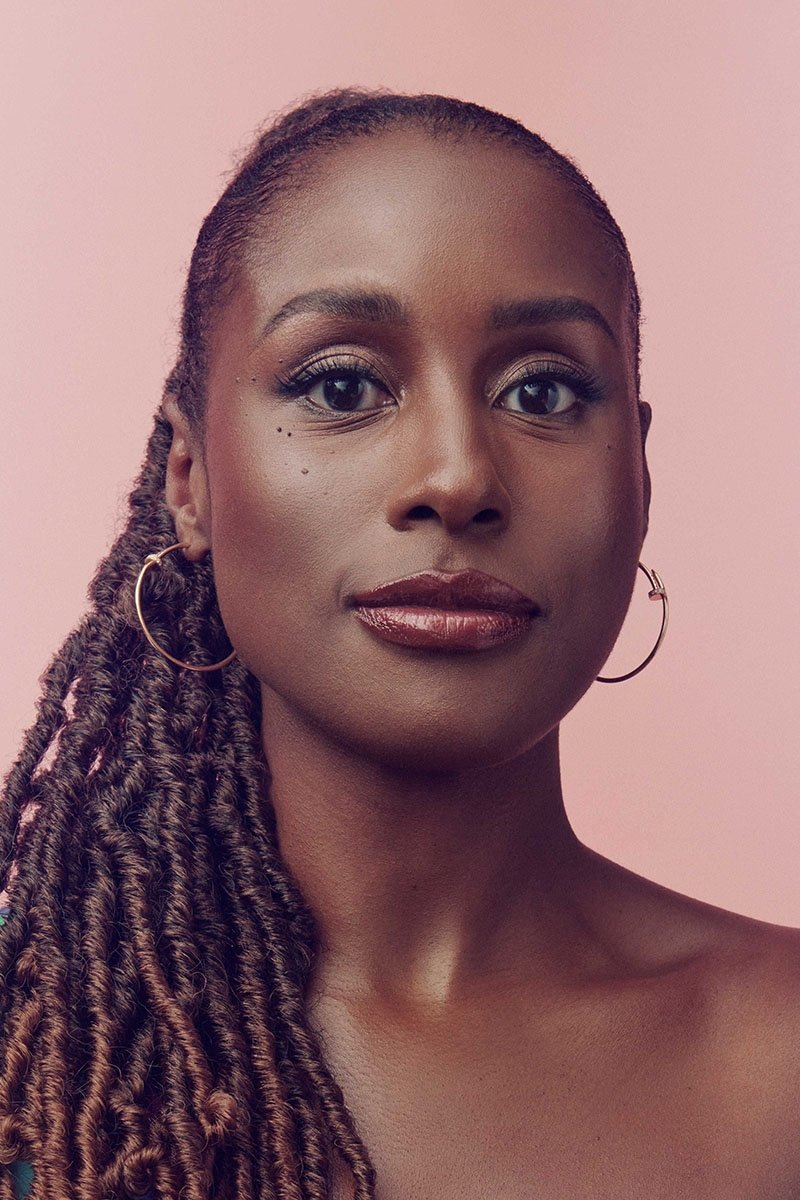
Issa Rae created, starred in, and produced ‘Insecure’, moving from web series to premium television while hiring fresh talent. She founded production and music ventures that sign and elevate new artists. Rae’s film roles in projects like ‘The Photograph’, ‘Barbie’, and ‘American Fiction’ sit alongside executive-producer credits across genres. Her entrepreneurship models ownership and pipeline-building for creators of color.
Zendaya

Zendaya became the youngest two-time winner of the Lead Actress in a Drama category for ‘Euphoria’. She has balanced franchise films like ‘Spider-Man’ and ‘Dune’ with fashion, producing, and music collaborations. Zendaya’s behind-the-camera roles include developing projects and shaping creative direction on set. Her platform continues to elevate conversations about youth, artistry, and representation.
Jada Pinkett Smith
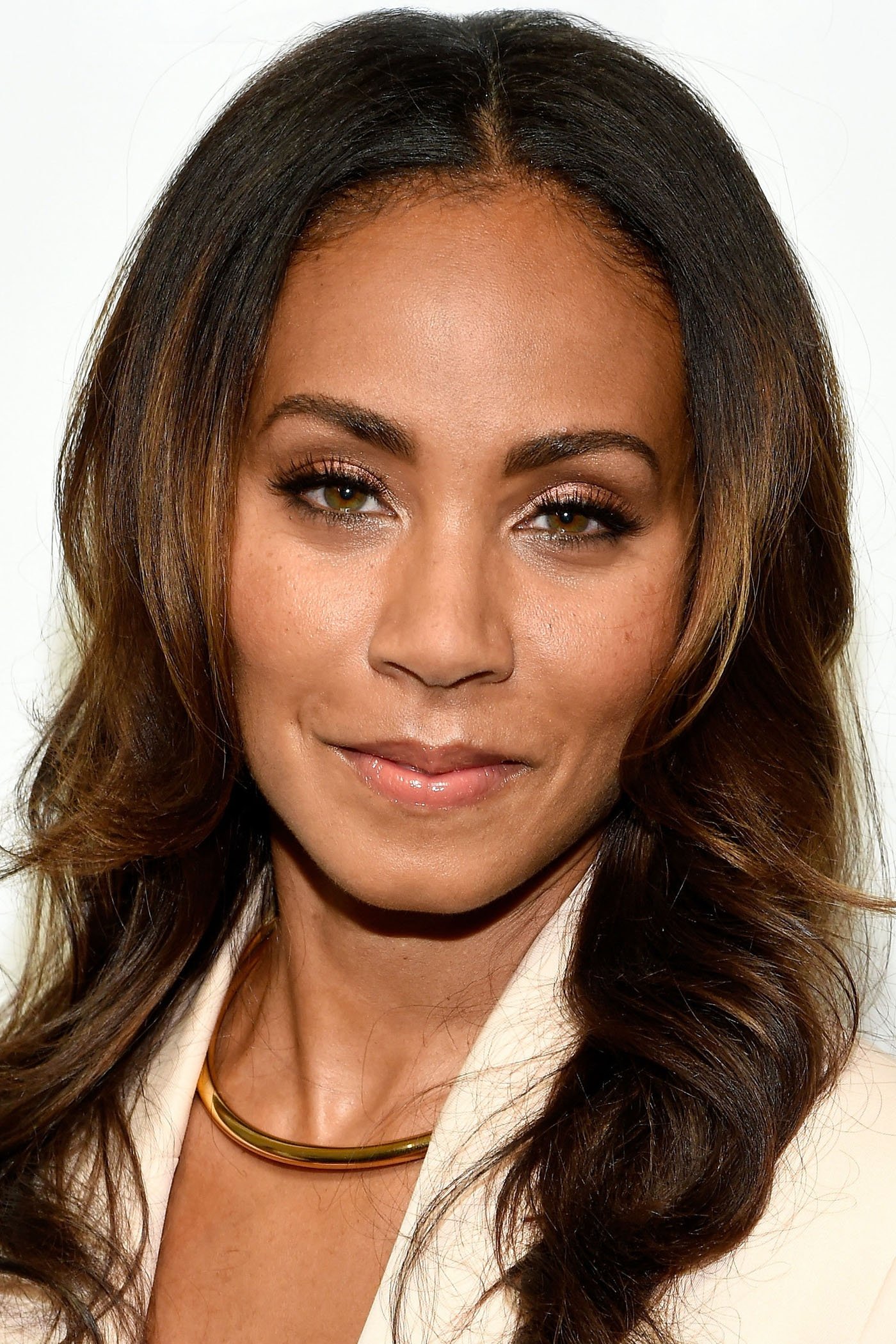
Jada Pinkett Smith’s career spans action ensembles like ‘Set It Off’, comedies such as ‘Girls Trip’, and voice work in the ‘Madagascar’ series. She created ‘Red Table Talk’, a digital talk show that brought intimate conversations to a global audience. As a producer, she has supported features and documentaries that center diverse perspectives. Her philanthropy and arts education work connect community programs with creative industries.
Lena Horne
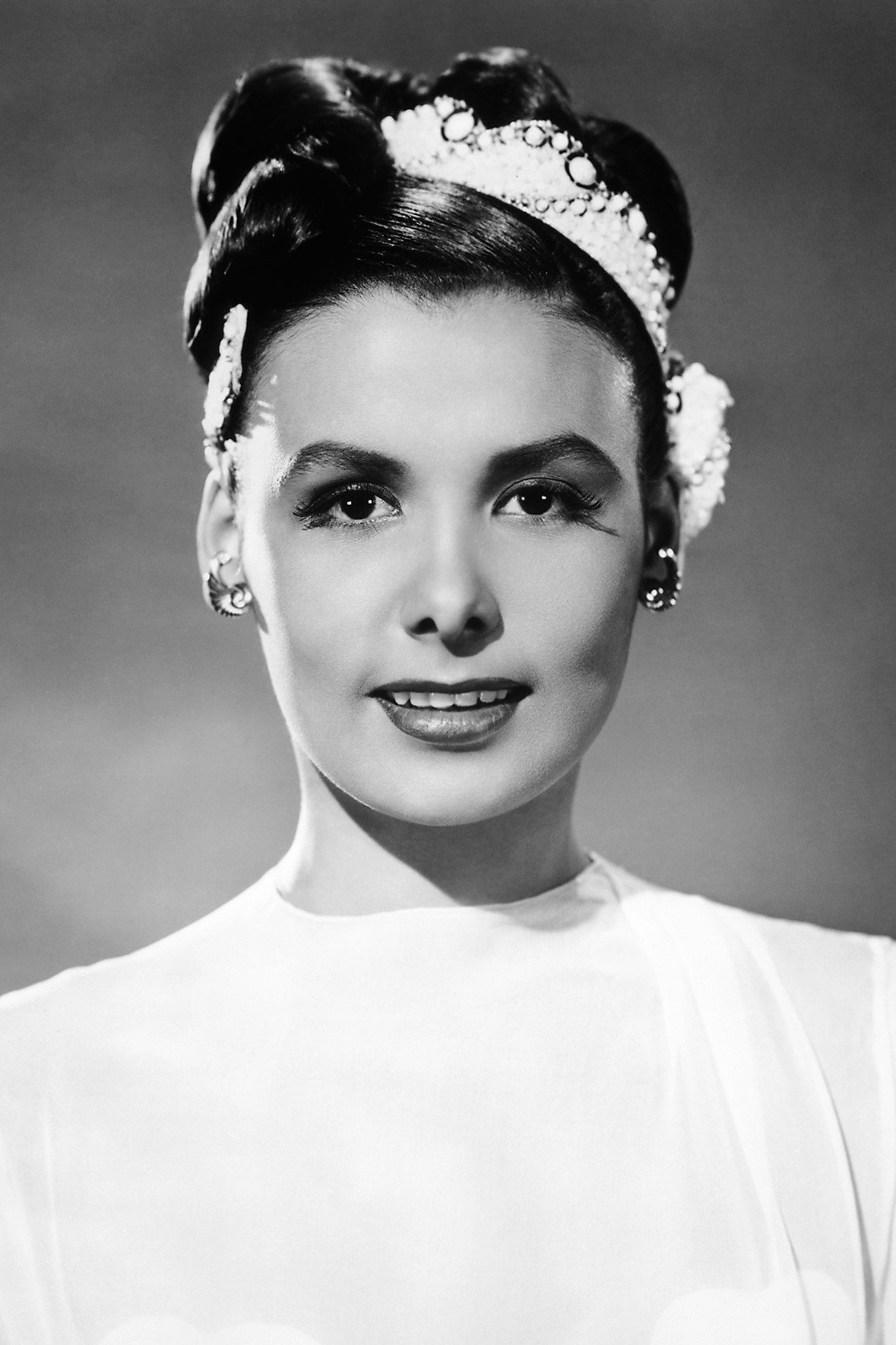
Lena Horne balanced a groundbreaking screen presence with a celebrated singing career that pushed for studio change. She appeared in films and TV specials while negotiating contracts that avoided stereotyped roles. Horne also used her platform to advocate for civil rights and to challenge discriminatory studio practices. Her Hollywood tenure helped normalize elegant, complex portrayals of Black women in mainstream entertainment.
Eartha Kitt
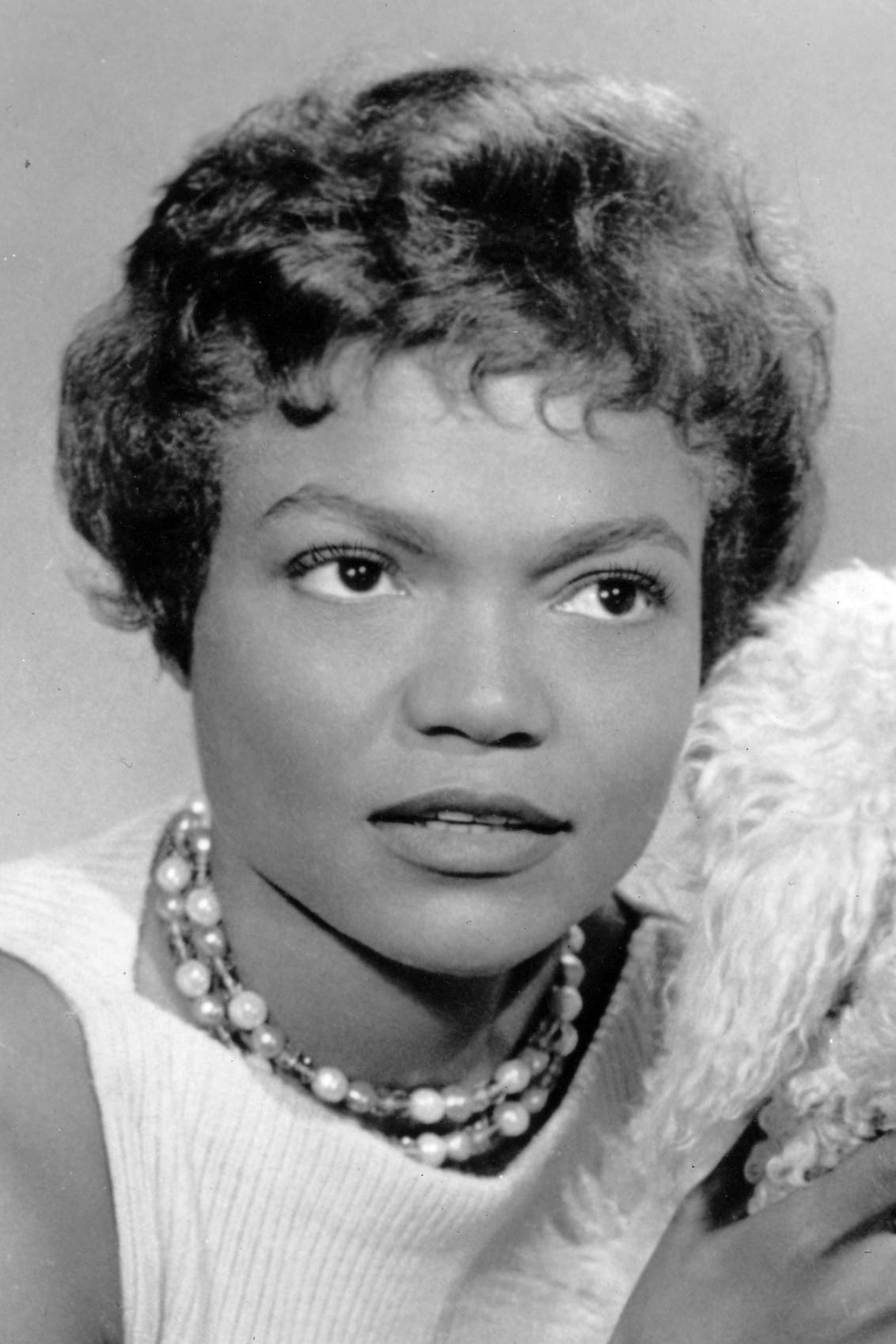
Eartha Kitt brought a singular voice and fierce charisma to screen and stage, moving effortlessly between acting, cabaret, and television. Her turn as Catwoman in ‘Batman’ expanded comic-book television’s range and visibility. Blacklisted for her political outspokenness, she later returned to prominent work in film, TV, and voice acting. Kitt’s multidiscipline career model showed how performers could diversify and endure.
Juanita Moore
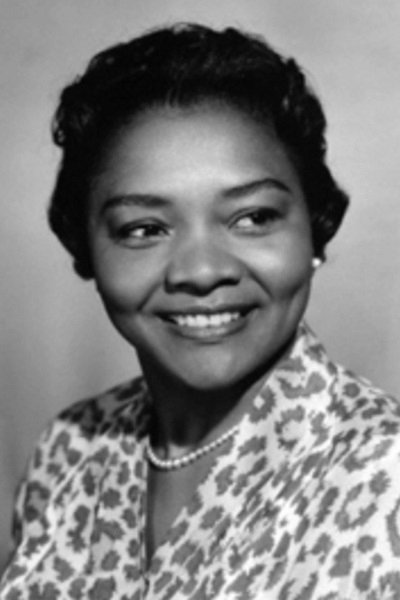
Juanita Moore earned one of the earliest Academy Award nominations for a Black actress in a major dramatic role. Her performance in ‘Imitation of Life’ remains a reference point for depictions of motherhood and social mobility. Moore continued working across film and television, mentoring younger artists and supporting theatre. Her recognition helped widen awards consideration for Black performers.
Esther Rolle
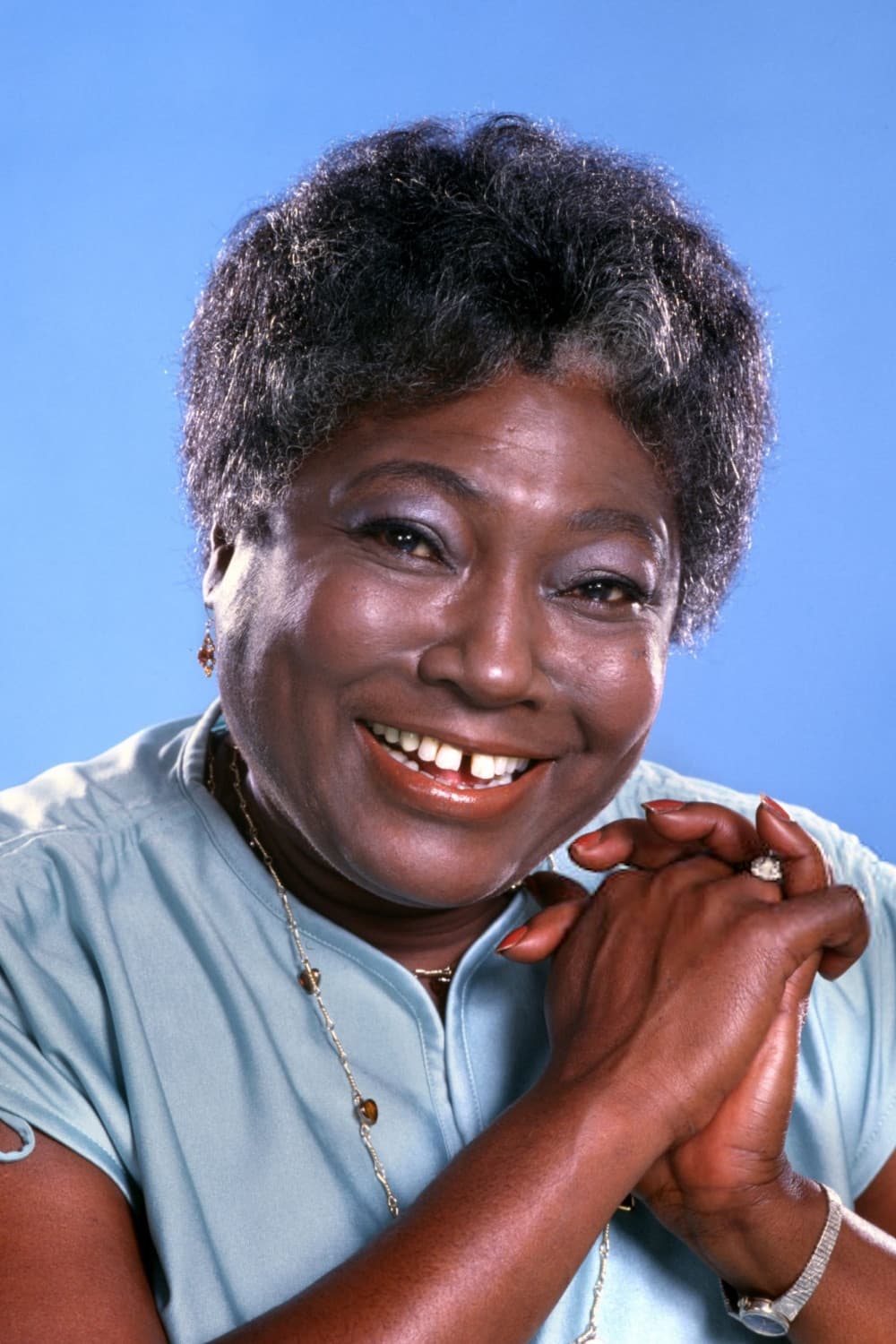
Esther Rolle became a staple of American television with ‘Good Times’, portraying a working mother with dignity and resolve. She previously drew notice on ‘Maude’ and sustained a strong theatre presence. Rolle advocated for more responsible storytelling about Black families and communities. Her influence helped shape writers’ and producers’ approaches to sitcoms and family dramas.
Sheryl Lee Ralph

Sheryl Lee Ralph’s Broadway breakout in ‘Dreamgirls’ set up a long career across stage and screen. She returned to wide attention with ‘Abbott Elementary’, earning major honors and using her platform to promote arts education. Ralph has produced and hosted programs spotlighting health advocacy and community service. Her cross-generational visibility connects theatre, television, and activism.
S. Epatha Merkerson
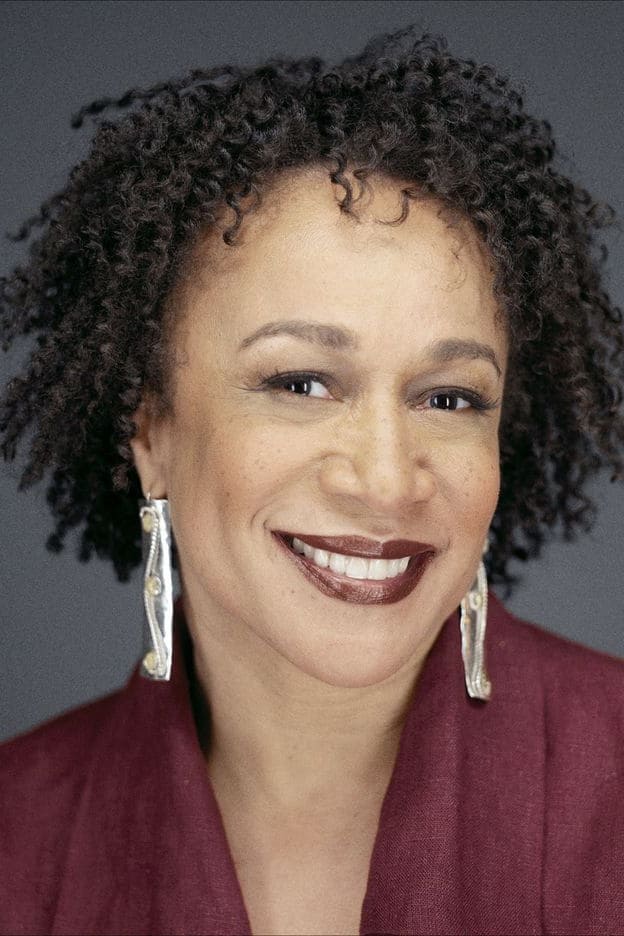
S. Epatha Merkerson became one of network television’s most enduring presences through ‘Law & Order’. She also earned top awards for work in ‘Lackawanna Blues’ and appears regularly in film and limited series. Merkerson’s consistency across decades opened doors for more mature, nuanced roles for Black women on television. She frequently supports initiatives that develop young actors and playwrights.
Loretta Devine
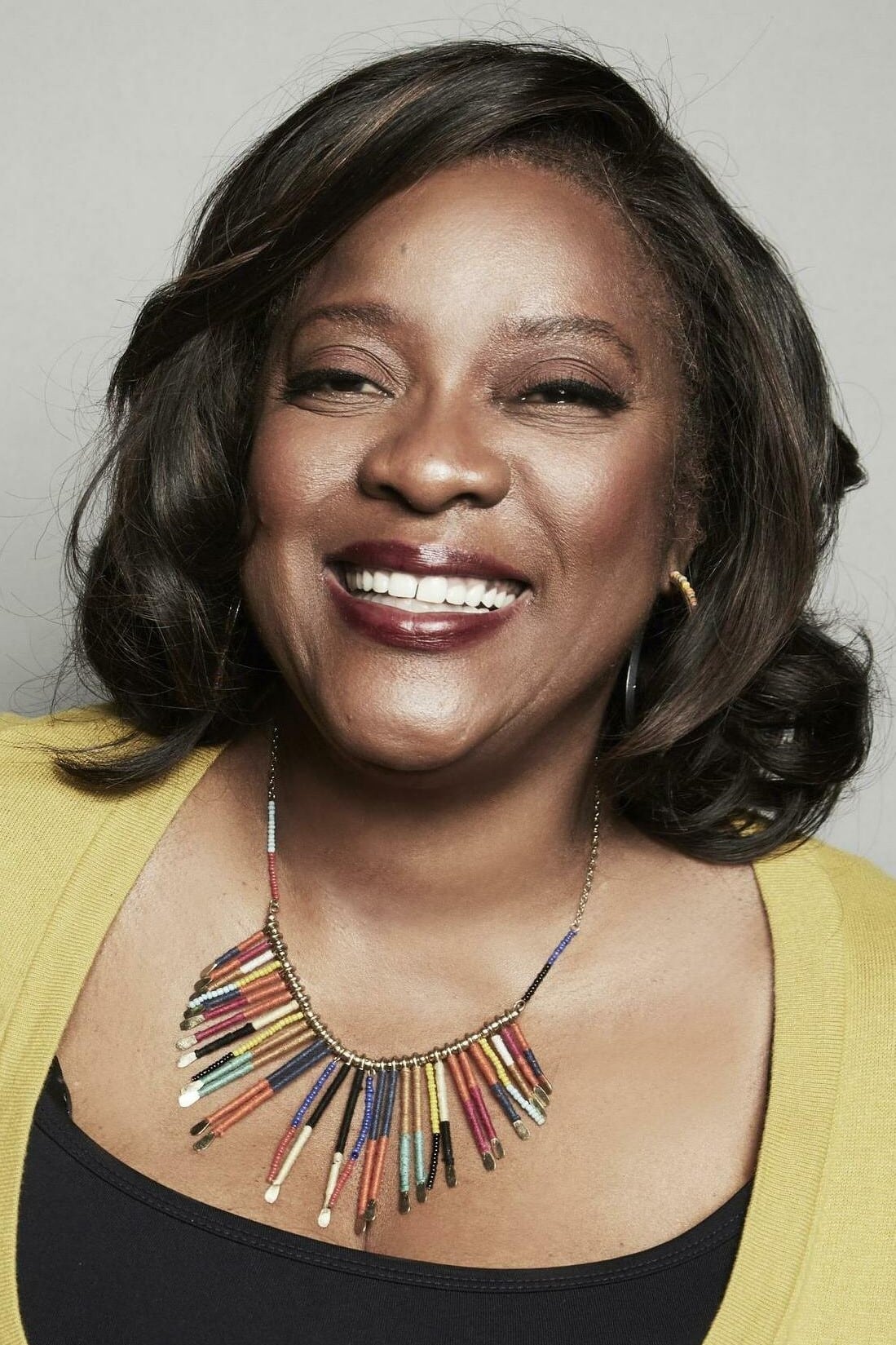
Loretta Devine originated roles in ‘Dreamgirls’ and transitioned to a prolific screen career in ensemble films and television. She is known for scene-stealing turns in projects like ‘Waiting to Exhale’ and ‘Boston Public’. Devine’s voice work and recurring TV roles have kept her present across formats and generations. Her steady output demonstrates the value of character actors in shaping memorable stories.
Mo’Nique
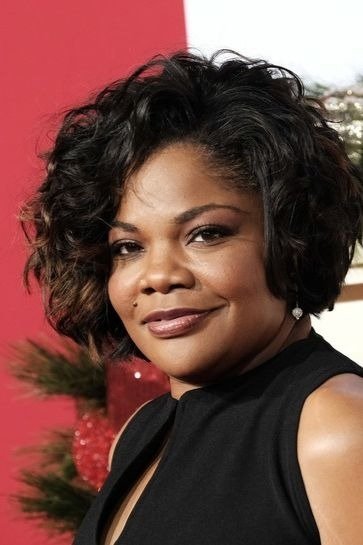
Mo’Nique moved from stand-up and sitcoms into a widely acclaimed dramatic performance in ‘Precious’. She has headlined comedy tours and hosted television while pursuing film roles that stretch expectation. Mo’Nique’s awards run underscored the power of comedians transitioning into serious drama. Her career continues to spark conversations about opportunity, advocacy, and equity in Hollywood.
Aunjanue Ellis-Taylor
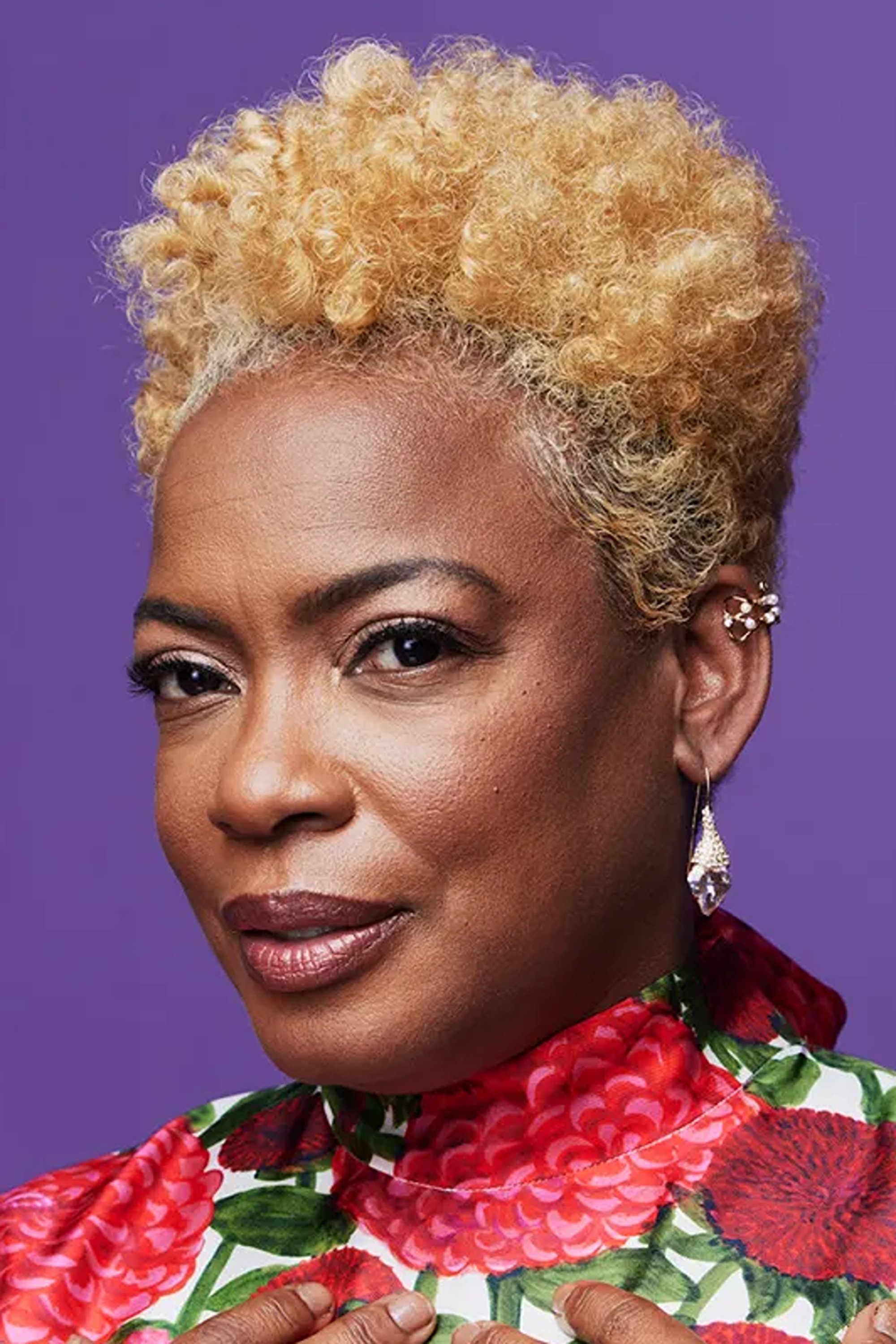
Aunjanue Ellis-Taylor built an admired résumé across independent film, prestige television, and studio projects. She has delivered notable performances in ‘When They See Us’, ‘King Richard’, and ‘Origin’. Ellis-Taylor often collaborates with filmmakers exploring history, justice, and family narratives. Her choices have helped amplify complex, research-driven storytelling on mainstream platforms.
Naomie Harris
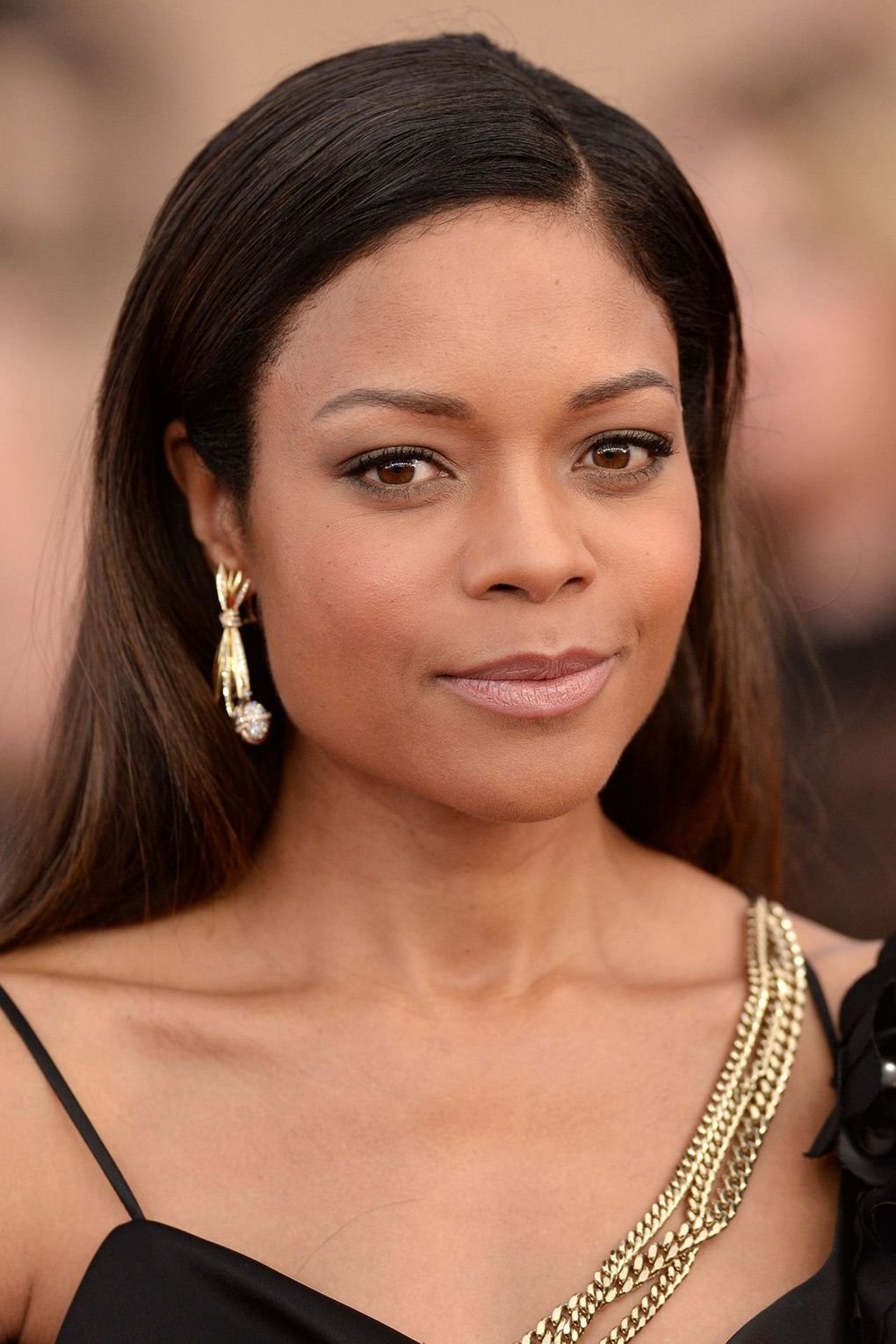
Naomie Harris spans blockbuster franchises and intimate dramas with equal ease. She portrayed Moneypenny in ‘Skyfall’ and subsequent franchise entries, redefining a classic role with modern agency. Harris earned top awards recognition for ‘Moonlight’ and has supported environmental and health campaigns. Her international profile has expanded casting possibilities for British Black actresses in global cinema.
Sophie Okonedo
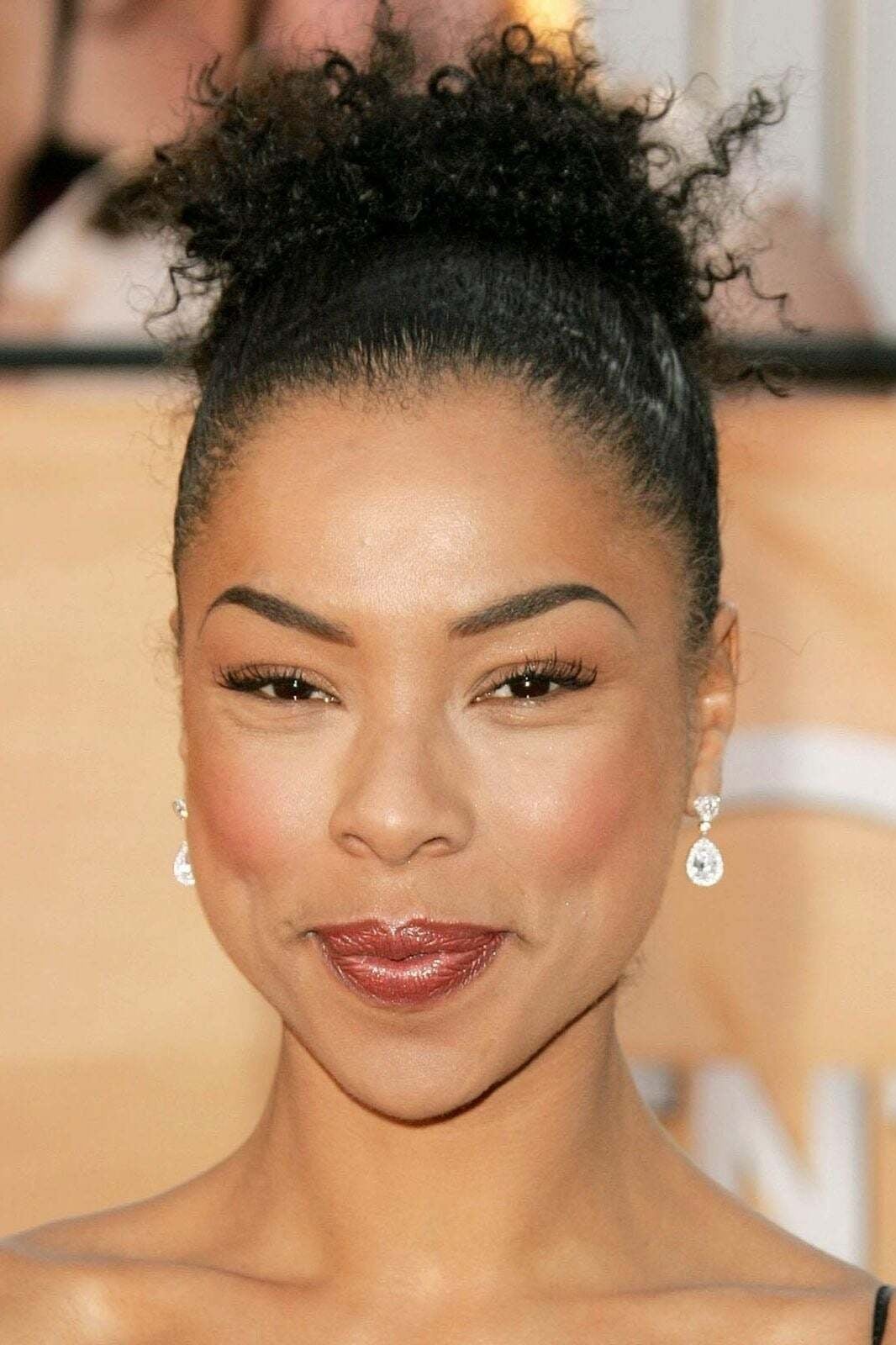
Sophie Okonedo is acclaimed for both stage triumphs and screen versatility. She earned major nominations for ‘Hotel Rwanda’ and garnered awards attention for television work such as ‘Ratched’ and ‘Undercover’. Okonedo’s theatre roles, including Shakespeare and contemporary drama, show exceptional range. She frequently champions arts access programs that connect young people to professional training.
Tessa Thompson
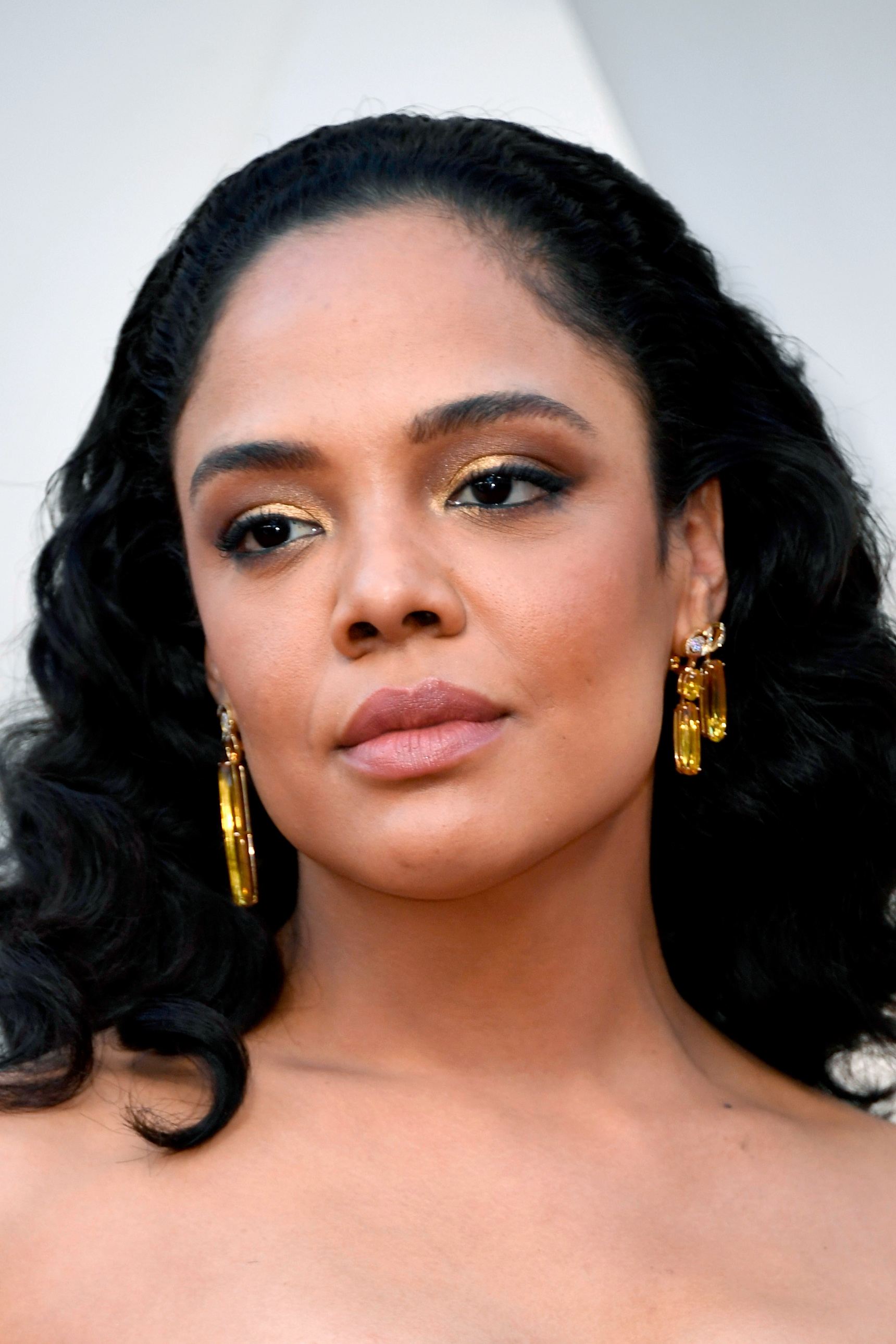
Tessa Thompson balances indie breakthroughs with high-profile franchise roles. She gained early attention with ‘Dear White People’ and expanded her footprint with ‘Creed’ and ‘Thor: Ragnarok’. Thompson also produces and supports projects from emerging filmmakers, particularly those exploring identity and culture. Her work in music-inflected films and experimental narratives illustrates a wide creative palette.
Keke Palmer
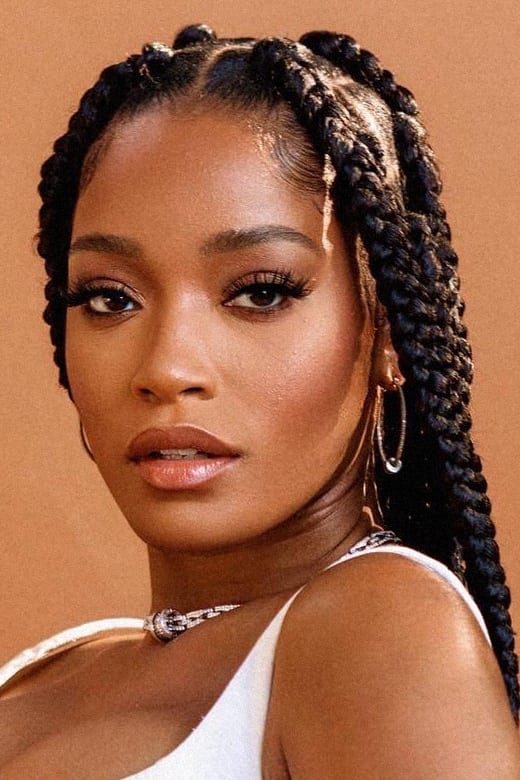
Keke Palmer transitioned from child star to multifaceted adult lead across film, television, and voice roles. She headlined ‘Akeelah and the Bee’, later fronted talk and variety shows, and starred in ‘Hustlers’ and ‘Nope’. Palmer’s production ventures and digital projects highlight new distribution paths for young creators. She advocates for labor equity and media literacy, engaging audiences beyond the screen.
Michaela Coel
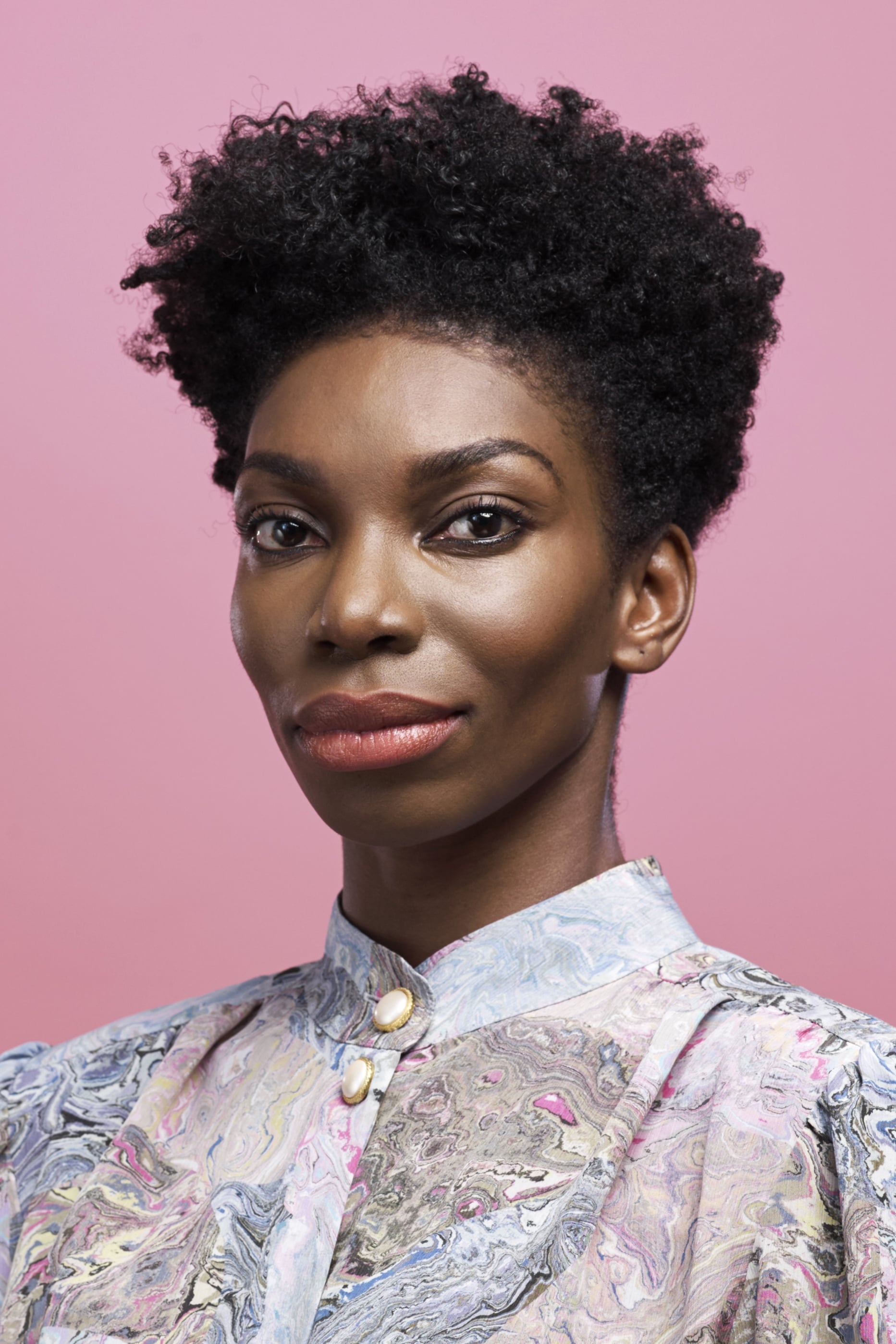
Michaela Coel created and starred in ‘I May Destroy You’, earning widespread recognition for writing, acting, and producing. She has appeared in franchise films like ‘Black Panther: Wakanda Forever’ while developing original work. Coel’s industry negotiations emphasized creative control and ownership, influencing discussions about rights for writer-performers. Her cross-disciplinary approach blends performance with authorship and advocacy.
Letitia Wright
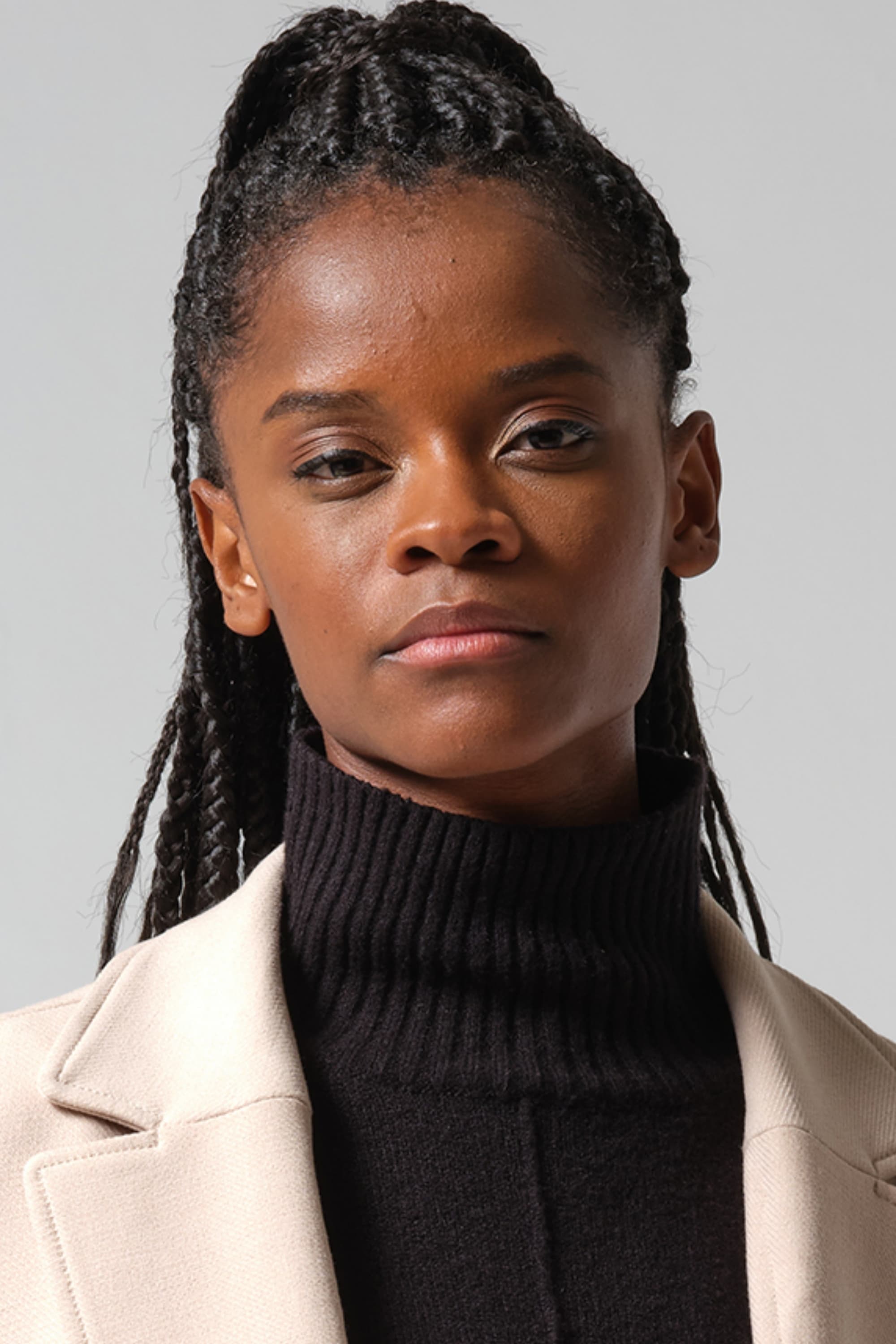
Letitia Wright reached global audiences with ‘Black Panther’ and returned in ‘Black Panther: Wakanda Forever’ while continuing independent film work. She has appeared in anthology series like ‘Black Mirror’ and supports film initiatives across the Caribbean and the UK. Wright often chooses roles that foreground science, ethics, and community. Her profile has encouraged studios to invest in young Black leads for major franchises.
Share your picks and what moments from their careers influenced you most in the comments.