Actors You Didn’t Know Turned Down Famous Roles

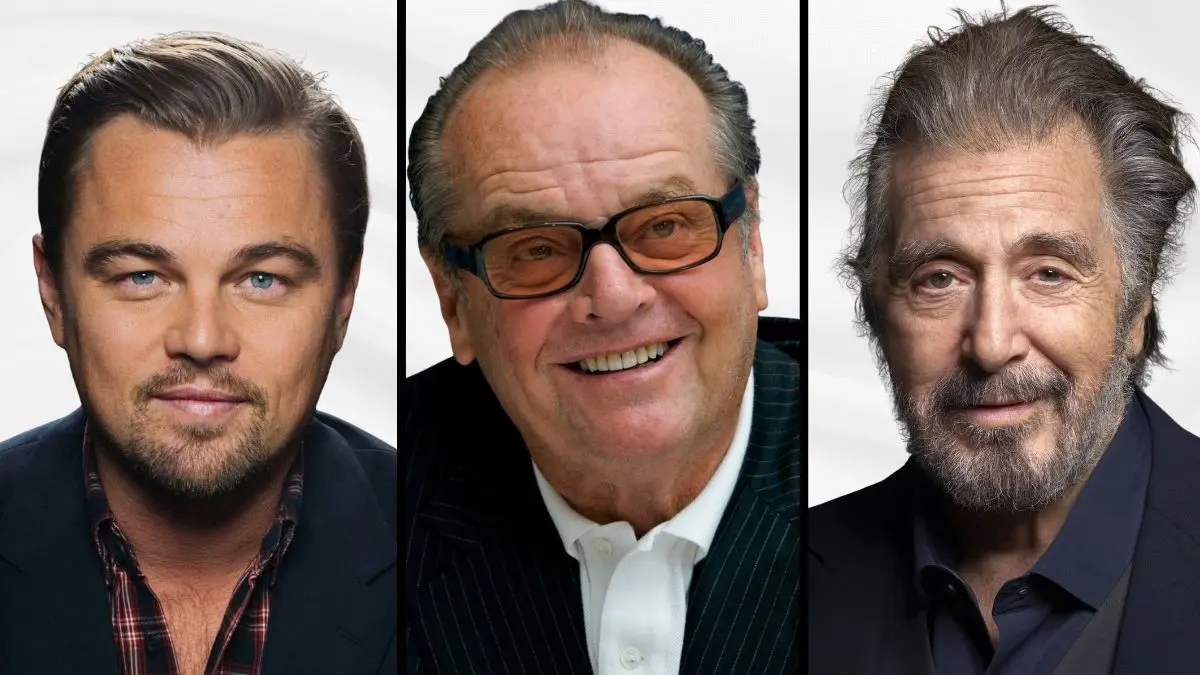

Sometimes the biggest roles in film and TV almost went to someone else, and the reasons usually came down to schedules, multi-project commitments, or not connecting with a script at the time. These decisions often redirected casting and affected how projects were produced, marketed, and even edited. In each case below, the role went to another performer who shaped the version audiences know. Here are notable examples, with the film or series named in the paragraph and what happened after the pass.
Will Smith
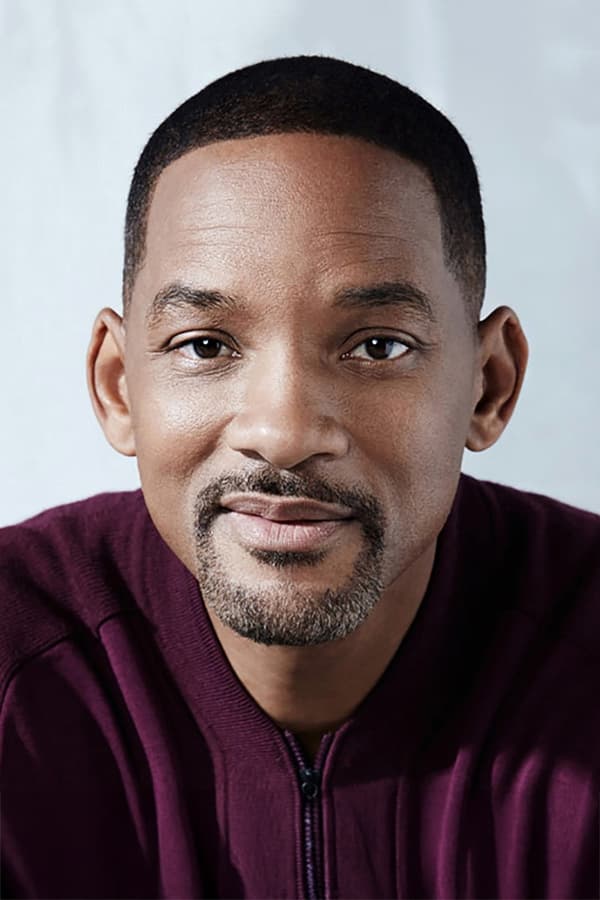
He declined the lead role of Neo in ‘The Matrix’ after an early pitch didn’t click for him. The part went to Keanu Reeves, who trained in wire work and fight choreography that defined the film’s action style. Smith instead made ‘Wild Wild West’ on a similar timetable. The casting change influenced the trilogy’s tone and visual approach.
Matt Damon
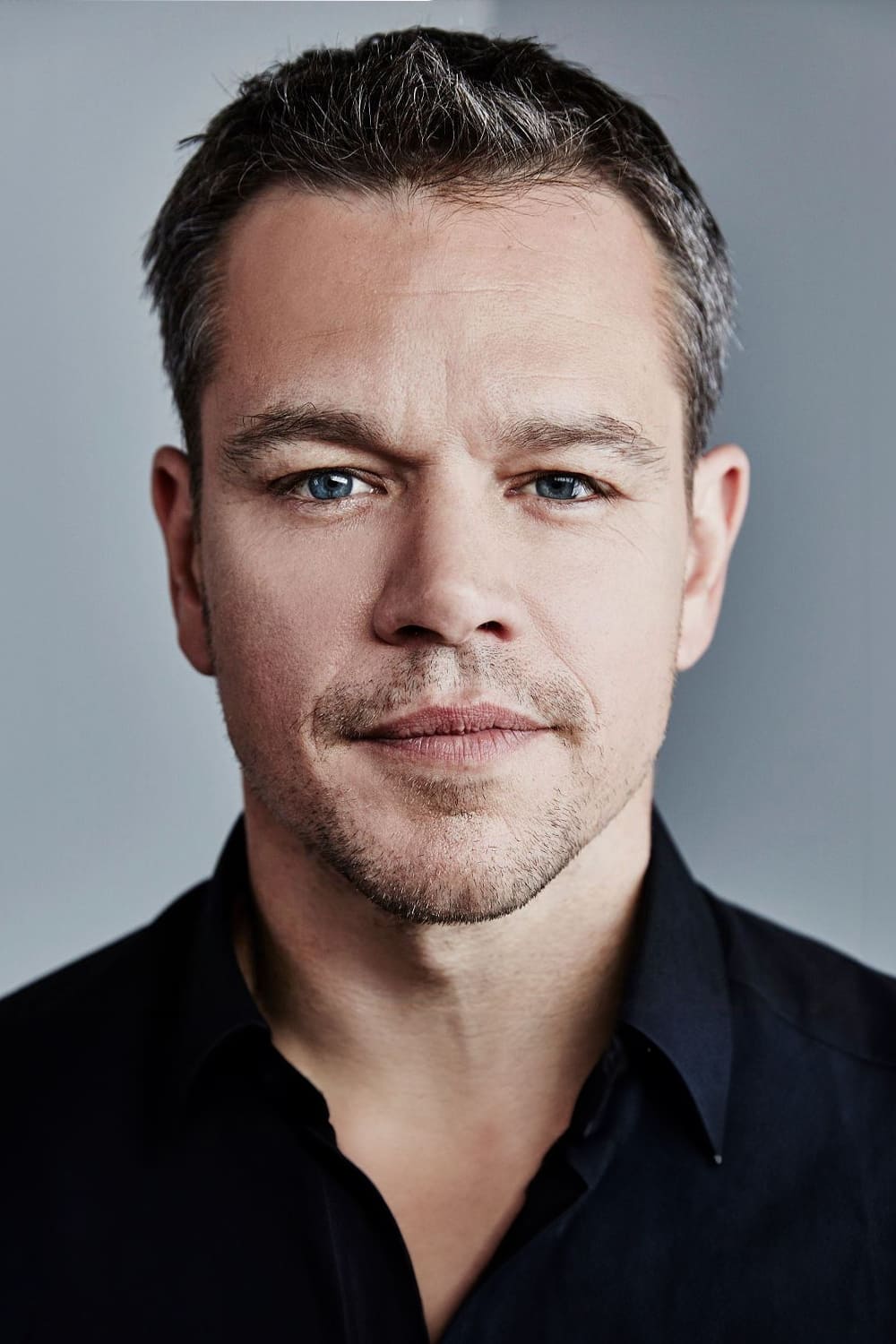
He passed on Jake Sully in ‘Avatar’ due to scheduling. Sam Worthington accepted and performed extensive motion-capture work for the Na’vi sequences. Production built performance-capture stages around the lead’s movements and expressions. The choice set the template for the series’ technical pipeline.
John Travolta
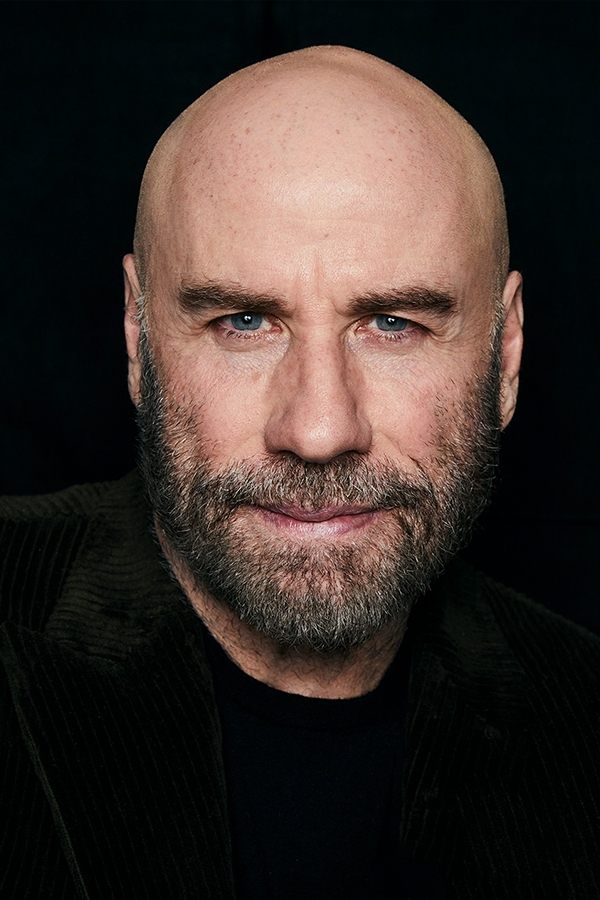
He turned down the title role in ‘Forrest Gump’. Tom Hanks took the part and worked through a technically complex shoot that blended effects with archival footage. The production scheduled long location blocks to match historical set pieces. The final casting guided the film’s narrative perspective.
Tom Selleck
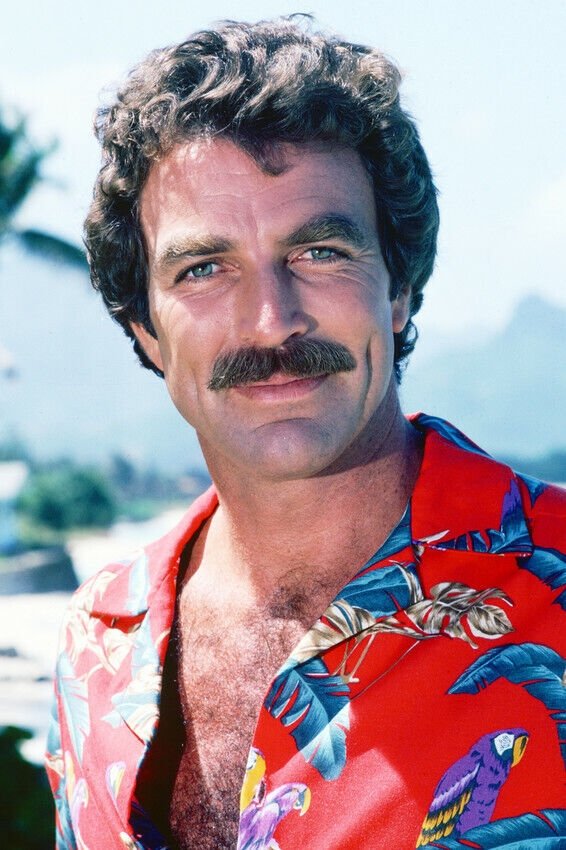
Contract obligations kept him from playing Indiana Jones in ‘Raiders of the Lost Ark’. Harrison Ford stepped in and aligned with the film’s mix of dry humor and physical action. The shoot involved extensive stunt coordination and location work. Ford’s casting continued across multiple sequels.
Al Pacino
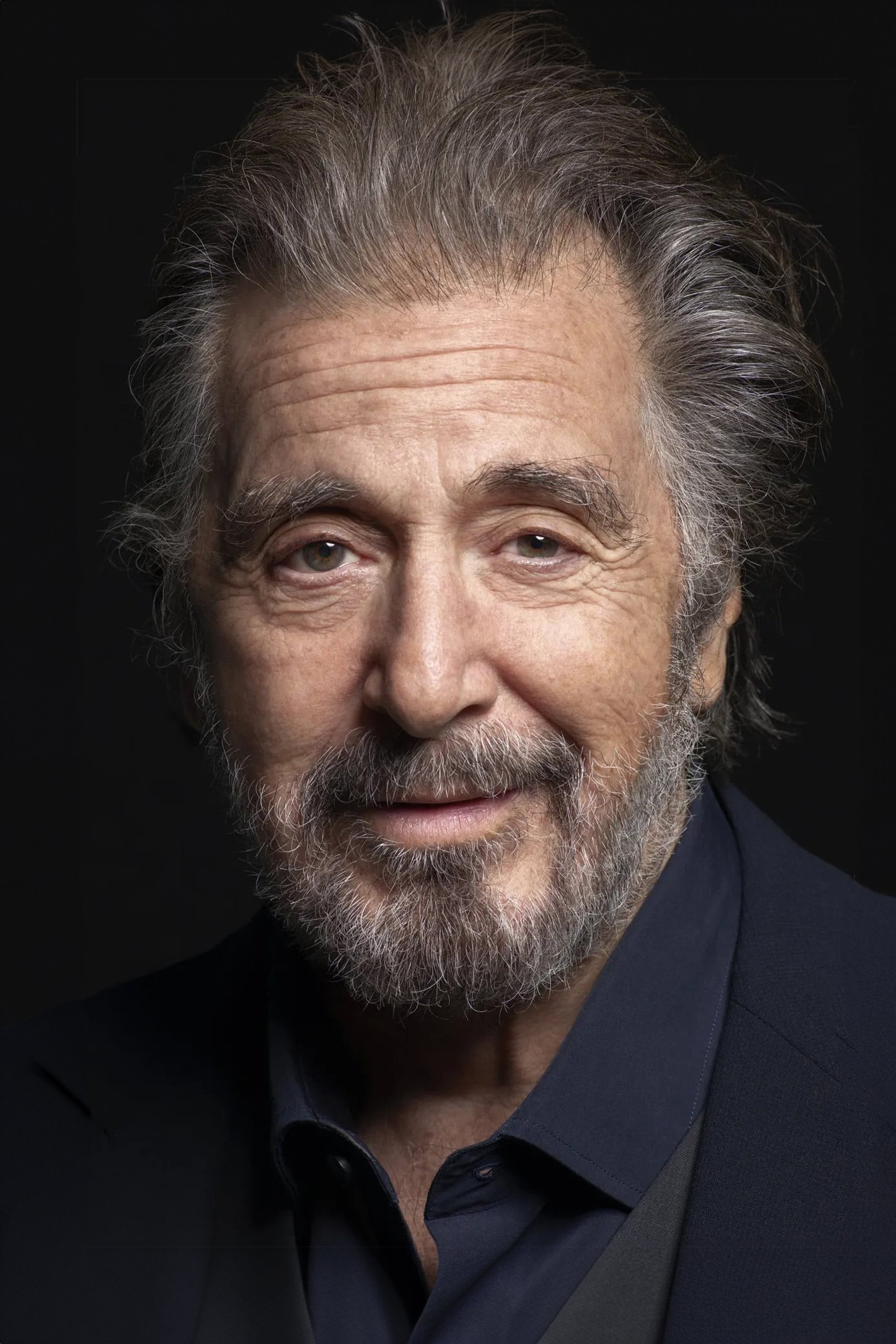
He declined Han Solo in ‘Star Wars’ after finding the script dense at the time. Harrison Ford played the role and developed strong on-screen chemistry with the ensemble. The production leaned on Ford’s improvisational timing in several scenes. The outcome helped define the film’s smuggler-hero dynamic.
Sean Connery
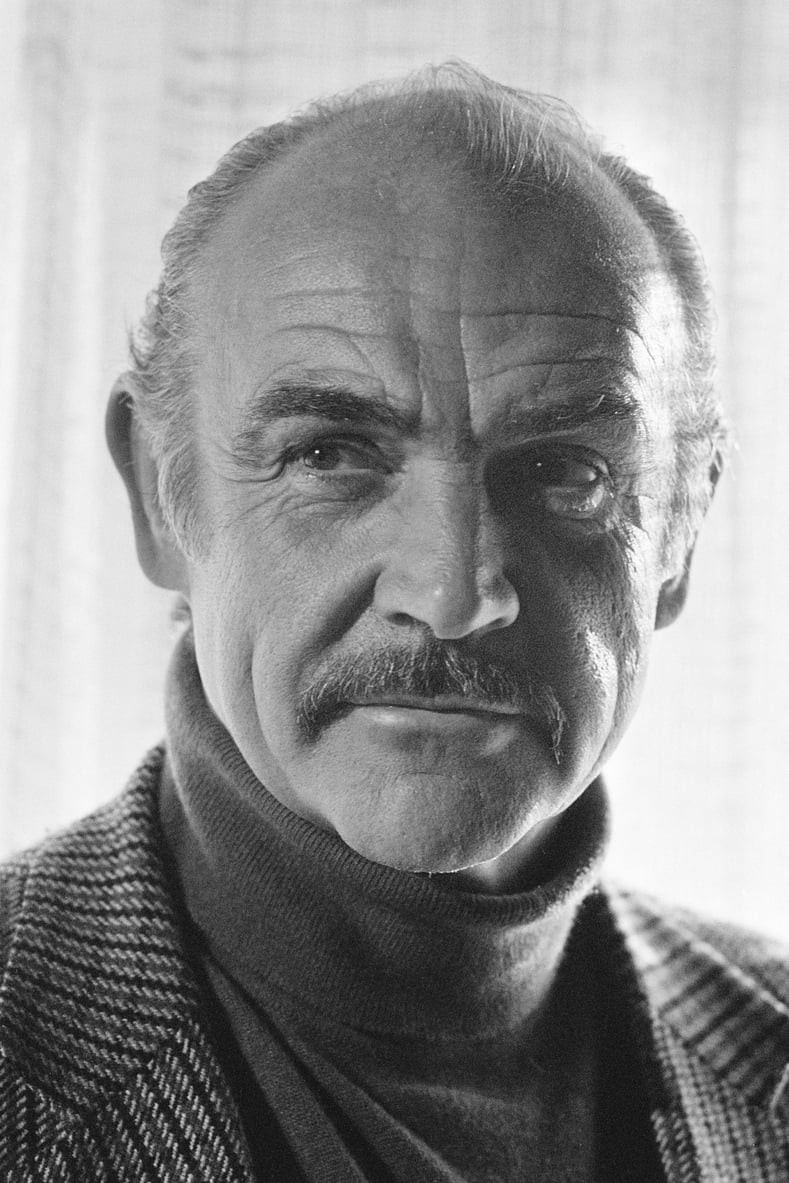
He passed on Gandalf in ‘The Lord of the Rings’. Ian McKellen accepted and prepared with dialect work and stage technique to anchor the ensemble. Filming required multi-year commitments in New Zealand. McKellen’s portrayal became central to the trilogy’s dramatic balance.
Leonardo DiCaprio
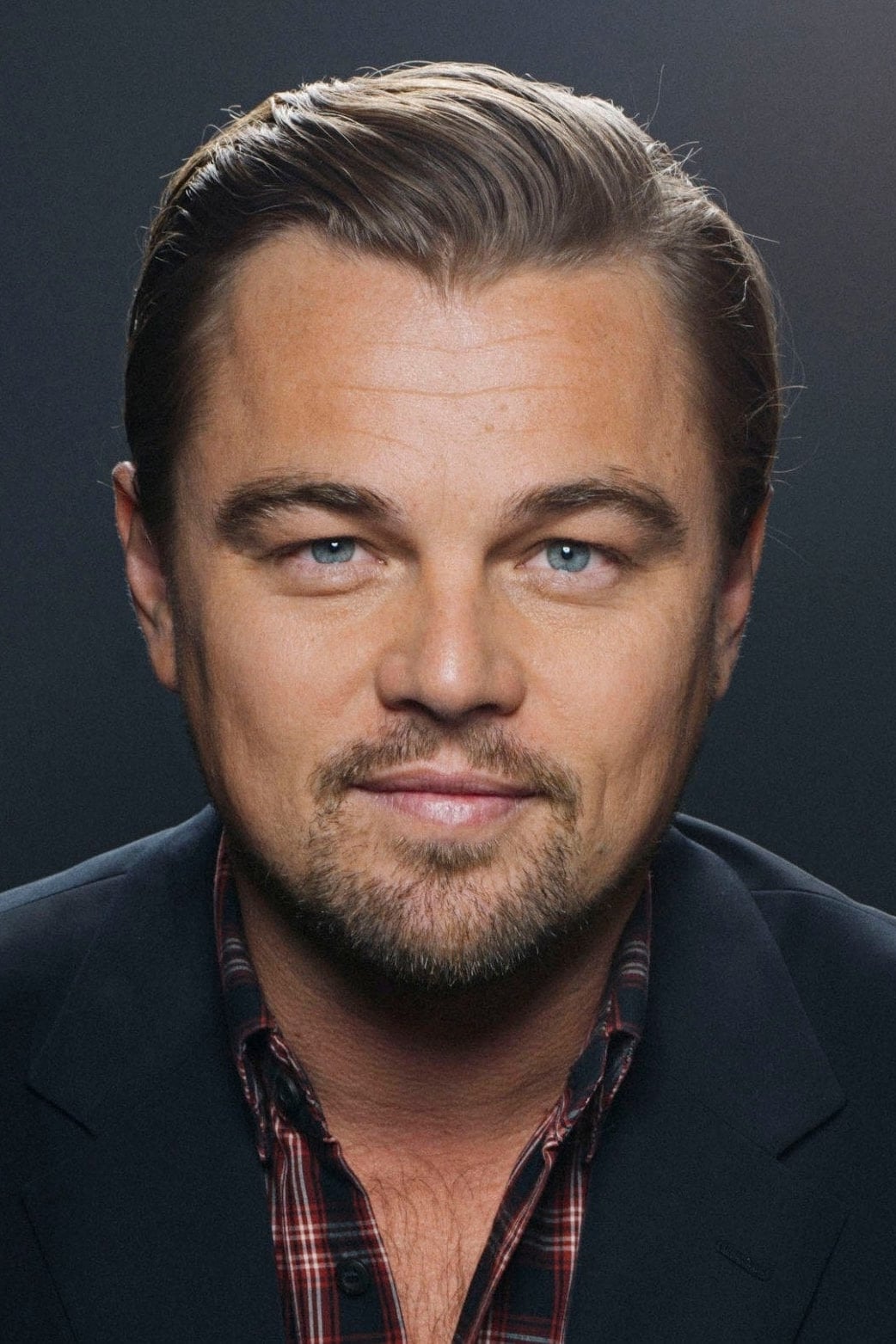
He stepped away from ‘American Psycho’ during development. Christian Bale took the role and prepared with strict physical conditioning and a controlled performance style. Production calibrated tone to match the adaptation’s satirical edge. Bale’s casting defined the final cut’s approach.
Jack Nicholson
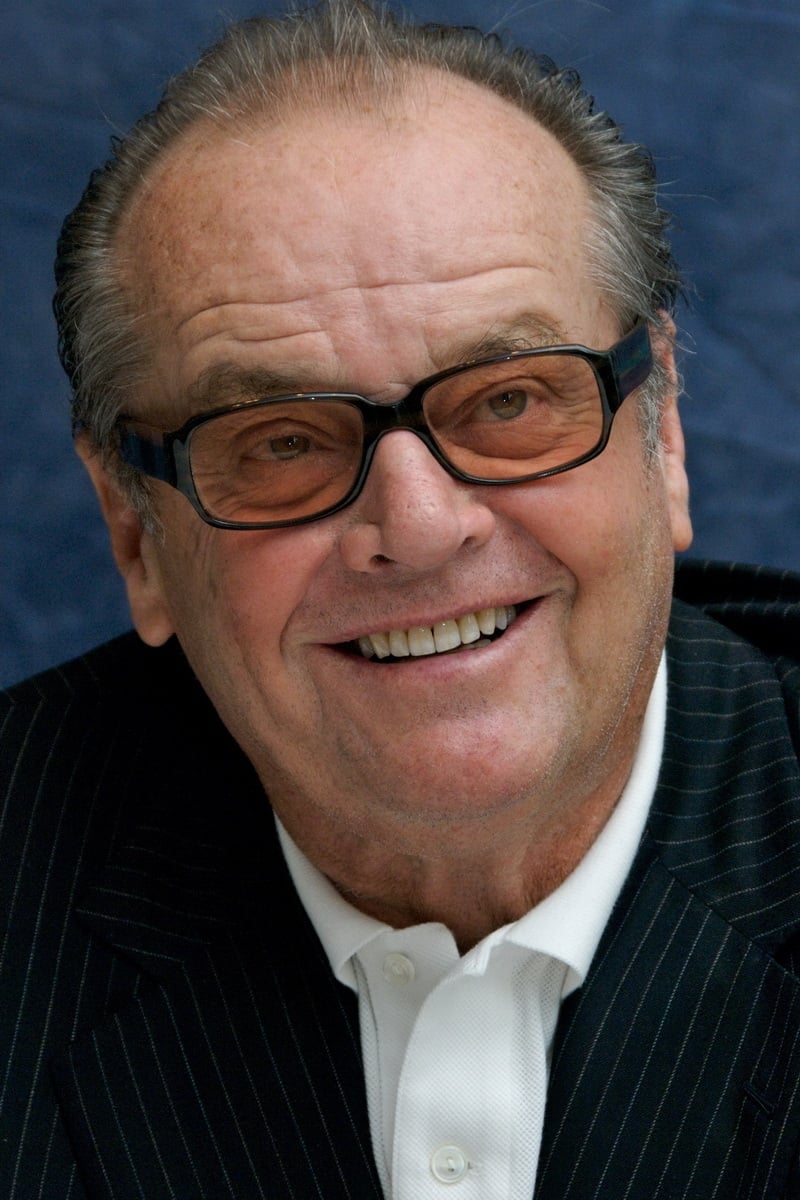
He turned down Michael Corleone in ‘The Godfather’. Al Pacino was cast and worked with Francis Ford Coppola on a restrained transformation across the story. The film scheduled long takes to emphasize quiet escalation. Pacino’s performance anchored the trilogy’s central arc.
Denzel Washington

He declined Detective David Mills in ‘Se7en’ over concerns about the script’s bleakness. Brad Pitt accepted and collaborated on adjustments to the character’s intensity. The shoot protected the ending’s secrecy with limited script pages. The pairing with Morgan Freeman created contrasting investigative styles.
Eddie Murphy
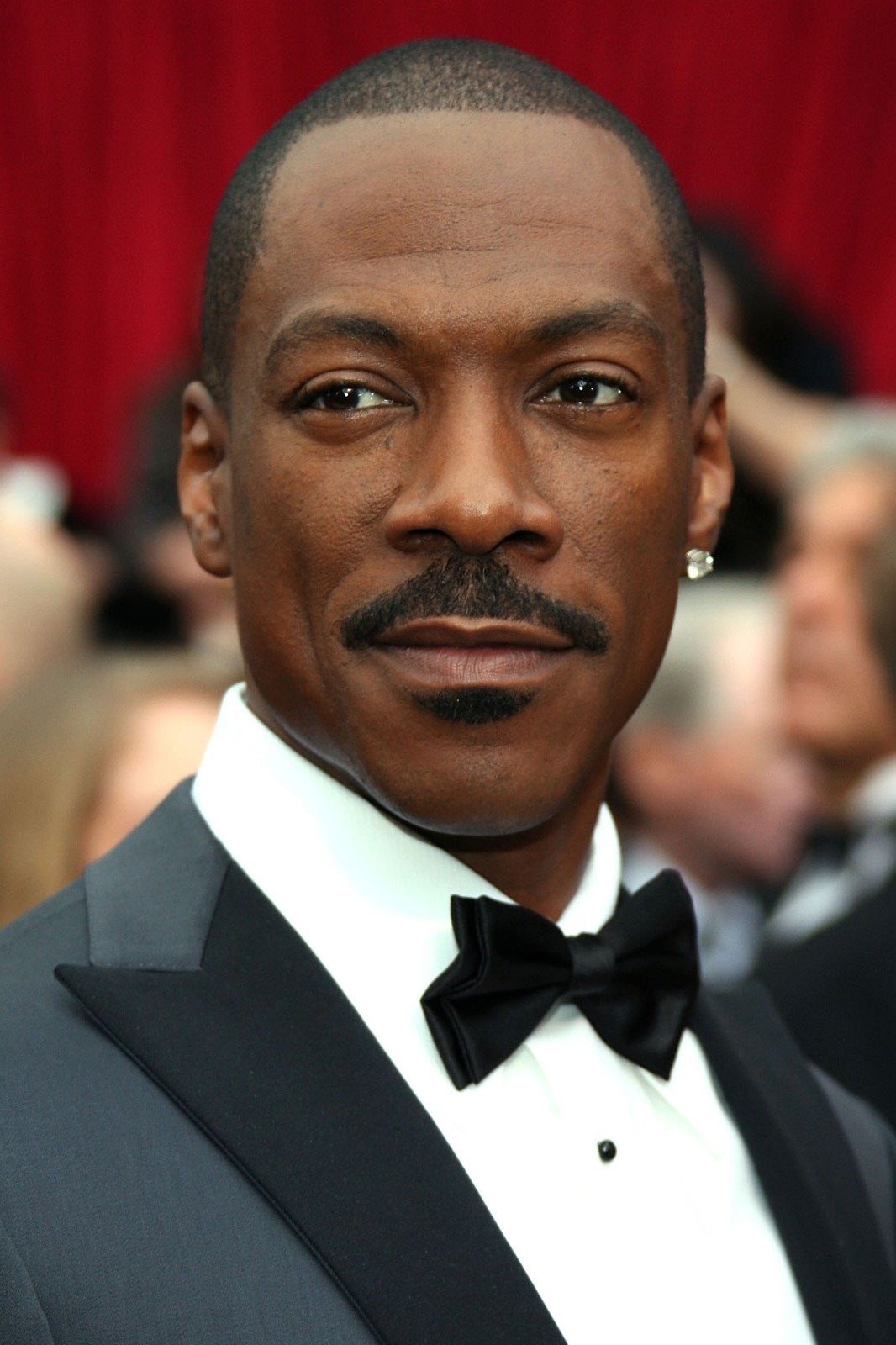
He turned down Winston Zeddemore in ‘Ghostbusters’ while focused on other projects. Ernie Hudson joined the team and adapted to a fast effects-heavy schedule. The role positioned him as a pragmatic newcomer within the group. The ensemble balance remained consistent through the shoot.
Hugh Jackman
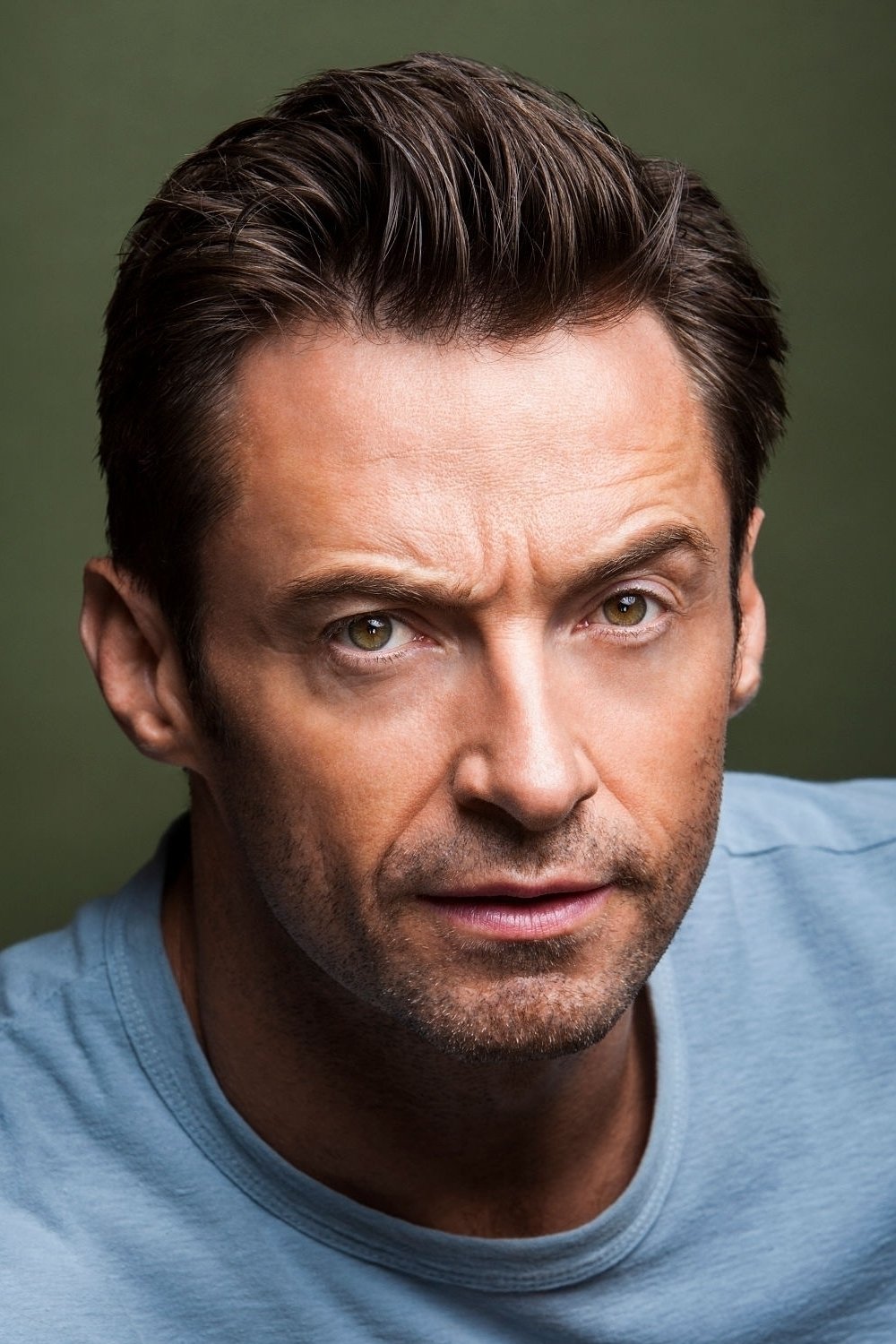
He said no when approached about James Bond before ‘Casino Royale’. Daniel Craig took over and trained for a more physical interpretation of the character. Filmmakers shifted toward practical stunts with limited gadget emphasis. Craig’s tenure reset the series’ direction.
Joaquin Phoenix
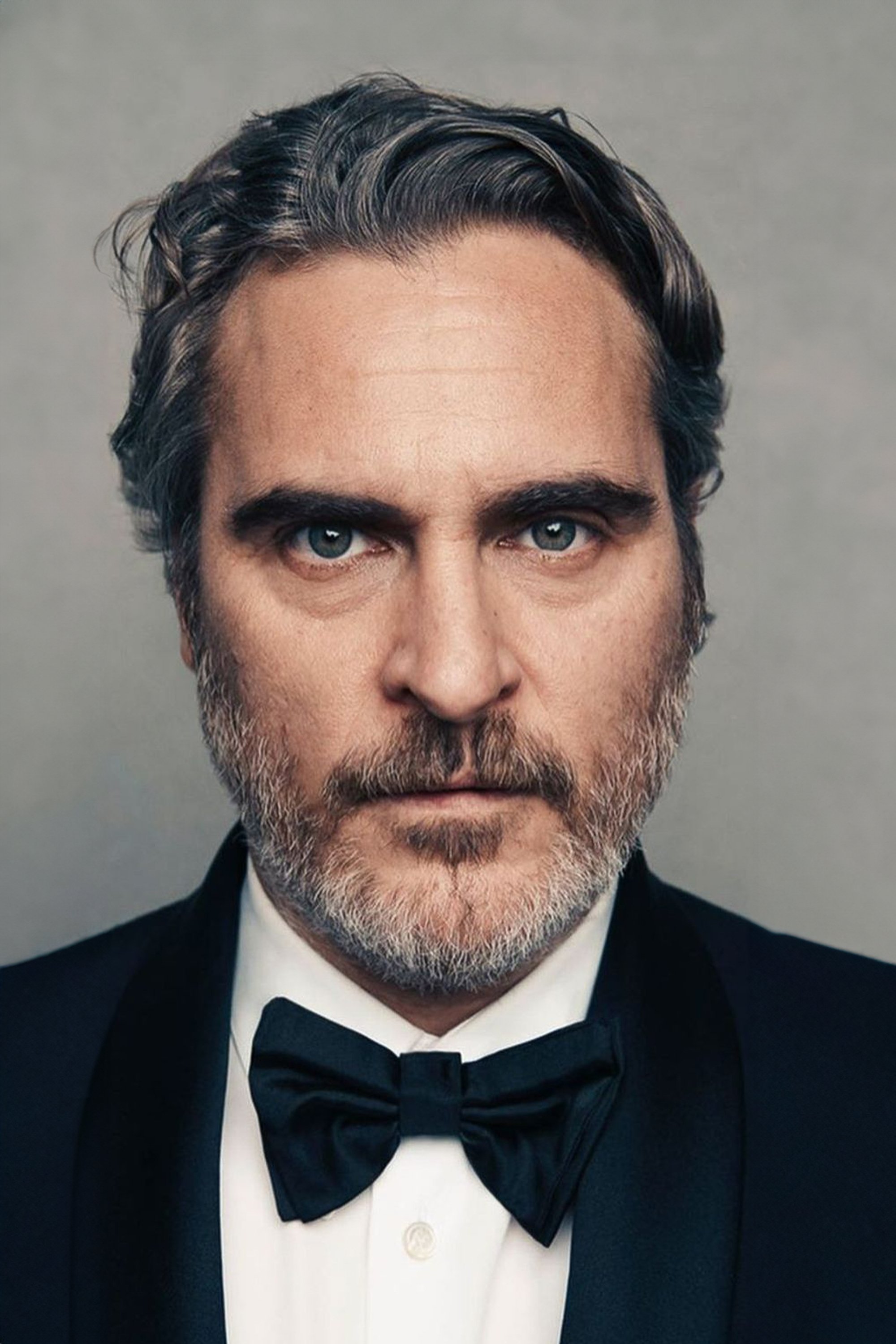
Talks for Stephen Strange in ‘Doctor Strange’ ended without an agreement on commitments. Benedict Cumberbatch accepted and trained in movement and sleight-of-hand cues for spellwork. The role required accent work and detailed choreography. The casting aligned the character with the wider franchise timeline.
Josh Hartnett
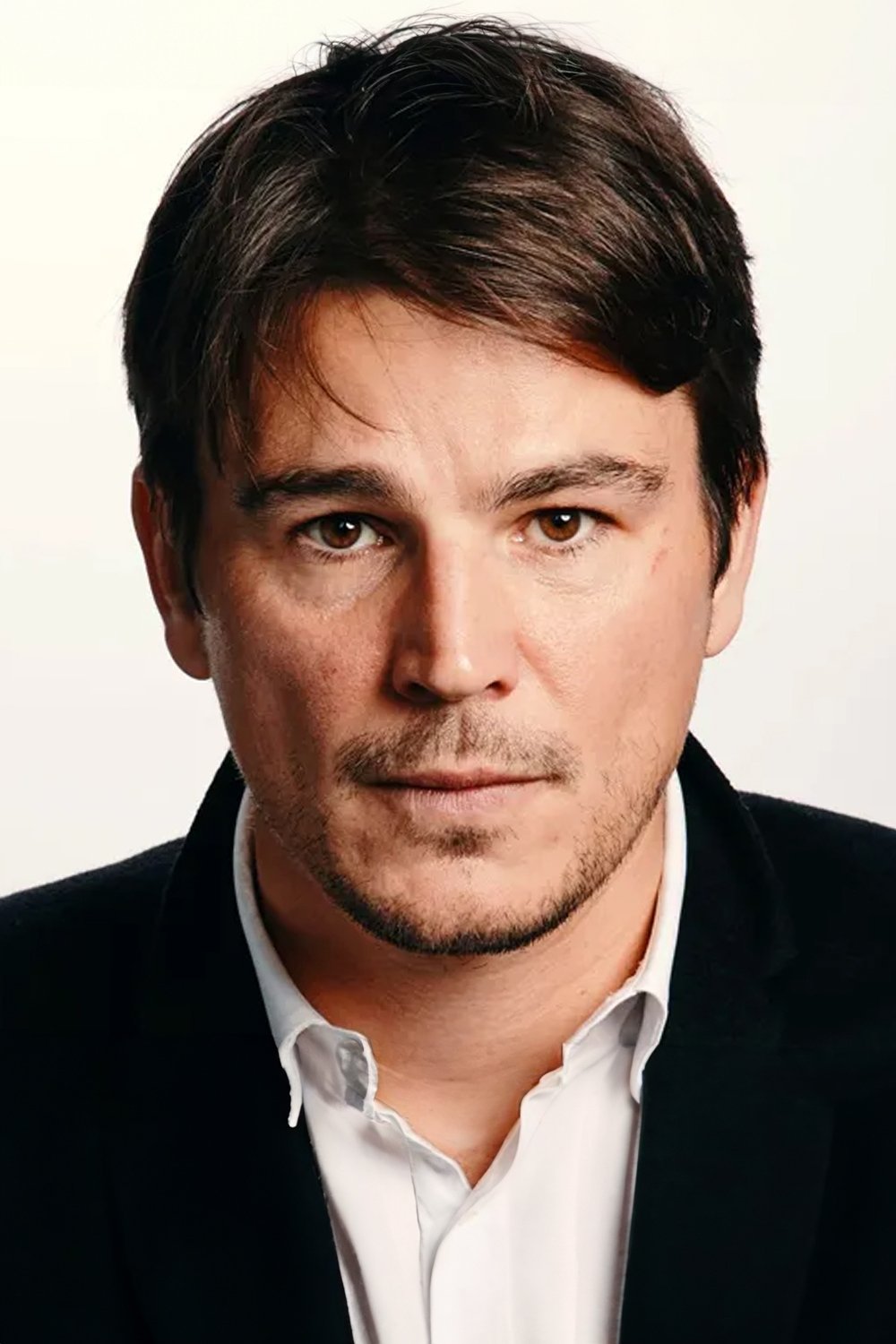
He declined early approaches to play Batman in ‘Batman Begins’. Christian Bale was cast and completed suit tests to refine mobility and silhouette. The production redesigned fight sequences around a grounded style. Bale’s interpretation set the tone for the trilogy.
Michael Madsen
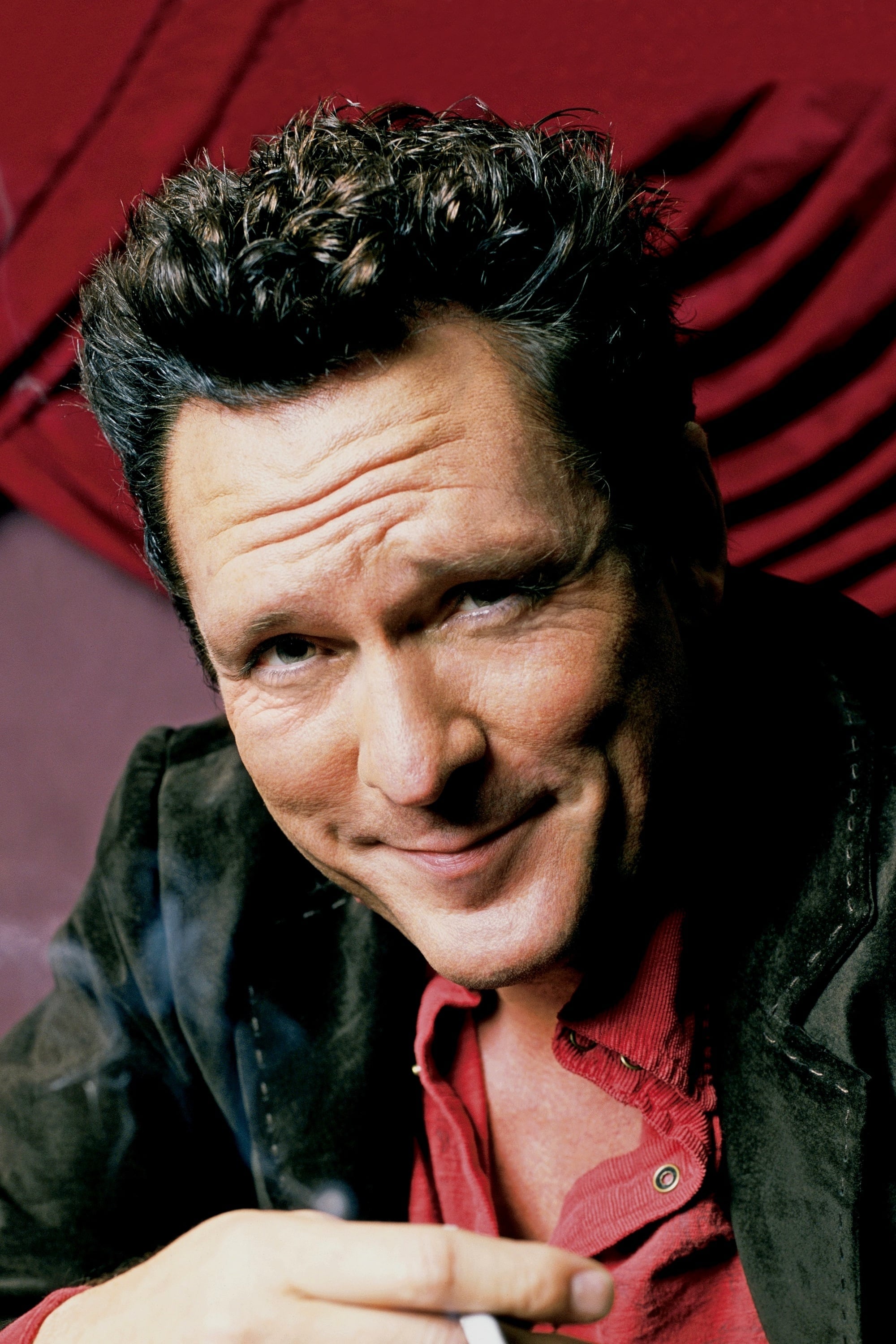
He turned down Vincent Vega in ‘Pulp Fiction’. John Travolta took the role and worked within the script’s nonlinear structure. The production synchronized ensemble coverage to balance intersecting stories. Travolta’s scenes became key anchors for the film’s pacing.
Burt Reynolds
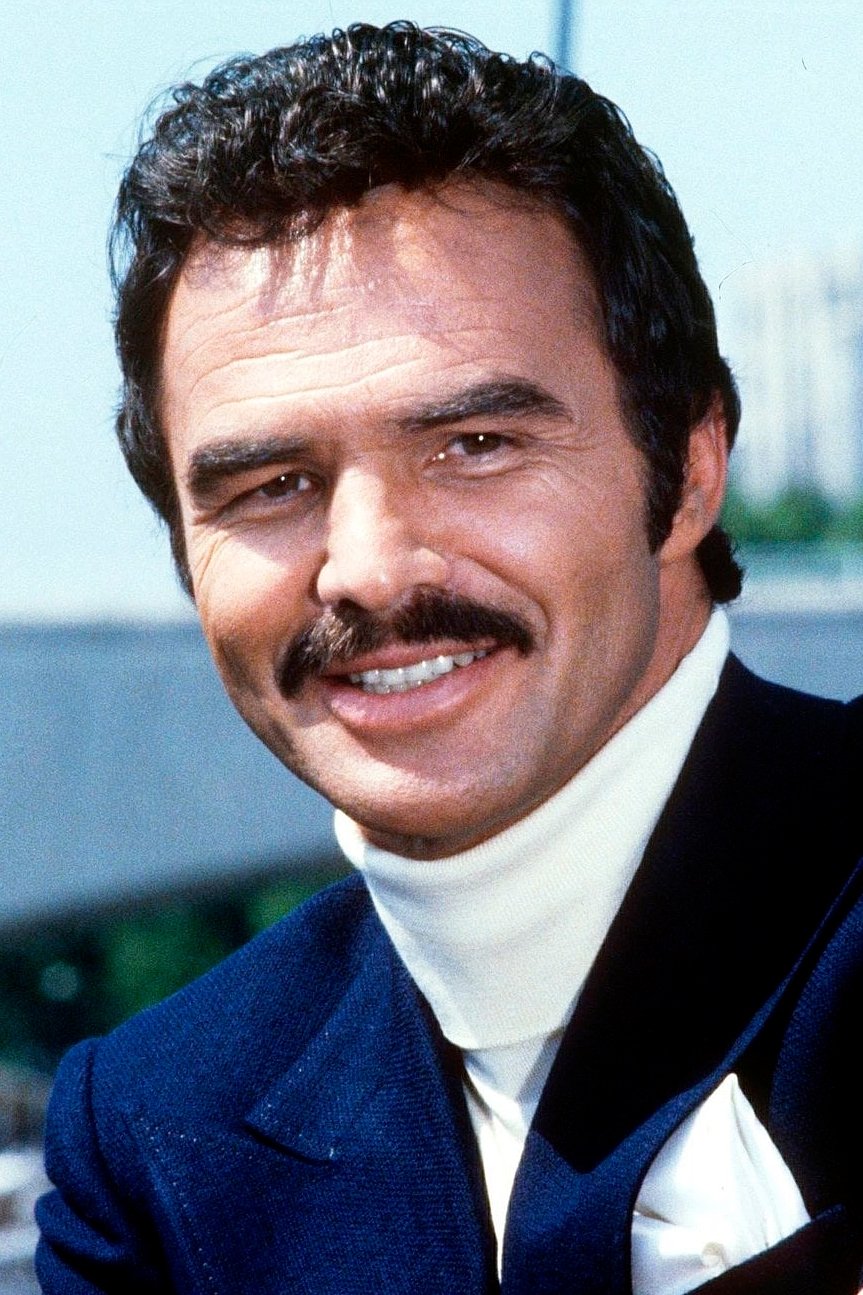
He said he passed on Han Solo in ‘Star Wars’. Harrison Ford moved forward and built a sardonic edge into the character. The production leveraged that timing in dialogue-driven scenes. The result supported the film’s adventure rhythm.
John Lithgow
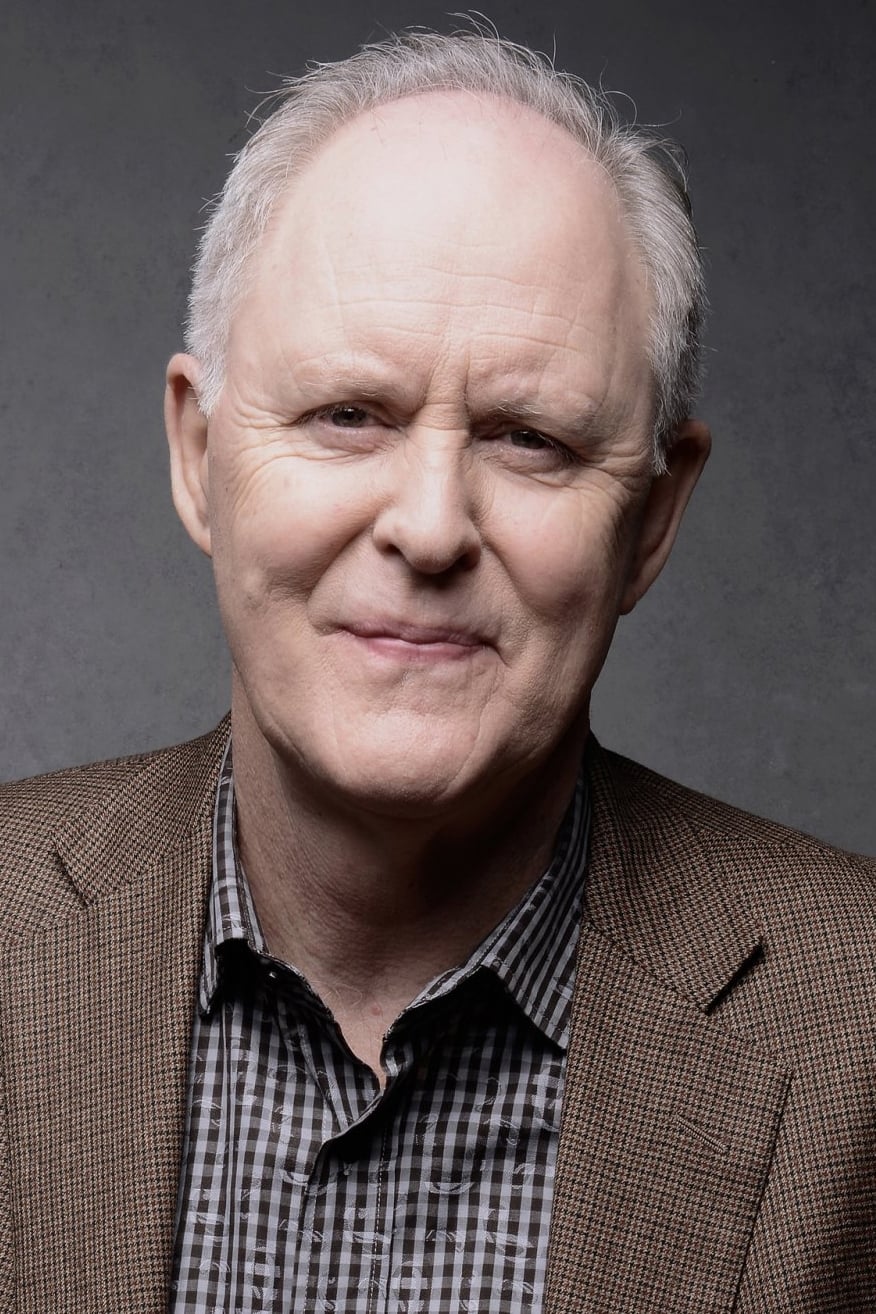
He declined the Joker in ‘Batman’ during early development. Jack Nicholson accepted and collaborated on a theatrical style and makeup tests. Production design emphasized a heightened visual world. The final portrayal influenced later comic-book villain approaches.
Kevin Costner
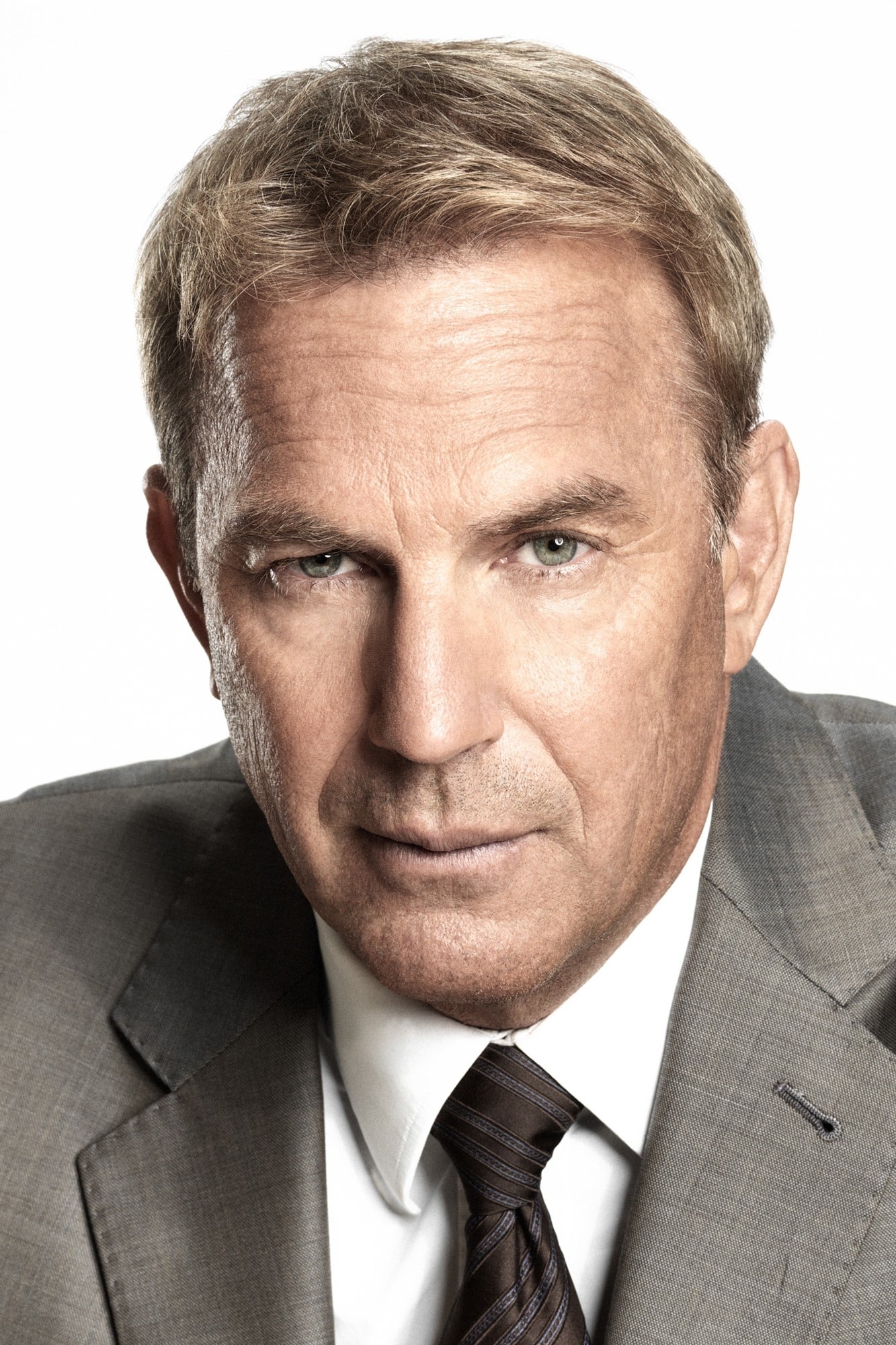
He turned down Andy Dufresne in ‘The Shawshank Redemption’. Tim Robbins took the part and prepared for a long shoot in confined and weather-dependent locations. The narrative required controlled, subdued line delivery over spectacle. Robbins’ work stabilized the film’s patient structure.
Russell Crowe
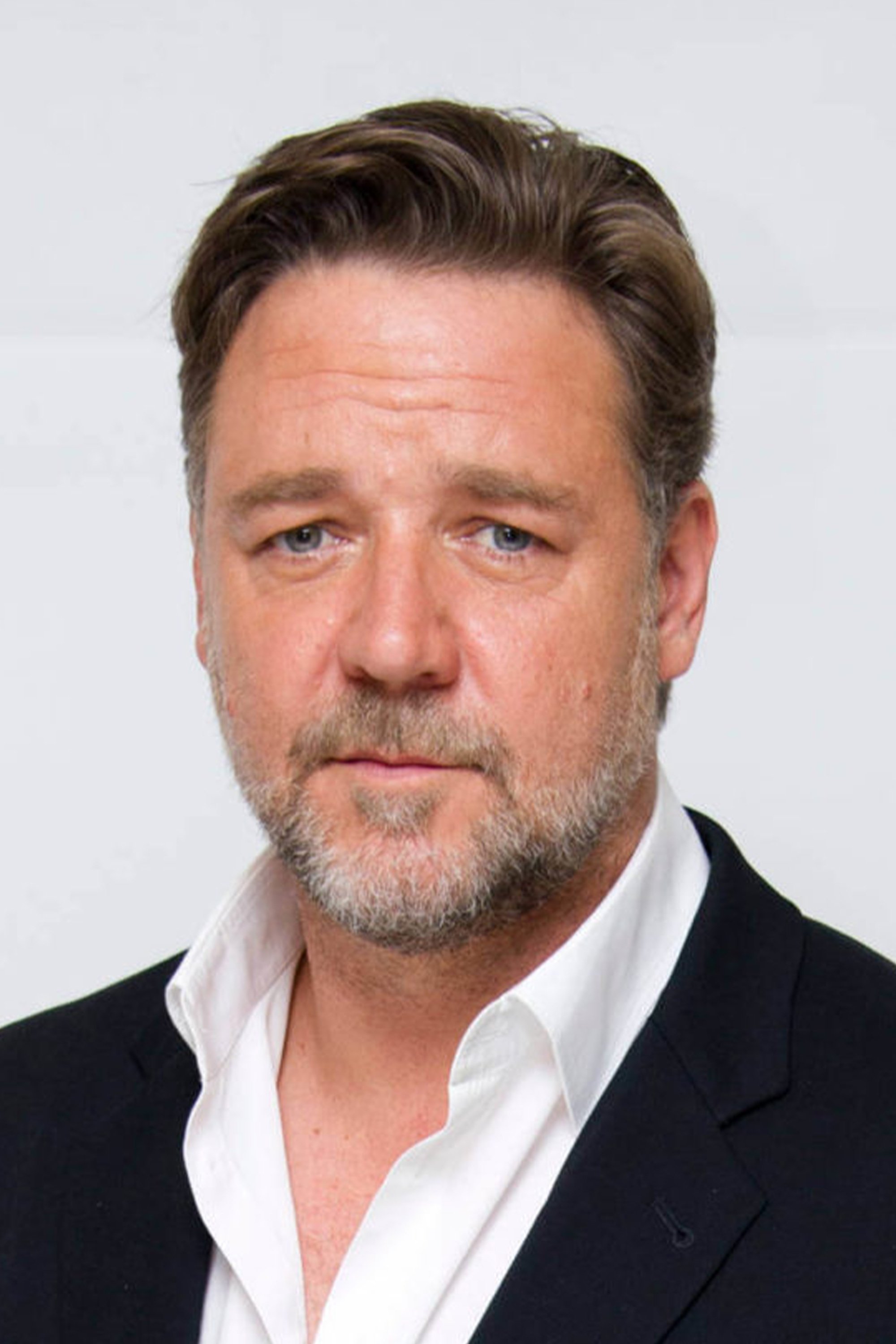
He passed on Wolverine in ‘X-Men’ and recommended another actor. Hugh Jackman auditioned and committed to intensive stunt and conditioning programs. The production refined fight choreography over repeated tests. Jackman’s version continued across multiple films.
Pierce Brosnan
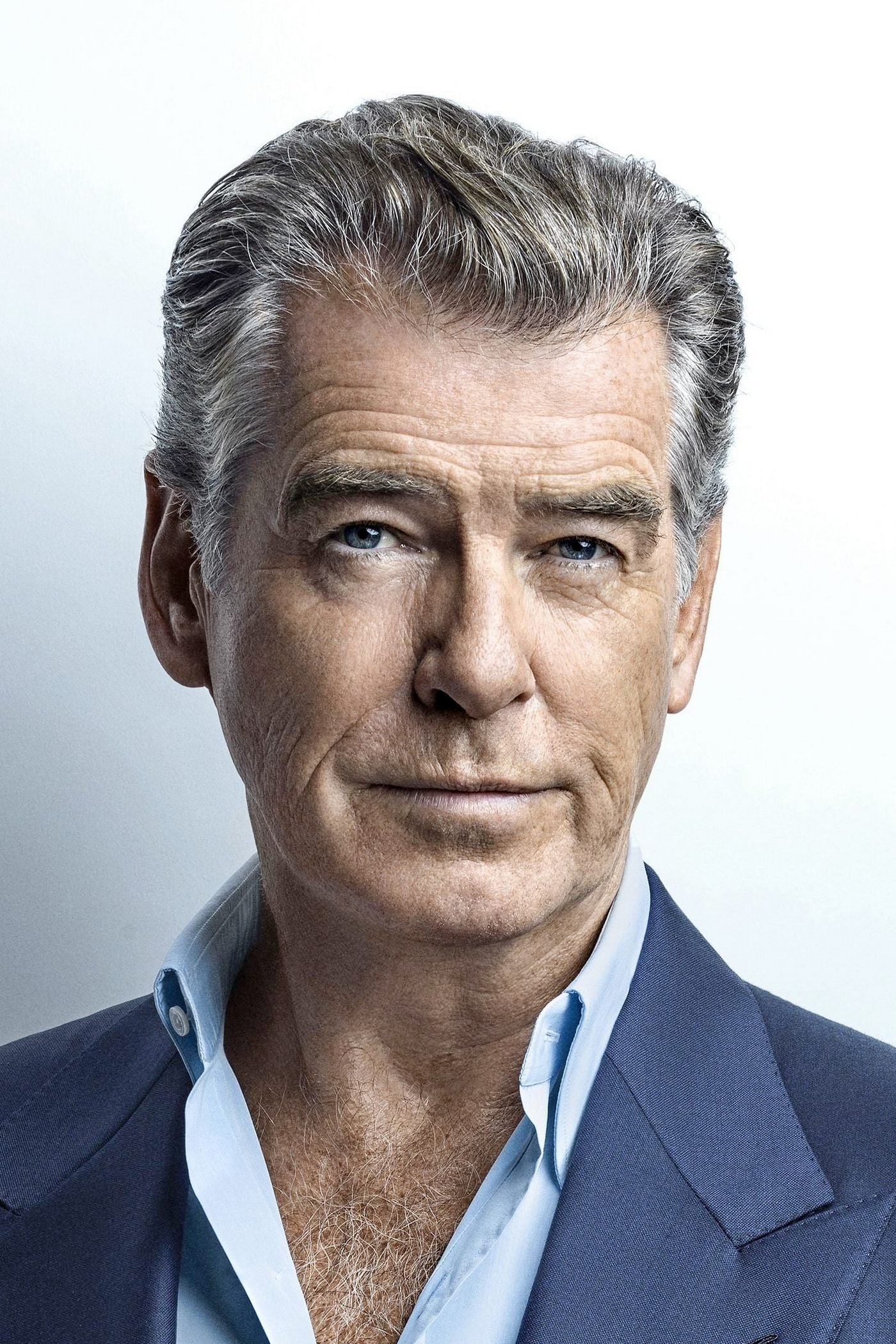
He declined Batman in ‘Batman’ after not connecting with the tone at the time. Michael Keaton played the role and adjusted movement to suit suit limitations. The filmmakers leaned into a gothic aesthetic for sets and lighting. Keaton’s casting balanced seriousness with stylization.
Tom Cruise
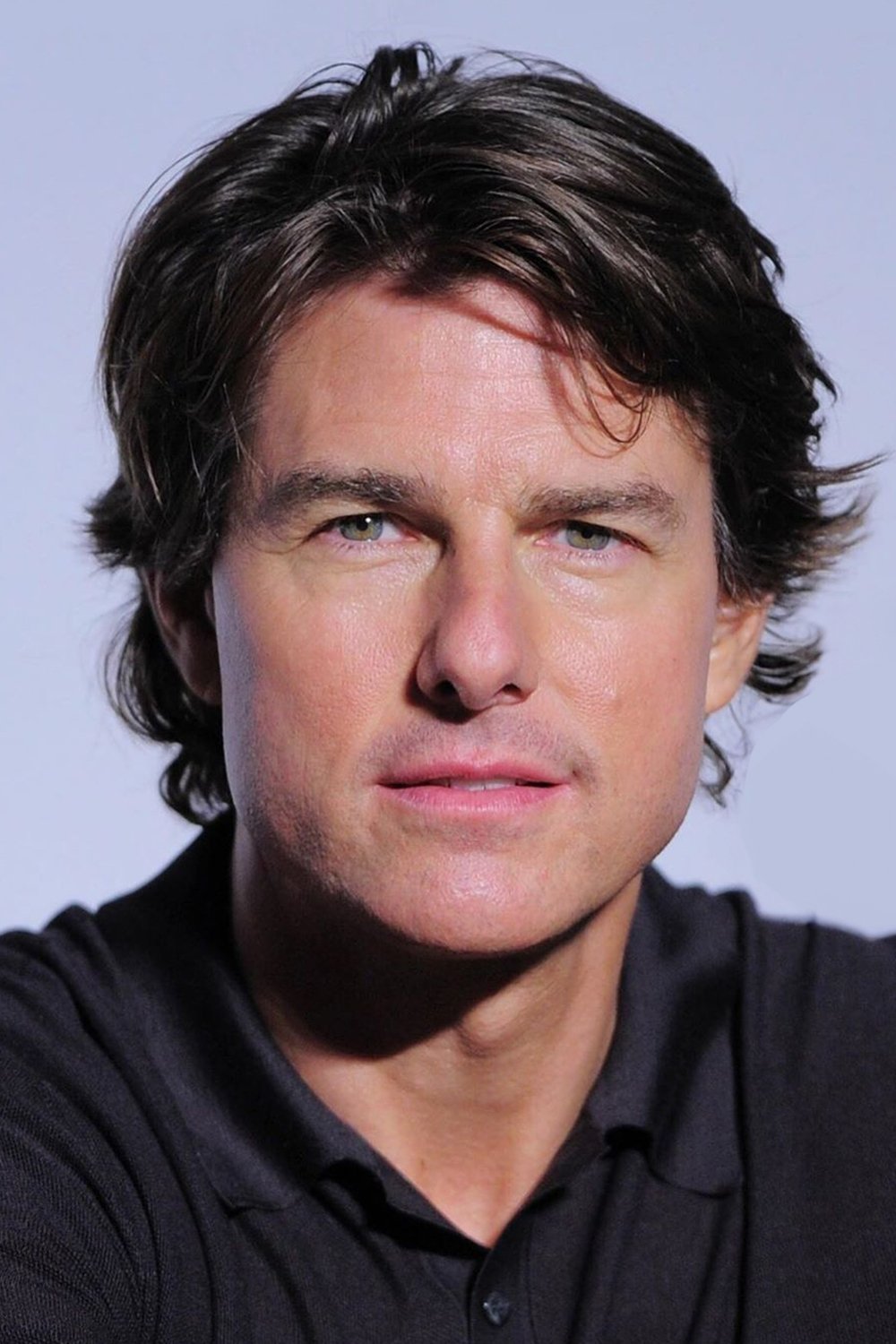
He discussed Tony Stark in ‘Iron Man’ but did not proceed. Robert Downey Jr. took the role and established an improvisational rhythm that shaped scene construction. Effects teams coordinated with on-set practical builds for armor beats. The casting decision became foundational for later films.
Mark Wahlberg
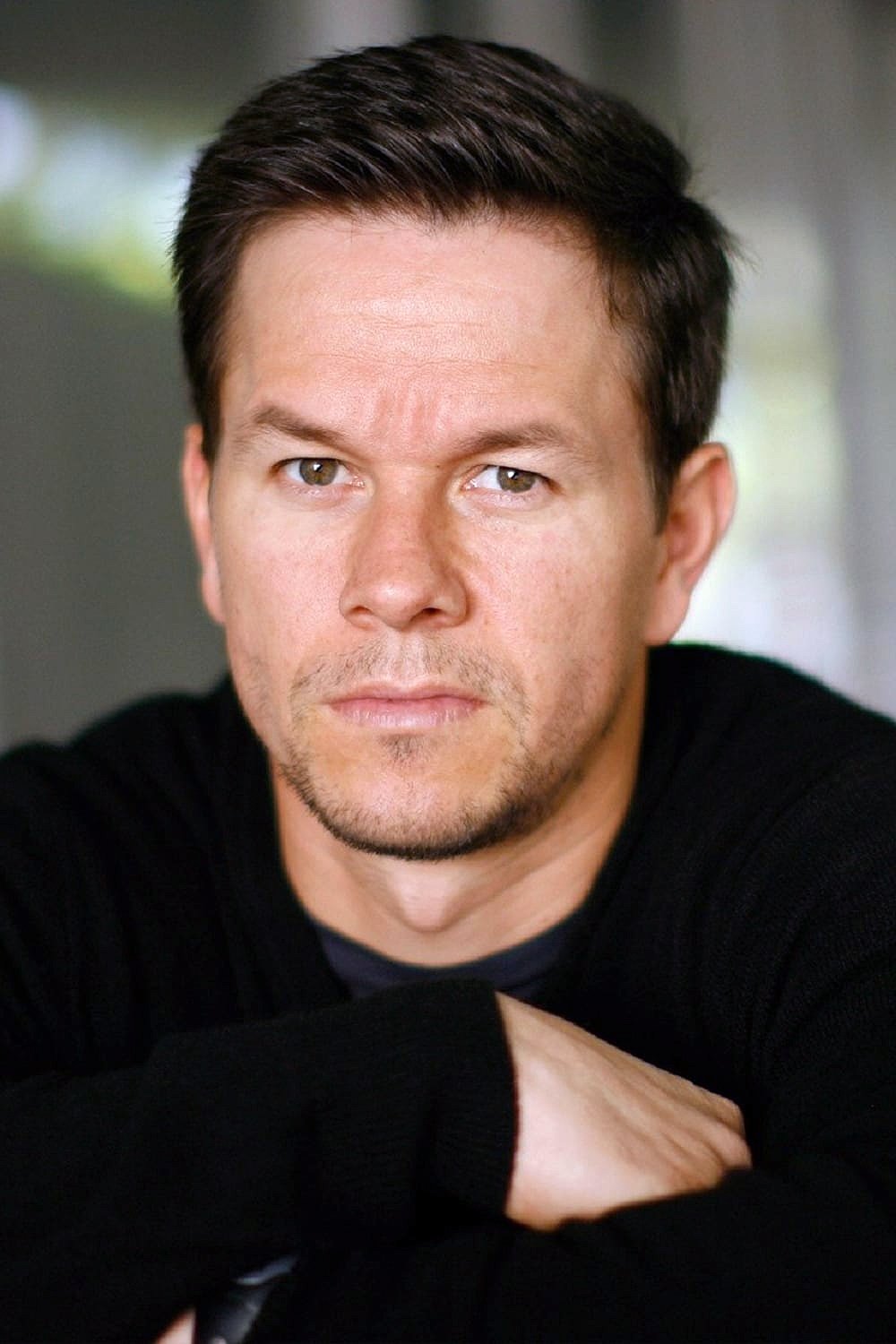
He said he passed on George Kirk in ‘Star Trek’ after not connecting with technical dialogue. Chris Hemsworth accepted and filmed an emotionally charged prologue. The sequence set stakes for the reboot’s timeline. Brief screen time delivered key backstory for James Kirk.
Miles Teller
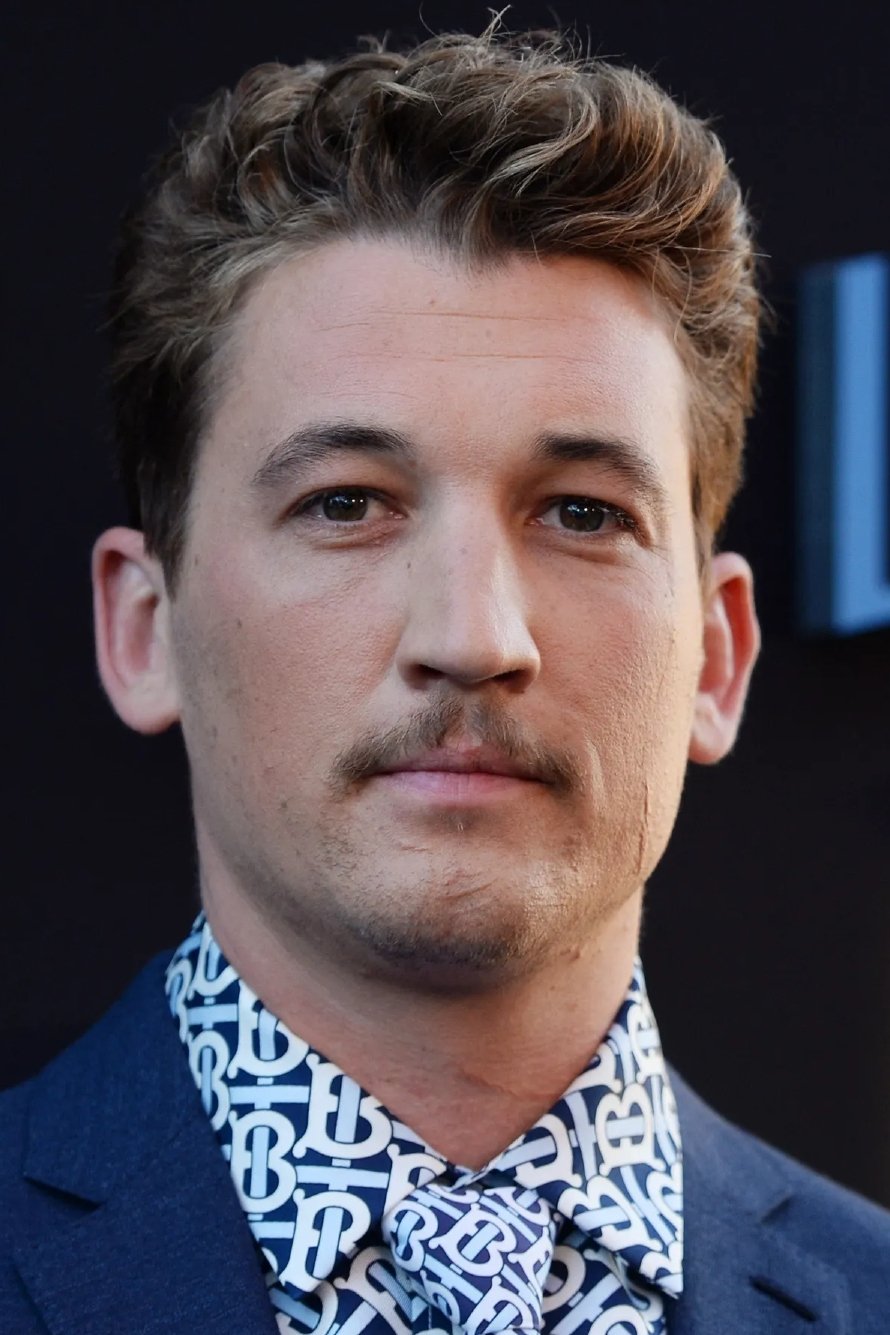
He exited ‘La La Land’ as development shifted. Ryan Gosling stepped in and learned piano to perform extended takes live. The production staged scenes around practical lighting and location sound. The approach prioritized performance authenticity.
Matthew McConaughey
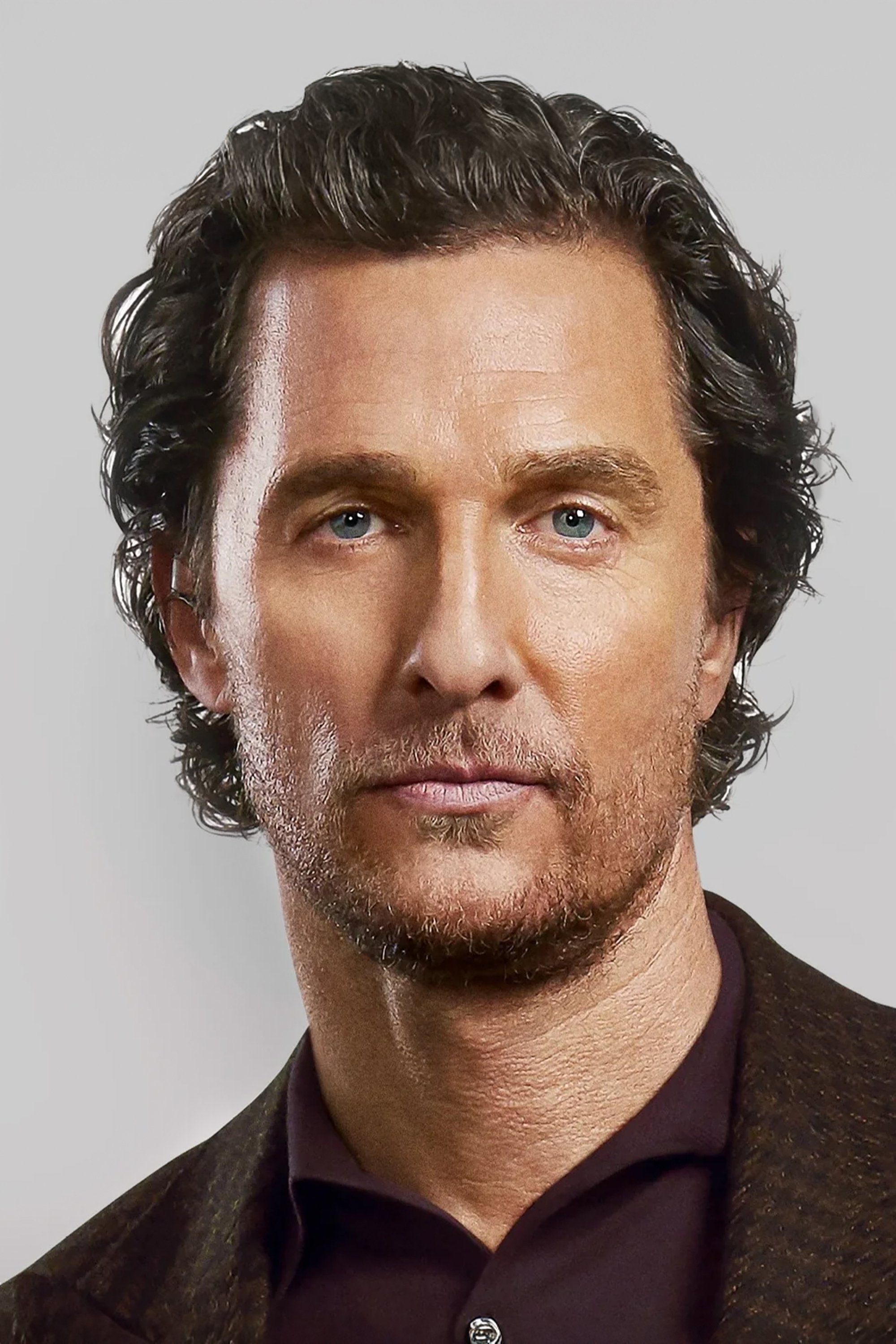
He passed on the antagonist in ‘Guardians of the Galaxy Vol. 2’. Kurt Russell accepted and built a performance that integrated with the lead’s backstory. Visual effects blended practical and digital elements for key sequences. The role connected personal stakes to the sequel’s plot.
Daniel Day-Lewis
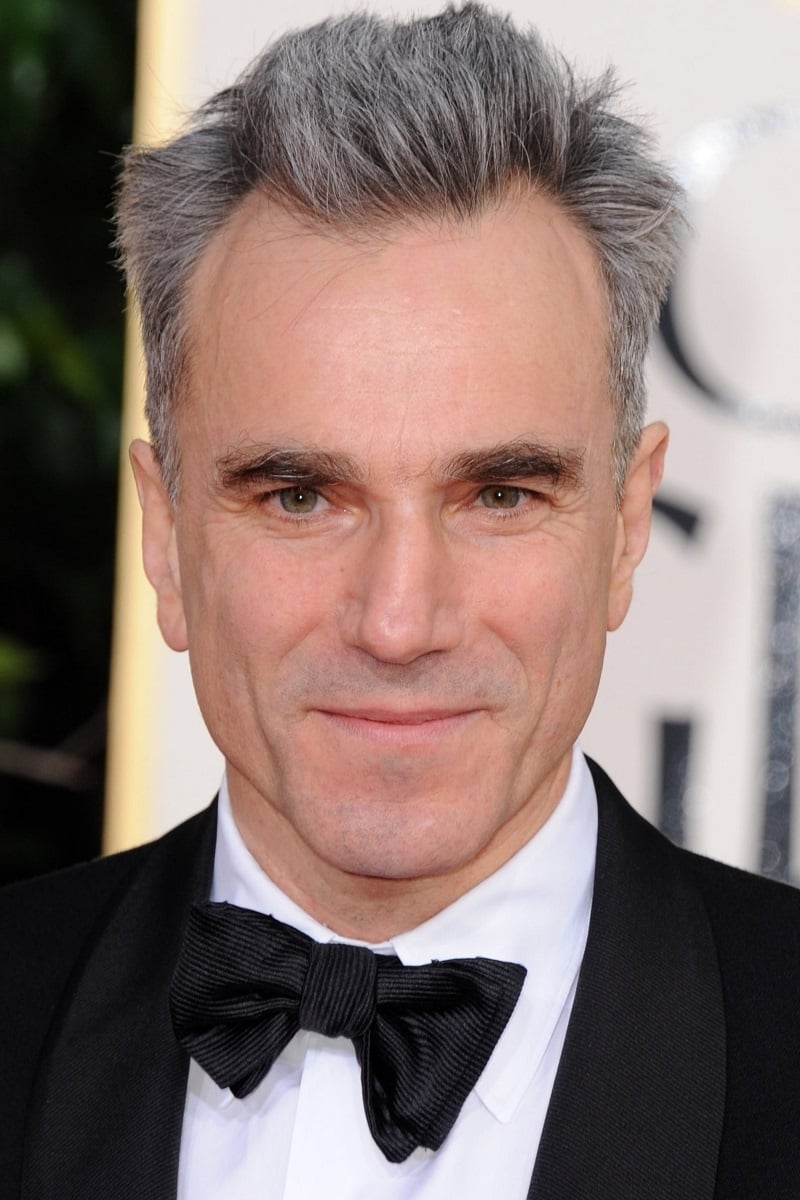
He reportedly declined Aragorn in ‘The Lord of the Rings’. Viggo Mortensen joined late and trained in swordsmanship and horseback riding. The schedule involved remote locations and sustained physical demands. Mortensen’s work unified the fellowship’s narrative thread.
Sacha Baron Cohen
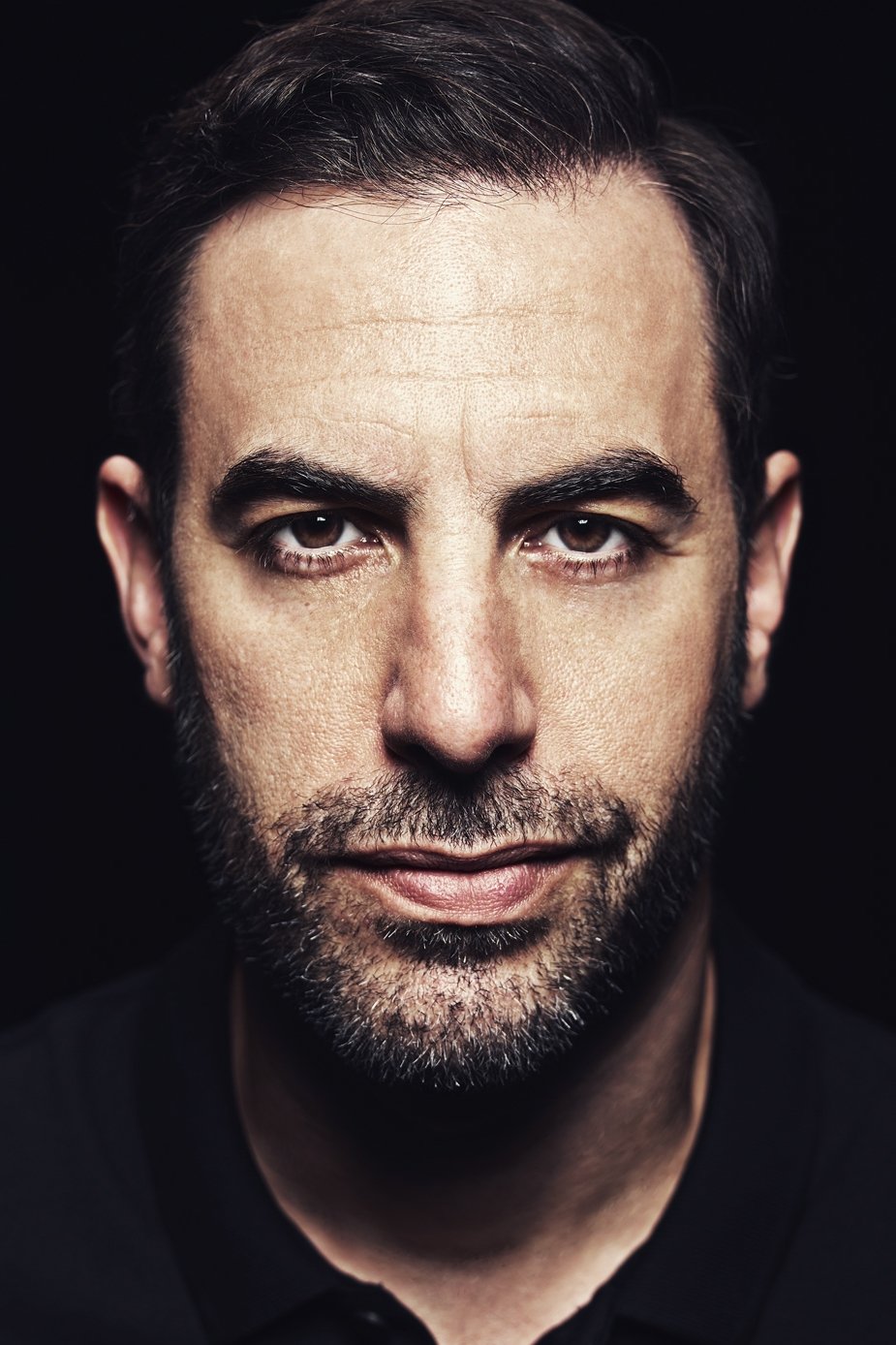
He left the early version of the Freddie Mercury biopic before ‘Bohemian Rhapsody’ moved forward. Rami Malek later led the project and trained to match stage movements for concert recreations. Coaching focused on microphone technique and pacing. The final film pursued a different tone than the earlier concept.
Robert De Niro
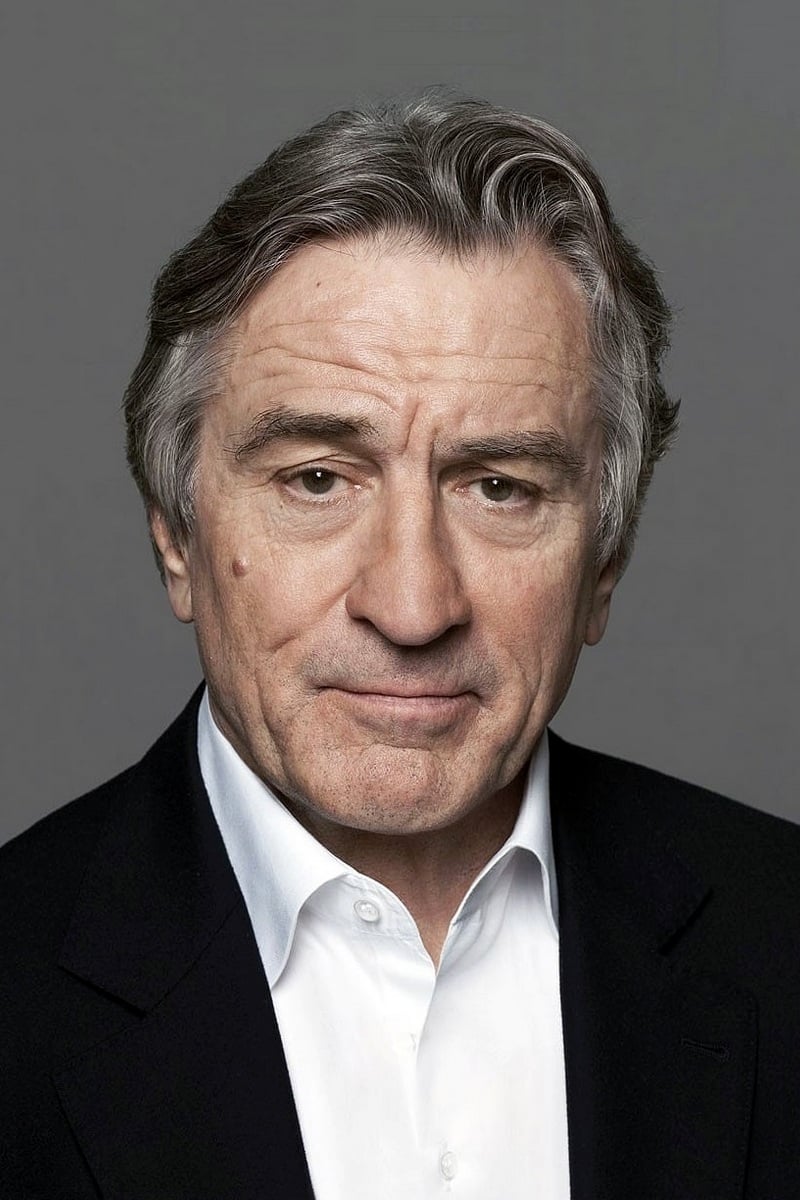
He exited negotiations for Josh in ‘Big’. Tom Hanks took over and balanced physical comedy with childlike gestures. Production designed set pieces like the piano scene to capture spontaneity. The shoot coordinated office and arcade sequences for character beats.
Tom Hanks
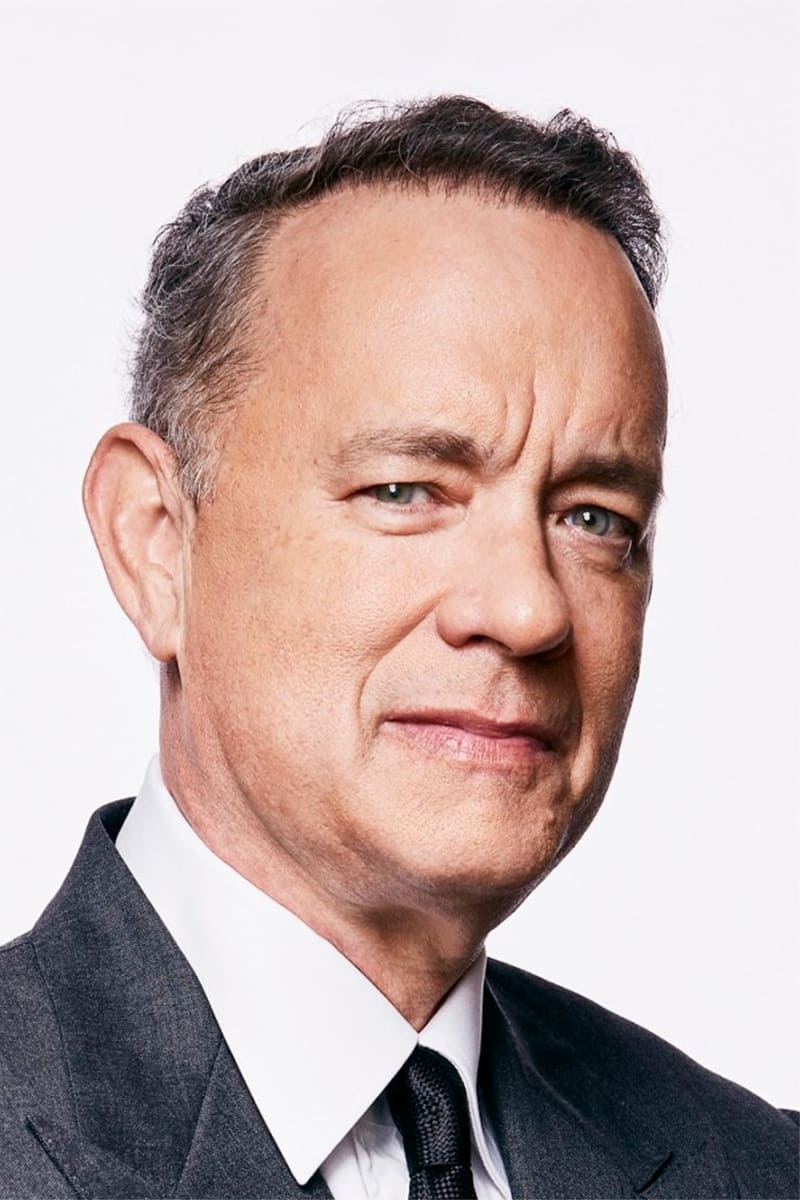
He could not align timing for ‘Jerry Maguire’. Tom Cruise accepted and worked closely on energy and pacing for a sports-agent world. The production focused on contract drama and relationship arcs. Scheduling supported location shoots around real events.
Michael Keaton
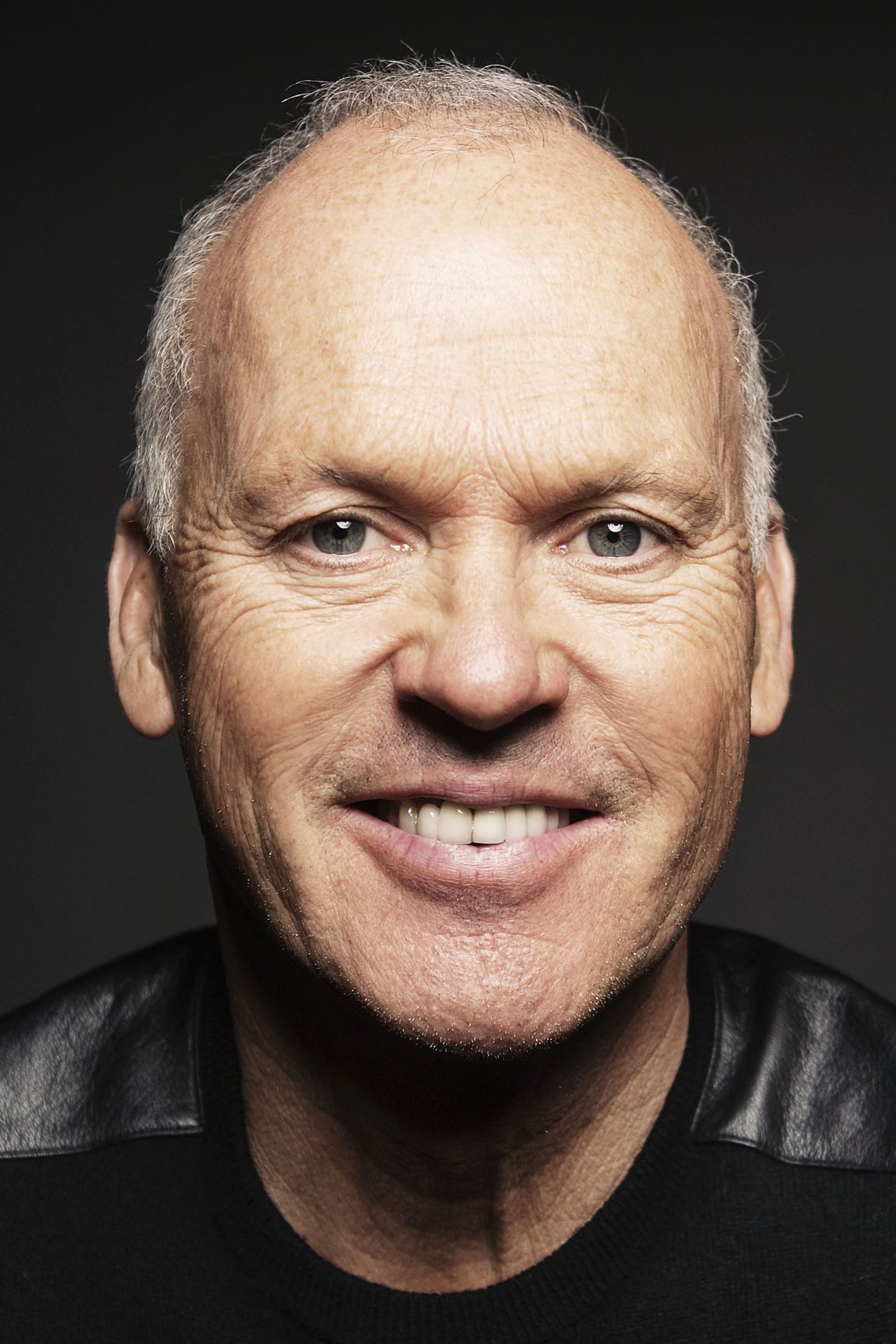
He declined returning as Batman in ‘Batman Forever’ over tonal differences. Val Kilmer stepped in and completed suit fittings that altered movement style. Production emphasized brighter sets and a different visual palette. The change reset the series’ direction for that installment.
Mel Gibson
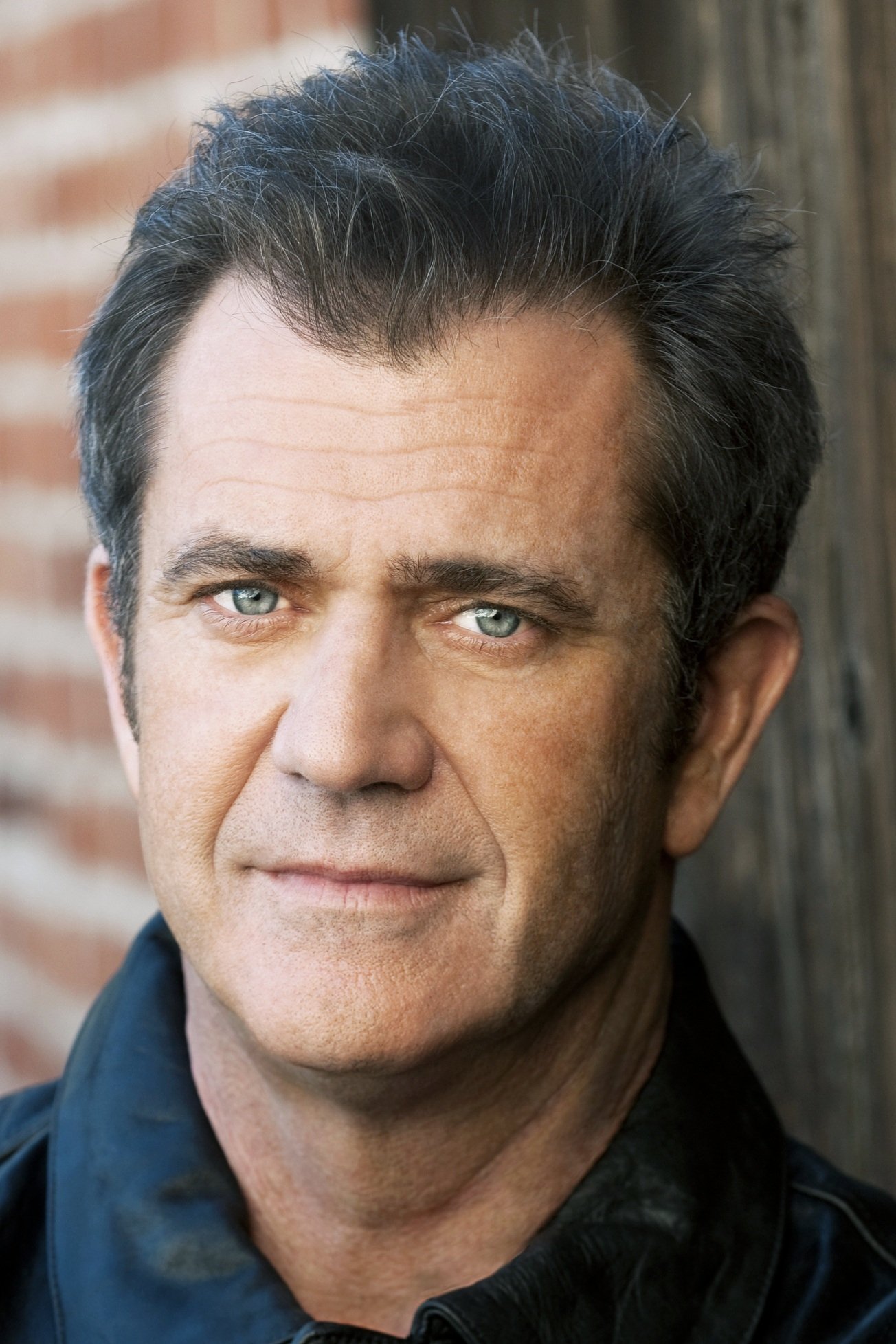
He turned down Maximus in ‘Gladiator’ citing age considerations. Russell Crowe accepted and trained for combat choreography and armor work. The production blended practical arenas with digital extensions. The role required endurance across long location shoots.
Ray Liotta
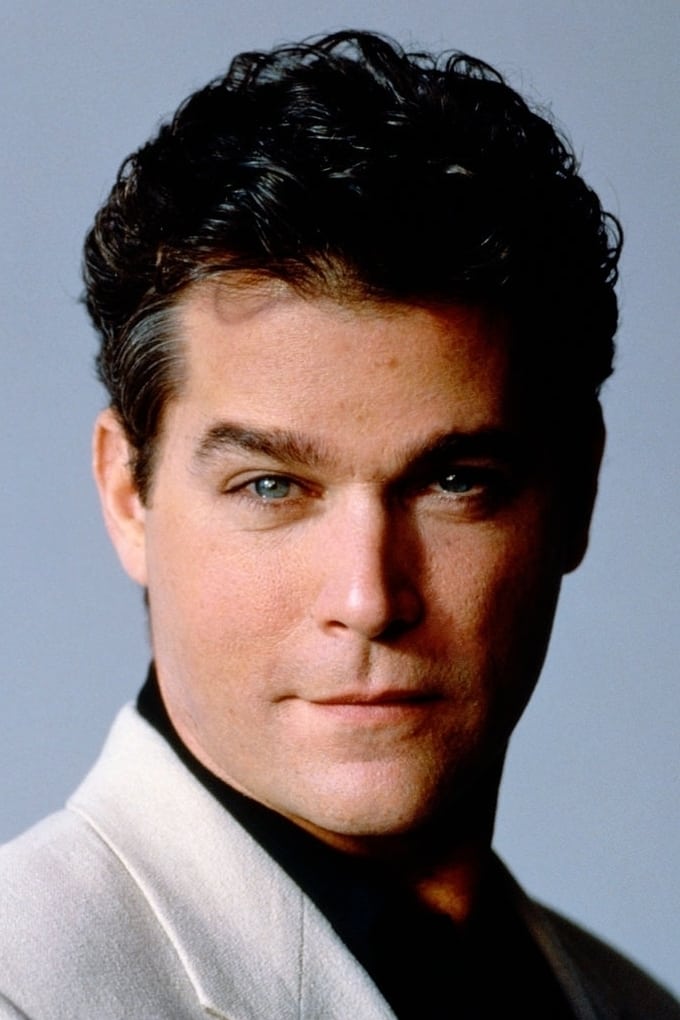
He declined Tony Soprano during early talks for ‘The Sopranos’. James Gandolfini took the role and shaped the character through measured line delivery and physical presence. The pilot established the series’ therapy framework and family dynamics. Casting set the tone for the show’s realism.
Nicolas Cage
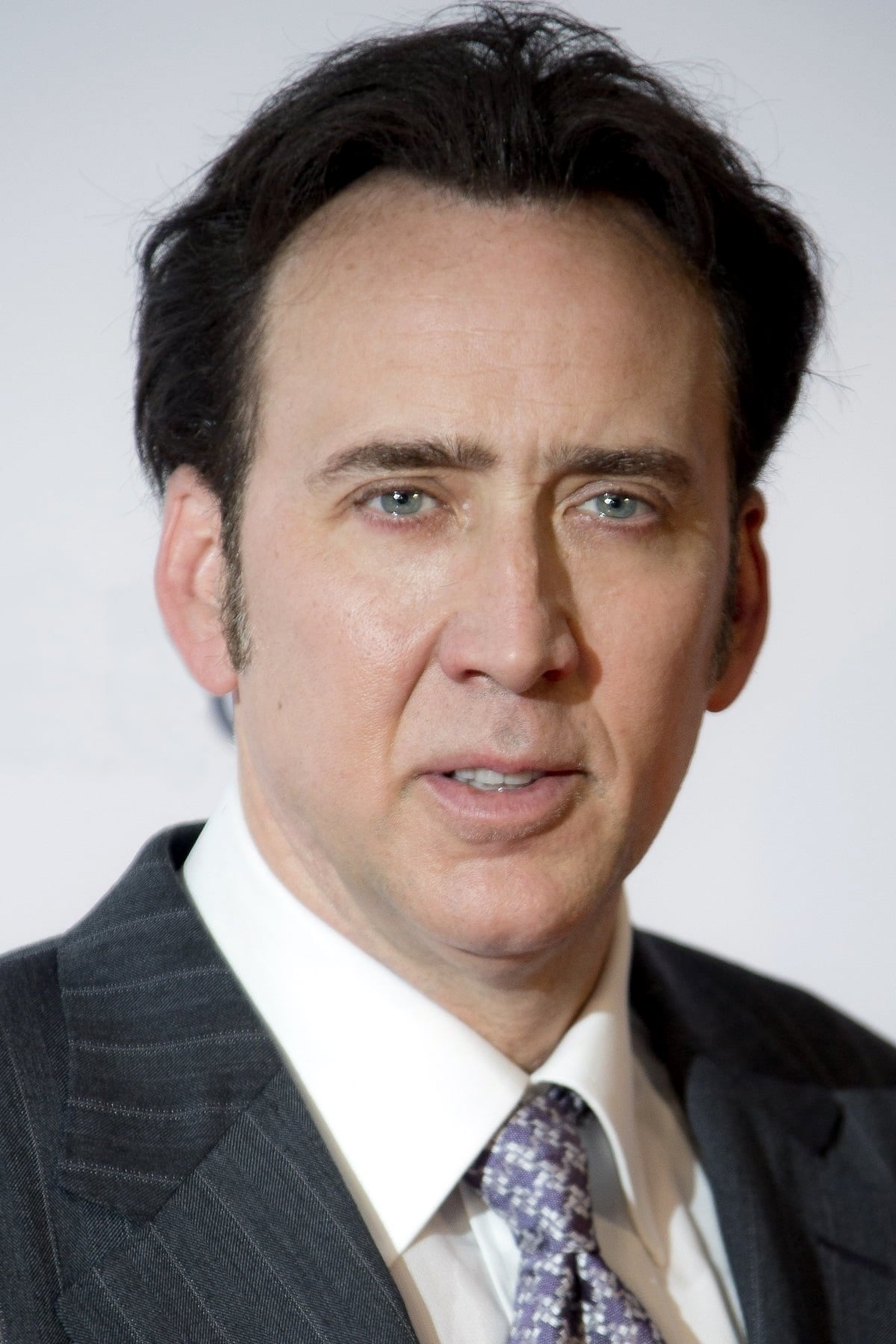
He passed on ‘The Wrestler’ after early interest. Mickey Rourke accepted and trained to perform in independent wrestling venues. The production scheduled real event appearances to capture in-ring footage. The film centered on the wear and routine of performance.
Brad Pitt
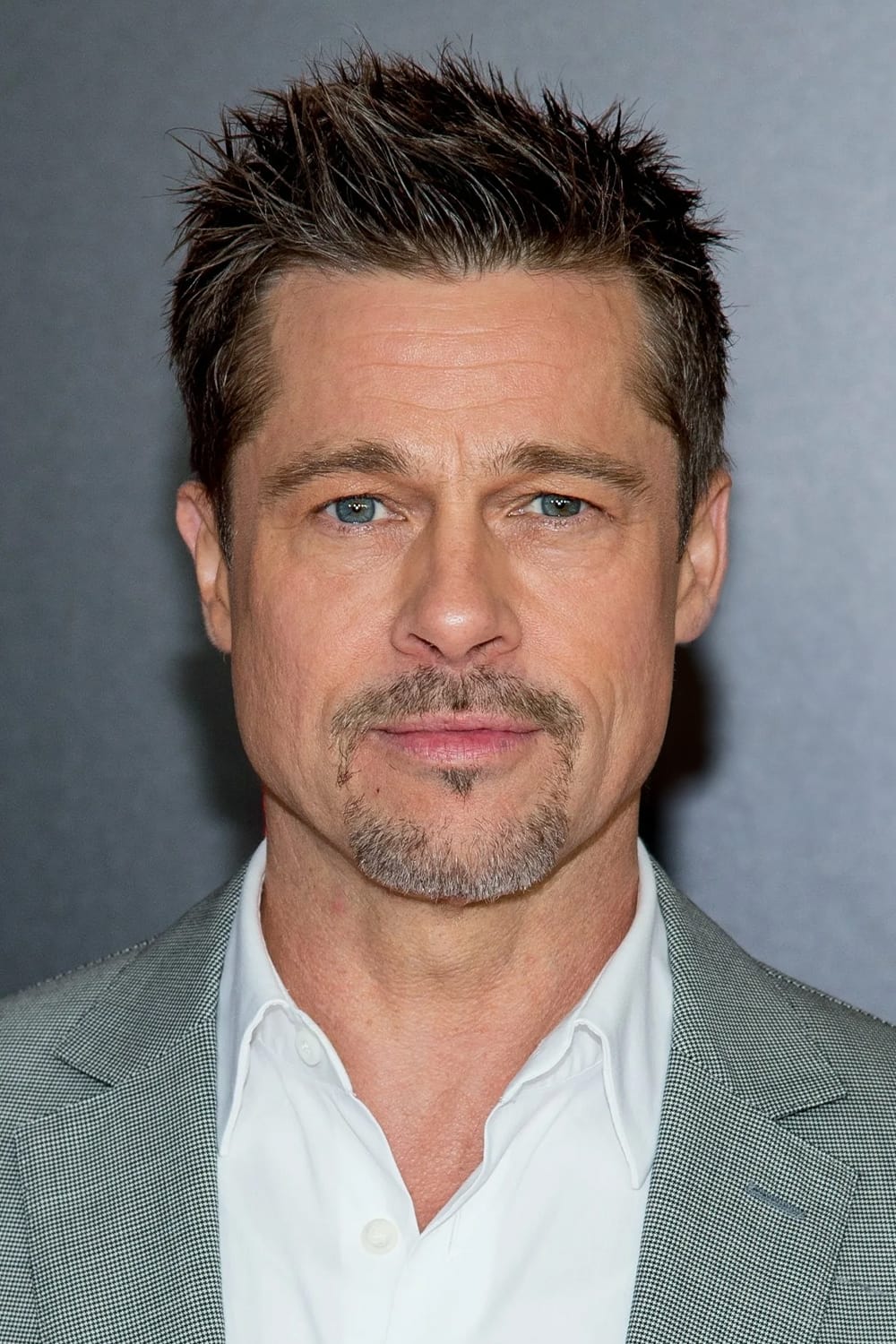
He turned down Jason Bourne in ‘The Bourne Identity’ while choosing another project at the time. Matt Damon accepted and helped establish a grounded spy style with close-quarters action. Production designed handheld chase sequences around the lead’s physicality. The decision set up a long-running franchise identity.
Keanu Reeves
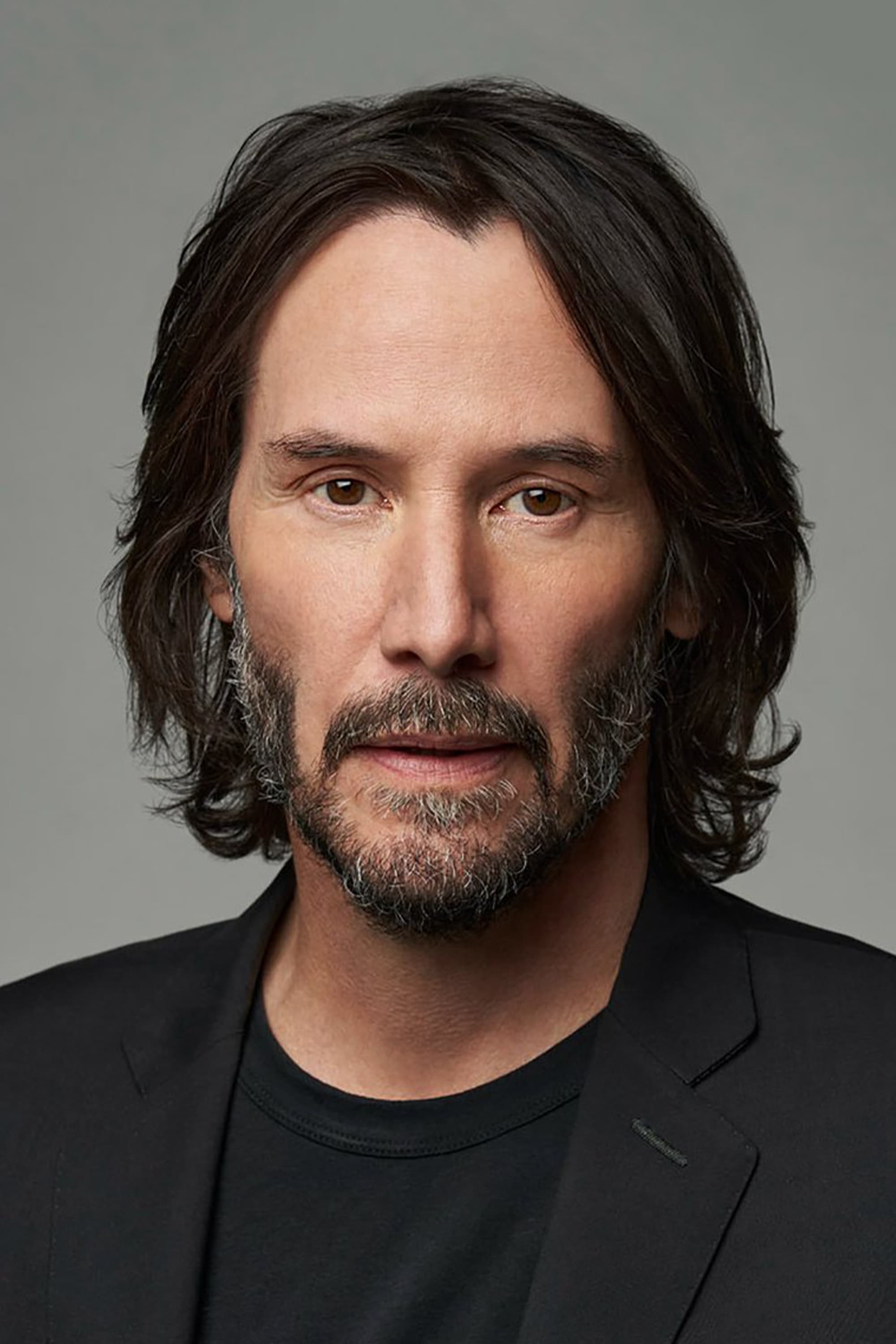
He declined to return as Jack Traven in ‘Speed 2: Cruise Control’. The production cast a new male lead to partner with Sandra Bullock. Reeves chose a different project and avoided the sequel’s schedule. The change shifted the sequel’s character dynamics and story focus.
Jude Law
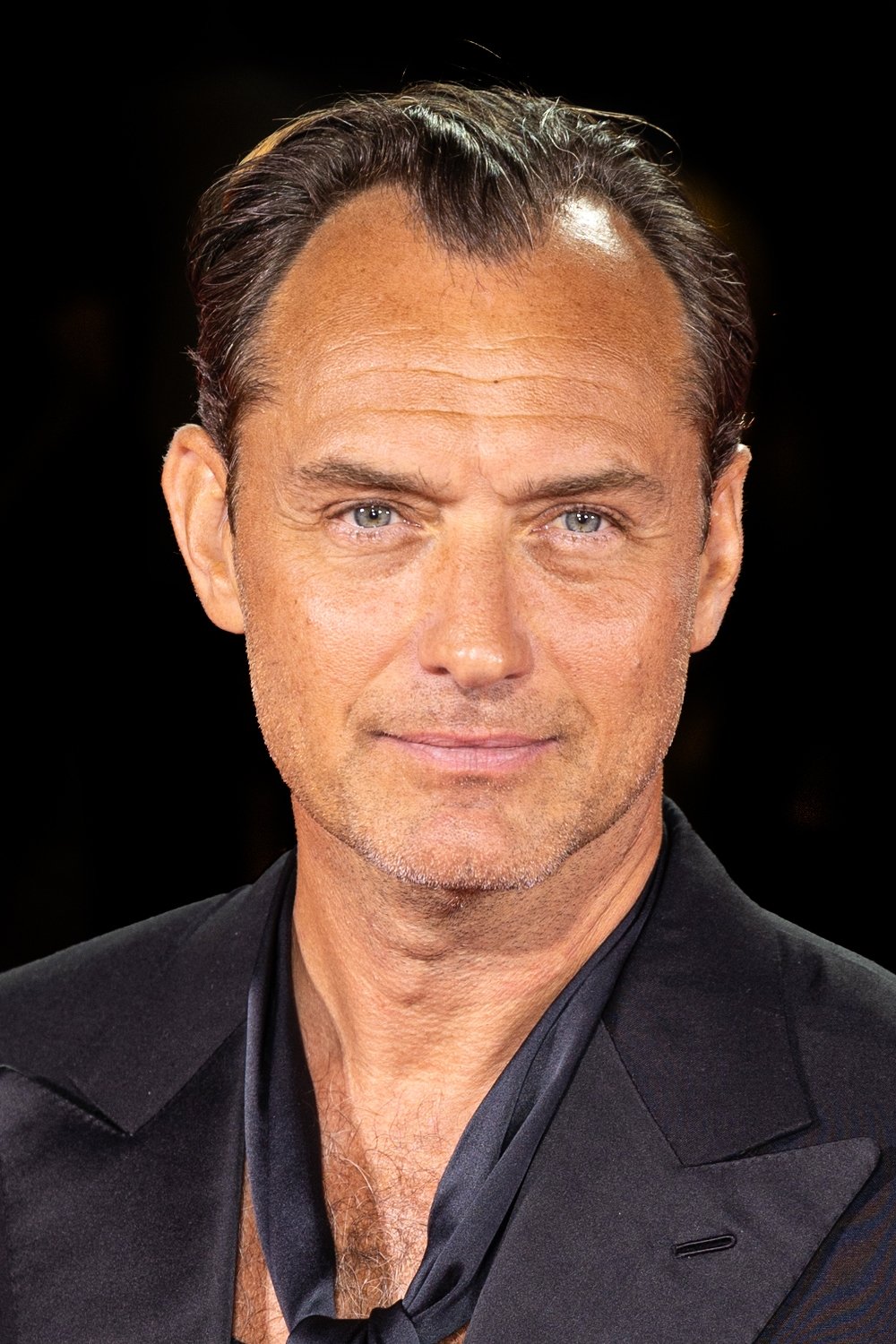
He turned down playing Superman in an early 2000s iteration often referred to as ‘Superman: Flyby’. The project continued through development changes before a different version reached screens. Costume and concept tests were part of the early outreach. Law opted out before formal commitment.
Tom Hardy
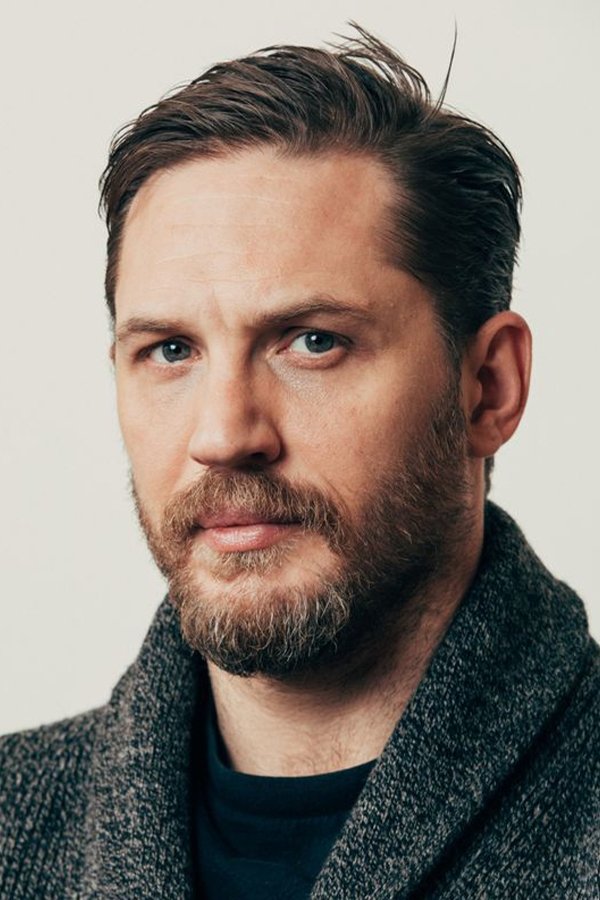
He exited the role of Rick Flag in ‘Suicide Squad’ due to scheduling overlap. The part went to Joel Kinnaman as production timelines locked. Story revisions and reshoots followed later in the process. Hardy’s departure adjusted ensemble planning for the shoot.
Christian Bale
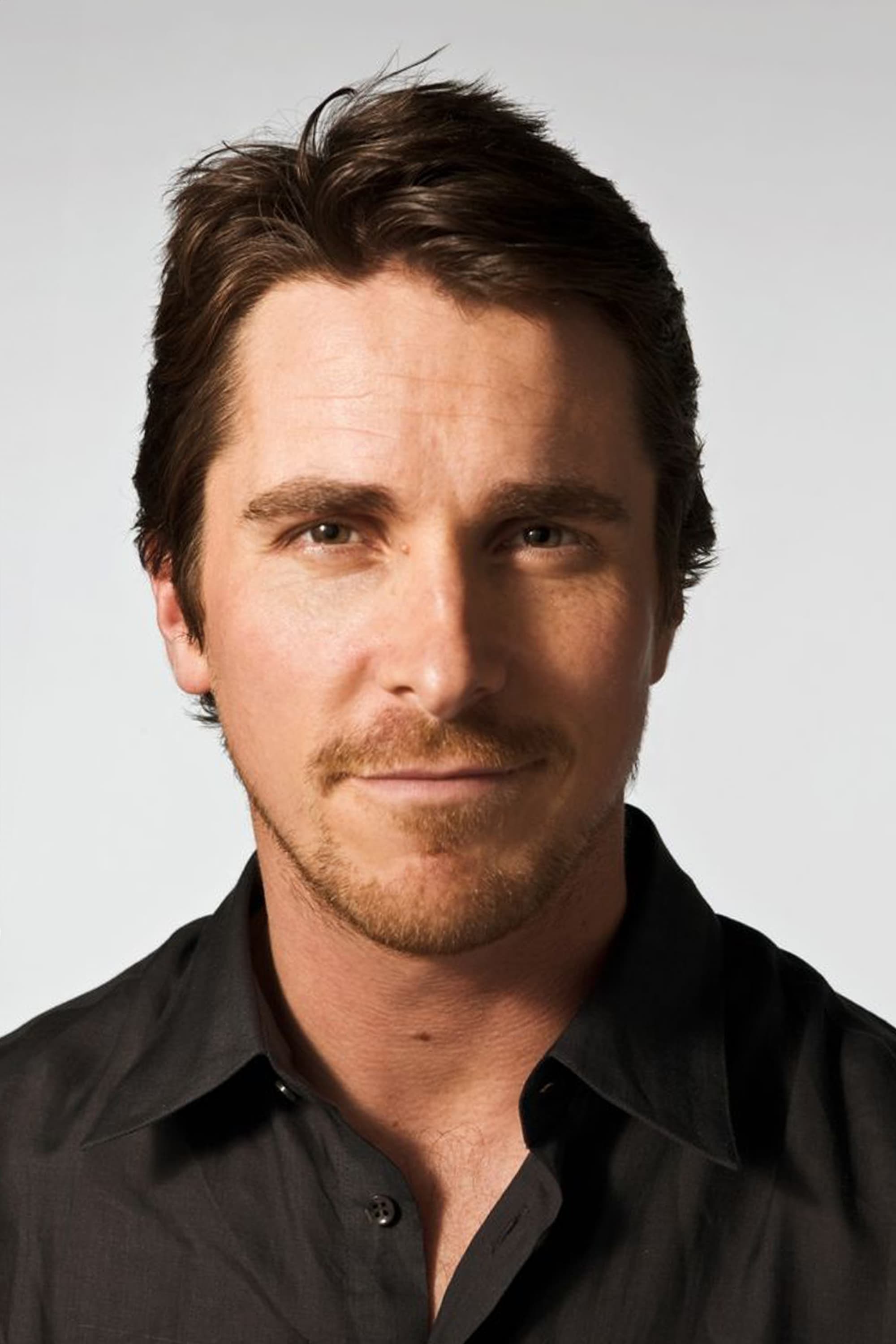
He passed on the mentor role of Beckett in ‘Solo: A Star Wars Story’ after early discussions. Woody Harrelson accepted and filmed across multiple locations. The character’s arc tied directly to the lead’s formative years. Bale’s decision reshaped casting balance around the film’s ensemble.
David Schwimmer
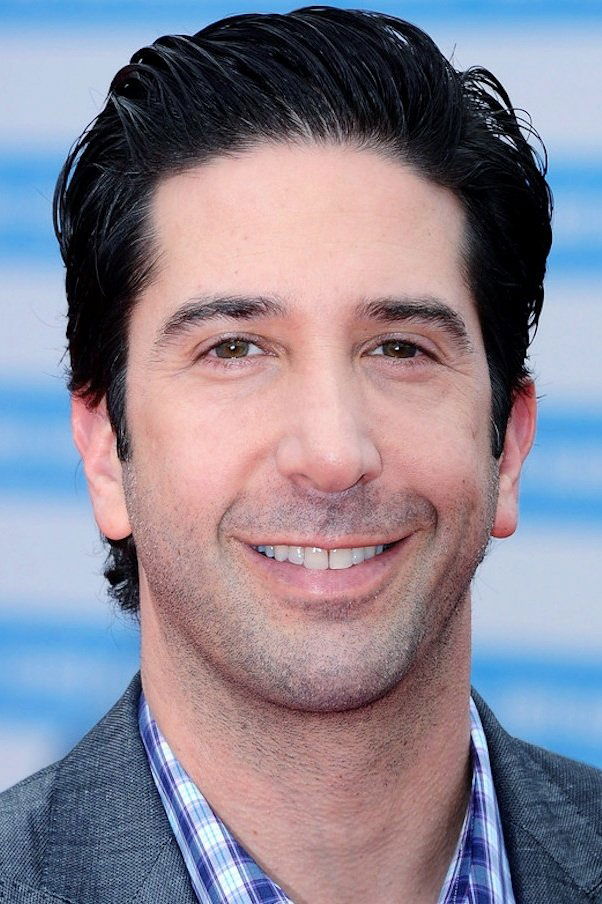
He turned down Agent J in ‘Men in Black’ to prioritize commitments elsewhere. Will Smith took the role and performed extensive stunt and effects work. The production scheduled large-scale night shoots and practical creature setups. The pairing with Tommy Lee Jones defined the series’ buddy format.
Viggo Mortensen
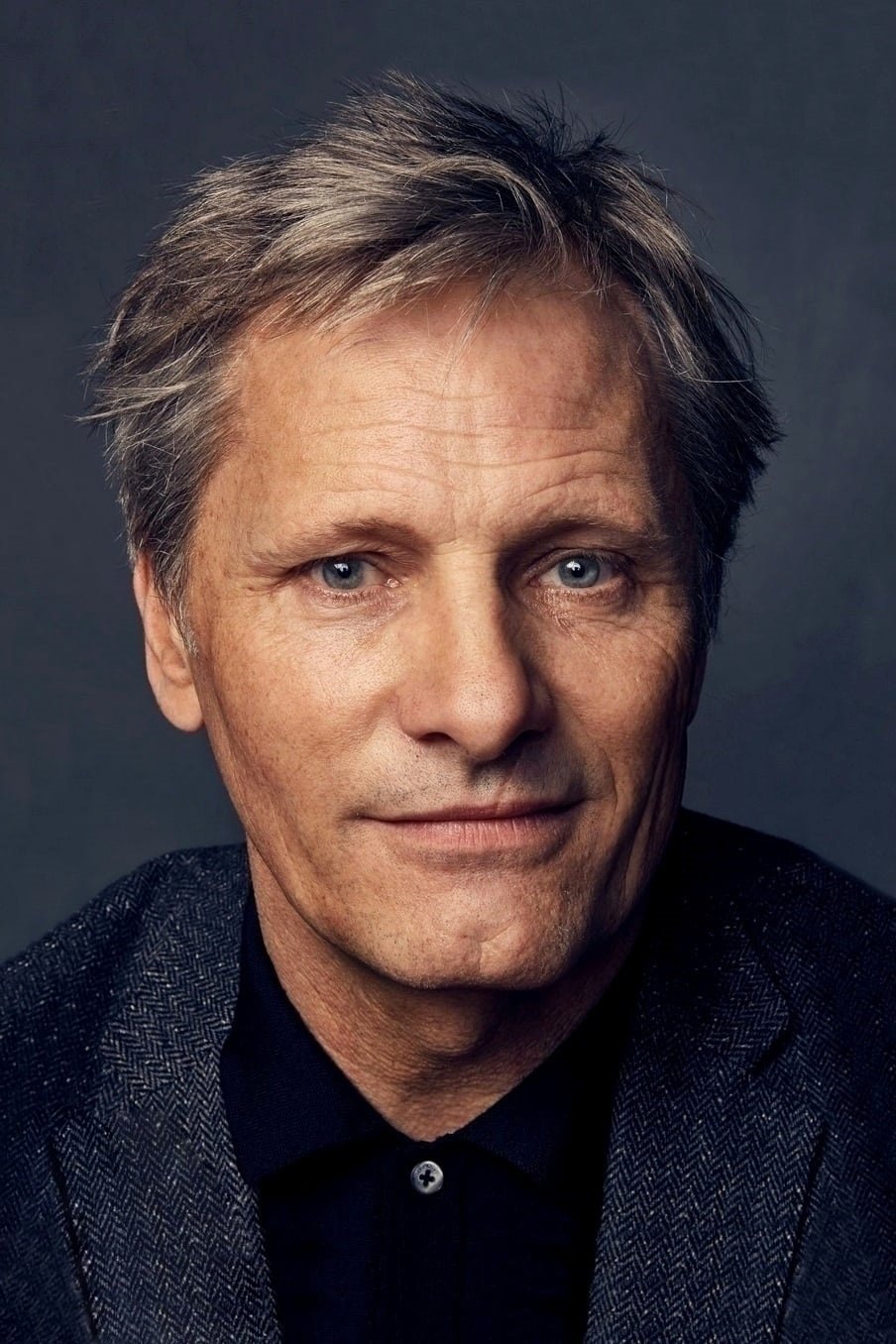
He declined Wolverine in ‘X-Men’ after meetings about the role’s direction. Hugh Jackman ultimately signed on and underwent rapid preparation due to the compressed timeline. Fight choreography and physical training were adjusted to the final casting. The outcome set a long-term character trajectory.
Sylvester Stallone
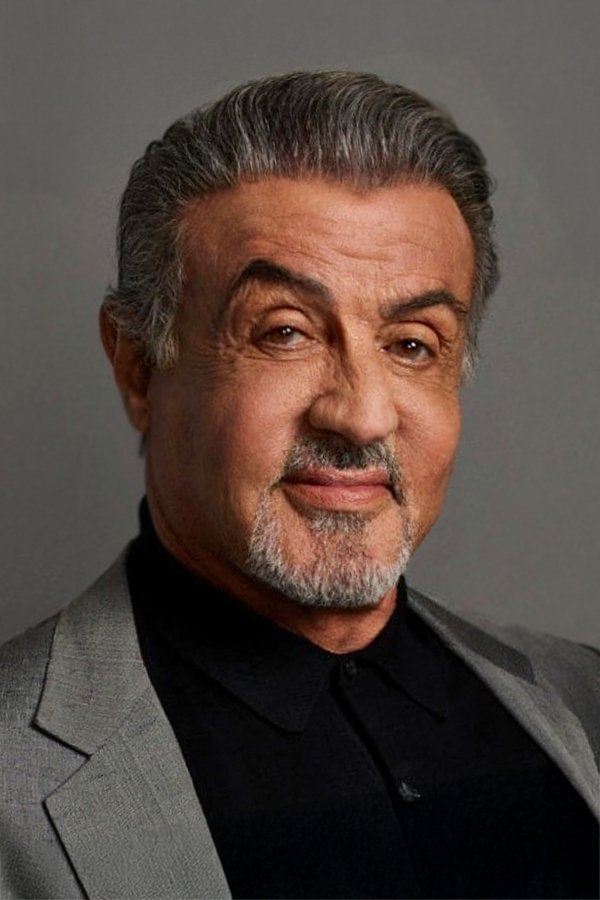
He left ‘Beverly Hills Cop’ as the script evolved away from his preferred tone. Eddie Murphy stepped in and the project shifted toward a comedic action style. Production recalibrated set pieces to fit the new approach. The change redefined the franchise’s identity.
Heath Ledger
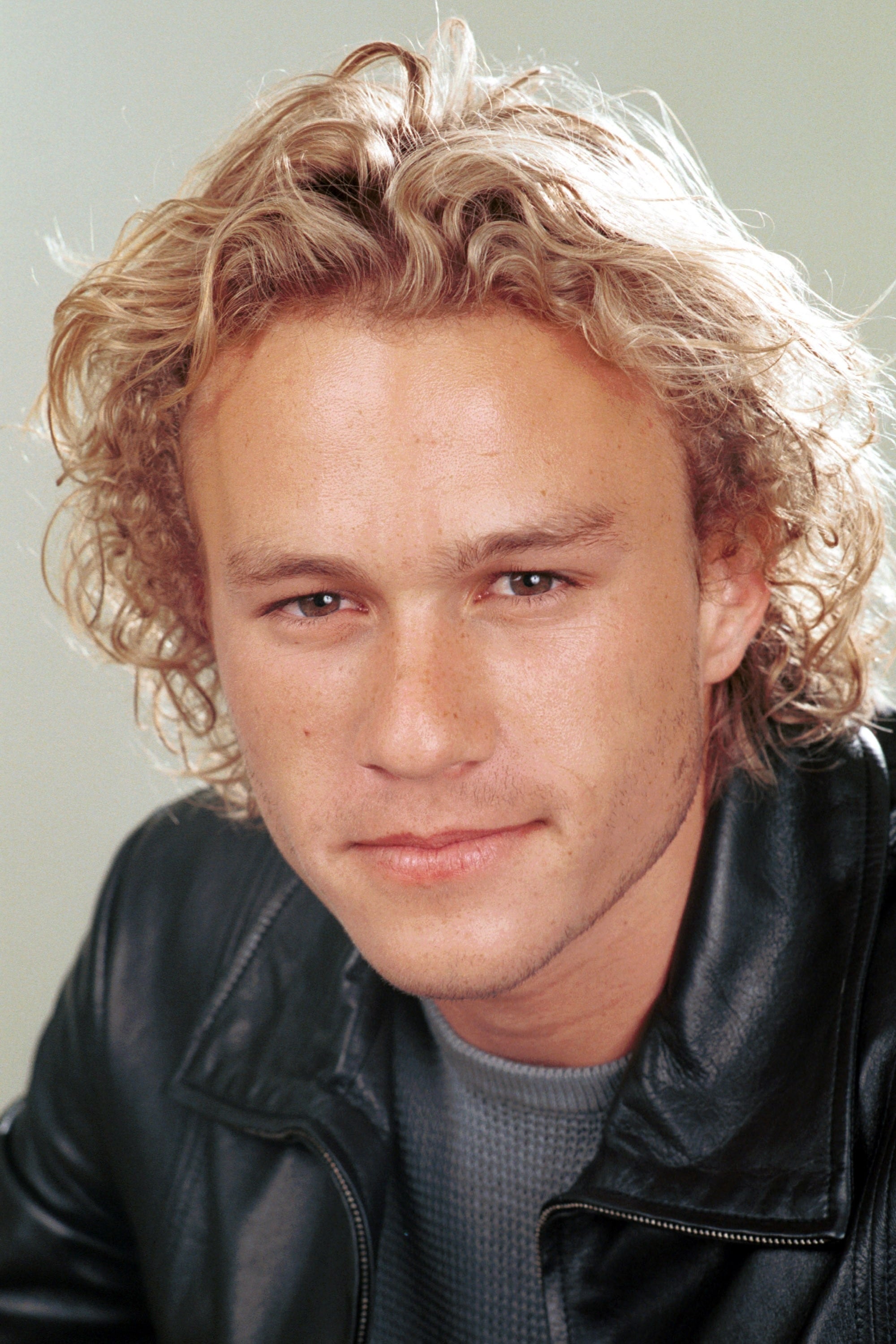
He turned down playing Batman in ‘Batman Begins’ during early outreach. He later returned to the series as the Joker in ‘The Dark Knight’. Preparation focused on voice, movement, and makeup tests for the eventual role. The franchise benefited from distinct interpretations across films.
Share your favorite near-misses in the comments and tell us which ones surprised you most.