Most Famous Hollywood Actors of the 1980s

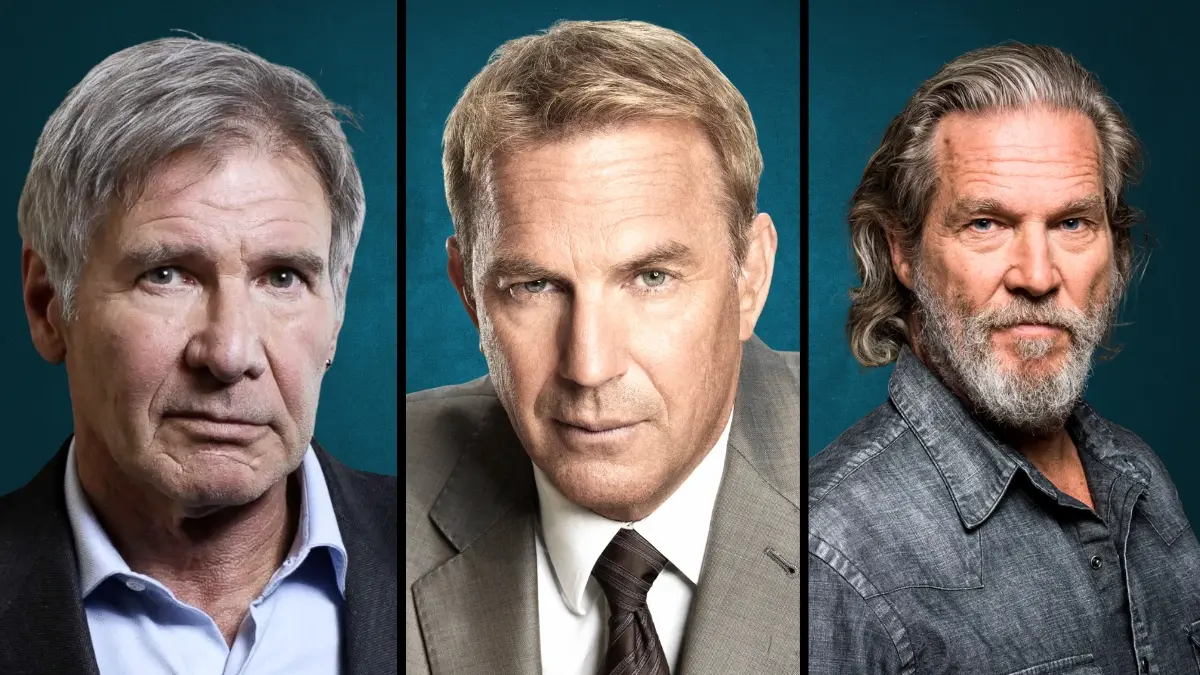

The 1980s reshaped Hollywood with blockbuster franchises, high-concept hits, and star-driven comedies and action films, and a core group of leading men became household names worldwide. These actors headlined record-setting releases, anchored enduring franchises, and picked up major awards while redefining what a movie star could be. Their films dominated box offices, cable rotations, and VHS shelves, turning characters and catchphrases into fixtures of pop culture. Here are forty-five of the decade’s most recognizable male stars and what marked their stature during that era.
Harrison Ford
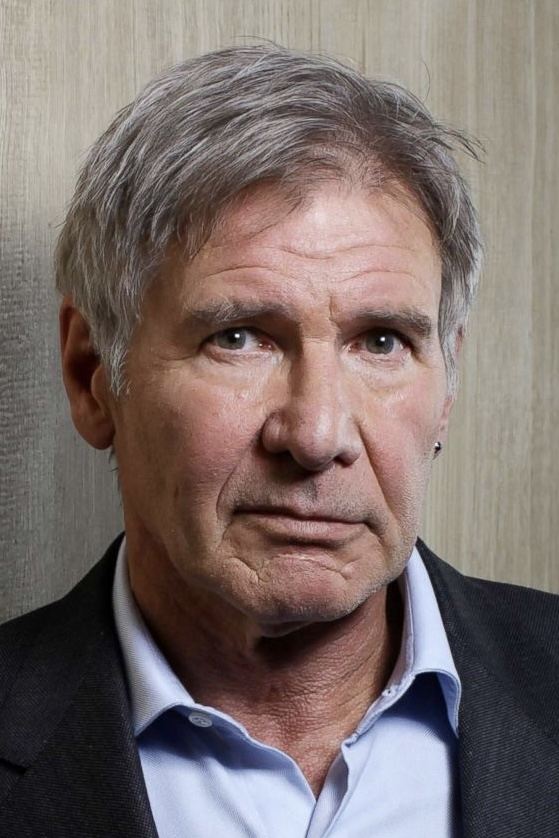
Harrison Ford led two of the decade’s most bankable franchises with the swashbuckling archaeologist of ‘Indiana Jones’ and the space-opera legacy of ‘Star Wars’. He expanded into sci-fi noir with ‘Blade Runner’ and earned major awards recognition for ‘Witness’. Ford moved between adventure, drama, and thriller projects throughout the decade. His films consistently posted strong domestic and international grosses.
Tom Cruise
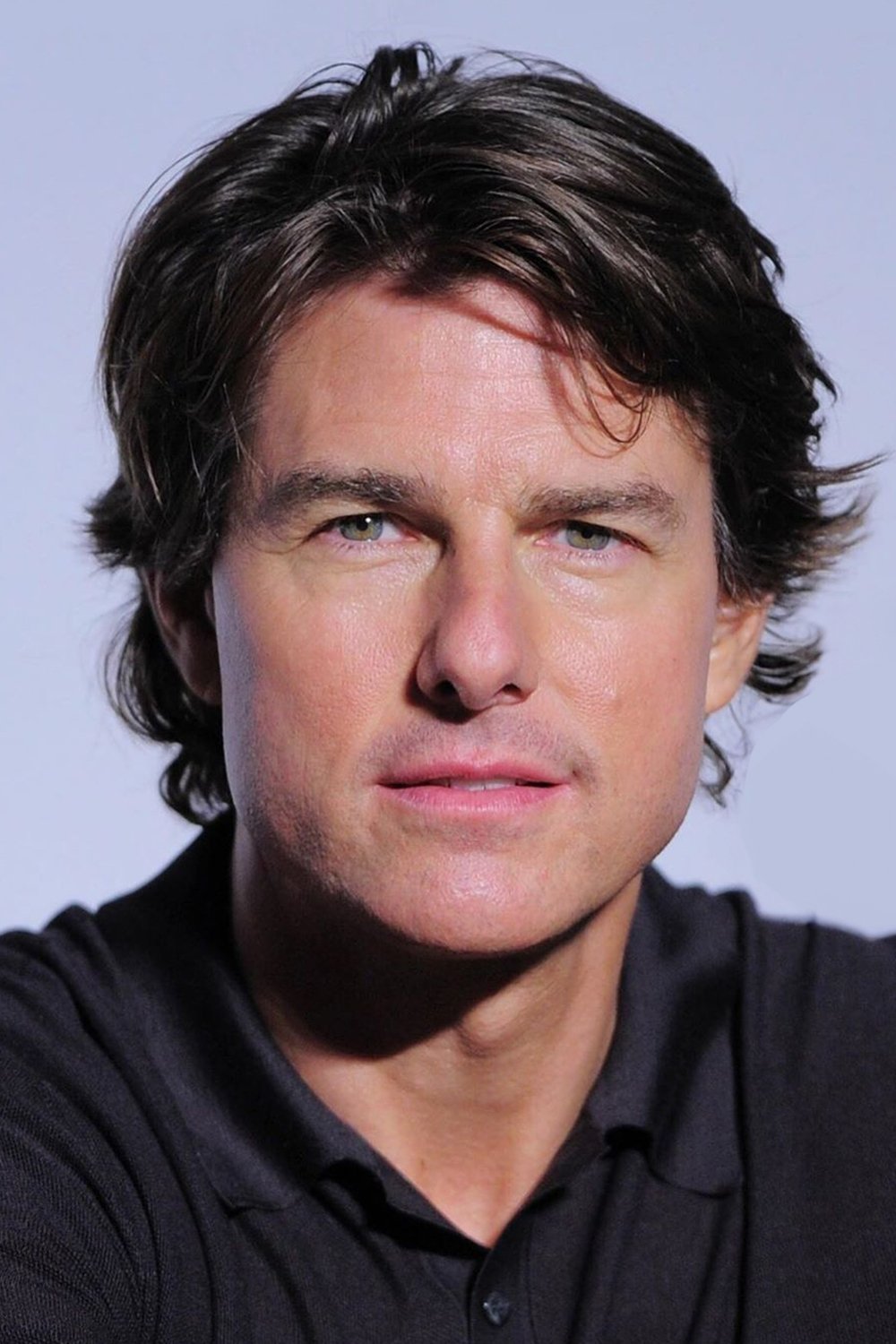
Tom Cruise vaulted to superstardom with breakout roles in ‘Risky Business’ and the aerial action phenomenon ‘Top Gun’. He showed dramatic range opposite Dustin Hoffman in ‘Rain Man’ and continued into legal drama with ‘A Few Good Men’. Cruise balanced commercial spectacles with character-driven stories. His titles regularly landed among annual box-office leaders.
Eddie Murphy
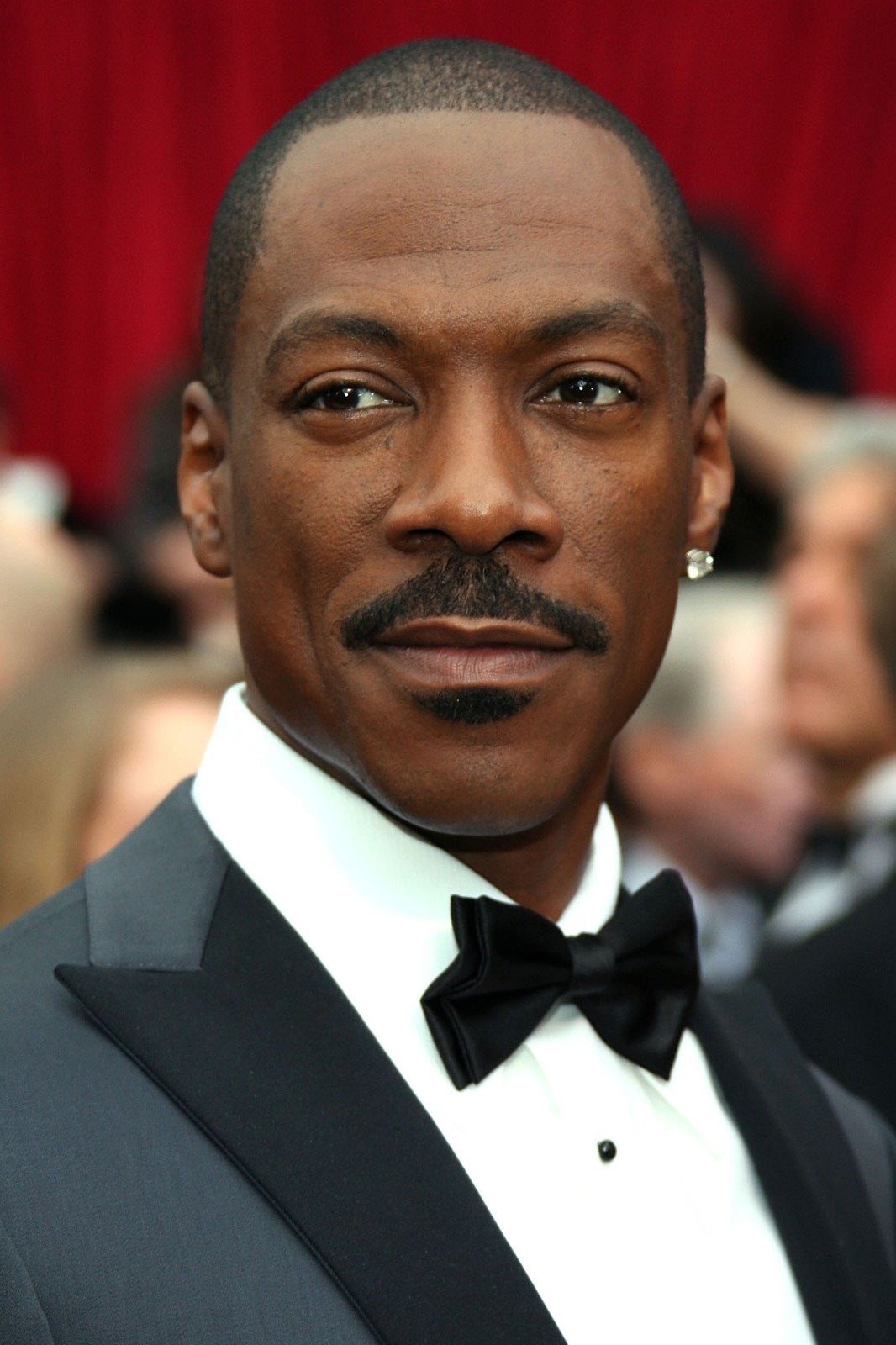
Eddie Murphy parlayed ‘Saturday Night Live’ fame into film hits like ’48 Hrs.’, ‘Trading Places’, and ‘Beverly Hills Cop’. He headlined the culture-spanning comedy ‘Coming to America’ to major worldwide receipts. Murphy also released concert films that extended his reach beyond narrative features. His projects fueled the era’s action-comedy wave.
Arnold Schwarzenegger
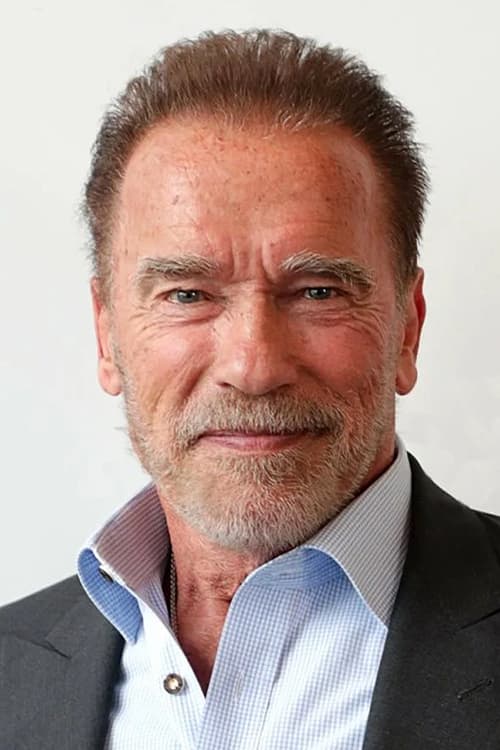
Arnold Schwarzenegger brought bodybuilding celebrity to sword-and-sorcery in ‘Conan the Barbarian’ and forged a definitive sci-fi action turn in ‘The Terminator’. He followed with muscular thrillers such as ‘Commando’ and ‘Predator’. Schwarzenegger’s one-liners and physical presence became staples of 80s action cinema. His films built substantial global box-office totals.
Sylvester Stallone
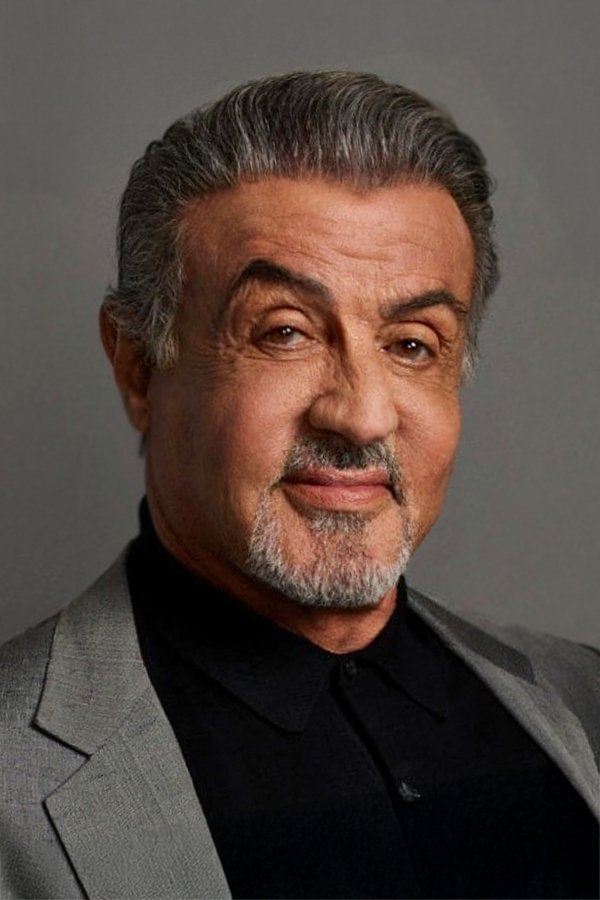
Sylvester Stallone dominated the decade through the boxing saga of ‘Rocky’ and the military action series ‘Rambo’. He often wrote and directed entries in those franchises. Titles like ‘Cobra’ kept him central to the action market. Stallone’s films drew large audiences across multiple territories.
Michael J. Fox
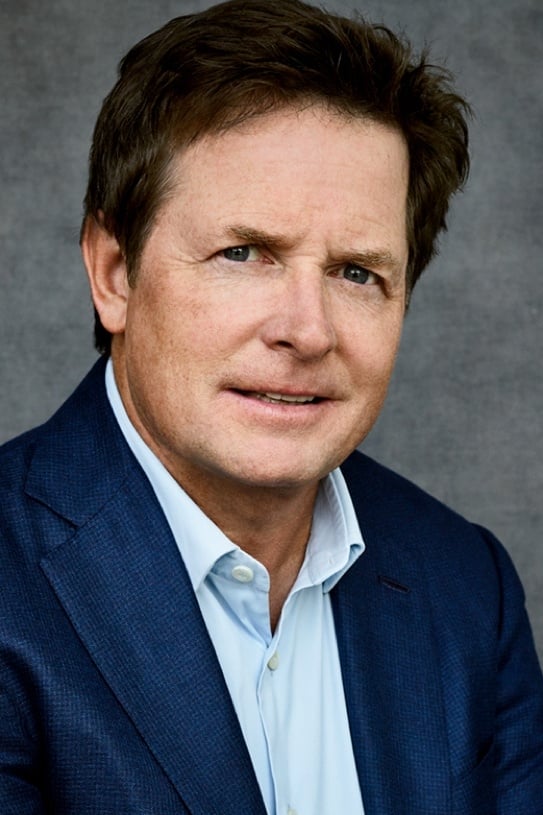
Michael J. Fox balanced television stardom on ‘Family Ties’ with big-screen success as the time-traveling lead of ‘Back to the Future’. He fronted teen-comedy favorites such as ‘Teen Wolf’ and shifted into more adult roles late in the decade. Fox collected major TV awards while sustaining a reliable film presence. His crossover profile made him one of the most visible young leads of the period.
Bruce Willis

Bruce Willis first drew wide attention as the quick-witted detective of ‘Moonlighting’, then reshaped action archetypes with ‘Die Hard’. The film’s high-rise siege format spawned numerous imitators. Willis continued alternating comedy, action, and drama in subsequent projects. He quickly became a consistent marquee name for global releases.
Robert De Niro
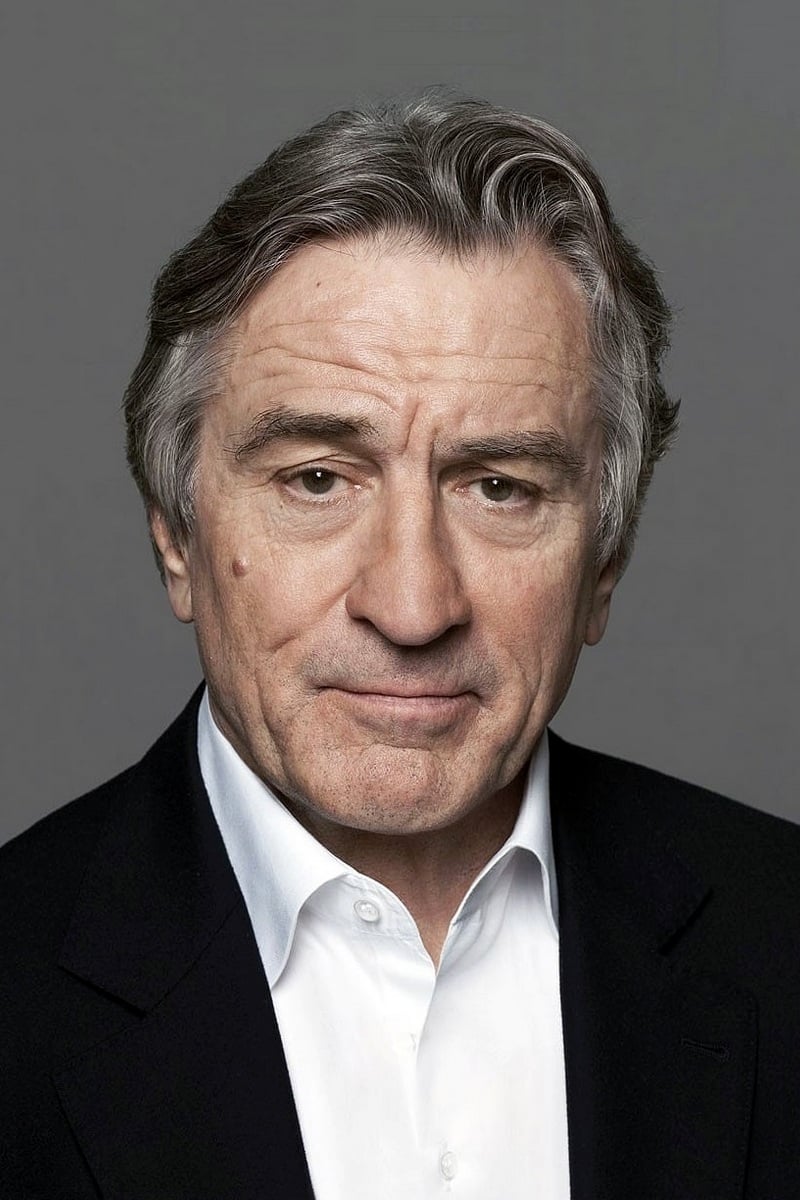
Robert De Niro’s 80s slate spanned the boxing drama ‘Raging Bull’ and the gangster epic ‘Once Upon a Time in America’. He moved into crime and comedy with ‘The Untouchables’ and the buddy caper ‘Midnight Run’. De Niro collaborated with leading directors across the decade. His performances drew sustained critical acclaim and awards attention.
Al Pacino
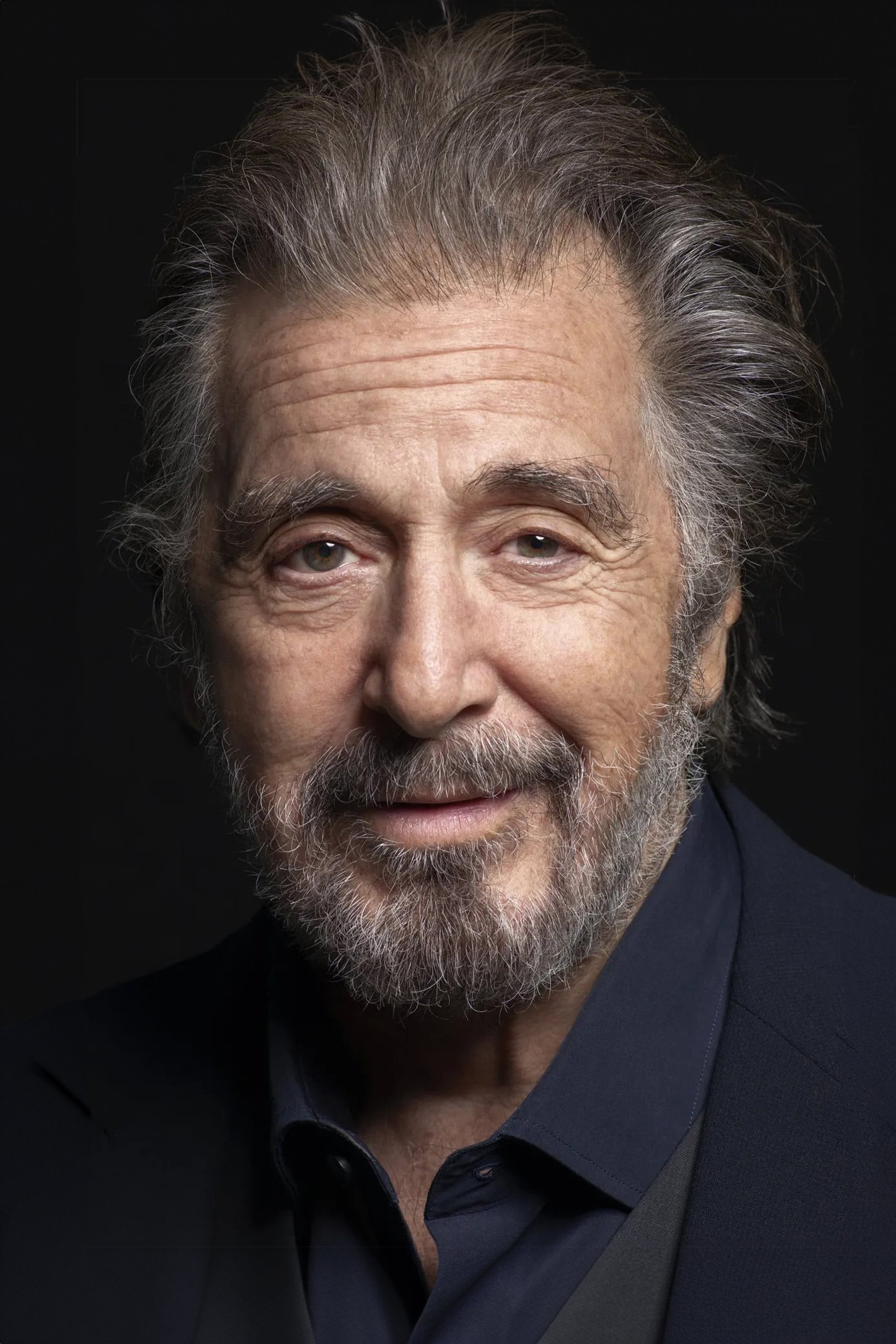
Al Pacino’s most visible 80s role was the ambitious kingpin of ‘Scarface’. He also appeared in psychological and legal dramas including ‘Cruising’ and ‘…And Justice for All’. Pacino’s work remained a draw even with fewer releases than in earlier years. ‘Scarface’ grew into a long-running phenomenon on home video and television.
Jack Nicholson
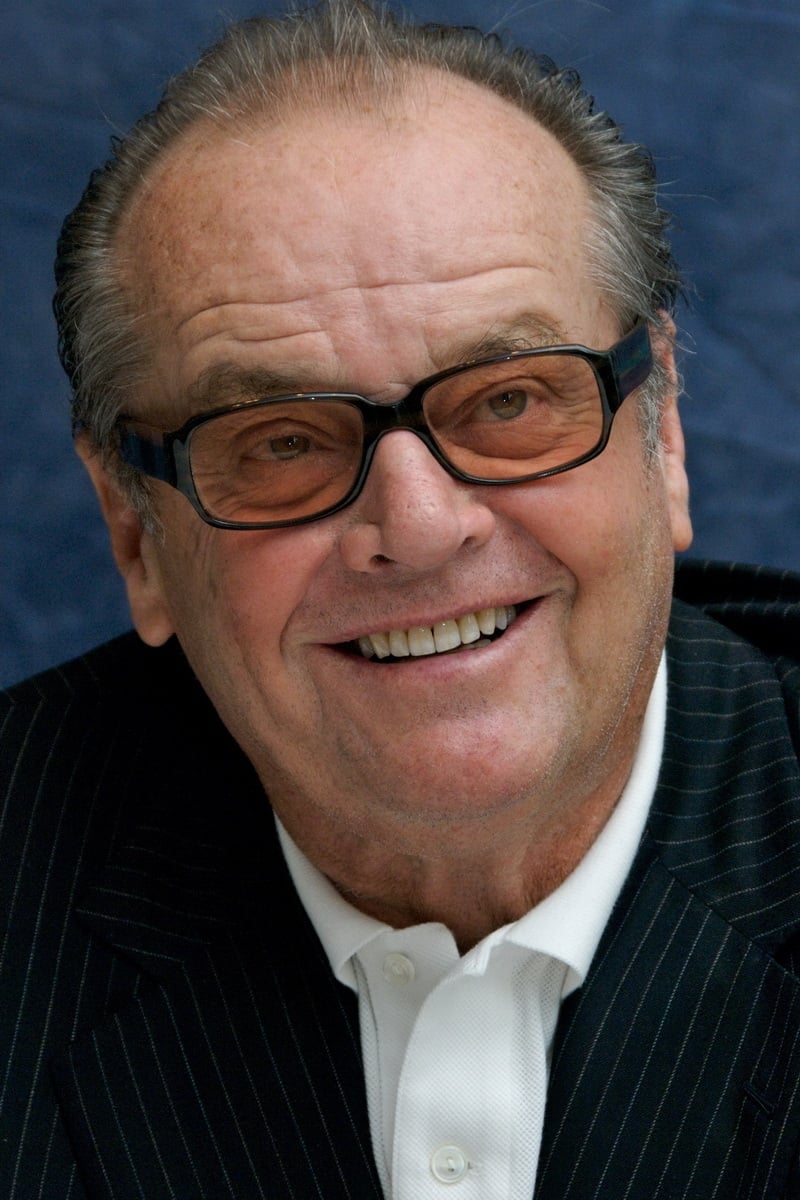
Jack Nicholson delivered a chilling performance in ‘The Shining’ and earned major recognition for ‘Terms of Endearment’. He closed the decade with a headline villain turn in ‘Batman’. Nicholson’s choices ranged from horror to domestic drama to tentpole spectacle. His star billing consistently translated into attention and sales.
Mel Gibson
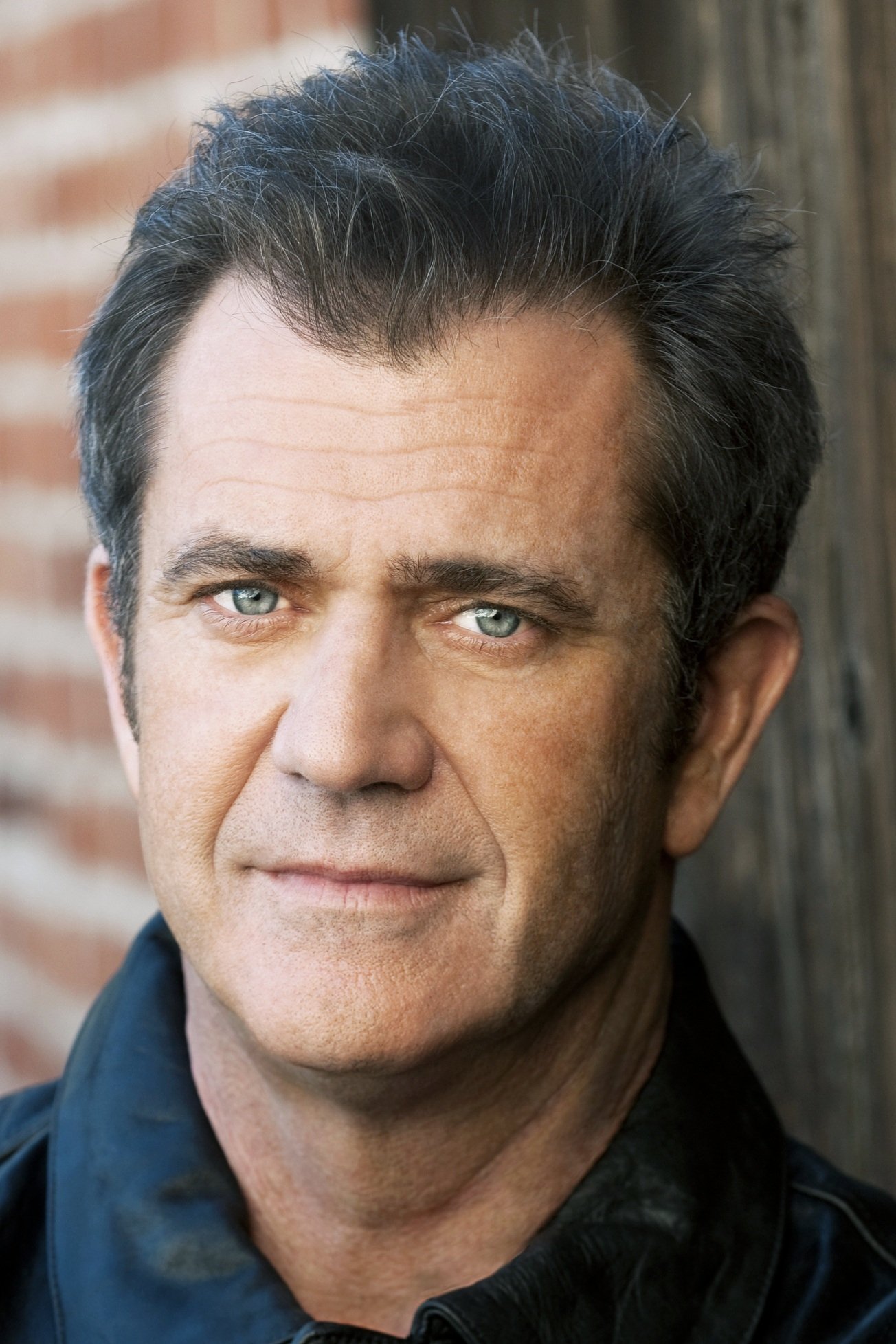
Mel Gibson broke through internationally with the post-apocalyptic action of ‘Mad Max 2’ and moved firmly into Hollywood via the buddy-cop hit ‘Lethal Weapon’. He also earned strong notices for the war drama ‘Gallipoli’. Gibson blended intensity with dry humor across action and adventure. Sequels and genre variety kept him a steady box-office performer.
Richard Gere
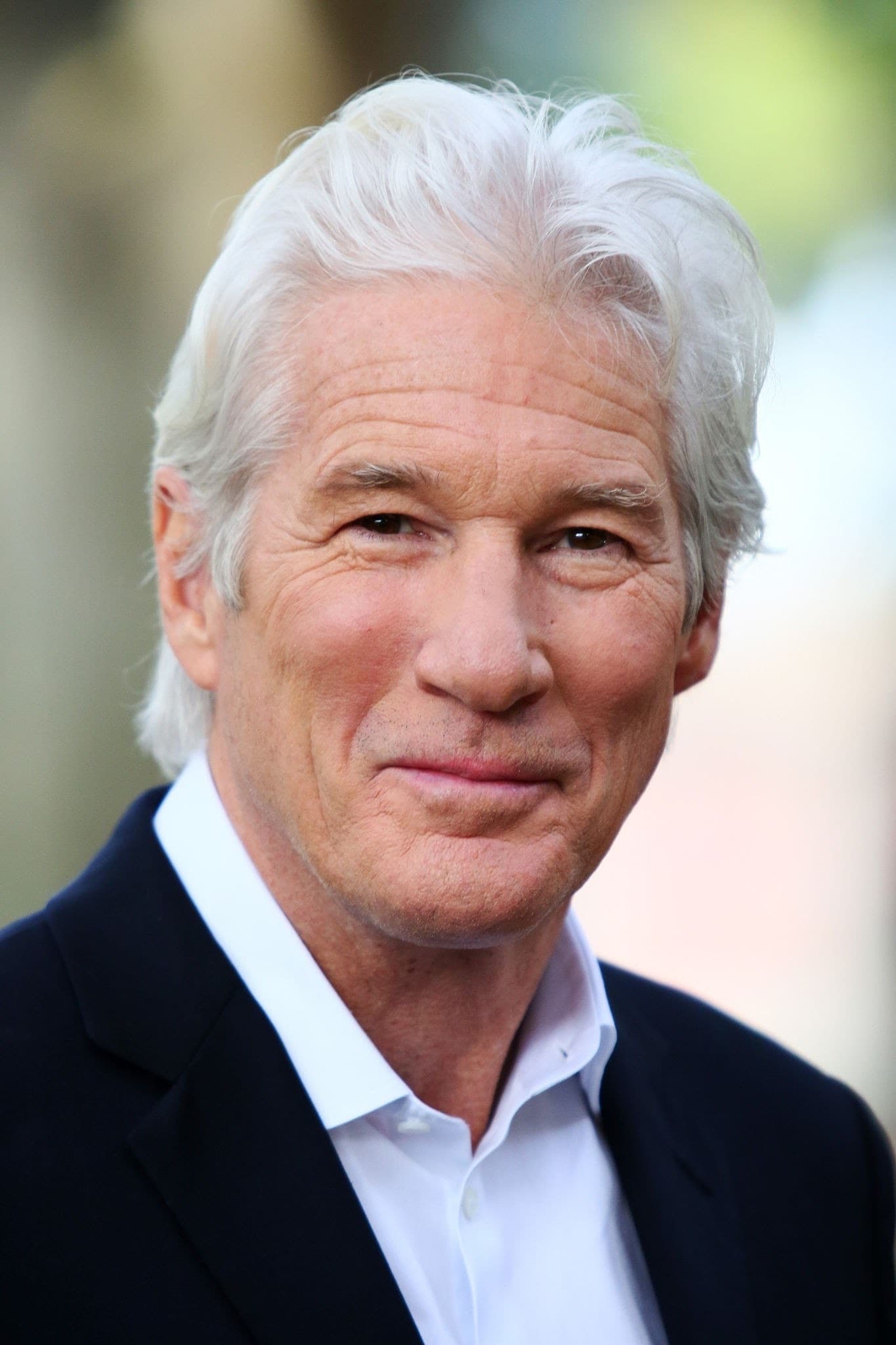
Richard Gere became a romantic-lead emblem with ‘American Gigolo’ and the military romance ‘An Officer and a Gentleman’. He alternated thrillers and dramas to maintain broad appeal. Gere’s characters often combined polish with vulnerability. His films performed well in North America and overseas markets.
Kevin Costner
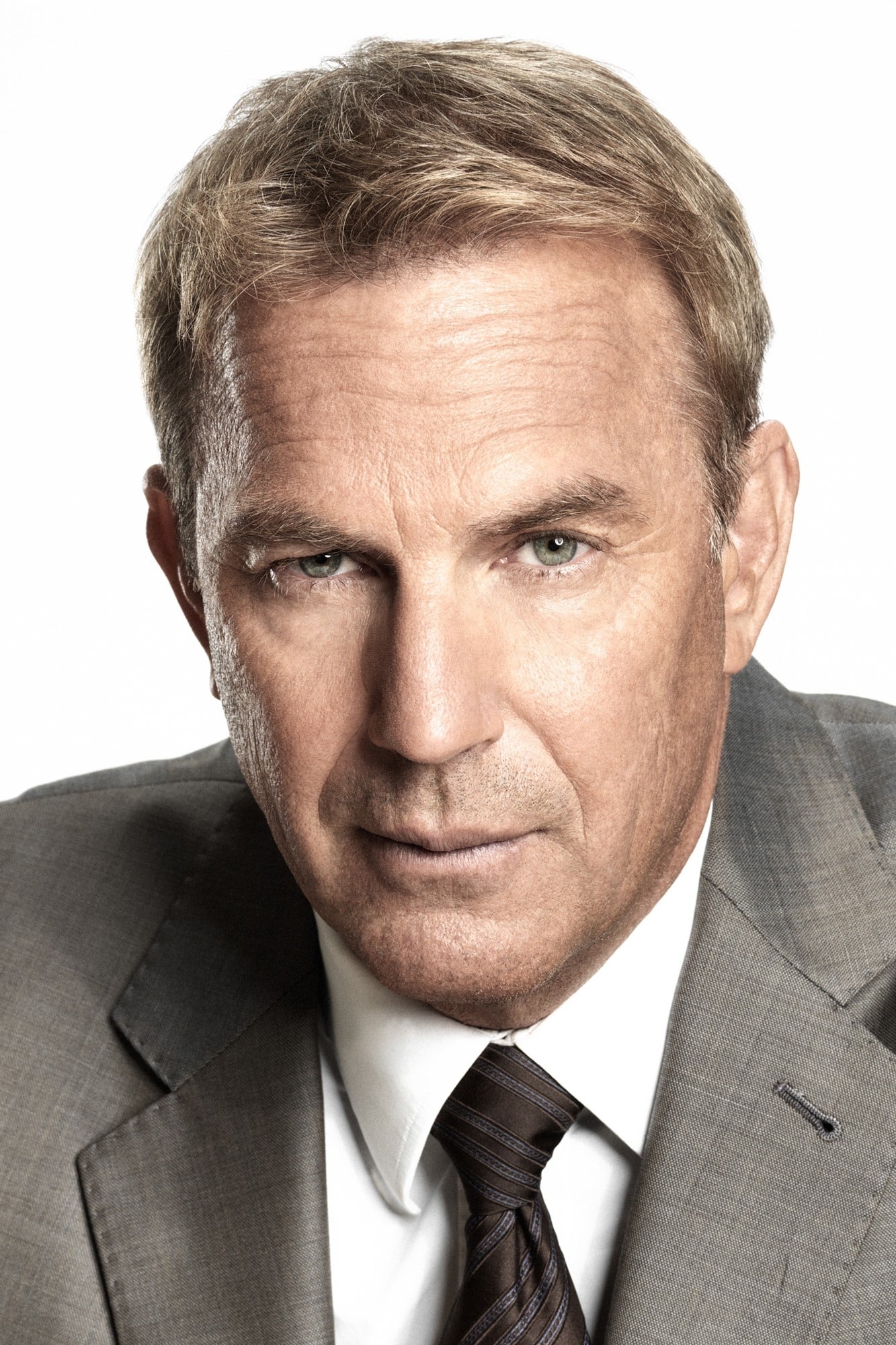
Kevin Costner stepped into top-line status with ‘The Untouchables’ and followed with acclaimed sports dramas ‘Bull Durham’ and ‘Field of Dreams’. He cultivated an approachable Everyman screen image. Costner’s titles regularly charted among the year’s highest earners. By the decade’s end, he was positioned as a bankable lead across genres.
Bill Murray
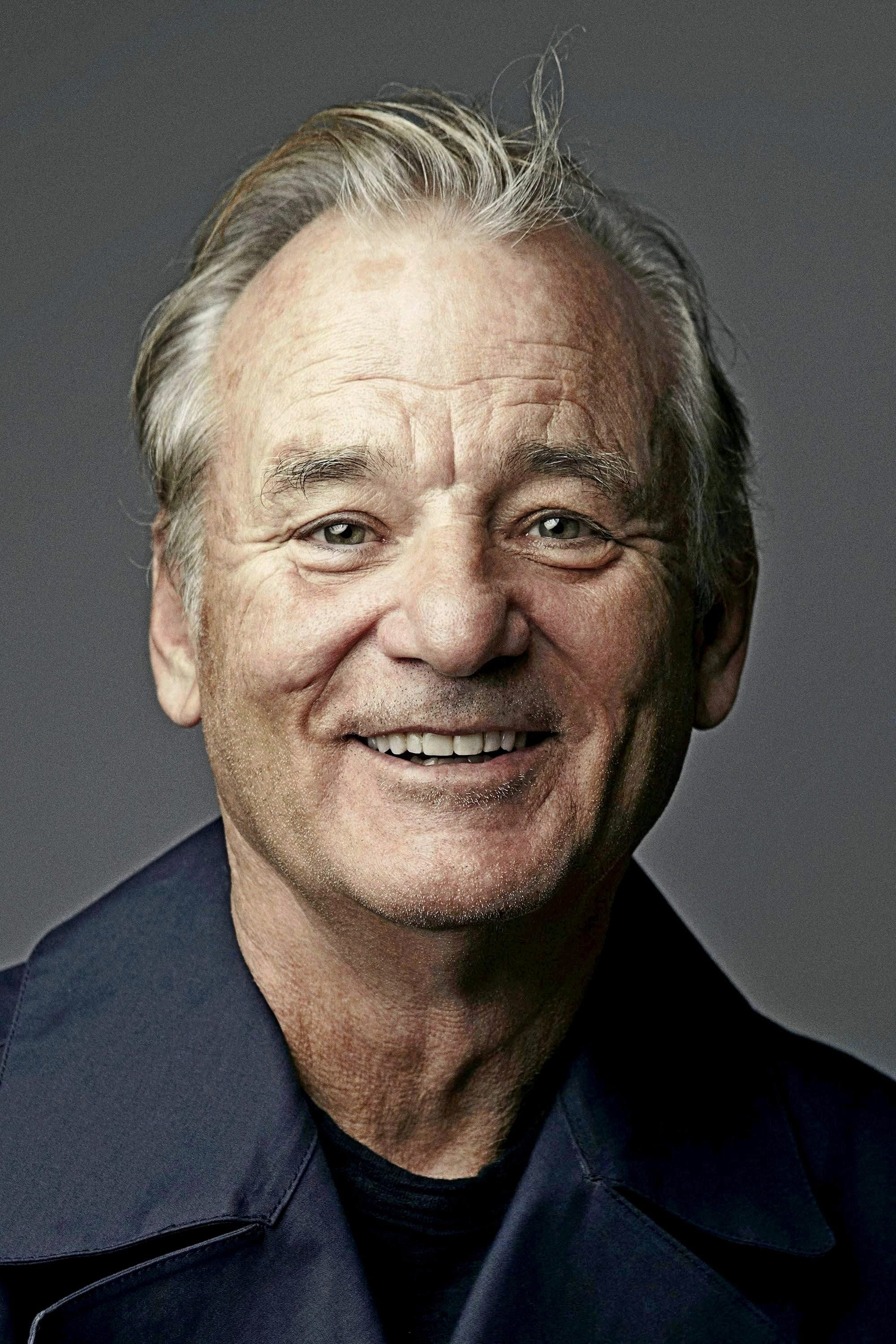
Bill Murray helped define 80s comedy with ‘Stripes’ and the supernatural smash ‘Ghostbusters’. He expanded into bittersweet holiday fare with ‘Scrooged’. Murray’s deadpan sensibility anchored both ensemble pieces and star vehicles. His films remained cable and VHS staples long after theatrical runs.
Dustin Hoffman
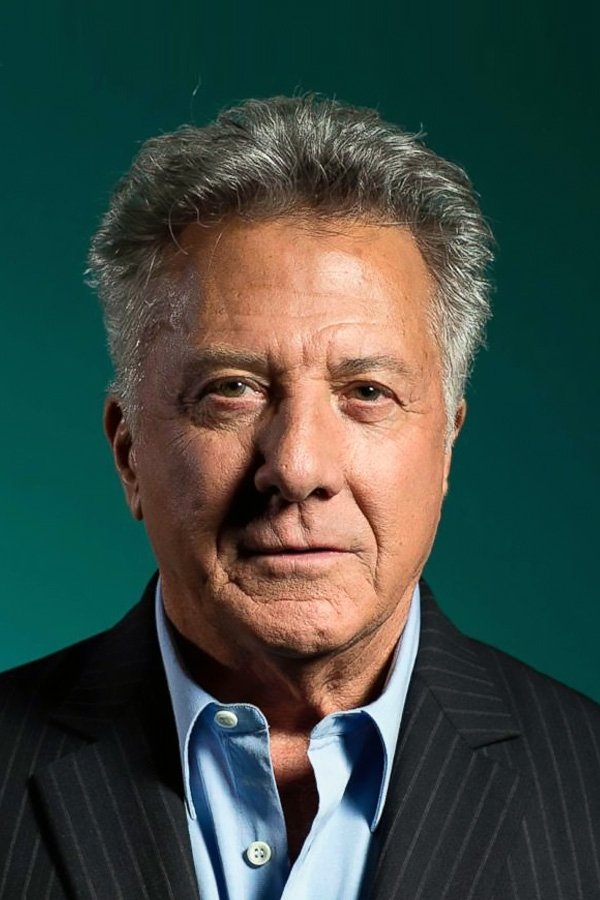
Dustin Hoffman delivered a widely celebrated comedic performance in ‘Tootsie’ and later headlined the dramatic hit ‘Rain Man’. He also appeared in the television adaptation ‘Death of a Salesman’. Hoffman moved between comedy and serious drama throughout the decade. The work brought awards and broad audience reach.
Tom Hanks
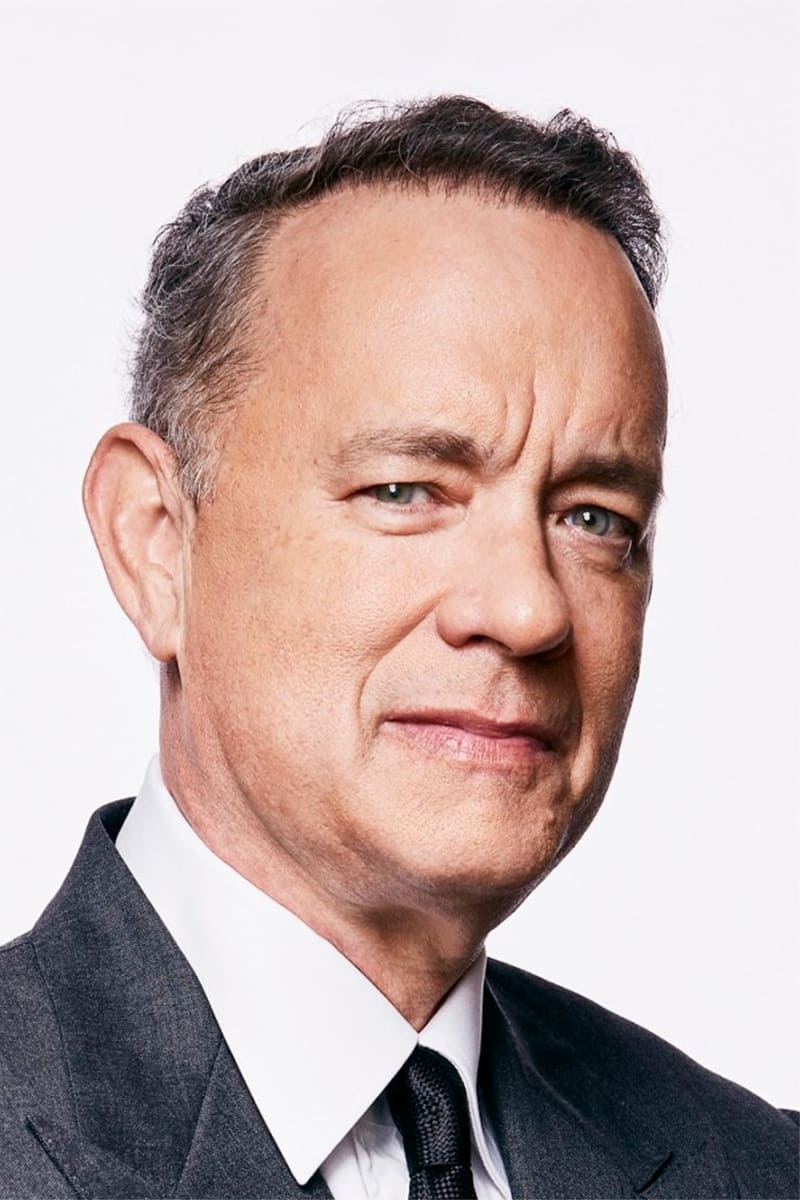
Tom Hanks transitioned from television to a run of comedy features including ‘Splash’, ‘Bachelor Party’, and ‘Big’. He showed a light touch with fantasy-tinged stories and relationship comedies. Hanks steadily increased his dramatic workload late in the decade. The momentum set up his shift into prestige projects in the 1990s.
Michael Douglas
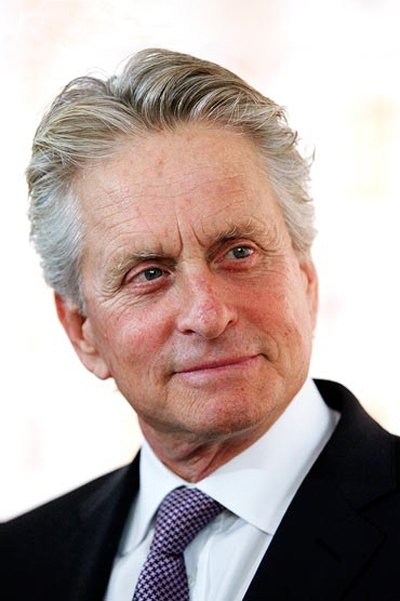
Michael Douglas combined producing and acting prominence while fronting ‘Fatal Attraction’, ‘Wall Street’, and ‘Black Rain’. He also co-led the romantic adventure ‘Romancing the Stone’. Douglas’s performances attracted significant awards recognition. His projects consistently delivered robust box-office results.
Kurt Russell
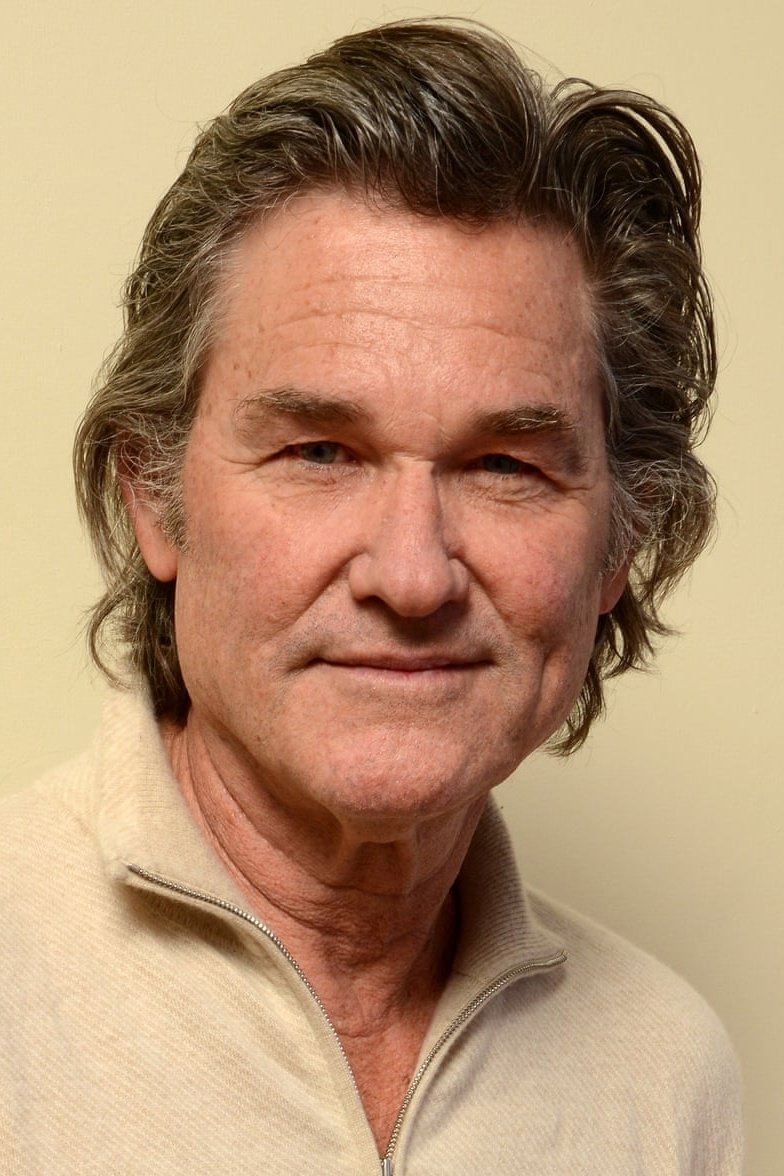
Kurt Russell’s collaborations with John Carpenter produced genre landmarks like ‘Escape from New York’, ‘The Thing’, and ‘Big Trouble in Little China’. He mixed those with mainstream adventures and comedies. Russell moved comfortably between antiheroes and lighthearted leads. His titles developed both theatrical and cult followings.
Patrick Swayze
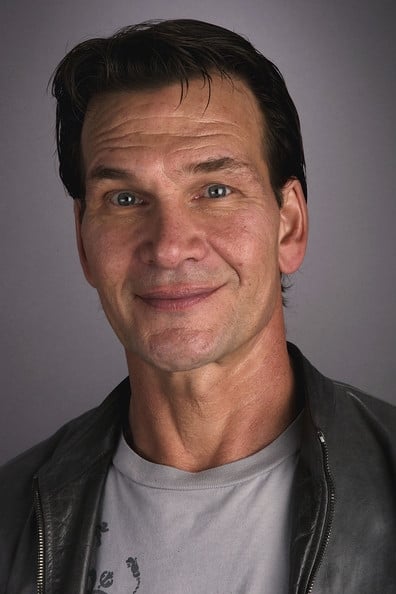
Patrick Swayze bridged romance and action with ‘Dirty Dancing’, ‘Road House’, and ‘Red Dawn’. He leveraged formal dance training into physically expressive roles. Swayze’s soundtracks and film tie-ins extended his visibility. The performances sustained strong interest on home video worldwide.
Robin Williams
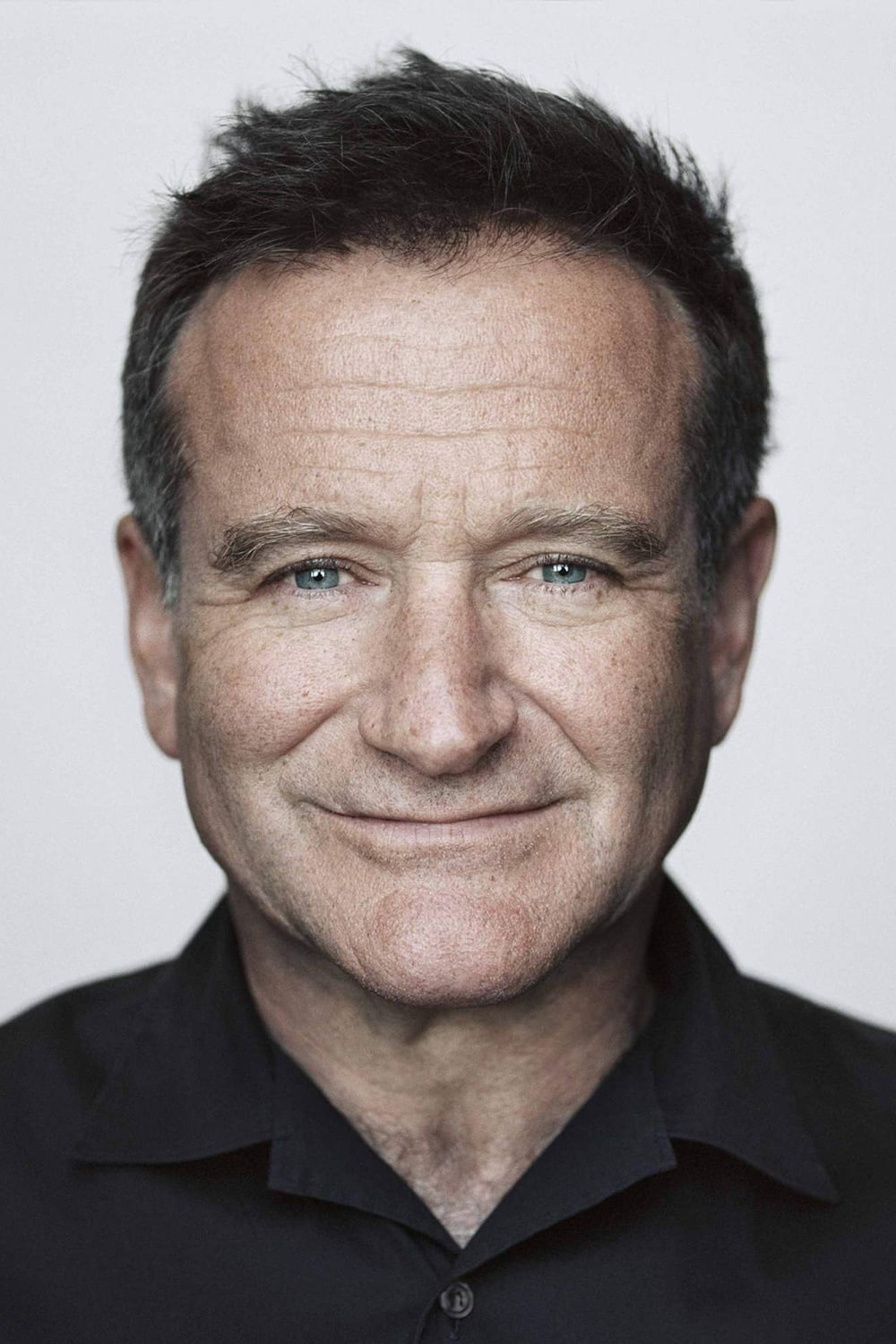
Robin Williams translated stand-up and ‘Mork & Mindy’ fame into acclaimed film work with ‘Good Morning, Vietnam’ and ‘Dead Poets Society’. He balanced broad humor and heartfelt drama. Williams earned major nominations and wins during the period. His versatility kept him in demand across studios and genres.
Steve Martin
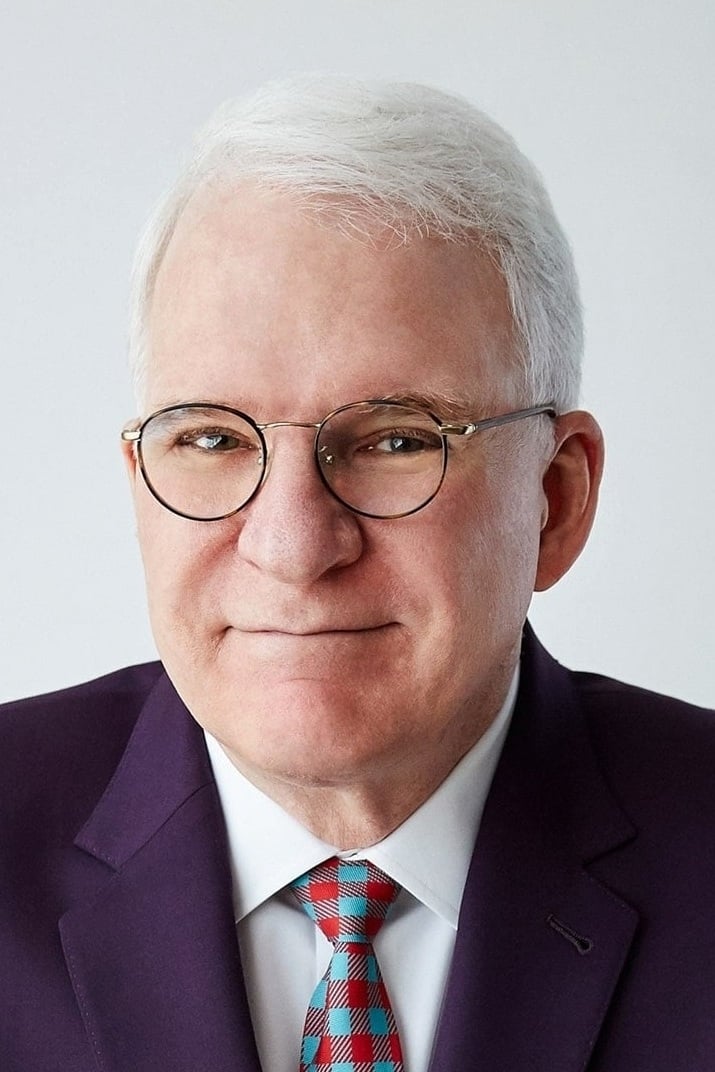
Steve Martin moved from stand-up to durable screen comedies including ‘The Jerk’, ‘Roxanne’, ‘Planes, Trains and Automobiles’, and ‘Three Amigos’. He frequently contributed as a writer or co-writer. Martin explored romance and family themes while keeping wide appeal. His titles became frequent fixtures on cable and syndication.
Dan Aykroyd
Dan Aykroyd parlayed ‘Saturday Night Live’ into feature success with ‘The Blues Brothers’, ‘Ghostbusters’, and ‘Dragnet’. He anchored ensemble blockbusters and buddy-cop parodies. Aykroyd collaborated with a rotating circle of comic leads and directors. The films produced long-tail merchandising and spin-offs.
Chevy Chase
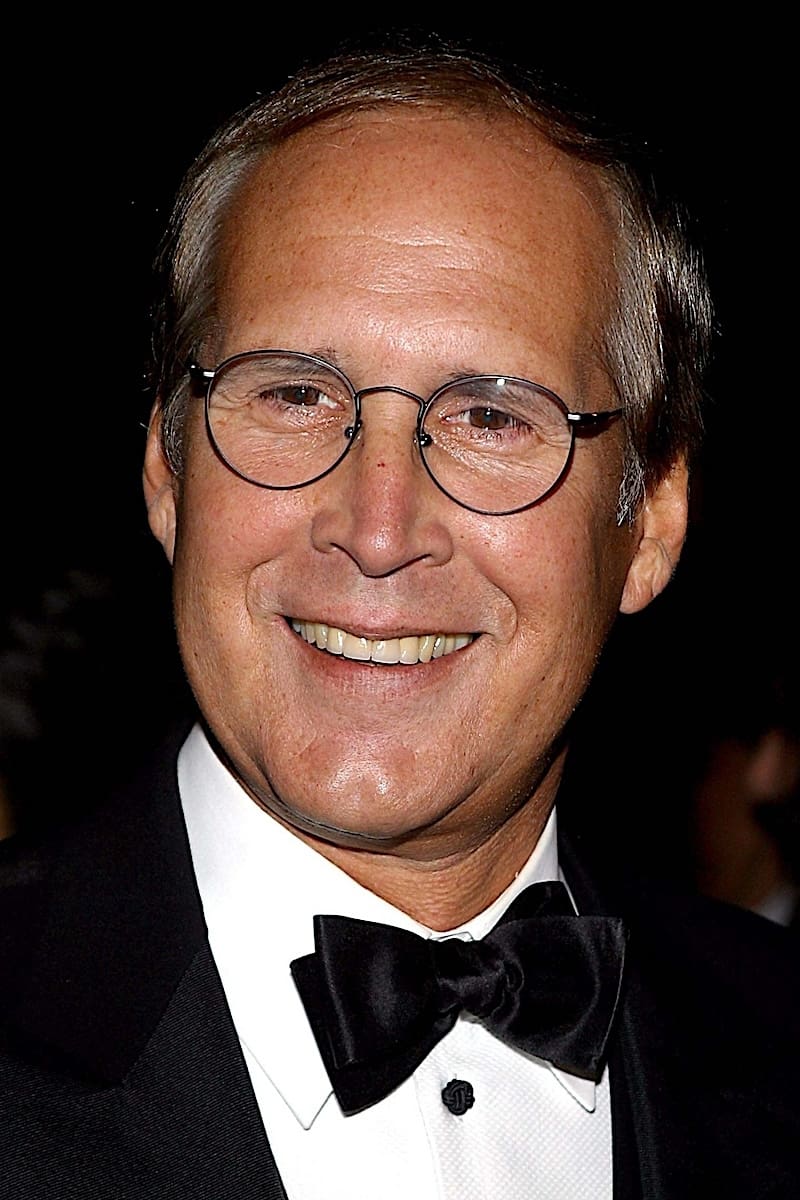
Chevy Chase headlined crowd-pleasers such as ‘Caddyshack’, ‘Fletch’, and the ‘National Lampoon’s Vacation’ series. He combined sardonic delivery with physical comedy. Chase’s recurring roles fostered sequels and TV longevity. His comedies performed strongly in theaters and ancillary markets.
John Candy
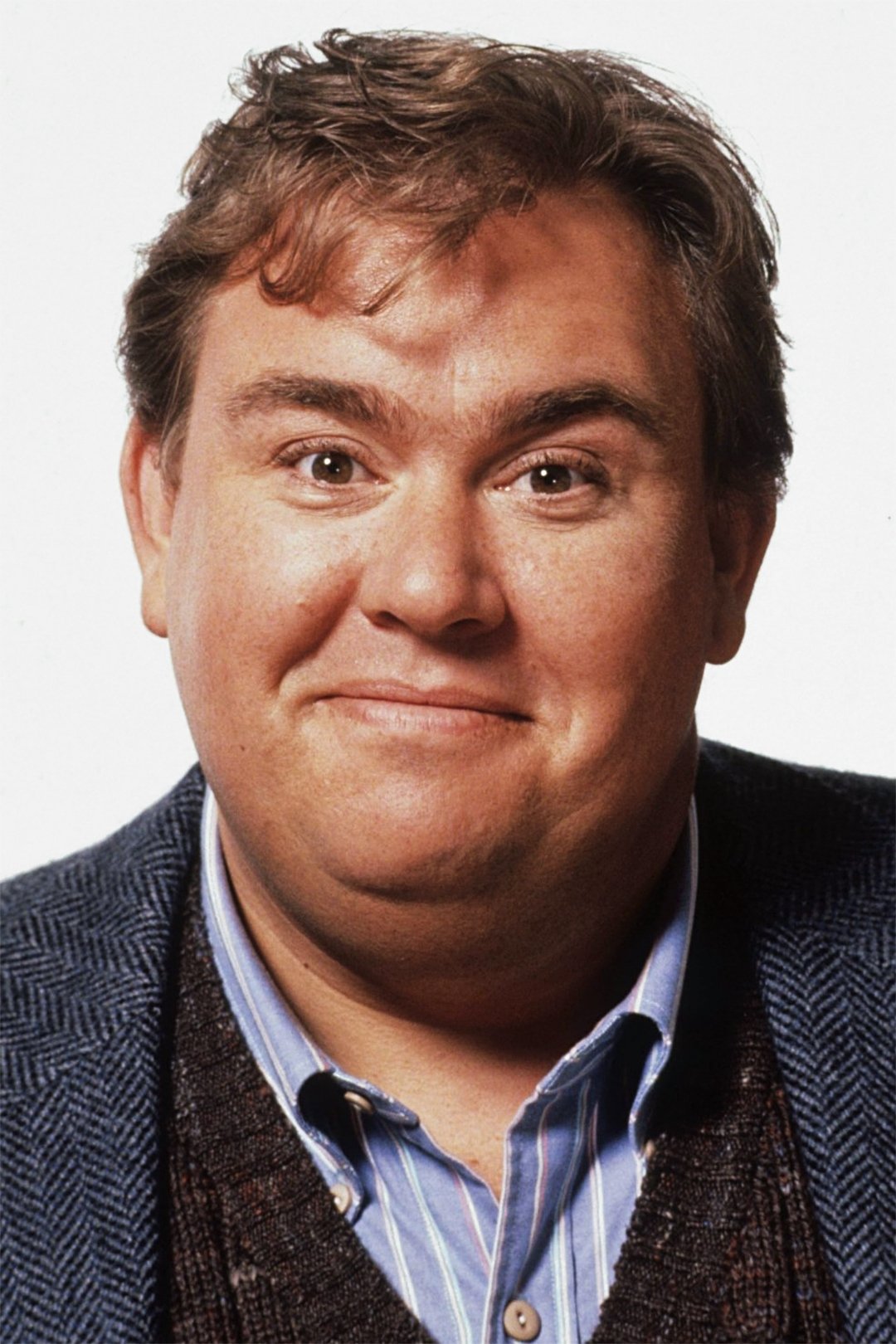
John Candy graduated from scene-stealing support to leads in ‘Planes, Trains and Automobiles’, ‘Uncle Buck’, and ‘Spaceballs’. He worked closely with filmmakers from the Second City and ‘SCTV’ circles. Candy’s approachable presence played across road movies, parodies, and family comedies. His films built lasting followings through reruns and rentals.
Christopher Reeve
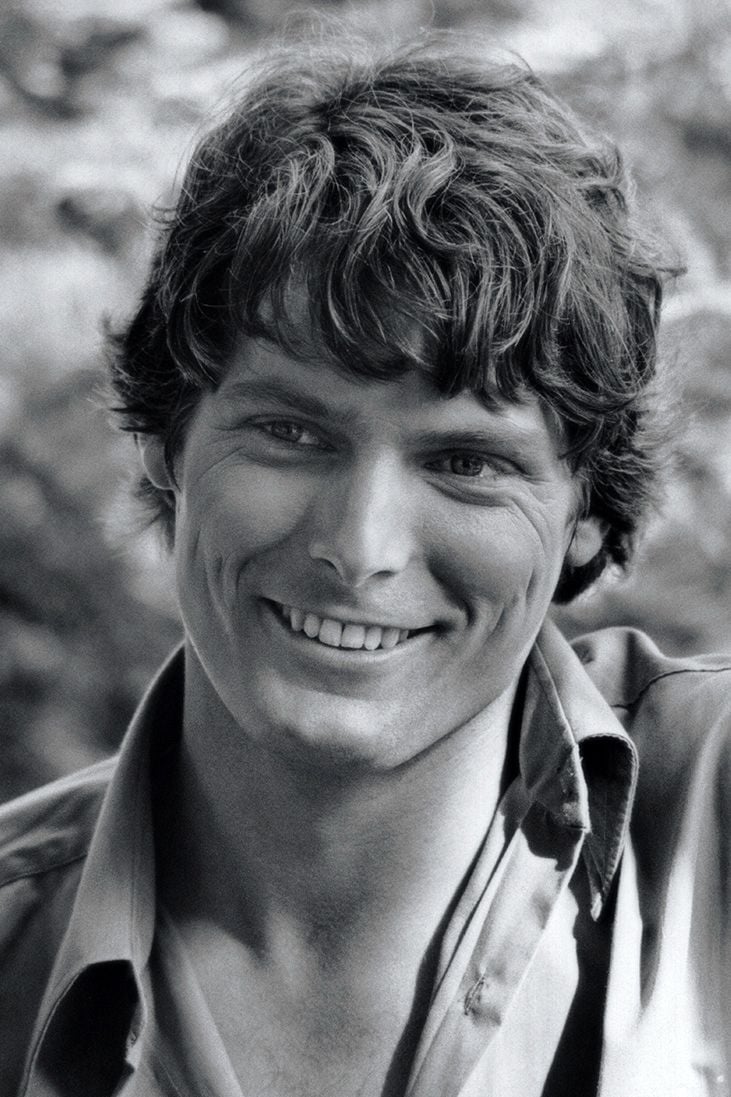
Christopher Reeve’s portrayal of the Man of Steel in ‘Superman’ sequels anchored his 80s profile. He balanced franchise work with dramas like ‘Somewhere in Time’ and the thriller ‘Deathtrap’. Reeve also maintained an active stage career. His superhero performance influenced later big-screen comic adaptations.
Michael Keaton
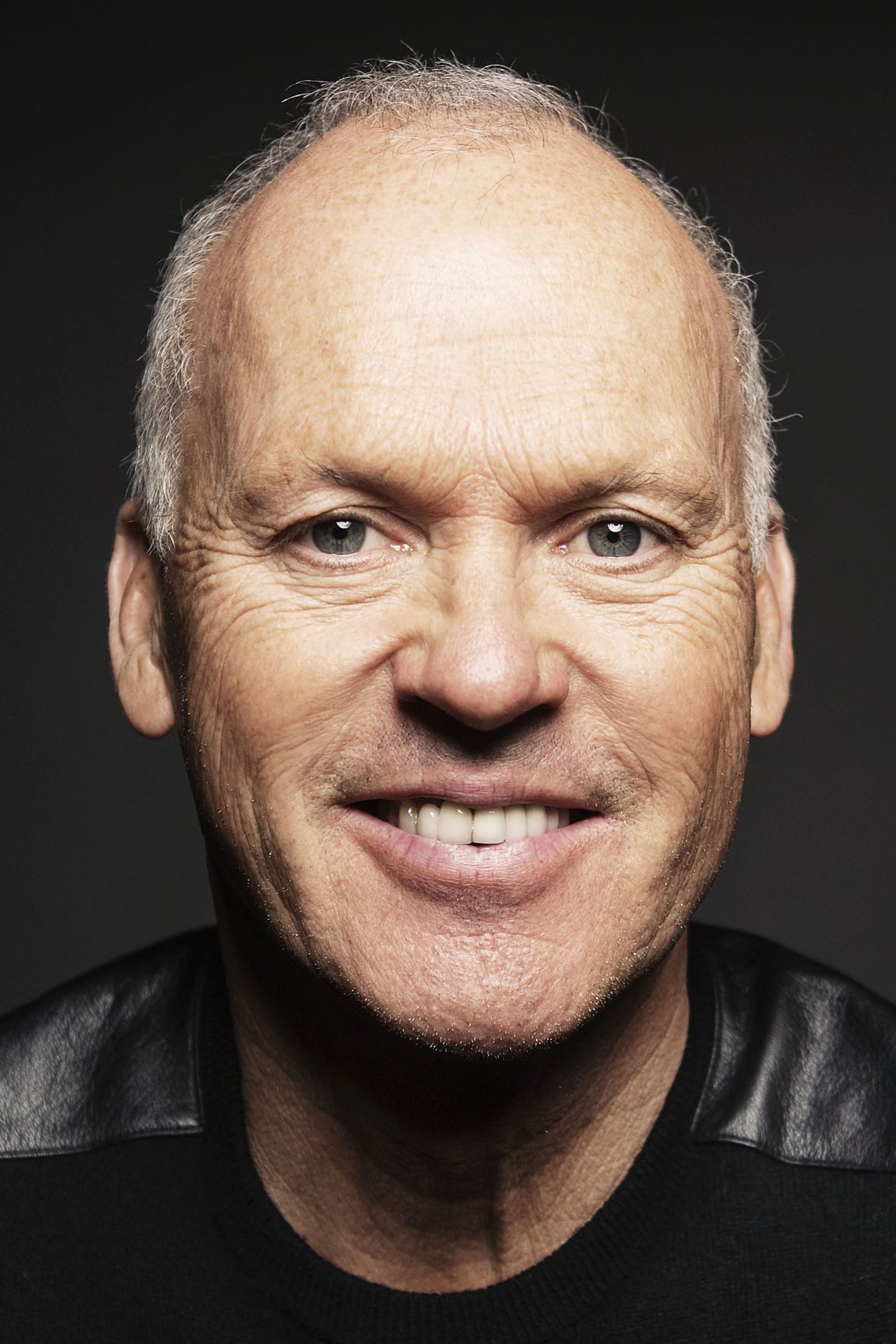
Michael Keaton moved from energetic comedies like ‘Mr. Mom’ and ‘Beetlejuice’ to a darker lead turn in ‘Batman’. He demonstrated agility between manic humor and grounded intensity. Keaton’s casting drew extensive media attention and audience curiosity. The late-decade roles expanded expectations for comic actors in tentpole films.
Nicolas Cage
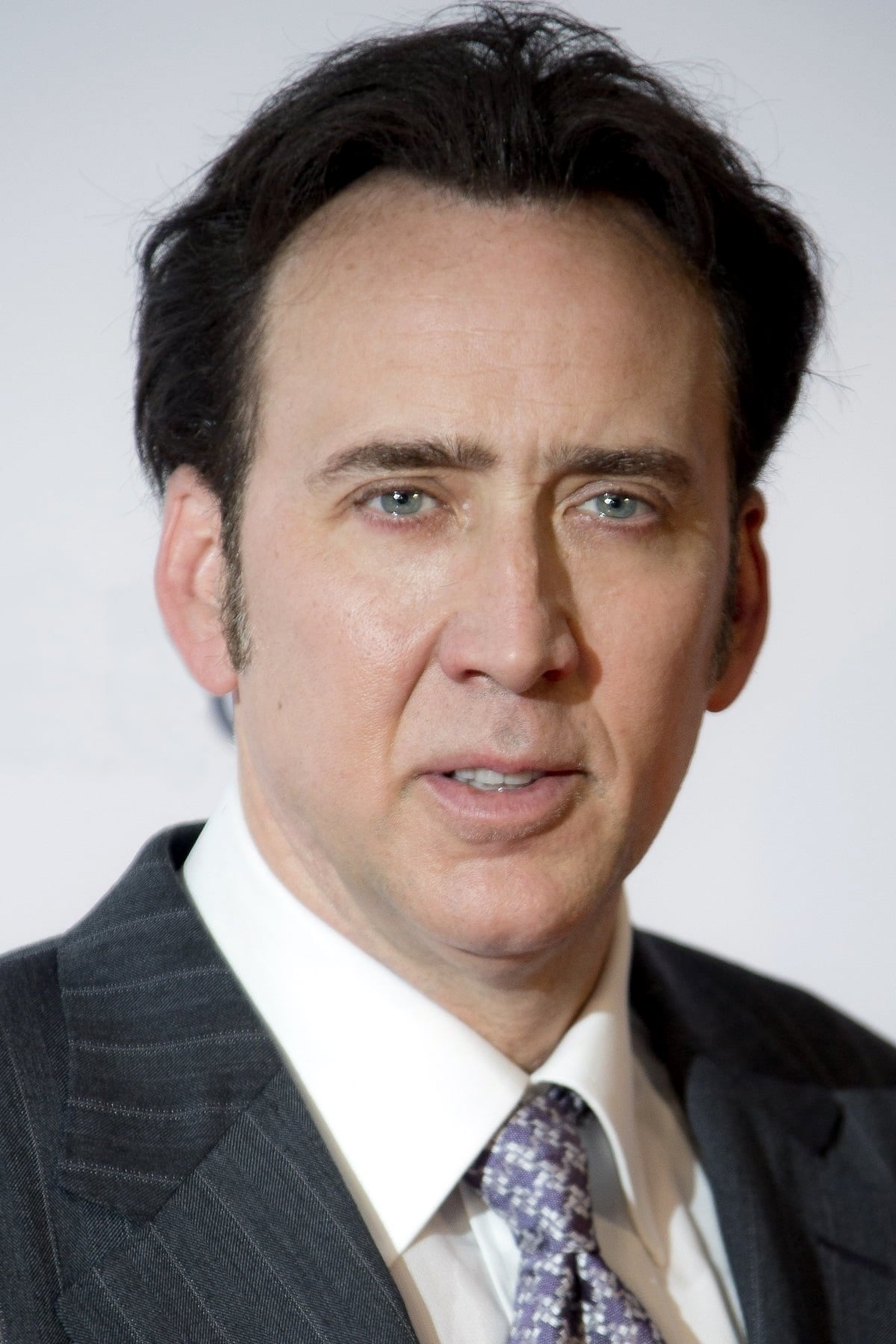
Nicolas Cage broke through with offbeat leads in ‘Valley Girl’, ‘Raising Arizona’, and ‘Moonstruck’. He developed a reputation for bold character choices across studio and indie-leaning projects. Cage frequently teamed with distinctive directors and writers. His momentum accelerated into larger vehicles by decade’s end.
Val Kilmer
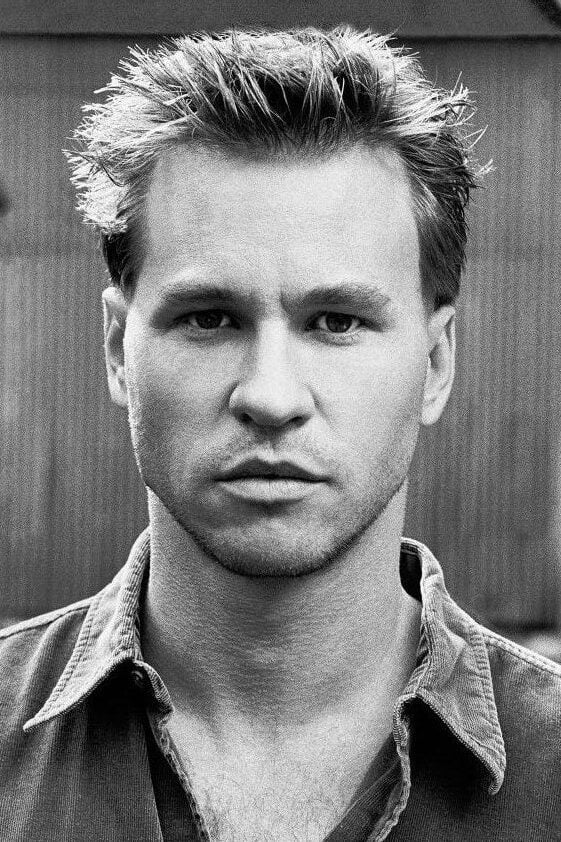
Val Kilmer delivered early comic showcases in ‘Top Secret!’ and ‘Real Genius’, then gained blockbuster exposure with ‘Top Gun’. He moved between comedy, action, and later biographical drama. Kilmer’s roles connected with youth audiences and broader crowds. The varied slate broadened his range for the next decade.
Jeff Bridges
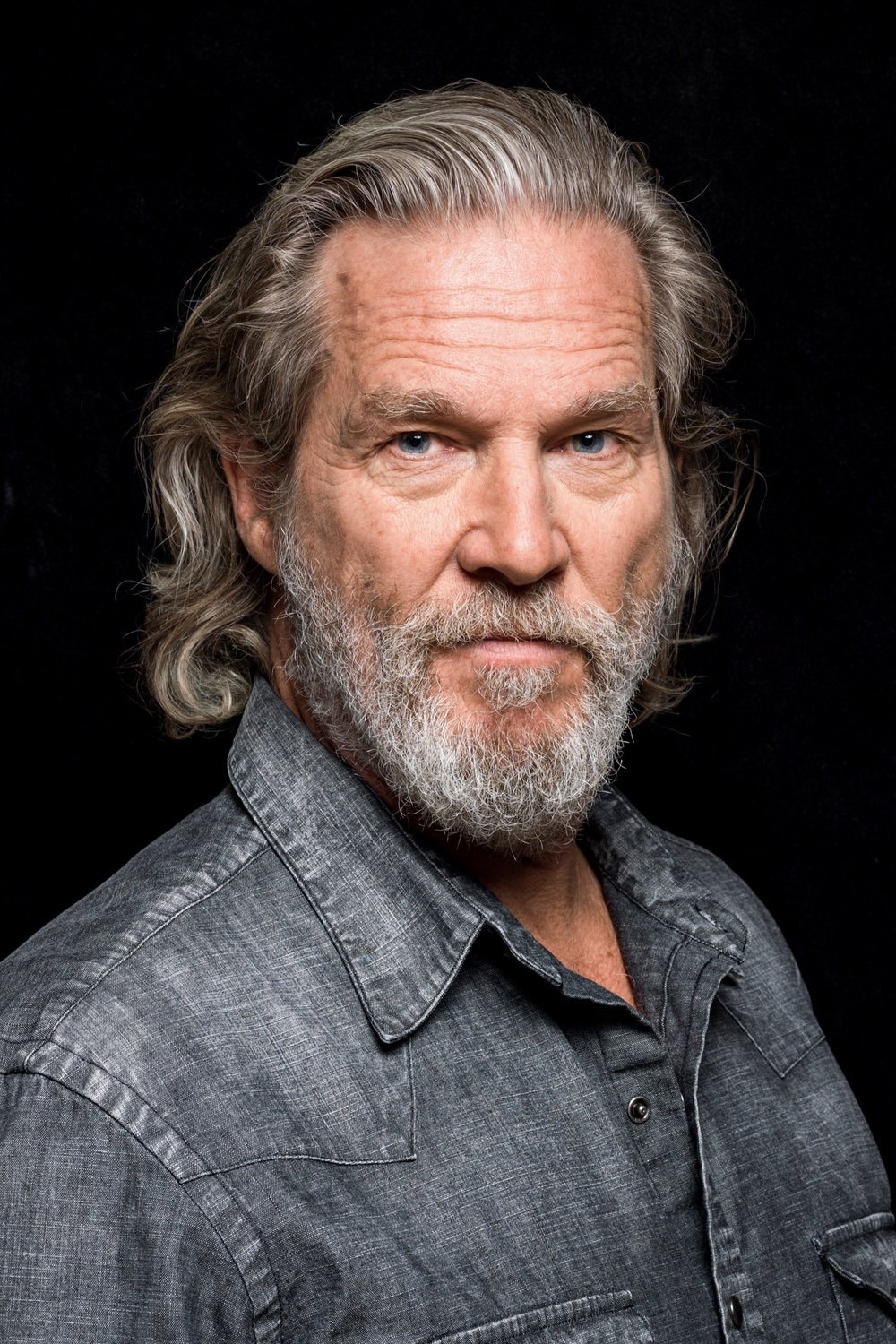
Jeff Bridges ranged from the early computer-world adventure ‘Tron’ to the romance ‘Starman’ and the ensemble drama ‘The Big Chill’. He paired studio fare with character studies. Bridges earned awards attention while keeping steady output. His choices reflected interest in both technology-driven and intimate storytelling.
Mickey Rourke
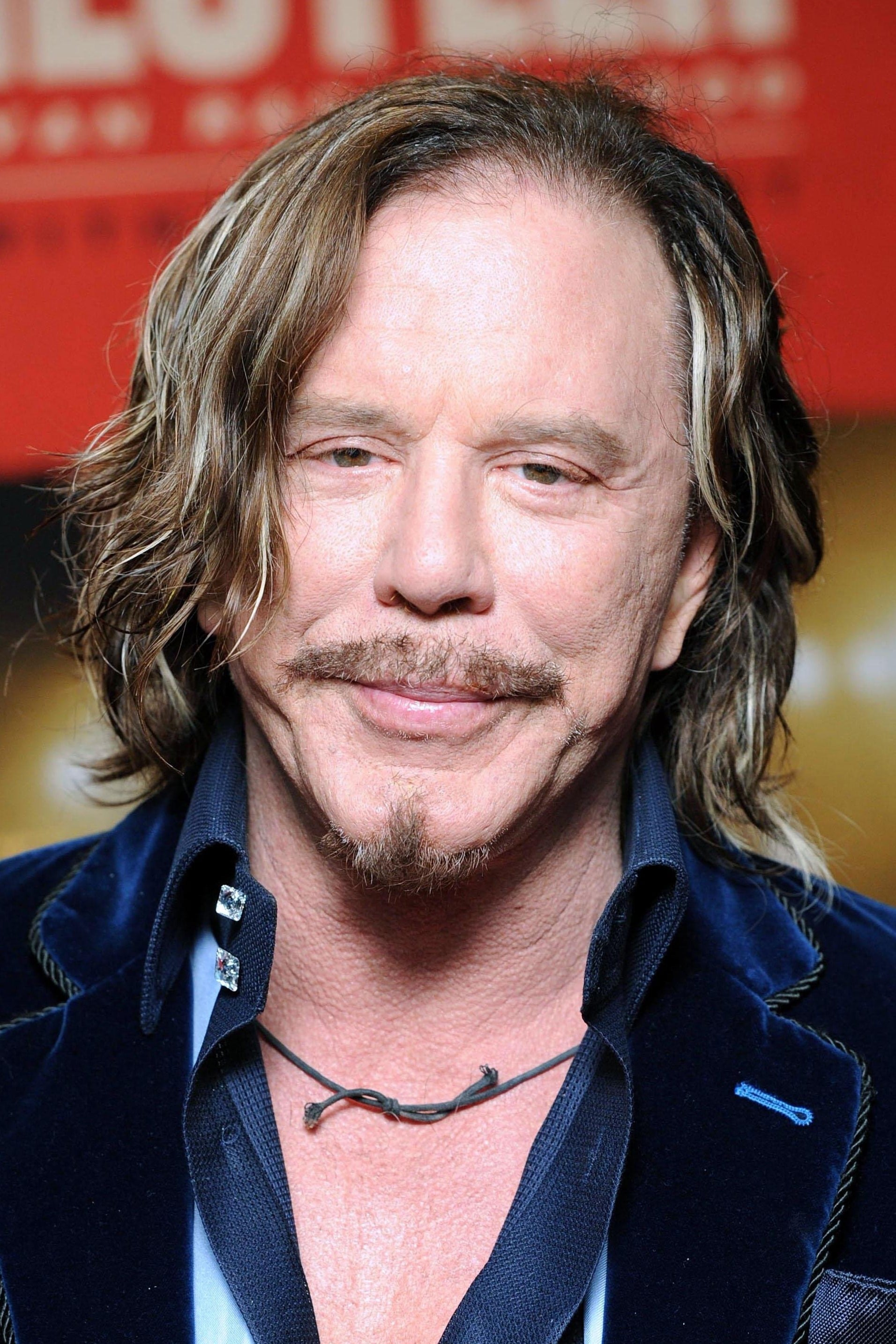
Mickey Rourke drew notice with layered performances in ‘Diner’, ‘Rumble Fish’, ‘9½ Weeks’, and ‘Angel Heart’. He favored roles that balanced vulnerability and volatility. Rourke worked with prominent directors while keeping an independent streak. The performances became touchpoints for 80s urban drama.
Clint Eastwood
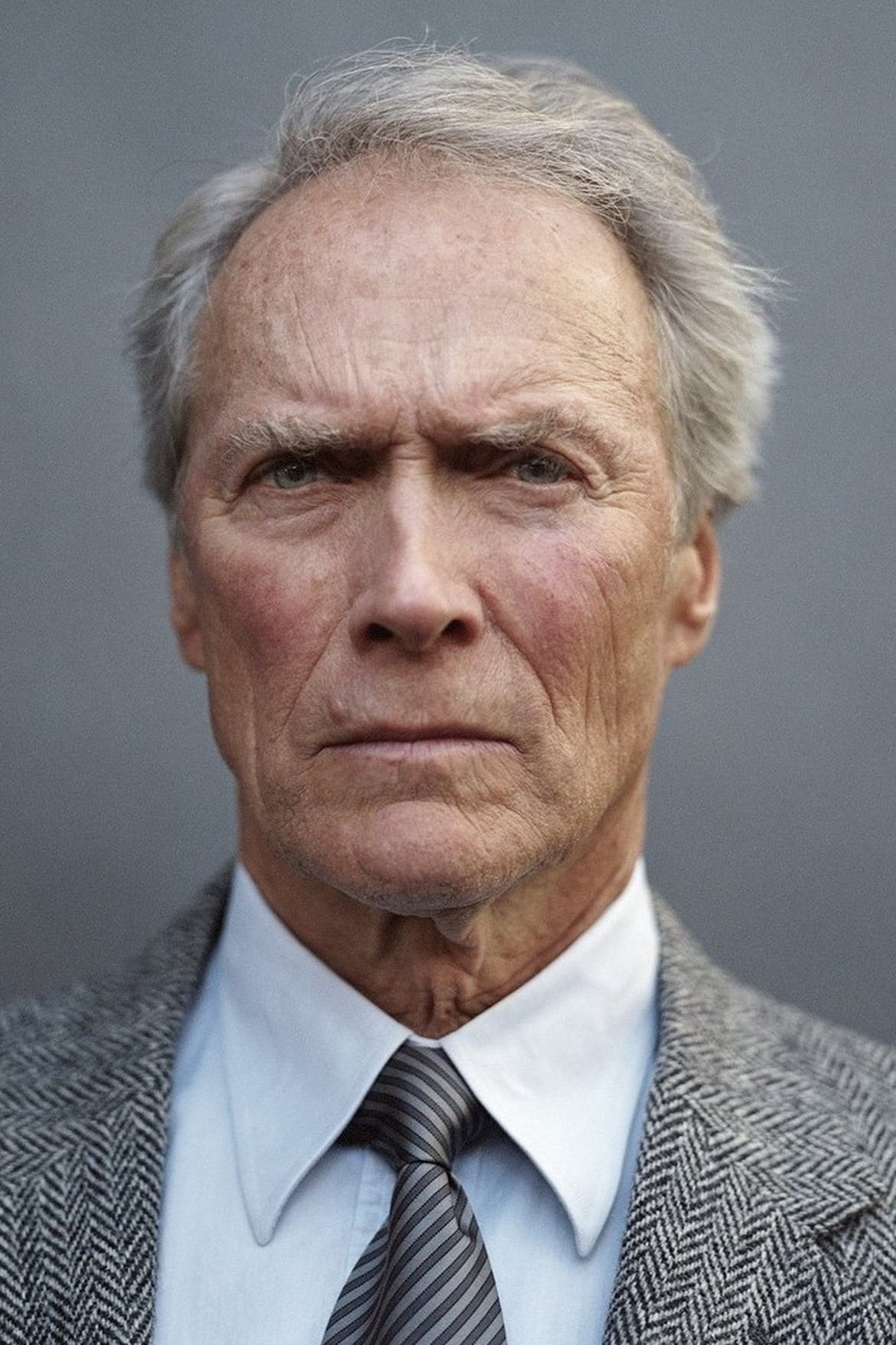
Clint Eastwood sustained star status with hard-edged entries like ‘Sudden Impact’ while continuing to direct high-profile features. He alternated cop thrillers with character-driven pieces. Eastwood’s name above the title remained a strong commercial signal. His dual actor-director career influenced studio approaches to star vehicles.
Sean Connery
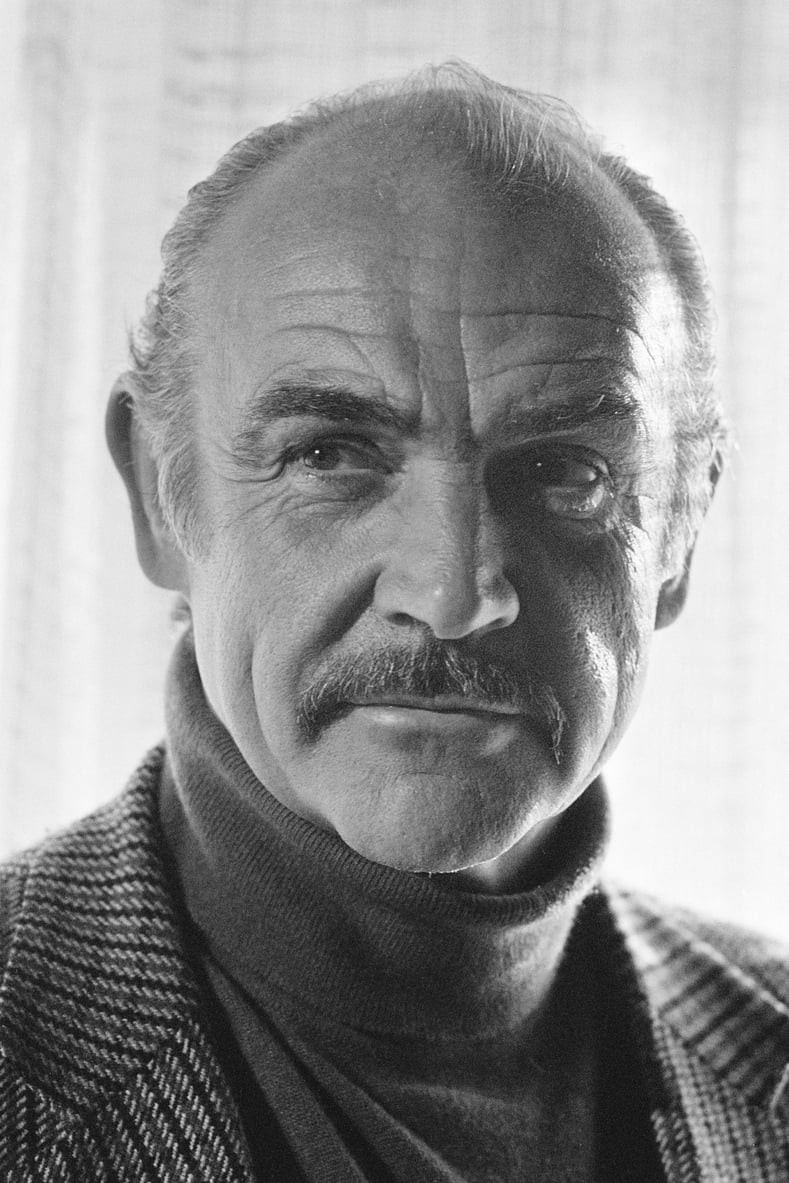
Sean Connery returned to blockbuster visibility with ‘Indiana Jones and the Last Crusade’ and the submarine thriller ‘The Hunt for Red October’. He mixed leading and supporting turns across action and drama. Connery’s seasoned charisma helped bridge classic and contemporary sensibilities. His performances drew both audience turnout and awards recognition.
Gene Hackman
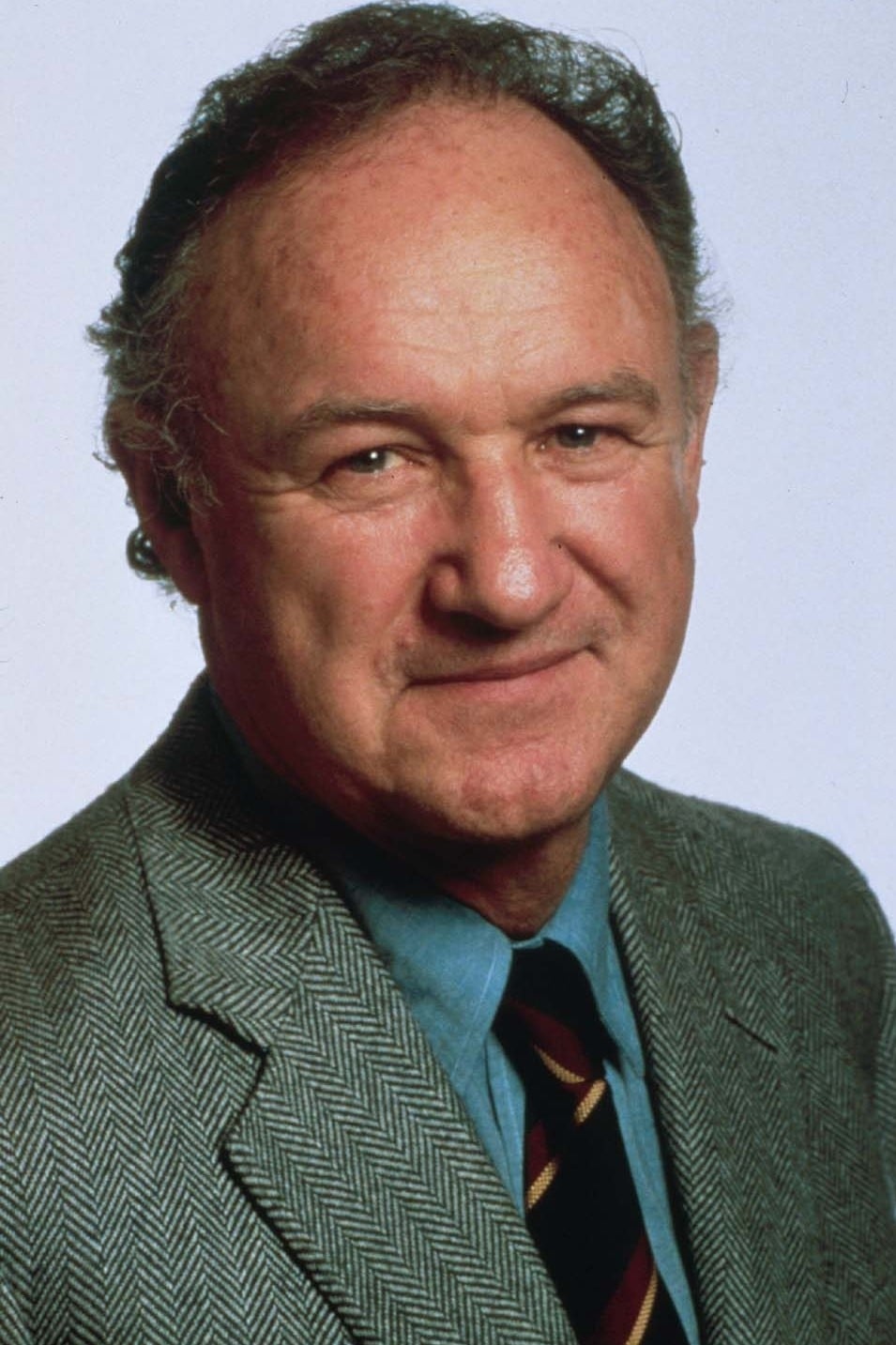
Gene Hackman delivered authoritative work in ‘Hoosiers’, ‘No Way Out’, and ‘Mississippi Burning’. He shifted among mentor figures, conflicted officials, and antagonists. Hackman’s grounded intensity anchored diverse genres. The roles earned nominations and industry honors.
Michael Caine
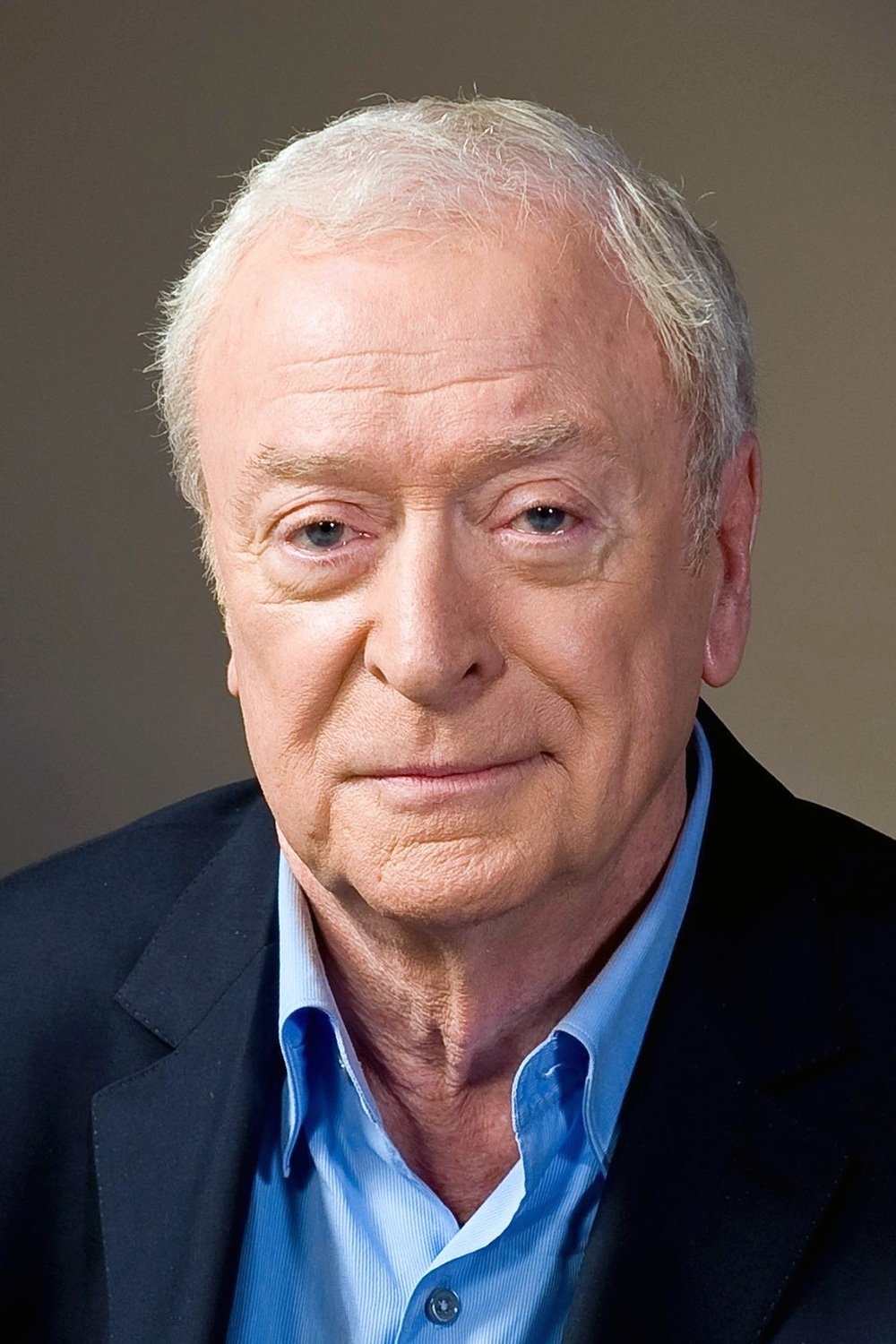
Michael Caine maintained a prolific run with ‘Educating Rita’, ‘Hannah and Her Sisters’, and ‘Dirty Rotten Scoundrels’. He alternated prestige pieces with capers and comedies. Caine’s distinctive delivery kept him in constant demand. The decade brought major awards and steady global appeal.
Dennis Quaid
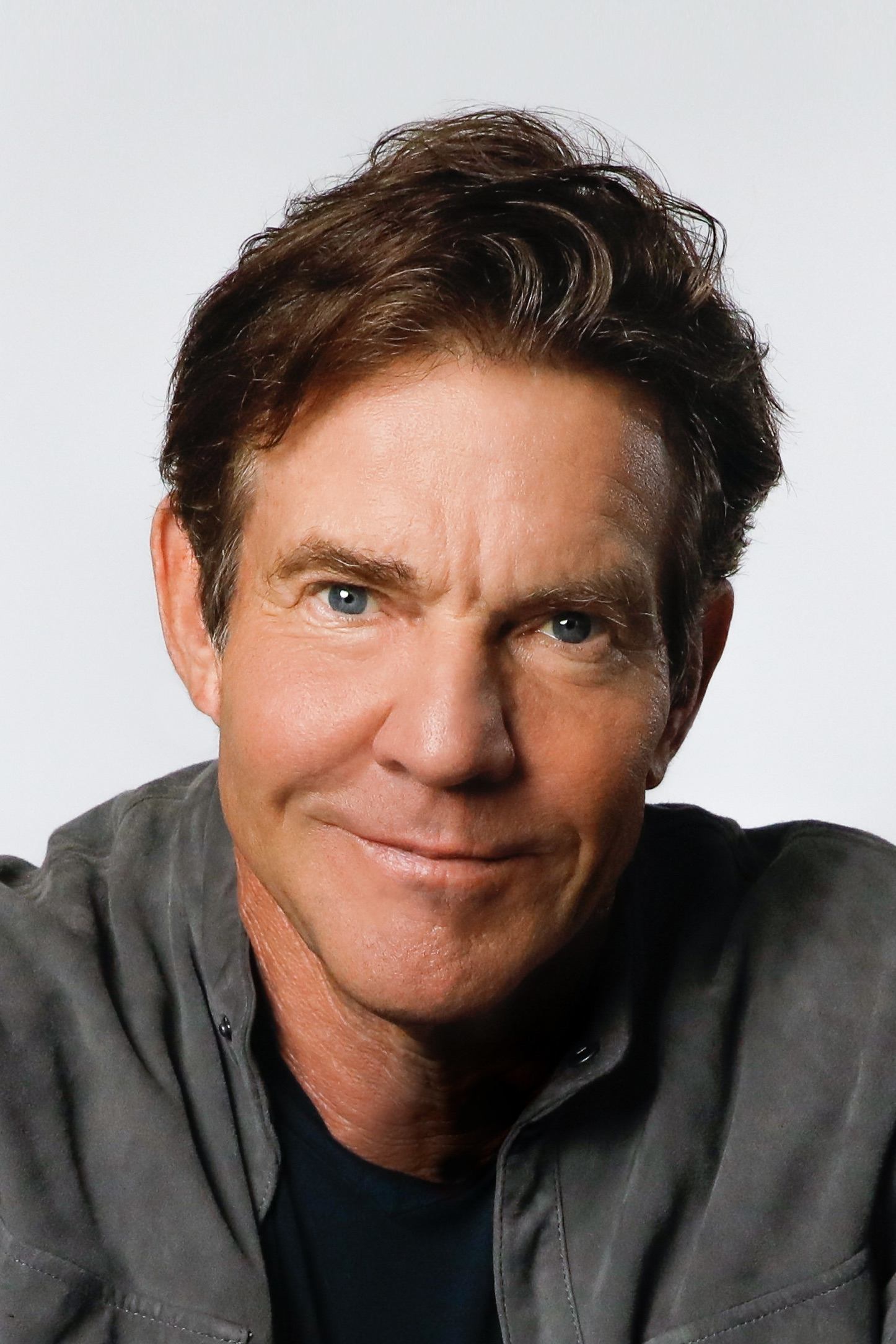
Dennis Quaid balanced adventure, sci-fi, and romantic thrillers with ‘The Right Stuff’, ‘Innerspace’, and ‘The Big Easy’. He cultivated a relaxed, athletic leading-man image. Quaid’s projects connected with both youth and adult audiences. The variety sustained him as a reliable studio headliner.
Jeff Goldblum
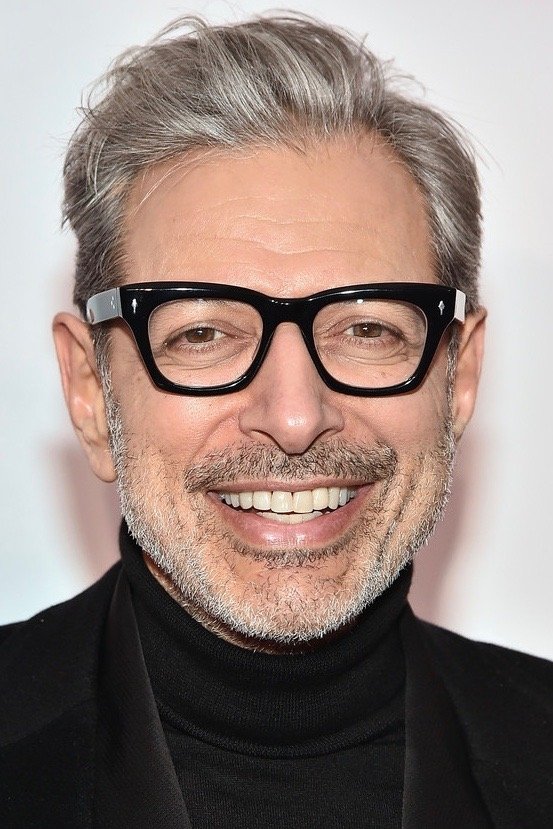
Jeff Goldblum combined quirky intelligence with standout turns in ‘The Fly’, ‘The Big Chill’, and ‘Into the Night’. He often portrayed cerebral characters facing extraordinary circumstances. Goldblum’s cadence and presence distinguished him in ensembles and leads. His collaborations with notable directors reinforced his standing.
Kevin Kline
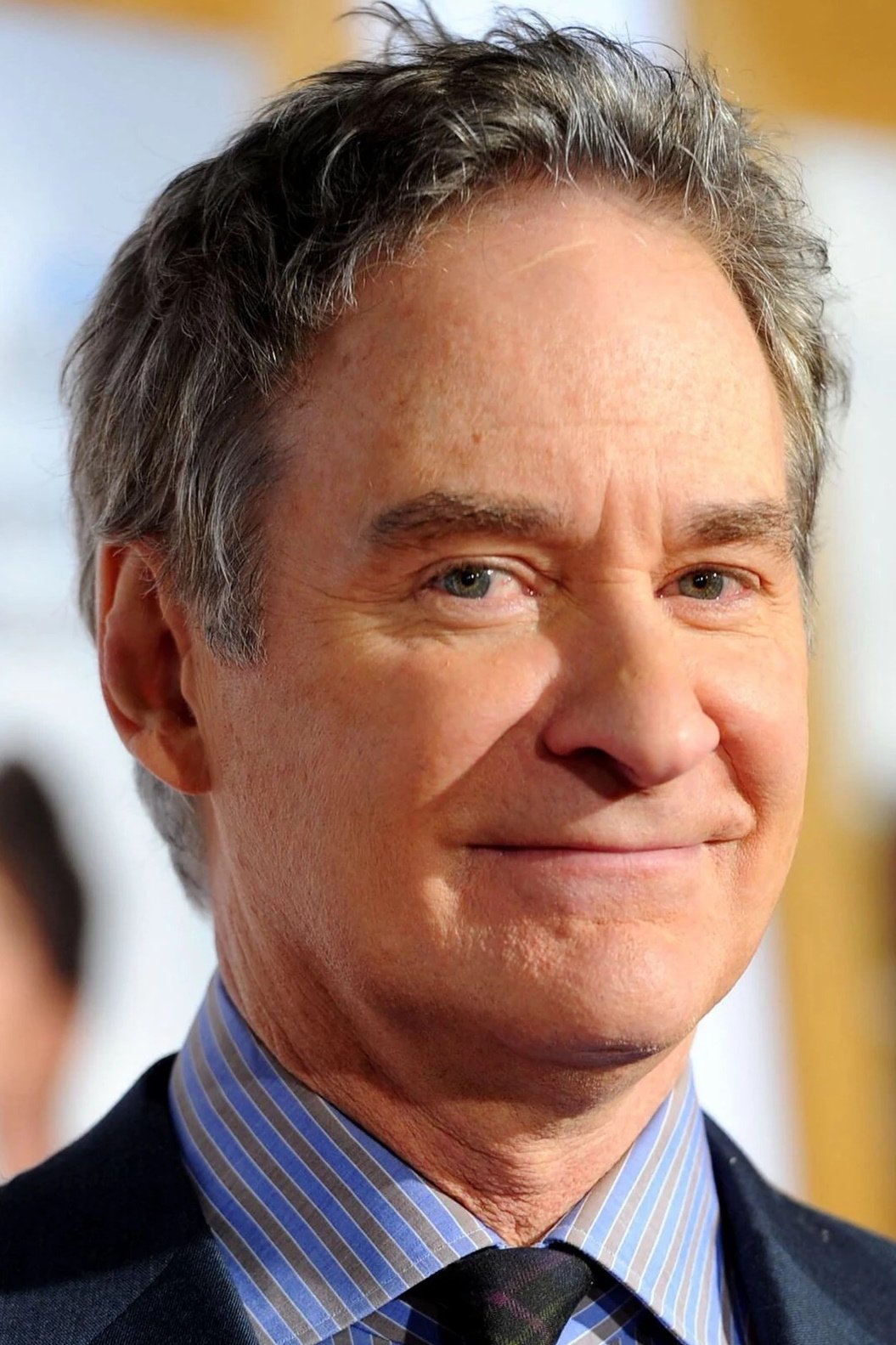
Kevin Kline earned acclaim across comedy and drama with ‘A Fish Called Wanda’, ‘Sophie’s Choice’, and ‘The Big Chill’. Stage training informed his precise character work. Kline balanced farce with gravitas in mainstream releases. His performances received sustained awards attention.
Danny Glover
Danny Glover moved into mainstream prominence with ‘Lethal Weapon’ while delivering acclaimed work in ‘The Color Purple’. He navigated action franchises and social-issue drama. Glover collaborated with top directors across the decade. Sequels expanded his global visibility.
Charlie Sheen
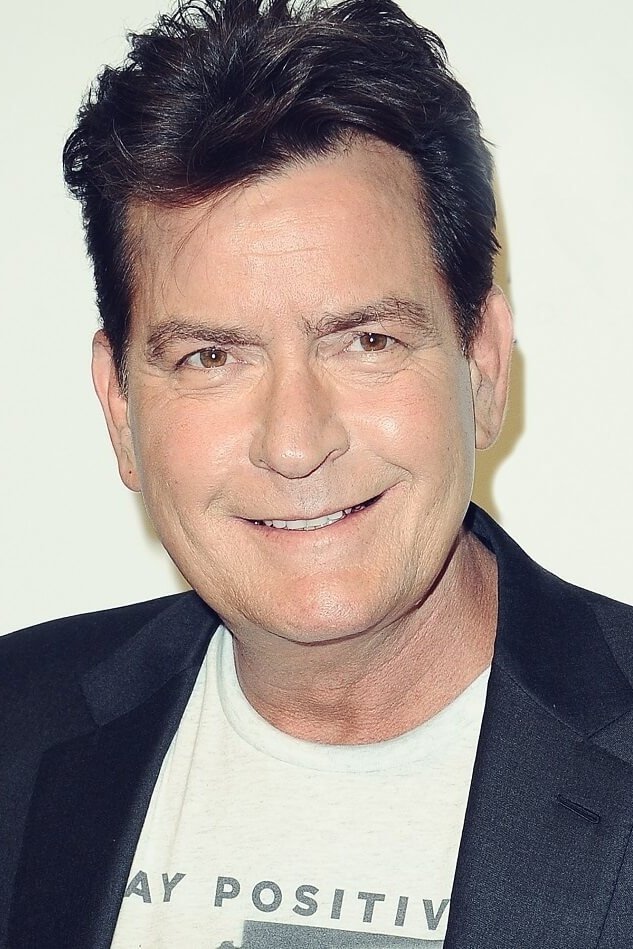
Charlie Sheen advanced quickly with the war drama ‘Platoon’ and the financial thriller ‘Wall Street’. He added sports comedy with ‘Major League’ as the decade turned. Sheen’s projects placed him in high-profile ensembles and star vehicles. The run established him as a bankable young lead.
Emilio Estevez

Emilio Estevez emerged from the Brat Pack with ‘The Breakfast Club’ and ‘St. Elmo’s Fire’, then shifted to crime-comedy action in ‘Stakeout’. He alternated ensemble pieces with solo star turns. Estevez also began building directing credits. His films captured youth culture while moving into mainstream action.
Matthew Broderick
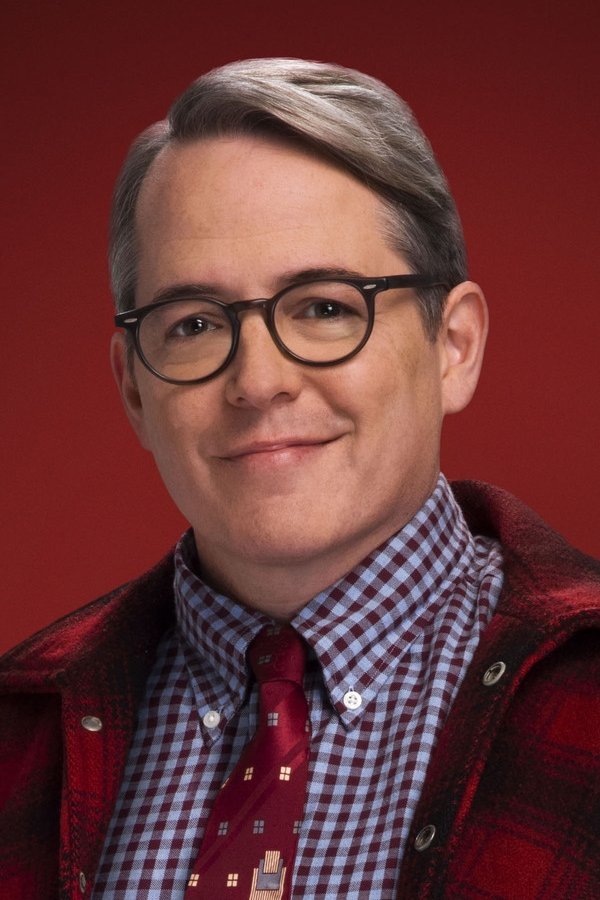
Matthew Broderick became a generational touchstone through ‘Ferris Bueller’s Day Off’. He demonstrated range with the war drama ‘Glory’ and fantasy adventure ‘Ladyhawke’. Broderick balanced screen roles with consistent stage work. His titles became staples of classroom discussion and cable programming.
John Cusack
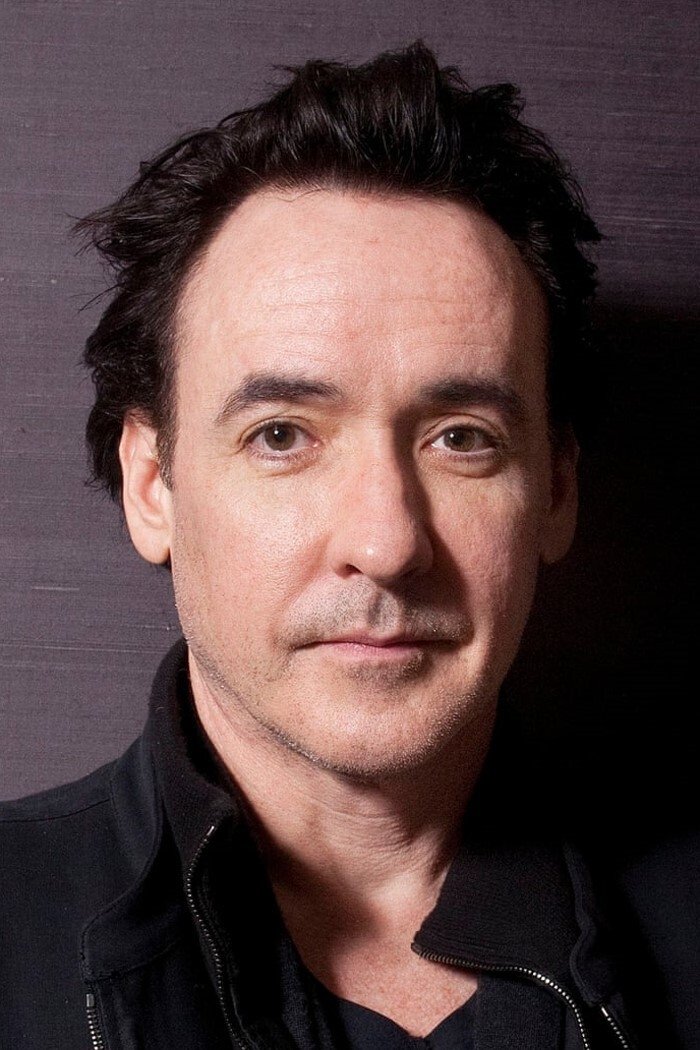
John Cusack built a steady following with ‘Better Off Dead’, ‘The Sure Thing’, and ‘Say Anything…’. He collaborated with both auteurs and studio directors. Cusack’s leads often blended wit with introspection. Late-decade roles set up broader opportunities in the 1990s.
James Spader

James Spader stood out with ‘Pretty in Pink’, ‘Less Than Zero’, and the indie-minded breakthrough ‘Sex, Lies, and Videotape’. He frequently portrayed complex, morally shaded characters. Spader moved between ensemble dramas and leading roles. Festival attention and critical praise boosted his profile.
Christopher Walken
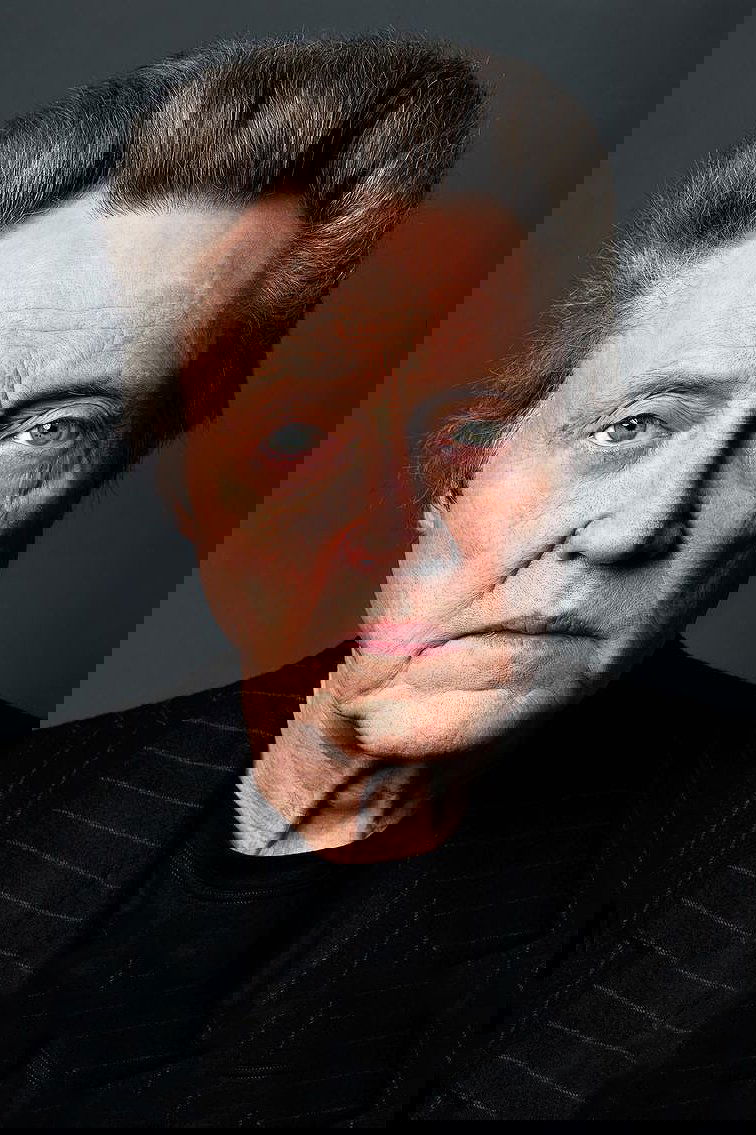
Christopher Walken delivered memorable turns in ‘The Dead Zone’, ‘At Close Range’, and ‘A View to a Kill’. He shifted fluidly between thriller, drama, and dark comedy. Walken alternated leading and supporting parts throughout the decade. His distinctive style made even brief appearances highly visible.
Peter Weller
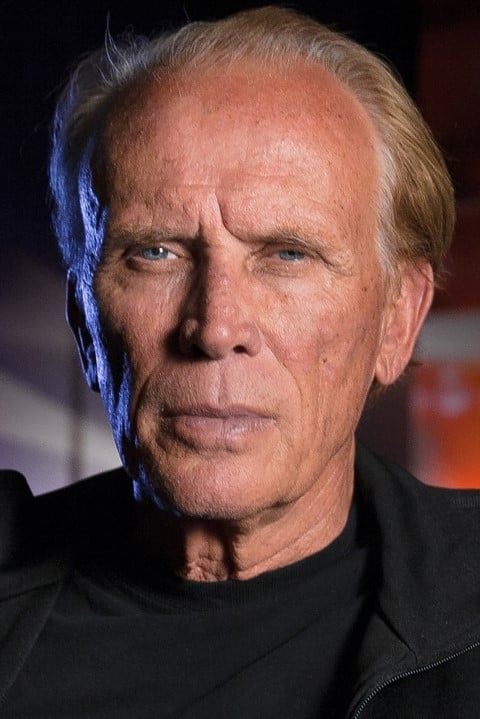
Peter Weller achieved international recognition as the title lawman of ‘RoboCop’. He paired that with off-beat and genre entries like ‘The Adventures of Buckaroo Banzai Across the 8th Dimension’ and the deep-sea thriller ‘Leviathan’. Weller’s precise physical and vocal performance defined his signature role. The character became a fixture of late-80s sci-fi action.
Share your picks for the most unforgettable 80s leading men in the comments!