Most Famous Hollywood Actors of the 2000s

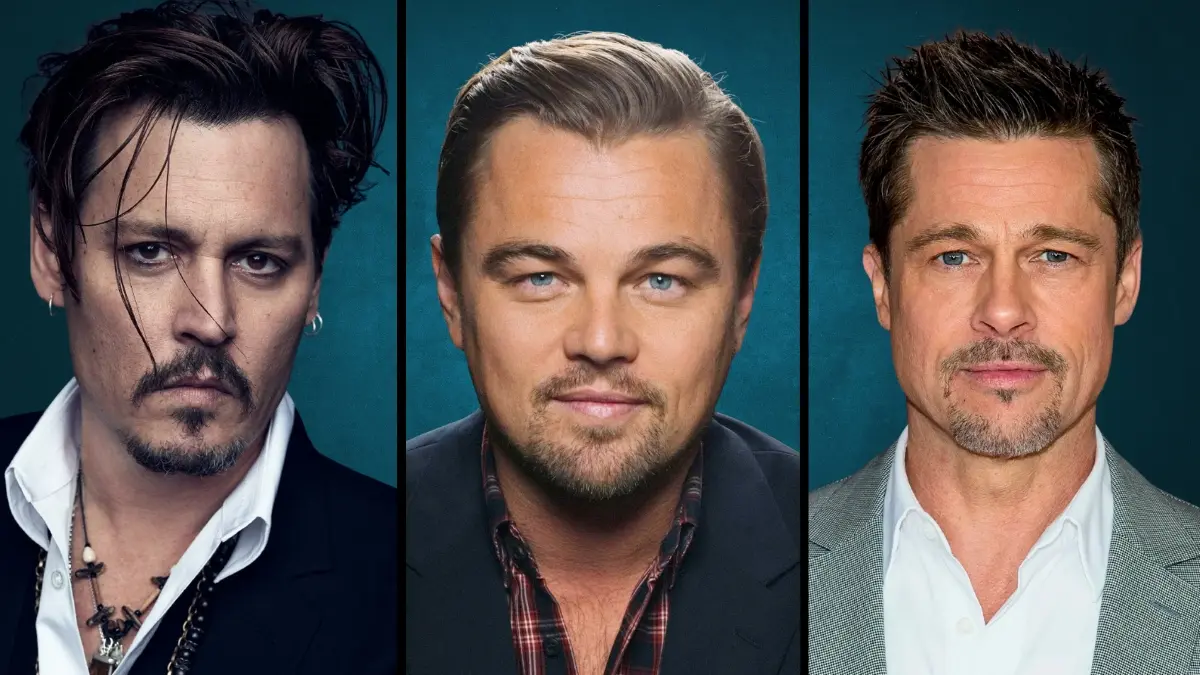

The 2000s reshaped Hollywood with massive franchises, prestige dramas, and global box-office hits, and a core group of leading men carried those stories to audiences everywhere. These actors headlined tentpoles, anchored award-season contenders, and proved they could open a film worldwide. Many also branched into producing, directing, and activism, expanding their impact beyond the screen. Here are 45 male actors whose work defined the decade for mainstream moviegoers.
Leonardo DiCaprio
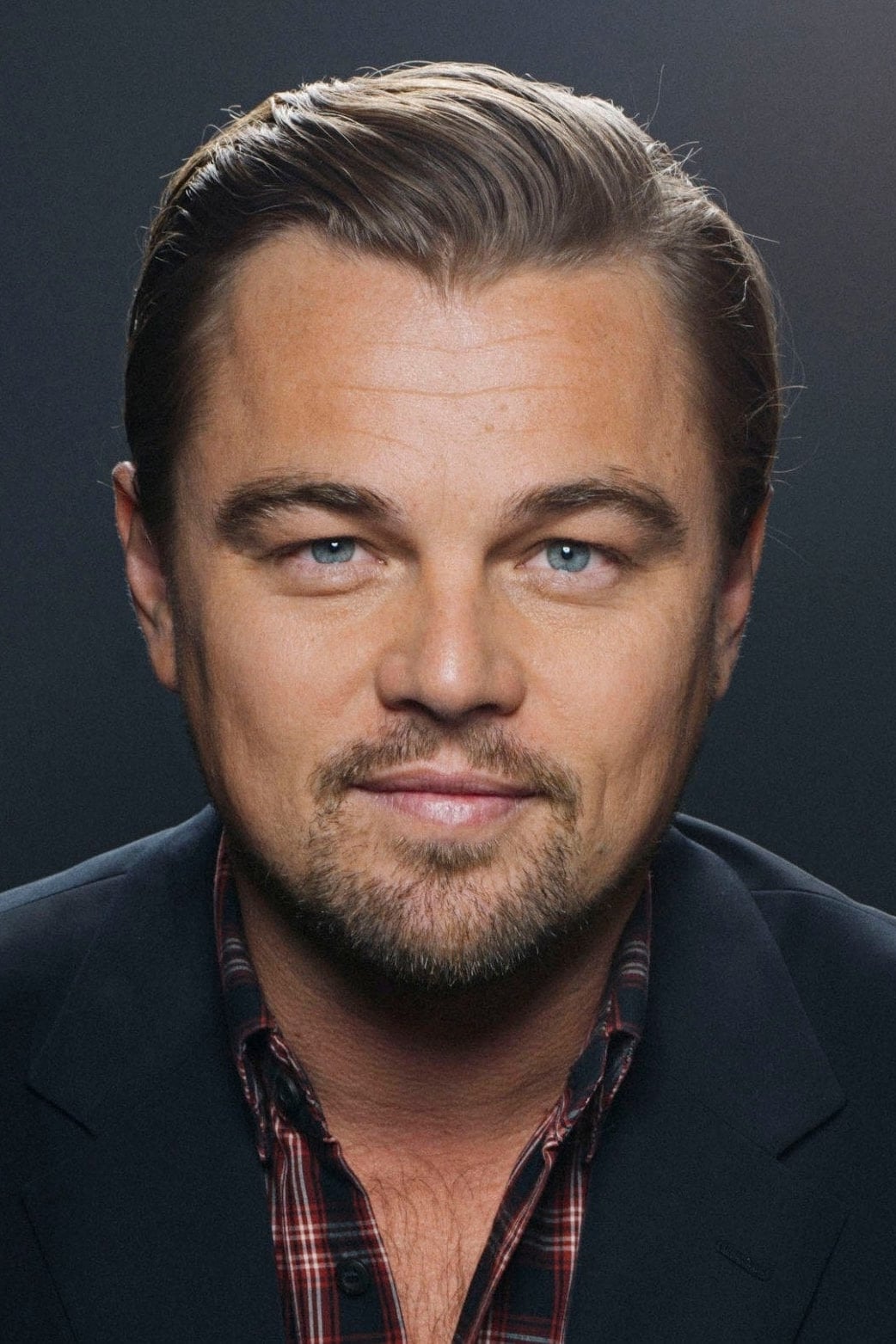
DiCaprio moved from earlier stardom into mature collaborations with directors known for crime epics and psychological thrillers, including multiple projects with Martin Scorsese like ‘The Departed’ and ‘Shutter Island’. He paired prestige roles with large-scale dramas such as ‘Blood Diamond’ and ‘Revolutionary Road’. His films from this period performed strongly worldwide, cementing him as a bankable lead. He also began taking on producer roles that aligned with socially conscious stories.
Tom Cruise
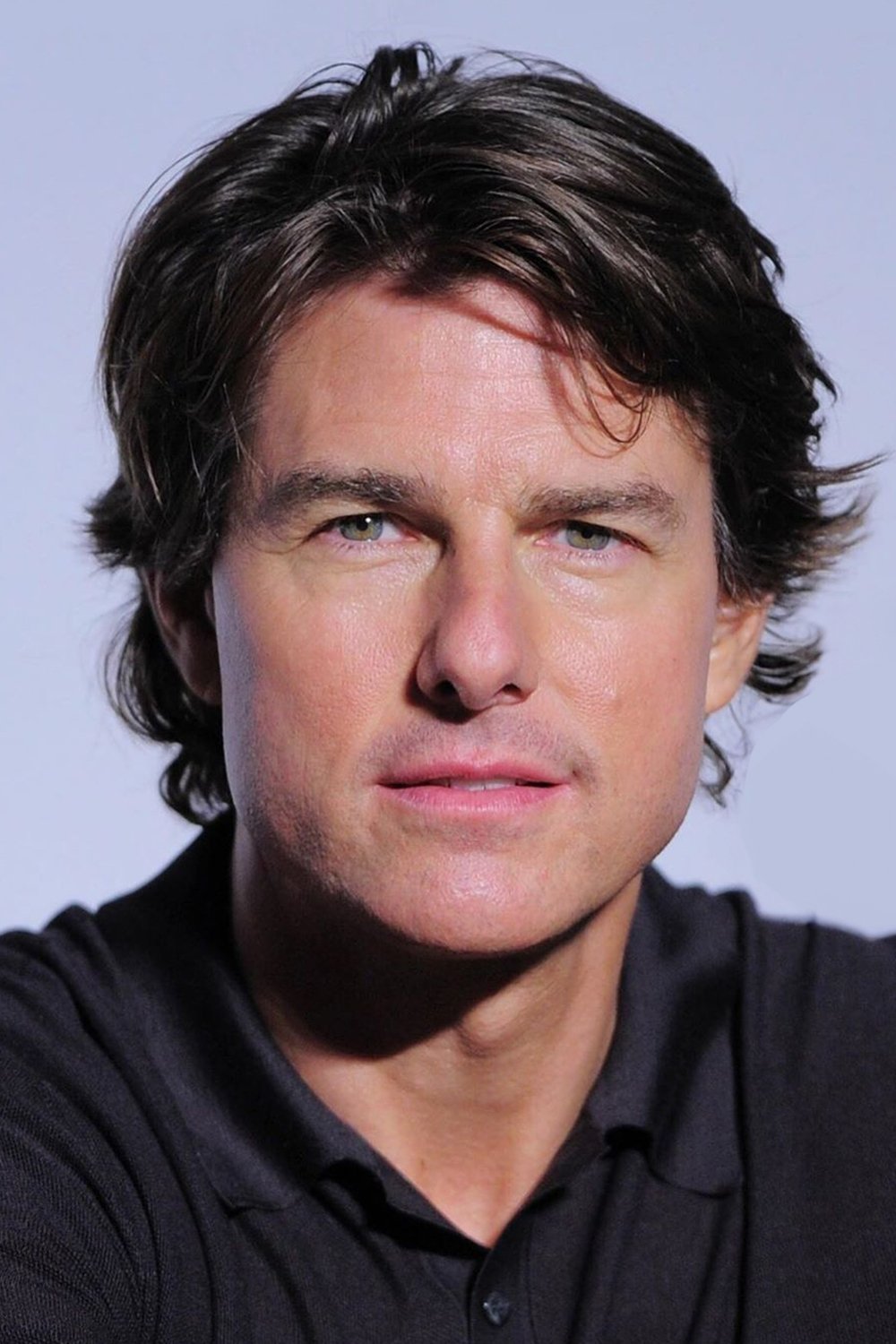
Cruise sustained his superstar status by leading the ‘Mission: Impossible’ series through high-concept set pieces and strong international performance. He worked with auteurs on titles such as ‘Collateral’ and ‘Minority Report’, blending action with character-driven storytelling. Even his supporting turn in ‘Tropic Thunder’ showed a willingness to subvert his image. Throughout the decade, his films consistently ranked among global box-office draws.
Brad Pitt
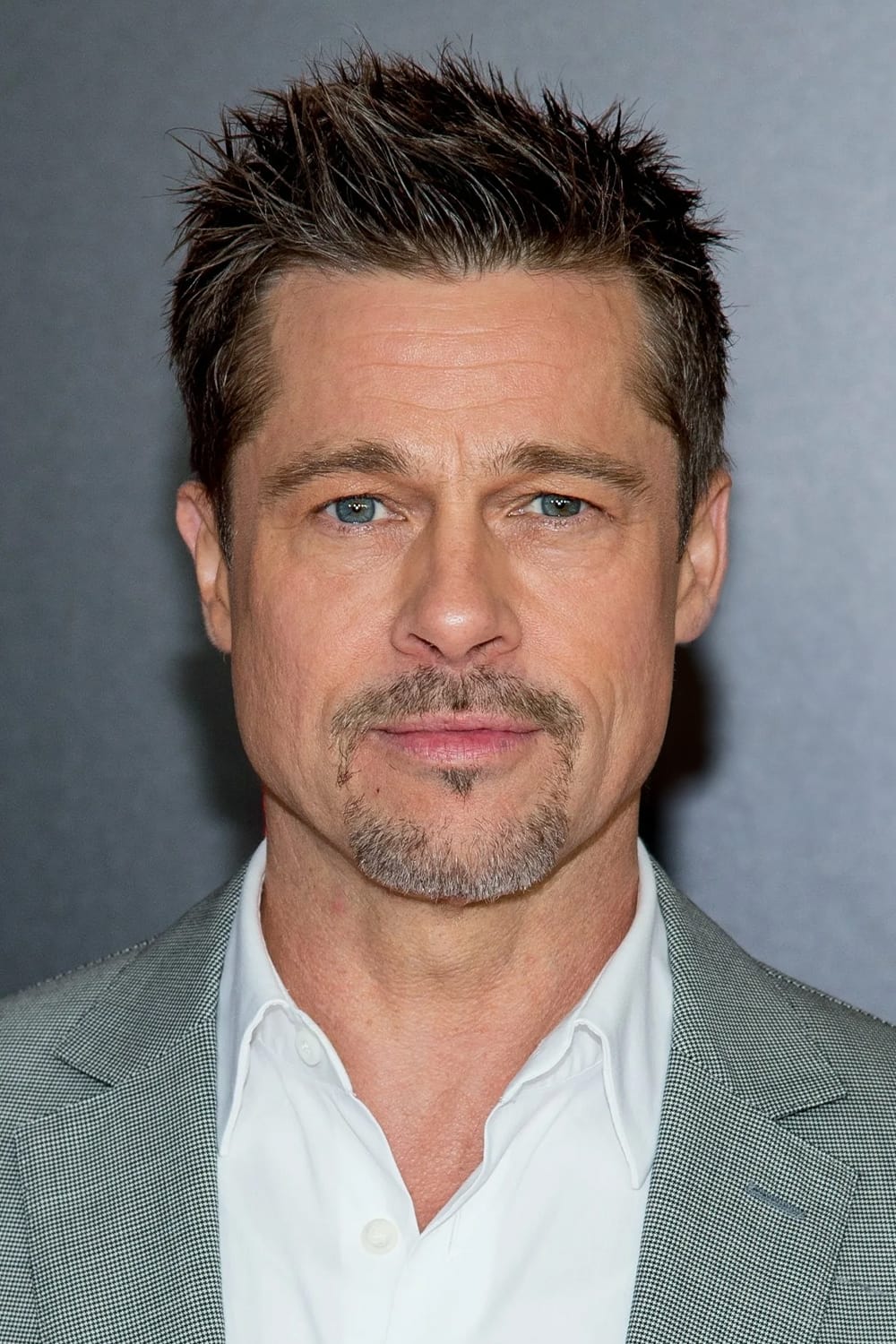
Pitt balanced stylish crime capers like ‘Ocean’s Eleven’ and its sequels with acclaimed dramas including ‘Babel’ and ‘The Curious Case of Benjamin Button’. He collaborated frequently with top directors and developed films through his production company, backing projects such as ‘A Mighty Heart’. His performances ranged from understated ensemble work to transformative lead roles. This mix of commercial and awards-focused choices kept him ubiquitous across genres.
Johnny Depp
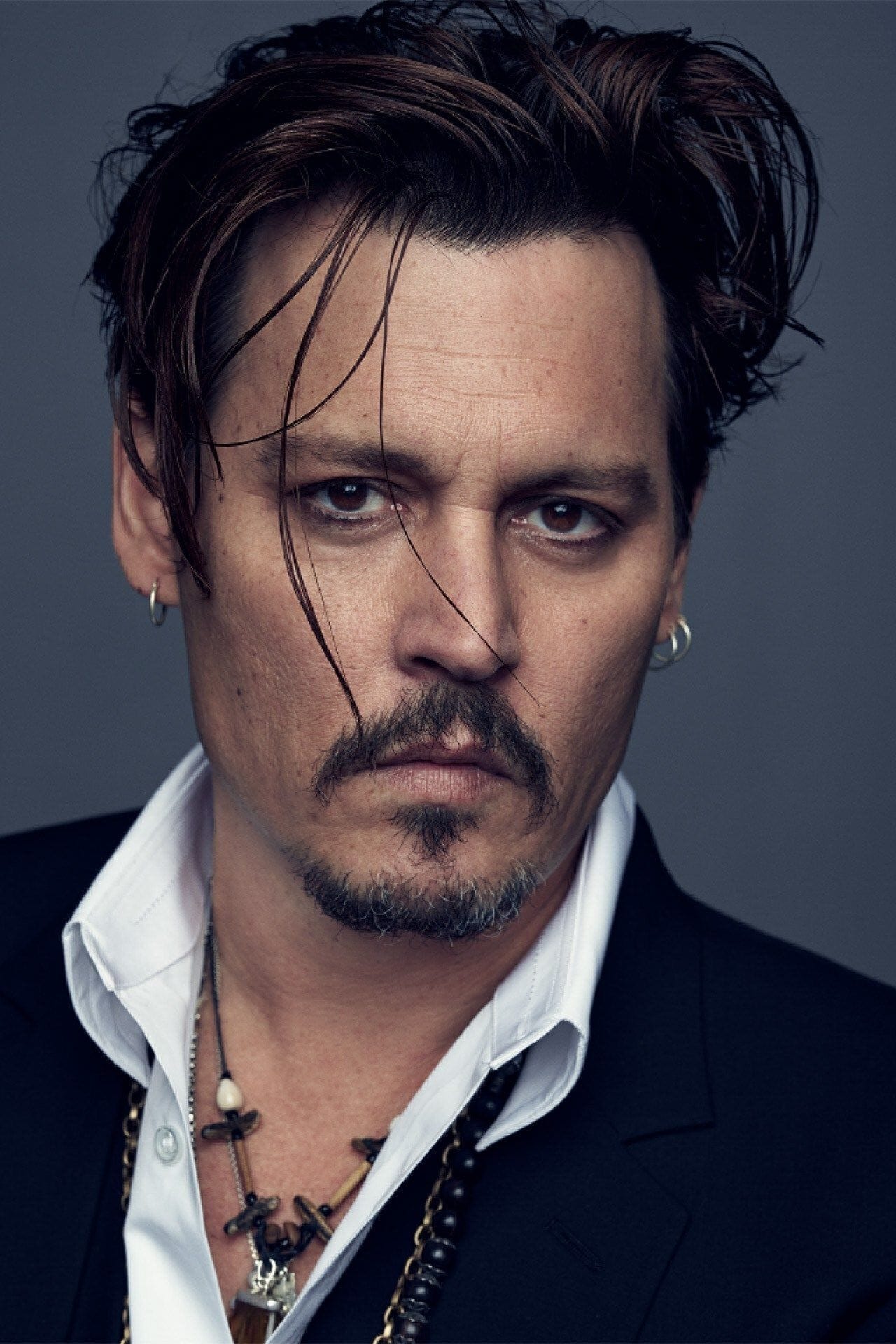
Depp turned the swashbuckling adventure ‘Pirates of the Caribbean’ into a cultural phenomenon while continuing eccentric roles in collaborations like ‘Charlie and the Chocolate Factory’ and ‘Sweeney Todd’. He remained a frequent partner of director Tim Burton, reinforcing a distinctive on-screen persona. The ‘Pirates’ franchise delivered major global revenue across multiple installments. He also earned multiple award nominations for performances that blended comedy and drama.
Will Smith
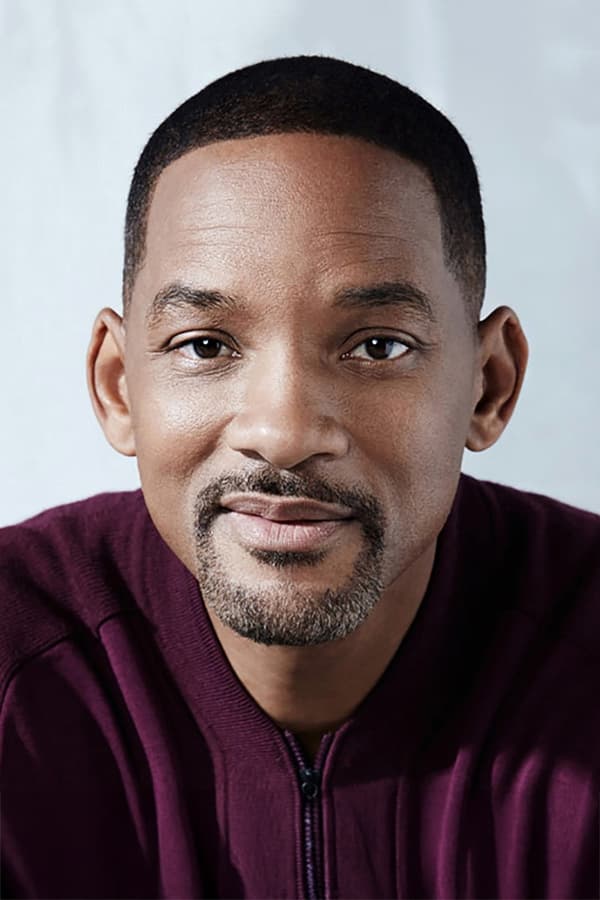
Smith dominated multiplexes with sci-fi and action hits such as ‘I, Robot’, ‘I Am Legend’, and ‘Men in Black II’, while also earning acclaim for dramas like ‘The Pursuit of Happyness’. His films regularly opened at number one domestically and traveled well internationally. He proved adept at family-friendly blockbusters and inspirational true stories. Off screen, he expanded into producing and music tie-ins that supported his releases.
Denzel Washington

Washington delivered powerful lead turns in crime and thriller projects such as ‘Training Day’, ‘Man on Fire’, and ‘Inside Man’. He won major awards recognition for his work while maintaining broad audience appeal. He also stepped behind the camera, directing character-focused dramas like ‘Antwone Fisher’. His roles from this era often explored moral complexity within genre frameworks.
Matt Damon
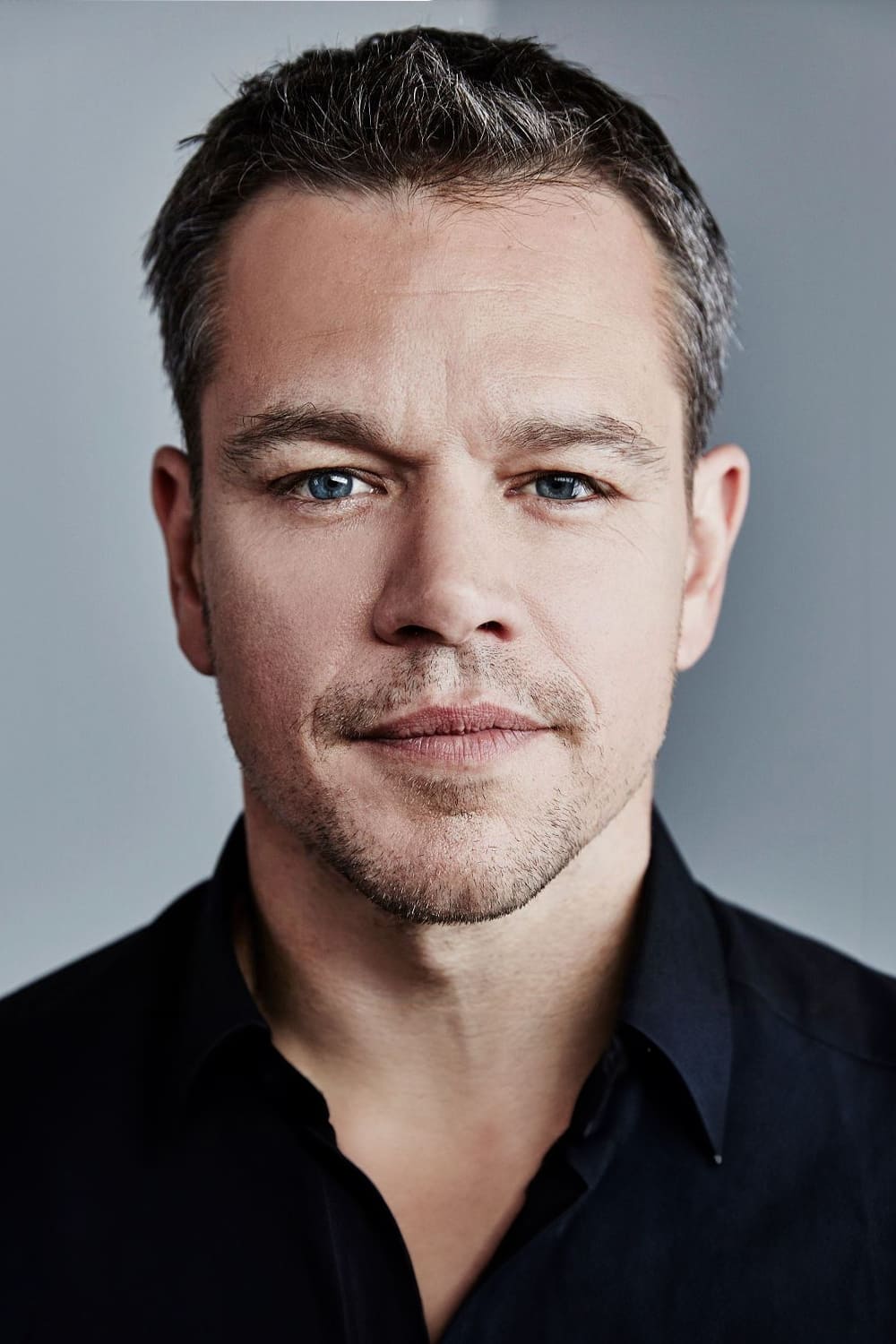
Damon fronted the ‘Bourne’ franchise, setting a standard for grounded action choreography and spy storytelling. He also teamed with ensemble casts in films like ‘Ocean’s Eleven’ and with prestige directors on titles such as ‘The Departed’ and ‘Syriana’. His career combined franchise reliability with politically tinged dramas. He increasingly participated in screenwriting and producing, shaping projects from conception.
George Clooney
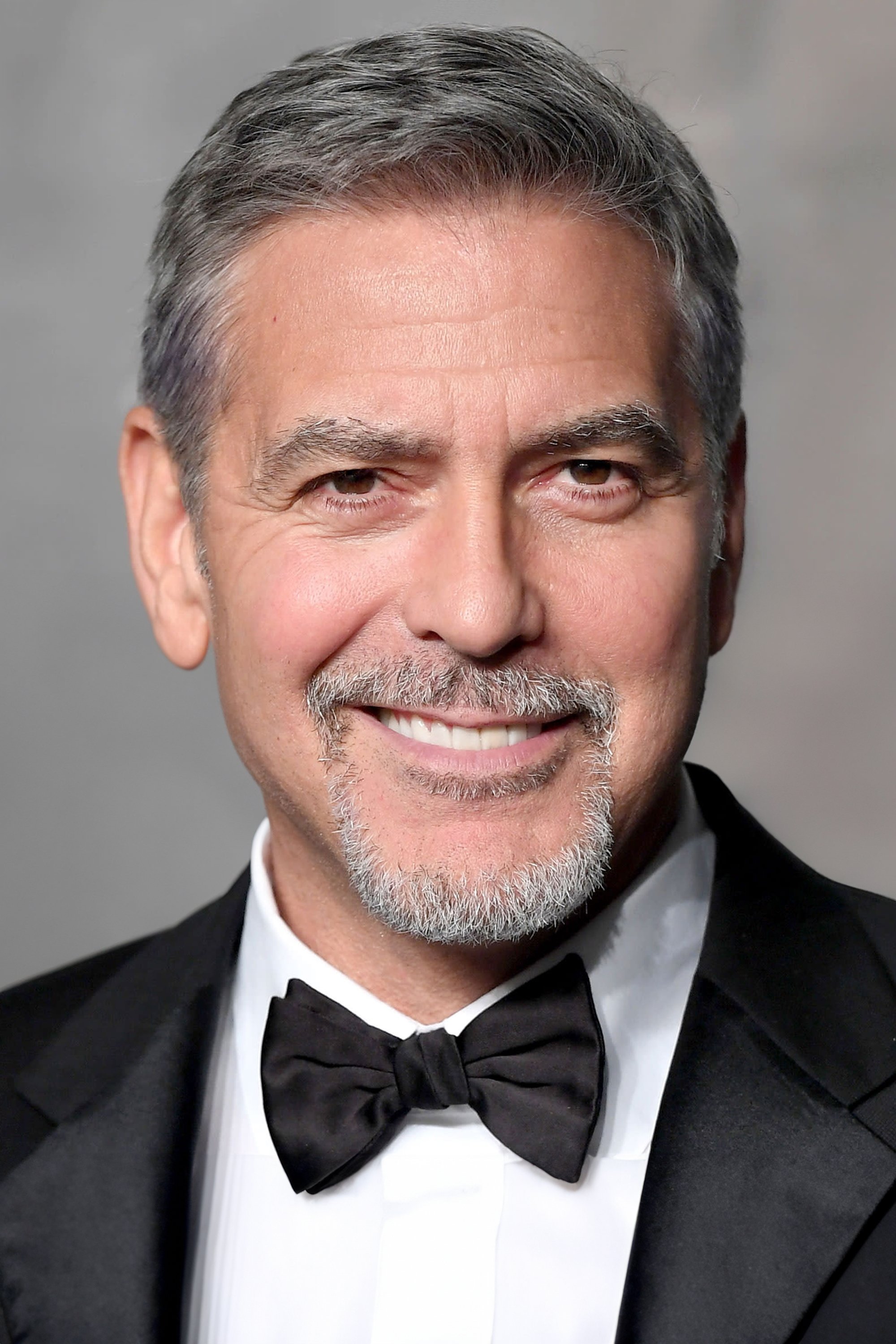
Clooney alternated between glossy entertainment like ‘Ocean’s Eleven’ and politically engaged fare such as ‘Syriana’ and ‘Michael Clayton’. He expanded his influence by directing films including ‘Good Night, and Good Luck’, earning critical recognition. His production company championed sophisticated adult dramas. Clooney’s choices defined a blend of star charisma and socially conscious filmmaking throughout the decade.
Robert Downey Jr.
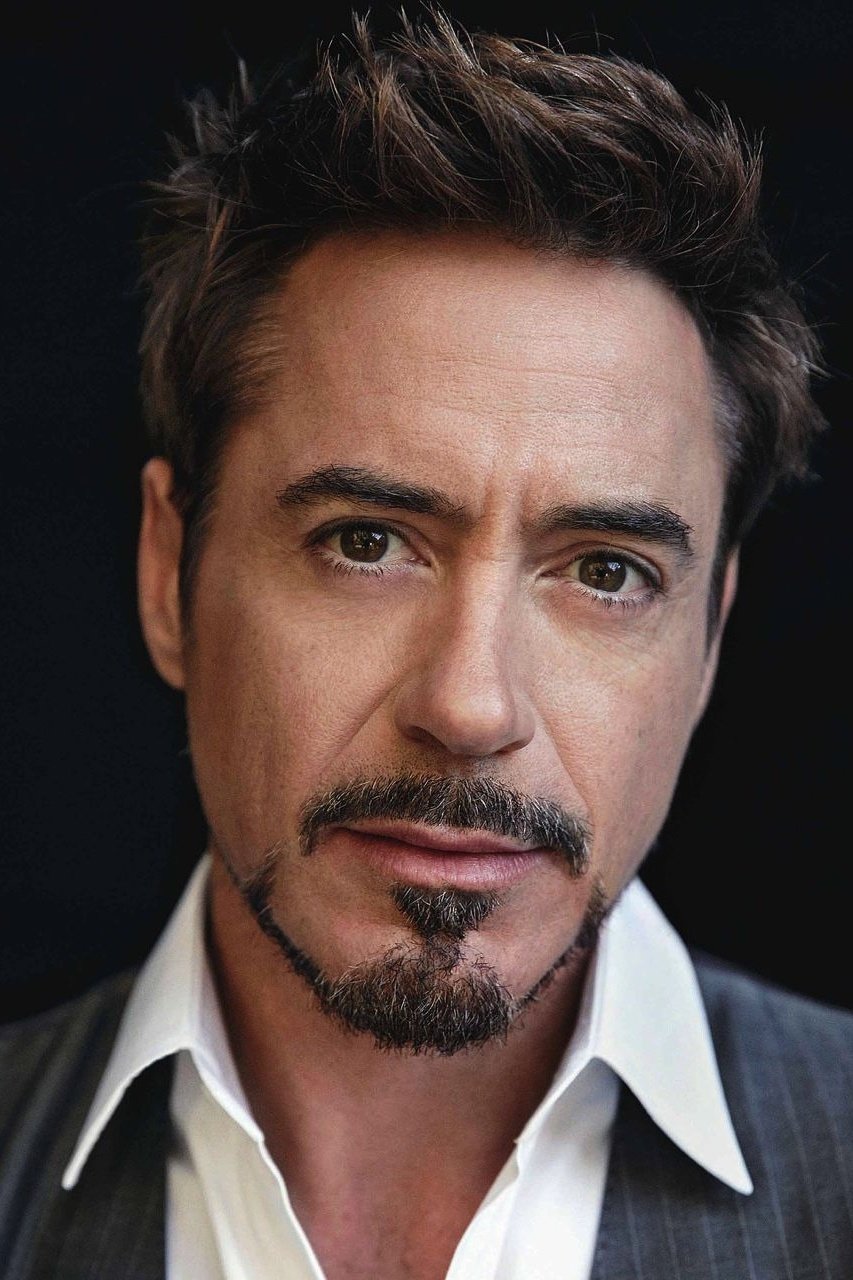
Downey Jr. launched a new era of superhero cinema with ‘Iron Man’, revitalizing both a character and a studio strategy. He also led the mystery-adventure ‘Sherlock Holmes’ and showed range in ‘Tropic Thunder’ and ‘Zodiac’. His comeback narrative aligned with a sustained streak of commercial hits. This period repositioned him as a cornerstone of franchise storytelling and ensemble crossovers.
Christian Bale
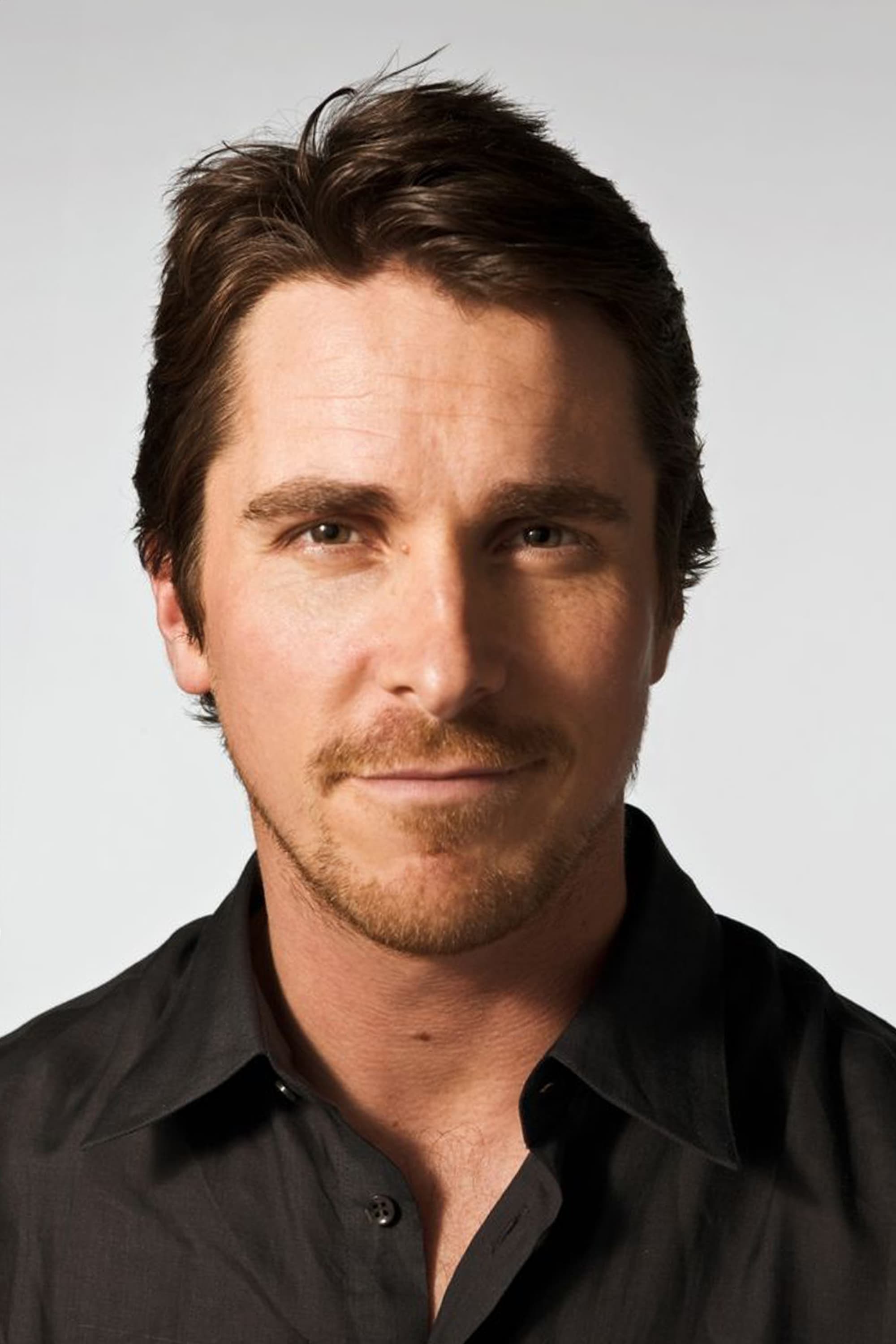
Bale headlined the revitalized ‘The Dark Knight’ trilogy starting with ‘Batman Begins’, while continuing intense character work in films like ‘The Machinist’ and ‘Rescue Dawn’. He collaborated with directors known for stylized action and gritty realism. His method-driven transformations drew widespread attention. By the end of the decade, he was synonymous with a grounded approach to superhero narratives.
Russell Crowe
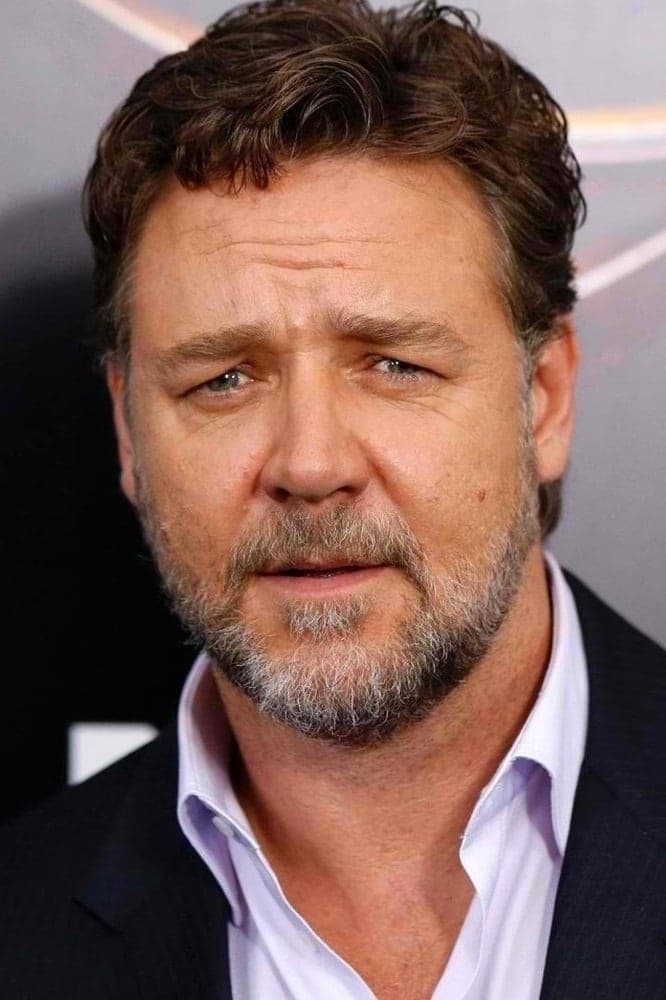
Crowe’s run included the epic drama ‘Gladiator’, followed by acclaimed performances in ‘A Beautiful Mind’ and ‘Cinderella Man’. He frequently worked with Ridley Scott on titles like ‘American Gangster’ and ‘Body of Lies’. His roles often centered on morally conflicted protagonists in historical or crime settings. Crowd-pleasing success combined with awards recognition kept him at the forefront of prestige filmmaking.
Hugh Jackman
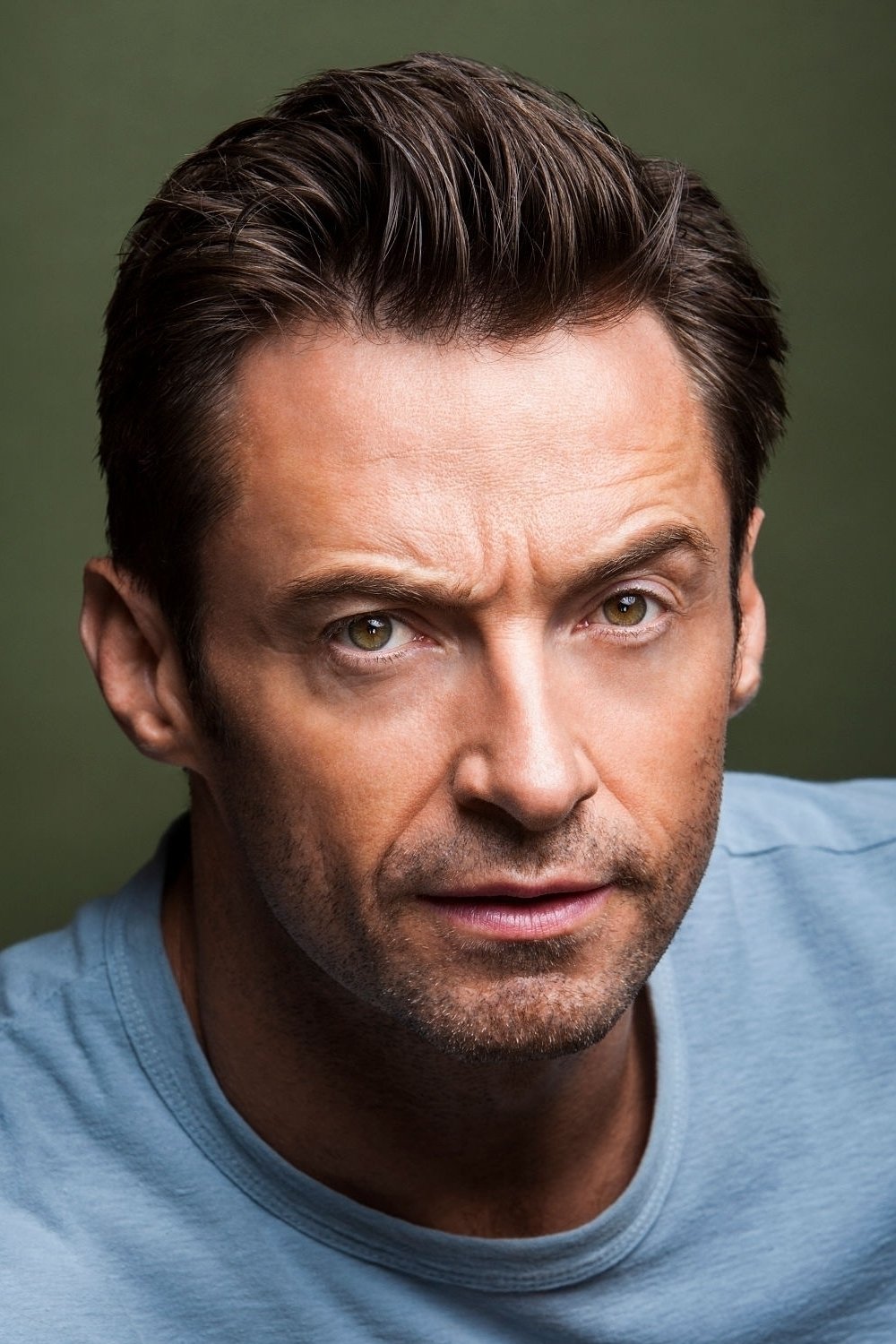
Jackman became globally recognized through ‘X-Men’ and its sequels, establishing a durable franchise presence. He diversified with musical and thriller projects such as ‘The Prestige’ and ‘Australia’. Known for stage experience, he hosted major industry ceremonies that showcased his versatility. His 2000s output solidified him as both an action lead and a performer with broad theatrical skills.
Joaquin Phoenix
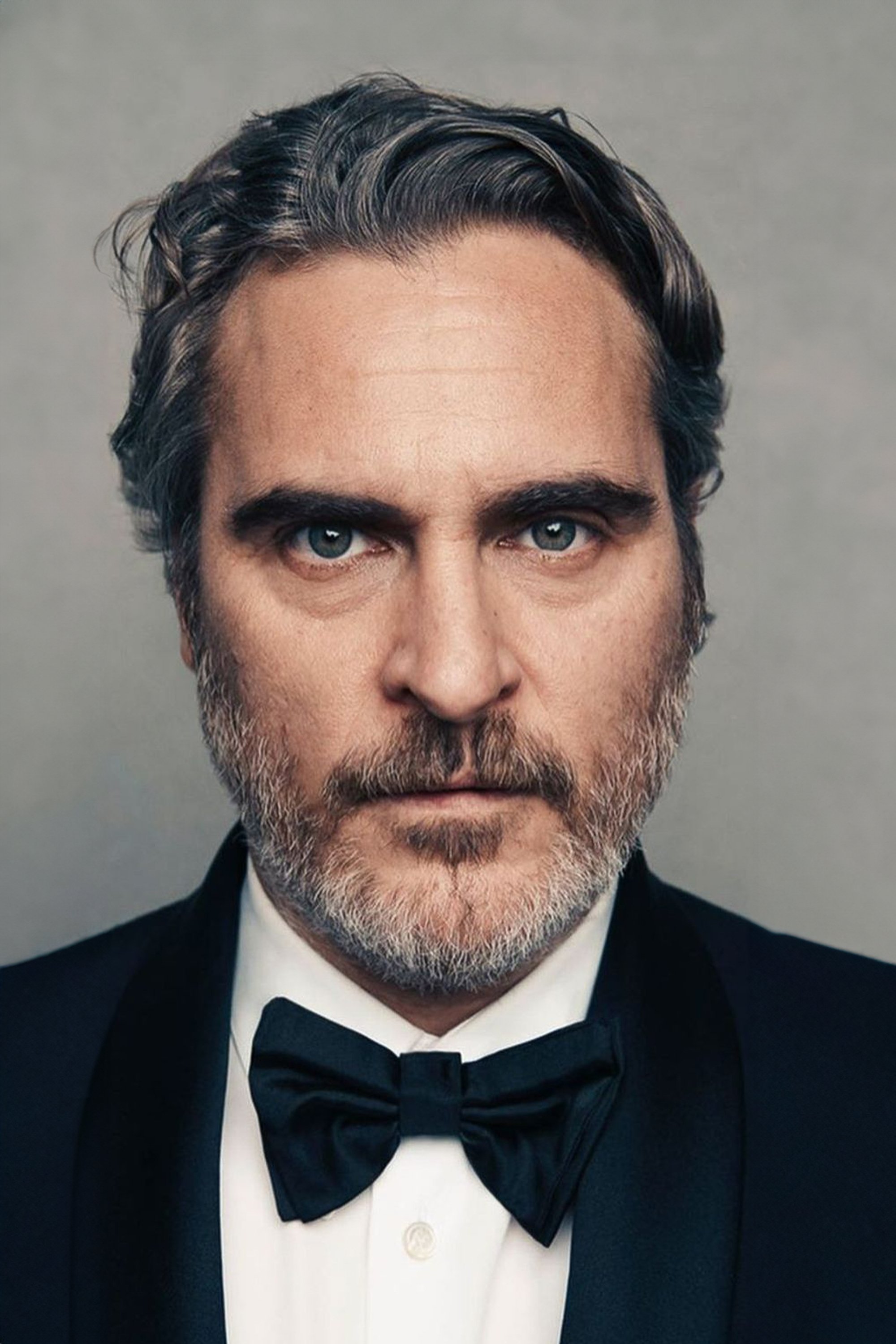
Phoenix earned critical praise for biographical drama ‘Walk the Line’, delivering a performance that drew major awards attention. He balanced that with darker character studies like ‘We Own the Night’ and collaborations with directors exploring moral ambiguity. His work often centered on intense, internal conflicts. This period positioned him as a leading figure in psychological and character-driven cinema.
Heath Ledger
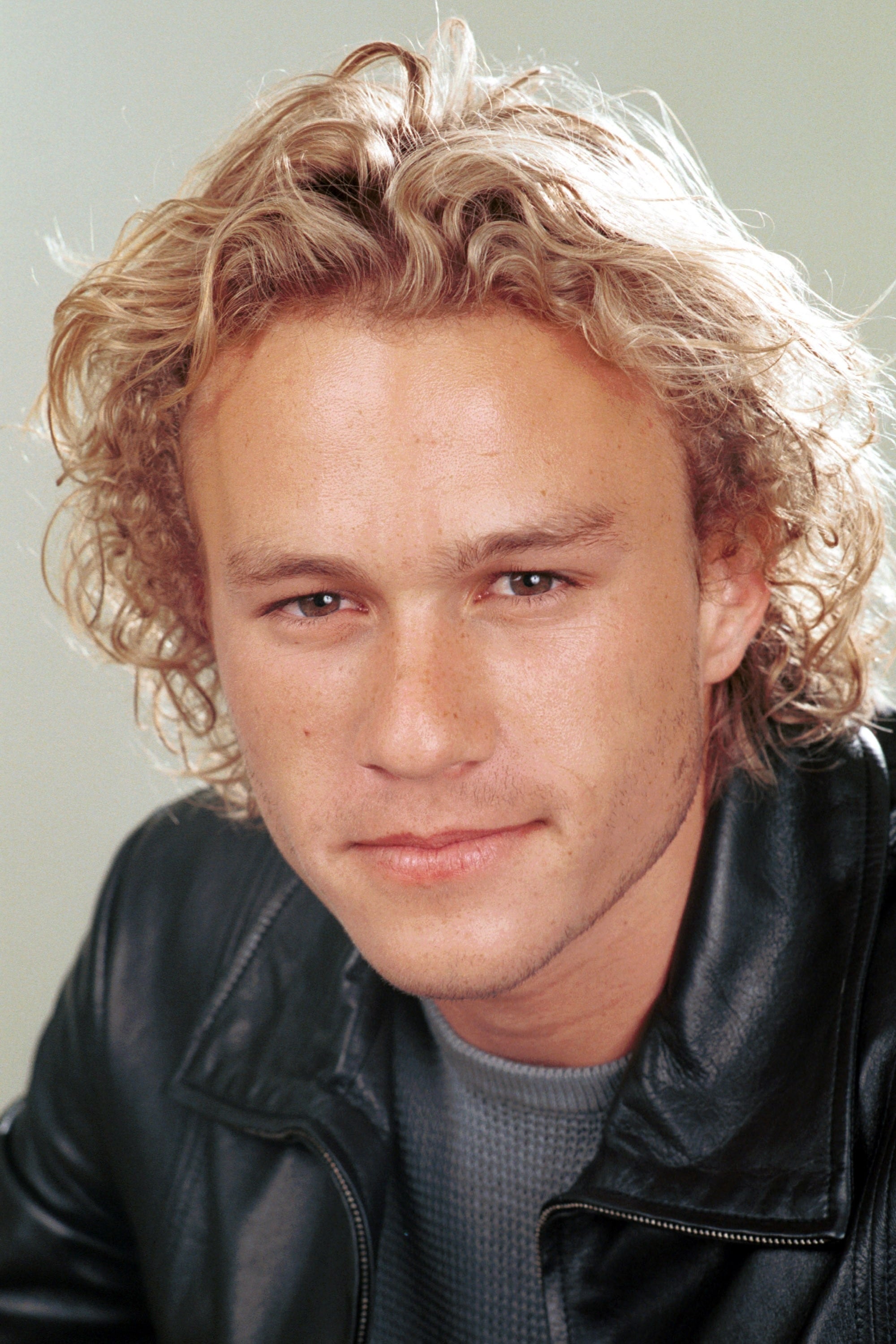
Ledger’s career accelerated with ‘Brokeback Mountain’, which brought significant critical acclaim and major award nominations. He later delivered a transformative turn in ‘The Dark Knight’, earning posthumous honors. Earlier roles in titles like ‘A Knight’s Tale’ and ‘The Patriot’ showed range across genres. His 2000s performances left a lasting impact on both mainstream and arthouse audiences.
Philip Seymour Hoffman
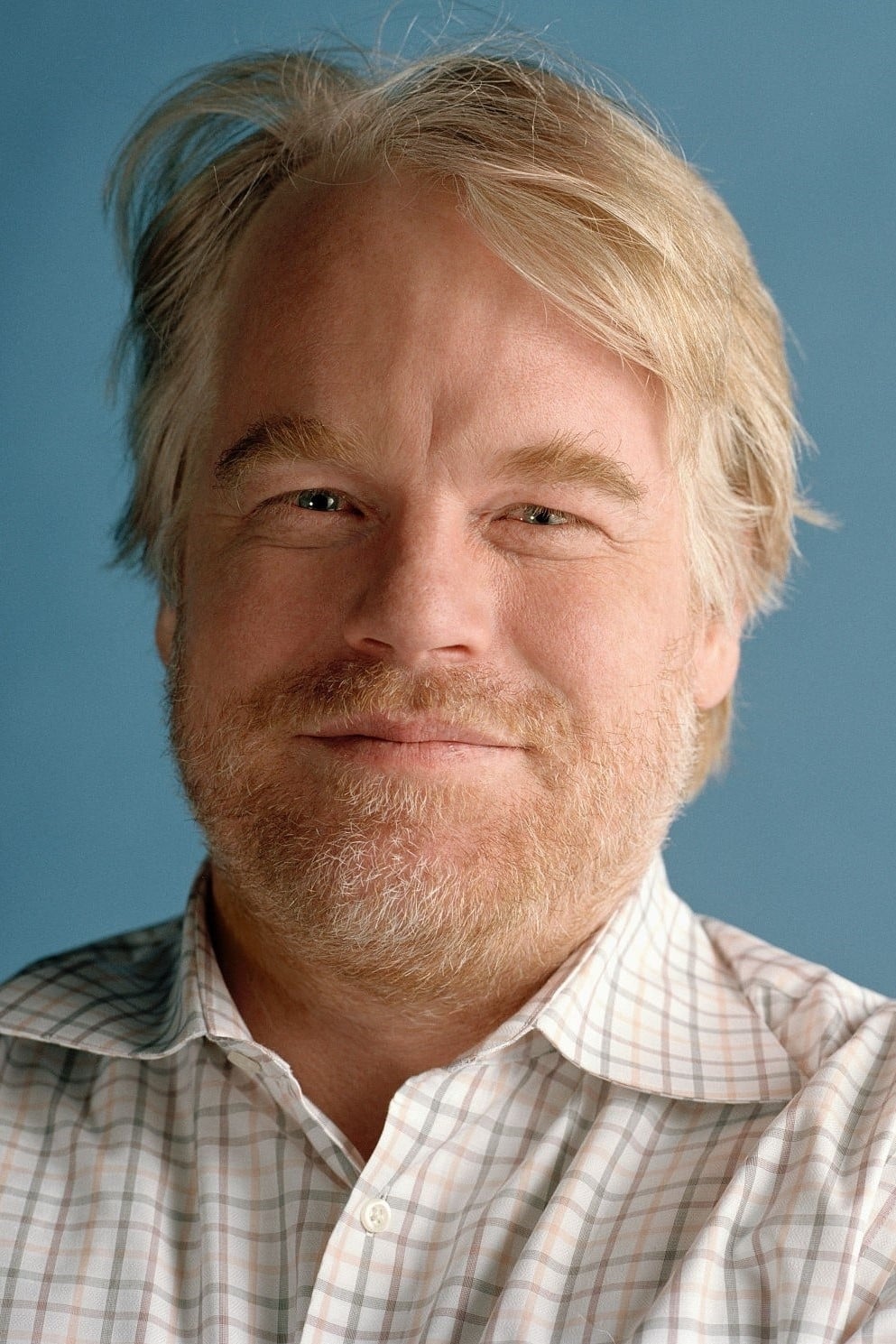
Hoffman won Best Actor for ‘Capote’ and continued with acclaimed turns in films like ‘Doubt’ and ‘Before the Devil Knows You’re Dead’. He was also a sought-after supporting actor in large ensembles, contributing to dramas such as ‘Cold Mountain’ and ‘Mission: Impossible III’. His stage work ran parallel to his screen career, enhancing his reputation for craft. Throughout the decade, he moved seamlessly between leads and character roles across independent and studio productions.
Tom Hanks
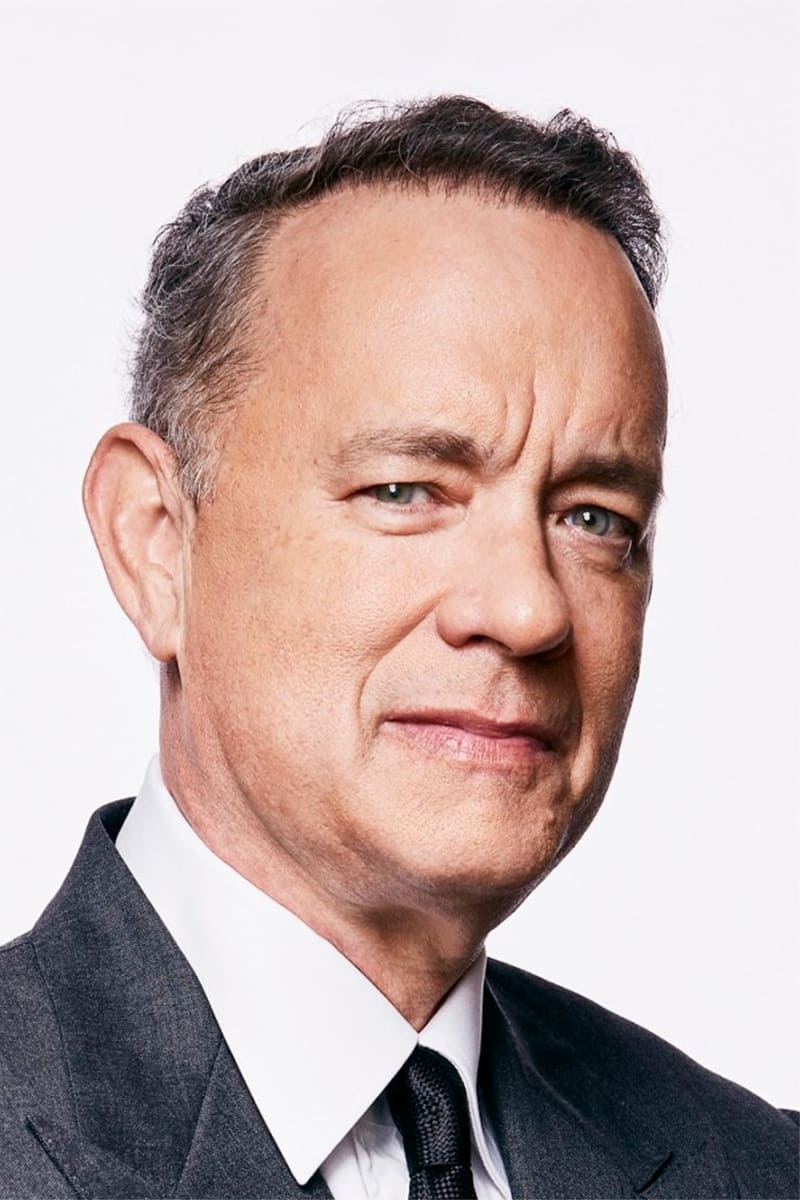
Hanks continued his box-office momentum with dramas like ‘Cast Away’ and ‘Road to Perdition’, pairing star power with character-driven storytelling. He headlined literary adaptations such as ‘The Da Vinci Code’ and ‘Angels & Demons’, which performed strongly worldwide. Voice work in ‘Toy Story’ installments kept him central to family entertainment. He also expanded producing efforts, backing prestige television projects alongside his film slate.
Samuel L. Jackson
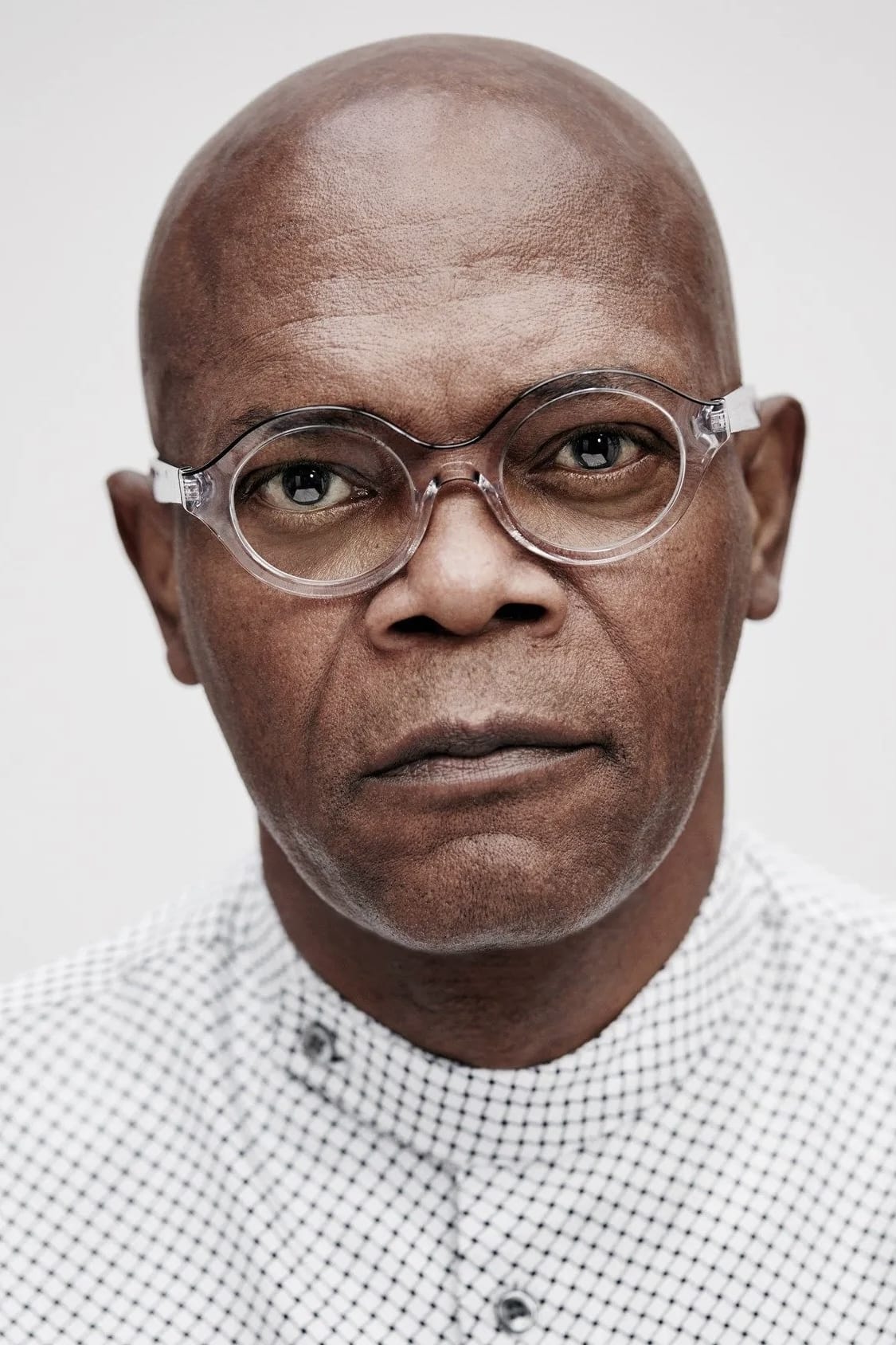
Jackson remained one of the most prolific actors of the decade, spanning action, thrillers, and prestige ensembles. He anchored genre entries like ‘Unbreakable’ and contributed to early chapters of the Marvel screen universe with ‘Iron Man’ and ‘The Incredible Hulk’. His voice and presence appeared across animation and video game tie-ins, extending his cultural reach. He also collaborated with Quentin Tarantino on ‘Kill Bill’ in a cameo capacity and continued franchise roles in ‘Star Wars’.
Daniel Craig
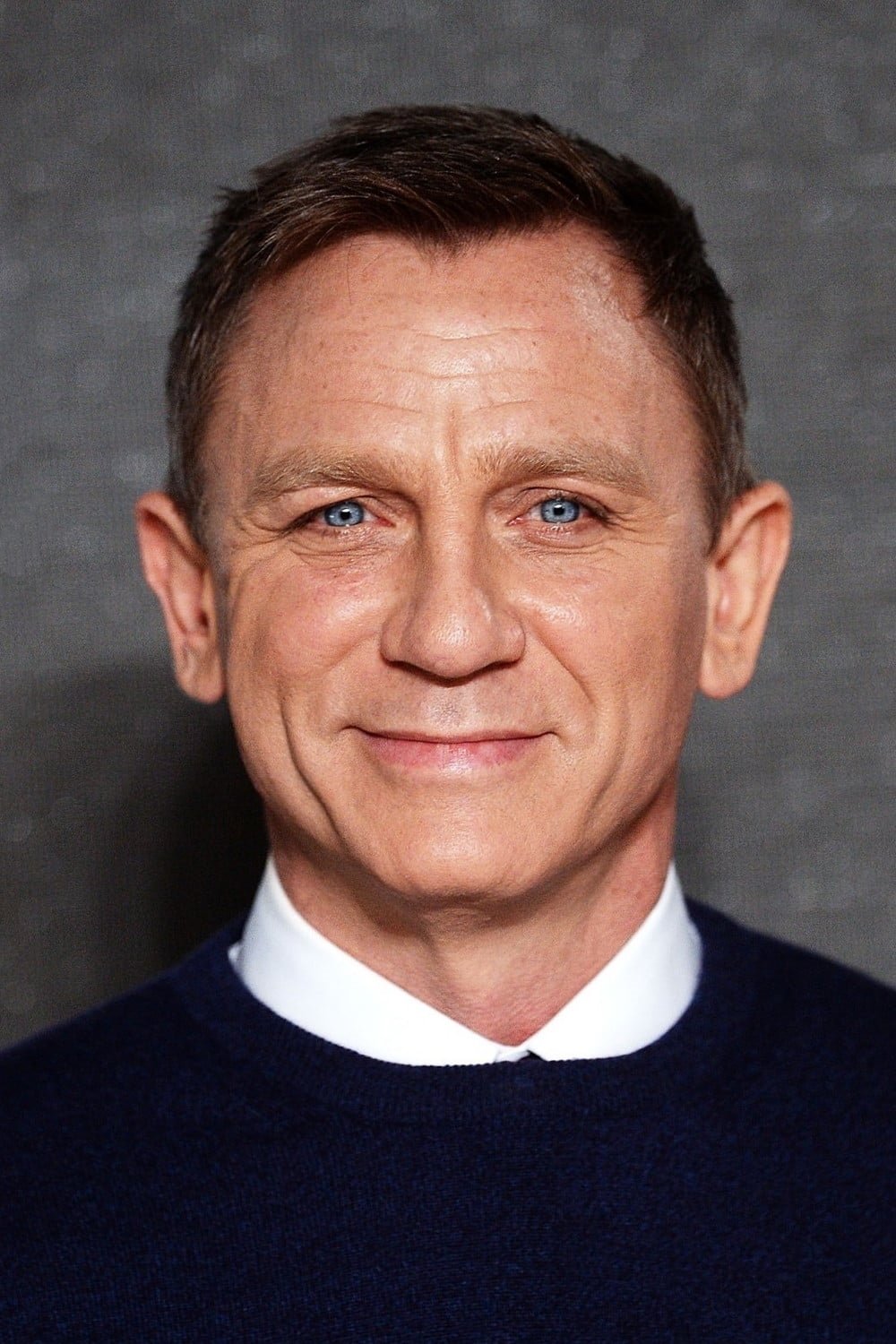
Craig transformed the spy genre by debuting as James Bond in ‘Casino Royale’, introducing a grounded, physical approach to the franchise. He balanced that with crime and thriller work such as ‘Layer Cake’ and ‘Defiance’. His tenure broadened the global audience for Bond and drove renewed interest in serialized character arcs. Outside the franchise, he maintained a steady slate of mid-budget dramas and ensemble projects.
Keanu Reeves
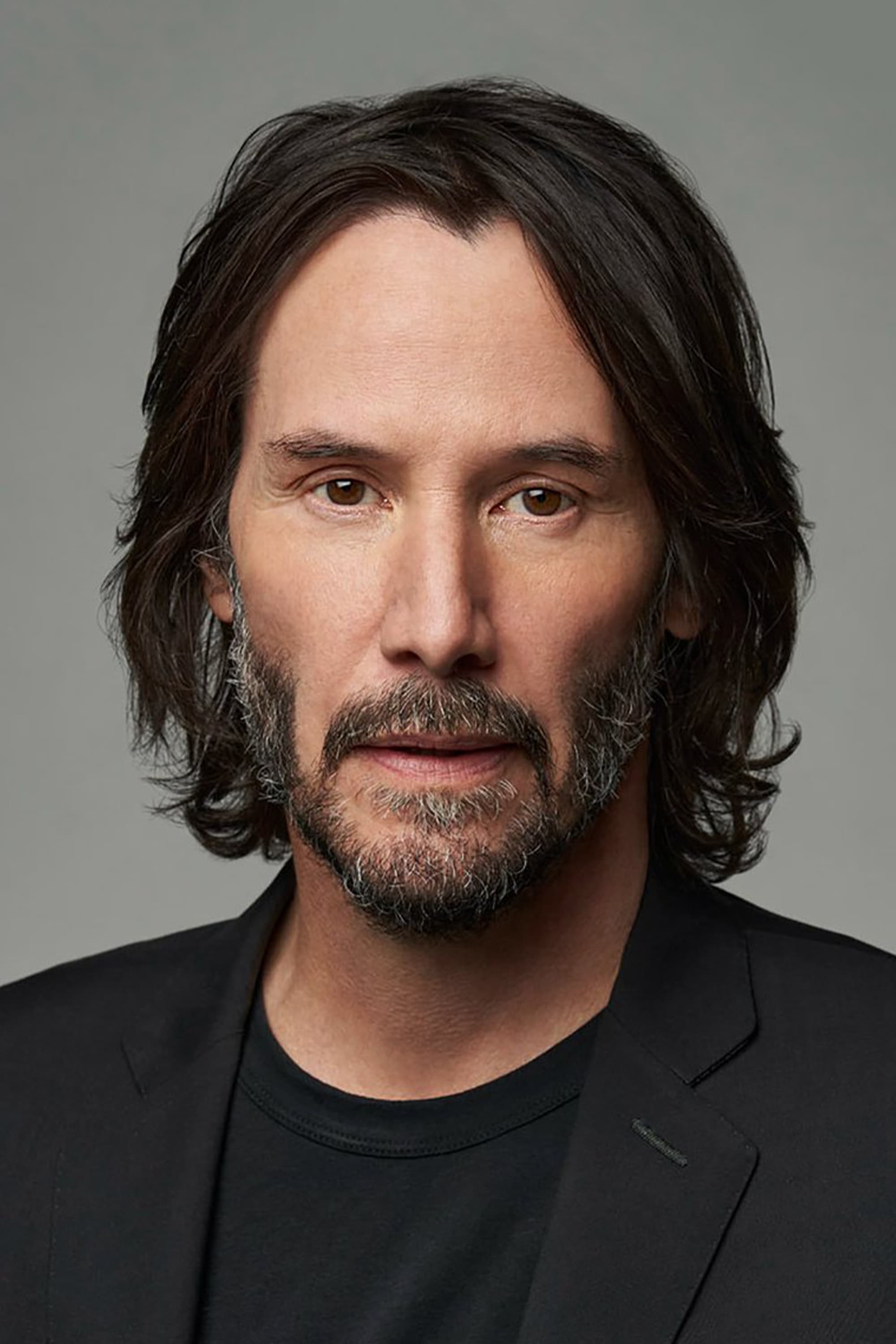
Reeves closed out ‘The Matrix’ trilogy in the early 2000s, cementing his status in sci-fi action. He diversified with romantic drama ‘Something’s Gotta Give’ and comic-book adaptation ‘Constantine’. His projects often featured strong international play, aided by action-forward concepts. He also participated in experimental animation with ‘A Scanner Darkly’, reflecting interest in boundary-pushing storytelling.
Viggo Mortensen
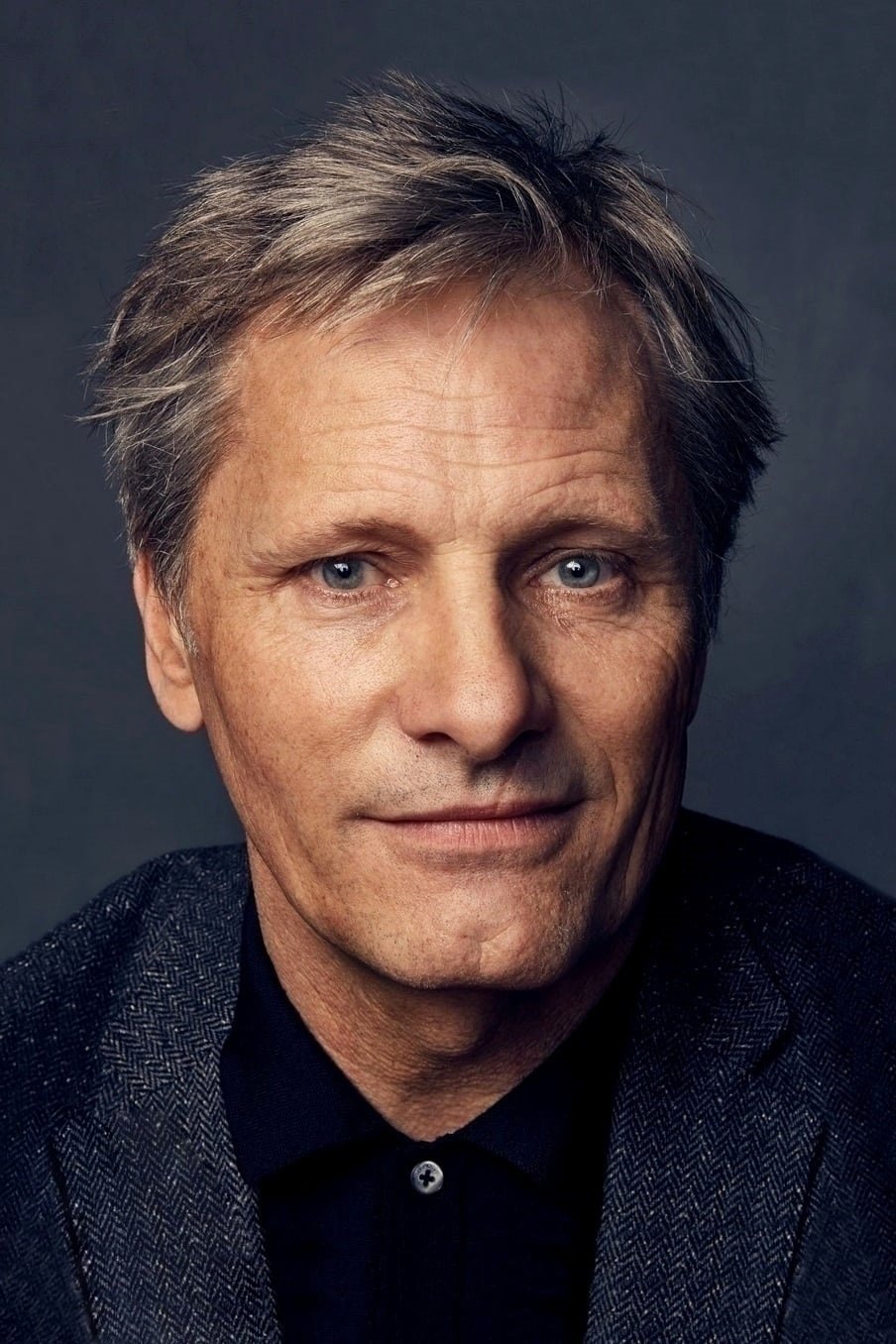
Mortensen’s turn as Aragorn in ‘The Lord of the Rings’ trilogy made him a global leading man. He followed with acclaimed collaborations with David Cronenberg, including ‘A History of Violence’ and ‘Eastern Promises’. His choices frequently combined physical roles with character nuance. He also pursued photography and multilingual projects, highlighting a broad creative profile.
Orlando Bloom
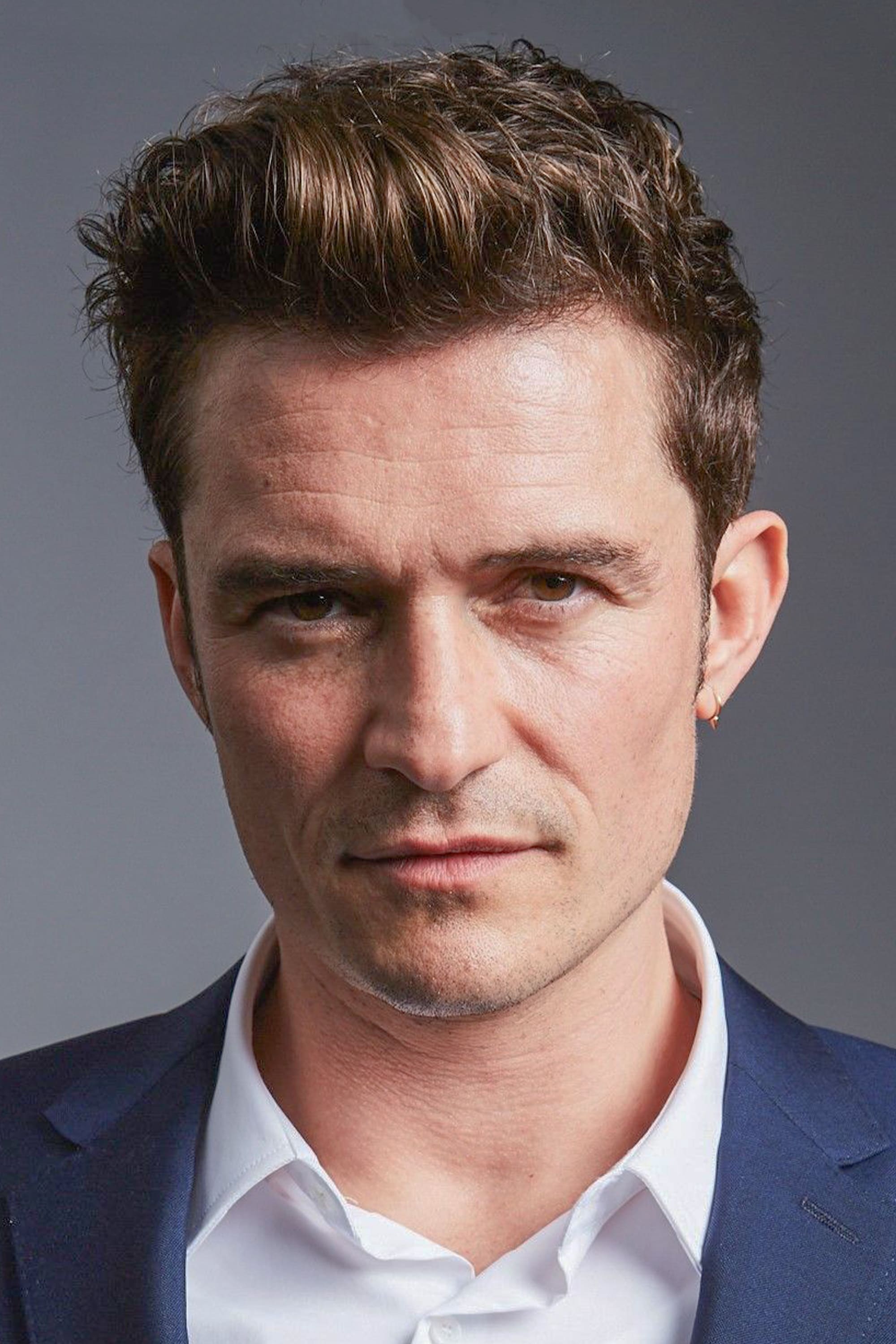
Bloom rose to prominence through back-to-back franchises, playing Legolas in ‘The Lord of the Rings’ and Will Turner in ‘Pirates of the Caribbean’. He added historical epics like ‘Troy’ and ‘Kingdom of Heaven’ to his résumé. This mix kept him visible to worldwide audiences across adventure and fantasy. He also took smaller contemporary roles to diversify beyond period and franchise work.
Edward Norton
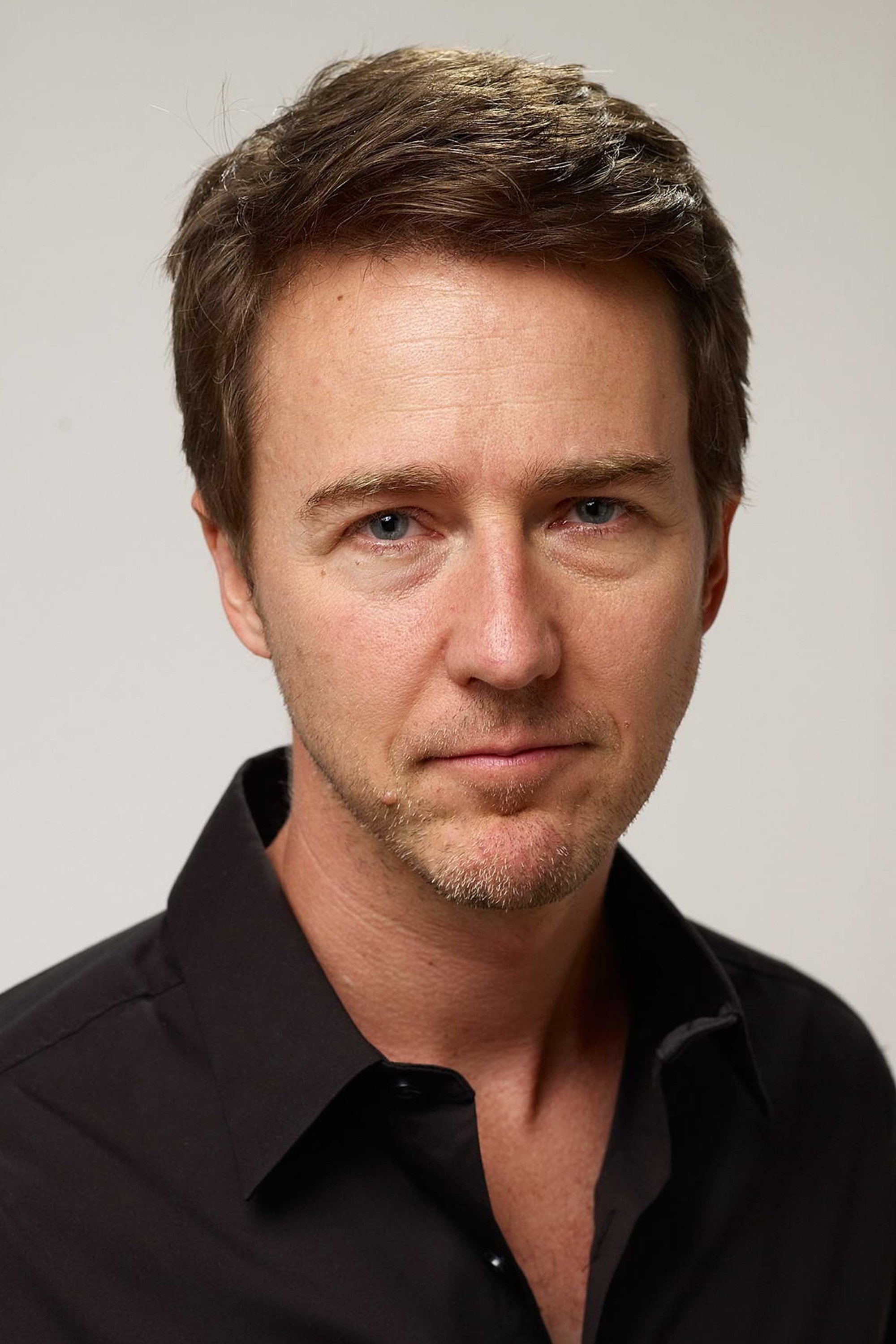
Norton moved between intense dramas and large-scale films, from ’25th Hour’ and ‘The Illusionist’ to ‘The Incredible Hulk’. He worked with auteurs like Spike Lee and Wes Anderson, appearing in ‘The Darjeeling Limited’ in an ensemble capacity. Known for hands-on involvement, he contributed to script and editorial discussions on several projects. He maintained a balance of leading roles and key supporting turns in prestige releases.
Mark Wahlberg
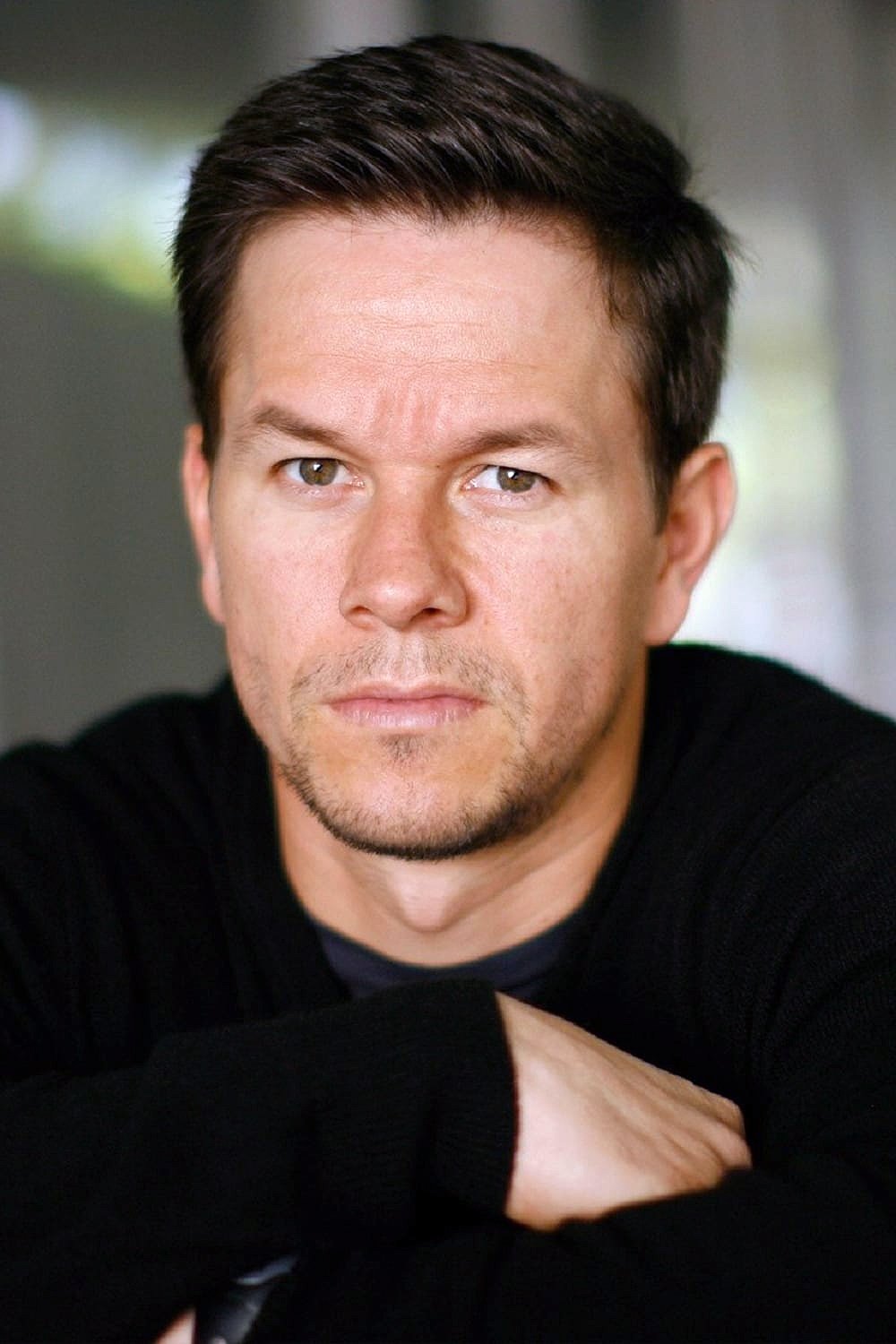
Wahlberg shifted from early comedies into crime and action with ‘The Departed’, ‘Shooter’, and ‘Four Brothers’. He also produced television hits behind the scenes while headlining varied film genres. His performances often centered on blue-collar protagonists in high-stakes stories. By the decade’s end, he combined acting with producing responsibilities across film and TV.
Jamie Foxx
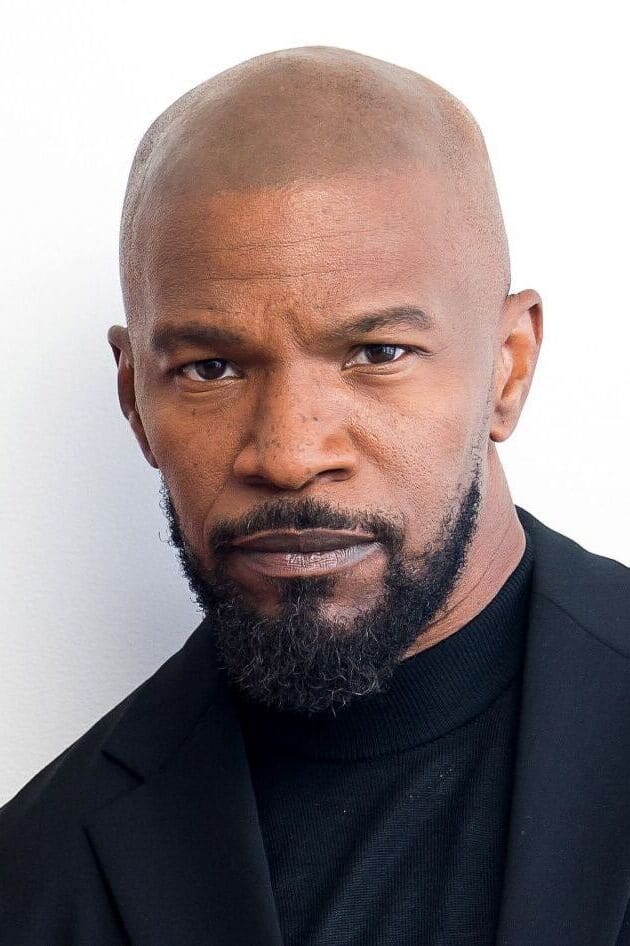
Foxx delivered a landmark biographical performance in ‘Ray’, earning major awards recognition. He continued with high-profile roles in ‘Collateral’, ‘Miami Vice’, and ‘Jarhead’. His career blended music endeavors with acting, resulting in cross-media visibility. He also took on ensemble dramas and action-thrillers that sustained his presence across multiple audiences.
Ewan McGregor
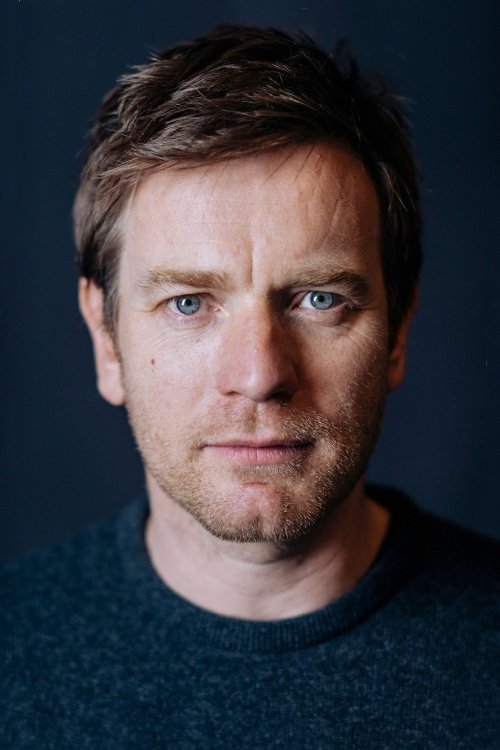
McGregor returned as Obi-Wan Kenobi in the ‘Star Wars’ prequels while working in dramas like ‘Moulin Rouge!’ and ‘Big Fish’. He pursued eclectic roles that ranged from musicals to political thrillers. His filmography in the decade traversed studio tentpoles and European independent cinema. He remained active in stage and travel documentary projects that expanded his global profile.
Nicolas Cage
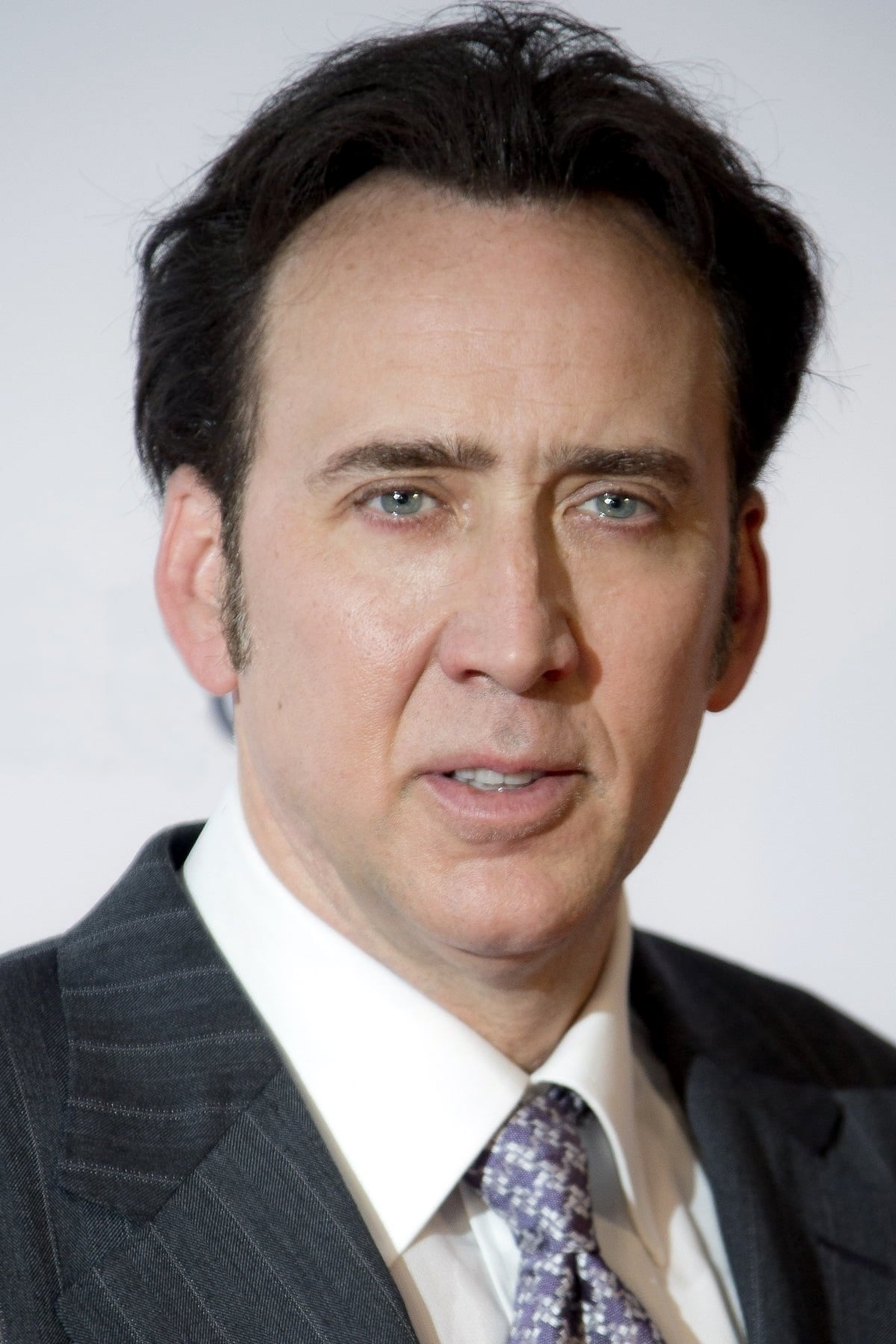
Cage alternated between adventure hits like ‘National Treasure’ and darker fare such as ‘Adaptation.’ and ‘Lord of War’. He worked with directors known for stylized storytelling, including collaborations with Spike Jonze and Werner Herzog. His output stayed remarkably prolific, spanning action, comedy, and drama. Several titles built strong overseas audiences, reinforcing his appeal in international markets.
Jude Law
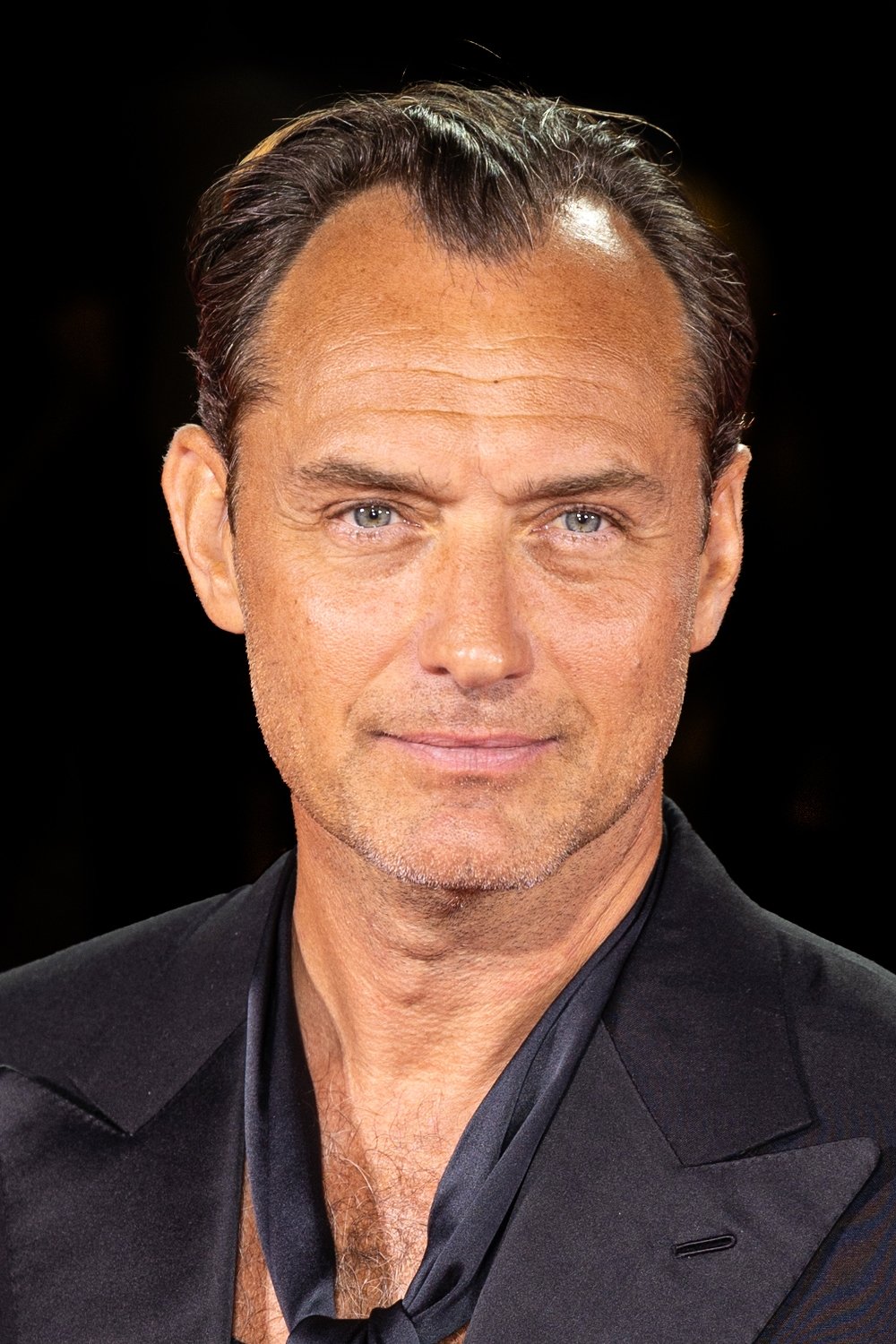
Law stood out in prestige ensembles with ‘Cold Mountain’ and ‘Closer’, balancing romantic drama with darker character studies. He stepped into franchise territory with ‘Sherlock Holmes’, joining Robert Downey Jr. in a blockbuster pairing. His roles frequently explored complicated personal dynamics and moral ambiguity. Parallel stage work kept his classical acting profile in circulation.
Colin Farrell
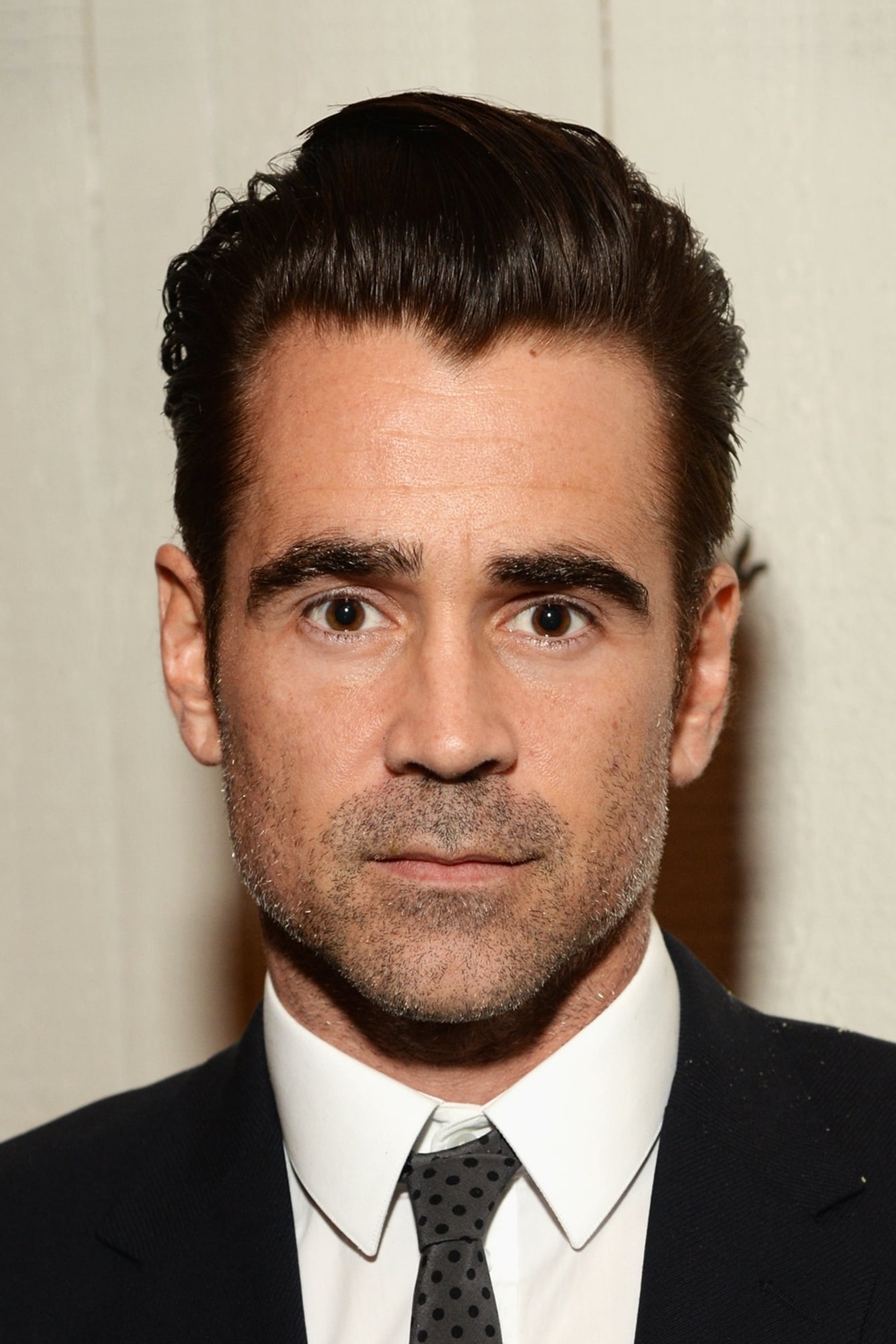
Farrell emerged as a leading man in action and crime films such as ‘Phone Booth’, ‘S.W.A.T.’, and ‘Miami Vice’. He collaborated with filmmakers like Terrence Malick on ‘The New World’ and Martin McDonagh on ‘In Bruges’. His choices mixed commercial vehicles with character-driven projects. International press kept him in the spotlight as his filmography broadened.
Jake Gyllenhaal
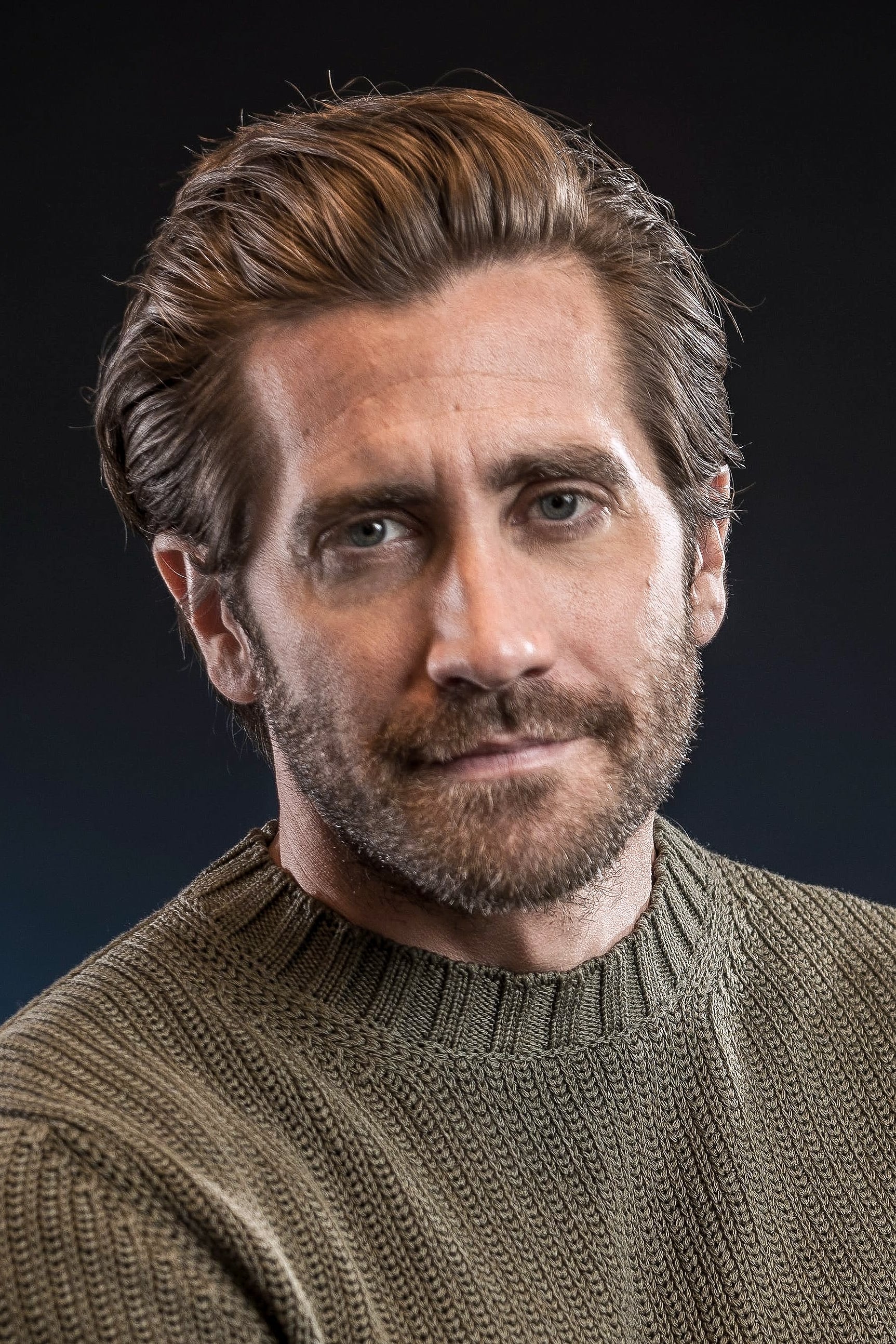
Gyllenhaal balanced mainstream successes like ‘The Day After Tomorrow’ with acclaimed dramas such as ‘Brokeback Mountain’ and ‘Zodiac’. He gravitated toward investigative thrillers and psychologically layered roles. His performances drew consistent awards attention and critical notice. This blend positioned him as a go-to lead for cerebral genre films and prestige ensembles.
Ben Affleck
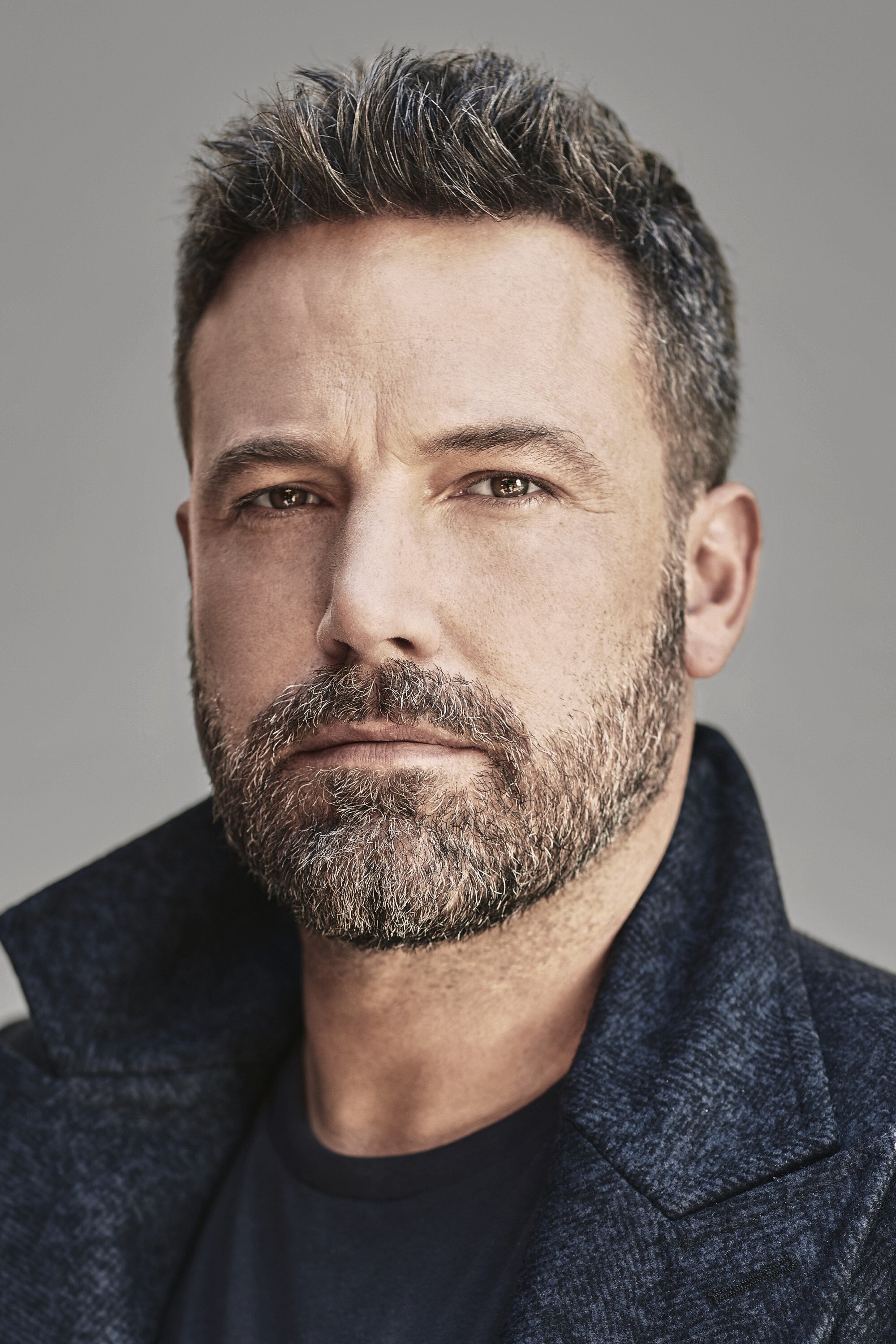
Affleck’s decade included action-thrillers and crime dramas like ‘The Sum of All Fears’, ‘Changing Lanes’, and ‘Hollywoodland’. He transitioned into directing with ‘Gone Baby Gone’, earning strong critical responses and signaling a new phase of his career. Ensemble turns in ‘Smokin’ Aces’ and ‘State of Play’ kept him active on screen. By the close of the 2000s, he had re-established momentum both in front of and behind the camera.
Tobey Maguire
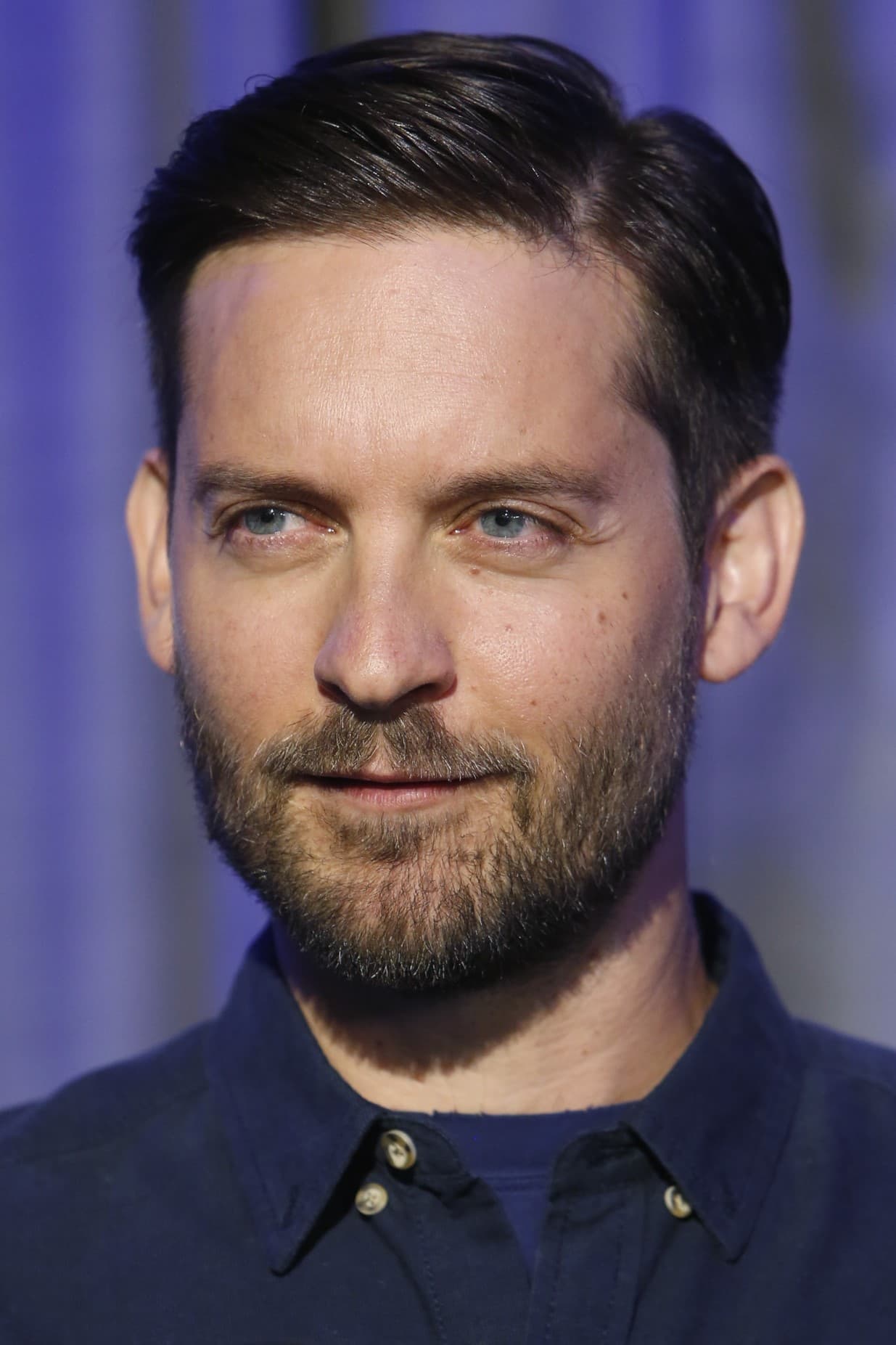
Maguire became widely recognized through the superhero franchise ‘Spider-Man’, which helped reshape modern comic-book filmmaking. He balanced franchise work with character dramas like ‘Seabiscuit’ and ‘Brothers’. His performances often highlighted grounded, introspective protagonists. Alongside acting, he began producing projects that leaned toward auteur-driven stories.
Pierce Brosnan
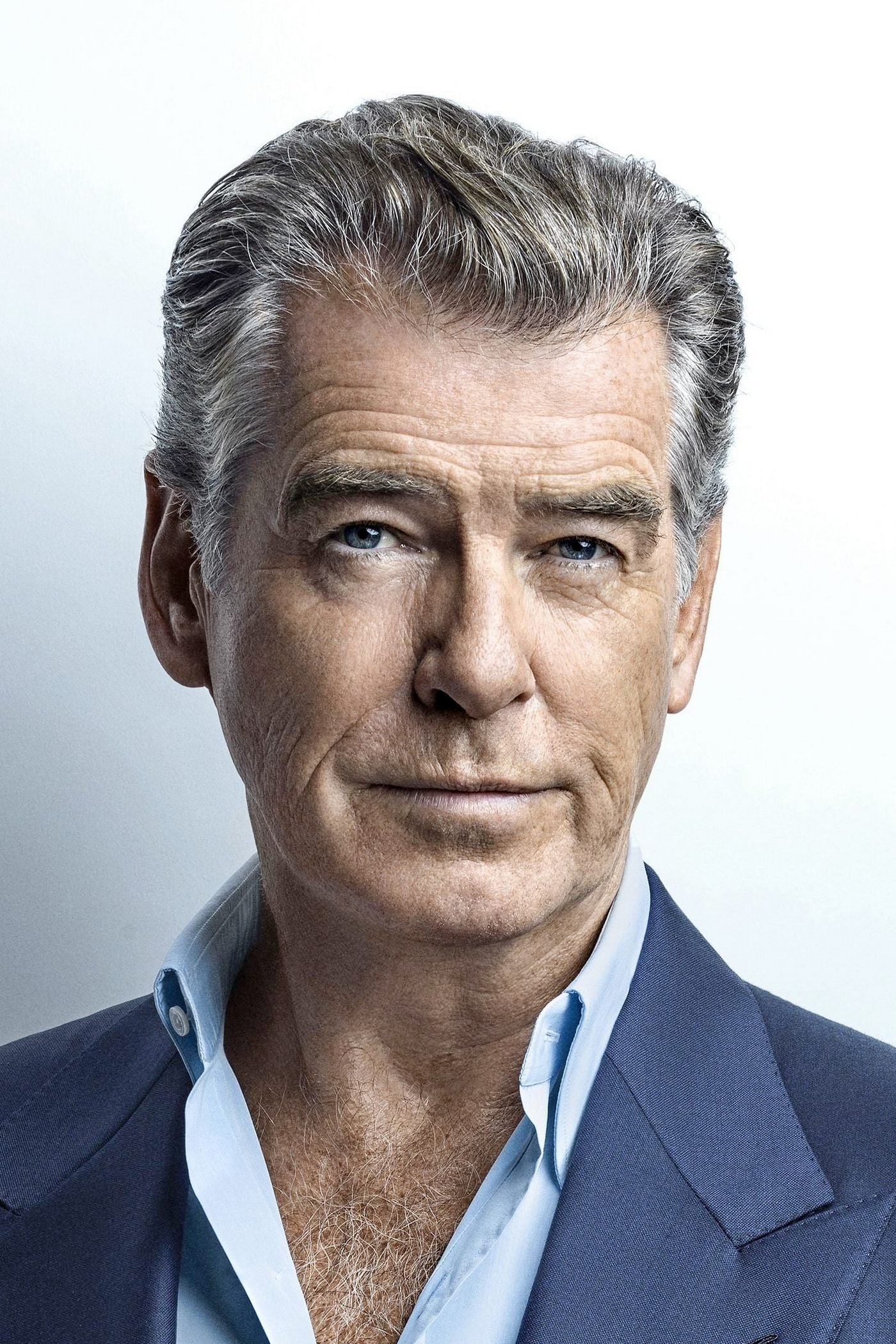
Brosnan carried the James Bond mantle into the early 2000s with ‘Die Another Day’, maintaining the spy series’ global popularity. He diversified with comedies and thrillers such as ‘The Matador’ and ‘After the Sunset’. His slate included ensemble musicals like ‘Mamma Mia!’, broadening his audience reach. He also expanded into producing, focusing on international co-productions.
Clive Owen
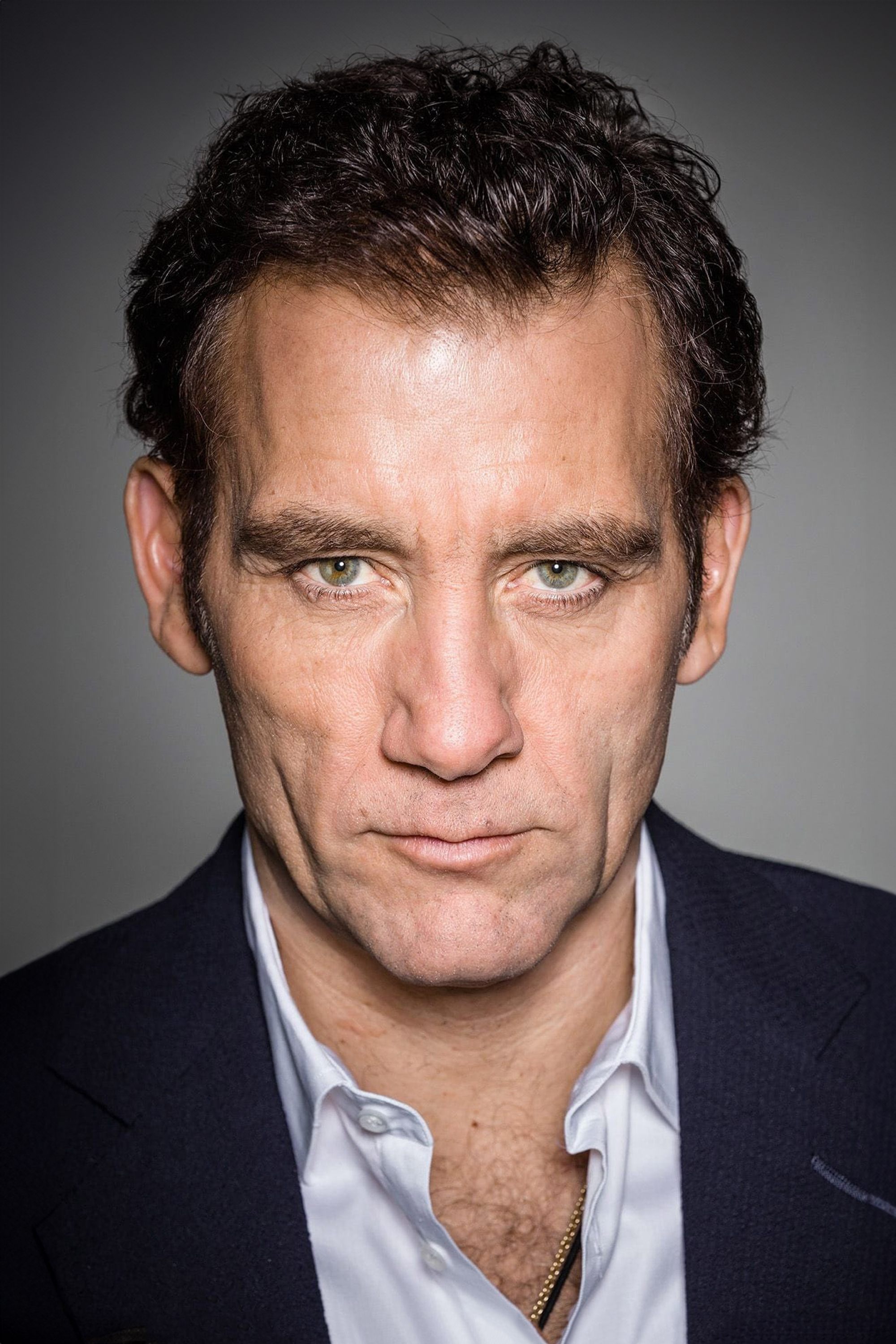
Owen broke through to mainstream attention with layered roles in ‘Closer’ and action-thrillers like ‘Inside Man’. He led dystopian drama ‘Children of Men’, collaborating with filmmakers known for ambitious visual style. His work frequently centered on morally conflicted leads in crime and political narratives. He also appeared in prestige television, reinforcing his presence across formats.
Eric Bana
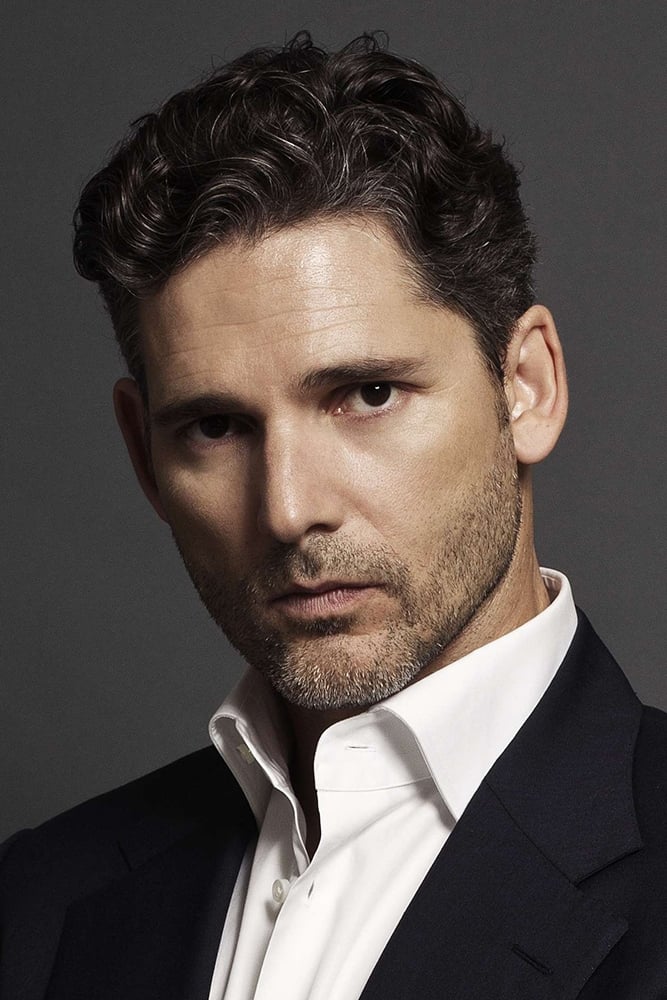
Bana moved from Australian projects to Hollywood with ‘Black Hawk Down’ and ‘Hulk’. He showcased range across historical epics like ‘Troy’ and biographical dramas such as ‘Munich’. His choices often paired large-scale productions with character-driven storytelling. He continued taking roles in thrillers and dark comedies, building a versatile profile.
Brendan Fraser
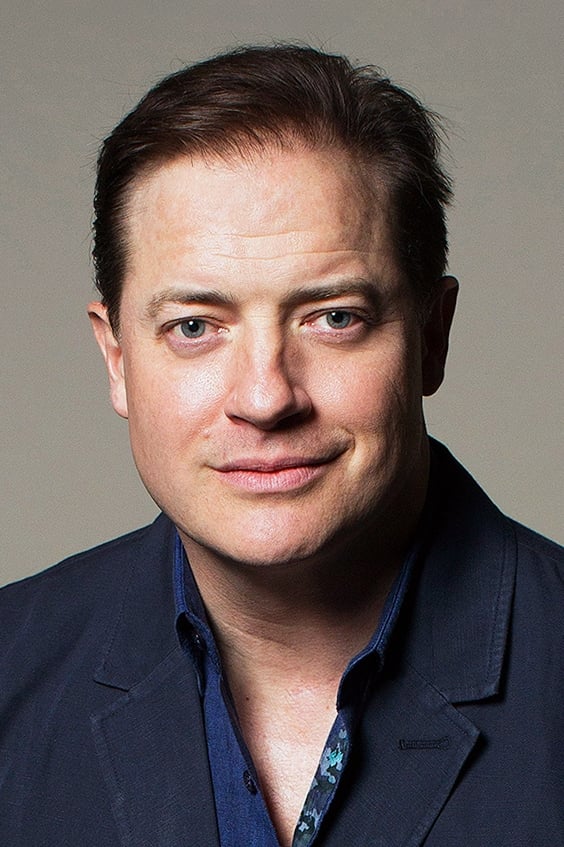
Fraser sustained mainstream appeal via the adventure series ‘The Mummy’ and family-friendly hits like ‘Journey to the Center of the Earth’. He alternated these with dramatic turns in ensemble pieces such as ‘Crash’. His physical, effects-heavy performances kept him prominent in action-fantasy filmmaking. He also worked in animation voice roles and stage productions during the decade.
Jason Statham
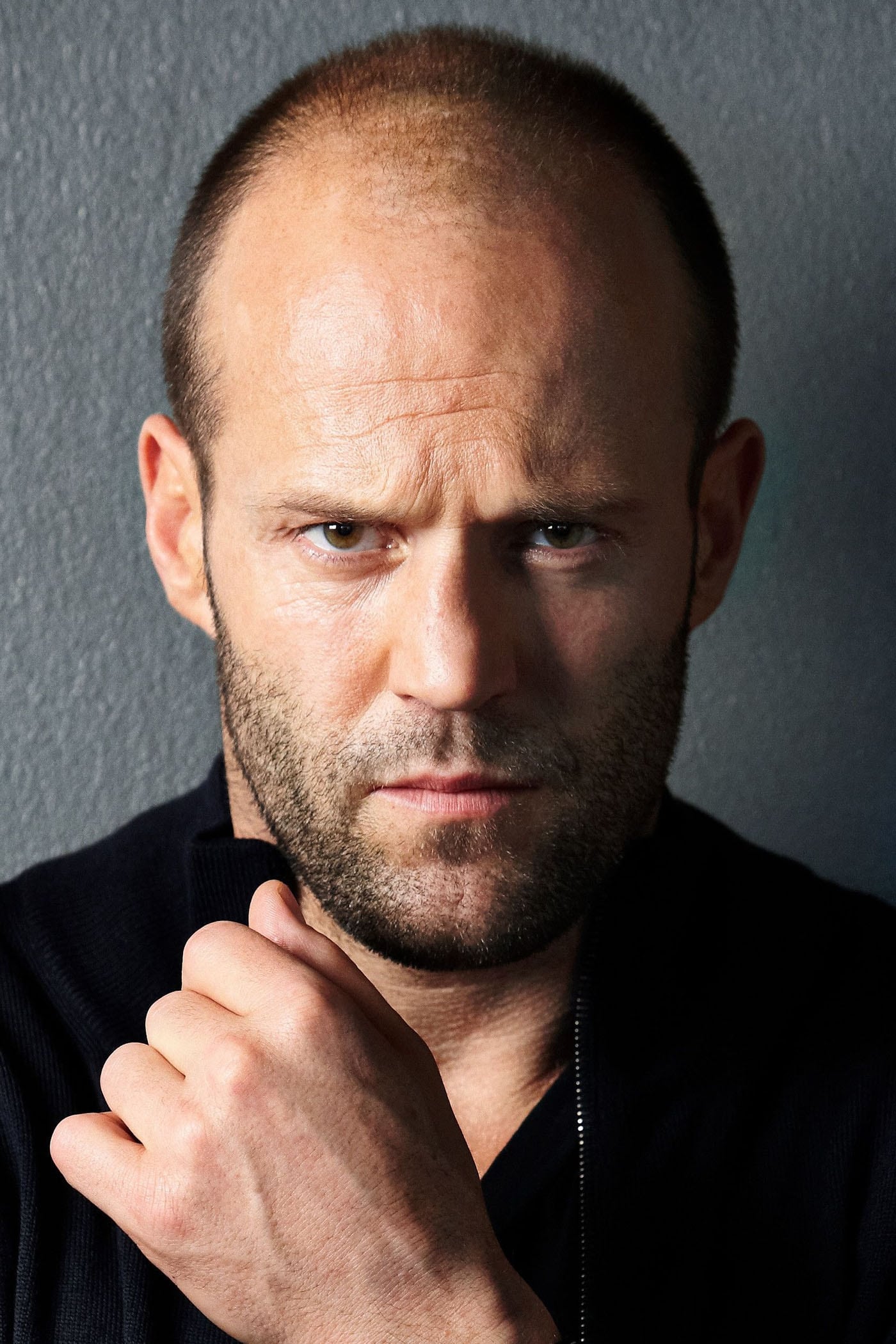
Statham became a go-to star for high-energy action through ‘The Transporter’ series and titles like ‘Crank’. He frequently collaborated with filmmakers specializing in stylized, kinetic fight choreography. His films developed strong international followings, particularly in home entertainment and overseas markets. He established a consistent screen persona built around precision stunts and antihero leads.
Gerard Butler
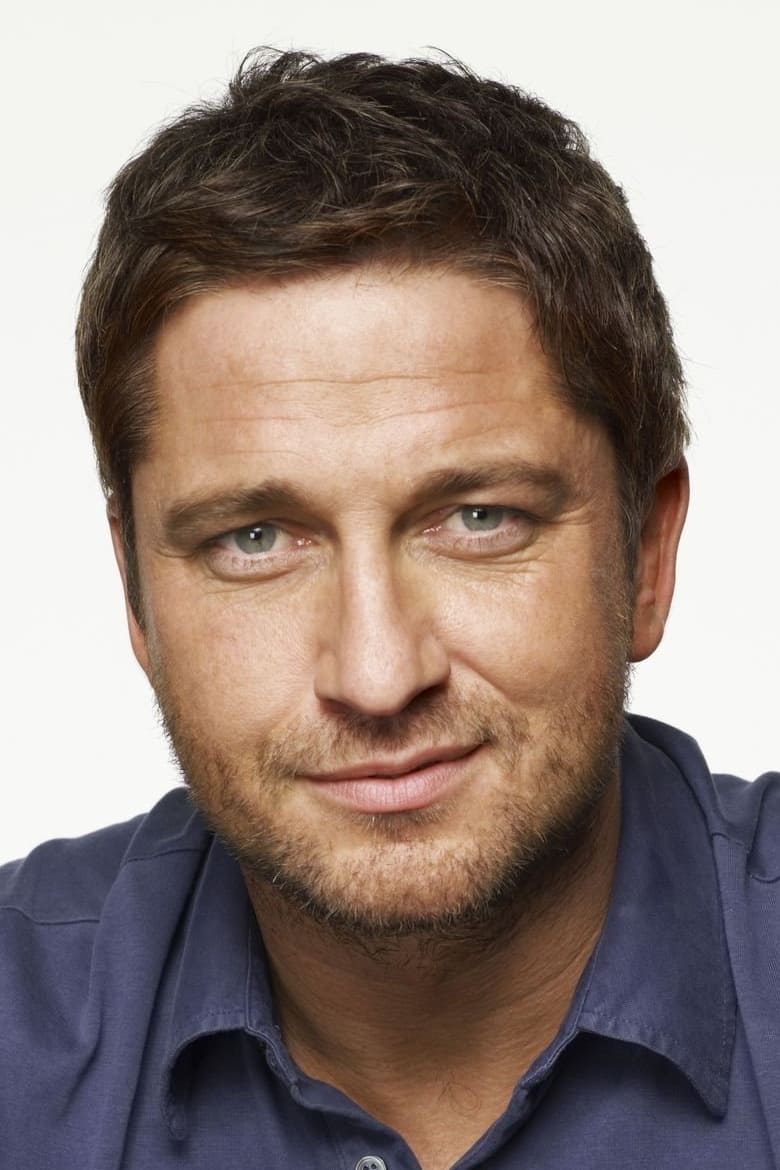
Butler gained global attention with the historical action epic ‘300’. He mixed action with romantic comedies and thrillers, appearing in ‘P.S. I Love You’ and ‘Law Abiding Citizen’. This genre range helped him maintain visibility with different audiences. He also began producing, supporting mid-budget action projects.
Paul Rudd
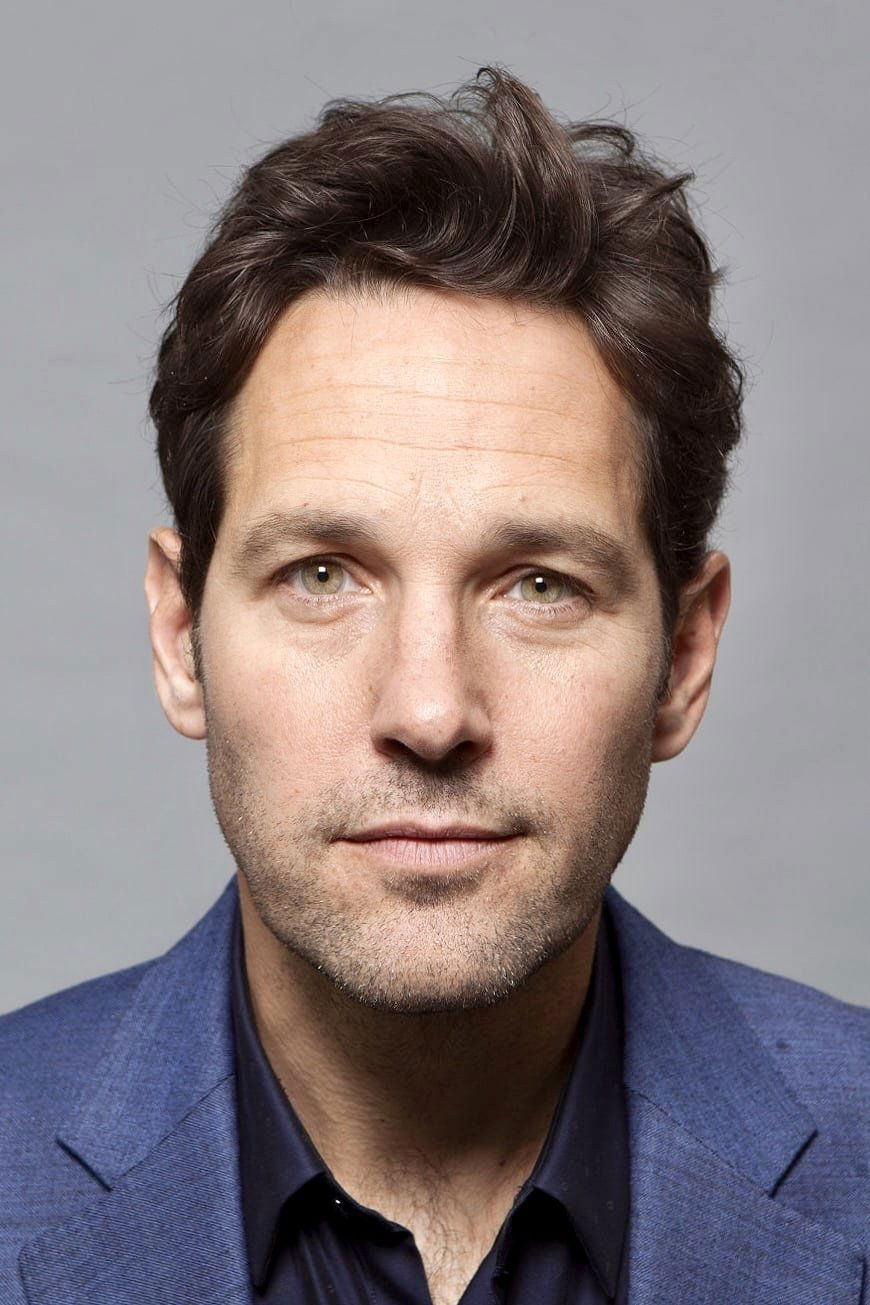
Rudd expanded from supporting roles to comedic leads in hits like ‘Role Models’ and ‘I Love You, Man’. He became a frequent collaborator with ensembles tied to improvisational comedy. His appearances in ‘Anchorman’ and related comedies strengthened his presence in cult-favorite franchises. He also wrote and produced select projects, shaping material to his dry, affable style.
Sacha Baron Cohen
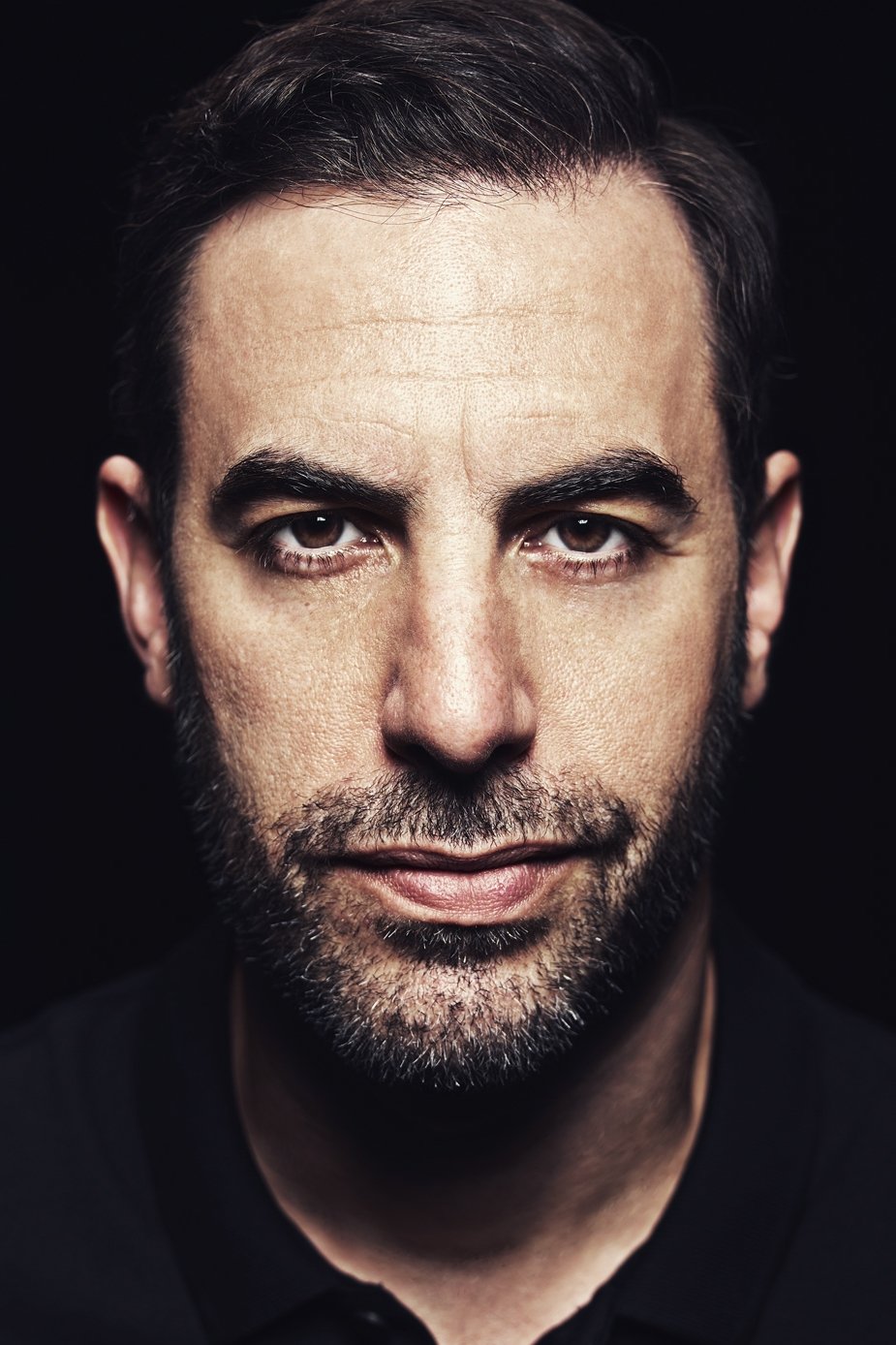
Baron Cohen broke into mainstream film with mockumentary comedies like ‘Borat’ and ‘Brüno’. He created culturally impactful characters that generated extensive media coverage and strong international box office. Beyond those, he appeared in musical and family films such as ‘Sweeney Todd’ and ‘Madagascar’ voice roles. His work often blended satire with boundary-pushing performance methods.
Seth Rogen

Rogen emerged as a leading comedy voice through ‘Knocked Up’, ‘Superbad’ writing and producing, and ‘Pineapple Express’. He helped establish a wave of improv-forward studio comedies associated with a recurring creative circle. His behind-the-scenes contributions included screenwriting and production, expanding his influence beyond acting. He also took supporting parts in prestige dramas, adding range to his filmography.
Ben Stiller
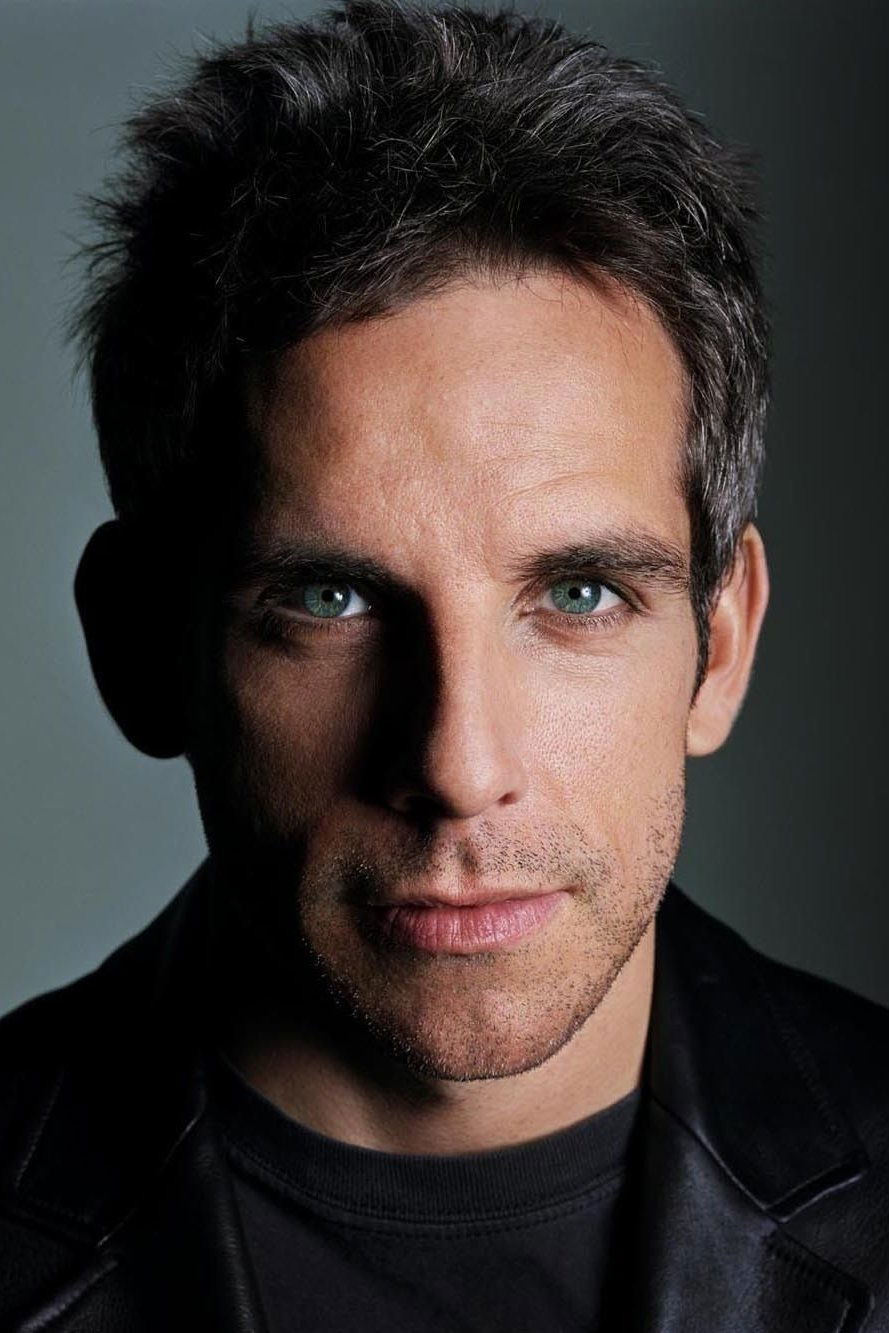
Stiller headlined broad comedies such as ‘Meet the Parents’, ‘Zoolander’, and ‘Night at the Museum’. He directed and produced several of his projects, reinforcing a strong creative hand in studio comedies. His films performed well with families and international audiences. He maintained a presence in ensemble casts while alternating between satire and adventure-comedy.
Owen Wilson

Wilson balanced leading roles in ‘Wedding Crashers’ with frequent collaborations on Wes Anderson films like ‘The Life Aquatic with Steve Zissou’. He co-wrote earlier projects that continued to influence his comedic voice onscreen. Family-friendly titles such as ‘Cars’ voice work expanded his reach to younger viewers. He remained active across both indie-leaning ensembles and mainstream hits.
Shia LaBeouf
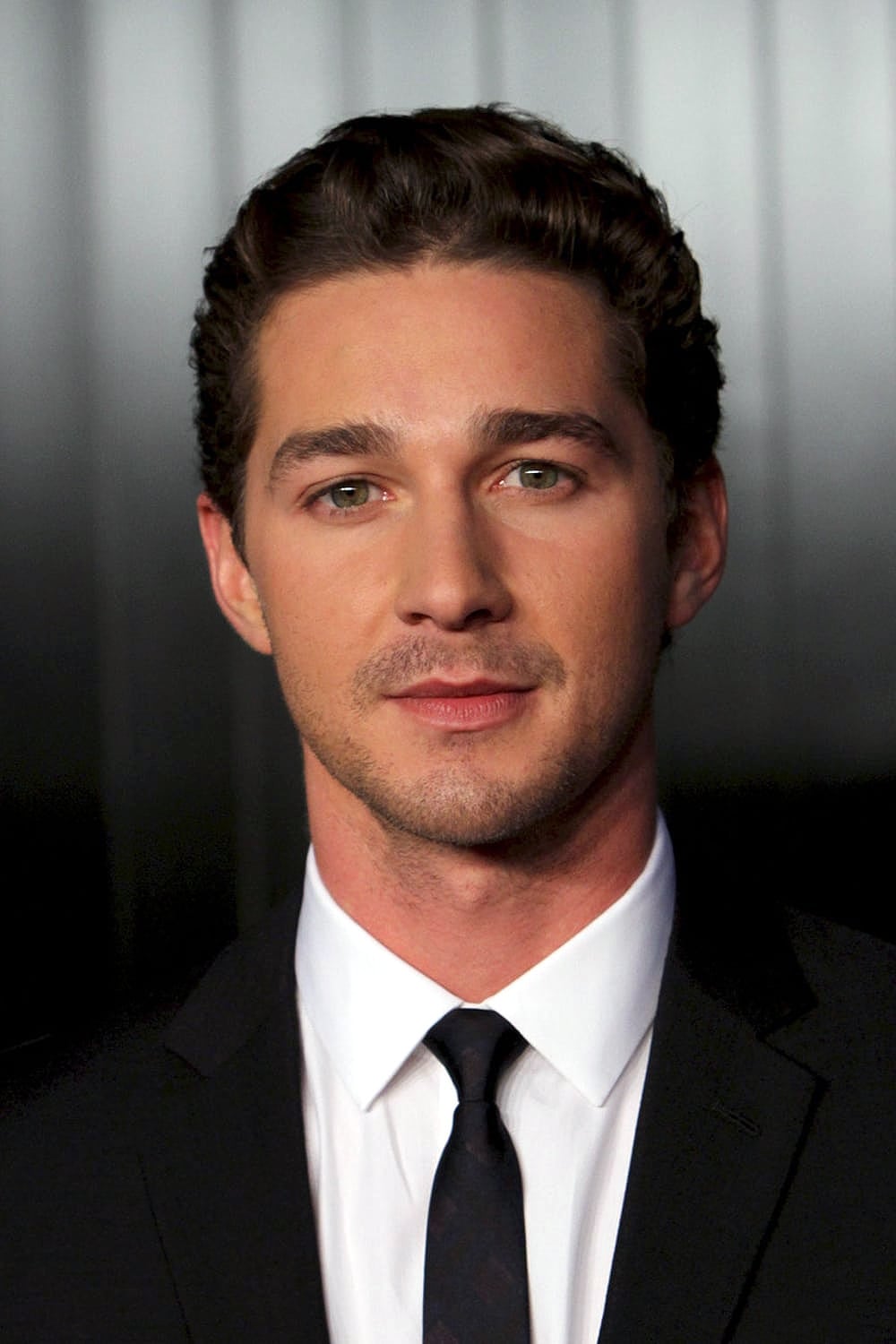
LaBeouf transitioned from television to major film franchises with ‘Transformers’, becoming a prominent young lead in action-adventure. He also appeared in thrillers like ‘Disturbia’ and studio dramas such as ‘Eagle Eye’. His roles often centered on resourceful everyman characters caught in escalating stakes. He pursued independent projects alongside big-budget work to diversify his profile.
Andy Serkis
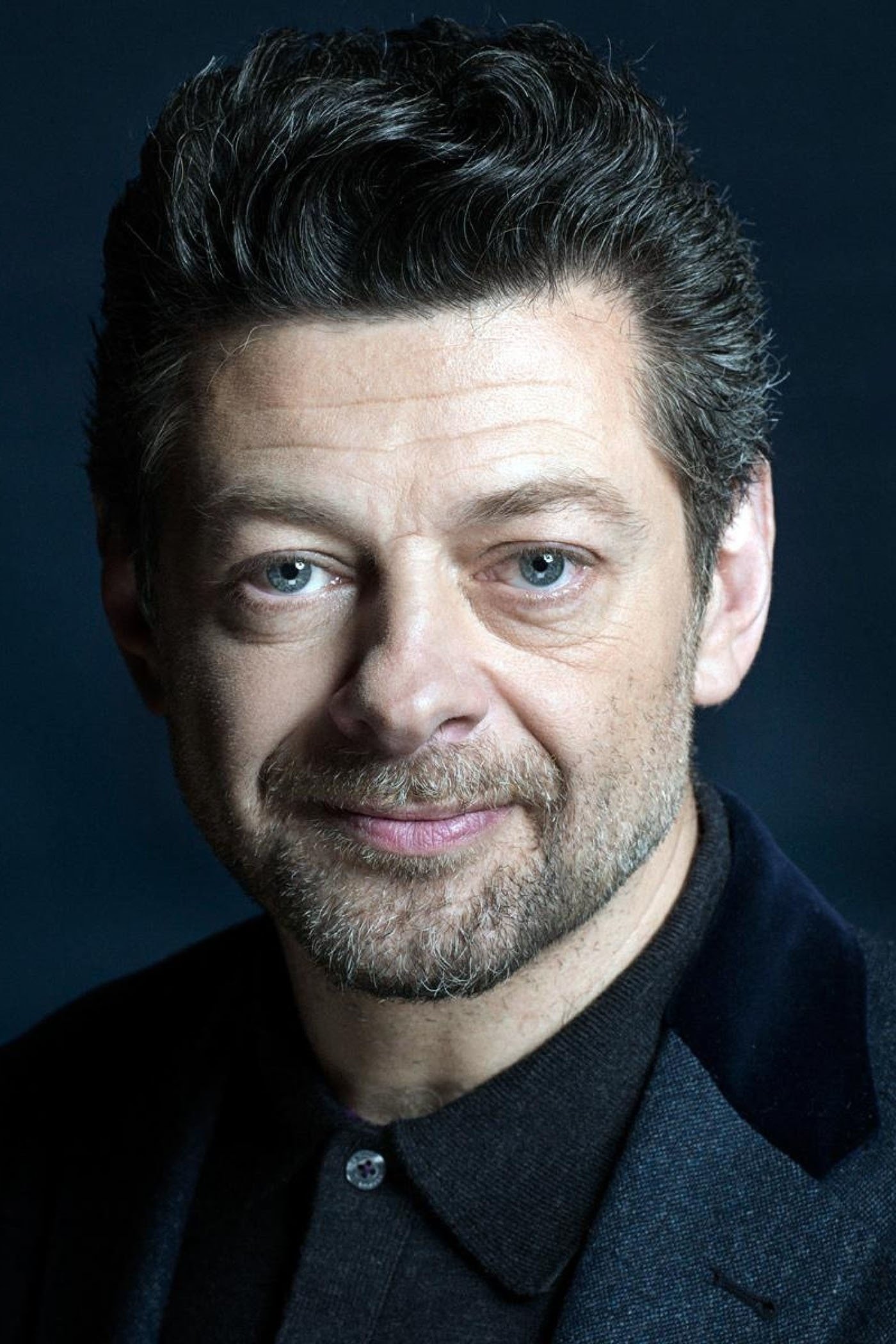
Serkis revolutionized performance capture with roles like Gollum in ‘The Lord of the Rings’ and later contributions to effects-driven epics such as ‘King Kong’. His work helped standardize integrated VFX-actor pipelines across studios. He advised on technology and methodology for motion-capture performance. He also took traditional live-action roles, underscoring versatility beyond digital characters.
Jackie Chan
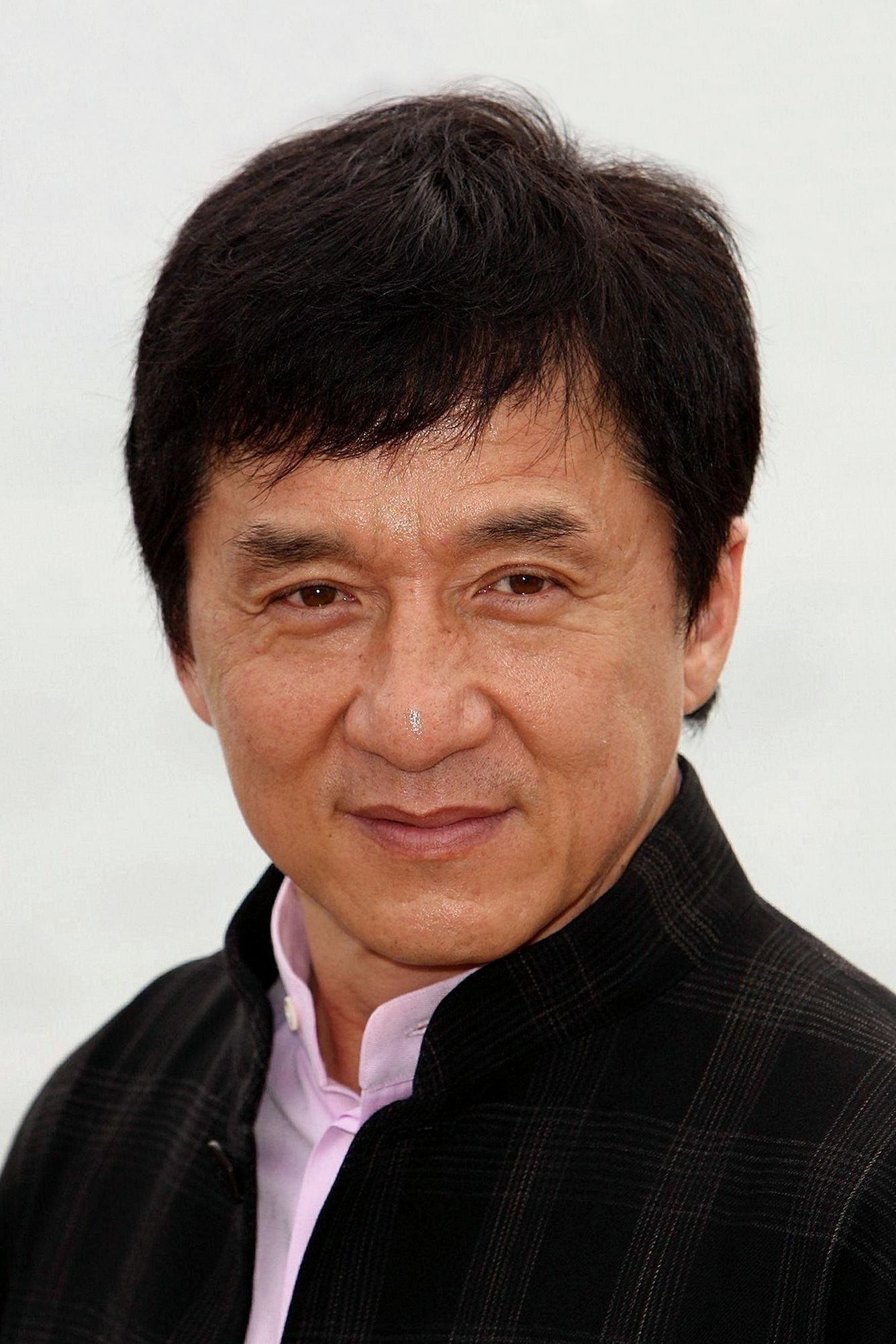
Chan expanded his global brand in Hollywood with action-comedies including entries in the ‘Rush Hour’ series and ‘Shanghai Knights’. He combined intricate stunts with comedic timing, influencing choreography trends in Western productions. His films enjoyed strong overseas receipts and enduring home-video popularity. He continued producing and stunt coordination, mentoring teams that carried his approach forward.
Share your picks for the most memorable 2000s performances in the comments!