Notorious Movie Production Delays that Lost the Audience Along the Way

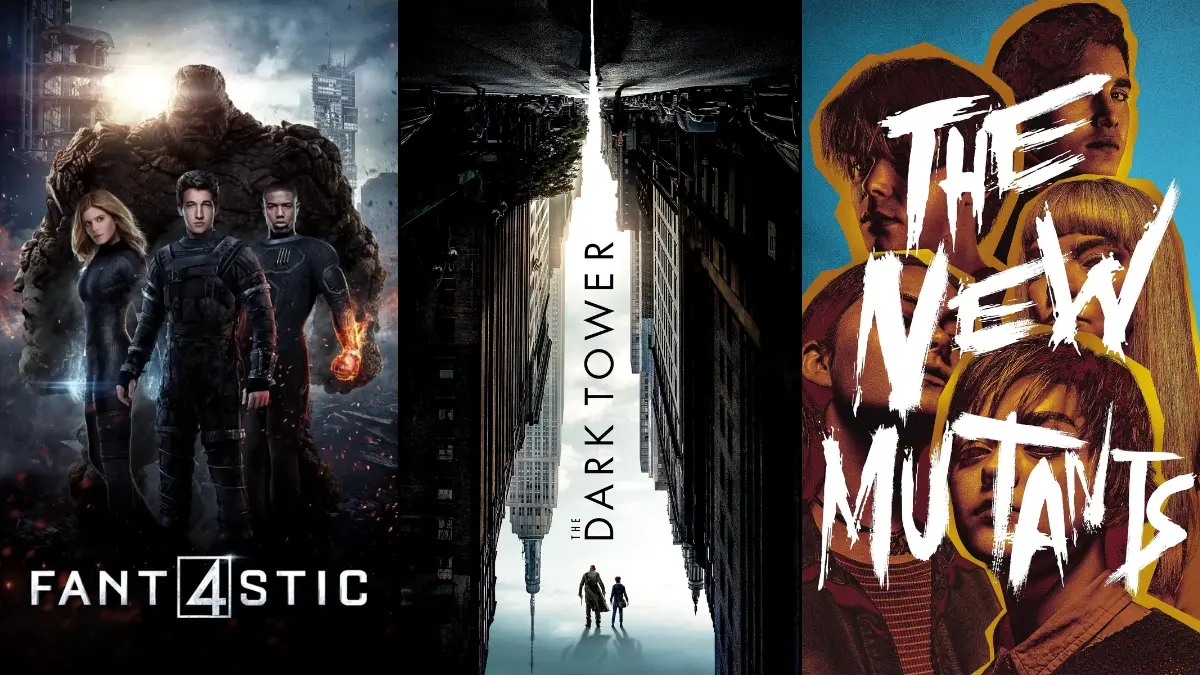

Sometimes the story behind a film’s release is as winding as the plot onscreen, and prolonged stops-and-starts can cool anticipation to the point where crowds simply don’t show up. The titles below all hit turbulence—director swaps, reshoots, studio mergers, legal battles, and shifting release plans—that stretched timelines and muddied marketing. By the time they finally arrived, the audience had often moved on, the buzz had gone stale, or competing headlines drowned them out. Here are 40 cases where production delays and disruptions helped drain momentum before the lights ever dimmed.
‘The New Mutants’ (2020)
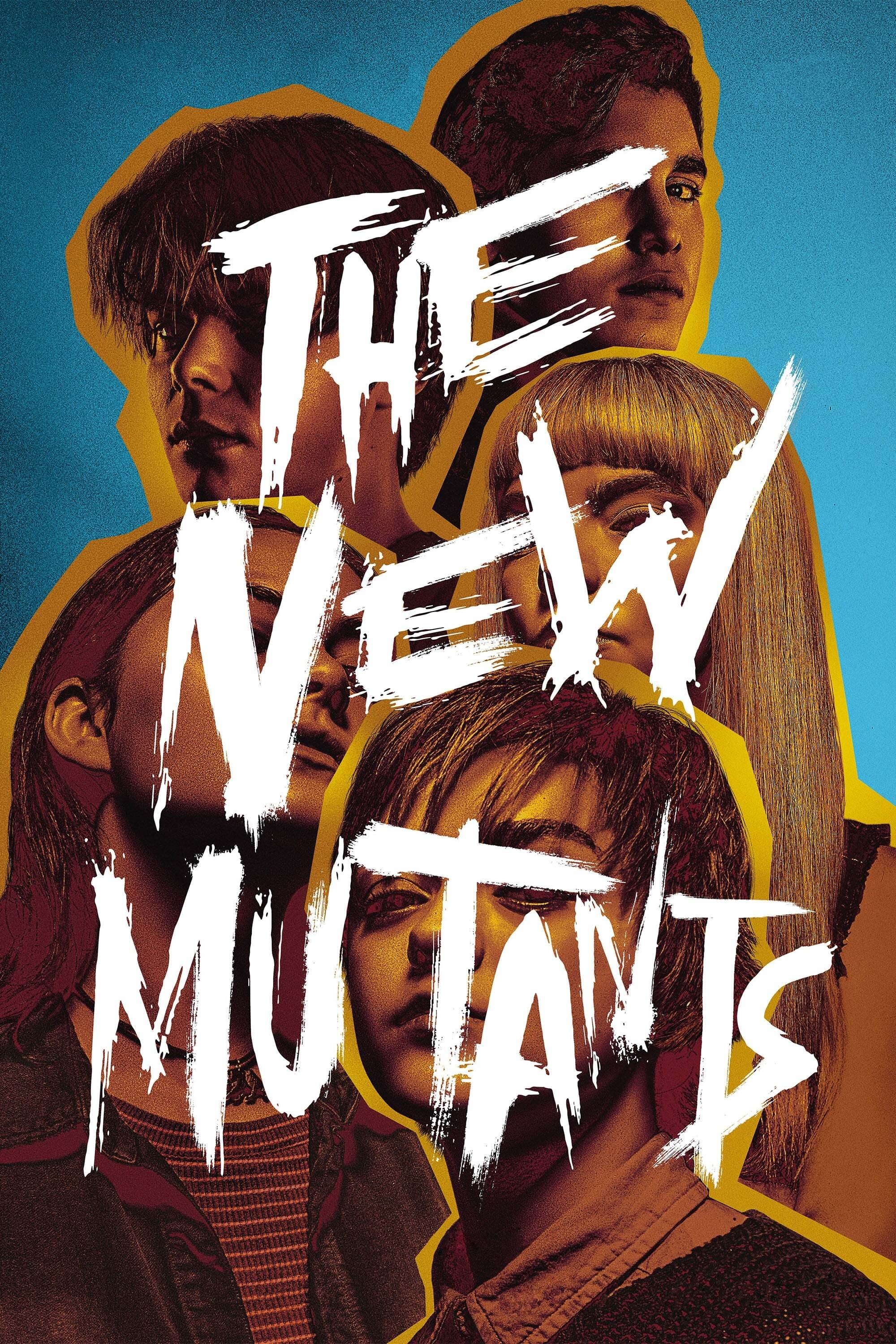
This project cycled through schedule changes tied to corporate reshuffling and reported reshoot plans. Its release date moved repeatedly as the studio slate was reorganized following a major acquisition. Marketing materials were revised more than once, creating confusion about tone and cast adjustments. When the film eventually opened, it faced a dramatically changed theatrical landscape and modest attendance.
‘The Flash’ (2023)
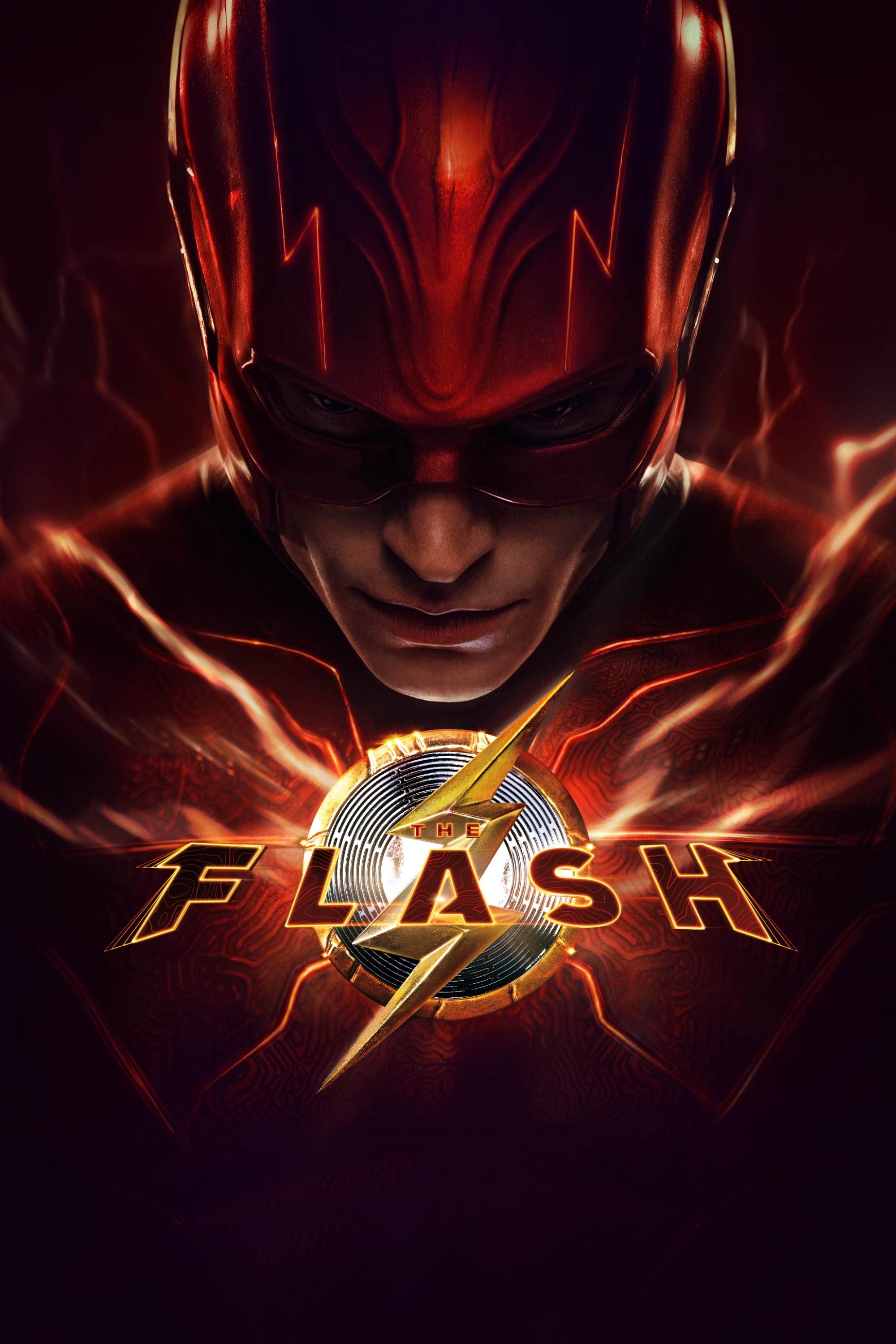
This long-gestating comic-book adaptation went through multiple directors and script overhauls before cameras rolled. Extended development stretched the timeline while creative approaches shifted from one leadership era to the next. Post-production required heavy visual-effects work and added complexity for the multiverse premise. The drawn-out process diluted anticipation and made franchise positioning harder to communicate.
‘Morbius’ (2022)
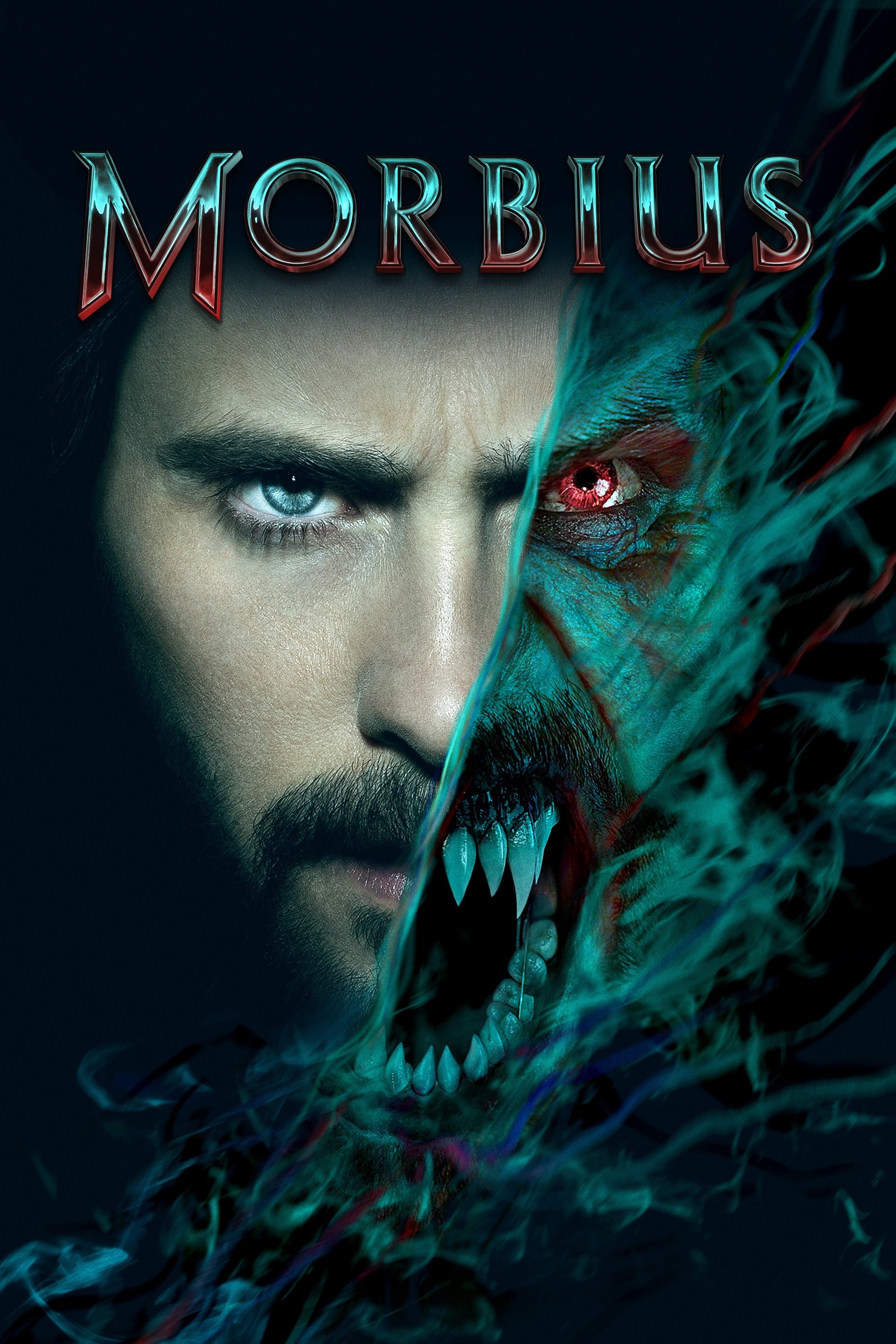
After principal photography, the film’s date moved several times as the release calendar churned. Trailers were updated to reflect new timing, which prolonged promotion without delivering a payoff. The shifting schedule left tie-in marketing and audience expectations out of sync. Interest ebbed as delays piled up, and turnout lagged once it finally reached theaters.
‘Black Widow’ (2021)
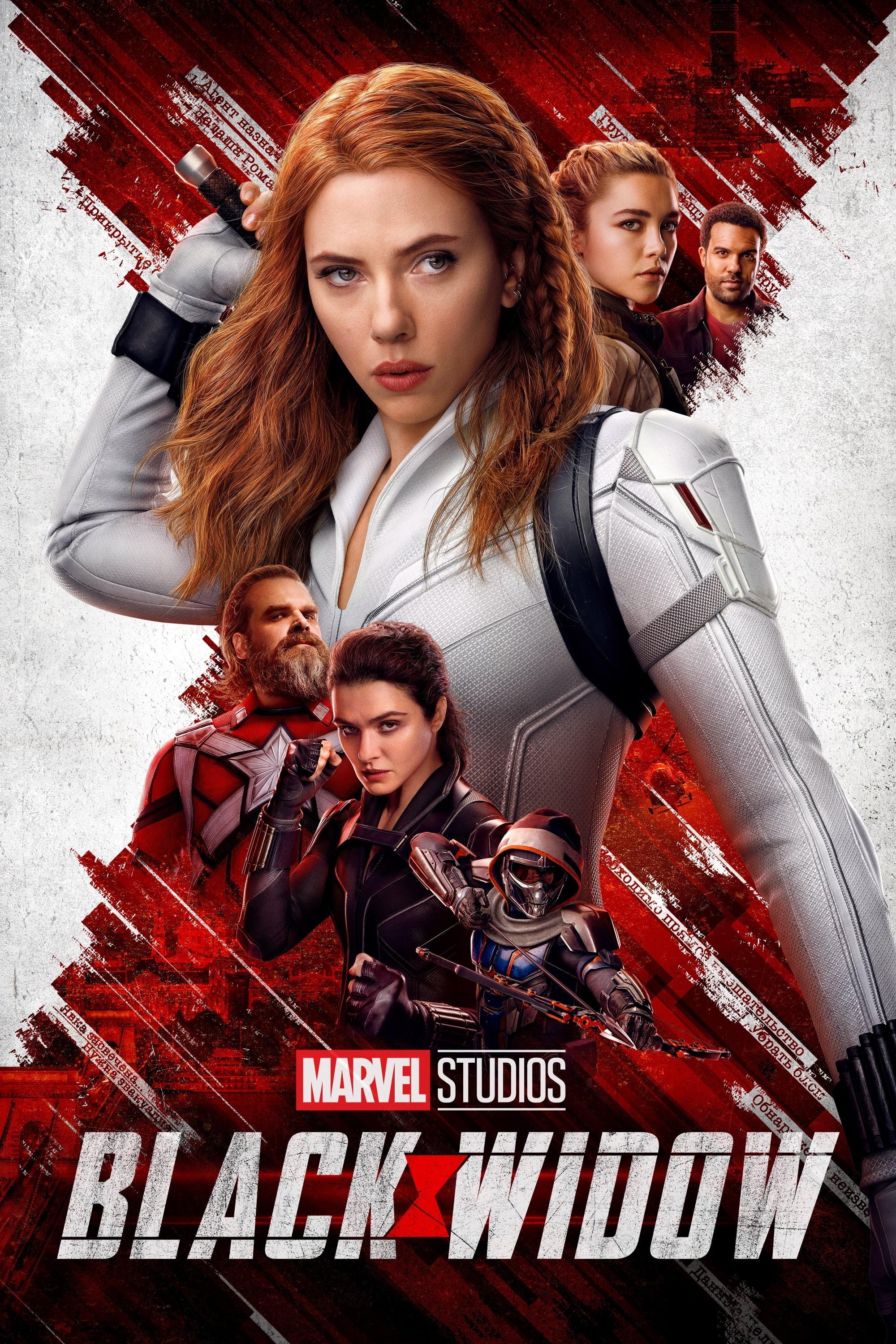
Completed before wide rollouts resumed, this entry faced repeated date changes amid global closures. The distribution strategy shifted to a hybrid model, complicating windowing and revenue expectations. Public discussion centered on contract terms and platform decisions rather than story or spectacle. The elongated gap between promotion and release contributed to softer theatrical demand.
‘Indiana Jones and the Dial of Destiny’ (2023)
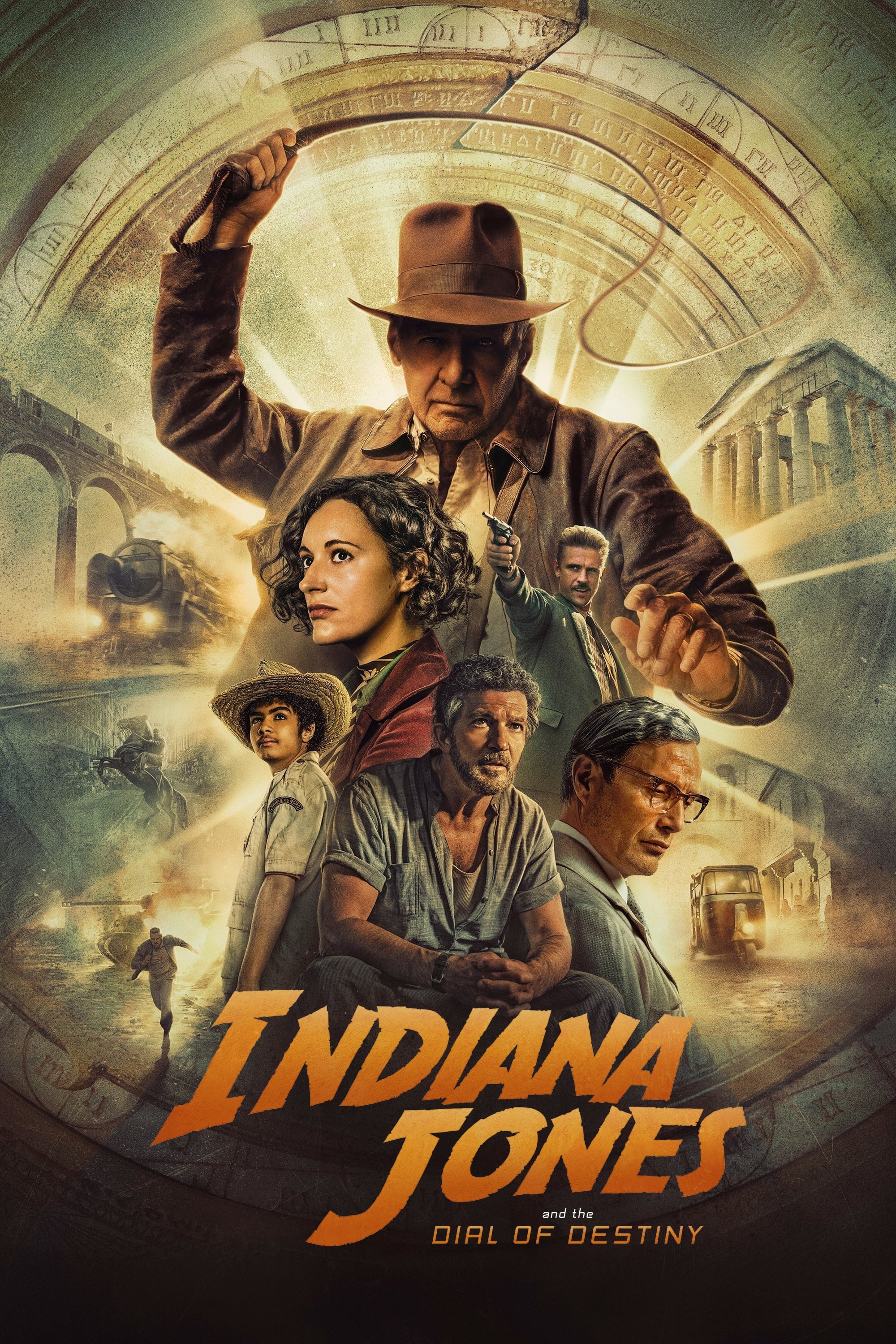
Production pauses followed an on-set injury and broader safety protocols, pushing the schedule later. Effects-heavy sequences extended post-production, while marketing restarted after the calendar reset. The film launched into a crowded corridor with competing blockbusters. Long development and delays made it harder to convert nostalgic curiosity into sustained ticket sales.
‘Dark Phoenix’ (2019)
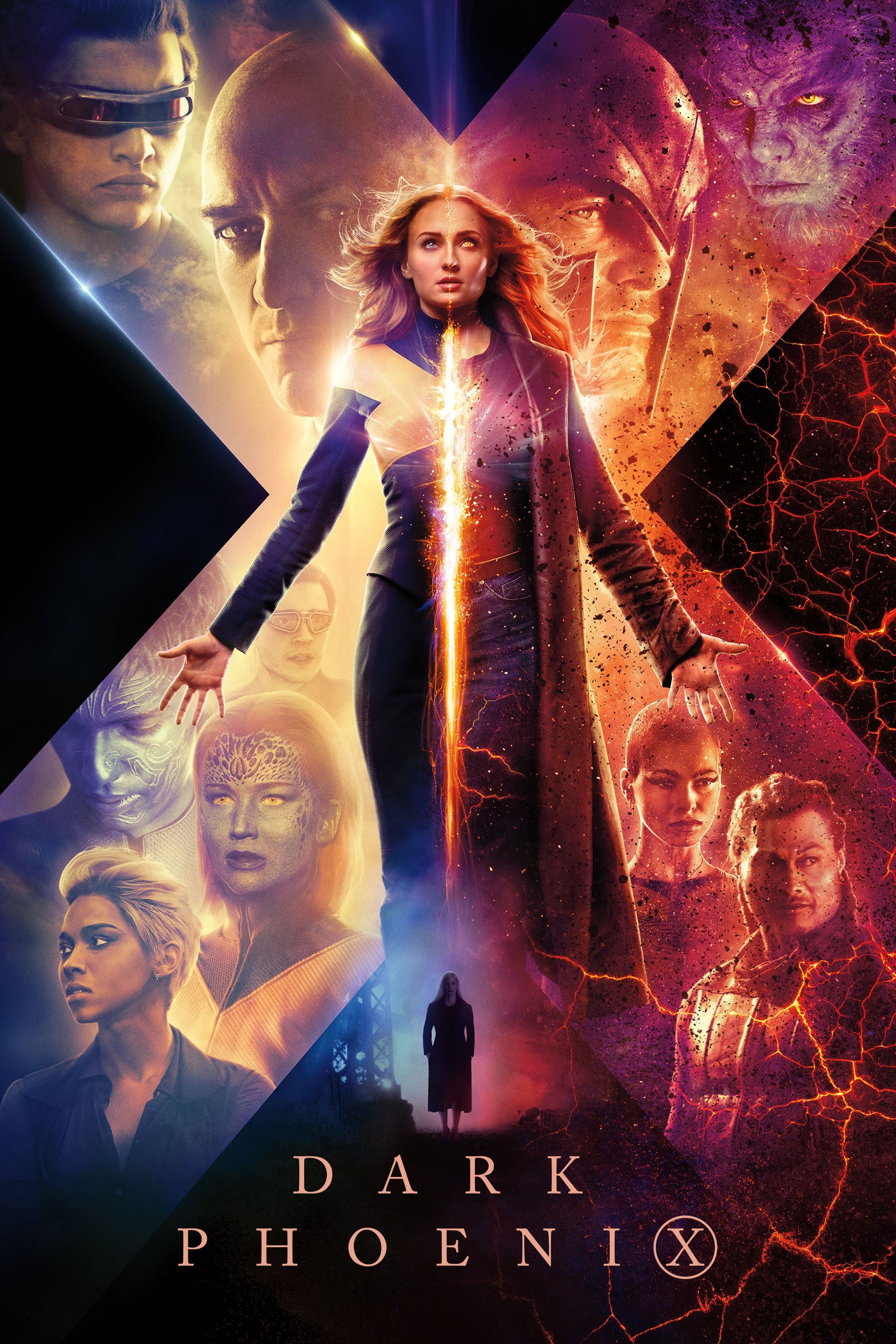
Test screenings prompted new third-act work and additional photography, which required a later slot on the slate. Date moves put it against tougher competition and separated it from earlier franchise peaks. Promotional materials were revised to match structural changes, adding to messaging challenges. Audience appetite for another entry had cooled by the time it arrived.
‘The Wolfman’ (2010)
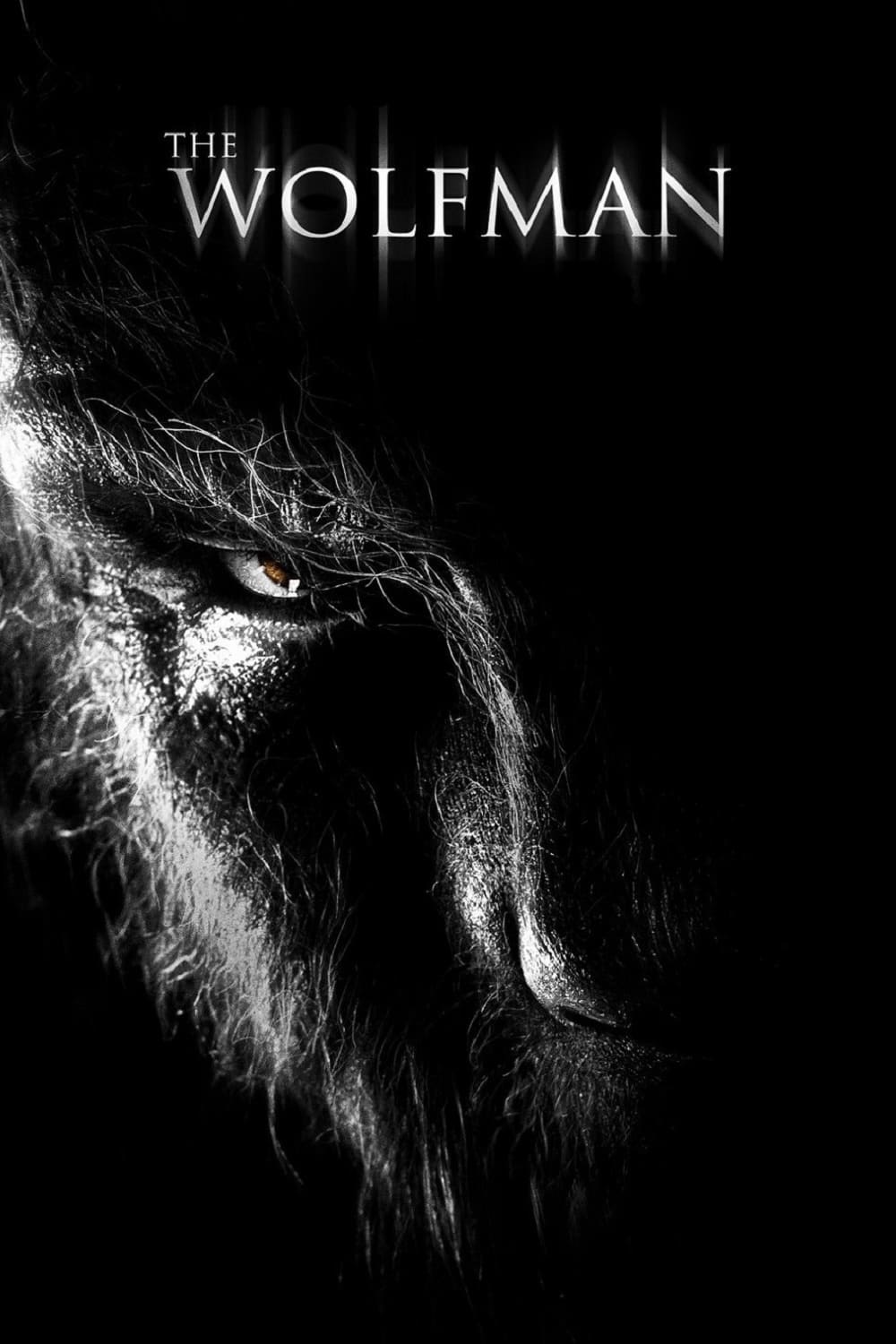
Creative changes behind the scenes led to extensive reshoots and a composer swap late in the process. The release date shifted more than once to accommodate new edits and effects. Trailers and posters evolved with the cut, which muddied the promised tone. The cumulative delays undercut momentum for a classic-monster revival.
’47 Ronin’ (2013)
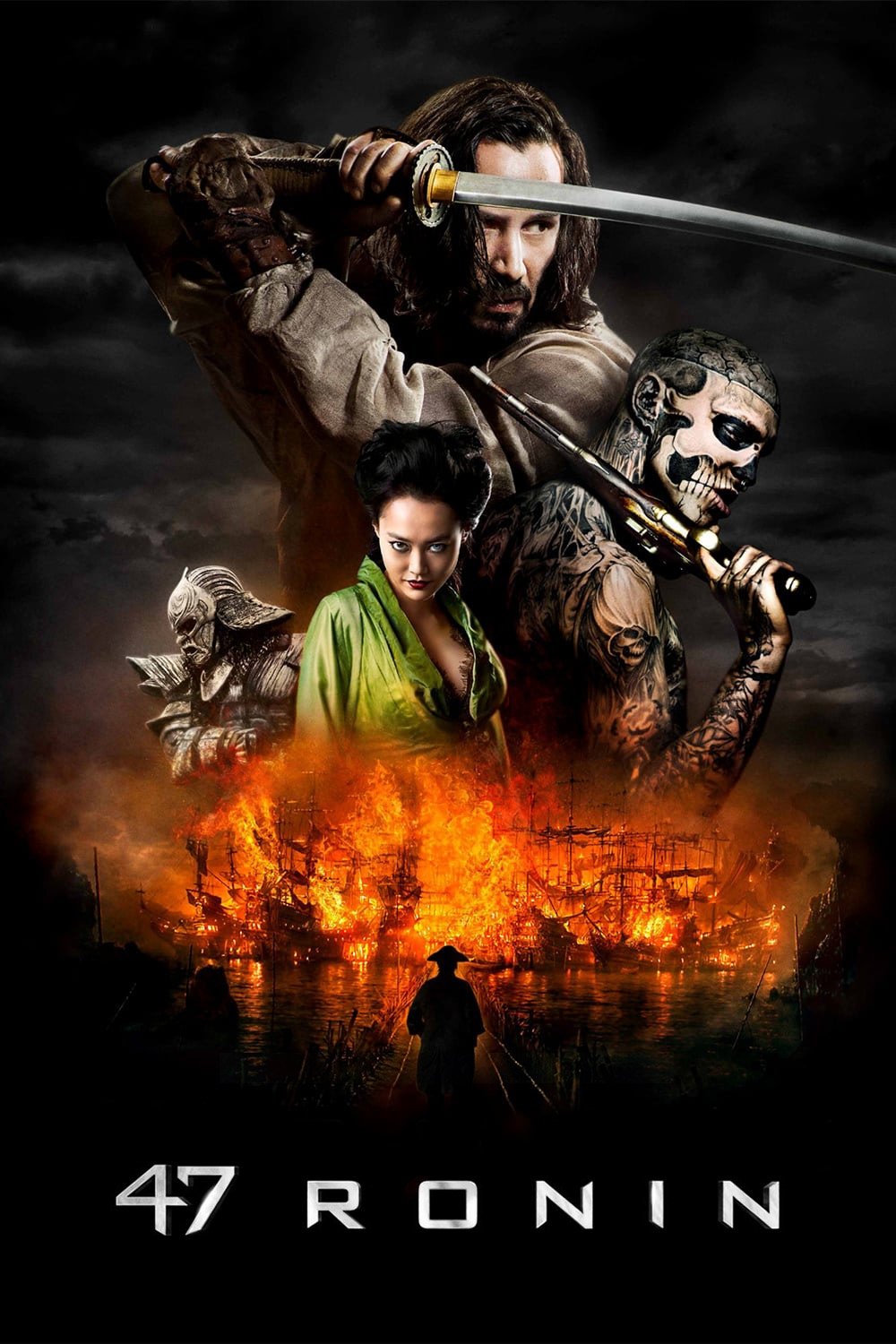
Early cuts triggered substantial reshoots and new effects work overseen by additional producers. The budget expanded as the production returned to set for revised sequences. Release timing moved to allow for the overhaul, lengthening the campaign. By the time it opened, interest had cooled and coverage focused on the costly changes.
‘G.I. Joe: Retaliation’ (2013)
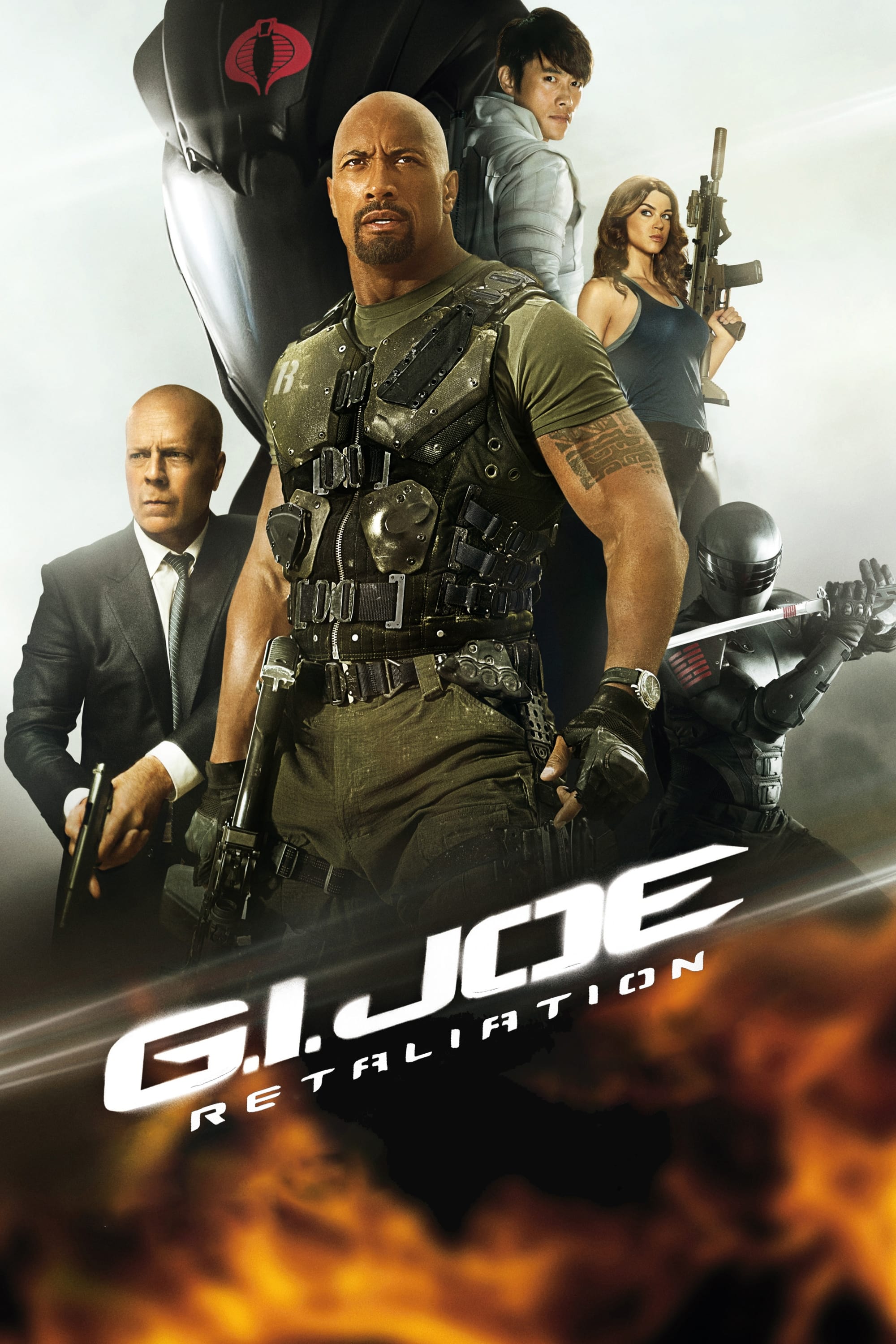
The studio postponed release months after initial marketing to convert the movie to 3D. Additional scenes were shot to rebalance character focus and capitalize on cast popularity. The delay required a fresh promotional push and new materials. The momentum from early trailers dissipated, and domestic turnout trailed the previous installment.
‘The Lone Ranger’ (2013)
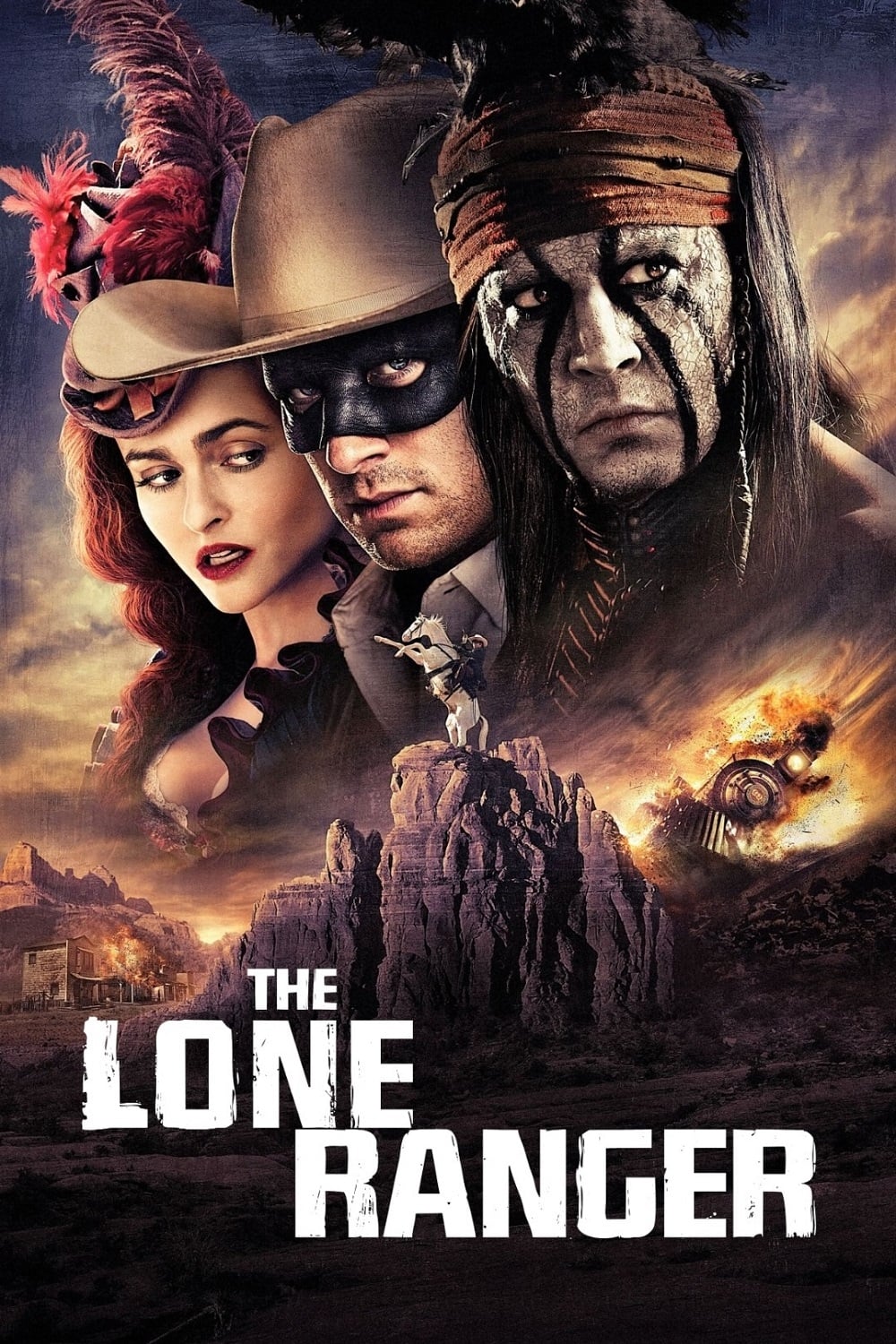
Budget pauses halted prep and triggered negotiations over scale and scope. The project restarted with cost controls and script adjustments, extending the calendar. Location work and elaborate set pieces added logistical complexity that pushed post-production later. The prolonged gestation overshadowed the film’s rollout.
‘Jack the Giant Slayer’ (2013)
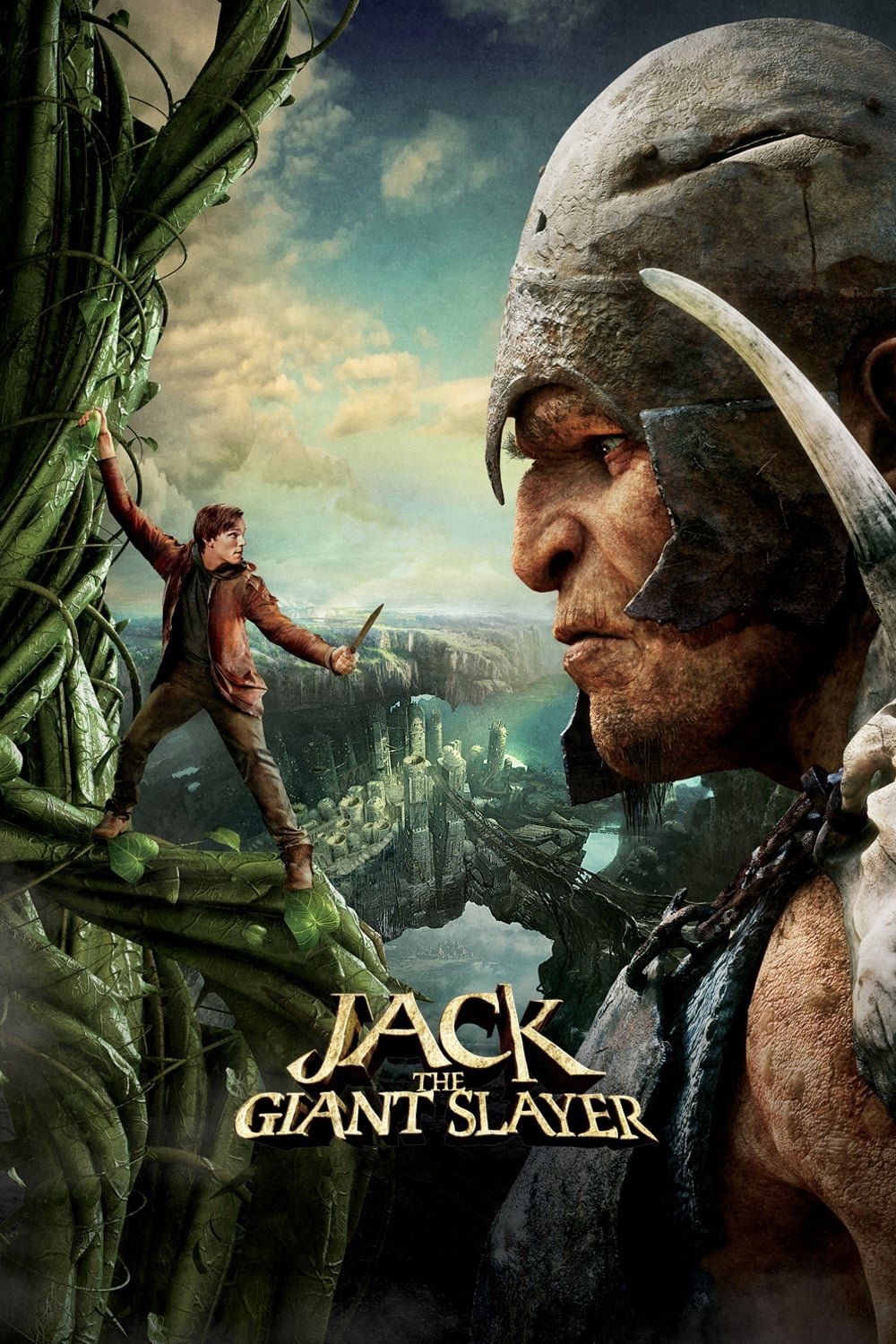
A strategic move off a prime summer slot followed reports of effects work requiring more time. Marketing assets were refreshed to fit the new date, lengthening the awareness window. The shift placed the film in a less favorable corridor, where family titles crowded the market. The delay sapped urgency and left the release without a strong must-see hook.
‘Jupiter Ascending’ (2015)
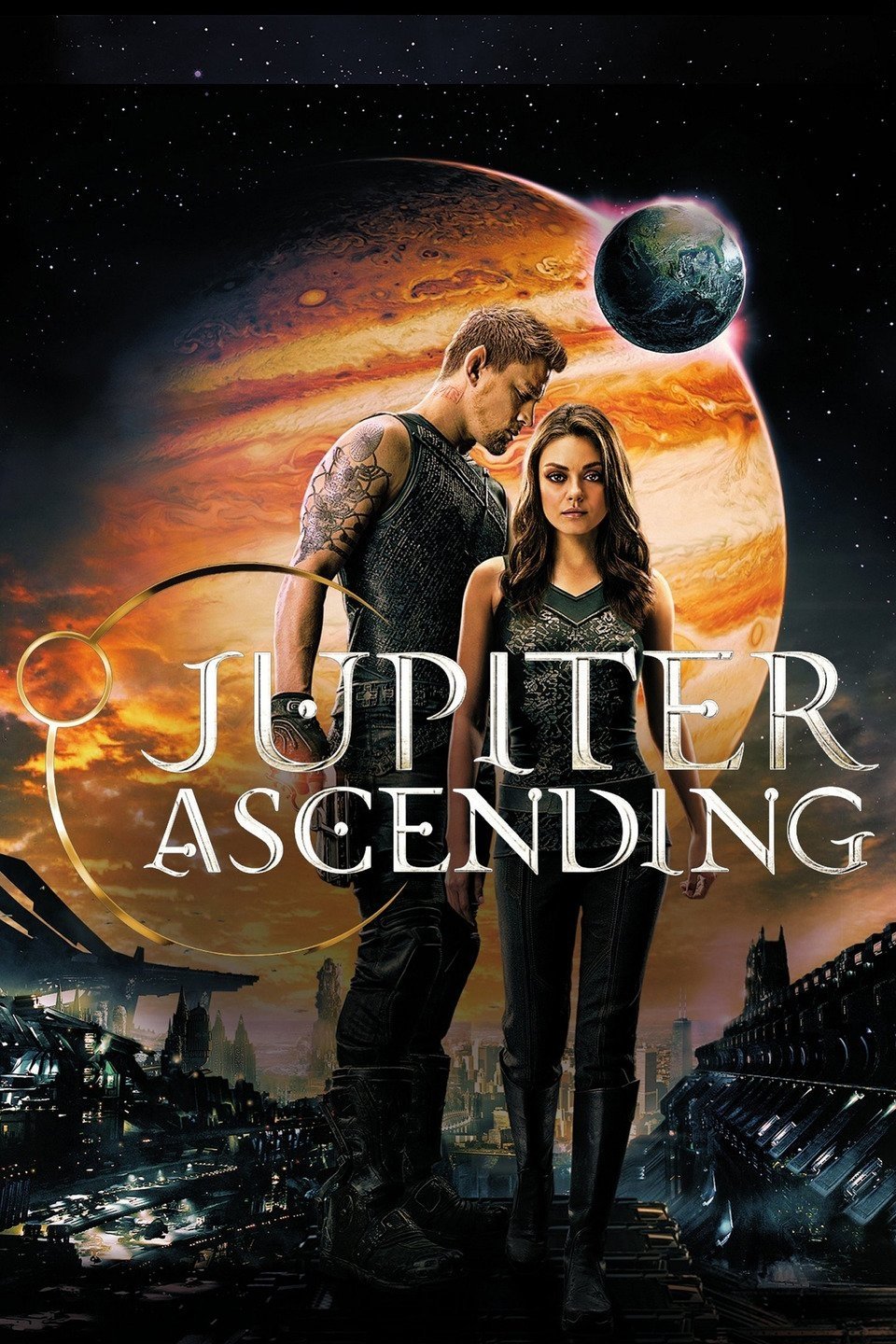
Late-stage effects and editorial refinements prompted a move from a high-traffic frame to a quieter period. The marketing campaign paused and then restarted with updated trailers. The long interval between first look and release blunted curiosity. When it premiered, the audience had splintered toward other genre options.
‘Chaos Walking’ (2021)

Test responses led to significant reshoots that required reconciling cast schedules. New material altered character dynamics and added action beats. These changes extended post-production and pushed the release further down the calendar. The intervening time made it harder to reconnect with prospective viewers.
‘The Good Dinosaur’ (2015)
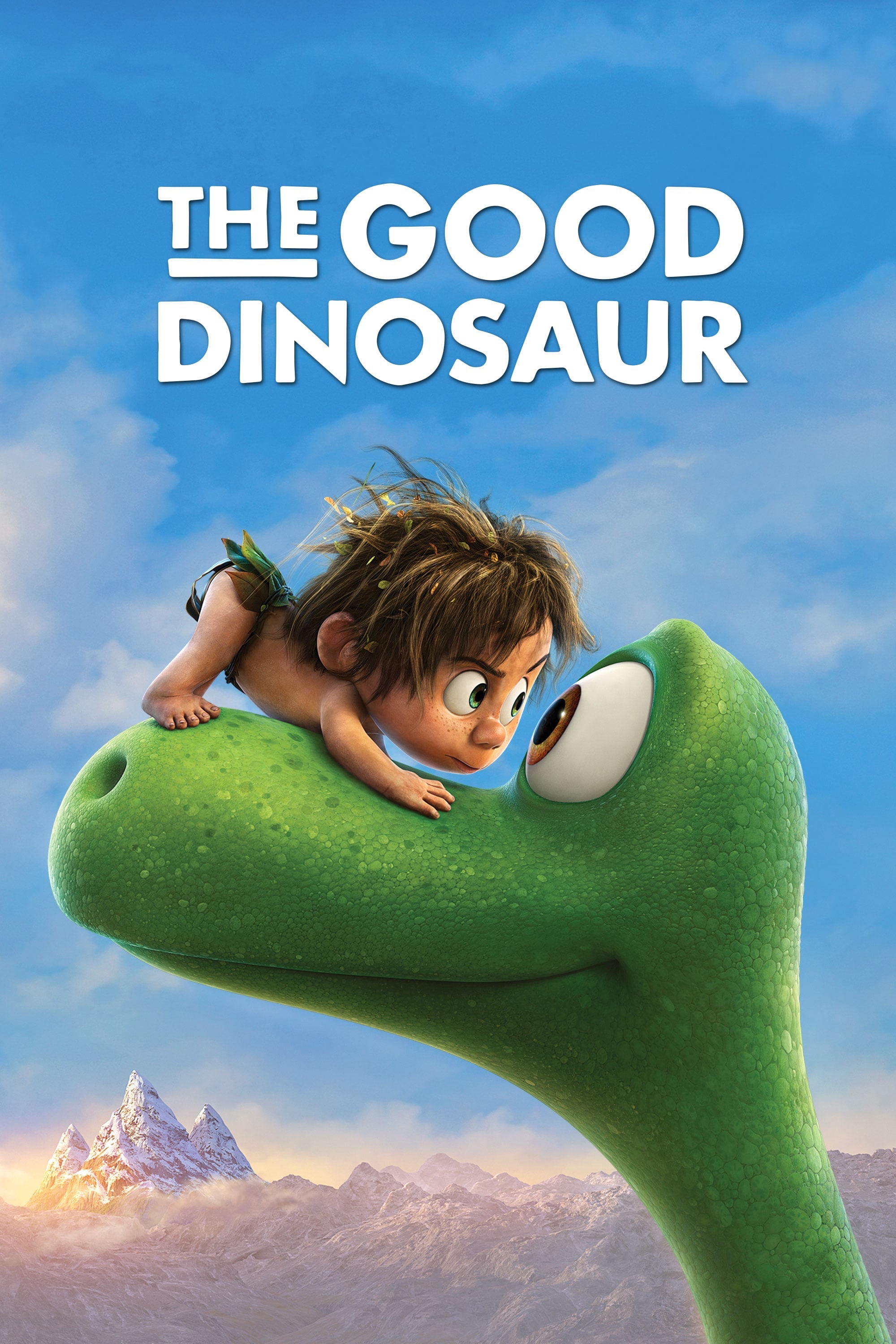
A leadership change inside the animation team resulted in a reworked story and cast. The production pipeline was reset, delaying completion and altering merchandising plans. Marketing rolled out later than originally intended to reflect the revised direction. The film arrived without the usual momentum associated with the brand’s releases.
‘The Current War’ (2017)
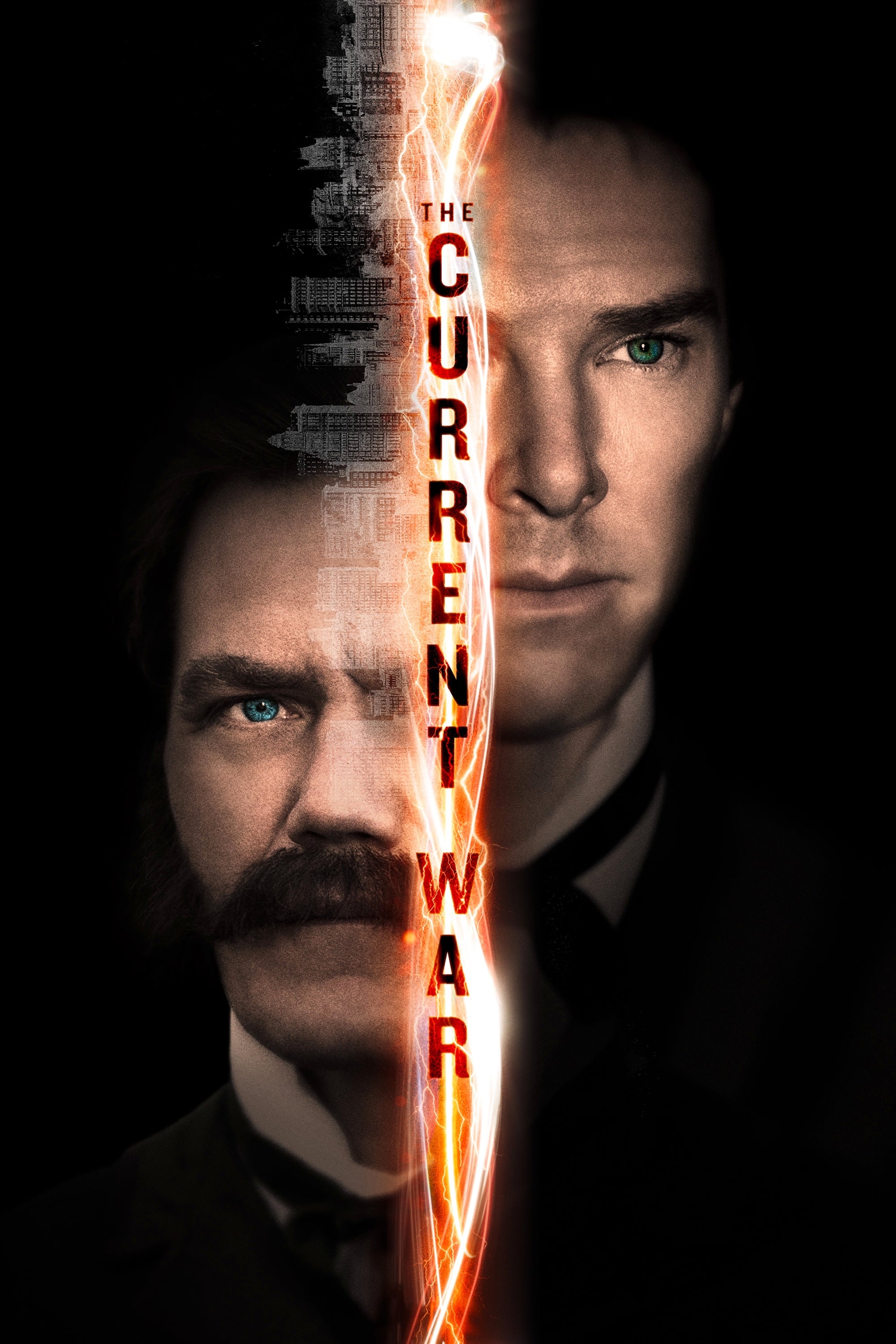
The project’s distribution path was disrupted by corporate fallout at its original backer. Rights changed hands, and the filmmakers prepared a different cut for eventual release. Festival buzz dissipated as the title awaited a new plan. When it finally reached theaters, the earlier attention had largely faded.
‘Amityville: The Awakening’ (2017)

Multiple postponements followed changes in strategy and marketplace conditions. The film’s promotional beats occurred in scattered bursts, confusing potential viewers. After attempts to reposition it, the title received a limited rollout with minimal support. The long delay left it without a clear audience.
‘Monster Trucks’ (2017)

Internal projections prompted a substantial write-down before the film opened. Its date moved more than once as the studio sought a workable corridor. The extended timeline complicated merchandise and family-audience outreach. Interest waned as attention shifted to other releases.
‘Geostorm’ (2017)
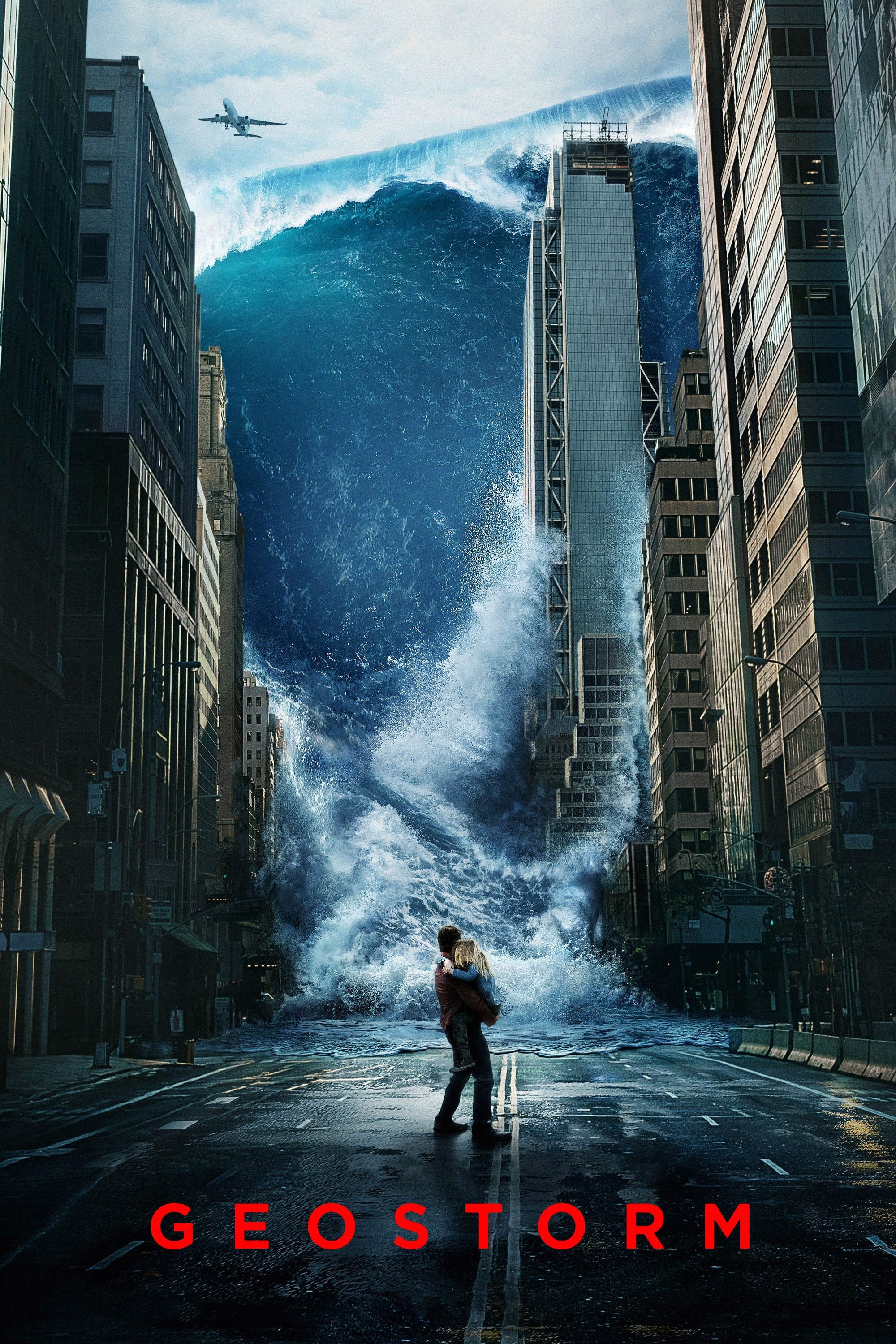
Extensive reshoots brought in new producers and a different director to oversee additional material. Effects and editorial work expanded to integrate the changes. The release slid while the new cut took shape, requiring fresh marketing. Coverage focused on behind-the-scenes fixes rather than the disaster-movie spectacle.
‘The Man Who Killed Don Quixote’ (2018)
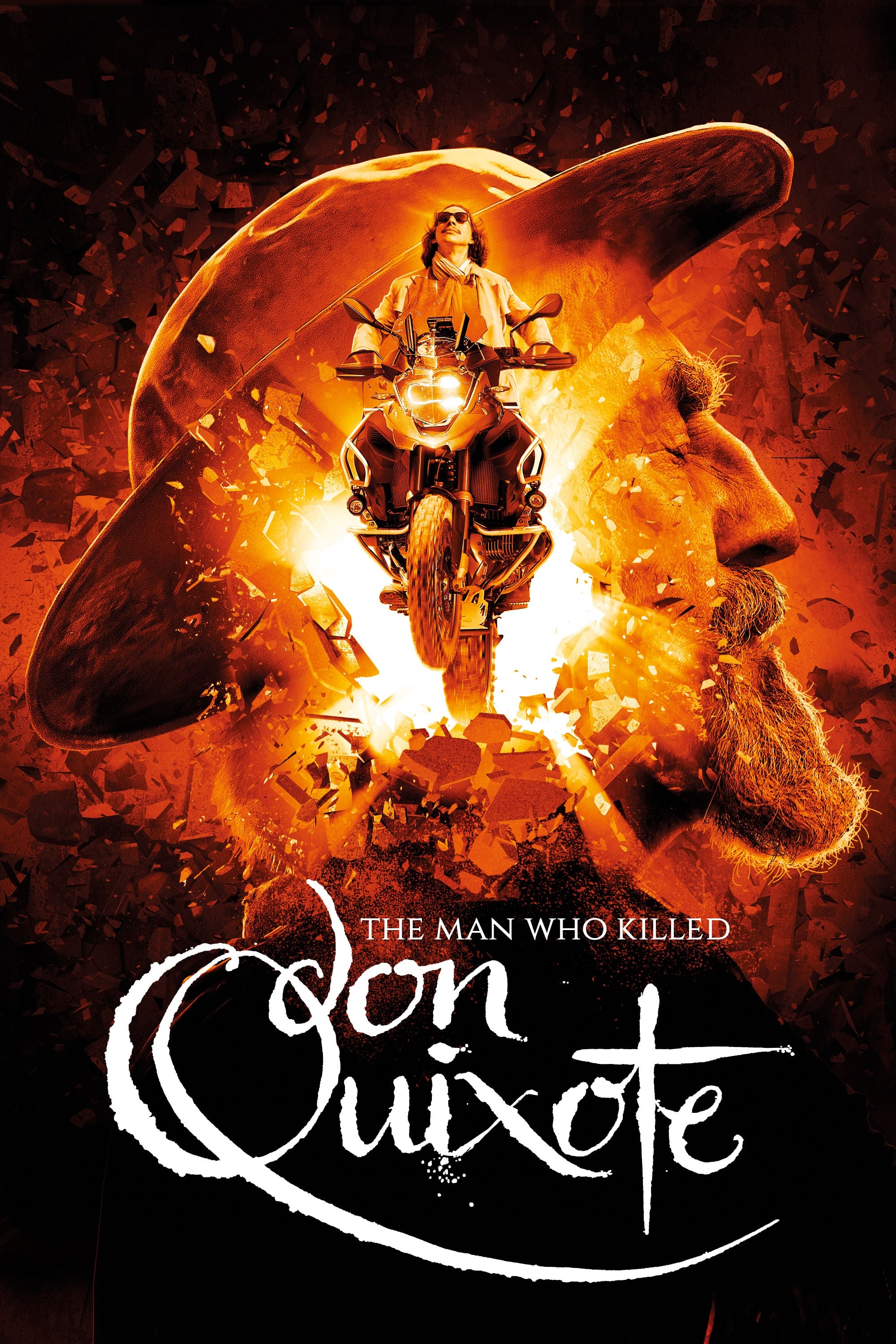
Attempts to mount the film stretched across decades, with financing collapses and cast changes. Legal disputes over rights complicated festival plans and distribution. The completed version faced limited access to major markets during its rollout. Years of start-and-stop setbacks left only a niche audience aware of the finished film.
‘Wonder Woman 1984’ (2020)

After completion, the studio shifted dates several times as theaters navigated closures. The release plan eventually combined a streaming debut with a theatrical bow. Marketing resets aimed to reintroduce the film after long gaps between campaigns. Fragmented availability and the prolonged wait reduced box-office urgency.
‘The Dark Tower’ (2017)
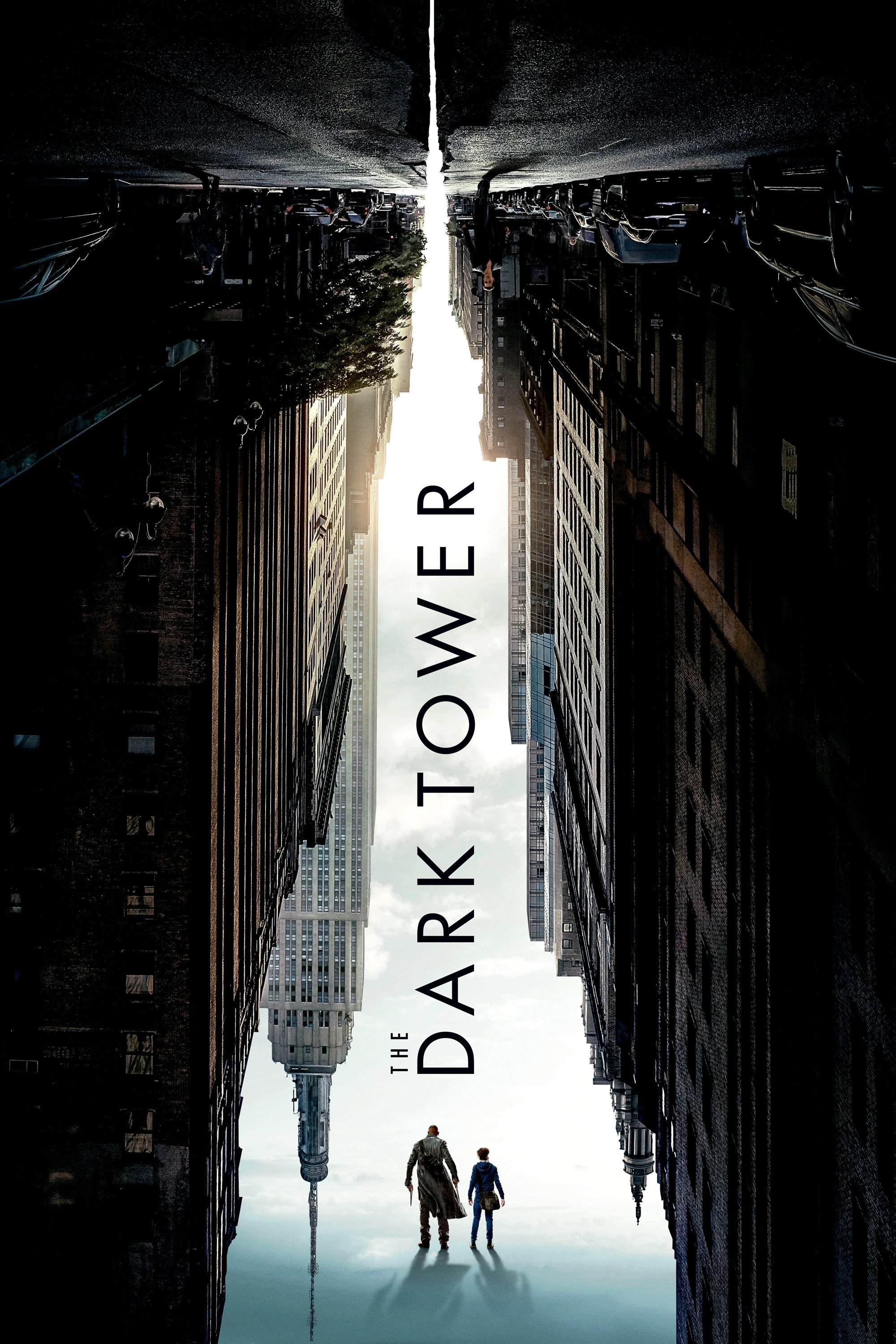
Development spanned multiple interpretations before a condensed adaptation moved forward. The project’s scope narrowed from a broader multimedia plan to a single feature. Schedule adjustments and retooling affected promotion and fan expectations. The final product struggled to rally the large readership that had followed its journey.
‘The Interview’ (2014)
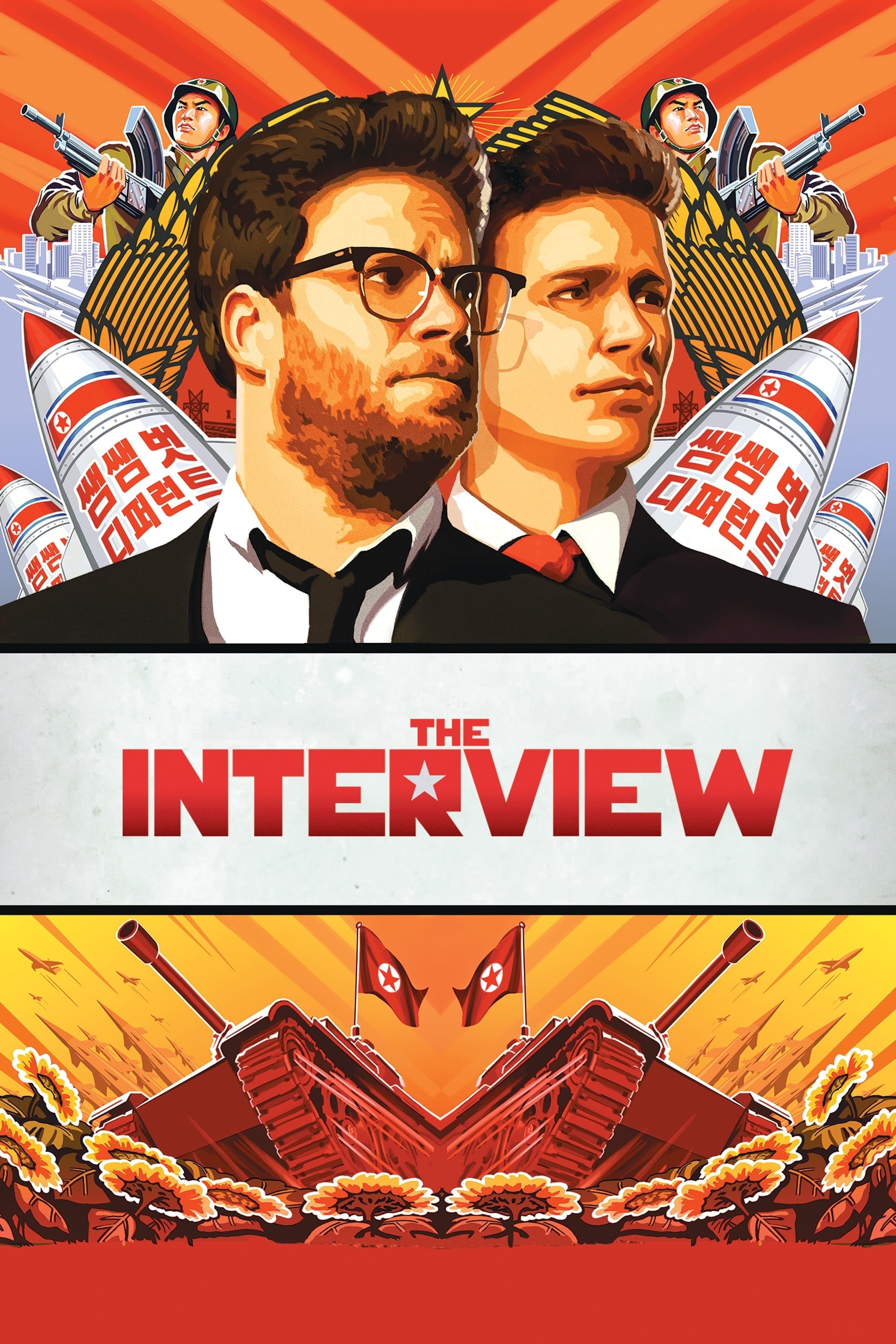
Following studio security breaches, the wide theatrical plan was abruptly altered. The rollout shifted to a limited footprint paired with premium digital options. Marketing efforts pivoted from comedic positioning to release logistics and availability. The upheaval disrupted audience plans and dampened traditional opening-week turnout.
‘The Cabin in the Woods’ (2012)
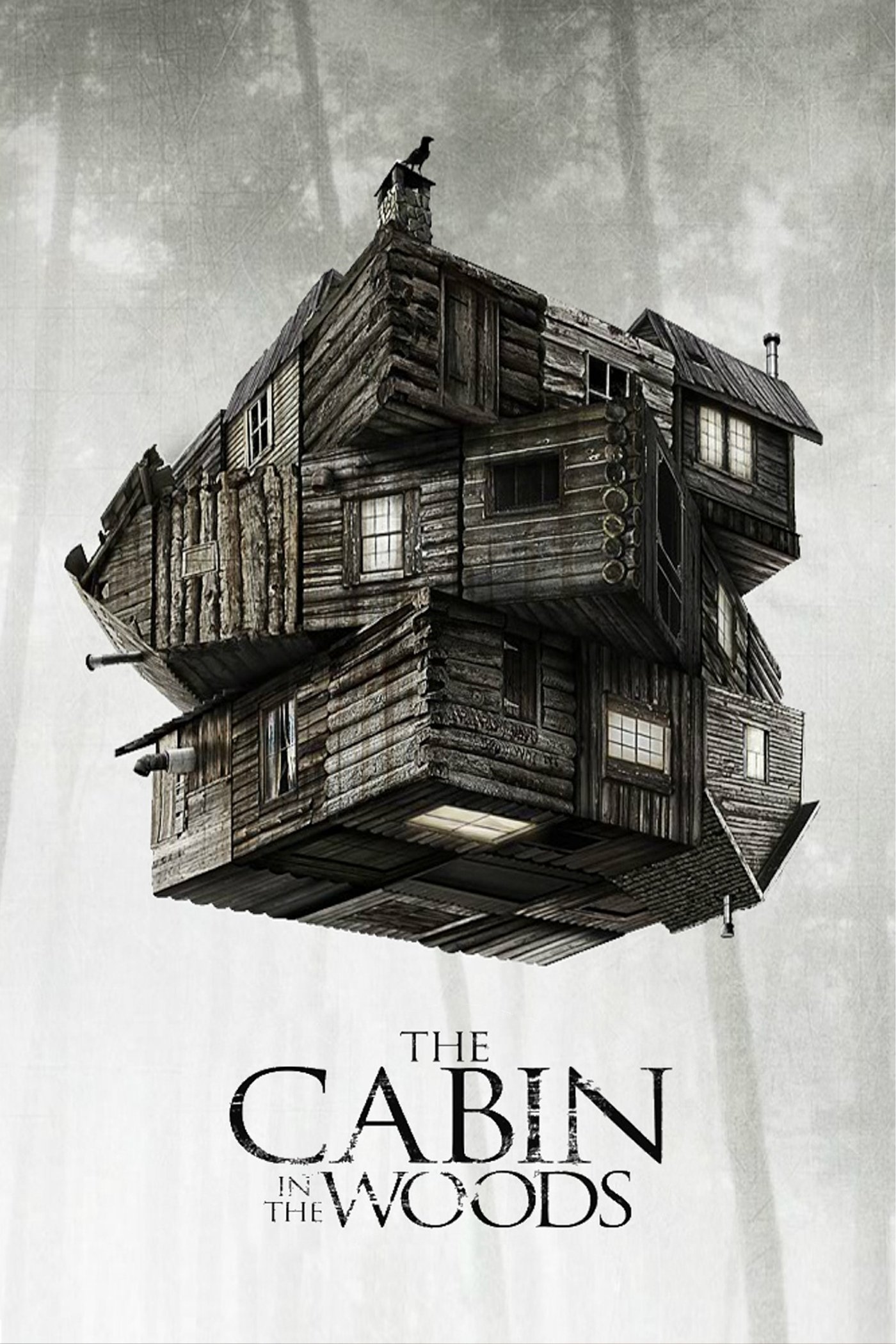
A corporate bankruptcy froze distribution even though the movie was finished. Ownership changes delayed a release plan while rights were sorted out. Early buzz from industry screenings had to be regenerated later. The gap between completion and debut cost momentum with mainstream crowds.
‘Heaven’s Gate’ (1980)
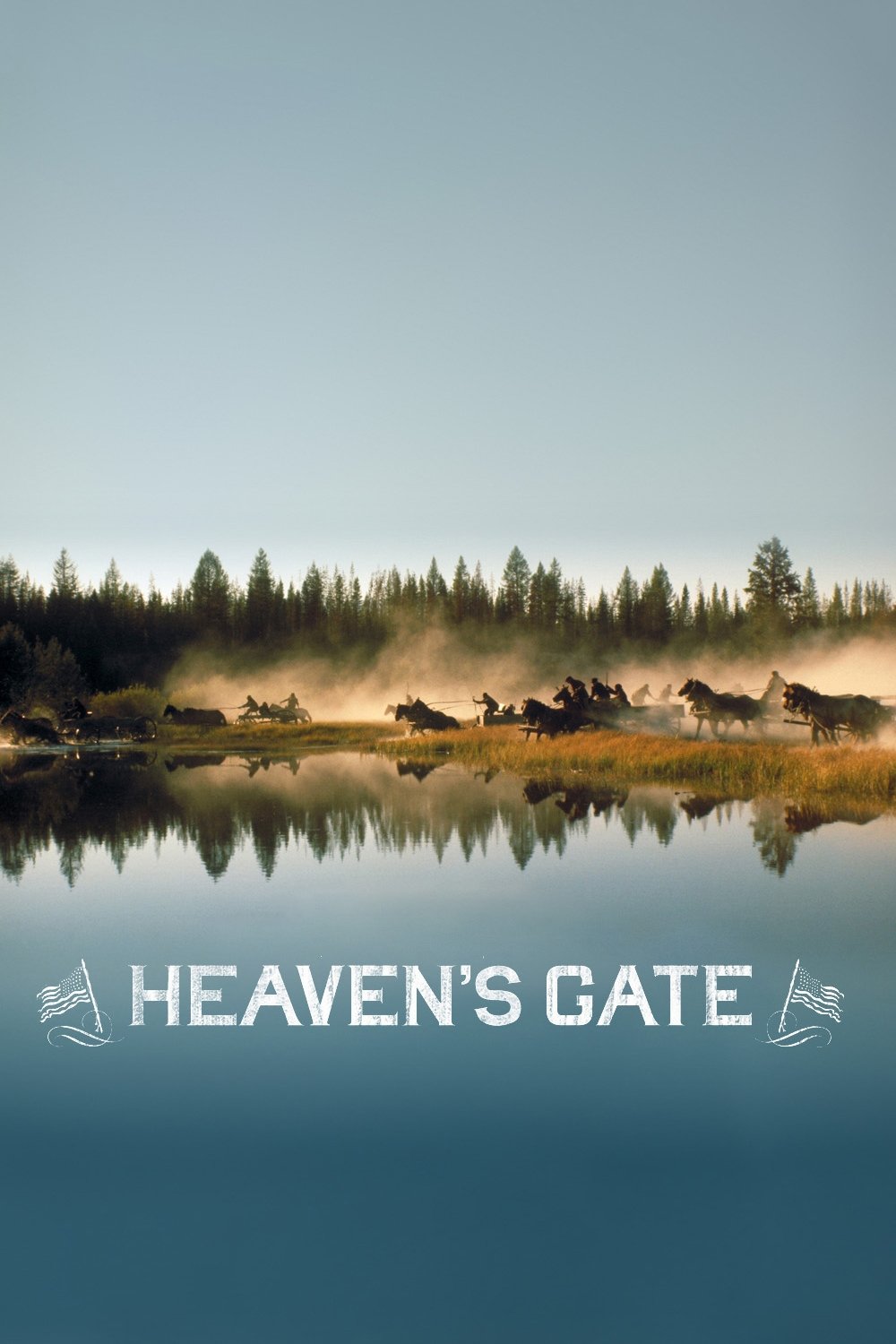
Protracted shoots, costly set rebuilds, and extended editing ballooned the timeline and budget. Reports of overruns dominated trade coverage throughout post-production. The distributor scaled back release plans after internal screenings. By the time it reached wider audiences, negative publicity had already taken hold.
‘The Island of Dr. Moreau’ (1996)
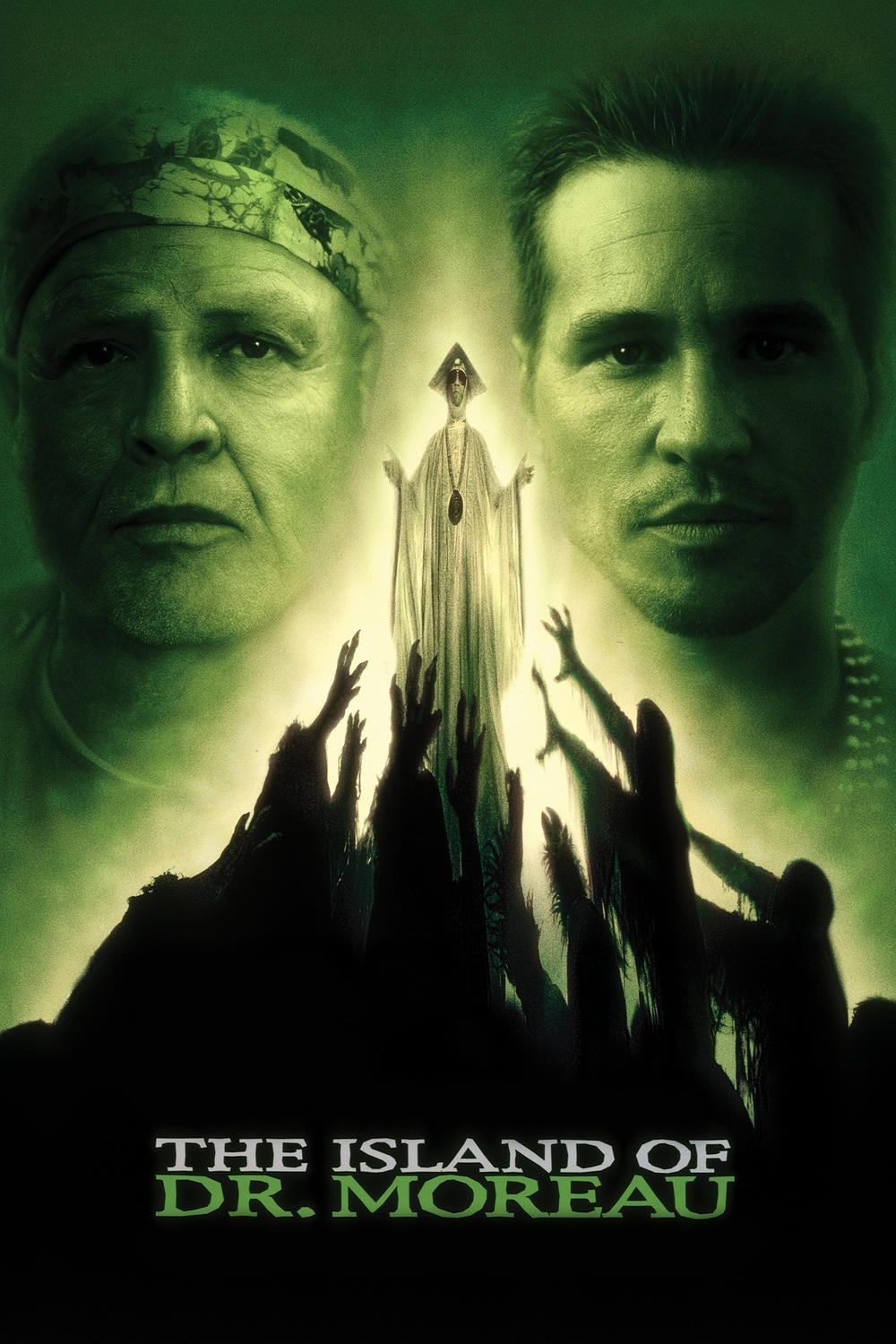
Director turnover, script disputes, and on-set interruptions stretched the schedule. Weather issues and location complications added further delays and cost. Replacement leadership reworked scenes and tone mid-production. The chaotic lead-up overshadowed marketing and dulled interest at launch.
‘The Brothers Grimm’ (2005)
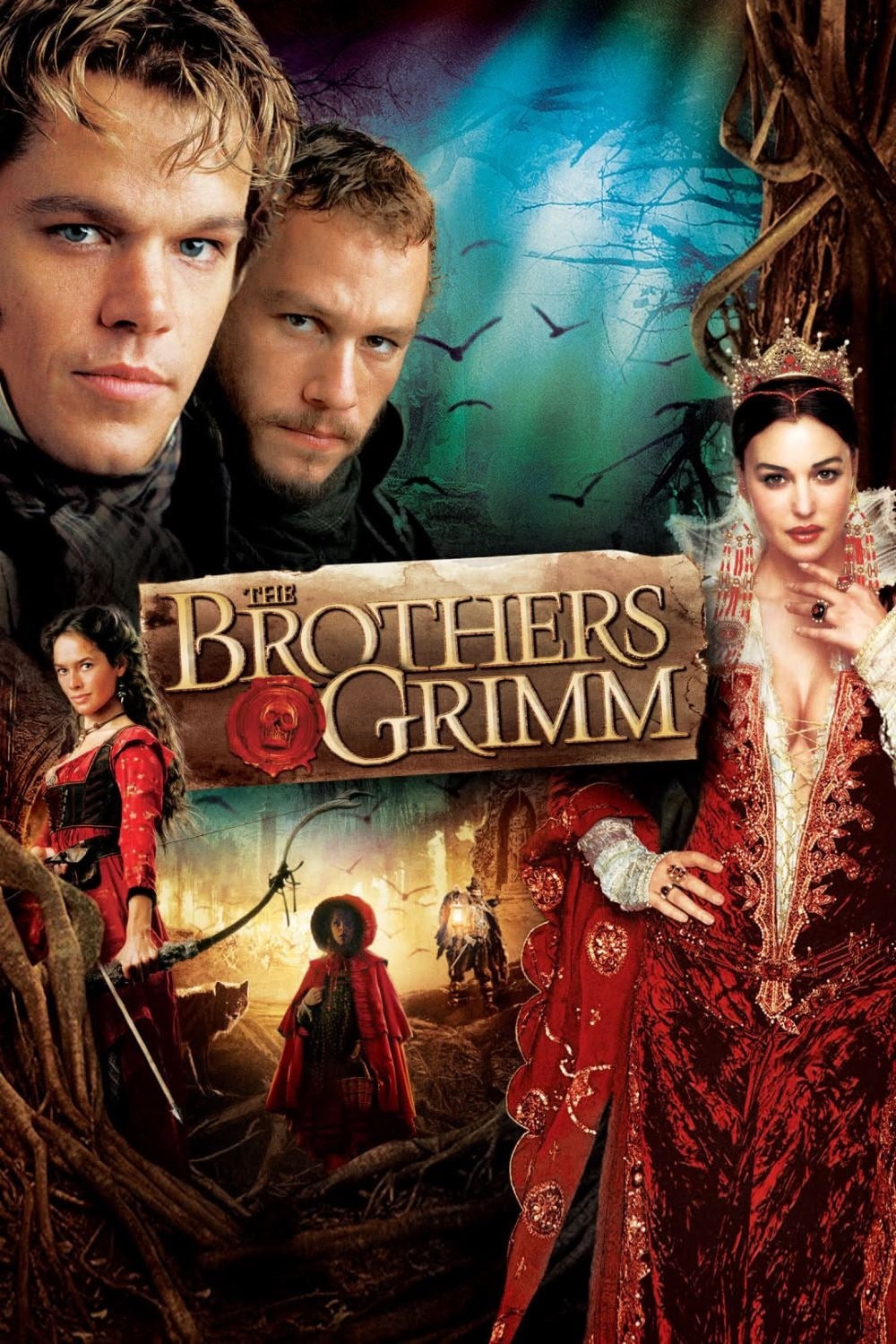
Creative clashes between the director and the financier led to forced rewrites and recuts that stalled progress. Prolonged disputes pushed additional photography and delayed a coordinated marketing push. Casting adjustments and location complications further extended the calendar. By release, the stop-and-start path had cooled mainstream curiosity.
‘The 13th Warrior’ (1999)
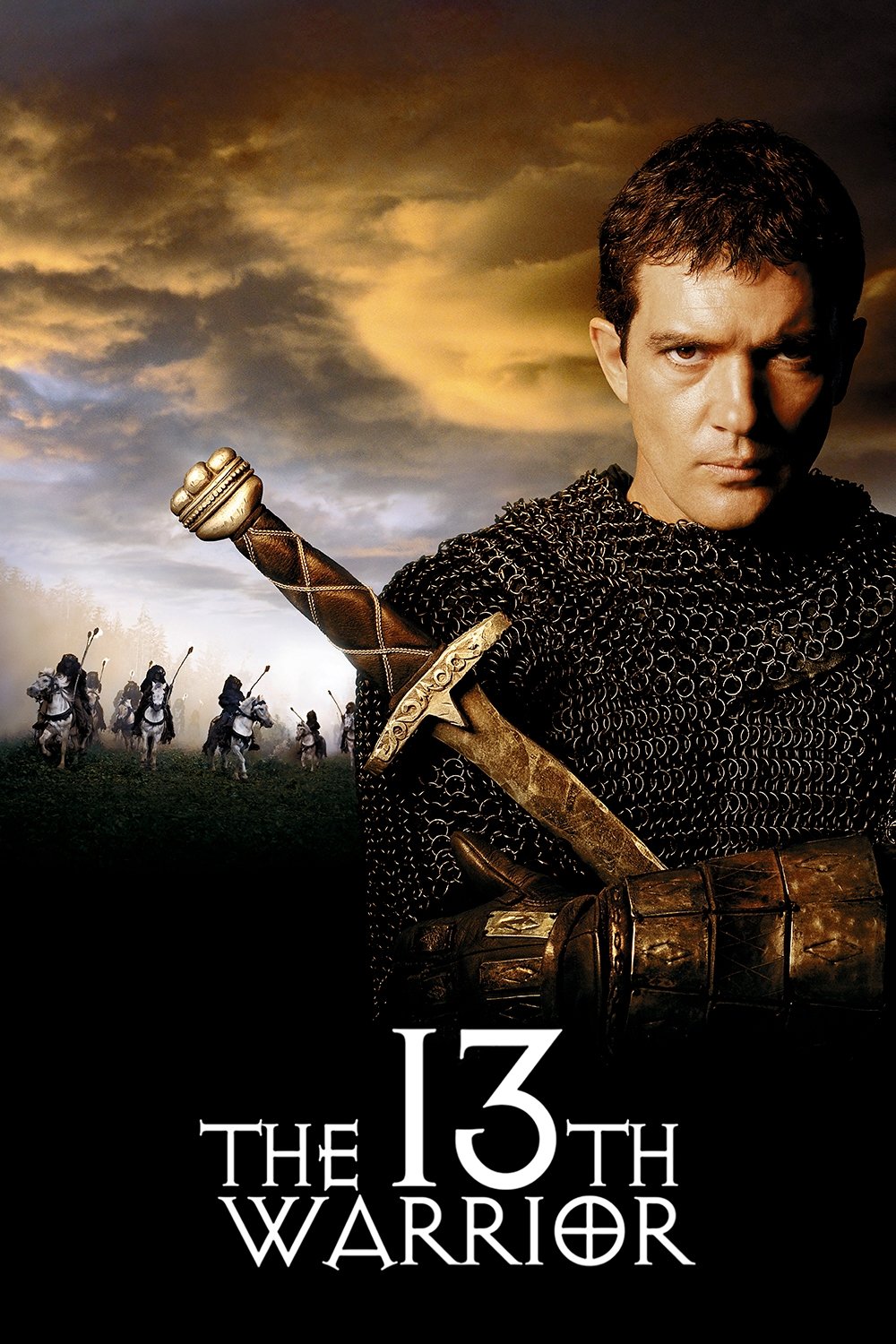
After test screenings, the production commissioned extensive reshoots and a new score under different oversight. Editorial changes restructured major sequences, stretching post-production beyond initial plans. The budget climbed as effects and set-piece revisions were integrated. The long retooling period made positioning to general audiences difficult.
‘A Sound of Thunder’ (2005)
The collapse of a key effects vendor midstream forced a scramble to rebuild visual work on a tighter budget. Insurance and financing complications stalled post-production, leading to piecemeal completion. Marketing materials were held while the cut stabilized, leaving awareness to fade. The eventual release highlighted compromised visuals after the drawn-out delay.
‘All the Boys Love Mandy Lane’ (2006)

Rights changes after festival buzz left the title without a domestic distributor for an extended period. Subsequent handoffs postponed a proper rollout despite early attention. By the time a release finally arrived, earlier word-of-mouth had dispersed. The long shelf period turned a once-hot discovery into a quiet arrival.
‘Accidental Love’ (2015)

Production shutdowns over financing kept multiple scenes unfinished for long stretches. Later assembly used stand-ins and limited pickups to complete essential narrative beats. The director removed his name as the final cut was delivered under different supervision. Years of interruptions left little promotional energy at the finish line.
‘Margaret’ (2011)
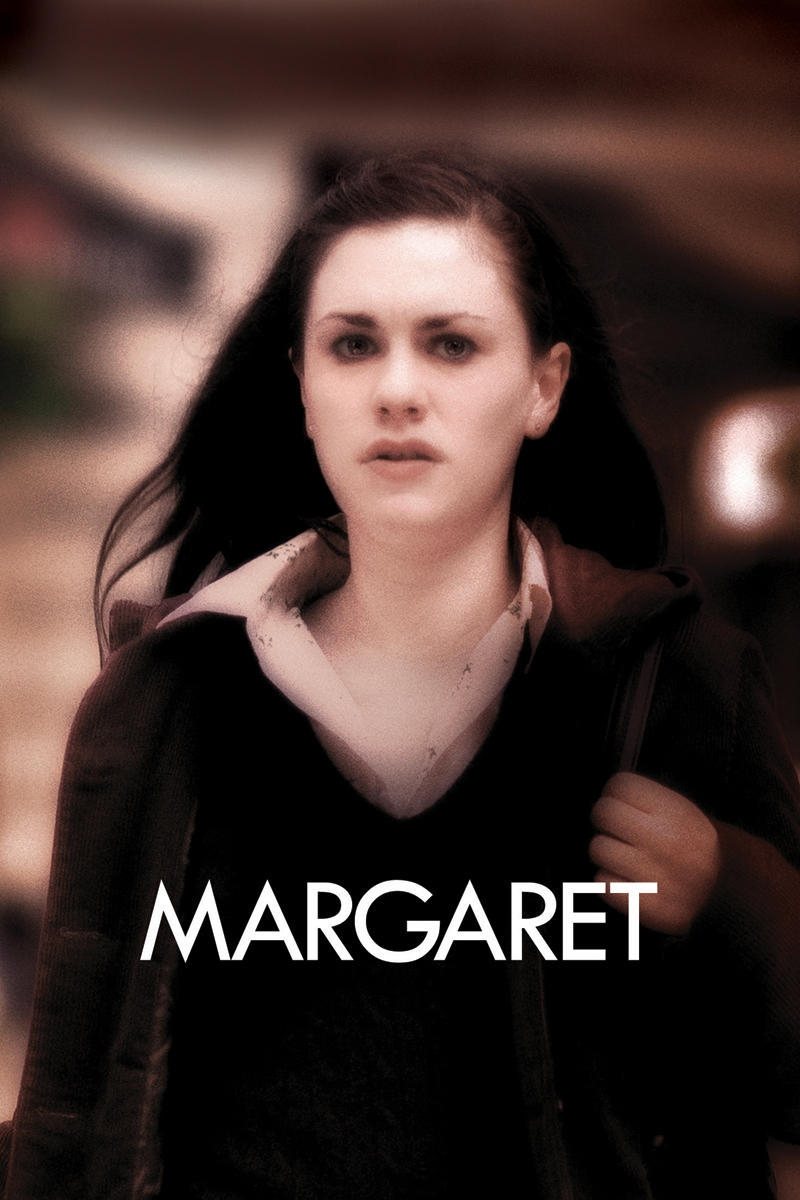
A protracted legal dispute over final cut stalled distribution while multiple edits circulated privately. Court filings and arbitration delayed a definitive version, complicating music clearances and credits. A later extended cut arrived after the initial theatrical run, splitting attention. The stop-start journey muted broader awareness outside cinephile circles.
‘The Thief and the Cobbler’ (1993)
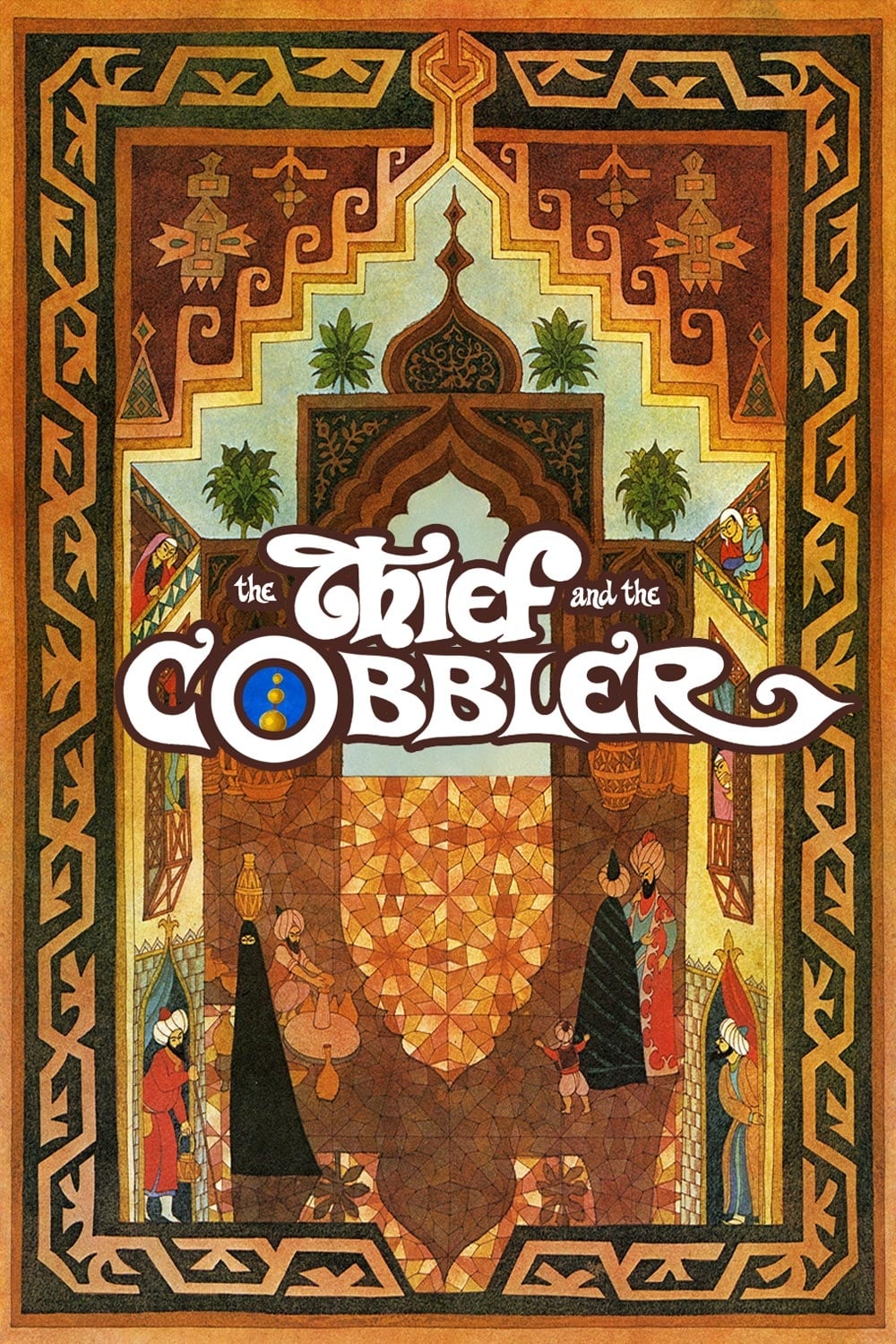
The animation’s drawn-out schedule triggered a takeover when delivery milestones were missed. Completion under new management repurposed footage, added dialogue, and inserted musical numbers. International releases varied as different cuts were assembled for each market. The fractured path to release made it difficult to build a unified audience.
‘The Other Side of the Wind’ (2018)
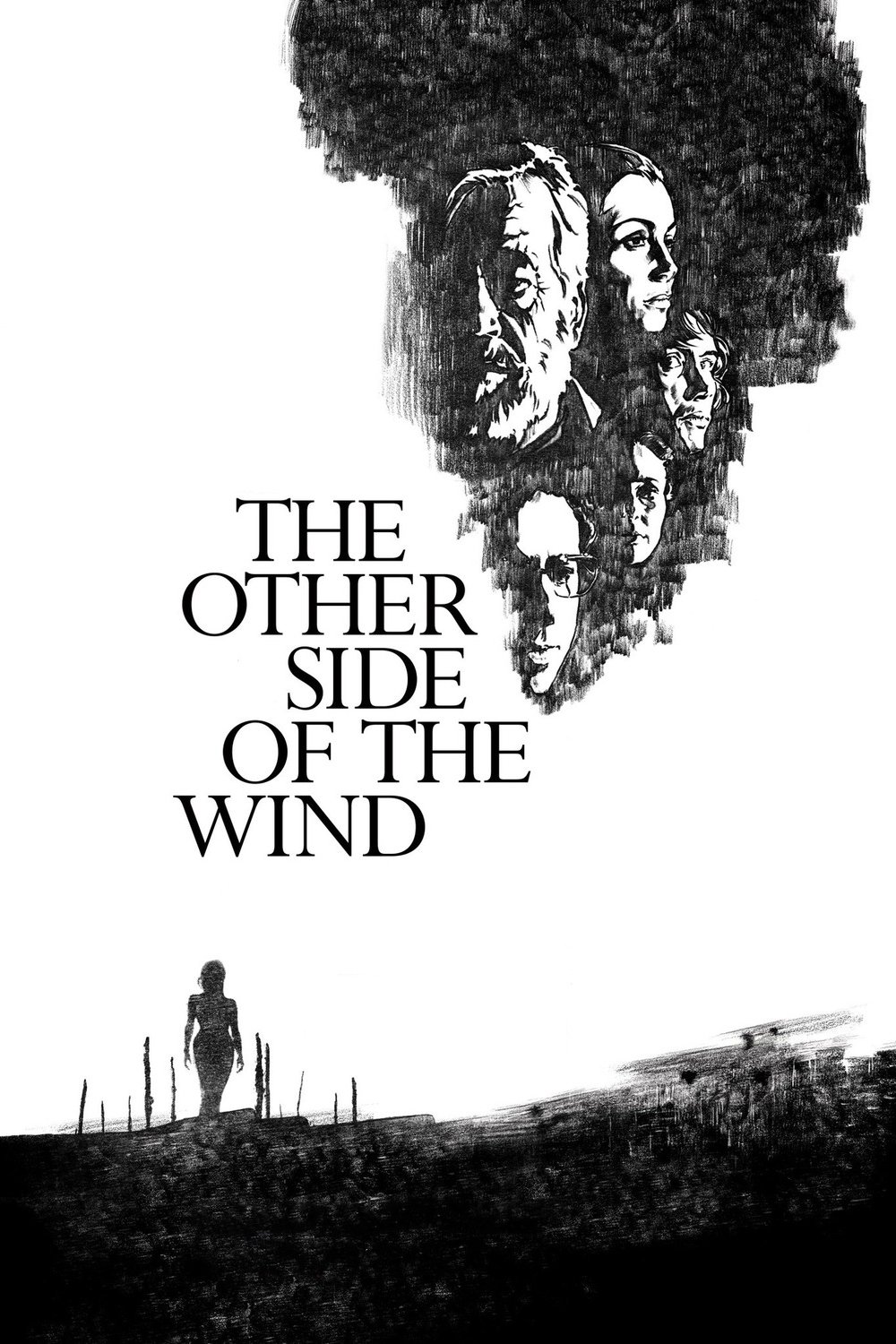
Filming wrapped decades earlier, but legal wrangling over rights and materials kept the negative in limbo. Archival elements required restoration and editorial reconstruction before completion. A modern distributor financed finishing work and arranged a limited rollout. The extraordinary gap between production and release limited mainstream reach.
‘Grace of Monaco’ (2014)

Following festival reactions, the film underwent editorial changes and a shift in distribution strategy. Disagreements between producers and distributors over tone and structure delayed a wide theatrical plan. The title ultimately premiered outside standard theatrical channels in key territories. The prolonged back-and-forth blunted initial star-driven interest.
‘Tulip Fever’ (2017)
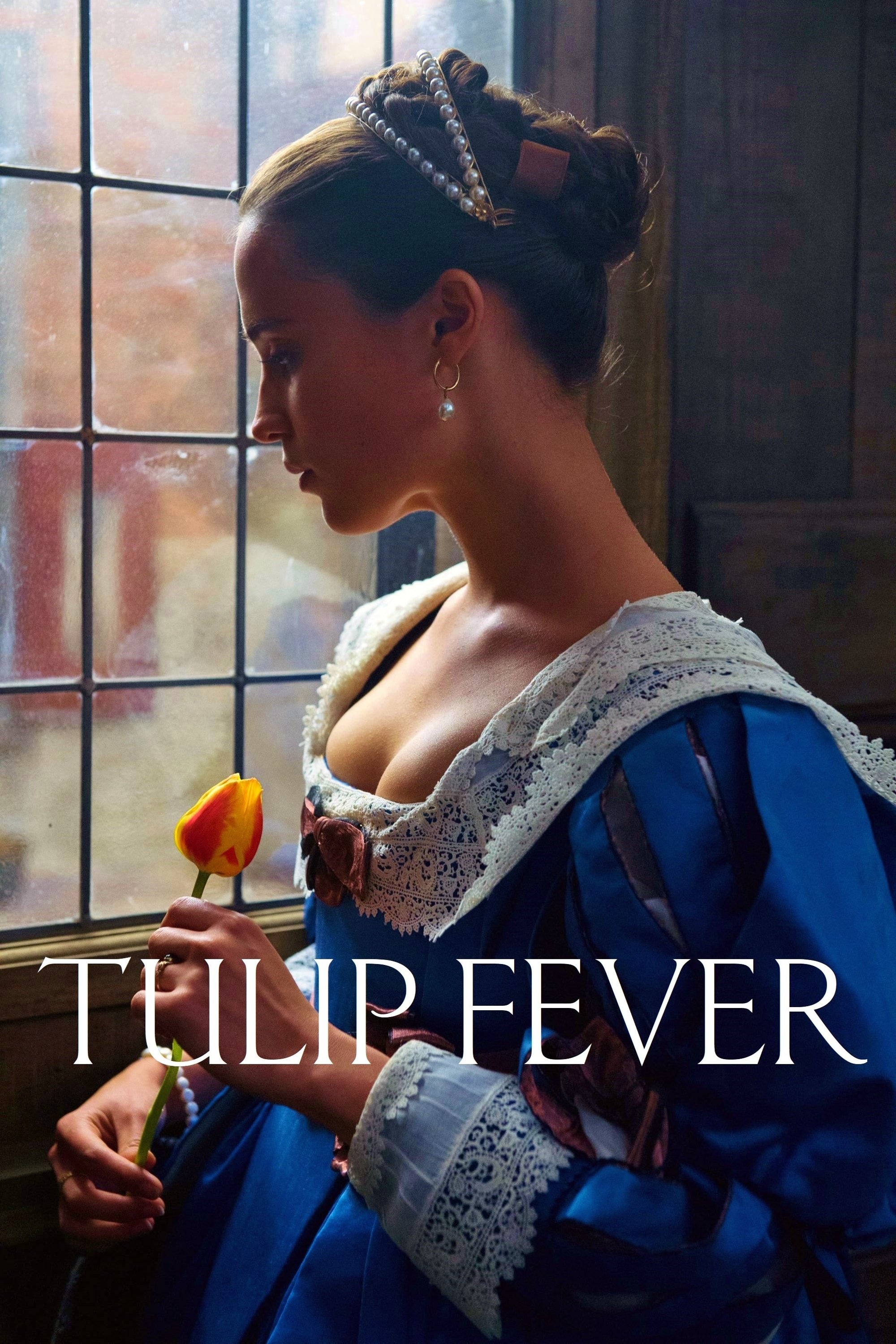
Reshoots aimed to clarify plotlines and character motivations after early feedback. A crowded release corridor prompted multiple date moves while the cut evolved. Marketing resets struggled to reintroduce the period drama after long gaps. The cumulative delays left the film without a clear promotional hook.
‘The Woman in the Window’ (2021)
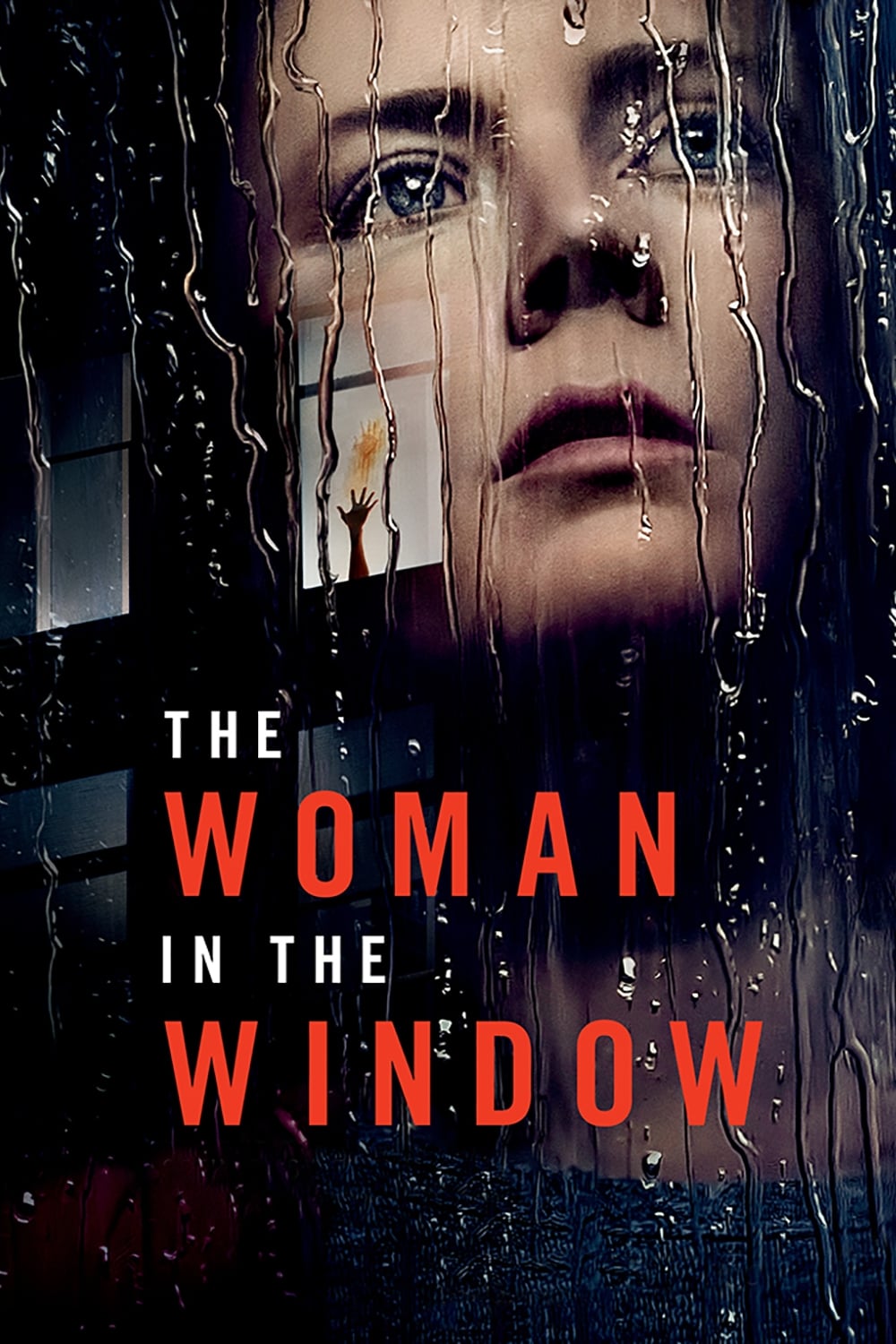
Test screenings prompted significant rewrites and new scenes to adjust pacing and clarity. A studio merger shifted oversight and pushed the title further down the calendar. A change in distribution platform altered the rollout playbook late in the process. The extended pause dimmed awareness with casual viewers.
‘The Empty Man’ (2020)
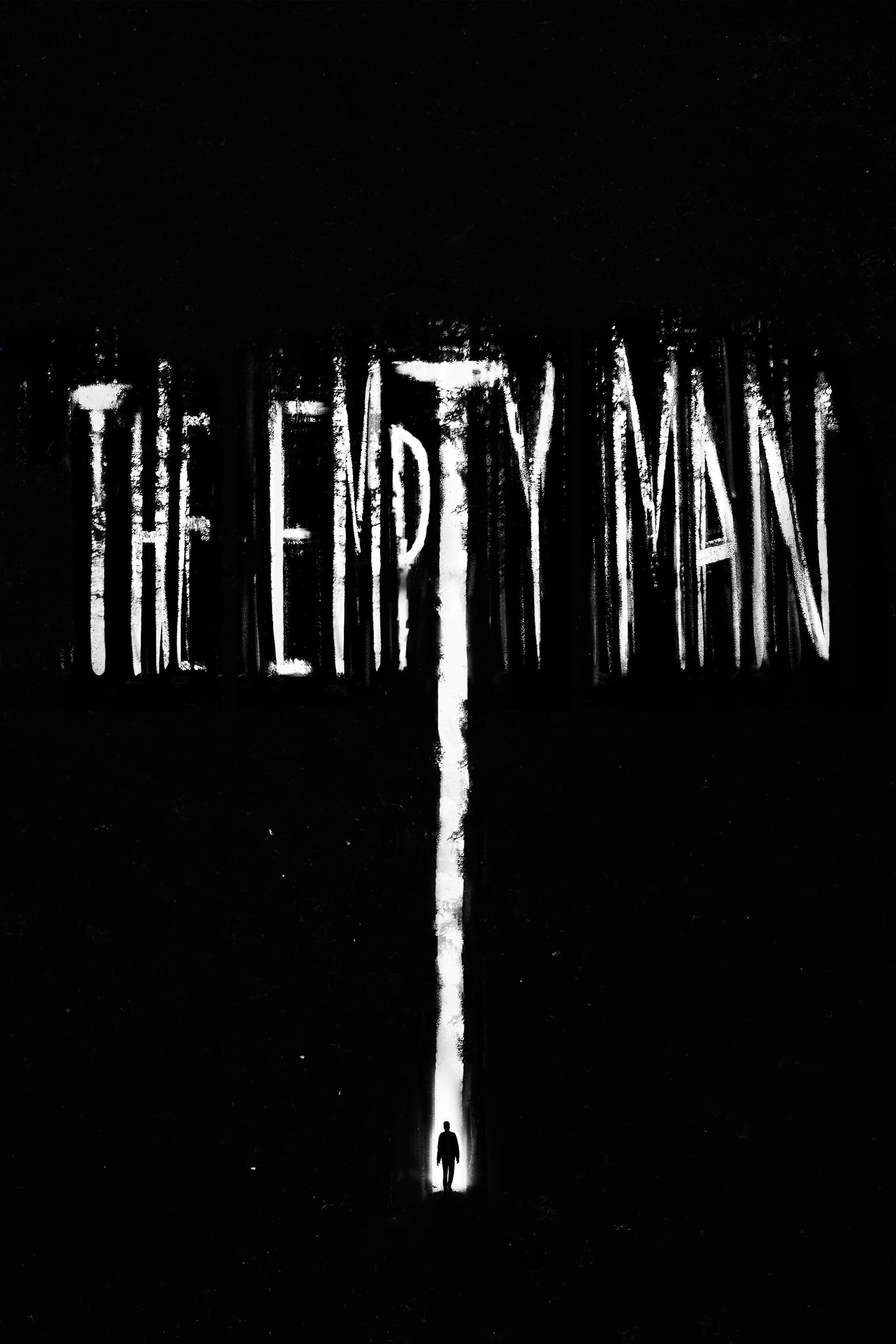
After principal photography, reorganization at the parent studio left the film waiting for a slot. Minimal marketing accompanied a belated release despite a finished cut sitting on the shelf. Confusion about genre positioning limited outreach to core audiences. The long delay contributed to a muted opening before later word-of-mouth emerged.
‘The King’s Daughter’ (2022)
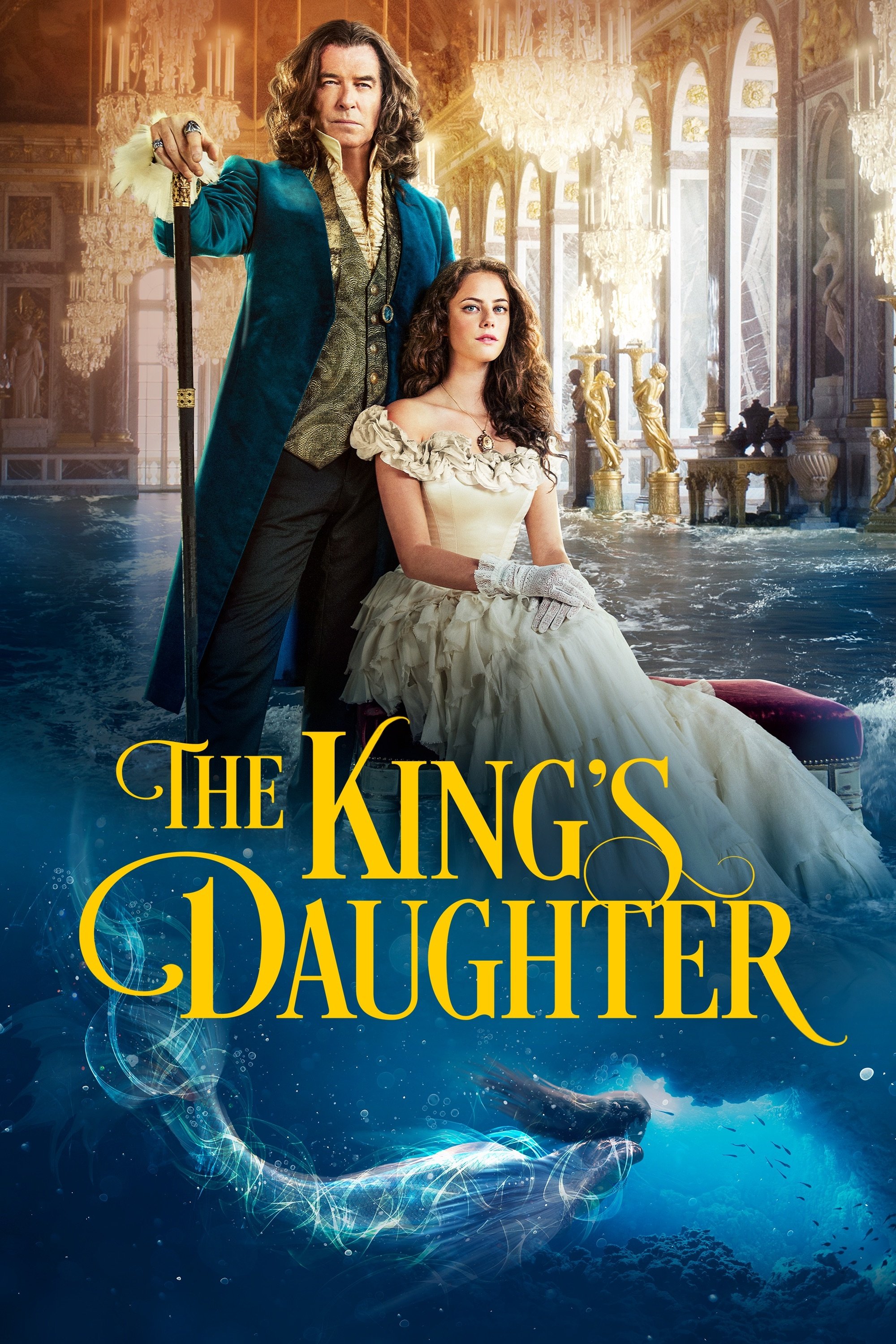
Shot years earlier, the project encountered effects delays and distribution shifts that stalled release. A planned date was pulled late in the cycle, sending the film back into limbo. Eventually a smaller rollout was secured with limited promotion. The time lag left original awareness campaigns obsolete.
‘The Predator’ (2018)
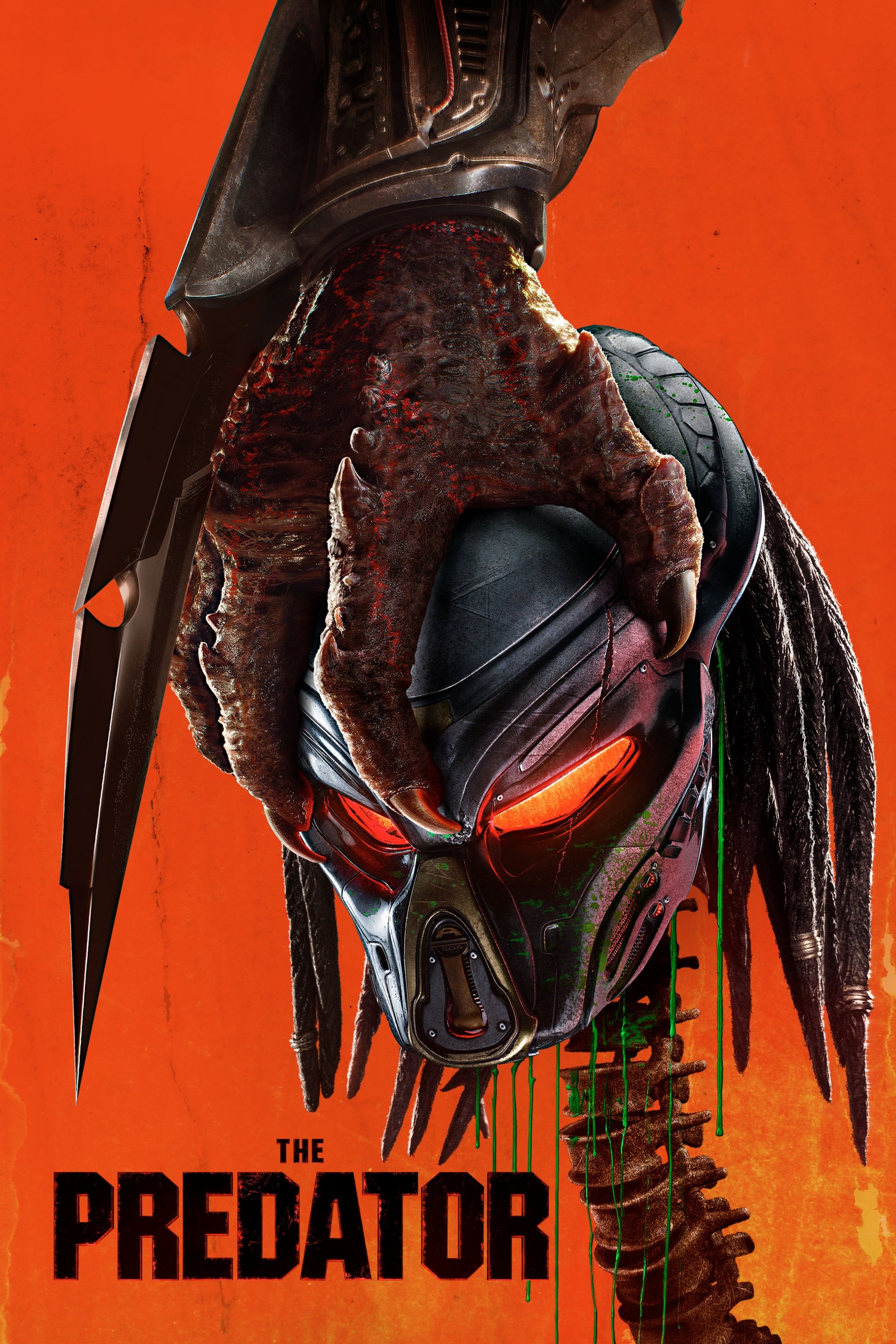
Extensive third-act reshoots reworked creature elements and character arcs after test responses. Scheduling those pickups around a large ensemble stretched timelines. Editorial changes and effects passes followed, pushing marketing to recalibrate. The prolonged tinkering complicated franchise messaging.
‘Fantastic Four’ (2015)
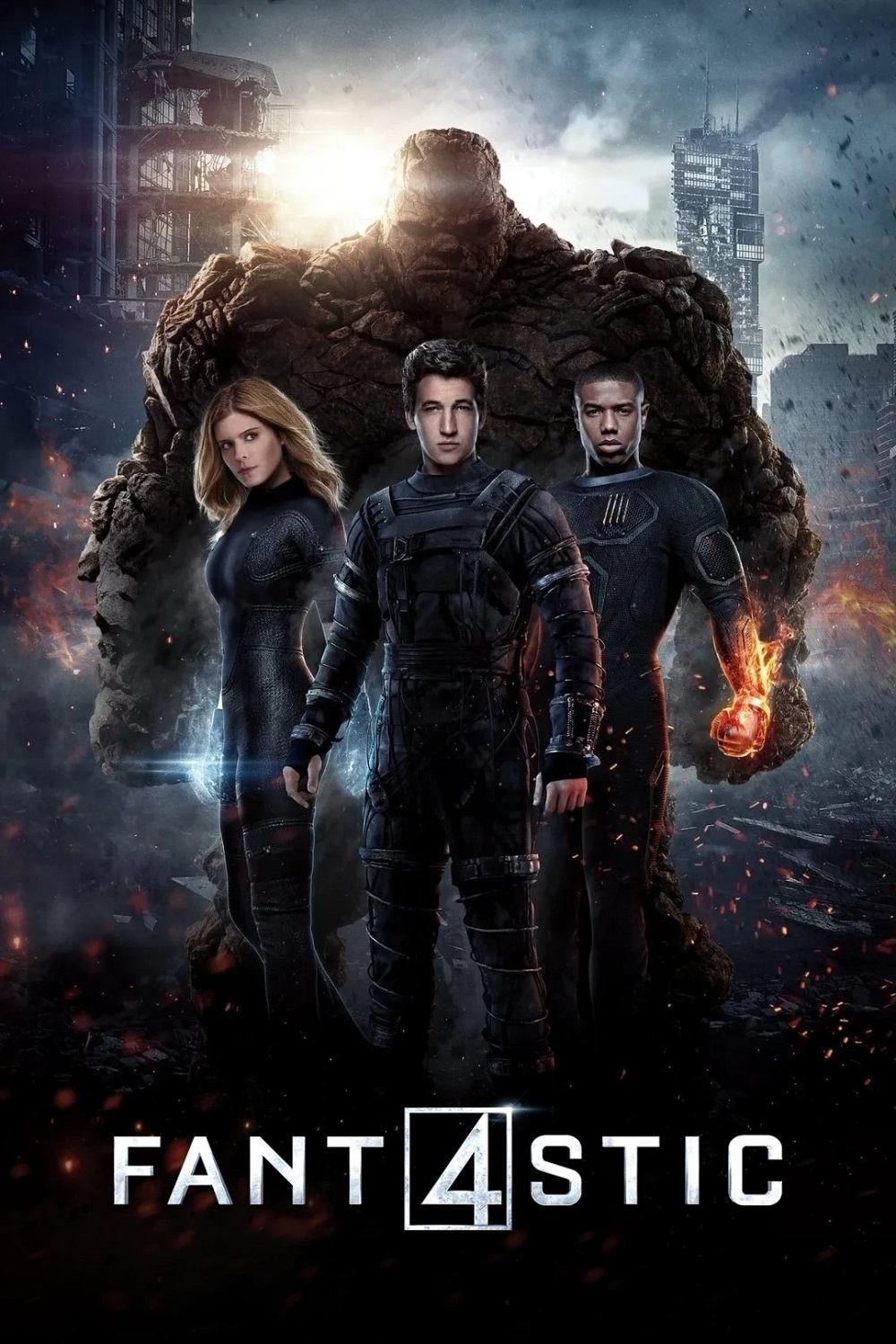
Studio oversight increased mid-post as concerns over tone and structure surfaced. Additional photography reoriented character dynamics and set up new sequences. Release plans slid within the calendar while effects were revised to match changes. The behind-the-scenes turbulence overshadowed pre-release buzz and dampened turnout.
If you remember another delayed production that fizzled on arrival, share your pick in the comments and tell us what happened.