Movies Killed by Review Bombing, Not Real Viewers



Review bombing—sudden waves of low-score user ratings driven by coordinated campaigns rather than organic audience response—has skewed the conversation around plenty of big- and small-release films. It often happens pre-release or in the first days of a rollout, shows up as suspicious spikes on user-review platforms, and can push platforms to change how they verify ratings. Below are 40 films that faced documented brigading patterns, from pre-release dogpiles to opening-week swarms, along with what happened and where it showed up.
‘Star Wars: The Last Jedi’ (2017)

Soon after release, the film’s audience scores on major platforms diverged sharply from critic scores, accompanied by waves of copy-paste, low-effort user reviews. Data-tracking and media analyses flagged unusual activity patterns that coincided with social-media campaigns calling for mass down-rating. Several platforms tightened verification or filtering for new accounts during this period. The incident has been widely cited in later policy changes around audience-score gating.
‘Captain Marvel’ (2019)

User-rating campaigns targeted the film prior to its theatrical opening, prompting platforms to restrict or delay audience scoring until after release. The activity included coordinated posts urging low ratings unrelated to in-theater reactions. As a result, sites introduced “verified” review labels and other anti-brigading measures. The episode became a template for pre-release review-bomb prevention.
‘Ghostbusters’ (2016)

Following early marketing, user scores on multiple sites were hit by abrupt surges of one-star entries that cited casting and trailer discourse rather than viewing experiences. The volume of low ratings far outpaced typical pre-release chatter for comparable studio comedies. Platforms noted abnormal account-creation spikes linked to these submissions. The pattern helped spotlight gaps between critic consensus and early audience aggregates.
‘The Little Mermaid’ (2023)

Opening-week user ratings showed unusual clustering at the lowest score levels, alongside a flood of short, repetitive reviews. Aggregators responded by emphasizing “verified audience” programs and weighting mechanisms to dampen inorganic swings. Analysts observed a mismatch between box-office performance, exit polling, and early all-audience user scores. The case is now a common reference in discussions of rating verification.
‘The Woman King’ (2022)

Shortly after release, the film’s pages saw organized calls to down-rate, resulting in sharp, early dips in user scores. Comment patterns frequently referenced talking points circulating on external social platforms. In response, several sites highlighted text-review requirements and account-age signals to flag probable brigading. The film’s long-tail audience sentiment stabilized once early waves subsided.
‘Eternals’ (2021)

Pre-release and opening-week windows saw concentrated one-star submissions that correlated with off-platform campaigns. Platforms reported abnormal activity compared to prior franchise entries, including higher-than-usual first-day review volume. Some aggregators increased friction for new accounts and emphasized written-review thresholds. Over time, verified or post-release audience measures showed different trajectories than initial blasts.
‘Furiosa: A Mad Max Saga’ (2024)

The film’s scoring pages experienced sudden low-score bursts clustered around marketing beats and opening weekend. Comment content often overlapped with external talking-point threads rather than in-depth viewing notes. Monitoring groups flagged timing anomalies and account-age patterns typical of brigades. Box-office context and later viewer-verified inputs diverged from the earliest audience-score spikes.
‘Barbie’ (2023)

Amid strong theatrical turnout, user-review hubs registered concentrated one-star patterns soon after opening, including repeated phrasing and minimal text entries. Platform moderators and automated systems filtered suspected brigades, and some sites highlighted verification badges. The discrepancy between exit polls and early audience dashboards prompted renewed scrutiny of weighting systems. Subsequent audience-verified tallies painted a more consistent picture with in-theater reactions.
‘Birds of Prey (and the Fantabulous Emancipation of One Harley Quinn)’ (2020)

In the first days of release, a wave of low-score ratings appeared with brief or off-topic commentary. The timing aligned with online calls to “bomb” the film’s pages, a pattern visible in timestamp clusters. Some sites throttled the impact of new accounts until more review history accumulated. Later, verified-purchase and ticket-stub programs improved signal quality for audience sentiment.
‘Black Panther’ (2018)

Coordinated attempts to depress user scores emerged around the release window, with posts circulating instructions for mass down-rating. Aggregators implemented guardrails, including rate limits and suspicious-pattern detection. Verification programs and delayed-posting features were emphasized to counteract pre-screening submissions. The incident influenced how future franchise titles handled pre-release scoring.
‘Cuties’ (2020)

Before the film’s broad availability, user-review pages saw exceptionally high volumes of one-star entries referencing marketing materials rather than full viewings. Platforms introduced or expanded checks that linked ratings to confirmed viewing windows. Analysts documented abnormal spikes in account sign-ups and same-day rating bursts. Over time, written long-form reviews showed different patterns than the initial deluge.
‘Lightyear’ (2022)

Opening-week user-score distributions skewed heavily toward one-star clusters, many with near-identical phrasing. Moderation teams raised flags for brigades and applied additional filters to text-only “drive-by” entries. Weighted-average systems were adjusted to reduce the impact of very new accounts. Audience-verification mechanisms became more prominent in score displays.
‘Turning Red’ (2022)

Soon after premiere, user-review platforms logged atypically high volumes of minimal-text, low-score ratings. The submission timing and repetition prompted anti-spam screenings and temporary visibility limits. As verified-viewer data accumulated, score trends diverged from the earliest mass entries. The case is frequently cited in animation-focused reviews of platform safeguards.
‘Indiana Jones and the Dial of Destiny’ (2023)

Audience pages registered brief surges of one-star ratings tied to social-media calls rather than organic viewing cycles. Sites leaned on confidence metrics—account age, prior review history, and text length—to weight inputs. The initial spikes contrasted with longer-horizon audience sampling and exit surveys. The incident fed broader debates about opening-week narrative shaping via user dashboards.
‘The Marvels’ (2023)

Pre-release and premiere-week periods saw coordinated attempts to flood rating portals with low scores. Platforms expanded the use of verification tags and began highlighting distribution breakdowns to improve transparency. Monitoring groups noted synchronized posting cadences consistent with brigades. Later, verified-audience summaries tracked differently from the first-day all-audience averages.
‘The Promise’ (2016)

The historical drama’s user-review pages drew unusual activity even before general release, with large volumes of polarized ratings. Investigators documented off-platform mobilization encouraging mass scoring actions. Aggregators implemented countermeasures, including weighting and text-review requirements, to filter inorganic patterns. The event is often referenced in studies of pre-release brigading.
‘Gunday’ (2014)
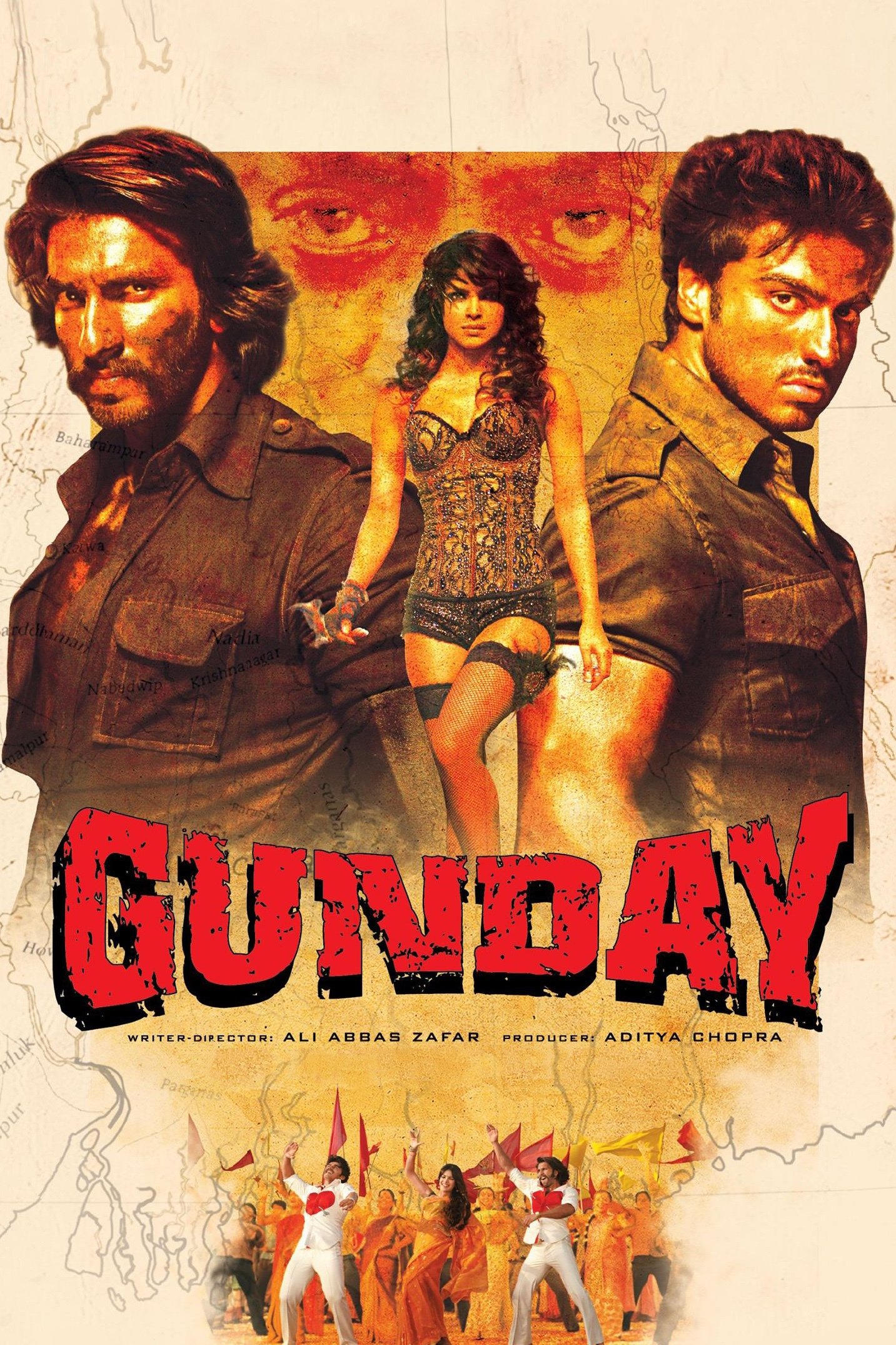
Shortly after release, the film’s rating pages were hit by a sustained campaign that produced extreme, bottom-skewed averages. The surge was traced to organized posts urging mass down-rating in response to perceived historical inaccuracies. Platforms later re-weighted or audited inputs to restore more representative scores. The case remains a prominent non-Western example of large-scale review bombing.
‘Bros’ (2022)

Opening-week user scores showed rapid one-star accumulation paired with short, repetitive commentary. Moderation logs and third-party trackers flagged brigading indicators, including narrow posting windows and newly created accounts. Platforms emphasized verified-viewer programs and filtered suspected coordination. Over subsequent weeks, audience-verified tallies diverged from the initial spikes.
‘Alita: Battle Angel’ (2019)

In early release windows, user-review hubs recorded polarized, rapid-fire scores that included brigading hallmarks. Analysts pointed to concentrated bursts of minimal-text entries alongside organized counter-campaigns. Sites leaned on weighting and suspicious-pattern detection to stabilize averages. Longer-form, verified reviews eventually tracked with different distributions than the initial flood.
‘A Wrinkle in Time’ (2018)

Right after launch, several platforms saw spikes of low-score ratings with generic or off-topic commentary. The submission cadence suggested external coordination rather than typical viewer throughput. Anti-brigade measures—account-age weighting and text thresholds—were applied to trim anomalous impact. Over time, verification-based scores provided a clearer read of audience response.
‘Ocean’s Eight’ (2018)

The film’s pages received concentrated one-star reviews during the marketing and opening stretch, many repeating common talking-point language. Platforms increased friction for new raters and surfaced verification badges more prominently. The disparity between early user aggregates and later audience-verified samples was noted by trade press. The incident informed subsequent moderation playbooks for franchise spin-offs.
‘Wonder Woman 1984’ (2020)

Amid its hybrid release, user-review sites logged fast, low-effort one-star surges that didn’t align with typical home-viewing curves. Moderators flagged brigading signals and applied temporary filters. Verified-viewer data painted a different trajectory than the early all-audience scoreboard. The case highlighted how day-and-date rollouts complicate anti-brigade monitoring.
‘Glass Onion: A Knives Out Mystery’ (2022)

During its streaming rollout, audience pages experienced short windows of unusually concentrated low-score entries. Activity clustered around social-media flashpoints rather than standard viewing timelines. Sites adjusted visibility of unverified ratings and prioritized written, time-stamped reviews. As verification accumulated, subsequent audience summaries diverged from the initial pattern.
‘The Last Duel’ (2021)

Early user-score swings featured hallmarks of brigading—copy-pasted language and narrow timing bands. Platforms mitigated with account-age weighting and text-review requirements. Trade coverage contrasted exit-poll feedback with the first-week user-review profile. The film is often cited in analyses of how early brigades can shape perception despite limited bearing on later viewer data.
‘Brahmāstra Part One: Shiva’ (2022)

Release-week dashboards showed sharp one-star bursts tied to external boycott calls rather than normal word-of-mouth. Aggregators emphasized verification badges and delayed-display features to reduce the impact of rapid-fire submissions. Analysts noted repeated phrasing across short reviews and timestamp clusters within narrow windows. As verified inputs accumulated, the audience profile diverged from the earliest, most polarized wave.
‘Mulan’ (2020)

User-rating pages saw coordinated down-rating tied to off-platform controversies, with large volumes of brief one-star entries posted in tight time windows. Aggregators responded by emphasizing verification badges and rate limits for newly created accounts. Analysts noted mismatches between audience exit data, streaming completion metrics, and early all-audience scores. The case is often cited in studies of how geopolitics can drive brigading outside normal viewing cycles.
‘Shang-Chi and the Legend of the Ten Rings’ (2021)

Pre-release windows and opening days registered clusters of low-score submissions that echoed external talking points rather than detailed viewing notes. Platforms increased friction for first-time raters and highlighted verified-viewer indicators. Monitoring groups flagged repeated phrasing and compressed posting cadences typical of coordinated campaigns. As verified inputs accumulated, audience summaries diverged from the first-wave dumps.
‘Godzilla vs. Kong’ (2021)

Soon after rollout, rating portals recorded abnormal spikes of one-star entries overlapping with fandom-related coordination threads. Sites adjusted visibility for unverified ratings and leaned on account-age weighting to reduce inorganic impact. The timing of surges did not track standard viewership curves for wide releases. Later audience-verified tallies stabilized differently than the opening-week blasts.
‘Black Panther: Wakanda Forever’ (2022)

Audience pages experienced early waves of low-score ratings closely aligned with social-media calls to mass down-rate. Aggregators responded with stronger spam-detection thresholds and requirements for longer text reviews. The initial deluge contrasted with box-office performance and downstream verified-viewer sentiment. Post-moderation trajectories showed reduced volatility compared to the first 48 hours.
‘Sadak 2’ (2020)

Within hours of release, user-score dashboards were flooded with minimal-text one-star ratings connected to broader industry debates. Platforms documented unusual volumes and tightened filters, including caps on rapid-fire submissions from new accounts. The anomaly became a high-profile example of South Asian review brigading. Over time, text-rich and verified entries displayed different distribution patterns than the initial surge.
‘Chhapaak’ (2020)

The film’s pages drew concentrated down-rating activity clustered around news-cycle flashpoints. Moderation teams applied account-history weighting and emphasized verified-view badges to counter suspected brigades. Submission cadences—many entries landing within narrow windows—flagged coordination. Later samples incorporating verification diverged from the earliest audience snapshots.
‘Laal Singh Chaddha’ (2022)

User ratings saw bursty one-star clusters that aligned with external boycott campaigns rather than gradual word-of-mouth. Aggregators responded with additional friction for new users and text-length thresholds for reviews. Analysts noted sharp disparities between initial dashboards and later verified-viewer aggregates. The episode is frequently referenced in discussions of regional brigading dynamics.
‘Beauty and the Beast’ (2017)

Early user-score dips featured repeated phrasing and minimal justification, suggesting coordinated down-rating tied to off-platform discourse. Sites introduced or emphasized mechanisms like account-age weighting and written-review requirements. Over time, verified-view input and longer-form audience feedback moved differently than the first-wave totals. The incident helped normalize basic anti-brigade tooling on mainstream platforms.
‘Raya and the Last Dragon’ (2021)

Opening-period audience pages logged unusual volumes of short, near-identical low-score entries. Platforms leaned on verification labels and detection of rapid, same-phrase postings to dampen brigades. The early pattern contrasted with viewing completion data reported later by industry trackers. As verification accumulated, audience summaries settled away from the initial skew.
‘Solo: A Star Wars Story’ (2018)

User-rating portals experienced pockets of down-rating that coincided with campaign-style calls outside the platforms. Moderators flagged the compressed timing and repetitive language as brigade indicators. Sites weighted established accounts more heavily and de-emphasized textless ratings. Subsequent audience-verified metrics diverged from the earliest, most polarized snapshots.
‘Thor: Love and Thunder’ (2022)

In the first days of availability, platforms observed abnormal concentrations of one-star reviews with boilerplate language. Anti-brigade measures—rate limits, account-age checks, and text thresholds—were applied to reduce inorganic influence. Exit-survey trends and later verified-viewer inputs showed different trajectories. The case reinforced the need for visibility rules during high-traffic franchise launches.
‘Hocus Pocus 2’ (2022)

Shortly after premiere, ratings dashboards showed compressed windows of low-score entries tied to off-platform messaging. Aggregators increased reliance on verification signals and throttled mass submissions from new accounts. The pattern diverged from typical family-title viewing curves. As longer-form reviews accumulated, distributions shifted away from the opening burst.
‘Star Wars: The Rise of Skywalker’ (2019)

Audience pages registered waves of coordinated low-score posts that clustered around debate spikes rather than standard release cadence. Platforms surfaced verified-view badges and increased scrutiny of copy-paste phrasing. Analysts pointed to discrepancies between later audience panels and first-week user aggregates. The incident added to the franchise’s broader case studies on brigading dynamics.
‘Ghost in the Shell’ (2017)

Pre- and early-release periods saw low-score clusters reflecting external controversy narratives, with many reviews offering minimal viewing detail. Sites responded by emphasizing text length and account-history weightings in displayed averages. The surge timing did not align with typical word-of-mouth growth for wide releases. Verification-based inputs later drew a different curve than the initial blasts.
‘Don’t Worry Darling’ (2022)

User-rating portals exhibited short, intense windows of one-star entries that mirrored off-platform flashpoints in the news cycle. Aggregators applied additional filters for repetitive phrasing and newly created accounts. Over time, verified-viewer and text-rich reviews produced distributions that differed from the earliest totals. The episode is frequently referenced in analyses of how publicity storms can catalyze brigading.
Share your thoughts below—what other titles do you think were swamped by coordinated down-rating rather than actual audience response?