Best Sitcoms Without One Bad Episode


Great sitcoms make it easy to hit play and never look back, and these shows kept audiences coming back with sharp writing, memorable casts, and consistent production across their runs. Here is a big mix of classics and modern favorites, covering studio multi cams, single camera mockumentaries, and smart British imports. You will find standout ensembles, influential creators, and award winning streaks. Use this as a watchlist anchor when you want something reliable and tightly made.
‘I Love Lucy’ (1951–1957)
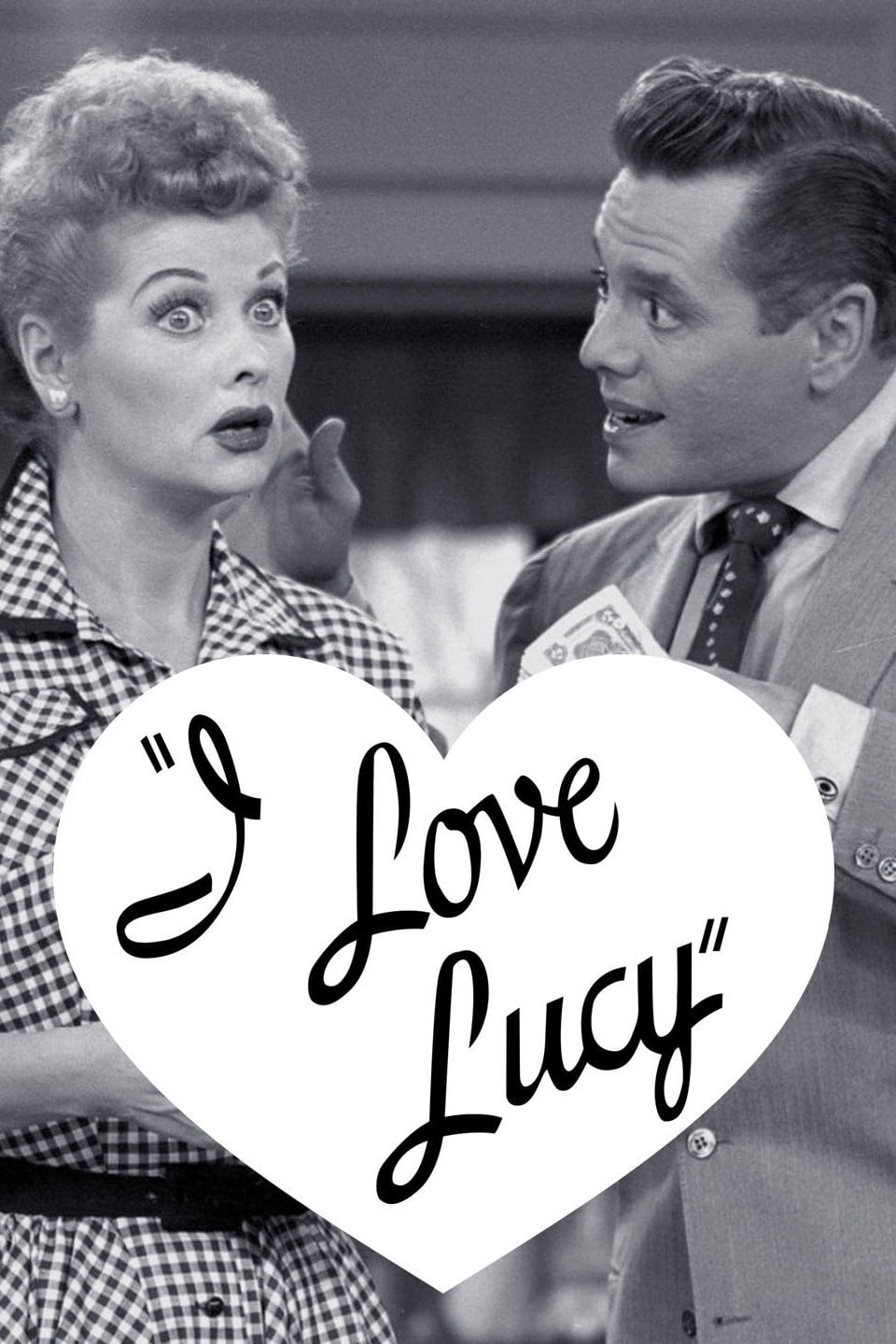
Lucille Ball and Desi Arnaz headline a groundbreaking multi camera production filmed before a live audience. The show refined the three camera setup that became a sitcom standard. It ran for six seasons along with hour long specials that followed as ‘The Lucy Desi Comedy Hour’. Classic episodes introduced recurring bits like the chocolate factory and Vitameatavegamin.
‘The Dick Van Dyke Show’ (1961–1966)
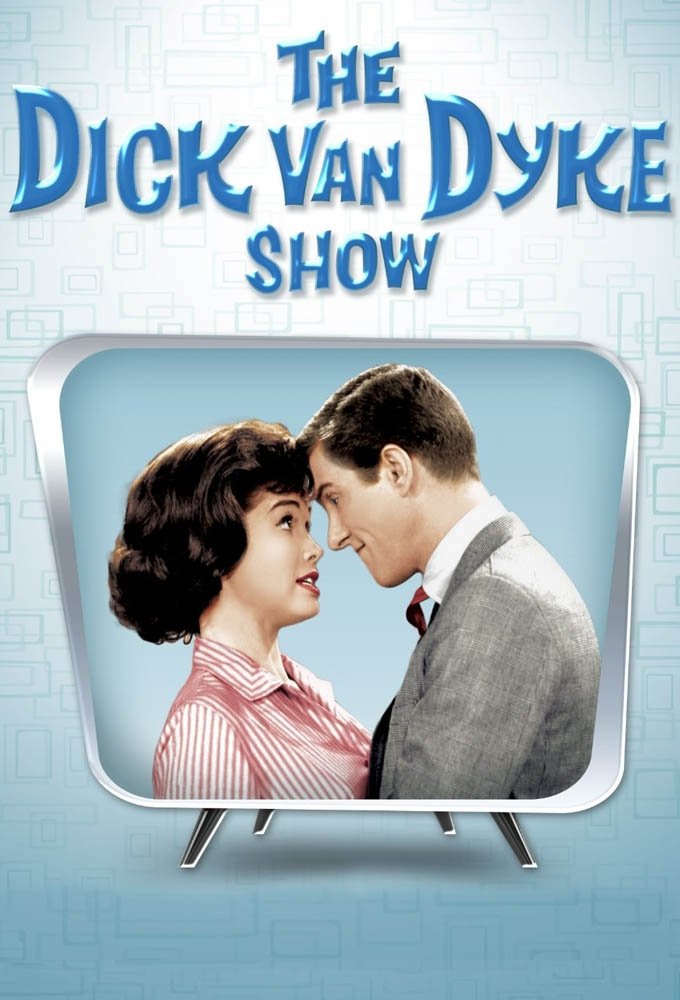
Created by Carl Reiner, the series follows a television writer’s home and work life. Mary Tyler Moore and Dick Van Dyke anchor an ensemble built around the fictional Alan Brady Show. The production used a live audience with multi camera staging. It won multiple Emmys during its five season run.
‘The Mary Tyler Moore Show’ (1970–1977)
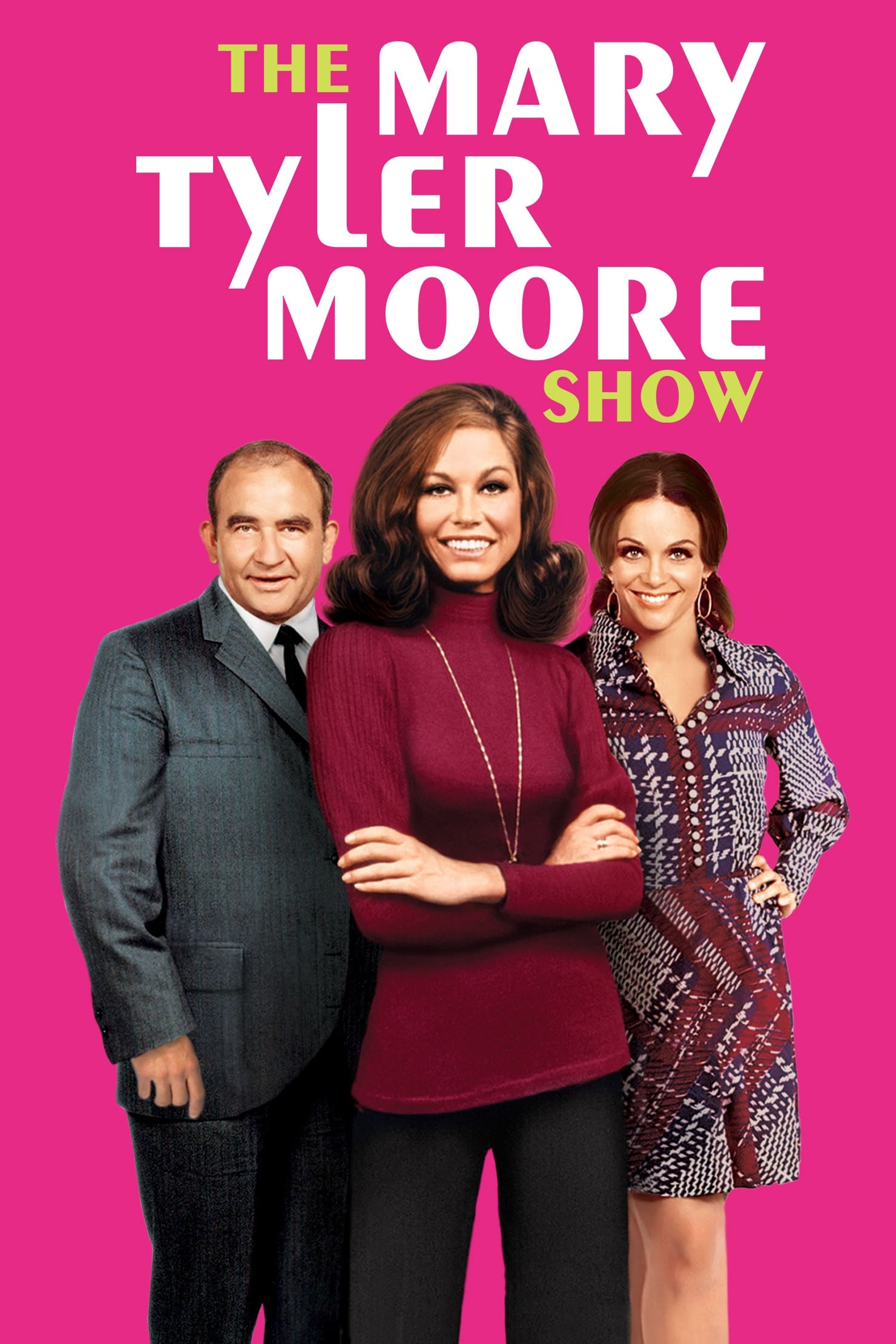
Set in a Minneapolis newsroom, the series centers on a single woman producing local television. The ensemble includes Ed Asner, Betty White, and Ted Knight. It popularized workplace comedy rhythms and strong character driven stories. The show collected a large haul of Emmys across seven seasons.
‘All in the Family’ (1971–1979)
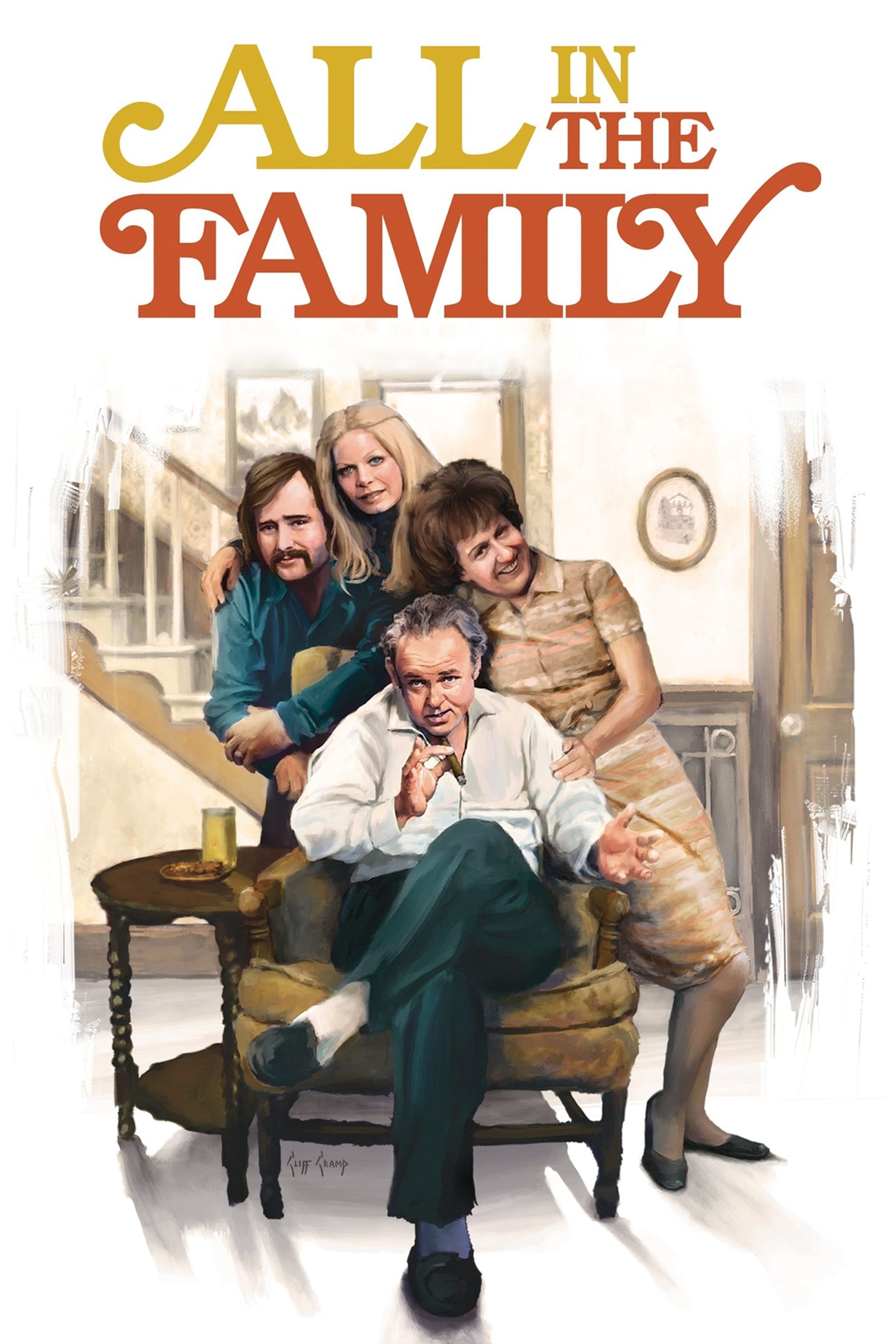
Norman Lear’s series brought topical issues into a living room set. Carroll O’Connor and Jean Stapleton lead a cast that balances humor with social commentary. The show used a taped before a live audience format. It spawned several successful spin offs including ‘The Jeffersons’ and ‘Maude’.
‘M*A*S*H’ (1972–1983)
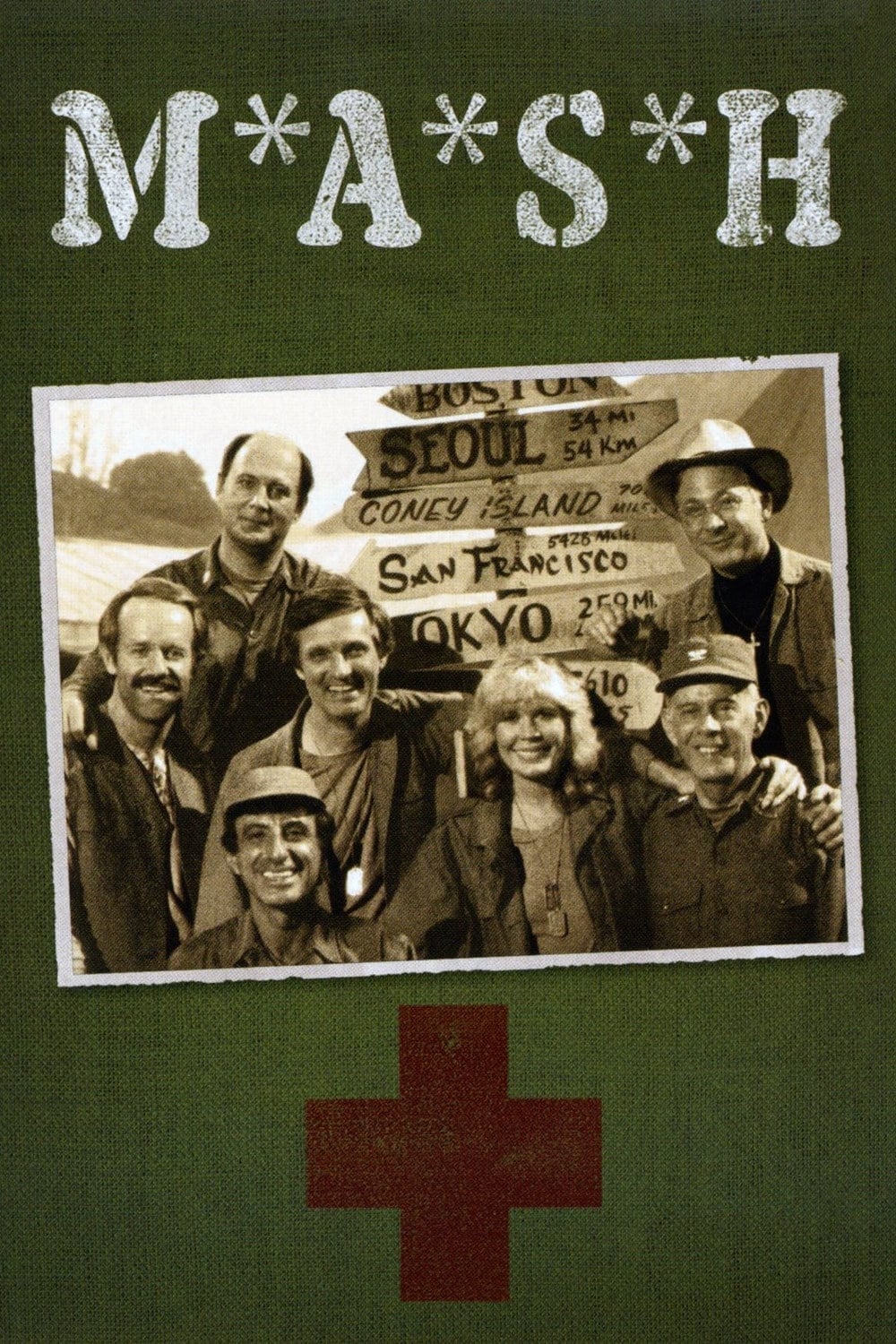
This ensemble comedy drama is set at a mobile army surgical hospital during the Korean War. Alan Alda became a central creative voice as actor, writer, and director. The series shifted over time from laugh track heavy to more naturalistic sound. Its finale set long standing ratings records in the United States.
‘Fawlty Towers’ (1975–1979)
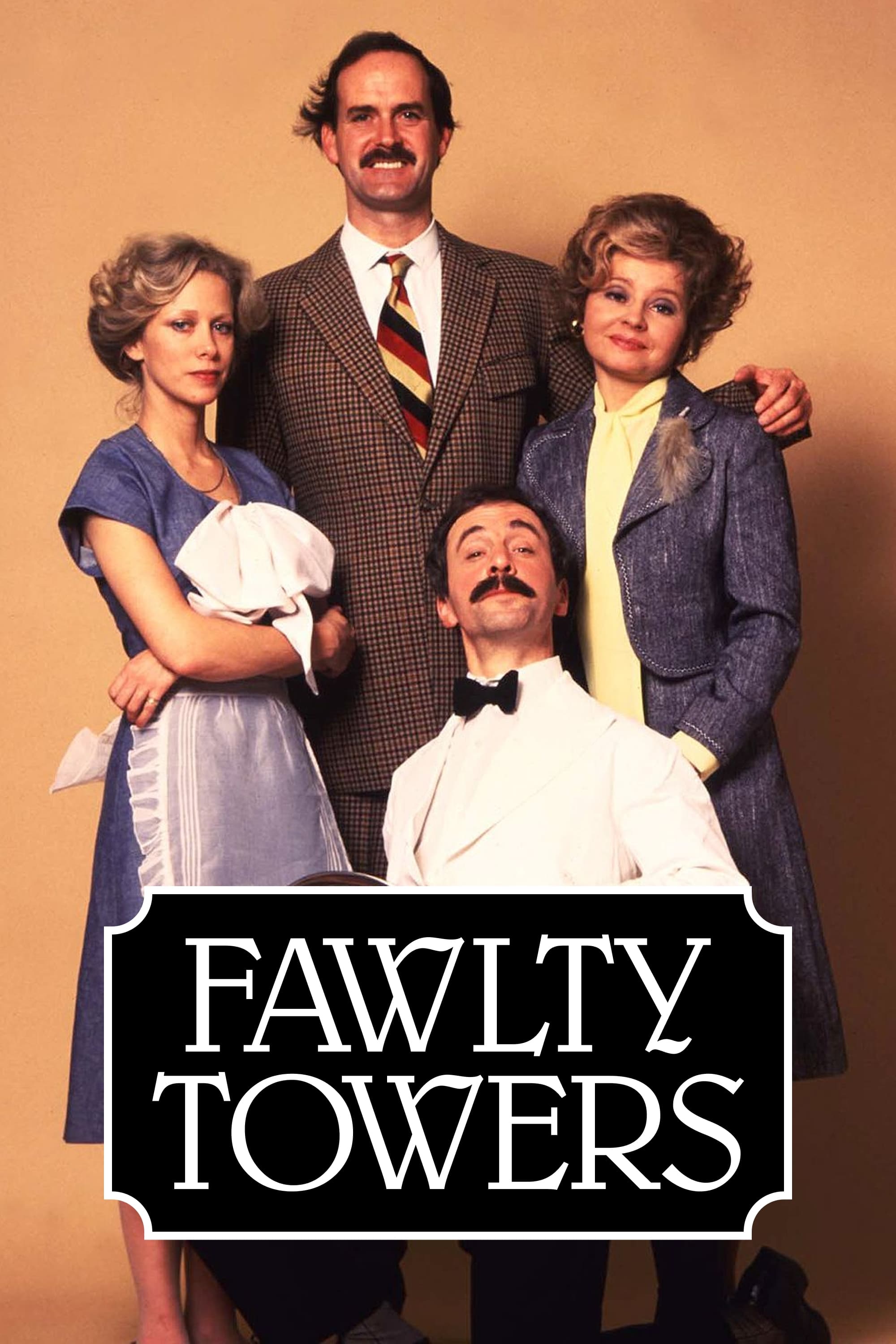
John Cleese and Connie Booth wrote and starred in this hotel farce. Only twelve episodes were produced across two short series. Precise plotting and escalating misunderstandings define each episode. The show is frequently used as a model for compact British sitcom structure.
‘Taxi’ (1978–1983)
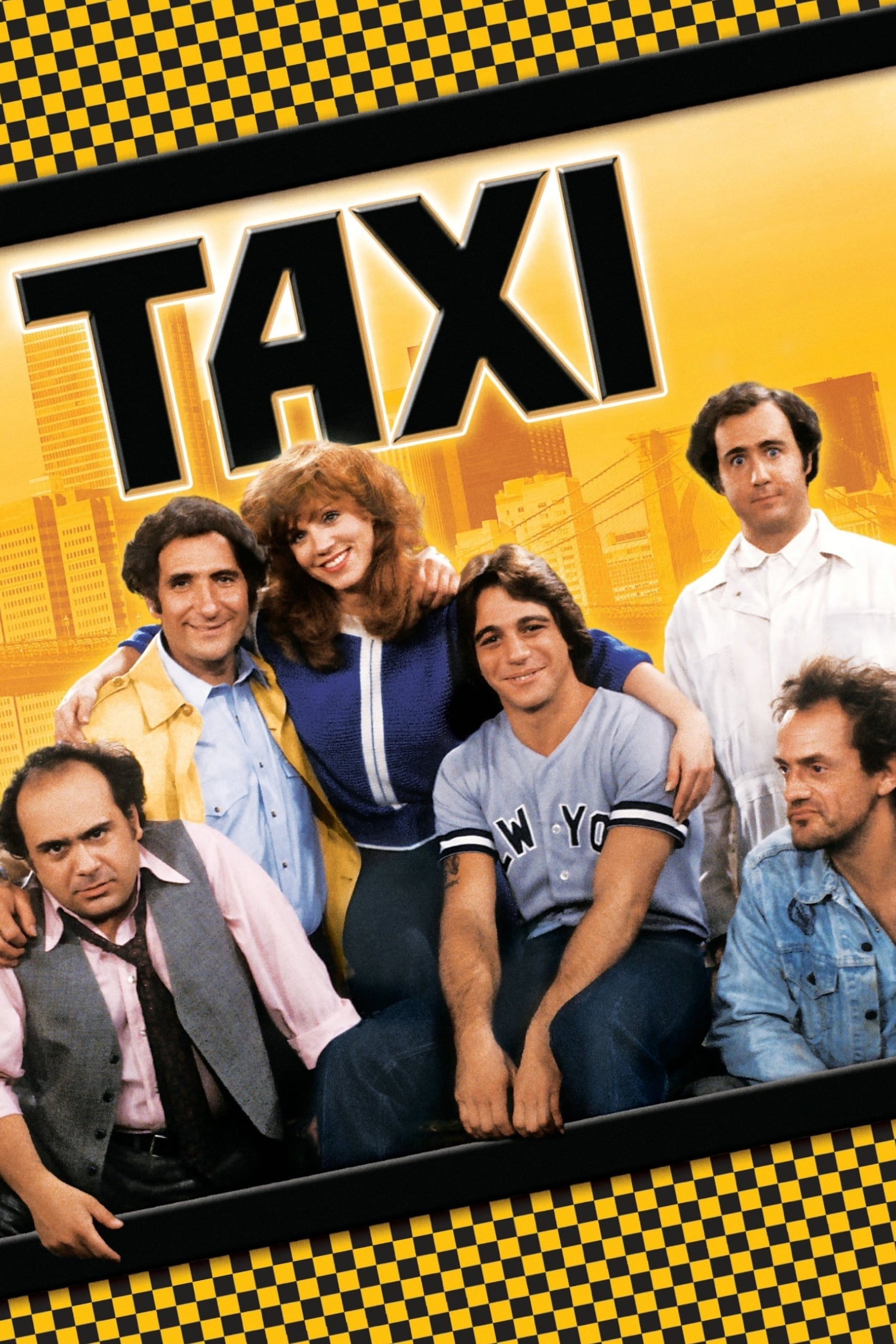
This ensemble comedy is set in a New York cab company with Judd Hirsch, Danny DeVito, and Christopher Lloyd. It aired on two networks during its run. The show won multiple Emmys, including several for supporting performances. Stories often balanced workplace humor with character backstories.
‘Cheers’ (1982–1993)
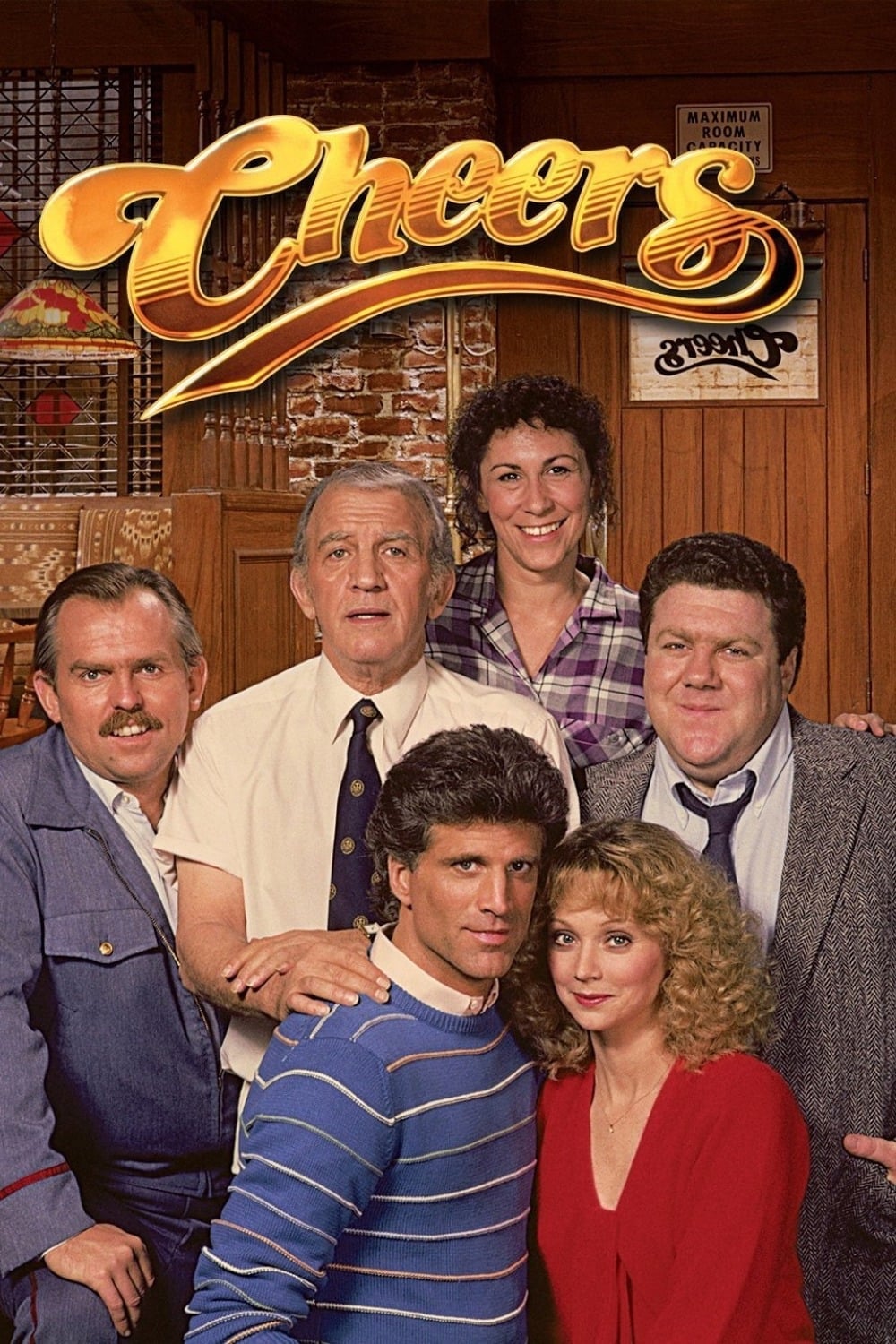
Set in a Boston bar, the series built long arcs around the bar staff and regulars. Ted Danson, Shelley Long, and later Kirstie Alley lead a deep ensemble. The show moved from modest early ratings to a top ten staple. It produced the successful spin off ‘Frasier’.
‘The Golden Girls’ (1985–1992)
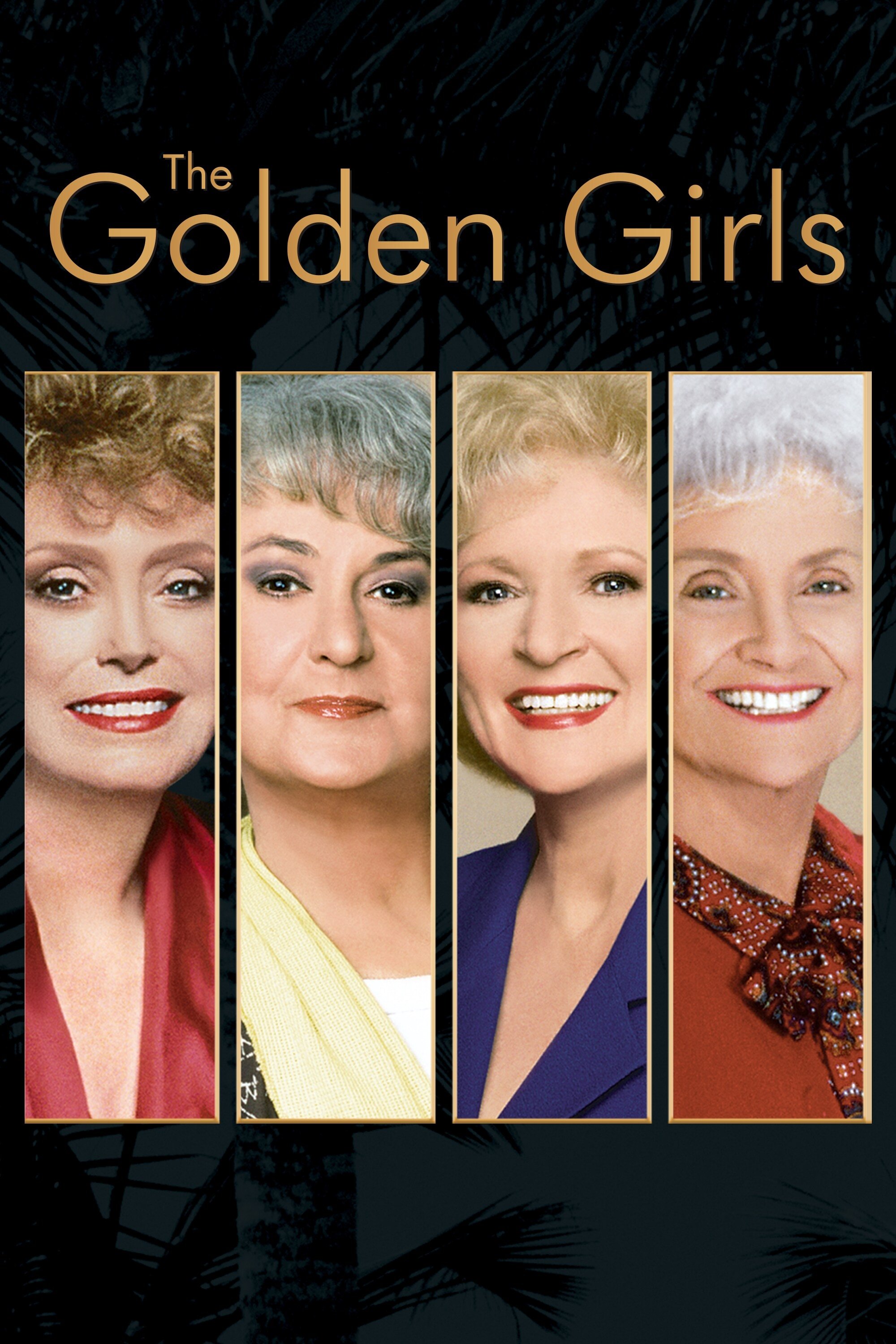
Bea Arthur, Betty White, Rue McClanahan, and Estelle Getty star as housemates in Miami. The show mixed rapid fire jokes with stories about aging and friendship. It filmed before a live audience and became a Saturday night hit. The cast received numerous Emmy honors across categories.
‘Seinfeld’ (1989–1998)
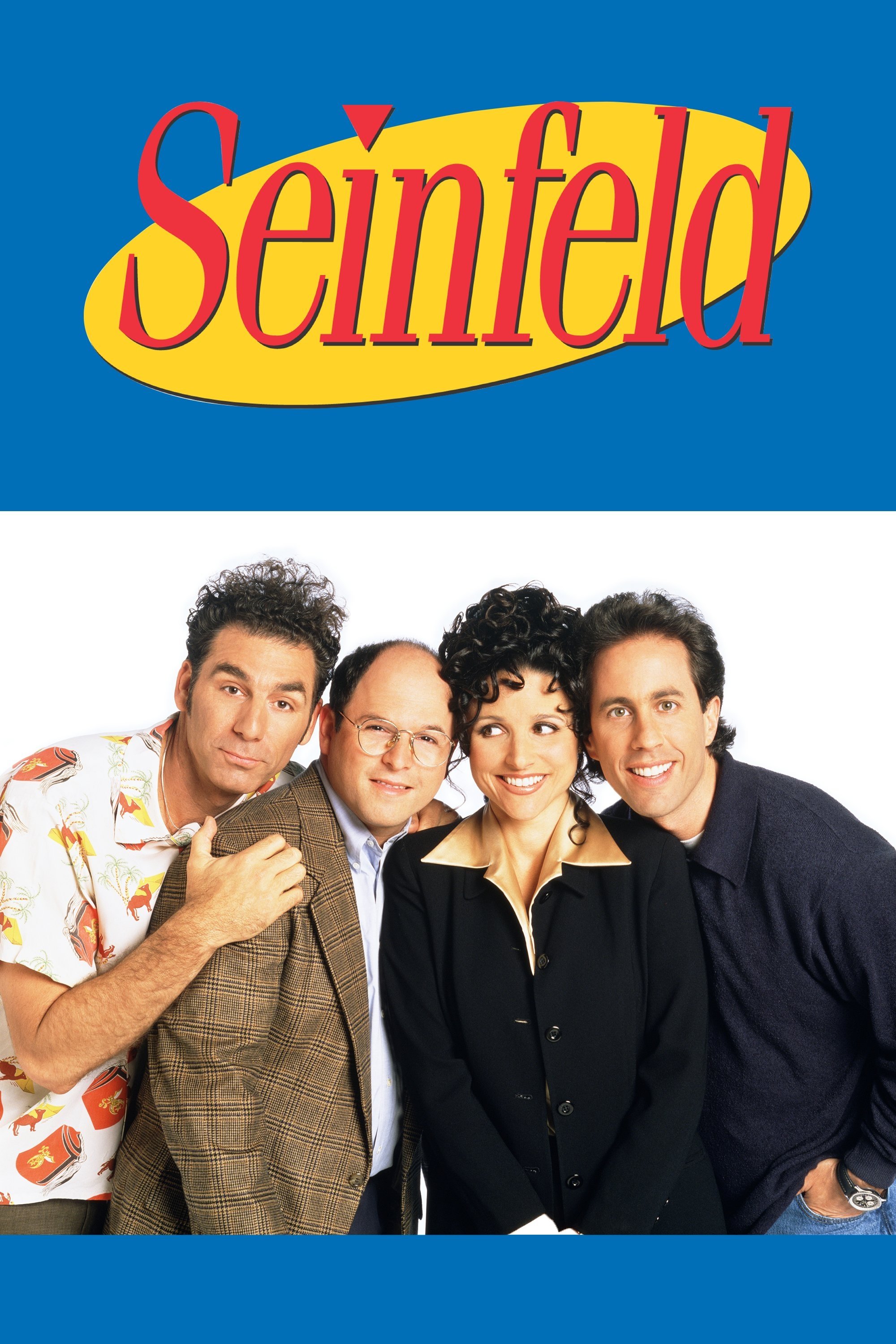
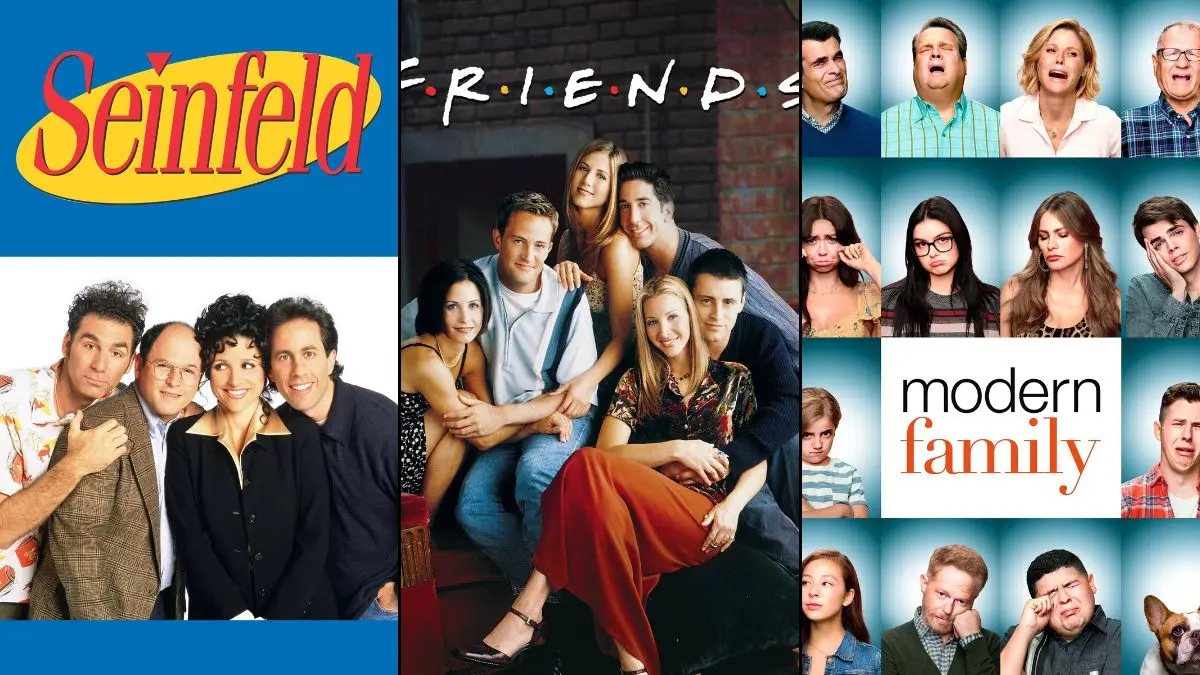
This New York based series follows four friends and everyday annoyances. Larry David’s show about nothing favored observational plots and parallel storylines that collide. Iconic recurring gags include a puffy shirt, a soup stand, and a Festivus pole. The finale drew massive viewership and debate.
‘The Fresh Prince of Bel-Air’ (1990–1996)
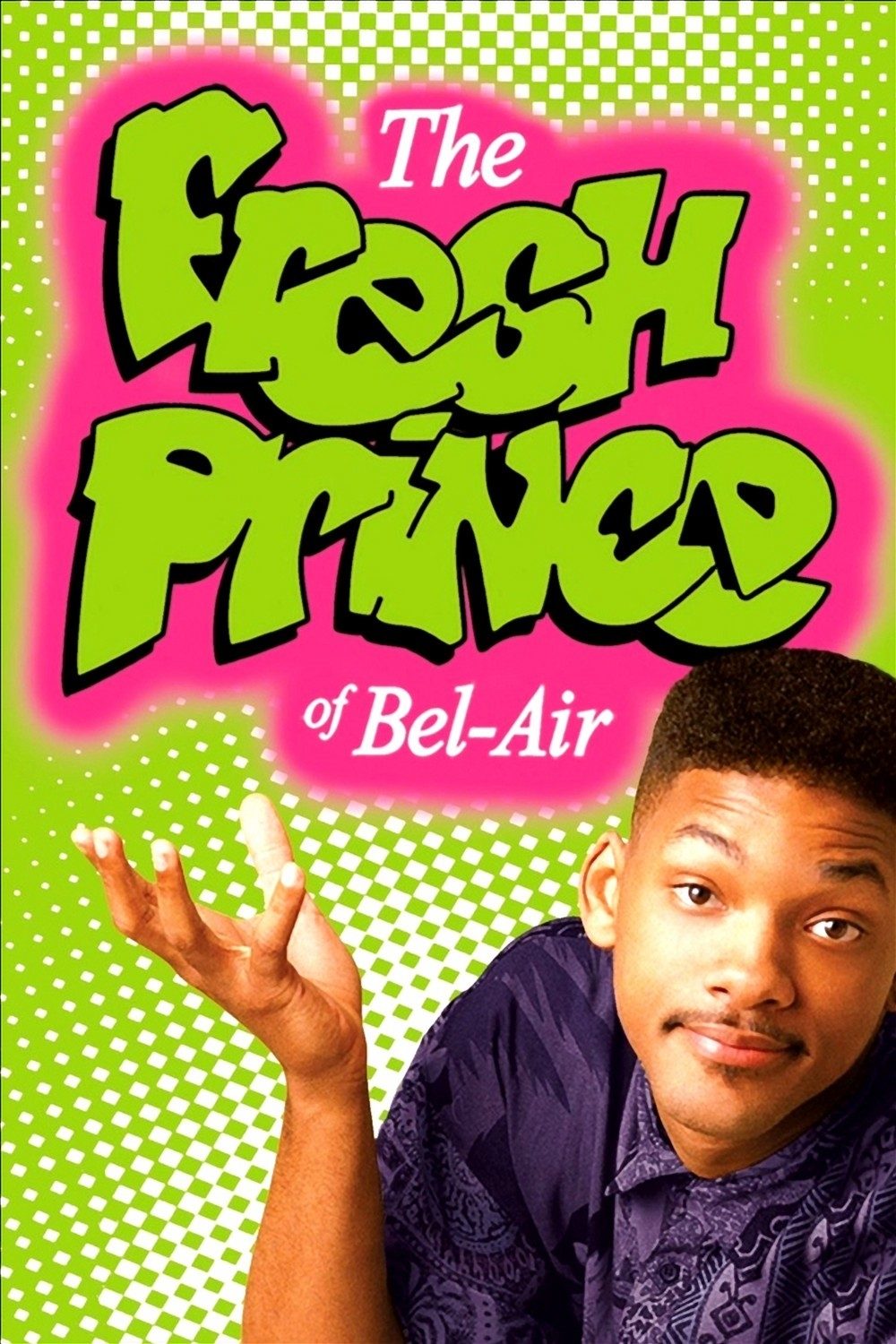
Will Smith plays a West Philadelphia teen moving in with family in Bel Air. The show combined fish out of water antics with family stories. Its theme and cold open format became instantly recognizable. Memorable supporting turns include James Avery as Uncle Phil and Alfonso Ribeiro as Carlton.
‘Frasier’ (1993–2004)
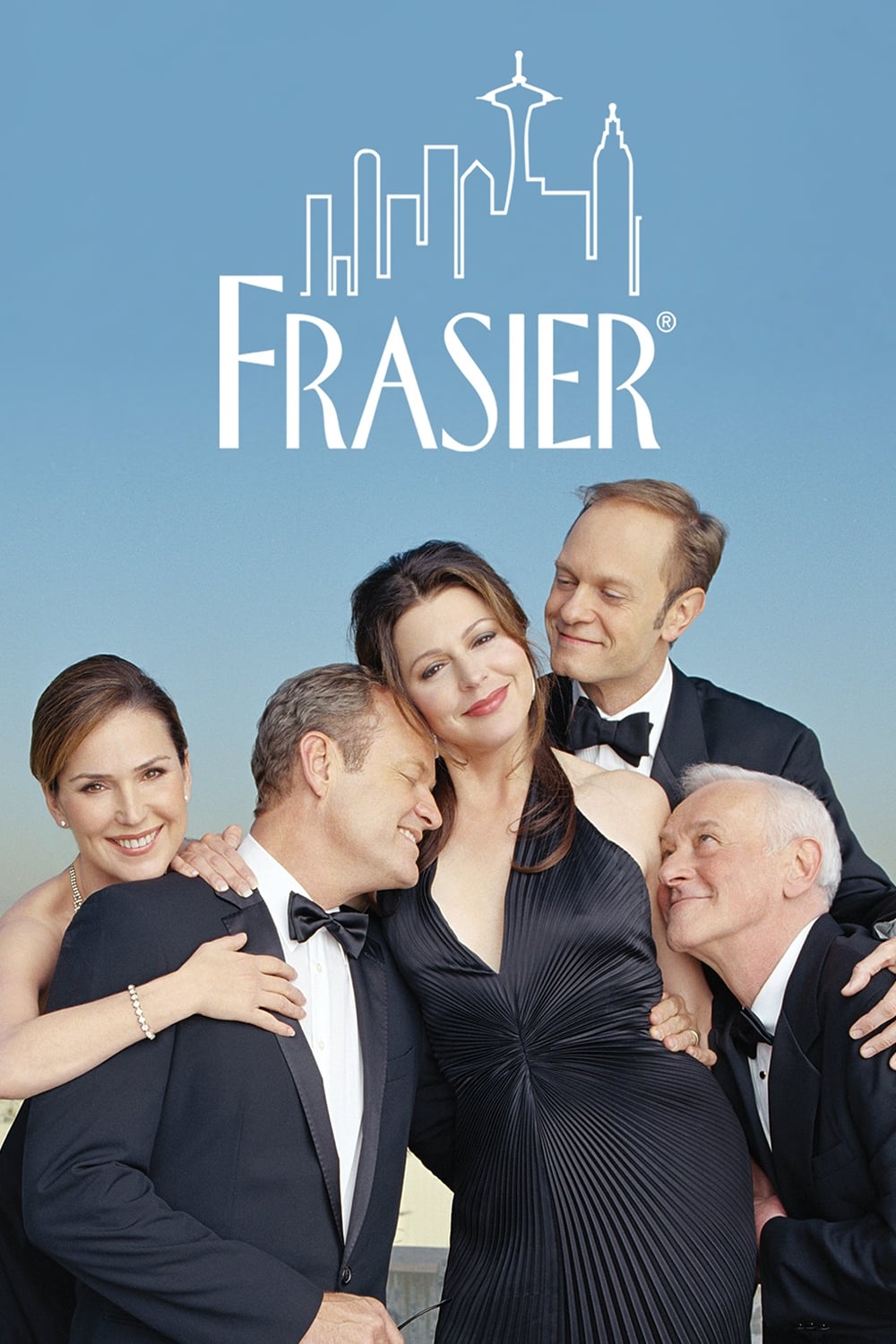
This spin off follows psychiatrist Frasier Crane hosting a radio show in Seattle. Kelsey Grammer, David Hyde Pierce, and John Mahoney anchor farce heavy episodes and wordplay. The series earned a record string of Outstanding Comedy Series Emmys in the 1990s. The setting features a high end apartment and a bustling radio station.
‘Friends’ (1994–2004)
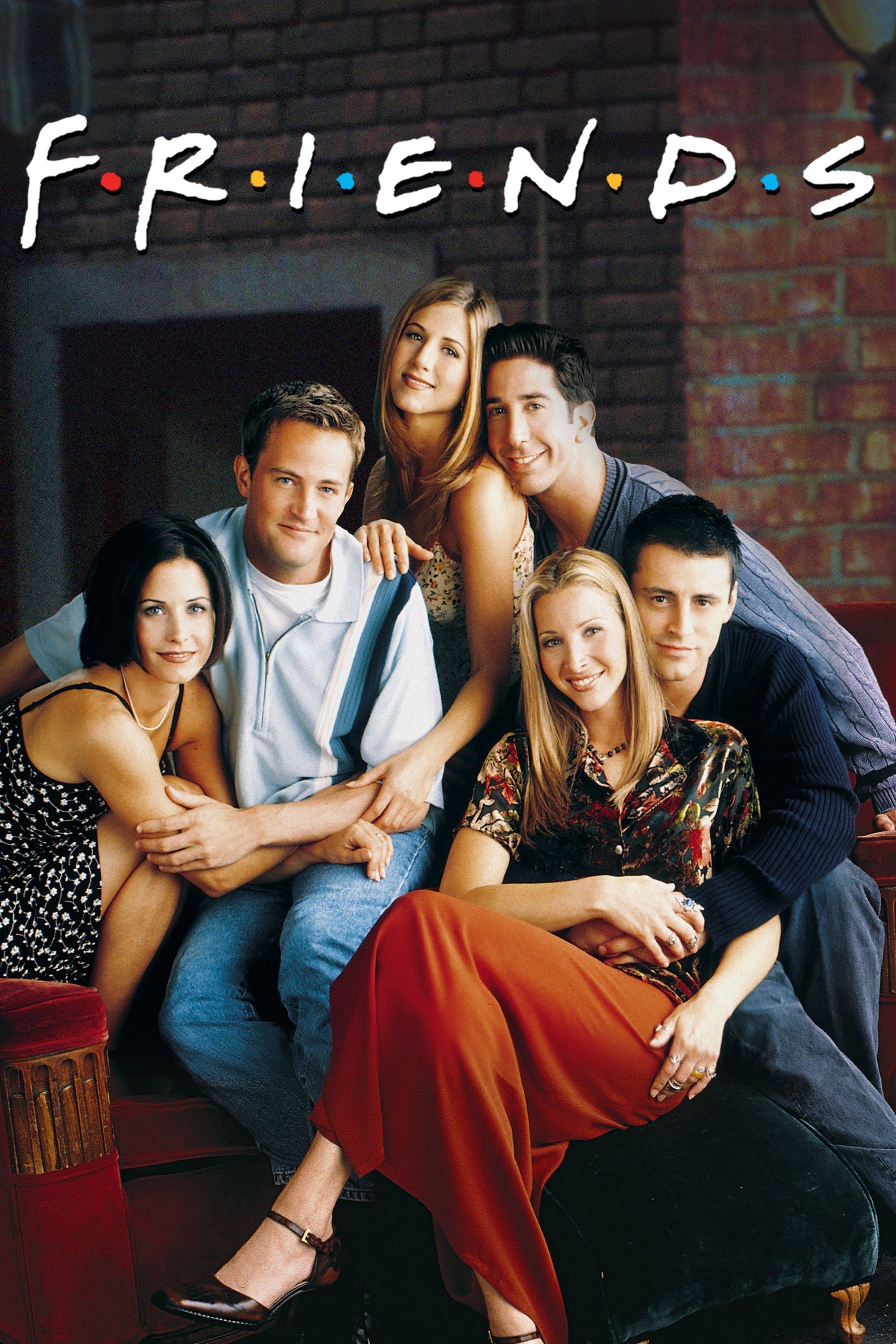
Six friends navigate life in New York with coffee shop hangouts and apartment hijinks. The show’s bottle episodes and holiday specials became fan staples. It used multi camera staging and live audiences. The cast negotiated ensemble pay parity in later seasons.
‘NewsRadio’ (1995–1999)

A fast paced workplace comedy set at a New York AM station, it stars Dave Foley and the late Phil Hartman. The show is known for genre bending episodes and tight ensemble timing. Production moved networks for syndication but the core style remained. It maintained brisk twenty two minute runtimes with layered jokes.
‘Everybody Loves Raymond’ (1996–2005)
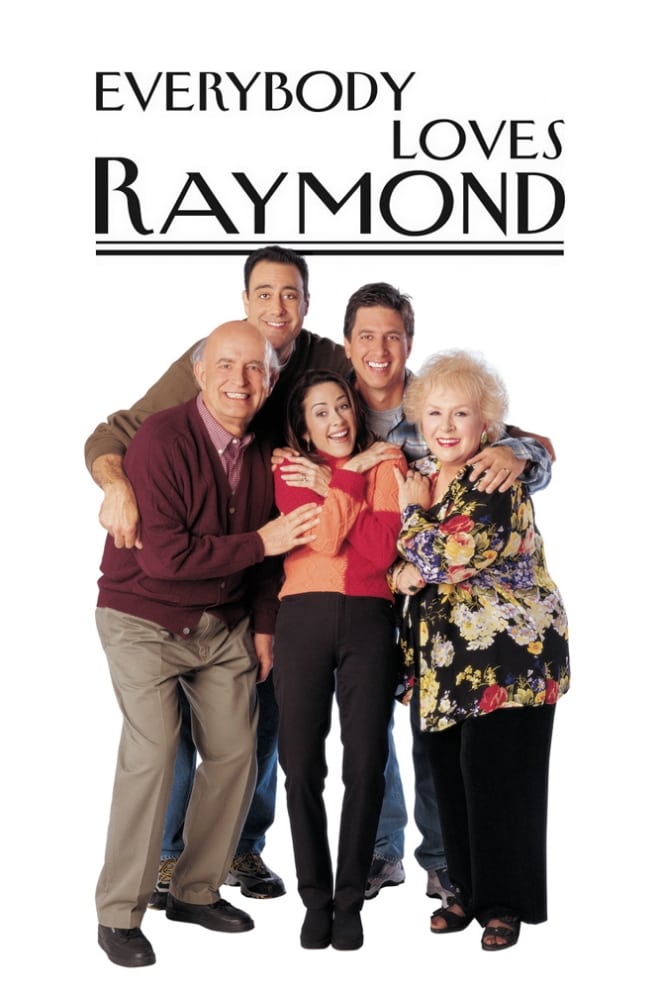
Ray Romano and Patricia Heaton play a suburban couple navigating meddling parents across the street. Episodes revolve around family mishaps and food centric gatherings. The writers room drew on real life stories from the cast. The series wrapped with strong ratings and multiple Emmys.
‘3rd Rock from the Sun’ (1996–2001)
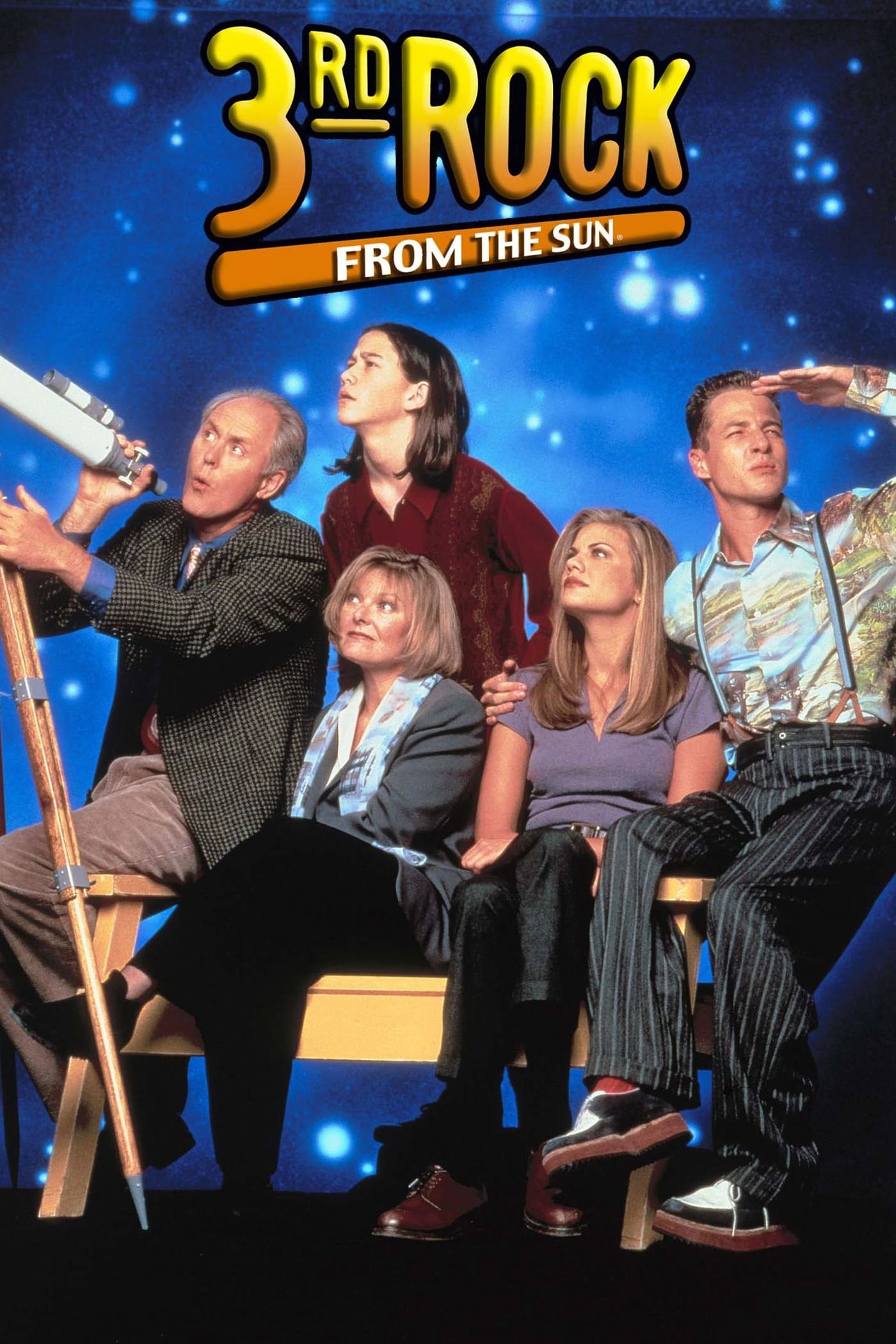
Aliens pose as a human family to study Earth, with John Lithgow and Kristen Johnston leading. Physical comedy and wordplay drive most plots. The show embraced costuming and elaborate set pieces for sitcom scale. It collected Emmys for acting and writing.
‘Yes Minister’ (1980–1984)
This British political sitcom examines the relationship between a cabinet minister and civil service. Nigel Hawthorne and Paul Eddington deliver dialogue heavy exchanges. Episodes dissect policy memos and bureaucratic maneuvering. The follow up ‘Yes, Prime Minister’ continued the story with the same leads.
‘Blackadder’ (1983–1989)
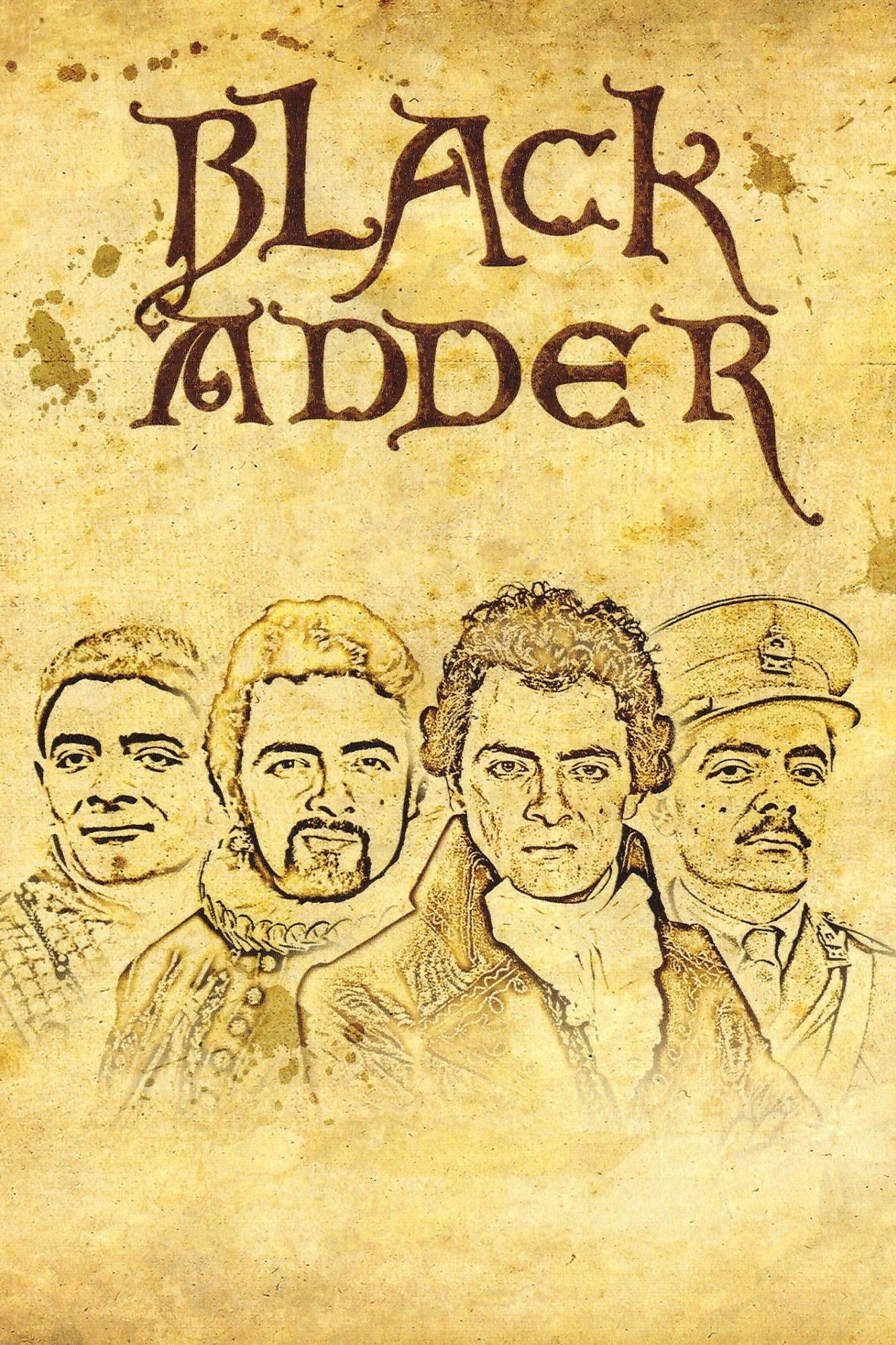
Rowan Atkinson’s anthology format places the central character across different historical eras. Richard Curtis and Ben Elton led writing across later series. Each run has a distinct setting and supporting cast. The final episode of ‘Blackadder Goes Forth’ is widely noted for its closing scene.
‘Father Ted’ (1995–1998)
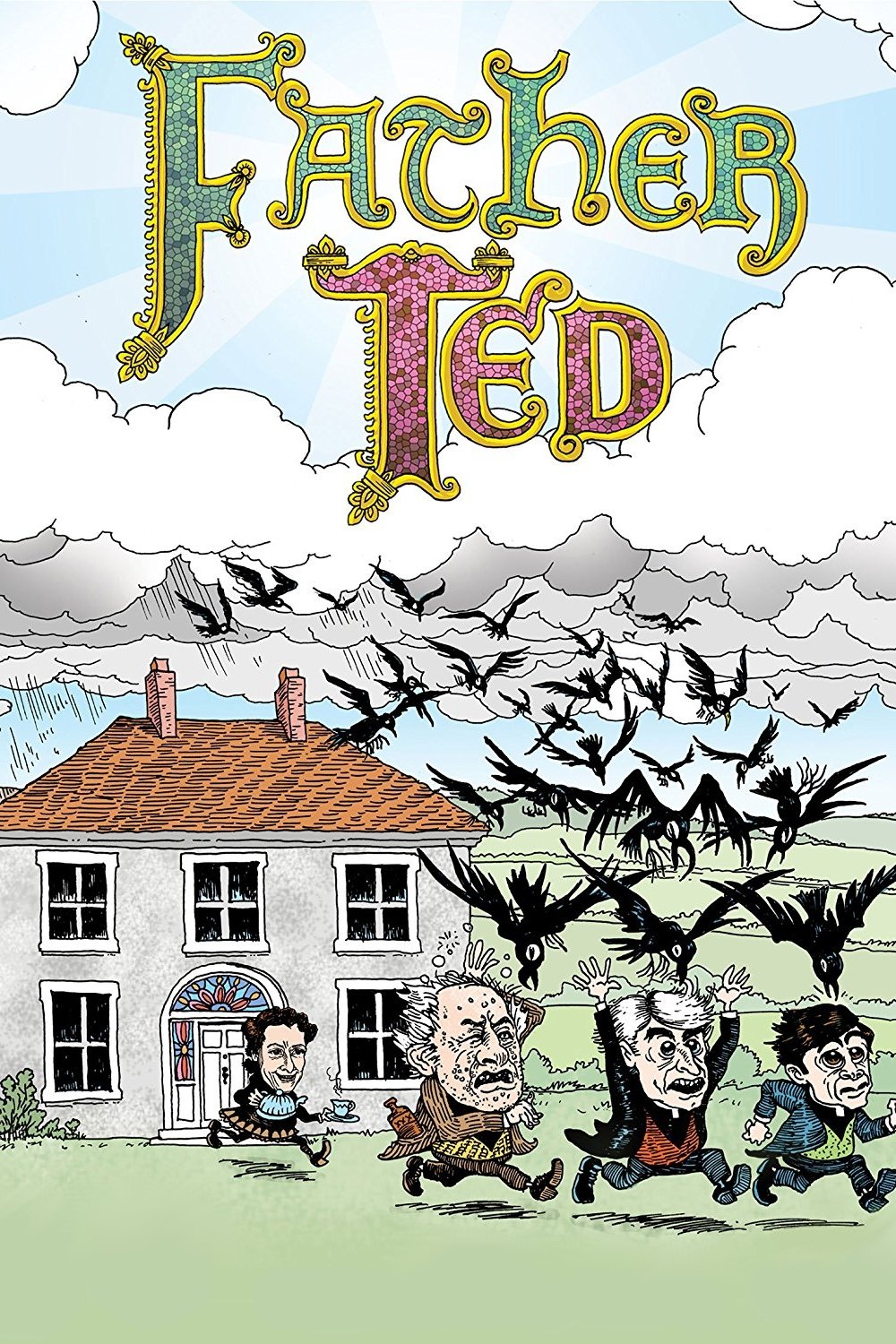
Three priests share a house on a remote Irish island. The show blends absurdism with parish duties and small town events. Dermot Morgan, Ardal O’Hanlon, and Frank Kelly form the core trio. Annual award ceremonies and raffles often set up the farce.
‘Spaced’ (1999–2001)
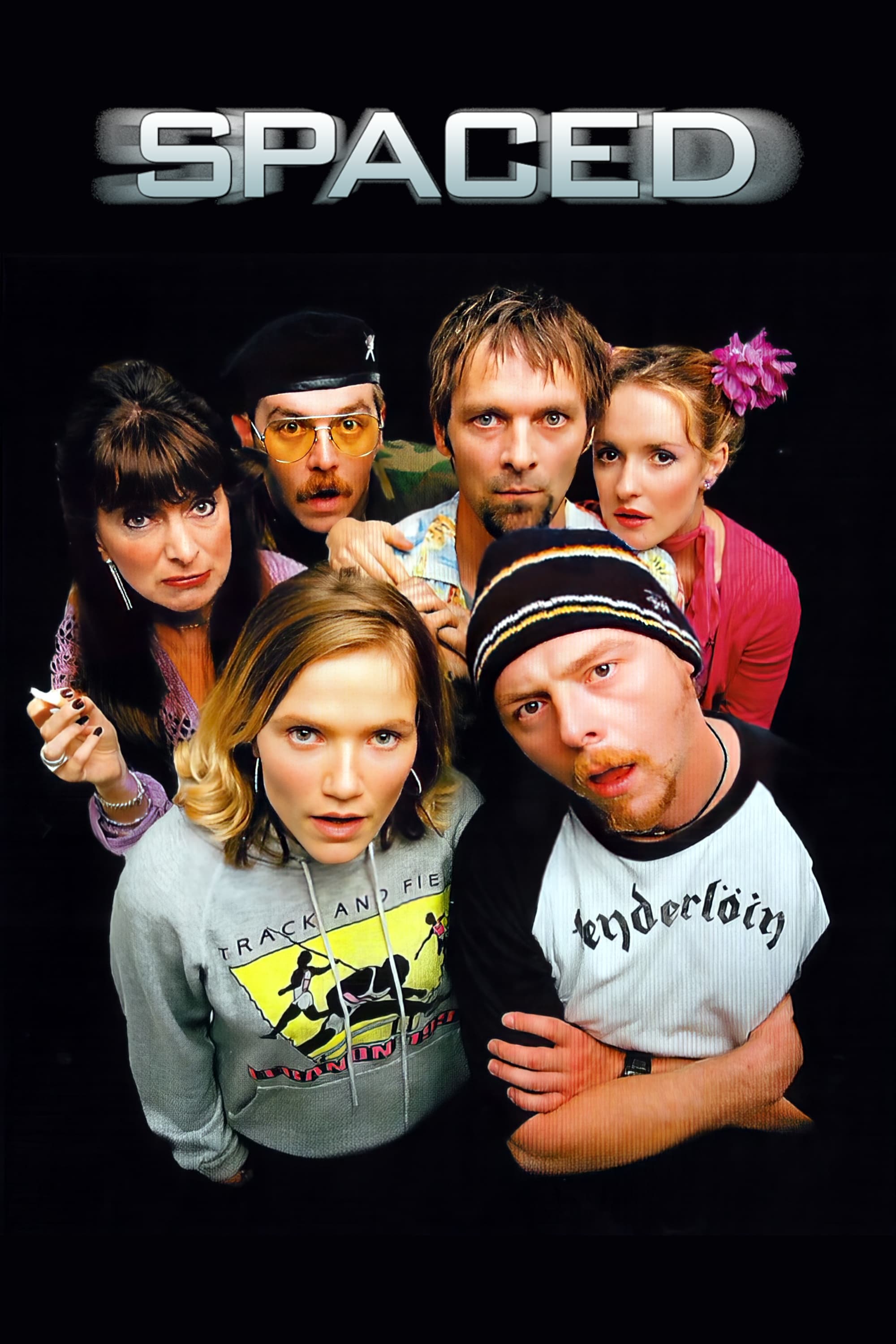
Simon Pegg and Jessica Hynes play flatmates who pose as a couple to rent a room. Edgar Wright directs with quick cuts and pop culture references. The show runs two series of seven episodes each. It served as an early collaboration for several future film partners.
‘Malcolm in the Middle’ (2000–2006)
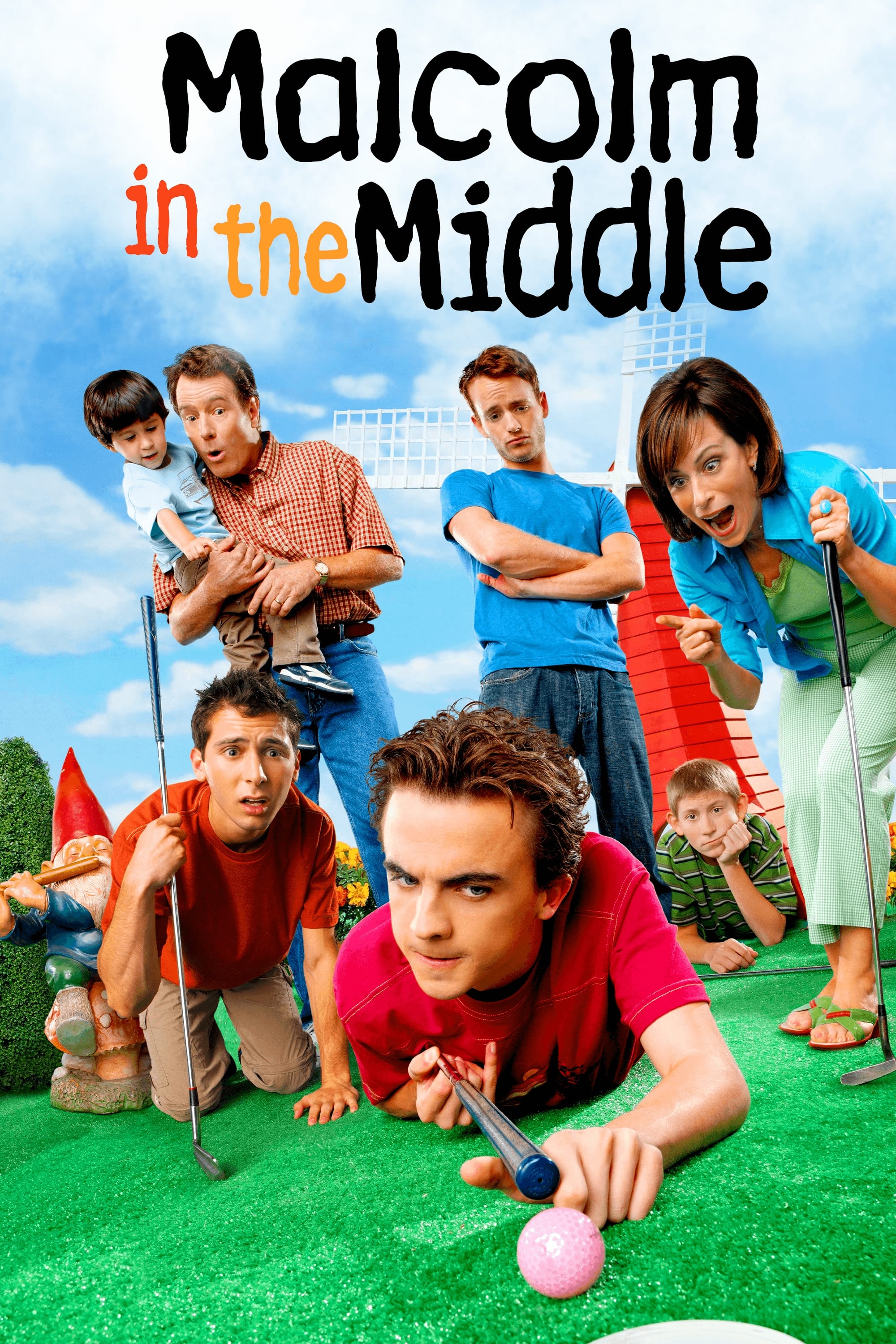
A gifted kid narrates life in a chaotic family household. The single camera format used no laugh track and frequent fourth wall breaks. Bryan Cranston and Jane Kaczmarek lead a large ensemble of siblings. Cold opens and inventive stunts became a signature.
‘Curb Your Enthusiasm’ (2000–2024)

Larry David plays a fictional version of himself in Los Angeles. Episodes are outlined and then improvised within structured beats. Recurring guest stars return to escalate misunderstandings. The series aired its final season in 2024 after long gaps between seasons.
‘The Office’ (UK) (2001–2003)
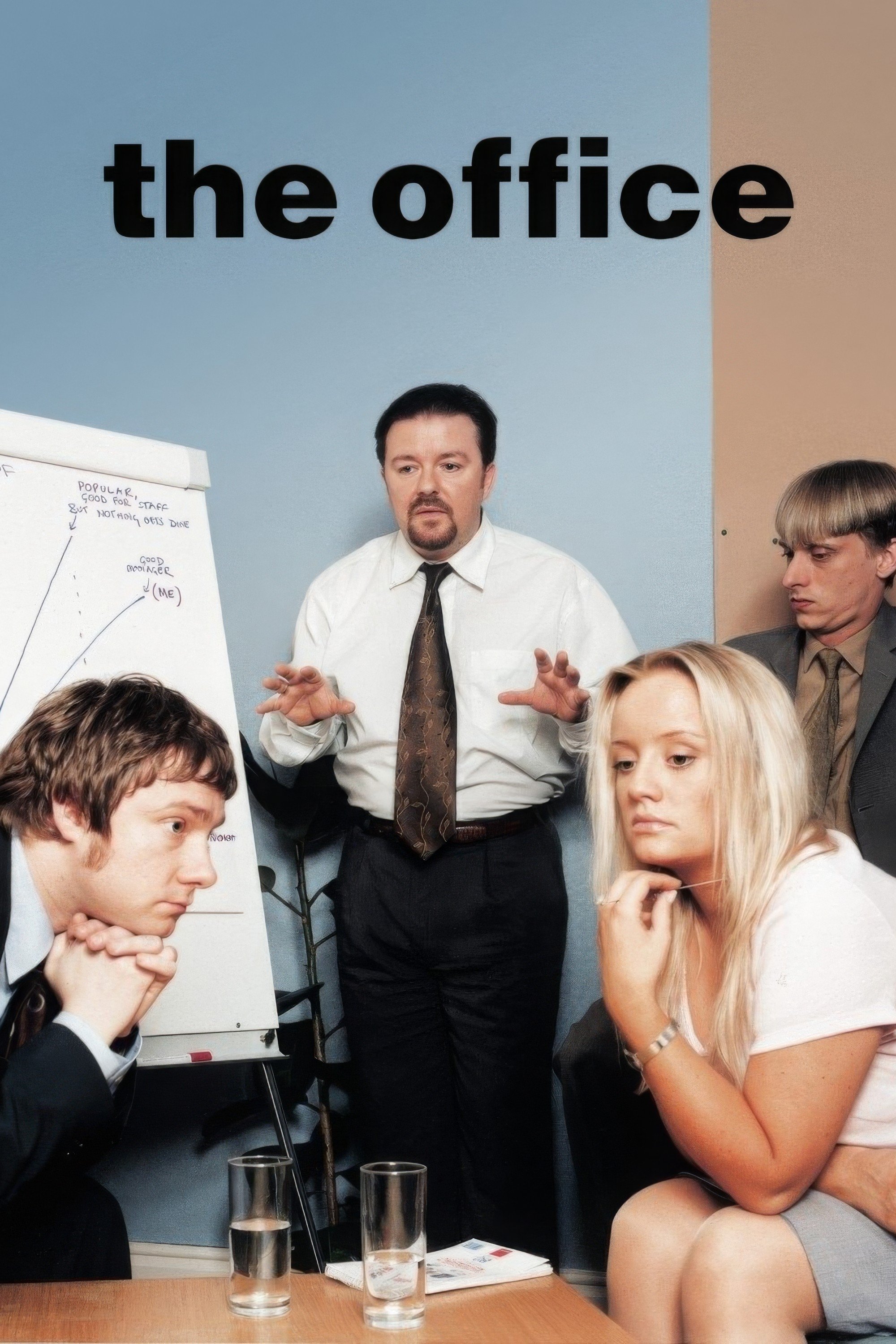
This mockumentary follows a paper company in Slough with Ricky Gervais as David Brent. The show runs for two series and a two part Christmas special. Its cringe comedy style influenced global remakes. The format uses talking head interviews and handheld camerawork.
‘Scrubs’ (2001–2010)
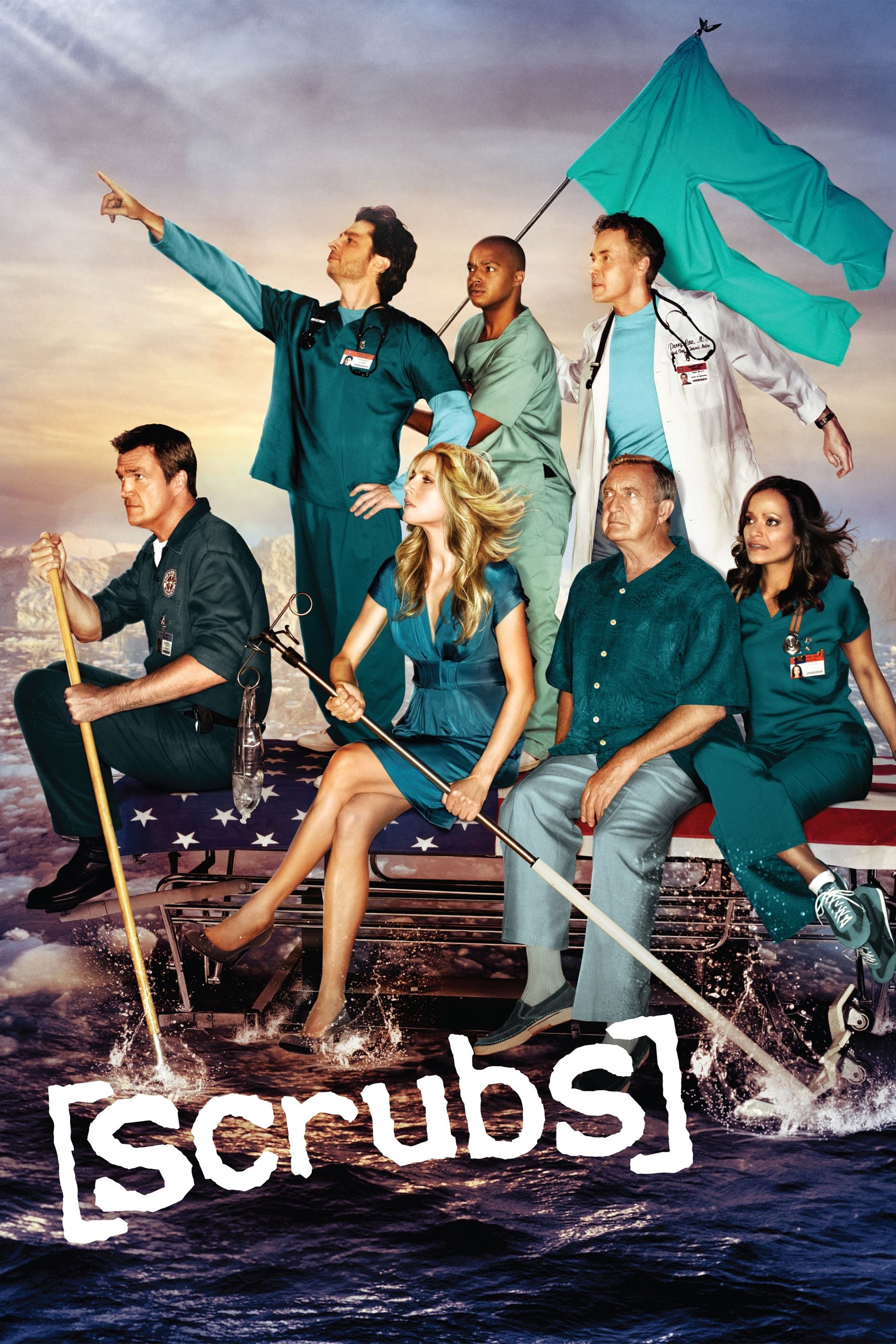
A medical comedy told from a young doctor’s point of view uses fantasy cutaways and voiceover. Zach Braff, Donald Faison, and Sarah Chalke lead the ensemble. The show balanced broad humor with hospital storylines. It produced a musical episode and a final season retool.
‘Arrested Development’ (2003–2019)
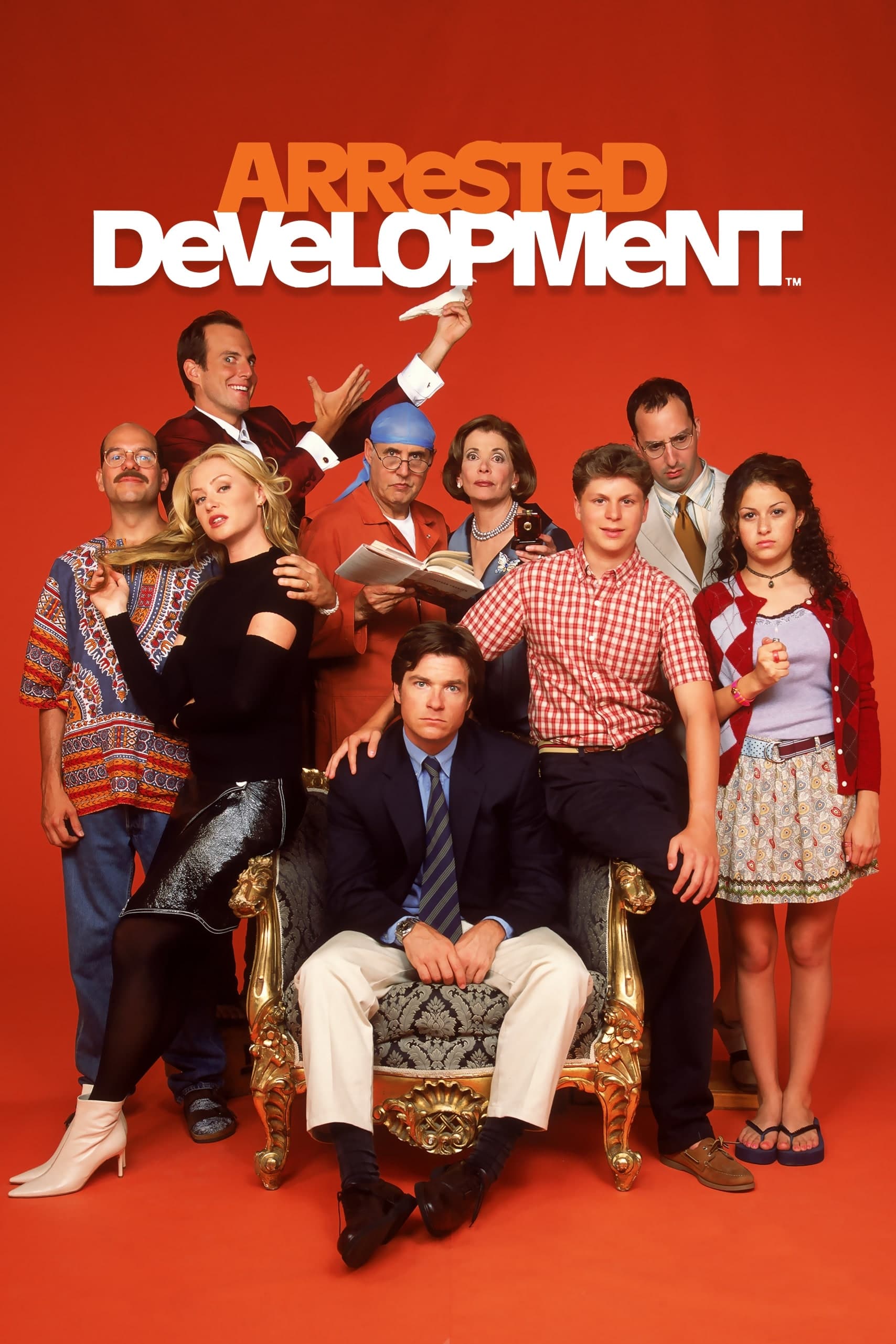
A dysfunctional family tries to hold a frozen banana stand and a company together. The series is known for layered callbacks and running gags. It aired original seasons on network television and later continued on streaming. Commentary tracks and recut versions explored structure experiments.
‘Peep Show’ (2003–2015)
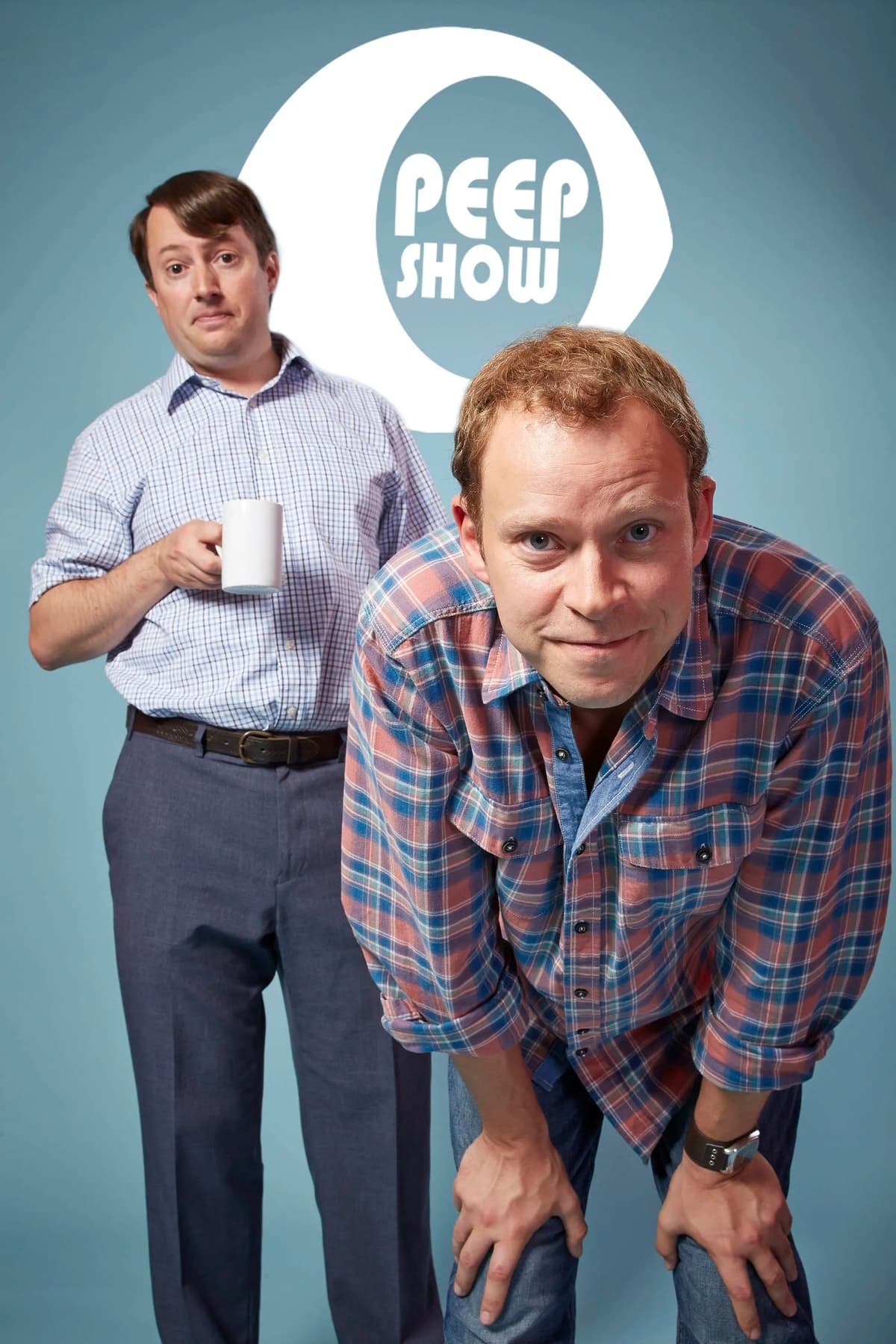
Two mismatched flatmates navigate work and relationships in London. The show uses point of view camera shots and internal monologues. David Mitchell and Robert Webb star across nine series. Awkward social set pieces and long running arcs drive the humor.
‘How I Met Your Mother’ (2005–2014)
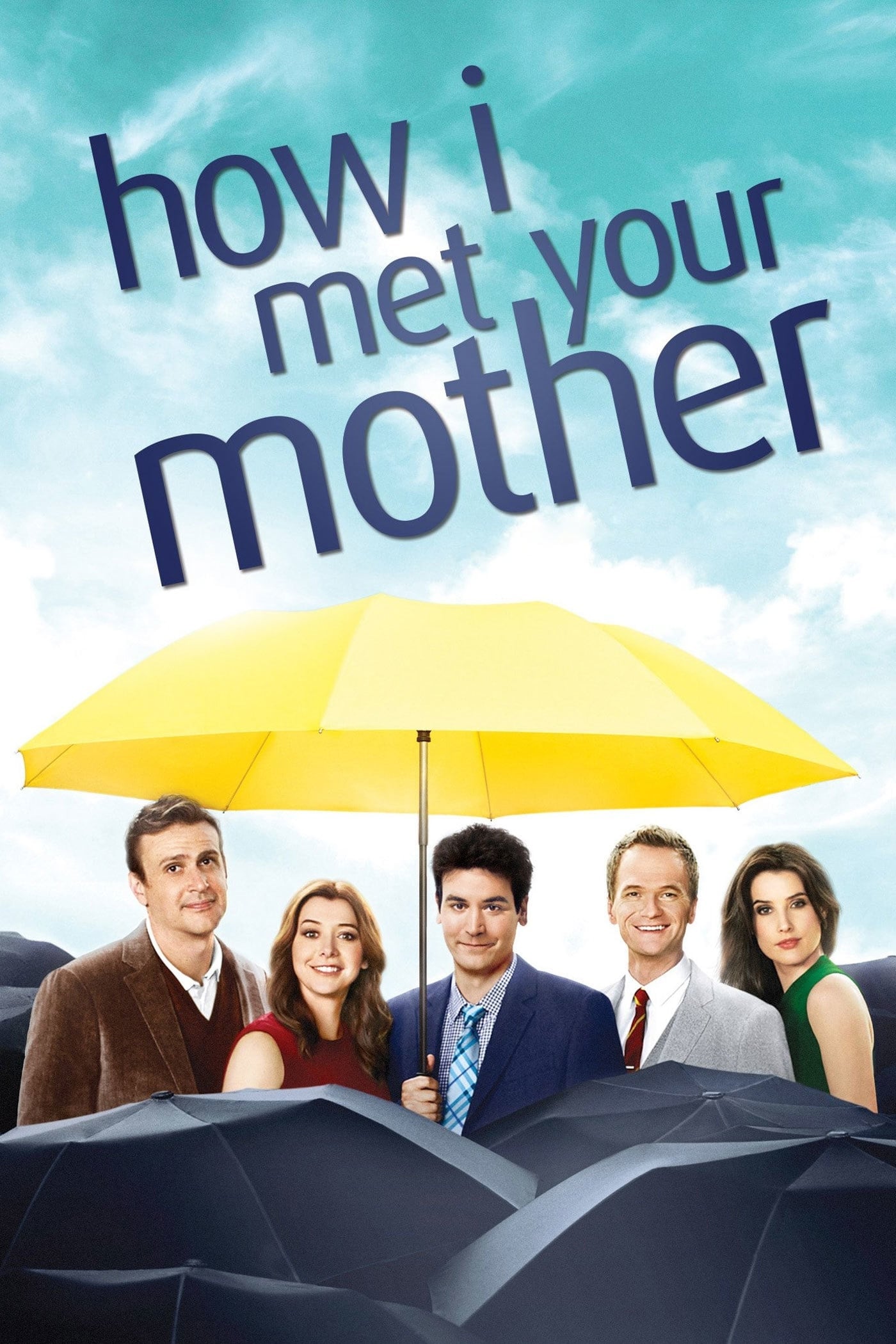
A long form story structure frames a narrator telling his kids about meeting their mother. The show experiments with time jumps, unreliable narration, and callbacks. Cobie Smulders, Alyson Hannigan, and Neil Patrick Harris round out the ensemble. The series filmed on a stage with single camera techniques.
‘It’s Always Sunny in Philadelphia’ (2005–present)
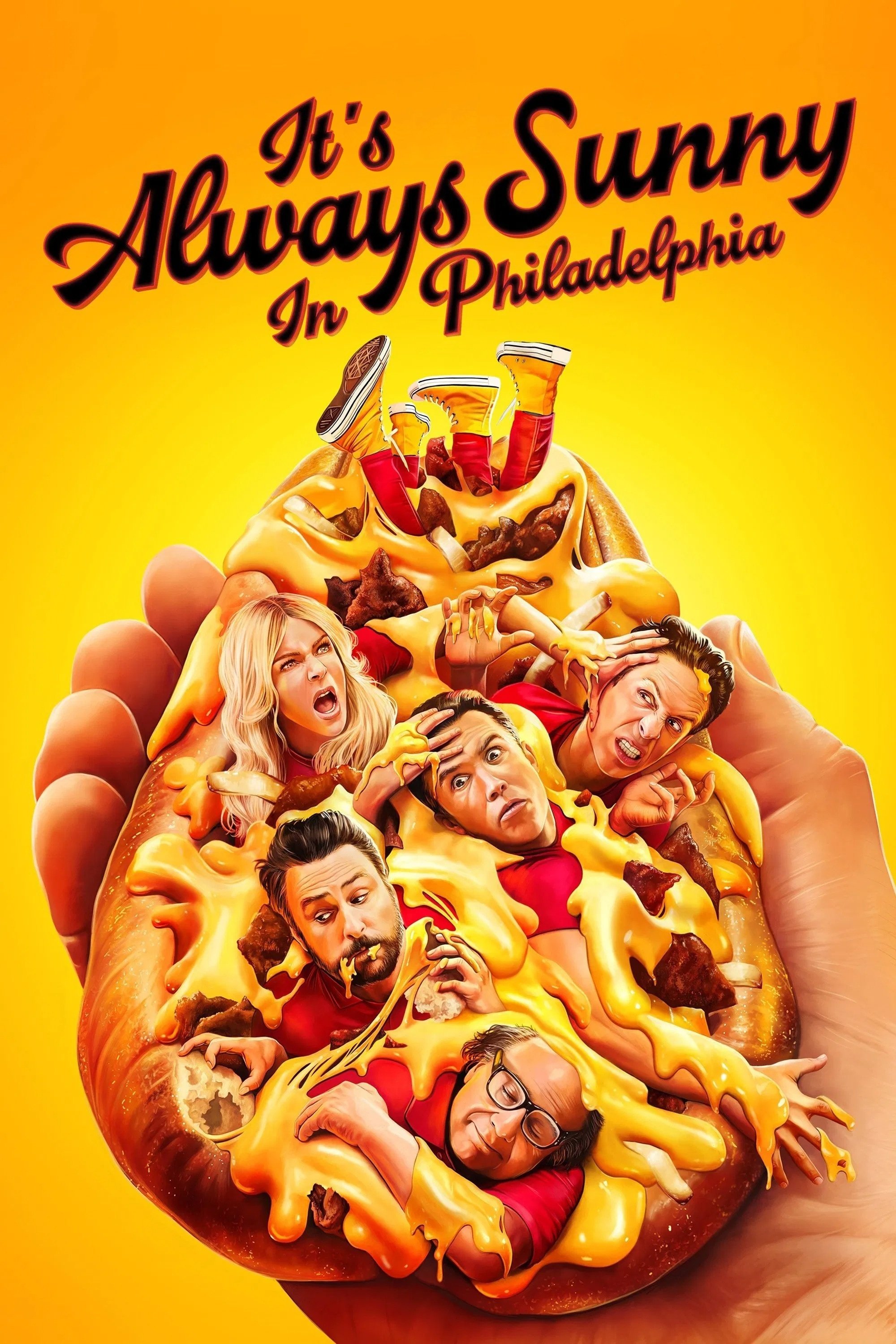
Five friends run a South Philadelphia bar and chase schemes that fail spectacularly. The series moved from low budget early seasons to longer orders while keeping core cast. Bottle episodes and genre pastiches appear throughout the run. It holds longevity records for a live action American comedy.
‘The IT Crowd’ (2006–2013)
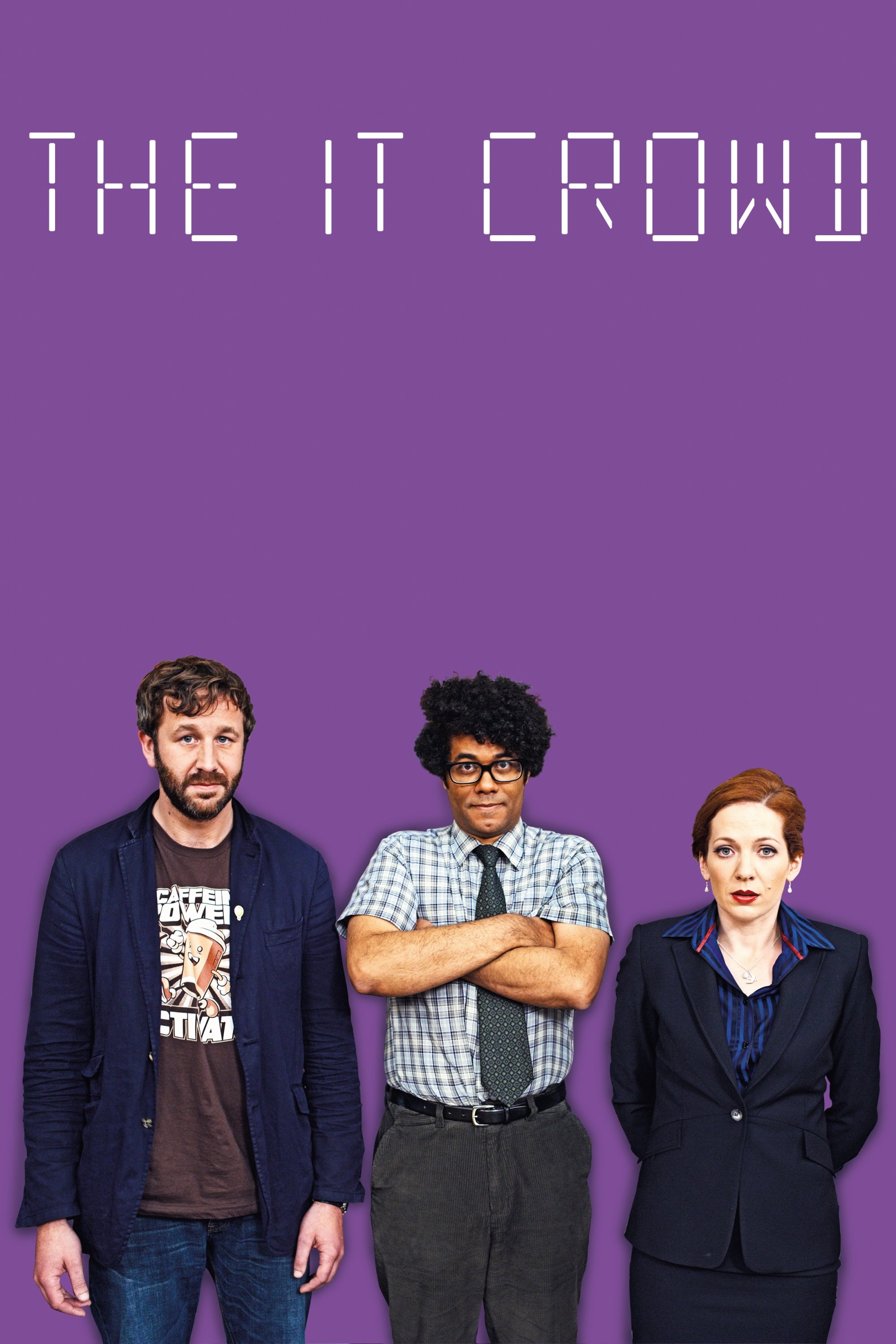
A corporate basement tech team deals with clueless bosses and support calls. Chris O’Dowd, Richard Ayoade, and Katherine Parkinson star. The show produced four series and a final special. Catchphrases and running gags built a strong cult audience.
’30 Rock’ (2006–2013)
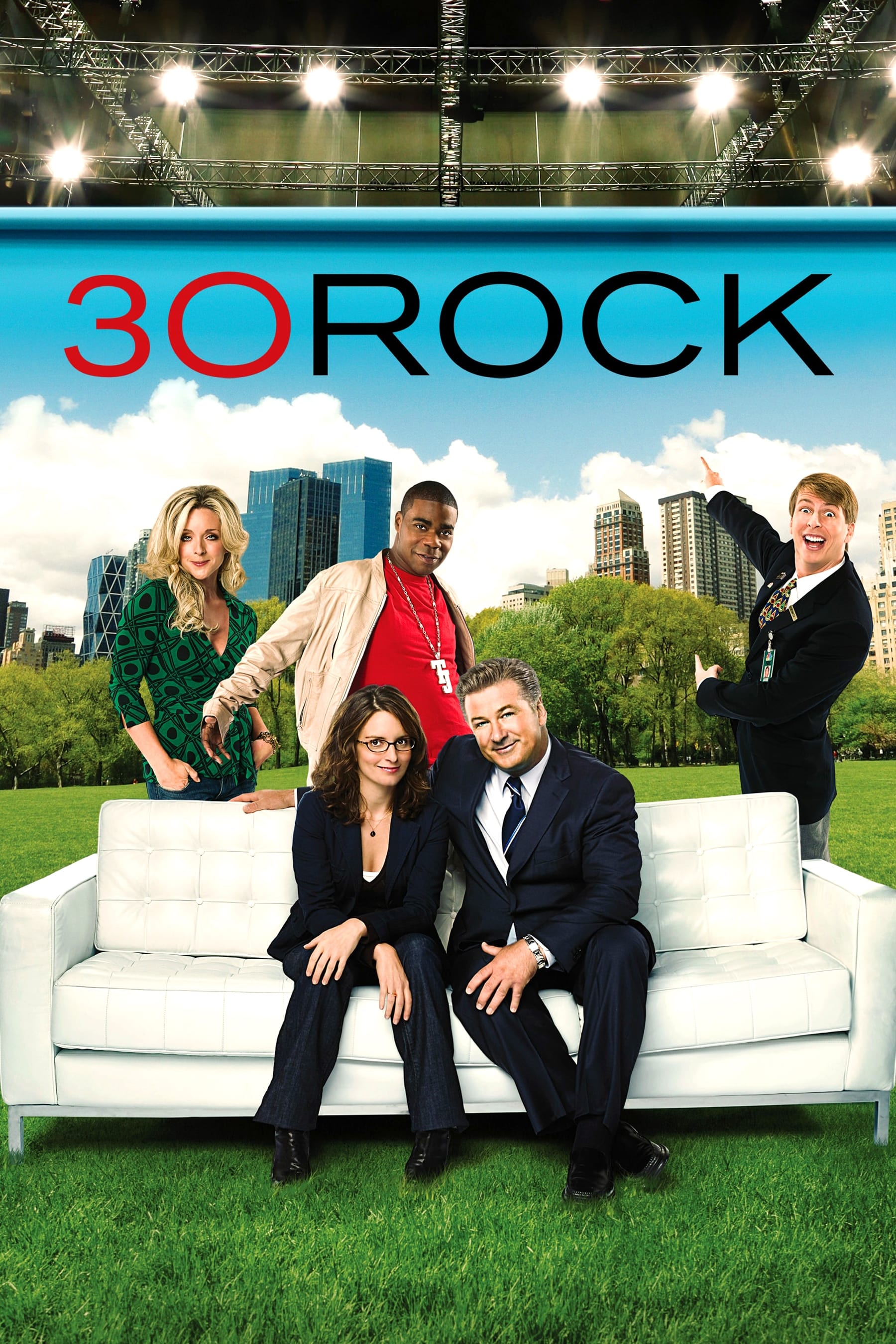
A sketch show writers room anchors stories about television production. Tina Fey and Alec Baldwin lead a cast filled with recurring guest stars. The series won multiple Emmys for writing and acting. Cutaway jokes and rapid dialogue define the style.
‘The Big Bang Theory’ (2007–2019)
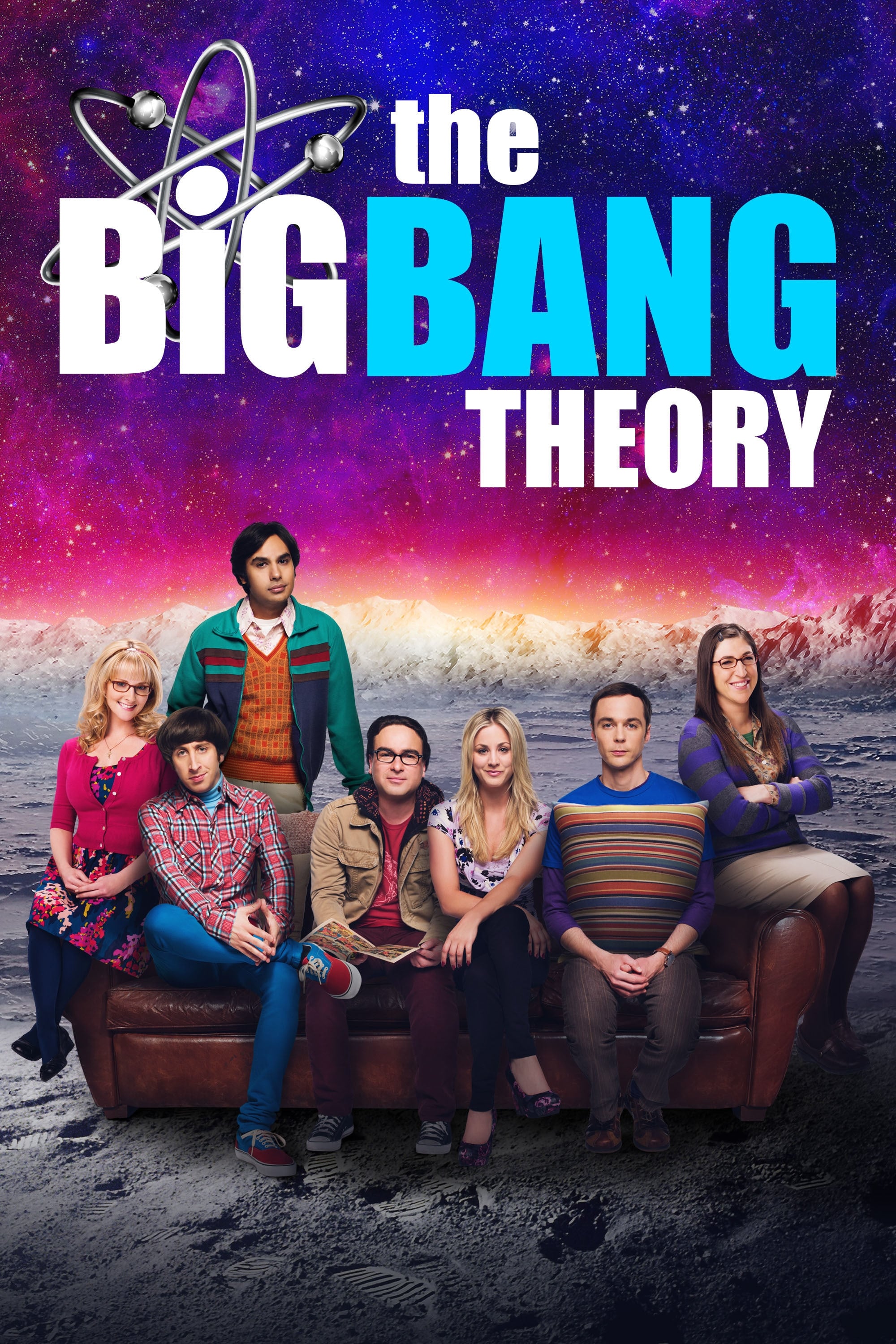
A group of scientists and friends navigate work, relationships, and comic book culture. The series began with a core four and expanded the ensemble over time. It filmed before a live audience with a traditional multi camera setup. Later seasons passed the two hundred episode mark.
‘Parks and Recreation’ (2009–2015)
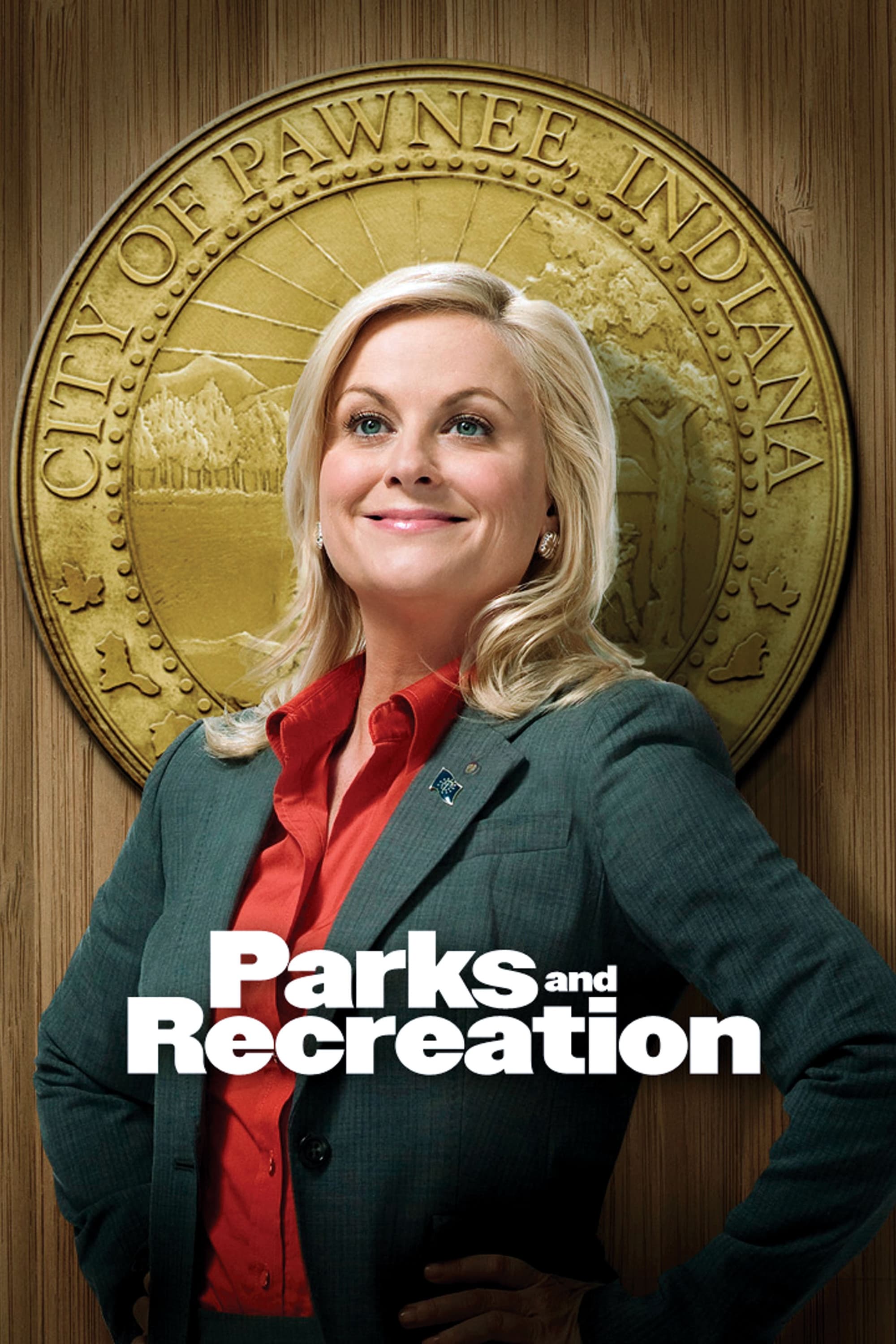
A small town parks department works on projects and public meetings in a mockumentary format. Amy Poehler leads an ensemble that includes Nick Offerman and Aubrey Plaza. The show used talking heads and documentary crews within the world. A one time reunion special aired in 2020.
‘Community’ (2009–2015)
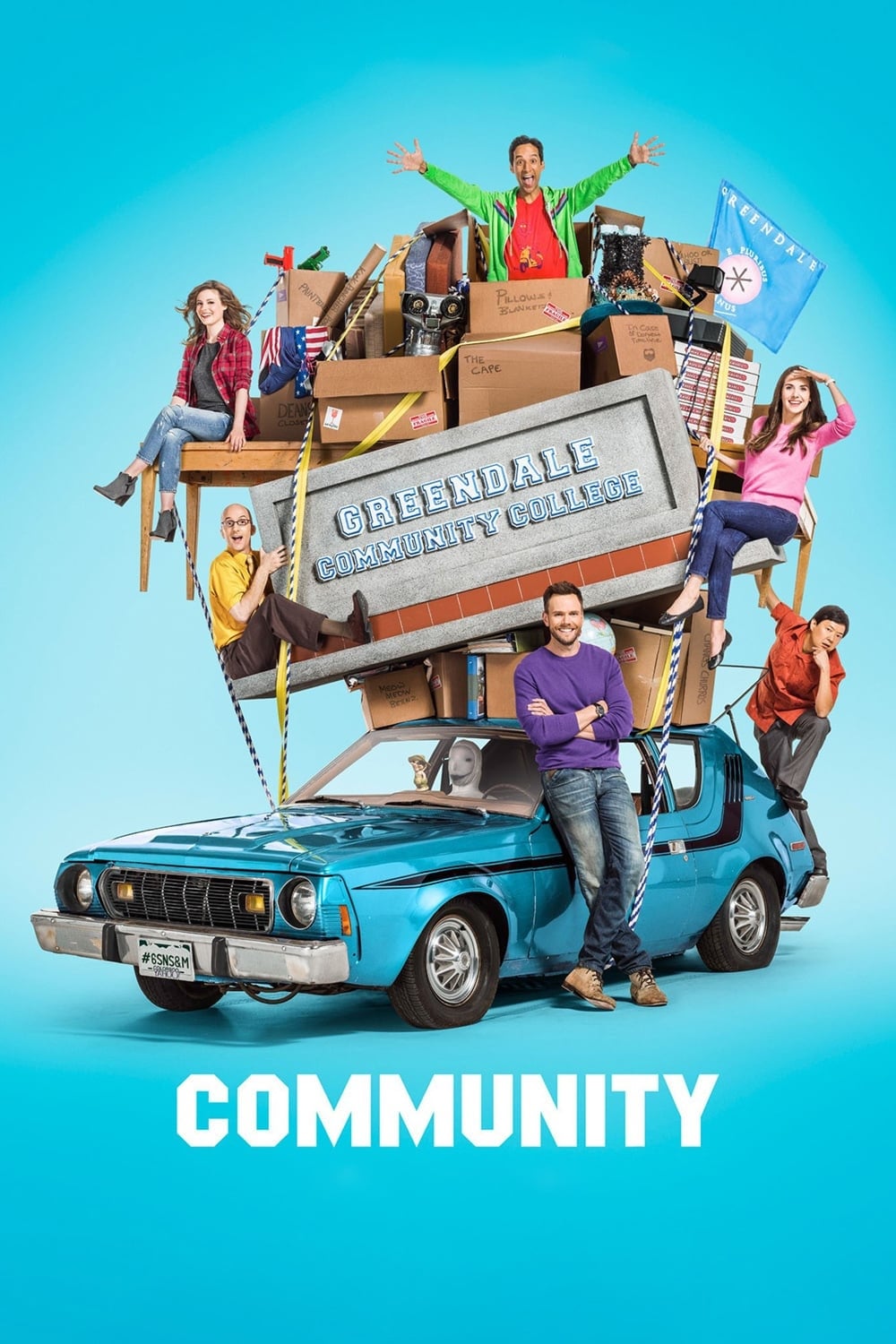
A study group forms at a community college and tackles different genres each week. Dan Harmon’s series produced high concept episodes like paintball and a documentary spoof. Cast members include Joel McHale, Alison Brie, and Donald Glover. Six seasons aired before talk of a movie began.
‘Modern Family’ (2009–2020)
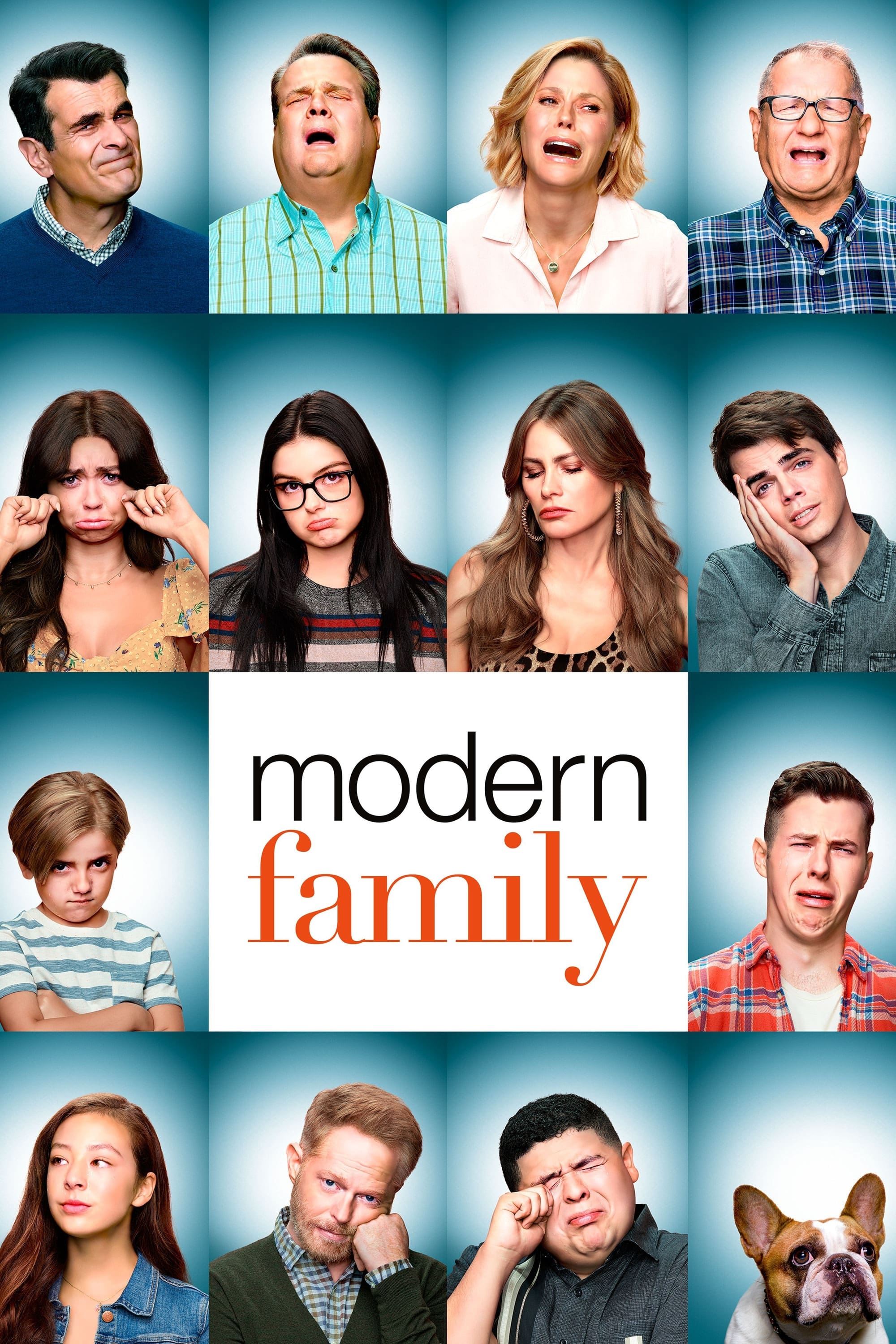
Three related families share stories in a mockumentary format. The show rotates between households and school events. It earned multiple Outstanding Comedy Series Emmys in its early seasons. The pilot set up the interconnected family tree that lasted eleven seasons.
‘The Middle’ (2009–2018)

A Midwestern family works through school, jobs, and small town life. Patricia Heaton and Neil Flynn play parents to three children with distinct quirks. The series highlights budget concerns and everyday wins. It ran for nine seasons with holiday traditions as recurring anchors.
‘New Girl’ (2011–2018)
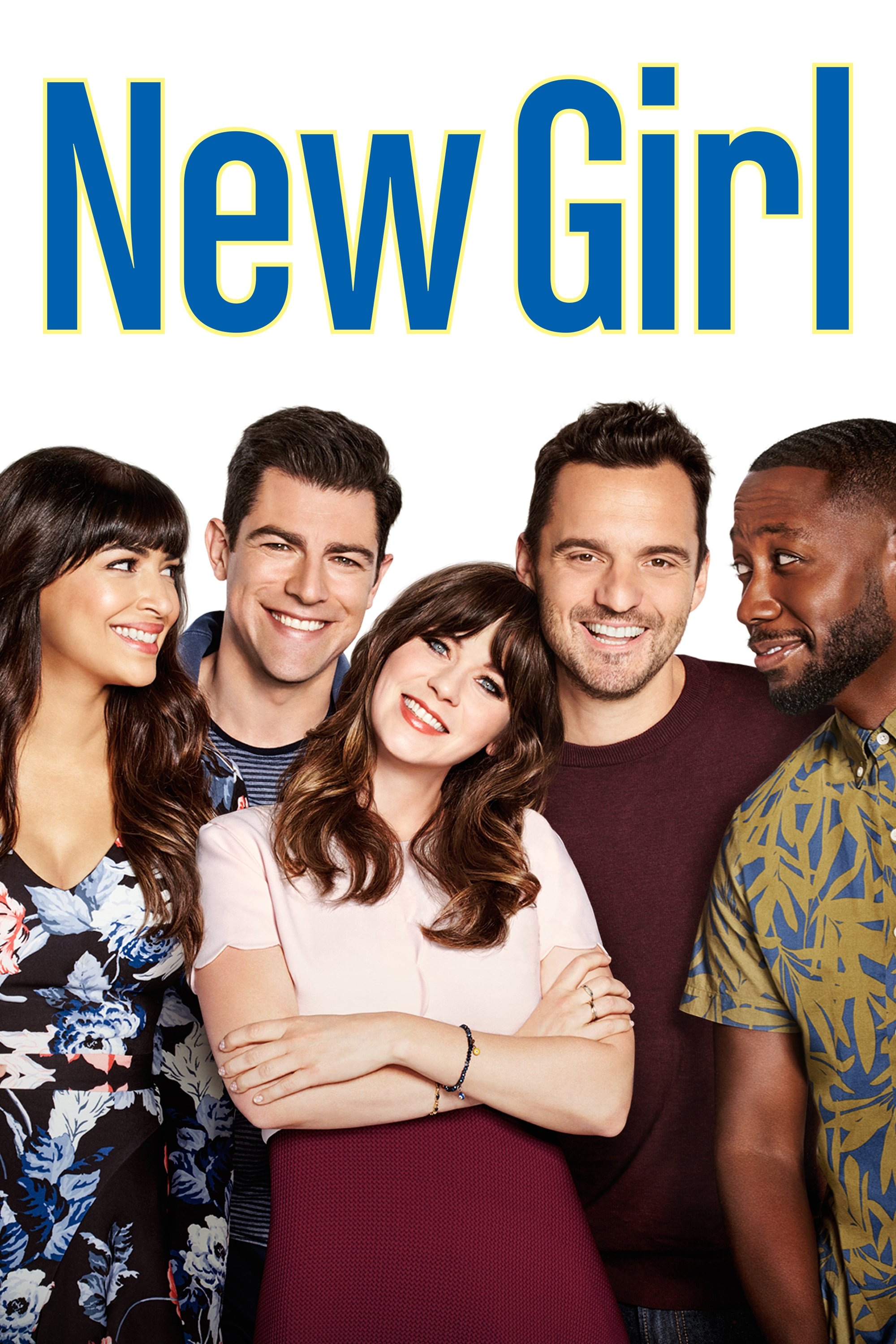
After a breakup, a teacher moves into a loft with three roommates. Zooey Deschanel leads an ensemble that adds recurring arcs like the loft landlord and wedding planning. The show features episodes about jars, pranks, and a made up drinking game. It closed with a time jump final season.
‘Veep’ (2012–2019)
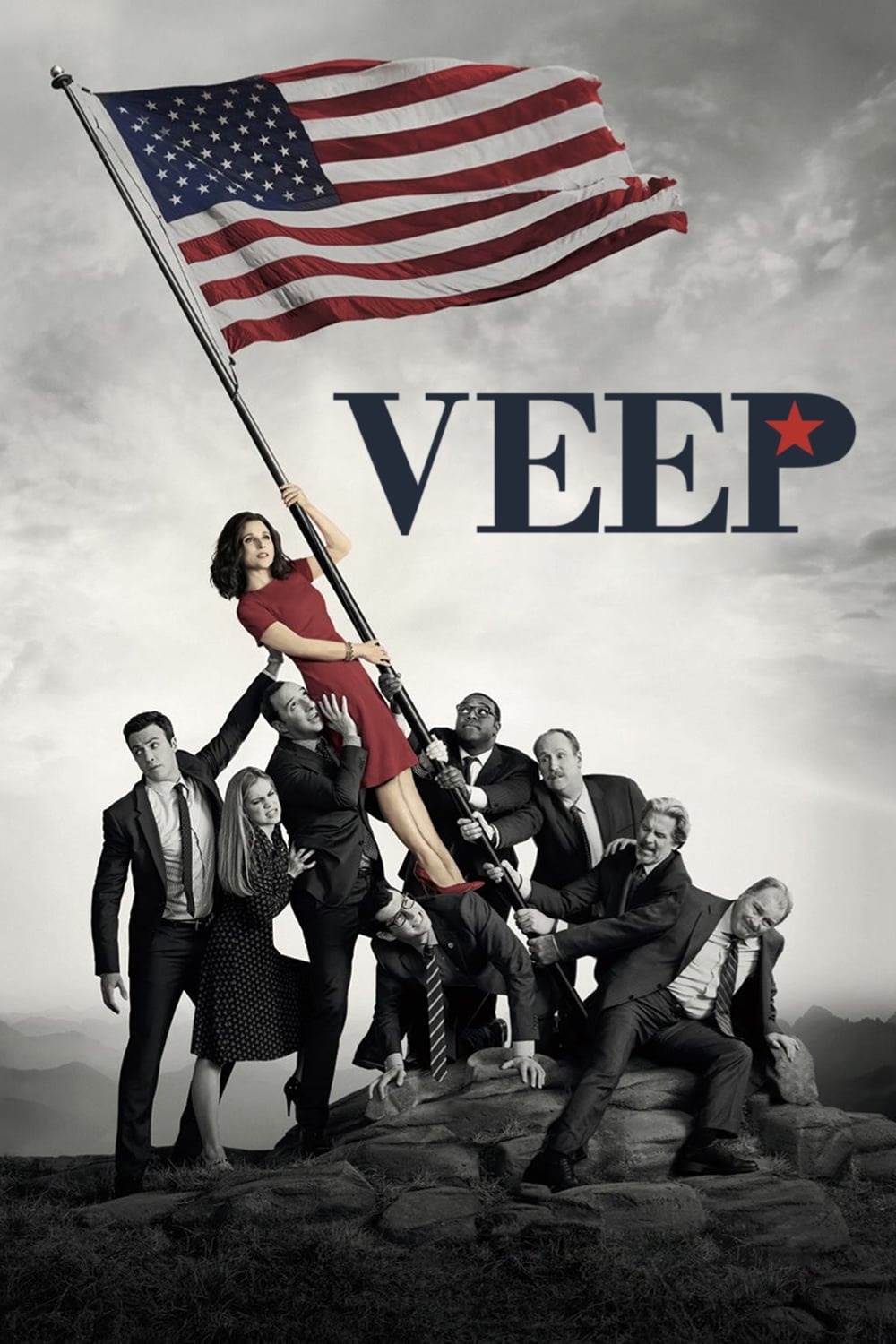
A political satire follows an ambitious vice president and her team. The series uses rapid dialogue and walk and talk pacing. Julia Louis Dreyfus won multiple Emmys for the role. Later seasons track a rise, a fall, and shifting campaign strategies.
‘Brooklyn Nine-Nine’ (2013–2021)
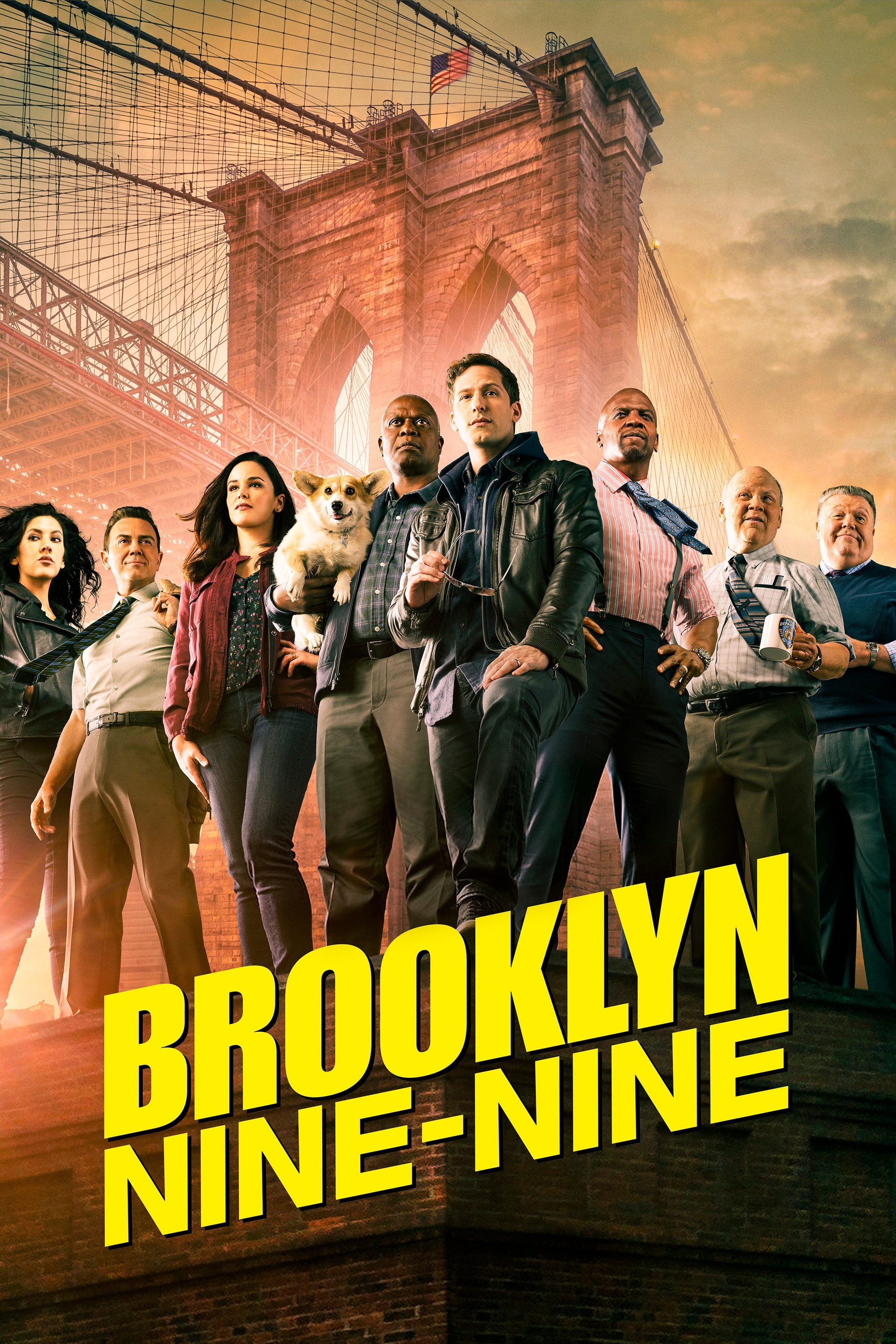
Detectives at a Brooklyn precinct solve cases with squad room camaraderie. The series moved networks while keeping the same creative team. Cold opens like the lineup sing along became viral favorites. The finale wrapped storylines across eight seasons.
‘Schitt’s Creek’ (2015–2020)
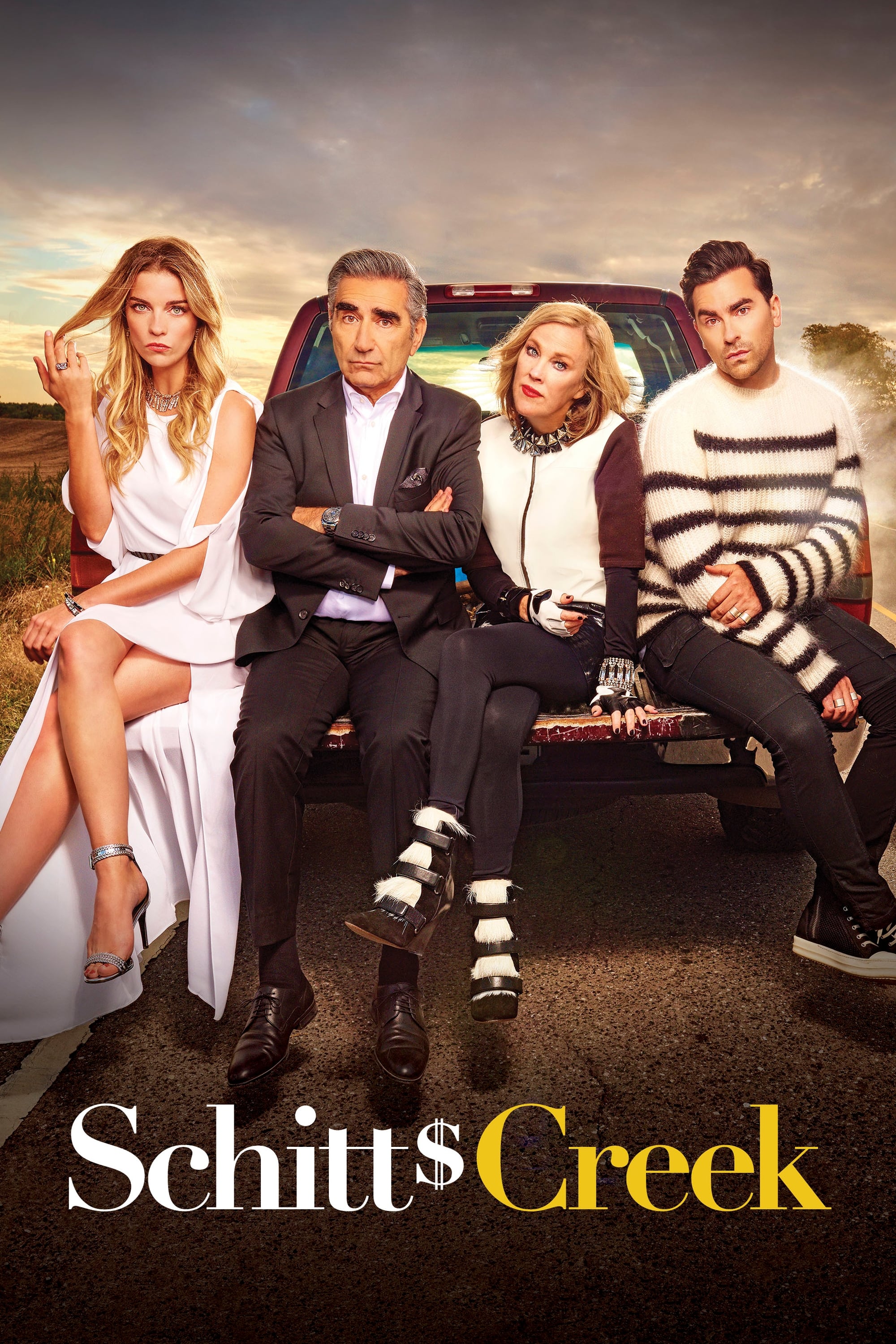
A wealthy family loses its fortune and rebuilds life in a small town they once bought as a joke. Eugene Levy and Catherine O’Hara star with Dan Levy and Annie Murphy. The show’s final season swept major comedy categories at the Emmys. Character growth centers on work, community, and relationships.
‘The Good Place’ (2016–2020)
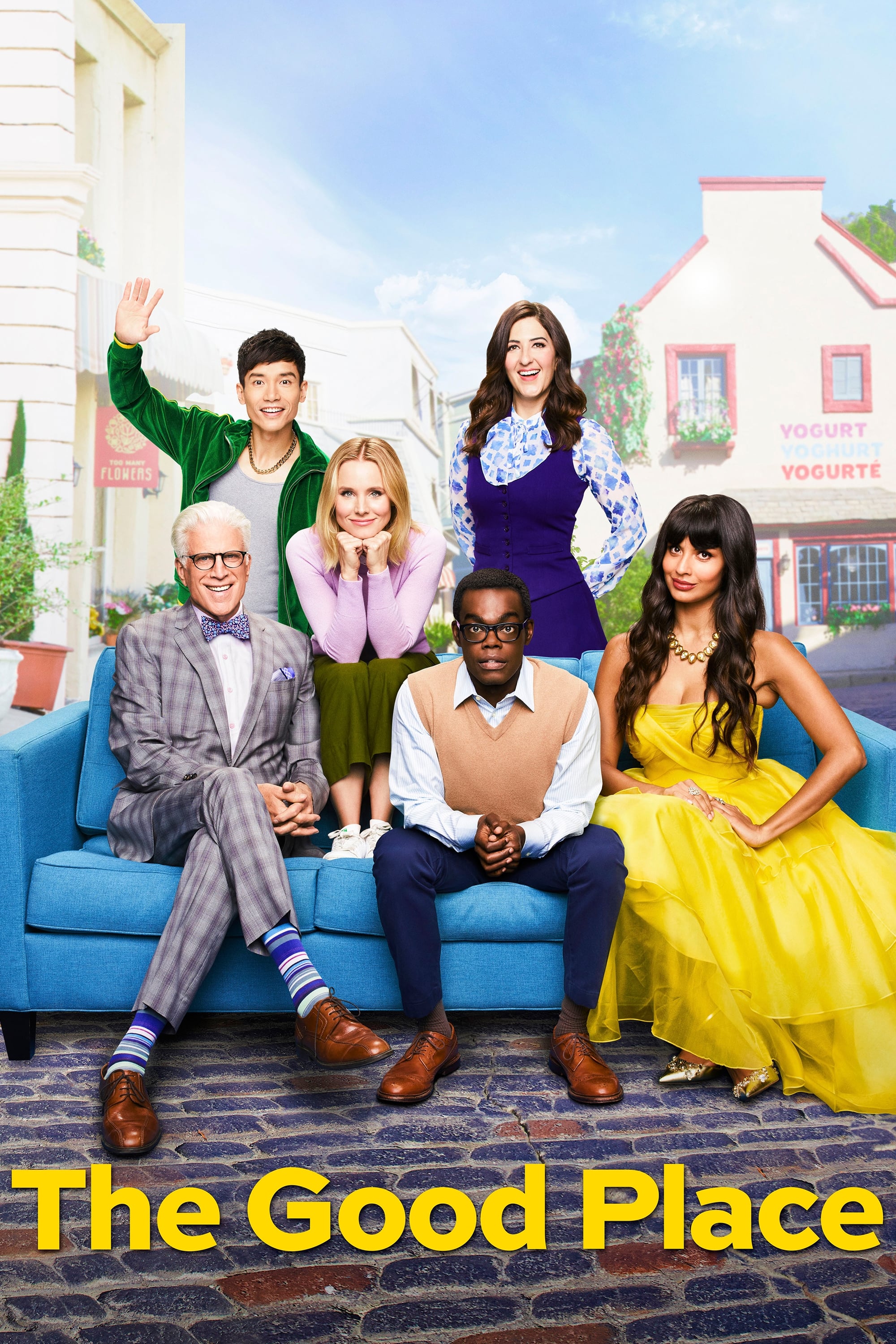
Four humans navigate the afterlife with ethics lessons and twists each season. The series uses serialized arcs, bottle episodes, and reset devices. Kristen Bell and Ted Danson lead a cast that supports high concept storytelling. The finale ties up rules of the universe and character journeys.
Share your favorite comfort sitcoms in the comments and tell us which shows you think never drop the ball.