Best Cult Movies You’ve Never Seen


These movies built dedicated followings far from the mainstream, fueled by midnight screenings, restorations, and word of mouth across film forums and festivals. You will find inventive genre twists, striking visuals, and unusual production stories that kept them alive long after their initial runs. Each entry includes the key facts that help explain how it was made, who was involved, and what set it apart from the pack. If you love exploring hidden corners of cinema, this list is a great place to start.
‘Wake in Fright’ (1971)
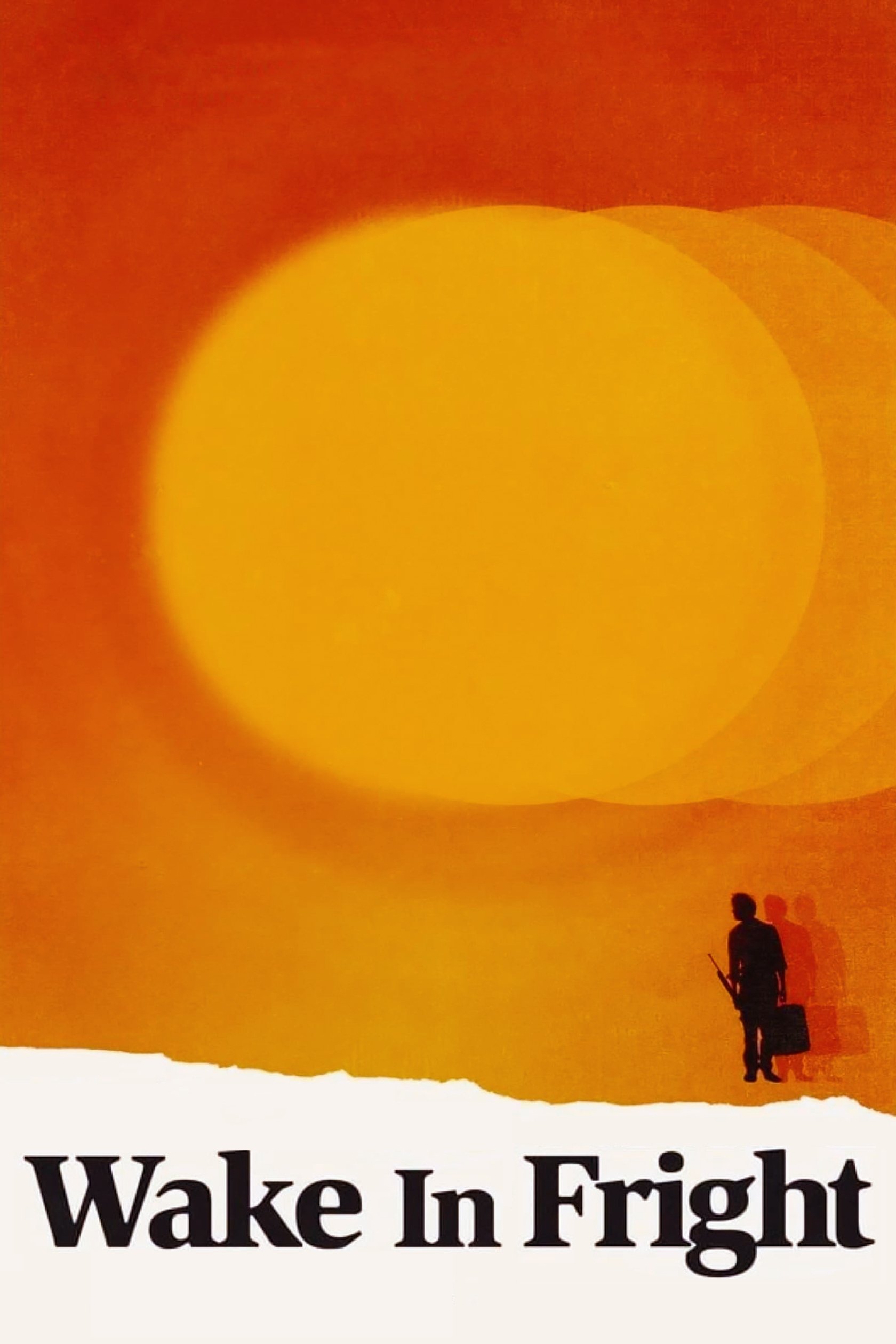
Director Ted Kotcheff filmed this psychological drama in the Australian outback, adapting Kenneth Cook’s novel. It stars Gary Bond and Donald Pleasence and was shot around Broken Hill to capture the harsh setting. Long thought lost, the original elements were rediscovered and the film was restored for modern screenings. Its festival reappearance helped reintroduce the title to new audiences around the world.
‘Possession’ (1981)
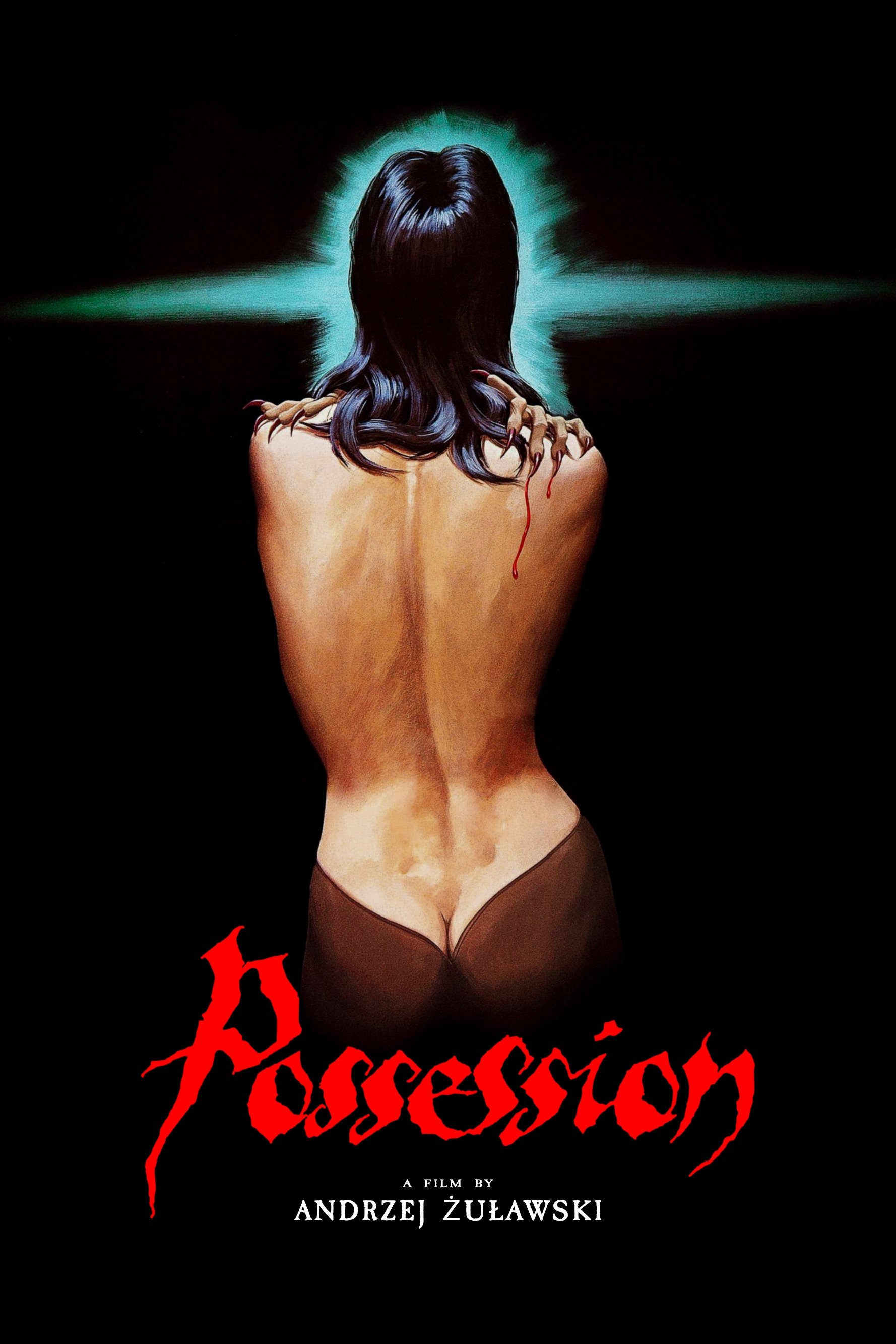
Polish filmmaker Andrzej Żuławski shot this feverish breakup story in West Berlin with Isabelle Adjani and Sam Neill. Special effects by Carlo Rambaldi brought its most infamous scenes to life. The film initially faced heavy censorship in several territories before later uncut releases circulated. Adjani’s performance earned major festival recognition, which helped the movie endure as a cult item.
‘Liquid Sky’ (1982)
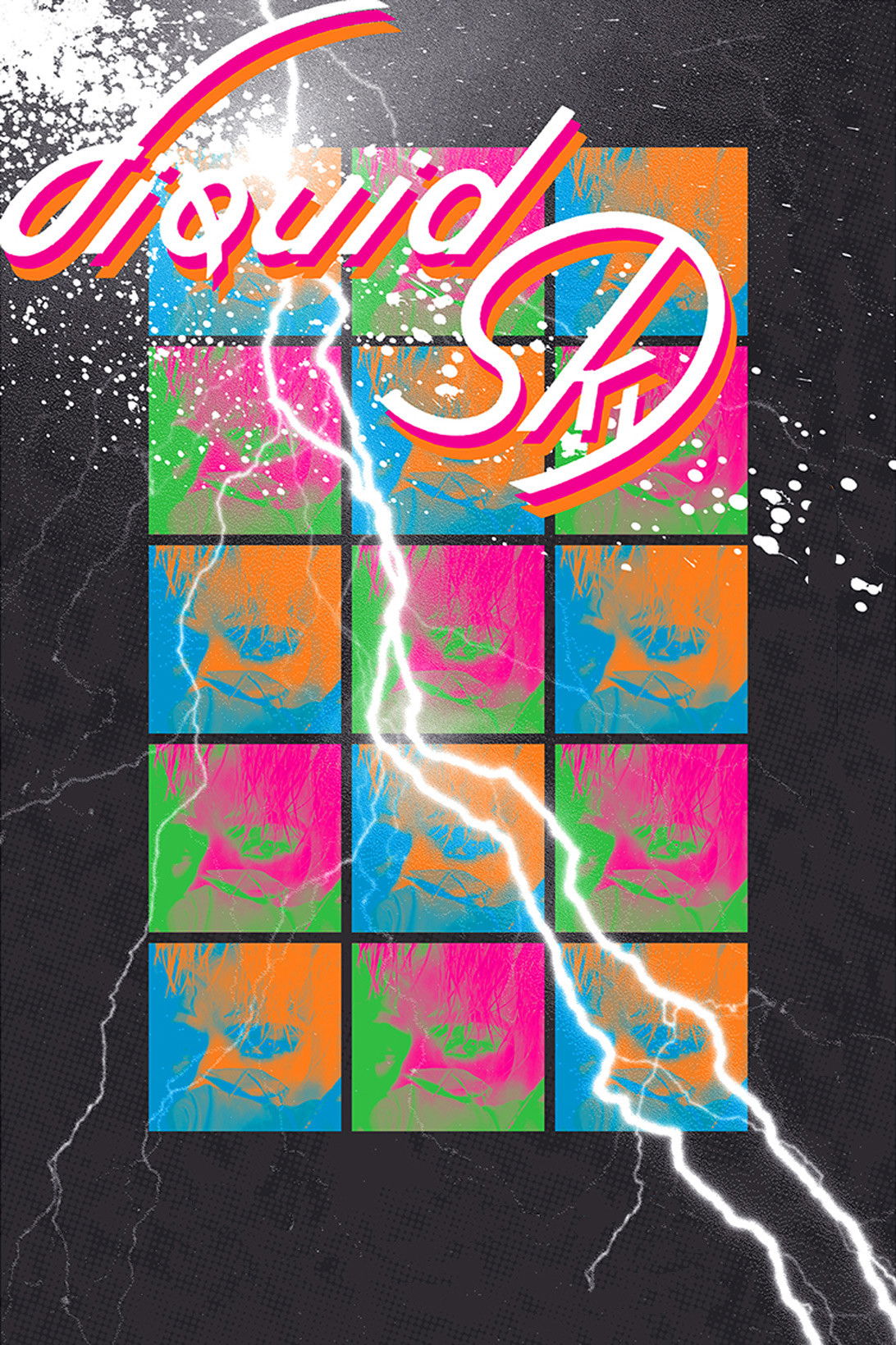
Director Slava Tsukerman set this sci-fi tale in New York’s new wave club scene, with Anne Carlisle playing dual roles. The production used guerrilla locations and a distinctive electronic score built around the Fairlight CMI. Its fashion and downtown art milieu were captured with a small, nimble crew. The film became a midnight staple and traveled widely on repertory circuits.
‘Miracle Mile’ (1988)
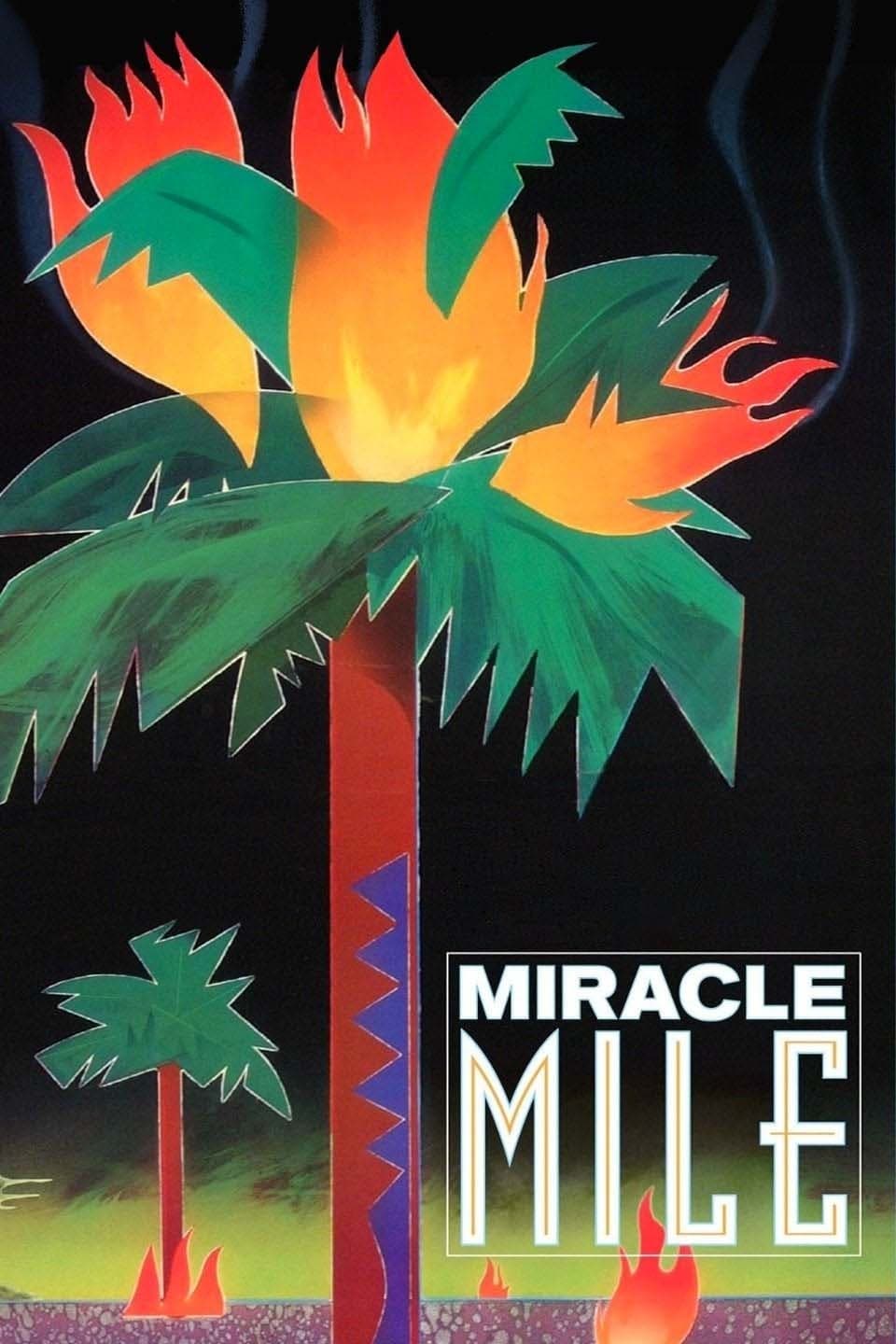
Writer-director Steve De Jarnatt crafted this real-time thriller around Los Angeles’s Miracle Mile and the La Brea Tar Pits. Anthony Edwards and Mare Winningham lead a cast that navigates a cascading series of phone calls and false alarms. The project moved through studios before being produced independently to preserve its ending. Its ticking-clock structure plays out almost minute by minute across recognizable city blocks.
‘Hardware’ (1990)
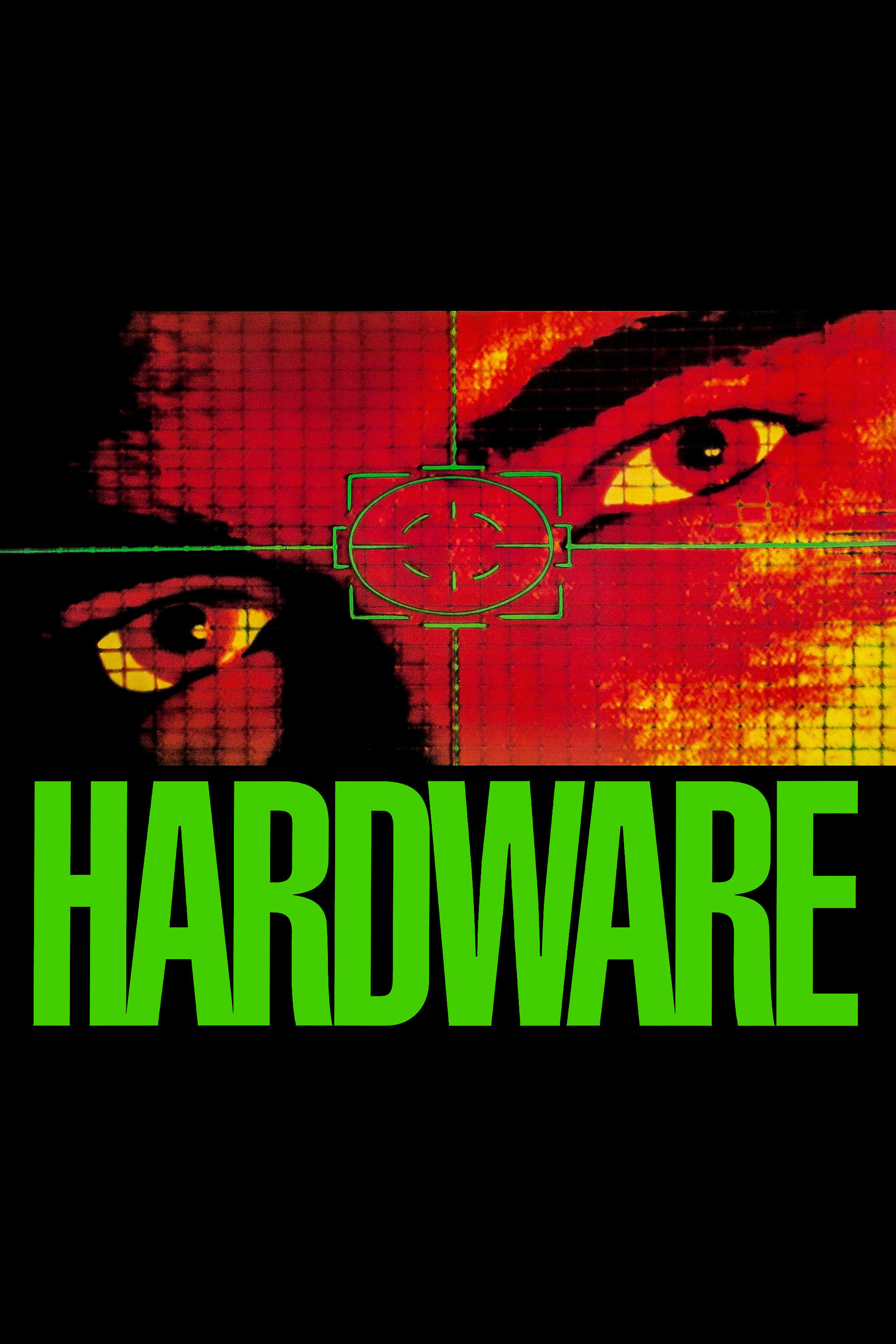
Richard Stanley directed this post-apocalyptic thriller about a self-repairing military robot known as the M.A.R.K. 13. The cast includes Dylan McDermott and Stacey Travis, with industrial music artists featured on the soundtrack. After release, the story’s similarity to the comic strip ‘SHOK!’ was formally acknowledged. U.S. distribution brought the film to video store shelves where it developed a following.
‘The Reflecting Skin’ (1990)
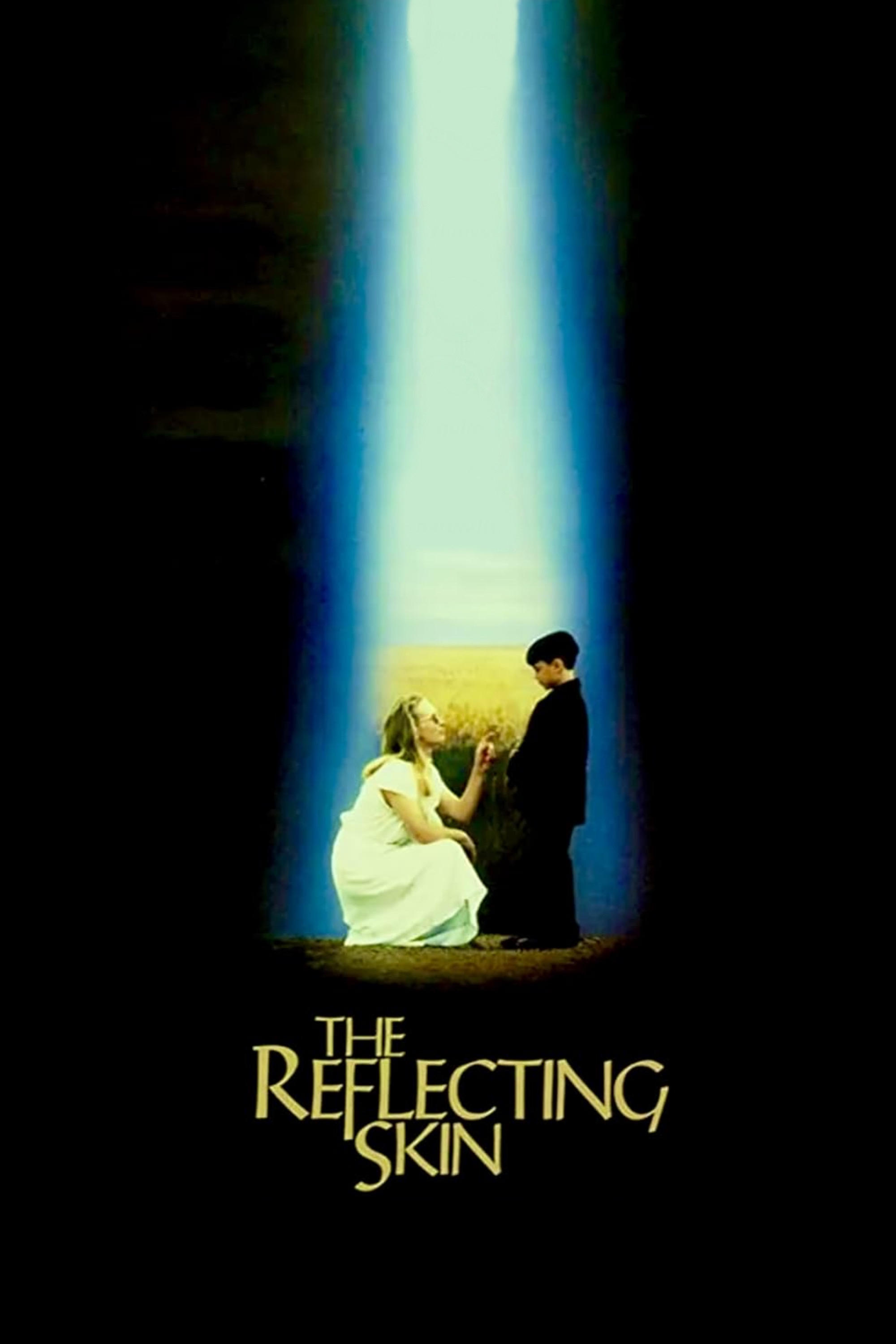
Philip Ridley’s debut is a prairie gothic set among wheat fields and abandoned buildings, starring Viggo Mortensen and Jeremy Cooper. The production filmed in Alberta, using natural light to emphasize the stark landscapes. For years it circulated mainly through festival prints and tape trades. A later restoration and home-video release returned it to wider circulation.
‘Dead Man’s Shoes’ (2004)
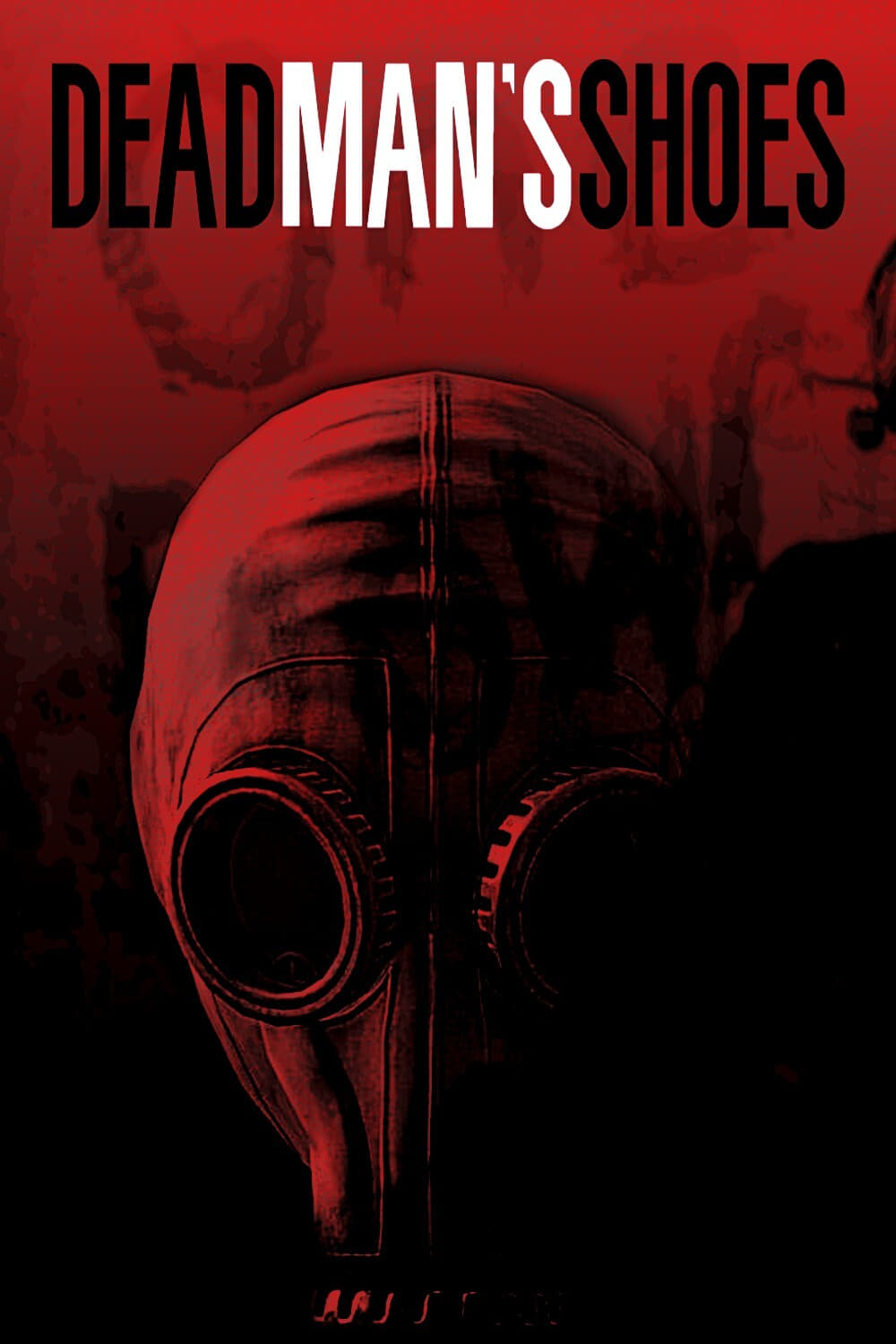
Director Shane Meadows and co-writer Paddy Considine crafted this British revenge drama around Derbyshire locations. Shot on a modest budget, it was produced by Warp Films with a small crew and handheld cameras. The soundtrack features artists associated with Warp Records, which shaped the film’s mood. Word of mouth from festival screenings helped turn it into a durable cult favorite.
‘Belladonna of Sadness’ (1973)

Directed by Eiichi Yamamoto, this adult-oriented animated feature was produced by Mushi Production as part of the studio’s experimental period. The film uses watercolor tableaux, limited animation, and still images to create a hypnotic flow. Its original release was uneven, and it circulated for decades in poor copies. A meticulous restoration reintroduced the movie to contemporary art-house audiences.
‘A Girl Walks Home Alone at Night’ (2014)
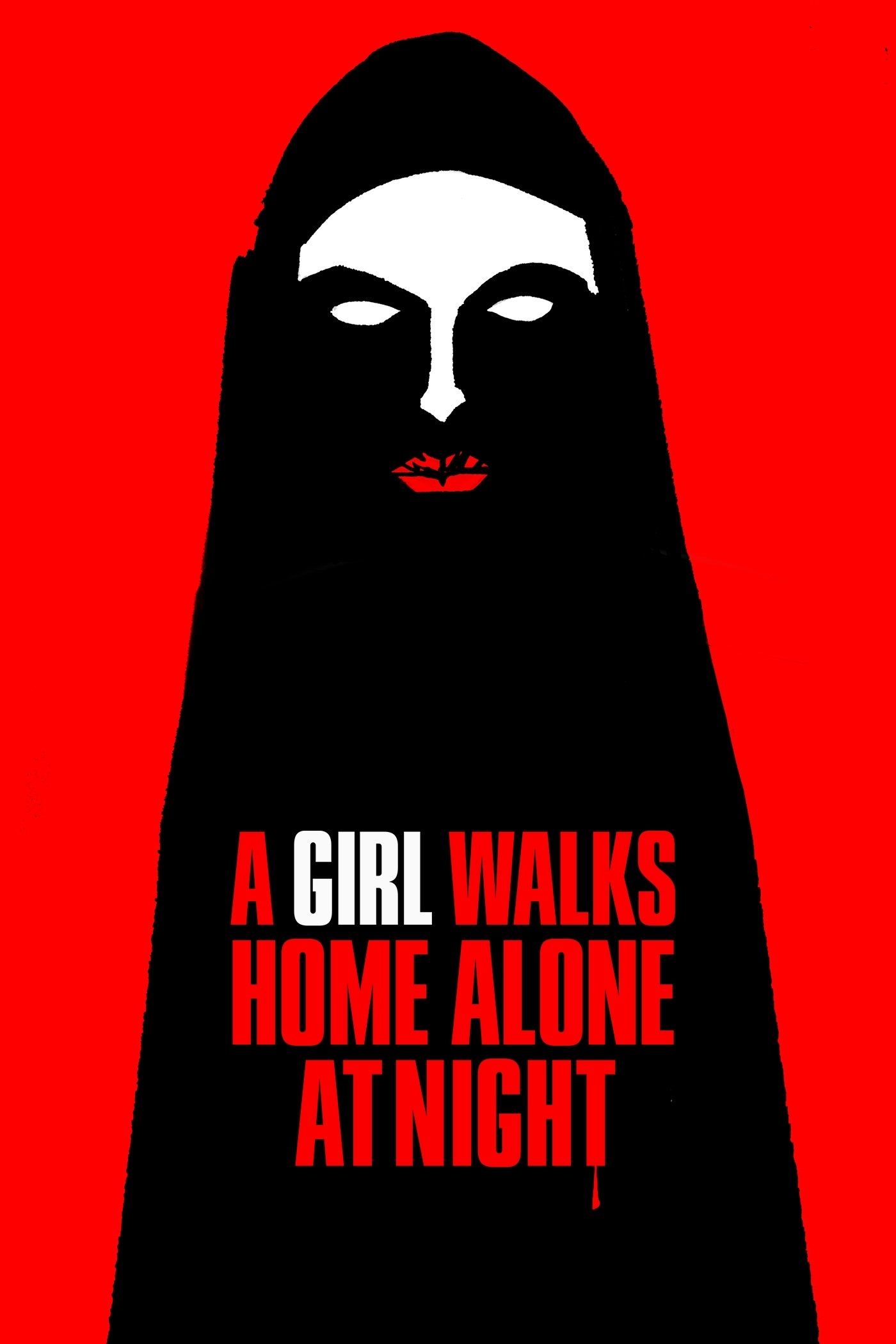
Ana Lily Amirpour directed this Iranian-language vampire western shot in California and produced by SpectreVision. Sheila Vand stars, with Arash Marandi and Mozhan Marnò in key roles. The black-and-white cinematography and sparse desert sets were designed to evoke a mythic border town. Festival acclaim led to international distribution and a strong afterlife on streaming and repertory screens.
‘House’ (1977)
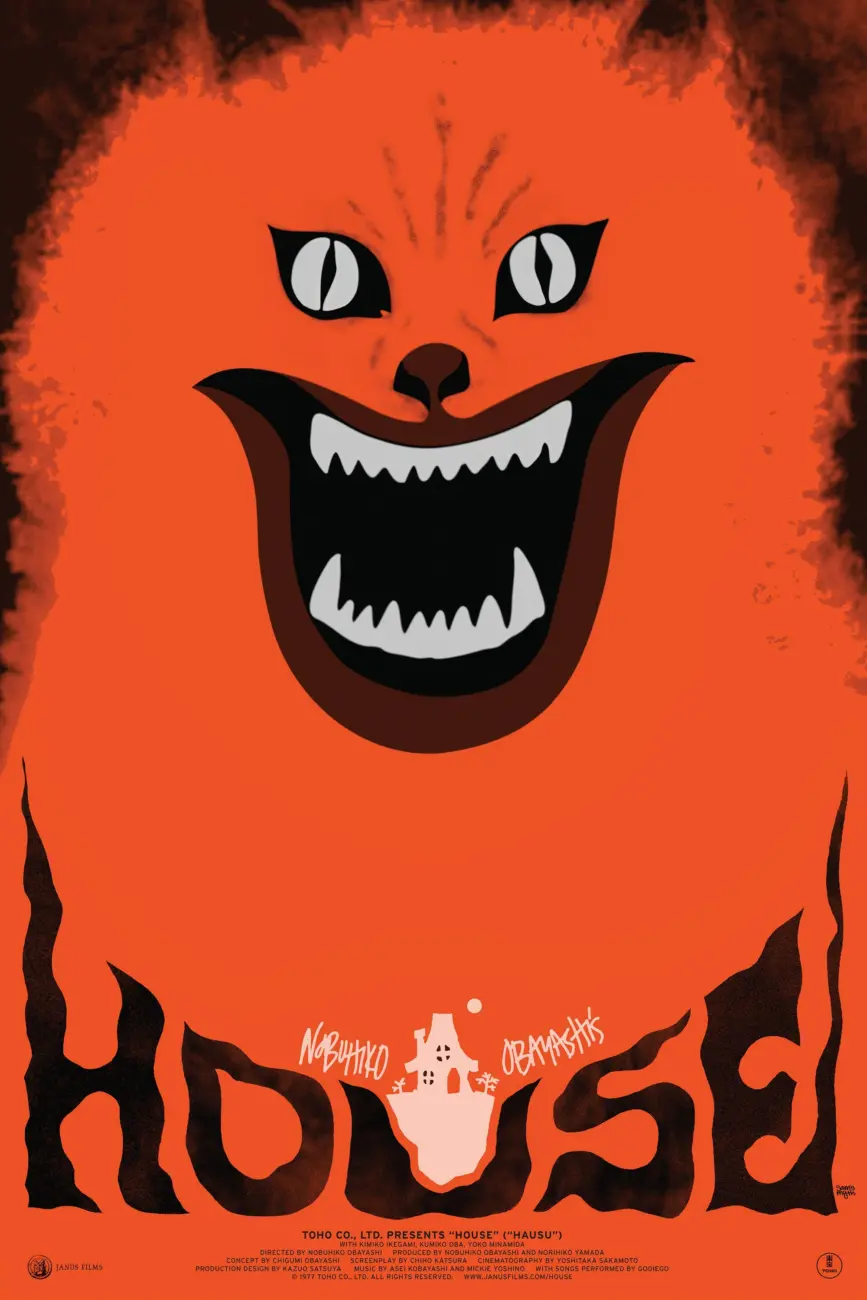
Nobuhiko Obayashi directed this Toho production inspired by ideas from his young daughter. The movie uses in-camera tricks, painted backdrops, and optical effects to create its surreal haunted-house sequences. A successful run of midnight screenings decades later sparked a global rediscovery. New prints and Blu-ray editions helped cement its reputation with younger viewers.
‘Black Moon’ (1975)
Louis Malle shot this English-language fantasy on his rural property with cinematographer Sven Nykvist. The cast includes Cathryn Harrison, Joe Dallesandro, and Alexandra Stewart in a dreamlike tale of shifting identities. Sound design and music by Diego Masson emphasize the film’s otherworldly atmosphere. After a limited initial release, it became a fixture in art-house retrospectives.
‘Tokyo Drifter’ (1966)
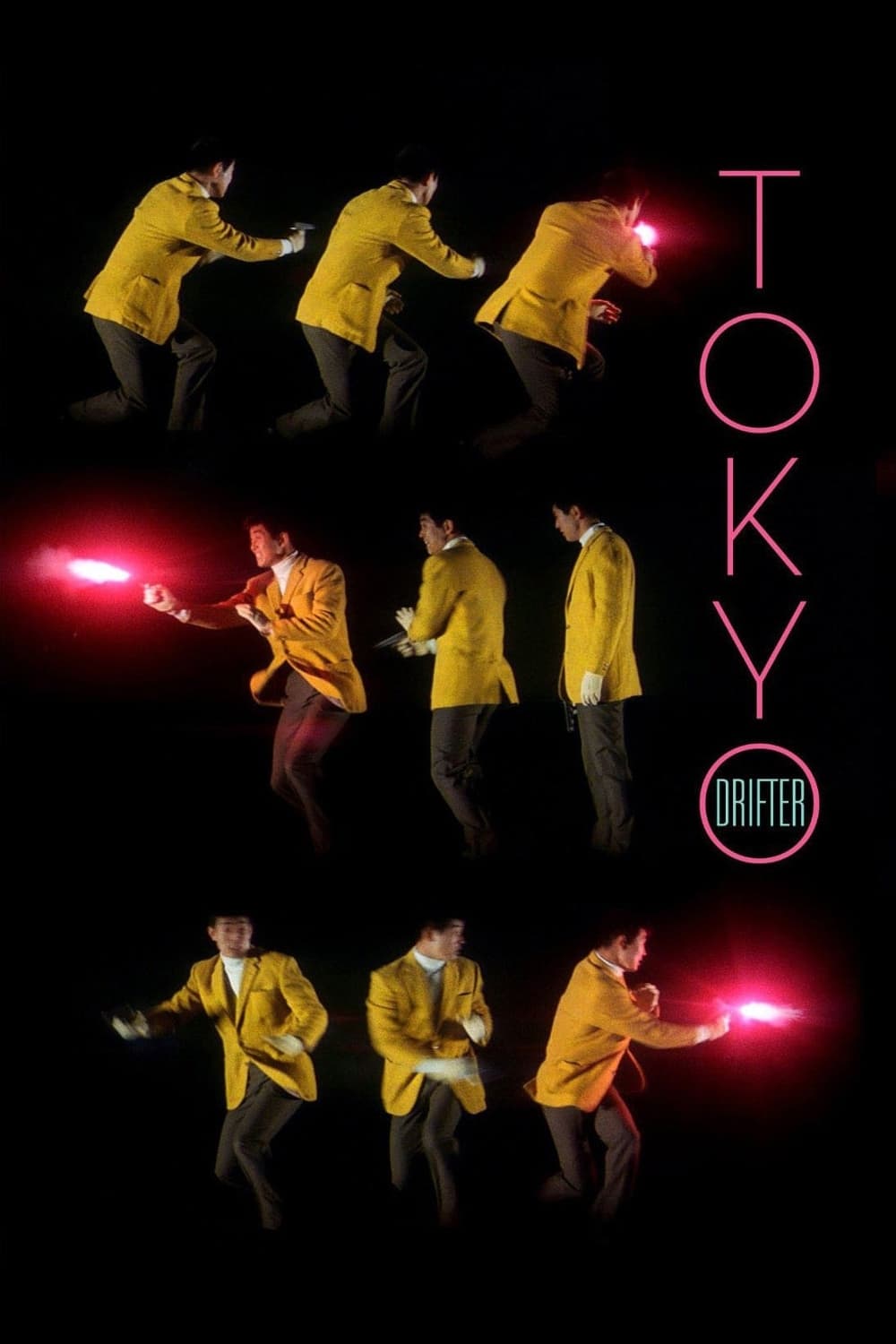
Seijun Suzuki directed this stylized yakuza film for the Nikkatsu studio, starring Tetsuya Watari and Chieko Matsubara. The production is known for bold color staging, graphic set pieces, and a recurring theme song performed by the lead actor. Studio constraints led to inventive visual solutions across compact sets. International retrospectives decades later introduced Suzuki’s work to new audiences.
‘The Peanut Butter Solution’ (1985)
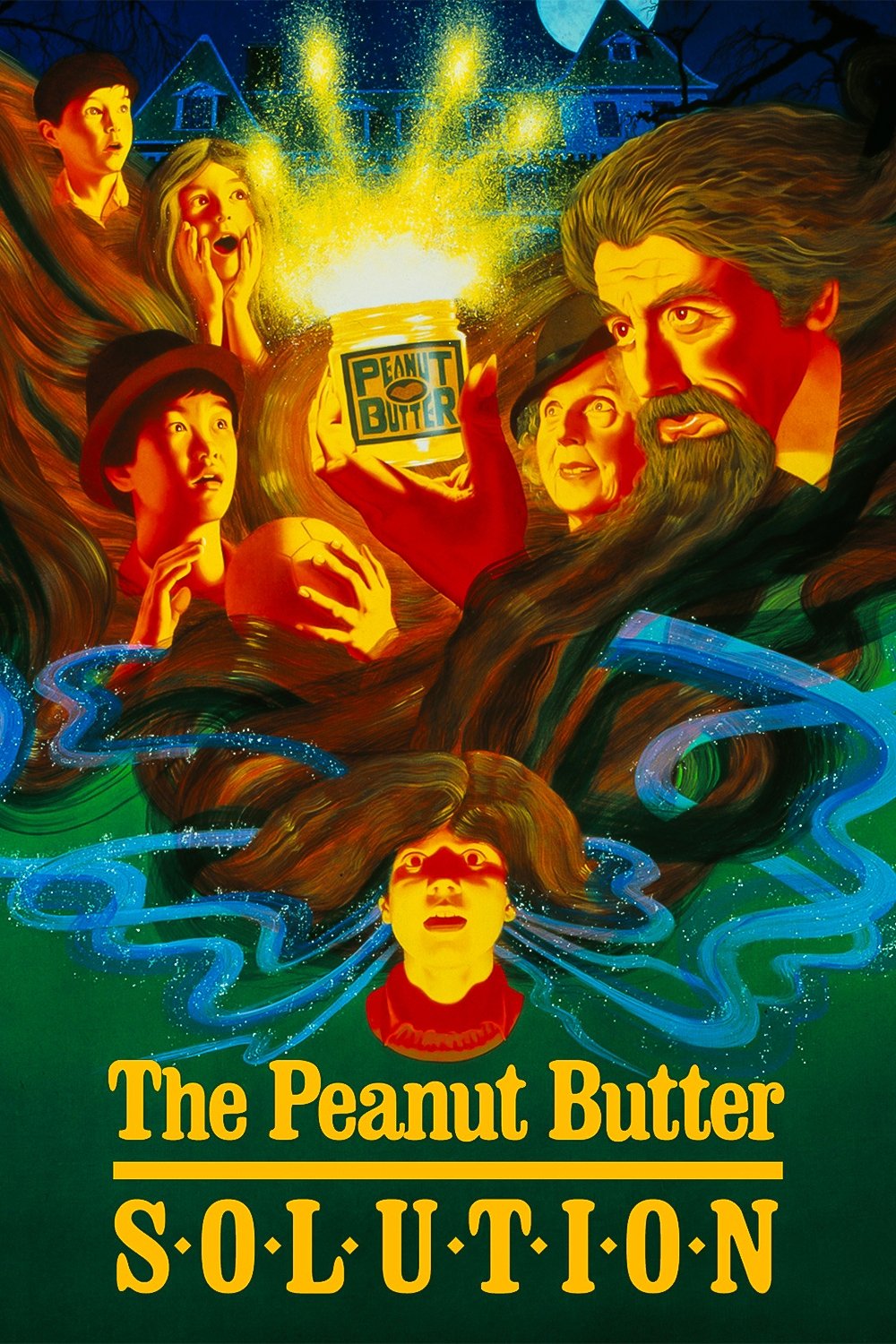
Produced by Rock Demers as part of the Canadian ‘Tales for All’ series, this family fantasy was directed by Michael Rubbo. It was released in both English and French versions and aired widely on television. The soundtrack includes songs performed by Céline Dion, a rare credit from early in her career. Its unusual premise and school-age cast made it a frequent topic of nostalgic discussion.
‘Dark Star’ (1974)
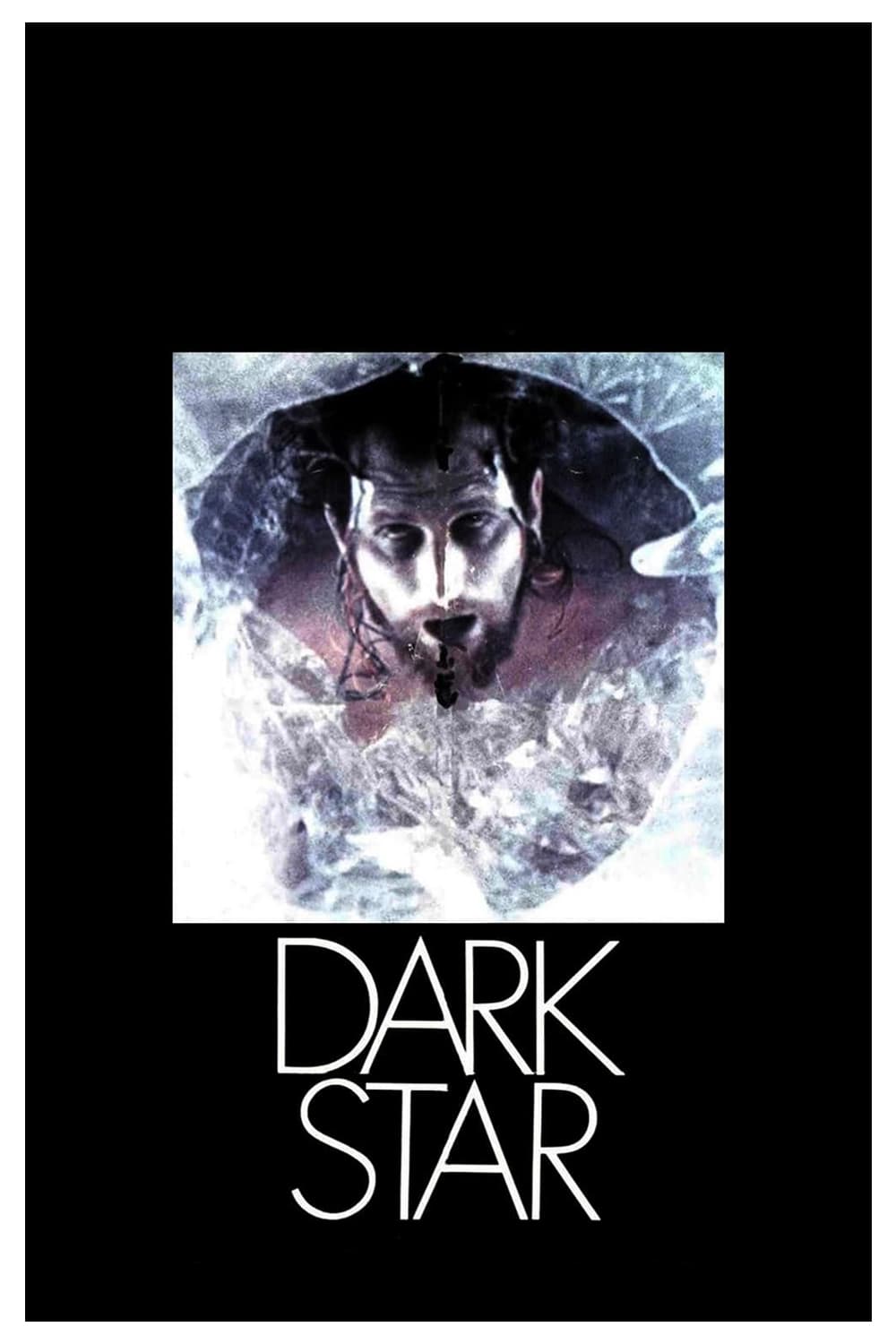
John Carpenter’s first feature expanded from a student project co-written with Dan O’Bannon. The film follows a scrappy crew on a deep-space mission and features a talking bomb as a key character. O’Bannon later reworked concepts from the project into the script for ‘Alien’. Repertory screenings and home-video releases kept the film in circulation for generations of sci-fi fans.
‘Rubin & Ed’ (1991)
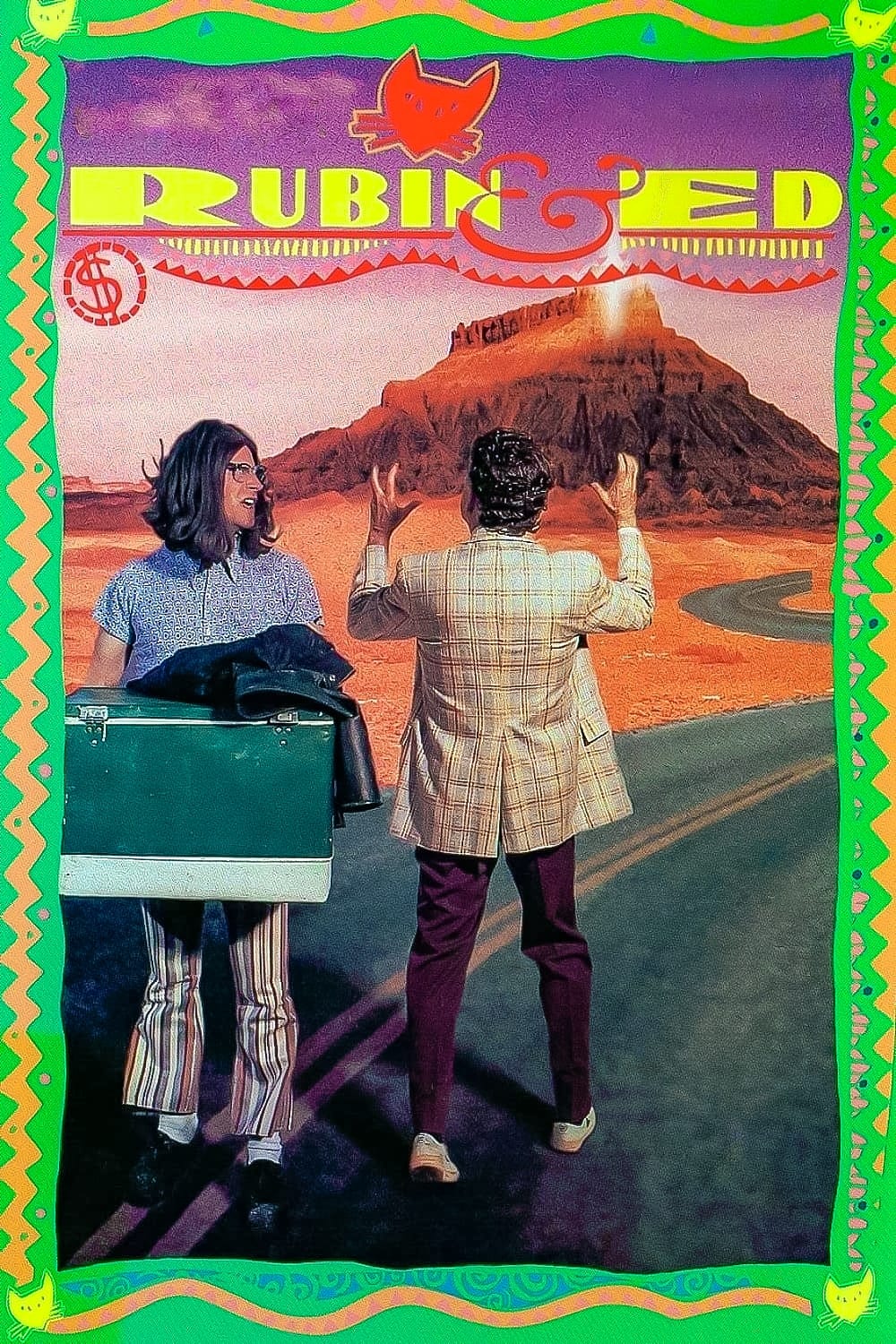
Writer-director Trent Harris shot this odd-couple desert comedy in Utah with Crispin Glover and Howard Hesseman. The story follows two misfits on a road trip to bury a frozen cat, leading to a series of surreal encounters. The film gained attention through a memorable late-night talk show appearance tied to its promotion. Limited distribution made it hard to find for years, which only strengthened its cult status.
‘The Quiet Earth’ (1985)
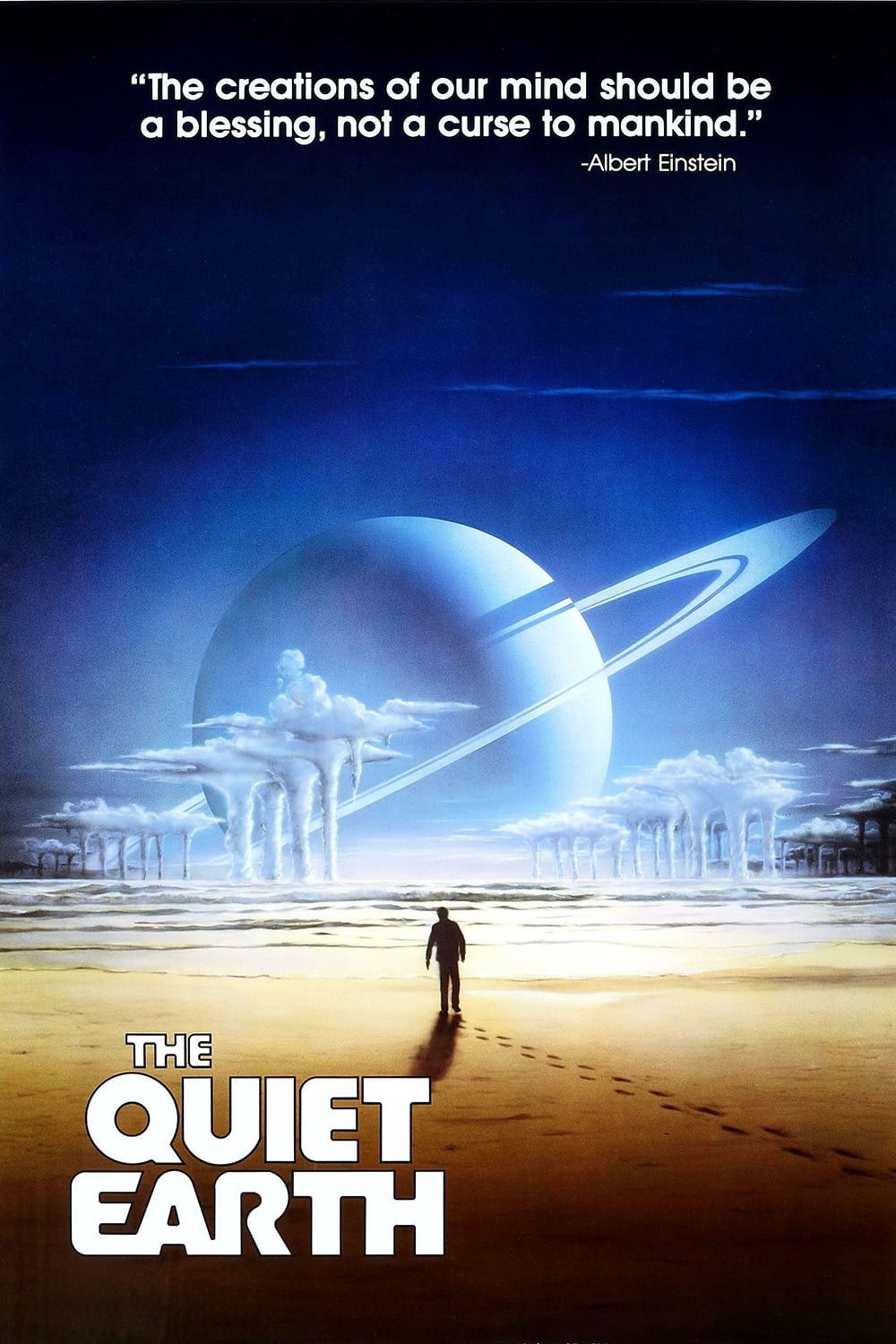
Directed by Geoff Murphy, this New Zealand sci-fi drama stars Bruno Lawrence as a scientist who wakes to find the world empty. The production filmed around Auckland and Hamilton to create its deserted cityscapes. It is based on Craig Harrison’s novel and adapts the central premise with a new ending. The film gained international attention through festival play and a strong home-video life.
‘Phase IV’ (1974)
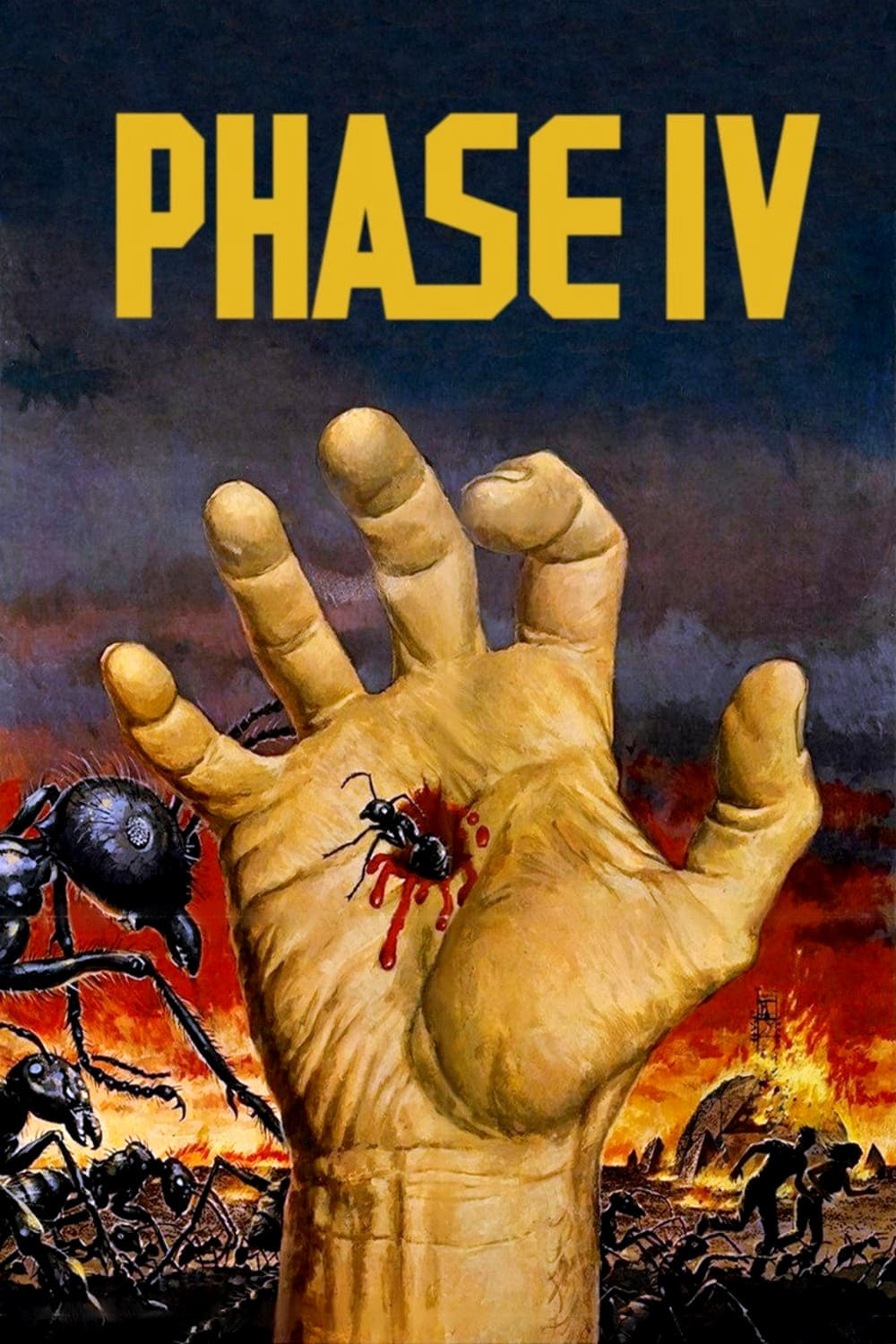
Saul Bass directed this science fiction feature after a career defining the look of many title sequences. The story follows scientists in the Arizona desert studying hyperintelligent ants, with Michael Murphy and Nigel Davenport in lead roles. Cinematographer Dick Bush captured extreme macro photography that became the film’s signature. A rediscovered alternate ending has screened at retrospectives and fueled renewed interest.
‘Society’ (1989)
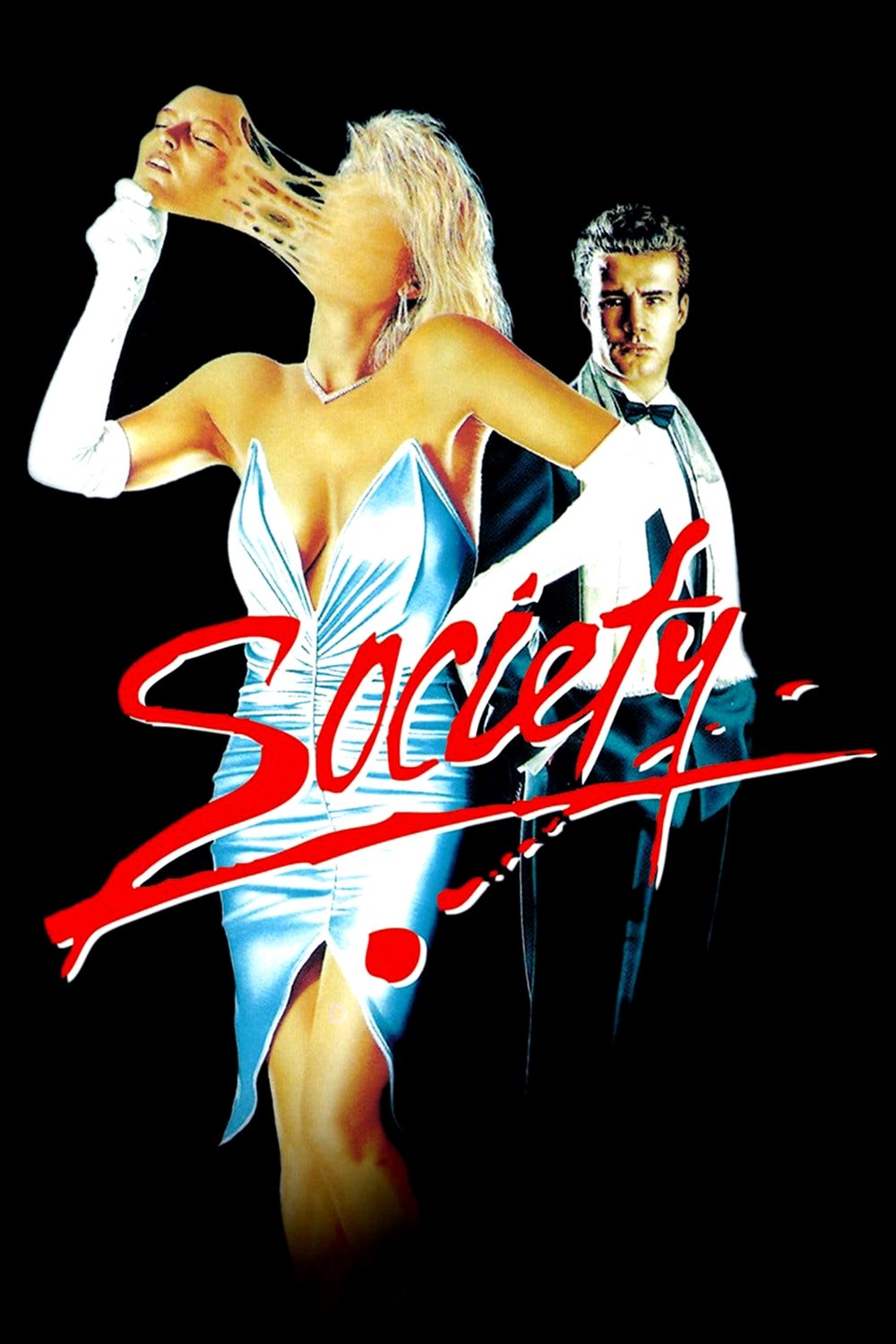
Brian Yuzna directed this Beverly Hills horror satire starring Billy Warlock and Devin DeVasquez. Special makeup effects by Screaming Mad George created the climactic transformation sequences. The film premiered overseas before arriving in the United States, where it became a video-store staple. Its reputation grew through midnight screenings and genre festival revivals.
‘Forbidden Zone’ (1980)
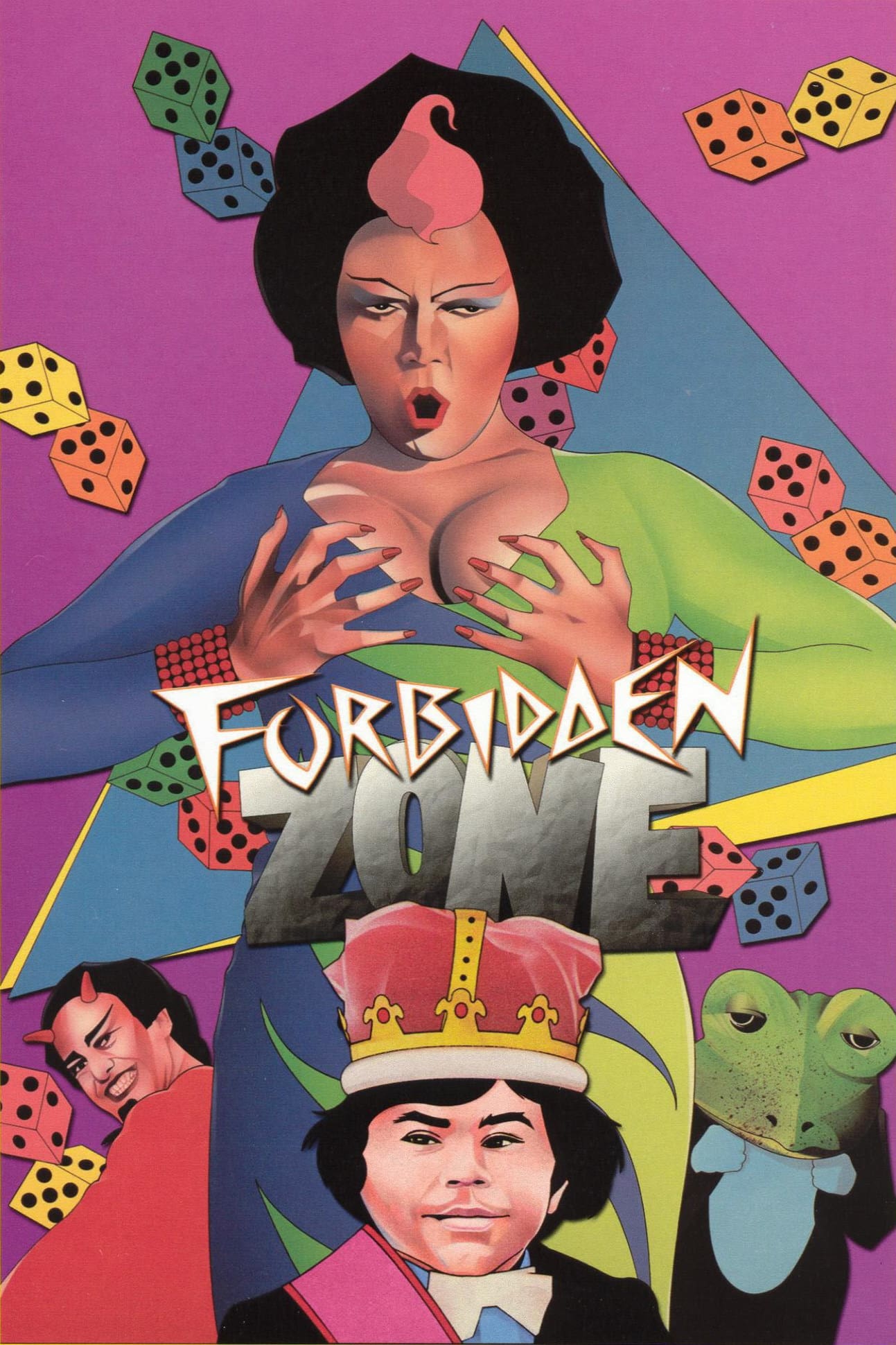
Richard Elfman directed this black-and-white musical fantasy starring members of the Mystic Knights of the Oingo Boingo. Danny Elfman appears as the Devil and contributed music that predated his later scoring career. The production used cardboard sets and theatrical staging to keep costs down. Cult screenings and colored restorations kept the movie circulating with new audiences.
‘Miami Connection’ (1987)
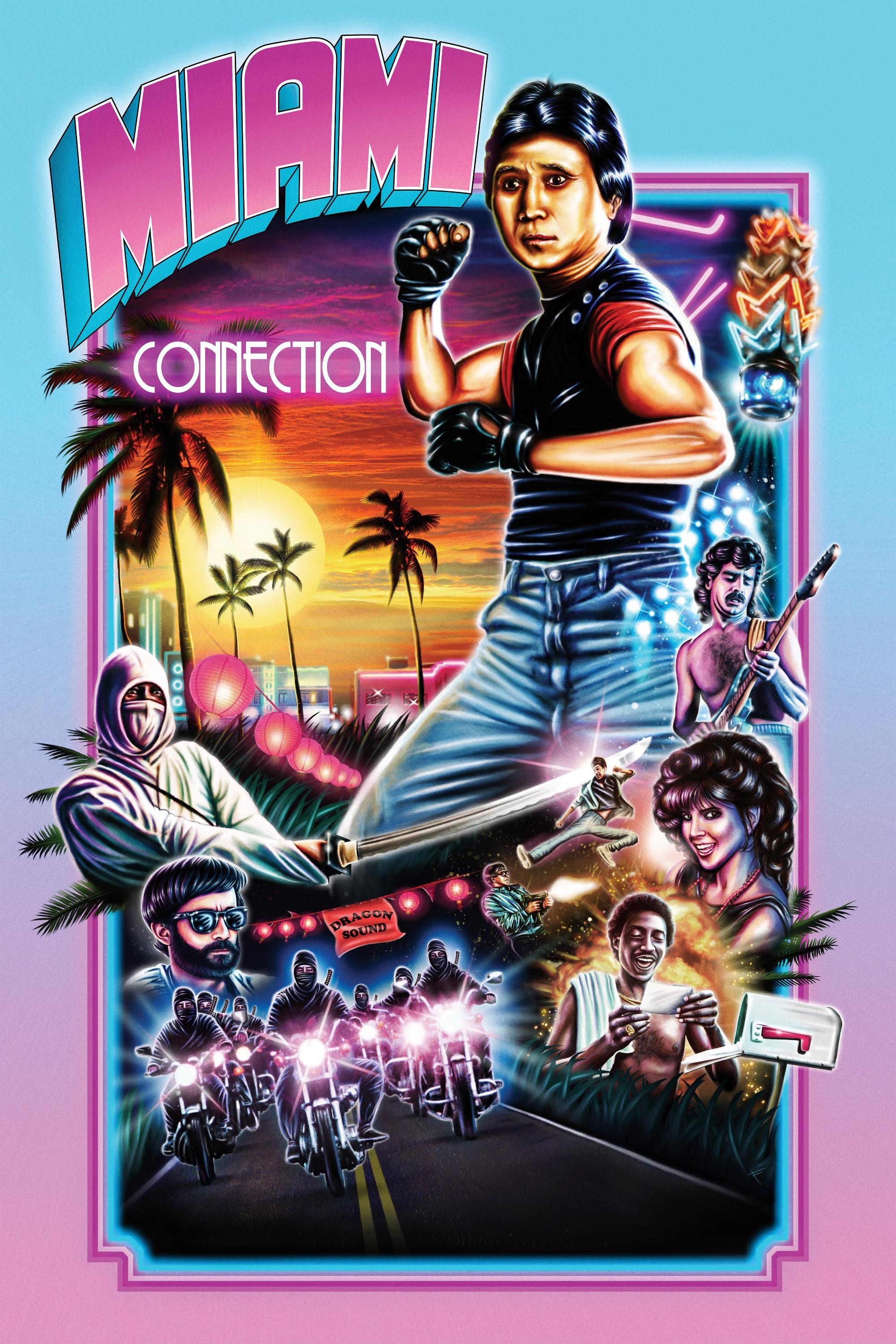
Directed by Y.K. Kim and Woo-sang Park, this Orlando-shot action film features a synth rock band tangling with motorcycle ninjas. The cast includes real members of the band Dragon Sound performing original songs. After a short regional run, the film drifted into obscurity until a print was acquired and re-released by a boutique label. Its enthusiastic live screenings turned it into a modern cult favorite.
‘Ms .45’ (1981)
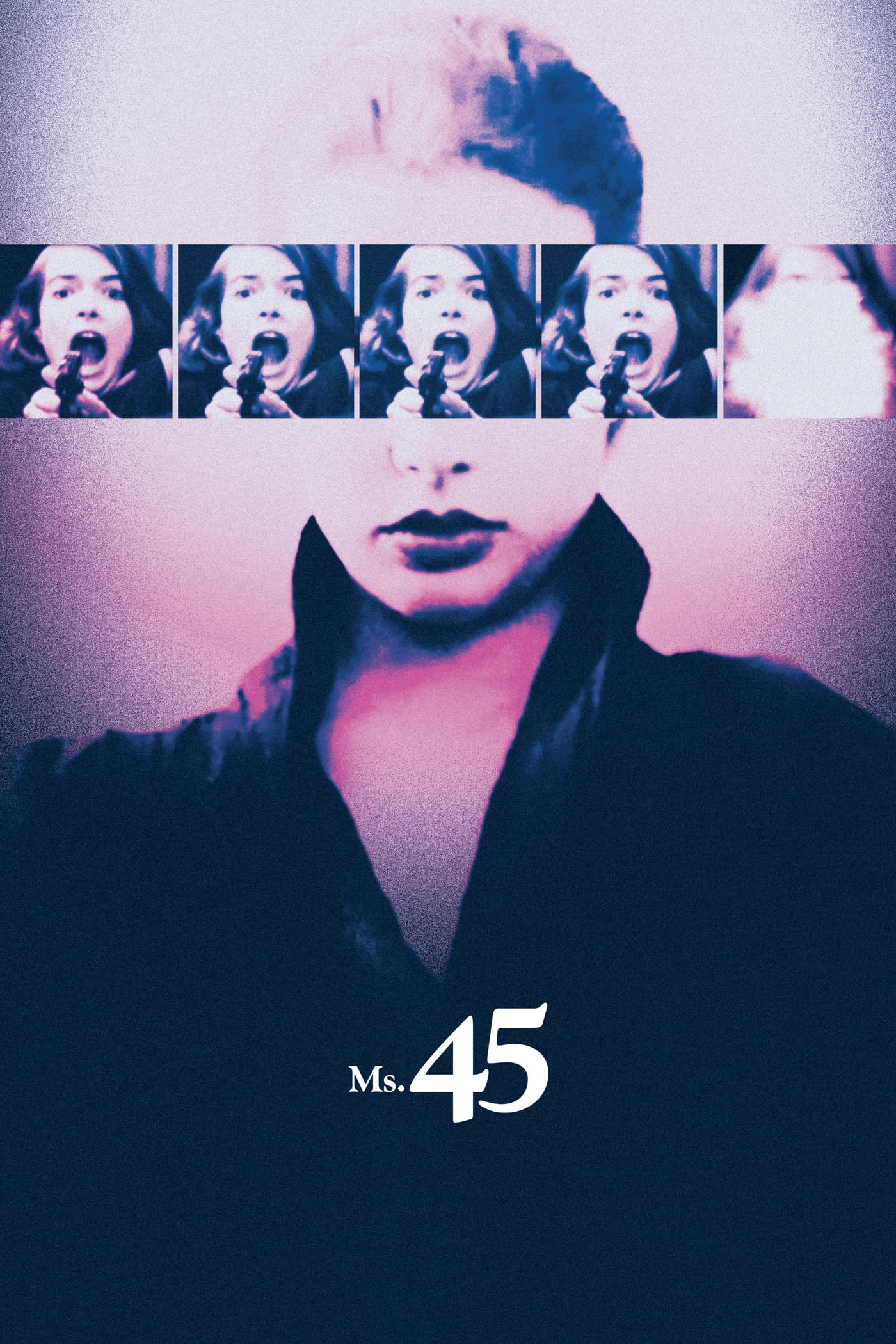
Abel Ferrara directed this New York exploitation thriller starring Zoë Lund as a mute seamstress pushed toward vigilantism. The production shot on Manhattan streets with a small crew and limited permits. Bernard Herrmann’s influence can be heard in Joe Delia’s insistent score. Long unavailable in good quality, it returned through restorations and curated repertory bookings.
‘Tammy and the T-Rex’ (1994)
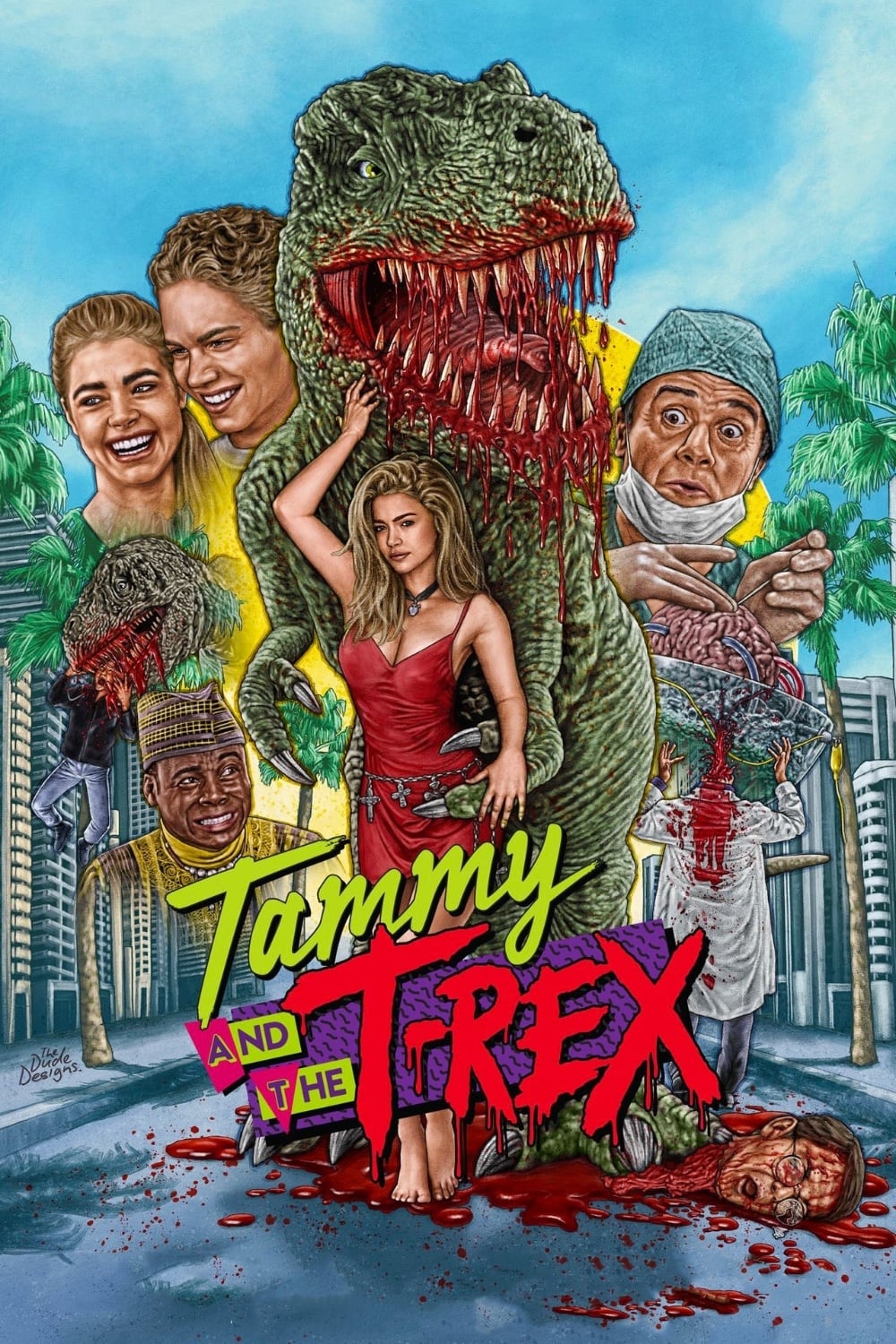
Directed by Stewart Raffill, this teen comedy stars Denise Richards and Paul Walker in an early role. The plot involves a brain transplant into an animatronic Tyrannosaurus built for an amusement attraction. A gorier cut surfaced years later under the original title, which expanded its cult appeal. Festival screenings of the uncut version introduced it to a new generation.
‘Cemetery Man’ (1994)
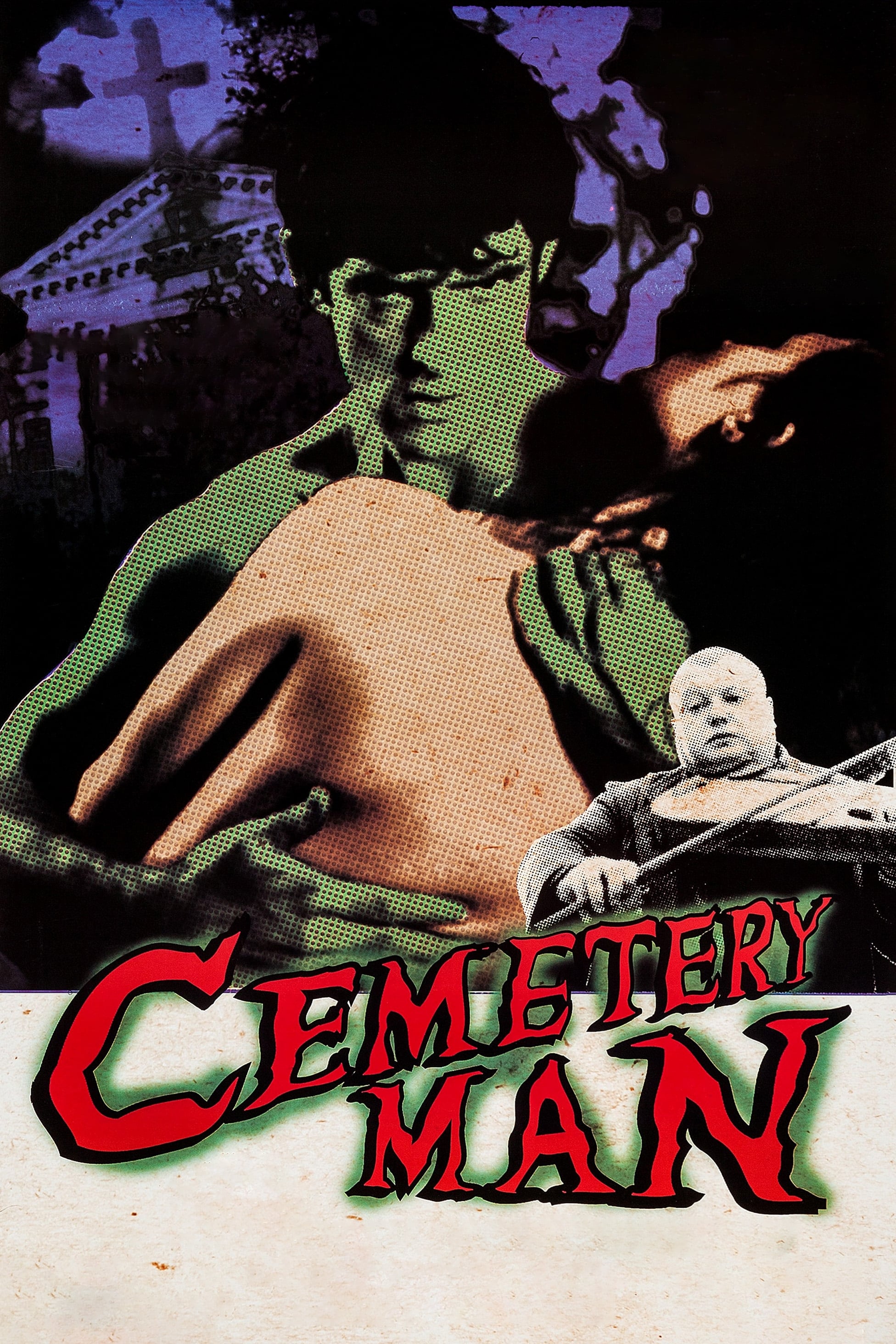
Michele Soavi directed this Italian horror fantasia with Rupert Everett and Anna Falchi. Loosely inspired by the Dylan Dog comics, the film blends cemetery caretaker life with surreal romance. It features location shoots in Italy and a score by Riccardo Biseo that underscores its dreamlike tone. Limited distribution outside Europe helped it grow through import tapes and specialty DVD releases.
‘The Visitor’ (1979)
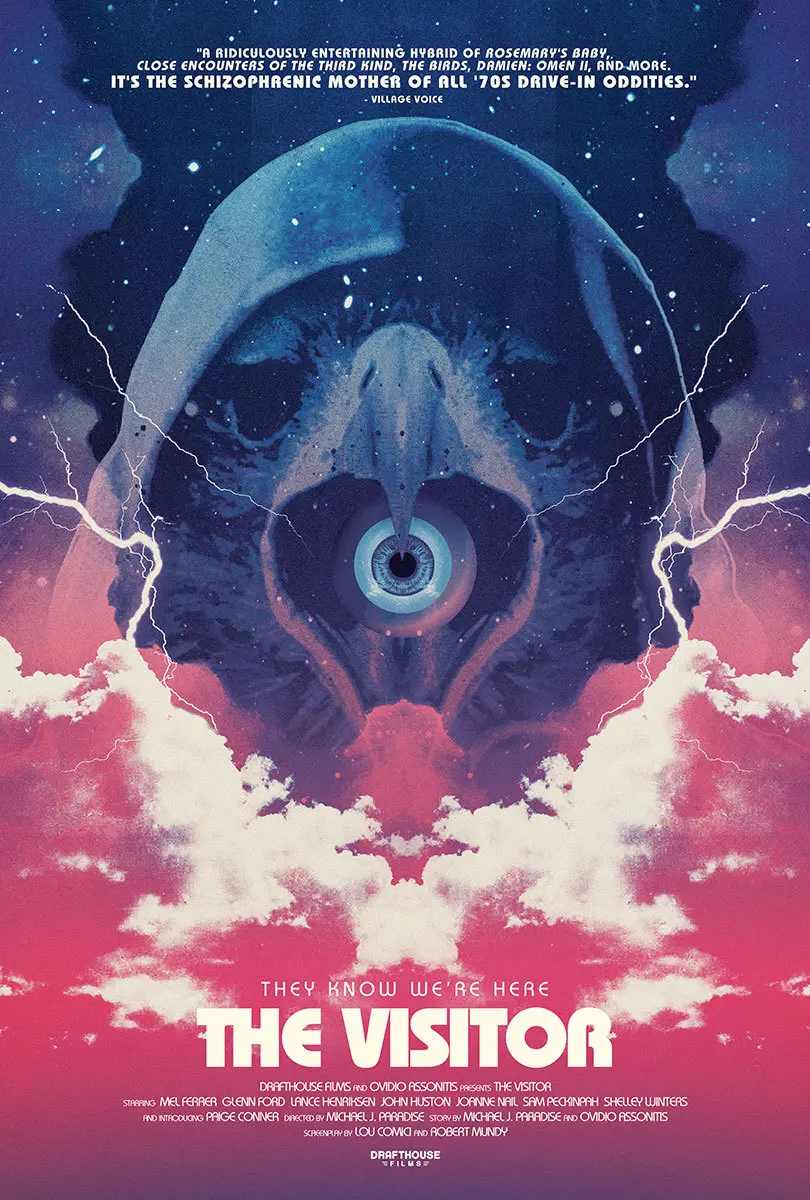
Giulio Paradisi directed this Italian American co-production mixing science fiction and occult themes. The cast includes John Huston, Shelley Winters, Glenn Ford, and Lance Henriksen in crossover roles. It was filmed in Atlanta and Rome, combining local landmarks with studio sets. Rediscovery by specialty distributors brought restored prints to art houses and genre festivals.
‘Riki-Oh: The Story of Ricky’ (1991)
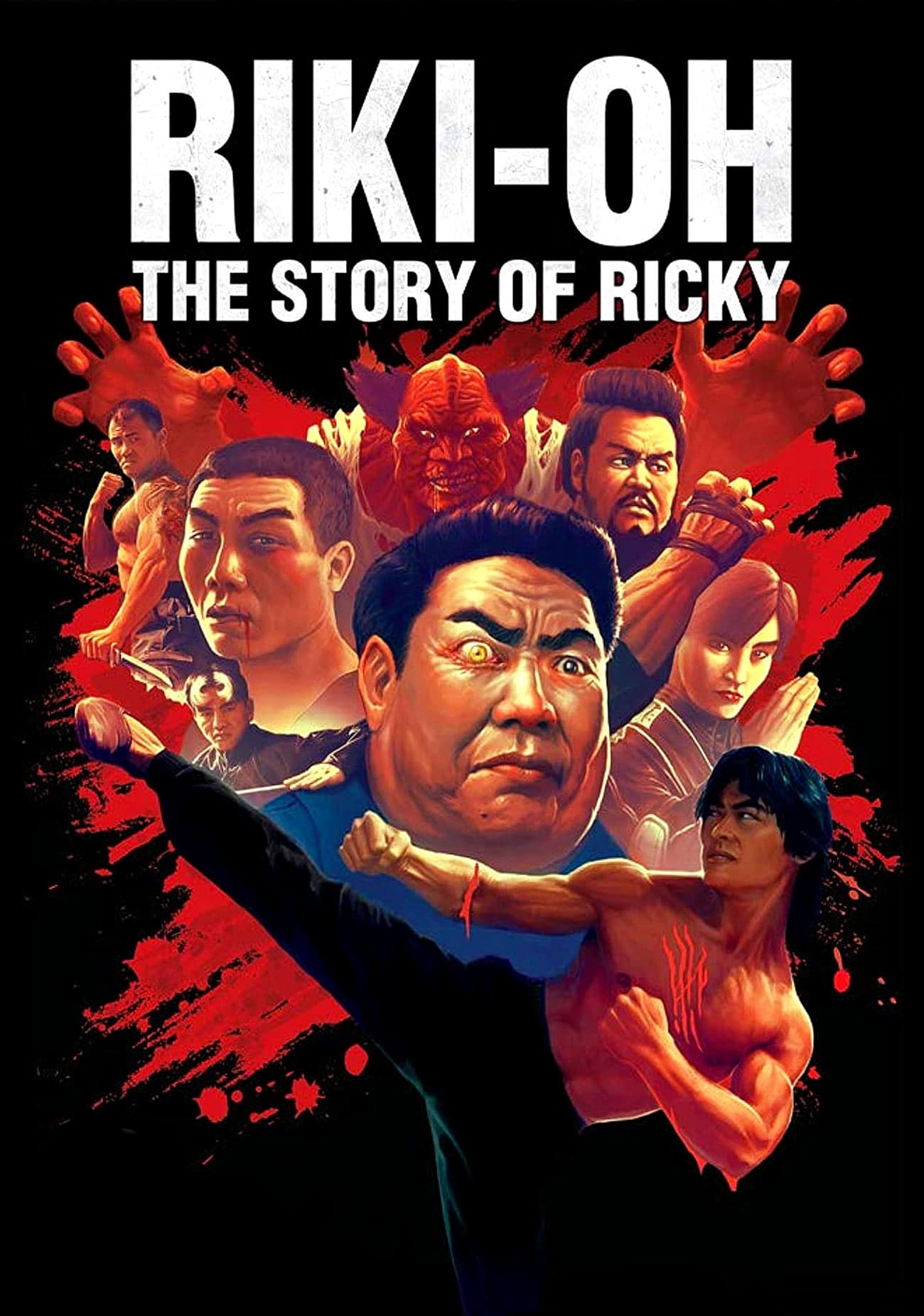
Ngai Choi Lam directed this Hong Kong adaptation of the Japanese manga, starring Fan Siu-wong as a superpowered inmate. Practical effects deliver extreme comic-book violence that mirrors the source material. It was shot on stylized prison sets that allowed for controlled stunt work. Bootlegs and later official releases helped it gain a dedicated international fan base.
‘The Hidden’ (1987)
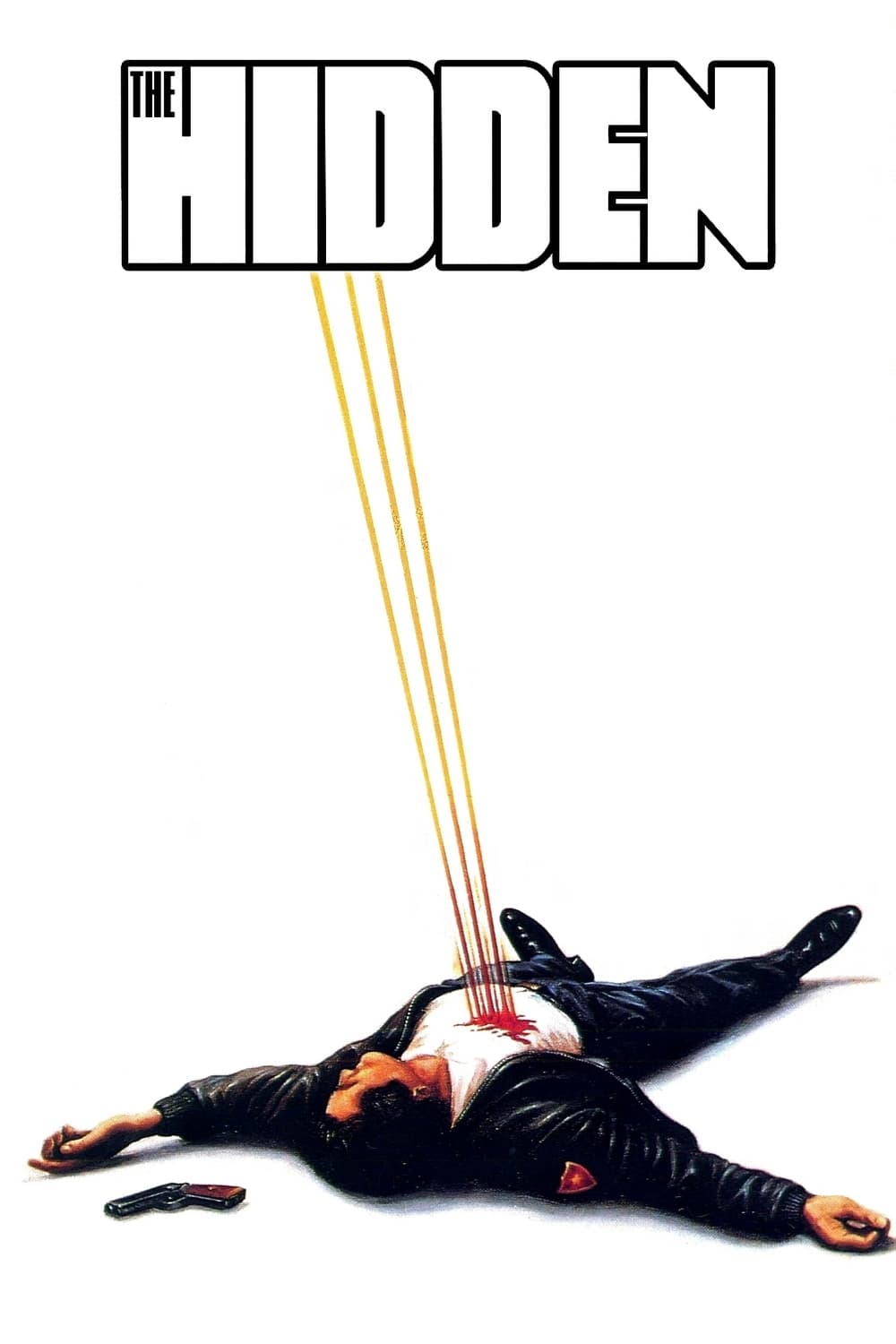
Directed by Jack Sholder, this Los Angeles-set sci-fi thriller pairs Kyle MacLachlan and Michael Nouri as investigators tracking a parasitic criminal. The film combines practical car chases with body-hopping set pieces across real city locations. It was produced by New Line Cinema and opened to solid genre attendance. Cable rotations and VHS rentals kept it in circulation for years.
‘The Super Inframan’ (1975)
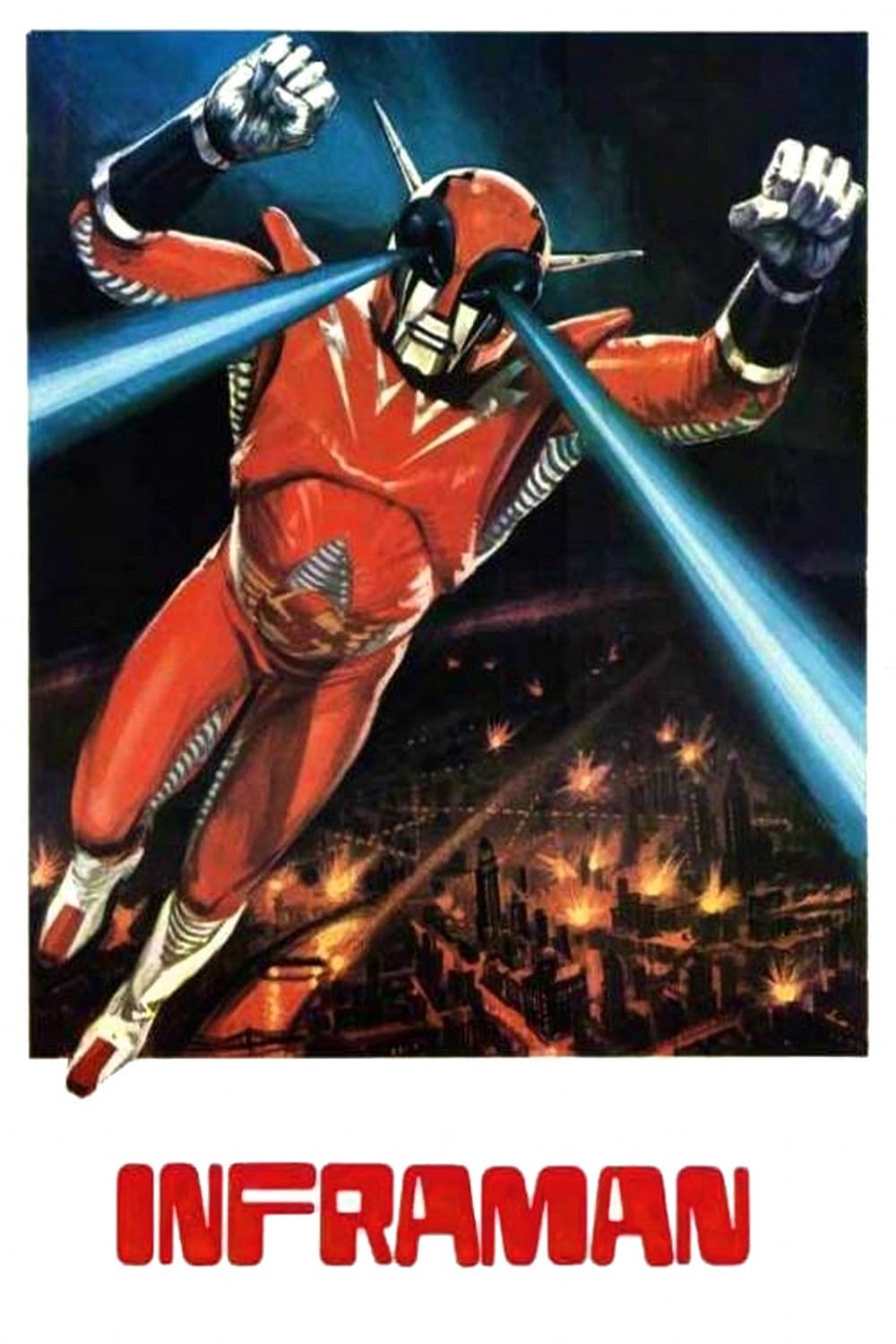
Shaw Brothers Studio produced this colorful tokusatsu adventure directed by Hua Shan. The film stars Danny Lee as a scientist transformed into a cyborg hero battling monstrous invaders. Elaborate rubber suits and miniature effects were built on the studio lot in Hong Kong. International TV packages and cult DVD releases spread its reputation beyond Asia.
‘Pontypool’ (2008)
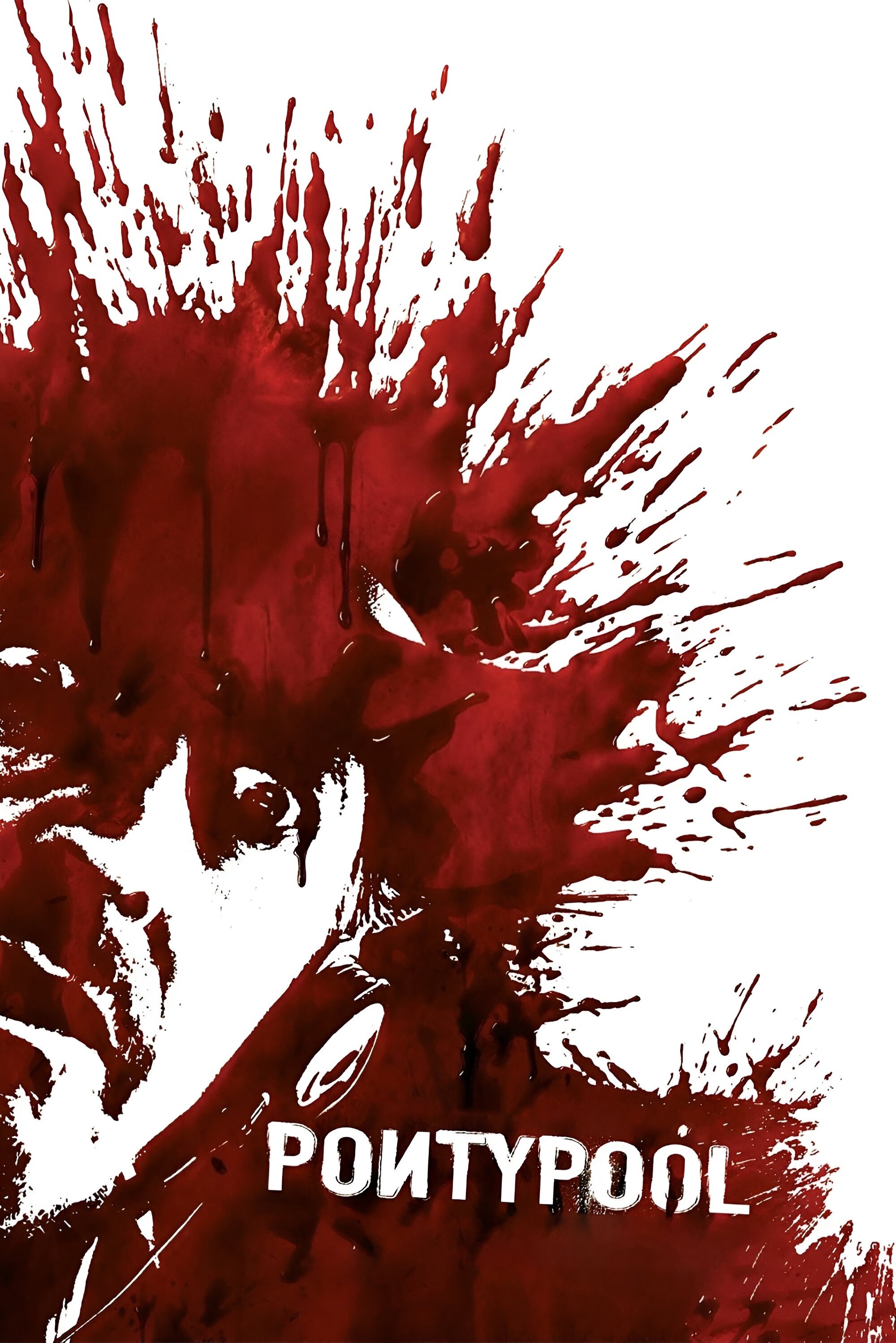
Bruce McDonald directed this Canadian horror film set largely inside a radio station during a linguistic outbreak. Stephen McHattie leads the cast as a talk show host piecing events together through callers and reports. Adapted from Tony Burgess’s novel, it focuses on psychological tension over large-scale action. Festival buzz and word of mouth helped it find a global audience on streaming.
‘Timecrimes’ (2007)
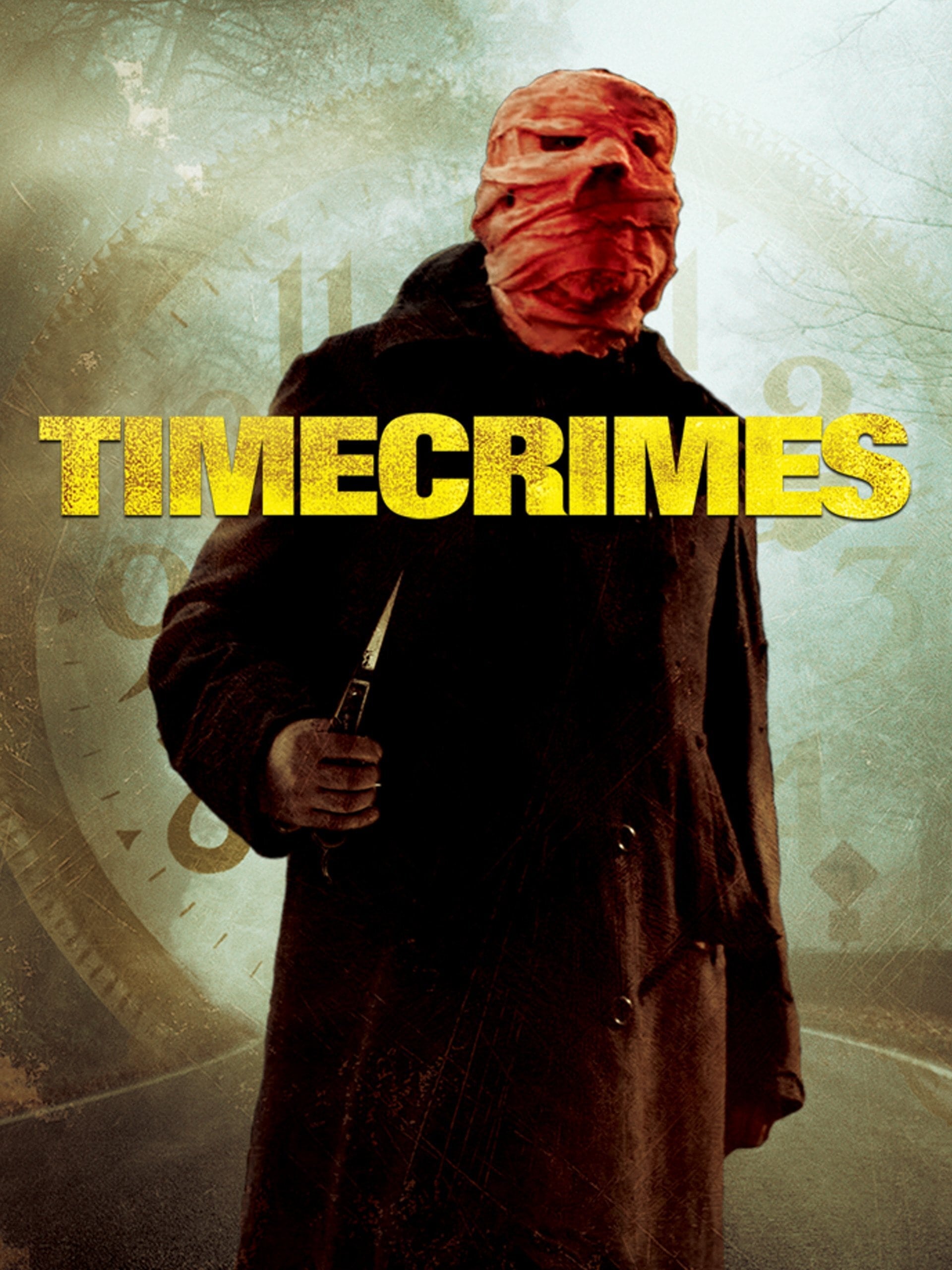
Nacho Vigalondo wrote and directed this Spanish time-loop thriller anchored by Karra Elejalde’s performance. The production used rural locations and a compact cast to manage intricate plotting. Practical makeup and careful blocking keep the multiple timelines readable on screen. Strong festival showings led to international distribution and continued cult interest.
‘The Lair of the White Worm’ (1988)
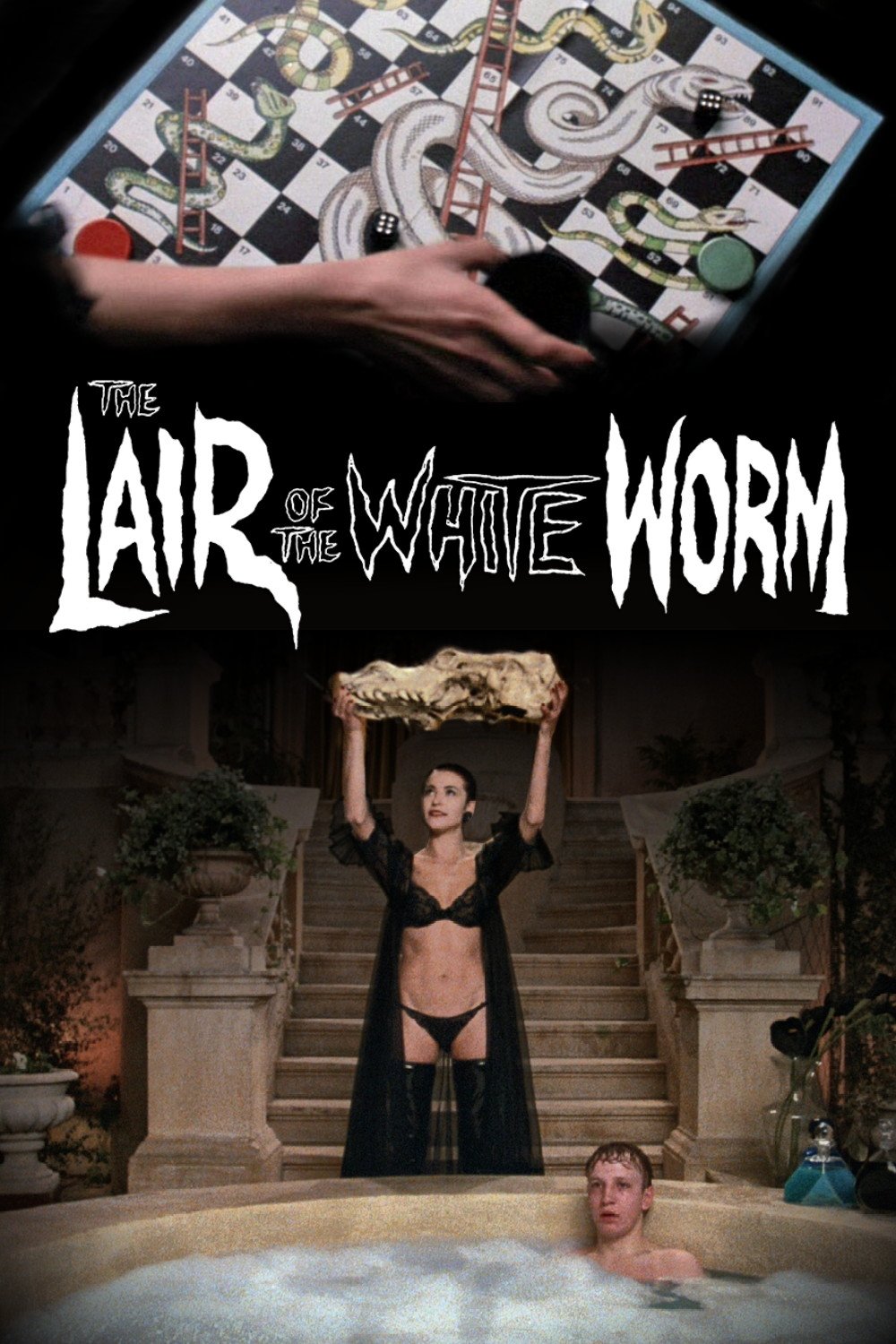
Ken Russell directed this adaptation of Bram Stoker’s novel with Amanda Donohoe and a young Hugh Grant. The film shot in the English Midlands, incorporating local caves and estates as key locations. Its production design foregrounds folk motifs and serpentine imagery throughout the sets and costumes. Cable play and home video introduced it widely after a modest theatrical run.
‘The Keep’ (1983)
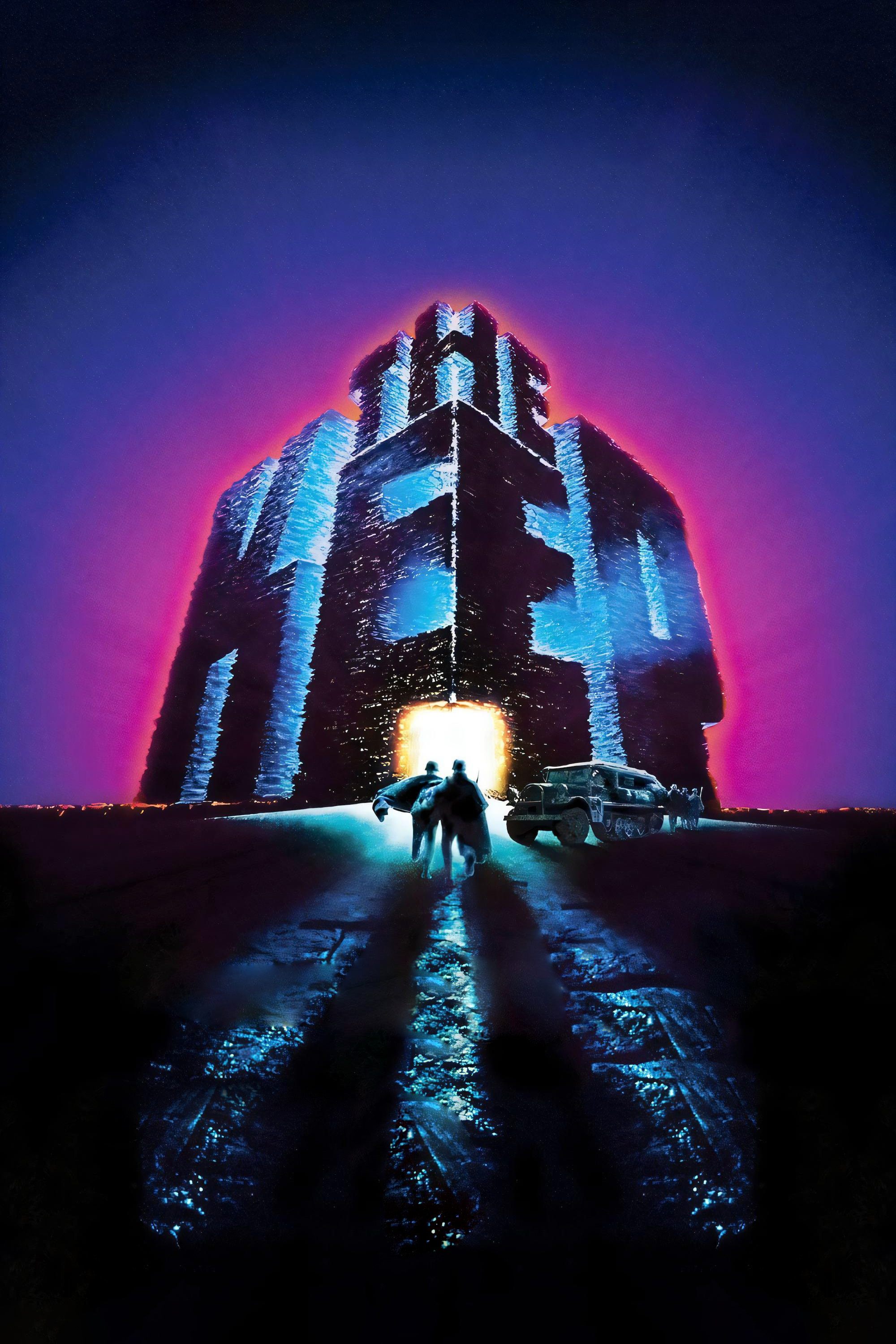
Michael Mann directed this adaptation of F. Paul Wilson’s novel with a cast that includes Scott Glenn and Ian McKellen. The production filmed in Wales and used large-scale sets to depict the Carpathian fortress. Tangerine Dream provided the score that was edited alongside significant changes in post production. A complicated release history and limited home media versions kept it hard to find for years.
‘Ravenous’ (1999)
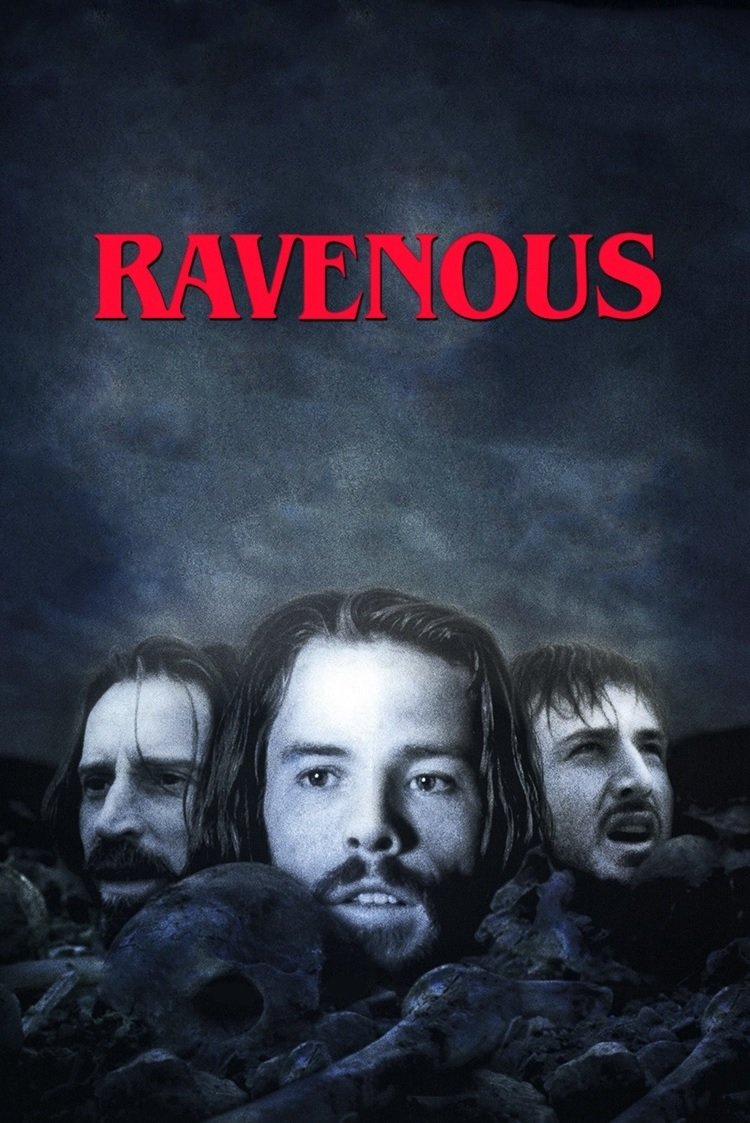
Antonia Bird directed this period cannibal tale set during the Mexican American War with Guy Pearce and Robert Carlyle. The film shot in Slovakia and the Tatra Mountains to stand in for the Sierra Nevada. The score by Damon Albarn and Michael Nyman mixes folk motifs with minimalist cues. Studio changes during production led to reshoots and a new cut that later found its audience on video.
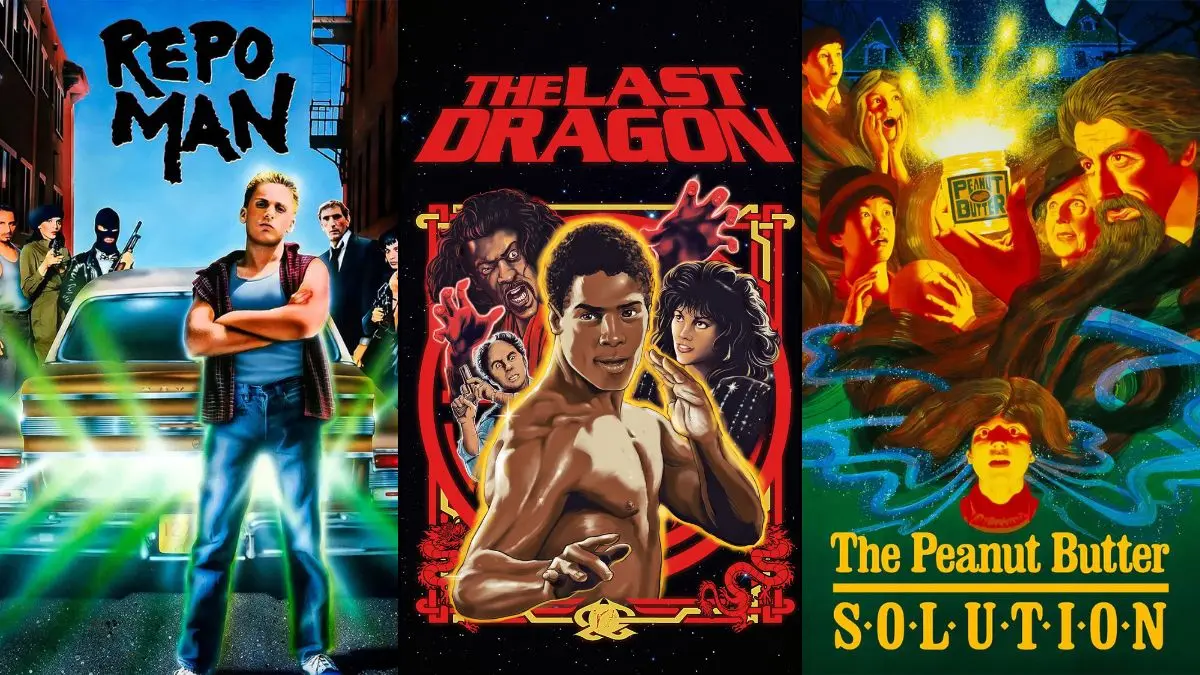
‘Repo Man’ (1984)
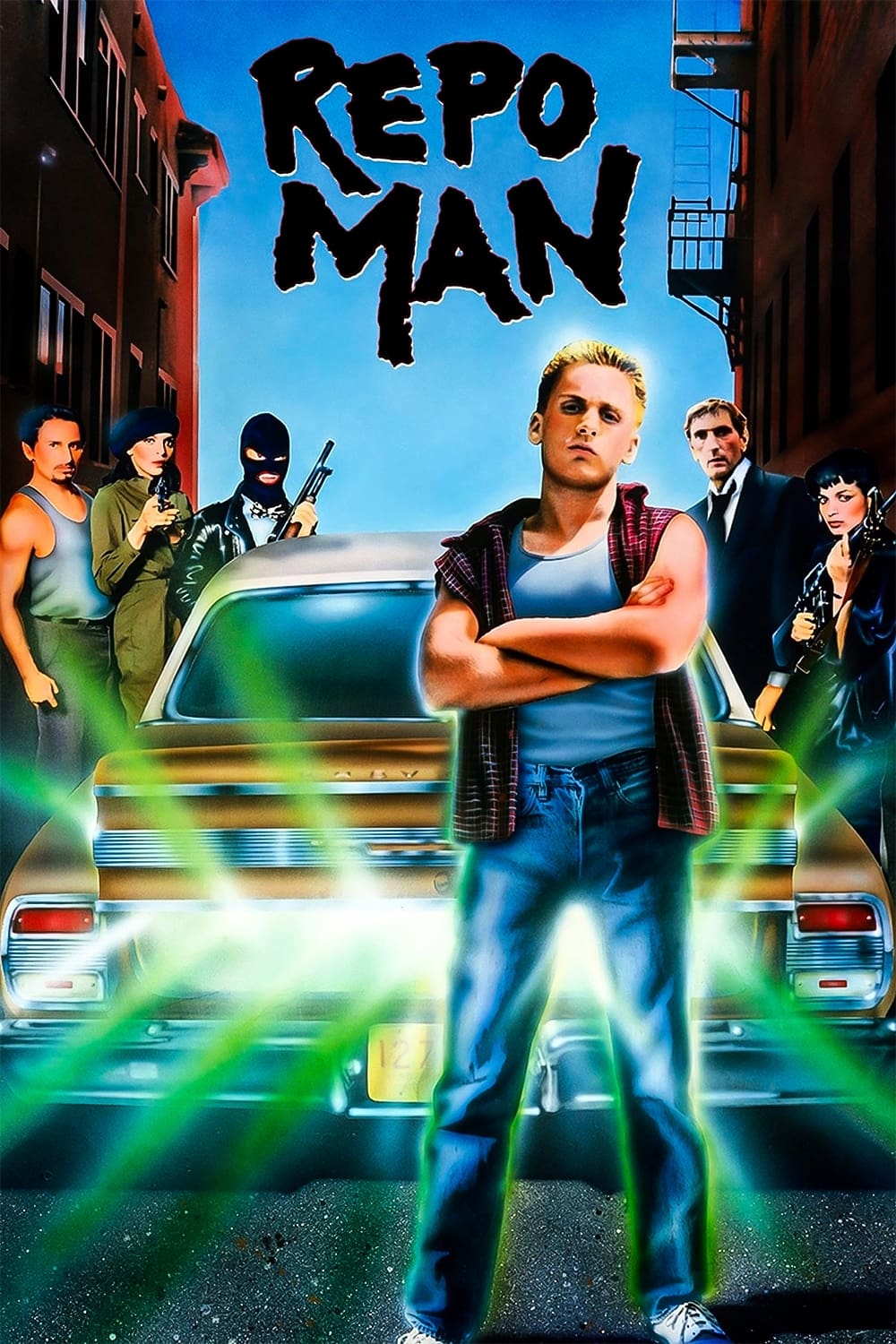
Alex Cox directed this Los Angeles punk sci fi with Emilio Estevez and Harry Dean Stanton. The film was produced by Edge City and released by Universal after a modest test run. Its soundtrack features bands from the local punk scene and became a steady seller. Specialty theaters and college campuses helped the movie grow from small bookings to a lasting cult presence.
‘Streets of Fire’ (1984)

Walter Hill filmed this neon fable on Universal soundstages with a cast led by Michael Paré and Diane Lane. Production design built a rain soaked city using backlot streets and practical effects. The music includes original songs by Jim Steinman that were produced for the film. An initial underperformance at the box office gave way to a long afterlife on cable and video.
‘The Last Dragon’ (1985)
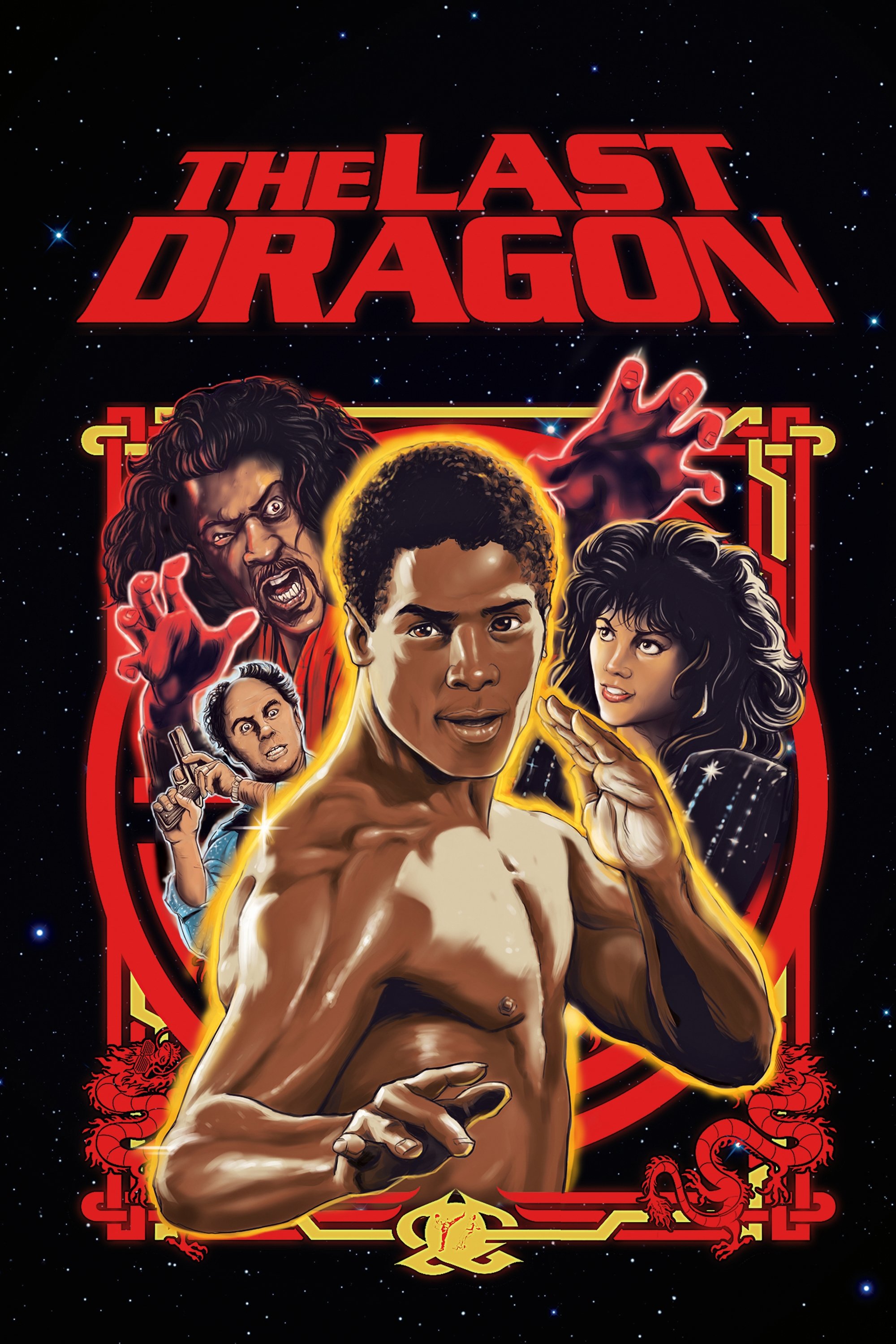
Berry Gordy produced this martial arts musical directed by Michael Schultz. Taimak and Vanity star in a New York story that blends Motown branding with kung fu choreography. The soundtrack features DeBarge and Stevie Wonder alongside original tracks. Repeats on television and home video created a devoted fan base over time.
‘Born in Flames’ (1983)
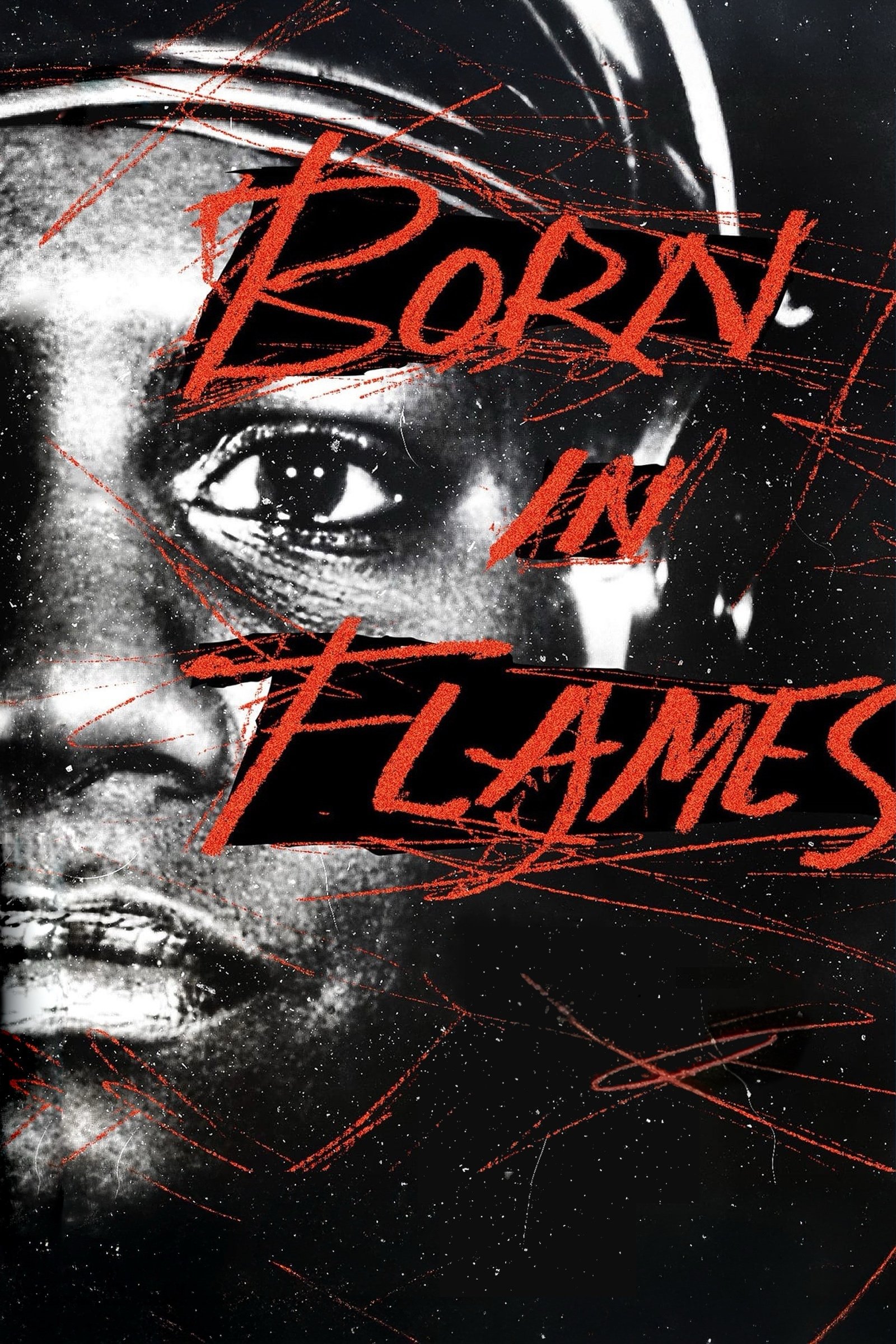
Lizzie Borden wrote and directed this independent feature shot across New York City with a mix of documentary and fiction techniques. The film features radio hosts and activists playing versions of themselves. Production took several years with funding from grants and cooperatives. Festival screenings and classroom use kept it circulating within feminist film discussions.
‘The Adventures of Buckaroo Banzai Across the 8th Dimension’ (1984)

W. D. Richter directed this genre blender with Peter Weller, Ellen Barkin, and John Lithgow. The production used stages and Los Angeles locations to build a comic book style world. Soundtrack contributions and original props helped establish its in universe band identity. A low initial gross was followed by strong tape rentals and fan conventions.
‘Begotten’ (1990)
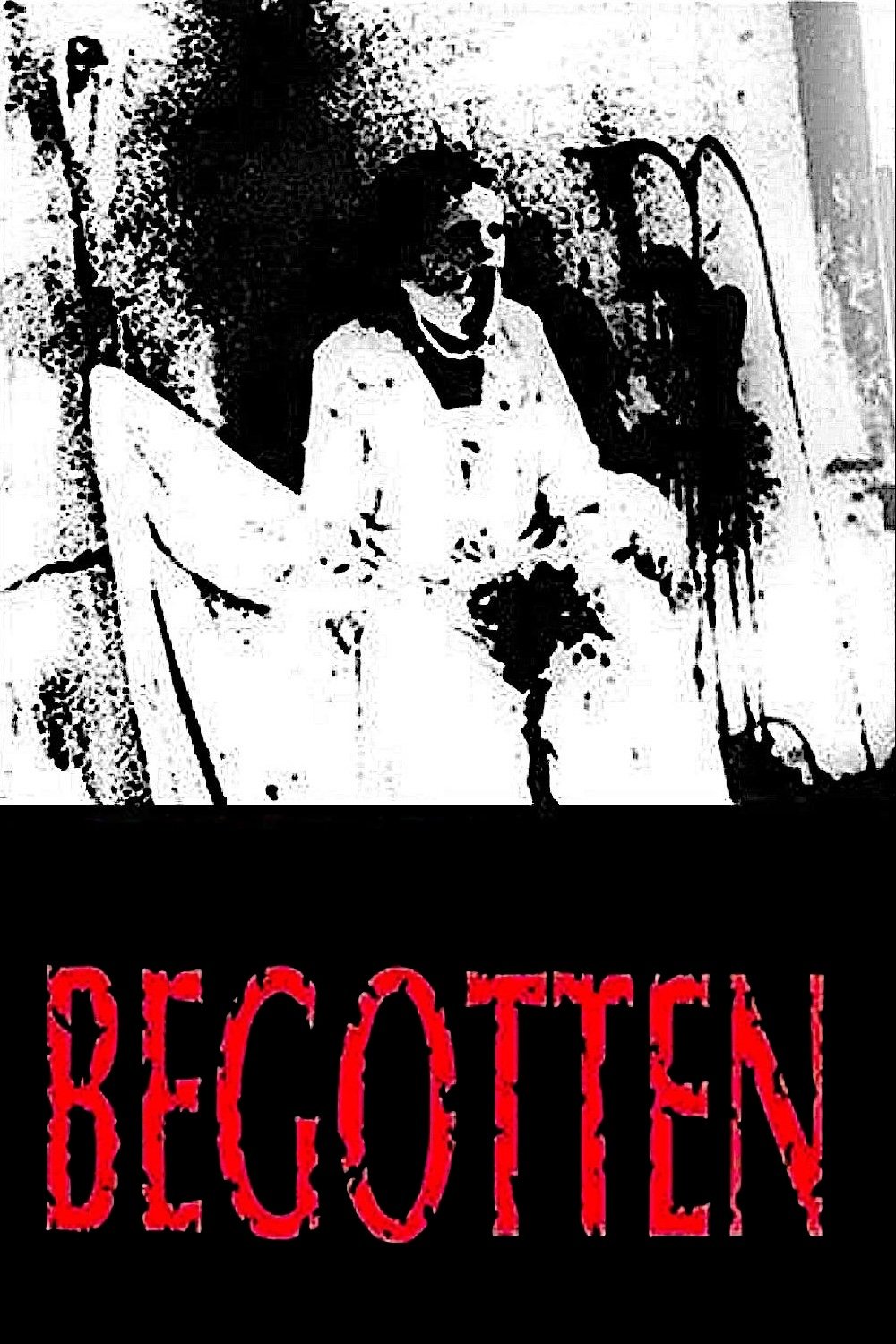
E. Elias Merhige created this experimental feature using high contrast black and white imagery processed through heavy optical work. The film was shot on 16mm over several years with a small crew. Dialogue free storytelling relies on sound design and ritualistic staging. Limited theatrical play and museum screenings gave it an underground reputation.
‘Tetsuo: The Iron Man’ (1989)

Shinya Tsukamoto wrote, directed, and starred in this industrial body horror shot in Tokyo. The production used stop motion and rapid editing to animate metal transformations. A micro budget and tight interiors pushed the team toward inventive practical effects. Genre festivals in Europe and North America introduced the film to international audiences.
‘Santa Sangre’ (1989)
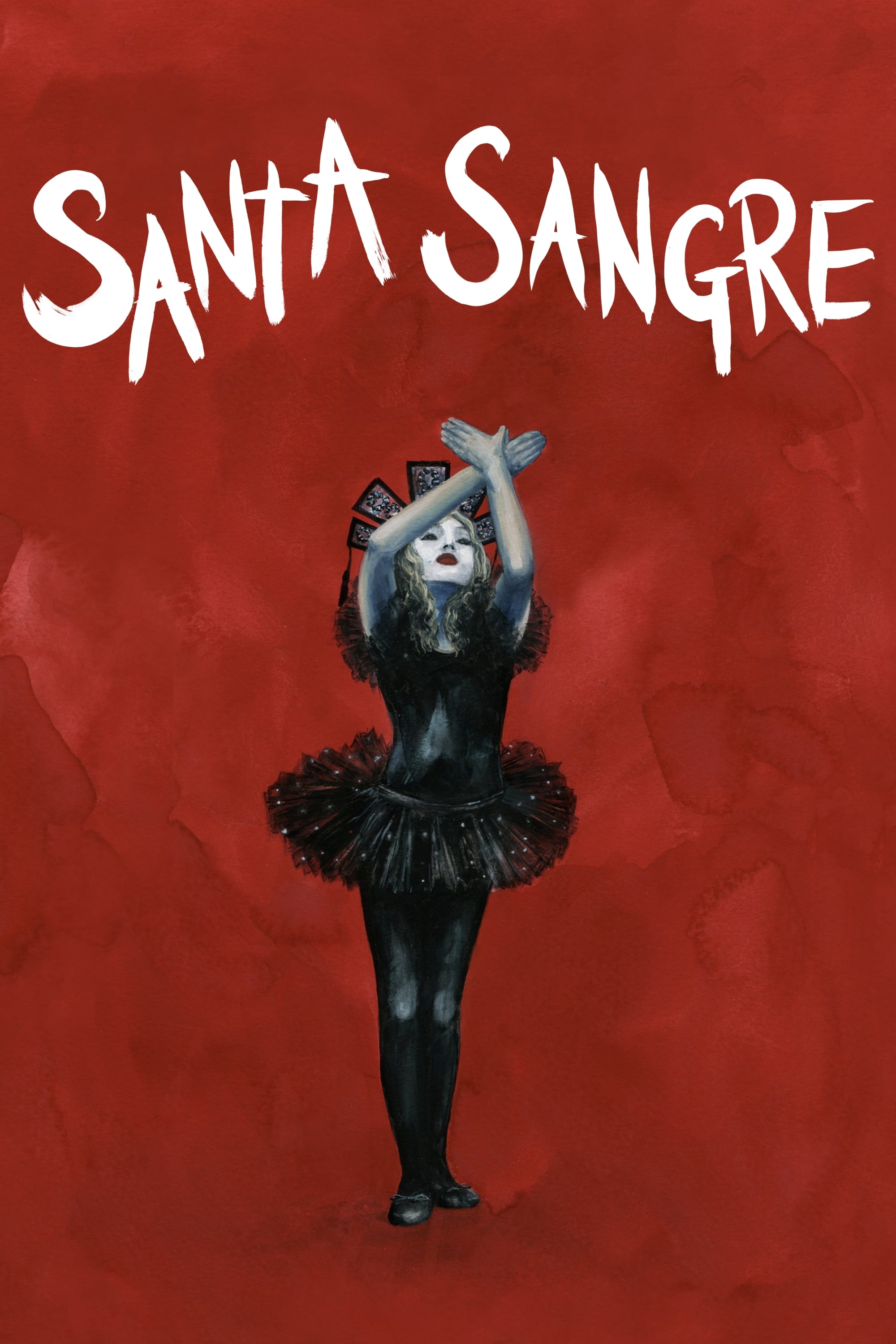
Alejandro Jodorowsky directed this Mexico City production with Axel Jodorowsky and Blanca Guerra. The film was backed by Claudio Argento and uses circus performers and real urban locations. Music by Simon Boswell anchors the dreamlike structure with thematic cues. After specialty releases in the early 1990s it returned through restorations and curated box sets.
‘The Fall’ (2006)
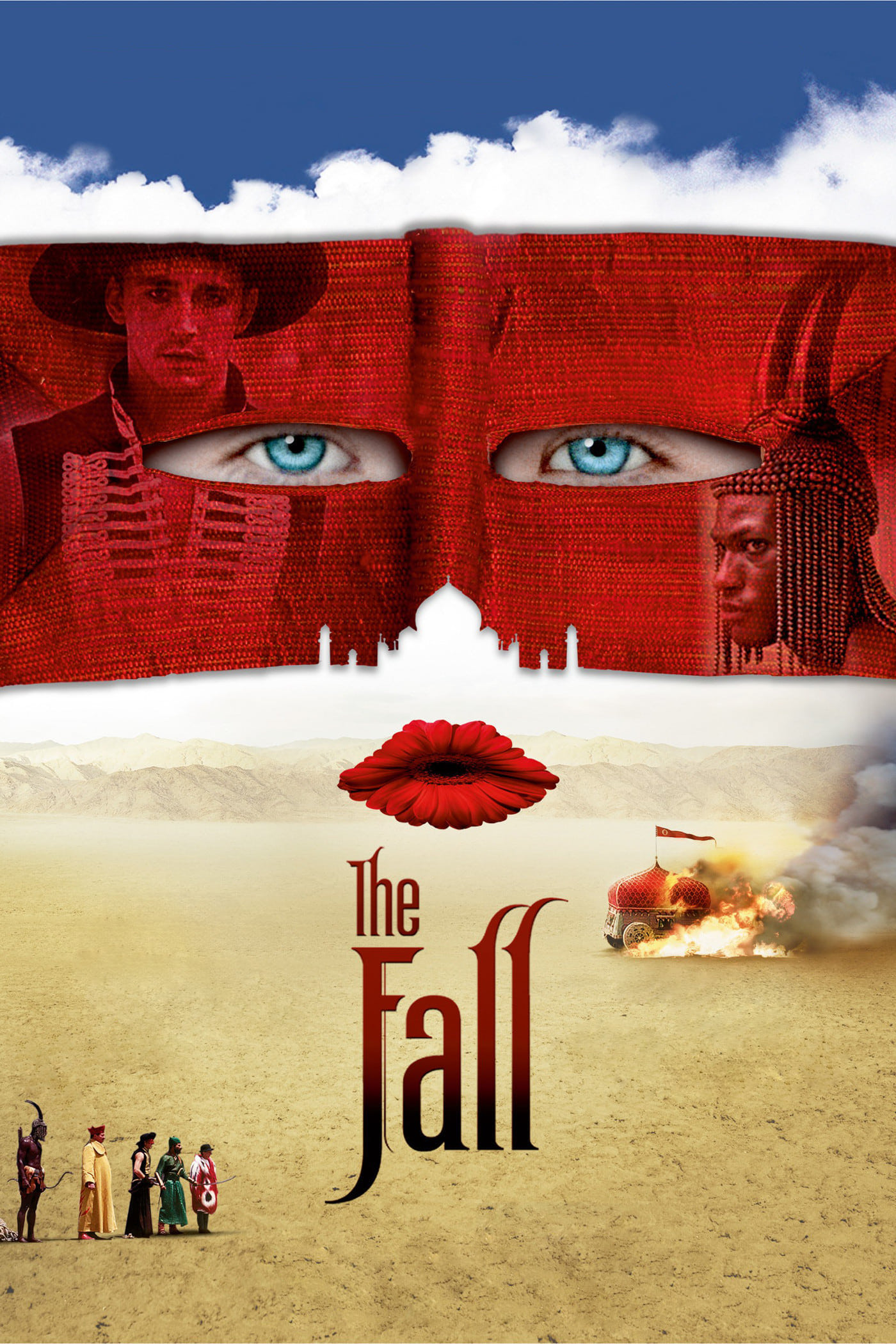
Tarsem Singh filmed this fantasy across more than twenty countries using minimal digital effects. Lee Pace and Catinca Untaru lead a story framed by a hospital production that blends with epic vistas. The director self financed portions and relied on international crews and permissions. Film festival premieres and word of mouth built a slow but steady following.
‘The Color of Pomegranates’ (1969)
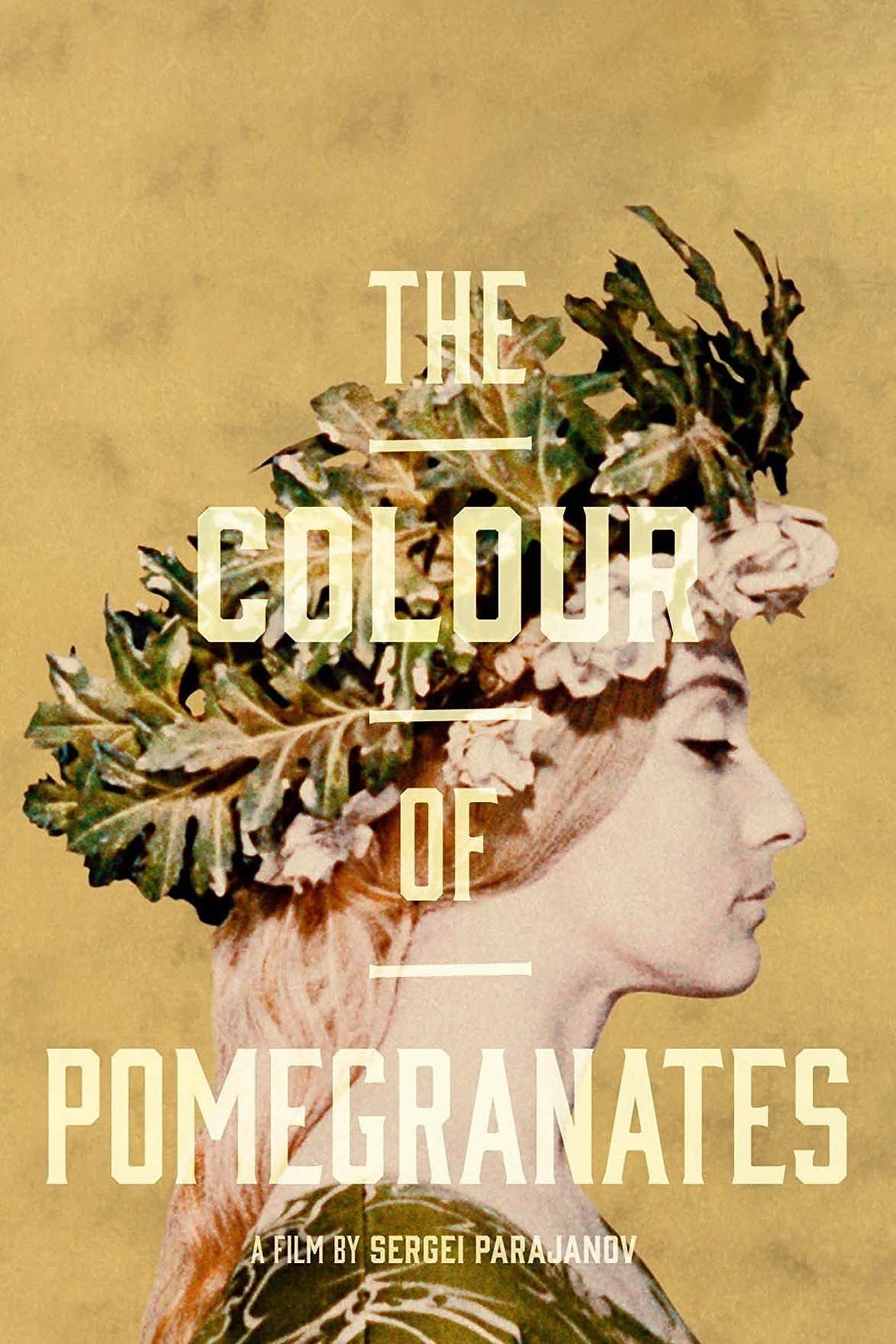
Sergei Parajanov directed this Armenian language feature about the poet Sayat Nova. The production uses tableaux and symbolic objects rather than conventional plot. State censorship shaped the release versions that circulated for decades. Later restorations reconstructed the intended structure and brought it back to cinematheques.
‘On the Silver Globe’ (1988)

Andrzej Żuławski began this science fiction epic in the 1970s before a state halt shut down production. He returned in the late 1980s to assemble footage and added contemporary narration to bridge missing scenes. The film uses large scale sets and Polish coastal locations for alien landscapes. Festival screenings after completion gave it international visibility.
‘The Endless’ (2017)
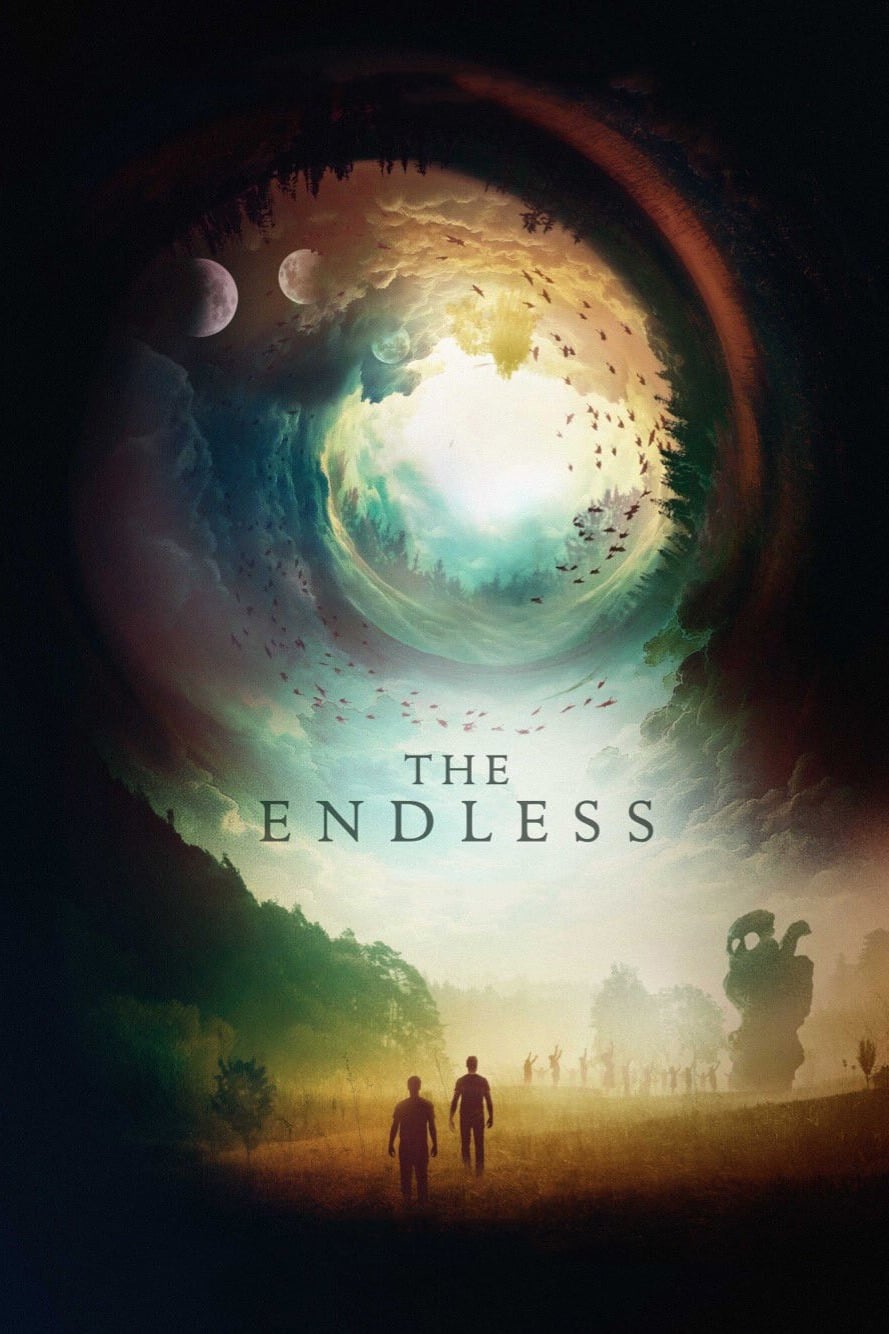
Justin Benson and Aaron Moorhead directed and starred in this indie science fiction story set at a remote camp. The movie was shot around Southern California with a small crew and shared resources from their earlier work. Practical effects and careful sound design convey cosmic events on a limited budget. Genre festivals led to a platform release and steady streaming discovery.
‘The Vast of Night’ (2019)
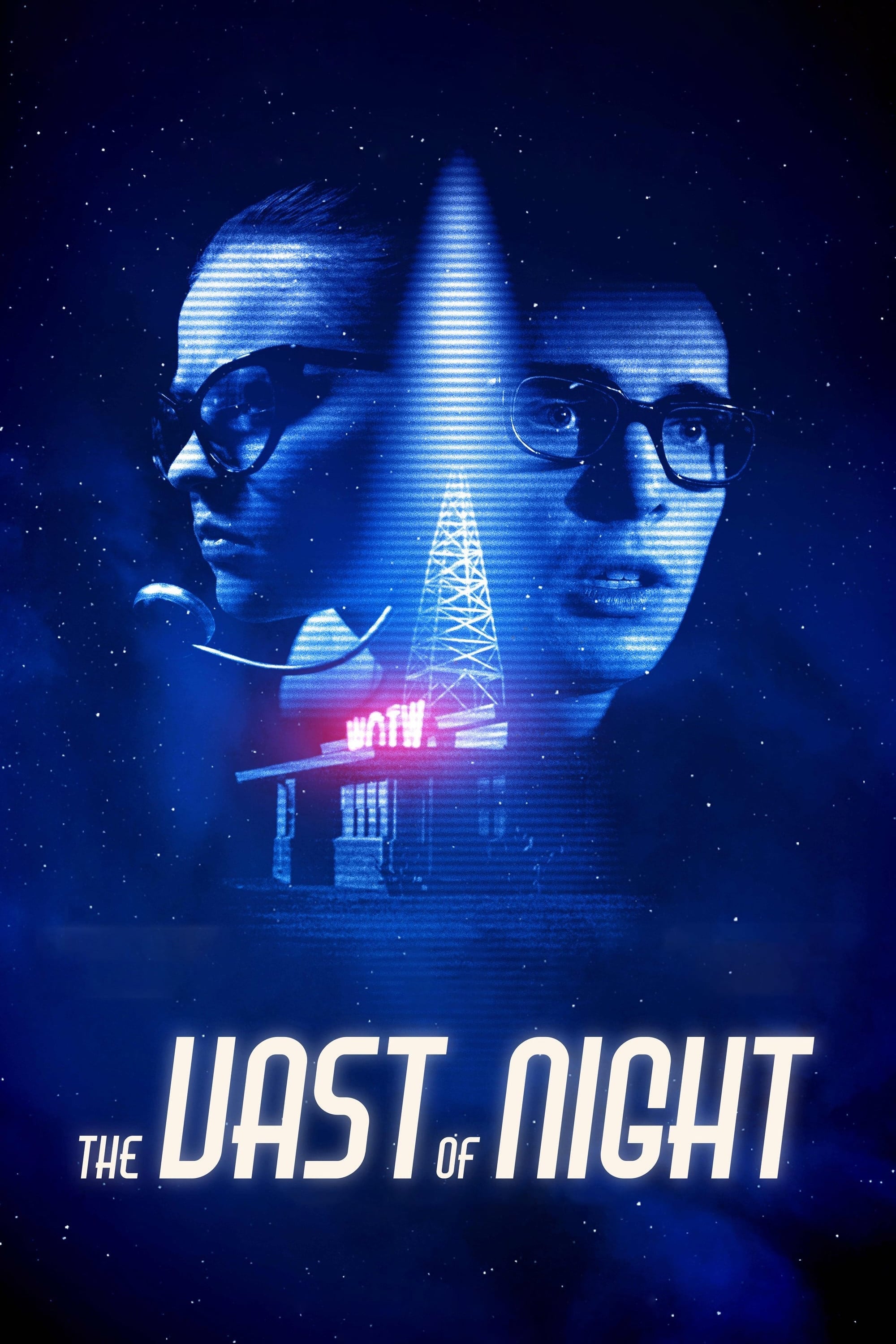
Andrew Patterson directed this 1950s set mystery filmed in Texas towns including Whitney and Hillsboro. Long takes and analog switchboard choreography were rehearsed extensively with the leads Sierra McCormick and Jake Horowitz. The production used period correct props and community locations to control costs. A prize winning festival run preceded a streaming debut that expanded its audience.
If you’ve got a favorite under-the-radar cult film that deserves more love, drop your pick in the comments so everyone can check it out.