Every ‘Matrix’ Movie Ranked from Worst to Best

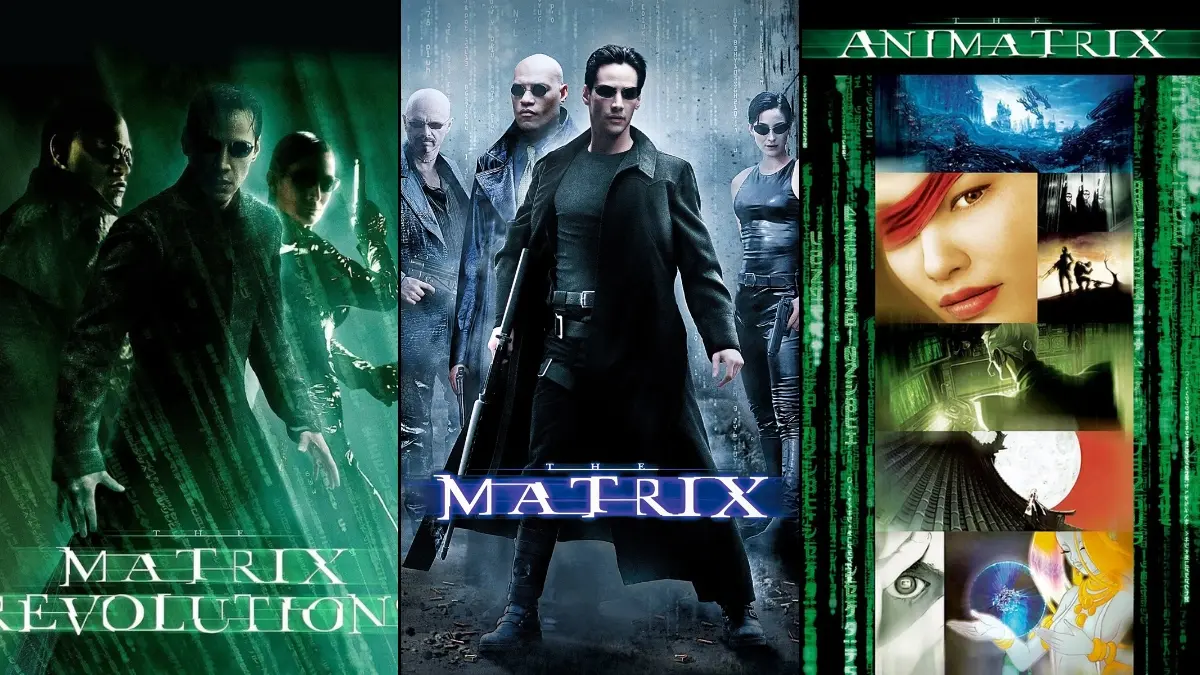

Whether you first took the red pill in a theater or discovered Zion at home, the ‘Matrix’ saga spans groundbreaking cinema, dense lore, and a web of tie-ins that connect human rebels, sentient machines, and simulated reality. Below is a countdown of every ‘Matrix’ film, including the animated anthology that expands the canon, with quick-hit context on who made each entry, what it covers in the story, and how it landed at the box office or in release history. Ready to dodge some info-dumps like bullet-time? Let’s jack in.
‘The Matrix Resurrections’ (2021)
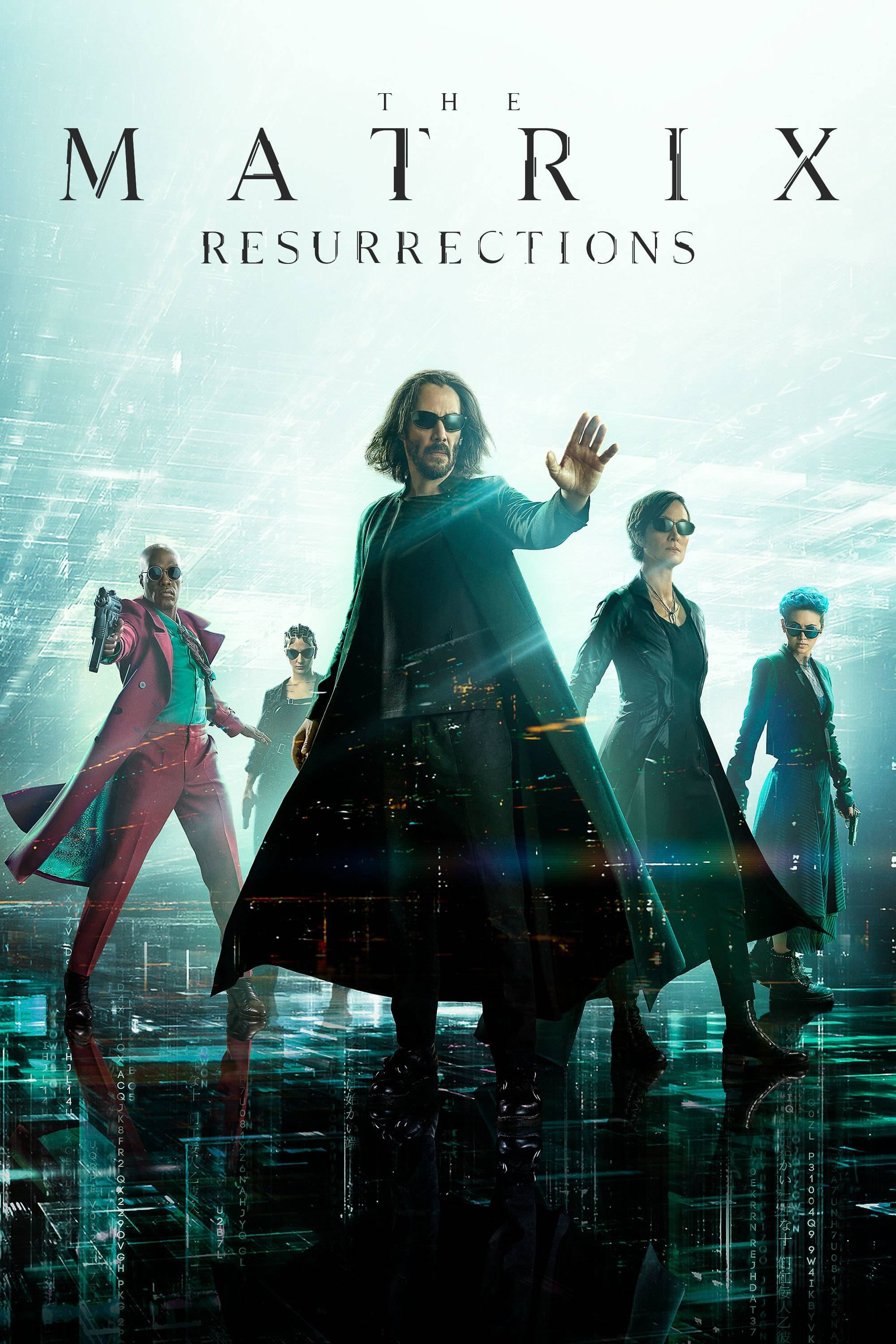
Directed by Lana Wachowski, this fourth installment revisits Thomas Anderson in San Francisco as familiar patterns draw him toward the truth behind his reality, with Keanu Reeves and Carrie-Anne Moss returning alongside Yahya Abdul-Mateen II, Jessica Henwick, Jonathan Groff, and Neil Patrick Harris. It premiered at the Castro Theatre and opened with a hybrid rollout—simultaneous theatrical release and a 30-day window on HBO Max in the U.S. as part of Warner Bros.’ pandemic strategy. The production reunited long-time collaborators, including composers Tom Tykwer and Johnny Klimek, and was distributed globally by Warner Bros. Pictures. Worldwide grosses totaled about $160 million, and early streaming metrics reported millions of U.S. households sampling it during opening week.
‘The Matrix Revolutions’ (2003)
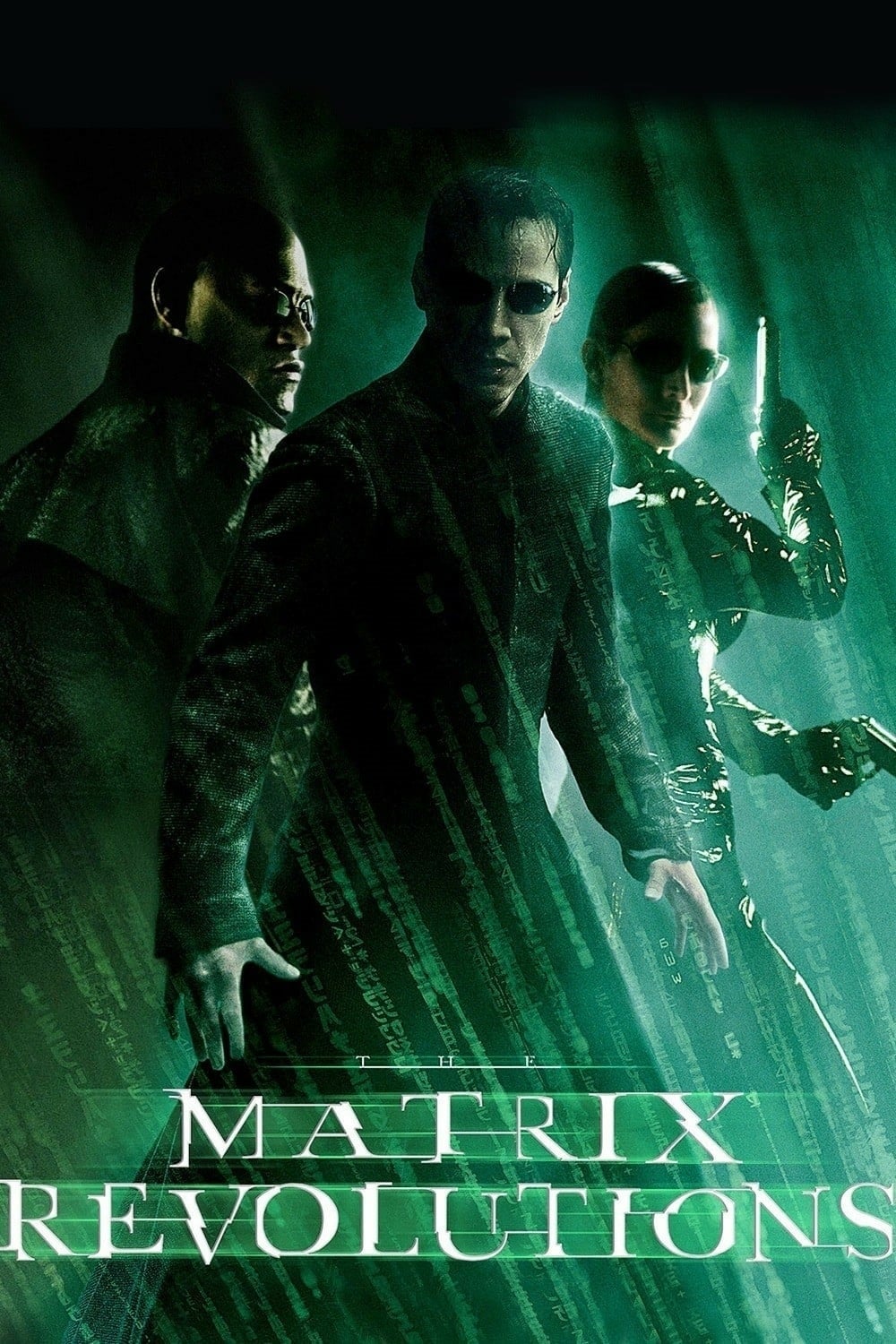
Written and directed by the Wachowskis, this chapter concludes the original trilogy by intercutting the siege of Zion with Neo’s path toward a final confrontation with Agent Smith; principal cast includes Keanu Reeves, Laurence Fishburne, Carrie-Anne Moss, Hugo Weaving, Jada Pinkett Smith, and Mary Alice as the Oracle. It made industry history with a same-day global rollout across more than 100 territories and was the first live-action feature to debut simultaneously in IMAX and standard formats. The film earned over $427 million worldwide and logged one of the strongest international five-day openings at the time. Cinematographer Bill Pope and editor Zach Staenberg returned, maintaining continuity in the trilogy’s look and cutting style.
‘The Matrix Reloaded’ (2003)
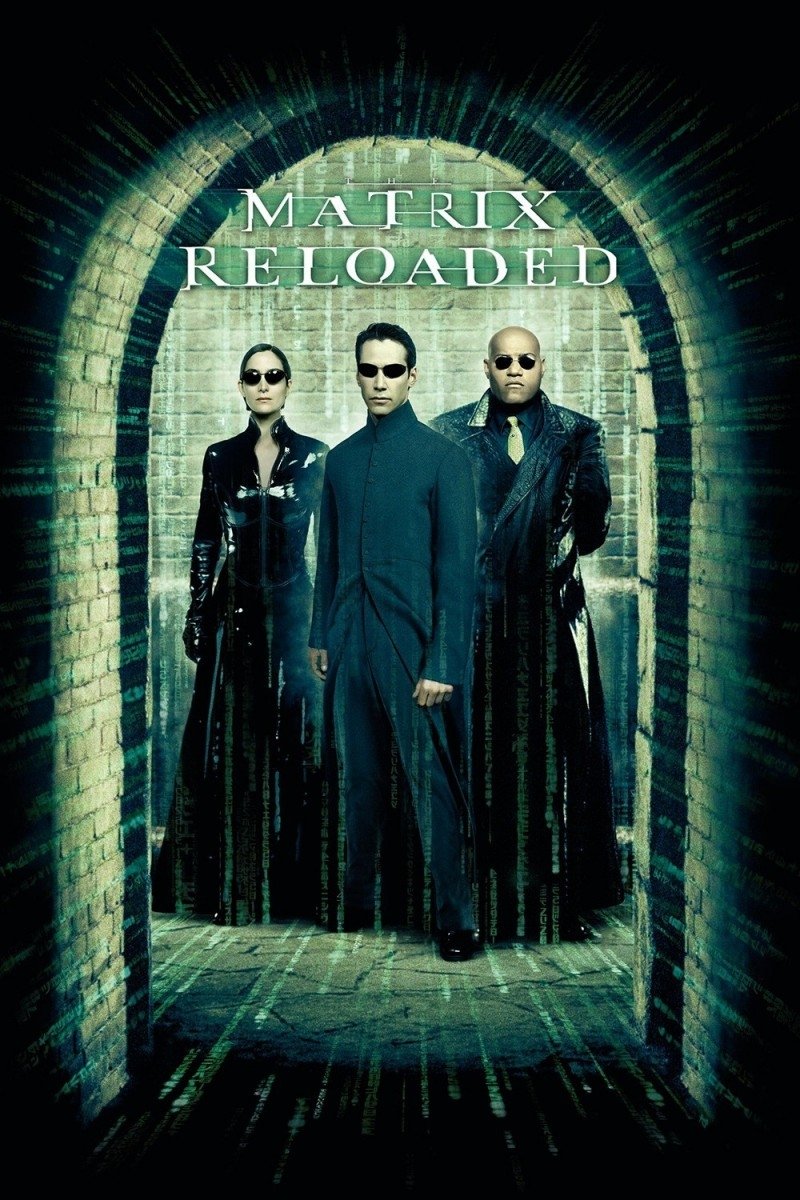
The Wachowskis continued the saga with Neo, Morpheus, and Trinity racing to reach the Source as Zion braces for a machine onslaught; the film added Jada Pinkett Smith and Lambert Wilson to the ensemble. Produced by Joel Silver and shot by Bill Pope, the production staged large-scale set pieces including the Freeway Chase and the Chateau fight, supported by extensive practical builds and visual-effects work. Distributed by Warner Bros. Pictures, it became the franchise’s highest-grossing entry with global box office of roughly $742 million. Don Davis returned to score, blending orchestral writing with percussion-heavy electronics that carry over musical motifs from the first film.
‘The Animatrix’ (2003)
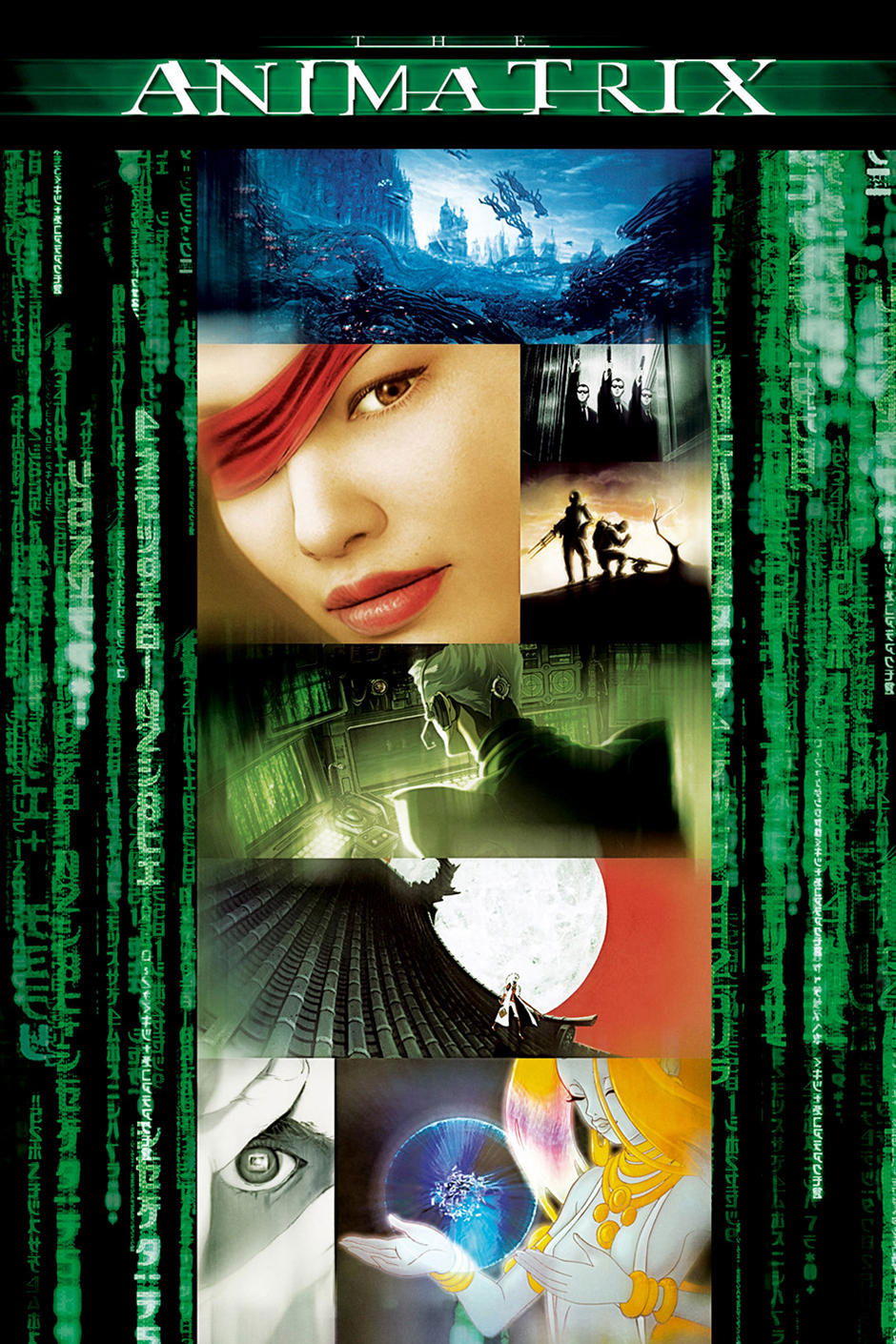
This anthology expands the universe with nine animated shorts from directors such as Shinichirō Watanabe, Yoshiaki Kawajiri, Peter Chung, and Mahiro Maeda, with the Wachowskis overseeing the project. Studios including Studio 4°C, Madhouse, Square Pictures, and others contributed distinct visual styles, from CG to hand-drawn animation, while Don Davis and additional artists provided music across segments. Several shorts bridge narrative gaps—‘Final Flight of the Osiris’ tees up events before ‘The Matrix Reloaded,’ and ‘The Second Renaissance’ chronicles the rise of the machines and the fall of human civilization. Initially released online and in theaters as individual pieces, the complete set arrived on home video with behind-the-scenes featurettes and later aired on Adult Swim and Toonami.
‘The Matrix’ (1999)
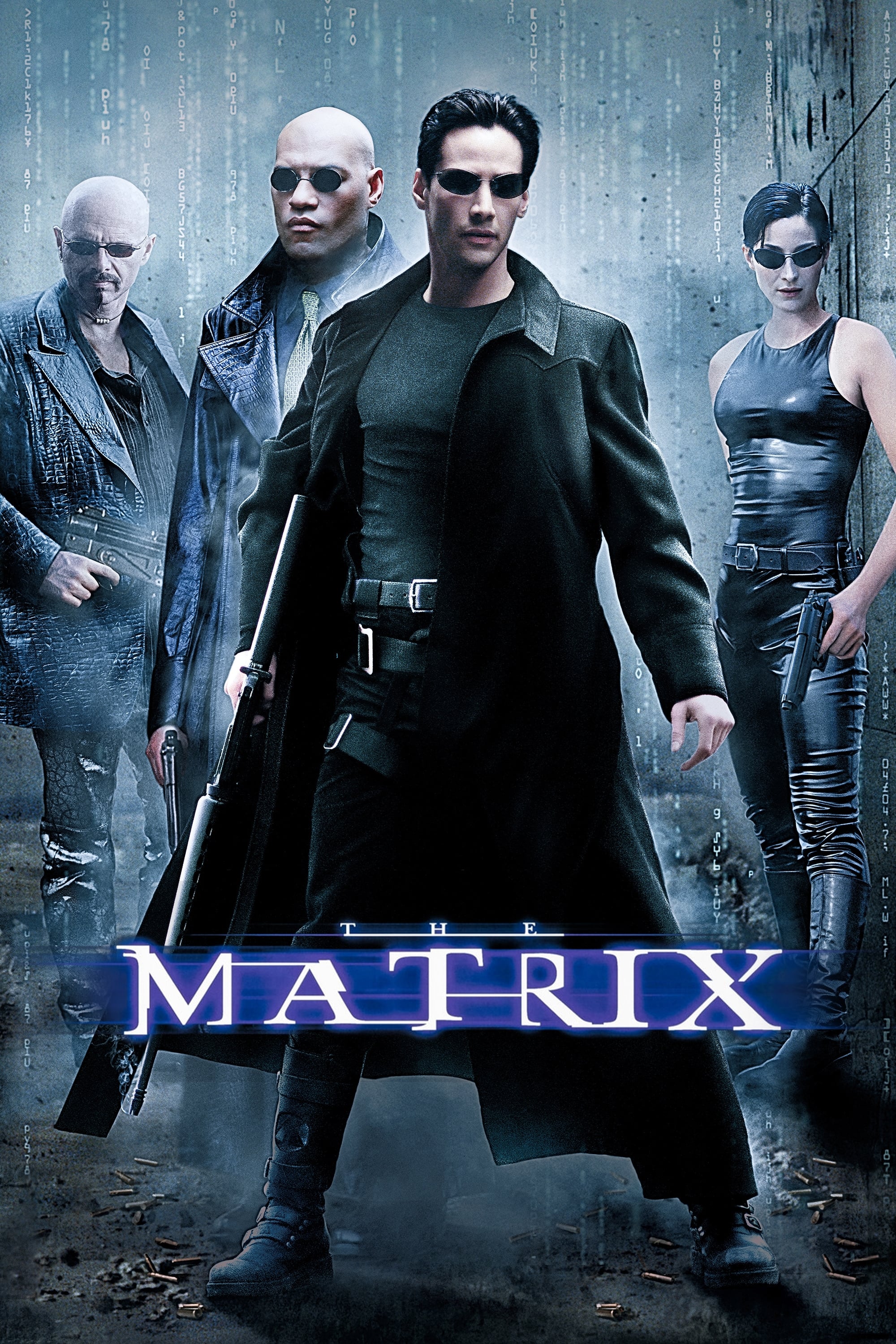
Written and directed by the Wachowskis and produced by Joel Silver, the original film follows hacker Neo’s awakening to a simulated reality and recruitment by Morpheus and Trinity to fight sentient machines. The production popularized bullet-time photography, fused Hong Kong-inspired wire-fu with cyberpunk aesthetics, and drew on philosophical themes from simulacra to free will. It was a global hit, grossing over $460 million, and won four Academy Awards—Visual Effects, Film Editing, Sound, and Sound Effects Editing—cementing its technical and cultural impact. In 2012, it was selected for preservation in the U.S. National Film Registry for being “culturally, historically, and aesthetically significant.”
Got your own order after your latest rewatch? Drop your picks in the comments and tell us why!